 WhatsApp
 Emergency:
  WhatsApp







Subscribe to our

Pregnancy-related dengue fever is a critical medical issue that needs to be addressed immediately and with particular treatment. Pregnant women who have been infected with this virus are at risk of not only the well being of themselves, but also the developing child. If you are seeking expert care, finding the right hospital in Noida for dengue in pregnancy and getting timely dengue treatment in Noida for pregnant women can significantly improve outcomes. This blog discusses dengue fever in pregnancy, pregnancy and dengue symptoms, early signs of dengue in pregnancy, potential pregnancy complications from dengue, and safe dengue treatment during pregnancy.
For continuous monitoring of you and your baby during dengue, schedule your hospital assessment in Noida at +91 96670 64100.
Dengue is a viral disease transmitted by mosquitoes and caused by dengue virus that may vary in nature between mild fever to life threatening diseases such as dengue hemorrhagic fever and dengue shock syndrome. Both pregnancy and disease raise complications in diagnosis and treatment of dengue with physiological changes. The change in immune system and accrual of blood in pregnancy may conceal the symptoms or aggravate complications. These are some of the exclusive challenges that should be understood in order to safely manage the disease.
As a rule, the immune system of pregnant women is weakened and makes them susceptible to infections. Prenatal dengue infection predisposes both the mother and fetus to severe cases of complications. Mothers may be affected by the virus with high fever, dehydration and abnormalities in blood platelets. In fetuses, they may also develop miscarriage, stillbirth, low birth weight, preterm birth and in some rare instances, vertical transmission (transmission of the virus to the fetus through the placenta).
Identifying early signs of dengue in pregnancy is crucial as symptoms can easily be mistaken for typical pregnancy discomforts. Key early symptoms include:
Acute high fever accompanied by chills.
Intensive headache and pain on back of the eyes.
Constant nausea and vomiting.
Severe pains in the muscles and joints, usually near the beginning of fever.
Development of rash which might take several days to develop once one has fever.
Easy bleeding of the gums or strange bruising.
Serious fatigue and drowsiness.
Since the symptoms are similar to some of the general pregnancy conditions, it is best that pregnant women who are experiencing fever and malaise must undergo medical assessment immediately.
Although the symptoms of dengue fever are mostly similar, pregnant women are at risk of more dangers since the disease can impact the pregnancy. Dengue infection raises the permeability of capillaries that may result in the leakage of plasma, the development of fluids, and hemorrhages. The physiological effects increase the risk of pregnancy complications, which include:
Early birth caused by maternal infection.
Miscarriage or fetal death, particularly where the infection is in the first or third trimester.
Placental insufficiency Low birth weight.
Maternal illness intrauterine growth restriction.
The management requires close observation of both the mother and the fetus by the medical personnel who are competent in the treatment of dengue during pregnancy.
Dengue during pregnancy risks serious complications that can arise due to the viral infection and its effects on the maternal circulatory system. Common pregnancy complications from dengue include:
Bleeding or hemorrhage in the process of delivery which may necessitate blood transfusion.
Damage to the placenta that results in low oxygen and nutrients to the fetus.
Mothers' organ dysfunction may cause severe cases of dengue hemorrhagic fever.
High risks of maternal ICU hospitalization because of respiratory or renal complications.
Uterine distress and risk of neonatal morbidity.
The critical aspect of preventing or controlling these outcomes is timely and meticulous obstetric care.
Treatment for dengue fever in pregnancy prioritizes symptom relief and complication prevention while safeguarding the health of both mother and fetus. Key components of dengue treatment during pregnancy include:
Adequate hydration to eliminate dehydration and promote maternal circulation.
Antipyretics (i.e. paracetamol (acetaminophen)) to control fever; nonsteroidal anti-inflammatory agents (NSAIDs) like ibuprofen should not be used because of risk of bleeding.
Regular checking of blood parameters, such as the number of platelets in the blood and their hematocrit, to identify complications at an early stage.
Severe cases warrant hospitalization as it offers uninterrupted monitoring and allows interventions that can be performed in case of emergency.
Bed rest and nutritional support to support the recovery of the mother.
The prevention of medications that have possible teratogenic effects or can harm the fetus.
Experienced specialized facilities like special hospitals that deal with dengue treatment during pregnancy are capable of providing the best environment in which dengue can be treated safely.
Prevention is significant particularly among pregnant women in places with dengue. Measures to mitigate the risk would include:
Apply insect repellents which are safe in pregnant women.
Using protective garments which cover the majority of the body.
Mosquito screens or nets should be provided in places where people live.
Doing away with standing water bodies that act as breeding grounds of mosquitoes.
Limiting the time spent outside and avoiding the time of high mosquitoes e.g. at dawn and dusk.
The role of pregnant women and their families in the prevention of dengue by educating them to these preventive measures is a way of minimizing dengue cases and complications.
Pregnant women who may have suspected or confirmed dengue are advised to seek medical attention immediately in case they develop any warning signs which may include:
Abdominal pain of sudden severe character or chronic vomiting.
Bleeding of any other part such as gums or vaginal bleeding.
Shortness of breath or dyspnea.
Dysfunction or modified awareness or acute headache.
Fetal movements or fetal distress are reduced.
These are the symptoms that show that a person is developing severe dengue or complications that need emergency treatment and an option would be to take him/her to the hospital, ideally a specialist hospital.
Once the acute phase of dengue fever has passed, the patient needs constant attention, especially during pregnancy. Maternal hematological recovery and fetal development by ultrasounds and non-stress tests is to be evaluated by the follow-up visits. Full recovery is assisted with counseling regarding the levels of nutrition, hydration, and activity. Late complications may also be monitored by healthcare providers like postpartum blood leakage.
Pregnant with fever or body aches? Book an urgent dengue evaluation in Noida now at +91 96670 64100.
In conclusion, dengue fever in pregnancy is a critical condition that demands prompt diagnosis, careful management, and comprehensive care. Accessing expert dengue treatment in Noida for pregnant women at a specialized hospital can significantly reduce the risk of severe complications and improve outcomes. Closely monitored and early intervention are the sources of protecting the health of both the mother and the child.
Q.1 If I get dengue while pregnant, will my baby definitely be affected?
Ans. Not always—many women with dengue deliver healthy babies, but you need close monitoring to reduce risks.
Q.2. Can I take my usual fever or pain medicine if I’m pregnant and suspect dengue?
Ans. No, do not self‑medicate; only take medicines specifically prescribed by your doctor in pregnancy.
Q.3. Should I be admitted to hospital if I have dengue during pregnancy?
Ans. Hospital care is often advised so doctors can monitor your platelets, fluids, and baby’s wellbeing closely.
Q.4. Can dengue in pregnancy be managed safely without harming the baby?
Ans. Yes, with early diagnosis, careful hydration, safe fever control, and specialist obstetric care, most pregnancies are managed safely.
Q.5. After recovering from dengue in pregnancy, do I need extra follow‑up for my baby?
Ans. Yes, your doctor will usually recommend follow‑up scans and check‑ups to track your baby’s growth and health.
Consult the best general physician for dengue fever at Felix Hospital. Their expertise in diagnosing and managing dengue virus infections can lead to timely and effective treatment.
Keep your kids safe from dengue with practical prevention tips and trusted treatment options in Noida
लिवर कैंसर (Liver Cancer) आज तेजी से बढ़ती हुई स्वास्थ्य समस्या है। खासकर उन लोगों में जिनके लिवर में पहले से कोई रोग जैसे फैटी लिवर, हेपेटाइटिस या सिरोसिस मौजूद हो। शुरुआती जांच और समय पर इलाज से लिवर कैंसर (Liver cancer in hindi) को नियंत्रित किया जा सकता है। मरीज की जीवन प्रत्याशा में सुधार किया जा सकता है। नोएडा में ऑन्कोलॉजी हॉस्पिटल (Oncology Hospital in Noida) और अनुभवी कैंसर स्पेशलिस्ट डॉक्टर उपलब्ध हैं। जो नवीनतम उपचार तकनीकों से मरीजों को राहत दे रहे हैं।
अभी अपॉइंटमेंट शेड्यूल करें – कॉल करें: +91 9667064100
लिवर कैंसर तब होता है जब लिवर की कोशिकाएं अनियंत्रित रूप से बढ़ती हैं। एक ट्यूमर बना देती हैं। यह दो प्रकार का होता है। प्राथमिक में कैंसर सीधे लिवर की कोशिकाओं में शुरू होता है। इसका सबसे आम रूप हेपेटोसेलुलर कार्सिनोमा (एचसीसी) है। वहीं द्वितीयक शरीर के किसी अन्य हिस्से (जैसे फेफड़े, स्तन या कोलन) से कैंसर लिवर में फैलता है।
ऑन्कोलॉजी गाइडलाइन के अनुसार, लिवर कैंसर अक्सर लंबे समय से चल रहे लिवर रोगों से विकसित होता है।
लिवर की कोशिकाओं में लगातार सूजन और क्षति होती रहती है। जिससे कैंसर का जोखिम बढ़ता है।
यह लिवर में स्थायी स्कारिंग की स्थिति है। जो शराब, वायरल संक्रमण या फैटी लिवर के कारण होती है। सिरोसिस (Cirrhosis) वाले मरीजों में लिवर कैंसर की संभावना अधिक होती है।
मोटापा, डायबिटीज और हाई कोलेस्ट्रॉल वाले मरीजों में हेपेटोसेलुलर कार्सिनोमा (एचसीसी) कैंसर का कारण बनती है।
लम्बे समय तक शराब पीने से लिवर कोशिकाओं को नुकसान होता है। जिससे कैंसर का खतरा बढ़ता है।
दूषित अनाज, मूंगफली या तेलों में पाया जाने वाला अफ्लाटॉक्सिन नामक टॉक्सिन लिवर कैंसर से जुड़ा हुआ है।
विल्सन डिजीज (Wilson's Disease) या हेमोक्रोमैटोसिस जैसी आनुवंशिक बीमारियां लिवर में आयरन या कॉपर के अत्यधिक जमाव से कैंसर को बढ़ावा देती हैं।
लिवर कैंसर के शुरुआती लक्षण अक्सर सामान्य लिवर रोग जैसे लगते हैं। लेकिन कुछ संकेत गंभीर होते हैं।
लगातार थकान और कमजोरी
भूख में कमी और वजन घटना
त्वचा व आंखों का पीला होना (जॉन्डिस)
दाईं तरफ ऊपरी पेट में दर्द या सूजन
गहरे रंग का पेशाब और हल्का मल
बार-बार उल्टी या जी मिचलाना
पेट में गांठ या भारीपन का एहसास
त्वचा पर खुजली या जलन
ऑन्कोलॉजी गाइडलाइन के अनुसार लिवर कैंसर की पुष्टि के लिए निम्न जांच होती हैं।
लिवर फंक्शन टेस्ट (एलएफटी): लिवर एंजाइम्स और बिलीरुबिन स्तर की जानकारी देता है।
अल्फा-फीटोप्रोटीन (एएफटी) टेस्ट: यह ब्लड टेस्ट कैंसर कोशिकाओं की पहचान में मदद करता है।
अल्ट्रासाउंड / सीटी/एमआरआई: लिवर के आकार, गांठ, ट्यूमर या स्कारिंग की सटीक जानकारी मिलती है।
लिवर बायोप्सी: माइक्रोस्कोपिक जांच के लिए लिवर ऊतक का नमूना लिया जाता है।
फाइब्रोस्कैन: लिवर की कठोरता और सिरोसिस की गंभीरता मापने में सहायक होती है।
लिवर कैंसर एक गंभीर लेकिन उपचार योग्य बीमारी है। बशर्ते इसका निदान सही समय पर हो जाए। उपचार का तरीका मरीज की आयु, कैंसर के स्टेज, ट्यूमर के आकार, लिवर की कार्यक्षमता और समग्र स्वास्थ्य पर निर्भर करता है। नोएडा में अब एडवांस्ड ऑन्कोलॉजी सेंटर्स और लिवर ट्रांसप्लांट (Liver Transplant) यूनिट्स उपलब्ध हैं। जहां कैंसर का इलाज अंतरराष्ट्रीय मानकों के अनुसार किया जा रहा है।
शुरुआती अवस्था में जब कैंसर केवल लिवर के एक हिस्से तक सीमित होता है, तब ट्यूमर को ऑपरेशन से निकाल दिया जाता है। सर्जन लिवर के संक्रमित हिस्से को काटकर हटा देता है, जबकि बाकी स्वस्थ भाग सामान्य रूप से कार्य करता रहता है। जब लिवर का बाकी हिस्सा स्वस्थ हो और कैंसर अन्य अंगों में नहीं फैला हो तो इलााज होता है। इससे मरीज के पूरी तरह ठीक होने की संभावना अधिक रहती है।
जब कैंसर से पूरा लिवर क्षतिग्रस्त हो जाए या सर्जरी संभव न हो, तो नए स्वस्थ डोनर लिवर (Donor Liver) को प्रत्यारोपित किया जाता है। मरीज का पूरा लिवर हटाकर डोनर का लिवर लगाया जाता है। आमतौर परलिवर डोनर (परिवार का सदस्य) या शव दाता का उपयोग किया जाता है। लिवर कैंसर के साथ-साथ सिरोसिस जैसी बीमारियों का भी इलाज संभव होता है। मरीज की जीवन प्रत्याशा कई गुना बढ़ती है।
जब सर्जरी संभव नहीं होती, तब कैंसर कोशिकाओं को ऊर्जा तरंगों से नष्ट किया जाता है। रेडियोफ्रीक्वेंसी एब्लेशन (RFA) कैंसर कोशिकाओं को गर्म कर जलाया जाता है। माइक्रोवेव एब्लेशन (MWA) माइक्रोवेव ऊर्जा से कैंसर ऊतक को नष्ट किया जाता है। इथेनॉल इंजेक्शन ट्यूमर में सीधे अल्कोहल इंजेक्ट कर उसे नष्ट किया जाता है।
ऐसी दवाएं दी जाती हैं जो कैंसर कोशिकाओं की वृद्धि को रोकती हैं या उन्हें नष्ट करती हैं। अंतः शिरा (IV) इंजेक्शन द्वारा या मौखिक दवा (टैबलेट) के रूप में। आमतौर पर उपयोग की जाने वाली दवाएं। डॉक्सोरूबिसिन, सिस्प्लैटिन, फ्लूरोयूरेसिल (5-FU), और जेमसाइटैबिन दवाएं दी जाती है। साथ ही साइड इफेक्ट्स थकान, बाल झड़ना, भूख कम लगना, परंतु यह अस्थायी होते हैं। सहायक थेरेपीे के रूप में साथ में इम्यूनो-पोषण और सहायक चिकित्सा दी जाती है।
यह नई पद्धति केवल कैंसर कोशिकाओं को निशाना बनाती है और स्वस्थ कोशिकाओं को नुकसान नहीं पहुंचाती है। यह कैंसर कोशिकाओं की वृद्धि को नियंत्रित करने वाले सिग्नल को ब्लॉक करती हैं। इससे ट्यूमर का आकार घटता है और फैलाव रुकता है।
यह थेरेपी शरीर की प्रतिरक्षा प्रणाली को मजबूत करती है ताकि वह कैंसर कोशिकाओं को पहचानकर खुद नष्ट कर सके। यह शरीर की उन कोशिकाओं को सक्रिय करती है जो कैंसर से लड़ने में सक्षम होती हैं। कई मरीजों में यह थेरेपी लंबी अवधि तक रोग को नियंत्रित रखती है।
कैंसर ट्यूमर पर उच्च-ऊर्जा किरणें केंद्रित की जाती हैं, जिससे आसपास के स्वस्थ ऊतक सुरक्षित रहते हैं। यह इम्यूनो-पोषण और सहायक चिकित्सा पद्धति है।
अपॉइंटमेंट के लिए कॉल करें: +91 9667064100
शराब और धूम्रपान से परहेज करें
हेपेटाइटिस बी का टीकाकरण करवाएं
संतुलित आहार और वजन नियंत्रण रखें
डायबिटीज़ और कोलेस्ट्रॉल को नियंत्रित रखें
लंबे समय तक बिना डॉक्टर की सलाह के दवाइयां न लें
6 महीने में लिवर टेस्ट करवाएं, खासकर जोखिम वाले व्यक्तियों के लिए
लिवर कैंसर एक गंभीर लेकिन इलाज योग्य बीमारी है, बशर्ते इसे समय रहते पहचान लिया जाए। ऑन्कोलॉजी गाइडलाइन के अनुसार, नियमित जांच, स्वस्थ जीवनशैली और विशेषज्ञ डॉक्टर से परामर्श लेकर इस बीमारी को नियंत्रित किया जा सकता है। नोएडा में उपलब्ध आधुनिक उपचार और अनुभवी कैंसर विशेषज्ञ (Cancer specialists in Noida) अब लिवर कैंसर के मरीजों के लिए नई उम्मीद बनकर उभरे हैं। इसलिए समय रहते इलाज कराना चाहिए। इलाज में देरी से नुकसान हो सकता है।
अभी अपॉइंटमेंट शेड्यूल करें – कॉल करें: +91 9667064100
प्रश्न 1: क्या लिवर कैंसर शुरुआती स्टेज में ठीक होता है?
उत्तर: हां अगर समय पर निदान और उपचार हो तो शुरुआती स्टेज में सर्जरी या ट्रांसप्लांट से ठीक किया जाता है।
प्रश्न 2: क्या हेपेटाइटिस बी या सी लिवर कैंसर का कारण बनता है?
उत्तर: जी हां लंबे समय तक संक्रमण रहने से कैंसर का खतरा बढ़ता है। इलाज में देरी से नुकसान होता है।
प्रश्न 3: क्या लिवर कैंसर में दर्द होता है?
उत्तर: प्रारंभिक अवस्था में नहीं, लेकिन बाद में पेट के ऊपरी हिस्से में दर्द, सूजन या भारीपन महसूस होता है। लक्षण दिखने पर तुरंत डॉक्टर से संपर्क करें।
प्रश्न 4: क्या लिवर कैंसर का इलाज नोएडा में संभव है?
उत्तर: हां नोएडा में अब अत्याधुनिक कैंसर सर्जरी, कीमोथेरेपी, टार्गेटेड और इम्यूनोथेरेपी की सुविधाएं उपलब्ध हैं। इसलिए समय रहते इलाज कराएं।
प्रश्न 5: क्या लिवर कैंसर को रोका जा सकता है?
उत्तर: हां, हेपेटाइटिस बी वैक्सीन, शराब से परहेज, संतुलित आहार और नियमित जांच से जोखिम कम किया जाता है।
शरीर में ये 7 लक्षण नजर आ रहे हैं तो इसे नजरअंदाज न करें। यह लिवर से जुड़ी गंभीर समस्या का संकेत हो सकते हैं। समय पर जांच और इलाज से बड़ी परेशानी से बचा जा सकता है।
जानें हेपेटाइटिस से बचाव के उपाय और सही इलाज। समय पर पहचान और उपचार से लिवर को मजबूत बनाना संभव है।
लिवर की सूजन (Hepatitis/Inflammation) एक गंभीर समस्या हो सकती है। सही खानपान, नियमित जांच और स्वस्थ जीवनशैली से इसे कंट्रोल किया जा सकता है।

लिवर की सूजन (हेपेटाइटिस) के मुख्य कारण, शुरुआती लक्षण, जांच और प्रभावी घरेलू-चिकित्सकीय उपचार

Winter is not only associated with colder weather but there are also increased risks to the health of the heart because of changes in season and the higher concentration of air pollution. It is very important to know how the winter air pollution is related to heart issues, particularly to those who are residing in cities with low air quality. This is a complete blog on the topic of increasing the heart attack risk in the winter season and what you can do to save yourself. If you are searching for a cardiologist appointment near me or a heart specialist in Noida, getting early consultation can be lifesaving.
Breathing polluted winter air and worried about your heart? Book a preventive cardiac checkup in Noida today at +91 96670 64100.
Air pollution usually intensifies during winter when cold weather conditions lead to pollution such as fine particulate matter (PM2.5) and nitrogen dioxide being trapped at the ground level due to temperature inversion. This stagnant polluted air can greatly enhance the level of exposure, which is cardiovascular in nature. Research indicates that the number of heart attacks caused by this spike of pollution increases seasonally during winter months.
Small particles of the contaminated air get deep into blood and lead to inflammation and oxidative stress. These mechanisms increase the rate at which plaque develops in the arteries, a condition referred to as atherosclerosis that narrows and hardens blood vessels. This causes the heart to work more, which elevates blood pressure and predisposes the heart to heart attack and other heart-related complications.
Even cold weather is a factor leading to heart risks. Exposure of blood to cold leads to constriction of blood vessels thus elevating blood pressure and making blood thick. This compound, combined with the inflammation caused by pollution, puts a lot of pressure on the heart and may trigger complications, particularly in people with underlying heart diseases.
Combination of cold weather and air pollution results in significant increase of myocardial infarction (heart attacks) hospitalizations. Research confirms that heart attack risk in winter is higher several days after exposure to cold air and pollution, likely due to delayed physiological effects on the cardiovascular system.
Pollution-induced heart attack cases are on the rise during colder months. The toxins inhaled damage the endothelial lining inside blood vessels rendering them more susceptible to bursting or clogging, which causes heart attacks. The symptoms like chest pain, dyspnea, arrhythmia, and fatigue are not to be overlooked in winter when the air pollution level is high.
Some groups such as the elderly, individuals with diabetes, hypertension or already existing heart disease are especially susceptible. Air pollution adds to their risk factors as it encourages unstable plaque and arrhythmias and that close monitoring and preventive care are important during winter.
Heart attacks during the winter should be prevented in a multi-faceted approach. To minimize risk, it is possible to stay up-to-date with the indexes of air quality (AQI) in the area and restrict outdoor activities on days with high pollution rates first. Air purifiers in the home and masks in the street will help to filter the dangerous particles.
Maintaining healthy lifestyle habits, e.g. a balanced diet, exercising, which should be adjusted to the indoor conditions in times of cold weather, and stress control to maintain a normal blood pressure should also be noted. The season also calls on people on heart drugs to adhere to the treatment regimens strictly.
Air pollution is not just harmful in causing heart attacks. In the long run, they are causative agents of chronic issues like heart failure and ischemic heart disease. The PM fine particles also result in inflammation and oxidative stress in vessels and even heart tissue, which can result in myocardial fibrosis (scarring) that can reduce the pumping capacity of the heart.
In addition, pollutants increase risk factors such as high blood pressure, irregular heartbeats. Pollution and cold weather in combination with other stressors may hasten cardiovascular aging and raise deaths due to cardiac deaths in winter.
It is always observed that during winter months, there is a peak of acute cardiac events that are associated with increase in pollution levels. Such trends are recorded through studies in such urban centres as Delhi and Kolkata in addition to festivals and seasonal heating that deteriorates the quality of air.
There are a variety of reasons behind this seasonal rise; there is an increase in the quantity of particulate matter, the colder weather leads to a restriction of the vascularity, as well as lifestyle changes which include less exercise and more indoor pollution due to heating systems. The combination of them leads to the development of cardiac complications.
Pollution is not the only problem that presents health risks to the heart during winter. The cardiovascular system can be set under stress indirectly by hypothermia, higher blood viscosity, and respiratory infections. These factors together with the pollution increase the risk of heart attack among the vulnerable populations.
Individuals with underlying heart disease ought to exercise greater care by wearing warm clothes, not making any drastic temperature swings and ensuring that they see a cardiologist regularly. Heart diseases can avoid a lot of problems associated with pollution through proactive care in winter seasons.
Experiencing chest discomfort, breathlessness, or unusual fatigue in winter smog? Get urgent cardiology consultation in Noida at +91 96670 64100.
In conclusion, heart attack risk in winter is significantly influenced by the combination of cold weather and increased air pollution. Understanding the impact of winter air pollution and heart health helps in taking preventive measures that can save lives. The main steps to be taken are regular health checkups, staying out of harm from pollution, and visiting a cardiology Hospital in Noida frequently in case of pre-existing heart ailments. In the case of expert care, then in the given number, Felix Hospital is contacted in order to seek specialized services.
Q.1. What is the role of winter air pollution and heart attacks?
Ans. The cold air during winter captures pollutants leading to inflammation and damage of arteries increasing the risk of heart attacks.
Q.2. Who is most at risk for pollution-induced heart attacks?
Ans. Patients with heart conditions and elderly people are more vulnerable.
Q.3. Do cardiac risks of pollution decrease with wearing a mask?
Ans. Yea, such masks as N95 are able to exclude unhealthy particles and minimize exposure.
Q. 4 Which lifestyle modifications assist in preventive measures to the heart during winter pollution?
Ans. Healthy eating, indoor exercise, and not going out during the times of pollution are healthy.
Q.5. In winter, should I visit a heart specialist?
Ans. When chest pain, palpitations, or shortness of breath is experienced during the peaks of pollution, consult a cardiologist as soon as possible.

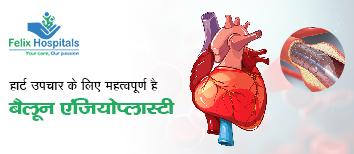
A stent procedure can be life-saving for those with blocked arteries. This guide walks you through the stent experience—from the angioplasty process to post-procedure recovery and lifestyle changes.
In Noida hospitals, recognized for being among the best heart health hospitals in Noida, are at the forefront of offering critical care for heart-related issues.

पहले जहां हार्ट अटैक को उम्रदराज लोगों की बीमारी माना जाता था। वहीं अब यह खतरनाक स्थिति युवाओं में भी तेजी से देखने को मिल रही है। भारत में 30 साल से कम उम्र के युवाओं में हृदयाघात (Heart Attack) के मामलों में अभूतपूर्व वृद्धि दर्ज हो रही है। खासकर नोएडा, दिल्ली-एनसीआर जैसे शहरी इलाकों में यह समस्या चिंताजनक रूप ले चुकी है। आज की भागदौड़ भरी जिंदगी, अस्वास्थ्यकर खानपान, तनाव, नींद की कमी और फिटनेस की अनदेखी ने युवाओं के हृदय स्वास्थ्य को गंभीर रूप से प्रभावित किया है। जरूरी है कि आखिर कम उम्र में हार्ट अटैक क्यों हो रहा है। इसके प्रमुख कारण, लक्षण और नोएडा में आधुनिक कार्डियोलॉजी इलाज उपलब्ध हैं।
पिछले कुछ वर्षों में चिकित्सा विशेषज्ञों ने देखा है कि हार्ट अटैक अब केवल 50 या 60 की उम्र में नहीं, बल्कि 20 से 30 वर्ष के युवाओं में भी आम है। इसका सबसे बड़ा कारण जीवनशैली में बदलाव और तनावपूर्ण दिनचर्या है। आज के युवा लंबे समय तक लैपटॉप या मोबाइल पर बैठे रहते हैं। शारीरिक गतिविधि न के बराबर होती है। खानपान जंक फूड पर आधारित है। इसके साथ नींद की कमी और लगातार तनाव हृदय की मांसपेशियों पर असर डालते हैं।
अस्वास्थ्यकर आहार:
जंक फूड, कोल्ड ड्रिंक, तला-भुना भोजन और अत्यधिक नमक व चीनी का सेवन कोलेस्ट्रॉल बढ़ाता है।
धूम्रपान व शराब सेवन:
युवाओं में स्मोकिंग और अल्कोहल सेवन के कारण रक्त वाहिकाएं सख्त और संकरी हो जाती हैं, जिससे हार्ट अटैक का खतरा बढ़ता है।
तनाव:
करियर प्रेशर, आर्थिक बोझ और नींद की कमी से हॉर्मोनल असंतुलन होता है, जो हृदय पर नकारात्मक प्रभाव डालता है।
जीन संबंधी कारण:
कुछ मामलों में पारिवारिक इतिहास से भी जोखिम बढ़ता है।
ड्रग्स या एनाबॉलिक स्टेरॉइड्स का सेवन:
जिम में उपयोग होने वाले कुछ स्टेरॉइड्स हृदय की धड़कन और रक्तचाप को असामान्य बना देते हैं।
डायबिटीज और हाइपरटेंशन का प्रारंभिक प्रकोप:
अब ये बीमारियां भी युवाओं में तेजी से पाई जा रही हैं, जो हार्ट अटैक के जोखिम को दोगुना करती हैं।
युवा अक्सर शुरुआती लक्षणों को गैस, थकान या चिंता समझकर नजरअंदाज करते हैं। जो घातक होता है। मुख्य लक्षण यह हैं।
सीने में भारीपन (heaviness in the chest), जलन या कसाव महसूस होना।
कंधे, गर्दन या जबड़े तक दर्द फैलना।
सांस फूलना या बिना कारण थकान महसूस होना।
ठंडा पसीना आना, मतली या उल्टी।
चक्कर या बेहोशी।
नोएडा में अब अत्याधुनिक सुविधाओं से युक्त कई कार्डियोलॉजी हॉस्पिटल्स हैं। जहां हार्ट अटैक के मामलों का त्वरित, सटीक और सुरक्षित इलाज किया जाता है। यहां विशेषज्ञ कार्डियक सर्जन, कैथ लैब, और 24x7 इमरजेंसी केयर यूनिट्स मौजूद हैं। हार्ट अटैक के उपचार में मुख्य रूप से निम्नलिखित पद्धतियां अपनाई जाती हैं।
एंजियोप्लास्टीः (Angioplasty)
यह सबसे सामान्य और प्रभावी इलाज है, जो हार्ट अटैक के पहले गोल्डन आवर यानी 90 मिनट में किया जाए तो जीवनरक्षक साबित होता है। इसमें एक बैलून कैथेटर धमनी के ब्लॉकेज तक पहुंचाया जाता है। बैलून को फुलाकर अवरुद्ध धमनी को फैलाया जाता है और स्टेंट लगाया जाता है। यह प्रक्रिया रक्त प्रवाह को तुरंत बहाल करती है और हृदय मांसपेशियों को बचाती है।
थ्रॉम्बोलाइटिक थेरेपीः (Thrombolytic therapy)
यह उपचार उन मरीजों के लिए है जिन्हें एंजियोप्लास्टी (Angioplasty) तुरंत उपलब्ध नहीं होती। इसमें दवाओं के माध्यम से खून के थक्के को घोला जाता है। इससे धमनी में रक्त का प्रवाह बहाल होता है और ऑक्सीजन की आपूर्ति दोबारा शुरू होती है। समय पर दी गई यह थेरेपी हार्ट डैमेज को काफी हद तक रोक सकती है।
बायपास सर्जरीः (Bypass surgery)
यह प्रक्रिया तब अपनाई जाती है जब धमनी में ब्लॉकेज बहुत अधिक या कई जगह हो। सर्जरी में शरीर की किसी दूसरी रक्त वाहिका (आमतौर पर पैर या छाती की नस) का उपयोग करके नया बायपास मार्ग बनाया जाता है। इससे ब्लॉक हिस्से को बायपास कर रक्त का प्रवाह सुचारु रूप से हृदय तक पहुंचता है। यह लंबे समय तक टिकाऊ और प्रभावी इलाज है।
हार्ट अटैक के बाद मरीज को स्थिर करने और दोबारा अटैक से बचाने के लिए दवाएं दी जाती हैं:
ब्लड थिनर: रक्त के थक्के बनने से रोकते हैं।
बीटा-ब्लॉकर: हृदय की धड़कन और ब्लड प्रेशर को नियंत्रित रखते हैं।
नाइट्रोग्लिसरीन: सीने के दर्द और ब्लड फ्लो सुधारने में सहायक होती है।
ACE इनहिबिटर/ARB: हृदय की मांसपेशी को मजबूत करने और हृदय फेल्योर से बचाने में मददगार होती है।
स्टैटिन्स: कोलेस्ट्रॉल लेवल कम कर भविष्य के ब्लॉकेज का खतरा घटाते हैं।
नोएडा के अस्पताल में हृदय रोगी के इलाज के लिए विश्वस्तरीय सुविधाएं उपलब्ध हैं। जहां 24x7 कार्डियक इमरजेंसी यूनिटउपलब्ध है। यहां अत्याधुनिक कैथ लैब्स उपलब्ध है। यहां प्रशिक्षित इंटरवेंशनल कार्डियोलॉजिस्ट उपलब्ध है। कार्डियक आईसीयू और मॉनिटरिंग सिस्टम भी उपलब्ध है। पोस्ट-ऑपरेटिव रिहैबिलिटेशन व फॉलो-अप केयर की सुविधा मिलती है।
अभी अपॉइंटमेंट शेड्यूल करें – कॉल करें: +91 9667064100
युवा हार्ट अटैक के जोखिम को काफी हद तक नियंत्रित कर सकते हैं यदि वे इन बातों का पालन करें:
संतुलित और लो-फैट डाइट लें।
रोज कम से कम 30 मिनट वॉक या एक्सरसाइज करें।
धूम्रपान, शराब और ड्रग्स से पूरी तरह बचें।
तनाव और नींद की कमी से बचें, योग या मेडिटेशन अपनाएं।
हर 6 महीने में कोलेस्ट्रॉल, ब्लड शुगर और बीपी की जांच कराएं।
परिवार में हृदय रोग का इतिहास हो तो नियमित कार्डियक चेकअप कराएं।
कम उम्र में हार्ट अटैक होना आज की पीढ़ी के लिए चेतावनी है। यह केवल बुजुर्गों की बीमारी नहीं रही है। बल्कि युवा जीवनशैली की भूलों का परिणाम है। सीने में दर्द, थकान या सांस फूलने जैसे संकेतों को अनदेखा न करें। समय पर जांच और सही इलाज से न केवल जान बचाई जा सकती है, बल्कि भविष्य में हार्ट अटैक के खतरे को भी काफी हद तक घटाया जा सकता है। आपात स्थिति में देर न करें। नोएडा के विशेषज्ञ कार्डियोलॉजिस्ट (Specialist Cardiologists in Noida) से तुरंत संपर्क करें और सही उपचार समय पर प्राप्त करें।
नोएडा में विशेषज्ञ कार्डियोलॉजी परामर्श के लिए कॉल करें: +91 9667064100
प्रश्न 1. क्या युवाओं में हार्ट अटैक आनुवंशिक होता है?
उत्तरः हां, यदि परिवार में पहले किसी को हृदय रोग रहा है तो जोखिम बढ़ता है। इसलिए समय-समय पर जांच करानी चाहिए।
प्रश्न 2. क्या तनाव और नींद की कमी से हार्ट अटैक होता है?
उत्तरः हां, लंबे समय तक तनाव और नींद की कमी हृदय पर नकारात्मक असर डालते हैं। इसलिए लक्षण दिखने पर जांच करानी चाहिए।
प्रश्न 3. क्या व्यायाम करने से हार्ट अटैक से बचाव संभव है?
उत्तरः नियमित शारीरिक गतिविधि हृदय को मजबूत बनाती है। ब्लड फ्लो बेहतर रखती है। इसलिए व्यायाम और ध्यान करना चाहिए।
प्रश्न 4. क्या जिम में स्टेरॉइड लेने से खतरा बढ़ता है?
उत्तरः हां, एनाबॉलिक स्टेरॉइड्स हार्ट मसल्स और ब्लड प्रेशर को गंभीर रूप से प्रभावित करते हैं। इसलिए स्टेरॉइड का सेवन नहीं करना चाहिए।
प्रश्न 5. क्या नोएडा में 24 घंटे कार्डियक आपात सुविधा उपलब्ध है?
उत्तरः हां, नोएडा में कई अस्पताल 24x7 कार्डियक इमरजेंसी, एंजियोप्लास्टी और हार्ट केयर सुविधा प्रदान करते हैं। जहां समय पर जांच और इलाज होता है।

एंजियोप्लास्टी के बाद जीवनशैली में बदलाव बेहद जरूरी होता है ताकि दिल स्वस्थ रहे और दोबारा समस्या न हो। इसमें संतुलित आहार, नियमित एक्सरसाइज, दवाइयों का पालन, और मानसिक तनाव कम करना शामिल है।
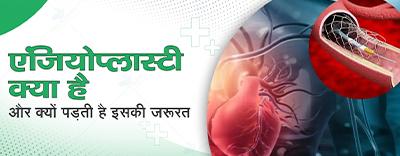
एंजियोप्लास्टी एक मेडिकल प्रक्रिया है जो हृदय की धमनियों में रुकावट को दूर करने के लिए की जाती है। जब दिल की नसों में ब्लॉकेज हो जाता है और रक्त प्रवाह बाधित होता है, तब यह सर्जरी ज़रूरी हो जाती है। यह हृदयाघात (Heart Attack) की स्थिति से बचाने में मदद कर
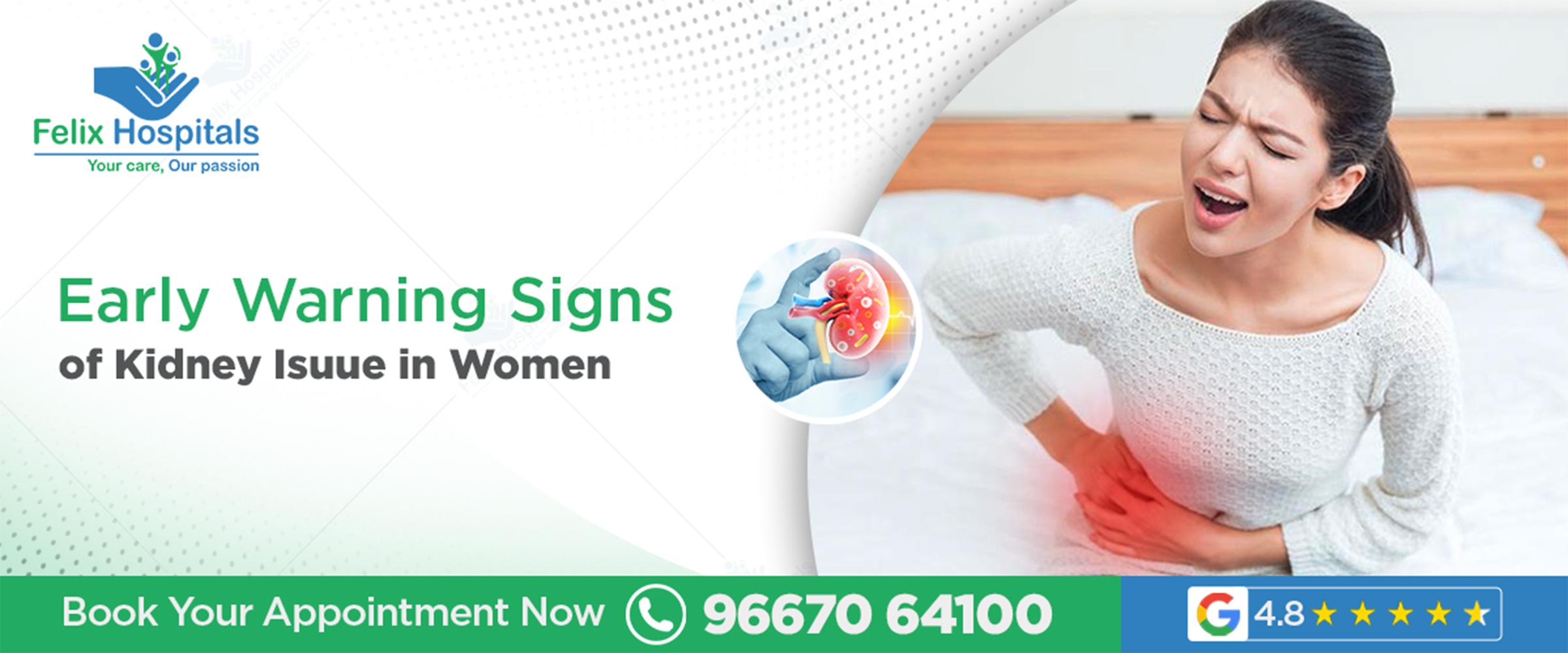
Kidneys are crucial in ensuring one is stable in terms of health by refining wastes, balancing electrolytes and regulating blood pressure. Nevertheless, kidney issues may not be noticeable before it is too late and most especially in women. Seeking care from the best nephrologist for women in Noida ensures early detection, accurate diagnosis, and timely kidney disease treatment in Noida to prevent further complications. Understanding the early signs of kidney problems in women allows for prompt medical attention, preserving kidney function and overall well-being.
Noticing symptoms of kidney discomfort? Book an appointment at +91 9667064100 for expert nephrology care.
Kidney disease symptoms in women can be subtle at first but gradually become more noticeable as the condition progresses. Since women tend to ignore the initial symptoms as fatigue, hormonal disproportion, or dehydration, kidney issues can take months to be noticed. Early symptoms include:
Constant tiredness and lack of strength due to anemia or accumulation of toxins.
Retention of water, which causes swelling of the ankles, feet, or areas around the eyes.
Frequent urination especially at night.
Leakage of proteins in the urine is represented by a foam-like or blood-like appearance.
Mineral imbalance of skin, which causes skin dryness and itchiness.
By understanding these kidney issues warning signs for women, you can recognize when your body needs medical evaluation.
In case of women, menopause and bladder problems may complicate the diagnosis of kidney diseases. Nevertheless, it should be noted that there are certain red flags that should be noted:
Common Urinary Tract Infection (UTIs): The untreated infections can extend to the kidneys, leading to inflammation and scarring.
Lower back or Sides Pain: Dull pains under the ribs can mean infection or blockage in the kidneys.
Urine Color or Consistency: Dark, cloudy, or foul-smelling urine can be an indication of an infection or kidney malfunction.
Nausea and Poor Appetite: The build up of waste in the blood stream may lead to digestive issues.
Puffiness Around the Eyes: An early condition resulting from the leakage of proteins, in many cases, one of the first indications of kidney dysfunction.
Monitoring these early signs of kidney problems in women can make the difference between treatable conditions and long-term damage.
The health of women kidneys is affected by various factors including the diet, level of activity and diseases. Dehydration, excessive salt consumption, and diabetes are the significant factors that cause reduced renal functions. Further, pregnancy complications such as preeclampsia or gestational diabetes may raise long-term risks of kidney.
Additional lifestyle factors are:
Excessive use of analgesics or anti-inflammatory medication.
The tobacco and alcohol consumption that produce a strain on the kidneys.
Fad diets that are high in protein burden the filtration processes.
Recognizing these risk factors early supports treatment and preventive strategies for kidney problems in women.
Women are not supposed to overlook the constant back pain, urinary pain, or unusual fatigue. The correct diagnosis may require early consultation with a nephrologist to conduct such tests as the glomerular filtration rate (eGFR) and urine protein tests. Detecting and addressing these kidney issues warning signs for women ensures timely intervention and limits disease progression.
Women with diabetes, hypertension, or kidney disease in the family need to undergo regular health screenings in particular.
The early diagnosis depends on the regular medical examination along with comprehensive clinical history. The most frequently used diagnostic tests are:
Estimated Glomerular Filtration Rate (eGFR): This is a blood test that indicates the level of kidney quality in terms of filtering waste products.
Urine Albumin-Creatinine Ratio (uACR): A test of albumin leakage into the urine which is commonly one of the earliest signs of kidney disease.
These examinations assist doctors to identify the level of kidney malfunction, and develop individual treatment schemes that suit the situation of each individual patient.
The severity of kidney disease is relied upon by the management. Modifications of lifestyle and medicines can be used to maintain the functionality of kidneys in case of early cases.
Changes in Dietary: Low sodium, potassium restricted diet decreases the accumulation of fluid and blood pressure.
Medication: Medicine that can control diabetes, blood pressure or infections can slow down the disease progression.
DNA: Physical activity enhances blood flow and alleviates the kidney load caused by hypertension.
Hydration: Proper fluid intake helps the kidneys to rid the body effectively of the toxins.
Regular follow-ups ensure that these management strategies effectively control kidney problems in women and prevent complications.
Preventive care is the key to the lifelong health of kidneys. Experts recommend:
Consuming water at least 2-3 liters a day.
Regulating the sugar level and blood pressure.
Essentially avoid overuse of painkillers.
Having a balanced nutritive diet.
Taking regular kidney checkups once a year (at least), particularly when you are at risk.
Through these preventive steps, women tend to reduce chances of kidney disorders in future by a great deal.
Consult the best nephrologist for women in Noida for early diagnosis and treatment guidance at +91 9667064100.
Recognizing kidney disease symptoms in women can save lives. The sooner the problem is identified and the patient is seen by doctors, the easier it is to work on the underlying problem and avoid irreversible harm. Choosing the best nephrologist for women in Noida and undergoing structured kidney treatment hospital in Noida ensures comprehensive care for symptom management and long-term kidney health. By understanding the early signs of kidney problems in women and taking proactive measures, you can protect your kidneys, improve your lifestyle, and lead a healthier, more balanced life. Never ignore repeated fatigue, alterations in the urinary flow or swelling which could signify kidney related disorders and always seek medical attention.
Q.1 What are early signs that I might have a kidney problem?
Ans. Fatigue, frequent urination, swelling, or changes in urine color can indicate developing issues.
Q.2. Does dehydration increase the risk of kidney disease in women?
Ans. Yes, chronic dehydration forces kidneys to work harder, raising disease risk.
Q.3. How do hormonal changes affect kidney function?
Ans. Hormonal fluctuations can influence blood pressure and hydration, impacting kidney health.
Q.4. Is frequent back pain always linked to kidney disease?
Ans. Not always, but persistent pain near the kidneys should be investigated.
Q.5. Can stress cause kidney problems?
Ans. Indirectly, stress can elevate blood pressure, which harms the kidneys over time.
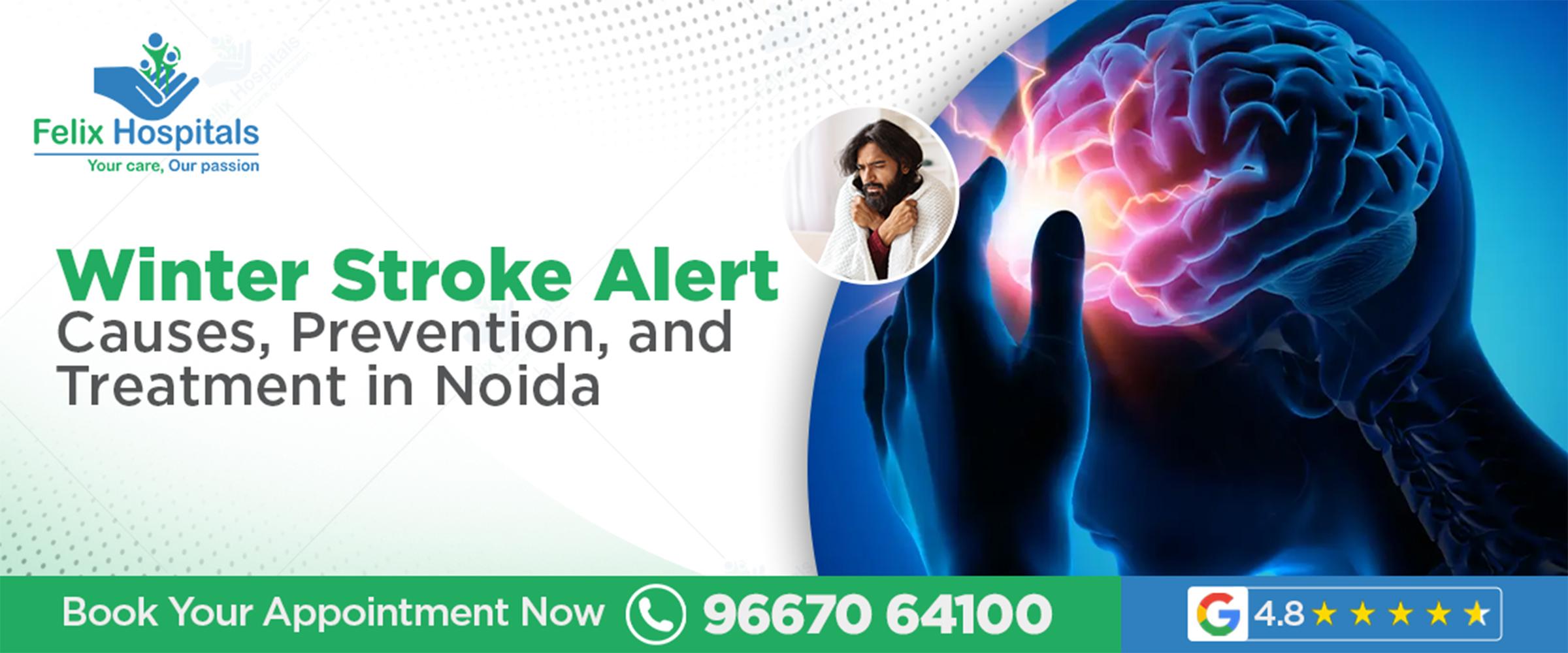
Winter is a time to celebrate, but it’s also a time when our health can suffer. Cold weather blood pressure elevation is a well-known problem in the general population. Abrupt temperature changes affect the cardiovascular system, leading to blood vessel constriction and making the heart work harder. Why blood pressure increases in winter is largely related to this narrowing of blood vessels and increased strain on the heart. And for people with pre-existing high blood pressure or heart disease, this seasonal surge can be deadly if they aren’t watching it.
Consultants for hypertension and cardiology in Noida offer specialized services to assess, manage, and prevent the impact of fluctuations in blood pressure due to the winter season, thereby ensuring that patients can sustain the best possible health of the heart.
Worried about winter blood pressure spikes? Consult the best cardiologist in Noida today. Call +91 9667064100 to schedule your appointment or Book cardiologist appointment near me.
To understand why blood pressure rises in the winter you need to know how your body reacts to cold weather. The blood vessels constrict in response to cold to prevent heat loss, which also increases the vascular resistance. This leads to an increase in blood pressure.
Other contributors are:
Higher blood thickness in colder weather
Less outdoor activity in the winter time
Changes to diet, with increased consumption of salty and preserved foods
Stress of the season and disturbed sleep patterns
All of these add up to making winter a prime time for dangerously high blood pressure, especially for older people and those who already have high blood pressure.
Several underlying augmented contributing factors Causes of winter hypertension. Knowing them is important for protection and successful treatment:
Vasoconstriction: The cold causes the arteries to narrow, making the heart work harder.
Sedentary behaviour: Less time outside means weight gain and raised blood pressure.
Eating habits: The typical winter diet is rich in processed and salty food that makes you retain liquid.
Preexisting conditions: Seasonal blood pressure fluctuations can be exacerbated by diabetes, kidney disease and heart conditions.
Knowing the causes is enabling physicians to adapt care plans that minimize risk in the winter.
Being proactive, then, can go a long way toward minimizing the chance of a blood pressure surge in the cold. How to prevent blood pressure spike in winter is an important part of seasonal heart care. Some preventive measures are:
Wearing layers of warm clothing to keep warm
Doing indoor activities such as yoga, walking on the treadmill, or using weights
Reducing salt consumption and not eating processed food
Checking your blood pressure at home with digital monitors
Eating a healthy diet including plenty of fruit, vegetables and wholegrains
These preventive measures keep blood pressure and strain on the heart under control.
The good management of cold-weather blood pressure includes following essential Winter blood pressure management tips that combine lifestyle habits with medical care. Suggested measures are:
Consistent use of prescribed antihypertensive medication
Limit alcohol and caffeine, which can raise blood pressure.
Use stress management (yoga/meditation/pranayama, deep-breathing).
Maintain a sleep routine to avoid seasonal sleep pattern changes.
Regular follow-ups with a hypertension specialist near me
These tips will help to keep winter induced blood pressure in check.
For those with cold-induced hypertension, prompt Cold weather high blood pressure treatment and medical attention is essential. Therapeutic strategies include:
Drug modification: Cardiologists can adjust doses with winter in view
Polytherapy: Two or more drugs are used for better control
Life guidance: Specifics on diet, exercise, and stress relief tailored to you
Watching for complications: Stopping a heart attack, stroke, or kidney overload
The people living in Noida can now avail supreme treatment at dedicated cardiac care centers for winter blood pressure from the best doctor.
The awareness of symptoms of winter blood pressure spike enables one to seek doctor’s advice at the right time. Some of the common warning signs are:
Headaches, especially at the back of the head
Lightheadedness or dizzy spells
Chest pain or palpitations
Difficulty breathing
Blurry vision or nosebleeds
Tiredness and weakness
Early identification of these symptoms leads patients to seek care before they develop severe complications.
Winter Hypertension Lifestyle Tips To Maintain A Well Functioning Cardiovascular System In Cold Weather:
Stay active inside if weather conditions are severe.
Drink sufficient amounts of water as dehydration can influence on a blood pressure.
Eat foods high in potassium and magnesium to promote heart health.
Keep warm, and don't go out in the cold too suddenly.
Take your home blood pressure every day and keep a record of the readings to take to the doctor.
Adding these components to your daily routine helps the whole heart system endure better during winter.
Certain populations are more prone to winter blood pressure spike. These include:
Older people aged 60 years and above
Persons with previous hypertension or heart disease
People with diabetes or kidney problems
Obese patients or patients with metabolic syndrome
People who reside in cold or damp conditions
High risk individuals need to be more cautious and should undergo regular cardiology check up at Noida.
Ignoring winter blood pressure spike can lead to serious health complications:
Increased risk of heart attack from increased heart workload
Stroke caused by malignant hypertension
Kidney damage or further kidney problems
Loss of vision with raised ocular pressure
Memory loss associated with long term high blood pressure
Timely detection and adequate control can prevent these complications.
Monitoring is key to avoid and to treat winter blood pressure spike. Patients are recommended to:
Measure blood pressure at least once a day with validated devices
Maintain a record of readings to give to your doctor.
Alert for any unusual symptoms or patterns
Make sure you keep up with your cardiologist appointment near me or your Hypertension specialist appointment near me.
Frequent follow-up enables earlier intervention for potential problems and a decrease in adverse outcomes.
Cardiologists in Noida are also available to consult for issues of winter blood pressure. To ensure you are safe for the winter, our experts:
Personalized Risk Assessment and Screening
Customised management of medication to keep up with seasonal changes
Advice on life style and nutrition
Emergency treatment for abrupt fall in blood pressure
Patient Education on Monitoring and Prevention of Blood Pressure
Having access to specialist care can ensure that winter related blood pressure changes are managed to best effect, and that patients are kept safe and well.
Individuals with cold weather hypertension treatment continue to be managed as follows:
Following medications instructions all year
Getting regular heart checks
Continued lifestyle intervention even post -winter
Changing diet and exercise for the seasons.
Recognizing and Responding to Emergency Signals
Advance care also guarantees uninterrupted heart wellness and ward off recurring seasonal escalades.
Protect your heart this winter with expert evaluation and treatment from a hypertension specialist in Noida. Call +91 9667064100 now.
Spiking blood pressure in winter is an ordinary but avoidable menace to health. Knowing why blood pressure rises in cold weather, what symptoms to watch out for, and how to prevent a rise in blood pressure in cold conditions can prevent many problems. If you are a resident of Noida and suffering from seasonal hypertension, then please reach out to us by booking your cardiologist appointment near me or hypertension specialist appointment near me for a customised evaluation and treatment. With monitoring, winter blood pressure tension can be kept in its proper place so that your heart and blood vessels stay healthy and safe all winter long.
Advanced neurosurgery improves treatment for brain and spine disorders with better outcomes.
Neurological disorders impact the brain, spine, and nerves, causing symptoms like headaches, seizures, or memory loss. Discover causes, treatments, and expert advice for better neurological care and management.
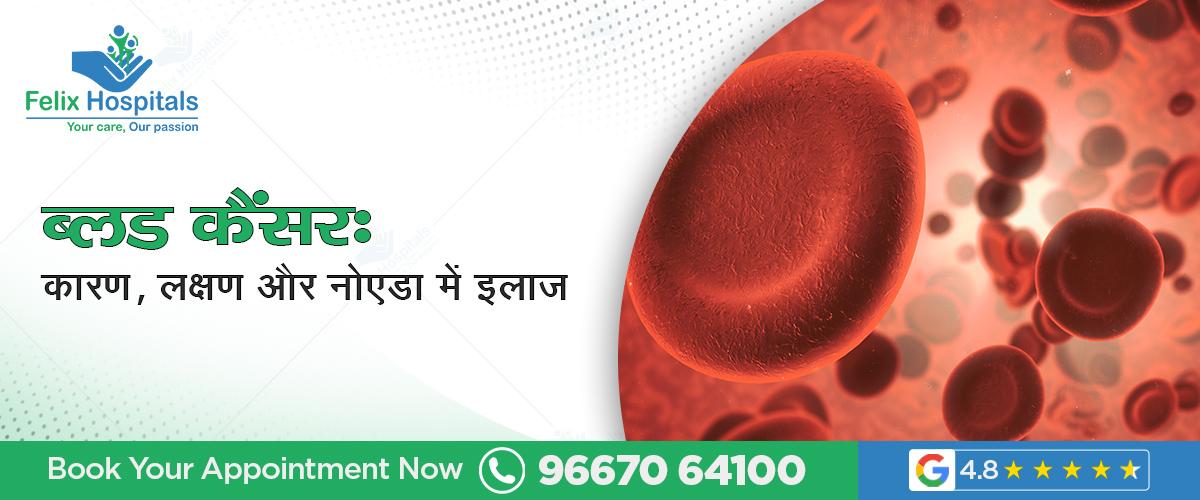
ब्लड कैंसर (Blood Cancer) यानी रक्त कैंसर एक गंभीर लेकिन इलाज योग्य रोग है। इसमें रक्त बनाने वाली कोशिकाएं असामान्य रूप से बढ़ने लगती हैं और शरीर की रोग-प्रतिरोधक क्षमता को प्रभावित करती हैं। नोएडा में ब्लड कैंसर विशेषज्ञ डॉक्टर से मिलें। अगर आप ब्लड कैंसर के शुरुआती लक्षण महसूस कर रहे हैं, तो तुरंत नोएडा में अनुभवी ऑन्कोलॉजिस्ट (Cancer Specialist Doctor in Noida) से संपर्क करें।
हमसे संपर्क करें – कॉल करें: +91 9667064100
ब्लड कैंसर या रक्त कैंसर (blood cancer) वह स्थिति है। जिसमें अस्थि मज्जा (Bone Marrow) और लसीका तंत्र (Lymphatic System) की कोशिकाएं अनियंत्रित रूप से बढ़ती हैं। यह सामान्य रक्त कोशिकाओं के निर्माण को प्रभावित करता है। जिससे शरीर कमजोर होता है। संक्रमण का खतरा बढ़ता है। ब्लड कैंसर मुख्य रूप से तीन प्रकार का होता है। ल्यूकेमिया, लिम्फोमा और मायलोमा। ल्यूकेमिया में अस्थि मज्जा की रक्त कोशिकाएं अनियंत्रित रूप से बढ़ती हैं। जिससे सामान्य रक्त निर्माण रुकता है।
लिम्फोमा लसीका तंत्र का कैंसर है, जो शरीर की रोग प्रतिरोधक क्षमता को प्रभावित करता है। वहीं मायलोमा प्लाज्मा कोशिकाओं का कैंसर है, जो एंटीबॉडी बनाकर संक्रमण से सुरक्षा करती हैं। इन तीनों प्रकारों में रक्त कोशिकाओं का असामान्य विकास होता है। जिससे शरीर की प्रतिरक्षा कमजोर पड़ती है। संक्रमण या थकान जैसी समस्याएं बढ़ती हैं।
कुछ लोगों में जन्म से ही ऐसे जीन बदलाव होते हैं। जो रक्त कोशिकाओं के असामान्य विकास की संभावना बढ़ाते हैं। परिवार में ब्लड कैंसर का इतिहास होने पर जोखिम अधिक होता है।
लंबे समय तक रेडिएशन (जैसे एक्स-रे या रेडियोथैरेपी) या जहरीले रसायनों (जैसे कीमोथैरेपी एजेंट, बेंजीन) के संपर्क में रहने से रक्त कोशिकाओं में बदलाव आते हैं।
इम्यून सिस्टम कमजोर होने पर शरीर संक्रमण और कोशिकाओं के अनियंत्रित विकास को रोकने में असमर्थ होता है। यह एचआईवी, अंग प्रत्यारोपण के बाद इम्यून दवाओं या अन्य संक्रमणों के कारण होता है।
सिगरेट और तंबाकू में मौजूद हानिकारक तत्व रक्त कोशिकाओं को प्रभावित कर सकते हैं। साथ ही अधिक तनाव, नींद की कमी और असंतुलित आहार जोखिम बढ़ाते हैं।
औद्योगिक रसायन जैसे बेंजीन सीधे अस्थि मज्जा पर असर डालते हैं। जिससे ब्लड कैंसर का खतरा बढ़ता है।
जैसे एचआईवी, एचटीएलवी-1 जैसे कुछ वायरस शरीर की प्रतिरक्षा प्रणाली और रक्त कोशिकाओं को प्रभावित करते हैं। जिससे कैंसर होने का खतरा बढ़ता है।
लगातार थकान या कमजोरी
भूख में कमी, वजन घटना
बार-बार बुखार या संक्रमण
रात में अत्यधिक पसीना आना
नाक या मसूड़ों से बार-बार खून आना
त्वचा पर लाल या बैंगनी धब्बे (Petechiae)
हड्डियों या जोड़ों में दर्द
लिम्फ नोड्स में सूजन
सांस फूलना, बार-बार ब्लीडिंग होना
रोग की पुष्टि के लिए की निम्न जांच होती हैः
सीबीसी (पूर्ण रक्त गणना): रक्त में असामान्यता का पता लगाता है।
अस्थि मज्जा बायोप्सी: कैंसर कोशिकाओं की उपस्थिति जांचता है।
फ्लो साइटोमेट्री और जेनेटिक परीक्षण: कैंसर का प्रकार और आक्रामकता पहचानते हैं।
सीटी/एमआरआई स्कैन: कैंसर के फैलाव की सीमा का पता लगाते हैं।
प्रारंभिक अवस्था:
इस चरण में कैंसर केवल रक्त या अस्थि मज्जा तक सीमित रहता है। रोगी को शुरुआत में हल्की थकान, अक्सर संक्रमण या असामान्य रक्तचाप जैसी सामान्य समस्याएं दिखाई देती हैं। इस चरण में समय पर पहचान और उपचार होने पर रिकवरी की संभावना अधिक होती है।
मध्यवर्ती अवस्था:
इस चरण में कैंसर धीरे-धीरे लिम्फ नोड्स या पास के अन्य अंगों तक फैल सकता है। रोगियों को बुखार, वजन कम होना, रात को पसीना आना और बढ़ती थकान जैसी समस्याएं होती हैं। इस स्तर पर उपचार में कीमोथैरेपी, इम्यूनोथैरेपी या स्टेम सेल ट्रांसप्लांट जैसे विकल्प शामिल होते हैं।
उन्नत अवस्था:
इस चरण में कैंसर शरीर के विभिन्न अंगों जैसे जिगर, फेफड़े, हड्डियां और मस्तिष्क तक फैलता है। रोगी में गंभीर कमजोरी, लगातार बुखार, अत्यधिक वजन घटाव और रक्त की कमी जैसी जटिलताएं दिखती हैं। इस स्तर पर इलाज चुनौतीपूर्ण होता है। उपचार का उद्देश्य जीवन की गुणवत्ता बनाए रखना और लक्षणों को नियंत्रित करना होता है।
कीमोथेरेपी:
इस प्रक्रिया में विशेष दवाओं का उपयोग करके कैंसर कोशिकाओं को नष्ट किया जाता है। यह रक्त और अस्थि मज्जा में फैली कैंसर कोशिकाओं को नियंत्रित करने में मदद करता है। नोएडा में ब्लड कैंसर का इलाज (blood cancer treatment in noida) उपलब्ध है। कीमोथेरेपी के दौरान शरीर में सामान्य कोशिकाओं पर भी असर पड़ता है। इसलिए डॉक्टर दवा की खुराक और समय का विशेष ध्यान रखते हैं।
रेडियोथेरेपी:
इसमें उच्च ऊर्जा वाले विकिरण का उपयोग करके कैंसर कोशिकाओं को मारते हैं। यह अक्सर उन क्षेत्रों में किया जाता है। जहां कैंसर लिम्फ नोड्स या किसी विशेष अंग तक सीमित हो। रेडियोथेरेपी स्थानीय स्तर पर प्रभाव डालती है और आसपास की स्वस्थ कोशिकाओं को न्यूनतम नुकसान पहुंचाती है।
स्टेम सेल ट्रांसप्लांट:
गंभीर या उन्नत ब्लड कैंसर में अस्थि मज्जा को स्वस्थ कोशिकाओं से बदलने के लिए स्टेम सेल ट्रांसप्लांट किया जाता है। इसमें मरीज को पहले कीमोथेरेपी या रेडियोथेरेपी दी जाती है। फिर स्वस्थ स्टेम सेल प्रत्यारोपित किए जाते हैं।
इम्यूनोथेरेपी:
इस तकनीक में शरीर की प्रतिरक्षा प्रणाली को सशक्त किया जाता है ताकि वह खुद कैंसर कोशिकाओं का मुकाबला कर सके। यह विशेष रूप से उन मरीजों के लिए उपयोगी है जिनमें पारंपरिक इलाज सीमित प्रभाव डालता है।
लक्षित उपचार:
इस प्रक्रिया में केवल कैंसर कोशिकाओं को निशाना बनाकर दवाओं का प्रभाव पड़ता है। जिससे आसपास की स्वस्थ कोशिकाओं को नुकसान कम से कम होता है। यह आधुनिक तकनीक मरीज के लिए अधिक सुरक्षित और प्रभावी मानी जाती है।
ताजे फल, सब्जियां, साबुत अनाज, और ग्रीन टी लें।
धूम्रपान और शराब से दूरी रखें।
नियमित योग और हल्का व्यायाम करें।
पर्याप्त नींद लें और तनाव से बचें।
हर 6 महीने में ब्लड टेस्ट (सीबीसी) करवाएं।
समय पर जांच कराएं और इलाज शुरू करें। अभी अपॉइंटमेंट शेड्यूल करें – कॉल करें: +91 9667064100
ब्लड कैंसर एक गंभीर बीमारी है। लेकिन शुरुआती पहचान और सही इलाज से यह पूरी तरह नियंत्रित या ठीक होता है। नोएडा में आधुनिक ऑन्कोलॉजी सुविधाओं के साथ विशेषज्ञ डॉक्टरों से सलाह लेकर आप इस बीमारी को मात देते हैं। ब्लड कैंसर के किसी भी लक्षण को नजरअंदाज न करें। लक्षण दिखने पर अनुभवी ऑन्कोलॉजिस्ट से अपॉइंटमेंट बुक करें।
प्रश्न 1. क्या ब्लड कैंसर का इलाज संभव है?
उत्तर: हां, शुरुआती अवस्था में इलाज संभव है। कीमोथेरेपी, रेडियोथेरेपी और स्टेम सेल ट्रांसप्लांट इसके प्रमुख उपचार हैं।
प्रश्न 2. ब्लड कैंसर के शुरुआती लक्षण क्या हैं?
उत्तर: थकान, वजन घटना, बार-बार बुखार और संक्रमण होना। लक्षण दिखने पर तुरंत डॉक्टर से संपर्क करना चाहिए।
प्रश्न 3. क्या ब्लड कैंसर फैलता है?
उत्तर: यह संक्रामक नहीं होता और एक व्यक्ति से दूसरे में नहीं फैलता है। ऐसी भ्रांति से बचना चाहिए।
प्रश्न 4. ब्लड कैंसर का सबसे प्रभावी टेस्ट कौन-सा है?
उत्तर: सीबीसी और अस्थि मज्जा बायोप्सी सबसे अहम टेस्ट हैं। डॉक्टर की सलाह पर ही जांच करानी चाहिए।
प्रश्न 5. क्या ब्लड कैंसर से पूरी तरह ठीक हुआ जा सकता है?
उत्तर: हां, सही समय पर इलाज और विशेषज्ञ ऑन्कोलॉजिस्ट की देखरेख में मरीज पूरी तरह स्वस्थ होते हैं।
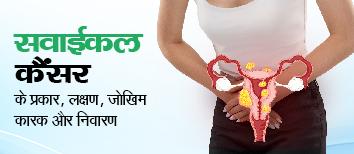
सर्वाइकल कैंसर महिलाओं में होने वाला एक गंभीर रोग है। इसके प्रकार, लक्षण, जोखिम कारक और निवारण को जानकर समय पर उपचार संभव है।
ब्रेस्ट कैंसर (Breast Cancer) के मुख्य लक्षण, इसके कारण और प्रभावी उपचार। समय पर पहचान और सही इलाज से रोग की गंभीरता को कम किया जा सकता है।
फेफड़ों का कैंसर एक गंभीर बीमारी है जो शुरुआती पहचान और सही उपचार से नियंत्रित की जा सकती है। जानिए इसके लक्षण, कारण और इलाज के विकल्प।
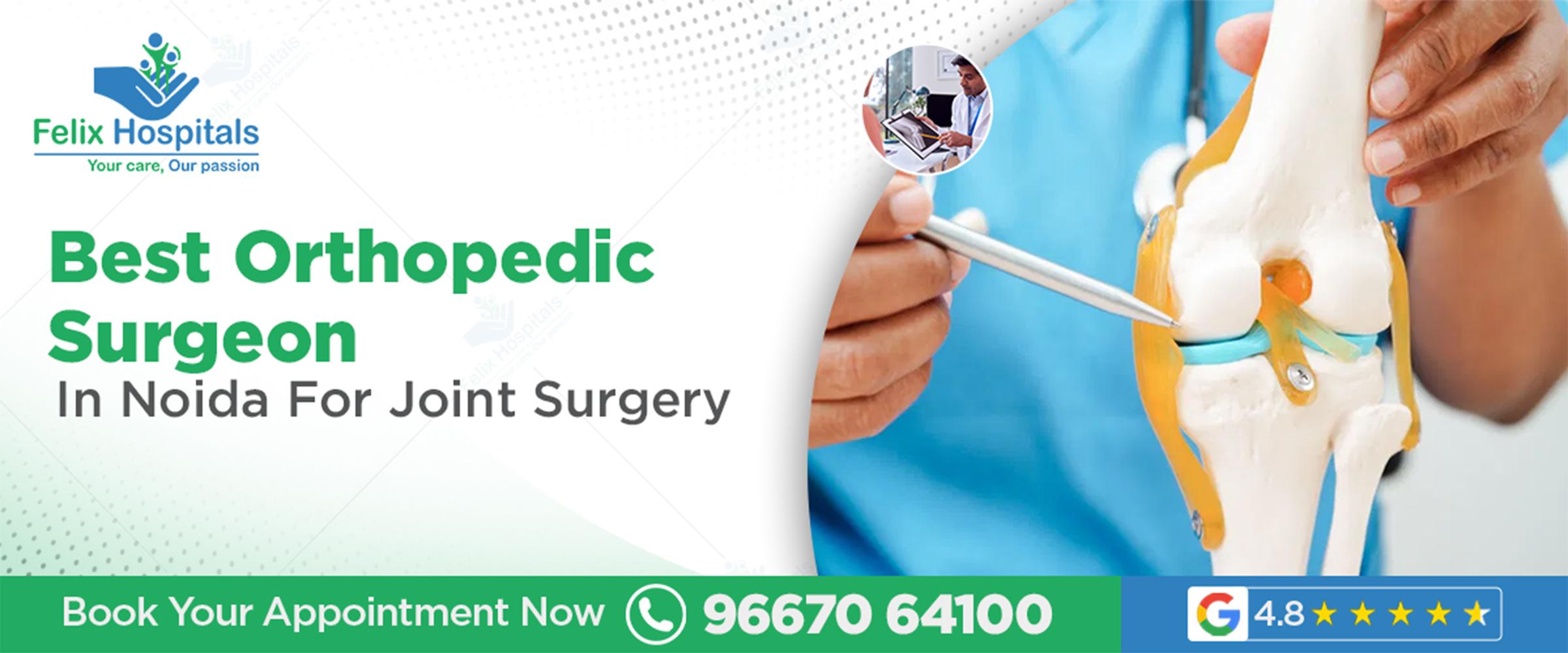
Joint issues can seriously impact mobility, convenience, and quality of living. Most often the result of age, injury, or conditions such as arthritis, chronic joint pain can impede even the simplest day-to-day activities. Here, visiting with the Best Orthopedic Surgeon for Joint Surgery becomes necessary in order to experience lasting relief and increased function.
Whether you are searching for expert and personalized Orthopedics care hospital in Noida, this book covers everything you ever wanted and needed to know — from the likely reasons for joint pain and the latest surgery techniques and after-care in the best hospitals.
Call +91 9667064100 today and schedule an appointment with highly trained orthopedic specialists and take the first step toward an active, painless existence.
Joint pain is a common condition affecting the knees, hips, shoulders, and back. It can be the result of injury, overuse, inflammation, and disease. Joint pain severe enough and lasting enough also does something more than limit mobility: it can also impair mental well-being and independence.
Osteoarthritis: Most common cause, due to progressive wear and tear of cartilage.
Rheumatoid arthritis: An autoimmune disorder that leads to chronic joint inflammation.
Sports injury: Tears in the ligaments, fractures, or dislocations due to exercise.
Trauma or falls: May result in fractures and late instability.
Age-associated degradation: Decreased cartilage flexibility and bone density with age.
Once conservative treatments like medication or physiotherapy are failing, the time for consulting an Orthopedic Specialist for Joint Pain for the purpose of surgical interventions for relief comes.
Surgery for joints is typically considered only if the pain does not cease after all the non-surgical treatments. The Best Orthopedic Surgeon for Joint Surgery will evaluate your condition with physical exam, imaging, and lab work prior to recommending an appropriate regimen of treatment.
Symptoms You May Need Surgery
Intense pain which restricted day activities
Stiffness or swelling which does not settle
Difficulty in walking, staircase climb, or bending
Appreciable deformity or misalignment in the joint
Restricted response to medications or physiotherapy
Joint surgeries are extremely advanced nowadays — with precision, quicker recovery, and lasting effects, more so if done by specialists in the Best Orthopedics Hospital in Noida.
The modern practice of orthopedics allows for the whole range of surgeries specifically tailor-made for the patient's needs and health profile.
Is the procedure where the knee joint surfaces are replaced with implants. It's the most widely practiced and successful orthopedic surgery, restoring knee function and relieving persistent knee pain.
Replaces the compromised acetabulum and femoral head with implantable devices. Most effective in the event of arthritis, fracture, or severe joint damage.
Recommended only for severe shoulder arthritis and rotator cuff injuries. Shoulder movement is restored and the pain lessens substantially with this surgery.
Minimally invasive procedure employed in the diagnosis and correction of joint issues with the aid of tiny incisions. It's prevalent in knees, shoulders, and ankles.
For herniated discs, spinal stenosis, failed medical therapy in chronic low back pain.
These procedures are all carried out with skilled supervision in one of the premier Orthopedic Surgery Hospitals for Joint Replacement with imaging technology, robotics, and rehabilitation centers.
Choosing the correct orthopedic surgeon allows for successful restoration and quicker rehabilitation. That's why the Best Orthopedic Surgeon for Joint Surgery stands apart from the others:
They are highly qualified and experienced surgeons who have been practicing treating bone and joint disorders that are considered difficult with great accuracy. The specialization will prevent misdiagnosis and complications on the way.
The hospitals in Noida have the latest tools including robotic-assisted surgery, 3D imaging, and computer navigation to ensure perfect alignment of joint and minimum damage to tissues.
The health and lifestyle of every patient is different. The experienced surgeons design individual surgical and rehabilitation schemes to perform optimally and enjoy long-term comfort.
All of this is under the care of the qualified doctors, nurses, and therapists whose responsibilities include the preoperative counseling, to the postoperative physiotherapy.
Whether you are searching for options at a Best Orthopedics Hospital in Noida, you are promised well-rounded care with a blend of medical excellence and empathy.
New joint replacement surgeries have changed the lives of millions. The surgery does more than alleviate the patient's pain; it also reestablishes complete mobility.
Sustained relief from pain: Moderate relief or total disappearance of chronic pain.
Increased mobility: To walk, climb, and perform daily activities with ease.
Better quality of life: Re-engaging in hobbies, sports activity, and social interaction.
Minimally invasive alternatives: Smaller wounds, less bleeding, and quicker recovery.
High success rate: Success rates are more than 90% if done with the Best Orthopedic Surgeon for Joint Surgery.
The patients resume normal activity in a couple of weeks with supervised physiotherapy and medical attention.
Recovery does not commence at the operating table — it extends into rehabilitation. Postoperative care plays a key part in obtaining late outcomes.
Physiotherapy to strengthen muscles and improve flexibility.
Joint stability exercises from the guide.
Pain management and wound care.
Routine follow-up visits for progress assessment.
The patient is safely and securely allowed to resume normal operations through specially designed rehabilitation units within a Premiere Orthopedic Surgery Centre of Joint Replacement in Noida.
Even with successful surgery, keeping the joint healthy is essential. Here are some lifestyle advice for you to secure your joints:
Keep the body at healthy weight to minimize joint stress.
Eat calcium and vitamin D-rich foods to strengthen bones.
Avoid high-impact exercises and abrupt turns.
Follow your physiotherapist's exercise routine consistently.
Visit regular follow-ups with your orthopedic expert.
These procedures prevent the wear and tear of your other joints in addition to prolonging the survival of your prosthetic joint.
Consult a specialist at the earliest if you are suffering from repeated joint pain and immobility. Early diagnosis can prevent future damage and reduce the requirement for surgery.
Experienced Orthopedic Expert in Noida Joint Pain will perform imaging examinations, assess your health, and develop a step-by-step plan of action — from conservative techniques to surgery if the situation so demands.
Call at +91 9667064100 immediately and schedule your consultation with the best orthopedic specialists in Noida and take the first step towards walking freely.

Dr. Keshav Goel is an experienced Orthopedic and Joint Replacement Surgeon in Noida with over 10 years of clinical expertise. He has performed 2,000+ independent surgeries and specializes in computer-assisted joint replacement and arthroscopic surgeries of the knee, shoulder, and hip. Known for his skill in treating sports injuries, trauma, and joint disorders, he provides advanced and patient-focused orthopedic care.
Suffering in joints is painful but it should not be a life killer. Following the recent developments in contemporary orthopedics, nowadays, such effective treatment methods as minimal invasive replacements and individual rehabilitation are just a matter of reach.
Having the Best Orthopedic treatment in Joint Surgery lets you have the world-class services customized to your health and to your lifestyle. Noida patients are assured with the full orthopedic services under just one roof and supported by a team of skilled medical teams and state of art technology.
Should you be experiencing persistent aches in the joints or no mobility then contact a Premier Orthopedic Surgery Centre in Noida to consult the experts.
Q. 1. What is the Best Orthopedic Surgeon to hire to do Joint Surgery in Noida?
Ans. The ideal orthopedic surgeon to conduct joint surgery in Noida should be a highly experienced specialist who has worked in the field of joint replacement, has a high level of surgical skills, and offers individual rehabilitation services.
Q. 2. When would I see an Orthopedic Specialist in case of Joint Pain?
Ans. Joint Pain You must see an Orthopedic Specialist when you have persistent pain, rigidity, inflammation, or immobility that is not responding to medicine or total rest. Consultation at an early stage prevents damage to joints in the future and gives time to treat it through physical therapy or surgery.
Q. 3. What are the benefits of undergoing joint replacement?
Ans. The surgery of joint replacement is the solution to permanent elimination of pain, improved mobility, and enhanced quality of life. Patients are able to resume their normal life routines like walking, up/down stairs and exercise without feeling any pain.
Q. 4. Is it a risky procedure of joint replacement surgery?
Ans. Yes, today, the joint replacement surgery is quite safe when done by trained surgeons with the latest technology. The Orthopedic Surgeon with minimum invasive techniques and 3D navigation system will offer benefits like minimizing risks, the duration of recovery and accuracy during the surgery.
Q. 5. What is the rate at which the individual recovers once the surgery has been carried out on the joints?
Ans. The duration of recovery depends on a particular type of surgery and health condition. The majority of them are up and walking within a day or two and resume normal activities within 68 weeks.
Q. 6. Is it possible to treat joint pains without surgery?
Ans. Yes, in most cases, minor to moderate joint pains may be treated without involving surgery with the help of lifestyle modification, drugs, physiotherapy, and joint injections. However in very serious cases, though, when the damage to the joints is extensive and severe, then surgery may be the most appropriate long-term solution.
Orthopedics is a specialized branch that takes care of your musculoskeletal problems related to joints, bones, muscles, spine, ligaments, and tissues.
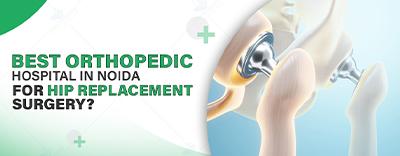
Looking for the best orthopedic hospital in Noida for hip replacement surgery? Get expert care, advanced technology, and faster recovery from top orthopedic specialists—all under one roof.
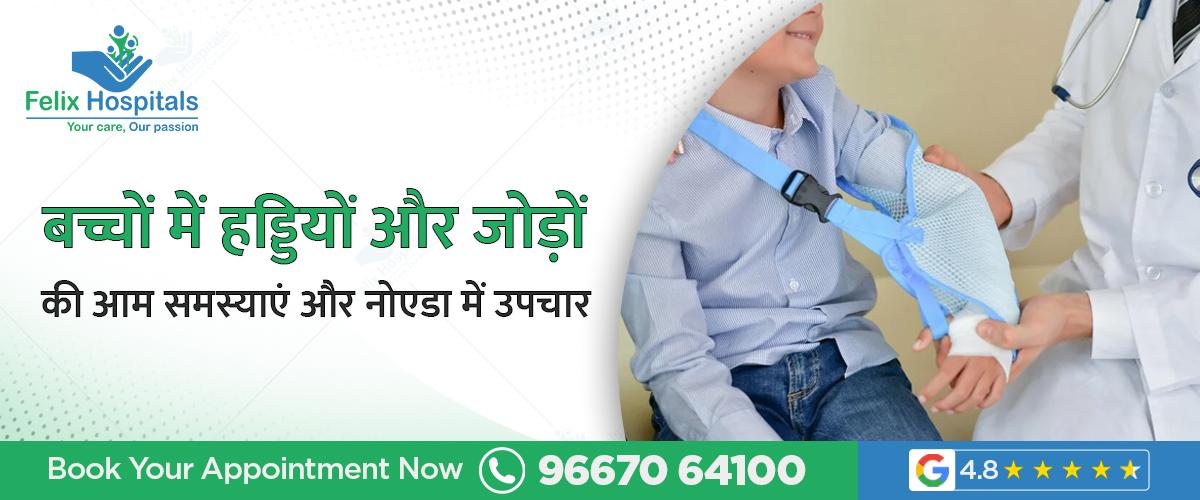
बचपन वह दौर होता है जब शरीर तेजी से बढ़ता है और नई ऊर्जा के साथ विकसित होता है। इस दौरान बच्चों की हड्डियां और जोड़ लगातार आकार बदलते हैं और मज़बूत बनते हैं। लेकिन कुछ बच्चों में यह विकास संतुलित नहीं होता, जिससे बच्चों में हड्डी और जोड़ समस्या देखी जाती है।
यह समस्या कई बार सामान्य हो सकती है, जैसे हल्की चोट या पोषण की कमी, लेकिन कभी-कभी यह गंभीर भी बन जाती है—जैसे जुवेनाइल आर्थराइटिस, हड्डी में संक्रमण या ग्रोथ डिसऑर्डर।
समय पर पहचान और इलाज से बच्चा पूरी तरह स्वस्थ जीवन जी सकता है। इसलिए, अगर आपका बच्चा बार-बार जोड़ दर्द, सूजन या चलने में परेशानी महसूस करता है, तो किसी नोएडा में बच्चों के लिए हड्डी विशेषज्ञ डॉक्टर से तुरंत संपर्क करें।
क्या आपका बच्चा बार-बार जोड़ दर्द या सूजन की शिकायत करता है? अभी कॉल करें — +91 9667064100
बच्चों में हड्डी और जोड़ समस्या के कई कारण हो सकते हैं। कुछ कारण अस्थायी होते हैं, जबकि कुछ लंबे समय तक बने रहते हैं।
1. चोट या गिरना (Injury or Trauma)
बच्चों की हड्डियां वयस्कों की तुलना में अधिक लचीली होती हैं, लेकिन बार-बार गिरने या खेलते समय चोट लगने से फ्रैक्चर या लिगामेंट इंजरी हो सकती है। अगर दर्द या सूजन कई दिनों तक बनी रहे, तो यह गंभीर संकेत हो सकता है।
2. संक्रमण (Infections)
कुछ संक्रमण हड्डियों या जोड़ों तक पहुंच जाते हैं, जैसे ऑस्टियोमायलाइटिस या सेप्टिक आर्थराइटिस। इससे सूजन, बुखार, और चलने में कठिनाई जैसे लक्षण दिखते हैं। इस स्थिति में देरी खतरनाक हो सकती है, इसलिए तुरंत विशेषज्ञ से जांच करवानी चाहिए।
3. पोषण की कमी (Nutritional Deficiency)
विटामिन D, कैल्शियम और फॉस्फोरस की कमी बच्चों में हड्डियों को कमजोर बनाती है। इसका असर चाल-ढाल पर दिखता है — जैसे झुके हुए पैर, हड्डियों में दर्द या जल्दी थक जाना।
4. ऑटोइम्यून रोग (Autoimmune Disorders)
कुछ बच्चों में शरीर की इम्यून प्रणाली गलती से अपने ही जोड़ों पर हमला करने लगती है। इससे बच्चों में गठिया के लक्षण दिखते हैं — जैसे जोड़ों में सूजन, stiffness, और बुखार। यह Juvenile Idiopathic Arthritis (JIA) का संकेत हो सकता है।
5. ग्रोथ या आनुवंशिक विकार
कुछ बच्चों में हड्डियों की ग्रोथ असमान रूप से होती है, जिससे चलने या संतुलन बनाने में परेशानी होती है। यह कभी-कभी जन्मजात (genetic) समस्या भी हो सकती है।
बच्चों में गठिया के लक्षण धीरे-धीरे विकसित होते हैं। कई माता-पिता इसे सामान्य दर्द समझकर नजरअंदाज कर देते हैं, जिससे स्थिति बिगड़ सकती है। मुख्य लक्षण हैं:
सुबह उठते समय जोड़ों में जकड़न या stiffness
जोड़ों का लाल, गर्म और सूजा होना
चलने, दौड़ने या खेलते समय दर्द
बार-बार थकान महसूस होना
वजन घटना या बुखार रहना
ग्रोथ रुक जाना या हड्डी की बनावट में बदलाव
अगर बच्चे में ये संकेत लगातार बने रहते हैं, तो देर न करें — बच्चों में गठिया इलाज नोएडा (arthritis treatment in children noida) में समय पर शुरू करवाएं ताकि बच्चे की गतिशीलता (mobility) बनी रहे।
बच्चों में हड्डी की सूजन कारण कई तरह के हो सकते हैं:
संक्रमण (Infection): हड्डियों में बैक्टीरिया के प्रवेश से सूजन और दर्द होता है।
चोट (Injury): बार-बार गिरने से हड्डी में अंदरूनी सूजन हो जाती है।
ऑटोइम्यून प्रतिक्रिया: शरीर की इम्यून प्रणाली खुद ही हड्डियों पर असर डाल सकती है।
विकास संबंधी बदलाव: तेज़ी से बढ़ते बच्चों में ग्रोथ प्लेट्स पर दबाव पड़ता है, जिससे सूजन दिख सकती है।
इन सभी स्थितियों में डॉक्टर द्वारा एक्स-रे या MRI करवाना जरूरी होता है ताकि सही कारण का पता लग सके।
बच्चों में जोड़ों का दर्द इलाज मुख्य रूप से उसके कारण पर निर्भर करता है। उपचार के प्रमुख तरीके हैं:
1. दवाओं के माध्यम से इलाज (Medication)
अगर दर्द सूजन या संक्रमण से जुड़ा है, तो एंटीबायोटिक या एंटी-इंफ्लेमेटरी दवाएं दी जाती हैं। ऑटोइम्यून रोगों में इम्यूनोमॉड्युलेटरी दवाएं भी दी जाती हैं।
2. फिजियोथेरेपी (Physiotherapy)
फिजियोथेरेपी बच्चों में जोड़ों की गतिशीलता बढ़ाने, stiffness कम करने और मांसपेशियों को मजबूत बनाने में मदद करती है। नियमित व्यायाम लंबे समय में स्थायी राहत देता है।
3. न्यूट्रिशनल सपोर्ट (Nutritional Support)
कैल्शियम, विटामिन D और प्रोटीन से भरपूर आहार बच्चों की हड्डियों को मजबूत बनाता है। दूध, अंडे, हरी सब्जियाँ और सूखे मेवे रोजाना देना चाहिए।
4. जीवनशैली में सुधार (Lifestyle Modifications)
बच्चों को पर्याप्त नींद, धूप में खेलने की आदत, और स्क्रीन टाइम सीमित रखने की सलाह दी जाती है।
5. विशेषज्ञ उपचार (Specialized Care)
गंभीर मामलों में विशेषज्ञ द्वारा जुवेनाइल आर्थराइटिस या हड्डी संक्रमण के लिए दीर्घकालिक उपचार योजना तैयार की जाती है।
नोएडा के अनुभवी डॉक्टर बच्चों में गठिया इलाज नोएडा में अत्याधुनिक सुविधाओं के साथ करते हैं, जिससे बच्चे की रिकवरी तेज़ होती है।
संतुलित आहार दें:
कैल्शियम, विटामिन D, आयरन और प्रोटीन युक्त भोजन बच्चों के विकास के लिए आवश्यक है।
धूप में खेलना प्रोत्साहित करें:
विटामिन D का प्राकृतिक स्रोत है जो हड्डियों को मज़बूत करता है।
खेलते समय सुरक्षा:
चोटों से बचाने के लिए बच्चों को उचित स्पोर्ट्स गियर पहनाएं।
संक्रमण का समय पर इलाज:
किसी भी संक्रमण को हल्के में न लें — जल्दी इलाज करवाएं।
नियमित चेकअप:
ग्रोथ, चाल और हड्डियों की जांच हर 6 महीने में एक बार करवाएं।
नोएडा में अनुभवी विशेषज्ञों की मदद से हड्डी और जोड़ की समस्याओं का स्थायी समाधान पाएं। आपके बच्चे का हर कदम दर्द-मुक्त हो सकता है। अभी कॉल करें — +91 9667064100
बच्चों में हड्डी और जोड़ समस्या आम है लेकिन अनदेखी नहीं की जानी चाहिए। यदि आपके बच्चे में बच्चों में गठिया के लक्षण, सूजन या दर्द दिखाई दे रहे हैं, तो तुरंत किसी अनुभवी विशेषज्ञ से संपर्क करें। नोएडा में बच्चों के लिए हड्डी विशेषज्ञ डॉक्टर सही निदान और आधुनिक तकनीकों के साथ उपचार करते हैं जिससे बच्चा जल्दी स्वस्थ हो सके।
प्रश्न 1. बच्चों में हड्डी और जोड़ समस्या के आम संकेत क्या हैं?
उत्तर: अगर बच्चा बार-बार जोड़ दर्द, सूजन, या सुबह stiffness महसूस करता है, तो यह बच्चों में हड्डी और जोड़ समस्या का संकेत है। इसे नज़रअंदाज़ न करें, क्योंकि समय पर जांच से स्थायी राहत मिल सकती है।
प्रश्न 2. बच्चों में गठिया के लक्षण किन कारणों से होते हैं?
बच्चों में गठिया के लक्षण ऑटोइम्यून कारणों से होते हैं, जहां शरीर की इम्यून प्रणाली खुद अपने जोड़ों पर हमला करने लगती है। यह अक्सर संक्रमण या आनुवंशिक प्रवृत्ति से जुड़ा होता है।
प्रश्न 3. बच्चों में हड्डी की सूजन क्या हमेशा संक्रमण से होती है?
उत्तर: नहीं, बच्चों में हड्डी की सूजन कारण कभी-कभी चोट, ऑटोइम्यून प्रतिक्रिया या ग्रोथ में बदलाव भी हो सकते हैं। लेकिन यदि सूजन लगातार बनी रहे तो डॉक्टर की जांच बेहद जरूरी है।
प्रश्न 4. क्या बच्चों में जोड़ों का दर्द सिर्फ बढ़ती उम्र की वजह से होता है?
उत्तर: कुछ मामलों में “growing pains” सामान्य होते हैं, लेकिन लगातार दर्द या सूजन बच्चों में जोड़ों का दर्द इलाज की ज़रूरत बताती है। सही निदान से समस्या की जड़ तक पहुंचा जा सकता है।
प्रश्न 5. क्या फिजियोथेरेपी बच्चों के जोड़ों के लिए सुरक्षित है?
उत्तर: हाँ, फिजियोथेरेपी बच्चों के जोड़ों और मांसपेशियों की ताकत बढ़ाने में सुरक्षित और असरदार है। विशेषज्ञ की देखरेख में यह बच्चों में जोड़ों का दर्द इलाज का महत्वपूर्ण हिस्सा है।
प्रश्न 6. नोएडा में बच्चों के लिए हड्डी विशेषज्ञ डॉक्टर कैसे मदद कर सकते हैं?
उत्तर: नोएडा में बच्चों के लिए हड्डी विशेषज्ञ डॉक्टर बच्चे की उम्र, वजन और स्थिति के अनुसार सटीक जांच करते हैं और दवा, व्यायाम या विशेष उपचार से समस्या को पूरी तरह ठीक करते हैं।

Building healthy habits in the formative years of a child lays the foundation for the healthy living. By teaching them to enjoy healthy eating at a tender age helps for the overall development and growth for life.

कमज़ोर हड्डियाँ और मांसपेशियाँ शरीर को कई बीमारियों और चोटों के प्रति संवेदनशील बना देती हैं। इनके कारणों को जानना और समय रहते सही देखभाल करना बहुत ज़रूरी है।
बच्चों में हड्डियों और जोड़ों की आम समस्याएं, उनके लक्षण,
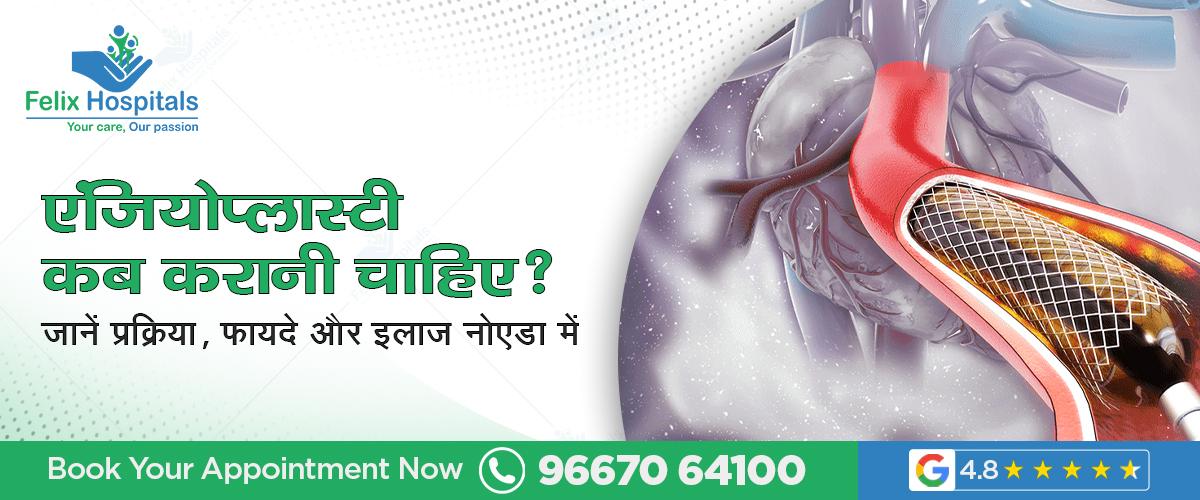
आज की भागदौड़ भरी जिंदगी में तनाव, असंतुलित खानपान और शारीरिक निष्क्रियता के कारण हृदय रोग आम हो गए हैं। इन बीमारियों में सबसे सामान्य और गंभीर समस्या होती है हृदय ब्लॉकेज (heart blockage), जो समय रहते इलाज न करने पर जानलेवा साबित हो सकती है। जब दवाओं और जीवनशैली में बदलाव से आराम नहीं मिलता, तब डॉक्टर एंजियोप्लास्टी की सलाह देते हैं।
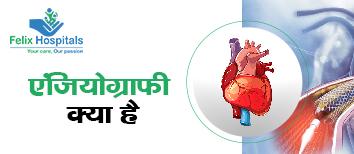
लेकिन अक्सर मरीजों के मन में सवाल होता है — एंजियोप्लास्टी क्या है, यह कब करवानी चाहिए और इससे क्या फायदे होते हैं?
अगर आप नोएडा या आसपास के क्षेत्र में रहते हैं और दिल से जुड़ी किसी समस्या का सामना कर रहे हैं, तो किसी अनुभवी एंजियोप्लास्टी डॉक्टर नोएडा से परामर्श लेना बेहद जरूरी है। यह लेख आपको एंजियोप्लास्टी की प्रक्रिया, संकेत और उसके फायदों के बारे में विस्तार से बताएगा।
अनुभवी एंजियोप्लास्टी डॉक्टर नोएडा से परामर्श लें और सही उपचार समय पर शुरू करें। अभी कॉल करें : +91 9667064100
एंजियोप्लास्टी क्या है — यह एक ऐसी आधुनिक चिकित्सा प्रक्रिया है, जिसमें हृदय की ब्लॉक धमनियों (blocked arteries) को खोलने के लिए एक पतली ट्यूब (कैथेटर) और एक छोटा गुब्बारा (balloon) उपयोग किया जाता है। इस गुब्बारे को ब्लॉकेज वाली जगह पर पहुंचाकर फुलाया जाता है, जिससे रक्त प्रवाह सामान्य हो जाता है।
कई बार इस प्रक्रिया के दौरान स्टेंट (Stent) लगाया जाता है, जो एक जालीदार धातु की ट्यूब होती है। यह धमनी को खुला रखता है और भविष्य में ब्लॉकेज को दोबारा बनने से रोकता है।
हर व्यक्ति को एंजियोप्लास्टी की जरूरत नहीं होती। यह तभी की जाती है जब धमनियों में रुकावट इतनी बढ़ जाए कि हृदय तक रक्त प्रवाह बाधित हो। अगर आपको नीचे दिए गए लक्षण महसूस होते हैं, तो तुरंत किसी विशेषज्ञ से संपर्क करें:
अगर आपको हल्की गतिविधि करने या आराम के दौरान भी सीने में दर्द, जलन या दबाव महसूस होता है, तो यह हृदय ब्लॉकेज का संकेत हो सकता है।
चलते समय या हल्के काम में भी सांस फूलना, थकावट या कमजोरी महसूस होना यह दर्शाता है कि हृदय को पर्याप्त ऑक्सीजन नहीं मिल रही।
जब किसी धमनी में 100% रुकावट आ जाती है, तो रक्त प्रवाह बंद हो जाता है और हार्ट अटैक की स्थिति बनती है। ऐसे में तुरंत एंजियोप्लास्टी डॉक्टर नोएडा से उपचार कराना चाहिए।
अगर लंबे समय से दी जा रही दवाओं से भी दर्द या असहजता में कमी नहीं आती, तो यह संकेत है कि अब एंजियोप्लास्टी कब करनी चाहिए का जवाब “अब” है।
अगर जांच में 70% या उससे अधिक ब्लॉकेज दिखाई दे, तो डॉक्टर एंजियोप्लास्टी की सलाह देते हैं ताकि हृदयाघात के खतरे को कम किया जा सके।
एंजियोप्लास्टी एक सुरक्षित और कम दर्द वाली प्रक्रिया है, जो आमतौर पर 30 मिनट से 1 घंटे में पूरी हो जाती है। इसे समझने के लिए नीचे दी गई स्टेप्स पर ध्यान दें:
1. प्रक्रिया की तैयारी
मरीज को पहले स्थानीय एनेस्थीसिया (Local Anesthesia) दिया जाता है। यानी, जिस स्थान से कैथेटर डाला जाएगा, केवल वही हिस्सा सुन्न किया जाता है।
2. कैथेटर डालना
डॉक्टर जांघ (Groin) या कलाई (Wrist) की नस में एक पतली ट्यूब (कैथेटर) डालते हैं, जिसे एक्स-रे गाइडेंस की मदद से हृदय की ब्लॉक धमनी तक पहुंचाया जाता है।
3. गुब्बारे से ब्लॉकेज खोलना
ब्लॉकेज के स्थान पर पहुंचने के बाद गुब्बारे को फुलाया जाता है, जिससे धमनी खुल जाती है और रक्त प्रवाह सामान्य हो जाता है।
4. स्टेंट लगाना
कई बार ब्लॉकेज दोबारा बनने से रोकने के लिए डॉक्टर उसी स्थान पर एक स्टेंट लगाते हैं। यह स्टेंट स्थायी रूप से धमनी को खुला रखता है।
5. प्रक्रिया के बाद देखभाल
कैथेटर निकालने के बाद मरीज को कुछ घंटों तक निगरानी में रखा जाता है। यदि सब कुछ सामान्य रहता है, तो 24 घंटे में घर भेजा जा सकता है।
एंजियोप्लास्टी के फायदे बहुत व्यापक हैं। यह न सिर्फ दिल की धमनियों को खोलता है, बल्कि हृदय को फिर से स्वस्थ बनाता है।
प्रक्रिया के बाद हृदय तक ऑक्सीजन और रक्त की आपूर्ति सामान्य हो जाती है, जिससे मरीज तुरंत राहत महसूस करता है।
ब्लॉकेज हटने के बाद हृदयाघात की संभावना कम हो जाती है। यही कारण है कि हार्ट ब्लॉकेज इलाज नोएडा में एंजियोप्लास्टी को पहली प्राथमिकता दी जाती है।
प्रक्रिया के कुछ दिनों बाद मरीज सामान्य गतिविधियाँ जैसे चलना, काम करना और व्यायाम करना शुरू कर सकता है।
सीने का भारीपन, दर्द और सांस की दिक्कत में स्पष्ट सुधार देखने को मिलता है।
यह एक मिनिमल इनवेसिव प्रक्रिया है, जिसमें बड़ी कटाई या टांके की जरूरत नहीं होती। रिकवरी भी तेज़ होती है।
एंजियोप्लास्टी के बाद मरीज को कुछ महत्वपूर्ण सावधानियों का पालन करना जरूरी है ताकि भविष्य में कोई समस्या न हो।
दवाएं नियमित लें:
डॉक्टर द्वारा बताई गई ब्लड थिनर और स्टेंट से जुड़ी दवाएं समय पर लेना बेहद जरूरी है।
स्वस्थ खानपान अपनाएं:
तैलीय, नमकीन और जंक फूड से बचें। ताजा फल, सब्ज़ियां, फाइबर और पानी का सेवन बढ़ाएं।
धूम्रपान और शराब से दूरी रखें:
ये दोनों आदतें दोबारा ब्लॉकेज बनने की संभावना को बढ़ाती हैं।
व्यायाम करें लेकिन सीमित:
डॉक्टर की सलाह अनुसार हल्की वॉक और योग करें, पर अत्यधिक मेहनत से बचें।
तनाव कम करें:
ध्यान (Meditation) और गहरी सांस जैसी तकनीकें हृदय को मजबूत बनाती हैं।
डॉक्टर से नियमित फॉलो-अप करें:
हर कुछ महीनों में जांच करवाना जरूरी है ताकि स्टेंट की स्थिति और हृदय की सेहत की निगरानी की जा सके।
अक्सर मरीज पूछते हैं कि एंजियोप्लास्टी कब करनी चाहिए और कब बाईपास सर्जरी की आवश्यकता होती है।
अगर ब्लॉकेज कम संख्या में हैं (1 या 2 धमनियों में), तो एंजियोप्लास्टी सबसे उपयुक्त और सुरक्षित विकल्प है।
लेकिन यदि कई धमनियों में ब्लॉकेज है या मरीज की स्थिति गंभीर है, तब डॉक्टर बाईपास सर्जरी की सलाह दे सकते हैं।
एंजियोप्लास्टी में बड़ी सर्जरी की आवश्यकता नहीं होती, जबकि बाईपास में छाती खोलकर हृदय के आसपास नई धमनी बनाई जाती है।
एंजियोप्लास्टी का रिकवरी समय बहुत कम होता है — आमतौर पर 2 से 3 दिनों में मरीज सामान्य जीवनशैली में लौट सकता है।
नोएडा में आज विश्वस्तरीय अस्पताल और अनुभवी कार्डियोलॉजिस्ट उपलब्ध हैं, जो नवीनतम तकनीक के माध्यम से हृदय ब्लॉकेज और एंजियोप्लास्टी का सफल इलाज करते हैं।
यहाँ की सुविधाओं में शामिल हैं:
अत्याधुनिक कैथ लैब्स (Cath Labs)
24x7 इमरजेंसी कार्डियक केयर
इंटरवेंशनल कार्डियोलॉजी में अनुभवी डॉक्टर
स्टेंट इंप्लांटेशन और फॉलो-अप के लिए विशेषज्ञ टीम
मरीज की संपूर्ण पोस्ट-ट्रीटमेंट केयर
अगर आप नोएडा में रहते हैं और दिल से संबंधित कोई भी समस्या महसूस करते हैं, तो अब हार्ट ब्लॉकेज इलाज नोएडा आपके शहर में ही उपलब्ध है।
सटीक निदान और विश्वसनीय हार्ट ब्लॉकेज इलाज नोएडा के लिए आज ही विशेषज्ञों से संपर्क करें। कॉल करें +91 9667064100
हृदय हमारा सबसे महत्वपूर्ण अंग है, और इसकी देखभाल समय पर करना ही स्वस्थ जीवन का पहला कदम है। एंजियोप्लास्टी क्या है और एंजियोप्लास्टी कब करनी चाहिए — इन सवालों के जवाब समझकर आप समय रहते सही निर्णय ले सकते हैं।
यह प्रक्रिया न केवल ब्लॉकेज को हटाती है, बल्कि आपके जीवन की गुणवत्ता में भी बड़ा सुधार लाती है। नोएडा में आधुनिक उपकरणों और विशेषज्ञ डॉक्टरों की देखरेख में एंजियोप्लास्टी आज एक सुरक्षित और प्रभावी उपचार है।
प्रश्न 1. एंजियोप्लास्टी क्या है?
उत्तर: एंजियोप्लास्टी क्या है — यह एक आधुनिक चिकित्सा प्रक्रिया है जिसमें हृदय की ब्लॉक धमनियों को खोलकर रक्त प्रवाह सामान्य किया जाता है। इसमें एक पतला कैथेटर और छोटा गुब्बारा उपयोग किया जाता है, जिससे हार्ट ब्लॉकेज आसानी से ठीक किया जा सकता है।
प्रश्न 2. एंजियोप्लास्टी कब करनी चाहिए?
उत्तर: जब सीने में दर्द, सांस फूलना या थकावट जैसी समस्याएं बार-बार हों और दवाओं से आराम न मिले, तब एंजियोप्लास्टी कब करनी चाहिए का जवाब है — अब। एंजियोग्राफी में अगर 70% या अधिक ब्लॉकेज मिले तो यह प्रक्रिया ज़रूरी हो जाती है।
प्रश्न 3. क्या एंजियोप्लास्टी सुरक्षित है?
उत्तर: हाँ, आज के समय में एंजियोप्लास्टी पूरी तरह सुरक्षित मानी जाती है। अनुभवी एंजियोप्लास्टी डॉक्टर नोएडा की देखरेख में यह प्रक्रिया न्यूनतम जोखिम के साथ की जाती है, और इसकी सफलता दर 95% से अधिक होती है।
प्रश्न 4. एंजियोप्लास्टी के बाद क्या सावधानियां रखनी चाहिए?
उत्तर: प्रक्रिया के बाद मरीज को डॉक्टर द्वारा बताई गई दवाएं नियमित रूप से लेनी चाहिए, धूम्रपान और जंक फूड से दूरी रखनी चाहिए। हल्का व्यायाम, तनावमुक्त जीवन और समय-समय पर जांच करवाना हृदय ब्लॉकेज और एंजियोप्लास्टी के बाद बेहद ज़रूरी है।
प्रश्न 5. एंजियोप्लास्टी और बाईपास सर्जरी में क्या अंतर है?
उत्तर: एंजियोप्लास्टी एक कम इनवेसिव (Minimal Invasive) प्रक्रिया है जिसमें छाती नहीं खोली जाती, जबकि बाईपास में बड़ी सर्जरी होती है। रिकवरी एंजियोप्लास्टी में तेज़ होती है, इसलिए हार्ट ब्लॉकेज इलाज नोएडा में यह प्राथमिक विकल्प माना जाता है।
प्रश्न 6. एंजियोप्लास्टी के क्या फायदे हैं?
उत्तर: एंजियोप्लास्टी के फायदे में शामिल हैं — तुरंत राहत, हार्ट अटैक के खतरे में कमी, और सामान्य जीवनशैली की ओर वापसी। यह प्रक्रिया हृदय को फिर से स्वस्थ और सक्रिय बनाती है, जिससे मरीज लंबे समय तक स्वस्थ जीवन जी सकता है।
एंजियोप्लास्टी के बाद जीवनशैली में बदलाव बेहद जरूरी होता है ताकि दिल स्वस्थ रहे और दोबारा समस्या न हो। इसमें संतुलित आहार, नियमित एक्सरसाइज, दवाइयों का पालन, और मानसिक तनाव कम करना शामिल है।
एंजियोप्लास्टी एक मेडिकल प्रक्रिया है जो हृदय की धमनियों में रुकावट को दूर करने के लिए की जाती है। जब दिल की नसों में ब्लॉकेज हो जाता है और रक्त प्रवाह बाधित होता है, तब यह सर्जरी ज़रूरी हो जाती है। यह हृदयाघात (Heart Attack) की स्थिति से बचाने में मदद कर

Subscribe to our
© Copyright 2026. All Rights Reserved by Felix Healthcare Private Limited
Design and development by :


 +(91)9667064100
 Emergency : +(91)9667064100