 WhatsApp
 Emergency:
  WhatsApp






Subscribe to our
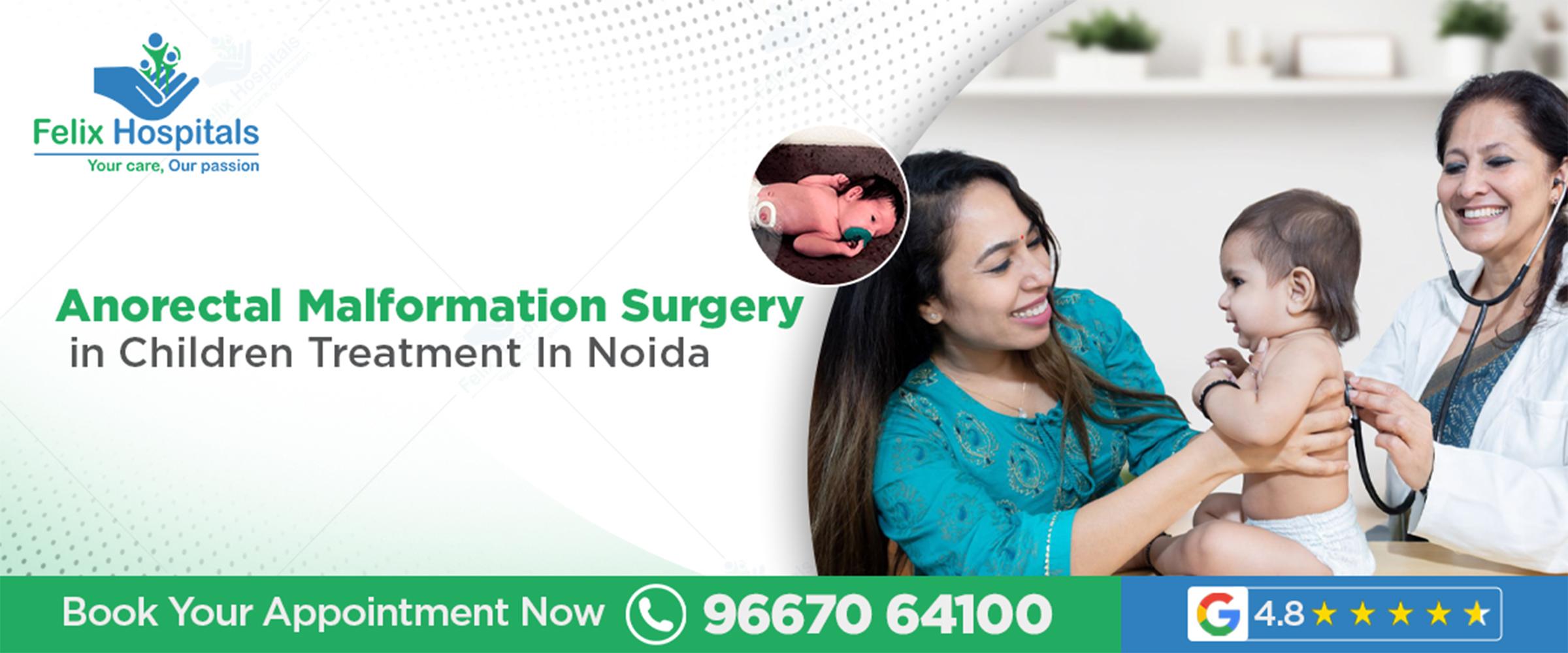
The arrival of a child is a great joy for all families, yet there are occasions when some congenital disorders demand precise medical care. Such a condition is anorectal malformation (ARM) — a malformation of a child's structure of the anus and rectum. It might cause a child some difficulty in excreting stool naturally and may demand corrective surgery shortly after birth.
Early diagnosis and early surgery for anorectal malformation in infants allow for normal digestive function and overall better quality of life for a child. Parents seeking specialist opinions about their child's condition may wish to approach a pediatric surgery hospital in Noida where state-of-the-art facilities and experienced pediatric surgeons are provided to manage delicate conditions like these.
Call us at +91 9667064100 to discuss your child's condition with experienced pediatric surgeons in Noida for sophisticated, safe, and caring treatment.
An anorectal malformation is a congenital defect of the rectum and anus, as it fails to develop normally. Sometimes, it is also missing altogether, or it is ectopically misplaced. It disrupts a normal passage of feces from the rectum to the body surface.
ARM can vary in severity. There are those children who may have a minor flaw that can be easily remedied and those who may have complicated abnormalities such as those to do with the urinary or the reproductive systems.
Knowledge of the type of ARM aids physicians to organize appropriate management of childhood anorectal malformation. The typical types are:
Imperforate Anus: The anus is missing or occluded.
Anal Stenosis: The opening of the anal is too tight.
Fistula Formation: A small abnormal tunnel may connect between the urinary tract/vagina and rectum.
Cloacal Malformation: It is a complex, congenital defect, more frequent among girls, in which the urinary, reproductive, and intestinal tracts converge into a common opening.
The parents may recognize symptoms soon after delivery of their child. Some of the symptoms are as below:
Lack of an anal opening.
Bloating of lower abdomen due to impacted feces.
Shedding feces via the genital outlet or vagina.
Inability to defecate or difficulty defecating.
Vomiting and feed intolerance.
In case of occurrence of any of these symptoms, it is necessary to receive immediate treatment at a pediatric surgery hospital in Noida for proper diagnosis and treatment.
The typical cause of ARM is seldom clear, but a number of factors are believed to contribute to its development during pregnancy's:
Genetic abnormalities: A few gene mutations potentially may increase the risk.
Environmental exposure: Radiation, infection, or medication during pregnancy may change fetal development.
Family history: ARM rarely runs in families.
Developmental abnormalities: Abnormalities during primary development of the embryo can occur during partial development of the rectum and anus.
Most of the times occur for no known reason, and parents should recognize that nothing they did caused the condition — it's just a developmental anomaly.
Diagnosis is normally performed soon after delivery by a pediatric surgeon through a clinical inspection. Sometimes, ARM is also identified even before delivery by a pre-natal ultrasound scan test.
To understand the seriousness and arrange repair of pediatric anorectal malformations, doctors might recommend:
Abdominal X-rays for verification of bowel gas patterns.
Ultrasound to evaluate urinary or reproductive tract involvement.
Either MRI or CT scanning for complex patients.
Contrast studies for localization of fistula communication.
These tests assist in determining the precise position and shape of the defect, thereby enabling surgeons to select the appropriate mode of treatment.

The management of anorectal malformation in a child is based on how severe and what kind of defect it is. Surgery is normally necessary to establish or relocate the anal opening and allow for normal defecation.
In infants who have a total blockage, a temporary colostomy might be constructed shortly after birth. A temporary colostomy involves cutting a hole in the belly through which stool drains into a bag. It helps prevent infection or rupture of the bowel until corrective surgery is possible.
Initially stable and healthy, a definitive anorectal surgery is accomplished — known also as a posterior sagittal anorectoplasty (PSARP), or pull-through operation.
The new anal opening is built by the surgeon at its correct site.
The newly formed anus is linked to the rectum.
Any fistulas are closed.
This delicate operation is performed under general anesthesia by a subspecialized pediatric surgery expert trained to handle complex congenital disorders.
Proper follow-up should follow surgery to prevent complication and allow for proper healing.
He is maintained on fluids at first, and feeds are gradually introduced.
Analgesics and antibiotics are available.
Parents are advised on anal dilatation treatment for maintaining a new opening's patency and prevention of narrowing.
Long-term follow-up guarantees appropriate bowel management during childhood growth.
With appropriate anorectal surgery at an early age and appropriate management, many children live normal, active lives. Others, however, need ongoing care to achieve a normal bowel habit.
Regular toilet training under medical guidance.
High fiber diet for constipation prevention.
Proper hydration for smooth passage of stools.
Regular follow-up appointments with the surgeon.
In a few, mild problems like occasional constipation or soiling persist, but are easily managed by advice from a doctor and lifestyle adjustment.
If surgery for children's anorectal malformations is delayed or forwent, serious outcomes are seen:
Long-standing constipation or intestinal obstruction.
Urinary tract infections.
Abdominal dist.
Fecal incontinence (loss of bowel control).
Psychological distress during childhood development.
Early screening and prompt corrective surgery in Noida may also avert long-term difficulties and guarantee your child's healthy confident future.
Recovery is dependent upon how complex the operation is. The majority of children settle down a few weeks after surgery, though it may be slow to achieve total bowel control. Long-term recovery is good if proper follow-up and care are exercised.
Due to current techniques and qualified pediatric surgeons available in Noida, success rates have increased immensely, and children are now capable of leading normal lives and doing everyday activities normally.
Early recognition and specialist treatment are what can make all of the difference to your child's recovery. Book an appointment by clicking here.
Pediatric anorectal malformations are daunting experiences for parents, yet if treated early and by a qualified surgeon, children end up living their lives absolutely normally. Prompt repair of pediatric anorectal malformations not only normalizes bowel function but also avoids future long-term morbidities involving digestion, growth, and even psychological health.
Parents should be optimistic and adhere to their doctor's advice for postoperative care and follow-up checkups. A choice of a reputable hospital for Pediatric surgery in Noida guarantees your child high-level, humane, and subspecialized care directed individually for their health.
Each child is entitled to a good start — and fortified by proper care, your young one can lead a bright, spirited, and confident life ahead.
Q1. What is the best timing of anorectal malformation surgery for children?
Ans: The operation is timed depending on how serious the defect is, and how healthy physically your child is. Surgery is very often done during the first few months of life for the best result.
Q2. Will a follow-up surgery be required by my child?
Ans: Other complicated cases involve two surgery procedures — one for a colostomy and lastly for repair work. Your surgeon determines the stages depending on your child's condition.
Q3. Will my child lead a normal life after surgery?
Ans: Yes, most of the children live a normal life following surgery with normal bowel control and daily care. Regular follow-up and dietary management are necessary for recovery.
Q4. What should be cared for at home after surgery?
Ans: They should keep clean, comply with wound care, feed normally, and maintain follow-up visits for anal dilatation and follow-up appointments.
Q5. Will anorectal malformation come again?
Ans: Recurrence is rare if follow-up and surgery are appropriate. Follow-up of bowel habit and regular clinical review, however, are required for long-term health.
Pediatric rheumatology focuses on diagnosing and treating autoimmune and inflammatory disorders affecting children’s joints, muscles, and connective tissues.

Learn key screening tests for early detection of colorectal cancer and polyps.

Cataracts are a prevalent ocular condition which most individuals relate with the aging in this the natural eye lens is clouded causing a person to have poor eyesight. But in the case of diabetic people, cataracts may form earlier and faster. The association between diabetics and cataracts has been very well established and poses a pertinent issue on the health of the eye in diabetic patients. This paper discusses the etiology, symptoms, diagnosis, and treatment of diabetic-related cataracts and emphasizes the need to monitor and regulate diabetes and vision loss to keep the quality of life.
Worried about diabetes vision issues? Make a booking with the best ophthalmologist in Noida in eye care of diabetics at +91 9667064100.
Eye lenses are normally transparent and the light passes through them to observe the retina in an appropriate manner to provide the eye with a clear vision. Cataracts are caused by a clumping together of the proteins in the lens and therefore clouds the light. This creates blurred vision, glare problems, loss of colors and other visual effects.
When the level of blood glucose is high in the body of a diabetic, it changes the chemical environment within the eye, increasing damage to the eye lens. The surplus sugar is transformed into sorbitol in the cells of the lens that causes osmotic pressure disrupting the normal functioning of the cells and causing them to swell and become opaque. This is the reason why cataract development in diabetes patients is usually earlier and potentially faster than in the general population.
This association has been verified in several studies that have found a connection between poorly controlled blood sugar and more risk of cataract and other eye diseases associated with diabetes including diabetic retinopathy and diabetic macular edema. These circumstances are major causes of diabetes and eye blindness, which proves the significance of a comprehensive approach to the diabetic eye care.
The main reason behind cataracts is the destruction of the lens proteins by the high glucose level although a number of other factors play out with whether the cataracts are developed in diabetic patients:
Duration of Diabetes: The longer the duration of the disease, the more damage the lens cells will have accumulated.
Blood Sugar Control: The uneven changes and elevated blood sugar peaks hasten the eye issues.
Age and Genetics: Diabetes can increase age related changes in the lens and genetic predispositions are also a contributing factor.
Related Eye Conditions: There are other eye ailments that are prevalent in diabetes such as glaucoma or diabetic retinopathy, which can have a role.
Medication Use: Diabetic patients may be exposed to some corticosteroids which are known to increase the risk of cataract formation.
Lifestyle Factors: Smoking and UV radiation may interact with diabetes to cause cataracts.
Symptoms Cataracts may not lead to any noticeably different vision, but those that emerge with progression may include:
Blind, foggy, or obscured vision.
Intolerance to glare and bright lights.
Seeing halos around lights
Color failure or vision grey.
Double vision in one eye
Since these symptoms may also develop due to other complications associated with diabetes mellitus, constant check-ups by an eye specialist is a prerequisite among diabetic patients.
Every diabetic patient should be examined with full eyes annually. A combination of tests is used to diagnose cataracts and assess good eye health in general:
Visual Acuity Test is used to test the clarity of vision over various distances.
Slit-Lamp Examination used gives an enlarged look of the lens and anterior constructions in order to identify cloudiness.
Retina Examination of diabetic retinopathy transformations and macular conditions.
Tonometry is used to eliminate glaucoma by measuring of eye pressure.
Ocular Coherence Tomography (OCT) imaging is used to see the detailed retinal layers in case of necessity.
Since diabetes is likely to lead to several eye complications that occur simultaneously, a detailed examination is useful in the detection and early treatment of diabetes and vision impairment.
The most effective cure of cataracts at the moment is surgery to have the smoked lens removed and an artificial intraocular lens (IOL) inserted in its place. For diabetic patients:
Pre-surgical Assessment: Surgical patients can reduce preoperative complications by maximizing the level of blood sugar.
Surgical Techniques: The most common is phacoemulsification (ultrasound to rupture the lens) and the implantation of IOL which has the least recovery time.
Postoperative Care: It is essential and requires close attention to the inflammation and diabetes retinal disease progression.
Ophthalmologists will consider any eye disease associated with diabetes in the course of advising surgery because it is imperative to focus on these conditions before and after the cataract surgery in order to achieve the best visual results.
To stay healthy in her eyes, it is necessary to have a complete diabetic care that involves:
Blood Sugar Control: Stable glucose levels help to prevent or postpone cataracts and other eye complications of diabetes.
Eye Checks: The early the eye is diagnosed to make early interventions.
Protective Eyewear: UV full-coverage sunglasses lessen the risk of oxidative damage.
Healthy Lifestyle: Eating antioxidant-rich diet, eliminating smoking habit, regular exercise, and blood pressure control help in maintaining the general well-being of the eyes.
Treatment: Hypertension, cholesterol, and renal disease are effectively treated to decrease the microvascular damage.
These measures are critical in preventing incidences and development of cataracts in the case of diabetic patients.
Although cataracts may cause poor vision, the majority of diabetics develop great vision post-surgery, in case diabetic eye diseases are effectively controlled. One should keep regular care and follow lifestyle recommendations.
Blindness due to hamper vision in cataracts and diabetes has a profound impact on the quality and independence of life, and this fact highlights the importance of teaching and advocacy in the process of dealing with these diseases. Patients ought to engage in frequent contact with ophthalmologists and primary care physicians.
Manage Your Eye Care: Specialized Diabetes related eye disease-now, call +91 9667064100.
The complexity of the link between diabetes and cataracts highlights the importance of empowered and active eye management in diabetic patients. Cataracts pose a major threat to diabetes-related eye disease and significantly increase the global burden of vision loss. Early diagnosis through regular and careful eye examinations — especially by the Best Ophthalmologist In Noida — enables timely and effective treatment. With advancements in cataract surgery, vision restoration in diabetic patients has become highly successful.
In the case of individuals with diabetes, the greatest defense against losing vision is the best possible metabolic control and frequent check-ups with eye care specialists. The knowledge of symptoms, coupled with the availability of well-developed medical centers, implies that patients have an opportunity to be provided with complex cataracts in diabetes patient care which could be designed to meet their particular needs.
Q1: Does diabetes result in premature cataracts?
Ans: Yes, diabetes usually gives rise to cataracts, earlier than non-diabetes people because of the effects of high blood sugar on the eye.
Q2: What is the frequency of a diabetic individual to have eye checkups to identify cataracts?
Ans: It is advisable that annual comprehensive eye checkups be done so as to keep a check on cataracts and other eye complications of diabetes.
Q3: Is cataract surgery dangerous to diabetic individuals?
Ans: Cataract surgery is considered to be secure and successful among diabetic patients who have good blood sugar control and qualified surgeons.
Q4: Is it possible to prevent cataracts by controlling the level of sugar in the blood?
Ans: The risk is reduced and the speed of cataracts related to diabetes is slowed down by better control of glucose.
Q5: Can normal vision be restored to a diabetic patient by cataract surgery?
Ans: The cataract surgery brings about a significant increase in vision in most diabetic patients, although the diabetic eye health needs continuous monitoring.
Diabetes is a condition in which your body part pancreases cannot make enough insulin which results in an increase in your glucose level/blood sugar level.
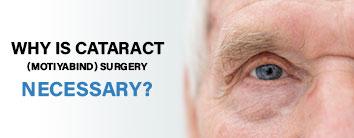
Cataract surgery is essential to restore clear vision and prevent permanent blindness. It removes the cloudy lens and replaces it with an artificial one, helping patients regain normal sight and quality of life.

It is a liver disease caused by a virus that infects the liver and causes inflammation. In the long run, the liver may also suffer damage. Although both men and women are affected by this disease, symptoms of Hepatitis C in women are usually not overt and can remain invisible for many years. Early detection is therefore imperative to avert further problems like liver fibrosis, cirrhosis, or even liver cancer.
For the most part, female Hepatitis C patients will not show explicit symptoms until they have suffered significant liver injury. Recognition of early symptoms will allow female patients to acquire early treatment and diagnosis that can preserve their future health.
If you or your near and dear are worried about the health of your liver, visiting a female liver specialist in Noida can provide a crucial advantage in early detection and efficient control.
Felix Hospital is a specialist in Noida for treating Hepatitis C in ladies with early detection and a completely-safe recovery. Consult experts on +91 9667064100.
It is caused by the Hepatitis C virus (HCV) and is transmitted through infected blood. It is passed to the body during transfusions, shared needles, or unclean medical practices. Under diagnosis is common among women due to early symptoms disguising as frequent fatigue or hormonal imbalances.
Unlike men, female individuals can also experience a gradual course of liver disease. But hormonal influence can accelerate its impact during pregnancy, menopause, or with certain medical conditions. So, Hepatitis C in female individuals is deserving of specific discernment and concern.
Earlier symptoms in female Hepatitis C patients can be inconspicuous or unnoticeable at first. Most of the women may not even know that they are infected with the virus unless the virus has put their liver under a lot of stress. A few common early symptoms are:
Early recognition of these female hepatitis C symptoms can assist with starting timely treatment and avoiding long-term harm.
If not treated, the infection advances and may result in overt symptoms of liver disease in female . They are:
After the appearance of such symptoms, female patients are required to see a hepatologist or a female liver specialist in Noida for appropriate investigation and treatment.
It is not also equally affecting men and women. According to studies, Hepatitis C in female patients can have different patterns due to the difference in hormones and metabolism.
Here is how that impacts women differently:
Understanding how Hepatitis C functions within women enables symptom control and prevention of long-term issues.
Despite awareness campaigns, several myths surround female liver infection signs and HCV in women. Here are a few clarifications:
Myth 1: Hepatitis C is caused solely by poor hygiene.
Fact: A bloodborne virus; no connection with hygiene during transmission.
Myth 2: Hepatitis C is caused by older people.
Fact: Anyone can become infected at any age, particularly following unsafe medical or cosmetic surgeries.
Myth 3: Once infected, there is no cure.
Fact: Antiviral therapy is possible for a cure under existing Hepatitis C treatment in Noida for women patients.
Myth 4: You have no symptoms. No big deal.
Fact: Liver damage can even go on unhindered for years even without overt symptoms.
Dispelling these misconceptions is crucial to encourage women to take preventive steps and get tested regularly.
It can also have effects on reproductive health as below:
It is also crucial that reproductive-aged women have regular check-ups and consultation with specialist liver and gynecologists. Early treatment can provide fetal as well as maternal protection.
Get medical help immediately if they have any of the following female liver infection symptoms:
A female liver specialist doctor in Noida can diagnose with a blood test, ultrasound, or liver function test.
Early recognition of Hepatitis C significantly enhances treatment outcomes. Diagnostic work-up typically includes:
Felix Hospital provides dedicated Hepatitis C treatment in Noida to female patients, with the latest diagnostics, personalized therapy, and frequent monitoring for higher recovery rates.
Prevention is also critical in containing Hepatitis C. The following are critical actions that can be taken by women:
Seek a consultation with a female liver specialist. Call at +91 9667064100 today and arrange a consultation.
Women's hepatitis C can be a silent but serious disease. Early detection of female symptoms for hepatitis C and early medical care can avert liver damage. Women must be vigilant in noticing alterations in their energy, digestive tract, or darkening discoloration on their skin—a symptom that their liver is stressed.
Felix Hospital offers ultimate Hepatitis C Hospital in Noida for female patients with the latest technology, expert medical care, and empathetic support to deliver the optimum outcome. If at any time symptoms or risk factors are experienced, then visit a female liver specialist in Noida today to ensure your health and well-being.
Q1. How do female patients initially present with signs of Hepatitis C?
Ans. It will mostly show early symptoms that include chronic fatigue, mild stomach discomfort, loss of appetite, and occasional nausea. Being mild, the symptoms are overshadowed by many pregnant women until the infection reaches a serious stage.
Q2. Is Hepatitis C curable in women?
Ans. Yes, a vast majority of female patients can recover completely from Hepatitis C with appropriate antiviral drugs at the right time. Early detection and timely compliance with medication result significantly in full recovery.
Q3. Is Hepatitis C infectious?
Ans. Yes, Hepatitis C is infectious but is spread via contact with infectious blood alone. You will not catch it by eating food, drinking water, embracing someone, or even minimal social interaction.
Q4. Can Hepatitis C infect a pregnancy?
Ans. Yes, Hepatitis C can impact pregnancy if not managed properly. But with proper medical guidance and treatment, most pregnant ladies deliver healthy infants with no issues.
Q5. How often must female patients be screened for Hepatitis C?
Ans. Women are required to be tested if they have ever been transfused with blood, have had surgery under non-sterile equipment, or experience chronic fatigue and liver aches. Early testing promotes effective treatment and prevents issues.

Exploring the Best IVF hospital in Noida for expert fertility treatments. Felix Hospital IVF is dedicated to helping couples achieve their dream of parenthood with advanced fertility treatments, latest technology, and compassionate care

Women should see a gynecologist yearly after puberty for health check-ups.
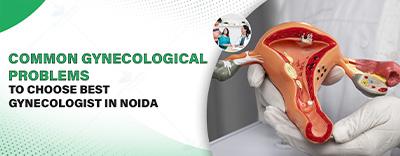
Know the common gynecological problems and the best tips to choose a trusted gynecologist in Noida
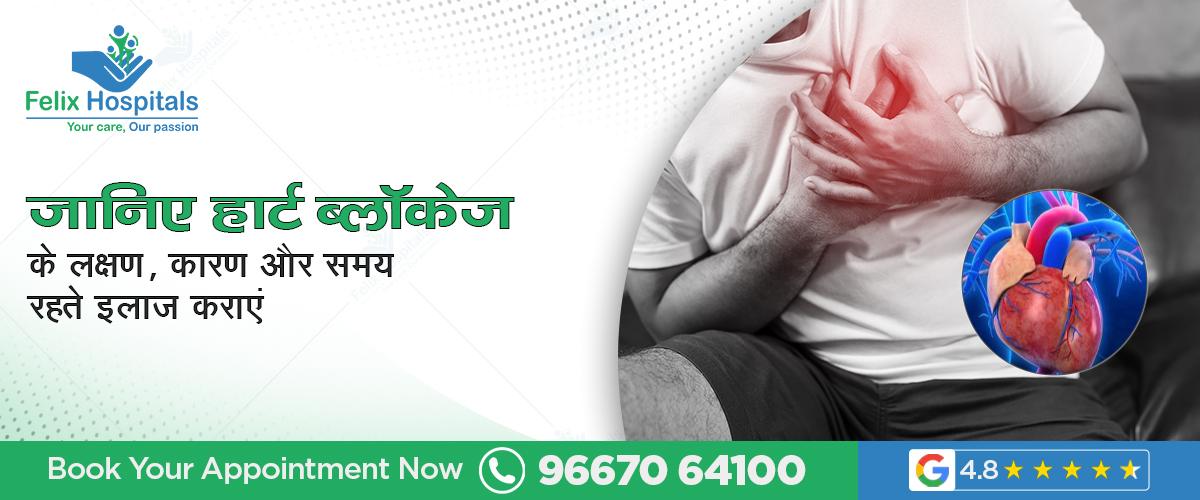
दिल (Heart) हमारे शरीर का इंजन है। जो हर सेकंड खून पंप कर पूरे शरीर तक ऑक्सीजन और पोषण पहुंचाता है। मगर जब हृदय की धमनियों में ब्लॉकेज होता है, तो खून का प्रवाह बाधित होता है। इससे हृदय की मांसपेशियों को पर्याप्त ऑक्सीजन नहीं मिलती। गंभीर स्थिति जैसे एंजाइना या हार्ट अटैक होता है। हार्ट ब्लॉकेज इलाज नोएडा (Heart blockage treatment in Noida) में उपलब्ध है। यह समस्या धीरे-धीरे विकसित होती है और शुरुआत में इसके लक्षण मामूली लगते हैं। समय रहते पहचान और इलाज बेहद जरूरी है।
अगर आप नोएडा या आसपास रहते हैं, तो यहां कई आधुनिक कार्डियोलॉजी हॉस्पिटल उपलब्ध हैं। जहां समय पर जांच और सही इलाज से हार्ट ब्लॉकेज को नियंत्रित किया जा सकता है।
अभी अपॉइंटमेंट शेड्यूल करें – कॉल करें: +91 9667064100
हार्ट ब्लॉकेज वह स्थिति है। जब दिल की धमनियों में कोलेस्ट्रॉल, फैट और अन्य तत्व जमा होकर प्लाक बनाते हैं। यह प्लाक धीरे-धीरे धमनियों को संकरा करता है। जिससे खून का प्रवाह बाधित होता है। जब ब्लॉकेज अधिक होता है। तो हृदय की मांसपेशियों तक ऑक्सीजन और पोषक तत्व पर्याप्त मात्रा में नहीं पहुंच पाते। परिणामस्वरूप छाती में दर्द, सांस फूलना, थकान जैसी समस्याएं उत्पन्न होती हैं। गंभीर अवस्था में हार्ट अटैक का खतरा बढ़ता है। हार्ट ब्लॉकेज अक्सर अस्वास्थ्यकर खान-पान, धूम्रपान, मोटापा, उच्च रक्तचाप, डायबिटीज और तनाव जैसी वजहों से होता है। इसका समय पर इलाज और जीवनशैली में बदलाव बेहद जरूरी है।
खून में एलडीएल का स्तर बढ़ जाने पर यह धमनियों की दीवारों पर जमकर प्लाक बनाता है। यह प्लाक धीरे-धीरे धमनियों को संकरा करता है। खून का प्रवाह बाधित होता है। एचडीएल (HDL) का स्तर कम होने से यह समस्या और गंभीर होती है।
लगातार उच्च रक्तचाप धमनियों की दीवारों पर अतिरिक्त दबाव डालता है। इससे आर्टरीज की परतों में सूक्ष्म चोटें आती हैं। जिन पर फैट और कोलेस्ट्रॉल जमता है। लंबे समय तक अनियंत्रित ब्लड प्रेशर हार्ट ब्लॉकेज का बड़ा कारण बनता है।
हाई ब्लड शुगर धमनियों की आंतरिक परत को नुकसान पहुंचाता है। इससे वेसल्स कठोर होती हैं। उनमें ब्लॉकेज बनने की संभावना बढ़ती है। डायबिटीज रोगियों में हृदय रोग का खतरा सामान्य व्यक्तियों से कई गुना ज्यादा होता है।
निकोटिन और अन्य हानिकारक रसायन रक्त वाहिकाओं को सख्त और संकरा बनाते हैं। धूम्रपान रक्त में ऑक्सीजन की मात्रा कम कर देता है। जिससे दिल पर अतिरिक्त दबाव पड़ता है। तंबाकू सेवन ब्लड क्लॉट बनने की संभावना बढ़ाकर हार्ट अटैक (Heart Attack) का खतरा दोगुना करता है।
अधिक वजन से ब्लड प्रेशर और ब्लड शुगर का स्तर बढ़ता है। शरीर में फैट का जमाव धमनियों को प्रभावित करता है। ब्लॉकेज तेजी से बढ़ता है। शारीरिक गतिविधि की कमी हृदय को कमजोर करती है। हार्ट डिजीज का जोखिम बढ़ाती है।
लगातार तनाव से स्ट्रेस हार्मोन का स्तर बढ़ता है। इससे ब्लड प्रेशर बढ़ता है। हृदय पर अतिरिक्त दबाव पड़ता है। नींद की कमी शरीर की रिकवरी को प्रभावित कर हृदय रोगों की संभावना बढ़ाती है।
यदि परिवार में पहले किसी सदस्य को हृदय रोग हुआ है तो जोखिम और बढ़ता है। आनुवंशिक रूप से हाई कोलेस्ट्रॉल या हाई ब्लड प्रेशर की प्रवृत्ति भी हृदय रोग की संभावना को बढ़ाती है। ऐसे लोगों को नियमित जांच और स्वस्थ जीवनशैली अपनाना जरूरी है।
यह सबसे सामान्य और शुरुआती लक्षण है। सीने में कसाव, जलन या दबाव जैसा महसूस होना। दर्द अक्सर शारीरिक मेहनत, तेज चलने, सीढ़ियां चढ़ने या तनाव की स्थिति में बढ़ता है। आराम करने पर कुछ देर में यह दर्द कम भी होता है।
हल्की गतिविधियों जैसे थोड़ी दूरी चलने या काम करने में भी सांस फूलना। शरीर जल्दी थक जाता है और ऊर्जा की कमी महसूस होती है। यह इसलिए होता है क्योंकि हृदय की मांसपेशियों तक पर्याप्त ऑक्सीजन नहीं पहुंच पाती।
सीने का दर्द कई बार सिर्फ वहीं तक सीमित नहीं रहता। यह कंधे, हाथ (खासकर बाएं हाथ), पीठ, जबड़े या गर्दन तक फैल सकता है। इस तरह का दर्द अक्सर हार्ट अटैक का संकेत भी हो सकता है।
अचानक दिल का जोर-जोर से या अनियमित धड़कना। कई बार धड़कन बहुत तेज हो जाती है। जिससे बेचैनी महसूस होती है। यह स्थिति हार्ट की इलेक्ट्रिकल एक्टिविटी में समस्या की ओर इशारा करती है।
खून का प्रवाह बाधित होने से मस्तिष्क तक पर्याप्त ऑक्सीजन नहीं पहुंचती। इससे चक्कर आना, सिर भारी लगना या अचानक बेहोशी जैसी स्थिति होती है। यह लक्षण तुरंत मेडिकल जांच की मांग करता है।
बिना गर्मी या शारीरिक मेहनत के भी अचानक ठंडा पसीना आना। दिल की धड़कन तेज होने के साथ घबराहट या बेचैनी महसूस होना। यह अक्सर हार्ट अटैक का इमरजेंसी सिग्नल होता है।
ईसीजी:
यह टेस्ट दिल की इलेक्ट्रिकल एक्टिविटी रिकॉर्ड करता है।धड़कन में अनियमितता या ब्लॉकेज के संकेत दिखाता है। हार्ट अटैक, एंजाइना या अरिदमिया जैसी समस्याओं को पहचानने में मदद करता है।
ईकोकार्डियोग्राफीः
अल्ट्रासाउंड आधारित टेस्ट जो हृदय की संरचना और पंपिंग क्षमता को जांचता है। इससे यह पता चलता है कि दिल की मांसपेशियां कितनी प्रभावी ढंग से खून पंप कर रही हैं। वाल्व या हृदय की दीवार में किसी समस्या का भी पता चलता है।
ट्रेडमिल टेस्टः
एक्सरसाइज के दौरान दिल की प्रतिक्रिया को मॉनिटर करता है। यह टेस्ट दिखाता है कि शारीरिक मेहनत के दौरान हृदय पर्याप्त ऑक्सीजन प्राप्त कर पा रहा है या नहीं। एंजाइना या ब्लॉकेज के शुरुआती संकेत जानने में मदद करता है।
सीटी एंजियोग्राफीः
यह एक इमेजिंग टेस्ट (Imaging Tests) है जो हृदय की धमनियों की 3 डी तस्वीर देता है। इससे ब्लॉकेज की स्थिति, प्लाक की मोटाई और धमनियों की संकरी का पता चलता है। नॉन-इनवेसिव टेस्ट होने के कारण यह बहुत सुरक्षित और जल्दी परिणाम देने वाला तरीका है।
कोरोनरी एंजियोग्राफीः
इसे गोल्ड स्टैंडर्ड टेस्ट कहते हैं। इसमें कैथेटर के माध्यम से धमनियों में कंट्रास्ट डाई डालकर एक्सरे या फ्लोरोस्कोपिक इमेजिंग (Fluoroscopic Imaging) की जाती है। इससे ब्लॉकेज का सटीक स्थान और गंभीरता पता चलती है। जरूरत पड़ने पर इसी दौरान एंजियोप्लास्टी या स्टेंटिंग भी की जा सकती है।
सीने में बार-बार दर्द होना।
रात को अचानक सांस फूलना।
लगातार थकान और कमजोरी रहना।
पेट के ऊपरी हिस्से में जलन या भारीपन।
दिल की धड़कन का तेज या असामान्य होना।
संतुलित आहार लेंः
आहार में कम सैचुरेटेड फैट और ट्रांस फैट शामिल करें। फलों, सब्जियों, साबुत अनाज और हाई फाइबर फूड्स को प्राथमिकता दें। ओमेगा-3 फैटी एसिड (मछली, अलसी, अखरोट) हृदय के लिए लाभकारी होते हैं। नमक और शक्कर की मात्रा नियंत्रित रखें, ताकि ब्लड प्रेशर और शुगर स्तर संतुलित रहे।
रोजाना हल्का व्यायाम करेंः
कम से कम 30 मिनट चलना, जॉगिंग, साइक्लिंग या योग करें। व्यायाम रक्त परिसंचरण सुधारता है। कोलेस्ट्रॉल नियंत्रित करता है। वजन को संतुलित रखता है। नियमित गतिविधि से हृदय मांसपेशियों की ताकत भी बढ़ती है।
धूम्रपान और शराब से दूरी बनाएंः
धूम्रपान और तंबाकू हृदय धमनियों को संकरा और सख्त बनाते हैं। शराब की अधिक मात्रा ब्लड प्रेशर और दिल पर दबाव बढ़ाती है। इनसे बचकर हार्ट ब्लॉकेज का जोखिम काफी हद तक कम करता है।
वजन, ब्लड प्रेशर और शुगर नियंत्रित रखेंः
मोटापा हृदय रोग का मुख्य जोखिम बढ़ाता है। नियमित ब्लड प्रेशर और शुगर जांच से समय पर बदलाव किया जाता है। हेल्दी वजन और नियंत्रण में शुगर हृदय को सुरक्षित रखते हैं।
तनाव और नींद की कमी से बचेंः
तनाव हार्मोन बढ़ाकर दिल पर दबाव डालते हैं। पर्याप्त नींद (7–8 घंटे) लेने से शरीर और हृदय दोनों की रिकवरी होती है। ध्यान, मेडिटेशन और रिलैक्सेशन तकनीक अपनाने से मानसिक और शारीरिक स्वास्थ्य सुधरता है।
नियमित कार्डियक हेल्थ चेकअप कराएंः
समय-समय पर ईसीजी, ब्लड प्रेशर, ब्लड शुगर और कोलेस्ट्रॉल जांच कराना जरूरी है। अगर परिवार में हृदय रोग का इतिहास हो तो चेकअप की फ्रीक्वेंसी बढ़ाएं। शुरुआती चेतावनी संकेतों की पहचान से गंभीर हार्ट ब्लॉकेज और हार्ट अटैक से बचाता है।
ब्लड थिनरः
खून को पतला करके ब्लॉकेज या ब्लड क्लॉट बनने की संभावना कम करते हैं। हार्ट ब्लॉकेज के लिए बेस्ट अस्पताल नोएडा में उपलब्ध है। एंजाइना और हृदय अटैक के जोखिम को घटाने में मददगार होते हैं।
बीटा ब्लॉकर और नाइट्रोग्लिसरीनः
दिल पर दबाव कम करते हैं और धड़कन को नियंत्रित रखते हैं। खासकर एंजाइना और हृदय की मांसपेशियों पर तनाव कम करने के लिए इस्तेमाल होते हैं।
स्टैटिन:
खून में कोलेस्ट्रॉल के स्तर को नियंत्रित करते हैं। एलडीएल कम और एचडीएल बढ़ाकर धमनियों में प्लाक बनने की प्रक्रिया धीमी करते हैं।
एंजियोप्लास्टीः
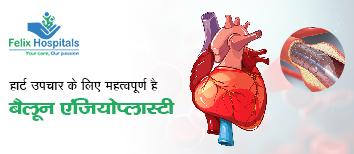
ब्लॉकेज वाली धमनी में कैथेटर के माध्यम से छोटा बैलून डालकर उसे फैलाते है। फिर उसी जगह स्टेंट लगाते हैं। जो धमनियों को खुला रखता है। रक्त प्रवाह सुचारु करता है। यह प्रक्रिया आमतौर पर स्थानीय एनेस्थीसिया में होती है। रिकवरी जल्दी होती है।
बायपास सर्जरी:
गंभीर ब्लॉकेज या मल्टीपल ब्लॉकेज होने पर अपनाते हैं। अवरुद्ध हिस्से को बायपास करने के लिए शरीर की किसी दूसरी रक्त वाहिका (जैसे लेग या चेस्ट से) का उपयोग करते हैं। इससे हृदय मांसपेशियों तक पर्याप्त खून पहुंचता है। हार्ट अटैक का खतरा कम होता है। यह एक बड़ी सर्जरी है। लंबे समय तक जीवन की गुणवत्ता बढ़ाने में मदद करती है।
संतुलित आहार: कम फैट, हाई फाइबर, ओमेगा-3 युक्त भोजन करें।
नियमित व्यायाम: दिन में 30 मिनट तक हल्की से मध्यम गतिविधि करें।
तनाव प्रबंधन: मेडिटेशन, योग या ध्यान जैसी तकनीकें अपनाएं।
धूम्रपान और शराब से दूरी: हृदय और धमनियों को स्वस्थ रखने के लिए इनसे दूरी बनाएं।
नियमित चेकअप: ब्लड प्रेशर, शुगर, कोलेस्ट्रॉल और कार्डियक टेस्ट कराएं।
अभी अपॉइंटमेंट शेड्यूल करें – कॉल करें: +91 9667064100
हार्ट ब्लॉकेज एक गंभीर स्थिति है। सीने में दर्द, थकान, सांस फूलना या अनियमित धड़कन जैसे लक्षण दिखें तो इन्हें नजरअंदाज न करें। ऐसे में तुरंत नोएडा में सबसे अच्छे कार्डियोलॉजिस्ट (Immediately consult the best cardiologist in Noida) से जांच कराएं। समय पर इलाज और स्वस्थ जीवनशैली अपनाकर हार्ट ब्लॉकेज और हार्ट अटैक से बचाव किया जा सकता है।
प्रश्न 1: हार्ट ब्लॉकेज और हार्ट अटैक में क्या फर्क है?
उत्तर: हार्ट ब्लॉकेज में नसें संकरी या बंद होती हैं। हार्ट अटैक तब होता है। जब ब्लॉकेज के कारण रक्त प्रवाह पूरी तरह रुकता है।
प्रश्न 2: क्या हार्ट ब्लॉकेज बिना सर्जरी ठीक होता है?
उत्तर: शुरुआती स्टेज पर दवाइयों और लाइफस्टाइल सुधार से कंट्रोल किया जा सकता है। लेकिन गंभीर मामलों में एंजियोप्लास्टी या बायपास सर्जरी जरूरी होती है।
प्रश्न 3: हार्ट ब्लॉकेज का सबसे आम लक्षण क्या है?
उत्तर: सीने में दबाव या दर्द, जो कंधे और हाथ तक फैलता है। इसलिए लक्षण दिखने पर तुरंत ही इलाज कराएं।
प्रश्न 4: क्या युवाओं में भी हार्ट ब्लॉकेज होता है?
उत्तर: हां अस्वास्थ्यकर खानपान, धूम्रपान और तनाव के कारण अब यह समस्या युवाओं में भी तेजी से बढ़ रही है। इसलिए जीवनशैली में सुधार जरूरी है।
प्रश्न 5: हार्ट ब्लॉकेज से बचाव कैसे करें?
उत्तर: हेल्दी डाइट, नियमित व्यायाम, धूम्रपान से परहेज और समय-समय पर हेल्थ चेकअप कराकर। लक्षण दिखने पर तुरंत ही इलाज करें।
हार्ट अटैक के मुख्य लक्षण, कारण और तुरंत किए जाने वाले उपचार के बारे में जानें। समय पर पहचान और सही इलाज से जीवन बचाया जा सकता है।
Heart attacks were considered a geriatric illness. But nowadays, physicians all over India — including cardiologist in Noida — have noticed alarming increase among individuals in their 20s, 30s, and their early 40s. Due to the present lifestyle, along with increasing tension, unhealthy diet, and physical inactivity, the youth have also become more prone to heart attacks.
Understanding the heart attack in young adults and why it’s becoming so common is essential for prevention and early intervention. A heart attack doesn’t strike suddenly — it often builds up silently over time. Recognizing the signs, knowing the causes, and adopting a heart-healthy lifestyle can make all the difference between life and loss.
Call +91 9667064100 and consult the best cardiologists in Noida, India, for the best heart attack hospital in Noida.
The increasing incidents of heart attack among the youth are alarming. Multiple factors that are interconnected are causing the same, many originating from lifestyle options. In spite of the genetic factor, preventable risk factors like high levels of stress, smoking, sitting habits, and improper feeding are found in the majority of the youths who are consulted today.
One key cause of heart attack is atherosclerosis — the build-up of fatty plaques within the arteries. They constrict the arteries, reducing the blood flow towards the heart. If the plaque ruptures, the flow of blood can be totally blocked, leading to a heart attack.
Let's have a detailed look at the leading young people heart attack causes.
Poor eating habits are among the leading culprits behind the risk factors of heart attack among the youth. Ready access to processed food items, refined carbohydrates, and unhealthy fat have replaced tested, balanced food.
Young people often skip breakfast, consume excessive caffeine or energy drinks, and rely on fast food. These habits increase cholesterol levels and triglycerides, contributing to artery blockages.
Tip: Eat a high-fruits, -vegetables, -whole grains, -nut, -lean-protein diet. Ditch the fried and sweets — your heart will thank you later.
Chronic stress directly affects heart conditions. In the high-pressure work and competition environments of places like Noida, the levels of stress among youth professionals are all-time high. High levels of stress cause hormonal imbalances, increasing the blood pressure, inflammation, and heart strain.
Also, sleep loss interferes with maintenance cycles in the body, further augmenting cardiovascular risk. It has been discovered that individuals who sleep for under 6 hours at night have heart issues earlier in life.
Tip: Learn relaxation techniques such as meditation, yoga, or deep breathing. Sleep 7–8 quality hours every night.
Technology has enabled our lives to be easy, but our lives are becoming sedentary. Hour after hour sitting at a desk, driving, or staring through monitors cause poor circulation, obesity, and high cholesterol — all risk factors that foster heart disease.
It makes the heart muscle stronger, boosts the flow of blood, and regulates weight, cholesterol, and blood pressure.
Tip: Get at least 30 minutes per day of exercise —walking, riding a bike, or dancing is fine!
Tobacco and nicotine accelerate artery damage by decreasing the amount of oxygen and making the blood more viscous. Even occasional smokers develop premature heart disease. With increased use of vaping and e-cigarettes, teens misguidedly believe that they're the better bargain — but they can damage the blood vessels as well.
Also, excessive consumption elevates the blood pressure, triglycerides, as well as irregular heartbeats.
Tip: Quit smoking entirely and drink in moderation and reduce your risk substantially.
Obesity is no longer a midlife crisis — it's becoming a teenage and youth problem. Excess fat on the body stimulates insulin resistance, high cholesterol, and high blood pressure — all key heart-attack causes.
The fat storage around the abdomen (tummy fat) is particularly dangerous, as the risk is enhanced for metabolic syndrome and heart disease.
Tip: Reduce body weight through balanced feeding and frequent exercise.
Most children are unaware that they have high blood pressure or borderline diabetes. Both diseases harm the heart and the arteries quietly over the course of time.
Together, they substantially increase the risk of a heart attack among youth. Screening regularly is essential in identifying these conditions at an early stage and treating them through lifestyle, diet, and medicine when needed.
Tip: Have your sugar and blood pressure levels tested every year — even if you feel fine.
Family history is significant. If either parent experienced heart trouble before the age of 55, the offspring are more likely later in life to endure the same kind of trouble.
Your genes can't predetermine your fate — the way you live can control the way genes express themselves. Preventive medicine and proficient monitoring can maintain the hearts of even high-risk people healthy.
Tip: If the family history is positive, then the individual should meet a Heart Treatment Hospital in Noida center for periodic cardiac check-ups and lifestyle advice.
Drug abuse, such as cocaine or amphetamines, results in abrupt elevation in the body's level of high blood pressure and can precipitate heart attacks in otherwise healthy adolescents. In like manner, bodybuilding anabolic steroids strain the heart muscle and impair cholesterol equilibrium.
Tip: Never consume performance-enhancing medicine or un prescription supplements. Focus on natural balanced fitness and appropriate medical counsel.
Post-pandemic studies discover that the infection may cause the heart (myocarditis) and clotting of the blood. Some youths who had recovered from mild COVID-19 developed later heart disorders due to unnoticed inflammation as well as due to cardiac damage caused by stress.
Tip: If you've had chest pain, shortness of breath, or lethargy after recovering from COVID-19, don't ignore it – have your heart assessed by a specialist.
Young adult heart attacks can go unnoticed as the symptoms can be weak or non-specific for the heart. Be on the lookout for these symptoms of a heart attack among young adults:
Neglect of these symptoms can be fatal. Emergency medical attention can save a person and prevent further disability.
While the facts are startling, the silver lining is that heart attacks in the younger generations can be prevented entirely through diligent efforts and periodic check-ups.
Even youths should have general health checks on cholesterol, blood pressure, sugar, and heart activity. Periodic checkups will prevent dangers before they occur.
Consumption of fresh, high-nutritional-value food. Instead of fried, have grilled food, and have olive/mustard oil. Minimise the consumption of sugar and salt.
Perform aerobic exercise such as brisk walking, swimming, or cycling. Aerobic exercise facilitates better efficiency of the heart and de-stress.
Both are significant correctable risk factors. Their elimination can decrease the risk of heart attack by as much as 50%.
Meditation, exercise, and hobbies all can lower the level of cortisol and cultivate heart health.
Keep your weight between the healthy boundaries in order to prevent metabolic issues.
Dehydration and lack of sleep strain your heart and increase blood pressure levels.
You must visit a cardiologist in Noida if you feel:
The increasing number of heart attacks among young people is a wake-up call. It's not genes — it's lifestyle, tension, and neglect that imperceptibly damage young hearts. But education, discipline, and precaution can turn the tide.
Adoption of small day-to-day habits such as healthy living, exercise, non-tobacco use, and management of stress will keep your risk diminished. Routine medical check-ups with specialist cardiologists at Noida enable early diagnosis and correction of cardiac conditions before they are severe.
Remember — the heart is one very resilient organ, and caring for it today will ensure a longer, better future. Never ignore warning signs or delay medical care. Preventive medicine is, after all, the ultimate medicine when treating the heart.
Q. 1. Why are heart attacks increasing among youth?
Ans. Contemporary inactive lifestyles, inappropriate diets, cigarettes, tension, and sleep depravity have rendered youth more prone to heart disease than ever before.
Q. 2. Can stressful periods bring on a heart attack?
Ans. Chronic tension increases inflammation and high blood pressure, both of which can cause heart attacks, especially in combination with other risk factors.
Q. 3. What are the early symptoms of heart problems in young people?
Ans. Shortness of breath, mild chest pain, lightheadedness and tiredness on ordinary activity should not be overlooked.
Q. 4. What is the natural way through which the youth can prevent heart disease?
Ans. By maintaining an exercise routine, eating well, maintaining healthy weight, quitting tobacco use and having a check-up periodically.
Q. 5. Is it possible to be a heart attack victim at the age of 20s?
Ans. Yes, more people of 30s and 20s, occasionally with lifestyle issues, family history, or smoking.
Q. 6. How many times should I be tested on my heart?
Ans. Adults less than 40 years must have a heart check determined at every 2-3 years, or annually in case there is risk factor or family history.
Q. 7. Do younger adults recover better after heart attack?
Ans. Youths are also doing better as they are usually in better health overall, but lifestyle changes can prevent recurrence in the long term.

Arrhythmia is a condition where the heart beats irregularly—too fast, too slow, or with an uneven rhythm. It can feel like a fluttering, racing, or skipped heartbeat.
Any parent is alarmed when their child suffers from irregular bowel movement or pain when sitting on the toilet. Child constipation is one of the leading gastrointestinal issues in little children, and although constipation is generally temporary, neglecting the situation can develop into chronic ailments or pain.
Knowing the symptoms of constipation in children and easy, helpful methods of treating it can be very helpful. If your child is a finicky eater, doesn't drink enough water, or is afraid of the john, there are tested methods that can work.
Even when the symptoms persevere, visits with a pediatric gastroenterologist in Noida can provide your child with the expert counsel and relief through child-friendly and secure treatments.
Call +91 9667064100 today and schedule a consultation with one of the top pediatric specialists in Noida and have your child feel fresh, energetic, and happy again!
Constipation is slow bowel movement through the intestines, making the bowel dry and hard. It results in irregular or painful defecation. Occasional constipation is normal in children, but when a child is constipated frequently, medical attention should be sought. The condition can be brought on by:
Poor fiber consumption
Insufficient hydration
Straining on defecation because of pain or embarrassment
Lack of physical activity
Daily changes (e.g., new school schedule) or emotional distress
Dietary and lifestyle changes are typically capable of promoting bowel health naturally.
Early diagnosis in childhood is useful in the prevention of complications. Important symptoms are as follows:
Having fewer than three bowel movements per week
Tough, dry, or chunky stools
Straining or tears when defecating
Abdominal cramps or bloating
Loss of appetite or irritability
Accidents of soiling (leakage due to impaction)
Little ones will show symptoms such as leg crossing, buttock squeeze, or crouching when the urge is on — all the telltale signs that they want to hold on.
If the constipation is more than two weeks or very distressful, then medical care is needed.
Knowing what is causing the constipation can allow you to treat it properly. Some leading causes include:
Dietary habits: A diet low in fiber and high in processed foods slows digestion.
Dehydration: Decreased fluids make the stool firmer.
Toilet refusal: Children oppose sitting on the toilet from a sense of fear or distress.
Lack of activity: Motion keeps the digestive system active.
Mood swings or stress: Back-to-school anxiety, traveling, or new routines can upset bowel habits.
Medical conditions: At times, chronic constipation is a symptom of the thyroid or gastrointestinal disorders.
One of the easiest and quickest treatments to alleviate constipation is by making alterations in the way we eat. An appropriate level of nutrition softens the stool and ensures normal bowel movement.
The following are certain specific foods that can easily rectify constipation in children:
High-fiber fruits: Apples, pears, papayas, and prunes, which have natural.
Veggies: Spinach, broccoli, beans, and carrots have fiber and promote digestion.
Wholesome grains: Whole-wheat chapatis, oats, and brown rice maintain the intestines' activity.
Legumes: Chickpeas and lentils abound in plant-based.
Nutrition and seeds: Chia seeds and flaxseeds contain healthy fats and fiber.
Probiotic foods: Curd and yogurt help maintain gut bacteria balance.
Avoid processed snacks, fried snacks, and excess dairy products as these can flare up constipation.
Digestion is also hydration-based. During dehydration, the colon will pull more water out of the stool, which will be hard and dry.
Here is a general rule on the amount of water a child should consume to avoid constipation:
Toddlers (1–3 years): 4–5 glasses (about 1 liter) per day
Children (4–8 years): 5–6 glasses daily
Children between the ages of 9–13: 7–8 glasses a
Encourage your child to have the drink at intervals rather than all at once. Fresh juice, coconut water, and soup can also be useful in achieving hydration. It is critical to limit the intake of sweets or cola-based products, as these can cause dehydration.
Any minute lifestyle alteration can impact the bowel health of your child greatly. Individualize the following into routine:
Make a timetable in the bathroom: instruct your child to visit the toilet at regular intervals, especially after he has been fed.
Promotion of physical activity: No less than 30-60 minutes of play or exercise.
Reward effort, not results: Never scold or poke your child; constructive praise will build confidence.
Introduce fiber gradually: Fiber can cause gas when increased all at once; introduce slowly.
Sit properly on the commode: A low footstool can keep the child sitting comfortably and passing stools easily.
Consistency is key: These simple steps almost always work wonders in a matter of weeks.
While mild constipation is treatable at home, the services of a professional are needed if the symptoms remain or get worse. Parents should contact a child constipation specialist in Noida if:
The child has not defecated after more than 7 days.
There is bleeding from the stools.
The child experiences severe abdominal pain or vomiting.
Weight loss or appetite suppression ensues.
Over-the-counter remedies aren’t helping.
The pediatric gastroenterologist will assess the child's history, will perform soft exams, and can consult on the need for dietary recommendations, medications, or stool softeners as needed. In chronic conditions, further testing like abdominal X-rays or blood work may be performed.
Child constipation treatment in Noida is further specialized to provide the latest child friendly treatment of persistent constipation which includes:
Laxatives or stool softeners: To be used temporarily in order to loosen up the stools.
Behavioral therapy: Assists youngsters in getting rid of the fear of the toilet or refuse to withhold.
Biofeedback therapy: The therapy resettles bowel muscles in children of older age to control them better.
Nutritional counseling: Customized diet plans offer balanced nutrition and regular bowel movement.
Contemporary child specialists integrate medical intervention with parent education, such that the healing is as much physical as emotional.
Prevention is the best medicine. Once your child's digestion is under control, regularity is essential.
Offer a high-fiber diet daily.
Keep your child well-hydrated.
Limit screen time before bedtime to encourage better sleep and bowel rhythm.
Ask open-ended questions — children should never feel ashamed to discuss bowel problems.
These small regular habits ensure that your child enjoys enduring gastrointestinal health.
If your child is constipation or is having tummy pain, don't overlook the symptoms. Make an appointment by clicking here.
Constipation in children is common but manageable. Early detection, appropriate nutrition, hydration, and moral encouragement can work wonders towards the prevention of distress. Parents play the key role in the encouragement of healthy bowel motions and the reduction of tension about bowel motions.
If pain, hard stools, or irregular bowel movements persist, don't wait for expert help. A pediatric gastroenterology in Noida can offer the appropriate diagnosis and suitable treatments that befit your child.
Properly treated and cared for, your child can be back on track towards normal bowel comfort and health — allowing them to be active, confident, and happy every day.
Q. 1. What are the symptoms of constipation in children?
Ans. Children will pass hard stools, experience abdominal pain, or straining when defecating. They may also experience straining or less than three times a week bowel movement.
Q. 2. Which foods relieve constipation in children?
Ans. High-fiber foods like prunes, apples, vegetables, whole wheat, and yogourt with probotics can loosen constipation without the need for medicine.
Q. 3. How much should a child consume in order to be constipation-free?
Ans. Children require 4–8 glasses per day, appropriate for the child's age and activity level, in order to achieve soft, regular stools.
Q. 4. How should I work with the pediatrician in treating constipation in children?
Ans. Unless the constipation is longer than a week, is very painful, is causing intestinal bleeding, or a loss of appetite, one should schedule an appointment with a pediatric specialist. .
Q. 5. Is constipation ever a symptom of another medical illness?
Ans. Occasionally, constipation can be traced back to bowel or thyroid issues, and medical assessment is prudent in the presence of persistence.

10 Reasons why a child may not grow

As a child care specialist, I have noticed a huge difference in overall growing of a child in the last 14 years.

Take special care of the health of your kids, especially young children, amidst the changing seasons.

Cleft lip and palate are among the most common facial birth defects, affecting thousands of babies worldwide. The diseases arise when a baby is born with a lip that is not formed correctly or the roof of his mouth (palate) has not been formed properly in the course of pregnancy. Families searching for expert care can find dedicated support at a cleft lip and palate hospital in Noida, where specialized teams provide compassionate, comprehensive treatment to help children live healthy, normal lives.
This blog provides a complete guide on spotting symptoms, understanding causes, and exploring the best treatment options for cleft lip and palate to empower parents and caregivers in their journey to healing.
Concerned about your child's cleft lip or palate? Schedule an appointment to a pediatric craniofacial expert today at +91 96670 64100.
A cleft lip is a physical split or separation in the upper lip, which can vary from a small notch to a large gap extending towards the nose. A cleft palate is an opening in the roof of the mouth that affects either the hard palate (front bony part), the soft palate (back muscular part), or both. Babies may have just a cleft lip, just a cleft palate, or both conditions together.
The two disorders are caused by partial merging of facial features in the embryo stage. Lack of intervention puts babies at a disadvantage with feeding, speech, hearing, dental development and self esteem problems.
Identifying cleft lip and cleft palate early can make a life-changing difference for infants and families. Common symptoms include:
An observable cleft or fissure on the upper lip or on the roof of the mouth.
Difficulty creating the suction needed for breastfeeding or bottle feeding--a common feeding problem in cleft palate babies because the opening prevents separation between the nasal cavity and oral cavity.
Liquids which flow through the nose during feeding.
Repeated ear infections because of bad performance of the eustachian tubes.
Nasal-sounding speech Inability of the palate to close during speech.
Poorly positioned or absent teeth which get more visible as the child matures.
It is advised that parents should be evaluated as soon as they observe feeding problems or lip/palate anomalies during birth. A pediatrician and a speech therapist should provide initial advice to help a child to develop well in terms of nutrition and speech.
The causes of cleft lip and palate are complex and usually involve a combination of genetic and environmental factors. There are some major contributors, which include:
Genetic predisposition or family history of facial birth defects.
Pregnancy exposure to some medicines (anticonvulsants), maternal smoking, alcoholism, maternal infections or low levels of folic acid nutrition.
Poisonous substances or diseases in the body of the fetus at vital stages.
Even though prevention of all causes is impossible, information on the risk factors will enable healthcare professionals to provide counseling and prenatal care to lower the incidence rates.
Treatment for cleft lip and palate is multifaceted and requires expert management through different developmental stages. The following are some of the key elements:
Typically performed between 3 and 6 months of age, cleft lip surgery aims to close the gap and restore a normal lip shape. This surgery enhances the looks on the face, alleviates feeding problems, and also improves the overall functionality of the mouth. The surgeons employ sophisticated methods, including rotation-advancement flaps, to make the lips look natural and not to impair muscle activity.
Cleft palate correction surgery generally takes place between 9 and 18 months. It will aim at sealing the hole in the roof of the mouth which permits normal speech growth and prevents frequent cases of ear infection due to better performance of palate muscles. Such surgery is frequently accompanied by meticulous reconstruction of soft tissues in order to achieve the best outcomes.
As kids get older, they may need more reconstructive surgery or secondary cleft repair surgery to fix problems like defects in the alveolar bone, problems with the alignment of their teeth, and problems with the shape of their nose. These simulated processes are what make sure that the beauty and usefulness get better over time.
Kids with cleft palates often have trouble speaking clearly because their muscles are weak or the way air flows through their mouths is wrong. Dedicated speech therapy cleft programs help rebuild proper articulation and voice quality, often beginning shortly after surgery and continuing for several years.
Feeding is a major concern for parents of babies with cleft lip or palate. Since a complete palate is crucial in the production of suction, most babies find it difficult to breast-feed or to bottle-feed. Professionals are frequently required to assist the caregivers in:
Use specially designed bottles and nipples to support cleft anatomy.
Lay the baby so that there is minimum nasal regurgitation.
Keep a close check on the weight gain and the fluid intake of the baby.
At an early age, feeding habits are interfered to avert malnutrition and enable improved growth results.
The best outcomes for children with cleft lip and palate come from coordinated care involving a team of specialists:
Surgical repairs Plastic and reconstructive surgeons.
Pediatricians that check the general growth and health.
Communication development speech therapists.
Audiologists to take care of the hearing problem.
Dental and jaw realignment orthodontists and dentists.
Nutritionists to assist in feeding and nutrition.
Specialized centers, such as a cleft lip and palate hospital in Noida, provide this all-in-one comprehensive care environment, ensuring children receive holistic support for their physical and emotional needs.
Early medication and treatment bring tremendous changes in the quality of life of a child since they are able to eat properly, talk in an understandable way, hear normally, and grow confidently. Late intervention may lead to feeding disorders, hearing and speech disorders, dental defects and psychosocial difficulties.
Regular newborn screening tests, prenatal ultrasounds, and prompt referrals to cleft experts would enable the families to plan ahead and enjoy the newest advancements in surgeries and rehabilitative treatment options.
Visibly differently children at birth are likely to experience emotional and social problems. Self-esteem and social integration can be promoted through support groups, counseling and an inclusive educational environment. The cleft care family education facilitates the development of a supportive atmosphere that leads to positive growth.
Q.1. How many surgeries are typically needed to correct a cleft lip and palate?
Ans. Most children require at least two surgeries--one to repair the cleft lip around 3 to 6 months of age, and another to correct the cleft palate by 12 months. As the children develop, some might require extra operations to enhance their looks and voices.
Q.2. Can a child with cleft lip or palate feed normally?
Ans. The feeding can also be difficult due to the opening that can disrupt suction. Precisely selected bottles and strategies, as well as, expert advice, can enable your child to feed successfully at the initial months.
Q.3. Does having a cleft lip or palate affect speech development?
Ans. Yes, children with cleft palate often face speech difficulties, such as nasal speech or lisps. Postoperative speech therapy can be used to enhance the clarity and pronunciation of the speech as they develop.
Q.4. Are there long-term dental issues associated with cleft lip and palate?
Ans. Kids who have such conditions have higher chances of having issues with their teeth such as missing, deformed, or displaced teeth. These problems have to be addressed by regular dental visits and orthodontics.
Q.5 Is a cleft lip or palate related to other health problems?
Ans. Cleft lip and palate can sometimes be part of genetic syndromes, but they often occur in isolation. Related health issues are also taken care of early in case of proper assessment by a specialist.

When it comes to maintaining good oral health, preventing cavities should be at the forefront of your dental care routine. C

Looking for the top dental hospitals near you in Noida? Get immediate, expert dental care from trusted clinics equipped with advanced technology.
Emergencies are unforeseen — they hit anytime and require instant treatment. At that period, the hospital in Noida might be the difference between life and death. It may be a maimed wound, a heart stroke, or a breathing situation or a road carnage, emergency care may save lives when it is attended to promptly and properly.
Felix hospital is a reliable emergency care facility in Noida, whose medical infrastructure is of the best quality, and the response teams and customer care is 24x7. Whether it is trauma, cardiac, or neurological, the hospital delivers immediate and qualified care when the seconds count.
When you find yourself in a medical emergency and you are not sure what to do, the first things first is to remain calm, provide safety and seek immediate medical help. The emergency response personnel at the best Emergency hospital in Noida, the doctors are always in readiness to take prompt action.
Reliable Felix Hospital is the best hospital providing 24/7 emergency and critical care. Call us today at +91 9667064100.
A medical emergency is an urgent, life-threatening problem that may arise anywhere — at home, on the road, or at work. Staying informed about what to do may save lives before professional help can arrive. Know what to do in a medical emergency:
Remain Calm and Assess the Situation – Panic will exacerbate the situation. Assess whether the patient is conscious, breathing, or bleeding.
Call for Doctor Immediately – Call the emergency number or rush to the closest Emergency Care Hospital in Noida.
Basic First Aid – Stop bleeding, provide CPR if needed, and maintain an open airway.
Don't Wait to Shift – Time is of the essence; reach a 24/7 emergency hospital in Noida as quickly as possible.
Avoid Giving Unprescribed Medicine – Untested medication can complicate the patient's condition.
Felix Hospital's emergency ward is highly trained to handle such situations in an efficient manner so that patients receive urgent, life-saving procedures the moment they are admitted.
For emergency conditions, Felix Hospital is one of the Best Hospitals in Noida, well-fitted with modern ICUs, ventilators, cardiac care units, and a speedy-response ambulance service.
The emergency department of the hospital is open 24/7, with experienced doctors, nurses, and paramedics working continuously to deliver complete accident and emergency services in Noida. All the patients are treated according to the medical priority and they are treated in a timely manner.
From simple injuries to life-threatening emergencies, Felix Hospital's emergency department has trained professionals to deal with all types of cases — trauma, cardiac arrests, stroke, respiratory failure, burns, poisoning, and others.
Their interdisciplinary care ensures seamless coordination among emergency physicians, surgeons, cardiologists, and critical care doctors — the perfect chance for survival and healing.
Medical emergencies never take time. Therefore, Felix Hospital offers 24/7 emergency care in Noida, such as:
Immediate Ambulance Response: Well-equipped ambulances with paramedics for instant attention.
Advanced Trauma Center: Exclusive trauma bays for road accidents, fractures, and severe injuries.
Critical Care Units: State-of-the-art ICUs and CCUs for severe illnesses.
Cardiac Emergency Unit: Immediate treatment for heart attacks with on-call cardiologists and advanced cardiac monitoring.
Neurological Support: Specialist treatment for strokes, seizures, and head injuries.
The hospital's emergency care department works on one objective — save lives quickly, accurately, and with compassion.
Seconds matter in emergencies. That is why Felix Hospital provides Immediate Hospital Admission in Noida to ensure critical treatment continues as scheduled without a hitch.
The patients are triaged at the door and the medical personnel can easily determine the severity and therefore offer prompt treatment. This can be either trauma care, cardiac care or acute infection treatment - the emergency admission of Felix Hospital is aimed at providing an opportunity to register quickly and receive prompt medical services.
The smooth process of admission will mean that the loved ones are able to concentrate on helping the patient but not on the paper work and delays.
Critical Care Unit in Felix Hospital is provided with the newest ventilators, cardiac monitors, infusion pumps, and 24-hour nurse service. Their team of multidisciplinary workers collaborates in harmony to stabilize the patients and give the best possible care after the emergencies.
Felix Hospital emergency services are designed to care for a wide variety of cases, combining medical expertise with human compassion. Here's why patients trust them for emergency care in Noida:
24/7 Availability: Emergency doctors and nurses available day and night.
Highly Qualified Team: Experienced experts in trauma, cardiology, neurology, and critical care.
Cutting-Edge Technology: Digital diagnostic machines, ventilators, and cardiac monitors.
Patient-Centered Approach: Compassionate care to allay patients and families.
Quick Ambulance Service: Fast movement in all parts of Noida and beyond.
These unsurpassed facilities ensure that Felix Hospital provides international quality emergency care where and whenever it is required.
The accidents may happen at any time of day - and immediate medical care can eliminate the late-term complications. Accident and Emergency Care of Felix Hospital Noida is the place where trauma patients will be taken care of with the newest diagnostic means and surgical assistance.
The trauma team is able to offer an immediate stabilization and treatment to each patient with a variety of injuries such as head injuries, fractures, internal bleeding and burns.
The hospital also enjoys a well coordinated mechanism with its surgical and ICU departments which in effect allows the smooth flow of complex cases in and out of the hospital to the recovery department.
Fluxus Hospital has one of the most sophisticated Intensive Care Units in the area, which is located in Felix Hospital as a major Critical Care Hospital in Noida. Such units have life-support technology and are overseen by qualified intensivists who provide 24/7 monitoring over patients.
Critical care is provided for patients recovering from cardiac arrest, respiratory failure, multi-organ dysfunction, severe infections, or post-surgical complications.
Each ICU bed has its respective monitoring systems that track vital parameters in real time, thus a prompt response to the patient's slightest status change.
Need urgent or life-threatening care? Contact us today for immediate, compassionate emergency care by clicking here.
Time is the most valuable resource when there is an emergency. No time is wasted to save lives, courtesy of Felix Hospital. It runs 24/7, with highly trained doctors and state-of-the-art medical facilities, and is the most trustworthy emergency care hospital in Noida.
From accident and trauma conditions to cardiac or neuro crisis, Felix Hospital is prepared for it all — with skilled treatment, compassionate care, and hassle-free admission.
Select Felix Hospital- your trusted business partner in Noida emergency care where no life will be wasted.
Q1. How shall I start in case of a medical emergency?
Ans. Remain calm, keep the patient safe, and promptly call Felix Hospital's emergency helpline for rapid medical intervention.
Q2. Is Felix Hospital's emergency department available at night?
Ans. Yes, it is open 24/7 with round-the-clock medical and paramedical backup for any kind of emergencies.
Q3. Does Felix Hospital treat accident and trauma cases?
Ans. Yes, it has a specialized trauma department with seasoned surgeons and state-of-the-art emergency infrastructure.
Q4. How fast is the ambulance response in Noida?
Ans. Immediate ambulances are dispatched and manned by trained staff to stabilize at the scene.
Q5. Are critical care patients admitted immediately?
Ans. Yes, immediate hospitalization in Noida is offered by Felix Hospital for every emergency and critical patient.
For those experiencing such symptoms, seeking care from the best hospital for pulmonology treatment in Noida ensures you receive timely and expert diagnosis and treatment.
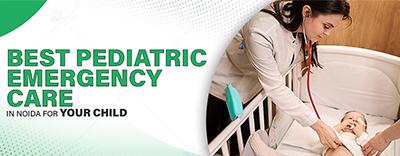
Get immediate, expert care for your child at the best pediatric emergency centers in Noida. Available 24/7, these facilities offer advanced treatment, experienced pediatricians, and specialized care for urgent child health issues.
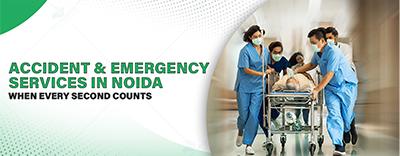
Accidental and Emergency Services in Noida provide 24/7 urgent medical care, advanced trauma management, and rapid response to save lives when every second counts.

Quick actions to save lives during a heart attack.

Going to the gym is a great idea to undertake a workout regime to be more healthy and to keep the heart strong. Nevertheless, high intensity exercise particularly exerts significant stress on the cardiovascular system. In order to be safe to enjoy workouts and minimize the chances of heart attacks, one should consult a certified cardiologist and take prescribed tests. For those in Noida, accessing the best Heart Attack Hospital in Noida and guidance from the best cardiologist in Noida can ensure a safe start to your fitness journey. This article provides essential insights including heart doctor gym advice and cardiologist tips before joining gym to help you understand how much exercise is good for the heart and answer questions like can heart patients go to the gym.
Start your fitness journey safely—book a comprehensive cardiac consultation in Noida today at +91 96670 64100.
Working out without consultation can be seen as not harmful to some people, but it is something that can endanger others. Numerous heart diseases like the silent coronary artery disease, arrhythmias or structural anomalies go undiagnosed until they are triggered by an intensive physical activity. It is thus important to notice any underlying problems before one gets into physical exertations and then suffers sudden attacks of the heart during exercises.
Research indicates that cardiac events that occur during exercise are rather infrequent but they tend to cause problems in people that have no idea about the problems with their heart. It is even more dire when the first-time exercisers start the workout at a high intensity or when an individual has predisposing factors, such as age (over 30 years), a family history, high blood pressure, diabetes, or high cholesterol. Exercise plans are designed to replicate the functions of your heart, which is safer when cardiologist visits and prescribed tests are taken into consideration.
Exercise benefits maximum risks minimum risks may be optimized by following specific practical advice given by your cardiologist:
Take a comprehensive cardiovascular examination prior to commencing or escalating physical exercise in the gym.
Gradual- start with low-moderate exercises and work up to longer duration and heavier workload.
Provide your trainer with any medical history or heart related symptoms that you have had.
Eliminate smoking and deal with stress.
Keep yourself hydrated and do not forget to wear the right gym clothes.
Be aware of your body and advise your cardiologist immediately in case of chest pains, palpitations, dizziness or unexplainable fatigue.
Make periodic check-ups in the course of fitness to track heart health.
A number of cardiac tests are suggested by the cardiologists to assess the cardiac health and risk prior to initiating gym routines particularly high-intensity training:
An ECG is a recording of the electrical activity of the heart identifying arrhythmias, former silent heart attacks, or cardiac abnormalities. It is a painless, fast maturity test that is popularly administered to screen otherwise healthy people who are embarking on exercise programs.
This ultrasound scan gives visual imaging of thickness of heart muscle, functionality of the valves and effectiveness of pumping. It assists in the diagnosis of such conditions as hypertrophic cardiomyopathy or valve disease that may predispose to risk in the case of severe exercise.
Treadmill test is a test that measures cardiac performance under the stress of exercise. It measures the changes in ECG, blood pressure response, and symptoms during a treadmill walk or running. It has the ability to show underlying ischemia or abnormal blood, which is not evident during rest.
These screen cholesterol types and blood sugar control- powerful contributors to atherosclerosis and cardiovascular risk. Early detection enables lifestyle modification and drug to minimize heart attack.
Sensitive blood tests are used in determining silent cardiac strain or injury, though mainly in acute use. Higher levels are an indication to cardiologists that the heart is under stress or being damaged and requires treatment.
hs-CRP and ESR: identify inflammation that causes atherosclerosis.
Blood pressure checks: Manages hypertension and this is synergizing with exercise risk.
Coronary Calcium Scan: It is used to determine the amount of calcimined plaque present in coronary arteries to make a complete risk assessment.
Medical professionals recommend a minimum of 150 minutes of aerobic moderate intensity activities such as brisk walking, cycling, swimming, etc. per week. Instead, vigorous exercise like running for 75 minutes per week is a good idea. Cardiovascular fitness gains are complemented by strength training of all major muscles in the body twice per week. In the case of beginners, it is crucial to progress gradually in terms of time and effort to prevent excessive stress.
In individuals who already have heart diseases or risk factors, a collaboration with their cardiologist will make the exercise amount and type safe and effective.
Yes, heart patients are allowed to engage in gym activities with medical approvals and strict supervisions. Through cardiac rehabilitation programs, exercise is performed under clinical supervision and enhances the heart performance and fitness overtime. The independent workouts are also possible under the approval of a cardiologist who prepares certain exercise plans based on the cardiac status of the patient.
Disregarding medical prescriptions or trying to exercise intensively without preparation may result in life threatening complications such as heart attacks in the gym.
Call an ambulance in case any of these happen during or after exercises:
Pain in the chest or pressure, particularly extending to arm, back, jaw or neck.
Severe dyspnea of unknown cause.
Dizziness or fainting, all at once.
Palpitations with weakness or confusion.
Too much fatigue as an impediment to exercise.
Timely identification and intervention enhances results.
Don’t risk your heart health—get expert cardiologist advice and screening before intense exercise. Contact us at +91 96670 64100.
Conclusively, adherence to professional heart doctor gym and cardiologist tips prior to joining a gym is the guarantee to being safe and maximizing the benefits of exercise. Understanding how much exercise is good for the heart and knowing whether heart patients can go to the gym are vital steps supported by thorough medical evaluation. Trust the expertise of Felix Hospital, the best Heart Attack Hospital in Noida, for your cardiac care. You are sure to begin your healthy life knowing your heart is in good hands.
Q.1 What are the tests that I should have taken before going to the gym?
Ans. ECG, echocardiogram, treadmill stress test and blood work: lipid and sugar profiles.
Q.2. What is the safe level of exercise to the heart?
Ans. 75-150 minutes of moderate exercise or 75 minutes of strenuous aerobic exercise per week, and strength training 2 times weekly.
Q.3. Is gym workout safe in heart patients?
Ans. Yes, under doctor recommended cardiologist supervision and special programs.
Q.4. What is the significance of a cardio test prior to vigorous exercise?
Ans. They identify the latent cardiac issues, avoiding cardiac events during exercising.
Q.5. What is to be done in case I have a feeling of chest pain during exercise?
Ans. Stop and emergency treatment Seek emergency medical attention.
Arrhythmia is a condition where the heart beats irregularly—too fast, too slow, or with an uneven rhythm. It can feel like a fluttering, racing, or skipped heartbeat.
ब्रिटल अस्थमा (Brittle Asthma) अस्थमा का एक दुर्लभ और गंभीर रूप है। इसमें रोगी की सांस की नलियां अचानक और तेजी से सिकुड़ती हैं। जिससे जानलेवा श्वसन कठिनाई होती है। यह सामान्य अस्थमा से कहीं अधिक अस्थिर और अप्रत्याशित होता है। यानी मरीज को पहले से अंदाजा नहीं होता कि दौरा कब आ सकता है। नोएडा में ब्रिटल अस्थमा का उन्नत इलाज उपलब्ध है। यहां अनुभवी पल्मोनोलॉजिस्ट और इम्यूनोलॉजिस्ट की देखरेख में उपलब्ध है।
अभी अपॉइंटमेंट शेड्यूल करें – कॉल करें: +91 9667064100
ब्रिटल अस्थमा, अस्थमा का एक गंभीर और नियंत्रण से बाहर रहने वाला रूप है। इसमें मरीज का अस्थमा अचानक बहुत खराब होता है। भले ही वह नियमित दवाएं ले रहा हो। यह रोग सामान्य इनहेलर या दवाओं से आसानी से नियंत्रित नहीं होता है। कई बार कुछ ही घंटों या मिनटों में मरीज को गंभीर सांस रुकने जैसी स्थिति का सामना करना पड़ता है।
मरीज की फेफड़ों की कार्यक्षमता दिनभर में बहुत अधिक बदलती रहती है। दवाएं और इनहेलर लेने के बावजूद स्थिति अस्थिर रहती है। लक्षण पूरे वर्ष बने रहते हैं।
मरीज को सामान्य दिनों में कम या कोई लक्षण नहीं होता है। लेकिन अचानक कुछ घंटों में गंभीर अस्थमा अटैक होता है। यह दौरा जानलेवा भी साबित हो सकता है यदि तत्काल चिकित्सा न मिले।
अचानक और बार-बार सांस रुकने या सीटी जैसी आवाज आना
दवा या इनहेलर से तुरंत राहत न मिलना
लगातार खांसी और छाती में दबाव महसूस होना
अत्यधिक थकान, कमजोरी या बेचैनी
बार-बार अस्पताल में भर्ती होने की आवश्यकता
ब्लड ऑक्सीजन लेवल का तेजी से गिरना
बार-बार “आपातकालीन अस्थमा का दौरा” का अनुभव
धूल, परागकण, फफूंदी और पालतू जानवरों के बाल:
घर या बाहर की धूल के कणों में मौजूद सूक्ष्म जीवाणु सांस के साथ अंदर चले जाते हैं, जिससे एलर्जी (Allergies) और खांसी शुरू होती है। परागकण खासकर वसंत ऋतु में हवा में तैरते हैं, जो संवेदनशील व्यक्तियों में छींक, नाक बहना और सांस फूलना पैदा करते हैं। फफूंदी नम स्थानों में पनपती है। जैसे बाथरूम, रसोई या दीवारों के कोने यह भी श्वसन तंत्र को नुकसान पहुंचाती है। पालतू जानवरों के बाल या डेंडर भी आम एलर्जन हैं। जो अस्थमा के मरीजों के लिए हानिकारक साबित होते हैं।
संक्रमण:
वायरल या बैक्टीरियल रेस्पिरेटरी इंफेक्शन (जैसे सर्दी-जुकाम, ब्रॉन्काइटिस या न्यूमोनिया) श्वास नलियों में सूजन पैदा करते हैं। बार-बार होने वाले संक्रमण फेफड़ों की कार्यक्षमता को कमजोर करते हैं। अस्थमा अटैक का खतरा बढ़ाते हैं।
दवाओं का अनियमित या गलत उपयोग:
कई मरीज इनहेलर या स्टेरॉयड दवाएं सही तरीके से या समय पर नहीं लेते, जिससे अस्थमा नियंत्रण में नहीं रहता। अचानक दवा बंद कर देना या डॉक्टर की सलाह के बिना डोज बदलना, लक्षणों को गंभीर बनाता है।
तनाव और भावनात्मक दबाव:
मानसिक तनाव शरीर की हार्मोनल प्रणाली को प्रभावित करता है, जिससे सांस की मांसपेशियां संकुचित होती हैं। भावनात्मक तनाव (जैसे चिंता, गुस्सा या घबराहट) अस्थमा के ट्रिगर के रूप में काम कर सकता है।
मौसम में बदलाव:
ठंडी हवा, प्रदूषित वातावरण या अचानक मौसम परिवर्तन से श्वसन नलियां सिकुड़ती हैं। सर्दियों में धुंध और गर्मियों में परागकण अस्थमा रोगियों के लिए सबसे अधिक चुनौतीपूर्ण होते हैं।
हार्मोनल परिवर्तन:
विशेषकर महिलाओं में मासिक धर्म, गर्भावस्था या रजोनिवृत्ति के दौरान हार्मोन में बदलाव से अस्थमा के लक्षण भड़कते हैं।
खानपान से जुड़ी एलर्जी:
कुछ खाद्य पदार्थ जैसे अंडा, मूंगफली, सोया, डेयरी उत्पाद या समुद्री भोजन संवेदनशील व्यक्तियों में एलर्जी पैदा कर सकते हैं। ऐसे मामलों में शरीर की इम्यून प्रणाली इन खाद्य पदार्थों को हानिकारक पदार्थ समझकर प्रतिक्रिया करती है। जिससे सांस लेने में कठिनाई, त्वचा पर चकत्ते और सूजन होती है।
नोएडा के विशेषज्ञ पल्मोनोलॉजिस्ट निम्न जांचें करते हैं:
पल्मोनरी फंक्शन टेस्ट (Pulmonary function test): फेफड़ों की क्षमता और रुकावट का पता लगाने के लिए होता है।
पीक फ्लो मॉनिटरिंग (Peak flow monitoring): दिनभर में फेफड़ों की कार्यक्षमता में उतार-चढ़ाव मापने के लिए होता है।
एलर्जी टेस्ट (Allergy Tests): ट्रिगर एलर्जन पहचानने के लिए होता है।
ब्लड गैस एनालिसिस (ABG): ऑक्सीजन और कार्बन डाइऑक्साइड स्तर की जांच के लिए होती है।
चेस्ट एक्स-रे या सीटी स्कैन (Chest X-ray or CT scan): फेफड़ों में सूजन या संक्रमण का पता लगाने के लिए होता है।
नोएडा के आधुनिक अस्थमा एवं पल्मोनरी केयर सेंटर्स अब ब्रिटल अस्थमा के लिए अत्याधुनिक चिकित्सा सुविधाएं उपलब्ध हैं। नोएडा में पल्मोनोलॉजिस्ट डॉक्टर (Pulmonologist doctor in Noida) उपलब्ध है। यह अस्थमा का गंभीर और अस्थिर प्रकार है जिसमें मरीज की स्थिति अचानक बिगड़ती है। इसलिए इसका इलाज विशेषज्ञ पल्मोनोलॉजिस्ट की देखरेख में होता है।
ब्रिटल अस्थमा में दवाओं का सही संयोजन और नियमित उपयोग बेहद जरूरी होता है। हाई-डोज़ स्टेरॉयड इनहेलर से फेफड़ों में सूजन और सूक्ष्म वायुमार्गों की सूजन को कम करते हैं, जिससे सांस लेना आसान होता है। इनहेलर को डॉक्टर द्वारा निर्धारित डोज़ और तकनीक से ही लेना चाहिए। लॉन्ग एक्टिंग ब्रोंकोडायलेटर्स से लंबे समय तक वायुमार्गों को खुला रखते हैं, जिससे रात में या सुबह-सुबह होने वाले अटैक कम होते हैं। ल्यूकोट्रिन मॉडिफायर्स दवाएं शरीर की सूजन पैदा करने वाली रासायनिक प्रतिक्रियाओं को रोकती हैं। खासतौर पर एलर्जिक अस्थमा वाले मरीजों के लिए उपयोगी। मौखिक स्टेरॉयड (Steroids) जब इनहेलर से पर्याप्त लाभ न मिले या लक्षण बहुत गंभीर हों, तब इनका उपयोग किया जाता है। इन्हें हमेशा सीमित अवधि के लिए और चिकित्सक की निगरानी में ही दिया जाता है।
ब्रिटल अस्थमा के उन मरीजों में जिन पर पारंपरिक दवाओं का असर नहीं होता, बायोलॉजिकल थेरेपी सबसे प्रभावी विकल्प है। उदाहरण के लिए ओमालिज़ुमाब, मेपोलिज़ुमाब, डुपिलुमाब जैसी दवाएं है। ये दवाएं शरीर की एलर्जिक प्रतिक्रिया को ब्लॉक करती हैं, जिससे सूजन और सांस की नलियों की संवेदनशीलता घटती है। इससे अटैक की आवृत्ति और गंभीरता दोनों कम होती हैं। अस्पताल में भर्ती होने की संभावना घटती है और जीवन की गुणवत्ता में सुधार आता है। यह थेरेपी केवल विशेषज्ञ ऑन्कोलॉजिस्ट या पल्मोनोलॉजिस्ट की देखरेख में दी जाती है।
ब्रिटल अस्थमा के दौरे में त्वरित चिकित्सा हस्तक्षेप जीवनरक्षक सिद्ध होता है। नेब्यूलाइेशन ब्रोंकोडायलेटर्स को तरल रूप में देकर त्वरित राहत दिलाती है। ऑक्सीजन थेरेपी में रक्त में ऑक्सीजन स्तर सामान्य रखने के लिए आवश्यक होती है। आईवी स्टेरॉयड या ब्रोंकोडायलेटर गंभीर मामलों में नसों के माध्यम से दवा दी जाती है ताकि प्रभाव जल्दी हो। आईसीयू मॉनिटरिंग के जरिये अत्यधिक सांस फूलना, ब्लड ऑक्सीजन गिरना या बार-बार दौरे पड़ने पर मरीज को आईसीयू में रखते हैं।
ब्रिटल अस्थमा के दीर्घकालिक प्रबंधन में दवाओं के साथ-साथ स्वस्थ जीवनशैली भी अत्यंत आवश्यक है। एलर्जी से बचा के लिए धूल, परागकण, पालतू जानवरों के बाल और धुएं से दूर रहें। वायु प्रदूषण से सुरक्षा के लिए बाहर निकलते समय मास्क पहनें, खासकर सर्दियों में जब स्मॉग बढ़ जाता है। योग और प्राणायाम से फेफड़ों की क्षमता बढ़ाने और सांस पर नियंत्रण पाने के लिए अत्यंत लाभकारी होता है। मेडिटेशन और तनाव नियंत्रण भी मानसिक तनाव अस्थमा को ट्रिगर कर सकता है; इसलिए रिलैक्सेशन तकनीक अपनाएं। संतुलित आहार के लिए विटामिन सी, ई और ओमेगा-3 फैटी एसिड से भरपूर भोजन लें जो सूजन घटाने में मदद करता है। नियमित फॉलोअप के लिए डॉक्टर की सलाह के अनुसार समय-समय पर स्पाइरोमेट्री और दवा समीक्षा कराएं।
एलर्जन ट्रिगर्स (धूल, धुआं, परागकण) से दूरी बनाएं।
डॉक्टर द्वारा बताए गए इनहेलर और दवाएं नियमित रूप से लें।
इनहेलर की तकनीक सही रखें और भूलने पर रिमाइंडर सेट करें।
प्रदूषण या ठंडी हवा वाले दिनों में एन 95 मास्क पहनें।
संतुलित आहार लें जिसमें विटामिन सी, ई और ओमेगा-3 फैटी एसिड शामिल हों।
धूम्रपान और सेकेंड हैंड स्मोक से पूरी तरह बचें।
वार्षिक फ्लू और न्यूमोकोकल टीकाकरण जरूर करवाएं।
ब्रिटल अस्थमा अस्थमा का सबसे खतरनाक और जटिल रूप है। जिसमें सांस रुकने की संभावना अधिक रहती है। यह बीमारी दवाओं के बावजूद अचानक बढ़ती है। इसलिए मरीज को 24x7 चिकित्सा निगरानी और सटीक उपचार योजना की आवश्यकता होती है। नोएडा में उपलब्ध आधुनिक बायोलॉजिकल थैरेपी, स्पेशलाइज्ड इनहेलर मैनेजमेंट और एलर्जी कंट्रोल प्रोग्राम्स से मरीजों को राहत और स्थिरता मिल रही है। समय पर निदान और इलाज ही जीवन रक्षक सिद्ध होता है।
अभी अपॉइंटमेंट शेड्यूल करें – कॉल करें: +91 9667064100
प्रश्न 1: ब्रिटल अस्थमा सामान्य अस्थमा से कैसे अलग है?
उत्तर: सामान्य अस्थमा नियंत्रित रहता है, जबकि ब्रिटल अस्थमा अचानक गंभीर होता है। जीवन के लिए खतरा बनता है।
प्रश्न 2: क्या ब्रिटल अस्थमा पूरी तरह ठीक होता है?
उत्तर: इसे पूरी तरह ठीक करना कठिन है, लेकिन नियमित इलाज और मॉनिटरिंग से नियंत्रित किया जाता है।
प्रश्न 3: क्या नोएडा में ब्रिटल अस्थमा का इलाज उपलब्ध है?
उत्तर: हां, नोएडा के कई मल्टी-स्पेशलिटी हॉस्पिटल्स और पल्मोनरी केयर सेंटर्स में बायोलॉजिकल थैरेपी और उन्नत अस्थमा मैनेजमेंट सेवाएं उपलब्ध हैं।
प्रश्न 4: क्या बच्चों को भी ब्रिटल अस्थमा हो सकता है?
उत्तर: हां दुर्लभ मामलों में यह बच्चों में भी होता है। ऐसे बच्चों को नियमित निगरानी और डॉक्टर की देखरेख में रहना चाहिए।
प्रश्न 5: आपात स्थिति में क्या करें?
उत्तर: तुरंत इनहेलर का उपयोग करें और नजदीकी अस्पताल के आपातकालीन कक्ष में जाएं। देर करना खतरनाक होता है।
फेफड़ों का कैंसर एक गंभीर बीमारी है जो शुरुआती पहचान और सही उपचार से नियंत्रित की जा सकती है। जानिए इसके लक्षण, कारण और इलाज के विकल्प।
अस्थमा का इलाज मुख्य रूप से पल्मोनोलॉजिस्ट द्वारा किया जाता है। ये फेफड़ों और श्वसन तंत्र से जुड़ी बीमारियों के विशेषज्ञ होते हैं। अ
खांसते समय सीने में दर्द कई कारणों से हो सकता है, जैसे संक्रमण, मांसपेशियों में खिंचाव या फेफड़ों की समस्या। नोएडा में इसके लिए विशेषज्ञ इलाज उपलब्ध है।

Subscribe to our
© Copyright 2026. All Rights Reserved by Felix Healthcare Private Limited
Design and development by :


 +(91)9667064100
 Emergency : +(91)9667064100