 WhatsApp
 Emergency:
  WhatsApp









Subscribe to our

Traveling is perhaps the most satisfying experience in life — it allows you to experience new places, savor unique cuisine, and get a break from your monotonous day-to-day activities. But for passengers suffering from digestive disorders, travel can also come laden with anxiety and unease. Bloating, acidity, constipation, or loose motion has the potential to convert a thrilling vacation into a stressful experience.
If you have IBS, acid reflux, or are simply sensitive around the stomach, guess what? You don't have to drop your travel plans. The secret lies in knowing how to take control of your gut health while traveling ahead of time, while traveling, and after traveling. With a bit of preparation and the proper understanding, you are able to travel fearlessly while maintaining your digestion.
If you are about to travel and are interested to know the way to take care of your digestive health, a visit to a gastroenterologist in Noida could be your initial move towards a hassel-free and healthful travel.
Avail expert advice from a digestive health expert. Schedule your consultation today by calling +91 9667064100 and travel fear-free!
Our gut runs on a routine — meals, sleep, and exercise around the same time every day. But when you travel, all that goes out the window. From unpredictable mealtimes to new foods, several factors have the potential to disrupt your gut.
Below are a few of the most popular causes for digestive issues in travel.
Your body's internal clock or circadian rhythm controls your digestive system. Eating irregular hours or skipping meals will befuddle your digestive system and may lead to indigestion, constipation, or gas.
One of the aspects of the experience is tasting local cuisine, but sudden exposure to oily or rich foods or highly spiced foods will upset your stomach – especially if your digestive system is sensitive.
On long car rides or airplane rides, individuals forget to drink properly. Poor hydration inhibits digestion and leads to constipation.
Even the exhilaration of travel has the power to evoke gut reactions. The gut-brain axis allows stress hormones to affect digestion and cause stomach cramps or queasiness.
Sitting for long hours in airplanes, trains, or automobiles may decrease gut mobility and result in bloating and constipation.
Identifying these factors will also enable you to take the necessary preventive measures when you are away from the house.
The key to traveling without unease when suffering from digestive issues is preparation. Precautions need to be taken when traveling such that your gut is stable and comfortable.
It will be a good idea for you to have a digestive health specialist consultation in Noida before you embark on a long road trip. A specialist will assess your condition, your medications, and will prescribe supplements or probiotics for your gut.
Keep your digestive needs close. Bring antacids, medications that have been prescribed, probiotics, oral rehydration salts (ORS), and light snacks such as roasted nuts or crackers. Keeping them in your bag eliminates the worry when the symptoms show.
Drink fresh water frequently, particularly when flying. Do not take excessive amounts of caffeine, soda drinks, or alcohol because they lead to dehydration and acid reflux.
Bring your own snacks when possible – like bananas or apples or rice cakes. Get away from the packaged snacks that are filled with sugar and salt and naughty fats that upset your gut.
Having a big meal the day you travel may cause bloating and indigestion. Have a light nutritious snack easy to digest.

Eating smart while traveling can work wonders for the way your body will feel. It's all about balance, not deprivation.
Stick to light, balanced meals
Select steamed, boiled, or grilled options. Do not have highly fried or very spicy foods. Aim for vegetables, lean proteins, and whole grains.
Eat at Set Intervals
Instruct him to have light meals every 3–4 hours instead of skipping and gorging later. Eat regular meals to avoid sudden acidity and maintain your energy.
Add probiotics
Your probiotic foods such as kefir and yogurt will maintain your gut flora while traveling and will also forestall constipation or loose stool.
Be Aware of Dangerous Water and Ice
Drink bottled or purified water always. Do not take ice in drinks unless you know it's purified water. This is a habit that will avoid stomach infections and travel diarrhea.
Restrict Sugary and Alcoholic Beverages
The excess alcohol also irritates the lining of the stomach and dehydrates. Likewise, the sugary drinks will lead to bloating and indigestion.
In addition to eating choices, lifestyle modifications also work towards keeping your gut happy.
1. Move Frequently
Stretch your legs every hour or so when traveling long. Walking for a short time stimulates bowel movement and prevents bloating.
2. Sleep Well
The travel tends to upset your sleep cycle, particularly if you are crossing time zones. Keep your sleeping regular — exhaustion directly impacts your digestive system.
3. Control Stress
Practice relaxation techniques, listen to calming music or meditate during travel. Reducing stress will also decrease the risk of gut inflammation and soreness.
4. Do Not Eat Late-Night
Nighttime restaurants add further strain to your stomach when you settle down soon afterwards. Make sure your last dinner is no later than around two hours before bedtime.
5. Maintain a Stable Gut Schedule
If you're able, eat, sleep, and drink around the same times every day — your body's digestive system adores regularity.
The individual with Irritable Bowel Syndrome (IBS), acid reflux or GERD must be that much more vigilant when traveling. Consider the following means of managing these conditions when traveling:
Stick to a low-FODMAP diet when you can.
Avoid caffeine, dairy, and high-fat foods.
Keep peppermint tea or capsules handy that calms the intestines naturally.
Eat smaller but frequent meals.
Do not lie down shortly after eating.
Keep the medication stocked and refrain from consuming spicy or acidic foods.
Consume fiber-rich fruit such as apples, pears, or prunes.
Stay hydrated and active.
Drink lukewarm water early in the morning for stimulation of digestion.
If your condition deteriorates or doesn't resolve itself after a journey, consult a gastroenterologist in Noida to identify potential causes and receive the correct treatment.
Long train or road or flight journeys can suppress digestion. Below are some useful tips to keep oneself comfortable:
Drink small sips of water throughout the course.
Eat lightly before you depart - avoid rich or fried foods.
Carry nutritious snacks such as fruit, granola bars, or boiled eggs.
Stand or walk every hour if possible.
Practice diaphragmatic breathing to reduce bloating.
These subtle modifications create a huge impact when it comes to avoiding acidity, bloating, or queasiness while sitting for long periods.
Even when prepared for, the digestive symptoms may appear. How to manage them properly?
For gas or bloating: Get up and walk or stretch; avoid gum chewing or carbonation.
For acid reflux: Have a sip of water or a small antacid. Avoid citrus or spicy foods.
For diarrhea: Drink ORS; take plain foods such as rice, banana, and toast.
For constipation: Have a drink of water and incorporate fiber into your next meal.
Remember that these are temporizing measures. If the condition persists after your travel, seek a proper assessment by a physician.
Most gastrointestinal disorders associated with travel are mild but some need a doctor's attention. Call a doctor if you have:
Recurrent vomiting or diarrhea for longer than two days.
Severe cramp or abdominal pain.
Blood in the feces or vomit.
Dehydration signs (chapped lips, dizziness, leth.
Sore throat or malaise with stomach symptoms.
Early help eliminates problems and ensures that your journey does not turn to be a life crisis.
To maintain general digestive health and professional level of guidelines to treat stomach diseases, do it today by calling a doctor at +91 9667064100.
Eating issues should not prevent you to traverse the world. Having thought-out food intake, proper beverages, and being able to reduce stress, you can visit any place without the disadvantage of experiencing a stomachache.
Well-balanced stomach implies well-balanced travel you will be more cheerful, warmer, and eager to visit any place. Be mindful of your body, heed its trips, and have a mindful approach to traveling food.
In the event that your traveling experience is being affected by digestive problems or becoming a common concern, it is prudent to consult a digestive health specialist so as to get long-distance solutions and personal advice. Healthy digestion is so much more than just a question of comfort – it keeps the whole body healthier.
Q1. Why do gut issues exacerbate while traveling?
A: Digestive problems generally exacerbate while traveling because of irregular eating patterns, new foods, loss of fluids, stress, and reduced physical activity. If you alter your daily activity somewhat abruptly, your digestive system also adjusts slowly, and this may lead to bloating, constipation, or acidity.
Q2. What should I eat while traveling with digestive issues?
A: If you are having a sensitive stomach or conditions such as IBS, settle for plain, low-fat, and easily digestible foods. Go for boiled, steamed, or grilled foods and avoid spicy, greasy, or highly processed foods. Fresh fruits such as bananas and apples, plain rice, oats, and yogurt are excellent travel diet options for digestive efficiency.
Q3. How do I avoid stomach issues long road rides?
A: To prevent stomach issues when traveling long hours, drink plenty of fluids, eat light meals, avoid fried or rich foods before traveling, and move around frequently when you can. Pack wholesome snacks like nuts or crackers and avoid fizzy drinks or excessive caffeine. Such simple travel advice for gut issues will help boost your traveling experience a great deal.
Q4. Can travel stress affect digestion?
A: Indeed, stress has a straightforward impact upon digestion via the gut-brain axis. Pretravel anxiety or loss of sleep may produce nausea or cramps or diarrhea. Stress management by the patient using mindfulness exercises or respiration or gentle exercise may significantly reduce your digestive discomfort while traveling.
Q5. How do I mange IBS or other gut disorders when I travel?
A: Patients diagnosed with IBS or GERD have to prepare in advance of their meals and medications. Make efforts towards familiar foods whenever possible, have a low-FODMAP diet, and avoid alcohol or caffeine. Probiotics are useful for balancing gut bacteria.

Air travel puts extra stress on the heart due to cabin pressure, oxygen levels, and long sitting hours. Learn risk factors and safety tips to protect your heart during flights.
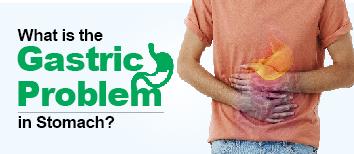
Gastric problems occur when excess acid or digestive disturbances affect the stomach lining, causing symptoms like bloating, acidity, and pain. Timely diagnosis ensures effective treatment.

Understand the key differences between stomach flu and food poisoning. Learn about their causes, symptoms, and when it's time to seek medical help for safe and effective treatment.

One of the most prevalent health problems that can be experienced by individuals of any age is stomach infections. Although most people assume they are mere food poisoning or indigestion these infections sometimes are an indication of something far more dangerous. The disregard of the initial signs can even result in the aggravation of the infection followed by dehydration, acute abdominal pains, or persistent digestive issues.
Early awareness of stomach infection symptoms makes you get a timely cure and avoid unwarranted pains. In case you or a loved one constantly have stomach problems, you should see a skilled gastroenterologist in Noida to determine the cause and it should be treated accordingly.
Make your appointment with a qualified gastroenterology specialist now by calling +91 9667064100.
Gastroenteritis or a stomach infection is a condition that happens due to inflammation of the stomach and intestines by bacteria, viruses, or parasites. The infection causes such symptoms as vomiting, diarrhea and abdominal cramps. Mild cases resolve but in the case of persistent or severe infections, medical intervention would be necessary to prevent complications such as dehydration or loss of nutrients.
Common causes include:
Eating polluted food or drinking polluted water.
Lack of hand hygiene at dinner.
Viral diseases such as norovirus or rotavirus.
Salmonella or Helicobacter pylori bacterial infections.
Unclean water sources cause parasites.
It is dependent on the kind of organism and immunity of a person to determine the intensity and the duration of infection.
Early detection of symptoms of stomach infection is a benefit that would assist in the adoption of appropriate precautions and prompt treatment. Among the most common symptoms, there are:
Lower or upper abdominal pain of mild to sharp intensity is a likely indication of inflammation or irritation in the stomach lining. When the pain continues to persist after two days or aggravates after eating, then it may be an indication of a bacterial infection.
In the event that the body fails to identify bad microorganisms, it automatically attempts to get rid of the organism by vomiting. But too much vomiting may result in dehydration and an electrolyte imbalance and therefore it may require a professional treatment.
The symptoms of a stomach infection include loose or watery stools. A recurrent diarrhea, in particular with the presence of mucus or blood, can indicate a serious infection that requires urgent medical attention.
There is a mild fever which is the sign that the immune system is struggling against some infection. Recurrent high fever and weakness or chills may indicate some bacterial infection such as Salmonella or Shigella.
Infections interfere with the digestive system and decelerate the rate of movement in the stomach causing bloating, fullness and loss of appetite. These are warning signs of stomach infection that should not be overlooked as they can slow down your healing and reduce the strength of your system.
Learning the usual reasons behind stomach infection can help you to prevent the infection. Some key triggers include:
Infectious sources of water are mostly caused by unhygienic cooking or untreated water. The harmful bacteria or viruses may be present in street foods, raw vegetables, or half-cooked meat.
Failure to wash hands before food consumption or food preparation enables easy spread of germs. Personal hygiene is very important in the prevention of infections and particularly in children and the older people.
It may be infected with cross-contamination, which is the transmission of bacteria of raw foods to cooked foods. Wipe down all the kitchen surfaces and utensils.
Individuals who have weak immunity as a result of chronic diseases, stress, or unhealthy diets are susceptible to stomach infections.
Though mild cases may resolve on their own, one should be aware of when to visit a doctor in the case of stomach infection. Consult a doctor when you experience:
Incessant vomiting or inability to retain fluids.
Diarrhea for over 23 days.
High fever (above 101°F)
Blood or mucus in stool
Extreme dehydration (sunken eyes, dry mouth, dizziness)
Abdominal cramping or deep pain.
Early referral to a specialist in treating Stomach infection in Noida will result in the right diagnosis and prevent such complications as kidney problems or chronic gastritis.
The treatment is based on the kind and severity of infection. Gastroenterologist in Noida would usually recommend:
1. Rehydration
The lost electrolytes are replaced with the help of fluids and oral rehydration solutions (ORS). In extreme cases IV fluids can be used.
2. Medications
Bacterial infections are treated with antibiotics and the symptoms are controlled with antacids or anti-nausea medication. It should also not be self-medicated because it will only aggravate the infection.
3. Rest and Nutrition
Rest enables your immune system to rest. Consume foods that are easy to digest such as bananas, rice, toast and soups to contribute to healing.
Although professional treatment is a necessity, natural remedies can be used to alleviate the mild symptoms:
Hydrate: Take water, coconut water, or herbal teas to avoid dehydration.
Eat Light: Eat dull stuff such as khichdi or boiled vegetables.
Take Probiotics: Yogurt and buttermilk replace healthy gastrointestinal bacteria.
Ginger and Mint: This assists in nausea treatment and soothes the cardio.
Dairy and Spicy Foods should be avoided: They may further irritate the stomach lining.
Natural remedies are therapeutic but they must be used to supplement and not substitute medical treatment.
You can now make your consultation by calling +91 9667064100 to receive professional help on maintaining a healthy stomach in Noida.
This is because your stomach is a very vital part of your well-being — it is where nutrition, immunity, as well as energy begin. Ignoring the symptoms of a stomach infection may seem harmless at first, but they can gradually affect your digestion, hydration, and immunity.
Be it a simple bacterial infection or frequent stomach pain, early treatment ensures faster healing and helps prevent severe complications such as ulcers, dehydration, or chronic gastritis. A healthy gut depends on a balanced diet, good hydration, proper hygiene habits, and timely medical guidance from experts at the Best Gastroenterology Hospital in Noida.
If you experience recurrent stomach pain, nausea, vomiting, bloating, or irregular bowel movements, do not wait for the symptoms to worsen. Early attention and the right care can protect your digestive health and ensure long-term well-being. Always remember—your health starts in your gut, so take precautions before it’s too late.
Q1. Would a stomach infection come because of stress?
Ans: Stress is not infectious but it undermines your immunity making it easy to be hit by the viruses or bacteria into your stomach. Gut health is sustained by stress management using yoga or meditation.
Q2. What is the duration of stomach infection?
Ans: Mild cases of viral infections are normally over within 2-4 days, and bacterial infections would take up to a week without treatment. Hydration and rest enhance quicker recovery.
Q3. Is there any need to use antibiotics when you have a stomach infection?
Ans: Not always. The antibiotics only need to treat bacteria, whereas the viral or parasitic cases can be naturally treated with fluids, rest, and probiotics under the guidance of healthcare professionals.
Q4. What is to be eaten with a stomach infection?
Ans: Consume boring food such as khichdi, toast, bananas, and curd. The stomach will not feel back to normal yet, so avoid fried, spicy, and dairy-based foods.
Q5. Why do I know whether the pain in my stomach is caused by an infection or by acidity?
Ans: The pain of acidosity tend to be experienced after the consumption of food and is characterized as burning as compared to the infection pains that are accompanied by nausea, diarrhea and fatigue. Simple tests can be established through the help of a doctor.
Q6. Are children prone to stomach infections?
Ans: Yes, they are more susceptible because children are not immunized very well and have poor hygiene practices. Hand washing, clean food, and filtered water should be promoted to avoid infection.
Gastric problems occur when excess acid or digestive disturbances affect the stomach lining, causing symptoms like bloating, acidity, and pain. Timely diagnosis ensures effective treatment.
Understand the key differences between stomach flu and food poisoning. Learn about their causes, symptoms, and when it's time to seek medical help for safe and effective treatment.
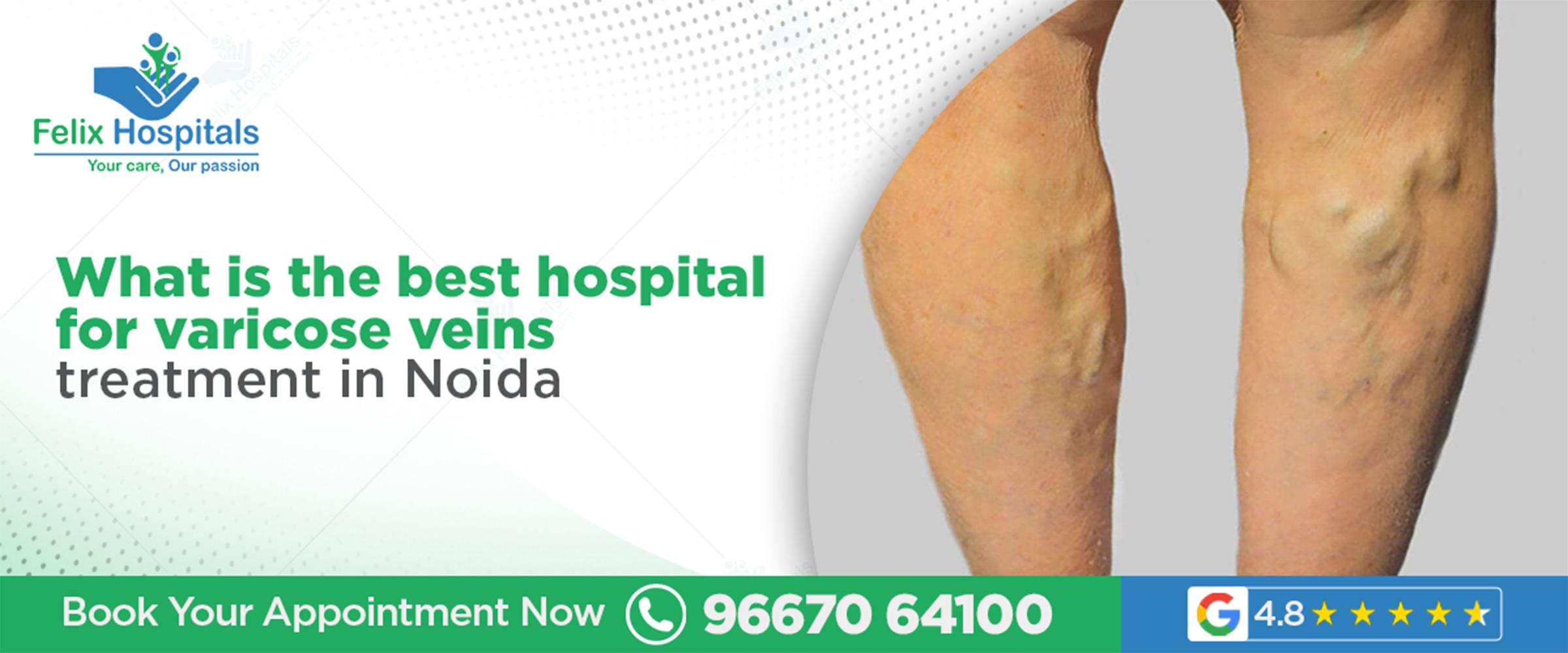
Varicose veins are a widespread disorder that serves many individuals particularly those who spend numerous hours standing or sitting, pregnant ladies and the aged. When you have observed that the veins on your legs are bulgy and twisted, then you may be wondering where you can get the best treatment. The selection of the best vascular surgeon in Noida and access to care in the best vascular surgery hospital in Noida may impact a considerable difference in outcomes and recovery.
You may be having some discomfort, pain, or cosmetic problem because of varicose veins, you need to know about the treatment procedure and professional attention in Noida. This guide will examine treatment methods, when to seek surgical intervention, and where to find the best doctor for varicose veins removal near you.
Looking for the best hospital for varicose veins treatment in Noida? Book a consultation right now, by calling +91 96670674100.
Varicose veins are caused by the enlargement of veins, dilation and overfilling of veins with blood. They are usually swollen, elevated and are blue or dark purple. The condition is caused by weak or damaged valves in the veins, which could not adequately control the flow of blood, which leads to blood pooling.
The most prevalent risk factors are the long-term standing position, obesity, pregnancy, and genetic predisposition. Varicose veins when left untreated may cause skin ulcers, blood clots or chronic venous insufficiency.
Early awareness of clogged artery indications or signs of vein problems is of great importance. Varicose veins may cause:
Aching or heavy legs
Burning, paining, or cramping.
Ankle and foot swelling.
Physical symptoms like Itchiness or discoloration of the skin around veins.
If you notice any of these, consulting a qualified varicose veins specialist hospital or vascular surgeon ensures timely diagnosis and management.
In the case of mild or moderate varicose veins, there are a number of non-surgery options:
Compression stockings: These are used to enhance blood circulation and minimize the symptoms through pressure.
Changes in lifestyle: Exercise and weight loss with elevation of the legs are some of them.
Sclerotherapy: This is a simple and minimally invasive process in which the affected vein is closed by injecting a solution into it.
Although these measures control the symptoms, and do not allow progression, more severe cases tend to necessitate surgery.
Varicose veins surgery options on the shoulder entail a number of complex, minimally invasive procedures that are common in Noida:
EVLT involves the use of laser energy in the process of closing abnormal veins. It is associated with little pain, rapid healing and the cosmetic appearance that is of high quality without any major incisions.
RFA just like EVLT involves closing faulty veins with a catheter using heat which is delivered with the help of thermal energy.
A less recent method of surgical removal of varicose veins through small incisions, usually used in case of a large disease.
Elimination of surface varicose veins by use of small holes that allow rapid healing.
These are vein analogs of shoulder pain surgery and they offer localized relief, reestablishing circulation and alleviating symptoms within a short period.
Noida offers several top-tier facilities known for varicose veins treatment hospitals near me searches, staffed by skilled specialists using cutting-edge technology. The benefits of these so-called centers are:
Access to the best doctor for varicose veins removal with vast experience and successful outcomes.
Apply high-tech diagnostic instruments such as duplex ultrasound to pinpoint problems with veins.
Presence of various treatment methods, such as laser and radiofrequency.
Individual care and treatment planning and detailed follow-up care after the procedure.
Minimal invasive, efficient surgical alternatives with less risks and less hospitalization.
On the operative day, you will usually feel:
General anesthesia or local anesthesia to provide comfort.
Catheters or needles under the direction of ultrasound sound to cure affected veins.
Depending on the procedure, minimal incision or puncturing.
Surgeries that are less than one hour.
Compression stocking after surgery and aftercare therapy.
The majority of patients resume normal functions on days, enjoying:
Minimal pain and swelling
No or minimal scarring
Less swelling of the legs and alleviated symptoms.
Lifestyle modifications reduce the chances of relapse.
By following up with your vascular specialist hospital regularly, you would identify any new issues and treat them promptly.
Postoperative preventive measures are:
Frequent exercising to keep the blood flowing.
Less sitting or standing.
Use of recommended compression stockings.
Eating healthy and in moderation.
Regular examinations at your vascular center Noida
Find expert care at a trusted varicose veins specialist hospital near you-schedule your appointment today.
When it comes to the treatment of your varicose veins, visiting the best vascular surgery hospital in Noida and the best vascular surgeon in Noida can guarantee you a well-rounded treatment and care that will be delivered in the manner of your needs. Noida has specialists capable of offering great workmanship whether through non-surgical methods or the use of high-tech tools of minimally invasive surgery. Don't wait for discomfort or complications to progress; seek consultation from the best doctor for varicose veins removal and regain the confidence of healthy, pain-free legs.
Q.1. What makes me know that I should have surgery on varicose veins?
Ans. In case the symptoms are aggravated or non-surgical therapy is not able to reduce the pain or swelling, surgery can be prescribed.
Q.2. Do varicose veins cause pain during surgery?
Ans. The majority of operations are performed with the help of local anesthesia that produces the minimum of pain; recovery of patients takes the shortest time.
Q.3. What is the time taken to recover after a varicose vein surgery?
Ans. Normal activities in patients are also attained within a week or two depending on the procedure.
Q.4. Is it possible to have varicose veins during post-treatment?
Ans. Yes, but recurrence is lowered by preventive measures and frequent check-ups.
Vascular surgery involves surgical procedures designed to treat disorders of the vascular system.

By working closely with experienced vascular surgeons and following their guidance, patients can achieve positive outcomes and enjoy a better quality of life.
Vascular surgery is an essential procedure to treat circulatory system issues, but its cost can be a concern for many patients. Understanding the factors that influence the cost, finding ways to reduce expenses, and choosing the right hospital for it.

Expert vascular care in Noida for conditions like varicose veins and artery blockages, ensuring timely treatment and smooth recovery.

Cryptorchidism (testicular torsion) is a disorder affecting boys and it requires early management in order to achieve normal growth. Early detection and treatment is the key to long-term health, especially when parents understand what is testicular torsion and how is it treated. In case of concern about the reproductive well-being of the child, you would want to have the testicular torsion treatment in Noida, and a child urology specialist Noida would then be required accordingly, particularly when families are seeking expert testicular torsion doctor Noida support.
Get optimal outcome of cryptorchidism—with a leading child urology expert at +91 9667064100.
A testicle is considered to have testicular torsion when it fails to move into the scrotum—the sac of skin just below the penis—before birth or rotates in a way that disrupts normal functioning. Testicles are normally developed in the abdomen, and once the fetus is almost developed, the testicles lie down in the scrotum. By birth or within several months, they should have reached their final position. Cryptorchidism occurs more among preterm infants, although full-term infants may develop it, and understanding the testicular torsion prevention and signs helps parents act early. In most cases, there is only one testicle that is not descended; in some rare cases both may be affected.
The causes behind testicular torsion in babies have not been pointed out, yet there are multiple factors associated with them, many of which also relate to testicular torsion risks and complications that may arise when the condition is left unattended:
Developmental problems or hormone imbalances during pregnancy
Premature birth which may interfere with normal growth
Family history of genital development issues
Some genetic syndromes e.g. Down syndrome
Environmental toxins—parents smoking / alcohol / pesticides in pregnancy
As a result of these factors, they may disrupt the signaling process that travels testicle between the abdomen and the scrotum and may predispose to torsion.
Diagnosis of testicular torsion starts at birth in the form of newborn examination. Look for signs such as:
Missing or non-palpable testicles in the scrotum.
A lump in the groin, a testicle trapped in the inguinal canal.
Smaller/less developed testicle.
Infrequently, discomfort, pains or heaviness of older children.
In the case that you observe any of these symptoms, please talk to a child urology specialist in Noida so that the symptoms can be examined, especially since testicular torsion prevention and signs demand timely attention.
The majority of doctors wait until the baby is in the age of six months since some of the testicles naturally drop. When to treat cryptorchidism in children depends on age and overall health. If the testicle hasn’t reached the scrotum by 6 to 12 months, active treatment is recommended to avoid long-term complications, which is the same approach often followed for testicular torsion surgery Noida in more urgent cases. In these circumstances, an appointment with the specialist should be followed up.
Diagnosis: How It’s Done
Physical Examination – The physician examines the scrotum and palpates the groin in case one of the testicles is not palpable.
Ultrasound – High-frequency imaging demonstrates the location and size of the testicle.
Hormone Tests – Blood tests in relation to hormones that affect descent.
Laparoscopy – In case of failure of imaging, the direct visualization is performed by means of a thin tube with a camera.
Timely and correct diagnosis prevents future issues, including infertility or cancer of the testicles and complications similar to those encountered in testicular torsion risks and complications.
Cryptorchidism when untreated may result in:
Infertility
Testicular cancer
Testicular torsion – Twisting of the spermatic cord blocks blood flow; a medical emergency that highlights the importance of early awareness of testicular torsion prevention and signs.
Trauma or hernia
These risks are minimized by early intervention by a child urologist in Noida.
When the testicle has not shown signs of descent after 6–12 months, then there is most likely a need to perform surgery. The same is true in emergency conditions requiring testicular torsion surgery Noida where timely repair prevents lasting damage.
Orchiopexy – The surgical procedure involves the testicle being pulled into the scrotum and attached. The best age for testicular torsion surgery is between 6 and 18 months; it maintains fertility and reduces cancer risk.
Two-stage operation – Used when the testicles are higher in the abdomen.
Hormonal therapy (HCG injections) – Sometimes attempted, but surgery is generally better.
Consult a child urology specialist at Noida and discuss all options, so as to choose the most appropriate course regarding your child and understand what testicular torsion is and how it is treated.
One of the questions that parents usually tend to ask is whether orchiopexy is a safe surgery in children. The answer is yes. Orchiopexy is extremely safe when carried out by pediatric urologists and is typically a day-care procedure.
The long-term outcomes of early orchiopexy are:
Better fertility chances
Postsurgical normal testicular size and functionality, similar to recovery after testicular torsion surgery
Orchiopexy in children takes a very short time to heal with children resuming normal activities in one or two weeks. Physicians may prescribe avoiding heavy loads and provide painkillers if necessary. Follow-up visits ensure proper development—similar to recovery after testicular torsion surgery where healing is usually rapid.
There is no known preventative tool, but prenatal and perinatal support to maternal health helps lower risks. This awareness also improves testicular torsion prevention and signs recognition.
The most optimal approaches include parental awareness, early detection, and referral to a child urologist in Noida.
Call to make an appointment with the child on an undescended testicle at +91 9667064100.
Timely and quality treatment is crucial for children with cryptorchidism. Testicular torsion in Noida can be effectively treated with the help of specialists at the top pediatric hospital in Noida, ensuring accurate diagnosis and safe surgical intervention with long-term reproductive effectiveness. Early intervention prevents complications and supports normal development—especially when the right testicular torsion doctor Noida and testicular torsion treatment Noida options are chosen.
Q1: Is it possible to have an undescended testicle falling down by itself?
Ans: Yes, the majority of testes are descended before the age of six months; otherwise, it should be medically checked.
Q2: Are both testicles involved in cryptorchidism?
Ans: Only one testicle is normally affected in most cases although in 10 percent of the cases both are affected.
Q3: Does a non-infected undescended testicle lead to infertility?
Ans: Yes, the chances of infertility are elevated in case the testicle is not cured in early childhood.
Q:4 Indications of when undescended testicles require operation?
Ans: Surgery is usually recommended in cases where testicle has failed to descend after 6- 12 months of age.
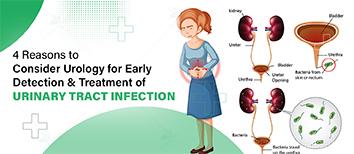
One of the best hospitals for urinary tract treatment in Noida offers comprehensive urology care, featuring expert urologists and advanced diagnostic and treatment facilities.
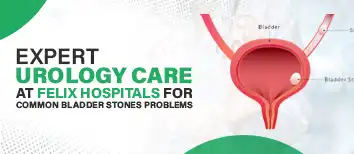
Expert urology care at Felix Hospital for bladder stones: causes, symptoms & treatments.

Explore effective hydrocele treatment options available in Noida.

The eyes are an opening to the surrounding world and the eyes provide us with a clear view to appreciate the world around us. Eye health should not be taken care of once in a while complaining of blurred vision, it has to be checked, thoroughly tested. It is necessary to know the eye exam indicators and the usual eye tests of an eye checkup in order to be aware of the tests that are involved in a comprehensive examination.
Individuals of any age will gain advantages when they learn to check their eyes regularly and acquaint themselves with the usual eye examination procedures available to test vision as well as identify undetected illnesses at a tender age. Eye checkups are a sure way of maintaining the eye health in the long term, avoiding serious sight issues due to early medical attention.
This blog explains the various forms of vision examiners that are conducted when an individual gets a thorough eye examination and their functions, as well as what the patients should expect. Be it identifying refractive problems, glaucoma and a retinal disease, the current revolutionary eye tests prepare the eye specialists to examine the general state and eyesight of the eyes. Learning about these tests, you will understand how significant regular screenings are and take proactive actions to achieve eye health.
Get started to have a better vision-book your full vision check in Noida on +91 9667064100.
Eye checkups do not just give out prescriptions of glasses or contacts. A comprehensive eye exam test determines the quality of the light that is focused by your eyes, the team of the eye in the process, the way your eyes respond to the stimulus as well as the sound internal and external structure of your eyes. The new exams are a combination of the traditional approach and the latest imaging technologies which will allow us to see the full picture of eye health.
Centrally, the vast majority of thorough testing is focused on two objectives: evaluation of clear vision (or men and women specific needs) and signs of early disease or damage (even prior to the emergence of symptoms).
To have a closer look at the vision test types and the diagnostic tools used in case of an in-depth visit to your eye physician, we shall dwell on the most common types of tests and mechanisms.
The most common and universal vision test is the Visual Acuity Test. It is a test of clarity with which you view objects either close or far.
In this test you read letters or symbols, which are written on a chart (also referred to as the Snellen chart) which is situated at a certain distance. Based on the number of letters you read correctly, your eye doctor can declare that you have a vision of 20/20 (normal), above average or poor.
This is one of the types of vision tests that is quick to administer and can reveal that a person needs to wear corrective lenses or that his vision is impaired and requires special examination.
Refraction is a test that determines the way your eyes bend the light waves to the retina at the back of the eye. This is necessary to get your actual specification of glasses or contact lenses.
The specialist provides the patient with the opportunity to alternate between the lenses and asks which lens appears more comfortable or clearer with the help of a special instrument called a phoropter. This is the exact procedure that would straighten out your prescription to give it the best effect.
Refractive errors such as myopia, hyperopia, and astigmatism are also detected using the refraction test.
The test of refraction is one of the most common eye tests that is a routine eye exam test
That is just ideal with patients having blurred vision or headaches associated with difficulty in focusing.
The Visual Field Test is a test of your peripheral (side) vision, which is the extent to which you are able to see beyond what you can see directly in your vision.
Through this test, neurological or eye diseases that impair peripheral vision like glaucoma, stroke or retinal damage are revealed.
You maintain focus on a focal point and point at the point where you notice lights or things appearing within your field of vision. It assists in the early detection of vision loss that is not even recognized during normal daily activities.
Periodical examination of peripheral vision is particularly important in people who have the risks of experiencing glaucoma, a major cause of blindness.
The Slit Lamp Exam involves the use of a special microscope along with bright light to view the front of your eye under extremely high detail including eyelids, cornea, iris and lens. The doctor can tell you are infected, inflamed, having cataracts, dry eye, and more by scrutinizing the adjoining structures in your eye. Abnormalities that cannot be seen with the naked eye are sometimes highlighted in terms of stains or dyes.
It is a significant component of a full eye care check-up.
Tonometry is the pressure in the fluid within your eyes, the intraocular pressure (IOP). Glaucoma is a disease that destroys the optic nerve and thus, it may result in permanent blindness, which is enough justification to consider elevated IOP as an early indicator of glaucoma. There are many different methods of measurement, one such is the non-contact air puff test that is usually used, and another by using a small probe in contact.
It is a painless, fast eye test that is necessary in detecting glaucoma at an early stage.
This test will check your sense of the ability to differentiate between colors and in some eye or neurological conditions, this sense might be impaired. It is based on images of numbers or shapes that are made up of multicolored dots which you spot the hidden figures. Impairment of color vision may be either inborn or caused by some other health conditions requiring additional assessment.
Retinoscopy is the method that determines the precise refractive error of your eyes with the help of lenses and a handheld source of light. It gives an objective measurement of the measurement that helps in arriving at the correct prescription. This method is particularly useful with children and non-verbal patients.
It is a high-resolution imaging process which traces the cornea shape in thousands of points to evaluate shape defects.
Topography of the cornea is essential in determining the presence of astigmatism, keratoconus and in the processes of refractive surgery or contact lens prescribing. It is a very specialized routine eye exam test used when one wants to learn more about the health of the cornea.
In the process of ophthalmoscopy, the doctor of your eyes will check the information behind your eye such as the retina, optic nerve, and blood vessels. Eye drops that help in dilation of the pupil increase the visibility. This test is necessary in the diagnosis of retinal conditions, diabetic retinopathy, macular degeneration, and damage of optic nerves.
Monitoring eye health is of great importance in all age groups, yet select groups must be given special attention:
Children, particularly those who are still underage before they start schooling to identify amblyopia or any other eye problem.
Adults who have health issues that are chronic such as diabetes or high blood pressure.
Individuals above 40 years whose risks of cataracts and glaucoma are high.
People who have relatives who have eye diseases.
With the help of an ophthalmologist or optometrist, regular screening helps to detect and treat diseases in time and keep vision intact.
The majority of eye tests do not need much preparation. Wearing contact lenses should be avoided before the test unless recommended, come with your existing eyewear, and provide a list of symptoms and concerns. In the case of a dilation exam, light sensitivity and blurred near vision might be experienced in several hours.
Thorough eye checkups not only indicate the vision defects but also reveal the systemic diseases that manifest in the eye, such as high blood pressure, diabetes and neurological disorders.
Early diagnosis implies earlier cure, and improved results and chances of avoidance of radical vision loss.
Concerned about your vision? Enjoy customized attention by the best ophthalmologists in Noida at +91 9667064100.
Eye health goes beyond the optical prescription; it involves knowing and identifying the eye checkup signs, understanding the symptoms of common eye problems, and knowing when to visit for an eye test. The diversity of standard eye examinations helps measure vision clarity and evaluate overall eye health comprehensively. Do not wait until symptoms worsen; make regular eye checkups with qualified professionals at the Best Eye Hospital in Noida part of your top priorities. Timely diagnosis and treatment ensure preserved vision, better quality of life, and long-term visual comfort.
Q1: How frequently should I get my eyes tested in case I have no symptoms?
Ans: It is recommended that an eye examination be conducted on a regular basis (1 to 2 years) to detect problems at an early stage.
Q2: Will my eye check involve dilation on a regular basis?
Ans: Periodic dilation can be done to examine the health of retinas in detail.
Q3: Is it possible to drive after having an eye exam?
Ans: In case pupils are enlarged, the vision can be blurred; arrange to be driven.

Eye flu, also known as conjunctivitis, is a common eye infection causing redness, irritation, and watering. Learn its causes, symptoms, and effective treatments.
The right ophthalmologist is a crucial step in your eye surgery journey

Hydrocele is a common but often neglected health condition that affects males, particularly older adults or newborns. It involves the accumulation of fluid in the scrotum, leading to noticeable swelling, discomfort, and sometimes pain. Although usually painless in its early stages, hydrocele can become bothersome over time—especially when swelling increases or daily activity becomes difficult. This section also helps you understand hydrocele in adults vs children treatment, which varies depending on severity and cause.
The good news is that hydrocele is easily treatable with the right medical care. Whether it’s a small swelling or a larger hydrocele requiring surgical intervention, timely diagnosis is essential to prevent complications and improve quality of life.
If you are based in Noida or nearby and are looking for trusted, expert care for hydrocele, understanding the symptoms, causes, and treatment options will help you make an informed decision. Let’s explore what hydrocele is, what causes it, and how it is best treated—especially at a leading facility like Felix Hospital in Noida.
Don’t delay your recovery – schedule your hydrocele surgery at our trusted hospital for timely and safe treatment. Contact + 91 96670 64100 today.
Hydrocele is the buildup of clear fluid in the thin sac around the testicles. This fluid causes the scrotum to swell, which is usually painless but may cause heaviness or discomfort. Learning what is hydrocele and how is it treated helps patients make better decisions about early care.
Hydroceles are common in newborns and often resolve on their own. In adults, hydroceles may result from injury, inflammation, or infection. Although not dangerous, it can signal underlying issues like hernia or tumor, which makes medical evaluation important.
This type is usually seen in infants, where the fluid moves back and forth between the abdomen and the scrotum.
This type is more common in adults, and the fluid remains trapped within the scrotum without moving.
Understanding hydrocele causes symptoms helps detect early warning signs. Factors that increase risk include:
Hydrocele is not usually linked to infertility but can cause discomfort and reduced mobility.
Ignoring symptoms may worsen discomfort or hide other conditions.
In this test, a light is passed through the scrotum to check whether fluid is present.
An ultrasound helps confirm the presence of fluid and also rules out conditions like hernia or tumors.
These tests are done to detect any infection or inflammation.
Hydrocele treatment depends on severity. Your options include:
For small, painless hydroceles.
Antibiotics or anti-inflammatory medicines when infection is present.
Fluid drainage using a needle. A temporary option, useful for those who cannot undergo surgery.
Understanding hydrocele recovery time after surgery is important.
Most men recover within 1–2 weeks.
Tips:
Consult a urologist if:
If you’re looking for hydrocele treatment in Noida, Felix Hospital offers advanced care and skilled urologists for both adults and children. Whether you want hydrocele treatment without surgery, need guidance on surgery, or seek specialized diagnostics—Felix provides complete end-to-end support.
You receive care from skilled urologists who are experienced in both adult and pediatric hydrocele treatment.
You get access to fast and accurate imaging for a reliable diagnosis.
You benefit from minimally invasive procedures such as aspiration and daycare surgeries.
You receive transparent and budget-friendly treatment packages.
You get complete follow-up care with a focus on your comfort and recovery.
Experience expert care for hydrocele treatment Noida with consultation from the best hydrocele doctor Noida. Call + 91 96670 64100 now.
Hydrocele may seem minor, but untreated swelling can affect comfort and confidence. With timely care and modern treatment techniques, recovery is quick and long-lasting.
If you or someone you know is facing hydrocele symptoms, visit Felix Hospital in Noida today for expert, personalized care. Whether you need mild treatment, tablets, aspiration, or surgery, Felix offers the best solutions for hydrocele treatment Noida with the best hydrocele doctor Noida guiding your recovery.
Q.1. How long does it take to recover after hydrocele surgery?
Ans. Most patients recover within 2 to 4 weeks and can resume normal activities gradually.
Q.2. Can hydroceles go away without surgery?
Ans. Some small hydroceles, especially in children, may resolve without treatment, but surgery is often needed for adults.
Q.3. What are the risks of hydrocele surgery?
Ans. Risks include infection, bleeding, recurrence of hydrocele, and rare injury to testicular structures.
Q.4. Is hydrocele treatment different in adults compared to children?
Ans. Yes, children often get monitored for spontaneous resolution, while adults typically require surgical repair.
Q.5 How do I know if my swelling is a hydrocele or something more serious?
Ans. A doctor will diagnose based on examination and ultrasound to rule out other conditions like hernias or tumors.
One of the best hospitals for urinary tract treatment in Noida offers comprehensive urology care, featuring expert urologists and advanced diagnostic and treatment facilities.
Expert urology care at Felix Hospital for bladder stones: causes, symptoms & treatments.

Experiencing tingling in your hands or feet? It could signal a nerve-related issue. Consult our expert neurologists at Felix Hospitals to find the cause and get the right treatment today.

Hormones are the chemicals that regulate various bodily functions in both men and women.
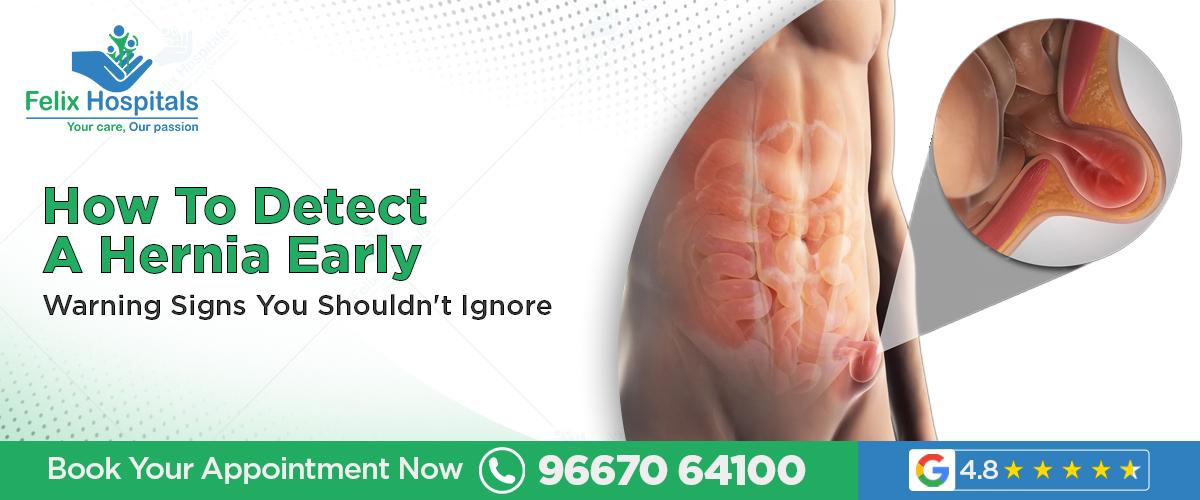
Hernia is a typically prevalent health disorder impacted by internal structure or the tissue pushing into damaged muscles or immediate features, which unavoidably results in pain and apparent swelling. When it is time to find out the hospital that provides some specialized care, one must place the correct choice. Felix Hospital is recognized as the best hospital in Noida for hernia care, offering advanced diagnostic and surgical options tailored to individual patient needs. Having professional doctors in Noida that specialize in hernia repairs, patients have experienced global-care and positive results.
Hernias may occur anywhere but the ones around the abdomen and the groin are very prevalent. Most typical symptoms entail swellings that become more pronounced when a person exercises, pain, and discomfort. Denying the presence of symptoms can further endanger an individual by exposing them to risks of strangulation, choking or a blocked airway that needs immediate clinic attention. Understanding the types of hernias and knowing when to consult a hernia specialist doctor in Noida ensures prompt treatment, often minimally invasive and with swift recovery.
Book your appointment now for expert hernia diagnosis and personalized care. Call +91 9667064100.
A hernia forms when an internal organ or tissue pushes through a weak part of the muscle or nearby structure. Most often, this shows up as a bulge in the abdomen or groin. You might see it appear when you stand up, cough, or lift something heavy.
When lying down, it usually becomes less visible. Hernias are not all the same. Understanding the different types helps guide medical decisions and determine if a hernia surgery is required and Hernia warning signs. Some may stay mild for years. Others, if ignored, could grow or become dangerous.
Inguinal Hernia - This is the most frequent type [especially among men]. It appears in the groin and often shows up as a visible bulge. You might feel pain when lifting objects, coughing, or even while walking. The swelling can come and go at first, but with time, it may become constant.
Umbilical Hernia - Seen near the belly button, this form is seen in children and adults. In adults, it often results from abdominal pressure during pregnancy, obesity, lifting weights or fluid buildup. It tends to present as a soft lump that increases with movement, coughing, or straining.
Hiatal Hernia - grows in the body without an external swelling. It is a health condition that is caused when part of the stomach protrudes into the chest. Such symptoms can be heartburn, acid refluxing as well as pains at the chest following the meals. In other instances, individuals might have difficulty in swallowing or getting bloated after eating.
Incisional Hernia- This is located at the point where there is an old surgical incision. In cases where the abdomen wall fails to heal an internal tissue might push at the weak point. You may notice a lump which increases when you stand, strain and even when you do anything that requires physical exertion.
Article risks and symptoms differ in each of these forms of hernia. Their awareness allows one to diagnose them and act quickly.
It is very important to know the early symptoms of hernia
Most people first notice some sort of a bulge. Sometimes it feels tender. Often, it’s not painful, but it doesn’t feel normal either. You press on it, it sinks in. But it comes back when you cough, laugh, or lift a bag of groceries.
It’s not just the bulge though. Many feel an odd tightness in the area, like your body is asking you to take it easy. A few hours on your feet and you might feel a dull ache setting in. Others describe a strange pulling sensation, like pressure from the inside pushing out.
In some hernias, like hiatal ones, nothing shows up on the outside. You just feel off! There’s reflux, discomfort after eating, and at night, a sour taste in the mouth. You wake up not rested. You think it's just gas or something you ate. But it keeps happening. That’s when many realise it’s more than just indigestion. It's the kind of thing Surgeons would spot quickly if seen in time.
How to detect a hernia early typically starts with a physical examination. A surgeon checks for a bulge while you stand and may ask you to cough to observe changes in pressure. Further evaluation involves imaging tests.
An ultrasound can detect the presence of tissue pushing through muscle layers, especially in inguinal or femoral hernias. In the case of hiatal hernia, its necessary to examine the stomach and oesophagus by barium X-ray or endoscopy. In other cases, CT/MRI scan is conducted to measure the size and the massiveness of the hernia especially when hernias are suspected in multiple cases or when diagnosis is still obscure.
A hernia is not always painful, but that does not mean it is harmless. Ignoring the early hernia symptoms can delay recovery and increase the chance of needing emergency care. Knowing how to spot signs early and learning about the types of hernia allows you to act before it becomes serious.
Signs of hernia in men and women are different :
Groin bulge: a groin bulge is a protrusion that is observed in the groin area, particularly in inguinal hernias which are more frequent in men.
Sharp pain: Pain is habitually more concentrated and sharp in the groin region.
Absence of visible bulge: Women not all women have an overt bulge and some of the hernias prevalent in women, such as the femoral hernia, may be deeper in the upper thigh.
Diffused pain: Pain can also be diffuse and spread over the lower abdomen or pelvis.
Nausea and vomiting: This may indicate a more serious problem known as strangulation that is more dangerous in the case of hernias of the femur.
Experiencing symptoms of a hernia? Consult the best hernia specialist doctor in Noida at +91 9667064100 today.
When facing symptoms of a hernia, timely consultation with a reputed hernia specialist doctor in Noida is essential for proper diagnosis and effective management. Felix Hospital stands out as the best hospital in Noida for hernia surgeries, offering a complete package of advanced laparoscopic, robotic, and open surgical techniques backed by an experienced multidisciplinary team. Early surgery results in fewer complications and better quality of life and increased recovery. Put your hernia treatment in the care of Felix Hospital because it adores you with empathetic care and recent technology and offers comprehensive personal care.
Q1: Will I be able to determine whether I probably have a hernia?
Ans: Seek painful swelling in the area of the abdomen or the groin and it is aggravated by movement.
Q2: What are the surgeries types that Felix Hospital provides in hernias?
Ans: Depending on the state of condition, open, laparoscopic, and robotic repair of hernias is an option.
Q3: Is hernia surgery painful?
Ans: Minimal surgical interventions result in low pain and rapid recovery and pain control is granted.
Q4: Are there recurrences of hernias?
Ans: It is uncommon with the right technique of surgery and follow-up treatment, however, it may occur in certain instances.
Felix Hospitals is the leading hospital for hernia surgery in Noida and Delhi NCR.

Waking up in the morning with a sore throat may be uncomfortable and disagreeable in beginning your day. The gritty, dry feeling, the difficulty with swallowing, or the husky throat do not just annoy but signal some underlying illness which must never go unnoticed.
Everyone thinks that having a sore throat in the morning is because you slept with your mouth wide open or because you talked too much the previous night. But the real reason goes much beyond — be it acid reflux and dehydration or allergies, infections, or sleeping disorders. Knowing the reason in the onset helps you treat it in the best possible way and prevent longer duration complications.
If you often face throat pain in the morning, it is best to consult with the best ent doctor in Noida to get appropriate assessment regarding the condition and start the appropriate therapy for regaining comfort and well-being.
Schedule a consultation with a seasoned expert today by calling +91 9667064100 and receive expert advice for permanent relief in the throat.
Morning sore throats do not carry anything unusual and are transient, but repeated cases may be because of some habit, environmental condition, or illness. The following are the primary causes of waking with the throat being sore and how you can deal with them.
One of the most common causes of having a sore throat in the morning is dry air, especially in air-conditioned rooms. Even though AC keeps the temperature at the appropriate level, it also removes the moisture in the air to dry out the throat and the nasal passage.
Install a humidifier to add moisture to the bedroom environment.
Hydrate before going to bed and after waking up.
Restrict the use of fans or air conditioners directly blowing on your face during night time.
Sleeping with an open mouth allows dry air to enter your throat and irritates it. This may happen due to congestion within the nose, allergies, or structural issues in the nose like a deviated septum. Over time this may also cause breath stench and parched mouth.
Open up your nasal passages with saline sprays.
Side sleeping aids in increasing airflow.
Treat any nasal congestion with an ENT appointment.
Acid reflux, in which the stomach acid moves upward into the throat, is also a frequent cause of morning stiffness. At night when you're lying down, acid can move back into your esophagus and throat if you ate something heavy just before bedtime.
Sensation of burning in the throat
Bitter taste in the mouth
Morning cough or hoarseness
Avoid eating at least 2–3 hours before sleeping.
Lift your head at night.
Lower consumption of caffeine, hot peppers, and soda.
If symptoms persist, consulting a best doctor in Noida can help identify if you’re dealing with acid reflux or laryngopharyngeal reflux (LPR).
Seasonal allergies or dust allergies may cause mucous accumulation in your throat at night. The postnasal drip makes you uncomfortable with a sore throat in the morning.
Keep your room free of dust and pollen.
Change pillow cases and sheets frequently.
Employ an air purifier if you must.
For relieving allergy, antihistamines prescribed must be.
Snoring can appear innocuous, but it makes the throat tissues irritable because of repeated vibrations at night. Individuals with sleep apnea — which involves breathing pause and resume several times throughout the night — tend to develop morning sore throats in addition to lethargy and headaches.
Loud snoring or pauses in breathing should be checked by a physician if you or your partner notice them. Untreated sleep apnea in its turn may contribute to bigger health complications such as elevated blood pressure or cardiac disorders.
Irritants such as the common cold, flu, or strep throat may also lead to early morning throat pain. At night, the mucus builds up and inflames your throat, which becomes worse in the mornings. Strep throat also includes fever, swollen tonsils, and white spots in the throat.
If the throat remains tender for more than 3–4 days or if you develop fever and difficulty in swallowing, then you must approach any healthcare professional for appropriate treatment.
Direct or secondhand smoke exposure can cause terrible throat burning at night. The smoke or dirty air the lungs breathe in inflames and dries the throat, making people miserable in the mornings.
Tip: Aiding in the cessation of smoking and reducing exposure to pollutants is one of the most effective methods of minimizing morning throat discomfort and optimized respiratory function.
Your throat requires sufficient moisture to breathe comfortably. Failure to drink sufficient water during the day or at night may result in dryness and the development of a sore throat. Caffeine, alcohol, and salty foods also contribute to dehydration.
Consuming at night before going to sleep and on waking up.
Avoiding excessive coffee, tea, or alcohol at night.
Eating soups and fruit in your diet for natural moisture.
If your throat continues to return you may be suffering from chronic tonsillitis or repeated throat infections. The tonsils become inflamed and cause pain, swelling and difficulty in swallowing, particularly in the mornings.
Chronic inflammation weakens the strength of your immune system such that you become vulnerable to infections. A physician's analysis would be the determinant whether you require medicines or some specific treatment protocol.
Skipping brushing at bedtime lets bacteria double in your mouth overnight. The plaque can irritate your throat and contribute to morning soreness.
Toothbrushing and oral rinse at bedtime.
Using an alcohol-free mouthwash.
Abstaining from sweet or hot foods at night.
While frequent throats in the mornings occur every now and then, throbbing or chronic throat pains should be given attention. Seek medical attention if you observe:
Longer than a week lasting throat pain
Difficulty breathing or swallowing
Recurring fever or swollen glands
Habitual hoarseness or change of voice
Pain that worsens every morning
Prompt treatment makes it easier to diagnose the specific reason and avoid chronic or serious throat states.
Among the home remedies listed below, the following ones can ease the pain in the throat:
Saltwater gargle: Combine half a teaspoon of salt with warm water and gargle twice a day.
Honey and warm water: Mother Nature's soothing comfort for throat discomfort.
Steam inhalation: Opens the bronchial tubes. Keeps the.
Herbal teas: Chamomile tea or ginger tea reduce dryness and inflammation.
Avoid aggravators: Keep clear of smoke, pungent perfumes, and chemicals.
Prevention is better than treatment. Here's how you can reduce the risk:
Drink lots and eat hearty.
Get enough rest in a new, humidified room.
Treat nasal allergy and sinus issues in time.
Don't eat heavy before sleeping.
Practice oral hygiene once daily.
Call us on +91 9667064100 today to book an appointment with a specialist and receive personalized guidance towards a healthy pain-free throat.
Morning sore throat can be harmless at times but may be indicative of some serious health conditions like acid reflux, allergies, or sleep apnea. The identification of the cause and the right treatment at the right time makes all the difference in preventing chronic pain. With the right medical guidance, with some lifestyle changes and home remedies, you can wake up with a fresh and painless throat to the Superspeciality Hospital in Noida .
When the sore throat prolongs or recurs, it is essential to ensure that it is examined by a professional to exclude any underlying condition and begin the successful treatment.
Q. 1. Do you tend to wake up with a sore throat?
Ans. On the mornings, mild irritation of the throat may be present due to dryness or due to slight allergies, but in case it occurs on a daily basis, then it may be due to something like acid reflux, mouth breathing or chronic postnasal drip. Persisting symptoms should be analyzed by a healthcare expert.
Q. 2. Does air conditioning cause you morning sore throats?
Ans. Yes. The air conditioning makes the air dry out, drying out your throat mucosa. This is why you often wake up with some discomfort. A humidifier and adequate drinking can help prevent this.
Q. 3. What foods should I avoid in case I've acid reflux-directed sore throat?
Ans. Avoid foods that contain spices, caffeine, soda pop, and chocolates at night. They can relax the muscles in the esophagus and allow the stomach acid to slide upwards into the throat.
Q. 4. Can snoring cause your throat to be sore in the morning?
Ans. Absolutely. Snoring causes throat tissue vibration and dryness, which can lead to pain or irritation after sleep. If snoring is loud or frequent, consult a specialist to rule out sleep apnea.
Q. 5. How do I prevent a sore throat in the morning naturally?
Ans. Keep the throat well-hydrated, sleep in the correct position, do not smoke, and maintain the indoor atmosphere humid. Consuming warm herbal tea and honey at night may also be helpful.
Q. 6. How soon do I go to the doctor for a sore throat?
Ans. Seek medical care if your throat is sore for longer than a week, is very severe, or if you've got any of the following symptoms: fever, swollen tonsils, or difficulty in swallowing. Serious throat woes require professional interpretation.
Q. 7. Does throat pain in the morning result from night dehydration?
Ans. Yes. Not drinking much water makes your throat and oral mucosa parched and painful. Take adequate water during the course of the day and also prior to sleeping.

Get expert care for head and neck cancer in Noida. Know the causes, symptoms, diagnosis, and best treatment options for timely and effective recovery.

There has been a steep rise in hearing issues in the last 5 years. People who use earphones and headphones continuously for long duration are prone to become deaf.

Eye pain accompanied by a headache can be a sign of underlying issues like eye strain, sinus problems, or even migraines.

Lumbar pain as well as spine disorders are most prevalent health issues nowadays, impacting both young as well as aged individuals. Owing to the prevalence of weakness in the posterior region, working long hours, or natural degeneration with age, spinal disorders can significantly hamper the quality of life of individuals. While in most instances, medications along with physiotherapy help to alleviate the condition, certain disorders necessitate surgery to achieve long-term healing.
Back surgeries used to be big surgeries with big incisions, long stints in the hospital, and long recovery. All this changed with the arrival of keyhole spine surgery, or better known as minimally invasive spine surgery (MISS). This new-age surgery is all about precision with smaller incisions and fast recovery, a safer and superior alternative to open surgery.
If you are suffering from chronic back or spine pain, assistance from experts in the best neurology hospital in Noida can give you some idea about your chances to be treated with keyhole spine surgery.
Stop back pain from taking over your life. Call +91 9667064100 for expert guidance and care.
The keyhole spine operation is a new, minimally invasive surgical procedure that employs state-of-the-art technology to address spine issues through smaller incisions. Rather than making incisions through muscles and tissues, surgeons deconstruct the muscles delicately, employing a tubular retractor along with an endoscope or microscope to view the surgical area.
The incision during keyhole spine surgery is typically less than two centimeters in length—or the size of the keyhole, from which the surgery has gotten its name. This reduces the utilization of tissue destruction since surgeons can address the damaged spine area with minimal tissue disruption, thereby making the operation quicker with less pain during recovery.
The principal aim of keyhole surgery is to reduce the compression of the spinal nerves, to stiffen the spine if necessary, to correct any existing structural faults—all with the minimum intrusion possible.
Lumbar spine surgery can correct the wide range of spinal conditions successfully, most notably the conditions that involve nerve or disc compression. Some of the most common conditions that are treated are as follows:
Bulging or herniated discs: When the inner soft material of a spinal disc projects out, poking surrounding nerves.
Spinal stenosis: The spinal canal narrows, putting the spinal cord along with the nerves under compression.
Sciatica: Caused by irritation of the lower back nerves, with the pain shooting along the leg.
Spondylolisthesis: The condition in which one vertebra slips over the adjacent one,.
Spinal fractures: Frequently the outcome of accidents, trauma, or osteoporosis.
Spinal deformities: As an after-effect of minor scoliosis or kyphosis in some cases only.
In those who experience symptoms or pain in the nervous system that are not ready to give in despite medications or other physical therapies, the surgery of the spine with minimal invasion provides long-term relief to the pain as well as restored mobility.
The keyhole spine surgery is an extremely accurate and methodical operation. This is how it typically goes about it:
Anesthesia: The patient is given general or regional anesthesia to aid relaxation during the procedure.
Small Incision: A very small incision, often less than 2 cm, is made near the affected spinal area.
Access to the Spine: A retractor or a dilator is inserted slowly through the incision to form a tunnel to the spine without sectioning the muscles.
Visualisation: A microcamera or microscope provides enlarged, live pictures, such that the area of the difficulty can be seen clearly by the surgeon.
Surgical Repair: Specialized micro-instruments are used to remove herniated disc material, bone spurs, or any tissue compressing the nerves.
Closure: After the correction of the issue, the equipment is removed, and the tiny incision is secured with some sutures or surgical glue.
Since the body tissues and muscles are retained, the body suffers less trauma, with the resultant early recovery with minimum post-operative pain.
The variables distinguishing between keyhole and traditional spine surgery are variables based on technique, incision size, as well as overall patient experience during recuperation.
Conventionally, in open spine surgery, one achieves exposure to the spine with a long incision that is usually 5–6 inches long. The muscle is split or stripped away, causing further tissue disruption along with increased bleeding. The long nature of the procedure sees the patient generally with high levels of postoperative pain, longer stay in the hospital, as well as longer healing time—occasionally taking months to fully recover.
In contrast, keyhole spine surgery is the exact opposite. The surgical team uses small cuts and specialized guides to reach the spine through natural planes of tissue without actually cutting them. This causes vastly less damage to the muscles and nerves, with the effect that:
Less loss of blood during surgery and subsequently.
Smaller scars that are hardly noticeable.
Shorter hospital stay, usually 1–2 days compared to a week.
Faster recovery, allowing patients to walk the same day or within 24 hours.
Fewer chances of infection because the wounds are smaller.
Less requirement of analgesics during postsurgical course.
Those undergoing keyhole spine surgery typically report that the procedure is less scary and more comfortable as opposed to open surgery. That one resumes the usual activities earlier is also the reason why it is the preferred procedure among working people as well as among athletes.

Minimal Scarring: Tiny cuts cause barely noticeable scarring, maximizing cosmetic outcomes.
Reduced Pain: Because muscles and tissues remain mostly intact, postoperative discomfort is minimal.
Smaller Incisions: They heal quickly with lesser scarring.
Smaller Blood Vessels Involved: The surgeon usually.
Less Chance of Infection: The smaller incision also lessens the chances of exposure to bacteria.
Lower Medical Bills: Reduced hospital stay durations and quicker discharges can decrease hospital bills.
State-of-the-Art Equipment: The most recent equipment allows surgeons to dissect with maximum accuracy.
Less Medication Dependence: Fewer hours of use of pain relievers and antibiotics.
These advantages have made keyhole surgery the most desired option among chronic spinal condition sufferers who are looking to achieve faster and safer therapies.
Surgical intervention is not necessary in all cases of back pain. Some patients are however perfect candidates to benefit from minimally invasive spine surgery, particularly:
Have had persistent back or leg pain that is unresponsive to medications or physiotherapy.
Suffers disc herniation or stenosis of the spine.
Experience numbness or weakness as a result of compression of nerves.
Do not present significant spinal deformities requiring open correction.
Your spine surgeon or Noida neurosurgeon will discuss your history, imaging reports, and overall condition to determine if keyhole surgery is the best option for you. Consulting the best neurologists in Noida can also help ensure accurate diagnosis and a well-planned treatment approach.
Though the keyhole spine surgery is generally safer, no surgery is risk-free. Some potential complications are as follows:
Infection or bleeding (a rare occurrence)
Temporary numbness or superficial nerve irritation
Partial easing of the pain should the condition be significantly progressed
Conversion to open surgery in complex or unexpected situations
But if it is carried out successfully by a trained spine surgeon, the risk is minimum, and the success remains high.
The patient after keyhole spine surgery can generally walk within hours and be discharged within one to two days. The time of healing is significantly reduced as compared to open surgery, but the patient should still be treated to be completely healed. Hints to Ensure Smooth Recovery:
Follow your doctor's instructions carefully about wound management and activity limitation.
Start light physiotherapy once recommended to rebuild strength and flexibility.
Do not lift heavy weights or lean over during the first few weeks.
Keep your back firm to minimize the strain on your spine.
Consume a balanced diet to aid bone healing and muscle healing.
The patient can usually be put back into his preoperative state with proper care within 3–4 weeks.
The keyhole spine operation is both a procedure and a revolution of spinal medicine. Combining technological strength with surgical expertise, it presents the patient with the opportunity to recover quickly, hurt less, and return to one's normal life earlier than ever conceivable.
When compared to traditional surgery, this minimally invasive procedure presents the same successful result with fewer opportunities for complications and a better rehabilitative experience. The patient no longer has to worry about hospitalization for long periods or obvious scarring—the focus is on comfort, precision, and fast recuperation.
Call +91 9667064100 to fix an appointment and embark on the journey to painless living.
The lower back pain can be emotionally disheartening as well as physically exhausting, yet the most recent surgical technologies like the keyhole spine surgery ensure quicker, safer, and simpler recuperation. The smaller cuts, minimal trauma, and quick recuperation ensure that it is the preferred choice among the majority of the patients who wish to resume their mobility with minimal downtime.
Nevertheless, you should always consult with a seasoned professional to determine whether this technique works best with your condition of the spine. Every case is unique, and a personally prepared program always yields the best outcome.
With proper care, you can transition to a stronger, pain-free spine as well as a better lifestyle.
Q1. Keyhole spine surgery is safe
Ans: In fact, it is very safe as long as one is operated on by a skilled surgeon. The minimally-invasive procedure reduces risk as well as hastens recovery.
Q2. How long will the wound heal?
Ans: Most patients can resume normal activities within 2–4 weeks, depending on their condition and adherence to post-surgery care instructions.
Q3. How will it hurt after surgery?
Ans: Some slight soreness is to be anticipated over a couple of days, but it's much less with minimally invasive surgery that can be readily treated with drug prescribed.
Q4. Is Keyhole spine surgery effective in treating all spinal issues?
Ans: No. The best for herniated discs or spinal stenosis but generally not the best with significant deformity or complex spinal instability.
Q5. How quickly can I go back to work?
Ans: Most of the patients return to sedentary jobs within 1–2 weeks, but strenuous occupations might need slightly longer rest.
Q6. Is recurrence after surgery possible?
Ans: Recurrence is rare, especially if the patient maintains good posture, regulates their weight, and follows exercises in rehabilitation.

Spinal cord injury is one of the most serious injuries one can have. The damages can be permanent if not treated on time.
Endoscopic Spine Surgery in Noida offers a revolutionary, minimally invasive solution for chronic back and spine-related pain

Menopause is a landmark that every woman passes through — a natural progression that heralds the end of the menstrual cycle, typically between the ages of 45 to 55. Whereas most people equate it with hot flashes, mood swings, and sleep disorders, none realize that the joint pain during menopause is as common as some of the most unspoken of the conditions.
It can be as minor as morning stiffness or as severe as chronic pain that limits mobility and disrupts one's day. Reported as waking up feeling "older overnight," the pain is no natural sidekick to growing old — it is closely connected with the body's hormonal and metabolic phenomena.
Knowing what triggers menopausal joint pain, knowing the signs of warning, and knowing when to go to the doctor can make all the difference. If you are having the same issues, consulting the best orthopedic hospital in Noida can help establish the cause of the issue and fix the joint difficulties efficiently.
Call +91 9667064100 to schedule your consultation and begin your journey to pain-free mobility.
The root cause is one word — estrogen. This crucial hormone not only controls the cycle; it also safeguards the joints by minimizing inflammation as well as the degradation of cartilage. When the level of estrogen decreases during the onset of menopause, the joints no longer enjoy this protective cover, resulting in stiffness as well as pains.
This's the way that hormonal variations cause joint issues:
Less lubrication: Less estrogen produces drier joints, leading to irritation as well as pain.
Increased inflammation: Hormonal imbalance triggers inflammatory responses in the body.
Bone density loss: Estrogen helps maintain bone mass. Its decline accelerates osteoporosis and joint fragility.
This is why a woman who had always gone about freely and easily could suddenly develop knee pain, stiff shoulders, or stiffened joints after the menopause.
Menopausal joint pain generally develops slowly but can intensify with the course of time. Pay attention to the following signs:
Morning stiffness: Stiffness of the joint motions upon waking.
Worsening of joint swelling: Swelling or pain in hands, knees, or ankles.
Clicking sounds: Sounds of popping or grinding when the joints are moved.
Activity pain: Pain during walking, exercising, or weights lifting.
Fatigue: The pain along with the hormonal changes will lead to lethargy.
Less mobility: Less mobility, particularly in the shoulders as well as hips.
If you observe these signs continuing beyond a couple of weeks, then the best orthopedic surgeon in Noida should be consulted to eliminate the possibility of hidden arthritis or bone deterioration.
Estrogen plays a protective role in the musculoskeletal system. Collagen, a protein that supports the joint in keeping it flexible, is maintained through estrogen. When estrogen decreases:
Cartilage wears down faster, causing stiffness.
Synovial fluid that lubricates the joint decreases in quantity.
The muscle mass decreases, leading to less joint support.
The levels of calcium in the bones decrease, making the bones weak and painful.
The decrease in these protective functions frequently overlaps with other menopausal symptoms, allowing a combined effect on mobility and comfort during the day.
Though the primary cause is the hormonal decrease, it's certainly not exclusive. The issues mentioned below are potential triggers to joint pain during the menopause years:
Weight gain: Menopausal hormone changes slow the metabolism, causing weight gain that stresses hips and knees.
Lack of exercise: Sedentary behavior reduces joint lubrication and muscle strength.
Poor posture: Sitting too long or working at a desk puts stress on the spine and the joints.
Nutritional deficit: Weakened bone structure with decreased calcium, magnesium, or vitamin D.
Inadequate rest and stress: Stress hormone, the cortisol, raises inflammation, making the pain stronger.
Preexisting arthritis: osteoarthritis or rheumatic is aggravated by the menopausal hormonal changes.
Orthopedic surgeon can recommend:
Bodily check to examine swellings and movement.
Blood tests to determine inflammation or arthritis.
Examinations of hormone levels to determine menopausal related changes.
X- rays or MRI to identify cartilage or bone damage.
Warranted management is done through early diagnosis to prevent late joint deformity.
Fortunately, medical care, physiotherapy and change of diet can be utilized to manage joint pains during menopause.
Doctors can prescribe mild painkilling or non-steroidal anti-inflammatory medications to aid pain. In some instances, hormone replacement therapy (HRT) can be used to increase the amount of estrogen in order to alleviate joint rigidity and inflammation.
Individual physiotherapy sessions will strengthen muscle, correct posture and restore flexibility. Stress free exercises such as yoga, walking and swimming are the most appropriate exercises that can keep the joints in shape.
One of the key factors that determine the health of the joints is nutrition. Incorporate:
Omega-3 acids (fish, flax seed) to reduce inflammation.
Food rich in calcium such as milk, tofu and almonds to build stronger bones.
Vitamin D source includes sunshine and fortified food.
To prevent tissues, take vegetables and fruit that contain antioxidants.
Keep your weight healthy.
Do not overdrink or smoke.
Keep yourself moisturized throughout the day.
Sit with ergonomically suited furniture during working hours.
If the patient suffers from chronic or acute joint pain, then physicians can suggest minimally invasive procedures that will improve the movement as well as decrease the inflammation.
The following are some simple yet effective strategies to save your joints throughout the transition to menopause:
Daily exercise: Maintains the strength of the muscles. Keeps the joints limber.
Flex exercises: Help prevent stiffness and encourage circulation.
Hydration: Hydrates the cartilage and decreases friction.
Balanced diet: Strengthens the joints from within.
Routine visits to the doctor: Prevents worsening of the joint conditions.
Menopause is no pause, but a phase. Women can be as young and agile with due care during this phase.
Chronic pain may also affect both the bodily state as well as the psychological state of women. Persistent pain might induce lethargy, anxiety, or irritability. Free communication with the health practitioners, utilization of relaxation techniques, and enrollment in support groups can help women cope with this transition with greater confidence.
Simple mindfulness exercises, meditation, or even soothing yoga exercises not only help to reduce pain but also enhance mood alongside regulating the body's natural hormone levels.
Make calls to experienced orthopedic in +91 9667064100 to diagnose correctly, use the latest treatment methods, and have a long-term comfort solution.
Joint pain in menopausal women is as natural as most women will ever feel and it does not have to be a lifelong companion. The hormone fluctuations can induce stiffness and inflammation, yet with awareness, early prevention, and correct habits, it is entirely controllable.
From nutritional enhancements to frequent exercises to timely medical care, each bit adds up to making you comfortable and confident once again. Menopause is but one phase of life — not the end of your productive years. Pay heed to your body, be consistent with care, and get professional assistance early enough to maintain strong, flexible, and pain-free joints. For comprehensive support and expert guidance, consider consulting the best hospital in Noida for menopause and joint-related care.
Q.1. Is joint pain in menopausal women permanent?
Ans. No. With proper care, exercise, and management of hormone, most women considerably improve within months.
Q. 2. Which are the most affected joints during menopause?
Ans. The knees, hips, shoulders, and hands are frequently involved because they touch the ground and contain additional stress from movement.
Q. 3. How can I know if my joint pain is hormonal or because of arthritis?
Ans. If the pain began near menopause and involves stiffness across numerous joints, it's probable that it's hormone-related. The persistent pain or swelling in some of the joints may be arthritic.
Q. 4. What exercises would be most appropriate when dealing with menopausal joint pain?
Ans. Low impact exercises like walking, swimming or yoga increase flexibility, circulation and joint stability but are not overstretching.
Q. 5. Will Hormone replacement therapy (HRT) reduce the joint pain?
Ans. It is true that HRT can restore the levels of estrogen and reduce the inflammation, and it should be prescribed with considering a specialist due to potential side effects.
Q. 6. Does joint pain matter at all?
Ans. Yes. The Omega-3 rich foods, antioxidants, and vitamin D reduce inflammation and relax the joint tissue.

Learn how menopause impacts bone health and discover strategies to prevent osteoporosis, including lifestyle tips, diet, and treatments for stronger bones.


Subscribe to our
© Copyright 2026. All Rights Reserved by Felix Healthcare Private Limited
Design and development by :


 +(91)9667064100
 Emergency : +(91)9667064100