 WhatsApp
 Emergency:
  WhatsApp






Subscribe to our
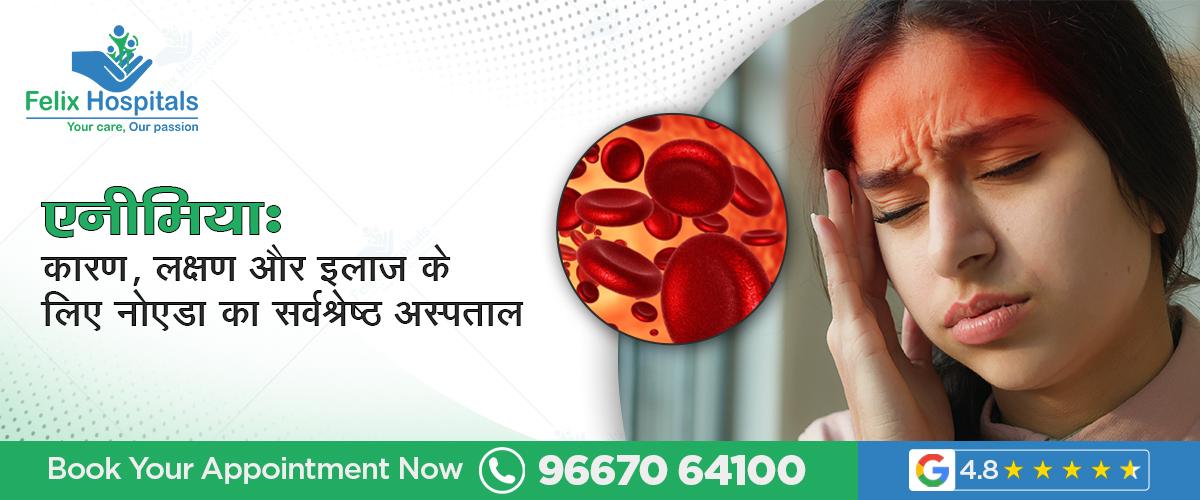
आज के व्यस्त जीवन में थकान, कमजोरी या चक्कर आने की शिकायत आम है। कई लोग इसे सामान्य थकान समझकर नजरअंदाज करते हैं। जबकि ये एनीमिया (Anemia) के लक्षण हो सकते हैं। यह एक ऐसी स्थिति है। जिसमें शरीर में लाल रक्त कोशिकाओं (Red Blood Cells) या हीमोग्लोबिन की मात्रा कम होती है। जिससे ऑक्सीजन की आपूर्ति पूरे शरीर में सही तरीके से नहीं होती है।
इस ब्लॉग में हम एनीमिया के कारण, लक्षण, जांच, इलाज और बचाव के उपायों को विस्तार से समझेंगे। यदि आप या आपके परिवार में कोई लगातार थकान, सांस फूलना या कमजोरी महसूस कर रहा है, तो देरी न करें। नोएडा में Anemia Treatment in Noida की आधुनिक सुविधाएं उपलब्ध हैं।
अभी अपॉइंटमेंट शेड्यूल करें – कॉल करें: +91 9667064100
एनीमिया वह स्थिति है जब शरीर में हीमोग्लोबिन या लाल रक्त कोशिकाओं की मात्रा सामान्य से कम हो जाती है। हीमोग्लोबिन का काम फेफड़ों से ऑक्सीजन को शरीर के बाकी हिस्सों तक पहुंचाना है। जब यह मात्रा घटती है। तो शरीर के अंगों को पर्याप्त ऑक्सीजन नहीं मिलती है। जिससे थकान, कमजोरी और सुस्ती महसूस होती है। यह महिलाओं, बच्चों और बुजुर्गों में अधिक सामान्य है। लंबे समय तक अनदेखा करने पर यह हृदय (Heart), मस्तिष्क और अन्य अंगों पर असर डालता है।
यह एनीमिया का सबसे आम कारण है। पर्याप्त आयरन न मिलने पर शरीर हीमोग्लोबिन (hemoglobin) नहीं बना पाता। इसका कारण गलत खानपान, अधिक मासिक धर्म, गर्भावस्था या रक्तस्राव है।
यह पोषक तत्व लाल रक्त कोशिकाओं के निर्माण में जरूरी हैं। कमी होने पर “मेगालोब्लास्टिक एनीमिया” होता है।
लंबे समय तक खून का नुकसान होता है। जैसे पेट या आंतों से खून आना, अल्सर (ulcer), चोट, या भारी मासिक धर्म।
किडनी, लिवर या बोन मैरो से जुड़ी बीमारियाँ लाल रक्त कोशिकाओं का उत्पादन कम करती हैं।
थैलेसीमिया या सिकल सेल एनीमिया जैसी स्थितियाँ जन्म से ही होती हैं।
लगातार थकान या कमजोरी महसूस होना
त्वचा और होंठ का पीला पड़ना
सांस फूलना या चक्कर आना
दिल की धड़कन तेज होना
ठंड लगना या हाथ-पैरों में झनझनाहट
सिरदर्द और ध्यान केंद्रित करने में कठिनाई
बाल झड़ना और नाखूनों का कमजोर होना
नींद न आना या बेचैनी
डॉक्टर मरीज की जीवनशैली, आहार, मासिक धर्म (महिलाओं में) और किसी प्रकार के रक्तस्राव का इतिहास पूछते हैं।
सीबीसी (कम्प्लीट ब्लड काउंट): लाल रक्त कोशिकाओं और हीमोग्लोबिन की मात्रा बताता है।
सीरम फेरिटिन / आयरन अध्ययन: शरीर में आयरन की स्थिति का पता चलता है।
विटामिन बी12 और फोलेट परीक्षण: विटामिन की कमी से संबंधित एनीमिया की पुष्टि।
रेटिकुलोसाइट गिनती: नई RBC बनने की दर बताता है।
जरूरत पड़ने पर बोन मैरो टेस्ट, अल्ट्रासाउंड या एंडोस्कोपी से कारण की गहराई से जांच होती है।
एनीमिया का इलाज उसके कारण, गंभीरता और शरीर में पोषण की कमी पर निर्भर करता है। डॉक्टर आमतौर पर जांच रिपोर्ट के अनुसार उपचार तय करते हैं।
एनीमिया के हल्के और शुरुआती मामलों में संतुलित और पोषक आहार सबसे प्रभावी होता है।
हरी पत्तेदार सब्जियां (पालक, मेथी, बथुआ), गुड़, चुकंदर, अनार, सेब, किशमिश, खजूर, मछली, लीवर, अंडा, और मसूर-दाल नियमित रूप से खाएं।
चना, मूंग, पपीता, संतरा, एवोकाडो, और पत्तेदार सब्जियाँ फोलेट की कमी को पूरा करती हैं।
दूध, दही, अंडा, मछली, चिकन और सोया उत्पाद शामिल करें।
नींबू, संतरा, आंवला और टमाटर जैसे फलों से शरीर में आयरन का अवशोषण बढ़ता है।
भोजन के तुरंत बाद चाय या कॉफी न पिएं, क्योंकि इससे आयरन का अवशोषण कम होता है।
पर्याप्त मात्रा में पानी, नारियल पानी और जूस पिएं ताकि रक्त परिसंचरण (blood circulation) बेहतर रहे।
जब केवल भोजन से सुधार नहीं होता, तो डॉक्टर दवाइयों और चिकित्सीय उपचार की सलाह देते हैं।
आयरन थेरेपी:
यह सबसे सामान्य उपचार है जब शरीर में आयरन की गंभीर कमी होती है। डॉक्टर फेरस सल्फेट, फेरस फ्यूमरेट या फेरस ग्लूकोनेट जैसी आयरन सप्लीमेंट्स देते हैं। इन्हें खाने के बाद पानी या फलों के रस के साथ लिया जाता है ताकि अवशोषण बेहतर हो। कभी-कभी इंट्रावीनस आयरन थेरेपी दी जाती है, खासकर जब मरीज गोलियां नहीं पचा पाता या जल्दी सुधार की जरूरत हो।
विटामिन बी12 इंजेक्शन:
यह उपचार तब दिया जाता है जब शरीर में विटामिन बी12 (Vitamin b12) की गंभीर कमी होती है। शुरुआत में हर हफ्ते इंजेक्शन दिए जाते हैं, फिर धीरे-धीरे अंतराल बढ़ा दिया जाता है। यह मेगालोब्लास्टिक एनीमिया में बहुत कारगर साबित होता है।
फोलिक एसिड सप्लीमेंट्स:
गर्भवती महिलाओं या पोषण की कमी से पीड़ित लोगों को फोलिक एसिड टैबलेट दी जाती हैं। ये आरबीसी (लाल रक्त कोशिकाओं) के निर्माण में मदद करती हैं।
हॉर्मोनल या ब्लीडिंग डिसऑर्डर का इलाज:
यदि बार-बार रक्तस्राव (जैसे भारी मासिक धर्म, पेट से खून आना या अल्सर) कारण हो, तो उसकी चिकित्सा आवश्यक होती है। डॉक्टर एंडोक्रिनोलॉजिस्ट या गायनाकोलॉजिस्ट की मदद से हॉर्मोन संतुलन की जांच करवाते हैं। रक्तस्राव रोकने के लिए उचित दवाएं दी जाती हैं।
रक्त आधानः
जब हीमोग्लोबिन बहुत कम (6-7 g/dL से नीचे) हो जाता है या मरीज को गंभीर कमजोरी व सांस फूलने की शिकायत हो, तो रक्त चढ़ाया जाता है। इससे शरीर में तुरंत लाल रक्त कोशिकाओं की मात्रा बढ़ जाती है और ऑक्सीजन आपूर्ति बेहतर होती है। यह केवल डॉक्टर की सलाह और निगरानी में किया जाता है।
बोन मैरो संबंधित इलाज:
अगर एनीमिया का कारण बोन मैरो की कार्यक्षमता कम होना है, तो डॉक्टर इम्यूनोथेरेपी, स्टेरॉयड या बोन मैरो ट्रांसप्लांट की सलाह देते हैं। इस स्थिति में इलाज हेमेटोलॉजिस्ट (Hematologist treatment) की देखरेख में किया जाता है।
विशेष चिकित्सा एवं फॉलो-अपः
नियमित रूप से हीमोग्लोबिन और CBC टेस्ट करवाते रहें ताकि सुधार की निगरानी हो सके। दवाओं के दौरान डॉक्टर की सलाह के बिना डोज न बदलें। किसी भी प्रकार की थकान, एलर्जी या साइड इफेक्ट दिखने पर तुरंत डॉक्टर से संपर्क करें। गर्भवती महिलाओं और बच्चों को विशेष निगरानी की जरूरत होती है क्योंकि उनमें एनीमिया तेजी से बढ़ सकता है।
विशेषज्ञ से परामर्श:
नोएडा में Best Hematologists in Noida द्वारा एनीमिया के हर प्रकार का निदान और उपचार किया जाता है। आधुनिक ब्लड टेस्टिंग और डे-केयर ट्रांसफ्यूजन यूनिट्स भी उपलब्ध हैं। नोएडा के सर्वश्रेष्ठ अस्पताल में एनीमिया का इलाज उपलब्ध है।
अभी अपॉइंटमेंट बुक करें: +91 9667064100
रोजाना आयरन और विटामिन युक्त भोजन करें। चाय-कॉफी का सेवन भोजन के तुरंत बाद न करें (यह आयरन अवशोषण कम करता है)।महिलाओं को मासिक धर्म के दौरान आयरन सप्लीमेंट डॉक्टर की सलाह से लेना चाहिए । गर्भावस्था में नियमित रूप से हेमोग्लोबिन जांच करवाएं। संतुलित आहार, पर्याप्त नींद और हल्का व्यायाम बनाए रखें।
एनीमिया (Anemia) केवल “खून की कमी” नहीं है। बल्कि यह शरीर के हर अंग पर असर डालने वाली गंभीर स्थिति होती है। समय रहते जांच और इलाज कराना बेहद जरूरी है। सही आहार, विटामिन सप्लीमेंट, और चिकित्सकीय देखभाल से यह पूरी तरह ठीक किया जाता है। यदि आप लगातार थकान, चक्कर या पीली त्वचा महसूस कर रहे हैं, तो देर नहीं करें। इलाज में देरी से नुकसान होता है।
अभी अपॉइंटमेंट शेड्यूल करें – कॉल करें: +91 9667064100
प्रश्न 1: क्या एनीमिया एक गंभीर बीमारी है?
उत्तर: अगर समय पर इलाज न हो तो यह दिल और मस्तिष्क को नुकसान पहुंचाती है। इसलिए लक्षण दिखने पर तुरंत जांच करवाएं।
प्रश्न 2: क्या एनीमिया केवल महिलाओं में होता है?
उत्तर: नहीं, यह पुरुषों और बच्चों में भी होता है। लेकिन महिलाओं में मासिक धर्म और गर्भावस्था के कारण अधिक होता है।
प्रश्न 3: क्या आहार से एनीमिया ठीक हो सकता है?
उत्तर: हल्के मामलों में हां, लेकिन गंभीर एनीमिया में दवाओं या सप्लीमेंट्स की जरूरत होती है।
प्रश्न 4: एनीमिया से बचाव के लिए क्या खाएं?
उत्तर: हरी पत्तेदार सब्जियां, अनार, गुड़, चुकंदर, अंडा, मछली और फल आहार में शामिल करें। डॉक्टर की सलाह से डाइट लेनी चाहिए।
प्रश्न 5: कब डॉक्टर से संपर्क करें?
उत्तर: यदि लंबे समय तक थकान, पीली त्वचा, चक्कर या सांस फूलने के लक्षण बने रहें, तो हेमेटोलॉजिस्ट से तुरंत संपर्क करें। इलाज में देरी नहीं करनी चाहिए।
एनीमिया (खून की कमी) क्या है? इसके कारण, लक्षण और घरेलू-चिकित्सकीय उपचार। आयरन की कमी से बचाव और जल्दी ठीक होने के आसान तरीके।'
Iron deficiency anemia occurs when your body doesn’t have enough iron to produce adequate hemoglobin, the protein that carries oxygen in your blood.
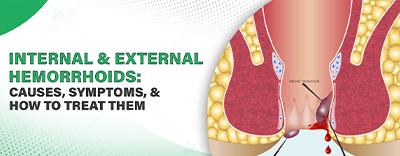
Manage piles effectively with simple lifestyle tips. Learn about internal and external hemorrhoids, their symptoms, and natural ways to find relief.
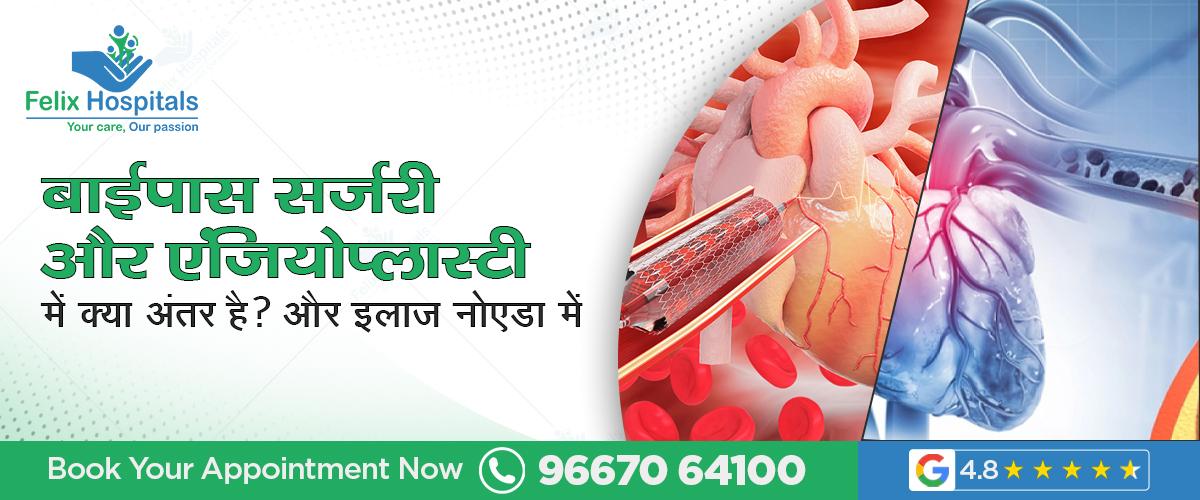
आज के समय में हृदय रोग भारत में सबसे गंभीर स्वास्थ्य समस्याओं में से एक बन चुका है। असंतुलित खानपान, तनाव, अनियमित दिनचर्या और शारीरिक गतिविधियों की कमी के कारण हृदय से जुड़ी बीमारियों की संख्या लगातार बढ़ रही है। जब दवाओं से सुधार नहीं होता, तब डॉक्टर दो प्रमुख विकल्प सुझाते हैं – बाईपास सर्जरी (bypass surgery) और एंजियोप्लास्टी। लेकिन कई बार मरीज और उनके परिजन इन दोनों के बीच के अंतर को ठीक से नहीं समझ पाते। इस ब्लॉग में हम विस्तार से जानेंगे कि ये दोनों प्रक्रियाएँ क्या हैं, इनमें क्या अंतर है और नोएडा में इनका इलाज कहाँ उपलब्ध है।
आज ही अपॉइंटमेंट बुक करें, जांच करवाएं और अपने दिल की सेहत की देखभाल की शुरुआत करें। आज ही कॉल करें: +91 9667064100।
बाईपास सर्जरी (bypass surgery in hindi) एक प्रमुख कार्डियक प्रक्रिया है, जिसका उपयोग तब किया जाता है जब हृदय की धमनियों में ब्लॉकेज या रुकावट हो जाती है। इस सर्जरी में डॉक्टर शरीर के किसी अन्य हिस्से की नस या धमनी लेकर उसे ब्लॉकेज वाले हिस्से के आसपास जोड़ देते हैं। ऐसा करने से हृदय को रक्त प्रवाह का नया रास्ता मिल जाता है और ऑक्सीजन की कमी नहीं होती।
यह सर्जरी आमतौर पर उन मरीजों के लिए की जाती है जिनकी दो या अधिक कोरोनरी धमनियाँ ब्लॉक होती हैं। बाईपास सर्जरी के दौरान मरीज को जनरल एनेस्थीसिया दिया जाता है और सर्जरी ओपन-हार्ट (Open-heart) पद्धति से की जाती है। सर्जरी के दौरान हृदय-फेफड़े की मशीन (Heart-Lung Machine) का उपयोग किया जाता है ताकि सर्जरी के दौरान रक्त का प्रवाह नियंत्रित बना रहे।
सर्जरी के बाद मरीज को कुछ दिनों तक अस्पताल में रहना पड़ता है और रिकवरी में लगभग 4 से 6 हफ्ते लगते हैं। नोएडा में अनुभवी कार्डियक सर्जन और आधुनिक उपकरणों के साथ बाईपास सर्जरी सुरक्षित और प्रभावी रूप से की जाती है।
एंजियोप्लास्टी (Angioplasty in hindi) एक न्यूनतम इनवेसिव प्रक्रिया है जिसमें किसी मरीज की ब्लॉक धमनियों को खोला जाता है। इसमें डॉक्टर एक पतली ट्यूब जिसे कैथेटर कहा जाता है, को बांह या जांघ की धमनी के माध्यम से हृदय तक पहुंचाते हैं। इसके सिरे पर एक छोटा बैलून होता है जिसे ब्लॉकेज वाली जगह पर पहुंचाकर फुलाया जाता है ताकि रक्त का प्रवाह सामान्य हो सके। कई मामलों में ब्लॉकेज (blockage) को खुला रखने के लिए स्टेंट (धातु की जाली) भी लगाया जाता है।
एंजियोप्लास्टी आमतौर पर तब की जाती है जब ब्लॉकेज सीमित हो या मरीज को अचानक हार्ट अटैक हुआ हो। यह प्रक्रिया बाईपास सर्जरी की तुलना में कम दर्दनाक होती है और मरीज एक या दो दिन में सामान्य गतिविधियाँ शुरू कर सकता है। नोएडा के एंजियोप्लास्टी अस्पतालों (Angioplasty hospitals in Noida) में यह प्रक्रिया अनुभवी कार्डियोलॉजिस्ट की देखरेख में की जाती है।
इन दोनों प्रक्रियाओं का उद्देश्य समान है – हृदय को पर्याप्त रक्त और ऑक्सीजन की आपूर्ति सुनिश्चित करना। लेकिन इनके बीच कई महत्वपूर्ण अंतर हैं।
बाईपास सर्जरी एक बड़ी सर्जिकल प्रक्रिया है जबकि एंजियोप्लास्टी एक न्यूनतम इनवेसिव तकनीक है। बाईपास सर्जरी उन मरीजों के लिए की जाती है जिनकी कई धमनियाँ ब्लॉक हैं या जिनमें पहले की एंजियोप्लास्टी असफल रही हो। दूसरी ओर, एंजियोप्लास्टी एक या दो धमनियों में ब्लॉकेज वाले मरीजों के लिए अधिक उपयुक्त होती है।
बाईपास सर्जरी की रिकवरी अवधि लंबी होती है, आमतौर पर 4 से 6 हफ्ते, जबकि एंजियोप्लास्टी के बाद मरीज 24 से 48 घंटे में छुट्टी पा सकता है। बाईपास सर्जरी अधिक महंगी होती है लेकिन इसका परिणाम लंबे समय तक टिकाऊ होता है। एंजियोप्लास्टी अपेक्षाकृत सस्ती और जल्दी राहत देने वाली प्रक्रिया है, हालांकि इसमें ब्लॉकेज के दोबारा होने की संभावना रहती है।
कोरोनरी आर्टरी बाईपास ग्राफ्टिंग (CABG) – हृदय की मुख्य धमनियों में ब्लॉकेज होने पर किया जाने वाला सबसे सामान्य ऑपरेशन।
हार्ट वाल्व रिप्लेसमेंट सर्जरी(Heart valve replacement surgery) – जब हृदय के वॉल्व कमजोर या क्षतिग्रस्त हो जाते हैं।
पेसमेकर इम्प्लांटेशन (Pacemaker Implantation) – हृदय की धड़कन को नियंत्रित रखने के लिए लगाया जाने वाला उपकरण।
हार्ट ट्रांसप्लांट सर्जरी (Heart transplant surgery) – जब हृदय अत्यधिक क्षतिग्रस्त हो और अन्य उपचार संभव न हो।
नोएडा के कार्डियोलॉजी विभागों में ये सभी उपचार अत्याधुनिक सुविधाओं के साथ उपलब्ध हैं।
यह निर्णय पूरी तरह मरीज की चिकित्सा स्थिति पर निर्भर करता है। यदि मरीज की एक या दो धमनियों में ही ब्लॉकेज है और वह अन्यथा स्वस्थ है, तो एंजियोप्लास्टी बेहतर विकल्प हो सकता है। लेकिन यदि मरीज की कई धमनियों में ब्लॉकेज है या पहले की एंजियोप्लास्टी असफल रही है, तो बाईपास सर्जरी अधिक सुरक्षित और प्रभावी साबित होती है।
इसके अलावा, डॉक्टर मरीज की उम्र, शुगर लेवल, ब्लड प्रेशर (blood pressure), हृदय की कार्यक्षमता और अन्य बीमारियों को ध्यान में रखकर ही निर्णय लेते हैं। इसलिए मरीज को किसी भी निर्णय से पहले अनुभवी कार्डियोलॉजिस्ट से विस्तृत परामर्श लेना चाहिए।
नोएडा में हृदय रोगों के इलाज के लिए आधुनिक तकनीकों और प्रशिक्षित डॉक्टरों की उपलब्धता तेजी से बढ़ी है। यहाँ के अस्पतालों में 24 घंटे कार्डियक इमरजेंसी सेवाएं, एंजियोप्लास्टी, बाईपास सर्जरी, हार्ट वाल्व रिप्लेसमेंट (Heart Valve Replacement in hindi) और अन्य जटिल हृदय सर्जरी की सुविधाएं उपलब्ध हैं।
नोएडा में कार्यरत बाईपास सर्जरी डॉक्टर और एंजियोप्लास्टी विशेषज्ञ अत्याधुनिक उपकरणों और अनुभवी टीम के साथ इलाज करते हैं जिससे मरीजों को सुरक्षित और दीर्घकालिक परिणाम मिलते हैं।
सर्जरी के बाद हृदय रोगी के लिए जीवनशैली में बदलाव आवश्यक होता है। कुछ प्रमुख सुझाव इस प्रकार हैं –
धूम्रपान और शराब का सेवन पूरी तरह बंद करें।
डॉक्टर द्वारा बताई गई दवाइयाँ समय पर लें।
प्रतिदिन हल्की सैर या फिजियोथेरेपी करें।
तनाव से बचें और पर्याप्त नींद लें।
खाने में ताजे फल, हरी सब्जियाँ और कम वसा वाला भोजन शामिल करें।
नियमित रूप से डॉक्टर से फॉलो-अप कराते रहें।
इन सावधानियों से सर्जरी के बाद की जटिलताओं का खतरा कम होता है और हृदय स्वस्थ बना रहता है।
नोएडा में उपलब्ध अनुभवी कार्डियोलॉजिस्ट और हृदय सर्जन से तुरंत संपर्क करें और अपने स्वास्थ्य की सुरक्षा सुनिश्चित करें।
बाईपास सर्जरी और एंजियोप्लास्टी दोनों ही हृदय रोगों के लिए महत्वपूर्ण और प्रभावी उपचार हैं। अंतर केवल प्रक्रिया की जटिलता और उपयुक्तता में है। बाईपास सर्जरी जटिल मामलों के लिए दीर्घकालिक राहत प्रदान करती है, जबकि एंजियोप्लास्टी कम ब्लॉकेज वाले मरीजों के लिए तेज़ और सुरक्षित उपचार है।
यदि आप सीने में दर्द, थकान, सांस फूलना या अचानक चक्कर आने जैसे लक्षण महसूस कर रहे हैं, तो इसे नज़रअंदाज़ न करें। समय पर निदान और उपचार से गंभीर जटिलताओं से बचा जा सकता है। नोएडा के विशेषज्ञ कार्डियोलॉजिस्ट से परामर्श (Consult with Expert Cardiologists in Noida) लेकर सही उपचार पाएं और अपने हृदय को स्वस्थ रखें।
सवाल: 1. बाईपास सर्जरी और एंजियोप्लास्टी में से मेरे लिए कौन-सा विकल्प सही है?
उत्तर: यह पूरी तरह आपके हृदय की धमनियों की स्थिति, ब्लॉकेज की संख्या और स्वास्थ्य पर निर्भर करता है। यदि कई धमनियाँ ब्लॉक हैं या पहले की एंजियोप्लास्टी असफल रही है, तो बाईपास सर्जरी अधिक उपयुक्त होती है। एक या दो धमनियों में सीमित ब्लॉकेज के लिए एंजियोप्लास्टी बेहतर विकल्प है।
सवाल: 2. बाईपास सर्जरी के बाद रिकवरी कितने समय में पूरी होती है?
उत्तर: सर्जरी के बाद मरीज को आमतौर पर 4 से 6 हफ्ते तक रिकवरी अवधि की आवश्यकता होती है। इस दौरान डॉक्टर की सलाह अनुसार हल्की फिजियोथेरेपी और जीवनशैली में बदलाव महत्वपूर्ण होते हैं।
सवाल: 3. क्या एंजियोप्लास्टी के बाद ब्लॉकेज दोबारा हो सकता है?
उत्तर: हाँ, एंजियोप्लास्टी में ब्लॉकेज की पुनरावृत्ति (Restenosis) का खतरा होता है। इसे कम करने के लिए स्टेंट लगाया जाता है और डॉक्टर दवाओं के माध्यम से रक्त धमनियों को खुला रखने का प्रयास करते हैं।
सवाल: 4. क्या बाईपास सर्जरी के बाद मरीज सामान्य जीवन जी सकता है?
उत्तर: जी हाँ, बाईपास सर्जरी के बाद मरीज धीरे-धीरे सामान्य गतिविधियों को शुरू कर सकते हैं। सही दवा, नियमित जांच और जीवनशैली में बदलाव के साथ मरीज पूर्ण रूप से सक्रिय जीवन जी सकते हैं।
सवाल: 5. एंजियोप्लास्टी और बाईपास सर्जरी में लागत में अंतर कितना होता है?
उत्तर: एंजियोप्लास्टी आमतौर पर बाईपास सर्जरी की तुलना में कम खर्चीली होती है, क्योंकि यह न्यूनतम इनवेसिव प्रक्रिया है और अस्पताल में रहने का समय कम होता है। बाईपास सर्जरी अधिक महंगी होती है, लेकिन लंबे समय तक स्थायी परिणाम देती है।
सवाल: 6. सर्जरी से पहले क्या तैयारी करनी चाहिए?
उत्तर: सर्जरी से पहले डॉक्टर से पूरी जांच करवाएं, दवा की लिस्ट तैयार रखें, धूम्रपान और शराब से परहेज करें और मानसिक रूप से तैयार रहें। नोएडा के विशेषज्ञ कार्डियोलॉजिस्ट आपको पूरी तैयारी और प्री-सर्जिकल गाइडलाइन देंगे।
हार्ट अटैक के मुख्य लक्षण, कारण और तुरंत किए जाने वाले उपचार के बारे में जानें। समय पर पहचान और सही इलाज से जीवन बचाया जा सकता है।
हार्ट अटैक के दौरान समय पर और सही उपचार दिल के दौरे के गंभीर परिणामों को रोक सकता है। सर्दियों में दिल के दौरे के इलाज के लिए समय पर और उचित चिकित्सा सहायता अत्यधिक आवश्यक है।
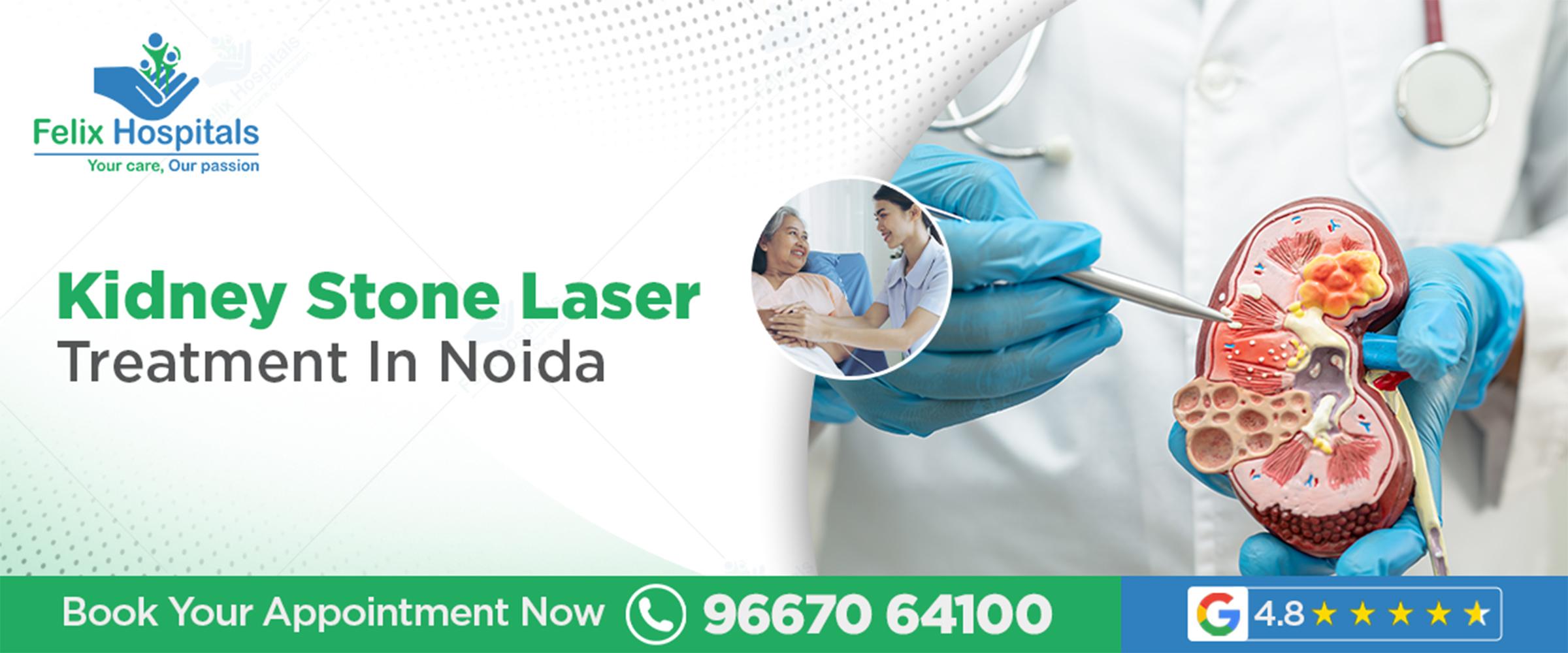
Medically referred to as laser lithotripsy, laser surgery involves the use of laser beams of high energy to destroy stones into small pieces. These fragments either come out to the world naturally in the urine or are carried out by the surgeon throughout the process. The method is non-invasive, accurate, and best suited in stones that lie in the ureter or the kidney.
For example: Many patients also inquire about the benefits of laser kidney stone treatment, which include minimal cuts, faster healing, and excellent success rates for stones of varied densities.
Present-day urology has two categories of laser-based interventions that vary across the size and location of stones, as well as the condition of the patient.
URS is conducted with an extremely narrow and flexible scope running through the urinary tract.
The laser fiber fitted on the scope separates the stone into minute particles.
During this step, patients often ask about the kidney stone laser procedure, especially how the laser targets the stone precisely without harming surrounding tissues.
The use of PCNL is reserved for big or complicated stones. It entails a minor opening at the back to have direct access to the kidney.
The stone is then broken using laser energy and the fragments are extracted using a nephoscopy.
This technique is advised to the stones that are bigger than 2 cm or even those that are not able to respond to other therapies.
Your urologist can recommend laser stone removal when there is:
Boulders that were not naturally large.
Extreme pain or difficulty in urination.
Recurrent infections
Unresponsive to medication stones.
Stones linked to abnormalities of the anatomy.
Laser surgery can also be used on different age groups as well as adolescents and older patients. Many patients ask about recovery after laser kidney stone treatment, which is typically faster than other surgical approaches.
You can be a perfect applicant in case:
The stone is less than 2 cm
The stone is either in the kidney or the ureter.
In overall health, you are good.
The stone mixture can be broken using a laser.
Patients of Noida commonly prefer this alternative as it gives better outcomes in terms of less stay in hospital and reduced postoperative pain.
Your urologist will perform a thorough evaluation before administering the procedure and this assessment may include:
Medical Consultation
Symptom review, history, and treatment.
Imaging Tests
Ultrasound, CT scan, or X-ray to establish the location and size of stones.
Medication Management
Discontinued blood thinners or changed drugs.
Fasting
Typically, procedures prior to surgery need to be done overnight.
Antibiotics
To avoid preoperative and postoperative infection.
These steps ensure your kidney stone laser surgery Noida experience is safe and smooth.
There is a slight difference in laser stone removal when URS or PCNL is done.
Elastic Ureteroscopy and Laser Lithotripsy.
Carried out in a general or spinal anesthetic state.
Ureteroscopy that is inserted into the urethra.
The stone was broken with laser fiber.
Fragments that are extracted or naturally passed.
A temporary stent can also be done to help in lessening swelling.
Patients often like to know the benefits of laser kidney stone treatment, especially the minimal bleeding and quick healing.
Was done under general anesthesia.
Light cuts done on the posterior.
Optical scope used to access the kidney.
The stone was pulverized by laser light.
Fragments suctioned out
Temporary drainage tube in case of necessity.
This process is very efficient with huge or numerous stones.
Its healing process is quicker than the normal surgery.
Your urologist will advise you on the necessity to drink plenty of water, to avoid body physically demanding activities, and prescription drugs. Many patients also ask about recovery after laser kidney stone treatment, which usually takes.
24 hours for normal walking
Daily house activities (3-5 days).
Depending on the type of procedure, 1-2 weeks to recover.
Follow up visit is used to make sure of proper healing and to check whether there are left over stones or infections.
Although safe in most cases, as any operation, it is associated with some risks which include:
Mild bleeding
Urinary tract infection
Ureteral injury
Difficulty in passing urine, temporary.
Scar tissue formation (rare)
Stone fragment migration
Choosing an experienced surgeon in kidney stone laser surgery Noida greatly reduces these risks.
Patients today prefer this technique due to several benefits of laser kidney stone treatment, including higher accuracy, reduced pain, faster discharge, and excellent long-term success rates.
The stones of other compositions are also readily treated with the use of a minimally invasive laser technology.
To prevent the risk of stone recurrence:
Drink plenty of water
Restrict salt and animal protein.
Maintain a balanced diet
Take supplements prescribed by the doctor.
Receive frequent follow-up checkups.
The measures enhance the health of the kidneys and lead to a reduction in complications in the future.
Laser therapy of kidney stones has revolutionized urological care by providing the quicker healing rate, reduced pain as well as clearance of the stone. With expert urologists and advanced facilities available at trusted centers, kidney stone laser surgery Noida has become a highly preferred choice for patients seeking effective and safe treatment. When you want to find an efficient treatment in a laser kidney stone hospital Noida, to be treated early, to be diagnosed correctly, and to be managed on time, you will be able to achieve high results and your kidney will be healthy for many years.
Q.1. Laser kidney stone surgery a lengthy process?
Ans. Typically 30 minutes to several hours as per the size of stone.
Q.2. Is the procedure painful?
Ans. No, it is conducted with anaesthesia; some slight pain can follow.
Q.3. When can I return to work?
Ans. The majority of patients are back to regular functioning within 3-5 days.
Q.4. Is a stent always required?
Ans. Not always; it is based on swelling and stone position.
Q.5. Do you have scars following surgery?
Ans. URS does not leave external scars, PCNL leaves a small one.
Q.6. Is it possible to undertake laser stone surgery on pregnant women?
Ans. In rare cases only used when absolutely necessary.
Q.7. Is it possible to treat all the stones with a laser?
Ans. The majority of the stones can be handled, however, very huge or complicated ones might require other methods.
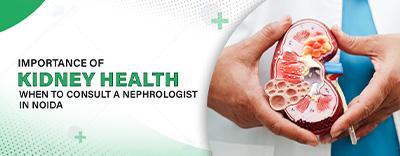
Learn the importance of kidney health and when to seek expert care from a nephrologist in Noida for timely diagnosis and treatment.
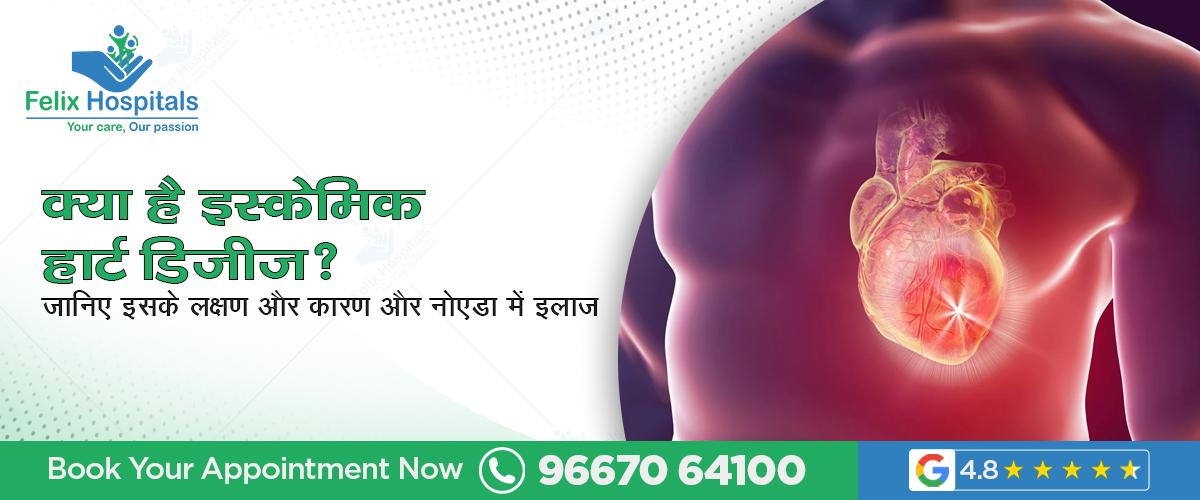
आज की व्यस्त जीवनशैली, असंतुलित आहार और तनावपूर्ण दिनचर्या के कारण हृदय रोगों के मामले तेजी से बढ़ रहे हैं। इनमें इस्केमिक हार्ट डिजीज (Ischemic Heart Disease – IHD) या कोरोनरी आर्टरी डिजीज (CAD) सबसे आम और खतरनाक बीमारी है। नोएडा में इस्केमिक हार्ट डिजीज का इलाज उपलब्ध है। यह स्थिति तब होती है जब हृदय तक रक्त का प्रवाह कम होता है, जिससे दिल की मांसपेशियों को पर्याप्त ऑक्सीजन नहीं मिलती। यह दिल के दौरे (हार्ट अटैक) का मुख्य कारण बनती है।
ज्यादा जानकारी के लिए कॉल करें +91 9667064100
इस्केमिक हार्ट डिजीज तब होती है। जब हृदय की धमनियों (कोरोनरी आर्टरी) में प्लाक जमा होता है। यह प्लाक कोलेस्ट्रॉल, वसा और अन्य पदार्थों के जमाव से बनता है। जो धीरे-धीरे रक्त प्रवाह को बाधित करता है। जब हृदय को पर्याप्त ऑक्सीजन नहीं मिलती, तो सीने में दर्द, सांस लेने में कठिनाई या थकान जैसे लक्षण दिखाई देते हैं। अगर समय पर इलाज न हो, तो यह स्थिति हार्ट अटैक का रूप लेती है।
हृदय तक ऑक्सीजन की कमी के कई कारण होते हैं —
उच्च कोलेस्ट्रॉलः (High cholesterol)
रक्त में एलडीएल के बढ़ने से धमनियों में प्लाक बनता है। यह प्लाक धीरे-धीरे धमनियों को संकरा कर देता है। जिससे रक्त प्रवाह बाधित होता है। जब हृदय की धमनियों में यह रुकावट बढ़ती है, तो ऑक्सीजन की आपूर्ति घटती है। लंबे समय तक यह स्थिति एंजाइना (छाती में दर्द) या हार्ट अटैक का कारण बन सकती है।
हाई ब्लड प्रेशरः (high blood pressure)
लगातार उच्च रक्तचाप रहने से धमनियों की दीवारें मोटी और कठोर होती हैं। इससे रक्त का सामान्य प्रवाह प्रभावित होता है और हृदय को रक्त पंप करने के लिए अधिक मेहनत करनी पड़ती है। यह अतिरिक्त दबाव कार्डियक स्ट्रेन पैदा करता है और हृदय की ऑक्सीजन जरूरतें बढ़ जाती हैं। परिणामस्वरूप, हृदय को पर्याप्त ऑक्सीजन नहीं मिलती और कोशिकाएं कमजोर पड़ने लगती हैं।
धूम्रपान और तंबाकू सेवनः (Smoking and tobacco use)
तंबाकू में मौजूद निकोटीन रक्त वाहिकाओं को संकुचित करता है। कार्बन मोनोऑक्साइड रक्त में ऑक्सीजन की मात्रा घटा देती है, क्योंकि यह हीमोग्लोबिन से जुड़ती है। परिणामस्वरूप, हृदय की मांसपेशियों को आवश्यक ऑक्सीजन नहीं मिलती। लंबे समय तक धूम्रपान करने वाले लोगों में कोरोनरी आर्टरी डिजीज (Coronary artery disease) का खतरा कई गुना बढ़ जाता है।
डायबिटीजः (Diabetes)
ब्लड शुगर का लगातार असंतुलन रक्त वाहिकाओं की दीवारों को नुकसान पहुंचाता है। इससे एथेरोस्क्लेरोसिस यानी धमनियों में कठोरता बढ़ती है। जब रक्त वाहिकाएं संकरी या ब्लॉक हो जाती हैं, तो हृदय तक पर्याप्त ऑक्सीजन नहीं पहुंच पाती। डायबिटिक मरीजों में हार्ट अटैक का जोखिम सामान्य व्यक्ति से 2–4 गुना अधिक होता है।
मोटापा और निष्क्रिय जीवनशैली: (Obesity and inactive lifestyle)
अधिक वजन होने से शरीर की ऑक्सीजन की आवश्यकता बढ़ जाती है, लेकिन हृदय की क्षमता उतनी नहीं बढ़ती। शारीरिक निष्क्रियता से रक्त प्रवाह धीमा हो जाता है और मेटाबॉलिक एक्टिविटी घटती है। मोटापा कोलेस्ट्रॉल और ब्लड प्रेशर दोनों को बढ़ाता है, जिससे धमनियां अवरुद्ध होती हैं। परिणामस्वरूप हृदय को पर्याप्त ऑक्सीजन नहीं मिल पाती, जिससे थकान और सांस फूलने जैसी समस्या होती है।
तनावः (stress)
लंबे समय तक मानसिक तनाव रहने से कोर्टिसोल और एड्रेनालिन जैसे हार्मोन बढ़ते हैं। ये हार्मोन ब्लड प्रेशर को बढ़ाते हैं और हृदय की धड़कन तेज करते हैं। इससे हृदय पर लगातार दबाव बनता है और रक्त प्रवाह में असंतुलन आता है। तनावग्रस्त व्यक्ति में नींद की कमी और अनियमित खान-पान भी स्थिति को और खराब करता है।
अनुवांशिक कारणः (genetic causes)
यदि परिवार में किसी को हृदय रोग, हाई कोलेस्ट्रॉल या ब्लड प्रेशर की समस्या रही हो, तो जोखिम बढ़ जाता है। कुछ लोगों में आनुवांशिक रूप से धमनियां कमजोर या जल्दी अवरुद्ध होने की प्रवृत्ति होती है। ऐसे लोगों को नियमित स्वास्थ्य जांच कराते रहना चाहिए और जीवनशैली पर विशेष ध्यान देना चाहिए।
इस्केमिक हार्ट डिजीज के लक्षण धीरे-धीरे विकसित होते हैं। लेकिन कई बार अचानक भी सामने आते हैं। मुख्य लक्षण हैंः
सीने में दर्द या दबाव (एंजाइना)
सांस फूलना या थकान महसूस होना
बांह, जबड़े या पीठ में दर्द
चक्कर आना या सिर भारी लगना
अत्यधिक पसीना आना
तेज या अनियमित धड़कन
कमजोर महसूस होना या बेहोशी जैसी स्थिति
स्थायी एनजाइनाः
यह एनजाइना का सबसे सामान्य और पूर्वानुमानित प्रकार है। इसमें शारीरिक मेहनत, तेज चलना, सीढ़ियां चढ़ना या भावनात्मक तनाव के दौरान सीने में दर्द या जकड़न महसूस होती है। दर्द आमतौर पर छाती के बीच या बाईं ओर होता है और कभी-कभी यह कंधे, गर्दन, जबड़े या बाएं हाथ तक फैलता है। यह दर्द कुछ मिनट तक रहता है और आराम करने या नाइट्रोग्लिसरीन की गोली लेने पर कम हो जाता है। आमतौर पर यह दर्द बार-बार एक ही स्थिति में महसूस होता है, जिससे मरीज इसे पहचान सकता है। इस स्थिति का मुख्य कारण कोरोनरी धमनियों में स्थायी संकुचन या आंशिक ब्लॉकेज होता है, जिसके कारण हृदय को ऑक्सीजन की मांग और आपूर्ति में असंतुलन हो जाता है। यदि दर्द की आवृत्ति या तीव्रता बढ़ने लगे, तो यह संकेत होता है कि स्थिति अस्थिर एनजाइना में बदल रही है, जो अधिक गंभीर और खतरनाक अवस्था मानी जाती है।
अस्थिर एनजाइनाः
यह एक अत्यंत गंभीर और आपातकालीन स्थिति मानी जाती है, क्योंकि यह अक्सर हार्ट अटैक का शुरुआती संकेत (early signs of heart attack) है। इसमें सीने में अचानक और बिना किसी स्पष्ट कारण के तेज दर्द या दबाव महसूस होता है, जो आराम की अवस्था में भी होता है। यह दर्द सामान्य से अधिक तीव्र होता है और प्रायः 15–20 मिनट या उससे अधिक समय तक बना रहता है। कई बार इसके साथ सांस फूलना, पसीना आना, बेचैनी या उल्टी जैसा महसूस होना जैसे लक्षण भी दिखाई देते हैं। इस दर्द की प्रकृति पहले के अनुभवों से अलग और अप्रत्याशित होती है तथा आराम या नाइट्रोग्लिसरीन लेने के बाद भी राहत नहीं मिलती। इस स्थिति का मुख्य कारण धमनियों में प्लाक फटने से अचानक थक्का बनना होता है, जो रक्त प्रवाह को आंशिक या पूरी तरह से रोक देता है। यदि समय पर इलाज न मिले, तो यह अवस्था मायोकार्डियल इंफार्क्शन में बदलती है। इसलिए, ऐसे लक्षण दिखने पर मरीज को तुरंत अस्पताल पहुंचाना अत्यंत आवश्यक होता है।
मूक इस्कीमियाः
एनजाइना का सबसे खतरनाक रूप माना जाता है। क्योंकि इसमें कोई स्पष्ट दर्द या लक्षण नहीं होते। फिर भी हृदय की मांसपेशियों में ऑक्सीजन की गंभीर कमी बनी रहती है। इस स्थिति में मरीज को सीने में दर्द महसूस नहीं होता। लेकिन कई बार हल्की थकान, सांस फूलना या दिल की धड़कन तेज होना जैसे मामूली संकेत हैं। यह समस्या विशेष रूप से डायबिटीज के मरीजों में अधिक पाई जाती है। क्योंकि उनमें नर्व सेंसिटिविटी कम होने से दर्द का अनुभव नहीं होता। इसके अलावा, बुजुर्गों और लंबे समय से हृदय रोग से पीड़ित मरीजों में भी यह स्थिति आम है। चूंकि लक्षण स्पष्ट नहीं होते। इसलिए इसका पता आमतौर पर ईसीजी, होल्टर मॉनिटर या स्ट्रेस टेस्ट जैसी जांचों से चलता है। यदि इस पर समय रहते ध्यान न दिया जाए, तो यह धीरे-धीरे हार्ट फेल्योर या हार्ट अटैक का कारण बनती है। इसलिए नियमित स्वास्थ्य जांच और समय पर उपचार इस मूक लेकिन गंभीर स्थिति से बचाव के लिए बेहद जरूरी है।
डॉक्टर हृदय की स्थिति का पता लगाने के लिए निम्न जांचें करते हैं —
ईसीजी (इलेक्ट्रोकार्डियोग्राम): दिल की धड़कनों की रफ्तार और अनियमितता की जांच होती है।
इकोकार्डियोग्राफ: हृदय की पंपिंग क्षमता और वाल्व की स्थिति का आकलन होता है।
टीएटी (ट्रेडमिल टेस्ट): वर्कआउट के दौरान हृदय की प्रतिक्रिया का मूल्यांकन होता है।
सीटी कोरोनरी एंजियोग्राफी: धमनियों में ब्लॉकेज का पता लगाने के लिए होता है।
ब्लड टेस्ट: कोलेस्ट्रॉल और ट्राइग्लिसराइड स्तर की जांच होती हैै।
दवा द्वारा उपचार:
ब्लड थिनर का उपयोग थक्के बनने से रोकने के लिए किया जाता है। बीटा ब्लॉकर हृदय की धड़कन को नियंत्रित करते हैं और दिल पर दबाव कम करते हैं। नोएडा में इस्केमिक हार्ट डिजीज विशेषज्ञ डॉक्टर उपलब्ध है। नाइट्रेट्स रक्त वाहिकाओं को फैलाकर ब्लड फ्लो बढ़ाते हैं और छाती में दर्द कम करते हैं। स्टैटिन्स कोलेस्ट्रॉल लेवल को नियंत्रित करके धमनियों में प्लाक बनने की प्रक्रिया को धीमा करते हैं। रोगी की स्थिति के अनुसार चिकित्सक अन्य सहायक दवाएं भी सुझा सकते हैं।
एंजियोप्लास्टी और स्टेंटिंग:
अवरुद्ध या संकुचित धमनियों को खोलने के लिए बैलून कैथेटर का उपयोग किया जाता है। आवश्यक होने पर स्टेंट लगाया जाता है, जो रक्त प्रवाह को स्थायी रूप से बनाए रखता है। यह प्रक्रिया कम समय में की जाती है और मरीज जल्दी रिकवर करता है।
कोरोनरी आर्टरी बाईपास सर्जरी (सीएबीजी):
जब धमनियों में गंभीर ब्लॉकेज या मल्टीपल ब्लॉकेज होता है, तब सर्जरी द्वारा नई रक्त वाहिकाएं बनाई जाती हैं। इससे हृदय मांसपेशियों को पर्याप्त ऑक्सीजन और पोषण मिलता है। यह लंबे समय तक स्थायी समाधान प्रदान करती है और हार्ट अटैक के जोखिम को कम करती है।
जीवनशैली और आहार पर ध्यान:
दवाओं और सर्जरी के साथ-साथ स्वस्थ जीवनशैली, संतुलित आहार, नियमित व्यायाम और तनाव प्रबंधन भी आवश्यक हैं। ओमेगा-3, फाइबर युक्त आहार और नमक, तला हुआ भोजन, शुगर व फैट का नियंत्रण हृदय स्वास्थ्य में मदद करता है।
नियमित फॉलो-अप और जांच:
उपचार के दौरान और बाद में डॉक्टर द्वारा ECG, Stress Test, ब्लड प्रेशर और कोलेस्ट्रॉल स्तर की निगरानी की जाती है। समय पर जांच और बदलाव से रोग की गंभीरता कम होती है और भविष्य में जटिलताओं का खतरा घटता है।
इस्केमिक हार्ट डिजीज को सही जीवनशैली अपनाकर काफी हद तक रोका जाता हैः
हेल्दी डाइट लें – कम तेल, कम नमक और कम वसा वाला भोजन करें।
ओमेगा-3, फाइबर और एंटीऑक्सीडेंट युक्त आहार लें।
नियमित एक्सरसाइज करें (30 मिनट वॉक/योग/साइक्लिंग)।
धूम्रपान और शराब से दूरी बनाएं।
स्ट्रेस कम करने के लिए मेडिटेशन करें।
7–8 घंटे की नींद जरूर लें।
ब्लड प्रेशर, शुगर और कोलेस्ट्रॉल की नियमित जांच कराएं।
नोएडा के प्रमुख अस्पतालों में अनुभवी कार्डियोलॉजिस्ट और सर्जन आधुनिक तकनीक से इलाज करते हैं।
इस्केमिक हार्ट डिजीज एक गंभीर लेकिन रोकी जा सकने वाली बीमारी है। संतुलित आहार, नियमित व्यायाम, तनाव नियंत्रण और समय पर जांच से हृदय को स्वस्थ रखा जाता है। अगर आपको सीने में दर्द, थकान या सांस फूलने जैसे लक्षण महसूस हों, तो इसे नजरअंदाज न करें। हृदय रोग विशेषज्ञ आधुनिक तकनीकों की मदद से इसका प्रभावी इलाज करते हैं। इसलिए इलाज में देरी नहीं करें।
डॉक्टर से सलाह के लिए आज ही संपर्क करें: +91 9667064100
सवाल 1. क्या इस्केमिक हार्ट डिजीज पूरी तरह ठीक हो सकती है?
उत्तर: यह स्थिति कंट्रोल की जाती है। लेकिन पूरी तरह ठीक होना मरीज की स्थिति और समय पर इलाज पर निर्भर करता है।
सवाल 2. क्या इस्केमिक हार्ट डिजीज और हार्ट अटैक एक ही हैं?
उत्तर: नहीं, इस्केमिक हार्ट डिजीज हार्ट अटैक का मुख्य कारण है। हार्ट अटैक तब होता है जब ब्लॉकेज पूरी तरह से रक्त प्रवाह रोकता है।
सवाल 3. क्या हर बार सीने में दर्द हार्ट डिजीज का संकेत होता है?
उत्तर: जरूरी नहीं, लेकिन बार-बार या लंबे समय तक दर्द रहने पर तुरंत डॉक्टर से जांच कराएं।
सवाल 4. क्या महिलाएं भी इस बीमारी से प्रभावित होती हैं?
उत्तर: हां, खासकर 40 वर्ष से अधिक उम्र की महिलाएं, जिन्हें हॉर्मोनल या ब्लड प्रेशर की समस्या होती है, उनमें जोखिम अधिक होता है।
सवाल 5. इस्केमिक हार्ट डिजीज से बचाव के लिए सबसे जरूरी क्या है?
उत्तर: स्वस्थ खानपान, नियमित व्यायाम, तनाव नियंत्रण और नियमित जांच ही सबसे प्रभावी उपाय हैं।
हार्ट अटैक के मुख्य लक्षण, कारण और तुरंत किए जाने वाले उपचार के बारे में जानें। समय पर पहचान और सही इलाज से जीवन बचाया जा सकता है।
हार्ट अटैक के दौरान समय पर और सही उपचार दिल के दौरे के गंभीर परिणामों को रोक सकता है। सर्दियों में दिल के दौरे के इलाज के लिए समय पर और उचित चिकित्सा सहायता अत्यधिक आवश्यक है।
Women have their plate full with activities—career, family, home, and self-care. Amidst this busy schedule, bone and joint care comes last until pain or stiffness begins interfering with activities. What women fail to realize is that women are more prone to orthopedic issues than men because of hormonal changes, pregnancy, and menopause.
Between post-menstrual life and the post-menopausal period, every stage of a woman's life comes with particular musculoskeletal challenges. From back pain, stiffness in the knees, to osteoporosis, if you know what causes them and how to avoid them, it can make a big difference. An Orthopedic hospital in Noida gives you early checkup, diagnosis, and treatment so that you can stay active and pain-free.
Let us dive into the most common orthopedic issues in women, why they happen, and how you can prevent or treat them.
Call +91 9667064100 to discuss with a qualified orthopedic expert and walk tall with your mobility regained.
Osteoporosis is among the most common orthopedic disorders in women and women over 40 years of age. It is a bone disorder with porous bones that are weakened, causing them to be prone to fractures with even the slightest falls.
Women's bones are smaller and thinner than men's, and their bone density drops after menopause due to decreased estrogen. Deficiency in calcium, vitamin D deficiency, and lack of physical exercise further accelerate bone loss.
Take more calcium and vitamin D in diet or through supplements.
Early treatment by professionals at an Best Orthopedic Doctor in Noida can avert complications and enhance long-term bone strength.
Another significant health problem is osteoarthritis (OA) that affects millions of women. It is a condition of degeneration of the joint in which the cartilage that cushions the bones slowly disappears causing pain, swelling, and stiffness.
The pain can be alleviated by lifestyle modifications such as low-impact sports (swimming, cycling), normal weight and physiotherapy. In advanced phases, joint replacement surgery may be required.
Females who experience chronic knee or hip pain should not take time to visit an Orthopedic doctor in Noida in order to have a proper diagnosis.
Unlike osteoarthritis, rheumatoid arthritis (RA) is an autoimmune condition. The body's immune system mistakenly attacks its own joint tissues, which in turn causes inflammation of the joints over a period of time and deformities.
Hormonal fluctuations, stress, and genetics may predispose women to autoimmunity.
Early detection can help prevent damage to the joints. Anti-inflammatory drugs, physiotherapy and changes in lifestyle can be proposed by doctors. Non-medical management of inflammation is also achieved using a balanced diet full of omega-3 fatty acids and antioxidants.
Back pain is known to affect almost 70 percent of females. These causes include such causes as poor posture, endocrine imbalance during pregnancy and menopause.
The condition is normally cured through physiotherapy, correction posture, correct sitting, and exercises like stretching. Serious instances of the spinal issues such as slipped discs or spinal stenosis might need specialized care.
Recall, chronic back pain should never be underestimated—it's your body's mechanism of indicating distress.
Carpal Tunnel Syndrome (CTS) is a condition that has been on the increase among working women. Wrists can be strained by typing, cooking or spending hours on smartphones pinching the median nerve.
Early intervention with wrist splints, physiotherapy, and ergonomic modifications can stop further progression. In established cases, minimal intervention surgery can be recommended to release nerves.
Pain in the shoulder is also a frequent symptom, in women who lift regularly or experience muscle strain from posture. Repetition can cause tendon inflammation or micro-tearing of muscles of the rotator cuff.
Pain when lifting the arm or sleeping
Weakness in the shoulder
Clicking sound with movement
Rest, cold pack, and supervised exercises are usually adequate. Bad tears may require arthroscopic repair to restore movement. Shoulder exercises on a regular basis can prevent recurrence.
Knee issues, especially ACL (Anterior Cruciate Ligament) injuries, are more common in women due to anatomical differences and hormonal factors. Estrogen affects ligament pliability, and thus the ligaments are bit more likely to be injured during sports or sudden movements.
Physiotherapy, muscle building, and bracing are needed. Complete recovery could require surgical repair in case of severe rupture of the ligament.
Stress on knee joints can be decreased to a significant extent by fitness, body weight control as well as supportive shoes.
Menopause transition is associated with hormonal changes, which usually result in stiffness, swelling, and pain of joints. Reduction in estrogen affects collagen and bone health, rendering the joints weak.
Keep the activity levels through yoga, swimming, or light weight training.
Eat foods that are high in calcium such as milk, almonds and greens.
Get under sunlight to produce vitamin D.
Consume an anti-inflammatory, balanced diet.
Consulting with a bone specialist will establish whether medication or supplements are necessary.
From stilettos to overtime at the office, women subject their feet to excessive strain. Problems that often develop include plantar fasciitis, bunions, and heel pain.
Wear comfortable, supportive shoes.
Don't walk or stand in heels for extended periods.
Stretch the calf and ankle muscles frequently.
Apply cold packs when swelling occurs.
Foot pain overlooked can eventually affect gait and knee alignment and develop more extensive orthopedic problems.
The causes of hip and pelvic pain may be the imbalance of the muscles, pregnancy, or arthritis. Hip stiffness or clicking may occur in the women who have had several pregnancies or had a sedentary life.
Care for bones and joints is constant maintenance. Here are some tips from experts:
The symptoms may be insignificant but early examination by an Orthopedic physician in Noida can ensure your mobility later on.
Call us right now and get expert orthopedic consultation and lifetime wellness process at +91 9667064100.
Women often face unique orthopedic challenges, including osteoporosis, joint degeneration, and postural issues. Modern orthopedic care in Noida leverages advanced technologies to ensure precise diagnosis and effective treatment:
These technologies, combined with expert orthopedic specialists, ensure safe, effective, and patient-centered care tailored for women’s unique musculoskeletal needs.
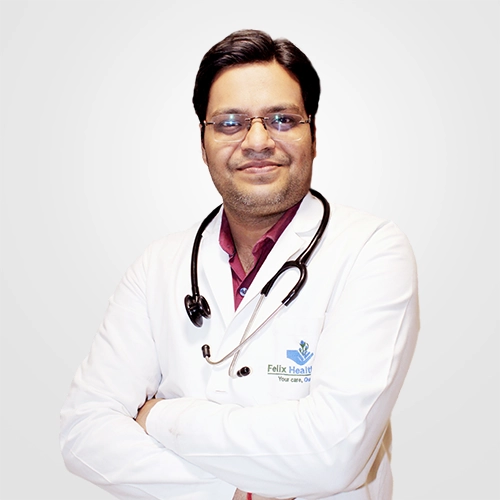
Dr. Keshav Goel is an experienced Orthopedic and Joint Replacement Surgeon in Noida with over 10 years of clinical expertise. He has performed 2,000+ independent surgeries and specializes in computer-assisted joint replacement and arthroscopic surgeries of the knee, shoulder, and hip. Known for his skill in treating sports injuries, trauma, and joint disorders, he provides advanced and patient-focused orthopedic care.
Women's orthopedic health is worthy of concern, respect, and understanding. Bone and joint issues can silently accumulate over time and progress in severity whether it is caused by the changes in hormones, lifestyle stress or the lack of nutrients. The best news is—majority of these issues are preventable and manageable with early diagnosis and proper treatment.
Placing a high value on regular check-ups, exercise, and proper diet can be of great help in keeping your musculoskeletal system pain-free and healthy. Don't forget that mobility is freedom—avoid unnecessary pain from restricting your day-to-day activities.
Q. 1. Why are women more prone to orthopedic disorders than men?
Ans. Women undergo hormonal shifts during pregnancy and menopause which impact the strength of joints and bone density such that they become prone to orthopedic diseases such as arthritis and osteoporosis.
Q. 2. What age do you think all women should receive bone density tests?
Ans. It's also recommended that women undergo bone density screening at the age of 40 or earlier if the family history includes fractures or osteoporosis.
Q. 3. Do Joint and Bone Problems Improve with Exercise?
Ans. Yes. Weight-bearing exercises like walking, yoga, or strength training every day make the bone stronger, the joints loosened and the muscles tightened to reduce orthopedic problems.
Q. 4. What would be the effect of menopause on the joint and bone health?
Ans. During menopause, estrogen reduces significantly resulting in accelerated bone loss and accelerated stiffness or pain in the joints particularly the knees and the back in the lower part.
Q. 5. What are the initial symptoms of osteoporosis in women?
Ans. The sign of bone may be the indication of the decreased bone density: sore back, gradual height loss, delicate bones, or the combination of minor falls and a fracture.
Q. 6. Does female body use supplements like calcium and vitamin D?
Ans. Yes, especially once a woman is past menopause. They help to maintain the bone density and calcium absorption to enhance the work of joints and muscles.
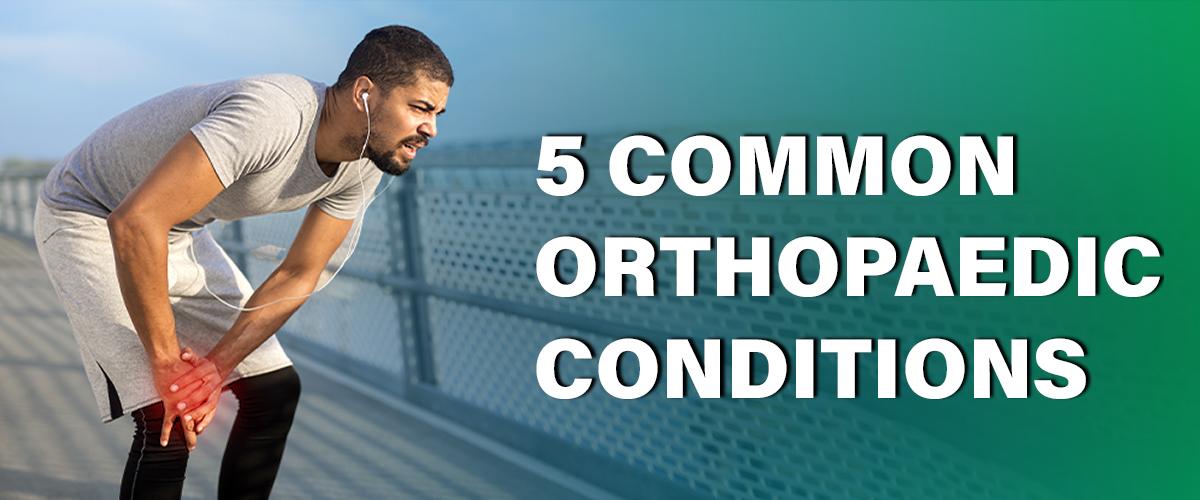
Orthopedics is a specialized branch that takes care of your musculoskeletal problems related to joints, bones, muscles, spine, ligaments, and tissues.
Sciatica Nerve Pain can cause sharp, shooting pain that radiates from the lower back to the legs. It often results from a herniated disc or spinal issues pressing on the sciatic nerve.
फेफड़े हमारे शरीर की ऑक्सीजन प्रणाली का सबसे अहम हिस्सा हैं। लेकिन जब फेफड़ों के ऊतक में लगातार सूजन या फाइब्रोसिस होता है। तो सांस लेना मुश्किल होता है। इस स्थिति को इंटरस्टीशियल लंग डिजीज (Interstitial Lung Disease- ILD) कहते हैं। यह कोई एक बीमारी नहीं, बल्कि फेफड़ों को प्रभावित करने वाले कई रोगों का समूह है। नोएडा में पल्मोनोलॉजिस्ट डॉक्टर उपलब्ध है। इसकी पहचान और आधुनिक इलाज में दक्ष हैं। शुरुआती लक्षणों की पहचान और समय पर उपचार से रोग को नियंत्रित किया जाता है।
इंटरस्टीशियल लंग डिजीज (आईएलडी) उन बीमारियों का समूह है जो फेफड़ों के इंटरस्टीशियम यानी फेफड़ों की सूक्ष्म दीवारों और ऊतकों को प्रभावित करती हैं। इसमें सूजन या स्कारिंग होती है। जिससे फेफड़े कठोर होते हैं। ऑक्सीजन का आदान-प्रदान प्रभावित होता है। नतीजा सांस फूलना, थकान, और धीरे-धीरे शरीर में ऑक्सीजन की कमी होती है।
ऑटोइम्यून बीमारियां:
रूमेटॉइड आर्थराइटिस, ल्यूपस, या स्क्लेरोडर्मा जैसी बीमारियों में शरीर की प्रतिरक्षा प्रणाली फेफड़ों के ऊतकों पर हमला करती है।
प्रदूषण और धूल के कण:
खनिज धूल (जैसे सिलिका, एस्बेस्टस), धुआं, रासायनिक गैसें या पक्षियों की बीट के लगातार संपर्क से आईएलडी होता है।
दवाओं के साइड इफेक्ट:
कुछ एंटीबायोटिक्स, कीमोथेरेपी, या हार्ट की दवाएं फेफड़ों में फाइब्रोसिस पैदा करती हैं।
संक्रमणः
कुछ वायरल, फंगल या बैक्टीरियल संक्रमण लंबे समय तक रहने पर फेफड़ों में स्थायी सूजन करते हैं।
आनुवांशिक कारणः
कई बार परिवार में पहले से आईएलडी के मामले रहे हों तो जोखिम बढ़ता है।
धूम्रपान:
स्मोकिंग आईएलडी की प्रगति को तेज करता है और फेफड़ों के फाइब्रोसिस को स्थायी बनाता है।
सांस फूलना (विशेषकर चलते समय या सीढ़ी चढ़ते समय)
लगातार सूखी खांसी
थकान या कमजोरी
सीने में जकड़न या दर्द
वजन घटना और भूख कम होना
उंगलियों के सिरे चौड़े होना
नींद के दौरान ऑक्सीजन लेवल गिरना
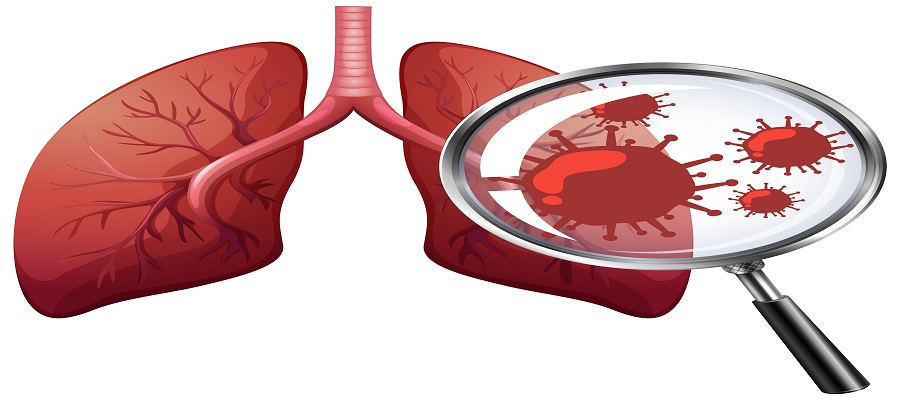
इंटरस्टीशियल लंग डिजीज (आईएलडी) कई तरह की स्थितियों का समूह है। जिसमें फेफड़ों के ऊतक में सूजन और फाइब्रोसिस होता है। नीचे प्रमुख प्रकार और उनके कारण बताए गए हैं—
इस बीमारी का कोई निश्चित कारण नहीं होता, इसलिए इसे इडियोपैथिक कहा जाता है। फेफड़ों में धीरे-धीरे स्कार टिश्यू बनता है। जिससे उनकी लोच कम होती है। मरीज को धीरे-धीरे बढ़ती सांस की तकलीफ और सूखी खांसी की शिकायत रहती है। यह बीमारी मध्य और वृद्ध आयु वर्ग के लोगों में अधिक पाई जाती है। सीटी स्कैन में हनीकॉम्ब पैटर्न आपीएफ की पहचान होती है।
यह आईएलडी का प्रकार धूल, फंगस, पक्षियों के पंख, या अन्य जैविक कणों के प्रति एलर्जिक प्रतिक्रिया से होता है। इसे किसान का फेफड़ा" या "पक्षी पालने वाले का फेफड़ा" भी कहा जाता है। एलर्जन के लगातार संपर्क से फेफड़ों में सूजन और फाइब्रोसिस विकसित होता है।
यह एक इम्यून सिस्टम से जुड़ी बीमारी है जिसमें शरीर के कई अंगों (फेफड़े, लसीका ग्रंथि, त्वचा, आंखें) में ग्रेन्युलोमा (सूजनयुक्त टिश्यू) बनते हैं। फेफड़ों में ग्रेन्युलोमा बनने से सांस लेने में कठिनाई, सूखी खांसी और सीने में दर्द होता है। एक्स-रे या सीटी स्कैन में “हिलर लिम्फ नोड्स” का बढ़ना इसका संकेत होता है। इलाज में कॉर्टिकोस्टेरॉइड्स प्रमुख रूप से उपयोग किए जाते हैं। गंभीर मामलों में इम्यूनो-मॉड्युलेटरी दवाएं दी जाती हैं।
यह प्रकार उन मरीजों में होता है जो पहले से स्वप्रतिरक्षी रोग से ग्रस्त होते हैं। जैसे रूमेटॉइड आर्थराइटिस, सिस्टमिक ल्यूपस एरिथेमेटोसस, स्क्लेरोडर्मा या मिक्स्ड कनेक्टिव टिश्यू डिजीज, इन बीमारियों में शरीर की रक्षा प्रणाली गलती से अपने ही फेफड़ों के ऊतक पर हमला करती है। परिणामस्वरूप फेफड़ों में सूजन और फाइब्रोसिस विकसित होता है। इलाज में इम्यूनो-सप्रेसिव थैरेपी जैसे माइकोफेनोलेट, साइक्लोफॉस्फेमाइड) और कॉर्टिकोस्टेरॉइड्स का उपयोग किया जाता है।
कुछ दवाएं लंबे समय तक लेने से फेफड़ों के ऊतकों को नुकसान पहुंचाती हैं। इलाज में सबसे पहले संभावित दवा को बंद किया जाता है, और स्टेरॉयड या ऑक्सीजन थेरेपी से राहत दी जाती है।
इंटरस्टीशियल लंग डिजीज (आईएलडी) का उपचार रोग की गंभीरता, कारण और मरीज की स्थिति पर निर्भर करता है। नोएडा में इंटरस्टीशियल लंग डिजीज का इलाज उपलब्ध है। इसका उद्देश्य फेफड़ों में सूजन को कम करना, स्कारिंग की प्रगति को रोकना और मरीज की सांस लेने की क्षमता में सुधार लाना होता है।
माइकोफेनोलेट, साइक्लोफॉस्फेमाइड) दवा-प्रेरित आईएलडी यह दवाएं फेफड़ों में सूजन को कम करती हैं। शुरुआती चरणों में दी जाने पर फेफड़ों की कार्यक्षमता (Lung Function) में सुधार देखा जाता है। ऑटोइम्यून या हाइपरसेंसिटिविटी से जुड़े आईएलडी मामलों में सबसे ज्यादा लाभदायक है।लंबे समय तक उपयोग के दौरान शुगर, वजन बढ़ना या हड्डियों की कमजोरी जैसे दुष्प्रभावों पर नज़र रखनी चाहिए। कॉर्टिकोस्टेरॉइड्स (जैसे प्रेडनिसोलोन, मिथाइलप्रेडनिसोलोन) यह दवाएं फाइब्रोसिस की गति को धीमा करती हैं। विशेष रूप से इडियोपैथिक पल्मोनरी फाइब्रोसिस (आईपीएफ)के मरीजों में अत्यधिक प्रभावी होती है। पिरफेनिडोनफेफड़ों में सूजन पैदा करने वाले रसायनों को रोकता है। जबकि Nintedanib विकास कारकों ( को नियंत्रित करके टिश्यू स्कारिंग को कम करता है।
नियमित एलएफटी (लिवर फंक्शन टेस्ट) कराना आवश्यक होता है क्योंकि ये दवाएं लीवर पर असर डाल सकती हैं। ये दवाएं ऑटोइम्यून बीमारियों (जैसे रूमेटॉइड आर्थराइटिस, ल्यूपस) से उत्पन्न आईएलडी में दी जाती हैं। यह शरीर की इम्यून प्रतिक्रिया को नियंत्रित करके सूजन और फेफड़ों की क्षति को कम करती हैं। इनका प्रयोग विशेषज्ञ की निगरानी में ही किया जाना चाहिए, क्योंकि इससे संक्रमण का जोखिम बढ़ता है।
जब मरीज के रक्त में ऑक्सीजन स्तर (SpO₂) लगातार 90% से नीचे चला जाए, तो ऑक्सीजन सपोर्ट जरूरी हो जाता है। इससे फेफड़ों पर दबाव कम होता है और शरीर के अंगों तक पर्याप्त ऑक्सीजन पहुंचती है। घरेलू ऑक्सीजन कंसंट्रेटर हल्के या मध्यम मामलों के लिए उपयोगी होती है। अस्पताल में ऑक्सीजन सपोर्ट या वेंटिलेटर: गंभीर और एडवांस्ड फेफड़ों की क्षति में आवश्यक है। ऑक्सीजन थेरेपी के साथ मरीज को नियमित एसपीओ₂ मॉनिटरिंग और पल्मोनरी फॉलो-अप कराना चाहिए।
नोएडा के कई मल्टी-स्पेशलिटी हॉस्पिटल्स में विशेष फुफ्फुसीय पुनर्वास कार्यक्रम उपलब्ध हैं। जिनमें फिजियोथेरेपी बलगम को ढीला करने और फेफड़ों को सक्रिय रखने में मदद करती है। सांस लेने की एक्सरसाइज जैसे पर्स्ड लिप ब्रीदिंग, डायाफ्रामिक ब्रीदिंग जो फेफड़ों की क्षमता बढ़ाते हैं। पोस्ट्योरल ड्रेनेज में शरीर की स्थिति बदलकर फेफड़ों से म्यूकस निकालने की तकनीक होती है। पोषण गाइडेंस में हाई-प्रोटीन, विटामिन-डी, ओमेगा-3 और एंटीऑक्सीडेंट युक्त आहार से रिकवरी में मदद मिलती है। साइकोलॉजिकल काउंसलिंग लंबे इलाज के दौरान मरीजों में चिंता या अवसाद से राहत के लिए होती है।
स्वस्थ जीवनशैली आईएलडी के प्रबंधन में बेहद अहम भूमिका निभाती है।
धूम्रपान पूरी तरह छोड़ें: सिगरेट या बीड़ी का धुआं फेफड़ों की क्षति को कई गुना बढ़ाता है।
प्रदूषण और धूल से बचाव: बाहर जाते समय एन 95 मास्क पहनें, घर में एयर प्यूरिफायर का प्रयोग करें।
हल्का व्यायाम करें: योग, वॉकिंग और प्राणायाम से फेफड़ों की क्षमता बढ़ती है।
संतुलित आहार लें: एंटीऑक्सीडेंट्स (जैसे फल, सब्जियां, ग्रीन टी) और विटामिन सी, डी का सेवन करें।
नियमित जांच: एसपीओटू, पीएफटी और एचआरटीसी की नियमित मॉनिटरिंग करवाते रहें।
वैक्सीन लगवाएं: फ्लू और न्यूमोकोकल वैक्सीन से संक्रमण का खतरा कम होता है।
जब दवाओं और थेरेपी से स्थिति में सुधार न हो तो फेफड़ों का प्रत्यारोपण अंतिम विकल्प होता है। यह आमतौर पर एंड-स्टेज पल्मोनरी फाइब्रोसिस या आईपीएफ के मरीजों में किया जाता है। इससे जीवन प्रत्याशा और जीवन की गुणवत्ता (दोनों में सुधार देखा जाता है। नोएडा और दिल्ली-एनसीआर (Delhi-NCR) के कुछ एडवांस हॉस्पिटल्स में ट्रांसप्लांट मूल्यांकन और प्री-सर्जिकल केयर की सुविधाएं उपलब्ध हैं। ट्रांसप्लांट के बाद मरीज को इम्यूनोसप्रेसिव दवाएं और सख्त मेडिकल मॉनिटरिंग की आवश्यकता होती है।
धूम्रपान से पूर्ण परहेज करें।
प्रदूषण या धूल वाले वातावरण में मास्क पहनें।
संक्रमण से बचाव के लिए फ्लू और न्यूमोकोकल वैक्सीन लगवाएं।
पौष्टिक आहार लें, जिसमें एंटीऑक्सीडेंट्स और विटामिन डी भरपूर हों।
नियमित फेफड़ों की जांच करवाते रहें।
इंटरस्टीशियल लंग डिजीज (आईएलडी) एक गंभीर लेकिन प्रबंधनीय रोग है। यदि समय रहते फुफ्फुसीय रोग विशेषज्ञ से सलाह ली जाए, तो मरीज की जीवन गुणवत्ता को काफी हद तक बेहतर किया जाता है। सांस फूलना, सूखी खांसी या थकान जैसे लक्षणों को अनदेखा न करें। समय पर जांच ही सबसे बड़ा इलाज है। इलाज में देरी से नुकसान होता है।
प्रश्न 1: क्या इंटरस्टीशियल लंग डिजीज पूरी तरह ठीक होती है?
उत्तर: पूरी तरह नहीं, लेकिन दवाओं और थेरेपी से इसके बढ़ने की गति को रोका जाता है।
प्रश्न 2: आईएलडी और अस्थमा में क्या अंतर है?
उत्तर: अस्थमा में वायुमार्ग संकुचित होते हैं, जबकि आईएलडी में फेफड़ों के ऊतक कठोर होते हैं।
प्रश्न 3: क्या आईएलडी केवल बुजुर्गों में होता है?
उत्तर: नहीं, यह किसी भी उम्र में होता है। विशेषकर उन लोगों में जो धूल या रासायनिक धुएं के संपर्क में रहते हैं।
प्रश्न 4: क्या आईएलडी के लिए ऑक्सीजन थेरेपी जीवनभर लेनी पड़ती है?
उत्तर: यह रोग की गंभीरता पर निर्भर करता है। कुछ मरीजों को केवल एक्टिविटी के समय जरूरत पड़ती है।
प्रश्न 5: नोएडा में आईएलडी के इलाज के लिए कौन से अस्पताल प्रसिद्ध हैं?
उत्तर: फेलिक्स हॉस्पिटल, फोर्टिस हॉस्पिटल, जेपी हॉस्पिटल, कैलाश हॉस्पिटल, और यथार्थ सुपर स्पेशलिटी हॉस्पिटल उपलब्ध है।

10 Reasons why a child may not grow

As a child care specialist, I have noticed a huge difference in overall growing of a child in the last 14 years.

फेफड़ों में सूजन (पल्मोनरी इन्फ्लेमेशन) के 5 प्रमुख लक्षण जानें। समय पर पहचानकर इलाज शुरू करें।
फेफड़ों में सूजन (पल्मोनरी इन्फ्लेमेशन) के 5 प्रमुख लक्षण जानें। समय पर पहचानकर इलाज शुरू करें।
The bariatric surgery may work miracles for obese persons and their weight-linked conditions. But once the surgery has been done, what's after the surgery? Most believe that the surgery itself guarantees success, but the fact remains that post-bariatric surgery life requires dedication, a change in lifestyle, and precise recovery management.
If you have experienced or are about to experience Post-bariatric surgery in Noida, it is important that you become aware of the recovery process, dietary change, and post-operational care for achieving long-term outcomes.
This entire guide has all the information you will need regarding post-bariatric surgery recovery, dieting phases, and insider tips for a smooth and permanent change.
Your transformation begins from the correct direction. Ditch your inhibitions today by taking the first step. Call Now: +91 9667064100.
The bariatric surgery serves the purpose of making severely obese persons reduce weight safely and successfully. It functions by making the digestive system work differently or by decreasing the size of the stomach. Some of the most popular include:
Each procedure has its own advantages, but all need the commitment of post-operational diet and lifestyle change to obtain and maintain a healthy weight loss.
The success of bariatric surgery isn't confined to the operation theater — that's actually where it starts after. That's why bariatric surgery aftercare in Noida assigns tremendous importance to long-term follow-up, nutritional counseling, and physical rehabilitation.
Your body undergoes notable physical and metabolic shifts after surgery. The lower capacity and change in digestion of your stomach result in your body absorbing nutrients differently. Failure to take the required post-operation care will expose you to nutritional deficiencies, lethargy, and gradual healing.
Key reasons why post-bariatric surgery care is crucial:
During the first weeks you may experience fatigue, queasiness or mild sickness while the body adjusts. Gradually your strength will come back once your body adjusts to smaller serving portions and new eating habits.
It is also typical to experience the highs and lows emotionally. Most patients feel proud but will experience mood swings due to the change in hormones or body image. Support from the family and also the healthcare providers are crucial.
Because your stomach is no longer able to accommodate large meals, you need to diet on smaller meals that are highly nutritious. Protein, vitamins, and fluids become your foundation diet.
Recovery after bariatric surgery is not recovery alone; it's a new way to exist — a new way that involves eating consciously, exercising often, and frequent office visits.
Your post-bariatric surgery diet is carried out in stages so the digestive tract and stomach can recover.
You will be immediately placed on a clear liquid diet after the operation. This includes:
Goal: Maintain the stomach hydrated and permit healing without stress.
You may also begin incorporating healthier beverages:
Objective: Achieve your caloric and protein requirements while keeping hydrated.
Your plate will have now:
Objectives: Incorporate soft foods easily while excluding hard-to-digest foods.
You may begin solids again slowly using high-protein and low-fat foods. Do not feed:
Objectives: Instill lifetime good eating habits for long-range effects.
Since your body will take in fewer nutrients after the surgery, you need to take supplements. They are:
Patients are encouraged to work closely with nutritional experts and return frequently for a change in supplements when necessary.
Following your bariatric operation, mild exercise is encouraged during the initial phases to prevent blood clots and encourage blood flow. Your exercise may be intensified during the period of recovery.
Recommends Steps
But you must not lift heavy weights until your physician tells you that it is all right. Workout on a regular basis to strengthen your muscles, energize your metabolism, and stay in a good mood.
The transformation your body is experiencing is exciting and at the same time heart wrenching. Majority of the patients report such conditions as body dysmorphia or weight regain fear. Being connected with help groups or therapists will make you psychologically stable in the course of it.
Brief advice:
Patience as well as discipline is also required to recover successfully. To achieve a smoother ride, the following tips with the help of the experts are recommended:
It eases food digestion and averts indigestion.
Eat little through the day to prevent dehydration.
These delay healing and hinder nutritional assimilation.
Daily consumption of vitamins guarantees long-term health.
This will help your psychiatrist follow your treatment and change plans if necessary.
Overeating may stretch the stomach and undo effects.
Adequate sleeping keeps your hormones stable and trim your body.
Your development is gradual but valuable.
Surgery for weight loss isn't a "quick solution." It's a tool that restores your power over your health, but retaining that success relies on embracing a balanced way of life.
The patients that adopt these are not just slim but also have their diabetes and hypertension under control, and their energy levels are higher.
Do you have bariatric or pre-bariatric surgery recovery or preparation? Call Now: +91 9667064100.
Summary Bariatric surgery is a surgery that requires proper recovery, just as much as it is important. The success will depend on how well you adapt to your new eating patterns, emotional control and your post-op management. The rewards of health will be long term and you will enjoy the rewards of a healthy regime, knowing the individual phases of recovery after bariatric surgery and by eating a healthy diet plan and exercising lightly.
With proper post-surgery care of bariatric surgery in Noida, a combination of expert advice and a good attitude, you can transform your makeover into a saga of a lifetime success.
Q.1. How long will the recovery take after bariatric surgery?
Ans. The majority of patients are able to return to regular activities in 4–6 weeks but may take several months to fully recover and adjust to new eating patterns.
Q. 2. What foods may I have after bariatric surgery?
Ans. First, you will begin with fluids and gradually move towards soft and firm foods. Long-term effects are ideal for high-protein and low-fat foods.
Q. 3. Can I regain weight after bariatric surgery?
Ans. Yes, if poor eating or skipping post-op care are resumed. Long-term success depends upon the consistency and moderation of your way of living.
Q. 4. How does bariatric surgery impact emotional health?
Ans. Patients experience a second wave of confidence but can experience mood swings or anxiety. Support groups and counseling cope with emotional shifts.
Q. 5. When can I resume normal eating?
Ans. Typically after 6–8 weeks but always adhere to your surgeon's recommendations and change slowly.
Q. 6. Can bariatric surgery cure diabetes or hypertension?
Ans. In most instances, the patients improve significantly or the statuses are reversed by the loss of weight and the change in metabolism.
Urological health is vital for well-being, influenced by diet and exercise. Good nutrition and activity help prevent conditions like UTIs, kidney stones, and cancers.
Modern life is a perpetual rush — deadlines, digital onslaught, fiscal anxiety, and the continuous buzz of day-to-day responsibilities. We often dismiss stress as simply "normal," yet the truth is that chronic stress silently damages the brain and the nervous system. It can end up causing memory loss, mood disorders, and even nerve-based diseases.
Stress doesn't merely impact your mood — it rebuilds the way your brain operates, it will change your nervous system response, and it will affect even your sleep and your intestines. Learning to address your stress in the proper way is a top priority for a lifetime of brain health.
If you have felt lethargic, forgetful, or worried, it may be time that you obtain expert advice from a Neurosurgeon in Noida that will inform you whether or not your stress is affecting your neurological health.
Consult experienced doctors who specialize in brain and nervous system disorders from stress. Call Now: +91 9667064100.
Your body is built to cope with periodic stress. As your brain tackles a problem, it will release stress hormones such as adrenaline and cortisol — bracing you for a rapid response. This "fight or flight" mechanism elevates your heart rate and your energy supplies to safeguard against immediate threats.
But when the response occurs too often — a condition that occurs when you're experiencing chronic stress — your nervous system and brain are kept in a heightened state of alertness. This follows a course of inflammation, disruption of hormones, and even neurons damage.
Science tells us that long-term stress has the potential to shrink the hippocampus (the learning and memory center) and overactivated the fear and anxiety center, the amygdala. This sets the stage for a balancing problem that creates mood swings, poor judgment, and poor focus.
Stress also affects the functioning of neurotransmitters such as dopamine and serotonin. They are responsible for mood and pleasure. Depression, irritableness, or anxiety may occur when the body uses them up.
It elevates inflammatory cytokines that may disrupt the activity of neurons and destroy nerve tissue. This may later predispose towards neurodegenerative conditions such as Parkinson's or Alzheimer's disease.
While you're in deep sleep, your brain cleanses itself of toxins and re-generates neurons. Stress-induced insomnia breaks this cycle and causes mind fatigue, memory loss, and inability to focus.
Your autonomic system has a sympathetic (fight/flight) and a parasympathetic (rest/restore) part. Chronic stress prevents the sympathetic system from turning off, which depletes your body and blunts immunity.
The stress may show subtly early before showing major health concerns. Most overlook the early indicators until it's a major condition. Symptoms are commonly:
Recurring Head or Neck Pain
Leg or limb tingling or numbness
Permanent exhaustion or burnout
Sudden loss of balance or spinning
Inability to focus or memory loss
Trouble sleeping or oversleeping
Digestive issues such as acidity, bloating, or IBS
Increased sensitivity to noise or light
If you notice these symptoms repeating all the time, it may not be merely "fatigue" but your nervous system sending you a warning that it is upset. A Neurology Treatment in Noida may diagnose whether your nerves are being affected by stress.
You cannot eliminate stress from life altogether—but you may condition your mind and body to cope better. These are evidence-based recommendations for the preservation of your brain and nervous system.
Mindfulness meditation keeps you present and not over-thinking the future. Cortisol levels are reduced and the density of the brain's gray matter is increased. Deep breathing exercises for 10 minutes a day have the possibility of stimulating the parasympathetic nervous system and relaxing the body.
Exercising releases endorphins — naturally occurring mood boosters that counteract stress. Exercise such as yoga, swimming, or even fast walking gets blood flowing to the brain and stimulates nerve cell growth. The combination of physical movement, breath control, and concentration that characterizes yoga also serves to quiet excessive activity of the neural paths.
A brain-friendly nutritious diet feeds your nervous system. Make sure to include:
Omega-3 fatty acids: (fish, flaxseeds, walnuts) for neuron protection
Magnesium: (spinach, avocado, banana) to calm nerves and muscles
Vitamin B-complex: (whole grains, eggs, milk) for assistance in nerve repair
Antioxidants: (berries, dark chocolate, green tea) for the prevention of oxidative stress
Do not drink excessive amounts of caffeine, processed sugar, or alcohol, which intensify anxiety and nervous fatigue.
Your brain detoxifies and regenerates during deep sleep. Develop a consistent bedtime routine, limit screens/waves an hour before sleep, and make your room dark and cool. When you get poor sleep, cortisol levels increase and serotonin levels drop, which escalates stress-related symptoms.
Friends, family and colleagues will agree...too much screen time over stimulates the sensory system of your mind. Avoid screens in short stints, reduce your social media engagement time, and take "digital detox" days to give your mind a rest from screen time.
Speaking to those you love, keeping a journal, or focusing on your creativity releases emotional stress. Socializing opens the floodgates to the stress neutralizing hormone oxytocin.
In some cases, diet and exercise are not enough. If stress has caused chronic anxiety, headaches, or numbness, by all means seek a specialist.
A Neurosurgeon in Noida will be able to identify the underlying cause of your neurological issues and will prescribe treatment like neurorehabilitation, physiotherapy, or counseling.
Your nervous system thrives on stability. Here are some simple but certain measures to safeguard it:
Stay hydrated: It keeps the electrical current between neurons working.
Stretch and mobilize: Long periods of sitting reduce blood flow to the brain.
Stand tall: Hunching will compress nerves together and generate tension headaches.
Limit nicotine and alcohol: Both are chemicals that damage nerve communications.
Practice relaxation and gratitude: Optimism and gratitude journals lower stress hormones the natural way.
By practicing these habits, your nerves and brain will get fortified and resistant to day-to-day strains.
Anxiety and stress frequently feed off each other. If you are stressed, your body will release chemicals that will further elevate your anxiety level. This sort of anxiety will always generate more stress, so you will have a detrimental cycle. This long-distance stimulation of the nervous system can result in:
Long-standing exhaustion
Shaking or nerve pain
Brain fog
Panic attack
Hypertension
Impaired immunity function
Shattering this cycle demands careful intervention — via psychotherapy, change of living style and medical monitoring.
Consulting experts for Neurology treatment in Noida will be able to reduce the neurological effects of chronic anxiety by designing individualized treatment plans.
Although stress is a normal part of life, you should consult with either a psychiatrist or neurologist if:
You have unexplained nerve pain or tingling.
Your stress interferes with your work or daily life.
You experience confusion or memory issues.
You have frequent migraines or difficulty sleeping.
You feel emotionally numb or detached.
Preemptive treatment and screening may avoid the conversion of the stress into permanent neurological disorders.
Get a grip on your health and take the first step towards a quieter, clearer, and healthier mind. Call us today at +91 9667064100.
Stress is unavoidable but its impact upon your nervous system and brain are manageable. The way that you think, eat, slumber, and unwind all have important effects upon reaching a state of neurological balance.
By practicing mindfulness, regular exercise, wholesome dieting, and ready access to assistance for help, your mind will be shielded from the insidious harm done by chronic stress.
Remember that a calmer mind is a healthier nervous system — and a healthier nervous system means a stronger, more resilient you.
If the symptoms of stress are ongoing, don't hesitate to see a fully qualified professional. Your body needs the TLC your brain is receiving.
Q1. Can stress permanently damage the brain?
A: When the body encounters protracted periods of stress, it could cause structural and chemical alterations in the brain, particularly the hippocampus. But these effects could also be undone by the right management of stress.
Q2. How long for the brain to bounce back from stress?
A: By doing relaxation exercises regularly, having a sound sleep, and eating a wholesome diet, your brain has a possibility of mending itself in a few weeks. Chronic stress could take a few months to clear.
Q3. Does stress produce tingle or nerve pain?
A: Yes, high stress can disrupt nerve signaling and cause sensations like tingling or numbness. Persistent symptoms should be evaluated by a neurologist.
Q4. Do relaxation exercises actually benefit neurological disease?
A: Absolutely. Exercise like yoga, relaxation, and breath exercises reduce the level of cortisol, improve blood flow, and boost the parasympathetic nervous system.
Q5. Can stress trigger seizures or migraines?
A: In susceptible individuals, the very stress itself may induce migraine or seizure. Prevention is in the management of emotional health.
Q6. How does diet benefit in managing stress?
A: Nutrients like magnesium, B vitamins, and omega-3s support neurotransmitter balance and reduce inflammation, which helps control stress response.
Q7. What's the point of a neurologist if stress induces neurological symptoms?
A: A neurologist will also test you to exclude other conditions, to diagnose nerve inflammation, and to prescribe medication, treatment, or relaxation exercises appropriate for your condition.
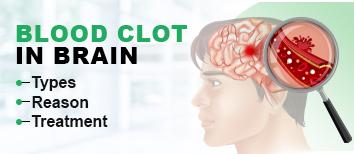
Blood clot in the brain is a serious condition causing sudden neurological symptoms and requires immediate medical treatment.
A burning sensation in the fingertips can be a sign of nerve damage. Early evaluation helps prevent complications.
Your gut and brain share a strong link that impacts your mood, stress levels, and overall health. Learn how maintaining gut health can improve your mental well-being.

Maintaining a healthy lifestyle is important, in today’s scenario. It is common to hear about some or the other problem related to health faced by individuals.
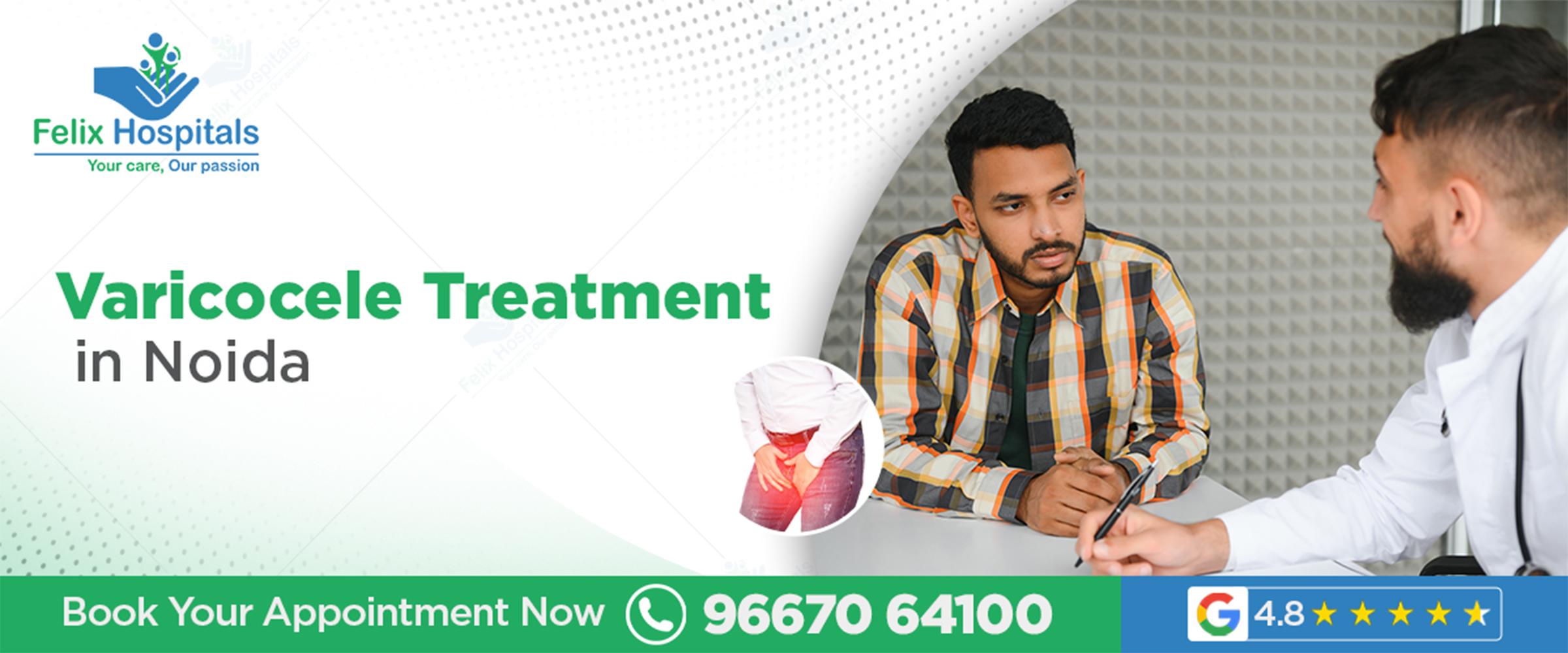
One of the most common urological diseases that is common among men, particularly in adolescence and adulthood, is Varicocele. It arises when the scrotal veins get distended causing discomfort, infertility or testicular dysfunction. Most people will procrastinate in getting a diagnosis since the symptoms do not appear fast and the earlier the medical care the more immediate. For those seeking varicocele treatment in Noida, Felix Hospital provides advanced diagnostic tools, expert urologists, and evidence-based treatment options tailored for long-term reproductive and hormonal health. Under the guidance of a skilled varicocele specialist Noida, patients receive comprehensive care from evaluation to complete recovery.
A varicocele resembles varicose veins of the legs - only that it is located in the scrotum. Blood will begin to stagnate rather than circulate effectively when the valves within the scrotal veins become weak or malfunction. This results in the swelling and enlargement of the veins with time. Many patients want to know what is varicocele and how is it treated, and the answer depends on the severity of symptoms, age, fertility concerns, and overall reproductive function. In some cases, the condition is painless but others get that feeling of being dragged, loss of sperm quality or may have problems conceiving.
Despite the fact that the exact cause is still not well understood, the condition is more prevalent on the left side because the testicular veins drainage pattern differs across anatomical differences. Varicoceles may be slow to grow, this is why some men may be exposed to the symptoms only when they are physically active, when they stand a lot or during an intense exercise.
The doctors feel that varicocele is formed as a result of insufficient blood circulation in the campaniform plexus (a system of veins that supports the testicles). Pressure accumulates when blood does not flow properly and this extends the veins thereby producing swelling. Although genetic, hormonal and anatomical factors contribute to the development of varicoceles, some men develop varicoceles without any risk factor that can be identified.
Some of the contributing factors include:
Abnormal vein valves
Abdomen pressure is increased.
Quick hormonal variability in puberty.
The history of venous disorders in the family.
Exercise of high intensity without rest.
Understanding the underlying cause helps determine whether interventions such as varicocele treatment in adolescents and adults are required early to prevent long-term complications.
Varicocele often does not show its symptoms at first, and many men do not know that they have this problem. Nevertheless, there are some indicators that one should consult:
Slow, pained, heavy sensation in the scrotum.
Obvious or palpable distended veins (bag of worms).
Pain which is aggravated by standing or physical activity.
Testicular asymmetry or atrophy.
Difficulty in conceiving
Felix Hospital is regularly assessing patients with such symptoms and gives them individual advice on how best to maximize on their testicular health so that they can intervene on time when it is necessary.
Whereas not all varicoceles cause any harm, there are the ones that can gradually affect the reproductive and hormonal health. In the absence of treatment, the following complications could be experienced:
Around the testicles, heat may damage the production of sperm, its shape, and its motility, making it hard to conceive.
Poor blood circulation leads to the shrinking of the affected testicle that may lead to long term hormonal imbalance.
Chronic pain has an impact on daily activities, physical exercise and sexual health.
Low levels of testosterone may result in tiredness, emotional swings and poor sex drive.
Others can have the hydroceles, clots, or pain aggravate with age hence the need to have an early intervention.
These risks highlight why varicocele treatment Noida is essential when symptoms or fertility concerns arise.
Physicians grade varicoceles in various grades depending on the visibility and detection:
Grade 0 (Subclinical): Not observable, but only observed through ultrasound.
Grade I: Felt with Valsalva manoeuvre only.
Grade II: Can be easily felt without manoeuvre.
Grade III: Obvious and palpable.
This grading helps best urologists in Noida determine whether conservative management or surgical correction is required for individuals seeking varicocele treatment in adolescents and adults.
It is important to do a full assessment to enlist the most appropriate treatment plan. In Felix Hospital, diagnosis consists of:
Physical Examination in the standing and lying positions.
Scrotal Ultrasound to measure vein size and blood flow.
Sperm Test (when infertile)
Hormonal Tests to determine testosterone output.
Early intervention is achieved through proper diagnosis to avoid complications.
The therapy is based on the symptoms, the severity, age, and the aim of fertility. The main aim is to enhance the circulation of blood, alleviate symptoms, and sustain testicular functioning.
Asymptomatic and mild cases might not need urgent treatment. The physicians can prescribe scrotal support, anti-inflammatory drugs, or an activity change when observing the progress. When fertility is not of an urgent concern, observation is frequently the option of choice.
It is the best treatment and the most popularly prescribed. In surgery, the veins which are swollen are tied up to allow the blood to bypass through normal veins. Many patients also ask about the recovery time after varicocele surgery, and most return to normal routines within 7-14 days with proper care.
Minimal surgical interventions provide the benefit of accurate vein sealing, minimal scarring and expedited healing.
A procedure that is catheter-based in which the abnormal veins are obstructed by coils or glue. This alternative is less time down with fewer complaints.
Each treatment plan is individualized, ensuring the safest and most effective approach to what is varicocele and how is it treated.
Laparoscopic and robotic surgeries which are modern have a number of advantages:
Smaller incisions
Rapid recovery
Minimal postoperative pain
Higher precision
Reduced recurrence risk
Return to work and exercise faster.
Such developments make the varicocelectomy a perfect solution to patients who want to receive long-term treatment and fertility recovery.
Postoperative healing is generally uneventful. Patients often worry about the recovery time after varicocele surgery, and most resume walking within a day and normal activities within one to two weeks. The heavy lifting and intensive exercises are not allowed within two weeks. Sperm parameters need time (3-6 months) to be fully improved due to spermatogenesis cycles.
Follow-ups at Felix Hospital are very structured to check after recovery and even to handle discomfort as soon as it occurs.
The highest occurrence of varicocele is experienced among teenagers and young men because of the high hormonal changes during puberty. Initial assessment assists in the detection of problems that impair testicular development. In older people, the symptoms may be painful, infertile, or swollen. Personalized plans for varicocele treatment in adolescents and adults ensure both age groups receive appropriate interventions to preserve reproductive and sexual well-being.
Felix Hospital provides a high level of urological services to patients with the support of expertise, technology and patient-focused treatment strategies. The hospital ensures:
Experienced urologists
Less invasive intervention solutions.
Specialized fertility testing.
Modern diagnostic imaging
Quick recovery and smooth follow-up services.
Personalized counselling among adolescents and adults.
Patients are given holistic care that is compassionate in nature.
Varicocele is a disease that can be treated and early treatment may help a lot in enhancing fertility, hormonal well-being, and life. Being able to treat their symptoms professionally and with modern treatment means at Felix Hospital, people can be sure that long-term reproductive health is preserved. When guided by a trusted varicocele specialist Noida, patients receive tailored care, minimally invasive procedures, and complete recovery assistance. If you or a loved one is experiencing symptoms or planning a fertility journey, seeking timely varicocele treatment Noida helps ensure the best outcomes for your health and future.
Q.1. Is varicocele painful?
Ans. Yes, others are having dry pain or heavy-headedness, particularly when standing up or working out.
Q.2. Is varicocele the cause of infertility?
Ans. Yes, And it can have an impact on sperm count, quality and motility.
Q.3. Are all varicoceles to be operated?
Ans. No, just the symptomatic or fertility-related cases have to be treated.
Q.4. What is recovery time in the case of varicocele surgery?
Ans. The majority of individuals will resume normal activity in 1-2 weeks.
Q.5. Is varicocele an influence on testosterone?
Ans. It has the ability to reduce the level of testosterone in certain men.
One of the best hospitals for urinary tract treatment in Noida offers comprehensive urology care, featuring expert urologists and advanced diagnostic and treatment facilities.
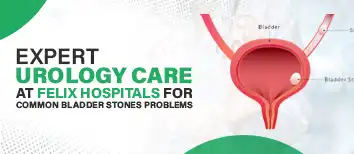
Expert urology care at Felix Hospital for bladder stones: causes, symptoms & treatments.
Experiencing tingling in your hands or feet? It could signal a nerve-related issue. Consult our expert neurologists at Felix Hospitals to find the cause and get the right treatment today.
As we grow old, our bones, joints and muscles, start reflecting wear and tears. What was normally an easy task; such as walking, stairs, or a simple case of getting out of a chair, will gradually turn into a pain that cannot be tolerated and a limitation. Here, the orthopedic solutions to the elderly are very vital. Orthopedic practice aims at the diagnosis, prevention, and treatment of musculoskeletal system disorders which are important to provide seniors with as much independence, comfort, and mobility as they can.
It can be replacement of the joint in the elderly, post-fracture rehabilitation or general bone and joint maintenance to the elderly, early intervention by the orthopaedic physician can have a great influence on the quality of living of the elderly. Getting a consultation by a highly competent orthopaedic doctor in Noida will help the elderly gain access to the most effective and individualized management suitable for their needs.
For the best treatment for orthopedic and customized treatment plans for elderly citizens, dial +91 9667064100 today.
As the body ages, bones weaken and become less dense because of the natural loss of calcium and minerals. The joints also experience deterioration from years of use, and the muscles become less strong and flexible. Comprehensively, these factors prepare the body for increased risk of having pains, stiffer body parts, and mobility challenges.
Osteoarthritis: Most common joint disease that results in swelling, stiffness, and joint pain of hands, knees, or hips.
Osteoporosis: Thinning of bone mass that causes bones to become weakened and easily broken.
Degenerative disc disease: Spinal condition that results in long-lasting back pain.
Fractures: A common feature in hips, wrists, and vertebrae because of lower bone density.
Deformities of the joint: Degenerative joint diseases like bow legs or joint malalignments secondary to long-standing deterioration.
If neglected, these conditions may easily impact the physical and emotional health of a senior. That's why senior orthopedic therapies in Noida are created to help not simply alleviate the pain but also empower a senior to become functional and confident once again.
Orthopaedic treatment is more than just the management of a condition's symptoms; it's also designed to reduce further deterioration and optimize quality of life. Explain how the following orthopaedic measures benefit elderly persons.
One of the most common conditions among the elderly patients is chronic pain. With specially developed treatment protocols – that may range from physiotherapy and medications to surgery like joint replacement –orthopaedic specialists control the pain very successfully. Aiming to reduce the use of painkillers and raise the level of day-to-day comfort.
The low level of mobility is one of the significant issues of the elderly population, which frequently results in falls or injuries. Orthopedic rehabilitation aims at the strengthening of muscles and increasing the flexibility of the joints that will enable the elderly to walk and move more confidently.
Hip and knee replacement surgery has revolutionized the life of most elderly citizens. With the latest minimally invasive technology, current joint replacement guarantees a shorter recovery time, less post-operation soreness, and longer durability. It is a safe and efficient orthopedic procedure for aged patients diagnosed with extreme arthritis or joint destruction.
Falls are a top contributor to disabilities in the elderly. Specialists evaluate bone density, gait, and balance when making recommendations for lifestyle change and protective gear. Appropriate footwear, exercises, and medication management also lower the risk of fractures.
Inability to perform simple day-to-day functions could lead to emotional upset and frustration amongst the elderly. Rehabilitation of the orthopedic type restores independence - so the elderly can walk unaccompanied, drive safely or participate in social functions again.
Treatment for the elderly is not a cookie cutter. It's a surgical and non-surgical intervention that suits the patient's condition and lifestyle.
The treatment is frequently the initial intervention for moderate to mild orthopedic conditions:
Physical Therapy: Special exercises to increase muscle strength and flexibility.
Medicines: Anti-inflammatory medicines and supplements to help sustain bone density.
Orthotic Support: Bracing, trekking aids, and insoles to decrease joint stress.
Lifestyle Interventions: Controlled weight loss, healthy diet, and wise activity patterns.
Surgery could be required for extreme instances where the conservative measures are of no help:
Joint Replacement (Shoulder, Hip, Knee): Replaces or resurfaces damaged joint surfaces by using man-made joint replacements.
Spinal Surgery: It is used to repair compression, herniation, or spinal deformities.
Repair of Fractures: Bones that have broken are held together with current fixation tools.
Due to the surgical technology and rapid recovery techniques, the effectiveness and safety of orthopaedic surgeries has also increased among the aged people.
Prevention of bone and joint conditions is also a maintenance procedure. Following are a few real-life tips by which elderly individuals can boost their musculoskeletal health.
Keep your diet balanced: Add foods that contain calcium such as milk, yogurt, green vegetables, and fish. Vitamin D also facilitates the absorption of calcium.
Take regular exercise: Gentle exercises such as swimming, yoga, and walking are useful for flexibility and bone strength.
Hydration: Joint-friendly fluid levels maintain joint lubrication and overall mobility.
Do not smoke cigarettes or drink alcohol: Both accelerate recovery and bone loss.
Posture awareness: Good sitting and standing postures help to avoid strains in the back and the joint.
Preventive health check-ups: Regular assessments by the orthopedist diagnose bone or joint issues early.
The benefits of elderly orthopedic care are more than physical. Rehabilitation of motion and independence also follows with:
Better mental health: Elders feel secure again and less isolated.
Vital social life: It allows the individual to carry out community activities.
Better sleep: Reduced pain enables deeper sleep and overall vitality.
Increased longevity: Healthy bones and joints mean fewer problems and admissions.
Orthopedic treatment is therefore not merely a treatment—but a long-term investment in sound health and self-respect.
Elderly individuals should consider consulting a orthopedic doctor in Noida if they experience:
Repeated joint swelling or joint pain
Difficulty walking or functioning in the daytime
Recurrent fractures or bone thinning
Leg or arm numbness or tingling
Weak balance or frequent falls frequently
Early intervention generally will result in a positive outcome, gentle intervention, and earlier recovery.
Cutting-edge orthopedic technology plays a crucial role in improving mobility, reducing pain, and enhancing quality of life for elderly patients. Modern diagnostic and treatment technologies allow doctors to deliver safer, more accurate, and less invasive care.
These advanced orthopedic solutions help elderly patients regain independence, minimize complications, and return to daily activities with greater confidence and safety.
Begin your path to healthier joints and a pain-free life. Call us now at +91 9667064100.
Dr. Keshav Goel is an experienced Orthopedic and Joint Replacement Surgeon in Noida with over 10 years of clinical expertise. He has performed 2,000+ independent surgeries and specializes in computer-assisted joint replacement and arthroscopic surgeries of the knee, shoulder, and hip. Known for his skill in treating sports injuries, trauma, and joint disorders, he provides advanced and patient-focused orthopedic care.
With the growth of life expectancy, mobility and comfort in later adulthood becomes one of the primary concerns. Orthopedic care has been devised to provide the seniors with a chance to lead painless, self-reliant as well as meaningful lives. Be it the prevention cure or the elaborate orthopedic treatments for seniors in Noida, the appropriate medical assistance can help them to age in a dignified and self-affirming way.
If you or a near one has mobility issues or arthritis or chronic joint pain, wait no longer for expert assistance. Advanced orthopaedics is all about treatment—not merely treating—but living actively with confidence.
Q1: What are orthopaedic interventions for elderly patients?
Ans: Orthopaedic interventions for the aged include treatments and surgeries for bones, joints, muscles, and ligaments to relieve pain, restore mobility, and improve quality of life.
Q2: Why do elderly people commonly need orthopaedic treatment?
Ans: Age-related wear and tear, osteoporosis, arthritis, joint degeneration, and increased risk of falls make orthopaedic problems more common in older adults.
Q3: How do doctors decide if surgery is necessary for elderly patients?
Ans: Doctors evaluate pain severity, mobility limitations, overall health, imaging reports, and response to non-surgical treatments before recommending surgery.
Q4: What are common orthopaedic surgeries for the aged?
Ans: Common procedures include knee replacement, hip replacement, fracture fixation, spine surgeries, and arthroscopic procedures for joint problems.
Q5: Are orthopaedic surgeries safe for elderly patients?
Ans: Yes, with modern techniques, minimally invasive procedures, and proper pre-surgical evaluation, orthopaedic surgeries are generally safe for elderly patients.
Orthopedics is a specialized branch that takes care of your musculoskeletal problems related to joints, bones, muscles, spine, ligaments, and tissues.

Subscribe to our
© Copyright 2026. All Rights Reserved by Felix Healthcare Private Limited
Design and development by :


 +(91)9667064100
 Emergency : +(91)9667064100