 WhatsApp
 Emergency:
  WhatsApp




Subscribe to our
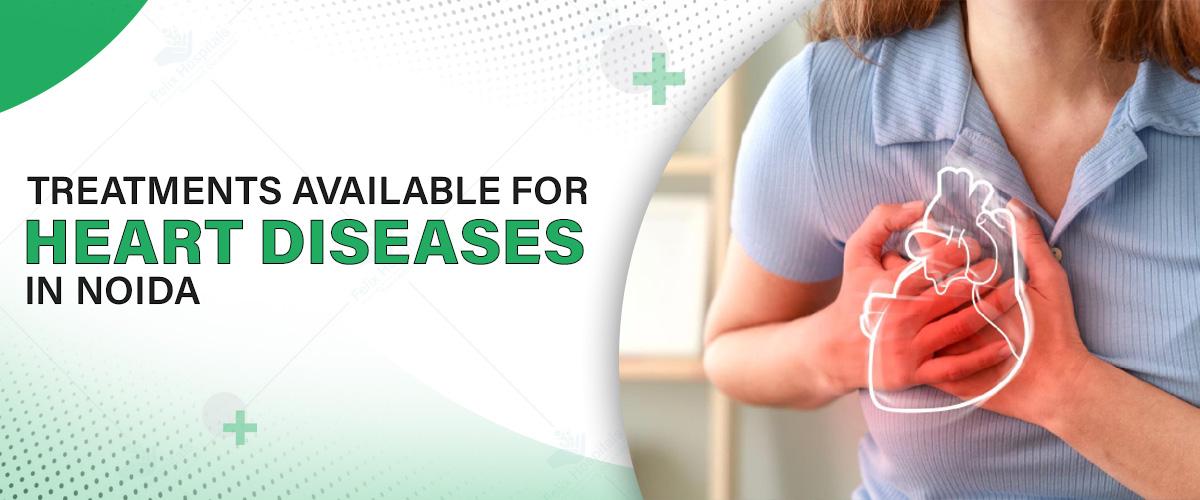
Cardiovascular diseases have proved to be the most common and dangerous ailments in the busy world these days. From mild chest pain to deadly heart attacks, heart diseases can threaten anyone regardless of their sex and age. Thanks to all the developments in the medical field, the most advanced treatment for heart diseases in Noida is available, giving the patients a new lease of life in the form of both surgery and non-surgical treatments.
If there is a need for expert guidance or distinct treatment, going to the Best Cardiology Hospital in Noida will aid in getting the right diagnosis as well as the complete treatment that suits the heart.
Get advice from expert cardiologists for individualized and up-to-date heart treatment plans. Please contact our heart care department at +91 9667064100.
Heart diseases are an aggregate of diseases that involve an impairment in the heart's functioning. Among these are coronary artery disease, arrhythmias (irregular heartbeats), heart failure, congenital defects, and valvular diseases. The main reason behind the majority of heart diseases is limited blood movement as a result of the accumulation of plaque in arteries, and most cases are triggered by high cholesterol, hypertension, diabetes, smoking, or unhealthy lifestyle practices.
Early diagnosis is very important in the prevention of complications. Common symptoms are:
Long-term chest pain or discomfort
Breathlessness during physical activity or when at rest
Racing or irregular heartbeats
Fatigue and lighthead
Swelling in legs or ankles
Early recognition of these signs and seeking the Best Cardiologist in Noida can assist in the avoidance of major heart or stroke episodes.
Present-day cardiology in Noida has in store an array of therapies for heart diseases, all of which are conceived to suit differing levels of severity the preventative therapy to the latest surgery-based therapies.
For heart conditions that are mild, physicians typically begin by using drugs and lifestyle modifications. These can comprise:
Statins
Blood thinners
These can help control heart rhythm and pressure in the arteries.
Lifestyle changes in the form of suitable eating, regular exercise, controlling weight, and cessation of smoking
These steps delay progression and reduce the risk of heart attacks.
Non-invasive treatments can restore heart function in situations where surgery is not urgent. A few non-invasive procedures are as follows:
EECP (Enhanced External Counterpulsation)
Non-surgical procedure that increases heart's delivery of blood and heart muscle's oxygen, appropriate for patients that cannot tolerate bypass surgery.
Angiography and Balloon Angiography
It spots blocked arteries, and balloon angioplasty involves the insertion of a small balloon that stretches the blockage and boosts the flow of blood.
Stent Placement
Following an angioplasty, a stent (wire mesh) is inserted to ensure the artery remains open and future narrowing doesn't take place. It is among the most frequent non-surgical heart procedures performed in Noida for coronary artery disease.
Once medication and non-invasive maneuvers are unsuccessful, surgery is in the picture. Advanced cardiac surgery units in Noida enjoy extensive success rates with the following procedures:
It's also referred to as bypass surgery. The treatment establishes a new path for the blood to move around blocked arteries. It's a lifesaving intervention for the patient who has several blockages.
When the heart valves are damaged or disfigured, the doctors either repair the existing valve or replace the damaged valve with a mechanical or a biological valve so that the blood flows smoothly.
Pacemakers in irregularly beating patients serve to regularize rhythm, while implantable cardioverter defibrillators (ICDs) protect against sudden cardiac death.
It can be recommended in rare and extremely severe situations in which all the other treatment measures fail to work. It's performed with advanced post-operative care by specially equipped centers under Cardiac Surgery Specialists in Noida.
Both coronary artery bypass surgery and angioplasty are routine treatments for coronary artery disease.
Angioplasty is minimally invasive and involves opening blocked arteries using balloons and stents.
It is an open-heart surgery that diverts the blood around an obstruction by using the vessels of another part of the body.
The decision in favour of either depends upon the intensity of blockages, the health of the patient, and the evaluation of the doctor. The latest technology and proficient cardiac teams have their back as well as state-of-the-art hospitals in Noida offer both of the procedures with the highest level of safety.
A heart attack is a consequence of impaired blood supply to the heart muscle, resulting in damage to tissues. Emergency care includes:
Treatment by giving thrombolytic
Prompt treatment with balloon angioplasty to restore the flow of blood
Long-term follow-up, drugs, and lifestyle modification at discharge
The timely intervention and promptness of the emergency units in the Best Cardiology Hospital in Noida greatly enhance the survival and the healing rates.
Adequate post- care must be undertaken subsequent to any cardiac intervention. Post-rehab programs in Noida emphasize upon:
Progressive physical exercise
Diet management
Psychological counsel
Periodic follow-ups to assess the progress
These detailed care plans strengthen patients and maintain them in long-term heart health.
Noida has turned out to be an international healthcare destination, equipped with the latest infrastructure and qualified cardiologists. Multidisciplinary care — from early diagnosis to advanced cardiac surgery — with extensive and compassionate treatment is offered to patients.
Searching for professional assistance, consulting the Best Cardiologist in Noida is a guarantee of accurate diagnosis and long-term, efficient treatment of the individual case.
Your heart deserves the best care. Make your appointment now at +91 9667064100.
These diseases can be averted and cured when they are treated early and appropriately. High pressure in the blood, blocked arteries, or heart rhythm disorders can all be tackled safely and efficiently by modem medicine.
Noida patients get hi-tech facilities, expert specialists, and superior care that help them to lead a healthy, active lifestyle even after they are recovered. Remember, overlooking early indicators can result in permanent damage, while treatment at the right time can save your life.
For all the individuals in pursuit of safe cardiac treatment and state-of-the-art treatment facilities, a trip to the Cardiology Treatments Procedures or a Cardiac Surgery Specialist in Noida is the beginning of the path towards a healthier heart and improved quality of life.
Q.1. How can I be certain that I have to go to the cardiologist immediately?
Ans. If the chest pain, breathlessness, lethargy, or an abnormal heart rhythm persists, the services of a cardiologist must be sought. Postponement of diagnosis can worsen simmering heart ailments.
Q.2. Is all chest pain resulting from heart disease?
Ans. Not at all times — muscle strain or acid reflux can also cause chest pain. The test can, however, determine the cause only. It is safest to take the test in order to exclude the heart-based causes.
Q. 3. What is the main cause of peripheral artery disease ?
Ans. Angioplasty is a minimally invasive procedure using balloons and stents to open arteries, while bypass surgery involves rerouting blood flow around a blockage. Your doctor will recommend the right option based on severity.
Q. 4. How long does it take to recover after having heart surgery?
Ans. It depends upon the procedure. Patients of minimally invasive dilatation typically regain their regular lifestyle in a week, while the healing in the case of bypass surgery can take 6-8 weeks with proper rehabilitation.
Q. 5. Is surgery essential for all heart diseases?
Ans. Yes. Most of the conditions can be treated by medication, diet, and non-surgical therapies such as EECP (Enhanced External Counterpulsation). Early diagnosis enhances the success of non-surgical therapy.
Q. 6. What lifestyle modifications can I make following heart disease treatment?
Ans. Post treatment includes eating the heart-healthy diet, not smoking, stress management, enough sleep, and daily exercises. Follow-ups with your cardiologist are also required at regular intervals.
Q. 7. Is the treatment for heart in Noida cheaper than other cities?
Ans. Yes. Noida provides world-class heart care at relatively affordable prices without compromising the quality. Latest procedures such as by-pass and angioplasty are offered at transparent, patient-friendly prices by most hospitals.
A stent procedure can be life-saving for those with blocked arteries. This guide walks you through the stent experience—from the angioplasty process to post-procedure recovery and lifestyle changes.
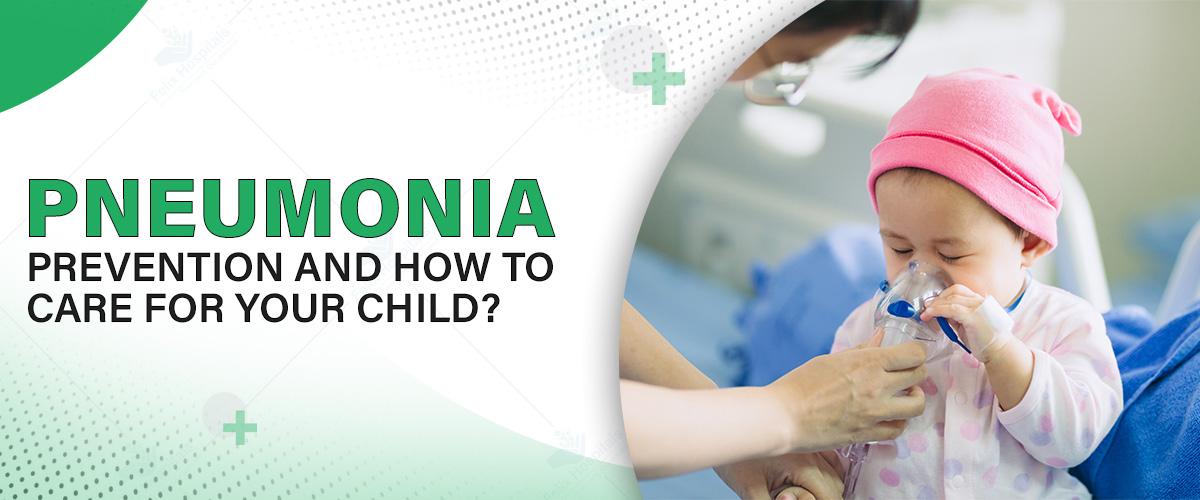
Pneumonia can be considered one of the most widespread respiratory infections in children, which can cause severe disease in case of inadequate timely treatment. The infection attacks the lungs and leads to inflammation and the formation of mucus making it hard to breathe. Children are more exposed to pneumonia than adults because their bodies have not yet developed immunity.
Consulting a Pediatric pneumonia doctor in Noida ensures timely diagnosis, treatment, and recovery. The leading Child pneumonia treatment hospital in Noida provides comprehensive pediatric care supported by modern technology and the Best Pediatricians in Noida. Pneumonia among children can be prevented and cured effectively with proper care and prevention and immediate treatment.
Schedule an appointment at the Child pneumonia treatment hospital in Noida for complete pediatric respiratory care.
Pneumonia is a lung infection that is caused by bacteria, viruses or fungi. When the germs get into the lungs, they make the fluid or pus fill the air sacs (alveoli), thus making the child have a hard time breathing. Pneumonia may be mild or severe and may occur in one or both lungs. Particularly the winter months where children are more indoors and exposed to infections.
Those children who are below the age of two are highly vulnerable as their immune systems are immature. However, with prompt Pediatric pneumonia treatment, most children recover fully.
The most prevalent reasons are:
Viruses: e.g. influenza, respiratory syncytial virus (RSV) or adenovirus.
Bacteria: Streptococcus pneumoniae or Mycoplasma pneumoniae.
Fungal infections: Uncommon but may occur in children with a depressed immune system.
Those who are chronically lung diseased, with asthma, or malnutrition or who are exposed to smoke are at high risk.
Identifying Child pneumonia symptoms early is important to ensure immediate treatment. Typical signs include:
Constant cough with sputum or phlegm.
Rapid or labored breathing.
Pain or soreness behind the chest during breathing.
High fever with chills.
Exhaustion, irritability or anorexia.
Bluish hypoxia of the lips or fingertips.
In severe cases, vomiting or pain in the abdomen.
Prolonged coughing can also be initiated by both viral and bacterial infections despite the overcoming of fever. Children can be monitored up to two weeks after the initial symptoms.
Pneumonia diagnosis entails a number of steps:
Physical examination: The doctor is listening to the lungs with a stethoscope with crackling or abnormal sounds.
Chest X-ray: Affirms that there is an infection in the lungs and the location of the same.
Nose / oral swab: It assists in determining whether the infection is viral or bacterial.
Blood tests: Identify the signs of inflammation or infection.
Good diagnosis is available to assist the physician in prescribing the best treatment regimen. Visiting a Child pneumonia treatment hospital in Noida ensures access to these diagnostic facilities under expert supervision.
Raising an ill child takes patience, care and proper medical advice. Here's a step-by-step guide for how to care for a child with pneumonia at home and in the hospital:
Pneumonia in the bacteria involves using antibiotics as prescribed by the physician.
Acetaminophen or ibuprofen can be taken to treat fever.
Never administer cough syrups without the advice of your pediatrician since coughing is a way of clearing the phlegm.
Advise the child to take as much fluids as possible like water, soup, or oral rehydration solutions.
The hydration of them facilitates the mucus loosening and dehydration is avoided.
Make sure that your child rests well. Exhaustion may reduce recovery.
Install a humidifier in the room to calm the airways and facilitate breathing.
Observe rapid breathing or retractions in the chest (the skin between the ribs shrunk in). There is a need to seek immediate medical assistance when breathing becomes more difficult.
Include foods that are healthy, easy to digest to boost the immune system.
Following medical advice and ensuring continuous follow-up visits with your Pediatric pneumonia doctor in Noida will help your child recover faster.
In the case of serious pneumonia, it is necessary to be hospitalized. Medical attention normally involves:
IV antibiotic and antiviral injections.
Oxygenation of children with respiratory dysfunction.
Analgesic and analgesic drugs.
Checking hydration and nutrition and vital signs.
The Child pneumonia hospital in Noida is equipped with pediatric intensive care units (PICU) for children requiring close observation and specialized intervention.
As it has always been said, prevention is better than cure, and so, in the case of respiratory infections. It is possible to dramatically decrease the risk of developing pneumonia in your child by following preventive measures.
Vaccinations play a key role in pneumonia prevention in children. Essential vaccines include:
Pneumococcal conjugate vaccine (PCV)
Haemophilus influenzae B (Hib) vaccine.
Influenza (flu) vaccine
Measles, pertussis and COVID-19 vaccines (recommended by the pediatrician)
Wash hands with soap and water for at least 20 seconds.
Educate your child to use his mouth and nose cover when sneezing or coughing.
Wipe down and clean regularly handled items and playthings.
The balanced diet with high content of vitamins, minerals and proteins boosts the immunity. Breastfeeding for at least six months provides antibodies essential for preventing pneumonia in kids.
Children should not be exposed to the contaminated or smoke-filled environment since lung infections are likely to occur due to poor air quality.
Properly sleeping children who are physically active have better immunity to viral and bacterial infections.
At times pneumonia may deteriorate rapidly among children. Seek medical help if:
The child is unable to breathe or breathes at an abnormal rate.
Despite medication, fever is more than 102degF or 38.8degC.
The lips or fingertips become numb.
The child turns down to eat and drink.
The child has incessant vomiting or tiredness.
Immediate intervention by a Pediatric pneumonia doctor in Noida can prevent complications like respiratory failure or sepsis.
The Best Pediatricians in Noida emphasize regular follow-up care for children who recover from pneumonia. Regular lung functional tests, cough frequency control, and nutrition strengthening are suggested by them. The early age medical assessment of lung following recovery prevents irreversible breathing complications or recurring infections.
Concerned about your child's breathing? Contact a Pediatric pneumonia doctor in Noida today at +91 9667064100.
Pneumonia is not unusual but it may be lethal when not taken care of. Fortunately, with timely intervention from the Pediatric pneumonia doctor in Noida, the outlook improves significantly. Choosing a reliable Child pneumonia treatment hospital in Noida ensures that your child receives the best diagnostic, medical, and rehabilitative care tailored to their needs. The Best Pediatricians in Noida guide parents not only in treatment but also in preventive measures--teaching families how to spot early warning signs and strengthen immunity. Thousands of children will not suffer and have serious health conditions with proper hygiene, immunization, and nutrition against pneumonia conditions.
Q.1. What makes children most likely to have pneumonia?
Ans. The majority of cases are due to bacteria or other viruses such as Streptococcus pneumoniae and influenza.
Q.2. Is pneumonia contagious among children?
Ans. Yes, by breathing out or by contact with contaminated surfaces.
Q.3. What is the average time that child pneumonia takes to heal?
Ans. The majority of children are well in 1-2 weeks, the cough may persist longer.
Q.4. Is pneumonia life-threatening among infants?
Ans. Yes, the infants are more susceptible to the fact that they have less immunity and smaller airways.
Q.5. What are the ways in which parents can prevent pneumonia in children?
Ans. Prevention can be achieved through regular vaccination, good hygiene and balanced nutrition.
Search the best hospital for your child in Noida the team of experienced pediatricians is dedicated to supporting parents and guiding children on their journey to a healthy life.

10 Reasons why a child may not grow

Every parent wants their child to become a successful, confident, and good human being. A child is like a sponge, which can take any shape and can absorb almost everything they see/learn.

As a child care specialist, I have noticed a huge difference in overall growing of a child in the last 14 years.
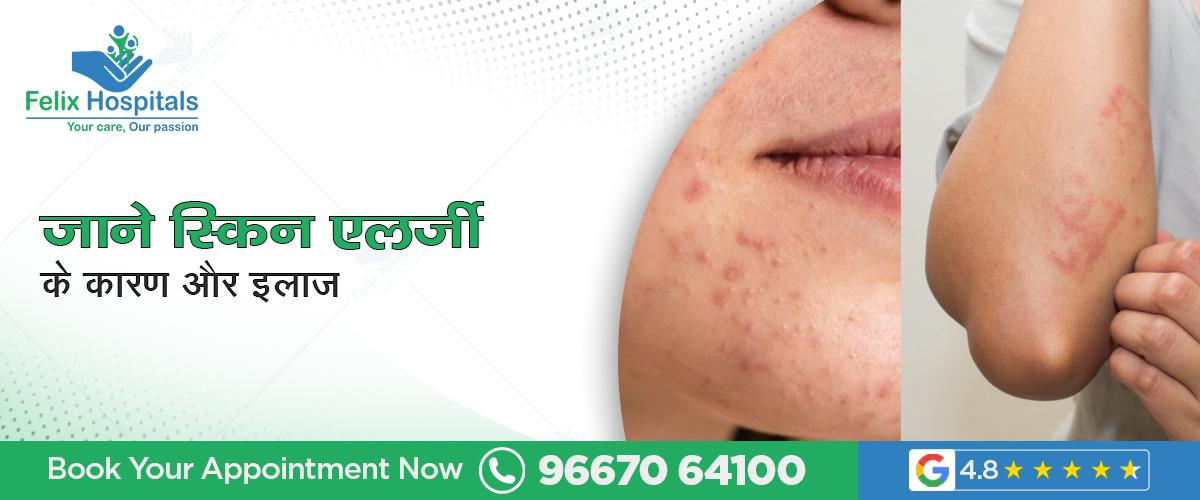
त्वचा एलर्जी (Skin Allergy) एक आम समस्या है। जिसमें त्वचा किसी बाहरी पदार्थ या आंतरिक असंतुलन के कारण संवेदनशील प्रतिक्रिया देती है। यह लालिमा, खुजली, सूजन, रैश, फफोले या जलन के रूप में दिखती है। Skin Treatment In Noida में उपलब्ध है। स्किन एलर्जी हर उम्र के पुरुष और महिला में होती है। इसकी वजहें मौसम, धूल, पसीना, कॉस्मेटिक या किसी दवा की प्रतिक्रिया होती हैं।
नोएडा में स्किन एलर्जी की जांच और इंटरनल मेडिसिन उपचार के लिए कॉल करें: +91 9667064100
त्वचा एलर्जी (skin allergies in hindi) शरीर की इम्यून प्रतिक्रिया होती है। जब वह किसी हानिरहित पदार्थ जैसे परफ्यूम, साबुन, धूल, या कुछ खाद्य पदार्थ को खतरे” के रूप में पहचान लेता है। इससे त्वचा पर सूजन, खुजली और लाल धब्बे बन जाते हैं। कुछ मामलों में यह अस्थायी होती है, जबकि कई बार यह लंबे समय तक बनी रहती है। इस कारण बढ़ता है।
वातावरण में मौजूद धूल, मिट्टी, धुआं और फूलों के परागकण त्वचा पर बैठकर इम्यून सिस्टम को उत्तेजित करते हैं। शरीर में हिस्टामिन नामक रसायन रिलीज होता है, जो खुजली, लालपन और रैशेज का कारण बनता है। यह एलर्जी अधिकतर गर्मी या बदलते मौसम सर्दी से गर्मी या बारिश में बढ़ती है। खुले में काम करने वाले लोगों, जैसे निर्माण मजदूर, सफाईकर्मी या ट्रैफिक पुलिसकर्मी में यह अधिक पाई जाती है।
सुगंधित साबुन, शैम्पू, फेसवॉश, क्रीम, मेकअप या हेयर डाई में मौजूद केमिकल्स से त्वचा की बाहरी परत पर रिएक्शन होता है। इसमें प्रिजर्वेटिव्स और फ्रेगरेंस एलर्जी ट्रिगर (Fragrance Allergy Triggers) करते हैं। कुछ लोगों में सैलिसिलिक एसिड, बेंजोइल पेरॉक्साइड या पैराबेन जैसे तत्वों से गंभीर एलर्जी भी होती है।
सिंथेटिक या टाइट कपड़े त्वचा को सांस नहीं लेने देते, जिससे पसीना और रगड़ बढ़ती है। कई बार कपड़ों की धुलाई में इस्तेमाल किए जाने वाले तेज़ डिटर्जेंट, ब्लीच या सॉफ़्टनर से त्वचा पर रैश हो जाते हैं। यह एलर्जी अधिकतर बगल, गर्दन, जांघों और कमर जैसे हिस्सों में दिखती है ऐसे मामलों में कॉटन कपड़े और माइल्ड डिटर्जेंट (बिना खुशबू वाले) का इस्तेमाल करना चाहिए।
गर्म मौसम या व्यायाम के दौरान शरीर पर पसीना जमा रहने से बैक्टीरिया और फंगस बढ़ते हैं। इससे घमौरियां, फंगल रैश या जॉक इच जैसी एलर्जी होती है। तंग कपड़े पहनने, गीले कपड़े देर तक न बदलने और नहाने में लापरवाही से यह समस्या होती है। त्वचा (skin) को हमेशा सूखा और साफ रखना और स्नान के बाद एंटीफंगल पाउडर (Antifungal Powder) लगाना उपयोगी होता है।
कुछ लोगों के शरीर में विशिष्ट प्रोटीन या खाद्य तत्वों के प्रति एलर्जिक रिएक्शन होता है। सामान्य रूप से अंडा, दूध, मूंगफली, सीफ़ूड, स्ट्रॉबेरी या सोया प्रोटीन इसके कारण होते हैं। खाने के कुछ घंटे बाद त्वचा पर दाने, खुजली, सूजन या होंठों पर जलन दिखती है।
कुछ एंटीबायोटिक याना पेनकिलर से शरीर में एलर्जिक रिएक्शन हो सकता है। लक्षणों में त्वचा पर रैश, फफोले, बुखार या सूजन शामिल हैं। गंभीर मामलों में यह स्टीवंस-जॉनसन सिंड्रोम जैसी स्थिति भी बना सकता है, जो मेडिकल इमरजेंसी होती है।
मच्छर, चींटी, बेडबग या मकड़ी के काटने से स्थानीय सूजन और लालिमा होती है। कुछ लोगों में काटने की जगह पर हिस्टामिन प्रतिक्रिया ज्यादा होती है, जिससे खुजली लंबे समय तक बनी रहती है। संक्रमित कीट के काटने से बैक्टीरियल इंफेक्शन भी हो सकता है। काटे हुए स्थान को साफ रखें, खुजाएं नहीं, और एंटीसेप्टिक या एंटीहिस्टामिन क्रीम लगाएं।
त्वचा (skin) पर लालिमा और खुजली
फफोले या रैश बनना
सूजन और जलन महसूस होना
त्वचा का छिलना या रूखापन
पपड़ी या निशान रह जाना
कुछ मामलों में बुखार या थकान
रोजाना स्नान करें, और हल्के एंटीसेप्टिक साबुन का उपयोग करना चाहिए।
ढीले और कॉटन के कपड़े पहनना चाहिए।
धूप और धूल से बचाव करें। बाहर निकलते समय सनस्क्रीन लगाना चाहिए।
कॉस्मेटिक, परफ्यूम या कलर प्रोडक्ट्स का कम उपयोग करना चाहिए।
त्वचा को मॉइस्चराइज्ड रखें ताकि ड्रायनेस और जलन न हो।
खुजली होने पर नाखून न चलाएं, इससे संक्रमण फैल सकता है।
तनाव और नींद की कमी भी एलर्जी को बढ़ा सकती है, इसलिए पर्याप्त आराम लें।
पैच टेस्ट:
इसमें त्वचा पर संभावित एलर्जन पदार्थों को छोटे-छोटे पैच के रूप में चिपकाया जाता है। 48–72 घंटे बाद देखा जाता है कि कौन-सा पैच लालिमा, सूजन या खुजली पैदा करता है। इससे यह पता चलता है कि कौन-सा केमिकल, कॉस्मेटिक, डिटर्जेंट या धातु (जैसे निकेल) आपकी त्वचा को एलर्जिक कर रहा है। यह खासकर कॉस्मेटिक, साबुन या कपड़ों से होने वाली एलर्जी में उपयोगी होता है।
रक्त परीक्षण:
यह एक ब्लड जांच होती है जिसमें इम्यूनोग्लोबुलिन का स्तर मापा जाता है। अगर यह स्तर बढ़ा हुआ मिले, तो यह इंगित करता है कि शरीर किसी पदार्थ को लेकर अत्यधिक संवेदनशील (अतिसंवेदनशील) हो गया है। इससे यह समझ आता है कि एलर्जी आंतरिक कारणों (जैसे खाद्य पदार्थ, दवा या धूल) से है या बाहरी पदार्थों से। डॉक्टर इस रिपोर्ट के आधार पर दवाओं और जीवनशैली में बदलाव की सलाह देते हैं।
स्किन प्रिक टेस्ट:
इसमें डॉक्टर आपकी त्वचा पर छोटे-छोटे प्रिक (हल्की सुई से छेद) बनाकर विभिन्न एलर्जन की थोड़ी मात्रा डालते हैं। कुछ मिनटों में यदि किसी स्थान पर लालपन, खुजली या फफोला बनता है, तो वही एलर्जी का कारण माना जाता है। यह टेस्ट फूड एलर्जी, डस्ट एलर्जी, पॉलन एलर्जी या पालतू जानवरों के बालों से एलर्जी पहचानने में बेहद प्रभावी होता है। प्रक्रिया पूरी तरह सुरक्षित होती है और 30–40 मिनट में परिणाम मिल जाते हैं।
एंटीहिस्टामिन दवाएं:
एलर्जी के दौरान शरीर में हिस्टामिन नामक रसायन बनता है, जो खुजली और सूजन पैदा करता है। इसे नियंत्रित करने के लिए सेटिरिजिन, लेवोसेटिरिजिन, फेक्सोफेनाडाइन जैसी दवाएं दी जाती हैं। यह दवाएं खुजली, लालिमा और त्वचा की जलन को जल्दी कम करती हैं। Skin Doctor In Noida में उपलब्ध है। रात को लेने पर नींद आने की संभावना रहती है, इसलिए डॉक्टर की सलाह जरूरी है।
टॉपिकल स्टेरॉयड क्रीम:
हाइड्रोकोर्टिसोन, मोमेटासोन, बीटामेथासोन जैसी क्रीम सूजन और लालपन कम करने में असरदार होती हैं। इन्हें केवल प्रभावित हिस्से पर पतली परत के रूप में लगाया जाता है लंबे समय तक बिना डॉक्टर की सलाह के इस्तेमाल नहीं करना चाहिए, क्योंकि इससे त्वचा पतली पड़ सकती है। यह उपचार Pपैच प्रकार एलर्जी या संपर्क जिल्द की सूजन में सबसे अधिक कारगर है।
ओरल मेडिकेशन:
अगर एलर्जी गंभीर रूप से फैली हो या त्वचा पर बार-बार सूजन हो रही हो, तो डॉक्टर ओरल स्टेरॉयड (प्रेडनिसोलोन आदि) या एंटी-एलर्जिक टैबलेट देते हैं। यu दवाएं शरीर के अंदर से इम्यून प्रतिक्रिया को शांत करती हैं और तेज एलर्जी को नियंत्रित करती हैं। दवा की खुराक और अवधि हमेशा डॉक्टर द्वारा तय की जाती है — खुद से सेवन करने से साइड इफेक्ट हो सकते हैं।
इंफेक्शन होने पर एंटीबायोटिक या एंटीफंगल दवा:
कभी-कभी खुजली करने से त्वचा में बैक्टीरियल या फंगल इंफेक्शन हो जाता है। ऐसे में डॉक्टर टॉपिकल एंटीबायोटिक क्रीम (जैसे म्यूपिरोसिन) या एंटीफंगल दवा (जैसे केटोकोनाजोल, टर्बिनाफाइन) देते हैं। यह कदम संक्रमण को फैलने से रोकता है और घाव जल्दी भरने में मदद करता है।
इम्यून सिस्टम को मजबूत रखना:
एलर्जी बार-बार होने की स्थिति में डॉक्टर ब्लड टेस्ट से विटामिन डी, हीमोग्लोबिन और इम्यून लेवल की जांच कराते हैं। संतुलित आहार, नींद और तनाव नियंत्रण इम्यून सिस्टम को मजबूत बनाता है, जिससे एलर्जी दोबारा नहीं लौटती।
एलर्जी का प्रभाव सिर्फ त्वचा तक सीमित नहीं होता, बल्कि यह शरीर की अंदरूनी कार्यप्रणाली से भी जुड़ा होता है। इसलिए डॉक्टर केवल त्वचा की जांच तक सीमित नहीं रहते, बल्कि शरीर की संपूर्ण स्थिति का मूल्यांकन करते हैं। वह आपके इम्यून सिस्टम, ब्लड शुगर लेवल और लिवर फंक्शन की जांच भी कर सकते हैं, क्योंकि कई बार शरीर के भीतर मौजूद असंतुलन या किसी दवा के लंबे उपयोग से एलर्जी बार-बार उभर सकती है।
अगर किसी व्यक्ति को बार-बार त्वचा पर खुजली, दाने, या फफोले की समस्या होती है, तो डॉक्टर एलर्जी के मूल कारण को पहचानने पर विशेष ध्यान देते हैं। इसके लिए एलर्जन पहचान टेस्ट (जैसे पैच टेस्ट, ब्लड टेस्ट या स्किन प्रिक टेस्ट) के परिणामों का विश्लेषण किया जाता है, ताकि यह समझा जा सके कि एलर्जी बाहरी संपर्क, भोजन, दवाओं या आंतरिक मेटाबॉलिक समस्या के कारण हो रही है। एक बार जब असली कारण का पता चल जाता है। तो उसी के अनुसार इलाज शुरू किया जाता है। जैसे अगर कारण फूड एलर्जी है तो डाइट मॉडिफिकेशन, और अगर कॉस्मेटिक एलर्जी है तो प्रोडक्ट बदलने की सलाह दी जाती है।
लंबे समय से बनी या क्रॉनिक एलर्जी के मामलों में केवल एंटीहिस्टामिन दवाओं से राहत मिलना कठिन होता है। ऐसे में डॉक्टर इम्यून मॉड्युलेशन थैरेपी की सलाह देते हैं। इस थेरेपी में शरीर की इम्यून प्रतिक्रिया को धीरे-धीरे सामान्य किया जाता है ताकि वह हर बार एलर्जन के संपर्क में आने पर अत्यधिक प्रतिक्रिया न दिखाए। यह उपचार शरीर की प्राकृतिक प्रतिरोधक क्षमता को संतुलित करता है और एलर्जी को जड़ से नियंत्रित करने में मदद करता है।
इम्यून मॉड्युलेशन थैरेपी के साथ-साथ डॉक्टर जीवनशैली में कुछ बदलावों की भी सलाह देते हैं, जैसे पर्याप्त नींद लेना, तनाव को कम करना, संतुलित आहार लेना और धूल, धुएं या पराग कणों से बचाव करना। इन सभी उपायों से एलर्जी दोबारा लौटने की संभावना कम होती है और त्वचा स्वस्थ बनी रहती है।
नोएडा में अनुभवी इंटरनल मेडिसिन विशेषज्ञ से परामर्श करें – कॉल करें: +91 9667064100
त्वचा एलर्जी सामान्य लग सकती है, लेकिन बार-बार होने या बढ़ने पर यह जीवन की गुणवत्ता को गंभीर रूप से प्रभावित कर सकती है। ऐसे में नोएडा में सबसे अच्छे त्वचा विशेषज्ञ (best Dermatologist in Noida) से समय पर सलाह लेना बेहद जरूरी है। स्वच्छता, संतुलित आहार और नियमित डॉक्टर की गाइडेंस से त्वचा एलर्जी को काफी हद तक नियंत्रित किया जा सकता है।
अगर खुजली, लाल धब्बे या जलन लगातार बनी रहे तो तुरंत डॉक्टर से परामर्श लेना चाहिए। स्वयं इलाज करने से बचें, क्योंकि हर एलर्जी की वजह और उपचार अलग होता है। सही निदान और सही उपचार ही आपको लंबे समय तक राहत दिला सकता है।
प्रश्न 1: क्या स्किन एलर्जी छूने से फैलती है?
उत्तरः नहीं, अधिकतर स्किन एलर्जी संक्रामक नहीं होती। लेकिन अगर फंगल संक्रमण है तो फैलती है।
प्रश्न 2: क्या स्किन एलर्जी हमेशा रहती है?
उत्तरः नहीं, अगर कारण पहचाना जाए और सही इलाज लिया जाए तो यह पूरी तरह ठीक होती है।
प्रश्न 3: क्या नीम या एलोवेरा से राहत मिलती है?
उत्तरः हां, हल्के मामलों में नीम पानी या एलोवेरा जेल से सूजन और खुजली कम होती है। लेकिन डॉक्टर की दवा का कोई विकल्प नहीं होता हैं।
प्रश्न 4: क्या तनाव से भी एलर्जी बढ़ सकती है?
उत्तरः हां, मानसिक तनाव और नींद की कमी शरीर की इम्यूनिटी को कमजोर करते हैं, जिससे एलर्जी बढ़ती है।
प्रश्न 5: कितने समय में ठीक होती है?
उत्तरः हल्की एलर्जी 1–2 हफ्ते में, जबकि गंभीर मामलों में 4–6 हफ्ते या ज्यादा समय लगता है।
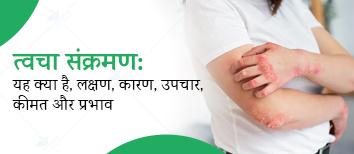
त्वचा संक्रमण के कई कारण हो सकते हैं, जो सूक्ष्मजीवों के त्वचा में प्रवेश करने से उत्पन्न होते हैं। ये संक्रमण तब होते हैं जब त्वचा की बाहरी सुरक्षा परत (एपिडर्मिस) क्षतिग्रस्त हो जाती है और बैक्टीरिया, वायरस, फंगस या परजीवी वहां से शरीर के अंदर प्रवेश कर

डॉ. कुसुम गुप्ता और डॉ. सौरभ भाटिया, हमारे विशेषज्ञ त्वचा रोग विशेषज्ञ, फंगल संक्रमण के उपचार में विशेषज्ञता रखते हैं।
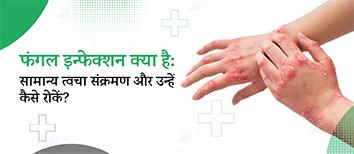
यदि आप किसी भी प्रकार के फंगल इन्फेक्शन का अनुभव कर रहे हैं, तो आपके लिए डॉ. कुसुम गुप्ता और डॉ. सौरभ भाटिया जैसे विशेषज्ञ डॉक्टरों से परामर्श लेना अत्यंत महत्वपूर्ण है।
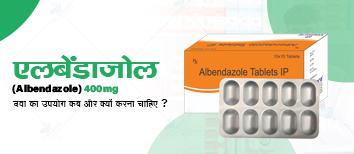
एलबेंडाजोल (Albendazole) 400 दवा का उपयोग कब और क्यों करना चाहिए, और यह कैसे पाचन तंत्र के कीड़े और संक्रमण से राहत देता है।
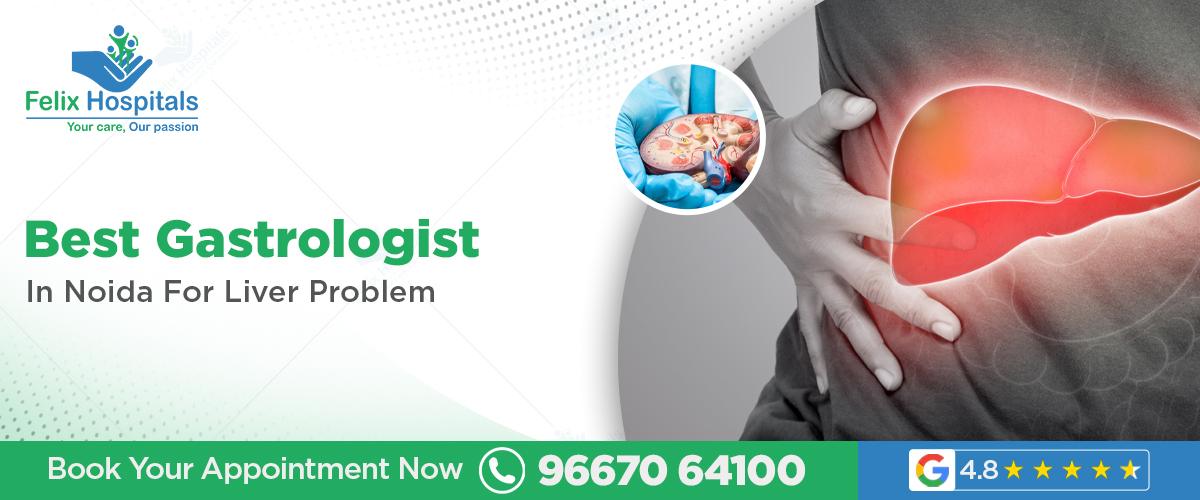
The liver plays a crucial role in the body and your skin is a reflection of your liver health; It’s the second largest organ of the body after the skin and performs several complex functions, including the detoxification of blood, metabolic functions, and nutrient storage. Even a slight impact on its functioning can cause serious health problems. There are many treatable causes such as alcohol-induced liver disease and hepatitis, which if diagnosed and treated in the early stages will prevent them from developing into potentially fatal long-term complications such as liver cirrhosis.
So, if you are showing symptoms of liver problems or need expert care, you should visit Best Gastroenterology Hospital in Noida as they have well-seasoned doctors best in their field who will offer you personalized care using latest diagnostic techniques and most effective treatment plans.
Contact us +91 9667064100 Call Now and get you an expert liver care in your hospital or home.
The liver may be affected by infections, lifestyle, and long-term health conditions. Some of the extremely common liver conditions are:
Alcohol liver disease (ALD): Inflammation and scarring are caused by heavy drinking.
Hepatitis (A, B, C): Acute-stage viral infections resulting in inflammation and impaired liver functions.
Non-alcoholic fatty liver disease (NAFLD): Fatty accumulation in the liver due to obesity or metabolic disease.
Liver cirrhosis: Advanced scarring of liver tissue commonly caused by chronic liver disease.
Cancer of the liver: A life-threatening condition that requires immediate action.
Yellowing of the eyes or the skin (jaundice)
Swelling in the leg or belly
Loss of appetite or undesired loss of weight
Dark-colored urine or light-colored bowel movements
Nausea or vomit
Early detection and early referral to a Gastroenterologist close to me for liver disease can also avert the progression of liver damage.
The liver functions are the most important diagnostic tools employed in the determination of liver health. A liver function test specialist can identify abnormalities in protein, bilirubin, and enzyme levels and assist in the early diagnosis of hepatitis, cirrhosis, and alcoholic liver disease.
They throw valuable light onto:
The degree of liver injury
Efficacy of existing therapy
Need for modification in lifestyle or medication
Timely interventions in liver disease can be achieved with regular follow-up and early intervention with a Best Gastroenterology Hospital in Noida.
The treatment of liver disease relies on the cause, the extent, and the state of the patient's health. A sufficiently trained gastroenterologist individualizes the plan in light of specific needs.
Alcohol consumption reduction or total abstinence in ALD patients
Having a balanced diet with vegetables, fruits, and lean proteins
Management of weight and glucose in NAFLD patients
Regular exercise to improve metabolism and liver function
Hepatitis B and C antiviral therapy
Drugs to treat liver inflammation and avoid liver damage
Supplementation in nutritionally depleted patients
This advanced type of cirrhosis can have complications like ascites, variceal bleeding, or hepatic encephalopathy and can in some cases require liver transplantation.
The early ALD can be treated with absolute abstinence, nutritional support, and medicine with the intention of decreasing inflammation. Severe conditions may involve close monitoring or hospital admission.
Early vaccinations, antiviral drug therapy, and periodic liver follow-up are the key. Patients do well with current therapy if started early by a liver function test expert.
The patients from Noida and Greater Noida can now get advanced liver care procedures at a Best Gastroenterology Hospital in Noida. Services are:
Systematic liver assessments and imaging
Tests and diagnostics for liver functions
Specialized therapy protocols in hepatitis, cirrhosis, and fatty liver
Personalized nutrition and lifestyle advice
Long-term follow-up and monitoring
The hospitals provide complete care and assistance from qualified health practitioners to all the patients.
Selecting the correct gastroenterologist can make all the difference in the outcome. Best gastroenterologist in Noida offer:
Expertise in diagnosing complex liver conditions
High-grade liver disease due to alcohol, hepatitis, and cirrhosis
Medication, behavior, and nutritional counseling advice
Availability of the latest diagnostic technology and imaging
Long-term follow-up in order to avoid liver disease progression
Expert care ensures patients receive timely interventions, reducing the risk of liver failure and improving overall health.
Prevention of liver disease is easier than cure of advanced disease. Gastroenterologists recommend:
Regular liver checks and function tests
Limiting alcohol consumption
Having a healthy diet and healthy weight
Evitación de comportamientos de ultra-risque
Hepatitis A and hepatitis B vaccine
Drinking fluids regularly and exercise regularly
Early detection and prevention with a specialist in the Liver function test can protect liver health and avoid complications.
Gastroenterological advice is essential in the event of recurring liver-associated signs. Any patient experiencing the following should immediately attend at a doctor:
Chronic weakness and fatigue
Jaundice or yellowing of the skin and eyes
Swelling in the leg or the abdomen
Unintended weight loss or loss of appetite
Severe vomitng or nausea
Early evaluation allows the Best gastro care for liver problems to start treatment promptly, preventing further complications.
Top Noida hospitals offer complete liver care in the form of:
Ultrasound and Fibro Scan: Ultrasound and Fibro Scan are tools utilized for the
Blood Test: The liver works in the background and keeps quiet about its work.
Anti-Viral and Anti-Inflammatory Therapy: Therapy for cirrhosis and hepatitis
Management Programs for Alcohol-Related Liver Disease: Integrate counseling, medications, and nutritional support
The patient can consult the finest Gastroenterologists in Noida and receive safe, effective, and personalized liver healthcare.
Call now +91 9667064100 and book an appointment with our expert liver disease specialists and get expert liver disease treatments.
The health of the liver is paramount in maintaining the total well-being, and early action prevents the major complications such as cirrhosis and liver failure. Visiting a Liver function test expert and availing the services of skilled best Gastroenterologists in Noida allows timely detection, efficient cure, and follow-up.
In case you are experiencing liver problem symptoms or require advanced liver therapy, consult at the Best Gastroenterology Hospital in Noida right now.
Q. 1. What are the signs and symptoms of liver disease?
Ans. The signs are fatigue, jaundice, abdominal distension, loss of appetite, nausea, and dark urine. Detection should be early so that complications are avoided.
Q. 2. How are liver disease diagnosed?
Ans. Diagnosis involves liver function tests, imaging studies, and in certain cases, liver biopsy. A Liver-function-test specialist can guide accurate diagnosis and treatment.
Q. 3. Is liver disease due to alcohol curable?
Ans. Early disease stages can be alleviated with abstinence, good nutrition, and medications. Late stages can demand more aggressive medical intervention.
Q. 4. What are the liver cirrhosis treatments?
Ans. Treatment consists of drug, lifestyle change, complication monitoring, and in the most severe instances, liver transplant.
Q. 5. How is hepatitis treated?
Ans. Hepatitis therapy depends upon the type (A, B, C). Medicines take the form of antiviral drugs, symptomatic treatment, vaccine, and behavioral changes.
Q. 6. When should I visit a gastroenterologist with liver disease?
Ans. Consult a gastroenterologist if you have ongoing fatigue, jaundice, abdominal swelling, or other liver symptoms.
Q. 7. Where can I get the best liver treatment in Noida?
Ans. They have access to expert care, diagnosis, and follow-up at Best Gastroenterology Hospital in Noida with the best Gastroenterologists in Noida.
Expert gastroenterology care for better digestive health, offering advanced diagnosis and treatment for GERD, IBS, ulcers, and liver disorders.
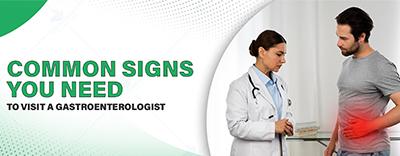
Experiencing persistent stomach pain, bloating, or acid reflux? These symptoms may require a gastroenterologist’s attention. Early diagnosis is key to treatment.
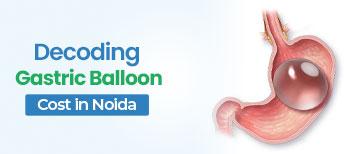
Understand the factors that influence gastric balloon surgery cost in Noida, including hospital facilities, doctor expertise, and post-procedure care.
दिल्ली एनसीआर की हवा सर्दी में लगातार जहरीली होती है। हर साल अक्टूबर से जनवरी के बीच प्रदूषण का स्तर इतना बढ़ता है कि लोग मास्क, इनहेलर और एयर प्यूरिफायर के भरोसे जीने को मजबूर हैं। पर अब वैज्ञानिकों ने चेताया है। यह जहरीली हवा केवल फेफड़ों को ही नहीं, बल्कि जोड़ों को भी बीमार कर रही है। लगातार प्रदूषण में रहने से शरीर में सूजन बढ़ती है। जिससे गठिया, हड्डियों में दर्द और थकान जैसी समस्याएं तेजी से बढ़ती हैं। नोएडा और ग्रेटर नोएडा में पल्मोनोलॉजी (Pulmonology in Greater Noida) और रुमेटोलॉजी विशेषज्ञ उपलब्ध है। डॉक्टर मिलकर इन समस्याओं का समग्र इलाज कर रहे हैं।
हाल के वर्षों में दिल्ली एनसीआर का AQI (एयर क्वालिटी इंडेक्स) 400 से ऊपर पहुंचना आम बात है। यह स्तर कैटेगरी में आता है। इसमें नाइट्रोजन ऑक्साइड, पीएम 2.5 और पीएम 10 जैसे कण फेफड़ों और रक्त में घुसकर सूजन बढ़ाते हैं। यह वही कण हैं जो सांस के जरिए शरीर में जाकर धीरे-धीरे हड्डियों और जोड़ों में ऑक्सीडेटिव स्ट्रेस पैदा करते हैं।
वैज्ञानिक अध्ययनों से यह स्पष्ट हो है कि प्रदूषित हवा न केवल सांस के जरिए शरीर के अंदर जाती है। बल्कि रक्त प्रवाह तक पहुंचकर पूरे शरीर में सूजन को बढ़ाती है। दिल्ली एनसीआर जैसे अत्यधिक प्रदूषित इलाकों में रहने वाले लोगों के शरीर में साइटोकाइन्स नामक सूजन पैदा करने वाले प्रोटीन जैसे ट्यूमर नेक्रोसिस फैक्टर-अल्फा और आईएल-6 (इंटरल्यूकिन-6) का स्तर सामान्य से कई गुना अधिक पाया गया है। यह साइटोकाइन्स शरीर की कोशिकाओं पर हमला कर प्रतिरक्षा तंत्र को असंतुलित करते हैं।
जब शरीर लगातार इस सूजन की स्थिति में रहता है, तो यह केवल फेफड़ों तक सीमित नहीं रहता है। बल्कि हृदय, मांसपेशियों, हड्डियों और जोड़ों को भी प्रभावित करता है। यही कारण है कि सर्दियों में प्रदूषण बढ़ने (Increased pollution in winter) के साथ-साथ सांस लेने में कठिनाई, छाती में जकड़न और जोड़ों में दर्द जैसी शिकायतें भी तेजी से बढ़ती हैं।
लंबे समय तक प्रदूषित वातावरण में रहने से शरीर का इम्यून सिस्टम भ्रमित होता है। जिससे ऑटोइम्यून बीमारियों जैसे रूमेटॉइड आर्थराइटिस, ल्यूपस और एंकिलॉजिंग स्पॉन्डिलाइटिस (Ankylosing spondylitis) के मामले तेजी से सामने आते हैं। इन बीमारियों में शरीर का प्रतिरक्षा तंत्र अपनी ही कोशिकाओं और ऊतकों को नुकसान पहुंचाने लगता है।
जिन लोगों को पहले से गठिया (arthritis), हड्डी का दर्द या पुराने जोड़ संबंधी रोग हैं। उनके लिए यह स्थिति और भी चुनौतीपूर्ण होती है। प्रदूषण के कारण हवा में मौजूद बारीक कण (पीएम2.5 और पीएम10) शरीर में ऑक्सीडेटिव स्ट्रेस पैदा करते हैं, जो सूजन को और बढ़ाते हैं। इससे जोड़ सख्त होते हैं। उनमें गर्माहट और सूजन महसूस होती है। सुबह के समय जकड़न लंबे समय तक बनी रहती है।
सांस लेने में तकलीफ होती है।
बार-बार खांसी या बलगम आता है।
अस्थमा और ब्रोंकाइटिस के लक्षण दिखते हैं।
फेफड़ों की क्षमता में कमी होती है।
घुटनों, कोहनियों और हाथों में दर्द होता है।
सुबह उठते ही जकड़न या कठोरता होती है।
सूजन और गर्माहट महसूस होती है।
चलने-फिरने में कठिनाई होती है।
बार-बार थकान, कमजोरी
सांस फूलना या छाती में जकड़न
हाथ-पैरों में सूजन या दर्द
नींद में बाधा या बेचैनी
सर्दी के मौसम में दर्द का बढ़ना
दिल्ली–एनसीआर में बढ़ते प्रदूषण का असर अब मल्टी-सिस्टम पर दिख रहा है। यानी सांस से लेकर जोड़ तक। इसलिए अब उपचार भी समग्र होना चाहिए। जिसमें फेफड़ों और जोड़ों दोनों का ध्यान रखा जाए। नोएडा में अब फेफड़े विशेषज्ञ और जोड़ विशेषज्ञ अस्पताल उपलब्ध है। यह मिलकर मरीजों को संयुक्त उपचार देते हैं।
प्रदूषण से फेफड़ों की नलियां संकुचित होती हैं। जिससे सांस लेने में दिक्कत होती है। ऐसे में इनहेलर या नेब्युलाइजर से दी जाने वाली दवाएं। जैसे सल्बुटामोल, बुडेसोनाइड या फॉर्मोटेरोल वायुमार्ग को खोलने और सूजन घटाने में मदद करती हैं। इनहेलर का सही उपयोग सीखना जरूरी है, ताकि दवा फेफड़ों तक प्रभावी रूप से पहुंचे। डॉक्टर मरीज की स्थिति के अनुसार इनहेलर की डोज़ तय करते हैं। खासकर अस्थमा, सीओपीडी या ब्रोंकाइटिस मरीजों में।
जब ऑक्सीजन लेवल 90% से नीचे चला जाए, तो यह थेरेपी जीवनरक्षक होती है। इससे रक्त में ऑक्सीजन की मात्रा सामान्य रहती है और अंगों को पर्याप्त ऑक्सीजन मिलती है। गंभीर मामलों में अस्पताल में BiPAP या CPAP जैसी नॉन-इनवेसिव वेंटिलेशन सपोर्ट दी जाती है। नोएडा के उन्नत पल्मोनरी हॉस्पिटलों में यह सुविधा 24 घंटे उपलब्ध है।
प्रदूषण के कारण फेफड़ों में सूजन और ऐंठन बढ़ती है। इसे नियंत्रित करने के लिए कॉर्टिकोस्टेरॉइड्स (जैसे प्रेडनिसोलोन, बुडेसोनाइड) या ब्रोंकोडाइलेटर (जैसे टियोट्रोपियम, साल्बुटामोल) दी जाती हैं। ये दवाएं वायुमार्ग को खोलती हैं और खांसी, घरघराहट, सांस फूलना जैसे लक्षणों में राहत देती हैं। लंबे समय तक उपयोग डॉक्टर की निगरानी में ही किया जाना चाहिए।
दवाओं के साथ-साथ फेफड़ों की मजबूती के लिए श्वसन व्यायाम बेहद जरूरी है। डीप ब्रीदिंग, स्पाइरोमीटर एक्सरसाइज और योगिक प्राणायाम से फेफड़ों की क्षमता बढ़ती है। इससे शरीर में ऑक्सीजन अवशोषण सुधरता है और थकान घटती है। प्रदूषण के दिनों में घर के अंदर, स्वच्छ वातावरण में ही ये एक्सरसाइज करें।
NSAIDs और दर्द कम करने वाली दवाएं:
प्रदूषण से बढ़ी सूजन को नियंत्रित करने के लिए NSAIDs (जैसे नेप्रोक्सन, एटोरिकोक्सिब, एसिक्लोफेनाक) दी जाती हैं। ये दवाएं दर्द और सूजन को जल्दी राहत देती हैं। इन्हें डॉक्टर की सलाह पर ही सीमित अवधि के लिए लें। साथ में गैस्ट्रिक प्रोटेक्टर (जैसे Pantoprazole) लेना जरूरी होता है ताकि पेट पर असर न पड़े।
DMARDs (रोग को संशोधित करने वाली एंटी-रूमेटिक दवाएं):
यदि प्रदूषण ने पुराने गठिया या ल्यूपस जैसी ऑटोइम्यून बीमारियों को बढ़ा दिया हो, तो डॉक्टर मेथोट्रेक्सेट, लेफ्लूनोमाइड, हाइड्रोक्सीक्लोरोक्वीन या सल्फासालजीन जैसी दवाएं लिखते हैं। यह दवाएं रोग की प्रगति रोकती हैं और जोड़ों को स्थायी नुकसान से बचाती हैं। इनका प्रभाव धीरे-धीरे दिखता है, इसलिए नियमित मॉनिटरिंग जरूरी है।
फिजियोथेरेपी और वॉर्म कंप्रेस:
जोड़ों की जकड़न और सूजन कम करने के लिए नियमित फिजियोथेरेपी बेहद प्रभावी है। हॉट पैक, अल्ट्रासोनिक थैरेपी और रेंज-ऑफ-मोशन एक्सरसाइज से जोड़ों की गतिशीलता बढ़ती है। सर्द मौसम या प्रदूषण के समय वॉर्म कंप्रेस से दर्द में तुरंत राहत मिलती है।
एंटी-पॉल्यूशन सप्लीमेंट्स और डाइट:
प्रदूषण के दुष्प्रभाव से बचने के लिए पोषण पर भी ध्यान देना जरूरी है। विटामिन डी, ओमेगा-3 फैटी एसिड, जिंक और एंटीऑक्सीडेंट्स (जैसे विटामिन ई, ई) शरीर की सूजन कम करते हैं। ताजे फल, सब्जियां, ग्रीन टी और हल्दी दूध जैसे प्राकृतिक एंटी-इन्फ्लेमेटरी फूड का सेवन करें। प्रोसेस्ड फूड, शुगर और तले हुए भोजन से बचें क्योंकि ये सूजन को बढ़ाते हैं।
नोएडा में उपलब्ध स्पेशल फुफ्फुस-रुमा हॉस्पिटल्स:
नोएडा के कई मल्टी-स्पेशलिटी हॉस्पिटल्स में अब पल्मोनोलॉजिस्ट और रुमेटोलॉजिस्ट की संयुक्त ओपीडी चल रही है। यहां मरीजों को फेफड़ों और जोड़ों दोनों की समग्र जांच जैसे Spirometry, पल्मोनोलॉजिस्ट और रुमेटोलॉजिस्ट टेस्ट एक ही जगह मिलती है। इससे डॉक्टर सूजन के स्रोत को पहचानकर सटीक उपचार दे पाते हैं। यह मॉडल वायु प्रदूषण से संबंधित स्वास्थ्य प्रबंधन के रूप में देशभर में तेजी से लोकप्रिय हो रहा है।
साधारण कपड़े या सर्जिकल मास्क प्रदूषण के सूक्ष्म कणों (पीएम 2.5, पीएम 10) को रोक नहीं पाते। एन 95 मास्क ही इन हानिकारक कणों को 95% तक फ़िल्टर करते हैं। यह न केवल फेफड़ों को बचाता है बल्कि सूजन और सांस संबंधी संक्रमणों के जोखिम को भी कम करता है।
एयर प्यूरिफायर का इस्तेमाल करें, खासकर उन कमरों में जहाँ आप अधिक समय बिताते हैं। साथ ही एलोवेरा, मनी प्लांट, स्नेक प्लांट, और पीस लिली जैसे प्राकृतिक पौधे घर के अंदर ऑक्सीजन स्तर बढ़ाने और विषैले गैसों को अवशोषित करने में मदद करते हैं।
फेफड़ों को मजबूत रखने के लिए फ्लू वैक्सीन और न्यूमोकोकल वैक्सीन हर साल या डॉक्टर की सलाह के अनुसार लगवाएं। यह इन्फेक्शन के खतरे को घटाकर शरीर की इम्यून प्रतिक्रिया को नियंत्रित रखता है।
सुबह के समय प्रदूषण का स्तर (एक्यूआई) अधिक होता है। इसलिए टहलने या वर्कआउट के लिए धूप निकलने के बाद या शाम के समय जाएं, जब हवा का प्रदूषण स्तर अपेक्षाकृत कम होता है। इससे फेफड़ों पर बोझ कम पड़ता है और ऑक्सीजन ग्रहण बेहतर होता है।
अपने भोजन में विटामिन डी, विटामिन सी, जिंक, ओमेगा-3 फैटी एसिड, और एंटीऑक्सीडेंट्स शामिल करें। यह पोषक तत्व इम्यून सिस्टम को मजबूत बनाते हैं और शरीर की सूजन को प्राकृतिक रूप से कम करते हैं। उदाहरण के लिए अमरूद, संतरा, अखरोट, अलसी के बीज, हल्दी, और ग्रीन टी का सेवन करें।
सिगरेट, अगरबत्ती, डीज़ल का धुआं, और औद्योगिक क्षेत्रों का प्रदूषण फेफड़ों के लिए सबसे हानिकारक हैं। यदि आपका कार्यस्थल ऐसी जगह है। जहां धूल या धुआं अधिक है, तो रेस्पिरेटर मास्क और वेंटिलेशन सिस्टम का उपयोग करें।
हर 6 महीने में एक बार फेफड़ों की स्पिरोमेट्री टेस्ट करवाएं ताकि सांस लेने की क्षमता का सही मूल्यांकन हो सके साथ ही सीआरपी (सी-रिएक्टिव प्रोटीन) और ईएसआर (एरिथ्रोसाइट सेडिमेंटेशन रेट) जैसे ब्लड टेस्ट से शरीर में सूजन का स्तर मापा जा सकता है। इससे समय रहते किसी भी ऑटोइम्यून या सूजनजन्य बीमारी का पता लगाया जाता है।
दिल्ली एनसीआर की हवा अब सिर्फ सांस लेने की नहीं, बल्कि जोड़ों और हड्डियों की सेहत की भी दुश्मन बन चुकी है। प्रदूषण से बचाव, समय पर जांच और डॉक्टर की सलाह से इस बढ़ते खतरे को रोका जा सकता है। नोएडा के आधुनिक पल्मोनोलॉजी और रुमेटोलॉजी अस्पताल में अब संयुक्त इलाज उपलब्ध है। जिससे मरीजों को फेफड़ों और जोड़ों दोनों का समग्र उपचार मिल सके। इसलिए इलाज में देरी नहीं करनी चाहिए।
प्रश्न 1: क्या प्रदूषण से गठिया या जोड़ों में दर्द होता है?
उत्तरः हां, प्रदूषण शरीर में सूजन बढ़ाता है जो आर्थराइटिस को ट्रिगर करता है।
प्रश्न 2: क्या फेफड़ों और जोड़ों का एक साथ इलाज संभव है?
उत्तरः हां, नोएडा में पल्मोनोलॉजी और रुमेटोलॉजी संयुक्त क्लीनिक अब उपलब्ध हैं।
प्रश्न 3: क्या विटामिन डी की कमी से दर्द बढ़ता है?
उत्तरः हां, प्रदूषण के कारण धूप की कमी से विटामिन डी कम होता है। जिससे हड्डियां कमजोर होती हैं।
प्रश्न 4: क्या हवा साफ़ करने वाले पौधे मदद करते हैं?
उत्तरः हां, पल्मोनोलॉजी-रुमेटोलॉजी जैसे पौधे घर की हवा को शुद्ध करते हैं।
प्रश्न 5: कब डॉक्टर से मिलना जरूरी है?
उत्तरः जब सांस फूलना, लगातार जोड़ों में सूजन या थकान बनी रहे तो तुरंत पल्मोनोलॉजिस्ट या रुमेटोलॉजिस्ट से संपर्क करें।
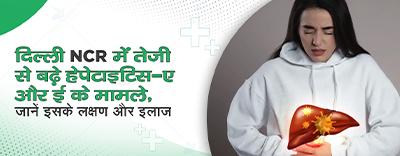
दिल्ली NCR में हेपेटाइटिस-ए और ई के मामलों में तेजी से इजाफा देखा जा रहा है। समय पर पहचान और सही इलाज से इस बीमारी को गंभीर होने से रोका जा सकता है।
जाने क्यों दिल्ली NCR में पुरुषों में इनफर्टिलिटी की समस्या तेजी से बढ़ रही है। तनावपूर्ण जीवनशैली, असंतुलित आहार, प्रदूषण और स्वास्थ्य संबंधी आदतें इसके प्रमुख कारण हैं। सही समय पर जांच और विशेषज्ञ डॉक्टरों की मदद से इसका प्रभावी इलाज संभव है।

Healthy hemoglobin levels are essential for maintaining energy, oxygen circulation, and overall wellbeing. Low hemoglobin can make you feel exhausted, breathless, or light-headed, and can interfere with daily activities. If you’ve been wondering about the best foods to increase hemoglobin levels, or asking yourself How can I raise my hemoglobin levels with diet?, this comprehensive guide will help you understand what to eat, how nutrients work, and when you should consult a specialist.
For those experiencing persistent symptoms, expert guidance from a hematologist in Noida or visiting Felix Hospital for anemia treatment in Noida ensures complete evaluation and tailored care.
Let’s explore natural, food-based ways to increase hemoglobin safely and effectively.
Hemoglobin is an iron-rich protein present in red blood cells, responsible for transporting oxygen from your lungs to all parts of the body. When hemoglobin levels drop, your tissues receive less oxygen, leading to fatigue, weakness, dullness, and poor concentration.
Low hemoglobin—often linked to anemia—can occur due to nutrient deficiencies, blood loss, chronic illness, or hormonal changes. Fortunately, many dietary measures can help restore healthy levels.
Recognizing the symptoms of low hemoglobin levels early helps prevent complications. Common signs include:
Constant tiredness or weakness
Pale or yellowish skin
Breathlessness during simple activities
Dizziness or frequent headaches
Rapid or irregular heartbeat
Cold hands and feet
Poor focus and irritability
If these symptoms persist, it’s important to know When should I see a doctor for low hemoglobin levels? Seek medical help if symptoms worsen, disrupt routine life, or don’t improve despite dietary changes.
Diet plays a major role in restoring and maintaining healthy hemoglobin. Below are the most effective natural food groups that support red blood cell formation and iron absorption.
Leafy greens provide iron, folate, antioxidants, and fiber—essential for hemoglobin production. They’re among the best foods to increase hemoglobin levels, especially for vegetarians.
Spinach – rich in non-hemi iron, folate, and some vitamin C
Kale – Boosts iron, vitamin K, and fiber
Swiss chard – rich in iron and antioxidants
Fenugreek leaves (methi) – excellent for iron enhancement, especially in dals and curries
Mustard greens – contain iron, calcium, and vitamin C
Dietician Note: Pair leafy greens with tomatoes, lemon, or bell peppers to help your body absorb iron better.
Legumes and beans are affordable, filling, and packed with iron, protein, and folate—nutrients crucial for red blood cell production.
Lentils – top vegetarian source of iron
Chickpeas – iron + B vitamins
Black beans – iron and protective antioxidants
Kidney beans – support digestion and energy levels
Soybeans – complete protein with iron
These foods are ideal when searching for hemoglobin increase options that are easy to cook and versatile.
If you consume meat, red meat provides haem iron, which is absorbed more easily than plant-based iron.
Beef (including liver) – rich in haem iron and B12
Lamb – boosts iron and zinc
Lean pork – supports blood formation
Pair red meat with vegetables for balanced nutrition, and choose lean cuts to reduce unhealthy fats.
For those who prefer lighter animal proteins, poultry and seafood offer excellent alternatives.
Chicken (especially dark meat) – iron and lean protein
Turkey – iron and zinc
Tuna – iron, B12, and omega-3
Salmon – supports overall blood circulation
Shellfish (clams, oysters, mussels) – extremely rich in natural iron
These foods are excellent additions when you want a nutrient-dense diet to increase hemoglobin.
Perfect for snacking, nuts and seeds provide iron, healthy fats, and minerals.
Pumpkin seeds – among the richest plant-based iron sources
Sunflower seeds – iron and vitamin E
Almonds and cashews – iron + magnesium
Sesame seeds (til) – excellent in chutneys, laddoos, and tahini
These nutrient-packed bites are easy to add to salads, breakfast bowls, or eaten directly.
Fortified and whole grains are often underestimated, yet they can significantly contribute to daily iron intake.
Iron-fortified cereals – ideal for breakfast
Oats – iron-rich and perfect with vitamin C fruits
Quinoa – high iron + complete protein
Brown rice – more nutritious than white rice
Whole wheat bread – supports energy and blood health
These foods suit all ages and are perfect for balanced, hemoglobin-boosting diets.
Fruits offer hydration, iron, folate, and vitamin C, making them excellent natural helpers for blood formation.
Pomegranate – traditionally recommended for anemia
Apples – mild iron content and great for daily intake
Bananas – iron + folate
Dates & raisins – iron-dense dried fruits
Strawberries, oranges, and citrus fruits – rich in vitamin C
A combination of fresh and dried fruits supports iron absorption and energy levels.
If you're wondering How can I raise my hemoglobin levels with diet?, focus on three principles:
Eat iron-rich foods regularly
Combine iron with vitamin C
Avoid foods and habits that hinder absorption
A strong food-first approach ensures healthier, long-lasting results.
A frequent question is: How does vitamin C help in increasing hemoglobin levels?
Vitamin C enhances the absorption of non-heme iron from plant-based foods. It converts iron into a form that your intestines can absorb more efficiently.
Oranges
Lemons
Guava
Bell peppers
Strawberries
Tomatoes
Pairing iron sources with vitamin C-rich foods helps significantly improve hemoglobin restoration.
Along with diet, these evidence-based habits help boost hemoglobin effectively:
Eat iron-rich meals consistently
Add vitamin C to meals
Avoid tea and coffee with meals
Cook in cast iron pans
Add folate-rich foods like eggs, citrus, greens
Track vitamin B12 levels
Avoid unnecessary supplements unless prescribed
These steps support your body’s natural ability to rebuild healthy red blood cells.
Knowing When should I see a doctor for low hemoglobin levels? can prevent serious health issues. You should seek medical care if you experience:
Severe or persistent fatigue
Fainting spells
Chest discomfort
Palpitations
Breathlessness
A doctor may order blood tests to identify deficiencies or underlying medical conditions. For specialized guidance, Felix Hospital provides expert anemia treatment in Noida with experienced hematologist in Noida specialists.
Improving hemoglobin levels naturally is possible with the right dietary choices and habits. Including iron-rich foods, vitamin C sources, nuts, seeds, meats, whole grains, and fruits can help you feel more energized and balanced.
However, if symptoms persist, or if you're unsure of your hemoglobin status, timely medical evaluation is essential. Felix Hospital offers reliable diagnostics and personalized care for anemia treatment Hospital in Noida, helping you restore your health safely and effectively.
Q.1. What makes me know why my low hemoglobin is as such, whether it is by diet or other health complications?
Ans. The tests will be carried out by your doctor to be certain as to the underlying cause.
Q.2. Can iron supplements be taken during pregnancy?
Ans. Yes, though only through medical protection in order to prevent excessive iron.
Q.3.Is there any positive effect of exercise on the level of hemoglobin?
Ans. Frequent low intensity to moderate exercise helps in promoting the health of the body including blood circulation.
The best hospital for nutrition and bladder cancer treatment, where skilled specialists provide personalized and comprehensive dietary and oncological care.
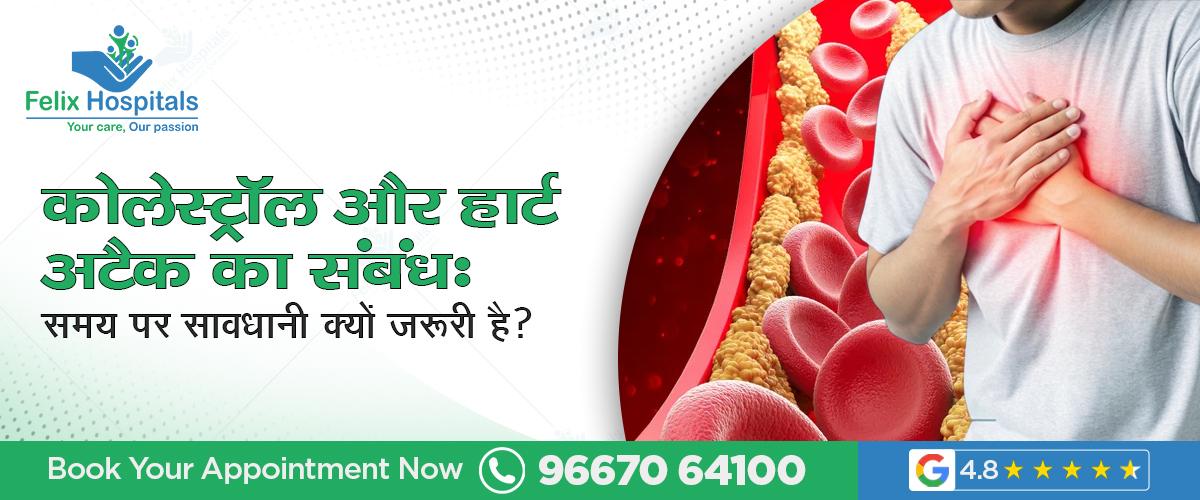
दिल हमारे शरीर का सबसे महत्वपूर्ण अंग है। यह हर सेकंड खून पंप करके पूरे शरीर तक ऑक्सीजन और पोषण पहुंचाता है। मगर जब शरीर में कोलेस्ट्रॉल का स्तर अनियंत्रित होता है तो यह हृदय और धमनियों के लिए खतरा बनता है। बेस्ट कार्डियोलॉजिस्ट नोएडा (Best Cardiologist in Noida) में उपलब्ध है। समय पर चेतावनी और सावधानी न लेने पर यह गंभीर हृदय रोगों और हार्ट अटैक का कारण बनता है। अगर आप नोएडा या आसपास रहते हैं, तो यहां आधुनिक कार्डियोलॉजी हॉस्पिटल्स में जांच और इलाज आसानी से उपलब्ध हैं।
अभी अपॉइंटमेंट शेड्यूल करें – कॉल करें: +91 9667064100
कोलेस्ट्रॉल एक प्रकार की वसा है। जो शरीर के लिए आवश्यक है। यह कोशिकाओं की संरचना बनाता है और हार्मोन उत्पादन में मदद करता है। कोलेस्ट्रॉल दो तरह का होता है। एलडीएल (कम घनत्व वाले लिपोप्रोटीन) खराब कोलेस्ट्रॉल, जो धमनियों में जमकर ब्लॉकेज का कारण बनता है। एचडीएल (उच्च घनत्व लिपोप्रोटीन) अच्छा” कोलेस्ट्रॉल, जो अतिरिक्त एलडीएल (LDL) को हटाकर हृदय को सुरक्षित रखता है। ज्यादा एलडीएल और कम एचडीएल स्तर हृदय रोग और हार्ट अटैक के जोखिम को बढ़ाते हैं।
जब रक्त में एलडीएल का स्तर अधिक होता है, तो यह धमनियों की दीवारों पर जमकर प्लाक बनाता है। ये प्लाक धमनियों को संकरी और कठोर बनाता है। इस निम्न समस्या होती है।
खून का प्रवाह बाधित होता है।
हृदय मांसपेशियों तक पर्याप्त ऑक्सीजन नहीं पहुंचती है।
सीने में दर्द, सांस फूलना और थकान जैसी समस्याएं होती हैं।
गंभीर अवस्था में हार्ट अटैक का खतरा बढ़ता है।
एलडीएल कोलेस्ट्रॉल (खराब कोलेस्ट्रॉल) जब रक्त में अधिक होता है। तो यह धमनियों की दीवारों पर जमा होकर प्लाक बनाता है। यह प्लाक धीरे-धीरे धमनियों को संकरा कता है और रक्त प्रवाह को बाधित करता है। समय के साथ यह हृदय रोग और हार्ट अटैक (Heart Attack) का प्रमुख कारण बनता है।
एचडीएल कोलेस्ट्रॉल (अच्छा कोलेस्ट्रॉल) शरीर में अतिरिक्त एलडीएल को हटाने में मदद करता है। यदि एचडीएल कम हो, तो शरी एलडीएल को ठीक से बाहर नहीं निकाल पाता है। इसका मतलब है कि धमनियों में अधिक फैट जमा होने की संभावना बढ़ती है।
लगातार बढ़ा हुआ ब्लड प्रेशर धमनियों की दीवारों पर अतिरिक्त दबाव डालता है। इससे रक्त वाहिकाओं की लचीलापन कम होता है। उन्हें चोटिल होने का खतरा बढ़ता है। समय के साथ यह हार्ट अटैक और स्ट्रोक जैसी गंभीर स्थितियों का कारण बनता है।
उच्च ब्लड शुगर धमनियों की आंतरिक परत को नुकसान पहुंचाती है। इसके कारण रक्त वाहिकाएं कठोर होती हैं। उनमें ब्लॉकेज की संभावना बढ़ती है। डायबिटीज वाले व्यक्ति सामान्य लोगों की तुलना में हृदय रोग के प्रति अधिक संवेदनशील होते हैं।
निकोटिन और अन्य हानिकारक रसायन रक्त वाहिकाओं को संकरा और कठोर बनाते हैं। धूम्रपान रक्त में ऑक्सीजन की मात्रा कम कर देता है और हृदय पर अतिरिक्त दबाव डालता है। यह ब्लड क्लॉट बनने का खतरा भी बढ़ाता है। जिससे हार्ट अटैक का जोखिम दोगुना होता है।
अधिक वजन से ब्लड प्रेशर और ब्लड शुगर स्तर बढ़ता है। शरीर में फैट का जमाव धमनियों को प्रभावित करता है और ब्लॉकेज तेजी से बढ़ता है। शारीरिक गतिविधि की कमी हृदय मांसपेशियों को कमजोर करती है और हार्ट डिजीज का जोखिम बढ़ाती है।
लगातार तनाव हार्मोन (कॉर्टिसोल) के स्तर को बढ़ाता है, जिससे ब्लड प्रेशर बढ़ता है और हृदय पर अतिरिक्त दबाव पड़ता है। नींद की कमी शरीर की रिकवरी और हृदय स्वास्थ्य को प्रभावित करती है। लंबे समय तक तनाव और नींद की कमी हृदय रोग की संभावना को काफी बढ़ा देती है।
अस्वास्थ्यकर और फैटी डाइट
तंबाकू और धूम्रपान का सेवन
शारीरिक गतिविधि की कमी
अधिक वजन और मोटापा
आनुवंशिक प्रवृत्ति
सीने में भारीपन या दर्द
सांस फूलना और कमजोरी
बार-बार थकान या ऊर्जा की कमी
कंधे, हाथ, पीठ या जबड़े में दर्द
अनियमित या तेज़ दिल की धड़कन
अचानक चक्कर आना या बेहोशी
ब्लड टेस्ट: कुल कोलेस्ट्रॉल,एलडीएल, एचडीएल और ट्राइग्लिसराइड्स की जांच होती है।
ईसीजी/ ईकोकार्डियोग्राफी: हृदय की इलेक्ट्रिकल और संरचनात्मक स्थिति का मूल्यांकन के लिए होती है।
सीटी एंजियोग्राफी: धमनियों में ब्लॉकेज और प्लाक की स्थिति का पता चलता है।
तनाव / ट्रेडमिलl टेस्ट: एक्सरसाइज के दौरान हृदय की प्रतिक्रिया का पता चलता गै।
कोरोनरी एंजियोग्राफी: गंभीर या स्पष्ट ब्लॉकेज के लिए गोल्ड स्टैंडर्ड टेस्ट का पता चलता है।
कम फैट, हाई फाइबर, ओमेगा-3 युक्त भोजन। नमक और शक्कर नियंत्रित करें।
रोजाना कम से कम 30 मिनट हल्की–मध्यम गतिविधि।
धूम्रपान और शराब से दूरी।
वजन, ब्लड प्रेशर और शुगर नियंत्रित रखें।
तनाव कम करें और पर्याप्त नींद लें।
नियमित कार्डियक चेकअप कराएं। यानी कोलेस्ट्रॉल, ब्लड प्रेशर, शुगर और ईसीजी जांच कराते रहे।
ये दवाइयां एलडीएल (खराब) कोलेस्ट्रॉल को कम और एचडीएल (अच्छा) कोलेस्ट्रॉल बढ़ाने में मदद करती हैं। इससे धमनियों में प्लाक बनने की प्रक्रिया धीमी होती है और हृदय रोग का जोखिम घटता है। स्टैटिन्स के नियमित उपयोग से समय के साथ हार्ट अटैक और ब्लॉकेज की संभावना काफी कम हो जाती है।
यह दवाइयां रक्त को पतला करके ब्लॉकेज या ब्लड क्लॉट बनने की संभावना कम करती हैं। विशेषकर उन लोगों में उपयोगी हैं जिनके धमनियों में प्लाक जम चुका है या जिन्हें पहले से हार्ट अटैक का खतरा है। ब्लड थिनर्स हृदय को पर्याप्त खून मिलने में मदद करती हैं।
बीटा ब्लॉकर हृदय पर दबाव कम करती हैं और धड़कन को नियंत्रित रखती हैं। नाइट्रोग्लिसरीन मुख्य रूप से एंजाइना (सीने में दर्द) में राहत देती है। ये दवाइयां हृदय की मांसपेशियों पर तनाव घटाकर, रक्त प्रवाह और ऑक्सीजन की आपूर्ति को बेहतर बनाती हैं।
गंभीर ब्लॉकेज के मामले में, कैथेटर के माध्यम से धमनियों में छोटा बैलून डालकर अवरुद्ध हिस्से को फैलाया जाता है। उसके बाद उसी जगह स्टेंट लगाया जाता है, जो धमनियों को खुला रखता है और रक्त का सुचारू प्रवाह सुनिश्चित करता है। यह प्रक्रिया आमतौर पर स्थानीय एनेस्थीसिया में होती है और रिकवरी जल्दी होती है।
जब मल्टीपल ब्लॉकेज या गंभीर ब्लॉकेज होती है, तो बायपास सर्जरी अपनाई जाती है। इसमें शरीर की किसी अन्य रक्त वाहिका (जैसे लेग या छाती से) का उपयोग करके अवरुद्ध हिस्से को बायपास किया जाता है। इससे हृदय मांसपेशियों तक पर्याप्त खून पहुंचता है। हार्ट अटैक का जोखिम कम होता है। यह सर्जरी जीवन की गुणवत्ता को लंबे समय तक बेहतर बनाती है।
नोएडा और आसपास के क्षेत्र में कई अत्याधुनिक कार्डियोलॉजी हॉस्पिटल्स हैं। हृदय रोग अस्पताल नोएडा (Cardiac Hospital Noida) में उपलब्ध है। जहां स्टैटिन, ब्लड थिनर्स, बीटा ब्लॉकर, नाइट्रोग्लिसरीन, एंजियोप्लास्टी, स्टेंटिंग और बायपास सर्जरी जैसी सभी आधुनिक सुविधाएँ उपलब्ध हैं। विशेषज्ञ डॉक्टर समय पर जांच और इलाज करके हृदय रोग से बचाव करते हैं।
कोलेस्ट्रॉल और हार्ट अटैक का रिश्ता सीधे है। उच्च एलडीएल और अस्वस्थ जीवनशैली हृदय रोग और हार्ट अटैक का प्रमुख कारण हैं। समय पर जांच, हेल्दी डाइट (healthy diet), नियमित व्यायाम और तनाव प्रबंधन से जोखिम कम किया जा सकता है। लक्षण दिखते ही तुरंत विशेषज्ञ कार्डियोलॉजिस्ट से संपर्क करें। (Consult a specialist cardiologist immediately) इलाज में देरी नहीं करना चाहिए। ऐसे करना पर जान जोखिम में डाल सकती है।
अभी अपॉइंटमेंट शेड्यूल करें – कॉल करें: +91 9667064100
प्रश्न 1: कोलेस्ट्रॉल बढ़ने पर तुरंत हार्ट अटैक हो सकता है?
उत्तर: नहीं, लेकिन अनियंत्रित कोलेस्ट्रॉल धीरे-धीरे धमनियों में ब्लॉकेज बनाता है। जो समय के साथ हार्ट अटैक का कारण बनता है।
प्रश्न 2: क्या कोलेस्ट्रॉल केवल बड़ों को प्रभावित करता है?
उत्तर: नहीं, अस्वास्थ्यकर खान-पान और जीवनशैली के कारण युवा भी प्रभावित होते हैं।
प्रश्न 3: एचडीएल बढ़ाने का सबसे आसान तरीका क्या है?
उत्तर: नियमित व्यायाम, ओमेगा-3 युक्त आहार और धूम्रपान से दूरी एचडीएल बढ़ाने में मदद करती है।
प्रश्न 4: क्या दवा के बिना कोलेस्ट्रॉल नियंत्रित किया जाता है?
उत्तर: शुरुआती स्तर पर लाइफस्टाइल सुधार से कोलेस्ट्रॉल नियंत्रित किया जाता है। गंभीर मामलों में दवा जरूरी होती है।
प्रश्न 5: कोलेस्ट्रॉल की जांच कितनी बार करानी चाहिए?
उत्तर: 40 वर्ष से ऊपर या परिवार में हृदय रोग का इतिहास हो तो हर 6–12 महीने में। अन्यथा हर 1–2 साल में।
हार्ट अटैक के मुख्य लक्षण, कारण और तुरंत किए जाने वाले उपचार के बारे में जानें। समय पर पहचान और सही इलाज से जीवन बचाया जा सकता है।
हार्ट अटैक के दौरान समय पर और सही उपचार दिल के दौरे के गंभीर परिणामों को रोक सकता है। सर्दियों में दिल के दौरे के इलाज के लिए समय पर और उचित चिकित्सा सहायता अत्यधिक आवश्यक है।
30 साल से कम उम्र में हार्ट अटैक के बढ़ते मामलों के कारण, लक्षण और रोकथाम जानें। नोएडा में सबसे बेहतर इलाज
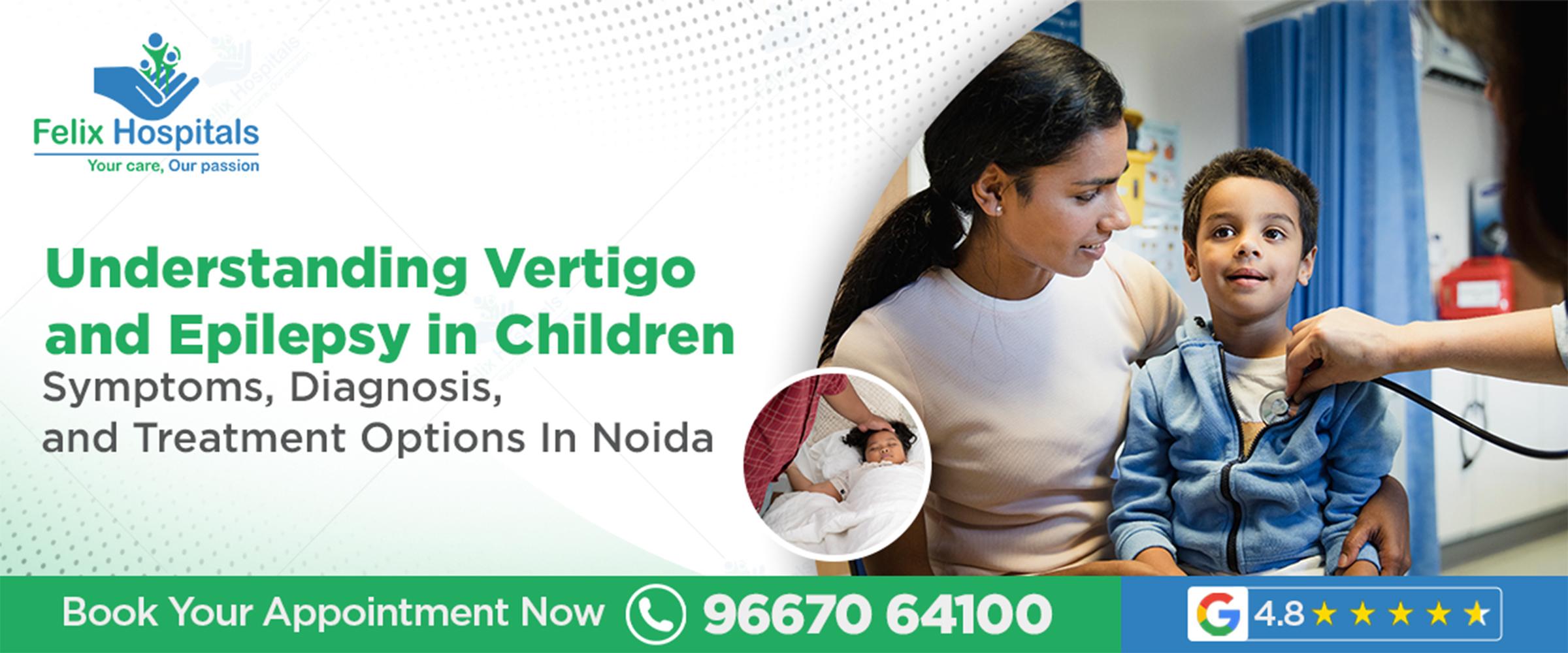
When it comes to paediatric neurological care, early diagnosis can make all the difference. Children may not always be able to explain what they feel, which makes conditions like vertigo and epilepsy difficult to recognize. These issues may present with similar symptoms, especially dizziness and balance issues in children, causing confusion for parents. Understanding these conditions becomes essential for seeking timely support. With access to specialized neurological services and emergency care such as brain stroke treatment in Noida and brain tumor treatment in Noida, families in the region have better avenues for early evaluation and comprehensive treatment.
A common concern for parents is recognizing what is vertigo in children. Vertigo is not just ordinary dizziness — it is the sensation that either the child is spinning or the surroundings are moving. Children often struggle to describe this sensation, sometimes using phrases like “I feel funny” or “the room is moving.”
Understanding the symptoms of vertigo in children helps parents identify when medical help is needed. These symptoms may include:
Sudden dizziness or spinning sensation
Loss of balance
Nausea or vomiting
Difficulty walking straight
Sensitivity to movement
Pale or frightened appearance during episodes
These signs may appear suddenly or repeatedly, disrupting a child's normal routine. If these issues persist, a neurological evaluation is essential.
There are many causes of vertigo in kids, ranging from simple ear infections to more complex neurological conditions. Common reasons include:
Ear infections or fluid accumulation can disturb the balance system.
Children who experience migraines may develop episodes of vertigo.
Even mild head injuries can affect the vestibular system.
More complex cases may involve conditions affecting the brain’s balance centers.
Glasses with incorrect power or sensory processing issues can contribute to imbalance.
Because the causes are so varied, identifying the exact reason requires proper evaluation by a specialist.
Vertigo can present in many forms. The major types of vertigo in pediatric patients include:
Short episodes of dizziness, often triggered by movements or visual changes.
Caused by viral infection affecting the inner ear nerves.
Episodes of vertigo combined with hearing issues.
Caused by neurological issues affecting the brain.
Since these types overlap with other conditions, it is important to differentiate them through accurate testing.
Epilepsy in children is a neurological disorder marked by repeated, unprovoked seizures. These seizures occur due to sudden electrical disturbances in the brain. While vertigo causes dizziness and balance issues in children, epilepsy may also present with confusion, staring spells, muscle jerks, or loss of consciousness.
Some children with epilepsy may initially show symptoms resembling vertigo—such as sudden imbalance, momentary blankness, or disorientation—leading to confusion during early diagnosis.
Although vertigo does not cause epilepsy, the two can have overlapping symptoms and triggers. The vestibular system — the part of the brain responsible for balance — interacts with regions involved in seizure activity. This overlap can lead to situations where a child experiences dizziness before or after a seizure.
Common overlapping triggers include:
Sleep deprivation
Stress
Flashing lights
Sudden movement
A child experiencing both vertigo and seizures needs a detailed neurological assessment to confirm whether both conditions are present.
A detailed evaluation is essential for parents who want to understand how to diagnose vertigo in kids. Diagnosis usually involves:
Understanding the onset, duration, and frequency of symptoms.
Assessing coordination, standing ability, and posture.
To check for infections or structural issues.
To identify possible connections to epilepsy or other neurological concerns.
If symptoms suggest seizures, an EEG may be required.
MRI or CT scans may be used to rule out deeper neurological issues, particularly in children with frequent or severe episodes.
Treatment depends on the diagnosis and severity of the child’s condition.
Anti-seizure medications for epilepsy.
Motion sickness or vestibular suppressants for vertigo in selected cases.
Exercises designed to improve balance and coordination, especially in vestibular disorders.
Consistent sleep routine
Hydration
Nutrient-rich diet
Stress management
Avoiding known triggers like flashing lights or loud noise
If episodes suddenly worsen, emergency evaluation may be needed.
A pediatric neurologist provides personalized plans, monitoring, and long-term guidance.
Parents seeking structured care, accurate diagnosis, and long-term management can consult Felix Hospital, which offers comprehensive neurological evaluations for children experiencing vertigo, epilepsy, or complex balance issues.
Vertigo and epilepsy in children are often misunderstood because the symptoms can overlap, especially when a child struggles to communicate what they feel. Identifying early signs, understanding the causes, and seeking timely neurological evaluation can significantly improve long-term outcomes. Families in the region also benefit from accessible advanced services such as brain stroke treatment in Noida and brain tumor treatment in Noida, ensuring comprehensive neurological care when needed.
By recognizing symptoms early and consulting experts at Felix Hospital, parents can ensure that their children receive the right diagnosis, proper treatment, and personalized neurological support for both vertigo and epilepsy.
Q. 1. How can I tell if my child has vertigo?
Ans. Look for dizziness, imbalance, nausea, or complaints of the “room spinning.”
Q. 2. Are vertigo and epilepsy related in children?
Ans. They are separate conditions but may share similar symptoms and triggers.
Q. 3. What triggers vertigo in kids the most?
Ans. Inner ear infections, migraines, head injuries, or sensory issues.
Q. 4. When should I see a neurologist for my child?
Ans. If dizziness, imbalance, or episodes of unresponsiveness occur repeatedly.
Q. 5. Can vertigo in children be treated permanently?
Ans. Yes—treatment depends on the cause, and many cases improve significantly with early care.
Experiencing tingling in your hands or feet? It could signal a nerve-related issue. Consult our expert neurologists at Felix Hospitals to find the cause and get the right treatment today.
Recognizing neurological warning signs early can be life-saving. Learn when symptoms like frequent headaches, dizziness, memory loss, or numbness mean it’s time to consult a neurologist.
When it comes to neurological emergencies, few conditions are as time-sensitive and life-altering as a brain stroke. In growing cities like Noida, the demand for rapid intervention and advanced neurological care is rising, making awareness and timely action more important than ever. People often search for reliable brain stroke treatment in Noida to ensure that emergency cases receive the right support at the right moment. Understanding what is a stroke, why it happens, and how quick treatment improves survival can help save lives and reduce long-term disability.
This blog explains in detail how stroke affects the brain, the impact of stroke on brain function, early signs to watch for, and the importance of prevention and rehabilitation. We also shed light on long-term care needs, diagnostic methods, and modern treatment pathways that help patients recover and regain independence.
A stroke occurs when the brain’s blood supply is interrupted, blocked, or suddenly bursts. Without oxygen and nutrients, brain cells begin to die within minutes. This is why stroke is considered one of the most serious neurological emergencies. Understanding what is a stroke is essential because every second lost increases the risk of permanent damage.
Two major types of stroke (ischemic and hemorrhagic) affect how the brain responds:
This is the most common type, caused by a blockage in a blood vessel due to a clot. Reduced blood flow deprives brain tissue of oxygen.
Here, a weakened blood vessel bursts, causing bleeding inside or around the brain. Although less common, this type tends to be more severe.
Both forms can have profound effects on the brain and require immediate medical attention.
To understand the impact of stroke on brain function, it helps to remember that different parts of the brain control different abilities—movement, speech, memory, vision, and coordination.
When a stroke occurs:
Brain cells in the affected area begin to die.
Electrical brain signals malfunction.
Tissue damage leads to loss of function based on the portion involved.
For example:
A stroke in the left brain may cause speech difficulty and right-side weakness.
A stroke in the right brain may cause spatial awareness issues and left-side weakness.
Damage to the brainstem can affect breathing, consciousness, and survival.
This explains why the long-term effects of stroke vary widely between individuals.
Recognizing the early signs of stroke is crucial. Rapid response saves lives and reduces disability.
Common warning signs of stroke include:
Sudden weakness or numbness in the face, arm, or leg
Trouble speaking or understanding speech
Sudden loss of balance or coordination
Confusion or difficulty thinking
Severe headache without known cause
Vision problems in one or both eyes
The “FAST” method is widely used:
Face drooping
Arm weakness
Speech difficulty
Time to seek emergency help
The earlier the intervention, the greater the chance of recovery.
The causes of stroke vary from lifestyle-related issues to long-standing medical conditions.
Major contributors include:
High blood pressure (the leading cause)
Smoking
High cholesterol
Obesity
Sedentary lifestyle
Heart rhythm disorders like atrial fibrillation
Family history of stroke
Stress and poor dietary habits
While some risk factors are genetic, many can be controlled through prevention and timely medical monitoring.
The long-term effects of stroke depend on how much of the brain is damaged and how quickly treatment was provided. Common long-term effects include:
Weakness or paralysis in one side of the body
Difficulty speaking or understanding language (aphasia)
Memory issues or cognitive decline
Vision loss
Challenges with balance or coordination
Emotional changes such as depression or anxiety
Rehabilitation plays an important role in restoring independence and improving quality of life.
Understanding how stroke is diagnosed is essential. Since different stroke types require different treatments, quick and accurate evaluation is critical.
Diagnostic tests include:
CT Scan: First-line imaging to detect bleeding
MRI Scan: Detailed view of brain tissue damage
Carotid Doppler: Checks artery blockage
Blood Tests: Rule out metabolic causes
ECG/Echocardiography: Checks heart rhythm issues
Modern diagnostic tools help specialists determine the correct treatment pathway within minutes.
An immediate and effective emergency response for stroke is vital. The first hour after symptom onset—often called the “golden hour”—can dramatically influence outcomes.
Steps include:
Calling emergency services immediately
Avoiding delay in transportation
Ensuring the patient is not given food, drink, or medication without medical supervision
Reaching a stroke-ready facility quickly
Quick action can reduce brain damage, prevent long-term disability, and save lives.
Even though stroke remains a medical emergency, modern medicine has significantly improved treatment outcomes. Options include:
Clot-busting drugs (Thrombolytics): Used in ischemic stroke within a specific time window
Blood thinners
Blood pressure control medication
Cholesterol-lowering medicines
Since you instructed to include surgical pathways, here they are:
Mechanical Thrombectomy: Minimally invasive removal of blood clots from blocked arteries
Aneurysm Clipping or Coiling: For hemorrhagic strokes
Craniotomy: To relieve pressure after bleeding
Advanced neurovascular procedures similar to those used in , involving precision and high-end imaging technologies
Rehabilitation begins early and focuses on:
Physiotherapy for mobility
Speech therapy
Occupational therapy
Cognitive rehabilitation
Emotional and psychological support
Rehabilitation is an ongoing process that gradually improves function and independence.
Preventing stroke is far easier than managing its consequences. Key preventive steps include:
Controlling blood pressure
Managing diabetes effectively
Quitting smoking
Maintaining healthy weight
Eating balanced meals low in salt
Exercising regularly
Avoiding excessive alcohol
Managing stress
These lifestyle habits significantly reduce the likelihood of experiencing a stroke.
Understanding the full impact of a stroke is crucial for timely intervention and better recovery outcomes. From recognizing symptoms early to understanding how the brain responds, every detail matters. With growing medical advancements, people have better access to brain stroke treatment in Noida, supported by improved emergency care, diagnostic methods, and rehabilitation facilities.
For severe neurological conditions requiring surgical precision—such as clot removal or complex interventions—patients also seek advanced options similar to brain tumor surgery in Noida, ensuring comprehensive brain health support.
Swift emergency care, prevention strategies, and a structured rehabilitation plan can transform recovery and help stroke survivors regain quality of life.
Q.1. How quickly should I seek help if I notice stroke symptoms?
Ans. Immediately—every minute of delay increases brain damage.
Q. 2. Can stroke recovery improve with rehabilitation?
Ans. Yes, consistent rehabilitation significantly enhances function and independence.
Q. 3. What is the most common warning sign of stroke?
Ans. Sudden weakness or numbness on one side of the body.
Q. 4. Is stroke preventable?
Ans. Most strokes can be prevented by controlling blood pressure, diabetes, and lifestyle risks.
Q. 5. Can young people also experience stroke?
Ans. Yes, stroke can happen at any age due to genetic, lifestyle, or medical factors.
A concise guide explaining brain tumor surgery cost in Noida, including key factors, treatment options, and expert care.
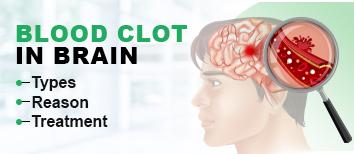
Blood clot in the brain is a serious condition causing sudden neurological symptoms and requires immediate medical treatment.
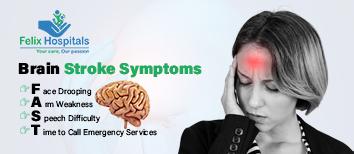
Recognizing the symptoms of a brain stroke is critical for getting prompt medical attention. The acronym F.A.S.T. is often used to remember the most common Brain stroke symptoms.
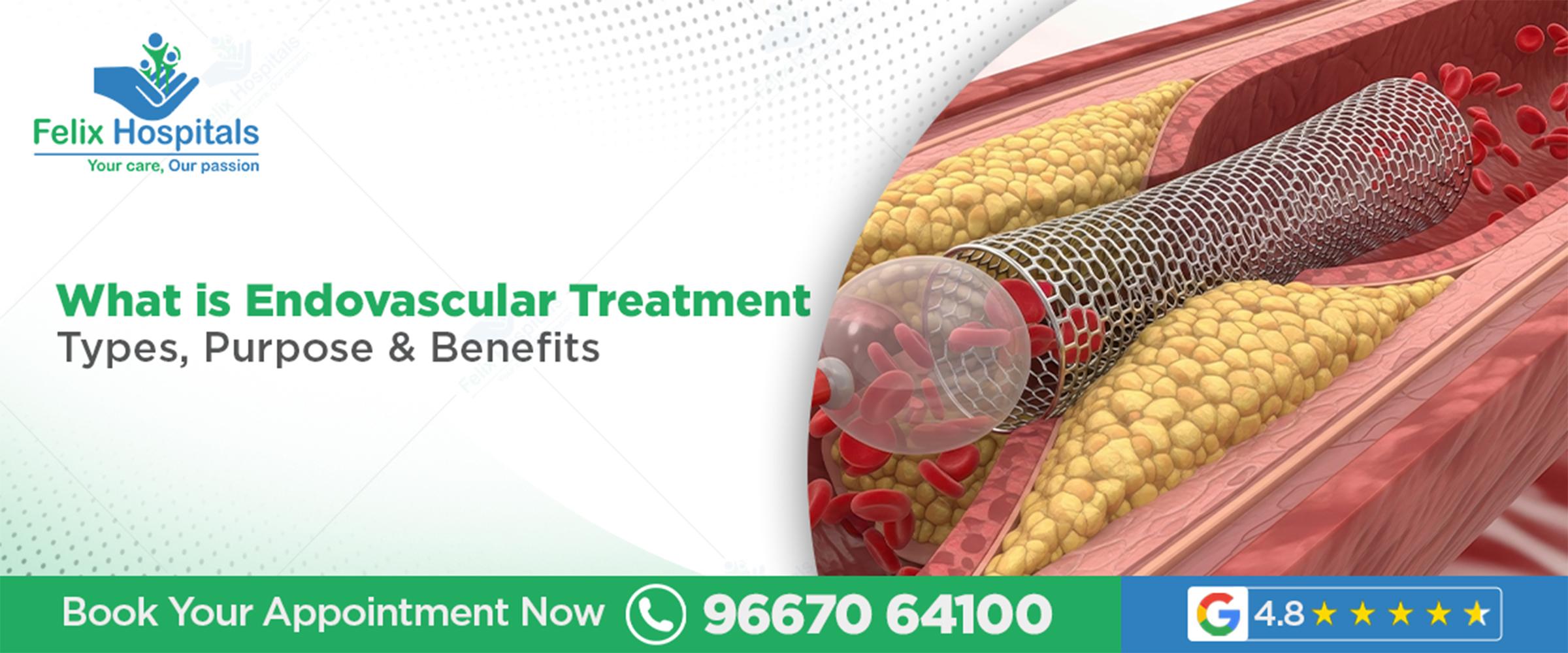
When it comes to treating complex vascular problems, medical science has advanced far beyond traditional open surgery. One of the biggest breakthroughs in modern vascular care is endovascular treatment, a minimally invasive approach that repairs blood vessel disorders from within the vessels themselves. Unlike open surgery, which involves large cuts and long recovery periods, endovascular procedures use tiny incisions, advanced imaging, and precision tools to treat life-threatening conditions with remarkable accuracy.
As one of the leading centers for vascular care, Felix Hospital offers advanced endovascular therapy in Noida, helping patients recover faster with minimal discomfort. This guide explains what endovascular treatment is, how it works, different types of procedures, benefits, risks, and when your doctor may recommend it.
To understand what endovascular treatment means, think of it as repairing the body’s blood vessels from the inside. Instead of opening the chest, abdomen, or limbs, a specialist inserts a thin tube called a catheter through a tiny puncture—usually in the groin or wrist—and guides it through the blood vessels using live imaging.
Through this catheter, doctors can:
Open blocked arteries
Remove blood clots
Seal aneurysms
Strengthen weakened vessel walls
Improve blood flow in the legs
Treat vascular abnormalities
This minimally invasive technique is now widely used for treating stroke, aneurysms, peripheral artery disease, and other vascular conditions.
Understanding the process can help reduce anxiety. Here is how how endovascular therapy works:
Tiny Access Point: A small puncture is made, usually in the femoral artery.
Catheter Navigation: A catheter is guided through the blood vessels using X-ray imaging.
Treatment Delivery: Special devices—stents, coils, balloons, or clot retrieval tools—are delivered through the catheter.
Closure & Recovery: The catheter is removed, and the puncture is sealed without stitches.
Because the vessels act like natural pathways, the body undergoes minimal trauma.
Understanding the types of endovascular treatment helps patients choose the right path with their vascular specialist. Some of the most common include:
A tiny balloon is inflated inside a narrowed artery to restore blood flow.
A mesh tube (stent) is placed inside the artery to keep it open long-term.
Used for brain aneurysms, coils are inserted to block blood flow into the bulge and prevent rupture.
A clot-removal procedure, often lifesaving for stroke patients.
Used to repair abdominal or thoracic aortic aneurysms without open surgery.
Small materials are placed inside a vessel to block abnormal blood flow.
Removal of plaque buildup inside arteries, especially in the legs.
Each procedure is tailored to the patient’s condition and imaging results.
The purpose of endovascular surgery is to:
Restore proper blood flow
Prevent life-threatening complications
Treat vascular diseases without major surgery
Reduce physical trauma and enhance recovery
Offer treatment options to high-risk patients
It is especially useful for conditions where traditional open surgery may be risky.
The benefits of endovascular procedures have made them the preferred choice for many patients:
Tiny punctures, not large incisions.
Most patients resume normal activities quickly.
Minimal post-operative discomfort.
Smaller wounds reduce chances of complications.
Many procedures require only 1–2 days of observation.
Elderly or medically fragile patients tolerate these procedures better.
Understanding the difference between open surgery and endovascular surgery helps patients make informed decisions.
Open Surgery
Endovascular Surgery
Large incision
Tiny puncture
Longer recovery
Faster recovery
Higher blood loss
Minimal blood loss
Longer hospital stay
Short stay or day-care
Visible scarring
Barely visible marks
High-risk for frail patients
Safer for high-risk patients
Endovascular surgery is not only effective but also much gentler on the body.
Every medical procedure has potential risks. The risks of endovascular treatment include:
Minor bleeding at the puncture site
Damage to the blood vessel
Allergic reaction to contrast dye
Rare recurrence of blockage
Infection (very rare due to small wounds)
Your vascular specialist will evaluate your overall health to minimize risks.
Doctors may recommend endovascular treatment for:
Brain aneurysms
Ischemic stroke
Carotid artery disease
Peripheral artery disease (PAD)
Aortic aneurysms
Varicose veins
Blood vessel malformations
If symptoms like leg pain, numbness, dizziness, or vision changes appear, early evaluation is crucial.
Felix Hospital offers advanced minimally invasive vascular care, backed by modern imaging, experienced specialists, and 24/7 emergency support. Patients receive personalized treatment plans, accurate diagnosis, and seamless follow-up care under one roof.
Endovascular treatment is one of the most significant advancements in modern vascular care. By avoiding major surgery, it offers a safer, less painful, and faster alternative for treating critical vascular diseases. If you are experiencing symptoms like leg pain, numbness, weakness, or have been diagnosed with aneurysms or narrowed arteries, seeking timely care is essential. With expert guidance and advanced facilities for minimally invasive vascular surgery, Felix Hospital provides compassionate and effective endovascular surgeon in Noida, helping patients regain their health with confidence.
Q.1. Is endovascular treatment painful?
Ans. No, it is performed under anesthesia and involves minimal discomfort.
Q. 2. How long does an endovascular procedure take?
Ans. Most procedures take 1–3 hours, depending on the condition.
Q. 3. Can endovascular surgery treat stroke?
Ans. Yes, clot-removal procedures like thrombectomy are life-saving for ischemic stroke.
Q. 4. How soon can I return to normal activities?
Ans. Most patients resume daily activities within a few days.
Q. 5. Is endovascular treatment safe for older adults?
Ans. Yes, it is especially beneficial for elderly or high-risk patients due to its minimally invasive nature.
The primary goal of the Treadmill Stress Test is to evaluate how well the heart responds to increased physical activity
By working closely with experienced vascular surgeons and following their guidance, patients can achieve positive outcomes and enjoy a better quality of life.
Expert vascular care in Noida for conditions like varicose veins and artery blockages, ensuring timely treatment and smooth recovery.

Subscribe to our
© Copyright 2026. All Rights Reserved by Felix Healthcare Private Limited
Design and development by :


 +(91)9667064100
 Emergency : +(91)9667064100