 WhatsApp
 Emergency:
  WhatsApp






Subscribe to our
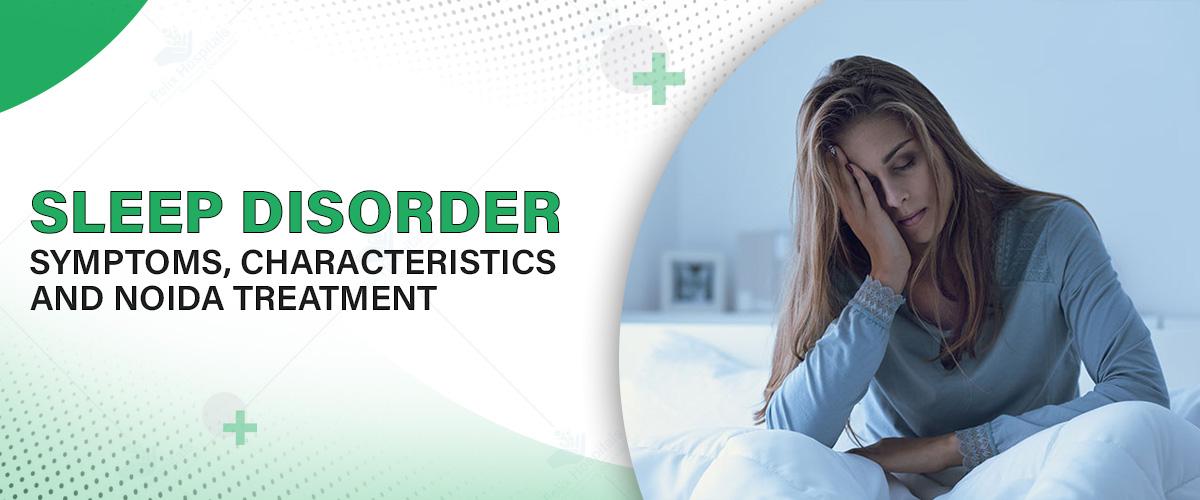
Sleep is among the most crucial processes in staying healthy and emotionally balanced. Sleep helps the body and mind rejuvenate, recharge, and ready oneself for a brand new day. Yet, in the fast-paced world that we live in, more and more individuals are experiencing sleep disorders — illnesses that hamper quality sleep. Whatever the cause — stress, lack of good lifestyle, or illness, undiagnosed and untreated sleep disorders can steadily erode physical and mental health.
If you tend to wake up tired, are unable to sleep, or snore and experience breath interruptions during sleep, it can be more than fatigue. These can signpost an underlying disorder that requires expert diagnosis. Timely Sleep disorder consultation in Noida can create awareness about the cause and restore a healthy sleep pattern.
Call us at +91 9667064100 now to talk to an expert, home assistance, and referrals to the best sleep doctors in Noida.
A sleep disorder is a disorder that interferes with the regular sleep patterns, resulting in poor quality or an inability to sleep. The disorders can disrupt the quality or amount of sleep — they can, in rare situations, prove deadly. Even though periodic nights of sleeplessness are the norm, repeated interruptions that persist over months or weeks can signal the presence of an ongoing disorder.
The sleep disorders are divided according to the nature of the disturbance: sleep difficulty in falling, excessive sleepiness during the day, irregular time of sleep, or abnormal movement while asleep. The conditions can affect daily living, presenting as tiredness, lack of concentration, changing moods, and even long-term medical issues.
The good news is that the majority of the sleep problems are reversible or can be managed with the right diagnosis and treatment of sleep problems in Noida through therapy, medication, and lifestyle changes.
These sleep disorders rarely occur without any reason. Identification of the cause helps in the proper treatment. The most common causes that result in the sleep disorder are as follows:
Stress, depression, and anxiety are among the chief causes of poor sleep. Distressing feelings or overthinking create tension, making comfort difficult, leading to sleeplessness or frequent waking up.
Late-night screen exposure, irregular sleeping hours, or heavy caffeine consumption can disrupt the body’s natural circadian rhythm, making it difficult to fall asleep.
Chronic pain, acid reflux, thyroid imbalance, heartburn, or asthma very frequently disrupt uninterrupted sleep. The patient suffering from these illnesses can feel uneasy and unable to sleep.
These diseases, like Parkinson's disease, epilepsy, or Alzheimer's disease, can disrupt the functions in the brain that govern sleeping cycles.
Some drugs (such as stimulants, anabolic steroids, and antidepressants) or heavy use of alcohol and tobacco chewing can influence the quality of sleep.
Sleep disorders rise in prevalence in the elderly due to hormonal changes as well as in the sleep centers in the brain.
Early diagnosis of the causes and consulting the Best Neurology Hospital in Noida helps in getting the right treatment and customized care.
The sleep disorders come in all forms, all with their own symptoms and consequences. The most common among these are as follows:
Most common sleep disorder, insomnia is an inability to either fall asleep or remain asleep. Insomnia can either be acute in character (brief) or chronic in character (prolonged) and is often triggered by stress or lifestyle situations. Chronic insomnia can also be the result of depression or anxiety.
A severe disorder in which cessation of breathing during sleep recurs. Individuals suffering from sleep apnea tend to snore excessively and awaken with gasps to catch breath. It lowers the body's oxygen levels, resulting in lethargy and heart issues when left untreated.
A neurological condition where a patient feels the uncontrollable urge to move his or her legs when he or she is resting. The feeling tends to interfere with sleep and make one exhausted the following day.
The rare illness leads to excessive sleepiness during the day and abrupt sleep attacks. The neurological disorder impairs the ability of the brain to regulate the sleep-wake cycles.
These take place when your body's internal clock doesn't match the natural day-night rhythm of the environment. Shift workers or long-distance passengers generally experience this.
This group includes abnormal behaviors during sleep, such as sleepwalking, night terrors, or talking during sleep.
These conditions all vary in their symptoms, yet they all carry something in common — poor quality sleep that can impact overall health.
Early indication of a sleep disorder can lead to early diagnosis. Most frequent indicators are:
Trouble sleeping even when feeling tired
Waking up regularly at night
Snorting or gagging noises during sleep
Morning headache or sore throat
Excessive daytime sleepiness
Mood alterations such as irritation or discomfort
Poor focus and concentration at work or school
Forgetfulness or confusion often
Restless or jerky while sleeping
In more severe cases like sleep apnea, patients may at times cease to breathe during sleep without their knowledge — so early assessment by a physician is crucial.
Long-term sleeping issues can cause long-range consequences for overall health. Quality sleep loss can dampen the immune system and increase the chance of:
High blood pressure and heart disease
Diabetes and obesity patient
Depression and anxiety disorders
Impaired concentration and adverse decision-making
Memory loss
Low sexual desire
Impaired immune function and repeated illness
If these signs are overlooked, there is the possibility of losing both physical as well as mental performance. Noida neurologists can guide in the diagnosis of the causes and prevention of long-term damage.
When there is sufficient diagnosis, proper treatment ensues. The physicians can utilize different approaches of determining the quality of sleep and determining abnormal patterns, including:
Polysomnography (Sleep Study): An overnight, comprehensive test, which tracks the brain waves, breathing, and the amount of oxygen.
EEG and ECG Tests: Tests are done to monitor the activity of the brain and heart during sleep.
Blood Tests: To rule out hormonal or metabolic disturbances.
Actigraphy: A wearable that monitors sleep-wake activity over several days.
These help identify whether your disorder is related to insomnia, sleep apnea, or some other disorder that needs special treatment.
Treatment for the sleep disorders depends upon the cause and the severity. Most common and efficient treatments are:
Even small daily modifications can really help with sleep. These are:
Following a regular sleep schedule
Avoiding caffeine and alcohol before bedtime
Limiting evening exposure to the screen
Creating a calm, dark, and silent sleeping environment
Engaging in light exercise and meditation
The Cognitive Behavioral Therapy for Insomnia (CBT-I) seeks to identify the negative thought pattern and substitute it with positive sleep practices.
The doctors can provide short-term sleeping medication, melatonin supplements, or anti-anxiety drugs as the situation arises. These can only be used under the expert's supervision.
It treats sleep apnea in patients very efficiently. CPAP prevents the airway being blocked while asleep and prevents the deprivation of oxygen.
In the severe instances of the sleep apnea or clogged nose, surgery may be recommended to improve breathing and airflow..
Herbal teas, aromatherapy, yoga, and mindfulness meditation can help with peaceful sleep and stress reduction in the case of mild instances.
Proper medical guidance provided by the Best Neurology Hospital in Noida helps patients recover stable healthy sleep patterns along with a refreshed mindset.
Prevention is better than cure. The following are fundamental yet robust daily routines in order to sleep healthy:
Keep the same routine for sleeping and rising.
Do not eat heavy or consume caffeine in the later evening.
Relax tension with deep breath or soft yoga.
Keep the bedroom dark, silent, and cold.
Don't overuse the cell phone or television at bedtime.
Short naps are acceptable every so often, yet not before bedtime.
Restrict smoking and drinking.
These small adjustments can go a long way toward preventing chronic sleep disturbances.
Call us at +91 9667064100 today and start the way to smooth, continuous sleep.
The body's hidden healer is sleep — it rejuvenates energy, heals tissues, and balances the mind. However, millions of people quietly suffer from sleep disorders that slowly impact their health and lifestyle. Whatever the reason, whether it's insomnia, sleep apnea, or other interruptions, identifying the symptoms early and treatment at the Best Neurology Hospital in Noida can create a lifesaving impact.
If you feel fatigued all the time, snore loudly, or can't focus while at work, refrain from neglecting the issue. Look for neurologists in Noida who are certified sleep disorder consultants and can help in the appropriate diagnosis and management.
Restoration of healthy sleep is not just sleep — restoration of health, happiness, and sense of peace.
Begin today — because a good nights sleep is the path to a better tomorrow.
Q. 1. How can I tell whether my sleep problems are severe enough to require the assistance of a physician?
Ans. If there is ongoing fatigue, snoring, waking up often, or a shift in mood even after having slept for several hours, then there is a necessity for medical assistance. These are early signs of a hidden sleep disorder that can never be overlooked.
Q. 2. Is stress or anxiety really the reason for sleep disorders?
Ans. Yes. Anxiety and stress can directly impair your sleep-regulating component of the brain, causing difficulty falling or staying asleep. Stress is frequently addressed as part of the treatment by managing stress with therapy, relaxation, or lifestyle modifications.
Q. 3. What is performed during a sleep study (Polysomnography)?
Ans. During a sleep study, sensors in bed track your heart, breath, brain waves, and oxygen. Based on the findings, the test helps doctors identify the presence of sleep apnea, insomnia, or another disorder that requires targeted treatment.
Q. 4. Is there an association of sleep disorder with other diseases?
Ans. Yes. Most cases of untreated sleep disorders go hand in hand with hypertension, obesity, diabetes, and heart disease. Early treatment not only treats the sleep disorder, it prevents long-term effects.
Q. 5. Can sleep disorder be treated without medicines?
Ans. Yes, in most instances. Non-pharmacological management of sleep includes behavioral treatments, lifestyle modifications, and relaxation techniques such as yoga or meditation and can significantly improve sleep.
Q. 6. What will be the time required to beat a sleep disorder?
Ans. The recovery is determined by the cause and severity. Others who are known to have chronic conditions can be under long-term treatment and frequent monitoring, and some patients report betterment after few weeks due to lifestyle changes.
Q. 7. How can sleep disorders in the long term be prevented best?
Ans. Establishing regular sleep habit, reduced consumption of caffeine and phones at bed-time, as well as early treatment of stress, are the most crucial precautionary steps. Periodic health check-ups with neurologists in Noida also facilitate early diagnosis of future sleeping disorders.
During sleep, the body releases growth hormones, which are essential for a child's growth and development. Adequate sleep is vital for muscle development, tissue growth, and the overall physical health of a child.
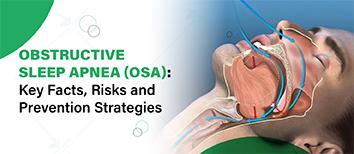
Obstructive Sleep Apnea occurs when the muscles in the throat relax excessively during sleep, causing the airway to become partially or fully blocked.

Lack of sleep silently damages your body and mind. Discover 10 shocking ways poor sleep affects your health, immunity, heart, and mental well-being.
Having trouble breathing while sleeping? Discover the best sleep positions to improve airflow and ensure restful sleep.
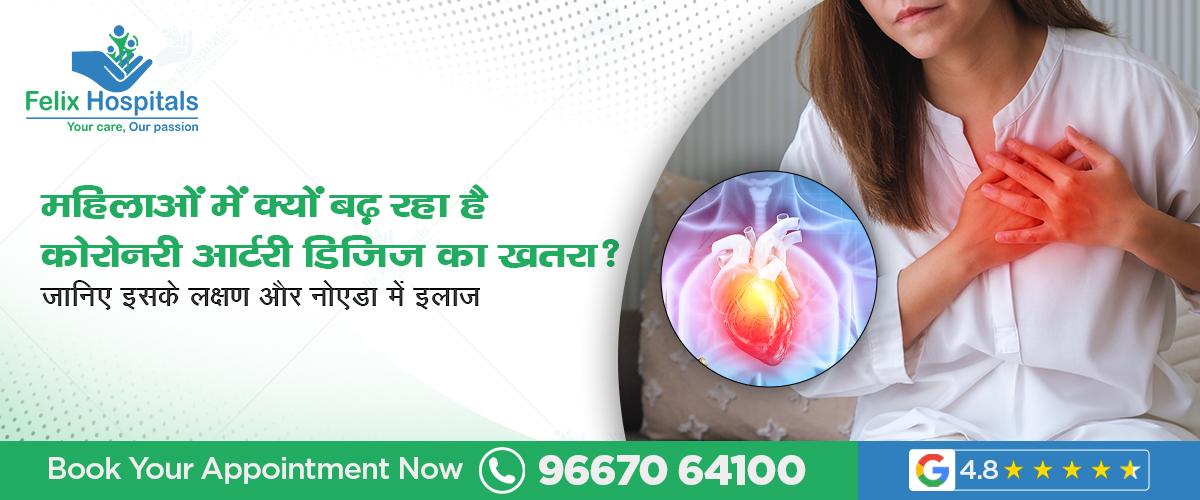
दिल की बीमारियां पहले पुरुषों तक सीमित मानी जाती थीं। लेकिन अब यह धारणा पूरी तरह बदल चुकी है। पिछले एक दशक में महिलाओं में कोरोनरी आर्टरी डिजीज (सीएडी) तेजी से बढ़ी है। तनाव, हार्मोनल परिवर्तन, असंतुलित जीवनशैली, मोटापा और डायबिटीज जैसे कारण इसके प्रमुख कारण हैं। विशेषज्ञों के अनुसार, समय पर पहचान और उपचार से इस रोग को नियंत्रित कर सकते हैं। नोएडा में महिलाओं के लिए हृदय रोग इलाज (Heart disease treatment for women in Noida) उपलब्ध है। अगर आपको बार-बार थकान, सीने में दर्द या सांस फूलने की समस्या हो रही है, तो समय रहते नोएडा के सर्वश्रेष्ठ कार्डियोलॉजी विशेषज्ञ से परामर्श लें।
ज्यादा जानकारी के लिए कॉल करें: +91 9667064100
कोरोनरी आर्टरी डिजीज (सीएडी) हृदय की उन धमनियों में रुकावट को कहते हैं जो दिल को रक्त और ऑक्सीजन पहुंचाती हैं। जब इन धमनियों में कोलेस्ट्रॉल और वसा (Plaque) जमा होती है तो रक्त प्रवाह बाधित होता है। इससे एंजाइना (सीने में दर्द), सांस फूलना, कमजोरी या हार्ट अटैक (Heart Attack) जैसी स्थिति उत्पन्न होती है।
रजोनिवृत्ति के बाद एस्ट्रोजन हार्मोन का स्तर घटता है, जिससे हृदय को सुरक्षा कम मिलती है।
महिलाओं में भावनात्मक तनाव और अवसाद की संभावना अधिक होती है, जो हृदय रोग का एक छिपा कारण है।
यह दोनों रोग महिलाओं में सीएडी का खतरा दोगुना कर देते हैं।
जंक फूड, मीठे पेय और शारीरिक निष्क्रियता से कोलेस्ट्रॉल का स्तर बढ़ता है।
धूम्रपान और अनियमित नींद दिल की धमनियों को कमजोर करती हैं।
महिलाओं में हृदय रोग के लक्षण पुरुषों से अलग होते हैं। कई बार लक्षण हल्के होते हैं। अनदेखे रह जाते हैं। इनमें से कोई भी लक्षण दिखे तो तुरंत कार्डियोलॉजिस्ट से जांच करानी चाहिए।
सीने में दबाव या जलन
सांस लेने में कठिनाई
अचानक पसीना आना या मतली
गर्दन, जबड़े या पीठ में दर्द
थकान या चक्कर आना
नींद की गड़बड़ी या बेचैनी
पारिवारिक इतिहास
40 वर्ष से अधिक आयु
रजोनिवृत्ति के बाद हार्मोनल असंतुलन
अधिक वजन या मोटापा
ब्लड प्रेशर, डायबिटीज या हाई कोलेस्ट्रॉल
धूम्रपान और शराब का सेवन
महिलाओं में कोरोनरी आर्टरी डिजीज (सीएडी) की पहचान पुरुषों के मुकाबले चुनौतीपूर्ण होती है क्योंकि लक्षण अक्सर हल्के या अलग होते हैं। इसके लिए कई प्रकार की जांच की जाती हैं:
ईसीजी:
हृदय की विद्युत गतिविधियों को रिकॉर्ड करके दिल की धड़कन की नियमितता, रुकावट या पहले हुए हार्ट अटैक के संकेतों का पता लगाया जाता है।
ट्रेडमिल टेस्ट (टीएमटी):
इसे स्ट्रेस टेस्ट भी कहते हैं। मरीज को ट्रेडमिल पर चलाया जाता है और दिल की प्रतिक्रिया, रक्तचाप और हार्ट रिदम की जांच की जाती है। यह हृदय की कार्यक्षमता और रक्त प्रवाह का मूल्यांकन करने में मदद करता है।
2D इको और स्ट्रेस इको:
इकोकार्डियोग्राफी से हृदय की पंपिंग क्षमता, वाल्व की स्थिति और हृदय की संरचना का विस्तृत चित्र मिलता है। स्ट्रेस ईको में व्यायाम के दौरान हृदय की प्रतिक्रिया देखी जाती है।
कार्डियक एंजियोग्राफी:
इस जांच में हृदय की धमनियों में ब्लॉकेज का पता लगाने के लिए कंट्रास्ट डाई और एक्स-रे का उपयोग किया जाता है। यह सर्जरी या स्टेंट लगाने की योजना बनाने में सहायक है।
ब्लड टेस्ट (लिपिड प्रोफाइल, एचबीए 1 सी, सीबीसी):
कोलेस्ट्रॉल, शुगर और अन्य ब्लड पैरामीटर की जांच से हृदय रोग के जोखिम और संक्रमण की संभावना का पता चलता है।
महिलाओं में सीएडी का इलाज रोग की गंभीरता, ब्लॉकेज की मात्रा और रोगी की उम्र व स्वास्थ्य पर निर्भर करता है।
ब्लड थिनर:
रक्त के थक्के बनने से रोकते हैं और धमनियों में ब्लॉकेज कम करने में मदद करते हैं।
बीटा ब्लॉकर:
दिल की धड़कन और ब्लड प्रेशर नियंत्रित करते हैं, जिससे हृदय पर दबाव कम होता है।
नाइट्रेट्स:
सीने में दर्द (एंजाइना) को कम करने और रक्त प्रवाह बढ़ाने में सहायक।
स्टैटिन्स:
कोलेस्ट्रॉल स्तर को नियंत्रित कर धमनियों में वसा जमाव को रोकते हैं।
एंजियोप्लास्टी:
अवरुद्ध या संकरी हुई धमनियों में स्टेंट लगाया जाता है, जिससे रक्त प्रवाह सामान्य हो जाता है। यह प्रक्रिया कम इनवेसिव होती है और जल्दी रिकवरी संभव होती है।
कोरोनरी आर्टरी बाईपास सर्जरी (सीएबीजी):
जब ब्लॉकेज अधिक हो और दवाओं या एंजियोप्लास्टी से राहत न मिले, तो सर्जरी द्वारा नया रक्त मार्ग बनाया जाता है। यह हृदय तक पर्याप्त ऑक्सीजन और रक्त पहुँचाने में मदद करता है।
कार्डियक रिहैबिलिटेशन:
सर्जरी या अन्य उपचार के बाद व्यायाम, संतुलित आहार, तनाव प्रबंधन और काउंसलिंग के माध्यम से हृदय की कार्यक्षमता बढ़ाई जाती है। यह रोगी को दोबारा हार्ट अटैक से बचाने में मदद करता है और सामान्य जीवन शैली में लौटने में सहायक होता है।
संतुलित आहार लें (फाइबर, फल, हरी सब्जियां, ओमेगा-3)।
रोजाना कम से कम 30 मिनट की वॉक करें।
तनाव कम करें, योग और ध्यान करें।
पर्याप्त नींद लें (7-8 घंटे)।
धूम्रपान और शराब से दूर रहें।
नियमित जांच कराएं।
नोएडा में कई प्रतिष्ठित कार्डियोलॉजी अस्पताल और महिला हृदय रोग विशेषज्ञ हैं जो विशेष रूप से महिलाओं के हृदय स्वास्थ्य पर ध्यान देते हैं। नोएडा में महिलाओं के लिए कोरोनरी आर्टरी डिजीज विशेषज्ञ उपलब्ध है। यहां आधुनिक तकनीक जैसे 3डी एंजियोग्राफी, बीटिंग हार्ट सर्जरी, मिनिमली इनवेसिव सीएबीजी और कार्डियक रिहैबिलिटेशन की सुविधा उपलब्ध है। नोएडा में सर्वश्रेष्ठ कार्डियोलॉजी डॉक्टर (Best Cardiology Doctors in Noida) महिलाओं की आवश्यकताओं के अनुसार उपचार योजना बनाते हैं। जिससे जोखिम कम और परिणाम बेहतर हों।
महिलाओं में कोरोनरी आर्टरी डिजीज तेजी से बढ़ रही है। लेकिन इसे समय रहते पहचान कर रोक सकते हैं। लक्षणों को नजरअंदाज नहीं करें। थकान, सांस फूलना, चक्कर आना या सीने में हल्का दर्द भी संकेत होता है। स्वस्थ जीवनशैली, समय पर जांच और सही इलाज से महिलाएं भी दिल की बीमारी (heart disease) पर विजय पा सकती हैं। इलाज में देरी नहीं करनी चाहिए। इलाज में देरी से नुकसान हो सकता है।
प्रश्न 1: क्या महिलाओं में हृदय रोग के लक्षण अलग होते हैं?
उत्तर: हां, महिलाओं में सीने के दर्द की जगह थकान, उल्टी, पसीना या पीठ दर्द जैसे लक्षण दिखते हैं। लक्षण दिखने पर तुरंत इलाज कराना चाहिए।
प्रश्न 2: क्या रजोनिवृत्ति के बाद सीएडी का खतरा बढ़ जाता है?
उत्तर: हां, एस्ट्रोजन हार्मोन घटने से हृदय की सुरक्षा कम होती है। इसलिए डॉक्टर की सलाह पर हर संभव प्रयास करना चाहिए।
प्रश्न 3: क्या सीएडी पूरी तरह ठीक होता है?
उत्तर: यदि शुरुआती अवस्था में पकड़ा जाए तो दवा, आहार और व्यायाम से नियंत्रित कर सकते हैं।
प्रश्न 4: क्या महिलाएं भी बाईपास सर्जरी करवा सकती हैं?
उत्तर: बिल्कुल, आजकल महिलाओं में भी सफलतापूर्वक कोरोनरी आर्टरी बाईपास सर्जरी की जाती है। डॉक्टर लक्षण दिखने पर इलाज करते हैं।
सर्दियों के मौसम में हृदय रोग से जुड़े किसी भी लक्षण को हल्के में न लें और फेलिक्स हॉस्पिटल के अनुभवी हृदय रोग विशेषज्ञों से परामर्श लें।
हार्ट अटैक के मुख्य लक्षण, कारण और तुरंत किए जाने वाले उपचार के बारे में जानें। समय पर पहचान और सही इलाज से जीवन बचाया जा सकता है।
हार्ट अटैक के दौरान समय पर और सही उपचार दिल के दौरे के गंभीर परिणामों को रोक सकता है। सर्दियों में दिल के दौरे के इलाज के लिए समय पर और उचित चिकित्सा सहायता अत्यधिक आवश्यक है।
Cor Pulmonale is a serious disease of the heart that occurs when the heart has to work harder than usual as a result of higher-than-normal pressure in the lungs. With time, the heart gets damaged and the flow of the blood becomes restricted, and a person may experience tiredness, breathlessness, and swelling in the abdomen or lower extremities. Many patients first notice these issues when they begin searching “What are the symptoms of Cor Pulmonale” as the breathing difficulty keeps getting worse.
Even though it is normally ascribed to chronic lung disease complications such as COPD (Chronic Obstructive Pulmonary Disease), asthma, or pulmonary hypertension, Cor Pulmonale may also arise as a sequel to prolonged oxygen deprivation. Understanding the heart and lung connection disease and knowing its symptoms, causes, and diagnosis can help patients seek timely care.
If you or your loved one has been diagnosed with heart problems linked to lung conditions, consulting the Best heart specialist for Cor Pulmonale in Noida ensures early management and better long-term outcomes.
To consult expert pulmonology and cardiology consultants in Noida for complete Cor Pulmonale treatment and care, call +91 9667064100.
The Latin phrase Cor Pulmonale, or "heart of the lungs," indicates right-sided heart failure that develops as a complication of lung disease or disorders that raise pulmonary artery pressure.
Generally, the right ventricle pumps blood to the lungs for oxygenation. If lungs become stiff or if pulmonary vessels tighten, the heart must exert greater force to pump blood. This leads to thickening and enlargement of the right ventricle — a classic sign of Cor Pulmonale.
If left untreated, it advances to chronic right-sided heart failure and affects other organs including the liver and kidneys.
Cor Pulmonale develops gradually, usually as a complication of conditions that disrupt the oxygen exchange process in the lungs.
The most common cause. COPD lowers oxygen levels and obstructs airflow, forcing the heart to work harder.
Elevated lung artery pressure increases resistance against which the heart must pump.
Conditions like pulmonary fibrosis or sarcoidosis stiffen lung tissues, disturbing normal blood flow.
Repeated pauses in breathing cause intermittent oxygen deprivation, stressing both heart and lungs.
A clot blocking the pulmonary artery can raise right-sided heart pressure suddenly.
Low oxygen levels at high altitudes may trigger long-term pulmonary hypertension.
Severe scoliosis or kyphosis compresses the lungs and increases strain on the heart.
People with long-standing respiratory conditions are more vulnerable. Risk is higher in:
Smokers or passive smokers
Individuals with untreated sleep apnea
People in high-pollution environments
Patients with chronic bronchitis or asthma
Workers exposed to chemicals, fumes, or dust
Individuals with congenital heart or lung disorders
If you fall into any of these categories, regular evaluation helps determine when to see a cardiologist for Cor Pulmonale before symptoms become severe.
Symptoms often appear gradually and may be mistaken for simple fatigue or respiratory issues. Recognizing What are the symptoms of Cor Pulmonale early prevents complications. Common signs include:
Persistent shortness of breath even at rest
Weakness after minimal physical activity
Swelling in legs, ankles, or abdomen
Chest discomfort or tightness
Blue-tinged lips or fingertips
Irregular heartbeat
Dizziness or fainting
Advanced cases may include rapid weight gain due to fluid retention and reduced urine output.
Patients often wonder How is Cor Pulmonale diagnosed in Noida, and the process typically includes a mix of physical exam findings and specialized tests.
Doctors check for fluid buildup, swelling, and abnormal heart sounds.
Helpful in assessing oxygen and carbon dioxide levels and ruling out other heart diseases.
Shows irregular heart rhythms and signs of right-sided strain.
Uses sound waves to detect right ventricular thickening or enlargement.
Shows lung abnormalities or heart enlargement.
Evaluate lung capacity and airflow issues.
The most definitive test to measure pulmonary artery pressures.
Although not reversible, Cor Pulmonale can be managed effectively with timely treatment.
Managing COPD, sleep apnea, or pulmonary hypertension is the first step.
Helps reduce pulmonary pressure and heart strain.
Doctors may prescribe:
Diuretics for fluid buildup
Vasodilators to lower lung artery pressure
Anticoagulants to prevent clots
Bronchodilators to ease breathing
Patients are advised to:
Quit smoking
Avoid polluted areas
Follow a low-sodium diet
Perform gentle exercise as recommended
For complex cases, patients may approach centers known for Cor Pulmonale treatment in Noida that offer advanced diagnostics and long-term monitoring.
Keeping the lungs healthy is the best prevention strategy:
Stop smoking immediately
Treat asthma, COPD, and sleep apnea promptly
Avoid dust, fumes, and chemical exposure
Receive recommended flu and pneumonia vaccines
Practice deep breathing exercises or yoga
Regular follow-ups with lung and heart specialists Noida
Patients can improve daily life with supportive care:
Track weight daily
Limit salt intake
Use oxygen therapy as prescribed
Stay active without overexertion
Attend all follow-up visits
Seek medical care immediately if you experience worsening breathlessness or swelling.
Cor Pulmonale is a serious yet manageable condition when detected early and treated appropriately. Understanding its symptoms, causes, and treatments empowers patients to act before the disease worsens. With timely evaluation, lifestyle changes, and proper medical support, individuals can lead stable and fulfilling lives.
If you or someone you know experiences breathlessness, swelling, or chest discomfort, reach out for medical evaluation. You can seek expert care through Cor Pulmonale doctor in Noida for accurate diagnosis and long-term management.
Q. 1. Can cor pulmonale be cured completely?
Ans. Although Cor Pulmonale is generally a chronic condition, treatment of the root cause can manage symptoms and avoid progression. Early diagnosis provides the best results.
Q. 2. What are the first signs of Cor Pulmonale?
Ans. Early symptoms are the ongoing breathlessness, lethargy, and swelling of ankles, and these may slowly increase throughout life.
Q. 3. Do you treat Cor Pulmonale with lifestyle changes?
Ans. Yes. Stopping smoking, a healthy balanced diet, a healthy weight, and daily exercise under the guidance of a doctor can reduce demands on the heart.
Q. 4. When to Screen for Cor Pulmonale?
Ans. All individuals with chronic lung disease, COPD, sleep apnea, or pulmonary hypertension have to undergo regular cardiac evaluation.
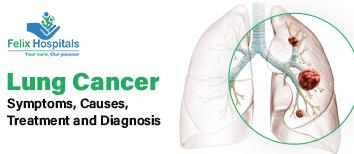
Lung cancer is a serious condition that starts in the lungs and can spread to other parts of the body.
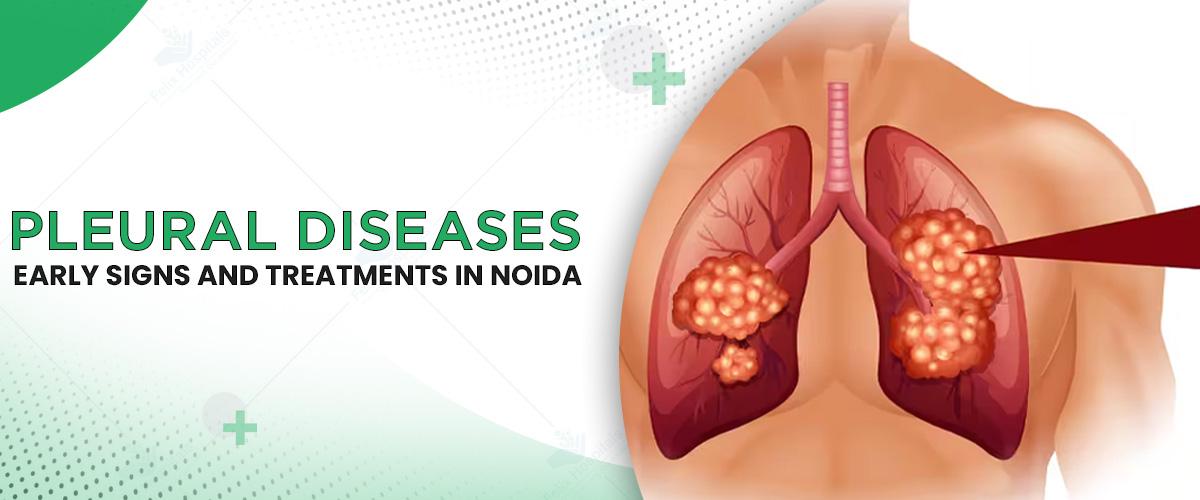
Pleural diseases affect the membrane that surrounds the lungs and chest cavity causing serious respiratory discomfort if untreated. Residents seeking expert care frequently look for a pulmonologist for pleural disease in Noida to receive timely diagnosis and management. Effective pleural disease treatment in Noida provides relief and prevents complications. This blog discusses different pleural conditions, their early signs, causes, diagnosis, and treatment options for patients and families with knowledge about lung pleural problems and when to seek expert help.
Experiencing chest pain or breathlessness? Schedule a consultation with expert pulmonologists in Noida at + 9196670 64100.
Pleural diseases refer to a variety of disorders affecting the pleura, the double-layered membrane enveloping the lungs. An example is the healthy pleura which is a lubricated surface to move the lungs in and out of the lungs easily. When the pleura are inflamed, injured, infected, or accumulate fluid, a range of symptoms and complications arise, collectively called pleural diseases.
Some of the common ones are pleural effusion (accumulation of the fluid), pleuritis or pleurisy (disease), or pleural infection, all of which affect the normal functioning of the lungs and hinder breathing.
Causes of pleural diseases vary widely:
Infections: Disease may spread out to the pleura and result in inflammation or empyema (collection of pus).
Heart failure and liver diseases: May cause transudative effusion on the pleura as a result of fluid overload.
Cancer: The malignant pleural effusions are commonly due to cancer of the lungs or metastases.
Pulmonary embolism: The presence of blood clots in the vessels of the lungs makes pleural inflammation possible.
Autoimmune disorders: These include lupus or rheumatoid arthritis of pleura.
Trauma: Surgery or injury in the area of the chest may result in pleural damage.
Understanding the underlying cause is critical to guiding pleural disease treatment.
Recognizing early signs of pleural disease helps in prompt evaluation:
Acute or slow development of chest pain, which is generally sharp and gets worse with deep breathing or coughing.
Diaphoresis is un attributable to other diseases.
Infected cases have a dry cough or sputum productive cough.
Indication of infection or inflammation fever, chills or night sweats.
Inadequacy or fatigue that comes about as a result of impaired oxygen exchange.
Symptoms of pleural effusion, a common pleural disorder characterized by excess fluid between lung layers, include:
Breathing distress or deep and shallow breaths.
Flat or the absence of breath sounds on the side of the damage.
Heavy discomfort in the chest.
In extreme cases when oxygen saturation is decreased leading to cyanosis.
Pleural pathologies (also known as empyema) commonly occur in the aftermath of untreated pneumonia or lung abscesses and result in:
High fever with rigors.
Severe pleuritic chest pain.
Weight loss and general fatigue with chronic disease.
The lack of timely antibiotic treatment and drainage of the infected pleural fluid in most cases are treated, to avoid entrapment of the lungs or persistent infection.
Diagnosis starts with the observation of respiratory symptoms and risk factors:
Constant shortness of breath or pain in the chest which feels like pleura makes it worthy of medical attention.
Frequent clinical check-up has the check-up of abnormal sounds in the chest.
Pleural thickening or pleural fluid is easily detected using a chest X-ray or ultrasound.
Thoracentesis (draining of fluid) helps in diagnosis and alleviation of symptoms.
Considerate imaging such as CT or MRI are used to assess complicated or frequent disease.
In Noida, professional pulmonologists of the pleural disease in the region make use of these tools to make an early and accurate diagnosis.
In the diagnosis of pleural effusion:
Fluid analysis by physicians differentiate transudate (because of systemic conditions); exudate (local inflammation or infection).
Therapy consists in management of causal factors- drainage of fluids, medicines to contain or manage underlying causes or infection.
Constant effusions or repeated ones might necessitate such procedures as pleurodesis or surgery.
Untreated pleural diseases can cause:
Thickening of pleura that limits the expansion of the lungs.
Recurrent infection leads to lung collapse/trapped lung syndrome.
In the most severe instances, respiratory failure.
The prevention of such results is done through timely treatment, protection against respiratory illnesses, and treating underlying conditions such as heart failure or tuberculosis. Lung pleura is also promoted by avoiding pollution and smoking.
In patients with COPD, a multidisciplinary team of pulmonologists, radiologists, thoracic surgeons, and physiotherapists should be used in order to be managed effectively. The follow up visits are used to check the resolution, recurrence, and therapies. Watchfulness education of the patients is important to report and re-examine symptoms.
For advanced care of pleural effusion and related conditions, book an appointment at + 9196670 64100.
Awareness about lung pleural problems and early recognition of symptoms enables timely consultations with a top pulmonologist in Noida for pleural disease , facilitating advanced, targeted treatment. Quality pleural disease treatment in Noida centers provide comprehensive diagnostics and therapies crucial to lung recovery, helping patients restore optimal respiratory health and prevent future complications. Consult the professionals as soon as the pleural problems occur.
Q.1. What are the typical initial symptoms of pleural disease?
Ans. A clinical assessment should be sought on the basis of chest pain, complications in breathing, and cough.
Q.2. What is the diagnosis of pleural effusion?
Ans. By the way of chest X-ray, ultrasound, and fluid testing (thoracentesis).
Q.3. Is it possible to treat pleural infections?
Ans. Yes, on time use of antibiotics and removal of infected fluid.
Q.4. Are there risks regarding the withdrawing of pleural fluid?
Ans. There are procedural risks that are insignificant to execute in the hands of experts.
Q.5. At what point do I visit a pulmonologist to obtain help with pleural problems?
Ans. Contact immediate assessment in the case of chronic breathlessness or chest pains.
Lung cancer is a serious condition that starts in the lungs and can spread to other parts of the body.
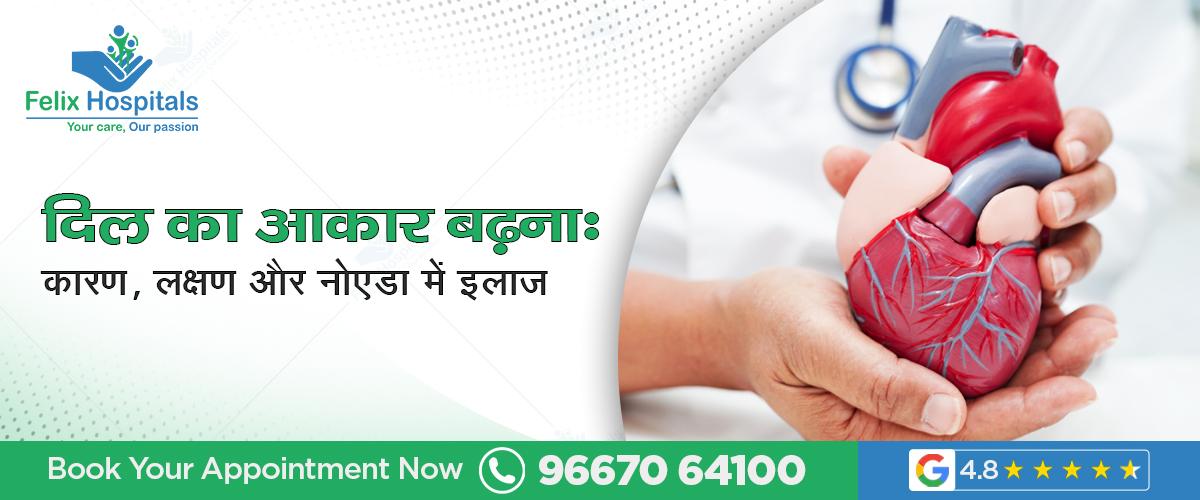
आज के समय में दिल का आकार बढ़ना (बढ़ा हुआ हृदय या कार्डियोमेगाली) एक गंभीर हृदय समस्या बनता जा रहा है। यह स्थिति किसी अन्य हृदय रोग का संकेत भी हो सकती है और यदि समय पर इलाज न हो, तो यह गंभीर स्वास्थ्य जोखिम पैदा कर सकती है। नोएडा में दिल का आकार बढ़ने का इलाज (Treatment for enlarged heart in Noida) उपलब्ध है। नोएडा में सही समय पर विशेषज्ञ कार्डियोलॉजिस्ट से संपर्क करना बेहद जरूरी है।
अधिक जानकारी और अपॉइंटमेंट के लिए कॉल करें: +91 9667064100
दिल का आकार बढ़ना गंभीर स्वास्थ्य समस्या का संकेत होता है। यह तब होता है जब हृदय की मांसपेशियां कमजोर होकर फैल जाती हैं या हृदय की चेंबर सामान्य से बड़ी होती हैं। इससे हृदय का सामान्य आकार और कार्य क्षमता प्रभावित होती है। शरीर में रक्त का प्रवाह ठीक से नहीं हो पाता।
इस स्थिति के मुख्य कारणों में उच्च रक्तचाप, हृदय वाल्व की बीमारी, और हृदय की मांसपेशियों की कमजोरी शामिल हैं। डॉक्टरों के अनुसार बढ़ा हुआ दिल अक्सर अन्य हृदय रोगों की पूर्व-सूचना देता है। शुरुआती लक्षणों में थकान, सांस फूलना, पैरों और टखनों में सूजन, और असामान्य धड़कन शामिल होते हैं। समय पर जांच और उपचार इस स्थिति को नियंत्रित करने में मदद करते हैं। एकोकार्डियोग्राफी (Echocardiography) और ब्लड प्रेशर मॉनिटरिंग जैसी जाँचें हृदय की कार्यक्षमता को समझने में सहायक होती हैं।
दिल का आकार बढ़ना केवल उम्र या हार्ट प्रॉब्लम तक सीमित नहीं है। इसके कई संभावित कारण होते हैं। जिन्हें जानना महत्वपूर्ण है ताकि समय पर रोकथाम और इलाज संभव हो।
लंबे समय तक हाई ब्लड प्रेशर हृदय पर अतिरिक्त दबाव डालता है। इससे हृदय की मांसपेशियां मोटी और बड़ी होती हैं। जिससे हृदय की क्षमता प्रभावित होती है।
यदि हृदय के वाल्व ठीक से काम न करें। तो हृदय को अतिरिक्त मेहनत करनी पड़ती है। इस दबाव के कारण हृदय की चेंबर फैलती है। दिल का आकार बढ़ता है।
यह स्थिति हृदय की मांसपेशियों को कमजोर या मोटा बनाती है। मांसपेशियों की कमजोरी या मोटाई हृदय के फैलने का मुख्य कारण बनती है।
हृदय को किसी कारण से चोट या दौरा लगने पर हृदय की मांसपेशियों को नुकसान पहुंचता है। इससे हृदय की कार्यक्षमता घटती है और आकार बढ़ाता है।
कुछ लोगों के दिल में जन्म से ही दोष होता है। समय के साथ ये दोष हृदय की संरचना और आकार को प्रभावित करते हैं।
थायरॉयड असंतुलन या अन्य हार्मोनल विकार हृदय को प्रभावित कर सकते हैं। हार्मोनल परिवर्तन हृदय की मांसपेशियों और रक्त प्रवाह को प्रभावित करते हैं।
मोटापा, धूम्रपान, शराब का सेवन और अनियमित खान-पान हृदय पर अतिरिक्त दबाव डालते हैं। लंबे समय तक ऐसी आदतें दिल का आकार बढ़ाने और गंभीर हृदय रोगों का कारण (Causes of heart disease) बनाती हैं।
कई बार दिल का आकार बढ़ने पर शुरुआती लक्षण स्पष्ट नहीं होते है। यही वजह है कि लोग इसे अक्सर अनदेखा करते हैं। हालांकि, कुछ संकेत हैं जिन पर ध्यान देना बेहद जरूरी है।
हल्का व्यायाम करने पर या सामान्य गतिविधियों के दौरान सांस फुलना लेटने पर सांस लेने में दिक्कत रात में अचानक सांस की तकलीफ होती है।
सामान्य काम करने पर असामान्य थकान महसूस होना। मांसपेशियों में कमजोरी या ऊर्जा की कमी। रोजमर्रा की गतिविधियों में कठिनाई।
लंबे समय तक खड़े रहने पर पैरों, टखनों और एड़ी में सूजन। सूजन रात में बढ़ती है। यह हृदय में रक्त के सही प्रवाह न होने का संकेत है।
दिल की धड़कन तेज होना या असामान्य रूप से अनियमित होना है। अचानक चक्कर या बेचैनी महसूस होना है।
हल्का या तीव्र दर्द, दबाव या भारीपन का अनुभव होता है। दर्द कभी-कभी कंधे, गर्दन या पीठ तक फैलाता है।
सोते समय खांसी आना। सांस लेने में परेशानी, जो दिन के समय कम होती है।
कार्डियोलॉजिस्ट से परामर्शः
समय पर हृदय विशेषज्ञ से मिलकर स्थिति का मूल्यांकन कराएं। इकोकार्डियोग्राफी, ईसीजी और अन्य आवश्यक जांच करवाएं।
दवाः
दिल के आकार बढ़ने के इलाज में रक्तचाप नियंत्रक जैसे एसीई अवरोधक और बीटा-ब्लॉकर्स का उपयोग किया जाता है। साथ ही डाइयूरेटिक्स भी दी जाती हैं जो शरीर में पानी और सूजन को कम करने में मदद करती हैं। इसके अलावा यदि आवश्यक हो तो रक्त पतला करने वाली दवाएं भी दी जाती हैं। ताकि हृदय और रक्त वाहिकाओं पर दबाव कम रहे। हार्ट फेल्योर (Heart failure) या अन्य हृदय रोग की स्थिति में दवाओं और उपचार का निर्धारण हमेशा डॉक्टर की सलाह के अनुसार किया जाता है ताकि उपचार सुरक्षित और प्रभावी हो।
संतुलित आहारः
रोजाना पर्याप्त मात्रा में फल, हरी सब्जियां और साबुत अनाज शामिल करें। नमक और वसा का सेवन कम करें ताकि रक्तचाप नियंत्रित रहे। प्रोसेस्ड फूड, जंक फूड और अत्यधिक तैलीय भोजन से बचें। ओमेगा-3 फैटी एसिड युक्त खाद्य पदार्थ जैसे मछली, अलसी और अखरोट हृदय को मजबूत बनाते हैं।
नियमित व्यायामः
30–45 मिनट रोजाना वॉक, हल्की दौड़, योग या तैराकी करें। कार्डियो एक्सरसाइज हृदय की मांसपेशियों को मजबूत बनाती है और रक्त संचार सुधारती है। आसान स्ट्रेचिंग और हल्की स्ट्रेंथ ट्रेनिंग भी लाभकारी हैं।
वजन और जीवनशैली नियंत्रणः
वजन नियंत्रित रखें क्योंकि अधिक वजन हृदय पर दबाव डालता है। धूम्रपान और अत्यधिक शराब से पूरी तरह बचें। नियमित शारीरिक गतिविधि और जीवनशैली सुधार से दिल स्वस्थ रहता है।
तनाव प्रबंधनः
रोजाना मेडिटेशन, गहरी सांस की तकनीक, संगीत और शौक के काम अपनाएं। मानसिक तनाव कम करने से रक्तचाप नियंत्रित रहता है और हृदय पर दबाव कम होता है। आराम, सकारात्मक सोच और सामाजिक संपर्क बनाए रखें।
पर्याप्त नींद और मानसिक स्वास्थ्यः
रोजाना 7–8 घंटे की नींद हृदय और मस्तिष्क दोनों के लिए जरूरी है। नींद की कमी से तनाव और हृदय रोगों का जोखिम बढ़ाता है।
नियमित स्वास्थ्य जांचः
समय-समय पर ब्लड प्रेशर, कोलेस्ट्रॉल, शुगर और हृदय जांच करवाएं। डॉक्टर की सलाह के अनुसार दवाओं और उपचार में बदलाव की निगरानी करें। परिवार में हृदय रोग का इतिहास होने पर और अधिक सतर्क रहें।
सर्जिकल विकल्प यदि आवश्यक होः
गंभीर मामलों में बैलून वाल्व, हृदय प्रत्यारोपण या अन्य सर्जरी की आवश्यकता होती है। केवल विशेषज्ञ की सलाह पर ही सर्जरी और अन्य उपचार अपनाएं।
अन्य सुझावः
पानी पर्याप्त मात्रा में पिएं और हाइड्रेटेड रहें। तनावपूर्ण आदतों जैसे लंबे समय तक बैठना, अनियमित खानपान और अत्यधिक काम से बचें। नियमित रूप से स्वास्थ्य ऐप या नोट्स के जरिए अपनी जांच और दवाओं का रिकॉर्ड रखें।
संतुलित और हेल्दी आहार अपनाएंः
हरी सब्जियां, मौसमी फल, और साबुत अनाज शामिल करें। कम वसा और कम नमक वाला भोजन लें। प्रोसेस्ड फूड, जंक फूड और पैकेज्ड स्नैक्स से बचें। ओमेगा-3 फैटी एसिड युक्त खाद्य पदार्थ (जैसे मछली, अलसी के बीज, अखरोट) दिल के लिए लाभकारी हैं।
नियमित व्यायाम और शारीरिक गतिविधिः
रोजाना 30–45 मिनट वॉक, दौड़, तैराकी या योग करें। कार्डियोवस्कुलर एक्सरसाइज हृदय की मांसपेशियों को मजबूत बनाती हैं। सीढ़ियां चढ़ना, साइकलिंग और हल्का स्ट्रेंथ ट्रेनिंग भी मददगार है।
धूम्रपान और शराब से बचावः
धूम्रपान से रक्त वाहिकाओं में रुकावट बढ़ती है और दिल पर दबाव पड़ता है। अत्यधिक शराब का सेवन हृदय की मांसपेशियों को नुकसान पहुंचाता है। यदि आवश्यक हो तो विशेषज्ञ की सलाह लेकर ही कम मात्रा में शराब का सेवन करें।
तनाव प्रबंधनः
रोजाना ध्यान, मेडिटेशन और गहरी सांस की तकनीक अपनाएं। संगीत, हल्की सैर और शौक के काम से मानसिक तनाव कम करें। समय प्रबंधन और पर्याप्त नींद भी हृदय स्वास्थ्य के लिए जरूरी हैं।
नियमित स्वास्थ्य जांचः
ब्लड प्रेशर, कोलेस्ट्रॉल और शुगर लेवल समय-समय पर जांचें। हृदय की बीमारी के पारिवारिक इतिहास होने पर विशेष रूप से नियमित जांच जरूरी। डॉक्टर की सलाह अनुसार दवा या जीवनशैली में बदलाव करें।
वजन नियंत्रणः
अधिक वजन और मोटापा हृदय पर अतिरिक्त दबाव डालता है। बीएमआई (बॉडी मास इंडेक्स) को नियंत्रित रखना हृदय स्वास्थ्य के लिए फायदेमंद है।
नींद का पर्याप्त होनाः
रोजाना 7–8 घंटे की अच्छी नींद हृदय की मांसपेशियों और रक्तचाप नियंत्रण में मदद करती है।
हृदय के लिए सुरक्षित जीवनशैलीः
तनावपूर्ण आदतों (जैसे लंबे समय तक बैठना, अनियमित खानपान) से बचें। सकारात्मक सोच और सामाजिक संपर्क भी दिल के स्वास्थ्य को बनाए रखते हैं।
अगर दिल की समस्या अचानक गंभीर हो:
तुरंत अस्पताल पहुंचाएं या एंबुलेंस (108) कॉल करें।
मरीज को आरामदायक स्थिति में लिटाएँ, सिर हल्का ऊँचा रखें।
मरीज को घबराने न दें।
अगर मरीज बेहोश हो और सांस न ले रहा हो, तो तुरंत सीपीआर करें।
नोएडा में फेलिक्स हॉस्पिटल्स में अनुभवी कार्डियोलॉजिस्ट दिल के आकार बढ़ने और उससे जुड़ी समस्याओं का इलाज करते हैं। नोएडा का सर्वश्रेष्ठ हृदय रोग अस्पताल में उपलब्ध है। इंटरवेंशनल कार्डियोलॉजी स्टेंटिंग, एंजियोप्लास्टी और कैथेटर आधारित प्रक्रियाएं अपनाएं जाती है। नॉन-इंटरवेंशनल कार्डियोलॉजी के लिए दवाइयां, लाइफस्टाइल मैनेजमेंट और प्रारंभिक निदान होता है। इलाज में देरी नहीं करनी चाहिए। ऐसा करने से नुकसान हो सकता है।
अपॉइंटमेंट के लिए कॉल करें: +91 9667064100
दिल का आकार बढ़ना एक गंभीर लेकिन प्रबंधनीय स्थिति है। सही समय पर जांच और विशेषज्ञ की सलाह इसे नियंत्रित करने में अहम भूमिका निभाती है। अगर लक्षण दिखाई दें, तो देर नहीं करें और तुरंत कार्डियोलॉजिस्ट से परामर्श लें (Consult a cardiologist immediately in noida)। नियमित स्वास्थ्य जांच जैसे ब्लड प्रेशर, कोलेस्ट्रॉल और शुगर टेस्ट समय पर करवाना जरूरी है। स्वस्थ जीवनशैली अपनाना इस स्थिति को रोकने और हृदय को मजबूत रखने में मदद करता है। समय पर कदम उठाकर और जीवनशैली सुधारकर दिल का आकार बढ़ने की प्रक्रिया को नियंत्रित किया जाता है। लंबे समय तक स्वस्थ जीवन जीया जाता है।
प्रश्न 1: दिल का आकार बढ़ने से क्या हार्ट अटैक होता है?
उत्तर: हां, यदि समय पर उपचार न हो तो दिल का आकार बढ़ना हृदय पर दबाव डालता है। हार्ट अटैक का खतरा बढ़ाता है।
प्रश्न 2: क्या युवा लोगों को भी दिल का आकार बढ़ाता है?
उत्तर: हां, यदि वॉह अस्वस्थ जीवनशैली अपनाते हैं। मोटापे, हाई बीपी या कोलेस्ट्रॉल की समस्या रखते हैं। इसलिए जीवनशैली में सुधार जरूरी है।
प्रश्न 3: दिल का आकार बढ़ने का इलाज कितना समय लेता है?
उत्तर: यह कारण और गंभीरता पर निर्भर करता है। दवाइयां, लाइफस्टाइल बदलाव या इंटरवेंशनल प्रोसीजर का निर्णय डॉक्टर करते हैं। इलाज में देरी नहीं करनी चाहिए।
प्रश्न 4: क्या दिल का आकार बढ़ना पूरी तरह ठीक होता है?
उत्तर: शुरुआती अवस्था में इलाज और जीवनशैली सुधार से हृदय का आकार नियंत्रित किया जाता है। गंभीर मामलों में डॉक्टर द्वारा निर्धारित उपचार जरूरी है। इलाज में देरी नहीं करनी चाहिए।
दिल्ली NCR में हेपेटाइटिस-ए और ई के मामलों में तेजी से इजाफा देखा जा रहा है। समय पर पहचान और सही इलाज से इस बीमारी को गंभीर होने से रोका जा सकता है।
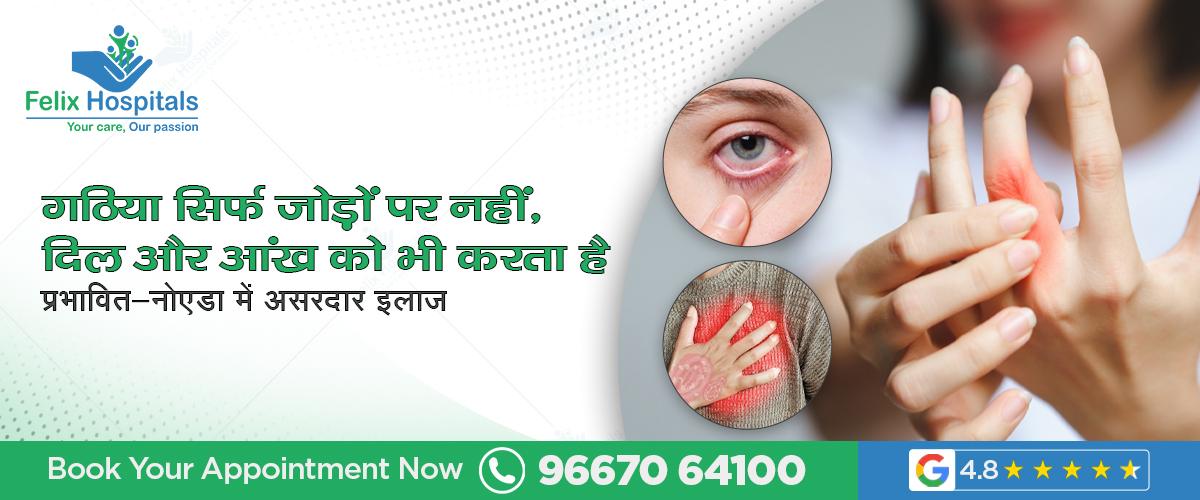
गठिया (Arthritis) केवल जोड़ों तक सीमित नहीं है। यह एक सिस्टमिक रोग है। जिसका प्रभाव शरीर के कई हिस्सों पर पड़ता है। विशेषकर दिल और आंखों पर। गठिया की वजह से जोड़ों में सूजन, दर्द और जकड़न होती है। अगर इसे समय पर नियंत्रित न किया जाए, तो इससे हृदय रोग, आंखों की सूजन और दृष्टि समस्याएं भी होती हैं। नोएडा में गठिया विशेषज्ञ डॉक्टर से मिलें (Consult a rheumatologist in Noida)। नोएडा में अनुभवी गठिया विशेषज्ञ समय पर उचित निदान और उपचार के माध्यम से इन जटिलताओं को रोकने में मदद करते हैं।
अगर आप या आपके परिवार में कोई गठिया से पीड़ित है, तो आज ही +91 9667064100 पर कॉल करके परामर्श बुक करें।
रूमेटॉइड (Rheumatoid) आर्थराइटिस (आरए) एक ऑटोइम्यून रोग है जो शरीर में दीर्घकालिक सूजन पैदा करता है। यह सूजन केवल जोड़ों तक सीमित नहीं रहती, बल्कि हृदय की धमनियों और वाल्व पर भी असर डालती है। लंबे समय तक RA होने पर हार्ट अटैक और स्ट्रोक का खतरा बढ़ता है।
गठिया रक्त वाहिकाओं में भी सूजन पैदा करता है। यह उच्च रक्तचाप, कोलेस्ट्रॉल और ट्राइग्लिसराइड्स के स्तर को प्रभावित कर हृदय पर दबाव डालता है। सूजन हृदय की मांसपेशियों को कमजोर कर सकती है और हृदय रोग के जोखिम को बढ़ाती है।
नियमित कार्डियो व्यायाम: सैर, दौड़, तैराकी, साइक्लिंग या योग करें।
संतुलित आहार: फल, हरी सब्जियां, साबुत अनाज और कम वसा वाला भोजन।
ओमेगा-3 फैटी एसिड: मछली, अलसी के बीज, अखरोट आदि का सेवन हृदय के लिए लाभकारी।
वजनः नियंत्रित रखें और धूम्रपान व अत्यधिक शराब से बचें।
तनाव कम करें: मेडिटेशन, गहरी सांस और शौक के काम अपनाएं।
नींदः पर्याप्त नींद और मानसिक स्वास्थ्य बनाए रखें।
समय-समय पर ईसीजी (इलेक्ट्रोकार्डियोग्राफी) और इकोकार्डियोग्राफी करवाएं ताकि हृदय की धमनियों और वाल्व की स्थिति का पता चले। नियमित ब्लड टेस्ट जैसे कोलेस्ट्रॉल, ट्राइग्लिसराइड्स और ब्लड शुगर स्तर की जांच। रक्तचाप की निगरानी नियमित रूप से करें ताकि उच्च रक्तचाप के जोखिम को कम किया जा सके। आरए और हृदय रोग का पारिवारिक इतिहास होने पर विशेष सतर्कता बरतें और डॉक्टर की सलाह अनुसार फॉलो-अप करें।
आरए और हृदय रोग (Heart disease) दोनों के लिए एंटी-इन्फ्लेमेटरी दवा और कार्डियक दवा केवल डॉक्टर की देखरेख में लें। दवा की खुराक और समय पर सेवन सुनिश्चित करें ताकि रोग नियंत्रण में रहे। उपचार में किसी भी बदलाव को डॉक्टर से परामर्श के बिना न करें। दवा के साइड इफेक्ट या किसी नई समस्या पर तुरंत डॉक्टर को सूचित करें। नियमित फॉलो-अप विज़िट से उपचार की प्रभावशीलता और हृदय स्वास्थ्य की निगरानी होती है।
अन्य सुझावः
स्वास्थ्य रिकॉर्ड को ट्रैक करने के लिए डायरी या ऐप का उपयोग करें। जीवनशैली में सुधार, जैसे संतुलित आहार, नियमित व्यायाम और तनाव प्रबंधन, दवा के प्रभाव को बढ़ाते हैं। डॉक्टर की सलाह अनुसार आवश्यक टेस्ट और जांच की आवृत्ति बढ़ाते हैं।
रूमेटॉइड गठिया और आंखों पर प्रभावः
रूमेटॉइड गठिया (आरए) केवल जोड़ों तक सीमित नहीं रहता, बल्कि आंखों में भी समस्याएं पैदा कर सकता है। प्रमुख आंख संबंधी समस्याएं: Scleritis (स्क्लेराइटिस), Uveitis (यूवाइटिस), और ड्राय आई सिंड्रोम। लंबे समय तक सूजन और इन्फ्लेमेशन से आंखों की ऊतक और दृष्टि प्रभावित हो सकती है।
वैज्ञानिक कारणः
आरए एक ऑटोइम्यून रोग है, जिसमें शरीर की इम्यून प्रणाली खुद के ऊतकों पर हमला करती है। यह प्रक्रिया आंखों की नली और ऊतकों को भी प्रभावित कर सकती है, जिससे सूजन, जलन और अन्य समस्या होती है।
लक्षणः
आंखों में लालिमा या जलन महसूस होना। दृष्टि धुंधली होना या रोशनी में असहजता।
रोशनी में संवेदनशीलता। आंखों में सूखापन या बार-बार पानी आने की समस्या।
सावधानियां और प्रबंधनः
आंखों की नियमित जांच करवाएं। विशेषकर आरए के मरीजों को। यदि आंखों में दर्द, लालिमा या दृष्टि में बदलाव हो, तो समय पर आंख विशेषज्ञ और रूमेटोलॉजिस्ट से परामर्श लें। सूखी आंखों के लिए लुब्रिकेंट आई ड्रॉप्स या डॉक्टर द्वारा सुझाए गए उपचार का उपयोग करें। लंबे समय तक स्क्रीन देखने या तेज रोशनी में आंखों की सुरक्षा करें। जीवनशैली में सुधार: पर्याप्त नींद, हाइड्रेशन और संतुलित आहार आंखों के स्वास्थ्य को बनाए रखते हैं।
अन्य सुझावः
आंखों में अचानक दर्द या दृष्टि हानि होने पर तुरंत डॉक्टर से संपर्क करें। दवा या ट्रीटमेंट में बदलाव केवल विशेषज्ञ की सलाह पर करें। आंखों की स्थिति पर ध्यान रखते हुए आरए के अन्य उपचारों को समन्वित करें।
सुबह उठने पर कठोरता: विशेषकर कलाई, हाथ, घुटने और टखनों में। लगातार दर्द या सूजन जोड़ों में लगातार सूजन, लालिमा और गर्माहट महसूस होती है।
चलने-फिरने में कठिनाई: जोड़ों में दर्द और कठोरता के कारण चलना, बैठना या सामान्य गतिविधियां प्रभावित होती हैं।
जोड़ों की कमजोरी और थकान: लंबे समय तक सूजन मांसपेशियों और जोड़ों की ताकत को कम कर सकती है।
सीने में हल्का या तीव्र दर्द: कभी-कभी हार्ट अटैक के प्रारंभिक संकेत होकते हैं।
अचानक थकान और सांस लेने में कठिनाई: दिल पर दबाव बढ़ने या हृदय की मांसपेशियों पर असर पड़ने का संकेत।
धड़कन असामान्य होना: तेज, अनियमित या कमजोर धड़कन।
पैरों या टखनों में सूजन: हृदय से जुड़ी समस्या का संकेत।
लालिमा, जलन या सूजन: सूखी आंख या स्क्लेराइटिस का संकेत।
दृष्टि में अस्पष्टता: दृष्टि कमजोर या धुंधली लगना।
तेज रोशनी में असुविधा: तेज रोशनी में आंखों में दर्द या असुविधा।
सूखी आंख और बार-बार पानी आना: ड्राय आई सिंड्रोम का सामान्य लक्षण।
थकान और कमजोरी: पूरे शरीर में लंबे समय तक थकान महसूस होना।
सामान्य सूजन और गर्मी: जोड़ों और प्रभावित ऊतकों में।
संक्रमण या चोट पर धीरे-धीरे ठीक होना: शरीर में सूजन और इम्यून प्रतिक्रिया के कारण।
गर्म रहना और हल्की गतिविधिः
ठंड के मौसम में जोड़ों को गर्म रखें ताकि कठोरता और दर्द कम हो। नियमित योग, स्ट्रेचिंग और पैदल चलना जोड़ों की लचीलापन और रक्त संचार बढ़ाता है। लंबे समय तक स्थिर न बैठें; हल्की गतिविधि जोड़ों को स्वस्थ रखती है। ठंडे पानी से बचें और गर्म स्नान या हीट पैक का उपयोग आवश्यकतानुसार करें।
आहार और सप्लीमेंट्सः
ओमेगा-3 फैटी एसिड युक्त भोजन लें जैसे मछली, अलसी के बीज, अखरोट। हल्दी, अदरक, हरी सब्जियां और फल सूजन कम करने में मदद करते हैं। डॉक्टर की सलाह अनुसार विटामिन डी और कैल्शियम सप्लीमेंट हड्डियों और जोड़ों के स्वास्थ्य के लिए लें। नमक और प्रोसेस्ड फूड कम करें, और पानी पर्याप्त मात्रा में पिएं।
दवा और चिकित्सीय सलाहः
रूमेटोलॉजिस्ट द्वारा निर्धारित एंटी-इंफ्लेमेटरी और दर्द निवारक दवाएं नियमित रूप से लें। दवा में बदलाव या डोज केवल विशेषज्ञ की सलाह पर करें। जोड़ों की सूजन या दर्द बढ़ने पर तुरंत डॉक्टर से संपर्क करें।
हृदय और आंखों की देखभालः
समय-समय पर ईसीजी, इकोकार्डियोग्राफी और आंखों की जांच करवाएं। उच्च रक्तचाप, कोलेस्ट्रॉल और ब्लड शुगर स्तर की निगरानी रखें। आंखों में जलन, लालिमा या दृष्टि में बदलाव होने पर तुरंत विशेषज्ञ से परामर्श लें।
तनाव प्रबंधन और पर्याप्त नींद (Stress Management & Sleep)
रोजाना ध्यान, मेडिटेशन, गहरी साँस की तकनीक अपनाएं। पर्याप्त 7–8 घंटे नींद लें ताकि शरीर और जोड़ों को आराम मिल सके। सकारात्मक मानसिक स्थिति बनाए रखें और तनाव कम करने वाले शौक अपनाएं।
अन्य सुझावः
नियमित रूप से स्वास्थ्य रिकॉर्ड और जांच का ट्रैक रखें। व्यायाम, आहार, दवा और मानसिक स्वास्थ्य का संतुलन बनाए रखना लंबे समय तक रोग नियंत्रण में मदद करता है।
दर्द लगातार बढ़ रहा हो
जोड़ों में लंबे समय तक सूजन बनी रहे
हृदय या आंखों में कोई असामान्य लक्षण
घरेलू उपायों से आराम न मिले
नोएडा के फेलिक्स हॉस्पिटल्स में अनुभवी रूमेटोलॉजी टीम गठिया और संबंधित हृदय एवं आंख की समस्याओं के सभी प्रकार का व्यापक उपचार प्रदान करती है। हर मरीज के लिए व्यक्तिगत उपचार योजना तैयार की जाती है। जिसमें उनके रोग की गंभीरता, उम्र, जीवनशैली और अन्य स्वास्थ्य स्थितियों को ध्यान में रखा जाता है। नोएडा में गठिया के लिए अस्पताल (Hospitals for arthritis in Noida) में उपलब्ध है। उपचार में दवा, एंटी-इंफ्लेमेटरी थेरेपी और दर्द प्रबंधन शामिल हैं। जिससे मरीज को तुरंत राहत मिल सके और जोड़ों की सूजन और दर्द नियंत्रित हो। इसके साथ ही, मरीजों को हृदय और आंख की नियमित जांच की सुविधा उपलब्ध कराई जाती है। क्योंकि गठिया केवल जोड़ों तक सीमित नहीं रहता और हृदय तथा आंखों को भी प्रभावित कर सकता है।
हमारी विशेषज्ञ टीम से आज ही परामर्श बुक कर सकते हैं: +91 9667064100
गठिया केवल जोड़ों तक सीमित नहीं है, बल्कि यह दिल और आंखों को भी प्रभावित करता है। बदलते मौसम, उम्र और जीवनशैली के कारण इसका प्रभाव और भी बढ़ जाता है। नोएडा में रुमेटोलॉजी अस्पताल (Rheumatology Hospital in Noida) में मरीजों को उन्नत जांच, विशेषज्ञ देखभाल और आधुनिक उपचार उपलब्ध हैं। समय पर चिकित्सीय देखभाल, संतुलित आहार, हल्का व्यायाम और नियमित जांच से गठिया और इसकी जटिलताओं को प्रभावी ढंग से नियंत्रित किया जा सकता है। इलाज में देरी नहीं करनी चाहिए, क्योंकि देरी से स्थिति गंभीर हो सकती है। इसलिए समय रहते इलाज जरूरी है।
प्रश्न 1. क्या गठिया दिल और आंखों को हमेशा प्रभावित करता है?
उत्तरः नहीं, लेकिन लंबे समय तक अनुपचारित रूमेटॉइड गठिया से हृदय और आंखों पर असर पड़ता है।
प्रश्न 2. क्या व्यायाम और योग वास्तव में मदद करते हैं?
उत्तरः हां, हल्का व्यायाम जोड़ों को लचीला और मांसपेशियों को मजबूत रखता है। इसलिए व्यायाम करना चाहिए।
प्रश्न 3. आंखों के लक्षण दिखें तो क्या करें?
उत्तरः तुरंत आंख विशेषज्ञ और रूमेटोलॉजिस्ट से संपर्क करें। इलाज में देरी नहीं करनी चाहिए। लक्षण दिखने पर इलाज कराएं।
प्रश्न 4. क्या आहार से गठिया को नियंत्रित किया जा सकता है?
उत्तरः हां, एंटी-इंफ्लेमेटरी फूड्स और पर्याप्त हाइड्रेशन से सूजन और दर्द कम किया जाता है।
प्रश्न 5. नोएडा में विशेषज्ञ कहां मिल सकते हैं?
उत्तरः फेलिक्स हॉस्पिटल्स में अनुभवी रूमेटोलॉजिस्ट और टीम उपलब्ध हैं। इसलिए आज ही हमारी टीम से संपर्क करें।

आंखों की सेहत के लिए विटामिन ए, विटामिन सी, विटामिन ई और ओमेगा-3 फैटी एसिड जरूरी होते हैं। सर्दियों में हरी सब्जियाँ, गाजर, संतरा, और नट्स जैसे खाद्य पदार्थों का सेवन करना आंखों के स्वास्थ्य के लिए फायदेमंद है। ये पोषक तत्व आंखों की मांसपेशियों को मजबूत क
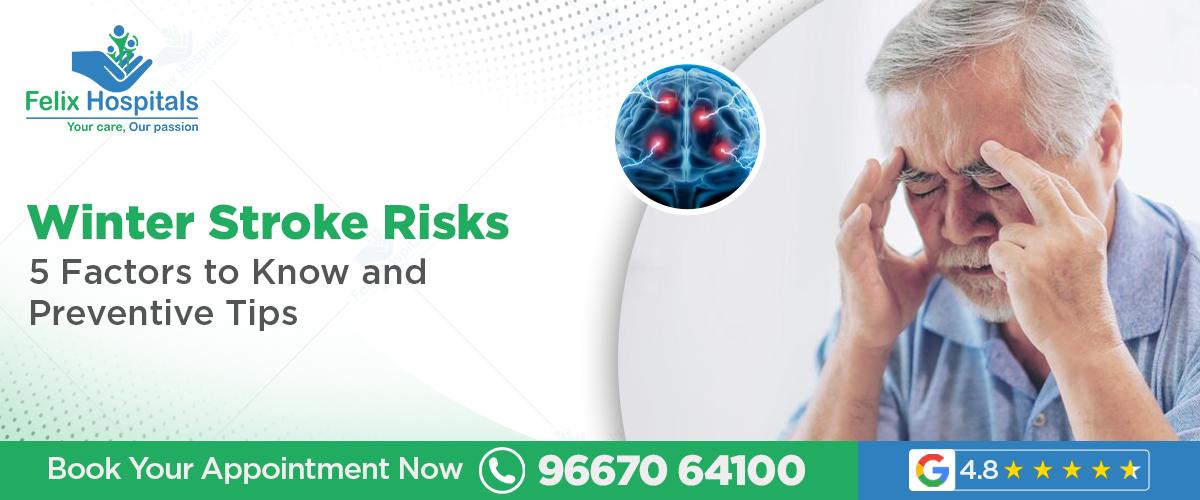
Winter comes with chilly weather, short days, and joyous holidays, and it also escalates some dangers to our health, such as winter stroke dangers. Low temperatures affect blood pressure, circulation, and cardiovascular function, and through this process, put individuals at high risk of stroke and heart attack. Education on winter stroke causes and prevention reduces health complications.
Residents in Noida must also pay close attention to these risk factors and see a Best General Physician Hospital in Noida to get individual guidance in the prevention of stroke and overall cardiovascular protection.
Get heart and brain checkup done with seasoned doctors at Best General Physician Hospital in Noida. Call us at +91 9667064100 today.
Winter stroke is defined as a stroke that happens or happens more during the winter season of the year. A colder climate has the ability to affect the circulatory and cardiovascular systems of the body and put it at risk of developing a blood clot, high blood pressure, and inflammation, all of which can cause a stroke.
Winter stroke symptoms are similar to any stroke but might have been aggravated in winter. Identification of winter stroke at an early stage aids in planning effective medical intervention. Certain common symptoms of winter stroke include sudden numbness, weakness on either side of the body, difficulty in communicating, severe headache, and dizziness.
Different physiological and environmental factors make winter a more risky season for strokes:
Low temperatures: Blood vessels narrow down, elevating blood pressure and stroke risk.
Reduced sunlight: Low vitamin D concentrations could reduce cardiovascular health.
Sedentary life: Individuals remain idle at home, minimizing bodily movement and circulation.
Respiratory infections: Influenza and common cold infections may even raise inflammation and thrombotic risk.
Cold tightens up blood vessels, which might also raise blood pressure. Higher blood pressure is among the leading causes of stroke.
Buckle up both inside and outside to avoid sudden increases in blood pressure.
Regular visits to a Best General Physicians in Noida will also ensure that hypertension is managed efficiently.
Low temperatures have the potential to thicken the blood and make it more likely to clot. Blood clots have the potential to close off arteries that run to the brain and cause ischemic strokes. Individuals who have had heart or clotting disease before are also at greater risk in winter.
Note: Hydration and minimizing the longer duration of immobilization could reduce the risk of thrombus development.
In winter, the level of physical activity decreases and people also have a tendency to indulge in dense diets containing high salts and fatty foods. Such lifestyle changes raise cholesterol, weight, and hypertension, all of which are risk factors for stroke.
Make regular indoor exercise or light outdoor activity.
Eat healthy foods such as fruits, vegetables, and low sodium food.
It is winter and flu season, and such infections as influenza might indirectly raise the risk of a brain stroke. Fever and inflammation may be a strain on the heart and the circulatory system, which exposes vulnerable people to strokes.
Note: Winter infections could be prevented with the help of vaccination, good hygiene and avoiding crowds.
It causes sudden shocks to the circulatory system if you go too fast from warm indoor to chilly outdoor conditions. This sudden exposure may lead to heart attacks or even strokes in elderly individuals or those suffering from cardiovascular conditions.
Note: Dress in layers and avoid sudden exposure to severe cold. Acclimatize yourself to the outside weather gradually.
Apart from the top five, other winter-exclusive dangers are:
Dehydration: People usually have lower water intake in winter, which congests the circulation.
Excessive consumption of salt: Winter comfort foods contain high amounts of salt, which increases blood pressure.
Air pollution: Cold weather can trap pollutants, increasing cardiovascular stress.
Early detection of signs helps in receiving early medical treatment:
Sudden weakness or numbness in leg or arm or face (one side of the body in particular)
Difficulty in communication or understanding communication
Rapid changes in vision in either eye
Severe headache with no known cause
Dizziness, loss of equilibrium, or coordination issues
If you have any of these symptoms, urgent consultation with the Best General Physician Hospital in Noida becomes mandatory. Emergency treatment could prevent you from succumbing to it and reduce future complications.
Keep Blood Pressure in Control: Check your blood pressure frequently at home or through healthy provides.
Keep Yourself Physically Active: Light exercise at home or walking may prevent circulation and heart issues.
Consume Heart-Healthy Foods: Rich in fiber, fruits, vegetables, and lean meat. Should not have high salts, fried foods, and processed foods.
Stay Warm: Wear warm clothes, keep warm by using blankets and have warm interior temperatures.
Do Not Smoke and Do Not Drink Too Much: Both increase the chances of getting a stroke and heart diseases.
Prevent Chronic Diseases: Making frequent visits to the finest general doctors in Noida ensure that diabetes, highblood pressure, or cholesterol is put under check.
Vaccination and Hygiene: Prevent respiratory infections that could increase the risk of stroke.
Remain Hydrated: the essential point here is to drink enough water, as it prevents thickening of the blood and forms clots.
Regular Examinations: Bloodwork, heart check, and life-style examinations check the health status and keep a check on the danger of health deterioration.
Winter stroke danger and prevent an information breach to stay safe with the latest guidance and personal examinations. Call us today at +91 9667064100.
Winter presents a challenge to heart and brain function and causes stroke risk to grow higher unless precautions are taken. Respiratory infection, changes in life due to weather, and sudden changes in temperature all comprise winter risk of stroke.
Signs are easily spotted at the earliest, healthy lifestyle, and doctor visits may help to prevent the occurrence of winter strokes to a considerable extent. Best General Physicians in Noida Checks principal health indicators, prevents chronic diseases and provides a patient with ad hoc stroke prevention recommendations.
Safe actions, preventive care, and professional advice would help Noida residents to have a healthy and safe winter season and even prevent cardiovascular and neurological diseases.
Q. 1. Is stroke possible due to cold weather itself?
Ans. Cold also raises blood pressure and makes the blood more prone to clot, so it adds to the risk of stroke. While cold in itself may not always precipitate a stroke, it will play a significant role in its triggering, in those who have a history of heart or high blood pressure.
Q. 2. Is any population more at risk for winter strokes?
Ans. Yes. Older persons, individuals with hypertension, diabetes, high cholesterol, or cardiovascular history are riskier in winter. Children with predilections to heart disease may also need added caution.
Q. 3. How winter dehydration leads to increased stroke risk?
Ans. Humans usually consume less water during winter months. Thickening of blood due to dehydration also increases the likelihood of clot formation that may result in stroke. Consuming water frequently during winter becomes imperative.
Q. 4. Is it possible that flu or cold infections produce stroke?
Ans. Respiratory infections such as influenza have the potential to cause inflammation and strain the heart and vascular system. This in a weakened person can raise the risk of stroke, so vaccinations and preventive therapy play such an important role.
Q. 5. Do indoor heating sources represent a risk factor for winter strokes?
Ans. Yes. Central heating may lower humidity and lead to dehydration. Dry conditions may also irritate the lungs and heart indirectly. Proper hydration and humidifiers may minimize risk.
Advanced neurosurgery improves treatment for brain and spine disorders with better outcomes.
Experiencing tingling in your hands or feet? It could signal a nerve-related issue. Consult our expert neurologists at Felix Hospitals to find the cause and get the right treatment today.
गर्भावस्था (Pregnancy) महिलाओं के जीवन का एक महत्वपूर्ण और संवेदनशील चरण है। इस दौरान महिला के शरीर में हार्मोनल, शारीरिक और मानसिक बदलाव आते हैं। शुरुआती चरण में प्रेगनेंसी के संकेत पहचानना बेहद जरूरी होता है। जिससे समय पर स्वास्थ्य देखभाल और जरूरी सावधानियां अपनाई जा सकें। बेस्ट गायनेकोलॉजिस्ट नोएडा (Best gynecologist in Noida) में उपलब्ध है। अगर आप यह जानना चाहती हैं कि गर्भावस्था की शुरुआत में क्या लक्षण होते हैं। पहली पहचान कैसे होती है। कब डॉक्टर से संपर्क करना चाहिए, तो यह ब्लॉग आपके लिए है।
अभी अपॉइंटमेंट शेड्यूल करें – कॉल करें: +91 9667064100
शरीर में गर्भावस्था की शुरुआत के बाद हार्मोनल बदलाव शुरू होते हैं। यह बदलाव महिला के शारीरिक और मानसिक स्वास्थ्य पर असर डालते हैं। शुरुआती संकेत पहचानने से समय रहते डॉक्टर से सलाह लेकर सुरक्षित गर्भावस्था सुनिश्चित की जाती है। मासिक धर्म (menstruation) का रुकना, थकान और कमजोरी, उल्टी और मतली, स्तनों में बदलाव और संवेदनशीलता, बार-बार पेशाब आनाव व मूड स्विंग और भावनात्मक बदलाव सबसे आम प्रेगनेंसी के संकेत है।
यदि आपकी मासिक धर्म की तारीख नियमित है। अचानक अनियमित या बंद हो गई है, तो यह प्रेगनेंसी का पहला और सबसे स्पष्ट संकेत होता है।
गर्भावस्था में प्रोजेस्टेरोन हार्मोन का स्तर बढ़ता है। इससे थकान, नींद की आवश्यकता और कमजोरी महसूस होती है।
प्रेगनेंसी में सुबह के समय हल्की मतली या बार-बार उल्टी होना सामान्य है। इसे मॉर्निंग सिकनेस कहा जाता है।
स्तन भारी, दर्दनाक और निप्पल के चारों ओर रंग में बदलाव जैसी समस्याएं होती हैं।
गर्भाशय बढ़ने और किडनी पर दबाव पड़ने से पेशाब की मात्रा बढ़ती है।
हार्मोनल बदलाव के कारण महिलाओं में चिड़चिड़ापन, भावुकता और अचानक मूड स्विंग देखी जाती है।
शुरुआती हफ्तों में पेट में खिंचाव या हल्का दर्द सामान्य है।
यह सबसे आसान और जल्दी उपलब्ध तरीका है। मूत्र में एचसीजी हार्मोन की उपस्थिति का पता लगाकर गर्भधारण की संभावना बताता है। प्रयोग करते समय पैकेज पर दिए निर्देशों का पालन करना जरूरी है।
यह तरीका अधिक सटीक माना जाता है। रक्त में HCG हार्मोन की मात्रा मापकर गर्भावस्था की पुष्टि की जाती है। यह टेस्ट घर के टेस्ट की तुलना में पहले भी गर्भावस्था का पता लगता है।
शुरुआती हफ्तों में अल्ट्रासाउंड के माध्यम से भ्रूण की स्थिति और हृदय गति का पता लगाया जा सकता है। यह न केवल गर्भावस्था की पुष्टि करता है बल्कि किसी भी अनियमितताओं की शुरुआती जानकारी भी देता है।
मासिक धर्म की तारीख चूकने के 1–2 सप्ताह बाद टेस्ट करना सही होता है। सुबह के समय यूरिन में एचसीजी का स्तर अधिक होता है, इसलिए सुबह का मूत्र टेस्ट (Urine test) अधिक सटीक परिणाम देता है।
संतुलित आहार लें:
प्रोटीन, कैल्शियम, आयरन और फोलिक एसिड का सेवन बढ़ाएं। ये पोषक तत्व भ्रूण के मस्तिष्क, हड्डियों और अंगों के स्वस्थ विकास में मदद करते हैं। फल, सब्जियां, दालें, दूध और अंडे जैसी पोषक चीजें नियमित रूप से शामिल करें।
धूम्रपान और शराब से बचें:
धूम्रपान और शराब सेवन भ्रूण के विकास को प्रभावित करते हैं। इससे जन्मजात विकार, कम वजन और समय से पहले जन्म जैसी समस्याओं का खतरा बढ़ता है। गर्भावस्था में इनसे पूरी तरह परहेज करना चाहिए।
हल्की एक्सरसाइज करें:
योग, हल्की वॉक या प्रेगनेंसी-फ्रेंडली स्ट्रेचिंग से शरीर स्वस्थ रहता है। रक्त संचार बेहतर होता है। तनाव कम होता है। भारी व्यायाम या अत्यधिक मेहनत से बचें।
तनाव कम करें और पर्याप्त नींद लें:
मानसिक तनाव हार्मोन स्तर को प्रभावित करता है और भ्रूण की सेहत पर असर डाल सकता है। रोजाना 7–8 घंटे की नींद और बीच-बीच में आराम जरूरी है। ध्यान, मेडिटेशन (Meditation) और रिलैक्सेशन तकनीक अपनाएं।
दवाइयां डॉक्टर की सलाह से लें:
कोई भी दवा बिना डॉक्टर की अनुमति के न लें। गर्भावस्था में कुछ दवाइयां भ्रूण के लिए हानिकारक हो सकती हैं। विटामिन और सप्लीमेंट भी केवल चिकित्सक की सलाह से ही लें।
नियमित चेकअप कराएं:
प्रेगनेंसी के दौरान नियमित रूप से डॉक्टर से जाँच कराना आवश्यक है। ब्लड प्रेशर, शुगर, अल्ट्रासाउंड और अन्य टेस्ट समय पर कराने से किसी भी समस्या की शुरुआती पहचान होती है।
हाइड्रेटेड रहें और पोषण संतुलित रखें:
पर्याप्त पानी पीना और हल्का-फुल्का खाना गर्भावस्था में जरूरी है। इससे पाचन बेहतर होता है और शरीर में पोषक तत्वों की कमी नहीं होती।
सुरक्षित जीवनशैली अपनाएं:
भारी काम, संक्रमण और हानिकारक रसायनों से दूर रहें। सफाई और व्यक्तिगत स्वास्थ्य का ध्यान रखें।
नियमित डॉक्टर चेकअप करवाएं:
गर्भावस्था के दौरान (during pregnancy) नियमित चेकअप बेहद जरूरी हैं। महिला स्वास्थ्य विशेषज्ञ नोएडा में उपलब्ध है। डॉक्टर रक्तचाप, शुगर, हृदय गति और भ्रूण की स्थिति की जांच करते हैं। समय पर जाँच से किसी भी समस्या का जल्दी पता लगाकर सही उपचार किया जाता है।
पानी खूब पिएं और हाइड्रेटेड रहें:
पर्याप्त पानी पीना शरीर और भ्रूण दोनों के लिए जरूरी है। यह डिहाइड्रेशन से बचाता है, पाचन में मदद करता है और शरीर से विषैले पदार्थ बाहर निकलते हैं। दिनभर में कम से कम 8–10 गिलास पानी पिएं।
फाइबर युक्त आहार लें:
साबुत अनाज, फल और सब्जियां कब्ज और गैस जैसी समस्याओं को कम करने में मदद करती हैं। फाइबर युक्त आहार पाचन को बेहतर बनाता है और पेट की सूजन को नियंत्रित करता है।
तेज या भारी काम से बचें:
भारी सामान उठाने, अचानक झुकने या अधिक मेहनत करने से बचें। शरीर पर अतिरिक्त दबाव भ्रूण और आपकी सेहत दोनों के लिए हानिकारक हो सकता है। आराम के समय का सही इस्तेमाल करें।
समय-समय पर अल्ट्रासाउंड और जरूरी ब्लड टेस्ट कराएं:
अल्ट्रासाउंड से भ्रूण की स्थिति और विकास का पता चलता है। जरूरी ब्लड टेस्ट जैसे हेमोग्लोबिन, शुगर, थायरॉइड और अन्य जांच समय पर कराने से किसी भी स्वास्थ्य समस्या का शुरुआती पता चल जाता है।
सुरक्षित जीवनशैली अपनाएं:
साफ-सफाई का ध्यान रखें, संक्रमण से बचें और धूम्रपान या शराब से पूरी तरह दूर रहें।
आराम और नींद:
गर्भावस्था में पर्याप्त नींद लेना जरूरी है। दिन में छोटी-छोटी विश्राम अवधि भी शरीर और मानसिक स्वास्थ्य के लिए लाभकारी होती हैं।
प्रेगनेंसी के शुरुआती संकेत पहचानना बेहद जरूरी है। मासिक धर्म का बंद होना, उल्टी, थकान, स्तनों में बदलाव और बार-बार पेशाब आना इसके आम शुरुआती लक्षण हैं। सही समय पर जांच और डॉक्टर से सलाह लेने से सुरक्षित गर्भावस्था सुनिश्चित की जा सकती है। किसी भी असामान्य लक्षण या लगातार दर्द को नजरअंदाज न करें, क्योंकि इलाज में देरी नुकसानदेह हो सकती है। बेहतर देखभाल और विशेषज्ञ सलाह के लिए नोएडा में सर्वश्रेष्ठ स्त्री रोग अस्पताल (Best Gynecology Hospital in Noida) चुनना समझदारी है।
प्रश्न 1: क्या प्रेगनेंसी के शुरुआती लक्षण हर महिला में एक जैसे होते हैं?
उत्तर: नहीं, हर महिला में लक्षण अलग-अलग होते हैं। कुछ महिलाओं को उल्टी होती है, कुछ में थकान शुरुआती लक्षण है।
प्रश्न 2: क्या हल्की मतली को नजरअंदाज किया जा सकता है?
उत्तर: हल्की मतली सामान्य होती है। लेकिन अगर लगातार उल्टी हो रही हो तो डॉक्टर से संपर्क करें।
प्रश्न 3: क्या बार-बार पेशाब आना सामान्य है?
उत्तर: शुरुआती प्रेगनेंसी में सामान्य है। लेकिन दर्द या जलन हो तो यूटीआई की जांच जरूरी है।
प्रश्न 4: प्रेगनेंसी टेस्ट कब सबसे सटीक होता है?
उत्तर: मासिक धर्म चूकने के 1–2 सप्ताह बाद, सुबह के मूत्र से टेस्ट अधिक सटीक होता है।
प्रश्न 5: क्या प्रेगनेंसी की पुष्टि केवल टेस्ट से होती है?
उत्तर: प्रारंभिक संकेत, घर पर टेस्ट और डॉक्टर की जांच मिलकर प्रेगनेंसी की पुष्टि करते हैं।
प्रेगनेंसी में बवासीर होना आम समस्या है। जानिए इसके कारण, लक्षण और सुरक्षित इलाज के तरीके।
गर्भावस्था में पेट दर्द एक सामान्य समस्या है, लेकिन कभी-कभी यह गंभीर स्वास्थ्य संकेत भी हो सकता है। जानिए इसके कारण, लक्षण और सुरक्षित इलाज।
खून की उल्टी एक गंभीर लक्षण है जो पाचन तंत्र, लीवर या पेट की किसी समस्या का संकेत हो सकता है। इसके सही कारण जानने और समय पर उपचार के लिए डॉक्टर से तुरंत सलाह लेना जरूरी है।
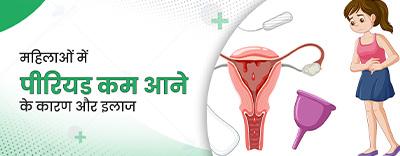
महिलाओं में पीरियड कम आने के कई कारण हो सकते हैं, जैसे हार्मोनल असंतुलन, तनाव, थायरॉइड की समस्या या वजन में बदलाव। सही समय पर जांच और इलाज जरूरी है।
Heart or cardiac transplant surgery is a life-saving intervention in end-stage or advanced heart failure patients. This surgery involves replacing a failed or damaged heart with a healthy normal heart from a donor. What comes before this surgery is no less important than the surgery itself — proper preparation substantially boosts the chances of a successful outcome and faster recovery.
In this guide, we will explain how to get ready before cardiac transplant surgery, the crucial pre-surgery rules that you have to follow, and how choosing the Best Cardiology Hospital in Noida will make all the difference in your treatment and ultimate heart wellness.
Your heart requires dedicated care, concern, and state-of-the-art technology. Call us today +91 9667064100 and begin a healthier, stronger heart.
Heart transplant surgery is undertaken when the heart of the patient fails to perform efficiently, even after therapy with drugs, life-style changes, or with the help of devices such as pacemakers. During this surgery, the patient's damaged heart is taken out and transplanted with a normal donor heart from a matching person.
This surgery is typically advisable in patients with:
End-stage heart failure
Severe coronary artery disease
Weak heart muscle (cardiomyopathy
Congenital heart disease (-present at birth)
It necessitates a high-end cardiac team, sophisticated medical facility, and vigorous follow-up care — all of which you get at the Best Cardiology Hospital in Noida.
It entails more than physical preparation and also encompasses emotional, mental, and practical preparation. Time to surgery may take between weeks to several months, depending on how well a donor heart matches a recipient.
Appropriate preparation assists in:
Prepare your body for surgery
Lower the risk of complications
Keep your emotions stable during the process
Speed up post-op recovery and daily life
Below is a useful heart transplant surgery checklist to guide patients and members of the family on what to anticipate before surgery:
Prior to placing you on a heart transplant waiting list, your physician will give you a full medical assessment. This consists of:
Blood and tissue matching tests
ECG and ectocardia
Chest X-rays
Heart catheter
Pulmonary function tests
These tests verify that you will be healthy enough to have surgery and that your new heart will be a good match.
Heart transplantation is a life-changing experience. You ought to have some fear or anxiety.
Counseling and therapy groups will help you psychologically. Talk to your doctor, family, or therapist openly about the way you feel.
Emotional preparation is no less important than readiness with the body.
Diet contributes significantly to recovery and immunity. Take in a balanced kind that's rich in:
Raw fruits and veggies
Whole grains and lean proteins
Lower-fat and lower-sodium foods
Avoid smoking and alcohol altogether. Light physiotherapy or gentle exercise, on the doctor's advice, may also be done to retain muscle power before surgery.
Your doctor will go over all the medicines that you take regularly. Some will need to be changed or discontinued before surgery.
Make no changes in medicines before your cardiologist instructs you to Noida's Top Cardiologist makes sure that your pre-op medication is done with diligence so that no interaction happens during surgery.
Recovery from heart transplant surgery involves continued medical and emotional follow-ups. Let your close family members and fellow passengers know about the process of surgery, hospitalization, and recovery period.
Having a caregiver to help you in the earliest months after surgery allows you to rest more safely and easily during convalescence.
Heart transplant surgery requires a multi-specialty group surgeons, cardiologists, anesthetists, and post-op treatment specialists.
Ensure that all the insurance forms, admission forms to hospitals, and emergency contacts are in place in advance.
Heart transplant treatment in Noida also includes end-to-end patient coordination and cost counseling to make it a convenient process.
Preparation in heart transplant surgery involves several practical steps to put the body and mind on standby:
Take medication regularly according to a tight schedule given by your doctor.
Keep yourself physically active through gentle exercises or through breathing exercises.
Keep stress under control with meditation, yoga, or short walks.
Keep yourself infection-free — avoid crowds and get yourself clean.
Maintain open communication with your cardiac care team.
Pack your hospital bag early — identification papers, medical papers, medication, and comfortable clothing.
These heart transplant surgery tips prior to surgery make the surgery a smooth process and ensure quicker recovery.
If you get a matching donor heart, you will go to the hospital right away. This surgery takes between 4 to 6 hours and general anesthesia.
You will have a heart-lung machine attached to you that will perform the function of your heart and lungs.
The surgeon will remove the damaged heart and implant the donor heart.
After the new heart begins to pump regularly, the machine is slowly removed.
You will be transferred to the Intensive Care Unit (ICU) to be closely monitored.
The Top Cardiology Hospital in Noida offers state-of-the-art surgical treatment, latest ICUs, and continuous 24x7 supervision to ensure complete security during the procedure.
Heart transplant recovery should be done with discipline and patience. Your hospitalization may vary between 2 to 4 weeks depending on how quick you recuperate.
You'll also receive medication that keeps your body from rejecting the donor heart. Using these drugs regularly and seeing your doctor thereafter is very important in the long run.
Follow-ups on a routine basis, ECGs, and blood tests make up the follow-up schedule. Your doctor might have a heart biopsy done in the first few months to monitor signs of rejection.
Lead a heart-healthy life:
Select healthy, reduced-sodium foods
Exercise regularly under supervision
Avoid smoking or alcohol
Beating stress successfully
These life changes make your new heart function at its best in years.
Selection of the appropriate hospital matters a lot in your heart transplant surgery.
Best Cardiology Hospital in Noida blends advanced technology, expert cardiothoracic surgeons, and compassionate treatment so that international-standard treatment becomes possible with least risk.
Specific traits that come to mind are:
NABH-accredited cardiac care units
Specialized heart transplant center
24/7 emergency and ICU units
After-transplant rehabilitation programs
Trained experts of cardiac anesthesiologists and surgeons
Heart transplant surgery in Noida offers the latest in medical technology with patient-centricity so each step, from diagnosis to follow-up care, is delivered with precision.
Consult the Top Cardiologist in Noida and receive customized advice on your heart transplant surgery in Noida. Call us at +91 9667064100.
Preparations for heart transplant surgery are stressful physically and psychologically. They require that you be patient and have faith in your doctors and nurses. Knowing how to prepare for heart transplant surgery can minimize anxiety and make the recovery process go more smoothly.
From tests before operations to mental preparation, each step contributes to a successful heart transplant outcome. The assurance of a sense of security and professional care comes with the selection of the Best Cardiologist in Noida and a well-known hospital, which has the credentials to support it.
It is important to remember that a heart surgery is not simply a change of a heart, but a healthy active life. Keep yourself positive, follow doctor's guidance, and make all preparations possible. Your new heart requires its absolute best care — and it all starts with the proper prep and doctor's advice.
Q.1. How soon after heart transplant surgery do you get to go home?
Ans. Recovery duration differs, and an average patient regains full strength in approximately 3–6 months. Follow-ups, medicines, and life care have a very important part to play in long-term recovery.
Q. 2. What do I have to refrain from before and after surgery?
Ans. Avoid smoking, drinking, and any illicit drugs before surgery. Avoid infection or stress exposure and ensure hygiene after surgery. Follow a complete and balanced diet after surgery.
Q. 3. How is a transplanted heart matched with a donor?
Ans. The compatibility of the heart donor relies on the blood group, the size of the body, and tissue compatibility. This will provide a good functioning new heart and minimize the chances of rejection.
Q. 4. What is the great danger of heart transplantation?
Ans. Any big surgery like this is always risky, the chances of infection and rejection are always present but with the medical practice in the modern world such incidents are very low, and can be easily treated with close observation.
Q. 5. Can you have a normal life after heart transplant surgery?
Ans. Indeed, most patients live healthy, productive existence. Follow-up at regular intervals and healthy living enables them to enjoy good years of function and health.
Q. 6. How do I stay resolute in thought before surgery?
Ans. Staying positive, keeping in touch with your family, and visiting a counselor if you need to will help. Breathing exercises, meditation, and faith in your treatment staff will reduce anxiety.
Q. 7. Why Noida is the right city to perform this surgery?
Ans. Noida provides high-tech hospitals, expert surgeons, and sophisticated cardiac units. Medical expertise and patient care see you through to successful results.

Arrhythmia is a condition where the heart beats irregularly—too fast, too slow, or with an uneven rhythm. It can feel like a fluttering, racing, or skipped heartbeat.
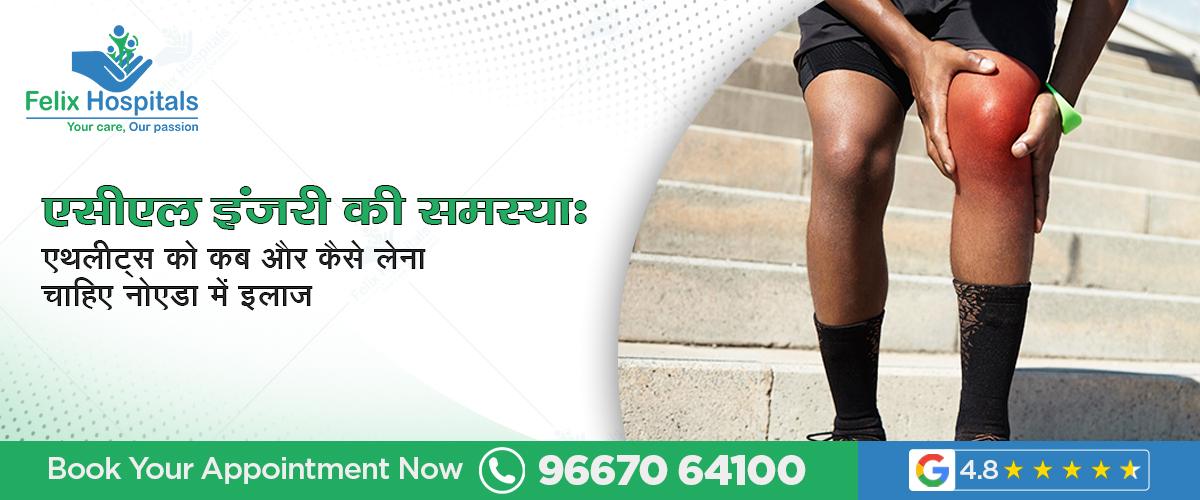
खेलकूद से जुड़ी चोटों में अग्र क्रॉसनुमा स्नायु (एसीएल) इंजरी (ACL Injury) सबसे आम और गंभीर मानी जाती है। यह घुटने की स्थिरता को प्रभावित करती है और एथलीट्स के करियर पर सीधा असर डालती है। फुटबॉल, क्रिकेट, बैडमिंटन, बास्केटबॉल जैसे तेज मूवमेंट वाले खेलों में यह चोट अक्सर होती है। नोएडा में एसीएल इंजरी का इलाज (ACL Injury Treatment in Noida) उपलब्ध है। अगर समय पर इलाज न मिले, तो चलना, दौड़ना या सीढ़ियां चढ़ना तक मुश्किल हो जाता है। नोएडा में आधुनिक तकनीक से एसीएल इंजरी का इलाज अब सुरक्षित और तेज़ रिकवरी वाला बन गया है।
अभी अपॉइंटमेंट शेड्यूल करें – कॉल करें: +91 9667064100
एसीएल (Anterior Cruciate Ligament) घुटने के चार प्रमुख लिगामेंट्स में से एक है। जो जांघ की हड्डी (Femur) और पिंडली की हड्डी (Tibia) को जोड़ता है। इसका मुख्य काम घुटने की स्थिरता बनाए रखना और आगे की ओर खिसकने से रोकना है। जब यह लिगामेंट फट जाता है, तो इसे एसीएल टियर या एसीएल इंजरी कहते हैं।
दौड़ते या खेलते समय अचानक दिशा बदलने, झुकने या रुकने से घुटने पर असामान्य और तेज दबाव पड़ता है। यह दबाव विशेष रूप से एंटीरियर क्रूसिएट लिगामेंट (एससीएल) पर सीधे असर डालता है। लिगामेंट फटने या खिंचने का कारण बनता है।
ऊंचाई से कूदने के बाद पैर अगर गलत एंगल में जमीन पर टिक जाए तो घुटने का संतुलन बिगड़ता है। इससे एसीएल पर अत्यधिक दबाव आता है और यह चोटिल या फट सकता है। विशेष रूप से खेलों में जहां छलांग और लैंडिंग बार-बार होती है, वहां यह जोखिम बढ़ जाता है।
फुटबॉल, बास्केटबॉल, कबड्डी, क्रिकेट, बैडमिंटन जैसे खेलों में अचानक दौड़ना, मुड़ना, छलांग लगाना या टक्कर लगना आम है। तेज गति में शरीर के वजन का असामान्य बदलाव घुटने के लिगामेंट्स पर दबाव डालता है। जिससे एसीएल इंजरी (ACL Injury) होने की संभावना बढ़ती है।
खेल, सड़क दुर्घटना या किसी ऊंचाई से गिरने के दौरान घुटने पर सीधे झटके लगने से एसीएल फटता है। यह चोट सिर्फ खिलाड़ियों में ही नहीं, बल्कि आम लोगों में भी देखने को मिलती है। अक्सर घुटने के सामने वाले हिस्से पर जोरदार आघात से लिगामेंट क्षतिग्रस्त होता है।
कमजोर मांसपेशियां या कम लचीलापन एसीएल को चोटिल होने के प्रति संवेदनशील बनाते हैं। उचित वार्मअप और स्ट्रेचिंग न करना भी चोट के जोखिम को बढ़ाता है।
चोट लगते समय पॉप जैसी आवाज सुनाई देना
घुटने में तेज़ सूजन और दर्द
चलने या खड़े होने में अस्थिरता या डगमगाहट
घुटना पूरी तरह मुड़ या सीधा न होना
जोड़ में अंदरूनी खून जमा होना
शारीरिक परीक्षणः
डॉक्टर मरीज के घुटने की स्थिरता, लचीलापन और मूवमेंट की जांच करते हैं।
लछमन परीक्षण:
घुटने को हल्का मोड़कर जांघ और पिंडली की हड्डियों को अलग-अलग दिशाओं में हिलाया जाता है। यदि एसीएल फटा हो, तो घुटना असामान्य रूप से ढीला या ज्यादा हिलता हुआ महसूस होता है।
पिवट शिफ्ट परीक्षण:
घुटने की स्थिरता को मापने के लिए पैर को घुमाकर देखा जाता है कि घुटना शिफ्ट या स्लिप तो नहीं कर रहा। यह टेस्ट एसीएल की गंभीरता का अंदाजा लगाने में मदद करता है। शारीरिक परीक्षण से डॉक्टर यह तय करते हैं कि आगे की इमेजिंग की आवश्यकता है या नहीं।
एमआरआई स्कैन:
यह सबसे सटीक और विस्तृत जांच मानी जाती है। एमआरआई घुटने के अंदर के सॉफ्ट टिश्यू जैसे एसीएल, पीसीएल, मेनिस्कस और कार्टिलेज की स्थिति को स्पष्ट रूप से दिखाता है। यह जांच यह भी निर्धारित करती है कि लिगामेंट पूरी तरह फटा है या केवल खिंचा है। अन्य लिगामेंट्स, मिनिस्कस या जोड़ के हिस्सों में किसी भी तरह की चोट का पता लगाने में मदद करता है। सर्जरी की योजना बनाने और सही उपचार तय करने में एमआरआई (MRI) बेहद उपयोगी है।
एक्स-रे:
हड्डियों की स्थिति और फ्रैक्चर की जांच के लिए किया जाता है। एक्स-रे से यह पता चलता है कि कहीं हड्डियों में खिसकाव, दरार या असामान्य बदलाव तो नहीं हैं। कई बार एसीएल चोट के साथ हड्डियों में हल्का फ्रैक्चर या जोड़ की अस्थिरता भी देखी जा सकती है। एक्स-रे मुख्य रूप से हड्डियों की समस्या का आकलन करने के लिए उपयोगी है, जबकि लिगामेंट की चोट एमआरआई से ही स्पष्ट होती है।
आराम:
हल्की चोट या खिंचाव में घुटने पर वजन डालने से बचना चाहिए और कुछ हफ्तों तक अधिक चलने या खेल-कूद से परहेज करना चाहिए। नोएडा में एसीएल इंजरी विशेषज्ञ डॉक्टर (ACL Injury Specialist Doctors in Noida) उपलब्ध है।।
बर्फ की सिकाई:
चोट लगने के तुरंत बाद दिन में 3–4 बार, 15–20 मिनट तक बर्फ लगाने से सूजन और दर्द कम होता है।
कंप्रेशन और ब्रेस:
घुटने को स्थिर रखने के लिए ब्रेस या सपोर्ट बेल्ट का प्रयोग किया जाता है, जिससे लिगामेंट को ठीक होने में मदद मिलती है और घुटना मुड़ने से बचता है।
फिजियोथेरेपी और एक्सरसाइज:
विशेषज्ञ फिजियोथेरेपिस्ट (specialist physiotherapist) की देखरेख में मांसपेशियों को मजबूत करने वाली एक्सरसाइज कराई जाती हैं। जिससे घुटने की मूवमेंट और स्थिरता वापस आती है।
दवाएं:
दर्द और सूजन कम करने के लिए एंटी-इंफ्लेमेटरी दवाएं दी जा सकती हैं, खासकर उन लोगों के लिए जो बहुत ज्यादा सक्रिय नहीं हैं।
एसीएल पुनर्निर्माण सर्जरीः
जब लिगामेंट पूरी तरह फट जाए या खिलाड़ी/युवा व्यक्ति को खेल या सक्रिय जीवनशैली में जल्दी वापसी करनी हो। फटे लिगामेंट की जगह नया ग्राफ्ट लगाया जाता है, जो आमतौर पर मरीज की अपनी जांघ या घुटने की हड्डी से लिया जाता है। सर्जरी के बाद कुछ हफ्तों तक घुटने का ब्रेस और फिजियोथेरेपी की जाती है ताकि नया लिगामेंट सही तरीके से जुड़ सके।
सर्जरी के लाभ:
घुटने की स्थिरता लौटती है। भविष्य में दूसरी चोटों या जटिलताओं का जोखिम कम होता है। 6–9 महीने में सामान्य जीवन और खेल गतिविधियों में वापसी संभव होती है।
जब घुटना बार-बार “मुड़” जाए या फिसले
फिजियोथेरेपी के बाद भी सुधार न हो
खिलाड़ी जो दोबारा एक्टिव स्पोर्ट्स में लौटना चाहते हों
मेनिस्कस या अन्य लिगामेंट भी क्षतिग्रस्त हों
नोएडा में आधुनिक आर्थोस्कोपिक तकनीक से एसीएल सर्जरी अब बेहद सुरक्षित, कम दर्दनाक और कम समय में रिकवरी देने वाली प्रक्रिया है। यह सर्जरी मिनिमली इनवेसिव होती है। जिसमें केवल छोटे चीरे लगाकर फटे लिगामेंट की जगह नया ग्राफ्ट लगाया जाता है। नोएडा के प्रमुख अस्पतालों में अनुभवी ऑर्थोपेडिक विशेषज्ञों की टीम, फिजियोथेरेपी यूनिट और आधुनिक रिहैबिलिटेशन सेंटर उपलब्ध हैं, जिससे खिलाड़ी जल्दी फिट होकर मैदान में लौटते हैं।
सर्जरी के 24 घंटे बाद मरीज वॉकर के सहारे चल सकता है। नियमित फिजियोथेरेपी और एक्सरसाइज़ से घुटने की मूवमेंट और ताकत धीरे-धीरे लौटती है। 6–9 महीनों में खिलाड़ी अपने खेल में वापसी करते हैं।
एथलीट्स के लिए एसीएल इंजरी का समय पर इलाज बेहद जरूरी है। देरी करने पर यह स्थायी अस्थिरता और अन्य लिगामेंट्स को नुकसान पहुंचाती है। नोएडा में अनुभवी डॉक्टरों और आधुनिक आर्थोस्कोपिक तकनीक के साथ इलाज से एथलीट्स सुरक्षित रूप से अपनी फिटनेस और आत्मविश्वास वापस पाते हैं। इसलिए इलाज में देरी नहीं की जाती है।
प्रश्न 1: क्या हर एसीएल इंजरी में सर्जरी जरूरी है?
उत्तर: नहीं, हल्के टियर में फिजियोथेरेपी और ब्रेस से भी सुधार संभव है। इसलिए समय रहते इलाज कराना चाहिए।
प्रश्न 2: क्या सर्जरी के बाद खिलाड़ी खेल में लौट सकते हैं?
उत्तर: हां, 6–9 महीने की फिजियोथेरेपी के बाद डॉक्टर की अनुमति से। बिना डॉक्टर की सलाह पर फिजियोथेरेपी नहीं करानी चाहिए।
प्रश्न 3: क्या एसीएल सर्जरी दर्दनाक होती है?
उत्तर: नहीं, यह मिनिमली इनवेसिव प्रक्रिया है और दर्द नियंत्रित किया जाता है। सर्जरी के बाद दर्द से राहत मिलती है।
प्रश्न 4: नोएडा में सबसे अच्छा एसीएल इंजरी इलाज कहां मिलता है?
उत्तर: नोएडा में कई मल्टीस्पेशलिटी अस्पताल आधुनिक तकनीक के साथ अनुभवी ऑर्थोपेडिक सर्जन और फिजियोथेरेपी टीम से लैस हैं। फेलिक्स अस्पताल में भी इलाज उपलब्ध है।
एसीएल चोट (ACL Injury) के कारण, लक्षण, डायग्नोसिस और सबसे प्रभावी इलाज की पूरी जानकारी। फटे ACL से बचाव।
ACL Reconstruction Surgery: Learn about the procedure, recovery timeline, and post-surgery care. Book a consultation at +91 9667064100 for expert orthopedic treatment.
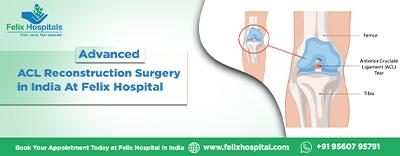
Felix Hospital, Noida, India, is one of the best ACL reconstruction surgery hospitals in India. We provide unmatched patient care and hospital experience for ACL reconstruction surgery in India. We have top specialists and cutting-edge technology


Subscribe to our
© Copyright 2026. All Rights Reserved by Felix Healthcare Private Limited
Design and development by :


 +(91)9667064100
 Emergency : +(91)9667064100