 WhatsApp
 Emergency:
  WhatsApp



Subscribe to our
Liver damage is an early sign that must be detected to avoid the development of a severe liver disease. Liver has vital roles in the body of detoxification, metabolism, and storing nutrients and thus when it does not work properly, even the slightest dysfunction will affect the whole body. If you notice signs pointing toward liver health issues, timely evaluation and treatment can make a life-changing difference. For effective management, engaging a trusted hepatologist in Noida and accessing specialized liver disease treatment in Noida facilities are vital steps. This blog covers early liver damage, liver damage symptoms, signs of liver problems, causes of liver damage, fatty liver early signs, and best treatment for liver problems.
Worried about early liver damage symptoms like fatigue, abdominal discomfort, or dark urine? Book a liver health checkup in Noida today at +91 9667064100.
The early stages of liver damage may be difficult to detect since the liver has an incredible capacity to cope with ineffective work. Nevertheless, pre-existing liver lesions predetermine the development of chronic liver diseases such as cirrhosis, fibrosis and liver failure. The normal functioning of the liver diminishes gradually when the liver cells become damaged as a result of toxins, infections or metabolic disturbance.
Typical causes of liver damage in the early stage include alcoholism, hepatitis by viruses, metabolic liver disease e.g. non-alcoholic fatty liver disease (NAFLD), drugs, and autoimmune disease. Knowledge on the underlying cause can be used to inform proper treatment to prevent progression.
Common Causes of Liver Damage are:
Alcohol intake: Chronic, heavy drinking leads to alcoholic liver disease that has an insidious onset of fatty infiltration and inflammation.
Viral infections: Infection by hepatitis B and C can result in chronic inflammation of the liver thereby causing injury.
Non-alcoholic fatty liver disease (NAFLD): This is the build up of fat in the liver cells associated with obesity, diabetes and elevated cholesterol levels.
Medications and toxins: Some medications (e.g. acetaminophen overdose) and environmental toxins can damage the liver cells.
Autoimmune diseases: The immune system attacks the liver tissue by mistake resulting in inflammation.
Genetic disorders: These disorders include hemochromatosis which causes an iron overload that harms the liver.
Chronic chronic bile duct diseases: This is blockage or inflammation of bile ducts that disrupts bile flow leading to liver damage.
Recognizing early liver damage symptoms is essential for timely diagnosis. The number of symptoms is non-specific and tends to be dismissed, yet the knowledge will save lives. The classic symptoms of an early age are:
Fatigue and weakness: A poorly functioning liver has difficulties with getting rid of the toxins which leads to constant exhaustion.
Weight loss and loss of appetite: Metabolic alterations decrease appetite and nutrient consumption.
Nausea and persistent vomiting: Digestive problems are a typical characteristic of liver dysfunction.
Light abdominal pain: discomfort, soreness of the right rib cage because the inflammation or enlargement.
Yellowing of the skin or eyes ( jaundice): This is a common sign in which the bilirubin accumulates in the blood due to the failure of the liver to clear it.
Dark urine and pale stools: An alteration in bile production and excretion is observed, which influences the urine and stool colors.
Itchy skin: Pruritus may be rampant in case of bile salt accumulation.
Easy bruising and bleeding: A decrease in the production of clotting factors increases the risk of bleeding.
Spider angiomas and palmar erythema: Small vascular spots and reddening on the skin is evidence of liver dysfunction.
Mental confusion or cognitive alterations: This condition is referred to as hepatic encephalopathy and is as a result of accumulation of toxins in the brain which interferes with brain functions.
The symptoms can develop slowly and may differ based on the underlying cause and severity and hence professional evaluation is required.
The non-alcoholic fatty liver disease (NAFLD) is a growing and prevalent cause of premature liver damage. It is not usually vocal but can also comprise:
Mild fatigue
Minimal pain in the upper right abdomen.
High liver enzymes in the blood tests.
NAFLD is often accompanied by indicators of metabolic syndrome, such as obesity, high blood sugar and high cholesterol.
Without treatment, fatty liver may develop to non-alcoholic steatohepatitis (NASH), fibrosis and cirrhosis.
A combination of methods are used by doctors in diagnosis:
Physical exam: The physical examination is to be done to check whether the patient has jaundice, swelling, or skin changes.
Blood tests: Liver functions tests include enzymes (ALT, AST), bilirubin, clotting factor, and proteins.
Imaging: Ultrasound measures the size of the liver, fatty tissue, and evidence of fibrosis.
FibroScan or Elastography: Tests that are not invasive, determine the stiffness of the liver to identify fibrosis.
Liver biopsy: In other instances, a sample of tissues assists in determining the cause and the level of damage.
This can be reversed or restricted by early diagnosis which allows effective intervention.
Liver disease treatment in Noida focuses on addressing the underlying cause, preventing progression, and managing symptoms:
Lifestyle changes: The avoidance of alcohol, a healthy weight, healthy diet, and physical activity are the key elements.
Drugs: Antiviral treatment of hepatitis, insulin sensitizers of fatty liver, steroids/immunosuppressants of autoimmune liver disease.
Frequent checkups: With the help of constant assessment of hepatologists, it is possible to identify aggravation or complications at an early stage.
It is possible to prevent liver cell destruction through careful use of medication and environmental measures.
In case of severely damaged liver, liver transplantation or interventional treatment should be considered.
Early intervention, combined with expert care from a skilled hepatologist in Noida, ensures better outcomes.
If you experience any signs of liver problems, it is important to seek consultation from an experienced hepatologist in Noida before symptoms worsen. Specialists perform detailed assessments and tailor liver disease treatment in Noida based on individual patient needs. Disregard of the symptoms may cause incurable complications such as cirrhosis, liver failure and cancer. Access to hepatology hospital in Noida and public education will save lives and advance the quality of life.
If you have diabetes, obesity, or drink alcohol regularly, protect your liver with timely screening and treatment—schedule your appointment now at +91 9667064100.
To end with, the identification of early liver damage and awareness of the symptoms may result in a timely effective treatment that would save liver functions and health. The expertise of a skilled top hepatologist in Noida paired with comprehensive liver disease treatment in Noida ensures patients receive the best possible care. You should not disregard minor signs - it is possible to alter your life with the help of early medical treatment intervention.
Q.1. What are the symptoms of the earliest liver damage?
Ans. The early symptoms include fatigue, appetite loss, mild pain in the abdomen, and jaundice.
Q.2. Is it possible to reverse fatty liver disease?
Ans. Yes, particularly with dietary, exercise and management of diabetes or cholesterol as lifestyle changes.
Q.3. When is it necessary to visit a hepatologist?
Ans. In case you have chronic symptoms or risk factors such as alcohol consumption or hepatitis infection.
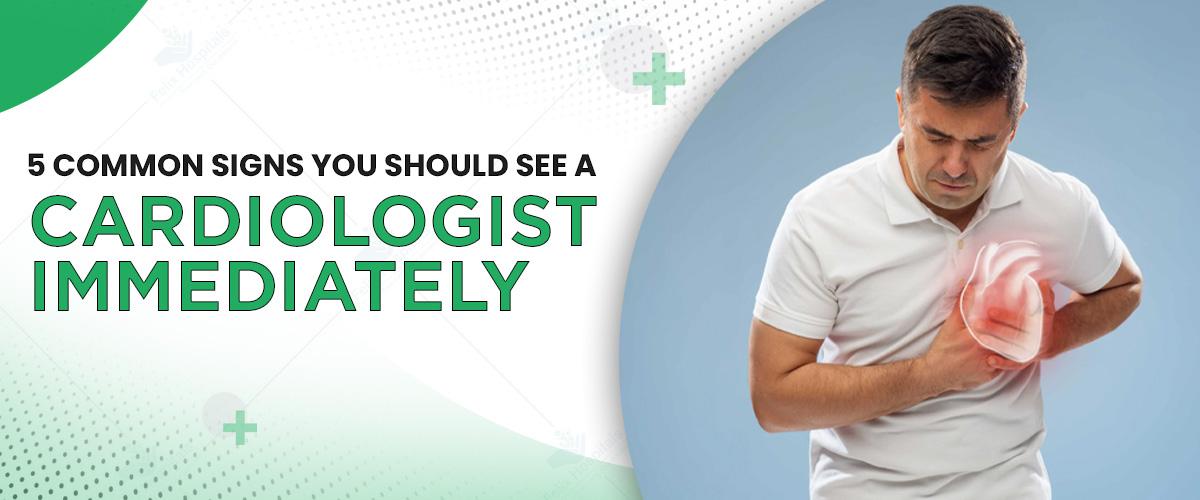
Your heart is what keeps you alive at all times, and it is important to remain attentive to its messages. If you're searching for a cardiologist appointment near me, or need effective heart disease treatment in Noida, it's crucial to recognize the early warning signs of heart problems. Understanding when to seek a cardiologist consultation can save your life or that of a loved one by ensuring timely care. This article reveals five typical symptoms that you need to see a cardiologist at once, and you will be able to save your cardiovascular health with this knowledge.
Experiencing chest pain or discomfort? Book your cardiologist appointment in Noida at +91 9667064100 for expert care.
Heart diseases normally are silent but at times come with some signs and symptoms that one cannot afford to overlook. Knowing these signs to see a cardiologist ensures early diagnosis and intervention.
Chest pain or discomfort is the most well-known heart problems symptom and one of the most urgent reasons to see a heart specialist. That pain can be experienced as a squeezing, pressure, tightness, or heaviness in the chest and extend to the arms, neck, jaw, back, or stomach. It may either happen at rest or during physical activities.
Not every chest pain occurs as a cardiac one, but in cases of persistent, recurrent, or persistent chest pain when it is accompanied by additional symptoms, such as nausea, sweating, or breathlessness, one has to seek urgent medical care.
New, increasing, or unrelated shortness of breath is an indicator of heart failure that may not be capable of delivering an adequate amount of oxygenated blood or the presence of fluid in the lungs. This precocious predictor of heart disease is usually accompanied by heart failure or ischemic diseases. Patients who report shortness of breath during rest or during light activity should also receive immediate cardiology evaluation.
The palpitations or the feeling that the heart is racing, jumping or fluttering point of hearts are a symptom of possible arrhythmias or irregular heartbeats. While sometimes benign, persistent or associated symptoms like dizziness or fainting require urgent cardiologist consultation. Arrhythmias may degrade the effectiveness of the heart and enhance the chances of stroke or myocardial infarction.
Heart failure is also associated with fluid retention (edema) due to the inability of the heart to pump effectively. Lower limbs, ankles, or abdominal swelling is a symptom that would require the visit to the cardiologist. The symptom indicates that the heart is not able to balance the quantity of the fluids and likely needs immediate medical treatment.
The constant fatigue, which cannot be replenished by any rest, multiple failures in accomplishing everyday tasks, and impaired physical shape are inconspicuous, yet valuable indicators suggesting that one may be having a heart failure. It may be chronic fatigue, which may manifest itself as the poor circulation of blood to muscles and organs, and it is necessary to assess cardiac activity.
Knowing when to consult a heart specialist urgently depends on symptom severity and progression. An urgent opinion should be sought when the pain in the chest is accompanied by sweating or nausea, the shortness of breath suddenly increases, palpitations are accompanied by dizziness or fainting, swelling should improve rapidly. In this case, a cardiologist should be consulted in case you have constant fatigue that negatively affects normal life.
A cardiologist consultation involves detailed evaluation, including history taking, physical examination, and diagnostic tests like ECG, echocardiography, and stress testing. The prompt diagnosis aids in initiating relevant treatment which can be lifestyle modification, drugs or interventional treatment to mitigate disease advancement and prevent heart attack.
There are risk factors that precondition the need to observe the symptoms of the heart closely:
The hypertension and cholesterol levels.
Smoking history
Heart disease in family history.
Physical inactivity and obesity.
Age over 40 years
Individuals who have these risk factors are advised to pay more attention to periodic screening and in case of signs of heart discomfort, they should consult a physician.
Preventive medicine is the best medicine:
Eat a heart-healthy diet, which is low in saturated fat, salt and sugar.
Should have regular physical activity that is prescribed by a doctor.
Deal with stress by meditating, counselling or relaxing.
Avoid smoking and have a reduced intake of alcohol.
Eat well and check blood pressure.
These habits will add to medical interventions in the prevention of complications of heart diseases.
During the visit, you will be assessed in terms of comprehensive evaluations depending on your symptoms and risks. Diagnostic clarity will be directed by imaging studies, blood tests and functional tests. Treatment, whether it is medicine, lifestyle change or referral to procedures will be discussed with your cardiologist. You can recover your heart functioning and enhance the quality of your life with individual care plans.
Don’t ignore breathlessness or palpitations—schedule a heart checkup today at +91 9667064100.
Recognizing the early warning signs of heart disease is vital for minimizing serious health consequences. Don't disregard your body message whether in terms of chest pain, difficulty in breathing, palpitations, swelling or even fatigue. If you need timely intervention, book a cardiologist appointment near me and access expert heart disease treatment in Noida. Consulting at early ages helps to save life and live healthier and longer as well as your family.
Q. 1. What are the most urgent symptoms that require a cardiologist visit?
Ans. Persistent or severe chest pain, unexplained shortness of breath, palpitations with dizziness or fainting, swelling in legs or abdomen, and sudden fatigue needing immediate evaluation.
Q. 2. Can shortness of breath alone mean a heart problem?
Ans. Yes, new or worsening breathlessness at rest or during light activity can indicate heart failure or ischemic heart disease and warrants urgent cardiac assessment.
Q. 3. How do irregular or rapid heartbeats affect heart health?
Ans. Arrhythmias can impair heart function and increase risks of stroke or heart attack, requiring diagnosis and treatment by a cardiologist.
Q. 4. Who is at higher risk and should be more vigilant about heart symptoms?
Ans. People over 40, those with diabetes, hypertension, high cholesterol, family history of heart disease, smokers, obese individuals, and physically inactive people.
Q. 5. What diagnostic tests can a cardiologist perform for early detection?
Ans. Electrocardiogram (ECG), echocardiography, stress testing, blood tests including cardiac enzymes and lipid profile help diagnose heart problems early
A stent procedure can be life-saving for those with blocked arteries. This guide walks you through the stent experience—from the angioplasty process to post-procedure recovery and lifestyle changes.
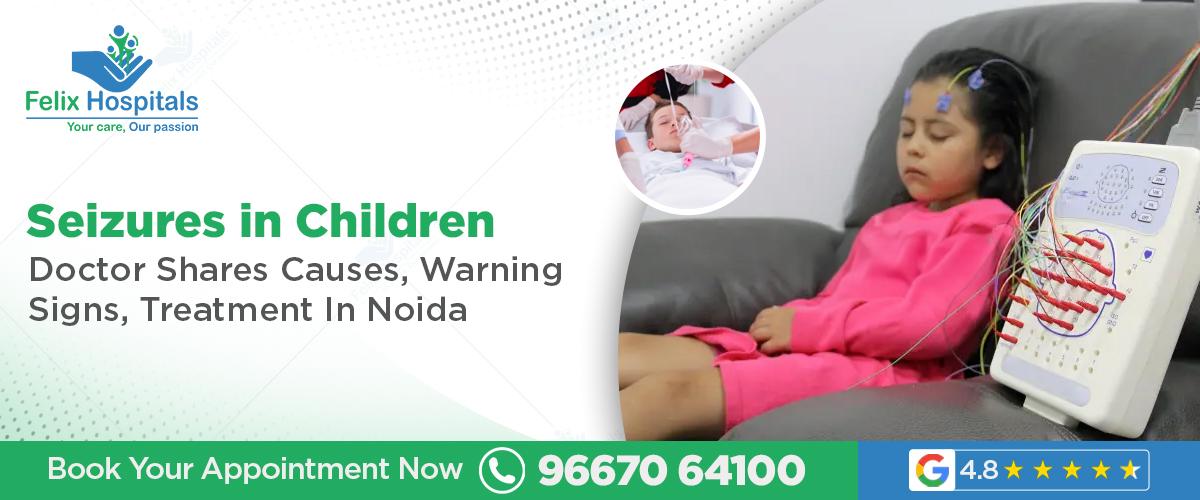
It is a highly upsetting moment when the child suddenly and without control shakes or loses consciousness, something that is painful to the parents. Such episodes, known as seizures in children, can have several underlying causes, and timely diagnosis is crucial. Consulting a pediatric neurologist in Noida can help identify the root cause, provide personalized care, and ensure proper follow-up to manage the condition effectively.
Realizing the causes of a seizure, early warning signs and the most effective treatments should enable parents to deal with it effectively. In this article, an experienced pediatric specialist explains the important aspects of pediatric seizure treatment hospital in Noida, including causes, symptoms, and modern therapeutic approaches.
Worry about your child seizing? Check online to book an appointment with a pediatric specialist today at +91 9667064100 .
A seizure occurs when the brain cells transmit signals of abnormality which interrupt normal brain activity. Not all seizures in children look the same--some may involve convulsions, while others cause brief staring spells, muscle stiffness, or confusion.
Movement, behavior and awareness can be managed by the brain by means of coordinated electrical activity. When they malfunction, it causes a transient spike in the activity, which causes the physical and sensory alterations noticed by the parents. Although one seizure is not necessarily an indication that a child has epilepsy, recurrence of episodes may lead to review to establish the cause and establish how to carry them out effectively.
The duration of seizures may be different, some may take seconds, whereas others may take several minutes. The seizure may also be focal (on one side of the brain) or generalized (on both sides).
Understanding the causes of seizures in kids can help parents and caregivers act quickly. Some of the common triggers are:
Fevers: In children, febrile seizures can be caused by high fever. They are usually brief and not life terminating yet they need consideration.
Genetic factors: There are genetic conditions in which individuals are born with an inclination toward epilepsy or neurological disorders that result into frequent seizures.
Head trauma: A severe blow or trauma to the head may cause interference with the brain activity resulting in seizures.
Infections: Meningitis, encephalitis, or other brain infections can result in pediatric seizures.
Birth injury or brain development problems: Some children may be more vulnerable to oxygen deficiency when they are born or to abnormal brain development.
Electrolyte imbalances: Low sodium, calcium, or other chemical disorders can cause seizures.
Medication side effects or poisoning: There are hardly any cases when sudden convulsions could be triggered by exposure to some medicines or toxins.
Although the cause may be different, it is important to point out the trigger so as to control and prevent it. Professional assessment would make sure that the right tests such as EEG, MRI, and blood tests are conducted to identify the underlying problem.
Parents often miss early or subtle warning signs of seizures in children. These indicators can be identified, and this can provide an early medical response. Key warning signs include:
Sharp twitching, jerking or stiffness of muscles.
Episodes of staring when the child appears to be in a trance over a couple of seconds.
Dizziness or passing out following a short period of time.
Unclear reasons for sudden falls.
Involuntary movements of the eyes, chewing or repetitive movements.
Sudden shortness of breath or paleness or bluishness of the skin.
A postepisodic fatigue, sleepiness or irritation.
Children of the younger age might also seem too quiet at times, unresponsive or show deviations in their behavior or speech following a seizure. Some of the seizures resolve spontaneously, but any seizure that extends beyond five minutes or one that is accompanied by difficulties in breathing is to be treated as a medical emergency.
The diagnosis starts with a history in detail- when the episode started to take place, how long it was taking place, and what symptoms were exhibited in advance, during, and after. The typical recommendations of a pediatric neurologist include:
Electroencephalogram (EEG): Monitors electrical brain activity in order to identify irregular patterns.
MRI or CT Scan: Finds problems in the structure of the brain, infection, or growth defects.
Blood tests: Rule out metabolic imbalances or infections, or genetic markers.
Developmental assessment: Assesses motor and mental processes that have been impacted by frequent seizures.
Proper diagnosis will help the child to be diagnosed with epilepsy or show that the seizure was a one time affair. With the help of the accurate trigger identification, specific treatment and prevention options are possible.
Modern seizure treatment for children focuses on controlling episodes, minimizing side effects, and allowing normal childhood development. A multidisciplinary, structured plan is the most effective division and it can incorporate:
Medication therapy: The primary pillars of treatment should be anti-seizure drugs (anticonvulsants). The kind and the amount of dosage vary depending on the type of seizures, their cause and age.
Lifestyle changes: Proper sleep, balanced diet, and hydration are significant with regard to lowering the number of seizures.
Treating underlying causes: The underlying infections, metabolic or brain injuries should be treated to avoid the additional instances.
Physical and occupational therapy: Can help children to become strong, coordinated, and normal again following frequent seizures.
Surgery: In some instances, when drugs do not work, surgery can be used to excise a small part of the brain that causes seizures.
Emergency care plan: Families are suggested to store prescribed rescue medicines to be used during long-term or cluster seizures.
Each child is treated individually, and the progress is monitored over time. Frequent feedback and transparent communication with the medical staff are what guarantee safer and more productive results.
Parents play an active role in managing child seizure symptoms. In addition to taking medical recommendations, they will be in a position to provide a safer environment and identify early symptoms. Helpful practices include:
Ensuring the child's environment is safe by clearing his or her episodes of sharp objects or obstacles.
Not panicking-the majority of the seizures will end in a few minutes.
Having a log of the time of seizures, the events leading to the seizures and time taken to regain consciousness.
Taking medicine regularly without omission.
A conversation with the physician (such as swimming, cycling).
Training of the caregivers, school teachers and relatives will result in everyone being educated on how to act in the event of an episode.
Many children with pediatric seizures lead normal, healthy lives after proper treatment. Others mature out of the condition when their brain matures, whereas others have to be placed on long-term medication. Positive outcomes are facilitated by early diagnosis, appropriate treatment compliance, and a friendly environment.
Regular visits to a pediatric neurologist should also be maintained by parents and attention should be paid to the evolving symptoms. Children are able to deal with the condition with confidence through emotional support, counseling and open conversations.
Although not every type of seizure is curable, management of triggers lowers the frequency of seizures. Prevention measures that are common are:
Regular drug routines.
Getting sufficient rest- sleep deprivation may lead to incidences.
Preventing lack of food or dehydration.
Preventing head injury in children in sports or play.
Early treatment of fever under medicine.
Observation of lighting or sound stimuli in sensitive children.
With awareness of such preventive measures, parents can reduce episodes considerably in terms of frequency and severity.
Do you need a professional assessment of the symptoms of your child? Contact us now at +91 9667064100.
Timely medical evaluation, awareness, and professional guidance make a major difference in managing seizures in children. If your child shows unusual behaviors such as sudden stiffness, jerking, or brief confusion spells, consulting a pediatric neurologist in Noida is the right step toward safe recovery. Access to advanced care, regular monitoring, and personalized pediatric seizure treatment in Noida offers children the best chance at leading active, healthy lives.
Q.1. What are my instructions in case my child has a seizure at home?
Ans. Remain calm, place the child on his or her back, and ensure that the airway remains open and does not put anything in the mouth. I would consult medical assistance in case the episode takes over five minutes.
Q.2. Are all seizures in children a sign of epilepsy?
Ans. Not always. There are also seizures that are high-fever induced and can be caused by temporary factors and may not be evidence of long-term epilepsy.
Q.3. Can medication completely stop pediatric seizures?
Ans. With correct prescription and follow up, many children do respond very well to medication and live a seizure-free life.
Q.4. What are the early warning signs that I can find in my child?
Ans. Watch short periods of staring, jerks, loss of consciousness or strange repetitive movements.
Q.5. What are the reasons why I need to see a pediatric neurologist?
Ans. In case your child has frequent seizures, loss of consciousness without any clear reason, or some strange movement, then make an appointment with a physician immediately.

10 Reasons why a child may not grow

As a child care specialist, I have noticed a huge difference in overall growing of a child in the last 14 years.

Every parent wants their child to become a successful, confident, and good human being. A child is like a sponge, which can take any shape and can absorb almost everything they see/learn.
Pediatric rheumatology focuses on diagnosing and treating autoimmune and inflammatory disorders affecting children’s joints, muscles, and connective tissues.
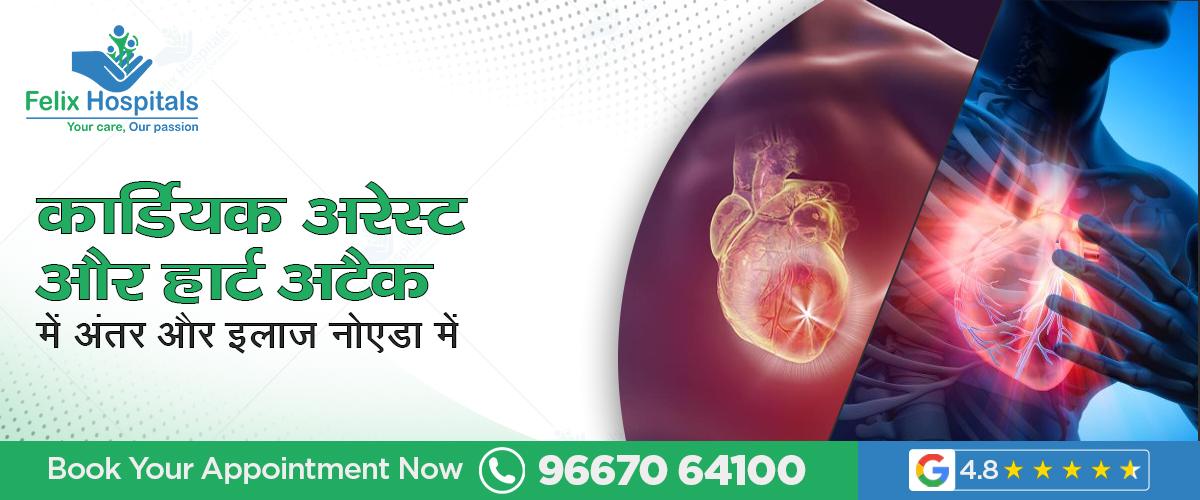
आज के दौर में दिल से जुड़ी बीमारियाँ बेहद आम हो गई हैं। तनाव, अस्वास्थ्यकर खानपान, धूम्रपान, और व्यस्त जीवनशैली ने हमारे हृदय पर गहरा असर डाला है। सबसे बड़ी समस्या यह है कि लोग अक्सर हार्ट अटैक और कार्डियक अरेस्ट (Cardiac arrest) को एक जैसा मान लेते हैं, जबकि दोनों स्थितियाँ एक-दूसरे से बिल्कुल अलग होती हैं। इन दोनों की सही जानकारी और समय पर इलाज जान बचाने में निर्णायक भूमिका निभा सकता है।
इस ब्लॉग में हम विस्तार से समझेंगे कि हार्ट अटैक क्या है, कार्डियक अरेस्ट क्या है, इन दोनों में मुख्य अंतर, लक्षण, कारण, और नोएडा में इलाज के विकल्प क्या हैं।
अगर आप या आपके परिवार में किसी को हृदय से संबंधित समस्या है या लक्षण दिखाई दे रहे हैं, तो तुरंत विशेषज्ञ से सलाह लें। कॉल करें: +91 9667064100।
हार्ट अटैक को चिकित्सा भाषा में मायोकार्डियल इंफार्क्शन (Myocardial Infarction) कहा जाता है। यह तब होता है जब हृदय को रक्त पहुंचाने वाली धमनियों में किसी प्रकार का अवरोध (blockage) बन जाता है। यह अवरोध आमतौर पर कोलेस्ट्रॉल, वसा और थक्कों (plaque) के जमा होने से बनता है।
जब यह धमनी पूरी तरह बंद हो जाती है, तो हृदय की मांसपेशियों तक ऑक्सीजन नहीं पहुँच पाती और वे धीरे-धीरे क्षतिग्रस्त होने लगती हैं। यदि समय पर इलाज न मिले तो यह जानलेवा भी हो सकता है।
हार्ट अटैक होने के कई कारण हो सकते हैं, जैसे:
उच्च रक्तचाप (High Blood Pressure)
अधिक कोलेस्ट्रॉल और मोटापा
धूम्रपान और शराब का सेवन
तनाव और नींद की कमी
शुगर (Diabetes)
अनुवांशिक कारण (Genetic Factors)
इनमें से कोई भी कारण हृदय की धमनियों को प्रभावित कर सकता है और रक्त प्रवाह को रोक सकता है।
हार्ट अटैक के लक्षण अचानक या धीरे-धीरे विकसित हो सकते हैं। आमतौर पर लक्षण इस प्रकार हैं:
सीने में दबाव या जलन जैसा दर्द
बाएँ हाथ, गर्दन या जबड़े में दर्द का फैलना
पसीना आना और कमजोरी महसूस होना
सांस लेने में दिक्कत
उलझन या बेचैनी
मितली या उल्टी
अगर ये लक्षण 10–15 मिनट से अधिक बने रहें, तो यह हार्ट अटैक का संकेत हो सकता है और तुरंत डॉक्टर से संपर्क करना चाहिए।
कार्डियक अरेस्ट एक ऐसी स्थिति होती है जिसमें दिल की धड़कन अचानक रुक जाती है। यह हृदय की विद्युत प्रणाली (electrical system) के गड़बड़ाने के कारण होता है। जब दिल धड़कना बंद कर देता है, तो मस्तिष्क और शरीर के अन्य अंगों तक ऑक्सीजन नहीं पहुँच पाती, जिससे व्यक्ति कुछ ही मिनटों में बेहोश हो जाता है और सांस रुक जाती है।
यह स्थिति इतनी गंभीर होती है कि अगर तुरंत CPR (Cardiopulmonary Resuscitation) या डिफिब्रिलेशन (Electric Shock) न दिया जाए, तो जीवन बचाना बहुत कठिन हो जाता है।
दिल की पुरानी बीमारी या दिल की मांसपेशी की कमजोरी
बहुत तेज़ या असामान्य धड़कन (Arrhythmia)
हार्ट अटैक के तुरंत बाद जटिलता
इलेक्ट्रोलाइट असंतुलन
दवा या नशे की ओवरडोज़
कार्डियक अरेस्ट के लक्षण अचानक और गंभीर होते हैं:
व्यक्ति बेहोश हो जाता है
सांस लेना बंद हो जाता है
नब्ज़ महसूस नहीं होती
त्वचा का रंग नीला या फीका पड़ जाता है
यह स्थिति इमरजेंसी होती है और तुरंत CPR देना ही पहला कदम होना चाहिए।
हालाँकि दोनों स्थितियाँ हृदय से जुड़ी हैं, लेकिन इनमें मौलिक अंतर है।
हार्ट अटैक (Heart attack in hindi) रक्त प्रवाह में रुकावट के कारण होता है, जबकि कार्डियक अरेस्ट हृदय की विद्युत प्रणाली के अचानक फेल होने से होता है। हार्ट अटैक में दिल धड़कता तो रहता है, परंतु पर्याप्त रक्त नहीं पंप कर पाता। वहीं कार्डियक अरेस्ट में दिल की धड़कन पूरी तरह बंद हो जाती है।
जहाँ हार्ट अटैक का इलाज कुछ घंटों में किया जा सकता है, वहीं कार्डियक अरेस्ट के इलाज के लिए हर सेकंड महत्वपूर्ण होता है।
हार्ट अटैक के उपचार का उद्देश्य बंद धमनी को जल्द से जल्द खोलना और हृदय की मांसपेशियों को नुकसान से बचाना है।
नोएडा में आधुनिक कार्डियोलॉजी सुविधाएँ उपलब्ध हैं जहाँ निम्नलिखित उपचार किए जाते हैं:
थ्रोम्बोलाइटिक दवाएँ (Clot Busters) — खून के थक्के को घोलने के लिए।
एंजियोप्लास्टी (Angioplasty) — धमनी में स्टेंट लगाकर रक्त प्रवाह बहाल करना।
बाईपास सर्जरी (Bypass Surgery) — नई धमनी का रास्ता बनाकर रक्त प्रवाह सुनिश्चित करना।
दवाइयाँ — कोलेस्ट्रॉल, ब्लड प्रेशर और शुगर को नियंत्रित करने के लिए।
बेस्ट कार्डियोलॉजिस्ट नोएडा (Best cardiologists in Noida) में इन प्रक्रियाओं के लिए अनुभवी डॉक्टरों और आधुनिक तकनीक की सहायता से मरीजों को आपातकालीन और दीर्घकालिक उपचार उपलब्ध है।
कार्डियक अरेस्ट का इलाज केवल कुछ मिनटों में किया जा सकता है।
तुरंत CPR देना (Chest Compressions) – रक्त और ऑक्सीजन को मस्तिष्क तक पहुँचाने के लिए।
डिफिब्रिलेटर (Electric Shock) – दिल की लय को दोबारा सामान्य करने के लिए।
ACLS (Advanced Cardiac Life Support) – अस्पताल में दवाएँ और ऑक्सीजन देकर स्थिर स्थिति लाना।
नोएडा में अब आधुनिक ICU कार्डियक केयर यूनिट्स हैं जहाँ विशेषज्ञ डॉक्टरों द्वारा ऐसे मरीजों को तुरंत उपचार दिया जाता है।
दिल को स्वस्थ रखने के लिए रोकथाम सबसे बड़ा कदम है। कुछ आदतें जीवन बदल सकती हैं:
रोज़ाना व्यायाम और पैदल चलने की आदत डालें।
धूम्रपान और शराब से दूरी बनाए रखें।
आहार में हरी सब्जियाँ, फल और फाइबर शामिल करें।
पर्याप्त नींद लें और तनाव से बचें।
नियमित रूप से स्वास्थ्य जांच कराएँ।
समय-समय पर हृदय की जांच कराना, ब्लड प्रेशर और शुगर पर नियंत्रण रखना और डॉक्टर की सलाह लेना हार्ट अटैक और कार्डियक अरेस्ट दोनों से बचाव का सबसे प्रभावी तरीका है।
यदि किसी व्यक्ति को अचानक गिरते हुए या सांस रुकते हुए देखें, तो ये कदम तुरंत उठाएँ:
व्यक्ति की नब्ज़ और सांस जांचें।
अगर सांस नहीं है तो CPR शुरू करें — दोनों हाथों से छाती के बीच में जोर से दबाव दें।
तुरंत 108 या नज़दीकी अस्पताल की एम्बुलेंस को कॉल करें।
यदि उपलब्ध हो तो AED (Automated External Defibrillator) का उपयोग करें।
मदद आने तक CPR जारी रखें।
हर सेकंड इस स्थिति में जीवन और मृत्यु के बीच का अंतर बना सकता है।
नोएडा में अब अत्याधुनिक कार्डियक केयर यूनिट्स, 24x7 इमरजेंसी सेवाएँ, और अनुभवी विशेषज्ञों की टीम उपलब्ध है। यहाँ एंजियोप्लास्टी, बाईपास सर्जरी, पेसमेकर इंप्लांटेशन (Pacemaker implantation) और कार्डियक अरेस्ट जैसी जटिल स्थितियों का सफल इलाज किया जा रहा है। यदि आपके परिवार में किसी को बार-बार सीने में दर्द, सांस लेने में तकलीफ़ या अचानक थकान जैसी समस्या हो, तो देरी न करें — नोएडा में हार्ट अटैक और कार्डियक अरेस्ट इलाज के लिए विशेषज्ञ से तुरंत संपर्क करें।
अभी अपॉइंटमेंट बुक करें — नोएडा में हार्ट अटैक और कार्डियक अरेस्ट इलाज के लिए विशेषज्ञ से संपर्क करें। कॉल करें: +91 9667064100।
हार्ट अटैक और कार्डियक अरेस्ट दोनों ही गंभीर स्थितियाँ हैं, लेकिन इनके कारण और इलाज पूरी तरह अलग होते हैं। हार्ट अटैक तब होता है जब हृदय की धमनियों में ब्लॉकेज बनता है, जबकि कार्डियक अरेस्ट में दिल की धड़कन रुक जाती है।
इन दोनों से बचाव के लिए समय पर पहचान, सही जीवनशैली और नियमित जांच बहुत आवश्यक है। यदि आपको सीने में दर्द, बेचैनी या सांस लेने में कठिनाई महसूस होती है, तो तुरंत विशेषज्ञ की सहायता लें। समय पर उठाया गया कदम ही जीवन बचा सकता है।
सवाल 1. हार्ट अटैक और कार्डियक अरेस्ट में मुख्य अंतर क्या है?
उत्तर: हार्ट अटैक तब होता है जब दिल की किसी धमनी में ब्लॉकेज के कारण रक्त प्रवाह रुक जाता है, जबकि कार्डियक अरेस्ट तब होता है जब दिल की धड़कन अचानक रुक जाती है। हार्ट अटैक में दिल धड़कता रहता है, लेकिन कार्डियक अरेस्ट में तुरंत CPR की ज़रूरत होती है।
सवाल 2. हार्ट अटैक के शुरुआती लक्षण कैसे पहचानें?
उत्तर: हार्ट अटैक के शुरुआती संकेतों में सीने में दर्द, भारीपन, सांस लेने में दिक्कत, बाएँ हाथ या जबड़े में दर्द और पसीना आना शामिल हैं। ये लक्षण दिखते ही तुरंत डॉक्टर या बेस्ट कार्डियोलॉजिस्ट नोएडा से संपर्क करें।
सवाल 3. क्या कार्डियक अरेस्ट पहले से चेतावनी देता है?
उत्तर: ज़्यादातर मामलों में कार्डियक अरेस्ट बिना चेतावनी के होता है, लेकिन कभी-कभी पहले तेज़ धड़कन, चक्कर या बेहोशी जैसे लक्षण हो सकते हैं। अगर ऐसा अनुभव हो तो तुरंत नोएडा में हार्ट अटैक और कार्डियक अरेस्ट इलाज केंद्र पर जाँच कराएँ।
सवाल 4. हार्ट अटैक के बाद कार्डियक अरेस्ट क्यों होता है?
उत्तर: हार्ट अटैक से हृदय की मांसपेशियों को नुकसान पहुँचता है, जिससे विद्युत प्रणाली प्रभावित होती है। इससे धड़कन अनियमित (Arrhythmia) हो सकती है जो कार्डियक अरेस्ट का कारण बनती है। इसलिए हार्ट अटैक के बाद नियमित जांच बहुत ज़रूरी है।
सवाल 5. क्या CPR देना हर किसी को आना चाहिए?
उत्तर: हाँ, CPR (Cardiopulmonary Resuscitation) जानना जीवनरक्षक कौशल है। अगर कोई व्यक्ति कार्डियक अरेस्ट में हो, तो तुरंत CPR देने से उसकी जान बचाई जा सकती है। कई अस्पताल और स्वास्थ्य संस्थान CPR प्रशिक्षण भी देते हैं।
हार्ट अटैक के मुख्य लक्षण, कारण और तुरंत किए जाने वाले उपचार के बारे में जानें। समय पर पहचान और सही इलाज से जीवन बचाया जा सकता है।
क्या आप जानते हैं कि दिल का दौरा अचानक नहीं आता, बल्कि इसके पीछे कई छिपे कारण होते हैं? हाई ब्लड प्रेशर, कोलेस्ट्रॉल, तनाव, धूम्रपान और गलत जीवनशैली हार्ट अटैक के बड़े कारण हैं।
हमारा दिल शरीर का सबसे मेहनती और महत्वपूर्ण अंग है। जो शरीर में रक्त का संचार करता है। फिर भी अधिकतर लोग तब तक दिल की सेहत को लेकर गंभीर नहीं होते। बदलती जीवनशैली, तनाव, जंक फूड, धूम्रपान और नींद की कमी जैसे कारणों से हृदय रोगों का खतरा लगातार बढ़ रहा है।
दिल की नियमित जांच न केवल हार्ट अटैक जैसी गंभीर स्थितियों को रोकने में मदद करती है। बल्कि यह आपकी संपूर्ण सेहत का भी संकेत है। अगर आप नोएडा या आसपास रहते हैं और विश्वसनीय हृदय जांच व उपचार सुविधा की तलाश में हैं, तो नोएडा के सर्वश्रेष्ठ कार्डियोलॉजी हॉस्पिटल (Best cardiology hospital in Noida) का चयन करें। जहां अनुभवी कार्डियोलॉजिस्ट और आधुनिक तकनीक के जरिए मरीजों को बेहतर इलाज और देखभाल मिल सके।
अभी अपॉइंटमेंट शेड्यूल करें – कॉल करें: +91 9667064100
हृदय रोग दुनिया भर में मृत्यु का सबसे बड़ा कारण बन चुके हैं। भारत में हर चार में से एक व्यक्ति किसी न किसी प्रकार के हृदय रोग से प्रभावित है। दिल की जांच (Heart Screening) के जरिए शुरुआती स्तर पर बीमारी की पहचान की जाती है। नियमित जांच से पता चलता है कि हृदय कितनी कुशलता से काम कर रहा है। कहीं धमनियों में रुकावट या कोलेस्ट्रॉल का स्तर तो नहीं बढ़ रहा है। समय पर जांच से हार्ट अटैक, स्ट्रोक, ब्लड प्रेशर और कार्डियक फेल्योर जैसी स्थितियों से बच सकते हैं।
असंतुलित और तला-भुना भोजन
अत्यधिक तेल, मसाले और जंक फूड का सेवन शरीर में खराब कोलेस्ट्रॉल (एलडीएल) को बढ़ाता है। अच्छे कोलेस्ट्रॉल (एचडीएल) को कम करता है। इससे धमनियों में फैट जमा होता है। जो धीरे-धीरे रक्त प्रवाह को बाधित कर दिल का दौरा या स्ट्रोक का कारण बनता है।
धूम्रपान और अत्यधिक शराब सेवनः
सिगरेट का धुआं रक्त वाहिकाओं को सिकोड़ देता है। रक्त में ऑक्सीजन की मात्रा घटाता है। दूसरी ओर, अत्यधिक शराब से हाई ब्लड प्रेशर, एरिदमिया (अनियमित दिल की धड़कन) और हृदय की मांसपेशियों की कमजोरी जैसी स्थितियां उत्पन्न होती हैं।
उच्च रक्तचापः
हाई बीपी दिल पर अतिरिक्त दबाव डालता है। जिससे हृदय की मांसपेशियां मोटी और कमजोर होती हैं। लंबे समय तक यह स्थिति रहने पर हार्ट फेल्योर का खतरा कई गुना बढ़ता है।
अधिक कोलेस्ट्रॉलः
खून में कोलेस्ट्रॉल की अधिकता धमनियों की दीवारों पर परत बनाकर उन्हें संकुचित करती है। जिससे रक्त प्रवाह बाधित होता है। यह स्थिति कोरोनरी आर्टरी डिजीज (सीएडी) का मुख्य कारण मानी जाती है।
मोटापा और डायबिटीजः
अधिक वजन और रक्त में शुगर की अधिकता दिल की कार्यक्षमता पर सीधा असर डालती है। डायबिटीज से रक्त वाहिकाओं को नुकसान पहुंचता है। जिससे हृदय रोग और स्ट्रोक का खतरा कई गुना बढ़ता है।
तनाव और नींद की कमीः
लगातार तनाव से शरीर में कॉर्टिसोल और एड्रेनालिन जैसे हार्मोन बढ़ते हैं। जो ब्लड प्रेशर और हृदय गति को प्रभावित करते हैं। वहीं, नींद की कमी दिल को आराम और रिकवरी का पर्याप्त समय नहीं देती। जिससे हार्ट डिजीज (Heart disease) का रिस्क बढ़ता है।
शारीरिक निष्क्रियताः
नियमित व्यायाम न करने से शरीर में कैलोरी और फैट का जमाव बढ़ता है। जिससे वजन, ब्लड प्रेशर और कोलेस्ट्रॉल तीनों प्रभावित होते हैं। रोजाना 30 मिनट तेज चाल से चलना या हल्का व्यायाम दिल को स्वस्थ बनाए रखने में मदद करता है।
ईसीजीः
यह सबसे सामान्य और प्रारंभिक जांच है जो हृदय की विद्युत गतिविधि को रिकॉर्ड करती है। इससे धड़कन की अनियमितता, रुकावट या हृदय की मांसपेशियों में ऑक्सीजन की कमी जैसी स्थितियों का पता लगाता है। ईसीजी तुरंत और बिना दर्द के किया जाने वाला टेस्ट है, जो हार्ट अटैक की शुरुआती पहचान में बेहद उपयोगी है।
ईकोकार्डियोग्राफीः
यह जांच अल्ट्रासाउंड तकनीक पर आधारित होती है। इससे दिल की संरचना, वाल्व, पंपिंग क्षमता और रक्त प्रवाह की दिशा दिती है। ईको से यह पता चलता है कि हृदय की मांसपेशियाँ कितनी प्रभावी ढंग से काम कर रही हैं और वाल्व में कोई लीकेज या ब्लॉकेज तो नहीं। यह टेस्ट हृदय फेल्योर (Heart failure), वाल्व डिजीज और कार्डियोमायोपैथी के मूल्यांकन में महत्वपूर्ण है।
टीएमटीः
टीएमटी में मरीज को ट्रेडमिल पर चलाया या दौड़ाया जाता है, जबकि उसकी ईसीजी, ब्लड प्रेशर और हार्ट रेट को लगातार मॉनिटर किया जाता है। इस टेस्ट से यह देखा जाता है कि व्यायाम या तनाव के दौरान हृदय कैसे प्रतिक्रिया देता है। अगर दिल की धमनियों में ब्लॉकेज है, तो व्यायाम के दौरान हृदय को पर्याप्त ऑक्सीजन नहीं मिलती, जिससे असामान्य ईसीजी संकेत दिखाई देते हैं। यह टेस्ट कोरोनरी आर्टरी डिजीज (Coronary artery disease) का पता लगाने में अहम भूमिका निभाता है।
लिपिड प्रोफाइल टेस्टः
यह एक ब्लड टेस्ट है जो खून में वसा से संबंधित तत्वों का स्तर मापता है, जैसे टोटल कोलेस्ट्रॉल, एलडीएल (खराब कोलेस्ट्रॉल), एचडीएल (अच्छा कोलेस्ट्रॉल), ट्राइग्लिसराइड्स। इन तत्वों के असंतुलन से धमनियों में वसा जमा होती है, जो ब्लॉकेज और हार्ट अटैक का कारण (Cause of heart attack in hindi) बन सकती है। इसलिए, यह जांच हृदय स्वास्थ्य के आकलन में अत्यंत महत्वपूर्ण है।
हाई ब्लड प्रेशरः
दिल की धमनियों पर अतिरिक्त दबाव डालता है। जिससे हृदय की दीवारें कमजोर होती हैं।
ब्लड शुगरः
बढ़ने से रक्त वाहिकाओं की दीवारें क्षतिग्रस्त होती हैं, जिससे दिल के दौरे का खतरा कई गुना बढ़ जाता है। नियमित रूप से बीपी और शुगर लेवल की जांच हृदय की सुरक्षा का पहला कदम है।
सीटी कोरोनरी एंजियोग्राफी या एंजियोग्रामः
यह जांच हृदय की धमनियों में ब्लॉकेज या रक्त प्रवाह में रुकावट की पुष्टि करने के लिए की जाती है। सीटी एंजियोग्राफी में डाई डालकर सीटी स्कैन से दिल की धमनियों की 3 डी इमेज तैयार की जाती है। जबकि पारंपरिक एंजियोग्राम में एक कैथेटर के माध्यम से डाई डालकर एक्स-रे (X-ray) से ब्लॉकेज का सटीक स्थान देखा जाता है। यह जांच उपचार (जैसे एंजियोप्लास्टी या स्टेंटिंग) की आवश्यकता तय करने में महत्वपूर्ण होती है।
35 वर्ष के बाद शरीर की मेटाबॉलिक दर कम होने लगती है और ब्लड प्रेशर, कोलेस्ट्रॉल व शुगर जैसे पैरामीटर असंतुलित होते हैं। अगर आप ऑफिस या बिजनेस के दबाव में रहते हैं। नींद पूरी नहीं लेते या व्यायाम के लिए समय नहीं निकाल पाते, तो सालाना हार्ट चेकअप (Heart checkup) अनिवार्य है। नियमित जांच से शुरुआती असामान्य बदलावों का पता चल सकता है और गंभीर हृदय रोगों को रोका जाता है।
अगर आपके माता-पिता, भाई-बहन या दादा-दादी में किसी को हार्ट अटैक, ब्लॉकेज या हाई बीपी की समस्या रही है, तो आपको भी यह जोखिम आनुवांशिक रूप से मिल ता है। ऐसे व्यक्तियों को कम उम्र (30–35 वर्ष) से ही ईसीजी, ईको और लिपिड प्रोफाइल टेस्ट समय-समय पर करवाते रहना चाहिए। यह जांचें संभावित खतरों की पहले से पहचान करने में मदद करती हैं।
ये सभी हृदय की परेशानी के शुरुआती संकेत होते हैं। अक्सर लोग इन्हें सामान्य कमजोरी या गैस्ट्रिक समस्या समझकर नजरअंदाज कर देते हैं, जिससे जोखिम बढ़ता है। अगर आराम के समय या हल्की गतिविधि के बाद भी सीने में जकड़न या सांस लेने में तकलीफ हो, तो तुरंत ईसीजी या ईको टेस्ट करवाएं। देरी करना जानलेवा साबित होता है।
ये तीनों स्थितियां हृदय के लिए साइलेंट किलर मानी जाती हैं। हाई बीपी से हृदय पर दबाव बढ़ता है। डायबिटीज से रक्त वाहिकाएं क्षतिग्रस्त होती हैं। मोटापा से कोलेस्ट्रॉल जमा होकर धमनियां ब्लॉक होने लगती हैं। इन स्थितियों में नियमित कार्डियक प्रोफाइल टेस्ट और डॉक्टर की सलाह जरूरी है, ताकि नुकसान बढ़ने से पहले नियंत्रण पाया जा सके।
धूम्रपान से रक्त में ऑक्सीजन की मात्रा घटती है और धमनियां सख्त होती हैं। शराब और तले-भुने भोजन से ट्राइग्लिसराइड्स बढ़ते हैं, जिससे दिल की दीवारों पर फैट जमता है। यदि आप इन आदतों को छोड़ नहीं पा रहे हैं, तो कम से कम हर 6–12 महीने में हार्ट चेकअप जरूर कराएँ, ताकि किसी भी शुरुआती नुकसान की पहचान की जा सके।
संतुलित आहार अपनाएं:
तले-भुने, नमकीन और अधिक चीनी वाले भोजन से परहेज करें। अपने आहार में हरी सब्जियाँ, फल, साबुत अनाज, ओट्स, दालें, और फाइबर युक्त भोजन शामिल करें। नोएडा के सर्वश्रेष्ठ कार्डियोलॉजी डॉक्टर (Best cardiology doctor in Noida) उपलब्ध है। ऑलिव ऑयल, सरसों तेल या फ्लैक्स सीड्स ऑयल जैसे अच्छे वसा का सेवन करें। रेड मीट और प्रोसेस्ड फूड की मात्रा सीमित करें, क्योंकि इनमें सैचुरेटेड फैट और सोडियम की मात्रा अधिक होती है। भोजन में संतुलन बनाए रखें। ज्यादा खाना भी हानिकारक है और खाना छोड़ना भी।
नियमित व्यायाम करेंः
रोजाना कम से कम 30 मिनट तेज चाल से चलना, साइक्लिंग, जॉगिंग या हल्का कार्डियो एक्सरसाइज हृदय की मांसपेशियों को मजबूत बनाता है। यदि आप ऑफिस में अधिकतर समय बैठे रहते हैं, तो हर एक घंटे में 5-10 मिनट का मूवमेंट ब्रेक लें। सप्ताह में 5 दिन किसी न किसी रूप में शारीरिक गतिविधि जरूर करें। नियमित व्यायाम से ब्लड प्रेशर, वजन, शुगर और कोलेस्ट्रॉल सभी नियंत्रित रहते हैं।
तनाव कम करेंः
लगातार तनाव कॉर्टिसोल और एड्रेनालिन हार्मोन बढ़ाता है, जिससे ब्लड प्रेशर और हार्ट रेट असंतुलित होते हैं। रोजाना 10–15 मिनट योग, प्राणायाम या मेडिटेशन करें। नींद की कमी भी दिल पर बुरा असर डालती है। इसलिए हर दिन 7–8 घंटे की पूरी नींद लें। अपनी दिनचर्या में आराम और रिलैक्सेशन का समय जरूर शामिल करें।
धूम्रपान व शराब से दूरी बनाएंः
धूम्रपान से रक्त वाहिकाएं सिकुड़ती हैं। ऑक्सीजन की आपूर्ति कम होती है। जिससे दिल पर दबाव बढ़ता है। शराब से ट्राइग्लिसराइड्स और ब्लड प्रेशर दोनों बढ़ते हैं, जो हार्ट डिजीज की जड़ हैं। अगर आप इन आदतों से छुटकारा नहीं पा रहे हैं, तो धीरे-धीरे मात्रा घटाकर विशेषज्ञ की मदद लें। याद रखें हर सिगरेट दिल की उम्र कम करती है।
वजन और बीपी नियंत्रण में रखेंः
बढ़ा हुआ वजन दिल पर अतिरिक्त दबाव डालता है और कोलेस्ट्रॉल के स्तर को प्रभावित करता है। बीपी और ब्लड शुगर की नियमित मॉनिटरिंग करें और असंतुलन पाए जाने पर तुरंत डॉक्टर की सलाह लें। वजन नियंत्रित रखने के लिए हल्का भोजन, पर्याप्त पानी और नियमित नींद पर ध्यान दें। याद रखें, संतुलित शरीर ही स्वस्थ हृदय का आधार है।
नियमित जांच कराएंः
30 वर्ष कीआयु के बाद हर व्यक्ति को साल में कम से कम एक बार हार्ट स्क्रीनिंग करानी चाहिए। इसमें शामिल हो ईसीजी, ईकोकार्डियोग्राफी, लिपिड प्रोफाइल टेस्ट और ब्लड प्रेशर और शुगर लेवल टेस्ट शामिल है। नियमित जांच से छोटी समस्याओं को गंभीर होने से पहले ही नियंत्रित किया जा सकता है।
अभी अपॉइंटमेंट शेड्यूल करें – कॉल करें: +91 9667064100
दिल की बीमारी अचानक नहीं होती है। बल्कि यह धीरे-धीरे जीवनशैली और लापरवाही का परिणाम होती है। अगर आपको सीने में दर्द, थकान, चक्कर, सांस लेने में परेशानी, या धड़कन तेज लगने जैसे लक्षण महसूस हों, तो इन्हें नजरअंदाज नहीं करें। समय रहते जांच और सही इलाज से हार्ट अटैक (Heart attack), ब्लॉकेज या कार्डियक फेल्योर (Cardiac failure in hindi) जैसी गंभीर स्थितियों से बचा जा सकता है। याद रखें दिल की सेहत ही जीवन की सेहत है। इसलिए जांच कराना आपकी जिम्मेदारी भी है और सुरक्षा भी। इलाज में देरी नहीं करनी चाहिए।
प्रश्न 1: हार्ट चेकअप कब करवाना चाहिए?
उत्तर: अगर आपकी उम्र 30 वर्ष से अधिक है। परिवार में हृदय रोग का इतिहास है। ब्लड प्रेशर-शुगर जैसी बीमारियां हैं, तो साल में एक बार हार्ट चेकअप करवाना चाहिए।
प्रश्न 2: क्या ईसीजी से हर दिल की बीमारी पता चल जाती है?
उत्तर: नहीं, ईसीजी सिर्फ धड़कन और विद्युत गतिविधि दिखाता है। ब्लॉकेज या पंपिंग की स्थिति जानने के लिए ईको या टीएमटी जांच आवश्यक है।
प्रश्न 3: हार्ट चेकअप में कितना समय लगता है?
उत्तर: बेसिक टेस्ट जैसे ईसीजी, ब्लड टेस्ट और ईको कराने में लगभग 1 से 2 घंटे का समय लगता है। समय रहते जांच करानी चाहिए।
प्रश्न 4: क्या हर बार लक्षण होने पर ही टेस्ट करवाना जरूरी है?
उत्तर: नहीं, नियमित जांच रोग से पहले रोकथाम के लिए होती है। बिना लक्षण भी सालाना जांच जरूरी है। जिससे बीमारी समय पर पता चल सके।
प्रश्न 5: क्या हार्ट चेकअप महंगा होता है?
उत्तर: नहीं, बेसिक चेकअप पैकेज 1500–4000 के बीच में उपलब्ध हैं। बीमारी की स्थिति और जरूरी जांच के आधार पर खर्च तय होता है। समय पर जांच और इलाज करानी चाहिए।
हार्ट अटैक के मुख्य लक्षण, कारण और तुरंत किए जाने वाले उपचार के बारे में जानें। समय पर पहचान और सही इलाज से जीवन बचाया जा सकता है।
क्या आप जानते हैं कि दिल का दौरा अचानक नहीं आता, बल्कि इसके पीछे कई छिपे कारण होते हैं? हाई ब्लड प्रेशर, कोलेस्ट्रॉल, तनाव, धूम्रपान और गलत जीवनशैली हार्ट अटैक के बड़े कारण हैं।
Epilepsy is one of the most widely recognised neurological conditions globally, yet it remains misunderstood by many. At its core, epilepsy is defined as a chronic neurological disorder marked by unprovoked and recurrent seizures, commonly described by patients as sudden episodes of abnormal movement, sensation, or behavior. These seizures occur due to unexpected bursts of electrical activity in the brain, which disrupt the normal communication pathways between brain cells.
Understanding what is epilepsy, the types of seizures and epilepsy, early warning signs, and the available treatment options for epilepsy is essential. If you or someone you love is showing symptoms, getting evaluated at a Neurology hospital in Noida can ensure timely diagnosis and effective management.
Epilepsy is not a single condition—it is an umbrella term that covers multiple seizure types and underlying causes. While some individuals may experience brief, momentary lapses in awareness, others may have full-body convulsions. The nature of each seizure depends on which part of the brain is involved.
The sudden electrical disturbances in the brain interrupt its normal functioning, creating temporary changes in behavior, sensation, or consciousness. Because epilepsy affects everyone differently, treatment and management approaches vary widely.
Understanding the types of seizures and epilepsy helps patients and families identify patterns and seek appropriate care.
No identifiable cause is found. These seizures often develop spontaneously.
A cause is suspected but cannot be conclusively identified.
Seizures result from a known cause, such as brain injury or infection.
Epilepsy can also be classified by the area of the brain involved:
These originate in a specific part of the brain.
Simple Partial Seizure: Awareness is preserved.
Complex Partial Seizure: Awareness is impaired; the patient may not remember the episode.
These affect both hemispheres of the brain.
Tonic-clonic seizures
Absence seizures
Atonic seizures
Tonic seizures
Clonic seizures
The epilepsy symptoms explained vary widely among patients. Common signs include:
Short spells of memory lapses or confusion
Inability to respond for a brief period
Sudden falls without reason
Convulsions without fever
Repetitive chewing or lip-smacking
Unusual, repetitive body movements
Sudden panic or fear attacks
Strange smells, tastes, or sensations
Gazing blankly for a few seconds
Recognising the signs of epilepsy in adults early can prevent dangerous injuries and improve treatment outcomes.
Epilepsy can begin at any age and has multiple triggers. Common causes include:
Genetic factors
Head injuries such as road accidents
Brain tumours or structural abnormalities
Stroke
Infections such as meningitis or encephalitis
Prenatal injuries due to poor maternal health
Developmental disorders like autism
Understanding the difference between a single seizure and epilepsy is important—epilepsy is diagnosed only when seizures recur without obvious triggers.
Proper diagnosis is crucial in determining how epilepsy should be treated. Patients are assessed through:
Doctors examine seizure patterns, behaviour changes and mental functioning to narrow down the epilepsy type.
The most widely used test to detect abnormal electrical activity.
Monitors the patient during a seizure to confirm diagnosis.
Used to rule out infections or metabolic causes.
MRI reveals structural brain problems.
CT scan identifies abnormalities like bleeding or tumors.
PET & SPECT scans locate seizure-origin areas.
Assess memory and cognitive abilities to identify affected brain areas.
A specialist at the best neuro hospital in Noida uses these assessments to determine the most effective treatment plan.
During a seizure:
Stay with the person
Note the seizure duration
Remove harmful objects
Support the head
Do not give water, food, or pills
Call for emergency help if:
Seizure lasts over 5 minutes
Multiple seizures occur
The person gets injured
They don’t regain consciousness
Epilepsy treatment aims to prevent seizures, improve quality of life, and reduce long-term complications. Effective treatment options for epilepsy include:
Medications are the first line of treatment. Many patients achieve complete seizure control with a single drug. Some may require combination therapy.
Side effects may include fatigue, dizziness, mood changes, or memory issues, but these often improve with dose adjustments.
When medication fails to provide adequate control, surgical procedures may be considered. These include:
Resection Surgery: Removes the brain region where seizures originate—commonly used for temporal lobe epilepsy.
Corpus Callosotomy: Cuts the connection between the two brain hemispheres to stop seizure spread.
Hemispherectomy: Removes or disconnects one brain hemisphere (used for severe childhood epilepsy).
Laser Interstitial Thermal Therapy (LITT): Minimally invasive surgery using laser to destroy seizure tissue.
Useful for children and sometimes adults:
Ketogenic diet
Modified Atkins Diet (MAD)
Low Glycemic Index Treatment (LGIT)
These help patients who cannot undergo surgery or do not respond well to medication:
Vagus Nerve Stimulation (VNS)
Responsive Neurostimulation (RNS)
Deep Brain Stimulation (DBS)
Methods like acupuncture or biofeedback may help some individuals but should always be used under medical guidance.
Managing epilepsy is a long-term process. Here are essential tips for living with epilepsy:
Take medications consistently
Attend regular check-ups
Maintain good sleep habits
Reduce alcohol and avoid drugs
Manage stress with yoga, meditation, or breathing exercises
Record seizure events in a diary
Avoid unsafe activities (swimming alone, heights, fire hazards)
Inform family and colleagues about first-aid steps
With proper treatment and follow-up, most people live completely normal, fulfilling lives.
Early recognition of symptoms, proper diagnosis, and timely treatment can significantly improve outcomes for people with epilepsy. Knowing what is epilepsy, identifying the epilepsy symptoms explained, and understanding when to see a doctor for epilepsy helps ensure safety and long-term health. If you notice recurrent seizure episodes or unusual neurological symptoms, consult a specialist at a trusted top Neurologist in Noida for accurate evaluation and personalised care. With the advanced treatment options available today, patients can lead safe, independent, and well-managed lives under expert supervision at the best neuro hospital in Noida.
Q. 1. How do I know if my symptoms mean epilepsy?
Ans. If you experience repeated unprovoked seizures or unusual blackout spells, you should get evaluated for epilepsy.
Q. 2. What is the difference between a single seizure and epilepsy?
Ans. A single seizure can happen once, but epilepsy involves recurrent seizures without a clear trigger.
Q. 3. When should I see a doctor for epilepsy?
Ans. Seek medical care immediately if you have repeated episodes of unexplained shaking, blackouts, or sudden behavioural changes.
Q. 4. Can epilepsy be treated permanently?
Ans. Many patients achieve complete seizure control with the right treatment, and some may eventually stop medications.
Q. 5. Can adults suddenly develop epilepsy?
Ans. Yes, adults can develop epilepsy due to head injuries, stroke, infections, or unknown causes.
Vertigo and epilepsy in children require quick diagnosis and care. Noida offers advanced tests and treatments to manage symptoms effectively.
Experiencing tingling in your hands or feet? It could signal a nerve-related issue. Consult our expert neurologists at Felix Hospitals to find the cause and get the right treatment today.
Advanced neurosurgery improves treatment for brain and spine disorders with better outcomes.
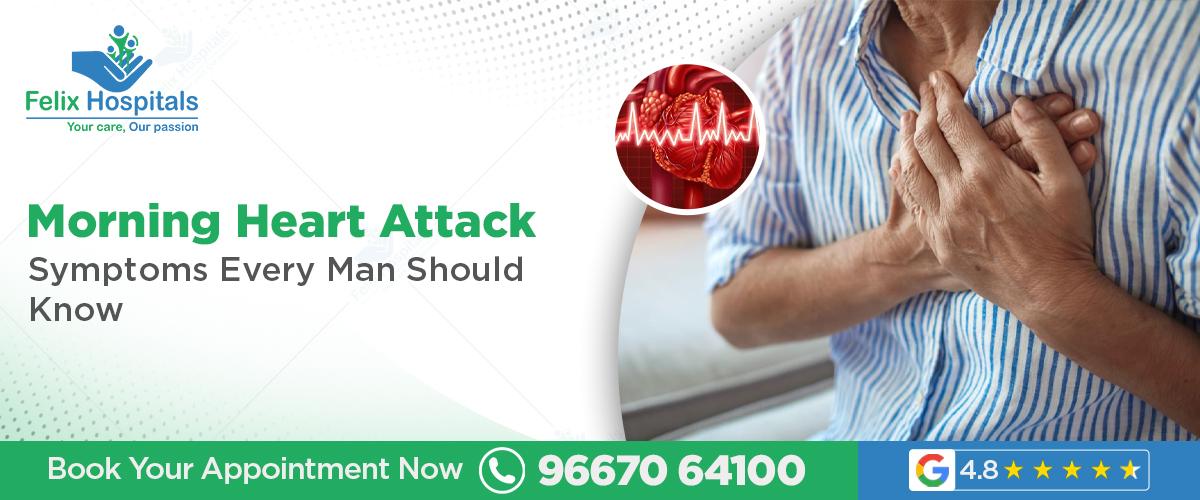
Heart disease is one of the most significant health issues, especially in the context of men, who may have special problems with the early symptoms. Among these, morning heart attack symptoms deserve special attention because research shows heart attacks occur most frequently during early morning hours. Being aware of these heart attack signs in men and understanding when to seek help is crucial for preserving heart health and saving lives.
If you are looking for a reliable cardiac consultation in Noida or quality heart disease treatment in Noida, this guide will equip you with essential knowledge about male heart attack symptoms, early heart attack warning signs in men, and the vital steps to take if trouble arises.
Early detection of heart attack risk saves lives—schedule your heart health checkup today by calling +91 9667064100.
Research indicates that most heart attacks occur during the hours of 4 a.m. and 10 a.m. and this is because the morning hours are very risky. There are a number of physiological changes to attribute to this timing:
Cortisol, which is the hormone associated with stress, is at its highest point when the body wakes up and it elevates blood pressure and heart rate.
The morning increases platelet activity which favors the clotting of blood, increasing the risk of clots.
Blood vessels are more likely to contract and blood pressure increases upon waking putting pressure on the heart.
This perfect storm of biological changes means morning signs of heart attack every man should know could be your lifesaver.
The symptom of the morning heart attack is most often the pain in the chest that can be likened to pressure, tightness, squeezing, or a heavy ache. In contrast to sharp pain, it may take several minutes or recur and disappear. The pain may be referred to shoulders, arms (normally left), neck, jaw or upper abdomen. When you experience chest pains particularly in the morning, then you should keep in mind that that is a direct red flag and should not be ignored.
Even without chest pains, breathlessness is an important cardiac attack symptom in men. The morning breathlessness is usually due to the low blood flow that is brought by the obstruction of arteries or the malfunction of heart muscles. It can deteriorate by doing little or during rest. This symptom is an indicator of heart stress and it needs to be assessed.
Most of the men have sudden cold sweats when they have a heart attack in the mornings. This symptom that is accompanied by nausea or dizziness is a sign of acute reaction of the body to the distress of the heart. This is in contrast to the usual perspiration that comes about as a result of heat or exertion, which is steamy.
Male heart attack symptoms often include overwhelming tiredness or weakness not relieved by rest or sleep. This may come in the form of hours or days before a real heart attack. The issue of morning fatigue along with the inability to carry out normal tasks should be considered a serious indicator of early heart attack in men.
An irregular heartbeat (pounding, racing, or rapid), or an irregular pulse on waking may be a sign of inadequate flow of blood in the heart, or arrhythmia caused by damage to the heart. In case of the occurrence of such palpitations in association with other symptoms, then medical consultation is very urgent.
Other Things Men Need to Pay attention to
Discomfort of a nausea or indigestion type that develops in the morning.
Excessive lightheadedness or dizziness due to getting out of bed.
Fear or imminent doom in the absence of a very clear cause.
Aching to the back, neck or jaw.
These classic symptoms are more likely to be found in men than in women but there are a typical presentations.

Recognizing when men should see a cardiologist for heart risk can prevent serious outcomes. Consultation should be taken immediately in case you experience:
Constant or repeated chest pain or pressure, particularly in the morning.
Dyspnea affecting the day-to-day activities.
Palpitations and light-headedness or fainting.
Sudden excessive fatigue or weakness.
A history of heart disease in the family along with any symptoms of warning.
Early diagnosis is done by diagnostic tests such as ECG, stress test, echocardiography, and blood tests to identify cardiac anomalies in advance before they can cause damage.
Seeking expert cardiac consultation in Noida can provide men with tailored heart health assessments, lifestyle advice, and early interventions. Cardiologists here are trained to identify heart attack risk in men, manage symptoms, and prescribe treatments ranging from medication to minimally invasive procedures.
Timely consultations to reliable heart care facilities can result in:
Early detection of arterial blockages or cardiac arrhythmia.
Individualized management strategies that deal with the preventable risk factors like hypertension, diabetes, or high cholesterol.
Access to the latest heart disease treatment in Noida, including advanced diagnostics and interventional cardiology.
The things that men can do to lower the chances of having a heart attack in the morning include:
Eating a heart-healthy diet that is full of fruits, vegetables, lean protein, and whole grains.
Exercise that enhances the work of the heart and lungs and decreases stress.
Tobacco avoidance and alcohol restriction.
Taking care of weight, high blood pressure, and sugar level.
Ways of reducing stress such as meditation and sleeping.
Frequent heart examinations particularly when you have predisposing factors.
Take control of your heart health with personalized treatments at Noida’s leading cardiac centers. Call +91 9667064100.
Awareness of morning heart attack symptoms and early heart attack warning signs in men is vital for life-saving early action. Men should not disregard the constant chest pain, breathlessness, tiredness, or heartbeat among others particularly in the morning. Timely cardiac consultation in Noida and prompt Best Cardiac Surgeons in Noida can dramatically improve survival and quality of life. Give yourself the power to learn and seek the assistance of the experts promptly to guard your heart and wellbeing.
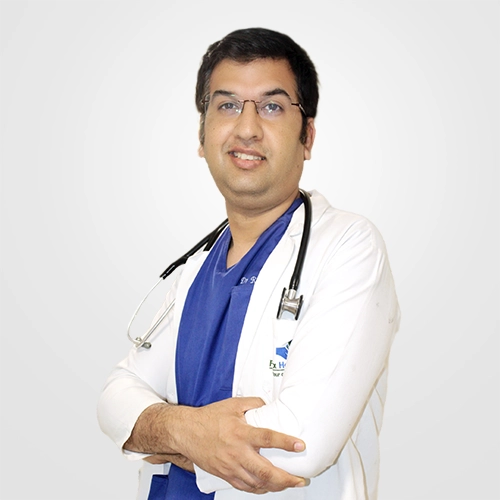
Dr. Rahul Arora is an experienced Interventional Cardiologist with 21+ years of expertise in advanced cardiac care, specializing in personalized, evidence-based treatment for heart diseases and improved patient outcomes.
Cold weather affects the body in several ways that can increase cardiovascular risks.
At Felix Hospital, our team of expert cardiologists is dedicated to providing the best care and personalized treatment plans. Dr. Rahul Arora is the best cardiologists in Noida
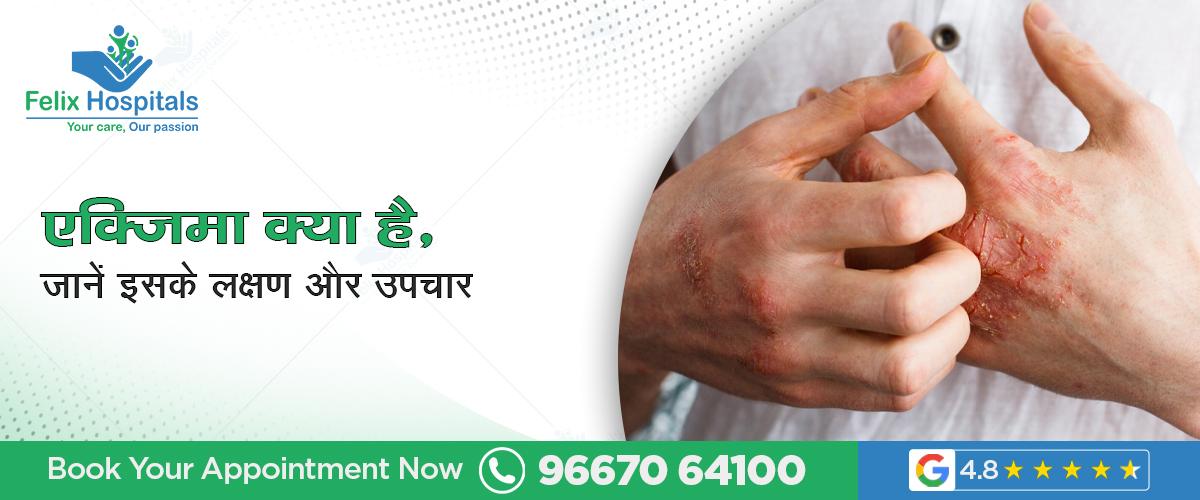
त्वचा हमारे शरीर की सुरक्षा कवच है, जो हमें बाहरी वातावरण, बैक्टीरिया, रसायनों और संक्रमण से बचाती है। लेकिन जब यही त्वचा लाल, खुजलीदार और रूखी हो जाती है, तो यह एक्जिमा (Eczema) नामक स्थिति का संकेत हो सकता है।
यह केवल एक सामान्य स्किन प्रॉब्लम नहीं, बल्कि एक दीर्घकालिक (chronic) त्वचा रोग है जो व्यक्ति के जीवन की गुणवत्ता को गंभीर रूप से प्रभावित कर सकता है। यदि आपको लगातार त्वचा में खुजली या जलन महसूस होती है, तो यह समय है कि आप नोएडा में एक्जिमा विशेषज्ञ डॉक्टर (Eczema specialist doctors in Noida) से परामर्श लें।
क्या आप या आपके किसी प्रियजन को एक्जिमा की समस्या है? अब घर बैठे विशेषज्ञ परामर्श प्राप्त करें। आज ही संपर्क करें +91 9667064100।
एक्जिमा एक प्रकार की सूजन संबंधी त्वचा बीमारी (Skin Disorder) है जिसमें त्वचा की ऊपरी परत प्रभावित होती है। इसमें त्वचा पर खुजली, लाल धब्बे, रूखापन और कभी-कभी फफोले दिखाई देते हैं। यह रोग किसी एक कारण से नहीं होता, बल्कि कई शारीरिक और पर्यावरणीय कारण मिलकर इसे उत्पन्न करते हैं।
एटोपिक डर्मेटाइटिस (Atopic Dermatitis): यह सबसे आम प्रकार है, जो बच्चों में अधिक देखा जाता है।
कॉन्टैक्ट डर्मेटाइटिस (Contact Dermatitis): किसी विशेष पदार्थ जैसे साबुन, परफ्यूम या धातु के संपर्क से होता है।
डायशाइड्रोटिक एक्जिमा (Dyshidrotic Eczema): हाथों और पैरों में छोटे-छोटे फफोले के रूप में दिखाई देता है।
सेबोरिक डर्मेटाइटिस (Seborrheic Dermatitis): सिर और चेहरे पर डैंड्रफ या स्कैल्प इर्रिटेशन के रूप में।
नम्यूलर एक्जिमा (Nummular Eczema): गोल या सिक्के जैसे धब्बे, जो खुजली और रूखापन पैदा करते हैं।
एक्जिमा के सटीक कारण व्यक्ति-व्यक्ति पर निर्भर करते हैं। यह कई आंतरिक और बाहरी कारकों का परिणाम होता है।
मुख्य कारणों में शामिल हैं:
जेनेटिक प्रवृत्ति: यदि परिवार में किसी को एलर्जी या अस्थमा रहा है तो एक्जिमा का खतरा अधिक होता है।
इम्यून सिस्टम की अधिक सक्रियता: शरीर की प्रतिरक्षा प्रणाली कभी-कभी सामान्य चीजों को भी खतरे के रूप में पहचानती है, जिससे त्वचा में सूजन हो जाती है।
पर्यावरणीय ट्रिगर्स: धूल, परागकण, साबुन, सुगंधित उत्पाद, या प्रदूषण एक्जिमा को बढ़ा सकते हैं।
तनाव (Stress): मानसिक तनाव भी त्वचा की प्रतिक्रिया को प्रभावित करता है और एक्जिमा के लक्षण बढ़ा सकता है।
हार्मोनल बदलाव: महिलाओं में प्रेग्नेंसी या मासिक चक्र के दौरान हार्मोनल परिवर्तन एक्जिमा के लक्षणों को बढ़ा सकते हैं।
एक्जिमा के लक्षण उसकी गंभीरता और प्रकार के अनुसार अलग-अलग हो सकते हैं।
त्वचा में लगातार खुजली और जलन
लालिमा या सूजन
रूखी, फटी हुई या छिलने वाली त्वचा
फफोले या तरल पदार्थ का रिसाव
त्वचा का मोटा या खुरदुरा होना (chronic eczema में)
इन लक्षणों की तीव्रता ठंड के मौसम, तनाव या किसी एलर्जिक रिएक्शन से बढ़ सकती है।
एक्जिमा का निदान त्वचा विशेषज्ञ द्वारा मरीज के लक्षणों, चिकित्सा इतिहास और त्वचा जांच के आधार पर किया जाता है। कई बार डॉक्टर एलर्जी टेस्ट (Allergy Test) या पैच टेस्ट करके यह पता लगाते हैं कि कौन-सा पदार्थ एक्जिमा को ट्रिगर कर रहा है। कुछ मामलों में, स्किन बायोप्सी भी की जाती है ताकि अन्य त्वचा रोगों को बाहर किया जा सके।
यदि आपको बार-बार त्वचा पर खुजली या सूजन दिखाई देती है, तो नोएडा में एक्जिमा का इलाज (Eczema treatment in Noida) कराने के लिए विशेषज्ञ से संपर्क करना समझदारी होगी।
एक्जिमा का इलाज व्यक्ति की स्थिति, उम्र और लक्षणों की गंभीरता पर निर्भर करता है। हालांकि, इसका स्थायी इलाज नहीं होता, लेकिन सही उपचार से इसे पूरी तरह नियंत्रित किया जा सकता है।
स्टेरॉइड क्रीम या ऑइंटमेंट: सूजन और खुजली को कम करते हैं।
एंटीहिस्टामिन दवाइयाँ: एलर्जी से होने वाली खुजली को कम करने में मदद करती हैं।
इम्यूनोमॉड्यूलेटरी दवाइयाँ: जब सामान्य दवाइयाँ असर नहीं करतीं तो इन्हें इस्तेमाल किया जाता है।
त्वचा को रोज़ाना मॉइस्चराइज़ करें।
गर्म पानी से न नहाएं; हल्के गुनगुने पानी का प्रयोग करें।
सुगंधित साबुन या केमिकल युक्त उत्पादों से बचें।
नहाने के तुरंत बाद त्वचा पर क्रीम लगाएँ।
कुछ गंभीर मामलों में डॉक्टर UV light therapy की सलाह देते हैं, जो त्वचा की सूजन को नियंत्रित करती है।
पर्याप्त नींद लें।
तनाव कम करने के लिए योग या मेडिटेशन करें।
संतुलित आहार लें और पानी अधिक पिएं।
त्वचा को हमेशा हाइड्रेटेड रखें।
एलर्जन (जैसे धूल, पराग, डिटर्जेंट) से दूरी बनाए रखें।
कॉटन के कपड़े पहनें; सिंथेटिक कपड़ों से बचें।
मौसम के अनुसार स्किन केयर रूटीन अपनाएँ।
किसी भी नई स्किन प्रोडक्ट को लगाने से पहले पैच टेस्ट करें।
आज ही संपर्क करें +91 9667064100 और अपने लिए व्यक्तिगत स्किन केयर प्लान बनवाएँ।
एक्जिमा केवल एक सामान्य स्किन प्रॉब्लम नहीं बल्कि शरीर की प्रतिरक्षा प्रणाली से जुड़ी एक जटिल स्थिति है, जो समय पर इलाज न मिलने पर गंभीर रूप ले सकती है। अच्छी बात यह है कि आज आधुनिक चिकित्सा पद्धतियों और उन्नत डर्मेटोलॉजी के कारण एक्जिमा को पूरी तरह नियंत्रित किया जा सकता है। ऐसे मामलों के लिए नोएडा में त्वचाविज्ञान अस्पताल (Dermatology hospital in Noida) मरीजों को विश्वस्तरीय सुविधाएं एवं विशेषज्ञ उपचार प्रदान करते हैं।
यदि आप लंबे समय से खुजली, लालिमा या त्वचा में सूजन जैसी समस्याओं से परेशान हैं, तो बिना देर किए किसी अनुभवी त्वचा विशेषज्ञ से संपर्क करें। सही निदान और व्यक्तिगत उपचार योजना से आप अपनी त्वचा को स्वस्थ, मुलायम और खुजली-मुक्त बना सकते हैं।
सवाल 1. क्या एक्जिमा और सोरायसिस एक ही बीमारी हैं?
जवाब: नहीं, दोनों में काफी फर्क है। एक्जिमा में खुजली और सूजन अधिक होती है जबकि सोरायसिस में त्वचा पर मोटे, सफेद छिलके जैसी परतें बनती हैं।
सवाल 2. क्या बार-बार हाथ धोने या सैनिटाइज़र इस्तेमाल करने से एक्जिमा बढ़ सकता है?
जवाब: हाँ, लगातार हैंडवॉश या सैनिटाइज़र का उपयोग त्वचा की नमी को कम करता है जिससे एक्जिमा के लक्षण और भी खराब हो सकते हैं। ऐसे में डॉक्टर आमतौर पर बिना अल्कोहल वाले माइल्ड हैंडवॉश और मॉइस्चराइज़र के इस्तेमाल की सलाह देते हैं।
सवाल 3. क्या एक्जिमा केवल सर्दियों में ही होता है या गर्मियों में भी बढ़ सकता है?
जवाब: यह एक गलत धारणा है कि एक्जिमा सिर्फ सर्दियों में होता है। गर्मियों में पसीना, धूल और प्रदूषण से त्वचा में जलन बढ़ जाती है, जिससे एक्जिमा के कारण और ट्रिगर दोनों सक्रिय हो सकते हैं। इसलिए मौसम चाहे कोई भी हो, त्वचा को हाइड्रेट रखना ज़रूरी है।
सवाल 4. क्या बच्चे के शरीर में एक्जिमा होने पर उसे स्कूल या अन्य बच्चों से अलग रखना चाहिए?
जवाब: नहीं, एक्जिमा संक्रामक नहीं होता, इसलिए बच्चे को अलग रखने की आवश्यकता नहीं है। बस यह ध्यान रखें कि बच्चा त्वचा को खुजलाए नहीं और उसे मॉइस्चराइज़र समय पर लगाया जाए। यदि लक्षण बढ़ें तो तुरंत नोएडा में एक्जिमा का इलाज करवाना उचित है।
सवाल 5. क्या एक्जिमा के मरीज मेकअप या स्किनकेयर प्रोडक्ट्स का इस्तेमाल कर सकते हैं?
जवाब: हाँ, लेकिन बहुत सावधानी से। सुगंध, पैराबेन, या अल्कोहल युक्त प्रोडक्ट्स एक्जिमा को बढ़ा सकते हैं। डर्मेटोलॉजिस्ट द्वारा सुझाए गए “हाइपोएलर्जेनिक” और “फ्रेगरेंस-फ्री” प्रोडक्ट्स का इस्तेमाल करना सुरक्षित होता है।
सवाल 6. क्या बार-बार तनाव या नींद की कमी एक्जिमा को गंभीर बना सकती है?
जवाब: बिलकुल। मानसिक तनाव शरीर में सूजन संबंधी हार्मोन (Cortisol) बढ़ा देता है, जिससे एक्जिमा के लक्षण तीव्र हो सकते हैं। नियमित नींद, ध्यान (Meditation) और योग एक्जिमा प्रबंधन का महत्वपूर्ण हिस्सा हैं।
त्वचा संक्रमण के कई कारण हो सकते हैं, जो सूक्ष्मजीवों के त्वचा में प्रवेश करने से उत्पन्न होते हैं। ये संक्रमण तब होते हैं जब त्वचा की बाहरी सुरक्षा परत (एपिडर्मिस) क्षतिग्रस्त हो जाती है और बैक्टीरिया, वायरस, फंगस या परजीवी वहां से शरीर के अंदर प्रवेश कर
होम्योपैथी एक्जिमा का इलाज जड़ से करने में मदद करती है। यह शरीर की प्राकृतिक हीलिंग क्षमता को बढ़ाकर लंबे समय तक आराम और रिलीफ प्रदान करती है।
त्वचा एलर्जी क्या है, इसके कारण, लक्षण और प्रभावी इलाज के बारे में जानें। समय पर उपचार त्वचा को सुरक्षित रखता है।
यदि आप किसी भी प्रकार के फंगल इन्फेक्शन का अनुभव कर रहे हैं, तो आपके लिए डॉ. कुसुम गुप्ता और डॉ. सौरभ भाटिया जैसे विशेषज्ञ डॉक्टरों से परामर्श लेना अत्यंत महत्वपूर्ण है।
As one of the frequently misunderstood neurological conditions, Chronic Fatigue Syndrome (CFS) demands careful clinical evaluation and long-term management. Many patients seek clarity at a trusted Neurology hospital in Noida, where specialists can identify the difference between fatigue and chronic fatigue syndrome and guide them with the right support.
Chronic Fatigue Syndrome (CFS) is a medical condition characterized by extreme weariness or fatigue that does not go away with rest and is not caused by a specific medical illness. CFS is also known as Myalgia Encephalomyelitis (ME) or Systemic Exertion Intolerance Disease (SEID).
Many other conditions can also cause fatigue, such as viral infections, psychological stress, hormonal imbalances, and poorly controlled diabetes, but what is chronic fatigue syndrome is now identified as a unique syndrome.
CFS cannot be diagnosed easily because there are no confirmatory tests available. The doctor will need to rule out other possible explanations for the weariness and diagnose CFS only by exclusion. It is now widely recognised as a medical disorder.
CFS can affect anybody, but it is most frequent in women in their 40s and 50s. Although there is no cure at this time, medications can help with symptoms.
Genetic predisposition
Allergies
Stress
Environmental factors
Postural Orthostatic Tachycardia Syndrome (POTS)
Understanding the causes of chronic fatigue syndrome is essential for proper management. Some people are predisposed to the illness from birth, and it is activated by a combination of events such as:
Some individuals develop CFS after viral infections such as Epstein–Barr virus, human herpesvirus 6, Ross River Virus (RRV), and rubella. A confirmed link is yet to be established.
People with CFS tend to have slightly weakened immunity, although it is unclear whether this predisposes them to the condition.
Hormones produced in the adrenal glands, hypothalamus, and pituitary glands may occasionally appear abnormal in patients with CFS.
Some people report symptoms beginning after an injury, surgery, or intense emotional stress.
Infections like Coxiella burnetii and Mycoplasma pneumonia have also been associated.
According to the CDC, CFS may represent the result of several distinct illnesses rather than one single cause.
The signs and symptoms of chronic fatigue syndrome vary in severity and presentation.
The most prominent symptom is severe fatigue that interferes with daily activities and lasts for at least six months, without relief from rest.
A significantly reduced ability to perform routine activities, particularly after mental or physical exertion (post-exertional malaise – PEM), is common. PEM can persist for hours or even days.
Unrefreshing sleep
Chronic insomnia
Muscle or joint pain
Sore throat
Swollen glands
Difficulty concentrating
Flu-like symptoms
Dizziness or sickness
Heart palpitations
Orthostatic intolerance
Symptoms may fluctuate, appear in cycles, or temporarily disappear (remission) and return later (relapse).
Patients often ask how is chronic fatigue syndrome diagnosed, and the answer is by detailed evaluation and exclusion.
A general practitioner evaluates medical history and performs a physical examination. Tests such as blood or urine evaluations rule out anaemia, thyroid disorders, liver or kidney dysfunction, and other illnesses.
According to NICE, CFS should be considered when:
Fatigue is unexplained
Daily function is reduced
Symptoms worsen after exertion
Other causes have been ruled out
Children or adolescents with suspected CFS should be referred to a pediatrician within six weeks.
There is no cure, but chronic fatigue syndrome treatment options aim to reduce symptoms and improve functioning.
Antidepressants: Helpful for depression, sleep, and pain.
Medications for orthostatic intolerance: Useful for dizziness or blood pressure regulation.
Pain medications: If OTC medicines fail, drugs used for fibromyalgia may help (pregabalin, duloxetine, amitriptyline, gabapentin).
Counselling: Helps patients cope better and manage stress or depression.
Sleep management: Improving sleep hygiene and addressing disorders such as sleep apnea.
Exercise therapy: Gentle, graded exercise to prevent deconditioning.
PEM causes symptoms to worsen after exertion. Activity management (“pacing”) helps prevent flare-ups by balancing activity and rest.
Avoiding caffeine, nicotine, alcohol, and irregular sleep patterns helps maintain stability.
While CFS itself has no direct surgical cure, certain associated conditions may require surgical care as part of wider chronic fatigue syndrome treatment options:
Surgery for sleep apnea (e.g., nasal or airway procedures) when breathing disturbances worsen fatigue
Pain-related surgeries for co-existing musculoskeletal or neurological conditions that aggravate CFS symptoms
Management of structural abnormalities identified during neurological evaluation
Specialists at Felix may recommend surgery only when medically justified.
Relapses may occur due to infections, overexertion, or unknown triggers. Doctors may recommend:
More rest periods
Relaxation and breathing techniques
Gradual return to routine activities
Chronic Fatigue Syndrome affects both physical and mental well-being, but with proper diagnosis and tailored management, patients can maintain a functional lifestyle. At a trusted best neuro hospital in Noida, individuals can access accurate assessments and comprehensive guidance. Understanding what is chronic fatigue syndrome, its symptoms, diagnostic approach, and treatments empowers patients to make informed decisions. If anyone experiences early signs, it is best to consult a neurologist in Noida promptly for appropriate care and effective managing chronic fatigue syndrome.
Q.1. How do I know if my tiredness is CFS or regular fatigue?
Ans. If exhaustion persists for months and worsens after activity, you should get evaluated for CFS.
Q.2. Can CFS improve with treatment?
Ans. Yes, symptoms can be managed effectively with the right combination of therapies and lifestyle changes.
Q.3. Is CFS a lifelong condition?
Ans. Not always—many people experience cycles of remission and improvement.
Q.4. When should I see a neurologist for fatigue?
Ans. If fatigue interferes with daily life and has no clear medical cause, a neurological evaluation is essential.
Q.4. Does CFS affect mental clarity?
Ans. Yes, many patients experience concentration problems, often called “brain fog.”
Experiencing tingling in your hands or feet? It could signal a nerve-related issue. Consult our expert neurologists at Felix Hospitals to find the cause and get the right treatment today.
Recognizing neurological warning signs early can be life-saving. Learn when symptoms like frequent headaches, dizziness, memory loss, or numbness mean it’s time to consult a neurologist.
Expert surgical care for common neurological disorders in Noida, ensuring safe and effective treatment.
आज की तेज रफ्तार जिंदगी में दिल की बीमारियां चुपचाप बढ़ती जा रही हैं। बदलती जीवनशैली, असंतुलित खान-पान और तनाव ने हृदय रोगों के मामलों में अभूतपूर्व वृद्धि कर दी है। कई बार हम थकान, सांस फूलना या सीने में हल्का दर्द जैसे लक्षणों को मामूली समझकर नजरअंदाज करते हैं। जबकि यही शुरुआती संकेत Treatment of heart disease उपलब्ध है। भारत में हर साल लाखों लोग हृदय रोगों के कारण प्रभावित होते हैं। अच्छी बात यह है कि यदि समय रहते जांच करा ली जाए और सही उपचार शुरू किया जाए, तो दिल की बीमारी को रोका और नियंत्रित किया जाता है।
अपॉइंटमेंट के लिए कॉल करें: +91 9667064100
दिल की बीमारी उन स्थितियों को कहा जाता है। जो हृदय की कार्यक्षमता को प्रभावित करती हैं। जैसे धमनियों का ब्लॉक होना, दिल का आकार बढ़ना, वाल्व की गड़बड़ी या हृदय की मांसपेशियों की कमजोरी होना। यह समस्याएं धीरे-धीरे विकसित होती हैं और यदि समय पर पहचान न हो, तो हार्ट अटैक या हार्ट फेल्योर (Heart failure) जैसी गंभीर स्थितियां पैदा करती हैं। हृदय शरीर के हर हिस्से तक रक्त और ऑक्सीजन पहुंचाने का काम करता है। इसलिए जब यह कमजोर होता है, तो पूरे शरीर की ऊर्जा, सांस और कार्यक्षमता प्रभावित होती है।
दिल की बीमारियां आज के समय में सबसे बड़ी स्वास्थ्य समस्याओं में से एक बन चुकी हैं। गलत जीवनशैली, असंतुलित खानपान और मानसिक तनाव इसके मुख्य कारण हैं।
उच्च रक्तचापः
लगातार बढ़ा हुआ ब्लड प्रेशर (हाई बीपी) दिल की मांसपेशियों पर अतिरिक्त दबाव डालता है। जब रक्तचाप लंबे समय तक ऊंचा रहता है, तो हृदय को रक्त पंप करने के लिए अधिक मेहनत करनी पड़ती है। इससे हृदय की दीवारें मोटी हो जाती हैं। समय के साथ कमजोर पड़ती हैं। यह स्थिति हृदयाघात (Heart attack), हृदय विफलता या स्ट्रोक का कारण बनती है। उच्च रक्तचाप को नियंत्रित करने के लिए नमक का सेवन कम करें, नियमित व्यायाम करें और तनाव को नियंत्रित रखें।
उच्च कोलेस्ट्रॉल:
खून में कोलेस्ट्रॉल का स्तर बढ़ने से धमनियों की दीवारों पर वसा (Fat) की परत जमने लगती है। इस वसा जमाव को प्लाक कहा जाता है, जो रक्त प्रवाह को बाधित करता है। धीरे-धीरे यह स्थिति हार्ट ब्लॉकेज का कारण बनती है, जिससे हार्ट अटैक का खतरा कई गुना बढ़ जाता है। कोलेस्ट्रॉल कम करने के लिए फास्ट फूड, तले हुए पदार्थ और ट्रांस फैट से परहेज करें।
मोटापा और असंतुलित आहार:
अत्यधिक तैलीय, मीठे और प्रोसेस्ड फूड्स का सेवन दिल पर अतिरिक्त भार डालता है। मोटापा से रक्तचाप, कोलेस्ट्रॉल और ब्लड शुगर तीनों बढ़ जाते हैं। यह ‘ट्रिपल रिस्क फैक्टर’ हृदय रोग के लिए बेहद खतरनाक है। वजन नियंत्रण में रखने के लिए नियमित शारीरिक गतिविधि, योग और हेल्दी डाइट अपनाना जरूरी है।
धूम्रपान और शराबः
निकोटीन और अल्कोहल दोनों ही हृदय की रक्त वाहिनियों को संकुचित करते हैं। इससे रक्त प्रवाह में बाधा आती है और हृदय को ऑक्सीजन की कमी होने लगती है। धूम्रपान से ‘बुरे कोलेस्ट्रॉल’ (एलडीएल) का स्तर बढ़ता है और ‘अच्छे कोलेस्ट्रॉल’ (एचडीएल) का स्तर घटता है। वहीं, अत्यधिक शराब पीने से रक्तचाप और ट्राइग्लिसराइड्स बढ़ जाते हैं।
तनाव और नींद की कमी:
मानसिक तनाव और अपर्याप्त नींद भी दिल के लिए उतने ही खतरनाक हैं जितना असंतुलित आहार। लगातार तनाव से कोर्टिसोल और एड्रेनालिन जैसे हार्मोन बढ़ जाते हैं, जिससे रक्तचाप और धड़कन असामान्य हो जाती है। नींद की कमी से ब्लड प्रेशर बढ़ता है और शरीर में सूजन का स्तर ऊंचा रहता है। रोजाना 7–8 घंटे की गुणवत्तापूर्ण नींद लेना और ध्यान जैसी तकनीकें अपनाना दिल के लिए लाभकारी है।
परिवार में हृदय रोग का इतिहासः
अगर परिवार में पहले किसी सदस्य को हृदय रोग रहा हो, तो इसका जोखिम आनुवंशिक रूप से दूसरों तक भी पहुंच सकता है। जेनेटिक कारणों से शरीर में कोलेस्ट्रॉल और ब्लड प्रेशर का नियंत्रण कठिन होता है। ऐसे लोगों को अपने जीवनशैली पर विशेष ध्यान देने की जरूरत होती है। नियमित स्वास्थ्य जांच, संतुलित आहार और व्यायाम अपनाना दिल की सुरक्षा के लिए अनिवार्य है।
हल्के परिश्रम में सांस फूलना
बार-बार थकान और कमजोरी महसूस होना
सीने में दर्द, दबाव या भारीपन
धड़कन तेज़ या अनियमित होना
पैरों या टखनों में सूजन
रात में बार-बार खांसी या सांस की तकलीफ
असंतुलित दिनचर्या और तनावपूर्ण जीवन दिल पर भारी पड़ता है। नीचे दिए गए सरल लेकिन प्रभावी उपायों को अपनाकर आप अपने हृदय को लंबे समय तक स्वस्थ रखते हैं।
संतुलित आहार अपनाएं:
स्वस्थ हृदय की बुनियाद एक संतुलित और पौष्टिक आहार है। अपने भोजन में ताजे फल, हरी पत्तेदार सब्जियां, साबुत अनाज, दालें और फाइबर युक्त पदार्थ शामिल करें। तले हुए, प्रोसेस्ड और ज्यादा नमक वाले भोजन से परहेज करें, क्योंकि ये ब्लड प्रेशर और कोलेस्ट्रॉल बढ़ाते हैं। सफेद आटे, चीनी और ट्रांस फैट से बनी चीजों को सीमित मात्रा में ही लें। ओमेगा-3 फैटी एसिड (जैसे अखरोट, अलसी, मछली) दिल के लिए बेहद फायदेमंद हैं। पानी पर्याप्त मात्रा में पिएं और मीठे पेय पदार्थों की जगह नारियल पानी, छाछ या नींबू पानी लें।
नियमित व्यायाम करें:
दिल को मजबूत रखने के लिए शरीर को सक्रिय रखना बेहद जरूरी है। रोजाना कम से कम 30 मिनट वॉक, योग या साइकिलिंग करें। तेज चलना, सीढ़ियाँ चढ़ना, डांस या हल्का व्यायाम भी हृदय की मांसपेशियों को मजबूत बनाता है। लंबे समय तक बैठकर काम करने से बचें, हर 1 घंटे में कुछ मिनट टहलें। सुबह की धूप में टहलना विटामिन डी का अच्छा स्रोत है, जो रक्तचाप को नियंत्रित रखने में मदद करता है। यदि संभव हो, तो सप्ताह में कम से कम 150 मिनट मध्यम शारीरिक गतिविधि जरूर करें।
धूम्रपान और शराब से दूरी बनाएंः
धूम्रपान और शराब दोनों ही हृदय के सबसे बड़े दुश्मन माने जाते हैं। सिगरेट में मौजूद निकोटीन और टार रक्त वाहिनियों को संकुचित कर देती है, जिससे रक्त प्रवाह बाधित होता है। शराब का अधिक सेवन ट्राइग्लिसराइड और ब्लड प्रेशर को बढ़ा देता है, जिससे दिल की धमनियों पर अतिरिक्त दबाव पड़ता है। यदि आप धूम्रपान छोड़ना चाहते हैं, तो डॉक्टर की मदद लें या निकोटीन रिप्लेसमेंट थेरेपी आजमाएं। पूरी तरह न सही, तो भी शराब का सेवन बहुत सीमित मात्रा में ही करें।
तनाव प्रबंधन करेंः
आज के युग में तनाव दिल की बीमारियों का ‘साइलेंट ट्रिगर’ बन चुका है। अत्यधिक तनाव से रक्तचाप, हृदयगति और हार्मोन असंतुलन बढ़ जाता है। ध्यान, प्राणायाम, गहरी सांस लेने की तकनीक और योग तनाव कम करने में मदद करते हैं। सुकून देने वाला संगीत सुनें, प्रकृति के बीच कुछ समय बिताएं या मनपसंद गतिविधियां करें। रात में कम से कम 7–8 घंटे की गुणवत्तापूर्ण नींद लेना भी हृदय के लिए आवश्यक है। काम और आराम के बीच संतुलन बनाए रखना मानसिक और शारीरिक स्वास्थ्य दोनों के लिए जरूरी है।
दिल की बीमारियां अक्सर बिना लक्षणों के विकसित होती हैं, इसलिए समय-समय पर जांच कराना बेहद जरूरी है हर 6 महीने में ब्लड प्रेशर, कोलेस्ट्रॉल और ब्लड शुगर की जांच जरूर कराएं। अगर परिवार में हृदय रोग का इतिहास है, तो डॉक्टर से परामर्श लेकर समय-समय परईसीजी, इको या टीएमटी टेस्ट करवाएं। वजन और बॉडी मास इंडेक्स (बीएमआई) पर नजर रखें। शुरुआती चरण में किसी भी असामान्यता का पता चलने पर समय रहते इलाज किया जा सकता है।
हृदय रोग कई बार "साइलेंट किलर" की तरह काम करते हैं। यानी जब तक बीमारी बढ़ नहीं जाती, तब तक लक्षण स्पष्ट नहीं होते। इसीलिए जांच जरूरी है। इन जांचों से डॉक्टर हृदय की मांसपेशियों, वाल्व और रक्त प्रवाह की स्थिति समझ पाते हैं और समय रहते उपचार शुरू किया जा सकता है।
इकोकार्डियोग्राफी
ईसीजी
ब्लड टेस्ट
इसमें हृदय रोगों के आधुनिक और प्रभावी इलाज की दिशा में सबसे बड़ा कदम है। Hospital for heart diseases in Noida उपलब्ध है। इसमें बिना बड़े ऑपरेशन के, केवल कैथेटर तकनीक से धमनियों के ब्लॉकेज को खोला जाता है।
धमनियों में जमा वसा को हटाकर रक्त प्रवाह को सामान्य किया जाता है।
ब्लॉकेज वाली धमनी में स्टेंट (एक छोटी धातु की जालीदार ट्यूब) लगाई जाती है ताकि रक्त प्रवाह निरंतर बना रहे। यह प्रक्रिया हृदयाघात के मरीजों के लिए जीवनरक्षक साबित होती है। नोएडा के प्रमुख अस्पतालों में 24×7 कैथ लैब की सुविधा उपलब्ध है, जिससे आपात स्थिति में तुरंत उपचार किया जा सके।
हर हृदय रोगी को ऑपरेशन की आवश्यकता नहीं होती। कई मामलों में दवा और जीवनशैली सुधार से भी उत्कृष्ट परिणाम मिलते हैं। डॉक्टर मरीज की स्थिति के अनुसार दवाइयां, डाइट प्लान और एक्सरसाइज रूटीन तय करते हैं। ब्लड प्रेशर, कोलेस्ट्रॉल और शुगर को नियंत्रित रखने के लिए नियमित जांच और दवा सेवन जरूरी होता है। लाइफस्टाइल मैनेजमेंट में स्वस्थ भोजन, योग, ध्यान, धूम्रपान से परहेज और नींद का सही समय शामिल है। इस विधि में हृदय पर बोझ कम करके शरीर को प्राकृतिक रूप से ठीक होने का अवसर दिया जाता है।
नोएडा के कार्डियक अस्पताल में गंभीर हृदय रोगों जैसे हार्ट फेल्योर और कार्डियोमायोपैथी के लिए भी उन्नत इलाज उपलब्ध है। हार्ट फेल्योर क्लीनिक्स में मरीजों को दवा, आहार और तरल पदार्थ नियंत्रण के साथ नियमित मॉनिटरिंग दी जाती है।
यानी हृदय की मांसपेशियों का कमजोर होना। इसका निदान ईकोकार्डियोग्राफी, MRI और ब्लड टेस्ट से किया जाता है। नोएडा के विशेषज्ञ डॉक्टर बायोटेक्नोलॉजी और कार्डियक रिहैबिलिटेशन के संयोजन से मरीजों को दीर्घकालिक राहत प्रदान कर रहे हैं। गंभीर मामलों में इंप्लांटेबल डिवाइस (पेसमेकर, आईसीडी, सीआरटी) या हृदय प्रत्यारोपण की व्यवस्था भी उपलब्ध है।
नोएडा के प्रमुख हृदय केंद्र अब आधुनिक मशीनों और तकनीकों से सुसज्जित हैं। इकोकार्डियोग्राफी, ईसीजी, टीएमटी, होल्टर मॉनिटरिंग, कार्डियक एमआरआई, सीटी एंजियोग्राफी जैसी जांचें उच्च सटीकता से की जाती हैं। इन जांचों के माध्यम से डॉक्टर शुरुआती चरण में ही रोग की पहचान कर लेते हैं। इससे इलाज की सफलता दर कई गुना बढ़ जाती है।
नोएडा में देश के कुछ बेहतरीन कार्डियोलॉजिस्ट (Best Cardiologist in Noida) कार्यरत हैं, जिनके पास दशकों का अनुभव और अंतरराष्ट्रीय प्रशिक्षण है। ये विशेषज्ञ जटिल मामलों में भी अत्यंत सफल परिणाम देते हैं। प्रत्येक मरीज के लिए पर्सनलाइज्ड ट्रीटमेंट प्लान तैयार किया जाता है ताकि इलाज का असर अधिक और जोखिम कम रहे। टीम में इंटरवेंशनल, नॉन-इंटरवेंशनल, कार्डियक सर्जन और रिहैबिलिटेशन एक्सपर्ट्स शामिल हैं।
अपॉइंटमेंट के लिए कॉल करें: +91 9667064100
दिल की बीमारी एक गंभीर लेकिन पूरी तरह प्रबंधनीय स्थिति है। समय पर जांच, सही इलाज और जीवनशैली में सुधार से इसे नियंत्रित किया जाता है। अगर आपको सांस फूलना, थकान या सीने में दर्द महसूस हो रहा है, तो इसे हल्के में न लें। इलाज में देरी से नुकसान होता है। जान भी जा सकती है।
प्रश्न 1: क्या सभी उम्र में दिल की बीमारी हो सकती है?
उत्तर: हां, असंतुलित जीवनशैली के कारण अब यह समस्या युवाओं में भी देखी जा रही है। इसलिए समय पर जांच कराते रहे।
प्रश्न 2: क्या दिल की बीमारी का इलाज संभव है?
उत्तर: शुरुआती अवस्था में दवा, व्यायाम और आहार सुधार से हृदय रोग को नियंत्रित किया जाता है। समय पर जांच कराकर इलाज कराएं।
प्रश्न 3: क्या जांच कराना महंगा होता है?
उत्तर: नहीं, बेसिक हृदय जांच (ईसीजी, ईको) किफायती दरों पर उपलब्ध है। यह भविष्य की बड़ी बीमारी से बचाती है।
प्रश्न 4: नोएडा में सबसे अच्छा कार्डियोलॉजिस्ट कहां है?
उत्तर: नोएडा के फेलिक्स हॉस्पिटल में अनुभवी हृदय विशेषज्ञ आधुनिक तकनीक से जांच और इलाज करते हैं।
नींद की कमी आपके दिल की सेहत पर गंभीर प्रभाव डाल सकती है? यह लेख बताएगा कि पर्याप्त नींद क्यों जरूरी है और नींद की कमी से हाई ब्लड प्रेशर, हार्ट अटैक और अन्य हृदय संबंधी बीमारियों का खतरा कैसे बढ़ जाता है।
दिल्ली NCR में हेपेटाइटिस-ए और ई के मामलों में तेजी से इजाफा देखा जा रहा है। समय पर पहचान और सही इलाज से इस बीमारी को गंभीर होने से रोका जा सकता है।

Subscribe to our
© Copyright 2026. All Rights Reserved by Felix Healthcare Private Limited
Design and development by :


 +(91)9667064100
 Emergency : +(91)9667064100