 WhatsApp
 Emergency:
  WhatsApp






Subscribe to our
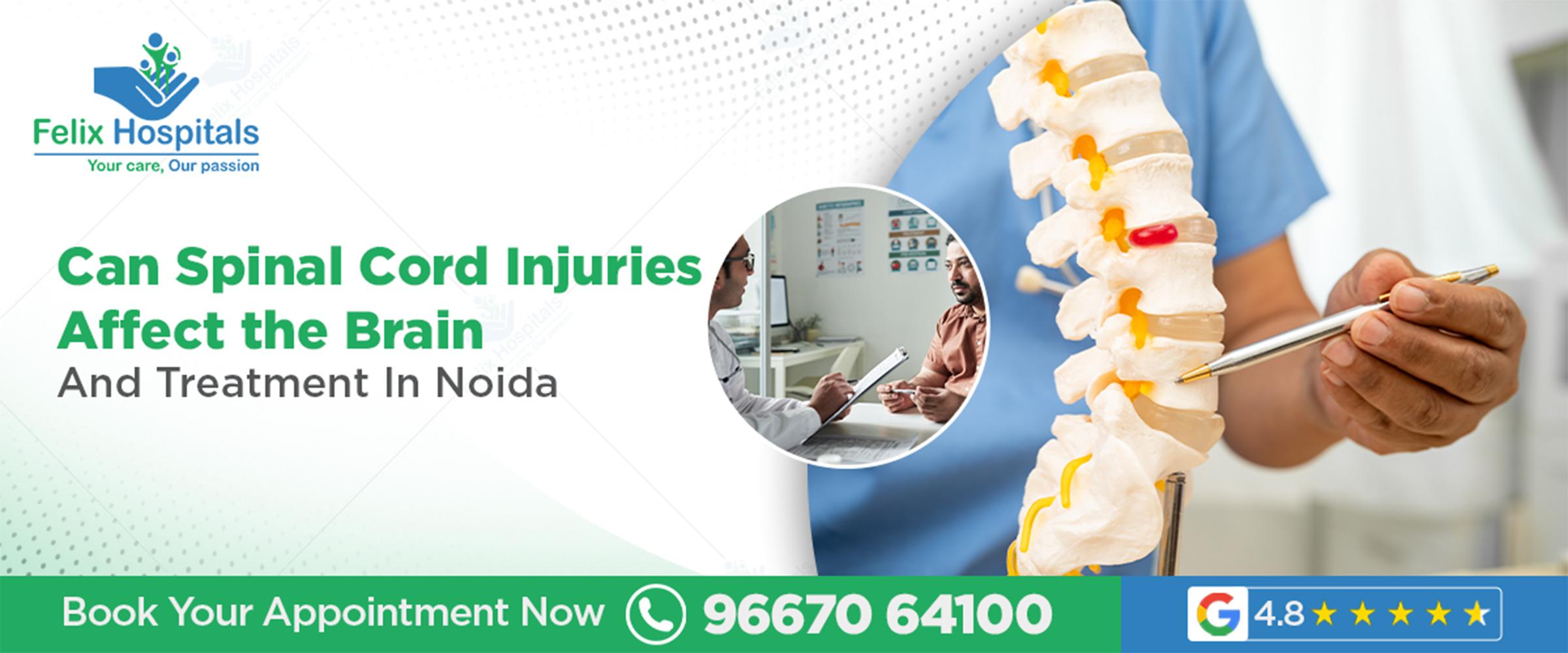
Spinal cord injuries are known for causing mobility limitations, sensory loss, and long-term neurological challenges. However, many people are unaware that spinal cord damage can also influence brain function in certain situations. Families seeking clarity often ask, “Can spinal cord injury affect the brain?” Understanding this connection is important for early intervention, better recovery, and safer rehabilitation.
For families searching for specialised neuro-rehabilitation, choosing the right spinal injury hospital in Noida ensures timely care and proper evaluation. This blog explains the relationship between the spine and the brain, the complications that may arise, and treatment options available in Noida.
Don’t ignore spinal injury symptoms—consult Noida’s spine specialists today at +91 9667064100 or email [email protected].
The central nervous system consists of the brain and spinal cord working together as one unit. Any disruption in one part can impact the other. When exploring how spinal injuries impact the brain, it’s essential to understand that the spinal cord carries electrical signals between the brain and the body.
If the spinal cord suffers trauma, reduced communication, inflammation, blood flow changes, or nerve degeneration may indirectly affect the brain.
Key Ways a Spinal Cord Injury May Influence Brain Health
When nerve pathways are damaged, the brain receives altered or incomplete information. Over time, this can lead to functional changes.
A severe spinal injury can trigger an inflammatory response that may extend toward the brain. This is one recognized neurological effect of spinal cord injury, especially in high-impact trauma cases.
Limited movement, pain, and emotional distress affect how the brain processes signals, sometimes causing confusion, memory issues, or trouble concentrating.
After a spinal injury, the brain tries to “rewire” itself to adapt. In some patients, this helps recovery. In others, this altered activity may lead to complications.
Understanding the connection between spinal cord injury and brain function helps explain why some patients report:
Mood disturbances
Cognitive fatigue
Difficulty processing sensory inputs
Trouble maintaining alertness
Changes in emotional regulation
These issues often happen because spinal trauma affects how signals travel between the body and brain. In cases of upper spinal cord injuries—especially cervical injuries—the likelihood of brain-related effects may increase.
Another important aspect is the risk of reduced oxygen flow to the brain due to autonomic disturbances after spinal trauma. This is one reason why close neurological monitoring is essential.
Although the spinal cord and brain are separate structures, they are tightly interconnected. Some patients may develop secondary complications such as:
This may appear as difficulty concentrating, reduced memory, or slower thinking. It is often linked to chronic pain, disrupted sleep, or changes in neural signaling.
When the nerve pathways between the brain and spinal cord malfunction, patients may feel pain even without injury to the affected body part.
This impacts blood pressure, heart rate, and body temperature—factors that indirectly affect brain function as well.
Depression, anxiety, and emotional instability may develop due to neurochemical changes.
These brain complications after spinal cord injury highlight why early assessment and long-term neurological follow-up are essential.
The spine functions like a communication highway. After a spinal cord injury, the brain often compensates by adjusting signaling patterns. This can create:
Overactive brain regions
Underactive motor areas
Altered sensory perception
Studies show that long-term spinal injury patients may experience measurable changes in brain structure, especially in areas responsible for movement and sensation. This reinforces that spinal injuries are not isolated—they can affect the brain’s functioning more than previously understood.
A detailed evaluation may include:
To assess memory, alertness, balance, movement coordination, and sensory feedback.
Used to detect inflammation, compression, or secondary complications affecting the brain or spinal cord.
Such as EEG or evoked potentials to analyze electrical activity in both the brain and spinal cord.
Psychological and Cognitive Screening
To understand the emotional and cognitive impact of the injury.
Treatment focuses on preventing complications, improving mobility, and protecting both spinal and brain health. Modern spinal cord injury treatment in Noida aims at restoring function and maintaining independence.
Immediate stabilization to prevent worsening of spinal and brain complications.
Anti-inflammatory drugs, neuroprotective medicines, and pain-relief therapies are used depending on the injury level.
Surgeons may recommend:
Spinal decompression
Stabilisation and fusion surgeries
Removal of bone fragments or herniated discs
Repair of spinal fractures
Realignment procedures
These surgeries help relieve pressure on the spinal cord, restore stability, and reduce the risk of long-term neurological problems.
Physiotherapy and occupational therapy help improve strength, balance, and motor skills. Rehabilitation also supports cognitive recovery when brain pathways have been affected.
Counselling helps manage emotional strain, depression, and behavioural changes linked with long-term spinal injuries.
Felix Hospital in Noida offers structured rehabilitation and multidisciplinary care, with a strong focus on long-term neurological recovery.
Don’t ignore spinal injury symptoms—consult Noida’s spine specialists today at +91 9667064100 or email [email protected].
Spinal cord injuries do not just affect movement—they can also influence how the brain processes information, regulates mood, and adapts to stress. Understanding the neurological effects of spinal cord injury helps families take timely action and choose the right care pathway. For people looking for dedicated evaluation and recovery support, selecting a specialized spinal cord injury doctor in Noida ensures proper treatment, surgical care, and long-term rehabilitation. Facilities like Felix Hospital provide coordinated neurological, surgical, and rehabilitative care designed to support the best possible recovery outcomes.
Q. 1. Can a spinal cord injury affect the brain?
Ans. Yes, severe spinal injuries can indirectly impact brain function by altering nerve signals or causing inflammation.
Q. 2. How do I know if my spinal injury is affecting my brain?
Ans. Symptoms like confusion, mood changes, or memory issues should be evaluated by a neurologist.
Q. 3. Do all spinal cord injuries need surgery?
Ans. No, surgery is recommended only when there is compression, instability, fractures, or risk of neurological deterioration.
Q. 4. Can rehabilitation improve both spinal and brain-related symptoms?
Ans. Yes, comprehensive rehabilitation supports motor recovery and cognitive health.
Q. 5. Is long-term monitoring important after a spinal injury?
Ans. Absolutely—ongoing follow-ups help detect neurological changes early and prevent complications.
Recognizing neurological warning signs early can be life-saving. Learn when symptoms like frequent headaches, dizziness, memory loss, or numbness mean it’s time to consult a neurologist.
Neurological disorders impact the brain, spine, and nerves, causing symptoms like headaches, seizures, or memory loss. Discover causes, treatments, and expert advice for better neurological care and management.
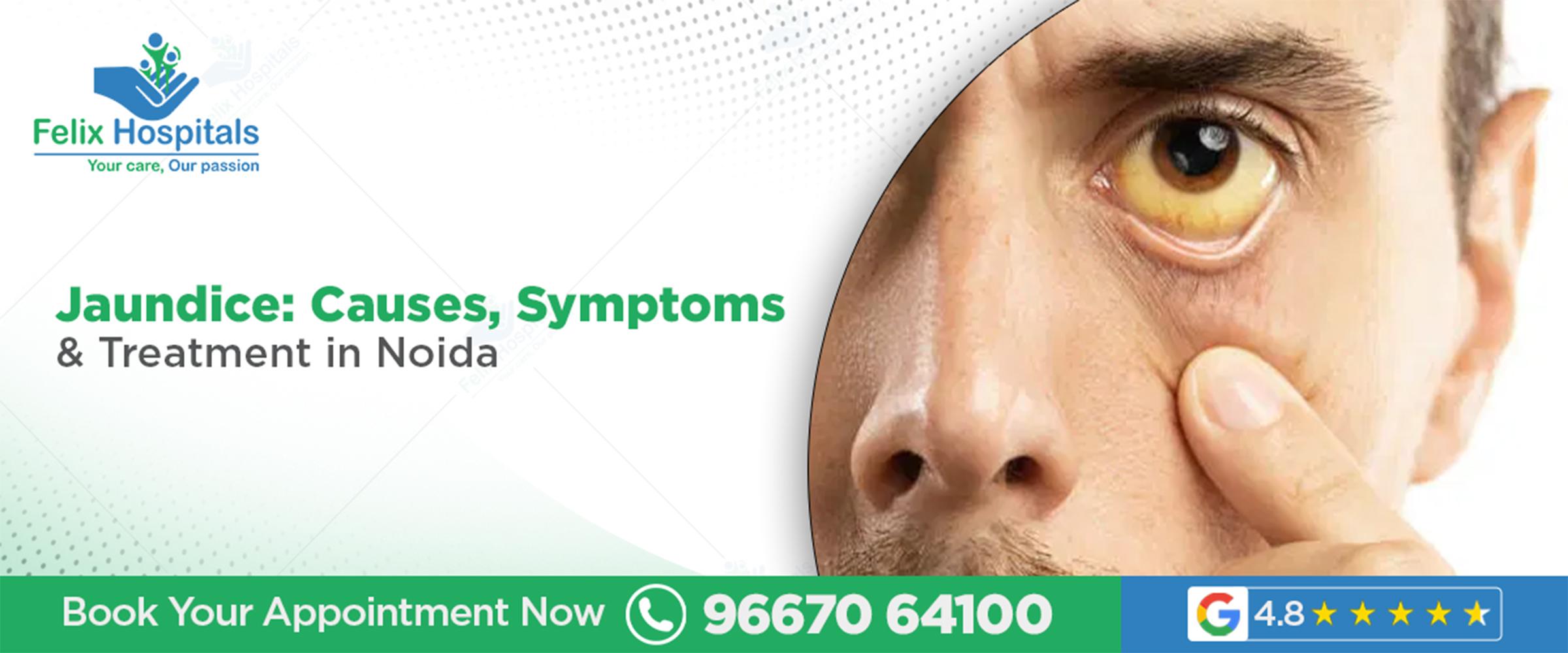
Jaundice is a condition where the skin, eyes, and mucous membranes turn yellow due to high bilirubin levels in the blood. While jaundice is most commonly associated with newborns, adults in Noida also experience it—often due to liver infections, bile duct blockages, alcohol-related liver disease, or underlying metabolic issues. Early diagnosis and proper medical care are critical for preventing complications such as liver failure, chronic hepatitis, or gallbladder-related issues.
If you or a loved one is noticing yellowing of the eyes or skin, consult a specialist immediately.
Call Felix Hospital at +91 9667064100 for timely jaundice treatment in Noida.
Bilirubin is a yellow pigment formed during the natural breakdown of red blood cells. The liver processes bilirubin and helps eliminate it from the body. When the liver, gallbladder, or bile ducts fail to function properly, bilirubin builds up and leads to jaundice.
Adults with jaundice often have an underlying health issue that needs urgent attention. Finding the Best doctor for jaundice in Noida can prevent serious complications and ensure accurate diagnosis.
Understanding what causes jaundice in adults helps in early detection and correct treatment. In Noida, doctors commonly diagnose jaundice caused by the following conditions:
The liver plays the main role in bilirubin processing. Damage or inflammation of the liver directly leads to bilirubin buildup.
Common liver-related causes include:
Hepatitis A, B, and C
Alcoholic liver disease
Non-alcoholic fatty liver disease (NAFLD)
Cirrhosis
Autoimmune hepatitis
Early liver disease treatment in Noida helps prevent disease progression and long-term damage.
Blockages prevent bilirubin from flowing out through the bile ducts, causing rapid jaundice.
Obstruction usually happens due to:
Gallstones
Tumors in the pancreas, gallbladder, or bile ducts
Narrowing or scarring of bile ducts
Pancreatitis
This type of jaundice often presents with intense pain, pale stools, and dark urine.
Certain conditions trigger excessive red blood cell breakdown, increasing bilirubin levels.
These conditions include:
Hemolytic anemia
Sickle cell disease
Autoimmune disorders
Side effects of certain medications
Patients often feel tired, weak, and develop jaundice quickly.
Viral, bacterial, and parasitic infections can affect liver function.
Examples:
Leptospirosis
Malaria
Typhoid
Liver abscess
These require immediate evaluation by a Jaundice specialist in Noida.
Some individuals have inherited conditions affecting bilirubin processing, such as:
Gilbert’s syndrome
Crigler–Najjar syndrome
Hemochromatosis
These require lifelong monitoring.
Jaundice does not appear suddenly. Most patients develop early indications that should not be ignored.
The most visible and early symptom of jaundice.
Even when hydration is normal, urine appears unusually dark.
Indicates obstruction in the bile duct or liver damage.
High bilirubin levels cause skin irritation.
The liver’s inability to function properly leads to tiredness.
Common in gallstone disease, liver inflammation, or obstruction.
Seen in infections such as hepatitis, typhoid, or malaria.
If you experience these symptoms, seek medical attention immediately from a Jaundice hospital in Noida.
To determine the exact cause, doctors follow systematic diagnostic steps:
The doctor examines skin color, abdomen (liver size), and signs of fluid accumulation.
These help assess liver health and bilirubin levels:
Liver Function Test (LFT)
Complete Blood Count (CBC)
Viral hepatitis panel
Coagulation profile
Hemolysis-related tests
These tests identify whether the cause is infection, liver damage, or obstruction.
Used to detect blockages or structural abnormalities.
Abdominal Ultrasound
CT Scan
MRI/MRCP
Endoscopic ultrasound (EUS)
For complex cases:
ERCP (Endoscopic Retrograde Cholangiopancreatography) helps treat gallstones and bile duct blockages.
Liver biopsy may be performed if chronic liver disease is suspected.
Accurate diagnosis ensures the correct jaundice treatment plan.
Treatment depends on the underlying cause. The goal is to reduce bilirubin levels and treat the main disease affecting liver or bile ducts.
Hepatitis and viral infections are managed through:
Antiviral medications
Rest and hydration
Dietary modifications
Liver-protecting medicines
Chronic hepatitis may require long-term monitoring.
These cases often require urgent care.
Treatment includes:
ERCP to remove gallstones
Surgery for gallbladder disease
Stenting of blocked bile ducts
Treatment of tumors through oncology referral
Obstructions must be treated quickly to prevent complications.
Management includes:
Steroids for autoimmune hemolysis
Blood transfusions if required
Discontinuing harmful medications
Treating infections causing hemolysis
These conditions require:
Lifestyle management
Regular monitoring
Targeted medication
Specialist follow-ups
Regardless of the cause:
Adequate hydration
Nutritious, liver-friendly diet
Avoiding alcohol and self-medication
Monitoring bilirubin levels regularly
If you are experiencing jaundice symptoms or discomfort, call Felix Hospital at +91 9667064100 for expert evaluation and the best doctor for jaundice in Noida.
Felix Hospital is one of the leading centers for jaundice treatment in Noida, equipped with advanced diagnostic tools, experienced gastroenterologists, and 24×7 emergency care. Patients receive complete evaluation, accurate diagnosis, and personalized treatment plans for liver diseases, bile duct disorders, gallstones, and infections.
Jaundice in adults is not just a cosmetic issue—it is a sign of underlying liver, gallbladder, or blood-related disease. Early diagnosis and timely treatment are crucial to prevent complications. With expert specialists, advanced facilities, and comprehensive care, Noida offers excellent treatment options for jaundice.
If you notice yellowing of eyes, dark urine, or persistent fatigue, seek medical help immediately. Early intervention makes all the difference.
Q. 1. What is the most common cause of jaundice in adults?
Ans. Liver infections and bile duct blockages are the most common causes.
Q. 2. Should I worry if my eyes suddenly turn yellow?
Ans. Yes, yellow eyes require immediate evaluation by a jaundice specialist in Noida.
Q. 3. Can jaundice be treated at home?
Ans. No, jaundice needs medical diagnosis to find and treat the root cause.
Q. 4. What tests are needed for jaundice diagnosis?
Ans. Liver function tests, imaging scans, and sometimes endoscopy.
Q. 5. How quickly does jaundice improve with treatment?
Ans. Recovery depends on the cause—mild cases may improve in days, severe cases take longer.
Understand how fatty liver develops, its key stages, and the steps needed for recovery. Early diagnosis and expert treatment can help reverse damage and restore liver function.
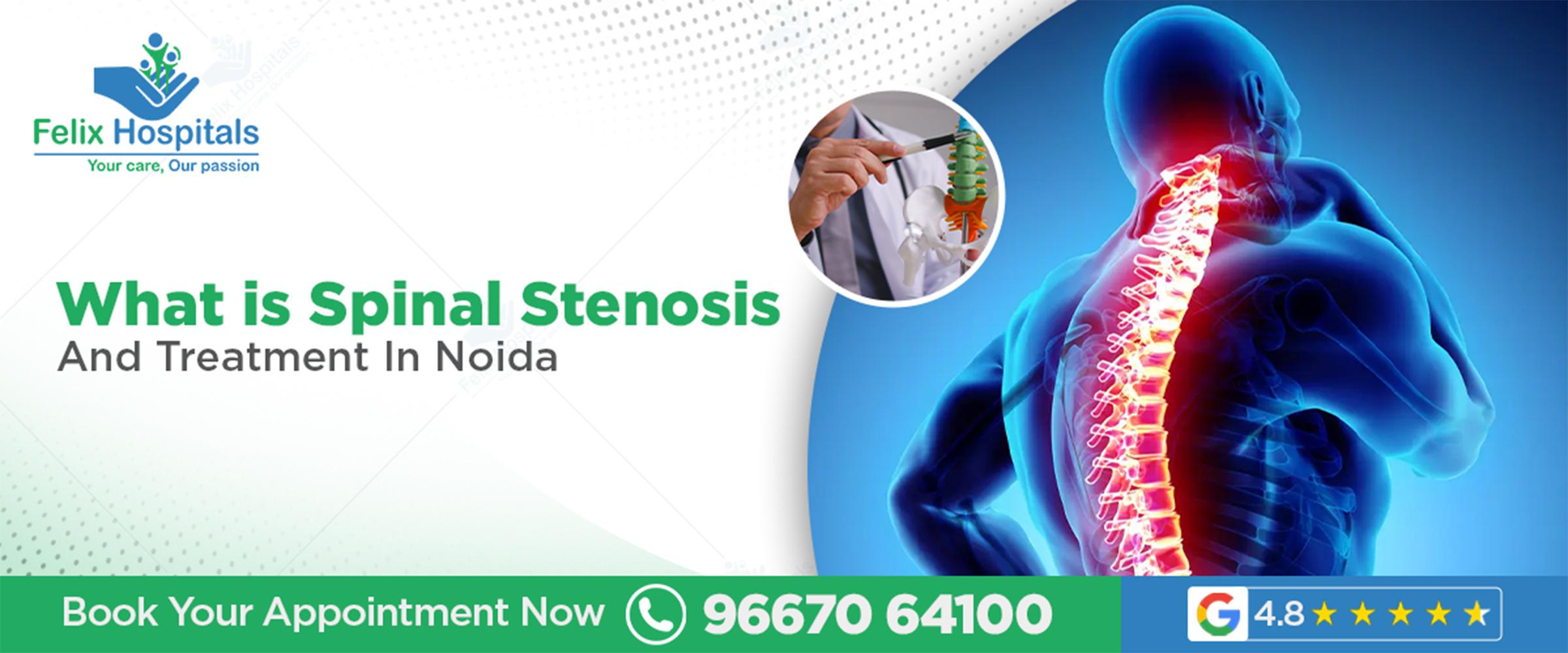
As people age or spend years sitting for long hours, many begin to notice stiffness, numbness, or discomfort in the back, neck, or legs. While these symptoms are often dismissed as “regular back pain,” they can sometimes indicate spinal stenosis—a condition where the spinal canal becomes narrow and begins to press on the nerves.
In India, especially among adults above 50, lifestyle patterns such as prolonged sitting, lack of exercise, and poor posture have made spine-related concerns increasingly common. Early diagnosis makes all the difference, which is why consulting a spine specialist at a reputed spinal injury hospital in Noida is essential if back pain persists or leg numbness becomes frequent.
Today, Noida’s advanced medical hospital offer both non-surgical and minimally invasive treatment options, helping patients regain mobility and return to a pain-free life.
For expert spine care, call +91 9667064100.
Spinal stenosis refers to the narrowing of the spinal canal—the hollow space within the vertebrae through which nerves and the spinal cord pass. As this space narrows, nerves may get compressed, causing pain, tingling, numbness, or weakness.
It most commonly occurs in:
Lumbar spine (lower back)
Cervical spine (neck)
Although some individuals remain symptom-free for years, spinal stenosis often progresses gradually, especially without treatment.
Spinal stenosis usually occurs due to age-related wear and tear. Over time, the structures of the spine—discs, ligaments, joints, and bones—begin to degenerate and reduce space inside the spinal canal.
Lifestyle patterns in India such as prolonged sitting, poor posture, heavy lifting, and limited physical activity further increase the risk of narrowing.
Common causes include:
Wear and tear leads to arthritis, thickened ligaments, and reduced spinal space.
Extra bone growth due to arthritis compresses nerves.
When discs bulge or rupture, they extend into the spinal canal.
Ligaments become stiff and enlarged over time.
Accidents or falls may compress spinal nerves.
Some people are born with naturally narrow spinal spaces.
These factors often combine, accelerating the progression of spinal stenosis—particularly in older adults.
Occurs in the neck region; can affect hand function, balance, and even bowel/bladder control.
The most common form; affects lower back and legs.
Symptoms depend on the area affected:
Cervical Spinal Stenosis
Neck pain and stiffness
Tingling or numbness in hands and arms
Coordination or balance issues
Difficulty walking
In severe cases: bladder or bowel dysfunction
Lower back pain while standing or walking
Leg cramps or weakness
Relief when bending forward or sitting
Numbness radiating to buttocks or legs
If these early signs of spinal stenosis appear, immediate evaluation by a specialist providing spinal stenosis treatment in Noida is strongly advised.
If untreated, spinal stenosis may cause:
Permanent nerve damage
Difficulty walking
Chronic pain
Loss of hand coordination
Bladder or bowel dysfunction
Progressive weakness in arms or legs
Early diagnosis prevents long-term disability.
Diagnosis typically includes:
Your doctor evaluates pain, posture, flexibility, gait, and nerve function.
X-ray: Detects bone spurs and degenerative changes
MRI: Best for viewing nerves, discs, and soft tissue
CT or CT Myelogram: Helps when MRI isn’t possible
Accurate spinal stenosis diagnosis helps determine the severity and choose the right treatment approach.
Yes. Mild to moderate spinal stenosis can often be managed without surgery. Lifestyle changes, medications, and physiotherapy significantly reduce symptoms.
NSAIDs for pain
Gabapentin for nerve pain
Mild muscle relaxants
Short-term steroids to reduce inflammation
Strengthens back muscles, improves posture, and increases spine flexibility.
Maintain healthy weight
Use ergonomic chairs
Avoid prolonged sitting
Engage in low-impact exercise (walking, swimming)
Provide temporary relief from inflammation but are not a permanent solution.
If symptoms persist despite conservative care, surgical options are considered.
Surgery is recommended when nerve compression becomes severe or affects mobility.
Common procedures include:
Removal of lamina (back part of vertebra) to reduce pressure.
Partial removal of lamina in the affected area.
Fusing vertebrae to stabilize the spine.
Modern spinal stenosis treatment in Noida offers minimally invasive surgeries with quicker recovery and less discomfort.
To ensure smooth recovery:
Follow prescribed physiotherapy exercises
Avoid heavy lifting
Maintain correct posture
Sleep on a firm mattress
Eat a nutritious diet for bone and muscle healing
Consistent follow-up with a spine specialist helps maintain long-term spinal health.
In India, supportive therapies may help relieve symptoms when combined with medical treatment:
Yoga for spinal flexibility (supervised)
Ayurvedic massages
Acupuncture
Chiropractic care by certified professionals
These offer relief but should never replace medical treatment.

Dr. Shishir Pandey is a Consultant Neurologist in Noida with over five years of experience, skilled in diagnosing and managing a wide range of neurological conditions while providing expert emergency, inpatient, and outpatient care.
Spinal stenosis can limit mobility and affect daily life, but timely diagnosis and expert care can help you live actively again. Whether through physiotherapy, medication, or minimally invasive surgery, effective relief is possible when managed early.
If you or your loved one experiences persistent back or leg pain, numbness, or difficulty walking, visit a specialist at a trusted spinal cord injury doctor in Noida for a personalized treatment plan.
For appointments or guidance, call +91 9667064100.
Q1: What is spinal stenosis?
A: Spinal stenosis is a condition where the spinal canal narrows, putting pressure on the spinal cord and nerves, leading to pain, numbness, or weakness.
Q2: Why does spinal stenosis occur?
A: It occurs due to age-related degeneration, herniated discs, thickened ligaments, bone spurs, spinal injuries, or congenital narrow spinal canal.
Q3: How is spinal stenosis diagnosed?
A: Doctors use physical exams, X-rays, MRI, and CT scans to determine the location and severity of nerve compression.
Q4: What are the common symptoms of spinal stenosis?
A: Symptoms include back or neck pain, leg or arm pain, numbness, tingling, muscle weakness, and difficulty walking or maintaining balance.
Q5: How is spinal stenosis treated?
A: Treatment options include medications, physiotherapy, lifestyle modifications, spinal injections, and advanced surgical interventions like minimally invasive or robotic-assisted surgery.
Q6: How long does spinal stenosis treatment take?
A: Non-surgical treatments may take weeks to months, while surgical recovery usually ranges from a few weeks to a few months depending on the procedure.
Q7: What is the cost of spinal stenosis treatment in Noida?
A: Costs vary based on severity, type of treatment, hospital facilities, and whether advanced surgical technologies like robotic-assisted surgery are used.
Q8: What are the risks of spinal stenosis surgery?
A: Risks include infection, bleeding, nerve injury, or recurrence, though advanced technology and experienced surgeons significantly reduce complications.

Orthopedics is a specialized branch that takes care of your musculoskeletal problems related to joints, bones, muscles, spine, ligaments, and tissues.
Sciatica Nerve Pain can cause sharp, shooting pain that radiates from the lower back to the legs. It often results from a herniated disc or spinal issues pressing on the sciatic nerve.
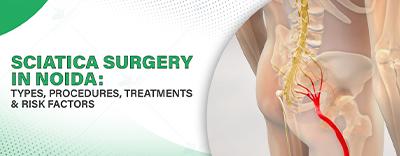
Get expert care for sciatica surgery in Noida. Learn about procedures, types, treatment options, and risk factors to ensure safe recovery.

Finding crystals in your urine can feel alarming, especially if you’ve never experienced urinary problems before. While some crystals are harmless and temporary, others may indicate underlying issues such as dehydration, infection, metabolic disorders, or early signs of kidney stones. Understanding what these crystals mean—and when to seek medical attention—is essential for protecting long-term kidney and urinary health. People looking for specialized care often turn to the best urology hospital in Noida for accurate diagnosis and targeted treatment.
Spot Crystals in Urine? Get expert diagnosis & treatment options in Noida now! Call +91 9667064100
Urine crystals form when minerals in the urine cluster together into tiny solid particles. This can happen when your urine becomes too concentrated, or its chemical balance changes. Different minerals create different types of crystals, and identifying them helps doctors determine the root cause. People experiencing frequent urinary issues should consider consulting an urology doctor in Noida for early assessment.
There are several reasons why crystals may appear in your urine. Dehydration is the most common cause, as it makes the urine highly concentrated. Certain foods, medications, and supplements can also change the urine’s pH levels, encouraging crystal formation. In some cases, metabolic disorders or underlying kidney conditions may be responsible. These issues are often evaluated at the best urology hospital in Noida for complete and advanced testing.
Different types of urine crystals can indicate different health concerns.
Calcium oxalate crystals – Often linked to low fluid intake, high-oxalate diets, or early stages of kidney stones.
Uric acid crystals – Associated with gout, high-protein diets, or dehydration.
Struvite crystals – Usually form due to urinary tract infections.
Cystine crystals – Rare and linked to genetic conditions.
If you notice recurring symptoms, visiting an urology doctor in Noida can help determine the exact type of crystal present.
Most of the time, urine crystals are discovered during routine tests. However, some symptoms may indicate that the crystals are part of a more serious issue:
Burning sensation while urinating
Lower abdominal discomfort
Cloudy or foul-smelling urine
Blood in urine
Pain in the sides or back
Symptoms like these may point to kidney stone early signs, which require prompt medical evaluation at the best urology hospital in Noida.
Yes—crystals can be an early warning sign of kidney stone formation, especially when they appear consistently. When untreated, these crystals can grow into larger stones causing severe pain, blockages, and infections. People with a history of stones should regularly visit an urology doctor in Noida for preventive monitoring.
Diagnosis usually involves:
Urinalysis
Urine pH testing
Microscopic examination
Stone-risk profiling
In some cases, doctors may recommend ultrasound or CT scans to rule out stones. Patients who require detailed evaluation often choose the best urology hospital in Noida for accurate diagnosis.
Treatment depends entirely on the type and cause of the crystals. Common approaches include:
Increasing daily water intake
Adjusting diet based on crystal type
Treating underlying infections
Using medications to change urine acidity
More complex cases—such as recurrent stones or metabolic disorders—are managed by an experienced urology doctor in Noida for long-term care.
Calcium oxalate is the most common type of urine crystal. Management involves dietary corrections like reducing spinach, beets, nuts, tea, and chocolates—foods high in oxalates. Patients with frequent occurrences may require tailored treatment plans at the best urology hospital in Noida.
Uric acid crystals require a different approach. Doctors typically recommend a balanced, low-purine diet, good hydration, and sometimes medication to lower uric acid levels. In persistent cases, consultation with an experienced urology doctor in Noida becomes essential.
You can reduce your risk by:
Drinking 2–3 liters of water daily
Maintaining a balanced diet
Avoiding excessive salt and protein
Treating UTIs promptly
Managing metabolic conditions
People with chronic symptoms often seek preventive care at the best urology hospital in Noida.
Seek medical help immediately if:
You experience severe lower-back or abdominal pain
You notice blood in your urine
Your symptoms keep returning
You have a family history of kidney stones
Quick evaluation by an experienced urology doctor in Noida helps prevent complications.
End Crystals in Urine worries with personalized treatment options in Noida. Call +91 9667064100 for relief!
Crystals in urine can be harmless or a sign of an underlying urinary disorder, depending on the type, cause, and accompanying symptoms. Timely diagnosis, preventive care, and appropriate treatment significantly reduce the risk of kidney stones and long-term urinary complications. If you’re experiencing persistent urinary symptoms, discomfort, or repeated crystal formation, seeking evaluation from the best urology doctor in Noida ensures accurate diagnosis and proper management.
Q.1. Are crystals in urine always serious?
Ans. Not always. Some crystals appear due to dehydration or diet, but repeated findings require medical evaluation.
Q. 2. Can urine crystals turn into kidney stones?
Ans. Yes, certain crystals—especially calcium oxalate and uric acid—may develop into kidney stones if not managed early.
Q. 3. Do urine crystals cause pain?
Ans. Crystals alone usually don’t cause pain, but if they irritate the urinary tract or lead to stones, discomfort may occur.
Q. 4. What foods should I avoid if I have urine crystals?
Ans. This depends on the crystal type. High-oxalate foods, excessive salt, or high-protein diets may need modification.
Q. 5. When should I see a doctor for urine crystals?
Ans. If you have pain, blood in urine, burning sensation, recurrent crystals, or a history of stones, consult a specialist promptly.
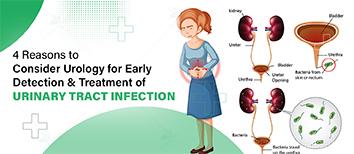
One of the best hospitals for urinary tract treatment in Noida offers comprehensive urology care, featuring expert urologists and advanced diagnostic and treatment facilities.
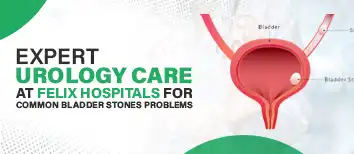
Expert urology care at Felix Hospital for bladder stones: causes, symptoms & treatments.

Urological health is vital for well-being, influenced by diet and exercise. Good nutrition and activity help prevent conditions like UTIs, kidney stones, and cancers.
Traumatic brain injuries are becoming more common in India due to road accidents, falls, and sports-related injuries. Many people confuse TBI with conditions like stroke or brain tumors, but unlike brain stroke treatment in Noida or brain tumor treatment in Noida, TBI results from an external force that damages the brain. Understanding what is traumatic brain injury, its warning signs, and available care options is essential to protect long-term health.
Traumatic brain injury usually results from a violent blow or jolt to the head or body. An object that goes through brain tissue, such as a bullet or shattered piece of skull, also can cause traumatic brain injury. If you or someone you love experiences such an injury, it’s important to seek help from a Brain Injury Specialist Doctor in Noida at the Best Brain Injury Hospital in Noida to ensure proper diagnosis and care.
For expert diagnosis and traumatic brain injury treatment in Noida, call +91 9667064100 and get timely help.
When explaining what is traumatic brain injury, it refers to brain damage caused by an external impact. Mild traumatic brain injury may affect your brain cells temporarily. More-serious traumatic brain injury can result in bruising, torn tissues, bleeding and other physical damage to the brain. These injuries can result in long-term complications or death.
Understanding Who is at higher risk of TBI? is essential for taking timely precautions and planning prevention strategies. Learning the types of traumatic brain injury—mild, moderate, or severe—also helps determine treatment and prognosis.
Traumatic brain injury can have wide-ranging physical and psychological effects. Some signs or symptoms may appear immediately after the traumatic event, while others may appear days or weeks later. These include both general symptoms of TBI and early signs of traumatic brain injury.
Nausea or vomiting
Fatigue or drowsiness
Problems with speech
Dizziness or loss of balance
Blurred vision, ringing in the ears
Bad taste in the mouth
Changes in smell
Sensitivity to light or sound
Brief loss of consciousness
Confusion or disorientation
Memory or concentration problems
Mood changes
Anxiety or depression
Sleep disturbances
Symptoms may include any mild symptoms plus:
Loss of consciousness for several minutes to hours
Persistent or worsening headache
Repeated vomiting
Seizures
Pupil dilation
Fluid from nose or ears
Loss of coordination
Profound confusion
Agitation
Slurred speech
Coma
These severe symptoms represent the serious spectrum of symptoms of TBI and require immediate care.
Understanding the causes of traumatic brain injury helps in prevention. Traumatic brain injury is usually caused by:
Falls
Vehicle accidents
Explosive blasts
Penetrating injuries
Physical assault or blunt force trauma
The people at highest risk include:
Children (0–4 years)
Young adults (15–24 years)
Older adults (60+ years)
Males across all age groups
Moderate to severe TBIs may lead to multiple complications of traumatic brain injury, including:
Coma
Vegetative state
Minimally conscious state
Hydrocephalus
Infections
Blood vessel damage
Vertigo
Facial paralysis
Loss of taste/smell
Vision issues
Hearing loss
Difficulty processing information
Memory impairment
Speech or language issues
Early and accurate assessment helps determine the severity and appropriate traumatic brain injury treatment in Noida.
Doctors use multiple methods for the diagnosis of traumatic brain injury, including:
A 15-point scale assessing:
Eye response
Verbal response
Motor response
CT Scan: First-line test to detect bleeding, swelling, clots
MRI: Detailed imaging for deep tissue damage
Intracranial pressure monitoring
These are the primary tools used when evaluating how traumatic brain injury is diagnosed.
Treatment is based on the severity of TBI.
Mild TBI
Rest
Over-the-counter pain medication
Monitoring for worsening symptoms
Gradual return to activities
Focused on:
Maintaining oxygen supply
Preventing secondary brain damage
Stabilizing vital functions
Anti-seizure drugs
Coma-inducing medications
Diuretics to reduce brain swelling
Surgery may be required to address:
Hematoma removal (clotted blood)
Repairing skull fractures
Stopping internal bleeding
Creating a skull window to reduce pressure
If you suspect a serious head injury, contact the expert Brain Injury Specialist Doctor in Noida at +91 9667064100 immediately.
If you're dealing with symptoms or noticing the early signs of traumatic brain injury, it is crucial to visit a Brain Injury Specialist Doctor in Noida. Getting timely care at the Best Brain Injury Hospital in Noida improves recovery outcomes. Understanding what is traumatic brain injury, the types of traumatic brain injury, causes of traumatic brain injury, and how traumatic brain injury is diagnosed empowers you to act quickly.
Whether it resembles symptoms seen in brain stroke treatment in Noida or related issues treated under brain tumor treatment in Noida, rapid evaluation is essential for saving brain function and preventing long-term disability.
Q.1. Who is the most vulnerable to traumatic brain injury (TBI)?
Ans. Children, older adults, and young males participating in high-risk activities.
Q.2. In case of emergency, how is traumatic brain injury diagnosed?
Ans. Using physical exam, Glasgow Coma Scale scoring, and imaging like CT or MRI.
Q.3. Which tests confirm traumatic brain injury?
Ans. CT scans detect bleeding and bruising; MRIs show deeper tissue damage.
Q.4. Does mild TBI lead to worsening symptoms later?
Ans. Yes, symptoms like headaches or confusion may appear hours or days later.
Recognizing neurological warning signs early can be life-saving. Learn when symptoms like frequent headaches, dizziness, memory loss, or numbness mean it’s time to consult a neurologist.
Neurological disorders impact the brain, spine, and nerves, causing symptoms like headaches, seizures, or memory loss. Discover causes, treatments, and expert advice for better neurological care and management.
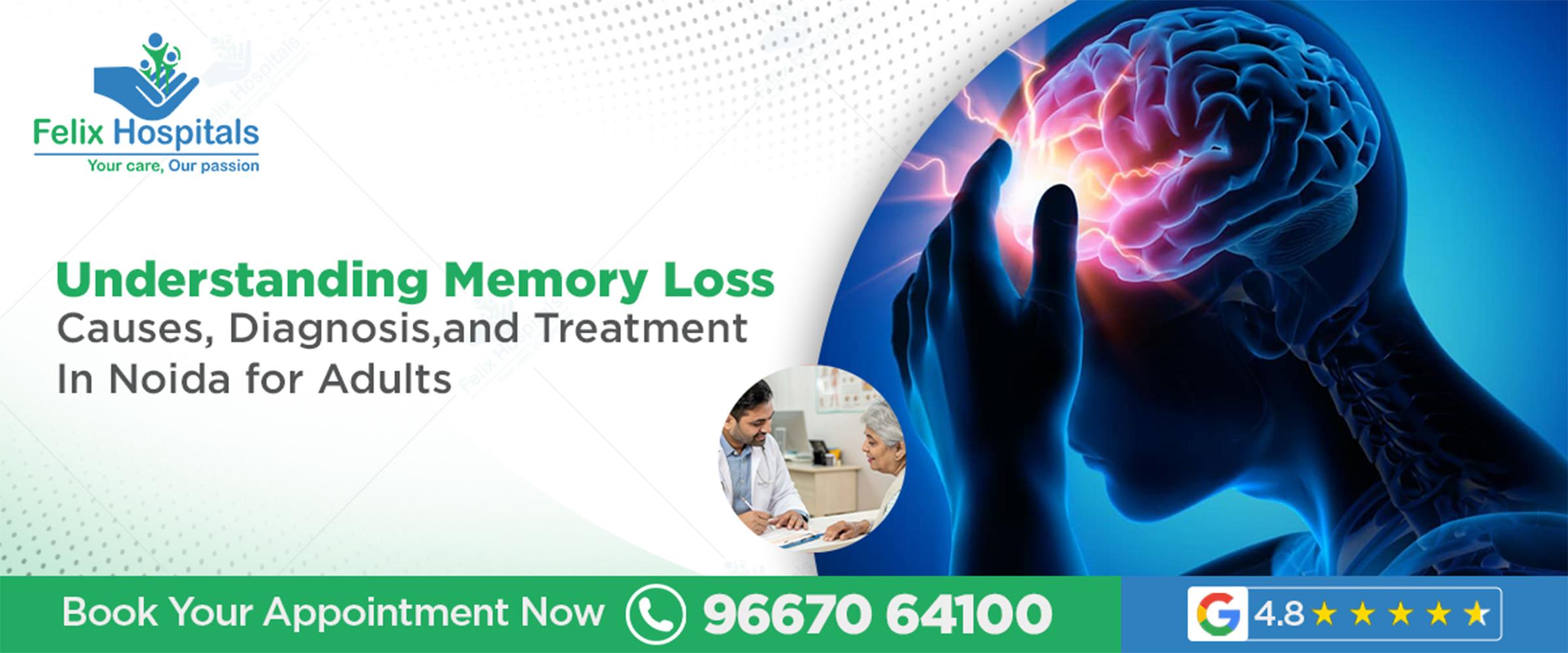
Memory is one of the most essential functions of the human brain. It helps us carry out everyday tasks, make decisions, and maintain our independence. When memory begins to fail, even in small ways, it can cause confusion, frustration, and concern—especially for adults who otherwise appear healthy. As the number of people seeking help for cognitive problems increases, timely care becomes just as important as it is in emergency neurological conditions like brain stroke treatment in Noida or brain tumor treatment in Noida.
Memory loss is not always a sign of aging alone; it can stem from several medical, psychological, and lifestyle-related factors. Understanding its causes, recognizing the early signs, and seeking proper diagnosis can significantly improve outcomes and prevent further cognitive decline.
Memory loss refers to difficulty recalling information, events, or skills that were previously easy to remember. While occasional forgetfulness can be normal, persistent memory issues may indicate an underlying health condition. Adults commonly notice challenges such as forgetting conversations, losing track of tasks, or struggling to recall names and important dates.
Unlike conditions such as dementia or severe neurological disorders, not all memory loss is permanent. Some types are reversible with timely treatment, which is why early evaluation is crucial.
Understanding the causes of memory loss in adults helps in determining whether it is temporary or progressive. Some of the most frequent reasons include:
As part of normal aging, the brain’s ability to process information slows slightly. This may lead to occasional forgetfulness, misplacing items, or trouble recalling words. However, severe memory problems are not a normal part of aging and warrant medical evaluation.
Mental health plays a significant role in cognitive function. Chronic stress, prolonged anxiety, and emotional burnout can disrupt concentration, reduce attention span, and make recalling information difficult. Adults juggling demanding work and personal responsibilities often experience this type of memory decline.
Several medications, especially those used for sleep, allergies, anxiety, or chronic pain, may cause memory problems. Adjusting or changing the medication under medical supervision can often reverse these symptoms.
Some conditions affect brain function directly, such as:
Alzheimer’s disease
Vascular dementia
Traumatic brain injury
Post-stroke cognitive impairment
These require prompt assessment and long-term specialized care.
Low levels of Vitamin B12, folate, or essential nutrients can contribute to cognitive decline. Once identified, supplementation usually helps improve symptoms.
Poor sleep, excessive alcohol consumption, lack of physical activity, and an unhealthy diet can all contribute to memory problems over time.
Knowing what is driving the memory challenges is the first step toward effective treatment.
Recognizing the early signs of memory loss allows individuals to seek help before symptoms worsen. Some common warning signals include:
Frequently forgetting recent conversations, events, or appointments
Struggling to find the right words during conversations
Misplacing items and being unable to retrace steps
Difficulty completing familiar tasks
Reduced concentration or mental clarity
Mood shifts, irritability, or confusion
If these symptoms of memory problems occur often, it is advisable to contact a neurologist. Early diagnosis prevents complications and improves long-term outcomes.
Memory loss does not present the same way for everyone. Some common types of memory loss include:
Difficulty remembering recent information, such as something learned a few minutes or hours ago.
Challenges recalling past events, personal experiences, or older information.
A more severe form of memory loss that may be caused by injury, infection, or medical conditions.
Mild, gradual forgetfulness associated with aging.
Worsening memory related to neurological disorders like Alzheimer’s.
Understanding the type of memory loss helps specialists design a targeted treatment plan.
Diagnosing memory problems requires a detailed and careful evaluation. Neurologists typically follow a multi-step process to determine the cause and severity:
Doctors assess the patient’s:
Memory
Language
Problem-solving ability
Attention and concentration
Reflexes and coordination
This provides a baseline understanding of cognitive function.
Structured tests help measure how memory loss affects daily life. They evaluate reasoning, recall, and decision-making skills.
Imaging such as MRI or CT scans may be used to detect:
Structural changes
Signs of stroke
Brain injuries
Tumours
Degenerative conditions
These are especially important because some memory symptoms resemble those seen in conditions requiring urgent intervention, such as brain stroke treatment in Noida or brain tumor treatment in Noida.
These help detect vitamin deficiencies, thyroid issues, infections, and other treatable causes.
Accurate diagnosis ensures that adults receive personalized, effective care.
The right treatment depends on what is causing the memory decline. Common treatment approaches include:
Doctors may prescribe drugs that improve memory-related functions or slow down cognitive decline in conditions like Alzheimer’s disease.
Therapists use exercises and structured activities to strengthen memory, problem-solving, and thinking skills.
Maintaining brain health plays a vital role in preventing further decline. This includes:
Regular physical exercise
Adequate sleep
A balanced diet
Reducing stress
Limiting alcohol consumption
Supplements or dietary changes can help where vitamin deficiencies are responsible.
Proper management of diabetes, hypertension, thyroid disorders, or mental health issues can significantly improve memory.
At Felix Hospital, neurologists focus on identifying the root cause of memory loss and providing evidence-based, personalized treatment plans for adults in Noida.
Memory loss is a complex condition that can arise from ageing, lifestyle choices, emotional strain, or underlying neurological disorders. Recognising the early signs and seeking timely help ensures better long-term outcomes. With advancements in modern neurology, adults experiencing cognitive decline have access to sophisticated diagnostic tools and effective treatments.
Whether you are noticing mild forgetfulness or facing more serious memory-related issues, early consultation with a Top Neurologist in Noida is essential. Expert neurological care—just as vital as brain stroke or brain tumor treatment in Noida—helps adults preserve independence, mental clarity, and overall quality of life.
Q.1. How do I know if my memory loss is normal ageing or a medical condition?
Ans. If forgetfulness becomes frequent or affects daily activities, it requires medical evaluation.
Q. 2. Can stress really cause memory loss?
Ans. Yes, prolonged stress and anxiety can significantly impair concentration and recall.
Q. 3. Is memory loss reversible?
Ans. Certain types, especially those caused by medication, deficiency, or stress, can improve with treatment.
Q. 4. When should an adult see a neurologist for memory issues?
Ans. If symptoms worsen, occur daily, or affect routine tasks, consult a specialist immediately.
Q. 5. Can lifestyle changes improve memory?
Ans. Yes, regular exercise, good sleep, and a healthy diet support better brain function.
Recognizing neurological warning signs early can be life-saving. Learn when symptoms like frequent headaches, dizziness, memory loss, or numbness mean it’s time to consult a neurologist.
Neurological disorders impact the brain, spine, and nerves, causing symptoms like headaches, seizures, or memory loss. Discover causes, treatments, and expert advice for better neurological care and management.

The winter season may prove to be difficult in terms of good health. The winter climate tends to make people more susceptible to diseases and their general health. If you want to safeguard yourself and your family during this season, a pulmonologist consultation in Noida or having a doctor consultation for winter in Noida can help you receive personalized advice and support. Having adequate safety and responsible practices, you will be able to have a healthy and active winter. This blog discusses the necessary steps to ensure that you keep warm, avoid sickness, and keep fit during cold weather.
Schedule a doctor consultation Call on +91 9667064100 for winter in Noida for personalized winter wellness plans.
The change in temperature, humidity, and sunlight occurring in winter affect our immune system and wellbeing. Decrease in temperatures prompts the outbreak of numerous respiratory diseases, and the threat of colds, flu and pulmonary infections increases significantly. Children, older people, and patients with chronic ailments are particularly vulnerable.
It needs a preventive attitude towards health. Here are effective winter health tips to keep you protected:
Wear clothes in layers to help keep body temperature and prevent accessibility to fluctuating temperatures.
Eat hot, healthy food that enhances immunity.
Adequately hydrate yourself even when you are not feeling as thirsty.
Get enough sleep so that your body can take enough time to rest and build up.
Reduce contact with cold and humid weather that increases the risk of illness.
Cold weather often encourages sedentary behavior, but it is important to stay fit in winter and maintain movement. Exercise is beneficial to the heart, improves mood, improves the immune system, and aids in weight control. Think of indoor exercises such as yoga, pilates, light resistance exercise, or brisk walking in warm and safe environments. Mild exercise also works in overcoming the listlessness which colder weather tends to cause.
And it is not only avoiding sickness in winter but it is about holistic wellbeing. The winter wellness guide focuses on balanced nutrition, adequate exercise, stress management, and routine health screenings. It is also important to take care of mental health because winter blues or Seasonal Affective Disorder (SAD) may also affect mood and motivation.
Fitting your work out to cold weather will maintain consistency and safety. Warm up inside and then go outside, dress accordingly, put on gloves and a hat and keep your body hydrated. Cold weather fitness boosts metabolism, supports bone health, and enhances lung capacity.
Winter causes a decrease in immunity because of the less sunshine and colder weather. To boost immunity in winter, incorporate foods rich in vitamin C, vitamin D, zinc, and antioxidants such as citrus fruits, leafy greens, nuts, and seeds into your diet. Eating probiotics, good sleep, reducing stress, and smoking the probiotics are additional activities that enhance the immunity of your body.
Proper nutrition maintains the energy and helps the immune system during cold seasons. Follow these winter nutrition tips:
Consume seasonal foods such as carrots, squash and sweet potatoes.
Add hot soups and stews made of low-calorie sources of protein.
Minimize refined sugar and processed foods.
Pay attention to whole grains and high fiber foods.
Keep hydrated by using feminine teas and warm fluids.
Properly fed bodies are in a better position to fight winter diseases.
The cold, flu, bronchitis and pneumonia are highest during winter. Preventing these involves:
Washing hands well.
Personal contact with sick people should be avoided.
Keeping up to date with any vaccinations particularly flu and pneumonia.
Adequate indoor air ventilation to minimize airborne pathogen.
These measures to prevent the air quality hazards in winter conditions also safeguard respiratory activity.
Aging is associated with special problems, as elderly people have low thermoregulation and poor immunity. Elderly winter health precautions include dressing warmly with insulated layers, keeping living spaces heated properly, monitoring for symptoms of hypothermia, pneumonia, and falls prevention. It is possible to promote regular health check-ups and adherence to medications.
Asthma, COPD, arthritis and heart disease are some of the categories of conditions worsened by winter. Those diagnosed with them are required to adhere to their treatment programs, avoid triggers by limiting their outdoor activities especially when there is cold or polluted air and report new symptoms as soon as they appear to their doctor.
It is important to note the symptoms of sickness or distress early to achieve positive results. The patient should consult a doctor when the fever is persistent, cough worsens, dyspnea, intense fatigue, or unexplainable pain in the joints occur. The pulmonologist consultation and doctor consultation during winter can be easily obtained online or by appointments in Noida to provide prompt assistance.
Book your pulmonologist consultation in Noida today for winter respiratory health guidance at +91 9667064100.
Following these winter health tips will help keep you and your loved ones healthy, active, and comfortable throughout the season. The low temperature requires special care of the nutrition, exercise, and prevention of diseases. Don't hesitate to seek expert guidance through pulmonology Hospital in Noida or schedule a doctor consultation for winter in Noida to address any health concerns early and confidently. Take good care of yourself mindfully and professionally this winter.
Q.1. What are the most important steps to take when I am defending against winter diseases?
Ans. Prevention of sickness can be aided by wearing warm clothes and enhancing the body immunity by eating nutritious food and observing good hygiene.
Q.2. What are indoor activities that can be undertaken in winter?
Ans. Really good choices include yoga, stretching, walking on treadmills, and bodyweight exercises.
Q.3. Do you think that hydration is as important in winter compared to summer?
Ans. Yes, it helps to maintain immunity and keep mucous membranes healthy because of staying hydrated.
Q.4. What is the best way to keep the elderly safe during winter?
Ans. Warm clothes, home heating and regular health checkups.
Q.5. How and when do I get a doctor to address my health problems related to winter?
Ans. In case the symptoms such as cough, fever, or breathlessness continue or develop, consult a doctor in time.

Felix Hospital in Noida is well known for its general practitioners who offer holistic treatment for different health issues, like the common cold and coughs.

Cold weather can cause dry, irritated eyes. Protect them with moisture, proper hydration, and wearing sunglasses or goggles to shield from wind and cold.

Maintaining strong brain health is essential for adults of every age, especially in today’s fast-paced lifestyle where stress, digital overload, and unhealthy habits can affect cognitive performance. From memory and concentration to emotional balance and decision-making, your brain controls every aspect of daily functioning. Early care becomes even more important for individuals at higher risk of neurological issues or those seeking specialized treatment such as brain stroke treatment in Noida, brain tumor treatment in Noida, or services from a recognized brain tumor treatment hospital in Noida.
This blog explains the best evidence-based habits, nutritional choices, exercises, and lifestyle practices that support long-term brain health, along with available treatment options in Noida.
Your brain constantly processes information, regulates bodily functions, and helps you think, learn, and recall. As adults age, natural changes occur in memory, attention span, and problem-solving abilities. However, poor lifestyle choices, stress, nutritional deficiencies, and chronic medical conditions can accelerate cognitive decline.
Understanding the signs of poor brain health—such as forgetfulness, mental fatigue, mood imbalance, or difficulty focusing—can help individuals make timely lifestyle changes and seek medical guidance when needed.
Nutrition is one of the most influential factors in preserving cognitive strength. Several foods are known to directly support memory, attention, mood, and neuron protection.
Fish like salmon, sardines, and mackerel contain high levels of omega-3 fatty acids that support neuron structure and communication.
Blueberries, oranges, strawberries, and pomegranates reduce inflammation and oxidative stress—both linked to age-related cognitive decline.
Spinach, kale, and methi are rich in folate, vitamin K, and magnesium, essential for brain cell repair and neurotransmitter balance.
Walnuts, almonds, flaxseeds, and chia seeds are excellent brain boosters due to their healthy fats and antioxidant properties.
Brown rice, whole wheat, and oats improve blood flow to the brain, supporting sustained concentration and energy.
Consistently including these foods for brain health helps protect the brain, enhance mental clarity, and support long-term neurological wellness.
Physical and mental exercises play a crucial role in preserving cognitive function and preventing neurological decline.
Walking, cycling, swimming, or yoga increase blood flow to the brain and stimulate the growth of new neurons.
Puzzles, chess, sudoku, memory games, and problem-solving activities strengthen neural connections.
Dancing, tai chi, and simple balance drills help integrate the brain’s motor and sensory pathways.
Studies show that resistance exercises reduce inflammation and improve decision-making and memory.
These exercises for brain health help maintain sharpness, focus, and emotional stability.
Creating strong daily habits can significantly strengthen memory and reduce cognitive stress.
Adults need 7–8 hours of restorative sleep to enable memory consolidation and brain detoxification.
Chronic stress damages neural pathways, so practices like meditation, deep breathing, and mindfulness are essential habits for better memory.
Writing tasks, using reminders, and keeping daily routines structured help prevent mental overload.
Excessive device use leads to mental fatigue, reduced attention span, and sleep disturbances.
Regular interactions with friends or family keep emotional health balanced and reduce dementia risk.
Improving cognitive abilities requires a combination of lifestyle practices, mental stimulation, and nutritional support.
Learning a musical instrument, new language, or hobby enhances neural plasticity.
Dehydration can instantly affect attention and reasoning. Regular water intake is essential.
Taking short breaks during work enhances productivity and prevents cognitive overload.
Both significantly damage brain cells and reduce mental sharpness.
These evidence-based strategies clearly explain how to improve cognitive function in day-to-day life.
Age-related cognitive decline may not be fully reversible, but it can be delayed and slowed with the right preventive measures.
Thyroid disorders, vitamin deficiencies, hypertension, and diabetes can affect brain performance.
Chronic conditions increase the risk of stroke and memory issues.
Engaging in learning activities strengthens synapses and reduces dementia risk.
High cortisol levels shrink the hippocampus—the memory centre of the brain.
With consistent care, individuals can actively work on how to prevent cognitive decline, even in later years.
Recognizing early signs helps families seek timely care and prevent worsening symptoms. Common indicators include:
Frequent forgetfulness
Difficulty concentrating
Confusion or mental fog
Poor decision-making
Mood swings
Slow processing
Disturbed sleep
Reduced coordination
These symptoms may require medical evaluation to prevent further progression.
Individuals experiencing ongoing neurological symptoms may benefit from professional care, especially those who need brain health treatment hospital in Noida. Treatment options usually include:
A neurologist may conduct tests such as MRI, EEG, memory assessments, and cognitive screening.
Depending on the diagnosis, medicines may be prescribed for memory support, mood stabilization, sleep regulation, or seizure prevention.
Professional therapists help improve memory, reasoning, and problem-solving.
Neurologists may recommend personalized nutritional plans and activity schedules.
For conditions like stroke, tumors, or injury, rehabilitation improves recovery and independence.
Felix Hospital (mentioned only once here) offers specialized care for individuals seeking holistic neurological assessment and treatment.
Taking proactive steps toward brain wellness can significantly improve memory, focus, and emotional balance. Whether you are adopting healthier habits, improving your diet, or staying mentally active, consistent daily efforts play a major role in long-term cognitive health. Individuals experiencing persistent symptoms or neurological concerns may also require advanced care, especially those seeking brain stroke treatment in Noida, brain tumor treatment in Noida, or support from a reliable neurologist in Noida.
With timely intervention and healthy lifestyle practices, adults can maintain strong brain function and prevent early cognitive decline.
FAQs
Q.1. How can I tell if I’m experiencing cognitive decline?
Ans. Persistent forgetfulness, confusion, or reduced focus are early warning signs.
Q.2. Do brain-boosting foods really help?
Ans. Yes, omega-3s, antioxidants, and whole grains actively support brain cells.
Q.3. Can stress affect my memory?
Ans. Chronic stress harms the brain’s memory centers and slows thinking.
Q.4. Is poor sleep linked to weak brain health?
Ans. Absolutely—lack of sleep directly affects memory, mood, and clarity.
Q.5. When should I see a neurologist?
Ans. If dizziness, confusion, memory issues, or behavioral changes persist, consult early.
Advanced neurosurgery improves treatment for brain and spine disorders with better outcomes.

Brain-boosting foods rich in antioxidants, omega-3s, and vitamins support memory, protect brain cells, and may help reduce the risk of dementia and Alzheimer’s disease.
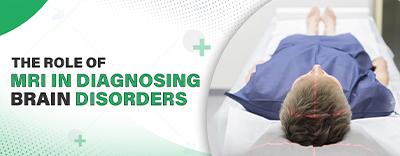
Magnetic Resonance Imaging (MRI) plays a crucial role in detecting and diagnosing various brain disorders, including tumors, strokes, multiple sclerosis, and neurodegenerative diseases.
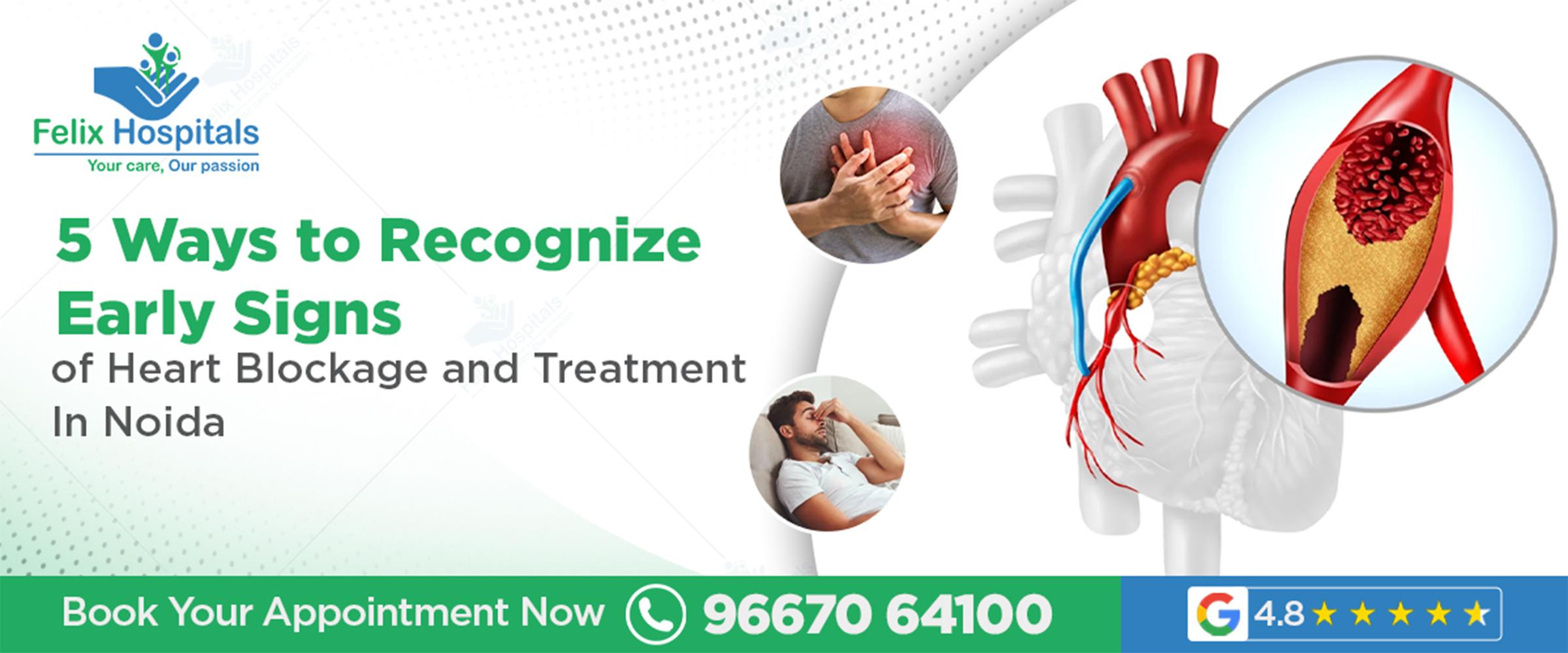
Good quality of life depends on healthcare of the heart. Recent identification of cardiac symptoms may mean the difference between easy treatment and serious and potentially fatal complications. If you find yourself searching for a cardiologist appointment near me or need expert heart disease treatment in Noida, understanding the early warning signs is crucial. Early cardiology visits will identify issues before they become serious and thus intervene effectively and have a better outcome. This paper discusses five major symptoms of heart disease that ought to raise an alarm.
Experiencing chest discomfort or unusual breathlessness? Schedule an expert cardiology consultation in Noida at +91 9667064100.
Heart blockage is caused by the buildup of plaque (fat, cholesterol, and calcium) inside the coronary arteries. Common causes include:
Firstly, a description of the fundamentals of the heart disease and blocked arteries is important before going into the signs. Coronary arteries are necessary to the heart as they supply the heart with oxygen-rich blood to all the muscles. Over time, these arteries can become narrowed or blocked due to plaque buildup-known as coronary artery blockage-leading to reduced blood flow.
Lack of blood flow means that the heart muscle does not work to its best therefore giving rise to numerous symptoms. Recognizing heart blockage symptoms early can prevent heart attacks, heart muscle death, or permanent damage.
One of the most classic early signs of heart blockage is chest pain or discomfort. This pain is also known as angina and it can be tightness, pressure, squeezing, or heaviness which is usually brought about by exercising or even emotional stress.
The pain may extend to the neck, shoulders or jaw or arms and is sometimes confused with indigestion. Chest pain that is persistent or acute, even during rest, should forcibly make a cardiologist evaluate the patient.
Chest pain is one of the most common heart disease warning signs, and individuals experiencing it should not delay in seeking care.
Shortness or breath particularly when doing simple tasks or even resting is often indicative of the heart not pumping well. This symptom occurs due to the back up of the fluid into the lungs (pulmonary congestion) or cardiac output is not enough to supply the oxygen needs of the body.
Patients who develop or experience an exacerbation of breathlessness need to instantly think when to see a cardiologist as it is an indicator of possible heart failure or serious blockage of arteries that may need urgent treatment.
You can notice that your heart is beating irregularly, too fast, too slow, or even fluttering and you should visit a cardiologist immediately. Such palpitations/arrhythmias may be due to ischemia, electrolyte imbalances or blockage related damage to heart muscles.
In case palpitations are accompanied with dizziness, lightheadedness or fainting, emergency treatment is required. Conscious cardiology consultation is done at the earliest to identify the cause and initiates measures to fight against stroke or sudden cardiac death.
The swelling which is medically referred to as edema especially in lower legs, ankles or abdomen is usually caused by the inability of the heart to pump efficiently leading to retention of fluid.
This is one of the critical symptoms of heart blockage in the conditions of heart failure or artery blocks. The swelling that comes along with fatigue and shortness of breath must be a cause of concern that they may be having advanced heart disease and should be treated by specialists.
Being so fatigued or weak without obvious reason, particularly when the condition increases or restricts daily activities, may be a severe early indicator of a heart blockage.
The exhaustion is due to the inability of the heart to provide bodies and organs with sufficient oxygen. Its presence with other symptoms is indicative of the necessity to make a thorough consultation with cardiologists.
Heart blockage causes and symptoms typically involve lifestyle risk factors such as smoking, poor diet, sedentary behavior, stress, hypertension, and diabetes. There is also the importance of family history.
Early warning signs can be observed by keeping track of such symptoms as chest pain during exercise, loss of exercise tolerance, swelling, and arrhythmia to seek a cardiologist and avoid the risk of acute cardiac events.
Early detection involves:
Keeping regular check-ups, such as ECG and heart testing.
Consulting doctors if experiencing any heart blockage symptoms, even mild or intermittent.
Health assessment of lifestyle and proactive risk management.
The recognition of less severe symptoms such as fatigue or mild shortness of breath that may not be given much attention.
Taking these steps helps engage early heart blockage treatment for better prognosis.
Treatment depends on the severity and specifics of the patient but generally involves:
Cholesterol reducing, blood pressure controlling and clotting medications.
Change in lifestyle such as diet, exercise, quitting of smoking and stress management.
Surgery to the heart involves interventional cardiology including angioplasty and stenting to open blocked arteries.
Advanced cases of coronary artery bypass grafting (CABG) surgeries.
Continued follow-up and rehabilitation to enhance the working of the heart.
Every treatment plan is individualized via expert consultation including heart specialist in Noida teams.
Early cardiologist examinations ensure that when patients have minor symptoms, these symptoms do not develop into a deadly heart attack or heart failure. Early intervention prevents the course of the disease, enhances survival and sustains life functions.
In Noida, available cardiologist services close to me are related to full-fledged heart disease care hospital, which offer specialist services under screening to advanced procedures.
Hospitals in Noida are equipped with the latest cardiac technologies, including:
These technologies ensure higher success rates, reduced complications, and shorter hospital stays

Dr. Rahul Arora, a highly experienced Interventional Cardiologist with 21+ years of expertise, known for innovative treatments, strong academic excellence, and a deep commitment to exceptional patient care.
Recognizing the early signs of heart blockage such as chest pain, breathlessness, palpitations, swelling, and fatigue is vital to safeguarding your health. Don't wait until symptoms worsen-schedule a cardiologist appointment near me today and access world-class heart specialists in Noida services for timely diagnosis and treatment. The health of your heart will be the early intervention and professional attention.
Don't ignore symptoms of heart blockage—get a full heart checkup today. Call +91 9667064100 now.
Q.1. Which are the first symptoms I should be aware of when I am going to have a heart blockage?
Ans. Pain in the chest, shortness of breath, irregular heartbeats, swelling and chronic fatigue.
Q.2. What are some of the immediate medical conditions when I should visit a cardiologist?
Ans. In case of chest pain, fainting, and severe shortness of breath, consult right away.
Q.3. Will lifestyle adjustment reverse heart artery blockages?
Ans. They are able to delay development and enhance the general health of the heart but are not always able to completely reverse blockages.
Q.4. What are the methods of doctors to test heart blockage?
Ans. Definite diagnosis by use of ECG, stress tests, echocardiography and angiography.
Q.5. Is heart blockage treatment painful?
Ans. Angioplasty and most of the treatment, in particular medicine, are minimally invasive and tolerable.
A stent procedure can be life-saving for those with blocked arteries. This guide walks you through the stent experience—from the angioplasty process to post-procedure recovery and lifestyle changes.

Frozen shoulder is a common yet painful condition that severely limits shoulder movement, causing discomfort and reduced quality of life. In the case of the patients who are subject to prolonged feeling of stiffness or pain at the shoulders, a Noida orthopedic doctor in Noida is necessary to have the opportunity to be diagnosed and treated properly. This detailed guide will delve into the causes of frozen shoulder, frozen shoulder symptoms, risk factors for frozen shoulder, and the best treatment options, including specialized frozen shoulder treatment in Noida.
Struggling with shoulder stiffness or pain? Book a specialist consultation for frozen shoulder treatment in Noida today at +91 9667064100.
Frozen shoulder, medically termed adhesive capsulitis, is characterized by stiffness, pain, and restricted motion in the shoulder joint. It is usually acquired slowly and exacerbated as the years go by. The joint capsule becomes thick and taut resulting into development of scar tissue which limits the normal movement of the shoulder. This holds the shoulder in a frozen position which may take months or years to cure. The decreased mobility and chronic pain would hamper the everyday life activity, including reaching as well as overhead exercises.
The exact causes of frozen shoulder are often unclear, but several factors contribute to its development:
Immobilization: Extended shoulder immobilization after an injury, surgery, or fracture can lead to frozen shoulder due to lack of movement.
Inflammation: Some diseases such as rotator cuff tendinitis or bursitis cause inflammation of the tissues around the joint, which leads to the thickening and contraction of the joint capsule.
Medical conditions: Medical conditions that are at the high risk include diabetes, thyroid disorders, cardiovascular disease, and Parkinson diseases.
Age and Gender: It is more prevalent in women and commonly in the ages of 40-60.
Post-surgery or trauma: Damage to the shoulder from trauma or surgery may provoke frozen shoulder onset.
The identification of such causes contributes to early prevention.
Recognizing frozen shoulder symptoms early can vastly improve treatment success. The condition occurs in three stages that overlap:
Freezing stage: Progressive pain during shoulder movements and the progressive loss of the range of motion; this may take 2-9 months.
Frozen stage: At this stage, the pain may be reduced and the stiffness is aggravated; the use of the shoulders is challenging at this stage (lasts 4-12 months).
Thawing period: Two Shoulder movement continues to increase at a slow pace, usually requiring 5-24 months before close to normal work should be achieved.
Persistent shoulder pain and stiffness
Problem with lifting the arm over the head or behind.
Poor capacity to complete everyday tasks.
Suffering which intensifies during the night or due to abrupt movements.
Diagnosis of early cases of physical examination and medical imaging assists in providing timely care.
Certain conditions and traits increase risk factors for frozen shoulder development:
Paralysis of the arm after injury or surgery.
Diabetes, which puts the connective tissue at risk of fibrosis.
Limbic disproportions, such as hyperthyroidism or hypothyroidism.
Age between 40 and 60 years
Past cardiovascular or autoimmune disease.
Previous episodes of frozen shoulder in either shoulder
Should you meet these requirements and experience stiffness in the shoulders, it is strongly recommendable to consult the healthcare providers.
Frozen shoulder treatment primarily focuses on relieving pain and restoring movement. At Felix Hospital, leaders in frozen shoulder treatment in Noida, treatment is tailored per patient needs through a multidisciplinary approach:
Physical therapy: This is the primary treatment method in the selection of which range-of-motion exercises, and stretching exercises, are performed to increase the shoulder range of motion and alleviate stiffness.
Medications: Anti-inflammatory medicine such as NSAIDs are involved in relieving pain and inflammation.
Corticosteroid injections: Decrease severe inflammation, which considerably decreases pain and restores the functionality.
Heat/cold therapy: This is used in order to reduce swelling and pain.
Surgical intervention: In some refractory cases, manipulation under anesthesia or arthroscopic release can be needed to rupture adhesions and regain motion.
Regular physiotherapy and expert advice is best to maximize results and accelerate healing.
The untimely treatment usually causes the persistence of the immobility as well as the ongoing chronic pain that complicates the process of restoring the complete functioning of the shoulder. It is important to consider having an experienced orthopedic doctor in Noida because early diagnosis of the condition will prevent poor lifestyle restriction. Individualized care across these centers such as Felix Hospital guarantees patients full services all the way back to recovery.
Recovery from frozen shoulders is gradual and requires patience. A great deal of patients have made substantial recoveries in 1-3 years. Adherence to therapy exercises and lifestyle changes including eschewing aggravating interventions and good posture is important. Follow-ups will guarantee surveillance of the progress, and adjust treatment.
Need physiotherapy or advanced care for frozen shoulder in Noida? Get started on your recovery plan now by calling +91 9667064100 .

Dr. Keshav Goel is an experienced Orthopedic and Joint Replacement Surgeon in Noida with over 10 years of clinical expertise. He has performed 2,000+ independent surgeries and specializes in computer-assisted joint replacement and arthroscopic surgeries of the knee, shoulder, and hip. Known for his skill in treating sports injuries, trauma, and joint disorders, he provides advanced and patient-focused orthopedic care.
In conclusion, frozen shoulder is a disabling condition that requires timely diagnosis and comprehensive management. With effective frozen shoulder treatment in Noida from experienced specialists, most patients regain function and reduce pain substantially. The pain may be avoided by consulting an orthopedic doctor early in Noida so that they avoid long-term disability and enhance quality of life.
Q1: What is frozen shoulder and is it serious?
A: Frozen shoulder causes stiffness and pain in the shoulder joint. While not life-threatening, it can severely affect daily activities if untreated.
Q2: Why does frozen shoulder take so long to heal?
A: The condition progresses through stages and healing depends on gradual capsule recovery, which can take months.
Q3: How long does frozen shoulder treatment take?
A: Recovery may take 6 months to 2 years, depending on severity and treatment approach.
Q4: What is the cost of frozen shoulder treatment in Noida?
A: Costs vary based on consultation, physiotherapy, injections, or surgery. Minimally invasive procedures may cost more initially but reduce long-term expenses.
Q5: What are the risks of frozen shoulder surgery?
A: Risks are minimal but may include infection, stiffness, or temporary pain. Advanced techniques reduce complications.
Q6: How successful is frozen shoulder treatment?
A: With early diagnosis, expert care, and modern treatment methods, success rates are high and most patients regain near-normal shoulder movement.

Frozen shoulder is a common condition in which the shoulder stiffens, reducing its mobility. It commonly affects people aged between 40 and 60 years, and it is more likely in women than in men.
Prevent shoulder pain while sleeping with the right posture, supportive pillows, and nighttime stretches for a restful, pain-free sleep.
Advanced surgeries like arthroscopy, rotator cuff repair, and shoulder replacement in Noida help relieve severe shoulder pain and restore mobility.


Subscribe to our
© Copyright 2026. All Rights Reserved by Felix Healthcare Private Limited
Design and development by :


 +(91)9667064100
 Emergency : +(91)9667064100