 WhatsApp
 Emergency:
  WhatsApp









Subscribe to our
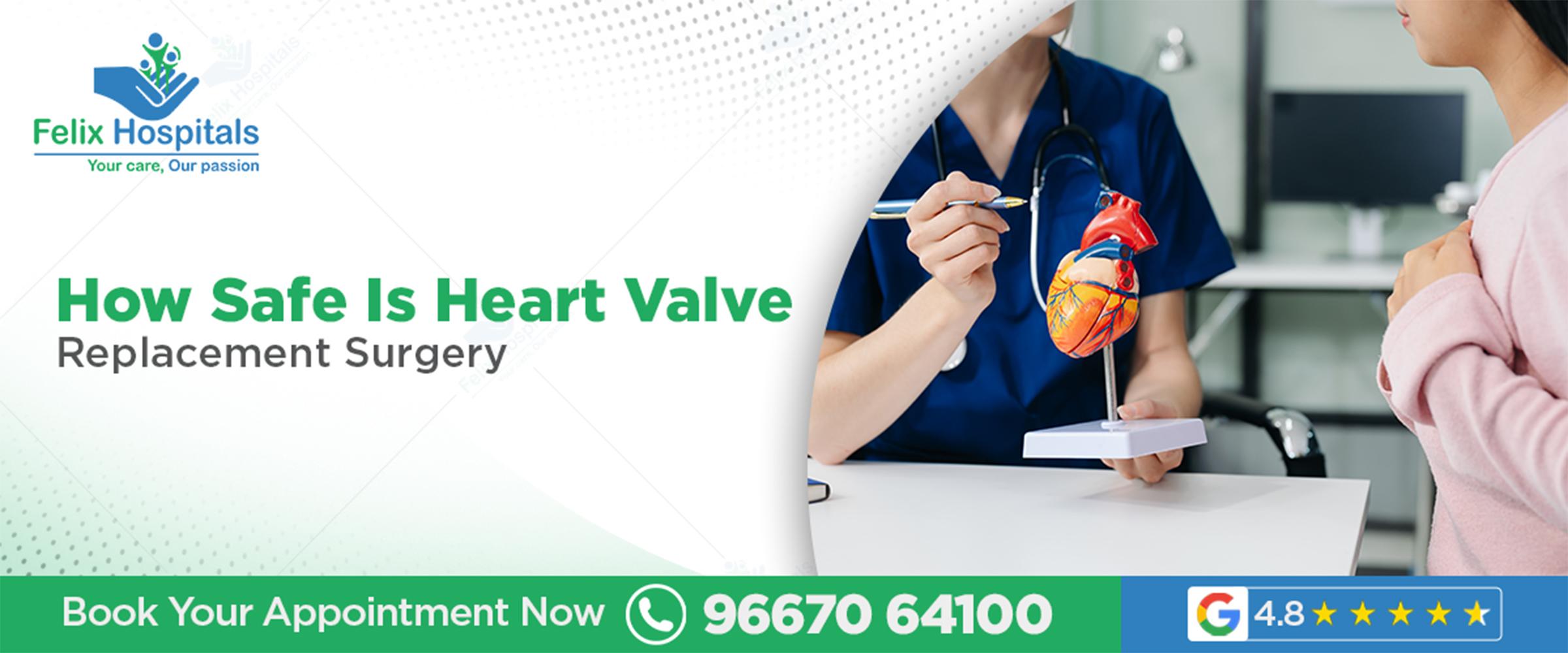
Heart valve replacement is one of the most essential procedures that could be conducted in the management of serious heart conditions. If you're seeking expert treatment, knowing that you have access to the Best Cardiology Hospital in Noida and the Best Cardiologist in Noida can provide peace of mind. Heart valve replacement surgery is a big procedure in cardiac surgery that is used to correct defective heart valves in order to enhance proper blood circulation and heart performance. However, as with any major surgery, understanding the risks of heart valve surgery, recovery process, and success rates is key to making informed decisions about your healthcare.
This is a complete range of replacement of heart valves, which we will address in this detailed guide; its safety, potential risks, recovery, and how contemporary care can best manage contemporary care centers like Noida.
Thinking of heart valve replacement? Consult the best cardiologist in Noida today at +91 9667064100.
The heart of a human being has four kind of valves namely mitral, tricuspid, pulmonary, and aortic which control the blood flow but in only a single direction. Failure of these valves because of stenosis (narrowing) or regurgitation (leakage) compromises the circulation thus causing the failure of the heart or other severe problems.
The heart valve replacement procedure safety has improved tremendously over recent decades. The surgery is carried out by changing the non-functioning valve with a mechanical or biologic valve, in a bid to improve the normal functioning.
Despite advances, patients should understand the inherent risks of heart valve surgery:
Perioperative and postoperative bleeding.
Blood clots that lead to heart attack, stroke or lung-related complications.
Perioperative infection or valve infection.
Shortness of breath or breathing complications.
Heart abnormalities (irregular rhythms), and the use of pacemakers sometimes is required.
Valve failure or leakage
Response to anesthetic or drugs.
With vigilant monitoring and facility standards at a reputable heart valve replacement hospital, these risks are minimized, particularly in specialized centers in Noida.
What is the success of heart valve surgery? The survival rates are dependent on the type of valve and the condition of the patient:
The survival rate of aortic valve replacement is approximately 94 years.
Rates of survival of mitral valve replacement are approximately 64 per five-year period.
Replacement of the pulmonary valves is done with such high success rates of around 96%.
The success rates would be high depending on the proper examination of the patient, skills of the surgeon as well as the care after the surgery. Discuss your individual prognosis with your best cardiologist in Noida for personalized insight.
Conventional replacement of the heart valves uses open-heart surgery in which the chest is incised, and a cardiopulmonary bypass is used. Some of the improvements involve minimally invasive and robotic-assisted methods with smaller cuts, fewer traumas, shortened hospitalization, and faster healing.
Both methods have comparable safety but minimally invasive procedures suit selected patients, often at leading heart valve replacement hospitals in Noida well-versed in cutting-edge techniques.
The duration of the postoperative recovery is many weeks:
Cardiac function, pain control, and bleeding monitoring in the first series of ICU.
Slow-progress mobilization including prevention of such complications as blood clots or pneumonia.
Eating modifications to facilitate the recovery.
Frequent follow-ups through echocardiograms and clinical check-ups to reveal normal functioning of valves.
Following guidelines provided by your best cardiologist in Noida and adhering to rehabilitation programs ensures optimal healing and reduces arrhythmia risks.
Successful heart valve replacement procedure safety extends beyond the operating room:
Eat a healthy heart diet and exercise.
Regulate blood pressure, cholesterol, and diabetes.
Avoid smoking and alcoholism.
Consist with unnecessary anticoagulants or other drugs.
These tips on heart health make the valve both durable and generally cardiovascularly healthy.
Special facilities have multidisciplinary teams composed of cardiovascular surgeons, cardiologists, anesthesia team, and rehabilitation specialists, with the best new technology. These help minimize the rate of complication and facilitate individualized treatment planning, which enhances outcomes. The best cardiology hospital in Noida focuses on both surgical excellence and patient education.
Need advice on recovery after heart valve surgery? Call the cardiac care department at +91 9667064100
A serious step is one that involves heart valve replacement surgery, which makes it safe and life-saving when in the right hands. The best cardiology hospital in Noida and the best cardiologist in Noida employ modern techniques ensuring excellent heart valve surgery success rate and optimal heart valve replacement procedure safety.
Understanding the risks of heart valve surgery and preparing well for recovery after heart valve surgery with expert guidance maximizes your chances of a successful outcome. When you or your loved one requires to undergo heart valve surgery, then the specialists of Noida should be trusted to provide the best care that can be offered to your heart.
Q1: What is the success rate of pump replacement with the heart valves?
A: It has a survival rate of approximately 90-95 after five years of age depending on the valve and health condition.
Q2: What is the length of stay at the hospital after having heart valves surgery?
A: The average duration of stay is 5 to 7 days, and one more day with complications.
Q3: Do we have the least invasive heart valve replacement methods?
A: Yes, patients that have been chosen can receive less invasive surgery with quicker recovery.
Q4: What is the duration of full recovery of heart valve surgery?
A: In most cases several weeks/months depending on personal wellness.
Q5: What are the post-operative emergency care warning signs that I need to follow?
A: Such symptoms as aches in the chest, intense fever, swelling, or difficulty breathing must be addressed urgently.
हार्ट अटैक के मुख्य लक्षण, कारण और तुरंत किए जाने वाले उपचार के बारे में जानें। समय पर पहचान और सही इलाज से जीवन बचाया जा सकता है।

Arrhythmia is a condition where the heart beats irregularly—too fast, too slow, or with an uneven rhythm. It can feel like a fluttering, racing, or skipped heartbeat.
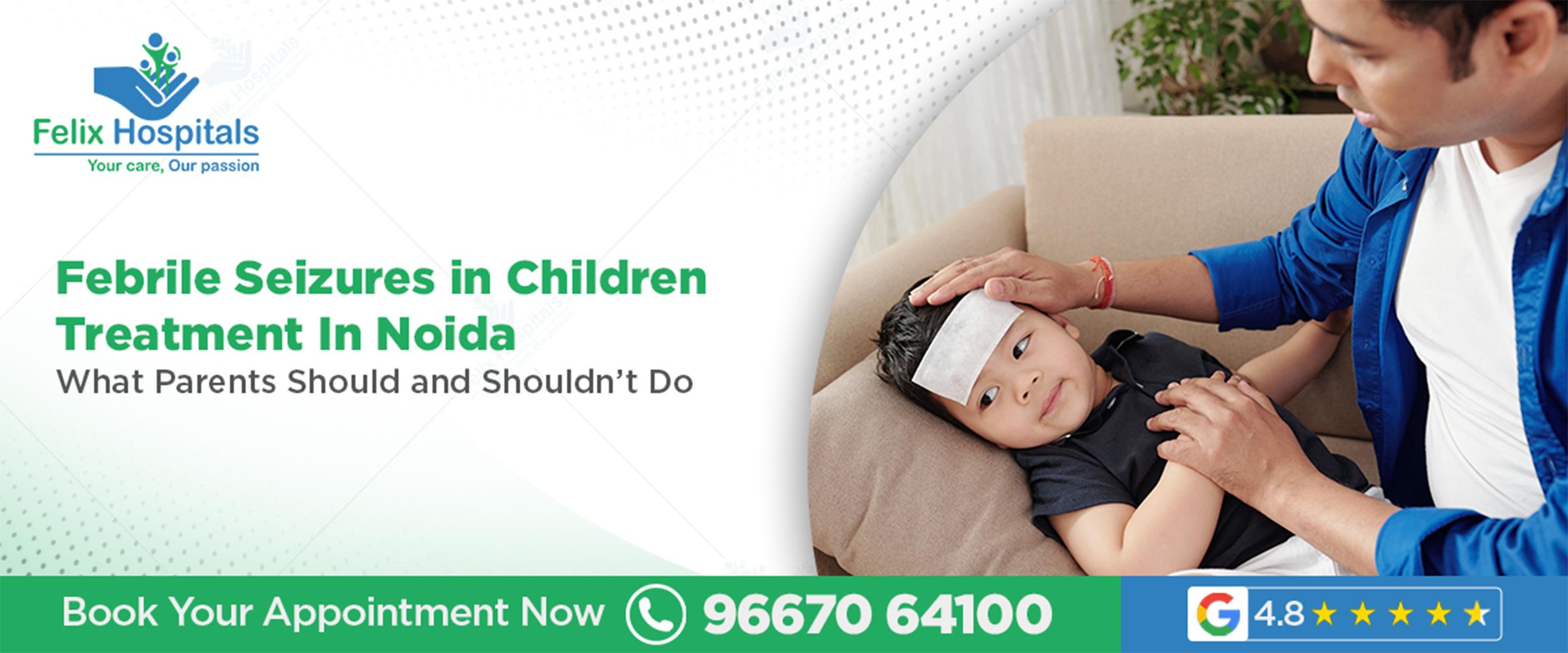
Seeing a child experience a febrile seizure can be frightening for any parent. Febrile seizures usually occur when a child's body temperature rises suddenly due to fever, most commonly between the ages of 6 months and 5 years. While most febrile seizures are harmless and resolve on their own, knowing what to do and what not to do can make a crucial difference.
For accurate diagnosis and expert guidance, consulting a Pediatric neurologist in Noida ensures that your child receives timely and specialized care. Early evaluation also helps rule out serious infections or neurological concerns.
In this blog, we break down the causes, symptoms, immediate steps, treatment options, and hospital care needed for febrile seizures—especially for parents seeking safe and reliable febrile seizure treatment in Noida.
Febrile seizures are convulsions triggered by fever. They occur due to a sudden spike in body temperature, usually from infections such as flu, throat infection, ear infection, or viral fever. These seizures occur in otherwise healthy children and are not related to epilepsy.
Last for less than 15 minutes
Do not repeat within 24 hours
Affect the whole body
Last longer than 15 minutes
Occur more than once in 24 hours
May affect one side of the body
If a child experiences repeated or prolonged seizures, immediate evaluation at the Best hospital for febrile seizures in children in Noida is essential.
Children develop febrile seizures mostly when fever rises rapidly. Common triggers include:
Viral infections (influenza, viral fever, roseola)
Ear infections
Throat and respiratory infections
Childhood vaccinations that may cause mild fever
Genetic susceptibility (family history)
A Pediatric neurologist in Noida can help determine the underlying cause through proper evaluation.
Identifying early signs helps parents act quickly during an episode. Symptoms include:
Sudden jerking movements or stiffening of body
Loss of consciousness
Eyes rolling upward
Foaming at the mouth (occasionally)
Brief breathing pauses
Confusion or drowsiness after the episode
The seizure usually lasts 30 seconds to 2 minutes, but even a few seconds can feel terrifying for parents.
Though panic is natural, staying calm helps you take the right steps.
Turn them gently to the left side to prevent choking.
Clear the surrounding area to avoid injury.
Especially around the neck, to help breathing.
Use your phone—duration helps doctors determine severity.
Light breathing irregularities are normal, but complete stoppage needs urgent medical attention.
Use a thermometer to track fever levels.
Paracetamol or ibuprofen may help—only after recovery and based on doctor’s advice.
These actions keep the child safe until the seizure ends, which it usually does within a few minutes.
What Parents SHOULD NOT Do During a Febrile Seizure
DO NOT put anything in the child’s mouth
They cannot swallow their tongue; objects may cause injury or choking.
DO NOT try to restrain the child
Holding them tightly may cause bone or muscle injury.
DO NOT attempt to feed water, medicines, or food
Risk of choking is extremely high.
DO NOT slap, shake, or sprinkle water
These actions do not stop seizures and only worsen panic.
DO NOT give a cold bath immediately
Sudden temperature changes can worsen shivering and distress.
Avoiding these mistakes is essential to ensuring safe first response for febrile seizures.
Seek medical care immediately if:
The seizure lasts more than 5 minutes
The child has difficulty breathing
The child has repeated seizures within 24 hours
The child is younger than 6 months
After the seizure, the child remains extremely drowsy or unresponsive
Fever is very high (above 103°F / 39.5°C)
Seizure occurs without fever
Signs of dehydration or infection appear
At this point, evaluation at the Best hospital for febrile seizures in children Noida is critical to rule out meningitis, brain infections, or underlying neurological issues.
A detailed check-up helps understand the cause of the seizure. Doctors may conduct:
Assessment of fever source and neurological signs.
To detect infection or inflammation.
Useful for diagnosing infections when source is unclear.
Performed only if meningitis is suspected.
Usually not required unless seizures are complex or frequent.
A Pediatric neurologist in Noida ensures correct testing and diagnosis.
Most febrile seizures stop on their own and do not require long-term medication. Treatment focuses on the cause of fever.
Paracetamol or ibuprofen as per pediatric dosage
Hydration
Treating the underlying infection
Midazolam (nasal spray)
Diazepam rectal gel
These are prescribed only for children with frequent or prolonged seizures.
Antibiotics or antivirals, depending on diagnosis.
In cases of:
First seizure
Prolonged seizure
Repeated episodes
High infection suspicion
Specialized pediatric care helps ensure the child stabilizes safely.
The good news: Most children recover completely and do not develop epilepsy.
Key points for parents to remember:
Febrile seizures do not cause brain damage
They do not affect learning or intelligence
Most children outgrow them by age 5
Recurrence may happen but is manageable
With proper instructions, parents can handle future episodes safely.
While seizures cannot always be prevented, parents can reduce triggers by:
Treating fever early
Keeping the child hydrated
Completing vaccinations on time
Managing infections promptly
Regular follow-ups with your pediatrician
For children with recurrent episodes, a Pediatric neurologist in Noida may offer precautionary measures.
A reputed pediatric facility ensures:
24×7 emergency pediatric support
Experienced child neurologists
Dedicated fever and infection management
Pediatric ICU availability
Accurate diagnosis and safe treatment plans
Parent counseling for home management
Choosing the Best hospital for febrile seizures in children Noida guarantees both safety and reassurance for worried parents.
Febrile seizures can be alarming, but with the right knowledge and timely hospital care, they are manageable and rarely harmful. Parents should focus on staying calm, ensuring safety during the episode, and knowing when to seek medical help.
If your child experiences a febrile seizure, or if you need expert guidance, consulting a Pediatric neurologist in Noida is the safest step. Specialized evaluation at trusted centers offering Febrile seizures treatment in Noida ensures your child receives immediate care, accurate diagnosis, and long-term reassurance.
Q. 1. Can febrile seizures cause brain damage?
Ans. No, Most febrile seizures are harmless and do not cause long-term brain problems.
Q. 2. Should I call an ambulance during a febrile seizure?
Ans. Yes, if the seizure lasts more than 5 minutes or the child is struggling to breathe.
Q. 3. Do febrile seizures mean my child has epilepsy?
Ans. No, Febrile seizures are not related to epilepsy and do not usually lead to it.
Q. 4. Can febrile seizures happen again?
Ans. Yes, especially if the child is very young or has high fevers. Recurrence is common but manageable.
Q. 5. When should I visit a hospital?
Ans. If the seizure is prolonged, repeats, occurs without fever, or the child is not recovering normally.
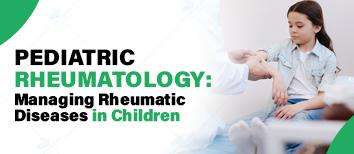
Pediatric rheumatology focuses on diagnosing and treating autoimmune and inflammatory disorders affecting children’s joints, muscles, and connective tissues.
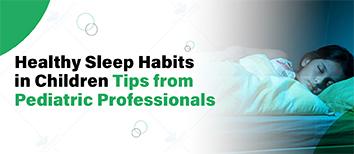
During sleep, the body releases growth hormones, which are essential for a child's growth and development. Adequate sleep is vital for muscle development, tissue growth, and the overall physical health of a child.
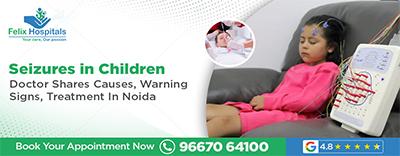
Know the causes, signs, and treatment options for seizures in children in Noida.
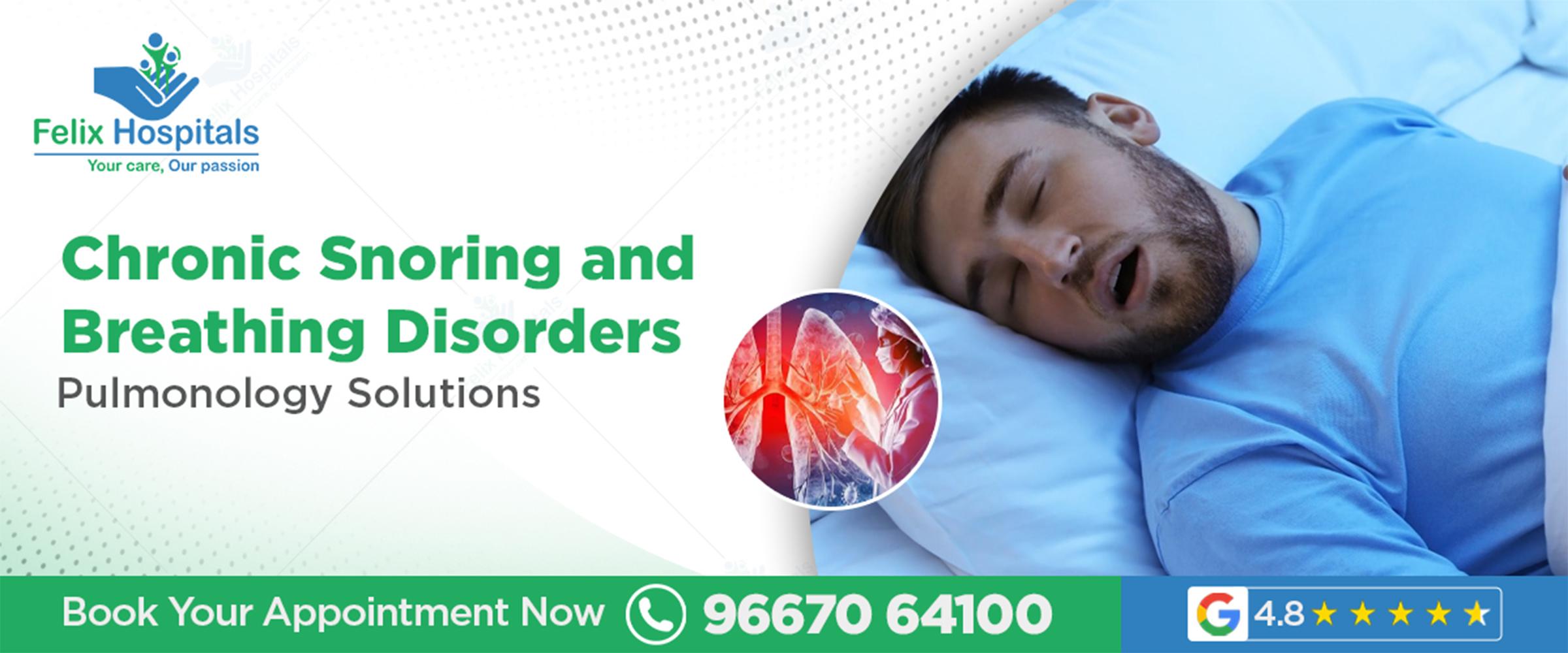
Chronic snoring and breathing disorders are not just annoying—they can significantly impact overall health and quality of life. If you are searching for solutions at the Best pulmonology hospital in Noida, understanding the causes, symptoms, and treatment options is essential. Early intervention can prevent serious complications such as sleep apnea, cardiovascular issues, and daytime fatigue.
For professional consultation with an expert pulmonologist in Noida, call +91 9667064100 for evaluation and personalized treatment plans.
Snoring occurs when airflow is partially blocked during sleep, causing vibration of the soft tissues in the throat. While occasional snoring is common, chronic snoring may indicate breathing disorders such as obstructive sleep apnea (OSA), which can significantly affect heart and lung health.
Consulting a pulmonologist in Noida ensures accurate diagnosis and treatment to prevent these complications.
Understanding the root cause helps determine the right intervention. Common causes include:
Repeated obstruction of the airway during sleep causes loud snoring, pauses in breathing, and oxygen desaturation.
Deviated septum, nasal polyps, or chronic sinus infections can restrict airflow and contribute to snoring.
Excess weight increases fatty tissue around the neck, narrowing the airway.
These relax throat muscles, increasing the likelihood of snoring and airway collapse.
Men and older adults are more prone to chronic snoring due to anatomical differences and muscle tone loss.
Sleeping on the back causes the tongue and soft palate to collapse backward, partially blocking the airway.
Recognizing symptoms early allows timely intervention. Common signs include:
If these symptoms persist, it is advisable to consult a pulmonology hospital in Noida for comprehensive evaluation.
Accurate diagnosis is essential for effective treatment. Pulmonologists use several diagnostic tools:
Measures oxygen levels, airflow, heart rate, and brain activity during sleep to detect sleep apnea.
Simpler alternative for monitoring breathing patterns at home under professional guidance.
Assessment of throat, nasal passages, and neck structure to identify potential obstructions.
Treatment depends on severity, underlying cause, and overall health:
For moderate to severe sleep apnea, CPAP keeps the airway open during sleep, improving oxygen flow and reducing snoring.
Custom-fitted devices reposition the jaw or tongue to prevent airway obstruction, ideal for mild to moderate snoring.
Uvulo palato pharyngo plasty (UPPP) to remove excess tissue in the throat
Tonsillectomy or adenoid removal if enlarged tonsils/adenoids contribute to obstruction
In addition to medical treatment, patients are advised to:
These measures enhance the effectiveness of treatment and reduce long-term risks.
Ignoring chronic snoring or untreated sleep apnea can lead to serious health issues:
Early intervention with heart and lung specialists or a pulmonology hospital in Noida significantly reduces these risks.
Specialized centers provide:
Choosing the Best pulmonology hospital in Noida guarantees a structured, patient-centric approach to snoring and breathing disorders.
Chronic snoring and breathing disorders are more than sleep nuisances—they can compromise heart and lung health, energy levels, and overall well-being. Seeking evaluation at a pulmonology hospital in Noida and consulting an experienced pulmonologist in Noida ensures timely diagnosis, effective treatment, and long-term health.
Do not ignore persistent snoring, daytime fatigue, or breathing interruptions during sleep. Early medical intervention improves quality of life, reduces health risks, and prevents serious complications.
For expert assessment and treatment options, call +91 9667064100 today.
Q. 1. Can chronic snoring cause heart problems?
Ans. Yes. Untreated snoring and sleep apnea increase risks of hypertension, heart disease, and stroke.
Q. 2. How is sleep apnea diagnosed in Noida?
Ans. Through sleep studies like polysomnography or home sleep apnea tests at a Best pulmonology hospital in Noida.
Q. 3. Are surgical treatments for snoring safe?
Ans. Yes, with proper assessment and performed at a specialized center, surgeries like UPPP or septoplasty are safe and effective.
Q. 4. Can lifestyle changes reduce snoring?
Ans. Yes, maintaining a healthy weight, avoiding alcohol before sleep, and sleeping on your side can significantly reduce snoring.
Q. 5. When should I consult a pulmonologist?
Ans. If you experience loud snoring, pauses in breathing, daytime fatigue, or morning headaches, consult a pulmonologist in Noida immediately.

Sleep disorders harm memory, focus, and brain health if untreated.

Lactose intolerance is a common digestive disorder that affects people of all ages, causing discomfort after consuming dairy products. If you are looking for the Best gastroenterologist in Noida, understanding the lactose intolerance causes and symptoms is essential to manage this condition effectively. Early consultation with a specialist ensures proper diagnosis, dietary guidance, and long-term relief.
For expert lactose intolerance treatment cost in Noida and consultation with the Best dietician in Noida for lactose intolerance, call +91 9667064100.
Lactose intolerance occurs when the body is unable to digest lactose, the sugar found in milk and dairy products, due to insufficient production of the enzyme lactase in the small intestine. Undigested lactose ferments in the colon, causing gas, bloating, diarrhea, and stomach cramps.
Understanding stomach bloating and lactose issues helps patients manage symptoms and avoid unnecessary discomfort. Early intervention allows individuals to maintain a healthy diet while preventing nutrient deficiencies.
Several factors contribute to lactose intolerance:
A natural decrease in lactase production as people age, leading to gradual lactose intolerance.
Occurs due to injury to the small intestine caused by infection, celiac disease, or inflammatory bowel conditions.
A rare inherited condition where infants are born without lactase.
Certain populations are more prone to lactose intolerance, including individuals of Asian, African, and Hispanic descent.
Conditions like Crohn’s disease or ulcerative colitis may damage the intestinal lining and reduce lactase production.
Symptoms vary in severity depending on the amount of lactose consumed. Common signs include:
Bloating and stomach cramps
Gas and flatulence
Diarrhea or loose stools
Nausea, sometimes vomiting
Rumbling or gurgling sounds in the stomach
Individuals experiencing these symptoms after consuming dairy should consult the Best gastroenterologist in Noida to confirm lactose intolerance and rule out other digestive conditions.
Accurate lactose intolerance diagnosis is essential for effective management:
Medical History and Symptom Assessment – Helps identify dairy-related triggers.
Hydrogen Breath Test – Measures hydrogen levels in the breath after lactose consumption.
Lactose Tolerance Test – Monitors blood glucose response to a lactose load.
Stool Acidity Test – Primarily used for infants and young children.
A confirmed diagnosis allows tailored dietary plans and lactose intolerance treatment cost in Noida to be planned effectively.
While lactose intolerance is not curable, symptoms can be managed effectively with diet and lifestyle adjustments.
Limit or avoid milk and high-lactose foods.
Introduce lactose-free dairy products or plant-based alternatives such as almond, soy, or oat milk.
Incorporate small amounts of dairy to build tolerance gradually if possible.
Lactase enzyme tablets or drops can help digest lactose when consuming dairy products.
Consulting the Best dietician in Noida for lactose intolerance ensures sufficient intake of calcium, vitamin D, and other essential nutrients.
Yogurt and kefir with live cultures may help improve digestion and tolerance.
Keeping a food diary helps track symptoms and identify triggers for better management.
A balanced diet can minimize discomfort while ensuring proper nutrition:
Include lactose-free milk or fortified plant-based milk.
Eat leafy greens, nuts, and seeds to meet calcium needs.
Consume fruits, vegetables, lean proteins, and whole grains for overall health.
Avoid processed foods with hidden lactose additives.
Following these recommendations under the guidance of the Best gastroenterologist in Noida and a skilled dietician ensures safe and effective symptom management.
Read labels for lactose content in processed foods.
Introduce new foods gradually to monitor tolerance levels.
Carry lactase enzyme supplements when eating out.
Maintain a symptom diary to share with your doctor or dietician.
Attend regular check-ups for nutritional evaluation and guidance.
Proper management allows patients to live comfortably, maintain nutritional balance, and enjoy a varied diet without discomfort.
Though lactose intolerance cannot be completely prevented, certain practices reduce symptom severity:
Avoid high-lactose foods that trigger symptoms.
Option for low-lactose or lactose-free alternatives.
Take lactase supplements as needed.
Ensure adequate calcium and vitamin D through other sources.
Maintain routine follow-up visits with the Best gastroenterologist in Noida.
Proactive care helps patients avoid chronic digestive distress and maintain optimal health.
Lactose intolerance is a manageable digestive disorder that can significantly impact quality of life if ignored. Understanding lactose intolerance causes and symptoms, consulting a Best gastroenterologist in Noida, and following a structured diet and lifestyle plan are crucial steps toward relief.
For professional care, personalized diet plans, and advanced lactose intolerance treatment cost in Noida, patients can rely on the Best Gastroenterology Hospital in Noida. Early consultation ensures effective management and helps patients enjoy a comfortable, symptom-free life.
Call +91 9667064100 to schedule an appointment with top specialists today.
Q. 1. What are the main symptoms of lactose intolerance?
Ans. Bloating, gas, diarrhea, stomach cramps, and nausea after consuming dairy products.
Q. 2. How is lactose intolerance diagnosed?
Ans. Through hydrogen breath tests, lactose tolerance tests, stool acidity tests, and symptom assessment.
Q. 3. Can lactose intolerance be cured?
Ans. No, but symptoms can be managed with diet, enzyme supplements, and professional guidance.
Q. 4. Are there dairy alternatives for patients?
Ans. Yes. Plant-based milk like soy, almond, oat, or lactose-free dairy products are recommended.
Q. 5. When should I see a gastroenterologist for lactose intolerance?
Ans. If you experience persistent digestive discomfort after consuming milk or dairy products, consult the Best gastroenterologist in Noida.

Additionally, many COPD patients experience unintended weight loss and muscle wasting, a condition known as Pulmonary cachexia.

As men age, prostate enlargement—medically known as Benign Prostatic Hyperplasia (BPH)—becomes increasingly common. Many men over 45 begin experiencing symptoms such as frequent urination, slow urine flow, nighttime urination, or a constant feeling of incomplete emptying. While medications offer relief to some extent, a large group of patients require a more effective, long-term solution. This is where laser treatment for enlarged prostate has emerged as a modern, minimally invasive, and safe option widely preferred in Noida.
Choose safe Laser Treatment for Enlarged Prostate in Noida with quick recovery. Book now: +91 9667064100!
The prostate gland naturally increases in size with age. But when this growth becomes excessive, it compresses the urethra and obstructs urine flow. Patients often visit hospitals with persistent urinary symptoms that disrupt sleep, reduce bladder control, and impact daily life. In such cases, doctors discuss advanced options like laser surgery for prostate, which provides long-lasting symptom relief.
Laser procedures have replaced many traditional surgeries due to their precision, minimal blood loss, and faster recovery time. The laser energy effectively vaporizes or removes excess prostate tissue without damaging surrounding structures. This makes laser treatment for BPH a preferred solution among urologists in top hospital across Noida.
Several laser techniques are available depending on the prostate size, symptoms, and the patient’s medical condition. The most commonly used options include:
Considered the gold standard, HoLEP is suitable for small to very large prostates. The laser precisely removes obstructive prostate tissue, restoring strong urine flow. Many hospitals recommend HoLEP as it is a durable alternative to open surgery.
Green Light is popular for its quick recovery and minimal bleeding. It uses high-powered laser energy to vaporize excess tissue. Men who take blood thinners or have cardiac issues are often ideal candidates for this gentle technique.
Thulium lasers offer excellent cutting precision and control. This advanced option is rising in demand in Noida due to its excellent safety record and reduced risk of complications during laser prostate surgery.
Laser procedures are highly beneficial for men who:
If symptoms have become persistent and affect normal life, doctors often recommend a minimally invasive option such as BPH laser surgery.
The process begins with a detailed consultation with a urologist. Patients undergo urine tests, ultrasound, PSA levels, and sometimes uroflowmetry to assess flow rate. The doctor explains the procedure step by step, discusses risks, and helps decide the most suitable laser technique. Those preparing for Prostate Surgery In Noida usually receive clear pre-surgical instructions to ensure a smooth treatment experience.
Laser surgery is typically performed under spinal or general anesthesia. A thin instrument (resectoscope) is passed through the urethra—meaning no external cuts or stitches. The laser fiber then vaporizes or enucleates the enlarged tissue blocking the urine pathway. Most procedures take 45–90 minutes depending on the prostate size.
One of the biggest advantages of laser treatment is rapid recovery. Most patients are discharged within 24 hours. Catheters are usually removed sooner compared to traditional surgeries. Mild burning during urination is common initially but improves quickly. Doctors provide detailed recovery guidelines and medications to ensure smooth healing after kidney stone laser treatment in Noida or prostate procedures.
Laser prostate procedures offer several key benefits:
These advantages make laser treatment one of the most successful and widely chosen therapies for BPH in Noida.
Although laser surgeries are safe, minor side effects can occur:
Most issues resolve within a few weeks. Doctors ensure proper follow-up to monitor recovery and progress.
Selecting a hospital with experienced urologists, advanced laser systems, and strong postoperative care is crucial. Patients often look for facilities that offer 24x7 support, efficient diagnostics, and personalized guidance for Laser treatment for enlarged prostate. Before treatment, it is always beneficial to check the doctor’s expertise, available technologies, and success rates.
Get advanced Laser Treatment for Enlarged Prostate in Noida (HoLEP/TURP) at affordable costs. Dial +91 9667064100 today!
Laser treatment has transformed the way enlarged prostate is managed in modern urology. It offers a highly effective, minimally invasive, and safe solution for men struggling with BPH symptoms. With advanced hospitals and expert urologists in Noida has become a leading destination for Laser treatment for prostate, ensuring faster recovery and long-term comfort. If urinary symptoms are affecting your sleep, routine, or confidence, consulting a specialist early can offer significant relief and help restore your quality of life.
Q. 1. Is laser treatment the safest option for an enlarged prostate?
Ans. Yes, laser procedures are minimally invasive, cause very little bleeding, and are safe for most patients, including those with heart issues.
Q. 2. How long does it take to recover after laser prostate surgery?
Ans. Most patients return to normal routine within 3–7 days, with major symptom relief in the first few weeks.
Q. 3. Will I need to stay in the hospital for long?
Ans. No, laser prostate surgeries usually require only 1 day of hospital observation.
Q. 4. Does laser treatment affect sexual function?
Ans. Sexual function is generally preserved. Some men may experience retrograde ejaculation, which is harmless.
Q. 5. Is laser treatment effective for large prostates?
Ans. Yes. Procedures like HoLEP work extremely well even for very large prostate sizes.
Expert care for Urinary Tract Infection (UTI) during pregnancy is now available in Noida. Get safe, effective treatment from top gynecologists and urologists.
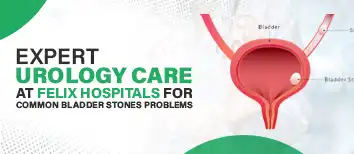
Expert urology care at Felix Hospital for bladder stones: causes, symptoms & treatments.

Urological health is vital for well-being, influenced by diet and exercise. Good nutrition and activity help prevent conditions like UTIs, kidney stones, and cancers.

Vaccination is one of the most important steps in protecting a newborn from life-threatening infections. Today, many parents prefer painless vaccination options because they cause minimal discomfort, reduce post-injection fussiness, and help create a stress-free experience for both the child and the parents. With advanced pediatric care available in the city, choosing the best pediatric hospital in Noida becomes crucial to ensure safety, hygiene, and expert guidance at every stage of a baby’s immunization journey.
If you’re a parent searching for where can I get a painless vaccine for my baby in Noida, this detailed guide will help you understand painless vaccines, their benefits, and where to find trusted newborn vaccination services under experienced pediatricians and newborn specialist doctor in Noida teams.
Painless vaccines are specially designed formulations that use acellular components instead of whole-cell elements. This reduces inflammation, swelling, redness, and pain at the injection site. Key characteristics include:
Less fever after the shot
Reduced irritability
Minimal tenderness
Better overall comfort for infants
This makes painless vaccines ideal for newborns, especially during their early immunization schedule.
Conventional vaccines may cause more swelling and discomfort. Painless vaccines significantly reduce these reactions, keeping the baby calm and comfortable after the shot.
Painless vaccines generally lead to:
Lower fever
Reduced crying
Minimal redness
Less fussiness
This makes post-vaccination recovery smoother.
Babies often become irritable after painful vaccinations. With painless immunization, feeding and sleep patterns remain much more stable.
Painless vaccines provide the same level of protection as traditional ones when given on schedule under expert supervision.
Parents can choose painless options for most major vaccinations such as:
DTaP (Diphtheria, Tetanus, Pertussis—acellular)
IPV (Inactivated Polio Vaccine)
Hib
Pneumococcal
Hepatitis B
Rotavirus
Influenza
Your newborn specialist doctor in Noida will guide you on which painless options are available and suitable for your baby’s age.
Noida has advanced pediatric care hospital that offer safe, hygienic, and comfortable vaccination services. When looking for baby painless vaccination Noida, ensure the hospital provides:
Experienced pediatricians
Certified vaccination clinics
Cold-chain-maintained vaccine storage
NICU support for newborns needing special care
Child-friendly vaccination rooms
Parents often prefer hospitals with strong neonatal expertise and NICU care in Noida, ensuring complete safety for infants.
Hospitals have pediatric specialists who monitor babies before, during, and after vaccination.
In the rare case of an allergic reaction, hospitals have immediate medical support available.
Hospitals maintain strict temperature-controlled environments, ensuring vaccine effectiveness.
Digital and physical vaccination charts help parents track all upcoming doses.
Infants with low birth weight, premature babies, or those recovering in a NICU care in Noida facility require expert supervision during vaccination.
Here are some simple tips:
Keep the Baby Well-Fed
Feeding before vaccination helps calm the baby.
Bring Their Favorite Toy or Blanket
Comfort items reduce anxiety.
Dress the Baby in Easy-to-Remove Clothing
Helps the doctor access the injection area quickly.
Stay Calm Yourself
Babies sense parental stress. Staying relaxed makes the experience smoother for them.
Typical post-vaccination responses include:
Mild swelling
Light sleepiness
Slight fussiness
These symptoms are milder compared to regular vaccines and usually settle within a few hours. Pediatricians may recommend:
Gentle massage
Warm compress
Plenty of feeding
Monitoring for any unusual symptoms
If symptoms worsen or persist, contact your pediatrician immediately.
Difference Between Painless and Traditional Vaccines
Feature | Painless Vaccines | Traditional Vaccines |
Type | Acellular | Whole-cell |
Pain Level | Very low | Higher |
Fever | Minimal | Common |
Swelling | Mild | Moderate |
Comfort | High | Lower |
Effectiveness | Comparable | High |
While many clinics offer vaccinations, a reliable hospital ensures safety and expert supervision. The best facilities for painless immunization for babies Noida usually have:
Specialist pediatric care
Skilled nurses trained in infant vaccination
Full newborn care support
NICU on standby
Updated global vaccination protocols
Parents should always opt for hospitals that maintain strict hygiene and follow internationally approved immunization guidelines.
Painless vaccines have made immunization much more comfortable for babies and stress-free for parents. With growing awareness and easy availability, many families now prefer infant painless vaccine Noida options to ensure a smooth vaccination experience without unnecessary discomfort. Choosing the best paediatric hospital in Noida ensures expert guidance, safe immunization, and proper follow-up.
If you’re wondering where can I get a painless vaccine for my baby in Noida, look for hospitals with skilled pediatricians, strong neonatal support, and verified painless vaccination options. A trusted healthcare setup with a newborn specialist doctor in Noida and advanced NICU care in Noida provides complete safety for your child throughout their vaccine schedule.
Q. 1. Are painless vaccines completely free of pain?
Ans. They cause significantly less pain than traditional vaccines, but a mild prick sensation may still occur.
Q. 2. Are painless vaccines safe for newborns?
Ans. Yes, they are safe when given under a trained pediatrician in a hospital that maintains a proper cold chain.
Q. 3. Do painless vaccines have fewer side effects?
Ans. Yes, they usually cause lower fever, less swelling, and minimal irritability afterward.
Q. 4. Can my baby get all vaccines in painless form?
Ans. Most major vaccines have painless alternatives, but your pediatrician will guide you on the available options.
Q. 5. How do I know which hospital in Noida provides painless vaccination?
Ans. Choose a child hospital with dedicated vaccination clinics, pediatric specialists, and NICU support for complete safety.
Pediatric rheumatology focuses on diagnosing and treating autoimmune and inflammatory disorders affecting children’s joints, muscles, and connective tissues.
During sleep, the body releases growth hormones, which are essential for a child's growth and development. Adequate sleep is vital for muscle development, tissue growth, and the overall physical health of a child.
Our team of pediatric professionals is committed to offering expert care and guidance on sleep-related issues. If you’re looking for a pediatric doctor near me, our experienced specialists are ready to assist.
It’s essential to note that the cost of skin pigmentation disorder treatment in Noida can differ based on the type of treatment required and the healthcare facility's resources.

Modern parents have a highly diverse set of problems on protecting the health of their children. Children may develop health issues, which may have serious implications on their growth and development, irrespective of the severity of the health condition. Noida families can now receive the expert care by visiting the pediatric specialist in Noida, and this way, the family can ensure timely diagnosis and effective management. Scheduling an pediatrician appointment in Noida can be the first step toward guiding your child toward a healthier future. Like in this blog, we shall discuss common childhood diseases, signs and symptoms and effective methods of ensuring your child remains healthy at various developmental stages.
Learn how to prevent and manage childhood obesity with professional guidance at +91 9667064100.
Children, particularly during their early years, usually acquire different infections and health complications because of the immunity that is developing. Common childhood illnesses like colds, flu, and ear infections are frequently encountered. Although most of them are mild, the conditions may lead to discomfort and interference with normal activities. One should know when the symptoms should be addressed by a doctor to prevent complications.
Children are also prone to some infections and conditions as they have immature immune systems. Some common childhood illnesses include colds, flu, ear infections, and gastroenteritis. The diseases are usually associated with such symptoms as fever, cough, runny nose, diarrhea, and vomiting. Parents are to be alert to the exacerbation or chronic disease, which is an indicator of medical intervention.
Beyond infections, there are chronic and lifestyle-related children's health issues increasingly seen in today's youth. These involve both physical and mental health issues which necessitate multi-faceted management in terms of care and prevention.
Childhood obesity is one of the trendiest and most threatening developments. Sedentary lifestyles coupled with poor eating habits have caused more obesity in children in India. The methods of prevention are advocacy of active play, reduced screen time, and the encouragement of balanced diets consisting of fruits and vegetables and lean proteins. For children already obese, specialized programs for childhood obesity treatment involve diet planning, exercise routines, and sometimes medical interventions or counseling.
Asthma is a disease that impacts millions of children in the world and cannot be managed without continuous care. Managing childhood asthma involves avoiding environmental triggers, using prescribed inhalers correctly, and regular follow-ups with a pediatrician. The detection of the breathing difficulties or asperse cough is vital at an early stage to prevent severe attacks and further guarantee the improved health of the lungs.
Young children experience a lot of discomfort with ear infections. Pain in the ear, pulling of the ear, fever, and irritability are symptoms that indicate the need to diagnose the condition as soon as possible. Treating ear infections in children usually involves antibiotics and pain relief medications, along with preventive measures to reduce recurrence.
Treating common colds in children primarily focuses on symptom relief-hydration, rest, and controlling fever. Among the warning signs, parents should note the trouble in breathing, prolonged fever, or intense fatigue that are supposed to be reviewed by a medical expert.
Increasingly, parents and healthcare professionals recognize behavioral and emotional disorders as significant childhood mental health issues. Intervention and early diagnosis of disorders such as anxiety, ADHD and depression can change the development process of a child. Positive counseling, family intervention and in some cases medication can make children successful in spite of their mental restraints.
Healthy growth is based on sleep. Unfortunately, childhood sleep disorders like insomnia, sleep apnea, and restless leg syndrome can impact concentration, mood, and physical health. To rectify these problems to enhance the quality of life, it is advisable to establish good sleep hygiene and refer patients to pediatric sleep specialists.
The dietary modifications in management of childhood constipation include the intake of sufficient fiber in the form of fruits and vegetables, adequate hydration and physical activity. In other instances, the pediatricians might prescribe laxatives or alternative therapy. Effective management relieves the symptoms and avoids developing complications such as abdominal pain.
Promote healthy eating habits of high intakes of fruits and vegetables, whole grains, and low-fat proteins.
Encourage regular physical exercise appropriate to the age of your child.
Also, make sure that you are well hydrated and hygiene is maintained to minimize chances of infection.
Prearrange periodic checkups and immunizations of the child as well as developmental evaluation.
Train children on healthy lifestyles such as sleep schedules and stress coping.
Professional consultations at an early stage of identifying health issues will result in more successful outcomes and eliminate complications. The pediatrician in Noida adopts the most recent diagnostic methods, as well as customized care plans to effectively contain the acute and chronic conditions. When in doubt, booking a pediatrician appointment in Noida provides essential reassurance and expert guidance tailored for your child.
Concerned about your child's health? Book an appointment with a pediatric specialist in Noida at +91 9667064100.
The health issues among children are various and changing in nature and need to be aware of, care about and manage their lifestyle. With the help of a pediatric Hospital in Noida, whom you can find in a reputable care center, you will be able to provide your child with a thorough examination and effective treatment methods. It is not about dealing with infections, chronic diseases, or growth-related difficulties, but early intervention is the key to a healthy future. Book your pediatrician appointment in Noida today to partner with dedicated professionals in nurturing your child's well-being.
Q.1 What are the most common diseases that kids get?
Ans. Colds, ear infections, asthma, and gastroenteritis are common illnesses that kids get.
Q.2 How can I help my child not get obese?
Ans. To stop kids from getting obese, they need to eat a balanced diet and exercise regularly.
Q.3 What are the signs that my child might have asthma?
Ans. If you have persistent wheezing, coughing, or trouble breathing, you should see a doctor.
Q.4 Does treating ear infections hurt kids?
Ans. Most of the time, medicines and gentle care help people get better from ear infections.
Q.5 When should I get help for my child's mental health?
Ans. If your child is acting differently, has mood swings, or is withdrawing, see a pediatric psychiatrist.
Pediatric rheumatology focuses on diagnosing and treating autoimmune and inflammatory disorders affecting children’s joints, muscles, and connective tissues.
During sleep, the body releases growth hormones, which are essential for a child's growth and development. Adequate sleep is vital for muscle development, tissue growth, and the overall physical health of a child.
Our team of pediatric professionals is committed to offering expert care and guidance on sleep-related issues. If you’re looking for a pediatric doctor near me, our experienced specialists are ready to assist.
It’s essential to note that the cost of skin pigmentation disorder treatment in Noida can differ based on the type of treatment required and the healthcare facility's resources.

India is a nation whose youth are changing quickly in regards to health. The young Indians are now increasingly experiencing chronic diseases and lifestyle diseases that were previously a problem of the older generation. This has raised issues regarding the long term health of such a population. Accessing timely medical support through online doctor consultation for young adults in Noida and making appointments with the best cardiologist for young adults in Noida can play a critical role in early detection and management. This blog explores why young Indians' health issues are on the rise, the key factors fueling this trend, and how proactive care can mitigate risks.
Seeking expert advice? Speak with the best cardiologist for young adults in Noida at +91 9667064100.
Recent health surveys reveal a stark rise in Young Indians health issues particularly among urban professionals aged 20 to 40. The youth are experiencing conditions such as obesity, diabetes, mental health disorders and even heart diseases at unprecedented rates. The reasons are complicated but based mostly on the changes in lifestyle in modernity, socio-economic factors and stress in the city.
The Causes of Health Issues in Indian Youth is greater today because of:
One of the main factors is the change of desk jobs, an excessive amount of time on the screen, and physical inactivity. Lack of physical activity reduces the health of the heart and contributes to the genesis of weight, as well as being an interruption of metabolism.
Mainly, processed, sugary, and fried foods have substituted the traditional wholesome diets that are rich in fibers and nutrients. The result of this change is nutrition shortages and high levels of obesity.
The combination of academic and career pressure, and social issues has caused anxiety, depression, and substance abuse to be high among the youth. Mental health in Indian youth remains an under-addressed crisis that impacts physical well-being too.
The level of pollution in cities is increasing, which has an impact on respiratory health, causing such conditions as asthma and making people more susceptible to infections.
Although genetics may predetermine a person to diabetes or heart disease, it is the lifestyle that usually defines how these diseases will be expressed and what the outcome would be.
The presence of Lifestyle diseases in young adults India is the most prevalent chronic disease in Indian youth today because of its dependence on habits and environment, and not on the source of infection. These include:
Obesity in Indian youth: A key risk factor for many diseases, Obesity in Indian youth has surged due to reduced physical activity and high-calorie diets.
Diabetes : Type 2 diabetes, once an older adult illness, now frequently affects those in their twenties and thirties, driven by poor diet, stress, and genetic factors.
Heart attacks : Alarmingly, Heart attacks in young Indians have increased in younger populations, linked closely to high blood pressure, obesity, sedentary habits, and smoking.
The early treatment of these ailments means making lifestyle changes and doctor manipulations that become more easily available through the help of specialists such as the best cardiologist in young adults in Noida.
Mental health is the factor of well-being that is frequently neglected and should not be ignored. From every 20-25% of Indian young people, mental disorders are experienced, which include depression, anxiety, as well as drug abuse. Digital dependency and social media pressures have led to such disorders as insomnia, low self-esteem, and increased suicidal tendencies.
Health management should involve mental health support that incorporates counseling and psychiatric care by the young adults. With early intervention, there is a better quality of life and productivity in the long-run.
Young adults can now consider health and not interfere with day-to-day tasks due to technology. Online doctor consultation for young adults in Noida provides easy access to specialists who can review symptoms, recommend tests, and follow up regularly.
Telemedicine will close the distance between the symptoms manifestation and the medical care, and it allows creating individualized plans, which include lifestyle guidance, pharmacotherapy, and preventive strategies under the supervision of professional cardiologists and doctors.
The burden of disease among young Indians can be reduced by dealing with the underlying causes and engaging in healthy lifestyles:
Physical exercise: At least 150 minutes of mild exercise a week.
Balanced Diet: The focus is on whole grains, fresh fruits, vegetables, lean proteins, and performance of junk foods.
Stress Relief: Meditation, yoga, and effective work-life balance.
Routine Health Check: To identify hypertension, abnormal blood sugar and cholesterol.
Preventing Substance Abuse: alcohol should be avoided and smoking stopped to avoid various health complications.
The frequent consultation with the most qualified cardiologist among young adults in Noida will help to keep track of treatment and change their plans.
One of the most appropriate medical institutions in the young adult chronic disease management are located in Noida. The multidisciplinary approaches offered in these facilities include:
Individually-driven pharmacological interventions.
Nutritional and lifestyle education.
Complete mental health services.
Wrapped cardiac care and rehabilitation to detect heart diseases at an early stage.
The young-adult heart specialist assists in decision-making in good time and averting the advanced stages of such serious ailments as heart failure or stroke.
Neglecting such symptoms like a frequent feeling of fatigue, chest pain, unexplainable weight changes, or the feeling of constant anxiety can cause irreparable harm. Early detection and intervention is effective in avoiding serious complications of heart attacks or diabetic complications.
Presence of professional pediatricians and adults in Noida guarantees that young adults are provided with age appropriated, evidence based, and optimized care.
Concerned about your health? Book your online doctor consultation for young adults in Noida today at +91 9667064100.
The growing trend of rising health issues among young Indians is alarming but manageable with awareness, lifestyle changes, and expert care. Accessing cholesterol testing, diabetes consultation and heart evaluations Book cardiologist appointment for young adults in Noida opens the door to early and effective treatment. Make a visit to the most qualified cardiologist among young adults in Noida and get a special treatment based on your health profile. You should give your health first preference today so that you can never experience the severe effects of unchecked lifestyle diseases.
Q.1. What health problems do young Indians have these days?
Ans. More and more young Indians are getting heart disease, diabetes, obesity, and mental health problems.
Q.2. How important is exercise for avoiding diseases that come from bad habits?
Ans. Exercising regularly helps you control your weight, lower your blood pressure, and make your heart healthier.
Q.3. Can stress lead to heart issues in young adults?
Ans. Yes, long-term stress can cause or make heart rhythm problems and high blood pressure worse.
Q.4. When is it a good idea to get online help for heart health?
Ans. If you have symptoms like chest pain, palpitations, or trouble breathing, see a doctor right away.
Q.5. Is changing your diet enough to control diabetes in young people?
Ans. Diet is the most important part, but many people need medicine and regular checkups to keep their condition under control.

Maintaining a healthy lifestyle is important, in today’s scenario. It is common to hear about some or the other problem related to health faced by individuals.

Heart disease is one of the leading global health concerns, responsible for millions of deaths worldwide each year.

Finding the right dental care is essential for maintaining lifelong oral health. Whether it’s routine care or advanced procedures, understanding the wide range of treatments available can help individuals make informed decisions. At the beginning of your dental care journey, choosing the right clinic plays an important role, and many people look for reliable Dentist Treatment in Noida to ensure high-quality services and skilled professionals.
Modern dentistry offers a wide variety of treatments designed to address different dental concerns—from managing pain and infections to enhancing your smile. Below is a complete guide to the most trusted and commonly performed dental treatments and procedures.
Tooth extraction is a common procedure performed when a tooth is severely damaged, decayed, or infected. Dentists may also recommend extraction for overcrowding, impacted wisdom teeth, or advanced gum disease. The procedure is usually quick, done under local anesthesia, and followed by simple at-home care instructions to prevent infection and ensure smooth healing.
Dental fillings are used to treat cavities by replacing decayed parts of the tooth. Composite (tooth-coloured) fillings are the most preferred due to their natural appearance and durability. They help restore the tooth’s shape, function, and prevent further decay.
Professional teeth cleaning removes plaque, tartar, and bacteria that regular brushing cannot eliminate. This procedure helps prevent gum disease, tooth decay, and bad breath. Most dentists recommend undergoing a cleaning at least twice a year to maintain optimal oral hygiene.
Root canal treatment is required when the tooth’s inner pulp becomes infected. Instead of extracting the tooth, dentists remove the infection, clean the inner cavity, and seal it. A crown is usually placed over the tooth afterward to restore strength. This procedure helps retain natural teeth and prevent complications like abscesses.
Dental crowns are custom-made caps placed over weak, damaged, or root-canal-treated teeth. They help restore tooth shape, appearance, and functionality. Crowns can be made of ceramic, porcelain, metal, or zirconia depending on the patient’s need.
A dental bridge is used to replace one or more missing teeth. It is anchored with crowns on adjacent natural teeth or implants. Bridges restore chewing ability, improve aesthetics, and prevent the shifting of nearby teeth.
Dental implants are a permanent tooth replacement solution. They involve placing a titanium post into the jawbone, followed by a dental crown. Implants look and function like natural teeth and are a preferred choice for long-term replacement of missing teeth.
Teeth whitening lightens discoloured or stained teeth. Professional whitening done by a dentist provides safer and more effective results than at-home products. It is a quick process and enhances the appearance of your smile significantly.
Although not listed in the keyword set, veneers complement whitening in cosmetic dentistry. These thin shells are applied to the front of teeth to correct shape, colour, or size issues, providing a flawless smile.
Cosmetic dentistry includes aesthetic treatments like whitening, reshaping, bonding, aligners, and veneers. These procedures help correct imperfections and improve overall smile aesthetics while maintaining oral health.
Braces are used to correct misaligned teeth, bite issues, and jaw discrepancies. Options include traditional metal braces, ceramic braces, and advanced invisible aligners. Orthodontic treatment improves appearance, chewing ability, and long-term oral health.
Orthodontics focuses on diagnosing and treating teeth alignment issues. Early evaluation of children can help prevent severe alignment concerns, while adults can also benefit greatly from modern orthodontic techniques.
Though tooth extraction is the most common minor oral surgery, more advanced procedures may include gum surgery, surgical removal of wisdom teeth, or implant placement. These surgeries require skilled professionals and follow-up care to ensure proper healing.
Pediatric dentistry focuses on dental care for infants, children, and teenagers. These dentists specialise in preventive care, cavity management, dental habit correction, and guiding proper tooth development. Child-friendly approaches help reduce dental anxiety and establish lifelong oral health habits.
Preventive care aims to protect natural teeth and reduce the risk of dental problems. This includes:
Routine dental check-ups
Professional cleanings
Fluoride treatments
Dental sealants
Oral hygiene education
Preventive dental care is one of the best ways to avoid complications and costly treatments in the future.
Understanding various Dentist Treatments and procedures empowers individuals to make informed decisions about their oral health. From basic cleaning and fillings to advanced restorative and cosmetic treatments, modern dentistry offers effective solutions for people of all ages. Those looking for dependable and expert care often begin by choosing the right Best Dentists in Noida for accurate diagnosis and high-quality treatment outcomes.
Regular check-ups, timely treatment, and preventive care play a vital role in maintaining dental health and avoiding complications in the long run.
Q. 1. How often should I visit the dentist for a check-up?
Ans. Every six months is ideal for maintaining good oral hygiene.
Q. 2. Are dental treatments painful?
Ans. Most procedures are painless due to modern anesthesia and advanced techniques.
Q. 3. How long does a root canal treatment take?
Ans. It usually requires one to two sessions depending on infection severity.
Q. 4. Are dental implants safe?
Ans. Yes, implants are highly safe and long-lasting when done by trained professionals.
Q. 5. When should I take my child for their first dental visit?
Ans. A child should visit the dentist by their first birthday or when teething begins.

Discover the latest cosmetic dentistry trends, from advanced teeth whitening to natural-looking veneers for a flawless smile.

Cosmetic dentistry is like a magic wand for your smile, blending art and science to make your teeth look and feel their best. It’s not just about fixing problems—it’s about creating a smile that feels like you, only bolder.
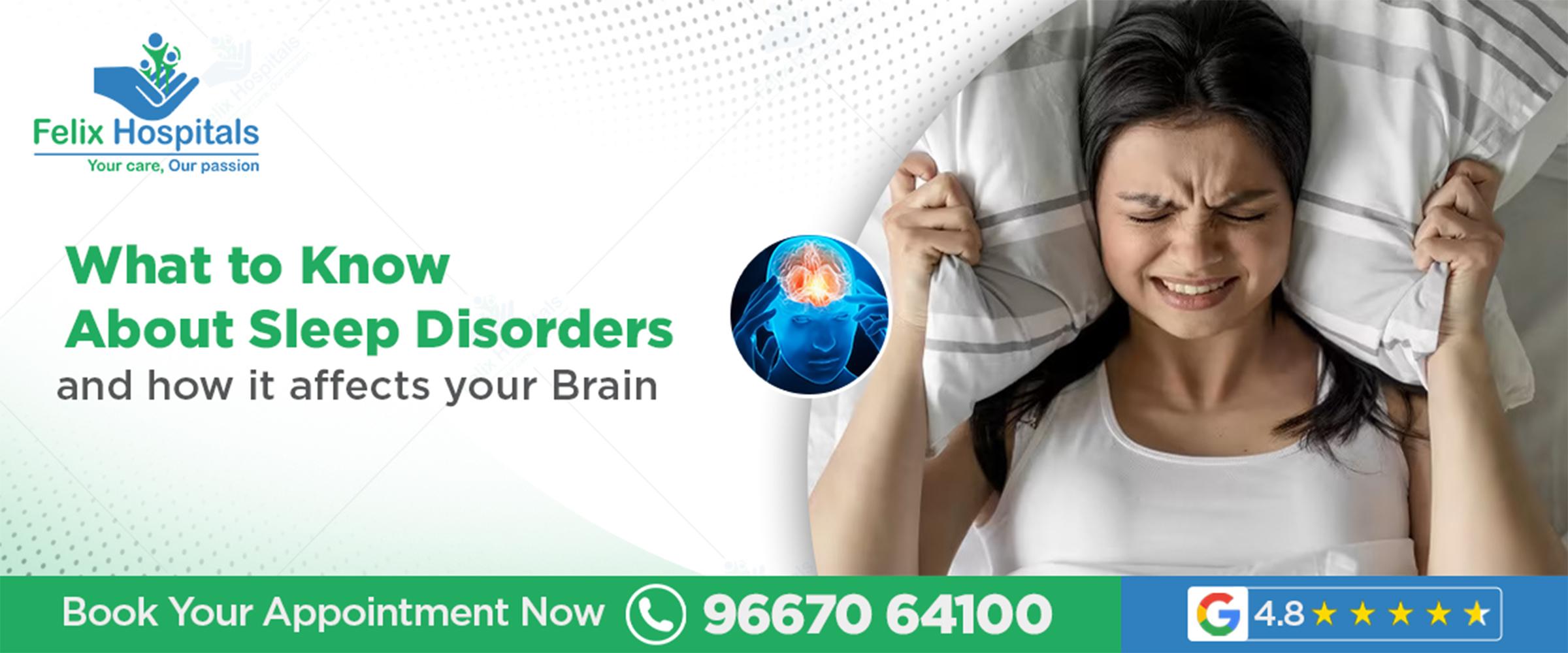
Sleep plays a crucial role in maintaining healthy brain function, emotional balance, and overall well-being. When sleep becomes disrupted, the consequences can extend far beyond tiredness. In Noida, families increasingly seek neurological support because sleep issues are now closely linked to memory decline, cognitive difficulties, mood changes, and chronic health problems. If left untreated, sleep disorders may raise serious concerns, making timely care essential for individuals of all ages.
Many people recognize snoring or poor sleep quality as minor issues, but persistent symptoms can be signs of underlying neurological problems. Early evaluation supports better outcomes, especially for those already receiving care such as brain stroke treatment in Noida.
This blog explains the major sleep disorders, their causes, symptoms, how they impact the brain, and the treatments available in Noida.
A sleep disorder refers to any disturbance that affects the quality, timing, or duration of sleep. When the body fails to achieve restorative sleep, a person may experience fatigue, confusion, irritability, or difficulty focusing. Conditions under this category can arise from lifestyle habits, neurological problems, breathing issues, hormonal imbalance, or stress. Identifying what are sleep disorders helps families understand when to seek medical advice.
Sleep disorders commonly interfere with daily functioning, academic performance in children, or work productivity in adults. They also increase the risk of chronic illnesses such as hypertension, diabetes, and mental health issues.
Recognizing the types of sleep disorders is a critical step toward proper diagnosis and personalized treatment.
People with insomnia struggle to fall asleep or stay asleep despite having the opportunity to rest. This is one of the most common sleep issues, often linked to stress, lifestyle habits, or medical conditions.
This condition involves interrupted breathing during sleep. It is especially concerning because it may cause severe oxygen deprivation, affecting heart and brain health. Understanding sleep apnea treatment in Noida is vital for individuals who snore loudly or wake up gasping.
A neurological condition that causes an uncontrollable urge to move the legs, especially at night.
A disorder that leads to excessive daytime sleepiness and sudden episodes of muscle weakness.
These occur when a person’s internal biological clock becomes disrupted, often due to irregular schedules or lifestyle patterns.
Identifying the causes of sleep disorders helps clinicians determine the right treatment approach. Factors include:
Stress, anxiety, and emotional strain
Lifestyle habits such as late-night screen use
Neurological conditions
Breathing problems
Hormonal imbalance
Chronic medical illnesses
Poor sleep hygiene
Some causes are temporary, whereas others may indicate deeper neurological concerns that require timely evaluation.
Families often overlook early signs because sleep issues develop gradually. Recognizing the symptoms of sleep disorders can help prevent complications. Common symptoms include:
Excessive daytime sleepiness
Loud snoring or interrupted breathing
Difficulty falling asleep
Unrefreshing sleep
Morning headaches
Irritability or mood swings
Difficulty concentrating or remembering information
If these symptoms persist beyond a few weeks, a neurological assessment is recommended.
Poor sleep affects nearly every cognitive and emotional function. The effects of poor sleep on brain activity can be profound, especially when sleep deprivation becomes chronic.
During deep sleep, the brain stores new information. Without this process, learning and memory suffer.
The brain slows down when rest is inadequate. People may struggle with planning, decision-making, or response time.
Anxiety, irritability, and emotional instability often arise from prolonged lack of proper sleep.
Studies reveal that poor sleep may raise the risk of long-term cognitive decline and neurological conditions.
Understanding how sleep affects brain function is vital for recognizing why medical attention is required. Sleep acts like a repair system for the brain. It clears toxins, restores energy, balances hormones, and stabilises neural pathways. When sleep is disrupted, these functions break down, causing:
Slower thinking
Difficulty processing information
Reduced alertness
Increased risk of accidents
Poor emotional control
In children, the impact can be even more serious, affecting development and behavior.
Doctors use several methods to identify the underlying reason for sleep disturbances. Diagnosis may include:
Sleep history and lifestyle assessment
Polysomnography (sleep study)
Neurological examination
Breathing evaluation
Blood tests
These tests help determine if the issue is neurological, behavioral, or related to conditions like sleep apnea.
Treatment depends on the diagnosis and severity of symptoms. Individuals looking for treatment for sleep disorders in Noida can explore several effective options.
This includes regular sleep schedules, reducing caffeine, managing screen time, and improving bedtime routines.
Medications may be prescribed for insomnia, anxiety-related sleep issues, or neurological causes.
For sleep apnea, devices like CPAP help maintain uninterrupted airflow during sleep.
This helps patients break patterns that contribute to insomnia or anxiety-related sleep problems.
If poor sleep is related to an underlying neurological issue, specialists may recommend targeted therapies.
Felix Hospital offers comprehensive evaluation and treatment for various neurological sleep-related concerns while ensuring personalized care.
Sleep disorders are more than nighttime disturbances—they directly affect memory, behavior, focus, and emotional well-being. Families in Noida should be aware that persistent sleep issues may indicate deeper neurological concerns and must be addressed early. Individuals receiving therapies like brain tumor treatment in Noida often benefit greatly from structured sleep support. Comprehensive neurological care, especially at a trusted Hospital offering brain tumor treatment hospital in Noida, can help restore healthy sleep patterns and improve long-term brain function.
Q. 1. What are sleep disorders?
Ans. Sleep disorders are conditions that disturb your ability to get consistent, restful sleep.
Q. 2. How do I know if I need medical help for sleep problems?
Ans. If your sleep issues last more than two weeks or affect daily performance, you should get evaluated.
Q. 3. Does poor sleep affect brain health?
Ans. Yes, long-term poor sleep can impact memory, mood, and overall brain function.
Q. 4. Can sleep apnea be treated?
Ans. Yes, sleep apnea is treatable through breathing support devices, lifestyle changes, and medical therapy.
Q. 5. Are sleep disorders linked to neurological issues?
Ans. Certain sleep disorders can be caused or worsened by underlying neurological conditions.
During sleep, the body releases growth hormones, which are essential for a child's growth and development. Adequate sleep is vital for muscle development, tissue growth, and the overall physical health of a child.
Obstructive Sleep Apnea occurs when the muscles in the throat relax excessively during sleep, causing the airway to become partially or fully blocked.

Lack of sleep silently damages your body and mind. Discover 10 shocking ways poor sleep affects your health, immunity, heart, and mental well-being.

Having trouble breathing while sleeping? Discover the best sleep positions to improve airflow and ensure restful sleep.

Subscribe to our
© Copyright 2026. All Rights Reserved by Felix Healthcare Private Limited
Design and development by :


 +(91)9667064100
 Emergency : +(91)9667064100