 WhatsApp
 Emergency:
  WhatsApp






Subscribe to our
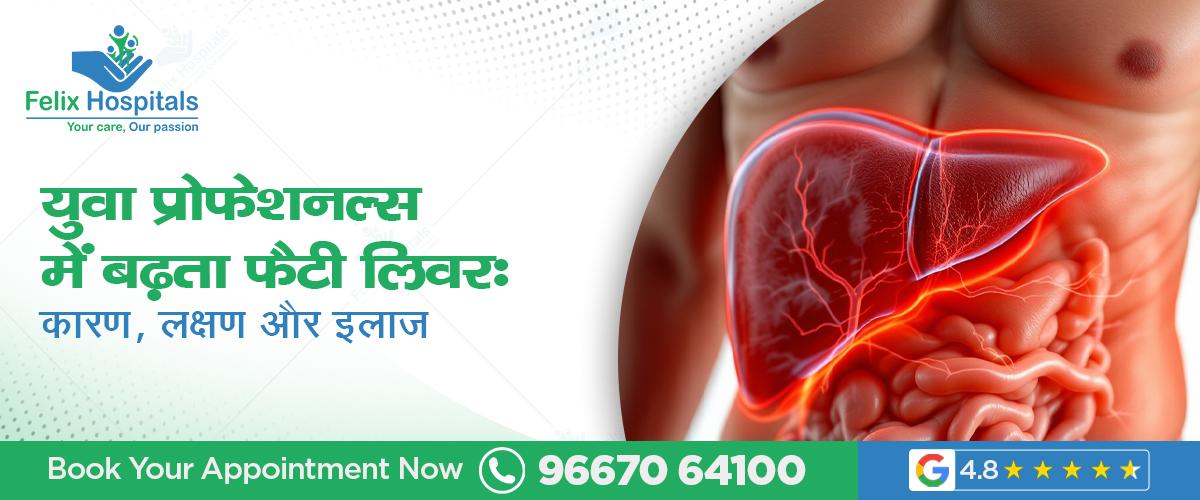
आज के समय में फैटी लिवर सिर्फ बुजुर्गों की बीमारी नहीं रहा है। यह तेजी से युवा प्रोफेशनल्स, खासकर 20–40 वर्ष की उम्र वाले लोगों में बढ़ा है। लंबे समय तक बैठकर काम करना, अनियमित खानपान, तनाव और जंक फूड की आदत इस बीमारी को और बढ़ी है। fatty liver treatment in noida नोएडा में अनुभवी गैस्ट्रोएंटरोलॉजिस्ट (gastroenterologists in Noida) द्वारा फैटी लिवर का आधुनिक इलाज उपलब्ध है।
युवा वर्ग में फैटी लिवर तेजी से बढ़ रहा है। दिनभर लैपटॉप या कंप्यूटर पर बैठकर काम करना, अनियमित खाने की आदतें, जंक और फ्राइड फूड का अधिक सेवन, मीठी चीचों और शुगरी ड्रिंक्स का बढ़ता उपयोग, तनाव व नींद की कमी, जिम या किसी भी शारीरिक गतिविधि का अभाव, ओवरटाइम और नाइट शिफ्ट की आदतें, साथ ही पैकेट वाले खाद्य पदार्थों का बढ़ता चलन। अन्य सभी कारण मिलकर युवाओं में लिवर में वसा जमा होने की समस्या को गंभीर रूप से बढ़ा रहे हैं।
फैटी लिवर वह स्थिति है जब लिवर में 5% से अधिक वसा जमा हो जाती है। यह दो प्रकार का होता है। नॉन-अल्कोहलिक फैटी लिवर डिजीज (NAFLD), जो शराब न पीने वालों में भी देखा जाता है और भारत के युवाओं में तेजी से बढ़ रहा है। दूसरा अल्कोहलिक फैटी लिवर। जिसमें अत्यधिक शराब सेवन से लिवर की कोशिकाओं को नुकसान पहुंचता है।
तला-भुना, पिज्जा-बर्गर, फ्राइड स्नैक्स
मीठे पेय (कोल्ड ड्रिंक्स, पेस्ट्री, चॉकलेट)
देर रात खाना
हाई कैलोरी और लो न्यूट्रीशन फूड
8–10 घंटे लगातार बैठना
रोजाना कदमों की संख्या 3000–4000 से कम
जिम/योग न करना
युवा आईटी/कॉर्पोरेट पेशेवरों में आम। यह सीधे फैटी लिवर से जुड़ा है।
कार्टिसोल हार्मोन बढ़ता है जो लिवर में फैट जमा होने की प्रक्रिया बढ़ाता है।
युवा पीढ़ी में शराब की आदत तेजी से बढ़ रही है। यह फैटी लिवर को कई गुना बढ़ा देता है।
कोल्ड ड्रिंक
चाय/कॉफी में ज्यादा शुगर
पैकेट जूस
एनर्जी ड्रिंक
मिल्कशेक
स्टेरॉयड
पेनकिलर
एंटीबायोटिक लंबे समय तक लेने पर लिवर में सूजन और फैट बढ़ सकता है।
कुछ लोग आनुवांशिक रूप से भी इस रोग के प्रति संवेदनशील होते हैं।
शुरुआती स्टेज में फैटी लिवर बिना लक्षण के बढ़ सकता है, लेकिन कुछ संकेतों पर ध्यान देना जरूरी है:
बिना कारण थकावट
पेट में हल्का भारीपन
भूख कम होना
खाना पचने में दिक्कत
कमर व पेट के आसपास तेजी से चर्बी बढ़ना
सुबह उठने पर मुंह कड़वा लगना
ज्यादा तला हुआ भोजन खाने के बाद असहजता
दाईं तरफ ऊपरी पेट में दर्द
पेट फूलना और गैस
शरीर में सुस्ती
उल्टी या जी मिचलाना
वजन बढ़ना या अचानक घटना
खून में लिवर एंजाइम (एएलटी, एएसटी) का बढ़ना
जॉन्डिस (उन्नत स्टेज में)
एलएफटी (लिवर फंक्शन टेस्ट): इससे लिवर एंजाइम, बिलीरुबिन और प्रोटीन का स्तर पता चलता है।
अल्ट्रासाउंडः फैटी लिवर का सबसे आसान और शुरुआती टेस्ट।
फाइब्रोस्कैनः लिवर की कठोरता और फैट की मात्रा बताता है।
एचबीए1सी
लिपिड प्रोफ़ाइल
वायरल हेपेटाइटिस टेस्ट (HBsAg, HCV)
एचबीए1सीएच
स्थिति के अनुसार दवाइयां:
फैटी लिवर के लिए कोई एक सार्वभौमिक दवा नहीं होती। मरीज की रिपोर्ट, लिवर एंजाइम्स, वजन, डायबिटीज/थायराइड आदि की स्थिति देखकर डॉक्टर मेडिसिन तय करते हैं।
एंटीऑक्सिडेंट दवाएं:
विटामिन ई, ओमेगा-3 फैटी एसिड और अन्य एंटीऑक्सिडेंट तत्व लिवर की सूजन और फैट को कम करने में मदद करते हैं।
हेपेटोप्रोटेक्टिव दवाएं:
ऐसी दवाएं जो लिवर सेल्स की सुरक्षा और पुनर्निर्माण में मदद करती हैं (जैसे सिलीमारिन, उर्सोडॉक्सिकोलिक एसिड – डॉक्टर की सलाह अनुसार)।
शराब और गलत दवा सेवन बंद करना:
शराब लिवर को सबसे तेज नुकसान पहुंचाती है। स्टेरॉयड, पेनकिलर या बिना चिकित्सक सलाह के दवाओं का नियमित उपयोग भी लिवर को क्षतिग्रस्त कर सकता है। इसे तुरंत रोकना जरूरी है।
को-मॉर्बिडिटी कंट्रोल:
डायबिटीज, हाई बीपी, हाई कोलेस्ट्रॉल को नियंत्रित करने के लिए भी दवाएं ज़रूरी हो सकती हैं क्योंकि ये सब फैटी लिवर को बढ़ाते हैं।
वजन नियंत्रित करनाः
सिर्फ 2–5 किलो वजन कम करने से फैटी लिवर में 20–30% तक सुधार देखा गया है। यदि बीएमआई अधिक है, तो कुल वजन का 7–10% कम करना सबसे प्रभावी उपाय होता है। Liver disease specialist in noida में उपलब्ध है।वजन घटाने से लिवर में सूजन, फैट प्रतिशत और एंजाइम लेवल तेजी से सामान्य होते हैं। क्रैश डाइटिंग नुकसानदायक है। धीरे-धीरे और स्थायी तरीके से वजन घटाना सबसे ज़रूरी है।
कम तेल और कम वसा: तलाभुना खाना, बटर, ज्यादा तेल, घी सीमित करें।
शुगर-फ्री डाइट: मिठाई, केक, चॉकलेट, कोल्ड ड्रिंक्स, पैकेट जूस, शेक, हाई शुगर फूड्स बंद करें।
अधिक फल-सब्जियां: फाइबर लिवर में फैट की मात्रा कम करता है।
साबुत अनाज: ब्राउन राइस, दलिया, ओट्स, मल्टीग्रेन रोटी—पाचन में हल्के और वजन नियंत्रित रखते हैं।
प्रोटीन युक्त भोजनः दाल, मूंग दाल, चना, राजमा। अंडा (उबला हुआ), पनीर दही, छाछ का सेवन करें।
स्वस्थ फैट शामिल करें: ओमेगा–3 युक्त फूड—अलसी, बादाम, अखरोट, फैटी फिश (नॉन–वेज में)।
फ्राइड फूड
जंक फूड
मैदा
मीठे पेय
फास्ट फूड और प्रोसेस्ड फूड
अधिक चाय–कॉफी
रोज 30–40 मिनट तेज चलना: यह सबसे आसान और सबसे प्रभावी तरीका है।
योग व प्राणायाम: भुजंगासन, कपालभाति, अनुलोम–विलोम लिवर की कार्यक्षमता सुधारते हैं।
साइक्लिंग / जॉगिंग: वसा जलाने में तेजी आती है।
वॉकिंग: भोजन के बाद 10–15 मिनट वॉक लिवर फैट घटाने में मदद करता है।
एचआईआईटी (डॉक्टर की सलाह अनुसार): हाई इंटेंसिटी वर्कआउट फैट को तेजी से कम करता है लेकिन हृदय/अन्य समस्याओं वाले मरीज डॉक्टर से पूछकर ही करें।
शराब लिवर की सबसे बड़ी दुश्मन है। थोड़ी मात्रा में भी लगातार सेवन लिवर को क्षतिग्रस्त करता है और फैटी लिवर को दूसरी स्टेज (एनएएसएच) तक पहुंचाता है। जंक फूड, तला-भुना, मिठाइयाँ, और हाई-फैट फूड लिवर में वसा जमा होने की गति को कई गुना बढ़ा देते हैं। शराब व जंक फूड से दूरी बनाने से 50% तक सुधार स्वाभाविक रूप से दिखाई देता है।
इलाज न करने पर फैटी लिवर आगे बढ़कर—
एनएएसएच (गैर-अल्कोहलिक स्टीटोहेपेटाइटिस)
लिवर फाइब्रोसिस
सिरोसिस
लिवर फेल्योर
अभी अपॉइंटमेंट शेड्यूल करें – कॉल करें: +91 9667064100
युवा प्रोफेशनल्स में फैटी लिवर (Fatty liver) तेजी से बढ़ रहा है। यह एक लाइफस्टाइल बीमारी है जिसे सही खानपान, नियमित व्यायाम और समय पर जांच से आसानी से नियंत्रित किया जा सकता है। लक्षण दिखने पर एलएफटी और अल्ट्रासाउंड कराना जरूरी है। समय पर डॉक्टर से परामर्श लेकर भविष्य की जटिलताओं से बचा जा सकता है।
प्रश्न 1: क्या फैटी लिवर युवाओं में भी हो सकता है?
उत्तर: हां, आज 20–40 वर्ष के युवाओं में यह सबसे तेजी से बढ़ता रोग है। इसलिए समय रहते जांच और इलाज जरूरी है।
प्रश्न 2: फैटी लिवर के शुरुआती लक्षण क्या हैं?
उत्तर: थकान, पेट भारीपन, गैस, भूख कम लगना, वजन बढ़ना आदि है। समय-समय जांच कराते रहनी चाहिए।
प्रश्न 3: क्या फैटी लिवर का इलाज संभव है?
उत्तर: हां, यदि समय पर डाइट, व्यायाम और दवाइयों के साथ उपचार शुरू किया जाए। बिना डॉक्टर की सलाह पर दवा नहीं लें।
प्रश्न 4: क्या अल्ट्रासाउंड से फैटी लिवर पता चलता है?
उत्तर: हां, यह शुरुआती और प्रभावी टेस्ट है। इसलिए डॉक्टर की सलाह पर जांच कराना चाहिए।
प्रश्न 5: क्या फैटी लिवर वापस ठीक हो सकता है?
उत्तर: हां, लाइफस्टाइल बदलाव और वजन कम करने से फैटी लिवर शुरुआती स्टेज में पूरी तरह ठीक हो जाता है। इसलिए वजन पर नियंत्रण होना चाहिए।
लिवर कैंसर के कारण, लक्षण और जोखिम कारकों के बारे में जानें। नोएडा में उपलब्ध आधुनिक इलाज, सर्जरी, कीमोथेरेपी और विशेषज्ञ डॉक्टरों की जानकारी।
शरीर में ये 7 लक्षण नजर आ रहे हैं तो इसे नजरअंदाज न करें। यह लिवर से जुड़ी गंभीर समस्या का संकेत हो सकते हैं। समय पर जांच और इलाज से बड़ी परेशानी से बचा जा सकता है।
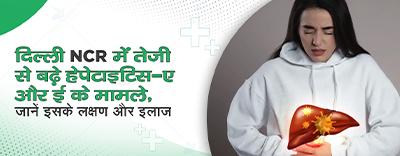
दिल्ली NCR में हेपेटाइटिस-ए और ई के मामलों में तेजी से इजाफा देखा जा रहा है। समय पर पहचान और सही इलाज से इस बीमारी को गंभीर होने से रोका जा सकता है।
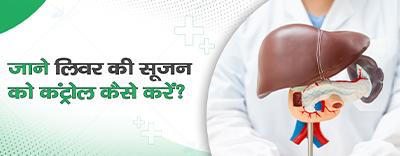
लिवर की सूजन (Hepatitis/Inflammation) एक गंभीर समस्या हो सकती है। सही खानपान, नियमित जांच और स्वस्थ जीवनशैली से इसे कंट्रोल किया जा सकता है।
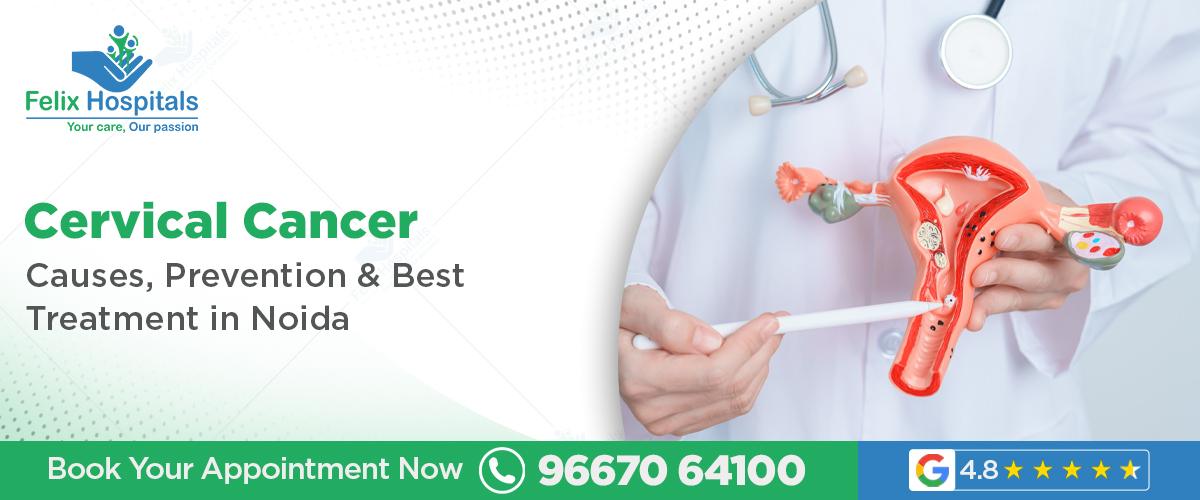
Cervical cancer is a slow-growing but potentially life-threatening condition that develops in the cells of the cervix, the lower part of the uterus that connects to the vagina. It is one of the most preventable cancers when detected early, yet many women in India are diagnosed at later stages due to lack of awareness and screening. Understanding what causes cervical cancer? is the first step toward early detection, prevention, and effective treatment.
If you are experiencing unusual gynecological symptoms or want preventive screening, call +91 9667064100 to consult a cervical cancer specialist in Noida.
The primary cause of cervical cancer is long-term infection with certain high-risk strains of the human papillomavirus. Many women ask how is cervical cancer caused by HPV?, and the answer lies in persistent viral infection that alters cervical cells over time, eventually leading to abnormal growth and malignancy if left untreated.
In its early stages, cervical cancer may not cause noticeable symptoms, which is why regular screening is essential. When symptoms do appear, they may include abnormal vaginal bleeding, pelvic pain, or discomfort during intercourse. Knowing what are the first signs of cervical cancer? can help women seek medical attention before the disease advances.
When diagnosed early, cervical cancer is one of the most treatable cancers. Many patients wonder is cervical cancer curable if detected early?, and medical evidence shows that early-stage cervical cancer has a very high success rate with appropriate treatment and follow-up care.
Cervical cancer is staged based on how deeply the cancer has invaded cervical tissue and whether it has spread to nearby organs. Patients often ask can cervical cancer be completely cured in stage 1?, and in most cases, stage one cervical cancer can be effectively treated with surgery or localized therapy, offering excellent long-term survival.
Diagnosis typically begins with screening tests such as Pap smears and HPV testing, followed by biopsy and imaging studies if abnormalities are detected. Accurate diagnosis and staging are critical for planning treatment at a specialized cervical cancer hospital in Noida, where advanced diagnostic facilities are available.
Treatment for cervical cancer varies depending on the stage, age, and overall health of the patient. Options may include surgery, radiation therapy, chemotherapy, or a combination of these. Comprehensive care for cervical cancer treatment in Noida focuses on eliminating cancer while preserving quality of life whenever possible.
Surgical treatment is commonly recommended for early-stage cervical cancer. Procedures may range from removal of abnormal tissue to hysterectomy in more advanced cases. Patients undergoing cervical cancer surgery Noida benefit from experienced surgical teams and modern operative techniques that reduce complications and recovery time.
For patients with locally advanced or recurrent disease, radiation therapy combined with chemotherapy is often recommended. These treatments help control cancer spread and relieve symptoms. Care under the best gynecologic oncologist in Noida ensures that therapy is tailored to each patient’s condition and tolerance.
The cost of treatment depends on cancer stage, treatment modality, and duration of care. Many families are concerned about what is the cost of cervical cancer treatment in Noida?, which can vary widely but is often more manageable when the disease is detected early, reducing the need for extensive therapy.
Prevention plays a crucial role in reducing cervical cancer cases. Vaccination against HPV, regular Pap smear screening, and safe sexual practices significantly lower risk. Public awareness about how to prevent cervical cancer in India? is essential to reduce late-stage diagnoses and improve women’s health outcomes.
HPV vaccination is recommended for young girls and women before exposure to the virus. Even sexually active women may benefit from vaccination after medical consultation. This preventive measure has shown significant success in reducing cervical cancer incidence globally.
Factors such as early sexual activity, multiple sexual partners, smoking, and weakened immunity increase cervical cancer risk. Addressing these risk factors through education and lifestyle changes can further reduce disease burden among women.
A cervical cancer diagnosis can be emotionally overwhelming. Anxiety, fear, and uncertainty are common during treatment. Psychological counseling, family support, and patient education are integral parts of care provided at a dedicated cervical cancer hospital in Noida.
In younger women diagnosed at an early stage, fertility-preserving treatment options may be possible. Discussing reproductive goals with the oncology team before starting treatment helps ensure informed decision-making.
After successful treatment, regular follow-up visits are essential to monitor recovery and detect recurrence early. Long-term care includes physical examinations, imaging when required, and emotional support to help patients return to normal life.
Cervical cancer is a highly preventable and treatable disease when detected early. Awareness of symptoms, understanding causes, regular screening, and timely treatment can significantly improve outcomes. With access to advanced medical care, experienced specialists, and comprehensive support services, women can receive effective cervical cancer treatment in Noida and regain control over their health and future.
Early action saves lives. For screening, diagnosis, or treatment guidance, call +91 9667064100 to book an appointment with a cervical cancer expert in Noida.
Q. 1. Can cervical cancer develop without symptoms?
Ans. Yes, early cervical cancer often has no symptoms, making routine screening essential.
Q. 2. Is HPV infection always cancerous?
Ans. No, most HPV infections clear on their own, but persistent high-risk strains can lead to cancer.
Q. 3. How often should women get a Pap smear?
Ans. Screening frequency depends on age and medical history and should be discussed with a doctor.
Q. 4. Can cervical cancer affect young women?
Ans. Yes, cervical cancer can occur in younger women, especially without regular screening.
Q. 5. Is follow-up necessary after successful treatment?
Ans. Yes, regular follow-up is crucial to detect recurrence early and maintain long-term health.
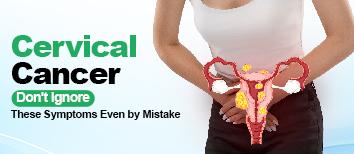
Recognize the early warning signs of cervical cancer. Learn about its symptoms, causes, and when to consult a gynecologist for timely diagnosis and treatment.

Discover the unique challenges faced by young women diagnosed with breast cancer, including emotional, physical, and social struggles. Learn about support, resources, and strategies to navigate this difficult journey.
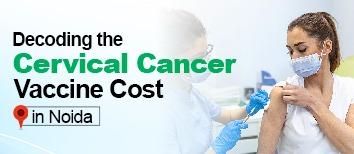
Explore the cervical cancer vaccine cost in Noida, compare prices across hospitals, and understand how vaccination helps prevent HPV infection and cervical cancer.
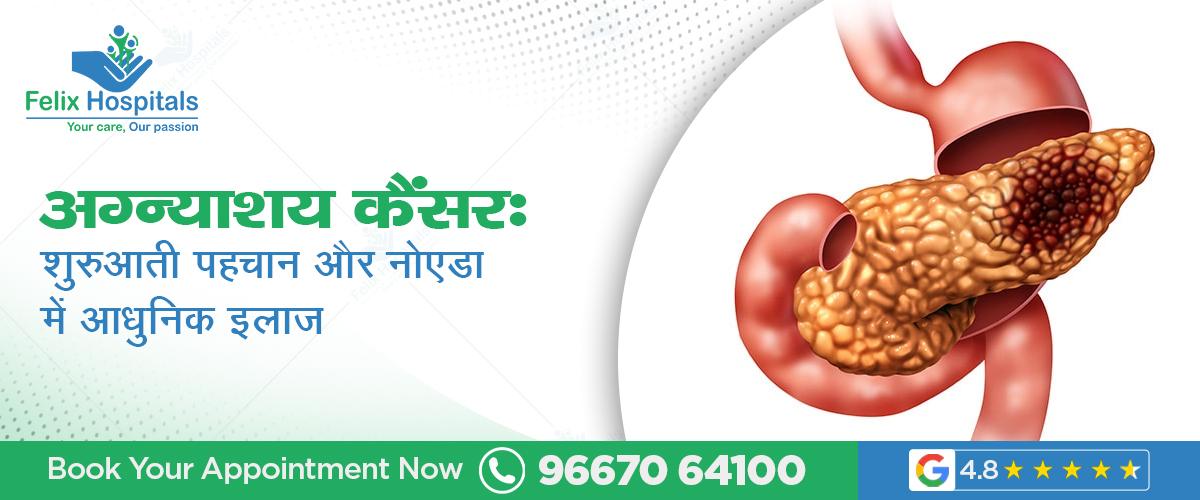
अग्न्याशय कैंसर (Pancreatic Cancer) तेजी से बढ़ते गंभीर कैंसरों में से एक है। यह कैंसर अग्न्याशय की कोशिकाओं में तब होता है। जब वह अनियंत्रित रूप से बढ़ने के साथ एक ट्यूमर बनाती हैं। कई बार शुरुआत में इसके लक्षण सामान्य पेट संबंधी परेशानियों जैसे दिखते हैं। इसलिए रोग अक्सर देर से पहचाना जाता है। अगर यदि समय रहते जांच कर ली जाए, तो इलाज की सफलता दर बढ़ जाती है। नोएडा में अब एडवांस्ड ऑन्कोलॉजी अस्पताल (Oncology Hospital in Noida), उच्च स्तरीय इमेजिंग सुविधाएं और अनुभवी ऑन्कोलॉजिस्ट उपलब्ध हैं। अग्न्याशय कैंसर का इलाज नोएडा में उपलब्ध है। जहां अंतरराष्ट्रीय गाइडलाइन के अनुसार इसका इलाज किया जा रहा है।
अभी अपॉइंटमेंट शेड्यूल करें – कॉल करें: +91 9667064100
अग्न्याशय एक महत्वपूर्ण ग्रंथि है जो पेट के पीछे स्थित होती है। पाचन के लिए आवश्यक एंजाइम तथा ब्लड शुगर को नियंत्रित करने वाला हार्मोन इंसुलिन बनाती है। जब अग्न्याशय की कोशिकाएं असामान्य रूप से तेजी से बढ़ती हैं और उन पर नियंत्रण नहीं रहता, तो वहां ट्यूमर बनता है। जिसे अग्न्याशय कैंसर कहते हैं। यह बीमारी शुरू में बिना लक्षण के बढ़ती है। इसलिए अक्सर देर से पता चलती है। अग्न्याशय कैंसर (Pancreatic cancer) दो मुख्य प्रकार का होता है। पहला एक्सोक्राइन कैंसर, जो सबसे अधिक पाया जाता है और इसमें प्रमुख रूप से अग्नाशय एडेनोकार्सिनोमा शामिल है। दूसरा एंडोक्राइन या न्यूरोएंडोक्राइन ट्यूमर, जो कम पाए जाते हैं। आमतौर पर अपेक्षाकृत कम खतरनाक माने जाते हैं।
ऑन्कोलॉजी गाइडलाइन के अनुसार यह कैंसर कई जोखिम कारणों से जुड़ा होता है:
धूम्रपान और तंबाकूः तंबाकू सेवन अग्न्याशय कैंसर का सबसे बड़ा कारण है।
आनुवंशिक / फैमिली हिस्ट्रीः यदि परिवार में दो या अधिक लोगों को यह कैंसर हुआ है तो जोखिम अधिक होता है।
डायबिटीज (खासकर नई शुरुआत वाली): अचानक बढ़ी शुगर भी शुरुआती संकेत हो सकती है।
मोटापा और हाई फैट डाइट: लंबे समय तक मोटापा अग्न्याशय का कैंसर के जोखिम को बढ़ाता है।
क्रॉनिक पैंक्रियाटाइटिसः लंबे समय तक अग्न्याशय में सूजन रहता है।
उच्च आयुः 60 वर्ष के बाद इसका खतरा बढ़ जाता है।
शुरुआती स्टेज में लक्षण बहुत सामान्य या अनदेखे होते हैं। लेकिन कुछ संकेत महत्वपूर्ण हैं:
लगातार पेट या पीठ में दर्द
भूख कम लगना और तेजी से वजन घटना
पीलिया (जॉन्डिस) यानी त्वचा व आंखें पीली पड़ना
हल्का (क्ले-कलर) मल और गहरा पेशाब
पाचन समस्या, एसिडिटी, गैस, अपच
मतली या उल्टी
ब्लड शुगर का अचानक बढ़ना (नई डायबिटीज)
थकान और कमजोरी
अग्न्याशय कैंसर की पुष्टि और स्टेजिंग के लिए निम्न जांच की जाती हैं:
ब्लड टेस्टः एलएफटी, सीबीसी, सीए 19-9 : CA 19-9 ट्यूमर मार्कर कई मरीजों में बढ़ा मिलता है।
अल्ट्रासाउंड / एंडोस्कोपिक अल्ट्रासाउंड: ट्यूमर को तकनीकी रूप से सबसे सटीक दर्शाता है।
सीटी स्कैन (कंट्रास्ट सीटी – अग्नाशय प्रोटोकॉल) ट्यूमर का आकार, लोकेशन और फैलाव पता चलता है।
MRI/MRCP: बाइल डक्ट और पैंक्रियास की हाई-रिजोल्यूशन इमेजिंग के लिए होता है।
पीईटी-सीटीः कैंसर शरीर के अन्य भागों में फैला है या नहीं, यह बताता है।
बायोप्सी (FNAC/EUS): कैंसर के प्रकार की अंतिम पुष्टि के लिए होता है।
सर्जरी अग्न्याशय कैंसर के शुरुआती स्टेज में सबसे प्रभावी उपचार माना जाता है, क्योंकि इस समय ट्यूमर सीमित होता है और शरीर के अन्य हिस्सों में फैला नहीं होता। अग्न्याशय के सिर में ट्यूमर होने पर Whipple Surgery की जाती है, जिसमें अग्न्याशय का प्रभावित हिस्सा, डुओडेनम, बाइल डक्ट और गॉल ब्लैडर (Gallbladder) को हटाया जाता है ताकि कैंसर पूरी तरह समाप्त किया जा सके। वहीं, जब ट्यूमर अग्न्याशय की बॉडी या टेल में हो, तो Distal Pancreatectomy प्रक्रिया अपनाई जाती है, जिसमें अक्सर स्प्लीन भी साथ में निकालना पड़ता है। इन सर्जरी का मुख्य उद्देश्य ट्यूमर को पूरी तरह हटाना और कैंसर के फैलने की संभावना को कम करना होता है। शुरुआती चरण में उपचार की सफलता दर अधिक होती है और सर्जरी के बाद मरीज के लंबे समय तक जीवित रहने की संभावना भी बढ़ जाती है।
कीमोथेरेपी अग्न्याशय कैंसर के इलाज का एक प्रमुख स्तंभ है। विशेष रूप से मध्यम और अग्रिम स्टेज के मरीजों में। इसे विभिन्न परिस्थितियों में दिया जाता है। सर्जरी से पहले (Neoadjuvant Therapy) ताकि ट्यूमर को छोटा किया जा सके। सर्जरी के बाद (Adjuvant Therapy) बची हुई कैंसर कोशिकाओं को नष्ट करने के लिए और मेटास्टेटिक यानी फैल चुके कैंसर में लक्षणों को कम करने के उद्देश्य से। आमतौर पर कीमोथेरेपी में Gemcitabine, FOLFIRINOX (जो बहुत प्रभावी लेकिन थोड़ी स्ट्रॉन्ग होती है), Cisplatin और 5-FU (5-Fluorouracil) जैसी दवाओं का उपयोग किया जाता है। इसके साथ सपोर्टिव थेरेपी भी दी जाती है, जिसमें उल्टी रोकने की दवाएं, इम्यून बूस्टर, दर्द निवारण और मरीज के ब्लड वाइटल्स तथा किडनी और लिवर फंक्शन की लगातार मॉनिटरिंग शामिल होती है, ताकि उपचार सुरक्षित और प्रभावी तरीके से किया जा सके।
टार्गेटेड थेरेपी (Targeted therapy) अग्न्याशय कैंसर का एक आधुनिक उपचार है, जो विशेष रूप से उन कैंसर कोशिकाओं के जननिक (Genetic) बदलावों को निशाना बनाती है, जो ट्यूमर की वृद्धि में मदद करते हैं। यह उपचार कैंसर कोशिकाओं में पाए जाने वाले प्रोटीन या म्यूटेशन को ब्लॉक करता है, जबकि सामान्य कोशिकाओं को कम नुकसान पहुंचाता है और ट्यूमर की वृद्धि को धीमा करता है। कुछ मामलों में PARP Inhibitors का उपयोग किया जाता है, जो BRCA1/BRCA2 जीन म्यूटेशन वाले मरीजों में बेहद प्रभावी साबित होते हैं। इसके अलावा, EGFR या VEGF Targeted Drugs भी दी जाती हैं, जो खून की नलियों की वृद्धि को रोककर ट्यूमर को कमजोर करती हैं और कैंसर की प्रगति को नियंत्रित करती हैं।
इम्यूनोथेरेपी अग्न्याशय कैंसर के इलाज में एक आधुनिक तरीका है। जो शरीर की प्रतिरक्षा प्रणाली को सक्रिय और मजबूत बनाती है। जिससे वह कैंसर कोशिकाओं को पहचानकर नष्ट कर सके। इसका मुख्य लाभ यह है कि यह सामान्य शरीर पर कम दुष्प्रभाव डालती है, लंबे समय तक परिणाम देती है और कुछ मरीजों में ट्यूमर की वृद्धि पूरी तरह रुक जाती है। इम्यूनोथेरेपी विशेष रूप से उन मरीजों में उपयोग होती है जिनमें Pancreatic Neuroendocrine Tumor (PNET) पाया गया हो या जब पारंपरिक कीमोथेरेपी प्रभावी न हो।
रेडिएशन थेरेपी में उच्च-ऊर्जा किरणों (High-energy X-ray या Proton therapy) का उपयोग करके कैंसर कोशिकाओं को नष्ट किया जाता है। इसे विभिन्न परिस्थितियों में अपनाया जाता है, जैसे सर्जरी से पहले ट्यूमर को छोटा करने के लिए, सर्जरी के बाद बची हुई कैंसर कोशिकाओं को खत्म करने के लिए, या जब सर्जरी संभव न हो तब दर्द और ब्लॉकेज कम करने के उद्देश्य से। रेडिएशन थेरेपी से ट्यूमर की वृद्धि धीमी होती है और मरीज को पेट दर्द, पीलिया और अन्य संबंधित लक्षणों में राहत मिलती है, जिससे जीवन की गुणवत्ता बेहतर होती है।
पेलिएटिव केयर अग्न्याशय कैंसर के अंतिम चरण में मरीज की जीवन-गुणवत्ता सुधारने के लिए दिया जाने वाला उपचार है। इसमें कई विकल्प शामिल होते हैं। जैसे Bile Duct Stent जो पीलिया और ब्लॉकेज को कम करने में मदद करता है; Pancreatic Enzyme Supplements, जो भोजन के पाचन को बेहतर बनाते हैं। Pain Management, जिसमें मॉर्फिन या अन्य पेन मैनेजमेंट तकनीकों का उपयोग करके दर्द कम किया जाता है; और Nutrition Support, जो मरीज की ताकत और ऊर्जा बनाए रखने में सहायक होता है। पेलिएटिव केयर का मुख्य उद्देश्य दर्द को कम करना, पाचन को सुधारना, जीवन की गुणवत्ता बढ़ाना और मरीज को अधिकतम आराम और राहत प्रदान करना होता है।
अपॉइंटमेंट के लिए कॉल करें: +91 9667064100
अचानक वजन घटना
नई डायबिटीज का प्रकट होना
लगातार पेट/पीठ दर्द
पीलिया
धूम्रपान करने वाले
फैमिली हिस्ट्री वाले
क्रॉनिक पैंक्रियाटाइटिस वाले
मोटापे और डायबिटीज़ वाले
धूम्रपान और तंबाकू छोड़ें
डायबिटीज नियंत्रण में रखें
कम फैट वाला संतुलित भोजन लें
वजन नियंत्रित रखें
शराब से दूरी
लंबे समय तक पेट दर्द या गैस को नजरअंदाज न करें
हर साल हेल्थ स्क्रीनिंग करवाएं
अपॉइंटमेंट शेड्यूल करें – कॉल करें: +91 9667064100
अग्न्याशय कैंसर एक गंभीर बीमारी है। लेकिन शुरुआती पहचान और सही समय पर उपचार से मरीज की जीवन प्रत्याशा में सुधार किया जा सकता है। नोएडा में आधुनिक डायग्नोस्टिक सुविधाएं, अनुभवी ऑन्कोलॉजिस्ट और एडवांस्ड कैंसर थेरेपी उपलब्ध हैं, जिससे इलाज और भी आसान व बेहतर हुआ है। इसलिए इलाज में देरी नहीं करनी चाहिए।
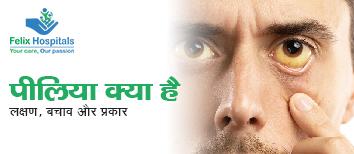
पीलिया एक ऐसी स्थिति है जिसमें शरीर और आंखों का रंग पीला पड़ जाता है। यह मुख्य रूप से लीवर की खराबी या रक्त में बिलीरुबिन के बढ़ने के कारण होता है।
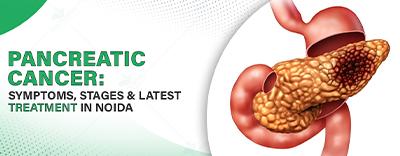
Pancreatic cancer is a serious condition with symptoms like abdominal pain, jaundice, and weight loss. This article covers its symptoms, stages, and the latest treatment options available in Noida
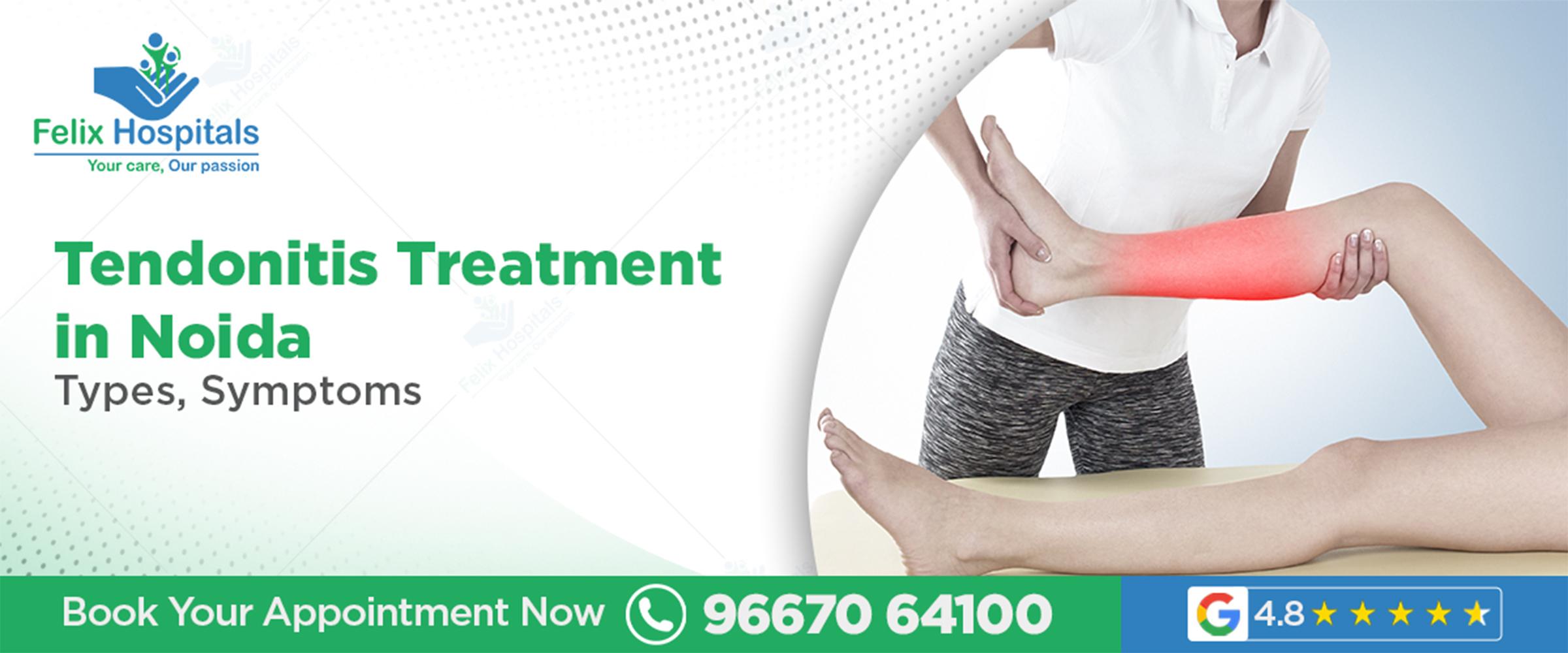
Tendonitis is a common orthopedic condition that occurs when a tendon becomes inflamed or irritated, often due to overuse, repetitive motion, or sudden injury. Since tendons connect muscles to bones, any inflammation in these structures can make routine activities painful and difficult. Many patients delay treatment because symptoms start mildly, but ignoring early signs can lead to chronic issues that require prolonged care. Understanding the symptoms, causes, and different therapy approaches helps individuals seek timely care, especially with advanced tendonitis treatment in Noida available today.
Experiencing tendon pain, swelling, or stiffness? Get evaluated early by the Best Doctors for Tendonitis Treatment in Noida Call +91 9667064100
Tendonitis develops when repetitive strain or sudden excessive force overloads a tendon, causing inflammation and discomfort, which is why recognizing tendonitis symptoms early is so important for preventing long-term damage. The condition can affect any tendon, but it most commonly occurs in the shoulders, elbows, knees, wrists, heels, and hips. While athletes frequently experience tendon irritation due to high-impact movements, office workers, laborers, and older adults are equally at risk. Early treatment prevents tendon breakdown, which can lead to more serious injuries.
The condition often stems from repetitive activities that put consistent pressure on tendons, and many patients develop tendon inflammation due to underlying causes of tendonitis such as poor posture, weak muscles, improper technique, or suddenly increasing workout intensity. Age-related changes also reduce tendon flexibility, making injuries more likely during daily tasks. Without rest and correction, small tears may worsen over time, increasing pain and reducing mobility.
Most people first notice mild aching, stiffness, or swelling around the affected joint, and these early types of tendonitis signs typically worsen when the tendon is used for continuous activity. Pain may feel sharp during movement and dull afterward, while swelling or warmth may develop in the area of irritation. If not treated promptly, movements such as lifting, gripping, climbing stairs, or walking can become difficult. In advanced cases, patients may even hear crackling or experience limited mobility.
Ignoring ongoing tendon pain can cause the condition to progress, and this is where many individuals end up developing chronic tendonitis treatment options as the situation becomes more complicated. Persistent pain usually indicates continuous tendon strain or microtears that have not healed. Chronic tendonitis requires a more structured medical approach, as rest alone is not enough to repair the damaged tissue. Seeking orthopedic care early avoids further degeneration and long-term joint stiffness.
Diagnosis starts with a detailed physical examination to check tenderness, swelling, and range of motion, and during evaluation, doctors also consider how to reduce tendonitis pain quickly with targeted strategies to provide immediate relief. Imaging studies like ultrasound or MRI may be recommended if the inflammation is severe or suspected to involve small tears. Identifying the exact tendon involved is crucial in planning the right therapy, as treatment differs depending on the location and level of damage.
Tendonitis can occur in various parts of the body, and some patients requiring Best Doctors For Tendonitis Treatment In Noida experience discomfort in areas such as the rotator cuff, Achilles tendon, patellar tendon, or elbow tendons. Each region has its own set of triggers and movement patterns that aggravate symptoms. Understanding which tendon is affected helps customize treatment and prevent repeated episodes.
Different regions of the body are more vulnerable depending on lifestyle patterns, and many people with shoulder or elbow pain find their problems linked to tendonitis symptoms that match running, gym use, sports activities, or repetitive work habits. Tennis elbow and golfer’s elbow usually affect those who frequently use their arms, while Achilles tendonitis affects runners or those wearing improper footwear. Patellar tendonitis, commonly called “jumper’s knee,” affects individuals who engage in jumping or climbing movements.
Treatment depends on the severity of the inflammation, and most people respond well when causes of tendonitis are identified and corrected early. Initial management involves rest, cold compresses, and anti-inflammatory medications. Physiotherapy plays an essential role in restoring strength, improving flexibility, and reducing strain on the affected tendon. Severe cases may require immobilization to limit overuse.
Many patients start feeling better within weeks, especially when early therapies target types of tendonitis that respond to guided exercise and controlled movement patterns. Shockwave therapy, ultrasound therapy, and soft tissue mobilization help accelerate healing. Strengthening exercises rebuild tendon durability, ensuring it can handle daily activities without recurring inflammation.
When conventional therapies are not enough, orthopedic specialists may recommend small procedures based on chronic tendonitis treatment options such as platelet-rich plasma (PRP) injections or corticosteroid injections. These treatments help reduce inflammation and encourage tissue repair. Surgery is rarely required but may be considered if the tendon is severely damaged or partially torn.
Once pain reduces, patients must continue exercises and lifestyle adjustments to prevent recurrence, especially when learning how to reduce tendonitis pain quickly through stretching, posture correction, and proper technique. Long-term tendon health requires consistency, as tendons heal slower than muscles. Orthopedic follow-up ensures that healing is progressing properly and helps prevent future flare-ups.
Increasing pain, swelling, or stiffness? Get expert evaluation before the tendon becomes damaged beyond repair. Call +91 9667064100
Tendonitis is a common yet often underestimated orthopedic condition, but timely diagnosis and proper treatment can prevent long-term limitations. Understanding early signs and seeking expert care ensures better recovery, particularly with advanced tendonitis treatment in Noida available for patients of all ages. Whether caused by overuse, repetitive movements, sports injuries, or age-related degeneration, tendonitis responds well when treated early under a skilled orthopedic specialist. Taking prompt action ensures faster healing and helps avoid chronic pain that interferes with daily life. With the support of the Best Doctors For Tendonitis Treatment In Noida, patients can regain mobility, comfort, and strength safely and effectively.
Q. 1. How do I know if my tendonitis needs medical attention?
Ans. If the pain persists for more than a few days, worsens with movement, or affects your ability to carry out daily activities, it’s best to get evaluated by an orthopaedic specialist.
Q. 2. Can tendonitis heal on its own without treatment?
Ans. Mild cases may improve with rest and home care, but chronic tendonitis often needs guided therapy or medical treatment to prevent long-term stiffness or weakness.
Q. 3. What is the fastest way to reduce tendonitis pain?
Ans. Using ice packs, resting the joint, and avoiding repetitive strain usually helps. If pain continues, a doctor can recommend safer and quicker relief options.
Q. 4. Is swelling normal in tendonitis?
Ans. Yes, mild swelling happens as the tendon gets inflamed. Excessive swelling, redness, or warmth should be checked by a doctor to rule out infection or tears.
Q. 5. Can physiotherapy help tendonitis?
Ans. Absolutely. Strengthening and stretching exercises guided by a physiotherapist can improve movement and speed up healing.

Understand menopause-related joint pain and find effective treatment options in Noida.
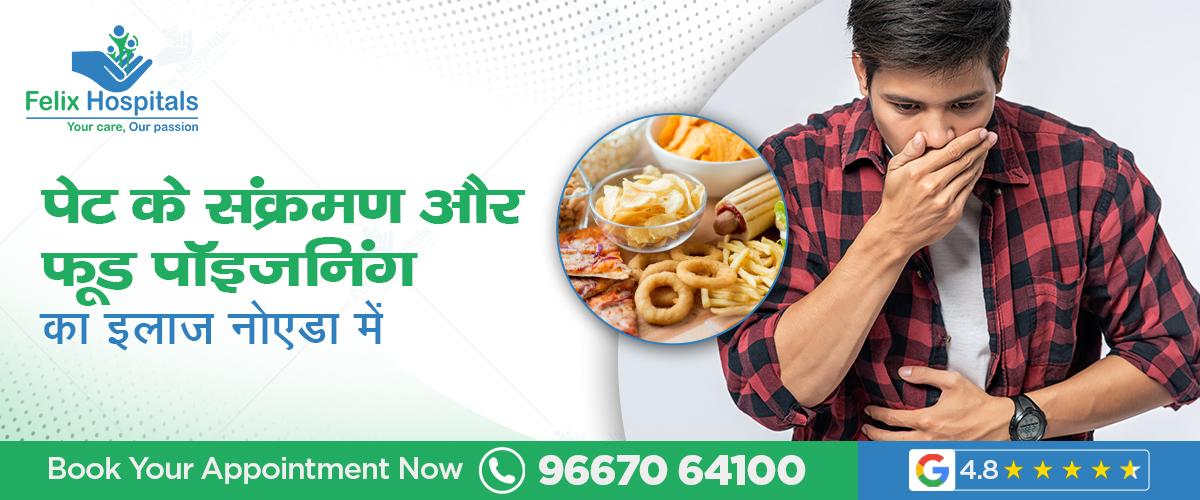
पेट का संक्रमण (Stomach Infection) और फूड पॉइजनिंग (Food Poisoning) भारत में बहुत आम स्वास्थ्य समस्या है। यह बैक्टीरिया, वायरस, दूषित पानी, खराब खाना या अस्वच्छ खानपान की वजह से होता है। इन स्थितियों में उल्टी, दस्त, पेट दर्द, बुखार और डिहाइड्रेशन जैसे लक्षण तेजी से बढ़ते हैं। समय पर इलाज नहीं मिले तो हालात गंभीर होते हैं। नोएडा में बेस्ट गैस्ट्रोएंट्रोलॉजिस्ट डॉक्टर (Best gastroenterologist doctors in Noida) उपलब्ध हैं। जहां पेट संक्रमण, फूड पॉइजनिंग और उल्टी–दस्त का आधुनिक इलाज मिलता है। इस ब्लॉग में हम पेट के संक्रमण के कारण, लक्षण, फूड पॉइजनिंग से राहत के उपाय, डॉक्टरी इलाज, एंडोस्कोपी जांच और डिहाइड्रेशन मैनेजमेंट के बारे में विस्तार से जानेंगे।
अपॉइंटमेंट के लिए कॉल करें – +91 9667064100
पेट का संक्रमण आमतौर पर वायरल, बैक्टीरियल या पैरासाइटिक संक्रमण की वजह से होता है। जबकि फूड पॉइजनिंग ज्यादातर दूषित खाना, बासी भोजन, खुले में बेचे जाने वाले खाद्य पदार्थ या संक्रमित पानी पीने से होती है। दोनों स्थितियों में शरीर में टॉक्सिन फैल जाते हैं, जिससे उल्टी, दस्त, पेट दर्द और कमजोरी की समस्या होती है।
अगर निम्नलिखित लक्षण हों तो तुरंत डॉक्टर से संपर्क करें—
उल्टी और दस्त के दौरान शरीर से नमक और पानी तेजी से बाहर निकलते हैं। ओआरएस या इलेक्ट्रोलाइट ड्रिंक्स दिनभर में बार-बार घूंट-घूंट पीनी चाहिए। यह डिहाइड्रेशन को रोकने और शरीर में पानी तथा मिनरल्स की कमी को पूरा करने में मदद करता है।
पेट को आराम देने और डिहाइड्रेशन को रोकने के लिए हल्का तरल आहार लेना बेहद आवश्यक होता है। इसमें नारियल पानी, हल्का सूप जैसे सब्जियों या चिकन का सूप, दही, खिचड़ी और ताजे फलों का जूस जैसे मूसंबी या सेब का जूस शामिल किए जा सकते हैं। इस तरह का तरल आहार पेट को हल्का रखता है, पाचन प्रणाली पर दबाव कम करता है और शरीर में पानी व पोषक तत्वों की कमी को भी पूरा करता है, जिससे फूड पॉइजनिंग या पेट संक्रमण से जल्दी राहत मिलती है।
डॉक्टर द्वारा प्रिस्क्राइब की गई दवाएं उल्टी और मितली को नियंत्रित करती हैं। इनका इस्तेमाल उल्टी के लगातार होने से शरीर में पानी और इलेक्ट्रोलाइट्स की कमी को रोकने में मदद करता है।
यदि पेट संक्रमण बैक्टीरिया के कारण हुआ हो, तो डॉक्टर एंटीबायोटिक दवा लिखते हैं। खुद से एंटीबायोटिक लेने से संक्रमण और भी गंभीर हो सकता है। सही दवा और समय पर कोर्स पूरा करना आवश्यक है।
प्रोबायोटिक्स आंतों में अच्छे बैक्टीरिया बढ़ाते हैं। यह दस्त की अवधि को कम करता है और पाचन को सुधारता है। दही, प्रोबायोटिक सप्लीमेंट या कुछ हेल्दी फूड्स इसमें सहायक होते हैं।
यदि मरीज अत्यधिक डिहाइड्रेट हो जाए या कुछ खा-पी न पाए, तो डॉक्टर IV फ्लूइड के माध्यम से शरीर में पानी और इलेक्ट्रोलाइट्स देते हैं। यह गंभीर डिहाइड्रेशन को रोकने और जीवन-रक्षक स्थिति में मदद करता है।
पेट मरोड़ या ऐंठन होने पर डॉक्टर सुरक्षित एंटीस्पास्मोडिक दवा देते हैं। यह पेट की मांसपेशियों को आराम देती है और दर्द को कम करती है। मरीज को पूरी तरह आराम और पर्याप्त हाइड्रेशन देना सबसे महत्वपूर्ण है। घर पर इलाज तभी करें जब लक्षण हल्के हों। तेज उल्टी, लगातार दस्त या बुखार होने पर तुरंत डॉक्टर से संपर्क करें। फूड पॉइजनिंग स्पेशलिस्ट डॉक्टर नोएडा में उपलब्ध है। नोएडा में आधुनिक गैस्ट्रो अस्पताल (Modern gastro hospital in Noida) में एंडोस्कोपी और रक्त-पानी की जाँच के साथ इलाज उपलब्ध है।
नोएडा के गैस्ट्रो विशेषज्ञ से संपर्क — +91 9667064100
डिहाइड्रेशन फूड पॉइजनिंग का सबसे बड़ा खतरा है।
लक्षणः
इलाजः
एंडोस्कोपी केवल तभी की जाती है। जब मरीज में गंभीर लक्षण दिखाई दें। जैसे उल्टी में खून आना, ब्लैक या कॉफी-कलर की उल्टी, लगातार 3–5 दिनों तक लक्षण कम न होना या पेट में बहुत तेज दर्द होना। इसके अलावा जब डॉक्टर को पेट के अंदर सूजन, अल्सर या बैक्टीरियल संक्रमण का शक हो। तब भी एंडोस्कोपी (Endoscopy) की आवश्यकता होती है। इस प्रक्रिया के माध्यम से पेट, फूड पाइप और आंतों की अंदरूनी स्थिति को देखा जा सकता है और सही इलाज तय किया जा सकता है, जिससे फूड पॉइजनिंग या गंभीर पेट संक्रमण का प्रभावी उपचार संभव हो पाता है।
पेट का संक्रमण और फूड पॉइजनिंग अधिकतर दूषित भोजन, गंदे पानी और बैक्टीरिया–वायरस से होता है। सही समय पर इलाज,ओआरएस, एंटीबायोटिक (जरूरत हो तो), प्रोबायोटिक्स और एंडोस्कोपी से रोग आसानी से नियंत्रित किया जाता है। अगर लक्षण 24 घंटे से अधिक बने रहें या डिहाइड्रेशन के संकेत दिखें तो तुरंत डॉक्टर से संपर्क करें। इसलिए इलाज में देरी नहीं करनी चाहिए।
नोएडा में विशेषज्ञ से अपॉइंटमेंट — +91 9667064100.
प्रश्न 1: क्या फूड पॉइजनिंग खुद-ब-खुद ठीक होती है?
उत्तर: हल्के मामलों में हां, लेकिन उल्टी-दस्त अधिक हो तो तुरंत इलाज जरूरी है। इलाज में देरी नहीं करनी चाहिए।
प्रश्न 2: क्या बच्चों में फूड पॉइजनिंग खतरनाक होती है?
उत्तर: हां, बच्चों में डिहाइड्रेशन जल्दी होता है। तुरंत ओआरएस दें और डॉक्टर से मिलें। डॉक्टर की सलाह पर इलाज कराना चाहिए।
प्रश्न 3: क्या फूड पॉइजनिंग में दूध पीना चाहिए?
उत्तर: नहीं, दूध पेट की समस्या बढ़ाता है। हल्का तरल आहार बेहतर है।
प्रश्न 4: क्या बार-बार फूड पॉइजनिंग होना गंभीर समस्या है?
उत्तर: बार-बार संक्रमण होने पर आंतों की जांच, स्टूल टेस्ट और एंडोस्कोपी की जरूरत होती है।
प्रश्न 5: क्या फूड पॉइजनिंग में एंटीबायोटिक जरूरी है?
उत्तर: हर बार नहीं। एंटीबायोटिक तभी जब बैक्टीरियल संक्रमण की पुष्टि हो। बिना डॉक्टर की सलाह पर कोई भी दवा नहीं लेनी चाहिए।
पेट में अल्सर एक आम लेकिन गंभीर समस्या है जो संक्रमण, अधिक एसिड या दवाओं के कारण होती है। इसके लक्षणों में पेट दर्द, जलन और अपच शामिल हैं। फ़ेलिक्स अस्पताल में इसका प्रभावी उपचार और परामर्श उपलब्ध है।
जानें हेपेटाइटिस से बचाव के उपाय और सही इलाज। समय पर पहचान और उपचार से लिवर को मजबूत बनाना संभव है।
दिल्ली NCR में हेपेटाइटिस-ए और ई के मामलों में तेजी से इजाफा देखा जा रहा है। समय पर पहचान और सही इलाज से इस बीमारी को गंभीर होने से रोका जा सकता है।

जानिए कैसे ग्राइप वाटर शिशुओं के पेट दर्द और गैस की समस्या में मदद करता है, साथ ही इसके नुकसान और सावधानियों के बारे में भी।
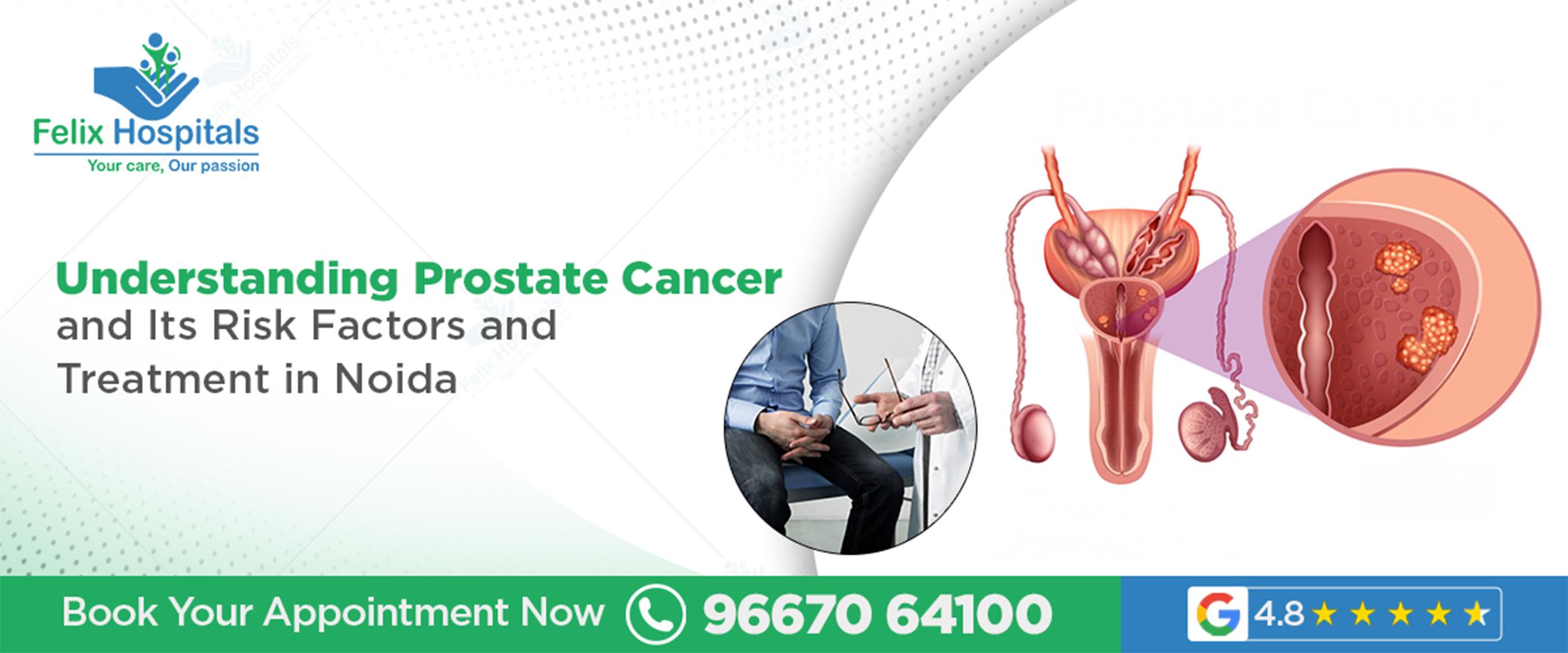
Prostate cancer is one of the most common cancers affecting men, especially those above the age of 50. Early detection allows for highly successful treatment, but many men delay screening due to lack of awareness or fear of symptoms. With advanced medical facilities available today, timely consultation can make a significant difference in outcomes. If you are looking for advanced and reliable care, Prostate cancer treatment in Noida is now accessible through experienced specialists and modern diagnostic support from an expert urology doctor in Noida.
If you notice persistent urinary problems, blood in urine, or difficulty emptying your bladder, seek help immediately for advanced prostate cancer screening and treatment book your consultation: +91 9667064100
Prostate cancer begins when abnormal cells grow uncontrollably in the prostate gland—a small gland responsible for producing seminal fluid. Not every prostate growth is cancerous; some are benign. However, cancerous growths can spread to surrounding tissues and other organs if not detected early.
While many cases progress slowly, others may be aggressive and require immediate medical attention. Understanding prostate cancer symptoms and risk factors helps in recognizing the early warning signs and seeking timely help.
In many men, prostate cancer develops silently without early symptoms. However, some signs may indicate the need for immediate evaluation:
Frequent urination, especially at night
Weak or interrupted urine flow
Blood in urine or semen
Pain or burning during urination
Erectile dysfunction (ED)
Pain in lower back, hips, or pelvis
Unexplained weight loss or fatigue
Experiencing these symptoms does not always mean cancer, but they do warrant screening by a qualified specialist.
If you notice these warning signs, it is important to seek guidance from an experienced urology doctor in Noida who can evaluate your condition thoroughly.
Some symptoms may be mild but still indicate early-stage prostate cancer, including:
Difficulty starting the urinary stream
A feeling of incomplete bladder emptying
Dribbling after urination
Sudden urgency to urinate
These early signs are often mistaken for age-related changes, but timely screening can help detect prostate cancer before it turns serious.
The exact cause is not fully understood, but several factors contribute to the development of the disease. Knowing these risk factors helps men stay vigilant and proactive about their health.
The risk rises significantly after 50. Most diagnosed cases occur in men above 65.
Men with a father, brother, or close male relative with prostate cancer are at a higher risk.
Certain inherited mutations (such as BRCA1 and BRCA2) increase susceptibility.
Obesity, lack of physical activity, smoking, and poor diet may increase the risk of aggressive prostate cancer.
Some ethnic groups have a higher prevalence, though this factor varies regionally.
Elevated androgen (male hormone) levels have been linked to prostate cancer development.
Long-term prostate inflammation or infections may contribute to abnormal cell growth.
Understanding these factors helps men take preventive measures and prioritize screening.
Advanced diagnostic tools play a crucial role in detecting cancer early and planning the right treatment approach. In centres offering Prostate cancer treatment in Noida, the following tests are commonly used:
A simple blood test measuring PSA levels. Higher values may indicate infection, enlargement, or cancer.
A quick clinical exam to assess the prostate for abnormal size, shape, or lumps.
A high-resolution MRI helps identify suspicious prostate lesions.
Tissue samples are collected to confirm whether cancer cells are present.
Used for biopsy guidance or evaluating prostate size.
Early diagnosis significantly improves the success of treatment and long-term outcomes.
The major Prostate cancer risk factors include:
Increasing age
Genetic predisposition
Poor lifestyle choices
Diet high in processed or fatty foods
Lack of physical activity
Hormonal changes
Men with multiple risk factors should undergo regular screening starting from 45–50 years of age.
Prostate cancer treatment depends on the cancer stage, overall health, and patient preferences. Modern healthcare setups now offer a wide range of scientifically backed treatments.
Here are the most widely used options for Prostate cancer treatment in Noida:
Recommended for slow-growing cancers or older patients. Regular monitoring ensures the cancer is controlled without aggressive treatment unless necessary.
Used to reduce or block male hormones that encourage cancer growth. Effective in cases where cancer has spread or when surgery is not suitable.
The complete removal of the prostate gland. Modern minimally invasive surgeries (including robotic-assisted procedures) offer quicker recovery and fewer complications.
High-energy beams target cancer cells. It is effective for localized disease or as a combined therapy for advanced cases.
Used for advanced or hormone-resistant cancer, especially when cancer spreads beyond the prostate.
These advanced treatments help the immune system identify and destroy cancer cells more effectively.
Modern non-invasive treatments that freeze or heat cancer cells to destroy them.
Patients should consult an experienced urology doctor in Noida to determine which treatment best suits their condition.
While not all cancers can be prevented, healthy lifestyle habits may reduce risk or slow progression:
Maintain a healthy weight
Exercise regularly
Eat a balanced diet rich in fruits and vegetables
Reduce red meat and processed food
Quit smoking
Limit alcohol intake
Schedule annual prostate check-ups after age 50
These habits also support better outcomes during and after treatment.
Seek urgent medical care if you experience:
Severe urinary obstruction
Blood in urine
Persistent pelvic pain
Sudden weight loss
Weakness in legs or difficulty walking
These may indicate disease progression and require prompt attention from a specialist.
Prostate cancer is highly treatable when diagnosed early. Understanding symptoms, recognizing risk factors, and undergoing timely screening can significantly improve survival rates. With advanced diagnostic technologies and multiple treatment options available, Prostate cancer specialist in Noida offers patients safe, effective, and personalized care. If you are experiencing urinary symptoms, prostate-related concerns, or have a strong family history, do not delay—consult an expert urology doctor in Noida to ensure timely evaluation and the right treatment approach.
Worried about prostate cancer symptoms or risk factors? Early diagnosis can save your life. For expert prostate cancer treatment in Noida, reach out to Felix Hospital today. Call: +91 9667064100
FAQs
Q. 1. Is prostate cancer curable if detected early?
Ans. Yes, early-stage prostate cancer has an excellent survival rate with timely treatment.
Q. 2. Can prostate cancer occur without symptoms?
Ans. Yes, many men experience no symptoms initially, which is why screening is important.
Q. 3. What is the first test to detect prostate cancer?
Ans. The PSA blood test is the most common initial screening tool.
Q. 4. Does prostate cancer always require surgery?
Ans. No, Treatment depends on the stage and may include surveillance, medications, or radiation.
Q. 5. Can lifestyle changes reduce the risk of prostate cancer?
Ans. Healthy habits like diet control, exercise, and avoiding smoking can lower risk.
Prostate cancer is a common type of cancer in men that affects the prostate gland. Understanding its symptoms, causes, and treatment options can help in early detection and effective management.
Prostate cancer is a type of cancer that occurs in the prostate gland, a small walnut-shaped gland responsible for producing seminal fluid, which nourishes and transports sperm.
Winter brings cooler weather, festive cheer, and cozy routines—but it also increases the risk of infections in children. From viral fevers to respiratory infections, winter illnesses can spread quickly among young children due to weaker immunity and close contact in schools and daycare centers. For parents in Noida, understanding how to protect children during this season is essential to keeping them healthy and active.
With expert guidance from the Best pediatrician for winter infections in Noida and timely preventive care, most winter illnesses can be avoided or managed early. This blog provides a complete parent-friendly guide on common seasonal diseases, symptoms to look out for, preventive steps, and treatment options.
During winter, children are more likely to fall sick due to:
Lower immunity in cold weather
Indoor crowding and poor ventilation
Seasonal viruses that thrive in cold temperatures
Dry air that irritates airways
Exposure to infected peers at school
Sudden temperature changes (indoor heater → cold outdoors)
A child specialist in Noida can help parents understand individual risk factors and create a winter-specific care routine.
The most frequent winter illness caused by viral infections. Symptoms include:
Runny or blocked nose
Sneezing
Mild fever
Sore throat
Though mild, colds can disrupt sleep and appetite.
More severe than a common cold, flu symptoms include:
High fever
Severe fatigue
Cough and sore throat
Body aches
Chills
Flu spreads rapidly in schools; vaccination reduces complications.
Inflammation of tonsils due to viral or bacterial infections. Symptoms include:
Painful swallowing
Fever
Swollen lymph nodes
Bad breath
Recurrent tonsillitis should be evaluated by a pediatrician.
One of the more serious winter illnesses, especially in younger children. Signs include:
Fast breathing
Persistent fever
Severe cough
Lethargy
Immediate medical care is required.
Common in children under 2 years. Caused by RSV virus. Symptoms:
Wheezing
Difficulty breathing
Poor feeding
Fast breathing
Regular monitoring ensures timely recovery.
Cold air is a major trigger for asthmatic children. Winter causes:
Wheezing
Chest tightness
Night coughing
Breathing difficulty
Management plans from a child specialist Noida help reduce flare-ups.
Highly contagious in winter. Symptoms include:
Vomiting
Diarrhea
Fever
Stomach cramps
Hydration is the key in treatment.
Cold weather leads to dry, itchy skin, worsening eczema in sensitive children.
Seek medical help immediately if your child experiences:
High fever lasting more than 48 hours
Rapid or laboured breathing
Persistent vomiting
Severe coughing fits
Chest pain
Blue lips or fingertips
Extreme lethargy
Dehydration signs (dry mouth, no tears, less urination)
These could indicate complications requiring emergency pediatric care.
A diet rich in vitamins and minerals boosts the immune system. Include:
Citrus fruits (Vitamin C)
Warm soups
Seasonal vegetables
Nuts and seeds (Vitamin E, zinc)
Adequate protein (dal, eggs, paneer, meat)
Hydration is equally important—even in winter.
Teaching children to wash their hands before eating, after coming home, and after coughing helps prevent infections.
Layering keeps children warm both outdoors and indoors while preventing overheating.
Poor sleep weakens immunity. Maintain consistent bedtime schedules.
Dry air irritates airways and skin. A humidifier helps maintain moisture.
When leaving a heated room, ensure your child is properly covered.
Keep the home dust-free
Avoid smokers near the child
Limit exposure to pollution and smog
Encourage simple breathing exercises
Consult the Best pediatrician for winter infections in Noida for specific respiratory care tips.
Important vaccines for winter include:
Flu vaccine
Pneumococcal vaccine
COVID booster (if applicable)
Vaccination significantly reduces severity of infections.
Warm water, soups, coconut water, and kadha help maintain hydration.
Children should learn to:
Cover mouth with elbow when coughing
Use tissues
Avoid touching face frequently
These remedies help soothe symptoms but are not substitutes for medical advice:
Warm water gargling for sore throat
Steam inhalation for congestion
Warm turmeric milk
Honey for cough (only for children above 1 year)
Ajwain potli for chest congestion
Always consult a child specialist Noida before trying remedies for infants.
You should consult a doctor when:
Fever persists beyond two days
The child is not feeding properly
Breathing difficulty appears
Symptoms worsen despite home care
Child is less active or unusually sleepy
A specialist can identify if the illness is viral, bacterial, or allergic and provide targeted treatment.
1. Viral Illnesses
Most viral infections need supportive care:
Fever medicines
Hydration
Rest
Steam inhalation
2. Bacterial Infections
Require antibiotics prescribed by a pediatrician.
3. Asthma & Allergy Treatment
Nebulization
Inhalers
Anti-allergic medications
Asthma action plans
4. Pneumonia Management
May require:
Antibiotics
Nebulization
Hospital observation in severe cases
5. Tonsillitis Care
Warm fluids
Pain relief
Antibiotics (only if bacterial)
Seeing the Best pediatrician for winter infections in Noida ensures correct diagnosis and prevents complications.
Keep rooms clean and dust-free
Use warm blankets but avoid overheating
Disinfect toys and frequently touched surfaces
Keep windows slightly open for ventilation
Avoid crowding and unnecessary outdoor exposure during peak pollution
Toddler immunity is still developing. Parents must:
Avoid cold foods and icy drinks
Keep ears and feet warm
Ensure frequent hand-washing
Maintain a strict feeding and sleep routine
Avoid taking toddlers to crowded places
A child specialist Noida can guide you on age-specific care plans.
Winter illnesses are common but preventable with the right care, strong immunity, and timely medical attention. Parents must stay alert for symptoms, maintain hygiene, focus on nutrition, and ensure proper vaccination. Early intervention helps prevent complications like pneumonia, asthma attacks, or severe flu.
If your child frequently falls sick during winter or shows signs of breathing issues or persistent fever, consulting the Best pediatrician for winter infections in Noida ensures accurate diagnosis, safe treatment, and long-term protection. A reliable Pediatric Pulmonologist in Noida will help your child stay healthy, active, and winter-ready.
Q1. Why do children fall sick more often in winter?
A: Cold weather weakens immunity, and viruses spread faster indoors, making kids more vulnerable.
Q2. How can I boost my child’s immunity naturally?
A: A nutritious diet, good sleep, hydration, and hygiene help strengthen immunity.
Q3. When should I take my child to a doctor for winter illness?
A: If fever lasts more than two days, breathing becomes difficult, or symptoms worsen.
Q4. Can winter allergies trigger asthma in children?
A: Yes. Dust mites, pollen, and cold air can cause asthma flare-ups in winter.
Q5. Is the flu vaccine necessary for children?
A: Yes, it reduces the severity of flu and prevents complications during winter.

10 Reasons why a child may not grow

As a child care specialist, I have noticed a huge difference in overall growing of a child in the last 14 years.

Take special care of the health of your kids, especially young children, amidst the changing seasons.

Every parent wants their child to become a successful, confident, and good human being. A child is like a sponge, which can take any shape and can absorb almost everything they see/learn.
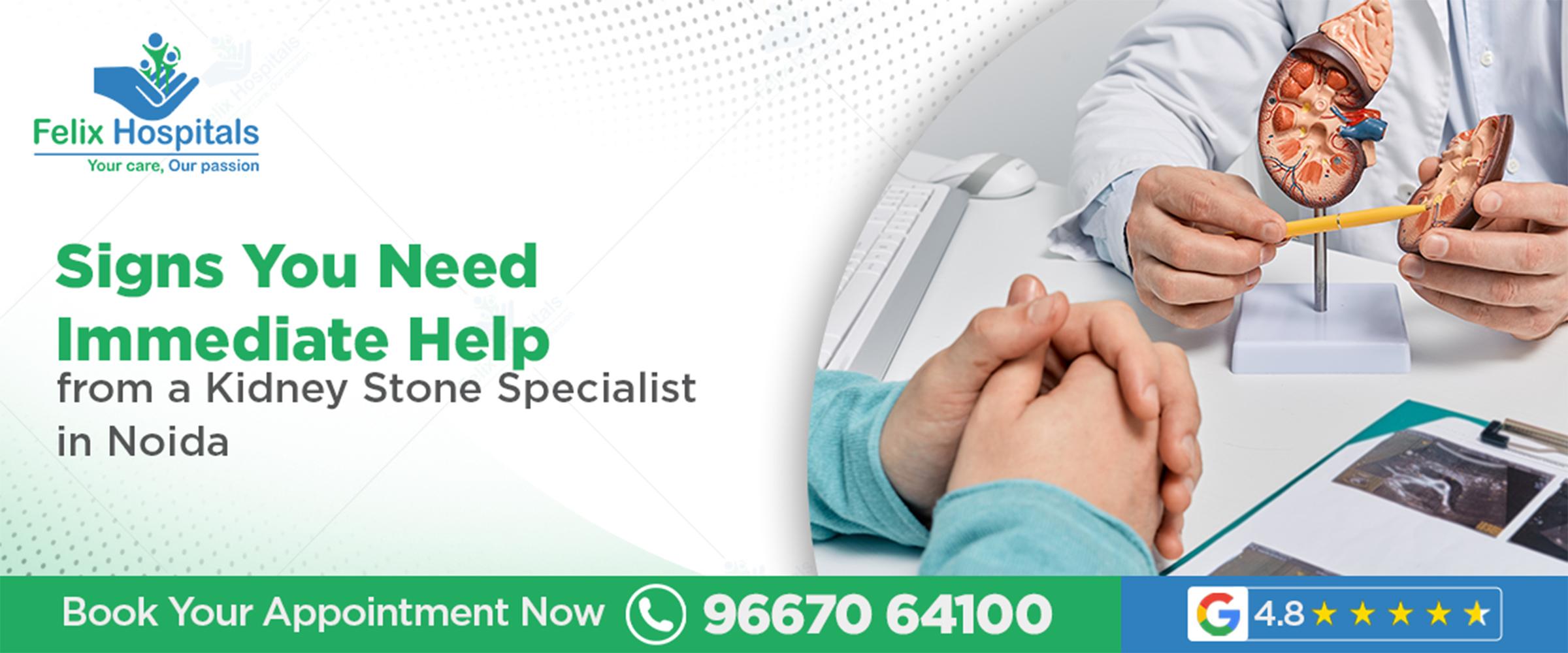
Kidney stones are solid deposits of minerals and salts that form inside the kidneys. While smaller stones may pass naturally, larger ones can cause severe pain, urinary problems, and even complications if not addressed promptly. Recognizing the signs early and seeking care from a kidney stone treatment in Noida specialist can prevent serious issues and ensure faster recovery. Felix Hospital provides expert guidance, modern diagnostics, and timely treatment for patients experiencing kidney stone problems.
Fever with kidney pain or unable to urinate? Recognize Signs You Need Immediate Help from a Kidney Stone Specialist in Noida! Dial +91 9667064100 urgently
Kidney stones develop when urine becomes concentrated, allowing minerals like calcium, oxalate, and uric acid to crystallize. They may vary in size—from tiny grains to stones large enough to block the urinary tract. While some stones remain symptomless, many lead to intense discomfort, prompting urgent medical attention.
Awareness of symptoms is vital, If you notice any of the following, you should immediately consult a kidney stone treatment in Noida expert:
Severe Flank Pain: Sudden, sharp pain in the lower back or side, often radiating to the groin.
Blood in Urine: Pink, red, or brown urine, which indicates bleeding caused by stone movement.
Nausea and Vomiting: Resulting from severe pain or blockage affecting digestion.
Frequent Urination or Urgency: A strong, persistent urge to urinate, sometimes with difficulty.
Fever and Chills: May indicate infection caused by blocked urinary tract, requiring urgent attention.
Even if symptoms seem mild initially, prompt evaluation is crucial. At Felix Hospital, kidney stone treatment in Noida combines precise diagnosis with minimally invasive therapies.
Consulting a specialist promptly can prevent stone growth and complications. Signs you need a kidney stone doctor include:
Pain lasting more than a few hours
Persistent nausea or vomiting
Inability to pass urine or severe urinary urgency
Recurrent kidney stone episodes
Signs of infection like fever or chills
Early intervention allows for less invasive procedures and a smoother recovery.
Understanding the type of stone can guide treatment:
Calcium Stones: Most common, often caused by calcium oxalate accumulation.
Uric Acid Stones: Linked to high protein diets, dehydration, or metabolic issues.
Struvite Stones: Usually related to urinary tract infections.
Cystine Stones: Rare, due to genetic disorders affecting amino acid metabolism.
Early signs often include dull back pain, mild urinary discomfort, or occasional blood in urine. Timely consultation with a kidney stone treatment in Noida specialist ensures stones are managed before they worsen.
Felix Hospital provides state-of-the-art diagnostic services:
Ultrasound: Non-invasive imaging to detect stones and blockage.
CT Scan: High accuracy in identifying size, location, and number of stones.
Urine and Blood Tests: Evaluate stone composition, kidney function, and infection risk.
Accurate diagnosis is critical for choosing the appropriate treatment method.
Kidney stone management depends on size, type, and severity:
Hydration Therapy: Increased fluid intake to help small stones pass naturally.
Medications: Pain relief, anti-inflammatory drugs, or medicines to relax urinary tract muscles.
Extracorporeal Shock Wave Lithotripsy (ESWL): Breaks stones into smaller pieces using shock waves.
Ureteroscopy: A small scope is used to remove or break stones in the ureter.
Percutaneous Nephrolithotomy (PCNL): Recommended for large or complex stones, involves a small incision to remove stones directly from the kidney.
Felix Hospital ensures that patients receive personalized treatment, minimizing recovery time and complications.
Preventing kidney stones is as important as treatment. Patients are advised to:
Stay well hydrated throughout the day
Limit high-sodium foods
Reduce intake of high-oxalate foods if prone to calcium stones
Maintain a healthy body weight
Regular follow-ups with a kidney stone treatment in Noida specialist help monitor stone recurrence and kidney health.
Cloudy urine & intense groin pain? Don't wait for Signs You Need Immediate Help from a Kidney Stone Specialist in Noida – call +91 9667064100
Kidney stones can cause severe pain and complications if ignored. Early recognition of symptoms such as flank pain, blood in urine, or urinary urgency is essential. Seeking immediate care from a kidney stone specialist in Noida expert at Felix Hospital ensures accurate diagnosis, timely intervention, and effective recovery. With advanced treatment options and patient-centric care, managing kidney stones becomes safer and more comfortable.
Q.1 Can small kidney stones pass without surgery?
Ans. Yes, many small stones pass naturally with hydration and medication, but monitoring is crucial.
Q. 2 How long does recovery take after kidney stone surgery?
Ans. Most minimally invasive procedures allow patients to resume normal activities within a few days to weeks.
Q. 3 Are kidney stones hereditary?
Ans. Yes, a family history can increase risk, along with lifestyle and dietary factors.
Q.4 Can diet prevent kidney stones?
Ans. Yes, maintaining hydration, reducing sodium, and avoiding high-oxalate foods help lower risk.
Q. 5 When should I visit a specialist immediately?
Ans. Seek urgent care for severe pain, blood in urine, fever, or inability to urinate.
Dr. Udit Gupta is an experienced Nephrologist with 10+ years of expertise in chronic kidney disease, kidney stones, dialysis, kidney transplantation, and hypertension-related renal disorders.
Obesity and excessive sugar consumption are widely recognized as major contributors to diabetes, heart disease, and high blood pressure.
Kidney dialysis is a life-saving treatment for patients suffering from chronic kidney disease or kidney failure. Understanding the dialysis cost in Noida helps patients and families plan treatment effectively. This article explains the factors affecting d
Find out the best methods to pass kidney stones quickly, ease pain, and protect your kidneys with proven home remedies and advanced treatment options.
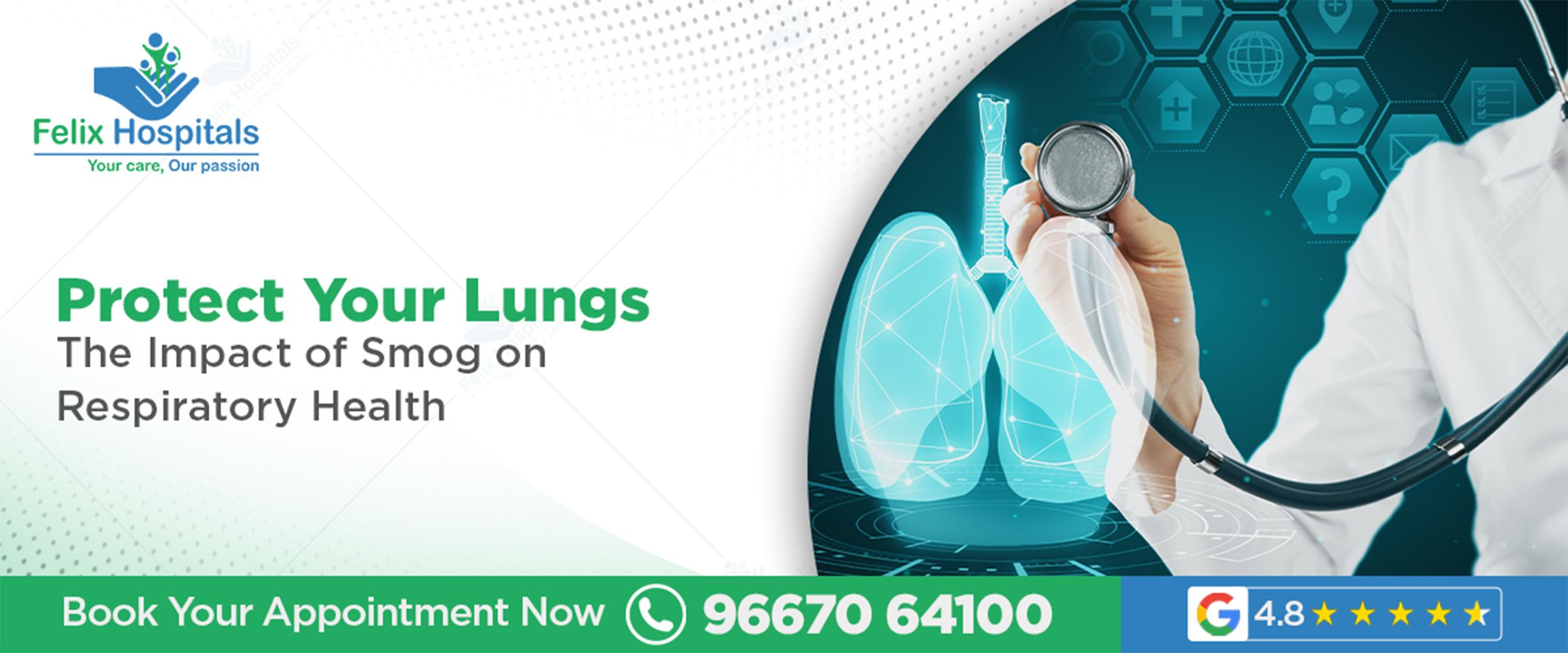
Smog has become a serious health threat in many Indian cities, especially during winter. When pollutants like dust, vehicle emissions, industrial smoke, and chemical particles mix with fog, the air becomes thick and toxic. Breathing this air puts enormous strain on the lungs and increases the risk of respiratory illnesses in both healthy people and those with pre-existing conditions.
Smog contains harmful gases such as nitrogen dioxide, sulfur dioxide, and particulate matter. These pollutants easily enter the airways and travel deep into the lungs. Over time, continuous exposure damages lung tissues, lowers immunity, and triggers breathing problems that can disrupt everyday life. Understanding how smog harms the lungs is essential for protecting long-term respiratory health.
Felix Hospital, with advanced respiratory care support, helps hundreds of patients each year manage breathing problems aggravated by pollution and smog.
Smog contains extremely small particles that bypass the nose and throat and settle directly in the lungs. This leads to inflammation, irritation, and narrowing of air passages. These harmful effects are linked closely to the impact of smog on lungs, especially in children, pregnant women, the elderly, and asthma patients.
Pollutants also carry toxins that weaken the natural cleaning system of the lungs. The cilia—tiny hair-like structures that clear dust—become sluggish. Over time, this allows more harmful substances to accumulate inside the respiratory tract. This explains how smog affects respiratory health, creating long-term risks.
l
Breathing polluted air daily increases the likelihood of developing many respiratory issues. People living in polluted areas often experience symptoms such as breathlessness, chest tightness, burning in the throat, and persistent coughing. These problems are strongly linked to air pollution and lung problems, which become worse during severe smog episodes.
Children are particularly vulnerable. Their lungs are still developing, and exposure to pollution can lead to lifelong respiratory issues. Adults with diabetes, heart disease, or anemia also face higher complications because smog lowers oxygen levels in the blood.
Prolonged exposure to polluted air can lead to serious diseases. Many conditions are closely associated with respiratory diseases caused by smog, including:
Chronic bronchitis
Asthma flare-ups
COPD (Chronic Obstructive Pulmonary Disease)
Lung infections
Reduced lung capacity
Airway inflammation
Pollution can also reduce the effectiveness of inhaled medications, making asthma and COPD harder to control.
One of the biggest dangers is lung damage from pollution, which happens slowly and silently. Fine particulate matter penetrates deep into the air sacs where oxygen exchange occurs. Over time, this causes:
Scarring of lung tissue
Long-term breathing problems
Reduced oxygen absorption
Increased susceptibility to infections
Smokers face an even higher risk because pollution widens existing airway damage caused by cigarettes.
Even short exposure to toxic air can cause instant breathing difficulties. Many people notice smog effects on breathing during early morning walks, outdoor exercise, or busy traffic hours. Symptoms often include:
Shortness of breath
Wheezing
Difficulty inhaling deeply
Burning sensation in the airways
These symptoms occur because smog triggers spasms in the bronchial tubes, restricting airflow.
Long-term exposure can lead to persistent and often irreversible breathing issues. These chronic respiratory issues due to smog include:
Frequent lung infections
Increased mucus production
Long-term bronchial inflammation
Reduced lung elasticity
People who already suffer from asthma, COPD, or allergies experience more frequent attacks during smog-heavy seasons.
The quality of the air we breathe plays a direct role in overall respiratory well-being. Poor air quality and lung health are strongly linked. When pollution levels rise, the immune system becomes stressed, making the lungs more vulnerable to bacteria and viruses.
Low air quality also affects heart function because reduced oxygen levels make the cardiovascular system work harder. This is why smog can worsen both respiratory and cardiac conditions in many patients.
It’s not possible to avoid pollution entirely, but you can reduce exposure. Simple daily habits can play a huge role in protecting lungs from pollution:
Avoid early morning and late-night outdoor activities
Wear N95 masks during heavy smog days
Keep windows closed when AQI is high
Use air purifiers indoors
Avoid burning incense, candles, or mosquito coils
Stay hydrated
Include antioxidant-rich foods like amla, turmeric, garlic, and berries
These steps reduce particle buildup inside the respiratory tract and support natural lung cleansing.
Felix Hospital offers pulmonary function tests, asthma management programs, and expert pulmonologists who help patients manage smog-related breathing issues. Their respiratory care team assists with inhaler techniques, allergy control, and long-term lung health monitoring.
Early evaluation ensures better protection during high-pollution seasons.
Smog is a silent but serious threat to respiratory health. It inflames the airways, reduces lung capacity, increases the risk of infections, and worsens chronic diseases. Protecting your lungs requires awareness, preventive measures, and timely medical guidance—especially during peak smog months. With careful monitoring and lifestyle changes, you can reduce the harmful effects of polluted air and support long-term lung health.
Q. 1. Why does smog make it harder to breathe?
Ans. Because tiny pollutants irritate and narrow the airways, making air movement difficult.
Q. 2. Can smog worsen asthma?
Ans. Yes, it triggers inflammation and increases asthma attacks.
Q. 3. How can I protect my lungs on high-pollution days?
Ans. Use N95 masks, stay indoors, and avoid outdoor exercise.
Q. 4. Does smog affect children more?
Ans. Yes, their developing lungs are highly sensitive to polluted air.
Q. 5. Can indoor air purifiers help during smog season?
Ans. Yes, they reduce harmful particles and improve breathing comfort.
These viruses spread primarily through respiratory droplets released into the air when an infected person sneezes or coughs.
Expert pulmonologists in Noida provide treatment and prevention tips for respiratory infections. Stay informed and healthy.
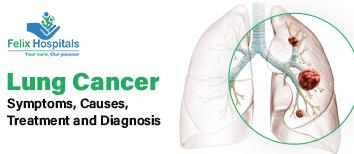
Lung cancer is a serious condition that starts in the lungs and can spread to other parts of the body.
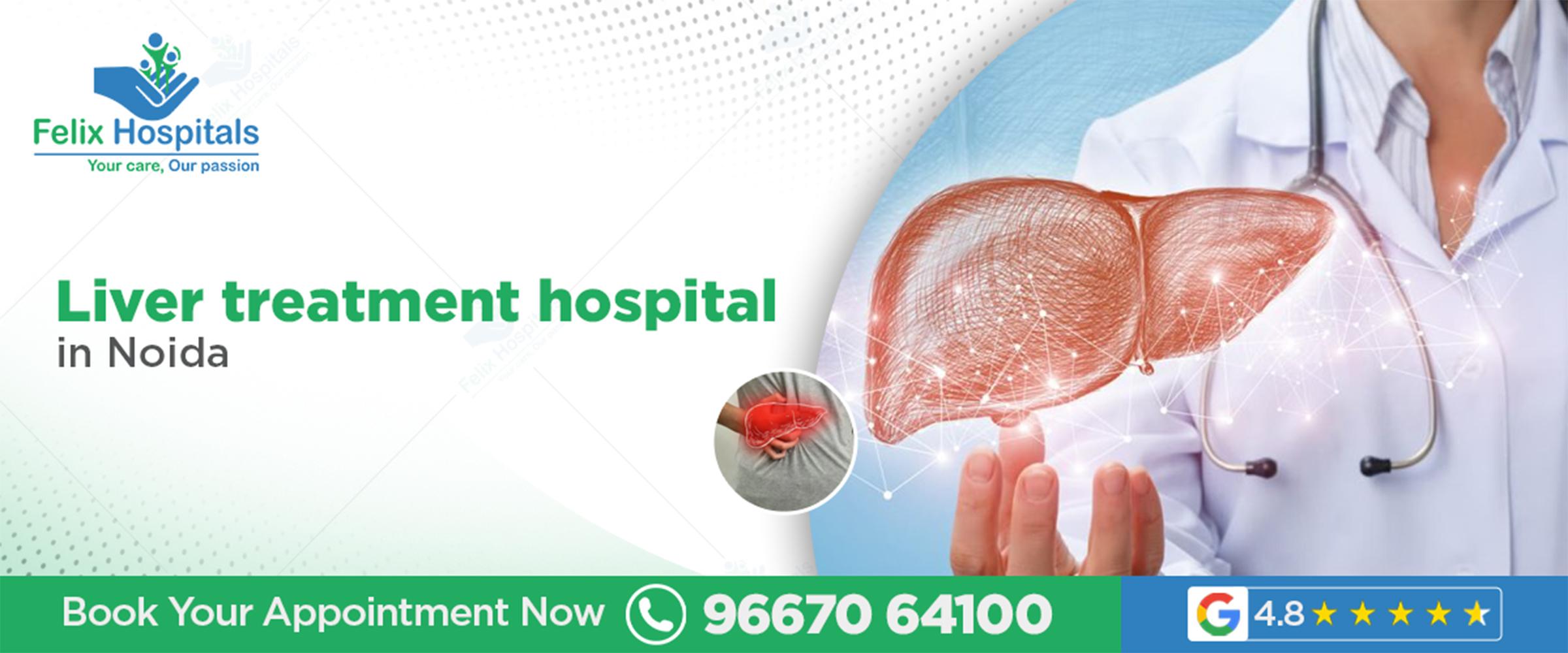
Liver health is crucial for overall well-being, as the liver plays a key role in digestion, metabolism, detoxification, and storage of essential nutrients. If you are searching for a Liver specialist in Noida, understanding common liver diseases, their symptoms, and treatment options is essential for early intervention. Consulting the Best liver hospital in Noida ensures precise diagnosis, advanced treatment, and continuous follow-up care.
For expert advice, liver disease treatment in Noida, and comprehensive management at the Best liver treatment cost in Noida, call +91 9667064100.
The liver is a vital organ responsible for over 500 metabolic functions. Its primary tasks include filtering toxins, producing bile for digestion, regulating blood clotting, and storing vitamins and minerals. Liver disorders can compromise these functions, leading to serious health issues.
Early detection and treatment at a Liver specialist in Noida can prevent complications such as liver failure, cirrhosis, and portal hypertension.
Liver diseases vary in type and severity. Some of the most common conditions include:
Inflammation of the liver caused by viral infections can lead to jaundice, fatigue, nausea, and liver damage.
Excess fat accumulation in liver cells, often linked to obesity, diabetes, or high cholesterol, can progress to non-alcoholic steatohepatitis (NASH).
Chronic liver damage from hepatitis, alcohol, or other factors leads to scar tissue formation, impairing liver function.
Primary liver cancer (hepatocellular carcinoma) can develop in patients with cirrhosis or chronic hepatitis infection.
Severe or untreated liver diseases may lead to acute or chronic liver failure, which is life-threatening.
Conditions like Wilson’s disease or hemochromatosis affect liver function due to genetic predispositions.
Recognizing liver disease symptoms early allows for timely treatment. Common signs include:
Persistent fatigue and weakness
Yellowing of skin and eyes (jaundice)
Abdominal pain and swelling
Dark urine or pale stools
Nausea, vomiting, or loss of appetite
Easy bruising or bleeding
Itchy skin and swelling in the legs
If any of these symptoms persist, consulting a Liver specialist in Noida ensures proper diagnosis and care.
Accurate liver disease treatment in Noida begins with comprehensive evaluation:
The doctor checks for jaundice, liver enlargement, and abdominal tenderness.
Liver function tests, viral markers, and enzyme tests identify inflammation, infection, or damage.
Ultrasound, CT scan, or MRI helps visualize liver structure and detect abnormalities such as tumors or fatty deposits.
Assess liver fibrosis and cirrhosis, crucial for planning treatment.
Used to evaluate esophageal varices caused by portal hypertension in advanced liver disease.
Early and precise diagnosis at the Best liver hospital in Noida is essential for effective treatment.
The Liver specialist in Noida tailors treatment plans based on disease type and severity. Common approaches include:
Antiviral drugs for hepatitis
Medications to reduce inflammation or manage fatty liver
Drugs to control complications like portal hypertension or ascites
Limiting alcohol consumption
Adopting a balanced diet low in saturated fats and sugars
Maintaining healthy weight and regular exercise
Endoscopic treatment for varices
Radiofrequency ablation or chemoembolization for liver tumors
Liver resection for localized tumors
Liver transplantation for end-stage liver disease or acute liver failure
Patients require ongoing monitoring for liver function, disease progression, and post-treatment care.
Preventing liver disease is always better than treatment. Recommended practices include:
Getting vaccinated against hepatitis A and B
Avoiding excessive alcohol consumption
Maintaining a healthy diet and weight
Regular check-ups for liver function, especially in high-risk individuals
Safe practices to avoid viral infections, such as safe sex and hygienic procedures
Take medications as prescribed
Follow dietary and lifestyle guidance strictly
Attend regular follow-ups with your Liver specialist in Noida
Monitor symptoms and report changes promptly
Avoid self-medication or over-the-counter drugs that may harm the liver
With proper care, patients can live full, active lives even with chronic liver conditions.
Visiting the Best liver hospital in Noida provides access to:
Experienced hepatologists and gastroenterologists
State-of-the-art diagnostic facilities
Advanced medical and surgical treatment options
Coordinated care for comprehensive liver management
Personalized diet and lifestyle counseling
Such specialized centers ensure that every patient receives the best possible liver disease treatment in Noida.
Liver disorders can range from mild to life-threatening conditions, making timely diagnosis and intervention crucial. Consulting a Liver specialist in Noida at the Best liver hospital in Noida ensures early detection, proper management, and expert guidance for a healthier life.
For professional evaluation, advanced treatment options, and expert post-treatment care, call +91 9667064100 to schedule a consultation today. Protect your liver health before minor issues escalate into serious conditions.
Q.1. How do I know if I have a liver problem?
Ans. Persistent fatigue, jaundice, abdominal swelling, and digestive issues are key indicators.
Q. 2. Can liver diseases be reversed?
Ans. Certain conditions like fatty liver can improve with lifestyle changes; chronic damage may require medical or surgical intervention.
Q. 3. What is the role of diet in liver health?
Ans. A balanced, low-fat, low-sugar diet supports liver function and prevents disease progression.
Q. 4. When should I see a liver specialist?
Ans. Any prolonged jaundice, abdominal pain, or abnormal liver tests warrants immediate consultation.
Q. 5. Is liver transplantation available in Noida?
Ans. Yes, the Best liver hospital in Noida provides advanced transplantation and post-surgical care.
Understand how fatty liver develops, its key stages, and the steps needed for recovery. Early diagnosis and expert treatment can help reverse damage and restore liver function.


Subscribe to our
© Copyright 2026. All Rights Reserved by Felix Healthcare Private Limited
Design and development by :


 +(91)9667064100
 Emergency : +(91)9667064100