 WhatsApp
 Emergency:
  WhatsApp










Subscribe to our

HIPEC surgery has emerged as an advanced treatment option for selected abdominal cancers that spread within the abdominal cavity. HIPEC (Hyperthermic Intraperitoneal Chemotherapy) combines surgery and heated chemotherapy to target cancer cells directly at their source. When performed at the right stage and in suitable patients, it can significantly improve outcomes and quality of life.
This guide explains the HIPEC procedure, its benefits, eligibility, recovery, and why choosing experienced specialists and facilities in Noida is critical for safe and effective care.
To consult a best gastroenterologist in Noida or stomach ulcer specialist in Noida, book your appointment now. Call +91 9667064100
HIPEC is a two-step cancer treatment:
Cytoreductive surgery – removal of visible tumors from the abdominal cavity
Heated chemotherapy – circulation of warmed chemotherapy drugs inside the abdomen to kill remaining microscopic cancer cells
Unlike conventional chemotherapy, HIPEC delivers medication directly to affected areas, reducing systemic side effects and improving local cancer control.
HIPEC is recommended for select cancers that spread within the abdominal lining (peritoneum), including:
Appendiceal cancer
Colorectal cancer with peritoneal spread
Ovarian cancer (selected cases)
Peritoneal mesothelioma
Certain gastric cancers
Patient selection is critical, and treatment planning involves a multidisciplinary oncology team.
Before major abdominal procedures, overall digestive health is carefully evaluated. Conditions such as ulcers must be identified and treated appropriately.
Causes and symptoms of digestive ulcers include:
H. pylori infection
Long-term use of painkillers
Excess stomach acid
Stress-related gastric injury
Burning stomach pain
Bloating
Nausea
Loss of appetite
Black stools or vomiting blood in severe cases
Proper evaluation is essential before major GI interventions.
Endoscopy for ulcer diagnosis is a key diagnostic tool used to:
Visualize stomach and duodenal lining
Identify ulcers, inflammation, or bleeding
Take biopsy samples if required
Endoscopy ensures that conditions such as ulcers are stabilised before undergoing complex surgeries like HIPEC.
Peptic ulcer diagnosis and treatment is important in patients undergoing abdominal cancer surgery.
Treatment may include:
Acid-suppressing medications
Antibiotics for H. pylori
Dietary modification
Avoidance of NSAIDs
Managing ulcers reduces surgical risk and improves post-operative recovery.
Patients undergo:
Imaging studies (CT, MRI)
Blood tests
Endoscopy if indicated
Fitness assessment
Consultation with a best gastroenterologist in Noida and oncology specialists ensures complete digestive evaluation.
The surgeon removes visible tumors from the abdomen. This step is crucial for HIPEC success.
Chemotherapy is heated to around 41–43°C
Circulated inside the abdominal cavity for 60–90 minutes
Heat enhances drug penetration and cancer cell destruction
After chemotherapy circulation, the solution is removed, and the incision is closed.
HIPEC offers several advantages over conventional chemotherapy:
Direct targeting of cancer cells
Reduced systemic toxicity
Improved survival in selected patients
Better local disease control
Enhanced quality of life
When performed in experienced centres, outcomes are significantly improved.
Recovery varies depending on disease extent and patient health.
Typical recovery includes:
ICU monitoring initially
Hospital stay of 7–14 days
Gradual return to normal diet
Pain management and physiotherapy
Regular follow-ups
Managing digestive health, including gastric and duodenal ulcer treatment, supports smoother recovery.
Post-surgery digestive health is closely monitored. Patients with a history of ulcers may require:
Continued acid-control therapy
Dietary guidance
Regular follow-up with a stomach ulcer specialist in Noida
This integrated approach reduces complications and supports long-term healing.
The cost of advanced cancer treatment varies based on complexity, hospital stay, and chemotherapy drugs used. Many hospitals now focus on affordable ulcer treatment cost in Noida and structured care pathways to reduce financial burden during prolonged cancer treatment.
Transparent counselling and treatment planning help families prepare better.
HIPEC is a highly specialized procedure that requires:
Experienced surgical oncologists
Advanced ICU and anesthesia support
Multidisciplinary care teams
Expert gastroenterology support
Comprehensive post-operative care
Selecting the right centre ensures safety, precision, and better outcomes.
For expert consultation regarding HIPEC surgery in Noida and complete digestive evaluation, speak with a specialist today. Call +91 9667064100
HIPEC surgery represents a major advancement in treating select abdominal cancers. When combined with expert surgical care, proper gastrointestinal evaluation, and structured recovery planning, it offers renewed hope to patients facing complex cancer diagnoses. Early evaluation, ulcer management, and choosing a specialized oncologist in Noida play a vital role in achieving successful outcomes.
Q.1 Is HIPEC surgery suitable for all abdominal cancers?
Ans. No, it is recommended only for selected cancers after detailed evaluation.
Q.2 Does HIPEC replace regular chemotherapy?
Ans. HIPEC complements surgery and may reduce the need for prolonged systemic chemotherapy.
Q.3 Can ulcers delay HIPEC surgery?
Ans. Yes, active ulcers must be treated before major abdominal procedures.
Q.4 Is recovery from HIPEC surgery painful?
Ans. Pain is managed effectively with modern pain-control protocols.
Q.5 How long does it take to resume normal activities after HIPEC?
Ans. Most patients take several weeks to months, depending on overall health.
Stomach ulcers are painful sores in the stomach lining caused by infection, stress, or certain medications. Learn what triggers them and how to find effective relief.
Find effective and affordable stomach ulcer treatments in Noida. Expert gastroenterologists offer advanced care, quick diagnosis, and long-lasting relief from pain and discomfort.
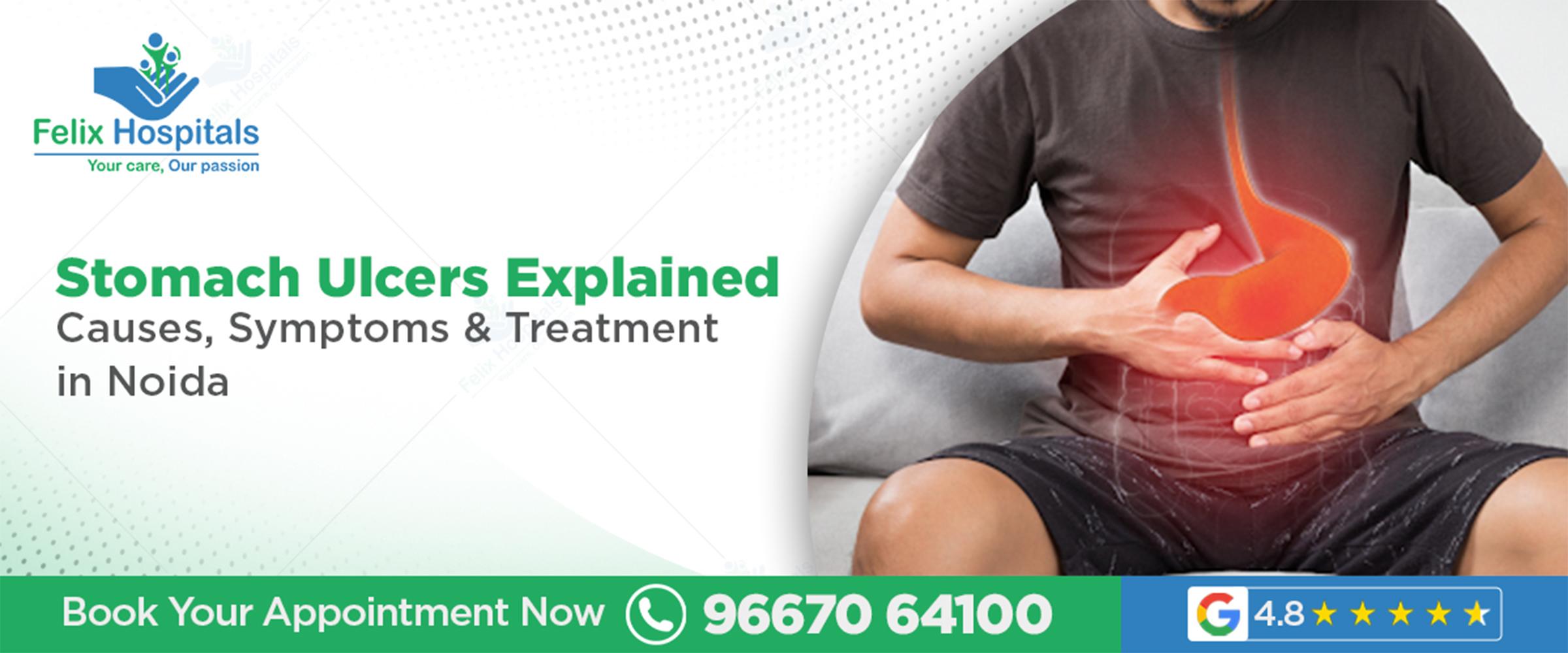
Stomach ulcers are open sores that form on the inner lining of your stomach or upper small intestine. They can cause burning pain, digestive discomfort, and in severe cases, internal bleeding. Understanding what leads to these ulcers and how they progress is important because many people ignore early signs until symptoms worsen. The condition is quite common and affects adults across all age groups, especially those dealing with stress, irregular meals, or long-term medication usage. If left untreated, ulcers can expand and damage deeper layers of the stomach lining, turning a manageable issue into a serious complication. Modern peptic ulcer disease treatment in Noida now offers advanced diagnostic and therapeutic options, allowing patients to recover faster with minimal discomfort.
Severe abdominal burning or unexplained nausea? Speak to a specialist today Call +91 9667064100 for immediate support.
Stomach ulcers develop when the protective mucus barrier inside the stomach becomes weakened. This exposes the underlying tissues to strong digestive acids, causing irritation and eventual sore formation. Many patients first notice mild indigestion, assuming it is just acidity, but the problem may be deeper. Most early cases are linked to causes of stomach ulcers such as bacterial infections, chronic medication use, or lifestyle habits. If treatment is delayed, ulcers can enlarge, bleed, or even lead to perforation, which is a medical emergency. Early diagnosis is the best way to prevent long-term damage.
One of the primary factors behind ulcer formation is an infection called Helicobacter pylori (H. pylori), a bacteria that weakens the stomach's natural protective lining. However, many patients also develop ulcers due to long-term painkiller use, particularly NSAIDs like ibuprofen or aspirin. These medications reduce the stomach’s ability to produce protective mucus, increasing irritation. Stress, smoking, and alcohol consumption further elevate the risk as they stimulate extra acid production. Understanding symptoms of stomach ulcers that begin at the early stage helps doctors quickly identify these damage-causing triggers. Without proper medical care, even small ulcers may worsen over time.
Stomach ulcers often start with a burning sensation in the upper abdomen, usually occurring between meals or during the night when the stomach is empty. Some patients experience bloating, nausea, or early fullness even after eating small meals. Others report heartburn-like discomfort that does not improve with regular antacids. In advanced cases, ulcers may cause vomiting, dark stools, or fatigue due to slow internal bleeding. Recognizing early signs of stomach ulcers is important because the longer the stomach lining stays irritated, the deeper the ulcer can grow. If the pain becomes persistent or severe, immediate medical intervention is necessary.
Certain factors significantly increase the chance of developing stomach ulcers, especially in people with busy routines or irregular eating patterns. Smoking slows the healing of damaged tissues and promotes ulcer recurrence. Heavy alcohol intake not only irritates the stomach lining but also increases acid production. Chronic stress influences hormone levels, which may worsen inflammation. Many patients unknowingly worsen their condition with frequent consumption of spicy foods, skipping meals, or taking painkillers without medical guidance. It is essential to understand that causes of stomach ulcers combined with these risk factors can put long-term digestive health at risk.
To confirm the presence of ulcers, doctors often begin with a detailed medical history followed by basic tests to check for blood loss or infection. In most cases, an endoscopy is recommended because it allows specialists to directly view the ulcer, assess its depth, and check for complications. Imaging tests or breath tests may also be used to detect H. pylori infection. Identifying symptoms of stomach ulcers early during diagnosis ensures the correct treatment plan is started without delay. Endoscopy-guided evaluation remains the gold standard for understanding the exact condition of the stomach lining.
Treatment depends on the size of the ulcer, severity of symptoms, and presence of infection. For H. pylori-positive patients, a combination of antibiotics and acid-reducing medicines is prescribed to eliminate bacteria and promote healing. Patients with medication-induced ulcers are advised to discontinue painkillers under a doctor's guidance. Acid suppression therapy helps protect the ulcer as it heals, reducing irritation from digestive enzymes. Modern peptic ulcer disease treatment in Noida also includes lifestyle counselling to minimize recurrence. Most ulcers heal within a few weeks when treatment is followed correctly, but ignoring symptoms can delay recovery.
A balanced diet helps reduce acid production and soothe the irritated stomach lining. Patients are encouraged to eat small, frequent meals and avoid long gaps between eating. Foods like curd, bananas, cooked vegetables, oats, and soups help calm acidity. Avoiding oily, spicy, and highly processed foods is important during the healing phase. Smoking cessation is crucial because tobacco slows down tissue repair. Reducing caffeine and alcohol intake also speeds recovery. When early signs of stomach ulcers are properly managed with dietary changes, the overall treatment becomes more effective and long-lasting.
Untreated ulcers can lead to bleeding, perforation, or blockage in the digestive tract. Bleeding ulcers may cause weakness, dizziness, or dark stools, which require urgent medical attention. Another complication is gastric outlet obstruction, where swelling blocks food from passing normally, causing vomiting and severe discomfort. Chronic inflammation may also increase the long-term risk of stomach-related diseases. Many patients misinterpret symptoms as normal acidity, delaying treatment. Understanding the dangerous outcomes linked to causes of stomach ulcers is essential so individuals do not underestimate their condition.
Persistent pain or black stools? Don’t wait — Call +91 9667064100 to consult a gastro expert before it becomes serious.
Felix Hospital offers advanced diagnostic options, endoscopy facilities, and personalized care plans for ulcer patients. With experienced gastroenterologists and modern equipment, the hospital ensures accurate evaluation and safe, effective treatment. From identifying triggers to restoring digestive health, patients receive comprehensive guidance tailored to their needs.
Stomach ulcers are treatable when diagnosed early, but delaying care can lead to serious health problems. Understanding how ulcers form, recognizing early symptoms, and seeking timely treatment ensures better outcomes. With advanced options for peptic ulcer disease treatment in Noida, patients can recover faster and prevent recurrence. Whether symptoms are mild or persistent, it is always safer to consult a specialist before complications arise. Felix Hospital provides patient-focused care and expert evaluation, helping individuals regain comfort and digestive health.
Q. 1. Can stomach ulcers heal on their own?
Ans. Some small ulcers may improve temporarily, but complete healing usually requires proper medical treatment.
Q. 2. Does every ulcer cause pain?
Ans. No, some ulcers remain silent until complications occur, which is why timely evaluation is important.
Q. 3. Can stress alone cause ulcers?
Ans. Stress doesn’t directly cause ulcers but can worsen symptoms and delay healing.
Q. 4. How long does ulcer treatment usually take?
Ans. Most patients improve within 2–6 weeks with consistent medication and lifestyle changes.
Q. 5. When should I see a doctor immediately?
Ans. If you notice vomiting, black stools, dizziness, or severe abdominal pain, seek urgent care.
Stomach ulcers are painful sores in the stomach lining caused by infection, stress, or certain medications. Learn what triggers them and how to find effective relief.
Find effective and affordable stomach ulcer treatments in Noida. Expert gastroenterologists offer advanced care, quick diagnosis, and long-lasting relief from pain and discomfort.

Heart diseases remain one of the leading causes of illness and death in India. What makes heart-related conditions especially dangerous is that they often progress silently, showing no clear symptoms until a serious event such as a heart attack occurs. This is why understanding why regular heart checkups matter is essential for people of all age groups, especially those living fast-paced urban lifestyles like in Noida.
Regular cardiac screening helps identify risk factors early, allowing timely intervention and lifestyle correction before irreversible damage occurs. A proactive approach to heart health can significantly reduce long-term complications and improve overall quality of life.
To schedule a comprehensive heart checkup in Noida, call +91 9667064100 today.
The heart works continuously to pump oxygen-rich blood throughout the body. Even minor disruptions in its function can impact vital organs such as the brain, kidneys, and lungs. The importance of regular heart checkups lies in detecting underlying problems such as high blood pressure, cholesterol imbalance, or early artery blockage before they become life-threatening.
Many heart conditions do not cause pain or discomfort in the early stages, making routine evaluation the only reliable way to stay informed about your heart’s condition.
A common misconception is that heart tests are needed only when symptoms appear. In reality, why heart screening is important is because conditions like hypertension, diabetes-related heart damage, and cholesterol buildup often progress silently.
This approach shifts heart care from reactive to preventive.
While everyone benefits from routine screening, certain individuals should be extra cautious:
For these groups, heart checkup importance is even higher, as early intervention can significantly reduce future complications.
A standard cardiac evaluation may involve:
These tests together provide a comprehensive overview of heart structure, rhythm, and blood flow, allowing doctors to identify potential issues early.
The benefits of routine heart checkups extend far beyond disease detection. Regular assessments help patients:
Preventive care is always more effective and less burdensome than managing advanced heart disease.
Modern lifestyles often include long working hours, physical inactivity, unhealthy diets, and chronic stress—all major contributors to heart disease. Regular checkups help track how these factors affect your heart over time.
Doctors can provide personalized advice on diet, exercise, stress management, and sleep patterns based on checkup results, ensuring long-term cardiovascular protection.
Many cardiac emergencies occur because warning signs were ignored or never detected. Routine evaluations can identify narrowing of arteries, rhythm abnormalities, or early heart muscle weakness.
Choosing a timely heart checkup Hospital in Noida allows individuals to take control of their health and avoid sudden medical emergencies that could otherwise be prevented.
Heart checkups are not only for the elderly. Younger adults may develop heart risk factors due to sedentary habits, stress, and dietary patterns. Regular screening helps track these risks early.
For older adults, routine evaluations help monitor existing conditions and prevent disease progression. At every stage of life, preventive heart care plays a vital role.
Selecting the right screening plan is important. A best heart checkup package in Noida typically includes essential tests tailored to age, medical history, and risk factors.
Comprehensive packages ensure nothing important is missed and provide a clear health roadmap for the future.
Many people delay heart checkups due to fear, lack of time, or underestimating risk. However, most cardiac tests are painless, quick, and non-invasive.
Early testing often brings reassurance rather than anxiety, helping individuals live confidently while taking preventive action.
For guidance on choosing the best heart checkup package in Noida, call +91 9667064100 and speak with a cardiac care expert.
Understanding why regular heart checkups matter is the first step toward lifelong heart health. Regular screening helps detect problems early, guides lifestyle improvements, and prevents serious complications. In today’s fast-moving world, taking time for heart care is not a luxury—it is a necessity.
Apke dil ki suraksha ke liye, regular heart checkups ensure peace of mind, better health, and a longer, more active life. Don’t wait for symptoms—act early and protect your heart.
Q. 1. How often should I get a heart checkup?
Ans. Once a year is recommended for adults, or as advised by a doctor based on risk factors.
Q. 2. Are heart checkups painful?
Ans. No, most tests are painless and non-invasive.
Q. 3. Can young people have heart problems?
Ans. Yes, lifestyle and genetic factors can affect heart health even at a young age.
Q. 4. Do I need a heart checkup if I feel healthy?
Ans. Yes, many heart conditions develop without symptoms.
Q. 5. What is the benefit of a complete heart checkup package?
Ans. It provides a comprehensive assessment and helps detect hidden risks early.

Find the best cardiologist for your heart care with these essential tips and expert advice.

However, stress, sedentary lifestyle, chronic diseases such as diabetes and hypertension, and genetic factors place young individuals at risk of heart attack.

Chest pain, breathlessness, fast heartbeat, dizziness, or sudden fatigue are warning signs—see a cardiologist immediately.
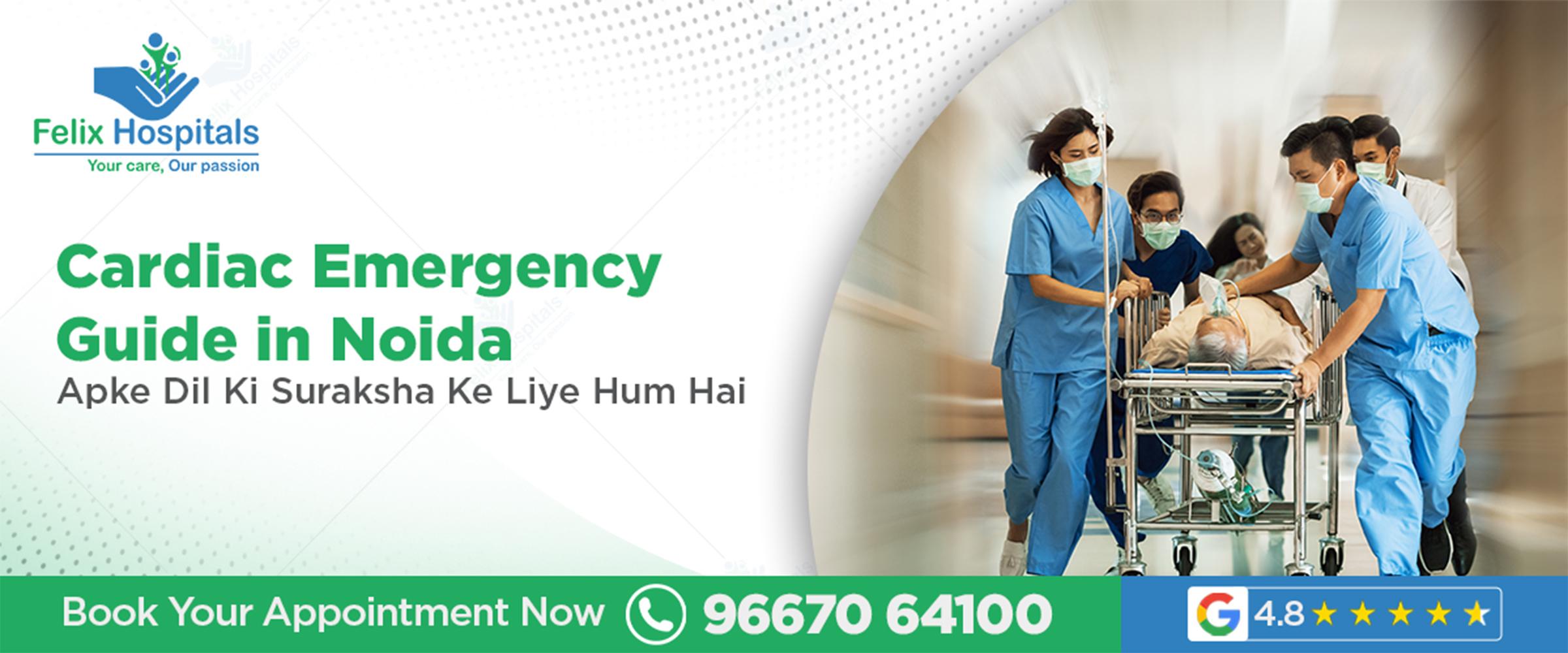
Cardiac emergencies are sudden, life-threatening conditions that demand immediate medical attention. A delay of even a few minutes can significantly impact survival and long-term heart function. In fast-growing urban areas like Noida, rising stress levels, sedentary lifestyles, and chronic health conditions have increased the incidence of sudden heart-related emergencies. This makes awareness and preparedness extremely important.
Having access to a reliable cardiac emergency hospital guide in Noida empowers individuals and families to act quickly, recognize warning signs, and seek appropriate care without panic. Knowing what to do in the first few critical moments can save lives.
In case of chest pain or suspected cardiac emergency, call +91 9667064100 immediately for urgent cardiac care in Noida.
A cardiac emergency refers to any sudden condition affecting the heart that disrupts its ability to pump blood effectively. A cardiac emergency Noida scenario may include heart attack, sudden cardiac arrest, severe arrhythmias, acute heart failure, or dangerously high blood pressure.
These conditions often develop rapidly and may occur even in people with no prior history of heart disease, making preparedness crucial for everyone.
Understanding different cardiac emergencies helps in quicker recognition and response:
Heart attack (myocardial infarction)
Sudden cardiac arrest
Life-threatening arrhythmias
Acute heart failure
Hypertensive crisis
Each of these conditions requires immediate evaluation at a heart emergency hospital in Noida with advanced cardiac care facilities.
Recognizing early symptoms can prevent severe damage or death. Common warning signs include:
Chest pain, pressure, or heaviness
Pain radiating to left arm, jaw, back, or neck
Sudden shortness of breath
Profuse sweating without exertion
Nausea, dizziness, or fainting
Unexplained anxiety or restlessness
In women, elderly patients, and diabetics, symptoms may be subtle, such as unusual fatigue or indigestion-like discomfort.
A heart attack emergency in Noida occurs when blood flow to the heart muscle is suddenly blocked, usually due to a clot in a coronary artery. The longer the blockage persists, the greater the damage to heart muscle.
The concept of “golden hour” is critical—treatment within the first hour significantly improves survival and recovery. Immediate transfer to a hospital offering cardiac emergency treatment in Noida is essential.
If you suspect a cardiac emergency:
Call emergency medical services immediately
Do not allow the patient to walk or exert themselves
Loosen tight clothing and keep the person calm
If conscious, help them sit or lie down comfortably
If unconscious and trained, begin CPR
Avoid home remedies or delays—professional cardiology emergency care Noida is the only safe option.
An emergency cardiologist in Noida plays a crucial role in rapid diagnosis and decision-making. These specialists are trained to interpret ECGs, manage cardiac drugs, perform emergency angiography, and initiate life-saving procedures such as angioplasty or pacing.
Their expertise ensures that treatment begins within minutes of hospital arrival, which is often the difference between survival and permanent heart damage.
A well-equipped heart emergency center must have:
24/7 emergency cardiac team
Advanced cardiac ICU
Immediate ECG and imaging
Cath lab for emergency angioplasty
Round-the-clock pharmacy and blood bank
Choosing a hospital prepared for cardiology emergency care Noida ensures uninterrupted treatment from diagnosis to recovery.
Certain individuals are more prone to cardiac emergencies:
Patients with diabetes or high blood pressure
Smokers and tobacco users
People with high cholesterol
Those with obesity or sedentary lifestyle
Individuals with family history of heart disease
For these groups, early recognition and access to a heart emergency hospital in Noida can be life-saving.
Surviving a cardiac emergency is only the first step. Post-emergency care includes:
Continuous heart monitoring
Medication management
Cardiac rehabilitation programs
Lifestyle modifications
Regular follow-up with cardiologists
Structured rehabilitation improves heart function, reduces recurrence risk, and enhances quality of life.
While not all emergencies can be prevented, risk can be reduced by:
Regular heart checkups
Managing blood pressure and sugar levels
Maintaining a heart-healthy diet
Avoiding smoking and excessive alcohol
Managing stress effectively
Preventive care reduces the likelihood of sudden cardiac emergency treatment in Noida situations.
With increasing work pressure, pollution, and lifestyle diseases, cardiac emergencies are no longer limited to older adults. Awareness, timely action, and knowing where to go during emergencies are essential for urban populations.
Having a clear plan and trusted medical support ensures that help is available when every second counts.
For immediate access to an emergency cardiologist in Noida or guidance during a heart emergency, call +91 9667064100 now.
Cardiac emergencies are unpredictable, but being informed and prepared can save lives. Recognizing symptoms early, acting without delay, and reaching the right medical facility are the cornerstones of survival. A reliable cardiac emergency guide in Noida helps individuals respond confidently during critical moments.
Apke dil ki suraksha ke liye hum hai—because when it comes to heart emergencies, fast action and expert care make all the difference.
Q. 1. How do I know if chest pain is a heart emergency?
Ans. Any sudden, severe, or persistent chest pain should be treated as an emergency.
Q. 2. Can young people have cardiac emergencies?
Ans. Yes, stress, smoking, and lifestyle factors increase risk even in younger adults.
Q. 3. What is the fastest treatment for a heart attack?
Ans. Immediate hospital care with clot-opening treatment or angioplasty.
Q. 4. Should I drive myself to the hospital during chest pain?
Ans. No, always use emergency services to ensure safe and rapid care.
Q. 5. Can cardiac emergencies be prevented completely?
Ans. Not entirely, but regular checkups and healthy habits reduce risk significantly.
Find the best cardiologist for your heart care with these essential tips and expert advice.
However, stress, sedentary lifestyle, chronic diseases such as diabetes and hypertension, and genetic factors place young individuals at risk of heart attack.
Chest pain, breathlessness, fast heartbeat, dizziness, or sudden fatigue are warning signs—see a cardiologist immediately.
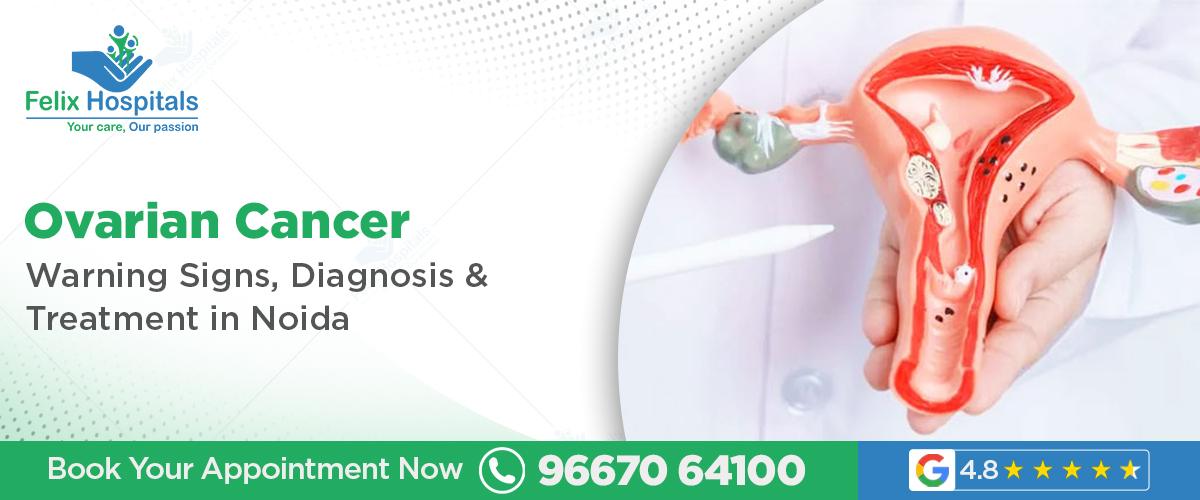
Ovarian cancer is one of the most serious gynecological cancers affecting women, often diagnosed at an advanced stage due to subtle and easily overlooked symptoms. It originates in the ovaries and can spread silently within the abdomen before noticeable signs appear. Many women and families search for answers to what are the first warning signs of ovarian cancer?, as early recognition plays a crucial role in improving treatment outcomes and survival.
If you are experiencing persistent abdominal symptoms or need expert evaluation, call +919667064100 to consult an ovarian cancer specialist in Noida. Consult ovarian cancer specialists at the Best Hospital in Noida for timely care.
Ovarian cancer occurs when abnormal cells in the ovary begin to grow uncontrollably. These cancerous cells can invade nearby tissues and spread to other parts of the body if not treated early. Access to timely care at an ovarian cancer treatment hospital in Noida ensures accurate diagnosis, staging, and a well-planned treatment approach.
The early symptoms of ovarian cancer are often vague and mistaken for common digestive or hormonal issues. Women frequently ask is bloating a sign of ovarian cancer?, and persistent bloating, especially when accompanied by discomfort or fullness, can indeed be an early indicator that requires medical evaluation.
Apart from bloating, symptoms may include pelvic pain, frequent urination, unexplained weight changes, and loss of appetite. These signs may appear gradually, which is why many patients delay seeking help. Consulting an experienced ovarian cancer specialist in Noida helps in differentiating benign conditions from serious disease.
Certain factors increase the risk of ovarian cancer, including increasing age, family history, genetic mutations such as BRCA1 and BRCA2, and hormonal factors. Understanding individual risk helps guide screening and preventive strategies under the care of an ovarian cancer doctor in Noida.
Early detection significantly improves survival rates, but diagnosing ovarian cancer at an early stage remains challenging. Many patients ask how is ovarian cancer diagnosed at early stage?, and diagnosis usually involves a combination of pelvic examination, imaging tests, blood markers like CA-125, and confirmatory biopsy.
Imaging studies such as ultrasound, CT scans, and MRI help determine the size and spread of the tumor. Blood tests and tissue sampling confirm malignancy. Comprehensive diagnostic facilities available at an ovarian cancer treatment hospital in Noida play a vital role in accurate staging.
Staging describes how far the cancer has spread within the body. Early-stage cancer is limited to the ovaries, while advanced stages involve the abdomen or distant organs. Many families want to know what is the survival rate of ovarian cancer in India?, which depends largely on the stage at diagnosis and response to treatment.
Treatment usually involves a combination of surgery and chemotherapy. The exact plan depends on cancer stage, tumor type, and overall health of the patient. Personalized treatment plans offered by an ovarian cancer specialist in Noida help improve outcomes while minimizing side effects.
Surgery is often the first step in treatment and aims to remove as much of the cancer as possible. This may involve removal of ovaries, uterus, and affected tissues. Patients often ask what is the cost of ovarian cancer surgery in Noida?, which varies based on procedure complexity and hospital facilities.
Chemotherapy is commonly recommended after surgery to eliminate remaining cancer cells. Many patients worry is chemotherapy necessary after ovarian cancer surgery?, and in most cases, it significantly reduces the risk of recurrence, especially in advanced stages.
Chemotherapy and surgery can cause side effects such as fatigue, nausea, hair loss, and emotional stress. Supportive care, nutritional guidance, and counseling provided by an ovarian cancer doctor in Noida help patients cope better during treatment.
A diagnosis of ovarian cancer can be emotionally overwhelming. Anxiety, fear, and uncertainty are common. Psychological support services, patient education, and family involvement form an essential part of care at a dedicated ovarian cancer treatment hospital in Noida.
Regular follow-up after treatment is critical to detect recurrence early. Follow-up may include physical exams, imaging, and blood tests. Long-term care ensures early intervention if cancer returns and supports overall recovery.
Adopting a healthy lifestyle with balanced nutrition, physical activity, and stress management aids recovery. Patients are encouraged to maintain regular medical follow-ups and report any new symptoms promptly to their ovarian cancer specialist in Noida.
Do not ignore persistent symptoms. For early diagnosis or advanced ovarian cancer care, call +91 9667064100 to book a consultation in Noida today.
Ovarian cancer is a serious but treatable condition when diagnosed early and managed with expert care. Awareness of warning signs, timely diagnosis, and access to specialized treatment can significantly improve survival and quality of life. With advanced facilities and experienced specialists available, patients can receive comprehensive ovarian cancer treatment hospital in Noida and move forward with confidence and hope.
Q. 1. Can ovarian cancer be detected through routine tests?
Ans. There is no single routine screening test, but imaging and blood tests help in diagnosis when symptoms appear.
Q. 2. Are ovarian cancer symptoms always severe?
Ans. No, early symptoms are often mild and easily overlooked.
Q. 3. Can younger women develop ovarian cancer?
Ans. Yes, although risk increases with age, ovarian cancer can occur in younger women.
Q. 4. Is ovarian cancer hereditary?
Ans. Some cases are linked to inherited genetic mutations, making family history important.
Q. 5. Is long-term follow-up required after treatment?
Ans. Yes, regular follow-up is essential to monitor recovery and detect recurrence early.
Can ovarian cancer be cured? Early detection plays a critical role. This article explores the chances of cure, available treatment options, survival rates, and the importance of regular screenings for timely diagnosis and improved outcomes.

Air pollution and smoke in the modern towns and in particular urban cities such as Noida pose a big danger to respiratory health. As you navigate through the challenges of polluted air, consulting a pulmonologist appointment near me or visiting a lung specialist in Noida offers access to expert advice and personalized care to safeguard your lungs. Knowing how to take care of your lungs and reduce the impact of pollution and smoke is a guarantee of positive health, quality of life, and the prevention of severe lung diseases.
Need expert guidance? Contact the Call on: +919667064100 lung specialist in Noida today for personalized care.
Air pollution is made of small particles and poisonous gases which can get deep inside the lungs causing inflammation and ultimately decreasing the lung capacity. Such pollutants are caused by vehicle emissions, industrial emissions, construction dust, building firecrackers, agricultural burning of crops among others. Fires (wildfires, domestic or tobacco smoke) are also a source of smoke containing toxic substances that are damaging to the lungs.
Chronic respiratory disorders, including asthma exacerbation and chronic obstructive pulmonary disease (COPD) as well as increased vulnerability to lung and respiratory infections can be a result of repeated or prolonged exposure. The risk of lung cancer is associated with air pollution even in non-smokers, showing a tragedy of the long-term effects of uncontrolled exposure.
To protect lungs from air pollution, it is vital to take practical and consistent protective measures:
Reduce outside time in times of high pollution: Monitor the levels of air quality in your area and do not spend much time out of your house, particularly during rush hours or high smog.
Install air purifiers in the home: A home purifier that has a HEPA filter can significantly improve indoor air quality by capturing particulate matter.
Close doors and windows when the pollution peaks, this will help to minimize the entry of outdoor pollution in the house.
Use protective masks: N95 or N99 masks can filter small particles and are to be used outdoors in times when the pollution becomes worse.
Keep the house clean: Smoking indoors should be avoided, incense or aerosol use should be kept at a minimum, and dust and allergens should be cleaned.
These measures will reduce pollution of the lungs and the overall damage in the long run.
Smoke exposure similarly affects lung health, making preventive measures vital to prevent respiratory issues from smoke:
Remain in the house and keep off open fires or burning around the house.
Filter indoor air with high-quality ventilation systems and air conditioning.
Do not go to places close to burning crops or wildfires; find cleaner places to stay in case the air is heavy with smoke.
Stay hydrated
Smoke awareness keeps the lungs strong and limits the airway flare-ups.
Respiratory health during pollution depends on awareness and lifestyle adaptations. Development of indoor air quality, proper scheduling of outdoor activities and taking prescribed medications on chronic lung diseases are some of the preventive factors.
As an illustration, asthmatics or COPD sufferers should pay attention to air quality warnings and change their exposure and medication according to the healthcare guidelines.
Children are particularly vulnerable; their lungs, still in development, are more sensitive to children and air pollution risks. They have an increased rate of breathing and their volume of air intake is higher as compared to their body weight and this puts them at greater doses of pollutants. This puts risks of asthma, bronchiolitis and lower lung development.
The parents are not to play outside when the level of pollution is at its highest point, they are to use indoor cleaners, and they are to address the pediatricians with the issue of resolving any symptoms connected with the pollution in the respiratory system.
Older adults often have reduced respiratory function and existing chronic illnesses, making elderly lung protection from smoke crucial. Reduced outdoor activities on polluted days or days with heavy traffic, medication management, and air quality monitoring at home will reduce the risk of developing complications like worsened COPD or heart stress.
Frequent consultations with a lung doctor in Noida will assist with monitoring ongoing changes in the lung health of the elderly and adjusting their care plans.
The continuous exposure to contaminated air predisposes to mutation and consequently the occurrence of cancers, not to mention lung cancer, even among non-smokers. Pollutants contained in small-scale particulate matter have the potential to destroy lung cells and DNA, increasing the risk of cancer in the long term.
The prevention of lung cancer is based on exposure reduction, cessation of smoking, and frequent preventive medical treatment including screening by a lung specialist in Noida.
Health behaviors are very important in the preservation of lung health:
Eat well with high levels of antioxidants to overcome oxidative stress caused by pollution.
Take plenty of fluids to ensure the mucous membranes of the lungs are moist and help eliminate irritants.
Work out often in the house or in secure places to enhance the capacity and immunity of the lungs.
Get rid of indoor pollutants like tobacco smoke, potent odors and chemicals.
These, coupled with clean air strategies, increase resilience to pollution.
Chronic cough, difficulty in breathing, chest tightness, and wheezing are some of the symptoms that should be treated quickly. Making an appointment with a pulmonologist in my area or a lung specialist in Noida will offer a chance to receive diagnostics such as lung functionality test, a chest X-ray, and professional care to treat the effects of pollution on the lungs.
Protect your lung health—book a pulmonologist appointment near me at +91 9667064100.
The long-term respiratory health of the lungs depends on the support of them against the pollution and smoke. By adopting effective preventive strategies and seeking timely medical care through a pulmonologist appointment near me or consultation with a lung treatment hospital in Noida, you can maintain healthy lungs even in challenging environments. Prevention of lung disease is currently the future of improved life.
Q.1 What can I do best to take care of my lungs on a daily basis in regard to air pollution?
Ans. Minimum outdoor activity time during periods of high pollution, use N95 masks, and home air purifiers.
Q.2 Do smokes and pollution have a greater impact on children?
Ans. Admittedly, the young lungs of children are affected more by the pollution of respiratory issues because of the developing lung.
Q.3 Can lung cancer be attributed to air pollution?
Ans. The risk of lung cancer is even higher among non-smokers who are exposed to contaminated air over a long period.
Q. 4 What are preventive precautions that elderly individuals need to follow under polluted conditions?
Ans. Restrict outdoor activities, install air cleaners, adhere to the treatment regimen, and visit the specialist pulmonologist on a regular basis.
Q. 5 What are the things to look forward to when visiting a pulmonologist with pollution-related lung problems?
Ans. The ongoing or progressive respiratory symptoms such as cough and shortness of breath must be assessed by an expert.

Smoking doesn’t just damage your lungs—it also harms your ears, nose, and throat. Learn how tobacco use increases the risk of ENT infections, hearing loss, sinus issues, and more.

Essential tips to safeguard your lungs and overall health when air quality reaches hazardous levels.
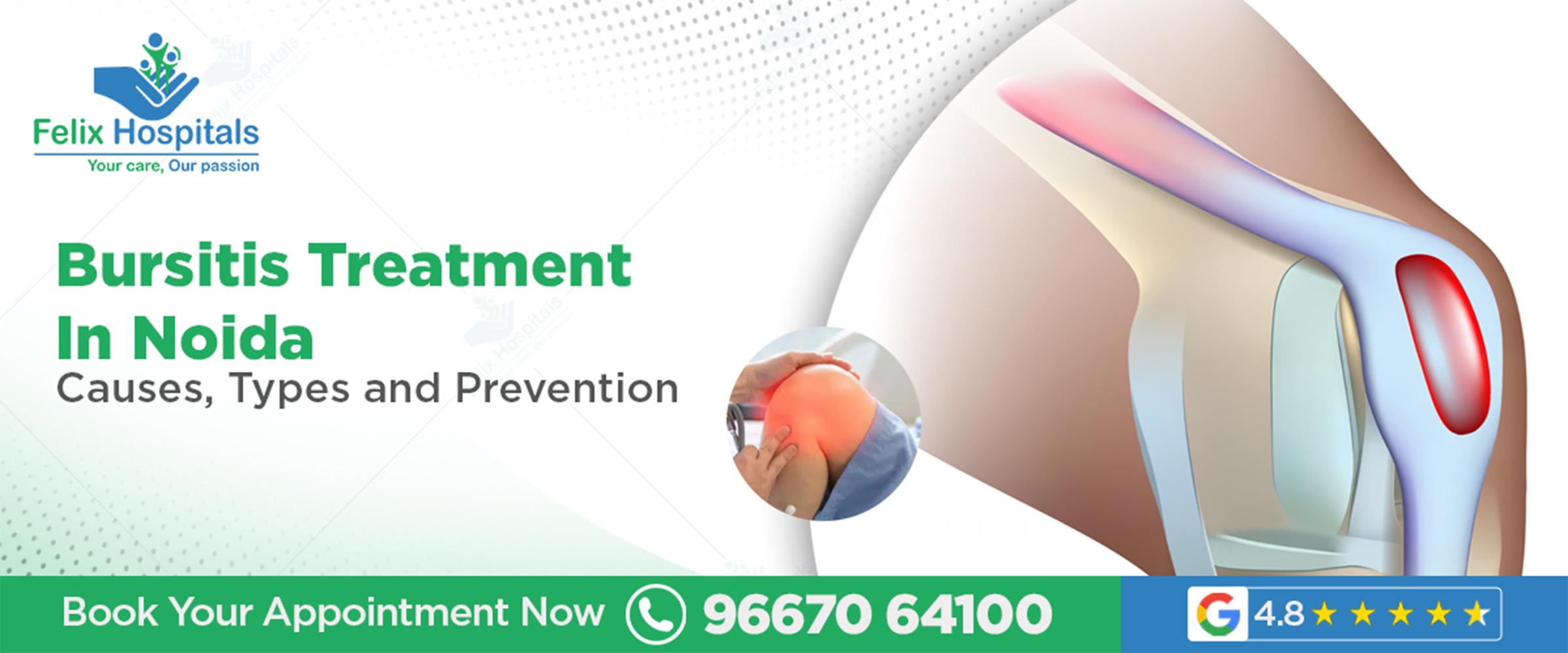
Bursitis affects the small, fluid-filled sacs called bursae that cushion the joints and help them glide smoothly during movement. When these bursae become inflamed, everyday tasks such as lifting the arm, bending the knee or even sitting for long periods may trigger discomfort or pain. Many people initially ignore the warning signs until the swelling and stiffness begin to interfere with daily life, making timely evaluation essential. Early recognition of bursitis symptoms ensures that treatment begins before inflammation becomes chronic or spreads to surrounding structures.
Suffering from joint pain or swelling? Consult for fast relief — call +91 9667064100 for specialized bursitis care in Noida.
Bursae are positioned throughout the body to reduce friction between bones, tendons and muscles. When these structures experience repeated irritation, the bursa becomes inflamed and filled with excess fluid, limiting range of motion and causing pain during movement. Sudden injuries, repetitive strain and certain medical conditions all contribute to the development of inflammation. In many cases, people overlook the early signs and unknowingly aggravate the condition further, allowing bursitis causes to build up until the pain becomes difficult to manage.
As inflammation increases, the bursa thickens and begins to press against surrounding tissues, worsening pain with movement or pressure. What begins as mild discomfort can gradually progress into more severe swelling, tenderness and difficulty performing regular tasks. Because different joints experience different mechanical loads, the condition may manifest in slightly different ways depending on the affected area. Clinically, orthopaedic teams often classify the condition based on the location and severity, helping patients understand the types of bursitis that may develop over time.
Although bursae exist in multiple joints, certain locations are particularly vulnerable due to repetitive daily use. The shoulder, elbow, hip and knee frequently show symptoms, especially in individuals involved in overhead work, long hours of kneeling or heavy lifting. Among these, shoulder pain tends to affect working adults the most, especially those with desk jobs or physically demanding tasks. When such pain persists with movement or lying on one side, doctors frequently discuss options for shoulder bursitis treatment in Noida that focus on reducing inflammation and restoring comfortable mobility.
Patients often report a deep, aching sensation around the joint that worsens with specific movements. Mild swelling, redness, local warmth and difficulty sleeping on the affected side are also early indications that the bursa is irritated. If left untreated, the inflammation may spread to nearby tissues, increasing recovery time. Understanding these patterns helps individuals take proactive steps toward care rather than ignoring or misinterpreting them. Many orthopaedic consultations begin with patients describing these early bursitis symptoms without realising the importance of timely management.
Extended periods of repetitive motion — such as long-distance walking, computer work or lifting at work — can intensify inflammation in the bursae. Individuals who maintain poor posture or fail to warm up before exercise also place extra stress on joints, leading to increased discomfort. Over time, small repeated strains accumulate, eventually causing the inflammation to worsen. People often unknowingly expose themselves to these bursitis causes, making preventive strategies just as important as treatment itself.
Certain groups are more likely to develop inflammation in their bursae, including athletes, manual laborer and older adults whose soft tissues naturally weaken over time. Patients with arthritis, diabetes or gout may also experience more frequent episodes due to underlying systemic conditions. Understanding your personal risk helps guide lifestyle changes, physiotherapy plans and early treatment. Doctors also use these risk assessments to determine the specific types of bursitis that may require more structured intervention.
A thorough physical examination remains the first step in identifying bursitis, followed by clinical imaging when needed. X-rays rule out bone issues, while ultrasound or MRI confirms inflammation, fluid accumulation or associated tendon involvement. These diagnostic tools help orthopaedic specialists distinguish between bursitis and other joint conditions like tendinitis or arthritis. Accurate imaging is especially important for guiding shoulder bursitis treatment in Noida, since surrounding structures are often simultaneously affected in the shoulder region.
Most cases can be managed through a combination of rest, ice therapy and anti-inflammatory medication. Activity modification is crucial to give the irritated bursa time to heal. Supporting the affected joint with braces or cushions also helps limit friction. Patients are encouraged to avoid high-impact movements until the swelling begins to subside. Because early management plays a major role in long-term outcome, doctors ensure that treatment specifically targets ongoing bursitis symptoms to prevent worsening or recurrence.
Physiotherapy forms the backbone of long-term recovery, especially once initial inflammation has reduced. Therapists focus on mobility exercises, strengthening surrounding muscles and correcting posture or movement patterns that place stress on the bursa. These guided exercises help restore normal joint function, reduce stiffness and improve flexibility. Misalignment, muscle weakness and repetitive strain are all treated through customised rehabilitation programs, making physiotherapy central to managing underlying bursitis causes effectively.
If pain persists despite conservative care, doctors may recommend corticosteroid injections to reduce inflammation quickly. These injections are administered under imaging guidance for precision. In severe or recurrent cases, minimally invasive procedures may be considered to remove the inflamed bursa or repair associated tissue damage. Such interventions are rarely the first choice but can provide relief when other options fail, especially for complex types of bursitis requiring targeted care.
Preventive strategies focus on reducing repetitive strain and improving joint function. This includes maintaining a healthy body weight, strengthening muscles around major joints and using proper form during exercise or daily tasks. Workplace ergonomics also play a critical role, especially for individuals with desk-bound or labour-intensive jobs. Gradually increasing activity levels helps avoid sudden stress on the bursae, particularly for patients undergoing shoulder bursitis treatment in Noida, where posture and muscle balance are essential for long-term joint health.
Ongoing pain, swelling or stiffness? Get expert evaluation now — call +91 9667064100 to consult a Bursitis Specialist in Noida.
Successful recovery often relies on coordinated care between orthopaedic doctors and physiotherapists. Patients benefit from personalised treatment plans that address both inflammation and the root cause of the condition. Felix Hospital offers comprehensive orthopaedic care, providing evaluation, imaging and rehabilitation support under one roof, helping patients manage bursitis effectively with a structured and patient-friendly approach.
Bursitis can significantly impact mobility and quality of life, but with timely diagnosis, proper treatment, and preventive strategies, most patients regain full function without long-term complications. Recognising early warning signs, adopting healthier movement patterns, and seeking expert medical advice from the Best Orthopedics in Noida are essential steps in managing this condition. Whether discomfort begins after repetitive activity or emerges suddenly, early intervention ensures faster healing. Understanding bursitis symptoms helps individuals avoid chronic inflammation and return to daily activities with improved comfort and confidence.
Q. 1. How long does bursitis usually take to heal?
Ans. Most cases improve within a few weeks, but recovery may take longer if inflammation is severe or long-standing.
Q. 2. Can bursitis return after treatment?
Ans. Yes, recurrence is possible, especially if repetitive strain or improper posture continues.
Q. 3. Does physiotherapy really help?
Ans. Physiotherapy is highly effective for restoring movement and preventing future flare-ups.
Q. 4. When should I consider an injection?
Ans. Injections are considered when pain remains significant despite rest and medication.
Q. 5. Can bursitis lead to long-term disability?
Ans. Most patients recover fully, but ignoring symptoms for too long may extend recovery time.

Understand menopause-related joint pain and find effective treatment options in Noida.
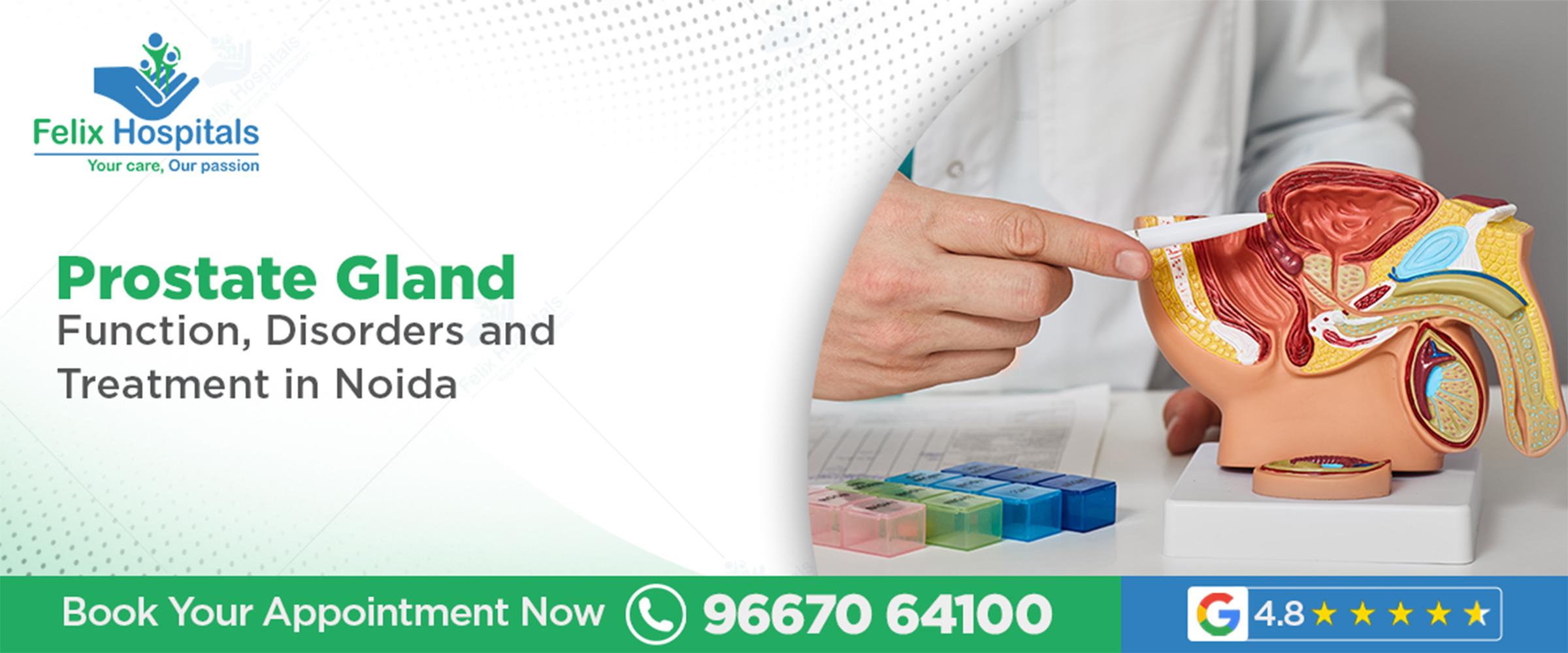
The prostate gland plays a crucial role in male reproductive health, yet many men remain unaware of its importance until symptoms appear. Prostate issues—ranging from benign enlargement to serious diseases—can significantly affect urination, sexual function, and overall well-being. Understanding the prostate gland, recognizing early warning signs, and seeking timely care from a Prostate specialist in Noida can prevent complications and ensure better treatment outcomes.
Felix Hospital provides advanced diagnostics, expert urology care, and personalized treatment for a wide range of prostate disorders.
Severe urinary difficulty or pelvic pain? Don’t ignore early prostate disease signsGet expert help at Felix Hospital – Call +91 9667064100 now.
The prostate is a small, walnut-sized gland located below the bladder and in front of the rectum. It surrounds the urethra and produces seminal fluid, which nourishes and protects sperm. Although small, it plays a vital role in male fertility and urinary function.
As men age, the prostate tends to grow, making them more prone to prostate disorders, including benign and cancerous conditions.
Understanding the prostate gland’s function helps men take early steps to maintain urological health and consult a Prostate specialist in Noida when required.
The prostate performs several essential roles:
The gland produces a significant portion of the seminal fluid that carries and nourishes sperm.
Muscles in the prostate help propel semen during ejaculation for normal sexual function.
Because it surrounds the urethra, any change in prostate size directly impacts urinary flow.
Prostate secretions contain enzymes and nutrients that increase sperm survival and fertility.
Even minor changes in the prostate gland can affect sexual and urinary health, highlighting the need for timely Prostate disease treatment in Noida.
Prostate issues become more common with age. Recognizing them early ensures simpler and more effective treatment.
This is a non-cancerous enlargement of the prostate that commonly affects older men.
Symptoms include:
Frequent urination, especially at night
Weak urine stream
Difficulty starting or stopping urination
Feeling of incomplete bladder emptying
Inflammation or infection of the prostate, which can affect men of all ages.
Symptoms include pelvic pain, painful urination, fever, and discomfort while sitting.
One of the most common cancers in men, especially after age 50. Early stages often show no symptoms, making screening essential.
Early identification of Prostate gland disorders can prevent long-term complications and ensure timely treatment.
If you experience any of these signs, consult a Prostate specialist in Noida immediately:
Difficulty urinating or weak flow
Burning sensation during urination
Blood in urine or semen
Pelvic, lower back, or groin pain
Frequent or urgent urination
Dribbling after urination
Ignoring symptoms can worsen prostate diseases, making early evaluation essential.
Several factors increase the chances of developing prostate gland problems:
1. Age
Prostate enlargement and cancer are far more common after age 50.
2. Family History
Having a father or brother with prostate cancer increases risk significantly.
3. Lifestyle Factors
Obesity, smoking, inactivity, and high-fat diets raise prostate disease risk.
4. Hormonal Changes
Fluctuations in male hormones can contribute to prostate enlargement.
5. Infections
Chronic bacterial infections can lead to prostatitis.
“Awareness of these risk factors allows men to adopt preventive steps and seek early prostate disease treatment in Noida when required. For expert consultation, call +(91) 96670 64100.”
Felix Hospital provides advanced diagnostic tools to accurately identify prostate diseases:
Helps assess prostate size, shape, and abnormalities.
Measures Prostate-Specific Antigen levels to detect inflammation, enlargement, or cancer.
Creates detailed images of the prostate gland.
Used for detecting tumors or advanced prostate abnormalities.
Confirms prostate cancer when imaging or PSA tests appear suspicious.
Accurate diagnosis ensures the most appropriate treatment plan.
Treatment depends on the condition, severity, symptoms, and patient health. Felix Hospital provides all major treatment options:
1. Medications
Used for BPH, prostatitis, and symptom management.
Includes alpha-blockers, antibiotics, and hormone-targeting drugs.
2. Minimally Invasive Therapies
Transurethral Resection of the Prostate (TURP)
Laser therapy
UroLift procedure
These help relieve urinary obstruction with faster recovery.
3. Prostate Cancer Treatment
Based on stage and age:
Surgery (Radical Prostatectomy)
Radiation therapy
Hormone therapy
Chemotherapy
Active surveillance for low-risk cases
4. Lifestyle Management
Diet changes, weight loss, increased hydration, and quitting smoking support prostate health.
Men can reduce the risk of prostate gland disorders by:
Drinking plenty of water
Eating a balanced diet rich in fruits, vegetables, and whole grains
Limiting caffeine, alcohol, and red meat
Exercising regularly
Maintaining a healthy weight
Avoiding smoking
Scheduling routine prostate check-ups after age 40
Preventive care and early diagnosis play a key role in avoiding advanced prostate diseases.
The prostate gland is essential for urinary and reproductive health, but it is also prone to age-related disorders. Recognizing early symptoms—such as difficulty urinating, pelvic pain, or weak urine flow—and seeking timely evaluation from a prostate specialist in Noida can help prevent complications and ensure better health outcomes.
Felix Hospital, recognized as the Best Urology Hospital in Noida, offers advanced diagnostics, personalized treatment plans, and highly experienced urologists to deliver comprehensive prostate care.
For reliable and expert Prostate disease treatment in Noida, contact Felix Hospital today. Call: +91 9667064100
Q1. What is the main function of the prostate gland?
A: It produces seminal fluid that nourishes and protects sperm.
Q2. What are early signs of prostate diseases?
A: Frequent urination, weak urine flow, pelvic pain, or blood in urine.
Q3. Is prostate enlargement cancer?
A: No, BPH is a benign enlargement but still needs treatment.
Q4. How is prostate cancer diagnosed?
A: Through PSA tests, DRE, imaging, and biopsy.
Q5. When should I see a prostate specialist?
A: For urinary problems, pelvic discomfort, blood in urine, or persistent pain.
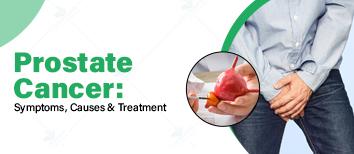
Prostate cancer is a common type of cancer in men that affects the prostate gland. Understanding its symptoms, causes, and treatment options can help in early detection and effective management.

Prostate cancer is a type of cancer that occurs in the prostate gland, a small walnut-shaped gland responsible for producing seminal fluid, which nourishes and transports sperm.

Prostate health is a critical aspect of a man’s overall well-being, and prostate surgery can play a vital role in addressing serious health concerns.

Blood cancer is a serious medical condition that affects the production and function of blood cells. Unlike solid tumors, blood cancers usually begin in the bone marrow or lymphatic system and interfere with the body’s ability to fight infections, transport oxygen, and control bleeding. With advancements in medical science and early diagnosis, blood cancer treatment outcomes have improved significantly. Patients seeking timely care from a blood cancer specialist doctor in Noida now have access to advanced diagnostic tools and personalized treatment plans.
Understanding the nature of blood cancer, its symptoms, diagnosis, and available therapies is crucial for patients and families to make informed decisions and begin treatment at the right time.
Call +91 9667064100 to book an appointment with a blood cancer specialist in Noida.
Blood cancer is a group of cancers that affect blood-forming tissues, including the bone marrow, blood cells, and lymphatic system. Normally, blood cells grow, divide, and die in an orderly manner. In blood cancer, this process becomes abnormal, leading to uncontrolled production of defective cells that crowd out healthy ones.
This abnormal cell growth disrupts essential functions such as immunity, oxygen delivery, and clotting. Early detection and treatment at experienced blood cancer treatment hospitals in Noida play a vital role in controlling disease progression and improving quality of life.
Blood cancers are broadly classified into three main categories:
Leukemia affects the bone marrow and blood, leading to the rapid production of abnormal white blood cells. These cells do not function properly and weaken the immune system.
Lymphoma originates in the lymphatic system and affects lymph nodes, spleen, and thymus. It is further classified into Hodgkin and Non-Hodgkin lymphoma.
This type affects plasma cells in the bone marrow and interferes with antibody production, increasing infection risk.
Understanding what is blood cancer and its main types helps doctors decide the most appropriate therapy approach.
Early detection significantly improves treatment success. However, symptoms can be vague and often resemble common illnesses. Common warning signs include:
Persistent fatigue and weakness
Frequent infections or slow recovery
Unexplained weight loss
Fever or night sweats
Easy bruising or bleeding
Swollen lymph nodes
Bone or joint pain
If these symptoms persist, medical evaluation is essential, especially when consulting a Best Oncologist in Noida for timely diagnosis.
Unlike solid tumors, blood cancers do not always follow traditional staging. Instead, they are classified based on:
Type of abnormal cells
Extent of bone marrow involvement
Spread to lymph nodes or organs
Genetic and molecular markers
Early-stage disease typically involves fewer abnormal cells and limited organ involvement, which often responds better to treatment.
Accurate diagnosis is critical for successful treatment planning. How is blood cancer diagnosed? Doctors usually rely on a combination of tests, including:
Complete blood count (CBC) to detect abnormal cells
Bone marrow biopsy to confirm cancer type
Immunophenotyping and cytogenetic testing
Imaging studies such as CT or PET scans
Molecular tests to assess genetic mutations
These advanced diagnostic methods available at leading oncology Hospital in Noida allow for precise classification and targeted therapy.
One of the most important concerns patients have is, “Is blood cancer curable?” The answer depends on multiple factors such as cancer type, stage, patient age, and overall health.
Many blood cancers are highly treatable, and some types—especially certain leukemias and lymphomas—can achieve long-term remission or cure with appropriate therapy. Early diagnosis and expert management by experienced oncology teams significantly improve outcomes.
Treatment is highly individualized and depends on the specific diagnosis. Modern blood cancer treatment hospitals in Noida offer a comprehensive range of therapy options:
Uses powerful drugs to destroy cancer cells or stop their growth. It remains a cornerstone of treatment for many blood cancers.
Focuses on specific genetic or molecular abnormalities in cancer cells, minimizing damage to healthy cells.
Boosts the body’s immune system to recognize and attack cancer cells more effectively.
Replaces diseased bone marrow with healthy stem cells, often used in aggressive or relapsed cases.
Used selectively to treat localized disease or relieve symptoms.
Consultation with a blood cancer specialist doctor in Noida ensures that patients receive the most suitable and up-to-date treatment approach.
The cost of blood cancer treatment in Noida varies depending on:
Type and stage of cancer
Treatment modality used
Duration of therapy
Hospital infrastructure and support services
Treatment costs may range from manageable outpatient therapies to more intensive regimens like stem cell transplantation. Many hospitals offer financial counseling and insurance assistance to support patients and families.
Survival rates have improved considerably over the last decade due to early detection, better drugs, and advanced supportive care.
Certain leukemias and lymphomas have high survival rates when diagnosed early
Pediatric blood cancers show particularly favorable outcomes
Long-term survival depends on treatment adherence and regular follow-up
Specialized care under a Best Oncologist in Noida plays a crucial role in improving survival and long-term quality of life.
Recovery does not end with treatment completion. Patients require:
Regular follow-up visits
Monitoring for relapse or side effects
Nutritional support and rehabilitation
Psychological counseling if needed
With proper medical supervision, many patients return to normal or near-normal lives after treatment.
Call +91 9667064100 to consult a specialist in Noida for timely diagnosis and expert treatment.
Blood cancer is a complex but increasingly manageable disease when diagnosed early and treated appropriately. Awareness of symptoms, understanding diagnostic pathways, and timely access to expert care are key to successful outcomes. With advanced facilities and experienced specialists, blood cancer treatment hospitals in Noida provide comprehensive care across all stages of the disease.
If you or a loved one experiences persistent symptoms or has been diagnosed with blood cancer, consulting a Best Oncologist in Noida can make a significant difference in treatment success and long-term recovery.
Q. 1. Can blood cancer be detected through a routine blood test?
Ans. Yes, abnormal blood counts often raise suspicion and lead to further diagnostic testing.
Q. 2. Is blood cancer treatment painful?
Ans. Most treatments are manageable with supportive care, and pain is effectively controlled.
Q. 3. How long does blood cancer treatment last?
Ans. Duration varies from a few months to longer-term therapy depending on cancer type.
Q. 4. Can children also develop blood cancer?
Ans. Yes, blood cancer is one of the most common cancers in children, with good treatment outcomes.
Q. 5. Can blood cancer return after treatment?
Ans. Relapse is possible, which is why long-term follow-up is essential.

Felix Hospital offers advanced oncology treatment at an affordable cost, ensuring high-quality care for cancer patients with compassion and expertise.
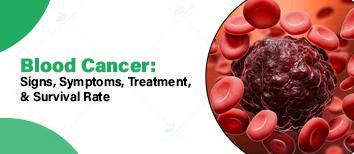
Blood cancer affects the production and function of blood cells. Early detection, accurate diagnosis, and advanced treatments significantly improve survival rates and patient outcomes in Noida and beyond.
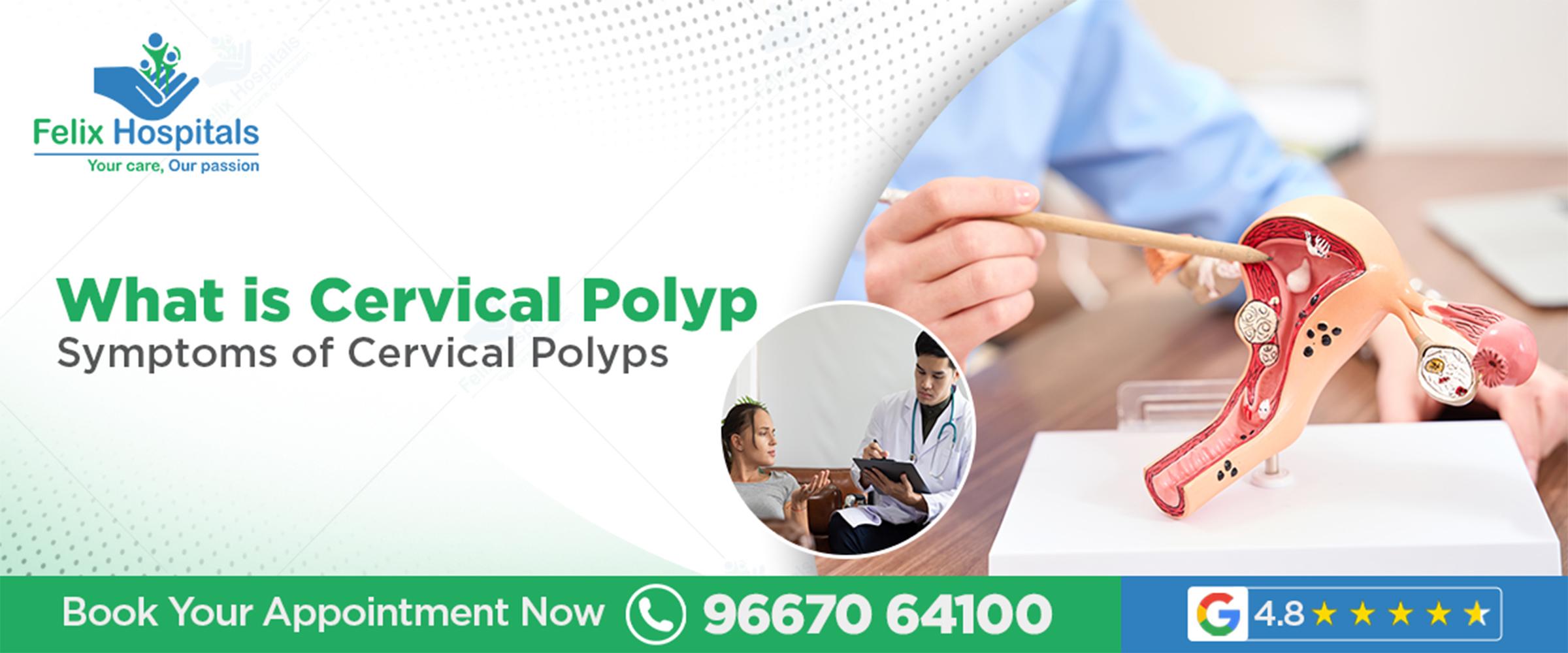
Health issues of women need to be addressed in a timely manner and with proper care to maintain wellbeing at all the life stages. The cervical polyp is one of such problems that a woman has to deal with because this growth can be uncomfortable, unexpected, or worrisome at any age. Partnering with an expert gynecologist in Noida is crucial for accurate assessment, counseling, and management of these growths. If you or a loved one has questions about cervical polyps, this comprehensive blog explores everything you need to know, with a special focus on Cervical polyp treatment in Noida for accessible and quality care.
Concerned about unusual bleeding? Schedule Call on +91 9667064100 Cervical polyp treatment in Noida immediately.
A cervical polyp is a benign (noncancerous) small growth appearing on the lower, narrow end of the uterus known as the cervix which opens into the vagina. The polyps in the cervix are not that uncommon, especially with the women between the ages of 20 and 50 years old and in most of the cases, the polyps are detected during normal gynecological tests. Cervical polyps are almost benign and hardly ever become cancerous, but they may lead to some symptoms or disrupt some life events such as maternity.
Polyps in the cervix can range in size from a few millimeters to several centimeters, appearing as red, pink, or purple finger-like projections from the cervical canal. Others might have multiple polyps though some women have only a single polyp.
Causes of cervical polyps are not always clear, but several factors contribute to their development:.
Chronic inflammation: The prolonged inflammation of the cervix due to infections, allergies, or persistent vaginal discharge can cause the development of polyp.
Hormones: Estrogen has significant contributions in the development of cervical and uterine tissues. Fluctuations - These may include those that occur during pregnancy, perimenopause or as a consequence of hormonal drugs and stimulate the development of the polyp.
Cervical trauma: The cervical lining may be disrupted by previous childbirth, treatment of miscarriages, or surgeries such as dilation and curettage (D&C) and IUD insertions which can spur the growth of polyp.
Infections: Have had or recurrent bacteria, yeast, or sexual transmission infection (STIs) infections such as HPV may increase risk.
Blockage of blood vessels: It may be associated with poor drainage and engorgement of small blood vessels in the cervix.
Although cervical polyps can grow in anybody, they are more probable among the women who have multiple pregnancies, chronic infections, or using some specific medications that contain hormones.
The majority of cervical polyps are noisy and asymptomatic. In most cases, the initial indication is the occurrence of the same during a routine pelvic examination. Still, some symptoms of cervical polyp can include:
Abnormal vaginal bleeding: This can be between periods, intercourse or post menopause.
Abnormally heavy menstrual (menorrhagia): Polyp might result in excessive or prolonged menstruation.
Vaginal discharge: The polyp may cause a watery vaginal discharge or be irritated or infected.
Bleeding after douching or tampon insertion: Any trauma to the vagina can result in the fragile polyps bleeding.
Pelvic pain or cramping: Polyps that are large and/or infected may at times lead to mild lower abdominal pain or cramping.
In some cases, polyps can be infected causing foul-smelling discharge or more pelvic pain.
Signs of cervical polyp in women are not always obvious. It is likely that many women will not even be aware of their presence until they are diagnosed with it during a regular gynecological exam. You must however watch out for any abnormal vaginal bleeding, continued unexplained vaginal discharge or pain particularly after sexual intercourse.
If you notice these symptoms, consult with a qualified gynecologist in Noida--early identification and management not only remove the discomfort but also reduce complications in the future.
Regular examinations are very important in early detection. Here's how to identify cervical polyps in women:
Pelvic exam: Your gynecologist can normally see the polyps through the speculum to have a closer view of the cervix.
Pap smear: A Pap test is not aimed at identification of polyps, however, in some cases such a sample may contain atypical cells or be abnormally bleeding which can indicate the presence of polyps.
Transvaginal ultrasound: This is an imaging test that is used to exclude polyps within the uterus, differentiate between polyps and fibroids, and examine the endometrium.
Colposcopy: To have a closer look, your doctor may apply a colposcope on the cervix, which would be magnified, particularly when the Pap smear is suggesting changes.
Biopsy: A small sample will be taken and examined in case of doubt of whether the polyp is malignant or causing severe symptoms.
Intensive early recognition results in less invasive treatment.
Polyps can also be detected in some cases during prenatal examinations. Cervical polyp detection during pregnancy deserves special attention; hormonal changes can prompt their growth, or make them more fragile and symptomatic with light bleeding. The majority of cervical polyps present during pregnancy are non-malignant and are non-infectious to the fetus. Nevertheless, vaginal bleeding during pregnancy is to be reported immediately.
In the majority of the cases, when the polyp is small, not bleeding, and not likely to get infected, physicians will delay the polyp removal until postpartum. A large polyp, one that is infected or bleeds persistently may be advised to be removed or monitored more closely, but the maternal and fetal safety should always come first.
After it is identified, the management will rely on the size, number, symptoms, and any risk factors. Numerous benign and asymptomatic cervical polyps are merely followed. Removal (polypectomy) is a relatively fast, painless process conducted in the physician’s office with minimum discomfort.
Tissues removed are submitted to the pathologist to determine benignity. In case of any infection, relevant antibiotics will be prescribed. Follow-up will allow no relapse or secondary cervical anxieties.
You should promptly contact a gynecologist in Noida or seek Cervical polyp treatment in Noida if you experience:
Vaginal bleeding (that is not due to your menstrual period or after menopause) which cannot be explained.
Continuous vaginal vagueness.
Blood in the vagina, tampon, or surgery.
Pelvic discomfort
Any polyp found on routine or pregnancy check up.
The prompt evaluation will enable the prompt recovery, reassurance and minimization of risk of complications in the future.
Book an expert assessment with a gynecologist in Noida today Call on +91 9667064100.
Although these cervical polyps are benign, they may be associated with symptoms that interfere with normal life or make people think they are at risk of any health complication. Consistent gynecological examinations, symptom awareness, and intervention are the key factors that will make sure that these growths are identified and addressed immediately. If you live in Noida, reach out to a reputed gynecologist in Noida for thorough evaluation and explore your options for Cervical polyp treatment in Noida. The best means of safeguarding the health of women is knowledge, attention and access to high-level gynecologic care.
Q. 1 Are the cervical polyps capable of causing cancer?
Ans. Several cervical polyps are harmless; in uncommon cases, they may develop cancer, yet, all the excised tissues are verified to be harmless.
Q. 2 Does the excision of a cervical polyp cause pain?
Ans. Removal (polypectomy) is a fast outpatient operation, and is relatively painless.
Q.3 Is there recurrence of cervical polyps?
Ans. Recurrence is rare and may occur, frequent gynecologic examination aids in the early detection of new growths.
Q.4 Do cervical polyps cause harm during pregnancy?
Ans. The majority of them are not harmful; however, all the bleeding needs immediate assessment by a physician.
Q.5 What leads to the bleeding of cervical polyps?
Ans. Polyps can be weakened by physical trauma, infection, or hormonal changes and result in bleeding.
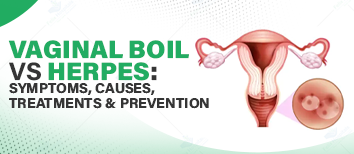
Vaginal boils and herpes both cause painful bumps in the genital area, but their causes and treatments are very different. Knowing the difference helps women choose the right treatment and prevent complications.


Subscribe to our
© Copyright 2026. All Rights Reserved by Felix Healthcare Private Limited
Design and development by :


 +(91)9667064100
 Emergency : +(91)9667064100