Your Health, Our Priority

Request Call Back

Request an Appointment

CAPTCHA
Solve this simple math problem and enter the result. E.g. for 1+3, enter 4.
* By clicking on the above button you agree to receive updates on WhatsApp

Bile Duct Obstruction: Symptoms & Endoscopic Treatment in Noida

Bile duct obstruction is a serious digestive condition that occurs when the normal flow of bile from the liver to the intestine is blocked. This disruption affects digestion, liver function, and overall metabolic balance. Many patients first notice bile duct blockage symptoms such as jaundice, abdominal pain, or digestive discomfort, which should never be ignored.


If you or a loved one is experiencing symptoms related to bile duct obstruction, call +91 9667064100 to consult a gastroenterology specialist in Noida.


Understanding the Role of the Bile Duct

The bile duct is a vital channel that transports bile produced by the liver to the small intestine, where it helps digest fats. When this flow is interrupted, toxins and bile acids build up in the bloodstream, leading patients to seek care at a bile duct treatment hospital Noida for proper evaluation and management.


What Causes Bile Duct Obstruction

Obstruction can develop due to gallstones, inflammation, strictures, tumors, or post-surgical scarring. One of the most common reasons is gallstone-related bile duct blockage, where stones migrate from the gallbladder and lodge in the bile duct.


Early Symptoms That Require Attention

Patients may experience yellowing of the skin and eyes, pale stools, dark urine, itching, nausea, or upper abdominal pain. These warning signs are classic bile duct blockage symptoms and indicate that medical assessment is urgently required.


How Bile Duct Obstruction Affects Digestion

Blocked bile flow prevents proper fat digestion and absorption of fat-soluble vitamins. Over time, this can lead to nutritional deficiencies and chronic digestive problems, prompting patients to explore symptoms of bile duct obstruction and treatment options with a gastro specialist.


When Symptoms Become Severe

If left untreated, bile duct obstruction can result in infections such as cholangitis or liver damage. Fever with chills and worsening pain are red flags that indicate complications related to bile duct blockage symptoms.


Diagnostic Evaluation for Bile Duct Obstruction

Doctors rely on blood tests, ultrasound, MRI, or CT scans to identify obstruction location and severity. In many cases, imaging findings guide further intervention through advanced ERCP procedure in Noida for both diagnosis and treatment.


Role of Endoscopic Procedures

Endoscopic techniques allow doctors to access the bile duct without open surgery. These minimally invasive approaches are especially effective for bile duct narrowing treatment with endoscopy, reducing recovery time and hospital stay.


What Is ERCP and How It Helps

ERCP (Endoscopic Retrograde Cholangiopancreatography) combines endoscopy and imaging to remove stones, place stents, or widen narrowed ducts. Many patients prefer advanced ERCP procedure in Noida due to its high success rate and reduced surgical risk.


Treatment of Gallstone-Related Blockages

When gallstones cause obstruction, endoscopic stone removal is often the first line of treatment. This approach effectively resolves gallstone-related bile duct blockage while preserving surrounding organs and minimizing discomfort.


Managing Bile Duct Strictures

Strictures or narrowing of the bile duct may result from inflammation or previous surgeries. Endoscopic balloon dilation and stenting offer effective bile duct narrowing treatment with endoscopy without the need for major surgical intervention.


Infection Management in Obstruction Cases

Blocked bile ducts increase the risk of bacterial infection. Antibiotics combined with drainage procedures are essential components of managing symptoms of bile duct obstruction and treatment options safely and effectively.


Recovery After Endoscopic Treatment

Most patients recover quickly after endoscopic procedures, resuming normal activities within days. Follow-up care at a bile duct treatment hospital Noida ensures monitoring of liver function and prevention of recurrence.


Importance of Timely Specialist Consultation

Delaying treatment increases the risk of severe complications such as liver failure or sepsis. Early consultation with the best gastroenterologist in Noida allows accurate diagnosis and prompt intervention.


Long-Term Outlook and Prevention

With appropriate treatment, most patients recover fully from bile duct obstruction. Preventive strategies include managing gallstones early and routine follow-ups for those with prior biliary disease or surgery.


For expert evaluation and endoscopic management of bile duct obstruction, call +91 9667064100 to book a gastroenterology consultation in Noida.


Conclusion

Bile duct obstruction is a potentially serious condition that requires timely diagnosis and expert care. Advances in endoscopic techniques now allow effective, minimally invasive treatment with excellent outcomes. Recognizing early symptoms, understanding treatment options, and seeking specialized care from the best gastroenterologist in Noida ensure safe recovery and long-term digestive health.


FAQs


Q. 1. Is bile duct obstruction an emergency?

Ans. Yes, severe pain, fever, or jaundice requires immediate medical attention.


Q. 2. Can bile duct blockage be treated without surgery?

Ans. Yes, most cases are managed successfully with endoscopic procedures.


Q. 3. Is ERCP safe for elderly patients?

Ans. Yes, ERCP is commonly performed safely under expert supervision.


Q. 4. How long does recovery take after ERCP?

Ans. Most patients recover within a few days.


Q. 5. Can bile duct obstruction recur?

Ans. Recurrence is possible, which is why follow-up care is important.
 

Your Health, Our Priority

Request Call Back

Request an Appointment

CAPTCHA
Solve this simple math problem and enter the result. E.g. for 1+3, enter 4.
* By clicking on the above button you agree to receive updates on WhatsApp

अपच और एसिडिटी का इलाज – नोएडा के विशेषज्ञ गैस्ट्रोएंटेरोलॉजिस्ट से

अपच (Indigestion) और एसिडिटी आज की सबसे सामान्य पाचन समस्या हैं। तेज जलन, पेट में भारीपन, गैस, खट्टी डकारें और सीने में दर्द जैसे लक्षण जीवनशैली व खान-पान की गड़बड़ियों के कारण बढ़ते जा रहे हैं। नोएडा में आधुनिक एंडोस्कोपी, गैस्ट्रिक रोगों की जांच और विशेषज्ञ डॉक्टरों की सुविधा उपलब्ध है। जिससे इन समस्याओं का सटीक इलाज संभव है। नोएडा में एसिडिटी स्पेशलिस्ट डॉक्टर उपलब्ध है। लक्षणों को हल्के में न लें—समय पर उपचार पाचन तंत्र को सुरक्षित रखता है।


अभी परामर्श के लिए कॉल करें – +91 9667064100


अपच क्या है? (What is Indigestion)

अपच वह स्थिति है जब भोजन पेट में सही से नहीं पचता है। इससे भारीपन, गैस, पेट फूलना, डकारें और पेट दर्द जैसे लक्षण होते हैं। गलत खान-पान, तनाव, अनियमित दिनचर्या और पाचन तंत्र की कमजोरी इसके मुख्य कारण हैं।


एसिडिटी क्या है? (What is Acidity / GERD / Acid Reflux)

एसिडिटी तब होती है। जब पेट का एसिड भोजन नली में वापस चढ़ता है। इससे सीने में जलन, खट्टी डकारें, मुंह में कड़वाहट और गले में जलन बढ़ती है। इसे एसिड रिफ्लक्स या जीईआरडी (GERD) कहते हैं।


अपच और एसिडिटी क्यों होती है? (Why do indigestion and acidity occur?)


गलत खान-पानः


  • तली-भुनी, मसालेदार चीजें

  • देर रात खाना

  • ओवरईटिंग

  • जंक फूड, सोडा, पैकेट फूड


जीवनशैली कारणः


  • तनाव व चिंता

  • कम पानी

  • अनियमित भोजन


पेट व आंतों की समस्याएंः


  • गैस्ट्राइटिस

  • एच. पाइलोरी संक्रमण

  • पेट का अल्सर

  • आईबीएस (संवेदनशील आंत की बीमारी)


दवाइयों का असरः


  • दर्द निवारक का सेवन

  • एसिडिटी की दवाओं का अधिक उपयोग

  • एंटीबायोटिक्स


अन्य कारणः


  • मोटापा

  • धूम्रपान

  • शराब

  • उम्र बढ़ना


लक्षण (Symptoms)


  • सीने में जलन

  • खट्टी डकारें

  • पेट फूलना

  • गैस

  • पेट के ऊपरी हिस्से में दर्द

  • भोजन के बाद भारीपन

  • कड़वाहट या एसिड मुंह में आना

  • गले में जलन

  • उल्टी जैसा महसूस होना


लंबे समय तक रहने पर:


  • भूख कम लगना

  • वजन घटना

  • कमजोरी

  • सांस में बदबू

  • लगातार खांसी (रिफ्लक्स से)


अपच और एसिडिटी से होने वाली समस्याएंः


  1. क्रोनिक गैस्ट्राइटिस

  2. पेट या डुओडेनम में अल्सर

  3. जीईआरडी

  4. म्यूकस लाइनिंग का नुकसान

  5. पोषण की कमी

  6. गले और दांतों पर असर


जोखिम कारक (Risk Factors)


  • 30 वर्ष से अधिक उम्र

  • अधिक मसालेदार और तैलीय भोजन

  • तनाव व अधिक स्क्रीन टाइम

  • धूम्रपान / शराब

  • मोटापा

  • रात में देर से सोना

  • लंबे समय तक दवाइयों का उपयोग


कब डॉक्टर से मिलें? (When to See a Doctor)


यदि यब लक्षण बार-बार हों:


  • रोजाना सीने में जलन

  • लगातार खट्टी डकारें

  • पेट में तेज दर्द

  • उल्टी में खून

  • वजन तेजी से घटना

  • खाना निगलने में दिक्कत

  • बार-बार गैस्ट्रिक समस्या


जांच की प्रक्रिया (Diagnosis)


  • जीआई ब्लीडिंग या पाचन समस्या का सही इलाज केवल सटीक जांच के बाद ही संभव है।


एंडोस्कोपीः


  • पेट, भोजन नली और आंत की स्थिति की जांच होती है। अल्सर, रिफ्लक्स, सूजन और ब्लीडिंग पॉइंट की पुष्टि के लिए होती है। एंडोस्कोपी के दौरान आवश्यक होने पर तुरंत उपचार (जैसे बैंडिंग, क्लिपिंग) भी किया जा सकता है।


एच. पाइलोरी टेस्टः


  • बैक्टीरिया संक्रमण की जांच के लिए होता है। यह बैक्टीरिया अक्सर अल्सर और गैस्ट्रिक समस्याओं का कारण बनता है। टेस्ट से संक्रमण का पता लगाकर उचित एंटीबायोटिक थेरेपी दी जाती है।


अल्ट्रासाउंड / सीटी स्कैनः


  • पेट, लीवर, पैंक्रियास और अन्य अंगों की संरचना की जांच होती है। पेट में दर्द, पथरी या पैनक्रियाटिक समस्याओं के कारण पता लगता है। सीटी एंजियोग्राफी से ब्लीडिंग की स्थिति और रक्त वाहिनियों की जानकारी भी मिलती है।


ब्लड टेस्ट:


  • इसमें सीबीसी से खून की कमी और संक्रमण का पता चलता है। एलएफटी और केएफटी से लीवर और किडनी की स्थिति का मूल्यांकन होता है, साथ ही विटामिन और मिनरल स्तर की जांच करके संक्रमण, सूजन और अन्य पाचन संबंधित समस्याओं का आकलन किया जाता है।


एसिडिटी मॉनिटरिंग टेस्टः


  • पेट और भोजन नली में लगातार एसिडिटी और रिफ्लक्स की जांच के लिए होता है। यह टेस्ट जीईआरडी या एसिड रिफ्लक्स की गंभीरता को मापने में मदद करता है।


नोएडा में अपच और एसिडिटी का उपचार (Treatment Options)

अपच और एसिडिटी का इलाज बहुआयामी दृष्टिकोण से किया जाता है, जिसमें दवाइयां, प्रोबायोटिक्स, सप्लीमेंट और जीवनशैली में सुधार शामिल हैं। नीचे विस्तृत प्वाइंटर में जानकारी दी गई है:


दवाइयों द्वारा उपचारः


  • एंटासिड: तुरंत राहत देने के लिए। पेट में मौजूद अतिरिक्त एसिड को न्यूट्रल करता है।

  • पीपीआई (प्रोटॉन पंप अवरोधक): पेट की एसिडिटी को लंबे समय तक कम करते हैं और अल्सर या गैस्ट्रिक इंफ्लेमेशन में मदद करते हैं।

  • एच 2 ब्लॉकर्स: एसिड उत्पादन को नियंत्रित करने के लिए, विशेष रूप से रिफ्लक्स और हार्टबर्न में प्रभावी होती है

  • गट मोटिलिटी सुधारने वाली दवाएं: भोजन को जल्दी पचाने और पेट में भारीपन कम करने में मदद करती है।

  • एंटीबायोटिक (एच. पाइलोरी संक्रमण के लिए): अल्सर और गैस्ट्रिक इंफेक्शन को ठीक करने के लिए होती है।


प्रोबायोटिक्सः

आंतों में अच्छे बैक्टीरिया को बढ़ाते हैं। गैस, अपच और कब्ज (Constipation) जैसी समस्याओं में राहत देते हैं। दही, छाछ, किमची, सौकरक्रॉट जैसे प्राकृतिक स्रोतों से या कैप्सूल के रूप में अच्चे होते हैं। लंबे समय तक एंटीबायोटिक लेने से बिगड़ी गट फ्लोरा को पुनर्स्थापित करते हैं।


विटामिन और मिनरल सप्लीमेंट्स-

यदि कमजोरी, थकान, विटामिन बी12 या आयरन की कमी हो। विटामिन डी, मैग्नीशियम और जिंक भी पाचन और मेटाबॉलिज्म सुधारने में मदद करते हैं। सप्लीमेंट डॉक्टर की सलाह के अनुसार ही लेना चाहिए।


डाइट मैनेजमेंटः


एसिडिटी कम करने वाले खाद्य पदार्थ:


  • नारियल पानी: पेट को ठंडक और हाइड्रेशन में मदद करता है

  • ओट्स और दलिया: हल्का और आसानी से पचने वाला भोजन होता है।

  • केला: पेट की अम्लता को कम करता है।

  • ठंडा दूध: एसिडिटी में राहत देता है

  • सूप: हल्का और पोषक होता है।

  • खीरा: प्राकृतिक ठंडक देता है।

  • दही और पपीता: पाचन सुधारने और एंजाइम सपोर्ट।


बचाव और लाइफस्टाइल सुधार:


  • मसालेदार, तैलीय और जंक फूड से परहेज करें।

  • तला-भुना भोजन कम करन चाहिए।

  • सोडा, कोल्ड ड्रिंक और अत्यधिक कैफीन से दूरी बनानी चाहिए।

  • दिन में 4–5 हल्के और छोटे भोजन लेना चाहिए।

  • भोजन के तुरंत बाद लेटना न करें, हल्की वॉक या आराम करें।

  • पर्याप्त पानी पिएं और तनाव कम करें।


जीवनशैली में सुधार (Lifestyle & Prevention)


  • खाना धीरे-धीरे चबाकर खाएं

  • भोजन के तुरंत बाद न लेटें

  • रात का खाना हल्का व सोने से 2–3 घंटे पहले

  • वॉक करें

  • स्ट्रेस कम करें

  • धूम्रपान और शराब से दूरी

  • पर्याप्त पानी पिएं


गंभीर मामलों में उपचार (Advanced Treatment)


एंडोस्कोपी द्वारा इलाजः

एंडोस्कोपी के माध्यम से पेट और अन्ननली की स्थिति का निरीक्षण करता है। अल्सर, गैस्ट्राइटिस या रिफ्लक्स से संबंधित घाव और ब्लीडिंग पॉइंट की पहचान करता है।  एंडोस्कोपी के दौरान स्ट्रिक्चर डिलेशन या ब्लीडिंग रोकने वाली तकनीक अपनाई जा सकती है।


रिफ्लक्स कंट्रोल प्रक्रियाएंः

विशेष तकनीकें जैसे एंडोस्कोपिक फंडोप्लीकेशन होती है। यह पेट के ऊपरी हिस्से और अन्ननली के बीच वाल्व को सुदृढ़ बनाकर एसिड रिफ्लक्स को रोकती हैं। लगातार जीईआरडी और हार्टबर्न में प्रभावी होती है।


अल्सर या गैस्ट्राइटिस के लिए विशेष दवाइयांः

उच्च-शक्ति प्रोटॉन पंप इन्हिबिटर (पीपीईई) या H2 ब्लॉकर होती है। जरूरत पड़ने पर सर्जिकल या एंडोस्कोपिक उपचार के साथ दवाइयां देते हैं । संक्रमण (एच. पाइलोरी) होने पर एंटीबायोटिक कोर्स होता है।


लगातार जीईआरडी में सर्जिकल विकल्पः

जब दवाइयां और एंडोस्कोपी पर्याप्त प्रभावी न हों।निसेन फंडोप्लीकेशन जैसी सर्जरी, पेट के ऊपरी हिस्से को अन्ननली के चारों ओर लपेटकर रिफ्लक्स कम करती है। गंभीर मामलों में जीवन गुणवत्ता और भोजन पचाने की क्षमता सुधारने में मदद करती है।  नोएडा में उन्नत एंडोस्कोपी और गैस्ट्रो विशेषज्ञ उपलब्ध हैं जो जटिल मामलों का इलाज करते हैं। बेस्ट गैस्ट्रोएंटेरोलॉजिस्ट डॉक्टर नोएडा में उपलब्ध है। नोएडा के गैस्ट्रो विशेषज्ञ से परामर्श – +91 9667064100


निष्कर्ष (Conclusion)

अपच और एसिडिटी आम समस्या है, लेकिन समय पर जांच और उपचार से आसानी से नियंत्रित की जाती है। लंबे समय तक गैस, पेट दर्द, जलन या खट्टी डकारें चलें, तो विशेषज्ञ से मिलना जरूरी है। सही डाइट, लाइफस्टाइल और दवाएं पाचन तंत्र को मजबूत बनाती हैं। डॉक्टर की सलाह के बिना दवा नहीं लेनी चाहिए।


अक्सर पूछे जाने वाले प्रश्न (FAQs)


प्रश्न 1: अपच का मुख्य कारण क्या है?
उत्तर: गलत खान-पान, तनाव, अनियमित भोजन, गैस्ट्राइटिस और एच. पाइलोरी संक्रमण मुख्य कारण होता  हैं।


प्रश्न 2: एसिडिटी बार-बार क्यों होती है?
उत्तर: पेट का एसिड ऊपर चढ़ने से, खराब डाइट, देर रात खाना, अधिक मसालेदार भोजन और कमजोरी के कारण होता है।


प्रश्न 3: क्या एंडोस्कोपी जरूरी है?
उत्तर: लंबे समय से पेट दर्द, रिफ्लक्स, खट्टी डकारें या अल्सर के लक्षण हों तो डॉक्टर की सलाह पर एंडोस्कोपी बेहद जरूरी है।


प्रश्न 4: घरेलू उपाय क्या हैं?
उत्तर: नारियल पानी, केला, दही, पपीता, गुनगुना पानी, हल्का भोजन, और रात को जल्दी खाना राहत देते हैं। जीवनशैली में सुधार भी जरूरी होता है।


प्रश्न 5: क्या एसिडिटी से नुकसान हो सकता है?
उत्तर: हां, लंबे समय तक रहने पर अल्सर,जीईआरडी, दांतों की सड़न और गले में नुकसान होता है। इसलिए लक्षण दिखने पर जांच और इलाज कराएं। 

Your Health, Our Priority

Request Call Back

Request an Appointment

CAPTCHA
Solve this simple math problem and enter the result. E.g. for 1+3, enter 4.
* By clicking on the above button you agree to receive updates on WhatsApp

Advanced AICD Implant Surgery in India: Treatment, Benefits and Success Rate

Sudden cardiac arrhythmias can be life-threatening when they occur without warning. For patients at high risk of dangerous heart rhythm disturbances, timely intervention can mean the difference between life and death. AICD Implantation in India has emerged as a trusted option for international patients seeking advanced cardiac care, experienced specialists, and globally aligned treatment protocols at accessible costs.

India’s leading cardiac centres combine cutting-edge technology with internationally trained cardiologists, offering comprehensive care for patients requiring life-saving implantable devices. From diagnosis to long-term follow-up, international patients receive structured, transparent, and coordinated care throughout their treatment journey.
 

Schedule AICD Surgery at Felix Hospital, Noida India Call Us:  +919560795791 And WhatsApp  +919560795791 us now. Our team will help you book the best treatment and arrange your medical visa hassle-free.


What Is an Automatic Implantable Cardioverter Defibrillator?

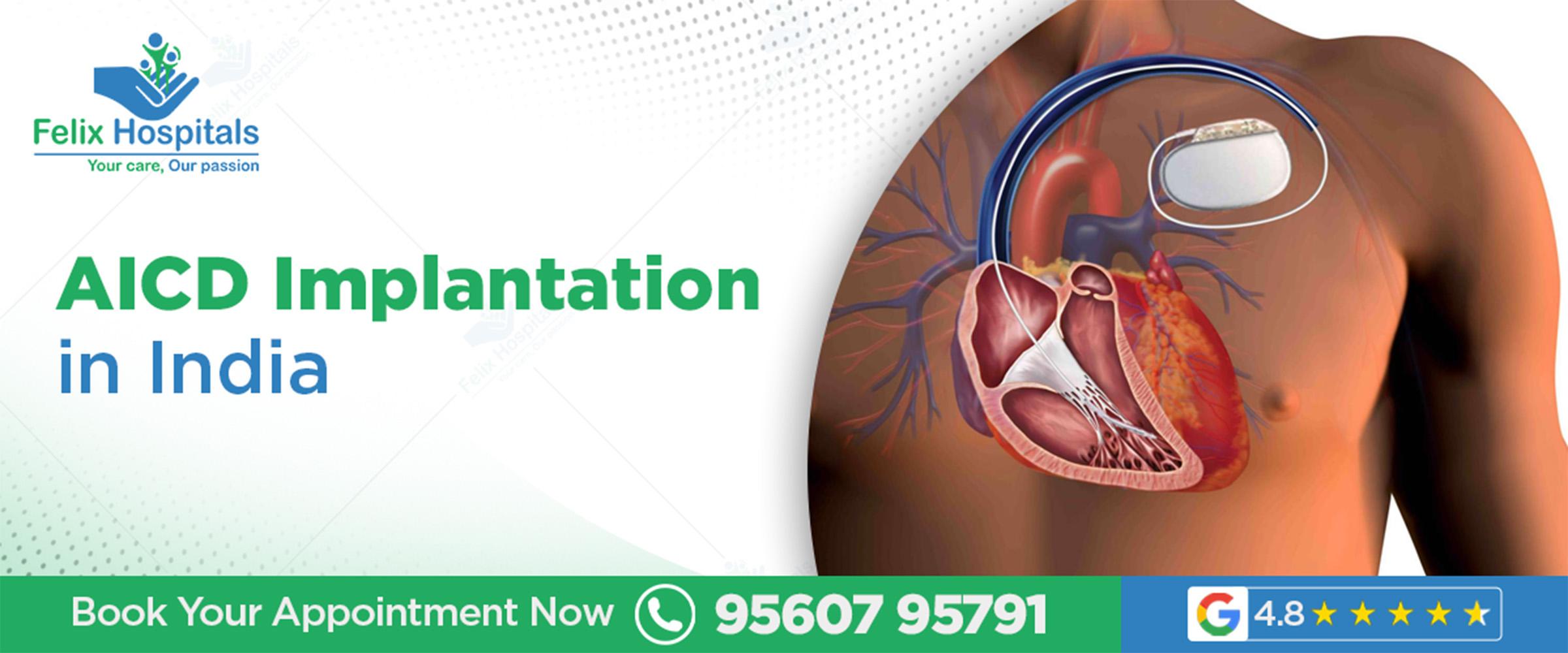
Understanding the Function of Automatic Implantable Cardioverter Defibrillator is essential for patients considering this treatment. An AICD is a small electronic device implanted under the skin, usually near the collarbone, that continuously monitors the heart’s rhythm.


When the device detects a dangerously fast or irregular heartbeat, it delivers a controlled electrical shock to restore a normal rhythm. Unlike a pacemaker, which primarily regulates slow heartbeats, an AICD is designed to prevent sudden cardiac arrest caused by ventricular arrhythmias.

Key Functions of an AICD:
 

  • Continuous heart rhythm monitoring

  • Automatic detection of life-threatening arrhythmias

  • Delivery of corrective electrical therapy when required

  • Storage of heart rhythm data for clinical review


Who Needs an AICD Implant?

Patients may be advised to undergo AICD implantation if they:
 

  • Have survived sudden cardiac arrest.

  • Suffer from recurrent ventricular tachycardia or fibrillation.

  • Have weakened heart muscles due to cardiomyopathy.

  • Are at high risk due to inherited or structural heart conditions.

  • Early evaluation and timely implantation significantly improve survival rates and long-term outcomes.
     

Automatic Implantable Cardioverter Defibrillator Implantation Procedure

The Automatic Implantable Cardioverter Defibrillator Implantation Procedure is a minimally invasive cardiac intervention performed under local anesthesia with sedation or general anesthesia, depending on patient condition.
 

Step-by-Step Procedure:

  • Pre-procedure assessment: Cardiac imaging, ECG, blood tests, and risk evaluation

  • Device placement: A small incision is made below the collarbone

  • Lead insertion: Thin wires are guided through veins into the heart chambers

  • Device connection: The AICD generator is connected to the leads

  • Testing: The device is tested to ensure accurate rhythm detection

  • Closure: The incision is closed and dressed

The procedure typically takes 1–2 hours, and most patients are mobilized within 24 hours.

Benefits of Automatic Implantable Cardioverter Defibrillator

The Benefits of Automatic Implantable Cardioverter Defibrillator extend beyond immediate rhythm correction, offering long-term protection and peace of mind for patients and families.
Key Benefits:
 

  • Reduces the risk of sudden cardiac death

  • Provides immediate response to dangerous arrhythmias

  • Allows patients to lead active, monitored lives

  • Improves long-term survival rates

  • Enables remote monitoring and follow-up

For international patients, these benefits are further enhanced by India’s integrated cardiac rehabilitation and follow-up programs.

Automatic Implantable Cardioverter Defibrillator Risks and Complications
 

Like any medical procedure, AICD implantation carries potential risks. Understanding Automatic Implantable Cardioverter Defibrillator Risks and Complications helps patients make informed decisions.
Possible Risks Include:
 

  • Infection at the implant site

  • Bleeding or bruising

  • Lead displacement

  • Inappropriate shocks

  • Rare device malfunction


Leading hospitals in India minimize these risks through strict infection-control protocols, advanced imaging guidance, and experienced electrophysiology teams.

Recovery After AICD Implantation

Recovery is generally smooth, with most patients discharged within 2–3 days. Initial precautions include:

  • Avoiding heavy lifting for a few weeks
  • Keeping the incision clean and dry
  • Attending scheduled device checks

Patients are usually able to return to normal daily activities within a short period, following their doctor’s guidance.

Cost of AICD Implantation in India

The Cost of AICD Implantation in India is one of the key reasons international patients choose the country for treatment. While costs vary based on device type and hospital infrastructure, India offers significant savings compared to many Western nations.

Factors Affecting Cost:

  • Type of AICD device (single, dual, or CRT-D)

  • Hospital facilities and location Surgeon and cardiology team expertise

  • Length of hospital stay
     

Despite the affordability, quality standards remain on par with international healthcare benchmarks.
 

Why International Patients Choose India for AICD Implantation


India has become a preferred destination for advanced cardiac device implantation due to several compelling factors:
Key Advantages:
 

  • Internationally trained cardiologists and electrophysiologists
  • State-of-the-art catheterization labs and cardiac ICUs
  • Use of globally approved AICD devices
  • Short waiting times for surgery
  • Comprehensive international patient services

Dedicated care coordinators assist with visas, accommodation, language support, and post-treatment planning.

Life After AICD Implantation

Patients with an AICD can lead fulfilling, active lives with certain precautions. Regular follow-ups, lifestyle modifications, and adherence to medical advice ensure optimal device performance.
Modern AICDs allow remote monitoring, enabling international patients to stay connected with their treating doctors even after returning home.

Long-Term Monitoring and Follow-Up
Routine device checks are essential to:

  • Monitor battery life

  • Review stored heart rhythm data

  • Adjust device settings if needed
     

Conclusion


AICD implantation is a life-saving intervention for patients at high risk of sudden cardiac arrhythmias. With advanced infrastructure, experienced specialists, and globally aligned protocols, India offers a safe, effective, and patient-focused destination for this critical cardiac procedure.


International patients benefit not only from clinical excellence but also from coordinated care pathways that support recovery, rehabilitation, and long-term heart health. Choosing AICD implantation in India ensures access to timely, reliable, and compassionate cardiac care.

FAQs


1.Is AICD implantation in India safe for international patients?

Yes, leading Indian hospitals follow international electrophysiology standards with experienced cardiac specialists.


2.How long do international patients need to stay in India for AICD implantation?

Most patients require a stay of 7–10 days, including implantation, monitoring, and initial follow-up.


3.Can AICD follow-up be managed after returning to my home country?

Yes, follow-ups can be coordinated through teleconsultations and routine device checks with local cardiologists.


4.Will an AICD affect daily activities or travel?

After recovery, most patients can resume normal activities and travel safely with minimal lifestyle adjustments.


5.How long does an AICD device last after implantation?

Depending on usage and device type, AICD batteries typically last 5–10 years before replacement.
 

Your Health, Our Priority

Request Call Back

Request an Appointment

CAPTCHA
Solve this simple math problem and enter the result. E.g. for 1+3, enter 4.
* By clicking on the above button you agree to receive updates on WhatsApp

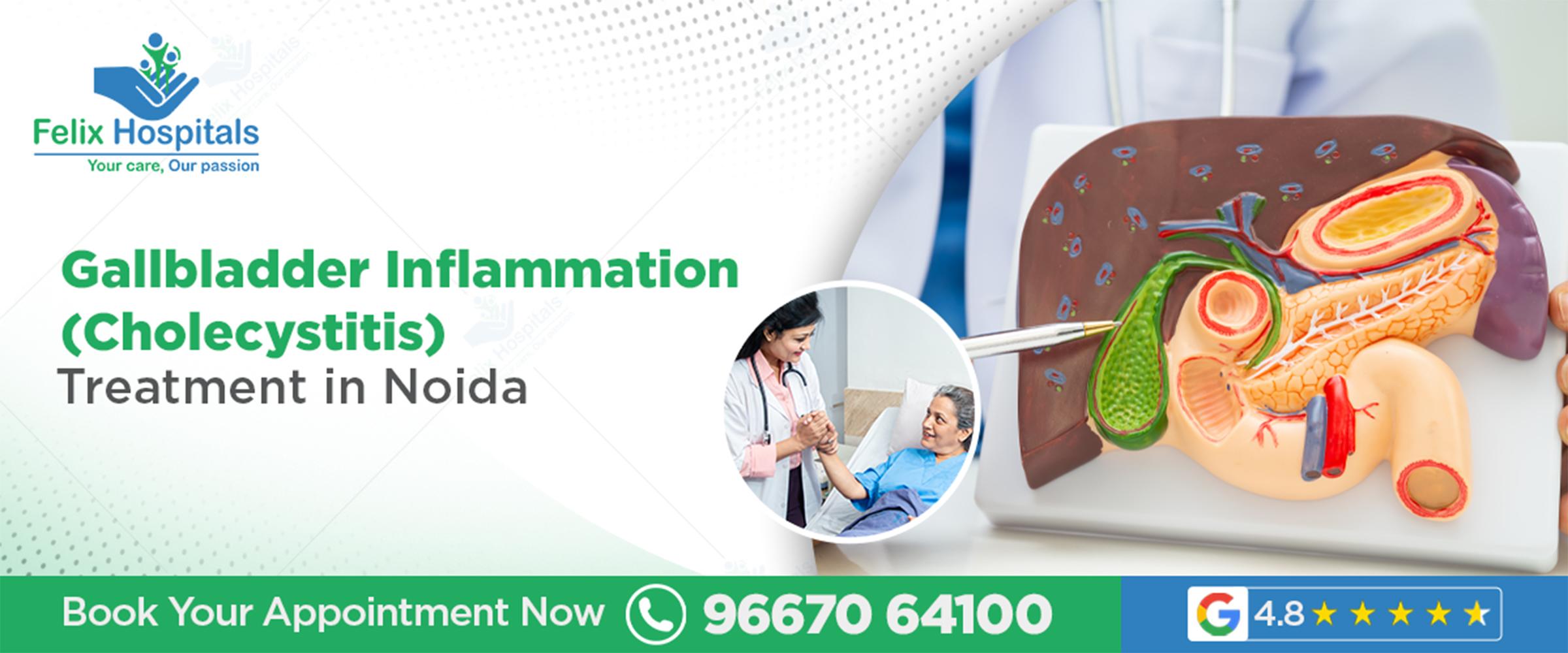
Gallbladder Inflammation (Cholecystitis) Treatment in Noida

Gallbladder inflammation, medically known as cholecystitis, is a condition that occurs when the gallbladder becomes irritated, swollen, or infected. The gallbladder plays an essential role in digestion by storing bile, which helps break down fats. When bile flow is blocked or infection develops, inflammation can occur, leading to severe abdominal pain and digestive distress. Understanding acute and chronic cholecystitis treatment options is crucial for preventing complications and ensuring timely recovery.


Experiencing severe right-sided abdominal pain, nausea, or fever? Call +91 9667064100 to consult a gastro specialist in Noida immediately.


What Is Cholecystitis?

Cholecystitis develops when bile cannot drain properly from the gallbladder, most commonly due to gallstones blocking the bile duct. This blockage causes bile buildup, irritation, and sometimes infection. Accurate gallbladder infection diagnosis helps determine whether the condition is acute, chronic, or associated with other biliary disorders, guiding the treatment approach.


Acute vs Chronic Gallbladder Inflammation

Acute cholecystitis presents suddenly with intense pain and fever, while chronic cholecystitis develops gradually due to repeated gallbladder irritation. Long-standing inflammation can thicken the gallbladder walls and impair function. Patients dealing with recurrent symptoms often require specialized bile duct and gallbladder disorder care to prevent long-term damage.


Common Causes of Gallbladder Inflammation

Gallstones are the leading cause of cholecystitis, but infections, bile duct blockages, and trauma can also trigger inflammation. In some cases, poor gallbladder emptying increases pressure inside the organ, resulting in pain and swelling. Identifying the exact cause helps guide effective gallbladder pain and swelling treatment and reduces the risk of recurrence.


Symptoms You Should Not Ignore

Symptoms of cholecystitis often include sharp pain in the upper right abdomen, pain radiating to the shoulder, nausea, vomiting, fever, and bloating. Pain typically worsens after eating fatty meals. Persistent discomfort is a key reason patients seek cholecystitis treatment in Noida before complications develop.


How Cholecystitis Is Diagnosed

Diagnosis involves a detailed medical history, physical examination, blood tests, and imaging studies such as ultrasound or CT scan. Imaging helps confirm inflammation, gallstones, or bile duct obstruction. A timely evaluation by the best gastroenterologist in Noida ensures accurate diagnosis and faster treatment initiation.


Initial Medical Management


In mild cases, treatment may begin with hospital observation, intravenous fluids, pain control, and antibiotics. Dietary restrictions are often advised to reduce gallbladder stimulation. Early-stage inflammation managed under a gallbladder specialist doctor in Noida may resolve without immediate surgery in selected patients.


Role of Antibiotics and Pain Control

Antibiotics are used when infection is suspected, while pain medications help manage acute discomfort. Careful monitoring is required to ensure symptoms improve and complications do not develop. Patients under acute and chronic cholecystitis treatment plans are closely observed for signs of worsening inflammation.


When Surgery Becomes Necessary

Surgery is recommended when gallbladder inflammation is severe, recurrent, or associated with complications. Removing the gallbladder eliminates the source of inflammation and prevents future attacks. Many patients opt for gallbladder surgery in Noida, which is commonly performed using minimally invasive techniques.


Laparoscopic Gallbladder Surgery

Laparoscopic surgery involves small incisions, reduced pain, and faster recovery compared to open surgery. Most patients are discharged within a short hospital stay. Those requiring advanced gallbladder pain and swelling treatment often benefit significantly from minimally invasive surgical care.


Recovery After Gallbladder Surgery

Post-surgery recovery typically includes gradual dietary progression and light activity. Most individuals return to normal routines within a few weeks. Follow-up care under a gallbladder specialist doctor in Noida ensures proper healing and helps manage digestive adjustments after gallbladder removal.


Potential Complications if Left Untreated

Untreated cholecystitis can lead to serious complications such as gallbladder rupture, abscess formation, or infection spreading to the bloodstream. Chronic inflammation can also cause scarring and reduced gallbladder function. Prompt bile duct and gallbladder disorder care significantly lowers these risks.


Lifestyle and Dietary Adjustments

Patients are advised to limit fatty foods, maintain a healthy weight, and follow a balanced diet to reduce gallbladder strain. These changes support long-term digestive health and complement medical or surgical cholecystitis treatment in Noida.


Importance of Specialist Care

Gallbladder inflammation can mimic other abdominal conditions, making expert evaluation critical. A structured approach led by the best gastroenterologist in Noida ensures correct diagnosis, timely treatment, and prevention of repeat episodes.


Recurring gallbladder pain or confirmed inflammation? Call +91 9667064100 now to discuss safe and effective treatment options in Noida.


Conclusion

Gallbladder inflammation is a painful but treatable condition when addressed early. Recognizing symptoms, understanding treatment options, and seeking timely medical care are essential to avoid complications. With accurate diagnosis, medical management, and surgical options when needed, patients can recover safely and return to normal life. Consulting the best gastroenterology in Noida ensures comprehensive and effective care.


FAQs


Q. 1. Is gallbladder inflammation always caused by gallstones?

Ans. No, while gallstones are common, infections and bile duct blockages can also cause inflammation.


Q. 2. Can cholecystitis be treated without surgery?

Ans. Mild cases may respond to medication, but recurrent or severe cases usually require surgery.


Q. 3. How long does recovery take after gallbladder surgery?

Ans. Most patients resume normal activities within 1–3 weeks, depending on overall health.


Q. 4. Can I live normally without a gallbladder?

Ans. Yes, most people digest food normally after surgery with minor dietary adjustments.


Q. 5. When should I seek emergency care?

Ans. Seek urgent help if pain is severe, persistent, or accompanied by fever or vomiting.

Your Health, Our Priority

Request Call Back

Request an Appointment

CAPTCHA
Solve this simple math problem and enter the result. E.g. for 1+3, enter 4.
* By clicking on the above button you agree to receive updates on WhatsApp

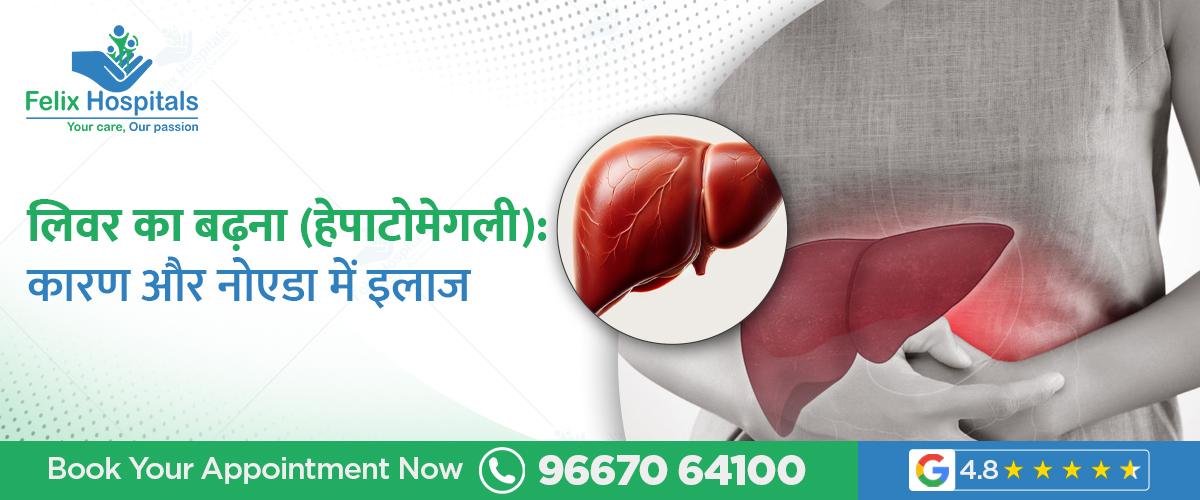
लिवर का बढ़ना (हेपाटोमेगली): कारण, लक्षण और नोएडा में उपचार

लिवर शरीर के सबसे महत्वपूर्ण अंगों में से एक है, जो पाचन, ऊर्जा निर्माण, डिटॉक्सिफिकेशन, हार्मोन संतुलन, और मेटाबॉलिज़्म जैसे अनेक कार्य करता है। जब लिवर अपने सामान्य आकार से बड़ा हो जाता है, तो इस स्थिति को हेपाटोमेगली (Hepatomegaly) कहा जाता है। यह कोई बीमारी नहीं बल्कि किसी गंभीर मेडिकल समस्या का संकेत हो सकता है। लिवर विशेषज्ञ डॉक्टर नोएडा में उपलब्ध है। नोएडा में उन्नत गैस्ट्रोएंटरोलॉजी सुविधाएं उपलब्ध हैं, जहाँ अनुभवी लिवर विशेषज्ञ समय पर जांच और उपचार प्रदान करते हैं।


अभी अपॉइंटमेंट बुक करें: +91 9667064100


लिवर बढ़ना किसे कहते हैं? (What is liver enlargement)

जब लिवर अपने सामान्य आकार से बड़ा होता है, तो इस स्थिति को लिवर बढ़ना या हेपाटोमेगली (Hepatomegaly) कहते हैं। लिवर सामान्यतः पसलियों के दाहिने नीचे हिस्से में सुरक्षित रहता है और हाथ से महसूस नहीं होता, लेकिन जब इसमें सूजन, वसा (फैट) का जमाव, संक्रमण या कोई बीमारी बढ़ती है, तो इसका आकार बढ़ जाता है और यह बाहर की ओर उभरने लगता है। सरल भाषा में कहें तो लिवर में सूजन या फैट जमा होने के कारण उसका सामान्य आकार बढ़ जाना ही लिवर बढ़ना कहलाता है। यह स्वयं कोई बीमारी नहीं है। बल्कि एक संकेत है कि लिवर में किसी प्रकार की समस्या जैसे सूजन, फैटी लिवर (Fatty liver), हेपेटाइटिस या संक्रमण, शराब से हुआ नुकसान, ट्यूमर, सिस्ट या अन्य गंभीर लिवर रोग विकसित हो रहा है। लिवर बढ़ना एक चेतावनी संकेत है जो समय पर ध्यान न देने पर सिरोसिस, लिवर फेल्योर या लिवर कैंसर जैसी गंभीर स्थितियों का कारण बनता है। इसलिए शुरुआती लक्षण दिखने पर जांच और उपचार बेहद जरूरी है।


लिवर बढ़ने के मुख्य कारण (Causes of Hepatomegaly)


फैटी लिवर डिजीजः

जब लिवर में अत्यधिक वसा जमा होती है, तो वह सामान्य आकार से बड़ा होता है। यह आजकल की बदलती जीवनशैली के कारण सबसे आम कारण माना जाता है। फैटी लिवर दो प्रकार का होता है। नॉन-अल्कोहलिक फैटी लिवर डिजीजी (NAFLD) और अल्कोहलिक फैटी लिवर डिजीज। NAFLD मोटापा, डायबिटीज, हाई कोलेस्ट्रॉल, जंक फूड, हाई फैट डाइट, इंसुलिन रेजिस्टेंस और शारीरिक निष्क्रियता के कारण विकसित होता है। यदि इसका समय पर इलाज न किया जाए, तो NAFLD धीरे-धीरे बढ़कर NASH (Non-alcoholic steatohepatitis) और आगे चलकर सिरोसिस में बदलता है। दूसरी ओर अल्कोहलिक फैटी लिवर डिज़ीज़ लंबे समय तक अत्यधिक शराब सेवन से होती है। जिससे लिवर की कोशिकाओं में सूजन पैदा होती है और स्थिति बिगड़ने पर सिरोसिस या लिवर फेल्योर तक पहुंचती है। सबसे महत्वपूर्ण बात यह है कि शुरुआती स्टेज में इसके लक्षण दिखाई नहीं देते, लेकिन लिवर का आकार लगातार बढ़ता रहता है।


वायरल हेपेटाइटिसः

हेपेटाइटिस वायरस लिवर में सूजन पैदा करते हैं, जिससे लिवर फूलने लगता है और उसका आकार बढ़ जाता है। हेपेटाइटिस B (Hepatitis B) और C सबसे अधिक लिवर को नुकसान पहुंचाते हैं संक्रमण रक्त, इंजेक्शन, सुई, दूषित भोजन/पानी या असुरक्षित यौन संबंध से फैलता है समय पर इलाज न मिले तो हेपेटाइटिस क्रोनिक होकर सिरोसिस और लिवर कैंसर में बदल सकता है


अल्कोहलिक लिवर डिजीजी

अत्यधिक शराब का सेवन धीरे-धीरे लिवर की कोशिकाओं को नष्ट करता है। शुरुआत में फैटी लिवर विकसित होता है। इसके बाद स्थिति बढ़ने पर अल्कोहलिक हेपेटाइटिस (Hepatitis) होता है। अंत में लिवर सिरोसिस की अवस्था में पहुंचता है। इन सभी चरणों के दौरान लिवर धीरे-धीरे बड़ा होता है। अपनी प्राकृतिक संरचना तथा कार्य क्षमता को खोने लगता है।


हृदय से जुड़ी समस्याएंः

जब हृदय शरीर में रक्त को ठीक से पंप नहीं कर पाता, तो लिवर में रक्त वापस जमा होने लगता है, जिसे कंजेस्टिव हेपाटोपैथी कहते हैं। इससे लिवर सूज जाता है। लिवर भारी और बड़ा महसूस होता है। पेट में दाहिने ऊपर दर्द भी हो सकता है। यह स्थिति गंभीर है और तुरंत उपचार की जरूरत होती है।


ट्यूमर और सिस्टः

लिवर में ट्यूमर या सिस्ट बनने की स्थिति में उसका आकार बढ़ने लगता है। इसमें लिवर कैंसर (हेपैटोसैलुलर कार्सिनोमा), हेमांगीओमा या एडेनोमा जैसे बेनाइन ट्यूमर, तरल से भरे लिवर सिस्ट और शरीर के अन्य हिस्सों से फैलकर आने वाला मेटास्टैटिक कैंसर शामिल हैं। इन सभी कारणों के चलते लिवर बाहरी ओर उभरने लगता है और कई मामलों में दर्द या असहजता भी महसूस होती है।


ऑटोइम्यून और मेटाबॉलिक बीमारयांः

कुछ दुर्लभ लेकिन गंभीर रोग भी लिवर को बड़ा बनाते हैं। जैसे ऑटोइम्यून हेपेटाइटिस जिसमें शरीर की प्रतिरक्षा प्रणाली स्वयं लिवर पर हमला करती है। विल्सन रोग जिसमें शरीर में कॉपर जमा होने लगता है, हीमोक्रोमैटोसिस जिसमें आयरन की अधिकता लिवर को नुकसान पहुंचाती है। अल्फा-1 एंटिट्रिप्सिन डिफिशिएंसी जिसमें एक आवश्यक प्रोटीन की कमी लिवर की कार्यक्षमता को प्रभावित करती है। ये सभी स्थितियाँ लिवर में सूजन और स्कारिंग पैदा करके उसके आकार में वृद्धि करती हैं।


दवाओं और टॉक्सिन्स का प्रभावः

कुछ दवाएं भी लिवर को नुकसान पहुंचाती हैं। जैसे अत्यधिक पेनकिलर्स (विशेषकर पेरासिटामॉल की अधिक मात्रा), स्टेरॉयड, एंटीबायोटिक्स, एंटी-फंगल दवाएं, कुछ आयुर्वेदिक या हर्बल दवाएं, तथा विभिन्न प्रकार के ड्रग्स और केमिकल्स। बिना डॉक्टर की सलाह के इन्हें लंबे समय तक सेवन करने से लिवर में सूजन, कोशिकाओं को क्षति और अंततः लिवर एनलार्जमेंट की समस्या उत्पन्न होती है।


संक्रमणः

कुछ बैक्टीरियल, वायरल और परजीवी संक्रमण भी लिवर को बड़ा कर देते हैं, जैसे मलेरिया, टाइफॉइड, मोनोन्यूक्लिओसिस और लीशमैनियासिस। ये संक्रमण लिवर में सूजन पैदा करते हैं, जिसके कारण उसका आकार बढ़ने लगता है और कई बार दर्द या असहजता भी महसूस हो सकती है।


फैमिली या जेनेटिक कारणः

कुछ लोगों में आनुवांशिक कारणों से लिवर रोग पीढ़ी-दर-पीढ़ी चलते हैं। समय पर जांच और निगरानी से इन्हें नियंत्रित किया जा सकता है।


लिवर बढ़ने के लक्षण (Symptoms of Liver Enlargement)

कई बार हेपाटोमेगली बिना लक्षण के रहती है, लेकिन आगे बढ़ने पर ये लक्षण दिखते हैं:


  • पेट के दाहिने ऊपरी हिस्से में दर्द या भारीपनः लिवर का आकार बढ़ने पर दबाव आता है, जिससे दर्द और भार महसूस होता है।

  • थकान और कमजोरीः लिवर सही काम नहीं करता, तो टॉक्सिन्स जमा होते हैं और शरीर कमजोर महसूस करता है।

  • भूख कम लगना और वजन घटनाः लिवर की कार्यक्षमता प्रभावित होने से भूख कम हो जाती है।

  • पेट फूलना और गैस बननाः लिवर की सूजन से पाचन प्रभावित होता है।

  • जॉन्डिसः त्वचा और आंखें पीली होना लिवर बिगड़ने का गंभीर संकेत है।

  • गहरे रंग का पेशाब और हल्का मलः बिलीरुबिन का असंतुलन इससे जिम्मेदार होता है।

  • मतली, उल्टी और पाचन में परेशानीः लिवर पित्त का निर्माण ठीक से नहीं कर पाता, जिससे पाचन बिगड़ता है।

अगर लक्षण लगातार बने रहें, तुरंत डॉक्टर से मिलें।


लिवर बढ़ने की जांच और टेस्ट (Diagnosis of Hepatomegaly)


लिवर फ़ंक्शन टेस्ट (एलएफटी)

LFT (लिवर फ़ंक्शन टेस्ट) के माध्यम से SGOT, SGPT, बिलिरुबिन, एल्ब्यूमिन और अल्कलाइन फॉस्फेटेज जैसे पैरामीटर जांचे जाते हैं, जिनसे यह पता चलता है कि लिवर कितना प्रभावित है और उसकी कार्यक्षमता में कितना बदलाव आया है।


अल्ट्रासाउंडः

लिवर का आकार, बनावट, फैटी लिवर, सिस्ट या ट्यूमर की जानकारी देता है। लिवर बढ़ने की पहली और जरूरी जांच होती है।


फाइब्रोस्कैनः

लिवर की कठोरता और फैटी लिवर की गंभीरता बताता है। बिना दर्द, बिना सुई की जांच होती है।


एचबीवी/एचसीवी टेस्टः

हेपेटाइटिस B और C वायरस की पुष्टि के लिए होता है।


सीटी स्कैन /एमआरआईः

ट्यूमर, सिस्ट, कैंसर, लिवर की आंतरिक संरचना इनकी विस्तृत रिपोर्ट के लिए उपयोगी होता है।


लिवर बायोप्सीः

जटिल मामलों में लिवर के ऊतक की जांच की जाती है। रोग की स्टेजिंग और सही कारण पता चलता है।


लिवर बढ़ने का उपचार (Treatment of Hepatomegaly)


उपचार उसके कारण पर निर्भर करता है:


दवाइयांः

लिवर बढ़ने का उपचार पूरी तरह उसके कारण पर निर्भर करता है। दवाइयों के माध्यम से इलाज सबसे आम तरीका है। यदि मरीज को हेपेटाइटिस बी या सी है, तो एंटीवायरल दवाएं दी जाती हैं, जो वायरस को नियंत्रित करके लिवर की सूजन कम करती हैं। ऑटोइम्यून हेपेटाइटिस जैसी स्थितियों में इम्यूनो-सप्रेसिव दवाएं दी जाती हैं। जिससे प्रतिरक्षा प्रणाली लिवर पर हमला न करे। इसके अलावा, लिवर में मौजूद सूजन को कम करने के लिए एंटी-इंफ्लेमेटरी दवाएं और लिवर-सपोर्टिव मेडिकेशन भी दी जाती हैं, जो लिवर कोशिकाओं को ठीक होने में मदद करते हैं। सही दवा और समय पर इलाज लिवर एनलार्जमेंट को नियंत्रित करने में महत्वपूर्ण भूमिका निभाता है।


लाइफस्टाइल सुधारः

लिवर बढ़ने के उपचार में लाइफस्टाइल सुधार भी बहुत महत्वपूर्ण है। इसके लिए शराब का पूरी तरह परहेज करना चाहिए क्योंकि यह लिवर को सबसे अधिक नुकसान पहुंचाती है। वजन को नियंत्रित रखना, संतुलित आहार लेना जिसमें कम तेल, कम चीनी और अधिक फल-सब्जियां शामिल हों, लिवर की सेहत के लिए लाभकारी होता है। इसके साथ ही पर्याप्त पानी पीना और जंक फूड या तले हुए भोजन से दूरी बनाए रखना भी जरूरी है, ताकि लिवर पर अतिरिक्त दबाव न पड़े और उसका आकार नियंत्रित रहे।


नियमित व्यायामः

लिवर को स्वस्थ रखने में नियमित व्यायाम की बहुत अहम भूमिका होती है। प्रतिदिन कम से कम 30 मिनट की शारीरिक गतिविधि जैसे ब्रिस्क वॉक, योग, साइक्लिंग या हल्का कार्डियो करना लिवर की कार्यक्षमता को बेहतर बनाता है। यह न केवल ब्लड सर्कुलेशन को बढ़ाता है। बल्कि वजन को नियंत्रित रखने में मदद करता है। जिससे फैटी लिवर जैसी समस्याओं का जोखिम कम होता है। नियमित व्यायाम से शरीर में विषैले पदार्थों का स्तर भी नियंत्रित रहता है। तनाव कम होता है और लिवर को लंबे समय तक स्वस्थ बनाए रखने में मदद मिलती है।


सर्जरी / ट्रांसप्लांटः

कुछ गंभीर परिस्थितियों में सर्जरी या लिवर ट्रांसप्लांट ही एकमात्र विकल्प होता है। उदाहरण के लिए जब लिवर में बड़े ट्यूमर होते हैैं। गंभीर सिरोसिस विकसित होती है या लिवर फेल्योर की स्थिति आती है। तब ट्रांसप्लांट की जरूरत पड़ती है। लिवर ट्रांसप्लांट (Liver transplant) में बीमार लिवर को हटाकर स्वस्थ डोनर लिवर प्रत्यारोपित किया जाता है। जिससे मरीज की जीवन गुणवत्ता और स्वास्थ्य दोनों में सुधार होता है। इसके अलावा कुछ मामलों में लिवर की सर्जरी ट्यूमर, सिस्ट या पित्त नली के अवरोध को हटाने के लिए की जाती है। यह प्रक्रिया जटिल है। लेकिन आधुनिक तकनीक और अनुभवी सर्जनों की सहायता से सफलता दर काफी बढ़ चुकी है और मरीज को लंबी उम्र और बेहतर जीवन सुनिश्चित करने में मदद मिलती है।


समय पर इलाजः

लिवर रोग अक्सर धीरे-धीरे बढ़ते हैं और प्रारंभिक चरण में गंभीर दिखाई नहीं देते। हालांकि समय रहते निदान और उपचार अत्यंत महत्वपूर्ण है। क्योंकि इससे लिवर की क्षति को रोका जाता है। गंभीर जटिलताओं जैसे सिरोसिस, लिवर फेल्योर या कैंसर से बचाव संभव होता है। शुरुआती लक्षण जैसे थकान, पेट में भारीपन, पीलापन या वजन घटना दिखाई देने पर तुरंत डॉक्टर से परामर्श लेना चाहिए। समय पर इलाज न केवल लिवर की कार्यक्षमता बनाए रखता है बल्कि मरीज की जीवन गुणवत्ता और लंबी उम्र को भी सुरक्षित करता है।


गैस्ट्रोएंटरोलॉजिस्ट नोएडा में उपलब्ध है। नोएडा में उन्नत लिवर जांच और विशेषज्ञ इलाज आसानी से उपलब्ध है। अभी अपॉइंटमेंट शेड्यूल करें – कॉल करें: +91 9667064100


निष्कर्ष (Conclusion)

लिवर बढ़ना एक चेतावनी संकेत है, जो फैटी लिवर, हेपेटाइटिस, शराब सेवन, ट्यूमर या मेटाबोलिक समस्याओं का परिणाम हो सकता है। थकान, पेट दर्द, जॉन्डिस, गैस, उल्टी या भूख में कमी जैसे लक्षण दिखाई दें तो तुरंत नोएडा में सर्वश्रेष्ठ गैस्ट्रोएंटेरोलॉजिस्ट (Best Gastroenterologists In Noida) से संपर्क करें। समय पर सही जांच और इलाज न होने पर बीमारी गंभीर रूप ले सकती है। इसलिए बिना देरी किए अनुभवी डॉक्टर की सलाह लें और उन्हीं के निर्देशानुसार दवाएं व उपचार अपनाएं।

  
अक्सर पूछे जाने वाले सवाल (FAQs)


प्रश्न 1: लिवर बढ़ने का सबसे आम कारण क्या है?
उत्तर: फैटी लिवर (NAFLD) और शराब सेवन इसके सबसे आम कारण हैं। इसलिए शराब का सेवन नहीं करना चाहिए। 


प्रश्न 2: क्या लिवर बढ़ना रिवर्स हो सकता है?
उत्तर: हां, शुरुआती स्टेज में सही इलाज, डाइट और व्यायाम से लिवर सामान्य आकार में आ सकता है। इसलिए डॉक्टर की सलाह पर इलाज जरूरी है।


प्रश्न 3: क्या अल्ट्रासाउंड से लिवर बढ़ना पता चलता है?
उत्तर: हां, यह लिवर के आकार, बनावट और फैट जमा होने की जानकारी देता है। इसलिए समय रहते जांच करानी चाहिए।


प्रश्न 4: क्या लिवर बढ़ने में जॉन्डिस जरूरी है?
उत्तर: नहीं, शुरुआती स्टेज में जॉन्डिस नहीं आता है। मगर अगर लक्षण गंभीर हो तो जांच में देरी नहीं करनी चाहिए।


प्रश्न 5: क्या लिवर बढ़ने में दवा जरूरी है?
उत्तर: कारण पर निर्भर करता है। कुछ मामलों में सिर्फ डाइट और लाइफस्टाइल से सुधार होता है। इसलिए इलाज में देरी नहीं करें।

Your Health, Our Priority

Request Call Back

Request an Appointment

CAPTCHA
Solve this simple math problem and enter the result. E.g. for 1+3, enter 4.
* By clicking on the above button you agree to receive updates on WhatsApp

Aneurysm Surgery in India: Advanced Treatment Options

Table of Contents

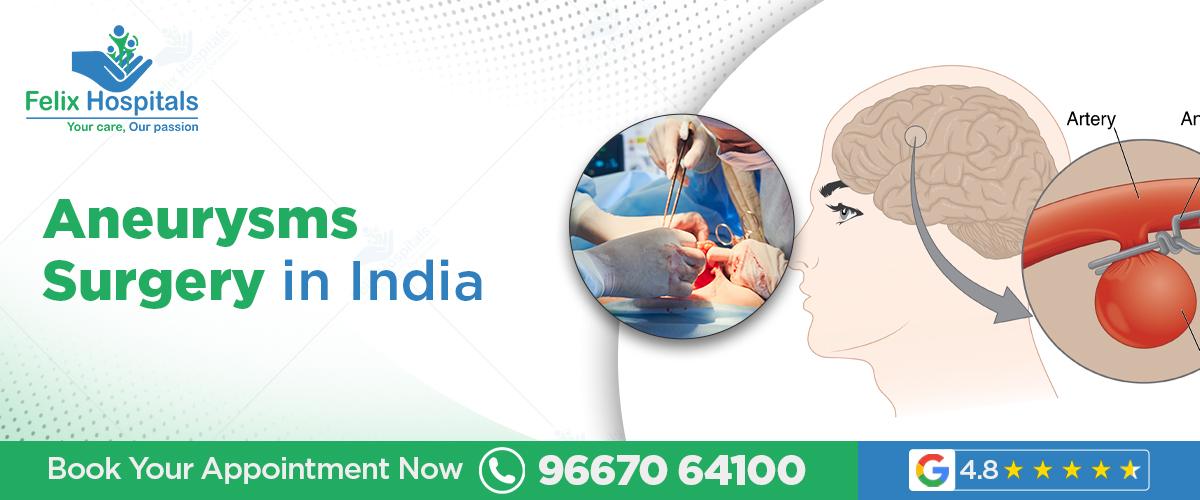
Aneurysms are life-threatening conditions that require timely diagnosis and expert intervention. Over the last decade, Aneurysm Surgery in India has become globally recognised for its advanced technology, skilled neurosurgeons, successful surgical outcomes, and significantly affordable treatment options for both Indian and international patients. With modern neurovascular tools and highly experienced specialists, patients can expect world-class care without compromising safety or quality.


This comprehensive guide explains the types of aneurysm surgery, procedure options, risks, recovery expectations, international patient support, cost considerations, and success rates—so patients and families can make informed decisions.


Schedule Aneurysm Surgery at Felix Hospital, Noida India Call Us:  +919560795791 And WhatsApp  +919560795791 us now. Our team will help you book the best treatment and arrange your medical visa hassle-free.


What Is an Aneurysm?

An aneurysm is a weakened, bulging section of a blood vessel. When the vessel wall stretches and balloons out, it can rupture and cause life-threatening bleeding. Brain aneurysms are the most serious because a rupture can lead to stroke, coma, neurological damage, or death.
Early diagnosis through CT, MRI, or angiography greatly increases the chance of successful treatment.

Types of Aneurysm Surgery


Choosing the right procedure depends on the aneurysm’s size, shape, and location. Surgeons may recommend one of the following types of aneurysm surgery:

1. Surgical Clipping
 

This is a traditional neurosurgical procedure where a metal clip is placed at the base of the aneurysm to stop blood flow into the bulge.
Benefits:
 

  • Long-term protection
  • Effective for complex or irregularly shaped aneurysms
  • Suitable for younger patients needing lasting durability

2. Endovascular Coiling
 

A minimally invasive option where coils are inserted through a catheter to block blood flow into the aneurysm.
Benefits:

  • No open skull surgery
  • Faster recovery
  • Less postoperative pain

3. Flow Diverter Stents

Used for large or wide-neck aneurysms. These stents redirect blood away from the aneurysm and promote healing of the vessel wall.
Benefits:
 

  • Advanced treatment for complex aneurysms
  • Lower surgical trauma
  • High success in long-term vessel reconstruction

4. Pipeline Embolization Devices


A newer neuro-intervention technique for difficult-to-access aneurysms.
Benefits:

  • Excellent for wide-neck or giant aneurysms
  • Minimizes risk of recurrence
  • Often requires just a small catheter entry point


Brain Aneurysm Surgery Options in India


India has become a major hub for brain aneurysm care thanks to:
 

  • Skilled neurosurgeons with global training
  • Advanced neuro-interventional labs
  • Affordable yet high-standard treatment


Strong postoperative rehabilitation systems


Most major hospitals provide clipping, coiling, flow diversion, and hybrid neurosurgical techniques that match international standards of brain aneurysm management.

Preparing for Aneurysm Surgery


Proper preparation ensures safety and improves outcomes. Here is what patients—especially international ones—should expect:

1. Diagnostic Evaluation

Doctors may request CT angiography, MR angiography, catheter angiography, blood tests, and cardiovascular assessments.
 

2. Managing Existing Conditions

Hypertension, diabetes, and heart disease must be stabilised before surgery.
 

3. Medication Review

Patients may be asked to stop blood thinners, herbal supplements, and non-essential medications for several days.
 

4. Travel and Stay Arrangements (for International Patients)


Most hospitals assist international patients with:
 

  • Visa guidance
  • Medical invitation letters
  • Airport pickup
  • Translator support
  • Local stay arrangements
  • Assistance with medical reports and follow-up planning


5. Psychological Preparation
 

Understanding the procedure reduces anxiety. Surgeons explain risks, recovery expectations, and the type of surgery most suitable for the patient.

Risks of Aneurysm Surgery

All neurosurgical procedures carry some degree of risk, but early intervention and experienced surgical teams greatly reduce complications.
Possible risks include:

  • Stroke or temporary neurological deficits
  • Infection or bleeding
  • Blood vessel spasms
  • Memory or speech issues (depending on the aneurysm location)
  • Reaction to anesthesia
  • Recurrence (rare with modern techniques)

Minimally invasive procedures like endovascular coiling and flow diversion generally have fewer complications and quicker recovery times.

Recovery After Aneurysm Surgery

  • Recovery timelines vary depending on the procedure:
  • After Surgical Clipping
  • Hospital stay: 5–10 days
  • Full recovery: 6–12 weeks
  • Restrictions on heavy activity
  • After Endovascular Coiling or Stenting
  • Hospital stay: 2–4 days
  • Recovery: 1–3 weeks
  • Minimal scarring or discomfort
  • Continuous Monitoring


Patients undergo follow-up scans to ensure the aneurysm is sealed and blood flow is restored safely.

Cost of Brain Aneurysm Surgery in India


One of the biggest reasons international patients choose India is cost transparency and affordability.
Typical costs vary by:
 

  • Type of surgery (clipping vs coiling vs stent)
  • Device used (flow diverter, coils, pipeline stent)
  • Hospital stay duration
  • Pre/post investigations

Estimated cost range in India:
 

  • Endovascular coiling: ₹3,50,000 – ₹8,00,000
  • Surgical clipping: ₹3,00,000 – ₹6,00,000
  • Flow diversion stents: ₹8,00,000 – ₹20,00,000 (depends on device type)


Compared to the US, UK, or Middle East, the overall cost is 60–80% lower, making India a preferred global medical destination.

Success Rates of Brain Aneurysm Surgery in India


With modern technology and experienced neurosurgeons, success rates have significantly improved.
Average success rates in India:
 

  • Endovascular coiling: 85–95%
  • Flow diverters: 90–98%
  • Surgical clipping: 90–95%


Multiple Indian neurosurgical centres now match international benchmarks, offering excellent survival and long-term outcomes.

Why Choose Felix Hospital for Aneurysm Surgery in India?


Felix Hospital is recognised for its advanced neurosurgery, emergency stroke care, and modern neuro-interventional capabilities, placing it among the trusted centres for Aneurysm Surgery in India. The hospital provides:
24×7 neurosurgical emergency support

  • Experienced neuro-intervention team
  • High-end angiography & neuro-diagnostics
  • International patient assistance (visa, travel, accommodation, documentation)
  • Strong ICU and critical care system
  • Post-surgery rehabilitation support


Felix ensures a safe, coordinated, and outcome-driven treatment pathway for complex aneurysm cases.

FAQs

1.Is aneurysm surgery painful?

Most discomfort is mild and manageable with medications.


2.How long does recovery take after aneurysm surgery?

Minimally invasive procedures recover within weeks; open surgery takes longer.


3.Can I fly after brain aneurysm surgery?

Yes, but only after your surgeon confirms stability through follow-up scans.


4.Are aneurysm surgeries safe for seniors?

Yes, with proper pre-surgical evaluation and risk control.


5.Is India a good choice for affordable brain aneurysm treatment?

Yes, India offers world-class surgical outcomes at far lower costs.

Schedule Aneurysm Surgery at Felix Hospital, Noida India Call Us:  +919560795791 And WhatsApp  +919560795791 us now. Our team will help you book the best treatment and arrange your medical visa hassle-free.


Your Health, Our Priority

Request Call Back

Request an Appointment

CAPTCHA
Solve this simple math problem and enter the result. E.g. for 1+3, enter 4.
* By clicking on the above button you agree to receive updates on WhatsApp

Arthroscopic Surgery in India: Advanced Keyhole Treatment for Faster Recovery

Arthroscopy has become one of the most widely performed orthopaedic procedures worldwide due to its precision, minimal tissue disruption, and faster rehabilitation. In India, the demand for arthroscopic procedures has grown significantly, supported by advanced surgical units, improved imaging technology, and experienced orthopaedic specialists. This guide provides a comprehensive, professional overview of Arthroscopic Surgery in India, including types of procedures, indications, benefits, risks, recovery expectations, and why selecting the right hospital matters.


Schedule Arthroscopic Surgery at Felix Hospital, Noida India Call Us:  +919560795791 And WhatsApp  +919560795791 us now. Our team will help you book the best treatment and arrange your medical visa hassle-free.

What is Arthroscopic Surgery?


Arthroscopic surgery is a minimally invasive orthopaedic technique that allows surgeons to diagnose and treat joint conditions through very small incisions. A specialised instrument called an arthroscope—equipped with a camera and fibre-optic light—is inserted into the joint. Live magnified images are displayed on a monitor, enabling the surgeon to evaluate internal structures such as cartilage, ligaments, tendons, and synovium with exceptional clarity.


Alongside the arthroscope, micro-instruments are introduced through additional tiny portals to perform corrective procedures. Because the surgery avoids large incisions, patients typically experience less pain, minimal scarring, reduced infection risk, and faster mobilization compared to open surgery.
 

Arthroscopy is commonly performed on joints such as the knee, shoulder, hip, elbow, wrist, and ankle, making it a crucial component of modern orthopaedic care in India.


When Is Arthroscopic Surgery Recommended?
 

Professionals recommend arthroscopy when symptoms and diagnostic tests indicate internal joint pathology that cannot be adequately managed with medications, physiotherapy, or injections.
 

Typical indications include:

  • Persistent joint pain affecting mobility or daily activities

  • Mechanical symptoms such as locking, catching, or instability

  • Suspected ligament tears
  • Cartilage injuries requiring repair or debridement
  • Recurrent joint swelling or synovitis
  • Failed response to conservative management


Arthroscopy also allows surgeons to confirm diagnosis in complex cases where imaging alone does not provide complete clarity.


Types of Arthroscopic Surgery


The types of arthroscopic surgery performed depend on the specific joint and the underlying problem. In India, the following procedures are among the most commonly conducted:


1. Knee Arthroscopy

Used for:
 

  • ACL and PCL reconstruction
  • Meniscus repair or partial meniscectomy
  • Cartilage restoration
  • Removal of loose bodies
  • Treatment of patellar instability

Knee arthroscopy is one of the highest-volume arthroscopic procedures in the country due to sports injuries and degenerative changes.


2. Shoulder Arthroscopy

Used for:
 

  • Rotator cuff repair
  • Bankart repair for recurrent shoulder dislocation
  • Subacromial decompression
  • Labrum repair
  • Biceps tenodesis
  • Frozen shoulder release

This procedure offers excellent visualization of the glenohumeral joint, making it preferred over open techniques for many conditions.


3. Hip Arthroscopy

Used for:

  • Femoroacetabular impingement (FAI)
  • Labral tears
  • Cartilage injuries
  • Synovial disorders

Hip arthroscopy requires high surgical expertise and advanced equipment due to the joint’s depth and complex anatomy.


4. Ankle Arthroscopy

Used for:
 

  • Osteochondral defects
  • Ligament injuries
  • Loose bodies
  • Synovitis
  • Chronic ankle pain

It provides quick recovery for athletes and patients with recurrent instability.

5. Elbow & Wrist Arthroscopy

Used for:
 

  • Tennis elbow refractory to conservative treatment
  • Loose body removal
  • Synovectomy
  • Triangular fibrocartilage complex (TFCC) repair


6. Small Joint Arthroscopy

Performed on small joints of the foot and hand using micro-scope systems for precise stabilisation and debridement.
Across India, the availability of these types of arthroscopic surgery has grown due to improved training, dedicated arthroscopy units, and better rehabilitation support.

Advantages of Arthroscopy Surgery
 

The advantages of arthroscopy surgery extend beyond reduced incision size. Some of the most clinically relevant benefits include:
 

1. Superior Joint Visualisation

High-definition cameras deliver magnified images, enabling accurate diagnosis and precise surgical correction that may not be possible with open surgery.
 

2. Minimal Soft Tissue Damage

Surgeons operate through tiny portals (0.5–1 cm), significantly reducing trauma to surrounding muscles, ligaments, and skin.
 

3. Lower Infection and Complication Rates

Smaller incisions and sterile arthroscopy suites reduce postoperative risks, making recovery smoother.
 

4. Faster Rehabilitation

Patients typically begin mobilisation early, with many returning to daily activities sooner than with conventional open surgery.
 

5. Reduced Hospital Stay

Most arthroscopic procedures are performed as day-care or short-stay surgeries.
 

6. Better Cosmetic Outcomes

Minimal scarring and smaller sutures contribute to better aesthetic results, especially for younger patients and athletes.
These advantages make Arthroscopic Surgery in India an optimal choice for both traumatic injuries and degenerative joint disorders.

Risks and Complications of Arthroscopy


Although arthroscopy is generally safe, it is still a surgical procedure with potential complications. Understanding these risks allows for transparent patient counselling.

Possible complications include:
 

  • Infection (rare due to small incisions and sterile technique)

  • Bleeding or hemarthrosis
  • Stiffness or reduced range of motion
  • Deep vein thrombosis (DVT)
  • Nerve or vessel injury (very rare)
  • Failure of repair in extensive ligament or tendon damage
  • With proper patient selection, skilled surgeons, and structured rehabilitation, complication rates remain low.


Recovery After Arthroscopic Surgery

Recovery depends on the type of surgery performed, the joint involved, and patient-specific factors.
 

Typical recovery timeline:


Day 1–3: Pain control, icing, elevation, and gentle mobilisation

Week 1–2: Suture removal, improved mobility, initiation of basic physiotherapy

Week 3–6: Strength training, gait correction (for lower limb surgeries)

Month 3 onwards: Return to sports or high-demand activities, depending on healing


Rehabilitation is a critical part of recovery. Physiotherapists focus on range-of-motion exercises, muscle strengthening, proprioceptive training, and functional retraining to ensure optimal joint performance.
Adherence to postoperative advice determines long-term outcomes.

Arthroscopic Surgery in India: Why It’s a Preferred Choice
 

India has emerged as a strong centre for arthroscopic procedures owing to the presence of experienced orthopaedic surgeons, modern surgical infrastructure, advanced imaging, and cost-effective treatment. Patients from across India and abroad choose arthroscopic treatment due to:
 

  • Availability of skilled sports injury specialists
  • Dedicated arthroscopy units in tertiary hospitals
  • Usage of globally approved implants
  • Shorter hospital stays and quicker return to activity
  • Comprehensive physiotherapy and rehabilitation services


Why Choose Felix Hospital for Arthroscopic Surgery?


Felix Hospital offers comprehensive orthopaedic care supported by advanced technology and experienced surgical teams. Our arthroscopy unit provides:
 

  • Experienced Arthroscopy & Sports Injury Specialists
  • High-definition arthroscopy towers and precision micro-instruments
  • Modern modular operating theatres with strict infection control
  • Accurate diagnosis through in-house MRI, CT, and digital X-ray
  • Customised rehabilitation plans designed by trained physiotherapists
  • Patient-centred care with continuous monitoring and follow-up


Felix prioritises clinical outcomes, safety, and evidence-based management for every patient undergoing arthroscopic procedures.


FAQs

1.How does arthroscopy help athletes?

It repairs injuries with minimal downtime, helping athletes return to sport faster.


2.Are the results permanent?

Results are long-lasting if rehabilitation is followed and no major reinjury occurs.


3.How soon can I resume work?

Desk jobs can usually resume within a few days; physical jobs take longer.


4.Do international patients get assistance for tests and recovery planning?

Yes, most hospitals provide coordinators to help with appointments, reports, and follow-ups.


5.Is arthroscopic surgery expensive in India?

It is significantly more affordable than many countries, with no compromise on medical standards.
 

Schedule Arthroscopic Surgery at Felix Hospital, Noida India Call Us:  +919560795791 And WhatsApp  +919560795791 us now. Our team will help you book the best treatment and arrange your medical visa hassle-free.

Your Health, Our Priority

Request Call Back

Request an Appointment

CAPTCHA
Solve this simple math problem and enter the result. E.g. for 1+3, enter 4.
* By clicking on the above button you agree to receive updates on WhatsApp

Asthma Attacks in Winter And Treatment In Noida: How to Prevent Breathing Problems

Winter can be a challenging season for individuals with respiratory conditions, especially asthma. Cold air, dry weather, and seasonal infections often exacerbate why asthma worsens in winter, leading to frequent attacks, discomfort, and even hospital visits. Understanding triggers, recognizing early signs, and consulting expert pulmonologists in Noida can help manage asthma effectively and maintain a healthy lifestyle during colder months.


Protect your lungs this winter. Call +91 9667064100 to book a pulmonologist appointment 


Why Asthma Worsens in Winter

Asthma is a chronic respiratory condition that inflames and narrows the airways. During winter, certain factors contribute to why asthma worsens in winter:


  • Cold air causing airway constriction

  • Dry indoor heating leading to dry airways

  • Increased prevalence of viral infections like cold and flu

  • Exposure to indoor allergens such as dust mites and mold


Patients often experience increased coughing, wheezing, shortness of breath, and chest tightness during these months. Awareness of these triggers is crucial for preventing serious attacks.


Early Signs of Asthma Attack

Identifying early signs of asthma attack is essential to prevent escalation. Common early warning signs include:
 

  • Persistent coughing, especially at night or early morning

  • Wheezing or whistling sound during breathing

  • Shortness of breath and difficulty speaking in full sentences

  • Chest tightness or pressure

  • Fatigue due to inadequate oxygen supply

Early recognition allows timely intervention, reducing the need for emergency treatment and hospitalization. Patients should monitor symptoms closely and maintain regular consultations with an asthma doctor consultation near me for guidance.


How to Prevent Asthma Attacks in Winter

Proactive measures can significantly reduce the frequency and severity of winter asthma attacks. Here’s how to prevent asthma attacks in winter:


  • Use inhalers as prescribed: Maintenance medications help prevent inflammation.

  • Avoid cold air exposure: Wear scarves or masks outdoors to warm the air before inhalation.

  • Control indoor air quality: Use humidifiers, air purifiers, and reduce dust accumulation.

  • Vaccinate: Seasonal flu shots can reduce risk of infection-related attacks.

  • Follow an asthma action plan: Monitor peak flow readings and keep emergency medications handy.


Implementing these strategies ensures patients experience fewer symptoms and maintain normal daily activities.


Winter Care Tips for Asthma Patients

Seasonal adjustments can help maintain respiratory health. Winter care tips for asthma patients include:
 

  • Stay warm indoors and outdoors: Avoid prolonged exposure to cold environments.

  • Hydration: Drink warm fluids to keep airways moist.

  • Nutritional support: Include immunity-boosting foods like fruits, vegetables, and vitamins.

  • Exercise safely: Option for indoor exercises that do not trigger bronchospasms.

  • Monitor air quality: Limit outdoor activities during high pollution days or when pollen counts are high.

Following these tips reduces the likelihood of severe asthma exacerbations during the winter months.


Cold Weather Asthma Symptoms and Treatment

Cold weather can trigger cold weather asthma symptoms and treatment needs to be personalized based on the severity:


  • Mild symptoms: Managed with short-acting bronchodilators and avoiding triggers.

  • Moderate symptoms: Inhaled corticosteroids, leukotriene modifiers, and regular monitoring.

  • Severe symptoms: Emergency medical attention with oxygen therapy, nebulization, or hospitalization if necessary.

Consulting a pulmonologist ensures proper medication adjustment, monitoring, and long-term management.


Choosing the Right Pulmonologist in Noida

Finding a qualified specialist is critical for managing asthma. A book pulmonologist appointment near me should consider:


  • Board-certified pulmonologists experienced in seasonal asthma management

  • Access to pulmonary function tests and advanced diagnostic tools

  • Availability of emergency care and round-the-clock support

  • Personalized asthma management plans and patient education


Hospitals in Noida provide comprehensive care with experienced specialists, modern diagnostic facilities, and ongoing follow-up for asthma patients.


Lifestyle Adjustments for Winter Asthma

Long-term control involves integrating lifestyle measures. Patients can improve outcomes with:
 

  • Regular medication adherence and monitoring symptoms

  • Avoiding exposure to indoor allergens like dust, mold, and pet dander

  • Maintaining healthy weight to reduce respiratory strain

  • Ensuring adequate sleep to improve immune function

  • Planning outdoor activities during warmer parts of the day

These measures complement medical treatment and minimize the risk of acute attacks.


Emergency Preparedness for Asthma Patients

Being prepared for emergencies can save lives. Patients should have a plan for asthma doctor consultation near me including:
 

  • A written asthma action plan with clear instructions for different severity levels

  • Readily available inhalers, spacer devices, or nebulizers

  • Emergency contacts for doctors and nearby hospitals

  • Knowledge of early warning signs that require urgent attention

Preparedness ensures that asthma attacks are managed promptly, reducing the risk of severe complications.


Role of Hospitals and Specialized Care

Specialized hospitals offer comprehensive care for asthma patients, including:
 

  • Advanced pulmonary function testing and imaging

  • Customized medication management and education

  • Emergency services for severe attacks

Multidisciplinary approach including nutritionists and physiotherapists for respiratory health


Felix Hospital’s pulmonary department combines expertise, modern facilities, and patient-centered care to help asthma patients manage symptoms effectively during winter.
 

Don’t compromise on your child or your health this winter. Contact at +91 9667064100 for expert asthma care in Noida.


Conclusion

Asthma patients face increased risks during winter due to cold air, dry conditions, and viral infections. Understanding why asthma worsens in winter, recognizing early signs of an asthma attack, and following preventive strategies are essential for maintaining respiratory health. Consulting a skilled pulmonologist and adopting winter-specific care measures ensures fewer attacks and better quality of life. Hospitals like Felix Hospital provide advanced diagnostic, treatment, and preventive care for asthma patients at the Best Pulmonology Hospital in Noida, helping them breathe easier and live healthier.


FAQs


Q1: Why do asthma attacks become more frequent in winter?

Ans. Cold air, dry conditions, and increased viral infections exacerbate asthma symptoms during winter months.


Q2: How can I prevent my asthma from worsening in winter?

Ans. Follow an asthma action plan, use inhalers as prescribed, maintain indoor air quality, and avoid cold air exposure.


Q3: What are the early signs of an asthma attack?

Ans. Early signs include wheezing, persistent coughing, shortness of breath, chest tightness, and fatigue.


Q4: When should I consult a pulmonologist for asthma?

Ans. Seek consultation if symptoms increase in frequency or severity, or if over-the-counter medications fail to control attacks.


Q5: Can asthma patients exercise during winter?

Ans. Yes, but it should be moderate and preferably indoors. Avoid cold exposure that may trigger bronchospasms.

Your Health, Our Priority

Request Call Back

Request an Appointment

CAPTCHA
Solve this simple math problem and enter the result. E.g. for 1+3, enter 4.
* By clicking on the above button you agree to receive updates on WhatsApp

Paediatric Pulmonologist in Noida

Children with breathing problems require specialised assessment, accurate diagnosis, and gentle, sympathetic care. Early consultation with a Noida paediatric pulmonologist will help identify underlying factors of repetitive cough, wheeze, noisy breathing, lack of exercise endurance, or frequent chest infections. In cases of regular pneumonia, asthma, sleep-disordered breathing, or bronchiectasis, timely support from a child lung specialist in Noida aids evidence-based treatment, reduces flare-ups, and improves long-term lung development.


Book your appointment with the best pediatric pulmonologist Noida today at +91 9667064100.


Why Children Need Specialized Lung Care

Why Consult a Pediatric Pulmonologist? Children are not just small adults. Their airways are narrower, immune systems are still maturing, and symptoms often present differently than in adults. A paediatric pulmonologist understands these differences and is trained to manage respiratory conditions specific to children.


Conditions that seem minor at first—like recurrent chest infections or nighttime coughing—can progress if not evaluated properly. Early specialist care helps identify the root cause rather than just treating symptoms repeatedly.


Common Respiratory Problems in Children

Children may suffer from a wide range of lung-related conditions, some temporary and others chronic. Recurrent cough, noisy breathing, breathlessness during play, or frequent hospital visits for chest infections should never be ignored.


Common paediatric lung conditions include asthma, recurrent pneumonia, bronchiolitis, chronic cough, allergic airway disease, sleep-related breathing disorders, and congenital lung abnormalities.


Signs Your Child Should See a Lung Specialist

Why Consult a Pediatric Pulmonologist? becomes especially important if your child shows warning signs such as persistent wheezing, frequent respiratory infections, difficulty breathing, or poor weight gain due to breathing effort.


Other red flags include coughing that lasts more than four weeks, breathing problems that worsen at night, or symptoms that keep returning despite regular treatment from a general doctor.


Asthma and Wheezing Disorders in Children

Asthma is one of the most common reasons parents seek paediatric pulmonology care. Children may experience wheezing, chest tightness, coughing, or shortness of breath, often triggered by infections, exercise, dust, or pollution.


Proper diagnosis involves lung function testing adapted for children, allergy evaluation, and long-term management plans to reduce flare-ups and hospital visits.


Recurrent Chest Infections and Pneumonia

Repeated chest infections are not normal in growing children. Frequent pneumonia or bronchitis may indicate an underlying immune or airway problem that needs evaluation.


A paediatric pulmonologist looks beyond antibiotics to identify causes such as airway narrowing, aspiration, or structural lung conditions.


Chronic Cough in Children

Why Consult a Pediatric Pulmonologist? when a cough does not go away despite treatment. Chronic cough may result from asthma, postnasal drip, reflux, or less common lung diseases.


Specialist assessment helps determine the exact cause and avoids unnecessary medications.


Sleep-Related Breathing Disorders

Some children have breathing difficulties during sleep, including snoring, pauses in breathing, or restless sleep. These issues can affect growth, learning, and behavior.


A paediatric pulmonologist evaluates sleep-related breathing disorders using clinical assessment and, when required, sleep studies designed for children.


Advanced Diagnostic Tests for Children’s Lung Health

Modern paediatric pulmonology uses child-friendly diagnostic tools to ensure accurate results with minimal discomfort. These may include chest imaging, spirometry adapted for children, allergy testing, bronchoscopy, and sleep studies.


Early and precise diagnosis allows targeted treatment and better long-term outcomes.


Treatment Approach in Paediatric Pulmonology

Treatment focuses on long-term lung health rather than short-term relief. Management plans are customized based on the child’s age, diagnosis, severity, and lifestyle.


Therapies may include inhaled medications, airway clearance techniques, allergy management, vaccination guidance, and parent education on symptom monitoring.


Role of Parents in Managing Child Lung Disorders

Parents play a critical role in treatment success. Understanding medication usage, recognizing early warning signs, and maintaining follow-up visits are essential.


Education provided by paediatric pulmonologists empowers families to manage conditions confidently at home.


How to Choose the Right Child Lung Specialist

How to Choose the Right Child Lung Specialist involves more than qualifications alone. Parents should look for experience in paediatric respiratory disorders, access to child-friendly diagnostic facilities, and a hospital environment designed for children.
Clear communication, patience, and the ability to explain complex conditions in simple terms are equally important qualities in a child lung specialist.


Best Pediatric Pulmonology Hospital in Noida

Best Pediatric Pulmonology Hospital in Noida offers a multidisciplinary setup where paediatricians, pulmonologists, radiologists, and respiratory therapists work together. Such coordinated care ensures accurate diagnosis, seamless treatment, and emergency support when needed.


Availability of advanced NICU and PICU facilities is crucial for managing severe respiratory conditions in children.


Importance of Early Intervention

Early specialist care prevents disease progression, reduces hospital admissions, and improves a child’s quality of life. Timely treatment also minimizes school absences and supports normal physical development.


Parents should trust their instincts and seek specialist advice if something feels wrong.


Long-Term Outlook for Children with Lung Conditions

With proper diagnosis and management, most children with respiratory disorders can lead active, normal lives. Regular follow-up and treatment adjustments ensure that lung health improves as the child grows.


Early intervention makes a lifelong difference.


If your child has recurrent cough, wheezing, or breathing difficulty, early care is essential. Call +91 9667064100 to consult a Pediatric pulmonologist Noida today.


Conclusion

Respiratory health plays a vital role in a child’s overall growth and development. Persistent breathing problems should never be ignored or repeatedly treated without proper evaluation. Consulting a paediatric pulmonologist ensures accurate diagnosis, targeted treatment, and long-term lung health. Many of the best pediatricians in noida work closely with paediatric pulmonologists to provide comprehensive respiratory care. With specialized paediatric care available in Noida, children with respiratory conditions receive timely treatment and expert medical support.


FAQs


Q1 : Is frequent coughing normal in children?
A: Occasional cough is normal, but persistent or recurrent cough needs evaluation.


Q2: Can asthma in children be controlled completely?
A: Yes, with proper treatment and monitoring, most children live symptom-free.


Q3: Are inhalers safe for long-term use in children?
A: Yes, when used correctly under medical supervision, they are safe and effective.


Q4: Do children outgrow lung problems?
A: Some conditions improve with age, but others need long-term management.


Q5: When should I seek emergency care for breathing problems?
A: Severe breathlessness, bluish lips, or chest retractions need immediate attention.

Your Health, Our Priority

Request Call Back

Request an Appointment

CAPTCHA
Solve this simple math problem and enter the result. E.g. for 1+3, enter 4.
* By clicking on the above button you agree to receive updates on WhatsApp
Best Child Heart Specialists in Noida

Cardiovascular health is important to children to make them healthy and well-developed. In the case of child cardiac care, the right expert may be the difference. Noida is home to some of the top medical facilities and the best pediatric heart specialist Noida who specialize in diagnosing and managing cardiovascular conditions in children. The timely consultation and treatment are the keys to getting specialists to pay personal attention to young hearts and provide them with high-quality care. The blog addresses the significance of specialized pediatric cardiology, prevention of heart complications in children, and the selection of the be to achieve favorable results and good performance.


Why Choose a Pediatric Cardiologist?

Kids are not little adults, they have different hearts which have different ways of developing. The question of why a pediatric cardiologist is an effective choice is answered by considering the fact that these specialists have a long course of training and can focus on the specific manipulations that will be effective with the fragile physiology of children. Some of the conditions that Pediatric cardiologists deal with are congenital heart defects, arrhythmias, heart murmurs and acquired heart diseases. They are also confident in proper diagnosis of complicated heart issues using such instruments as echocardiography, cardiac MRI, and child-specific catheter-based interventions.


They also know the emotional and psychological needs of the child and family which offer them to deliver caring treatment and effective communication in the process of treatment. This is a specialized method, which enhances surgery and non-surgery treatment results in a dramatic manner.


Preventive Heart Care for Children

Heart disease in children, whether congenital or acquired, benefits greatly Preventive Heart Care for Children aimed at reducing complications and ensuring positive long-term health. Preventive heart care for children includes regular screenings, maintaining a healthy weight, encouraging physical activity, and managing common risk factors like high blood pressure or infections.


Fraught early diagnosis tends to result in less intrusive care and improved quality of life. Vaccinations against rheumatic fever that may damage heart valves, as well as educating parents about such symptoms as shortness of breath, cyanosis, or fatigue, can accelerate the process of referral to specialists.


Healthy lifestyles need to be promoted at a young age to minimize the chances of getting cardiovascular issues in their future. The child heart specialists have a comprehensive counseling of the family on nutrition, exercising and environmental risk factors avoidance.


How to Select the Right Child Heart Specialist

knowing How to Select the Right Child Heart Specialist can be overwhelming but focusing on critical factors can aid the decision:


  • Experience and Expertise: Seek a long history of training and experience in the field of pediatric cardiology and experience in the treatment of various types of heart defects and diseases.

  • Facility Resources: The availability of contemporary diagnostic and treatment apparatus and interdisciplinary care coordination is a necessity.

  • Accessibility and Interaction: It is essential to have a doctor that explains conditions and treatment choices and involves families in the decision making process.

  • Emergency Support: Heart diseases in children can be emergency care; select a specialist who is related to the hospital that provide pediatric cardiac ICU and surgical support.

  • Reviews and Rating: Find customer reviews and patient experiences to determine the success rate and bedside manner of the specialist.

  • Child experts in Noida have been established where personal assessments and specialized treatment can be done to enhance the possibility of a healthy development.


Common Paediatric Cardiac Conditions

The common ones include congenital heart defects, including ventricular or atrial septal defects, patent ductus arteriosus, as well as more complex defects. Depending on the severity, closed or open surgical repair can be done.

Irregular heartbeats or arrhythmias are conditions that require special care by paediatric electrophysiologists who prescribe medications and minimize invasive procedures to restore normal rhythm and they reduce risks.

Rheumatic heart disease should be treated by antibiotics in time and followed up to avoid permanent damage of the valves.

Cardiac care teams should be used to provide medical and even surgical care to cardiomyopathies and acquired heart diseases as a result of infections or system diseases.


Diagnostic Tools and Techniques

The specialists in child heart conduct their evaluations through advanced imaging and monitoring techniques:


  • Echocardiograms are images of heart structure and flow made in real-time and non-invasively.

  • ECG and Holter monitors measure the rhythm of the heart over a period of time in identifying arrhythmias.

  • Diagnostic assessment and treatment interventions like defect closure makes cardiac catheterization possible.

  • MRI and CT scans can give a more detailed insight into the anatomy where more information is required.

  • Pulse oximetry helps to identify the oxygen contents particularly in cyanotic heart diseases.


Advantages of Early Detecting and Treatment


  • Surgical outcomes, number of complications and functional capacity in life are better when a disease is detected early in life by means of screening.

  • Continuous treatment involves changes in medications, physical exercise, and lifestyle changes to help maintain heart functions.

  • Knowledge and support in families enable them to identify changes in time and intervene.


Conclusion

Heart disease in children requires delicate, expert care delivered by the best pediatric heart specialist Noida. With access to comprehensive diagnostics, preventive heart care for children, and personalized treatments, the children of Noida can grow into vibrant adults. Early recognition and effective treatment at centers offering child heart disease treatment in Noida safeguard young lives and ensure a healthy future. When you have any suspicion of your child having any heart related problems, then the best thing to do is to book an appointment with a reputed pediatric cardiologist.


FAQs


Q1: How often and when are the visits to a pediatric cardiologist?
Ans: A specialist assessment is required in case your child exhibits indicators of inappropriate feeding, shortness of breath, cyanosis, and delayed development.


Q2: Are congenital heart defects anything that can be fixed?
Ans: Yes, a lot of defects can be corrected through surgical intervention or catheters removal with great success.


Q3: What is the lifestyle in relation to children with heart problems?
Ans: Eating well, being physically active and avoiding infection is important.


Q4: What is the diagnosis of childhood arrhythmia?
Ans: In pediatric cardiac care, diagnostics of arrhythmias are accurate with the assistance of Holter monitoring and ECG tests.


Q5: Should children have follow-up on its heart surgery?
Ans: Yes, the constant follow-ups check heart work and the general development assuring further health.

Subscribe to