 WhatsApp
 Emergency:
  WhatsApp





Subscribe to our
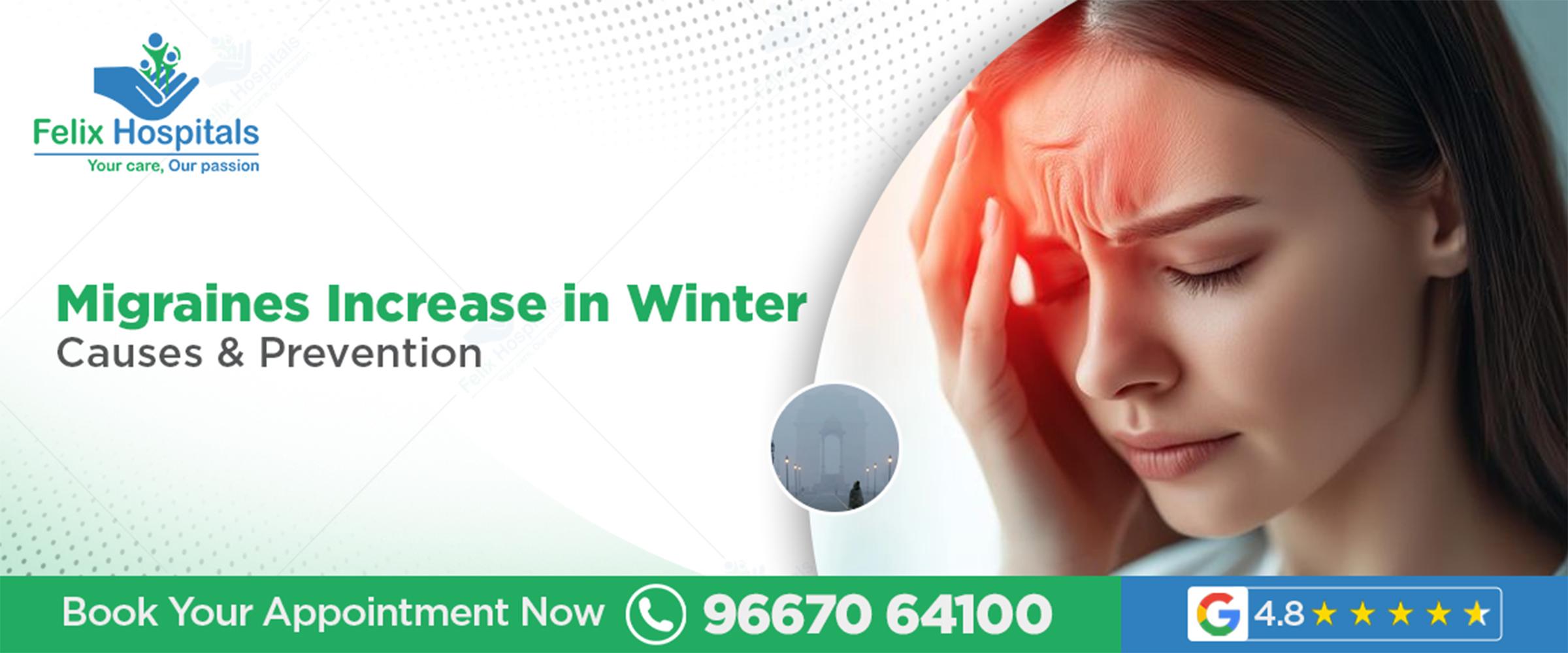
Winter brings chilly weather, shorter days, and changes in atmospheric conditions. For many people, it also triggers migraines in winter, causing intense headaches, sensitivity to light and sound, nausea, and disruption of daily activities. Understanding the reasons behind winter migraines, recognizing early warning signs, and seeking timely medical care in Noida can help manage symptoms effectively and improve quality of life.
Migraines are more than just headaches—they are neurological events that can affect vision, mood, and cognitive function. Seasonal changes, particularly during winter, can exacerbate migraine frequency and severity. Consulting expert neurologists in Noida and adopting preventive strategies can reduce attacks and help patients stay productive even during the cold months.
Don’t let winter migraines disrupt your life. Call +91 9667064100 to book a neurologist appointment.
Several factors contribute to why migraines increase in winter:
Cold weather and temperature fluctuations can trigger nerve and vascular changes in the brain.
Reduced sunlight exposure leads to lower serotonin levels, increasing migraine susceptibility.
Changes in air pressure may affect blood flow and nerve signaling, causing headaches.
Seasonal stress and routine disruption can exacerbate neurological sensitivity.
Dehydration due to lower fluid intake in cold months can further trigger attacks.
Understanding these triggers enables patients to take preventive measures before symptoms escalate.
Identifying winter headache causes is essential for effective prevention and treatment:
Sinus congestion caused by cold, dry air
Muscle tension from shivering or staying in awkward positions to keep warm
Dietary changes with high intake of sugary or processed foods during winter
Sleep disruption due to shorter daylight hours
Environmental factors such as indoor heating and low humidity
Recognizing these factors allows patients to adjust their lifestyle and minimize headache frequency.
Being aware of early signs of migraine in cold weather can prevent full-blown attacks. Common indicators include:
Mild, throbbing headache starting on one side of the head
Sensitivity to light, sound, or strong odors
Nausea or dizziness
Blurred vision or aura
Fatigue and difficulty concentrating
Early recognition ensures timely intervention with medications or lifestyle adjustments.
Proactive steps can help reduce the frequency and severity of winter migraines. Here’s a guide to migraine prevention tips:
Maintain regular sleep patterns to stabilize neurological function
Stay hydrated even in cold weather
Avoid known dietary triggers, including caffeine overuse and processed foods
Use stress-management techniques such as yoga, meditation, or breathing exercises
Keep a migraine diary to identify triggers and patterns
Consistent preventive measures help patients experience fewer attacks and maintain their daily routine.
Patients can adopt simple strategies to manage headache in cold weather effectively:
Dress warmly and wear hats or scarves to protect against cold exposure
Avoid sudden temperature changes when moving from outdoor to indoor environments
Ensure adequate sunlight exposure or consider vitamin D supplementation
Perform gentle neck and shoulder stretches to reduce muscle tension
Limit alcohol consumption, which can dehydrate and trigger migraines
Integrating these habits into daily life complements medical care and reduces migraine severity.
When preventive measures are insufficient, professional care is essential. Winter migraine treatment may include:
Acute medications: Over-the-counter or prescribed pain relievers such as NSAIDs or triptans
Preventive medications: Beta-blockers, anticonvulsants, or antidepressants for frequent attacks
Neuromodulation therapy: Non-invasive devices to control migraine-related nerve activity
Trigger-specific treatments: Adjusting diet, environment, or medications based on patient-specific triggers
Follow-up care: Regular monitoring and consultation with a neurologist to adjust treatment as needed
Timely professional intervention reduces attack intensity and duration while improving overall well-being.
Consulting a specialized hospital ensures comprehensive care for winter migraines. Benefits include:
Advanced diagnostic facilities to identify migraine type and triggers
Access to board-certified neurologists experienced in seasonal migraine management
Personalized treatment plans combining preventive and acute care
Patient education on lifestyle modification and trigger avoidance
Hospitals like Felix Hospital in Noida offer expert neurologist consultations and advanced migraine management for patients struggling with seasonal headaches.
Keeping track of symptoms is essential for long-term management. Patients should:
Maintain a migraine diary noting attack frequency, triggers, and intensity
Track sleep, diet, stress levels, and weather conditions
Record response to medications or lifestyle changes
Review patterns with a neurologist to optimize treatment
Stay alert for changes in migraine patterns that may indicate underlying conditions
Tracking ensures targeted care and effective migraine prevention.
Alongside medical treatment, some complementary strategies can help manage migraines in winter:
Regular exercise to improve blood circulation and reduce stress
Acupuncture or acupressure for pain relief
Massage therapy to reduce muscle tension in the neck and shoulders
Mindfulness practices to alleviate stress-related migraine triggers
Cold or warm compresses depending on headache type
Combining these approaches with professional care maximizes symptom control and reduces reliance on medications.
Take control of your migraines this winter. Call +91 9667064100 to consult a top neurologist today.
Migraines tend to increase in winter due to environmental, lifestyle, and physiological factors. Recognizing why migraines increase in winter, identifying early signs of migraine in cold weather, and following migraine prevention tips are essential for minimizing discomfort and maintaining productivity. Hospitals like Felix Hospital in Noida provide specialized care, including diagnosis, preventive strategies, and targeted treatment for winter-related headaches. Best Migraine Doctor in Noida with proper medical guidance, lifestyle adjustments, and trigger management, patients can enjoy winter months without being sidelined by migraine attacks.
Q1: Why are migraines more common in winter?
Ans: Cold temperatures, reduced sunlight, air pressure changes, and dehydration increase neurological sensitivity, triggering more frequent migraines.
Q2: How can I prevent winter migraines at home?
Ans. Maintain proper sleep, hydration, nutrition, stress management, and avoid known triggers like processed foods or sudden temperature changes.
Q3: What are the early warning signs of a migraine in cold weather?
Ans. Early signs include mild headache, sensitivity to light or sound, nausea, blurred vision, or fatigue.
Q4: When should I see a neurologist for migraines?
Ans. Consult a neurologist if migraines increase in frequency or severity, disrupt daily activities, or do not respond to preventive measures.
Q5: Are there treatments specific for winter-related migraines?
Ans. Yes, treatment includes preventive medications, acute therapies, lifestyle modifications, and neurologist-guided trigger management.

Experiencing tingling in your hands or feet? It could signal a nerve-related issue. Consult our expert neurologists at Felix Hospitals to find the cause and get the right treatment today.

Learn about migraine types, symptoms, and effective treatments for children in Noida.
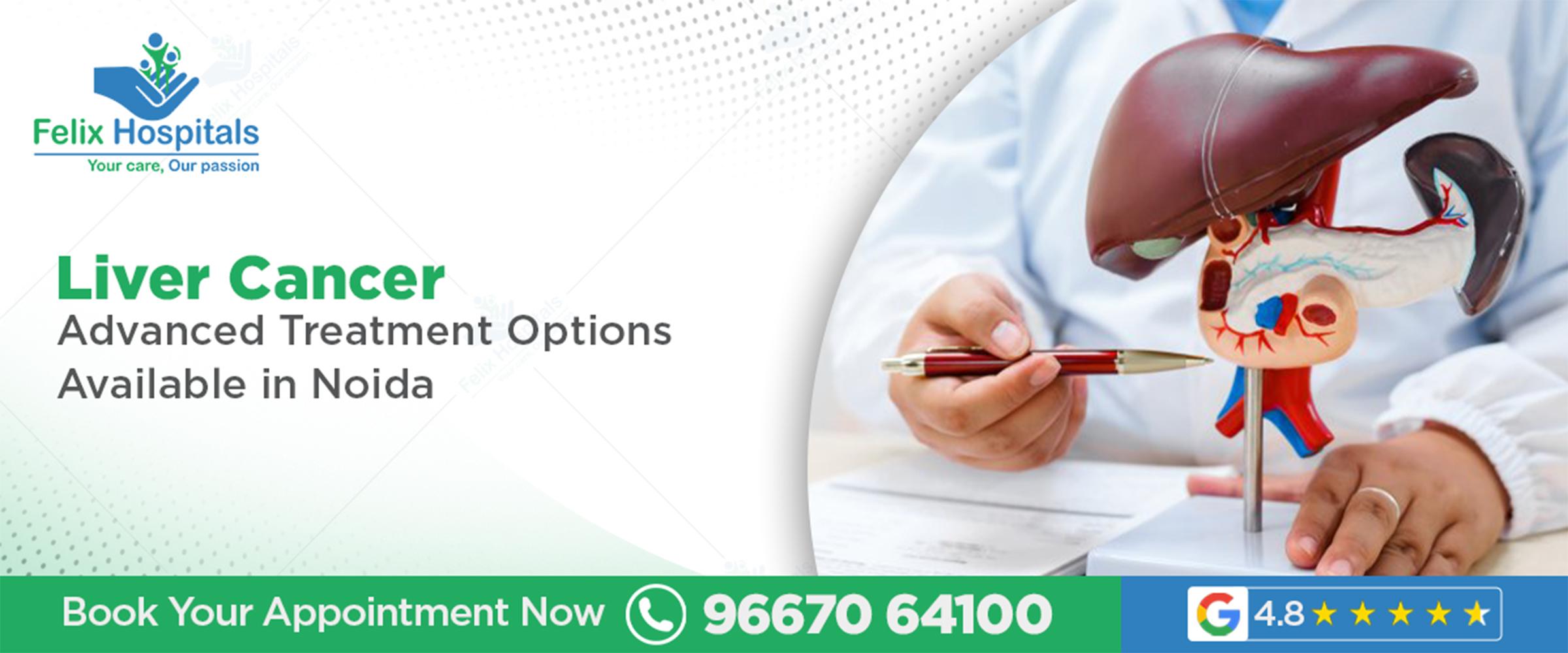
Liver cancer is a serious and life-threatening condition that arises when abnormal cells grow uncontrollably within the liver. It often develops silently and may go unnoticed until it reaches an advanced stage. Patients and families frequently ask is stage 3 liver cancer curable in Noida?, as timely diagnosis and access to advanced treatment significantly influence survival and quality of life.
If you or a loved one is experiencing persistent liver-related symptoms, call +91 9667064100 to consult experienced cancer specialists in Noida immediately.
Liver cancer may originate in the liver itself or spread from other organs. Primary liver cancer commonly develops in people with chronic liver disease, hepatitis infections, or cirrhosis. Comprehensive evaluation at a center with multidisciplinary expertise is essential, which is why many patients seek care at a liver cancer doctor in Noida for accurate diagnosis and personalized treatment planning.
In the early stages, liver cancer may not cause noticeable symptoms. As the disease progresses, patients may experience abdominal pain, swelling, unexplained weight loss, fatigue, or yellowing of the skin and eyes. These warning signs often prompt patients to consult a hepatologist doctor in Noida for further investigation and liver-specific care.
Several conditions increase the risk of developing liver cancer, including chronic hepatitis B or C infection, long-term alcohol consumption, fatty liver disease, and diabetes. Patients with existing liver disorders require regular monitoring by a liver cancer doctor in Noida to detect malignant changes early.
Early detection greatly improves treatment outcomes. Unfortunately, many cases are diagnosed late due to vague symptoms. Patients often ask is stage 3 liver cancer curable in Noida?, and while advanced stages are more challenging, modern therapies have significantly improved survival and disease control.
Diagnosis involves blood tests, imaging studies such as ultrasound, CT scan, or MRI, and sometimes biopsy. Tumor markers and liver function tests help determine disease severity. Advanced diagnostic protocols available at leading cancer centers ensure accurate staging and planning.
Staging describes tumor size, spread within the liver, lymph node involvement, and distant metastasis. This staging helps doctors predict outcomes and choose appropriate therapy. Many families ask is liver cancer curable in stage 4 in Noida?, and while cure is rare at this stage, treatment can still improve survival and quality of life.
Treatment depends on stage, liver function, and patient health. Options may include surgery, ablation therapies, targeted drugs, immunotherapy, or chemotherapy. Access to comprehensive cancer infrastructure, similar to that found at a best lung cancer hospital in Noida, often benefits patients requiring advanced oncology support systems.
Surgery offers the best chance of cure for early-stage liver cancer. Procedures may include partial liver resection or liver transplantation in selected patients. Many patients want to know what is the success rate of liver cancer surgery in Noida?, which largely depends on tumor stage, liver health, and surgical expertise.
For patients who are not candidates for surgery, non-surgical options such as radiofrequency ablation, transarterial chemoembolization (TACE), and targeted therapies can effectively control tumor growth. These treatments are planned in coordination with a hepatologist doctor in Noida to preserve remaining liver function.
Targeted drugs and immunotherapy have revolutionized liver cancer treatment by attacking cancer cells while sparing healthy tissue. These therapies are particularly beneficial in advanced stages, improving outcomes under the supervision of a liver cancer doctor in Noida.
Treatment costs vary based on disease stage, treatment modality, hospital facilities, and duration of care. Patients commonly ask what is the cost of liver cancer treatment in Noida?, and costs can range widely depending on whether surgery, systemic therapy, or supportive care is required.
Liver cancer treatments may cause fatigue, nausea, appetite loss, or liver function changes. Supportive care, nutritional counseling, and symptom management play a crucial role in improving patient comfort and recovery during treatment.
A liver cancer diagnosis can be emotionally overwhelming for patients and families. Anxiety, fear, and uncertainty are common, making counseling and emotional support essential components of holistic care provided by oncology teams in Noida.
Regular follow-up is essential to monitor treatment response, manage complications, and detect recurrence early. Imaging studies and blood tests are scheduled periodically under the guidance of a hepatologist doctor in Noida.
If you are concerned about liver cancer symptoms or need advanced treatment options, call +91 9667064100 to book a consultation with experienced cancer specialists in Noida today.
Liver cancer requires timely diagnosis, expert evaluation, and access to advanced treatment options to improve survival and quality of life. While advanced stages remain challenging, modern surgical techniques, targeted therapies, and supportive care have transformed outcomes. With specialized doctors and comprehensive cancer care available, patients can receive effective liver cancer treatment in Noida and make informed decisions about their health.
Q1. Can liver cancer be treated without surgery?
A: Yes, non-surgical treatments like ablation, targeted therapy, and immunotherapy are effective in many cases.
Q2. Is liver cancer always fatal?
A: No, early-stage liver cancer can be treated successfully, and advanced stages can still be managed to prolong life.
Q3. How long does liver cancer treatment last?
A: Treatment duration depends on stage and response, ranging from months to long-term management.
Q4. Can lifestyle changes support treatment?
A: Yes, avoiding alcohol, maintaining nutrition, and managing liver disease help improve outcomes.
Q: 5. Is regular follow-up necessary after treatment?
A: Yes, lifelong monitoring is essential to detect recurrence early and manage liver health.
Understand how fatty liver develops, its key stages, and the steps needed for recovery. Early diagnosis and expert treatment can help reverse damage and restore liver function.

Chronic hip pain can severely limit mobility, independence, and quality of life. When medications, physiotherapy, and lifestyle changes fail to provide relief, hip replacement surgery becomes a reliable and life-changing solution. With advanced surgical techniques and structured rehabilitation programs, patients undergoing hip replacement in Noida are experiencing faster recovery and long-term pain relief.
This guide explains who needs hip replacement, the benefits of surgery, recovery timelines, and how to choose the right orthopedic care.
To schedule a hip replacement doctor appointment Noida with experienced specialists, contact us now. Call +91 9667064100
Hip replacement surgery involves removing the damaged portions of the hip joint and replacing them with artificial implants designed to restore smooth movement and reduce pain. It is commonly recommended for patients with advanced arthritis, fractures, or joint degeneration.
The surgery helps patients return to daily activities that were previously limited by pain and stiffness.
Hip replacement is advised when:
Hip pain persists despite conservative treatment
Walking, sitting, or sleeping becomes difficult
Joint stiffness limits movement
Quality of life is affected
Conditions commonly requiring surgery include osteoarthritis, rheumatoid arthritis, avascular necrosis, and severe hip injuries.
Patients often ask, what are the benefits of hip replacement surgery in Noida? Modern orthopedic care offers several advantages.
Key benefits include:
Significant pain relief
Improved mobility and flexibility
Better posture and balance
Enhanced ability to perform daily activities
Long-lasting improvement in quality of life
Advanced surgical expertise and rehabilitation support contribute to better outcomes.
Hip replacement surgery is performed using precision techniques to ensure accurate implant placement. Depending on the case, surgeons may use minimally invasive approaches to reduce muscle damage and speed up recovery.
The procedure typically lasts a few hours, followed by monitored hospital recovery.
A common concern is, how long is recovery after hip replacement in Noida? Recovery varies depending on age, health, and rehabilitation adherence.
Walking with support within 1–2 days
Basic daily activities within 2–4 weeks
Improved mobility by 6–8 weeks
Full recovery over a few months
Structured physiotherapy plays a critical role in recovery success.
Strengthening muscles around the hip
Improving balance and coordination
Preventing stiffness and complications
Restoring confidence in movement
Following rehabilitation advice ensures long-term success of the surgery.
Patients frequently inquire about the cost of hip replacement surgery in Noida. The cost depends on several factors, including:
Type of implant used
Surgical technique
Hospital infrastructure
Length of hospital stay
Post-operative care requirements
Transparent evaluation helps patients plan treatment without unexpected expenses.
Many patients look for affordable hip replacement options in Noida without compromising safety or outcomes.
Affordable care is achieved through:
Individualized treatment planning
Choice of implant based on medical need
Efficient hospital protocols
Shorter recovery stays
Discussing options with specialists helps identify cost-effective solutions.
Selecting the right surgeon directly impacts surgical success. Patients often search for the best orthopedic doctor for hip replacement in Noida based on experience and outcomes.
Accurate diagnosis
Appropriate implant selection
Lower complication risk
Faster recovery
Consulting skilled professionals improves confidence and results.
Modern techniques allow:
Smaller incisions
Reduced blood loss
Less post-operative pain
Faster mobilization
These advances have made hip replacement safer and more predictable.
While hip replacement is highly successful, potential risks include:
Infection
Blood clots
Implant wear over time
Temporary stiffness
Proper surgical planning and post-operative care minimize these risks.
After recovery, most patients can:
Walk comfortably without pain
Resume normal daily activities
Sleep better
Regain independence
Long-term success depends on maintaining a healthy lifestyle and regular follow-up.
Medical evaluation is necessary if:
Hip pain persists for months
Pain worsens with activity
Movement becomes restricted
Pain affects sleep or daily tasks
Early consultation may prevent further joint damage.
Patients seeking expert guidance can schedule a hip replacement doctor appointment Noida to discuss diagnosis, treatment options, and recovery planning.
Access to top orthopedic surgeons for hip replacement in Noida ensures high-quality care and long-term success.
Delaying surgery when indicated may lead to:
Muscle weakness
Joint deformity
Reduced surgical outcomes
Prolonged disability
Timely intervention improves recovery and mobility.
For expert evaluation and personalized treatment planning, book hip replacement consultation in Noida today. Call +91 9667064100
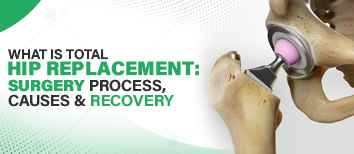
Hip replacement surgery offers lasting relief from chronic hip pain and restores mobility for patients struggling with joint damage. Understanding what are the benefits of hip replacement surgery in Noida, being informed about how long is recovery after hip replacement in Noida, and exploring affordable hip replacement hospital in Noida helps patients make confident decisions. With expert surgeons, advanced techniques, and structured rehabilitation, hip replacement can dramatically improve quality of life and independence.
Q.1 Can elderly patients safely undergo hip replacement surgery?
Ans. Yes, age is not a barrier if overall health is suitable.
Q.2 How long does a hip replacement implant last?
Ans. Most implants last 15–20 years or longer with proper care.
Q.3 Will I need physiotherapy after surgery?
Ans. Yes, physiotherapy is essential for strength and mobility recovery.
Q.4 Can I climb stairs after hip replacement?
Ans. Yes, most patients regain stair-climbing ability after rehabilitation.
Q.5 Is hip replacement surgery permanently pain-free?
Ans. Most patients experience long-term pain relief after recovery.
Tuberculosis (TB) is primarily known as a respiratory infection caused by Mycobacterium tuberculosis, but it can affect various body parts, including bones and joints.

Learn the causes, symptoms, and treatments of hip osteoarthritis for better joint health.
Prostate cancer is one of the most common cancers affecting men above 50. Early detection can make a significant difference in treatment outcomes and survival rates. Recognizing early warning signs of prostate cancer in men over 50 helps patients seek timely medical care and avoid complications. Urology Hospitals in Noida offer specialized urology services with advanced diagnostic facilities and expert consultations for comprehensive prostate health management.
Many men dismiss mild urinary changes or discomfort as normal aging, but these can be early indicators of prostate disease. Understanding warning signs and seeking hospital-based evaluation is essential for proactive healthcare.
Don’t wait to check your prostate health. Call +91 9667064100 to book a urologist appointment today.
Identifying early warning signs of prostate cancer in men over 50 ensures timely diagnosis. Common signs include:
Awareness of these symptoms prompts early consultation with a urologist, improving the chances of successful treatment.
Early detection significantly improves outcomes. Here’s how to how to detect prostate cancer early:
Routine screenings and professional evaluation are essential for men above 50 to catch cancer at its earliest stage.
Not all prostate issues indicate cancer, but recognizing symptoms of prostate problems in older men helps distinguish between benign and malignant conditions:
Identifying these symptoms early allows doctors to recommend appropriate tests and interventions.
Preventive measures can help reduce the risk of prostate cancer. Here are some prostate cancer prevention tips:
Adopting these measures alongside medical guidance promotes long-term prostate health.
Early consultation is key to preventing complications. Patients should know when to see a doctor for prostate issues:
Urologists at specialized hospitals in Noida provide thorough evaluation, early diagnosis, and tailored treatment plans for men with prostate concerns.
Specialized hospitals offer comprehensive care for prostate health:
Hospitals like Felix Hospital in Noida provide expert care to detect prostate cancer early and improve treatment outcomes.
Alongside professional care, certain lifestyle changes support prostate health:
Combining lifestyle adjustments with hospital care improves overall prostate health and reduces cancer risk.
Regular monitoring is crucial for early detection. Key steps for how to detect prostate cancer early include:
Early and consistent monitoring ensures timely intervention and better outcomes.
Prioritize your prostate health today. Call +91 9667064100 to consult a urologist
Prostate cancer is a serious health concern for men above 50, but early detection can save lives. Recognizing early warning signs of prostate cancer in men over 50, understanding symptoms of prostate problems in older men, and following prostate cancer prevention tips are essential steps in maintaining prostate health. Hospitals like Felix Hospital in Noida provide specialized urology care, advanced diagnostics, and expert treatment by the Best urologist in Noida for men with prostate concerns. Regular screenings, professional guidance, and lifestyle adjustments empower men to take control of their prostate health and detect potential issues before they become serious.
Q1: What are the early warning signs of prostate cancer in men over 50?
Ans. Difficulty urinating, weak urine flow, frequent nighttime urination, pain during urination, and blood in urine or semen are common signs.
Q2: How can prostate cancer be detected early?
Ans. Through PSA blood tests, digital rectal exams, imaging, and biopsy if necessary. Prompt reporting of urinary changes is crucial.
Q3: What are the common prostate problems in older men?
Ans. Enlarged prostate, urinary retention, pelvic discomfort, painful ejaculation, and blood in urine or semen are common issues.
Q4: How can men reduce the risk of prostate cancer?
Ans. Maintain a healthy diet, exercise regularly, limit alcohol and tobacco, maintain a healthy weight, and attend regular screenings.
Q5: When should I see a doctor for prostate issues?
Ans. Consult a urologist for persistent urinary difficulty, blood in urine, pelvic pain, family history of cancer, or abnormal screening results.
Prostate cancer is a common type of cancer in men that affects the prostate gland. Understanding its symptoms, causes, and treatment options can help in early detection and effective management.
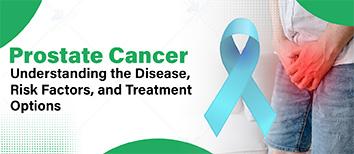
Prostate cancer is a type of cancer that occurs in the prostate gland, a small walnut-shaped gland responsible for producing seminal fluid, which nourishes and transports sperm.

One of our leading specialists is Dr. Bhanwar All Barkesiya, a highly skilled urologist with extensive experience in diagnosing and treating prostate conditions.
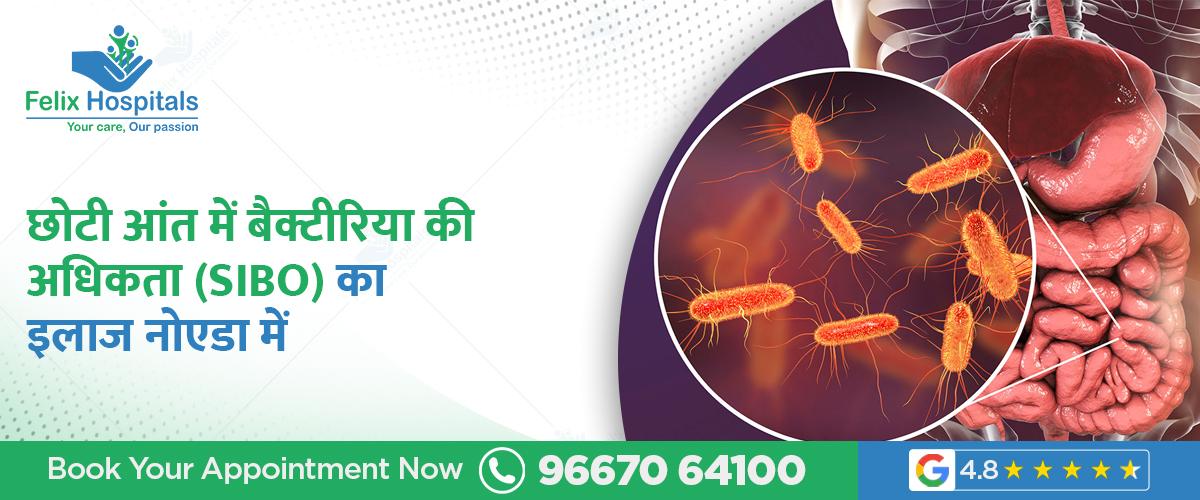
छोटी आंत हमारे पाचन तंत्र का वह महत्वपूर्ण भाग है। जहां भोजन के अंदर मौजूद पोषक तत्व अवशोषित होते हैं। सामान्य स्थिति में छोटी आंत में बैक्टीरिया की मात्रा बहुत कम रहती है। लेकिन जब किसी कारण से इनमें अचानक वृद्धि हो जाती है, तो इस स्थिति को छोटी आंत में बैक्टीरिया का अत्यधिक बढ़ना (एसआईबीओ) कहा जाता है। SIBO का इलाज नोएडा में उपलब्ध है। यदि आप नोएडा में एसआईबीओ के लक्षण महसूस कर रहे हैं, तो नोएडा में सर्वश्रेष्ठ गैस्ट्रोएंटेरोलॉजिस्ट से तुरंत जांच कराना जरूरी है।
अधिक जानकारी के लिए संपर्क करें: +91 9667064100
एसआईबीओ एक ऐसी स्थिति है जिसमें छोटी आंत में सामान्य से अधिक बैक्टीरिया बढ़ते हैं। यह बैक्टीरिया भोजन को समय से पहले तोड़ देते हैं। बड़ी मात्रा में गैस, अम्ल और विषाक्त पदार्थ बनते हैं। जिससे पाचन तंत्र असंतुलित होता है। यह समस्या अस्थायी भी होती है और क्रॉनिक भी। यदि समय पर इलाज न हो, तो एसआईबीओ कई गंभीर पाचन समस्याओं का कारण बन सकता है।
एसआईबीओ को तीन मुख्य प्रकारों में बांटा जाता है। हाइड्रोजन-डॉमिनेंट एसआईबीओ में बैक्टीरिया कार्बोहाइड्रेट को किण्वित करके हाइड्रोजन गैस बनाते हैं। जिससे दस्त, पेट दर्द, गैस और पेट फूलने जैसे लक्षण दिखते हैं। मीथेन-डॉमिनेंट एसआईबीओ (आईएमओ) में मीथेन गैस बनाने वाले बैक्टीरिया अधिक होते हैं। जिसके कारण सामान्यत कब्ज, पेट भारी लगना और गैस की समस्या अधिक होती है। तीसरा प्रकार हाइड्रोजन सल्फाइड एसआईबीओ है। जिसमें बैक्टीरिया हाइड्रोजन सल्फाइड गैस बनाते हैं। इसके कारण तेज बदबू वाली गैस, थकान, दस्त या कब्ज जैसे लक्षण देखे जाते हैं।
जब आंत की मांसपेशियां भोजन और गैस को आगे नहीं बढ़ा पातीं, तो छोटी आंत में बैक्टीरिया रुककर बढ़ते हैं। यह स्थिति गैस्ट्रोपेरेसिस, मधुमेह, स्क्लेरोडर्मा और आंतों की तंत्रिका क्षति जैसी स्थितियों में अधिक दिखाई देती है। कमजोर गतिशीलता छोटी आंत को “स्टॉल” कर देती है। जिससे एसआईबीए तेजी से विकसित होता है।
यदि अग्न्याशय पर्याप्त पाचन एंजाइम नहीं बनाता, तो भोजन पूरी तरह टूट नहीं पाता। अधपचा भोजन बैक्टीरिया के लिए ईंधन का काम करता है। जिससे वह तेजी से बढ़ते हैं। यह समस्या क्रॉनिक पैंक्रियाटाइटिस, पैंक्रियाटिक कैंसर, सिस्टिक फायब्रोसिस या पैंक्रियास की कमजोरी वाले मरीजों में अधिक आम है।
छोटी आंत की संरचना में बदलाव बैक्टीरिया के फंसने और बढ़ने के लिए अनुकूल वातावरण बना देते हैं। इनमें स्ट्रिक्चर, यानी आंत का सिकुड़ जाना शामिल है, जिससे भोजन आगे नहीं बढ़ पाता और वहीं रुककर बैक्टीरिया को बढ़ने का मौका मिलता है। फिस्टुला की स्थिति में आंत के दो हिस्से अनियंत्रित रूप से जुड़ जाते हैं, जिससे भोजन और बैक्टीरिया का सामान्य प्रवाह बाधित हो जाता है। वहीं ब्लाइंड लूप तब बनता है जब सर्जरी या जन्मजात कारणों से आंत का कोई हिस्सा ऐसी स्थिति में रह जाता है। जहां भोजन या तरल पदार्थ का निकास नहीं हो पाता और बैक्टीरिया उसी बंद हिस्से में जमा होकर तेजी से बढ़ते हैं।
दवाएं (जैसे ओमेप्राजोल, पैंटोप्राजोल) पेट के एसिड को बहुत कम करती हैं। सामान्य रूप से पेट का एसिड हानिकारक बैक्टीरिया को मारता है, लेकिन पीपीआई के लंबे उपयोग से बैक्टीरिया आसानी से छोटी आंत तक पहुंचते हैं।
अत्यधिक जंक फूड, मिठाइयाँ, शर्करा, डेयरी उत्पाद और प्रोसेस्ड फूड खाने से आंतों में क्रॉनिक इंफ्लेमेशन बढ़ता है। इससे पाचन धीमा होता है और बैक्टीरिया को भरपूर भोजन मिलता है।
फूड पॉइजनिंग के बाद अक्सर आंत की गति में शामिल तंत्रिकाएँ प्रभावित होती हैं। इससे आंत भोजन को सुचारु रूप से आगे नहीं बढ़ा पाती और छोटी आंत में बैक्टीरिया का जमाव बढ़ने लगता है।
गैस्ट्रिक बाईपास, सीजेरियन, एपेंडेक्टोमी, आंत की सर्जरी या ट्यूमर ऑपरेशन के बाद आंतों की संरचना और गतिशीलता बदल जाती है, जिससे एसआईबीओ का खतरा बढ़ता है। कुछ सर्जरी में आंत की लंबाई या रास्ता बदलने से बैक्टीरिया को अधिक समय तक रुकने का मौका मिलता है।
पेट फूलना और भारीपन
बार-बार गैस
दस्त या कब्ज
बदहजमी और भोजन के बाद असहजता
पेट में दर्द और ऐंठन
वजन घटाना
कमजोरी और थकान
भूख कम लगना या जल्दी भूख लगना
ब्रीथ टेस्टः एसआईबीओ का सबसे सटीक और प्राथमिक परीक्षण है। लैक्ट्युलोज या ग्लूकोज सॉल्यूशन पीने के बाद साँस में हाइड्रोजन और मीथेन की मात्रा मापी जाती है।
स्टूल टेस्टः गट माइक्रोबायोम और संक्रमण का पता चलता है।
ब्लड टेस्टः विटामिन B12, फोलेट, आयरन लेवल की कमी का पता लगाया जाता है।
एंडोस्कोपी / आंत की बायोप्सीः गंभीर मामलों में छोटी आंत की वास्तविक स्थिति देखने के लिए होता है।
सीटी स्कैन / एमआरआईः संरचनात्मक विकृतियों का पता लगाने के लिए होता है।
छोटी आंत में बैक्टीरिया की संख्या को नियंत्रित करने के लिए विशेष एंटीबायोटिक्स का उपयोग किया जाता है।
यह गैर-शोषणीय एंटीबायोटिक है, यानी यह रक्त में नहीं जाता और सीधे आंत में प्रभाव दिखाता है। हाइड्रोजन-डॉमिनेंट एसआईबीओ के लिए सबसे अधिक अनुशंसित है।
मीथेन-डॉमिनेंट एसआईबीओ (आईएमओ) में रिफैक्सिमिन के साथ या अकेले दिया जाता है, क्योंकि मीथेन बनाने वाले आर्किया इस दवा के प्रति अधिक संवेदनशील होते हैं। कई मामलों में दोनों दवाओं का कॉम्बिनेशन थेरेपी अधिक प्रभावी माना जाता है।
लो-फूडमैप डाइट में ऐसे खाद्य पदार्थों को सीमित किया जाता है। जिन्हें छोटी आंत के बैक्टीरिया आसानी से फर्मेंट करके गैस बनाते हैं। इसमें कम किए जाने वाले प्रमुख खाद्य पदार्थों में दालें, गेहूं और उसके उत्पाद, प्याज, लहसुन, डेयरी, मीठे पदार्थ, शहद, फ्रुक्टोज और कुछ फल शामिल हैं। इस डाइट का मुख्य उद्देश्य आंत में बैक्टीरिया को भोजन का स्रोत मिलने से रोकना और गैस, पेट फूलना, दर्द और दस्त जैसे लक्षणों को कम करना है। शोध और अनुभव के आधार पर यह डाइट एसआईबीओ तथा आईबीएस दोनों में अत्यधिक लाभदायक पाई गई है।
प्रोबायोटिक्स आंत में अच्छे बैक्टीरिया को बढ़ाते हैं और खराब बैक्टीरिया को नियंत्रित करते हैं। प्रीबायोटिक्स अच्छे बैक्टीरिया के लिए भोजन का काम करते हैं, लेकिन एसआईबीओ के तीव्र चरण में इन्हें सावधानी से उपयोग किया जाता है। यह आंत की लाइनिंग को मजबूत बनाकर सूजन को कम करते हैं और रिकवरी में मदद करते हैं।
यदि एसआईबीओ पैंक्रियाटिक कमजोरी या एंजाइम की कमी के कारण हो रहा हो, तो भोजन को सही से तोड़ने के लिए पैंक्रियाटिक एंजाइम सप्लीमेंट्स दिए जाते हैं। यह कार्बोहाइड्रेट, प्रोटीन और वसा को पचाने में मदद करते हैं, जिससे अधपचा भोजन छोटी आंत में जमा नहीं होता और बैक्टीरिया को बढ़ने का मौका नहीं मिलता।
प्रोकाइनेटिक्स छोटी आंत की गति को बढ़ाते हैं और भोजन को आगे बढ़ने में मदद करते हैं। ये दवाएं बैक्टीरिया को छोटी आंत में रुकने नहीं देतीं, जिससे एसआईबीओ दोबारा होने की संभावना भी कम होती है। आमतौर पर यह दवाएं रात में दी जाती हैं। ताकि “माइग्रेटिंग मोटर कॉम्प्लेक्स (एमएमसी)” सक्रिय होकर आंत को साफ रख सके।
एसआईबीओ के लक्षणों को सुधारने और इसके दोबारा होने से बचने में जीवनशैली का बहुत महत्वपूर्ण योगदान होता है। नियमित और समय पर भोजन करना आवश्यक है क्योंकि अनियमित भोजन से छोटी आंत में बैक्टीरिया बढ़ने का खतरा बढ़ता है। तनाव कम करना भी महत्वपूर्ण है। क्योंकि अधिक तनाव आंत की गति को धीमा कर देता है और बैक्टीरिया के बढ़ने का अवसर प्रदान करता है। पर्याप्त नींद हार्मोनल संतुलन बनाए रखकर आंत की गतिविधि में सुधार लाती है। जबकि नियमित व्यायाम पाचन तंत्र की गतिशीलताबढ़ाता है और भोजन को आंत में सही समय पर आगे बढ़ाता है। इसके अलावा पैकेज्ड और अत्यधिक चीनी वाले प्रोसेस्ड फूड से बचाव करना चाहिए, क्योंकि ये आंत में बैक्टीरिया के तेजी से बढ़ने को प्रोत्साहित करते हैं।
एसआईबी अक्सर किसी मूल कारण से विकसित होता है, इसलिए केवल एंटीबायोटिक ही पर्याप्त नहीं होते। यदि एसआईबीओ किसी खाद्य विषाक्तता, सर्जरी, बाइल एसिड समस्या, ब्लॉकेज, शुगर असहिष्णुता, या पैंक्रियास की कमजोरी से हुआ है, तो उसका उपचार तुरंत किया जाता है। मूल बीमारी का प्रबंधन करने से एसआईबीओ के बार-बार लौटने की संभावना कम हो जाती है।
स्वच्छ, ताजा और संतुलित भोजन
प्रोसेस्ड फूड और चीनी कम करें
लंबे समय तक एसिडिटी की दवा न लें
भोजन समय पर करें
पानी पर्याप्त मात्रा में पिएं
भोजन अच्छी तरह चबाकर खाएं
तनाव प्रबंधन – योग, ध्यान, प्राणायाम
यदि पाचन समस्या लंबी चले तो गैस्ट्रोएंटेरोलॉजिस्ट से संपर्क करें
नोएडा में अनुभवी गैस्ट्रोएंटेरोलॉजिस्ट उपलब्ध हैं, जिनके पास:
एसआईबीओ के हजारों क्लिनिकल केस
ब्रीथ टेस्ट सुविधा
आधुनिक एंडोस्कोपी यूनिट
डाइट थेरापी और पोषण विशेषज्ञ टीम
पेट, आंत, लीवर और पाचन रोगों में विशेषज्ञता
संपर्क करें: +91 9667064100 नोएडा में Best Gastroenterologist Doctor उपलब्ध।
एसआईबीओ एक आम लेकिन जटिल पाचन विकार है। यदि पेट फूलना, गैस, दस्त, कब्ज, या भोजन के बाद भारीपन जैसे लक्षण बार-बार हों, तो इसे हल्के में न लें। समय पर निदान, सही दवाओं, डाइट और विशेषज्ञ की सलाह से एसआईबीओ पूरी तरह नियंत्रित होता है।
प्रश्न 1: एसआईबीओ क्या है?
उत्तर: छोटी आंत में बैक्टीरिया का सामान्य से अधिक बढ़ना है। जिससे पाचन में समस्या होती है।
प्रश्न 2: एसआईबीओ के सबसे आम लक्षण क्या हैं?
उत्तर: पेट फूलना, गैस, दस्त/कब्ज, पेट दर्द, थकान, वजन घटता है।
प्रश्न 3: क्या एसआईबीओ खतरनाक है?
उत्तर: समय पर इलाज न होने पर पोषक तत्वों की कमी, वजन घटने और क्रॉनिक पाचन रोगों का खतरा बढ़ता है।
प्रश्न 4: एसआईबीओ का टेस्ट कैसे होता है?
उत्तर: हाइड्रोजन-मीथेन ब्रीथ टेस्ट एसआईबीओ का सबसे सटीक और सामान्य टेस्ट है।
प्रश्न 5: क्या एसआईबीओ ठीक होता है?
उत्तर: हां, दवाओं, डाइट और सही चिकित्सा से एसआईबीओ पूरी तरह ठीक या नियंत्रित किया जाता है।
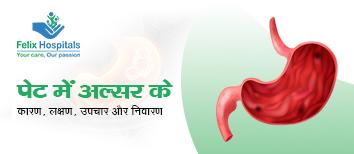
पेट में अल्सर एक आम लेकिन गंभीर समस्या है जो संक्रमण, अधिक एसिड या दवाओं के कारण होती है। इसके लक्षणों में पेट दर्द, जलन और अपच शामिल हैं। फ़ेलिक्स अस्पताल में इसका प्रभावी उपचार और परामर्श उपलब्ध है।
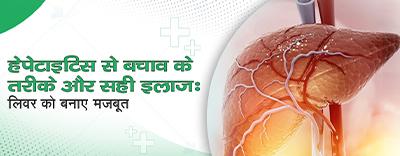
जानें हेपेटाइटिस से बचाव के उपाय और सही इलाज। समय पर पहचान और उपचार से लिवर को मजबूत बनाना संभव है।
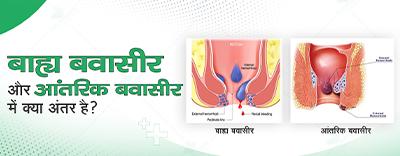
बवासीर दो प्रकार की होती है: बाह्य और आंतरिक। बाह्य बवासीर गुदा के बाहर होती है और इनमें सूजन, जलन और दर्द अधिक होता है। वहीं, आंतरिक बवासीर गुदा के अंदर होती है और अक्सर बिना दर्द के खून आ सकता है। सही पहचान और समय पर इलाज से राहत पाई जा सकती है।

गर्भावस्था में पेट दर्द एक सामान्य समस्या है, लेकिन कभी-कभी यह गंभीर स्वास्थ्य संकेत भी हो सकता है। जानिए इसके कारण, लक्षण और सुरक्षित इलाज।
Cold weather often brings an increased risk of sinus infections in winter. The dry air, lower temperatures, and frequent viral illnesses create ideal conditions for sinus inflammation. Patients may experience nasal congestion, facial pain, and headaches, which can affect daily life and productivity. Understanding why sinus infections increase in winter, recognizing early symptoms, and seeking timely ENT Hospital in Noida can prevent complications and ensure effective treatment.
Sinus infections, also known as sinusitis, occur when the nasal passages and sinuses become inflamed due to bacterial, viral, or fungal causes. Left untreated, sinus infections can lead to chronic discomfort, recurrent infections, or complications involving the eyes and brain. Hospital-based ENT care provides precise diagnosis and treatment tailored to the severity and type of infection.
Don’t let sinus infections disrupt your winter. Call +91 9667064100 to book an ENT specialist appointment.
Cold weather, low humidity, and seasonal illnesses contribute to why sinus infections increase in winter:
Viral infections such as cold or flu weaken sinus defenses
Dry indoor heating dries nasal passages, making them more susceptible to bacteria
Temperature fluctuations can irritate sinus tissues
Weakened immunity due to less sunlight and vitamin D deficiency
Allergens like dust and mold exposure indoors
Understanding these factors helps patients take preventive measures and seek early intervention when needed.
Recognizing symptoms of sinus infection in cold weather is essential for timely care. Common signs include:
Nasal congestion and difficulty breathing through the nose
Facial pain or pressure, particularly around the cheeks and forehead
Thick, yellow or green nasal discharge
Headaches and sensitivity to light
Fatigue, fever, or sore throat in some cases
Early recognition allows patients to seek ENT consultation before the infection worsens or becomes chronic.
Timely consultation with a specialist ensures effective management. How to treat sinus infection in winter begins with early detection:
Persistent nasal congestion beyond 10 days
Fever, facial swelling, or worsening headache
Recurring sinus infections within a short time frame
Pain or pressure not relieved by over-the-counter medications
Symptoms affecting sleep, work, or daily activities
ENT specialists can perform diagnostic tests, such as nasal endoscopy or imaging, to confirm the type and severity of the infection.
Effective management depends on the infection type and severity. How to treat sinus infection in winter includes:
Medications: Antibiotics for bacterial infections, decongestants, antihistamines, or corticosteroids as needed
Nasal irrigation: Saline rinses to clear mucus and reduce bacterial load
Steam inhalation: Moisturizes nasal passages and relieves congestion
Pain relief: Analgesics for headaches and facial discomfort
Surgical intervention: For chronic or severe cases, endoscopic sinus surgery may be recommended
Professional ENT guidance ensures treatment is tailored, effective, and reduces recurrence risk.
Preventing sinus infections is possible with consistent care. Patients can follow these steps to reduce the risk of sinus infections in winter:
Stay hydrated to maintain moisture in nasal passages
Use a humidifier indoors to counter dry air
Practice hand hygiene to reduce viral exposure
Avoid allergens like dust and mold whenever possible
Maintain immunity through a balanced diet and adequate sleep
Preventive strategies reduce the frequency and severity of sinus infections.
Supporting medical treatment with home care enhances recovery. Effective home measures for sinus infection in cold weather include:
Warm compresses on the face to reduce pain and pressure
Gentle nasal irrigation with saline solution
Adequate rest to allow the body to heal
Avoiding smoking or exposure to irritants
Breathing steam from hot water or herbal inhalations
Combined with hospital treatment, these measures improve symptom relief and recovery speed.
Certain individuals are more prone to sinus infections. Recognizing why sinus infections increase in winter for high-risk patients allows preventive care:
History of allergies or asthma
Chronic respiratory conditions
Structural nasal issues, like deviated septum
Immunocompromised individuals
Frequent exposure to cold or dry environments
High-risk patients benefit from regular ENT check-ups and early intervention strategies.
Specialized hospitals offer comprehensive care for sinus infections, especially in winter. Key services include:
Advanced diagnostic tools, including CT scans and nasal endoscopy
Experienced ENT specialists for precise diagnosis and treatment
Tailored treatment plans combining medication, home care, and surgical options
Follow-up and preventive guidance for long-term sinus health
Hospitals like Felix Hospital in Noida provide patient-focused care to manage winter sinus infections effectively.
Ensure your sinus health this winter. Call +91 9667064100 to consult an ENT specialist today.
Sinus infections are common in cold weather, but understanding why sinus infections increase in winter, recognizing symptoms of sinus infection in cold weather, and following preventive measures ensures timely management. Hospitals like Felix Hospital in Noida provide expert ENT specialist are, including accurate diagnosis, treatment, and preventive guidance. With early intervention, home care, and professional support, patients can enjoy winter without discomfort from sinus infections.
Q1: Why are sinus infections more common in winter?
Ans. Cold temperatures, dry indoor air, viral infections, and weaker immunity make the sinuses more vulnerable.
Q2: What are the early symptoms of a sinus infection?
Ans. Nasal congestion, facial pressure, thick nasal discharge, headache, and fatigue are common early signs.
Q3: How can sinus infections be treated effectively in winter?
Ans. Treatment includes medications, nasal irrigation, steam inhalation, pain relief, and, in severe cases, surgical intervention.
Q4: When should I see an ENT specialist for a sinus infection?
Ans. Consult an ENT if symptoms persist beyond 10 days, worsen, or recur frequently despite home care.
Q5: Can sinus infections be prevented during winter?
Ans. Yes, staying hydrated, using humidifiers, maintaining hygiene, avoiding allergens, and boosting immunity help prevent infections.
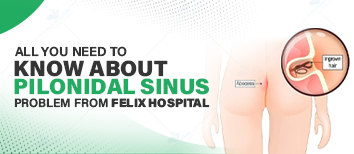
The sinus tract associated with Pilonidal Sinus usually extends in a downward direction between the buttocks.

आज कल पेट दर्द, पेट फूलना, दस्त और लगातार पाचन संबंधी समस्याएं आम हैं। यह साधारण कारणों से भी होती हैं। कभी-कभी गंभीर पाचन विकार का संकेत भी देती हैं। नोएडा में बेस्ट गैस्ट्रो हॉस्पिटल नोएडा उपलब्ध हैं। जहां सही निदान (Diagnosis) और आधुनिक उपचार से इन समस्याओं को प्रभावी रूप से नियंत्रित किया जा सकता है।
अभी अपॉइंटमेंट शेड्यूल करें – कॉल करें: +91 9667064100
पेट दर्द और ब्लोटिंग गैस्ट्रोइंटेस्टाइनल ट्रैक्ट की सामान्य गड़बड़ियों के कारण होते हैं। इसके मुख्य कारणों में आंतों में गैस बढ़ना, अपच, अत्यधिक मसालेदार या तेलयुक्त भोजन का सेवन, संक्रमण, आंतों में सूजन और पाचन तंत्र की गति का धीमा होना शामिल है। यदि यह लक्षण कई सप्ताह तक लगातार बने रहें, तो यह किसी गंभीर पाचन विकार का संकेत होता है।
यदि दस्त 4 सप्ताह से अधिक समय तक लगातार बना रहे या बीच-बीच में दोबारा होता रहे, तो इसे दीर्घकालिक दस्त कहा जाता है। यह आंतों में संक्रमण, सूजन, आईबीएस,आईबीडी, थायरॉइड असंतुलन या किसी गंभीर बीमारी का संकेत हो सकता है, इसलिए समय पर जांच कराना बेहद आवश्यक है।
दस्त को उसकी अवधि और कारणों के आधार पर तीन प्रकारों में बांटा जाता है। तीव्र दस्त आमतौर पर 1 से 7 दिन तक रहता है। इसका मुख्य कारण दूषित पानी या भोजन तथा वायरल संक्रमण होता है। यह सामान्यतः हल्का होता है और जल्दी ठीक हो जाता है। उप-तीव्र दस्त 2 से 4 सप्ताह तक बना रहता है। प्रायः परजीवी या बैक्टीरियल संक्रमण के कारण होता है। जिसकी गंभीरता मध्यम होती है। वहीं, दीर्घकालिक दस्त 4 सप्ताह से अधिक समय तक जारी रहता है। आईबीएस,आईबीडी, आंतों की सूजन या मालएब्जॉर्प्शन जैसी स्थितियों की ओर संकेत करता है, जो अधिक गंभीर होती है और तुरंत जांच की आवश्यकता होती है।
दस्त, पेट दर्द और पेट फूलने के पीछे कई पाचन संबंधी कारण होते हैं। इनमें सबसे आम कारण संक्रमण हैं। जिनमें वायरल (जैसे नोरोवायरस, रोटावायरस), बैक्टीरियल (जैसे ई.कोलाई, साल्मोनेला) और परजीवी संक्रमण (जैसे जिआर्डिया) शामिल हैं। इसके अलावा आईबीएस – इरिटेबल बाउल सिंड्रोम भी एक प्रमुख कारण है। जिसमें पेट दर्द, गैस, कब्ज या दस्त का बार-बार होना शामिल है और यह तनाव के बढ़ने पर अधिक गंभीर हो जाता है। वहीं आईबीडी - इन्फ्लेमेटरी बाउल डिजीज, जैसे अल्सरेटिव कोलाइटिस और क्रोहन डिजीज में खून वाला दस्त और वजन घटना जैसी गंभीर समस्याएं देखी जाती हैं।
लैक्टोज इनटॉलरेंस भी एक आम कारण है, जिसमें दूध या डेयरी लेने के बाद पेट फूलना, गैस और दस्त होने लगते हैं। इसी तरह सीलिएक डिजीज में शरीर गेहूं, ग्लूटेन को सहन नहीं कर पाता और आंतें पोषण अवशोषित नहीं कर पातीं। पैंक्रियाटिक इंफिशिएंसी के कारण पाचन एंजाइम कम बनते हैं जिससे भोजन सही से पच नहीं पाता। थायरॉइड असंतुलन, विशेषकर हाइपरथायरॉइडिज्म में तेज मेटाबॉलिज्म के कारण दस्त बढ़ जाते हैं। अंत में, लंबे समय तक दवाइयों का सेवन जैसे एंटीबायोटिक्स या मैग्नीशियम बेस्ड एंटासिड भी दस्त, गैस और पेट फूलने की समस्या का कारण बन सकते हैं।
खून वाला दस्त
तेज बुखार के साथ दस्त
लगातार पेट दर्द
शरीर में पानी की कमी (डिहाइड्रेशन)
पेशाब कम होना
वजन का तेजी से कम होना
दस्त 4 सप्ताह से अधिक चलना
गैस्ट्रोएंटेरोलॉजिस्ट दस्त, पेट दर्द और पेट फूलने के कारणों की पहचान करने के लिए कई तरह की विस्तृत जांचें करते हैं।
दस्त के कारणों की पहचान के लिए मल की जांच की जाती है। इसमें संक्रमण, कीड़े, परजीवी, बैक्टीरिया या म्यूकस की उपस्थिति का पता चलता है।
खून की जांच से शरीर में सूजन, संक्रमण, एनीमिया, थायरॉइड असंतुलन और इलेक्ट्रोलाइट गड़बड़ी का पता लगाया जाता है।
पेट के अंदरूनी अंगों—जैसे आंत, पैंक्रियास, गॉलब्लैडर—की संरचनात्मक समस्याओं को देखने के लिए किया जाता है।
ऊपरी और निचली आंत की वास्तविक स्थिति देखने के लिए कैमरे वाली ट्यूब से जांच की जाती है। अल्सर, सूजन और IBD का पता लगाने में उपयोगी है।
लैक्टोज इनटॉलरेंस, एसआईबीओ और कार्बोहाइड्रेट पाचन की गड़बड़ी का परीक्षण करने के लिए किया जाता है।
स्टूल में मौजूद सूजन मार्कर IBD (अल्सरेटिव कोलाइटिस/क्रोहन डिज़ीज़) की पहचान करता है।
पैंक्रियास द्वारा पर्याप्त पाचन एंजाइम बन रहे हैं या नहीं, यह जांचने के लिए किया जाता है।
हल्का और फाइबर युक्त भोजनः दलिया, खिचड़ी, उबली सब्ज़ियाँ, ओट्स और फलों से पाचन बेहतर होता है और दस्त में राहत मिलती है।
तला-भुना भोजन, पैक्ड फूड, सोडा से दूरीः ऐसे खाद्य पदार्थ आंतों में जलन, गैस और दस्त को बढ़ाते हैं।
दही, छाछ, नारियल पानीः इलेक्ट्रोलाइट्स और प्रीबायोटिक्स से शरीर की कमजोरी कम होती है और आंतों का माइक्रोफ्लोरा सुधरता है।
लो-एफओडीएमएपी डाइट (आईबीएस में उपयोगी): यह डाइट गैस, पेट फूलना, क्रैम्प और IBS से जुड़े दस्त में अत्यधिक लाभ देती है।
ओआरएस (निर्जलीकरण रोकने के लिए): पानी और नमक की कमी को तुरंत पूरा करता है।
एंटीस्पास्मोडिक्स: पेट में ऐंठन और मरोड़ कम करते हैं।
प्रोबायोटिक्स: आंतों के अच्छे बैक्टीरिया बढ़ाने के लिए डायरिया या एंटीबायोटिक सेवन के बाद आंतों का संतुलन बहाल करते हैं।
एंटीबायोटिक दवाओं: यदि बैक्टीरियल संक्रमण हो तो केवल संक्रमण की पुष्टि पर ही दी जाती हैं।
दस्त रोधी दवाएंः डॉक्टर गंभीर दस्त को कंट्रोल करने के लिए देते हैं। इन्हें स्वयं नहीं लेना चाहिए।
अग्नाशयी एंजाइमः पैंक्रियास की कमजोरी होने पर खुराक भोजन के साथ दी जाती है ताकि पाचन सुधरे।
स्टेरॉयड/इम्यूनोसप्रेसेंट्सः आईबीडी के गंभीर मामलों में अल्सरेटिव कोलाइटिस या क्रोहन डिज़ीज़ की सूजन नियंत्रित करने के लिए।
आईवी तरल पदार्थः तेज निर्जलीकरण होने पर शरीर में सीधे तरल पदार्थ दिए जाते हैं।
इलेक्ट्रोलाइट सुधारः लो सोडियम, पोटैशियम या बाइकार्बोनेट के स्तर को सुधारा जाता है।
तेज बुखार या गंभीर डिहाइड्रेशन का प्रबंधनः लगातार उल्टी, बुखार, पेशाब कम होना, कमजोरी जैसी स्थितियों में तुरंत उपचार। पेट दर्द विशेषज्ञ डॉक्टर इन नोएडा में उपलब्ध है। नोएडा में गैस्ट्रो विशेषज्ञ से अभी संपर्क करें – कॉल करें: +91 9667064100
यदि दस्त हो जाए तो:
ओआरएस का सेवन करें
पानी, नारियल पानी भरपूर मात्रा में लें
कैफीन, दूध, कोल्ड ड्रिंक्स से बचें
केले, खिचड़ी, दही, मूंग दाल जैसी BRAT डाइट लें
बिना डॉक्टर के एंटीबायोटिक न लें
पेट दर्द, गैस, फूलना और बार-बार दस्त को हल्के में नहीं लेना चाहिए। यदि लक्षण लगातार बने रहें या दस्त 2–4 सप्ताह से अधिक चलें, तो विशेषज्ञ जांच बेहद आवश्यक है। सही और समय पर उपचार से पाचन तंत्र की अधिकांश समस्याएं आसानी से नियंत्रित की जाती हैं।
प्रश्न 1: क्या बार-बार दस्त होना गंभीर बीमारी का संकेत है?
उत्तरः हां, यदि दस्त 4 सप्ताह से ज्यादा चले तो यह क्रॉनिक डिसऑर्डर का संकेत होता है, तो तुरंत जांच कराएं।
प्रश्न 2: क्या पेट फूलना आईबीएस का लक्षण है?
उत्तरः हां, आईबीएस में गैस, पेट में ऐंठन, कब्ज/दस्त आम हैं। इसलिए समय पर इलाज जरूरी है।
प्रश्न 3: क्या दूध पीते ही दस्त होना सामान्य है?
उत्तरः नहीं, यह लैक्टोज इनटॉलरेंस का संकेत होता है। डॉक्टर की सलाह पर सही डाइट प्लान बनाना चाहिए।
प्रश्न 4: क्या घर में ओआरएस पीना पर्याप्त है?
उत्तरः हल्के दस्त में पर्याप्त है, लेकिन निर्जलीकरण होने पर मेडिकल इलाज जरूरी है।
प्रश्न 5: कब डॉक्टर से तुरंत मिलना चाहिए?
उत्तरः खून वाला दस्त, तेज बुखार, लगातार पेट दर्द, पेशाब कम होना, कमजोरी या बेहोशी होती है।
पेट में अल्सर एक आम लेकिन गंभीर समस्या है जो संक्रमण, अधिक एसिड या दवाओं के कारण होती है। इसके लक्षणों में पेट दर्द, जलन और अपच शामिल हैं। फ़ेलिक्स अस्पताल में इसका प्रभावी उपचार और परामर्श उपलब्ध है।
जानें हेपेटाइटिस से बचाव के उपाय और सही इलाज। समय पर पहचान और उपचार से लिवर को मजबूत बनाना संभव है।

दिल्ली NCR में हेपेटाइटिस-ए और ई के मामलों में तेजी से इजाफा देखा जा रहा है। समय पर पहचान और सही इलाज से इस बीमारी को गंभीर होने से रोका जा सकता है।
गर्भावस्था में पेट दर्द एक सामान्य समस्या है, लेकिन कभी-कभी यह गंभीर स्वास्थ्य संकेत भी हो सकता है। जानिए इसके कारण, लक्षण और सुरक्षित इलाज।
Gender affirmation surgery is a deeply personal and life-changing medical decision for many transgender and gender-diverse individuals. It focuses on aligning a person’s physical characteristics with their affirmed gender identity. Gender Reassignment Surgery is not cosmetic in nature; it is a medically recognized treatment that can significantly improve mental health, confidence, and overall quality of life when performed with proper evaluation and care.
Modern healthcare now offers advanced, safe, and ethical surgical options supported by multidisciplinary teams. Individuals seeking gender-affirming care require accurate information, compassionate counseling, and access to experienced specialists to ensure safe outcomes and long-term wellbeing.
For confidential consultation and advanced gender affirmation care, speak with our specialists today. Call +91 9667064100
Gender-affirming procedures are typically offered to adults after comprehensive medical and psychological assessment. Gender affirmation surgery for adults is recommended only after a person has demonstrated persistent gender dysphoria and the capacity to provide informed consent.
Eligibility evaluation usually includes:
Psychological assessment and counseling
Physical health screening
Hormonal evaluation
Readiness assessment by specialists
This structured approach ensures patient safety and preparedness.
Hormonal treatment often plays a crucial role before surgical procedures. Hormone therapy and surgery work together to help develop secondary sex characteristics and prepare the body for surgical changes.
Hormone therapy may:
Promote breast development or facial hair growth
Redistribute body fat
Affect skin texture and muscle mass
Improve surgical outcomes
Medical supervision is essential throughout this process.
For individuals transitioning from male to female, specialized surgical techniques are used. The MTF surgery procedure focuses on creating female-aligned anatomical features while preserving function and sensation.
Common MTF procedures may include:
Vaginoplasty
Breast augmentation
Facial feminization surgery
Tracheal shave
Each procedure is tailored to individual goals and anatomy.
Transmasculine individuals may opt for surgeries that align their bodies with male characteristics. The FTM surgery procedure involves complex reconstructive techniques requiring high surgical expertise.
Common FTM procedures include:
Chest masculinization surgery
Phalloplasty or metoidioplasty
Hysterectomy
Scrotoplasty
Personalized planning ensures functional and aesthetic outcomes.
Many patients use the terms interchangeably, but Gender Confirmation Surgery refers broadly to procedures that affirm a person’s gender identity through surgical means. Each surgical plan is developed after detailed discussions with surgeons, endocrinologists, and mental health professionals.
Pre-operative preparation includes:
Medical optimization
Counseling sessions
Detailed surgical planning
Informed consent
This ensures realistic expectations and safety.
Modern medicine has significantly improved outcomes. Gender Confirmation Surgery today uses minimally invasive techniques, microsurgery, and advanced reconstruction methods to reduce complications and improve recovery.
Advanced techniques focus on:
Preserving nerve function
Reducing scarring
Improving aesthetic outcomes
Enhancing long-term satisfaction
These innovations have improved patient confidence and safety.
Healing takes time and varies by procedure. Recovery after gender affirmation surgery requires patience, follow-up care, and adherence to medical advice.
Recovery typically involves:
Hospital stay for monitoring
Wound care and hygiene
Gradual return to daily activities
Emotional support and counseling
Proper recovery planning reduces complications.
Like any major surgery, these procedures carry risks. Understanding risks and complications of gender affirmation surgery helps patients make informed decisions.
Potential risks may include:
Infection or bleeding
Delayed wound healing
Scarring
Need for revision surgery
Choosing experienced surgeons reduces these risks significantly.
Cost is an important factor for many patients. Gender confirmation surgery cost varies depending on the type of procedure, hospital facilities, and post-operative care requirements.
Cost factors include:
Number of procedures involved
Surgical complexity
Hospital stay duration
Follow-up and rehabilitation
Transparent counseling helps patients plan effectively.
Selecting the right medical center is crucial. A best plastic surgery hospital in Noida offers advanced infrastructure, ethical practices, and multidisciplinary support.
Such hospitals provide:
Experienced surgical teams
Comprehensive pre- and post-operative care
Privacy and confidentiality
Psychological support services
This environment ensures holistic care.
Expertise directly impacts outcomes. Consulting experienced plastic surgeons in Noida ensures precision, safety, and individualized surgical planning.
Qualified surgeons focus on:
Functional outcomes
Aesthetic balance
Patient safety
Long-term satisfaction
Surgeon experience is a critical success factor.
Gender affirmation is not just physical. Gender Reassignment Surgery often leads to significant emotional changes, making mental health support essential before and after surgery.
Ongoing counseling helps:
Manage expectations
Support emotional adjustment
Address anxiety or stress
Improve overall wellbeing
Holistic care improves long-term success.
Post-surgical care extends beyond initial recovery. Recovery after gender affirmation surgery includes long-term follow-ups to monitor healing, hormonal balance, and overall health.
Long-term care focuses on:
Monitoring surgical outcomes
Managing hormone therapy
Addressing late complications
Supporting mental health
Regular follow-ups ensure sustained wellbeing.
If you are considering gender affirmation surgery and want expert guidance, book a consultation now. Call +91 9667064100
Gender affirmation surgery is a medically supported, life-affirming process that requires careful planning, expert execution, and compassionate care. With advances in surgical techniques, patients now have access to safer procedures, improved outcomes, and comprehensive support systems.
Q.1 Is gender affirmation surgery medically necessary?
Ans. Yes, for many individuals it is a recognized treatment for gender dysphoria.
Q.2 How long does recovery usually take?
Ans. Initial recovery may take weeks, with full healing over several months.
Q.3 Is hormone therapy mandatory before surgery?
Ans. Often recommended, but requirements vary based on procedure and patient health.
Q.4 Are results permanent?
Ans. Yes, most surgical outcomes are permanent with proper care.
Q. 5 Is psychological counseling required?
Ans. Yes, it is an important part of safe and ethical care.
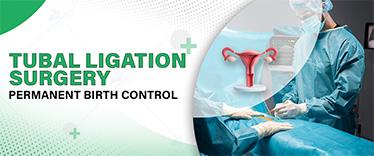
Explore the best tubal ligation surgery options in Noida for permanent and safe birth control. Get expert care from top gynecologists and hospitals near you.
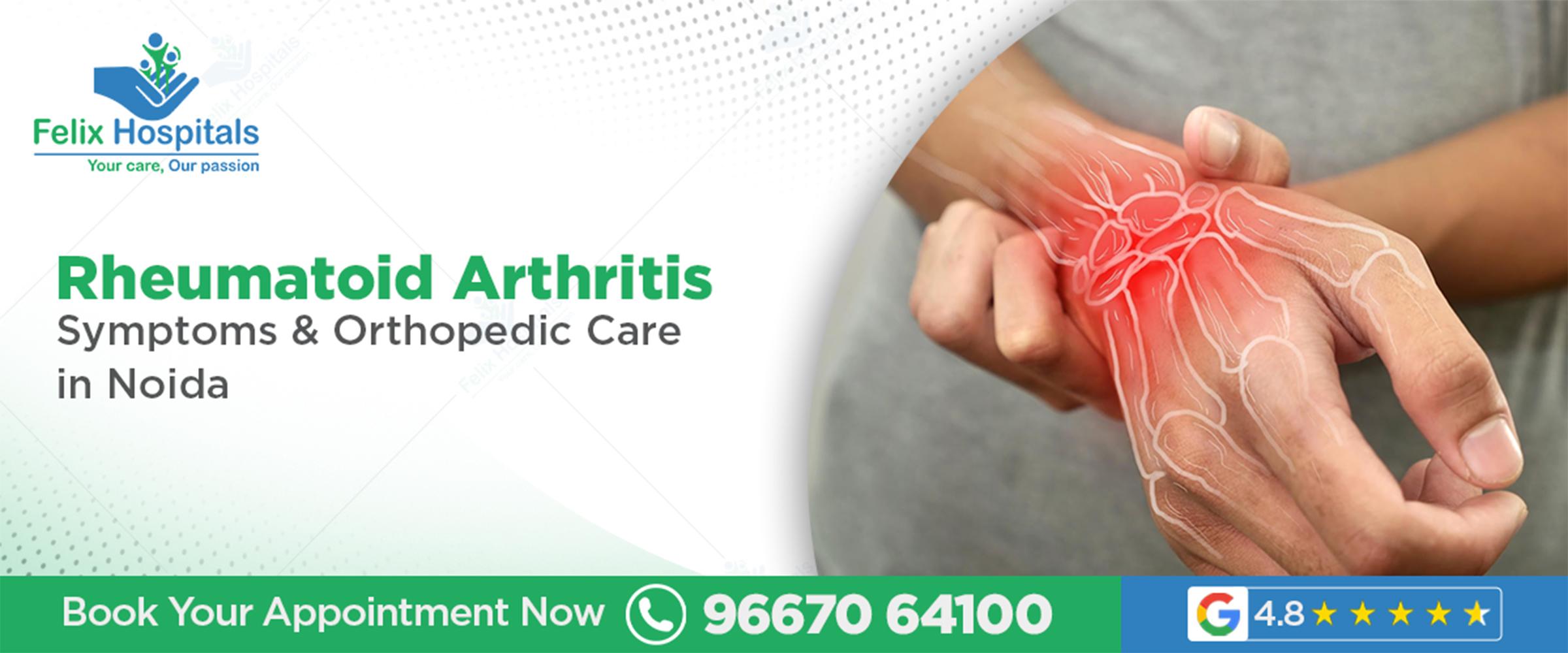
Rheumatoid arthritis is a chronic autoimmune condition that affects joints and overall mobility. Unlike age-related wear and tear, this disease causes persistent inflammation that can damage joints if left untreated. Many patients first notice joint stiffness and pain early morning reasons, which often improves slightly with movement but worsens again by the end of the day.
This condition occurs when the immune system mistakenly attacks the lining of joints, leading to swelling, pain, and gradual joint destruction. Understanding what are the early symptoms of rheumatoid arthritis in adults? helps patients seek medical care before permanent damage develops. Early diagnosis plays a critical role in preserving joint function and quality of life.
For accurate diagnosis and advanced orthopedic care for rheumatoid arthritis, consult a specialist today. Call +91 9667064100
Rheumatoid arthritis often begins subtly. Knowing what are the early symptoms of rheumatoid arthritis in adults? allows patients to act before the disease progresses. Early signs may appear weeks or months before diagnosis.
Common early symptoms include:
Morning stiffness lasting more than one hour
Swelling in small joints of hands and feet
Fatigue and low-grade fever
Symmetrical joint pain
Reduced grip strength
Early medical attention improves long-term outcomes.
One of the hallmark features of rheumatoid arthritis is prolonged stiffness after waking. Joint stiffness and pain early morning reasons are linked to inflammatory processes that worsen during rest periods. Unlike mechanical joint pain, stiffness in rheumatoid arthritis improves with movement rather than rest.
If morning stiffness lasts longer than 30–60 minutes consistently, it should never be ignored. This symptom strongly suggests inflammatory arthritis rather than age-related joint degeneration.
Accurate diagnosis requires a combination of clinical evaluation and tests. Many patients ask, how is rheumatoid arthritis diagnosed and treated in Noida? Diagnosis typically involves blood tests, imaging studies, and physical joint examination.
Doctors may recommend:
Rheumatoid factor (RF) and anti-CCP blood tests
ESR and CRP to assess inflammation
X-rays or MRI to evaluate joint damage
Ultrasound for early joint changes
Early diagnosis allows timely treatment and prevents disability.
Once diagnosed, a structured treatment plan is initiated. Patients often want to know how is rheumatoid arthritis diagnosed and treated in Noida? Treatment focuses on controlling inflammation, relieving pain, and preventing joint damage.
Treatment options may include:
Disease-modifying anti-rheumatic drugs (DMARDs)
Biologic therapies
Anti-inflammatory medications
Physical and occupational therapy
Treatment is personalized based on disease severity and patient health.
Delaying treatment can lead to irreversible joint damage. Seeking care at the best hospital for rheumatoid arthritis treatment near me ensures access to advanced diagnostics, multidisciplinary care, and long-term disease management.
Early orthopedic involvement helps maintain mobility, prevent deformities, and improve daily functioning through guided therapy and monitoring.
Specialized centers offer comprehensive care for complex joint conditions. Patients searching where to find advanced orthopedic care for rheumatoid arthritis in Noida benefit from integrated services including rheumatology, orthopedics, physiotherapy, and pain management.
Advanced orthopedic care focuses on:
Joint preservation strategies
Customized rehabilitation plans
Monitoring disease progression
Surgical planning when necessary
This approach improves long-term joint health.
In advanced stages, medical therapy alone may not suffice. Joint damage may cause severe pain or deformity. Consulting a rheumatoid arthritis doctor near me becomes essential to evaluate surgical options.
Surgical interventions may include:
Synovectomy to reduce inflammation
Tendon repair
Joint replacement in severe cases
Surgery aims to restore function and relieve pain.
Rehabilitation is a cornerstone of care. Under guidance from an orthopedic specialist near Noida, patients learn exercises that improve flexibility, strength, and joint stability.
Physiotherapy helps:
Reduce stiffness
Improve range of motion
Enhance muscle support around joints
Prevent long-term disability
Regular therapy significantly improves daily independence.
Medical care works best when combined with healthy lifestyle choices. Patients treated at a top orthopedic hospital in Noida for arthritis receive guidance on lifestyle adjustments that protect joints.
Helpful measures include:
Maintaining a healthy weight
Engaging in low-impact exercises
Using joint protection techniques
Managing stress and sleep quality
These changes slow disease progression.
Rheumatoid arthritis affects more than joints. Chronic pain and limited mobility can impact emotional well-being. Support from a best hospital for rheumatoid arthritis treatment near me ensures holistic care addressing both physical and mental health.
Counseling, support groups, and wellness programs help patients cope better with long-term illness.
Rheumatoid arthritis requires lifelong monitoring. Ongoing evaluation with a rheumatoid arthritis doctor near me helps adjust medications, track disease activity, and prevent complications.
Regular follow-ups allow early detection of flares and medication side effects, ensuring consistent disease control.
If joint pain or stiffness is affecting your daily life, book an orthopedic consultation now. Call +91 9667064100
Rheumatoid arthritis is a serious condition that demands early diagnosis and specialized care. Recognizing joint stiffness and pain early morning reasons and other early symptoms allows patients to seek timely treatment before joint damage becomes permanent.
With access to advanced diagnostics, personalized treatment plans, rehabilitation support, and long-term monitoring, patients can maintain mobility and quality of life. Orthopedic care in Noida offers comprehensive solutions for managing rheumatoid arthritis effectively and safely.
Q1: Can rheumatoid arthritis start suddenly?
A: It usually begins gradually but may worsen rapidly without treatment.
Q2: Is rheumatoid arthritis the same as age-related arthritis?
A: No, it is an autoimmune disease, not simple wear and tear.
Q3: Can rheumatoid arthritis be cured completely?
A: There is no cure, but treatment can control symptoms effectively.
Q4: Does rheumatoid arthritis affect only older adults?
A: No, it can affect adults of any age.
Q5: Can exercise worsen rheumatoid arthritis?
A: Proper exercises under guidance actually improve joint health.

Eating a balanced, nutrient-rich Arthritis diet plan can help manage inflammation and reduce symptoms of rheumatoid arthritis.


Subscribe to our
© Copyright 2026. All Rights Reserved by Felix Healthcare Private Limited
Design and development by :


 +(91)9667064100
 Emergency : +(91)9667064100