 WhatsApp
 Emergency:
  WhatsApp










Subscribe to our
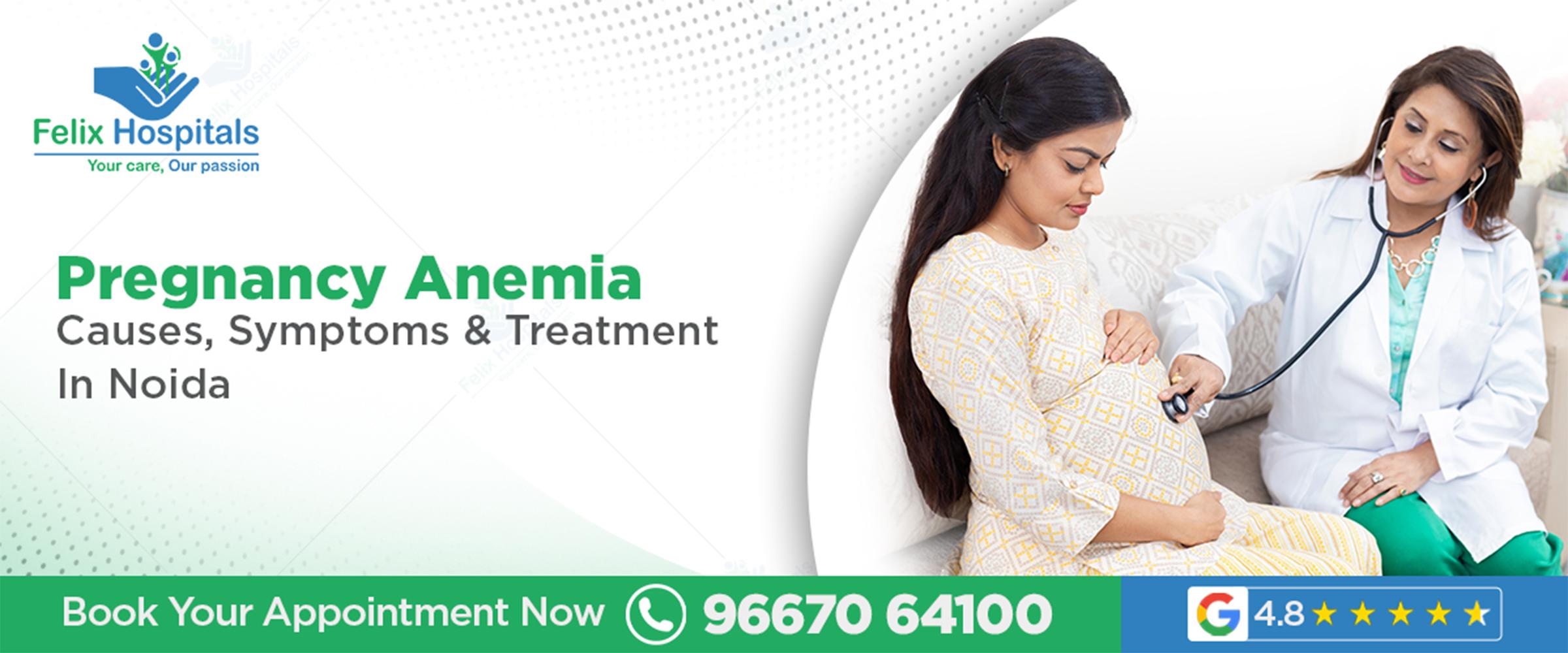
Pregnancy is a crucial period in a woman’s life, and maintaining optimal health is essential for both mother and baby. One common concern during pregnancy is pregnancy anemia, a condition where the blood lacks sufficient healthy red blood cells to carry oxygen to the body’s tissues.
If left untreated, anemia can lead to complications such as fatigue, premature birth, low birth weight, and delayed fetal development. In Noida, gynecologists provide comprehensive care for detecting, managing, and preventing pregnancy anemia, ensuring the safety of both mother and child.
Concerned about anemia during pregnancy? Consult the best gynecologist in Noida today. Call +91 9667064100 to schedule your appointment.
How to detect anemia during pregnancy involves routine prenatal testing and careful observation of symptoms. Regular blood tests help determine hemoglobin and hematocrit levels.
Complete blood count (CBC) to measure hemoglobin levels
Ferritin test to check iron storage
Blood smear to examine red blood cell size and shape
Monitoring for signs of iron deficiency or vitamin B12 deficiency
Early detection allows gynecologists to implement timely treatment and prevent complications.
Recognizing early signs of pregnancy anemia is crucial for intervention. Common symptoms include:
Persistent fatigue or weakness
Pale skin, lips, or nail beds
Shortness of breath during mild activity
Dizziness or lightheadedness
Headaches and difficulty concentrating
Pregnant women noticing these symptoms should seek consultation with a doctor consultation for pregnancy anemia in Noida for proper evaluation and care.
Several factors contribute to causes of low hemoglobin in pregnancy:
Increased blood volume during pregnancy dilutes hemoglobin
Iron deficiency due to inadequate dietary intake
Vitamin B12 or folate deficiency
Blood loss from previous pregnancies or heavy menstrual cycles
Pre-existing health conditions such as thalassemia or chronic illnesses
Understanding these causes helps gynecologists develop personalized treatment plans.
Pregnancy anemia remedies and treatment depend on the severity and underlying cause of anemia. Common strategies include:
Iron tablets or syrups are commonly prescribed to increase hemoglobin levels.
Supplements help in the production of healthy red blood cells.
Including iron-rich foods such as spinach, lentils, red meat, and fortified cereals.
Addressing chronic illnesses or blood disorders that may contribute to anemia.
Frequent blood tests to track hemoglobin improvement and adjust treatment as needed.
Proper diet plays a vital role in managing pregnancy anemia. Recommendations include:
Incorporate iron-rich foods like spinach, beans, and lean meats
Include vitamin C-rich foods such as citrus fruits to enhance iron absorption
Limit intake of tea, coffee, and calcium supplements during iron-rich meals, as they can hinder absorption
Eat small, frequent meals to ensure consistent nutrient intake
Following these nutrition tips supports red blood cell production and overall maternal health.
Certain symptoms indicate that pregnancy anemia may be severe and require urgent medical care:
Extreme fatigue affecting daily activities
Rapid heartbeat or palpitations
Shortness of breath even at rest
Persistent dizziness or fainting
Swelling of the face, hands, or feet
Consulting a gynecologist promptly ensures safe and effective management of anemia during pregnancy.
Preventing pregnancy anemia is easier than treating severe cases. Preventive measures include:
Early prenatal check-ups and routine blood tests
Taking recommended iron, folic acid, and vitamin supplements
Maintaining a balanced diet rich in essential nutrients
Managing pre-existing medical conditions before conception
Staying hydrated and getting adequate rest
Preventive care reduces the risk of complications for both mother and baby.
For patients seeking doctor consultation for pregnancy anemia in Noida, advanced maternity centers provide:
Personalized anemia treatment plans
Iron infusions for severe cases
Nutritional counseling and diet plans
Ongoing monitoring of hemoglobin and hematocrit levels
Support for high-risk pregnancies
Noida’s gynecologists offer comprehensive care to ensure safe pregnancy outcomes.
After initiating pregnancy anemia treatment, recovery involves:
Continuing prescribed iron and vitamin supplements
Regular follow-up blood tests to monitor improvement
Maintaining a nutrient-rich diet
Avoiding excessive physical strain while ensuring moderate activity
Managing symptoms such as fatigue and dizziness under doctor supervision
Consistent post-treatment care helps restore hemoglobin levels and promotes maternal and fetal well-being.
Ignoring pregnancy anemia can lead to serious complications:
Increased risk of premature birth or low birth weight
Developmental delays in the baby
Severe maternal fatigue and weakness
Higher susceptibility to infections
Complications during delivery, including postpartum hemorrhage
Timely intervention with expert gynecological care prevents these risks.
All pregnant women should consult a gynecologist appointment near me for routine check-ups. Immediate consultation is recommended if symptoms like persistent fatigue, dizziness, or palpitations occur. Early engagement with a specialist ensures safe pregnancy and reduces the likelihood of anemia-related complications.
Ensure safe pregnancy care and effective anemia management with a doctor consultation for pregnancy anemia in Noida. Call +91 9667064100 now.
Pregnancy anemia is a common but manageable condition. Awareness of early signs of pregnancy anemia, understanding the causes of low hemoglobin, and seeking timely treatment with a doctor consultation for pregnancy anemia in Noida ensures the safety of both mother and baby. With proper nutrition, regular monitoring, and expert gynecological care, anemia during pregnancy can be effectively controlled, supporting a healthy and safe pregnancy.
Q. 1 How can anemia be detected during pregnancy?
Ans. Routine blood tests such as CBC and ferritin levels help detect anemia early in pregnancy.
Q.2 What are the early signs of pregnancy anemia?
Ans. Fatigue, dizziness, pale skin, shortness of breath, and headaches are common indicators.
Q. 3 Which foods help prevent or manage pregnancy anemia?
Ans. Iron-rich foods, vitamin C-rich fruits, and folate-rich vegetables support red blood cell production.
Q. 4 When should I see a doctor for pregnancy anemia?
Ans. Immediate consultation is needed if fatigue is extreme, dizziness is frequent, or palpitations occur.
Q. 5 Can pregnancy anemia affect the baby?
Ans. If untreated, anemia can increase risks such as low birth weight, preterm birth, and developmental delays. Timely treatment prevents these complications.

Know the causes, symptoms, and treatment of pregnancy anemia in Noida for a healthy pregnancy.
Depression during pregnancy can impact both the mother’s mental well-being and the baby’s development. Early diagnosis, proper treatment, and emotional support are essential for a healthy pregnancy.

Recurrent headaches can extremely impact life, work performance, emotional and well-being and health.Many people suffer silently because they are unsure who to see or whether their headaches are serious enough to need medical attention. Learning about specialist of migraine can assist a patient to make a smart decision regarding their care. Timely treatment by a specialist in Noida who is specialised in migraine could greatly minimise instances of the frequency and severity of occurrence as well as the complications that are experienced in the long run and patients will have control over the quality of life they have.
Migraine is not any form of normal headache, it is a complicated form of neurology that needs professional scrutiny. Patients who suffer frequent or debilitating headache pain find it useful to receive expert evaluation and tailor-made intervention plans provided by the Noida migraine treatment option which can provide relief not just beyond periodical pain self-medication but also lasting benefit.
In case the recurring headaches are disturbing your daily life, then visit an experienced migraine specialist in Noida today. call +91 9667064100 in order to make an appointment and receive the appropriate migraine treatment immediately.
The most asked question by many of the patients is what is a migraine specialist and how they differ with regular doctors. Migraine specialist refers to a physician who has undergone training to diagnose the various types of migraines, triggers as well as patterns and eliminating the presence of other neurological conditions. The specialists know about the biological factors of migraine and provide organisational approaches to treatment that eliminate the symptoms and their causes. Visiting a migraine specialist in Noida would make sure that the patients are not misdiagnosed by using pre-concepts of self-medication or excessive analgesic medications.
Migraine specialists are also concerned with long-term treatment as opposed to relieving. They evaluate lifestyle, sleep quality, stress, and diet that can be the causes of frequent headaches. By means of professional treatment of migraine in Noida, patients are able to enjoy reduced frequency of attacks, enhanced daily activity, and have better emotional state.
Knowing the symptoms treated by migraine doctor will make the patient understand when he or she is in need of professional assistance. Migraines can also come with a number of characteristics such as percussion of the head, light or sound sensibility, nausea and vomiting, as well as visual illusions. The symptoms may also be manifested as dizziness, tiredness or ability to concentrate even after the headache is gone (in certain cases). These symptoms are assessed individually by a specialist of migraine in Noida who develops a specific care programme.
Some of the symptoms treated are:
Frequent one-sided or throbbing headaches.
Light, sound or smell sensitivity.
Nausea and vomiting which comes with headache.
By using the latest migraine management in Noida, the specialists will manage to decrease the extent of physical pain as well as alleviate the emotional pain that is felt every time migraine occurs.
Many patients delay care because they are unsure when to see a migraine specialist. In case of repeated and terrible headaches that disrupt the normal functioning of a life, then, it is advisable to consult an expert. Those who are over-dependent on pain medications or develop symptoms with time should make an appointment with a specialist in Noida who deals with migraines. Migraines can be prevented when they become chronic and the risk of having medication-overuse headaches is low through early intervention.
You ought to visit a specialist in case:
Headaches do 3 to 4 times a month.
Pain interferes with either sleep or work performance.
Common drugs are no longer effective.
Timely treatment of migraines in Noida would also mean that patients get specific treatments, as opposed to the short term solutions, which is a better way of working in the long term.
Knowing what causes a migraine can allow you to more effectively treat it. Migraines are the result of a complex interaction of genetic, neurological, and environmental factors. A migraine specialist will closely evaluate all of these triggers with a thorough medical history and symptom journal to determine what patterns may be present for each individual.
Hormonal changes(such as during menstruation, pregnancy or menopause)
Stress from emotional/physical distress gradually building up
Sleep disorders (insufficient sleep, low quality sleep, sleep pattern irregularity).
Food triggers ( caffeine, or alcoholic beverages)
Environmental factors such as bright lighting, loud sounds, strong odors, and changes in the weather
Skipping meals or fasting
Too vigorous exercise, especially without proper warm-up and hydration
Too much time on screen or sitting near a screen
Migraines are associated with brain activity that changes nerve signals, the chemical makeup of your brain and how your blood vessels function. Specialists designed to treat and prevent migraines assist patients in methodical migraine control by increasing patients' awareness of their own neurological and lifestyle triggers as well as by addressing those triggers and the neurological and lifestyle factors on that can indirectly influence the frequency and severity of their attacks.
Rigorous diagnosis is a significant process in management of migraine. At the Noida migraine clinic, a detailed clinical assessment is carried out where the headache frequency, length, severity, and related symptoms are examined. Knowledge of the role of a migraine expert aids the patient to know how extensive the evaluation can be since they are not just examining the headache itself.
Experts can suggest the use of symptom diaries, neurological tests, or imaging tests where necessary. Such a comprehensive approach precludes that other severe conditions are excluded and the treatment of migraine in Noida is viewed based on the individual needs of the patient.
Migraine has various forms of treatment and the most effective option is determined by the severity or frequency of attack. A Noida migraine expert would prescribe preventive measures, acute pain treatment, or change of lifestyle. The clinical interventions are individualised and are aimed at cutting the frequency of attacks and decreasing the incidence of side effects.
The treatment strategies can include:
Prophylactic drugs against common migraines.
Immediate treatments to prevent migraine headaches.
Trigger lifestyle management education.
Through professional migraine treatment in Noida, patients find better controlled symptoms and positive quality of life.Affordable migraine treatment Noida options are available to help patients manage recurring headaches without financial stress.
The lifestyle influences significantly in the management of migraine. A specialist of migraine in Noida focuses on sleep hygiene, stress control, hydration, and regularly eating as the components of the global treatment. Addressing the causes of migraine headaches through lifestyle changes often reduces reliance on medications and improves overall well‑being.
Counselling patients who are taking medication in Noida is given on the importance of keeping regular schedules and staying out of the known triggers so that the patient will help him/herself.
Migraines should be treated on a long-term basis. Understanding when to see a migraine specialist becomes especially important when headaches occur frequently or become disabling. A Noida based specialist in migraine formulates planned treatment options for migraine to inhibit the progress and minimise the daily impairment. Chronic migraine therapy Noida focuses on long-term management through medications, lifestyle changes, and preventive care plans.
Follow-up and advanced treatment of migraines routinely in Noida can enable the patient with chronic migraines to control their symptoms and be independent in their personal and work lives.
Migraine patients have a high likelihood of success when they are diagnosed very early. It is essential to identify symptoms at an early stage and follow and treat them by a migraine doctor in order to eliminate complications and the development of chronic migraine. The Noida migraine specialist makes sure that he starts the treatment at the appropriate moment and it is least influenced in the long-term.
Early treatment of migraines in Noida means that patients do not have to experience undue hardships and they will have confidence of coping with their condition well.
Migraine does not equate to life full of pain and doubt. Patients will have the ability to manage their health by understanding what is a migraine specialist and getting medical care with the help of a specialist in Noida. As long as there is a combination of medical care, lifestyle modifications, and constant support, sufferers can live productive and full lives.
Proper management of migraine in Noida is concerned with minimising pain as well as enhancing the overall quality of life, psyche, and health results in the long run.
Do not overlook common migraine symptoms, Request specialised examination and individual therapy in Noida through the number +91 9667064100 and make the initial step to long-term relief.

Migraine relief includes advanced treatments and simple lifestyle changes to reduce pain and prevent attacks.
Migraine relief includes advanced treatments and simple lifestyle changes to reduce pain and prevent attacks.

Winter weather can trigger migraines, but preventive care helps control symptoms.
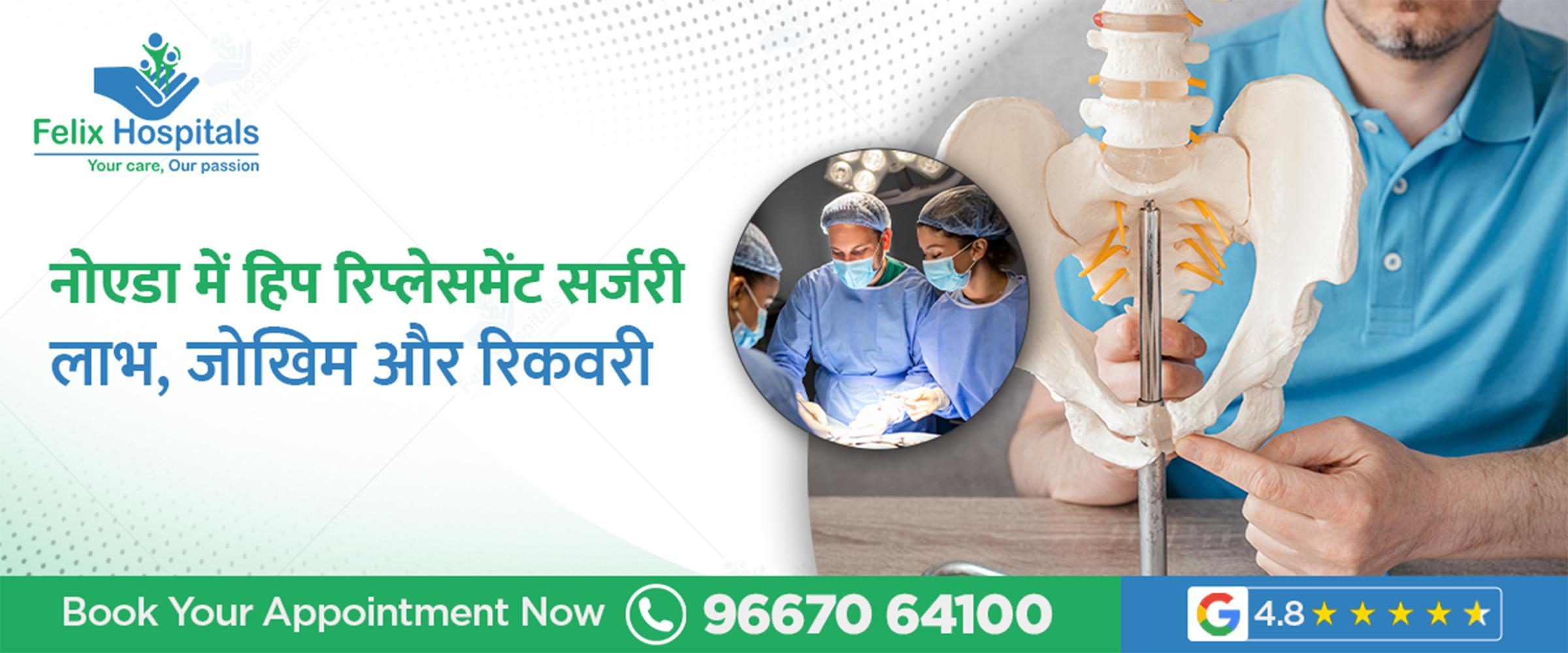
हिप जॉइंट से जुड़ा लगातार दर्द, चलने-फिरने में परेशानी और जीवन की गुणवत्ता में गिरावट किसी भी उम्र के व्यक्ति को मानसिक व शारीरिक रूप से प्रभावित करती है। जब दवाइयां, फिजियोथेरेपी और लाइफस्टाइल बदलाव भी असर न दिखाएं, तब हिप रिप्लेसमेंट सर्जरी एक प्रभावी और स्थायी समाधान बनकर सामने आती है। नोएडा में सर्वश्रेष्ठ ऑर्थोपेडिक अस्पताल उपलब्ध है। आइए जानते हैं नोएडा में हिप रिप्लेसमेंट सर्जरी से जुड़े लाभ, संभावित जोखिम, रिकवरी प्रक्रिया और लागत के बारे में विस्तार से।
अभी अपॉइंटमेंट शेड्यूल करें – कॉल करें: +91 9667064100
हिप रिप्लेसमेंट सर्जरी (Hip replacement surgery in Noida) एक आधुनिक आर्थोपेडिक प्रक्रिया है, जिसमें खराब या क्षतिग्रस्त हिप जॉइंट को हटाकर उसकी जगह कृत्रिम इम्प्लांट (प्रोस्थेसिस) लगाया जाता है। यह सर्जरी आमतौर पर ऑस्टियोआर्थराइटिस, रुमेटॉइड आर्थराइटिस, अवस्कुलर नेक्रोसिस, एक्सीडेंट या फ्रैक्चर तथा जन्मजात हिप डिफॉर्मिटी जैसी स्थितियों में की जाती है। नोएडा में उपलब्ध एडवांस इमेजिंग, मिनिमली इनवेसिव तकनीक और हाई-क्वालिटी इम्प्लांट्स के कारण यह सर्जरी पहले से अधिक सुरक्षित, सटीक और लंबे समय तक टिकाऊ परिणाम देने वाली बन गई है।
दर्द से स्थायी राहत मिलती है और पुराना असहनीय दर्द लगभग पूरी तरह समाप्त हो जाता है, चलने-फिरने की क्षमता में स्पष्ट सुधार होता है जिससे मरीज दोबारा बिना सहारे चल पाता है, जीवन की गुणवत्ता में उल्लेखनीय बढ़ोतरी होती है और आत्मनिर्भरता व आत्मविश्वास लौट आता है, दर्द कम होने से नींद बेहतर होती है और मानसिक स्वास्थ्य में भी सुधार आता है, साथ ही यह एक लंबे समय तक टिकाऊ समाधान है क्योंकि आधुनिक इम्प्लांट सामान्यतः 15 से 25 वर्षों तक सुरक्षित और प्रभावी रहते हैं।
हिप रिप्लेसमेंट सर्जरी को आधुनिक चिकित्सा में सामान्यतः सुरक्षित और सफल प्रक्रिया माना जाता है, फिर भी किसी भी बड़ी सर्जरी की तरह इसमें कुछ संभावित जोखिम और जटिलताएं हो सकती हैं। सर्जरी के बाद ऑपरेशन साइट पर इन्फेक्शन होने की संभावना रहती है, जिसके लिए एंटीबायोटिक और विशेष देखभाल की आवश्यकता पड़ सकती है। कुछ मामलों में रक्त का थक्का (Blood clot) बनने का खतरा होता है, विशेषकर पैरों की नसों में, इसलिए समय पर चलना-फिरना और दवाइयाँ जरूरी होती हैं।
शुरुआती दिनों में हिप डिसलोकेशन यानी कृत्रिम जोड़ का अपनी जगह से खिसक जाना एक संभावित जोखिम होता है। खासकर यदि सावधानियों का पालन न किया जाए। लंबे समय में इम्प्लांट के ढीला होने या घिसने की आशंका भी रहती है, हालांकि आधुनिक तकनीक और बेहतर गुणवत्ता के इम्प्लांट से यह जोखिम काफी कम हो गया है। कुछ दुर्लभ मामलों में सर्जरी के दौरान या बाद में नर्व या ब्लड वेसल को नुकसान पहुंचता है। जिससे सुन्नता या कमजोरी महसूस हो सकती है।
अनुभवी और कुशल सर्जन द्वारा की गई सर्जरी, सही प्री-ऑपरेटिव जांच, आधुनिक उपकरणों का उपयोग और सर्जरी के बाद नियमित फॉलो-अप, फिजियोथेरेपी तथा पोस्ट-ऑपरेटिव केयर से इन सभी जोखिमों को काफी हद तक कम किया जा सकता है और मरीज सामान्य, सक्रिय जीवन की ओर लौट सकता है।
हिप रिप्लेसमेंट सर्जरी के बाद रिकवरी की प्रक्रिया चरणबद्ध होती है और इसमें समय लगना सामान्य है। सामान्यतः मरीज को सर्जरी के बाद लगभग 3 से 7 दिन तक अस्पताल में रहना पड़ता है, ताकि शुरुआती निगरानी और देखभाल सुनिश्चित की जा सके। शुरुआती 2 से 4 हफ्तों में मरीज वॉकर या क्रच की मदद से चलना शुरू करता है और हल्की फिजियोथेरेपी के जरिए जॉइंट की मूवमेंट सुधारने पर ध्यान दिया जाता है। इस दौरान सूजन और दर्द धीरे-धीरे कम होने लगते हैं।
सर्जरी के 6 से 12 सप्ताह के भीतर अधिकांश मरीज बिना सहारे चलने में सक्षम हो जाते हैं और दैनिक कामों में अधिक स्वतंत्रता महसूस करते हैं। इस समय तक हिप जॉइंट की मूवमेंट भी काफी हद तक बेहतर हो चुकी होती है। लगभग 3 से 6 महीने में मरीज लगभग पूरी तरह से रिकवर हो जाता है और साइक्लिंग, स्विमिंग जैसी लो-इम्पैक्ट एक्सरसाइज़ करना संभव हो जाता है, जिससे जीवन की गुणवत्ता और गतिविधियों में सहजता लौट आती है।
90 डिग्री से ज्यादा हिप न मोड़ें
जमीन पर बैठने और क्रॉस-लेग बैठने से बचें
भारी वजन न उठाएँ
रोजाना हल्की वॉक और फिजियोथेरेपी जारी रखें
वजन नियंत्रित रखें
फिसलन वाले फर्श से बचें
नोएडा में हिप रिप्लेसमेंट सर्जरी की लागत कई महत्वपूर्ण कारकों पर निर्भर करती है। सबसे पहले, इम्प्लांट का प्रकार—चाहे वह भारतीय निर्मित हो या इम्पोर्टेड लागत को काफी प्रभावित करता है। इसके अलावा, अस्पताल की श्रेणी और सुविधा स्तर, सर्जन का अनुभव और विशेषज्ञता, तथा हॉस्पिटल स्टे और रिहैबिलिटेशन की अवधि भी खर्च में फर्क डालते हैं। सामान्य अनुमान के अनुसार, सरकारी अस्पतालों में इस सर्जरी की लागत लगभग 1 से 2 लाख के बीच होती है, जबकि निजी या कॉर्पोरेट अस्पतालों में यह 2.5 से 6 लाख तक जा सकती है। अच्छी खबर यह है कि कई हेल्थ इंश्योरेंस पॉलिसियाँ और सरकारी योजनाएं जैसे आयुष्मान भारत और सीजीएचएस इस सर्जरी के खर्च को कवर करती हैं, जिससे मरीज को वित्तीय बोझ कम करने में मदद मिलती है।
हिप रिप्लेसमेंट सर्जरी के लिए सही अस्पताल और सर्जन का चयन बेहद महत्वपूर्ण है। अनुभवी ऑर्थोपेडिक सर्जन द्वारा की गई सर्जरी से सफलता की संभावना अधिक रहती है। इसके साथ ही, एनएबीएच मान्यता प्राप्त अस्पताल में आधुनिक ऑपरेशन थियेटर (ओटी) और आईसीयू जैसी सुविधाएं मौजूद होती हैं, जो मरीज की सुरक्षा और देखभाल सुनिश्चित करती हैं। नोएडा में सर्वश्रेष्ठ ऑर्थोपेडिक्स उपलब्ध है। मजबूत फिजियोथेरेपी यूनिट सर्जरी के बाद रिकवरी को तेज और प्रभावी बनाने में मदद करती है, और अस्पताल में पहले इलाज पा चुके मरीजों की सकारात्मक समीक्षाएं भी भरोसे का एक मजबूत संकेत हैं।
अभी अपॉइंटमेंट शेड्यूल करें – कॉल करें: +91 9667064100
नोएडा में हिप रिप्लेसमेंट सर्जरी आज एक सुरक्षित, प्रभावी और जीवन बदलने वाली प्रक्रिया बन चुकी है। सही डॉक्टर, उचित तैयारी, नियमित फिजियोथेरेपी और स्वस्थ जीवनशैली अपनाकर मरीज लंबे समय तक दर्द-मुक्त और सक्रिय जीवन जी सकता है। नोएडा में सर्वश्रेष्ठ ऑर्थोपेडिक्स इलाज में देरी नहीं करनी चाहिए। इलाज में देरी से नुकसान होता है।
प्रश्न 1. क्या हिप रिप्लेसमेंट सर्जरी सुरक्षित है?
उत्तरः हां, अनुभवी सर्जन और आधुनिक तकनीक के साथ यह काफी सुरक्षित है। इसलिए डॉक्टर की सलाह पर इलाज कराना चाहिए।
प्रश्न 2. सर्जरी के बाद कब तक चल सकते हैं?
उत्तरः अगले दिन से वॉकर के सहारे, 3–6 महीने में बिना सहारे चल सकते हैं। चलने से पहले डॉक्टर की सलाह लेनी चाहिए।
प्रश्न 3. क्या इम्प्लांट जीवनभर चलता है?
उत्तरः आमतौर पर 15–25 साल या उससे अधिक तक चलता है। अच्छे डॉक्टर से ही सर्जरी करानी चाहिए।
प्रश्न 4. क्या उम्र की कोई सीमा है?
उत्तरः नहीं, जरूरत और मेडिकल फिटनेस के आधार पर सर्जरी की जाती है। मगर डॉक्टर की सलाह के बिना सर्जरी नहीं करानी चाहिए।
Dr. Keshav Goel is an experienced Orthopedic Surgeon with 10+ years of expertise in joint replacement, sports injury treatment, arthroscopy, and comprehensive bone and joint care.
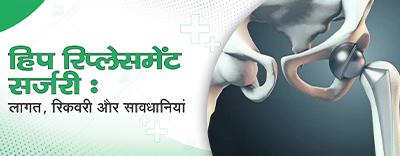
हिप रिप्लेसमेंट सर्जरी एक सुरक्षित और प्रभावी प्रक्रिया है जो गंभीर जोड़ दर्द से राहत दिलाकर चलने-फिरने की क्षमता को बेहतर बनाती है। इसमें हिप का क्षतिग्रस्त हिस्सा कृत्रिम जोड़ से बदला जाता है।

जॉइंट रिप्लेसमेंट सर्जरी से पहले सही तैयारी बेहद जरूरी है। जानें क्या टेस्ट, डायट, हेल्थ चेक और लाइफस्टाइल बदलाव करने चाहिए, साथ ही नोएडा में बेहतरीन इलाज कहां मिलता है।

सर्दियों के मौसम में हृदय रोग से जुड़े किसी भी लक्षण को हल्के में न लें और फेलिक्स हॉस्पिटल के अनुभवी हृदय रोग विशेषज्ञों से परामर्श लें।

सर्दियों में बच्चों में एलर्जी आम समस्या है। ठंडी हवा, धूल, संक्रमण और कमजोर इम्यूनिटी इसके मुख्य कारण हो सकते हैं।
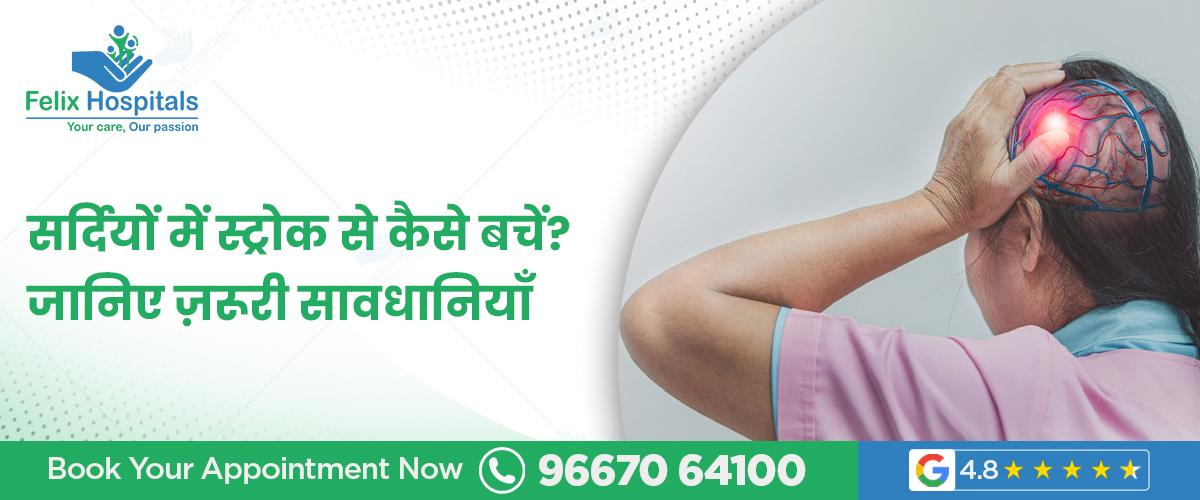
सर्दियों में स्ट्रोक का खतरा अन्य मौसमों की तुलना में अधिक बढ़ता है। ठंड के मौसम में ब्लड प्रेशर बढ़ना, खून का गाढ़ा होना और शरीर की रक्त नलिकाओं का सिकुड़ना स्ट्रोक का प्रमुख कारण बनता है। खासकर बुजुर्ग, हाई बीपी, डायबिटीज, हार्ट मरीज और पहले स्ट्रोक झेल चुके लोगों को विशेष सावधानी की आवश्यकता होती है। नोएडा में स्ट्रोक का इलाज उपलब्ध है। इस ब्लॉग में हम जानेंगे कि सर्दियों में स्ट्रोक क्यों होता है, इसके शुरुआती लक्षण क्या हैं और इससे बचने के लिए कौन-कौन सी जरूरी सावधानियां अपनानी चाहिए।
ज्यादा जानकारी के लिए कॉल करें: +91 9667064100
स्ट्रोक तब होता है जब मस्तिष्क (ब्रेन) में रक्त की आपूर्ति अचानक कम होती है या पूरी तरह रुकती है। ऐसी स्थिति में ब्रेन की कोशिकाओं को पर्याप्त ऑक्सीजन नहीं मिल पाती है। जिससे वह तेजी से क्षतिग्रस्त होकी हैं। मस्तिष्क की कार्यक्षमता प्रभावित होती है। स्ट्रोक मुख्य रूप से दो प्रकार का होता है। इस्केमिक स्ट्रोक और हेमरेजिक स्ट्रोक। इस्केमिक स्ट्रोक तब होता है जब मस्तिष्क तक खून पहुंचाने वाली किसी रक्त नली में थक्का (क्लॉट) जमता है। जिससे रक्त प्रवाह रुक जाता है। वहीं हेमरेजिक स्ट्रोक उस स्थिति में होता है जब मस्तिष्क की कोई रक्त नली फट जाती है और खून बाहर बहता है। जिससे ब्रेन टिश्यू पर दबाव पड़ता है और नुकसान होता है।
सर्दियों के मौसम में स्ट्रोक का खतरा सामान्य दिनों की तुलना में अधिक बढ़ता है। इसका मुख्य कारण ठंड के प्रति शरीर की प्राकृतिक प्रतिक्रिया और जीवनशैली में होने वाले बदलाव हैं। जब तापमान गिरता है, तो शरीर खुद को गर्म रखने के लिए कई आंतरिक परिवर्तन करता है, जो सीधे तौर पर दिल और दिमाग की सेहत को प्रभावित करते हैं।
ठंड में शरीर रक्त को त्वचा से हटाकर अंदरूनी अंगों की ओर भेज देता है। इस प्रक्रिया में रक्त नलिकाएं सिकुड़ जाती हैं। इससे ब्लड प्रेशर (Blood pressure) अचानक बढ़ सकता है। हाई ब्लड प्रेशर स्ट्रोक का सबसे बड़ा जोखिम कारक माना जाता है।
सर्दियों में कई लोगों का बीपी सामान्य से ज्यादा रहता है। खासकर सुबह के समय होता है। सुबह ठंड में उठते ही बीपी तेजी से बढ़ सकता है। अनियंत्रित हाई बीपी से ब्रेन की नस फटने (हेमरेजिक स्ट्रोक) का खतरा बढ़ता है
ठंड के मौसम में पसीना कम आता है और पानी कम पीने की आदत हो जाती है। इससे शरीर में डिहाइड्रेशन बढ़ता है। खून गाढ़ा हो जाता है, जिससे थक्का (क्लॉट) बनने की संभावना बढ़ती है। यह स्थिति इस्केमिक स्ट्रोक का कारण बन सकती है
सर्दियों में दिल को शरीर को गर्म रखने के लिए ज्यादा मेहनत करनी पड़ती है। हार्ट की पंपिंग बढ़ जाती है। दिमाग की रक्त आपूर्ति प्रभावित होती है। हार्ट डिजीज वाले मरीजों में स्ट्रोक का खतरा और बढ़ जाता है
ठंड के कारण लोग बाहर निकलना और एक्सरसाइज करना कम कर देते हैं। लंबे समय तक बैठे रहने से ब्लड सर्कुलेशन धीमा हो जाता है। मोटापा, शुगर और कोलेस्ट्रॉल बढ़ने लगता है। यह सभी स्ट्रोक के जोखिम कारक हैं।
सर्दियों में वायरल इंफेक्शन ज्यादा होते हैं। इंफेक्शन से शरीर में सूजन बढ़ती है। यह रक्त नलिकाओं को नुकसान पहुंचाकर स्ट्रोक का खतरा बढ़ा सकता है।
हाई ब्लड प्रेशरः ठंड में बीपी कंट्रोल से बाहर हो सकता है, जो स्ट्रोक का सबसे बड़ा जोखिम कारक है।
खून का गाढ़ा होनाः ठंड में पानी कम पीने से डिहाइड्रेशन होता है, जिससे खून गाढ़ा होकर थक्का बना सकता है।
शारीरिक गतिविधि में कमीः सर्दियों में लोग कम चलते-फिरते हैं, जिससे मोटापा और कोलेस्ट्रॉल बढ़ता है।
सर्दी-खांसी और संक्रमणः संक्रमण शरीर में सूजन बढ़ाते हैं, जो स्ट्रोक को ट्रिगर कर सकते हैं।
स्ट्रोक के लक्षण अचानक दिखाई देते हैं। FAST टेस्ट याद रखें:
F (Face) – चेहरे का एक हिस्सा टेढ़ा हो जाना
A (Arm) – एक हाथ या पैर में कमजोरी या सुन्नपन
S (Speech) – बोलने में दिक्कत या लड़खड़ाहट
T (Time) – समय बर्बाद न करें, तुरंत अस्पताल जाएं
अचानक तेज सिरदर्द
चक्कर आना
देखने में धुंधलापन
संतुलन बिगड़ना
सर्दियों में ठंड के कारण स्ट्रोक का खतरा बढ़ जाता है, लेकिन सही सावधानियां अपनाकर इस जोखिम को काफी हद तक कम किया जा सकता है। नोएडा में बेस्ट स्ट्रोक हॉस्पिटल उपलब्ध है। खासतौर पर बुजुर्गों, हाई ब्लड प्रेशर, डायबिटीज, हार्ट पेशेंट और पहले स्ट्रोक झेल चुके लोगों को अतिरिक्त सतर्कता बरतनी चाहिए।
ब्लड प्रेशर और डायबिटीज स्ट्रोक के सबसे बड़े कारणों में शामिल हैं। नियमित अंतराल पर BP और ब्लड शुगर की जांच कराते रहें। डॉक्टर द्वारा दी गई दवाइयां समय पर और पूरी मात्रा में लें। बिना सलाह दवा बंद या बदलने से बचें। सुबह के समय बीपी अधिक बढ़ सकता है, इसलिए खास ध्यान रखें।
ठंड से बचाव स्ट्रोक से बचाव का अहम हिस्सा है। सिर, कान और गर्दन को टोपी, मफलर या शॉल से ढककर रखें। बहुत ठंडी हवा में अचानक बाहर निकलने से बचें। सुबह-सुबह बहुत ठंड में टहलने से पहले शरीर को अच्छी तरह गर्म करें। जरूरत हो तो गर्म कपड़े लेयरिंग में पहनें।
सर्दियों में प्यास कम लगती है, लेकिन शरीर को पानी की उतनी ही जरूरत होती है। दिनभर में पर्याप्त पानी जरूर पिएं। गुनगुना पानी पीना ज्यादा फायदेमंद होता है। डिहाइड्रेशन से खून गाढ़ा होता है, जो थक्का बनने का खतरा बढ़ाता है
सर्दियों में खान-पान का सीधा असर हार्ट और ब्रेन हेल्थ पर पड़ता है। हरी सब्जियां, मौसमी फल, दालें, दलिया और सूप को डाइट में शामिल करें। अधिक नमक, तला-भुना, पैकेज्ड और जंक फूड से बचें। ज्यादा नमक ब्लड प्रेशर बढ़ा सकता है। ओमेगा-3 फैटी एसिड वाले खाद्य पदार्थ फायदेमंद होते हैं
ठंड में आलस्य बढ़ जाता है, लेकिन एक्टिव रहना बेहद जरूरी है। रोजाना हल्की सैर, योग और प्राणायाम करें। घर के अंदर भी स्ट्रेचिंग और हल्का व्यायाम किया जा सकता है। लंबे समय तक एक ही जगह बैठे न रहें। नियमित गतिविधि से ब्लड सर्कुलेशन बेहतर रहता है।
धूम्रपान रक्त नलिकाओं को नुकसान पहुंचाता है और थक्का बनने का खतरा बढ़ाता है। सर्दियों में शराब शरीर को गर्म महसूस कराती है, लेकिन यह ब्लड प्रेशर बढ़ाती है दिल और दिमाग पर अतिरिक्त दबाव डालती है शराब का अधिक सेवन स्ट्रोक का खतरा कई गुना बढ़ा देता है
जल्दी पहचान और इलाज से जान बच सकती है। अचानक चेहरा टेढ़ा होना। हाथ या पैर में कमजोरी या सुन्नपन। बोलने में दिक्कत या जुबान लड़खड़ाना।
जो लोग हाई-रिस्क कैटेगरी में आते हैं—जैसे जिन्हें पहले स्ट्रोक हो चुका हो, जो हार्ट पेशेंट हों, डायबिटीज या हाई ब्लड प्रेशर के मरीज हों—उन्हें सर्दियों में सामान्य लोगों से कहीं ज्यादा सतर्क रहने की जरूरत होती है। ठंड का मौसम इनके लिए स्ट्रोक के खतरे को कई गुना बढ़ा सकता है।
सर्दियों में कभी भी अपनी दवाइयां बंद न करें। ब्लड प्रेशर, शुगर, कोलेस्ट्रॉल और खून पतला रखने वाली दवाइयां समय पर लें। अगर ठंड में बीपी ज्यादा या शुगर असंतुलित लगे तो खुद से डोज न बदलें, डॉक्टर से संपर्क करें। दवाइयां नियमित न लेने से स्ट्रोक दोबारा होने का खतरा बढ़ जाता है
सर्दी, जोड़ों या सिर दर्द में लोग अक्सर पेनकिलर ले लेते हैं। कुछ दर्द निवारक दवाएं ब्लड प्रेशर बढ़ा सकती हैं। किडनी और हार्ट पर असर डाल सकती हैं। खून को जरूरत से ज्यादा पतला या गाढ़ा कर सकती हैं। खासकर हार्ट और स्ट्रोक पेशेंट बिना सलाह पेनकिलर लेने से बचें
पहले स्ट्रोक हो चुका है तो न्यूरोलॉजिस्ट से नियमित जांच बेहद जरूरी है हार्ट पेशेंट को कार्डियोलॉजिस्ट और शुगर मरीजों को फिजिशियन से संपर्क में रहना चाहिए। समय-समय पर बीपी, ब्लड शुगर, कोलेस्ट्रॉल, ईसीजी या जरूरी जांचें कराते रहें।
बहुत ठंडे पानी से न नहाएं। हीटर या अलाव से सीधे बहुत गर्मी और फिर अचानक ठंड में न जाएं। तापमान के अचानक बदलाव से BP तेजी से बढ़ सकता है
सुबह के वक्त स्ट्रोक का खतरा ज्यादा रहता है। उठते ही बिस्तर से झटके में न उठें। पहले कुछ मिनट बैठें, फिर धीरे-धीरे खड़े हों। ठंड में तुरंत बाहर निकलने से बचें
घरवालों को स्ट्रोक के शुरुआती लक्षण (FAST) जरूर बताएं। चेहरा टेढ़ा होना। हाथ-पैर में कमजोरी।.बोलने में दिक्कत। ताकि इमरजेंसी में बिना देरी अस्पताल पहुंचाया जा सके
यदि अचानक बोलने या चलने में परेशानी होने लगे, शरीर के एक तरफ सुन्नपन या कमजोरी महसूस हो, या फिर तेज सिरदर्द के साथ उल्टी आने लगे, तो इसे बिल्कुल भी नजरअंदाज न करें। ऐसी स्थिति में समय गंवाए बिना तुरंत नजदीकी न्यूरोलॉजी अस्पताल या स्ट्रोक यूनिट पहुंचें, क्योंकि शुरुआती घंटों में सही इलाज मिलने से जान बचने के साथ-साथ स्थायी नुकसान से भी बचा जा सकता है।
फेलिक्स हॉस्पिटल में अनुभवी न्यूरोलॉजिस्ट और अत्याधुनिक स्ट्रोक केयर यूनिट उपलब्ध है। समय पर इलाज से स्ट्रोक में जान बचाई जा सकती है और विकलांगता रोकी जा सकती है।
अपॉइंटमेंट के लिए कॉल करें: +91 9667064100
सर्दियों में स्ट्रोक एक गंभीर लेकिन रोकी जा सकने वाली बीमारी है। सही समय पर सावधानी, नियमित जांच और स्वस्थ जीवनशैली अपनाकर स्ट्रोक के खतरे को काफी हद तक कम किया जा सकता है। स्ट्रोक के शुरुआती लक्षणों को पहचानना और तुरंत इलाज कराना जीवन रक्षक साबित हो सकता है। जांच और इलाज में देरी नहीं करनी चाहिए।
प्रश्न 1. क्या सर्दियों में स्ट्रोक का खतरा ज्यादा होता है?
उत्तर: हां, ठंड में ब्लड प्रेशर बढ़ने और खून गाढ़ा होने से स्ट्रोक का खतरा बढ़ता है। इसलिए समय पर दवा का सेवन करना चाहिए।
प्रश्न 2. स्ट्रोक के बाद सर्दियों में क्या सावधानी रखें?
उत्तर: शरीर गर्म रखें, दवाइयां नियमित लें और फिजियोथेरेपी जारी रखें। दवा को बीच में नहीं छोड़ना चाहिए।
प्रश्न 3. क्या ठंड में शराब पीने से स्ट्रोक हो सकता है?
उत्तर: हां, शराब ब्लड प्रेशर बढ़ाकर स्ट्रोक का खतरा बढ़ाती है। इसलिए इन चीजों से दूरी बनाकर रखनी चाहिए।
प्रश्न 4. स्ट्रोक से बचाव के लिए सबसे जरूरी क्या है?
उत्तर: ब्लड प्रेशर कंट्रोल, संतुलित आहार, व्यायाम और समय पर इलाज कराना चाहिए।
प्रश्न 5. स्ट्रोक के लिए किस डॉक्टर से दिखाना चाहिए?
उत्तर: स्ट्रोक के लिए तुरंत न्यूरोलॉजिस्ट संपर्क करें। बिना डॉक्टर की सलाह से किसी प्रकार की दवा का सेवन नहीं करना चाहिए।
ब्रेन स्ट्रोक एक जानलेवा स्थिति है जिसमें मस्तिष्क को रक्त आपूर्ति रुक जाती है। इसके प्रकार, कारण, लक्षण, बचाव और इलाज

ठंडे मौसम में शरीर को गर्म रखने के लिए रक्तचाप स्वाभाविक रूप से बढ़ जाता है। उच्च रक्तचाप हार्ट अटैक का प्रमुख जोखिम कारक होता है
सर्दियों के मौसम में हृदय रोग से जुड़े किसी भी लक्षण को हल्के में न लें और फेलिक्स हॉस्पिटल के अनुभवी हृदय रोग विशेषज्ञों से परामर्श लें।
सर्दियों में बच्चों में एलर्जी आम समस्या है। ठंडी हवा, धूल, संक्रमण और कमजोर इम्यूनिटी इसके मुख्य कारण हो सकते हैं।
Digestive health plays a crucial role in overall well-being, yet many people delay consulting a specialist until symptoms become severe. From persistent acidity and abdominal pain to liver disorders and chronic bowel issues, gastrointestinal problems require expert evaluation and targeted treatment. Knowing how to find the best gastroenterologist near you can make a significant difference in accurate diagnosis, effective treatment, and long-term digestive health.
In a fast-growing medical hub like Noida, patients have access to multiple specialists, but choosing the right doctor requires careful consideration of experience, expertise, and care approach.
Get accurate diagnosis and treatment from a trusted gastro doctor near me Noida. Call +91 9667064100 now.
Gastrointestinal disorders are often complex and interconnected. Symptoms may appear mild initially but can indicate underlying conditions such as ulcers, IBS, fatty liver disease, or inflammatory bowel disorders. Selecting the right specialist ensures early intervention and prevents complications.
Understanding what to look for in a gastroenterologist helps patients avoid trial-and-error treatments and unnecessary investigations while receiving focused, evidence-based care.
A gastroenterologist is a specialist trained to diagnose and treat disorders of the digestive system, including the esophagus, stomach, intestines, liver, pancreas, and gallbladder. Their expertise extends beyond basic consultation to advanced diagnostic procedures such as endoscopy, colonoscopy, and liver function evaluation.
When patients ask which gastroenterologist is best for digestive problems, the answer depends on the doctor’s training, clinical exposure, and ability to manage both common and complex GI conditions.
Before choosing a specialist, it is important to understand your symptoms and concerns. Some patients require routine consultation for acidity or constipation, while others need long-term management for chronic liver disease or inflammatory bowel disorders.
Knowing how to select a gastroenterologist near me starts with identifying whether you need:
Preventive screening
Diagnosis of persistent symptoms
Long-term disease management
Advanced endoscopic procedures
This clarity helps narrow down the right specialist in Noida.
One of the most important steps in how to find the best gastroenterologist is verifying medical qualifications. A qualified gastroenterologist should have:
An MBBS degree
A postgraduate degree in Internal Medicine
Super-specialization (DM/DNB) in Gastroenterology
Specialization ensures in-depth knowledge of digestive disorders and updated treatment protocols.
Experience matters significantly in gastroenterology, especially when dealing with complex or chronic conditions. A doctor with extensive hands-on experience is better equipped to interpret symptoms, imaging, and test results accurately.
When deciding which gastroenterologist is best for digestive problems, consider:
Years of clinical practice
Volume of patients treated
Experience with similar conditions
Experienced specialists in Noida often deliver more confident diagnoses and efficient treatment plans.
The quality of the medical facility plays a vital role in diagnosis and treatment outcomes. Advanced diagnostic tools and well-equipped endoscopy units improve accuracy and patient safety.
While following tips to choose a gastroenterologist doctor, patients should check whether the hospital offers:
Modern endoscopy and colonoscopy units
Liver care and diagnostic imaging
Emergency GI services
Multidisciplinary support
This is especially important when searching for a gastro doctor near me Noida for comprehensive care.
A skilled gastroenterologist should have access to accurate diagnostic tools and know when to use them appropriately. Over-testing can be as harmful as under-testing.
A reliable approach to what to look for in a gastroenterologist includes:
Judicious use of investigations
Clear explanation of test results
Avoidance of unnecessary procedures
This reflects clinical maturity and patient-focused care.
Digestive issues can be sensitive and uncomfortable to discuss. A good gastroenterologist ensures a respectful, non-judgmental environment.
While considering how to select a gastroenterologist near me, observe whether the doctor:
Listens attentively
Explains conditions in simple language
Encourages questions
Involves patients in decision-making
Strong communication improves compliance and treatment success.
Different doctors may follow different treatment philosophies. Some focus heavily on medication, while others emphasize lifestyle, diet, and preventive care.
Understanding tips to choose a gastroenterologist doctor includes evaluating whether the specialist:
Promotes long-term digestive health
Provides dietary and lifestyle guidance
Uses medications responsibly
Plans follow-ups appropriately
Balanced treatment leads to better long-term outcomes.
Digestive issues may require repeated follow-ups or urgent consultations. Accessibility is a practical but critical factor.
When looking for the best gastroenterologist doctor in Noida, consider:
OPD availability
Emergency consultation support
Ease of appointment booking
Follow-up continuity
This ensures uninterrupted care during flare-ups or complications.
Patient reviews and referrals provide insights into real-world experiences. While no doctor will have universal praise, consistent feedback patterns are useful.
In the process of how to find the best gastroenterologist, consider:
Word-of-mouth recommendations
Online patient feedback
Referrals from family physicians
Reputation often reflects reliability and trustworthiness.
Digestive care can involve multiple tests and procedures. Ethical practice includes transparency about costs and necessity.
When evaluating what to look for in a gastroenterologist, ensure the doctor:
Explains the need for investigations
Avoids unnecessary procedures
Provides clear billing information
This protects patients from financial stress and overtreatment.
Patients with IBS, GERD, liver disease, or inflammatory bowel disease need long-term care. Consistency and trust are key.
Choosing which gastroenterologist is best for digestive problems becomes especially important when ongoing management, lifestyle modification, and monitoring are required.
Noida has emerged as a major healthcare destination with advanced gastroenterology services. Patients searching for a liver doctor near me Noida benefit from access to modern hospitals, experienced specialists, and comprehensive diagnostic facilities.
Selecting the right doctor ensures not just treatment, but preventive care and long-term digestive wellness.
Looking for expert digestive care? Consult the best gastroenterologist doctor in Noida today. Call +91 9667064100 to book an appointment.
Choosing the right gastroenterologist is a critical step toward maintaining digestive health and preventing serious complications. Understanding how to find the best gastroenterologist, knowing what to look for in a gastroenterologist, and following practical tips to choose a gastroenterologist doctor empower patients to make informed decisions. For residents of Noida, consulting the best gastroenterology hospital in Noida ensures accurate diagnosis, ethical treatment, and personalized care that supports long-term well-being.
Q. 1 When should I see a gastroenterologist?
Ans. If digestive symptoms persist beyond two weeks or recur frequently.
Q. 2 Do I need a referral to consult a gastroenterologist?
Ans. Usually no, but referrals can help with faster evaluation.
Q. 3 What conditions do gastroenterologists treat?
Ans. They manage acidity, IBS, liver disease, ulcers, and bowel disorders.
Q. 4 Are endoscopy and colonoscopy safe procedures?
Ans. Yes, when performed by experienced specialists in equipped centers.
Q. 5 How often should I follow up with a gastroenterologist?
Ans. Follow-up depends on diagnosis and treatment plan.
Gastric problems occur when excess acid or digestive disturbances affect the stomach lining, causing symptoms like bloating, acidity, and pain. Timely diagnosis ensures effective treatment.

Understand the key differences between stomach flu and food poisoning. Learn about their causes, symptoms, and when it's time to seek medical help for safe and effective treatment.

सर्दियों का मौसम आते ही सर्दी-खांसी, वायरल फीवर, गले में खराश और सांस से जुड़ी बीमारियों का खतरा बढ़ जाता है। इसका मुख्य कारण है इस मौसम में इम्यूनिटी का कमजोर होना। कमजोर प्रतिरक्षा प्रणाली (Weak Immune System) के कारण बच्चे, बुजुर्ग और पहले से बीमार लोग जल्दी संक्रमण की चपेट में आ जाते हैं। नोएडा में इम्यूनिटी बढ़ाने वाले डॉक्टर उपलब्ध है। नोएडा में इम्यूनिटी से जुड़ी समस्याओं के लिए अनुभवी चिकित्सक और हेल्थ अस्पताल उपलब्ध हैं। लक्षण बढ़ने से पहले ही सावधानी और बचाव बेहद जरूरी है।
स्वास्थ्य परामर्श के लिए संपर्क करें: +91 9667064100
सर्दियों में तापमान गिरने के कारण शरीर की रोग प्रतिरोधक क्षमता प्रभावित होती है। ठंडी हवा, धूप की कमी और शारीरिक गतिविधि कम होने से इम्यून सिस्टम सुस्त पड़ता है। इस दौरान वायरस और बैक्टीरिया अधिक सक्रिय हो जाते हैं, जिससे संक्रमण जल्दी फैलता है।
सर्दियों में कुछ खास खाद्य पदार्थ इम्यूनिटी को प्राकृतिक रूप से मजबूत बनाते हैं:
डॉक्टर की सलाह से ये सप्लीमेंट्स इम्यूनिटी मजबूत कर सकते हैं:
इम्यूनिटी काढ़ा:
इन सभी को पानी में उबालकर दिन में 1 बार पिएं।
हल्दी वाला दूध: रात में सोने से पहले हल्दी मिला गुनगुना दूध इम्यूनिटी बढ़ाने में बेहद असरदार है।
नोटः नियमित व्यायाम से शरीर में ब्लड सर्कुलेशन बेहतर होता है। नोएडा में सर्वश्रेष्ठ जनरल फिजिशियन अस्पताल उपलब्ध है। यह इम्यून सिस्टम मजबूत बनता है।
अपॉइंटमेंट के लिए कॉल करें: +91 9667064100
सर्दियों में मजबूत इम्यूनिटी ही बीमारियों से बचाव का सबसे बड़ा हथियार है। सही खान-पान, अच्छी दिनचर्या और समय-समय पर डॉक्टर की सलाह लेकर आप खुद को और अपने परिवार को स्वस्थ रख सकते हैं। अगर बार-बार बीमार पड़ रहे हैं या कमजोरी महसूस हो रही है, तो नोएडा में उपलब्ध अनुभवी चिकित्सक से संपर्क कर समय रहते जांच और सलाह लें। बिना डॉक्टर की सलाह के कोई दवा नहीं ले।
प्रश्न 1: क्या सर्दियों में बच्चे और बुजुर्गों की इम्यूनिटी ज्यादा कमजोर होती है?
उत्तर: हां, बच्चों और बुजुर्गों की प्रतिरक्षा क्षमता कम होने के कारण उन्हें ज्यादा सावधानी की जरूरत होती है।
प्रश्न 2: क्या सिर्फ खान-पान से इम्यूनिटी बढ़ सकती है?
उत्तर: खान-पान के साथ-साथ नींद, व्यायाम और तनाव कम करना भी जरूरी है। इसलिए नींद का ध्यान रखें।
प्रश्न 3: क्या इम्यूनिटी बूस्टर ड्रिंक रोज पी सकते हैं?
उत्तर: हां, लेकिन सीमित मात्रा में और नियमित रूप से। ज्यादा सेवन नुकसानदेह होता है।
प्रश्न 4: क्या विटामिन डी की कमी सर्दियों में आम है?
उत्तर: हां, धूप कम मिलने के कारण इसकी कमी हो सकती है। इसलिए सर्दी के दिन में धूप का ध्यान रखना चाहिए।
प्रश्न 5: कब डॉक्टर से संपर्क करना चाहिए?
उत्तर: जब बार-बार संक्रमण हो, कमजोरी बनी रहे या बुखार जल्दी-जल्दी आए तो डॉक्टर की सलाह लेने में देरी नहीं करें।
ठंडे मौसम में शरीर को गर्म रखने के लिए रक्तचाप स्वाभाविक रूप से बढ़ जाता है। उच्च रक्तचाप हार्ट अटैक का प्रमुख जोखिम कारक होता है
सर्दियों के मौसम में हृदय रोग से जुड़े किसी भी लक्षण को हल्के में न लें और फेलिक्स हॉस्पिटल के अनुभवी हृदय रोग विशेषज्ञों से परामर्श लें।

आंखों की सेहत के लिए विटामिन ए, विटामिन सी, विटामिन ई और ओमेगा-3 फैटी एसिड जरूरी होते हैं। सर्दियों में हरी सब्जियाँ, गाजर, संतरा, और नट्स जैसे खाद्य पदार्थों का सेवन करना आंखों के स्वास्थ्य के लिए फायदेमंद है। ये पोषक तत्व आंखों की मांसपेशियों को मजबूत क

सर्दियों के मौसम में ठंडी हवा, धूल, धुआं और वायरल इंफेक्शन बच्चों में अस्थमा अटैक का खतरा बढ़ा देते हैं। ठंड के कारण सांस की नलियां सिकुड़ जाती हैं, जिससे खांसी, सीटी जैसी आवाज, सांस फूलना और सीने में जकड़न की समस्या हो सकती है।
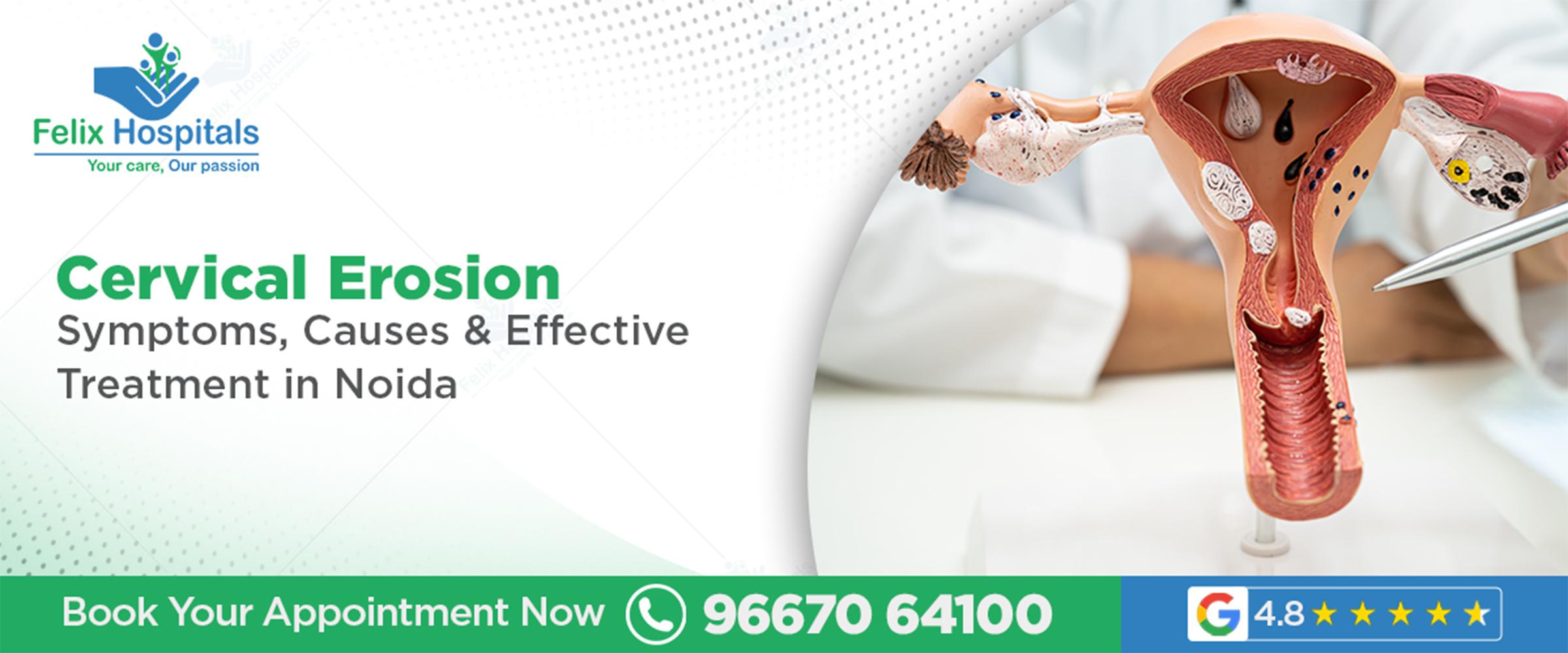
Cervical erosion is a common gynecological condition affecting many women, often going unnoticed until symptoms appear. Understanding what is cervical erosion is important for early detection and effective management. Cervical erosion occurs when the cells from the inner lining of the cervical canal spread to the outer surface of the cervix, creating a reddish and inflamed appearance. While this condition is usually benign, it can sometimes cause discomfort, abnormal discharge, or other symptoms that prompt women to seek consultation with a cervical erosion specialist in Noida or a clinic providing cervical erosion treatment in Noida.
If you experience cervical erosion symptoms such as unusual discharge or post-coital bleeding, call +91 9667064100 today to schedule an appointment with a cervical erosion specialist in Noida.
To comprehend what is cervical erosion, it is important to know the anatomy of the cervix. The cervix is the lower part of the uterus that opens into the vagina, and it is lined with two types of cells: squamous cells on the outer surface and glandular cells in the canal. Cervical erosion occurs when these glandular cells extend to the outer cervix, making it appear red and inflamed. Hormonal changes, infections, or prolonged irritation can contribute to this condition.
Often caused by hormonal changes
May occur during pregnancy or with contraceptive use
Typically benign but requires monitoring
Consulting a cervical erosion specialist in Noida ensures proper evaluation and appropriate management to prevent complications.
Recognizing cervical erosion symptoms is crucial for early diagnosis. Many women may not notice any signs, especially in mild cases. However, some common symptoms include abnormal vaginal discharge, mild bleeding after intercourse, or occasional pelvic discomfort. Some women also report spotting between periods or an increase in vaginal mucus.
Signs of cervical erosion in women may vary, but common indicators include:
Persistent vaginal discharge
Post-coital bleeding (bleeding after sex)
Pelvic pain or discomfort
Spotting between menstrual cycles
Women experiencing these symptoms should consult a cervical erosion specialist in Noida for examination and accurate diagnosis.
Many patients ask, is cervical erosion serious? In most cases, cervical erosion is benign and does not pose significant health risks. However, untreated or persistent cervical erosion may lead to chronic irritation, increase susceptibility to infections, or complicate pregnancy in rare instances. Regular monitoring and treatment, when necessary, are important to prevent potential complications.
Usually benign and treatable
Can cause recurrent infections if untreated
Requires medical assessment for persistent symptoms
A cervical erosion specialist in Noida can assess the severity of the condition and recommend appropriate treatment options to ensure safe recovery.
Understanding the causes of cervical erosion helps in preventing recurrence. Common factors include:
Hormonal changes during pregnancy or with oral contraceptive use
Chronic inflammation due to infections
Irritation from medical devices such as intrauterine devices (IUDs)
Physical trauma during sexual activity or childbirth
These causes can lead to the outward spread of glandular cells, resulting in the characteristic reddish appearance of the cervix.
Consulting a cervical erosion specialist in Noida can help identify specific causes and provide guidance on prevention and treatment.
Knowing how is cervical erosion treated is essential for women experiencing symptoms. Mild cases often require no active treatment and may resolve with lifestyle adjustments and infection control. Moderate to severe cases can be treated with:
Cryotherapy (freezing abnormal cells)
Electrocauterization (burning abnormal tissue)
Laser therapy to remove affected cells
Medications to manage infections or inflammation
Mild cases may not require intervention
Procedure selection depends on severity and symptoms
Regular follow-up is crucial to prevent recurrence
A cervical erosion specialist in Noida can recommend the best treatment based on the patient’s condition, ensuring effective and safe recovery.
Many women worry, can cervical erosion cause infertility? In most cases, cervical erosion does not affect fertility. However, untreated infections or chronic irritation associated with cervical erosion may affect cervical function or reproductive health. Early diagnosis and treatment significantly reduce any potential risk to fertility.
Patients planning pregnancy should consult a cervical erosion specialist in Noida to ensure cervical health before conception.
Persistent or unusual vaginal discharge can indicate cervical erosion or other gynecological issues. When should I see a doctor for cervical discharge? If discharge is accompanied by an unusual color, foul odor, bleeding, or pelvic pain, timely consultation is necessary. Early evaluation by a cervical erosion specialist in Noida ensures accurate diagnosis and prevents complications.
Persistent or unusual discharge
Post-coital bleeding
Pain or discomfort in the pelvic area
Visiting a cervical erosion treatment in Noida center allows for proper examination, diagnostic tests, and treatment.
Diagnosis typically involves a combination of visual inspection using a speculum, Pap smear, colposcopy, or biopsy if necessary. These tests help confirm the presence of abnormal cells, rule out infections, and exclude other gynecological conditions.
Pap smear for cellular analysis
Colposcopy for detailed cervix visualization
Biopsy for suspicious lesions
A cervical erosion specialist in Noida will recommend the most appropriate diagnostic approach for accurate results and treatment planning.
Prevention plays a key role in managing cervical erosion. Maintaining good hygiene, regular gynecological check-ups, managing infections promptly, and avoiding prolonged use of irritants can reduce the risk. Hormonal balance through proper medical guidance may also help prevent recurrent cases.
Consulting a cervical erosion treatment in Noida clinic ensures preventive strategies are implemented effectively for long-term cervical health.
In addition to medical procedures, lifestyle adjustments can improve outcomes. Women are encouraged to:
Practice safe sexual hygiene
Use barrier contraceptives if prone to irritation
Avoid unnecessary trauma to the cervix
Maintain a balanced diet and healthy lifestyle
A cervical erosion specialist in Noida can guide women on practical measures to support recovery and prevent recurrence.
Recovery from treatment depends on the method used. Procedures like cryotherapy or electrocauterization usually require a short recovery period, during which patients should avoid sexual activity, tampon use, or strenuous exercise. Regular follow-up appointments ensure the cervix heals properly and symptoms do not recur.
Avoid sexual activity during recovery
Schedule follow-up appointments
Monitor for signs of infection or persistent symptoms
A cervical erosion specialist in Noida will provide a personalized recovery plan and monitor progress closely.
Cervical erosion, while usually benign, can cause anxiety and stress due to symptoms like abnormal discharge or fear of infertility. Counseling and patient education from a cervical erosion specialist in Noida help women understand their condition, reduce stress, and improve adherence to treatment plans.
Receive comprehensive care at a cervical erosion treatment in Noida center for diagnosis, treatment, and follow-up to maintain optimal cervical health.
Cervical erosion is a common gynecological condition that can be managed effectively with timely diagnosis, proper treatment, and lifestyle adjustments. Recognizing cervical erosion symptoms, understanding what is cervical erosion, and consulting a cervical erosion specialist in Noida or a clinic offering cervical erosion treatment in Noida are essential steps toward maintaining cervical health. Early intervention prevents complications, reduces discomfort, and ensures reproductive well-being.
Q.1 What is cervical erosion, and how does it affect me?
Ans. Cervical erosion is when inner cervical cells spread to the outer cervix, sometimes causing discharge or bleeding.
Q. 2 What are the common symptoms of cervical erosion?
Ans. Symptoms include abnormal discharge, post-coital bleeding, and mild pelvic discomfort.
Q.3 Is cervical erosion serious or life-threatening?
Ans. Most cases are benign, but untreated erosion may cause infections or discomfort.
Q.4 Can cervical erosion affect fertility?
Ans. In general, it does not cause infertility, though chronic irritation may pose minor risks.
Q. 5 When should I consult a doctor for cervical discharge?
Ans. See a doctor if discharge is unusual, persistent, or accompanied by pain or bleeding.

Cervical cancer is most common in women after breast cancer. Cervical cancer starts from the cervix, i.e., the cervix. The cervix is the lower part of the uterus that connects the vagina to the uterus.

Recognize the early warning signs of cervical cancer. Learn about its symptoms, causes, and when to consult a gynecologist for timely diagnosis and treatment.

Explore the cervical cancer vaccine cost in Noida, compare prices across hospitals, and understand how vaccination helps prevent HPV infection and cervical cancer.
तेज रफ्तार जीवनशैली, बढ़ती उम्र, मोटापा और आर्थराइटिस जैसी समस्याएं आज हर उम्र के लोगों को प्रभावित कर रही हैं। जब दर्द इतना बढ़ता है कि चलना-फिरना या दैनिक काम करना भी मुश्किल हो जाए, तो घुटना रिप्लेसमेंट सर्जरी स्थायी राहत का सबसे प्रभावी उपाय बन जाता है। नोएडा में सर्वश्रेष्ठ आर्थोपेडिक अस्पताल उपलब्ध है। यह ब्लॉग जानेंगे घुटने की सर्जरी क्या होती है, इसके प्रकार, इलाज के आधुनिक विकल्प और सर्जरी से पहले व बाद की तैयारी के बारे में विस्तार से।
घुटना रिप्लेसमेंट सर्जरी, जिसे नी आर्थ्रोप्लास्टीभी कहा जाता है। एक चिकित्सीय प्रक्रिया है जिसमें क्षतिग्रस्त घुटने के जोड़ को कृत्रिम इम्प्लांट से बदल जाता है। यह इम्प्लांट धातु, सिरेमिक या उच्च गुणवत्ता वाले मेडिकल-ग्रेड प्लास्टिक से बना होता है। जो घुटने की प्राकृतिक गति को पुनर्स्थापित करता है और दर्द को कम करता है।
नी रिप्लेसमेंट तब किया जाता है जब ऑस्टियोआर्थराइटिस या रूमेटॉइड आर्थराइटिस (Rheumatoid Arthritis) से कार्टिलेज पूरी तरह घिस जाए। दर्द लगातार बना रहे और दवा या फिजियोथेरेपी से राहत न मिले। सीढ़ियां चढ़ना, चलना या बैठना असहनीय हो जाए। एक्स-रे या एमआरआई में जोड़ों में हड्डियों की रगड़ या विकृति दिखे। जब जोड़ का दर्द जीवन की गुणवत्ता को प्रभावित करने लगे। तबसर्जरी ही एक स्थायी समाधान बन जाती है।
घुटने की क्षति और मरीज की जरूरत के अनुसार डॉक्टर सर्जरी का प्रकार तय करते हैं:
इस प्रक्रिया में घुटने के दोनों सिरों फीमर (जांघ की हड्डी) और टिबिया (पिंडली की हड्डी) — की सतह को हटाकर कृत्रिम इम्प्लांट से बदल दिया जाता है यह तब किया जाता है जब घुटने की पूरी सतह घिस चुकी हो।
यदि घुटने का केवल एक भाग (भीतरूनी या बाहरी) खराब हुआ है, तो केवल वही हिस्सा बदला जाता है इससे कम चीरा, कम ब्लड लॉस और तेज रिकवरी होती है।
यह सर्जरी तब की जाती है जब पहले किए गए इम्प्लांट में ढीलापन या संक्रमण आ जाए। इसमें पुराने इम्प्लांट को निकालकर नया लगाया जाता है।
यह मिनिमली इनवेसिव तकनीक है जिसमें कैमरा और छोटे उपकरणों से लिगामेंट इंजरी, मिनिस्कस टियर या कार्टिलेज रिपेयर किया जाता है।
यदि केवल कार्टिलेज घिसी है, तो माइक्रोफ्रैक्चर, ACI (ऑटोलॉगस चोंड्रोसाइट इम्प्लांटेशन) या OATS जैसी आधुनिक तकनीकों से कार्टिलेज को पुनर्जीवित किया जाता है।
ब्लड टेस्ट, एक्स-रे, ईसीजी, एमआरआई: शरीर की फिटनेस और घुटने की स्थिति की जांच कराने से सही स्थिति का पता चलता है। ।
ब्लड शुगर और बीपी नियंत्रण: ताकि संक्रमण और जटिलता से बचा जा सके।
फिजियोथेरेपी: सर्जरी से पहले एक्सरसाइज से मांसपेशियों को मजबूत करें।
मानसिक तैयारी: डॉक्टर से स्पष्ट जानकारी लें और चिंता दूर करें।
हॉस्पिटल और सर्जन का चयन: अनुभवी ऑर्थोपेडिक सर्जन और एनएबीएच-अनुमोदित हॉस्पिटल चुनें।
प्रत्यारोपण सर्जरी में क्षतिग्रस्त जोड़ को हटाकर कृत्रिम जोड़ लगाया जाता है।
मरीज को सर्जरी से पहले स्पाइनल या जनरल एनेस्थीसिया दिया जाता है ताकि ऑपरेशन के दौरान कोई दर्द या असुविधा महसूस न हो। एनेस्थीसिया का चुनाव मरीज की उम्र, स्वास्थ्य स्थिति और डॉक्टर की सलाह पर निर्भर करता है।
सर्जन घुटने के सामने लगभग 4 से 6 इंच का छोटा चीरा लगाते हैं। इससे जोड़ तक पहुंच बनाकर अंदरूनी क्षति का निरीक्षण किया जाता है।
घुटने के क्षतिग्रस्त कार्टिलेज और हड्डी को सावधानीपूर्वक हटाया जाता है। हटाए गए हिस्से की जगह विशेष कृत्रिम इम्प्लांट फिट किया जाता है, जो धातु या उच्च गुणवत्ता वाले पॉलिमर से बना होता है।
इम्प्लांट लगाने के बाद सर्जन घुटने को मोड़कर और सीधा कर उसकी स्थिरता और मूवमेंट जांचते हैं। सब कुछ सही होने पर जोड़ को सही एलाइनमेंट में फिक्स कर दिया जाता है।
जांच के बाद घाव को टांकों या स्टेपल्स से बंद कर दिया जाता है और स्टरलाइज्ड ड्रेसिंग की जाती है। सर्जरी स्थल पर सूजन कम करने के लिए ड्रेन ट्यूब भी लगाई जाती है।
पूरी प्रक्रिया में आमतौर पर 60 से 90 मिनट का समय लगता है। मरीज को एनेस्थीसिया से पूरी तरह जागने में 1–2 घंटे और लग सकते हैं।
सर्जरी के बाद का समय रिकवरी के लिए अत्यंत महत्वपूर्ण होता है। नोएडा में सर्वश्रेष्ठ ऑर्थोपेडिक्स नोएडा में उपलब्ध है। इस दौरान सही देखभाल और फिजियोथैरेपी से मरीज जल्दी सामान्य जीवन में लौटता है।
हॉस्पिटल में भर्ती रहना:
सर्जरी के बाद मरीज को सामान्यतः 3 से 5 दिन तक अस्पताल में रखा जाता है। डॉक्टर घाव की स्थिति, दर्द का स्तर और ब्लड सर्कुलेशन की निगरानी करते हैं।
दवाओं का सेवन:
डॉक्टर द्वारा बताई गई एंटीबायोटिक और ब्लड थिनर दवाएं नियमित रूप से लें। इससे संक्रमण और ब्लड क्लॉट (रक्त के थक्के) बनने का खतरा कम होता है।
ऑपरेशन साइट की सफाई:
सर्जरी स्थल को हमेशा साफ और सूखा रखें। पट्टियां (ड्रेसिंग) डॉक्टर की सलाह के अनुसार समय पर बदलें। लालिमा, मवाद या दुर्गंध दिखे तो तुरंत अस्पताल से संपर्क करें।
चलने-फिरने की शुरुआत:
पहले सप्ताह मरीज को वॉकर या स्टिक का सहारा लेकर चलना शुरू कराया जाता है। धीरे-धीरे वजन डालने की अनुमति दी जाती है ताकि जोड़ पर अतिरिक्त दबाव न पड़े।
फिजियोथैरेपी और एक्सरसाइज:
फिजियोथैरेपिस्ट द्वारा बताई गई एक्सरसाइज रूटीन को नियमित रूप से करें। यह जोड़ों की गतिशीलता और लचीलेपन को बहाल करने में मदद करता है।
रिकवरी का समय:
लगभग 4 से 6 हफ्ते में अधिकांश मरीज बिना सहारे चलने लगते हैं। सामान्य गतिविधियाँ जैसे सीढ़ियाँ चढ़ना या गाड़ी चलाना शुरू करने से पहले डॉक्टर की अनुमति जरूरी है।
फॉलोअप विजिट:
हर कुछ सप्ताह या महीने में डॉक्टर से फॉलोअप जांच कराना जरूरी है। एक्स-रे के जरिए इम्प्लांट की स्थिति और जोड़ की रिकवरी की निगरानी की जाती है।
पहला सप्ताह: हल्की हरकत, पैर सीधा उठाना, पंजों को हिलाना चाहिए।
2–6 सप्ताह: वॉकर से चलना, धीरे-धीरे वजन डालना, मांसपेशी सुदृढ़ीकरण होती है।
6–8 सप्ताह: बिना सहारे चलना, बैलेंस और लचीलापन अभ्यास करना चाहिए।
3 माह बाद: योग, साइकलिंग, स्विमिंग जैसे कम-इंपैक्ट व्यायाम शुरू किए जा सकते हैं।
फिजियोथेरेपीः यह घुटने की रिकवरी की रीढ़ होती है। इसलिए इसे कभी न छोड़ें।
सर्जरी का प्रकार | औसत लागत (रुपये में) |
टोटल नी रिप्लेसमेंट | 1.8 – 4.5 लाख रुपये |
यूनिकॉम्पार्टमेंटल नी रिप्लेसमेंट | 1.5 –3 लाख रुपये |
रिवीजन सर्जरी | 3 – 6 लाख रुपये |
आर्थ्रोस्कोपी | 80,000 – 1.5 लाख रुपये |
आयुष्मान भारत, सीजीएचएस, ईसीएचएस और कई निजी बीमा योजनाएं घुटना रिप्लेसमेंट कवर करती हैं।
वजन नियंत्रित रखें।क्योंकि वजन बढ़ने से घुटने पर अतिरिक्त दबाव पड़ता है।
संतुलित आहार लें। दूध, हरी सब्जियां, तिल, सोया और विटामिन डी युक्त भोजन शामिल करें।
सीढ़ियों और झुकने से बचें। जितना हो सके लिफ्ट या रैम्प का उपयोग करें।
घुटनों को ठंड और चोट से बचाएं।
योग और स्विमिंग को दिनचर्या में शामिल करें।
घुटना रिप्लेसमेंट अस्पताल नोएडा में उपलब्ध है। अभी अपॉइंटमेंट शेड्यूल करें – कॉल करें: +91 9667064100
घुटना रिप्लेसमेंट सर्जरी (Knee replacement surgery) अब आधुनिक तकनीक और अनुभवी विशेषज्ञों की वजह से सुरक्षित, प्रभावी और दर्द-मुक्त प्रक्रिया बन चुकी है। यह न केवल चलने-फिरने की क्षमता लौटाती है बल्कि व्यक्ति के आत्मविश्वास और जीवन की गुणवत्ता में भी बड़ा सुधार करती है। अगर आप या आपके परिवार में कोई घुटने के पुराने दर्द से परेशान है, तो आज ही विशेषज्ञ ऑर्थोपेडिक सर्जन से परामर्श लें। इलाज में देरी बिल्कुल भी नहीं करनी चाहिए।
प्रश्न 1: क्या घुटना रिप्लेसमेंट दर्दनाक होता है?
उत्तरः सर्जरी एनेस्थीसिया में की जाती है। इसलिए दर्द नहीं होता है। बाद का दर्द दवाओं और फिजियोथेरेपी से नियंत्रित किया जाता है।
प्रश्न 2: सर्जरी के बाद कब चल सकते हैं?
उत्तरः अधिकांश मरीज 1–2 दिन में वॉकर के सहारे चलने लगते हैं और 4–6 हफ्तों में बिना सहारे के चलना चाहिए।
प्रश्न.3: सर्जरी का असर कितने साल रहता है?
उत्तरः आधुनिक इम्प्लांट 15–20 साल तक टिकते हैं, कुछ मामलों में इससे भी अधिक।
प्रश्न 4: क्या बुजुर्गों के लिए यह सुरक्षित है?
उत्तरः हां, अगर स्वास्थ्य सामान्य हो तो 75–80 वर्ष तक के मरीज भी सुरक्षित रूप से सर्जरी करा सकते हैं।
प्रश्न 5: क्या बीमा से खर्च कवर होता है?
उत्तरः जी हां, अधिकांश हेल्थ इंश्योरेंस और सरकारी योजनाएं सर्जरी को कवर करती हैं। मगर इलाज से पहले कंपनी से बात करनी चाहिए।
Dr. Binay Kumar Sahu is an experienced Orthopedic and Traumatology specialist with 11+ years of clinical practice. He has extensive expertise in complex trauma, arthroscopy, arthroplasty, musculoskeletal tumors, and hand surgery. Recognized among the Best Orthopedics in Noida, he provides comprehensive and advanced orthopedic care.
घुटनों का दर्द उम्र, चोट, या गठिया जैसी समस्याओं के कारण आम हो सकता है। जब दवाएं और फिजियोथेरेपी असर नहीं करतीं, तब घुटने की सर्जरी (जैसे कि घुटने का प्रतिस्थापन) जरूरी हो सकती है।

घुटने में दर्द के कारण, लक्षण और नोएडा में सबसे अच्छा इलाज जानें। ऑर्थोपेडिक डॉक्टर की सलाह, फिजियोथेरेपी और सर्जरी विकल्प।
नोएडा में आर्थोस्कोपिक घुटने की सर्जरी के बारे में जरूरी जानकारी जानें—लक्षण, प्रक्रिया, रिकवरी और सही अस्पताल चुनने के महत्वपूर्ण टिप्स।
कई गंभीर बीमारियां ऐसी होती हैं। जो शुरुआत में कोई दर्द, तकलीफ या स्पष्ट लक्षण नहीं देतीं, लेकिन अंदर ही अंदर शरीर के महत्वपूर्ण अंगों को नुकसान पहुंचाती रहती हैं। इन्हें ही मेडिकल भाषा में “साइलेंट डिजीज” या “साइलेंट किलर” कहा जाता है इन बीमारियों की सबसे बड़ी समस्या यह है कि जब तक लक्षण सामने आते हैं। जनरल फिजिशियन नोएडा में उपलब्ध है। तब तक बीमारी एडवांस स्टेज में पहुंच चुकी होती है। यही कारण है कि नियमित जांच जीवन रक्षक साबित होती है।
ज्यादा जानकारी के लिए कॉल करें: +91 9667064100
साइलेंट डिजीज वेह बीमारियां हैं, जो लंबे समय तक बिना किसी स्पष्ट लक्षण या दर्द के शरीर में मौजूद रहती हैं। धीरे-धीरे अंगों को नुकसान पहुंचाती हैं। मरीज खुद को सामान्य महसूस करता है, रोजमर्रा का काम करता रहता है, लेकिन बीमारी अंदर ही अंदर बढ़ती रहती है।
समय पर पहचान नहीं हो पाती
इलाज में देरी हो जाती है
अंग स्थायी रूप से डैमेज हो सकते हैं
अचानक हार्ट अटैक, स्ट्रोक या किडनी फेलियर का खतरा
हार्ट की नसों में ब्लॉकेज धीरे-धीरे बढ़ता है। लेकिन सीने में दर्द नहीं, सांस की दिक्कत नहीं। ईसीजी कई बार नॉर्मल रहता है। कई मरीजों को पहला लक्षण सीधा हार्ट अटैक के रूप में मिलता है। इसलिए सावधानी जरूरी होती है।
डायबिटीज सालों तक बिना लक्षण रह सकती है। संभावित संकेत हैं। बार-बार थकान, वजन बढ़ना, बार-बार पेशाब (अक्सर नजरअंदाज)। यह बीमारी किडनी, आंख, दिल और नसों को चुपचाप नुकसान पहुंचाती है।
हाई ब्लड प्रेशर साइलेंट किलरज है। हाई बीपी को सबसे खतरनाक साइलेंट बीमारी माना जाता है। न दर्द, न चक्कर, न चेतावनी लेकिन यह हार्ट अटैक, स्ट्रोक और किडनी फेलियर (Kidney failure) का प्रमुख कारण है।
क्रॉनिक किडनी डिजीज (सीकेडी) शुरुआती स्टेज में पूरी तरह साइलेंट रहती है। शुरुआती संकेत हैं हल्की थकान, पेशाब में झाग, हल्की सूजन। अधिकतर मरीजों को पता तब चलता है जब डायलिसिस की जरूरत पड़ जाती है।
फैटी लिवर डिजीज में लिवर में फैट जमा होता रहता है। लेकिन दर्द नहीं, पीलिया नहीं होता। अगर अनदेखा किया जाए तो यह लिवर सिरोसिस और लिवर फेलियर तक पहुंच सकता है।
थायरॉइड डिसऑर्डर में थायरॉइड हार्मोन असंतुलन के लक्षण बहुत हल्के होते हैं। वजन बढ़ना या घटना, चिड़चिड़ापन, थकान। महिलाएं इससे अधिक प्रभावित होती हैं।
ऑस्टियोपोरोसिस (हड्डियों की साइलेंट बीमारी) में हड्डियां धीरे-धीरे कमजोर होती जाती हैं। कोई दर्द, कोई चेतावनी नहीं होती, और पहला लक्षण अक्सर फ्रैक्चर होता है।
साइलेंट स्ट्रोक में मस्तिष्क में छोटे-छोटे स्ट्रोक बिना किसी लक्षण के हो सकते हैं। नुकसान में शामिल हैं— याददाश्त कमजोर होना और भविष्य में बड़ा स्ट्रोक का खतरा है।
बिना लक्षण वाली बीमारियों की पहचान कैसे करें?
सालाना हेल्थ चेक-अप
ब्लड शुगर
ब्लड प्रेशर
लिपिड प्रोफाइल
किडनी फंक्शन टेस्ट
लिवर फंक्शन टेस्ट
ईसीजी / ईको (डॉक्टर की सलाह पर)
साइलेंट बीमारियां अक्सर बिना लक्षण के शरीर में धीरे-धीरे नुकसान पहुंचाती हैं। डायबिटीज डॉक्टर नोएडा में उपलब्ध है। इसलिए इनसे बचाव के लिए सतर्क रहना बेहद जरूरी है।
साल में कम से कम एक बार सामान्य स्वास्थ्य जांच और हार्ट‑थायरॉइड‑ब्लड शुगर जैसे परीक्षण कराएं।
फल, सब्जियां, दालें, साबुत अनाज और प्रोटीन युक्त भोजन शामिल करें। जंक फूड, तली‑भुनी चीज़ों और अत्यधिक मीठा खाने से बचें।
हाई ब्लड प्रेशर और डायबिटीज से बचने के लिए रोज़ाना नमक और शुगर की मात्रा नियंत्रित रखें।
हल्की से मध्यम शारीरिक गतिविधि हृदय, मोटापा और मानसिक स्वास्थ्य के लिए लाभकारी है।
यह आदतें हृदय, किडनी और लिवर के लिए अत्यंत हानिकारक हैं।
योग, मेडिटेशन या पसंदीदा हॉबी के माध्यम से मानसिक तनाव कम करें।
साइलेंट बीमारियां शोर नहीं करतीं, लेकिन नुकसान गहरा करती हैं। अगर बीमारी का पता समय पर चल जाए, तो हार्ट अटैक (Heart attack) रोका जा सकता है, किडनी बचाई जा सकती है और स्ट्रोक से बचाव संभव है। स्वस्थ दिखना ही स्वस्थ होना नहीं है। आज जांच कराइए जिससे कल पछताना न पड़े। इन आदतों को अपनी जीवनशैली में शामिल करके आप साइलेंट बीमारियों का खतरा काफी हद तक कम कर सकते हैं और लंबे समय तक स्वस्थ रह सकते हैं।
प्रश्न 1. सबसे खतरनाक साइलेंट बीमारी कौन सी है?
उत्तर: हाई ब्लड प्रेशर और डायबिटीज सबसे खतरनाक साइलेंट किलर होता है। इसलिए समय पर जांच होती है।
प्रश्न 2. क्या हार्ट अटैक बिना लक्षण आ सकता है?
उत्तर: हां, इसे साइलेंट हार्ट अटैक कहते हैं। इसलिए जीवनशैली में सुधार जरूरी है।
प्रश्न 3. क्या सीकेडी बिना दर्द होती है?
उत्तर: शुरुआती स्टेज में बिल्कुल बिना दर्द के होती है। इसलिए लक्षण दिखने पर तुरंत जांच कराना चाहिए।
प्रश्न 4. साइलेंट बीमारियों से कैसे बचें?
उत्तर: नियमित जांच और स्वस्थ जीवनशैली ही सबसे बड़ा बचाव है। इसलिए समय रहते जांच कराना चाहिए।
ठंडे मौसम में शरीर को गर्म रखने के लिए रक्तचाप स्वाभाविक रूप से बढ़ जाता है। उच्च रक्तचाप हार्ट अटैक का प्रमुख जोखिम कारक होता है
सर्दियों के मौसम में हृदय रोग से जुड़े किसी भी लक्षण को हल्के में न लें और फेलिक्स हॉस्पिटल के अनुभवी हृदय रोग विशेषज्ञों से परामर्श लें।
सर्दियों के मौसम में ठंडी हवा, धूल, धुआं और वायरल इंफेक्शन बच्चों में अस्थमा अटैक का खतरा बढ़ा देते हैं। ठंड के कारण सांस की नलियां सिकुड़ जाती हैं, जिससे खांसी, सीटी जैसी आवाज, सांस फूलना और सीने में जकड़न की समस्या हो सकती है।

सर्दियों के मौसम में बच्चों को सर्दी-खांसी होना आम है। जानें इसके मुख्य कारण, लक्षण और सुरक्षित इलाज के तरीके।
Anaemia is one of the most commonly ignored health conditions in adults, yet it silently affects daily energy levels, work productivity, and long-term organ health. Many adults continue with fatigue, weakness, or breathlessness without realizing that their blood may not be carrying enough oxygen to meet the body’s needs. What Is Anaemia in Adults? Anaemia occurs when the number of healthy red blood cells or hemoglobin levels fall below normal, reducing oxygen delivery to tissues. In adults, this condition often develops gradually, making the symptoms easy to overlook until they start interfering with everyday life.
Get accurate diagnosis and personalized anaemia treatment—book your consultation now at +91 9667064100.
To understand why anaemia develops, it is important to look beyond low hemoglobin numbers and identify the underlying cause. What Are the Main Causes of Anaemia in Adults? The condition can result from blood loss, poor absorption of nutrients, chronic illnesses, or problems in red blood cell production. In adults, especially those with busy lifestyles or underlying medical issues, anaemia is often a sign that something else in the body is not functioning optimally rather than a standalone disease.
Long-standing nutritional deficiencies
Chronic kidney or liver disease
Hormonal imbalances
Bone marrow disorders
Not all anaemia is the same, and treatment depends heavily on the type diagnosed. Types of Anaemia in Adults range from mild nutritional deficiencies to complex genetic or autoimmune disorders. Iron-deficiency anaemia remains the most common, but adults may also develop vitamin B12 deficiency anaemia, folate deficiency anaemia, hemolytic anaemia, or anaemia related to chronic diseases such as diabetes, cancer, or kidney disorders.
Each type affects the body differently, which is why self-medication without proper testing can delay recovery and worsen symptoms over time.
One of the biggest challenges with anaemia is that symptoms often start subtly. What Are the Common Symptoms of Anaemia in Adults? Early signs may feel like general tiredness or stress-related exhaustion, causing many working professionals to ignore them. As the condition progresses, symptoms become more noticeable and begin affecting daily activities and physical endurance.
Persistent fatigue and weakness
Shortness of breath on mild exertion
Pale skin or yellowish complexion
Dizziness or frequent headaches
Cold hands and feet
Difficulty concentrating
Modern lifestyles play a major role in the rising incidence of anaemia. Irregular meals, excessive tea or coffee intake, stress, and poor sleep patterns contribute to nutritional deficiencies. How Is Anaemia Diagnosed? Doctors emphasize early testing because many adults are anaemic without obvious symptoms. Routine blood tests often reveal low hemoglobin levels before serious complications develop, making timely diagnosis essential.
Ignoring mild anaemia can lead to worsening heart strain, reduced immunity, and complications during surgeries or chronic illness management.
Accurate diagnosis requires more than just a hemoglobin check. How Is Anaemia Diagnosed? Doctors usually recommend a complete blood count (CBC), iron studies, vitamin B12 and folate levels, and sometimes kidney and liver function tests. In cases where blood loss is suspected, additional investigations such as stool tests, endoscopy, or imaging may be required to identify the source.
Early diagnosis helps doctors tailor treatment precisely instead of relying on trial-and-error supplements.
Treating anaemia effectively means addressing the underlying reason behind low hemoglobin levels. What Are the Best Treatment Options for Anaemia? Treatment may involve dietary changes, oral supplements, injections, medications, or management of chronic conditions causing blood loss or poor absorption. In severe cases, blood transfusions may be required to stabilize the patient.
Severity of anaemia
Age and lifestyle
Presence of chronic disease
Nutritional status
Diet plays a crucial role in preventing and managing anaemia. Can Anaemia Be Prevented? A balanced diet rich in iron, vitamin B12, folate, and protein supports healthy red blood cell production. Adults who follow restrictive diets or have digestive disorders may require medical guidance to ensure proper nutrient absorption.
Green leafy vegetables
Lean meats and eggs
Pulses and legumes
Nuts and seeds
Fortified cereals
While mild anaemia can often be managed with outpatient care, severe cases need urgent attention. When Should You See a Doctor for Anaemia? If symptoms such as chest pain, severe breathlessness, fainting, or rapid heartbeat occur, immediate medical evaluation is necessary. Anaemia can worsen existing heart conditions and increase surgical risks if left untreated.
Adults with chronic illnesses should never ignore falling hemoglobin levels.
The anaemia treatment cost in Noida varies depending on the cause, severity, and type of treatment required. Simple nutritional deficiency cases may require affordable supplements, while complex conditions involving chronic disease management or hospital-based treatment may cost more. Early diagnosis significantly reduces long-term treatment expenses and prevents complications.
Consulting an experienced anaemia specialist doctor in Noida ensures accurate diagnosis and targeted treatment. Many adults take over-the-counter iron supplements without knowing the exact cause, which may delay proper care. Specialist evaluation helps rule out serious underlying conditions such as gastrointestinal bleeding or bone marrow disorders.
Worried about low hemoglobin or ongoing fatigue? Consult an experienced anaemia doctor in Noida by calling +91 9667064100 today.
Anaemia in adults is not just about feeling tired—it is a medical condition that reflects deeper health imbalances. Early recognition, proper testing, and cause-specific treatment by the Best General Physicians in Noida can restore energy levels, improve work performance, and prevent serious complications. If symptoms persist or worsen, timely consultation with a specialist is essential for safe and effective recovery.
Q.1 Can anaemia cause long-term weakness if untreated?
Ans. Yes, untreated anaemia can lead to chronic fatigue, heart strain, reduced immunity, and long-term organ stress.
Q. 2 Is anaemia common in working adults with desk jobs?
Ans. Yes, poor diet, stress, irregular meals, and low physical activity make anaemia common in working professionals.
Q. 3 How long does anaemia treatment usually take to show results?
Ans. Most patients start feeling better within 3–4 weeks, but full recovery may take 2–3 months depending on the cause.
Q.4 Can anaemia return after treatment is completed?
Ans. Yes, anaemia can recur if the underlying cause such as nutritional deficiency or blood loss is not corrected.
Q.5 Should adults get routine blood tests to detect anaemia early?
Ans. Yes, regular blood tests help detect anaemia early before symptoms become severe or complications develop.

Chronic Fatigue Syndrome causes persistent tiredness and reduced daily activity.

Quick tips and foods to boost hemoglobin levels naturally.


Subscribe to our
© Copyright 2026. All Rights Reserved by Felix Healthcare Private Limited
Design and development by :


 +(91)9667064100
 Emergency : +(91)9667064100