 WhatsApp
 Emergency:
  WhatsApp



Subscribe to our

सर्दियों में नाक और साइनस की समस्या एक सामान्य समस्या है। लेकिन इसे नजरअंदाज करना नुकसानदेह होता है। समय पर बचाव और देखभाल से साइनस इंफेक्शन को रोक सकते हैं। सर्दियों में ठंडी और सूखी हवा, वायरल संक्रमण, प्रदूषण और कमजोर इम्यूनिटी मिलकर नाक की नलियों और साइनस में सूजन और म्यूकस जमा होने का कारण बनते हैं। यह समस्या हल्की से लेकर गंभीर तक होती है। नोएडा में सर्वश्रेष्ठ ईएनटी अस्पताल उपलब्ध है। अगर समय पर ध्यान न दिया जाए तो एक्यूट साइनस इंफेक्शन क्रॉनिक में बदल सकता है।
अपॉइंटमेंट के लिए कॉल करें: +91 9667064100
सर्दियों का मौसम जहां एक ओर ठंडक और सुकून देता है। वहीं दूसरी ओर यह नाक और साइनस की समस्याओं को बढ़ाता है। ठंडी हवा, प्रदूषण, संक्रमण और इम्यूनिटी में गिरावट के कारण इस मौसम में साइनस और नाक बंद होने की शिकायत आम होती है। अगर समय रहते ध्यान न दिया जाए तो यह समस्या एक्यूट से क्रॉनिक साइनस (Chronic sinusitis) में बदलती है।
सर्दियों में हवा में नमी कम होती है, जिससे नाक की अंदरूनी परत सूख जाती है। इससे म्यूकस गाढ़ा हो जाता है और साइनस की नलियां ब्लॉक होने लगती हैं।
ठंड के मौसम में वायरल संक्रमण तेजी से फैलता है। जुकाम (Cold) के बाद नाक में सूजन और म्यूकस जमने से साइनस इंफेक्शन (Sinus infection in hindi) हो सकता है।
सर्दियों में स्मॉग और धूल की मात्रा बढ़ जाती है, जो नाक की झिल्ली में जलन और सूजन पैदा करती है।
धूल, फंगस, परागकण और बंद कमरों में रहने से एलर्जी ट्रिगर होती है, जिससे नाक बंद और साइनस की समस्या बढ़ती है।
ठंड में शरीर की रोग प्रतिरोधक क्षमता कमजोर हो जाती है, जिससे संक्रमण जल्दी पकड़ लेता है।
नाक का लगातार बंद रहना या बहना
चेहरे, माथे और आंखों के आसपास दबाव या दर्द
सिरदर्द (Headache), झुकने पर बढ़ना
गले में बलगम गिरना (पोस्ट नजल ड्रिप)
सूंघने की क्षमता कम होना
थकान और नींद में खलल
कभी-कभी बुखार और चेहरे पर सूजन
नाक और साइनस की समस्याएं (Sinus problems in hindi) जैसे नाक बंद होना, साइनस का दर्द, सिरदर्द, छींक या संक्रमण, हमारी रोजमर्रा की जिंदगी को बहुत प्रभावित करती हैं। इनसे बचने के लिए रोजमर्रा की आदतों और घरेलू उपायों पर ध्यान देना बहुत जरूरी है।
बाहर निकलते समय नाक और मुंह को हमेशा स्कार्फ, मफलर या मास्क से ढकें। ठंडी हवा में सीधे सांस लेने से साइनस की नलियों में सूजन और जकड़न बढ़ सकती है। अगर सर्दियों या धूलभरे मौसम में लंबी सैर करनी है तो हल्का गर्म कपड़ा पहनें और नाक को ढकें। घर में हीटर या फर्नेस का इस्तेमाल करते समय नाक और साइनस को ड्राई हवा से बचाने के लिए कमरे में ह्यूमिडिफायर रखें।
सलाइन स्प्रे या सलाइन वॉश दिन में 1–2 बार करें। यह नाक की नलियों को नम रखता है और म्यूकस को साफ करता है। इससे धूल, एलर्जी और सूक्ष्मजीव बाहर निकलते हैं और संक्रमण का खतरा कम होता है। घरेलू तरीका में आधा चम्मच नमक + आधा चम्मच बेकिंग सोडा + 1 कप गुनगुना उबला पानी। इसे हल्का ठंडा करके नाक में धो सकते हैं।
दिन में 1–2 बार 5–10 मिनट भाप लेना साइनस की नलियों को खोलता है और नाक की सूजन कम करता है। भाप में आप पुदीना या यूकेलिप्टस तेल की कुछ बूंदें डाल सकते हैं। यह नाक खोलने और संक्रमण से लड़ने में मदद करता है। ध्यान दें भाप बहुत गर्म न हो, नहीं तो नाक की अंदरूनी झिल्लियाँ जल सकती हैं।
शरीर में हाइड्रेशन बनाए रखना बहुत जरूरी है। पर्याप्त पानी पीने से म्यूकस पतला रहता है और नाक में ब्लॉकेज कम होती है। दिन में कम से कम 8–10 गिलास पानी, गर्म सूप, हर्बल चाय या फलों का रस लें। शराब और ज्यादा कैफीन से बचें क्योंकि ये शरीर को डीहाइड्रेट कर सकते हैं।
प्रदूषित वातावरण नाक और साइनस के लिए बहुत हानिकारक है। घर और ऑफिस में साफ-सफाई का ध्यान रखें, विशेषकर फर्श, कपड़े और कालीन। यदि प्रदूषण ज्यादा है तो एयर प्यूरीफायर का इस्तेमाल करें। बाहर जाते समय मास्क पहनना और धूलभरे इलाकों से बचना फायदेमंद है।
यदि आप एलर्जिक साइनस से परेशान हैं, तो धूल, धुआँ, पालतू जानवरों के बाल और परागकण से दूरी बनाएं। एलर्जी का इलाज समय पर कराएं ताकि साइनस में संक्रमण न हो। हाथों को नियमित धोएं और आँख, नाक, मुंह को अनावश्यक न छुएं।
संतुलित आहार लें, जिसमें विटामिन C और जिंक पर्याप्त मात्रा में हों। यह इम्यून सिस्टम मजबूत करता है। रोजाना हल्की व्यायाम या योग करें। यह ब्लड सर्कुलेशन बढ़ाता है और साइनस को स्वस्थ रखता है। पर्याप्त नींद लें। नींद की कमी सर्दी-जुकाम (Cold and cough) और साइनस संक्रमण को बढ़ा सकती है।
यदि नाक बंद, साइनस दर्द या सिरदर्द लगातार बना रहे तो ईएनटी विशेषज्ञ से सलाह लें। जरूरत पड़ने पर डॉक्टर एन्टीबायोटिक या साइनस ड्रॉप की सलाह दे सकते हैं।
गुनगुने पानी से गरारे
हल्दी वाला दूध या अदरक की चाय
स्टीम इनहेलेशन
गर्म पानी से चेहरे पर सेक
सोते समय सिर थोड़ा ऊंचा रखें
10 दिनों से ज्यादा नाक बंद या सिरदर्द
चेहरे या आंखों के आसपास तेज सूजन
तेज बुखार
बार-बार साइनस इंफेक्शन
सांस लेने में कठिनाई
सर्दियों में ठंडी और सूखी हवा, बढ़ा हुआ प्रदूषण और वायरल इंफेक्शन साइनस समस्याओं को बढ़ा सकते हैं। नोएडा में सर्वश्रेष्ठ ईएनटी विशेषज्ञ उपलब्ध है इनसे बचाव के लिए कुछ स्वास्थ्य आदतों पर ध्यान देना बहुत जरूरी है।
अपनी डाइट में विटामिन सी से भरपूर फल और सब्ज़ियां शामिल करें, जैसे संतरा, नींबू, अमरूद, स्ट्रॉबेरी, शिमला मिर्च। जिंक युक्त भोजन जैसे मूंगफली, अखरोट, बीज, दाल और अंडा खाएं। गर्म सूप और दाल-चावल सर्दियों में न केवल पेट गर्म रखते हैं, बल्कि साइनस की नलियों को भी साफ करने में मदद करते हैं। हाइड्रेटेड रहें यानी दिनभर पर्याप्त पानी, हर्बल टी और गर्म जूस पिएँ। यह म्यूकस को पतला करता है और नाक की ब्लॉकेज कम करता है।
रोजाना 7–8 घंटे की गहरी नींद लें। नींद पूरी न होने पर शरीर की इम्यूनिटी कमजोर हो जाती है और सर्दी-जुकाम या साइनस इंफेक्शन जल्दी पकड़ लेता है। सोने से पहले कमरे में हल्का ह्यूमिडिफायर या गुनगुना पानी पीने से नाक की नलियों में नमी बनी रहती है।
धूम्रपान नाक और साइनस की नलियों को सूखा और कमजोर कर देता है। सिगरेट के धुएं के संपर्क में आने से एलर्जी और इन्फेक्शन का खतरा बढ़ता है। प्रदूषित वातावरण में निकलना जरूरी हो तो मास्क पहनें, और घर में एयर प्यूरीफायर या नियमित वेंटिलेशन रखें।
रोजाना हल्का व्यायाम या योग करें। यह ब्लड सर्कुलेशन को बढ़ाता है और इम्यूनिटी मजबूत करता है। सांस लेने के व्यायाम जैसे प्राणायाम नाक और साइनस की नलियों को साफ रखने में मदद करते हैं। व्यायाम से शरीर गर्म रहता है, जिससे सर्दी और साइनस के संक्रमण से बचाव होता है।
पालतू जानवर, धूल, धुआं, परागकण और फफूंदी साइनस एलर्जी को ट्रिगर कर सकते हैं। घर में साफ-सफाई रखें, कालीन, पर्दे और बेडशीट नियमित धोएं। एलर्जी की स्थिति में डॉक्टर की सलाह से एंटी-एलर्जिक दवा लें।
सलाइन नेजल वॉश या स्प्रे से नाक साफ रखें। दिन में 5–10 मिनट भाप लेना नाक और साइनस को खोलता है। ठंडी हवा में निकलते समय स्कार्फ या मास्क से नाक और मुंह ढकें।
अगर नाक बंद, सिरदर्द, चेहरे में दर्द या साइनस का संक्रमण लंबे समय तक बना रहे, तो ईएनटी डॉक्टर से तुरंत संपर्क करें। समय पर उपचार से साइनस की गंभीर समस्याओं से बचा जा सकता है।
अभी अपॉइंटमेंट शेड्यूल करें – कॉल करें: +91 9667064100
सर्दियों में नाक और साइनस की समस्या आम हैं, लेकिन लापरवाही इसे गंभीर बना सकती है। समय पर देखभाल, सही घरेलू उपाय और जरूरत पड़ने पर नोएडा में सर्वश्रेष्ठ ईएनटी विशेषज्ञ से परामर्श (best ENT specialist in Noida) लेकर साइनस इंफेक्शन से बचा जा सकता है। अगर लक्षण लगातार बने रहें तो स्वयं इलाज न करें, बल्कि किसी अनुभवी ईएनटी डॉक्टर से जांच कराना ही सबसे सुरक्षित उपाय है। इलाज में देरी नहीं करनी चाहिए, क्योंकि इससे संक्रमण बढ़ सकता है और लंबे समय तक परेशानी हो सकती है।
प्रश्न 1: क्या सर्दियों में साइनस की समस्या अपने आप ठीक होती है?
उत्तर: हल्के मामलों में भाप, सलाइन स्प्रे और आराम से कुछ दिनों में आराम मिलता है। लेकिन अगर 7–10 दिन से ज्यादा लक्षण बने रहें तो डॉक्टर को दिखाना जरूरी है।
प्रश्न 2: सर्दियों में नाक बार-बार क्यों बंद होती है?
उत्तर: ठंडी और सूखी हवा से नाक की परत सूख जाती है, म्यूकस गाढ़ा हो जाता है और सूजन बढ़ती है, जिससे नाक बंद रहती है।
प्रश्न 3: क्या एलर्जी वाले लोगों को सर्दियों में साइनस ज्यादा होता है?
उत्तर: हां, धूल, स्मॉग और बंद कमरों में रहने से एलर्जी बढ़ती है। जिससे क्रॉनिक साइनस का खतरा रहता है।
प्रश्न 4: क्या रोज भाप लेना सुरक्षित है?
उत्तर: हां, दिन में 1–2 बार 5–10 मिनट तक भाप लेना सुरक्षित और फायदेमंद है। लेकिन बहुत ज्यादा गर्म भाप से जलने का खतरा होता है।
प्रश्न 5: बच्चों में सर्दियों में साइनस के लक्षण क्या होते हैं?
उत्तर: नाक बंद, मुंह से सांस लेना, रात में खांसी, सिरदर्द और बार-बार जुकाम होना इसके संकेत होते हैं।
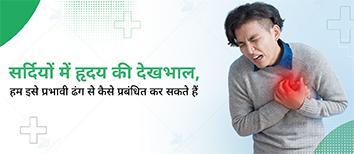
ठंडे मौसम में शरीर को गर्म रखने के लिए रक्तचाप स्वाभाविक रूप से बढ़ जाता है। उच्च रक्तचाप हार्ट अटैक का प्रमुख जोखिम कारक होता है
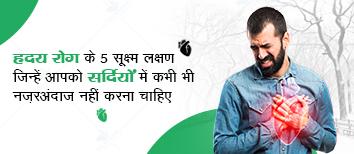
सर्दियों के मौसम में हृदय रोग से जुड़े किसी भी लक्षण को हल्के में न लें और फेलिक्स हॉस्पिटल के अनुभवी हृदय रोग विशेषज्ञों से परामर्श लें।
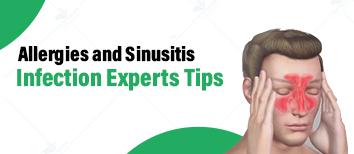
Trust Felix Hospitals for the best Allergies and sinusitis treatment, specialized medical services, and compassionate support during your critical moments
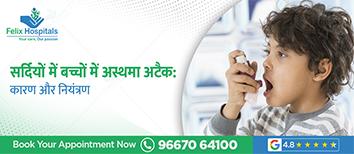
सर्दियों के मौसम में ठंडी हवा, धूल, धुआं और वायरल इंफेक्शन बच्चों में अस्थमा अटैक का खतरा बढ़ा देते हैं। ठंड के कारण सांस की नलियां सिकुड़ जाती हैं, जिससे खांसी, सीटी जैसी आवाज, सांस फूलना और सीने में जकड़न की समस्या हो सकती है।
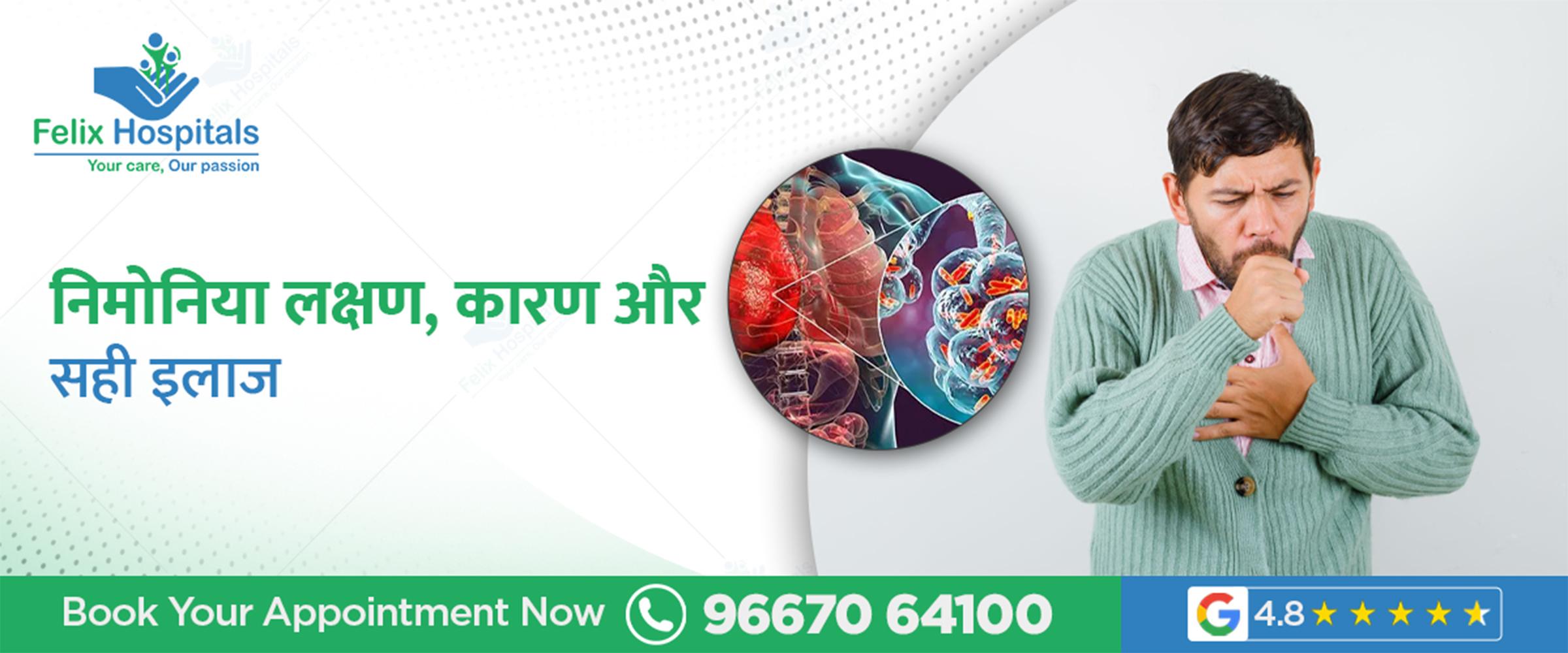
निमोनिया (Pneumonia) फेफड़ों का एक गंभीर संक्रमण है। जिसमें फेफड़ों की वायु थैलियों (Alveoli) में सूजन आती है और उनमें मवाद या तरल भरता है। इससे सांस लेने में कठिनाई, खांसी, बुखार और कमजोरी जैसे लक्षण उत्पन्न होते हैं। नोएडा में निमोनिया विशेषज्ञ उपलब्ध है। यह बीमारी बच्चों, बुजुर्गों और कमजोर इम्यूनिटी वाले लोगों में अधिक खतरनाक होती है। समय पर पहचान और सही इलाज से निमोनिया पूरी तरह ठीक किया जाता है।
बच्चों की जांच या इलाज के लिए संपर्क करें: +91 9667064100
निमोनिया (pneumonia) एक संक्रमणजन्य रोग है। जो बैक्टीरिया, वायरस, फंगस या कभी-कभी रासायनिक तत्वों के कारण फेफड़ों में होता है। इसमें ऑक्सीजन का आदान-प्रदान प्रभावित होता है। जिससे शरीर के अंगों को पर्याप्त ऑक्सीजन नहीं मिल पाती है।
लगातार खांसी (बलगम के साथ या बिना)
तेज बुखार और ठंड लगना
सांस फूलना या तेज सांस चलना
सीने में दर्द या जकड़न
थकान और कमजोरी
भूख न लगना
बच्चों में दूध पीने में कमी, सुस्ती
बुजुर्गों में भ्रम या अत्यधिक कमजोरी
बैक्टीरिया (जैसे स्ट्रेप्टोकोकस न्यूमोनिया), वायरस (इन्फ्लुएंजा, आरएसवी, कोरोना वायरस आदि) तथा फंगस (विशेष रूप से कमजोर इम्यूनिटी वाले मरीजों में) निमोनिया के प्रमुख संक्रमणजन्य कारण होते हैं।
धूम्रपान और वायु प्रदूषण, अस्थमा या सीओपीडी जैसी पुरानी फेफड़ों की बीमारियां, कमजोर रोग-प्रतिरोधक क्षमता तथा लंबे समय तक बेड पर रहना या अस्पताल में भर्ती होना भी निमोनिया होने के प्रमुख जोखिम कारक हैं।
बच्चों और वयस्कों में निमोनिया के लक्षण, जोखिम और प्रभाव अलग-अलग होते हैं। बच्चों में आमतौर पर तेज सांस चलना, दूध या भोजन न लेना, अत्यधिक सुस्ती और चिड़चिड़ापन जैसे लक्षण दिखाई देते हैं। क्योंकि उनकी रोग-प्रतिरोधक क्षमता अभी पूरी तरह विकसित नहीं होती। वहीं वयस्कों में तेज खांसी, बलगम आना, सीने में दर्द, सांस फूलना और अत्यधिक थकान प्रमुख लक्षण होते हैं।
जोखिम की दृष्टि से बच्चों में कमजोर इम्यूनिटी, कुपोषण और समय पर टीकाकरण न होना मुख्य कारण होते हैं, जबकि वयस्कों में धूम्रपान, वायु प्रदूषण, मधुमेह, हृदय रोग (Heart disease), सीओपीडी या अन्य पुरानी बीमारियां निमोनिया के खतरे को बढ़ाती हैं।
इलाज के मामले में बच्चों का उपचार मुख्य रूप से बाल रोग विशेषज्ञ की निगरानी में किया जाता है, ताकि दवाओं की सही खुराक और ऑक्सीजन स्तर पर लगातार नजर रखी जा सके। वयस्कों में फेफड़ों से जुड़ी जटिलताओं को देखते हुए पल्मोनोलॉजिस्ट की देखरेख में जांच और उपचार किया जाता है।
जटिलताओं की बात करें तो बच्चों में निमोनिया बहुत तेजी से गंभीर रूप ले सकता है और सांस की तीव्र समस्या पैदा कर सकता है, जबकि वयस्कों में बार-बार या लंबे समय तक निमोनिया रहने से फेफड़ों की कार्यक्षमता कम हो सकती है और भविष्य में सांस से जुड़ी स्थायी परेशानियां हो सकती हैं।
निमोनिया की सही पहचान के लिए डॉक्टर बच्चे या वयस्क की स्थिति के अनुसार कई तरह की जांच करते हैं। सबसे पहले मरीज के लक्षणों और सांस लेने की गति को देखकर शारीरिक परीक्षण किया जाता है।
स्टेथोस्कोप से फेफड़ों की आवाज़ सुनी जाती है, जिससे घरघराहट, क्रेपिटेशन या हवा के प्रवाह में रुकावट का पता चलता है।
पल्स ऑक्सीमेट्री से खून में ऑक्सीजन का स्तर मापा जाता है, ताकि यह देखा जा सके कि शरीर को पर्याप्त ऑक्सीजन मिल रही है या नहीं।
चेस्ट एक्स-रे सबसे महत्वपूर्ण जांच है, जिससे फेफड़ों में सूजन, संक्रमण या तरल भराव की पुष्टि होती है। गंभीर या जटिल मामलों में सीटी स्कैन कराया जाता है, जिससे संक्रमण की गहराई और फैलाव स्पष्ट दिखाई देता है।
संक्रमण के प्रकार को जानने के लिए ब्लड टेस्ट किए जाते हैं, जिनसे यह पता चलता है कि संक्रमण बैक्टीरियल है या वायरल। कुछ मामलों में थूक की
जांच (स्पुटम कल्चर) कराई जाती है, जिससे सही बैक्टीरिया की पहचान कर उचित एंटीबायोटिक चुनी जा सके।
छोटे बच्चों या गंभीर रोगियों में आरटी-पीसीआर या वायरल पैनल टेस्ट भी किया जा सकता है, ताकि इन्फ्लुएंजा, आरएसवी या अन्य वायरस की पुष्टि हो सके। इन सभी जांचों के आधार पर डॉक्टर बीमारी की गंभीरता तय कर सही उपचार शुरू करते हैं।
निमोनिया के सफल उपचार के लिए सबसे पहले सही और समय पर जांच बहुत जरूरी होती है, ताकि यह पता लगाया जा सके कि संक्रमण किस कारण से है और उसकी गंभीरता कितनी है। पल्मोनोलॉजी गाइडलाइन के अनुसार इलाज दो मुख्य भागों में किया जाता है जांच और उपचार
यह सबसे सामान्य और महत्वपूर्ण जांच है। इससे फेफड़ों में सूजन, संक्रमण का क्षेत्र, मवाद या तरल पदार्थ जमा होने की पुष्टि होती है। बच्चों और वयस्कों दोनों में इससे निमोनिया की स्थिति और गंभीरता का अंदाजा लगाया जाता है।
उंगली में लगाए जाने वाले छोटे से उपकरण से खून में ऑक्सीजन का स्तर मापा जाता है। यदि ऑक्सीजन सैचुरेशन 94% से कम हो, तो इसे गंभीर स्थिति माना जाता है और तुरंत ऑक्सीजन सपोर्ट की जरूरत पड़ सकती है।
खून की जांच से यह पता चलता है कि शरीर में सूजन कितनी है और संक्रमण बैक्टीरियल है या वायरल। सी-रिएक्टिव प्रोटीन (सीआरपी), टोटल ल्यूकोसाइट काउंट और प्रो-कैल्सीटोनीन जैसे टेस्ट संक्रमण की गंभीरता बताने में मदद करते हैं।
खांसी के साथ निकलने वाले बलगम की जांच से यह पहचाना जाता है कि कौन-सा बैक्टीरिया संक्रमण का कारण है, जिससे डॉक्टर सही एंटीबायोटिक चुन सकते हैं।
वायरस से होने वाले निमोनिया में आमतौर पर एंटीबायोटिक की आवश्यकता नहीं होती। ऐसे मामलों में मरीज को पर्याप्त आराम, भरपूर तरल पदार्थ, हल्का और पौष्टिक भोजन तथा बुखार और दर्द के लिए पैरासिटामोल या डॉक्टर द्वारा सुझाई गई दवाएं दी जाती हैं। कुछ विशेष वायरल संक्रमण (जैसे इन्फ्लुएंजा) में एंटीवायरल दवाएं भी दी जा सकती हैं।
जब जांच से यह पुष्टि हो जाती है कि संक्रमण बैक्टीरिया से है, तो डॉक्टर मरीज की उम्र, वजन और स्थिति के अनुसार उपयुक्त एंटीबायोटिक लिखते हैं। एंटीबायोटिक का पूरा कोर्स करना बेहद जरूरी होता है, ताकि संक्रमण पूरी तरह खत्म हो जाए और दोबारा न उभरे।
यदि मरीज को सांस लेने में ज्यादा तकलीफ हो और ऑक्सीजन स्तर कम हो जाए, तो ऑक्सीजन सपोर्ट दिया जाता है। इससे शरीर के सभी अंगों को पर्याप्त ऑक्सीजन मिलती है और जटिलताओं का खतरा कम होता है।
बहुत तेज बुखार, लगातार सांस फूलना, ऑक्सीजन लेवल गिरना, बच्चों में दूध न पीना या बुजुर्गों में अत्यधिक कमजोरी जैसी स्थितियों में मरीज को अस्पताल में भर्ती किया जाता है। यहां आईवी एंटीबायोटिक, तरल पदार्थ, नेबुलाइजेशन और लगातार मॉनिटरिंग की जाती है। जरूरत पड़ने पर वेंटिलेटर सपोर्ट भी दिया जा सकता है।
यदि खांसी, बुखार और सांस की तकलीफ 2–3 दिन से अधिक बनी रहे, तो तुरंत पल्मोनोलॉजिस्ट या फेफड़ों के विशेषज्ञ से संपर्क करें। नोएडा में आधुनिक जांच सुविधाओं और अनुभवी विशेषज्ञों द्वारा बच्चों व वयस्कों दोनों का समुचित इलाज उपलब्ध है।
पर्याप्त आराम और तरल पदार्थ
धूम्रपान और धुएं से दूरी
समय पर टीकाकरण (न्यूमोकोकल, इन्फ्लुएंजा)
संतुलित आहार और विटामिन युक्त भोजन
नियमित हाथ धोना और स्वच्छता
ठंड से बचाव और मास्क का प्रयोग (प्रदूषण में)
निम्नलिखित लक्षण दिखाई देने पर बिना देरी किए तुरंत डॉक्टर या नजदीकी अस्पताल से संपर्क करना चाहिए:
सांस बहुत तेज चलना या सांस लेने में अत्यधिक कठिनाई होना
होंठ, जीभ या नाखूनों का नीला पड़ना (ऑक्सीजन की कमी का संकेत)
लगातार तेज बुखार जो दवा लेने के बाद भी कम न हो
सीने में तेज दर्द या भारीपन
बेहोशी, अत्यधिक सुस्ती या भ्रम की स्थिति
बच्चों में दूध या भोजन बिल्कुल न लेना, रोना कम हो जाना
नवजात शिशु में सांस रुक-रुक कर चलना या शरीर का ठंडा पड़ना
खांसी के साथ खून आना
ऑक्सीजन सैचुरेशन 94% से कम होना
पहले से अस्थमा, हृदय रोग, मधुमेह या कमजोर इम्यूनिटी वाले मरीज में लक्षण तेजी से बढ़ना
इन लक्षणों को नजरअंदाज करना खतरनाक हो सकता है। नोएडा में बच्चों विशेषज्ञ फेफड़ों के डॉक्टर (Pediatric lung specialist in Noida) उपलब्ध है। समय पर विशेषज्ञ डॉक्टर को दिखाने से गंभीर जटिलताओं से बचाव संभव है और मरीज को सुरक्षित इलाज मिल पाता है।
बच्चों की जांच या इलाज के लिए संपर्क करें: +91 9667064100
निमोनिया एक गंभीर लेकिन इलाज योग्य बीमारी है। समय पर सही जांच, पल्मोनोलॉजी गाइडलाइन के अनुसार उपचार और विशेषज्ञ डॉक्टर की देखरेख से मरीज पूरी तरह स्वस्थ हो सकता है। बच्चों, बुजुर्गों और कमजोर इम्यूनिटी वाले लोगों में विशेष सावधानी आवश्यक होती है। किसी भी लक्षण के दिखाई देने पर देरी न करें और best pulmonary hospital near me सर्च करके तुरंत चिकित्सकीय सलाह लेकर समय रहते इलाज कराना ही सबसे सुरक्षित उपाय है।
प्रश्न 1: निमोनिया क्या संक्रामक रोग है?
उत्तर: हां, बैक्टीरिया या वायरस से होने वाला निमोनिया एक व्यक्ति से दूसरे में खांसी, छींक या संक्रमित हवा के माध्यम से फैल सकता है। इसलिए मरीज को अलग रखना और मास्क का प्रयोग जरूरी है।
प्रश्न 2: बच्चों में निमोनिया ज्यादा खतरनाक क्यों होता है?
उत्तर: छोटे बच्चों की रोग-प्रतिरोधक क्षमता पूरी तरह विकसित नहीं होती, इसलिए संक्रमण तेजी से फैल सकता है और सांस की गंभीर समस्या पैदा करता है।
प्रश्न 3: निमोनिया के शुरुआती लक्षण कितने दिनों में दिखाई देते हैं?
उत्तर: संक्रमण के 1 से 3 दिन के भीतर खांसी, बुखार, सांस तेज चलना और थकान जैसे लक्षण दिखते हैं।
प्रश्न 4: क्या हर निमोनिया में एंटीबायोटिक जरूरी होती है?
उत्तर: नहीं, केवल बैक्टीरियल निमोनिया में एंटीबायोटिक दी जाती है। वायरल निमोनिया में आराम, तरल पदार्थ और सहायक इलाज पर्याप्त होता है।
प्रश्न 5: निमोनिया से पूरी तरह ठीक होने में कितना समय लगता है?
उत्तर: हल्के मामलों में 7–10 दिन में सुधार आ जाता है, जबकि गंभीर मामलों में 2–3 सप्ताह या उससे अधिक समय लगता है।
बच्चों में निमोनिया एक गंभीर श्वसन संक्रमण है जो समय पर पहचान और सही इलाज से पूरी तरह ठीक हो सकता है।
फेफड़ों में सूजन (पल्मोनरी इन्फ्लेमेशन) के 5 प्रमुख लक्षण जानें। समय पर पहचानकर इलाज शुरू करें।
नोएडा में पेट के संक्रमण और फूड पॉइजनिंग का सुरक्षित, तेज़ और प्रभावी इलाज विशेषज्ञ डॉक्टरों द्वारा।
नींद की कमी आपके दिल की सेहत पर गंभीर प्रभाव डाल सकती है? यह लेख बताएगा कि पर्याप्त नींद क्यों जरूरी है और नींद की कमी से हाई ब्लड प्रेशर, हार्ट अटैक और अन्य हृदय संबंधी बीमारियों का खतरा कैसे बढ़ जाता है।
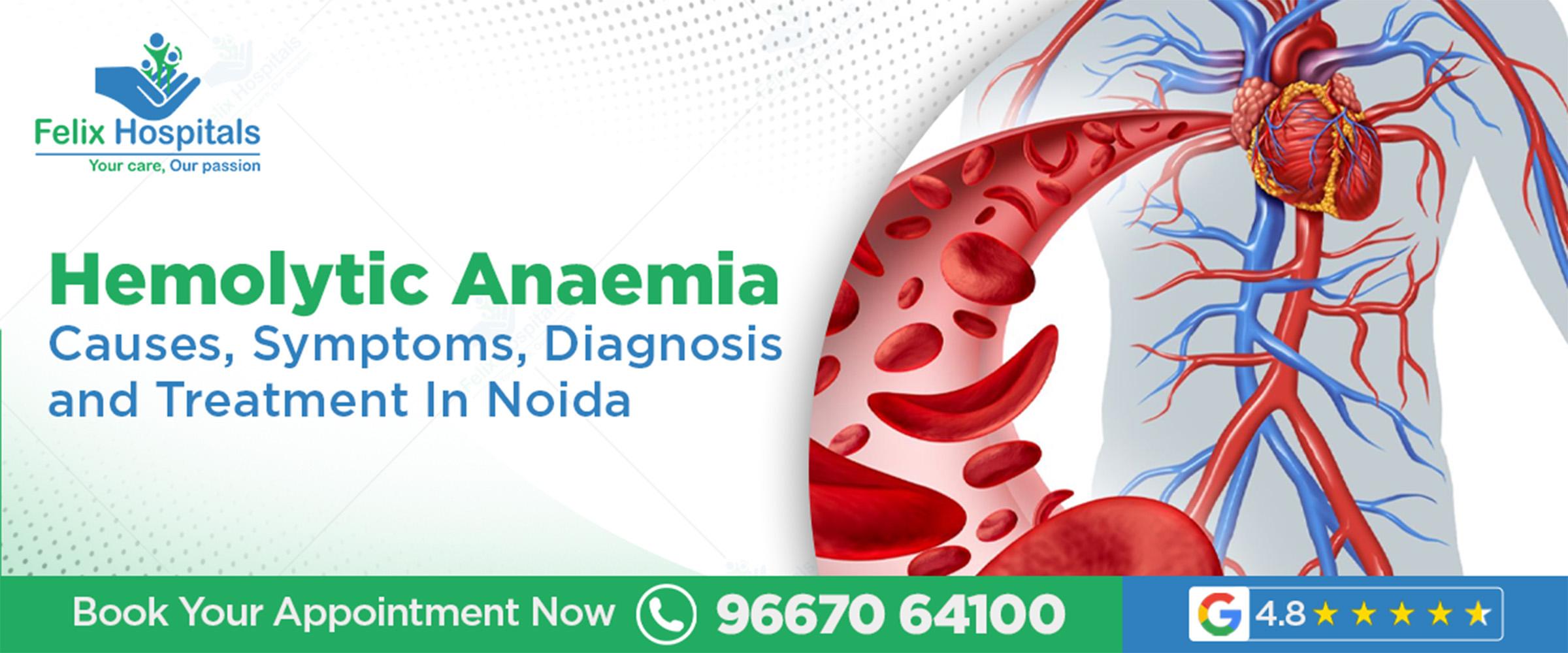
Hemolytic anaemia is a blood disorder in which red blood cells are destroyed faster than the body can replace them. This condition can affect individuals of all ages and may range from mild to life-threatening depending on the cause and severity. In Noida, growing awareness and access to advanced diagnostic facilities have made early detection and timely treatment increasingly achievable. Understanding hemolytic anaemia is essential for recognizing warning signs and seeking prompt medical care.
Experiencing symptoms of anaemia? Get expert hemolytic anaemia treatment in Noida. Call +91 9667064100 to book your consultation.
To explain what is hemolytic anaemia, it is important to understand the role of red blood cells. These cells carry oxygen throughout the body and normally live for about 120 days. In hemolytic anaemia, red blood cells are destroyed prematurely, leading to reduced oxygen supply to tissues and organs. The bone marrow may try to compensate by producing more red blood cells, but this response is often insufficient.
This imbalance results in anaemia, causing fatigue and other systemic symptoms.
Hemolysis can occur within blood vessels or in organs such as the spleen. Depending on where and why red blood cells are destroyed, hemolytic anaemia presents differently in patients. Identifying the mechanism helps doctors determine appropriate treatment strategies.
Understanding the underlying process also assists in predicting complications and disease progression.
There are several types of hemolytic anaemia, broadly categorized based on whether the condition is inherited or acquired.
Inherited forms include:
Sickle cell anaemia
Thalassemia
Hereditary spherocytosis
Acquired forms may develop due to:
Autoimmune disorders
Certain infections
Reactions to medications
Mechanical destruction of red blood cells
Each type requires a different approach to diagnosis and management.
Hemolytic anaemia in adults is often associated with autoimmune conditions, chronic diseases, or exposure to specific medications. Adults may experience a gradual onset of symptoms, which can be mistaken for general fatigue or weakness.
Early recognition is important to prevent complications such as organ damage, severe anaemia, or recurrent infections.
Hemolytic anaemia in children is more commonly linked to inherited blood disorders. Children may present with delayed growth, frequent infections, or persistent pallor. Early diagnosis in pediatric patients allows timely intervention and long-term disease management.
Pediatric care often involves multidisciplinary teams for optimal outcomes.
To understand what causes hemolytic anaemia, it is important to identify factors that damage red blood cells.
Common causes include:
Autoimmune reactions where the body attacks its own red blood cells
Genetic abnormalities affecting red blood cell structure
Certain viral or bacterial infections
Adverse drug reactions
Mechanical damage from artificial heart valves
Identifying the cause is essential for effective treatment planning.
Several hemolytic anaemia risk factors increase the likelihood of developing the condition:
Family history of blood disorders
Autoimmune diseases
Chronic infections
Long-term medication use
Previous blood transfusions
Individuals with these risk factors should undergo regular medical monitoring.
Symptoms vary depending on the severity and speed of red blood cell destruction. Early symptoms may be subtle and worsen over time.
Common symptoms include:
Persistent fatigue and weakness
Pale or yellowish skin
Shortness of breath
Rapid heartbeat
Dark-colored urine
Ignoring these symptoms can delay diagnosis and worsen outcomes.
If left untreated, hemolytic anaemia can lead to serious health issues such as:
Severe anaemia
Heart strain or failure
Gallstones due to excess bilirubin
Enlarged spleen
Increased infection risk
Prompt treatment significantly reduces these complications.
Answering how is hemolytic anaemia diagnosed involves a combination of clinical evaluation and laboratory tests.
Doctors assess symptoms, medical history, and perform targeted investigations.
Diagnostic tests may include:
Complete blood count
Reticulocyte count
Peripheral blood smear
Bilirubin and lactate dehydrogenase levels
Coombs test for autoimmune causes
Accurate diagnosis guides the selection of appropriate treatment options.
Early diagnosis allows doctors to control red blood cell destruction before severe anaemia develops. It also helps prevent irreversible organ damage and improves overall quality of life.
Patients experiencing persistent fatigue or unexplained anaemia should not delay medical evaluation.
There are several hemolytic anemia treatment options, depending on the cause and severity of the condition.
Treatment approaches may include:
Medications to suppress immune response
Corticosteroids for autoimmune cases
Blood transfusions in severe anaemia
Folic acid supplementation
Treatment of underlying infections
Each treatment plan is individualized for optimal effectiveness.
In some cases, advanced therapies may be required:
Immunosuppressive drugs
Splenectomy (removal of the spleen)
Bone marrow transplantation for severe inherited conditions
Availability of specialized care improves outcomes for complex cases.
Knowing when to see a doctor for hemolytic anemia is crucial. Medical attention is advised if symptoms such as fatigue, jaundice, or breathlessness persist or worsen.
Early consultation allows prompt diagnosis and reduces the risk of complications.
Long-term management focuses on controlling symptoms and preventing flare-ups. Patients are advised to:
Attend regular follow-up appointments
Avoid known triggers
Maintain a nutritious diet
Adhere strictly to prescribed medications
Education and awareness play a vital role in disease management.
Patients seeking hemolytic anaemia treatment in Noida benefit from access to modern diagnostic labs, blood banks, and experienced specialists. A dedicated hemolytic anaemia treatment hospital in Noida provides comprehensive care, from diagnosis to long-term management.
Multidisciplinary teams ensure personalized treatment plans for both adults and children.
Specialized hospitals offer:
Advanced diagnostic facilities
Trained hematologists and oncologists
Emergency transfusion services
Continuous monitoring and follow-up care
Such facilities improve survival rates and quality of life for patients.
Looking for a trusted hemolytic anaemia treatment hospital in Noida? Speak to a specialist today at +91 9667064100.
Hemolytic anaemia is a complex blood disorder that requires timely diagnosis and appropriate treatment to prevent serious complications. Understanding what causes hemolytic anaemia, recognizing symptoms early, and seeking professional care can significantly improve outcomes. With access to advanced hemolytic anemia treatment options and specialized medical facilities, patients in Noida can receive comprehensive and effective care. Early intervention, consistent monitoring, and expert guidance remain the foundation of successful management.
Q.1 Is hemolytic anaemia a serious condition?
Ans. Yes, if untreated it can lead to severe complications.
Q. 2 Can hemolytic anaemia be cured?
Ans. Some forms can be managed or cured depending on the cause.
Q. 3 Is hemolytic anaemia common in children?
Ans. Yes, especially inherited forms of the condition.
Q. 4 Are blood transfusions always required?
Ans. Only in severe cases or during acute episodes.
Q. 5 Can hemolytic anaemia return after treatment?
Ans. Yes, some types are chronic and require long-term management.
Anaemia causes fatigue and weakness in adults. Blood tests confirm it, and treatment depends on the cause.
Blood cancer affects the production and function of blood cells. Early detection, accurate diagnosis, and advanced treatments significantly improve survival rates and patient outcomes in Noida and beyond.
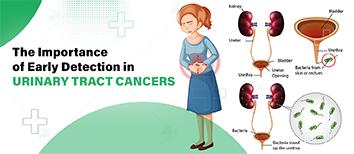
For those experiencing such symptoms, seeking care from the best hospital for pulmonology treatment in Noida ensures you receive timely and expert diagnosis and treatment.
Learn about high and low blood pressure, their symptoms, causes, and management tips. Stay informed to maintain a healthy heart and overall well-being.
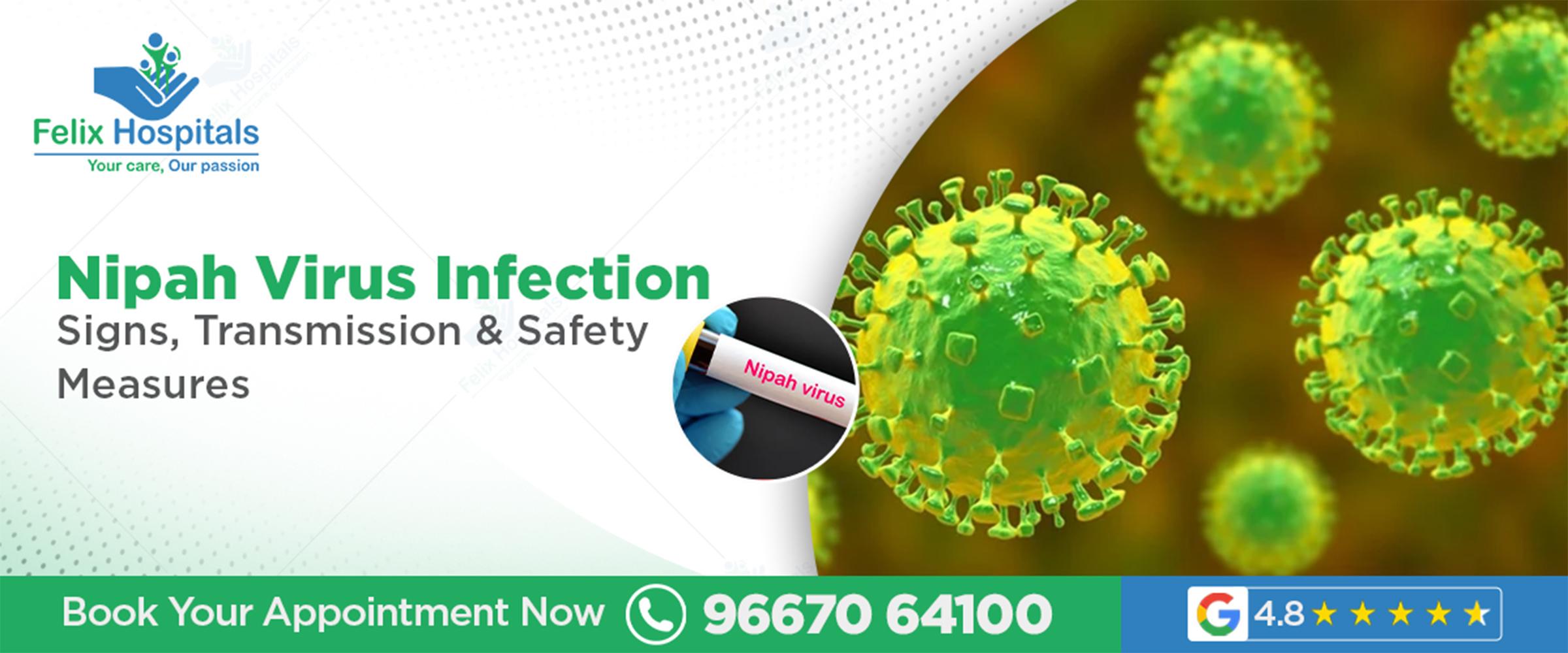
Viral outbreaks have become a matter of serious concern among people in past few years when the infections pose high mortality rates. Nipah virus infection is one such condition that demands awareness, early detection, and responsible preventive measures. It is infrequent, but can lead to serious disease of the brain and the breathing system. This may reduce the number of nipah virus health risks and stop the further evolution of an outbreak caused by the spread of the infection and early recognition of its symptoms, as well as safety precautions may help prevent the spread of the infection.
Feeling a fever or neurological issues? Call the Best general physicians in Noida as soon as possible. Make your reservation at +91 9667064100.
Nipah virus infection is caused by a zoonotic virus that primarily spreads from animals to humans and can also transmit between people. The disease is characterized by a sharp course and dangerous complications in case it is not treated in time. At first, the symptoms can be not severe, but they can appear out of the thin air to become life-threatening, encephalitis, or respiratory failure. This infection is unpredictable making early medical responses imperative.
A nipah virus outbreak often creates widespread concern due to its high mortality rate and lack of specific antiviral treatment. Outbreaks tend to be in clusters and therefore community knowledge and quick response is mandatory. Healthcare systems focus on the early detection of the suspected cases in order to avoid additional spread. The community significantly helps in the management of outbreak by reporting the symptoms, and taking medical care during the time of outbreak.
Recognising nipah virus symptoms early can be life-saving. The symptoms might be manifested in the beginning as in typical viral infection diseases, hence delayed diagnosis. As the infection advances further, there will arise neurological symptoms at a rapid pace, which implies severe complications.
Fever and headache
Muscle pain and fatigue
Drowsiness or confusion
Difficulty breathing
The nipah virus health risks associated with the nipah virus grow with the level of infection further. The brain can be inflamed, seized and put in a coma, which are severe cases. Other major problems include respiratory distress and one needs immediate hospitalization. The high rate of development provides the necessity of early observation and early medical intervention.
Understanding nipah virus transmission is key to prevention. The viability of the virus may be transmitted by infected animals to human beings and during close interaction with infected persons. Transmission has also been attributed to consumption of contaminated food products. Prevention measures aim at arranging a minimum exposure and ensuring hygiene.
Nipah is classified as a zoonotic virus, meaning it originates in animals and crosses over to humans. These viruses are particularly difficult since the spread of animals to humans can only be managed using both public health interventions and a coordinated environment. The knowledge of zoonotic ailments aids the neighborhoods to implement safer habits with food and animals handling.
As a severe viral infection, Nipah spreads differently from common seasonal illnesses. Few social contacts and close personal care put people at risk of transmission. That is why it is necessary to isolate earlier and medically monitor individuals to restrict the spread of COVID-19 and secure at-risk groups.
Effective nipah virus prevention relies on a combination of personal hygiene, food safety, and awareness. One can reduce risk to a large extent by avoiding contact with potentially infected animals and good hand hygiene. During outbreaks, advisories on the part of the public health are very crucial.
Not eating unprocessed food.
Maintaining hand hygiene
Thereby, restricting the personal interaction with sick people.
Early medical consultation on the symptoms.
Following nipah virus safety measures is essential during suspected outbreaks. Such measures are aimed at exposure reduction, caregivers and healthcare protection. Local collaboration means that the safety protocols are adhered to with minimal chances of many-to-many infections.
The treatment of the nipah virus in terms of health management includes supportive treatment, continuous monitoring, and early diagnosis of the disease. The treatment is aimed at alleviating symptoms and complications prevention since there is no definite cure. Timely hospitalisation enhances the patient survival rate and minimises adverse effects.
Timely diagnosis by the Best general physicians in Noida is important when the symptoms raise the possibility of infection. General doctors are important in detecting warning symptoms, prescribing tests and organising care with other expert facilities. Referral may be a crucial difference maker.
The Best general physician Hospital in Noida offers treatment that has access to high-quality diagnostic equipment and intensive care. Hospitals are highly infected control measures to ensure the protection of patients, family, and health care personnel. Early hospitalisation is beneficial in the process of monitoring as well as decreasing the risk of spreading.
During a nipah virus outbreak, staying informed and following medical guidance is essential. It is advisable to avoid panic and be responsible in making precautions that can be used to keep people and communities safe. Sensitization of the populations, as well as effective communication by the the health authorities, aids in keeping the population safe.
Whenever a patient experiences a sudden fever, neurological alterations, or difficulties in breathing, they should seek medical care within the shortest time possible. Early referral aids in the elimination of severe disorders and the initiation of proper treatment. Late intervention enlarges the scope of the possibility of serious consequences and deaths.
Get specialised treatment and quality care at the Best general physician Hospital in Noida. Request to call +91 9667064100 to get medical help in time.
Nipah virus infection is a serious public health concern that requires awareness, vigilance, and early medical care. Understanding its symptoms, modes of transmission, and Nipah virus prevention helps individuals protect themselves and their communities. Timely referral to a Best General Physician Hospital in Noida and access to proper hospital care can significantly reduce Nipah virus health risks and improve survival outcomes.
Q. 1 Is Nipah virus infection contagious between people?
Ans. Yes, the infection can be contracted in close contact.
Q. 2 Can Nipah virus symptoms appear suddenly?
Ans. Symptoms can become ruthless when they start being mild.
Q. 3 Is there a cure for Nipah virus infection?
Ans. The approach of treatment is directed to supporting care.
Q. 4 Is there any way of preventing Nipah virus?
Ans. Scheduling can minimise danger through heavy safety precautions.
Q. 5 Is there any reason not to attend to mild symptoms when there is an outbreak?
Ans. No, we should be evaluated early.
At Felix Hospital, we have a team of highly skilled internal medicine specialists, including Dr. Anshumala Sinha, Dr. Sonakshi Saxena, and Dr. Priyanka Singh, who are experienced in managing dengue fever and its complications.
Dengue fever cases rise sharply in Noida during the monsoon due to increased mosquito breeding. Learn the causes, risks, and prevention tips to stay safe.
Learn about dengue fever in children, its common symptoms, and effective treatments available in Greater Noida. Get expert pediatric care to manage dengue safely and prevent complications.
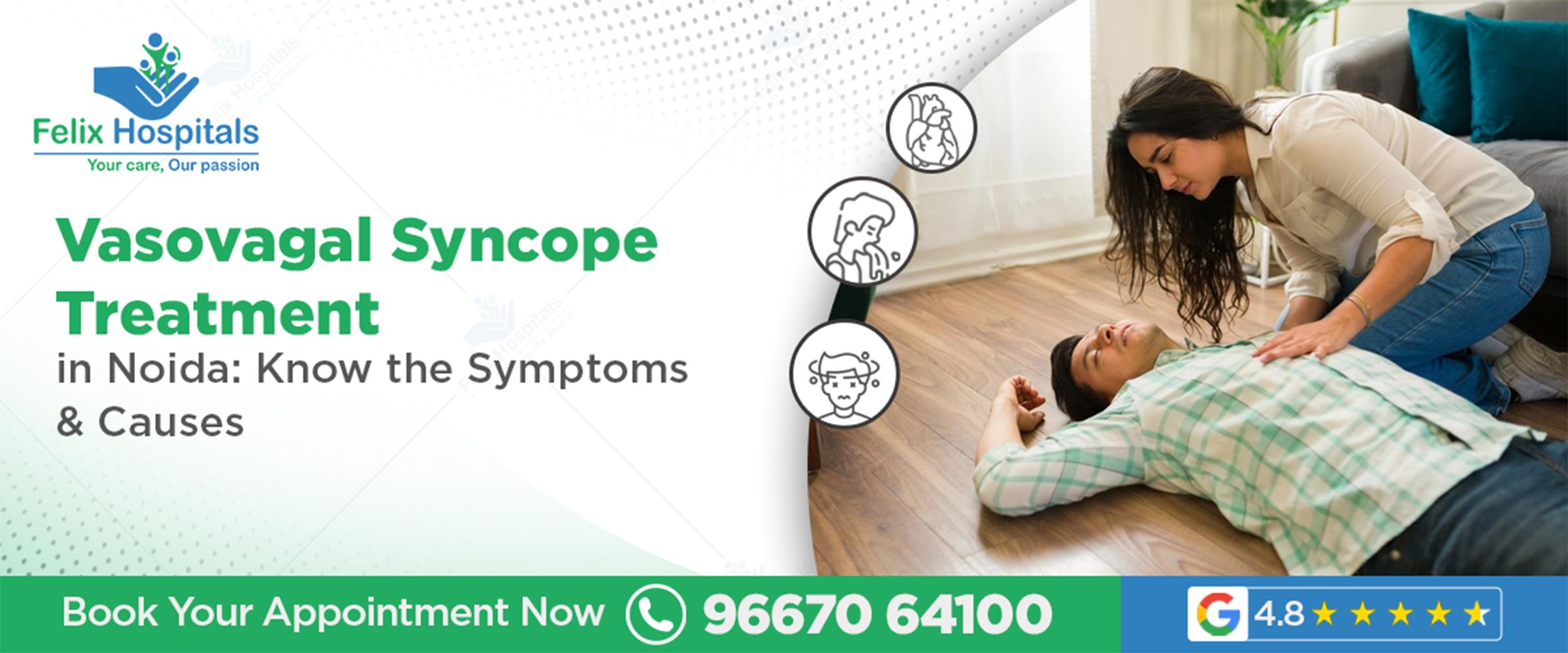
Vasovagal syncope is one of the most common causes of sudden fainting episodes across all age groups. Although often considered benign, recurrent episodes can significantly affect quality of life and may sometimes indicate underlying cardiovascular or neurological concerns. Understanding the condition, recognizing warning signs early, and seeking timely medical care are essential steps toward effective management.
With advanced diagnostic facilities and specialist care available, vasovagal syncope treatment in Noida offers patients a structured and personalized approach to diagnosis, prevention, and long-term control.
Experiencing dizziness or fainting spells? Consult the best doctor for vasovagal syncope in Noida by calling +91 9667064100.
To understand the condition clearly, it is important to first know what is vasovagal syncope. It is a reflex-mediated fainting episode caused by a sudden drop in heart rate and blood pressure, leading to reduced blood flow to the brain. This temporary reduction results in loss of consciousness, usually lasting a few seconds to a minute.
The condition occurs due to overactivity of the vagus nerve, which plays a role in regulating heart rate and blood vessel dilation.
Vasovagal syncope develops when the body overreacts to certain triggers. These triggers activate the autonomic nervous system, causing blood vessels to widen and the heart rate to slow down abruptly.
Blood pressure drops suddenly
Blood pools in the lower extremities
Oxygen supply to the brain reduces
Fainting occurs
While the episode is often brief, repeated events require medical evaluation.
Recognizing vasovagal syncope warning signs can help prevent complete loss of consciousness. Many patients experience symptoms minutes before fainting.
Lightheadedness or dizziness
Nausea or stomach discomfort
Sudden sweating
Pale or clammy skin
Blurred or tunnel vision
Ringing in the ears
Early recognition allows individuals to sit or lie down, reducing injury risk.
Vasovagal syncope symptoms in adults can vary in intensity and frequency. Some individuals experience rare episodes, while others may have recurrent fainting spells.
Sudden loss of consciousness
Weakness or fatigue after recovery
Confusion lasting a few minutes
Headache following the episode
In adults with underlying heart conditions, symptoms may be more severe and require thorough evaluation.
Understanding vasovagal syncope causes helps in identifying triggers and preventing future episodes.
Prolonged standing
Emotional stress or anxiety
Pain or fear of injury
Dehydration
Heat exposure
Seeing blood or medical procedures
Certain medical conditions may also predispose individuals to vasovagal responses.
Patients often ask, is vasovagal syncope dangerous. In most cases, it is not life-threatening. However, risks arise due to falls or injuries during fainting episodes.
Episodes occur frequently
Syncope happens during exertion
There is a family history of heart disease
Evaluation helps rule out serious cardiac or neurological causes.
Certain individuals are more prone to developing vasovagal syncope.
Young adults and elderly individuals
Low blood pressure
Dehydration
Autonomic nervous system imbalance
Use of certain medications
Identifying risk factors allows cardiologists to tailor preventive strategies.
Accurate diagnosis is essential for effective vasovagal syncope treatment. A cardiologist conducts a detailed medical history and physical examination.
Electrocardiogram (ECG)
Blood pressure monitoring
Tilt table test
Echocardiography
Blood tests
These tests help differentiate vasovagal syncope from cardiac arrhythmias or neurological disorders.
Not all fainting episodes are vasovagal in origin. Conditions such as heart rhythm disorders, structural heart disease, and neurological issues can mimic similar symptoms.
A comprehensive diagnostic approach ensures correct treatment and avoids unnecessary interventions.
Vasovagal syncope treatment focuses on preventing episodes, managing triggers, and improving overall cardiovascular stability.
Lifestyle modifications
Hydration and salt intake adjustments
Physical counter-pressure maneuvers
Medication in selected cases
Treatment plans are individualized based on symptom severity and frequency.
Lifestyle changes play a central role in managing vasovagal syncope.
Drinking adequate fluids
Avoiding prolonged standing
Recognizing early warning signs
Gradual position changes
Avoiding extreme heat
These measures significantly reduce recurrence in many patients.
In patients with frequent or severe episodes, medications may be prescribed to stabilize blood pressure and heart rate.
Medication therapy is initiated only after thorough evaluation by a cardiologist.
Medical consultation is necessary if:
Fainting occurs repeatedly
Episodes are sudden and unexplained
There is chest pain or palpitations
Recovery takes longer than usual
Consulting the best doctor for vasovagal syncope in Noida ensures accurate diagnosis and expert care.
Although vasovagal syncope is usually benign, emergency care may be required if fainting occurs with injury, during exercise, or in high-risk individuals.
Prompt medical evaluation helps prevent complications.
Most individuals with vasovagal syncope lead normal lives with proper management. Education, trigger avoidance, and follow-up care play a key role in long-term control.
With structured vasovagal syncope treatment in Noida, patients can significantly reduce episode frequency and improve confidence in daily activities.
Patients searching for vasovagal syncope treatment near me should select facilities with experienced cardiologists, advanced diagnostic tools, and emergency support.
A skilled specialist ensures comprehensive evaluation and continuity of care.
Get expert vasovagal syncope treatment near me with advanced cardiac evaluation. Call +91 9667064100 to book your appointment today.
Vasovagal syncope is a common yet manageable condition when identified early and treated appropriately. Understanding what is vasovagal syncope, recognizing vasovagal syncope warning signs, and addressing underlying vasovagal syncope causes are essential for effective prevention. While most cases are not dangerous, recurrent episodes require professional evaluation. With expert guidance and personalized vasovagal syncope treatment, patients in Noida can regain control, prevent injuries, and maintain a healthy, active lifestyle.
Q. 1 Can vasovagal syncope be cured completely?
Ans. It can be effectively controlled with lifestyle changes and medical care.
Q. 2 How long does a vasovagal episode last?
Ans. Most episodes last less than a minute, followed by quick recovery.
Q. 3 Can stress trigger vasovagal syncope?
Ans. Yes, emotional stress is a common trigger.
Q. 4 Is vasovagal syncope related to heart disease?
Ans. Usually no, but cardiac evaluation is necessary to rule out other causes.
Q. 5 Should I see a cardiologist for fainting episodes?
Ans. Yes, especially if episodes are recurrent or unexplained.
Best heart hospital in Noida for bypass surgery at affordable prices with expert cardiac surgeons, advanced facilities, and quality patient care for better recovery.
Arrhythmia is a condition where the heart beats irregularly—too fast, too slow, or with an uneven rhythm. It can feel like a fluttering, racing, or skipped heartbeat.
Understanding the symptoms, and knowing the different types of heart diseases are crucial for effective prevention and management.
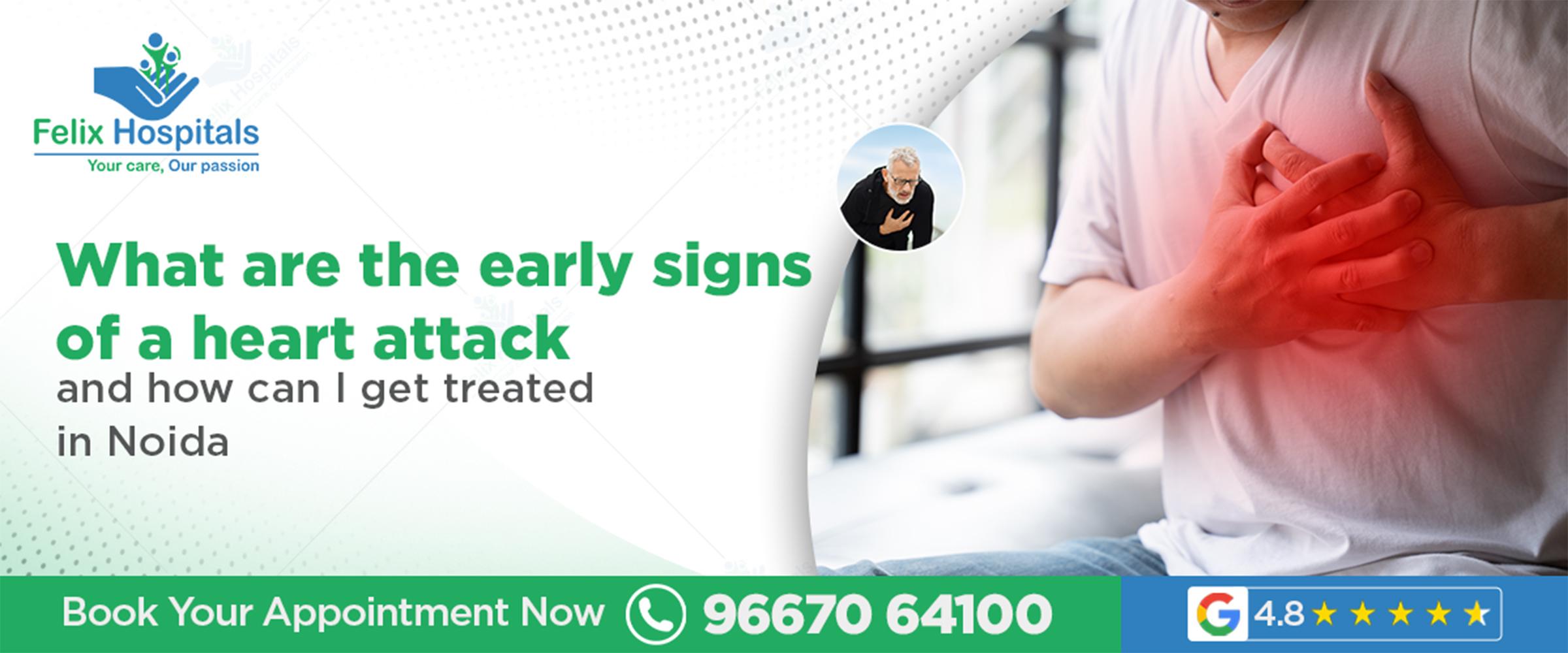
Heart attacks are among the most critical medical emergencies worldwide, often resulting from blocked arteries that restrict blood flow to the heart. Rapid recognition of early symptoms and prompt treatment are vital to prevent permanent damage to the heart muscle and increase survival rates. Many people mistakenly ignore subtle warning signs, attributing them to fatigue, stress, or minor health issues. In reality, early detection of a heart attack can be life-saving, and knowing how to act immediately is crucial. For patients in Noida, access to experienced cardiologists and advanced heart care facilities ensures that timely intervention is available to reduce complications and enhance recovery.
If you or your loved ones experience chest pain, shortness of breath, or any warning signs of a heart attack, call +91 9667064100 immediately to consult the best cardiologist in Noida. Early action saves lives.
Recognizing the early warning signs of a heart attack is the first and most crucial step in seeking urgent care. Some of the most common indications include chest discomfort, shortness of breath, sweating, nausea, dizziness, or pain radiating to the arms, neck, or jaw. These symptoms may appear gradually or suddenly, and their intensity can vary from mild to severe. It is essential to treat even subtle signs seriously, as delays in seeking medical attention can worsen heart muscle damage.
For instance, unexplained fatigue or persistent discomfort in the upper body should prompt immediate consultation with a cardiologist. Individuals with pre-existing risk factors such as high blood pressure, diabetes, obesity, and smoking habits should be especially vigilant. In Noida, there are several leading heart hospitals equipped with emergency care units and trained professionals who can perform immediate evaluations and interventions.
Chest pain or discomfort is often the hallmark of a heart attack and can manifest in various ways. Patients may describe it as pressure, squeezing, heaviness, or tightness in the center of the chest. Some may feel intermittent pain or mild discomfort, while others experience intense and persistent pain. The pain often extends to the shoulders, arms, back, neck, or jaw. This symptom is accompanied by other indicators such as sweating, nausea, or shortness of breath. It is important to note that not all chest pain signals a heart attack, but ignoring it can be fatal. Immediate assessment at a reputed heart hospital in Noida can help differentiate cardiac-related pain from other causes such as acid reflux or muscle strain. Early intervention, such as medication or angioplasty, can prevent permanent heart muscle damage and significantly improve survival rates.
Heart attack symptoms can differ between men and women, making awareness of gender-specific signs essential. In men, classic symptoms like severe chest pain, pressure, and discomfort in the left arm are most common. In contrast, women often present with subtler signs such as unexplained fatigue, shortness of breath, nausea, back or jaw pain, and lightheadedness. These differences can delay diagnosis if not recognized promptly. Therefore, women must pay special attention to atypical symptoms, particularly if they have risk factors such as high blood pressure, diabetes, or a family history of heart disease. Consulting a skilled cardiologist in Noida can ensure timely identification and treatment of heart attacks in both men and women, reducing the risk of complications and improving long-term outcomes.
Heart attacks can occur even during periods of rest, without any physical exertion. Some individuals may experience sudden fatigue, dizziness, shortness of breath, or mild chest discomfort while resting or sleeping. Such symptoms are often overlooked or misinterpreted as general tiredness, stress, or anxiety. Understanding that heart attacks are not always triggered by physical activity is crucial for early detection. Patients who notice unexplained changes in their energy levels, breathing, or chest sensations should seek immediate medical attention. Noida hosts several advanced cardiac centers that provide round-the-clock monitoring and emergency care, allowing doctors to quickly diagnose heart attacks and provide life-saving treatments.
Recognizing a heart attack early requires awareness of key symptoms and risk factors. Persistent chest discomfort, shortness of breath, unexplained fatigue, dizziness, and sweating are common indicators. Additionally, individuals should be mindful of their lifestyle and predisposing conditions, including high blood pressure, high cholesterol, diabetes, obesity, smoking, and a sedentary lifestyle. Early recognition and prompt medical attention are critical, as every minute counts in preserving heart function. Consulting an experienced cardiologist in Noida immediately after noticing these signs can lead to quick interventions, such as medications, angioplasty, or bypass surgery, which significantly reduce the risk of permanent heart damage.
Chest pain is a common symptom, but not all chest discomfort indicates a heart attack. Conditions like acid reflux, anxiety, pulmonary infections, or musculoskeletal issues can cause similar sensations. Differentiating between cardiac and non-cardiac chest pain requires proper medical evaluation, including electrocardiograms, blood tests for cardiac enzymes, echocardiography, and stress testing. In Noida, leading heart hospitals offer state-of-the-art diagnostic tools and trained cardiologists to quickly assess and determine the cause of chest pain. Timely diagnosis ensures that patients experiencing a true heart attack receive urgent treatment to restore blood flow and prevent irreversible heart muscle damage.
Shortness of breath is a significant symptom that can accompany a heart attack, often caused by fluid buildup in the lungs due to reduced heart function. This symptom may occur alongside chest discomfort, fatigue, or dizziness and can be an early warning sign, especially in women and elderly patients. Any sudden or unexplained difficulty in breathing, even at rest, should be treated as a medical emergency. Hospitals in Noida have specialized cardiac units that provide immediate assessment, oxygen therapy, and advanced interventions to stabilize patients and manage the underlying heart condition effectively.
Several risk factors increase the likelihood of experiencing a heart attack. High blood pressure, high cholesterol, diabetes, obesity, sedentary lifestyle, smoking, excessive alcohol consumption, and family history of heart disease are some of the most common contributors. Awareness of these factors allows individuals to take preventive measures, such as adopting a heart-healthy diet, engaging in regular physical activity, quitting smoking, and managing stress. Patients with multiple risk factors should undergo routine cardiac check-ups to monitor heart health. In Noida, top heart hospitals provide comprehensive cardiac screenings and personalized guidance for managing these risk factors effectively.
Early and accurate diagnosis of a heart attack is critical to saving lives. Electrocardiograms (ECG), blood tests for cardiac enzymes, echocardiography, and stress testing are commonly used to evaluate heart function and identify blockages. Advanced imaging technologies, such as CT angiography, help visualize the coronary arteries and detect obstructions. In Noida, many hospitals offer round-the-clock cardiac diagnostic services with expert cardiologists who can quickly determine the severity of a heart attack and initiate treatment, ensuring better recovery outcomes.
The primary goal of heart attack treatment is to restore blood flow to the heart and prevent further damage. Treatment options include medications like blood thinners, pain relievers, clot-dissolving drugs, angioplasty with stent placement, and coronary artery bypass grafting (CABG) for severe blockages. Patients may also receive oxygen therapy, pain management, and continuous monitoring during the acute phase. Consulting a top cardiologist in Noida ensures access to advanced treatment options and expert guidance on the most suitable intervention based on the patient’s condition.
Recovery from a heart attack involves significant lifestyle modifications. Patients should adopt a heart-healthy diet, including fruits, vegetables, whole grains, lean proteins, and limited saturated fats and salt. Regular physical activity under supervision, stress management, maintaining a healthy weight, and avoiding tobacco and excessive alcohol are also crucial. Cardiac rehabilitation programs, available at leading heart hospitals in Noida, provide structured exercise plans, nutritional guidance, and psychological support to help patients regain strength and prevent recurrence.
Continuous monitoring and follow-up care after a heart attack are essential for long-term recovery. Regular consultations with a cardiologist, ECG monitoring, echocardiograms, and blood tests help track heart health and detect complications early. Participation in cardiac rehabilitation programs strengthens the heart, improves endurance, and ensures adherence to lifestyle changes and medications. Hospitals in Noida provide dedicated post-heart attack care, including counseling, dietary guidance, and ongoing support for patients and their families.
Don’t wait for severe symptoms. Call +91 9667064100 to book an appointment at a top heart hospital in Noida for early diagnosis, treatment, and personalized cardiac care.
Heart attacks are medical emergencies where early recognition, timely intervention, and proper treatment can make the difference between life and death. Symptoms like chest pain, shortness of breath, fatigue, dizziness, and sweating should never be ignored. Patients in Noida have access to top heart hospitals and experienced cardiologists who provide advanced diagnostic and treatment options, including angioplasty, stenting, and bypass surgery. By staying aware of early warning signs, managing risk factors, and adopting a heart-healthy lifestyle, individuals can reduce their risk of heart attacks and improve long-term cardiovascular health. Don’t wait for severe symptoms—early consultation is key to saving lives and ensuring a healthier heart.
Q. 1. What are the earliest signs of a heart attack?
Ans. Early signs include chest discomfort, fatigue, shortness of breath, sweating, dizziness, and pain radiating to the arm, neck, or jaw.
Q. 2. How soon should I seek medical help after noticing symptoms?
Ans. Immediate action is required. Delays in treatment can cause irreversible damage to the heart muscle.
Q. 3. Can heart attacks occur at rest?
Ans. Yes, some heart attacks occur without physical exertion, triggered by stress, artery spasms, or underlying blockages.
Q. 4. What treatments are available for heart attacks in Noida?
Ans. Treatments include medications, angioplasty with stenting, coronary artery bypass surgery, and lifestyle modification under expert cardiologists.
Q. 5. Can lifestyle changes prevent future heart attacks?
Ans. Yes, a heart-healthy diet, regular exercise, quitting smoking, controlling diabetes and blood pressure, and routine cardiac check-ups can significantly reduce the risk.
Arrhythmia is a condition where the heart beats irregularly—too fast, too slow, or with an uneven rhythm. It can feel like a fluttering, racing, or skipped heartbeat.
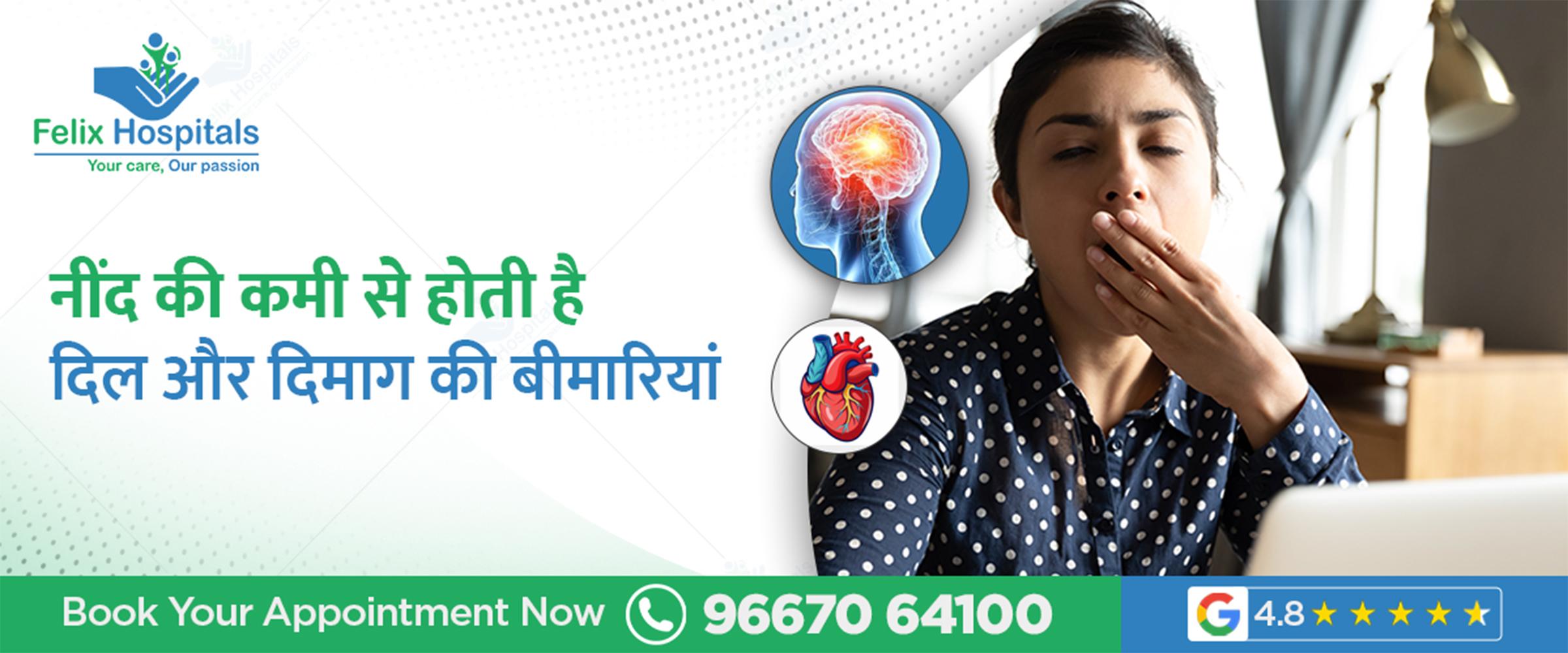
नींद सिर्फ आराम का समय नहीं है। यह हमारे दिल और दिमाग की सेहत के लिए बेहद जरूरी है। आज की तेज और व्यस्त जीवनशैली में नींद की कमी आम होती जा रही है। लेकिन क्या आप जानते हैं कि लगातार कम नींद लेने से हार्ट अटैक, स्ट्रोक और मानसिक रोगों का खतरा बढ़ता है। नींद की कमी का इलाज नोएडा में उपलब्ध है। Felix Hospital लेकर आया है ऑनलाइन हेल्थ कंसल्टेशन सेवा, जिससे आप घर बैठे ही अपने हार्ट और ब्रेन हेल्थ के लिए विशेषज्ञ सलाह ले सकते हैं।
नींद की कमी शरीर के लिए बेहद खतरनाक साबित होती है। नींद पूरी न होने पर ब्लड प्रेशर और कोलेस्ट्रॉल बढ़ता है। जिससे हार्ट अटैक और हार्ट फेल्योर (Heart failure) का खतरा कई गुना बढ़ जाता है। नींद की कमी से दिमाग में ब्लड फ्लो असंतुलित हो सकता है। जिससे ब्रेन स्ट्रोक (Brain stroke) का रिस्क बढ़ता है। लगातार कम नींद लेने से तनाव, डिप्रेशन, एंग्जाइटी और याददाश्त कमजोर होने जैसी मानसिक समस्याएं पैदा होती हैं। वहीं नींद कम होने पर इंसुलिन रेसिस्टेंस बढ़ता है। जिससे डायबिटीज और मोटापे का खतरा बढ़ता है। इसलिए स्वस्थ रहने के लिए रोज़ 7–8 घंटे की पूरी नींद बेहद जरूरी है।
पर्याप्त नींद न मिलने से दिल पर लगातार दबाव बना रहता है। जिससे हार्ट रेट अनियमित हो सकती है। ब्लड प्रेशर (Blood pressure) लंबे समय तक ऊंचा बना रहता है और कोरोनरी आर्टरीज (coronary artery) में ब्लॉकेज का खतरा बढ़ जाता है। कई अध्ययनों में यह भी सामने आया है कि जो लोग रोजाना केवल 5 से 6 घंटे या उससे कम सोते हैं। उनमें हार्ट अटैक और स्ट्रोक का जोखिम उन लोगों की तुलना में लगभग दोगुना होता है जो नियमित रूप से पूरी और गहरी नींद लेते हैं।
नींद कम होने से दिमाग पर गहरा असर पड़ता है। कंसंट्रेशन और मेमोरी कमजोर हो जाती है। जिससे काम और पढ़ाई में ध्यान नहीं लग पाता है। इमोशनल कंट्रोल कम हो जाता है। जिसके कारण चिड़चिड़ापन, गुस्सा और तनाव बढ़ने लगता है। वहीं लंबे समय तक नींद की कमी बनी रहने पर न्यूरोडीजीज का खतरा भी बढ़ सकता है। जिसमें अल्जाइमर (Alzheimer's) जैसी गंभीर बीमारियां शामिल हैं।
वयस्कों के लिए रोजाना 7 से 8 घंटे की नींद जरूरी मानी जाती है। बुजुर्गों के लिए 6 से 7 घंटे की नींद पर्याप्त होती है। जबकि किशोरों और बच्चों को स्वस्थ शारीरिक-मानसिक विकास के लिए 8 से 10 घंटे की नींद की आवश्यकता होती है। साथ ही यह भी ध्यान रखना जरूरी है कि नींद की मात्रा के साथ-साथ उसकी गुणवत्ता भी उतनी ही महत्वपूर्ण होती है।
नींद की कमी (lack of sleep) से हार्ट अटैक का खतरा इसलिए बढ़ जाता है। क्योंकि नींद पूरी न होने पर शरीर के हार्मोन असंतुलित हो जाते हैं। स्ट्रेस हार्मोन कोर्टिसोल का स्तर बढ़ जाता है। जिससे ब्लड प्रेशर लगातार ऊंचा रहने लगता है और रक्त में कोलेस्ट्रॉल का संतुलन बिगड़ जाता है। लंबे समय तक लगातार नींद कम लेने से हार्ट अटैक और एंजाइना जैसी गंभीर हृदय समस्याएं तेजी से बढ़ने लगती हैं।
नींद न आने से शरीर में रक्त प्रवाह प्रभावित होता है, जिससे स्ट्रोक के प्रमुख जोखिम कारक जैसे हाई ब्लड प्रेशर, मोटापा और उच्च कोलेस्ट्रॉल और ज्यादा बढ़ जाते हैं; जबकि नियमित और पर्याप्त नींद लेने से ब्रेन और हार्ट दोनों सुरक्षित रहते हैं।
लगातार नींद पूरी न होने से डिप्रेशन और एंग्जाइटी (Anxiety) का खतरा बढ़ता है। याददाश्त और सीखने की क्षमता पर नकारात्मक असर पड़ता है और नींद की कमी के कारण मूड स्विंग व इमोशनल अस्थिरता तेजी से बढ़ने लगती है।
अच्छी और पूरी नींद केवल थकान दूर करने का साधन नहीं है। बल्कि यह दिल और दिमाग को स्वस्थ रखने की सबसे मजबूत ढाल है। नोएडा में सर्वश्रेष्ठ हृदय रोग विशेषज्ञ उपलब्ध है। लगातार नींद की कमी हार्ट अटैक, स्ट्रोक, हाई ब्लड प्रेशर, डिप्रेशन और मेमोरी लॉस जैसी गंभीर समस्याओं को जन्म देती है।
रोजाना सोने और जागने का समय तय रखें, चाहे छुट्टी का दिन ही क्यों न हो। अनियमित नींद शरीर की बायोलॉजिकल क्लॉक को बिगाड़ देती है। जिससे हार्मोन असंतुलन और थकान बनी रहती है। नियमित समय पर सोने से गहरी और सुकून भरी नींद आती है।
मोबाइल, टीवी, लैपटॉप और टैबलेट से निकलने वाली ब्लू लाइट नींद के हार्मोन मेलेटनिन को कम कर देती है। कोशिश करें कि सोने से कम से कम 1 घंटा पहले सभी डिजिटल स्क्रीन बंद कर दें। इसकी जगह हल्का संगीत सुनें, किताब पढ़ें या ध्यान करें।
रोजाना हल्का व्यायाम, योग, प्राणायाम और 20–30 मिनट की वॉक नींद की गुणवत्ता को बेहतर बनाती है। मेडिटेशन और गहरी सांस लेने की तकनीक तनाव कम करती हैं। जिससे दिमाग शांत रहता है और नींद जल्दी आती है। ध्यान रखें कि सोने से ठीक पहले भारी व्यायाम न करें।
चाय, कॉफी, एनर्जी ड्रिंक और कोल्ड ड्रिंक्स में मौजूद कैफीन नींद को बाधित करता है। वहीं शराब कुछ समय के लिए नींद लाने में मदद कर सकती है, लेकिन यह गहरी नींद को नुकसान पहुंचाती है। बेहतर नींद के लिए सोने से 5–6 घंटे पहले इनका सेवन न करें।
मानसिक तनाव नींद का सबसे बड़ा दुश्मन है। रोजाना ध्यान, रिलैक्सेशन एक्सरसाइज, पॉजिटिव सोच और समय पर काम पूरा करने की आदत तनाव को कम करती है। जरूरत पड़े तो किसी भरोसेमंद व्यक्ति से बात करें।
हाई ब्लड प्रेशर, शुगर और कोलेस्ट्रॉल जैसी समस्याएं नींद को भी प्रभावित करती हैं और हार्ट व ब्रेन के लिए खतरा बढ़ाती हैं। समय-समय पर हेल्थ चेकअप कराने से इन बीमारियों को कंट्रोल किया जा सकता है और नींद भी बेहतर होती है।
अपनी नींद, हार्ट और ब्रेन हेल्थ की रिपोर्ट साझा करें। टीम ऑनलाइन अपॉइंटमेंट और डॉक्टर शेड्यूल का ध्यान रखेगी। घर बैठे विशेषज्ञ कार्डियोलॉजिस्ट और न्यूरोलॉजिस्ट से बात करने के लिए:
कॉल करें: +91 9667064100 या विजिट करें: felixhospital.com
नींद की कमी केवल थकान नहीं है। यह आपके दिल और दिमाग की सुरक्षा के लिए खतरे की घंटी है। लगातार नींद पूरी न होने से हार्ट अटैक, स्ट्रोक और मानसिक रोगों का खतरा बढ़ सकता है। यदि आप ऐसे लक्षण महसूस कर रहे हैं, तो Best Neurologists In Noida से समय पर परामर्श लेना बेहद जरूरी है।
फेलिक्स अस्पताल की ऑनलाइन हेल्थ कंसल्टेशन सेवा के जरिए आप घर बैठे ही विशेषज्ञ की सलाह, रिपोर्ट एनालिसिस और सही उपचार पा सकते हैं। आज ही अपॉइंटमेंट बुक करें और नींद के साथ अपने दिल और दिमाग को भी स्वस्थ रखें। समय रहते जांच और इलाज बेहद जरूरी है।
प्रश्न 1: क्या ऑनलाइन कंसल्टेशन से नींद संबंधी हार्ट और ब्रेन समस्या ठीक होती है?
उत्तर: हां, रिपोर्ट रिव्यू और जीवनशैली सुझाव के जरिए शुरुआती रोकथाम और उपचार संभव है।
प्रश्न 2: क्या मैं अपनी ब्लड रिपोर्ट और नींद डायरी ऑनलाइन भेज सकता हूं?
उत्तर: जी हां, फेलिक्स अस्पताल के पोर्टल या व्हाट्सएप के माध्यम से रिपोर्ट अपलोड कर सकते हैं।
प्रश्न 3: नींद न आने के कारण स्ट्रोक का खतरा कब ज्यादा होता है?
उत्तर: लगातार 5–6 घंटे से कम नींद लेने पर और हाई ब्लड प्रेशर, मोटापा या धूम्रपान जैसी स्थितियों में जोखिम बढ़ता है।
प्रश्न 4: क्या बुजुर्ग मरीजों के लिए ऑनलाइन हेल्थ कंसल्टेशन आसान है?
उत्तर: हां, सपोर्ट टीम स्टेप-बाय-स्टेप वीडियो कॉल सेटअप में मदद करती है। समय पर जांच और इलाज की जानकारी देती है।
प्रश्न 5: क्या यह सेवा पूरे दिन उपलब्ध है?
उत्तर: कार्डियोलॉजी और न्यूरोलॉजी अपॉइंटमेंट सुबह 9 बजे से शुरू हो जाता हैं। मरीज और उनके परिजन 24 घंटे तक अपॉइंटमेंट ले सकते हैं।
नींद की कमी आपके दिल की सेहत पर गंभीर प्रभाव डाल सकती है? यह लेख बताएगा कि पर्याप्त नींद क्यों जरूरी है और नींद की कमी से हाई ब्लड प्रेशर, हार्ट अटैक और अन्य हृदय संबंधी बीमारियों का खतरा कैसे बढ़ जाता है।

लगातार नींद की कमी दिल और दिमाग पर गंभीर असर डालती है, जिससे हार्ट अटैक, हाई बीपी, स्ट्रोक और मानसिक रोगों का खतरा बढ़ जाता है।
नींद की कमी आपके दिल की सेहत पर गंभीर प्रभाव डाल सकती है? यह लेख बताएगा कि पर्याप्त नींद क्यों जरूरी है और नींद की कमी से हाई ब्लड प्रेशर, हार्ट अटैक और अन्य हृदय संबंधी बीमारियों का खतरा कैसे बढ़ जाता है।
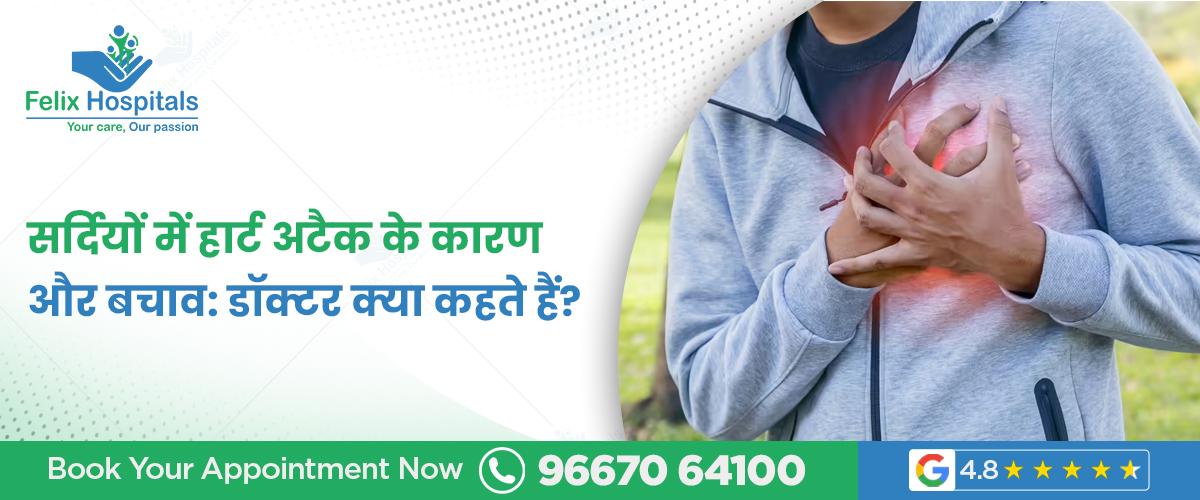
सर्दियों का मौसम जहां एक ओर ठंडक और राहत लेकर आता है। वहीं दूसरी ओर यह दिल के मरीजों के लिए गंभीर खतरे भी पैदा करता है। डॉक्टरों के अनुसार, ठंड के मौसम में हार्ट अटैक, स्ट्रोक और अन्य हृदय संबंधी बीमारियों के मामले तेजी से बढ़ते हैं। खासकर बुजुर्ग, डायबिटीज, हाई ब्लड प्रेशर और पहले से हार्ट पेशेंट्स को इस मौसम में अतिरिक्त सतर्कता की जरूरत होती है। नोएडा में सर्वश्रेष्ठ कार्डियोलॉजी अस्पताल और अनुभवी डॉक्टर उपलब्ध हैं। जहां समय पर इलाज से जान बचाई जा सकती है।
ज्यादा जानकारी के लिए कॉल करें: +91 9667064100
ठंड के मौसम में शरीर खुद को गर्म रखने के लिए रक्त वाहिकाओं को सिकोड़ लेता है। इससे ब्लड प्रेशर बढ़ता है। दिल को ज्यादा मेहनत करनी पड़ती है। इस प्रक्रिया के कारण हृदय की धमनियों में ब्लॉकेज का खतरा बढ़ जाता है। हार्ट अटैक (Heart attack) की आशंका कई गुना होती है। इसलिए सावधानी जरूरी होती है।
ठंड में रक्त वाहिकाएं संकरी हो जाती हैं, जिससे दिल तक खून और ऑक्सीजन की सप्लाई कम हो जाती है। यह हार्ट अटैक का मुख्य कारण है।
सर्दियों में हाई ब्लड प्रेशर आम समस्या है। बढ़ा हुआ प्रेशर सीधे हार्ट पर दबाव डालता है, जिससे दिल का दौरा पड़ता है।
ठंड में प्यास कम लगती है और लोग पानी कम पीते हैं। इससे खून गाढ़ा होता है और थक्के बनने का खतरा बढ़ जाता है।
सुबह 5 से 9 बजे के बीच हार्ट अटैक का खतरा सबसे ज्यादा होता है। क्योंकि इस समय ठंड अधिक होती है। ब्लड प्रेशर भी बढ़ा रहता है।
सर्दियों में लोग कम चलते-फिरते हैं। तला-भुना भोजन ज्यादा करते हैं, जिससे कोलेस्ट्रॉल बढ़ता है और हार्ट अटैक का खतरा बढ़ जाता है।
डॉक्टरों के अनुसार, सर्दियों में हार्ट अटैक कई बार साइलेंट भी हो सकता है। इसलिए इन लक्षणों को नजरअंदाज न करें:
सीने में दर्द, दबाव या जलन
सांस फूलना
अचानक ठंडा पसीना आना
अत्यधिक थकान
चक्कर या घबराहट
बाएं हाथ, गर्दन या जबड़े में दर्द
ठंड से बचाव सबसे पहली जरूरत है। सिर, छाती और हाथ-पैर अच्छी तरह ढककर रखें।
बहुत ठंड में सुबह की वॉक या भारी काम से बचें। धूप निकलने के बाद टहलना ज्यादा सुरक्षित है।
तला-भुना, घी-तेल और अधिक नमक से दूरी बनाएं। फल, सब्जियां और ओमेगा-3 युक्त आहार लें।
ब्लड प्रेशर, शुगर और कोलेस्ट्रॉल की नियमित जांच बेहद जरूरी है।
डॉक्टर द्वारा बताई गई हार्ट, बीपी और शुगर की दवाएं बिल्कुल न छोड़ें।
डॉक्टरों के अनुसार, सर्दियों में धूम्रपान हार्ट अटैक का सबसे बड़ा कारण बन सकता है।
60 वर्ष से अधिक उम्र के बुजुर्ग
हाई ब्लड प्रेशर के मरीज
डायबिटीज रोगी
कोलेस्ट्रॉल बढ़ा हुआ लोग
धूम्रपान करने वाले
पहले हार्ट अटैक झेल चुके मरीज
सर्दियों का मौसम, जहां ठंड और कोहरे के कारण शरीर पर अतिरिक्त दबाव पड़ता है। वहीं यह हार्ट अटैक के लिए सबसे खतरनाक समय भी माना जाता है। ठंडी हवाएं, शरीर में रक्त का सघन होना और धमनियों की संकुचित अवस्था सर्दियों में दिल पर दबाव बढ़ाती है। ऐसे में यदि किसी व्यक्ति को हार्ट अटैक होता है, तो समय पर उपचार सबसे अहम होता है। हार्ट अटैक ट्रीटमेंट इन नोएडा (Heart attack treatment in Noida), कार्डियोलॉजिस्ट इन नोएडा में उपलब्ध है। हार्ट अटैक में पहली तीन से चार घंटे को “गोल्डन आवर” कहा जाता है। इस दौरान इलाज नहीं मिलने पर हृदय की मांसपेशियों को स्थायी नुकसान पहुंच सकता है।
हार्ट अटैक की शुरुआती स्थिति में मरीज को दवाओं के माध्यम से प्राथमिक इलाज दिया जाता है। इसमें प्रमुख रूप से शामिल हैं:
ये दवाइयां रक्त को पतला करती हैं और खून के थक्के बनने की प्रक्रिया को रोकती हैं। हार्ट अटैक के दौरान खून के थक्के धमनियों को ब्लॉक कर सकते हैं, जिसे रोकना बेहद जरूरी होता है।
ब्लड प्रेशर को सामान्य रखने से दिल पर दबाव कम होता है और आगे के हार्ट अटैक का जोखिम घटता है।
ये धमनियों में जमा कोलेस्ट्रॉल को नियंत्रित करती हैं और नई ब्लॉकेज को रोकने में मदद करती हैं। इन दवाओं का सही समय पर सेवन और नियमित निगरानी हार्ट अटैक की गंभीरता को कम करने में मदद करती है।
जब हार्ट अटैक की वजह धमनियों में ब्लॉकेज होता है, तो दवाओं से ब्लॉकेज पूरी तरह नहीं खुल पाता है। ऐसे में डॉक्टर एंजियोप्लास्टी (Angioplasty) और स्टेंट लगाने की प्रक्रिया अपनाते हैं।
एक पतली ट्यूब (कैथेटर) धमनियों में ब्लॉकेज तक पहुंचाई जाती है, और वहां बलून के माध्यम से ब्लॉकेज को फैलाया जाता है।
ब्लॉकेज वाले हिस्से को खुला रखने के लिए धमनियों में स्टेंट रखा जाता है। स्टेंट धमनियों को स्थायी रूप से खुला रखने में मदद करता है और रक्त का प्रवाह बहाल करता है। इस प्रक्रिया से हार्ट की मांसपेशियों तक खून का सही प्रवाह लौटता है और गंभीर जटिलताओं की संभावना कम हो जाती है।
कभी-कभी हार्ट अटैक बहुत गंभीर होता है या धमनियों में बहुत अधिक ब्लॉकेज हो चुकी होती है। ऐसे मामलों में कोरोनरी आर्टरी बाईपास सर्जरी (सीएबीजी) जीवनरक्षक साबित होती है। इस सर्जरी में ब्लॉक्ड धमनियों को बाईपास किया जाता है। यानी रक्त को नई पथ के माध्यम से हृदय तक पहुंचाया जाता है। गंभीर हार्ट अटैक, पुरानी ब्लॉकेज या कई धमनियों में अवरोध होने पर यह सबसे सुरक्षित और प्रभावी उपाय है। सर्जरी के बाद मरीज को रिकवरी और जीवनशैली सुधार पर विशेष ध्यान देना पड़ता है।
हार्ट अटैक के इलाज के साथ-साथ सर्दियों में जीवनशैली सुधार बेहद जरूरी है। सर्दियों में शरीर को गर्म रखना और भारी तनाव से बचना है। नमक, तैलीय और प्रोसेस्ड फूड से दूरी है। नियमित व्यायाम और संतुलित आहार है। डॉक्टर द्वारा दी गई दवाओं को समय पर लेना और फॉलो-अप करना है।
इलाज के लिए आज ही संपर्क करें: +91 9667064100
डॉक्टरों का साफ कहना है कि सर्दियों में हार्ट अटैक का खतरा वास्तविक है, लेकिन सही सावधानी और समय पर इलाज से इसे टाला जा सकता है। ठंड को हल्के में न लें, नियमित हार्ट जांच (Heart test) कराएं और किसी भी लक्षण पर तुरंत नोएडा में सर्वश्रेष्ठ कार्डियोलॉजिस्ट (Best cardiologist in Noida) से संपर्क करें। हार्ट अटैक के इलाज में देरी जानलेवा साबित हो सकती है। समय पर सही डॉक्टर से परामर्श और उचित उपचार से गंभीर नुकसान से बचा जा सकता है।
प्रश्न 1: क्या सर्दियों में हार्ट अटैक ज्यादा होता है?
उत्तर: हां, ठंड के कारण हार्ट अटैक का खतरा बढ़ता है। इसलिए सावधानी जरूरी है।
प्रश्न 2: ठंड में दिल पर सबसे ज्यादा असर क्यों पड़ता है?
उत्तर: धमनियां सिकुड़ने और ब्लड प्रेशर बढ़ने के कारण असर ज्यादा होता है। इसलिए सावधानी जरूरी है।
प्रश्न 3: सुबह टहलना सुरक्षित है या नहीं?
उत्तर: अत्यधिक ठंड में सुबह टहलना जोखिम भरा हो सकता है।
प्रश्न 4: हार्ट पेशेंट्स को सर्दियों में क्या खास सावधानी रखनी चाहिए?
उत्तर: गर्म कपड़े पहनें, दवाएं नियमित लें और जांच कराते रहें। ऐसा करने से खतरा कम होता है।
प्रश्न 5: हार्ट अटैक के लक्षण दिखें तो क्या करें?
उत्तर: देरी न करें और तुरंत नजदीकी अस्पताल पहुंचें। इलाज में बिल्कुल भी देरी नहीं करनी चाहिए।
ब्रेन स्ट्रोक एक जानलेवा स्थिति है जिसमें मस्तिष्क को रक्त आपूर्ति रुक जाती है। इसके प्रकार, कारण, लक्षण, बचाव और इलाज
ठंडे मौसम में शरीर को गर्म रखने के लिए रक्तचाप स्वाभाविक रूप से बढ़ जाता है। उच्च रक्तचाप हार्ट अटैक का प्रमुख जोखिम कारक होता है
सर्दियों के मौसम में हृदय रोग से जुड़े किसी भी लक्षण को हल्के में न लें और फेलिक्स हॉस्पिटल के अनुभवी हृदय रोग विशेषज्ञों से परामर्श लें।
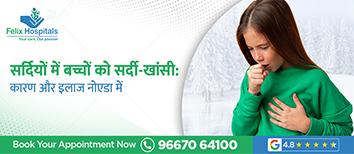
सर्दियों में बच्चों में एलर्जी आम समस्या है। ठंडी हवा, धूल, संक्रमण और कमजोर इम्यूनिटी इसके मुख्य कारण हो सकते हैं।
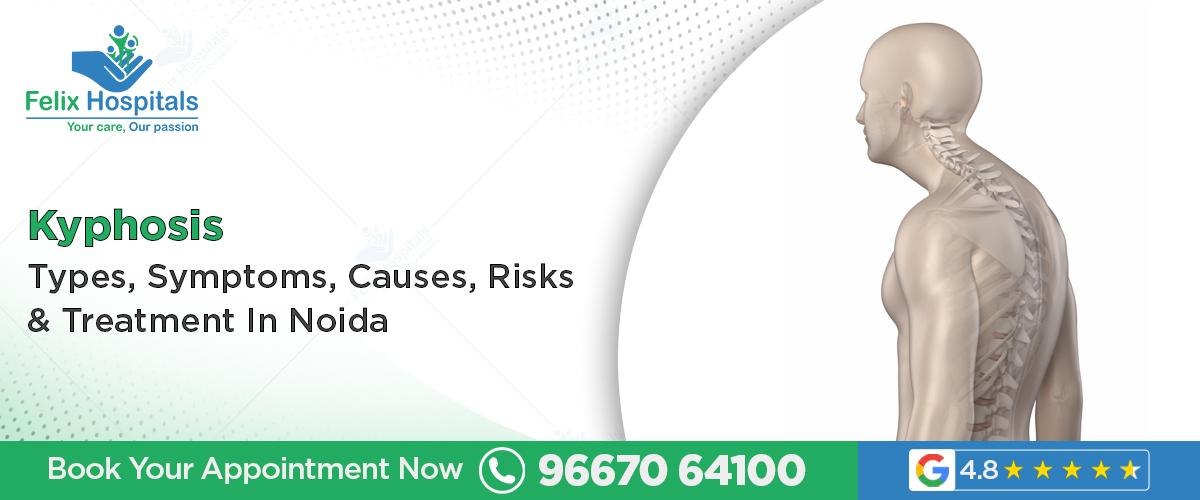
Postural spine problems are becoming increasingly common across all age groups due to sedentary lifestyles, prolonged screen usage, and lack of physical activity. One such condition that often goes unnoticed until it worsens is kyphosis. This spinal deformity causes an exaggerated forward curvature of the upper back, leading to a visible hump or rounded posture. While mild kyphosis may appear harmless, progressive spinal curvature can result in chronic pain, breathing difficulty, reduced mobility, and long-term complications if left untreated. Early diagnosis and timely orthopedic care hospital in Noida are crucial, especially for children and adults living in urban environments like Noida.
Early diagnosis can prevent kyphosis from worsening and reduce long-term complications . Call +91 9667064100 to book an orthopedic spine consultation in Noida.
What is kyphosis refers to an abnormal outward curvature of the thoracic spine that causes the upper back to appear rounded. While a slight curve is normal, kyphosis becomes a medical concern when the curvature exceeds normal limits. This condition can develop at any age and may progress over time depending on the underlying cause. Kyphosis affects posture, spinal balance, and in severe cases, internal organ function, making professional evaluation essential.
Kyphosis in adults commonly develops due to poor posture, degenerative spinal changes, osteoporosis, or previous spinal injuries. Age-related weakening of spinal bones and discs increases the risk of spinal curvature progression. Adults may experience persistent back pain, stiffness, fatigue, and difficulty standing upright for long periods. Without proper orthopedic intervention, adult kyphosis can worsen and significantly impact daily activities and quality of life.
Kyphosis in children is often linked to developmental or structural spinal issues. Conditions such as congenital spinal deformities or Scheuermann’s disease can cause abnormal curvature during growth years. Early signs may include uneven shoulders, rounded back posture, or complaints of back pain. Early detection through routine orthopedic screening allows timely correction and prevents permanent spinal deformity as the child grows.
What causes kyphosis varies depending on age and health conditions. In many cases, prolonged poor posture during sitting, studying, or screen use leads to postural kyphosis. Other causes include spinal fractures, osteoporosis, infections, tumors, congenital defects, and neuromuscular disorders. Identifying the exact cause is critical to determining the most effective treatment approach and preventing further spinal damage.
What are the symptoms of kyphosis depends on the severity of spinal curvature. Mild cases may present only with poor posture, while advanced kyphosis can cause significant physical discomfort and functional limitations.
Rounded or hunched upper back
Back pain and stiffness
Fatigue after standing or walking
Reduced spinal flexibility
Difficulty breathing in severe cases
Persistent symptoms should prompt orthopedic evaluation.
How is kyphosis diagnosed involves a detailed clinical assessment by an orthopedic or spine specialist in Noida. Diagnosis begins with a physical examination to evaluate posture, spinal alignment, and flexibility. Imaging tests such as X-rays help measure the degree of curvature, while MRI or CT scans may be advised to assess nerve involvement or underlying spinal conditions. Accurate diagnosis is essential for planning effective treatment.
Can kyphosis be cured depends on the type, cause, and severity of the condition. Postural kyphosis can often be corrected with physical therapy, posture training, and lifestyle changes. Structural kyphosis may not be completely reversible but can be effectively managed to reduce symptoms, prevent progression, and improve spinal function. Early medical intervention significantly improves outcomes.
Is kyphosis dangerous is a common concern among patients and caregivers. Mild kyphosis is usually not life-threatening, but severe untreated kyphosis can lead to chronic pain, spinal instability, nerve compression, and breathing difficulties. In extreme cases, it may affect heart and lung function due to reduced chest space. This makes timely orthopedic consultation crucial.
How to treat kyphosis naturally focuses on non-surgical management aimed at improving posture and strengthening spinal support muscles. These methods are especially effective for early-stage or postural kyphosis.
Physiotherapy and posture correction exercises
Strengthening and flexibility training
Pain management techniques
Lifestyle modifications and ergonomic improvements
Natural treatment plays a vital role in symptom relief and posture improvement.
When is surgery needed for kyphosis depends on curvature severity, pain levels, neurological symptoms, and response to conservative treatment. Surgery may be recommended for patients with severe spinal deformity, progressive curvature, nerve compression, or breathing difficulty. Modern spine surgery techniques aim to correct curvature, stabilise the spine, and improve quality of life with minimal risk.
Kyphosis treatment in Noida involves a multidisciplinary orthopedic approach combining diagnosis, physiotherapy, pain management, and surgical care when required. Hospitals in Noida offer advanced imaging, spine rehabilitation programs, and experienced orthopedic teams to manage kyphosis across all age groups. Individualized treatment plans ensure optimal recovery and long-term spinal health.
Consulting a qualified spine surgeon in Noida ensures expert assessment and evidence-based treatment for kyphosis. Spine specialists are trained to handle complex spinal deformities using advanced diagnostic tools and minimally invasive techniques. Their expertise helps patients regain posture, mobility, and confidence safely and effectively.
Don’t let spinal curvature limit your mobility or confidence. Call +91 9667064100 to schedule your kyphosis evaluation in Noida now.
Kyphosis is more than a postural issue—it is a spinal condition that can significantly affect physical health and quality of life if ignored. Early recognition, accurate diagnosis, and timely orthopedic care are essential to prevent progression and complications. With advanced medical facilities and experienced spine specialists available in Noida, kyphosis can be effectively managed through personalized treatment plans that restore posture, relieve pain, and improve long-term spinal function.
Q. 1. Can kyphosis worsen with age?
Ans. Yes, especially if caused by osteoporosis or degenerative spine conditions.
Q. 2. Is kyphosis painful?
Ans. Mild cases may not be painful, but severe kyphosis can cause chronic back pain.
Q. 3. Can children outgrow kyphosis?
Ans. Postural kyphosis may improve with growth and therapy, but structural types need medical care.
Q. 4. Does kyphosis affect breathing?
Ans. Severe curvature can restrict lung expansion and cause breathing difficulty.
Q. 5. How long does kyphosis treatment take?
Ans. Treatment duration varies based on severity and treatment type, ranging from weeks to months.

Spinal cord injury is one of the most serious injuries one can have. The damages can be permanent if not treated on time.
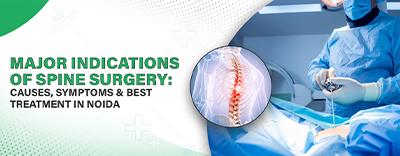
Know when spine surgery is necessary, its symptoms, and the best hospitals in Noida for advanced spine care.
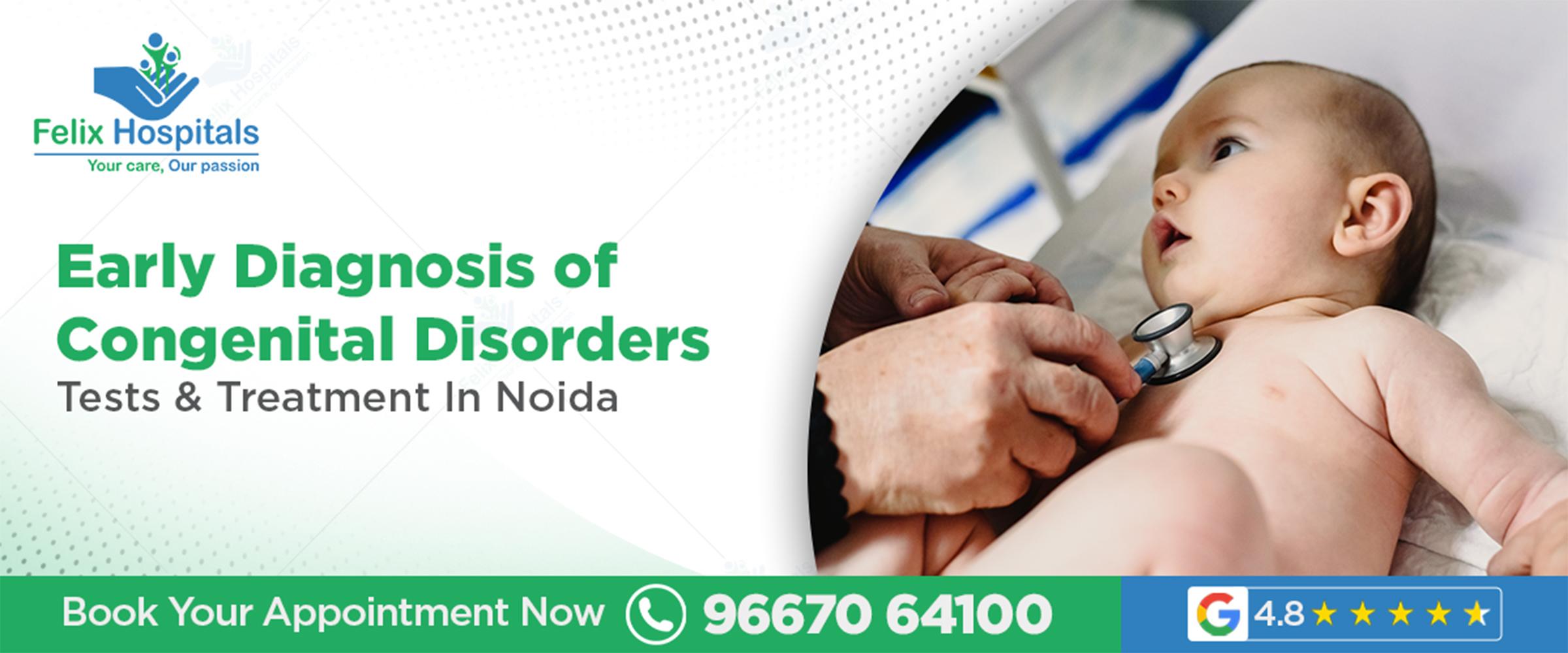
Congenital disorders are conditions present at birth that can affect a child’s physical structure, metabolism, or overall development. While some disorders are visible at birth, many remain undetected during the early days of life. Early identification through proper screening and diagnostic tests is essential to prevent long-term complications and ensure a better quality of life for the child.
At the Best Paediatric Hospital in Noida, advanced neonatal screening, genetic testing, and expert pediatric care enable early diagnosis and timely treatment. With continuous advancements in neonatal care, parents in Noida can now proactively manage congenital disorders rather than responding to complications later.
For early screening and expert evaluation of congenital disorders in newborns, consult specialists today. Call +91 9667064100
Many parents ask, what are congenital disorders? These are medical conditions that develop during pregnancy and are present at birth. They may affect bones, organs, muscles, nerves, or biochemical processes.
Congenital disorders can be:
Structural (affecting body parts)
Functional (affecting how organs work)
Genetic or chromosomal
Metabolic or hormonal
Not all congenital disorders are inherited, and many occur due to developmental changes during pregnancy.
The importance of early diagnosis in newborns cannot be overstated. Early identification allows doctors to start treatment before complications arise, significantly improving outcomes.
Benefits of early diagnosis include:
Prevention of permanent disability
Timely medical or surgical intervention
Better growth and developmental outcomes
Reduced long-term healthcare costs
Improved quality of life for the child
Early detection is especially critical for disorders affecting bones, joints, and physical development.
Understanding the types of congenital disorders detected at birth helps parents recognize why screening is essential.
Common categories include:
Skeletal and bone deformities
Heart and lung abnormalities
Neuromuscular conditions
Metabolic and endocrine disorders
Genetic syndromes
Some conditions may be mild initially but worsen if left untreated.
Routine newborn screening plays a key role in early detection. Common screening tests for congenital diseases in newborns are typically done within the first few days of life.
These tests include:
Physical examination at birth
Blood tests for metabolic disorders
Hearing screening
Pulse oximetry for heart conditions
Hip and limb examination for bone abnormalities
Early screening helps identify conditions before symptoms appear.
When initial screening raises concerns, advanced diagnostic tests for congenital disorders in Noida help confirm the diagnosis.
These may include:
Imaging studies like X-rays or ultrasound
Genetic testing
MRI or CT scans when required
Specialized blood and hormone tests
Access to advanced diagnostics allows precise diagnosis and tailored treatment planning.
Parents should be aware of the early symptoms of congenital disorders in infants, especially after discharge from the hospital.
Warning signs may include:
Poor feeding or difficulty sucking
Delayed movement or stiffness in limbs
Abnormal posture or limb shape
Failure to gain weight
Delayed developmental milestones
Early symptoms may be subtle but should never be ignored.
Many parents ask, when should parents seek medical evaluation? Immediate medical attention is recommended if:
A newborn shows abnormal limb movement
Growth appears delayed
The baby has recurrent infections
There is noticeable asymmetry in bones or joints
Development does not match age milestones
Early consultation prevents complications and improves treatment success.
Some congenital disorders affect bones, joints, and muscles. Early assessment by specialists ensures proper correction and growth.
A Children Bone Specialist in Noida focuses on:
Congenital limb deformities
Hip dysplasia
Spine abnormalities
Growth-related bone conditions
Timely orthopedic care can often prevent the need for complex surgeries later.
Treatment depends on the type and severity of the condition.
Options may include:
Medical management
Physiotherapy and rehabilitation
Nutritional and metabolic support
Surgical correction when required
Long-term monitoring and follow-up
Early treatment allows the child to achieve near-normal growth and function.
Delaying diagnosis can result in:
Permanent physical disability
Developmental delays
Chronic pain or mobility issues
Reduced independence later in life
Early intervention improves outcomes and supports healthy development.
Parents should choose facilities that offer:
Advanced newborn screening
Multidisciplinary specialists
Pediatric orthopedic expertise
Child-friendly diagnostic facilities
Long-term follow-up care
Access to the Best Pediatric Orthopedics Hospital in Noida ensures comprehensive care under one roof.
Congenital disorders often require coordination between:
Pediatricians
Internal medicine specialists
Orthopedic experts
Physiotherapists
Genetic counselors
Integrated care improves treatment accuracy and outcomes.
Parents play a vital role by:
Attending all newborn follow-ups
Observing developmental milestones
Reporting concerns early
Following medical advice consistently
Awareness and vigilance make early diagnosis possible.
To book an appointment with experienced pediatric and bone specialists in Noida, contact us now. Call +91 9667064100
Early diagnosis of congenital disorders is the foundation of effective treatment and healthy development. Understanding what congenital disorders are, recognizing early symptoms in infants, and knowing the importance of timely screening empowers parents to act quickly. With guidance from the Best Pediatricians in Noida, access to common newborn screening tests, and advanced diagnostic facilities for congenital disorders in Noida, families can ensure timely care, prevent complications, and support their child’s long-term well-being.
Q1: Can congenital disorders be treated completely if detected early?
A: Many conditions can be corrected or well-managed with early treatment.
Q2: Are congenital disorders always genetic?
A: No, many develop due to pregnancy-related factors, not inheritance.
Q3: Do all newborns need congenital screening tests?
A: Yes, routine screening helps detect hidden conditions early.
Q4: Can congenital bone disorders worsen with age?
A: Yes, delayed treatment can lead to growth and mobility problems.
Q5: Is long-term follow-up necessary after diagnosis?
A: Yes, regular monitoring ensures healthy growth and development.
Learn about congenital heart defects, their early signs, diagnosis, and treatment options.
Understand congenital heart defects with this comprehensive and beginner-friendly guide.
Know the early signs of congenital heart defects in babies to ensure timely care and treatment. Recognizing symptoms early can make a big difference in your child’s health and development.
Epstein Pearls are small, white or yellowish cysts found on the gums or roof of the mouth in newborns. These harmless bumps form during fetal development and usually resolve on their own within a few weeks. No treatment is necessary unless symptoms persis

Subscribe to our
© Copyright 2026. All Rights Reserved by Felix Healthcare Private Limited
Design and development by :


 +(91)9667064100
 Emergency : +(91)9667064100