 WhatsApp
 Emergency:
  WhatsApp





Subscribe to our
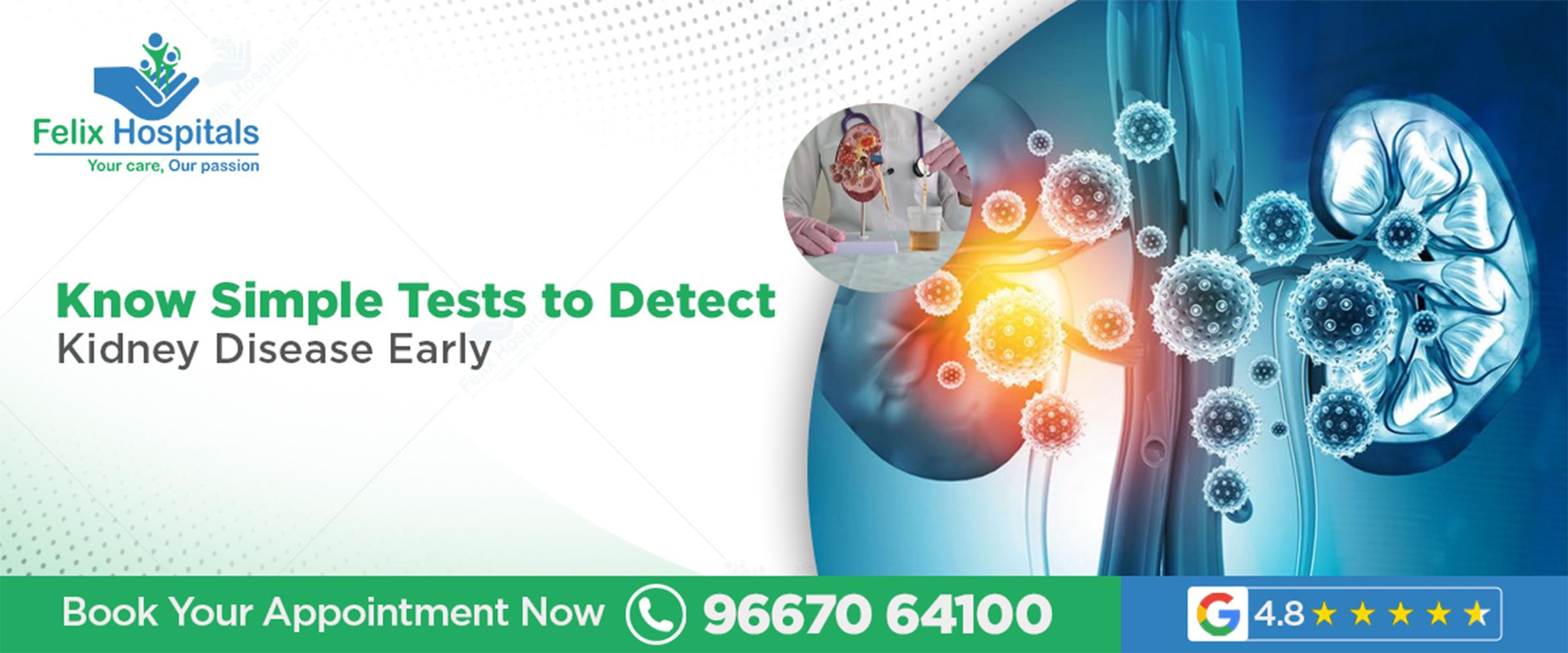
Kidney health is important for maintaining overall well-being but many times kidney diseases often go unnoticed until they reach advanced stages. When kidney diseases are detected early then the forthcoming complications can reduce the risk of kidney failure, and improve long-term outcomes. Experts emphasise that routine screening and awareness of early warning signs are essential for proactive kidney care. If you or your loved one is suffering from kidney disease and looking for a kidney specialist near me, then this blog post is meant for you.
Worried about kidney health? Call +91 9667064100 to schedule your consultation with the kidney specialist today.
We have two kidneys, each the size of an adult fist, positioned on both sides of our spine just under our chest area. Though small, your kidneys play important functions. Some of the ways your kidneys balance your entire body include:
Getting rid of natural waste products and excess water in your body
Helping make red blood cells
Balancing important minerals in your body
In what way might you help maintain your blood pressure
Keeping your bones healthy
Kidney diseases are a broad spectrum of disorders that affect the kidneys’ capacity to filter the blood and eliminate waste products. Chronic kidney disease, acute kidney injury, kidney infections, and structural problems are some of the most prevalent kidney disorders.
Kidney diseases can progress without symptoms until the damage is extensive. It is, therefore, important to detect kidney diseases early. Early signs of kidney disease and the necessary tests should not be therefore ignored. This blog post will help you to understand how you can detect kidney diseases early in order to prevent serious complications.
Kidney diseases monitoring or renal function monitoring can be recognised based on the following symptoms.
Fatigue or weakness
Swelling of the hands, feet, or face
Increased or decreased urination, or changes in urine color
Unexplained high blood pressure
Shortness of breath or nausea
Recognition of these symptoms enables nephrologists to advise patients on the need for early testing to avoid progression of the disease. A timely nephrologist appointment near me can make a difference.
Key blood tests for evaluating kidney health include estimated glomerular filtration rate (eGFR), serum creatinine, and Blood Urea Nitrogen (BUN). A few kidney tests that are recommended by doctors and are important for checking kidney health are mentioned below:
Creatinine is a waste product resulting from the breakdown of the proteins found in the food you eat and the normal breakdown of your muscle tissue. Your body gets rid of it through your kidneys. What is considered a normal amount of creatinine in your blood is difficult to state, as it can vary depending on your age, weight, and sometimes your sex. If you have high levels of creatinine in your body, you might have acute kidney injury and or chronic kidney disease. Not to forget, serum creatinine is one of the most routine tests for kidney problems.
Cystatin C is a protein made by cells in your body. It is also cleared from your body by your kidneys just like creatinine. It is not as common as the creatinine test; however, it may be more costly. Kidney tests recommended by doctors help detect issues accurately.
eGFR is a calculation of how well your kidneys are getting rid of waste products in the blood. It is based on your serum creatinine level, your age, and your sex. It can also be based on your cystatin C level. A “normal” eGFR depends on your age. It goes down as you get older. In general, an eGFR less than 60 means that the kidneys are not working properly. An eGFR less than 15 means kidney failure.
Urea nitrogen is a waste product in your blood that comes from the breakdown of protein in the foods you eat. It is removed from the body through the kidneys. The level of a “normal” BUN varies and tends to increase as one ages. Checking the level of BUN is generally not useful on its own. Therefore, your healthcare provider will probably compare your BUN level with your creatinine and eGFR levels when evaluating your kidney health.
A urinalysis is a rather simple test, analysing a small sample of urine for the presence of many varied substances. It is a simple urine test to detect kidney problems. First, an examination with the naked eye is performed, observing appearance, colour, and turbidity of the sample. Next, a dipstick-thin, chemically treated strip-is dipped into the urine sample. Colour changes on the strip signal the presence of abnormalities, which include high acid or albumin, bacteria, blood, pus, or sugar. Third, and last, the sample is examined under the microscope for further details, sometimes. These simple urine tests are useful for early kidney health monitoring.
People with diabetes, high blood pressure, heart disease, family history of kidney disease, or long-term painkiller use. Consulting a nephrologist appointment near me is recommended for high-risk individuals.
According to medical professionals, the following kidney function tests are recommended by doctors for high-risk patients or those above 40 years of age:
Blood pressure check
Blood creatinine and eGFR
Urine albumin-to-creatinine ratio (UACR)
Ultrasound of the kidneys
Comprehensive metabolic panel
Regular screening will help identify any issues before the symptoms progress.
In addition to regular testing, patients can also take the following steps to ensure that their kidneys remain healthy:
Keeping their blood pressure and sugar levels under control
Drinking plenty of water and cutting down on excessive salt consumption
Avoiding the overuse of pain medications and certain drugs
Eating healthy food, including plenty of fruits and vegetables
Exercising regularly
Noida provides world-class nephrology clinics and skilled kidney specialists who offer:
Thorough screening for high-risk patients
Early diagnosis of chronic kidney disease
Tailored care plans, including medications, diets, and lifestyle modifications
Specialised care for progressive kidney diseases
Seeking expert care will help in early treatment and averting kidney failure. Finding a kidney specialist near me ensures proper guidance and care.
Once kidney issues are detected, effective management may involve:
Adherence to the prescribed medication and diet
Regular follow-up tests to check the status of the kidneys
Avoidance of nephrotoxic substances such as NSAIDs
Staying hydrated and practicing healthy lifestyle choices
Regular follow-up appointments with a kidney specialist near me.
Protect your kidneys with early screening and expert care from top nephrology services in Noida. Call +91 9667064100 now.
It is important to detect kidney disease early to avoid irreversible damage and ensure optimal health. There are simple tests that can be done to check the health of the kidneys. Patients can detect any problems early before they become serious. Patients searching for a nephrologist appointment near me, especially belonging to Noida, should seek a right hospital with an established department of the Centre for Renal Sciences. With the right assessment and preventive measures, kidney disease can be controlled effectively.
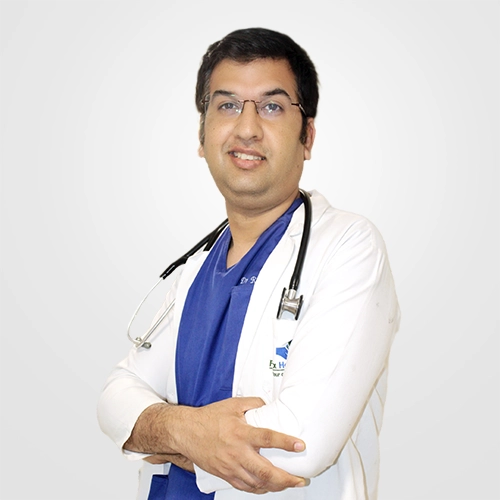
Dr. Manish Mahajan is an experienced kidney specialist with 8+ years of expertise in treating chronic kidney disease, kidney stones, dialysis cases, and renal transplants. Recognized among the Best Nephrologists In Noida, he is known for his compassionate care and patient-focused treatment approach.
Kidney dialysis is a life-saving treatment for patients suffering from chronic kidney disease or kidney failure. Understanding the dialysis cost in Noida helps patients and families plan treatment effectively. This article explains the factors affecting d

वयस्कों में कूल्हे का दर्द (Hip Pain in Adults) एक आम लेकिन गंभीर समस्या है। बदलती जीवनशैली, लंबे समय तक बैठकर काम करना, मोटापा, गलत पोस्चर और शारीरिक गतिविधियों की कमी इसके प्रमुख कारण हैं। यह दर्द हल्के असहजता से लेकर गंभीर स्थिति तक जाता है। जिससे चलना-फिरना, बैठना, उठना और दैनिक कार्य करना मुश्किल होता है। कई बार लोग दर्द को नजरअंदाज करते हैं। नोएडा में सर्वश्रेष्ठ ऑर्थोपेडिक अस्पताल है। लेकिन समय पर सही इलाज न होने पर यह आर्थराइटिस, फ्रैक्चर या स्थायी जोड़ क्षति में बदल सकता है। इसलिए वयस्कों में कूल्हे के दर्द के कारण, लक्षण और इलाज को समझना बेहद जरूरी है।
अभी अपॉइंटमेंट शेड्यूल करें – कॉल करें: +91 9667064100
ऑस्टियोआर्थराइटिस (Osteoarthritis) उम्र बढ़ने के साथ जोड़ों के कार्टिलेज के धीरे-धीरे घिसने से होता है, जिसके कारण घुटनों, कूल्हों या अन्य जोड़ों में दर्द, अकड़न और चलने-फिरने में परेशानी होने लगती है, जबकि रूमेटाइड आर्थराइटिस एक ऑटोइम्यून बीमारी है, जिसमें शरीर की प्रतिरक्षा प्रणाली ही जोड़ों पर हमला करने लगती है, इससे लगातार सूजन, तेज दर्द, सुबह के समय ज्यादा जकड़न और समय के साथ जोड़ों की संरचना में नुकसान हो सकता है।
गलत तरीके से उठने-बैठने या झुकने की आदत से जोड़ों और मांसपेशियों पर लगातार दबाव पड़ता है, जिससे दर्द की समस्या पैदा हो सकती है, वहीं अचानक झटका लगने, गिरने या खेल-कूद के दौरान लगी चोट से हड्डियों, लिगामेंट या मांसपेशियों को नुकसान पहुंचता है और तुरंत या धीरे-धीरे बढ़ने वाला दर्द शुरू हो जाता है।
जोड़ के आसपास सूजन होने से वहां दर्द, गर्माहट और जकड़न महसूस होती है, जिससे रोज़मर्रा की गतिविधियां प्रभावित होने लगती हैं, जबकि लंबे समय तक लगातार चलना, दौड़ना या भारी शारीरिक काम करना जोड़ों पर अधिक दबाव डालता है और इससे थकान, सूजन तथा दर्द की समस्या बढ़ सकती है।
हड्डियों का कमजोर होना, जिसे अक्सर ऑस्टियोपोरोसिस (Osteoporosis) से जोड़ा जाता है, शरीर की हड्डियों की मजबूती को धीरे-धीरे कम कर देता है, जिससे वे भंगुर हो जाती हैं और ऐसी स्थिति में मामूली सी चोट, हल्का झटका या फिसलन भी फ्रैक्चर के गंभीर खतरे को बढ़ा देती है।
अतिरिक्त वजन होने पर कूल्हे के जोड़ पर लगातार ज्यादा दबाव पड़ता है, जिससे समय के साथ दर्द, घिसाव और चलने-फिरने में परेशानी बढ़ने लगती है, वहीं शारीरिक गतिविधियों की कमी से मांसपेशियां कमजोर हो जाती हैं, जोड़ों की लचीलापन घटता है और कूल्हे के दर्द की समस्या और गंभीर हो सकती है।
बैक्टीरियल संक्रमण होने पर जोड़ में सूजन, गर्माहट और तेज दर्द के साथ चलने-फिरने में कठिनाई होने लगती है, जबकि शरीर में यूरिक एसिड का स्तर बढ़ने पर अचानक तीव्र दर्द, सूजन और लालिमा के साथ गाउट (Gout) जैसी समस्या उभर सकती है, जो अक्सर रात के समय ज्यादा तकलीफ देती है।
कूल्हे में लगातार या रुक-रुक कर दर्द
चलने, बैठने या सीढ़ी चढ़ने में परेशानी
सुबह उठने पर जकड़न
दर्द का जांघ, नितंब या घुटनों तक फैलना
सूजन, लालिमा या गर्माहट
लंबे समय तक खड़े रहने में असहजता
यदि निम्न लक्षण दिखाई दें तो तुरंत आर्थोपेडिक डॉक्टर से संपर्क करें:
दर्द कई दिनों तक लगातार बना रहे
चलना लगभग असंभव हो जाए
कूल्हे में अचानक तेज सूजन या बुखार
गिरने के बाद दर्द बढ़ता जाए
पैर सुन्न पड़ना या कमजोरी महसूस होना
वयस्कों में कूल्हे का दर्द कारण के अनुसार अलग-अलग स्तर का हो सकता है। नोएडा में सर्वश्रेष्ठ ऑर्थोपेडिक्स डॉक्टर (Best orthopedics doctors in Noida) है। सही समय पर जांच और उचित इलाज से दर्द को काफी हद तक नियंत्रित किया जा सकता है। इलाज में आमतौर पर दवाइयां, फिजियोथेरेपी और लाइफस्टाइल मैनेजमेंट को शामिल किया जाता है।
शुरुआती और मध्यम स्तर के दर्द में दवाइयों से काफी राहत मिलती है।
जैसे पैरासिटामोल और NSAIDs (इबुप्रोफेन, डाइक्लोफेनाक आदि) दर्द और अकड़न को कम करने में मदद करती हैं। सूजन कम करने वाली दवाएं जैसे जोड़ों की सूजन, लालिमा और गर्माहट को घटाती हैं, जिससे चलना-फिरना आसान होता है। गंभीर मामलों में स्टेरॉयड इंजेक्शन दिए जा सकते हैं, जब दवाओं और फिजियोथेरेपी से आराम न मिले। ये इंजेक्शन सीधे जोड़ में सूजन और दर्द को तेजी से कम करते हैं, हालांकि इन्हें सीमित मात्रा में ही दिया जाता है।
फिजियोथेरेपी कूल्हे के दर्द के इलाज का अहम हिस्सा है और लंबे समय तक राहत देने में मदद करती है। मांसपेशियों को मजबूत करने वाले व्यायाम कूल्हे और आसपास की मांसपेशियों को सहारा देते हैं, जिससे जोड़ पर दबाव कम होता है। स्ट्रेचिंग और मूवमेंट एक्सरसाइज जोड़ों की लचीलापन बढ़ाती हैं और जकड़न को कम करती हैं। चलने-फिरने की क्षमता सुधारना फिजियोथेरेपी (Physiotherapy) का मुख्य उद्देश्य होता है, ताकि मरीज बिना दर्द के रोजमर्रा के काम कर सके।
लाइफस्टाइल में बदलाव कूल्हे के दर्द को बढ़ने से रोकने में बेहद जरूरी होता है। वजन नियंत्रित रखना कूल्हे के जोड़ पर पड़ने वाले अतिरिक्त दबाव को कम करता है। संतुलित आहार जिसमें कैल्शियम, विटामिन-डी और प्रोटीन शामिल हों, हड्डियों और मांसपेशियों को मजबूत बनाता है। सही बैठने-उठने की आदत और लंबे समय तक एक ही मुद्रा में न बैठना दर्द से बचाव में मदद करता है।
हिप स्ट्रेचिंग एक्सरसाइज
ग्लूट और थाई मसल स्ट्रेंथनिंग
योगासन (भुजंगासन, सेतुबंधासन – डॉक्टर की सलाह से)
नियमित वॉक और हल्की एक्सरसाइज
दर्द निवारण के लिए घरेलू उपाय और जीवनशैली में बदलावः
गर्म या ठंडी सिकाई
पर्याप्त आराम
लंबे समय तक एक ही पोजीशन में न बैठें
कुर्सी और सोने की सही व्यवस्था
धूम्रपान और शराब से परहेज
जब दवा और फिजियोथेरेपी से राहत न मिले तब सर्जरी की सलाह दी जाती है:
हिप रिप्लेसमेंट सर्जरी: गंभीर आर्थराइटिस या फ्रैक्चर होने पर।
हिप आर्थोस्कोपी: जोड़ की अंदरूनी समस्या होने पर
लिगामेंट या फ्रैक्चर रिपेयर सर्जरी पर
कूल्हे के दर्द से बचाव के लिए टिप्स और सावधानियांः
रोजाना हल्का व्यायाम करें
वजन नियंत्रित रखें
सही पोस्चर अपनाएं
पौष्टिक आहार लें
चोट या दर्द को नजरअंदाज न करें
अभी अपॉइंटमेंट शेड्यूल करें – कॉल करें: +91 9667064100
वयस्कों में कूल्हे का दर्द सिर्फ उम्र बढ़ने की समस्या नहीं है। बल्कि यह कई गंभीर बीमारियों का संकेत होता है। शुरुआती अवस्था में सही इलाज और जीवनशैली में बदलाव से इसे पूरी तरह नियंत्रित किया जा सकता है। समय पर आर्थोपेडिक विशेषज्ञ से सलाह लेना ही सबसे बेहतर उपाय है। डॉक्टर की सलाह पर ही इलाज कराना चाहिए। डॉक्टर की सलाह के बिना दवा नहीं लेनी चाहिए।
प्रश्न 1. क्या वयस्कों में कूल्हे का दर्द ठीक हो सकता है?
उत्तरः हां, शुरुआती इलाज और फिजियोथेरेपी से ज्यादातर मामलों में राहत मिलती है।
प्रश्न 2. क्या हर कूल्हे के दर्द में सर्जरी जरूरी होती है?
उत्तरः नहीं, सर्जरी केवल गंभीर स्थिति में की जाती है। मगर इलाज डॉक्टर की सलाह पर कराना चाहिए।
प्रश्न 3. क्या वजन कम करने से दर्द घटता है?
उत्तरः हां, वजन कम करने से जोड़ पर दबाव कम होता है। इसलिए वजन को नियंत्रि रखना चाहिए।
प्रश्न 4. क्या घरेलू उपाय पर्याप्त हैं?
उत्तरः हल्के दर्द में मददगार हैं, लेकिन लगातार दर्द में डॉक्टर से सलाह जरूरी है। डॉक्टर की सलाह के बिना कोई काम नहीं करना चाहिए।
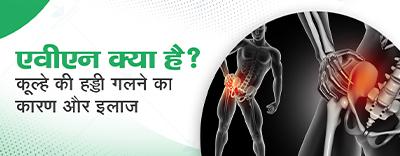
एवीएन (Avascular Necrosis) एक रोग है जिसमें कूल्हे की हड्डी में रक्त प्रवाह बंद हो जाता है, जिससे हड्डी धीरे-धीरे गलने लगती है। इसके कारण दर्द, चलने में दिक्कत और हड्डी खराब हो सकती है। इलाज में दवा, फिजियोथेरेपी या सर्जरी की जरूरत पड़ सकती है।
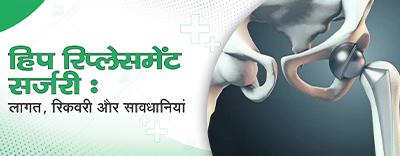
हिप रिप्लेसमेंट सर्जरी एक सुरक्षित और प्रभावी प्रक्रिया है जो गंभीर जोड़ दर्द से राहत दिलाकर चलने-फिरने की क्षमता को बेहतर बनाती है। इसमें हिप का क्षतिग्रस्त हिस्सा कृत्रिम जोड़ से बदला जाता है।

नोएडा में हिप रिप्लेसमेंट सर्जरी एक सुरक्षित और प्रभावी उपचार है, जो गंभीर हिप दर्द और चलने में परेशानी से राहत दिलाने में मदद करता है।
बरसात के मौसम में हड्डियों की सेहत पर खास असर पड़ता है। सही सावधानियां अपनाकर फ्रैक्चर और कमजोरी से बचा जा सकता है।
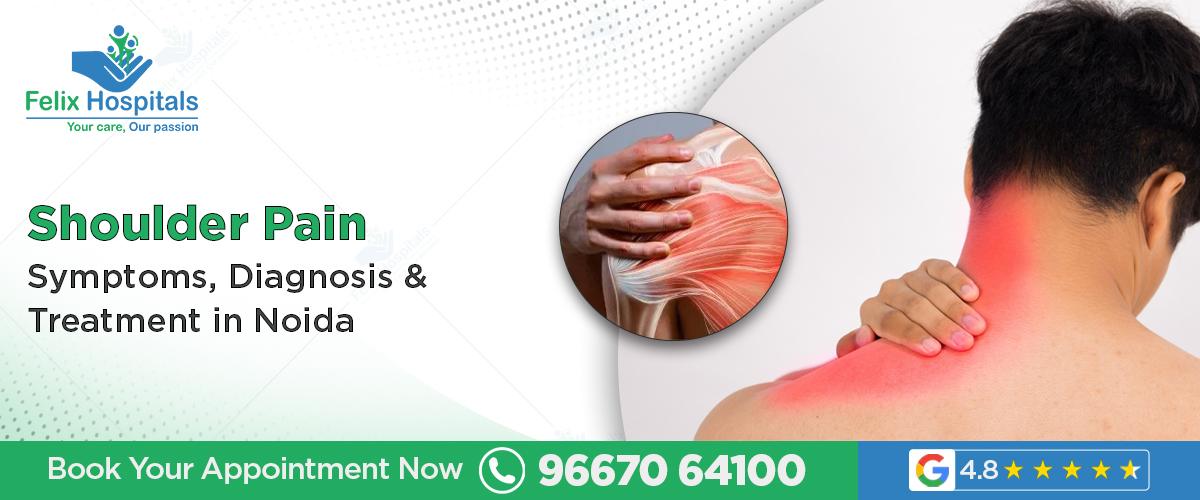
One of the most widespread musculoskeletal pain conditions is shoulder pain that occurs in people of any age. Shoulder pain may greatly affect everyday activities among desk workers and athletes to older persons, which include lifting, dressing, driving, and even sleeping. Shoulder pain should not be ignored as it may aggravate the situation and result in permanent stiffness or disability.
Education on the causes, realities of early signs of warning and timely treatment are key factors in effective recovery. This handbook describes the symptoms of shoulder pain, diagnostic procedures, and therapeutic alternatives, along with the time when an orthopaedic specialist should be sought in Noida.
Consult orthopedic surgeon for shoulder pain Noida today call at +91 9667064100
It is a complex joint constituted by bones, muscles, tendons, and ligaments that enable a big amount of motion in the shoulder. Due to such complexity, it is susceptible to injuries, inflammation, and wear-and-tear diseases.
As a sudden onset of pain, it can happen in the shoulder as a result of injury or as a gradual process caused by repetitive movements or ageing content.
Patients often ask, what are the common symptoms of shoulder pain? The symptoms can be differing depending upon the cause.
Common symptoms include:
Pain on lifting or rotating of the arm.
Rigidity or lack of motion.
Peri-joint edoema/tenderness.
Arm or shoulder weakness.
Night or activity exacerbated pain.
Chronic symptoms cannot be left unnoticed, and once the problem is treated early, it cannot develop complications.
Some of the conditions that cause Shoulder pain include:
Rotator cuff injuries
Shoulder arthritis
Tendonitis or bursitis
Shoulder dislocation/fracture.
Repetitive strain injuries
Proper diagnosis is an important aspect of specific treatment.
Many patients wonder, how is shoulder pain diagnosed by doctors in Noida? With the help of meticulous history and physical examination, diagnosis is initiated.
Such diagnostic methods can be:
Shoulder testing of movement and strength.
Bone related issues- X-rays are used to detect them.
Soft tissue injuries MRI or ultrasound.
Blood tests in case of suspicion of inflammation or infection.
Higher diagnostic tools contribute to recognising the precise cause and define the plan of treatment.
Early diagnosis allows:
Faster pain relief
Avoidance of stiffness in joints.
Prevention of long term disability.
Less surgical intervention is required.
Putting the visit to the doctor off might complicate the process of healing.
Patients often seek the best treatment for chronic shoulder pain in Noida when pain persists for weeks or months.
The treatment plans will be based on the underlying condition and severity and may include:
Pain and inflammatory medications.
Physical therapy in order to regain movement.
Activity modification
Postural correction
Image guided injections where necessary.
An individual approach can guarantee the best results.
Very often, there is no necessity of surgery. Non-surgical treatment options for shoulder pain in Noida are effective for most patients.
Rehabilitation and physiotherapy activities.
Anti-inflammatory medications
Hot and cold therapy
Modification of lifestyle and ergonomics.
Pain ketamine injections.
These are treatments designed to help in alleviating pain, build strength, and regain functionality.
A key concern is when to consult an orthopaedic doctor for shoulder pain? It is advised to be medically assessed in case:
Suffering continues more than two weeks.
The limitations are further limited in motion.
Pain interferes with sleep
Weakness or numbness of the arm.
The injury/fall is followed by pain in shouldering.
Consultation helps to avoid further deterioration of the situation.
Physiotherapy is thought to be pivotal in the management of shoulder pain because:
Enhancing the flexibility and strength.
Reducing stiffness
Preventing recurrence
Strengthening the functional movement.
Frequent therapy sessions are also very effective in the recovery results.
Advanced therapies are possible to be used in patients who fail in the conservative care protocol, and they include:
Independent surgical treatments.
Arthroscopic interventions
Surgical correction of severe damage to tendons or joints.
Shoulder pain: lifestyle changes in living with pain.
Simple lifestyle interventions can be in line with recovery:
Eliminating repetitive movements of the head.
Maintaining proper posture
Using ergonomic furniture
Regular exercise of the prescribed work.
All these measures minimise the load on the shoulder.
When the experienced orthopaedic specialists are chosen, it guarantees:
Accurate diagnosis
Evidence-based treatment
Lower complication risks
Faster recovery
The Best Orthopaedics Hospital in Noida is easily accessible offering a full range of shoulder care in a single place.
Shoulder pain doctor online consultation Noida has made it possible to get to the patients with the convenience of providing them immediate advice and follow-up.
In case of chronic symptoms, one should visit an orthopaedic surgeon of Noida so that the pain in the shoulder would be properly assessed and the treatment planned.
Prevention measures involve:
Routine physical workouts.
Correct warming up prior to physical activity.
Avoiding acute weight lifting.
Eating at a healthy weight.
Prevention of shoulder pain lowers recurrence of shoulder pain.
Need to make an online consultation with doctor Noida shoulder pain or visit the Best Orthopaedics Hospital in Noida, Call +91 9667064100.
The untreated shoulder pain can seriously interfere with the normal routines. Recognising what are the common symptoms of shoulder pain, understanding how shoulder pain is diagnosed by doctors in Noida, and seeking the best treatment for chronic shoulder pain in Noida are crucial steps toward recovery. With timely diagnosis, appropriate non-surgical treatment options for shoulder pain in Noida, and expert orthopaedic care, most patients can regain pain-free movement and prevent long-term complications.
Q1: Does shoulder pain resolve on its own?
A: Mild pain can get better, but the chronic pain should be evaluated by the physician.
Q2: Is pain in the shoulder necessarily associated with injury?
A: No, it may equally be due to overuse, posture or degeneration.
Q3: What are the recommended rest periods of my shoulder when in pain?
A: Brief rest will be beneficial, and excessive rest that lasts too long may contribute to stiffness.
Q4: Is physiotherapy able to bring about a full relief in the shoulder pain?
A: Visa versa, very many patients can heal completely under a course of structured physiotherapy.
Q5: Are all cases of chronic shoulder pain necessarily surgical?
A: Nay, most of the cases respond to non-surgical treatment.

Frozen shoulder is a common condition in which the shoulder stiffens, reducing its mobility. It commonly affects people aged between 40 and 60 years, and it is more likely in women than in men.
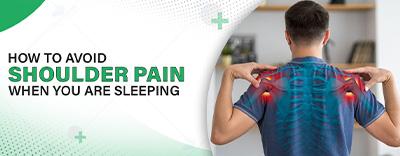
Prevent shoulder pain while sleeping with the right posture, supportive pillows, and nighttime stretches for a restful, pain-free sleep.

Angioplasty, also known as percutaneous coronary intervention (PCI), is a minimally invasive procedure used to restore blood flow in blocked or narrowed coronary arteries. This procedure is critical for patients experiencing severe coronary artery disease, angina, or after a heart attack. Early consultation with a skilled cardiologist ensures timely diagnosis and intervention, preventing further heart damage. In Noida, access to specialized cardiac care and advanced heart hospitals makes it easier for patients to seek professional guidance and plan their treatment. Understanding how to book an angioplasty consultation efficiently, whether online or in-person, is the first step towards safeguarding heart health and ensuring that patients receive prompt, expert care.
If you are experiencing chest pain, shortness of breath, or other cardiac symptoms, call +91 9667064100 to book an angioplasty consultation with the best cardiologist in Noida today. Early consultation can save your heart.
Angioplasty is a procedure designed to widen blocked or narrowed coronary arteries using a balloon catheter, often accompanied by the placement of a stent to keep the artery open. This treatment improves blood flow to the heart, reduces chest pain, prevents heart attacks, and enhances overall cardiac function. Many patients delay seeking care due to fear, lack of information, or confusion about consultation procedures. Recognizing early signs of coronary artery disease—such as chest pain, shortness of breath, fatigue, or palpitations—can prompt timely consultation. Hospitals in Noida are equipped with state-of-the-art cardiac labs and experienced cardiologists who specialize in angioplasty, offering patients a safe and reliable environment for diagnosis and treatment planning.
Booking an angioplasty consultation in Noida can be done through multiple channels, each designed to provide convenience and immediate access to medical professionals. Patients can choose online appointment booking through hospital websites or dedicated telemedicine portals. This method allows individuals to select a cardiologist, choose a convenient time slot, and even submit initial health records for pre-assessment. Offline booking at hospital reception desks is also available for those who prefer in-person interactions. When scheduling an appointment, patients are advised to prepare relevant medical history, previous reports, and information about ongoing medications to ensure the cardiologist has a complete understanding of the patient’s health status before the consultation. Leading heart hospitals in Noida offer dedicated cardiac coordinators to assist patients with scheduling, insurance verification, and any additional inquiries.
Selecting a qualified and experienced cardiologist is essential for a successful angioplasty procedure. Patients should look for cardiologists with extensive experience in percutaneous coronary interventions, advanced diagnostic skills, and a strong track record of successful procedures. Noida has several reputed heart hospitals with specialists who are internationally trained and equipped to manage complex cases. Personal recommendations, online reviews, and hospital reputation can also guide patients in choosing the right cardiologist. During the consultation, the doctor will evaluate symptoms, review previous test results, and may recommend further diagnostic tests such as coronary angiography, echocardiography, or stress testing. Early consultation not only helps in planning the procedure but also provides an opportunity for patients to understand the risks, benefits, and recovery process associated with angioplasty.
Preparation before an angioplasty consultation enhances the efficiency and effectiveness of the appointment. Patients are advised to list all symptoms experienced, document the frequency and intensity of chest pain or discomfort, and maintain records of past cardiac events. Sharing information about lifestyle habits, including smoking, alcohol consumption, diet, and exercise, allows the cardiologist to provide personalized recommendations. Any pre-existing conditions such as diabetes, hypertension, or kidney disease should also be disclosed. In addition, bringing a list of current medications ensures that the doctor can evaluate potential drug interactions or necessary adjustments before the procedure. Hospitals in Noida often provide pre-consultation guidance to help patients gather and organize all necessary medical documents, making the appointment more productive.
Online booking has become a convenient option for patients in Noida seeking angioplasty consultations. Most leading cardiac centers provide secure online portals or apps where patients can choose a doctor, select a time slot, and upload medical records. This eliminates the need for multiple hospital visits and allows preliminary assessments before in-person consultation. Online consultations also enable patients to discuss concerns, clarify doubts about the procedure, and receive guidance regarding pre-procedure tests. Moreover, patients can receive reminders and follow-up notifications through these digital platforms, ensuring they remain informed and prepared. Hospitals with telemedicine facilities also allow video consultations, enabling patients to receive professional advice without delay, particularly important for those with mobility issues or residing in distant locations.
During an angioplasty consultation, the cardiologist or heart specilist in Noida conducts a comprehensive evaluation of the patient’s heart health. This includes reviewing medical history, current medications, symptoms, and previous diagnostic reports. The doctor may recommend additional tests such as electrocardiograms, echocardiography, or coronary angiography to confirm the severity of arterial blockages. Based on the findings, the cardiologist discusses suitable treatment options, explains the angioplasty procedure, outlines possible risks and benefits, and advises on pre-procedure preparation. Patients can also ask questions about hospital stay, recovery time, lifestyle changes, and follow-up care, helping them make informed decisions about angioplasty treatment.
Early consultation for angioplasty provides multiple benefits. Patients gain timely access to expert evaluation, accurate diagnosis, and personalized treatment planning, reducing the risk of heart attacks or other cardiac complications. It allows the cardiologist to implement preventive strategies, recommend medications, and advise on lifestyle modifications to manage symptoms while preparing for the procedure. Early consultation also minimizes stress for the patient and family, as clear guidance and a structured treatment plan are provided. Noida’s top cardiac centers emphasize patient education, ensuring that individuals understand the procedure, recovery expectations, and the importance of adherence to medical advice for long-term heart health.
Once the consultation is complete and the cardiologist recommends angioplasty, patients can schedule the procedure based on availability, urgency, and personal convenience. Hospitals in Noida offer streamlined processes for admission, pre-procedure tests, and surgical scheduling. Experienced cardiac teams handle angioplasty with precision, using advanced imaging, high-quality stents, and post-procedure monitoring to ensure patient safety. Patients are also briefed on recovery timelines, follow-up appointments, and post-procedure medications, ensuring a smooth transition from consultation to treatment.
Post-angioplasty care is crucial for a successful recovery. Patients are advised to monitor symptoms, follow medication schedules, adhere to dietary restrictions, and attend scheduled follow-up visits. Cardiac rehabilitation programs in Noida provide structured exercise, lifestyle counseling, and ongoing support to strengthen heart health and prevent recurrence. Regular monitoring of blood pressure, cholesterol, and glucose levels, combined with adherence to doctor’s advice, significantly enhances long-term outcomes. Patients are encouraged to maintain communication with their cardiologist to address any concerns promptly and ensure a smooth recovery.
Adopting a heart-healthy lifestyle is essential after angioplasty. Patients should follow a balanced diet low in saturated fats and high in fiber, engage in regular physical activity as recommended, maintain a healthy weight, and avoid smoking or excessive alcohol. Stress management, adequate sleep, and monitoring of blood pressure and blood sugar levels contribute to long-term heart health. Participation in structured cardiac rehabilitation programs ensures that patients regain strength, improve cardiovascular fitness, and reduce the risk of future blockages. Noida hospitals provide expert guidance on lifestyle modifications, making post-procedure care comprehensive and effective.
Don’t wait for severe cardiac symptoms. Call +91 9667064100 now to schedule an angioplasty consultation in Noida and receive expert evaluation, guidance, and treatment planning from leading cardiologists.
Booking an angioplasty consultation is a critical first step for patients experiencing coronary artery issues or at risk of a heart attack. Early consultation ensures timely diagnosis, expert evaluation, and an individualized treatment plan. Hospitals in Noida offer advanced cardiac facilities, experienced best cardiologists in Noida, and streamlined consultation processes, making it easy for patients to access care. By being proactive, understanding the procedure, preparing for consultation, and adhering to post-procedure guidelines, patients can significantly improve heart health, prevent complications, and achieve better long-term outcomes. Whether online or in-person, booking an angioplasty consultation promptly is essential for a safer, healthier heart.
Q1. How do I book an angioplasty consultation near me in Noida?
A: You can book online through hospital websites, telemedicine portals, or by visiting the hospital reception. Online portals allow uploading reports and selecting preferred cardiologists.
Q2. What should I prepare before my angioplasty consultation?
A: Prepare your medical history, previous test reports, list of medications, lifestyle details, and symptoms to ensure a productive consultation.
Q3. How soon will the cardiologist schedule angioplasty after consultation?
A: Scheduling depends on urgency, availability, and patient condition. Hospitals in Noida streamline admissions to minimize wait times.
Q4. Can I get an online consultation before visiting the hospital?
A: Yes, many hospitals in Noida provide secure online or video consultations to review symptoms, discuss treatment options, and schedule the procedure.
Q5: What lifestyle changes are recommended after angioplasty?
A: A heart-healthy diet, regular exercise, stress management, quitting smoking, and regular follow-ups with a cardiologist are essential for long-term heart health.

Heart attack signs early is crucial because timely intervention can significantly reduce the risk of severe complications and improve outcomes.

A heart attack, or myocardial infarction,occurs when the blood supply to a portion of the heart is cut off due to the formation of a blood clot in one of the coronary arteries.
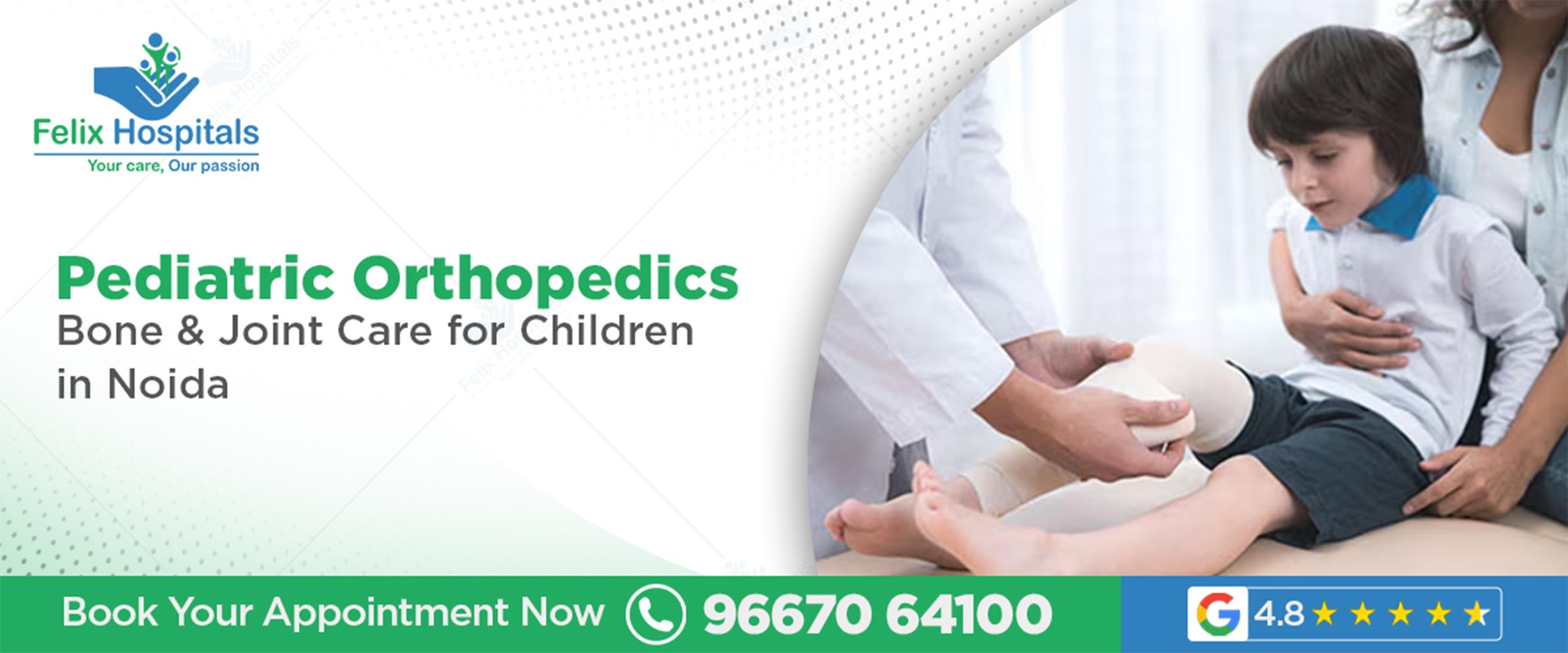
The bones and joints of children are always under development thus predisposed to injuries, deformities, and developmental disorders. Paediatric orthopaedics is the specialty that is involved in the diagnosis and treatment of musculoskeletal disorders in infants, children, and adolescents. Parents often look for Which is the best pediatric orthopedic doctor in Noida when their child shows signs of bone pain, limping, or delayed movement milestones.
Children can not be cured like adults; their bones are not healing as they need special attention. Early diagnoses referring to a qualified paediatric orthopaedic are crucial to proper diagnoses and to avoid lifetime complication, which can influence the growth, posture as well as mobility.
When your child is experiencing bone pain, injury or movement problems, make an appointment with a paediatric orthopedist. Call +91 9667064100
Orthopaedic problems in children may be acquired in terms of growth patterns and injuries and congenital conditions. Consulting a Bone & joint specialist for children in Noida helps identify these problems early and plan appropriate treatment.
Paediatric orthopaedic common conditions include:
Bow legs and knock knees
Clubfoot and flat feet
Congenital hip dysplasia
Limb length discrepancies
Bone infections and tumors
Treatment at an early stage enhances results.
Children do not necessarily communicate pain. Knowing When to see a pediatric orthopedic specialist for kids helps parents act before a condition worsens.
Warning signs include:
Stop-loss limb or joint pain.
Stuttering or change in the way he walks.
Swelling around joints
Delayed sitting, standing or walking.
Limb length and posture imbalances.
Early consultation eliminates permanent deformities.
Children may also have bone deformities which are developed during development or at birth. When parents are in need of the Best hospital for children’s bone deformity treatment in Noida, it is necessary to focus on those facilities that provide a state-of-the-art investigations and interdisciplinary services.
Treatment varies on the severity and it might involve:
Bracing or casting
Treatment of growth modulation.
Surgery in advanced cases which is corrective.
Surgery is sometimes avoided by early intervention.
Children do not sit back; they fall and get injured. Access to Child bone fracture emergency care in Noida is crucial to prevent improper healing and growth plate damage.
Emergency orthopaedic address is concerned with:
Proper fracture-alignment.
Pain control
Growth plate protection
Correct casting or surgical fixation.
Timely treatment leads to quicker recovery and regular development of bones.
Sports activity is good but it poses risk to injury. Parents would find a way to recover through Sports injury treatment for kids Noida in order to avoid repetition of injuries and to make sure that the recovery process is safe.
Sports-related injuries are common and they include:
Sprains and strains
Stress fractures
Ligament injuries
Overuse injuries
Paediatric follow-up guarantees safe back to being active.
Joint pains are not necessarily growing pains. A visit to a Child joint pain specialist Noida would eliminate the possibility of infections, inflammatory disorder, or malalignments.
Evaluation may include:
Physical examination
Imaging studies
Blood tests if needed
Assessment of posture and activities.
Chronic joint problems are avoided by early diagnosis.
Children do not constitute mini-adults. The bones of these people grow and remodel with time, and it is necessary to monitor them with an expert. The selection of the Best Paediatric Hospital in Noida will provide the possibility of highly-trained orthopaedic surgeons who specialise in children, child-friendly rehabilitation and high-quality imaging.
Specialized care focuses on:
Growth preservation
Less invasive/minimal procedures.
Pain-free recovery
Long-term mobility outcomes
It is a strategy of healthy development.
Proper diagnosis leads to effective cure. Parents consulting Which is the best pediatric orthopedic doctor in Noida benefit from hospitals equipped with child-specific diagnostic tools.
These may include:
Low-radiation X-rays in digital form.
Ultrasound for infants
MRI of the soft tissue and the joints.
Ambulation abnormality analysis.
The diagnostics with children is safe and accurate.
In the majority of cases of orthopaedic conditions in children, it is possible to treat them without surgery. A Bone & joint specialist for children in Noida often recommends conservative treatments first.
Exercises and physiotherapy.
Bracing or orthotics
Activity modification
Pain management
Natural healing is facilitated by these practises.
Surgery is carried out only when it is necessary. The parents who want to get the Best hospital for children’s bone deformity treatment in Noida ought to aim at finding the centres that undertake the good works in the field of paediatric orthopaedic surgeries.
Surgical goals include:
Correcting deformities
Preserving growth plates
Restoring joint function
Reducing complications in the future.
State of the art methods enhance safety and recovery.
Treatment is not the final stage of recovery. When children need Sports injury treatment for kids Noida or when they have a fracture, rehabilitation and follow up is to be implemented in a structured manner.
Rehabilitation focuses on:
Flexibility and strength, regaining.
Preventing stiffness
Monitoring bone growth
Making safe the return to activities.
Having constant follow-ups is a way of success in the long run.
Parental consciousness makes a significant contribution to results. Knowing When to see a pediatric orthopedic specialist for kids empowers parents to act early and support recovery.
Proper posture, safe play, nutritious food containing great amounts of calcium and vitamin D, and following medical consultation are good encouragements to the child to recuperate well and become stronger.
To consult a specialist and provide correct diagnosis and professional paediatric orthopaedic care to your child, visit one now. Call +91 9667064100
Orthopaedic care to children is critical in supporting normal growth and development in children. Early diagnosis and special treatment will be the difference between bone abnormalities and bone fracture, athlete injuries, and joint pain. The availability of effective, high-quality, and age-specific paediatric orthopaedic care is guaranteed by access to such services in Noida.
Having a good level of diagnostics, non-surgery, and highly competent surgical care in case of necessity, parents can be sure of the child being healthy with regard to its bones and joints. In addition to curing on the existing issues Timely intervention will ensure that there are no longterm mobility problems such that children will be able to live active and healthy lives.
Q:1 Is it necessarily serious when children have a bone problem?
A: No, most of them are mild even though they ought to be assessed in the early stages.
Q:2 Do children heal faster than adults of fractures?
A: Children usually have an increased rate of healing under proper care, yes.
Q:3 Is paediatric orthopaedics surgery common?
A: No, the majority of conditions are not operated.
Q:4 Shall we disregard joint pain among children?
A: No, incessant pain must be assessed any time.
Q5: Will sports injuries have an impact to the growth of a child?
A: Yes they can have an influence on growth plates unless they are treated.
Pediatric rheumatology focuses on diagnosing and treating autoimmune and inflammatory disorders affecting children’s joints, muscles, and connective tissues.
During sleep, the body releases growth hormones, which are essential for a child's growth and development. Adequate sleep is vital for muscle development, tissue growth, and the overall physical health of a child.

Search the best hospital for your child in Noida the team of experienced pediatricians is dedicated to supporting parents and guiding children on their journey to a healthy life.

Winter is a season of joy, holidays, and outdoor fun. However, it also brings increased susceptibility to viral infections, especially in children. Winter viral fever in kids is a common concern during colder months due to seasonal viruses, weakened immunity, and prolonged indoor exposure. Timely care from an experienced pediatrician can help manage symptoms, prevent complications, and ensure a smooth recovery. This guide provides a detailed overview for parents to understand causes, treatment strategies, preventive measures, and hospital based care in Noida.
Ensure your child receives expert pediatric care this winter. Call +91 9667064100 to book an appointment
Children’s immune systems are still developing, which makes them more vulnerable to infections during winter. Winter viral fever causes in children are usually linked to viral pathogens that spread easily in crowded environments. Some common causes include:
Influenza virus: Causes high fever, body aches, fatigue, and cough.
Respiratory syncytial virus (RSV): Leads to cold-like symptoms, sometimes affecting breathing.
Rhinovirus: Commonly responsible for mild colds and low-grade fevers.
Adenoviruses and Coronaviruses: Often cause fever, sore throat, and gastrointestinal disturbances.
Children may present with sudden onset fever, runny nose, cough, chills, loss of appetite, and irritability. Recognizing these early symptoms allows parents to seek timely professional care, reducing the risk of serious complications.
Early detection of winter viral fever in kids is essential. Parents should monitor for:
Fever that develops quickly or lasts more than two days
Persistent cough, nasal congestion, or runny nose
Unusual fatigue, irritability, or loss of appetite
Muscle aches or body pain
Vomiting or diarrhea in some cases
Keeping track of symptoms helps pediatricians in diagnosing the illness correctly and initiating proper treatment. Prompt medical attention is especially critical for infants, toddlers, and children with pre-existing conditions.
Most viral fevers in children resolve on their own, but supportive care is vital. Parents can follow guidelines for how to treat viral fever in kids during winter:
Hydration: Offer water, soups, herbal teas, or ORS (oral rehydration solution) to prevent dehydration.
Rest: Encourage your child to take frequent naps and reduce strenuous activities.
Fever management: Administer age-appropriate medications like paracetamol or ibuprofen as advised by a pediatrician.
Balanced nutrition: Provide light, nutritious meals including fruits, vegetables, and proteins.
Comfort measures: Use lukewarm baths, lightweight clothing, and a cozy resting area to reduce discomfort.
It is important to avoid self-medicating with antibiotics, as they are ineffective against viruses and may lead to antibiotic resistance.
While mild fevers can often be managed at home, knowing when to consult a pediatrician for child fever is crucial. Immediate consultation is recommended if:
Fever persists for more than three days or exceeds 102°F (38.9°C)
The child experiences breathing difficulties, chest congestion, or wheezing
Persistent vomiting or signs of dehydration are present
Seizures or extreme lethargy occur
Fever is accompanied by rashes, joint pain, or swelling
Timely medical evaluation ensures accurate diagnosis, appropriate treatment, and minimizes the risk of complications.
Selecting the right doctor can make a significant difference in recovery. A best child doctor for winter illnesses should have:
Board certification in pediatrics and experience treating viral infections
Access to advanced diagnostic facilities for quick and accurate assessment
Availability for emergency consultations in severe cases
Ability to provide clear guidance on home care and preventive strategies
Hospitals in Noida offering dedicated pediatric care can ensure that children receive timely treatment in a safe and child-friendly environment.
A specialized pediatric hospital in Noida provides comprehensive care for children with viral fevers. Benefits of hospital-based care include:
Accurate Diagnosis: Advanced testing to confirm viral vs. bacterial infections
Timely Intervention: Immediate management for high fevers or complications
Specialized Staff: Pediatric nurses trained in child-friendly care
Emergency Facilities: Rapid response for severe respiratory or dehydration issues
Follow-Up Care: Monitoring recovery to prevent relapses
Felix Hospital, with its modern pediatric department, offers expert evaluation, round-the-clock care, and supportive services tailored to each child’s needs.
Prevention is always better than cure. Parents can reduce the risk of winter viral fever in kids with simple daily practices:
Hand hygiene: Teach children to wash hands frequently with soap and water.
Appropriate clothing: Dress children in layers to stay warm indoors and outdoors.
Indoor environment: Keep rooms ventilated but warm, and use humidifiers in dry areas.
Balanced diet: Include seasonal fruits, vegetables, and immunity-boosting foods.
Vaccinations: Ensure children receive the influenza vaccine and other age-appropriate immunizations.
These preventive strategies strengthen immunity and help children fight off seasonal viral infections more effectively.
Alongside professional treatment, home care plays a vital role in recovery. Supportive measures for winter viral fever in kids include:
Keeping children hydrated with warm fluids, juices, or soups
Creating a comfortable resting area with minimal noise and distractions
Using a soft humidifier to ease breathing during dry winter months
Monitoring temperature, appetite, and overall activity levels daily
Providing emotional support to reduce anxiety and irritability
Combined with hospital guidance, home care ensures quicker recovery and reduces the likelihood of complications.
Expert pediatricians help manage seasonal viral infections efficiently. A qualified best pediatrician in Noida provides:
Accurate assessment and early diagnosis
Individualized treatment plans tailored to age, weight, and medical history
Guidance on home care and follow-up schedules
Advice on nutrition, hygiene, and preventive measures
Access to an experienced pediatrician ensures children recover faster and remain healthy during the challenging winter months.
Don’t wait for symptoms to worsen. Call +91 9667064100 to consult a top pediatrician and safeguard your child’s health this winter.
Winter viral fever in children is common but manageable with proper awareness, timely medical attention, and preventive care. Recognizing winter viral fever causes in children, monitoring symptoms, and consulting the best pediatrician in Noida ensures effective treatment. Hospitals like Felix Hospital offer specialized pediatric care, combining advanced diagnostics, personalized treatment, and comprehensive home care guidance. Early intervention, combined with supportive home care, can make winter safe and healthy for every child.
Q1: How long does winter viral fever usually last in children?
A: Most mild viral fevers resolve within 3–5 days with adequate rest and hydration. Persistent or high fevers require pediatric evaluation.
Q2: Can viral fever lead to serious complications in children?
A: Yes, especially in infants or children with weak immunity. Complications may include dehydration, pneumonia, or febrile seizures.
Q3: Are antibiotics effective against viral fever?
A: No, antibiotics do not work against viral infections. They are only prescribed if a secondary bacterial infection occurs.
Q4: How can parents prevent winter viral fever?
A: Through proper hygiene, vaccination, balanced nutrition, adequate sleep, and appropriate clothing for cold weather.
Q5: When should I urgently consult a pediatrician for my child’s fever?
A: Seek immediate consultation if fever exceeds 102°F, lasts more than three days, or if the child has breathing difficulty, persistent vomiting, seizures, or unusual drowsiness.

Building healthy habits in the formative years of a child lays the foundation for the healthy living. By teaching them to enjoy healthy eating at a tender age helps for the overall development and growth for life.
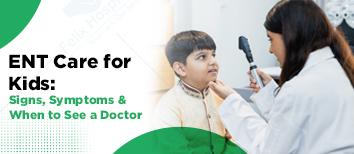
ENT care is essential for children facing issues like frequent ear infections, sore throats, snoring, or hearing problems.

Common health issues in kids can be managed with timely care and regular check-ups.

Winter is often associated with festive cheer, comfort food, and cozy evenings indoors. However, medical data consistently shows a noticeable rise in heart attacks during the colder months. For people living in urban regions like Noida, winter-related lifestyle changes combined with cold weather effects can significantly increase cardiac risk. Understanding why heart attacks increase in winter and recognizing the early warning signs can help prevent life-threatening emergencies.
If you experience chest discomfort, breathlessness, or unusual fatigue this winter, do not wait. Call +91 9667064100 to consult a Cardiologist In Noida today.
How cold weather affects heart function is closely linked to the body’s response to low temperatures. When exposed to cold, blood vessels constrict to conserve heat. This narrowing increases blood pressure and forces the heart to work harder to pump blood through the body.
Additionally, cold weather thickens the blood slightly, increasing the likelihood of clot formation. For individuals with existing heart disease or risk factors like diabetes or high cholesterol, this combination significantly raises the risk of a heart attack during winter.
Heart attacks are more common in winter due to a combination of environmental, physiological, and lifestyle factors. The body is under extra stress trying to maintain warmth, while seasonal habits often worsen cardiovascular health.
Key contributing factors include:
Together, these factors create a dangerous environment for the heart.
Winter heart disease risk factors tend to affect both previously diagnosed heart patients and seemingly healthy individuals. Many people mistakenly assume heart attacks occur only in summer or due to extreme exertion, but winter poses unique dangers.
High-risk groups include:
For such individuals, even mild symptoms should not be ignored.
Cold weather discourages outdoor movement, leading to a sudden drop in daily physical activity. This inactivity contributes to weight gain, poor circulation, and worsening cholesterol levels.
When combined with rich winter diets, reduced exercise significantly increases the burden on the heart, making winter a critical period for cardiac monitoring.
Blood pressure naturally rises in colder temperatures. For people with borderline or uncontrolled hypertension, winter can push levels into dangerous ranges.
Sudden blood pressure spikes increase the risk of plaque rupture in coronary arteries, which can lead to heart attacks without prior warning.
Symptoms of heart attack in cold weather may differ slightly from classic textbook descriptions. Many winter heart attacks present with subtle or atypical signs, causing dangerous delays in treatment.
Common symptoms include:
In winter, these symptoms are often mistaken for acidity, gas, or flu.
Early signs of heart attack are often mild and intermittent, especially in the early stages. Ignoring these signals can allow a partial blockage to become a complete obstruction.
Warning signs include:
Prompt evaluation during this stage can prevent major heart damage.
Women often experience non-classic symptoms, which become even harder to recognize during winter. Instead of severe chest pain, women may notice jaw pain, nausea, extreme fatigue, or breathlessness.
These symptoms are frequently ignored or attributed to stress or seasonal illness, delaying emergency care.
Heart attacks are more common in early morning hours, particularly in winter. Cold exposure after waking causes sudden increases in blood pressure and heart rate.
Additionally, morning dehydration and increased platelet stickiness raise the chances of clot formation, making early hours especially risky for cardiac events.
Heart attack prevention tips in winter focus on reducing strain on the heart and maintaining healthy circulation. Small daily adjustments can significantly lower risk.
Important preventive measures include:
Consistency is key during winter months.
Many heart patients reduce or stop medications during winter due to misconceptions or reduced symptoms. This can be dangerous.
Regular intake of prescribed blood pressure medicines, cholesterol-lowering drugs, and blood thinners is crucial to prevent winter cardiac events.
People with known heart disease should be especially cautious. Regular monitoring of blood pressure, sugar levels, and cholesterol becomes even more important in winter.
Consulting a cardiologist before winter begins can help adjust medications and preventive strategies based on seasonal risk.
Not all chest pain is a heart attack, but in winter, it should never be ignored. Pain associated with breathlessness, sweating, nausea, or radiation to the arm or jaw requires immediate medical attention.
Delaying care due to cold weather, fog, or traffic can result in irreversible heart muscle damage.
Early intervention within the “golden hour” of a heart attack can restore blood flow and minimize heart damage. Modern cardiac care allows rapid diagnosis and treatment, but timely arrival at a medical facility is essential.
Ignoring symptoms or waiting for pain to subside can be fatal.
Routine cardiac evaluations before winter help identify silent risk factors. Tests such as ECG, echocardiography, lipid profile, and stress testing can reveal underlying issues even in asymptomatic individuals.
Preventive checkups are especially important for people above 40 years of age.
Heart attacks are medical emergencies that demand immediate action. Contact +91 9667064100 for prompt emergency heart care services in Noida.
Heart attacks increase in winter due to a combination of cold-induced physiological changes, lifestyle factors, and delayed medical attention. Understanding how cold weather affects heart health, recognizing the early signs of a heart attack, and acting quickly can save lives. Consulting the Best Cardiologist in Noida ensures timely evaluation and expert guidance, especially for individuals with existing cardiac risk factors. Winter should be a season of caution, not complacency. With proper prevention, awareness, and access to specialized cardiac care, winter-related heart emergencies can be significantly reduced.
Q.1 Do heart attacks really increase in winter?
Ans. Yes, medical studies consistently show higher heart attack rates during colder months.
Q. 2 Can cold weather alone cause a heart attack?
Ans. Cold weather increases strain on the heart but usually triggers events in people with existing risk factors.
Q. 3 Are winter heart attacks more severe?
Ans. They can be, especially if medical care is delayed due to weather conditions.
Q. 4 Can young people get heart attacks in winter?
Ans. Yes, especially if they smoke, have high stress, or perform sudden intense workouts in cold weather.
Q. 5 Is chest pain during cold exposure always serious?
Ans. Not always, but it should be evaluated promptly to rule out heart-related causes.
Dr. Rahul Arora is an experienced Interventional Cardiologist with 21+ years of expertise in advanced cardiac care, specializing in personalized, evidence-based treatment for heart diseases and improved patient outcomes.
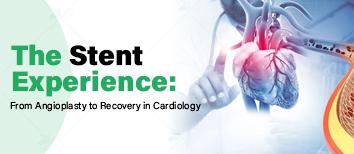
A stent procedure can be life-saving for those with blocked arteries. This guide walks you through the stent experience—from the angioplasty process to post-procedure recovery and lifestyle changes.

Find the best cardiologist for your heart care with these essential tips and expert advice.

However, stress, sedentary lifestyle, chronic diseases such as diabetes and hypertension, and genetic factors place young individuals at risk of heart attack.

Top cardiologist surgeon in Noida for safe and expert pacemaker implantation to regulate heart rhythm.

Pancreatic cancer is one of the most challenging cancers to diagnose and treat due to its silent progression and late presentation. The pancreas is a vital organ responsible for producing digestive enzymes and hormones such as insulin. When cancer develops in this organ, it often goes unnoticed in the early stages, making timely diagnosis difficult. In India, the incidence of pancreatic cancer has been steadily rising, and delayed detection remains a major concern.
Early identification and access to advanced medical care significantly improve outcomes. With growing awareness and improved diagnostic facilities, patients seeking pancreatic cancer hospitals in Noida now have better options for timely treatment and long-term management.
For expert evaluation and advanced pancreatic cancer diagnosis in Noida, call +91 9667064100.
Pancreatic cancer occurs when abnormal cells grow uncontrollably in the tissues of the pancreas. Most cases arise from the ducts of the pancreas and are known as pancreatic ductal adenocarcinoma. Due to the deep location of the pancreas in the abdomen, tumors often grow without causing noticeable symptoms until they reach an advanced stage.
The disease tends to progress aggressively, which is why early diagnosis and specialized care from an experienced best oncologist in Noida play a crucial role in improving survival and quality of life.
Recognizing the symptoms and causes of pancreatic cancer early can make a significant difference in outcomes. Unfortunately, symptoms are often vague and easily overlooked.
Common symptoms include:
Persistent upper abdominal or back pain
Unexplained weight loss
Loss of appetite
Jaundice (yellowing of skin and eyes)
Dark urine and pale stools
New-onset diabetes or sudden worsening of diabetes
Several risk factors contribute to the development of pancreatic cancer, including smoking, chronic pancreatitis, obesity, long-standing diabetes, genetic predisposition, and increasing age. Long-term inflammation of the pancreas increases the likelihood of malignant transformation.
Pancreatic cancer is often diagnosed late because early tumors rarely interfere with digestion or hormone production. Additionally, symptoms such as indigestion or fatigue are frequently mistaken for minor gastrointestinal issues. By the time noticeable symptoms develop, the cancer may have already spread to nearby organs or lymph nodes.
This makes awareness, routine health evaluation for high-risk individuals, and access to advanced pancreatic cancer diagnosis facilities extremely important.
Accurate and timely diagnosis is the cornerstone of effective treatment. Advanced diagnostic tools allow doctors to confirm cancer type, stage, and spread.
Diagnostic methods include:
Blood tests including tumor markers like CA 19-9
High-resolution CT scans and MRI
Endoscopic ultrasound (EUS) with biopsy
PET scans for metastatic evaluation
These investigations help determine whether the cancer is localized, locally advanced, or metastatic, guiding the treatment approach.
Staging defines how far the cancer has spread and directly influences treatment planning:
Early-stage: Cancer confined to the pancreas
Locally advanced: Spread to nearby blood vessels or tissues
Metastatic: Spread to distant organs such as liver or lungs
Early-stage disease offers the best chance for surgical intervention, while advanced stages require a combination of therapies to control disease progression.
When detected early, surgical treatment for pancreatic cancer offers the best chance for long-term survival. Surgery aims to remove the tumor completely along with surrounding tissues if required.
Common surgical procedures include:
Whipple procedure (pancreaticoduodenectomy)
Distal pancreatectomy
Total pancreatectomy in select cases
Surgery is complex and requires a highly experienced surgical oncology team, advanced ICU care, and comprehensive postoperative monitoring.
Not all pancreatic growths are cancerous. Some patients are diagnosed with cysts or benign tumors that may still require intervention. Pancreatic cyst and tumor removal is recommended when there is a risk of malignant transformation or when symptoms interfere with normal digestion.
Minimally invasive and laparoscopic approaches are increasingly used, reducing recovery time and complications while maintaining surgical precision.
For patients who are not candidates for surgery, or when cancer is diagnosed at an advanced stage, treatment focuses on disease control and symptom relief. These options may include:
Chemotherapy to slow tumor growth
Radiation therapy for local disease control
Targeted therapy in selected cases
Supportive and palliative care to improve quality of life
A multidisciplinary approach ensures that treatment is tailored to the patient’s overall health and cancer stage.
Effective pancreatic cancer management requires collaboration between gastroenterologists, oncologists, surgeons, radiologists, and nutrition specialists. A comprehensive care model improves treatment accuracy, reduces complications, and supports patients physically and emotionally throughout their journey.
Choosing a specialized center for pancreatic tumor treatment Noida ensures access to coordinated care, advanced technology, and experienced specialists.
Recovery after pancreatic cancer treatment requires careful monitoring. Nutritional support is critical, as pancreatic dysfunction can affect digestion. Enzyme supplements, dietary planning, and regular follow-ups help maintain strength and prevent complications.
Long-term surveillance is essential to detect recurrence early and manage treatment-related side effects.
To consult a best oncologist in Noida for personalized pancreatic cancer treatment planning, call +91 9667064100.
Pancreatic cancer remains a serious and complex disease, but early detection and timely intervention can significantly improve outcomes. Awareness of symptoms, access to advanced diagnostic tools, and expert-led treatment are key to managing this condition effectively. Patients seeking comprehensive care at a trusted Gastroenterology hospital in Noida benefit from integrated treatment strategies and long-term support.
Prompt medical attention should never be delayed when symptoms persist. Early action saves lives.
Q1. Is pancreatic cancer curable if detected early?
A: Early-stage pancreatic cancer can be treated effectively with surgery followed by additional therapies when needed.
Q2. Are pancreatic cysts always cancerous?
A: No, many cysts are benign, but some require removal to prevent cancer development.
Q3. How long does recovery take after pancreatic surgery?
A: Recovery may take several weeks and depends on the extent of surgery and overall health.
Q4. Can pancreatic cancer be managed without surgery?
A: Yes, in advanced cases, chemotherapy and supportive care help control disease progression.
Q5. Who should get screened for pancreatic cancer?
A: Individuals with strong family history, chronic pancreatitis, or genetic risk factors should consult specialists for screening.
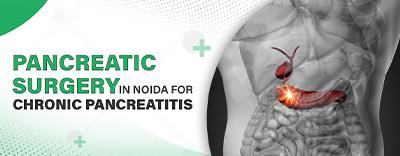
Expert pancreatic surgery for chronic pancreatitis is now available in Noida. Get advanced treatment options from experienced GI surgeons using minimally invasive techniques to reduce pain and improve quality of life.

What is pyloric stenosis is best explained as a blockage caused by muscle overgrowth. The pylorus acts like a gate between the stomach and the small intestine. In healthy babies, it opens and closes smoothly to allow milk to pass through. In pyloric stenosis, this muscle thickens and stays tightly closed, stopping food from moving forward. As feeding continues, the stomach becomes overfilled, leading to forceful vomiting. This blockage worsens gradually, which is why symptoms may not appear immediately after birth.
If your baby has repeated vomiting or feeding issues, expert evaluation is essential. Call +91 9667064100 to consult a trusted pyloric stenosis doctor in Noida today.
Pyloric stenosis in infants usually develops between the second and eighth week of life. Babies are born with a normal pyloric muscle, but in some infants, the muscle starts thickening after birth. As feeding volumes increase, the narrowing becomes more noticeable, and symptoms start to appear.
Parents often report that the baby was feeding normally initially, which can delay suspicion of a serious problem.
Pyloric stenosis risk factors include being male, being the first-born child, having a family history of pyloric stenosis, and premature birth. Babies whose parents or siblings had the condition are at higher risk.
Other contributing factors may include early exposure to certain antibiotics and bottle feeding, although these are still under medical study.
What are the symptoms of pyloric stenosis often start mildly and worsen over days. Vomiting is the most noticeable sign, but it is not the only one.
Common symptoms include:
Vomiting shortly after feeding
Projectile vomiting that increases in force
Baby appearing hungry again immediately
Poor weight gain
Fewer wet diapers
Signs of dehydration such as dry lips or lethargy
Recognizing these signs early prevents complications.
Projectile vomiting is different from normal spit-up. It forcefully shoots out and can travel a noticeable distance. Importantly, the vomit does not contain bile, which helps doctors rule out intestinal obstruction lower in the gut.
As vomiting continues, babies may become weak and dehydrated, making urgent evaluation necessary.
Even after vomiting, babies with pyloric stenosis often cry for feeds. This happens because food never reaches the intestine, so nutrients are not absorbed. The baby feels hungry despite repeated feeds, creating a cycle of feeding and vomiting that worsens dehydration.
This hunger-vomiting pattern is a classic clue for diagnosis.
What causes pyloric stenosis is not fully understood, but experts believe it involves abnormal nerve signals that prevent the pyloric muscle from relaxing. As a result, the muscle remains contracted and gradually thickens.
Genetic factors play a strong role, which explains why the condition often runs in families.
Pyloric stenosis complications develop when diagnosis is delayed. Continuous vomiting leads to severe dehydration, electrolyte imbalance, and a condition called metabolic alkalosis, which affects blood chemistry.
If untreated, these complications can become life-threatening, even though the condition itself is surgically curable.
Doctors begin with a detailed feeding history and physical examination. In some cases, an experienced doctor can feel a small, firm “olive-like” mass in the upper abdomen, which is the thickened pyloric muscle.
Ultrasound is the most reliable test and clearly shows muscle thickening and delayed gastric emptying.
Blood tests help identify dehydration and electrolyte imbalances caused by repeated vomiting. These imbalances must be corrected before surgery to ensure the baby’s safety.
Intravenous fluids are usually started immediately once pyloric stenosis is suspected.
Before surgery, the baby is stabilized with IV fluids to restore hydration and correct blood chemistry. This step is essential and significantly reduces surgical risks.
Once the baby is stable, surgery can be safely performed.
Surgery is the only permanent treatment for pyloric stenosis. Medications cannot reverse the muscle thickening. Once corrected surgically, the condition does not return.
Early surgery ensures faster recovery and prevents long-term complications.
Pyloromyotomy surgery in Noida is a well-established and safe procedure. During surgery, the surgeon cuts through the thickened pyloric muscle without damaging the inner lining, allowing food to pass normally into the intestine.
The surgery can be done through a small incision or using minimally invasive laparoscopic techniques, depending on the baby’s condition.
Pyloromyotomy has a very high success rate, with most babies recovering fully. Complications are rare when the procedure is performed by experienced pediatric surgeons.
The surgery itself usually takes less than an hour.
Most babies begin feeding within 12 to 24 hours after surgery. Mild vomiting may occur initially but resolves quickly as the stomach adjusts.
Within a few days:
Feeding becomes normal
Vomiting stops
Weight gain begins rapidly
Energy levels improve
Babies usually go home within 2–3 days.
Once treated, pyloric stenosis does not affect long-term growth or digestion. Children develop normally and do not require special diets or long-term medications.
Parents can be reassured that this condition leaves no lasting impact when managed early.
Any infant with repeated vomiting, poor feeding, visible stomach movements, or signs of dehydration should be evaluated urgently. Waiting can worsen dehydration and delay treatment.
Early care leads to simple, effective treatment and quick recovery.
Timely surgery ensures fast recovery and complete cure. Contact +91 9667064100 to book pyloromyotomy surgery in Noida with experienced specialists.
Pyloric stenosis can be frightening for parents, but it is one of the most successfully treated conditions in newborns. Understanding what pyloric stenosis is, recognizing early symptoms such as projectile vomiting, and seeking timely medical care can prevent serious complications. Consulting the Best Pediatrician in Noida ensures accurate diagnosis and prompt treatment. With advanced pediatric surgical facilities and expert doctors offering pyloromyotomy surgery in Noida, infants recover quickly and go on to live healthy, normal lives. Early diagnosis remains the most important factor for a smooth recovery.
Q.1 Is pyloric stenosis a medical emergency?
Ans. Yes, because ongoing vomiting can quickly lead to dangerous dehydration.
Q. 2 Can pyloric stenosis heal without surgery?
Ans. No, surgery is required for permanent correction.
Q. 3 Will my baby feel pain after surgery?
Ans. Pain is minimal and well controlled with modern pediatric care.
Q. 4 How soon can my baby feed normally again?
Ans. Most babies feed normally within a few days after surgery.
Q. 5 Can pyloric stenosis come back later in life?
Ans. No, once treated, it does not recur.
Search the best hospital for your child in Noida the team of experienced pediatricians is dedicated to supporting parents and guiding children on their journey to a healthy life.
Pediatric rheumatology focuses on diagnosing and treating autoimmune and inflammatory disorders affecting children’s joints, muscles, and connective tissues.
During sleep, the body releases growth hormones, which are essential for a child's growth and development. Adequate sleep is vital for muscle development, tissue growth, and the overall physical health of a child.

लंबे समय तक घुटने का दर्द आज के समय में कई लोगों की जीवनशैली को प्रभावित कर रहा है। यह केवल चलने-फिरने में परेशानी नहीं पैदा करता, बल्कि रोजमर्रा के कामों और मानसिक स्वास्थ्य पर भी असर डालता है। सही समय पर जांच और इलाज से दर्द को नियंत्रित किया जा सकता है और घुटने की कार्यक्षमता लंबे समय तक बनी रहती है। नोएडा में घुटने का दर्द अस्पताल उपलब्ध है। अगर आप नोएडा में लंबे समय से घुटने के दर्द की जांच या इलाज करवाना चाहते हैं, तो अनुभवी ऑर्थोपेडिक हॉस्पिटल का चयन करना महत्वपूर्ण है।
अभी अपॉइंटमेंट शेड्यूल करें – कॉल करें: +91 9667064100
घुटना शरीर का सबसे बड़ा जोड़ है और यह हर दिन दबाव और गतिविधियों का सामना करता है। लंबे समय तक दर्द के प्रमुख कारण निम्न हैं:
उम्र बढ़ने, वजन अधिक होने या जोड़ की अधिक उपयोग से घुटने के कार्टिलेज घिसता है। यह सूजन, जकड़न और लगातार दर्द का कारण बनता है।
यह ऑटोइम्यून रोग (Autoimmune diseases) है। जिसमें शरीर की प्रतिरक्षा प्रणाली घुटने के जोड़ पर हमला करती है। इसके कारण जोड़ सूजते हैं। लाल होते हैं और लंबे समय तक दर्द रहता है।
खेल, गिरने या किसी दुर्घटना के कारण हुई चोट लंबे समय तक दर्द का कारण बनती है। मिनिस्कस टियर या लिगामेंट इंजरी से जोड़ कमजोर हो सकता है और दर्द बार-बार लौटता है।
पुराने जोड़ में संक्रमण या सर्जरी के बाद संक्रमण घुटने में सूजन और लगातार दर्द का कारण बनता है।
अधिक वजन घुटनों पर दबाव बढ़ाता है। जोड़ जल्दी घिसते हैं। बैठे रहने या कम एक्टिव जीवनशैली से मांसपेशियां कमजोर होती हैं। जिससे दर्द लंबे समय तक बना रहता है।
यूरिक एसिड की अधिकता से जोड़ों में क्रिस्टल जमते हैं। जिससे अचानक दर्द और सूजन होती है।
आपको तुरंत डॉक्टर से संपर्क करना चाहिए अगर:
दर्द इतना तेज हो कि चलना मुश्किल हो या पैर मोड़ना मुश्किल हो।
लंबे समय तक सूजन और दर्द रहे, और घरेलू उपाय से आराम न मिले।
जोड़ में लालिमा, गर्मी या बुखार महसूस हो।
दर्द बार-बार लौटता हो या रोजमर्रा की जिंदगी प्रभावित कर रहा हो।
लंबे समय तक घुटने का दर्द केवल उम्र बढ़ने की समस्या नहीं है। बल्कि यह कई अलग-अलग बीमारियों और चोटों का संकेत भी होता है। सही कारण जानने के लिए डॉक्टर चरणबद्ध तरीके से जांच करते हैं, ताकि सटीक इलाज शुरू किया जा सके।
सबसे पहले डॉक्टर मरीज का विस्तृत शारीरिक परीक्षण करते हैं। जिसमें घुटने की बाहरी और भीतरी स्थिति को ध्यान से देखा जाता है। घुटने में सूजन, लालिमा या गर्माहट की जांच की जाती है, यह समझा जाता है कि दर्द किस जगह और किस मूवमेंट पर बढ़ता है। घुटने की मूवमेंट रेंज यानी वह कितना मुड़ और सीधा हो पा रहा है। इसका आकलन किया जाता है। चलते समय चरमराहट, लॉक होना या अस्थिरता पर ध्यान दिया जाता है और लिगामेंट व मेनिस्कस की मजबूती जांचने के लिए विशेष टेस्ट किए जाते हैं। यह पूरा परीक्षण डॉक्टर को दर्द के प्रारंभिक कारण को समझने में मदद करता है।
एक्स-रे सबसे सामान्य और प्रारंभिक जांच होती है, जिससे हड्डियों की स्थिति और जोड़ की संरचना का पता चलता है, ऑस्टियोआर्थराइटिस में जोड़ की जगह कम होने की जानकारी मिलती है और हड्डी में फ्रैक्चर, डिफॉर्मिटी या कैल्शियम डिपॉजिट जैसी समस्याएं स्पष्ट होती हैं।
जब दर्द का कारण एक्स-रे से स्पष्ट नहीं हो पाता, तब एमआरआई (MRI) कराई जाती है, जिससे लिगामेंट (एसीएल, पीसीएल) की चोट, मेनिस्कस टियर, कार्टिलेज की क्षति के साथ-साथ सूजन, सॉफ्ट टिश्यू और नसों की स्थिति का विस्तृत और स्पष्ट अध्ययन किया जाता है।
अगर डॉक्टर को सूजन, संक्रमण या गठिया का संदेह हो, तो खून की जांच कराई जाती है, जिसमें सीबीसी से संक्रमण या शरीर में सूजन का संकेत मिलता है, ईएसआर और सीआरपी से सूजन के स्तर का आकलन होता है, यूरिक एसिड से गाउट की पहचान की जाती है और आरएफ या एएनए टेस्ट से रूमेटॉइड आर्थराइटिस (Rheumatoid Arthritis) व अन्य ऑटोइम्यून रोगों का पता चलता है; ये सभी जांचें घुटने के दर्द के पीछे छिपी असली बीमारी को समझने में मदद करती हैं।
अगर घुटने में ज्यादा सूजन हो, तो डॉक्टर सुई की मदद से जोड़ से द्रव निकालकर उसका परीक्षण करते हैं, जिससे संक्रमण (सेप्टिक आर्थराइटिस) की पुष्टि की जाती है, गाउट (Gout) में यूरिक एसिड क्रिस्टल की पहचान होती है और खून या अन्य असामान्य तत्वों की जांच की जाती है; यह टेस्ट घुटने के दर्द के गंभीर कारणों को तुरंत पहचानने के लिए बेहद जरूरी माना जाता है।
घुटनों का दर्द आज की जीवनशैली में एक आम समस्या बनता जा रहा है। नोएडा ऑर्थोपेडिक डॉक्टर (Noida Orthopedic Doctor) उपलब्ध है। गलत बैठने-उठने की आदतें, अधिक वजन, चोट, बढ़ती उम्र और गठिया जैसी बीमारियां इसके प्रमुख कारण हैं। समय पर सही उपचार से सर्जरी की आवश्यकता को टाला जा सकता है।
आराम और गतिविधि नियंत्रणः
घुटने में दर्द या सूजन होने पर अत्यधिक चलने-फिरने, दौड़ने, सीढ़ियां चढ़ने-उतरने और कूदने जैसी गतिविधियों से बचना चाहिए, साथ ही लंबे समय तक खड़े रहने से भी परहेज करना जरूरी होता है। बैठते समय जमीन पर पालथी मारकर बैठने या स्क्वाट करने से बचना चाहिए, क्योंकि इससे घुटनों पर अतिरिक्त दबाव पड़ता है। आवश्यकता पड़ने पर नी-ब्रेस (Knee brace), नी-कैप या सपोर्ट बेल्ट का प्रयोग करना चाहिए, जिससे घुटने के जोड़ को स्थिरता मिलती है और दर्द व सूजन में राहत मिलती है।
आइस थेरेपीः
सूजन और दर्द कम करने के लिए बर्फ का प्रयोग बेहद लाभकारी होता है, जिसे दिन में 2 से 3 बार 10 से 15 मिनट तक करना चाहिए। बर्फ को सीधे त्वचा पर रखने के बजाय कपड़े में लपेटकर लगाना सुरक्षित रहता है। यह थेरेपी विशेष रूप से चोट लगने या अचानक हुई सूजन में काफी प्रभावी मानी जाती है।
दवाएंः
डॉक्टर की सलाह पर दर्द और सूजन कम करने वाली दवाएं दी जाती हैं, जैसे इबुप्रोफेन, नेप्रोक्सन और डाइक्लोफेनाक। यदि जोड़ में संक्रमण यानी सेप्टिक आर्थराइटिस की आशंका हो, तो एंटीबायोटिक्स भी दी जाती हैं। लंबे समय तक बिना चिकित्सकीय सलाह के दवाएं लेना स्वास्थ्य के लिए नुकसानदेह हो सकता है।
फिजियोथेरेपीः
फिजियोथेरेपी घुटने के इलाज का सबसे महत्वपूर्ण हिस्सा मानी जाती है, जिसमें मांसपेशियों को मजबूत करने की एक्सरसाइज, जोड़ की मूवमेंट बढ़ाने वाली रेंज-ऑफ-मोशन एक्सरसाइज कराई जाती हैं और मरीज को चलने-फिरने का सही तरीका सिखाया जाता है। नियमित फिजियोथेरेपी से घुटने का दर्द कम होता है और कई मामलों में सर्जरी की जरूरत भी टल सकती है।
वजन नियंत्रणः
अधिक वजन घुटनों पर अतिरिक्त दबाव डालता है, इसलिए वजन कम करने से घुटनों का दर्द काफी हद तक घट सकता है। इसके लिए संतुलित आहार और हल्की एक्सरसाइज अपनाना जरूरी है, साथ ही डायबिटीज (Diabetes)और मोटापे पर नियंत्रण रखना भी घुटनों के स्वास्थ्य के लिए बेहद महत्वपूर्ण होता है।
जब गैर-सर्जिकल उपायों से राहत नहीं मिलती, तब सर्जरी का विकल्प अपनाया जाता है।
आर्थ्रोस्कोपीः
यह एक मिनिमली इनवेसिव सर्जरी होती है, जिसमें छोटे चीरे के माध्यम से कैमरा डालकर घुटने के अंदर की समस्या देखी और ठीक की जाती है। यह प्रक्रिया मिनिस्कस टियर, लिगामेंट इंजरी या कार्टिलेज डैमेज में उपयोगी होती है, जिसमें रिकवरी जल्दी होती है और मरीज को अपेक्षाकृत कम दर्द रहता है।
नी रिप्लेसमेंट सर्जरीः
गंभीर आर्थराइटिस या जोड़ के अत्यधिक खराब होने पर नी रिप्लेसमेंट सर्जरी की जाती है, जिसमें पार्शियल नी रिप्लेसमेंट (Partial knee replacement) के तहत केवल क्षतिग्रस्त हिस्से को बदला जाता है, कम चीरा लगता है और रिकवरी तेज होती है, इसलिए यह हल्के से मध्यम मामलों में उपयुक्त मानी जाती है। वहीं टोटल नी रिप्लेसमेंट (Total knee replacement) में पूरा घुटना बदला जाता है, जो गंभीर दर्द, चलने में अधिक परेशानी और जोड़ के पूरी तरह घिस जाने की स्थिति में किया जाता है और यह लंबे समय तक राहत देने वाला प्रभावी विकल्प होता है।
सर्जरी के बाद रिकवरीः
सर्जरी के बाद सही देखभाल बेहद जरूरी होती है, जिसमें वॉकर, स्टिक या नी-सपोर्ट का प्रयोग, नियमित फिजियोथेरेपी, आइस थेरेपी से सूजन कम करना और डॉक्टर द्वारा दी गई दर्दनिवारक दवाओं का सेवन शामिल है। इसके साथ ही प्रोटीन, कैल्शियम और विटामिन-डी युक्त संतुलित आहार लेना भी आवश्यक होता है, जिससे रिकवरी तेज होती है और सही देखभाल से मरीज कुछ ही हफ्तों में सामान्य जीवन की ओर लौट सकता है।
सही बैठने और उठने की स्थिति का ध्यान रखें।
फर्श और घर की सुरक्षा: फिसलन कम करें, एंटी-स्लिप मैट और ग्रिप हैंडल को पकड़े।
हल्का और नियमित व्यायाम: तैराकी, योग, साइकिलिंग करें।
संतुलित आहार: कैल्शियम, प्रोटीन और विटामिन-डी का सेवन भरपूर करें।
वजन नियंत्रण: हर 5 किलो वजन घटाने से घुटनों पर दबाव लगभग 20 किलो कम होता है।
अनुभवी ऑर्थोपेडिक सर्जन, आधुनिक तकनीक और उन्नत इमेजिंग सुविधाएं, फिजियोथेरेपी यूनिट तथा इमरजेंसी सपोर्ट के साथ, मरीज की मेडिकल हिस्ट्री और रिपोर्ट के आधार पर व्यक्तिगत उपचार योजना तैयार की जाती है।
अभी अपॉइंटमेंट शेड्यूल करें – कॉल करें: +91 9667064100
लंबे समय तक घुटने का दर्द जीवन की गुणवत्ता पर बड़ा असर डालता है। समय पर जांच और इलाज जरूरी है। दवा, फिजियोथेरेपी (Physiotherapy), जीवनशैली सुधार और जरूरत पड़ने पर सर्जरी से दर्द और सूजन को नियंत्रित किया जाता है। विशेषज्ञ ऑर्थोपेडिक अस्पताल में सही उपचार से घुटने की कार्यक्षमता लंबे समय तक बनी रहती है। समय पर जांच और इलाज जरूरी है।
प्रश्न 1: क्या हर घुटने के दर्द में सर्जरी जरूरी है?
उत्तर: नहीं, अधिकतर मामलों में आराम, दवा और फिजियोथेरेपी से दर्द कम होता है।
प्रश्न 2: दर्द कम होने में कितना समय लगता है?
उत्तर: हल्का दर्द कुछ दिनों में कम हो सकता है। गंभीर या पुराना दर्द हफ्तों या महीनों तक रहता है।
प्रश्न 3: दर्द के दौरान चलना सुरक्षित है?
उत्तर: हल्की गतिविधि सामान्यतः सुरक्षित होती है। तेज दर्द या लालिमा में डॉक्टर की सलाह लें।
प्रश्न 4: वजन घटाने से दर्द कम होता है?
उत्तर: हां, वजन कम होने से घुटनों पर दबाव कम होता है और दर्द घटता है।
प्रश्न 5: नोएडा में अच्छा ऑर्थोपेडिक अस्पताल कैसे चुनें?
उत्तर: अनुभवी सर्जन, आधुनिक तकनीक, फिजियोथेरेपी यूनिट और इमरजेंसी सपोर्ट वाली सुविधाएं देखें।
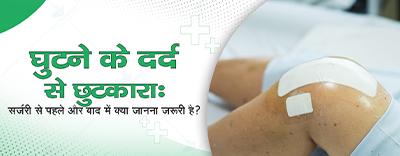
घुटनों का दर्द उम्र, चोट, या गठिया जैसी समस्याओं के कारण आम हो सकता है। जब दवाएं और फिजियोथेरेपी असर नहीं करतीं, तब घुटने की सर्जरी (जैसे कि घुटने का प्रतिस्थापन) जरूरी हो सकती है।

घुटने में दर्द के कारण, लक्षण और नोएडा में सबसे अच्छा इलाज जानें। ऑर्थोपेडिक डॉक्टर की सलाह, फिजियोथेरेपी और सर्जरी विकल्प।
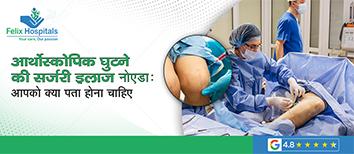
नोएडा में आर्थोस्कोपिक घुटने की सर्जरी के बारे में जरूरी जानकारी जानें—लक्षण, प्रक्रिया, रिकवरी और सही अस्पताल चुनने के महत्वपूर्ण टिप्स।

Subscribe to our
© Copyright 2026. All Rights Reserved by Felix Healthcare Private Limited
Design and development by :


 +(91)9667064100
 Emergency : +(91)9667064100