 WhatsApp
 Emergency:
  WhatsApp





Subscribe to our
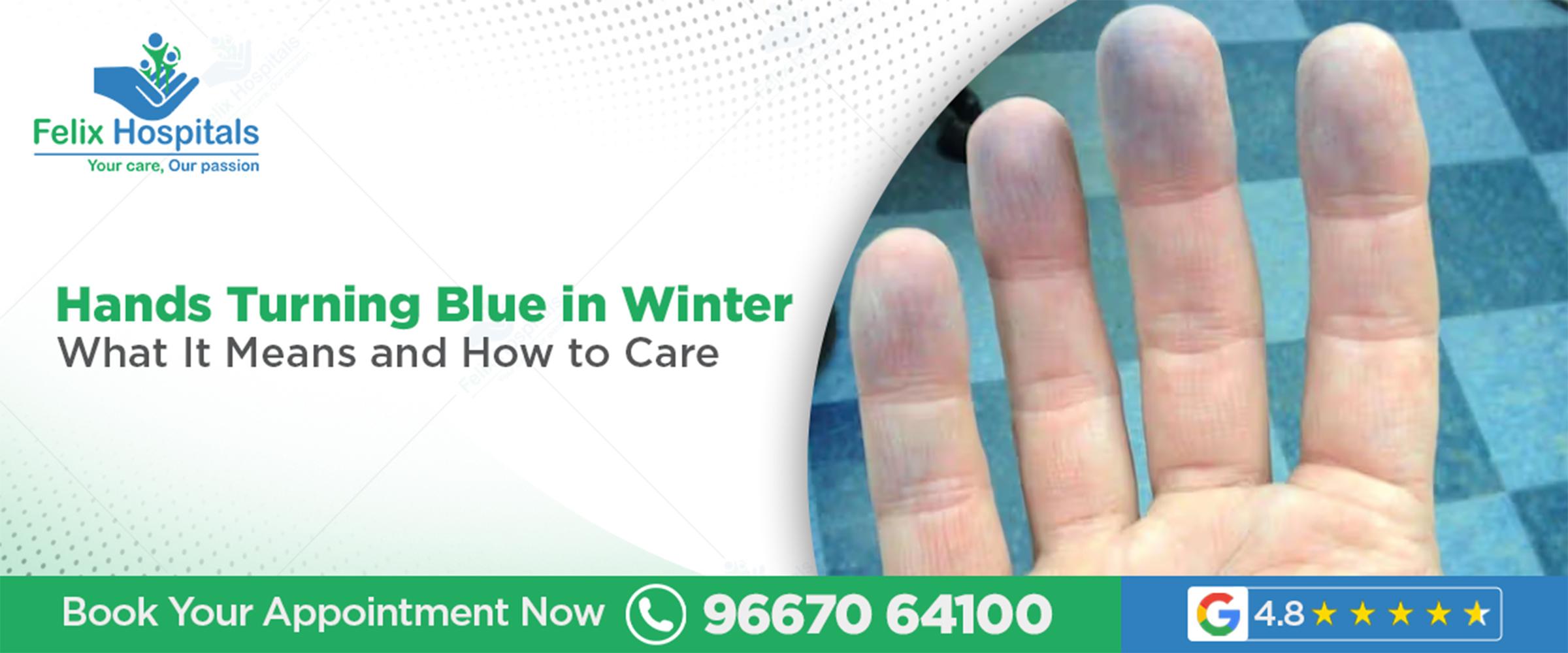
Cold winter months often bring noticeable changes in the body, and one common yet concerning issue many people experience is hands turning blue in winter. While mild color changes may seem harmless, persistent or recurring discoloration can indicate underlying circulation problems. Cold hands are generally a sign of less circulation of the blood. These symptoms are ignored, which postpones the diagnosis of vascular problems. It is important to learn how and why the change occurs, how severe it is and when you should visit the Best Vascular Surgery Hospital in Noida to safeguard your vascular health in winter.
Experiencing persistent hand discoloration or numbness? Consult experts at the Best Vascular Surgery Hospital in Noida. Call +91 9667064100 to book your appointment.
Blue hands in cold weather occur when blood vessels tighten to retain core heat. This reaction can reduce blood supply to your fingers. Your hands are purplish or bluish when the blood that is supposed to get to the skin does not contain enough oxygen. Other individuals have exaggerated reactions causing discomfort, numbness as well as apparent discoloration despite mild cold.
Cold-induced discoloration indicates that circulation cannot adapt to temperature changes.Excessive constriction reduces oxygen supply to the blood vessels leading to increase in cold sensation and doing more harm.
Winter circulation problems are common among those with vascular issues, diabetes, or a smoking history. The low temperatures raise the viscosity of blood and result in a decreased flow rate thus causing difficulties in supplying blood to extremities. The decreased flow may lead to stiffness, numbness and slow recovery of minor injuries.
Hands feel cold even when indoors
Colour change of skin from pale to blue and then to red
Numbness or feeling of pricking pins and needles in the fingers
Increased cold sensitivity
Stiff fingers are difficult to move
Grip weakness
Fingers take long time to warm up after being in the cold
Skin is tight or waxy
Small cuts or wounds on your hands that don't heal quickly
Poor blood circulation in hands may hamper day-to-day life particularly during winter. Discomfort and weakness are experienced when tissues do not get enough oxygen and nutrients. Poor circulation over a long period of time increases the chances of having an ulcer or infection. In case the symptoms persist without any improvement, consult a doctor.
Blue finger causes include simple temporary cold exposure and chronic vascular disease. Blue fingers in certain instances may indicate blockages or spasms of the vessels which limit the flow of blood. Early diagnosis can be used to treat the illness and avoid chronic complications.
Extreme cold exposure
Raynaud’s phenomenon
Vascular disease is the cause of poor circulation.
Autoimmune conditions
Smoking and nicotine use
Raynaud’s phenomenon symptoms manifest itself in triple colour change. Blood vessels overreact to cold or stress causing the first appearance of fingers becoming white, then turning to blue but eventually resumes normal circulation and makes fingers turn red. These episodes are painful and would aggravate when not treated. Raynaud’s can be single or accompanied with other aspects of the vascular equation of vascular or autoimmune illness in up to 5 percent of individuals.
Circulation problems make living life more difficult; writing, cooking, getting out of bed. Constant numbness or pain reduces hand dexterity and grip strength. Overtime, recurring episodes can either lead to skin alterations or slow-healing sores. Prevention of circulation problems at an early age enhances comfort and independence.
Color | What It Means | Action Needed |
Pale white | Blood vessels completely constricted | Warm hands gently |
Blue/purple | Limited oxygen reaching tissues | Monitor frequency |
Bright red | Blood rushing back, may be painful | Normal return phase |
Persistent blue | Chronic circulation problem | See specialist soon |
Blue + pain | Severe circulation issue | Medical attention needed |
Blue + numbness | Nerve and circulation affected | Consult doctor |
The clinical examination and tests are used to diagnose hand discoloration by doctors. They examine your symptoms history, patterns and physical observation to identify the presence of circulation problems. Additional examinations measure the blood flow and vascular condition, which is used to define severity and determine the treatment.
Physical and Symptom Assessment The doctor looks at your hands, examines your skin colour and temperature, and asks about when the discoloration occurs and how long it lasts. This gives the first clear indication of how serious the problem is.
Cold Stimulation Test Your hands are briefly exposed to cold to observe how your blood vessels respond. Colour change occurs more rapidly and more dramatically in people with circulation issues, confirming cold as the trigger.
Doppler Ultrasound A small probe that uses sound waves is passed over your hands and wrists to examine blood flow through the vessels. It identifies any blockage or narrowing causing the cold blue fingers.
Blood Tests for Autoimmune Markers A simple blood test that determines whether an autoimmune condition like lupus or scleroderma is the underlying reason your hands are turning blue in winter.
Nail-Fold Capillaroscopy A magnifying lens is placed at the base of your fingernail to examine the tiny blood vessels there. Distorted or reduced vessels confirm whether the smallest blood vessels in your hands are the root of the problem.
The medication should enhance blood flow and prevent allergens. The plan is based on the severity and cause. Light cases can be treated as lifestyle changes. There are severe cases which demand medical attention.
The strategies of treatment are:
Wear good gloves to keep your hands warm.
Take physical exercise every day to improve circulation.
Vessel relaxing drugs (calcium -channel blockers)
Control other related disorders such as diabetes.
Do not smoke and do not be stressed.
Minuscule changes to the lifestyle can reduce the number of episodes significantly. Put on insulated gloves prior to outdoor outing, do not experience drastic temperature variations and remain physically active to enhance circulation of blood. Smoking must not be given up, nicotine constricts vessels and makes circulation worse by as much as 50 percent.
Wear heavy clothes during cold weather.
Warm your entire body and not just your hands.
Please do not use caffeine, which constricts vessels.
Eat often to enhance blood flow.
Relax with stress management methods.
Stay hydrated
Do not keep cold things in your hands.
Give specialist attention to the case when the symptoms do not disappear. Vascular specialists examine the condition of the vessels and check vessel blockage or spasm which leads to discoloration. Specialist treatment prevents the progression, enhances the functioning of hands, and manages underlying disease.
Hospital-based care at the Best Vascular Surgery Hospital in Noida brings advanced diagnostics and comprehensive treatment. The multidisciplinary team is precise in its diagnosis and the recent technological advancement, where it provides effective planning and optimal results.
Constant discolour, appearance of pain, or lack of sensation must not be overlooked. Provided that symptoms are frequent, and even the minimum exposure to cold causes them, one needs to visit a doctor. Diagnosis at an early age enhances the results and avoids complications to the problems of chronic circulation.
Blue hands prolonged over 15-20 minutes.
Even mild colds cause discoloration.
Painful color changes
Sores or ulcers on fingers
The one on the other hand is by far the worse.
Symptoms that disturb normal functioning.
Get an accurate diagnosis and advanced vascular care from the Best vascular surgeon in Noida. Book a specialist consultation with Call +91 9667064100.
Hands turning blue in winter might seem harmless, but they can signal underlying circulation issues that need attention. Awareness of the causes, warning signs, and prompt treatment may help preserve and maintain vascular well-being. With appropriate lifestyle changes and expert support from the Best Vascular Surgeon in Noida, individuals can manage symptoms effectively and maintain hand function during colder months.
Your hands need proper blood flow throughout the year. It is never too late to protect your vascular health, but it is always recommended to get a timely evaluation to prevent the condition from worsening.
A complete guide to understanding varicose vein surgery expenses in Noida, including treatment types, hospital charges, and recovery costs.

Varicose veins can be treated effectively in Noida. Explore modern solutions for pain-free, healthy legs
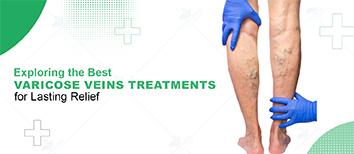
Symptoms can include pain, itching, or a burning sensation, though the condition is generally not dangerous.
While varicose veins are often a cosmetic concern, they can also lead to symptoms like pain, discomfort, and even complications like ulcers or blood clots in severe cases.

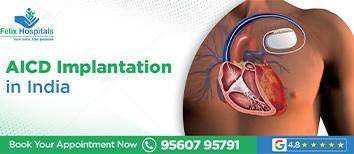
Sudden cardiac arrhythmias can be life-threatening when they occur without warning. For patients at high risk of dangerous heart rhythm disturbances, timely intervention can mean the difference between life and death. AICD Implantation in India has emerge

Sudden cardiac arrhythmias can be life-threatening when they occur without warning. For patients at high risk of dangerous heart rhythm disturbances, timely intervention can mean the difference between life and death. AICD Implantation in India has emerge

India has become a leading destination for Balloon Septostomy, especially for newborns and infants with complex congenital heart defects requiring urgent intervention. With advanced pediatric cardiac units, experienced pediatric cardiologists, and cost-ef

India has become a globally preferred destination for the treatment of congenital heart defects due to the combination of highly skilled pediatric and adult cardiac surgeons, state-of-the-art heart centres, and internationally recognised treatment protoco

Child growth is one of the most common concerns among parents, especially during early childhood and school-going years. Many parents constantly compare their child's height, weight, and development with peers, relatives, or online charts, often leading to unnecessary stress. Parental expectations are often shaped by misconceptions because growth patterns differ dramatically from child to child. Being aware of the facts regarding child development can save panic, futile medical treatment and unrealistic aims. From newborn care to adolescent health, the Best Paediatric Hospital in Noida ensures safe, comprehensive treatment for every stage of your child’s growth.
Concerned about your child’s growth? Get expert guidance at the Best Paediatric Hospital in Noida. Call +91 9667064100 to book a consultation.
The fear of growing often begins with comparisons and social pressure on the part of parents:
Family remarks that are troublesome.
Stress-inducing school observations.
Misleading online content
Posts on social media on a perfect child.
Misreading growth charts
Reality check: Development is not linear, and every child has his or her own biological schedule. The first step to making improved parenting decisions is the issue of recognising normal developmental diversity.
The fact that the height of a child is determined by genetics only is one of the misconceptions.
The truth is:
Genes establish a range, without assuring.
Nutrition- nutrition can have a big effect on height.
Healthy sleeping improves the growth hormones.
Exercise increases bone strength.
Final height depends on general well being.
Important fact: Genetics offer a possible variation, yet a great number of children who are born to short parents become taller than expected, not to mention that some children born of tall parents develop at an average rate.
Child growth science shows that height is influenced by multiple factors:
Daily nutrition: proteins, vitamins, minerals.
Sleep: 9 to 12 hours to release growth hormone.
Exercise: makes bones and muscles stronger.
Chronic illness may temporarily slow growth.
Emotional strain and psychological wellbeing: impact on appetite and hormones.
Critical facts that should be in the knowledge of parents:
Inadequate diet has the capacity to reduce height by 10 -15 cm.
Chronic disease can slow down growth in height, but typically catches up.
The timing of puberty has a huge impact on the ultimate height (early and late bloomers).
Growth spurts differ across the board among children.
Parents tend to check height too frequently and become concerned when height appears to be slow.
Reality check:
Not a progressive increase of height each month.
There are children who develop at an early age (between 2 and 5 years).
Normal plateau period is 6 -12 months.
Mean growth: 56 cm/year (4-10 years).
Puberty spike: 8–10 cm per year.
Paediatricians consider the trend, but not the individual measurements. One year of slower growth does not indicate a serious problem.
The widely held belief among many parents is that a heavy child is healthier and this is a misleading notion.
Reality:
It is important that the development of the bones, muscles, and organs be balanced.
Mental skills are also critical.
Not making weight is not the indicator of health status.
Obesity and metabolic complications are caused by overfeeding.
The superfluous calories overload the developing organs.
Growth in quality is better than quantity.
What good development is really concerned with:
Full course meals and served evenly.
Strong muscles and bones.
Proper energy and physical activity.
Meeting normal milestones.
Good organ function.
Emotional and psychological health.
A good development is not only multi-dimensional, but parents must also take note of more than size:
Body size and weight go on a subject curve.
Body movements: running, jumping, coordination.
Fine motor-skills: writing, drawing, fastening buttons.
Strength and endurance.
Self-care and self-management
Learning and cognitive abilities.
Interpersonal relations and friendships.
Communication and language.
Problem‑solving.
Independence in daily tasks.
Perspective: A child can be average in height but be good in motor or learning skills. Only physical size can leave out other important growth indicators.
One of the modern myths which are mostly promoted commercially is that supplements make a person taller which is false.
Reality about supplements:
They do not raise heights in normal children.
Required to treat diagnosed deficiencies (vitamin D, iron, calcium).
There is no magic pill that accelerates growth
Those supplements that are not necessary are harmful to the developing organs.
Marketing gives rise to false expectations.
A normal diet will suffice.
Age-related balanced food (protein, carbs, fats, vitamins).
Adequate sleep: 9–12 hours.
Exercise: 60 minutes per day average.
Timely medical check‑ups.
Relaxing and calm atmosphere.
Adequate fluid intake during the day.
Paediatric growth evaluation relies on science, not casual observation:
Growth tables follow the percentiles during months and years.
Entire medical history examination.
Cheques on achievement of milestones.
Thorough physical exam.
Family history and genetics.
General health and nutrition test.
Bone age X‑rays if needed.
Doctors focus on whether a child is following their own consistent growth pattern, not whether they match other children
Cracker of development facts helps parents to remain composed of variations:
Boy and girl patterns of growth are different.
Siblings develop differently and at various periods.
Stress may temporarily retard growth, due to emotional stress.
Disease retards growth, but recovers.
Hormone production is influenced by sleep disorders.
Timeline differences in the growth:
Girls tend to enter the world of puberty at a younger age (1011 years).
Later growth spurts in boys (1213 years).
Final height is attained by girls at the age of 14-16 years.
Boys may grow until 16–18 years.
Late bloomers tend to make up during puberty.
Myth | Reality |
Short parents guarantee short child | Genetics + environment determine height |
Heavier child means healthier | Balanced development matters most |
Supplements make children taller | Only help if deficiency diagnosed |
Growth should be steady monthly | Growth happens in spurts |
All children grow at same rate | Each child has unique timeline |
Comparing helps track progress | Creates unnecessary anxiety |
One of the major motivations of healthy growth is emotional health.
Decreases the appetite and changes feeding habits.
Interferes with sleep duration and quality.
Reduces natural growth hormone secretion.
Stimulates bowel activity and malnutrition.
Minimises physical exercise and recess.
Being a better parent is about paying attention to the milestones in the growth of your child rather than always trying to compare the child to the other kids. Compliments and validation have much greater power than frequent measurement and ridicule.
A reliable parents guide to child growth emphasises these priorities:
Routine child examinations after every six months or so.
Real-time exercise that ensures one gets enough rest.
Positive reinforcement, always positive; do not criticise.
No unhealthy comparisons with other children.
Consult the professional instead of using informal opinion.
Monitor long-term trends as opposed to day-to-day changes.
Monitoring that should be actual by parents:
The amount of activity the child has and the extent to which the child is interested in play.
Appetite and eating habits.
Sufficiency of the duration and quality of sleep.
Developmental achievements.
Well-being and mood stability
Life quality and happiness levels
Achievement and school concentration.
It should be medically examined in the case of Best Paediatricians and Child Specialists in Noida when:
Red flags that need consultation:
On-going departure with the growth curve of the child.
Over 12 months of uninterrupted zero-growth recorded.
Regression in the milestones achieved.
Crippling fatigue or abnormal weakness.
Characteristics like relative weight loss for no reason or weight increase in a short period of time.
Short in stature when compared to genetic anticipation.
Seeing specialists at the Best Paediatric Hospital in Noida guarantees a precise assessment. Expert advice at the beginning will prevent wrong choices and prevent unnecessary treatments.
Profits of professional assessment:
Accurate growth trend determination through validated charts.
Individual child-based evidence-based advice.
Simple identification of genuine growth disorders.
A better advice than random online search.
Fact: 95% of children who make a growth concern are, as a matter of fact, developing at a healthy, personalised rate.
Best Paediatricians and Child Specialists in Noida is a reliable place to contact the specialists in growth assessment in Noida. Call +91 9667064100 today.
The development of a child is also a complicated process. Unnecessary stress may arise in the process of holding on to past myths. It is essential to:
Familiarise yourself with facts that dispel popular myths of growth.
Be aware that children have natural differences in height.
They help to promote a balanced development of every child.
Neglecting misconceptions of growth.
Depend on paediatric specialists.
Change to a reliable parents guide to healthy development.
When parents work with the Best Paediatric Hospital in Noida and its expert paediatricians, they gain confidence to support their child’s growth responsibly. The individual developmental pattern of every child is quite normal.
Dr. Prabhat Kumar is a pediatrician and neonatology specialist with over 9 years of experience, recognized among the Best Pediatricians in Noida. He specializes in infectious diseases, general pediatrics, and child growth and development, providing trusted care for childhood illnesses, immunizations, neonatal care, and teenage health concerns.

Ensuring proper growth and development in children starts with selecting the right pediatrician in Noida. Expert care can detect early health issues and support your child’s overall well-being.
ENT care is essential for children facing issues like frequent ear infections, sore throats, snoring, or hearing problems.

Common health issues in kids can be managed with timely care and regular check-ups.

Congenital Heart Disease (CHD) refers to structural abnormalities in the heart that are present at birth. These defects can affect the heart walls, valves, arteries, or veins, leading to altered blood flow, oxygenation, and overall cardiovascular function. While some defects are mild and asymptomatic, others require early intervention to prevent complications such as heart failure, delayed growth, or life-threatening arrhythmias.
India has become a globally preferred destination for the treatment of congenital heart defects due to the combination of highly skilled pediatric and adult cardiac surgeons, state-of-the-art heart centres, and internationally recognised treatment protocols. Advanced imaging technologies, minimally invasive procedures, and structured rehabilitation programs ensure excellent outcomes for patients from all over the world.
Schedule Congenital Heart Disease Treatment at Felix Hospital, Noida India Call Us: +919560795791 And WhatsApp +919560795791 us now. Our team will help you book the best treatment and arrange your medical visa hassle-free.
Congenital heart defects are diverse, and treatment is tailored to the type and severity of the condition. Common types include:
Atrial Septal Defect (ASD)
A hole in the wall separating the two atria, allowing oxygen-rich and oxygen-poor blood to mix.
Ventricular Septal Defect (VSD)
A hole in the wall separating the two ventricles, often requiring early surgical repair in infants.
Patent Ductus Arteriosus (PDA)
Persistence of a fetal blood vessel that normally closes after birth, potentially causing heart strain and lung problems.
Tetralogy of Fallot (TOF)
A complex defect involving four abnormalities: VSD, pulmonary stenosis, right ventricular hypertrophy, and overriding aorta.
Transposition of the Great Arteries (TGA)
The positions of the pulmonary artery and aorta are switched, impairing oxygen delivery.
Coarctation of the Aorta
Narrowing of the aorta, leading to high blood pressure and heart strain.
Other Complex or Rare Defects
Including single ventricle physiology, truncus arteriosus, or pulmonary atresia, which may require staged surgeries or heart transplantation.
The exact cause of most congenital heart defects remains unknown, but several factors increase risk:
Understanding these risk factors helps doctors counsel families and plan timely interventions.
Symptoms vary depending on the defect type and severity. Early detection, especially in infants and children, is crucial. Common signs include:
Early recognition allows timely treatment and reduces the risk of long-term complications.
If left untreated, CHD can lead to serious health issues, including:
Timely treatment significantly lowers these risks and improves quality of life.
Diagnosis of congenital heart defects involves a combination of physical assessment, imaging, and laboratory tests:\
Indian heart centres provide these advanced diagnostic facilities with international standards of accuracy and safety.
Treatment is customised based on the type, severity, and age of the patient. Options include:
Certain defects may initially be managed with drugs to reduce symptoms, control blood pressure, or prevent heart failure.
Techniques such as cardiac catheterization allow closure of small defects or balloon dilation of narrowed vessels without open-heart surgery.
Open-heart surgeries remain the standard for complex defects. Common procedures include patch repair of septal defects, valve reconstruction, or complete correction of complex defects such as Tetralogy of Fallot.
Some CHD patients require valve surgery if structural anomalies affect valve function.
Rarely, severe congenital defects not amenable to repair may require transplantation.
Indian cardiac centres have internationally trained surgeons who perform these procedures with precision and high success rates.
The cost of CHD treatment in India is significantly lower than in the US, Europe, or the Middle East, making it an attractive option for international patients. Costs vary depending on:
Despite variations, India provides transparent pricing and high-quality care without compromising on international safety and outcome standards.
India is recognized globally for pediatric and adult cardiac care, offering a unique combination of affordability, expertise, and advanced technology:
Experienced Cardiac Surgeons: Specialists trained in India and abroad with vast experience in complex CHD cases.
State-of-the-Art Facilities: Advanced ICUs, cath labs, and imaging technology.
Multidisciplinary Heart Teams: Cardiologists, cardiac surgeons, anesthetists, and rehabilitation specialists collaborate to provide comprehensive care.
International Patient Support: English-speaking coordinators, medical visa assistance, and personalised travel planning.
High Success Rates: Outcomes comparable to top global cardiac centres.
Shorter Waiting Times: Quick access to treatment, essential for urgent pediatric cases.
These factors make India a reliable and convenient destination for families seeking CHD treatment abroad.
Post-treatment recovery depends on the type of procedure and patient age. Typically:
International patients benefit from structured follow-up programs that allow continued care after returning home.
Congenital Heart Disease is a life-altering condition that requires timely diagnosis and expert management. India offers world-class treatment for CHD through highly skilled surgeons, advanced technology, and internationally recognised protocols. For international patients, India provides an ideal balance of affordability, quality, and comprehensive care, ensuring safe treatment, faster recovery, and long-term heart health.
Yes, Indian cardiac centres follow internationally accepted protocols with highly experienced surgeons and modern infrastructure.
Most patients plan a stay of 2–4 weeks, including surgery, recovery, and initial follow-up.
Yes, follow-up can be coordinated via teleconsultations and local cardiologists for continued care.
Yes, many centres offer catheter-based interventions and minimally invasive surgeries with excellent outcomes.
Early diagnosis, type of defect, experienced surgeons, and structured post-operative care are key determinants.
Sudden cardiac arrhythmias can be life-threatening when they occur without warning. For patients at high risk of dangerous heart rhythm disturbances, timely intervention can mean the difference between life and death. AICD Implantation in India has emerge
Sudden cardiac arrhythmias can be life-threatening when they occur without warning. For patients at high risk of dangerous heart rhythm disturbances, timely intervention can mean the difference between life and death. AICD Implantation in India has emerge
India has become a leading destination for Balloon Septostomy, especially for newborns and infants with complex congenital heart defects requiring urgent intervention. With advanced pediatric cardiac units, experienced pediatric cardiologists, and cost-ef

India has become a preferred destination for Balloon Valvuloplasty, offering advanced interventional cardiology care, experienced specialists, and cost-effective treatment aligned with global standards
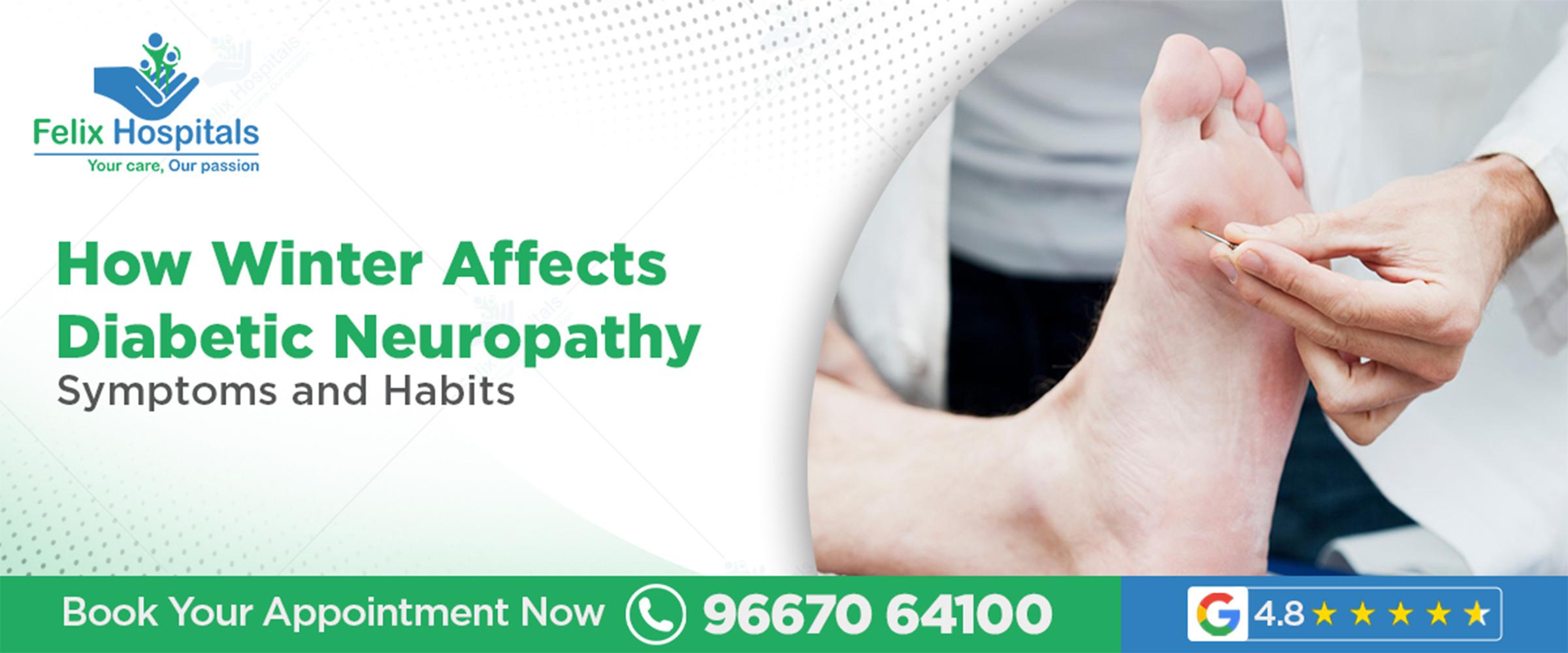
The winter causes more apparent body changes on individuals with diabetes particularly those with nerve related problems. Tingling, burning, numbness or sharp pains are frequently reported by many patients to intensify in cold seasons. Such changes are not by chance. The winter effects on diabetic neuropathy are closely linked to temperature‑related nerve sensitivity, reduced blood circulation, and lifestyle shifts that occur during winter. Get help from an experienced Diabetes Doctor Near Me for personalized neuropathy treatment and also to avoid increase of the symptoms and prevent the occurrence of chronic problems.
Do you have nerve pain that is getting worse this winter? To get a personalized treatment of neuropathy. Call +91 9667064100 today.
Diabetic neuropathy is nerve damage that results from high blood sugar levels for an extended period of time. This damage most commonly affects the feet, legs, hands and arms. If you have diabetes, too much sugar in your blood can damage the small blood vessels that bring oxygen and nutrients to your nerves. Nerves are also damaged and stop working properly when they're not getting enough blood flow. Diabetic nerve damage can cause numbness, tingling, or burning sensations in the feet and hands. Early blood sugar control and regular check-ups help slow the progression of diabetic nerve damage.
Cold temperature exaggerates this problem, especially in winter. Diabetic neuropathy in cold weather worsens due to further slowing of the blood flow caused by exposure to cold air. Your already-damaged nerves get less oxygen and fewer nutrients, which makes them extra-sensitive. Think of it like you’re trying to use your phone when the battery is low — it doesn’t work as well, and winter is like turning the brightness all the way up, draining the battery even faster.
Cold weather affects diabetic nerves in several harmful ways:
Constricted blood vessels - Cold causes blood vessels to constrict and shrink, leading to a reduction in blood flow to the extremities by as much as 25-30% in your toes and fingers
Slower nerve signals - Low temperatures reduce the speed at which your nerves can transmit messages to your brain," so numbness and delayed responses are compounded
Heightened sensitivity - Damaged nerves are hypersensitive to cold, causing mild cold to feel like intense, burning pain
Reduced oxygen supply to tissues- due to reduced blood flow, the nerves are starved of oxygen (needed for a properly functioning nerve) and this exacerbates the pain and discomfort.
Stiff muscles - Cold temperatures cause muscles to become tight and stiff, which can put additional pressure on already injured nerves.
The combination of these effects makes nerve pain worse in winter diabetes patients compared to other seasons. Your body is fighting two battles at once—managing diabetes and dealing with cold weather stress.
Winter diabetic nerve pain symptoms don't appear out of nowhere. Instead, symptoms you already have get much worse. Here's what many patients experience:
Burning or stinging pain that is more severe, especially at night
Very cold feet and hands (even warm rooms are too cold for them)
Numbness is worsening so you cannot really feel your feet or fingers
Tingling sensations that feel like pins and needles
Sudden stabbing pain with no warning
Pain on touch even light pressure of blankets is painful)
Night pain wakes you up and you can't sleep because of it.
Poor circulation and nerve damage in diabetes can lead to an increased risk of foot ulcers. Daily foot inspection and proper footwear can reduce the increased risk of foot ulcers.Research shows that 60% of diabetic neuropathy patients report sleep problems during winter months because pain gets so bad at night. The cold weather nerve pain diabetes connection affects every part of daily life—from walking and working to sleeping and relaxing.
Understanding the causes helps you tackle the problem effectively:
Blood flow slows down: Hurtling blood vessels constrict (shrink) in response to cold, reducing flow to the hands and feet by 25 to 30 percent. Your feet and hands already have poor circulation from diabetes, and when it’s cold, they receive even less blood.
Temperature sensitivity: The damaged nerves are unable to effectively respond to temperature variations. Even a slight drop temperature makes them alert your brain with pain signals.
Decreased physical activity: People take 40% fewer steps in the winter because it’s too cold to be outside. Less movement means worse circulation and stiffer joints.
Poor blood sugar control: Winter holidays are full of sugary food and unpredictable eating schedules. Blood sugar levels increases by 0.3-0.5% (HbA1c) in winter for many patients.
Too tight - Some winter boots and thick socks aren’t just too warm, they’re too tight, compressing nerves and cutting off circulation.
Overlooked foot care - Your feet remain tucked in your socks and shoes during those cold months, so little cuts and issues can go unnoticed. This leads to infection - particularly when you can’t feel pain because you’re numb.
Cancelled appointments - Inclement weather prompts people to put off trips to the doctor, according to a new study, thereby leaving symptom relief out of reach for weeks or months.
The diabetic neuropathy symptoms winter pattern shows that multiple causes work together to worsen nerve pain during cold months.
Getting the right diagnosis helps doctors create an effective treatment plan. Here's what to expect:
The doctor tests your feet and legs for sensation with light touch and vibration, and temperature.
They check skin color and temperature and for any wounds or infections.
They watch you walk to assess for problems with your balance or walking.
Your reflexes are checked with a small hammer at your knees and ankles
Blood sugar (fasting and HbA1c) to determine how well diabetes is being managed
Vitamin B12 levels, as deficiency can exacerbate nerve damage
Thyroid function tests as thyroid issues can affect nerves
Because diabetes damages the kidneys and nerves at the same time, kidney tests are done
Nerve conduction studies determine the speed of an electrical signal travelling through a nerve. Electromyography (EMG) evaluates the response of the muscles to nerve signals .These permit to identify specifically which nerves are affected and to determine the severity of the problem
Foot X-rays to look for bone alterations or infection
MRI scans if there is concern about deeper tissue problems
Ultrasound to assess blood flow in the legs and feet
Early diagnosis by a Diabetes Doctor Near Me can catch problems before they become serious. Don't wait until pain becomes unbearable.
Treatment focuses on controlling blood sugar, reducing pain, and preventing complications. Here are the main approaches:
This is the basis of all treatment for neuropathy. Maintaining a blood sugar in the target range (usually 80-130 mg/dL prior to meals) prevents more nerve damage. If necessary, your doctor will change your diabetes medicines. Continuous glucose monitors track patterns, particularly during the winter months as eating habits are altered.
Drugs Nerve pain is reduced by several types of drugs:
Anticonvulsants such as gabapentin or pregabalin soothe overactive nerves
Duloxetine and other antidepressants that affect pain pathways in the brain
Topical lotions containing capsaicin or lidocaine can numb painful areas
Pain medication to treat breakthrough pain for when they aren’t sufficient on their own
Physical therapy: A physical therapist will show you exercises to help circulate your blood, strengthen your muscles and keep you flexible. Frequent movement, even if it’s just indoors during winter, helps break up stiffness and keeps blood circulating to your nerves. Research has demonstrated that regular exercise can reduce pain intensity by 30 to 40%.
Simple Winter lifestyle tips for diabetic patients can make big differences:
Keep your feet warm in loose wool socks (notice I said loose, never tight socks that they can restrict blood flow)
Keep the temperature of the room at 68-72°F
Look for cuts, blisters, or discoloration on your feet every day
Lubricate your foot but not between your toes to avoid getting a fungus (or more) in your foot.
Never go barefoot, not even in your home
Wear good quality winter boots that are warm but not tight
A healthy winter diet for diabetes should include seasonal vegetables, whole grains, and protein-rich foods to maintain stable blood sugar levels. Choosing warm soups, nuts, and fiber-rich meals supports a healthy winter diet for diabetes.
If B12 deficiency is found, vitamin B12 supplementation aids nerve health. A balanced meal with moderated carbohydrates will keep your blood sugar steady. Your doctor may suggest alpha-lipoic acid, a natural antioxidant that could help protect nerves.
Working with an Internal Medicine Doctor Near Me ensures your complete treatment plan addresses both diabetes management and nerve pain relief. Treatment works best when started early, so don't delay seeking help.
Selecting the right healthcare facility makes a huge difference in your treatment outcomes. Here's what to look for:
Specialized Diabetes Care Choose a hospital with a dedicated diabetes center or endocrinology department. Specialists understand the complex relationship between diabetes nerve damage, cold sensitivity and overall diabetes management. They stay updated on the latest treatment options.
Availability of Multiple Specialists in one place:
Endocrinologists for diabetes care
Neurologists for nerve diseases
Podiatrists for feet
Specialists in pain relief
Physiotherapists for rehabilitation
24/7 Emergency Services Diabetic emergencies can occur at any time. Your hospital should provide 24-hour emergency services, which are particularly crucial in winter when complications such as foot infections have the potential to worsen rapidly.
Nerve conduction studies modern equipment
Digital X-rays and MRI services are available.
In house lab for bloodwork results
Continuous glucose monitoring support
A Convenient Location makes a big difference in the cold days of winter, when long-distance travel is challenging. Find a hospital close enough to your house. Bad weather shouldn't stop you from getting care.
Positive Patient Reviews Look online reviews and ask other patients with diabetes about their experiences. A Good Diabetes Doctor Near Me with positive reviews and good results in treating his/her patients is a worthy choice.
Insurance and Cost Transparency Make sure the hospital accepts your insurance. Inquire about the costs of treatment in advance, to prevent financial surprises. Several hospitals provide payment plans for long-term care.
Let these important facts guide your winter nerve care:
60-70% of people with diabetes develop some form of neuropathy over their lifetime
Nerve pain complaints jump by 30-40% during winter months
Blood flow to feet decreases by 25-30% in cold weather for diabetic patients
Physical activity drops by an average of 40% during winter
HbA1c levels (3-month blood sugar average) increase by 0.3-0.5% during winter in many patients
Foot ulcers increase by 25% during cold months due to neglected care
60% of neuropathy patients report worse sleep during winter
Nerve signal speed slows down by 15-20% with temperature drops
Emergency visits decrease by 50% when patients follow preventive winter care strategies
Early intervention reduces serious complications by 60%
Every 1°C drop in skin temperature can reduce blood flow by 5-8% in diabetic patients
What Changes | How Much It Changes | What It Means for You | What You Should Do |
Blood flow to feet | Drops 25-30% | Less oxygen reaches damaged nerves, pain increases | Wear warm socks, keep room heated, avoid tight footwear |
Nerve signal speed | Slows 15-20% | More numbness, delayed pain response, poor balance | Stay warm, test sensation daily, be careful walking |
Pain intensity | Increases 30-40% | Burning, shooting pain gets much worse | Take pain medication as prescribed, use warm compresses |
Physical activity | Decreases 40% | Circulation worsens, muscles weaken, stiffness increases | Exercise indoors, walk in malls, do home workouts |
Blood sugar (HbA1c) | Rises 0.3-0.5% | Faster nerve damage, poor healing | Check blood sugar more often, control holiday eating |
Foot ulcers | Increase 25% | Small wounds become serious infections | Inspect feet twice daily, see doctor for any cuts |
Sleep quality | 60% have problems | Exhaustion affects overall health, pain tolerance drops | Time pain medication before bed, use warm foot soaks |
Medical visits | 20-30% are missed | Symptoms worsen without treatment adjustment | Use telemedicine, don't skip appointments |
✓ Look at your feet in the morning and in the evening for any cuts or changes in color.
✓ Check your blood sugar at least 3-4 times a day.
✓ Wear warm, well-fitting socks (if your feet sweat, change them).
✓ Keep your home temperature at a “comfortable” level (68 to 72 degrees F.).
✓ Hydrate feet but never in between toes.
✓ Use all drugs as directed.
✓ Do 20 to 30 minutes of activity/exercise inside your home.
✓ Hydrate well (dehydration leads to poor circulation).
✓ Don't drink alcohol (it messes with your blood sugar and your nerves).
Protect your nerve health this winter with expert guidance from an Internal Medicine Doctor Near Me. Book your consultation now at +91 9667064100.
The winter effects on diabetic neuropathy are true, quantifiable, and avoidable. Cold weather certainly doesn't have to mean enduring months of worse pain and discomfort. With insight into how cold impacts your nerves, how to spot symptoms early, and what to do to winterize yourself, you can reduce pain and preserve your nerve health.
Key points to remember:
Start early - don't wait until your symptoms are severe. As soon as you have more pain or numbness, see your Diabetes Doctor Near Me. Intervene early to reduce complications by 60%.
Get Warm - Dress warmly, Keep your entire body warm, with special attention to your feet and hands. Warmth increases circulation by as much as 30 percent bringing the oxygen and nutrients needed to heal damaged nerves.
Stay Active - When it’s chilly outside, stay active indoors. Exercise is medicine for nerves. Pain of regular exercise has been shown to be reduced by 30-40%.
Control blood sugar - This is non-negotiable. Each percentage point your blood sugar stays elevated, your nerve damage is exacerbated. It's the winter holidays — and that doesn't mean you can throw care for your diabetes to the wind.
Examine your feet every day - Unnoticed injuries can cause serious infections. Make foot inspection a twice daily routine, as you do with brushing your teeth.
Don’t Miss Appointments: Bad weather is no excuse to not go to your appointments. A lot of doctors are providing telemedicine visits. Remain in contact with Internal Medicine Doctor Near Me in winter.
Remember: diabetic neuropathy in cold weather is manageable with the right approach. You have more control than you think. Winter is just a season—it doesn't have to define your quality of life. With proper care, attention, and medical support, you can stay comfortable, active, and healthy all winter long.
The cold weather nerve pain diabetes connection is strong, but your commitment to self-care can be stronger. Take charge of your nerve health this winter and every winter to come.

Dr. Vimal Gupta is an experienced endocrinologist and diabetologist with 15 years of expertise in treating diabetes, thyroid disorders, obesity, PCOD, and adrenal conditions. Currently practicing at Felix Hospital, he is known for his patient-focused care and personalized treatment approach in endocrine health.
Manage diabetes effectively with a well-planned Indian vegetarian diet chart. Explore healthy meal options and tips for blood sugar control.
Learn about Diabetic Ketoacidosis (DKA), its causes, symptoms, treatment options, and prevention tips to manage and reduce risks for individuals with diabetes.

We've all heard people say "I'm so stressed, I could have a heart attack." But here's the thing—it's not just a figure of speech. The connection between emotional stress and heart health is real and dangerous.Sudden sorrow, extreme anger, terror, or extreme shock don’t just leave you feeling emotionally drained but they can trigger severe, potentially fatal heart issues.
In today’s world, intense emotional stress is quietly becoming a major cause of heart emergencies. Even those, who believe that they are in the best of possible health are not immune.The best cardiologist in Noida not only treats heart conditions but also understands emotional concerns linked to cardiac health. Compassionate care and expert guidance help patients feel supported both physically and emotionally.
Experiencing chest discomfort or palpitations during stress? Consult specialists at the Best Cardiologist Hospital in Noida. Call +91 9667064100 for immediate guidance.
During emotional stress, your body produces powerful chemicals —stress hormones, primarily adrenaline and cortisol. Consider them as your body’s emergency alert system.
For someone with hidden heart problems or risk factors, this sudden overload can push the heart over the edge.
Chest pain during stress — It can occur due to muscle tension, anxiety, or increased heart workload. However, persistent or severe pain should always be medically evaluated.
Shortness of breath anxiety— It is common during panic or high-stress situations.
Fast or irregular heartbeat — Adrenaline makes your heart beat faster and harder than usual. In individuals with underlying heart disease it can also cause potentially life-threatening rhythms.
Blood pressure spikes —Stress hormones cause blood vessels to suddenly constrict, making the heart pump against more resistance. Multiple such spikes over a period of time impair artery walls.
Increased blood clotting —Cortisol increases the thickness of the blood and its tendency to clot. That, in turn, increases the likelihood of a sepsis-related blockage developing in the heart arteries.
Decreased blood flow to the heart —During stress the arteries narrow, which results in less oxygen being delivered to the heart muscle which can result in chest pain or even a heart attack in severe situations.
Inflammation of blood vessels – Chronic stress hormones irritate causing inflammation of the arterial lining and this promotes plaque build-up over time.
Change in sleep patterns — Increased cortisol at night inhibits restful sleep which is when your heart naturally recovers and rebuilds from the day’s stress and strain of life.
Slow breathing techniques and stress management can help, but recurring symptoms need assessment.
Heart triggers aren't just from exercise or underlying disease. When feelings get intense the body responds as if one is under physical threat — issuing a blast of stress hormones, constricting blood vessels, forcing the heart to work far harder than it should. This emotional overload can set off a chain reaction inside the cardiovascular system that is just as dangerous as any physical exertion.
Acute stress occurs suddenly and is brief — a near-miss accident, a big argument, or breaking news. Your heart races, your blood pressure spikes and then it comes back down after the moment passes. Most healthy hearts have no problem with that.
Chronic stress is the real silent killer. When stress is your day-to-day reality — a tough boss, financial strain, a rocky relationship — your body never really turns off the alarm. Cortisol and adrenaline continue to circulate, blood pressure remains elevated, inflammation builds quietly and your arteries are subjected to a slow, relentless battering day after day.
Over the course of months and years, this persistent stress weakens the heart muscle, speeds up the development of plaque in arteries, and significantly raises the risk of a heart attack or stroke. The insidious thing about chronic stress is that it so rarely feels dramatic — it just feels like life. And by the time it begins to show signs, the damage has already been years in the making.
Hidden Long-Term Heart Risks
When stress is your new friend, the danger increases. There is always a state of emergency in your heart, due to constant stress. This in the long run does real harm:
Weakening of the heart muscle — The heart's overwork gradually diminishes the pump function of the heart, resulting in heart failure.
Blood vessel inflammation — Chronic stress agitates and inflames the lining of arteries, causing them to become stiff, narrow, and much more susceptible to obstructions.
Faster plaque development — Inflammation within the arteries accelerates the formation of fatty plaques, increasing the risk of coronary artery disease decades before symptoms emerge.
Hormonal disruptions — Sustained cortisol elevation throws off the entire endocrine system, impacting blood sugar, weight and cholesterol, each of which has a direct influence on heart health.
Atrial fibrillation risk increased — Stress for a long period of time can bring on atrial fibrillation, which is an irregular heart rhythm that greatly increases the risk of stroke and heart failure.
Vagus nerve damage — Lingering stress damages the nerve that slows the heart when it begins to race, so your heart gradually takes longer and longer to settle down to its normal resting rate.
Suppressed immune response — Chronic stress also suppresses immunity, making it harder for the body to battle the very inflammation doing slow damage to the heart from within.
A great part of the cardiac emergencies causes occur due to psychological stress rather than physical issues.
High Risk Emotional Triggers include:
Extreme workplace pressure
Major issues in the relationship
Chronic anxiety or depression
Sudden loss of a loved one or grief
Financial stress and debt pressure
Divorce or painful separation
Loneliness and social isolation
Trauma from accidents, abuse, or violence
Fear of a serious medical diagnosis
Family conflicts and domestic tension
Job loss or sudden career setbacks
Academic pressure in young adults and students
Prolonged sleep deprivation due to emotional disturbance
The scary part? A heart attack can happen even while sitting completely still. No exertion, no warning, no trigger — that is, accumulated weight of chronic emotional strain just overwhelms the heart.
And that’s why mental stress is no longer simply a mind problem. Cardiologists today recognise the link between mental stress and heart disease being as dangerous as high blood pressure, diabetes, or smoking. All of these are significant risk factors for heart failure and coronary artery disease.
The stress-induced heart attack occurs when emotional strain causes dangerous spikes in blood pressure and severe disruptions in heart rhythm. The hormones releasing the hormones of stress narrow your heart arteries, reducing the oxygen flow to the heart muscle.
Heart problems due to stress often develop silently, with symptoms that are easy to overlook. They are confused with acidity, fatigue, or even anxiety by people.The sudden emotional stress affects the heart in many ways.
Warning signs of stress-related heart problems include:
Palpitations of the heart during stress
Chest discomfort or tightness
Dizziness or lightheadedness
Shortness of breath during emotional moments
Unexplained fatigue even after a full night of sleep
Cold sweats without any physical exertion
Nausea or an unsettled stomach during stressful situations
Pain or discomfort radiating to the jaw, neck, or left arm
Feeling of doom or intense anxiety without a clear reason
Heart skipping a beat or fluttering sensation in the chest
Waking up at night with a racing heart
Headaches that coincide with periods of high stress
Sudden weakness or tiredness in the arms or legs
Persistent low energy that no amount of rest seems to fix
People at higher risk of stress-related heart problems include:
People with high blood pressure
Diabetics
Smokers
Those with a family history of heart disease
Patients with underlying heart disorders.
Stress-induced heart incidents may occur even in young individuals who are healthy.
What You Feel | Could Mean | What To Do |
Chest pressure during emotional moment | Heart strain | Call doctor immediately |
Heart racing constantly | Rhythm problem | See cardiologist within days |
Breathless during stress | Reduced oxygen to heart | Medical check needed |
Sweating + chest pain | Possible heart attack | Call emergency now |
Frequent palpitations | Stress affecting heart | Schedule cardiology visit |
Recognising the warning signs of a cardiac emergency can be life-saving. Stress-related heart problems often present with atypical symptoms, making them difficult to identify. This can lead to confusion, delayed diagnosis, and inadequate treatment Seek assistance, in case of:
Chest tightness
Rapid or irregular heart rate.
Shortness of breath.
Unexplained sweating.
Nausea or lightheadedness.
Radiating pain in the jaw, neck or arm.
It is a good idea to get an examination in the best cardiology hospital before the situation deteriorates. Cardiologists can:
Evaluate the reaction of your heart to stress.
Detect hidden heart conditions
Examine heart dynamics.
Create a personalised heart care plan
Early evaluation catches problems when they are still treatable
The check-up and treatment in the most appropriate cardiology hospital consist of:
Advanced heart testing.
24x7 Emergency Services
Long-term heart management.
Stress counselling and support.
Both physical and emotional treatment.
This holistic method provides improved outcomes as opposed to symptom management.
Emotional control is not merely about making yourself feel better, it is about protecting your heart. The heart attack episodes caused by stress cannot be prevented without the combination of several measures.
Manage stress – Deep breathing, meditation, yoga
Counseling – Talk to experts about your emotional difficulties
Exercise – 30 minutes a day makes the heart better able to cope with stress
Good sleep – 7 to 8 hours a night helps the heart recover
Eat healthy – Less salt, more fruits and veggies
Limit alcohol and caffeine – Both put the heart under more strain
Take your medications as prescribed – if you have heart conditions
Regular check-ups – Keep an eye on your heart health now and then
Protect your heart from stress-related risks with expert care at the Best Cardiology Hospital in Noida. Call +91 9667064100 to book your cardiology consultation today.
Intense emotional stress is a powerful but often ignored trigger for serious heart problems. Learning about the emotional stress and heart connection, recognizing signs early and receiving appropriate medical care can literally save your life. You can't separate emotional health and heart health — they're interconnected, closely intertwined, interdependent, and inseparable. Weighing your mental health isn't just about feeling better. It's about shielding one of the most crucial organs in your body from harm that accumulates quietly over decades. Don't let stress get the best of your heart. The right time to act is now — before symptoms appear, before damage sets in, and before a preventable emergency becomes a life-changing event. The Best Cardiology Hospital in Noida offers advanced heart care with experienced cardiologists and modern treatment facilities. Early diagnosis and professional treatment can lead to good heart and long life.
Q1. Can anxiety disorder damage my heart?
A: Not treating anxiety for a long time keeps your body in a constant state of stress. Over time, this can lead to high blood pressure, inflammation of the arteries, and a higher risk of heart disease.
Q2. I'm only 30 and healthy. Can emotional stress still cause a heart attack?
A: Yes. Heart problems caused by stress can happen to anyone, no matter how old they are. Young, healthy people have had heart problems caused only by sudden emotional shocks like extreme anger, fear, or grief.
Q3. How long does it take to fully recover after a heart attack caused by stress?
A: How quickly treatment was given and how bad the episode was will affect how long it takes to get better. With the right care, many people with heart problems caused by stress, like Broken Heart Syndrome, get better in a few weeks.
Q4. Can stress induce you to have a heart attack while you sleep?
A: Yes. Cortisol and other stress hormones don't completely turn off while you sleep, especially if you have chronic stress or anxiety. Most people don't know that heart attacks happen more often at night, and emotional stress is one of the reasons why.
Q5. Is it possible to find heart problems caused by stress in a regular ECG?
A: Not all the time. A routine ECG shows your heart at rest and may look completely normal, even in people who have heart problems caused by stress.

Understanding the symptoms, and knowing the different types of heart diseases are crucial for effective prevention and management.
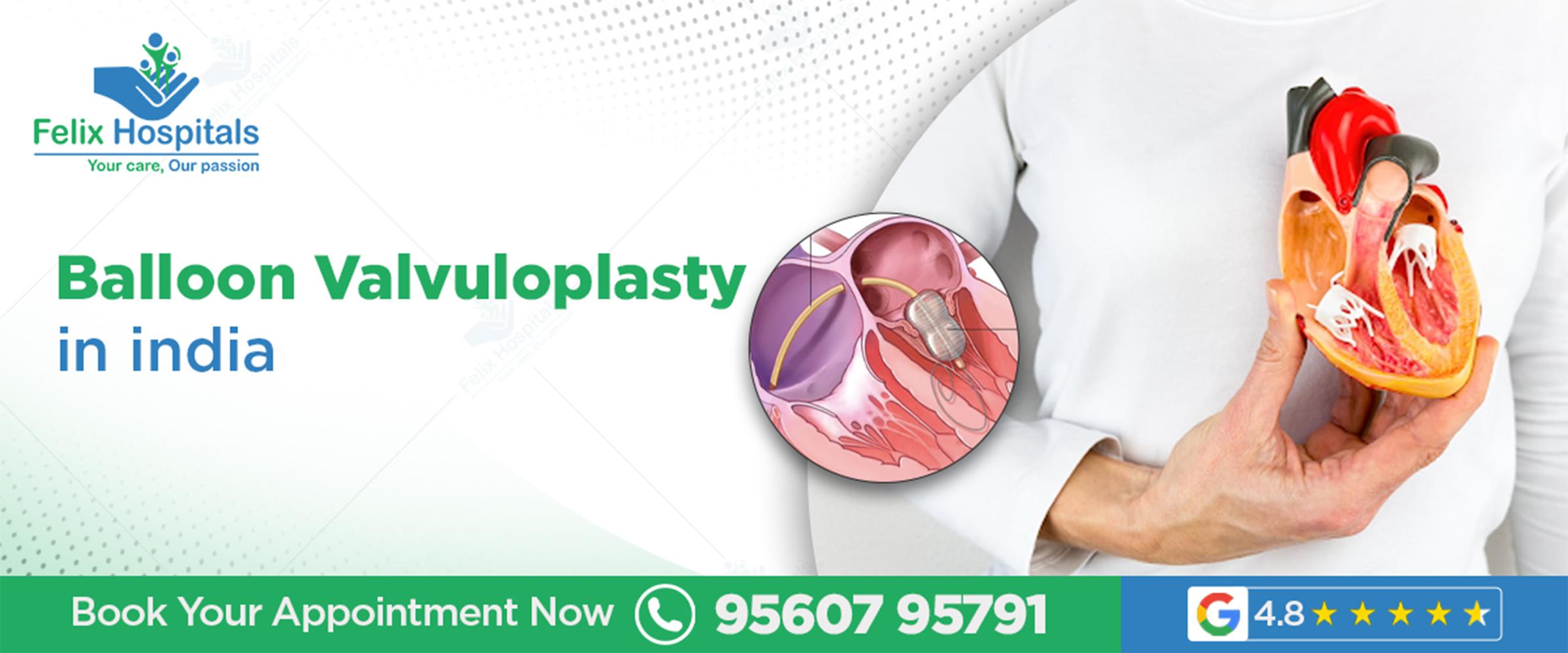
India has become a preferred destination for Balloon Valvuloplasty, offering advanced interventional cardiology care, experienced specialists, and cost-effective treatment aligned with global standards. This minimally invasive heart valve procedure is widely performed in India for both pediatric and adult patients suffering from narrowed heart valves, providing effective relief with shorter recovery times.
With state-of-the-art cardiac catheterization laboratories and internationally trained cardiologists, Balloon Valvuloplasty in India delivers safe outcomes for patients traveling from across the world.
Schedule Balloon Valvuloplasty at Felix Hospital, Noida India Call Us: +919560795791 And WhatsApp +919560795791 us now. Our team will help you book the best treatment and arrange your medical visa hassle-free.
Balloon Valvuloplasty is a non-surgical, catheter-based procedure used to widen a narrowed (stenotic) heart valve. In this procedure, a thin catheter with a balloon at its tip is guided to the affected heart valve, where the balloon is inflated to open the valve and improve blood flow.
This procedure is commonly used to treat valve stenosis affecting the mitral, aortic, pulmonary, or tricuspid valves. Balloon valvuloplasty is often recommended when valve narrowing causes symptoms but open-heart surgery can be avoided or postponed.
There are different types of balloon valvuloplasty, based on the specific heart valve involved.
Performed for mitral valve stenosis, often caused by rheumatic heart disease. It improves blood flow between the left atrium and left ventricle.
Used in selected patients with aortic valve stenosis, particularly elderly or high-risk surgical candidates, or as a bridge to valve replacement.
Commonly performed in children and adults with pulmonary valve stenosis, often congenital in nature.
A less common procedure used in selected cases of tricuspid valve narrowing.
Indian cardiac centers are equipped to perform all types using advanced imaging and precision-guided techniques.
Several cardiac conditions may require balloon valvuloplasty when valve narrowing restricts normal blood flow.
Common conditions include:
The decision to perform balloon valvuloplasty depends on valve anatomy, severity of stenosis, patient age, and overall health status.
Before planning the procedure, several diagnostic tests of balloon valvuloplasty are performed to confirm suitability.
Common diagnostic evaluations include:
These tests help cardiologists assess valve structure, measure pressure gradients, and rule out complications such as blood clots.
The balloon valvuloplasty procedure is performed in a cardiac catheterization lab under local anesthesia with sedation or general anesthesia, depending on the patient’s condition.
Procedure steps include:
Catheter insertion through a blood vessel in the groin
Guidance of the catheter to the heart using imaging
Positioning of the balloon across the narrowed valve
Inflation of the balloon to widen the valve opening
Assessment of improved blood flow
The procedure typically takes 1–2 hours, and most patients experience immediate symptomatic relief.
Recovery after balloon valvuloplasty is generally quick due to its minimally invasive nature.
International patients receive coordinated discharge planning and post-procedure guidance to ensure safe travel.
Key benefits include:
These advantages make balloon valvuloplasty especially valuable for elderly patients, children, and high-risk surgical candidates.
The cost of balloon valvuloplasty in India is significantly lower compared to many developed countries, without compromising on quality or outcomes.
Factors influencing cost include:
Type of valve treated
Complexity of the condition
Hospital infrastructure and city
Length of hospital stay
On average, balloon valvuloplasty in India costs 60–75% less than similar procedures in the US, UK, or Europe.
Indian cardiology centers follow international guidelines to ensure consistent and reliable outcomes.
India offers multiple advantages for international patients seeking balloon valvuloplasty:
Hospitals also assist with medical visas, accommodation, language support, and follow-up coordination.
Balloon Valvuloplasty in India provides a safe, effective, and minimally invasive solution for patients suffering from heart valve stenosis. With advanced medical infrastructure, skilled specialists, and cost-effective care, India continues to be a trusted destination for global patients seeking high-quality cardiac treatment.
Timely intervention through balloon valvuloplasty can significantly improve symptoms, quality of life, and long-term heart function.
Schedule Balloon Valvuloplasty at Felix Hospital, Noida India Call Us: +919560795791 And WhatsApp +919560795791 us now. Our team will help you book the best treatment and arrange your medical visa hassle-free.
Yes, leading cardiac hospitals in India follow international interventional cardiology protocols with high safety standards.
Most patients require a stay of 7–10 days, including the procedure, observation, and follow-up evaluation.
In selected cases, balloon valvuloplasty can delay or avoid surgery, depending on valve condition and patient suitability.
Many patients require only short-term medications, with long-term treatment decided based on valve response and follow-up scans.
Yes, Indian hospitals provide detailed medical reports and support teleconsultations for continued care coordination.
Sudden cardiac arrhythmias can be life-threatening when they occur without warning. For patients at high risk of dangerous heart rhythm disturbances, timely intervention can mean the difference between life and death. AICD Implantation in India has emerge

Craniotomy surgery in india is a complex neurosurgical procedure performed to gain direct access to the brain by temporarily removing a portion of the skull. After the required treatment is completed, the removed bone segment—known as a bone flap—is secur
India has emerged as a preferred destination for Mitral Valve Replacement Surgery due to internationally trained cardiac surgeons, modern heart institutes, and outcomes comparable to leading global centres—combined with significantly lower treatment costs

Neurological emergencies, such as strokes, seizures, traumatic brain injuries, or sudden neurological deficits, require immediate medical attention.
According to medical research, every minute of delay in stroke treatment can result in the loss of approximately 1.9 million brain cells.
Here's something that might surprise you: emergencies affecting the brain, spinal cord, or nerves progress rapidly—sometimes within minutes. In such emergencies, people look for an emergency hospital near me that too equipped with advanced diagnostic and treatment facilities ensuring that patients receive the care they need without delay.
Timely intervention will save lives and even a life-long disability. People of Noida often ask: “Where can I find emergency neurology care near me?” Others search online for the best neurologist near me. Understanding when to seek a highly-experienced neurologist , knowing the available services can significantly improve the outcomes.
Ensure 24/7 access to expert neurological care—connect with a trusted neurologist in Noida today. Call +91 9667064100.
Neurological emergency refers to acute issues that pose threats to the nervous system, the spinal cord, or the brain, and require emergency treatment.
Examples of such common neurological emergencies are:
Stroke : Stroke is the major cause of death and third major cause of disability in neurological emergencies.
Seizures: Status epilepticus occurs approximately in 40 out of 100,000 individuals every year and it can be lethal if not treated within 30 minutes.
Acute Weakness or Paralysis: Denotes either spinal cord or nerve damage. About 250,000-500,000 individuals in the globe incur injuries on the spine annually.
Severe Headache or Loss of Consciousness: Can be an indication of an aneurysm, bleeding, or infection. Aneurysm occurrence in the brain is 3-5 percent between the general population.
Your body gives you warning when things go terribly wrong. Permanent disability can be averted by recognising such warning signs.
Temporary or one-sided numbness, weakness, in the face, arm or leg,
Unclear or confused wordings
Loss of vision or seeing two items
Violent and abrupt headache with neck stiffness
Bouts of either loss of balance, vertigo, or seizures
In case you observe any of these symptoms, call an emergency neurology hospital close to your location or make an immediate call. Fast action saves lives.
A stroke occurs when the blood supply to a part of the brain is suddenly blocked (ischemic stroke) or when a blood vessel in the brain bursts (hemorrhagic stroke). When brain cells do not receive oxygen and nutrients, they begin to die within minutes. This is why stroke is considered a medical emergency and requires immediate treatment.
Typical symptoms include:
Facial droop or uneven smile
Weakness in an arm or leg
Speech or speech comprehension problems.
Sight failure or a terrible ache in the head.
A seizure is a sudden, uncontrolled electrical disturbance in the brain that can cause changes in movement, behavior, awareness, or consciousness. Seizures may last from a few seconds to a few minutes and can vary in severity.
Status epilepticus, a condition of prolonged seizures longer than 5 minutes, is an emergency.
The emergency management of seizures include:
IV anti‑seizure medications
Oxygen and vital monitoring
Establishment of the underlying causes.
Follow‑up with a neurologist
Head trauma, or traumatic brain injury (TBI), occurs when an external force injures the brain. In India, approximately 1.5-2 million individuals suffer traumatic brain injuries every year (Source -Indian Head Injury Foundation)
The main symptoms include:
Inability to articulate thoughts or become unconscious.
Long-term vomiting and severe headache.
Inequity of eye-sight or pupils
Lack of coordination with weakness.
Quick intervention in the golden hour may lower mortality by 25 percent.
A spinal cord emergency occurs when sudden trauma, compression, or injury disrupts the spinal cord’s function, leading to weakness, paralysis, or loss of sensation. Immediate medical intervention is critical to prevent permanent disability.
Emergency management steps include:
MRI or CT scan
Visiting an Emergency surgeon
Early rehabilitation
In all these neurological emergencies, a 24/7 neurology hospital Noida ensures round-the-clock access to advanced diagnostic tools and appropriate treatment.
Condition | Critical Time Window | Outcome With Prompt Care |
Ischaemic Stroke | 4.5 hours | 60–70% good recovery |
Brain Hemorrhage | 6–12 hours | 50–60% survival |
Status Epilepticus | 30 minutes | 80% seizure control |
Severe Head Trauma | Golden Hour | 75% better outcomes |
Spinal Cord Injury | 8 hours | 50% better function |
Rapid diagnostic imaging assists physicians in making timely and accurate diagnoses.
Brain CT: Can be completed in less than ten minutes to diagnose and identify abnormalities such as stroke, bleeding, or trauma.
MRI and Angiography: Offer imaging modalities used to visualise the brain, spinal cord, and blood vessels in detail in order to assist with emergent interventions.
Being prepared for an emergency can save time and improve outcomes of neurological treatment. Follow these steps:
Keep emergency numbers handy
Have a list of medication history and medical history.
Learn the FAST technique of stroke.
Identify nearby local hospitals
Educate family members.
When looking for neurology emergency hospital near me, opt for the hospital which has:
24/7 Neurology Emergency Care
Experienced neurologists
Cutting edge lab services
Ambulance service
Immediate 24X7. thrombolysis/intervention teams.Early stroke treatment can reduce stroke death and disability rates by as much as 25%.
Ongoing Surveillance for Neurological High-risk Group.There is a stability and quick response in a sudden case.
Immediate Neurosurgical attention can be given even in cases where the life of the patient is at stake.Experienced neurologist in noida help to avoid permanent neurological damage due to trauma.
Early rehabilitation is key to better outcomes and regaining independence:
Physical Therapy: Up to 70% of patients become independent.
Occupational Therapy: Decreases the level of disability by 25 per cent.
Speech Therapy: Contributes to the recovery of communication in a third of stroke survivors.
Psychological Support: Manages depression in nearly 30% of stroke patients
Locate the nearest neurology emergency care in Noida and get immediate assistance. Call +91 9667064100 now.
If you or a loved one is facing an emergency involving the brain, spinal cord, seizures, sudden weakness, or other neurological warning signs, it’s critical to seek immediate medical attention at a facility with 24/7 emergency neurology care. Neurological emergencies, such as strokes or seizures, can progress very rapidly, and timely treatment can literally save lives and prevent long-term disability.
Experiencing tingling in your hands or feet? It could signal a nerve-related issue. Consult our expert neurologists at Felix Hospitals to find the cause and get the right treatment today.
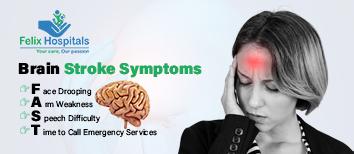
Recognizing the symptoms of a brain stroke is critical for getting prompt medical attention. The acronym F.A.S.T. is often used to remember the most common Brain stroke symptoms.
Advanced neurosurgery improves treatment for brain and spine disorders with better outcomes.

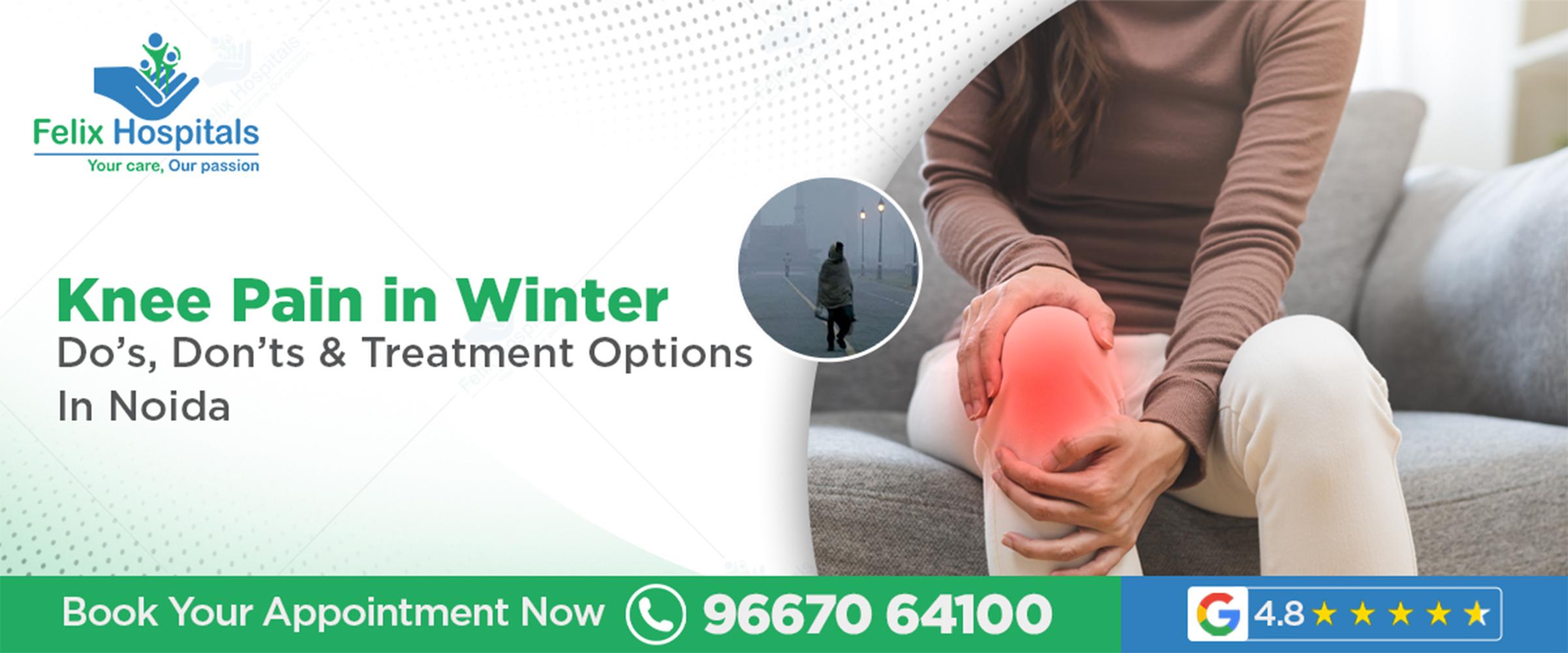
Winter is a time of holiday happiness, peaceful evenings and outdoor fun. Other than holidays and celebration winter also increases joint pain, particularly in individuals with a prior joint problem. Knees may be stiff, swollen and sore due to the cold temperature, lack of mobility or alternating atmosphere. Even a slight pain will disrupt your day to day routine such as climbing stairs, walking, or physical exercise. Knowing why knees hurt in winter, using preventive strategies, and seeking expert orthopaedic care in Noida are key to keeping joints healthy and mobile during the colder months.
The pain in the knee does not indicate only the discomfort, but also may indicate conditions like osteoarthritis, ligaments rupture, or cartilage rupture. Unless treated, chronic knee pain in the winter months may considerably disturb the quality of life as well as limit the independence.
Knee pain shouldn’t limit your life. Schedule your orthopaedic appointment now: +91 9667064100
Cold weather affects muscles, joints, and connective tissue, which explains why knees hurt in winter. Some of the most common reasons why knees pain in winter are:
Muscle contraction: The cold causes the muscle and ligaments to shrink resulting in strain in the knee joint.
Less joint lubrication: Synovial fluid that lubricates the joint during cold weather thickens, causing the movements to become harder.
Increase of chronic disorders: In colder months, arthritis, cartilage degeneration or degeneration of pre-existing injuries exacerbates.
If you experience knee pain throughout the winter, it is important to identify it quickly so that you can get treatment. Here are some common symptoms:
If you experience any of these symptoms continuously, visit an orthopedician in Noida to get relief and get back to your activities of daily life.
Treatment of knee pain in winter can be relieved with the following simple measures.
Tips for knee care in winter include staying active, stretching regularly, and avoiding sudden strenuous movements. Keeping joints mobile helps prevent stiffness and pain.
Do’s for Winter Knee Care | Don’ts for Winter Knee Pain |
|---|---|
Keep knees warm with layers, thermal wraps, or scarves | Avoid high-impact exercises on cold joints without proper warm-up |
Engage in regular, gentle strengthening exercises for quadriceps and hamstrings | Do not ignore persistent swelling or pain |
Wear cushioned footwear to absorb impact | Refrain from prolonged inactivity or sitting, which stiffens the joint |
Maintain a healthy weight to reduce stress on the knee joint | Avoid self-medicating with over-the-counter drugs without consulting a doctor |
Attend regular check-ups with an orthopedic specialist for preventive guidance | Limit exposure to extreme cold without protective clothing |
When home care is inadequate, the intervention of a bone and joint care expert is required. The possible treatments of knee pain during winter can be.
A visit to an orthopaedic will help in getting treatment by considering the age, activity and underlying conditions of the patient. Ways to keep knees warm in winter include wearing thermal supports, knee sleeves, or layered clothing to maintain warmth and blood circulation.
Hospitals in Noida offer treatment of winter knee pain as:
The trend of providing attractive amenities, qualified physicians, and patient-focused service in winter to manage knee pain centres around hospitals such as Felix Hospital Noida.
Home care is an addition to professional care. At home, good things to avoid and things to do with winter knee pain may be:
A combination of home care and hospital instructions should guarantee faster rate of recovery and minimise recurrence.How to relieve knee pain in cold weather Noida involves gentle exercises, warm compresses, and consulting an orthopaedic specialist if pain persists.
There are urgent cases that must be handled. Consultation: When pain of the knee in winter is coupled with:
Take the first step toward pain-free knees. Call +91 9667064100 to book an orthopedician appointment today.
Winter knee pain is a common but manageable condition. Understanding why knees hurt in winter, recognizing symptoms, and following the do’s and don’ts for winter knee pain ensures effective management and long-term joint health. Hospitals like Felix Hospital in Noida provide advanced orthopedic care, including diagnostics, treatment, rehabilitation, and preventive guidance. Timely action, combined with home care and lifestyle adjustments, helps patients maintain mobility, stay active, and enjoy winter without discomfort.
Question 1: Why do knees hurt more in the winter than in the summer?
Answer: Cold weather makes muscles contract, makes joints less slippery, and makes nerves more sensitive, all of which make knee pain worse.
Question 2: Is it possible to stop knee pain in the winter?
Answer: Yes, if you exercise regularly, wear warm clothes, keep a healthy weight, and follow orthopaedic advice to avoid injuries.
Question 3: What home remedies can help with knee pain in the winter?
Answer: Warm compresses, gentle stretching, supportive braces, and exercises that don't put too much stress on your body can all help.
Question 4: When should I go to an orthopaedic doctor for knee pain?
Answer: If the pain doesn't go away, the swelling gets worse, you can't move around, or home remedies don't work, see a doctor.
Question 5: Do people often have knee surgery for pain that comes from the winter?
Answer: Most of the time, winter knee pain is treated conservatively, but if you have advanced osteoarthritis or structural injuries, you may need arthroscopy or a joint replacement.
Dr. Binay Kumar Sahu is an experienced Orthopedic and Traumatology specialist with 11+ years of clinical practice. He has extensive expertise in complex trauma, arthroscopy, arthroplasty, musculoskeletal tumors, and hand surgery. Recognized among the Best Orthopedics in Noida, he provides comprehensive and advanced orthopedic care.
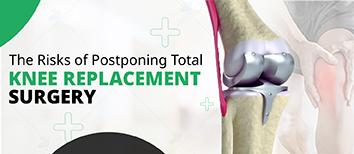
Knock knees, medically known as genu valgum, is a common condition in young children where the knees angle inward and touch one another when the legs are straightened.

Subscribe to our
© Copyright 2026. All Rights Reserved by Felix Healthcare Private Limited
Design and development by :


 +(91)9667064100
 Emergency : +(91)9667064100