 WhatsApp
 Emergency:
  WhatsApp











Subscribe to our
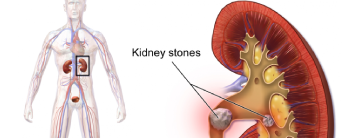
Kidney stones are more prevalent than most people think, and the pain they create can be excruciating. What may begin as a dull ache in the back or side can rapidly develop into intense, wave-like pain that interferes with even the simplest motion. Untreated kidney stones don’t just cause short-term pain — they can obstruct urine flow, trigger kidney infections and, in severe cases, induce permanent kidney damage that impairs your health for life.
Early detection of symptoms makes all the difference. Detecting a kidney stone before it becomes larger or blocks your system allows you to have more treatments and avoids complications that could otherwise mandate emergency intervention.
That’s why finding the best kidney stone doctor near me is so important.Advanced techniques for removing kidney stones have improved dramatically. Today’s procedures are minimally invasive, exponentially safer, far quicker, and much more effective than the older conservative ones. The majority of patients are walking around within days instead of weeks, with less pain and a significantly lower chance of stone recurrence. Expert care early means less suffering, a quicker recovery, and better long-term kidney health.
Request your appointment with a qualified urology expert. Visit +91 9667064100 to seek professional advice and prompt medication.
Kidney stones are mineral and salt stones which accumulate inside the kidneys. They develop when there is an imbalance in fluid, minerals, and substances of the body which is wasting. Stones are common due to dehydration, diet and metabolic effects. Stone formation is caused by low water consumption, salt overconsumption, high-oxalate diets, and some medical states. Growth of minerals with time renders the passage of the natural route quite hard and very painful. Others are susceptible due to heredity. Recognising kidney stone risk factors is key to diagnosis, prevention, and treatment.
The early detection of symptoms allows patients to obtain care before they become complicated. The symptoms may suddenly appear and the condition increases with the movement of the stone. The pain is normally intense and may extend to the lower back to abdomen or groyne. Changes and irritations in the urine tend to complicate everyday routines.
Sharp back or side pain
Burning during urination
Blood in the urine
Frequent urge to urinate
In case of severe pain or pain, which is accompanied by nausea, vomiting or fever, turn to a doctor.
The severity of pain is dependent on stone size, localization and motion. Little rocks might pass without much trouble. Smaller stones may hamper flow of urine that results in swelling, infection or kidney injury. Constant blockage can result in infection of the urinary tract or kidney failure.
Late intervention adds to the likelihood of getting secondary damage to the body. Knowing when to remove kidney stones is critical in advanced cases.
Not all stones need surgery. The surgery is adopted in such cases when pain is acute, the stone size is so big that it cannot be passed, infection, or blockage is caused.
Removal is advised by doctors when:
Pain is severe and unmanageable
The stone is too large to pass naturally.
Infection or obstruction has taken place.
Early assessment ensures prevention of emergencies and safer treatment.
There are various surgical solutions of modern medicine. These are least invasive operations that minimise recovery and complications. The treatment is specific to the features of the stone.
Common approaches:
Shock wave lithotripsy (breaks stones into small pieces)
Ureteroscopy (endoscopic stone removal)
Percutaneous nephrolithotomy (surgical removal of large stones through a small incision).
Modern technology provides patients with accurate, non-damaging treatment and reduced hospitalisation. Calcium oxalate stone treatment may include dietary modifications, increased fluid intake, and medical management to prevent recurrence.
Practised removal methods include laser technology and high-resolution imaging to precisely locate and remove stones.
Benefits include:
Shorter recovery period
Lower risk of infection
Minimal scarring
Faster return to daily life
Patients tend to seek the best kidney stone doctor near me so that they receive specialised treatment and long-term prevention recommendations.
It is essential to choose an expert urologist. They understand stone composition, recurrence risk, and appropriate treatment protocols. Patients address the kidney stone hospital near me as close to their location as possible in order to receive high-quality facilities, emergency centers, and detailed diagnostics in a single location.
The consultation of experts is effective in removing stones in addition to providing advice on how to prevent future appearance of stones through lifestyle and dietary changes.
Healing is based on the process and health. Majority of all patients can resume normal activities in a few days particularly following minimally invasive surgery.
Key steps for recovery:
Stay well hydrated
Attend follow-up visits
A balanced diet plan for kidney stones focuses on reducing excess salt and oxalate-rich foods while maintaining proper nutrient intake.
Adequate hydration for kidney health helps flush out toxins and reduces the risk of crystal formation in the urinary tract.
Long-term management focuses on preventing dehydration, correcting nutritional imbalances, and managing metabolic disorders. The danger can be considerably mitigated with the correct attention.
Ignoring constant pain in the kidney stones is not a good idea. Get proper diagnosis and surgeries. Phone +91 9667064100 to make your appointment.
Kidney stones can begin with a small amount of pain but very soon can turn into a severe medical problem in case of inattentiveness. Knowledge of the symptoms, the importance of stone removal, and the choice of the extreme removal at the appropriate moment is a step towards avoiding complications and saving kidney health. Modern surgery and highly qualified care provide patients with a high level of safety and effectiveness of relief, making it possible to restore a high quality of life in Noida.
Dr. Udit Gupta is an experienced Nephrologist with 10+ years of expertise in chronic kidney disease, kidney stones, dialysis, kidney transplantation, and hypertension-related renal disorders.
Obesity and excessive sugar consumption are widely recognized as major contributors to diabetes, heart disease, and high blood pressure.
Kidney dialysis is a life-saving treatment for patients suffering from chronic kidney disease or kidney failure. Understanding the dialysis cost in Noida helps patients and families plan treatment effectively. This article explains the factors affecting d
Find out the best methods to pass kidney stones quickly, ease pain, and protect your kidneys with proven home remedies and advanced treatment options.

Hip joint pain isn't just for grandparents anymore. More young adults in their 20s and 30s are experiencing chronic or acute hip joint pain that interferes with their daily routines, exercise and, in some cases, sleep. In cities like Noida, Bangalore, Hyderabad sitting all day, barely moving, gym injuries, and lifestyle stress on joints are the main culprits. Recognizing these causes at an early stage is important to help prevent joint destruction in the long term and to minimize the risk of additional surgeries.
When suffering from Hip joint pain that is hampering your daily life activities, the solution is to consult the best Hip surgery Hospital in Noida that provides you with the best treatment options so that you can enjoy a pain free life.
Expert orthopedic care can help you stay active and pain-free. Call +91 9667064100 to consult a hip specialist at a leading hospital in Noida.
Hip joint pain problems are more common nowadays due to the following reasons:
Modern living puts a lot of strain on the hips. For example, long hours spent hunched over a keyboard, poor posture, and bouts of intense activity are largely to blame.
Strenuous exercise without adequate warm-up sessions place more stress on the hip joints, resulting in young adults becoming more prone to pain and injury.
In young people, hip pain is usually the result of overuse or mechanical problems — not arthritis or age-related wear and tear, as it is for older adults.
That's because hips carry the weight of nearly everything you do — walk, run and stand. So it stands to reason that even small hip problems can quickly cause pain and stiffness.
People should never brush off mild hip pain. When left untreated, it can become a chronic ailment that impacts mobility and quality of life.
As a treatable condition, early identification and intervention are key to avoiding long-term complications.
30% of athletes under 35 experience hip pain at some point
Women are 2-3 times more likely to develop certain hip problems due to anatomy
60% of cases improve with physiotherapy alone
Sitting 8+ hours daily increases hip pain risk by 40%
Early treatment reduces surgery risk by up to 75%
Strain in muscles because of excess exercise: Rapid changes in exercise, inappropriate form or no stretching may overstretch and overstrain hip muscles and tendons giving rise to soreness or stiffness or pain.
Restricted hip flexors due to hours of sitting: The flexor muscles tighten and become short because of the hours of sitting and result in pain during standing or walking.
Labral tear: The labrum is an annular cartilage that stabilises the hip. It can be torn by sports injuries or repetitive twisting.
FAI (Femoral acetabular impingement): The anomalous bones form friction within the joint causing pain and restricted movement.
Pain around the hip during walking is normally an indication of structural or mechanical issues, and sharp hip pain when walking should never be ignored, especially if it worsens with movement or stair climbing.
Hip pain can occur because of high-intensity workouts due to:
Bad lifting technique
No rest days.
Imbalances in muscles
Wrong shoes
Pain confined over 48-72 hours or on increase with activity is an indication of orthopaedic examination.
Sitting and standing in poor positions impose unequal force to the hip joint. Spending many hours at desks, or bending over the laptops without any support system slowly leads to discomfort.
Risk factors related to lifestyle are:
Inactivity all day
Extra weight
Smoking (cuts down on the flow of blood to the joints)
Poor flexibility
Early correction of posture can help a lot in the symptoms.
Symptoms | Likely Cause | What To Do |
Sharp pain walking | Labral tear or impingement | See doctor within days |
Ache after sitting long | Tight hip flexors | Stretch, see doctor if persists |
Pain after gym | Muscle strain or overuse | Rest 2-3 days, then evaluate |
Pain with specific movements | Structural problem | Orthopedic evaluation needed |
Pain at night | Inflammation or serious issue | See doctor within week |
Can't bear weight | Fracture or severe injury | Go to hospital now |
Knowing when to see a doctor for hip pain can prevent a simple condition from becoming a chronic joint disorder. Proper diagnosis is a determinant of successful therapy. Assessment usually comprises:
Your doctor will look at the way you walk - How you move tells a lot about the location of the problem and which muscles or joints are masking the pain.
Range of motion test - By moving your hip in all the directions — forward, backward and side to side. This is indicative of the amount of stiffness or restriction in the joint.
Evaluate the muscle strength – the physician will test the muscle strength around your hip to see if it is weak or unbalanced. Weakness on one side very often points very directly to the source of the problem.
Precisely locate the pain area — The doctor will gently press around your hip to see exactly where it hurts the most. The site of tenderness can help differentiate whether it is a muscle, tendon, bone or joint problem.
X-ray — The initial and quickest investigation. As it has high definition of bone it can show fracture, bone lesion and joint space narrowing in the presence of arthritis.
MRI — The most comprehensive test for hip joint disorders. It reveals what the X-ray cannot — cartilage, tendons, ligaments and damage to soft tissue. A labral tear is only seen on an MRI.
CT scan — Used when the bone structure needs to be examined in much greater detail than an X-ray can provide. Mostly used for complex fractures or before planning surgery.
Early detection assists in saving the health of the joints and avert their destruction in the long-term. Early consultations prevent surgical treatment and quicker recovery.
The majority of young adults respond favourably to conservative treatment; they are easy to treat when they are caught at an early stage. Common approaches include:
Analgesic and anti-inflammatory drugs to minimise pain and swelling.
Physiotherapy to tighten and increase flexibility.
Pain-reducing changes in activity.
Proceed with posture adjustments to reduce stress of joints.
Hip pressure reduction by weight management.
Hip and core specific exercises.
Ice and heat application in the management of inflammation.
These procedures are non-surgical methods of restoring joint action.
Surgery can also be prescribed when:
Structural damage is severe
Non surgical treatment fails in 3-6 months.
The joint locks or gives out
Advanced options available at a Hip surgery Hospital in Noida include arthroscopy, labral repair, and corrective bone procedures focused on preserving the natural hip joint.
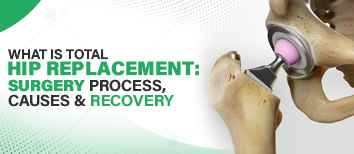
Total hip replacement (arthroplasty): It is the usual treatment for severe arthritis or injury. The damaged ball (femoral head) and socket (acetabulum) are taken out and new parts are put in place.
Partial hip replacement: In this procedure, only the ball part of the hip joint is replaced while the socket remains intact. This is usually done for certain types of hip fractures, particularly in elderly patients where only the femoral head (ball) is damaged and the acetabulum (socket) is still healthy.
Revision Hip Replacement: A complicated, second surgery done to replace a prosthetic that has worn out, became loose, or has failed.
Minimally Invasive Hip Replacement: Uses smaller cuts, which means less damage to the tissue, less pain, and a faster recovery than traditional methods.
Hip arthroscopy: It’s a diagnostic and therapeutic procedure and performed through tiny incisions. The surgeon uses the small camera, called an arthroscope, and small specialized tools to look inside the hip joint. It can be utilized to extract any loose pieces of bone or cartilage, fix torn cartilage, such as labral tears, trim away damaged tissue, or treat various other soft tissue concerns — and all without fully opening the joint.
Hip Labrum Reconstruction: For those patients with a hip labrum (circle of cartilage around the hip socket) too damaged to be repaired, reconstruction of the labrum is the recommended treatment. The surgeon removes the torn labrum and replaces it with a graft — most commonly from a tendon in your own body or from donor tissue. This graft is meticulously secured to reestablish the hip joint cushioning and stability that the natural labrum provided.
Prevention is the key to joint long-term health. The smart prevention strategies are:
Maintain a healthy weight
Pre-exercise warming up for 5-10 minutes are injury aversive.
Train core and hip muscles to get more support.
Sit on ergonomic chairs with correct height and stability.
Supportive shoes provide correct alignment.
Even minor lifestyle modifications can help to diminish the risk in the future significantly.
Hip pain that is left unattended may evolve into:
Chronic joint inflammation
Loss of mobility and flexibility.
Early arthritis (if you are in your 30s already).
Relying on pain discomfort medication.
Early surgery
Inability to perform simple tasks.
Knee and back problems
These complications can be prevented by timely treatment
Ignoring hip pain can lead to long-term joint damage. Call +91 9667064100 to book an orthopedic consultation in Noida today.
Hip joint pain in adults can be caused due to multiple reasons. Such conditions may be due to lifestyle, sports injuries, or an underlying structural joint issue — which is why getting the right diagnosis and treatment as soon as possible is so important.
Now with the best orthopaedic specialist in Noida young adults can benefit from comprehensive assessments. Early treatment for hip pain can restore function and significantly decrease the chance of long-term problems.
Q1: My X-ray looks normal, but I have hip pain. Does that mean nothing is wrong?
A: No. X-rays only show bones. X-rays can't show soft tissue injuries like labral tears, muscle injuries, or damage to cartilage that happens early on. MRI shows damage to soft tissue much more clearly. A lot of young adults with serious hip problems have X-rays that look normal.
Q2. Is it possible to treat hip pain during pregnancy in the same way?
A: No. Hip pain during pregnancy is caused by hormonal changes that make the joints less stable and add the extra weight changing your posture. The treatment is very different and needs to be safe for the baby. Instead of drugs or shots, a doctor will suggest physiotherapy and support belts that are safe for pregnant women.
Q3: I'm only 25. If I don't do anything about hip pain now, will I need a hip replacement in the future?
A: Maybe yes. Young adults who ignore hip pain and don't get treatment are much more likely to get early arthritis and need surgery to replace their hips in their 40s or 50s. Finding and fixing the problem now greatly lowers that risk.
Q4. Can hip pain change the way I walk?
A: Yes. If you don't pay attention to your hip pain for a long time, your body will automatically change the way you walk to make up for it. Over time, this puts too much stress on your knees and lower back, which leads to new problems. This is why it's important to get treatment right away, not just for your hip but for your whole lower body.
Q5. Is it okay to keep going to the gym if your hip hurts?
A: It depends entirely on the cause. Some exercises are safe and even helpful while others can make the injury significantly worse. Never self-diagnose and continue training through pain. Get evaluated first so your doctor and physiotherapist can tell you exactly what you can and cannot do safely.
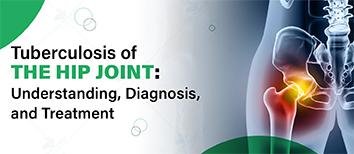
Tuberculosis (TB) is primarily known as a respiratory infection caused by Mycobacterium tuberculosis, but it can affect various body parts, including bones and joints.
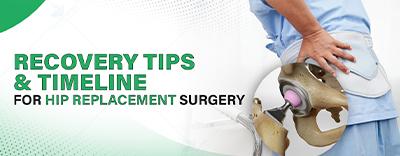
Learn about the recovery process after hip replacement surgery, including essential tips for a smoother healing journey and a general timeline of what to expect.
Back pain is one of the most common health complaints worldwide, affecting people of all ages. While most back pain improves with rest, medication, or physiotherapy, there are certain situations where pain is a warning sign of a serious spinal condition. Ignoring these symptoms or delaying treatment can result in irreversible nerve damage or loss of movement, or, indeed, a lower quality of life. Being aware of the situation and receiving medical interventions, i.e. appropriate Back pain treatment In Noida can make a significant difference in long-term recovery.
In case of back pain, which is acute or progressive, contact a spine specialist today. Call +91 9667064100 to book an orthopaedic evaluation for back pain treatment in Noida.
Not all back pain is serious.Pain from muscle strain, poor posture, or minor injuries often resolves on its own. When back pain is recurring, or is progressive or is associated with neurological effects, it becomes a cause for concern. Structural damage to the spine, nerves, or discs rarely improves with conservative care alone. Sudden severe back pain may result from muscle strain, disc problems, or nerve compression. If the pain is intense, persistent, or associated with numbness or weakness, medical evaluation is essential.
Certain symptoms of back pain that require surgery signal serious spinal involvement and need urgent medical attention.
Key warning signs include:
Severe pain which does not improve with rest
Night time pain.
Post injury back pain that may require surgery.
Unexplained fever or sudden weight loss
Bladder or bowel incontinence (medical emergency).
Weakness of legs or feet.
Such symptoms may indicate fractures, infections, tumours or progressive disc disease. They are Severe back pain indicators that demand immediate evaluation.
Chronic back pain needing surgery refers to pain lasting longer than three months. Although most chronic cases do not require surgical care, there are some cases that progress to a point where surgical intervention becomes necessary
Symptoms indicating the necessity of surgical treatment of chronic pain:
Deterioration in the health of the spine.
No improvement with medication and physiotherapy for six months or longer than that.
Loss of capacity to stand, sit and walk at length.
Severe structural damage revealed in x-rays or MRI.
Severe nerve compression.
Improper spinal movement.
Deteriorating neurologic impairment.
Cauda equina syndrome which refers to nerve bundle compression.
Compression of the nerve can result in permanent damage in the case of a long-term compression.
Back pain with leg weakness that spreads down the legs often indicates nerve involvement. It is among the most significant symptoms that would likely need an operation.
Warning signs include:
Difficulty in lifting the foot.
Numbness during standing
Pains in the lower back extending to the legs.
Difficulty in standing on tiptoes or heels.
This usually happens due to slipped discs or spinal stenosis and can be corrected through surgery by means of decompression. Do not neglect the leg weakness because it is a symptom of continuous nerve damage.
Back pain with numbness or tingling implying compression or damage of nerves should not be ignored.
What to watch for:
Pins and needles like feeling on legs or feet.
Numbness of certain body parts.
Electric shock or burning pain .
Absence of sensation in legs or feet.
The constant numbness condition must never be left unattended because early intervention is key in achieving success of a surgery and minimising the chances of permanent injury.
Back pain after injury that may need surgery needs to be evaluated as soon as possible. Injuries that likely need surgical evaluation includes:
Road traffic accidents.
Fall from height.
Spinal injuries associated with sports.
Any injury that has a direct impact to the spine.
Urgent surgical stabilisation is usually necessary in fractures or compressions of the spine. Every minute is important in spinal cord injuries. One should never wait and should get checked immediately after a serious injury.
Symptoms | Treatment Available | Urgency Level |
Muscleache that improves with rest | Conservative care | Low |
Pain lasting 3+ months and not improving | May need surgery evaluation | Moderate |
Leg weakness or numbness | After medical advice it often requires surgery | High |
Loss of bladder/bowel control | Emergency surgery needed | Immediate |
Pain after serious injury | May need emergency surgery | Immediate |
Night pain with fever | If the infection has spread - urgent medical intervention is needed | Immediate |
Gradually worsening over months | Surgery consultation needed | Moderate-High |
The Severe back pain indicators, especially Back pain with leg weakness or Back pain with numbness or tingling, demand immediate attention.
Proper diagnosis must be done before surgery is advocated.
Diagnostic tests used:
MRI Scan - Shows exactly which disc is pressing on which nerve, how severe the nerve compression is, and whether there is any inflammation or damage to the soft tissue surrounding the spine.
CT Scan - Reveals the precise condition of the spinal bones — whether any vertebra is broken, out of place, or has grown bone spurs that are compressing the spinal canal.
X-Ray-Reveals if the spine is aligned properly, if the space between vertebrae has compressed, and if there is any visible bony injury or degeneration that could be a source of the patient’s backache.
Nerve Conduction Test - Indicates if the nerves in the back are compressed or damaged, and to what extent
clarifying why the patient suffers from leg weakness, numbness, or tingling.
These tests help spine specialists determine the exact cause and severity, ensuring the most appropriate back pain treatment In Noida.
Modern spine surgery for back pain is safer and more precise than ever.
Common surgical options include:
Discectomy- Discs, or spinal discs, are soft rubbery cushions that act as shock absorbers between the spinal bones (vertebra). When one of these cushions presses on a nerve, either through bulging or because a cushion has popped, it presses on a nerve root that exits the spinal column, resulting in radiating pain, numbness, and leg weakness. A discectomy is the surgical removal of the damaged or herniated portion of a disc to relieve the pressure on the nerve. It’s one of the least invasive spine surgeries, and pain relief is immediate for most patients. Healing time is pretty fast compared with other spine surgeries.
Laminectomy -The lamina is a bony structure that forms the back of the vertebra and the spinal canal. When that space narrows excessively — a condition known as spinal stenosis — it compresses the nerves running through there, and can cause pain, weakness and difficulty walking. A laminectomy includes making a window in the “bony roof” over the spinal canal to enlarge the canal, allowing the spinal nerves to have more room. Patients frequently sayit as if a weight has been lifted off their back that had been pressing down for years.
Spinal Fusion - Spinal fusion is a technique in which two or more vertebrae are abnormally mobile and rubbing against one another, or are causing pain so severe due to degeneration that they need to be stopped from moving; they are permanently joined together into one solid block. The bone graft is placed between the vertebrae to be fused, and metal rods or screws hold everything in place while the bones naturally fuse together over time. When that segment is fused it no longer moves on its own and the pain caused by that movement is gone.
Minimally Invasive Spine Surgery- Traditional spine surgery involved large incisions and cutting or moving muscle to get to the spine. Minimally invasive techniques are used to accomplish the same goals but are done through very small incisions using specialized instruments and cameras. The muscles around the spine are not affected which means a lot less pain after surgery, less bleeding, a shorter hospital stay, and much quicker recovery to normal daily routine. It is now the best approach for numerous common spine problems.
Artificial Disc Replacement - Artificial disc replacement provides a contemporary option where the faulty disc is removed and replaced with an artificial disc that moves like a normal disc. The main benefit is that the spine keeps its normal flexibility and movement at that level and does not become permanently rigid. It is especially suitable for younger active patients who wish to have a full range of motion after surgery.
Depending on your diagnosis and general health, your surgeon will choose the procedure.
The recovery is dependent on the kind of surgery done and health of the patient.
Hospital stay for 2 to 5 days— Majority of patients are kept under close observation during this time, while they are recovering from the operation and until they are sure that there are no complications.
Walking for 1 to 2 days after surgery — This helps to prevent blood clots and encourage circulation. Patients are advised to get up and walk a little.
Light activities for 4 to 6 weeks — Walking, light household chores and personal care activities are resumed gradually but there should be no heavy lifting or bending.
Full recovery for 3 to 6 months – Complete healing of spine, regaining normal strength and participating in most regular activities including work and exercise occur during this time frame.
Physiotherapy: Necessary for 2 to 3 months – Supervised rehabilitation exercises help regain core strength, increase flexibility and teach safe movement practices to protect the spine for life.
The majority of patients have a relief of pain and greater mobility. The rates of success in the implementing cases are more than 80%-90%. Recovery after back surgery varies depending on the procedure and overall health of the patient. Proper rehabilitation, physiotherapy, and follow-up care play a key role in restoring mobility and strength. Spine surgery for back pain is not seen as the first option until the non-surgical treatments fail.
Spinal surgery delaying risks:
Damage to the nerve with permanent basis (even after surgery, it may not be recovered)
Weakness or paralysis (chronic).
Loss of bladder and bowel control
Reduced effectiveness of surgery
Development of chronic pain syndrome.
Prolonged weakness results in muscle wasting.
Intervention in the early stages tends to be quicker as well as more successful. Fear of surgery should not cause long term disability.
High-tech orthopaedic and spine units and facilities in Noida provide a wide range of services and advanced technology. Chronic back pain needing surgery won’t improve by waiting. Spine surgery for back pain has advanced dramatically—it’s safer, more effective, and offers faster recovery than ever before. Stop being afraid of getting the evaluation you require.
Advantages of expert treatment of the spine include:
Diagnostic tests with the most recent imaging.
Minimally invasive methods
Faster recovery protocols
Interdisciplinary rehabilitation
24/7 emergency spine care
specialised orthopaedic and neurosurgeons
Better surgical outcomes
Symptoms of serious back pain should not be disregarded. Call +91 9667064100 now to consult the best orthopaedic and spine specialists for back pain treatment In Noida.
Although the majority of cases of back pain are treated positively through conservative therapy, chronic, intensive, or neuro-neurological symptoms must never be overlooked. Such complications as compelled nerves, spinal instability, or trauma can be treated surgically to avoid long-lasting disability.
Recognising the Symptoms of back pain that require surgery early and consulting a specialist at a Back pain surgery hospital In Noida can make the difference between full recovery and long-term complications.
Endoscopic Spine Surgery in Noida offers a revolutionary, minimally invasive solution for chronic back and spine-related pain

Specialized pediatric orthopedic care in Noida focusing on children’s bone, joint, and musculoskeletal health for safe growth and mobility.

Autoimmune myositis is the most severe form, where the body’s defenses attack muscle cells. The inflammation resulting in it causes muscle weakness in the long run. Such cases often require time extended medicine and observation. The diagnosis should be completed at an early stage to avoid irreparable loss and problems with lungs or heart.
Experiencing persistent muscle weakness or pain? Consult experts at the Best Rheumatology Hospital in Noida. Call +91 9667064100 to book an appointment.
Diagnosing myositis combines a physical exam with a series of tests. First, doctors check the strength of muscles and discuss your symptoms. High muscle enzymes which result in inflammation can be revealed by blood tests. The diagnosis is proved by imaging and specialised tests excluding other disorders.
Diagnosis often includes:
Blood Tests — Inflamed muscles release certain enzymes into the blood. CPK (creatine phosphokinase) and aldolase are two important enzymes that doctors track. These are known to be high in patients with severe, active muscle damage. Specific autoantibodies — proteins that the immune system produces when it is inaccurately targeting the body’s own muscles — along with other blood tests help in identifying the specific type of myositis you have.
MRI Scan — You can get a detailed image of your muscles with an MRI without cuts, injections, or anything invasive. It can pinpoint exactly which muscles are inflamed, whether the damage is localized or generalized, and even whether any suspicious areas warrant additional research. MRI is very sensitive — it detects muscle inflammation in as much as 90 percent of a disease’s involved muscles, and is especially helpful in guiding the muscle to be biopsied.
Electromyography (EMG) — This test evaluates the electrical function of your muscles. Numerous tiny needles are pushed into the affected muscle, and the electrical signals are recorded. Inflammatory myopathy shows a characteristic abnormal pattern of electrical activity, which is greatly diagnostically helpful in confirming that the problem lies in the muscle itself and not in the nerves that supply the muscle.
Muscle Biopsy — The myositis muscle biopsy is the gold standard for diagnosis. A tiny piece of muscle tissue is removed usually from a weak or inflamed area identified by MRI and looked at under a microscope. It provides the most definitive confirmation of inflammation, indicates the degree of muscle damage and may help to confirm which type of myositis is involved. It is a small surgery performed under local anaesthesia.
Chest X-ray or CT Scan — Myositis can affect the lungs, particularly in the autoimmune types. A chest X-ray provides a broad examination, while a CT scan offers much more detailed information about lung tissue. These tests are performed to determine if the lungs have been affected, which is significant because lung involvement in myositis signifies the need for additional therapy and meticulous long-term surveillance.
These tests measure disease severity and help guide myositis treatment plan. The earlier the myositis diagnosis, the more positive are the results.
Treatment aims to reduce inflammation, rebuild muscle strength, and prevent complications. The personalisation of plans depends on the severity of the disease and its cause. Early treatment leads to better mobility and independence.
Medications: Medicine is typically the first-line intervention, and myositis treatment without medications is uncommon.
Corticosteroids — Corticosteroids are the first drugs that are prescribed. They rapidly reduce inflammation and allow the muscles to begin healing. They are the most commonly prescribed medications and rapidly reduce inflammation.
Immune-modulating drugs — Since myositis is an autoimmune condition, the immune system needs long-term treatment. Drugs such as methotrexate and azathioprine are prescribed for this. In order to keep the disease under control they are taken for months and sometimes for years.
Biologic therapies — For patients whose myositis does not respond to standard drugs, newer biologic agents are available. These are enabling us to target certain components of the immune system that are responsible for muscle damage.
For day-to-day pain relief, simple medications like paracetamol are used to take the edge off the discomfort whilst awaiting the effects of definitive treatment.
Rehabilitation — and Therapy Medications treat the disease, but therapy is what enables you to get your life back to normal.
Physical therapy — During physical therapy, a physiotherapist develops a personalised and gentle exercise plan to help rebuild muscle strength while avoiding further irritation. It starts slowly and gradually increases as your tolerance improves. Consistent physiotherapy is crucial to recovery.
Occupational Therapy — An occupational therapist can assist you with day-to-day activities that you find challenging such as dressing, cooking or using stairs. The suggest practical products and solutions to make life easier and safer on a daily basis.
Speech therapy — If the throat muscles have been involved and swallowing is difficult, a speech therapist will work to strengthen these muscles and make eating and drinking safer.
Rest and sleep — It is during sleep that your muscles undergo repair. Sleep duration of 7 to 8 hours per day is considered part of your therapy. Pushing through fatigue only worsens inflammation.
Healthy diet — Eating sufficient protein and other nutrients and anti-inflammatory food can help to maintain muscle and general strength. Your physician or dietitian can advise you about which foods will be best for you.
Sun protection — This is particularly important for dermatomyositis patients. Sunlight can increase or induce skin rash. Sunscreen and protective clothing, avoiding exposure to the sun during peak hours are a must every day.
Routine follow-ups — Myositis is a chronic disease that requires monitoring. Regular blood tests, check-ups and imaging allow your doctor to ascertain whether the inflammation is controlled or the treatment needs to be adjusted.
Physical therapy is essential to improve myositis treatment outcomes. Carefully managed light exercises maintain muscle strength. The programmes are made to suit you and record your tolerance which changes with improvement. Regular treatment substantially improves the quality of life and functioning on a daily basis.
The main advantages of physical therapy:
Living with myositis means you must commit to a long-term treatment plan and adjust your daily habits. You should strike a balance between exercising and also have sufficient rest in order to prevent excessive work on the muscles. Since the problem of chronic muscle weakness is heavy on your mood, emotional support is needed as well.
Challenges that may arise daily may include:
Stair climbing and ambulation problems
Dissociations in most areas of personal care
Fatigue management
Medication side effects
Emotional adjustment
By having proper medical attention and frequent cheque-ups, most individuals will be able to deal with the symptoms and be active. Some patients achieve relief, while others may need to continue treatment long-term.
Get accurate diagnosis and advanced care from the Best rheumatologist in Noida. Call +91 9667064100 today for specialist consultation.
Choosing the Best rheumatologist in Noida is crucial for long-term control. Specialist care provides access to:
Prompt special treatment usually prevents complications and enhances muscle performance in the long term. It has been found that patient results are better when they are observed within six months of symptoms.
Myositis is a serious inflammatory muscle disease that needs early recognition and expert care. Symptoms like muscle weakness, pain, and fatigue should not be brushed off as normal aging or overexertion. Knowledge of the cause, the mode of myositis diagnosis and the possible myositis treatment tools would enable you to get early medical assistance.
With expert management from the Best Rheumatology Hospital in Noida and guidance from the Best Rheumatologist in Noida, people with myositis can slow disease progression and improve their quality of life. The trick lies in the ability to identify the myositis symptoms on time and receive the expert assistance before the time to lose.

Genetic testing helps identify inherited muscular disorders early by assessing your genetic risk.

Pediatric rheumatology focuses on diagnosing and treating autoimmune and inflammatory disorders affecting children’s joints, muscles, and connective tissues.

Eating a balanced, nutrient-rich Arthritis diet plan can help manage inflammation and reduce symptoms of rheumatoid arthritis.

Knee swelling after exercise is more common than you think. Athletes, gym-goers, and even people who just went for a walk can experience it. Although temporary swelling can occasionally be unimportant, constant or painful swelling may indicate an underlying injury or problem with the joint. Knowing why it happens, when to see the best orthopaedic surgeon in Noida, and what treatments are available could save your joint from irreversible damage and help keep you active and mobile.
Persistent knee swelling can signal serious injury. Contact +91 9667064100 to consult a specialized knee joint doctor in Noida today.
Knee swelling (effusion) is the accumulation of excess fluid in or around the knee joint. Exercise induced swelling has many causes, most can be explained by normal wear and tear, while others indicate joint structural damage.
Running and sports are both high-impact activities that place a lot of pressure on the knee cartilage and ligaments. Sometimes swelling is transient, caused by an increased blood supply and fluid retention in the joint.
Persistent swelling after exercise—especially if it is accompanied by pain or a sensation that the joint may give out—should never be disregarded. It is also frequently seen with knee pain while walking long distances or performing other bearing activities for long waves.
Several causes of knee pain tend to worsen with movement, particularly during walking. Some of the most common chronic knee pain causes include:
Overtraining -Running, cycling, or jumping may overstrain your knee, as well as result in inflammation.
Ligament injuries - Tears in the ACL, PCL and MCL cause acute swelling and a sense of instability.
Meniscus tears - Cartilage cushion may tear during sports, forcing it to push fluid into the joint.
Patellar tendinitis - Excessive use of the tendon approximately below your kneecap causes swelling and pain.
Bursitis - The fluid-filled pods surrounding the joint become inflamed to cause swelling.
Osteoarthritis- Wear and tear of the joint result in chronic swelling, particularly following an activity.
Gout or pseudogout - Sudden and painful swelling is due to the crystal accumulation in the joint.
The swelling of the knee does not require an immediate intervention, however, there are indicators of severe injury or joint issues:
Sudden or Sharp knee pain when walking or moving, especially knee pain at night and when walking.
A crooked-looking knee deformity.
Inability to hold weight or instability.
Local warmth in the knee.
Persistent greater-than-48-72-hours swelling.
Knee locking
Worsening, progressive pain when walking.
When any of them manifest themselves, visit an orthopaedic expert or specialist in knee joints immediately.The tendency, time and exact place of the pain can assist your doctor in making decisions about the cause. Knee pain can be observed by numerous people, and it is difficult to bend or walk due to pain in the knee joint while walking.
When swelling does not subside within a few days or keeps returning, it can indicate a chronic joint problem. Conditions such as osteoarthritis and rheumatoid arthritis, as well as repeated minor injuries, can all result in persistent swelling and pain.
Chronic swelling must be addressed promptly to prevent further cartilage damage and preserve long-term mobility. Left untreated, persistent swelling often progresses into chronic knee pain that becomes increasingly difficult to manage.
What You Notice | Likely Cause | Action Needed |
Mild swelling after hard workout | Normal fluid buildup | Rest, ice, monitor |
Swelling + sharp pain | Ligament or meniscus tear | See doctor within 1-2 days |
Swelling + can't bear weight | Serious injury | Go to hospital now |
Swelling + warmth/redness | Infection or inflammation | See doctor same day |
Recurring swelling | Chronic joint issue | Schedule orthopedic visit |
Swelling + knee locks | Meniscus tear or loose cartilage | See doctor within days |
Gradual swelling over weeks | Osteoarthritis or overuse | Schedule evaluation |
The rigidity and swelling in the knee restrict the movement of bending or straightening the knee. You might notice:
Problems in bending or straightening the knee.
Stiffness following sitting or in the morning.
Knee pain when walking and climbing stairs
Pains that are disruptive to sleep at night.
These are usually indicative of meniscus tears, cartilaginous wear or inflammation in the joints.
Visit a physician in case of:
Swelling which does not subside in several days.
Acute pain, instability or locking of the knee.
Infection indicators: heat, erythema, or fever.
Sharp pain which restricts daily activity, including Knee pain when bending and walking.
The early diagnosis and treatment prevent the long-term destruction of the joints and the possibility of permanent knee pain.
Best orthopaedic surgeons in noida conduct an examination of the physical as well as an imaging to detect the source of swelling.
Common diagnostic tools include:
X-ray- To detect fractures or osteoarthritis.
MRI- Identifies damage to the ligaments, tendons, or meniscus in 90-95 per cent.
Ultrasound- Evaluates the presence of fluid and inflammation of the soft tissues.
Blood tests- Diagnose infections or inflammatory disease.
An accurate diagnosis ensures that you receive targeted, effective treatment at the Best orthopedic hospital In Noida.
Non-Surgical Treatment includes:
Body positioning and repositioning- Eliminate swelling exacerbating activities.
Ice pack- Apply ice packs for 15–20 minutes every 2-3 hours to decrease inflammation.
Analgesics- NSAIDs are used to eliminate swelling and pain.
Physical therapy - Trains the muscles around and increases the stability (85% respond positively).
Weight control - Being less weight implies that there is less knee stress.
Knee support brace for swelling- It provides compression and stability to reduce inflammation and discomfort. Proper use supports healing while allowing safe movement during recovery.These are used to provide support during the healing process.
Physiotherapy for knee injury helps restore strength, flexibility, and joint stability through guided exercises and rehabilitation techniques. Early physiotherapy improves recovery time and prevents long-term complications.
Surgery may be necessary for structural injuries or chronic issues, including:
Arthrocentesis (Joint Aspiration): During arthrocentesis, also known as joint aspiration, a needle is used to drain extra synovial fluid to relieve pressure. To reduce inflammation, this procedure is often done with a corticosteroid injection.
Knee arthroscopy - "Key-hole" surgery that is not very invasive and can help get rid of damaged cartilage, loose bodies, or inflamed synovial tissue. A camera and small tools help with the procedure.
Synovectomy: Your knee has a thin lining inside that makes fluid to keep the joint moving smoothly. This lining can get irritated and start making too much fluid all the time. Synovectomy just takes that lining away. The swelling goes down, the pain goes down, and a new healthy lining grows back on its own over time.
Osteotomy: This procedure moves the weight to the healthy side by making small cuts in the bone and moving it. It's like fixing a door that was hanging the wrong way. After everything is realigned, it works better and the pain goes down a lot.
Knee Replacement (Arthroplasty): When the knee joint is completely worn out and nothing else works, the damaged parts are taken out and replaced with metal and plastic parts that work just like a real knee.
The best orthopaedic surgeon in Noida will provide an accurate diagnosis and recent treatment choices.
Recovery time is dependent on the severity of the injury:
Slight swelling -Usually resolves within a few days
Ligament injuries - 6–12 weeks physiotherapy
Post-operative Rehabilitation – 3–6 months
Prevention is key for maintaining healthy knees:
Warm up before workouts
Stretch regularly
Use proper footwear
Avoid sudden intensity jumps
Strengthen key muscles
Maintain healthy weight
Stay hydrated
A certain amount of knee swelling after exercise is normal, but swelling that lasts, is painful, or causes joint instability should never be ignored. Get immediate consultation from orthopaedic doctor at the Best Orthopaedic Hospital in Noida. There, you will be able to get a precise diagnosis, treatment, and a customized rehabilitation program that is specific to your needs.By treating early and taking good care of the knees, you can shield your knees, regain motion and keep on exercising — without the encumbrance of chronic knee pain.
If your knee swells after exercise or causes pain, don’t wait. Call +91 9667064100 to book an appointment with the best orthopedic doctor in Noida.

Understand menopause-related joint pain and find effective treatment options in Noida.

Throat infections are presented at the most inappropriate times, when you have to be at a presentation, family gathering or when you are enjoying a cup of chai. They affect toddlers and grandparents alike and make ordinary tasks like swallowing and speaking painful. Not all infection of the throat is very serious and will go away but some infections require urgent treatment to avoid severe complications.
An ENT doctor in Noida provides expert care for ear, nose, and throat conditions using advanced diagnostics and personalized treatment plans. Patients can receive comprehensive evaluation and effective management for a wide range of ENT issues.
Scratchy pained throat? Don't wait. Consult an expert ENT Doctor In Noida today. Call +91 9667064100 to book an appointment.
A throat infection is a case where viruses or bacteria enter fragile tissues of your throat resulting in inflammation and irritation. A small tickle may grow into sharp pains, fever or even cause you to feel that you cannot swallow anything. The main trick is to treat it at an early stage in order to avoid such complications as the formation of an abscess and infecting the surrounding tissues.
Throat infections are not equal to each other. The most prevalent is viral infection, which is mostly caused by cold viruses or flu viruses during changes of the weather. Less common but more severe and also commonly necessitating antibiotics is bacterial infections, particularly streptococcal (strep) throat. The surroundings are also important. The throat may be irritated by pollution, cigarette smoke, and allergens such as dust making it more susceptible to infection. It can even be dried by mouth breathing during the time of sleep.Throat infection from cold and flu typically causes irritation, redness, and pain, and usually improves with rest and appropriate care.
Fact: Throat infections by viruses are found in nearly 85–95% of all, and bacteria sources are found in 5–15% only.
Throat pain and redness
Hoarseness and irritation
Swollen glands in the neck
Headache and fatigue
Deteriorating pain which disrupts normal lifestyle.
One of the most troubling symptoms is that of difficulty swallowing. Inflammation enlarges tissues of the throat, and even eating and drinking becomes a painful effort. Continuous difficulty with swallowing is not to be overlooked; it can be an indication of increasing infection.
Pay attention to the following dangerous indicators:
Pain on swallowing of solid or liquid.
Throat feels like there is something caught in it.
Avoiding food or drink due to pain
A throat infection with fever usually means the body is fighting a more serious issue, especially if the fever rises high or persists. Fever is an indication of the immune response and mostly comes with the chills, body aches, and tiredness. Noticeable when the temperature is not eliminated in two days, consult a doctor—this may be an indication of a bacterial infection that needs antibiotics.
A mild sore throat lasting a day or two may not need a doctor's visit. Nevertheless, there are some red flags that should be addressed as soon as possible:
Remaining symptoms after three days
Pain or discomfort which rapidly becomes worse.
Swallowing/breathing interference.
High or persistent fever
Intense pain that affects sleep or eating
Seeing the doctor at the first instance would eliminate the possibility of misdiagnosis and help you avoid circumstances that might put you in further trouble.
Constant or sudden throat pains that radiate pain in sleeping, eating or talking requires immediate care. This has been subject to infection by bacteria, tonsillitis or abscess. The cause depends on treatment that can be in the form of a medicine, symptomatic treatment or even minor surgery.
The diagnosis normally begins with physical examination of the throat, neck and lymph nodes. The ENT can request throat swabs or blood tests, when suspected of having a bacterial infection. Seeing an experienced ENT Doctor In Noida ensures accurate identification and proper treatment planning.
A correct diagnosis generally follows a pretty simple process:
Physical examination — Your doctor checks your throat, neck and lymph nodes for redness, swelling or pus.
Throat swab — a quick swab is taken to detect whether the infection is bacterial, mainly strep, or viral.
Blood tests — These are advised if the infection is likely to be severe, or if it's not responding as expected to initial treatment.
Medical history – The doctor takes into account the duration and severity of symptoms, and any previous history of recurrent throat infections
Throat infection diagnosis in Noida involves clinical evaluation by an ENT specialist and may include throat swabs or tests to identify the cause and guide treatment.
Supportive treatment is really all that can be given, at least until you know if the infection is viral or bacterial.
Viral infections — The antibiotics won’t do you any good here; treatment is all about resting, drinking warm fluids, getting plenty of hydration and taking whatever painkillers you need to handle the discomfort as your body heals itself.
Bacterial infections — Your doctor will prescribe a course of antibiotics, and it’s important that you finish it even if you start to feel better before you’re done.
Bad cases — If an abscess has developed or the infection has spread, you may need a minor surgical drainage or other treatment.
Symptom relief — The doctor may recommend throat lozenges and sprays, anti-inflammatory drugs, or saline gargles regardless of the cause to relieve pain and inflammation.
Effective throat infection treatment in noida focuses on relieving symptoms and eliminating infection. Viral illnesses normally require rest, hydration, and analgesic. The bacterial infections
It is possible that untreated throat infections may develop further complex cases: spread to surrounding tissues, abscess formation, or chronic throat problems. It should not be ignored that persistent symptoms, in particular fever or difficulty swallowing, can be observed.
Spread to surrounding tissues — Infection doesn’t remain localized. It may even spread to the tonsils, the soft palate, or into the neck through the deep tissues, leading to difficulty breathing and swallowing.
Abscess formation — a peritonsillar or retropharyngeal abscess is a pus filled pocket that develops close to the throat. It very much hurts, has an indistinguishable voice and difficulty when one tries to open one's mouth. This almost always requires drainage by an ENT specialist and will not resolve on its own.
Chronic throat inflammation — Recurrent or inadequately treated infections may result in a chronically infected throat that predispose the individual to repeated infections, chronic discomfort, and potential long-term tissue injury.
Rheumatic fever — Untreated strep bacterial infections have the risk of leading to rheumatic fever, which can harm your heart valves and joints if not identified in time. Kidney problems — Untreated streptococcal infections, in rare instances, may cause post-streptococcal glomerulonephritis, a disease which impairs kidney function.
Airway obstruction—In rare instances, massive swelling of the throat can obstruct the airway, rendering breathing difficult. This is a medical urgency.
Timely assessment through an eligible ENT specialist prevents complications and accelerates healing. An experienced ENT Doctor In Noida can tailor treatment to your infection's cause and severity. Need antibiotics prescribed by the specialist.
Home Remedy | How It Works | Frequency |
Warm salt water gargle | Minimises inflammation | 3–4 times a day |
Hot liquids | Soothes throat tissues | During the day |
Proper hydration | Beneficial to healing | 8–10 glasses per day |
Voice rest | Allows recovery | As needed |
Honey in warm water | Natural antibacterial | 2–3 times per day |
Additional measures:
Avoid smoking and irritants
Maintain oral hygiene
Get adequate rest
Pain relief for sore throat often includes medications and home remedies that reduce inflammation and make swallowing more comfortable.
Get safe and effective throat infection treatment in noida without delay. Contact +91 9667064100 now for expert care.
Infection of the throat can be non-serious but can require very quick attention otherwise. Knowing what causes it, the early signs and symptoms, and when to seek help are the major factors in timely treatment. In Noida, most patients healed without complications and the diagnosis and structured treatment helped them to recover fully. Instant medical care alleviates pain and eliminates prolonged health issues of the throat.
Dr. Arvinder Pal Singh is an experienced ENT Specialist with 15+ years of expertise in diagnosing and treating ear, nose, and throat disorders, including nasal endoscopy, FESS, ear microsurgery, and hearing-related conditions.

Know the main reasons behind waking up with a morning sore throat.

lifestyle changes often worsen breathing problems.It is quite common in many patients to observe that their symptoms are more frequent or severe at this time, so it is best to know what triggers the symptoms and how lifestyle patterns may complicate the situation without their intentions. Indoor allergens, cold air, respiratory infection, and physical lack of activity contribute to the overstrain on already weak airways. Pulomologist In Noida can manage the asthma flare-ups in winter with right prevention measures and management.
Difficulties with seasonal asthma symptoms? Get professional Asthma Treatment In Noida by qualified professionals. Book your consultation +91 9667064100.
To a large percentage of people the symptoms of asthma are aggravated in a predictable manner in winter. Cold air is dry thus irritating airway lining and making breathing more difficult. Moreover, individuals are being more frequently indoors, which is likely to expose them to dust, pet dander, and indoor contaminants. Dust mites in winter tend to multiply indoors, triggering frequent allergy flare-ups and breathing discomfort. All these factors lead to the increased difficulties in symptom control during colder months in case of inadequacy of care and planning.
One of the routinely used causes of winter flare-up is exposure to cold air. Exposure to cold air may cause airways to contract and they may also produce too much mucus which makes one cough, wheeze and get out of breath. This reaction is more pronounced in people with sensitive airways, making asthma in cold weather a serious concern if precautions are not taken. Poor ventilation in winter traps indoor pollutants and allergens, making respiratory problems harder to manage.
A number of these daily winter routines are contributory to asthma attacks. Indoor air respiration that makes it worse is the use of room heaters without ventilation, the burning of incense or firewood inside, and seen closed windows. Weakened immunity due to reduced sunlight and lack of care through physical activity increase the prevalence of respiratory infection. These habits often result in breathing problems in winter asthma, especially when preventive care is neglected.
Typical habits practised in winter that make asthma worse are:
The heating systems lack proper ventilation.
Indoor smoke or odorous perfumes.
Missing normal exercises because of cold.
Lack of concern for early warning signs.
Colds, flu, and seasonal infections are major contributors to asthma triggers in winter. Viral infections cause inflammation of airways making them more sensitive to other triggers. In the case of asthma patients even mild cold can easily transform into acute breathing trouble once it is not acted upon in time. The hygiene prevention of infections, vaccinations and medical attention in time play a crucial role in ensuring the control of asthma during the winter.
Spending extended hours indoors increases exposure to dust mites, mould, and pet allergens, which are significant winter asthma causes. Poor air circulation in closed rooms also means that the allergens are able to accumulate and exacerbate the symptoms eventually. Frequent cleaning, humidity control, and regulation of proper ventilation can go a long way in exposure to indoor allergens and contain asthma symptoms worse in winter.
After the symptoms manifest, many patients lower medications due to a perception of milder effects, a mistake that should not happen in winter in case asthma management is deemed lax. Preventative inhalers and prescribed medicines are very key in ensuring that airways are steady in cold seasons. Regular medication intake helps avoid inflammation and cushions against sudden exacerbation induced by cold weather asthma conditions. Any symptom change is something one must consult a specialist instead of making self-adjustments.
Prevention is based on the principle of inhibiting exposure to triggers and improving respiratory systems. Basic lifestyle modification can greatly reduce winter exacerbation. Understanding asthma in cold weather helps patients prepare and respond proactively rather than reactively.
Some of the important preventive measures are:
Put on your mouth and nose when in cold air.
Maintain a good indoor environment and good ventilation.
Be active physically within the house.
Avoid smoke and strong odors.
In case the symptoms become more frequent or severe in winter, it is necessary to visit healthcare facilities. Visiting a Pulmonologist In Noida is necessary in order to have triggers, medication effectiveness, and lung functioning assessed. Early healthcare advice helps avoid crisis cases and contribute to asthma management in the long term. There should be immediate help in case breathing difficulties become inconvenient during routine activities or sleep.
It is not simply about avoiding cold air but rather can be described as having a regular follow-up care routine in the management of winter asthma attack triggers. The complications are cut by the help of monitoring symptoms, adherence to treatment plans and regular cheque-ups. Availability of quality Asthma Treatment In Noida offered by health professionals is a guarantee that patients get care personalised and subsequent changes in their maintenance schedule, particularly during seasonal alterations.
Spend an easier winter with instructions of a reputed Pulmonologist In Noida. Get in touch with us today by calling +91 9667064100 to be treated to asthma individually.
Winter can be strenuous on asthmatics, but with the knowledge of triggers and prevention measures, it counts a lot. The identification of triggers that cause winter asthma causes and the alteration of everyday routine can help to avoid exacerbations and enhance quality of life. Asthma can be adequately dealt with even in the colder seasons with the necessary precaution, regular medication, and professional help of a Pulmonologist in Noida. Early education and active prevention are the basis of the successful control of asthma in cold weather.
Dr. Priyadarshi Jitendra Kumar is an experienced General Practitioner with 20+ years of expertise in diabetes, thyroid disorders, hypertension, and infectious diseases. Recognized as a Best Pulmonologist in Noida, he specializes in respiratory emergencies, sleep disorders, and advanced pulmonology care.

Winter can trigger asthma attacks, but timely treatment in Noida helps prevent breathing problems.

Dr. Priyadarshi Jitender Kumar stands out as a leading expert in diagnosing and treating pulmonary embolism.

A general physician is often the first point of contact for anyone experiencing sudden health concerns or persistent discomfort. These doctors have a broad scope of practice, covering diagnosis, management, and treatment of a wide range of conditions. Understanding what conditions a general physician typically treats helps seek timely care, preventing complications.
Pregnant women, children and the elderly need regular visits to assess general health and detect routine medical issues. They can search for a family doctor near me to find problems at an early stage. Primary care physicians treat urgent care needs such as infections and injuries, manage chronic conditions such as diabetes and high blood pressure, and refer patients to specialists when advanced care is needed.
If you or a loved one are experiencing health concerns or need routine checkups, call +91 9667064100 to schedule an appointment with a general physician near me.
General physician is a doctor that is trained to recognise and treat a variety of common health issues including:
Viral infections
Bacterial infections
Respiratory issues
GIT dysfunctions.
Minor injuries
Lifestyle related issues such as hypertension and diabetes.
Early assessment eliminates problems, proper use of medication and educates the patients on self care.
Management of cold, cough and fever.
Stomach infection and indigestion are treated.
Minor cuts, bruises, and burns
Patients are also advised on dietary plans, exercise and modification of lifestyles in order to avoid long-term health problems. Early visiting general physicians is another way of ensuring that illnesses are treated before they deteriorate.
Some of the common diseases that a general physician would treat are bronchitis, pneumonia, influenza and the common cold. The physician accompanies symptoms, prescribes drugs and controls recovery. They also assist in the recommendation of immunity fortification with home care, rest, and diet.
Key points:
Scorecard and guidance on pneumonia diagnosis.
prescriptions Antiviral/ antibiotic.
Guide to respiratory home care.
A general physician near me ensures respiratory conditions are managed quickly, preventing complications such as chronic bronchitis or hospitalizations, especially in vulnerable patients like children or the elderly.
A general physician is usually consulted by patients with indigestion, gastritis, acid reflux and diarrheal diseases. The symptoms may resemble severe illnesses and therefore, appropriate diagnosis is necessary.
The doctor provides changing the diet, prescribes medications, and cheques progress to avoid dehydration and other complications.
Maintaining electrolyte and hydration.
Discovering intolerances to food.
Severe stomach infection prevention.
Consulting a family doctor near me allows patients to use safe home remedies and know when to seek a gastroenterologist.
General physicians are the ones who treat minor injuries, strains, sprains and pains of the joint. Immediate care from a general physician near me prevents infections, ensures proper healing, and reduces long-term mobility problems.
They also recommend safe exercises and correction of posture in order to avert repetition of injuries.
First aid of cuts, bruises, burns.
Muscle strain pain treatment.
Work or home ergonomic solutions.
By visiting a family doctor near me, patients receive timely interventions and guidance on rehabilitation and prevention.
The treatment of chronic diseases like high blood pressure, diabetes, and thyroid is one of the major functions of a general physician. Frequent observations, drug regimens, and lifestyle education can stop problems and hospitalisation. Late signs and symptoms can be detected early, therefore, prompting prompt measures.
Control and monitoring of blood pressure.
Blood sugar management tips
Advice on adherence to medication.
A general physician near me ensures patients maintain optimal health through preventive care, early treatment, and coordinated referrals to specialists.
Households tend to bring children to a general physician with infections, allergies, or nutritional shortage issues. Early intervention will help avoid the deterioration and facilitate the correct growth.
There is also education of the parent regarding vaccination, hygiene and food by the physician.
the treatment of fever and infection.
Allergy and asthma care
Nutritional counseling
Visiting a family doctor near me ensures children receive comprehensive, safe, and timely care.
General physicians are also critically important to preventive health of women, as they may provide regular screenings, anemia care, and reproductive health advice. Early detection of common illnesses prevents overall wellbeing of women during pregnancy or regular checkups.
Timely treatment of infections of the urinary tract.
Hormonal analysis and regular screenings.
Long-term health lifestyle recommendations.
A general physician near me coordinates care and ensures referrals to gynaecologists or other specialists when advanced interventions are needed.
You need a general practitioner within your proximity who can help you with lifestyle, diet, and recent vaccinations. When appropriately provided preventative care vaccines, health screenings, and routine cheque-ups are performed, the risk of seasonal diseases, chronic conditions, and complications of otherwise untreated health conditions are minimised.
Seasonal flu vaccines
Routine checkups and screening.
Eating habits and exercise recommendations.
A local family doctor educates patients to take active steps to sustain their health, rather than respond in some manner.
The ability to know when should I see a general physician is essential towards long-term health. Appointment should be made in case of any unusual or persistent symptoms, abrupt health changes or any doubt about chronic conditions. The visits should be done at an early age in order to eliminate cases of emergency and to enable the diagnosis and treatment done in good time.
Constant cough, fever, or fatigue.
Without reason, weight loss or pain.
The alterations in the symptoms of chronic diseases.
Pulmonary congestion or difficulty breathing.
Weight loss or fatigue that has no cause.
Repeat headaches or migraine.
For expert consultation and routine health checkups, call +91 9667064100 to book an appointment with a general physician near you.
You need a general physician in the immediate vicinity because they will help in diagnosing and treating various health conditions such as acute infections and long-term illnesses. Knowing the common illnesses treated by general physician, their medical issues, and when to visit a general physician will result in effective and efficient and cost effective care on time. Your local family doctor near me will give you continuity of care, preventive recommendations and early intervention to maintain your health.
Dr. Ravi Sharma is a senior physician with 42+ years of experience, known for compassionate and comprehensive patient care in Noida.

General anesthesia is a crucial medical procedure that allows patients to undergo complex surgeries and other medical treatments without feeling pain or being aware of their surroundings.

Felix Hospital in Noida is well known for its general practitioners who offer holistic treatment for different health issues, like the common cold and coughs.
Urine leakage while coughing, also known as stress incontinence, is a common condition affecting many, especially women.

Modern life involves smartphones, laptops, and persistent notifications. Technology, even though enhancing convenience and connectivity, negatively impacts emotional well-being when overused without awareness. The concept of digital detox gains attention as people see a link between constant digital engagement and declining mental health. Screen breaks are no longer a luxury, but a necessity to maintain emotional balance, clarity, and psychological resilience. Specialists at the Best Psychiatry & Psychology Hospital in Noida offer full mental health care and personalized treatment plans.
Feeling mentally drained or unable to focus due to excessive screen use?. Call +91 9667064100 for expert mental health guidance.
A digital detox means consciously reducing or temporarily eliminating screen usage to restore mental balance:
Excessive stimulation of constant device exposure
Interrupted normal attention span
Feeling more psychologically exhausted during the day
Head continuously on savage watch
No time for mental recovery
Increased stress in city-deprivation conditions
Critical fact: For people in high-pressure environments, constant digital engagement increases stress, anxiety, and emotional exhaustion. Digital detox becomes a crucial mental health practice in these cases.
In today's hyper-connected world, stepping away from screens can bring transformative changes to both your emotional and mental well-being.
A digital detox helps restore emotional balance in meaningful ways. It promotes better day-to-day emotional control, reduces anxiety and nervousness, and stabilises mood throughout the day. Sleep quality and duration improve significantly, while irritability, anger, and stress responses become much easier to manage.
Disconnecting from digital noise allows the mind to function at its best. It sharpens thinking and decision-making, strengthens memory retention, and ignites creativity and innovation. Mental fatigue decreases considerably, and problem-solving abilities become more refined and effective.
Think of a digital detox as a complete brain restart — thoughts slow down, the body heals itself, and emotions find their natural balance. By maintaining a structured routine, practising mindfulness, reducing digital distractions, exercising regularly, and eating well, you can naturally restore focus, mental clarity, and inner peace.
The relationship between mental health and screen time is a serious clinical concern:
Raises stress hormones (cortisol and adrenaline)
Decreases emotional stability with time
Leads to the progression of mood disorders
Aggravates anxiety and depression
Causes attention problems and brain fog
Reduces ability to cope with challenges
Fact : Adults spend an average of 11+ hours per day in front of screens
Unplugging disconnects us from constant digital stimulation:
Recover natural emotional consciousness
Decrease comparison with others all the time
Reduce pressures in social media
Get rid of distractions in the head
Become mentally lighter and calmer
Be more mindful in the moment
Among the most drastic consequences is naturally enhanced concentration:
Multitasking constantly divides attention
Concentration is interrupted every 3–5 minutes due to screens
The brain does not cope with long-term attention
Fewer interruptions increase concentration
Productivity improves without stimulants
Improved task completion
Better memory performance (40%)
Improved decision-making
Restored long attention spans
Higher quality of work
This shows how boundaries help improve focus naturally.
Too much screen time can turn into dependency, making it necessary to reduce screen addiction early:
Dopamine is influenced by screen use
Produces obsessive checking habits
Emotional restlessness without devices
Worsens anxiety over time
Reduces patience
Dysfunctions emotional regulation
Anxiety when devices are off
Constant urge to check notifications
Reduced concentration
Insomnia and sleep problems
Neglect of real-world relationships
Physical symptoms (eye strain, headaches, fatigue)
Core principles
Intentional use of technology
Clear boundaries to protect mental health
Productivity without overdependence
Maintaining valuable relationships
Balancing online and offline life
Sustainable practices for digital wellbeing
Daily screen-free time
No phones during meals
One-screen-at-a-time rule
Digital sabbaticals
Mindful social media use
Immediate actions
Limit social media to one hour daily
Reduce screen time one hour before bed
Turn off non-essential notifications
Take 10-minute breaks every hour
Device-free mornings
Reduced overstimulation
Controlled mood swings
Less emotional reactivity
Better stress resilience
More positive outlook
Consistent boundaries lead to a 50% improvement in mood stability using these mood improvement tips.
Blue light interferes with melatonin
Keeps the brain alert
Disrupts sleep–wake cycles
Reduces sleep quality
Increases morning fatigue
Deeper, more restful sleep
Faster sleep onset (20–30 minutes)
Better morning mood
Improved next-day focus
Emotional stability
Sleep improvement tips help in maintaining quality sleep, supporting better mood, memory, and overall health.
Why clarity improves
Constant information overload
Too many choices cause mental pressure
Conflicting inputs create confusion
Multitasking clutters the brain
Clear thinking
Natural emotional intelligence
Less overwhelm
Better problem-solving
Clear life priorities
Time Period | Action | Expected Benefit |
Morning | No phone first hour | Better mood, clarity |
Work hours | 10-min breaks hourly | Improved focus |
Afternoon | Screen-free lunch | Mental refresh |
Evening | No screens 1 hour before bed | Better sleep |
Weekend | Half-day device-free | Emotional reset |
Monthly | 24-hour detox | Deep mental clarity |
Prevents true mental relaxation
Harms emotional regulation
Lowers stress tolerance
Increases burnout risk
Causes emotional exhaustion
Damages relationships
Important: Addressing mental health and screen time early prevents long-term damage.
Detoxing to Build Emotional Strength
How resilience improves
Nervous system recovery
Natural cortisol reduction
Calmer stress reactions
Improved emotional control
Better relationships
Sharper decision-making
Stronger coping mechanisms
Emotional stability
Better problem-solving
If distress continues, consult the Best Psychiatry & Psychology Hospital in Noida.
Screen addiction disrupting daily life
Anxiety without devices
Sadness linked to online use
Relationship conflicts
Reduced work performance
Worsening physical symptoms
Early intervention prevents clinical disorders linked to screen stress.
Small, sustainable steps:
Daily screen-free hours
Scheduled breaks
Weekend digital breaks
Phone-free social activities
These restore emotional balance and mental clarity through screen time reduction.
Take control of your digital habits. Contact the Best Psychiatry & Psychology Hospital in Noida at +91 9667064100 today.
In a digitally driven world, protecting mental health requires conscious effort. Digital detox restores balance, helps improve focus naturally, and enhances mental clarity. Understanding mental health and screen time, unplugging for mental health, working to reduce screen addiction, building digital wellbeing, applying mood improvement tips, and committing to screen time reduction support long-term psychological well-being.
Dr. Jaideep Gambhir is a highly experienced Psychiatrist with 25+ years of expertise in adult psychiatry, child and adolescent mental health, geriatric dementia, de-addiction, psychotherapy, and counseling.

Explore the differences between psychotherapy and counseling to find the right path for your mental wellness. Understand their approaches and how they can help.

Your gut and brain share a strong link that impacts your mood, stress levels, and overall health. Learn how maintaining gut health can improve your mental well-being.

Early detection of developmental delay in children is vital. Explore common signs, causes, and effective treatment options available in Noida for better child growth and development.

Heart surgery recovery is a serious process that requires close monitoring, healthy routines, and seasonal precautions. During colder seasons the process may be more challenging. Cold weather affects circulation, immunity, and activity levels. Learning how to care for yourself in winter can help prevent complications and hospital readmission.
Cold weather adds additional stress to the heart, decelerates recovery of wounds and creates a higher risk of infection. That’s why recovery after heart surgery in winter needs special attention and structured care. Heart treatment in Noida offers comprehensive care for all cardiac conditions, from preventive check-ups to advanced surgical interventions. Experienced cardiologists and modern facilities ensure timely diagnosis and effective treatment for better heart health.
Healing post surgery to both the heart and the winter? Give me expert advice from a trusted cardiologist near me Noida. Book your consultation by calling +919667064100.
Climate affects post-surgical recovery:
Low temperatures constrict blood vessels
The supply of oxygen to the healing tissues decreases
Reduced activity leads to stiffness and fatigue
Rehabilitation progress slows down
Risk of respiratory infections increases
Due to these reasons, winter care after cardiac surgery may require more time to recover without the necessary precautions.
These are heart surgery recovery tips winter that should be followed to minimise setbacks and increase recovery speed.
Move 5–10 minutes, 2–3 times a day
Light stretching to decrease rigidity
Breathing exercises to improve lung function
Avoid prolonged bed rest
Warm, freshly prepared meals
Vegetables, fruits and whole grains
Lean protein for tissue repair
Avoid salt to avoid fluid retention
Keep hydrated even if you do not feel thirsty
Winter recovery is not just about staying warm — it requires consistent heart-healthy practices.
Call a doctor immediately if you notice:
Chest pain or pressure
Breathlessness at rest
Dizziness or fainting
Sudden fainting or loss of consciousness
Irregular or rapid heartbeat
Swelling in legs
Fever above 100.4 °F (38 °C)
Redness or discharge from incision
Immediate care is critical during post cardiac surgery care in winter. Chest pain after heart surgery can be part of the healing process, but persistent or severe discomfort should never be ignored. Persistent cough after heart surgery may occur due to airway irritation or fluid changes. If any of this continues or worsens, consulting your cardiologist is important for proper assessment.
Routine attention involves physical and emotional observation as part of cardiac patient care in winter.
Measure blood pressure regularly
Observe swelling of legs or feet
Weigh yourself to monitor fluid build-up
Measure heart rate
Maintain a symptom diary
Use warm water for bathing
Get 7–8 hours of sleep
Avoid abrupt temperature changes
Practice relaxation to minimise stress
Cold weather can add physical and emotional stress, slowing heart recovery
Patients must strictly follow cold weather precautions after bypass surgery:
Udden exposure to cold can spike blood pressure
Low temperature can cause chest pain
Breathlessness may worsen in cold weather
Wear layered clothing outside
Cover nose and mouth in cold air
Avoid early mornings or late evenings outdoors
Restrict exposure in extreme cold
Warm up indoors before stepping out
Winter precautions after bypass surgery are essential to protect the heart from cold-related strain and support smooth recovery. Staying
These winter precautions after open heart surgery help prevent infection and support wound healing.
Keep incision sites clean and dry
Monitor redness, edema or discharge
Avoid crowded indoor spaces
Wash hands frequently
Cold reduces circulation—wear warm clothing
Use only doctor-recommended products for dry skin
Focus on protecting the heart and regaining strength:
Take breaks and exercise mildly
Keep the body warm at all times
Strictly adhere to medication schedules
Monitor symptoms daily
Prevent respiratory infections
Surgery wounds should be dry and clean
Flu or chest infections can stress the heart and delay healing
Area | Daily Actions | Warning Signs |
Clothing | Dress warmly | Tremors, extreme cold |
Activity | Gentle indoor walking | Chest pain on movement |
Medication | Take as scheduled | Missed doses |
Wound Care | Keep clean and dry | Redness or swelling |
Symptoms | Check BP and pulse | Unusual breathlessness |
Diet | Balanced hot meals | Sudden weight gain |
Hydration | 6–8 glasses water | Low urine output |
Patients should have more frequent follow-ups during winter with their cardiologist.
Track healing progress
Modify medications if needed
Early detection of BP or rhythm issues
Prevent complications
Regular consultations ensure safe recovery and proper Heart Treatment In Noida.
Thirst decreases in cold weather, making hydration essential.
Soups and homemade meals
Lean proteins, legumes, nuts
Citrus fruits for immunity
Vegetable oils in moderation
Salty snacks
Fried or greasy foods
Sugary desserts
Highly processed meals
Proper nutrition supports healing during recovery after heart surgery in winter.
Moving around helps blood flow and keeps you from getting stiff.
Walking inside
Cardio workouts with supervision
Moving your legs and arms while sitting
Exercises for breathing
You should never have chest pain or trouble breathing while you are active.
Winter recovery can often feel isolating for cardiac patients.
Reduced outdoor time
Fear of overexertion
Mood changes due to reduced sunlight
Keep in touch by phone or video
Stick to a daily schedule
If you're feeling down, get professional help
Taking care of a heart patient in the winter means taking care of their emotional health.
Get urgent Heart Treatment In Noida if you experience:
Severe chest pain
Sudden breathlessness
Fainting or collapse
Fast irregular heartbeat
Severe swelling in legs
Seasonal care should never be delayed in winter.
It takes careful planning, discipline, and awareness to recover from heart surgery in the winter. With the right knowledge and habits, patients can safely manage winter's challenges while keeping their heart healthy.
Several things are very important for a good recovery: paying particular attention to the special needs of winter recovery over the long term, having a routine approach to post surgery care, taking appropriate winter precautions, and not letting up in heart care just because the season has changed.
Dr. Rahul Arora is an experienced Interventional Cardiologist with 21+ years of expertise in advanced cardiac care, specializing in personalized, evidence-based treatment for heart diseases and improved patient outcomes.
A stent procedure can be life-saving for those with blocked arteries. This guide walks you through the stent experience—from the angioplasty process to post-procedure recovery and lifestyle changes.

Find the best cardiologist for your heart care with these essential tips and expert advice.

However, stress, sedentary lifestyle, chronic diseases such as diabetes and hypertension, and genetic factors place young individuals at risk of heart attack.

Top cardiologist surgeon in Noida for safe and expert pacemaker implantation to regulate heart rhythm.


Subscribe to our
© Copyright 2026. All Rights Reserved by Felix Healthcare Private Limited
Design and development by :


 +(91)9667064100
 Emergency : +(91)9667064100