Your Health, Our Priority

Request Call Back

Request an Appointment

CAPTCHA
Solve this simple math problem and enter the result. E.g. for 1+3, enter 4.
* By clicking on the above button you agree to receive updates on WhatsApp

Low Potassium Levels (Hypokalaemia): Causes, Symptoms and Treatment

Most people have never thought about potassium until a blood test comes back with a flag on it. Then suddenly everyone around them is talking about bananas.


Potassium is one of the most important electrolytes in the body. It keeps the heart beating in rhythm, helps muscles contract, and regulates fluid balance at a cellular level. When it drops below the normal range  below 3.5 mmol/L  the body starts sending signals. Some are easy to dismiss. Some are not.


This blog explains what low potassium actually means, why it happens, what it feels like, how it is diagnosed, and when it becomes a medical emergency.


What Is Hypokalaemia (Low Potassium Levels)?

Hypokalaemia is the medical term for low potassium in the blood. The normal potassium range in a healthy adult is 3.5 to 5.0 mmol/L. When levels fall below 3.5 mmol/L, the condition is classified as hypokalaemia.
 

Severity is graded in three bands:

Severity

Potassium Level (mmol/L)

Mild hypokalaemia

3.0 to 3.5

Moderate hypokalaemia

2.5 to 3.0

Severe hypokalaemia

Below 2.5

Mild cases often produce no noticeable symptoms. Moderate cases start affecting muscles and digestion. Severe hypokalaemia  below 2.5 mmol/L  can cause dangerous heart rhythm abnormalities and requires immediate medical attention.


Potassium is not produced by the body. It comes entirely from food and drink. What the body does not use is excreted through the kidneys and, to a lesser extent, sweat. Hypokalaemia occurs when this balance breaks down  either because intake is too low, losses are too high, or potassium is shifting from the bloodstream into cells in a way that lowers blood levels without actually depleting total body stores.


Common Causes of Low Potassium

The most common cause is not a bad diet. It is lost through the kidneys or gut  usually driven by something else happening in the body.


Medications  the most frequent culprit

Diuretics (water tablets) are the leading cause of hypokalaemia in clinical practice. Loop diuretics like furosemide and thiazide diuretics like hydrochlorothiazide cause the kidneys to excrete potassium along with excess fluid. Anyone taking these for blood pressure, heart failure, or kidney conditions should have potassium levels monitored regularly.
Laxatives, when used frequently, cause potassium loss through the gut. Corticosteroids, amphotericin B (used for fungal infections), and some chemotherapy agents also deplete potassium over time.


Vomiting and diarrhoea

Gastric fluid contains hydrochloric acid. Vomiting causes the body to lose acid, which triggers a compensatory process that drives potassium into cells and increases urinary potassium excretion. This is why prolonged vomiting  from gastroenteritis, food poisoning, or eating disorders  commonly causes hypokalaemia even before significant potassium is actually lost through the vomit itself.


Severe or prolonged diarrhoea causes direct potassium loss through stool. Cholera, for instance, can cause life-threatening hypokalaemia within hours through this mechanism.
 

Excessive sweating

Sweat contains potassium. Heavy physical work in heat, intense athletic training, or fever with sweating can deplete potassium faster than a normal diet replaces it  particularly if fluid losses are being replaced with water or sports drinks that do not contain potassium.


Kidney conditions

The kidneys regulate potassium excretion. Certain kidney disorders  including renal tubular acidosis and Bartter syndrome  cause excessive urinary potassium loss regardless of dietary intake. Primary hyperaldosteronism (overproduction of aldosterone, a hormone that tells the kidneys to retain sodium and excrete potassium) is a less common but important cause, particularly in patients with resistant hypertension.


Poor dietary intake

Genuine dietary deficiency is uncommon in isolation; a varied diet supplies adequate potassium for most people. But in the context of prolonged fasting, severe calorie restriction, eating disorders, or illness that prevents normal eating, dietary intake can contribute significantly to falling levels.


Insulin and alkalosis

High insulin levels  whether from treatment of diabetic ketoacidosis or a large carbohydrate meal  drive potassium from the blood into cells. Metabolic alkalosis (an abnormally high blood pH) does the same. In both cases, total body potassium may be normal but blood potassium falls because of redistribution rather than depletion.


Signs and Symptoms of Hypokalaemia

The symptoms of low potassium are not specific. Most of them could easily be attributed to tiredness, dehydration, or a hundred other things. This is why hypokalaemia is so frequently missed until a blood test catches it.


Muscle-related symptoms

Muscle weakness is the most common complaint. It typically starts in the legs and may feel like heaviness, fatigue after minimal exertion, or difficulty climbing stairs. In moderate to severe hypokalaemia, weakness can progress to the arms and trunk. Muscle cramps  particularly at night  are common. In severe cases, rhabdomyolysis (muscle fibre breakdown) can occur, which requires urgent treatment.


Digestive symptoms

Potassium is essential for smooth muscle function in the gut. Low levels cause slowing of the digestive tract. Constipation is common. In severe hypokalaemia, paralytic ileus  a complete cessation of gut movement  can occur, causing abdominal distension, nausea, and vomiting.


Heart-related symptoms

This is where hypokalaemia becomes genuinely dangerous. Potassium plays a critical role in the electrical system of the heart. Low levels alter the cardiac action potential, causing abnormalities in rhythm. Palpitations, a sensation of the heart fluttering or skipping  are often the first cardiac symptom. In moderate to severe hypokalaemia, ECG changes appear: flattening or inversion of the T-wave, appearance of U-waves, and prolongation of the QU interval. Severe hypokalaemia can precipitate ventricular tachycardia or ventricular fibrillation  both life-threatening emergencies.


Other symptoms

Fatigue that does not improve with rest, increased urination (polyuria), excessive thirst, and in some cases tingling or numbness in the extremities are reported by patients with ongoing hypokalaemia. Psychological symptoms of anxiety, depression, and cognitive fogginess  have been reported in chronic cases, though the mechanisms are not fully understood.


Risk Factors for Potassium Deficiency

Some people are significantly more likely to develop hypokalaemia than others.


People taking diuretics for blood pressure or heart failure are at ongoing risk and should have potassium checked at every routine blood test. People with eating disorders  particularly those involving purging  are at high risk through combined mechanisms of vomiting, laxative use, and poor intake. Athletes training intensively in hot conditions lose significant potassium through sweat and may not be replacing it adequately.


Elderly patients are at higher risk for several converging reasons: reduced dietary intake, multiple medications, reduced kidney reserve, and increased likelihood of gastrointestinal illness. People with type 1 diabetes are at risk during episodes of ketoacidosis treatment. People with Crohn's disease or ulcerative colitis lose potassium through chronic diarrhoea.


Alcohol use disorder is a significant and underrecognised risk factor. Alcohol increases urinary potassium excretion, reduces dietary potassium intake, and causes vomiting, a triple mechanism that makes hypokalaemia common in this population.


How Hypokalaemia Is Diagnosed

A serum potassium test  part of a standard electrolyte panel or basic metabolic panel  is how hypokalaemia is confirmed. A single value below 3.5 mmol/L on a venous blood sample diagnoses the condition


However, diagnosing hypokalaemia is only the first step. The more important question is why it is happening. A clinician investigating hypokalaemia will typically also check:


  • Urinary potassium excretion to determine whether potassium is being lost through the kidneys or elsewhere. If urinary potassium is high despite low blood levels, the kidneys are the problem. If urinary potassium is appropriately low, losses are coming from the gut or intake is the issue.
     

  • Magnesium levels because magnesium deficiency impairs the kidney's ability to conserve potassium. Treating hypokalaemia without correcting hypomagnesaemia is often ineffective  the potassium simply keeps leaking.
     

  • Acid-base status (blood gas or serum bicarbonate) because alkalosis drives potassium into cells and acidosis drives it out. The direction of the pH abnormality helps identify the underlying cause.
     

  • Aldosterone and renin levels if primary hyperaldosteronism is suspected  particularly in patients with resistant hypertension and recurrent hypokalaemia.
     

  • ECG in any patient with potassium below 3.0 mmol/L or with cardiac symptoms, because the cardiac risk of severe hypokalaemia is the most immediately dangerous consequence.


Treatment Options for Low Potassium Levels

Treatment depends on the severity of the deficiency, the cause, and whether the patient has cardiac symptoms.
 

Oral potassium supplementation

For mild to moderate hypokalaemia in a patient who is haemodynamically stable and not vomiting, oral potassium replacement is the standard approach. Potassium chloride tablets or liquid preparations are used. The gut absorbs oral potassium more safely than IV administration because the absorption rate is self-limiting; it is much harder to overshoot with oral supplementation.


Dietary increase alone (bananas, oranges, potatoes, spinach) is sometimes sufficient for very mild, diet-related deficiency, but it is rarely enough for clinically significant hypokalaemia. The potassium content of food, while real, is simply too low to rapidly correct a true deficiency.
 

Intravenous potassium

IV potassium is used for severe hypokalaemia, for patients who cannot take oral medications, and for patients with cardiac arrhythmias caused by low potassium. It must be administered slowly  rapid IV potassium infusion can itself cause fatal arrhythmias. Continuous cardiac monitoring is required during IV replacement. The standard rate is no more than 10 to 20 mmol per hour through a peripheral line.


Magnesium correction


If magnesium is also low, it must be corrected alongside potassium. Giving potassium supplementation without fixing magnesium is like trying to fill a bucket with a hole in the bottom. The kidneys continue excreting potassium regardless.


Treating the underlying cause

Stopping or reducing the offending diuretic, treating the underlying kidney condition, managing vomiting, or addressing the eating disorder is what prevents recurrence. Potassium supplementation without addressing the root cause is temporary management, not resolution.


Potassium-sparing diuretics

In patients who need ongoing diuretic therapy but keep developing hypokalaemia, potassium-sparing diuretics (spironolactone, amiloride) can be added to reduce urinary potassium losses without stopping the primary diuretic.


Dietary Tips to Maintain Healthy Potassium Levels

Food is the most sustainable way to maintain potassium, though it is not always sufficient for treating deficiency.


High-potassium foods include bananas (around 360 mg per 100g), but they are far from the richest source. Cooked spinach delivers approximately 540 mg per 100g. Cooked lentils provide around 370 mg per 100g. Sweet potatoes are among the best sources at 540 mg per 100g. Avocado provides approximately 485 mg per 100g. White beans and kidney beans are exceptionally rich in potassium. Coconut water is a useful fluid source, particularly for athletes.
In the Indian dietary context, dal (lentils) eaten daily is one of the most consistent dietary potassium sources available. Coconut-based preparations, drumstick (moringa), and leafy greens are all practically useful additions.


The cooking method matters. Boiling vegetables in large amounts of water and discarding the water significantly reduces potassium content. Steaming, roasting, or consuming the cooking liquid retains more.


Caffeine and alcohol both increase urinary potassium excretion. This does not mean they need to be eliminated, but in someone already prone to low potassium, high intake of either adds to the deficit.


People with kidney disease need to be careful  in reduced kidney function, potassium can accumulate to dangerous levels rather than deplete. Dietary potassium restriction, not supplementation, is sometimes required. Always confirm with a doctor before significantly changing potassium intake if kidney function is compromised.


When to See a Doctor for Hypokalaemia

A mildly low result on a routine blood test  potassium at 3.2 or 3.3 mmol/L in someone who feels well  does not require an emergency visit. It does require a follow-up with your doctor to discuss the cause and whether supplementation or monitoring is appropriate.


See a doctor promptly if your potassium is below 3.0 mmol/L on a blood test, even without symptoms. The risk of cardiac complications rises significantly below this level.


Go to an emergency department immediately if you have palpitations, irregular heartbeat, or chest discomfort alongside a known or suspected low potassium. If you experience severe muscle weakness, difficulty lifting your arms, inability to stand from a chair  with low potassium, this requires urgent assessment. Breathing difficulty in the context of hypokalaemia (diaphragm weakness in severe cases) is a medical emergency.


If you are on diuretics and have not had a potassium check in more than six months, that is worth raising with your GP at the next appointment. It is a simple blood test, and the consequences of missing a significant deficiency are not simple.


If you have received a low potassium result or are experiencing any of the symptoms described above, Felix Hospital's General Medicine OPD in Greater Noida offers same-day consultations for electrolyte evaluation and management. Book an appointment with our internal medicine specialists at +91 9667064100.
 

Written and verified by:
Dr. Sonakshi Saxena

Dr. Sonakshi Saxena

MBBS, MD | Exp: 7 Yr
General Medicine

Dr. Sonakshi Saxena is a dedicated internal medicine physician with 7+ years of experience in diagnosing and managing various medical conditions. She follows a patient-centric approach with personalized treatment plans and attentive care, and is recognized among the Best General Physicians in Noida.


Your Health, Our Priority

Request Call Back

Request an Appointment

CAPTCHA
Solve this simple math problem and enter the result. E.g. for 1+3, enter 4.
* By clicking on the above button you agree to receive updates on WhatsApp

HydraFacial Treatment Cost :Price List, What's Included & Is It Worth It?

If you've spent any time searching for HydraFacial prices in Noida or Delhi, you already know the problem. One clinic quotes ₹1,500. Another quotes ₹12,000. Same name, same treatment, completely different numbers, zero explanation.


At Felix Hospital's Centre for Skin care, we see this confusion often. Patients come in not knowing whether they need a basic session or an advanced one, whether their skin type is suitable, or whether the clinic down the road offering a ₹999 "HydraFacial" is actually performing the same procedure. This blog answers all of it.


What HydraFacial Actually Is  And What It Isn't.

Most facials work by doing one thing reasonably well. A cleanup clears pores. A brightening facial adds some glow. A peel resurfaces. You pick one problem, you treat one problem.


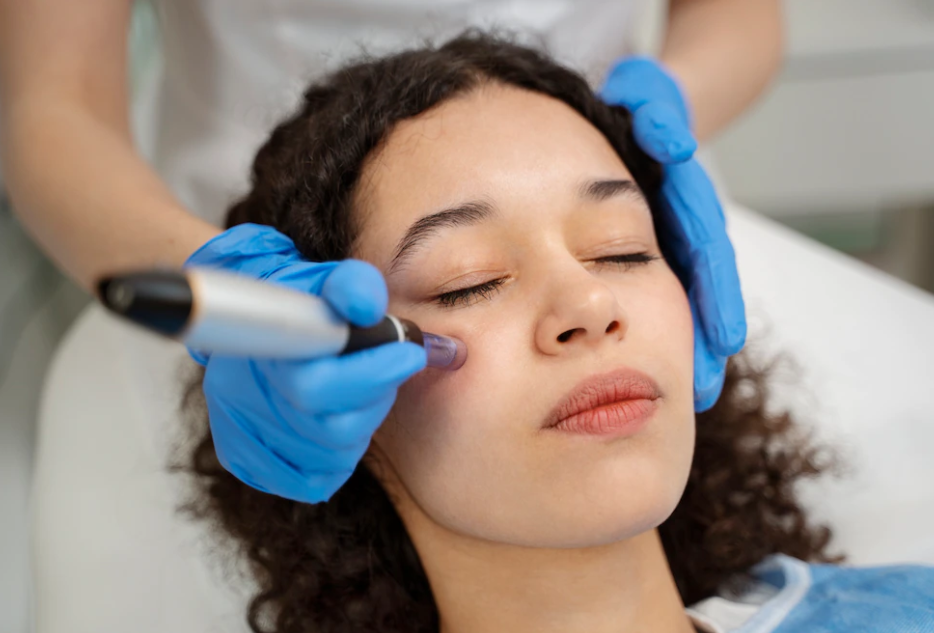
HydraFacial does something different. It combines exfoliation, extraction, and deep hydration in a single 30–45 minute session using a patented vortex-fusion device. The machine creates a spiral suction that simultaneously draws impurities out and pushes active serums in  which no manual facial technique can replicate.


The important word there is patented. A genuine HydraFacial isn't a category of treatment  it's a specific device made by Edge Systems. When a clinic is using the real machine with certified single-use tips and authentic serums, the results are consistent and clinically documented. When they're not  and many aren't  you're paying for something that looks similar but works very differently.

This distinction is the entire reason price gaps exist. We'll come back to it.


The Three Steps 


Step 1  Cleanse and Peel A mild blend of glycolic and salicylic acids loosens dead skin cells and preps the surface. This is gentler than a standard chemical peel: no burning sensation, no days of peeling afterward. Your skin is essentially being cleared and opened up to receive what comes next.

Step 2  Extract and Hydrate This is the part people find hard to believe until they see it. The device's tip creates a vortex suction that pulls blackheads, congestion, and debris out of pores  painlessly. At the same moment, hyaluronic acid and other hydrating serums are being driven into the skin through the same motion. Cleaning and nourishing are happening simultaneously.

Step 3  Fuse and Protect Antioxidants, peptides, and boosters specific to your skin concern are pushed deep into the skin to finish the treatment. This is the step that creates the immediate glow most people notice when they look in the mirror right after.

The whole thing takes under an hour. There's no redness, no recovery period, nothing to hide afterward.


HydraFacial Price in India  Honest Numbers

Before breaking it down by city, it helps to understand why the range is this wide.
 

HydraFacial Type

Average Price Range (India)

Signature / Basic

₹2,500 – ₹5,000

Deluxe (with booster)

₹5,000 – ₹8,000

Platinum (with LED + lymphatic drainage)

₹7,000 – ₹12,000

Anti-ageing or specialised add-on sessions

₹8,000 – ₹15,000

Package of 6 sessions

₹12,000 – ₹45,000

The spread within each tier reflects clinic type more than treatment quality per se. A Signature session at a hospital-based dermatology department in Noida will likely cost more than the same session at a neighborhood beauty studio  but what you're getting is genuinely different, which we'll cover below.


HydraFacial Cost in Delhi NCR  City-Wise Breakdown


Area

Approximate Cost Per Session

Noida / Greater Noida

₹2,500 – ₹7,000

South Delhi (Saket, GK, Vasant Kunj)

₹5,000 – ₹15,000

West / North Delhi

₹2,500 – ₹6,000

Gurgaon

₹4,000 – ₹12,000

Ghaziabad

₹2,000 – ₹5,000

Faridabad

₹2,000 – ₹5,500

For current session pricing and package availability at Felix Hospital, call +91 9667064100.


What You're Actually Paying For

Here's the honest breakdown.


  • The machine itself : The certified HydraFacial MD™ device costs significantly more to acquire and maintain than generic alternatives. Clinics offering sessions under ₹2,000 are almost certainly using non-certified equipment. The results are visibly different, not just slightly different.
     

  • Single-use tips : Each genuine HydraFacial session uses a fresh, sealed vortex tip that becomes medical waste after one use. Reusing tips is a hygiene violation, but it happens. If a price seems impossibly low, this is usually why.
     

  • The serums Certified : HydraFacial serums  Britenol for pigmentation, Dermabuilder for fine lines, Growth Factor for anti-ageing  cost money. Generic substitutes exist and do less.
     

  • Dermatologist vs aesthetician : A session supervised by a qualified dermatologist isn't just a credential box. The dermatologist reads your skin before choosing the booster, adjusts the exfoliation intensity based on your sensitivity, and catches contraindications that an aesthetician may miss. The outcome is a treatment tailored to your actual skin, not a standardised protocol applied to everyone.
     

  • Clinic setting : A hospital-based dermatology department operates under clinical hygiene protocols that standalone beauty studios don't follow. Equipment sterilization standards, single-use consumables, and the ability to manage any adverse reaction on-site  these matter, particularly if you have reactive or compromised skin.


Session Types and Add-Ons  What Each Includes


  • Signature HydraFacial :The three core steps. Good for first-timers, monthly maintenance, and anyone whose skin is generally healthy and looking for upkeep. No boosters included at this level.
     

  • Deluxe HydraFacial : Everything in the Signature, plus one targeted booster serum. LED light therapy is often included or available at this tier. Better suited for specific concerns: dullness, mild congestion, early pigmentation.
     

  • Platinum HydraFacial: The full treatment. Lymphatic drainage is added before the core steps to reduce puffiness, followed by the three core steps, a customised booster, and LED therapy. Recommended for patients with more significant concerns  deeper congestion, visible ageing, or stubborn pigmentation.
     

Common add-ons and approximate costs:
 

Add-On

Approximate Additional Cost

Hyaluronic acid booster

₹500 – ₹1,000

Vitamin C brightening serum

₹700 – ₹1,500

Anti-ageing peptide booster

₹1,000 – ₹2,000

LED light therapy

₹500 – ₹1,500

Lymphatic drainage

₹800 – ₹1,500

At Felix Hospital, our dermatologist does a brief skin assessment before recommending the session type  which means you're not being upsold a Platinum session when a Signature is genuinely what your skin needs.


HydraFacial vs Other Treatments


Feature

Traditional Facial

Chemical Peel

HydraFacial

Extraction method

Manual

Chemical only

Vortex suction (painless)

Hydration delivery

Surface level

Minimal

Deep infusion

Downtime

None to mild

2–7 days

None

Sensitive skin safe

Variable

Often not

Yes

Immediate visible result

Mild

Variable

Significant

Customisable

Limited

Moderate

Highly

Dermatologist involvement

Rarely

Sometimes

Recommended

The price premium over a standard facial isn't branding. It reflects that you're getting extraction, exfoliation, and deep hydration in one session, three things a traditional facial doesn't do simultaneously, and certainly not without irritation or downtime.


How Many Sessions Do You Actually Need?


  • For general maintenance  one session a month works well for most people. This aligns with the skin's natural renewal cycle of 28 to 40 days.
     

  • For specific concerns  acne, pigmentation, fine lines, an initial course of six sessions, spaced two to four weeks apart, is the clinical standard. After the initial course, monthly maintenance sustains and builds on the results.
     

  • The honest answer is that one session gives you visible improvement. Six sessions give you genuine, progressive skin change. What you need depends on what you're treating, which is something a dermatologist should determine at the first consultation, not a booking page.


Who Can Get HydraFacial?

Most people are suitable candidates, which is one of the reasons the treatment has become so popular. It works across:


  • Oily and acne-prone skin, dry and dehydrated skin, sensitive skin (with appropriate booster selection), combination skin, mild pigmentation or sun damage, mature skin with early signs of ageing, and men's skin  particularly for managing enlarged pores, oiliness, and post-shave sensitivity.
     

  • The few situations where you should consult a dermatologist before booking include active cystic acne, rosacea in active flare, recent use of retinoids or prescription skin medications, history of keloid scarring, and pregnancy (the core steps are generally safe, but certain boosters should be avoided).
     

  • This is also why we build a brief dermatologist consultation into every first HydraFacial booking at Felix Hospital  not as an extra charge, but as part of getting it right.


What Results Look Like  Realistic Expectations

After a single session, most patients notice cleaner and smaller-looking pores, smoother texture within 24 hours, noticeably better hydration and a natural glow, and reduced dullness  which is particularly relevant in Noida and Greater Noida where pollution loads are high year-round.


These results typically last one to two weeks from a single session. Regular sessions progressively improve baseline skin quality over time  not just the day-after glow, but the underlying texture and tone.


We tell patients this upfront because results vary. Skin that's chronically dehydrated from hard water and pollution will respond differently from skin that's been well-maintained. Managing expectations honestly is part of clinical care.
 

Conclusion

The price variation you see across Delhi NCR for HydraFacial isn't random. It maps almost directly onto what's actually being delivered: the machine, the serums, the tips, the clinical oversight, and the setting.


When all of those things are right, HydraFacial is one of the more consistently effective aesthetic treatments available. Immediate results, no downtime, genuinely customisable, and safe for nearly every skin type.


At Felix Hospital, Sector 137, Noida, our dermatology team offers HydraFacial in a properly clinical setting  with transparent pricing, genuine equipment, and a skin assessment before every first session. Whether you're after monthly maintenance or a targeted course for acne, pigmentation, or aging skin, the plan we put together will be based on what your skin actually needs.


Call +91 9667064100 to book a consultation or ask about current pricing and packages.
 

Written and verified by:
Dr. Tarun Gupta

Dr. Tarun Gupta

MBBS, MD | Exp: 17 Yr
Dermatology

Dr. Tarun Gupta is an experienced Dermatologist with 17+ years of expertise in treating skin, hair, and nail conditions, along with advanced cosmetic dermatology procedures.

Your Health, Our Priority

Request Call Back

Request an Appointment

CAPTCHA
Solve this simple math problem and enter the result. E.g. for 1+3, enter 4.
* By clicking on the above button you agree to receive updates on WhatsApp

CT Scan Price in Delhi NCR | Complete City-Wise Guide

If you’ve just walked out of a doctor’s clinic in Noida, Greater Noida, or anywhere in Delhi NCR with a CT scan prescription, your first thought is likely: "Where do I go, and what is this going to cost me?"


It’s a valid concern. In our region, CT scan prices vary wildly sometimes by 300% for the exact same procedure. You might find a brain CT for ₹1,800 at a local lab, while a hospital just two kilometers away charges ₹5,000. Most patients are left wondering if they’re paying for better quality or just a fancier waiting room.


We’ve put together this city-wise breakdown covering Noida, Greater Noida, Delhi, Gurgaon, Faridabad, and Ghaziabad to help you compare costs and understand what you're actually paying for.


CT Scan


What is a CT Scan?

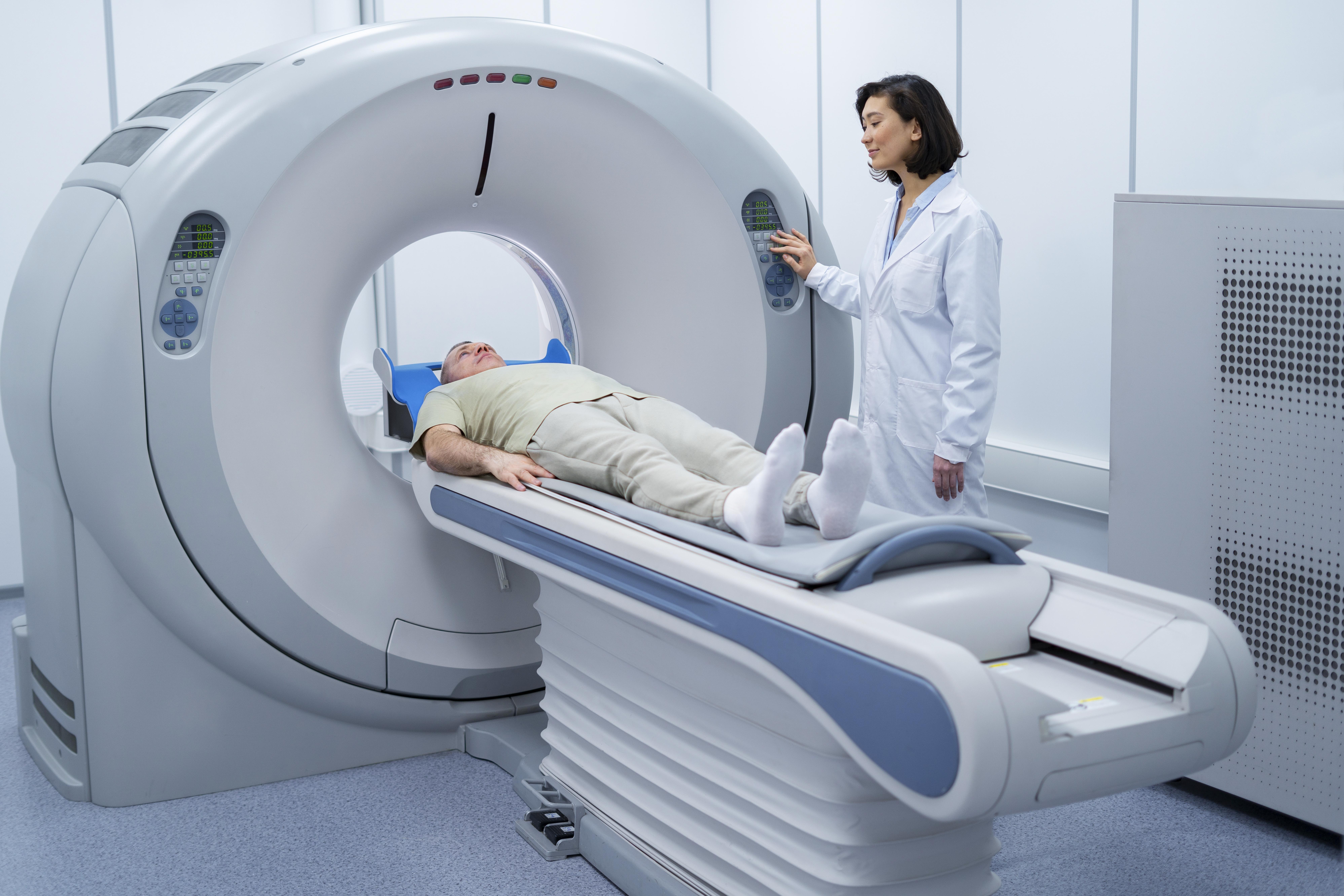
A CT scan is a non-invasive diagnostic imaging test that combines X-ray measurements from different angles to create detailed cross-sectional images of internal organs, bones, soft tissues, and blood vessels. It provides more clarity and detail compared to standard X-rays and is instrumental in diagnosing various medical conditions. CT scans are commonly performed in both emergency and routine medical settings due to their speed and accuracy.


The full form is Computed Tomography  sometimes also written as CAT scan (Computerized Axial Tomography). Most people in Delhi NCR call it a "city scan" or "CT scan," both of which refer to the same procedure.


The cost of a CT scan in India depends on various factors, including the location, the body part being scanned, the contrast being used, and the number of slice sections. Understanding these factors before you book your scan can save you thousands of rupees  and ensure you get accurate results.


Average CT Scan Prices in India: Quick Overview

Before we get to city-specific prices, here's a broad overview of what different CT scan types typically cost across India:
 

CT Scan Type

Plain (Without Contrast)

With Contrast

CT Brain

₹1,500 – ₹3,500

₹3,500 – ₹6,000

CT Chest / HRCT Chest

₹2,500 – ₹5,000

₹4,000 – ₹8,000

CT Abdomen (Upper/Lower)

₹3,000 – ₹6,000

₹5,000 – ₹10,000

CT Whole Abdomen

₹4,000 – ₹8,000

₹6,000 – ₹12,000

CT Spine (Cervical/Lumbar)

₹2,500 – ₹5,000

₹4,000 – ₹7,000

CT Angiography

₹8,000 – ₹20,000+

Typically contrast-only

CT KUB (Kidney-Ureter-Bladder)

₹2,500 – ₹5,000

Rarely with contrast

CT Whole Body / Screening

₹8,000 – ₹25,000

Varies significantly


Scans of the brain or limbs tend to be the cheapest. Scanning the chest, abdomen, and heart requires more high-tech imaging and costs more.


Why Does One Lab Charge More Than Another?

Four main factors usually drive the price difference:


  • Contrast vs. Plain: A "Plain" (NCCT) scan is cheaper. A "Contrast" (CECT) scan uses a special dye injected into your veins to make tumors or blood vessels pop on the screen. This dye and the extra monitoring required usually add ₹1,000 to ₹2,000 to your bill.
     

  • Machine "Slices": A 128-slice or 256-slice machine provides incredible detail and is much faster. Older 16-slice machines are cheaper to run but might miss subtle details.
     

  • The Radiologist’s Expertise: You aren't just paying for the scan; you’re paying for the doctor who reads it. High-quality reporting from an MD Radiologist is non-negotiable for an accurate diagnosis.
     

  • Hospital vs. Lab: Private hospitals usually charge a premium because they have specialists and emergency teams on standby if something goes wrong during the scan.


City-Wise CT Scan Price Guide: Delhi NCR


Noida
 

CT scan cost in Noida starts from ₹1,200 and can go up to ₹9,000 based on the type of scan and contrast use.
 

Scan Type

Price Range (Noida)

CT Brain (Plain)

₹1,200 – ₹3,500

CT Brain (with Contrast)

₹3,000 – ₹6,000

CT Chest / HRCT

₹2,500 – ₹5,500

CT Abdomen (Plain)

₹3,000 – ₹6,000

CT Spine

₹2,500 – ₹5,000

CT Angiography

₹6,000 – ₹15,000


At Felix Hospital, Sector 137, Noida: CT Brain scan is available at ₹1,799  inclusive of a same-day radiologist report and neurologist consultation.


Greater Noida

CT scan cost in Greater Noida ranges from ₹1,800 to ₹10,200. The actual cost depends on the body part, scan type (NCCT, CECT, or CT Angiography), and CT scan centre.
 

Scan Type

Price Range (Greater Noida)

CT Brain (Plain)

₹1,800 – ₹3,500

CT Brain (with Contrast)

₹3,000 – ₹6,000

CT Chest / HRCT

₹2,500 – ₹6,000

CT Abdomen

₹3,500 – ₹7,000

CT Angiography

₹7,000 – ₹10,200


Greater Noida and Noida Extension (areas like Gaur City, Crossing Republic's, and Sector 137) are increasingly well-served by multi-speciality hospitals with in-house radiology  meaning you no longer need to travel to Delhi for a quality CT scan.


Delhi

CT scan prices in Delhi NCR generally range from ₹1,200 to ₹12,000. Several government and private diagnostic centres offer competitive pricing with advanced scanning equipment.


Delhi has the widest price variation of any city in NCR  because it has everything from government hospitals (where basic scans are subsidised or free) to super-specialty private hospitals charging premium rates.
 

Scan Type

Price Range (Delhi)

CT Brain (Plain)

₹1,500 – ₹5,000

CT Brain (with Contrast)

₹3,500 – ₹8,000

CT Chest / HRCT

₹2,500 – ₹7,000

CT Abdomen

₹4,000 – ₹10,000

CT Angiography

₹8,000 – ₹20,000+

CT Whole Body

₹8,000 – ₹25,000

CT scan cost in Delhi is on the higher side due to expensive equipment, radiologist fees, and other factors at some labs. Patients may consider government hospitals or negotiate rates through aggregator platforms to reduce medical expenditure  savings of 30–50% are possible.


Gurgaon (Gurugram)

CT scan prices in Gurgaon typically start from ₹1,500 and can go up to ₹10,000 or more, depending on the body part scanned, whether contrast dye is used, and the type of CT scanner.
 

Scan Type

Price Range (Gurgaon)

CT Brain (Plain)

₹1,500 – ₹4,000

CT Brain (with Contrast)

₹3,500 – ₹7,000

CT Chest / HRCT

₹3,000 – ₹6,500

CT Abdomen

₹4,000 – ₹9,000

CT Angiography

₹8,000 – ₹18,000

Gurgaon tends to price slightly higher than Noida and Greater Noida for equivalent scans, primarily due to higher operational costs in the Gurugram market.


Ghaziabad

CT scan brain cost in Ghaziabad starts from ₹1,136 at certified labs, with more than 11 accredited facilities available across the city.
 

Scan Type

Price Range (Ghaziabad)

CT Brain (Plain)

₹1,136 – ₹3,000

CT Brain (with Contrast)

₹2,500 – ₹5,500

CT Chest / HRCT

₹2,000 – ₹5,000

CT Abdomen

₹3,000 – ₹6,500

CT Angiography

₹6,000 – ₹14,000

Ghaziabad is one of the more affordable markets in NCR for CT scans. Areas like Vasundhara, Indirapuram, and Vaishali have multiple certified diagnostic centers with modern multi-slice scanners.


Faridabad

Faridabad falls in the mid-range of Delhi NCR's CT scan pricing. Multi-slice CT scan centres in Delhi NCR with centres in Faridabad offer low-cost CT scans with access to experienced radiologists and modern imaging equipment.
 

Scan Type

Price Range (Faridabad)

CT Brain (Plain)

₹1,500 – ₹3,500

CT Brain (with Contrast)

₹3,000 – ₹6,000

CT Chest / HRCT

₹2,500 – ₹5,500

CT Abdomen

₹3,500 – ₹7,500

CT Angiography

₹7,000 – ₹15,000

CT Scan Price Comparison: Delhi NCR at a Glance


City

CT Brain (Plain)

CT Chest

CT Abdomen

CT Angiography

Noida

₹1,200 – ₹3,500

₹2,500 – ₹5,500

₹3,000 – ₹6,000

₹6,000 – ₹15,000

Greater Noida

₹1,800 – ₹3,500

₹2,500 – ₹6,000

₹3,500 – ₹7,000

₹7,000 – ₹10,200

Delhi

₹1,500 – ₹5,000

₹2,500 – ₹7,000

₹4,000 – ₹10,000

₹8,000 – ₹20,000+

Gurgaon

₹1,500 – ₹4,000

₹3,000 – ₹6,500

₹4,000 – ₹9,000

₹8,000 – ₹18,000

Ghaziabad

₹1,136 – ₹3,000

₹2,000 – ₹5,000

₹3,000 – ₹6,500

₹6,000 – ₹14,000

Faridabad

₹1,500 – ₹3,500

₹2,500 – ₹5,500

₹3,500 – ₹7,500

₹7,000 – ₹15,000

Felix Hospital, Noida

₹1,799 (all-in)

Competitive

Competitive

Available


NCCT vs. CECT: Don't Get Surprised by the Bill

Before you book, check your prescription for these:
 

  • NCCT (Non-Contrast): No dye. Quick. Best for head injuries or kidney stones.
     

  • CECT (Contrast Enhanced): Uses dye. Vital for looking at tumors or infections. It costs significantly more.
     

  • HRCT (High Resolution): Usually for lungs. It’s a specialized technique that might carry a small premium over a standard chest scan.


CGHS and Insurance Rates for CT Scans in Delhi NCR

If you or a family member are covered under CGHS, ECHS, Ayushman Bharat, or a private health insurance policy, your CT scan cost may be partially or fully covered.


CGHS rates for CT scans of the head or chest are approximately ₹3,500–₹5,000 at NABH-accredited centres, with non-NABH facilities charging 10–15% lower. These rates apply to CGHS beneficiaries, central government employees, pensioners, and their dependents with a valid CGHS card. Private, self-paying patients are charged the hospital's regular rate, which is typically higher.


Felix Hospital is empanelled with:


  • CGHS (Central Government Health Scheme)
     

  • ECHS (Ex-Servicemen Contributory Health Scheme)
     

  • Ayushman Bharat / PMJAY
     

  • Major private insurers (Star Health, New India, HDFC Ergo, and others)

If you hold any of these, call us at +91 9667064100 before booking your scan so our billing team can confirm your coverage and process your cashless claim.
 

How to Save Money on Your CT Scan

Check for CGHS/ECHS Empanelment: If you are a government employee or veteran, look for hospitals like Felix Hospital that are empanelled with CGHS or ECHS. You’ll pay a fraction of the private rate.


  • Ask for "All-In" Pricing: Some labs quote a low price but then add "Consumable charges" or "Radiologist fees" later. Always ask for the final price.
     

  • Insurance: Many modern health insurance plans cover diagnostic scans if they are part of a larger treatment. Check your policy.
     

  • Integrated Care: Getting a scan at a hospital (like Felix) is often better than a standalone lab because if the scan shows something urgent, a specialist is already in the building to help you.


How to Choose the Right CT Scan Centre in Delhi NCR

Price is important  but it's not the only thing that matters when it comes to diagnostic imaging. Here's what to look for:


  • NABL / NABH Accreditation: These are government-recognized quality certifications for diagnostic labs and hospitals. An accredited center follows standardized protocols for machine maintenance, radiation safety, and report quality. Always verify this before booking.
     

  • Type of CT Scanner: Ask the center what type of CT scanner they use. A 64-slice or 128-slice scanner delivers significantly better image quality than a 16-slice machine  which can make a real difference in detecting subtle findings.
     

  • Radiologist Credentials: Your CT scan report is only as good as the radiologist interpreting it. Look for centres where an MD-qualified radiologist (not a technician) signs off on the report. At Felix Hospital, all CT scan reports are prepared and verified by our in-house consultant radiologist.
     

  • Report Turnaround Time : In emergencies  stroke, trauma, sudden severe headache  a 24-hour report is unacceptable. Confirm whether the centre offers same-day or emergency reporting. At Felix Hospital, reports are delivered the same day, with emergency reporting available round the clock.
     

  • On-Site Specialist Consultation: A standalone diagnostic centre gives you images and a report. A hospital gives you that and an immediate specialist consultation  neurologist, pulmonologist, gastroenterologist  who can interpret the findings in the context of your symptoms and chart the next steps. This integrated care is the single biggest advantage of scanning at a hospital over a standalone centre.

Doctor see

CT Scan at Felix Hospital, Sector 137, Noida

For patients across Noida, Greater Noida, Noida Extension, and the surrounding areas of Delhi NCR, Felix Hospital offers a compelling combination of affordability, clinical quality, and integrated specialist care.
 

What we offer:
 

  • CT Brain Scan at ₹1,799  with same-day report and neurologist consultation included
     

  • Multi-slice CT scanner for high-resolution imaging
     

  • MD radiologist-verified reports, delivered the same day
     

  • Emergency CT scanning available 24×7
     

  • On-site neurology, pulmonology, gastroenterology, and urology departments for immediate specialist review
     

  • Cashless facility for CGHS, ECHS, Ayushman Bharat, and major private insurers
     

  • Transparent billing  the price you're quoted is the price you pay
     

We serve patients not just from Noida and Greater Noida, but from across the NCR  Ghaziabad, Faridabad, and East Delhi  who prefer the combination of competitive pricing and hospital-grade quality that Felix Hospital offers.


When Should You Get a CT Scan Done?

These are potential emergencies. A CT scan performed within the first hour of symptoms can be the difference between full recovery and permanent damage  particularly in stroke, where the treatment window is narrow.
 

  • Sudden, severe headache  especially described as "the worst of my life"
     

  • Weakness or numbness on one side of the face, arm, or leg
     

  • Sudden slurred speech or difficulty understanding
     

  • Loss of consciousness or a blackout
     

  • A seizure for the first time
     

  • Head injury after a fall or road accident
     

  • Sudden chest pain with breathlessness
     

  • Coughing up blood
     

If you or a family member is experiencing any of the following, go directly to Felix Hospital's emergency department or call +91 9667064100


Conclusion

CT scan prices in Delhi NCR are not fixed; they vary by city, center type, scan type, contrast use, and machine quality. What this guide gives you is the framework to understand what you're paying for, compare options intelligently, and make a decision that balances cost with quality.


The cheapest scan is not always the best scan. And the most expensive one isn't always necessary. What you need is the right scan, done on the right machine, read by the right radiologist  and ideally, reviewed immediately by the right specialist.


At Felix Hospital, Sector 137, Noida, we offer exactly that  at prices that are transparent, competitive, and backed by clinical quality you can trust.


To book a CT scan or speak with our team, call +91 9667064100. Walk-ins are welcome. Emergency scanning is available 24×7.
 

Written and verified by:
Dr. Shuchita Sharma

Dr. Shuchita Sharma

MBBS, MD | Exp: 11 Yr
Laboratory Medicine

Dr. Shuchita Sharma has over 11 years of experience in pathology, specializing in diagnostic pathology, cytopathology, and molecular pathology. She is skilled in analyzing tissue samples and laboratory reports to provide accurate and timely diagnoses, ensuring reliable support for patient treatment and medical investigations.

Your Health, Our Priority

Request Call Back

Request an Appointment

CAPTCHA
Solve this simple math problem and enter the result. E.g. for 1+3, enter 4.
* By clicking on the above button you agree to receive updates on WhatsApp

World Hypertension Day 2026: Awareness, Prevention for Healthy life

There's a particular kind of patient we see regularly in our General Medicine OPD at Felix Hospital. They're in their early forties. They work in one of the IT parks off the Expressway. They came in for something else entirely , a routine health check before a new job, a persistent headache they've been blaming on screen time, a visa medical. We check their blood pressure as part of the workup. The reading comes back: 158/96.


We ask when they last had it checked. They say they haven't, really. Maybe once, a few years ago, at a camp in their office. It was "a little high" then too. They were told to reduce salt and come back. They reduced the salt. They didn't come back.


That gap , between a first abnormal reading and actual treatment , is where strokes happen. Where heart attacks happen. Where kidneys quietly fail over years while the person feels, by every subjective measure, completely fine.
World Hypertension Day falls on May 17th every year. In 2026, as cardiovascular disease continues to be the leading cause of death in urban India, it is less a celebration and more a clinical warning.


Why This Day Has Become Necessary

The importance of World Hypertension Day 2026 comes down to one statistic that should be uncomfortable for every urban Indian to read: according to the Indian Council of Medical Research, nearly 1 in 3 adults in Indian cities has hypertension. Of those, almost half don't know it. In Noida specifically, the combination of sedentary work culture, high-sodium diets from frequent cafeteria and delivery meals, chronic work stress, and poor sleep in a city that genuinely never fully quiets down , creates conditions where hypertension doesn't just develop, it accelerates.


World Hypertension Day exists to close that gap between the unread number and the conversation with a doctor.


What Hypertension Actually Is , and Why "Silent Killer" Is Not an Exaggeration

Blood pressure is the force your blood exerts against your artery walls as your heart pumps. A normal reading sits at or below 120/80 mmHg. Hypertension is diagnosed when that pressure is consistently at or above 140/90 mmHg , though we now treat readings between 130 and 139 as a serious warning zone, not a "you're fine" category.


The reason hypertension is called the silent killer is precise, not dramatic. Elevated blood pressure causes no pain. It produces no obvious warning. While it is quietly damaging the inner lining of your arteries, straining your heart muscle, and increasing the fragility of blood vessels in your brain and kidneys , you feel nothing. No alarm. No signal. Just a normal Tuesday in your Sector 137 apartment, until it isn't.


The first symptom of uncontrolled hypertension is, for many patients, a stroke or a heart attack. That is not a metaphor for severity. That is literally the clinical presentation.


Why Are So Many People in Noida Developing It Young?

We are seeing hypertension in patients in their thirties now with a frequency that was uncommon a decade ago. The causes aren't mysterious.


Chronic stress without recovery , a twelve-hour workday in a Sector 62 tech firm, a two-hour commute each way, deadlines that follow you onto your phone at 11pm , this isn't stress in the temporary sense. It is sustained activation of the body's stress response, which keeps cortisol and adrenaline elevated, which keeps blood vessels constricted, which keeps blood pressure up. The body was not designed to be on high alert indefinitely.


Diet in a delivery-app city , The average Noida professional eats a significant proportion of their meals from aggregators. Restaurant and packaged food in India is sodium-dense by design , salt is a preservative, a flavour enhancer, and a texture modifier. The recommended daily sodium intake is under 2,300mg. A single meal from most popular delivery chains can exceed that alone.


Disrupted sleep hypertension and sleep deprivation have a well-documented bidirectional relationship. Poor sleep raises blood pressure. Elevated blood pressure disrupts sleep architecture. In a city where late-night screen exposure, irregular work shifts, and urban noise are normal, this cycle is running constantly in millions of people.


Unmanaged diabetes and obesity Both are independent risk factors for hypertension and are themselves rising rapidly in urban NCR. They don't just coexist; they amplify each other's cardiovascular damage.


Family history  If either of your parents has hypertension, your lifetime risk is substantially elevated. This is not fate, but it is a reason to start monitoring in your thirties rather than your fifties.


The Symptoms That Are Easy to Dismiss

Most of the time, hypertension produces nothing. That is the entire problem.


When it does produce symptoms, they are the kind that get rationalized away. A headache at the back of the head, usually in the morning , is due to dehydration or bad sleep. Blurred vision that comes and goes , put down to screen fatigue. A vague dizziness when standing up quickly , put down to skipping breakfast. Occasional nosebleeds , put down to the dry Delhi winter air.


None of these are reliable early warning signs in the way a fever signals infection. They tend to appear when pressure has already been elevated for some time. The more honest statement is this: if you are over 30, living an urban professional life in Noida, and you have not had your blood pressure checked in the last year , the symptom you should be paying attention to is the absence of information.


Lifestyle Changes That Actually Move the Number

We are careful at Felix Hospital not to use lifestyle advice as a substitute for medication when medication is needed. Telling a patient with a BP of 170/100 to "try yoga first" is not conservative medicine , it is delayed treatment with consequences.


That said, for patients in the pre-hypertension range or as adjuncts to medication, the following interventions have genuine, measurable impact:


Sodium reduction , specifically , Not "eat less salt" as a vague instruction, but a concrete target: under 5 grams of total sodium per day. Read labels. Papad, pickle, packaged namkeen, instant noodles, and most restaurant curries are the primary contributors in the average NCR diet. Reducing these specifically , not just putting down the salt shaker at the dinner table , produces meaningful BP reduction within weeks.


Thirty minutes of moderate aerobic activity, five days a week , Walking, cycling, swimming. Not high-intensity training, which can temporarily spike pressure. Consistency matters far more than intensity. A thirty-minute walk in Noida's sectors is genuinely sufficient if done regularly.


Alcohol in actual moderation , Not "moderate drinking is fine" as a reassurance. More than two standard drinks per day is an independent cause of elevated blood pressure. For patients already hypertensive, less is measurably better.
Weight , specifically the waist , Central obesity, measured by waist circumference rather than BMI alone, is strongly associated with hypertension. Every kilogram of weight lost in the abdomen produces a corresponding reduction in systolic blood pressure.


Sleep as treatment , Seven to eight hours of uninterrupted sleep is not a luxury or a productivity hack. It is a cardiovascular intervention. If you are sleeping less than six hours regularly, no amount of dietary adjustment will fully compensate.


When a Doctor Is Not Optional

See a physician if your blood pressure reads above 130/80 on two separate measurements taken on different days. 
 

See one urgently , the same day , if your reading exceeds 180/120, if you have a severe headache alongside an elevated reading, if you experience sudden vision changes, chest pain, or difficulty speaking. These are hypertensive urgency and emergency presentations, and they require immediate medical attention, not a wait-and-watch approach.
 

Many patients ask whether they need medication or whether lifestyle changes alone are sufficient. The honest answer depends on your specific numbers, your cardiovascular risk profile, whether you have diabetes, kidney disease, or a family history of early heart attacks. There is no universal answer. What is universal is that the decision should be made with a physician who knows your full picture , not based on a WhatsApp forward about apple cider vinegar.


What Our General Medicine Team Offers

Felix Hospital's general physicians are, among other things, Noida's hypertension clinic in practical terms. A significant proportion of our daily OPD involves blood pressure management , newly diagnosed patients, patients on medication whose control is inadequate, and patients who have been managing it on their own with inconsistent results.


What makes a difference here is continuity. Hypertension is not a condition you treat once. It is managed over years, with medication adjustments, lifestyle monitoring, and periodic screening for end-organ damage , the kidneys, the eyes, the heart. Our team maintains that longitudinal relationship with patients in a way that a one-time urgent care visit cannot.


We also run full cardiovascular risk assessments , lipid panels, fasting glucose, ECG, kidney function , because in most patients with hypertension, there are other risk factors present that need to be addressed simultaneously. Treating blood pressure in isolation while ignoring a borderline HbA1c is incomplete medicine. Call us at +91 9667064100 

Written and verified by:
Dr. Sonakshi Saxena

Dr. Sonakshi Saxena

MBBS, MD | Exp: 7 Yr
General Medicine

Dr. Sonakshi Saxena is a dedicated internal medicine physician with 7+ years of experience in diagnosing and managing various medical conditions. She follows a patient-centric approach with personalized treatment plans and attentive care, and is recognized among the Best General Physicians in Noida.


Your Health, Our Priority

Request Call Back

Request an Appointment

CAPTCHA
Solve this simple math problem and enter the result. E.g. for 1+3, enter 4.
* By clicking on the above button you agree to receive updates on WhatsApp

World Asthma Day 2026: Awareness, Prevention, and Management Tips

Step outside in Noida on any morning between October and January. The air has a particular quality to it , not just the cold, but a thickness. AQI readings of 300, 350, sometimes touching 400. If you have asthma, you already know what that means before you check your phone. Your chest tells you first.


Every year on the first Tuesday of May, the global medical community marks World Asthma Day. In 2026, the theme continues to build on a simple, uncomfortable truth: asthma is under-diagnosed, under-treated, and deeply misunderstood , especially in urban India, where pollution, construction dust, and crowded living conditions make every breath a negotiation.


At Felix Hospital, our Pulmonology department sees this firsthand. Patients arrive describing symptoms they've been managing for years , a persistent morning cough, shortness of breath on the stairs, tightness after a commute , without ever connecting them to asthma. Many of them have been treating it as "seasonal allergies" or "weakness." It isn't.


Why World Asthma Day Matters , Especially in a City Like Noida

The significance of World Asthma Day 2026 isn't ceremonial. It's corrective.
 

India carries one of the largest asthma burdens in the world , over 34 million people affected, according to the Global Burden of Disease study. Yet the gap between how many people have it and how many are correctly diagnosed remains wide. In the Delhi-NCR specifically, two factors make this worse: air quality that is consistently among the worst globally, and a cultural tendency to normalize breathing difficulty as a side effect of "city life."


It isn't normal. Struggling to breathe on a morning walk in Sector 50 is not the cost of urban living. It is a medical condition with identifiable triggers, effective treatments, and , with the right management , a life that doesn't revolve around your inhaler.


Understanding Asthma: What's Actually Happening in Your Airways

Asthma is not simply "breathlessness." It is chronic inflammation of the airways , the tubes that carry air in and out of your lungs. In an asthma patient, these airways are in a near-constant state of irritability. When they encounter a trigger , cold air, dust, smoke, exercise, even strong emotions , they swell, fill with mucus, and the muscles around them tighten. The result is the classic triad: wheezing, coughing, and the sensation of breathing through a wet cloth.
What makes asthma particularly relevant to Noida residents is the nature of local triggers:


  • Construction particulate matter , Noida is a city perpetually under development. PM2.5 particles from active construction sites penetrate deep into the lungs, bypassing the body's natural filtration.
     

  • Vehicular exhaust on arterial roads , The Expressway and Sector 18 intersections expose daily commuters to nitrogen dioxide and ozone levels that directly irritate inflamed airways.
     

  • Indoor mould in monsoon season , High-rise apartments in Noida's older sectors often develop damp walls between July and September. Mould spores are a primary asthma trigger that most families overlook entirely.

Cold morning air , Between November and February, the sharp drop in temperature causes airway constriction in susceptible individuals. That 6am walk in Sector 93 that your cardiologist recommended? It needs to be approached carefully if you have asthma.


Symptoms You Should Not Dismiss

The challenge with asthma is that its symptoms are easily explained away , until they can't be.


A dry, persistent cough that's worse at night or in the early morning is the most commonly missed signal. It often arrives months before the first obvious "attack." Other warning signs include a whistling sound when you breathe out, a tightness in the chest that you've been calling acidity or stress, and shortness of breath doing activities that previously felt effortless , climbing two flights in your society building, walking from the parking lot to your office.


If you need to stop mid-sentence to catch your breath, if you're waking at 3am because your chest feels locked, or if you've started planning your commute around air quality forecasts , these are not quirks. These are your lungs asking for a clinical evaluation.


Prevention: Reducing What You Can Control

Asthma cannot always be cured, but its triggers can be systematically reduced.


  • At home: Dust mite covers on mattresses and pillows are one of the highest-impact, lowest-cost interventions available. In Noida's humidity, mattresses accumulate dust mite colonies rapidly. A HEPA air purifier running through the night in your bedroom is not a luxury , for an asthma patient, it's closer to a medical device.
     

  • During your commute: Keep your car windows up and recirculate interior air on bad AQI days. If you commute by two-wheeler, an N95 is not optional , a cloth mask does nothing for particulate matter at 350 AQI.
     

  • At the office: Air-conditioned offices provide some protection, but shared carpets, printer toner, and aerosol cleaning sprays are common office-based triggers. If you notice your symptoms are worse on certain days at work, pay attention to what changed , the cleaning staff's schedule, a new air freshener, a colleague's perfume.
     

  • Smoking: This needs no elaboration except one point that often surprises patients , passive exposure to a smoker in a shared flat or car can be as significant a trigger as smoking yourself. This is not a lifestyle preference; it's a clinical reality.


Management and Treatment: What Modern Pulmonology Offers

Asthma treatment in 2026 is not what it was fifteen years ago. The days of simply relying on a blue Salbutamol inhaler and hoping for the best are behind us.


Current management follows a stepwise protocol built on two categories of medication: relievers (short-acting bronchodilators for acute symptoms) and controllers (inhaled corticosteroids and long-acting bronchodilators taken daily to prevent inflammation from building up in the first place). The single most common mistake we see at Felix Hospital is patients using their reliever inhaler daily while never starting the controller , treating the fire repeatedly instead of removing the fuel.


Newer options like biological therapies (monoclonal antibodies such as Dupilumab and Omalizumab) are now available for severe, treatment-resistant asthma , patients who have cycled through multiple inhaler regimens without adequate control. These aren't experimental; they're approved, effective, and now accessible in Noida.


Equally important is lung function monitoring. A spirometry test , a simple, non-invasive breathing test that takes under ten minutes , tells us exactly how much airflow is obstructed and how well your current treatment is working. Many patients with poorly controlled asthma have never had one. They've been adjusting medications based on how they feel, not what their lungs are actually doing.


When to See a Pulmonologist , Not Next Week, Now

See a specialist if any of the following apply:


  • You're using your reliever inhaler more than twice a week. Your symptoms wake you at night more than once a month. You've had a visit to a casualty or emergency department for breathing difficulty in the past year. Your asthma has caused you to miss work or reduce physical activity. Or simply , you've never had a formal diagnosis despite years of "chest issues."
     

  • These aren't emergencies in isolation, but they are signals that your current management , whether that's self-management or a prescription from a general physician , needs expert review.


Why Felix Hospital's Pulmonology Team

The honest answer to why patients choose Felix Hospital is specificity. Our pulmonologists aren't treating generic asthma from a textbook , they're treating asthma in a city with an AQI problem, a construction boom, and a population that commutes on the Expressway twice a day.


We run complete pulmonary function testing including spirometry and FeNO measurement (which detects airway inflammation directly), have an NABL-accredited lab for allergy panel testing to identify your specific triggers, and coordinate with our allergy and immunology team for patients whose asthma has a significant allergic component.


More practically , if you walk in during an acute episode, we have the infrastructure to manage it immediately. You don't need a referral chain.Call us at +91 9667064100

Written and verified by:
Dr. Priyadarshi Jitendra Kumar

Dr. Priyadarshi Jitendra Kumar

Pulmonology | Exp: 20 Yr
MBBS/ DNB/ FSM/FCCP

Dr. Priyadarshi Jitendra Kumar is an experienced General Practitioner with 20+ years of expertise in diabetes, thyroid disorders, hypertension, and infectious diseases. Recognized as a Best Pulmonologist in Noida, he specializes in respiratory emergencies, sleep disorders, and advanced pulmonology care.

Your Health, Our Priority

Request Call Back

Request an Appointment

CAPTCHA
Solve this simple math problem and enter the result. E.g. for 1+3, enter 4.
* By clicking on the above button you agree to receive updates on WhatsApp

World Hand Hygiene Day: Why Your Hands are the Frontline of Public Health in Noida

Take a look at your hands right now. In the last hour, you’ve likely touched your smartphone, a lift button, a door handle, or perhaps the railing of the Noida Metro. In a bustling city like ours, where we transition from the corporate hubs of Sector 62 to the residential high-rises of Sector 137,our hands are the most active tools we possess. Unfortunately, they are also the most efficient transport systems for pathogens.


Every year on May , the global medical community observes World Hand Hygiene Day. While it may sound like a basic lesson from a primary school classroom, hand hygiene remains the single most effective, low-cost intervention in modern medicine.


At Felix Hospital, Noida, our General Medicine department sees a recurring pattern: a massive percentage of the infections we treat,from persistent stomach bugs to seasonal respiratory flus, could have been halted at the bathroom sink. As the best general physician hospital in Noida, we believe that public health isn't just about high-end surgeries; it’s about the 20-second habits that keep our community out of the ER.


Why World Hand Hygiene Day Matters for Public Health

Because habits decay quietly. During COVID, hand hygiene compliance in Indian urban centres hit an all-time high. By 2023, studies showed it had dropped back to near pre-pandemic levels  even among healthcare workers. World Hand Hygiene Day exists because human memory is short, and pathogens are patient.


When we talk about public health, we are talking about the "herd effect." If the majority of residents in a Noida housing society practice meticulous hand hygiene, the "viral load" in the shared spaces, the gyms, the parks, and the elevators, drops significantly. World Hand Hygiene Day serves as a critical "reset button" for our collective habits, reminding us that we are all responsible for the person standing next to us in the metro.


The Importance of Proper Hand Hygiene in Preventing Infections

If we could see microbes with the naked eye, we would never touch a menu card or a currency note without flinching. The importance of proper hand hygiene in preventing infections is backed by staggering clinical data.


According to global health studies, proper handwashing can reduce deaths from diarrheal diseases by nearly 50% and decrease the risk of respiratory infections by 16% to 21%. In our clinical practice at Felix Hospital, we see that hand hygiene is the primary shield against:


  • Enteric Fevers (Typhoid): Highly prevalent in the NCR region, often spread through contaminated hands handling food.
     

  • Viral Gastroenteritis: The "stomach flu" that wipes out entire offices in Sector 62 every monsoon.
     

  • Conjunctivitis (Pink Eye): Spread almost exclusively through hand-to-eye contact.
     

  • Hepatitis A: A serious liver infection that thrives where hand hygiene is neglected.


The Role of Hand Hygiene in Stopping the Spread of Germs

To understand the role of hand hygiene in stopping the spread of germs, we have to look at the "Fomite Factor." A fomite is any inanimate object that can carry infection. Your office keyboard, your car’s steering wheel, and your child’s school bag are all potential fomites.


Germs don't jump from person to person; they wait for a bridge. Your hands are that bridge. When you touch a contaminated surface and then touch your nose, eyes, or mouth, which the average human does about 23 times an hour, you are essentially hand-delivering a virus into your system.


By washing your hands, you aren't just removing dirt; you are breaking the biological bridge. You are effectively "de-platforming" the bacteria before they can colonize your respiratory or digestive tracts.
 

Simple Handwashing Tips 

Most people think they know how to wash their hands, but in our observations, 95% of people miss the most critical areas. Following these simple handwashing tips to protect yourself and others will ensure you are actually achieving medical-grade cleanliness.


The 7-Step Technique (The 20-Second Rule)


  • The Wet Start: Use clean, running water. Temperature doesn't matter as much as the flow.

  • Lather Up: Use enough soap to create a thick foam. Soap is a surfactant; its job is to pry the germs off your skin.

  • The Scrub (The 20-Second Hustle): This is where most people fail. You must rub your hands for 20 seconds. If you don't want to sing "Happy Birthday," just count slowly to twenty.

  • Backs of Hands: Often ignored.

  • Between Fingers: Where moisture and bacteria hide.

  • Under the Nails: The most dangerous reservoir for germs.

  • The Thumb Twist: Don't forget your thumbs, they touch your phone screen the most!

  • The Rinse: Wash away the lifted germs thoroughly.

  • The Dry: Use a clean paper towel. Damp hands are 1,000 times more likely to pick up new germs than dry ones.

  • The Tap Trick: Use your towel to turn off the faucet. Don't touch that dirty handle with your newly cleaned hands!
     

Soap vs. Sanitizer

While hand sanitizers are convenient for someone commuting on the Expressway, they are not a total replacement. Sanitizer kills most germs, but it does not remove dirt, heavy metals, or construction dust, all of which are common in Noida. If your hands are visibly dirty, sanitizer is useless. You need the mechanical action of soap and water.
 

How Regular Handwashing Keeps Your Family Safe

In a city of high-rises and shared amenities, your home is your fortress. However, that fortress is breached every time a family member returns from work, school, or the mall. Many Noida families have working parents living with small children and elderly grandparents. Both the very young and the very old have compromised or developing immune systems. When you wash your hands the moment you enter your home in Sector 137, you are creating a "Bio-Buffer." You are ensuring that the pathogens you encountered at the office don't reach your toddler’s toy or your father’s medication.


Hygiene at Home:


  • Never handle raw vegetables or meat without a 20-second scrub.
     
  • We love our pets, but after a walk in the society park, their paws and your hands need cleaning.
     
  • Your phone is an extension of your hand. Sanitize it daily, or all that handwashing goes to waste the second you check a text.
     

Hand Hygiene in the Workplace

Noida’s corporate culture involves shared spaces, hot-desking, and communal cafeterias.


  • The Coffee Machine: One of the germiest spots in an office. Use a tissue or wash your hands immediately after getting your caffeine fix.
     
  • Biometric Scanners: Thousands of thumbs touch these every morning. Carry a small sanitizer in your pocket for a quick post-check-in clean.
     

Why Felix Hospital is the Best General Physician Hospital in Noida

At Felix Hospital, we don't just wait for you to get sick; we work to keep you healthy. We have earned the reputation of being the best general physician hospital in Noida because of our obsession with preventive medicine.


Our physicians are trained at India’s premier institutes and have a deep understanding of the local disease patterns in Noida, from seasonal Dengue spikes to hygiene-related Typhoid outbreaks. If a "simple" stomach bug isn't going away, our NABL-accredited lab can quickly run cultures to identify the exact bacteria, ensuring you aren't over-prescribed antibiotics.
 

Conclusion

In general medicine, we rarely get to offer a prevention that costs nothing, requires no prescription, and works immediately. Hand hygiene is that rare thing.


The patients who end up in our OPD with Typhoid in July or a Norovirus infection in November aren't unlucky. They're unaware of the biometric scanner they touched at 9am, the lift button at lunch, the phone they checked before eating at their desk. The chain is always traceable. And it's always breakable.


Twenty seconds of soap. That's the gap between a healthy monsoon and a week of IV fluids.
 

If you've already missed that window , if the fever has started, the stomach won't settle, or the fatigue isn't lifting , don't wait it out. Self-medicating with leftover antibiotics is one of the fastest ways to make a manageable infection significantly worse.
 

Come see us. Our General Medicine team at Felix Hospital has been managing Noida's seasonal infection cycles for years.Call us at  +91 9667064100, we know what's going around right now. 

Written and verified by:
Dr. Sonakshi Saxena

Dr. Sonakshi Saxena

MBBS, MD | Exp: 7 Yr
General Medicine

Dr. Sonakshi Saxena is a dedicated internal medicine physician with 7+ years of experience in diagnosing and managing various medical conditions. She follows a patient-centric approach with personalized treatment plans and attentive care, and is recognized among the Best General Physicians in Noida.


Your Health, Our Priority

Request Call Back

Request an Appointment

CAPTCHA
Solve this simple math problem and enter the result. E.g. for 1+3, enter 4.
* By clicking on the above button you agree to receive updates on WhatsApp

Skin Biopsy in Noida: Procedure, Types, and Health Benefits

If you have ever spent a long afternoon walking through the markets with the relentless summer heat, the rising pollution levels, and the hard water that many of us deal with in our high-rise apartments, skin issues are almost an inevitability.


Most of the time, a weird rash or a new mole is just that, a minor issue. But sometimes, a topical cream or a "wait and watch" approach isn't enough. When a skin condition refuses to heal or looks suspicious, your doctor will suggest the "gold standard" of diagnostics: a skin biopsy.


At Felix Hospital, Noida, we understand that the word "biopsy" can be intimidating. It immediately triggers thoughts of surgery and worst-case scenarios. However, a skin biopsy is actually a quick, safe, and incredibly precise tool that removes the guesswork from your treatment.


In this guide, we will walk you through everything, from the different types of skin biopsy to the recovery process, so you can walk into the best dermatology hospital in Noida with total confidence.


What Is a Skin Biopsy?

To put it simply, What Is a Skin Biopsy? It is a medical procedure in which a small sample of skin cells or a section of skin is removed from your body and sent to a laboratory for microscopic examination.


Think of it as a "fact-finding mission." While a dermatologist can tell a lot by looking at the surface of your skin, some conditions hide their true identity deep within the tissue layers. By examining the cells under a high-powered microscope, a pathologist can determine exactly what is happening at a cellular level.


It is important to remember that being told you need a biopsy does not automatically mean you have skin cancer. Biopsies are used to diagnose everything from stubborn eczema and psoriasis to fungal infections and autoimmune disorders.


Health Benefits of Skin Biopsy

The health benefits of skin biopsy go far beyond just "finding out what’s wrong." It is about precision medicine.
 

  • Definitive Diagnosis: Many skin conditions look identical to the naked eye. A biopsy differentiates between a harmless rash and a chronic condition like Lupus or Lichen Planus.
     

  • Early Cancer Detection: When caught early, most skin cancers, including melanoma, are highly treatable. A biopsy is the only way to confirm malignancy.
     

  • Correct Treatment Path: There is nothing more frustrating than using expensive creams for months with no results. A biopsy ensures you are on the right medication from day one, saving you time, money, and discomfort.
     

  • Monitoring Treatment: For certain chronic conditions, a biopsy can help your dermatologist see if a specific therapy is actually working at the cellular level.


Types of Skin Biopsy

Not every skin issue requires the same approach. Depending on the size, location, and depth of the concern, your specialist at the best dermatology hospital in Noida will choose one of the following types of skin biopsy:
 

1. Shave Biopsy

This is the most common type for growths that sit on the surface of the skin. The doctor uses a small, sharp blade (or a scalpel) to "shave" off a thin layer of the top parts of the skin (epidermis and part of the dermis). No stitches are usually required for this.
 

2. Punch Biopsy

If the doctor needs to see what is happening in the deeper layers of the skin, they use a specialized tool that looks like a tiny, circular cookie cutter. It "punches" out a small, cylindrical core of tissue. Depending on the size, one or two small stitches might be needed to help it heal.
 

3. Incisional Biopsy

In this method, the dermatologist removes only a small piece of a large growth or lesion to see what it is made of. This is usually done for deep-seated lumps.
 

4. Excisional Biopsy

Here, the doctor removes the entire growth or suspicious area, along with a small margin of healthy skin. This is both a diagnostic tool and a treatment, as the goal is to remove the entire problem in one go.


Preparation for a Skin Biopsy

The preparation for a skin biopsy is minimal, but being proactive can make the process much smoother.
 

  • Disclose Your Medications: Inform your dermatologist if you are taking blood thinners (like aspirin or warfarin), as these can increase bleeding. Also, mention any herbal supplements.
     

  • Allergy Check: Let the team know if you have ever had a reaction to local anesthesia (like Lidocaine) or if you are allergic to specific types of surgical tape or antiseptic solutions.
     

  • Shower Beforehand: Since you will need to keep the biopsy site dry for at least 24 hours afterward, it’s a good idea to shower before your appointment.
     

  • Clothing: Wear loose, comfortable clothing that allows easy access to the area being biopsied. If the site is on your back or shoulder, a button-down shirt is usually best.


Skin Biopsy Procedure: Step by Step

We find that our patients at Felix Hospital feel much less anxious when they know exactly what to expect. Here is the skin biopsy procedure: step by step:
 

  • Cleaning the Site: The nurse or doctor will clean the skin area with an antiseptic (like iodine or alcohol) to prevent infection.
     

  • Marking the Area: A surgical marker is used to outline the exact tissue that needs to be removed.
     

  • Local Anesthesia: You will receive a small injection to numb the area. You might feel a quick "pinprick" or a slight stinging sensation for a few seconds. After that, you won't feel any pain during the procedure, only some light pressure.
     

  • Tissue Removal: Using the chosen method (shave, punch, or excision), the dermatologist removes the tissue sample.
     

  • Closing the Wound: For shave biopsies, a chemical agent or heat (cautery) is used to stop any minor bleeding. For punch or excisional biopsies, a few fine stitches are placed.
     

  • Bandaging: A sterile dressing and antibiotic ointment are applied to the site. The whole process usually takes between 15 and 30 minutes.


Recovery and Aftercare Tips

Proper recovery and aftercare tips are essential to prevent infection and minimize scarring.
 

  • Keep it Dry: Avoid getting the biopsy site wet for the first 24 hours.
     

  • Gentle Cleaning: After 24 hours, you can gently wash the area with mild soap and water. Do not scrub or use harsh chemicals.
     

  • Ointment is Key: Apply a thin layer of petroleum jelly or the antibiotic ointment prescribed by your Noida dermatologist to keep the wound moist. A moist wound heals faster than a dry, scabbed one.
     

  • Leave the Scab Alone: If a scab forms, do not pick at it. Picking increases the risk of infection and will lead to a more noticeable scar.
     

  • Sun Protection: Once healed, keep the scar out of the sun. The fresh skin is very sensitive and can darken (hyperpigmentation) if exposed to Noida’s harsh UV rays.


Risks and Precautions

While it is a very safe procedure, every medical intervention has some risks and precautions to consider.


  • Scarring: Every biopsy will leave some sort of mark. Shave biopsies usually leave a small white patch, while punch biopsies leave a tiny line or dot. Our experts in Noida use advanced suturing techniques to make these as invisible as possible.
     

  • Infection: This is rare but possible. Watch for increasing pain, swelling, warmth, or pus at the site.
     

  • Bleeding: Minor oozing is normal in the first few hours. If the bandage soaks through, apply firm, continuous pressure for 15 minutes.
     

  • Precautions: If you have a history of keloids (thick, raised scars), let your doctor know beforehand.


When to Consult a Dermatologist in Noida

Our environment in the NCR region is unique. The high levels of industrial pollutants and the dry climate can trigger "Pollution-induced Skin Aging" and various inflammatory conditions.
 

You should consult a dermatologist in Noida if you notice:
 

  • A mole that is changing color, size, or shape (the ABCDE rule).
     

  • A sore that refuses to heal after 2-3 weeks.
     

  • A persistent, itchy rash that doesn't respond to over-the-counter creams.
     

  • A skin growth that bleeds easily or feels crusty.
     

  • Sudden, unexplained changes in skin texture or pigment.


Why Felix Hospital is the Best Dermatology Hospital in Noida

Choosing where to have your biopsy matters. The quality of the sample and the expertise of the pathologist reading the slides determine the accuracy of your diagnosis.
 

At Felix Hospital, Noida, we offer:
 

  • Expert Dermatologists: Our team has years of experience in performing precise, minimally invasive biopsies.
     

  • Advanced In-House Lab: We don't send our samples across the country. Our NABL-accredited pathology lab ensures fast, accurate results, often in a fraction of the time of standalone clinics.
     

  • Comprehensive Care: If a biopsy shows something concerning, you are already in a multi-specialty hospital. From surgical oncology to advanced pharmacology, we have the team to treat you immediately.
     

  • Local Accessibility: Located in Sector 137, we are easily accessible for residents of Greater Noida, the Expressway belt, and Central Noida.


Conclusion

A skin biopsy is not something to fear, it is an empowering tool for your health. In a city like Noida, where our skin is under constant environmental stress, having a definitive answer to a skin concern can save you months of anxiety and ineffective treatment.


Whether it’s a suspicious mole or a stubborn rash, the team at Felix Hospital is here to provide clarity. We believe in treating the person, not just the skin.


Don't ignore the signs your skin is giving you.


Contact Felix Hospital, Noida call us at +91 9667064100 to schedule your dermatology consultation today. Let’s ensure your skin stays as healthy as the rest of you.

Written and verified by:
Dr. Tarun Gupta

Dr. Tarun Gupta

MBBS, MD | Exp: 17 Yr
Dermatology

Dr. Tarun Gupta is an experienced Dermatologist with 17+ years of expertise in treating skin, hair, and nail conditions, along with advanced cosmetic dermatology procedures.

Your Health, Our Priority

Request Call Back

Request an Appointment

CAPTCHA
Solve this simple math problem and enter the result. E.g. for 1+3, enter 4.
* By clicking on the above button you agree to receive updates on WhatsApp

Complete Heart Checkup Package in Greater Noida | 2D ECHO + ECG + TROP-T @ ₹2,799*

Let’s be honest for a moment. Over the last few years, our social media feeds and news channels have been filled with stories that shake us to the core. We’ve all seen the headlines ,perfectly healthy, young individuals collapsing in gyms, at weddings, or even while sitting at their desks in Noida’s IT hubs.


For many of us living in the Noida-Greater Noida Expressway belt, life is a high-speed chase. Between the corporate pressure of Sector 125, the long commutes from Greater Noida West, and the deteriorating air quality in NCR, our hearts are working overtime under immense stress.


At Felix Hospital, Noida, we believe that a "heart attack" shouldn't be the first sign that something is wrong. Prevention isn't just a medical term; it’s a life-saving habit. That is why we have launched the Heart Clarity Package,combining a 2D ECHO, ECG, and the life-saving Trop-T test, all for just ₹2,799*.


If you’ve been feeling a slight "heaviness" in your chest, or if you just want to ensure your heart is as strong as you think it is, this guide is for you.


Lifestyle and Your Heart

Why is the heart health of NCR residents declining? It isn't just about "bad luck." It is a combination of environmental and lifestyle factors unique to our geography.


  • The Corporate : Whether you work in Sector 62 or a multinational in Greater Noida, the 9-to-9 culture leads to high cortisol (stress hormone) levels, which directly damage arterial walls.
     

  • Air Pollution (PM2.5): Numerous studies have shown that breathing the air in Delhi-NCR during peak smog months is equivalent to smoking multiple cigarettes a day. These fine particles enter the bloodstream and cause inflammation in the heart.
     

  • Sedentary Habits: We spend hours in Noida traffic, followed by hours at a desk. This lack of movement leads to "silent" cholesterol buildup.

Because of these factors, the traditional "wait until you're 50" rule for heart checkups is dead. At Felix Hospital, we are now seeing patients in their late 20s and 30s with significant cardiac blockages.


Understanding the Package: Why These 3 Tests?

When you search for a "Heart Checkup in Greater Noida," you will find many labs offering 50-test packages. But many of those are just general blood counts. To truly know your heart’s status, you need these three specific tools:
 

ECG (Electrocardiogram) ,The Electrical Map

An ECG is the first line of defense. It records the electrical signals in your heart to check for irregular rhythms (arrhythmias) or to see if you’ve had a "silent" heart attack in the past. It’s quick, painless, and provides an immediate snapshot.
 

2D ECHO (Echocardiogram)

If the ECG is a map, the 2D Echo is a movie. It is an ultrasound of your heart. At Felix Hospital, our cardiologists use it to see:
 

How well your heart valves are functioning

The thickness of your heart walls.
 

  • Ejection Fraction (EF): This is a crucial percentage that tells us how much blood your heart pumps out with each beat.
     

  • TROP-T (Troponin T), The Marker
     

This is the "Secret Sauce" of our ₹2,799 package. Trop-T is a protein that is released into the blood only when the heart muscle is damaged. It is the gold standard test used in emergency rooms to diagnose a heart attack in its earliest stages, sometimes even before a major event occurs. Including this in a screening package is what makes the Felix Heart Checkup so powerful.
 

Why ₹2,799 is a Breakthrough Price for NCR Residents

In most private hospitals in South Delhi or Noida, a standalone 2D ECHO can cost between ₹2,500 and ₹3,500. Add an ECG (₹500) and a Trop-T test (₹1,200 - ₹1,800), and your total bill easily crosses ₹5,000.


We realized that for a middle-class family in Sector 137, Paras Tierea, or Pari Chowk, a ₹5,000 price tag is often a deterrent. People "wait and see" until the pain becomes unbearable.


By standardizing this combo at ₹2,799*, we have removed the financial barrier. At Felix Hospital, we own our diagnostic wing. We don't outsource our ECHO or Trop-T tests, which allows us to pass the savings directly to the residents of Noida and Greater Noida.


When To Book This?

Your heart doesn't always "scream" during a heart attack. Often, it "whispers" long before. You should consider the ₹2,799 package if you experience any of the following:


  • The Indigestion: You have persistent acidity or bloating that doesn't go away with antacids. Many "stomach issues" in NCR are actually heart issues in disguise.
     

  • Unusual Fatigue: You feel exhausted after climbing just one flight of stairs at the Sector 137 metro station.
     

  • The Jaw or Arm Ache: Pain that starts in the chest and radiates to the left arm or the jawline.
     

  • Breathlessness: Feeling out of breath while walking on the green trails of the Noida Expressway.
     

  • Post-COVID Anxiety: If you had a severe bout of COVID-19, you may be at a higher risk for myocarditis (heart inflammation). A 2D Echo is essential to rule this out.


What to Expect During Your Heart Checkup at Felix Hospital

We know that hospital visits can be intimidating. Here is the step-by-step process to put your mind at ease:


  • Walk-in or Appointment: We are located in Sector 137, Noida, right next to the metro station. No long detours required.
     

  • No Fasting Required: Unlike general blood tests, you don't need to be on an empty stomach for an ECG, ECHO, or Trop-T. You can walk in even after a meal.
     

  • The ECG & Trop-T: A small blood sample is taken for the Trop-T, and sensors are placed on your chest for the ECG. This takes about 10 minutes.
     

  • The 2D Echo: You will lie on a bed, and a cardiologist will move a probe over your chest (just like a pregnancy ultrasound). You can actually see your heart beating on the screen in real-time.
     

  • The Report & Consultation: At Felix, we don't just hand you a piece of paper. Our cardiac team will explain your "Ejection Fraction" and Trop-T levels to you in plain English,no medical jargon.


Why Choose Felix Hospital Over Standalone Labs?

In Greater Noida, you will see many small pathology labs. While they are fine for a basic blood test, a Heart Checkup requires clinical expertise.


  • Cardiologist-Led Reporting: At a lab, a technician might perform your ECG/ECHO. At Felix Hospital, our senior cardiologists oversee the process. A structural heart issue needs a doctor's eye, not just a machine's printout.
     

  • The "Trop-T" Accuracy: Trop-T is a time-sensitive marker. Our NABL-accredited lab ensures that the sample is processed under strict temperature and time controls for 100% accuracy.
     

  • Emergency Infrastructure: If your Trop-T comes back high or your 2D Echo shows a blockage, you are already in a multi-specialty hospital. We have an ICU, a Cath Lab, and emergency response teams ready to act within minutes.


Simple Lifestyle Changes for Noida Residents

Once you get the "All Clear" from our ₹2,799 package, we want you to stay healthy. Here are some local tips from our cardiology department:


  • Monitor the AQI: On days when the air quality in Noida is "Severe," avoid outdoor runs. Use a treadmill or do indoor yoga.
     

  • The "Salt" Check: We love our local street food, but the sodium levels in chaat and processed snacks are a primary cause of high blood pressure in the region.
     

  • The 137 Walk: If you live in Sector 137 or 143, use the parks for a brisk 30-minute walk daily. It’s the simplest way to improve your heart's Ejection Fraction.
     

  • RO Water & Minerals: Ensure your RO system isn't stripping away all minerals. Magnesium and Calcium are essential for a steady heartbeat.
     

Conclusion: Your Heart Deserves More Than Guesswork

We often spend ₹3,000 on dinner at a mall or a new pair of shoes without thinking twice. But when it comes to our heart,the engine that keeps us alive,we hesitate.


The Felix Heart Clarity Package at ₹2,799 is designed to give you a definitive answer. No more wondering if that chest pain was "just gas" or if your fatigue is "just stress."


Take a moment for your heart today, so it can keep beating for all the tomorrows you have planned Call us at +91 9667064100

Written and verified by:
Dr. Shuchita Sharma

Dr. Shuchita Sharma

MBBS, MD | Exp: 11 Yr
Laboratory Medicine

Dr. Shuchita Sharma has over 11 years of experience in pathology, specializing in diagnostic pathology, cytopathology, and molecular pathology. She is skilled in analyzing tissue samples and laboratory reports to provide accurate and timely diagnoses, ensuring reliable support for patient treatment and medical investigations.

Your Health, Our Priority

Request Call Back

Request an Appointment

CAPTCHA
Solve this simple math problem and enter the result. E.g. for 1+3, enter 4.
* By clicking on the above button you agree to receive updates on WhatsApp

Understanding the ASO Test: What It Is, Why You Might Need It, and What Your Results Mean

It usually starts with a simple sore throat. You or your child might have had a fever, a few days of discomfort, and then it seemed to go away. But weeks later, new symptoms emerge—lingering joint pain, unexplained fatigue, or even a slight swelling in the ankles.


At Felix Hospital, Noida, our diagnostic team frequently sees patients from across Sector 137 and the Noida-Greater Noida Expressway who are confused by these secondary symptoms. When we suggest an ASO blood test, the first question is usually, "Is this just another test for a sore throat?"


The answer is no,this test is a deep dive into your body's immune history. In this guide, we will break down the test ASO meaning, why your doctor ordered it, and how to interpret those "titre" numbers.


What is an ASO Test? (Anti-Streptolysin O Titre Explained)

The ASO blood test (Anti-Streptolysin O) measures the level of antibodies your body has produced against Streptolysin O, a toxin released by Group A Streptococcus bacteria.
 

Think of it this way: When "Strep" bacteria attack your body, they release a poison called Streptolysin O. Your immune system, being a smart soldier, creates a specific defense called "Anti-Streptolysin O" antibodies to neutralize that poison.
 

The ASO titer test doesn't tell us if you have a sore throat right now. Instead, it tells us if you had a Strep infection in the recent past that your body is still reacting to.
 

What is Antistreptolysin O Titer

"Titer" (or Titre) simply means strength or concentration. A high titre means your immune system had a major battle with Strep recently. A "rising titre" between two tests is a clear signal of an active, ongoing immune response that needs medical intervention


Why Would Your Doctor Order an ASO Test?

A doctor usually orders a lab test ASO when they suspect that a recent, perhaps untreated, Strep infection has triggered a more serious complication.


Group A Strep is a "tricky" bacteria. If it isn't fully cleared by antibiotics, it can trick the immune system into attacking the body's own tissues. This can lead to:


  • Rheumatic Fever: Affecting the heart, joints, and brain.
     
  • Glomerulonephritis: A serious inflammation of the kidneys.
     
  • Endocarditis: Inflammation of the heart lining.

If you are visiting our Noida facility with joint swelling or heart palpitations following a fever, this test helps us confirm if Strep was the culprit.


How is the ASO Test Performed? (The ASO Titre Test Process)

The aso test procedure is a standard venipuncture (blood draw). At Felix Hospital, we ensure the process is quick and stress-free:


  • The Draw: A phlebotomist cleans a site on your arm and draws a small vial of blood.
     
  • The Lab: The sample is sent to our NABL-accredited lab where we measure the "Titre"—the concentration of antibodies.
     
  • Timing: For the most accurate results, doctors sometimes request a "serial titre," which means taking the test twice (about 10–14 days apart) to see if the levels are rising or falling.


Understanding Your ASO Test Results: High vs. Normal ASO Levels

Interpreting an ASO titer test is about more than just a single number.


ASO Level

General Interpretation

Normal (< 200 IU/mL)

No recent Group A Strep infection detected.

Elevated (> 200 IU/mL)

Suggests a recent Strep infection (usually within the last 1–3 months).

Note for Parents: In children, the "normal" range is often slightly higher (up to 250 or 300 IU/mL) because they are more frequently exposed to Strep in schools and play areas across Noida.


ASO Test vs. Strep Throat Test: What's the Difference?

This is a common point of confusion.
 

  • The Rapid Strep/Throat Culture: This uses a swab to see if bacteria are currently in your throat.
     
  • The ASO Blood Test: This looks at your blood for proof that the bacteria were there recently.

If you have a sore throat today, an ASO test might come back normal because it takes 1–3 weeks for the antibodies to build up.
 

The Importance of Early Diagnosis and Treatment of Strep Infections

Untreated Strep is a silent risk. In India, many cases of childhood Rheumatic Heart Disease start with a simple sore throat that was ignored. By performing a lab test ASO early, we can catch the immune overreaction before it permanently damages the heart valves or kidneys.


When to Consider an ASO Titre Test: Symptoms and Suspicions

You should consult a specialist at Felix Hospital for an ASO test if you notice these symptoms 2–4 weeks after a sore throat:


  • Migrating Joint Pain: Pain that moves from the knee to the elbow to the wrist.
     
  • Dark-Colored Urine: Often described as "cola-colored," indicating kidney stress.
     
  • Small, Painless Bumps: Under the skin.
     
  • Shortness of Breath: Or a feeling that your heart is "racing."


Your ASO Test Journey: From Symptoms to Solutions

At Felix Hospital, Noida, we don't just give you a report.
 

  • Consultation: Our internal medicine or pediatric team reviews your history.
     
  • Testing: Accurate aso blood test in our in-house lab.
     
  • Treatment: If levels are high and symptoms are present, we may start long-term antibiotic prophylaxis or anti-inflammatory treatment to protect your organs.


Preventing Complications: Why the ASO Test Matters

The goal of the ASO test isn't just diagnosis—it's prevention. By identifying a "Strep-memory" in your blood, we can prevent the progression of Rheumatic Heart Disease, which remains a significant health burden in the NCR region.
 

Conclusion

A high ASO result can be scary, but it’s actually a roadmap to safety. It allows your doctor to see what is happening beneath the surface and protect your heart and kidneys for the future.


Don't ignore the signs. If you or your child have lingering symptoms after a sore throat, visit Felix Hospital, Sector 137, Noida, or call us at +91 9667064100 to book your ASO titre test today.
 

Written and verified by:
Dr. Shuchita Sharma

Dr. Shuchita Sharma

MBBS, MD | Exp: 11 Yr
Laboratory Medicine

Dr. Shuchita Sharma has over 11 years of experience in pathology, specializing in diagnostic pathology, cytopathology, and molecular pathology. She is skilled in analyzing tissue samples and laboratory reports to provide accurate and timely diagnoses, ensuring reliable support for patient treatment and medical investigations.

Your Health, Our Priority

Request Call Back

Request an Appointment

CAPTCHA
Solve this simple math problem and enter the result. E.g. for 1+3, enter 4.
* By clicking on the above button you agree to receive updates on WhatsApp
AEC Test: What is it, Normal Range & What Your Results Mean

If you’ve been living in Noida or Greater Noida during the change of seasons, you know the drill: the air gets thick with dust, the pollen count rises, and for many of us, the sneezing, itching, and coughing begin. Usually, we dismiss it as a "common allergy," but sometimes your doctor needs to look deeper into your blood to see how your immune system is actually reacting.


At Felix Hospital, Noida, we frequently use the AEC blood test to help patients from across Sector 137 and the Expressway belt get to the root of persistent allergic symptoms or unexplained infections.


In this guide, we will explain the AEC test meaning, what those numbers say about your health, and why this simple lab test is so vital.


What are Eosinophils?

Before understanding the test, you need to know what we are measuring. Eosinophils are a specialized type of White Blood Cell (WBC). Think of them as the "special forces" of your immune system.
 

They play two main roles:


  • Destroying foreign substances: They fight off parasites (like worms) and certain infections.
     

  • Triggering inflammation: They are the primary cells involved in allergic reactions and asthma.
     

  • In a healthy person, eosinophils make up a very small percentage of your blood. However, when an "invader" (like pollen or a parasite) enters the body, your bone marrow produces more of them, and they flood the bloodstream.


Why is an AEC Test Performed?

An AEC lab test is rarely ordered on its own; it is usually a follow-up to a Complete Blood Count (CBC) if your "Differential Count" shows something unusual.
 

Your doctor at Felix Hospital might order this test if:
 

  • You have chronic asthma or severe seasonal allergies common in the Delhi-NCR region.
     

  • You are experiencing persistent skin rashes or hives.
     

  • There is a suspicion of a parasitic infection.
     

  • You are being monitored for autoimmune disorders.
     

  • To check the early stages of certain conditions like Hodgkin’s lymphoma.


How to Prepare for an AEC Test

For a standard lab test AEC, preparation is minimal:
 

  • Fasting: Generally, you do not need to fast. You can eat and drink normally.
     

  • Medication: This is the most important part. Certain drugs like steroids or even some hay fever medications can temporarily lower your eosinophil count. Always inform your doctor about what you are taking.
     

  • Time of Day: Eosinophil levels naturally fluctuate throughout the day (they are usually lowest in the morning and highest at night). Your doctor may ask you to come at a specific time for consistency.


The AEC Test Procedure

The AEC test meaning is derived from a simple blood draw. At our Noida Sector 137 facility, the process takes less than five minutes:


  • A phlebotomist cleans a small area on your arm.
     

  • A small vial of blood is collected via a sterile needle.
     

  • The sample is sent to our NABL-accredited lab, where an automated counter (and sometimes a manual slide review) determines the exact number of eosinophils per microliter of blood.


AEC Test Normal Range Explained

The aec lab test measures the "absolute" number of cells, rather than just a percentage


Category

AEC Normal Range (Cells/mcL)

Normal

30 to 350 cells per microliter

Borderline High

350 to 500 cells per microliter

High (Eosinophilia)

Over 500 cells per microliter

Note: Ranges can vary slightly depending on the laboratory and the specific technology used.


What Does a High AEC Level Mean?

A high level is medically known as Eosinophilia. In our clinical experience at Felix Hospital, a high aec blood test result is most commonly linked to:


  • Allergic Reactions: Asthma, hay fever, or reactions to dust and pollution (very common in Noida).
     

  • Parasitic Infections: Often caused by contaminated water or food.
     

  • Skin Diseases: Eczema or dermatitis.
     

  • Autoimmune Conditions: Such as lupus or certain types of vasculitis.
     

  • Drug Reactions: An allergic response to a new medication.


What Does a Low AEC Level Mean?

A low eosinophil count is known as Eosinopenia. This is less common and often harder to diagnose. It can be caused by:


  • Excessive Alcohol Stress: Chronic alcohol consumption can suppress the bone marrow.
     

  • Steroid Use: Medications like prednisone significantly lower the count.
     

  • Cushing’s Syndrome: A condition where the body produces too much cortisol (the stress hormone).
     

  • Severe Systemic Infections: Sometimes, during a massive bacterial infection, the body’s resources are diverted elsewhere, causing a temporary dip in eosinophils.


AEC Full Form & Related Terms


  • AEC Full Form: Absolute Eosinophil Count.
     

  • Eosinophilia: High count.
     

  • Eosinopenia: Low count.
     

  • DLC: Differential Leucocyte Count (the broader test that includes eosinophils).


When to Consult a Doctor

A single abnormal AEC result isn't always a cause for panic. However, you should visit a specialist at Felix Hospital if a high AEC is accompanied by:
 

  • Unexplained weight loss or night sweats.
     

  • Chronic, worsening shortness of breath or wheezing.
     

  • Persistent abdominal pain or diarrhea.
     

  • High fever that doesn't resolve.

Our internal medicine and allergy specialists are available 24/7 to help interpret your aec lab test in the context of your overall health.
 

Conclusion

Whether it's seasonal allergies or something more complex, clarity is the first step to recovery. At Felix Hospital, Noida, we offer accurate aec lab test services with digital reports delivered directly to your phone.
Call us at +91 9667064100 to schedule your blood test or visit Felix hospitals.
 

Written and verified by:
Dr. Vishal Sharma

Dr. Vishal Sharma

MBBS, MS | Exp: 11 Yr
General & Laparoscopic Surgery

Dr. Vishal Sharma is an experienced Consultant in General and Laparoscopic Surgery with 11+ years of expertise in minimally invasive, gastrointestinal, trauma, and emergency surgeries. Known for precision and compassionate care, he is recognized among the Best General Surgeons in Greater Noida, ensuring safe procedures and faster recovery with excellent outcomes.

Subscribe to