 WhatsApp
 Emergency:
  WhatsApp










Subscribe to our
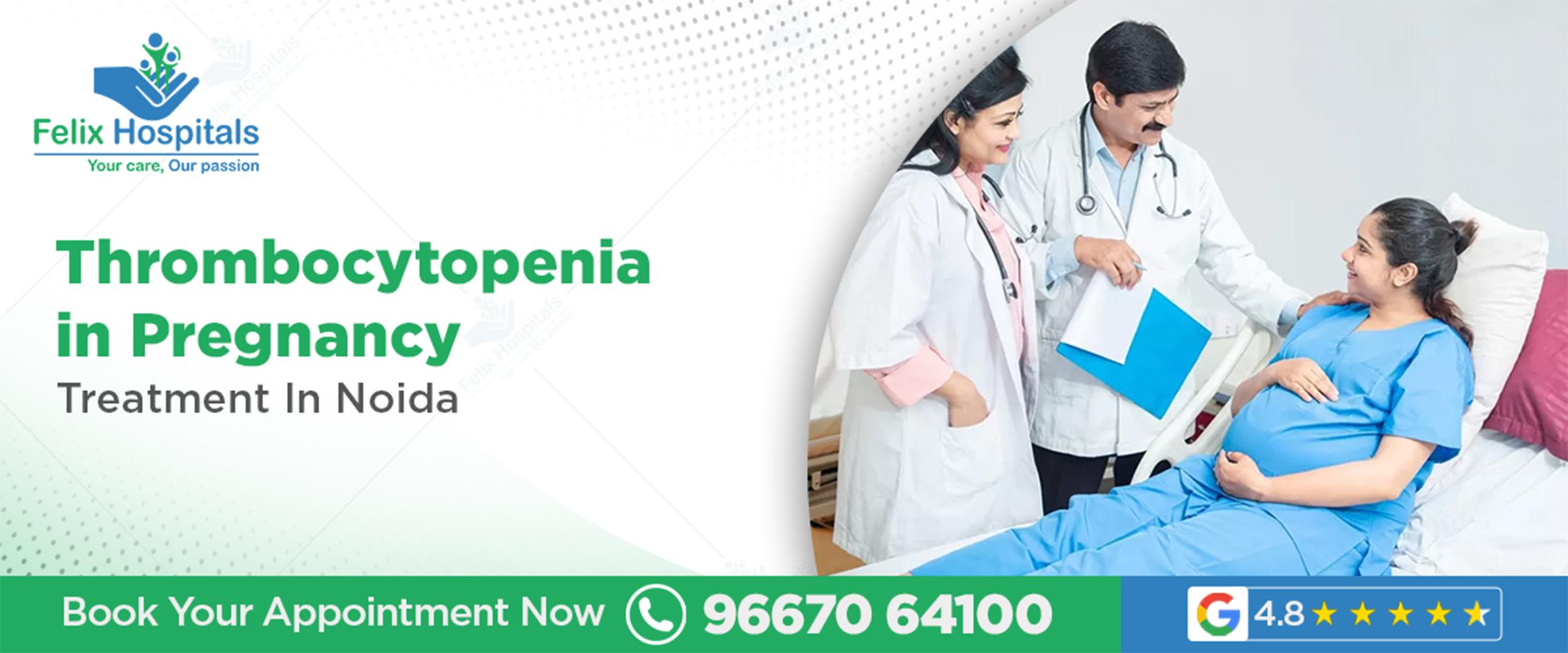
Thrombocytopenia during pregnancy is a situation where the concentration of platelets reduces below the normal platelet count in pregnancy and this makes the mother prone to bleeding as well as the baby in extreme situations. Platelets play a crucial role in blood clotting, and a low platelet count during pregnancy requires timely evaluation and monitoring. Noida is home to the best doctor for thrombocytopenia in pregnancy in Noida because the women concerned in the area should seek his advice in order to have a safe pregnancy and delivery.
The thrombocytopenia in pregnancy treatment in Noida and early diagnosis igoes a long way in preventing complications and promoting the health of the mother and the fetus.
Book an appointment with the best doctor for thrombocytopenia in pregnancy in Noida – Call +919667064100
It involves the reduction of platelet levels in case of pregnancy which is below normal range. Although the variations of platelet count can be minimal, still, low levels can be leading signs of a serious condition that needs medical intervention.Gestational thrombocytopenia is a mild and common drop in platelet count during pregnancy that usually resolves after delivery.Immune thrombocytopenic purpura (ITP) in pregnancy requires careful monitoring to maintain safe platelet levels for both mother and baby.
The normal platelet count in pregnancy typically ranges from 150,000 to 450,000 platelets per microliter of blood. The levels of platelets that are lower than this degree are classified depending on the severity.
Mild cases of thrombocytopenia normally need observation.
Moving cases might require more continuing attention.
Extreme cases of thrombocytes may compel treatment prior to birth.
A medical expert on the management of thrombocytopenia in pregnancy should be consulted in Noida to assess thrombocytopenia in pregnancy and make continuous monitoring.
Understanding the causes of low platelets in pregnant women helps doctors decide the most appropriate treatment approach. Gestational thrombocytopenia is the most prevalent cause, and it is caused by normal physiological changes towards the end of pregnancy.
Other causes may include:
Gestational thrombocytopenia (most commonly)
Platelet destruction autoimmune disorders.
Preeclampsia or HELLP syndrome.
Viral/bacterial infection.
Nutritional deficiencies
Some drugs or underlying illnesses.
An ideal physician of thrombocytopenia in pregnancy in Noida would be able to precisely detect the cause and make the treatment.
Thrombocytopenia Women in starting may have no visible symptoms. Increasingly, however, the symptoms can be more pronounced as the platelet levels drop very low.
Signs of low platelets during pregnancy may include:
Without any cause or bruises that are easy.
Frequent nosebleeds
Bleeding gums
Small cuts which result in prolonged bleeding.
Red or purple spots on the skin.
Women who suspect develop such symptoms should be evaluated urgently in the Noida centre of treatment of thrombocytopenia in pregnancy.
Diagnosis Diagnosis is determined through evaluation of platelets and identify etiological cause. Blood tests are used to evaluate the normal platelet count in pregnancy and detect abnormalities.
Typical diagnostic examinations are:
Complete blood count (CBC)
Peripheral blood smear
Liver function tests
Infection screening or autoimmune screening.
A correct diagnosis of thrombocytopenia in pregnancy by the best doctor for thrombocytopenia in pregnancy in Noida means that appropriate treatment of the disorder and its monitoring in pregnancy can be followed.
The treatment of thrombocytopenia during pregnancy in Noida is dependent on the severity of the disease and the cause of thrombocytopenia. The mild cases may be treated with normal monitoring only whereas the moderate to life threatening cases may necessitate medical treatment.
Treatment modes can include:
Frequent platelet count examinations.
Drugs i.e. corticosteroids, immunoglobulins.
Severe cases that tend to be undergone before delivery should receive platelet transfusion.
IVIG therapy in pregnancy may be recommended in certain cases to safely increase platelet counts and reduce bleeding risks.
The thrombocytopenia in pregnancy in Noida best doctor will work out a unique treatment plan of maternal and foetal safety.
Most pregnant women pose the question, Is Normal Delivery Safe with Low Platelets? The response will be determined by the level of platelets and the general patient state.
Mild to moderate thrombocytopenia can safely give birth via the vagina, closely monitored.
Extreme thrombocytopenia might necessitate the scheduled caesarean delivery.
Platelet transfusion can be done in case of necessity prior to delivery.
The treatment during pregnancy of thrombocytopenia in Noida specialists is also a guarantee attributed to a safe and organised delivery planning.
Ongoing monitoring is essential for managing low platelet count during pregnancy. Frequent blood analysis is used to monitor platelet activity and indicate any abrupt decrease.
Monitoring usually entails:
Regular platelet count analysis.
Bleeding symptoms Bleeding Observation.
Test for preeclampsia (or predisposing complications).
Fetal health assessments
In Noida, a best doctor to explore the treatment plans because of the monitoring outcomes is used in thrombocytopenia in pregnancy.
Diet and life style are supportive with respect to the management of thrombocytopenia. An equal diet would assist platelet production and well-being of maternal health.
Suggestions would be:
Iron deficient, folate and vitamin B12-rich diet.
Adequate hydration
Light exercise at the recommendation of the doctor.
Should not take medications that can impact platelets unless requested to do so.
Dietary and lifestyle choices of a thrombocytopenic pregnancy treatment expert in Noida would be safe.
Preparation of the delivery is important to minimise the risk of bleeding due to low levels of platelets. Birth in a well-developed hospital will enable the timely supplies of blood products and emergency treatment.
Postpartum care includes:
Follow-up of platelet postnatal recovery.
The treatment of postpartum bleeding.
Evaluation of the platelet count of the newborn in case of necessity.
In Noida, thrombocytopenia during pregnancy is managed by the best doctor for thrombocytopenia in pregnancy in Noida who functions by coordinating obstetric and haematology with the neonatal team.
Thrombocytopenia during pregnancy is a potentially dangerous condition that, in cases left unattended, may predispose the mother and her baby to complications.
Possible risks include:
Profuse haemorrhage during childbirth.
Postpartum hemorrhage
Reduced number of platelets of the newborn.
First aid medical procedures.
The risks caused by early thrombocytopenia in pregnancy treatment in Noida are greatly minimised.
Early consultation makes it possible to detect the diagnosis earlier, monitor the progress, and plan the delivery. Women with bruising, bleeding or abnormal lab results should immediately lose no time in seeking medical attention.
For expert thrombocytopenia in pregnancy treatment in Noida, contact now at +919667064100
Pregnant women should not be concerned about thrombocytopenia as it is a controllable condition in case it is diagnosed early enough and treated accordingly. Understanding what is thrombocytopenia in pregnancy, recognising signs of low platelets during pregnancy, and knowing the causes of low platelets in pregnant women are essential for a safe pregnancy. Noida can provide degree-level thrombocytopenia in pregnancy treatment in Noida, thus leading to desirable conditions of both mother and child.
Dr. Charu Yadav is an obstetrician and gynecologist with 12+ years of experience, specializing in high-risk and twin pregnancies, ectopic pregnancy, and menstrual disorders. Trained in laparoscopic surgery, she provides care for pregnancy, infertility, menopause, and gynae procedures. She is also recognized among the Best Gynecologists in Noida for her patient-focused treatment.

Low platelet count during pregnancy, usually mild and treatable with care.
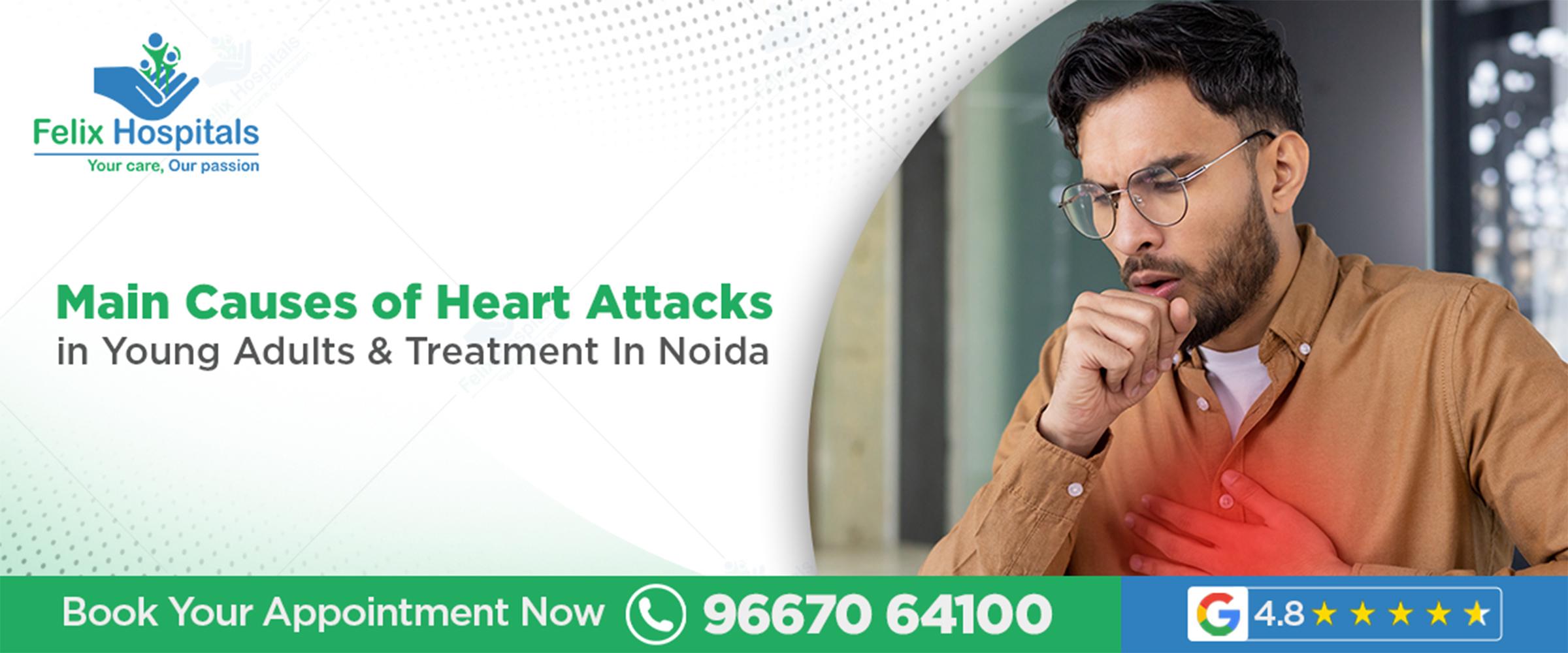
Heart attacks are no longer limited to older adults. In recent years, hospitals across Noida and other urban areas have witnessed a worrying rise in cardiac emergencies among people in their 20s, 30s, and early 40s.This has posed a serious concern to both the doctors and even the patients as a good number of young people could not regard themselves as being at risk until the moment there could be an incidence. Understanding the heart attack in young adults is essential for early detection, timely treatment, and long-term heart protection.
Heart attacks in young adults, however, are not silent developments as has traditionally been, but are usually acquired without the presence of long-term symptoms. There are lifestyle habits, stress levels, and medical conditions that have not been diagnosed yet, which contribute to the role of age significantly. With the best heart specialist Noida,timely awareness and the right medical care, young adult heart attack treatment can significantly improve survival rates and quality of life.
Make an appointment with a qualified cardiologist in Noidal and take the first step to take care of your heart by calling +91 9667064100.
It is demonstrated by medical research and clinical experience that young adults are becoming more and more exposed to a combination of risk factors. Unhealthy hours of work, inactive lifestyles, unhealthy diets, and persistent stress are establishing the atmosphere in which the heart is being overworked. Most of the youths do not pay heed to their early warning signs because they believe that heart disease is something they will become older, and it will strike them. The attitude tends to put off diagnosis and treatment, exacerbating the state upon an attack eventually.
One of the most concerning aspects is that why do young adults have heart attacks is often linked to preventable causes. Missing regular check-ups and uncontrolled blood pressure and lack of treated cholesterol issues can destroy arteries over the years without their user ever realising until they get a cardiac incident and head to a hospital.
One of the greatest risk factors of cardiac in younger populations is that of modern lifestyle habits. Poor lifestyle habits such as smoking, drinking too much alcohol, and eating unhealthy foods and not exercising slowly lead to a weak heart. When consumed in large quantities processed foods, sugar and non-healthy fats cause a buildup of plaque in the arteries, among individuals who may be seemingly fit outside.
The primary contributors of lifestyle are:
Smoking and tobacco use
Sedentary work routines
Poor sleep patterns
Excessive alcohol intake
These habits significantly increase risk factors for heart attack in youth, especially when combined with genetic predisposition or underlying medical conditions.
Young adult heart attacks have become one of the leading silent precursors that occur due to chronic stress. Stress at work, financial burden, job insecurity and emotional stress induce constant hormonal fluctuations that impact the blood pressure and heart rhythm. As a person ages, the stress hormone like cortisol promotes inflammation of the blood vessels and puts one at risk of developing a clot.
Medical experts have found a strong link between stress and heart attack in young adults, particularly when stress is combined with unhealthy coping mechanisms like smoking or binge eating. The long-term effects of emotional stress on the heart health of young adults can be dire, and the stress itself is underestimated by young adults.
Some medical conditions, upon not being diagnosed, or not being under the control of a competent doctor, probably increase the risks of a heart attack at a tender age. Owing to high blood pressure, diabetes, obesity, and high cholesterol, they are no longer disorders of senior age. Neither of these conditions nor their progression may show any symptoms on a person, and many young adults cohabit with these conditions.
Doctors frequently identify heart attacks in young adults as causes linked to untreated metabolic disorders. The role of family history is also a very important one particularly in patients who have close family members with a history of heart disease. Timely screening and frequent cheque-ups are very imperative in order to diagnose these conditions at an early stage before they become complicated.
Early realisation helps to save lives. The symptoms of heart attack in young adults are not necessarily going to follow the typical pattern of excruciating pain in the chest area. Rather, the symptoms can be mild and confused with acidity, anxiety, or muscle tension.
This may manifest in the following common symptoms:
Pain in the chest or pressure.
Shortness of breath
Sudden fatigue
Pain in the arm, jaw, or back
These heart attack symptoms young adults experience should never be ignored, even if they appear mild or temporary. An immediate medical examination has the potential to avoid heart damage beyond repair.
In the case of a young adult having a heart attack, it is vital that he or she gets medical care immediately. Fast diagnosis using ECG, blood tests and imaging assists the doctor to establish the degree of the blockage. To revive the blood flow, emergency measures, e.g. clot-dissolving drugs or angioplasty, might be needed.
Hospitals that provide treatment of heart attack among young adults seem to work concerning stabilisation of the patient, relieving pain, and avoiding additional damage. Early intervention has a tremendous impact in terms of complications and the recovery outcomes.
The process of recovery of a heart attack does not end with emergency treatment. Prolonged therapy consists of drugs to manage blood pressure, cholesterol and heart rhythm as well as encompassed cardiac rehabilitation programmes. Changes in lifestyle are also crucial as a preventive measure.
A comprehensive young adult heart attack treatment plan often includes dietary modifications, supervised exercise, stress management, and regular follow-up with a heart specialist. Through effective mentoring, a lot of young patients resume active productive lives.
The best way to increase the prevention of heart attack among young adults is prevention. Balanced nutrition, habitual health examinations, physical activity, and stress management are important. Preventive strategies that have been taken are avoiding tobacco and reducing alcohol intake.
Addressing risk factors for heart attack in youth early can prevent long-term complications. Heart disease burden can be minimised by raising awareness, educating the population and taking suitable medical consultation particularly among the younger generations.
Before young adults develop some serious symptoms, they should not postpone visiting a heart specialist. Relentless chest pain, unaccountable exhaustion, puffiness, or an excellent family background of heart illness ought to be a stimulus of a medical checkup. Early consultation enables the doctors to detect risks and begin prevention of care.
Early consultations to a heart attack patient among young adults will guarantee proper diagnosis and tailored care to avoid the occurrence of unanticipated cardiac attacks.
When you have or a loved one has symptoms or has questions about expert advice on heart health, consult a specialist.
Cases of heart attacks among young adults are becoming a serious health concern that should not be ignored. Changing lifestyles, rising stress levels, unhealthy eating habits, and undiagnosed medical conditions are significantly increasing cardiac risks in younger generations. Understanding why young adults experience heart attacks helps individuals take preventive measures and seek timely medical care. Early diagnosis, proper treatment, and long-term lifestyle changes play a crucial role in protecting heart health. For advanced diagnosis and expert care, consulting the Best Cardiology Hospital in Noida ensures access to experienced cardiologists, modern technology, and emergency cardiac support for better recovery outcomes.
Dr. Rahul Arora is an experienced Interventional Cardiologist with 21+ years of expertise in advanced cardiac care, specializing in personalized, evidence-based treatment for heart diseases and improved patient outcomes.
A stent procedure can be life-saving for those with blocked arteries. This guide walks you through the stent experience—from the angioplasty process to post-procedure recovery and lifestyle changes.

Find the best cardiologist for your heart care with these essential tips and expert advice.

However, stress, sedentary lifestyle, chronic diseases such as diabetes and hypertension, and genetic factors place young individuals at risk of heart attack.

Top cardiologist surgeon in Noida for safe and expert pacemaker implantation to regulate heart rhythm.
Paediatric neurosurgery is a specialty field within the medical specialisation and practise of diagnosis and surgical repair of diseases of the brain, the spinal cord, nerves, and the skull in young children, teenagers, and adolescents. The signs of neurological disorders in children are incomparable to those in adults since the nervous system of the child is underdeveloped. Even slight neurological disorders may have great effects on development, cognitive capacity, locomotion, and general living standards unless they were properly addressed.
The situation has changed, and currently, more high-quality paediatric neurosurgical treatment institutions are available to children, allowing their families to learn about modern tests, professional approaches, and child-centric surgery. Early diagnosis and cure on time are the main pillars of effective outcomes in paediatric neurosurgery.
Concerned about the neurological condition of your child? And do call the most approachable paediatric neurosurgeon in my area, dialling +91 9667064100.
The training of paediatric neurosurgeons is necessary to work with fragile neural structures in consideration of the brain development, skull formation, and long-term neurological activity. They also perform more than surgery and also diagnosis, planning of treatments, post operative care and follow-up. Certain warning signs for child needs neurosurgery include persistent headaches, seizures, delayed milestones, or abnormal head growth.
Children are biologically and neurobiologically different to adults. The growing brain is more responsive to any alterations in pressure, oxygen deficiency, and the abnormalities in the structure.
The major aspects that necessitate specialisation in paediatric neurosurgery are:
Quick intellectual development at infancy and early childhood.
Continuous working on motor and cognitive processes.
Greater threat of long-term effects of undiagnosed diseases.
Surgical solutions that are compatible with growth are required.
Having selected the most appropriate paediatric neurosurgeon in my area of residence, I will be assured that the decisions made on treatment focus not only on immediate safety but also on the future of the development.
There are several common paediatric neurosurgical conditions that may require surgical intervention depending on severity and progression.
These include:
Hydrocephalus
Congenital brain and emery defects.
Paediatric spinal tumour and brain tumour.
Traumatic brain and spinal diseases.
Medical resistant epilepsy.
Both of the conditions need to be approached depending on the age of the child, his/her symptom, and the neurological status.
Certain neurological disorders in children cannot be managed with medication alone and require surgical correction to prevent deterioration.
Examples include:
Neural tube defects and Spina bifida.
premature closure of skull bones (craniosynostosis)
Chiari malformation
Tethered spinal cord
Brain cysts with symptoms of pressure.
Permanent neurological damage may be avoided by early surgical intervention.
Hydrocephalus is one of the paediatric neurosurgical conditions that are highly treated. It is a situation where there is the presence of the cerebrospinal fluid within the brain, which elevates intracranial pressure
Common symptoms include:
Swift enlargement of the head of infants.
Vomiting and irritability
Developmental delays
Poor feeding
Visual problems and headaches in children of advanced age.
Surgical therapy is aimed at redistributing surplus fluid and safeguarding brain growth.
Paediatric brain tumours are unlike adult brain tumours in terms of type, behaviour and response to treatment. They can disrupt essential brain functions including movement, speech, capacity to see and hormone regulation.
Treatment goals will be:
Optimal and secure tumour resection.
Neurological functional preservation.
Quality of life and survival in the long run.
Congenital brain disorder surgery may be recommended to correct structural abnormalities and improve a child’s long-term development and quality of life.
Children can have spinal conditions which are either congenital or acquired and influence the posture, movement and nerve functions.
The typical spinal neurosurgical diseases are:
Spinal cord tumors
Tethered cord syndrome
Spinal injuries
Inborn spinal deformities.
Surgical correction of these disorders can avoid progressive weakness, dysfunction of the bladder, and chronic pain.
Trauma is one of the causes of neurosurgical emergencies in children. Neurological damage may be serious in falls, road accidents, and sports injuries.
Neurosurgical intervention may be necessary urgently in case a child develops:
Loss of consciousness
Seizures after injury
Skull fractures
Spinal cord compression
Paediatric neurosurgery is an emergency assessment that is lifesaving at a Noida hospital.
Parents often ask when a child needs neurosurgery. Surgical treatment is advised in case of the ineffectiveness of conservative treatment or in the case when the disease is dangerous to the functioning of the central nervous system.
A child might require neurosurgery in case:
Symptoms worsen over time
Increased pressure of the brain or the spinal cord.
Permanent nerve damage is a possibility.
The choice is arrived at after a lot of consideration and consultation with the family.
Before surgery planning, diagnosis is required. Paediatric neurosurgeons depend on the progressive diagnostic equipment.
Popular tests are:
Brain and spine MRI scans.
Bone and trauma CT scanning.
EEG for seizure disorders
Neurological and developmental tests.
The tests are beneficial to determine the precise cause and organise safe treatment.
A timely pediatric neurosurgery consultation helps ensure accurate diagnosis, expert guidance, and the best possible treatment plan for your child.
There are several treatment options in paediatric neurosurgery, depending on the child's condition and severity.
The treatment methods entail:
Minimally invasive neurosurgery.
Endoscopic procedures
Open corrective surgery
Hydrocephalus shunt placement.
Operational neurosurgery of epilepsy.
Every treatment plan will be tailor-made to result in the greatest good with the least harm.
One of the questions that commonly occur in the minds of parents is, is paediatric neurosurgery safe. Paediatric anaesthesia, state-of-the-art surgery, and no kiddie killers in intensive care units have made things much safer.
Safety measures include:
Good practice in child-specific anaesthesia.
Modern intraoperative monitoring.
Psychiatric intensive care services.
Experienced surgical teams
Selecting an established centre is very important when it comes to minimising risk.
The post-operative therapy is not inferior to surgery itself. Children need to be closely monitored and given rehabilitation to act and become strong.
Postop care can include and include:
Neurological observation
Pain management
Occupational therapy and physiotherapy.
Cognitive rehabilitation and speech.
This interdisciplinary treatment promotes the recovery of the long term.
Follow up programmes in children who have undergone neurosurgery may take a long time to follow up on growth and neurological development.
Regular follow-up helps:
Detect recurrence early
Observing learning and behaviour.
Alter rehabilitation techniques.
Promote social and academic enhancement.
With constant observation, the results will be long-term.
Delaying treatment for neurological conditions can lead to irreversible damage. Symptoms such as seizures, persistent headaches, abnormal head growth, or developmental delays should never be ignored. Early consultation improves prognosis and reduces long-term complications.
Get expert treatment at a trusted paediatric neurosurgery hospital in Noida. Call +91 9667064100 to book a specialist consultation today.
Paediatric neurosurgery plays a crucial role in diagnosing and treating complex neurological conditions that affect a child’s brain, spine, and nervous system. Understanding what is paediatric neurosurgery, recognizing common paediatric neurosurgical conditions, and knowing when a child needs neurosurgery allows parents to seek timely and appropriate care. With advanced treatment options in paediatric neurosurgery, improved safety standards, and experienced specialists, children in Noida have access to high-quality neurological care. Parents are also encouraged to consult the best pediatricians in noida for early evaluation and referral to a paediatric neurosurgeon when needed. Early intervention, expert surgical management, and structured long-term follow-up together ensure the best possible neurological outcomes and a healthier future for children.
Dr. Prabhat Kumar is a pediatrician and neonatology specialist with over 9 years of experience, recognized among the Best Pediatricians in Noida. He specializes in infectious diseases, general pediatrics, and child growth and development, providing trusted care for childhood illnesses, immunizations, neonatal care, and teenage health concerns.
Pediatric rheumatology focuses on diagnosing and treating autoimmune and inflammatory disorders affecting children’s joints, muscles, and connective tissues.
During sleep, the body releases growth hormones, which are essential for a child's growth and development. Adequate sleep is vital for muscle development, tissue growth, and the overall physical health of a child.
Our team of pediatric professionals is committed to offering expert care and guidance on sleep-related issues. If you’re looking for a pediatric doctor near me, our experienced specialists are ready to assist.
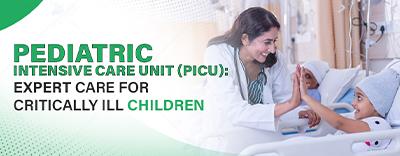
Pediatric Intensive Care Unit (PICU): Expert care for critically ill or injured children requiring constant monitoring and advanced life support. Our specialized team ensures round-the-clock treatment in a safe, child-friendly environment.

Winter means cozy sweaters, hot drinks, and holiday merriment — but it also means harsh conditions for your skin. As the temperature outside falls, many people start to notice their skin drying out, flaking and getting red and irritated. Cold weather, heating systems, and dry air suck moisture from your skin, impairing its natural protective barrier. The outer layer of your skin is called the stratum corneum, like a shield against the elements, holds water, and keeps bacteria and pollutants out. When this shield is compromised your skin gets sensitive and inflamed, and much more susceptible to infections.
Winter dry skin can be more difficult to manage if you already have skin conditions such as eczema, psoriasis, or acne, as these can be aggravated even by slight irritations. Best skin doctor Noida early in the season will keep your skin nourished and free from any winter skin damage and thus will allow you to enjoy winter with out any hesitations. With the expertise of seasoned dermatologists, state-of-the-art diagnostic equipment, and custom treatment plans available at a reliable Skin treatment hospital in Noida, patients are treated in a way that not only heals the impaired skin barrier but also equips them with practical measures to keep it protected all season long.
If you are experiencing persistent dryness, irritation, or redness this winter, call +91 9667064100 to consult with the best dermatology hospital in Noida for personalised evaluation and treatment
Skin barrier plays a vital part in the health of the skin. It controls water content, prevents diseases, and provides skin with overall strength. Harsh winds, low humidity, indoor heating, and frequent exposure to hot water during winter. This gives way to loss of moisture, drying, irritation and weakened immunity against infections.
In cases of damaged skin barrier, patients might complain of roughness, scaling, itchiness, redness, burning or increased sensitivity of the skin to skincare products. In severe instances, there are cracks or eczema like rashes. The disregard of these symptoms can deteriorate the state of the skin and result in chronic diseases.
To check the level of barrier damage and provide patients with the most appropriate treatment, the patients who address the best Dermatologists in Noida can visit Noida and be offered special treatments.
It is important to identify the evidence of skin barrier damage to prevent damage early. Common symptoms include:
Persistent dryness and tightness
Redness or inflammation
More sensitive to the surrounding
Fissured or coarse skin texture.
Sensations of burning or stinging.
Severe cases- small cracks or rashes.
Such symptoms point to the loss of the protective capacity of the skin. Barrier damage may cause infections or chronic dermatological diseases otherwise (untreated). Patients who have a sensitive or have acne-prone skin might also have a flare-up in winter when their barrier is weak.
Noida supports advanced Skin treatment hospitals in Noida involved in the provision of diagnostic devices and hospital evaluations of the barrier health and offering specific treatments to heal the skin and stop further damage.
Knowledge in the causes of damage to the skin barrier during winter is useful in preventing and treating them.
Low Humidity and Cold Air: Winter winds usually contain little moisture and this enhances the loss of water through the skin.
Indoor Heating: Indoor heating systems dry out the air and remove natural oils in the skin of individuals leaving it exposed.
Hot Showers and Harsh Cleansers: Hot showers, soaps, or foaming cleansers wash away the natural protective lipids of the skin making the barrier weak.
Pollutants of the environment: Winter Air pollution, dust and smog spread the irritation of the skin and weaken the natural defences in it.
Lifestyle Factors: Stress, inadequate hydration, unbalanced diet and problems with sleep patterns during winter may cause decreased repair processes in the skin.
Being aware of these reasons enables the dermatologists to develop overall care management plans for international patients who want to be treated in Noida, including medical advice, professional intervention, and self-care suggestions.
The management of the damaged skin barriers involves the combination of at-home maintenance and professional dermatology care.
Moisturising Therapy: Barrier-repair ceramide, fatty acid, glycerin, and humectants based moisturisers are used to replenish moisture and lipid levels. These products guard against the loss of moisture and cushion the barrier.
Gentle Cleansing: Cleansers that are mild and neutral in PH would not cause further damage to the skin and retain the natural oils.
Prescription Topicals: In case of moderate and intense damage, dermatologists might prescribe creams (niacinamide, hyaluronic acid or urea) to suppress inflammation and speed up the re-formation process of the barrier.
Professional interventions: Intensive cases may be improved by non-invasive options such as hydrating facials, laser treatment, or microneedling procedures, which help in improving skin repair functions and barrier properties.
Recovery of Barrier: It is important to avoid extreme temperatures, harsh chemicals, and alcohol-based products to be part of barrier recovery.
These treatments are customised based on the patient's skin type, intensity of the damage to the barriers and their lifestyles. Noida, hospitals of skin treatment provide the treatment on an international level with experienced dermatologists who provide thorough assessment and a treatment plan.
Winter skincare routine is very essential to protect against the damages.
Key tips include:
Hydration: It is also advisable to drink a lot of water per day to keep skin hydrated internally.
Layered Moisturisers: Although this technique is used to keep the skin hydrated, apply an emollient-rich moisturiser as soon as the skin is out of the bath to trap moisture.
Gentle Cleansing: Lukewarm water and gentle cleansers should be used so that the natural oils will not be stripped out.
Sun Protection: The UV may harm the skin barrier even during winter, so sunscreen should be used daily.
Humidifiers: Use a humidifier indoors to maintain healthy moisture levels in the air
Protective Clothing: Wear clothing to shield cold winds on your skin: scarfs, hats, gloves etc.
Barrier damage caused by winter can be significantly prevented with the help of a regular skincare programme and dermatology.
It is important to know when a dermatologist should be consulted. The chronic dryness, redness, cracks, or inflammation that does not improve with over-the-counter moisturisers. Patients having underlying disorders like eczema, psoriasis or diabetes need to be evaluated immediately since winter exacerbates the affliction. International patients can access the Best dermatology Hospital in Noida for comprehensive assessment, treatment, and follow-up care, ensuring timely interventions and preventing long-term skin damage.
Noida is a high-quality dermatology centre where it is possible to find access to state-of-the-art dermatological care, international quality of procedures, along with the presence of multilingual assistance and advanced diagnostics. Hospitals provide:
Skin barrier clinical examination.
Professional procedures in individualised treatment plans.
Topical and oral therapies that are based on prescription.
Recommendations on after treatment, lifestyle and care of the skin.
The Noida dermatologists are using experience, technology, and international best practise to provide international customers with effective and safe treatment.
Adding proactive measures is the key to keep the health barrier:
Avoid hot baths: Prevent making skin dryer
Apply moisturiser twice daily: Makes skin moist and strong.
Apply a light and fragrance-free product: Decreases irritation.
Keep it hydrated: This keeps the skin healthy by maintaining enough fluids.
Consume high-nutrient foods: Vitamins A, C, D and E help in repairing the barriers.
Reduce alcohol and caffeine: These are also dehydrating to the skin.
These steps taken with the combination of professional care will help the skin to stay strong, healthy, and protected even in the winter period.
Rejuvenate your natural skin and keep it safe against winter damage- call today at +91 9667064100 and have an expert help you.
Skin barrier damage in winter is not only a cosmetic issue, but it can also impact the protective capacity of your skin and your health as a whole. The disregard of such symptoms as dryness, redness, and cracks might result in chronic complications and cracks.
The protection and restoration of the skin barrier is most effectively achieved with the combination of professional dermatology care, beneficial at-home practises, and lifestyle changes. Foreign patients come to Noida to get high-quality care in the Skin treatment hospital in Noida, and get individualised treatment programmes and professional advice of the Best skin doctor in Noida.
Covering up your skin this winter beautiful skin is not a pretty thing only, it is strong, it is healthy.
Dr. Sheetal Yadav is a board-certified dermatologist with 4+ years of experience in medical and cosmetic dermatology. She specializes in treatments like laser procedures, chemical peels, micro-needling, PRP, mesotherapy, and Botox/fillers. Recognized among the Best Dermatologists in Noida, she provides safe and personalized skincare solutions.
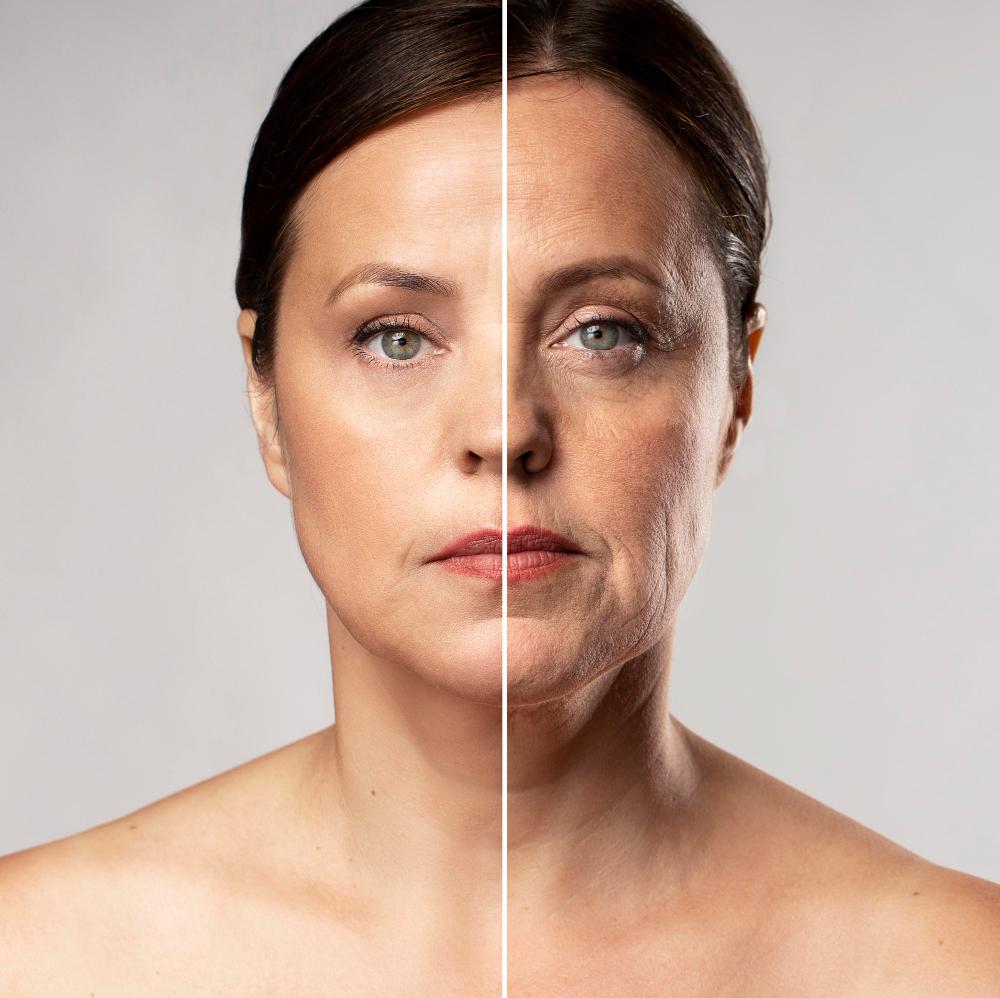
Certain skin disorders aren’t preventable, including genetic conditions and some skin problems due to other illnesses.
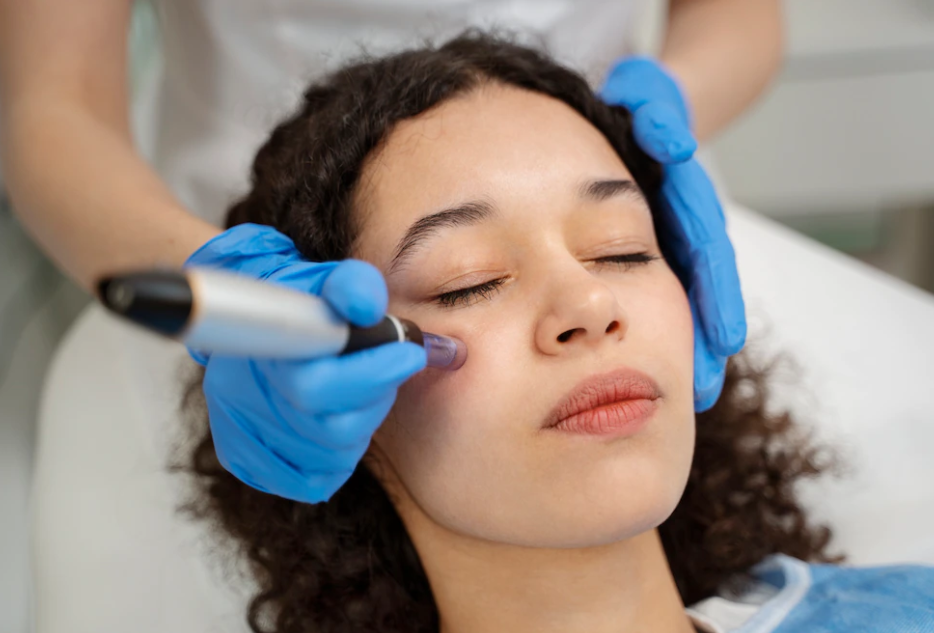
If your answer is yes, then, here are 6 easy steps to keep your skin look young and glowing.

Understanding the types of skin rashes, their symptoms, causes, and treatment options is essential for anyone experiencing skin issues.
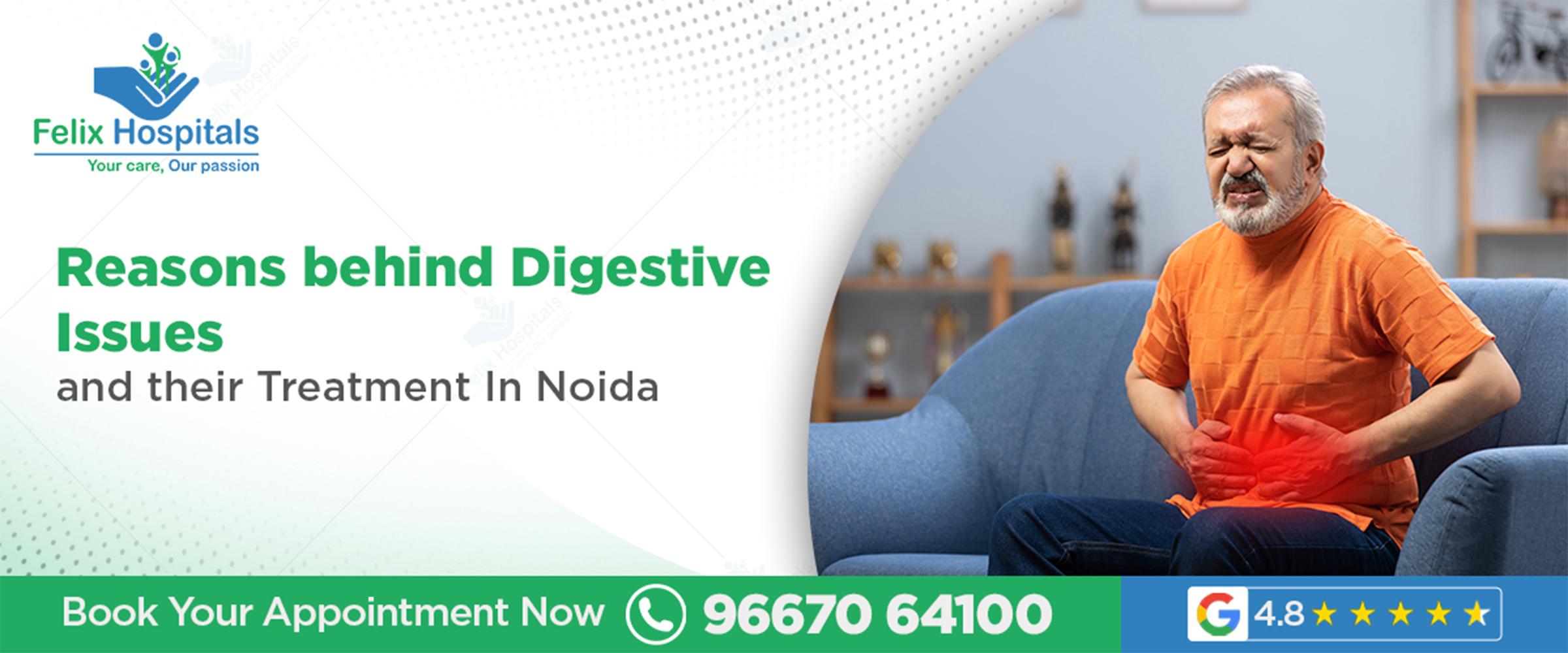
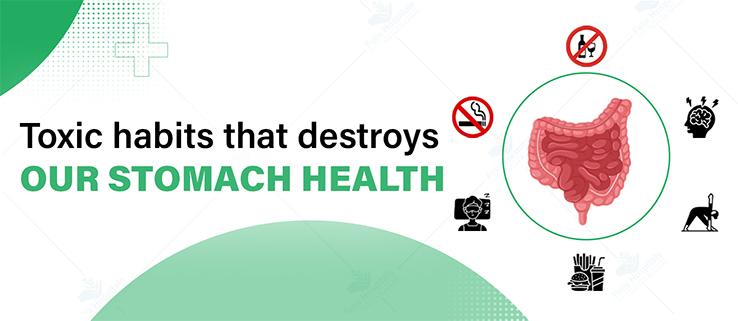
Good digestive function is important for physical and mental health, but stomach pain is something most people avoid thinking about until it is too painful to endure. Discomfort is often attributed to temporary or food-related causes, resulting in the delay in seeking the medical care that is necessary. Chronic gastrointestinal disease can significantly impair an individual’s ability to work, engage in social activities, or maintain emotional well-being. This includes understanding the root causes of these conditions, which enables long-term relief and prevention. “Many of the gastrointestinal problems are associated with lifestyle, diet, and stress and sometimes with medical problems that need evaluation and treatment by appropriate medical people".
With the right procedures most stomach conditions are curable. But the relief is often temporary, and unavailable over-the-counter medications often do not fix the underlying issue. When you consult a top gastroenterologist in Noida, you can be sure that it is not just your symptoms which are confined to the short-term, but the reasons behind them will also be found and treated in a holistic manner, helping you avoid any complications and enhancing your long-term digestive health.
Call +91 9667064100 to consult an experienced gastroenterologist in Noida for accurate diagnosis and digestive care.
Many people wonder why they still develop stomach problems despite eating healthy and avoiding junk food. Irregular eating time, poor hydration, stress and lack of physical activity are highly sensitive to the digestive system. Modern lifestyles often include processed foods, late-night eating, and prolonged sitting — all of which disrupt digestion. Emotional stress directly impairs gut function, leading to pain, bloating, or acidity. The symptoms may become common or intense, in such cases, consulting a stomach problem doctor near me can help determine whether the problem is of functional or underlying disorder.
Understanding common digestive problems and their solutions helps patients recognise symptoms early and seek appropriate careProblems of digestion come and go, but the frequent ones cannot be ignored. Common complaints include indigestion, gas, acidity, constipation, diarrhoea, and abdominal discomfort.
stomach pain or indigestion.
Irregular bowel movements
Excessive gas or bloating
Acid reflux and heartburn
Nausea after meals
Early medical guidance from a gastroenterologist in Noida ensures accurate diagnosis and tailored treatment plans that prevent complications.
These symptoms are commonly associated with dietary habits and digestive sensitivity. Eating too quickly, overeating, consuming carbonated drinks, or skipping meals can all lead to digestive problems. Certain foods ferment in the gut, producing excess gas and abdominal distension. Acidity commonly occurs when the stomach produces too much acid or empties too slowly. Symptoms are also worsened with stress and smoking. Persistent bloating or acidity should be evaluated to rule out conditions such as gastritis or food intolerance, and timely treatment helps restore digestive balance.
Unhealthy habits are major contributors to digestive discomfort. Sleep irregularities, insufficient consumption of water, and physical inactivity, adversely impact digestion. Individuals that miss meals or consume canned food are most likely to develop digestive issues. Smoking, excessive caffeine intake, and alcohol consumption weaken the digestive lining and worsen acidity. These are some of the habits that can be identified and altered to help in alleviating digestive symptoms and the performance of the gut on the whole.
Sometimes stomach pain is not serious, but when symptoms occur frequently or worsen over time, it is time to see a doctor. Persistent digestive problems may indicate underlying health conditions. Patients need to visit a stomach problem doctor near me in case their symptoms affect their daily activities or are not going away despite the home remedies. The warning signs are unidentified loss of weight, blood in stool, chronic vomiting, severe abdominal pain, or chronic constipation. Timely consultation helps to avoid complications as well as provide treatment on time.
A gastroenterologist in Noida specialises in diagnosing and treating disorders of the digestive system. From evaluating symptoms to conducting diagnostic tests, gastroenterologists provide comprehensive care for a wide range of digestive conditions. They are concerned with finding the cause of symptoms without providing short-term relief. The medication, diet, and lifestyle instructions can be part of the treatment plans. Continuous monitoring is required to control the symptoms and maintain stable digestive health in the long run.
Effective treatment is only possible by accurate diagnosis. An elaborate medical history, physical examination, and analysis of the symptoms are used to know reasons and develop a treatment plan. The use of diagnostic tests can be recommended depending on the severity and length of the symptoms. Tests assist in diagnosing inflammation, infection or functional problems. Consulting a gastroenterologist in Noida ensures that the diagnosis is precise and the treatment evidence‑based, reducing unnecessary medication use.Understanding the causes and available treatments is crucial for long-term digestive health. Infections, inflammation,slow gut movement, or deficiency of enzymes could result in problems of the digestive system. In other instances, digestion can also be affected by hormonal changes and medicines. The treatment is directed toward identifying triggers, correcting dietary principles, application of drugs if necessary, and improving gut health through lifestyle modifications. An experienced gastroenterologist in Noida conducts comprehensive analysis of symptoms before suggesting treatment, thus facilitating personalised care and improved results..
The treatment is directed at the symptoms and their causes. The treatment depends on the diagnosis and how severe the symptoms are. Without symptoms or mild problems, it is possible to treat by diet and drugs, but for chronic problems should be managed. These may include: deciding on treatment options such as:
Drugs to decrease acidity or inflammation
Dietary adjustments based on digestive tolerance
Changes in lifestyle
Regular monitoring for progress
With specialist treatment, most patients say they experience good improvement and lasting relief.
Prevention is the best way to keep your digestive system healthy. A few hours of work and live life hacks (don’t skip meals, drink water, don’t get stressed) can help you avoid digestive issues. Regular exercise promotes healthy bowel movement and prevents constipation. These preventive strategies can decrease symptom exacerbations and medication requirements. Permanent advice for long term digestive strength can be supplied by your local doctor.
Contact now at +91 9667064100 and book your appointment right away to receive professional help from a reliable specialist.
Digestive issues may start as small discomfort but can impact overall health. Understanding the reasons for digestive problems allows patients to take steps toward prevention and treatment. From lifestyle changes to medical care, early treatment ensures better comfort and long-term gut health. Consulting an experienced gastroenterologist in Noida provides accurate diagnosis, personalized treatment, and continuous care for all digestive conditions.
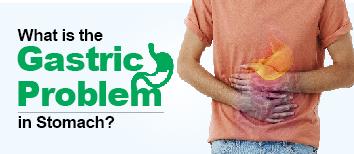
Gastric problems occur when excess acid or digestive disturbances affect the stomach lining, causing symptoms like bloating, acidity, and pain. Timely diagnosis ensures effective treatment.

Understand the key differences between stomach flu and food poisoning. Learn about their causes, symptoms, and when it's time to seek medical help for safe and effective treatment.
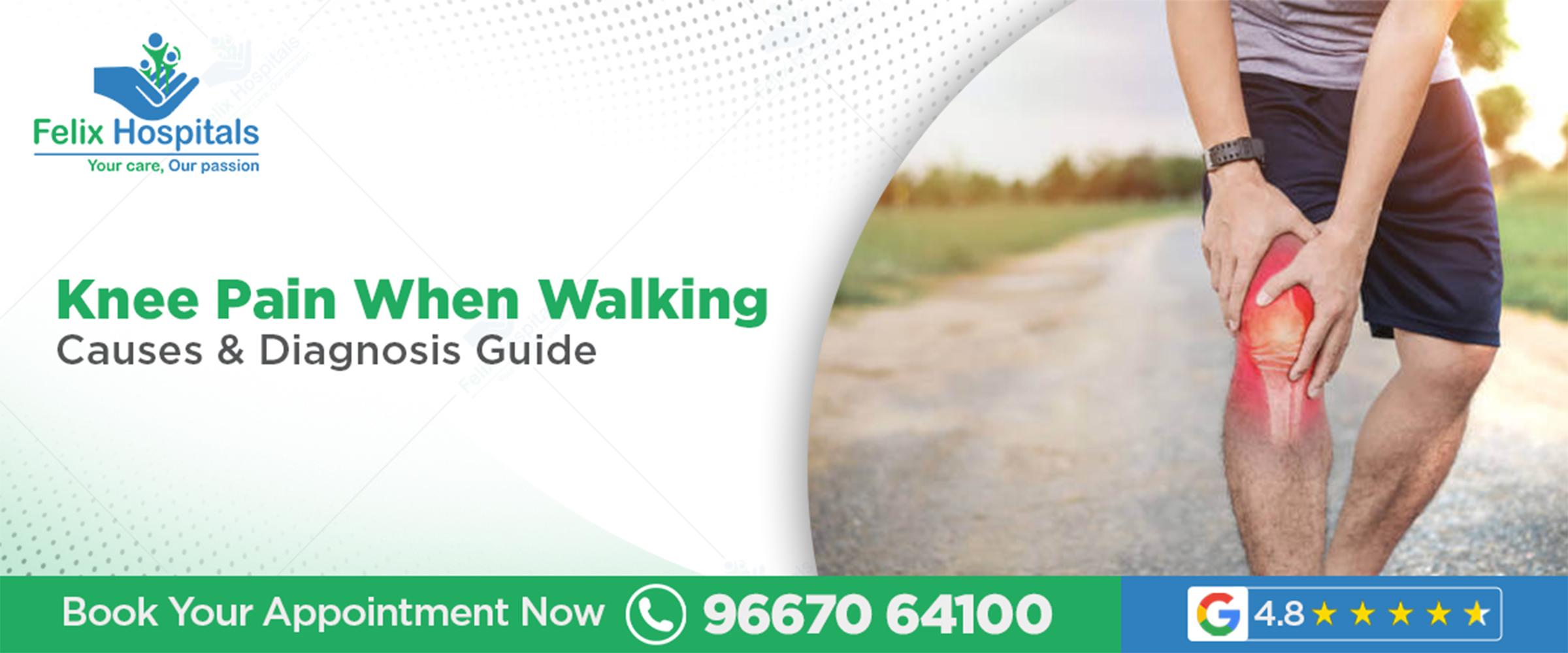
Walking should be simple and pain-free, but for many people, every step comes with discomfort. Knee pain while walking is common and affects people of all ages. Whether you are feeling slight pain after a walk or a sharp discomfort after climbing the stairs, your knees are trying to tell you something.
According to a statistical survey, in places such as Noida, there is an increasing number of people having knee issues due to the desk jobs, being overweight and other causes like sports injuries and ageing. If got diagnosed in time, the best orthopedic hospital in Noida can help you to recover fast.
Persistent knee pain needs expert evaluation before it worsens. Call +91 9667064100 to consult an orthopedic specialist in Noida.
A knee joint is a complex joint that works together to support body weight and movement. It consists of bones, cartilages, connecting bands (ligament) and muscles. While walking, knees can support 1.5 times your body weight; when climbing on stairs this number rises to 3 to 4 times, and when running the number becomes 7 times. This is the reason why one activity can be more painful than another. Difficulty walking due to knee pain may indicate underlying joint inflammation, ligament strain, or early arthritis. Early evaluation helps prevent worsening mobility issues.
Think about tires getting worn out with time , similar to the joint in your knee that slowly wears away resulting in bone-on-bone contact which will cause pain, stiffness, and swelling during walking or standing. This has become the most frequent cause of chronic knee pain.
Menisci are special cushions which can get torn due to constant movement, or with sudden pressure or injury. This causes sharp knee pain when walking, especially on uneven ground. A lot of individuals over the age of 50 have small tears, and they face a sharp pinching pain.
Ligaments are like rubber bands that hold your knee together. When injured, the knee becomes unsteady resulting in painful walking.
This is characterised by pain that occurs in the anterior part of the knee joint (the kneecap), with sharp popping sound that is characteristic to this syndrome.
The discomfort around the kneecap is typical of youth and athletes. The principal sign is the pain in the knee when bending and walking. This is 2-3 times more common among women as compared to men.
The cords which connect muscles to bones are called tendons. When the tendons become inflamed, it results in pain. Sportsmen refer to this as a jumper knee.
Swelling in knee joints might result from fluid buildup, overuse, or injury. Proper rest, ice therapy, and medical assessment are important if swelling persists.
Knee pain while walking long distances usually points to:
Early joint wear
Muscle weakness
Meniscal tear
Loose cartilage
Ligament strain
Increased body weight
Flat feet or unusual walking style
Have you ever noticed the worsening of knee pain while walking and climbing stairs? Stairs exert additional load on your knee joints. The main causes include teared cushioning, weakened muscles around the knee, or injury of the kneecap.
It is a red flag when one experiences pain in the knee at night and during walking. It implies a high level of wear of the joints, arthritis, inflammation, or potential infection. Your pain that wakes you up at night demands rapid attention of the doctor- it usually is due to active inflammation or nerve issues.
How It Feels | Likely Problem | What To Do |
Slow start, hurts more with activity | Joint wear | Consult doctor within 2 weeks |
Sharp pain with twisting | Torn cushion | See doctor within days |
Hurts on stair climbing | Kneecap issue | See doctor within 2 weeks |
Aches after long walks | Overuse | Rest and watch |
Sudden severe pain | Serious injury | Visit your doctor immediately |
Night pain | Inflammation | See doctor in 1-2 days |
Don’t wait if you have:
Pain over more than several days.
Increasing swelling
Difficulty walking
Pain that disrupts sleep
Subsequent swelling.
A visibly crooked knee
Fever with knee pain
Observe your walk
Test knee movement
Evaluate stability
Look for swelling
Bones and joint space X-rays.
MRI of the soft tissues around knee joint
CT scans for complex issues
Ultrasound of the Tendons
Blood Tests: Used when inflammation or infection are suspected. Early diagnosis helps avoid surgery in 70% of cases.
Painkiller Medicines: When knee pain strikes, the first line of defence is usually pain-relieving medicines. These medications help reduce both pain and swelling in the affected joint, making daily movement more comfortable. However, they should always be taken when prescribed by a doctor.
Physiotherapy: Physiotherapy is one of the main non-surgical options for knee pain. A trained physiotherapist designs personalised exercises to strengthen the muscles around the knee, improve flexibility and restore normal movement.
Weight Management: Excess body weight puts tremendous pressure on the knee joints with every step you take. But, do you know that even a small reduction in weight can make a big difference. Losing just 10 pounds can reduce knee pain by up to 20%, giving your joints much-needed relief and slowing down further wear and tear.
Knee Support and Braces: A knee support or brace acts like an external stabiliser for your joint especially in patients with ligament weakness or those who are recovering from any type of knee injury. It provides the stability needed during movement, reduces strain on the affected area and helps prevent further injury.
Activity Modification: Sometimes the way we move or the activities we choose can unknowingly worsen knee pain. Making simple changes such as avoiding high-impact activities, choosing low-impact exercises like swimming or cycling, and taking regular breaks during long walks can significantly prevent further damage and give the knee time to heal.
Gel Injections (Viscosupplementation): As the knee joint wears down, it loses its natural lubrication, causing painful bone friction. Gel injections, also known as viscosupplementation, work by injecting a fluid directly into the knee. This helps in reducing friction, easing stiffness and improving the range of motion.
If several months of treatments that don’t involve surgery don’t give enough comfort, or when there’s serious harm to the knee, surgery might be needed. The primary surgical choices are as follows:
Arthroscopy: Arthroscopy’s a fairly simple operation where the surgeon makes only a small number of cuts, then puts a very small camera – an arthroscope – into the knee joint. This enables the doctor to view the inside of the joint on a monitor and accurately fix injured tissue, take out pieces of torn cartilage or clear the joint. Arthroscopy has a very good success rate – as high as 90% – and means patients recover more rapidly, have little in the way of scars and feel a lot less pain after the operation.
Ligament Repair and Reconstruction: If the ligaments – the bands which join bone to bone – are badly torn or damaged, surgery to fix the ligament is needed. This operation recreates the torn tissue, using the patient’s own tissue or tissue from a donor, so that the knee’s normal power and steadiness are brought back. This is especially common among people who do sport and who’ve been hurt playing it. With correct recovery work, most patients are able to go back to what they did before and, even, to sport with a knee which is completely working and steady.
Knee Replacement Surgery: When patients are badly affected by advanced arthritis, or really bad harm to the joint where the cartilage has gone completely, knee replacement surgery is the final thing to try. In this operation, the parts of the knee joint which are damaged are changed for artificial pieces made of metal and very good plastic. These pieces are made to copy the normal movement of the knee, giving movement without pain and making the patient’s life a lot better. Knee replacements last from fifteen to twenty years, making it an operation which changes lives for those who’ve tried everything else.
The success of any knee surgery depends not only on the expertise of the surgical team but also the quality of post-operative care. The best orthopaedic hospital in Noida is equipped with state-of-the-art technology, highly- experienced orthopaedic surgeons and dedicated rehabilitation programmes.
Accurate diagnosis leads to faster recovery and better outcomes. Call +91 9667064100 to book an appointment at a leading orthopedic hospital in Noida.
It is an indication of something wrong when the pain becomes evident in the knee when walking. Don't ignore it. It can matter a lot if you get it checked early, whether you are feeling a bit of discomfort or getting a sharp sting. Best orthopedic surgeon In Noida can help you walk pain free with good orthopaedic care.
Questions 1: How would I know if knee replacement surgery will help me?
Answer: Knee replacement surgery is usually recommended when knee pain hampers even the most simple of daily tasks such as walking, climbing the stairs or resting. You may be suitable for total knee replacement surgery if you have advanced arthritis or major damage to the knee. You may also be eligible if you have not found relief from non-surgical treatments like physiotherapy, medicines, and injections after 3 to 6 months. Further, if your knee pain affects your sleep and quality of life, you are a suitable candidate. The best way to know for sure if you need shoulder surgery is to consult an experienced orthopaedic surgeon. He/she will see your X-rays and MRI reports and evaluate your overall health.
Questions 2: How much does it cost to replace a knee?
Answer: The price of knee replacement surgery in India will depend on multiple factors such as the implant used, the hospital you choose, your city and whether you are having a partial or total knee replacement. A knee implant with cost in Noida can fall between ₹1.5 lakhs to ₹3.5 lakhs or more for just a knee generally. High-end implants and advanced techniques like computer-assisted or robotic knee replacement may be more costly.
Questions 3: How can I find out if my insurance will pay for this kidney operation?
Answer: Most health insurance policies in India cover knee replacement surgery. However, the extent of coverage will depend on the terms and conditions of your policy. Follow these instructions carefully.
Initially, get in touch with your insurance provider directly and ask specifically whether knee replacement surgery is included. Secondly, ascertain a waiting period clause as many policies have a waiting period of 2 to 4 years for joint replacement surgeries. Another tip is to check if there are sub-limits on your policy ortho procedure and implant costs. Policy may have separate caps on implant amounts. The fourth tip is to get in touch with the insurance desk in your hospital. Most good orthopaedic hospitals in Noida have dedicated insurance teams that help you with pre-authorisation and claim processing smoothly.
Questions 4: What exercises should I do to strengthen my muscles before surgery?
Answer: Certainly! Getting your body ready before knee replacement surgery (pre-hab) can improve recovery outcomes. The knee joint will have better support and a speedier return to everyday activities with stronger muscles surrounding the knee. Exercises beneficial for a total knee replacement can include straight leg raises to strengthen the quadriceps without putting pressure on the knee, heel slides which improve knee flexibility, ankle pumps which improve circulation and reduce the risk of swelling, gentle swimming or water exercises as they are low impact and highly effective, and seated knee extensions to build strength gradually. Consult your orthopaedic surgeon or physiotherapist before starting any exercise programme.
Questions 5: Do I Need to Lose Weight Before Surgery?
Answer: It is best to maintain a healthy weight before knee replacement. Losing excess weight will make recovery easier and surgical outcomes better. Putting on extra weight loads the new knee joint, increases the chance of post-surgical complications (such as infection and blood clots), and slows down your recovery. Most likely, surgeons will advise patients with a body mass index of more than 40 to lose weight prior to surgery. Even a small amount of weight loss (5-10 kg) can reduce risk of surgery and improve long term outcome.
In the interest of achieving a safer weight before your surgery date, your doctor can refer you to a dietitian or weight management programme.
Dr. Binay Kumar Sahu is an experienced Orthopedic and Traumatology specialist with 11+ years of clinical practice. He has extensive expertise in complex trauma, arthroscopy, arthroplasty, musculoskeletal tumors, and hand surgery. Recognized among the Best Orthopedics in Noida, he provides comprehensive and advanced orthopedic care.

Knock knees, medically known as genu valgum, is a common condition in young children where the knees angle inward and touch one another when the legs are straightened.
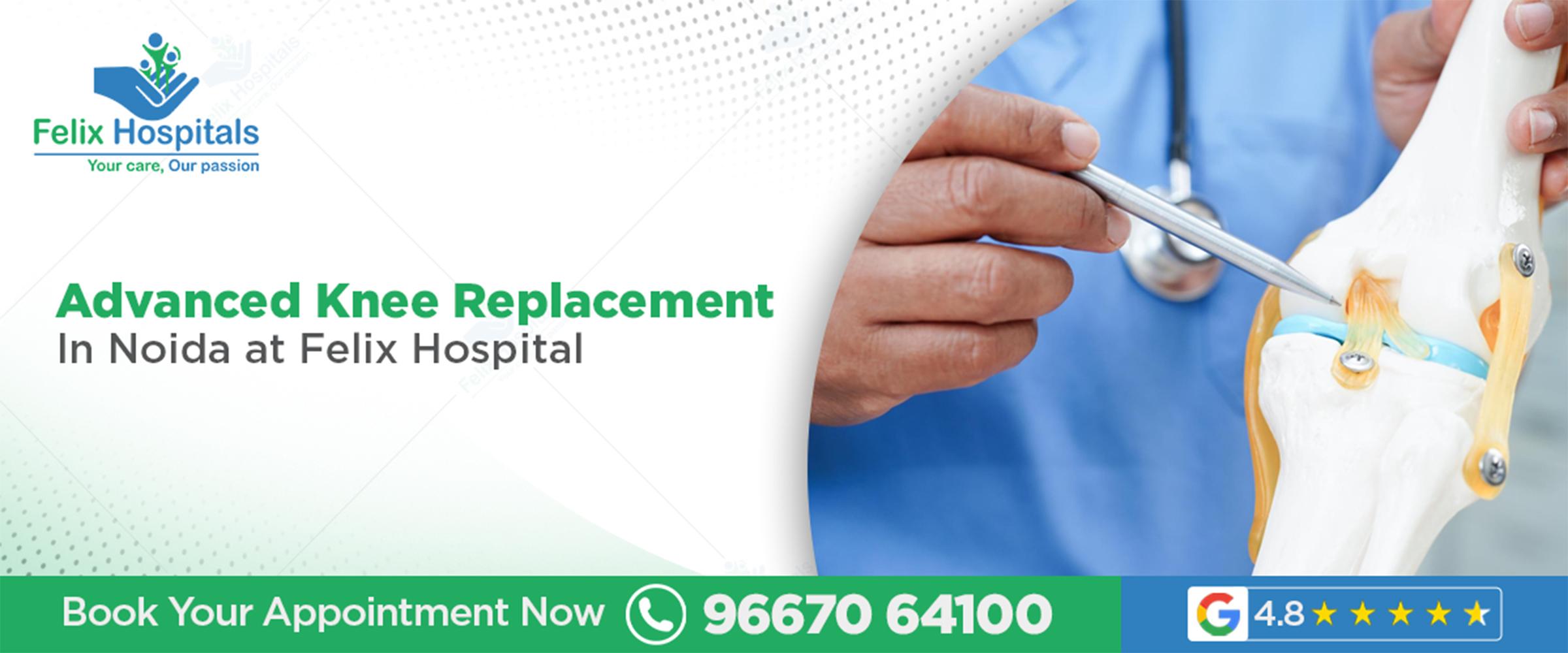
Knee pain that refuses to settle despite medication, injections, or lifestyle changes can gradually take away a person's independence. Daily activities such as walking, climbing stairs, or even standing for long periods start becoming exhausting and painful. Advanced knee replacement in Noida has now emerged as a reliable and long-term solution to those patients who suffer arthritis or severely damaged knee joints. The results have become more predictable with minimal risk and higher quality of life with surgical precision, improvements in technology, and quicker rehabilitation, which is now available to patients who want to enjoy quality life and be free of pain in the long run.
Book your appointment today by calling +91 9667064100 at a trusted knee replacement hospital in Noida and take the first step toward pain‑free mobility.
What is advanced knee replacement helps patients make informed decisions about their treatment:
Facts: State-of-the-art systems allow getting the proper joint position, less post-operative pain and a better survival of the implants.
Understanding who needs knee replacement surgery is crucial for timely intervention:
Consulting an experienced Orthopedic Doctor In Noida helps determine whether surgical intervention is necessary.
The knee replacement surgery procedure follows a structured and carefully planned approach:
Significant: In one of the specialised centres dedicated to knee replacement surgery near me, there are strict safety measures along with lifelong monitoring of patients.
The benefits of knee replacement surgery extend far beyond pain relief:
Success rate: Between 90 and 95 percent of patients will complain that their pain and function is improved significantly.
To have state-of-the-art surgery in Noida when choosing advanced knee replacement Noida would imply:
Patients treated at a reputable knee replacement hospital in Noida benefit from multidisciplinary care teams.
Factor | Consider Surgery If | Continue Conservative Care If |
|---|---|---|
Pain level | Severe, constant, limits activities | Mild to moderate, manageable |
Conservative care | Failed after 6+ months | Still providing relief |
Daily activities | Severely limited | Minimally affected |
Sleep quality | Disrupted by pain | Not significantly affected |
Joint damage (X-ray) | Severe, bone-on-bone | Mild to moderate |
Quality of life | Significantly impacted | Acceptable with modifications |
Understanding recovery after knee replacement surgery helps set realistic expectations:
Regular follow‑ups with an Orthopedic Doctor In Noida ensure progress is monitored properly.
Patients often ask how long is recovery after knee replacement as it impacts daily routines:
Notable fact: Repeated physiotherapy has a great effect on the speed of recovery and the ultimate results.
Total knee replacement Noida is recommended in certain circumstances:
At an experienced knee replacement hospital in Noida, surgeons evaluate whether total or partial replacement is appropriate.
Selecting the right knee replacement hospital in Noida is crucial for success:
An experienced Orthopedic Doctor In Noida brings clinical judgement and precision that directly influence outcomes.
Felix Hospital provides high quality orthopaedics with strong patient safety focus:
Call +91 9667064100 to consult an expert Orthopedic Doctor In Noida for advanced knee replacement evaluation.
Knee pain in winter is experienced as a result of circulation changes in cold, sensitivity, barometric pressure changes, and lifestyle. Knowledge of these causes would enable you to cope with symptoms. With proper activity maintenance, joint protection, and timely medical guidance, patients can reduce knee pain in cold weather. For severe winter arthritis pain, advanced options at a Best Orthopedics in Noida provide permanent relief.
Q1: Is advanced knee replacement suitable for elderly patients?
A: Yes, advanced techniques are safe for elderly patients when evaluated properly by an orthopedic specialist.
Q2: How soon can I walk after knee replacement surgery?
A: Most patients begin assisted walking within 24–48 hours after surgery.
Q3: Will I need lifelong physiotherapy after knee replacement?
A: Physiotherapy is essential during recovery, but long-term sessions depend on individual progress.
Q4: Can knee replacement surgery improve daily activities?
A: Yes, it significantly improves walking, stair climbing, and overall joint function.
Q5: Is knee replacement surgery painful?
A: Modern pain management techniques ensure discomfort is controlled effectively after surgery.
Dr. Binay Kumar Sahu is an experienced Orthopedic and Traumatology specialist with 11+ years of clinical practice. He has extensive expertise in complex trauma, arthroscopy, arthroplasty, musculoskeletal tumors, and hand surgery. Recognized among the Best Orthopedics in Noida, he provides comprehensive and advanced orthopedic care.

Understand menopause-related joint pain and find effective treatment options in Noida.
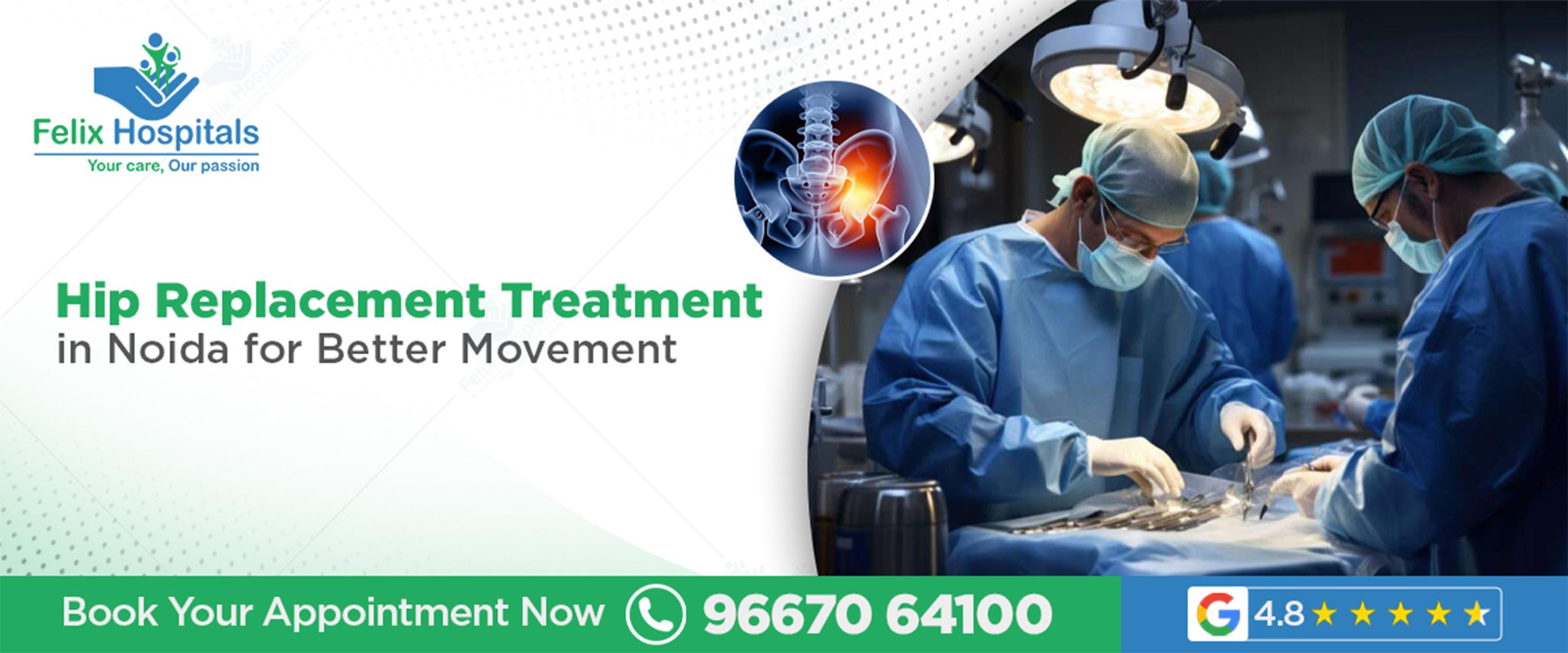
When your hip stops working properly, it does not just change the way you walk — it slowly takes away your independence. What begins as the occasional discomfort with walking up stairs or changing position in bed, ultimately becomes a debilitating pain that undermines your confidence and quality of life. Advanced hip replacement isn’t just replacing a worn out joint. It’s your life — getting rid of the pain, restoring normal movement, and giving you a joint that will last a long time. If you are looking for a hip replacement hospital near me, then with the availability of leading edge minimal access technique to perform minimal trauma surgery, skilled orthopedic surgeons and comprehensive rehabilitation care return to normal life quickly
Suffering with chronic hip pain or lack of mobility? Consult an experienced orthopedic surgeon for hip replacement in Noida today. Call +91 9667064100 to book your evaluation.
Many patients wonder what is advanced hip replacement and how it differs from traditional procedures. Here's the breakdown:
Contemporary surgery with better materials of implants.
Accurate positioning methods towards increased stability of the joints.
Minimally invasive that spares the rest of the surrounding muscles.
Improved technology minimising the discomfort of the post-surgery.
Surgical processes aimed at enhancing joint life.
Selecting a reliable hip replacement hospital near me ensures you get updated technology, skilled surgical teams, and structured rehabilitation programmes.
Understanding hip replacement surgery benefits is crucial for patients hesitant about surgery. This is what can be considered transformative about this procedure:
Significant relief of chronic hip pain.
Greater joint stability and mobility.
Improved sitting posture and walking.
Regained independence in daily living.
Ability to return to other leisure and social interests.
Improved quality of sleep without hip pain.
Quick Fact: More than 90 percent of patients undergoing hip replacement experience improved quality of life in the first year after the surgery.
A lot of people want to know whether they need hip replacement surgery. Clear indicators include:
Arthritic joints severely damaged
Pain that this has been for some time and is limiting your movement?
Damage to the hip joint due to trauma or disease.
Mobility issue, and making daily walks out.
Constant hip pain with medication.
Pain in the joint, restricting movement after rest period.
Work and family: poor quality of life.
Sleeping problems because of hip pain.
Suffering uprooting normal functioning.
An early consultation at a reliable hip replacement hospital near me not only spares you undue pain but also stops further damage to your joint.
Advanced procedures focus on precision and tissue preservation, directly enhancing hip replacement surgery benefits:
Reduced muscle activity disruption during surgery.
Less blood loss and tissue injury.
Improved positioning of the implants to be impactfully functional.
Faster healing and recovery
Special training of surgical teams.
Complications minimising standardised processes.
High-tech infection control practices.
An experienced orthopedic surgeon for hip replacement in Noida ensures each surgical plan is tailored to maximise your mobility goals.
The question: how long is recovery after hip replacement? The following is the separate realistic timeline:
Early recovery (Days 1–7):
Start walking with the aid immediately after surgery.
Average hospital length of stay 2–4 days.
Sufferings treated by drugs.
Progressive recovery (Weeks 2–6):
Progressively extend walking distance.
Minimise the reliance on aids in walking.
Train muscle wellness via training.
Full recovery (Months 3–6):
The vast majority of the patients are able to walk comfortably.
Go back to moderated exercises and jobs.
Approximately normal operation attained.
Issues that influence your healing:
Age and overall health
Complaints with rehabilitation plans
Pre-surgery fitness level
Recovery is smoother when you receive structured rehabilitation support at a trusted hip replacement hospital near me.
Understanding walking aids after hip replacement helps you prepare for early recovery:
Walkers to give the first stability.
Transitional support canes.
Gives stability as the joint has been healed.
Reduces risk of falls.
Encourages healthy movement behaviours.
Duration of use: Usually after 4–6 weeks of surgery.
Progressively diminished with increase of strength.
An experienced orthopedic surgeon for hip replacement in Noida advises on correct duration and proper use tailored to your recovery.
Patients usually enquire on the risks of the hip replacement surgery prior to their decision.
Infection 1–2 %of cases.
Dislocation- may be prevented with good care.
Advanced surgical practise.
Experienced surgical teams
Preventive medicine and processes
These risks can be reduced significantly by selecting a well-established hip replacement hospital near me.
The crucial question: can hip replacement improve walking and activity? Yes.
Pain‑free movement
Increased stability
Greater walking capacity
Get back to normal work painlessly.
Move up stairs more easily
Engage more in social life
The decrease of pain is observed within weeks.
Best improvement the process then transpires beyond months.
Recovery in 3-6 months is considered a near-normal functioning.
Make the muscles surrounding the new joint stronger.
Enhance movement and locomotion.
Restore the confidence in the movement.
Follow up appointments regularly.
Maintain a healthy weight
Exercise within safe limits
Hip pain can not only rob you of your social life, but also is a chronic pain that does not only concern the body. Recognising who needs hip replacement surgery means understanding how pain disrupts daily living:
Fear of becoming dependent
Irritation with lack of strength.
Mobility challenge as a source of social isolation.
Renewed confidence in mobility.
Better mental health.
Returned independence
An experienced orthopaedic surgeon for hip replacement in Noida will guide you with realistic expectations and emotional support during your journey.
In case your hip pain is restricting mobility and ways of doing your everyday activities, call +91 9667064100 and find out more about the treatment choices available in an accomplished hip replacement hospital near me.
The latest technologies in surgery have changed the experience of patients that have broken a hip joint. The knowledge about advanced hip replacement, its life-changing advantages and future expectations about the recovery will put you in a position to make the right choice. With expert care from an experienced orthopaedic surgeon for hip replacement in Noida, you can safely address pain, restore mobility, and regain independence. Attending a well-known hip replacement hospital near me will ensure your all-inclusive care, which includes a diagnosis, to a recovery process that will lead to improved mobility and performance of the joints.
Dr. Binay Kumar Sahu is an experienced Orthopedic and Traumatology specialist with 11+ years of clinical practice. He has extensive expertise in complex trauma, arthroscopy, arthroplasty, musculoskeletal tumors, and hand surgery. Recognized among the Best Orthopedics in Noida, he provides comprehensive and advanced orthopedic care.
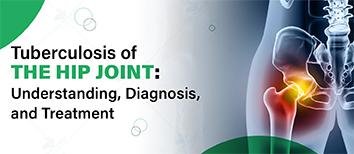
Tuberculosis (TB) is primarily known as a respiratory infection caused by Mycobacterium tuberculosis, but it can affect various body parts, including bones and joints.
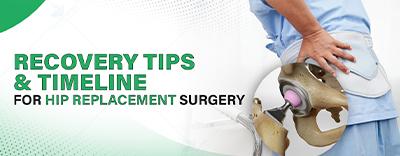
Learn about the recovery process after hip replacement surgery, including essential tips for a smoother healing journey and a general timeline of what to expect.
Knock knees (genu valgum) is a normal childhood growth pattern in which the knees angle in and touch while the ankles remain apart. In most situations, this is a normal part of development and resolves itself. Yet, if it continues after the appropriate age or getting worse over time, it can suggest an underlying orthopaedic problem. When looking for knock knees treatment for children in noida, always keep in mind that Early treatment promotes normal bone growth and prevents later complications.
Concerned about your child’s leg alignment? Call +91 9667064100 to book a pediatric orthopedician consultation today.
The bones ,joints and muscles of kids are in constant motion, experiencing a lot of remodeling during the first ten years. Pediatric knock knee condition is a common alignment variation where a child’s knees touch each other while the ankles remain apart. In most cases, it improves naturally as the child grows.
This alignment is normal between the ages of 2 and 5 years and slowly becomes straighter as the child gets older. About 40% of toddlers exhibit some amount of knock knees at this stage. Mild cases do self correction, but you do not want to ignore any cases that are severe or that are not improving. Early consultation with a paediatric orthopaedic surgeon in Noida ensures accurate evaluation and if required, intervention at the right time.
A lot of parents ask when they should be concerned about knock knees. It's a matter of knowing the natural course of skeletal development. As infants take their first steps, the position of their legs changes dramatically.
Knock knees are usually normal in children aged 3 to 7 years. After this period, if the alignment persists or worsens, a medical assessment is necessary.
When normal correction is interrupted — by nutritional deficiencies, genetic factors or bone disorders — knock knees can remain beyond the typical age. In these instances, a paediatric orthopaedic review is strongly recommended.
Identifying the cause, i.e. why do children develop knock knees is helpful in determining if observation, therapy, or surgery is the appropriate treatment. Some of the causes are:
Normal skeletal growth: As children grow, their legs are bell-shaped at around the knee in early life.
Weak hip and knee muscles: Sitting for long periods of time, or lack of exercise, can weaken the muscles which hold the joints in place, rather than pulling the legs inward.
Lack of Vitamin D: 80-90% of children in India are deficient in vitamin D, which makes it one of the major causes for weakened bones and low calcium absorption.
Obesity: Extra body weight adds additional pressure to new joints Overweight children are three times more likely to develop persistent knock knees.
Previous fractures or injuries: If a fracture heals abnormally, it can affect the growth of the leg and cause malalignment.
The cause, which informs whether observation, physiotherapy or surgery is indicated, can be established by the clinician.
A deficiency of vitamin D and calcium is one the highest risk factor, more so in India since 80-90% of children are deficient of vitamin D. In the absence of vitamin D, bones are not strong and dense enough to stay properly aligned as they grow.
Too much body weight puts a lot of pressure on the developing joints of the knees. Obese children are three times more likely to develop persistent knock knees, because each additional kilogram means adding about 4 kg of load on the knee.
Kids with a family history of genu valgum or other skeletal disorders are more likely to get it. Certain inherited bone disorders may also predispose a child to abnormal leg alignment.
Rickets, Blount's disease and other metabolic bone diseases are directly involved in bone growth and mineralization, making it difficult to maintain adequate alignment.
Fractures near the growth plate — particularly if they heal in the wrong position or go untreated — have the potential to interrupt the normal growth pattern of the leg bones.
Children that are sedentary for much of their day develop weaker muscles in the hips and knees. These muscles have an important role in stabilising the joint, and if they aren’t strong enough, then the inward alignment is more likely to stick.
Flat feet change how weight is distributed down the leg, which can begin to affect knee alignment over time and lead to / exacerbate knee valgus.
Premature Birth Premature infants may have lower bone density and delayed skeletal development, making them more susceptible to alignment issues as they grow.
Joint Hypermobility Children with loose or overly flexible joints have less structural stability, which can allow the knees to drift inward more easily during weight-bearing activities.
Parents are usually the first to see a change in their son or daughter’s posture or walking. Recognizing the signs of knock knees in growing children is crucial to decide the particular interventions.
Common symptoms are:
Knees touch when standing or walking – this is the most noticeable and indicative symptom.
You can use the space left between your ankles when your knees are together – Medics measure the space between the ankles to determine how severe the condition is; if the space is more than 2 inches, medical assistance is required.
Frequent stumbling or a changed gait — knock knees can influence the way a child moves, sometimes causing an unstable or strange walk pattern.
Also, see a specialist immediately for any symptom that progressively worsens with age, or that hinders normal daily living.
Treatment depends on the severity and the age of the child. If diagnosed early, they generally respond well to conservative treatment. These include the following:
1. Observation (watch and wait): Mild forms get better on their own 90% of the time, especially in young children.
2. Nutritional remediation and vitamin D supplementation: For children who have a diagnosed deficiency, appropriate supplementation may significantly improve bone density and the ability of the bone to support structures.
3. Physiotherapy: Targeted training exercises to strengthen muscles around the hip and knee for maintaining appropriate alignment as one grows.
4. Orthotic support: Custom-made shoe inserts or braces provide support for proper knee alignment while your child is growing, but such support is only temporary.
5. Treatment of associated conditions: If knock knees are a result of rickets, a growth disorder or other medical issue, treating the underlying problem is critical.
In most children, the condition responds well to nonoperative treatment if detected early.
In severe or persistent cases, knock knees surgery for children in Noida may be recommended. Surgery is never a first choice — it's reserved for situations where other approaches haven't worked or the condition is significant enough to impact quality of life.
In persistent or very severe cases, surgery may be advised. Surgery is never the first option — it’s saved for cases in which conservative treatments haven’t been effective, or the condition is having a substantial impact on the child’s quality of life.
The deformity won't correct with growth — if a child is beyond the age of natural correction and the alignment hasn't improved, surgery may be indicated.
You experience pain or difficulty walking — pain while performing routine activities means that the mechanical alignment is off.
It is your everyday life activities that are affected - when knock knees have kept you out of sports, school or social life it's time to consider correction.
Growth plates have been extensively damaged — in some instances, surgery is necessary to ensure proper bone growth.
Guided Growth (Epiphysiodesis): For children with open growth plates, a small metal plate is inserted to guide the growth of the leg into better alignment.
Osteotomy: If the child is older or the deformity is severe, the surgeon may cut and realign the tibia (shin bone) or femur (thigh bone) to correct the angle.
Surgical procedures are carefully planned and performed only when absolutely necessary, ensuring safety and long-term correction. Modern guided growth surgery has a success rate of over 90% in correcting knock knees in children.
Give your child the right orthopedic care at the right time. Call +91 9667064100 to consult a pediatric orthopedic specialist in Noida.
Knock knees are a normal when we are children for a lot of kids and adults alike – and being knock-kneed isn't something that should stop any kid running around and playing like a maniac. To be sure that what they are witnessing in their little ones are signs of transitory growing pains and not of a serious disease. What you need to know about knock knees, the causes and how they can be treated so your child can enjoy healthy mobility. A paediatric orthopaedic surgeon in Noida is able to diagnose precisely, suggest the appropriate non-surgical treatment plan, or carry out surgery when required. Timely advice means your child can grow with confidence — and you can rest assured like any parent should. Knock knees are not unusual in early childhood but at times, they may be alarming. It is common to find that many parents take weeks or even months to determine whether what they observe is normal or it requires intervention. Recognizing knock knees, the causes and symptoms, and orthopedic treatment are the methods of ensuring that children develop with proper mobility.
Q1. Will my child need to stop playing sports if they have knock knees?
A: Not necessarily. Mild to moderate knock knees usually don't require stopping physical activity. In fact, certain exercises can help strengthen the muscles around the knee.
Q2. At what age should parents be concerned about knock knees?
A: The parents are advised to consult medical care when the knock knees persist past the age of 7, become more severe or painful. Also observe leg difference or the child initiating limping activities. Those are indications that should be investigated.
Q3. If one knee looks more bent inward than the other, should I be more worried?
A: Yes, uneven or asymmetric knock knees are more concerning than when both knees are equally affected. Asymmetry can indicate an underlying bone growth issue, previous injury, or growth plate problem on one side.
Q4. Does knock knees result in vitamin D deficiency?
A: The lack of vitamin D makes bones weaker and may lead to the improper positioning of legs. In India, 80-90 percent of children do not have sufficient vitamin D. The levels are identified by a simple blood test and can be improved by supplementation to enhance bone health.
Q5. Is knock-knife surgery safe in children?
A: Surgery can be properly chosen and done by skilled pediatric orthopedic surgeons and is safe and effective. Contemporary guided-growth procedures are successful more than 90 percent of the time.

10 Reasons why a child may not grow
Take special care of the health of your kids, especially young children, amidst the changing seasons.
Knock knees, medically known as genu valgum, is a common condition in young children where the knees angle inward and touch one another when the legs are straightened.
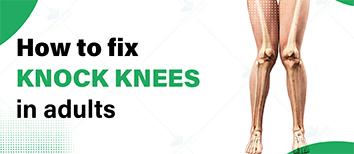
Knock knees occur when knees angle inward, creating a bow-legged appearance from the front. This condition is common in children during growth spurts.
Every year, a large number of individuals fail to detect the early symptoms of a fatal heart disease not because the signs weren't there, but because they were too easy to ignore. A little fatigue. Some tightness in the chest. A moment of dizziness. Nothing that seemed worth a doctor's visit.
But your body is always sending signals, and tuning in might just save your life. Symptoms don’t come on suddenly for the most part — symptoms come on gradually and sneak up on you as stress, indigestion or just plain old age. And in the meantime, while people wait for it to pass, invisible damage accrues until what was manageable becomes life-threatening.
A cardiac emergency care hospital in Noida provides immediate treatment for life-threatening heart conditions such as heart attack, severe chest pain, or arrhythmias with round-the-clock critical support. These centres are equipped with advanced diagnostics and cardiac intervention teams to stabilise patients quickly.
Experiencing warning signs of heart problems? Link to professional assessment. Today, call to talk to a specialist +91 9667064100.
Heart disease is not very rapid but it may escalate rapidly in case it is not taken care of. Knowing when to see a cardiologist is essential once symptoms start disrupting daily life. The facts:
Delays increase the risk of heart attack
Early intervention leads to better outcomes
Underlying problems should be identified early enough before they become crises.
The symptoms that keep recurring or worsen require urgent treatment.
The most widespread alarm is chest discomfort but most people ignore it. Some patterns of chest-pain are indicative of acute heart issues:
Pressure on your chest.
Burning or persistent pain.
Pain to the left arm, jaw, back or shoulder.
Accompanied with the pain is sweating, nausea, or breathlessness.
Pain that worsens with physical activity
Tightness and dizziness.
Approximately 30% of heart-attack victims, including women and diabetics, have atypical symptoms of heart disease, which do not involve the typical chest pains.
Getting out of breath after a jog is normal. But if you are struggling to breathe just walking around the house or picking up the mail, that is not normal. Warning signs include:
Inefficient heart pumping.
Fluid buildup in the lungs.
Blocked coronary arteries.
Ineffective flow of oxygen to muscles.
Don’t blame it on:
Only weight gain.
“Just getting older.”
Being “out of shape.”
If your heart feels like it is racing, pounding, or fluttering in your chest, the rhythm might be off. When this happens often or lasts a while, it could be a sign of heart disease. Watch out for:
Arrhythmias (abnormal rhythms).
Structural heart problems.
Valve dysfunction.
Electrical pathway issues.
Long, recurring, episodes.
Palpitations, which may be secondary and are weak or painful in the chest.
Racing heart that won’t calm.
Irregular rhythms at rest.
Severe fatigue is a warning of early signs of heart disease.This is due to:
Muscles starved of oxygen.
Failing organs, stricken with diminished flow.
Daily tasks feel draining.
Without any effort, fatigue is manifested.
Upper hand fatigue with normal things.
Fatigue which deteriorates with time.
exhausted with little activities.
Requirement of too much sleep between menial duties.
The swelling of the leg or ankle normally implies a combination of fluid retention - a symptom that the heart is no longer pumping effectively. Causes include:
Heart straining with difficulty in pushing blood.
Fluid backing up in tissues.
Fluid tugged to lower limbs by gravity.
Tight pair of shoes.
Edoema and dyspnea.
Pitting edoema and fuzzy fatigue.
Oedema and pains in the chest.
chronic puffiness which is not going away.
It is an obvious sign of cardiovascular suffering when a person suddenly seems to feel faint or dizzy. These urgent heart symptoms that need immediate care mean:
Minimised blood pressure to the brain.
Abnormal heart rhythms.
Circulatory disturbances due to structural problems.
Potential antecedents of cardiac events.
Repeated fainting episodes.
Dizziness during exercise.
Consciousness loss without notice.
Dizziness and chest pains.
High blood pressure is a silent disease, although there are some warning signs. Watch for:
Severe headaches.
Blurred or double vision.
Chest discomfort or pain.
Difficulty breathing.
Hypertension that is not controlled destroys arteries, heart, kidneys and brain in the long run, and may show no significant symptoms before advanced stages.
When it is family history, be on high alert when it comes to heart disease. Key points:
Risk is enhanced by genetic predisposition.
Genetic disorders may strike at an early age.
A screening will identify issues early enough before complications.
Urgency is increased by symptoms and family history.
Family history of chest pain + sudden.
Family history + dyspnea of unknown cause.
Family history and unremitting palpitations.
Family members who had heart attacks early (below age 55).
There are a few cases which require urgent attention in a cardiac emergency care hospital in noida, and not appointments. Call emergency services for:
Sudden crushing chest pain.
Brutal dyspnea during rest.
Cognitive impairment or unconsciousness.
Sudden weakness on one side.
Pain in the chest taking longer than 5 minutes.
Pain unrelieved by rest.
Drive yourself to a hospital.
Wait to see if it passes.
Hope several drugs will prevent the situation.
Timely referral to a cardiologist near me will guarantee:
Symptom | Urgency Level | Action Required |
Crushing chest pain | EMERGENCY | Call emergency immediately |
Persistent breathlessness | HIGH | See cardiologist within 24 hours |
Frequent palpitations | MODERATE | Schedule appointment within week |
Unexplained fatigue | MODERATE | Consult within 1–2 weeks |
Ankle swelling + breathlessness | HIGH | Urgent evaluation needed |
Family history + new symptoms | MODERATE–HIGH | Don't delay consultation |
Don't wait for symptoms to worsen—visit a trusted cardiac emergency care hospital in noida now. Book your appointment at +91 9667064100.
Heart-related symptoms should never be taken lightly, regardless of your age or how healthy you think you are. Recognizing signs to visit a cardiologist and acting promptly can prevent serious complications and save your life. Whether it's chest discomfort, breathlessness, palpitations, unusual fatigue, or swelling—these are all your heart's way of asking for help. Early evaluation, accurate diagnosis, and timely treatment form the foundation of effective cardiac care. The most powerful step toward long-term heart health? Actually listening to your body and seeking help when something feels off.
Dr. Nidhi Tikmani is an experienced Clinical Cardiologist with 10+ years of expertise in diagnosing and managing heart diseases through advanced non-invasive cardiac diagnostics and evidence-based care.
A stent procedure can be life-saving for those with blocked arteries. This guide walks you through the stent experience—from the angioplasty process to post-procedure recovery and lifestyle changes.

Heart attack signs early is crucial because timely intervention can significantly reduce the risk of severe complications and improve outcomes.

Subscribe to our
© Copyright 2026. All Rights Reserved by Felix Healthcare Private Limited
Design and development by :


 +(91)9667064100
 Emergency : +(91)9667064100