Your Health, Our Priority

Request Call Back

Request an Appointment

CAPTCHA
Solve this simple math problem and enter the result. E.g. for 1+3, enter 4.
* By clicking on the above button you agree to receive updates on WhatsApp

बेरी बेरी बीमारी के कारण, लक्षण और उपचार

अगर आपको लगातार कमजोरी, पैरों में झनझनाहट, सूजन, दिल की धड़कन तेज होना या चलने में दिक्कत जैसी समस्याएं महसूस हो रही हैं, तो यह बेरी बेरी का संकेत होता है। यह बीमारी मुख्य रूप से शरीर में विटामिन बी 1 (थायमिन) की कमी के कारण होती है। नोएडा में न्यूरोलॉजिस्ट अस्पताल उपलब्ध है। इस ब्लॉग में हम बेरी बेरी के कारण, लक्षण, प्रकार, जांच, इलाज और बचाव के बारे में विस्तार से जानेंगे।


हमे आज ही कॉल करें +91 9667064100


बेरी बेरी क्या है? (What is Beriberi)

बेरी बेरी एक पोषण संबंधी बीमारी है जो शरीर में विटामिन बी 1 (थायमिन) की कमी के कारण होती है। थायमिन शरीर की नसों, मांसपेशियों और हृदय के सही कार्य के लिए आवश्यक है। जब शरीर को पर्याप्त थायमिन नहीं मिलता, तो ऊर्जा उत्पादन बाधित होता है और तंत्रिका तंत्र तथा हृदय प्रणाली प्रभावित होने लगती है।


बेरी बेरी क्यों होती है? (Causes of Beriberi?)

बेरी बेरी के मुख्य कारणों में अत्यधिक पॉलिश किया हुआ चावल या पोषणहीन आहार का लंबे समय तक सेवन शामिल है। जिससे शरीर को पर्याप्त विटामिन बी 1 (थायमिन) नहीं मिल पाता। लगातार कुपोषण भी इस बीमारी का प्रमुख कारण बनता है। अत्यधिक शराब का सेवन शरीर में थायमिन के अवशोषण और उपयोग को प्रभावित करता है, जिससे इसकी कमी तेजी से विकसित हो सकती है। इसके अलावा पाचन तंत्र की कुछ बीमारियां ऐसी होती हैं जिनमें शरीर पोषक तत्वों को सही तरीके से अवशोषित नहीं कर पाता, परिणामस्वरूप थायमिन की कमी हो जाती है। डायलिसिस (dialysis) पर रहने वाले या गंभीर रूप से बीमार मरीजों में भी विटामिन की कमी का खतरा बढ़ जाता है। शिशुओं में बेरी बेरी तब हो सकता है जब मां के शरीर में थायमिन की कमी हो, क्योंकि बच्चे को आवश्यक पोषण मां के दूध से ही प्राप्त होता है।


बेरी बेरी रोग के प्रकार (Types of Beriberi)


ड्राई बेरी बेरी-

मुख्य रूप से तंत्रिका तंत्र (नर्वस सिस्टम) को प्रभावित करता है। थायमिन की कमी के कारण नसों तक सही ऊर्जा नहीं पहुंच पाती, जिससे नर्व डैमेज होने लगता है। यह स्थिति धीरे-धीरे बढ़ती है और समय पर इलाज न हो तो गंभीर हो सकती है। ड्राई बेरी बेरी के प्रमुख लक्षणों में हाथ-पैरों में झनझनाहट या सुन्नपन महसूस होना, मांसपेशियों में कमजोरी और दर्द रहना, चलने में कठिनाई या शरीर का संतुलन बिगड़ना शामिल है। धीरे-धीरे नसों की कार्यक्षमता प्रभावित होने से रिफ्लेक्स कम हो सकते हैं और बिना किसी स्पष्ट कारण के वजन घटने लगता है। यदि समय पर उपचार न मिले, तो स्थिति गंभीर होकर पैरालिसिस जैसी अवस्था तक पहुंच सकती है। कई मरीजों में शुरुआत पैरों से होती है और धीरे-धीरे कमजोरी ऊपर की ओर बढ़ सकती है। इसे परिधीय न्यूरोपैथी भी कहा जाता है।


वेट बेरी बेरी-

वेट बेरी बेरी मुख्य रूप से हृदय और रक्त परिसंचरण तंत्र को प्रभावित करता है। इस स्थिति में दिल को पर्याप्त ऊर्जा नहीं मिल पाती, जिससे उसकी पंपिंग क्षमता कमजोर होने लगती है और शरीर में रक्त का संचार प्रभावित होता है। यह अवस्था अधिक खतरनाक मानी जाती है क्योंकि इसमें हार्ट फेल्योर (Heart failure) का जोखिम बढ़ जाता है। इसके प्रमुख लक्षणों में पैरों और टखनों में सूजन, दिल की धड़कन का तेज होना (पाल्पिटेशन), खासकर लेटते समय सांस लेने में दिक्कत, अत्यधिक थकान और सीने में भारीपन शामिल हैं। गंभीर मामलों में स्थिति हार्ट फेल्योर तक पहुंच सकती है। इस प्रकार में शरीर में अतिरिक्त तरल पदार्थ जमा होने लगता है, इसी कारण इसे “वेट” (गीला) बेरी बेरी कहा जाता है।


कौन सा प्रकार अधिक खतरनाक है?

दोनों ही प्रकार गंभीर हैं, लेकिन वेट बेरी बेरी तेजी से जानलेवा हो सकता है। यदि समय पर इलाज न मिले। अच्छी बात यह है कि दोनों स्थितियां थायमिन सप्लीमेंट और सही उपचार से ठीक होती हैं। बशर्ते समय रहते पहचान हो जाए। यदि झनझनाहट, सूजन, सांस की तकलीफ या अचानक कमजोरी जैसे लक्षण दिखाई दें, तो तुरंत डॉक्टर से परामर्श लेना चाहिए।


बेरी बेरी के मुख्य लक्षण (Symptoms of Beriberi)


  • लगातार थकान

  • भूख कम लगना

  • चिड़चिड़ापन

  • मांसपेशियों में दर्द

  • नसों में कमजोरी

  • दिल की धड़कन असामान्य

  • सूजन

गंभीर स्थिति में मरीज को चलने-फिरने में असमर्थता भी हो सकती है।


बच्चों में बेरी बेरी के लक्षण (Beriberi in Children)

यदि समय पर इलाज न हो तो स्थिति जानलेवा हो सकती है। शिशुओं में यह स्थिति अधिक गंभीर हो सकती है।


  • अत्यधिक रोना

  • दूध पीने में कमजोरी

  • उल्टी

  • तेज सांस

  • दिल की समस्या


बेरी बेरी की जांच (Diagnosis)

थायमिन की कमी की पुष्टि होने पर तुरंत इलाज शुरू किया जाता है। डॉक्टर निम्न जांचों की सलाह दे सकते हैं:


  • ब्लड टेस्ट (थायमिन स्तर जांचने हेतु)

  • न्यूरोलॉजिकल परीक्षण

  • ईसीजी या हृदय जांच

  • लक्षणों के आधार पर क्लिनिकल मूल्यांकन


बेरी बेरी बीमारी का इलाज कैसे किया जाता है? (How is beriberi disease treated)

बेरी बेरी का इलाज अपेक्षाकृत सरल और अत्यंत प्रभावी होता है। बशर्ते इसे समय रहते पहचानकर उपचार शुरू कर दिया जाए। चूंकि यह बीमारी मुख्य रूप से विटामिन बी 1 (थायमिन) की कमी के कारण होती है। इसलिए उपचार का मुख्य उद्देश्य शरीर में थायमिन की कमी को जल्दी से पूरा करना और प्रभावित अंगों को सपोर्ट देना होता है।


थायमिन सप्लीमेंट:

उपचार की पहली और सबसे महत्वपूर्ण कड़ी शरीर में थायमिन की कमी को पूरा करना है। हल्के और मध्यम मामलों में थायमिन टैबलेट या कैप्सूल के रूप में दिया जाता है, जिससे धीरे-धीरे विटामिन का स्तर सामान्य होने लगता है। यदि मरीज की स्थिति गंभीर हो और नसों या हृदय पर प्रभाव दिखाई दे रहा हो, तो थायमिन इंजेक्शन दिया जाता है ताकि दवा तेजी से असर कर सके। अत्यधिक गंभीर मामलों, विशेषकर वेट बेरी बेरी या शिशुओं में, इंट्रावेनस (IV) थायमिन दिया जाता है, जिससे दवा सीधे रक्त में पहुंचकर तुरंत कार्य करना शुरू करती है। अधिकांश मामलों में मरीज 24 से 48 घंटों के भीतर सुधार महसूस करने लगते हैं, और विशेष रूप से हृदय संबंधी लक्षणों में तेज सुधार देखा जा सकता है।


संतुलित और पौष्टिक आहार:

केवल थायमिन सप्लीमेंट लेना ही पर्याप्त नहीं होता, बल्कि लंबे समय तक पोषण में सुधार करना भी बेहद जरूरी है। आहार में थायमिन युक्त खाद्य पदार्थों को नियमित रूप से शामिल करना चाहिए, जैसे साबुत अनाज (ब्राउन राइस, गेहूं, जौ), दालें और फलियां, मेवे और बीज, विभिन्न प्रकार की बीन्स, अंडा तथा हरी पत्तेदार सब्जियां। इन पोषक तत्वों से भरपूर खाद्य पदार्थों का नियमित सेवन शरीर में विटामिन B1 का स्तर संतुलित बनाए रखने में मदद करता है और बेरी बेरी जैसी बीमारी की पुनरावृत्ति को रोकने में महत्वपूर्ण भूमिका निभाता है।


शराब से परहेज:

अत्यधिक शराब का सेवन थायमिन के अवशोषण और उपयोग में बाधा डालता है। इसलिए उपचार के दौरान और उसके बाद शराब से पूरी तरह परहेज करना अत्यंत आवश्यक है। शराब छोड़ने से रिकवरी तेज होती है और भविष्य में कमी होने की संभावना कम होती है।


गंभीर मामलों में अस्पताल में भर्ती:

यदि मरीज में हृदय संबंधी जटिलताएं, सांस लेने में गंभीर दिक्कत, अत्यधिक कमजोरी या न्यूरोलॉजिकल लक्षण दिखाई दें, तो उसे अस्पताल में भर्ती कर निगरानी में उपचार दिया जाता है। ऐसी स्थिति में हृदय की लगातार मॉनिटरिंग की जाती है, शरीर में तरल संतुलन की जांच रखी जाती है और इलेक्ट्रोलाइट स्तर को नियंत्रित किया जाता है। शिशुओं के मामलों में विशेष निगरानी और अतिरिक्त सावधानी बरती जाती है। समय पर और उचित इलाज मिलने से अधिकांश मरीज पूरी तरह स्वस्थ हो सकते हैं, लेकिन उपचार में देरी होने पर नसों या हृदय को स्थायी नुकसान पहुंच सकता है। इसलिए शुरुआती लक्षण दिखते ही चिकित्सकीय परामर्श लेना अत्यंत आवश्यक है।


वयस्कों में बेरी बेरी रोग का उपचार (Treatment in Adults)

वयस्कों में बेरी बेरी के उपचार में उच्च मात्रा में थायमिन सप्लीमेंट दिया जाता है ताकि शरीर में विटामिन बी 1 की कमी को तेजी से पूरा किया जा सके। साथ ही हृदय की नियमित निगरानी की जाती है, विशेषकर यदि वेट बेरी बेरी के लक्षण मौजूद हों। नोएडा में सर्वश्रेष्ठ न्यूरोलॉजिस्ट विशेषज्ञ उपलब्ध है। नसों की कार्यक्षमता की जांच भी की जाती है ताकि यह आकलन किया जा सके कि तंत्रिका तंत्र पर कितना प्रभाव पड़ा है। इसके अलावा पोषण विशेषज्ञ से परामर्श लेकर संतुलित और थायमिन युक्त आहार की योजना बनाई जाती है, जिससे भविष्य में दोबारा कमी न हो। यदि समय पर उपचार शुरू कर दिया जाए, तो ज्यादातर मरीज 24 से 48 घंटों के भीतर सुधार महसूस करने लगते हैं।


बेरी बेरी से कैसे बचा जा सकता है? (Prevention)


  1. संतुलित आहार लें

  2. अत्यधिक शराब से बचें

  3. साबुत अनाज और विटामिन B1 युक्त भोजन लें

  4. गर्भवती महिलाओं को पोषण का विशेष ध्यान रखना चाहिए

  5. बच्चों में कुपोषण से बचाव करें


निष्कर्ष (Conclusion)

बेरी बेरी एक पोषण संबंधी बीमारी है जो विटामिन बी 1 की कमी से होती है। अच्छी बात यह है कि यह बीमारी पूरी तरह ठीक होती है। बशर्ते समय पर पहचान और इलाज किया जाए। यदि लगातार कमजोरी, सूजन या नसों से जुड़ी समस्या हो तो डॉक्टर से परामर्श अवश्य लें। इलाज में देरी से नुकसान होता है।

Written and verified by:
Dr. P. S. Naga Srinivas

Dr. P. S. Naga Srinivas

MBBS, DNB, DM
Neurology & Neurosurgery

Dr. P. S. Naga Srinivas is a skilled Consultant Neurologist with strong experience in managing various neurological disorders. He follows a patient-focused and evidence-based approach for accurate diagnosis and treatment of both acute and chronic neurological conditions, and is recognized among the Best Neurologists in Noida.

Your Health, Our Priority

Request Call Back

Request an Appointment

CAPTCHA
Solve this simple math problem and enter the result. E.g. for 1+3, enter 4.
* By clicking on the above button you agree to receive updates on WhatsApp

Types of Dementia and Treatment Options Available in Noida

Dementia is not a single disease but a group of neurological conditions that affect memory, thinking, behavior, and the ability to perform daily activities. As life expectancy increases, dementia is becoming more common among the elderly population in India. Early diagnosis and appropriate treatment can significantly improve quality of life and slow disease progression. Understanding the types of dementia and available treatment options helps families take timely and informed decisions.


This comprehensive guide explains dementia in detail, including symptoms, causes, treatment options, and when to seek medical help in Noida.


If you are searching for expert dementia treatment near me, consult experienced neurologists for accurate diagnosis and personalized care. Call +91 9667064100 to book your appointment now.


What Is Dementia

Types of dementia fall under a broad umbrella term used to describe progressive decline in cognitive function severe enough to interfere with daily life. Dementia affects memory, reasoning, language, judgment, and emotional control.


It is not a normal part of aging, though the risk increases with age. Dementia develops due to damage or degeneration of brain cells that affect communication between neurons.


Types of Dementia

Understanding the types of dementia helps doctors choose the most effective treatment approach.


Alzheimer’s Disease

Alzheimer’s is the most common form of dementia. It typically begins with memory loss and gradually progresses to affect language, thinking, and behavior. Protein deposits in the brain interfere with nerve cell communication.


Vascular Dementia

This type occurs due to reduced blood flow to the brain, often after a stroke or due to chronic blood vessel damage. Symptoms may appear suddenly or progress gradually.


Lewy Body Dementia

Caused by abnormal protein deposits called Lewy bodies, this type affects thinking, movement, sleep, and behavior. Patients may experience hallucinations and Parkinson-like symptoms.


Frontotemporal Dementia

This form primarily affects personality, behavior, and language rather than memory in early stages. It often occurs at a younger age compared to other dementias.


Mixed Dementia

Some patients have more than one type, most commonly Alzheimer’s disease combined with vascular dementia.


What Are Early Warning Signs of Dementia

What are early warning signs of dementia? Identifying symptoms early allows for better disease management.


Common early signs include:


  • Memory loss affecting daily activities

  • Difficulty finding words or following conversations

  • Confusion with time or place

  • Changes in mood, personality, or behavior

  • Poor judgment or decision-making

  • Trouble completing familiar tasks

Early evaluation is critical to rule out reversible causes and start appropriate care.


Can Dementia Be Treated or Managed

Can dementia be treated or managed is one of the most common concerns among families. While most types of dementia cannot be cured, they can be effectively managed.


Treatment focuses on:


  • Slowing disease progression

  • Managing symptoms

  • Improving quality of life

  • Supporting caregivers

Early intervention makes a significant difference in long-term outcomes.


Dementia Treatment Options

Dementia treatment options involve a combination of medical, psychological, and supportive therapies.


Medications

Doctors may prescribe medications to improve memory, attention, and thinking ability. These drugs help manage symptoms and slow progression in certain types of dementia.


Behavioral Therapy

Helps manage anxiety, aggression, sleep problems, and mood changes through structured routines and emotional support.


Cognitive Stimulation Therapy

Activities designed to improve memory, communication, and problem-solving skills.


Lifestyle Modifications

Regular exercise, balanced nutrition, mental stimulation, and social engagement play a crucial role in dementia care.


Dementia Treatment for Elderly Patients

Dementia treatment for elderly patients requires a personalized approach considering overall health, mobility, and emotional well-being.


Treatment plans often include:


  • Simplified medication regimens

  • Fall prevention strategies

  • Nutritional support

  • Management of co-existing conditions such as diabetes or hypertension

Family involvement is essential to ensure adherence and emotional comfort.


How to Slow Dementia Progression

How to slow dementia progression focuses on long-term management rather than cure.


Effective strategies include:


  • Early diagnosis and consistent treatment

  • Mental exercises and memory training

  • Physical activity to improve blood flow to the brain

  • Managing cardiovascular risk factors

  • Avoiding isolation and depression

Though progression cannot be stopped completely, it can be significantly delayed.


Importance of Early Diagnosis

Timely diagnosis helps differentiate dementia from other treatable conditions such as depression, vitamin deficiencies, or thyroid disorders. Early intervention allows patients to remain independent longer and helps families plan future care effectively.


Dementia Treatment Near Me in Noida

Dementia treatment near me searches are increasing as families seek accessible and specialized neurological care. Noida offers advanced diagnostic facilities, experienced neurologists, and multidisciplinary support services.


Treatment centers focus on accurate diagnosis, individualized therapy, and long-term monitoring for better patient outcomes.


Choosing the Best Doctor for Dementia Treatment in Noida

Best doctor for dementia treatment in Noida selection is critical for effective care. A skilled neurologist evaluates cognitive function, identifies dementia type, and creates a structured treatment plan.


The right specialist also provides counseling, caregiver guidance, and coordination with rehabilitation professionals for holistic care.


Impact of Dementia on Families and Caregivers

Dementia affects not just patients but entire families. Caregivers often experience emotional, physical, and financial stress. Proper medical guidance, counseling, and community support help reduce caregiver burden and improve patient comfort.


When to Consult a Doctor Immediately

Seek medical attention if a loved one shows rapid memory loss, confusion, personality changes, difficulty speaking, or sudden behavioral changes. Early evaluation prevents complications and ensures timely care.


Why Early Treatment Matters

Early treatment slows progression, preserves independence, reduces complications, and improves emotional well-being for both patients and caregivers.


Get professional support for diagnosis, treatment planning, and caregiver counseling. Contact +91 9667064100 for specialized dementia care in Noida.


Conclusion

Dementia is a complex neurological condition that requires early diagnosis, structured treatment, and continuous support. Understanding the types of dementia, recognizing early symptoms, and accessing timely care can significantly improve outcomes. With advanced dementia treatment options available in Noida, patients and families can manage the condition effectively and maintain dignity and quality of life.

Written and verified by:
Dr. Sumit Sharma

Dr. Sumit Sharma

M.B.B.S., M.S., S.R., M. Ch. | Exp: 10 Yr
Neurology & Neurosurgery

Dr. Sumit Sharma is an experienced neurosurgeon with 10+ years of expertise in treating brain, spine, and nerve disorders using advanced surgical techniques and compassionate patient care.

Your Health, Our Priority

Request Call Back

Request an Appointment

CAPTCHA
Solve this simple math problem and enter the result. E.g. for 1+3, enter 4.
* By clicking on the above button you agree to receive updates on WhatsApp
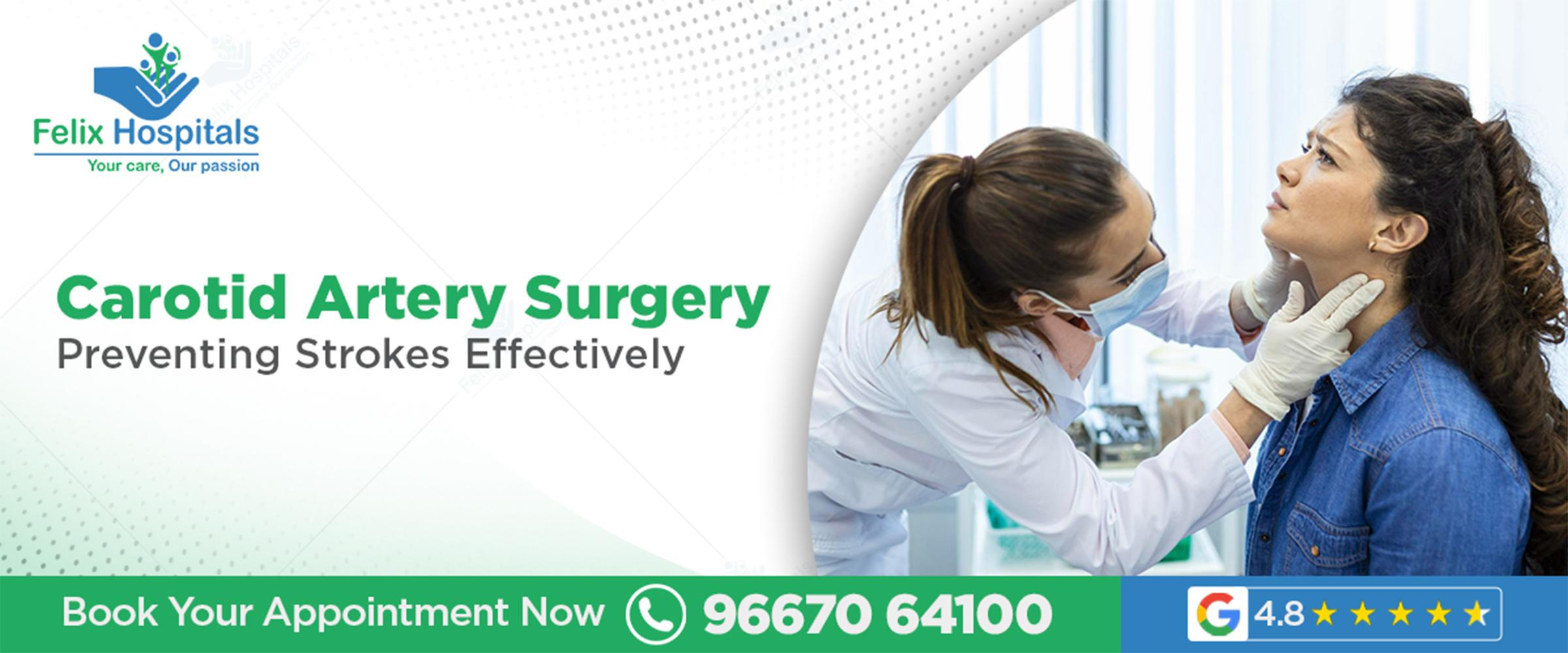
Carotid Artery Surgery: Preventing Strokes Effectively

Stroke remains one of the leading causes of long-term disability and death, and a major underlying reason is narrowing or blockage of the carotid arteries. Carotid artery surgery is a proven medical intervention that significantly reduces the risk of stroke by restoring proper blood flow to the brain. These arteries, located on both sides of the neck, supply oxygen-rich blood to the brain. When they become narrowed due to plaque buildup, the risk of clot formation and stroke increases substantially.


In Noida, advanced neurology centers provide timely diagnosis and surgical management to prevent life-threatening stroke events and protect long-term brain health.


Worried about stroke risk or carotid artery blockage? Consult expert neurologists today. Call +91 9667064100 to book an appointment.


What Is Carotid Artery Surgery?

What Is Carotid Artery Surgery? refers to a medical procedure performed to remove plaque buildup from the carotid arteries and restore normal blood flow to the brain. The most common type is carotid endarterectomy, while some patients may require carotid artery stenting depending on anatomy and risk factors.


This surgery is usually recommended when artery narrowing exceeds a critical level or when symptoms of reduced blood flow to the brain appear. The goal is stroke prevention, not just symptom relief.


How Carotid Artery Surgery Helps Prevent Strokes

How Carotid Artery Surgery Helps Prevent Strokes lies in eliminating the primary source of blood clots that can travel to the brain. Plaque buildup can rupture or restrict blood flow, causing ischemic strokes. Surgery removes this blockage and stabilizes the artery wall.


Key stroke-prevention benefits include:


  • Improved blood supply to the brain

  • Reduced risk of clot formation

  • Stabilization of vulnerable arterial plaques

  • Long-term protection against ischemic stroke

Early surgical intervention plays a vital role in stroke prevention for high-risk patients.


Symptoms That Indicate Carotid Artery Blockage

Symptoms That Indicate Carotid Artery Blockage are often subtle but should never be ignored. Many patients experience warning signs known as transient ischemic attacks (TIAs), which are temporary stroke-like episodes.
Common symptoms include:


  • Sudden weakness or numbness on one side of the body

  • Difficulty speaking or slurred speech

  • Sudden vision loss in one eye

  • Dizziness or loss of balance

  • Confusion lasting a few minutes

These symptoms demand immediate neurological evaluation, as they often precede a major stroke.


Benefits of Carotid Artery Surgery for Stroke Prevention

Benefits of Carotid Artery Surgery for Stroke Prevention extend beyond immediate risk reduction. Clinical studies show that timely surgery dramatically lowers the chance of future strokes in patients with severe carotid artery disease.
Major benefits include:


Significant reduction in stroke risk


  • Improved brain oxygenation

  • Better long-term neurological outcomes

  • Reduced dependency and disability

  • Enhanced quality of life

For eligible patients, surgery offers a proactive, life-saving solution.


Risks and Recovery After Carotid Artery Surgery

Risks & Recovery After Carotid Artery Surgery are carefully managed under expert neurological supervision. While the procedure is generally safe, it is still a major vascular surgery and carries certain risks.


Possible risks include:


  • Temporary nerve injury affecting speech or swallowing

  • Bleeding or infection

  • Rare risk of stroke during surgery


Recovery typically involves:


  • Hospital stay of 1–3 days

  • Gradual return to daily activities

  • Blood pressure and cholesterol management

  • Regular neurological follow-up

Most patients recover well and resume normal life within a few weeks.


Early Diagnosis of Carotid Artery Disease

Early Diagnosis of Carotid Artery Disease plays a decisive role in preventing strokes. Many individuals remain asymptomatic until a serious event occurs, making screening essential for high-risk populations.


Diagnostic tools include:


  • Carotid Doppler ultrasound

  • CT angiography or MR angiography

  • Neurological examination

  • Risk factor assessment (diabetes, smoking, hypertension)

Early diagnosis allows timely surgical or medical intervention before irreversible brain damage occurs.


Who Needs Carotid Artery Surgery?

Patients with significant carotid narrowing or neurological symptoms are considered for surgery. Those at higher risk include:


  • Individuals with previous mini-strokes

  • Patients with severe carotid artery stenosis

  • People with uncontrolled hypertension or diabetes

  • Long-term smokers

  • Elderly patients with vascular disease

Consultation at a Best vascular surgeons in Noida ensures accurate evaluation and decision-making.


Role of Neurologists in Stroke Prevention

Neurologists play a central role in identifying stroke risk, coordinating imaging, and determining surgical suitability. The Best Neurologists In Noida work closely with vascular surgeons to create personalized treatment plans based on patient condition, age, and medical history.


Their role includes:


  • Stroke risk assessment

  • Pre-surgical neurological evaluation

  • Post-operative recovery monitoring

  • Long-term stroke prevention planning

Integrated neurological care significantly improves patient outcomes.


Life After Carotid Artery Surgery

Post-surgery life requires commitment to preventive care. Patients are advised to:


  • Take prescribed blood thinners or cholesterol medications

  • Maintain a heart-healthy diet

  • Monitor blood pressure regularly

  • Avoid smoking and excessive alcohol

  • Attend routine neurological follow-ups

Lifestyle changes combined with surgery provide long-term protection against recurrent strokes.


Importance of Timely Surgical Intervention

Delaying treatment for carotid artery disease can result in devastating stroke events. Surgery performed at the right time can mean the difference between independent living and lifelong disability. Patients experiencing warning signs should never wait for symptoms to worsen before seeking care.


Get evaluated at the Best Neurology Hospital in Noida for advanced stroke prevention care. Call +91 9667064100 now.


Conclusion

Carotid artery surgery is one of the most effective medical interventions for preventing strokes in high-risk individuals. By addressing arterial blockages early, patients can significantly reduce the risk of brain damage, disability, and death. With advanced diagnostic facilities and experienced specialists, patients seeking care at the Best Neurology Hospital in Noida receive timely, evidence-based treatment. Early diagnosis, expert surgical care, and disciplined follow-up together form the strongest defense against stroke.

Written and verified by:
Dr. Ritesh Agarwal

Dr. Ritesh Agarwal

HOD - Emergency Services | Exp: 11 Yr
General & Laparoscopic Surgery

Dr. Ritesh Kumar Agrawal is an experienced Laparoscopic Surgeon with 11+ years of expertise in advanced minimally invasive procedures, delivering personalized care and effective surgical outcomes.

Your Health, Our Priority

Request Call Back

Request an Appointment

CAPTCHA
Solve this simple math problem and enter the result. E.g. for 1+3, enter 4.
* By clicking on the above button you agree to receive updates on WhatsApp
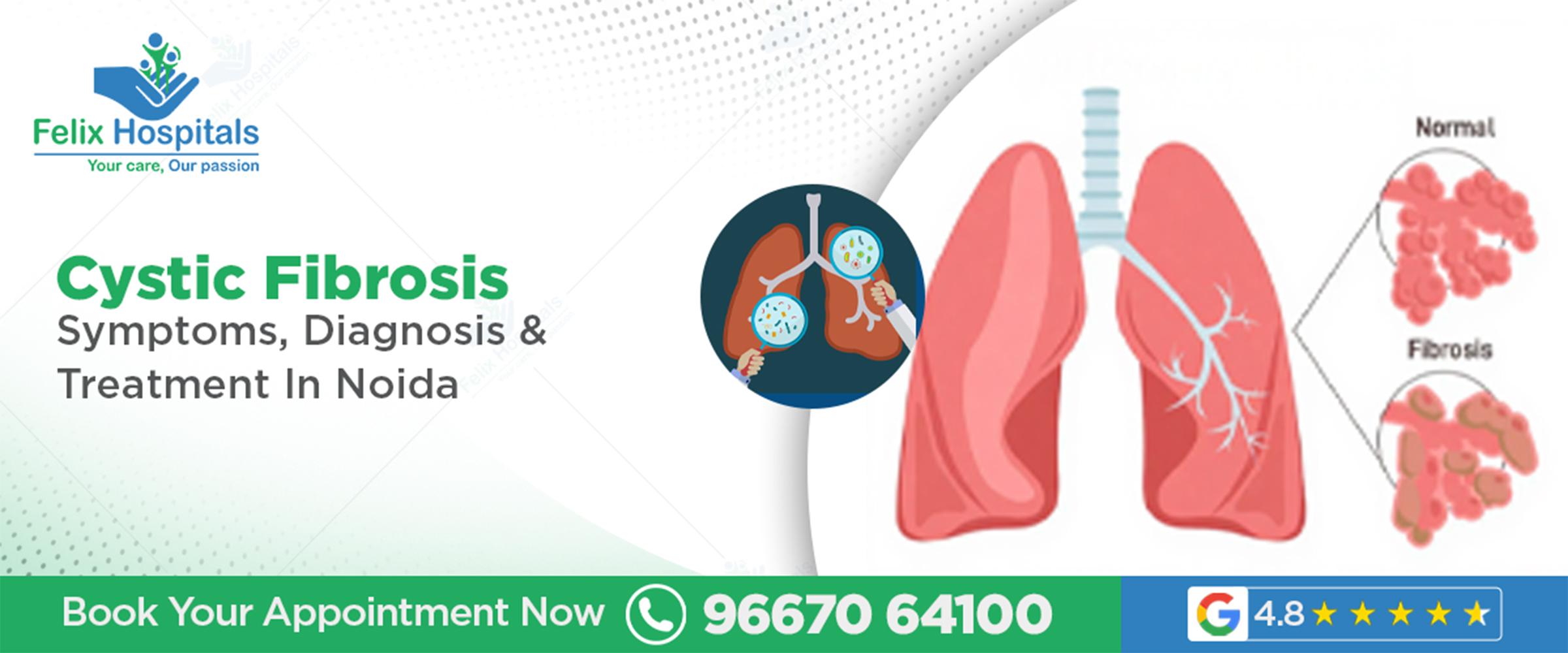
Cystic Fibrosis: Symptoms, Diagnosis & Treatment In Noida

Cystic fibrosis is a serious inherited disorder that affects multiple organs, especially the lungs and digestive system. It is most commonly diagnosed in childhood, but with better awareness and improved medical care, many people with cystic fibrosis are now living well into adulthood. In cities like Noida, early diagnosis and access to specialized care have significantly improved outcomes. Understanding the symptoms, diagnostic process, and treatment options can help families take timely action and manage the condition effectively.


If you or your child shows symptoms of cystic fibrosis, early specialist care is crucial. Call +91 9667064100 to access cystic fibrosis treatment near me in Noida.


Understanding Cystic Fibrosis

Early symptoms of cystic fibrosis arise because the body produces unusually thick and sticky mucus. This mucus blocks airways in the lungs and interferes with digestion by clogging pancreatic ducts. As a result, patients face recurring chest infections, breathing difficulties, and problems absorbing nutrients from food.


The condition is present from birth, but symptoms may vary in severity from one person to another.


Why Cystic Fibrosis Affects Multiple Organs

Cystic fibrosis is caused by a defect in the CFTR gene, which controls the movement of salt and water in and out of cells. When this process is disrupted, mucus becomes thick instead of thin and slippery. This abnormal mucus affects:


  • Lungs, leading to infections and breathing issues

  • Pancreas, causing digestive problems

  • Liver and intestines

  • Reproductive organs in some cases

Because of this wide impact, cystic fibrosis requires long-term, multidisciplinary care.


Early Symptoms Parents Should Not Ignore

Early symptoms of cystic fibrosis often appear in infancy or early childhood. Some babies may show signs soon after birth, while others develop symptoms gradually.


Common early signs include:


  • Persistent cough or wheezing

  • Repeated lung infections

  • Poor weight gain despite good appetite

  • Frequent greasy or bulky stools

  • Salty-tasting skin

Recognizing these signs early can make a major difference in long-term health.


Cystic Fibrosis in Children

Cystic fibrosis treatment in children focuses on supporting growth, preventing infections, and maintaining lung function. Children with cystic fibrosis may experience delayed growth due to poor nutrient absorption, along with frequent respiratory illnesses.


Early diagnosis allows doctors to start enzyme supplements, nutritional support, and airway clearance therapies that help children grow and develop more normally.


Cystic Fibrosis in Adults

Cystic fibrosis treatment in adults has become increasingly important as life expectancy improves. Adults may continue to experience lung infections, fatigue, and digestive issues, but many are able to study, work, and lead active lives with proper treatment.


Adult care also focuses on managing complications such as diabetes, bone health issues, and fertility-related concerns.


How Cystic Fibrosis Is Diagnosed

How cystic fibrosis is diagnosed involves a combination of screening tests and confirmatory investigations. Many newborns are identified through newborn screening programs, but diagnosis can also occur later if symptoms appear gradually.


Diagnostic methods include:


  • Sweat chloride test

  • Genetic testing for CFTR mutations

  • Lung function tests

  • Stool tests to assess pancreatic function

Accurate diagnosis helps guide long-term treatment planning.


Importance of Early and Accurate Diagnosis

Early diagnosis allows treatment to begin before significant lung damage occurs. Children diagnosed early tend to have better growth, fewer hospitalizations, and improved lung function over time.


Delayed diagnosis can lead to repeated infections and irreversible lung damage.


Treatment Options for Cystic Fibrosis

Treatment options for cystic fibrosis focus on controlling symptoms, preventing complications, and improving quality of life. There is currently no cure, but modern treatments have dramatically changed outcomes.


Treatment plans are individualized and often include a combination of medications, therapies, and lifestyle adjustments.


Managing Lung Health in Cystic Fibrosis

Keeping the airways clear is a major part of cystic fibrosis care. Thick mucus traps bacteria, leading to frequent infections.


Common approaches include:


  • Chest physiotherapy and airway clearance techniques

  • Inhaled medications to thin mucus

  • Antibiotics to treat or prevent infections

  • Regular lung function monitoring

Consistent respiratory care helps slow disease progression.


Digestive Care and Nutrition Management

How to manage cystic fibrosis also involves supporting digestion and nutrition. Many patients cannot absorb fats and proteins properly due to pancreatic blockage.


Management includes:


  • Pancreatic enzyme supplements with meals

  • High-calorie, nutrient-rich diets

  • Vitamin supplementation

  • Monitoring growth and weight

Good nutrition plays a key role in maintaining immunity and lung health.


Best Treatment for Cystic Fibrosis

Best treatment for cystic fibrosis combines medical therapy with regular monitoring and patient education. Newer medications called CFTR modulators target the underlying genetic defect in certain patients, offering significant improvement in symptoms and lung function.


Not all patients are eligible for these medications, but when suitable, they can be life-changing.


Role of Multidisciplinary Care

Cystic fibrosis management requires a team approach involving pulmonologists, gastroenterologists, dietitians, physiotherapists, and counselors. This coordinated care helps address the complex needs of patients at different stages of life.


Regular follow-ups ensure early detection of complications and timely treatment adjustments.


Living With Cystic Fibrosis

With consistent care, many patients attend school, work, and participate in daily activities. Treatment routines can be demanding, but education and family support make long-term management easier.


Mental health support is also important, as chronic illness can be emotionally challenging for both patients and caregivers.


When to See a Specialist

Frequent chest infections, chronic cough, unexplained weight loss, or digestive problems should prompt evaluation by a specialist. Early consultation helps confirm diagnosis and initiate appropriate treatment.


Ongoing specialist care is essential even when symptoms are well controlled.


Comprehensive care starts with the right specialist. Book your appointment at +91 9667064100 with a pulmonologist for cystic fibrosis near me today.


Conclusion

Cystic fibrosis is a lifelong condition, but it is no longer a hopeless diagnosis. Early recognition of early symptoms of cystic fibrosis, accurate testing, and access to advanced treatment options for cystic fibrosis can dramatically improve quality of life. With expert medical care, nutritional support, and regular monitoring, both children and adults with cystic fibrosis can manage their condition effectively. In Noida, specialized care has made it possible for patients to look forward to healthier and longer lives.


Visit our multispeciality hospital in Noida for expert doctors, advanced treatment, and comprehensive healthcare services all under one roof.

Written and verified by:
Dr. Priyadarshi Jitendra Kumar

Dr. Priyadarshi Jitendra Kumar

Pulmonology | Exp: 20 Yr
MBBS/ DNB/ FSM/FCCP

Dr. Priyadarshi Jitendra Kumar is an experienced General Practitioner with 20+ years of expertise in diabetes, thyroid disorders, hypertension, and infectious diseases. Recognized as a Best Pulmonologist in Noida, he specializes in respiratory emergencies, sleep disorders, and advanced pulmonology care.

Your Health, Our Priority

Request Call Back

Request an Appointment

CAPTCHA
Solve this simple math problem and enter the result. E.g. for 1+3, enter 4.
* By clicking on the above button you agree to receive updates on WhatsApp
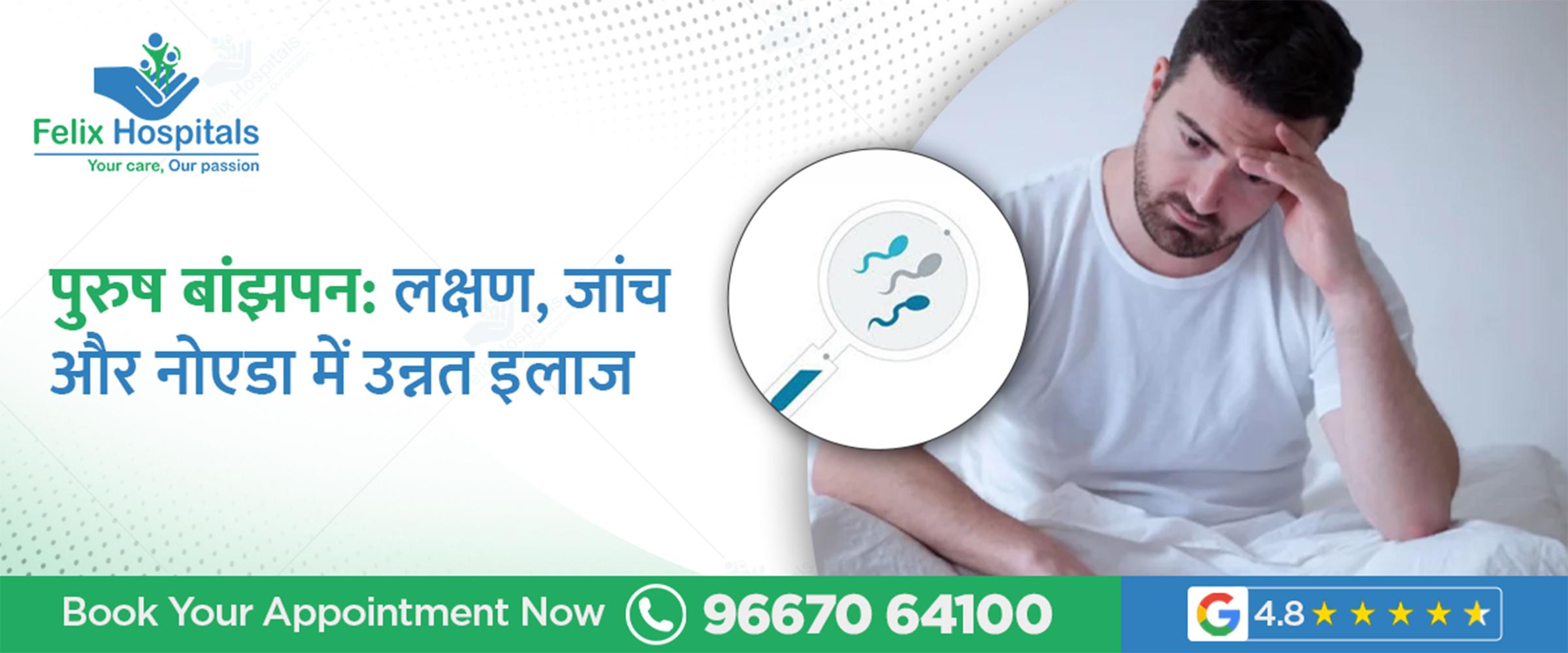
पुरुष बांझपन: लक्षण, जांच और नोएडा में उन्नत इलाज

पुरुष बांझपन (Male Infertility) वह स्थिति है। जब नियमित और असुरक्षित यौन संबंध के बावजूद 12 महीनों तक गर्भधारण नहीं होता। समस्या का कारण पुरुष पक्ष में पाया जाता है। आधुनिक चिकित्सा के अनुसार लगभग 40–50% मामलों में बांझपन का कारण पुरुष कारक होते हैं। समय पर सही जांच और विशेषज्ञ उपचार से अधिकांश मामलों में सुधार संभव है। नोएडा में सर्वश्रेष्ठ यूरोलॉजी अस्पताल उपलब्ध है नोएडा जैसे विकसित शहर में अनुभवी यूरोलॉजिस्ट, एंड्रोलॉजिस्ट और उन्नत लैब सुविधाओं से युक्त अस्पतालों में पुरुष बांझपन का आधुनिक इलाज उपलब्ध है।


अभी अपॉइंटमेंट शेड्यूल करें – कॉल करें +91 9667064100


पुरुष बांझपन क्या होता है? (What is male infertility)

जब पुरुष के शुक्राणुओं की संख्या, गुणवत्ता या उनकी गतिशीलता सामान्य से कम हो जाती है और इसके कारण गर्भधारण में कठिनाई आती है, तो इस स्थिति को पुरुष बांझपन कहा जाता है। सामान्यतः एक स्वस्थ पुरुष में कम से कम 1.5 मिलीलीटर या उससे अधिक वीर्य की मात्रा, पर्याप्त संख्या में स्वस्थ शुक्राणु, तथा उनकी अच्छी गतिशीलता और सही संरचना होना आवश्यक माना जाता है। इनमें से किसी भी स्तर पर कमी आने से प्रजनन क्षमता प्रभावित होती है।


  (यह भी पढ़ें: जाने वीर्य की कमी के लक्षण और इलाज नोएडा में)
 

पुरुष बांझपन के लक्षण क्या हैं? (What are the symptoms of male infertility)

अक्सर पुरुष बांझपन के स्पष्ट लक्षण दिखाई नहीं देते, लेकिन कुछ संकेत होते हैं:


गर्भधारण में असफलता-
एक वर्ष तक प्रयास के बाद भी गर्भधारण न होना।


वीर्य की मात्रा में कमी-
स्खलन के समय वीर्य कम निकलना।


यौन समस्याएं


  • इरेक्शन बनाए रखने में कठिनाई

  • यौन इच्छा में कमी

  • शीघ्रपतन


अंडकोष में दर्द या सूजन-


वेरिकोसील या अन्य संरचनात्मक समस्या का संकेत होता है।


हार्मोनल लक्षण-


  • शरीर पर बाल कम होना

  • मांसपेशियों में कमजोरी

  • स्तन वृद्धि (गाइनेकोमास्टिया)


पुरुष बांझपन क्यों होता है? (मुख्य कारण) Why does male infertility occur (Main causes)


शुक्राणु संबंधित समस्याएं-

जब पुरुष में शुक्राणुओं की संख्या सामान्य से कम हो जाती है। जिसे ओलिगोस्पर्मिया कहा जाता है या वीर्य में शुक्राणु पूरी तरह अनुपस्थित होते हैंय़ जिसे एजूस्पर्मिया कहा जाता है। अथवा शुक्राणुओं की गतिशीलता कम हो जाती है या उनकी संरचना में दोष पाया जाता है, तो ये सभी स्थितियां पुरुष की प्रजनन क्षमता को प्रभावित करती हैं।


हार्मोनल असंतुलन-

टेस्टोस्टेरोन, एफएसएच, एलएच  में कमी से शुक्राणु निर्माण प्रभावित होता है।


वेरिकोसील-

अंडकोष की नसों में सूजन, जिससे तापमान बढ़ता है और शुक्राणु उत्पादन कम होता है।


संक्रमण-

प्रोस्टेट में संक्रमण, यौन संचारित रोग तथा मूत्र मार्ग संक्रमण जैसी समस्याएँ पुरुष प्रजनन स्वास्थ्य को प्रभावित कर सकती हैं और समय पर उपचार न होने पर ये शुक्राणुओं की गुणवत्ता तथा संख्या पर भी नकारात्मक असर डाल सकती हैं।


जीवनशैली कारण

धूम्रपान, शराब का सेवन, नशीले पदार्थों का उपयोग, अत्यधिक तनाव, मोटापा और शारीरिक निष्क्रियता जैसी जीवनशैली से जुड़ी आदतें पुरुष प्रजनन स्वास्थ्य पर नकारात्मक प्रभाव डाल सकती हैं और समय के साथ शुक्राणुओं की संख्या, गुणवत्ता तथा उनकी गतिशीलता को प्रभावित कर सकती हैं।


आनुवंशिक कारण
कुछ मामलों में क्रोमोसोम संबंधी असामान्यताएं भी कारण हो सकती हैं।


सर्जरी या चोट
पूर्व में हुई सर्जरी, चोट या नसों में अवरोध से कई बार समस्या होती है।


पुरुष बांझपन की जांच कैसे होती है ? (How is male infertility diagnosed)


वीर्य विश्लेषण-

यह सबसे महत्वपूर्ण जांच होती है, जिसमें वीर्य की मात्रा, शुक्राणुओं की कुल संख्या, उनकी गतिशीलता तथा उनके आकार (मॉर्फोलॉजी) का विस्तार से परीक्षण किया जाता है, ताकि प्रजनन क्षमता का सही आकलन किया जा सके।


हार्मोन जांच-

इस जांच में टेस्टोस्टेरोन, एफएसएच, एलएच और प्रोलैक्टिन जैसे महत्वपूर्ण हार्मोनों के स्तर की जांच की जाती है, क्योंकि इन हार्मोनों का संतुलन पुरुष प्रजनन क्षमता और शुक्राणु निर्माण प्रक्रिया में अहम भूमिका निभाता है।


अल्ट्रासाउंड

अंडकोष और प्रोस्टेट की जांच के लिए होता है।


जेनेटिक टेस्ट

गंभीर मामलों में क्रोमोसोम जांच की जाती है।


विशेष जांच

कुछ मामलों में एमआरआई या बायोप्सी की जरूरत पड़ सकती है।


पुरुष बांझपन का इलाज क्या है? (What is the treatment for male infertility)

पुरुष बांझपन का इलाज पूरी तरह इस बात पर निर्भर करता है कि समस्या किस कारण से हो रही है। सही कारण जानने के लिए पहले विस्तृत जांच की जाती है, उसके बाद उसी आधार पर उपचार योजना बनाई जाती है। नोएडा में सर्वश्रेष्ठ यूरोलॉजिस्ट उपलब्ध है। कई मामलों में दवाओं और जीवनशैली सुधार से लाभ मिल जाता है, जबकि कुछ स्थितियों में सर्जरी या उन्नत प्रजनन तकनीकों की आवश्यकता पड़ती है।


दवाइयों से इलाज-
यदि समस्या हार्मोनल असंतुलन, संक्रमण या पोषण की कमी से जुड़ी हो, तो दवाओं के माध्यम से उपचार किया जाता है।


हार्मोन थेरेपी:
यदि टेस्टोस्टेरोन, एफएसएच या एलएच जैसे हार्मोनों का स्तर असंतुलित हो, तो डॉक्टर हार्मोन थेरेपी की सलाह दे सकते हैं। इससे शुक्राणु निर्माण प्रक्रिया में सुधार होता है।


एंटीबायोटिक्स (संक्रमण की स्थिति में):
प्रोस्टेट या मूत्र मार्ग संक्रमण, या यौन संचारित रोग होने पर एंटीबायोटिक्स दी जाती हैं। जिससे संक्रमण खत्म होकर शुक्राणुओं की गुणवत्ता बेहतर हो सके।


एंटीऑक्सीडेंट सप्लीमेंट:
विटामिन सी, विटामिन ई, जिंक, सेलेनियम और को-एंजाइम क्यू 10 जैसे एंटीऑक्सीडेंट सप्लीमेंट ऑक्सीडेटिव स्ट्रेस को कम करते हैं और शुक्राणुओं की गुणवत्ता व गतिशीलता में सुधार लाते हैं।


सर्जरी
कुछ मामलों में शारीरिक अवरोध या नसों की समस्या के कारण शुक्राणु बाहर नहीं आ पाते हैं। ऐसी स्थिति में सर्जरी की आवश्यकता होती है।


वेरिकोसील सर्जरी:
वेरिकोसील (अंडकोष की नसों का सूजना) पुरुष बांझपन का एक सामान्य कारण है। सर्जरी द्वारा इन नसों को ठीक कर रक्त प्रवाह सामान्य किया जाता है। जिससे शुक्राणु उत्पादन में सुधार होता है।


अवरोध हटाने की प्रक्रिया:
यदि शुक्राणु मार्ग में किसी प्रकार का अवरोध है, तो सर्जरी के माध्यम से उसे हटाया जाता है। जिससे शुक्राणु सामान्य रूप से बाहर आ सकें।


सहायक प्रजनन तकनीक (एआरटी)
जब सामान्य उपचार से गर्भधारण संभव नहीं हो पाता, तो आधुनिक प्रजनन तकनीकों का सहारा लिया जाता है।


आईवीएफ (इन-विट्रो फर्टिलाइजेशन):
इस प्रक्रिया में महिला के अंडाणु और पुरुष के शुक्राणु को शरीर के बाहर लैब में मिलाया जाता है। तैयार भ्रूण को गर्भाशय में स्थापित किया जाता है।


आईसीएसआई (इंट्रा-साइटोप्लाज्मिक स्पर्म इंजेक्शन):

इस तकनीक में एक स्वस्थ शुक्राणु को सीधे अंडाणु के भीतर इंजेक्ट किया जाता है। यह तकनीक खासकर तब उपयोगी होती है जब शुक्राणु संख्या या गतिशीलता बहुत कम हो। इन उन्नत तकनीकों से गर्भधारण की संभावना काफी बढ़ जाती है और कई दंपतियों को सफल परिणाम मिलते हैं।


जीवनशैली में सुधार-

कई बार पुरुष बांझपन का कारण अस्वस्थ जीवनशैली होती है। ऐसे में दवाओं के साथ-साथ जीवनशैली में सुधार अत्यंत आवश्यक है।


संतुलित आहार: 
प्रोटीन, हरी सब्जियां, फल, सूखे मेवे और आवश्यक विटामिन-मिनरल से भरपूर भोजन लें।


नियमित व्यायाम: 
प्रतिदिन 30–40 मिनट हल्का व्यायाम या योग करने से हार्मोन संतुलन बेहतर रहता है।


धूम्रपान व शराब से परहेज: 
यह आदतें शुक्राणुओं की गुणवत्ता को गंभीर रूप से प्रभावित करती हैं।


तनाव प्रबंधन: 
ध्यान, योग और पर्याप्त विश्राम से मानसिक तनाव कम किया जा सकता है।


पर्याप्त नींद: 
रोज 7–8 घंटे की नींद हार्मोन संतुलन और प्रजनन स्वास्थ्य के लिए जरूरी है।


जीवनशैली में सुधार क्यों जरूरी है? (Why are lifestyle changes important)

अच्छी जीवनशैली से:


  • हार्मोन संतुलन सुधरता है

  • शुक्राणु गुणवत्ता बेहतर होती है

  • ऑक्सीडेटिव स्ट्रेस कम होता है

  • मानसिक स्वास्थ्य मजबूत होता है

हरी सब्जियां, फल, ड्राई फ्रूट्स, जिंक और विटामिन सी व ई से भरपूर आहार फायदेमंद होते हैं।


कब डॉक्टर से संपर्क करें? (When should you consult a doctor)


  • 12 महीने से गर्भधारण नहीं हो रहा हो

  • वीर्य में लगातार कमी

  • इरेक्शन या यौन इच्छा में समस्या

  • अंडकोष में दर्द या सूजन

  • मूत्र या वीर्य में खून


नोएडा में विशेषज्ञ से परामर्श हेतु कॉल करें: +91 9667064100


निष्कर्ष (Conclusion)

पुरुष बांझपन एक सामान्य लेकिन संवेदनशील स्वास्थ्य समस्या है। सही समय पर जांच, अनुभवी विशेषज्ञ की सलाह और उचित उपचार से अधिकांश मामलों में सुधार संभव है। आधुनिक चिकित्सा तकनीक और सहायक प्रजनन प्रक्रियाएं उन दंपतियों के लिए उम्मीद की किरण हैं। जिन्हें लंबे समय से संतान प्राप्ति में कठिनाई हो रही है। जीवनशैली में सुधार और नियमित फॉलोअप उपचार का महत्वपूर्ण हिस्सा हैं।

Written and verified by:
Dr. Bhanwar Lal Barkesiya

Dr. Bhanwar Lal Barkesiya

MBBS, MS, FMAS & MCH (GOLD MEDALIST) | Exp: 15 Yr
Urology

Dr. Bhanwar Lal Barkesiya is an MCh Gold Medalist Urologist with 15+ years of experience in laser kidney stone surgery, TURP, PCNL, robotic urology, and complex urological care at Felix Hospitals, Noida.

Your Health, Our Priority

Request Call Back

Request an Appointment

CAPTCHA
Solve this simple math problem and enter the result. E.g. for 1+3, enter 4.
* By clicking on the above button you agree to receive updates on WhatsApp

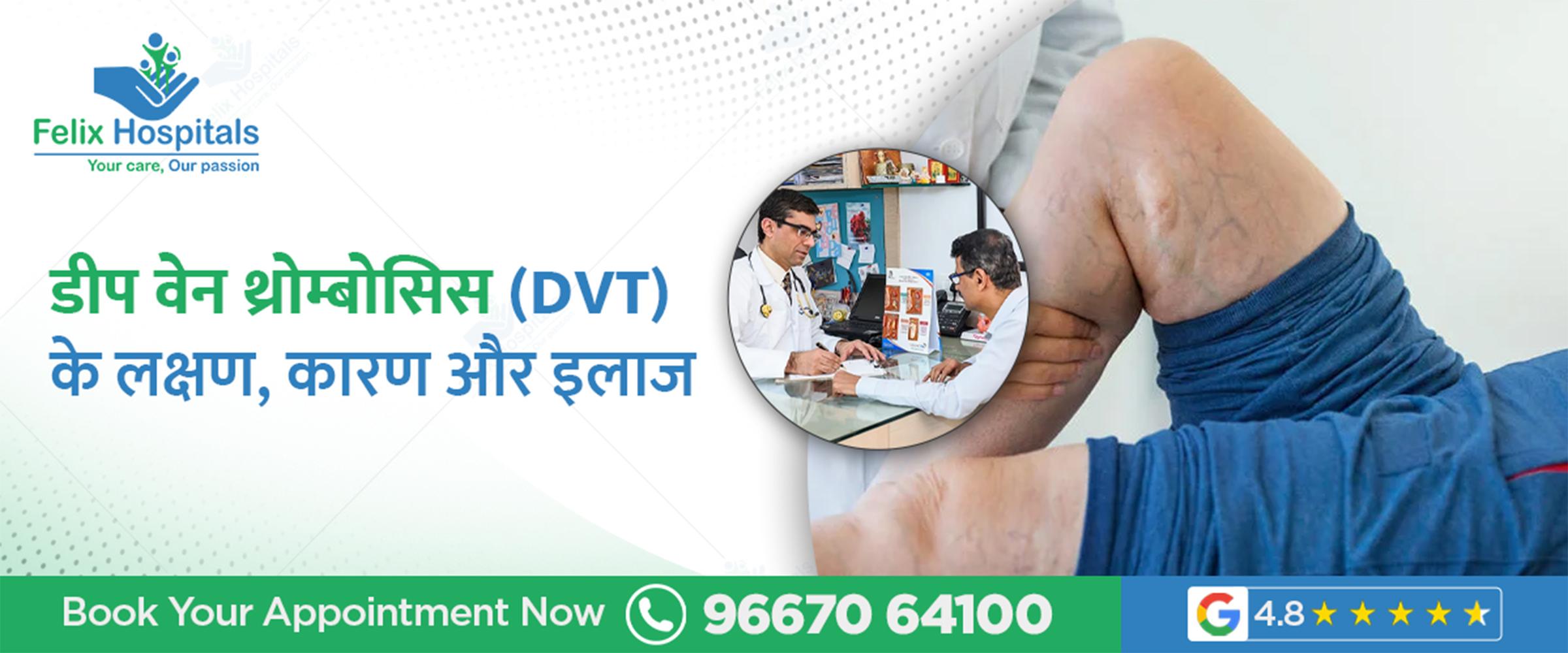
डीप वेन थ्रोम्बोसिस (DVT): लक्षण, कारण और इलाज

आज की भागदौड़ भरी जीवनशैली, लंबे समय तक बैठकर काम करना, मोटापा और हार्मोनल बदलाव जैसी स्थितियां रक्त के थक्के बनने के जोखिम को बढ़ा रही हैं। इन्हीं में से एक गंभीर स्थिति है डीप वेन थ्रोम्बोसिस (Deep Vein Thrombosis – DVT)। यह समस्या तब होती है जब शरीर की गहरी नसों (अधिकतर पैरों में) में खून का थक्का (क्लॉट) बनता है। यदि यह थक्का टूटकर फेफड़ों तक पहुंच जाए, तो यह जानलेवा स्थिति फुफ्फुसीय अंतःशल्यता का कारण बनता है। अगर आपको पैरों में अचानक सूजन, दर्द या त्वचा का रंग बदलने जैसे लक्षण दिखें, तो इसे नजरअंदाज न करें। नोएडा में सर्वश्रेष्ठ वैस्कुलर सर्जन उपलब्ध है।


अभी अपॉइंटमेंट शेड्यूल करें – कॉल करें: +91 9667064100


डीप वेन थ्रोम्बोसिस (DVT) क्या है? What is Deep Vein Thrombosis

डीप वेन थ्रोम्बोसिस (डीवीटी) वह स्थिति है। जिसमें शरीर की गहरी नसों विशेषकर पैरों की जांघ या पिंडली की नसों में रक्त का थक्का बनता है। जब रक्त का प्रवाह धीमा होता है या नस की भीतरी दीवार क्षतिग्रस्त हो जाती है, तब क्लॉट बनने की संभावना बढ़ जाती है। यदि यह थक्का टूटकर फेफड़ों की धमनी में फंस जाए, तो सांस लेने में कठिनाई, सीने में दर्द और अचानक मृत्यु तक होती है।


डीप वेन थ्रोम्बोसिस के कारण (Causes of Deep Vein Thrombosis)


लंबे समय तक एक ही स्थिति में बैठना-
लंबी यात्रा, फ्लाइट या ऑफिस में लगातार बैठने से रक्त प्रवाह धीमा हो जाता है।


सर्जरी या गंभीर चोट-
ऑपरेशन के बाद लंबे समय तक बिस्तर पर रहने से clot बनने का खतरा बढ़ता है।


गर्भावस्था और हार्मोनल दवाएं-
गर्भावस्था या गर्भनिरोधक गोलियों से रक्त गाढ़ा हो सकता है।


मोटापा-
अधिक वजन से नसों पर दबाव बढ़ता है।


धूम्रपान-
निकोटिन रक्त को गाढ़ा बनाता है और नसों को नुकसान पहुंचाता है।


कैंसर या आनुवंशिक रक्त विकार-
कुछ बीमारियों में clot बनने की प्रवृत्ति अधिक होती है।


बढ़ती उम्र-
60 वर्ष से अधिक आयु में जोखिम बढ़ जाता है।


डीप वेन थ्रोम्बोसिस के प्रमुख लक्षण (Key Symptoms of Deep Vein Thrombosis)


  • एक पैर में अचानक सूजन

  • पिंडली या जांघ में दर्द

  • त्वचा का लाल या नीला पड़ना

  • त्वचा का गर्म महसूस होना

  • नसों का उभरा दिखना

  • चलने पर दर्द बढ़ना


डीप वेन थ्रोम्बोसिस की शुरुआती पहचान (Early Diagnosis of Deep Vein Thrombosis)

समय रहते पहचान होने पर जानलेवा जटिलताओं से बचा जा सकता है। अगर निम्न संकेत दिखें तो तुरंत जांच करवाएं:


  • अचानक पैर में सूजन

  • बिना चोट के दर्द

  • सांस लेने में कठिनाई (संभावित पल्मोनरी एम्बोलिज्म)

  • तेज धड़कन या चक्कर


डीवीटी की जांच कैसे होती है? (How is DVT Diagnosed)

डीप वेन थ्रोम्बोसिस (डीवीटी) की सही और समय पर जांच बेहद जरूरी है, क्योंकि बिना इलाज के यह स्थिति जानलेवा जटिलता Pulmonary Embolism का कारण बन सकती है। यदि किसी मरीज को एक पैर में सूजन, दर्द, लालिमा या अचानक सांस फूलने जैसे लक्षण दिखाई दें, तो तुरंत चिकित्सकीय मूल्यांकन आवश्यक है।


क्लिनिकल मूल्यांकनः

सबसे पहले डॉक्टर मरीज की पूरी मेडिकल हिस्ट्री लेते हैं। इसमें वे यह जानकारी लेते हैं कि क्या हाल ही में किसी प्रकार की सर्जरी हुई है या मरीज ने लंबी यात्रा की है, जिससे लंबे समय तक बैठे रहने के कारण रक्त प्रवाह धीमा हुआ हो। साथ ही यह भी पूछा जाता है कि क्या मरीज लंबे समय तक बिस्तर पर आराम कर रहा था, क्योंकि निष्क्रियता से नसों में खून का थक्का बनने का खतरा बढ़ जाता है। डॉक्टर गर्भावस्था या हार्मोनल दवाओं के सेवन के बारे में भी जानकारी लेते हैं, क्योंकि ये स्थितियां रक्त को गाढ़ा बना सकती हैं। इसके अलावा कैंसर जैसी गंभीर बीमारी या पहले कभी डीवीटी होने का इतिहास भी महत्वपूर्ण होता है। परिवार में किसी सदस्य को रक्त के थक्के बनने की समस्या रही हो, तो वह भी जोखिम का संकेत माना जाता है।


डी-डाइमर ब्लड टेस्ट (D-Dimer Test)

यह एक महत्वपूर्ण रक्त परीक्षण है जो शरीर में थक्का बनने और उसके टूटने की प्रक्रिया का संकेत देता है। यदि डी-डाइमर का स्तर सामान्य पाया जाता है, तो डीप वेन थ्रोम्बोसिस (DVT) की संभावना काफी कम मानी जाती है। नोएडा में सर्वश्रेष्ठ वैस्कुलर सर्जरी अस्पताल उपलब्ध है।   लेकिन यदि इसका स्तर बढ़ा हुआ हो, तो यह शरीर में किसी स्थान पर रक्त का थक्का बनने का संकेत हो सकता है, ऐसी स्थिति में आगे की पुष्टि के लिए डॉपलर अल्ट्रासाउंड या अन्य इमेजिंग जांच कराने की आवश्यकता होती है।


डॉपलर अल्ट्रासाउंड (Venous Doppler Ultrasound)

यह डीप वेन थ्रोम्बोसिस (DVT) की पुष्टि के लिए सबसे सामान्य और विश्वसनीय जांच मानी जाती है। इस प्रक्रिया में अल्ट्रासाउंड मशीन की सहायता से नसों के भीतर रक्त प्रवाह को देखा जाता है। यदि किसी नस में रक्त प्रवाह बाधित हो गया हो या वहां थक्का मौजूद हो, तो वह स्क्रीन पर स्पष्ट रूप से दिखाई देता है। यह जांच पूरी तरह दर्द रहित और नॉन-इनवेसिव होती है, यानी इसमें शरीर के भीतर कोई चीरा या सुई नहीं लगाई जाती, इसलिए मरीज के लिए सुरक्षित और आरामदायक मानी जाती है।


सीटी वेनोग्राफी (CT Venography)

यदि अल्ट्रासाउंड से स्पष्ट जानकारी प्राप्त न हो पाए या श्रोणि (पेल्विक) क्षेत्र की गहरी नसों में थक्के का संदेह हो, तो ऐसी स्थिति में सीटी स्कैन (सीटी वेनोग्राफी) किया जाता है। इस जांच के माध्यम से नसों की विस्तृत 3डी इमेज प्राप्त होती है, जिससे थक्के की सटीक स्थिति और उसके फैलाव का स्पष्ट आकलन किया जा सकता है। यह विशेष रूप से जटिल या गंभीर मामलों में अत्यंत उपयोगी साबित होती है, जब सामान्य अल्ट्रासाउंड पर्याप्त जानकारी नहीं दे पाता।


एमआर वेनोग्राफी (MR Venography)

यह जांच उन मरीजों में की जाती है जिन्हें रेडिएशन से बचाना आवश्यक होता है, जैसे गर्भवती महिलाएं। इसमें एमआरआई तकनीक की सहायता से नसों की स्पष्ट और विस्तृत तस्वीर प्राप्त की जाती है, जिससे गहरी या ऊपरी नसों में मौजूद थक्के (clot) की सटीक पहचान की जा सकती है। यह जांच सुरक्षित और प्रभावी मानी जाती है, विशेषकर तब जब अन्य इमेजिंग विकल्प उपयुक्त न हों।


कम्प्रेशन अल्ट्रासाउंड

इस तकनीक में डॉक्टर अल्ट्रासाउंड प्रोब की मदद से नस पर हल्का दबाव डालते हैं। यदि नस सामान्य और स्वस्थ होती है, तो वह दबाव पड़ने पर आसानी से सिकुड़ जाती है, लेकिन यदि नस के भीतर रक्त का थक्का मौजूद हो, तो वह दबाव में सिकुड़ती नहीं है। इस प्रकार यह विधि सरल, सुरक्षित और प्रभावी मानी जाती है, जिससे डीवीटी की पहचान करने में महत्वपूर्ण सहायता मिलती है।


पल्मोनरी एम्बोलिज्म की जांच (यदि संदेह हो)

यदि मरीज को अचानक सांस लेने में तकलीफ, सीने में दर्द या तेज धड़कन जैसी शिकायत हो, तो फेफड़ों में थक्का पहुंचने की आशंका को ध्यान में रखते हुए विस्तृत जांच की जाती है। ऐसी स्थिति में सीटी पल्मोनरी एंजियोग्राफी के माध्यम से फेफड़ों की रक्त वाहिनियों की जांच की जाती है, साथ ही ऑक्सीजन लेवल मॉनिटरिंग से शरीर में ऑक्सीजन की मात्रा देखी जाती है और ईसीजी द्वारा हृदय की धड़कन एवं उसकी कार्यप्रणाली का मूल्यांकन किया जाता है।


डीप वेन थ्रोम्बोसिस का इलाज (Treatment of Deep Vein Thrombosis

डीवीटी का उपचार रक्त के थक्के को बढ़ने से रोकना, नए थक्के बनने से बचाना और जटिलताओं को रोकना है। नोएडा में डीवीटी के इलाज का खर्च विभिन्न फैक्टरों पर निर्भर करता है। जैसे बीमारी की गंभीरता, अस्पताल का स्तर, डॉक्टर की विशेषज्ञता, कितने दिन भर्ती रहना है, और कौन-सी ट्रीटमेंट ली जा रही है। नोएडा में डीवीटी इलाज आमतौर पर लगभग 1,00,000 से 2,50,000 तक हो सकता है। यह एक सामान्य औसत अनुमान है और वास्तविक खर्च मरीज की स्थिति के आधार पर ऊपर-नीचे हो सकता है।


एंटीकोआगुलेंट दवाएंः


  • हेपारिन

  • लो मॉलिक्यूलर वेट हेपारिन

  • वारफेरिन

  • एपिक्सबैन / रिवेरोक्साबैन

यह दवाएं खून को पतला कर क्लॉट के फैलाव को रोकती हैं।


थ्रोम्बोलाइटिक थेरेपी-


गंभीर मामलों में क्लॉट को घोलने वाली दवाएं दी जाती हैं।


आईवीसी फिल्टर-


जब एंटीकोआगुलेंट नहीं दिए जा सकते, तब नस में फिल्टर लगाया जाता है ताकि क्लॉट फेफड़ों तक न पहुंचे।


कम्प्रेशन स्टॉकिंग्स-


सूजन और दर्द कम करने में मददगार।


अस्पताल आधारित उन्नत उपचार (Noida)

नोएडा में नोएडा में सबसे अच्छे कार्डियोलॉजिस्ट की देखरेख में हाई-रिज़ॉल्यूशन डॉपलर अल्ट्रासाउंड की सुविधा उपलब्ध है, जिससे नसों में रक्त प्रवाह और थक्के की सटीक पहचान की जा सकती है। इसके साथ ही डे-केयर एंटीकोआगुलेंट मॉनिटरिंग की व्यवस्था रहती है, जहां मरीज की दवाओं और रक्त के पतलेपन की नियमित निगरानी की जाती है। आपात स्थिति में इमरजेंसी पल्मोनरी एम्बोलिज्म (पीई) मैनेजमेंट की सुविधा उपलब्ध होती है तथा गंभीर मामलों के लिए पूर्ण आईसीयू सपोर्ट भी प्रदान किया जाता है, जिससे मरीज को त्वरित और सुरक्षित उपचार मिल सके।

परामर्श हेतु कॉल करें: +91 9667064100


जीवनशैली में बदलाव (Lifestyle Modification)


  • रोज 30 मिनट वॉक करें

  • लंबी यात्रा में हर 1 घंटे बाद चलें

  • वजन नियंत्रित रखें

  • धूम्रपान छोड़ें

  • पर्याप्त पानी पिएं


डीवीटी से बचाव के उपाय (Measures to Prevent DVT)


  • सर्जरी के बाद डॉक्टर की सलाह अनुसार दवाएं लें

  • गर्भावस्था में नियमित जांच करवाएं

  • लंबे समय तक बैठे रहने से बचें

  • रक्तचाप और शुगर नियंत्रित रखें

  • वार्षिक स्वास्थ्य जांच करवाएं


अभी अपॉइंटमेंट शेड्यूल करें – कॉल करें: +91 9667064100


निष्कर्ष (Conclusion)

डीप वेन थ्रोम्बोसिस एक गंभीर लेकिन नियंत्रित की जा सकने वाली स्थिति है। समय रहते पहचान और सही इलाज से जानलेवा जटिलताओं से बचा जा सकता है। यदि पैरों में सूजन या दर्द जैसे लक्षण हों, तो तुरंत जांच करवाएं।

Written and verified by:
Dr. Ritesh Agarwal

Dr. Ritesh Agarwal

HOD - Emergency Services | Exp: 11 Yr
General & Laparoscopic Surgery

Dr. Ritesh Kumar Agrawal is an experienced Laparoscopic Surgeon with 11+ years of expertise in advanced minimally invasive procedures, delivering personalized care and effective surgical outcomes.

Your Health, Our Priority

Request Call Back

Request an Appointment

CAPTCHA
Solve this simple math problem and enter the result. E.g. for 1+3, enter 4.
* By clicking on the above button you agree to receive updates on WhatsApp
Painkillers May Increase Gynaecological Cancer Risks

In case of body pain, menstrual cramps, headaches and joint pain. a lot of women take a painkiller to make life comfortable. But medication overuse may lead to health problems that are not expected. Doctors are also increasingly talking about how the dangers of medications might affect a woman’s reproductive health if painkillers are taken excessively or without medical advice.


Hormonal balance, inflammation pathways and metabolic processes can be altered by certain drugs, in particular by long-term administration of anti-inflammatory drugs. These elements may hide uterine cancer, ovarian or cervical.


In case you've have a concern about taking medication related your reproductive health, Best Obstetrics & Gynecology Hospital in Noida offers expert review and advice. You are also able to consult with the Best Gynecologists in Noida to detect any underlying risks early on and safeguard women’s health in the long run.


Concerned about unusual symptoms or medication side effects? Consult specialists today for a complete reproductive health evaluation. Call +91 9667064100 to book an appointment.


Why Painkiller Use is Increasing

Muscle stiffness, arthritis flare-ups, menstrual pain, and headaches become more common, which is why many women take painkillers more frequently.


Common reasons women use painkillers:


  • Stiffness in the joints and muscles

  • Menstrual cramps

  • Viral infections with headaches and/ or body pain

  • Decreased activity and circulation

  • Stress, fatigue and disturbed sleep

While occasional use is generally safe, frequent or long-term use may raise painkiller side effects that impact overall women’s wellness.


The Hidden Link Between Painkillers and Gynaecological Cancer Risks

NSAIDs (non-steroidal anti-inflammatory drugs) are the most commonly taken type of analgesic. But overuse or long-term use can affect the pathways of inflammation and hormonal signalling in the body. Potential mechanisms for gynaecological cancer risks are:


  • Altered hormonal balance, especially oestrogen levels

  • Chronic inflammation in reproductive organs

  • Immune modifications involved in tumor surveillance

  • Diagnosis is delayed because pain relief hides the symptoms.

Research suggests the relationship between painkillers and cancer is complex. Some studies show mixed outcomes depending on dose and duration of medication use.


According to PubMed, a study analyzing more than 7,000 women with endometrial cancer found that painkiller exposure and cancer outcomes can vary depending on long-term medication patterns.Medication safety and medical supervision are essential when using painkillers regularly.


Medication Dangers Women Should Know

Many people assume over-the-counter medicines are harmless.But consistent self-medication can contribute to an increased risk of falling ill.


Possible medication risks include the following:


  • Increasing dose of painkillers for chronic pain

  • Giving multiple medications unintentionally

  • Daily Use of Painkillers Without Your Doctor's Advice

  • Neglecting Underlying Gynecologic Symptoms

Anti-inflammatory agents are associated with long-term adverse effects including gastrointestinal bleeding, renal impairment and cardiovascular events. These side effects highlight why painkiller side effects should never be ignored, especially in women with existing reproductive health issues.


How Painkillers May Affect Female Reproductive Health

The female reproductive system is sensitive to hormonal changes and inflammatory signals. Frequent medication use can influence these biological pathways.


Possible effects on female reproductive health include:


  • Changes in ovulation patterns

  • Hormonal imbalance affecting menstrual cycles

  • Masking symptoms of ovarian or uterine disease

  • Delayed detection of pelvic pain causes

Many women unknowingly ignore persistent pelvic pain by repeatedly taking painkillers. This may delay diagnosis of conditions such as:


  • Endometriosis

  • Ovarian cysts

  • Fibroids

  • Early-stage gynaecological cancer

Early medical consultation is critical to detect these issues before they progress.


Warning Signs Women Should Not Ignore

Certain symptoms may indicate underlying gynecological problems rather than simple pain.


Symptoms associated with potential hidden cancer risks include:


  • Persistent pelvic pain

  • Abnormal vaginal bleeding

  • Unusual discharge

  • Pain during intercourse

  • Unexplained weight loss

  • Chronic fatigue

If pain relief medication is needed repeatedly for the same symptoms, medical evaluation is strongly recommended.


Painkiller Use and Cancer Risk: What Research Shows

The scientific evidence about whether painkiller causes cancer or not is complicated and occasionally conflicting.


Some research suggests:


  • Use of NSAIDs over a long period of time might influence cancer results with certain gynecologic malignancies.

  • Increased mortality risk was noted with some types of endometrial cancer in two studies among women who had used NSAIDs extensively.

But other studies suggest that drugs with anti-inflammatory properties could lower the risks of some cancers.Because findings vary, experts emphasize careful and supervised medication safety rather than self-treatment.


Painkiller Side Effects That Affect Women’s Health

Overusing pain medication can impact several body systems beyond pain relief.


The side effects of these painkillers are:


  • Stomach ulcers and digestive irritation

  • Long-term use may cause kidney damage

  • Hormone disturbances

  • Risk of bleeding is increased.

These disorders may also have an indirect effect on women's well-being, reproductiveness, and immunity to ferment.


Who Is at Higher Risk?

Certain groups of women should be especially cautious with painkiller use.


People who are at greater risk include:


  • women with a family history of gynaecological cancer

  • women with severe long-standing menstrual pain (laparoscopy is not always required on these women)

  • women on a number of different drugs

  • women with hormone problems such as PCOS

  • women over 40 with irregular bleeding

They are also the ones who should be monitored routinely and guided professionally by gynecologists.


Painkiller Safety Guide for Women

To protect women’s health, experts recommend responsible medication safety use.


Safe use for medication safety:


  • Do not take more than recommended

  • Don’t use daily unless your healthcare provider says so

  • If you have chronic pelvic pain, see a doctor

  • Have regular gynecological checkups.

  • Try lifestyle measures to help relieve pain, such as physical activity, heat application and diet


Painkillers and Women's Reproductive Health


Factor

Role in the Body

Possible Risk

Painkillers (NSAIDs)

Reduce inflammation and pain

Long-term side effects and potential reproductive impact

Hormonal balance

Controls menstrual cycle and fertility

Disruption may affect reproductive organs

Chronic pain masking

Temporary symptom relief

Delayed diagnosis of serious conditions

Inflammation pathways

Involved in immune response

Changes may influence cancer development


Why Specialist Care is Important

Professional advice is needed to safely manage medication use and reproductive health.


Best Obstetrics & Gynecology Hospital In Noida Also Deliver All In One Care Like:


  • Screening For Disorders Of The Female Reproductive System

  • Evaluation Of Symptoms That May Be Related To Drugs

  • Preclinical detection of reproductive system related Malignancies

  • Hormonal evaluation and Therapy

  • ailored women's wellness plans

Consulting the Top Gynecologists in Noida would be the best option as they are well experienced in dealing in such cases and your reproductive health is very important for them to the extent that they not only thrives in delivering the best treatment but make sure it is with no compromises on safety and pain management.


Protect Your Health

Pain relief is important—but so is medication safety. Repeated use of painkillers without medical supervision may mask symptoms or contribute to long-term health risks.


Women experiencing persistent pelvic pain, abnormal bleeding, or recurring symptoms should seek medical evaluation promptly.


Protect your reproductive health today. Consult experts at the Best Obstetrics & Gynecology Department at Noida Multispeciality Hospital for comprehensive care and personalized treatment.

Written and verified by:
Dr. Sonia Kuruvilla

Dr. Sonia Kuruvilla

MBBS, MS OBG | Exp: 17 Yr
Obstetrics & Gynecology

Dr. Sonia Kuruvilla is an experienced Obstetrician and Gynecologist with 17+ years of expertise in women’s healthcare. She provides compassionate and personalized care for pregnancy, gynecological disorders, and reproductive health. Recognized among the Best Gynecologists in Noida, she is known for delivering safe and high-quality women’s care.

Your Health, Our Priority

Request Call Back

Request an Appointment

CAPTCHA
Solve this simple math problem and enter the result. E.g. for 1+3, enter 4.
* By clicking on the above button you agree to receive updates on WhatsApp
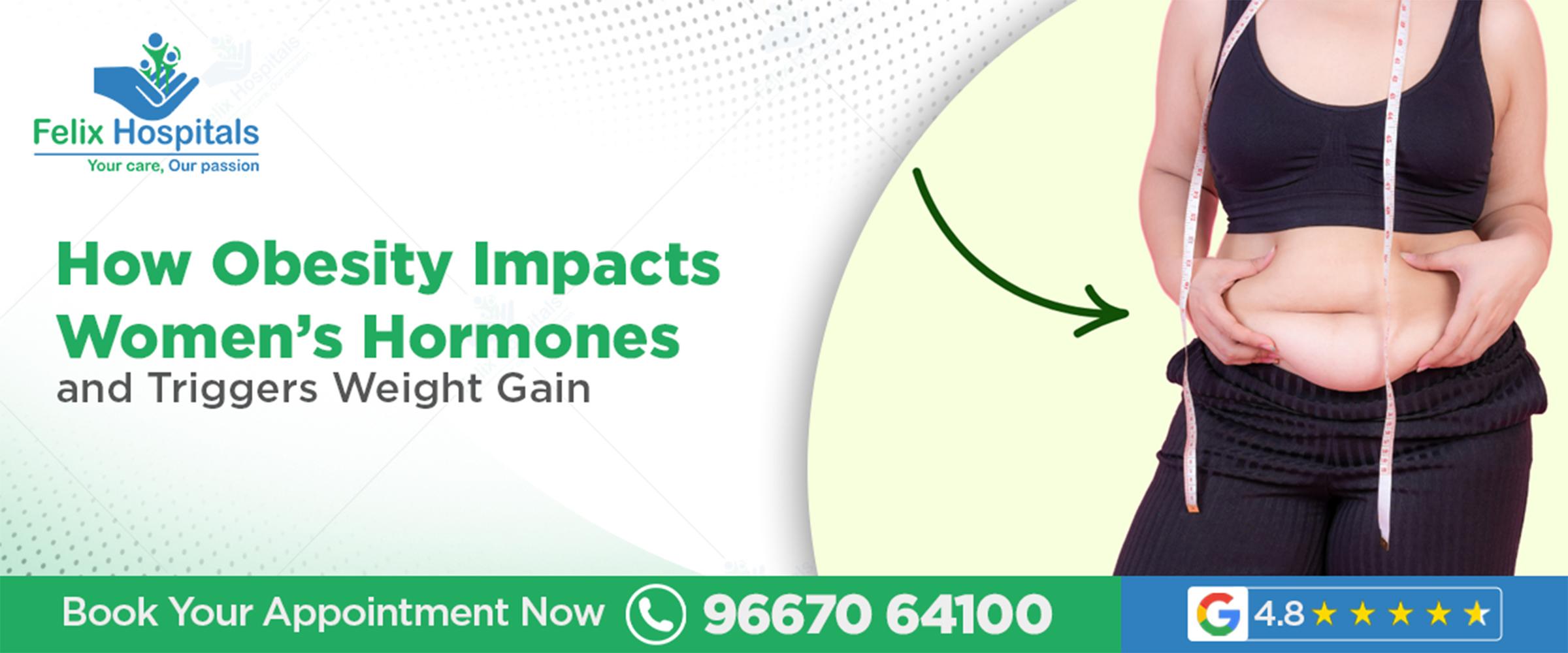
How Obesity Impacts Women's Hormones and Triggers Weight Gain

Obesity is more than just excess weight — it is a complex disease that alters how a woman’s body works. What a lot of women don’t appreciate is that being overweight — particularly around the belly — does more than just make you look bad or make it harder to move. It subtly disrupts the fine hormonal tuning that controls everything from metabolism and mood, to fertility and energy levels. The effect of hormones on women and obesity is a vicious circle - adipose/fat tissue produces hormones which further dysregulate the body, so women find it harder to lose weight and gain it easily.


For women, this disruption in hormones is especially concerning because female hormones are naturally fluctuating, even in menstruating women, through pregnancy and menopause. Add obesity to the mix, and these changes are compounded — not just in weight, but in health. Best Obstetrics & Gynecology Hospital in Noida offers complete range of investigations that can evaluate the underlying hormonal causes of obesity and its complications and help women escape this vicious cycle.

Experiencing unexplained weight gain or hormonal symptoms? Call +91 9667064100 to consult the Best Gynecologists in Noida for expert evaluation and treatment.


Why Women's Hormones Are Especially Vulnerable to Obesity

Women's bodies are designed to be hormonally sensitive. Oestrogen, progesterone, insulin, cortisol, and thyroid hormones all work together in a carefully balanced system. When one hormone is disrupted, it can lead to a domino effect. The link between hormone imbalance in women and weight gain is incontrovertible.


How Obesity Disrupts Hormones:


  • Body fat actively secretes estrogen and inflammatory molecules

  • Too much fat in your body changes the way your body makes and gets rid of hormones.

  • Hormones stay for longer periods of time in the blood vessels, resulting in excess

  • It contributes to​ insulin resistance, thyroid dysfunction and high cortisol

  • It causes weight loss to be almost impossible to achieve without medical help.

Studies show that women with a BMI over 30 are 3 times more likely to develop insulin resistance compared to women with normal weight.


How Obesity Leads to Insulin Resistance and Weight Gain

Insulin is the hormone that shuttles sugar from the blood into cells to be used for energy. A woman's body cells become resistant to the signals of insulin when she is overweight, particularly in her abdomen. That sets up a trap where obesity-related weight gain is self-reinforcing. 


The insulin resistance cycle:


  • Pancreas makes more insulin to compensate

  • If you have high insulin, your body is being told to store fat, not burn it.

  • Triggers intense sugar and carbohydrate cravings

  • Cells are starving for energy even though blood sugar is high

  • Women feel hungry all the time, exhausted, and powerless to stop eating


The Role of Stress: How Cortisol Makes Obesity Worse

Chronic stress is a silent contributor to weight gain. Cortisol, the body's primary stress hormone, is released in response to physical or emotional stress. The link between stress and hormonal imbalance is particularly pronounced in women struggling with obesity. How chronic stress affects weight:


  • Elevated CSF cortisol is associated with significantly increased food intake of calorie dense “comfort food”.

  • Tells the body to store fat in the belly

  • Disrupts sleep quality

  • Bad sleep interferes with the hunger hormones leptin and ghrelin

  • Creates a vicious cycle: stress → poor sleep → weight gain → more stress


Oestrogen Overload: How Excess Fat Disrupts Reproductive Health

Oestrogen is essential for reproductive health, but too much creates serious problems. Fat tissue produces oestrogen, so the more body fat a woman carries, the higher her oestrogen levels become. This impacts women's health and obesity beyond just weight.


Potential consequences of oestrogen dominance:


  • Menstruation that is irregular or excessive

  • Fibroids, endometriosis

  • Polycystic ovarian syndrome (PCOS)

  • Infertility and ovulation issues

  • Greater likelihood of breast and uterine cancer

  • Painful, erratic menstrual cycles and menopause!

Research indicates that losing just 5-10% of body weight can restore ovulation in up to 70% of women with PCOS.


Why Women Gain Weight Differently Than Men

In order to understand weight gain causes in women, it is important to acknowledge that women's bodies are biologically different when it comes to the storage of fat and the regulation of hormones.Key differences in women:


  • Naturally carry higher percentage of body fat

  • Hormonal shifts during the menstrual cycle affects fat storage

  • Hormonal changes in menopause also cause fat to move from hips/thighs to a more dangerous place – the abdomen

  • Lower metabolism due to less muscle mass.

  • They burn fewer calories at rest than men do

  • Social factors: prioritise family meals, less time for exercise, more emotional eating


Thyroid Dysfunction: The Hidden Culprit Behind Stubborn Weight

Thyroid disorders occur way more often in women than men, and obesity worsens them. The thyroid controls metabolism – the speed at which the body burns calories. The hormonal consequences of obesity include impairment in the production of thyroid hormones.


Signs of thyroid dysfunction in the obese patient:


  • Gaining weight while eating less and exercising more

  • Extreme fatigue and low energy

  • Hypothermia and xeroderma

  • Hair loss and brittle nails

  • Depression and mood swings

Symptoms often dismissed as normal consequences of being overweight


The Endocrine System Under Siege

The entire endocrine system — the network of glands that produce and regulate hormones — suffers under the weight of obesity. The relationship between obesity and endocrine health affects multiple hormones simultaneously.


Obesity-disrupted hormones:


  • Leptin: leptin resistance (stops signaling fullness) → eating until hungry again

  • Ghrelin: Hunger hormone spikes at the wrong times → cravings for food even after eating

  • Growth hormone: Production slows down → slower metabolism

  • Insulin: Resistance forms → fat storage increases

  • Cortisol: High chronic level of cortisol → accumulation of belly fat

This creates a biological environment where the body actively resists weight loss and promotes weight gain.


How Obesity Affects Women's Hormones: A Complete Overview


Hormone

Normal Function

How Obesity Disrupts It

Impact on Women's Health

Insulin

Moves sugar into cells for energy

Resistance develops, excess production

Excess production, resistance develops

Weight gain, risk of diabetes, PCOS

Oestrogen

Regulates menstrual cycle, bone health

Overproduction from fat tissue

Excess production from adipose tissue

Irregular periods, fibroids, fertility problems, cancer risk

Cortisol

Manages stress response

Chronically elevated

Belly fat storage, sugar cravings, sleep problems and many more symptoms attributed to these hormones

Thyroid (T3/T4)

Controls metabolism

Production and conversion disrupted

Slow metabolism, tiredness, weight gains with difficulty to lose weight

Leptin

Signals fullness and satiety

Resistance develops

Constant hunger, inability to feel full

Ghrelin

Triggers hunger when needed

Spikes inappropriately

Constant hunger, feeling of not being able to eat yourself full

Progesterone

Balances oestrogen, supports pregnancy

Levels drop relative to oestrogen

Mood swings, anxiety, irregular cycles


Breaking the Cycle: Managing Weight and Hormones Together

Managing weight and hormones is possible with the right approach. Weight loss, even modest amounts of 5 to 10 percent of body weight, can significantly improve hormonal balance.


What women may need to achieve lasting results:


  • Full hormone panel (insulin, thyroid, cortisol, reproductive hormones)

  • Dietary advice to promote blood sugar stability

  • Anti-inflammatory foods to prevent chronic inflammation

  • Stress management: yoga, meditation, sleep)

  • Medications when indicated (thyroid replacement, insulin sensitizers)

  • Exercise (Strength Training) To Build Metabolizing Muscle

  • Moderate cardio, but don’t overdo it

  • Continuous follow-up sees and adjustments in treatment


Why Specialist Care Makes All the Difference

It's a tricky task to master the relation of obesity and hormones. Women with weight gain, irregular periods, infertility or metabolic challenges gain so much from seeing specialists who are expert in women’s metabolic health and hormonal balance. What specialty care offers:


  • An evidence-based assessment rather than the standard weight management

  • Identification of causes, not just treatment of symptoms

  • Treatment customized to the individual's hormone levels

  • Medications plus lifestyle advice

  • Emotional support and realistic goal-setting

  • Continued follow-up to discourage relapse

The Best Gynecologists in Noida offer comprehensive care that combines medical treatment, nutrition guidance, and ongoing support to help women restore hormonal balance and achieve sustainable weight loss.


The Bottom Line

Obesity and hormones are two closely-related factors in women’s health. Overweight people have disrupted insulin, leptin, estrogen, thyroid, cortisol and the hormones that regulate appetite, leading to a biological environment where gaining weight becomes automatic and losing weight seems impossible. The keystone of this relationship is empowerment — it tells you that you’re not failing at life, you have a diagnosed medical condition that needs proper care.


With appropriate medical guidance, testing for hormonal imbalances, individualized nutrition, stress reduction, and focused therapy, women can once again achieve hormonal balance, attain long-term weight loss, and regain their health. If you've been fighting unexplained weight gain, or irregular periods, or just downright fatigue, or if you feel like no matter what you do you can’t lose weight, it’s time to get help.


Don’t let hormonal imbalance control your health. Visit Noida’s hospital near me for expert care at the Best Obstetrics & Gynecology Hospital in Noida. Get a comprehensive evaluation and personalized treatment from experienced specialists.

Written and verified by:
Dr. Charu Yadav

Dr. Charu Yadav

MBBS, MS OBG, FMAS, DMAS | Exp: 12 Yr
Obstetrics & Gynecology

Dr. Charu Yadav is an obstetrician and gynecologist with 12+ years of experience, specializing in high-risk and twin pregnancies, ectopic pregnancy, and menstrual disorders. Trained in laparoscopic surgery, she provides care for pregnancy, infertility, menopause, and gynae procedures. She is also recognized among the Best Gynecologists in Noida for her patient-focused treatment.

Your Health, Our Priority

Request Call Back

Request an Appointment

CAPTCHA
Solve this simple math problem and enter the result. E.g. for 1+3, enter 4.
* By clicking on the above button you agree to receive updates on WhatsApp

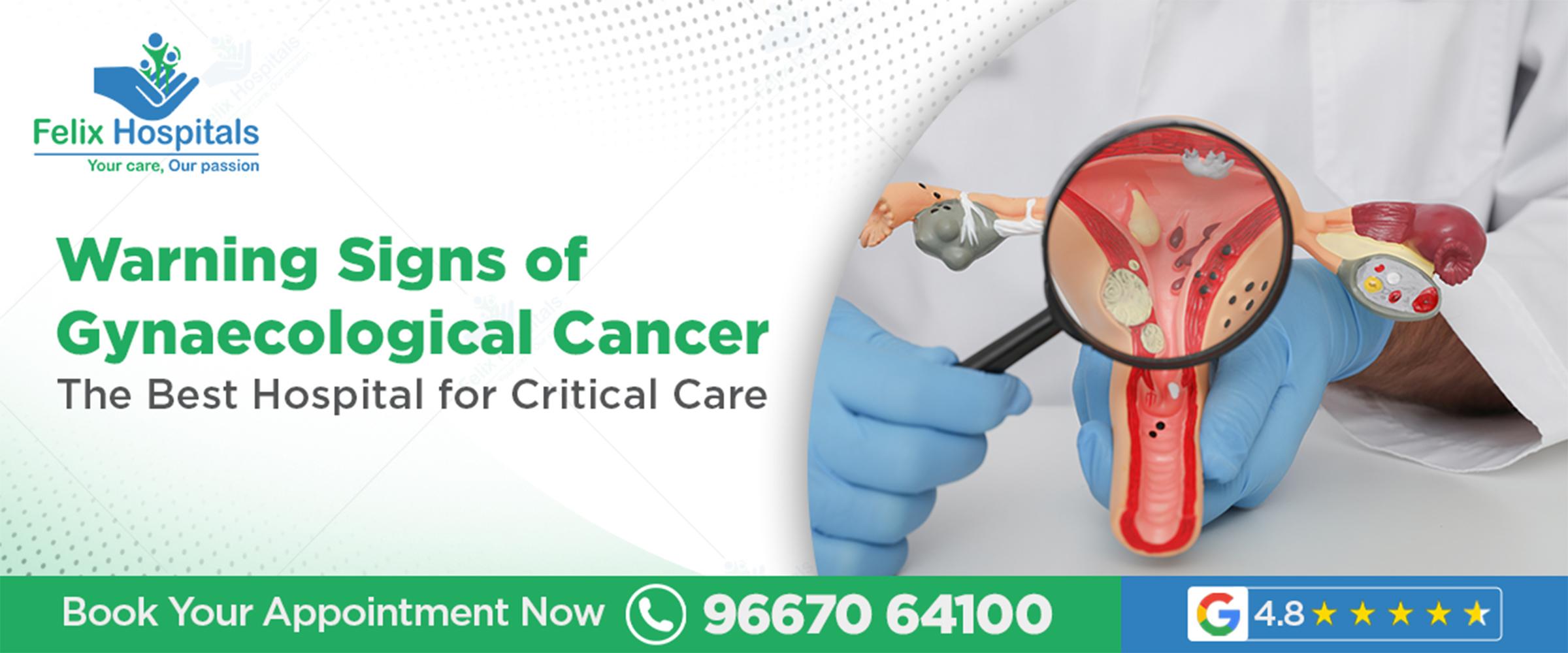
Warning Signs of Gynaecological Cancer and Treatment in Noida

Gynaecological cancers involve the system of the female reproductive organs and they usually develop silently in the early stages. Most women do not pay attention to the symptoms at an early stage as they think they are some hormonal or menstrual problems, and hence are diagnosed late. Education on warning signs, habitual screening, and treatment at hand are pivotal to save lives and enhance living standards.


Best Gynecology Hospital in Noida can help in the  improvement of the results at an early stage because of the availability of the state of the art diagnostic facilities and the best available specialists. Knowing when to need help and learning about symptoms is potentially life-saving.


Your health deserves expert attention without delay. If you are experiencing unusual symptoms or are due for routine screening, schedule your appointment with the best gynaecology specialists in Noida. Call +91 9667064100 now for timely evaluation and care.


Understanding Gynaecological Cancer in Women

Early Warning Signs of Gynaecological Cancer in Women often go unnoticed because they may appear mild or intermittent. Gynaecological cancers include cervical, ovarian, uterine, vaginal, and vulvar cancers, each presenting with different warning signals.


The cancers may afflict any woman, but beyond the age of 40, they are more likely to do so. Early diagnosis is the most effective weapon to complicate and increase the success of the treatment.


Early symptoms

Common Symptoms of Cervical, Ovarian, and Uterine Cancer frequently overlap with routine gynaecological complaints. Unexpected intervals, distention, or pains in the pelvis can be overlooked over a few months.


Social stigma, fear, or ignorance means that many women delay seeking consultation thus giving cancer ample time to spread to other advanced stages where treatment is a more intricate matter.


The Red Flag of Cervical Cancer

Cervical cancer is known to be slow growing and has provided a good opportunity to diagnose it in the initial stages. Common Symptoms of Cervical, Ovarian, and Uterine Cancer related to cervical cancer include:


  • Bleeding between periods

  • Pain during intercourse

  • Stinking vaginal discharge.

  • Bleeding after menopause

Frequent Pap smears and screening against HPV are significant in the detection of cervical changes before cancer occurs.


Early Signs of Ovarian Cancer

Ovarian cancer is often called a "silent killer" because symptoms are vague in early stages. Early Warning Signs of Gynaecological Cancer in Women related to ovarian cancer may include persistent bloating, abdominal fullness, difficulty eating, and frequent urination. These are the symptoms of at least several weeks which must never be denied. Early medical evaluation is essential, especially for women with a family history of ovarian or breast cancer.


Symptoms of Uterine (Endometrial) Cancer


  • Uterine cancer commonly presents earlier than ovarian cancer, giving better chances for detection.

  • Common Symptoms of Cervical, Ovarian, and Uterine Cancer for uterine cancer include abnormal uterine bleeding, especially after menopause, prolonged periods, and pelvic pain.

  • Post-menopausal bleeding deserves the status of a medical emergency until it is eliminated.


Diagnosis on Time

Importance of Early Diagnosis for Gynaecological Cancers cannot be overstated. Gynaecological cancers detected early in the disease have high curing rates and need milder form of treatment.


Early diagnosis allows:


  • In some instances fertility-preserving treatment.

  • Less extensive surgery is required.

  • Better response to therapy

  • Reduction of emotional and financial distress.

Such delays in diagnosis frequently lead to late disease whose treatment is no longer available.


Women’s Risk Factors

There are a number of increasing risk factors of gynaecological cancers such as age, genetics, lifestyle, and reproductive history. Risk factors include but are not limited to obesity, smoking, HPV infection, hormonal imbalance and family history.
Risk knowledge aids women to take initiative steps on both screening and prevention.


Gynaecological Cancer Diagnostic Tests

Proper diagnosis is both a clinical examination and high-level testing. These can be pelvic examinations, Pap tests, HPV, ultrasound, CT scan or MRI, tumour markers, and biopsy.


Early application of diagnostic tools contributes greatly to staging and planning of treatment.


Gynaecological Cancer Treatment Options in Noida

Advanced Gynaecological Cancer Treatment Options in Noida include a multidisciplinary approach tailored to cancer type and stage. Therapy can be conducted through surgery, chemotherapy, radiation therapy, or targeted therapy or a mix of these therapies.


Minimal invasive surgery and advancement of radiation methods can assist in shortening of the recovery time, and better patient outcomes.


Management of Cancer

Surgery still forms an essential part of the treatment of most gynaecological cancers. The aim is the total ablation of the tumour and in any case, organ functions are retained.


There are experienced surgical teams in Noida providing laparoscopic and robotic surgery that would reduce complications and hospitalisation.


The Treatment

Radiation therapy is effective in the treatment of localised disease whereas chemotherapy comes after a surgery to eliminate the remaining cancer cells.


Individualised treatment planning will assure that there is an equivalent intensity of therapy and minimization of side effects according to the severity of the disease.


How to choose Gynaecologists for Cancer Treatment in Noida

Expert Gynaecologists for Cancer Treatment in Noida play a vital role in guiding patients through diagnosis, treatment, and recovery. This is facilitated by their experience, which makes sure that they stage correctly, intervene, and treat the patient holistically.


An interdisciplinary team of oncologists, radiologists, pathologist and nursing staff can help improve survivability and emotional support.


Preventive Measures

Preventive Measures and Regular Screening for Women significantly reduce cancer risk. Preventative measures are immunisation against HPV, regular Pap tests, pelvis examination and family history.


The lifestyle modifications like healthy weight, cessation of smoking and hormonal health management all play a part in preventive actions.


Recovery of patients

Patient Support and Recovery After Treatment in Noida focuses on physical healing, emotional well-being, and long-term follow-up. The healing of cancer entails fatigue management, changes in hormones, fertility, and mental health.


Females get assistance through support groups, counselling, nutrition advice, and rehabilitation services that aid women seeking to have confidence and quality life after treatment.


Life After Gynaecological Cancer Treatment

Survivorship care plays an important role in observing re-occurrence, treatment late effects, and supporting long-term health. Frequent follow-ups will allow identifying complications in the early stages and offer reassurance. The women also learn to be proactive on health up to the period of post-treatment.


Consultation helps to save lives and to make sure that the patient will get their treatment.Book an appointment with the Best Gynaecologists in Noida at the moment by calling +91 9667064100.


Conclusion

Late detection of gynaecological cancer may be fatal but early detection and early intervention can save lives to a large extent. Symptom knowledge, routine screening, and professional care are among the major measures every woman must follow. Women are likely to have improved survival, quicker recovery, and positive life experience through the timely diagnosis and the presence of sophisticated treatment processes both in Noida and elsewhere.

Written and verified by:
Dr. Sonia Kuruvilla

Dr. Sonia Kuruvilla

MBBS, MS OBG | Exp: 17 Yr
Obstetrics & Gynecology

Dr. Sonia Kuruvilla is an experienced Obstetrician and Gynecologist with 17+ years of expertise in women’s healthcare. She provides compassionate and personalized care for pregnancy, gynecological disorders, and reproductive health. Recognized among the Best Gynecologists in Noida, she is known for delivering safe and high-quality women’s care.

Your Health, Our Priority

Request Call Back

Request an Appointment

CAPTCHA
Solve this simple math problem and enter the result. E.g. for 1+3, enter 4.
* By clicking on the above button you agree to receive updates on WhatsApp
Heart Attack and Stroke Emergency Care In Noida

Medical emergencies like heart attacks and strokes are measured in minutes — every second counts when it comes to saving a life. Loss of permanent disability or loss of life occurs due to delays in the recognition, transportation, or treatment. In such cities like Noida, the possibility of receiving emergency care in time is a vital factor in saving life and enhancing recovery.


With the information about the Best Heart Specialist in Noida, the contact info, and the ways in which emergency care functions, a family is likely to be able to respond promptly and with a certain degree of certainty to a crisis.


In case of chest pain, weakness, and difficulty in speaking suddenly, make facts happen. Call +91 9667064100 heart attack and stroke medical emergency in Noida.


Understanding Cardiac and Brain Emergencies

Cardiac emergency Noida situations include heart attacks, life-threatening arrhythmias, and sudden cardiac arrest, while stroke emergencies involve interruption of blood flow to the brain. T he two conditions demand urgent medical care and a special emergency unit.


Second chances are not given by these emergencies. The sooner the treatment is commenced the better the survival and minimization of prolonged damage.


What happens during a heart  attack

Heart attack emergency care Noida focuses on restoring blood flow to the heart muscle as quickly as possible. Heart attack is a condition caused due to the obstruction of a coronary artery and lack of oxygen in the heart tissue.
The destruction of heart muscles only grows in every single minute without intensive treatment resulting in heart failure or cardiac arrest.


Symptoms of the Heart Attack in the Early Stages

Heart attack treatment Noida is most effective when symptoms are recognised early. Red flags might not be the same to everyone but they are disregarded.


Common symptoms include:


  • Chest pain or pressure

  • Radiating pain in the arm, jaw or back.

  • Shortness of breath

  • Cold sweats, nausea or dizziness.

All these symptoms are emergency cases.


What are Stroke Emergencies?

Brain stroke emergency Noida occurs when blood supply to a part of the brain is blocked or when a blood vessel ruptures. Death of brain cells in the brain occurs within several minutes hence emergency treatment is necessary.


Stroke is among the major causes of long-term disability, which can be minimised through taking care of the brain early. Individuals need to know among the stroke symptoms to anticipate them as promptly as possible.

Stroke emergency treatment Noida depends on how fast symptoms are identified. The most common method is the FAST one:


  • Face drooping

  • Arm weakness

  • Speech difficulty

  • Time to call for emergency.

Stroke is also characterised by sudden vision loss, serious headache, or loss of balance.


Why Time Counts in Heart Attack and Stroke

cardiac stroke care Noida follows the principle that "time is muscle" for heart attacks and "time is brain" for strokes. Delays lead to the decrease in treatment success and complications. Emergency procedures are developed to reduce the periods of diagnosing, visualising and conclusive treatment.


Instant Diagnosis and Emergency Tests

Emergency hospital Noida facilities are equipped to perform rapid diagnostics such as ECG, blood tests, CT scans, MRI, and angiography. The tests are used to verify the diagnosis and make an immediate treatment decision. Rapid diagnosis enables the physician to choose between the clot-destroying medications, angioplasty, or surgery.


Extensive Emergency Care of Heart Attacks

Emergency cardiologist Noida plays a central role in managing heart attack patients. It can be treated with clot-busting medicines, emergency angioplasty, stents, or advanced heart life support.


Cath lab 24/7 guaranteed round-the-clock access to cases of high urgency.


High-level Emergency Perioperative Stroke Treatment

Stroke care hospital Noida offers specialised stroke units where patients receive clot-busting therapy, mechanical thrombectomy, or neurosurgical intervention depending on stroke type.


Rehabilitation planning is initiated early in conjunction with acute treatment to enhance the healing process in the long run.


Role of 24x7 Emergency Services

24x7 emergency care Noida ensures continuous availability of trained doctors, nurses, and support staff. Teams dealing with the emergency response are ready to put to action without time loss or personnel shortage.


The 24-hour emergency services are essential in case of unforeseen medical emergencies such as heart attacks and stroke.


Significance of Multi disciplinary emergency teams

Cardiac stroke care Noida relies on collaboration between cardiologists, neurologists, emergency physicians, radiologists, and critical care specialists. This team-building practise enhances patient outcomes, speed, and accuracy.


Integrated care eliminates complications and guarantees the smooth movement of treatment.


Post-Emergency Intensive Care and Monitoring

Patients are closely observed in the intensive care units after emergency intervention. Constant observation is useful in preventing complications at an early age and normalisation of vital functions. This is a very important stage of recurrence prevention and recovery.


Rehabilitation Following Heart attack and Stroke

The recovery process is not compelled when emergency treatment is tackled. Stroke rehabilitation and cardiac rehabilitation programmes aid the patients to regain confidence, mobility and strength. The importance of early rehabilitation is to provide great quality of life and minimise risks in future.


Who is at a higher risk?

The effects consist of risk factors, high blood pressure, diabetes, smoking, obesity, high cholesterol, stress, and family history. Symptoms of COPD may manifest suddenly and patients with these risk factors should be attentive to notice them and bring them to the doctor without delay.


  • Early intervention and prevention are synonymous.

  • The reason why it is significant to select the appropriate emergency hospital.

  • Best heart Hospital in Noida provides access to the highest level of technology, highly trained professionals and systems of quick response. Not every hospital is prepared to deal with serious cardiac and stroke incidents.

  • Selection of appropriate emergency facilities will save valuable time in cases of emergency.


Best Heart Specialist in an Emergency

Noida Best heart Specialist, is a specialist in interventions that save lives through quick diagnosis and treatments. Patient outcomes during emergencies depend on experience, supply, and availability and hospital infrastructure.


Special attention enhances the survival rates and chances of recovery.


Call +91 9667064100 and be connected with the Best Heart Hospital in Noida


Conclusion

Medical emergencies such as heart attacks and strokes require urgent intervention and the services of the expert. Early detection of early warning signs, travelling to a well equipped emergency hospital, and prompt treatment is essential to save lives and avoid irreversible harm. Having highly developed emergency centres, ready qualified specialists, and services 24/7 in Noida, patients can get life-saving interventions at a time when every second matters.

Written and verified by:
Dr. Praveen Raman Mishra

Dr. Praveen Raman Mishra

DrNB Cardiology, MD Internal Medicine | Exp: 10 Yr
Cardiology

Dr. Praveen Raman Mishra is a skilled cardiologist with 10+ years of experience, specializing in interventional cardiology and comprehensive heart care. Known for providing advanced, evidence-based treatment, he offers a full range of cardiology diagnostics and ICU care. Recognized among the Best Cardiologists in Noida, he is trusted for his patient-focused approach and expertise.

Subscribe to