 WhatsApp
 Emergency:
  WhatsApp








Subscribe to our
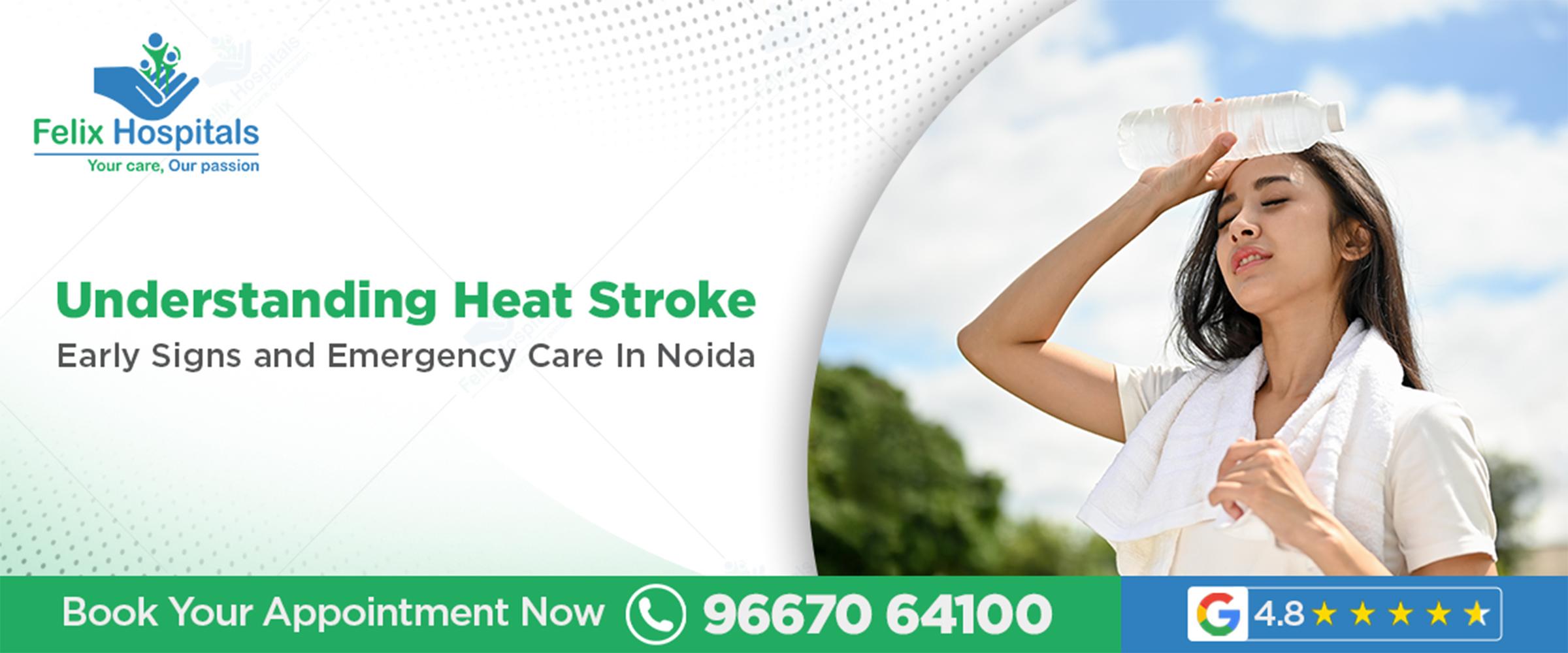
Heat stroke is a life-threatening condition that occurs when the body temperature rises too high and cannot be cooled down. Long-term heat exposure, especially during severe summertime weather, may cause excessive fluid loss and body temperature elevation. It is crucial to identify the initial symptoms of heat stroke because the treatment can be delayed for serious complications, which involve brain, heart and other organs.
During extreme temperatures, outdoor workers, athletes, seniors, and young children may be more prone to heat illness. Timely treatment and adequate hydration are mandatory to avoid complications. Individuals exhibiting symptoms are advised to consult an emergency medicine doctor in Noida or visit a hospital for treatment for heat stroke in Noida without delay.
Feeling dizzy, weak, or extremely overheated during hot weather? Heat stroke can become life-threatening without immediate care. Call +91 9667064100 to consult an emergency medicine doctor in Noida.
Heat stroke is the most critical stage of heat-induced illness and takes place when the body temperature exceeds 40°C (104°F). In this state, the body's mechanisms of heat loss, including sweating, no longer work effectively. Consequently, the core body temperature starts to increase at a fast pace, which can lead to injury of essential organs.
Medical research shows that extended high body temperature can alter brain function and cause confusion, seizures, or coma. Recognizing early signs of heat stroke can ensure prompt cooling and emergency care to prevent serious consequences.
Knowing what causes a heat stroke allows people to take preventive actions when the temperatures soar. Common causes include:
Long times spent under the sun
Strenuous exercise in warm conditions
Extreme dehydration
Dressing in heavy or multiple layers of clothing, or tight clothing, in hot weather
No air flow or cooling in the house
Some medications that alter hydration status
These factors can overwhelm the body's temperature regulation system and increase the risk of heat stroke.
A number of groups could be at an increased risk of heat stroke, either due to bodily or environmental conditions. High-risk groups include:
Elderly persons who have a diminished tolerance to heat
Babies and small children
People who work outside in the heat
Athletes exercising in the heat
People with chronic health issues
People on medications that affect fluid balance
These individuals should take extra precautions during heat waves to prevent heat-related illnesses.
Identifying the warning signs of heat stroke means that treatment can be performed in a timely manner and the condition does not become fatal. Early symptoms of heat stroke are:
High body temperature
Severe headache
Feeling dizzy or faint
Heavy sweating followed by hot, dry skin
Nausea or vomiting
Muscle cramps and fatigue
Prompt action during this stage can help prevent progression to severe heat stroke.
If not promptly treated, symptoms of heat stroke can progress and result in life-threatening complications. Complications may include:
Confusion or disorientation
Rapid heartbeat
Shortness of breath
Fainting
Seizure
Hot dry skin, but no perspiration
These symptoms require immediate emergency care and hospitalization.
Heat stroke can develop quickly and is a life-threatening emergency. Get medical help at once if you notice any warning signs. Get emergency help if someone has:
Body temperature over 40°C (104°F)
Ongoing confusion or agitation
Fainting or unconsciousness
Extreme dehydration
Fast breathing or a fast pulse
Ongoing vomiting
Patients should receive urgent heat stroke treatment in Noida at a medical facility equipped for emergency care.
Doctors diagnose heat stroke based on symptoms, medical history, and clinical examination. Diagnostic tests help determine the severity of the condition and identify complications.
Test | Purpose |
Body Temperature Measurement | Confirms dangerously high body temperature |
Blood Tests | Checks dehydration and electrolyte imbalance |
Urine Test | Evaluates kidney function and hydration |
Imaging Tests | Detects possible organ complications |
ECG | Monitors heart function during heat stress |
These tests help doctors determine appropriate treatment and monitor patient recovery.
You should act as quickly as possible once symptoms start. Things you can do early in an emergency include:
Take the person away from sunlight
Pour cool water over the person's body or use wet cloths or ice packs
If the person is conscious, give small sips of cool water
Fan the person and use other cooling measures to reduce body heat
These steps should be followed while waiting for emergency medical assistance.
Medical treatment is directed toward reducing the body temperature and minimizing damage to the internal organs. Hospitalization is necessary in severe cases. Treatment may involve:
Intravenous fluids to correct dehydration
Fast cooling measures such as ice bags or cooling blankets
Oxygen therapy if breathing is impaired
Vital signs and organ function are monitored
Drugs to control complications such as seizures
Patients receiving heat stroke treatment in Noida are closely monitored until body temperature returns to normal.
Recovery from heat stroke may take up to several weeks depending on the degree of organ damage and how early in the course of illness treatment was initiated. Recovery from mild disease may take days, but severe disease may require longer period of observation.Fatigue and weakness or heatsensitivity have been reported in individuals after heat stroke recovery. Physicians typically recommend a gradual return to normal activities and sufficient hydration during the recuperations.
Heat stroke may also lead to numerous complications if the disease is left untreated or if it is severe.Possible complications of heat stroke are:
Brain damage caused by prolonged overheating
Dehydration-related kidney failure
Heart rhythm disorders
Rhabdomyolysis (breakdown of muscle tissue).
Early treatment greatly reduces the likelihood of these complications.
Extreme summer days become preventive days for care to avoid heat illness. Some prevention pointers are:
Stay hydrated all day long
Limit your time outdoors when it’s too hot
Light and airy clothing
You can keep cool and comfortable at home with fans or air conditioning
These measures contribute to maintain normal body temperature and to prevent heat stress.
If you or someone around you experiences symptoms of heat stroke, do not delay treatment. Consult an emergency medicine doctor in Noida or visit a hospital offering heat stroke treatment in Noida for immediate care. Call +91 9667064100 for emergency medical consultation.
Heat stroke can be fatal and is an emergency. Identifying the early symptoms of heat stroke would enable the victim to get early treatment and its serious complications on vital organs may be prevented.
Individuals can make themselves less susceptible to heat stroke by drinking plenty of fluids, by avoiding long periods of exposure to high temperature, and by paying attention to early warning signs of heat-related problems. An Best Internal Medicine Doctor in Noida can guarantee that a patient is accurately diagnosed and treated without delay, providing the best chance for a full recovery, free of any potential long-term health problems.
Dr. Ravi Sharma is a senior physician with 42+ years of experience, known for compassionate and comprehensive patient care in Noida.

Building healthy habits in the formative years of a child lays the foundation for the healthy living. By teaching them to enjoy healthy eating at a tender age helps for the overall development and growth for life.

Hot weather can strain your heart, especially in summer. Discover how heat impacts your cardiovascular system and explore expert tips to keep your heart healthy, hydrated, and safe during rising temperatures.
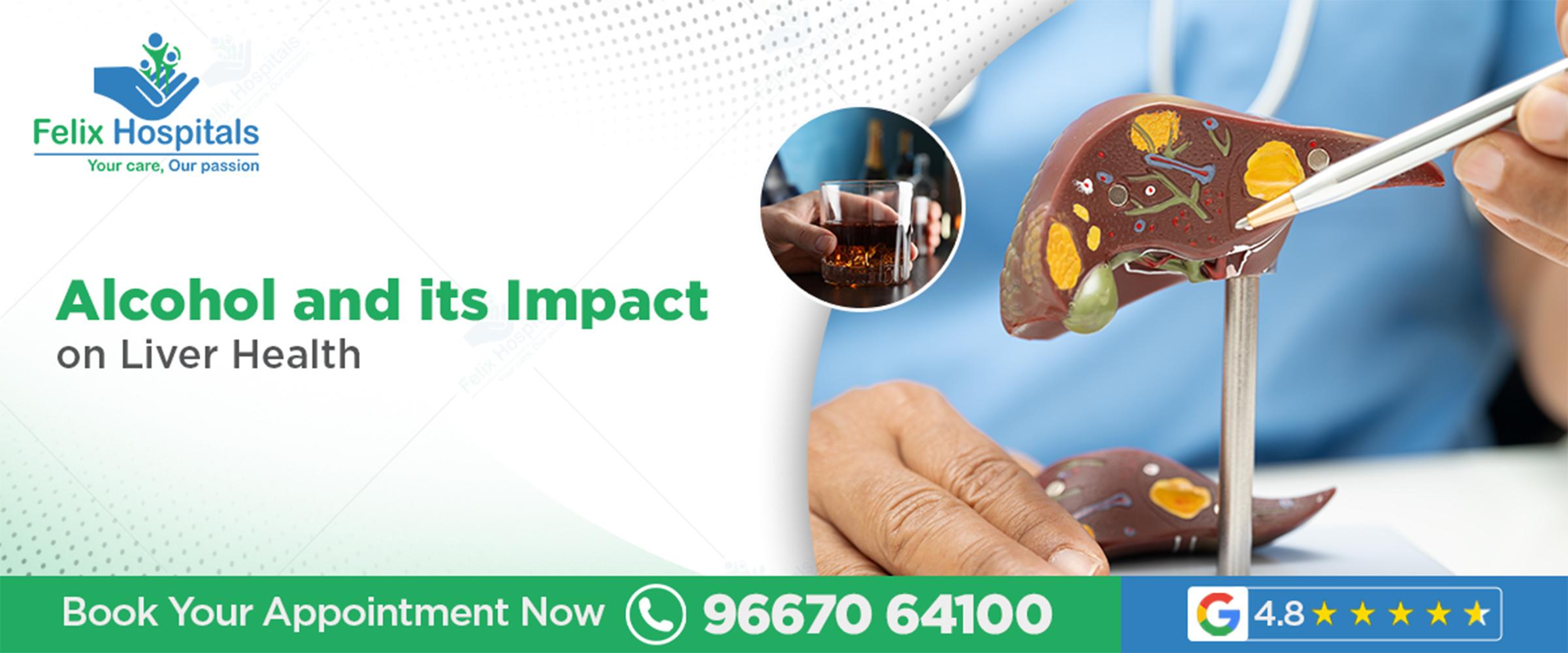
Drinking alcohol is a part of life in many social and cultural contexts, but heavy drinking can lead to liver damage. The liver is an essential organ for the metabolism of toxins, including alcohol, and for maintaining metabolic homeostasis within the body. It is important to know about effect of alcohol on liver as long term alcohol drinking slowly kills liver cells and alters its function.
With a regular intake of alcohol, particularly in such large amounts, the liver is working overtime, becoming overinflamed. This can eventually cause fatty liver, hepatitis and cirrhosis. People with symptoms of liver problems should see a liver specialist in Noida or the best gastroenterologist in Noida for diagnosis and treatment.
Experiencing fatigue, abdominal discomfort, or abnormal liver test results? Early medical evaluation can help detect liver damage before complications develop. Call +91 9667064100 to consult a liver specialist in Noida.
The liver is what processes and detoxifies everything that goes into the body. The liver metabolizes the alcohol into substances that can be eliminated from the body. But this process is slowed down by heavy drinking and the fat can build up in, and around, the liver cells. This is how alcohol affects the liver in the long term.
Scientific evidence indicates that only a certain amount of alcohol can be metabolized by the liver in an hour. Above that limit, toxic metabolites such as acetaldehyde build up in the liver, leading to oxidative stress and liver damage. Long-term chronic exposure to such toxins can result in alcohol-related liver disease, which impairs the liver's form and function.
High alcohol consumption can lead to liver cell damage and interfere with vital metabolic processes. The impact of alcohol on the liver could be slow to manifest and that damage could increase if drinking continues. Common effects include:
Excess fat in the liver cells
Inflammation of liver tissue
Decreased detoxification function
Reduced production of essential proteins
Hepatocyte damage and fibrosis
These changes can progressively weaken liver function and lead to serious complications.
Alcohol-related liver disease is a group of conditions that result from chronic alcohol use. The degree of liver damage is also variable and depends on how much and how long the person drank. The most common forms of alcohol-related liver disease are:
Alcoholic fatty liver disease
Alcoholic hepatitis
Liver fibrosis
Cirrhosis of the liver
These conditions may develop gradually and often worsen if alcohol consumption continues.
The stages of alcohol-related liver disease offer people a way to understand how their liver is being affected by drinking. Stages of liver damage due to alcohol usually include:
Fatty Liver (Steatosis): Fat buildup in the liver cells as a result of heavy alcohol consumption
Alcoholic Hepatitis: Liver tissue inflammation and injury
Liver Fibrosis: Scar tissue in the liver
Cirrhosis: Advanced scarring that impairs liver function
Early stages may be reversible if alcohol consumption is stopped and medical treatment is initiated.
It is important to be aware of liver damage symptoms from alcohol so that you know when to seek medical attention. The symptoms can develop slowly, becoming more obvious as the disease advances. Signs are the following:
Fatigue
Loss of appetite
Nausea and vomiting is frequent
Stomach ache, especially in the right upper corner
Skin and whites of eyes that turned yellow (jaundice)
Swelling in the abdomen or the legs
These signs indicate function may be impaired and require medical evaluation.
Some conditions may raise the chance of complications from the effects of alcohol on the liver. The major risk factors are:
Chronic heavy drinking
Malnutrition or undernourishment
Obesity or metabolic syndrome
Hepatitis virus infection
Predisposition to liver disease
Alcohol consumption and smoking
Individuals with these risk factors should undergo regular medical check-ups.
Early consultation for medical advice is essential when symptoms indicate that there might be liver damage. Noticing warning signs enables early intervention which halts the progress of the condition. Consult if you have:
Constant abdominal pain
Weight loss without explanation
Jaundice of the skin or eyes
Dark urine or light-coloured stool
Constant tiredness
Persistent nausea or vomiting
Consulting a liver specialist in Noida or the best gastroenterologist in Noida can help identify the underlying cause and begin appropriate treatment.
Doctors use several diagnostic tests to assess liver health and determine the severity of alcohol-related liver disease.
Test | Purpose |
Liver Function Test (LFT) | Evaluates liver enzyme levels |
Ultrasound Abdomen | Detects fatty liver or structural abnormalities |
FibroScan | Measures liver stiffness and fibrosis |
CT Scan or MRI | Provides detailed imaging of liver tissue |
Liver Biopsy | Confirms severity of liver damage |
These tests help doctors determine the stage of liver disease and guide treatment.
Treatment is aimed at preventing further liver damage and promoting liver regeneration. Early intervention can dramatically improve outcomes. Treatment options include:
Stop alcohol completely
Drugs that reduce liver inflammation
Nutritional treatment and vitamin replacement
Treatment of complications, including retention of fluid
Regular liver function tests
Patients with advanced liver damage may require specialized medical care under a liver specialist in Noida.
Lifestyle modifications play an important role in preventing further damage caused by how alcohol affects the liver. Significant lifestyle changes may include:
Refraining from consuming any type of alcohol
Eating a healthy and balanced diet
Keeping a healthy weight
Doing exercise regularly
Drinking enough liquid
Going for regular medical examinations
These steps support liver regeneration and improve overall health.
Stages of alcohol-related liver disease may progress to serious health complications that could impair the functioning of your body if left untreated. Complications can include:
Liver cirrhosis (liver fibrosis)
Liver failure
Portal hypertension
Increased risk of liver cancer
Worried about your liver health and/or alcohol-related issues? A liver specialist in Noida or top gastroenterologist in Noida can help you in your hour of need by providing you with precise diagnosis followed by expert treatment. Call +91 9667064100 to schedule your consultation today.
Drinking too much alcohol over a long period can affect the liver. Understanding the impact of alcohol on liver function enables an individual to assess the risk of chronic alcohol consumption.Early diagnosis, regular follow-ups, and timely visits to a liver specialist in Noida can help in preventing liver diseases from turning fatal. They can protect their liver and well-being, albeit without any quick remedies: a decrease in alcohol use and lifestyle modifications.
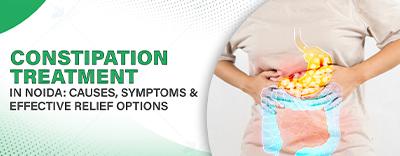
Get expert constipation treatment in Noida. Learn about common causes, symptoms, and the best relief options to improve digestive health.
Struggling with constipation in summer? Learn its causes, symptoms, and effective remedies. Stay hydrated and follow expert tips for better digestive health.
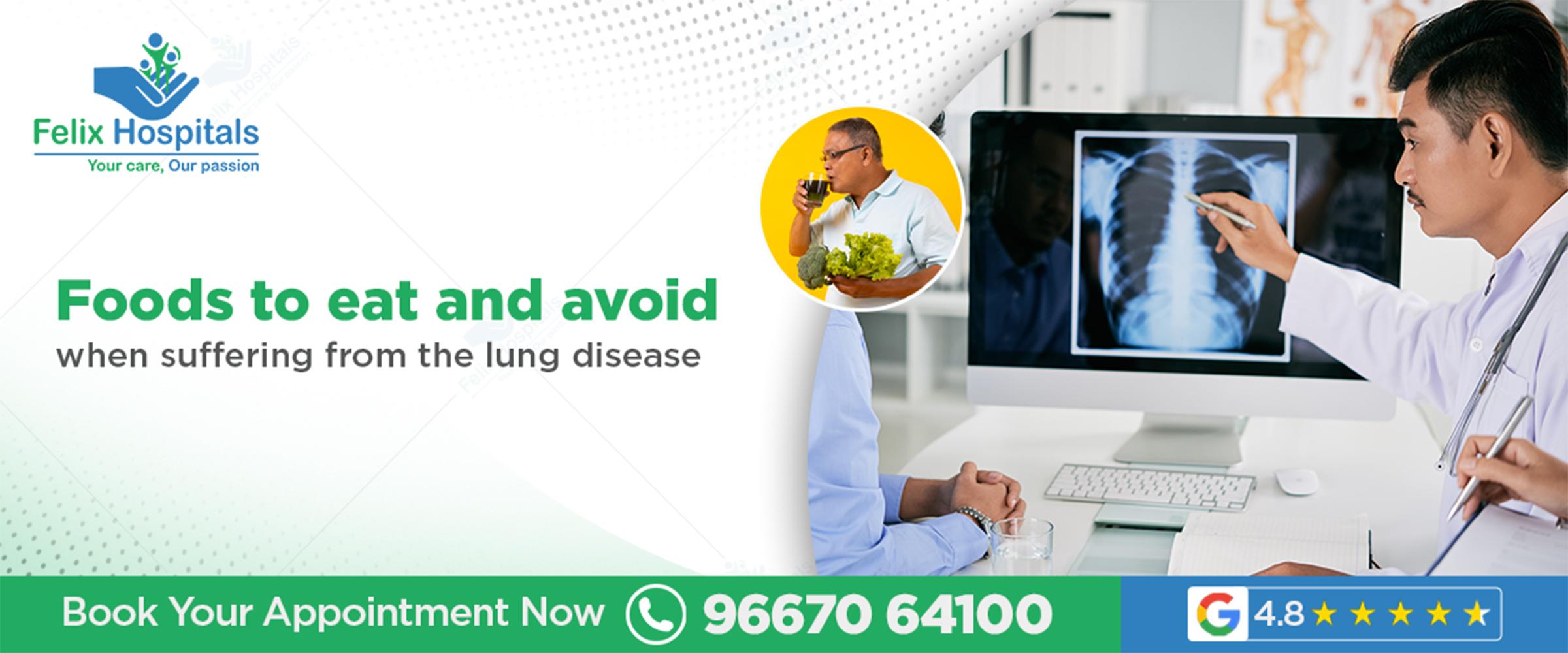
Nutrition is important in supporting lung health, particularly in those with chronic lung disease. Individuals with respiratory issues frequently suffer from low oxygen levels, fatigue, and inflammation, all of which can be impacted by nutritional decisions. Know what lung patients should eat daily for strengthening their immune system as well as performing better in breathing.
Good eating habits can also contribute to less inflammation in the airways and more energy. Diet may not be able to cure lung disease, but it can complement medical treatment and make life better. If you have persistent respiratory symptoms, you should see a pulmonologist in Noida or a lung specialist doctor in Noida for proper evaluation and advice.
Struggling with breathing issues or persistent lung symptoms? Proper medical care and lifestyle guidance can help improve lung health. Call +91 9667064100 to consult a pulmonologist in Noida.
Nutrition is a critical factor for keeping the respiratory system in good working order. The lungs receive proper nourishment and are bathed in antioxidants to shield the tissues from injury by the effects of pollutants, infections, and the inflammatory process. Studies have shown that high fruit, vegetable, and healthy fat (such as olive oil) diet patterns are linked to better lung function and fewer respiratory symptoms.
Furthermore, good nutrition can help you achieve and maintain a healthy weight. Overweight makes breathing harder and malnutrition can impair the muscles used to breathe. With knowledge of the foods that help maintain and improve lung function, patients can make informed choices in their diet to help support, maintain, and protect their lung function.
People who suffer from breathing problems are advised to eat a diet rich in nutrients that promote immune health and have anti-inflammatory properties. Adding the right foods with the right nutrients to each meal can boost your energy and help you breathe better. Dietary recommendations:
Fresh fruit, such as apples, berries, and oranges
Leafy greens like spinach and kale
Whole grains such as brown rice and oats
Sources of lean protein such as fish and poultry
Healthy fats from nuts and seeds
Sufficient water to stay hydrated
These foods provide essential vitamins, minerals, and antioxidants that help protect lung tissues.
Some foods have nutrients that support lung health and fight inflammation. Consumption of these foods is likely to enhance breathing potential. Foods that may enhance lung function include:
Vitamin C-rich foods like citrus fruits and bell peppers
Omega-3 fatty acids found in fish
Berries rich in antioxidants that help shield lung cells
Magnesium from foods such as nuts and beans aids muscle relaxationHigh-fibre foods that may reduce systemic inflammation
These nutrients play a role in maintaining healthy lung tissues and improving immune response.
Some foods might exacerbate inflammation, mucus, or breathing issues in people with lung disease. Foods to avoid or limit in your diet:
Packaged and processed foods
Fried oily foods
Soft drinks and sugar-laden desserts
Salty foods that make you retain fluids
Overconsumption of red meat
Refined carbs like white bread and pastries
Reducing these foods can help minimize inflammation and improve overall respiratory health.
For those with asthma, COPD, or other lung diseases, diet can affect how severe symptoms are. Malnutrition can impair the strength of respiratory muscles and the ability of the body to combat infections. Conversely, a balanced diet may enhance immune function and decrease airway inflammation.
Knowing which foods improve lung function enables patients to make better dietary choices to complement their medication and increase the amount they are able to breathe each day.
Developing a well-rounded meal plan helps support patients with breathing conditions to get foods rich in nutrients that contribute to respiratory health. Your healthy daily meal options could be:
Breakfast containing whole grains and fresh fruit
Lunch with lean protein and vegetables
Snacks like nuts or yogurt
Dinner with equal helpings of protein, grains and vegetables
Proper hydration all day long
Consistent meal planning can support better metabolism and energy levels for individuals with lung disease.
Certain foods can exacerbate breathing issues and be mucus-forming in some people. Among the foods that may cause symptoms are:
Too many dairy products for some people
Bubbly drinks that give you bloating spells
Saltage in your processed foods
Synthetic colors and preservatives
Spicy food that makes you cough
Those who have difficulty breathing after eating should talk to a lung specialist doctor in Noida about potential dietary triggers.
There is no substitute for good medical care and respiratory diseases certainly are no exception. Patients should see a physician if they have persistent lung symptoms. Seek medical care if you have:
Shortness of breath during normal activities
Chronic cough for several weeks
Wheezing or chest pressure
Recurrent respiratory infections
Trouble breathing when lying down
Breathlessness-induced tiredness
A pulmonologist in Noida can evaluate lung health and recommend treatment options.
Doctors use several diagnostic tests to evaluate respiratory health and determine the cause of symptoms.
Test | Purpose |
Spirometry | Measures lung capacity and airflow |
Chest X-ray | Detects infections or lung abnormalities |
CT Scan | Provides detailed imaging of lung structures |
Blood Tests | Evaluates oxygen levels and infection markers |
Pulse Oximetry | Measures oxygen saturation in blood |
These tests help specialists diagnose lung conditions accurately and guide treatment.
Treatment is determined by the type and severity of the respiratory disease. Appropriate medical management and good lifestyle practices can greatly impact outcomes. Treatment may include:
Bronchodilator drugs to open the airways
Anti-inflammatory medicines that reduce inflammation
Oxygen treatment for serious breathing problems
Programs for pulmonary rehabilitation
Treatment of an underlying infection or allergy
Patients should follow treatment recommendations provided by a lung specialist doctor in Noida.
Along with diet, some other lifestyle changes can contribute to better respiratory health and alleviate symptoms of lung disease. Sensible lifestyle practices include:
Not smoking and avoiding second-hand smoke
Doing some gentle exercise regularly
Using breathing techniques
Being at a healthy weight
Decreasing contact with air pollutants
Adhering to medication regimen as directed
These practices help support overall respiratory function.
Experiencing persistent cough, breathing difficulty, or lung health concerns? Consult an experienced pulmonologist in Noida or lung specialist doctor in Noida for expert guidance and treatment. Call +91 9667064100 to schedule your consultation.
Diet and lifestyle play an important role in maintaining lung health, especially for people with lung disease. Knowing what foods to eat and avoid can help improve lung function, reduce inflammation, and support overall well-being.
However, diet alone is not enough. Proper medical care is essential for effective management. Visiting a multi speciality hospital in Noida ensures accurate diagnosis, advanced treatment, and expert guidance for better lung health.
Dr. Priyadarshi Jitendra Kumar is an experienced General Practitioner with 20+ years of expertise in diabetes, thyroid disorders, hypertension, and infectious diseases. Recognized as a Best Pulmonologist in Noida, he specializes in respiratory emergencies, sleep disorders, and advanced pulmonology care.
Lung cancer is a serious condition that starts in the lungs and can spread to other parts of the body.
The cost of a Pulmonary Endarterectomy surgery depends on factors such as hospital facilities, surgeon fees, and post-operative care requirements.
Smoking doesn’t just damage your lungs—it also harms your ears, nose, and throat. Learn how tobacco use increases the risk of ENT infections, hearing loss, sinus issues, and more.
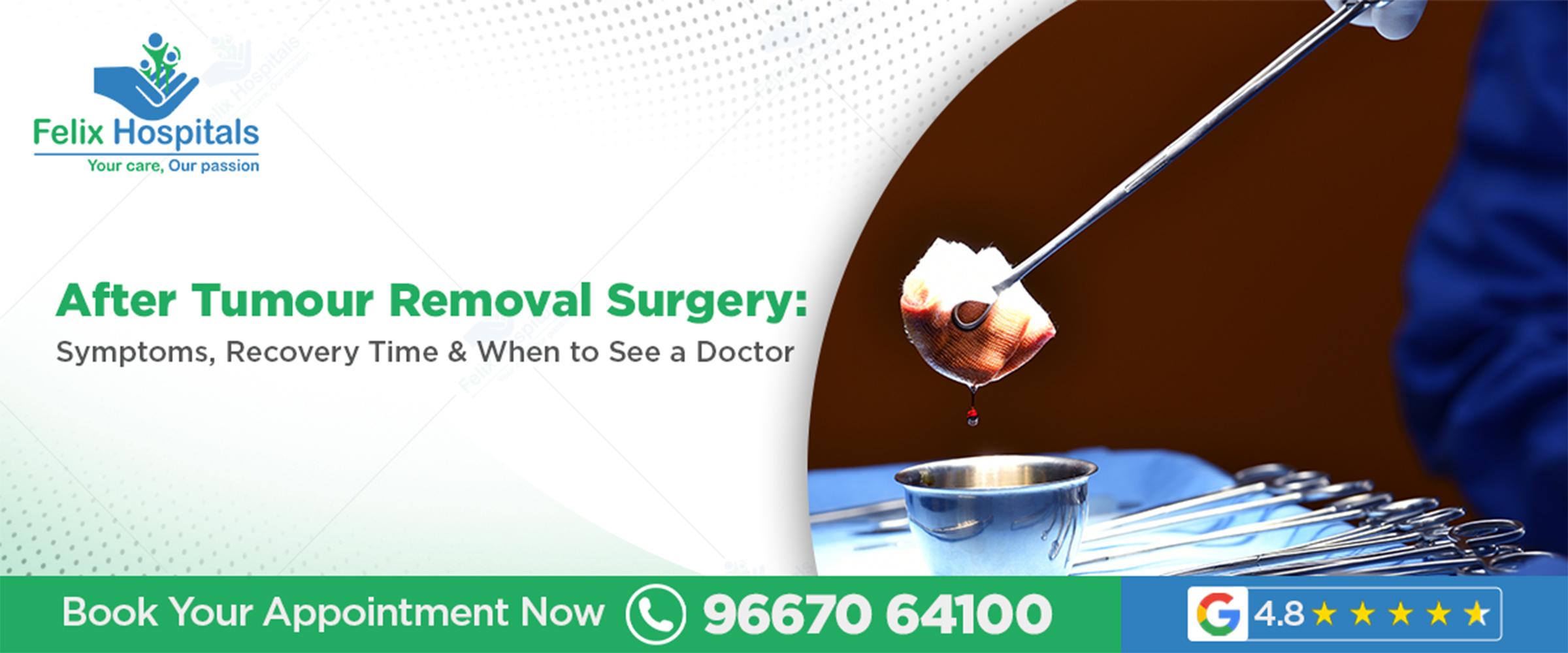
Removal of the tumor is often a key part of treating abnormal growth of tissue and preventing further health issues. The body needs time to heal and adjust after the surgery, so the recovering period is very important. Patients need to know what to expect physically, how long they are likely to take to heal and what kind of follow up care they might need in the way of related checks during this stage.
Although recovery indeed varies depending on the type of tumor and specific surgery location, as well as patient’s general health, still it is clear that proper post-surgical care and tumor surgery specialist in Noida would have stand-by support if any complication arises. Adequate post-operative care and guidance from the best tumor surgery specialist in Noida may facilitate safe healing and early detection of complications, if any.
Experiencing symptoms after tumor surgery or unsure about your recovery progress? Consult a specialist for proper post-surgical guidance. Call +91 9667064100 to consult a tumor surgery specialist in Noida.
Recovery from tumor surgery involves various phases in which the body heals from the operation. In that interval, tissue is healing, inflammation is subsiding, and the body is starting to function normally. Surgical wounds start healing within the first couple of days, but complete tissue healing can last for weeks or even months according to the type of procedure, as per the medical research.
Patients often initially feel fatigued or weak as the body is expending a great deal of energy to repair tissue and combat potential infection. Strict adherence to medical care during this time will contribute to a better recovery and minimize the risk of complications, both locally and systemically.
The recovery time after tumor removal surgery is different for everyone~ and is influenced by many medical and lifestyle factors. Some people have fast healing after small procedures and others need longer healing times after extensive surgeries. Things that commonly affect recovery include:
Size and location of the tumor excised
Difficulty of the operation
Patient’s age and general health
Having chronic diseases such as diabetes
Nutrition and immune status
Quality of post-operative wound care
These elements may influence the rate of healing and return to normal activities for the body and for the patient.
After tumor resection surgery recovery, some physical symptoms are normal and may be caused by the body’s healing process. These signs usually develop during the first several days following surgery and resolve, if properly cared for. Early symptoms of a necrotizing wound include:
Mild to moderate pain near the surgical site
Swelling or tenderness at the incision
Temporary fatigue or weakness
A small area of redness around the wound
Restricted movement, based on surgery location
Low-grade fever in early convalescence
These symptoms are usually temporary and improve as healing progresses.
People who are recovering from tumor surgery may experience some temporary physical changes as their body heals. These changes take place because surgery initiates inflammation and tissue repair processes.Changes that are common during recovery include:
Decreased appetite in the first few days
Difficulty sleeping due to pain or discomfort
Tenderness in the area surrounding the incision
Muscle soreness from lack of use
Temporary digestive problems as a result of medication
Maintaining proper nutrition and hydration during this stage supports the body’s healing process.
Although the majority of patients do well, some patients may develop complications after tumor removal surgery if they don’t follow instructions or if they have other health problems. Potential complications include:
Surgical site infection
Delayed wound healing
Internal bleeding
Nerve damage depending on tumor location
Blood clot formation
Recurrence of abnormal tissue growth in rare cases.
Early identification of complications helps doctors provide timely treatment and prevent serious health issues.
Although mild discomfort is to be expected, patients need to be informed about symptoms that may suggest complications in the postoperative period of after tumor removal surgery recovery. Warning signs include:
Increasing pain rather than slowly getting better
Persistent high fever with chills
Excessive swelling and redness around the incision site
Bleeding or discharging from the wound continuously
Shortness of breath or chest pain
Sudden weakness or lightheadedness
Recognizing these warning signs early can help prevent serious post-surgical complications.
When to see a doctor after tumor surgery is what you should know following tumor surgery for a safe recovery. Mild symptoms may be present, but some conditions need to be evaluated right away. Get medical help if you have:
Pain that does not get better with medicine
Severe swelling or redness around the area where you had surgery
Persistent nausea or vomiting
Trouble moving the area of the body that is affected
Frequent infections or fever
Strange discharge or bad smell from the wound
Consulting a tumor surgery specialist in Noida ensures proper evaluation and treatment.
Doctors may recommend follow-up evaluations to monitor the tumor surgery recovery process and ensure the surgical site is healing properly. These tests help detect infections, complications, or signs of recurrence.
Test | Purpose |
Physical Examination | Checks wound healing and recovery progress |
Blood Tests | Detect infection or inflammation |
CT Scan / MRI | Evaluates surgical site and surrounding tissues |
Ultrasound | Assesses internal healing depending on tumor location |
Biopsy (if required) | Checks abnormal tissue changes |
These tests help doctors monitor recovery and guide further treatment if necessary.
Adequate medical management is also a key factor for catalyzing the postoperative recovery of tumor removal surgery. Physicians usually give medications and instructions for sleep to help alleviate pain, prevent infection, and improve healing. Treatment may include:
Pain medication
Antibiotics to prevent infection
Anti-inflammatory medication to reduce swelling
Frequent changing and cleaning of the wound dressing
Physiotherapy depending on site of surgery
These treatments help ensure faster healing and reduce the risk of complications.
Routine follow-up visits are an essential part of the tumor surgery recovery. These visits enable the physicians to monitor healing and identify abnormal symptoms at an early stage. Follow-up care usually involves:
Watching the surgical wound
Assessing whether the drug is working
Testing for infection or inflammation
Reviewing the patient's overall progress
Modifying therapy if necessary
Attending scheduled follow-ups helps ensure safe and effective recovery.
These care tips for after tumor surgery can help the healing process and minimize complications of recovery. Following are a few of the care processes that will help:
Take medications as prescribed.
Eat a balanced diet, high in protein.
Drink plenty of water to keep hydrated.
Avoid vigorous physical activity at first.
Keep the surgical wound clean and dry.
Rest and sleep adequately.
These steps support faster tissue healing and overall recovery.
During recovery from tumor surgery, patients sometimes have to make temporary lifestyle adjustments to enable their body to heal. Lifestyle modifications may include:
Increasing physical activity gradually
Staying away from smoking and drinking
Eating a healthy diet approved by physicians
Trying light breathing or relaxation exercises
Healthy lifestyle habits can strengthen the immune system and promote faster healing.
There are various things you can do to help the recovery from tumor removal surgery go as smoothly as possible and help your body to heal.Helpful recovery strategies include:
Following medical advice
Eating nutritious food to help the recovery of your tissues
When you are able, take light exercise and keep moving
Controlling stress and anxiety while healing
Come to all follow-up medical visits
These strategies can help patients regain strength and return to daily activities safely.
If you notice unusual symptoms or delayed healing after surgery, do not ignore them.Consult experienced doctors at a tumor removal surgery hospital in Noida for expert recovery care. Call +91 9667064100 to speak with a tumor surgery specialist in Noida.
Recovery from tumor surgery is a slow and slow process, and there are things doctors and patients need to watch carefully during that time. Know after tumor removal surgery recovery so patients can identify normal healing signs and take necessary precautions in the healing process.
Observing the suggested post tumor surgery care tips, keeping the scheduled follow-up visits, and contacting the physician if warning signs appear, will help patients to minimize the risk of complications. Early identification and immediate consultation with experts to have safer healing and better long-term prognosis.

A concise guide explaining brain tumor surgery cost in Noida, including key factors, treatment options, and expert care.
Advanced neurosurgery improves treatment for brain and spine disorders with better outcomes.
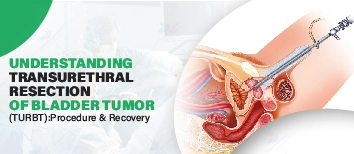
Bladder tumor (TURBT) is a serious condition that occurs when abnormal growths develop in the bladder, requiring transurethral resection to diagnose and treat effectively.

बच्चों में डिहाइड्रेशन यानी शरीर में पानी और जरूरी लवणों की कमी होना एक गंभीर समस्या होती है। यह समस्या खासकर छोटे बच्चों और शिशुओं में जल्दी होती है। क्योंकि उनके शरीर में पानी की मात्रा कम होती है और वह जल्दी डिहाइड्रेट होते हैं। उल्टी, दस्त, बुखार, ज्यादा पसीना या पर्याप्त पानी न पीने से बच्चों में डिहाइड्रेशन होता है। समय पर पहचान और सही इलाज से बच्चों को गंभीर स्थिति से बचाया जाता है। Gastrologist in noida में उपलब्ध है। नोएडा में बच्चों में डिहाइड्रेशन (Dehydration in Children in Noida), उल्टी-दस्त और पानी की कमी के इलाज के लिए अनुभवी बाल रोग विशेषज्ञ उपलब्ध हैं।
बच्चों की जांच या इलाज के लिए संपर्क करें: +91 9667064100
जब बच्चे के शरीर से पानी और इलेक्ट्रोलाइट्स (जैसे सोडियम और पोटैशियम) अधिक मात्रा में निकल जाते हैं और उनकी समय पर पूर्ति नहीं हो पाती, तब डिहाइड्रेशन की स्थिति बनती है। यह समस्या आमतौर पर बार-बार दस्त (Diarrhea), उल्टी, तेज बुखार, अधिक पसीना आने या पर्याप्त पानी व तरल पदार्थ न पीने के कारण होती है। शिशुओं और छोटे बच्चों में यह स्थिति जल्दी गंभीर रूप लेती है। इसलिए इसके लक्षणों की समय पर पहचान और तुरंत उपचार बेहद जरूरी होता है।
बच्चों में पानी की कमी कई कारणों से होती है, जैसे:
दस्त और उल्टी
वायरल या बैक्टीरियल संक्रमण
तेज बुखार (Fever)
बहुत ज्यादा पसीना आना
पर्याप्त पानी या दूध न पीना
गर्म मौसम या गर्म वातावरण
छोटे बच्चों में शरीर का मेटाबॉलिज्म (Metabolism) तेज होने के कारण पानी की कमी जल्दी होती है।
बच्चों में पानी की कमी होने पर निम्न लक्षण दिखाई देते हैं। यदि इन लक्षणों को नजरअंदाज किया जाए तो स्थिति गंभीर हो सकती है।
मुंह और होंठ सूखना (Dry lips)
कम पेशाब आना
पेशाब का रंग गहरा होना
बच्चा सुस्त या कमजोर दिखना
आंखें धंसी हुई लगनारोते समय आंसू न आना
त्वचा (skin) का सूखापन
चक्कर आना या चिड़चिड़ापन
डिहाइड्रेशन तब होता है। जब बच्चे के शरीर से पानी और जरूरी इलेक्ट्रोलाइट्स जरूरत से ज्यादा मात्रा में निकलते हैं। उनकी पूर्ति नहीं हो पाती। बच्चों में यह समस्या जल्दी बढ़ सकती है। इसलिए इसके अलग-अलग चरणों को समझना बहुत जरूरी है। आमतौर पर डिहाइड्रेशन (Dehydration) को तीन स्तरों में बांटा जाता है। हल्का, मध्यम और गंभीर।
इस स्थिति में शरीर में पानी की कमी बहुत ज्यादा नहीं होती है। लेकिन इसके शुरुआती संकेत दिखाई देते हैं। बच्चे को हल्की प्यास लगना शुरू होती है। मुंह या होंठ सूखे महसूस होते हैं। बच्चा सामान्य रूप से खेलता-कूदता और गतिविधियां करता रहता है। इसलिए कई बार माता-पिता इस स्थिति को गंभीरता से नहीं लेते। हालांकि यह डिहाइड्रेशन का शुरुआती चरण होता है। इसलिए इस समय बच्चे को पर्याप्त मात्रा में पानी, ओआरएस घोल (ORS Solution), नारियल पानी या अन्य तरल पदार्थ देना जरूरी होता है ताकि स्थिति आगे न बढ़े।
जब शरीर में पानी की कमी बढ़ती है। तब मध्यम डिहाइड्रेशन की स्थिति बनती है। इस अवस्था में बच्चे को कम पेशाब आना शुरू होता है। शरीर में कमजोरी महसूस होती है। बच्चा सुस्त और थका-थका दिखाई देता है। उसकी आंखें थोड़ी धंसी हुई लगती हैं। कई बार त्वचा भी सूखी लगती है। बच्चा सामान्य से कम सक्रिय होता है। इस अवस्था में बच्चे को तुरंत तरल पदार्थ देना और जरूरत पड़ने पर डॉक्टर से सलाह लेना बहुत जरूरी होता है। जिससे डिहाइड्रेशन गंभीर रूप न ले।
यह डिहाइड्रेशन का सबसे खतरनाक चरण होता है। इसमें बच्चे की जान को भी खतरा होता है। इस स्थिति में बच्चे को बहुत कम या बिल्कुल पेशाब नहीं आता, शरीर में तेज कमजोरी होती है। सांस तेज चलने लगती है। बच्चा अत्यधिक सुस्त हो सकता है, बेहोशी जैसी स्थिति होती है। भ्रम की अवस्था भी दिखाई देती है। होंठ और त्वचा बहुत ज्यादा सूखी हो सकती है तथा आंखें गहराई तक धंसी हुई दिखती हैं। गंभीर डिहाइड्रेशन की स्थिति में तुरंत बच्चे को नजदीकी अस्पताल ले जाना चाहिए, क्योंकि ऐसे मामलों में अक्सर डॉक्टर द्वारा नस के माध्यम से तरल पदार्थ देना पड़ता है। समय पर इलाज मिलने से बच्चे की स्थिति जल्दी सुधर सकती है और गंभीर जटिलताओं से बचाव संभव होता है।
डॉक्टर बच्चों में डिहाइड्रेशन की पहचान निम्न बातों से करते हैं:
बच्चे के लक्षण
शारीरिक जांच
पेशाब की मात्रा
त्वचा की नमी
शरीर के वजन में कमी
कभी-कभी जांच भी कराई जाती है।
जब बच्चे में डिहाइड्रेशन के लक्षण दिखते हैं। तो डॉक्टर सबसे पहले शारीरिक जांच करके उसकी स्थिति का आकलन करते हैं। यदि लक्षण ज्यादा गंभीर हों या लंबे समय तक बने रहें, तो डॉक्टर कुछ लैब टेस्ट (lab test) कराने की सलाह देते हैं। इन जांचों की मदद से यह पता लगाया जाता है कि शरीर में पानी और इलेक्ट्रोलाइट्स की कमी कितनी है और डिहाइड्रेशन का असली कारण क्या है।
ब्लड टेस्ट के माध्यम से शरीर में मौजूद इलेक्ट्रोलाइट्स जैसे सोडियम, पोटैशियम (Potassium), क्लोराइड (Chloride)आदि के स्तर की जांच की जाती है। डिहाइड्रेशन होने पर इन तत्वों का संतुलन बिगड़ता है। जिससे शरीर की कई महत्वपूर्ण क्रियाएं प्रभावित होती हैं। ब्लड टेस्ट से यह भी पता चलता है कि शरीर में पानी की कमी कितनी ज्यादा है और क्या बच्चे को तुरंत तरल पदार्थ या दवाओं की जरूरत है।
यूरिन टेस्ट (Urine Test) से यह पता लगाया जाता है कि शरीर में पानी की मात्रा पर्याप्त है या नहीं। अगर बच्चे के शरीर में पानी की कमी होती है, तो पेशाब का रंग गहरा हो सकता है और उसकी मात्रा भी कम होती है। इस जांच के जरिए किडनी की कार्यक्षमता (Kidney Function) और शरीर के हाइड्रेशन स्तर का अंदाजा लगाया जाता है।
सीबीसी टेस्ट (CBC Test) खून की सामान्य जांच होती है। जिससे शरीर में किसी संक्रमण (इन्फेक्शन) की संभावना का पता लगाया जाता है। कई बार बच्चों में दस्त, उल्टी या बुखार किसी बैक्टीरियल या वायरल संक्रमण के कारण होता है, जिससे डिहाइड्रेशन की स्थिति बन जाती है। सीबीसी रिपोर्ट से डॉक्टर यह समझ पाते हैं कि बच्चे के शरीर में संक्रमण है या नहीं और उसी के अनुसार इलाज की योजना बनाई जाती है।
डिहाइड्रेशन का इलाज (Treatment for Dehydration) उसकी गंभीरता पर निर्भर करता है। यदि समय रहते सही उपचार शुरू कर दिया जाए तो ज्यादातर बच्चे जल्दी ठीक होते हैं। उपचार का मुख्य उद्देश्य शरीर में पानी और इलेक्ट्रोलाइट्स की कमी को पूरा करना और डिहाइड्रेशन के मूल कारण जैसे दस्त, उल्टी (Vomit) या बुखार को नियंत्रित करना होता है।
हल्के डिहाइड्रेशन की स्थिति में आमतौर पर बच्चे का इलाज घर पर ही किया जा सकता है। इस अवस्था में शरीर में पानी की कमी ज्यादा नहीं होती, इसलिए बच्चे को अधिक मात्रा में तरल पदार्थ देना सबसे महत्वपूर्ण होता है।
ओआरएस शरीर में पानी और इलेक्ट्रोलाइट्स की कमी को जल्दी पूरा करने में मदद करता है। इसे थोड़ी-थोड़ी मात्रा में बार-बार देना चाहिए।
पर्याप्त पानी– बच्चे को दिन भर में पर्याप्त मात्रा में साफ पानी पिलाना जरूरी है।
नारियल पानी– नारियल पानी प्राकृतिक इलेक्ट्रोलाइट्स का अच्छा स्रोत है और शरीर को जल्दी हाइड्रेट करने में मदद करता है।
सूप और तरल आहार– दाल का पानी, सब्जियों का सूप, चावल का माड़ जैसे हल्के और तरल आहार भी शरीर में तरल की कमी को पूरा करने में सहायक होते हैं। यदि बच्चे को हल्के डिहाइड्रेशन के साथ दस्त या उल्टी हो रही हो तो उसे आराम देने के साथ-साथ तरल पदार्थ नियमित रूप से देना जरूरी होता है।
जब शरीर में पानी की कमी बढ़ जाती है, तब मध्यम डिहाइड्रेशन की स्थिति बनती है। ऐसे मामलों में बच्चे को अधिक सावधानी और डॉक्टर की निगरानी की जरूरत होती है।
डॉक्टर की सलाह के अनुसार बच्चे को नियमित अंतराल पर ओआरएस देना जरूरी होता है ताकि शरीर में तरल और इलेक्ट्रोलाइट्स का संतुलन बना रहे।
इस अवस्था में बच्चे की स्थिति पर नजर रखना जरूरी होता है ताकि यदि हालत बिगड़े तो तुरंत इलाज किया जा सके।
यदि डिहाइड्रेशन का कारण उल्टी या दस्त है, तो डॉक्टर इसके लिए उपयुक्त दवाएं देते हैं ताकि तरल की और अधिक कमी न हो। इस चरण में सही समय पर इलाज मिलने से डिहाइड्रेशन को गंभीर होने से रोका जा सकता है।
गंभीर डिहाइड्रेशन एक आपात स्थिति होती है और इसमें तुरंत अस्पताल में इलाज की जरूरत पड़ती है। इस अवस्था में बच्चे का शरीर काफी कमजोर हो सकता है और घर पर इलाज पर्याप्त नहीं होता।
अस्पताल में भर्ती– बच्चे को तुरंत अस्पताल में भर्ती कराकर चिकित्सा विशेषज्ञों की देखरेख में रखा जाता है।
आईवी फ्लूइड (ड्रिप)– शरीर में पानी और इलेक्ट्रोलाइट्स की कमी को जल्दी पूरा करने के लिए नस के माध्यम से तरल पदार्थ (IV Fluids) दिए जाते हैं।
लगातार निगरानी– डॉक्टर और नर्स बच्चे की सांस, दिल की धड़कन, पेशाब की मात्रा और अन्य महत्वपूर्ण संकेतों की लगातार निगरानी करते हैं। यदि समय पर सही उपचार मिल जाए तो गंभीर डिहाइड्रेशन से भी बच्चे को सुरक्षित बाहर निकाला जा सकता है। समय पर पहचान और उचित इलाज से ज्यादातर बच्चे जल्दी स्वस्थ हो जाते हैं और किसी गंभीर जटिलता से बचाव संभव होता है।
उल्टी या दस्त ज्यादा होने पर डॉक्टर से तुरंत संपर्क करें। बच्चों में पानी की कमी दूर करने के लिए:
ओआरएस घोल दें
नारियल पानी दें
हल्का भोजन दें
फल और जूस दें
बार-बार थोड़ा-थोड़ा पानी दें
बच्चों को पर्याप्त पानी पिलाएं
साफ और पौष्टिक भोजन दें
हाथ धोने की आदत डालें
दस्त-उल्टी होने पर तुरंत ओआरएस दें
गर्म मौसम में तरल पदार्थ बढ़ाएं
बच्चों में डिहाइड्रेशन के लक्षण दिखाई देने पर सबसे पहले पीडियाट्रिशियन (बाल रोग विशेषज्ञ) से संपर्क करना चाहिए। यदि बच्चे को बार-बार उल्टी, तेज दस्त, सुस्ती, कम पेशाब या तेज बुखार हो तो तुरंत डॉक्टर से जांच करानी चाहिए। फूड पॉइजनिंग का इलाज नोएडा में उलब्ध है। नोएडा में अनुभवी बाल रोग विशेषज्ञ (Pediatrician in Noida) बच्चों में डिहाइड्रेशन, उल्टी-दस्त और संक्रमण का सही इलाज उपलब्ध कराते हैं।
नोएडा में बच्चों के विशेषज्ञ डॉक्टर से अपॉइंटमेंट: +91 9667064100
बच्चों में डिहाइड्रेशन एक सामान्य लेकिन गंभीर समस्या बनती है। समय पर लक्षण पहचानना और सही इलाज शुरू करना बहुत जरूरी है। माता-पिता को बच्चों के पानी पीने की मात्रा, पेशाब (Urine) और व्यवहार पर ध्यान देना चाहिए। सही समय पर डॉक्टर से परामर्श लेने से गंभीर जटिलताओं से बचा जा सकता है। इलाज में देरी नहीं करनी चाहिए। इससे नुकसान होता है।
Dr. Niraj Kumar is an experienced Pediatrician and Neonatology Specialist with 11+ years of expertise in newborn care, childhood illnesses, vaccination, nutrition, and child growth and development.

बच्चों में निमोनिया एक गंभीर श्वसन संक्रमण है जो समय पर पहचान और सही इलाज से पूरी तरह ठीक हो सकता है।
खांसते समय सीने में दर्द कई कारणों से हो सकता है, जैसे संक्रमण, मांसपेशियों में खिंचाव या फेफड़ों की समस्या। नोएडा में इसके लिए विशेषज्ञ इलाज उपलब्ध है।

बच्चों में इम्यूनिटी कमजोर होने पर बार-बार बीमारियां, थकान और विकास में रुकावट जैसे लक्षण दिख सकते हैं। सही कारण पहचानकर समय पर इलाज से बच्चे को स्वस्थ रखा जा सकता है।
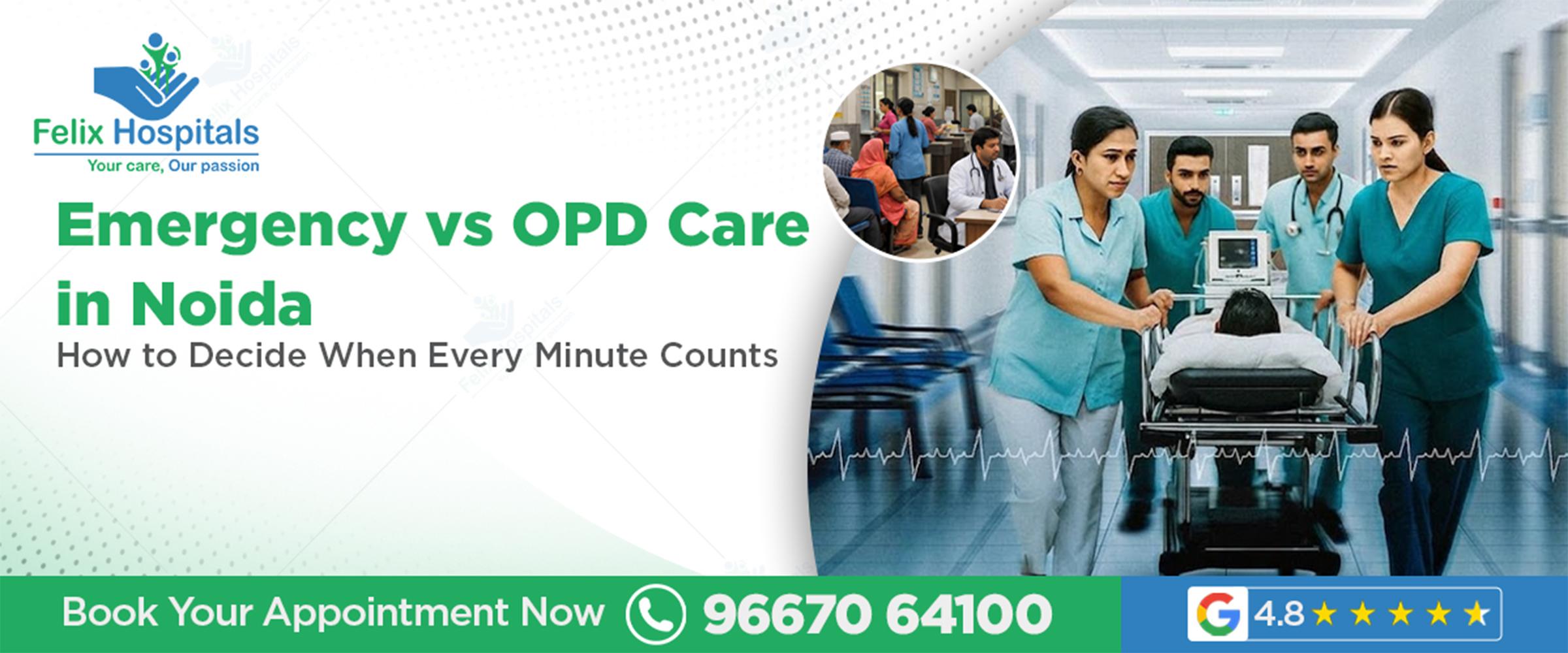
Knowing the difference between emergency vs OPD care will help with quick and safe healthcare decision-making when symptoms suddenly arise. Several patients are confused as to whether a medical problem can be entertained as a 'medical emergency' or whether it can wait for an appointment in the OPD. Selecting the correct medical service at the appropriate time can greatly influence the outcome of treatment and convalescence.
In congested city centers, hospitals often have a variety of services, including emergency and OPD. Get to know when to avail OPD services Noida hospitals and when you should head to the emergency department for a quick and appropriate medical attention.
Not sure whether your symptoms need urgent attention? Consult a doctor immediately to get the right guidance and treatment. Call +91 9667064100 for emergency doctor consultation in Noida.
Awareness of what constitutes an emergency vs OPD care allows patients to make an informed decision on where to seek treatment according to the severity of their symptoms. Emergency care treats conditions that are life threatening and require immediate medical attention, whereas routine health related matters and pre-planned meetings are covered by OPD services Noida.
The following are the main distinctions:
Emergency services are open 24 hours for urgent medical attention
OPD care consists of pre–scheduled consultations with experts
An emergency department treats a life-threatening injury or illness
OPD clinics conduct routine physical exams, follow-up visits, and treat minor illnesses
Critical care support and monitoring are also part of the emergency service
Round the clock 24-hour hospital services Noida found at hospitals are such that none of the doors of the emergency departments are ever closed to any patients.
Awareness of symptoms that need emergency care can enable people to receive timely care before their condition turns life-threatening. Emergency symptoms may arise suddenly and worsen quickly without treatment.
Signs of alert include:
Severe chest pain or pressure in the chest
Sudden breathing difficulty or shortness of breath
Uncontrolled bleeding, or deep wounds
Sudden weakness or numbness to one side of your body
Fainting or seizures
Severe head injuries or trauma
Prompt care at the hospital emergency services Noida may also enable the patient's condition to be stabilized and additional complications to be averted.
Knowing when to go to emergency vs OPD guides the patients on visiting the relevant healthcare system for their disease. Some medical problems call for immediate attention, and others can comfortably wait for a meeting.
When to visit emergency:
Sudden severe pain or injury
Difficulty breathing or choking
Heavy bleeding that won’t stop
An anaphylaxis
Stroke or heart attack symptoms
Mild fever/infections
General health check ups
Chronic diseases check up
Safe joint/muscle pain that the patient can wait for a day or two at home
Prescription refills
The correct decision enables them to be treated more quickly and by more appropriate medical personnel.
Knowing how to identify medical emergencies can enable families to act quickly when a major health problem arises. A number of emergencies arise suddenly and need prompt hospitalization.
Signs that are important include:
Sudden severe pain that rapidly intensifies
Trouble speaking, walking, or using your arms or legs
Constant vomiting or dehydration
High fever accompanied by confusion or seizures
Rapid identification of these symptoms enables the patient to come to the Noida hospital emergency services at the earliest.
Having the right healthcare facilities also matters while picking the services of the best hospital in Noida. Hospitals usually provide several amenities, such as outpatient department, emergency unit, diagnostic center and consulting by specialists.
Things to consider include:
Emergency facilities on site 24/7
Knowledgeable emergency care physicians available
Imaging and lab tests are among the diagnostic services
Specialists are available for follow-up care
Such hospitals that are equipped with emergency and OPD services, enables the patients to get complete care from a single roof.
Types of tests needed for an appropriate diagnosis play important role in hospital emergency services Noida where doctor has to make a quick judgement about a patient’s condition and start the treatment at the earliest. Emergency doctors conduct rapid assessments to stabilize patients and determine the cause of symptoms.
Test | Purpose |
Vital Signs Monitoring | Checks heart rate, blood pressure, and oxygen levels |
Blood Tests | Detects infections, organ problems, or electrolyte imbalance |
X-ray | Identifies fractures or lung problems |
CT Scan | Detects internal injuries or brain conditions |
ECG | Evaluates heart rhythm and detects heart attack signs |
These diagnostic procedures help emergency teams make quick and accurate treatment decisions.
Intervention strategies are different for emergency vs OPD care patients. Emergency departments are for acute stabilization, OPD services are for chronic disease management and primary care.
Rapid stabilization of breathing and circulation
Emergency medications or injections
Traumas and injuries management
Emergency surgery when required
Intensive monitoring in critical care units
Medical consultations and diagnosis
Medications for chronic conditions
Lifestyle and prevention advice
Referral for diagnostic tests
Review appointments for chronic diseases
Both these services co-ordinate to provide a holistic medical care to the patients.
Increasing knowledge of how to identify medical emergencies could also allow families to respond more quickly in an emergency situation. Early identification and intervention can make a significant difference in patient outcomes.
Prevention tips that may be helpful include:
Recognizing some of the common signals of heart attack and stroke
Make your emergency contact numbers easy to find
Aging, chronic conditions (such as diabetes, high blood pressure etc.) Not delaying when you have serious.
symptoms
Getting regular medical checkups to catch health problems early
Preparedness reduces risk and enhances response in an emergency.
If you are unsure whether your symptoms require urgent attention or a routine consultation, seeking professional guidance is the safest option.
Consult experienced doctors for emergency doctor consultation in Noida at hospitals offering 24-hour hospital services Noida. Call +91 9667064100 for immediate medical assistance.
The distinction between emergency vs OPD care enables recipients of healthcare to utilise appropriate services in situations of both medical urgency and non-urgent medical need. Although the OPD is for routine checkups and follow-ups, the emergency service is to deal with breath-taking situations where life-threatening injuries are attended to first.
Better awareness of these services and the early detection of alarm symptoms can prevent patients from treatment delay. When people use the correct healthcare service at the correct time, they get diagnosed sooner, treated better and end up healthier.
Get immediate, expert care for your child at the best pediatric emergency centers in Noida. Available 24/7, these facilities offer advanced treatment, experienced pediatricians, and specialized care for urgent child health issues.
Accidental and Emergency Services in Noida provide 24/7 urgent medical care, advanced trauma management, and rapid response to save lives when every second counts.
Noida mein cardiac emergency ke liye turant, vishwasniya aur expert care—aapke dil ki suraksha hamari zimmedari.
Diabetic coma is a life-threatening complication of diabetes that requires immediate medical attention. Learn about its early symptoms, causes, and emergency treatment options available in Noida to prevent serious health risks.
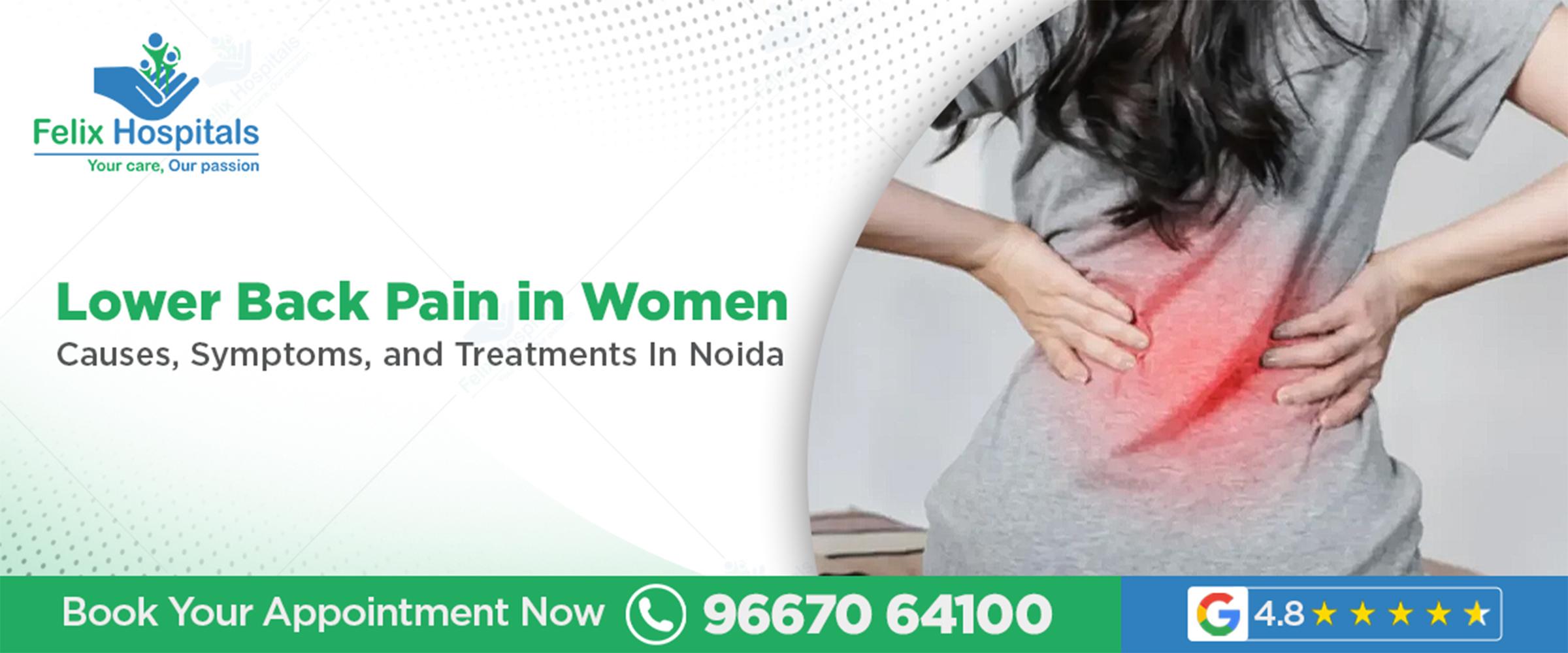
Lower back pain in women is a significant health problem and has effects on mobility, comfort, and quality of life. Hormonal changes, physical stress, pregnancy-related transformations, and the way women live their lives are among the diverse causes for women’s back pain. Although mild pain may go away with a period of rest, chronic pain can disrupt daily activities, such as sitting, walking or lifting items.
Despite the fact that many women suffering from back pain ignore it, treating it as a passing fatigue or bad posture, but many others do take it seriously. Fortunately, in many instances, early medical assessment and lower back pain treatment in Noida can lead to the diagnosis of the underlying cause and its reversal.
Experiencing persistent back pain or discomfort in the lower spine? Early evaluation can help identify the cause and prevent complications. Call +91 9667064100 to book a consultation today.
Causes of lower back pain in females contributes to the prediction of potential causative factors and aids in the management of the condition. Women’s back pain may be due to musculoskeletal or hormonal changes.
Sitting too much or working long hours in bad posture
Muscle strain from lifting something heavy or making an abrupt motion
Weak core muscles from lack of exercise
Hormonal changes that influence joint flexibility
Obesity, which adds extra weight on the spine
Spinal diseases, such as herniated disc or muscle spasms
Medical research has found that women are predisposed to certain musculoskeletal conditions, possibly because hormonal changes affect ligaments' elasticity and joint stability.
Awareness of the symptoms of lower back pain in women can identify the issue at an early stage and obtain medical treatment before the pain becomes unbearable.
The most usual symptoms:
Chronic pain or dull ache in the lower back
Stiffness after sitting or lying down for a prolonged period of time
Bending over, standing up or lifting things can be difficult
Pain traveling into the hips or thighs
Spasming muscles or muscle tightness in the back
The severity of these symptoms may also depend on the cause and the state of health of the person.
Women are more susceptible to lower back pain following pregnancy as result of the physical and hormonal changes experienced during and after gestation. As the body adjusts to carrying a growing baby, pregnancy is tough on the spine and the muscles surrounding it.
Weak abdominals following delivery of the baby
Postural adaptations during pregnancy
Relaxed ligaments due to pregnancy hormones
Weight gain while pregnant
Pressure on the joints in the pelvis and spine
Around half of women experience back pain during pregnancy or postpartum, and consulting a Back Pain Doctor in Noida can help ensure proper diagnosis and effective treatment.
Menstrual cycle and back pain are often associated, as menstrual hormones can affect pelvic tissue and muscle tension. Numerous females experience lower back pain in the days before they start their menstrual cycle.
Factors that may contribute include:
Uterine contractions during menstruation
Increased prostaglandin hormone levels
Pelvic inflammation
Reduced physical activity during menstrual discomfort
Increased sensitivity to pain signals
These factors may cause temporary back pain that usually resolves once the menstrual cycle ends.
Certain hormonal causes of back pain in women are linked to fluctuations in estrogen and progesterone levels. These hormones influence ligament strength and joint stability, which may affect spinal support.
Back pain can be caused by hormones including:
Hormonal changes during periods
Hormonal changes in pregnancy
Drop in estrogen at menopause
There may be a combination of these factors leading to the increased prevalence of musculo-skeletal pain in women.
While mild back pain can be treated conservatively, women with chronic lower back pain should consult a physician if the symptoms are debilitating or do not improve. although wait for the result of an x-ray image of my lumbar spine.
Warning Signs Are Included:
Pain lasting more than a few weeks
Severe back pain that limits activity
Numbness or tingling with pain
Problems standing, walking or bending over
Back pain after injury
Early medical intervention is needed to prevent complications and to ascertain if the upper airways are involved.
Accurate diagnosis is essential for identifying the cause of treatment for lower back pain in women and selecting the right therapy. Doctors usually begin with a detailed medical history and physical examination.
Test | Purpose |
Physical Examination | Evaluates spine movement and muscle strength |
X-ray | Detects structural problems in the spine |
MRI Scan | Identifies disc issues or nerve compression |
Blood Tests | Checks for inflammation or infections |
Bone Density Test | Detects osteoporosis or bone weakness |
These diagnostic methods help specialists determine the root cause of back pain and create personalized treatment plans.
A good treatment for lower back pain in women can be determined on the basis of causes of the pain, how bad the symptoms are, and the general health of the patient. Treatment started early can bring relief from pain and return motion.
Treatment may involve:
Pain medication prescribed by a physician
Physiotherapy to strengthen the back
Posture correction and ergonomic modifications
Massage for relaxing muscles using heat or cold
Lifestyle adjustments, such as weight loss
Intervention of specialist for complicated spinal problems if required
There is good clinical evidence that supervised physiotherapy/core stability exercises can improve outcome in a large proportion of episodes of back pain.
The above-mentioned good practices can not only prevent the incidence of low back pain in women from recurring but will also help to keep the spine in better shape as women get older.
Preventive measures include:
Using proper posture when you sit or work
Do regular stretching and strengthening exercises
Take breaks, don’t sit too long without getting up
These safeguards help protect your spine and prevent undue strain on your lower-back muscles.
For persistent pain in your back or trouble completing your day-to-day living, professional care can determine the root of your pain and assist you in regaining pain-free, enjoyable activities.
Consult specialists for lower back pain treatment in Noida at the best hospital for female back pain in Noida. Call +91 9667064100 to schedule your consultation today.
Lower back pain in women is a common health problem influenced by factors such as hormones, lifestyle habits, pregnancy strain, and spinal health. Although mild discomfort may occur occasionally, persistent pain should not be ignored as it may indicate underlying musculoskeletal or hormonal conditions. Consulting the best orthopedic doctor noida can help in accurate diagnosis and effective treatment.
With early diagnosis, appropriate treatment, and preventive lifestyle changes, women can effectively manage back pain and improve their overall quality of life. Timely medical care helps prevent complications and supports long-term spinal health.
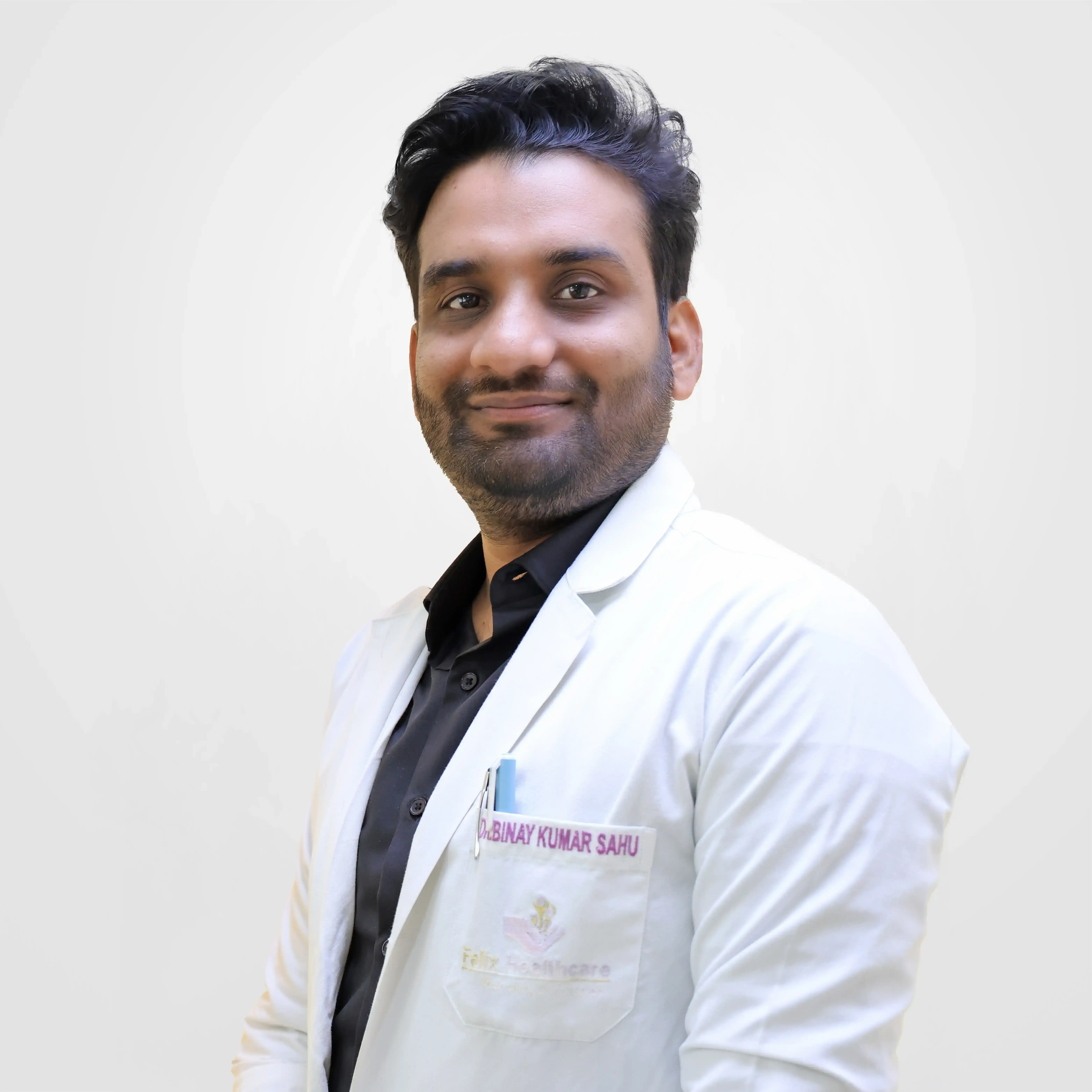
Dr. Binay Kumar Sahu is an experienced Orthopedic and Traumatology specialist with 11+ years of clinical practice. He has extensive expertise in complex trauma, arthroscopy, arthroplasty, musculoskeletal tumors, and hand surgery. Recognized among the Best Orthopedics in Noida, he provides comprehensive and advanced orthopedic care.

Are you struggling with constant back pain that affects your daily life? Back pain can result from poor posture, long sitting hours, slip disc, muscle strain, or spinal problems.

Learn 10 simple and effective remedies to relieve post-C-section back pain. Improve posture, reduce discomfort, and speed up recovery with safe, doctor-recommended methods.
Endoscopic Spine Surgery in Noida offers a revolutionary, minimally invasive solution for chronic back and spine-related pain

Is your child complaining of back pain? Discover causes, symptoms, treatment, and prevention tips to protect your child’s spine and overall health.
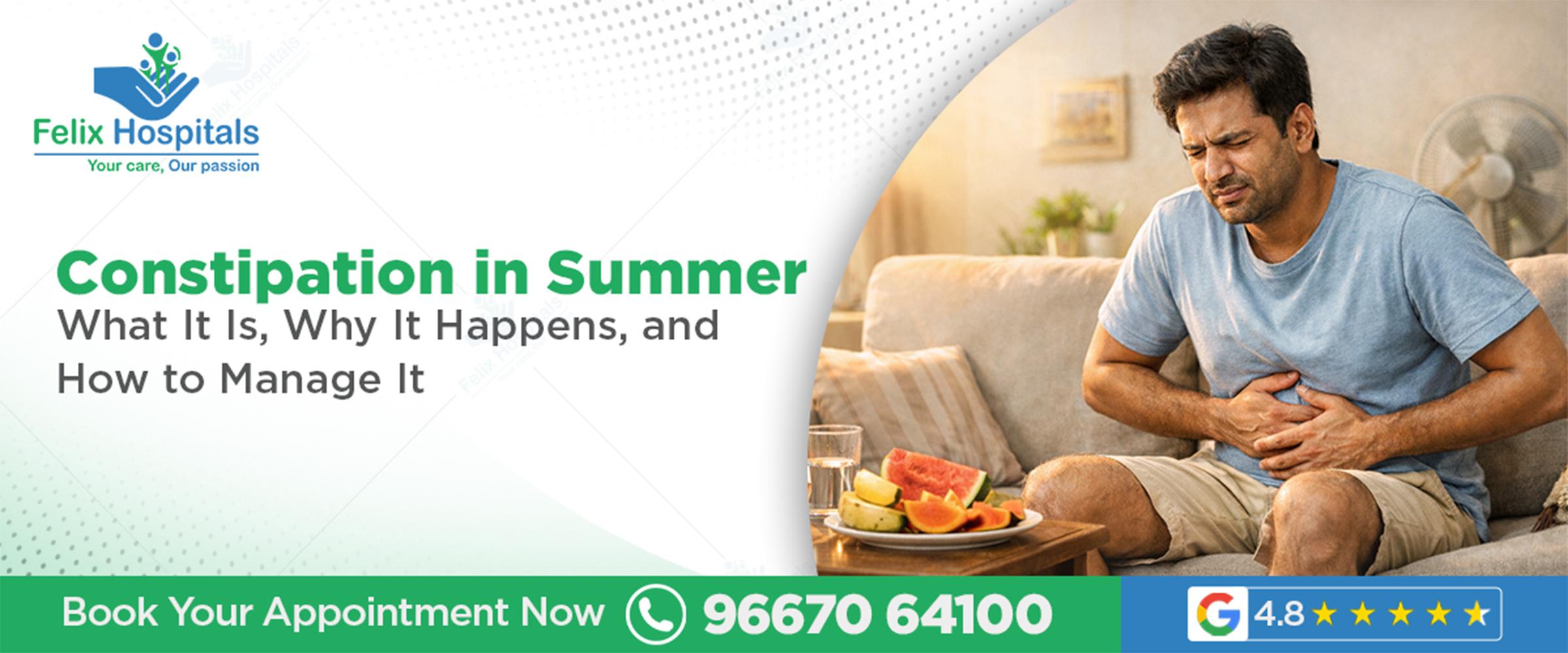
Changes of season can affect digestion, and many people suffer from summer constipation due to dehydration, diet changes, and reduced physical activity. Constipation occurs when a person has difficulty passing stools or experiences infrequent bowel movements, leading to discomfort, bloating, and abdominal pain. Understanding the causes of constipation in summer can help individuals take the right precautions to maintain better digestive health during hot weather.
When temperatures rise, the body loses more water through sweating. This can make stools drier and harder to pass. Early recognition of digestive issues in summer and adopting healthy lifestyle habits can help prevent constipation.
Experiencing persistent digestive discomfort or irregular bowel movements during summer? Early medical guidance can help identify the cause and improve digestive health.
Call +91 9667064100 to consult a Gastroenterologist in Noida for constipation treatment.
Constipation is a digestive condition that results in reduced frequency of bowel movements and/or difficulty passing stools. It is commonly caused by passage of stool too slowly through the colon, resulting in excessive reabsorption of water from the stool
In warm weather, not drinking enough fluids and eating poorly can lead to constipation, so make sure to stay hydrated and eat plenty of fibre-rich foods.
Symptoms of constipation typically include:
Less than 3 bowel movements per week
Straining to have a bowel movement
Feeling of incomplete evacuation
Knowing these symptoms allows people to prevent digestive troubles in summer from escalating too far.
Many lifestyle and environmental factors can lead to Summer Constipation. Warm weather can affect hydration and eating habits, and these two factors are essential for good digestion.
Common reasons are:
Dehydration due to excessive sweating
Inadequate consumption of dietary fibers
Limited outdoor activities in summer heat
Diet rich in processed or low-fiber foods
Recognizing the Causes of Constipation in Summer enables one to take step ahead towards prevention and thus prevention for a healthy digestion.
Summer, in addition to constipation, can also cause a number of digestive problems. These can be products of dehydration, food poisoning or simply modifications in diet. Some examples of summertime digestive disorders are:
Heartburn and bloating
Acidity and gas
Digestive disorders
Diarrhea due to contaminated water
These digestive problems can be minimized by good hygiene and well balanced nutrition.
People with Summer Constipation may observe a range of bodily symptoms that disrupt daily comfort and life activities.
Typical symptoms are:
Abdominal bloating
Having a feeling of fullness in the abdomen
Loss of appetite
Painful bowel movements
If you have symptoms that don't get better, you should see a gastroenterologist in noida to rule out any underlying digestive disease.
It is important in the diet to keep bowel movements regular. Addition of some food items can help you to avoid risk of constipation in summer and maintain good digestive activity.
The following are the suggested foods that can help to prevent constipation during summer:
Watermelon, papaya, oranges and other fresh fruits etc.
High fiber vegetables like spinach, cucumber and carrots etc.
Whole grain products like oats and brown rice
Beans and lentils such as legumes
Yogurt and probiotic foods for gut health
Eating a balanced diet with plenty of fibre and fluids promotes healthy digestion and can prevent constipation.
Proper hydration is necessary for normal bowel movements. Water softens stool and promotes its movement as well as the food through the gastrointestinal tract.
To prevent Summer Constipation, you should:
Drink water regularly during the day
Eat fruits and vegetables that are hydrating
Avoid caffeine or sugary drinks
These are the behaviors that maintain digestive homeostasis in the heat.
Sometimes correcting constipation requires only modest lifestyle changes. Learning how to prevent and treat constipation in summer can help you maintain smooth digestion and avoid recurring symptoms.
Useful tips are as follows:
Add more fiber to your diet each day.
Have your meals at regular intervals.
Perform light exercise.
Drink plenty of water all day long.
Limit your consumption of processed foods.
These actions will help you keep a regular bowel habit, and will also diminish any stomach problems.
If symptoms persist despite lifestyle modifications, medical attention might be necessary. Depending on the severity and cause, doctors may suggest various treatments.
Treatment may include:
Lifestyle changes and dietary fiber supplements
Fluids therapy
Medications and/or stool softeners if applicable
Underlying digestive disease treatment
A visit to the Gastroenterologist in Noida would assure you of proper diagnosis and results oriented treatment for constipation in Noida.
Consistently practicing good healthy habits may aid in preventing constipation and keeping digestion balanced throughout the summer.
Good habits to adopt are:
Eat your meals at around the same time every day.
Make sure to eat something high in fiber with every meal.
Keep active
Reduce stress
Sleeping enough (high stress levels= low sleeping)
These habits encourage a healthy digestion over time and lower your chances of having Digestive Problems in Summer.
Lifestyle Factor | How It Affects Digestion | Helpful Adjustment |
Skipping meals | Slows digestive activity | Maintain regular meal schedule |
Low fiber diet | Reduces stool bulk | Include fruits and vegetables |
Dehydration | Hardens stool | Increase water intake |
Prolonged sitting | Slows intestinal movement | Stay physically active |
High processed food intake | Reduces digestive efficiency | Choose fresh foods |
Occasional constipation can be relieved with changes in lifestyle, but there are some symptoms that are a sign of urgent need of consultation.
Consult a Gastroenterologist in Noida in case of the following symptoms:
Constipation that lasts more than a week
Severe pain in the abdomen
Presence of blood in the stool
Unexplained loss of weight
Continuous stomach trouble
The digestive system can be affected by seasonal changes, and many people experience constipation in summer due to dehydration, poor eating habits, and lack of exercise. Understanding the causes of constipation in summer, along with early signs and symptoms of digestive disorders, can help prevent the condition and maintain better gut health.
With healthy eating habits, proper hydration, and effective tips on how to get rid of constipation in summer, you can improve your digestive health even during extreme heat. If symptoms persist or worsen, it is important to consult an expert at a Gastroenterology hospital in Noida for accurate diagnosis and timely treatment. You can also visit the best gastroenterologist in Noida for proper care and constipation treatment.
Get expert constipation treatment in Noida. Learn about common causes, symptoms, and the best relief options to improve digestive health.
Struggling with constipation in summer? Learn its causes, symptoms, and effective remedies. Stay hydrated and follow expert tips for better digestive health.
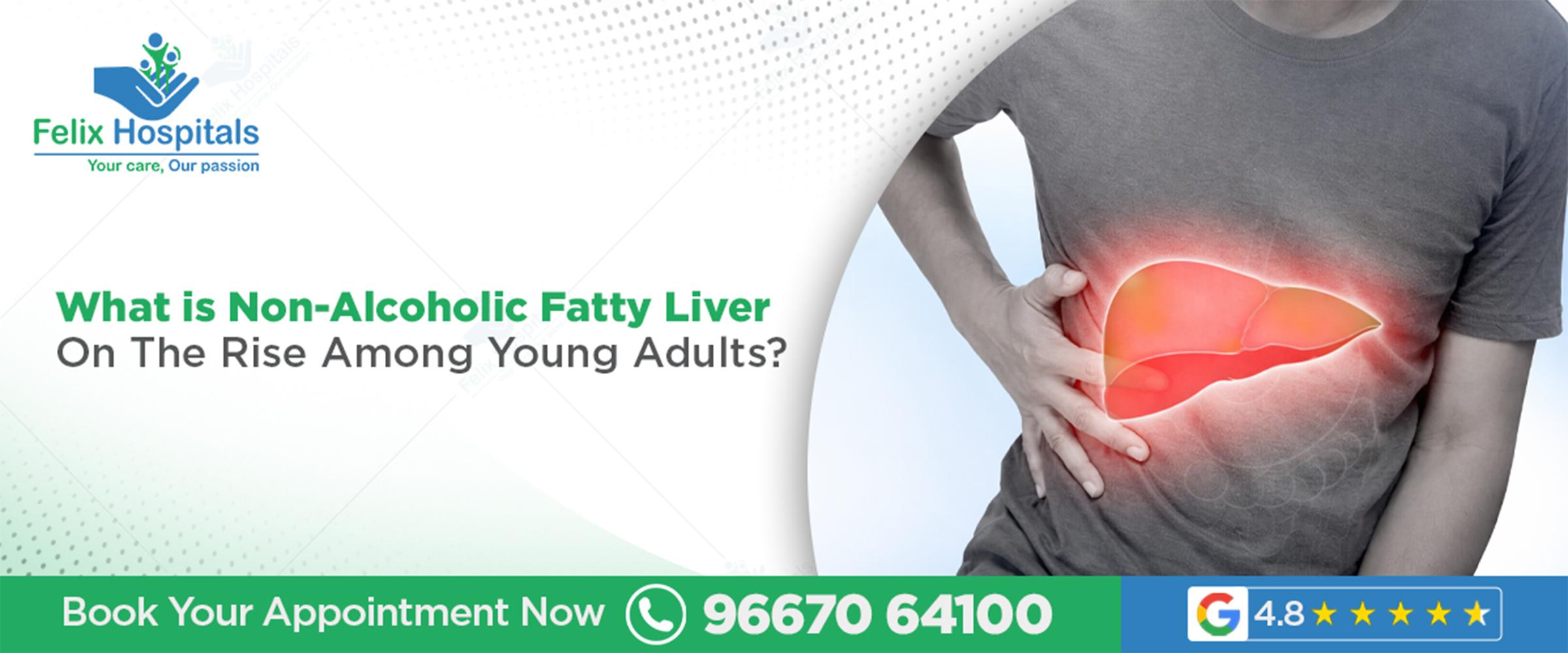
Nonalcoholic fatty liver disease (NAFLD) is defined by an accumulation of fat in the liver in people who drink little or no alcohol. Recently, fatty liver disease in non-alcoholics has also emerged as a major health problem among young adults owing to changing lifestyle, diet and metabolic profile. What many don't know is that fatty liver can take hold silently, without symptoms during the initial stages.
Fatty livers are not just the domain of older people, either – doctors are seeing more people in their 20s and 30s with it, found during routine health checks. Over time, without intervention, this may lead to inflammation, liver fibrosis or cirrhosis. Seeking a Gastroenterologist in Noida can become the right choice for you to identify the diagnosis at an early stage and walk the path of success for fatty liver treatment in Noida.
Experiencing fatigue, abdominal discomfort, or abnormal liver test results? Early screening can detect fatty liver before complications develop. Call +91 9667064100 to consult a Gastroenterologist in Noida.
Non-alcoholic fatty liver disease is fat accumulation in liver cells due to metabolic and lifestyle factors and not related to alcohol intake. This condition is now regarded as one of the most prevalent chronic liver diseases encompassing most industrialized nations. Research estimates that NAFLD is affecting roughly 32% of the world population – this makes the disease a significant public health issue.
The liver is essential to metabolism, digestion, and detoxification. When there is too much fat in the liver, it begins to function abnormally. If fatty liver is left untreated, it can cause inflammation (non-alcoholic steatohepatitis), scar tissue formation, and ultimately cirrhosis or liver cancer in extreme cases.
Why fatty liver is on the rise among young adults has doctors and researchers increasingly worried. Lifestyle and metabolic alterations that have occurred in the past decade have largely accounted for that trend.
Fatty liver disease was detected in nearly 35% of young adults who underwent ultrasound scans, pointing at the rapidly growing condition among young people.
Major contributing factors include:
Sedentary lifestyle and excessive sitting
High consumption of processed food and refined starch
Obesity and the accumulation of fat around the abdomen
Insulin resistance and early diabetes
Chronic sleep deprivation and irregular sleep-wake cycle
Regular intake of sugary drinks
These things alter metabolism and make you store more fat in liver cells, and that's what eventually makes them fatty.
Some diseases and factors can lead to non-alcoholic fatty liver disease even in non-drinkers. Common risk factors for the disease include:
Overweight or obesity
Type 2 diabetes or prediabetes
Elevated cholesterol or triglycerides
High blood pressure
Polycystic Ovarian Syndrome (PCOS)
A history of metabolic disease in the family
People, especially young adults with desk jobs and very little physical activity are more at risk of fatty liver as the calories are not being used up.
Fatty liver is difficult to detect because it has no symptoms in the early stages of illness. Several individuals learn about the disease when they undergo normal health examinations. But over time, fatty liver symptoms in young adults may start to occur gradually. Common symptoms include:
Chronic tiredness or weak feeling
Mild tenderness in right upper abdomen
Weight gain without explanation
Trouble losing stomach fat
Mild gastrointestinal symptoms
Increased liver enzymes in blood tests
Because symptoms can be subtle, medical evaluation is important when risk factors are present.
Early awareness of warning signs can identify fatty liver before it becomes severe liver damage. People who have any of the following symptoms should get checked out. Warning signs:
Feeling tired all the time, even when resting enough
Bloating or a feeling of heaviness after eating
Sudden weight gain in the area around the belly
Frequent indigestion
Abnormal results of liver function tests
Increased cholesterol levels
Early screening allows doctors to recommend lifestyle modifications and treatment before the disease worsens.
Consider consulting a specialist if symptoms continue or you have risk factors. Early diagnosis can help prevent complications related to fatty liver symptoms in young adults. Consult if you have concerns about:
Persistent tiredness or weakness
A pain in the abdomen that has been going on for weeks
Weight gain without explanation
High cholesterol or diabetes
Liver disease in your family
Abnormal liver function test reports
A Gastroenterologist in Noida can evaluate liver health and recommend appropriate investigations.
Doctors use several tests to diagnose non-alcoholic fatty liver disease and determine the severity of liver fat accumulation.
Test | Purpose |
Liver Function Test (LFT) | Evaluates liver enzyme levels |
Ultrasound Abdomen | Detects fat accumulation in liver |
FibroScan | Measures liver stiffness and fat content |
Blood Tests | Assesses metabolic health and cholesterol |
MRI or CT Scan | Provides detailed imaging in complex cases |
These diagnostic tests help confirm fatty liver and guide appropriate treatment strategies.
The aim of the treatment for fatty liver in Noida is to decrease accumulation of fat in the liver and to stop the development of worse liver disease. Treatment options may include:
Lifestyle changes and weight loss
Drugs to treat cholesterol or diabetes
Dietary advice for developing healthy eating plans
Liver function should be monitored regularly
Management of metabolic disorders
Early-stage fatty liver can often be reversed with proper lifestyle changes and medical supervision.
Developing healthy habits has a big part in the control of non-alcoholic fatty liver disease. Effective lifestyle changes include:
Maintaining a healthy body weight
Exercising for at least 30 minutes a day
Reducing sugar and processed foods consumption
Following a balanced diet that includes plenty of fruits and vegetables
Reducing intake of saturated fat and refined carbohydrates
Stress management and sleep quality enhancement
These lifestyle adjustments support liver health and reduce the risk of disease progression.
Neglected non-alcoholic fatty liver disease may slowly develop into more serious liver diseases. Potential complications are:
Non-alcoholic steatohepatitis (NASH)
Hepatic fibrosis and scarring
Cirrhosis with liver failure
Elevated risk for liver cancer
Greater risk for heart disease and diabetes
These risks can be greatly diminished by diagnosis and treatment in the early stages.
Concerned about abnormal liver reports or symptoms of fatty liver? Consult an experienced Gastroenterologist in Noida for accurate diagnosis and personalized fatty liver treatment in Noida. Call +91 9667064100 to schedule your consultation today.
Non-alcoholic fatty liver disease is not just a problem for the elderly. Changes in lifestyle, poor diet and lack of exercise has led to increasing numbers of young people residing in the Southeast Asia region being diagnosed with non-alcoholic fatty liver disease.
Early detection, periodic health checkups, and timely medical attention could prevent fatty liver from advancing to severe liver injury. Consultation with a Gastroenterologist in Noida and making healthier lifestyle choices can significantly assist in avoiding further complications and keeping your liver in good shape.
Gastric problems occur when excess acid or digestive disturbances affect the stomach lining, causing symptoms like bloating, acidity, and pain. Timely diagnosis ensures effective treatment.
Understand the key differences between stomach flu and food poisoning. Learn about their causes, symptoms, and when it's time to seek medical help for safe and effective treatment.
Maintaining good oral hygiene is essential for overall health, and global awareness initiatives like World Oral Health Day 2026 highlight the importance of dental care in everyday life. World Oral Health Day is a worldwide campaign held every year to create awareness on oral hygiene, preventive care and the ways oral health influences general well-being. One of the reminders of why having healthy teeth and gums is not a luxury but a basic component of living well is called on the 20th day of March every year.
Oral health is a neglected concept until one starts to feel or notice the appearance of dental issues. Understanding why oral health is important helps individuals take preventive steps early and maintain healthy teeth and gums throughout life. The bit of bright news is in the fact that the majority of the dental issues can be completely avoided provided one adopts proper habits and makes timely visits to the doctor.
Book Your Dental Check-Up Today. Don't wait for pain to remind you. Schedule your routine dental visit this World Oral Health Day 2026 and take the first step toward a healthier smile — and a healthier you.
Understanding why oral health is important goes beyond just having a bright smile. Dental health has a direct importance on physical and general health including gastrointestinal and even mental health. The mouth is the center of the body, and bacteria accumulate there — if left unchecked — can travel to the bloodstream and affect vital organs.
Key reasons include:
Prevents decay and cavities in teeth
Minimizes gum disease and infections
Aids in correct chewing and digestion
Promotes self-esteem
Helps avoid systemic diseases
The studies have shown that poor oral health is associated with diseases such as heart disease and diabetes, so dental care is the necessary element of health management. Pregnant women with gum disease are also at higher risk for complications.
Following healthy smile tips for everyday care can help maintain strong teeth and healthy gums while preventing dental issues. Good oral hygiene is based on a deceptively easy but daily commitment.
Daily habits include:
Clean teeth two times a day with fluoride toothpaste
Clean teeth daily using floss
Use mouthwash to decrease bacteria
Change the toothbrush after every 3 months
Take in water in adequate amounts so that saliva flow is not compromised
The technique of brushing also counts - it should be very gentle and circular and should take at least two minutes when doing it. Some of the biggest mistakes one commits are rushing through brushing. Regularity of these practices will guarantee oral health which is guaranteed in the long term and also minimize the chances of dental issues to a minimal level.
Understanding common dental problems and prevention helps individuals identify early signs and take corrective action before a minor issue becomes a costly one.
Typical oral health issues are:
Tooth decay (cavities)
Periodontitis (gum disease) and gingivitis
Bad breath (halitosis)
Tooth erosion
Some preventive measures are:
Having good oral hygiene
Restricting acidic and sweet food
Regular dental check-ups
Timely management of minor problems
Its cost is minimal compared to the cost of treatment of developed tooth diseases. An early cavity has to be filled by a mere filling; otherwise, it may develop into a root canal or loss of the tooth.
Recognizing signs of poor oral health is essential for early intervention and preventing complications. Most individuals do not pay much attention to the early symptoms as they think they are mere inconveniences, which are not aware of the fact they mark the onset of an even more severe condition.
Warning signs include:
When brushing, bleeding gums
Persistent bad breath
Tooth pain or sensitivity
Swollen or red gums
Loose teeth
White or dark spots on teeth
When you observe any of this, never delay your check up and make sure that you reach out to your dentist. These symptoms may result in severe oral health problems that need complicated and costly treatment and in some instances may cause extraction of the teeth.
The diet is significant in oral maintenance. Knowing foods that support strong teeth and gums helps strengthen enamel and prevent decay from the inside out.
Recommended foods include:
Milk products that contain high amounts of calcium
Leafy green vegetables
Apples and oranges are some examples of fresh fruits
Nuts and seeds
Plenty of water
Fruits and vegetables, which are crunchy, have the natural ability to scrub the teeth surface and increase the amount of saliva that counteracts the harmful acid. On the other hand, sticky sweetness, soft drinks, and food high in acid are known to erode the enamel with time and thus they need to be taken in moderation.
Adopting habits focused on how to prevent tooth decay and gum disease is key to maintaining oral hygiene across every stage of life.
Preventive steps include:
Reduce the intake of sugar
Brush and floss regularly
Apply fluoride dental preparations
Visit the dentist regularly
Avoid tobacco products
Most of the plaque is removed by proper brushing and flossing thus preventing gum disease to a significant degree. Smoking or chewing tobacco are some of the sure ways to get gum disease, oral cancer and lose teeth, and quitting is one of the most effective choices that a human element makes as far as his or her oral hygiene is concerned.
Knowing when to visit a dentist helps in early detection and treatment of dental issues before they escalate.
You need to visit a dentist in case:
You complain of constant tooth pains
Gums bleed frequently
It is swollen or infected
You have trouble with chewing
Routine check-up is due
Even when you are not experiencing any form of discomfort, professional cleaning will remove tartar, which cannot be attended to by brushing. It is a common recommendation that you should see your dentist at least once a period of six months, but depending on your risk factors, your dentist might have you see him/her every two or three months.
Understanding the importance of oral health for overall well-being highlights how deeply interconnected the mouth is with the rest of the body.
Key impacts include:
Avoids infections
Supports heart health
Improves nutrition
Enhances mental confidence
Enhances improved living standards
Permanent oral pain or loss of teeth may restrict the food options, interfere with sleep, and lead to anxiety and seclusion. On the other hand, a healthy mouth helps to sustain energy, self esteem and capacity to participate in day to day life.
Maintaining a consistent routine is essential when following healthy smile tips for everyday care.
The routine should include:
Brushing in the morning to ensure there are no bacteria left over
Flossing after meals
Bathing the mouth of sweet items
Night brushing before sleep
A soft-bristled toothbrush should be used
These measures provide ongoing prevention of dental issues without giving too much time and cost basis.
Staying hydrated supports the importance of oral health for overall well-being by maintaining saliva production.
The advantages of hydration are:
Washes away food particles
Reduces bacteria growth
Prevents dry mouth
Protects enamel
Maintains oral pH balance
Water has a flimsy but effective contribution to oral hygiene. The added advantage of using fluoridated tap water is that it makes the enamel stronger with each swallow.
Lifestyle choices influence common dental problems and prevention significantly.
The following habits have an impact on oral health:
Smoking and tobacco use
Over-indulgence in alcohol
Poor dietary habits
Irregular oral hygiene
High sugar intake
It is possible to prevent bad habits and, therefore, having better dental health can save significant amounts of money on treating dental disorders later in life.
Following healthy smile tips for everyday care is important across all age groups.
Supervised brushing
Limited sugary snacks
Early dental visits
Regular dental check-ups
Balanced diet
Avoid smoking
Early good habits will guarantee oral health throughout a person's life and minimize chances of expensive oral care in future.
Talk to a Dental Expert TodayHave questions about your oral health? Our specialists are just a call away. Get personalized healthy smile tips for everyday care and start your journey to better dental health. Call Us: +91 9667064100
World Oral Health Day 2026 focuses on the need to ensure good oral health and create awareness concerning the importance of having good teeth. With the help of the basic everyday practices, healthy lifestyle choices, and taking timely dental attention, people can avoid most of the oral health issues. Ensuring that oral hygiene takes precedence over just beautifying the smile, it is also going to play a significant role in ensuring health and well being.
Dr. Aditi Narad is an experienced Dentist and Endodontist with 10+ years of expertise in root canal treatment (RCT), tooth restoration, cosmetic dentistry, crowns, bridges, and comprehensive dental care.

Discover the latest cosmetic dentistry trends, from advanced teeth whitening to natural-looking veneers for a flawless smile.

Cosmetic dentistry is like a magic wand for your smile, blending art and science to make your teeth look and feel their best. It’s not just about fixing problems—it’s about creating a smile that feels like you, only bolder.

Subscribe to our
© Copyright 2026. All Rights Reserved by Felix Healthcare Private Limited
Design and development by :


 +(91)9667064100
 Emergency : +(91)9667064100