 WhatsApp
 Emergency:
  WhatsApp
















Subscribe to our


Are you experiencing discomfort or dissatisfaction with the appearance of your hymen? Hymenoplasty, a surgical procedure aimed at reshaping or reconstructing the hymen, may be the solution you are seeking. Whether you desire to restore your hymen for cultural, personal, or medical reasons, hymenoplasty can give you the confidence and peace of mind you deserve. By consulting with a skilled gynecologist specialized in hymen reconstruction, you can explore the options available to you, understand the procedure's benefits and potential risks, and make an informed decision about your well-being. Take the first step towards reclaiming your self-assurance and embracing a more satisfying future.
Book Your Appointment One click at +91 9667064100.
Table of Contents
India is renowned for its affordable yet high-quality medical procedures, including hymenoplasty. With state-of-the-art medical facilities and experienced gynecological surgeons, India offers cost-effective healthcare options that can help you achieve your desired outcome. The cost of hymenoplasty in India is significantly lower compared to other countries, making it an appealing choice for patients seeking this procedure. Whether you require a minor hymen reshaping or a complete hymen reconstruction, you can access exceptional care and excellent results without straining your finances.
Several factors influence the cost of hymenoplasty in Noida, including the complexity of the procedure, the surgeon's fees, hospital facilities, and post-operative care. Here is a rough estimate of the cost:
| Starting Cost | ₹25,000 |
| Average Cost | ₹ 35,000-45,000 |
| Maximum Cost | ₹ 50,000 or more |
At Felix Hospital in Noida, we strive to provide affordable solutions for hymenoplasty surgery costs. We understand the significance of delivering quality healthcare within your budget. Our team of skilled gynecologists and compassionate staff are dedicated to providing exceptional care at an affordable cost. Take the first step towards reclaiming your confidence and achieving your desired results.
Hymenoplasty, or hymenoplasty, is a surgical procedure that offers various techniques to reshape or reconstruct the hymen. The cost of hymenoplasty in Noida can vary depending on the specific technique chosen and other factors such as the surgeon's fees, hospital facilities, and post-operative care. Here is an overview of the costs for different types of hymenoplasty procedures:
Simple Hymenoplasty: This procedure involves repairing a torn hymen using sutures. Simple hymenoplasty typically costs approximately INR 30,000 to INR 50,000.
Complete Hymen Reconstruction: This technique involves recreating the hymen using vaginal tissue. The cost for complete hymen reconstruction ranges from approximately INR 40,000 to INR 70,000.
Combination Procedures: In some cases, additional procedures such as labiaplasty or vaginal tightening may be performed alongside hymenoplasty. The cost for combination procedures can start from around INR 60,000 and go up depending on the complexity of the procedures.
It is important to note that these cost estimates are approximate and can vary based on individual factors. To obtain an accurate cost estimate for hymenoplasty in Noida, it is recommended to consult with a skilled gynecologist who can assess your specific needs and provide you with a tailored treatment plan and cost breakdown.
At Felix Hospital in Noida, we understand the significance of providing quality healthcare within your budget. Our team of experienced gynecologists and dedicated staff are committed to delivering exceptional care at an affordable cost. Consult with us to explore your options and embark on your journey toward reclaiming your confidence and well-being.
Are you considering hymenoplasty and wondering about the factors that can affect its cost? The cost of hymenoplasty can be influenced by several factors, including:
Technique Used: Different techniques are available for hymenoplasty, such as simple hymen repair or complete hymen reconstruction. The complexity of the chosen technique can impact the cost.
Surgeon's Fees: The expertise and experience of the surgeon performing the hymenoplasty can affect the cost. Highly skilled and renowned surgeons may charge higher fees.
Hospital Facilities: The choice of hospital can influence the cost, as hospitals with advanced infrastructure, technology, and amenities may have higher charges.
Anesthesia and Medications: The cost of anesthesia during the surgery and any medications prescribed before, during, or after the procedure can contribute to the overall cost.
Diagnostic Tests and Imaging: Pre-operative diagnostic tests, such as blood tests or vaginal examinations, may be required to assess the condition and plan the surgery. These tests can add to the overall cost.
Duration of Hospital Stay: The length of hospital stay following hymenoplasty can impact the cost. Longer stays involve additional charges for room, board, nursing care, and other services.
Post-operative Care: The cost of follow-up visits, medications, and any required post-operative care, such as wound dressings or pain management, can contribute to the overall cost.
It is important to note that the cost estimates provided are approximate and can vary based on individual factors. To obtain an accurate cost estimate for hymenoplasty, it is recommended to consult with a skilled gynecologist who can assess your specific needs and provide you with a tailored treatment plan and cost breakdown.
At Felix Hospital, we understand the significance of providing quality healthcare within your budget. Our team of experienced gynecologists and dedicated staff are committed to delivering exceptional care at an affordable cost. Contact us at +91 9667064100 to learn more about hymenoplasty costs and to schedule an appointment.
Hymenoplasty surgery, a cosmetic procedure to reconstruct the hymen, is generally not covered by health insurance or mediclaim policies in India. Insurance companies typically consider hymenoplasty as an elective or cosmetic procedure, which falls outside the scope of their coverage. However, there may be rare cases where insurance could cover the cost if the surgery is deemed medically necessary due to certain circumstances, such as a damaged hymen caused by sexual assault or injury. It is essential to review the specific terms and conditions of your insurance policy and consult with your insurance provider to understand the coverage options available for hymenoplasty surgery.
Hymenoplasty is a surgical procedure that reconstructs or repairs the hymen, a thin membrane at the opening of the vagina, often sought for cultural or personal reasons. Hymenoplasty is considered for various reasons, including cultural, religious, or personal beliefs and expectations. It is often sought by individuals who wish to restore the hymen for cultural or traditional reasons, such as preserving virginity or adhering to societal norms. Some individuals may choose hymenoplasty to address emotional or psychological concerns, regain a sense of identity, or alleviate anxiety related to sexual experiences or societal pressures.
It's important to note that hymenoplasty is a personal decision and not medically necessary. Each individual's motivations and circumstances may vary, and it is essential to have open discussions with a qualified healthcare professional to understand the procedure, its limitations, and any potential risks involved. Consulting with a skilled gynecologist or plastic surgeon can provide valuable insights and guidance for those considering hymenoplasty.
Hymenoplasty can be categorized into different types based on the surgical techniques used. These types include:
Simple Suturing: In this technique, the existing hymenal tissue is stitched together to restore its appearance and integrity.
Flap Technique: This method involves creating a flap of vaginal tissue to reconstruct the hymen. The flap is then sutured in place to recreate the hymenal structure.
Alloplant Technique: Synthetic or biological materials, known as alloplants, are used in this technique to create a new hymen. These materials are surgically implanted and provide a reconstructed hymen.
Combination Technique: This approach combines elements of both suturing and flap techniques to reconstruct the hymen using a combination of existing tissue and additional vaginal tissue.
The choice of hymenoplasty technique depends on factors such as the individual's anatomy, desired outcome, and the surgeon's expertise. It is important to consult with a qualified surgeon to determine the most suitable approach for an individual's specific needs.
Consultation: Schedule a consultation with a qualified gynecologist or plastic surgeon who specializes in hymenoplasty. During the consultation, discuss your expectations, motivations, and any concerns you may have. The surgeon will evaluate your medical history and conduct a physical examination to determine if you are a suitable candidate for the procedure.
Understand the Procedure: Gain a clear understanding of the hymenoplasty procedure, including its benefits, limitations, and potential risks. Ask your surgeon any questions you may have and ensure that you have realistic expectations regarding the outcomes.
Medical Evaluation: Your surgeon may request certain medical tests or evaluations to assess your overall health and determine if there are any underlying conditions that may impact the surgery or recovery process. Follow their instructions regarding any pre-operative testing or examinations.
Lifestyle Adjustments: Your surgeon may provide specific instructions regarding lifestyle adjustments before the surgery. This may include avoiding medications or supplements that can interfere with the procedure, quitting smoking, and adjusting your diet or exercise routine.
Emotional Preparation: Hymenoplasty can have emotional implications, so it is important to prepare yourself mentally and emotionally. Reflect on your motivations for the procedure, address any concerns or anxieties, and ensure that you have a support system in place.
Follow Pre-operative Instructions: Your surgeon will provide you with specific pre-operative instructions that you should follow diligently. This may include fasting prior to the surgery, abstaining from certain medications, and arranging for someone to accompany you to and from the surgical facility.
Plan for Recovery: Hymenoplasty is typically an outpatient procedure with a relatively short recovery period. However, it is still important to plan for some downtime following the surgery. Arrange for someone to assist you during the initial recovery phase, stock up on necessary supplies, and ensure that you have a comfortable and supportive environment for healing.
It is crucial to closely follow the guidance and recommendations of your surgeon throughout the preparation process to optimize your safety and enhance the success of the hymenoplasty procedure.
Anesthesia Administration: The procedure begins with the administration of anesthesia, either local or general, based on the doctor's recommendation. General anesthesia ensures the patient is unconscious throughout the procedure, while local anesthesia numbs the area being operated.
Accessing the Remaining Hymen Parts: The doctor carefully accesses the remaining parts of the hymen and removes any existing scar tissue.
Stitching the Remnants: Using dissolvable sutures, the doctor stitches back the remnants of the hymen. In cases where complete stitching is not possible, a small flap of vaginal lining or synthetic material may be used to create a structure resembling the hymen. This reconstructed layer may bleed during intercourse.
Recovery and Discharge: After the surgery, patients are moved to the recovery room for monitoring. Most patients are discharged within a few hours, accompanied by post-surgery care instructions provided by the doctor.
Hymenoplasty is a safe and scar-free procedure performed by experienced cosmetic gynecologists to ensure precise results and patient satisfaction.
To undergo a reliable and effective hymenoplasty, consult with the best gynecology hospital near me near you. Call us today to schedule a consultation - +91 9667064100.
Hymenoplasty involves the creation of a new tissue membrane or the reconstruction of torn tags to restore the appearance of the hymen. The procedure typically includes the following steps:
Formation of a Thin Layer: A thin layer of tissue is carefully extracted from the vaginal opening and delicately stitched at the site of the hymen.
Vascularization and Bleeding: Over time, the grafted tissue becomes vascularized, meaning it develops a blood supply. During the first intercourse after the surgery, this tissue layer may bleed, simulating the appearance and function of the original hymen.
For a successful hymenoplasty procedure and the best possible results, it is advisable to consult with a trusted healthcare professional.
After undergoing hymenoplasty, it is important to follow proper post-operative care to ensure a smooth recovery. Here are some general guidelines for recovery:
Rest and Avoid Strenuous Activities: It is essential to get plenty of rest in the initial days after surgery. Avoid engaging in strenuous activities, heavy lifting, or intense exercise for at least a few weeks to allow the body to heal.
Pain Management: Mild discomfort or pain may be experienced after the procedure. Your doctor may prescribe pain medication to manage any discomfort. Follow the prescribed dosage and consult your doctor if the pain persists or worsens.
Proper Hygiene: Maintain good hygiene by keeping the vaginal area clean. Follow your doctor's instructions on bathing or showering after the surgery. Avoid using harsh soaps or perfumed products in the genital area.
Avoid Sexual Intercourse: It is recommended to abstain from sexual intercourse for the recommended duration as advised by your doctor. Engaging in sexual activity too soon after the surgery can disrupt the healing process.
Follow-up Appointments: Attend all scheduled follow-up appointments with your doctor. These visits are important for your doctor to assess your healing progress and address any concerns or questions you may have.
Healthy Lifestyle: Adopt a healthy lifestyle by eating nutritious meals, staying hydrated, and avoiding smoking or alcohol consumption, as these factors can affect the healing process.
Emotional Support: It is common to have emotional or psychological feelings after the surgery. Seek emotional support from trusted friends, family, or counseling services if needed.
Remember, individual recovery experiences may vary, and it is important to follow your doctor's specific instructions for a successful recovery. If you have any concerns or experience unusual symptoms during the recovery period, contact your healthcare provider for guidance and support.
Like any surgical procedure, hymenoplasty carries certain risks and potential complications. While complications are generally rare, it is important to be aware of them. Some possible complications of hymenoplasty surgery include:
Infection: There is a risk of developing an infection at the surgical site. This can usually be prevented by following proper hygiene practices and taking prescribed antibiotics, if necessary.
Bleeding: Excessive bleeding during or after the surgery may occur, although it is uncommon. Your surgeon will take precautions to minimize bleeding during the procedure and provide instructions on managing any post-operative bleeding.
Pain and Discomfort: Mild to moderate pain or discomfort is common after hymenoplasty. This can usually be managed with pain medication prescribed by your doctor.
Scarring: Hymenoplasty aims to minimize visible scarring, but in some cases, scarring may occur. Most scars from hymenoplasty are small and discreet, but individual healing and scarring patterns can vary.
Allergic Reaction: There is a small risk of experiencing an allergic reaction to medications, anesthesia, or materials used during the surgery. Inform your surgeon about any known allergies beforehand.
Unsatisfactory Results: While most women achieve the desired outcome from hymenoplasty, there is a possibility that the reconstructed hymen may not provide the exact appearance or function desired. Discuss your expectations and potential outcomes with your surgeon beforehand.
It is important to choose a skilled and experienced surgeon for your hymenoplasty procedure to minimize the risk of complications. Your surgeon will provide you with pre-operative and post-operative instructions to follow, which can help reduce the likelihood of complications and promote a successful recovery. Be sure to communicate openly with your healthcare provider, ask questions, and address any concerns you may have throughout the process.
Skilled surgeons with extensive experience in hymenoplasty
Thorough consultations to determine the best approach for your specific needs
Personalized treatment plans using advanced techniques for optimal results
Minimally invasive procedures for faster recovery and minimal scarring
Dedicated care and support throughout the healing process
Transparent and competitive pricing for affordable access to high-quality care
Choose Felix Hospital for hymenoplasty surgery and benefit from the expertise of our skilled surgeons, personalized care, and a commitment to your well-being. Contact us today to begin your transformative journey.
Explore the transformative advantages of hymenoplasty surgery at Felix Hospital. Our expert surgeons offer a solution for restoring confidence and addressing personal concerns. By reconstructing the hymen, we aim to provide a sense of empowerment and enhanced well-being. While immediate results are noticeable, it's important to understand that the healing process may take time, with swelling gradually subsiding and surgical scars fading over several months. Rest assured, the long-lasting benefits make the journey worthwhile. For inquiries about hymenoplasty surgery and related costs, please reach out to us at +91 9667064100.

Plastic surgery cost in Noida depends on the procedure type, surgeon expertise, hospital infrastructure, and post-surgery care.

A complete guide to understanding varicose vein surgery expenses in Noida, including treatment types, hospital charges, and recovery costs.
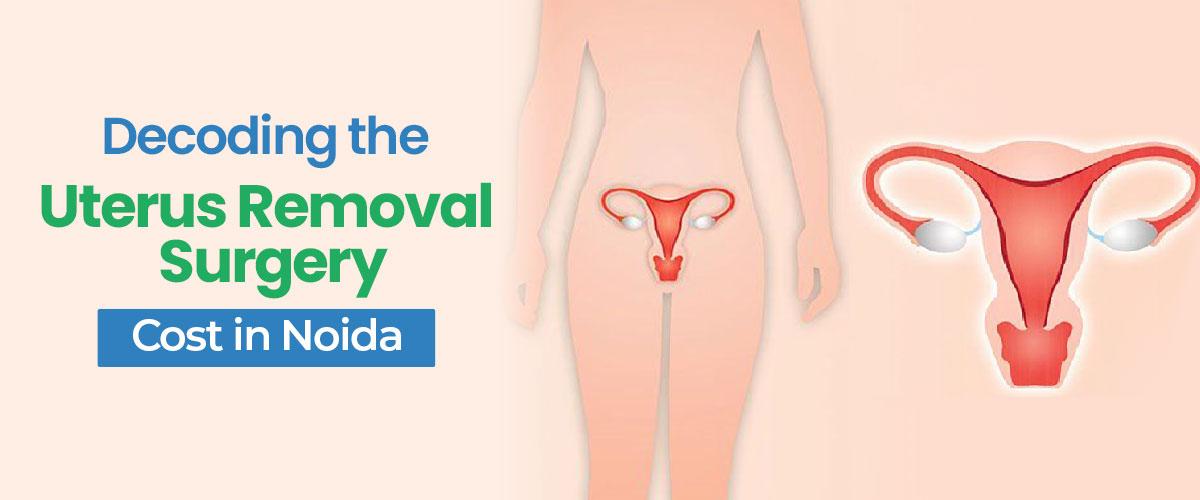
Are you facing persistent gynecological issues that are affecting your quality of life? Hysterectomy, a surgical procedure to remove the uterus, maybe the solution you need. When non-surgical treatments fail to provide relief from conditions like fibroids, endometriosis, or heavy menstrual bleeding, a hysterectomy can offer long-term relief and improved well-being. By consulting with a skilled gynecologist, you can explore your options, understand the benefits and risks, and make an informed decision about your health. Take the first step towards a healthier future!
Book Your Appointment One click at +91 9667064100
Table of Contents
India is a top destination for affordable and high-quality medical procedures, including hysterectomy. With state-of-the-art medical facilities and renowned gynecological surgeons, India offers cost-effective healthcare options that can transform your life. The cost of hysterectomy in India is significantly lower compared to other countries, making it an attractive choice for patients seeking this procedure. Whether you require a total abdominal hysterectomy, laparoscopic hysterectomy, or vaginal hysterectomy, you can access exceptional care and excellent outcomes without straining your finances.
Several factors influence the cost of hysterectomy surgery in Noida, including the type of procedure, the complexity of the case, hospital facilities, surgeon's fees, and post-operative care. Here is a rough estimate of the cost:
Discover affordable solutions for hysterectomy costs at Felix Hospital in Noida! We understand the importance of providing quality healthcare within your budget. Our team of experienced gynecologists and dedicated staff are committed to delivering exceptional care at an affordable cost.
| Starting Cost | ₹40,000 |
| Average Cost | ₹ 60,000-70,000 |
| Maximum Cost | ₹ 1,10,000 |
Discover affordable solutions for hysterectomy costs at Felix Hospital in Noida! We understand the importance of providing quality healthcare within your budget. Our team of experienced gynecologists and dedicated staff are committed to delivering exceptional care at an affordable cost.
| Hysterectomy Surgery Type | Cost |
| Laparoscopic Hysterectomy | 85,000 |
| Laparoscopic Assisted Vaginal Hysterectomy | 1,10,000 |
| Vaginal Hysterectomy | 1,10,000 |
1) Laparoscopic Uterus Removal Surgery: This minimally invasive procedure involves the use of small incisions and a laparoscope to remove the uterus. The surgeon inserts specialized surgical instruments and a camera through these small incisions, allowing for precise visualization and removal of the uterus. Laparoscopic hysterectomy surgery offers advantages such as reduced postoperative pain, smaller incisions, faster recovery time, and minimal scarring.
Laparoscopic Uterus Removal Surgery Cost: Starting from approximately INR 85,000.
2) Laparoscopic Assisted Vaginal Uterus Removal Surgery: This procedure combines laparoscopic and vaginal approaches to remove the uterus. The surgeon uses laparoscopic instruments to assist in the visualization and dissection of the uterus and then removes the uterus through the vagina. Laparoscopic-assisted vaginal hysterectomy surgery provides the benefits of both laparoscopic and vaginal approaches, resulting in reduced post-operative pain, quicker recovery, and minimal scarring.
Laparoscopic Assisted Vaginal Uterus Removal Surgery Cost: Starting from approximately INR 1,10,000
3) Vaginal Uterus Removal Surgery: This procedure involves the removal of the uterus through the vagina, without the need for external incisions. The surgeon detaches and removes the uterus through the vaginal opening, resulting in faster recovery, reduced post-operative pain, and minimal visible scarring.
Vaginal Uterus Removal Surgery Cost: Starting from approximately INR 1,10,000
Please note that the provided costs are approximate and can vary depending on various factors such as the specific hospital, surgeon's fees, location, and individual patient requirements. It is advisable to consult with a healthcare provider for a more accurate cost estimate based on your specific circumstances.
The cost of a hysterectomy can be influenced by several factors, including:
Type of Hysterectomy: Different types of hysterectomy, such as total abdominal hysterectomy, laparoscopic hysterectomy, or vaginal hysterectomy, have varying costs due to differences in surgical techniques, equipment, and post-operative care requirements.
Hospital Facilities: The choice of hospital can impact the cost, as hospitals with advanced infrastructure, technology, and amenities may charge higher fees.
Surgeon's Fees: The expertise and experience of the surgeon performing the hysterectomy can affect the cost. Highly skilled and renowned surgeons may charge higher fees.
Anesthesia and Medications: The cost of anesthesia during the surgery and any medications prescribed before, during, or after the procedure can contribute to the overall cost.
Diagnostic Tests and Imaging: Pre-operative diagnostic tests, such as blood tests, ultrasound, MRI, or CT scans, may be necessary to assess the condition and plan the surgery. These tests can add to the overall cost.
The complexity of the Case: The complexity of the patient's condition, such as the presence of additional complications or underlying health issues, can affect the cost. More complex cases may require specialized techniques or additional resources, leading to higher expenses.
Duration of Hospital Stay: The length of hospital stay following the hysterectomy can impact the cost. Longer hospital stays involve additional charges for room, board, nursing care, and other services.
Post-operative Care: The cost of follow-up visits, medications, and any required post-operative care, such as physiotherapy or rehabilitation, can contribute to the overall cost.
Looking for affordable uterus removal surgery? At Felix Hospital, we offer cost-effective options for this procedure. Our skilled team of gynecologists ensures safe and successful surgeries, providing optimal care at competitive prices.
For more information on the cost for uterus removal surgery and to schedule an appointment, call us today at +91 9667064100.
Insurance Coverage for Hysterectomy Surgery:
Insurance policies generally cover the cost of a hysterectomy when it is deemed medically necessary. This means that the procedure is required to treat a specific medical condition that is causing significant health issues or complications.
Conditions Requiring Hysterectomy Coverage: Several medical conditions may necessitate a hysterectomy. These include:
a. Uterine Fibroids: Noncancerous growths in the uterus that can cause symptoms like pelvic pain, heavy menstrual bleeding, and reproductive issues.
b. Endometriosis: A condition where the tissue lining the uterus grows outside of it, leading to chronic pain, fertility problems, and other symptoms.
c. Abnormal Uterine Bleeding: This includes heavy, prolonged, or irregular menstrual bleeding that can result in anemia and impact a person's quality of life.
d. Gynecological Cancers: Hysterectomy may be recommended as a treatment for gynecological cancers such as uterine, cervical, or ovarian cancer, depending on the stage and type of cancer.
Coverage Varies: The extent of coverage for a hysterectomy can vary depending on the specific insurance policy. It is essential to carefully review the policy terms and conditions, including any pre-authorization requirements, deductible amounts, co-pays, and coverage limitations.
Exclusions and Limitations: Some insurance policies may have exclusions or limitations regarding coverage for certain medical conditions or treatments. It is important to understand these exclusions and limitations to ensure proper financial planning and to explore alternative options if necessary.
Policy Review and Communication: It is advisable to review the insurance policy documents thoroughly and contact the insurance provider directly to clarify any doubts or queries regarding coverage for a hysterectomy. This will help in understanding the specific coverage details and avoid any surprises or unexpected expenses.
Prior Authorization and Documentation: In some cases, insurance providers may require prior authorization for a hysterectomy. This involves obtaining approval from the insurance company before the procedure is performed. It may also be necessary to provide documentation, such as medical records and reports, to support the medical necessity of the procedure.
Remember to consult with healthcare providers and insurance experts to navigate the insurance coverage process for a hysterectomy effectively. Felix Hospital specializes in advanced laparoscopic and robotic-assisted techniques, minimizing incisions and reducing recovery time. Our focus on patient comfort and successful outcomes sets us apart.
Contact us at +91 9667064100 to learn more about the cost for Uterus removal surgery and to book your appointment.
The specific type of hysterectomy performed depends on the underlying condition being treated. Here are the primary types:
Partial Hysterectomy (also known as a subtotal or supracervical hysterectomy): In this procedure, the surgeon removes the upper part of the uterus while leaving the cervix intact. The cervix is the lower, narrower portion of the uterus that connects to the vagina.
Total Hysterectomy: This type involves the complete removal of the entire uterus, including the cervix. The ovaries and fallopian tubes may or may not be removed along with the uterus.
Radical Hysterectomy: Typically performed to treat gynecological cancer, a radical hysterectomy involves the removal of the uterus, cervix, surrounding tissues on both sides of the cervix, and the upper portion of the vagina. This comprehensive approach aims to eliminate any potential cancerous cells in the affected area.
In some cases, additional procedures may be performed during a hysterectomy, such as the removal of the ovaries (oophorectomy) and fallopian tubes (salpingectomy). This decision is based on factors such as the underlying condition requiring the hysterectomy and the individual's risk of developing ovarian cancer.
Our dedicated team of experts provides thorough evaluations, personalized treatment plans, and attentive post-operative care. We understand cost is a concern, and we offer competitive pricing for this procedure.
To inquire about the cost for uterus removal surgery and to schedule your consultation, call us at +91 9667064100.
Consultation with Surgeon: Schedule a consultation with your surgeon's office and follow their guidance regarding preoperative preparations.
Anesthesia Information: Inform the anesthesiologist about any health problems, previous reactions to anesthesia, and all medications, vitamins, and supplements you are taking. Provide comprehensive information to help the anesthesiologist make decisions about the appropriate sedation or anesthesia during the surgery.
Discussion of Expectations: Have a detailed discussion with your surgeon about realistic expectations for the surgery, the most suitable hysterectomy procedure for your specific circumstances, and options for postoperative pain management.
Type of Hysterectomy: The choice of anesthetic and sedation depends on the type of hysterectomy being performed, your previous experiences with anesthesia, and the preferences of both you and the surgeon.
General Anesthesia: General anesthesia is commonly used for laparoscopic, abdominal, and vaginal hysterectomies. It involves rendering you unconscious and may require a breathing tube, ventilator, and inhalation anesthetic.
Neuraxial Anesthesia: For certain abdominal and vaginal hysterectomies, neuraxial anesthesia such as a spinal block or epidural may be an option. This regional anesthesia numbs the lower body and can be accompanied by sedation for patient comfort.
Benefits of Neuraxial Anesthesia: Neuraxial anesthesia allows for a faster recovery compared to general anesthesia. Some evidence suggests a potential reduction in chronic pain incidence with neuraxial anesthesia, although the influence of the anesthesia choice on outcomes is not yet fully understood.
Discuss these anesthesia options with your anesthesiologist before the surgery to make an informed decision based on your individual circumstances and preferences.
Preoperative Medications: Consult with your physician and anesthesiologist about the possibility of administering medications, such as acetaminophen, before or during the surgery to help manage postoperative pain.
Preoperative Counseling: Consider a pre-surgical psychological assessment as there can be a psychological component to pain. This assessment may be required by the insurance company or surgeon's office, or you can inquire about this option if you believe it would benefit you.
Extension of Epidural: If an epidural nerve block is used during surgery, it can be continued postoperatively for pain relief. The dosage can be adjusted through the catheter to provide effective pain management.
Postoperative Medications: Non-opioid options, like nonsteroidal drugs such as ibuprofen, and the steroid dexamethasone, should be prioritized for pain relief.
Postoperative Nerve Blocks: Various postoperative nerve blocks, including the erector spinae plane, quadratus lumborum, and transversus abdominis plane (TAP) blocks, are being studied for their efficacy. TAP blocks, in particular, may be beneficial for abdominal hysterectomies. These nerve blocks can be tried before resorting to opioids if other pain medications are not effective.
Opioids for Breakthrough Pain: Opioids should be used sparingly and considered when other pain relief options are not alleviating your pain. They may be necessary if certain health conditions or drug interactions prevent the use of other medications or methods of pain relief.
Specialized anesthesiologists who focus on pain management can collaborate with you before and after surgery to develop a personalized pain management plan based on your condition, medical history, and preferences. They will assess your pain level postoperatively and adjust the treatment accordingly to ensure optimal pain relief.
Chronic pain refers to pain that lasts for three months or longer, and the likelihood of experiencing chronic pain after a hysterectomy varies widely, ranging from 10% to 50%.
The risk of chronic pain is higher in cases of abdominal hysterectomy compared to vaginal hysterectomy. Research indicates that patients who undergo a vaginal hysterectomy are 50% less likely to experience chronic postoperative pain than those who undergo an abdominal hysterectomy, as stated in a study published in the May 2015 issue of Anesthesiology® involving 766 women.
Several factors have been identified that may increase the risk of chronic pain following a hysterectomy, including preoperative pelvic pain, preoperative fibromyalgia, acute postoperative pain, and psychological factors such as anxiety, depression, and pain catastrophizing.
It is advisable to consult with your surgeon or a pain management specialist before undergoing surgery to discuss strategies that can minimize the risk of developing chronic pain.
If you do experience chronic pain after surgery, it is important to know that treatment options are available. Seek consultation with a physician who specializes in managing chronic pain. These specialists have undergone four years of medical school and additional training in a specific field such as anesthesiology, physical medicine and rehabilitation, psychiatry, or neurology. They have also received further specialized training in chronic pain management.
When selecting a specialist, ensure they are certified in a pain medicine subspecialty by a member board of the American Board of Medical Specialties, such as the American Board of Anesthesiology.
A hysterectomy, like any surgery, carries potential risks and complications, including:
Infection at the incision site or within the pelvic region
Bleeding, which may require medical attention in excessive cases
Increased risk of blood clots in the legs or lungs
Slight risk of unintentional damage to nearby organs
Temporary urinary difficulties or discomfort
Possibility of vaginal prolapse after uterus removal
Changes in sexual function or desire
Induction of early menopause if ovaries are also removed
Complications are relatively rare, and it's important to discuss them with your surgeon before making a decision and receiving proper postoperative care.
Experienced surgeons specializing in hysterectomy
Comprehensive consultations to determine the best approach
Personalized treatment plans using advanced techniques
Minimally invasive surgery for faster recovery
Dedicated care during the recovery period
Ongoing post-operative support for a successful recovery
Competitive and transparent pricing
Experience high-quality care at an affordable cost
Contact Felix Hospital today for hysterectomy surgery and personalized patient care.
Discover the life-changing benefits of uterus removal surgery at Felix Hospital. Our skilled surgeons provide relief from pain, discomfort, and other symptoms associated with various uterine conditions. Experience improved physical activity and self-image. While immediate results are evident, it's important to note that swelling may take several months to subside and surgical scars to fade. Rest assured, the long-lasting outcome is worth it. For information regarding uterus removal surgery costs, please contact us at +91 9667064100.
Call Now at +91 9667064100 or Book an Online Appointment: https://www.felixhospital.com/book-doctor-appointment-online
Plastic surgery cost in Noida depends on the procedure type, surgeon expertise, hospital infrastructure, and post-surgery care.
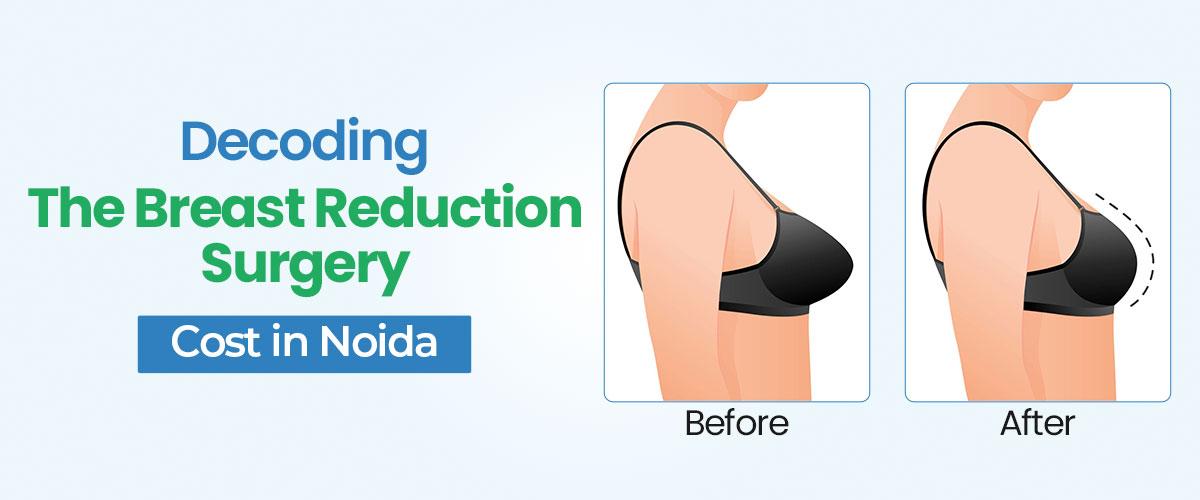
Revitalizing Lives with Breast Reduction Surgery Are you burdened by the physical and emotional discomfort caused by large breasts? Breast reduction surgery can be life-changing to alleviate pain and restore confidence. If conservative treatments have failed to provide relief, it may be time to consider this transformative surgery. Skilled surgeons address the specific concerns associated with large breasts, aiming to reduce the size, improve proportion, and enhance overall well-being. Consult with the best plastic surgery hospital in Noida to evaluate your needs, discuss benefits and risks, and make an informed decision. Take the first step towards a lighter, more comfortable future!
Book Your Appointment One click at +91 9667064100
Table of Contents
What is the cost of Breast Reduction surgery for Different types?
Is Breast reduction surgery covered under insurance in India?
Preparing for breast reduction surgery involves the following steps
During Breast Reduction Surgery, The Following Steps Are Typically Involved
Reasons to Choose Felix Hospital for Breast Reduction/Conservation Surgery
Unlock the Affordable Cost for Breast Reduction Surgery in India When it comes to affordable breast reduction surgery that can transform your life, India stands out as a top destination. With state-of-the-art medical facilities, renowned surgeons, and cost-effective healthcare, India offers incredible value for your investment. Cost for Breast reduction surgery in India is priced significantly lower than in many other countries, allowing you to achieve exceptional care and remarkable results without breaking the bank. Reclaim your freedom and restore your confidence, all at a fraction of the cost.
| Starting Cost | ₹175,000 |
| Average Cost | ₹ 2,00,000 |
| Maximum Cost | ₹ 3,00,000 |
Discover affordable solutions for breast reduction surgery costs at Felix Hospital in Noida! Our commitment is to provide exceptional care at an affordable cost for Breast reduction surgery through our team of specialized breast surgeons and dedicated staff.
The cost of breast reduction surgery in Noida for different types can vary depending on several factors, including the complexity of the procedure, the surgeon's expertise, the facilities provided by the hospital, and the post-operative care required. It's essential to consult with a specialized breast surgeon and receive a personalized evaluation to get an accurate cost for breast reduction surgery. However, here are some approximate ranges for different types of breast reduction surgeries cost in India, especially in Noida:
Traditional Breast Reduction Surgery: This procedure involves the removal of excess breast tissue and reshaping the breasts to a smaller size. The cost of breast reduction surgery for the traditional method can range from INR 150,000 to INR 400,000 or more, depending on various factors such as complexity, surgeon's expertise, and post-operative care.
Vertical or "Lollipop" Breast Reduction Surgery: Vertical breast reduction surgery is a technique that combines a vertical incision with a circular incision around the areola. The cost of this procedure in Noida can start from around INR 175,000 and go up to INR 500,000 or more, depending on factors like the surgeon's expertise, facilities provided, and individual requirements.
Liposuction-Assisted Breast Reduction Surgery: This procedure involves using liposuction to remove excess fat from the breasts, resulting in a reduction in size. The cost of liposuction-assisted breast reduction surgery in Noida can range from INR 125,000 to INR 400,000 or more, depending on factors such as the complexity of the case, the surgeon's expertise, and the extent of liposuction required. It's important to consult with a specialized breast surgeon to determine the most suitable procedure and receive an accurate cost estimate tailored to your specific needs.
There is no one-size-fits-all best method of breast reduction surgery.
The ideal technique varies for each patient based on factors like initial breast anatomy, amount of tissue to be removed, and desired aesthetic outcome.
A consultation with a plastic surgeon is essential to determine the most suitable approach.
During the consultation, the surgeon will assess the patient's breast anatomy, including size, shape, and tissue type.
The surgeon will also consider the desired reduction in size, potential adjustments to the areola or nipple, and the need for correcting breast asymmetry.
If reshaping and lifting the breasts are priorities, the surgeon may suggest combining breast reduction with a breast lift procedure or consider the use of liposuction or breast implants.
The final outcome, both aesthetically and physically, will be discussed to align with the patient's expectations and goals.
Ultimately, the decision on the best breast reduction method will be based on individual factors and personalized recommendations from the plastic surgeon.
Looking for exceptional breast reduction surgery at an affordable cost near you? Look no further than Felix Hospital. Contact us at +91 9667064100 to secure your appointment and discuss the breast reduction surgery cost near you.
The cost of breast reduction surgery in India can be influenced by several factors, including:
The complexity of the Procedure: The complexity of the surgery, including the amount of tissue to be removed, the need for additional procedures like a breast lift or liposuction, and the overall surgical technique employed, can affect the cost.
Surgeon's Expertise and Reputation: The experience, skill level, and reputation of the surgeon performing the procedure can impact the cost. Highly experienced and renowned surgeons may charge higher fees.
Hospital Facilities and Services: The quality and reputation of the hospital or surgical facility where the procedure is performed can affect the cost. Facilities with advanced equipment and a higher level of care may have higher associated costs.
Geographical Location: The cost of breast reduction surgery can vary based on the geographical location in India. Major metropolitan cities and urban areas may generally have higher costs compared to smaller towns or rural areas.
Pre and Post-Operative Care: The cost may include pre-operative consultations, diagnostic tests, medications, post-operative follow-up visits, and any necessary garments or supportive devices for recovery.
Anesthesia and Operating Room Fees: Anesthesia charges, operating room fees, and the cost of surgical supplies can contribute to the overall cost of the procedure.
Additional Expenses: Miscellaneous expenses such as hospital stays, laboratory tests, pathology examinations, and other related services can also affect the overall cost.
Seeking affordable breast reduction surgery near you? Choose Felix Hospital for exceptional results at a competitive cost. Call +91 9667064100 to schedule your appointment and inquire about the breast reduction surgery cost near you.
Medical Necessity: Coverage is more likely if the procedure addresses physical symptoms and functional limitations caused by large breasts.
Documentation: Insurance may require documentation from a qualified medical professional to support the medical necessity, including medical history, examination, and symptom documentation.
Pre-Approval: Obtain pre-approval or prior authorization from the insurance provider to ensure coverage and avoid claim denials.
Policy Terms: Coverage depends on the specific policy, including limitations, exclusions, waiting periods, and deductibles. Review the policy carefully.
Consult Insurance Provider: Directly consult the insurance provider for detailed information on coverage, eligibility, and required documentation.
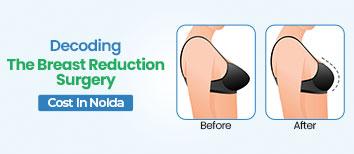
Breast reduction surgery, also known as reduction mammaplasty, is a surgical procedure aimed at reducing the size and volume of the breasts. It is performed to address various concerns associated with excessively large breasts, including physical discomfort, pain, limitations in physical activities, and psychological distress.
During the procedure, excess breast tissue, fat, and skin are removed to achieve a more proportionate breast size that aligns with the patient's body frame. The surgeon reshapes the breasts and repositions the nipples and areolas to achieve a more aesthetically pleasing result.
Breast reduction surgery offers several benefits, including:
Alleviation of Physical Discomfort: Large breasts can cause chronic back, neck, and shoulder pain, as well as posture problems. Breast reduction surgery can relieve these symptoms and improve overall physical well-being.
Enhanced Mobility and Physical Activity: By reducing the weight and size of the breasts, the procedure allows for improved mobility and participation in physical activities and exercise.
Improved Body Proportion and Symmetry: Breast reduction surgery can enhance body proportion and balance by creating breasts that are in better harmony with the rest of the body.
Boosted Self-Confidence and Psychological Well-being: Many individuals with excessively large breasts may experience self-consciousness, low self-esteem, or negative body image. Breast reduction surgery can contribute to improved self-confidence and psychological well-being.
The specific surgical technique employed during breast reduction surgery can vary depending on factors such as breast size, shape, and individual patient goals. It is recommended to consult with a qualified plastic surgeon to discuss the procedure, potential risks and complications, and expected outcomes, and to determine whether breast reduction surgery is suitable for your specific situation.
Looking for a reliable and affordable breast reduction surgery center near you? Look no further than Felix Hospital. Call +91 9667064100 to schedule an appointment and explore the competitive breast reduction surgery cost near your area.
Breast reduction surgery is done or recommended for the following reasons:
Alleviating physical discomfort and pain, such as back, neck, and shoulder pain caused by excessively large breasts.
Improving the quality of life by enhancing mobility, allowing for participation in physical activities, and facilitating better clothing fit.
Correcting posture problems associated with the weight of large breasts.
Addressing skin irritation, rashes, and infections that can occur in the folds beneath the breasts.
Boosting psychological and emotional well-being by improving self-confidence and body image.
Consultation with a plastic surgeon is essential to determine if breast reduction surgery is suitable for an individual's specific needs and goals.
Consultation with a Plastic Surgeon: Meet with a qualified surgeon to discuss your goals and assess your suitability for the procedure.
Medical Evaluation: Undergo a thorough medical evaluation to ensure you are healthy for surgery.
Lifestyle Adjustments: Quit smoking, reduce alcohol intake, and follow any recommended lifestyle changes.
Medications and Supplements: Provide your surgeon with a complete list of medications and supplements you take and follow their instructions regarding their usage.
Preoperative Instructions: Follow specific instructions from your surgeon regarding fasting, medication, and other preparations before surgery.
Arrange Support and Transportation: Arrange for someone to accompany you to the surgical facility and plan transportation for the day of surgery.
Prepare Recovery Space: Create a comfortable recovery space at home with the necessary supplies and medications.
Arrange Help: Enlist assistance from a family member or friend for the initial days of recovery.
Follow Fasting Instructions: Adhere to fasting instructions provided by your surgeon before the surgery.
Mental Preparation: Understand the expected outcomes, and risks, and ask any questions or address concerns with your surgeon.
By following these steps, you can adequately prepare yourself for breast reduction surgery and enhance your recovery experience.
Anesthesia: Before the surgery begins, anesthesia will be administered to ensure you are comfortable and pain-free during the procedure. This may include general anesthesia, which puts you to sleep, or local anesthesia with sedation, which numbs the area and keeps you relaxed.
Incision Placement: The surgeon will make incisions on your breasts. The specific incision pattern will depend on the technique used and your individual needs. Common incision types include anchor-shaped (Wise pattern), vertical (lollipop), or keyhole-shaped (donut).
Tissue Removal: Excess breast tissue, fat, and skin will be removed to reduce the size and reshape the breasts. The surgeon will carefully sculpt and reshape the breast tissue to achieve the desired outcome.
Repositioning the Nipple and Areola: In most cases, the nipple and areola are repositioned higher on the breast mound to create a more youthful appearance. They may also be resized if necessary.
Breast Reshaping: The remaining breast tissue will be reshaped and lifted to achieve a more aesthetically pleasing contour. The surgeon will ensure symmetry and balance between the breasts.
Closing Incisions: After the desired changes are made, the incisions will be meticulously closed with sutures. In some cases, drainage tubes may be placed temporarily to remove excess fluid or blood.
Dressing and Bandaging: The surgeon will apply dressings or bandages to protect the incisions and support the breasts during the initial healing phase. A surgical bra or compression garment may be provided for added support and comfort.
Recovery and Monitoring: You will be closely monitored as you wake up from anesthesia. You may be moved to a recovery area where medical staff will monitor your vital signs and ensure your comfort.
Breast reduction surgery typically takes a few hours to complete, but the duration may vary depending on the complexity of the procedure and individual factors. Following the surgery, you will be provided with post-operative instructions regarding care, pain management, and follow-up appointments. It is important to follow these instructions for a smooth recovery process.
Recovery Room: After surgery, you'll be in a recovery room where your vital signs will be monitored. You may still be under the effects of anesthesia.
After the procedure:
Immediately after surgery, the breasts are bandaged and supported with a surgical bra.
Drainage tubes may be placed under the arms to remove excess fluid.
Pain medication and antibiotics may be given to manage pain and reduce the risk of infection.
In the first days or week after surgery:
The breasts will be tender, swollen, and bruised.
A front-closing surgical bra is worn for support.
Afterward:
Limit physical activity for 4 to 6 weeks to allow the breasts to heal.
Wear an approved surgical bra continuously to aid healing and reduce swelling.
Scarring will fade over time, and a follow-up visit with the surgeon will be needed to monitor recovery.
Recovery Period: Recovery time varies, typically taking a few weeks to several months. Follow activity restrictions, wound care, and wear prescribed garments.
Results: Over time, you'll notice smaller, lifted, and better-proportioned breasts. Final results may take several months as swelling subsides and tissues settle.
Communication: Maintain open communication with your surgeon and seek immediate medical attention for unusual symptoms, excessive bleeding, severe pain, or signs of infection.
Breast reduction surgery, like any major surgical procedure, carries certain risks. While the majority of patients experience successful outcomes, it is important to be aware of potential complications. Some of the risks associated with breast reduction surgery include:
Bleeding and Infection: As with any surgery, there is a risk of bleeding during the procedure or developing an infection afterward. Surgeons take precautions to minimize these risks, such as using sterile techniques and prescribing antibiotics when necessary.
Bruising and Scarring: It is common to experience temporary bruising and swelling after breast reduction surgery. Additionally, scarring is inevitable, but the extent and visibility of scars can vary depending on factors such as surgical technique, individual healing response, and proper wound care.
Breastfeeding Difficulties: Breast reduction surgery may affect the ability to breastfeed. The surgery involves removing excess breast tissue, which can potentially disrupt milk ducts and affect milk production. It is important to discuss this concern with your surgeon before the procedure if breastfeeding is a priority for you.
Asymmetry and Shape Differences: While surgeons strive to achieve symmetrical and aesthetically pleasing results, there is a possibility of variations in the size, shape, and appearance of the breasts following surgery. It is important to have realistic expectations and discuss your desired outcome with your surgeon during the pre-operative consultations.
Dissatisfaction with Results: In some cases, patients may not be entirely satisfied with the results of their breast reduction surgery. This can be due to unrealistic expectations, unforeseen changes in body proportions, or other factors. It is crucial to have thorough discussions with your surgeon and clearly communicate your goals and expectations prior to the surgery.
Nipple and Skin Complications: Although rare, there is a small risk of complications involving the nipples and the surrounding skin. This includes the rare possibility of nipple or skin loss, as well as changes in nipple sensation. Your surgeon will take measures to minimize these risks and ensure optimal healing.
It is important to note that the above risks are general considerations and the specific risks and complications can vary depending on individual factors and surgical techniques. Your surgeon will provide you with detailed information about the potential risks and how they apply to your specific case during the pre-operative consultations. They will also take all necessary steps to minimize these risks and ensure a safe and successful surgical outcome.
Specialized breast surgeons with extensive experience and expertise.
State-of-the-art facilities and advanced medical technology.
Affordable cost for breast reduction surgery
A comprehensive approach tailored to each patient's needs and goals.
Multispecialty hospitals offer a range of medical services.
Accreditation for safety and quality in healthcare.
An experienced medical team dedicated to excellent patient care.
Positive patient ratings and feedback.
Conveniently located for easy access to consultations and follow-up visits.
Free pick and drop service for added convenience.
Modern facilities for a comfortable surgical journey.
At Felix Hospital, experience the transformative effects of breast reduction surgery, relieving pain in the upper back, neck, and shoulders, and enhancing physical activity and self-image. While immediate results are evident, it may take several months for swelling to subside and surgical scars to fade. Rest assured, the long-lasting outcome is worth it. For details about breast reduction surgery costs, please contact us at +91 9667064100.
Call Now at +91 9667064100 or click here.
Plastic surgery cost in Noida depends on the procedure type, surgeon expertise, hospital infrastructure, and post-surgery care.

Gastroenterology is a specialized medical field that focuses on the diagnosis, treatment, and management of disorders affecting the digestive system. Gastroenterologists are highly trained physicians who have expertise in conditions related to the esophagus, stomach, liver, gallbladder, pancreas, intestines, and other organs of the gastrointestinal tract. They utilize advanced diagnostic techniques and therapeutic interventions to help patients with various gastrointestinal conditions, such as acid reflux, ulcers, liver disease, inflammatory bowel disease, and gastrointestinal cancers. Gastroenterology plays a vital role in promoting digestive health, improving quality of life, and preventing complications related to digestive disorders.
Book Your Appointment One click at +91 9667064100
Table of Contents
Are you searching for a Gastroenterology Hospital near you in Noida? Look no further than Felix Hospital's Gastroenterology Department. As a premier Gastro Hospital in Noida, we offer specialized care for a wide range of gastrointestinal conditions. Our experienced team of gastroenterologists and advanced facilities ensure accurate diagnosis and effective treatment. Whether you're seeking treatment for digestive disorders, liver diseases, or gastrointestinal cancers, our comprehensive approach and commitment to patient care make us the top choice.
When it comes to your digestive health, trust Felix Hospital as your premier Gastroenterology Hospital in Noida. Contact us at +91 9667064100 to schedule your appointment and experience exceptional care for your gastrointestinal needs.
Gastroenterology is a medical specialty that deals with the diagnosis, treatment, and management of disorders and diseases related to the digestive system. Gastroenterologists are experts in the prevention, diagnosis, and treatment of conditions affecting the esophagus, stomach, small intestine, colon, rectum, pancreas, liver, gallbladder, and bile ducts. Some common conditions and areas of focus in gastroenterology include:
Gastroesophageal Reflux Disease (GERD): Our experienced gastroenterologists provide expert diagnosis and management of GERD, a chronic condition characterized by acid reflux and heartburn. We offer personalized treatment plans to alleviate symptoms and prevent complications.
Peptic Ulcer Disease: Our team is skilled in diagnosing and treating peptic ulcers, which are open sores that develop on the lining of the stomach, upper small intestine, or esophagus. We utilize advanced techniques to promote healing and prevent ulcer recurrence.
Inflammatory Bowel Disease (IBD): We specialize in the management of IBD, including Crohn's disease and ulcerative colitis. Our gastroenterologists work closely with patients to develop individualized treatment plans, incorporating medication, lifestyle modifications, and ongoing monitoring to control inflammation and improve quality of life.
Irritable Bowel Syndrome (IBS): Our dedicated team understands the challenges of living with IBS. We provide compassionate care and tailored treatment approaches to help patients manage symptoms such as abdominal pain, bloating, and changes in bowel habits.
Gastrointestinal Cancers: Our gastroenterologists are experienced in the diagnosis, staging, and treatment of gastrointestinal cancers, including colorectal, pancreatic, and liver cancer. We collaborate closely with oncologists to develop comprehensive treatment strategies, including surgery, chemotherapy, and targeted therapies.
Hepatitis and Liver Diseases: We offer specialized care for hepatitis and various liver diseases, including viral hepatitis, fatty liver disease, and cirrhosis. Our multidisciplinary team provides comprehensive evaluations, personalized treatment plans, and ongoing management to optimize liver health.
Pancreatic Disorders: Our gastroenterologists are skilled in diagnosing and treating pancreatic disorders, such as pancreatitis, pancreatic cysts, and pancreatic cancer. We employ advanced techniques, including endoscopic ultrasound, to accurately diagnose and provide targeted treatments.
Gallbladder and Bile Duct Disorders: Our expertise extends to the diagnosis and management of gallbladder and bile duct disorders, including gallstones and biliary obstruction. We offer minimally invasive procedures and surgical interventions when necessary to restore proper bile flow and alleviate symptoms.
Digestive System Endoscopy: We perform a variety of diagnostic and therapeutic endoscopic procedures to evaluate and treat digestive system disorders. This includes colonoscopy, gastroscopy, and endoscopic retrograde cholangiopancreatography (ERCP), which allow for precise visualization and intervention.
Nutritional Disorders: Our team evaluates and manages nutritional disorders, including malabsorption syndromes, food intolerances, and nutritional deficiencies. We provide dietary guidance and tailored treatment plans to optimize nutrient absorption and overall nutritional status.
Looking for the best gastroenterologist in Noida? Look no further! Contact us at +919667064100 to book an appointment with our experienced gastroenterologists.
Searching for the best gastroenterologist in Noida? Look no further! At Felix Hospital, we offer a wide range of diagnostic services to cater to the diverse needs of our patients. Some of the diagnostic services we provide include:
Upper GI Endoscopy: This procedure involves the use of a flexible tube with a camera and light source (endoscope) to examine the upper gastrointestinal tract, including the esophagus, stomach, and duodenum. It helps diagnose conditions such as ulcers, inflammation, tumors, and gastrointestinal bleeding.
Capsule Endoscopy: Capsule endoscopy is a non-invasive procedure where a small, swallowable capsule equipped with a camera is used to capture images of the digestive tract. It provides detailed images of the small intestine, helping to diagnose conditions such as Crohn's disease, polyps, and small bowel tumors.
Enteroscopy: Enteroscopy is a procedure that allows direct visualization and evaluation of the small intestine using an endoscope. It can be done through the mouth (upper enteroscopy) or through the anus (lower enteroscopy). Enteroscopy helps diagnose and treat conditions such as gastrointestinal bleeding, Crohn's disease, and small bowel tumors.
Colonoscopy: Colonoscopy is a procedure used to examine the large intestine (colon) and rectum. It involves the insertion of a long, flexible tube with a camera (colonoscope) into the rectum to detect abnormalities, such as polyps, tumors, and inflammation. Colonoscopy is an important screening tool for colorectal cancer.
ERCP (Endoscopic Retrograde Cholangiopancreatography): ERCP is a specialized endoscopic procedure used to diagnose and treat conditions affecting the bile ducts, pancreas, and gallbladder. It involves the insertion of an endoscope through the mouth and into the duodenum to access the bile and pancreatic ducts. ERCP helps diagnose and treat conditions like gallstones, bile duct obstructions, and pancreatic disorders.
Manometry: Manometry is a diagnostic procedure that measures the pressure and muscular activity in the gastrointestinal tract. It helps evaluate the functioning of the esophagus, stomach, and anal sphincter. Manometry is useful in diagnosing conditions such as gastroesophageal reflux disease (GERD), achalasia, and motility disorders.
Endoscopic Ultrasonography (EUS): EUS combines endoscopy and ultrasound to obtain detailed images of the digestive tract and nearby organs, such as the pancreas and liver. It helps diagnose and stage gastrointestinal cancers, evaluate abnormalities, and guide needle biopsies for tissue sampling.
Necrosectomy: Necrosectomy is a surgical procedure performed to remove necrotic (dead) tissue from the body, specifically in the context of gastrointestinal conditions such as necrotizing pancreatitis or abdominal infections. Necrotizing pancreatitis is a severe inflammation of the pancreas that can lead to tissue death and the formation of infected fluid collections or necrotic areas within the abdominal cavity.
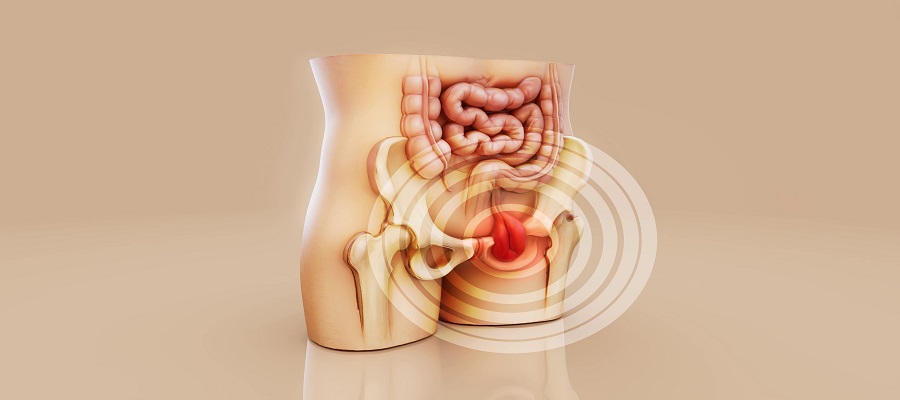
Gastroenterology surgeries encompass various procedures aimed at diagnosing, treating, or managing conditions affecting the digestive system. Some common types of gastroenterology surgeries include:
Esophageal Surgeries:
Fundoplication: Used to treat gastroesophageal reflux disease (GERD) by reinforcing the lower esophageal sphincter.
Esophageal dilation: Involves stretching or widening narrowed areas of the esophagus.
Esophageal diverticulectomy: Surgical removal of an esophageal diverticulum, a pouch-like bulge in the esophageal wall.
Gastric Surgeries:
Gastric bypass: A weight loss surgery that involves rerouting the digestive system to reduce the absorption of food.
Gastrectomy: Partial or complete removal of the stomach, often performed to treat stomach cancer or severe ulcers.
Gastric banding: Placement of an adjustable band around the upper part of the stomach to restrict food intake.
Intestinal Surgeries:
Colectomy: Surgical removal of all or part of the colon, usually to treat conditions like colon cancer or diverticulitis.
Small bowel resection: Removal of a portion of the small intestine, typically performed for conditions such as Crohn's disease or bowel obstruction.
Ileostomy or colostomy: Creation of an opening in the abdominal wall to divert the flow of stool from the intestine to an external bag.
Liver and Pancreatic Surgeries:
Liver resection: Surgical removal of a portion of the liver, commonly for liver cancer or benign liver tumors.
Pancreaticoduodenectomy (Whipple procedure): Removal of the head of the pancreas, part of the small intestine, gallbladder, and bile ducts, often performed for pancreatic cancer.
Liver transplant: Replacement of a diseased liver with a healthy liver from a donor.
Hemorrhoid Surgeries:
Hemorrhoidectomy: Surgical removal of hemorrhoids, swollen blood vessels in the rectum or anus.
Rubber band ligation: Placement of rubber bands around hemorrhoids to cut off their blood supply, causing them to shrink and fall off.
Endoscopic Surgeries:+
Endoscopic retrograde cholangiopancreatography (ERCP): Used to diagnose and treat problems in the bile ducts or pancreatic ducts.
Endoscopic mucosal resection (EMR): Removal of abnormal tissue or early-stage cancers in the gastrointestinal tract using an endoscope.
At Felix Hospital, we offer a range of advanced gastroenterology surgeries performed by our expert team of top gastroenterologists in Noida. Call +91 9667064100 to schedule your visit today.
Appendicitis: Appendicitis is an inflammatory condition characterized by the inflammation of the appendix, a small pouch-like structure located in the lower right abdomen. It typically presents with symptoms such as abdominal pain, nausea, vomiting, and fever. The primary treatment for appendicitis is an appendectomy, which involves surgical removal of the appendix to prevent it from rupturing and causing further complications.
Alcoholic Hepatitis: Alcoholic hepatitis is liver inflammation caused by excessive alcohol consumption. It can range from mild to severe and may lead to liver damage and scarring if left untreated. Treatment options include abstaining from alcohol, lifestyle modifications, medications to manage symptoms and promote liver healing, and in severe cases, liver transplantation.
Cirrhosis of the Liver: Cirrhosis is a progressive liver disease characterized by the formation of scar tissue in the liver, impairing its normal function. It can result from various causes, such as chronic alcohol abuse, viral hepatitis, or certain autoimmune conditions. While cirrhosis is irreversible, treatment focuses on managing symptoms, preventing further liver damage, and addressing underlying causes. Lifestyle changes, medications, and in advanced cases, liver transplantation may be recommended.
Cholecystitis: Cholecystitis is the inflammation of the gallbladder, often caused by gallstones blocking the bile ducts. Symptoms include severe abdominal pain, nausea, vomiting, and fever. Treatment typically involves hospitalization, intravenous fluids, pain management, antibiotics, and in some cases, surgical removal of the gallbladder (cholecystectomy) to prevent recurrent episodes.
Crohn's Disease: Crohn's disease is a chronic inflammatory bowel disease (IBD) that primarily affects the digestive tract. It causes inflammation, ulcers, and damage to the intestines, leading to symptoms such as abdominal pain, diarrhea, weight loss, and fatigue. Treatment aims to control inflammation, relieve symptoms, and improve quality of life. It may involve medications, lifestyle modifications, nutritional therapy, and in some cases, surgery to remove affected bowel segments or manage complications.
Diverticulosis: Diverticulosis is a condition characterized by the presence of small pouches or diverticula in the lining of the colon. It is often asymptomatic and is commonly found in older adults. Treatment focuses on managing symptoms, such as bloating and mild pain, through dietary changes, increased fiber intake, and the occasional use of medications to relieve symptoms and prevent complications.
Esophageal Varices: Esophageal varices are enlarged and swollen blood vessels in the lower part of the esophagus, usually caused by liver disease, such as cirrhosis. These varices can be fragile and prone to bleeding, which can be life-threatening. Treatment options include medications to reduce the risk of bleeding, endoscopic procedures to stop active bleeding, and in severe cases, surgical intervention or liver transplantation.
Gallstones: Gallstones are hardened deposits that form in the gallbladder, a small organ that stores bile. They can cause symptoms such as abdominal pain, nausea, and jaundice. Treatment options for gallstones may include medications to dissolve the stones, but surgical removal of the gallbladder (cholecystectomy) is often recommended to alleviate symptoms and prevent further complications.
Gastritis: Gastritis is the inflammation of the stomach lining, which can be acute or chronic. It may result from various factors, including infection, prolonged use of nonsteroidal anti-inflammatory drugs (NSAIDs), excessive alcohol consumption, or autoimmune conditions. Treatment involves identifying and addressing the underlying cause, lifestyle modifications, medications to reduce stomach acid and relieve symptoms, and dietary changes.
Gastroenteritis: Gastroenteritis, also known as stomach flu, is an inflammation of the stomach and intestines, typically caused by viral or bacterial infections. It leads to symptoms such as diarrhea, abdominal pain, nausea, and vomiting. Treatment focuses on managing symptoms and preventing dehydration through adequate fluid intake, electrolyte replacement, and, in some cases, medication to alleviate symptoms or treat the underlying infection.
Gastroenteritis: Gastroenteritis, also known as stomach flu, is an inflammation of the stomach and intestines, typically caused by viral or bacterial infections. It leads to symptoms such as diarrhea, abdominal pain, nausea, and vomiting. Treatment focuses on managing symptoms and preventing dehydration through adequate fluid intake, electrolyte replacement, and, in some cases, medication to alleviate symptoms or treat the underlying infection.
Searching for a trusted Gastro Hospital nearby? Look no further! Felix Hospital in Noida is renowned for its specialized gastroenterology services. Call us at +91 9667064100 to schedule an appointment and take the first step towards better digestive health.
Hepatitis B: Hepatitis B is a viral infection that primarily affects the liver. It can be acute or chronic and is transmitted through contact with infected blood or body fluids. Treatment for hepatitis B may involve antiviral medications to suppress the virus, regular monitoring of liver function, and lifestyle modifications to support liver health. Vaccination is available to prevent hepatitis B infection.
Hernia: A hernia occurs when an organ or tissue pushes through a weak spot in the surrounding muscle or connective tissue. In the case of gastroenterology, it commonly refers to abdominal hernias such as inguinal hernia, umbilical hernia, or hiatal hernia. Treatment options include watchful waiting, lifestyle modifications, hernia truss, and surgical repair to restore the integrity of the abdominal wall.
Non-Alcoholic Fatty Liver Disease: It is a condition characterized by the accumulation of fat in the liver, unrelated to excessive alcohol consumption. It is commonly associated with obesity, diabetes, and metabolic syndrome. Treatment involves lifestyle changes such as weight loss, regular exercise, a healthy diet, and management of underlying conditions. Close monitoring and follow-up are necessary to prevent liver damage and progression to more severe stages.
Stomach Ulcers: Stomach ulcers, also known as gastric ulcers, are open sores that develop on the lining of the stomach. They can be caused by infection with Helicobacter pylori bacteria, long-term use of nonsteroidal anti-inflammatory drugs (NSAIDs), or excessive acid production. Treatment may involve medications to reduce stomach acid, antibiotics to eradicate H. pylori infection, and lifestyle modifications to promote ulcer healing and prevent recurrence.
Ulcerative Colitis: Ulcerative colitis is a chronic inflammatory bowel disease that primarily affects the colon and rectum. It causes symptoms such as abdominal pain, diarrhea, rectal bleeding, and weight loss. Treatment options for ulcerative colitis include medications to control inflammation, manage symptoms, and induce remission. In severe cases, surgery may be necessary to remove the colon and rectum. For comprehensive care, visit the Best Hospital for Ulcerative Colitis Treatment to explore advanced treatment options and expert guidance.
These are common gastrointestinal conditions that require medical attention and management. It is important to consult with a gastroenterologist or healthcare provider for an accurate diagnosis and appropriate treatment plan based on your specific condition and individual needs.
Call +919667064100 or visit our hospital for prompt and personalized gastroenterology services.
Looking for a trusted gastroenterology hospital in Noida? Look no further than Felix Hospital in Noida. Here's why we are the top choice for gastroenterology care:
Skilled Gastroenterologists: At Felix Hospital, we have a team of top gastroenterologists in Noida who specialize in diagnosing and treating a wide range of gastrointestinal conditions. Their expertise ensures accurate diagnosis and effective treatment plans.
Advanced Diagnostic Services: We offer advanced diagnostic services, including upper GI endoscopy, capsule endoscopy, enteroscopy, colonoscopy, ERCP, manometry, and endoscopic ultrasonography. These procedures allow for precise evaluation and targeted treatment of gastrointestinal disorders.
State-of-the-Art Facilities: Our hospital is equipped with state-of-the-art facilities and modern technology to provide the highest quality gastroenterology care. From advanced endoscopic equipment to dedicated procedure rooms, we ensure a comfortable and safe experience for our patients.
Comprehensive Treatment Options: We provide comprehensive treatment options for various gastrointestinal conditions such as diverticulosis, esophageal varices, gallstones, gastritis, gastroenteritis, and more. Our gastroenterologists tailor treatment plans to meet individual needs, ensuring the best possible outcomes.
Patient-Centric Approach: At Felix Hospital, we prioritize patient care and well-being. Our team adopts a patient-centric approach, providing personalized attention, clear communication, and compassionate care throughout the treatment journey.
Convenient Location: Located in Noida, our hospital is easily accessible, making it convenient for patients seeking gastroenterology care. We understand the importance of accessibility, especially during urgent medical situations.
Insurance Coverage: We are empaneled with various private and government health insurance providers, offering cashless treatments for gastroenterology services. This helps make quality care accessible to a wide range of patients.
Choose Felix Hospital for a reliable Gastro Hospital. Contact us at +91 9667064100 to schedule an appointment and experience our commitment to excellence in gastroenterology services.
At Felix Hospital, a multi specialty hospital in Noida, we prioritize patient comfort, safety, and well-being. From minimally invasive procedures to complex surgeries, we strive to deliver the highest quality of care with a focus on patient safety and outcomes. Whether you require routine screenings, management of chronic digestive conditions, or surgical interventions, our dedicated team is committed to providing exceptional care and support throughout your treatment journey.
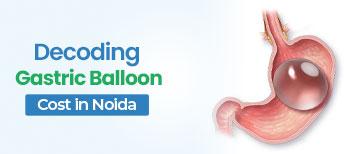
Understand the factors that influence gastric balloon surgery cost in Noida, including hospital facilities, doctor expertise, and post-procedure care.

Gastric problems occur when excess acid or digestive disturbances affect the stomach lining, causing symptoms like bloating, acidity, and pain. Timely diagnosis ensures effective treatment.
Understand the factors that influence endoscopy procedure cost in Noida. Learn about the types, preparation, and benefits of choosing the best multi-speciality hospital in Noida for accurate diagnosis.
Are you facing digestive system issues that require endoscopic intervention? Endoscopy procedure can be the effective solution you need. Whether you're dealing with gastrointestinal disorders, ulcers, polyps, or other conditions, endoscopy aims to diagnose and treat these problems through minimally invasive techniques. By undergoing this procedure, you can experience relief from symptoms, improved digestive health, and a better quality of life.
Book Your Appointment One click at +91 9667064100.
If you're looking for endoscopy procedure in Noida, we understand that cost is an important consideration. The cost of endoscopy procedure in Noida may vary depending on several factors such as the type of procedure, the healthcare facility, and other associated expenses. It is recommended to consult with a specialized gastroenterologist who can evaluate your specific condition, explain the potential benefits and risks, and guide you through the decision-making process. They will also provide you with detailed information about the estimated cost of endoscopy procedure in Noida, ensuring transparency and enabling you to make an informed decision.
By partnering with a top gastroenterologist in Noida, you can benefit from their expertise, advanced endoscopic techniques, and state-of-the-art technology, all aimed at optimizing outcomes and ensuring your well-being. Don't let digestive system issues hold you back – explore the possibilities of endoscopy Procedure and regain control of your health.
Noida, India offers exceptional options for endoscopy Procedure with its world-class medical facilities, renowned gastroenterologists, and cost-effective healthcare solutions. The cost of endoscopy Procedure in Noida is significantly lower compared to other regions, making it an attractive choice for individuals seeking high-quality gastrointestinal care without the burden of excessive expenses. By choosing Noida as your healthcare destination, you can receive top-notch treatment, experienced medical professionals, and comprehensive support throughout your journey to improved digestive health. Take this opportunity to address your digestive concerns, bid farewell to discomfort, and embrace a healthier life through endoscopy Procedure in Noida. Your path to a better digestive system and overall well-being starts here, where excellence in gastrointestinal care meets affordability.
Contact us today at +91 9667064100 to book your consultation and explore the options available for your endoscopy procedure needs.
Endoscopic Procedure costs in India can vary based on factors such as the type of procedure, chosen medical facility, and additional services required.
| Starting Cost | ₹ 4,000 |
| Average Cost | ₹ 15,000 |
| Maximum Cost | ₹ 35,000 |
Gastroscopy: Gastroscopy is an endoscopic procedure used to examine the food pipe (esophagus), stomach, and the upper part of the small intestine. It is commonly performed to diagnose and treat conditions such as ulcers, inflammation, tumors, and swallowing difficulties. The cost of gastroscopy in Noida, India typically ranges from ₹4,500 to ₹12,000, depending on factors such as the location, medical facility, and additional services required.
Colonoscopy: Colonoscopy is an endoscopic examination of the large intestine (colon) and the rectum. It is commonly used for screening, diagnosing, and treating conditions such as colorectal cancer, polyps, and inflammatory bowel disease. The cost of colonoscopy in Noida, India generally falls within the range of ₹7,000 to ₹20,000, depending on factors such as the location, medical facility, and any additional services or procedures involved. To ensure quality care, choose the Best Hospital for Colonoscopy for accurate diagnosis and treatment.
Bronchoscopy: Bronchoscopy is an endoscopic procedure used to examine the respiratory system, particularly the airways. It is commonly performed to diagnose and treat conditions such as chronic cough, lung infections, and lung cancer. The cost of bronchoscopy in Noida, India typically ranges from ₹6,500 to ₹15,000, depending on factors such as the location, medical facility, and any additional services or procedures required.
Hysteroscopy: Hysteroscopy is an endoscopic procedure used to examine the inside of the uterus (womb). It is commonly performed to diagnose and treat conditions such as abnormal bleeding, fibroids, and polyps. The cost of hysteroscopy in Noida, India generally falls within the range of ₹8,000 to ₹18,000, depending on factors such as the location, medical facility, and any additional services or procedures involved.
Cystoscopy: Cystoscopy is an endoscopic examination of the bladder. It is commonly performed to diagnose and treat conditions such as urinary incontinence, bladder stones, and urinary tract infections. The cost of cystoscopy in Noida, India typically ranges from ₹6,000 to ₹15,000, depending on factors such as the location, medical facility, and any additional services or procedures required.
Flexible sigmoidoscopy: Flexible sigmoidoscopy is an endoscopic examination of the lower part of the large intestine (sigmoid colon). It is commonly used for screening and diagnosing conditions such as colorectal polyps and inflammation. The cost of flexible sigmoidoscopy in Noida, India generally falls within the range of ₹5,500 to ₹12,000, depending on factors such as the location, medical facility, and any additional services or procedures involved.
Endoscopic ultrasound: Endoscopic ultrasound combines endoscopy with ultrasound imaging to obtain detailed images of internal organs such as the pancreas, liver, and lymph nodes. It is commonly used for diagnosing and staging cancers, as well as evaluating various gastrointestinal conditions. The cost of endoscopic ultrasound in Noida, India typically ranges from ₹10,000 to ₹25,000, depending on factors such as the location, medical facility, and any additional services or procedures required.
Wireless capsule endoscopy: Wireless capsule endoscopy is a non-invasive procedure in which a small capsule with a camera is swallowed to capture images of the digestive tract. It is commonly used for diagnosing conditions such as small bowel diseases, including Crohn's disease and gastrointestinal bleeding. The cost of wireless capsule endoscopy in Noida generally falls within the range of ₹15,000 to ₹30,000, depending on factors such as the location, medical facility, and any additional services or procedures involved.
Looking for affordable endoscopy services in Noida? At Felix Hospital, we offer competitive pricing for endoscopic procedures without compromising on quality. Contact us at +91 9667064100 to inquire about the cost of endoscopy in Noida and schedule an appointment with our skilled gastroenterologists.
An endoscopy test is a diagnostic procedure that enables doctors to visually inspect the digestive tract and observe internal organs or vessels. During the procedure, a thin, flexible tube called an endoscope is inserted through a natural opening, such as the mouth or anus, or sometimes through a small incision. The endoscope is equipped with a tiny camera at its tip, which transmits real-time images to a monitor, allowing the doctor to visualize the internal structures.
Endoscopy offers several advantages over traditional surgical methods. It is considered a minimally invasive procedure since it does not require large incisions or major surgical interventions. This means that patients typically experience less pain, have shorter recovery times, and have a reduced risk of complications compared to traditional procedure.
The outpatient nature of endoscopy further contributes to its convenience. Most endoscopic procedures can be performed in a dedicated clinic or outpatient facility, allowing patients to return home on the same day. This eliminates the need for an overnight hospital stay and minimizes disruption to the patient's daily routine.
By providing direct visualization of the digestive tract, endoscopy allows doctors to detect abnormalities, diagnose conditions, and even perform certain therapeutic interventions, such as removing polyps or taking tissue samples for further analysis. It is a valuable tool in the field of gastroenterology and plays a crucial role in maintaining digestive health and detecting potential issues early on.
To determine the cost of an endoscopy procedure in Noida, it's recommended to consult with a specialized gastroenterologist. They will evaluate your specific condition, discuss the potential benefits and risks, and provide detailed information on the estimated cost. By partnering with a top gastroenterologist in Noida, you can ensure that you receive high-quality care while considering the cost of endoscopy procedure.
Diagnostic purposes: Endoscopy is performed to visually examine and evaluate the internal organs and structures of the body, helping to diagnose various medical conditions and diseases.
Treatment and intervention: Endoscopy allows for minimally invasive procedures to be performed, such as removing polyps or tumors, treating bleeding ulcers, dilating narrow passages, placing stents, or removing foreign objects.
Biopsy: Endoscopy enables the collection of tissue samples (biopsy) for further examination and analysis, aiding in the identification of abnormalities or diseases.
Monitoring and surveillance: Regular endoscopic procedures may be performed to monitor and assess the progression of a disease or condition, or to check the effectiveness of a treatment.
Symptom evaluation: Endoscopy helps to investigate the cause of specific symptoms or complaints, such as persistent pain, bleeding, difficulty swallowing, or persistent coughing.
Screening and early detection: Certain types of endoscopy, such as colonoscopy, are performed as routine screenings to detect early signs of diseases like colorectal cancer, allowing for timely intervention and treatment.
Pre-operative preparation for an endoscopy procedure typically involves several important steps to ensure a safe and successful examination. Here are the key aspects of pre-operative preparation:
Medical Assessment: Your healthcare provider will conduct a thorough medical assessment, including reviewing your medical history, current medications, and any allergies or pre-existing conditions. This helps them understand your overall health status and tailor the procedure accordingly.
Fasting: In most cases, you will be instructed to fast for a specific period before the procedure. This typically involves refraining from eating or drinking for a certain number of hours before the scheduled appointment. Fasting helps ensure that your stomach is empty, allowing for better visualization and reducing the risk of complications during the procedure.
Medication Instructions: You may receive specific instructions regarding the use of medications before the procedure. Some medications, such as blood thinners, may need to be temporarily discontinued or adjusted to minimize the risk of bleeding during the examination. It is crucial to follow these instructions carefully and inform your healthcare provider about all the medications you are taking.
Consent and Discussion: Before the procedure, your healthcare provider will explain the details of the endoscopy, including its purpose, potential risks, benefits, and alternatives. You will have an opportunity to ask questions, clarify any concerns, and provide informed consent for the procedure.
Arrangements for Transportation: Since endoscopy procedures often involve sedation or anesthesia, it is essential to arrange for transportation to and from the healthcare facility. Sedatives can impair your judgment and reflexes, making it unsafe for you to drive or operate machinery after the procedure.
Follow Instructions: Your healthcare provider will provide specific instructions regarding any additional preparations, such as taking prescribed bowel preparations or using enemas to clean the bowel before certain types of endoscopy. It is crucial to follow these instructions meticulously to ensure optimal visualization during the procedure.
Communication: Inform your healthcare provider about any changes in your health status, such as the development of new symptoms or signs of infection, before the procedure. This helps them assess your readiness for the examination and take any necessary precautions.
By following these pre-operative preparation steps, you can help ensure a smooth and successful endoscopy procedure, maximizing its diagnostic accuracy and minimizing potential risks.
Dial +91 9667064100 to speak with our friendly staff and learn more about the affordable options available for endoscopy in Noida.
Endoscopy is performed using a long, flexible tube called an endoscope, which is equipped with a light source and a camera. The specific procedure may vary depending on the type of endoscopy being performed, but generally, the steps involved in an endoscopy procedure are as follows:
Preparation: The patient may be required to fast or follow specific dietary restrictions before the procedure. In some cases, a laxative or enema may be given to empty the bowel.
Anesthesia: Depending on the type of endoscopy and the patient's comfort level, local anesthesia, sedation, or general anesthesia may be used to ensure a painless and comfortable experience.
Insertion of the endoscope: The endoscope is carefully inserted through a natural opening in the body, such as the mouth, anus, or a small incision. The endoscope is guided through the targeted area to be examined or treated.
Visual examination: As the endoscope advances, the camera captures high-quality images of the internal organs or structures, which are displayed on a monitor. The healthcare professional carefully examines the images in real-time to identify any abnormalities or areas of concern.
Intervention or biopsy: If necessary, the endoscope can be used to perform various interventions, such as removing polyps or tumors, taking tissue samples (biopsy), cauterizing bleeding vessels, or inserting instruments for therapeutic purposes.
Completion and recovery: Once the procedure is completed, the endoscope is slowly withdrawn. The patient is then moved to a recovery area, where they are monitored until the effects of anesthesia wear off.
Endoscopy is a minimally invasive procedure that offers several advantages, including reduced risks, shorter recovery time, and less post-operative discomfort compared to traditional open procedure. The specific details of the endoscopy procedure will depend on the type of endoscopy being performed and the individual patient's needs. If you are considering endoscopy procedure in Noida, Felix Hospital, also known as the best gastroenterologist hospital in Noida provides exceptional care at competitive prices. Contact us at +91 9667064100 to learn more about the benefits of endoscopy and to inquire about the endoscopy procedure cost in Noida.
After an endoscopy procedure, it is important to follow certain guidelines for a smooth recovery. Here are some key aspects to consider:
Recovery Area: After the procedure, you will be moved to a recovery area where healthcare professionals will monitor your vital signs and ensure your comfort. You may experience some drowsiness or grogginess due to the sedation or anesthesia used during the procedure.
Observation Period: Depending on the type of endoscopy and the sedation used, you may need to stay under observation for a certain period of time until the effects of the sedation wear off. This is to ensure your safety and monitor for any potential complications.
Post-Procedure Instructions: Your healthcare provider will provide specific instructions for your post-procedure care. This may include guidelines on resuming normal activities, dietary restrictions, and medications to take or avoid. It is important to follow these instructions diligently to facilitate healing and minimize any potential side effects.
Recovery Time: The recovery time after an endoscopy procedure can vary depending on the individual and the type of examination performed. Some people may experience mild discomfort, such as a sore throat or bloating, which typically resolves within a short period. However, more complex procedures may require a longer recovery period, and your healthcare provider will provide guidance on what to expect.
Possible Side Effects: It is common to experience certain side effects after an endoscopy procedure. These may include temporary throat irritation, bloating, gas, or mild cramping. These symptoms should gradually improve over time. However, if you experience severe or persistent pain, fever, difficulty swallowing, or any other concerning symptoms, it is important to contact your healthcare provider.
Resuming Activities: Your healthcare provider will advise you on when it is safe to resume your normal activities, such as driving, work, and exercise. It is important to give your body adequate rest and avoid strenuous activities for the recommended period to allow for proper healing.
Follow-Up Appointment: Your healthcare provider may schedule a follow-up appointment to discuss the results of the endoscopy, provide further instructions, and address any concerns or questions you may have.
Remember, every individual's recovery process may differ, and it is essential to closely follow the instructions and advice provided by your healthcare provider to ensure a smooth and successful recovery after an endoscopy procedure.
Seeking affordable endoscopy in Noida? At Felix Hospital, we offer quality procedures at competitive prices. Call +91 9667064100 to inquire about endoscopy costs in Noida and schedule an appointment with our skilled gastroenterologists.
While endoscopic procedures are generally considered safe, there are some potential risks and complications associated with the procedure. It's important to be aware of these risks and discuss them with your healthcare provider before undergoing an endoscopy. Some possible risks include:
Bleeding: Endoscopy involves inserting instruments into the body, which can cause tissue injury and subsequent bleeding. However, significant bleeding is rare and can usually be managed during the procedure.
Infection: Although uncommon, there is a risk of infection associated with endoscopy. This can happen if bacteria from the digestive tract enter the bloodstream or if the equipment used during the procedure is not properly sterilized. Infections can usually be treated with antibiotics.
Perforation: In rare cases, the endoscope can cause a puncture or perforation in the gastrointestinal tract. This can lead to leakage of digestive fluids into the abdomen or chest, requiring surgical intervention to repair the perforation.
Adverse reactions to sedation or anesthesia: If sedation or anesthesia is used during the procedure, there is a small risk of adverse reactions. These can include breathing difficulties, allergic reactions, or cardiovascular complications. The risks are generally low but can vary depending on the individual's overall health and medical history.
Pancreatitis: In some cases, endoscopic procedures involving the pancreas can cause inflammation of the pancreas known as pancreatitis. This can cause abdominal pain, nausea, and vomiting and may require further medical treatment.
Discomfort or side effects: After the procedure, it is common to experience some mild discomfort, such as a sore throat, bloating, or gas. These symptoms usually resolve on their own within a short period.
It's important to note that the risks associated with endoscopy are generally low, and healthcare providers take precautions to minimize these risks. They will carefully assess the potential benefits versus the risks before recommending an endoscopic procedure. It's always advisable to discuss any concerns or questions you may have with your healthcare provider prior to the procedure.
Felix Hospital is the preferred choice for endoscopy procedures due to the following reasons:
Skilled Specialists: Our hospital has a team of experienced specialists who specialize in performing endoscopy procedures. They have the expertise to ensure accurate diagnoses and effective treatments.
State-of-the-Art Facilities: We are equipped with advanced technology and modern facilities specifically designed for endoscopy procedures. Our well-equipped endoscopy units provide a safe and comfortable environment for patients.
Personalized Approach: We understand that each patient's condition is unique, and their endoscopy needs may vary. Our specialists take a personalized approach, tailoring the procedure to meet individual requirements and optimize outcomes.
Comprehensive Care: Felix Hospital offers comprehensive care beyond the endoscopy procedure. Our multidisciplinary team collaborates to provide integrated care, including pre-operative preparation, post-procedure follow-up, and necessary consultations with other specialists if required.
Accreditation for Safety & Quality: Patient safety and quality care are our utmost priorities. Felix Hospital holds accreditations from reputable organizations, ensuring adherence to stringent standards and protocols.
Experienced Medical Team: Our dedicated medical team consists of skilled gastroenterologists, endoscopists, anesthesiologists, and specialized nurses who have extensive experience in performing endoscopy procedures. They ensure optimal patient care and comfort throughout the procedure.
Positive Patient Feedback: We take pride in our positive patient feedback and testimonials. The trust and satisfaction expressed by our patients reflect our commitment to providing excellent endoscopy services.
Convenient Location: Felix Hospital's location is easily accessible, offering convenience for patients seeking endoscopy procedures. We understand the importance of accessibility, particularly during medical situations that require prompt attention.
Patient-Centric Approach: At Felix Hospital, we prioritize the comfort and well-being of our patients. Our compassionate staff ensures a caring and supportive environment, addressing any concerns or questions throughout the entire process.
Empaneled with Insurance Providers: We are empaneled with various private and government health insurance providers, offering cashless services for endoscopy procedures. This helps ease the financial burden for patients seeking our services.
An endoscopy is a procedure used by doctors to diagnose and treat conditions affecting the digestive system. Compared to traditional procedures, it offers several advantages, including accurate diagnosis, targeted treatment, and faster recovery. The cost of endoscopy varies depending on the type of procedure and the location. To ensure optimal results, patients should prepare prior to undergoing an endoscopy. There may be some minor discomfort or side effects after the procedure, but these are usually temporary. As a diagnostic and management tool, endoscopy is safe and effective when performed by medical professionals with specialized training at a multi speciality hospital in Noida.
Understand the factors that influence gastric balloon surgery cost in Noida, including hospital facilities, doctor expertise, and post-procedure care.

Expert gastroenterology care for better digestive health, offering advanced diagnosis and treatment for GERD, IBS, ulcers, and liver disorders.
Gastric problems occur when excess acid or digestive disturbances affect the stomach lining, causing symptoms like bloating, acidity, and pain. Timely diagnosis ensures effective treatment.

Are you struggling with heart-related issues that require surgical intervention? Heart surgery can be the transformative solution you need. Whether you're facing coronary artery disease, heart valve problems, or congenital heart defects, heart surgery aims to improve your heart's functionality and enhance your overall well-being. By undergoing this procedure, you can experience improved heart health, enhanced quality of life, and increased longevity.
When considering heart surgery, it is crucial to consult with a specialized cardiac surgeon who can assess your specific condition, explain the potential benefits and risks, and guide you through the decision-making process. They will develop a personalized treatment plan tailored to your unique circumstances, utilizing advanced surgical techniques and cutting-edge technology to optimize outcomes.
Book Your Appointment One click at +91 9667064100
Table of Contents
Noida, India offers exceptional options for heart surgery with its world-class medical facilities, renowned cardiac surgeons, and cost-effective healthcare solutions. The cost of heart surgery in Noida is significantly lower compared to other regions, making it an attractive choice for individuals seeking high-quality cardiac care without the burden of excessive expenses. By choosing Noida as your healthcare destination, you can receive top-notch treatment, experienced medical professionals, and comprehensive support throughout your journey to a healthier heart.
Take this opportunity to improve your cardiovascular health, bid farewell to heart-related concerns, and embrace a rejuvenated life through heart surgery in Noida. Your path to a healthier heart and a better quality of life starts here, where excellence in cardiac care meets affordability. Contact us today at [phone number] to book your consultation and explore the options available for your heart surgery needs.
For an estimate of the heart surgery cost in Noida, several factors are considered, including the complexity of the procedure, the type of surgery required, hospital facilities, the expertise of the cardiac surgeon, and post-operative care. Depending on individual circumstances, the cost may vary within the range of Rs. 1,50,000 and Rs. 5,50,000. However, in Noida, you can expect competitive pricing for heart surgery, providing cost-effective solutions without compromising on quality. With the cost falling within a reasonable range, you can receive world-class cardiac care, achieve positive outcomes, and regain your cardiovascular health without a heavy financial burden.
At Felix Hospital in Noida, we are committed to delivering exceptional cardiac care at a reasonable cost. Our experienced team of cardiac surgeons and dedicated staff will provide you with comprehensive support and personalized treatment, ensuring that you receive the best possible care for your heart condition. Contact us today to learn more about the cost of heart surgery in Noida and to schedule a consultation with our renowned cardiac specialists.
When considering heart surgery in Noida, it's essential to understand the cost associated with different types of procedures. The heart surgery cost in Noida can vary based on factors such as the complexity of the procedure, the type of surgery required, hospital facilities, the expertise of the cardiac surgeon, and post-operative care. Here is an estimate of the cost of heart surgery in Noida for different types:
The cost of CABG surgery in Noida typically starts around ₹3,00,000.
The average cost of Heart Surgey in Noida for CABG falls within the range of ₹4,00,000 to ₹6,00,000.
In some cases, the maximum cost of CABG surgery in Noida can go up to ₹8,00,000 or more, depending on individual requirements and preferences.
| Starting Cost | ₹3,00,000 |
| Average Cost | ₹4,00,000 to ₹6,00,000 |
| Maximum Cost | Up to ₹8,00,000 |
The cost of heart valve replacement surgery in Noida typically starts around ₹4,00,000.
The average cost of heart valve replacement surgery in Noida falls within the range of ₹6,00,000 to ₹8,00,000.
In some cases, the maximum cost of heart valve replacement surgery in Noida can go up to ₹10,00,000 or more, depending on individual requirements and preferences.
| Starting Cost | ₹4,00,000 |
| Average Cost | ₹6,00,000 to ₹8,00,000 |
| Maximum Cost | Up to ₹10,00,000 |
The cost of angioplasty and stent placement in Noida typically starts around ₹1,50,000.
The average cost of angioplasty and stent placement in Noida falls within the range of ₹2,00,000 to ₹3,50,000.
In some cases, the maximum cost of angioplasty and stent placement in Noida can go up to ₹5,00,000 or more, depending on individual requirements and preferences.
| Starting Cost | ₹1,50,000 |
| Average Cost | ₹2,00,000 to ₹3,50,000 |
| Maximum Cost | Up to ₹5,00,000 |
It's important to note that these cost estimates are approximate and can vary depending on individual circumstances and the specific hospital or healthcare provider. It is advisable to consult with a specialized cardiac surgeon in Noida to get an accurate assessment of the cost based on your specific condition and treatment plan.
If you are seeking heart surgery in Noida, Felix Hospital is the answer. Our skilled cardiac surgeons specialize in a range of heart procedures, providing exceptional care and optimal outcomes. Contact us at 9667064100 to schedule a consultation and discuss your cardiac health needs.
At Felix Hospital in Noida, we understand the importance of providing transparent and affordable healthcare options. Our experienced team of cardiac surgeons and dedicated staff are committed to delivering exceptional care while considering the financial aspect. Contact us today to learn more about the cost of heart surgery in Noida for your specific needs and to schedule a consultation with our renowned cardiac specialists.
The cost of heart surgery in Noida can vary depending on several factors. Costs can be influenced by several factors, including:
It's important to consult with a specialized cardiac surgeon in Noida who can assess your specific condition, provide an accurate cost estimate, and guide you through the treatment process. They can factor in these variables and provide you with a personalized treatment plan and cost breakdown based on your individual needs.
Looking for a trusted hospital for heart surgery? Look no further than Felix Hospital in Noida. Our dedicated team of cardiac surgeons, advanced facilities, and patient-centered approach make us the ideal choice for your cardiac care. Call 9667064100 to learn more and schedule your appointment.
Health insurance plans in India typically provide coverage for heart surgery. The extent of coverage may vary depending on the insurance policy and the terms and conditions set by the insurance provider. Heart surgeries such as coronary artery bypass graft (CABG) surgery, angioplasty, heart valve replacement, and other cardiac interventions are often covered by health insurance plans.
However, it's important to review the specific details of your insurance policy to understand the coverage limits, waiting periods, exclusions, and any other conditions related to heart surgeries. Some insurance plans may have sub-limits or restrictions on certain procedures or treatment facilities.
Additionally, pre-existing conditions may also impact the coverage for heart surgeries. Insurance providers may impose waiting periods or limitations on coverage for pre-existing heart conditions. It's recommended to check with your insurance provider regarding coverage for pre-existing conditions and any associated waiting periods.
To ensure smooth coverage and reimbursement, it's advisable to obtain pre-authorization from the insurance provider before undergoing heart surgery. This involves submitting relevant medical documents, test reports, and cost estimates. Following the surgery, you will need to submit the necessary documents and bills to initiate the claims process.
It's important to thoroughly review your insurance policy, consult with your insurance provider, and understand the specific terms and conditions to determine the coverage provided for heart surgeries in India.
Experience excellence in heart surgery at Felix Hospital, Noida's premier healthcare center. With our state-of-the-art facilities, experienced surgeons, and personalized treatment plans, we are committed to delivering superior outcomes for your cardiac health. Dial 9667064100 to book your consultation and begin your journey towards a healthier heart.
Heart Surgery: Heart-related conditions can often be managed through lifestyle changes, medications, or nonsurgical procedures. However, in cases where surgery is necessary, it can address issues such as heart failure, blocked arteries, faulty valves, and abnormal heart rhythms.
These surgeries provide effective treatment options for various heart conditions, offering hope for improved health and quality of life.
Heart surgery may be needed to address various heart conditions and improve a person's health and quality of life. Here are some common reasons why heart surgery may be necessary:
When it comes to heart surgery, Felix Hospital in Noida is the preferred destination for comprehensive care. Our renowned cardiac surgeons, modern facilities, and commitment to patient satisfaction ensure the best possible outcomes for your cardiac procedure. Contact us at 9667064100 and discover the Felix Hospital advantage.
Bring a family member who will assist with your care.
Activities during the visit:
Discussion Topics with Nurse Coordinator:
Instructions for the Day of Surgery:
Note: Please consult your healthcare provider for detailed and personalized instructions specific to your surgery.
If you are in search of a reputable hospital for heart surgery, choose Felix Hospital in Noida. With our skilled team of cardiac specialists, advanced technology, affordable cost for heart surgery and patient-centric approach, we provide top-quality care for your cardiac needs. Call 9667064100 to schedule a consultation and experience the exceptional care we offer.
Surgery Day:
Intensive Care Unit (ICU):
Diet and Nutrition:
After Surgery:
The anesthesiologist will closely monitor your recovery from anesthesia and assist in managing your pain. In the intensive care unit (ICU), anesthesiologists continue to provide care, although it may not be the same one who was present during the operation.
While heart surgeries are major procedures, they typically do not result in long-term pain. In fact, the pain experienced after heart surgery is often milder compared to surgeries in other areas of the body. Pain management options extend beyond opioids, with various approaches available.
Recovery Time:
The length of your recovery time depends on the specific type of heart surgery performed. Following most heart surgeries, you will likely spend at least a day in the ICU before being transferred to another section of the hospital for further recovery.
Your home recovery period will be influenced by factors such as the type of surgery, your preoperative health, and the presence of any postoperative complications. For instance, traditional coronary artery bypass surgery may require six to 12 weeks or more for full recovery, although individual experiences may vary.
Please note that recovery timelines can differ between individuals, and it is important to follow your healthcare team's guidance and attend follow-up appointments for personalized care and monitoring.
Heart surgeries, while generally effective, carry inherent risks. The National Heart, Lung, and Blood Institute highlights several potential risks, including:
The risk level may be higher for individuals with concurrent conditions like diabetes, peripheral artery disease, or kidney and lung diseases. It is important to discuss these risks with your healthcare team, as they can provide personalized information and strategies to mitigate potential complications.
When it comes to heart surgery, Felix Hospital stands out as the preferred choice for several compelling reasons:
Choose Felix Hospital for your heart surgery and experience the excellence we offer. Our skilled surgeons, advanced facilities, personalized approach, and patient-centric care ensure the best possible outcomes for your cardiac health. Contact us today to schedule a consultation and embark on your journey to a healthier heart.
Call Now at +91 9667064100 or email us at [email protected].
Book an Online Appointment: https://www.felixhospital.com/contact
Dr. Rahul Arora is an experienced Interventional Cardiologist with 21+ years of expertise in advanced cardiac care, specializing in personalized, evidence-based treatment for heart diseases and improved patient outcomes.
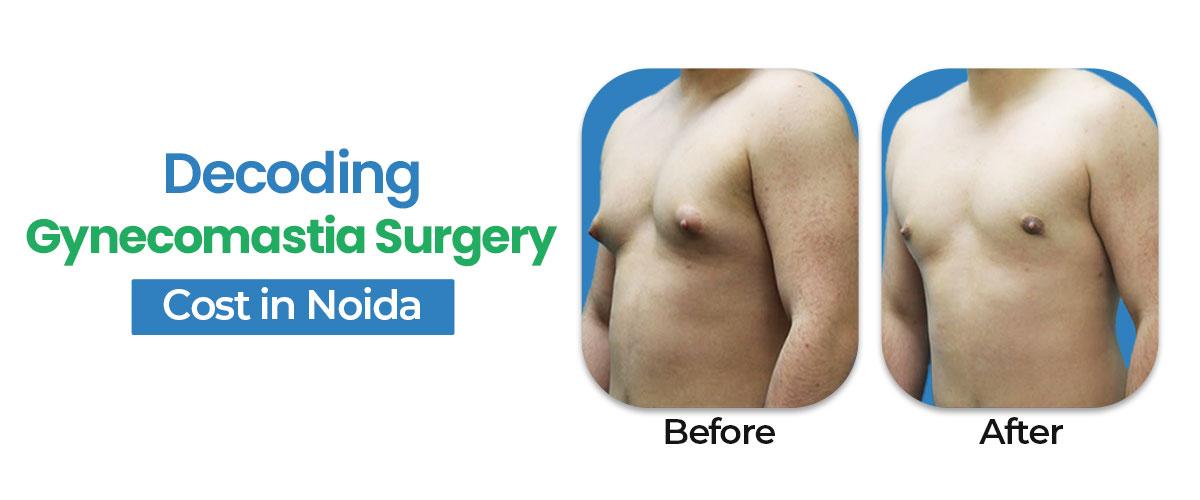
Are you troubled by the presence of gynecomastia, a condition characterized by the enlargement of male breast tissue? Gynecomastia surgery could be the transformative solution you've been searching for. If non-surgical treatments have failed to address your concerns, it may be time to consider surgery. Gynecomastia surgery aims to treat this specific condition, providing relief from the physical and psychological discomfort it may cause. By undergoing this procedure, you can experience reduced breast size, improved self-confidence, and a better quality of life.
When seeking gynecomastia surgery, it is crucial to consult with a specialized surgeon at the best plastic surgery hospital in Noida, who can assess your individual needs, explain the potential benefits and risks, and guide you in making an informed decision. They will develop a personalized approach that may include techniques such as liposuction, excision, or a combination of both, depending on your unique circumstances. With their expertise, you can take the first step towards a more secure and comfortable future.
Book Your Appointment One click at +91 9667064100
Table of Contents
If you are considering gynecomastia surgery in Noida, India, you'll be pleased to know that it offers an affordable option to transform your life. With world-class medical facilities, experienced surgeons, and cost-effective healthcare options, Noida provides exceptional value for gynecomastia surgery. The cost of gynecomastia surgery in Noida is significantly lower compared to other regions and can range from 40,000 - 1,00,000 INR, making it an attractive choice for individuals seeking high-quality care without financial burden.
| Starting Cost | ₹ 48,000 |
| Average Cost | ₹ 80,000 |
| Maximum Cost | ₹ 1,00,000 |
Whether you require liposuction, excision, or a combination of techniques, gynecomastia surgery in Noida delivers remarkable results at a fraction of the cost you would find elsewhere. By choosing Noida as your healthcare destination, you can receive top-notch treatment, achieve your desired outcomes, and regain confidence in your appearance without straining your finances. The gynecomastia surgery cost in Noida is significantly affordable compared to other locations, making it an excellent choice for individuals seeking cost-effective solutions.
Take the opportunity to reclaim your self-esteem, bid farewell to gynecomastia-related concerns, and embrace a rejuvenated chest through gynecomastia surgery in Noida. Your journey towards a more fulfilling and comfortable life begins here, where quality care meets affordability.
If you are considering gynecomastia surgery in Noida? Felix Hospital is your solution. Our experienced team excels in male breast reduction surgery, delivering outstanding results. Call +91 9667064100 to book your appointment for specialized care.
When it comes to gynecomastia surgery, the cost in Noida is an important consideration. The cost of gynecomastia surgery in Noida can vary based on several factors such as the complexity of the case, the surgical technique used, the facilities of the hospital, the expertise of the surgeon, and the post-operative care provided. Here is an estimate of the gynecomastia surgery cost in Noida:
The minimum cost of gynecomastia surgery in Noida typically starts around ₹48,000.
The average cost of gynecomastia surgery in Noida falls within the range of ₹60,000 to ₹90,000.
In some cases, the maximum cost of gynecomastia surgery in Noida can go up to ₹1,00,000 or more, depending on individual requirements and preferences.
Choosing Noida as your healthcare destination for gynecomastia surgery can offer a cost-effective solution. You can receive high-quality treatment from experienced surgeons, achieve your desired outcomes, and regain confidence in your appearance, all while being mindful of your finances. Noida provides competitive pricing for gynecomastia surgery, with the gynecomastia surgery cost falling within the range of ₹70,000 to ₹1,50,000, making it a favorable choice for individuals seeking affordable options.
At our Felix Hospital in Noida, we prioritize delivering exceptional care at a reasonable cost. Our team of skilled surgeons and dedicated staff are committed to providing top-notch gynecomastia surgery while taking your budget into account. Contact us today to learn more about the gynecomastia surgery cost in Noida and to schedule a consultation to discuss your specific needs.
Seeking gynecomastia surgery in Noida? Look no further than Felix Hospital, known for its expertise in male breast reduction. Our skilled team guarantees exceptional outcomes. Dial 9667064100 now to schedule your appointment and experience specialized care.
Surgery to remove excess breast tissue, known as gynecomastia surgery, may be recommended if enlarged breasts are significant and bothersome even after initial treatment or observation. There are two main options for gynecomastia surgery:
Liposuction: This surgical procedure focuses on removing excess breast fat while leaving the breast gland tissue intact. Liposuction is a common approach for treating gynecomastia and can provide effective results. The gynecomastia surgery cost, specifically liposuction for male breast reduction, typically ranges from ₹40,000 to ₹1,00,000.
Mastectomy: This type of surgery involves the removal of both excess breast fat and glandular tissue. It is often performed using small incisions, resulting in a less invasive procedure and a shorter recovery time compared to traditional mastectomy. The gynecomastia surgery cost, specifically a mastectomy for male breast reduction, generally falls within the range of ₹70,000 to ₹1,50,000.
The gynecomastia surgery cost can vary depending on factors such as the surgeon's expertise, the location of the procedure, the facility used, and any additional factors specific to the individual case. It is essential to consult with a qualified healthcare provider to assess your specific needs and receive an accurate cost estimate for gynecomastia surgery based on your unique circumstances.
If you're in search of gynecomastia surgery in Noida, Felix Hospital is the answer. Our specialized team ensures top-notch male breast reduction procedures, providing excellent results. Contact us at 9667064100 to secure your appointment and receive the dedicated care you deserve.
The gynecomastia surgery cost can vary significantly based on several factors. Here are key factors that can affect the cost of gynecomastia surgery:
Type of gynecomastia surgery: Different types of gynecomastia surgeries have varying costs. Liposuction, which focuses on removing excess breast fat, may be less expensive than mastectomy, which involves removing both excess fat and glandular tissue. The Gynecomastia treatment cost generally increases with the complexity of the procedure.
Choice of the hospital: The cost of gynecomastia surgery in Noida can vary between different hospitals. Factors such as the facilities, technology, infrastructure, amenities, staff, and diagnostic services at the hospital can influence the overall cost of treatment.
Surgeon's fee: The surgeon's fee for performing the gynecomastia surgery is a significant component of the overall cost. Experienced surgeons with specialized expertise may charge higher fees for their services.
Anesthesia cost: Gynecomastia surgery requires anesthesia, and the type of anesthesia used, as well as the duration of the surgery, can impact the anesthesia cost. Longer surgery durations typically result in higher charges.
Diagnostic tests: Prior to gynecomastia surgery, various diagnostic tests may be performed, including imaging tests and blood work. The cumulative cost of these tests can contribute to the overall treatment cost.
Post-surgery follow-ups: The Gynecomastia surgery cost may incur additional costs for the Regular follow-up visits with the doctor after surgery. These visits are important for monitoring the healing process and ensuring optimal results.
It's important to note that gynecomastia surgery is typically not considered a medically necessary procedure and may not be covered by health insurance. However, coverage policies can vary, so it's advisable to check with the insurance provider to understand the coverage and any financial obligations associated with gynecomastia surgery, including the gynecomastia surgery cost.
Gynecomastia surgery also referred to as male breast reduction surgery, can be a costly procedure. The cost of gynecomastia surgery in Noida may vary depending on several factors, such as the surgeon's experience, the geographical location of the clinic, the extent of the surgery required, and any additional fees associated with anesthesia or hospitalization.
In India, the gynecomastia treatment cost can range from a few thousand rupees to several lakhs. However, it's important to note that health insurance coverage for gynecomastia surgery in India is not guaranteed. Health insurance companies typically assess whether the surgery is medically necessary or if it falls under cosmetic procedures. If the surgery is deemed cosmetic, it is unlikely to be covered by health insurance or Mediclaim policies. Patients must meet specific criteria to have a chance of getting the surgery covered by health insurance or Mediclaim. These criteria may include:
Presence of both glandular and fat tissues or exclusively glandular tissue growth. If the enlargement is primarily due to fat tissues (pseudogynecomastia), the surgery is usually considered cosmetic.
The patient must be an adult and have experienced the condition for a minimum of two years.
The condition has reached grades II, III, or IV in terms of severity.
The increased breast size is causing physical symptoms such as pain, discomfort, posture issues, etc.
The patient has discontinued the use of drugs or medications that initially led to hormonal imbalances and contributed to gynecomastia.
The condition has persisted despite addressing the underlying cause.
The enlargement is a result of Klinefelter Syndrome.
The tissue growth is determined to be cancerous.
In these specific scenarios, patients are more likely to receive approval from health insurance providers, enabling them to access high-quality treatment without the burden of significant costs. It's important to consult with the insurance provider to understand the coverage and requirements associated with gynecomastia surgery in each individual case.
Looking for affordable and cost-effective gynecomastia surgery in Noida? Choose Felix Hospital for top-notch male breast reduction procedures and excellent results. Call 9667064100 to book your appointment and receive dedicated care.
Gynecomastia is an enlargement of the breast tissue in men. It occurs when there is an imbalance between the hormones estrogen and testosterone, resulting in the development of excess breast tissue. Gynecomastia can affect individuals of any age, from infants to adults.
There are typically four stages of gynecomastia:
Grade 1: In this stage, there is a minor enlargement of the breast tissue with no excess skin. The contour of the chest is still relatively normal, and the condition may not be easily noticeable.
Grade 2: In grade 2 gynecomastia, there is a moderate enlargement of the breast tissue. The contour of the chest starts to appear more feminine, and there may be slight skin redundancy.
Grade 3: Grade 3 gynecomastia is characterized by significant enlargement of the breast tissue. The chest contour becomes noticeably feminine, and there is usually excess skin and sagging of the breast.
Pseudogynecomastia: Pseudo gynecomastia refers to the enlargement of the breasts due to excess fat deposition rather than glandular tissue. It is often associated with obesity or excess body weight.
The stage of gynecomastia helps determine the severity of the condition and influences the treatment approach.
Hormonal Imbalance: An imbalance between estrogen (female hormone) and testosterone (male hormone) levels is one of the most common causes of gynecomastia. If estrogen levels are high or testosterone levels are low, it can result in the development of breast tissue.
Puberty: During puberty, hormonal changes can cause temporary gynecomastia in some males. This condition typically resolves on its own within a few months to a couple of years.
Medications: Certain medications can lead to gynecomastia as a side effect. These may include certain antipsychotics, anti-androgens used in prostate cancer treatment, anabolic steroids, some antibiotics, and medications for heart conditions.
Substance Abuse: The use of substances such as marijuana, heroin, amphetamines, or alcohol can contribute to gynecomastia.
Health Conditions: Certain health conditions can cause gynecomastia, such as hypogonadism (impaired function of the testes), hyperthyroidism (overactive thyroid gland), kidney or liver disease, and tumors that affect hormone production.
Obesity: Excess body fat can result in hormonal imbalances, leading to gynecomastia.
Aging: Hormonal changes that occur with age can contribute to the development of gynecomastia in older males.
It's important to note that gynecomastia can have multiple contributing factors, and in some cases, the exact cause may not be identifiable. If gynecomastia is causing concern or discomfort, it is recommended to consult with a healthcare professional for a proper diagnosis and appropriate management.
Observation: Monitoring the condition without treatment, especially during puberty-related gynecomastia.
Medications: Prescribing medications like SERMs or aromatase inhibitors to reduce breast tissue growth in certain cases.
Lifestyle Changes: Making adjustments such as weight loss and avoiding substances like marijuana or alcohol that can contribute to gynecomastia.
Surgical Intervention: Male breast reduction surgery involves the removal of excess glandular tissue and fat for a flatter chest contour.
Consulting with a healthcare professional specialized in gynecomastia is important to determine the most suitable treatment based on individual circumstances.
Gynecomastia surgery is a surgical procedure designed to address the condition of gynecomastia, which is characterized by the enlargement of breast tissue in males. It involves the removal of excess glandular tissue and fat from the chest area to create a more masculine contour. Gynecomastia surgery aims to provide individuals with a flatter, firmer, and more proportionate chest appearance.
The primary reasons for undergoing gynecomastia surgery are to remove excess tissue and fat from the breasts, improve self-image and boost confidence. Many individuals choose this procedure to enhance their appearance, both when clothed and shirtless.
The surgery typically involves the use of liposuction, surgical excision, or a combination of both, depending on the individual's specific needs as determined by their healthcare provider.
Gynecomastia can be caused by factors such as obesity, certain medications, or hormonal changes during puberty or later in life. It is a common condition that affects over half of the individuals assigned male at birth worldwide.
Experience exceptional outcomes with Felix Hospital, renowned for its expertise in male breast reduction. Our skilled team ensures top-notch results. Dial 9667064100 to schedule your appointment and receive specialized care.
Pre-surgery preparation for gynecomastia surgery in Noida involves a comprehensive evaluation by the surgeon, including a discussion about goals, medical history, and expectations.
Diagnostic tests and examinations may be conducted to assess overall health, identify the underlying cause of gynecomastia, and screen for any potential complications.
The surgeon may provide specific guidelines for pre-surgery preparation, such as discontinuing certain medications or adjusting lifestyle habits to optimize the surgical outcome.
Regarding the cost of gynecomastia surgery in Noida, it can vary depending on several factors including the surgeon's expertise, the complexity of the procedure, facility fees, anesthesia costs, and post-surgical garments.
It is important to consult with a qualified surgeon in Noida to discuss the specific details of the surgery, including the cost, as it may vary depending on individual circumstances. The surgeon will provide a comprehensive overview of the expenses involved and help the patient understand the financial aspects of the procedure.
Once the surgery is scheduled, follow the doctor's instructions for preparation. If your job involves strenuous activities, consider taking a leave of at least 15 days or take two days off if not. After surgery, arrange for someone to drive you home.
Preparation plays a vital role in the surgical process and contributes to better outcomes while reducing the risk of complications.
Complete the necessary diagnostic tests and laboratory work.
Quit smoking at least two weeks before the surgery.
Refrain from consuming alcohol for at least one week prior to the surgery.
Avoid blood thinners, including aspirin, anti-inflammatory drugs, and supplements, to minimize the risk of excessive bleeding.
Adjust medication usage as directed by the doctor after consultation.
Gynecomastia Surgery Procedure After a proper diagnosis, the doctor recommends a combination of liposuction and gland excision surgery for a permanent treatment of gynecomastia.
Anesthesia is administered by the anesthetist to induce unconsciousness in the patient.
Several incisions are made, and a saline solution is injected into the fatty area.
A cannula with an ultrasound emitter is inserted by the doctor to emit ultrasonic waves, loosening up the fat.
The loosened fat is then suctioned out through the tube.
Incisions are finally closed by the doctor.
Anesthesia is administered by the anesthetist to make the patient unconscious.
The doctor makes multiple incisions around the breast.
Excess tissue around the breasts, particularly from the nipple area, is removed by the surgeon.
The incisions are closed by the surgeon using sutures or dissolvable glue.
Recovery After Gynecomastia Surgery During the recovery period, it is essential for the patient to wear a compression garment consistently, without exceptions. This is crucial to achieve the expected results and minimize the risk of complications.
Typically, the complete recovery process takes around 4 to 6 weeks, although the duration may vary based on the patient's immune system and the extent of tissue removal. The recovery process can be summarized as follows:
Day 1: It is normal to feel drowsy on the first day of recovery, and pain may emerge once the effects of anesthesia wear off.
Days 2 and 3: Pain and swelling are usually at their peak during these days. However, taking prescribed pain medication and wearing compression garments can effectively reduce swelling and soreness. It is also safe to gradually resume daily activities during this time.
Week 1: By the end of the first week, the patient should experience a significant reduction in pain and swelling.
After 21 days: The compression garment can be removed at this stage, and the patient should start feeling normal. Visible results of the surgery should become evident.
It's important for the patient to closely follow the post-operative care instructions provided by the doctor to ensure a smooth and successful recovery.
Risks Associated with Gynecomastia Surgery Like any other surgical procedure, gynecomastia surgery carries a potential for side effects. However, it's important to note that these complications are rare and typically resolve within two days when proper instructions are followed.
Bruising
Bleeding
Fluid accumulation
Looseness of breast skin
Inverted nipples
Chest enlargement
A highly skilled and experienced gynecomastia surgeon will take every precaution to minimize the likelihood of risks and complications. By choosing a qualified professional and adhering to post-operative guidelines, the chances of encountering such issues can be significantly reduced.
Experience Excellence in Gynecomastia Surgery at Felix Hospital - Your Trusted Partner for:
Skilled Surgeons: Expert surgeons specialized in gynecomastia surgery for optimal results.
Advanced Facilities: State-of-the-art technology and advanced facilities for precise diagnosis and effective surgical treatments.
Personalized Approach: Tailored treatment plans based on individual requirements and desired outcomes.
Comprehensive Healthcare Center: A 200-bedded hospital offering comprehensive healthcare services.
Accreditation for Safety & Quality: Accredited by NABH and NABL, ensuring high standards of safety and quality care.
Experienced Medical Team: Dedicated team with extensive experience in gynecomastia surgery.
Positive Patient Feedback: Highly rated by patients for exceptional surgical outcomes and positive experiences.
Convenient Location: Easily accessible location for gynecomastia surgery.
Free Pick & Drop Service: Complimentary transportation services for indoor surgery patients.
State-of-the-Art Facilities: Modern operation theaters and ICUs adhering to international guidelines for gynecomastia surgery.
Empaneled with Private & Government Health Insurance: Cashless treatments available through various insurance providers.
Choose Felix Hospital for exceptional gynecomastia surgery. Our skilled surgeons, advanced facilities, personalized approach, and patient-centric care make us the ideal choice for achieving your desired chest contour. Contact us today to schedule your consultation and experience the excellence we offer.
Call Now at +91 9667064100 or email us at [email protected].
Plastic surgery cost in Noida depends on the procedure type, surgeon expertise, hospital infrastructure, and post-surgery care.


If your answer is yes, then, here are 6 easy steps to keep your skin look young and glowing.

होम्योपैथी एक्जिमा का इलाज जड़ से करने में मदद करती है। यह शरीर की प्राकृतिक हीलिंग क्षमता को बढ़ाकर लंबे समय तक आराम और रिलीफ प्रदान करती है।

As of mid-2024, over 7.6 million dengue cases have been reported to the World Health Organization (WHO). Among these, 3.4 million cases have been confirmed, with more than 16,000 severe cases and over 3,000 deaths. In this blog, we will be exploring dengue and its various aspects such as symptoms, causes, diagnosis, Dengue fever treatment, and the measures we can take to protect ourselves from this tiny but mighty rival.
If you or a loved one are experiencing symptoms, don't wait. Visit Felix Hospital for expert care. Contact us today at +91 9667064100.
Table of Contents
Dengue fever, a viral disease of significant concern, spreads through the bites of infected mosquitoes, primarily Aedes aegypti. It presents a substantial threat to public health, particularly in tropical and subtropical regions. The dengue virus encompasses four distinct serotypes and belongs to the Flaviviridae family. Upon being bitten by an infected mosquito, the virus enters the bloodstream, causing a number of symptoms.
Transmission through the Mosquito bite
Transmission from Humans to Mosquitoes
Maternal Transmission
Other Modes of Transmission
In most cases, individuals with strong immune systems recover from dengue fever within a week to 10 days. However, the symptoms can worsen and become life-threatening for those with weak immune systems. This progression may lead to severe dengue, dengue hemorrhagic fever, or dengue shock syndrome.
During the monsoon season of 2024, it is crucial to diagnose dengue accurately due to the lower number of reported cases. Doctors can diagnose dengue infection using a variety of diagnostic tests. Here are the procedures commonly used for detecting dengue fever:
Antibody Tests for Dengue:
Remember, it's important to see a doctor if you suspect dengue fever or have symptoms that match. They can give you the right diagnosis and provide the right advice for your situation. To get the best advice from the best doctors in Noida, contact Felix Hospital at +91 9667064100
Treating dengue fever involves a range of options to help patients feel better and recover: Here is an overview:
By considering these Viral Fever Treatment options and following preventive measures, you can increase your chances of recovering from dengue fever and minimizing its impact on your health. Always seek guidance from healthcare professionals for proper diagnosis, personalized care, and expert advice. Call +91 9667064100 to discuss your health concern with the best doctors at Felix Hospital.
Everyone is susceptible to dengue fever, but there are some things that can make it more likely. Some major risk factors for dengue fever are listed below:
Understanding these risk factors can empower you to adopt appropriate precautions, safeguard yourself, and reduce the likelihood of contracting dengue fever. It is essential to stay informed, implement preventive measures diligently, and prioritize your well-being.
By following these simple preventive measures, you can help protect yourself and your community from dengue fever. Prevention is key in keeping mosquitoes at bay and reducing the risk of this mosquito-borne disease.
Felix Hospital in Noida boasts a team of highly experienced doctors, including infectious disease specialists and skilled nurses, who are adept at managing dengue cases. Our team is dedicated to providing top-notch medical care, ensuring patients receive the best treatment and attention.
We offer a full range of services, from accurate diagnosis to effective treatment plans tailored to each patient's needs. Our multidisciplinary approach ensures that all aspects of dengue care are covered, from initial assessment to follow-up care.
Our state-of-the-art diagnostic facilities enable prompt and precise detection of dengue. Early diagnosis is crucial for effective management and better outcomes, and our advanced lab tests ensure accurate results.
Felix Hospital follows the latest treatment protocols and guidelines for dengue management. We focus on supportive care, including hydration, pain management, and close monitoring of vital signs and platelet counts, to prevent complications and ensure a swift recovery.
Dengue can rapidly escalate into a critical condition. Our 24/7 emergency services are always ready to handle severe dengue cases, providing immediate and lifesaving interventions whenever needed.
Choosing Felix Hospital for dengue treatment ensures that you or your loved ones receive expert medical care, advanced treatment options, and compassionate support throughout the recovery journey.
With over 20 years of experience in internal medicine and diabetology, Dr. Sinha specializes in Diabetes Management, Infectious Disease, Preventive Medicine, Fever, Hypertension, Cholesterol, Weight Management, and Trauma Care.
A general physician with over 6 years of experience, Dr. Pratap's expertise includes Diabetes, Hypertension, Infectious Disease, Geriatrics, Critical Care, and Trauma Care. He is dedicated to addressing health issues in adults.
A dedicated physician with over 5 years of experience in internal medicine, Dr. Singh is committed to providing excellent patient care with her rich knowledge and skills.
With 42 years of experience, Dr. Sharma is a highly motivated and experienced physician known for successfully treating a wide range of medical conditions.
An empathetic and responsible medical professional, Dr. Saxena brings over 4 years of experience to support patient welfare and the success of medical facilities.
A highly skilled general physician with over 4 years of experience, Dr. Shetty is known for her exceptional medical expertise and compassionate patient care, dedicated to diagnosing and treating various medical conditions.
If you would like to consult with our general physician, please book an appointment at Felix Hospital. Call now - +91 9667064100.
Having the right knowledge and taking preventive measures are key in the fight against dengue fever. By understanding the risk factors, recognizing the symptoms, and implementing preventive strategies, we can protect ourselves from this fatal illness. If you are looking for best super speciality hospital in Noida, Visit Felix Hospital in Sector 137 Noida. Our team of experienced doctors and advanced medical facilities are fully equipped to provide comprehensive healthcare services for dengue fever and other medical conditions. Don't hesitate to schedule a consultation with Felix Hospital to receive personalized and expert care. To book a General Physician Doctor consultation, call right now at +91 9667064100.
1.) What are the worldwide dengue statistics in 2024?
Dengue is a significant global health concern, with billions of people at risk. According to the World Health Organization, dengue cases have increased dramatically in recent years, with an estimated 390 million infections occurring annually worldwide.
2.) What are the general safety rules for dengue prevention in 2024?
To prevent dengue, safety measures focus on mosquito control and personal protection. The key strategies include:
3.) How serious is dengue?
Dengue is a serious viral infection transmitted by mosquitoes. It can cause severe flu-like symptoms and, in some cases, can develop into severe dengue, also known as dengue hemorrhagic fever or dengue shock syndrome, which can be life-threatening and requires immediate medical attention.
4.) What are 7 warning signs of dengue?
5.) What virus causes dengue?
Dengue is caused by the dengue virus (DENV), which has four distinct serotypes (DENV-1, DENV-2, DENV-3, and DENV-4).
6.) What is the best treatment for dengue?
There is no specific antiviral treatment for dengue. Management involves supportive care, including:
7.) What is the danger period of dengue?
The danger period of dengue typically occurs between the third and seventh day after the onset of symptoms. This is when the fever subsides, and the patient might experience a sudden drop in platelet count and signs of severe dengue.
8.) How many days to rest after dengue?
The duration of rest required after dengue can vary based on the severity of the infection and the individual's recovery rate. Generally, it is recommended to rest for at least 1 to 2 weeks and to avoid strenuous activities until fully recovered.
9.) Which food is best for dengue recovery?
For dengue recovery, it is essential to eat nutritious and easily digestible foods such as:
10.) How long does fever last in dengue?
The fever in dengue usually lasts for 2 to 7 days.
11.) When do platelets decrease in dengue?
Platelets typically start to decrease around the third to seventh day of the illness, which is also the critical phase when monitoring for severe dengue symptoms is crucial.
12.) How long does dengue immunity last?
Immunity to the specific dengue serotype that caused the infection is lifelong. However, a person can still be infected by the other three serotypes, with subsequent infections posing a higher risk of severe dengue.


Subscribe to our
© Copyright 2026. All Rights Reserved by Felix Healthcare Private Limited
Design and development by :


 +(91)9667064100
 Emergency : +(91)9667064100