 WhatsApp
 Emergency:
  WhatsApp











Subscribe to our
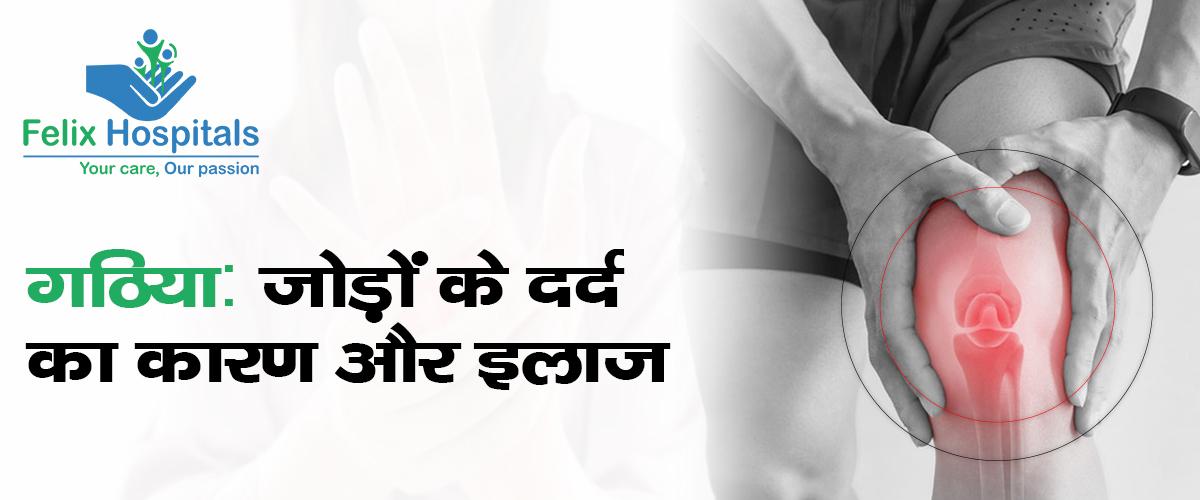
गठिया बाय (gathiya bai), जिसे अंग्रेजी में आर्थ्राइटिस कहा जाता है। एक सामान्य लेकिन गंभीर स्वास्थ्य समस्या है जिसके लिए आपको गठिया रोग अस्पताल में अपनी जाँच करवानी चाहिए। यह मुख्य रूप से जोड़ों में दर्द, सूजन और कठोरता का कारण बनती है। गठिया रोग कई प्रकार के होते हैं, जिनमें से सबसे आम ऑस्टियोआर्थ्राइटिस और रूमेटोइड आर्थ्राइटिस हैं। इस ब्लॉग में, हम गठिया रोग के विभिन्न प्रकारों, उनके कारणों, लक्षणों और उपचार के बताएंगे। बुजुर्गों में गठिया रोग की सबसे अधिक संभावना होती है। इसलिए रुमेटोलॉजिस्ट इस बीमारी के उपचार में मुख्य भूमिका निभाते हैं। वे बुजुर्गों के स्वास्थ्य और विकास के विशेषज्ञ होते हैं और गठिया रोग के लक्षणों(gathiya ke lakshan) की पहचान, निदान और उपचार में माहिर होते हैं।
फेलिक्स हॉस्पिटल में अनुभवी रुमेटोलॉजिस्ट मौजूद हैं। हम गठिया रोग पर आपके किसी भी सवाल का जवाब देने में सक्ष्म है। ज्यादा जानकारी के लिए हमें कॉल करें +91 9667064100
गठिया (आर्थ्राइटिस) एक सामान्य स्वास्थ्य समस्या है जिसमें जोड़ों में सूजन, दर्द, कठोरता और गतिशीलता में कमी होती है। यह एक विस्तृत समूह का रोग है जिसमें 100 से अधिक प्रकार शामिल हैं। यह रोग किसी भी उम्र में हो सकता है, लेकिन यह बुजुर्गों में अधिक आम है। गठिया रोग(gathiya rog) के सबसे आम प्रकारों में ऑस्टियोआर्थ्राइटिस, रूमेटोइड आर्थ्राइटिस, गाउट, और एंकिलोजिंग स्पॉन्डिलाइटिस शामिल हैं। गठिया रोग के कारण जटिल और बहुआयामी होते हैं। इसमें आनुवांशिक, पर्यावरणीय, जीवनशैली और हार्मोनल कारक शामिल हैं। गठिया रोग के जोखिम को कम करने के लिए स्वस्थ जीवनशैली अपनाना, संतुलित आहार, नियमित व्यायाम, और तनाव प्रबंधन महत्वपूर्ण हैं। यदि आप गठिया रोग के लक्षण महसूस करते हैं, तो समय पर चिकित्सकीय परामर्श लें और उचित उपचार प्राप्त करें।
सही जानकारी और सावधानी बरतने से गठिया बाय (Gathiya bai) के विकास को नियंत्रित किया जा सकता है और जीवन की गुणवत्ता को बेहतर बनाया जा सकता है।
ऑस्टियोआर्थ्राइटिस (OA) :
यह गठिया रोग (gathiya rog) का सबसे आम प्रकार है, जो मुख्य रूप से उम्र बढ़ने के साथ जोड़ों की उपास्थि (कार्टिलेज) के घिसने से होता है। यह जोड़ों के अत्यधिक उपयोग या चोट के परिणामस्वरूप भी हो सकता है। । सामान्यत: घुटनों, कूल्हों, हाथों, और रीढ़ की हड्डी में दर्द, जोड़ों में दर्द, सूजन और कठोरता इसके लक्षण हैं।
रूमेटोइड आर्थ्राइटिस (RA) :
यह जोड़ों में सूजन, दर्द, और लालिमा वाला एक ऑटोइम्यून रोग है, जिसमें शरीर की प्रतिरक्षा प्रणाली गलती से अपने ही जोड़ों के टिश्यू पर हमला करती है। यह अनुवांशिक और पर्यावरणीय कारकों के कारण हो सकता है। यह अक्सर हाथों, कलाई, और पैरों के छोटे जोड़ों को प्रभावित करता है।
गाउट (Gout) :
यह यूरिक एसिड के क्रिस्टल के जमाव के कारण होता है, जो जोड़ों में तीव्र दर्द और सूजन का कारण बनता है। यह अधिकतर पुरुषों में देखा जाता है और अक्सर पैर के अंगूठे में होता है। अचानक और जोड़ों में गंभीर दर्द, सूजन, और लालिमा इसके लक्षण हैं।
एंकिलोजिंग स्पॉन्डिलाइटिस (Ankylosing Spondylitis) :
यह एक प्रकार का आर्थ्राइटिस है जो मुख्य रूप से रीढ़ की हड्डी को प्रभावित करता है। यह ज्यादातर युवा पुरुषों को प्रभावित करता है और इसके पीछे भी ऑटोइम्यून तंत्र शामिल होता है। पीठ के निचले हिस्से में दर्द और कठोरता, जो आराम करने के बाद कम हो जाती है। इसके लक्षण हैं।
गठिया (आर्थ्राइटिस) एक ऐसी स्थिति है जिसमें जोड़ों में सूजन और दर्द होता है। इसके कई प्रकार हैं और हर प्रकार के लक्षण थोड़े अलग हो सकते हैं।
गठिया रोग के सबसे सामान्य और प्रमुख लक्षणों(gathiya ke lakshan) में से एक जोड़ों में दर्द है। यह दर्द हल्का या गंभीर हो सकता है और यह स्थायी या अस्थायी हो सकता है।
प्रभावित जोड़ों में सूजन हो सकती है। यह सूजन जोड़ों को बड़ा और गर्म बना सकती है।
खासकर सुबह के समय या एक प्रकार से लंबे समय तक बैठने के बाद जोड़ों में कठोरता महसूस हो सकती है।
सूजन वाले जोड़ों के आसपास की त्वचा लाल हो सकती है।
प्रभावित जोड़ों की गतिशीलता में कमी हो सकती है। जोड़ों का सामान्य रूप से हिलाना-डुलाना कठिन हो सकता है।
गठिया रोग (gathiya rog) से पीड़ित व्यक्ति को थकान महसूस हो सकती है। यह थकान किसी भी शारीरिक गतिविधि के बिना भी हो सकती है।
प्रभावित जोड़ों में हल्की-हल्की दरारें महसूस हो सकती हैं।
शारीरिक गतिविधि के बाद दर्द में वृद्धि होती है।
हड्डियों के किनारों पर अतिरिक्त हड्डी का विकास।
थकान, बुखार और वजन घटाना।
अचानक और तीव्र दर्द विशेषकर पैर के अंगूठे में।
प्रभावित जोड़ों में तीव्र लालिमा और सूजन।
तापमान में वृद्धि यानी प्रभावित क्षेत्र गर्म महसूस हो सकता है।
पीठ के निचले हिस्से में दर्द यानी कि यह दर्द आराम करने के बाद कम होता है।
रीढ़ की हड्डी में दर्द सुबह के समय या एक स्थान पर लंबे समय तक बैठने के बाद।
सिरदर्द और गर्दन का दर्द यानी खासकर अगर रीढ़ की हड्डी के ऊपरी हिस्से में सूजन हो।
पूरे शरीर में दर्द यानी की जोड़ों में दर्द और सूजन के साथ-साथ मांसपेशियों में दर्द।
विशेषकर चेहरे पर तितली के आकार का दाना।
गठिया (आर्थ्राइटिस) एक व्यापक स्वास्थ्य समस्या है जो जोड़ों में सूजन, दर्द, और कठोरता का कारण बनती है यह समस्या किसी भी उम्र में हो सकती है और इसके विभिन्न प्रकार हैं, जिनमें ऑस्टियोआर्थ्राइटिस, रूमेटोइड आर्थ्राइटिस, गाउट, और एंकिलोजिंग स्पॉन्डिलाइटिस शामिल हैं। गठिया के कारण जटिल और बहुआयामी होते हैं, जिनमें आनुवांशिक, पर्यावरणीय, और जीवनशैली संबंधी कारक शामिल हैं।
गठिया के कई प्रकारों में आनुवांशिक कारक महत्वपूर्ण भूमिका निभाते हैं। यदि आपके परिवार में किसी को गठिया रोग है, तो आपमें इसके विकसित होने की संभावना अधिक होती है।
रूमेटोइड आर्थ्राइटिस यह एक ऑटोइम्यून रोग है और इसके विकसित होने की संभावना उन लोगों में अधिक होती है जिनके परिवार में यह समस्या पहले से है।
गाउट में यूरिक एसिड के स्तर में आनुवांशिक अंतर गाउट के जोखिम को बढ़ा सकते हैं।
ह्यूमन ल्यूकोसाइट एंटीजन (एचएलए) में HLA-DRB1 जीन वेरिएंट रूमेटोइड आर्थ्राइटिस के जोखिम को बढ़ा सकता है।
COL2A1 यह जीन ऑस्टियोआर्थ्राइटिस से संबंधित हो सकता है। क्योंकि यह उपास्थि की संरचना को प्रभावित करता है।
गठिया बाय(gathiya bai) के कुछ प्रकार, जैसे रूमेटोइड आर्थ्राइटिस, प्रतिरक्षा प्रणाली की खराबी के कारण होते हैं। सामान्यतया, प्रतिरक्षा प्रणाली शरीर को हानिकारक जीवाणुओं और वायरस से बचाती है। लेकिन रूमेटोइड आर्थ्राइटिस में, यह प्रणाली गलती से अपने ही जोड़ों के ऊतकों पर हमला कर देती है, जिससे सूजन और दर्द होता है।
कुछ बैक्टीरियल और वायरल संक्रमण गठिया रोग के विकास को प्रेरित कर सकते हैं। यह रिएक्टिव आर्थ्राइटिस है। यह एक प्रकार का गठिया है जो यूरीनरी या आंतों के संक्रमण के बाद हो सकता है(gathiya kaise hota hai)।
लाइम रोगः यह बैक्टीरिया बोरलिया बर्गडोर्फेरी द्वारा फैलता है और इससे गठिया रोग(gathiya rog) हो सकता है।
जो लोग पुराने चोटों से पीड़ित हैं, वे ऑस्टियोआर्थ्राइटिस के विकास के लिए अधिक संवेदनशील होते हैं। चोटें उपास्थि को नुकसान पहुंचा सकती हैं। जिससे जोड़ों का सही से काम करना कठिन हो जाता है।
कुछ पेशे और गतिविधियां जोड़ों पर लगातार दबाव डालती हैं, जैसे खेल, वजन उठाना, और लगातार एक ही गतिविधि करना। यह जोड़ों की उपास्थि को घिसने का कारण बन सकता है, जिससे ऑस्टियोआर्थ्राइटिस विकसित हो सकता है(gathiya kaise hota hai)।
अत्यधिक वजन जोड़ों पर अतिरिक्त दबाव डालता है, विशेषकर घुटनों, कूल्हों और रीढ़ की हड्डी पर। यह उपास्थि के घिसने और ऑस्टियोआर्थ्राइटिस के जोखिम को बढ़ा सकता है।
अस्वास्थ्यकर आहार जिसमें प्रोसेस्ड फूड्स, अत्यधिक शुगर, और ट्रांस फैट शामिल हैं, सूजन को बढ़ा सकते हैं। सूजन गठिया के लक्षणों को बदतर बना सकती है।
धूम्रपान और अत्यधिक शराब का सेवन गठिया रोग(gathiya rog) के जोखिम को बढ़ा सकता है। धूम्रपान प्रतिरक्षा प्रणाली को कमजोर कर सकता है और रूमेटोइड आर्थ्राइटिस के विकास में योगदान कर सकता है।
गठिया का विकास हार्मोनल असंतुलन से भी प्रभावित हो सकता है। महिलाओं में रूमेटोइड आर्थ्राइटिस अधिक आम है, जो यह संकेत करता है कि हार्मोनल परिवर्तन, जैसे गर्भावस्था और रजोनिवृत्ति, गठिया रोग के विकास में भूमिका निभा सकते हैं।
पर्यावरणीय प्रदूषक और विषैले पदार्थ प्रतिरक्षा प्रणाली को प्रभावित कर सकते हैं और गठिया के जोखिम को बढ़ा सकते हैं। उदाहरण के लिए, सिगरेट के धुएं में मौजूद विषैले पदार्थ रूमेटोइड आर्थ्राइटिस के जोखिम को बढ़ा सकते हैं।
संक्रमण से होने वाले प्रदूषण भी गठिया के विकास में भूमिका निभा सकते हैं। संक्रमित पानी या भोजन से फैलने वाले बैक्टीरिया और वायरस गठिया बाय(gathiya bai) के विभिन्न प्रकारों का कारण बन सकते हैं।
गठिया रोग का खतरा उम्र के साथ बढ़ता है। ऑस्टियोआर्थ्राइटिस मुख्यतः वृद्धावस्था में होता है, क्योंकि उम्र के साथ उपास्थि की मोटाई कम होती है और जोड़ों में सामान्य क्षति बढ़ती है।
कुछ प्रकार के गठिया महिलाओं में अधिक आम होते हैं, जैसे रूमेटोइड आर्थ्राइटिस, जबकि गाउट पुरुषों में अधिक पाया जाता है। यह हार्मोनल और आनुवांशिक कारकों के कारण हो सकता है।
फेलिक्स हॉस्पिटल में अनुभवी ऑर्थोपेडिक्स और रुमेटोलॉजिस्ट उपलब्ध हैं। हम आपके गठिया से संबंधित सभी सवालों का जवाब देने में सक्षम हैं। अधिक जानकारी के लिए हमें +91 9667064100 पर कॉल करें।
गठिया रोग एक ऐसी स्थिति है जिसमें जोड़ों में सूजन और दर्द होता है। यह रोग किसी भी उम्र में हो सकता है और इससे जीवन की गुणवत्ता पर गंभीर प्रभाव पड़ सकता है।हालांकि गठिया रोग का कोई निश्चित इलाज(gathiya rog ka ilaj) नहीं है, परंतु इससे बचने और इसके लक्षणों को नियंत्रित करने के कई उपाय हैं मुख्य रूप से ज्यादा परेशानी घुटनो में गठिया हो जाए तो होने लगती है क्योकि शरीर का भार उठाना व शरीर को चलाना दोनों का काम घुटने ही करते है इसलिए यह जानना ज़रूरी है की हम कैसे घुटने में गठिया होने से बचाए |
गठिया से बचाव के लिए एंटी-इन्फ्लेमेटरी आहार को अपनाना महत्वपूर्ण है।
फ्रूट्स और वेजिटेबल्स: विभिन्न रंगों के फल और सब्जियों का सेवन करें, जैसे बेरीज़, साग, और गाजर।
ओमेगा-3 फैटी एसिड: यह सूजन को कम करने में मदद करता है। इसे मछली (जैसे सैल्मन, मैकेरल), अखरोट, और चिया बीज से प्राप्त किया जा सकता है।
विटामिन डी और कैल्शियम: हड्डियों की मजबूती के लिए महत्वपूर्ण हैं। डेयरी उत्पाद, सोया दूध, और गहरे हरे पत्तेदार सब्जियां अच्छे स्रोत हैं।
अदरक और हल्दी: इनमें एंटी-इन्फ्लेमेटरी गुण होते हैं जो गठिया रोग के लक्षणों(gathiya ke lakshan) को कम कर सकते हैं।
कुछ खाद्य पदार्थ सूजन को बढ़ा सकते हैं और गठिया के लक्षणों को बदतर बना सकते हैं। इनमें शामिल हैं:
प्रोसेस्ड फूड्स: इनमें ट्रांस फैट और उच्च फ्रक्टोज कॉर्न सिरप होता है, जो सूजन को बढ़ा सकते हैं।
अत्यधिक शुगर: चीनी का अधिक सेवन सूजन को बढ़ा सकता है।
रिफाइंड कार्बोहाइड्रेट्स: सफेद ब्रेड, पेस्ट्री, और अन्य रिफाइंड अनाज से बचें।
नियमित व्यायाम गठिया की बीमारी(gathiya bimari) से बचाव और इसके लक्षणों को नियंत्रित करने में महत्वपूर्ण भूमिका निभाता है। व्यायाम से जोड़ों की गतिशीलता और मांसपेशियों की मजबूती बनी रहती है।
एरोबिक व्यायाम: जैसे चलना, तैरना, और साइक्लिंग। ये हृदय स्वास्थ्य को भी बढ़ावा देते हैं।
मांसपेशियों को मजबूत करने वाले व्यायाम: जैसे वजन उठाना और योग। ये मांसपेशियों की ताकत बढ़ाते हैं और जोड़ों पर दबाव कम करते हैं।
फ्लेक्सिबिलिटी एक्सरसाइज: स्ट्रेचिंग और योग जोड़ों की गतिशीलता को बढ़ाते हैं।
योगा करना चाहिए
व्यायाम करते समय सही तकनीक और तरीकों का पालन करना आवश्यक है ताकि चोट से बचा जा सके। इसके लिए एक पेशेवर ट्रेनर की सलाह लेना ज़रूरी है साथ ही ये जानना ज़रूरी ही की गठिया के लिए योग कौन कौन से हो सकते है।
अत्यधिक वजन जोड़ों पर अतिरिक्त दबाव डालता है, जिससे गठिया रोग(gathiya rog) का खतरा बढ़ सकता है।
संतुलित आहार के लिए कैलोरी संतुलन और पोषक तत्वों की पर्याप्तता पर ध्यान दें।
नियमित व्यायाम शारीरिक गतिविधियां वजन नियंत्रण में सहायक होती है।
हाइड्रेशन: यानी पर्याप्त पानी पिएं, क्योंकि यह मेटाबोलिज्म को बढ़ावा देता है और भूख को नियंत्रित करता है।
तनाव गठिया के लक्षणों(gathiya ke lakshan) को बदतर बना सकता है। तनाव को प्रबंधित करने के लिए निम्न चीजों का ध्यान रखें।
मेडिटेशन: यह मन को शांत करता है और मानसिक स्वास्थ्य को बढ़ावा देता है।
योग: यह शारीरिक और मांसपेशिक लचीलापन बढ़ाता है।
अच्छी नींद: प्रतिदिन 7-8 घंटे की नींद लेने का प्रयास करें।
धूम्रपान और अत्यधिक शराब का सेवन गठिया रोग के विकास में योगदान कर सकते हैं। इन आदतों से बचकर आप अपने जोड़ों और समग्र स्वास्थ्य को बेहतर बना सकते हैं।
गठिया के शुरुआती लक्षणों को पहचानना और उचित समय पर इलाज(gathiya rog ka ilaaj) करना महत्वपूर्ण है। इसके लिए:
नियमित चिकित्सकीय जांच: नियमित रूप से डॉक्टर से मिलें और आवश्यक परीक्षण करवाएं।
स्वयं निगरानी: अपने शरीर के संकेतों पर ध्यान दें और किसी भी असामान्य लक्षण पर डॉक्टर से परामर्श करें।
असुविधाजनक जूते जोड़ों पर अतिरिक्त दबाव डाल सकते हैं। सही प्रकार के जूते पहनें जो आरामदायक और सपोर्टिव हों।
काम के दौरान सही मुद्रा बनाए रखें और एर्गोनॉमिक्स का ध्यान रखें। यह विशेष रूप से उन लोगों के लिए महत्वपूर्ण है जो लंबे समय तक बैठकर काम करते हैं।
जोड़ों को ठंडे और आर्द्र वातावरण से बचाने का प्रयास करें। ठंड में जोड़ों की सुरक्षा के लिए गर्म कपड़े पहनें और हाथों व पैरों को अच्छी तरह ढंकें।
गठिया रोग का कोई पूर्ण इलाज(gathiya rog ka ilaj) नहीं है, लेकिन इसके लक्षणों को नियंत्रित करने और जीवन की गुणवत्ता को बेहतर बनाने के लिए कई उपचार विकल्प हैं।
एनाल्जेसिक्स: दर्द निवारक दवाएं जैसे पेरासिटामोल।
एनएसएआईडीएस (NSAIDs): सूजन और दर्द को कम करने के लिए, जैसे इबुप्रोफेन।
कॉर्टिकोस्टेरॉइड्स: सूजन को कम करने के लिए।
डीएमएआरडीएस (DMARDs): रोग की प्रगति को धीमा करने के लिए, विशेषकर रूमेटोइड आर्थ्राइटिस में।
व्यायाम: नियमित व्यायाम जोड़ों की गति को बनाए रखने और मांसपेशियों को मजबूत करने में मदद करता है।
फिजिकल थेरेपी: विशेष तकनीकों और उपकरणों का उपयोग करके दर्द और सूजन को कम करना।
जॉइंट रिप्लेसमेंट: गंभीर मामलों में, हिप या घुटने की रिप्लेसमेंट सर्जरी की जा सकती है।
जॉइंट फ्यूजन: जोड़ों को स्थिर करने के लिए।
गठिया की बीमारी(gathiya bimari) को पूरी तरह से रोकना संभव नहीं हो सकता है, लेकिन कुछ उपाय इसके खतरे को कम कर सकते हैं और लक्षणों को नियंत्रित करने में मदद कर सकते हैं:
सक्रिय जीवनशैली: नियमित व्यायाम और सक्रिय रहना।
संतुलित आहार: स्वस्थ एवं संतुलित आहार जिसमें फलों, सब्जियों और सम्पूर्ण अनाज शामिल हों।
मॉडरेशन में कार्य: अत्यधिक श्रम से बचना और आराम करना।
नियमित चिकित्सकीय जांच: शुरुआती पहचान और उपचार के लिए नियमित जांच।
आप हमसे संपर्क करके गठिया संभंधित जानकारी प्राप्त कर सकते है | हमें कॉल करें +91 9667064100
गठिया रोग से बचाव के लिए स्वस्थ जीवनशैली, संतुलित आहार, नियमित व्यायाम और तनाव प्रबंधन जैसे उपाय बेहद महत्वपूर्ण हैं। गठिया के लक्षणों(gathiya ke lakshan) की पहचान कर समय पर चिकित्सकीय परामर्श लेना भी आवश्यक है। इन उपायों को अपनाकर आप गठिया के जोखिम को कम कर सकते हैं और एक स्वस्थ, सक्रिय जीवन जी सकते हैं। सही जानकारी और सही कदम उठाने से गठिया रोग से बचा जा सकता है और जीवन की गुणवत्ता को बेहतर बनाया जा सकता है। गठिया एक जटिल और बहु-आयामी समस्या है जो जीवन की गुणवत्ता को प्रभावित कर सकती है। सही जानकारी, उपचार और जीवनशैली में बदलाव के माध्यम से इसके लक्षणों को प्रभावी ढंग से नियंत्रित किया जा सकता है। यदि आपको या आपके किसी प्रियजन को गठिया की बीमारी(gathiya bimari) के लक्षण महसूस हो रहे हैं, तो तुरंत चिकित्सक से परामर्श लें और उचित उपचार प्राप्त करें। सही कदम और समय पर हस्तक्षेप से आप एक सक्रिय और दर्द रहित जीवन जी सकते हैं।
सवाल : गठिया क्या है ?
जवाब: गठिया एक ऐसी स्थिति है जिसमें जोड़ों में सूजन और दर्द होता है। यह एक सामान्य सा शब्द है जो 100 से अधिक विभिन्न प्रकार की जोड़ों की समस्याओं को संदर्भित करता है। इसके प्रमुख प्रकारों में ऑस्टियोआर्थ्राइटिस, रूमेटोइड आर्थ्राइटिस, गाउट और एंकिलोजिंग स्पॉन्डिलाइटिस शामिल हैं।
सवाल : गठिया के सामान्य लक्षण क्या हैं ?
जवाब: गठिया के सामान्य लक्षणों में जोड़ों में दर्द, सूजन, कठोरता, लालिमा, और गति की कमी शामिल हैं। सुबह के समय या एक लंबे समय तक बैठने के बाद जोड़ों में कठोरता महसूस होना भी एक आम लक्षण है।
सवाल : गठिया का मुख्य कारण क्या है ?
जवाब: गठिया के कई कारण हो सकते हैं, जिनमें आनुवांशिक कारक, प्रतिरक्षा प्रणाली की खराबी, शारीरिक चोटें, अत्यधिक वजन, संक्रमण और जीवनशैली संबंधी कारक शामिल हैं। हर प्रकार के गठिया का कारण अलग हो सकता है।
सवाल : गठिया का निदान कैसे किया जाता है ?
जवाब: गठिया का निदान चिकित्सकीय इतिहास, शारीरिक परीक्षण, रक्त परीक्षण, और इमेजिंग तकनीक जैसे एक्स-रे, एमआरआई, और अल्ट्रासाउंड के माध्यम से किया जाता है। डॉक्टर आपके लक्षणों और जोड़ों की स्थिति की जांच करके सही निदान करते हैं।
सवाल : गठिया का इलाज कैसे किया जाता है ?
जवाब: एनएसएआईडीएस (NSAIDs), कॉर्टिकोस्टेरॉइड्स, और डीएमएआरडीएस (DMARDs) जैसी दवाओं का उपयोग। नियमित व्यायाम, योग, और फिजिकल थेरेपी, स्वस्थ आहार, वजन प्रबंधन और तनाव प्रबंधन आदि द्वारा इलाज कैसे किया जा सकता है। गंभीर मामलों में जोड़ों की रिप्लेसमेंट सर्जरी से गठिया का इलाज होता है।
सवाल : क्या गठिया को रोका जा सकता है ?
जवाब: गठिया को पूरी तरह से रोकना संभव नहीं हो सकता है, लेकिन इसके जोखिम को कम करने के लिए कुछ उपाय किए जा सकते हैं, जैसे नियमित व्यायाम और सक्रिय रहना। स्वस्थ आहार जिसमें फलों, सब्जियों, और सम्पूर्ण अनाज शामिल किया हों। स्वस्थ वजन बनाए रखना जोड़ों पर अतिरिक्त दबाव को कम करता है। शुरुआती पहचान और उपचार के लिए नियमित जांच से इसे रोका जा सकता है।
सवाल: क्या गठिया केवल बुजुर्गों को प्रभावित करता है ?
जवाब: नहीं, गठिया किसी भी उम्र के लोगों को प्रभावित कर सकता है। हालांकि, ऑस्टियोआर्थ्राइटिस मुख्यतः वृद्धावस्था में होता है, लेकिन रूमेटोइड आर्थ्राइटिस और अन्य प्रकार के गठिया युवाओं और बच्चों में भी हो सकते हैं।
सवाल: गठिया से पीड़ित होने पर क्या खाना चाहिए?
जवाब: गठिया से पीड़ित लोगों को एंटी-इन्फ्लेमेटरी आहार अपनाना चाहिए, जिसमें ओमेगा-3 फैटी एसिड युक्त खाद्य पदार्थ, जैसे मछली, अलसी के बीज और अखरोट शामिल हों। ताजे फल, सब्जियां, सम्पूर्ण अनाज और स्वस्थ वसा का सेवन बढ़ाएं। प्रोसेस्ड फूड्स, अत्यधिक शुगर, और ट्रांस फैट से बचें।

Orthopedics is a specialized branch that takes care of your musculoskeletal problems related to joints, bones, muscles, spine, ligaments, and tissues.
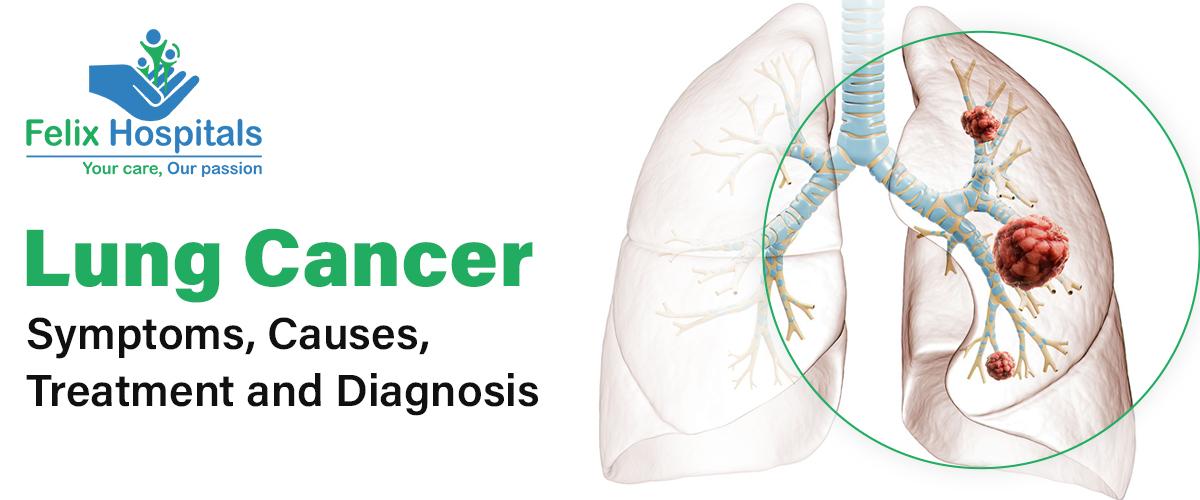
Lung cancer ranks as the third most prevalent cancer in the world. It develops when harmful cells in the lungs multiply uncontrollably. Treatment options encompass surgery, chemotherapy, immunotherapy, radiation therapy, and targeted medications. Screening is advisable for those at elevated risk. Progress in treatments has notably decreased the number of deaths caused by lung cancer in recent times. For those seeking top-notch care, the best cancer hospital in Noida offer advanced treatments and comprehensive care for lung cancer patients.
Lung Cancer Treatment By Stage with Felix Hospital. Reach out to us at [email protected] or call +91 9667064100.
Lung cancer is a condition where healthy cells in the lungs start to change in a harmful way. Instead of growing and dying as they should, these cells multiply rapidly, forming tumors. There are two main types of lung cancer: small-cell lung cancer (SCLC) and non-small cell lung cancer (NSCLC), which doctors distinguish based on how they look under a microscope. NSCLC is more common. While anyone can develop lung cancer, smoking and exposure to things like secondhand smoke or certain chemicals can raise the risk.
Non-Small Cell Lung Cancer (NSCLC) and Small Cell Lung Cancer (SCLC) are the two primary types of Lung Cancer.
Non-Small Cell Lung Cancer (NSCLC): NSCLC is characterized by the presence of larger cells when viewed under a microscope. It includes several subtypes:
Adenocarcinoma: This subtype often originates in the mucus-producing glands in the lungs.
Squamous Cell Carcinoma: Squamous cells are flat cells that line the airways in the lungs. This subtype of NSCLC typically starts in the bronchi.
Large Cell Carcinoma: Large cell carcinoma refers to tumors in the lung that lack the distinctive features of adenocarcinoma or squamous cell carcinoma.
Small Cell Lung Cancer (SCLC): This type accounts for around 13% of Lung Cancer cases. SCLC is characterized by small cells when observed under a microscope. It tends to grow and spread more quickly than NSCLC.
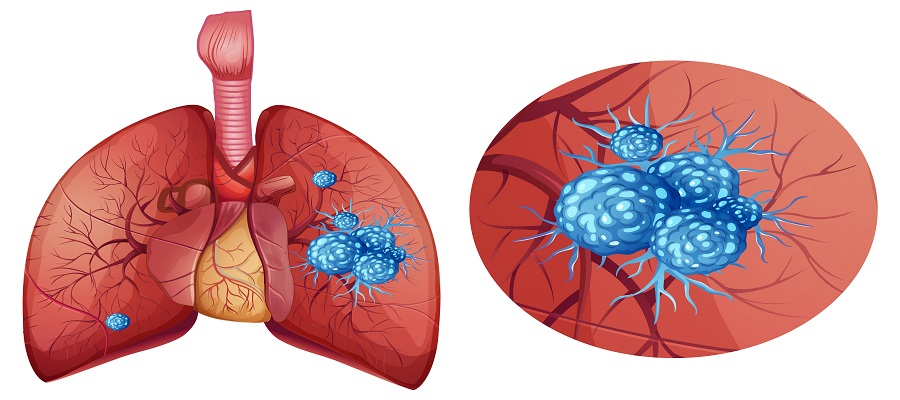
The stages of cancer describe how much it has spread in the body and how serious it is. This helps doctors and patients decide on the best treatment plan.
There are different ways to categorize the stages of cancer. One common method is:
Localized: Cancer is in one area and hasn't spread.
Regional: Cancer has spread to nearby tissues or lymph nodes.
Distant: Cancer has spread to other parts of the body.
Another method called TNM staging looks at the size of the tumor, whether it affects lymph nodes, and if it has spread elsewhere.
For Lung Cancer, there are specific stages for NSCLC and SCLC.
Occult: Cancer cells are present but don't show up on scans.
Stage 0: Abnormal cells are found only in the top layers of airway cells.
Stage 1: A tumor is in the lung but hasn't spread.
Stage 2: The tumor is larger and may have spread to nearby tissues or lymph nodes.
Stage 3: Cancer has spread to lymph nodes and other parts of the lung.
Stage 4: Cancer has spread to distant parts of the body.
Limited: Cancer is only on one side of the chest, possibly in nearby lymph nodes.
Extensive: Cancer has spread beyond one side of the chest, possibly to the other lung or other parts of the body.
Causes of Lung Cancer, when cells in your lungs start multiplying uncontrollably. Normally, cells have a limit to how much they can divide or they self-destruct when needed. But in cancer, these cells ignore those limits. They become abnormal and keep growing, causing problems for your healthy cells.
We're not entirely sure why this happens to some people and not others, but things like smoking tobacco can increase your chances of getting Lung Cancer by damaging your cells.
Symptoms of Lung Cancer often don't show in its early stages. Symptoms usually appear when the cancer has progressed. Symptoms related to the lungs and chest might include:
Persistent coughing.
Coughing up blood, even just a little.
Hoarseness.
Difficulty breathing.
Wheezing.
When Lung Cancer spreads to other areas, additional symptoms may arise, such as:
Headaches.
Unintentional weight loss.
Decreased appetite.
Swelling in the face or neck.
Lung Cancer Treatment aims to either remove the cancer, slow down its growth, or alleviate symptoms. The choice of treatment depends on various factors including the type of Lung Cancer, its location, and how far it has spread.
Surgery: If the cancer hasn't spread and is localized, surgery may be an option. This involves removing the tumor and surrounding healthy tissue. In some cases, part or all of the lung may need to be removed.
Radiofrequency ablation (RFA): This treatment is used for tumors on the outer edges of the lungs. It involves using high-energy radio waves to destroy cancer cells.
Radiation therapy: High-energy beams are directed at the cancer cells to kill them. It can be used alone or in combination with surgery. It's also used to relieve pain caused by tumors.
Chemotherapy: A combination of medications is used to stop cancer cells from growing. It can be given before or after surgery, or in combination with other treatments. Chemotherapy is usually administered intravenously (IV).
Targeted drug therapy: Some Lung Cancers have specific genetic mutations that make them susceptible to targeted drugs. These drugs aim to slow down or destroy cancer cells.
Immunotherapy: This treatment helps the immune system recognize and attack cancer cells. It's particularly effective against cancers that have found ways to hide from the immune system.
In addition to these treatments, palliative care is used to relieve symptoms such as pain and difficulty breathing. This may involve procedures to remove blockages in the airways or drain fluid from around the lungs.
Each treatment option comes with its own set of side effects. These can include nausea, vomiting, fatigue, and pain, among others. Your healthcare provider can provide guidance on what to expect and how to manage these side effects during your specific treatment.
To diagnose Lung Cancer, doctors use various methods:
Physical examination: Doctors check for any signs or symptoms of Lung Cancer during a physical exam.
Imaging: Tests like chest X-rays, CT scans, and MRI scans provide detailed images of the lungs, helping doctors detect any abnormalities.
Bronchoscopy: This procedure involves inserting a thin tube with a camera into the lungs to examine them internally.
Biopsy: Tissue samples are taken from the lungs and examined under a microscope to determine if cancer cells are present. This helps identify the specific type of Lung Cancer, such as NSCLC or SCLC.
Molecular testing: Genetic mutations or biomarkers in the cancer cells are identified through molecular testing. This information helps doctors choose the most effective treatment options tailored to the patient's specific condition.
The best way to lower your risk of Lung Cancer is to avoid smoking tobacco. It's also important to stay away from secondhand smoke, reduce exposure to air pollution, and avoid workplace hazards like chemicals and asbestos.
Getting early treatment if you have Lung Cancer can help prevent it from getting worse or spreading to other parts of your body.
There are two main approaches to Lung Cancer prevention:
Primary prevention: This focuses on preventing the disease from occurring in the first place by reducing risk factors and promoting healthy habits. This includes quitting smoking, creating smoke-free environments, implementing policies to control tobacco use, addressing workplace hazards, and reducing air pollution.
Secondary prevention: This involves screening methods to detect Lung Cancer early, before symptoms appear, especially in high-risk individuals. Early detection through screening can greatly improve treatment outcomes. The primary screening method for Lung Cancer is low-dose computed tomography (LDCT).
Lung Cancer Survival Rate By Age varies depending on factors such as the stage of cancer at diagnosis, the type of Lung Cancer, and the individual's overall health. Generally, the earlier the cancer is diagnosed and treated, the better the chances of survival.
For non-small cell Lung Cancer (NSCLC), the 5-year survival rate ranges from about 24% for distant (metastatic) stage to around 63% for localized stage.
For small cell Lung Cancer (SCLC), the 5-year survival rate is lower, with only about 7% for distant stage and around 31% for localized stage.
It's important to remember that survival rates are estimates based on large groups of people and may not accurately predict an individual's prognosis. Advances in treatments and personalized medicine continue to improve outcomes for people with Lung Cancer. Early detection through screening and prompt treatment can also significantly impact survival rates.
In India, treating Lung Cancer usually costs between Rs. 5,00,000 to Rs. 10,00,000 on average. This covers everything from initial assessments and fitness checks to advanced tests, surgeries, and hospital stays for both patients and their caregivers.
Felix Hospitals is the Best Lung Cancer Specialist Hospital in Noida. Book your consultation with us today or call us at +91 9667064100.
The recovery rate for Lung Cancer varies depending on several factors, including the stage of the cancer at diagnosis, the type of Lung Cancer, the individual's overall health, and the effectiveness of the treatment received.
For early-stage Lung Cancer that has not spread beyond the lungs, the chances of recovery are generally higher. In these cases, treatment options such as surgery, radiation therapy, or a combination of both may offer a good chance of long-term survival.
For advanced-stage Lung Cancer that has spread to other parts of the body, the chances of recovery are typically lower. However, advancements in treatment options such as chemotherapy, targeted therapy, and immunotherapy have improved outcomes for some patients with advanced Lung Cancer, potentially extending survival and improving quality of life.
It's important to note that Lung Cancer recovery rates are individual and can vary widely. Some people may achieve remission and live cancer-free for many years, while others may experience recurrence or complications despite treatment. Additionally, lifestyle factors such as smoking cessation, exercise, and nutrition can also play a role in recovery and overall health outcomes.
Lung Cancer is a significant health concern worldwide, ranking as the third most prevalent cancer. It develops when cells in the lungs multiply uncontrollably, forming tumors. Early detection through screening and prompt treatment are crucial for improving survival rates. Treatment options include surgery, chemotherapy, radiation therapy, targeted drug therapy, and immunotherapy. The prognosis varies based on factors such as cancer stage, type, and overall health. While survival rates have improved with advancements in treatment, recovery rates differ widely among individuals. Lifestyle choices, such as avoiding tobacco smoke and reducing exposure to environmental hazards, play a crucial role in preventing Lung Cancer. Overall, ongoing research, early detection, and access to effective treatments are essential for reducing the burden of Lung Cancer and improving outcomes for patients.
Q1. How long do Lung Cancer patients live?
Ans - Survival rates for Lung Cancer patients vary widely depending on factors such as the stage of cancer at diagnosis, the type of Lung Cancer, and the effectiveness of treatment. Some patients may survive for several years, especially if the cancer is detected early and responds well to treatment, while others may have shorter survival times, particularly if the cancer is diagnosed at a later stage or if treatment options are limited.
Q2. How does Lung Cancer affect life?
Ans - Lung Cancer can have a profound impact on a person's life, both physically and emotionally. Physically, it can cause symptoms such as persistent coughing, chest pain, difficulty breathing, fatigue, and weight loss. Emotionally, it can lead to anxiety, depression, fear, and uncertainty about the future. Treatment side effects can also affect quality of life, as they may cause discomfort, fatigue, and changes in appearance.
Q3. How to recover from Lung Cancer?
Ans - Recovery from Lung Cancer involves undergoing various treatments such as surgery, chemotherapy, radiation therapy, targeted therapy, and immunotherapy, depending on the individual's specific condition and the stage of the cancer. Additionally, supportive care measures, including nutritional support, pain management, and psychological counseling, can help patients cope with the physical and emotional challenges of treatment and facilitate their recovery process.
Q4. Can you survive Lung Cancer if caught early?
Ans - Yes, the chances of survival are generally higher if Lung Cancer is detected early. Early detection allows for prompt initiation of treatment when the cancer is still localized or has not spread extensively, increasing the likelihood of successful treatment outcomes and long-term survival.
Q5. Can a person survive Lung Cancer?
Ans - Yes, many people can survive Lung Cancer, especially if it is diagnosed and treated in its early stages. Advances in medical treatments, including surgery, chemotherapy, radiation therapy, targeted therapy, and immunotherapy, have improved survival rates and quality of life for Lung Cancer patients in recent years. However, prognosis varies depending on individual factors such as cancer stage, type, overall health, and response to treatment.
Q6. Is stage 4 cancer 100% death?
Ans - While stage 4 cancer is generally considered advanced and may be more difficult to treat, it is not always fatal. Some individuals with stage 4 cancer may respond well to treatment and achieve remission or stable disease, allowing them to live for an extended period with a good quality of life. However, the prognosis for stage 4 cancer can vary widely depending on factors such as cancer type, location, aggressiveness, and overall health status.
Q7. Can you live a normal life after Lung Cancer?
Ans - Many people are able to live normal lives after successfully completing treatment for Lung Cancer. While the experience may have lasting effects on physical health and emotional well-being, with proper medical care, support, and lifestyle adjustments, individuals can often resume their daily activities, work, and social interactions. Regular follow-up appointments with healthcare providers are important to monitor for any signs of cancer recurrence or long-term side effects of treatment.
Q8. Can Lung Cancer be treated successfully?
Ans - Yes, Lung Cancer can be treated successfully, particularly when diagnosed and treated in its early stages. Treatment options may include surgery, chemotherapy, radiation therapy, targeted therapy, and immunotherapy, either alone or in combination, depending on the specific characteristics of the cancer and the individual's overall health. Advances in medical research and personalized medicine continue to improve treatment outcomes and extend survival for many patients with Lung Cancer.

Cervical cancer is most common in women after breast cancer. Cervical cancer starts from the cervix, i.e., the cervix. The cervix is the lower part of the uterus that connects the vagina to the uterus.
Recognize the early warning signs of cervical cancer. Learn about its symptoms, causes, and when to consult a gynecologist for timely diagnosis and treatment.

Explore the cervical cancer vaccine cost in Noida, compare prices across hospitals, and understand how vaccination helps prevent HPV infection and cervical cancer.

Explore essential information about breast cancer, including its symptoms, causes, types, and treatments, to stay informed and proactive about your health.

Maintaining a healthy, balanced diet is essential for overall well-being and feeling your best. This involves eating a diverse range of foods in the right proportions and consuming the appropriate amount of food and drink to maintain a healthy weight. This advice is intended for the general population. If you have specific dietary needs or a medical condition, it's important to consult with your doctor or a registered dietitian for personalized guidance. If you want to find the Best Dietician for Weight Loss, it's important to first understand what a diet is and how it works. This knowledge will help you make informed decisions and ask the right questions during your consultations.
A good mix of different kinds of food gives your body everything it needs to stay healthy. This includes carbs, fats, vitamins, minerals, proteins, fiber, and water. Eating a variety of foods like this reduces the chance of getting sick and helps you feel better overall. most of your daily calories should come from:
Book your consultation with the best nutritionist in Noida today with a Simple click Here or call us at: +91 9667064100.
Making sure your diet gives your body the nutrients it needs is crucial for staying healthy and avoiding diseases. Without balanced nutrition, you become more vulnerable to illnesses, infections, fatigue, and poor performance. For children, not getting enough healthy foods can lead to growth and developmental issues, as well as problems with academic performance and frequent infections. It can also set the stage for unhealthy eating habits that persist into adulthood. Lack of exercise further increases the risk of obesity and metabolic syndrome-related diseases like type 2 diabetes and high blood pressure. Shockingly, the Center for Science in the Public Interest highlights that four of the top 10 leading causes of death in the United States are directly linked to diet, including heart disease, cancer, stroke, and type 2 diabetes. Therefore, it's crucial to learn more about healthy meal plans, especially for kids, to ensure lifelong well-being.
The Eatwell Guide gives us some simple tips for eating healthily:
It's important to mix up the types of food you eat to get a good balance of nutrients. Many people in the UK eat too many calories and unhealthy fats, sugars, and salts, while not getting enough fruits, veggies, oily fish, or fiber. And remember, the Eatwell Guide isn't for kids under 2 because they need different kinds of food to grow properly. But after they turn 2, they can start eating the same foods as the rest of the family, following the proportions suggested in the Eatwell Guide.
To steer clear of empty calories, it's wise to cut back on foods that don't offer much in the way of nutrition. These include:
It's important to watch your salt and sugar intake too. Too much salt can raise blood pressure and increase the risk of heart disease and stroke, while excessive sugar can lead to tooth decay and weight gain.
Alcoholic drinks can mess with your cholesterol, triglyceride, and insulin levels. They also up the odds of liver problems, high blood pressure, weight gain, and certain cancers. So, it's best to enjoy them in moderation.
Fruit and vegetables are excellent sources of vitamins, minerals, and fibre, and should make up just over a third of your daily food intake. It's recommended to eat at least five portions of a variety of fruits and vegetables every day. These can be fresh, frozen, canned, dried, or juiced. Research shows that people who consume at least five portions daily have a lower risk of heart disease, stroke, and some cancers. A portion includes 80g of fresh, canned, or frozen produce, 30g of dried fruit (ideally consumed with meals), or a 150ml glass of fruit juice or smoothie (limited to one portion per day due to sugar content).
Starchy Foods - Starchy foods should also constitute just over a third of your diet. Wholegrain or wholemeal options like brown rice, wholewheat pasta, and wholemeal bread are preferable because they contain more fibre, vitamins, and minerals than their white counterparts. Potatoes, especially with the skins on, are an excellent source of fiber and vitamins.
Milk And Dairy Foods - Milk and dairy products such as cheese and yoghurt are rich in protein and calcium, essential for bone health. Opt for lower-fat and lower-sugar versions, like semi-skimmed milk, low-fat cheese, and low-sugar yoghurt. Dairy alternatives, such as calcium-fortified soya drinks, should be unsweetened.
Protein Sources: Beans, Pulses, Fish, Eggs, And Meat - Protein is vital for growth and repair in the body, and it also provides various vitamins and minerals. Lean meats, skinless poultry, eggs, fish, beans, peas, lentils, and unsalted nuts are excellent protein sources. Aim to consume at least two portions of fish weekly, including one of oily fish, which is high in omega-3 fatty acids.
Oils And Spreads - While fats are essential in the diet, it's important to choose unsaturated oils and spreads over saturated fats to help lower cholesterol. All fats are high in energy and should be consumed in moderation.
Reducing Saturated Fat, Sugar, And Salt - Too much saturated fat can raise cholesterol levels, increasing the risk of heart disease. High sugar intake is linked to obesity and tooth decay, while excessive salt can elevate blood pressure, raising the risk of heart disease and stroke.
Reach out to Best Diet Specialist in Noida at +91 9667064100 or email us at [email protected].
Following a balanced diet is crucial for overall health and well-being. A balanced diet provides the body with the right mix of nutrients from fruits, vegetables, whole grains, lean proteins, dairy, and healthy fats, reducing the risk of chronic diseases like heart disease, cancer, diabetes, and obesity. The key is to eat a variety of nutrient-dense foods in the proper proportions while limiting highly processed items, sugary foods and drinks, solid fats, and excess salt. Fruits and vegetables should make up over a third of daily intake, along with whole grains and lean protein sources. Maintaining a balanced diet from an early age helps establish lifelong healthy eating habits. If you're looking for guidance, a diet clinic in Noida can help you make nutritious choices most of the time, meeting your body's needs, feeling your best, and lowering your risk of diet-related diseases. Investing in a balanced diet is an investment in your present and future health.
1. What is a balanced diet?
Ans. A balanced diet includes a variety of foods in the right proportions to provide the nutrients your body needs. This includes carbohydrates, proteins, fats, vitamins, minerals, fiber, and water.
2. Why is a balanced diet important?
Ans. A balanced diet is essential for maintaining good health, preventing diseases, and ensuring your body functions properly. It helps improve overall well-being, supports growth and development, and reduces the risk of chronic conditions.
3. What should I eat to maintain a balanced diet?
Ans. To maintain a balanced diet, you should include:
4. How many portions of fruits and vegetables should I eat daily?
Ans. It's recommended to eat at least five portions of a variety of fruits and vegetables every day. These can be fresh, frozen, canned, dried, or juiced.
5. What are the benefits of eating a balanced diet?
Ans. A balanced diet helps you maintain a healthy weight, boosts your immune system, improves energy levels, supports mental health, and reduces the risk of diseases like heart disease, cancer, and type 2 diabetes.
6. Can a balanced diet help with weight management?
Ans. Yes, a balanced diet can help with weight management by providing the right amount of nutrients and energy. It prevents overeating and helps maintain a healthy metabolism.
7. Are there foods I should avoid to maintain a balanced diet?
Ans. To maintain a balanced diet, avoid or limit highly processed foods, sugary snacks, sweetened beverages, red and processed meats, and foods high in saturated fats and salt.
8. How can I ensure I'm getting enough nutrients?
Ans. To ensure you're getting enough nutrients, eat a variety of foods from all food groups, focus on whole and minimally processed foods, and consider consulting a registered dietitian for personalized advice.

Balanced diet is key to good health. Learn its definition, importance, and how it helps in maintaining energy, immunity, and overall well-being.

Manage diabetes effectively with a well-planned Indian vegetarian diet chart. Explore healthy meal options and tips for blood sugar control.
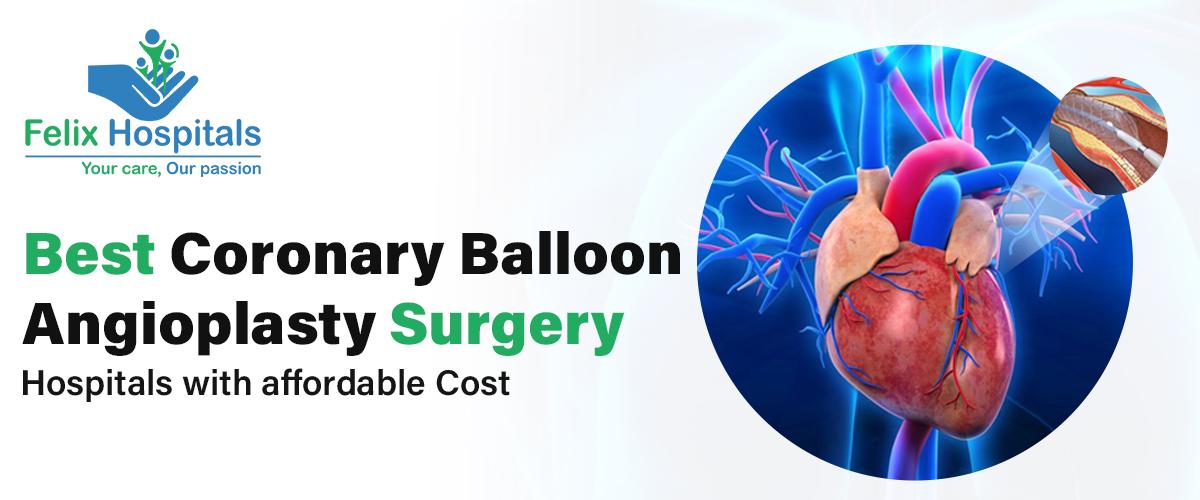
In the field of modern medicine, balloon angioplasty is a revolutionary procedure used to clear blockages in the heart arteries. (Balloon Angioplasty Surgery treatment in Noida) This procedure can save heart patients from large and complex operations and improve their lifestyle.
If you experience chest pain and shortness of breath, Felix Hospital is here to help. Contact us today to learn more about our services and see how we can ensure the best care for you.
Schedule a consultation with our cardiologists at Felix Hospital. Call us at +91 9667064100.
Angioplasty is a procedure to open blocked heart arteries. A small balloon is inflated inside the artery to widen it and improve blood flow. Sometimes, a mesh tube called a stent is placed to keep the artery open. It's like clearing a clogged pipe to help the heart work better.
Coronary angioplasty is needed when someone has blockages in their heart arteries, usually due to coronary artery disease (CAD). Signs like chest pain, shortness of breath, fatigue, irregular heartbeat, nausea, swelling, or sudden weakness could mean you need angioplasty.
Angioplasty helps restore blood flow to the heart by opening up the blocked arteries. It's often recommended when medications and lifestyle changes aren't enough to manage symptoms, or when someone is at high risk of a heart attack.
Balloon angioplasty is a revolutionary procedure in modern medicine, designed to clear blockages in the heart's arteries and improve blood flow. This minimally invasive technique provides numerous benefits for patients suffering from cardiovascular issues.
Contact us today to learn more about our services and schedule a consultation by Clicking here .
Getting an estimate of the cost for angioplasty surgery in Noida is important for patients. Typically, the cost is as outlined below.
Getting an estimate of the cost for angioplasty surgery in Noida is important for patients. Typically, the cost is as outlined below.
| Minimum Cost | – ₹80, 000 |
|---|---|
| Maximum Cost | - ₹2,00,000 |
| Average Cost | - ₹1,40,000 |
Let's navigate through the options to ensure you receive the best possible treatment for your heart at an affordable cost. It's essential to consult with a hospital in Noida to get an accurate estimate tailored to your needs and circumstances. Additionally, insurance coverage may help offset some of the expenses. For those searching for the best angioplasty treatment near me, finding a reputable hospital that meets your healthcare needs is crucial.
The cost of angioplasty surgery in Noida, like anywhere else, can vary based on several factors:
It's essential for patients to discuss these factors with their healthcare provider to understand the breakdown of costs.
When choosing where to have angioplasty in Noida, consider the following factors.
Consider the above factors and make an informed choice for your heart's health.
When considering coronary balloon angioplasty in Noida, it's crucial to weigh various factors such as hospital infrastructure, doctor's expertise, types of angioplasty offered, and insurance coverage options.
Felix Hospital, we pride ourselves on offering the best angioplasty treatment nearby with advanced facilities, experienced specialists, advanced equipment, and patient care. Trust Felix Hospital for best angioplasty surgery cost in Noida and quality in the treatment, paving the way for a healthier future.
contact us at +91 9667064100 or email [email protected].
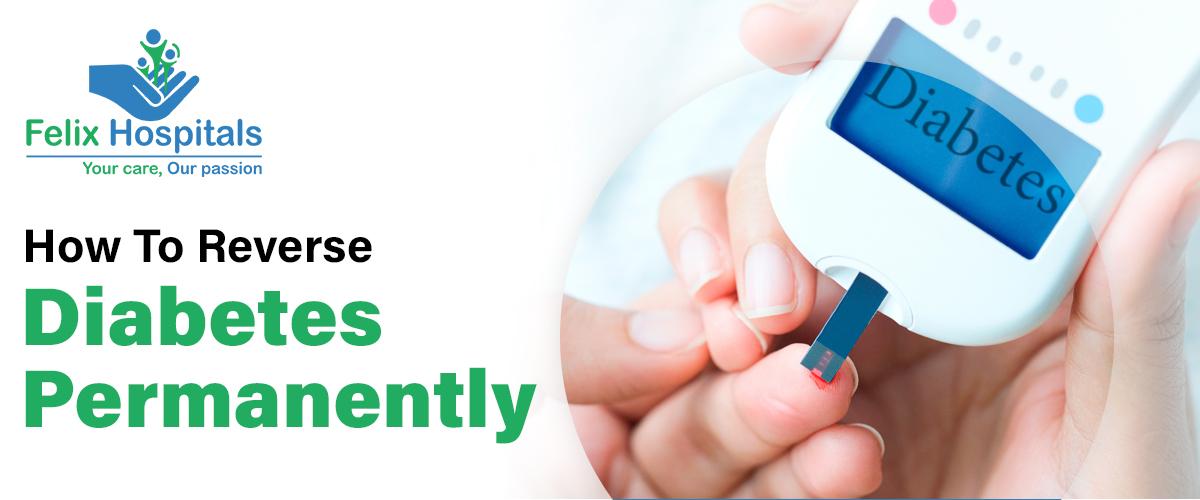
Diabetes is a condition in which your body part pancreases cannot make enough insulin which results in an increase in your glucose level/blood sugar level.
Manage diabetes effectively with a well-planned Indian vegetarian diet chart. Explore healthy meal options and tips for blood sugar control.

Maintaining a healthy lifestyle is important, in today’s scenario. It is common to hear about some or the other problem related to health faced by individuals.

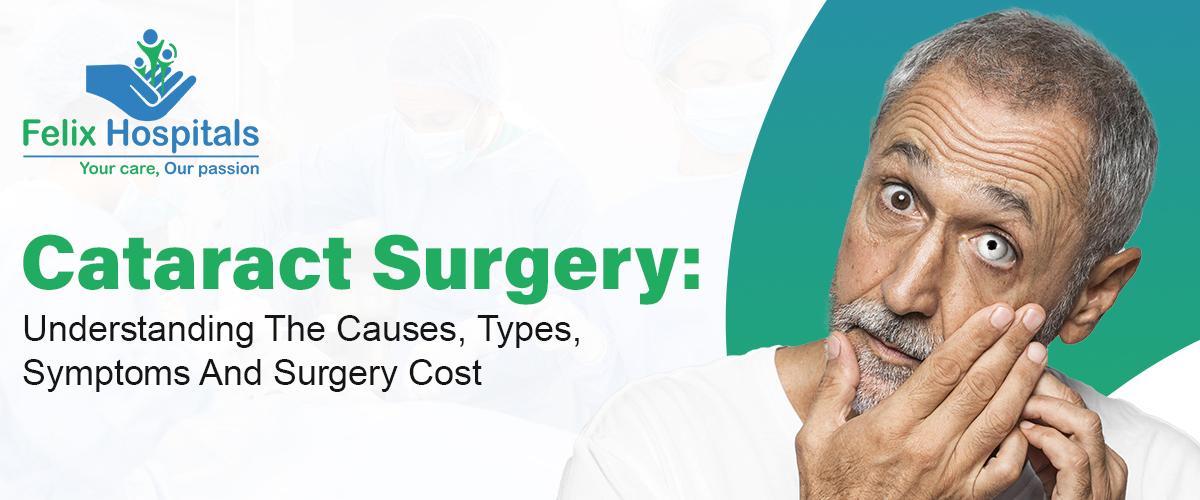
Cataract surgery is a common procedure where an eye doctor, or ophthalmologist, removes the cloudy lens from your eye and usually replaces it with an artificial one. This cloudiness, caused by a cataract, can impair vision over time. The surgery is typically done on an outpatient basis, so you can go home the same day. Cataract surgery is generally safe and highly effective. Our eyes are crucial to our daily lives, making it essential to thoroughly research and find the best Cataract treatment hospital in Noida for their care.
book an appointment with Best Eye Doctor In Noida. Call now at +91-9667064100.
Cataract surgery is a procedure to remove a cloudy lens from your eye and replace it with a clear, artificial one to improve vision. The lens, which focuses light like a camera, can become cloudy and yellowed due to the breakdown of proteins, a condition known as a cataract. Aging is the most common cause, but cataracts can also result from certain medical conditions, medications, injuries, or previous eye surgeries. You need to search for a motiyabind operation near me.
Cataracts block light from passing through the lens properly, leading to symptoms like blurry vision, halos around lights, and double vision. During cataract surgery, an ophthalmologist removes the cloudy lens and replaces it with an artificial intraocular lens (IOL). This clear lens allows light to pass through and be focused correctly, improving vision.
There are different types of IOLs to correct nearsightedness, farsightedness, astigmatism, and presbyopia. While basic IOLs are usually covered by insurance, specialty IOLs, which can reduce the need for glasses or contacts, might not be.
Cataract surgery is the only proven treatment for cataracts in adults. It is a quick outpatient procedure with a fast recovery time and typically few complications. If both eyes need surgery, they are usually done a week or two apart. If you are considering cataract surgery, it's essential to be aware of the cataract surgery cost in Noida. Read below for more information.
Cataract surgery is typically recommended by your Eye Doctor if vision loss interferes with daily activities like reading, driving, or watching TV. Even if cataracts aren't the main cause of your vision problems, your doctor might suggest surgery. For instance, removing cataracts can allow the doctor to better examine the back of your eye to monitor and treat conditions such as diabetic retinopathy or age-related macular degeneration (AMD).
There's no need to rush into cataract surgery. Discuss the risks and benefits with your eye doctor to determine if it's the right choice for you.
If you have cataracts in both eyes, surgery will be performed on each eye separately, usually about a month apart. Given the significance of our eyes in our daily lives, it's imperative to conduct thorough research to identify the Best Cataract treatment hospital in Noida .
Cataracts usually develop as a result of aging or injury that alters the tissue of the eye's lens. When proteins and fibers in the lens start to break down, it leads to cloudy or hazy vision.
Certain inherited disorders that cause other health issues can also increase the risk of cataracts. Other eye conditions, previous eye surgeries, and medical conditions like diabetes can contribute to cataract formation as well. Long-term use of steroid medications can also cause cataracts to develop.
The cataract surgery cost in Noida can vary based on multiple factors, including the specific procedure and hospital charges. For an accurate estimation of the expenses, it's advisable for patients to directly consult with a surgeon or hospital. Here's a breakdown of the approximate cost range for cataract surgery in Noida:
| Minimum: | ₹ 17,000 |
| Maximum: | ₹ 25,000 |
| Average: | ₹ 20,000 |
If you're in search of affordable cataract surgery options in Noida without compromising on quality, consider Felix Hospital. We're known for delivering high-quality surgical care at competitive prices. Connect with our surgeons or staff for a comprehensive understanding of the associated costs. We prioritize providing excellent care while ensuring affordability. Bid farewell to blurry vision without straining your finances. Discover our cost-effective solutions today! Felix Hospitals is one of the best Cataract treatment hospitals in Noida.
Reach out to us at +91 9667064100 or email us at [email protected]
Cataract surgery is one of the most common surgical procedures in India . Each year, over 3 million cataract surgeries are performed in India, and approximately 20 million are done globally (including Laser cataract surgery in Noida). About half of all people who live into their 90s will undergo cataract surgery.
Pre-Surgery Preparations
About a week before your surgery, your eye doctor will perform a painless ultrasound test to measure the size and shape of your eye. This helps to determine the most suitable type of intraocular lens (IOL) implant for you.
Intraocular Lenses (IOLs)
Almost everyone who undergoes cataract surgery will receive IOLs. These artificial lenses improve vision by focusing light correctly onto the back of your eye. Once implanted, you won’t be able to see or feel the lens, and it requires no maintenance. Mainly, laser surgery is performed by hospitals in Noida. Could you specify the type of operation you are considering?
Choosing the Right IOL
There are various types of IOLs available. Before your surgery, you and your eye doctor will discuss which type of IOL might be best for your vision needs and lifestyle. The cost may also be a consideration, as insurance companies might not cover all types of lenses.
- Fixed-focus monofocal: These lenses are designed for clear distance vision. You will likely need reading glasses for close-up tasks.
- Accommodating-focus monofocal: These lenses can adjust to eye muscle movements, helping you see both near and far.
- Multifocal: These lenses have different zones for seeing near, medium, and far distances, similar to bifocal or progressive glasses.
- Astigmatism correction (toric): These lenses are designed to correct significant astigmatism.
Initial Recovery
Expect your vision to start improving within a few days after cataract surgery, though it may be blurry at first as your eye heals and adjusts. Since cataracts typically cause colors to appear dull, you might notice that colors seem brighter post-surgery due to the new, clear lens.
Follow-Up Appointments
You'll have follow-up visits with your eye doctor the day after surgery, the following week, and about a month later to ensure your eye is healing properly.
Contact your doctor immediately if you experience:
- Vision loss
- Persistent pain despite using nonprescription pain relievers
- Increased redness in your eye
- Swelling of the eyelid
- Light flashes or new floaters in your vision
If you have cataracts in both eyes, the second surgery is typically scheduled after the first eye has healed.
If you are considering cataract surgery, it's essential to be aware of the cataract surgery cost in Noida. Read below for more information.
Cataract surgery is a highly effective and common procedure that can significantly improve vision and quality of life for those affected by cataracts. As cataracts develop, they can impair daily activities, but timely surgery can restore clarity and focus by replacing the cloudy lens with a clear, artificial intraocular lens (IOL). With advancements in surgical techniques and the variety of IOL options available, patients can achieve excellent visual outcomes tailored to their specific needs. It's essential to consult with your eye doctor to discuss the best timing and type of surgery for your situation, taking into account your lifestyle and vision requirements. With proper care and follow-up, most people experience a smooth recovery and a significant improvement in vision, allowing them to return to their daily activities with renewed clarity and confidence. If you are searching for a Motiyabind Operation near me, we are always here for you.
What is a cataract?
ANS. A cataract is a clouding of the natural lens in the eye, which can cause vision impairment.
When is cataract surgery necessary?
ANS. Cataract surgery is typically recommended when cataracts start to significantly affect vision and impact daily activities.
How is cataract surgery performed?
ANS. During cataract surgery, the cloudy lens is removed and replaced with an artificial intraocular lens (IOL) to restore clear vision.
Is cataract surgery safe?
ANS. Yes, cataract surgery is considered safe and is one of the most commonly performed surgical procedures worldwide.
What are the different types of intraocular lenses (IOLs)?
ANS. There are various types of IOLs available, including mono focal, multifocal, and toric lenses, each offering unique benefits for vision correction.
What is the recovery process like after cataract surgery?
ANS. Recovery after cataract surgery is generally quick, with most patients experiencing improved vision within a few days. Full recovery typically takes a few weeks.
Are there any risks or complications associated with cataract surgery?
ANS. While rare, complications of cataract surgery may include infection, inflammation, and swelling. Your ophthalmologist will discuss potential risks with you before the procedure.
How long does the effect of cataract surgery last?
ANS. Cataract surgery is considered a permanent solution, and the effects typically last a lifetime.
Can both eyes be operated on simultaneously?
ANS. In most cases, cataract surgery is performed on one eye at a time, with a few weeks between surgeries for each eye.
Will I still need glasses after cataract surgery?
ANS. The need for glasses after cataract surgery depends on the type of intraocular lens used and individual visual requirements. Some patients may still require glasses for certain activities, while others may achieve independence from glasses altogether.

Cataract surgery is essential to restore clear vision and prevent permanent blindness. It removes the cloudy lens and replaces it with an artificial one, helping patients regain normal sight and quality of life.
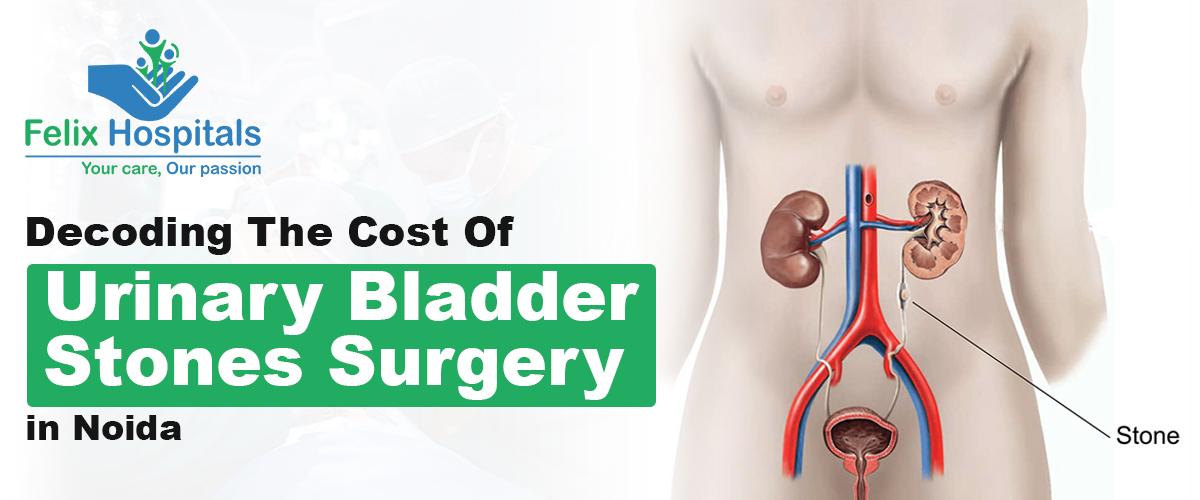
Bladder stones are solid mineral masses found within the bladder. They form as a result of minerals in concentrated urine crystallizing and merging into stones. This occurrence is often associated with difficulties in fully emptying the bladder. While small bladder stones may pass naturally without intervention, larger ones may require medication or surgical procedures. If left unaddressed, bladder stones can escalate the risk of infections and other associated complications.
Book Your Appointment One click at +91 9667064100
Bladder stones, also known as vesical calculi or cystoliths, form when minerals accumulate due to incomplete bladder emptying after urination. Over time, residual urine becomes concentrated, leading to mineral crystallization. The primary component of bladder stones is often uric acid, a byproduct of metabolic processes.
Bladder stones can remain asymptomatic for a while and are typically discovered incidentally during medical imaging for unrelated reasons. Larger stones may require intervention by healthcare professionals.
Sometimes, bladder stones develop individually, while in other cases, they form clusters. Their shapes can vary, with some being nearly spherical and others having irregular shapes. A common type of bladder stone is a “jackstone” because it is shaped like a jack from the kids’ game Jacks. If you want to know what is Urinary Bladder Stones surgery, read below for more information.
The cost of urinary bladder stone removal surgery in Noida varies depending on several factors, including the type of surgery and hospital charges. For an accurate estimate of the costs involved, patients should consult directly with a surgeon or hospital. Here's a breakdown of the approximate cost of urinary bladder stone surgery in Noida:
Starting Cost | ₹ 50,000 |
Average Cost | ₹ 70,000 |
Maximum Cost | ₹ 90,000 |
If you're seeking affordable urinary bladder stone surgery costs in Noida without compromising on quality, consider Felix Hospital. We are renowned for providing high-quality surgical care at competitive prices. Reach out to our surgeons or staff for a clear understanding of the costs involved. We ensure that you receive top-notch care without burdening your finances. Say goodbye to discomfort without breaking the bank. Explore our cost-effective options today! Contact us at +91 9667064100.
There is proper procedure that how is urinary bladder stones procedure done, the procedure of urinary bladder stone, known as cystolithotomy, typically involves the following steps:
Overall, the surgical procedure for urinary bladder stone removal aims to effectively and safely eliminate the stones from the bladder while minimizing risks and complications for the patient. It's essential for patients to follow their surgeon's recommendations and attend follow-up appointments for proper healing and recovery.
Reducing medication costs can be achieved through several strategies. Here are some tips:
It is important to consult with your healthcare provider before making any changes to your medication regimen. They can provide personalized advice based on your specific medical needs. Urinary Bladder Stones surgery cost in Noida can differ depending on the specific Hospital or their medical facilities where the procedure is performed may have different pricing structures.
Bladder stones develop when urine remains in the bladder for an extended period, causing waste products like salt, potassium, and protein to crystallize and form hard masses. This process is most common when the bladder cannot be completely emptied during urination.
Various conditions and factors can increase the risk of urinary bladder stone causes formation, including:
Urinary Bladder stones can vary in size, with smaller ones possibly passing without noticeable symptoms. However, larger stones may trigger significant discomfort and complications. signs of bladder stones in females larger bladder stones may manifest as follows:
These symptoms may vary depending on the size and location of the bladder stones, as well as individual factors. If experiencing any of these signs, it's essential to consult a healthcare professional for proper diagnosis and treatment and also bladder stones symptoms in males are the same .
The typical approach for treating bladder stones involves surgical intervention. A common procedure, known as cystolitholapaxy, utilizes a slender tube called a cystoscope equipped with a camera to locate the bladder stones.
Once located, various methods such as stone-crushing devices, lasers, or ultrasound are employed through the cystoscope to fragment the stones before extraction. Addressing the underlying causes of bladder stones is essential whenever feasible to deter the formation of new stones in the future.
Alternative medicine methods, such as herbal remedies, have not been shown to effectively dissolve bladder stones. Given the hardness of these stones, medical procedures like laser treatment or ultrasound are typically necessary for their removal. It's crucial to consult your doctor before attempting any alternative medicine therapy to ensure its safety and compatibility with any other medications you may be taking.
The possible conditions that healthcare providers consider when diagnosing bladder stones are:
If you're in pain and seeking medical attention, search for the best urology hospital in Noida, and Felix Hospital is always available to assist you. Contact us at +91 9667064100 or email us at [email protected]..
The prognosis of urinary bladder stones depends on several factors, including the size and number of stones, the presence of associated complications, and the effectiveness of treatment. In general:
Urinary bladder stones can cause discomfort and complications if left untreated, but timely diagnosis and appropriate treatment can lead to positive outcomes. Surgical intervention, such as cystolitholapaxy, is often necessary for removing bladder stones effectively. The cost of urinary bladder stone surgery in Noida varies depending on factors like the type of surgery and hospital charges.
At Felix Hospital, we offer high-quality surgical care at competitive prices, ensuring patients receive top-notch treatment without financial strain. Consulting with healthcare professionals is crucial for accurate diagnosis, treatment planning, and preventive measures to maintain urinary health. With proper management and follow-up, individuals with bladder stones can expect relief of symptoms and improved quality of life.
Felix Hospital offers advanced and reliable Urinary Tract Infection (UTI) treatment in Noida with expert urologists ensuring fast relief and complete recovery.
ANS. Urinary bladder stones are hard mineral deposits that form in the bladder when minerals in urine crystallize.
ANS. Bladder stones can develop due to factors like urinary tract infections, dehydration, bladder outlet obstruction, or underlying medical conditions.
ANS. Bladder stones can lead to symptoms like pain, difficulty urinating, blood in urine, frequent urinary tract infections, and complications if left untreated.
ANS. Treatment options may include medications to dissolve stones, minimally invasive procedures like lithotripsy to break up stones, or surgical removal of larger stones.
ANS. Urinary bladder stone surgery may involve cystolitholapaxy, where a thin tube with a camera and stone-crushing devices is inserted into the bladder to locate and remove stones.
ANS. Patients are usually under anesthesia during bladder stone surgery, so they don't feel pain. However, some discomfort may occur during the recovery period.
ANS. Risks may include infection, bleeding, injury to surrounding organs, urinary incontinence, or recurrence of bladder stones.
ANS. Recovery time varies depending on the type of surgery and individual factors but may take a few days to weeks.
ANS. Bladder stones can recur if underlying causes are not addressed. Following a healthy lifestyle and addressing any underlying conditions can help prevent recurrence.
ANS. Drinking plenty of fluids, maintaining a healthy diet, avoiding holding urine for too long, and seeking prompt treatment for urinary tract infections can help prevent bladder stones.


Are you struggling with constant back pain that affects your daily life? Back pain can result from poor posture, long sitting hours, slip disc, muscle strain, or spinal problems.

डिहाइड्रेशन यानी (dehydration meaning in hindi) की निर्जलीकरण एक ऐसी स्थिति है। जब हमारा शरीर में पर्याप्त मात्रा में पानी नहीं होता है। यह स्थिति स्वास्थ्य के लिए कई प्रकार की जटिलता का कारण बन सकती है।यहां हम डिहाइड्रेशन के कारणों, लक्षणों, निवारण और उपचार के बारे में जानेंगे।
अगर आपको भी कभी ऐसा लगता है की आपको डिहाइड्रेशन हो रहा है तो आप जनरल फिजिशियन (General Physician Doctor in Noida) को दिखा सकते है हमें कॉल करें - +91 9667064100।
डिहाइड्रेशन या निर्जलीकरण शरीर में जल की कमी को दर्शाता है। यह तब होता है जब शरीर को प्राप्त होने वाले जल की मात्रा, शरीर द्वारा खोए गए जल की मात्रा से कम होती है। यह स्थिति विभिन्न कारणों से हो सकती है जैसे कि अधिक पसीना आना, दस्त लगना, उल्टी होना या पर्याप्त मात्रा में तरल पदार्थ ना पीना। डिहाइड्रेशन(dehydration) कोई हल्की समस्या नहीं है और इसके प्रति सजग रहना चाहिए। इसके संकेतों और लक्षणों को पहचानना और समय पर उपचार करना जरूरी है।स्वस्थ रहने के लिए और शरीर के संतुलन को बनाए रखने के लिए हमेशा हाइड्रेटेड रहें।
गर्मियों में डिहाइड्रेशन होने के कई कारण होते हैं, जिनमें पर्यावरणीय कारकों से लेकर व्यक्तिगत जीवनशैली तक शामिल हैं। गर्मी के मौसम में तापमान बढ़ जाने के कारण शरीर अधिक पसीना छोड़ता है, जिससे शरीर से अधिक मात्रा में पानी और इलेक्ट्रोलाइट्स की हानि होती है। इससे डिहाइड्रेशन की स्थिति उत्पन्न हो सकती है। नीचे कुछ मुख्य कारण दिए गए हैं जो गर्मियों में डिहाइड्रेशन (dehydration) का कारण बन सकते हैं:
डिहाइड्रेशन अर्थात शरीर में जल की कमी एक आम समस्या है, जिसके कई कारण और प्रकार होते हैं। यह स्थिति तब होती है जब शरीर उपयोग किए जाने वाले तरल पदार्थों की तुलना में कम तरल पदार्थ का सेवन करता है। डिहाइड्रेशन (dehydration) की गंभीरता के आधार पर, इसे मुख्य रूप से तीन प्रकारों में विभाजित किया गया है: हल्का, मध्यम, और गंभीर।
हल्का डिहाइड्रेशन तब होता है (dehydration in hindi) जब शरीर में जल की मामूली कमी होती है। इस स्तर पर, लक्षण सामान्यतः हल्के होते हैं और अक्सर अनदेखे भी चले जाते हैं। लक्षणों में शामिल हो सकते हैं:
हल्के डिहाइड्रेशन का इलाज सामान्यतः अधिक तरल पदार्थ पीने से किया जा सकता है। पानी, इलेक्ट्रोलाइट समृद्ध ड्रिंक्स और ताज़े फलों के रस पीने से शरीर को फिर से हाइड्रेट किया जा सकता है।
मध्यम डिहाइड्रेशन(dehydration) में, जल की कमी के लक्षण अधिक स्पष्ट और गंभीर होते हैं। इस स्तर पर शरीर की प्राकृतिक बैलेंसिंग क्षमता प्रभावित होती है, और निम्नलिखित लक्षण देखे जा सकते हैं:
मध्यम डिहाइड्रेशन के उपचार के लिए अधिक गहन हाइड्रेशन की आवश्यकता होती है, और कभी-कभी ओरल रिहाइड्रेशन साल्ट्स (ORS) का उपयोग करना पड़ सकता है।
गंभीर डिहाइड्रेशन एक आपातकालीन मेडिकल स्थिति है और यह जीवन के लिए खतरनाक हो सकती है। इस स्थिति में, शरीर की जल आपूर्ति इतनी कम हो जाती है कि यह सामान्य कार्य करने में असमर्थ होता है। गंभीर डिहाइड्रेशन(dehydration) के लक्षणों में शामिल हैं:
गंभीर डिहाइड्रेशन का इलाज आमतौर पर अस्पताल में इंट्रावेनस फ्लूइड्स (IV fluids) के जरिए किया जाता है। यह न केवल जल की कमी को पूरा करता है, बल्कि इलेक्ट्रोलाइट्स के संतुलन को भी बहाल करता है।
डिहाइड्रेशन या निर्जलीकरण शरीर में जल की कमी को दर्शाता है। यह तब होता है जब शरीर को प्राप्त होने वाले जल की मात्रा, शरीर द्वारा खोए गए जल की मात्रा से कम होती है। यह स्थिति विभिन्न कारणों से हो सकती है जैसे कि अधिक पसीना आना, दस्त लगना, उल्टी होना या पर्याप्त मात्रा में तरल पदार्थ ना पीना।
हाल ही में, बॉलीवुड सुपरस्टार शाहरुख खान ने गुजरात के नरेंद्र मोदी स्टेडियम में अपनी टीम, कोलकाता नाइट राइडर्स का समर्थन करते समय गर्मी के कारण हीट वेव स्ट्रोक का अनुभव किया।
गर्मियों के दिन बढ़ते जा रहे हैं और गर्मी की तीव्रता भी बढ़ रही है। ऐसे में हम सभी से अनुरोध करते हैं कि सतर्क रहें और अनावश्यक बाहर जाने से बचें, विशेष रूप से दिन के सबसे गर्म समय में, यानी 12 बजे दोपहर से 3 बजे तक। अगर बाहर जाना जरूरी है, तो इन उपायों का पालन करें:
फेलिक्स हॉस्पिटल हमेशा आपके स्वास्थ्य की देखभाल के लिए यहाँ है। इस गर्मी के मौसम में सही हाइड्रेशन बनाए रखने और गर्मी से बचने के उपायों को अपनाकर सुरक्षित रहें।
किसी भी चिकित्सा सहायता की आवश्यकता हो तो हमसे संपर्क करने में हिचकिचाएं नहीं। हमें कॉल करें +91 9667064100.
डिहाइड्रेशन एक ऐसी स्थिति है जहां शरीर में पानी की मात्रा अपेक्षित स्तर से कम हो जाती है यह विभिन्न कारणों से हो सकता है और इसके परिणाम स्वास्थ्य पर गंभीर हो सकते हैं।
यह सबसे स्पष्ट कारण है। जब लोग पर्याप्त मात्रा में पानी या अन्य तरल पदार्थ नहीं पीते, तो उनका शरीर डिहाइड्रेट हो सकता है। विशेष रूप से बुजुर्ग लोगों में, जिन्हें कभी-कभी प्यास का अहसास कम होता है, यह समस्या अधिक आम है।
उच्च तापमान और आर्द्रता के माहौल में शरीर पसीने के रूप में अधिक जल खो देता है। यदि पसीने की भरपाई के लिए पर्याप्त तरल पदार्थ का सेवन नहीं किया जाता है, तो डिहाइड्रेशन(dehydration) हो सकता है।
विभिन्न प्रकार की बीमारियां, जैसे कि फ्लू, डायरिया, उल्टी, और बुखार शरीर से तरल पदार्थों की हानि का कारण बनती हैं। इन स्थितियों में, शरीर आमतौर पर सामान्य से अधिक जल खो देता है।
एथलीट्स और जो लोग भारी शारीरिक गतिविधियां करते हैं, वे पसीने के माध्यम से काफी मात्रा में जल खो सकते हैं। यदि इस दौरान पर्याप्त रूप से हाइड्रेट नहीं किया जाता है, तो डिहाइड्रेशन हो सकता है।
अल्कोहल एक प्राकृतिक डायुरेटिक है, जिसका अर्थ है कि यह शरीर को पानी छोड़ने के लिए प्रेरित करता है। अधिक अल्कोहल पीने से शरीर में तरल पदार्थों का स्तर कम हो सकता है, जिससे डिहाइड्रेशन(dehydration) हो सकता है।
बढ़ती उम्र के साथ शरीर की तरल पदार्थों को बनाए रखने की क्षमता कम हो जाती है। बुजुर्ग लोगों में किडनी की कार्यक्षमता में कमी आती है और प्यास की अनुभूति भी कम होती है, जिससे डिहाइड्रेशन का खतरा बढ़ जाता है।
जिन लोगों के आहार में तरल पदार्थों की मात्रा कम होती है या जो नमकीन और सुखाई गई खाद्य सामग्री का अधिक सेवन करते हैं, उन्हें भी डिहाइड्रेशन का खतरा होता है।
जो लोग ठंडे से गर्म या शुष्क जलवायु में जाते हैं, उन्हें अधिक जल खोने की संभावना होती है, क्योंकि उनके शरीर को नई जलवायु के अनुकूल होने में समय लगता है।
कुछ दवाएं जैसे कि डायुरेटिक्स, और कुछ चिकित्सीय स्थिति जैसे कि मधुमेह, शरीर से अत्यधिक तरल पदार्थ निकालने का कारण बन सकती हैं। इससे भी डिहाइड्रेशन हो सकता है।
जल हमारे जीवन का अनिवार्य हिस्सा है। यह न केवल हमारी प्यास बुझाता है बल्कि हमारे शरीर की अनेक क्रियाओं को संचालित करने में भी मदद करता है। डिहाइड्रेशन, जो कि शरीर में जल की कमी का एक स्थिति है, कई गंभीर स्वास्थ्य समस्याओं का कारण बन सकता है। डिहाइड्रेशन के प्रभाव केवल शारीरिक स्वास्थ्य तक सीमित नहीं होते, बल्कि ये मानसिक और भावनात्मक स्वास्थ्य को भी प्रभावित करते हैं। इसलिए, हमें इसकी रोकथाम के लिए सजग रहना चाहिए और उचित उपाय करने चाहिए। समय पर अस्पताल में पहुंचकर दिखाना चाहिए।
अगर आपको भी कभी ऐसा लगता है की आपको डिहाइड्रेशन हो रहा है तो आप जनरल फिजिशियन (General Physician Doctor in Noida) को दिखा सकते है|- +91 9667064100 |
डिहाइड्रेशन तब होता है जब शरीर में पानी की मात्रा इतनी कम हो जाती है कि शरीर के सामान्य कार्यों में बाधा आने लगती है। यह आमतौर पर अत्यधिक पसीना, बीमारी, दस्त, उल्टी, या पर्याप्त मात्रा में पानी न पीने के कारण हो सकता है। हल्के से मध्यम डिहाइड्रेशन के मामलों में घरेलू उपचार अपनाये जा सकते हैं, लेकिन गंभीर स्थितियों में चिकित्सकीय सलाह लेना आवश्यक है। डिहाइड्रेशन एक ऐसी स्थिति है जिसमें शरीर के अंदर पानी की मात्रा कम हो जाती है। यह न केवल शारीरिक बल्कि मानसिक स्वास्थ्य को भी प्रभावित कर सकता है। यहां पर कुछ घरेलू उपचार और उपाय दिए गए हैं जिनका पालन करके आप डिहाइड्रेशन(dehydration) से बच सकते हैं:
साइलेंट डिहाइड्रेशन एक ऐसी स्थिति है जहां व्यक्ति डिहाइड्रेटेड होता है परंतु उसे इसके पारंपरिक लक्षणों का अनुभव नहीं होता है। यानी, व्यक्ति में प्यास की भावना कम या न के बराबर होती है, जिससे वह यह समझ नहीं पाता कि उसके शरीर को पानी की ज़रूरत है। यह स्थिति विशेष रूप से बुजुर्गों में अधिक देखी जाती है क्योंकि उम्र के साथ प्यास की संवेदनशीलता में कमी आती है।
डिहाइड्रेशन (dehydration) के कई कारण होते हैं और यह समझना महत्वपूर्ण है कि कैसे विभिन्न कारक इस स्थिति को प्रभावित करते हैं। पर्याप्त मात्रा में पानी पीना, उचित आहार लेना, और सक्रिय रहना डिहाइड्रेशन से बचाव के कुछ मुख्य उपाय हैं। यदि आप डिहाइड्रेशन के लक्षणों को महसूस करते हैं, तो चिकित्सीय सहायता लेना सबसे अच्छा होगा। कई घरेलू उपचारों और उपायों के जरिए आप डिहाइड्रेशन की समस्या से बच सकते हैं और अपने शरीर को स्वस्थ और हाइड्रेटेड रख सकते हैं। अगर डिहाइड्रेशन के लक्षण गंभीर हों तो चिकित्सकीय सलाह लेना उत्तम होता है। गर्मियों में डिहाइड्रेशन(dehydration) का खतरा बढ़ जाता है। इसलिए गर्मी के मौसम में विशेष रूप से सचेत रहना और नियमित रूप से पानी पीना, पोषण युक्त आहार लेना, और गर्मी से बचने के उपाय करना चाहिए। साइलेंट डिहाइड्रेशन से बचने के लिए इन उपायों का पालन करना महत्वपूर्ण है, विशेषकर उम्रदराज व्यक्तियों में, जहां प्यास की कमी को अक्सर नजर-अंदाज किया जा सकता है। डिहाइड्रेशन से बचने के लिए नियमित रूप से पानी पीना, उचित आहार लेना और व्यायाम के समय विशेष ध्यान देना जरूरी है। स्वस्थ रहने के लिए हाइड्रेशन अत्यंत महत्वपूर्ण है।
उत्तरः हां, डिहाइड्रेशन से शरीर का तापमान नियंत्रण प्रभावित हो सकता है और कभी-कभार इससे बुखार या बुखार जैसी स्थिति उत्पन्न हो सकती है। यह शरीर के थर्मल रेगुलेशन में असंतुलन के कारण होता है।
उत्तरः डिहाइड्रेशन(dehydration) के इलाज के लिए धीरे-धीरे और नियमित रूप से पानी पीना महत्वपूर्ण है। ओआरएस (ओरल रिहाइड्रेशन सॉल्यूशन) का उपयोग करना भी उपयोगी होता है, जो पानी और इलेक्ट्रोलाइट्स की कमी को पूरा करता है। गंभीर मामलों में चिकित्सक की सलाह लेना उचित होता है।
उत्तरः हां, डिहाइड्रेशन से मस्तिष्क और शरीर के अन्य अंगों की कार्यक्षमता प्रभावित होती है, जिससे चिंता और तनाव बढ़ सकता है। पर्याप्त हाइड्रेशन मूड और मानसिक स्वास्थ्य को बेहतर बनाने में मदद कर सकता है।
उत्तरः डिहाइड्रेशन का उपचार घर पर किया जा सकता है। इसके लि्ए पर्याप्त मात्रा में पानी पीएं। ओआरएस या खनिज लवण युक्त पेय जैसे कि नारियल पानी का सेवन करें। तरल युक्त फल और सब्जियाँ जैसे कि तरबूज, खीरा आदि का सेवन करें।
नारियल पानी, संतरे का रस और तरबूज का रस डिहाइड्रेशन(dehydration) के लिए उत्तम माने जाते हैं क्योंकि इनमें प्राकृतिक शर्करा, इलेक्ट्रोलाइट्स और महत्वपूर्ण खनिज लवण होते हैं जो हाइड्रेशन में मदद करते हैं।
उत्तरः हां, डिहाइड्रेशन से पेशाब की मात्रा कम हो जाती है और यह गाढ़ा हो सकता है, जिससे पेशाब करते समय जलन या दर्द हो सकता है।
उत्तरः डिहाइड्रेशन सीधे तौर पर दस्त का कारण नहीं बनता है, लेकिन यदि दस्त हो रहा हो तो डिहाइड्रेशन(dehydration) हो सकता है क्योंकि शरीर से अधिक मात्रा में तरल निकल जाता है।
उत्तरः हां, डिहाइड्रेशन(dehydration) से मस्तिष्क के आसपास के ऊतक सिकुड़ सकते हैं, जिससे खोपड़ी के अंदर तनाव बढ़ता है और सिरदर्द हो सकता है।
Dengue is a mosquito-borne viral disease causing high fever, body pain, and rashes. It spreads through Aedes mosquitoes. Early treatment and mosquito control help prevent complications.

Compare Measles and Chickenpox by their rashes, symptoms, and visual differences. Learn how to identify each and seek timely treatment.
पीलिया एक ऐसी स्थिति है जिसमें शरीर और आंखों का रंग पीला पड़ जाता है। यह मुख्य रूप से लीवर की खराबी या रक्त में बिलीरुबिन के बढ़ने के कारण होता है।


Subscribe to our
© Copyright 2026. All Rights Reserved by Felix Healthcare Private Limited
Design and development by :


 +(91)9667064100
 Emergency : +(91)9667064100