 WhatsApp
 Emergency:
  WhatsApp








Subscribe to our
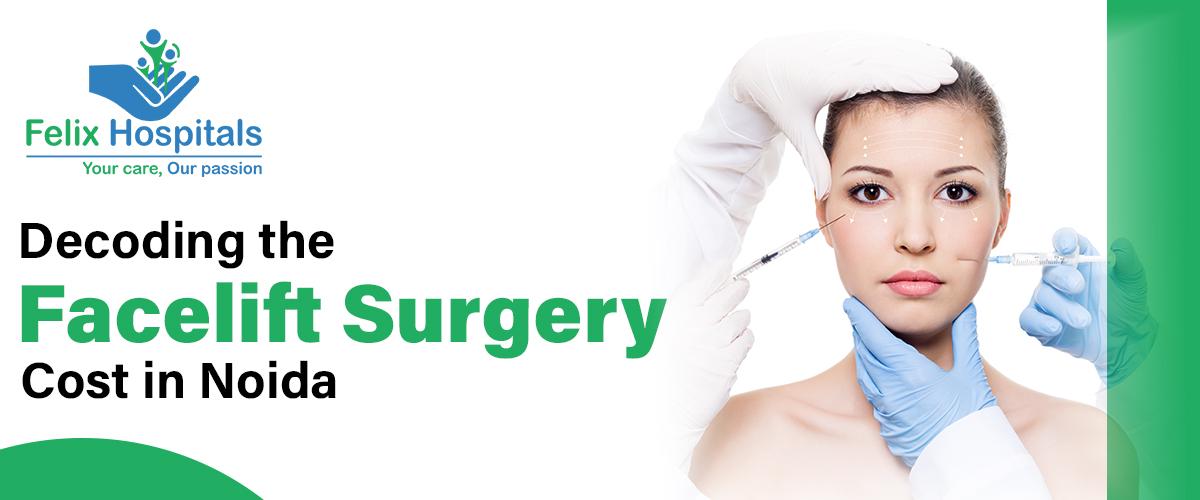
Facelift surgery, also known as rhytidectomy, is a cosmetic procedure that aims to improve the visible signs of aging in the face and neck. This surgical technique can help reduce wrinkles, tighten sagging skin, and restore a more youthful and refreshed appearance. In Noida, the cost of facelift surgery can vary depending on several factors. This guide will explore the nuances of facelift surgery, the associated costs in Noida, and why Felix Hospital is recognized as the best plastic surgery hospital in Noida.
Table of Contents
Considering facelift surgery in Noida? Contact us now at +91 9667064100 for affordable costs and procedure details!
Traditional Facelift (Full Facelift)
This is the most comprehensive facelift procedure.
It addresses the entire face, including the cheeks, jowls, and neck.
Incisions are made along the hairline, in front of the ear, and behind the ear.
Excess skin and fat are removed, and the underlying muscles are tightened.
This provides the most dramatic and long-lasting results, but also has a longer recovery time.
Mini Facelift (Limited Incision Facelift)
Also known as a short-scar or limited incision facelift.
Focuses on the lower face and neck area.
Smaller incisions are made, usually just in front of and behind the ears.
Results in a more subtle improvement compared to a full facelift.
Recovery time is generally shorter than a traditional facelift.
Mid-Facelift (Cheek Lift)
Targets the middle and upper areas of the face.
Addresses sagging in the cheeks and nasolabial folds (lines from the nose to the corners of the mouth).
Incisions are made inside the mouth or through the lower eyelids.
Provides a more youthful and refreshed appearance to the mid-face.
Neck Lift
Specifically targets the neck area to address sagging skin, muscle banding, and excess fat.
Incisions are made behind the ears and sometimes under the chin.
Can be performed alone or in combination with a facelift.
Helps restore a more defined, youthful neckline.
The choice of facelift procedure depends on the patient's specific concerns, age, skin elasticity, and desired results. A consultation with an experienced plastic surgeon will help determine the most appropriate facelift option.
The average cost of facelift surgery in Noida ranges from ₹3,00,000 to ₹5,00,000. This estimate includes the surgeon's fees, hospital charges, anesthesia costs, and pre- and post-operative care.
However, it's important to note that the actual cost can vary based on several factors, including the individual patient's needs, the complexity of the procedure, the surgeon's experience, and the reputation of the hospital.
Facelift surgery is a well-regarded cosmetic procedure known for its cost-effectiveness and relatively high success rate compared to other treatments. However, the total cost of facelift surgery can vary considerably due to various factors. Familiarizing yourself with these factors can assist you in effectively planning the financial aspects of your cosmetic journey.
Hospital Reputation and Location: The cost of facelift surgery can vary significantly depending on the hospital's Reputation and location. Hospitals in prime areas or those with advanced facilities may charge higher fees.
Surgeon's Experience: The expertise and experience of the surgeon performing the procedure can also impact the cost. Renowned surgeons or those with specialized training may charge higher fees.
Type of Facelift: There are different techniques for performing a facelift, such as a traditional facelift, mini-facelift, or endoscopic facelift. The cost may vary depending on the complexity of the procedure.
Additional Procedures: Some patients may opt for additional procedures, such as eyelid surgery (blepharoplasty) or brow lift, during the same surgical session. The cost of these combined procedures can increase the overall expense.
Anesthesia and Facility Fees: The cost of anesthesia and the hospital's facility fees can also contribute to the total cost of facelift surgery.
Compare Hospitals: Research and compare different hospitals in Noida to find the best balance between quality of care and cost.
Check Insurance Coverage: Some insurance policies may cover a portion of the facelift surgery cost. It is advisable to check with your insurance provider for details.
Consider Timing: Scheduling the surgery during the off-season or during a hospital's promotional period may result in lower costs.
Explore Financing Options: Many hospitals and clinics offer financing plans or payment installments to help make the procedure more affordable.
Before undergoing a facelift surgery, it is essential to prepare both physically and mentally. Your surgeon will provide specific instructions, but generally, you should:
Quit smoking at least 2 weeks before the procedure as smoking can impair healing.
Avoid taking certain medications like aspirin, anti-inflammatory drugs, and herbal supplements that can increase bleeding.
Arrange for someone to drive you home after the surgery and help you for the first 24-48 hours.
By following these guidelines and working closely with your surgeon, you can optimize your chances of a successful outcome and a smooth recovery.
A facelift, also known as rhytidectomy, is a surgical procedure that removes excess fat, tightens underlying muscles, and redrapes skin on the face and neck to give a more youthful appearance. The surgery typically takes 2-4 hours and is performed under general anesthesia or intravenous sedation.
During the procedure, your surgeon will make incisions along the hairline and in front of the ear, extending behind the earlobe to the lower scalp. The skin is then separated from the underlying fat and muscle, and excess fat is removed or redistributed. The muscles are tightened, and the skin is re-draped and trimmed to create a smoother, more youthful appearance.
After the desired changes are made, the incisions are closed with sutures or skin adhesives. A bandage may be placed around the face to minimize swelling and bruising.
After the surgery, you can expect some swelling, bruising, and discomfort, which can be managed with pain medication. Your surgeon will provide specific aftercare instructions, but generally, you should:
Keep your head elevated to reduce swelling.
Avoid strenuous activity for 2-3 weeks.
Attend follow-up appointments to monitor your progress.
It's important to follow your surgeon's instructions closely to ensure a smooth recovery and optimal results.
Facelift surgery is generally safe when performed by a qualified and experienced plastic surgeon. However, as with any surgical procedure, there are risks involved, such as infection, bleeding, and adverse reactions to anesthesia.
To minimize risks, it's crucial to choose a board-certified plastic surgeon with extensive experience in facelift surgery. They will carefully evaluate your medical history, discuss the potential risks and benefits, and take measures to ensure your safety throughout the procedure and recovery process.
A facelift can provide a more youthful and refreshed appearance by:
Youthful Appearance: It effectively reduces sagging skin and smooths out wrinkles, giving a more youthful and refreshed look.
Boost in Confidence: Many patients report increased self-confidence and improved self-esteem following successful surgery.
Long-lasting Results: While not permanent, results typically last for several years, providing sustained improvement in facial appearance.
Improved Facial Contours: It enhances facial contours by tightening underlying tissues and muscles, restoring a more defined jawline and neck.
Natural-looking Results: Skilled surgeons can achieve natural-looking results that enhance your overall facial harmony.
Reduction of Wrinkles: It diminishes deep creases and folds, particularly around the eyes, mouth, and forehead.
Rejuvenated Skin: Improves skin tone and texture, promoting a smoother and more even complexion.
Customizable Options: Procedures can be tailored to address specific concerns, whether it's targeting the lower face, neck, or both.
Enhanced Personal and Professional Relationships: Many patients experience positive social interactions and career benefits post-surgery.
Improved Quality of Life: Overall, facelift surgery can contribute to a more vibrant and active lifestyle, maintaining a youthful appearance as you age.
By addressing the signs of aging and restoring a more youthful look, a facelift can have a positive impact on both your physical appearance and emotional well-being.
Facelift surgery, while generally safe, carries potential risks and complications like any surgical procedure. Here are some detailed yet simple explanations of the risk factors:
Bleeding: During or after surgery, there can be bleeding under the skin that might require additional procedures to stop.
Infection: Though rare, surgery opens the possibility of infection. Antibiotics are often used to prevent this.
Nerve Injury: Temporary or permanent damage to facial nerves may cause numbness, weakness, or changes in sensation.
Scarring: While efforts are made to minimize scars, some scarring may occur along incision lines.
Hair Loss: Temporarily around the incision sites due to disruption of hair follicles.
Skin Changes: Skin might feel dry, tight, or appear uneven in texture temporarily.
Anesthesia Risks: Complications related to anesthesia, such as reactions or breathing problems.
Poor Healing: Factors like smoking, diabetes, or certain medications may impair healing.
Facial Asymmetry: In rare cases, there may be unevenness in facial appearance after surgery.
Long-term Results: While results are generally long-lasting, they are not permanent, and natural aging continues.
Discussing these risks with your plastic surgeon and following their pre and post-operative instructions can help minimize these potential complications.
When considering a facelift surgery, choosing the right plastic surgeon in Noida is crucial for achieving natural-looking and satisfying results. At Felix Hospital, we prioritize your aesthetic goals with the expertise of our acclaimed plastic surgeons in Noida. Renowned for their precision and personalized approach, our surgeons combine years of experience with advanced facilities to ensure safety and excellence in every procedure. Whether you seek subtle rejuvenation or a more comprehensive transformation, our team at Felix Hospital is committed to delivering the highest standards of care, ensuring your comfort and confidence throughout your journey to a youthful appearance.
Call +91 9667064100 today and begin your journey to a youthful transformation.
Facelift surgery can be a transformative procedure, helping individuals achieve a more youthful and rejuvenated appearance. While the cost of facelift surgery in Noida can be significant, it is essential to prioritize quality of care and choose a reputable hospital with experienced surgeons. By understanding the factors affecting the cost and exploring ways to reduce expenses, patients can make informed decisions and ensure they receive the best possible treatment for their aesthetic goals.
1.) How long do facelifts last?
Facelift results typically last around 7 to 10 years, although individual experiences may vary depending on factors like age, lifestyle, and skin care habits.
2.) What is the best age to have a facelift?
The ideal age for a facelift is usually between 40 to 60 years old, when significant aging signs appear but skin retains some elasticity for optimal results.
3.) How painful is a facelift?
Pain levels vary, but discomfort is managed with medication. Patients typically describe moderate discomfort during recovery, which improves steadily.
4.) Does skin age faster after facelift?
No, facelifts do not accelerate aging. Effective surgery and proper aftercare can lead to long-term rejuvenation and maintained youthful appearance.
5.) What is a 1-hour facelift?
A 1-hour facelift refers to a minimally invasive procedure targeting specific facial areas, offering quick recovery and less downtime compared to traditional facelifts.
6.) Can I massage my face after a facelift?
Gentle facial massage is often recommended after initial healing to improve circulation and aid in natural-looking results, following your surgeon's guidance.
7.) Which is the best facelift surgery hospital near me in Noida?
Research local hospitals or clinics with expertise in facelift surgery, considering reputation, surgeon credentials, patient reviews, and personalized consultation for the best choice.
Plastic surgery cost in Noida depends on the procedure type, surgeon expertise, hospital infrastructure, and post-surgery care.
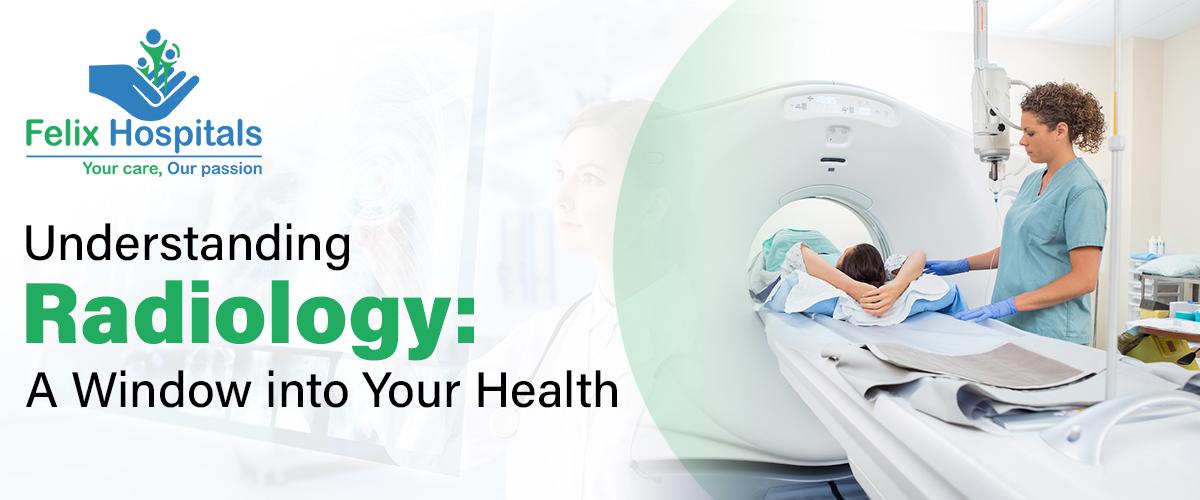
Radiology is a medical specialty that utilizes various imaging techniques to diagnose, monitor, and treat a wide range of health conditions. From X-rays to MRI scans, these advanced technologies provide healthcare professionals with a detailed view of the body's internal structures, allowing them to identify and address issues with precision.
At Felix Hospital, we understand the importance of radiology in modern healthcare. As the Best radiodiagnosis services hospital in Noida, we are committed to providing our patients with access to the latest diagnostic tools and the expertise of our highly skilled radiologists.
To explore Advanced radiology services at Felix Hospital call at: +91 9667064100 .
Table of Contents
Radiology plays a crucial role in various aspects of healthcare, from diagnosis and treatment planning to monitoring and follow-up care. Let's explore some of the ways in which radiology contributes to patient well-being:
Diagnosis
Radiology is often the first line of defense in the diagnostic process. By providing healthcare professionals with detailed images of the body's internal structures, radiology can help identify the underlying cause of a patient's symptoms, such as pain, swelling, or abnormal growths.
Treatment Planning
Radiology also plays a vital role in treatment planning. Imaging techniques like CT scans and MRI can help healthcare providers visualize the extent and location of a disease or injury, allowing them to develop targeted treatment strategies.
Monitoring and Follow-up
Radiology is not only essential for diagnosis and treatment planning but also for monitoring the progress of a patient's condition and evaluating the effectiveness of their treatment. Repeated imaging tests, such as X-rays or MRI Scans, can help healthcare providers track changes over time, identify any new developments, and make necessary adjustments to the treatment plan.
Minimally Invasive Procedures
Radiology has also revolutionized the field of minimally invasive procedures. Techniques like image-guided biopsies, angiography, and interventional radiology allow healthcare providers to diagnose and treat various conditions without the need for extensive surgical procedures.
Preventive Care
Radiology can also play a role in preventive healthcare. Screening tests, such as mammograms for breast cancer and lung cancer screenings, can help detect potential health issues at an early stage, when they are often more treatable. By identifying problems before they become more severe, radiology can contribute to improved health outcomes and reduced healthcare costs in the long run.
Radiology is a versatile field that supports the diagnosis and management of a wide range of medical conditions. Let's explore how radiology is applied in the context of some common health issues:
Cardiovascular Diseases
Radiology is essential in the diagnosis and management of cardiovascular diseases, such as coronary artery disease, heart attacks, and aortic aneurysms. Techniques like echocardiography, cardiac CT, and cardiac MRI can provide detailed information about the structure and function of the heart, helping healthcare providers identify and monitor these conditions.
Cancer
Radiology plays a crucial role in the detection, staging, and monitoring of various types of cancer. Imaging techniques like CT scans, MRI, and PET scans can help identify the location and extent of tumors, as well as detect any metastases or changes in the disease over time.
Neurological Disorders
Radiology is essential in the diagnosis and management of neurological conditions, such as brain tumors, stroke, Alzheimer's disease, and multiple sclerosis. Techniques like MRI and CT scans can provide detailed images of the brain and spinal cord, helping healthcare providers identify structural abnormalities and monitor the progression of these conditions.
Musculoskeletal Injuries
Radiology is widely used in the evaluation and management of musculoskeletal injuries, such as fractures, sprains, and joint problems. X-rays, MRI, and CT scans can help healthcare providers identify the location and severity of these injuries, as well as guide the appropriate treatment and rehabilitation strategies.
Pregnancy and Fetal Development
Radiology plays a crucial role in monitoring the health and development of the fetus during pregnancy. Techniques like ultrasound, fetal MRI, and prenatal genetic testing can help healthcare providers detect any congenital abnormalities, monitor fetal growth and development, and identify potential complications that may require specialized care.
Radiology encompasses a wide range of imaging techniques, each with its unique capabilities and applications. Let's take a closer look at some of the most commonly used modalities:
X-Rays
X-rays are the oldest and most widely used imaging technique in radiology. They use a small amount of radiation to create images of the body's internal structures, such as bones, organs, and tissues. X-rays are particularly useful for diagnosing fractures, identifying foreign objects, and detecting certain lung or heart conditions.
Computed Tomography (CT) Scans
CT scans, also known as CAT scans, use a series of X-rays to create detailed, three-dimensional images of the body. These scans can provide a comprehensive view of organs, blood vessels, and other structures, making them valuable for diagnosing a variety of conditions, including cancer, infections, and cardiovascular diseases.
Magnetic Resonance Imaging (MRI)
MRI utilizes powerful magnetic fields and radio waves to generate high-resolution images of the body's internal structures. Unlike X-rays or CT scans, MRI does not use ionizing radiation, making it a safer option for certain patients. MRI is particularly useful for imaging soft tissues, such as the brain, spinal cord, and joints, and is often used to diagnose neurological conditions, musculoskeletal injuries, and various types of cancer.
Ultrasound
Ultrasound, also known as sonography, uses high-frequency sound waves to create real-time images of the body's internal structures. This non-invasive technique is commonly used to examine the heart, blood vessels, and various organs, such as the liver, kidneys, and reproductive organs. Ultrasound is particularly useful for monitoring fetal development during pregnancy.
Nuclear Medicine Imaging
Nuclear medicine imaging techniques, such as positron emission tomography (PET) and single-photon emission computed tomography (SPECT), use small amounts of radioactive materials to create detailed images of the body's organs and tissues. These scans can provide valuable information about the function and metabolism of specific areas, making them useful for diagnosing and monitoring a range of conditions, including cancer, heart disease, and neurological disorders.
Radiology tests prices in Noida can vary depending on the facility, the specific test performed, and whether contrast agents are used. Some common radiology test prices in Noida include:
| X-ray: | ₹500 - ₹1,000 |
| Ultrasound: | ₹1,500 - ₹3,000 |
| CT Scan: | ₹5,000 - ₹10,000 |
| MRI: | ₹8,000 - ₹15,000 |
Prices may be higher or lower depending on the hospital or imaging center. Some facilities offer discounted packages for multiple tests. It's best to contact the radiology department directly for a personalized quote based on your specific needs and insurance coverage.
Benefits of Radiology
Radiology offers numerous benefits in healthcare:
Accurate and Rapid Diagnosis: Radiology techniques, such as X-rays and CT scans, can quickly and accurately identify a wide range of medical conditions, from fractures to lung infections, enabling prompt treatment.
Non-Invasive and Convenient: Many radiology procedures are non-invasive, making them patient-friendly and reducing discomfort or recovery time.
Versatile Applications: Radiology is used across various medical disciplines, from orthopedics to cardiology, providing comprehensive diagnostic capabilities.
Cost-Effectiveness: Compared to advanced imaging modalities, radiology tests are generally more affordable, making them accessible to a broader patient population.
While radiology is a powerful diagnostic tool, it also has some limitations:
Radiation Exposure: Certain radiology tests, such as X-rays and CT scans, involve the use of ionizing radiation, which can pose a potential health risk with repeated or high-dose exposures.
Limited Soft Tissue Contrast: X-rays are less effective than other imaging techniques, such as MRI or ultrasound, in differentiating between soft tissues, which can sometimes necessitate additional tests.
Environmental Impact: The production, use, and disposal of radiology equipment and materials can have a negative impact on the environment, which is an increasing concern in the medical community.
Radiology procedures are generally very safe when performed by qualified professionals using modern equipment and techniques. However, there are some important considerations:
Radiation exposure: Certain tests like X-rays and CT scans use ionizing radiation. The amount of radiation is carefully controlled to be as low as possible while still providing useful diagnostic information. The benefits of the test are weighed against the small risks of radiation exposure.
Contrast agents: Some tests require injecting a contrast dye to enhance the images. These are generally very safe but can occasionally cause allergic reactions or kidney problems in high-risk patients.
Pregnancy: Radiation exposure to the fetus is a concern during pregnancy. Many tests can be safely postponed until after delivery. Ultrasound and MRI are preferred when possible to avoid radiation.
Overall, the risks of radiology are very low compared to the benefits of accurate diagnosis and treatment. Radiologists follow strict safety protocols to minimize any potential harms.
Radiologists are essential members of the healthcare team, playing a crucial role in the diagnostic process. Their expertise in interpreting medical images, such as X-rays, CT scans, and MRI, helps healthcare providers identify and address a wide range of medical conditions.
Radiologists work closely with other healthcare professionals, including primary care physicians, specialists, and surgeons, to provide accurate and timely diagnoses. They also play a vital role in guiding treatment plans, monitoring patient progress, and ensuring the safe and effective use of radiology technologies.
At Felix Hospital, our team of best radiologists In Noida is dedicated to delivering exceptional patient care. They utilize the latest imaging technologies and techniques to provide accurate diagnoses, while also prioritizing patient safety and comfort throughout the process.
At Felix Hospital, we are committed to providing our patients with the highest quality of radiology services. Our advanced facilities are equipped with the latest imaging technologies, and our team of experienced radiologists and technicians are dedicated to delivering accurate and timely diagnoses.
Our radiology department is staffed by a team of highly skilled and experienced professionals who are dedicated to providing personalized attention to each and every patient. We take the time to listen to your concerns, answer your questions, and ensure that you feel informed and empowered throughout the entire process.
In addition to our exceptional patient care, we also pride ourselves on our commitment to transparency and affordability. We believe that high-quality healthcare should be accessible to everyone, which is why we offer competitive pricing for our radiology services, including CT angiography tests.
Contact us today at +91 9667064100 to schedule your appointment and take the first step towards better health.
Patients play a crucial role in the radiology process, and their experience and expectations are essential considerations.
Patients often appreciate the non-invasive nature of radiology tests and the convenience of their accessibility. However, they may have concerns about radiation exposure, particularly for recurrent or pediatric imaging.
Addressing these concerns and ensuring patient comfort and understanding throughout the process is a priority at Felix Hospital. We strive to provide a positive patient experience by:
Explaining the purpose and process of each radiology test
Addressing any questions or concerns patients may have
Ensuring a comfortable and welcoming environment
Delivering timely and accurate results to patients and their healthcare providers
Dr. Pulkit Soni is a highly experienced, best Radiologist in Noida, specializing in advanced medical imaging and Healthcare Artificial Intelligence. His expertise spans multiple modalities, including CT, MRI, Ultrasound, and Digital X-Rays. Dr. Soni combines cutting-edge technology with medical expertise to deliver accurate diagnoses and improve patient care.
What is the purpose of radiology?
Radiology uses medical imaging techniques like X-rays, CT scans, MRI, and ultrasound to diagnose and treat diseases. It allows doctors to see inside the body without surgery.
How safe are radiology procedures?
Modern radiology equipment and techniques minimize radiation exposure. Radiologists follow strict safety protocols to ensure the lowest possible dose. Risks are carefully weighed against the benefits of the procedure.
What should I expect during an MRI?
During an MRI, you lie on a table that slides into a large, cylindrical machine. The machine uses strong magnetic fields and radio waves to create detailed images. You must remain still and may receive an injection of contrast dye.
How long does it take to get radiology results?
The time varies depending on the type of exam and facility. Routine X-rays may be available the same day. CT, MRI, and other complex scans typically take 1-2 weeks for the radiologist to interpret and send the report to your doctor.
What is the difference between a radiologist and a radiology technologist?
Radiologists are medical doctors who specialize in interpreting medical images and guiding treatment. Radiology technologists operate the imaging equipment and assist patients, but do not interpret the images.
Can I get a second opinion on my radiology results?
Yes, getting a second opinion from a subspecialty radiologist can provide additional insight, especially for complex or unclear results. This is quick and easy with online second opinion services.
How do I prepare for a radiology exam?
Preparation depends on the type of exam. For some tests, you may need to fast, avoid certain medications, or drink a contrast solution. Your doctor or the radiology facility will provide specific instructions.
MRI (Magnetic Resonance Imaging) is an advanced diagnostic test used to detect problems related to the brain, spine, joints, and internal organs.

Unlike X-rays or CT scans, MRI uses powerful magnets and radio waves to generate images, making it particularly effective for visualizing soft tissues such as the brain, muscles, and internal organs.
Magnetic Resonance Imaging (MRI) plays a crucial role in detecting and diagnosing various brain disorders, including tumors, strokes, multiple sclerosis, and neurodegenerative diseases.
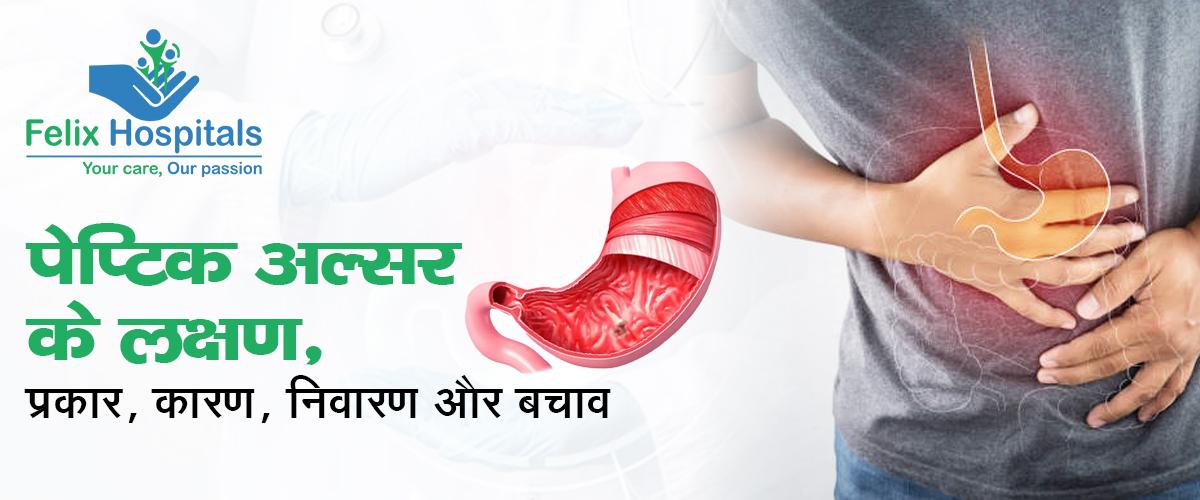
पेप्टिक अल्सर एक तरह का पेट का रोग है जिसमें पेट के अंदरी भाग में (जैसे कि पेट का ऊपरी हिस्सा, अल्सर) या आंतों में (अन्य विशेष रूप से ड्यूडेनम, अल्सर) अल्सर होते हैं। यह रोग विभिन्न कारणों से हो सकता है, जिसमें सबसे मुख्य हैं हेलिकोबैक्टर पाइलोरी इंफेक्शन और एसिडिटी की अधिकता है इसलिए इसे पेट का अल्सर (Pet ka Ulcer) भी कहते है।पेप्टिक अल्सर के लक्षण दिखने पर आप नोएडा के बेस्ट गेस्ट्रोएन्टेरोलॉजिस्ट(Best Gastroenterologist in Noida) के पास जा सकते है और मिलकर उसका सही समय में सही इलाज कर सकते है| साथ ही इस ब्लॉग में हम पेप्टिक अल्सर के कारण, प्रकार, लक्षण, निवारण और बचाव के बारे में विस्तार से जानकारी देंगे।
ज्यादा जानकारी के लिए हमें कॉल करें +91 9667064100.
पेप्टिक अल्सर एक प्रकार का रोग है जो आपके पाचन तंत्र की परत में अल्सर (खुले घाव) के उत्पन्न होने से होता है। यह आमतौर पर पेट के ऊपरी हिस्से (गैस्ट्रिक अल्सर) या ड्यूडेनम (आंत के पहले हिस्से) में पाया जाता है। इस प्रकार, पेप्टिक अल्सर एक पेट और आंतों की बीमारी है जो कि कुछ मुख्य कारणों (जैसे कि हेलिकोबैक्टर पाइलोरी इंफेक्शन और एसिडिटी) से हो सकती है। इसके लक्षणों में पेट में दर्द, जलन, उबकाई, और भारीपन शामिल हो सकते हैं। इसके उपचार में दवाइयाँ, आहार और जीवनशैली के बदलाव, और नियमित चिकित्सा निरीक्षण शामिल होते हैं। यदि आपको ऐसे लक्षण महसूस हों, तो डॉक्टर से परामर्श करना महत्वपूर्ण है।
गैस्ट्रिक अल्सर (Gastric Ulcer):
ये अल्सर पेट के ऊपरी हिस्से में होते हैं, अक्सर पेट के अधिक संकरीत क्षेत्र में। इनका मुख्य कारण होता है हेलिकोबैक्टर पाइलोरी बैक्टीरिया का संक्रमण या अधिक एसिडिटी। इन अल्सरों का मुख्य लक्षण पेट में दर्द, जलन, उबकाई, और भोजन के बाद या रात में दर्द होना होता है।
गैस्ट्रिक अल्सर के बारे में और जानें
मरीज को अल्सर के निम्न लक्षण महसूस हो सकते हैंः-
हेलिकोबैक्टर पाइलोरी (Helicobacter pylori) संक्रमण:
यह बैक्टीरिया पेट और छोटी आंत की दीवार पर अल्सर उत्पन्न कर सकता है। यह संक्रमण आमतौर पर दूषित पानी या भोजन के माध्यम से फैलता है।
नॉन-स्टेरॉयडल एंटी-इंफ्लेमेटरी ड्रग्स (NSAIDs):
जैसे कि एस्पिरिन, इबुप्रोफेन, और नैप्रोक्सेन का लंबे समय तक उपयोग करने से पेट की दीवार को नुकसान हो सकता है और अल्सर बनने का जोखिम बढ़ सकता है।
धूम्रपान:
धूम्रपान करने से पेट की दीवार को क्षति हो सकती है और हेलिकोबैक्टर पाइलोरी संक्रमण का जोखिम बढ़ सकता है।
अधिक शराब का सेवन:
अत्यधिक शराब पीने से पेट की दीवार को नुकसान हो सकता है और अल्सर बनने की संभावना बढ़ जाती है।
तनाव और चिंता:
हालांकि तनाव और चिंता सीधे अल्सर का कारण नहीं होते हैं, लेकिन वे अल्सर के लक्षणों को बदतर बना सकते हैं और उपचार की प्रक्रिया को धीमा कर सकते हैं।
अनुवांशिक प्रवृत्ति:
यदि परिवार में किसी को पेप्टिक अल्सर की समस्या है, तो इसके विकसित होने का जोखिम अधिक हो सकता है।
हेलिकोबैक्टर पाइलोरी संक्रमण से बचाव:
स्वच्छता का पालन करें, जैसे खाने से पहले और बाथरूम का उपयोग करने के बाद हाथ धोना। साफ पानी और स्वच्छ भोजन का सेवन करें।
NSAIDs का सुरक्षित उपयोग:
NSAIDs का उपयोग सीमित मात्रा में करें और बिना डॉक्टर की सलाह के इन्हें लंबे समय तक न लें। यदि आवश्यक हो तो डॉक्टर से अन्य दर्द निवारक दवाओं की सलाह लें।
धूम्रपान से बचें:
धूम्रपान छोड़ने के लिए सहायता प्राप्त करें। धूम्रपान छोड़ने से न केवल अल्सर का जोखिम कम होगा बल्कि समग्र स्वास्थ्य भी बेहतर होगा।
अत्यधिक शराब का सेवन न करें:
शराब का सेवन सीमित करें या इसे पूरी तरह से बंद कर दें। अत्यधिक शराब का सेवन पेट की दीवार को नुकसान पहुंचा सकता है।
स्वस्थ आहार:
मसालेदार, तला हुआ और अम्लीय भोजन कम मात्रा में खाएं। ताजे फल, सब्जियाँ, और साबुत अनाज का सेवन बढ़ाएं। ये पेट की दीवार की सुरक्षा में मदद कर सकते हैं।
तनाव प्रबंधन:
योग, ध्यान, और अन्य तनाव प्रबंधन तकनीकों का अभ्यास करें। पर्याप्त नींद लें और नियमित व्यायाम करें।
प्रोबायोटिक्स का सेवन:
प्रोबायोटिक्स, जैसे कि दही और अन्य किण्वित खाद्य पदार्थ, पेट की सेहत को बेहतर बना सकते हैं और हेलिकोबैक्टर पाइलोरी संक्रमण से लड़ने में मदद कर सकते हैं।
नियमित स्वास्थ्य जांच:
नियमित रूप से डॉक्टर से परामर्श लें, खासकर यदि पेट में कोई असहजता या दर्द महसूस हो। यदि अल्सर का इतिहास है तो डॉक्टर की सलाह के अनुसार नियमित जांच करवाएं।
दवाओं के माध्यम से उपचार :
यदि हेलिकोबैक्टर पाइलोरी संक्रमण पाया जाता है, तो एंटीबायोटिक्स का उपयोग किया जाता है। आमतौर पर 2 से 3 एंटीबायोटिक्स का संयोजन दिया जाता है जैसे कि एमोक्सिसिलिन, क्लेरिथ्रोमाइसिन, और मेट्रोनिडाज़ोल।
आहार और जीवनशैली में परिवर्तन :
धूम्रपान पेट की दीवार को नुकसान पहुंचाता है और हेलिकोबैक्टर पाइलोरी संक्रमण को बढ़ावा देता है। अत्यधिक शराब का सेवन पेट की दीवार को नुकसान पहुंचा सकता है। ताजे फल, सब्जियां, साबुत अनाज और कम वसा वाले डेयरी उत्पाद शामिल करें। ये भोजन पेट में एसिडिटी को बढ़ा सकते हैं। इससे पेट की एसिडिटी को नियंत्रित करने में मदद मिलती है। योग, ध्यान और अन्य तनाव प्रबंधन तकनीकों का अभ्यास करें।
NSAIDs का उपयोग सीमित करें :
अगर संभव हो तो NSAIDs का उपयोग बंद करें या सुरक्षित विकल्प अपनाएं। यदि NSAIDs का उपयोग आवश्यक है, तो इन्हें कम खुराक में और कम समय के लिए लें। डॉक्टर से सलाह लेकर, NSAIDs के साथ PPIs या एंटासिड्स का उपयोग करें।
यदि आप या आपका कोई प्रियजन पेट के अल्सर को अनुभव कर रहा है, तो आज ही फेलिक्स अस्पताल(Best gastroenterology hospital in Noida) से संपर्क करें- +91 9667064100।
डॉ. जगतजोत सिंह गिल 11+ वर्षों से अधिक के व्यापक अनुभव के साथ एक कुशल और प्रतिबद्ध गैस्ट्रोएंटेरोलॉजिस्ट हैं। उनकी विशेषज्ञता गैस्ट्रोलॉजी स्थितियों और विकारों की एक विस्तृत श्रृंखला के निदान, उपचार और प्रबंधन में निहित है। डॉ. गिल ने कई मामलों में सफल इलाज किए हैं और उन्होंने अपनी चिकित्सा करियर में गैस्ट्रोएंटेरोलॉजी के क्षेत्र में गहरी जानकारी और अनुभव प्राप्त किया है। उनकी निरंतर उन्नत चिकित्सा दक्षता और मरीजों के प्रति समर्पण ने उन्हें गैस्ट्रोएंटेरोलॉजी में एक विश्वसनीय नाम बनाया है।
पेप्टिक अल्सर से बचाव और इसके प्रबंधन के लिए स्वस्थ जीवनशैली अपनाना, संतुलित आहार लेना, तनाव कम करना, और नियमित चिकित्सा जांच महत्वपूर्ण है। उचित सावधानियाँ और उपचार न केवल अल्सर के जोखिम को कम कर सकते हैं बल्कि समग्र स्वास्थ्य को भी बेहतर बना सकते हैं। समय पर चिकित्सा सलाह और उपचार से पेप्टिक अल्सर की जटिलताओं से बचा जा सकता है और जीवन की गुणवत्ता को सुधार सकते हैं। पेप्टिक अल्सर एक सामान्य लेकिन गंभीर स्वास्थ्य समस्या है, जो पेट और छोटी आंत की दीवार पर घाव या अल्सर के रूप में प्रकट होती है। इसके मुख्य कारणों में हेलिकोबैक्टर पाइलोरी संक्रमण और नॉन-स्टेरॉयडल एंटी-इंफ्लेमेटरी ड्रग्स (NSAIDs) का लंबा उपयोग शामिल है। इसके अतिरिक्त, धूम्रपान, अत्यधिक शराब का सेवन, तनाव, और अनुचित आहार भी पेप्टिक अल्सर के विकास में योगदान कर सकते हैं।
प्रश्नः 1. पेप्टिक अल्सर क्या है ?
उत्तरः पेप्टिक अल्सर पेट या छोटी आंत की दीवार पर होने वाला एक घाव है, जो आमतौर पर हेलिकोबैक्टर पाइलोरी बैक्टीरिया संक्रमण या NSAIDs दवाओं के लंबे समय तक उपयोग के कारण होता है।
प्रश्नः 2. पेप्टिक अल्सर के मुख्य लक्षण क्या हैं ?
उत्तर: पेट में जलन या दर्द, जो खाना खाने के बाद या खाली पेट में बढ़ सकता है। अपच, मतली, उल्टी, और भूख कम लगना। वजन कम होना और काले रंग का मल (यदि आंतरिक रक्तस्राव हो)।
प्रश्नः 3. पेप्टिक अल्सर का मुख्य कारण क्या है ?
उत्तर: हेलिकोबैक्टर पाइलोरी संक्रमण इसका मुख्य कारण है। NSAIDs दवाओं का लंबे समय तक उपयोग। अत्यधिक धूम्रपान और शराब का सेवन। अत्यधिक तनाव और अनुचित आहार।
प्रश्नः 4. पेप्टिक अल्सर का निदान कैसे किया जाता है ?
उत्तर: चिकित्सीय इतिहास और लक्षणों की समीक्षा। एन्डोस्कोपी, जिसमें एक लचीली ट्यूब का उपयोग कर पेट और छोटी आंत की दीवार की जांच की जाती है। हेलिकोबैक्टर पाइलोरी के लिए रक्त, मल, या श्वास परीक्षण।
प्रश्नः 5. पेप्टिक अल्सर का उपचार कैसे किया जाता है ?
उत्तर: एंटीबायोटिक्स, यदि हेलिकोबैक्टर पाइलोरी संक्रमण है। प्रोटॉन पंप इनहिबिटर्स (PPIs) और H2 रिसेप्टर ब्लॉकर्स, जो पेट में एसिड की मात्रा को कम करते हैं। NSAIDs का उपयोग बंद करना या सुरक्षित विकल्प अपनाना। आहार और जीवनशैली में बदलाव, जैसे धूम्रपान और शराब का सेवन बंद करना।
प्रश्न 6 : पेट का अल्सर कितने दिनों में ठीक हो जाता है ?
उत्तर: पेट का अल्सर उपचार के दौरान आमतौर पर 2 से 6 सप्ताह में ठीक हो सकता है। उपचार में एंटीबायोटिक्स और प्रोटॉन पंप इनहिबिटर (PPIs) जैसी दवाओं का उपयोग शामिल होता है।
प्रश्न 7 : पेप्टिक अल्सर रोग में क्या खाना चाहिए ?
उत्तर: पेप्टिक अल्सर में खाने के लिए हल्का और संतुलित भोजन करना चाहिए, जिसमें शामिल हो:
- ताजे फल और सब्जियां
- साबुत अनाज
- लो-फैट डेयरी प्रोडक्ट्स
- कम मसालेदार भोजन
- हाइड्रेशन के लिए पर्याप्त पानी पिएं
प्रश्न 8 : पेप्टिक अल्सर ठीक होने में कितने दिन लगते हैं ?
उत्तर: पेप्टिक अल्सर के ठीक होने में 2 से 6 सप्ताह का समय लग सकता है, बशर्ते कि उचित उपचार और आहार का पालन किया जाए।
प्रश्न 9 : क्या दूध अल्सर के लिए अच्छा है ?
उत्तर: दूध अस्थायी रूप से राहत दे सकता है, लेकिन यह पेट में एसिड का उत्पादन बढ़ा सकता है, जिससे समस्या बढ़ सकती है। इसलिए, दूध को अल्सर के उपचार के रूप में नियमित रूप से नहीं लेना चाहिए।
प्रश्न 10 : मुझे कैसे पता चलेगा कि मेरा पेप्टिक अल्सर ठीक हो रहा है ?
उत्तर: पेप्टिक अल्सर ठीक होने के संकेतों में दर्द में कमी, भूख में सुधार, और सामान्य स्वास्थ्य में सुधार शामिल हैं। डॉक्टर द्वारा परीक्षण और फॉलो-अप के माध्यम से भी अल्सर की स्थिति की पुष्टि की जा सकती है।
प्रश्न 11 : क्या अल्सर से गैस होती है ?
उत्तर: हा, पेप्टिक अल्सर गैस, पेट में फूलना, और अपच का कारण बन सकता है।
एसजीपीटी और एसजीओटी लिवर एंजाइम हैं, जिनका बढ़ा स्तर लिवर की खराबी दर्शाता है। इसके कारणों में संक्रमण, शराब, दवाइयां और मोटापा शामिल हैं। निवारण में हेल्दी डाइट, व्यायाम और नियमित जांच जरूरी है।
पीलिया एक ऐसी स्थिति है जिसमें शरीर और आंखों का रंग पीला पड़ जाता है। यह मुख्य रूप से लीवर की खराबी या रक्त में बिलीरुबिन के बढ़ने के कारण होता है।
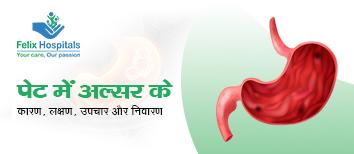
पेट में अल्सर एक आम लेकिन गंभीर समस्या है जो संक्रमण, अधिक एसिड या दवाओं के कारण होती है। इसके लक्षणों में पेट दर्द, जलन और अपच शामिल हैं। फ़ेलिक्स अस्पताल में इसका प्रभावी उपचार और परामर्श उपलब्ध है।
बदलती दिनचर्या, गलत खान-पान और तनाव के कारण आज गैस्ट्रिक की समस्या आम होती जा रही है। समय पर इलाज और संतुलित जीवनशैली से इस परेशानी से राहत मिल सकती है।
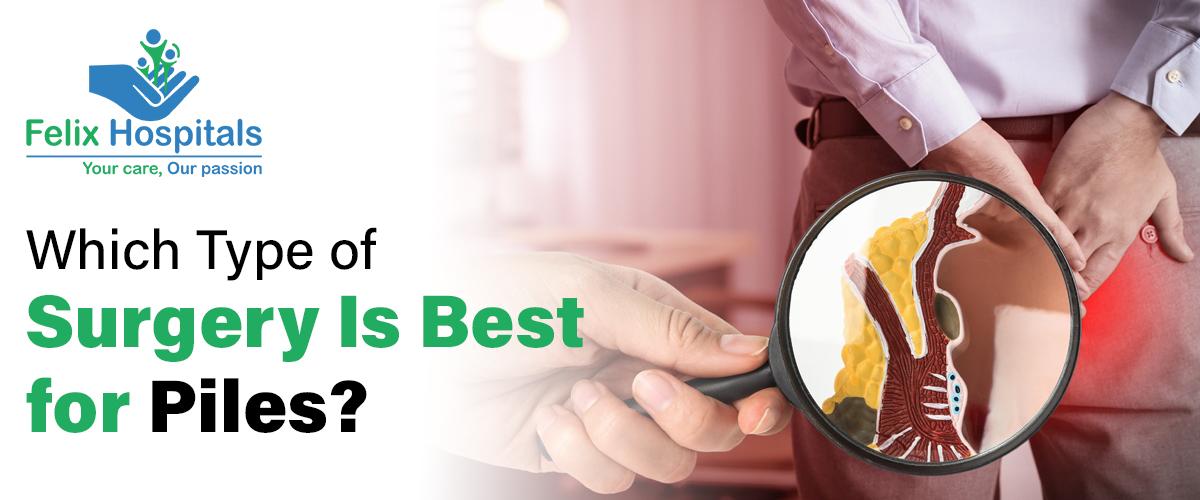
Many cases of piles can be treated with lifestyle changes and non-surgical methods, some may require surgical intervention. But which type of surgery is best? Let's explore the options.
Hemorrhoids, commonly known as piles, are swollen and inflamed veins in the rectum and anus that can cause discomfort, pain, itching, and bleeding. While many cases can be managed with conservative treatments such as dietary changes, medications, and lifestyle modifications, some severe or persistent cases may require surgical intervention. Choosing the right type of surgery depends on various factors including the severity of the hemorrhoids, patient preference, and the surgeon's recommendation.
Felix Hospital is always available to assist you. Contact us at +91 9667064100.
Hemorrhoids can develop internally or externally:
Surgery for hemorrhoids is typically considered when:
1-Hemorrhoidectomy:
2-Minimally Invasive Procedures:
Rubber Band Ligation (RBL):
Sclerotherapy:
Coagulation Techniques (Infrared Coagulation, Laser Coagulation):
3-Stapled Hemorrhoidopexy (Procedure for Prolapse and Hemorrhoids - PPH):
The best type of surgery for hemorrhoids depends on several factors, including:
Dr. Ritesh Agarwal, with 15 years of experience, excels in general, laparoscopic, laser, vascular, and proctology surgeries. He is an expert in various open and laparoscopic surgeries, including lap cholecystectomy (gall bladder stone removal), hernia repair, laparotomy, and non-cancerous breast surgeries (breast lump, pain, nipple discharge). Additionally, Dr. Ritesh is a trained laser surgeon, specializing in proctology procedures such as piles, fissure, fistula, pilonidal sinus, varicose veins, and circumcision.
Book an Appointment at [email protected]. Or call at 9667064100.
Hemorrhoids are a common problem that can cause significant discomfort and pain. While many cases can be managed with conservative treatments, some require surgical intervention for relief. The choice of surgery depends on the severity of the hemorrhoids, patient preference, and the surgeon's recommendation. From traditional hemorrhoidectomy to minimally invasive procedures like rubber band ligation and coagulation techniques, there are several options available to treat hemorrhoids effectively.
If you're suffering from hemorrhoids that haven't responded to other treatments, consult with a qualified healthcare provider to discuss your options. They can help determine the best treatment plan for your specific condition and ensure you receive the care you need to improve your quality of life.
For more information and personalized advice, schedule a consultation with a healthcare provider who specializes in hemorrhoid treatment.
1-Which Type of Surgery Is Best for Piles?
Ans. Here are the main types of surgery for piles (hemorrhoids):
2-What is the reason for piles?
Ans. Piles develop due to increased pressure in the lower rectum, causing veins to swell. Common causes include straining during bowel movements, chronic constipation or diarrhea, prolonged sitting, low-fiber diet, obesity, pregnancy, aging, and genetic factors. These issues can lead to inflammation and discomfort in the anal area, resulting in the formation of hemorrhoids.
3-How to avoid piles?
Ans. To prevent piles, consider the following tips:
4-Can piles be cured?
Ans. Yes, piles can be effectively treated and managed. Mild cases often respond well to home treatments and lifestyle changes, while more severe cases may require medical or surgical interventions.
5-What should I do if I have piles?
Ans. If you suspect you have piles:
6-What is the first stage of piles?
Ans. The first stage of piles, also known as Grade 1 hemorrhoids, involves swollen veins that do not prolapse (protrude) outside the anus. Symptoms may include itching, discomfort, and occasional bleeding during bowel movements. Early-stage piles can often be managed with dietary changes, increased water intake, and over-the-counter treatments.
Know the symptoms of piles in females, including discomfort, bleeding, and swelling, along with causes and treatment options for relief.

Get fast and effective relief from piles with advanced surgical care at the best piles surgery hospital in Noida, offering expert doctors, modern techniques, and safe treatment options.
When it comes to correcting vision problems like nearsightedness, farsightedness, and astigmatism, several surgical options are available. LASIK, SMILE, ProSMILE, and Clear are four popular procedures that can significantly improve your vision. Each has its own benefits, risks, and suitability criteria. In this blog, we’ll break down these surgeries in easy-to-understand terms to help you make an informed decision about laser eye corrective surgery in Noida.
Schedule an Appointment by Click Here.
Before diving into the specifics of each surgery, it's important to understand the common goal: to reshape the cornea, which is the clear front part of the eye. This reshaping allows light entering the eye to be properly focused onto the retina, resulting in clearer vision.
How It Works
LASIK is the most well-known eye surgery. It involves creating a thin flap in the cornea, lifting the flap, and then using an excimer laser to reshape the underlying corneal tissue. The flap is then placed back in its original position, where it heals naturally. For those interested in corrective eye surgery treatment costs in Noida, it's important to note that prices can vary based on the clinic, the surgeon's expertise, and the specific technology used.
Advantages
Disadvantages
How It Works
SMILE is a minimally invasive procedure. It involves creating a small, lens-shaped piece of tissue (called a lenticule) within the cornea using a femtosecond laser. This lenticule is then removed through a tiny incision, reshaping the cornea and correcting vision.
Advantages
Disadvantages
How It Works
ProSMILE, a variation of SMILE, uses advanced technology to further refine the process. The technique and benefits are similar to SMILE, with enhancements in precision and patient comfort.
Advantages
Disadvantages
How It Works
Clear Lens Extraction, also known as Refractive Lens Exchange (RLE), involves removing the eye’s natural lens and replacing it with an artificial intraocular lens (IOL). This procedure is similar to Cataract Surgery.
Advantages
Disadvantages
Factors to Consider
When deciding which eye surgery is best for you, consider the following factors:
1. Eye Condition: Your specific vision problem (myopia, hyperopia, astigmatism, presbyopia) will influence the best procedure for you.
2. Corneal Thickness: LASIK requires a certain corneal thickness, while SMILE and Clear can be options for those with thinner corneas.
3. Age: Clear is often preferred for older patients, particularly those with presbyopia in Top presbyopia Hospital in Noida
4. Lifestyle: Active individuals or those in contact sports may prefer SMILE or ProSMILE due to the lack of a corneal flap.
5. Recovery Time: If quick recovery is a priority, LASIK or ProSMILE might be more appealing.
6. Cost: Budget considerations can also play a significant role in your decision.
The best way to determine which procedure is right for you is to consult with the Best corrective eye surgeon in Noida. They will conduct a thorough examination of your eyes and discuss your vision goals and lifestyle needs.
Choosing the right hospital for your eye surgery is as important as choosing the right procedure. Felix Hospital stands out for several reasons:
Expertise and Experience
Felix Hospital boasts a team of highly experienced ophthalmologists and eye surgeons. Our specialists have successfully performed numerous LASIK, SMILE, ProSMILE, and Clear surgeries, ensuring high success rates and patient satisfaction.
Advanced Technology
We invest in the latest technology and equipment to provide the most accurate diagnoses and effective treatments. Our advanced surgical tools and techniques ensure precision, safety, and comfort for our patients.
Affordable Care
Felix Hospital strives to make high-quality eye care accessible. We offer competitive pricing and flexible payment options to accommodate different budgets without compromising on the quality of care, ensuring affordable corrective eye Surgery treatment Cost in Noida.
Comprehensive Care
From the initial consultation to post-operative follow-ups, Felix Hospital offers comprehensive care. Our multidisciplinary team collaborates to create personalized treatment plans that address your unique needs and ensure optimal outcomes.
Patient-Centric Approach
At Felix Hospital, we prioritize patient comfort and satisfaction. Our friendly staff and supportive environment help alleviate anxiety and ensure a smooth and pleasant experience throughout your treatment journey.
Transparent Communication
We believe in clear and open communication with our patients. Our specialists take the time to explain each procedure, answer questions, and discuss all potential risks and benefits, empowering you to make informed decisions.
Ask us a free Question on +91 9667064100.
Dr. Mohmad Uzair Zakai, One of the Best corrective eye surgeons in Noida With expertise in cataract surgeries and comprehensive management of eye conditions, Dr. Zakai brings a wealth of experience to the table. He excels in extensive ophthalmological procedures and adeptly manages both anterior and posterior segment cases, backed by his 10 years of experience. Patients can trust Dr. Zakai for exceptional eye care and personalized treatment plans.
Dr. Deepanjali Arya is a dedicated ophthalmologist with over 9 years of experience. She specializes in diagnosing, treating, and surgically managing various eye conditions. Passionate about helping patients achieve optimal eye health, she provides excellent care and personalized treatment plans tailored to each individual’s needs.
Choosing the right Eye Surgery Hospital—whether LASIK, SMILE, ProSMILE, or Clear—depends on various factors unique to each patient. LASIK is well-established with a quick recovery, SMILE offers a flap-free option with less dry eye, ProSMILE provides enhanced precision, and Clear is ideal for older patients or those with high prescriptions. For those considering laser eye corrective surgery in Noida, understanding these differences and consulting with a specialist will help you make an informed decision that best suits your vision needs and lifestyle.
Investing in your eye health is a significant decision that can greatly improve your quality of life. Take the time to research, ask questions, and choose the procedure that will help you see the world more clearly and comfortably.
1. What is LASIK surgery?
LASIK (Laser-Assisted In Situ Keratomileusis) is a popular eye surgery that involves creating a flap in the cornea, reshaping the underlying tissue with a laser, and then repositioning the flap. This reshaping allows light to be properly focused onto the retina, resulting in clearer vision.
2. What is SMILE surgery?
SMILE (Small Incision Lenticule Extraction) is a minimally invasive procedure where a small, lens-shaped piece of tissue (lenticule) is created within the cornea using a femtosecond laser and then removed through a tiny incision. This reshaping of the cornea corrects vision issues.
3. What is ProSMILE surgery?
ProSMILE is an advanced variation of SMILE that uses enhanced technology for greater precision and patient comfort. It follows the same principle as SMILE but offers improved outcomes and a quicker recovery.
4. What is Clear Lens Extraction?
Clear Lens Extraction (Refractive Lens Exchange) involves removing the eye’s natural lens and replacing it with an artificial intraocular lens (IOL). This procedure is similar to cataract surgery and is effective for a wide range of vision problems, including presbyopia.
5. Who is a good candidate for LASIK?
Candidates for LASIK typically have:
6. Who is a good candidate for SMILE?
SMILE is suitable for patients who:
7. What are the benefits of ProSMILE?
ProSMILE offers:
8. Who should consider Clear Lens Extraction?
Clear Lens Extraction is ideal for:
9. What is the recovery time for these surgeries?
10. What are the potential risks and complications?
ENT health is essential for proper breathing, hearing, speech, and balance. Early detection and expert care ensure a better quality of life and prevent chronic complications.
Eye flu, also known as conjunctivitis, is a common eye infection causing redness, irritation, and watering. Learn its causes, symptoms, and effective treatments.

Dysentery is an inflammatory condition of the intestine, typically caused by bacterial, viral, or parasitic infections. It is characterized by severe diarrhea, abdominal pain, and sometimes the presence of blood in the stool. In this article, we will explore the symptoms, causes, treatment, and prevention of dysentery, providing valuable insights into this condition. If you suspect dysentery, it is crucial to seek immediate medical attention for proper diagnosis and treatment. Don't delay - For the best dysentery treatment in Noida, choose Felix Hospital, renowned as the best gastroenterology hospital in the region to receive effective care and prevent complications.
Call us now at +919667064100 to book your appointment and receive personalized care and effective treatment.
Dysentery is primarily caused by the ingestion of contaminated food or water containing pathogenic bacteria, viruses, or parasites. Poor sanitation, unhygienic food handling practices, and inadequate water treatment contribute to the spread of dysentery. The infecting agents typically target the colon and rectum, leading to inflammation and damage to the intestinal lining.
If you suspect dysentery, it is crucial to seek medical attention promptly for diagnosis and treatment. In Noida, there are excellent hospitals specializing in dysentery treatment, offering comprehensive care. These hospitals feature experienced medical teams and advanced facilities to ensure timely and effective management of dysentery. Prompt treatment can help alleviate symptoms, prevent complications, and aid in your recovery.
The symptoms of dysentery can vary depending on the underlying cause and the severity of the infection. Here are some common symptoms associated with dysentery:
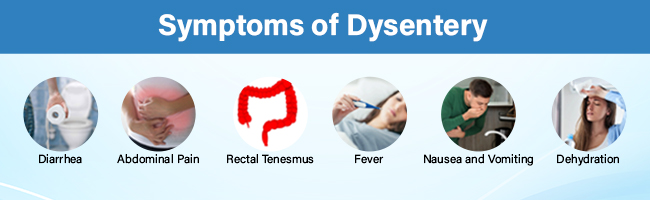
Diarrhea: Dysentery is characterized by frequent and often bloody bowel movements. The stool may contain mucus and pus, and it is typically loose or watery.
Abdominal Pain: Cramping or abdominal pain is a common symptom of dysentery. The pain may range from mild discomfort to severe and debilitating.
Rectal Tenesmus: Dysentery can cause a persistent feeling of incomplete bowel movements or the urge to pass stool even after having a bowel movement.
Fever: In some cases, dysentery may be accompanied by a fever. The body's immune response to the infection can result in an elevated body temperature.
Nausea and Vomiting: Some individuals with dysentery may experience nausea and vomiting, especially if the infection is severe or accompanied by gastrointestinal inflammation.
Dehydration: Prolonged or severe dysentery can lead to dehydration due to the loss of fluids through diarrhea. Signs of dehydration include increased thirst, dry mouth, reduced urine output, and fatigue.
It's important to note that these symptoms may overlap with other gastrointestinal conditions, so it's essential to consult a healthcare professional for an accurate diagnosis and appropriate treatment. If you experience these symptoms or suspect you have dysentery, seeking medical attention is recommended for proper evaluation and management.
Dysentery is primarily caused by infection with certain types of bacteria, parasites, or viruses. The specific causes of dysentery can vary depending on the geographical region and sanitation conditions. Here are the common causes of dysentery:
Bacterial Infections: Bacterial infections are a leading cause of dysentery. The bacteria Shigella, Campylobacter, and Escherichia coli (E. coli) are among the most common culprits. These bacteria are typically transmitted through contaminated food or water, poor hygiene practices, or contact with infected individuals.
Parasitic Infections: Certain parasites can also cause dysentery. The most notable parasite is Entamoeba histolytica, which is responsible for amoebic dysentery. This parasite is often found in areas with poor sanitation and can be transmitted through contaminated food or water.
Viral Infections: While less common, some viral infections can cause dysentery. Viruses such as rotavirus and norovirus can lead to inflammation of the gastrointestinal tract, resulting in symptoms of dysentery.
Contaminated Food and Water: Consuming food or water that is contaminated with infectious organisms is a significant risk factor for developing dysentery. This contamination can occur due to poor sanitation practices, contaminated water sources, or improper handling and preparation of food.
Poor Hygiene Practices: Inadequate hand hygiene, especially after using the toilet or before handling food, can contribute to the spread of dysentery-causing organisms. Poor sanitation facilities and crowded living conditions can increase the risk of transmission.
Travel to High-Risk Areas: Traveling to regions with inadequate sanitation and hygiene practices, especially in developing countries, can increase the risk of acquiring dysentery.
It's important to note that the specific cause of dysentery can be determined through diagnostic tests performed by a healthcare professional. Proper identification of the causative organism is crucial for effective treatment and prevention of dysentery.
The treatment for dysentery depends on the underlying cause, severity of symptoms, and individual factors. Here are some common approaches to treating dysentery:
Fluid Replacement: Rehydration is a key aspect of dysentery treatment, as diarrhea and vomiting can lead to dehydration and electrolyte imbalances. Oral rehydration solutions (ORS) containing a balanced mix of salts and sugars are often recommended to replenish lost fluids and electrolytes. In severe cases or when oral rehydration is not possible, intravenous fluids may be administered.
Antibiotics: If the dysentery is caused by a bacterial infection, antibiotics may be prescribed to target the specific bacteria responsible. Commonly used antibiotics for dysentery include fluoroquinolones, azithromycin, or other appropriate antibiotics based on the sensitivity of the infecting organism. It's important to take the prescribed antibiotics as directed and complete the full course of treatment.
Antiparasitic Medications: In cases of amoebic dysentery caused by the parasite Entamoeba histolytica, antiparasitic medications such as metronidazole or tinidazole are commonly prescribed. These medications help eliminate the parasite from the body and alleviate symptoms.
Symptomatic Relief: Medications to relieve symptoms such as diarrhea, abdominal pain, and fever may be recommended. These may include over-the-counter antidiarrheal medications (e.g., loperamide) or medications to alleviate abdominal cramps.
Rest and Nutritional Support: Resting and consuming a balanced diet can help support the recovery process. In some cases, a temporary shift to a bland diet that includes easily digestible foods may be recommended to allow the intestines to heal.
It is important to consult a healthcare professional for an accurate diagnosis and appropriate treatment. Self-medication should be avoided, especially when it comes to antibiotics, as improper use can contribute to antibiotic resistance.
Experience Special care at Felix Hospital. Contact us at +91 9667064100 to schedule an appointment.
To prevent dysentery, it's important to follow good hygiene practices and take preventive measures to avoid infection. Here are some steps you can take to reduce the risk of dysentery:
Cleanliness and Hygiene: Wash your hands thoroughly with soap and clean water before handling food, after using the toilet, and after any contact with potentially contaminated surfaces. Encourage regular handwashing among family members, especially children.
Safe Food and Water: Ensure that you consume safe and clean food and water. Avoid eating raw or undercooked foods, particularly seafood, and only consume properly cooked meals. Drink water from safe and reliable sources, such as bottled water or properly treated and filtered water. Avoid drinking untreated water from lakes, rivers, or wells unless it has been properly purified.
Sanitation: Use proper sanitation facilities, especially when it comes to disposing of human waste. Avoid open defecation and use toilets or latrines. If you're in an area with limited sanitation facilities, take necessary precautions to maintain cleanliness and prevent the contamination of water sources.
Food Handling and Storage: Practice good food handling and storage techniques. Keep raw and cooked foods separate to avoid cross-contamination. Ensure that perishable foods are stored at appropriate temperatures and consume them before their expiration dates.
Travel Precautions: When traveling to regions with a higher risk of dysentery, take additional precautions. Drink only bottled or purified water, avoid consuming raw or street foods, and practice meticulous hand hygiene.
Vaccinations: In some cases, vaccinations can provide protection against specific causes of dysentery, such as certain strains of bacteria or parasites. Consult with a healthcare professional or travel medicine specialist to determine if any vaccines are recommended for your destination.
Community and Environmental Measures: Support and promote community efforts to improve sanitation and hygiene practices. Advocate for clean water sources, proper waste disposal systems, and education on hygiene practices in your community.
By following these preventive measures, you can reduce the risk of dysentery and protect yourself and others from infection. If you experience symptoms of dysentery or are in an area with an outbreak, seek medical attention promptly for diagnosis and appropriate treatment.
Dr. Jagatjot Singh Gill is a proficient and committed gastroenterologist with over 11+ years of extensive experience. His expertise lies in diagnosing, treating, and managing a wide range of gastrology conditions and disorders. Committed to improving patient well-being, he endeavors to deliver exceptional care and customized treatment strategies designed to address the specific needs of every patient.
Dysentery is a serious gastrointestinal condition that can cause significant discomfort and health complications if left untreated. It is characterized by severe diarrhea, abdominal pain, and in some cases, blood in the stool. Prompt medical attention is crucial for proper diagnosis and treatment to alleviate symptoms, prevent dehydration, and reduce the risk of complications.
1) Are there any long-term complications associated with dysentery?
Ans. In some cases, dysentery can lead to long-term complications such as chronic diarrhea, malnutrition, and reactive arthritis.
2) Is dysentery contagious?
Ans. Yes, dysentery can be contagious. It can spread through the consumption of contaminated food or water, or through direct contact with an infected person's feces.
3) Can dysentery be prevented through vaccination?
Ans. Currently, there is no widely available vaccine specifically for dysentery. However, vaccines for certain types of bacteria that can cause dysentery, such as Shigella, are being researched and developed.
4) Can dysentery recur after treatment?
Ans. While proper treatment can typically clear the infection, dysentery can recur if a person is re-exposed to the causative agent or practices poor hygiene and sanitation.
5) Is travel-related dysentery common?
Ans. Travel-related dysentery, also known as traveler's diarrhea, is relatively common, especially when visiting regions with inadequate sanitation and water quality. Taking precautions such as drinking safe water and practicing good hygiene can help prevent it.
Gastric problems occur when excess acid or digestive disturbances affect the stomach lining, causing symptoms like bloating, acidity, and pain. Timely diagnosis ensures effective treatment.
पीलिया एक ऐसी स्थिति है जिसमें शरीर और आंखों का रंग पीला पड़ जाता है। यह मुख्य रूप से लीवर की खराबी या रक्त में बिलीरुबिन के बढ़ने के कारण होता है।
पेट में अल्सर एक आम लेकिन गंभीर समस्या है जो संक्रमण, अधिक एसिड या दवाओं के कारण होती है। इसके लक्षणों में पेट दर्द, जलन और अपच शामिल हैं। फ़ेलिक्स अस्पताल में इसका प्रभावी उपचार और परामर्श उपलब्ध है।

Some recent studies suggest that using mouthwash every day might increase the risk of colorectal cancer (cancer of the colon or rectum). Mouthwash contains certain chemicals like alcohol and antibacterial agents that could disrupt the good bacteria in your mouth. This disruption might have effects on other parts of the body, like the colon. Even if you have bad breath, avoid using mouthwash every day.
Felix Hospital is always available to assist you. Contact us at +919667064100.
Mouthwash is a liquid solution used to rinse the mouth, teeth, gums, and throat. It typically contains various ingredients such as antiseptics, fluoride, and antimicrobial agents designed to kill bacteria and prevent dental issues like gum disease and cavities. Many people incorporate mouthwash into their daily oral hygiene routine, believing it offers additional protection against oral health problems.
The concern arises from the presence of certain chemicals in mouthwash, such as alcohol and other antibacterial agents. Some scientists believe that these substances could disrupt the natural balance of the oral microbiome—the community of bacteria living in the mouth—which plays a crucial role in overall health. Recent studies suggest that the disruption of the oral microbiome could potentially have downstream effects on other parts of the body, including the colon.
If the link between mouthwash and colorectal cancer is confirmed, it is crucial to recognize the symptoms of colorectal cancer early. Symptoms may include:
Changes in bowel habits, such as diarrhea, constipation, or narrowing of the stool that lasts for more than a few days.
Rectal bleeding or blood in the stool.
Persistent abdominal discomfort, such as cramps, gas, or pain.
A feeling that the bowel does not empty completely.
Weakness or fatigue.
Unexplained weight loss.
If you experience any of these symptoms, please consult with the best cancer hospital in Noida for prompt evaluation and treatment.
If diagnosed with colorectal cancer, several treatment options are available, depending on the stage and location of the cancer, as well as the patient’s overall health. Treatment strategies may include:
Surgery: Removal of cancerous tissues from the colon or rectum.
Radiation Therapy: Using high-energy rays to target and kill cancer cells.
Chemotherapy: Administering drugs to destroy cancer cells or stop their growth.
Targeted Therapy: Using medications that specifically target cancer cell mechanisms.
Immunotherapy: Boosting the body’s immune system to fight cancer cells.
Limit Frequency: Use mouthwash no more than once daily unless otherwise directed by a healthcare professional.
Choose Alcohol-Free Options: Consider using alcohol-free mouthwash to reduce potential risks associated with alcohol-based products.
Consult Your Dentist: Discuss your oral hygiene routine with your dentist, especially if you have concerns about mouthwash use.
Focus on Overall Oral Hygiene: Prioritize regular brushing and flossing, which are more critical for maintaining oral health.
If you're looking for information about the top cancer specialist in Noida, read on below:
Dr. Chinmayee Agrawal is a Medical and Hemato-oncologist with over 8 years of experience, specializing in a range of cancers and stem cell transplantation. Renowned for her meticulous care, she is committed to achieving exceptional patient outcomes and advancing her field through ongoing learning and research.
Dr. Mukta Baxi is a veteran surgeon with over 30 years of experience across multiple specialties. Her expertise includes Surgical Oncology, Thyroid and Parathyroid Surgery, Vascular Surgery, Reconstructive Oncology, Breast Cancers and Diseases, and Infertility Surgery.
The potential link between mouthwash and colorectal cancer is an emerging area of research that warrants attention. While the evidence is not yet conclusive, it is essential to stay informed and practice caution. Moderation and careful selection of mouthwash products, along with regular dental check-ups, can help mitigate potential risks. As science continues to explore this connection, staying updated with the latest research findings will be crucial for making informed decisions about oral health practices.
Q1.) Why do dentists say not to use mouthwash?
A: Dentists may caution against daily use of mouthwash, especially those containing alcohol, due to concerns that frequent use may disrupt the natural balance of bacteria in the mouth. This disruption could potentially lead to other health issues.
Q2.) What are the first signs of having colon cancer?
A: The first signs of colon cancer may include changes in bowel habits (such as diarrhea, constipation, or narrowing of the stool), rectal bleeding or blood in the stool, persistent abdominal discomfort, a feeling that the bowel does not empty completely, weakness or fatigue, and unexplained weight loss.
Q3.) How to avoid colorectal cancer?
A: To reduce the risk of colorectal cancer, you can:
Maintain a healthy weight and be physically active.
Eat a diet high in fruits, vegetables, and whole grains, and low in red and processed meats.
Avoid tobacco and limit alcohol consumption.
Get regular screening tests for colorectal cancer as recommended by your healthcare provider.
Q4.) Does mouthwash cause health problems?
A: There is some concern that regular use of mouthwash, particularly those containing alcohol, may disrupt the natural oral microbiome. This disruption could potentially contribute to other health issues, although more research is needed to establish a definitive link.
Q5.) Who is at high risk for colon cancer?
A: Several factors can increase a person's risk of developing colon cancer. Individuals at higher risk typically include:
Age: Colon cancer risk increases with age, with most cases diagnosed after age 50.
Inflammatory Bowel Diseases (IBD): Long-standing ulcerative colitis or Crohn's disease of the colon can increase the risk.
Obesity: Being overweight or obese increases the risk of colon cancer.
Smoking: Smoking cigarettes increases the risk of developing and dying from colon cancer.
Alcohol: Heavy alcohol use has been linked to an increased risk of colon cancer.
Diabetes: People with type 2 diabetes have an increased risk of colon cancer.
Radiation Therapy: Radiation therapy directed at the abdomen to treat previous cancers may increase the risk of colon cancer.
If you have one or more of these risk factors, it's important to discuss screening and prevention strategies with your healthcare provider. Screening tests can help detect colon cancer early, when treatment is most effective.

Immunotherapy is a groundbreaking cancer treatment that utilizes the body’s immune system to recognize and attack cancer cells.

Cervical cancer is most common in women after breast cancer. Cervical cancer starts from the cervix, i.e., the cervix. The cervix is the lower part of the uterus that connects the vagina to the uterus.

Explore essential information about breast cancer, including its symptoms, causes, types, and treatments, to stay informed and proactive about your health.
Lung cancer is a serious condition that starts in the lungs and can spread to other parts of the body.

The human heart is a marvel of biological engineering, tirelessly pumping blood through our bodies with a steady, rhythmic beat. But what happens when that rhythm goes awry? This is the essence of arrhythmia, a term that encompasses a wide range of heart rhythm disorders.
In this blog post, we'll explore the ins and outs of arrhythmia, from its causes and symptoms to diagnosis and treatment options. Whether you're dealing with an arrhythmia yourself or simply curious about heart health, this comprehensive guide will help you understand this common yet often misunderstood condition. Call Now at - 9667064100.
At its core, an Arrhythmia is any abnormality in the heart's rhythm. The heart may beat too fast (tachycardia), too slow (bradycardia), or irregularly. To understand arrhythmias, it's crucial to first grasp how the heart's electrical system works.
The heart has its own built-in pacemaker called the sinoatrial (SA) node, located in the right atrium. This node generates electrical impulses that spread through the heart's chambers, causing them to contract in a coordinated manner. When this system malfunctions, an arrhythmia can occur.
Arrhythmias come in many forms, each with its own characteristics and potential impacts on health. Some of the most common types include:
Atrial Fibrillation (AFib): The most common type of arrhythmia, characterized by rapid, irregular beating of the atria.
Supraventricular Tachycardia (SVT): A rapid heart rate originating above the ventricles.
Ventricular Tachycardia: A potentially dangerous rapid heart rate originating in the ventricles.
Bradycardia: An abnormally slow heart rate, typically below 60 beats per minute.
Premature Contractions: Extra heartbeats that disrupt the normal heart rhythm.
Heart Block: A delay or blockage in the heart's electrical conduction system.
Arrhythmias can stem from a variety of factors, both cardiac and non-cardiac. Some common causes include:
Coronary Artery Disease: Reduced blood flow to the heart can damage heart tissue and disrupt electrical signaling.
Heart Attack: Can cause scarring that interferes with electrical conduction.
High Blood Pressure: Can lead to changes in the heart's structure and function over time.
Congenital Heart Defects: Some people are born with heart abnormalities that can cause arrhythmias.
Electrolyte Imbalances: Abnormal levels of potassium, sodium, or other electrolytes can affect heart rhythm.
Medications: Certain drugs, including some used to treat other heart conditions, can sometimes trigger arrhythmias.
Lifestyle Factors: Excessive alcohol consumption, smoking, high caffeine intake, and extreme stress can all contribute to arrhythmias.
Thyroid Problems: Both an overactive and underactive thyroid can affect heart rhythm.
The symptoms of arrhythmias can vary widely depending on the type and severity of the condition. Some people may experience no symptoms at all, while others might have severe and even life-threatening symptoms. Common signs and symptoms include:
Palpitations A feeling of a racing, pounding, or fluttering heart.
Shortness of breath
Chest pain or discomfort
Fatigue or weakness
Dizziness or lightheadedness
Fainting (syncope) or near-fainting episodes
Anxiety
Sweating
It's important to note that these symptoms can be caused by other conditions as well, and not all arrhythmias cause noticeable symptoms. This is why regular check-ups and prompt medical attention for any concerning symptoms are crucial.
Accurately diagnosing an arrhythmia often requires a combination of medical history, physical examination, and various diagnostic tests. Some common diagnostic tools include:
Electrocardiogram (ECG or EKG): This is the primary tool for diagnosing arrhythmias. It records the heart's electrical activity and can often detect abnormalities in rhythm.
Holter Monitor: A portable ECG device worn for 24-48 hours to record heart activity during daily activities.
Event Recorder: Similar to a Holter monitor but worn for a longer period, activated by the patient when symptoms occur.
Echocardiogram: Uses sound waves to create images of the heart, helping to identify structural abnormalities that might cause arrhythmias.
Stress Test: Monitors heart activity during exercise to detect arrhythmias that may only occur during physical exertion.
Electrophysiology Study: An invasive test that directly measures the heart's electrical activity using catheters inserted into blood vessels.
The treatment for arrhythmias depends on the type, severity, and underlying cause of the condition. Some common approaches include:
Medications: Various drugs can help control heart rate, restore normal rhythm, or prevent blood clots (particularly important in atrial fibrillation).
Lifestyle Changes: For some people, managing arrhythmias may involve reducing alcohol and caffeine intake, quitting smoking, or managing stress.
Cardioversion: A procedure that uses electrical shocks or medications to restore normal heart rhythm.
Catheter Ablation: A minimally invasive procedure that uses heat or cold to destroy small areas of heart tissue causing the arrhythmia.
Pacemakers: Small devices implanted under the skin to help control abnormal heart rhythms, particularly useful for brady arrhythmias.
Implantable Cardioverter Defibrillators (ICDs): Similar to pacemakers, but capable of delivering stronger electrical shocks to treat life-threatening arrhythmias.
Surgery: In some cases, surgical procedures may be necessary to treat underlying heart conditions contributing to arrhythmias.
For many people, arrhythmias are a chronic condition that requires ongoing management. While this can be challenging, there are several strategies that can help:
Adherence to Treatment: Following your doctor's recommendations for medications and other treatments is crucial.
Regular Monitoring: Keeping track of your symptoms and attending follow-up appointments can help catch any changes early.
Lifestyle Modifications: Maintaining a heart-healthy diet, getting regular exercise (as approved by your doctor), and managing stress can all contribute to better heart health.
Support Groups: Connecting with others who have similar experiences can provide valuable emotional support and practical tips.
Emergency Planning: Having a plan in place for what to do if severe symptoms occur can provide peace of mind.
The prognosis for arrhythmia depends on several factors, including the type of arrhythmia, underlying heart conditions, and response to treatment. With appropriate treatment and lifestyle changes, many people with arrhythmia can live normal, active lives. However, some types of arrhythmias can be life-threatening, requiring ongoing monitoring and treatment.
While not all arrhythmias can be prevented, there are steps you can take to reduce your risk:
Maintain a Healthy Lifestyle: Regular exercise, a balanced diet, and avoiding tobacco can all contribute to heart health.
Manage Underlying Conditions: Keeping conditions like high blood pressure and diabetes under control can help prevent arrhythmias.
Limit Stimulants: Reducing intake of caffeine and alcohol can help some people avoid triggers for arrhythmias.
Regular Check-ups: Routine medical examinations can help catch potential heart issues early.
The cost of arrhythmia treatment can vary significantly depending on the type and severity of the condition, the specific treatment required, and the healthcare facility providing the care. In Noida, treatment costs for arrhythmia can range from ₹50,000 to ₹5,00,000 or more. Simple procedures like medication management and routine monitoring may be on the lower end of the cost spectrum.
Felix Hospital in Noida stands out as a premier center for arrhythmia treatment and cardiac care, offering comprehensive services to patients. Here’s why you should choose Felix Hospital:
Expertise: Our cardiac specialists are highly experienced in diagnosing and treating various types of arrhythmias, using advanced diagnostic tools and techniques.
State-of-the-art Facilities: We have modern facilities equipped with the latest technology for accurate diagnosis and effective treatment.
Personalized Care: Each patient receives individualized treatment plans tailored to their specific condition and needs.
Comprehensive Services: From initial diagnosis to long-term management, we offer a full range of cardiac services, including medication management, interventional procedures, and surgical options.
Patient-Centric Approach: We prioritize patient comfort and well-being, providing compassionate care throughout the treatment journey.
Dr. Rahul Arora is a highly motivated and innovative Interventional Cardiologist with over 13 years of extensive experience in healthcare. Dedicated to providing exceptional patient care and advancing the field of cardiology, his strong academic background and commitment to improving patients' lives set him apart in his field.
Book your appointment today by Clicking Here.
Arrhythmias are complex conditions that can range from benign to life-threatening. Understanding the basics of how the heart works, recognizing the signs of potential problems, and knowing when to seek medical attention are all crucial steps in managing these conditions. While an arrhythmia diagnosis can be frightening, it's important to remember that many people with these conditions lead full, active lives with proper management and care.
If you're concerned about your heart rhythm or have been experiencing any symptoms that might suggest an arrhythmia, don't hesitate to speak with your healthcare provider. Your heart's rhythm is too important to ignore, and with today's advanced diagnostic and treatment options, there's no need to let an arrhythmia control your life. Stay informed, stay proactive, and keep your heart beating to the rhythm of a healthy, fulfilling life.
Is arrhythmia a serious heart condition?
Arrhythmia can be serious depending on the type and severity. Some arrhythmias are harmless, while others can be life-threatening. It's essential to consult a healthcare provider to determine the seriousness of your specific arrhythmia.
Can an arrhythmia go away?
Some arrhythmias can go away on their own, especially if they are triggered by temporary factors such as stress, caffeine, or alcohol. However, persistent or chronic arrhythmias may require treatment to manage or correct.
What is the cause of arrhythmias?
Arrhythmias can be caused by various factors, including heart disease, electrolyte imbalances, congenital heart defects, stress, medications, and other medical conditions. Sometimes, the cause is unknown.
Can you live normally with arrhythmia?
Many people with arrhythmias can live normal lives with proper management and treatment. It often depends on the type and severity of the arrhythmia and whether it is effectively controlled.
How to fix arrhythmia?
Arrhythmias can be managed or treated in several ways:
Lifestyle changes such as reducing stress, avoiding stimulants like caffeine and alcohol, and maintaining a healthy diet and exercise routine.
Medications to control the heart rate or rhythm.
Procedures such as cardioversion, catheter ablation, or implantation of a pacemaker or defibrillator in more severe cases.
Surgery may be required for certain types of arrhythmias or underlying heart conditions.

Arrhythmia is a condition where the heart beats irregularly—too fast, too slow, or with an uneven rhythm. It can feel like a fluttering, racing, or skipped heartbeat.

The weather is changing once again. Where it remains cold at night, there is a feeling of heat due to the sun's rising during the day.
Infertility can be a challenging and emotional journey for many couples. However, modern medical advancements have paved the way for various fertility treatments that offer hope and possibilities for parenthood. One such effective treatment is Intrauterine Insemination (IUI). This guide will delve into the intricacies of IUI, the associated costs in Noida, and why Felix Hospital stands out as the best IUI hospital in Noida for this procedure.
Are you Married and facing Infertility Problems? Call Now at +919667064100.
Intrauterine Insemination (IUI) is a minimally invasive fertility treatment designed to increase the chances of conception by placing sperm directly into a woman's uterus around the time of ovulation. By doing so, it bypasses several potential barriers to fertilization, such as hostile cervical mucus and the lengthy journey sperm must otherwise undertake to reach the egg.
1. Ovulation Monitoring: The process begins with monitoring the woman's ovulation cycle through ultrasounds and hormonal blood tests. This ensures the procedure is timed perfectly for the highest chances of success.
2. Sperm Collection and Preparation: On the day of the procedure, sperm is collected from the male partner or a donor. The sperm sample is then washed and concentrated to select the healthiest and most motile sperm.
3. Insemination: The prepared sperm is placed into a thin, flexible catheter, which is gently inserted into the woman's uterus. This step is quick, typically painless, and performed in a doctor's office.
4. Post-Procedure Care: After the procedure, the patient may rest briefly before resuming normal activities. A pregnancy test is usually scheduled two weeks later to determine the outcome.
The cost of IUI in Noida generally ranges from ₹8,000 to ₹15,000 per cycle. This variance in pricing can be attributed to several factors, including the clinic's reputation, the patient's specific needs, and any additional treatments required.
| Starting Cost | 8000 |
| Average Cost | 12000 |
| Maximum Cost | 15000 |
Intrauterine Insemination (IUI) is a widely recognized fertility treatment that is both cost-effective and has a relatively high success rate compared to other fertility procedures. However, the overall cost of IUI treatment can vary significantly based on several factors. Understanding these factors can help you better plan for the financial aspects of your fertility journey.
The initial and follow-up consultations with a fertility specialist can influence the overall cost of IUI treatment. Experienced specialists may charge higher fees, but their expertise can be crucial in tailoring a successful treatment plan. These consultations are essential for evaluating your health, diagnosing fertility issues, and discussing the most appropriate treatment options.
The choice of best infertility hospital in Noida plays a significant role in the cost of IUI treatment. Well-established hospitals with advanced facilities and higher success rates may charge more for their services. It's important to research and compare different hospitals, considering their reputation, success rates, and patient reviews to ensure you're getting quality care that aligns with your budget.
IUI can be performed during a natural ovulation cycle or with the assistance of ovulation-inducing medications. Medicated cycles often involve the use of fertility drugs to stimulate the ovaries and increase the chances of releasing multiple eggs. These medications can add to the overall cost of the treatment. While natural cycles are less expensive, medicated cycles might offer higher success rates, especially in cases of unexplained infertility or ovulatory disorders.
The success rate of IUI varies, and multiple cycles may be necessary to achieve pregnancy. Each additional cycle incurs further costs, including consultation fees, medications, and the procedure itself. The cumulative cost can add up if several cycles are needed, so it’s important to plan financially for the possibility of more than one cycle.
The age of the couple, particularly the woman, can impact the cost and success rate of IUI treatment. Fertility tends to decline with age, which may require more aggressive treatment approaches, including the use of fertility drugs or additional cycles, thereby increasing the overall cost. Younger couples generally have higher success rates with fewer cycles needed.
Fertility drugs used to induce ovulation are a significant component of the overall cost of IUI treatment. These medications can range from oral drugs like Clomiphene Citrate to injectable hormones like FSH (Follicle Stimulating Hormone). The type and dosage of medication prescribed depend on the individual’s specific fertility needs, and these costs can vary widely.
Follow-up consultations are essential for monitoring the patient’s response to treatment, making necessary adjustments, and ensuring optimal timing for the IUI procedure. Each follow-up visit may incur additional charges, contributing to the overall cost of treatment.
Before and during IUI treatment, various diagnostic tests are performed to assess fertility, monitor ovulation, and ensure the health of both partners. Common tests include blood tests, ultrasounds, semen analysis, and hysterosalpingography (HSG). These tests are crucial for tailoring the treatment plan and can add to the total cost of IUI.
1. Compare Hospital: Research and compare different fertility hospitals to find competitive pricing without compromising on quality.
2. Check Insurance Coverage: Some insurance policies may cover part or all of the fertility treatment costs. It is advisable to check with your insurance provider for details.
3. Ask About Package Deals: Many hospitals offer package deals for multiple IUI cycles, which can reduce the per-cycle cost.
4. Consider Lifestyle Changes: Improving overall health through a balanced diet, regular exercise, and stress management can enhance fertility and potentially reduce the number of cycles needed.
Felix Hospital in Noida is a leading choice for couples seeking IUI treatment due to its comprehensive approach, advanced facilities, and patient-centric care by the best gynecologist hospital in Noida. Meet our doctors at Felix hospital for gynecology related issues .
Dr. Sangeeta Sharma is a seasoned gynecologist and obstetrician with extensive experience in various women's health conditions, including abortion services. She offers personalized and advanced care for women seeking to terminate a pregnancy, prioritizing their safety and comfort throughout the procedure.
Dr. Charu Yadav
Dr. Charu Yadav is a specialist in women's health issues, providing safe and legal abortion services. She has expertise in managing complicated pregnancies and performing minimally invasive surgeries. Dr. Yadav ensures comprehensive care for women, focusing on their physical and emotional well-being during the abortion process.
Dr. Sonia Kuruvilla
With over 17 years of experience, Dr. Sonia Kuruvilla is a highly skilled obstetrician and gynecologist. She offers comprehensive abortion services and manages all aspects of women's reproductive health. Dr. Kuruvilla provides compassionate and professional support, ensuring patients receive the best care during this critical time.
Book an appointment at [email protected] or call now at +91 9667064100.
Intrauterine Insemination (IUI) is a promising fertility treatment that offers hope to couples struggling with infertility. While the costs can vary, understanding the factors involved and choosing the right hospital can make a significant difference in the treatment's success. Felix Hospital in Noida is dedicated to providing high-quality care with a focus on patient satisfaction, making it an excellent choice for your fertility journey. If you're considering IUI, Felix Hospital's experienced team, advanced facilities, and supportive environment can guide you towards achieving your dream of parenthood. Don't wait to take the first step; schedule a consultation with Felix Hospital today and embark on the path to a healthier and happier future.
1) What is the Total Cost of IUI?
Ans. The cost of Intrauterine Insemination (IUI) can vary based on several factors, such as the Hospital's location, the doctor's experience, and additional procedures or medications required. In Noida, the cost typically ranges from ₹8,000 to ₹15,000 per cycle. This estimate includes basic procedures but may increase if additional treatments or medications are needed.
2) Is IUI 100% Successful?
Ans. No, IUI is not 100% successful. The success rate of IUI varies depending on several factors, including the age of the woman, the underlying cause of infertility, and the specific hospital's success rates. On average, the success rate per cycle ranges from 10% to 20%. Multiple cycles may increase the chance of success.
3) How Much Does 3 Rounds of IUI Cost?
Ans. The cost for three rounds of IUI can range from ₹24,000 to ₹45,000, assuming each cycle costs between ₹8,000 and ₹15,000. This estimate may vary based on individual circumstances, including additional medications or procedures.
4) What Age is Best for IUI?
Ans. IUI is generally more successful in younger women, typically those under 35 years old. Fertility tends to decline with age, and women over 35 may have lower success rates with IUI compared to younger women. However, the best age for IUI varies on individual fertility health, and a consultation with a fertility specialist can provide more personalized guidance.
5) Is IUI Painful?
Ans. IUI is usually not painful, but some women may experience mild discomfort or cramping similar to menstrual cramps. The procedure involves inserting a thin catheter through the cervix into the uterus to place the sperm, which is typically quick and minimally invasive.
6) How Long Does It Take for IUI to Get Pregnant?
Ans. Pregnancy following IUI can occur within the first cycle, but it may take multiple cycles for some couples. On average, if IUI is going to be successful, it usually happens within the first three to six cycles. After the procedure, the implantation of the fertilized egg may take a few days to a week, and a pregnancy test is usually done about two weeks after the IUI procedure.
7) What is the Difference Between IVF and IUI?
Ans. Intrauterine Insemination (IUI): Intrauterine Insemination (IUI) involves placing sperm directly into the woman's uterus during ovulation. It costs between ₹8,000 to ₹15,000 per cycle and is less invasive, but has a success rate of around 10% to 20% per cycle.
In Vitro Fertilization (IVF): In Vitro Fertilization (IVF) retrieves eggs from the woman's ovaries, fertilizes them with sperm in a lab, and implants resulting embryos into the uterus. IVF costs between ₹1,50,000 to ₹2,50,000 per cycle, is more complex, and has a success rate of around 40% to 60% per cycle.
Dr. Charu Yadav is an obstetrician and gynecologist with 12+ years of experience, specializing in high-risk and twin pregnancies, ectopic pregnancy, and menstrual disorders. Trained in laparoscopic surgery, she provides care for pregnancy, infertility, menopause, and gynae procedures. She is also recognized among the Best Gynecologists in Noida for her patient-focused treatment.

Learn 10 simple and effective remedies to relieve post-C-section back pain. Improve posture, reduce discomfort, and speed up recovery with safe, doctor-recommended methods.
अगर आपको दूर या पास का कम दिखाई दे, गाड़ी ड्राइव करने में समस्या हो या आप दूसरे व्यक्ति के चेहरे के भावों को न पढ़ पाएं तो समझिए की आप की आंखों में मोतियाबिंद (cataract) विकसित हो रहा है। भारत में 90 लाख से लेकर एक करोड़ बीस लाख लोग दोनों आंखों से नेत्रहीन है। हर साल मोतियाबिंद के 20 लाख नए मामले सामने आते हैं। हमारे देश में 62.6 प्रतिशत नेत्रहीनता का कारण मोतियाबिंद है।
लेकिन अत्याधुनिक तकनीकों ने मोतियाबिंद के ऑपरेशन (Cataract Treatment in Hindi) को बहुत आसान और प्रभावी बना दिया है। हाल में प्राप्त विश्व स्वास्थ्य संगठन के आंकड़ों के अनुसार 2003 से भारत में मोतियाबिंद के कारण होने वाली नेत्रहीनता में 25 प्रतिशत की कमी आई है। इसका कारण है मोतियाबिंद सर्जरी के प्रति लोगों में जागरूकता। लक्षण दिखने पर से एक नेत्र रोग विशेषज्ञ से संपर्क करना जरूरी है। ऐसा इसलिए है, क्योंकि शुरुआती निदान और उपचार मोतियाबिंद की प्रोग्रेस को रोकने और आपकी दृष्टि को बचाने में मदद कर सकते हैं। मोतियाबिंद सर्जरी एक सुरक्षित और दर्द रहित प्रक्रिया है।
यदि आपको मोतियाबिंद की समस्या है और उससे अधिक परेशान हैं तो आइये फेलिक्स हॉस्पिटल के साथ इसके कारण जानते है | ज्यादा जानकारी के लिए हमें कॉल करें +91 9667064100 |
आई लेंस आंख का एक स्पष्ट भाग है जो लाइट या इमेज को रेटिना पर फोकस करने में सहायता करता है। रेटिना आंख के पिछले भाग पर प्रकाश के प्रति संवेदनशील उतक है। सामान्य आंखों में, प्रकाश पारदर्शी लेंस से रेटिना को जाता है। एक बार जब यह रेटिना पर पहुंच जाता है, प्रकाश नर्व सिग्नल्स में बदल जाता है जो मस्तिष्क की ओर भेजे जाते हैं। रेटिना शार्प इमेज प्राप्त करे, इसके लिए जरूरी है कि लेंस क्लियर हो। जब लेंस क्लाउडी हो जाता है तो लाइट लेंसों से स्पष्ट रूप से गुजर नहीं पाती जिससे जो इमेज आप देखते हैं वह धुंधली या बाधित हो जाती है। इसके कारण दृष्टि के बाधित होने को मोतियाबिंद या सफेद मोतिया (Cataract in hindi meaning) कहते हैं। आमतौर पर मोतियाबिंद (Cataract) बढ़ती हुई उम्र की वजह से होता है। जिससे नजरें कमजोर हो सकती हैं।
हमारी आंखों के अंदर एक नेचुरल लेंस मौजूद होता है। जब यह लेंस धूमिल होने लगता है, तब मोतियाबिंद विकसित होता है। अगर किसी को मोतियाबिंद (cataract) हो जाए तो, उस व्यक्ति का साफ देख पाना मुश्किल हो सकता है। समय के साथ मोतियाबिंद अंधेपन का कारण बन सकता है। यह समस्या अक्सर बढ़ती हुई उम्र के लोगों को ज्यादा परेशान करती है। लेकिन कभी कभी यह कम उम्र के लोगों में भी देखने को मिल सकती है। सामान्य तौर पर आंख में रोशनी लेंस के जरिये अंदर जाती है। यह जानकारी हमारे लिए रेटिना से दिमाग तक जाती है, ताकि हमें इस बात का पता चल सके कि, हम क्या देख रहे हैं। आईरिस के पीछे मौजूद लेंस प्रोटीन से बना होता है। जैसे-जैसे उम्र बढ़ती है, वैसे-वैसे यह प्रोटीन बदलने लगता है और देखने की क्षमता कम होती चली जाती है। (Cataract in hindi meaning) मोतियाबिंद की शुरुआत में देखने से जुड़ी समस्या की शिकायत कम होती है। मोतियाबिंद के बढ़ने की वजह से लोगों को रात में गाड़ी चलाते वक्त साफ देखने में समस्या महसूस हो सकती है। इस समस्या से बचने के लिए, इसके शुरुआती लक्षणों को पहचानना जरूरी है। नजर धुंधली होने के कारण मोतियाबिंद से पीड़ित लोगों को पढ़ने, नजर का काम करने, कार चलाने (विशेषकर रात के समय) में समस्या आती है।
शुरुआती दौर में मोतियाबिंद नजरे कमजोर करने का कारण नहीं बनता। हालांकि घर के अंदर की रौशनी या चश्मे बदलने से इन समस्याओं को ठीक किया जा सकता है, लेकिन यह समस्या तब बढ़ना शुरू होती है, जब मोतियाबिंद बढ़ता है।
मोतियाबिंद की वजह से आंखों के अंदर मौजूद लेंस प्रोटीन बदलता है। अगर इसकी बिगड़ती हुई स्थिति से बचना चाहते हैं, तो इसके शुरूआती लक्षणों को पहचानकर आप डॉक्टर से सलाह ले सकते हैं। अपनी आंखों के सही देखभाल करने से आप बढ़ती उम्र में होने वाली कई सारी समस्याओं में से एक मोतियाबिंद के लक्षणों को भी काफी हद तक कम किया जा सकता है। (Eye cataract in hindi) मोतियाबिंद बादल वाले एरिया होते हैं जो आपकी आंख के लेंस के ऊपर बनते हैं। आपका लेंस आपकी आंख के सामने साफ, घुमावदार संरचना है जो आपको अलग-अलग दूरियों पर ध्यान केंद्रित करने में मदद करता है। तो मोतियाबिंद की परेशानी से बचने के लिए आपको उठाने होंगे ये जरूरी कदम।
धुंधला दिखना (Blurred vision): किसी भी दूरी पर धुंधली नजर मोतियाबिंद का सबसे आम लक्षण है। जैसे-जैसे मोतियाबिंद की स्थिति बिगड़ती है, उतनी ही कम रोशनी रेटिना तक पहुंचती है। मोतियाबिंद वाले लोगों को रात में देखने और गाड़ी चलाने में खास तौर पर समस्या का सामना करना पड़ सकता है।
ज्यादा रोशनी (Most lights) : मोतियाबिंद के शुरुआती (symptoms of cataract in hindi) लक्षणों की बात करें, तो आपको तेज धूप में देखने में परेशानी हो सकती है। घर के अंदर की रौशनी भी आपको काफी तेज लग सकती है। इतना ही नहीं स्ट्रीट लाइट और हेड लाइट्स की तेज रोशनी की वजह से आपको रात में ड्राइविंग करने में समस्या हो सकती है।
दोहरी दृष्टि (Double vision) : जब भी आप एक आंख से देखते हैं, तो कभी कभी मोतियाबिंद दोहरी दृष्टि का कारण बन सकता है। मोतियाबिंद होने पर आपकी सिर्फ एक आंख खुली होने पर भी छवियां दोहरी नजर आ सकती हैं।
चश्मे और लेंस के नंबर में बदलाव (Change in number of glasses and lenses) : चश्मे या कांटेक्ट लेंस के नंबर में बार बार बदलाव के कारण के पीछे मोतियाबिंद (cataract in hindi meaning) हो सकता है। ऐसा इसलिए भी है, क्योंकि मोतियाबिंद लगातार बढ़ता जाता है।
रंगों में बदलाव (Change in colors) : मोतियाबिंद की वजह से आपकी रंगों की दृष्टि बदल सकती है। जिससे कुछ रंग फीके दिखाई देते हैं। आपकी नजरें धीरे-धीरे भूरी या पीली हो सकती हैं। आपको पहले यह बदलाव खास नहीं लगेंगे, लेकिन जैसे जैसे समय गुजरेगा, वैसे वैसे आपके लिए नीले और बैंगनी रंग के बीच अंतर करना कठिन हो जाएगा।
रात में देखने में कठिनाई (Difficulty seeing at night) : यह मोतियाबिंद के अन्य आम लक्षणों में से एक है। अगर आपको रात के समय देखने में कठिनाई होती है, तो इसका मतलब पुतली का पहले की तुलना में कम खुल पाना है (symptoms of cataract in hindi)। पुतली हमारी आंख का काला हिस्सा है और इसका मुख्य काम हमारी आंखों में जाने वाली रोशनी की मात्रा को नियंत्रित करना है। ऐसी कई चीजें हो सकती हैं, जिनके कारण आपकी पुतली ज्यादा चौड़ी नहीं हो सकती है। हालांकि, अगर आप बताए गए लक्षणों में से किसी एक का भी अनुभव कर रहे हैं, तो यह मोतियाबिंद का सबसे बड़ा संकेत है।
रोशनी के आसपास चमकते घेरे और चकाचौंध (Glowing circles and glare around lights) : कई बार आपने देखा होगा कि स्ट्रीट लाइट के चारों तरफ एक चमकती रोशनी या चकाचौंध हो सकती है। आमतौर पर इन दोनों को ही मोतियाबिंद के सामान्य लक्षणों (eye cataract in hindi) में से एक माना जाता है। ऐसा इसलिए है, क्योंकि जब रोशनी मोतियाबिंद से टकराती है, तो वह स्पष्ट रूप से गुजरने के बजाय बिखर जाती है। यही स्थिति रोशनी के चारों तरफ चमकते घेरे और चकाचौंध का कारण बनती है।
रंगों से परेशानी (Problem with colors): मोतियाबिंद कई बार हमारे रंग देखने के तरीके को भी बदल सकता है। ऐसे में आपको पहले की तुलना में रंग चमकीले के बजाय फीके दिखने लगते हैं। उदाहरण के लिए, एक नीला आसामान ग्रे दिखना शुरू हो सकता है। इसके अलावा कभी-कभी एक ही रंग के कई अलग-अलग रंग भी हो सकते हैं। उदाहरण के लिए, एक हरा पत्ता पीला और भूरा दिख सकता है। यह मोतियाबिंद का एक अन्य लक्षण है।
प्रकाश के प्रति संवेदनशीलता (Sensitivity to light) : जब आपको मोतियाबिंद होता है (symptoms of cataract in hindi), तो आपको ऐसा लगने लगता है कि आपकी आंखें पहले की तुलना में प्रकाश के प्रति ज्यादा संवेदनशील हैं। इससे आपके लिए लंबे समय तक रोशनी वाली जगह पर रहना मुश्किल होता है। साथ ही धूप वाले दिन भी बाहर जाना मुश्किल हो सकता है। अगर आप भी इस लक्षण का अनुभव कर रहे हैं, तो जल्द से जल्द अपनी आंखों की जांच करवाना जरूरी है।
धीमी या असमान आंखों की गति slow or uneven eye movements : कई चीजें हो सकती हैं जो धीमी या असमान आंखों की गति का कारण बन सकती हैं, लेकिन यदि आप इस सूची के अन्य लक्षणों के साथ इस लक्षण का अनुभव कर रहे हैं, तो यह सबसे अधिक संभावना मोतियाबिंद का संकेत है (symptoms of cataract in hindi)। जब आपको मोतियाबिंद होता है, तो हो सकता है कि आपकी आंख उतनी जल्दी या सुचारू रूप से न चल पाए, जितनी पहले चलती थी। इससे चलती वस्तुओं को ट्रैक करना या पढ़ना मुश्किल हो सकता है।
आंखों में लाल पन या सूजन (Redness or swelling in the eyes) : आंखों में लालपन या सूजन कई अलग-अलग चीजों की वजह से हो सकती है। हालांकि, अगर आप इनमें से किसी भी लक्षण का अनुभव कर रहे हैं, तो यह मोतियाबिंद का सबसे बड़ा संकेत है। मोतियाबिंद से आपकी आंख का लेंस धुंधला हो जाता है, जिससे आपकी आंखें लाल या सूजी हुई दिखाई दे सकती हैं (eye cataract in hindi) । इसके अलावा आंखों में दर्द या बेचैनी के कई अलग-अलग कारण हो सकते हैं, लेकिन अगर आप इस सूची के अन्य लक्षणों के साथ इस लक्षण का अनुभव कर रहे हैं, तो यह मोतियाबिंद की संभावना का सबसे बड़ा संकेत है। ऐसा इसलिए है, क्योंकि मोतियाबिंद होने पर आपकी आंख के लेंस में धुंधलापन आ जाता है। इससे आपको आंखों में दर्द या बेचैनी महसूस हो सकती है।
स्पष्टता का नुकसान (Loss of clarity) : यह संकेत धुंधली दृष्टि के लक्षण से मिलता-जुलता है। मोतियाबिंद होने पर आपकी आंख का लेंस धुंधला हो जाता है। इससे आपको चीजें अस्पष्ट या कम साफ दिखाई दे सकती हैं। इसके अलावा कभी-कभी एक ही रंग के कई अलग-अलग रंग हो सकते हैं। उदाहरण के लिए, एक हरा पत्ता पीला और भूरा दिख सकता है।
अपनी आंखों को धूप से बचाएं Protect your eyes from the sun : सूरज की अल्ट्रावायलेट (यूवी) किरणें आपकी आंखों को नुकसान पहुंचा सकती है, जिससे मोतियाबिंद की प्रॉब्लम हो सकती है। यूवी रेज़ ऑक्सीडेटिव डैमेज की वजह बनती हैं। जब ऐसा होता है, तो हानिकारक अणु जिन्हें फ्री रैडिकल कहा जाता है, आपके लेंस में प्रोटीन को बाधित कर सकते हैं और उन्हें आपस में जोड़ सकते हैं। तो इसका उपाय यह है कि जब आप धूप में बाहर हों तो धूप का चश्मा और टोपी पहनें। ज्यादा प्रोटेक्शन के लिए, ऐसे चश्मे पहनें जो यूवीए और यूवीबी किरणों से 100 प्रतिशत सुरक्षा प्रदान करते हों।
संतुलित आहार लें (Eat a balanced diet) : फलों और सब्जियों की ज्यादा से ज्यादा मात्रा लें और प्रोसेस्ड फूड्स का कम से कम सेवन करें (cataract treatment in hindi) । जो सिर्फ आंखों के लिए ही नहीं ओवरऑल हेल्थ के लिए अच्छा होता है। मोतियाबिंद को रोकने के लिए संतुलित आहार लेना सबसे असरदार उपाय है। एंटीऑक्सीडेंट की खुराक सबसे ज्यादा फायदेमंद होती है।
अपनी आंखों को चोट से बचाएं (Protect your eyes from injury) : मोतियाबिंद होने की वजहों में आंखों की चोट भी शामिल है। खेल, स्वीमिंग या अन्य एक्टिविटीज के दौरान भी चश्मे पहनें इससे भी आंखों में चोट लगने की संभावनाओं को काफी हद तक कम किया जा सकता है।
आंखों की नियमित जांच कराएं (Get regular eye checkups) : आंखों को सही-सलामत बनाए रखने के लिए नियमित तौर से उनकी जांच करवाते रहना चाहिए खासकर जब आप बूढ़े हो रहे होते हैं। (cataract treatment in hindi) इससे अगर आंखों से जुड़ी कोई समस्या है तो इसका समय रहते पता चल जाता है जिससे समय पर इलाज शुरू किया जा सकता है और उसके गंभीर होने की स्थिति को रोका जा सकता है।
अपनी आंखों को चोट से बचाएं (Protect your eyes from injury) : मोतियाबिंद होने की वजहों में आंखों की चोट भी शामिल है। खेल, स्वीमिंग या अन्य एक्टिविटीज के दौरान भी चश्मे पहनें इससे भी आंखों में चोट लगने की संभावनाओं को काफी हद तक कम किया जा सकता है।
आंखों की नियमित जांच कराएं (Get regular eye checkups) : आंखों को सही-सलामत बनाए रखने के लिए नियमित तौर से उनकी जांच करवाते रहना चाहिए खासकर जब आप बूढ़े हो रहे होते हैं (cataract in hindi meaning)। इससे अगर आंखों से जुड़ी कोई समस्या है तो इसका समय रहते पता चल जाता है जिससे समय पर इलाज शुरू किया जा सकता है और उसके गंभीर होने की स्थिति को रोका जा सकता है।
उम्र का बढ़ना।
डायबिटीज की समस्या।
अत्यधिक मात्रा में शराब का सेवन करना।
सूर्य के प्रकाश का अत्यधिक एक्सपोजर।
मोतियाबिंद का पारिवारिक इतिहास।
उच्च रक्तदाब।
मोटापे की समस्या।
आंखों में चोट का लगना या सूजन की समस्या।
पहले हुई आंखों की सर्जरी।
धुम्रपान का सेवन करना आदि।
मोतियाबिंद को दो भागों में बाटा गया है, जैसे (cataract in hindi meaning) सफेद मोतिया और काला मोतिया।
सफेद मोतियाबिंद (White cataract) : सफेद मोतिया उम्र बढ़ने के साथ ही ये आपके आंखों के लेंस को धुंधला कर देते है और आंखों के कुदरती लेंस के ऊपर सफेद झिल्ली आजाती है, जो की आपकी दृष्टि को दिन प्रति दिन प्रभावित करती है।
काला मोतियाबिंद (Black cataract) : की बात करें तो ये एक खतरनाक अवस्था है जिसमे आंखों की दृष्टि समय के साथ सिमटती जाती है, और अगर समय पर इसका इलाज न कराया जाये तो ये अंधेपन के क़रीब आपको ले जा सकती है।
मोतियाबिंद से कैसे करें खुद का बचाव (How to protect yourself from cataracts in hindi) : मोतियाबिंद (eye cataract in hindi) से बचाव के लिए आपको अपने खान-पान पर पूरा ध्यान देना चाहिए और हेल्थी चीज़े खाएं ज़्यादा तर विटामिन-सी और विटामिन-आई से भरपूर चीज़े ले जैसे की पालक, गोभी, शलगम, साग, और अन्य पत्तेदार साग।
स्मोकिंग से बचे, स्मोकिंग करने से अन्य बीमारियों के अलावा आंखों में मुक्त कण (फ्री रेडिकल्स) पैदा हो जाते है, जो आंखों को नुकसान पहुंचाने का काम करते है।
अगर आप बताए गए किसी भी लक्षण का अनुभव कर रहे हैं, तो जल्द से जल्द एक नेत्र रोग विशेषज्ञ से संपर्क करना जरूरी है। ऐसा इसलिए है, क्योंकि शुरुआती निदान और उपचार मोतियाबिंद (cataract in hindi meaning) की प्रोग्रेस को रोकने और आपकी दृष्टि को बचाने में मदद कर सकते हैं। मोतियाबिंद सर्जरी एक सुरक्षित और दर्द रहित प्रक्रिया है। फेलिक्स हॉस्पिटल के पास आंखों के अनुभवी सर्जनों की एक टीम है, जो मोतियाबिंद सर्जरी करती है। हम मोतियाबिंद पर आपके किसी भी सवाल का जवाब देने में सक्ष्म हैं।
ज्यादा जानकारी के लिए हमें कॉल करें +91 9667064100.
मोतियाबिंद के इलाज के लिए ऑपरेशन ही एकमात्र विकल्प है। वहीं इस ऑपरेशन में डॉक्टर द्वारा अपारदर्शी लेंस को हटाकर मरीज की आंख में प्राकृतिक लेंस के स्थान पर नया कृत्रिम लेंस आरोपित किया जाता है। कृत्रिम लेंसों को इंट्रा ऑक्युलर लेंस कहते है और इस लेंस को उसी स्थान पर लगा दिया जाता है, जहां आपका प्राकृतिक लेंस लगा होता है। सर्जरी के पश्चात मरीज के लिए स्पष्ट देखना संभव होता है। हालांकि पढ़ने या नजर का काम करने के लिए निर्धारित नंबर का चश्मा पहनने की जरूरत आपको पड़ सकती है।
कॉन्टेक्ट लेंस contact lenses : मोतियाबिंद (cataract in hindi meaning) के लक्षणों के लिए सबसे आम उपचारों में से कॉन्टैक्ट लेंस पहनना है। इससे आपकी दृष्टि में सुधार करने और आपके लिए देखना आसान बनाने में मदद मिल सकती है। यह कॉन्टैक्ट लेंस खासतौर से मोतियाबिंद की वजह से होने वाली दृष्टि समस्याओं को ठीक करने के लिए बनाए जाते हैं।
चश्मा (Glasses) : मोतियाबिंद के लिए चश्मा सबसे आम उपचार है। अगर आपको मोतियाबिंद है, तो आपके आंखों के डॉक्टर आपको चश्मा पहनने की सलाह दे सकते हैं। चश्मे के इस्तेमाल से आपको ज्यादा स्पष्ट रूप से देखने में मदद मिलती है। इसके अलावा आप गिरने और अन्य दुर्घटनाओं को रोकने में भी मदद कर सकते हैं। ऐसे कई कारण हो सकते हैं, जिनकी वजह से आपकी आंख के डॉक्टर सर्जरी के बजाय चश्मे का सुझाव देते हैं। अगर आपकी दोनों आंखों में मोतियाबिंद (eye cataract in hindi) है, तो आपको हर समय चश्मा पहनने की जरूरत होती है। कई बार आपको चश्मा पहनने में परेशानी हो सकती है, लेकिन अपने आंखों के डॉक्टर की सिफारिशों का पालन करना जरूरी है। ऐसे में सर्जरी पर तभी विचार किया जाना चाहिए, जब अन्य उपचार काम नहीं कर रहे हों या मोतियाबिंद आपकी दृष्टि में समस्या पैदा कर रहा हो, जिसे चश्मे से ठीक नहीं किया जा सकता है।
आंख की दवा (Eye medicine) : मोतियाबिंद के लिए सबसे ज्यादा निर्धारित उपचारों में से एक आई ड्रॉप है। यह आंखों को चिकनाई देने और आगे जलन को रोकने में मदद करते हैं। इनका उपयोग किसी भी गंभीर स्थिति का इलाज करने के लिए भी किया जाता है, जो मोतियाबिंद (eye cataract in hindi) का कारण हो सकता है।
निदान के लिए परीक्षण की जरूरत (Need Of Tests For Diagnosis In Hindi) : मोतियाबिंद कई अलग-अलग प्रकार के होते हैं। इसके अलग-अलग लक्षण इस बात पर निर्भर करते हैं कि आपको किस प्रकार का मोतियाबिंद है। सभी मोतियाबिंद आमतौर पर लेंस की अस्पष्टता के कारण दृष्टि में कमी का नतीजा होते हैं। यह क्रिस्टलीय लेंस सामग्री नाम का प्रोटीन बनने की वजह से होता है।
लेंस की अस्पष्टता और अन्य मुद्दों के संकेतों को देखने के लिए एक व्यापक आंखों की जांच।
एक ऑप्टिकल कोहेरेंस टोमोग्राफी यानी ओसीटी लेंस सामग्री की समग्र मात्रा को मापने और इसकी गुणवत्ता का आंकलन करने के लिए स्कैन करती है।
एक फ्लोरेसिन एंजियोग्राम यानी एफए आंखों में रक्त वाहिकाओं का अंदाजा लगाने और किसी नुकसान या सूजन को देखने के लिए किया जाता है।
आंखों की अल्ट्रासाउंड जांच यह देखने के लिए की जाती है कि क्या मौजूदा मोतियाबिंद (eye cataract in hindi) या अन्य मुद्दों का कोई सबूत है।
फेलिक्स हॉस्पिटल best hospital for cataract surgery in noida के पास आंखों के अनुभवी सर्जनों की एक टीम है, जो मोतियाबिंद सर्जरी करती है। ज्यादा जानकारी के लिए हमें कॉल करें +91 9667064100 .
डॉ. मोहम्मद उज़ैर ज़काई के पास बेसिक आँख के चिकित्सा प्रक्रियाओं में 10 वर्ष से अधिक का अनुभव है। वह स्लिट लैंप परीक्षा, ऑप्थाल्मोस्कोपी, गोनियोस्कोपी, रेफ़्रेक्शन, टोनोमेट्री, याग कैप्सुलोटॉमीज़, ओसीटी इमेजिंग, पेरिमेट्री, फंडस फ्लोरिसीन एंजियोग्राफ़ी, फंडस फोटोग्राफ़ी, आरओपी स्क्रीनिंग, रेटिनल लेज़र, यूएसजी बी-स्कैनिंग, यूबीएम, कोर्नियल टोपोग्राफी और अन्य प्रक्रियाओं में है। उन्होंने ECCE, SICS, और फेकोएमल्सिफिकेशन जैसी तकनीकों का उपयोग करके 4800 कैटरैक्ट सर्जरी की है।
डॉ. दीपांजलि आर्या एक उच्च दक्ष ऑफ़्थालमोलॉजिस्ट हैं, जिनके पास 9 साल से अधिक का अनुभव है। उनकी विशेषज्ञता विभिन्न आँख की स्थितियों का पहचान, उपचार और सर्जिकल प्रबंधन में है। डॉ. आर्या अपने रोगियों के लिए व्यक्तिगत उपचार रणनीतियों की प्रदान करने में समर्पित हैं ताकि उनकी आँख सेहत में सर्वोत्तम परिणाम प्राप्त हो सके।
शुरुआती चरण में मोतियाबिंद का जब इलाज कराया जाता है तो आंखों के लेंस के आगे के परत को टुकड़ों में करके निकालने के लिए अल्ट्रासाउंड और लेजर का उपयोग कम ही किया जाता है। इस समय बीमारी वाली परत मुलायम होती है, इसलिए इसे हटाने में आसानी होती है। जब बीमारी बहुत गंभीर स्थिति में पहुंच जाती है तो आंखों के सामने वाली परत कठोर हो जाता है। इसलिए सर्जरी के दौरान जटिलताओं का सामना करना पड़ता है। आंखों में मोतियाबिंद का होना काफी खतरनाक समस्या है (eye cataract in hindi)। इसलिए जरूरी है आप इससे बचाव के लिए डॉक्टर का चयन करें, वहीं अगर आपको डायबिटीज की समस्या है तो आपको आंखों की सर्जरी को करवाने में देर नहीं करना चाहिए। इसके अलावा आंखों के बचाव के लिए आपको उचित आहार का भी अच्छे से सेवन करना चाहिए। जब कोई रोगी मोतियाबिंद की बीमारी का समय पर इलाज नहीं करा पाता है तो वह बहुत गंभीर स्थिति में पहुंच जाती है। ऐसी स्थिति में आंखों के लेंस के आगे पड़ी उजली परत को हटाने में सर्जन को बहुत मुश्किल होती है और इसमें जटिलताओं का सामना भी करना पड़ता है।
मोतियाबिंद का इलाज कैसे किया जाता है?
फेकोइमल्सीफिकेशन तकनीक मोतियाबिंद को आंख से निकालने से पहले उसे नरम करने के लिए उन्नत ध्वनि तरंगों का उपयोग करती है। मोतियाबिंद लेंस को हटाने के बाद, उसके स्थान पर एक इंट्राओकुलर लेंस (आईओएल) डाला जाता है। चुनने के लिए कई आईओएल हैं।
क्या मोतियाबिंद सर्जरी दर्दनाक है ?
नहीं आपको आरामदायक और सहज महसूस कराने के लिए सुन्न करने वाली बूंदें और हल्का शामक दिया जाता है। मोतियाबिंद (eye cataract in hindi) सर्जरी के दौरान आपकी पलकें खुली रखने के लिए आपका नेत्र रोग विशेषज्ञ एक छोटे सहायक उपकरण का उपयोग करेगा । इससे हल्का दबाव महसूस हो सकता है, लेकिन यह दर्दनाक नहीं है।
मोतियाबिंद सर्जरी से ठीक होने में मुझे कितना समय लगेगा ?
अधिकांश मरीज बिना टांके, बिना चोट और बिना दर्द के चले जाते हैं। दवाओं के कारण, आपको घर तक ले जाने के लिए किसी की आवश्यकता होगी। आपको शेष दिन आराम करने और सर्जरी के बाद निर्देशानुसार आईड्रॉप्स का उपयोग करने की सलाह दी जाती है। आपको अनजाने में आंख को रगड़ने से बचाने के लिए कम से कम एक सप्ताह तक सोते समय आंख को ढकने के लिए प्लास्टिक शील्ड पहनने के लिए भी कहा जाएगा।
मोतियाबिंद सर्जरी से मैं किस प्रकार के परिणामों की उम्मीद कर सकता हूं (Eye cataract in Hindi) ?
प्रक्रिया के तुरंत बाद आप देख सकते हैं कि दृष्टि में सुधार हुआ है समय के साथ इसमें सुधार जारी रहेगा। अधिकतर मरीज एक सप्ताह में ठीक हो जाते हैं। यदि दृष्टि अभी भी धुंधली है, तो ऐसा इसलिए हो सकता है क्योंकि अपवर्तक त्रुटि जैसे निकट दृष्टि, दूर-दृष्टि, या दृष्टि वैषम्य है, जिसे चश्मे या संपर्कों की एक जोड़ी के साथ ठीक किया जा सकता है।
मैं सर्जरी के बाद कितनी जल्दी अपनी गतिविधियां शुरु सकता है हूं ?
मोतियाबिंद सर्जरी के अधिकांश रोगियों की दृष्टि में सर्जरी के बाद पहले 24-48 घंटों में काफी सुधार होता है। जैसे ही आप ऐसा करने में सहज महसूस करें, आप अपनी नियमित गतिविधियां फिर से शुरू कर सकते हैं।
Cataract surgery is essential to restore clear vision and prevent permanent blindness. It removes the cloudy lens and replaces it with an artificial one, helping patients regain normal sight and quality of life.
Eye flu, also known as conjunctivitis, is a common eye infection causing redness, irritation, and watering. Learn its causes, symptoms, and effective treatments.


Subscribe to our
© Copyright 2026. All Rights Reserved by Felix Healthcare Private Limited
Design and development by :


 +(91)9667064100
 Emergency : +(91)9667064100