 WhatsApp
 Emergency:
  WhatsApp




Dr. Sonakshi Saxena is dedicated to helping patients achieve better health through compassionate care and evidence-based medical treatment.










Subscribe to our
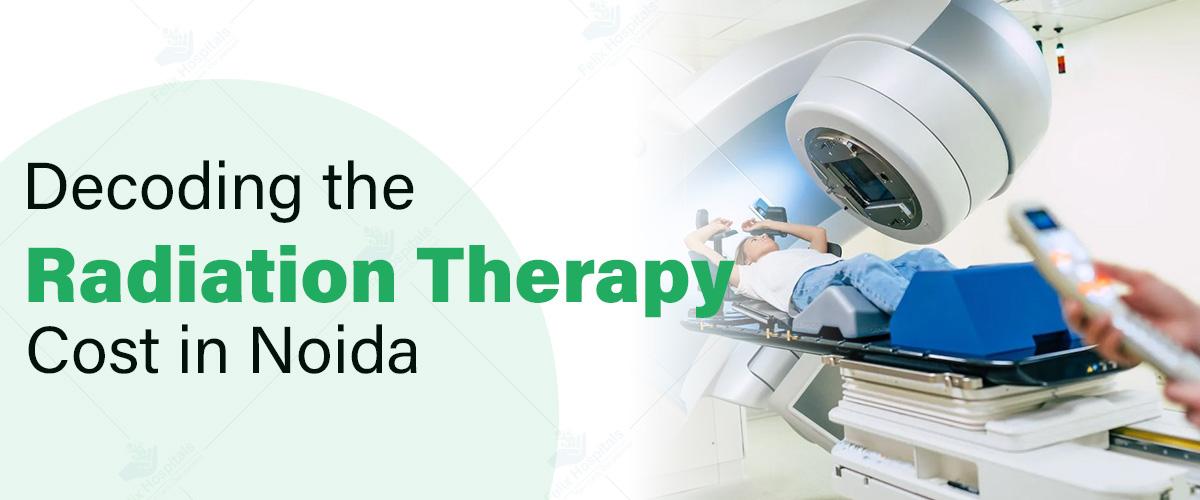
Radiation therapy is a cornerstone in the treatment of various cancers, utilizing high doses of radiation to target and destroy malignant cells. As cancer treatment becomes increasingly sophisticated, understanding the costs associated with radiation therapy is crucial for patients and their families. This blog aims to provide a comprehensive overview of radiation therapy, how it works, its costs in Noida, and factors influencing these costs.
Discover advanced cancer care through radiation therapy. Call +91 9667064100 now.
Radiation therapy, also known as radiotherapy, is a medical treatment that employs high-energy radiation to kill cancer cells. It is a common treatment modality used in oncology, either as a standalone treatment or in conjunction with other therapies such as surgery and chemotherapy. The primary mechanism of action involves damaging the DNA of cancer cells, which inhibits their ability to grow and divide. Over time, this leads to the death of these cells.
Radiation therapy can be classified into two main types:
The cost of radiation therapy in Noida can vary significantly based on various factors, including the type of cancer, the specific treatment plan, and the healthcare facility chosen. On average, patients can expect to pay between ₹50,000 to ₹3,00,000 for a complete course of radiation therapy.
This price range typically includes:
To better understand the financial implications of radiation therapy, here is a detailed breakdown of the potential costs involved:
Several factors can influence the overall cost of radiation therapy in Noida. Some of these factors include :
Managing the costs associated with radiation therapy requires careful planning and consideration of available resources. Here are some strategies to help patients navigate these expenses:
When seeking radiation therapy, choosing a qualified oncologist is crucial. Here are two of the best oncologists in Noida known for their expertise in radiation therapy:
1. Dr. Chinmayee Agrawal
Dr. Chinmayee Agrawal is a renowned radiation oncologist with extensive experience in treating various cancers. She is known for her patient-centered approach and utilizes advanced radiation techniques to ensure optimal outcomes for her patients. Dr. Agrawal is affiliated with several leading hospitals in Noida such as Felix Hospital and is highly regarded for her contributions to cancer care.
2. Dr. Mukta Baxi
Dr. Mukta Baxi is another distinguished radiation oncologist in Noida, specializing in the latest radiation therapy techniques. With a strong focus on personalized treatment plans, Dr. Baxi is committed to providing comprehensive care to her patients. She is well-respected in the oncology community for her expertise and dedication to improving patient outcomes.
Understanding the costs associated with radiation therapy in Noida is essential for patients navigating their cancer treatment journey. While the financial implications can be significant, various factors influence these costs, and there are strategies available to manage them effectively. By choosing qualified oncologists and exploring available resources, patients can make informed decisions that align with their health and financial needs.
For further queries dial +91 9667064100 or simply click here.
1.) What is the average duration of radiation therapy?
The duration of radiation therapy varies depending on the type of cancer and treatment plan. Typically, treatment courses can range from a few weeks to several months.
2.) Are there any side effects associated with radiation therapy?
Yes, radiation therapy can cause side effects, including fatigue, skin irritation, and localized pain. Most side effects are manageable and may resolve after treatment.
3.) Can radiation therapy be combined with other treatments?
Yes, radiation therapy is often used in conjunction with other cancer treatments, such as chemotherapy and surgery, to enhance treatment effectiveness.
4.) Is radiation therapy effective for all types of cancer?
Radiation therapy is effective for many types of cancer, but its applicability depends on the specific cancer type, stage, and individual patient factors. Always consult with a radiation oncologist for personalized treatment recommendations.

Chemotherapy is a widely used cancer treatment that uses strong medications to destroy rapidly growing cancer cells.

Explore the cervical cancer vaccine cost in Noida, compare prices across hospitals, and understand how vaccination helps prevent HPV infection and cervical cancer.

Explore essential information about breast cancer, including its symptoms, causes, types, and treatments, to stay informed and proactive about your health.
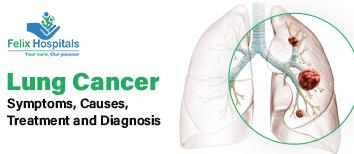
Lung cancer is a serious condition that starts in the lungs and can spread to other parts of the body.

Cochlear implant surgery is a transformative procedure designed to restore hearing in individuals with severe to profound hearing loss. In Noida, a city renowned for its advanced medical infrastructure, the cost of cochlear implant surgery can vary widely based on several factors. Understanding these costs is crucial for effective planning and budgeting for the procedure.
Our dedicated team is here to provide expert care and support for your hearing needs. Call now - +91 9667064100.
Here is the typical costs associated with cochlear implant surgery in Noida:
| Minimum Cost | 3,00,000 |
| Maximum Cost | 12,00,000 |
| Average Cost | 8,00,000 |
Pre-Surgical Evaluation:
Surgical Costs:
Post-Surgical Costs:
The cost of cochlear implant surgery in Noida can vary based on several factors:
When selecting a healthcare facility for cochlear implant surgery in Noida, consider these key factors:
1. Compare Healthcare Providers: Research and compare costs between different hospitals. Choose facilities that offer the best value for your needs.
2. Leverage Insurance Coverage: Review your insurance plan to understand coverage for the implant, surgery, and post-operative care. Maximize your benefits.
3. Seek Financial Assistance: Explore patient assistance programs or financial aid options provided by hospitals or implant manufacturers.
4. Opt for In-Hospital Programs: Some hospitals offer comprehensive packages that include surgery, device, and rehabilitation at a discounted rate.
5. Plan for Follow-Up Care: Regular follow-ups and adjustments can prevent complications and reduce long-term costs.
1. Expert Medical Team: Felix Hospital features a team of Highly Skilled ENT Specialists and audiologists with extensive experience in cochlear implant surgery in Noida.
2. Advanced Diagnostic Technology: We use the latest diagnostic tools and imaging technologies to ensure accurate evaluation and planning.
3. Comprehensive Treatment Options: Our facility provides a range of services, including the latest cochlear implants, surgical procedures, and post-surgical rehabilitation.
4. Personalized Care Plans: We develop tailored treatment plans to meet each patient’s unique needs and goals.
5. Cutting-Edge Facilities: Our modern and well-equipped facilities are designed to offer comfort and high-quality care.
6. Multidisciplinary Approach: We employ a multidisciplinary approach, involving specialists from various fields to address all aspects of hearing restoration.
For more information about cochlear implant surgery and associated costs, or to Schedule a Consultation, call us at +91 9667064100.
The cost of cochlear implant surgery in Noida can fluctuate significantly depending on several key factors, including the type of implant used, the complexity of the surgical procedure, the choice of healthcare facility, and the extent of insurance coverage. Cochlear implants are a transformative solution for individuals with severe to profound hearing loss, and understanding the financial implications is essential for effective planning and budgeting.
1. What is the total cost of a cochlear implant?
The total cost of a cochlear implant can range between ₹3,00,000 to ₹12,00,000 in Noida. This includes the price of the implant itself, surgical costs, hospital stay, and post-operative care.
2. How serious is cochlear implant surgery?
Cochlear implant surgery is generally considered safe but involves risks, such as infection or device malfunction. It requires careful evaluation and a skilled surgical team to minimize complications.
3. Can a deaf person hear after a cochlear implant?
Yes, many individuals with severe to profound hearing loss experience significant improvements in hearing after a cochlear implant, though the degree of benefit can vary.
4. What are the disadvantages of cochlear implants?
Disadvantages can include surgical risks, the need for ongoing auditory therapy, potential device malfunctions, and the possibility of limited hearing restoration compared to natural hearing.
5. Can a deaf person hear again?
Cochlear implants can enable individuals who are profoundly deaf or severely hard of hearing to perceive sounds and improve their ability to understand speech, though the outcome can differ based on individual factors.
6. Is cochlear surgery painful?
The procedure is typically performed under general anesthesia, so patients do not experience pain during surgery. Post-operative discomfort is usually manageable with pain medication.
7. What is the best age for a cochlear implant?
Cochlear implants can be effective at various ages, but earlier implantation (often before 2 years of age) can enhance language development and auditory learning. Adults and older children can also benefit significantly from the implants.
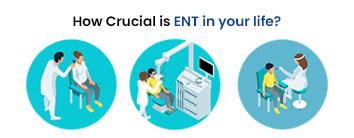
ENT health is essential for proper breathing, hearing, speech, and balance. Early detection and expert care ensure a better quality of life and prevent chronic complications.

साइलेंट हार्ट अटैक (Silent Heart Attack) या "साइलेंट मायोकार्डियल इंफार्क्शन" एक ऐसा स्थिति है जिसमें व्यक्ति को दिल के दौरे के सामान्य लक्षण महसूस नहीं होते हैं या वे इतने हल्के होते हैं कि अक्सर नजरअंदाज कर दिए जाते हैं। जानिए इसके लक्षण से लेकर इलाज तक के बारे में विस्तार से..
ज्यादा जानकारी के लिए हमें कॉल करें +91 9667064100.
Table of Contents
साइलेंट हार्ट अटैक (Silent Heart Attack in Hindi), जिसे मूक हृदयाघात (Silent Heart Attack) भी कहा जाता है, एक प्रकार का हृदयाघात होता है जिसमें सामान्य लक्षण जैसे कि छाती में दर्द, सांस की तकलीफ, पसीना आदि महसूस नहीं होते हैं। इसके कारण व्यक्ति को पता नहीं चलता कि उसे हार्ट अटैक हो रहा है। यह स्थिति खासकर उन लोगों के लिए खतरनाक होती है जिन्हें मधुमेह, उच्च रक्तचाप या हृदय रोगों का इतिहास हो।
साइलेंट हार्ट अटैक के लक्षण (Symptoms of Heart Attack in Hindi) बहुत ही सामान्य होते है इनको सही समय से जानना बेहद महत्वपूर्ण है आप भी सही समय से लक्षणों को पहचाने और अपना व अपने परिवार का ध्यान रखें।
स्वस्थ आहार लें:
नियमित व्यायाम करें:
स्वस्थ वजन बनाए रखें:
धूम्रपान और तंबाकू का सेवन बंद करें:
नियमित स्वास्थ्य जांच करवाएं:
तनाव को कम करें:
दवाइयों का सेवन:
पारिवारिक इतिहास पर ध्यान दें:
दवाइयां:
एंजियोप्लास्टी और स्टेंटिंग:
जीवनशैली में बदलाव:
नियमित स्वास्थ्य जांच:
डॉक्टर की सलाह के लिए आज ही फ़ोन करें - +91 9667064100.
साइलेंट हार्ट अटैक के लक्षण पारंपरिक दिल के दौरे की तुलना में कम स्पष्ट होते हैं, जैसे कि हल्का दर्द या असहजता जो सामान्य रूप से ध्यान नहीं जाती। इसका मतलब है कि व्यक्ति को अपनी स्थिति के बारे में जानकारी नहीं होती, जिससे स्थिति और गंभीर हो सकती है। हार्ट अटैक का समय पर इलाज न होना संभावित रूप से गंभीर दिल की बीमारियों की ओर ले जा सकता है। हार्ट अटैक इलाज होना कई जगह बेहद मेहेंगा पद जाता है लेकिन नोएडा में इस इलाज की कीमत हिंदी में (Treatment Cost of Heart Attack in Hindi) जानने के लिए यहाँ पढ़ें।
प्रश्न 1: साइलेंट हार्ट अटैक क्या है ?
उत्तर: साइलेंट हार्ट अटैक एक ऐसी स्थिति है जिसमें दिल के दौरे के लक्षण सामान्य हार्ट अटैक की तरह तीव्र नहीं होते, और व्यक्ति को यह समझ में नहीं आता कि उन्हें हार्ट अटैक हुआ है।
प्रश्न 2: साइलेंट हार्ट अटैक के लक्षण क्या हैं ?
उत्तर: हल्का सीने में दर्द या बेचैनी, थकान या कमजोरी, सांस की तकलीफ, हल्का पसीना आना, पेट दर्द या अपच, गर्दन, जबड़े, या पीठ में हल्का दर्द इलेंट साइलेंट हार्ट अटैक के लक्षण है।
प्रश्न 3: साइलेंट हार्ट अटैक के कारण क्या हैं ?
उत्तर: कोरोनरी धमनियों में रुकावट, उच्च रक्तचाप, उच्च कोलेस्ट्रॉल, धूम्रपान, मधुमेह
साइलेंट हार्ट अटैक के कारण हैं।
प्रश्न 4: साइलेंट हार्ट अटैक का पता कैसे चलता है ?
उत्तर: साइलेंट हार्ट अटैक का पता अक्सर नियमित चिकित्सा जांच के दौरान लगाया जाता है। ईसीजी (ECG), इकोकार्डियोग्राम, और रक्त परीक्षण के माध्यम से इसका निदान किया जा सकता है।
प्रश्न 5: साइलेंट हार्ट अटैक के बाद क्या करना चाहिए ?
उत्तर: साइलेंट हार्ट अटैक के बाद, चिकित्सक की सलाह के अनुसार उपचार और जीवनशैली में बदलाव करना आवश्यक होता है। इसमें दवाइयां लेना, संतुलित आहार, नियमित व्यायाम, धूम्रपान और शराब से बचना शामिल हैं।
प्रश्न 6: साइलेंट हार्ट अटैक को कैसे रोका जा सकता है ?
उत्तर: स्वस्थ आहार का सेवन, नियमित व्यायाम, रक्तचाप और कोलेस्ट्रॉल को नियंत्रित रखना, धूम्रपान और शराब से बचना, नियमित स्वास्थ्य जांच करवाकर साइलेंट हार्ट अटैक को रोका जा सकता है।
प्रश्न 7: किसे साइलेंट हार्ट अटैक का अधिक जोखिम होता है?
उत्तर: वृद्ध लोगों, मधुमेह के रोगियों, उच्च रक्तचाप या उच्च कोलेस्ट्रॉल वाले लोगों, और जिनका पारिवारिक इतिहास हृदय रोगों से जुड़ा हो, उन्हें साइलेंट हार्ट अटैक का अधिक जोखिम होता है।
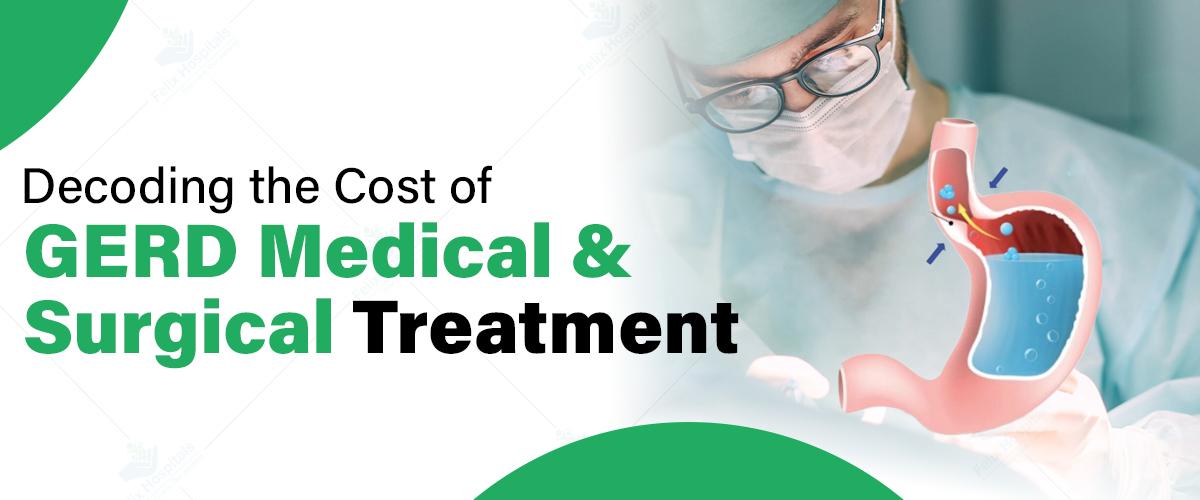
A Nissen fundoplication is a surgical procedure designed to treat gastroesophageal reflux disease (GERD). During this surgery, a surgeon creates a sphincter (tightening muscle) at the bottom of the esophagus to prevent acid reflux. Most people experience a significant reduction in acid reflux symptoms after the procedure. In this blog, we will explore the cost of GERD treatment in Noida, identify the best gastroenterology hospital in Noida, and explore treatment options tailored to individual patient needs.
Call +91 9667064100 now for a quick cost estimate on GERD treatment.
GERD surgery, called fundoplication, helps stop acid reflux by making the lower esophageal sphincter (LES) stronger. The LES is a muscle ring that keeps stomach acid from flowing back into the esophagus. In people with GERD, the LES doesn't work well, so acid goes up into the esophagus and causes discomfort and damage. Many hospitals in Noida offer this treatment, but it's important to find the best surgeon for your situation.
GERD treatment includes comprehensive care to ensure effective management and relief. Medical management of GERD often starts with medications, with costs around INR 1,000. For about 3% to 4% of patients, an endoscopy is necessary to diagnose conditions such as a hiatus hernia, with costs typically ranging between INR 40,000 and INR 60,000. In more severe cases, surgical options like fundoplication may be required, with costs ranging from INR 50,000 to INR 1,50,000. These treatments, combined with skilled medical care and advanced technology, provide effective options tailored to each patient's needs, ensuring the best possible outcomes.
The pre-operative costs for GERD surgery in Noida can include several components:
1. Consultation Fees: Initial and follow-up consultations with gastroenterologists and surgeons.
2. Diagnostic Tests: Endoscopy, pH monitoring, esophageal manometry, blood tests, and other necessary investigations.
3. Pre-Surgical Evaluations: Cardiac evaluations, pulmonary function tests, and general health assessments to ensure the patient is fit for surgery.
4. Medications: Pre-operative medications or supplements as prescribed by the doctor.
5. Hospital Admission Fees: Costs associated with pre-surgery hospital admission.
The pre-operative costs can range from INR 10,000 to INR 50,000, depending on the specific requirements and hospital chosen.
The post-operative costs for GERD surgery in Noida can include several components:
1. Hospital Stay: Charges for the hospital stay, including room charges, nursing care, and meals.
2. Medications: Post-surgery medications, including painkillers, antibiotics, and other necessary drugs.
3. Rehabilitation: Physical therapy sessions and rehabilitation programs to aid recovery.
4. Follow-Up Consultations: Regular check-ups with the surgeon to monitor the recovery process.
5. Medical Supplies: Costs for bandages, dressings, and any medical equipment needed for home care.
6. Complications Management: Additional costs if there are any complications or additional treatments required.
The post-operative costs can range from INR 50,000 to INR 1,50,000, depending on the length of hospital stay, rehabilitation needs, and any complications that may arise.
Reducing the cost of GERD surgery can be achieved through careful planning and consideration of various factors. Here are some tips to help you manage and potentially lower the expenses:
1. Choose the Right Hospital and Surgeon
- Research Hospitals: Select a hospital known for offering high-quality care at reasonable prices. Look for hospitals with good reviews and ratings.
- Experienced Surgeon: Opt for an experienced surgeon who has performed numerous GERD surgeries. Experienced surgeons may have better outcomes, potentially reducing the need for additional procedures.
2. Insurance Coverage
- Check Your Policy: Review your health insurance policy to understand what it covers. Some policies may cover a significant portion of the surgery costs.
- Pre-Authorization: Obtain pre-authorization from your insurance company to confirm coverage and avoid unexpected expenses.
3. Consider Medical Tourism
- Explore International Options: In some cases, undergoing surgery in another country with a lower cost of living can be more affordable. Ensure the hospital and surgeon meet international standards.
4. Negotiate Costs
- Discuss Discounts: Don’t hesitate to negotiate with hospitals and surgeons. They may offer discounts or payment plans to make the surgery more affordable.
5. Pre- and Post-Operative Care
- Plan Ahead: Follow all pre-operative instructions to avoid complications that could increase costs.
- Home Care: Opt for home care and physical therapy post-surgery if it is more affordable than extended hospital stays.
By considering these tips and planning ahead, you can effectively manage and potentially reduce the cost of GERD surgery.
Dr. Jagatjot Singh Gill
Dr. Jagatjot Singh Gill is a dedicated gastroenterologist with over 11 years of experience specializing in the diagnosis, treatment, and management of GERD and other gastroenterological conditions. He is committed to enhancing patient well-being through personalized care and tailored treatment strategies.
Dr. Amrit Yog Datley
Dr. Amrit Yog Datley is a highly regarded Gastroenterologist and Critical Care Specialist with over 8 years of expertise across various surgical disciplines. He excels in diagnosing, treating, and managing a wide spectrum of gastroenterological disorders, including GERD. His commitment to providing exceptional patient care is evident in his continuous pursuit of excellence in gastroenterology.
Understanding the costs of GERD treatment is essential. In Noida, medical management starts at around INR 1,000, while surgical options like fundoplication can range from INR 50,000 to INR 1,50,000. Pre-operative and post-operative costs add to the total expenses.
To manage and reduce these costs, choose the right hospital and best surgeon in Noida, review your insurance, consider medical tourism, negotiate costs, and follow care instructions. These steps can help you achieve effective GERD treatment while controlling expenses.
For any further queries simply click here or call +91 9667064100.
1) How Much Does GERD Treatment Cost?
GERD treatment costs vary based on the type and complexity of treatment:
- Medications: Starting at around INR 1,000.
- Diagnostic Tests (e.g., Endoscopy): INR 40,000 to INR 60,000.
- Surgery (e.g., Fundoplication): INR 50,000 to INR 1,50,000.
2) What Are the 8 Symptoms of GERD?
1. Heartburn
2. Regurgitation of food or sour liquid
3. Difficulty swallowing
4. Chest pain
5. Sensation of a lump in the throat
6. Chronic cough
7. Laryngitis
8. New or worsening asthma
3) Can GERD Be Cured?
While GERD can often be effectively managed with lifestyle changes, medications, and sometimes surgery, it is generally considered a chronic condition that requires ongoing management rather than a one-time cure.
4) Is GERD a Lifetime Disease?
GERD can be a lifelong condition for many people, requiring continuous management to keep symptoms under control and prevent complications.
5) How Do You Treat a GERD Episode?
To treat a GERD episode:
1. Take antacids or medications prescribed by your doctor.
2. Avoid lying down immediately after eating.
3. Elevate the head of your bed.
4. Avoid triggering foods and beverages.
5. Wear loose-fitting clothes to reduce pressure on your abdomen.
6) Is GERD Serious?
GERD can be serious if left untreated, leading to complications such as esophagitis, Barrett's esophagus, and an increased risk of esophageal cancer.
7) What Are the 3 Stages of GERD?
1. Mild GERD: Infrequent symptoms that can be managed with lifestyle changes and occasional medication.
2. Moderate GERD: Frequent symptoms that require regular medication and more significant lifestyle adjustments.
3. Severe GERD: Persistent symptoms that may require stronger medications or surgical intervention.
8) How Long Can GERD Last?
GERD can be a chronic condition that lasts for years or even a lifetime. The duration of individual episodes can vary from a few hours to several days.
9) What Food Triggers GERD?
Common food triggers include:
- Spicy foods
- Fatty or fried foods
- Chocolate
- Caffeine
- Alcohol
- Citrus fruits
- Tomatoes
- Garlic and onions
- Mint
10) What Is the Root Cause of GERD?
The root cause of GERD is a malfunction of the lower esophageal sphincter (LES), which allows stomach acid to flow back into the esophagus. Factors contributing to this can include obesity, pregnancy, smoking, certain medications, and hiatal hernia.
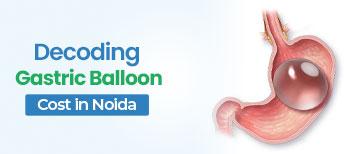
Understand the factors that influence gastric balloon surgery cost in Noida, including hospital facilities, doctor expertise, and post-procedure care.
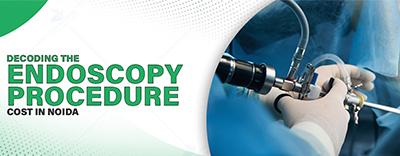
Understand the factors that influence endoscopy procedure cost in Noida. Learn about the types, preparation, and benefits of choosing the best multi-speciality hospital in Noida for accurate diagnosis.
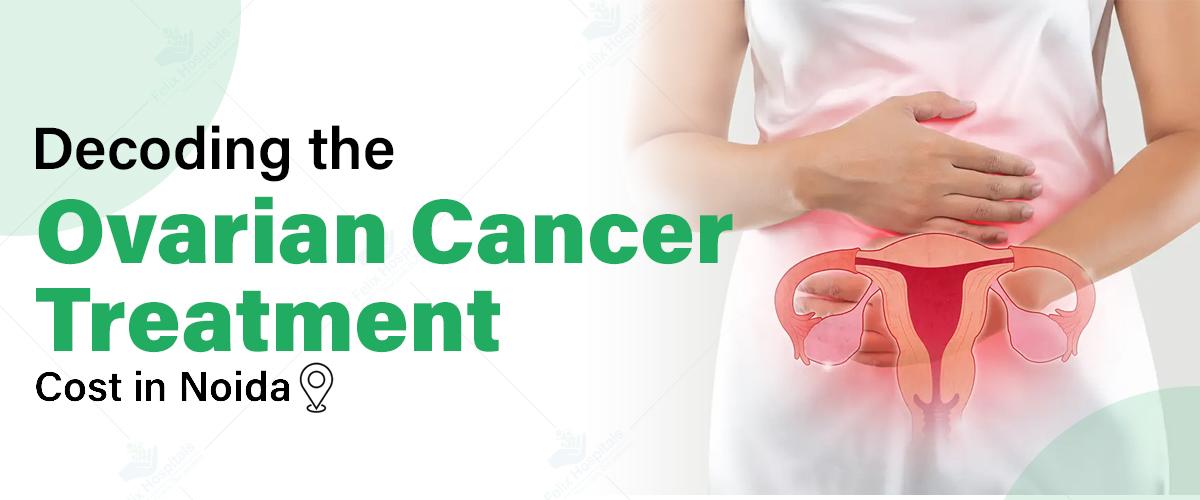
Ovarian cancer is a serious health concern that affects thousands of women in India each year. For those diagnosed with this condition in Noida and the surrounding National Capital Region (NCR), understanding the potential costs associated with treatment is crucial for proper planning and decision-making. Let’s explore the various factors that influence ovarian cancer treatment costs in Noida, provide estimates for different treatment modalities, and offer guidance on managing expenses.
Dial +91 9667064100 now for the most cost-effective ovarian cancer treatment.
Before exploring the costs of ovarian cancer treatment in Noida, it's crucial to first understand what ovarian cancer entails: its causes, types, stages, early ovarian cancer symptoms, and associated risk factors. This knowledge will empower you to make informed decisions regarding the estimation of treatment costs based on your specific condition.
Ovarian cancer is a type of cancer that starts in the ovaries, which are part of the female reproductive system. It can develop when cells in the ovaries grow uncontrollably and form tumors. Its symptoms may include bloating, pelvic pain, difficulty eating, and frequent urination. Early detection is important for effective treatment of ovarian cancer and avoiding complications.
The exact causes of ovarian cancer are not fully understood, but several factors may increase a woman's risk of developing this type of cancer:
Genetic Factors: Inherited gene mutations, such as BRCA1 and BRCA2 mutations, significantly increase the risk of ovarian cancer. These mutations are also associated with an increased risk of breast cancer.
Family History: Having a family history of ovarian, breast, or colorectal cancer can increase the risk of ovarian cancer.
Age: The risk of ovarian cancer increases with age, with the highest risk occurring in women over 50 years old.
Reproductive History: Factors that affect hormone levels or ovulation may play a role. These include starting menstruation at an early age, experiencing menopause at a later age, never giving birth, or infertility.
Personal History: Women who have had breast cancer, endometrial cancer, or colorectal cancer may have an increased risk of ovarian cancer.
Hormone Replacement Therapy (HRT): Long-term use of estrogen-only hormone replacement therapy after menopause may slightly increase the risk of ovarian cancer.
Obesity: Being overweight or obese may increase the risk of developing ovarian cancer.
Endometriosis: Women with endometriosis, a condition where tissue similar to the lining inside the uterus grows outside the uterus, may have an increased risk of ovarian cancer.
It's important to note that having one or more risk factors does not mean a woman will definitely develop ovarian cancer. Many women with ovarian cancer have no known risk factors, and many women with risk factors never develop the disease.
Ovarian cancer is broadly classified into several types. Ovarian cancer has different types because it can originate from various types of cells within the ovaries. Each type arises from different tissues and cell lineages within the ovary, leading to distinct biological behaviors, treatment responses, and prognoses. These types of ovarian cancer include:
Epithelial ovarian cancer: The most common type of ovarian cancer is epithelial ovarian cancer, which arises from the cells covering the outer surface of the ovary. This type accounts for about 90% of ovarian cancer cases and typically occurs in older women.
Germ cell ovarian cancer: Germ cell ovarian cancer develops from the cells that produce eggs within the ovary. This type is rare and tends to occur in younger women.
Stromal cell ovarian cancer: Stromal cell ovarian cancer originates from the cells that hold the ovary together and produce hormones. It accounts for a small percentage of ovarian cancers and tends to have a better prognosis compared to epithelial ovarian cancer.
Understanding the specific type of ovarian cancer is crucial for determining the appropriate treatment plan and prognosis for patients.
Ovarian cancer is typically categorized into four stages, which are determined based on how far the cancer has spread from the ovaries. Here's a brief overview of each stage:
Stage I: Cancer is confined to one or both ovaries.
Stage II: Cancer has spread beyond the ovaries to other pelvic organs, such as the fallopian tubes or uterus.
Stage III: Cancer has spread to the abdominal lining (peritoneum) outside the pelvis or to nearby lymph nodes.
Stage IV: Cancer has spread to distant organs outside the abdomen, such as the liver, lungs, or other organs.
Each stage is further divided into sub-stages (A, B, C) based on specific criteria related to the extent of tumor growth and spread. The stage of ovarian cancer at diagnosis significantly influences treatment options and prognosis.
Recognizing potential signs and symptoms of ovarian cancer is important for early detection and treatment. However, these symptoms can be subtle and non-specific. Here are some signs that might indicate ovarian cancer:
Abdominal or Pelvic Pain: Persistent pain in the abdomen or pelvis that doesn't go away and is not related to menstruation or other known causes.
Bloating: Persistent, unexplained bloating or feeling of fullness in the abdomen.
Changes in Eating Habits: Sudden changes in appetite, such as feeling full quickly or difficulty eating.
Urinary Symptoms: Urgency or frequency of urination, or difficulty in urination.
Digestive Issues: Persistent indigestion, gas, nausea, or changes in bowel habits (such as constipation).
Fatigue: Unexplained fatigue or low energy that persists.
Changes in Menstrual Cycle: Irregularities in menstrual cycle, especially if you are post-menopausal.
Unexplained Weight Loss or Gain: Significant and unexplained weight loss or gain.
Back Pain: Persistent pain in the lower back.
It's important to note that these symptoms can be caused by conditions other than ovarian cancer. However, if you experience any of these symptoms frequently and they are new or unusual for you, it's essential to discuss them with your healthcare provider for proper evaluation and diagnosis.
Several factors can impact the overall cost of ovarian cancer treatment in Noida:
Stage of cancer: Generally, early-stage cancers are less expensive to treat than advanced-stage cancers, which may require more intensive and prolonged treatments.
Type of treatment: The cost varies depending on whether surgery, chemotherapy, radiation therapy, or a combination of treatments is required.
Hospital choice: Costs can differ significantly between government hospitals, private hospitals, and specialized cancer centers in Noida.
Doctor's expertise: Highly experienced oncologists may charge higher consultation fees.
Duration of treatment: Longer treatment periods naturally lead to higher overall costs.
Additional services: Diagnostic tests, imaging studies, and supportive care can add to the total expenses.
Insurance coverage: The extent of health insurance coverage can greatly affect out-of-pocket expenses.
Understanding these factors can help patients make informed decisions regarding healthcare options and budgeting for medical treatments in Noida.
Understanding the initial costs involved in diagnosis.
CA-125 Blood Test: ₹800 - ₹1,500
Transvaginal Ultrasound: ₹1,000 - ₹3,000
CT Scan: ₹5,000 - ₹12,000
MRI: ₹8,000 - ₹15,000
PET-CT Scan: ₹20,000 - ₹35,000
Biopsy: ₹5,000 - ₹15,000
Exploring surgical options and associated expenses.
Government Hospitals: ₹30,000 - ₹1,00,000
Private Hospitals: ₹1,50,000 - ₹5,00,000
Specialized Cancer Centers: ₹2,00,000 - ₹7,00,000
Analyzing costs and considerations for chemotherapy treatment.
Per Cycle Cost: ₹20,000 - ₹1,00,000
Total Cost for 6-8 Cycles: ₹1,20,000 - ₹8,00,000
Examining the role and financial aspects of radiation treatment.
Per Session Cost: ₹2,000 - ₹5,000
Total Cost for Full Course: ₹40,000 - ₹1,50,000
Considering newer treatment options and their associated expenses.
Monthly Cost: ₹50,000 - ₹3,00,000
Annual Cost: ₹6,00,000 - ₹36,00,000
Understanding the ongoing costs for post-treatment care.
Consultation Fees: ₹500 - ₹2,000 per visit
Follow-up Tests: ₹5,000 - ₹20,000 per year
Additional expenses to consider for comprehensive care.
Pain Management: ₹2,000 - ₹10,000 per month
Nutritional Supplements: ₹1,000 - ₹5,000 per month
Psychological Counseling: ₹1,000 - ₹3,000 per session
| Early-Stage Ovarian Cancer (Stage I or II) | ₹3,00,000 | ₹10,00,000 |
| Advanced-Stage Ovarian Cancer (Stage III or IV) | ₹8,00,000 | ₹25,00,000 |
| Recurrent Ovarian Cancer | ₹10,00,000 | ₹40,00,000 |
These estimates offer a general guideline, but actual costs can vary depending on individual circumstances and treatment decisions. It's advisable for individuals to consult with a healthcare provider at the best cancer hospital for a personalized cost estimate based on their specific needs.
Given the potentially high costs of ovarian cancer treatment, here are some strategies to help manage expenses:
Health Insurance: Ensure you have comprehensive health insurance coverage. Many insurance policies in India now cover cancer treatment, but it's essential to understand your policy's limits and exclusions.
Government Schemes: Explore government health schemes like Ayushman Bharat, which can provide financial assistance for cancer treatment.
NGO Support: Several NGOs in Noida and the NCR offer financial aid and support services for cancer patients. Research and reach out to these organizations.
Hospital Financial Counseling: Many hospitals in Noida have financial counselors who can help you understand costs, payment options, and potential discounts.
Generic Medications: When possible, opt for generic versions of medications to reduce costs.
Clinical Trials: Participating in clinical trials can sometimes provide access to new treatments at reduced or no cost. Discuss this option with your oncologist.
Crowdfunding: Online crowdfunding platforms can be used to raise funds for medical expenses.
Treatment Abroad: While not always feasible, some patients consider treatment in countries where costs may be lower or where specific treatments are more readily available.
Navigating the costs of ovarian cancer treatment in Noida can be challenging, but understanding the potential expenses and available resources is crucial for effective planning. Consulting with the Best Oncologist in Noida can help you get a clearer picture of treatment options, associated costs, and available support systems. While the financial burden can be significant, there are various strategies to manage costs and access quality care.
Remember that every case of ovarian cancer is unique, and treatment plans should be tailored to individual needs. Always consult with healthcare professionals to understand the specific costs and options relevant to your situation. With proper planning, support, and care, it’s possible to focus on health and recovery while managing the financial aspects of treatment.
Empower yourself against ovarian cancer. Contact us at +91 9667064100 or click here to take charge of your health journey.
Q1) Can ovarian cancer recur after being cured?
Ans. Yes, ovarian cancer can recur even after treatment that initially appears successful. Regular follow-ups are crucial to monitor for any signs of recurrence.
Q2) Is ovarian cancer treatment painful?
Ans. Treatment for ovarian cancer, such as surgery, chemotherapy, and radiation, can cause discomfort and side effects. Pain management strategies are often used to alleviate discomfort.
Q3) Is ovarian cancer treatment expensive?
Ans. Yes, ovarian cancer treatment can be expensive, depending on factors like the stage of cancer, type of treatment, and healthcare facility. Costs can vary widely and may include surgery, chemotherapy, and supportive care.
Q4) Can I survive stage 4 ovarian cancer?
Ans. Survival rates for stage 4 ovarian cancer vary, but many women do survive with treatment. The prognosis depends on factors such as the extent of the cancer and the response to therapy.
Q5) Can I get pregnant if I have ovarian cancer?
Ans. Fertility can be affected by ovarian cancer and its treatment. Consulting with a healthcare provider specializing in reproductive health can provide guidance on fertility preservation options before starting treatment.
Q6) Which is the most affordable treatment option for ovarian cancer?
Ans. Government hospitals generally offer the most affordable treatment options for ovarian cancer. They may provide subsidized or lower-cost services compared to private hospitals or specialized cancer centers.

ब्रेस्ट कैंसर (Breast Cancer) के मुख्य लक्षण, इसके कारण और प्रभावी उपचार। समय पर पहचान और सही इलाज से रोग की गंभीरता को कम किया जा सकता है।
Explore the cervical cancer vaccine cost in Noida, compare prices across hospitals, and understand how vaccination helps prevent HPV infection and cervical cancer.
Explore essential information about breast cancer, including its symptoms, causes, types, and treatments, to stay informed and proactive about your health.
Lung cancer is a serious condition that starts in the lungs and can spread to other parts of the body.

टाइफाइड का अर्थ हिंदी में (typhoid in Hindi meaning) टाइफाइड एक गंभीर बैक्टीरियल संक्रमण है जो सल्मोनेला टाइफी (Salmonella Typhi) बैक्टीरिया द्वारा उत्पन्न होता है। यह संक्रमण आमतौर पर दूषित पानी या भोजन के माध्यम से फैलता है। टाइफाइड को टाइफाइड बुखार भी कहा जाता है। टाइफाइड का समय पर और सही उपचार बहुत महत्वपूर्ण है, अन्यथा यह गंभीर समस्याओं का कारण बन सकता है। यदि आपको टाइफाइड के लक्षण दिखाई दें तो तुरंत डॉक्टर से संपर्क करें।
जानिए इसके लक्षण से लेकर इलाज तक के बारे में विस्तार अधिक जानकारी के लिए कॉल करें +91 9667064100.
टाइफाइड एक संक्रामक रोग है जो सल्मोनेला टाइफी बैक्टीरिया के कारण होता है। यह रोग दूषित भोजन और पानी के सेवन से फैलता है। टाइफाइड मुख्य रूप से विकासशील देशों में एक बड़ी समस्या है, जहां स्वच्छता की स्थिति कमजोर होती है। टाइफाइड बैक्टीरिया (typhoid bacteria) दूषित पानी और भोजन के माध्यम से शरीर में प्रवेश करता है। गंदे हाथों और स्वच्छता की कमी के कारण भी यह बैक्टीरिया फैलता है। टाइफाइड से पीड़ित व्यक्ति के मल या मूत्र के संपर्क में आने से भी संक्रमण हो सकता है।
टाइफाइड के लक्षण अक्सर धीरे-धीरे विकसित होते हैं, आमतौर पर संक्रमण के एक से तीन सप्ताह के भीतर। टाइफाइड का समय पर और सही उपचार बहुत महत्वपूर्ण है, अन्यथा यह गंभीर समस्याओं का कारण बन सकता है। यदि आपको टाइफाइड के लक्षण दिखाई दें तो तुरंत डॉक्टर से संपर्क करें। यहां टाइफाइड के मुख्य लक्षण (Symptoms of Typhoid in Hindi) दिए गए हैं:
प्रारंभिक लक्षण (1-2 सप्ताह):
धीरे-धीरे बढ़ता हुआ बुखार, जो 104°F (40°C) तक पहुंच सकता है। लगातार सिरदर्द होता है। कमजोरी और थकान महसूस होती है। पेट में दर्द (Stomach pain) और असहजता होती है। भूख कम लगती है। हल्की खांसी होती है। मांसपेशियों में दर्द और ऐंठन रहता है।
बाद के लक्षण (2-3 सप्ताह):
बुखार स्थिर रूप से उच्च बना रहता है। दस्त (अक्सर मटर के सूप जैसे दिखने वाले) या कब्ज रहता है। वजन कम होता है। पेट और छाती पर गुलाबी रंग के छोटे-छोटे धब्बे (रैशेस) हो सकते हैं, जिन्हें रोज स्पॉट्स कहा जाता है। अत्यधिक थकान, जो सामान्य गतिविधियों को करने में भी कठिनाई पैदा करती है।
गंभीर लक्षण (उपचार न मिलने पर):
आंतों में छेद (इंटेस्टाइनल परफोरेशन)जिससे पेट में गंभीर दर्द, उल्टी, और संक्रमण फैल सकता है। मस्तिष्क में सूजन (एन्सेफलाइटिस) हो सकता है। इतनी कमजोरी होती है कि व्यक्ति खड़ा भी नहीं हो पाता है। दिल की धड़कन का अनियमित हो जाती है।
टाइफाइड बुखार (Typhoid Fever in hindi) को मुख्य रूप से दो प्रकारों में वर्गीकृत किया जाता है। इनके अलावा, कभी-कभी टाइफाइड को संक्रमण की गंभीरता या उसके फैलने के स्थान के आधार पर वर्गीकृत किया जा सकता है। टाइफाइड का सही प्रकार और उसकी गंभीरता जानने के लिए डॉक्टर द्वारा परीक्षण और निदान आवश्यक होता है। समय पर उपचार से टाइफाइड को नियंत्रित किया जा सकता है और गंभीर जटिलताओं से बचा जा सकता है।
टाइफाइड बुखार (Typhoid Fever):
यह सल्मोनेला टाइफी बैक्टीरिया के कारण होता है। इस कारण उच्च बुखार, सिरदर्द, पेट दर्द, दस्त या कब्ज (Constipation), थकान, भूख में कमी, और गुलाबी रंग के रैशेस होती है। यह दूषित पानी और भोजन के माध्यम से फैलता है।
पैरा-टाइफाइड बुखार (Paratyphoid Fever):
सल्मोनेला पैरा-टाइफी ए, बी, या सी बैक्टीरिया के कारण होता है। टाइफाइड बुखार जैसे ही होते हैं, लेकिन सामान्यतः ये कम गंभीर होते हैं। यह भी दूषित पानी और भोजन के माध्यम से फैलता है।
एक्यूट टाइफाइड (Acute Typhoid):
यह टाइफाइड का प्रारंभिक और गंभीर चरण होता है, जिसमें बुखार और अन्य लक्षण तीव्र होते हैं।
क्रोनिक टाइफाइड कैरियर (Chronic Typhoid Carrier):
कुछ लोग जो टाइफाइड बुखार से उबर चुके होते हैं, वे सल्मोनेला टाइफी बैक्टीरिया के वाहक बन सकते हैं और दूसरों को संक्रमित कर सकते हैं, भले ही वे स्वयं किसी लक्षण का अनुभव नहीं कर रहे हों।
माइल्ड टाइफाइड (Mild Typhoid):
हल्के लक्षण, जो अक्सर शुरुआती उपचार से नियंत्रित किए जा सकते हैं।
सेवियर टाइफाइड (Severe Typhoid):
गंभीर लक्षण, जो समय पर उपचार न मिलने पर जीवन के लिए खतरा बन सकते हैं। इसमें आंतों का छिद्र (Intestinal Perforation) और रक्तस्राव शामिल हो सकते हैं।
टाइफाइड बुखार का मुख्य कारण सल्मोनेला टाइफी (Salmonella Typhi in hindi) बैक्टीरिया है। यह बैक्टीरिया दूषित पानी और भोजन के माध्यम से मानव शरीर में प्रवेश करता है। टाइफाइड एक गंभीर बीमारी हो सकती है, लेकिन सही सावधानी और समय पर उपचार से इसे रोका और नियंत्रित किया जा सकता है। यहां टाइफाइड के प्रमुख कारण दिए गए हैं:
दूषित पानी:
टाइफाइड बैक्टीरिया दूषित पानी के सेवन से फैल सकता है। बिना उबाला या बिना फिल्टर किया हुआ पानी पीने से संक्रमण का खतरा बढ़ जाता है।
दूषित भोजन:
संक्रमित भोजन, विशेष रूप से कच्ची या अधपकी सब्जियां और फल, दूषित खाद्य पदार्थों के संपर्क में आने से संक्रमण फैल सकता है। खाद्य सामग्री की ठीक से सफाई न होने या उन्हें सही तापमान पर न पकाने के कारण भी टाइफाइड फैल सकता है।
स्वच्छता की कमी:
खराब स्वच्छता की स्थिति, जैसे कि गंदे हाथों से खाना बनाना या खाना खाना, टाइफाइड बैक्टीरिया के फैलने का कारण बनता है। शौचालय का उपयोग करने के बाद हाथ न धोना या अस्वच्छ शौचालय का उपयोग करना भी संक्रमण का कारण हो सकता है।
संक्रमित व्यक्ति:
टाइफाइड से पीड़ित व्यक्ति का मल या मूत्र संक्रमित हो सकता है। अगर ऐसे संक्रमित व्यक्ति से सीधे संपर्क में आकर हाथ धोए बिना खाना खा लिया जाए तो बैक्टीरिया फैल सकता है।
कैरियर स्थिति:
कुछ लोग जो टाइफाइड से उबर चुके होते हैं, वे बिना लक्षणों के बैक्टीरिया के वाहक बन सकते हैं और दूसरों को संक्रमित कर सकते हैं। ऐसे व्यक्ति जिनमें बैक्टीरिया मौजूद होता है लेकिन उन्हें कोई लक्षण नहीं होते, उन्हें टाइफाइड कैरियर कहा जाता है।
संक्रमित सतहें:
संक्रमित सतहों या वस्तुओं के संपर्क में आने से भी बैक्टीरिया फैल सकता है। जैसे कि गंदे बर्तन, कपड़े, और अन्य वस्तुएं।
जोखिम कारक:
विकासशील देशों में, जहां स्वच्छता और साफ पानी की सुविधा सीमित होती है, टाइफाइड का जोखिम अधिक होता है। ऐसे क्षेत्रों की यात्रा करना जहां टाइफाइड का प्रकोप अधिक होता है, जोखिम को बढ़ा सकता है। जहां स्वास्थ्य सेवाओं की कमी होती है, वहां टाइफाइड के संक्रमण और फैलने का खतरा अधिक होता है।
टाइफाइड से बचाव के लिए कुछ महत्वपूर्ण उपाय अपनाए जा सकते हैं। ये उपाय स्वच्छता, टीकाकरण, और सुरक्षित खाद्य और पानी के सेवन पर आधारित होते हैं। टाइफाइड से बचाव के ये उपाय अपनाकर आप इस गंभीर बीमारी से खुद को और अपने परिवार को सुरक्षित रख सकते हैं। समय-समय पर डॉक्टर से परामर्श और नियमित स्वास्थ्य परीक्षण भी महत्वपूर्ण हैं। यहां कुछ मुख्य बचाव के तरीके (Prevention of Typhoid in Hindi) दिए गए हैं:
स्वच्छता और स्वास्थ्य आदतें:
शौचालय का उपयोग करने के बाद, खाना बनाने और खाने से पहले साबुन और पानी से हाथ धोएं। गंदे सतहों या वस्तुओं को छूने के बाद भी हाथ धोना आवश्यक है।
स्वच्छ पानी:
केवल उबला हुआ या फिल्टर किया हुआ पानी पिएं। बोतलबंद पानी का उपयोग करें, खासकर यात्रा के दौरान।
सुरक्षित भोजन:
भोजन को सही से पकाएं और उसे उचित तापमान पर रखें। कच्चे फल और सब्जियाँ खाने से पहले उन्हें अच्छी तरह धोएं। सड़क किनारे बिकने वाले अनहाइजेनिक भोजन से बचें।
स्वच्छ शौचालय का उपयोग:
स्वच्छ शौचालय का उपयोग करें और उसका सही तरीके से रखरखाव करें। शौचालय का उपयोग करने के बाद हाथ धोएं।
टीकाकरण:
टाइफाइड से बचाव के लिए टीकाकरण कराना एक प्रभावी उपाय है। इनएक्टिवेटेड (इंजेक्शन) और लाइव अटेनुएटेड (ओरल) वैक्सीन डॉक्टर की सलाह पर लगवाएं।
अन्य एहतियाती उपाय:
टाइफाइड से पीड़ित व्यक्ति के संपर्क में आने से बचें और उसके उपयोग की चीज़ों को अच्छे से साफ करें। संक्रमित व्यक्ति को अलग रखें और उसकी देखभाल करने वाले लोग उचित सावधानियां बरतें। उन क्षेत्रों की यात्रा से बचें जहां टाइफाइड का प्रकोप अधिक होता है। यात्रा के दौरान टीकाकरण कराएं और स्वच्छता का विशेष ध्यान रखें। बर्फ, सलाद, कच्ची सब्जियां और अधपका मांस खाने से बचें। केवल सुरक्षित और स्वच्छ स्रोतों से भोजन और पानी का सेवन करें।
स्वास्थ्य शिक्षा और जागरूकता:
लोगों को टाइफाइड के कारण (Causes of Typhoid), लक्षण, और बचाव के उपायों के बारे में जागरूक करें। स्वच्छता और स्वास्थ्य आदतों को बढ़ावा दें। समुदाय के स्तर पर स्वच्छता और साफ पानी की उपलब्धता सुनिश्चित करें। स्वच्छता अभियानों और जागरूकता कार्यक्रमों में भाग लें।
टाइफाइड का इलाज सही समय पर और सही तरीके से करना बहुत महत्वपूर्ण है। टाइफाइड का इलाज मुख्य रूप से एंटीबायोटिक्स के माध्यम से किया जाता है। टाइफाइड का इलाज समय पर और सही तरीके से करना बेहद महत्वपूर्ण है, क्योंकि अनुपचारित टाइफाइड गंभीर समस्याओं का कारण बन सकता है। यदि आपको टाइफाइड के लक्षण दिखें, तो तुरंत डॉक्टर से परामर्श करें और उनकी सलाह का पालन करें। यहां टाइफाइड के इलाज (Treatment Of Typhoid in Hindi) के मुख्य चरण और उपाय दिए गए हैं:
एंटीबायोटिक उपचार:
टाइफाइड का मुख्य उपचार एंटीबायोटिक्स के माध्यम से होता है। कुछ सामान्यत: उपयोग किए जाने वाले एंटीबायोटिक्स जैसे सिप्रोफ्लोक्सासिन को वयस्कों में आमतौर पर उपयोग किया जाता है। एजिथ्रोमाइसिन (azithromycin) तब दी जाती है जब सिप्रोफ्लोक्सासिन (Ciprofloxacin) का प्रभाव कम हो या साइड इफेक्ट्स हों। सेफ्ट्रियाक्सोन गंभीर या जटिल मामलों में इंजेक्शन के रूप में दिया जाता है।
हाइड्रेशन (पानी की कमी की पूर्ति):
ओरल रिहाइड्रेशन सॉल्यूशंस (ओआरएस) दस्त के कारण हुए पानी की कमी को पूरा करने के लिए दिया जाता है। तरल पदार्थ जैसे कि साफ पानी, जूस, और सूप पीना का सेवन करने की सलाह दी जाती है।
सही पोषण:
आसानी से पचने वाला और ऊर्जा देने वाला भोजन। भूख बढ़ाने वाले उपाय: छोटे-छोटे भोजन अंतराल पर लेना।
अधिक विश्राम जरूरी:
पूरी तरह आराम करें। शरीर को उबरने में मदद करने के लिए जरूरी होता है। काम का बोझ कम करें ताकि शरीर संक्रमण से लड़ सके।
समय पर लक्षणों का प्रबंधन जरूरी:
बुखार कम करने के लिए पैरासिटामोल जैसी दवाएं। पेट दर्द के लिए डॉक्टर की सलाह पर उचित दवाएं लें।
नियमित चिकित्सा जांच कराएं:
नियमित रूप से डॉक्टर से मिलें और इलाज की प्रगति की जांच करवाएं। रक्त परीक्षण यह सुनिश्चित करने के लिए कि कराएं कि बैक्टीरिया पूरी तरह से समाप्त हो गया है।
अस्पताल में भर्ती (गंभीर मामलों में):
इंट्रावीनस एंटीबायोटिक्स गंभीर मामलों में एंटीबायोटिक्स को नस के माध्यम से दिया जाता है। इसलिए लगातार निगरानी और देखरेख के लिए अस्पताल में भर्ती होना जरूरी होता है।
सावधानियां:
संक्रमण को दूसरों में फैलने से रोकने के लिए हाथ धोना और स्वच्छता का पालन करना जरूरी है पचने में आसान और पौष्टिक भोजन शामिल करें। पानी, नारियल पानी, और अन्य तरल पदार्थ अधिक मात्रा में लें।
डॉक्टर की सलाह के लिए आज ही फ़ोन करें - +91 9667064100.
छोटे बच्चे, विशेष रूप से 5 से 15 वर्ष की आयु के बच्चे, टाइफाइड के प्रति अधिक संवेदनशील होते हैं। उनकी प्रतिरक्षा प्रणाली विकसित हो रही होती है, जिससे वे अधिक जोखिम में होते हैं। महिलाएं, विशेष रूप से गर्भवती या स्तनपान कराने वाली, टाइफाइड के प्रति अधिक संवेदनशील हो सकती हैं। संक्रमण के मामलों में गर्भावस्था (Pregnancy) जटिलताओं का कारण बन सकती है। बुजुर्गों में, विशेष रूप से 65 वर्ष और उससे अधिक आयु के लोगों में, टाइफाइड होने की संभावना बढ़ जाती है। उनकी प्रतिरक्षा प्रणाली कमजोर हो सकती है, जिससे संक्रमण का खतरा अधिक होता है।
Dengue is a mosquito-borne viral disease causing high fever, body pain, and rashes. It spreads through Aedes mosquitoes. Early treatment and mosquito control help prevent complications.

Diabetes is a condition in which your body part pancreases cannot make enough insulin which results in an increase in your glucose level/blood sugar level.

Building healthy habits in the formative years of a child lays the foundation for the healthy living. By teaching them to enjoy healthy eating at a tender age helps for the overall development and growth for life.

Your gut health is super important for your overall well-being. It affects how well you digest food, stay healthy, and even how clear your thinking is.
A healthy gut has lots of helpful microbes that help your body absorb nutrients and fight off sickness. Taking care of your gut can really improve how you feel every day. Let's explore some easy ways to boost your gut health and start feeling your best!
Ready to prioritize your gut health? Schedule your appointment at Felix Hospital today. Call +91 9667064100!
The gut, also known as the gastrointestinal tract, is a complex and fascinating system that plays a crucial role in our overall health and well-being. It is responsible for digesting food, absorbing nutrients, and eliminating waste from the body.
However, the gut is more than just a digestive system; it is also home to trillions of microorganisms, collectively known as the gut microbiome.
The gut microbiome is a diverse community of bacteria, viruses, fungi, and other microorganisms that reside in the digestive tract. These microbes play a vital role in maintaining a healthy gut and overall health. They help break down food, produce essential vitamins and nutrients, and regulate the immune system.
The human gut is like a bustling city of tiny creatures that are super important for our health. They help us digest food, absorb nutrients, and keep us feeling good. Having a diverse and balanced community of these microbes in our gut is key for our body to work its best.
Here’s why gut health matters so much:
1. Digestive Health: A healthy gut helps us digest food well, absorb all the good stuff from it, and get rid of waste efficiently.
2. Boosts Immunity: Lots of our immune system hangs out in our gut. When our gut is happy and balanced, it helps our immune system stay strong, so we get sick less often.
3. Keeps Metabolism in Check: Our gut helps regulate how our body uses energy. A healthy gut can help keep our blood sugar levels stable, maintain a healthy weight, and reduce the risk of diseases like diabetes and obesity.
4. Mood and Brain Power: Believe it or not, our gut can even affect our brain and how we feel! Keeping our gut healthy can improve our mood, brain function, and even lower the chances of feeling down or anxious.
5. Fights Inflammation: A balanced gut can keep inflammation in check throughout our body. Too much inflammation can lead to serious health problems, like heart disease and autoimmune disorders.
6. Clear Skin: What’s happening in our gut can show up on our skin too. A healthy gut can help us have clearer skin and keep away annoying skin issues like acne and eczema.
Taking care of our gut is super important for our overall health. By eating well with nutrition diet services in Noida, staying active, managing stress, and getting enough sleep, we can keep our gut happy and healthy. This helps our digestion, immune system, metabolism, brain function, and just makes us feel better overall. Ready to give your gut some love? Let’s dive in and learn how!
The health of the gut is influenced by a complex interplay of various factors, both internal and external to the body. Understanding these factors is crucial in maintaining a balanced and thriving gut microbiome, which is essential for overall well-being.
Dietary Factors: The foods we consume have a profound impact on the composition and diversity of the gut microbiome. A diet rich in fiber, prebiotics, and fermented foods can promote the growth of beneficial gut bacteria, while a diet high in processed, high-fat, and high-sugar foods can lead to an imbalance in the gut flora.
Antibiotic Use: Antibiotics, while necessary in treating certain infections, can disrupt the delicate balance of the gut microbiome by killing both harmful and beneficial bacteria. This disruption can lead to an increased risk of infections, such as Clostridium difficile, and long-term changes in the gut flora.
Stress and Lifestyle: Chronic stress can have a negative impact on gut health by altering the composition of the gut microbiome and increasing the risk of inflammation. Additionally, factors such as lack of sleep, physical inactivity, and exposure to environmental toxins can also contribute to gut dysbiosis.
Age and Genetics: The gut microbiome undergoes changes throughout an individual's lifespan, with the composition being influenced by factors such as age, mode of delivery at birth, and genetic predisposition. Older adults, in particular, may experience a decline in gut microbial diversity, which can impact overall health.
By understanding the various factors that can affect gut health, individuals can take proactive steps to maintain a healthy and diverse gut microbiome through a balanced diet, lifestyle modifications, and, if necessary, targeted interventions such as probiotics or fecal microbiota transplantation.
Your gut health affects more than just digestion—it can impact your entire body. Here are some signs that your gut might need some extra care:
Digestive Issues: If you often have bloating, gas, constipation, or diarrhea, it could mean your gut isn't happy.
Unexpected Weight Changes: Sudden weight gain or difficulty losing weight despite efforts might be linked to gut issues.
Constant Fatigue: Feeling tired all the time, even after a good night's sleep, could be a sign of poor gut health.
Skin Problems: Conditions like acne, eczema, or rosacea might be aggravated by gut imbalances.
Food Intolerances: Trouble digesting certain foods or experiencing frequent food intolerances can indicate gut issues.
Mood Swings: Anxiety, depression, or frequent mood swings might be influenced by your gut health.
Autoimmune Issues: Conditions like rheumatoid arthritis, lupus, or celiac disease can be linked to gut health.
If you notice these signs, it might be time to focus on improving your gut health. Simple changes like eating more fiber-rich foods, avoiding processed foods, managing stress, and considering probiotics could make a big difference.
There are several natural ways for an improved gut health and maintaining a healthy gut microbiome but the most important one that directly affects your gut health is what you eat. This determines whether your gut is on the right track or not. The foods you consume directly impact the balance of beneficial bacteria in your gut, influencing digestion, immunity, and overall well-being.
A balanced diet promotes a healthy gut microbiome, while processed foods and excess sugar can disrupt it. Making mindful dietary choices plays a crucial role in maintaining optimal gut health and overall vitality.
Some of the best foods for gut health include:
Some of the foods you should avoid for a better gut health include:
In addition to the natural ways mentioned above, there are other lifestyle tips that can help gut health:
Dr. Jagatjot Singh Gill is a proficient and committed gastroenterologist with over 11+ years of extensive experience. His expertise lies in diagnosing, treating, and managing a wide range of Gastrology conditions and disorders. Committed to improving patient well-being, he endeavors to deliver exceptional care and customized treatment strategies designed to address the specific needs of every patient.
Dr. Amrit Yog Datley is a distinguished Gastroenterologist and Critical Care Specialist with over 8+ years of extensive expertise in various surgical fields. His expertise lies in diagnosing, treating, and managing a wide range of gastroenterological conditions and disorders. Committed to delivering excellent patient care, he continuously develops his skills as an expert gastroenterologist.
Take charge of your gut health today. Click here or dial +91 9667064100 to book your treatment now!
Taking care of your gut is key to feeling great overall. Simple steps like eating better, adding probiotics and fermented foods to your diet, managing stress, and staying active can all help keep your gut in top shape. By making these small changes, you'll nurture a healthy gut microbiome and reap the rewards of a happier, healthier you. Start today and give your gut the care it deserves!
1) What are signs of bad gut health?
Signs of poor gut health include chronic digestive issues like bloating, gas, diarrhea, or constipation. Other symptoms may include fatigue, food intolerances, frequent infections, and mood swings.
2) What is a 7 day gut reset?
A 7-day gut reset typically involves eliminating processed foods, sugars, and alcohol while focusing on whole foods like fruits, vegetables, lean proteins, and healthy fats. It aims to support gut health by reducing inflammation, promoting diversity of gut bacteria, and improving digestion.
3) What foods cleanse the gut?
Foods that cleanse the gut include fiber-rich foods like fruits (apples, berries), vegetables (leafy greens, carrots), whole grains (quinoa, oats), fermented foods (kimchi, yogurt), and foods rich in antioxidants (blueberries, spinach).
4) How to clean out bowels quickly?
To clean out bowels quickly, increase fiber intake through fruits, vegetables, and whole grains. Stay hydrated with water and herbal teas, exercise regularly to stimulate bowel movements, and consider natural laxatives like prunes or flaxseeds under medical advice.
5) Are bananas good for gut health?
Yes, bananas are good for gut health due to their high fiber content, which aids digestion and promotes regular bowel movements. They also contain prebiotics that feed beneficial gut bacteria, supporting overall gut health.
6) How to speed up digestion?
To speed up digestion, eat smaller, more frequent meals, chew food thoroughly, stay hydrated, and include fiber-rich foods. Regular physical activity can also help stimulate digestion by promoting muscle contractions in the intestines.

Manage diabetes effectively with a well-planned Indian vegetarian diet chart. Explore healthy meal options and tips for blood sugar control.

Balanced diet is key to good health. Learn its definition, importance, and how it helps in maintaining energy, immunity, and overall well-being.
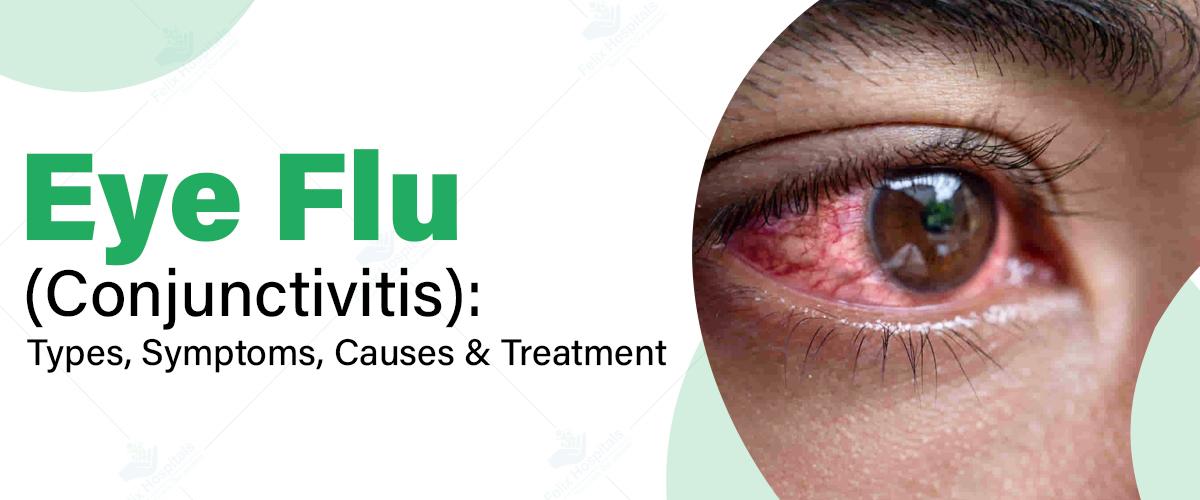
Eye flu, also known as conjunctivitis, is a common eye problem that can affect anyone. It happens when the thin layer covering the white part of your eyes and the inside of your eyelids becomes inflamed. This inflammation can be caused by viruses, bacteria, allergies, or exposure to certain irritants in the environment. While eye flu can be uncomfortable, most cases can be treated effectively with proper care.
book an appointment with Best Eye Doctor In Noida. Call now at +91-9667064100.
Viral conjunctivitis is the most common type, caused by viruses such as adenoviruses. It spreads easily through respiratory droplets or contact with contaminated surfaces. Symptoms include redness, irritation, watery discharge, and sensitivity to light.
Bacterial conjunctivitis is caused by bacterial infections like Staphylococcus aureus or Streptococcus pneumoniae. It spreads through poor hand hygiene or touching the eyes with unwashed hands. Symptoms include thick, yellow or greenish discharge and crusting of the eyelids.
Allergic conjunctivitis results from allergies to substances like pollen or pet dander. It affects both eyes due to exposure to allergens, causing itching, redness, tearing, and eyelid swelling.
Chemical conjunctivitis occurs when the eyes come into contact with irritants such as smoke or chlorine. It is not infectious but causes symptoms like redness, irritation, and discomfort in the eyes.
Eye flu, also known as conjunctivitis, manifests with several symptoms that can vary depending on its cause. Here are some common symptoms:
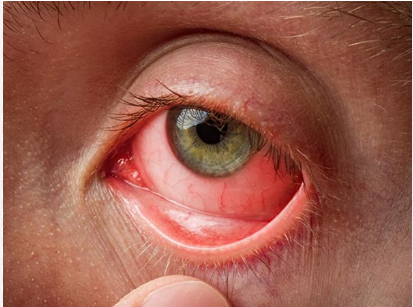
- Redness and Irritation: The eyes appear pink or red due to inflammation of the conjunctiva, causing discomfort like itching or a foreign body sensation, often more noticeable in the mornings.
- Watery Eyes: Excessive tear production leads to watery eyes, triggered by conjunctival inflammation that stimulates tear glands. This can blur vision and cause discomfort.
- Sensitivity to Light: Photophobia may occur, making the eyes sensitive to bright light sources like sunlight, prompting individuals to squint or shield their eyes.
- Eye Discharge: Thick, sticky discharge, especially upon waking, is typical in bacterial conjunctivitis, appearing yellow or greenish. Viral conjunctivitis may cause a watery discharge.
- Contagiousness of Eye Discharge: Viral and bacterial conjunctivitis are highly contagious and spread through direct contact or respiratory droplets. Allergic conjunctivitis is not contagious.
Understanding its causes is essential for prevention and timely treatment. Here’s a brief overview:

1. Viral Infections: Viruses like adenoviruses, similar to those causing the common cold, are a common cause. It spreads through respiratory droplets or touching contaminated surfaces.
2. Bacterial Infections: Bacteria such as Staphylococcus aureus or Streptococcus pneumoniae can lead to bacterial conjunctivitis. It often spreads through poor hand hygiene or sharing contaminated items.
3. Allergies: Allergic conjunctivitis results from allergens like pollen or pet dander, triggering immune responses that cause eye redness and itching. It's non-contagious and affects both eyes.
4. Environmental Irritants: Exposure to smoke, pollution, chlorine in pools, or harsh chemicals can irritate the eyes temporarily, causing symptoms similar to conjunctivitis.
5. Contact Lens Wear: Improper hygiene with contact lenses can introduce bacteria or viruses, leading to eye infections. Hygienic lens care is crucial to prevent conjunctivitis.
6. Newborn Conjunctivitis: Infections during birth can cause neonatal conjunctivitis, requiring immediate medical attention to protect the baby's vision.
Treatment for eye flu varies based on its cause and severity:
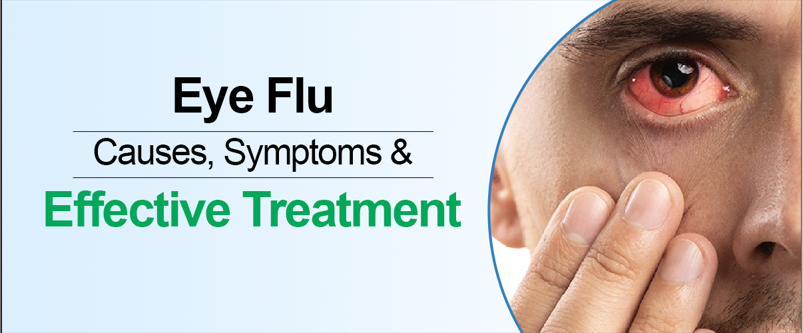
- Redness and Irritation: Addressed with soothing eye drops or ointments to reduce inflammation and discomfort, particularly noticeable in the mornings.
- Watery Eyes: Managed with medications to alleviate excess tear production, easing discomfort and improving vision clarity.
- Sensitivity to Light: Reduced through avoiding bright lights or wearing sunglasses outdoors to minimize eye strain and pain.
- Eye Discharge: Treated with antibiotics for bacterial cases or supportive care for viral infections, aiming to clear discharge and prevent eyelid crusting.
- Gritty Sensation: Relieved with lubricating eye drops to soothe irritation caused by inflamed conjunctiva.
For expert care and treatment of eye flu, visit Felix Hospital. Call us at +91 9667064100 to schedule an appointment today.
Dr. Mohmad Uzair Zakai has more than 10 years of experience performing and interpreting basic eye procedures. He is adept at managing outpatient visits and handling emergencies with careful attention.
Dr. Deepanjali Arya is a dedicated and highly skilled eye doctor with over 9 years of experience. She specializes in diagnosing, treating, and performing surgery for various eye conditions and diseases.
For expert diagnosis and treatment of eye flu, visit Felix Hospital. Schedule an appointment by calling us at 9667064100.
Conjunctivitis, commonly known as eye flu, is a widespread eye problem stemming from viral or bacterial infections, allergies, or exposure to irritants in the environment. Understanding its causes, symptoms, and available treatments empowers individuals to adopt preventive measures and seek prompt medical care when necessary. By practicing good hygiene and being aware of environmental triggers, you can minimize the chances of developing eye flu and ensure your eyes remain healthy and comfortable.
1. How do you treat eye flu?
Treatment for eye flu depends on its cause:
- Viral conjunctivitis: Typically resolves on its own within 1-2 weeks. Treatment focuses on relieving symptoms with artificial tears and cold compresses. Antiviral medications may be prescribed in severe cases.
- Bacterial conjunctivitis: Usually treated with antibiotic eye drops or ointments to clear the infection. Warm compresses can also help alleviate symptoms.
2. How long does eye flu last?
- Viral conjunctivitis: Can last from a few days to two weeks.
- Bacterial conjunctivitis: Often clears up within a week with appropriate antibiotic treatment.
3. Why is eye flu spreading in India?
- Eye flu, particularly viral conjunctivitis, can spread easily through contact with infected respiratory droplets or contaminated surfaces. Factors such as crowded living conditions and poor hygiene practices can contribute to its spread.
4. How long can an eye virus last?
- Viral eye infections like conjunctivitis can typically last from a few days up to two weeks, depending on the severity and individual immune response.
5. Which tablet is best for eye flu?
- Treatment for eye flu usually involves eye drops or ointments rather than oral tablets. Antiviral medications may be prescribed in severe cases of viral conjunctivitis, but specific tablets would depend on the virus causing the infection and should be prescribed by a healthcare provider.
6. What is the fastest way to cure an eye infection?
- The approach to curing an eye infection, such as conjunctivitis, involves:
- Using prescribed medications like antibiotic eye drops for bacterial infections or antiviral medications for viral infections.
- Applying warm compresses to alleviate discomfort and help clear discharge.
- Practicing good hygiene, including frequent handwashing and avoiding touching the eyes.
- Avoiding sharing towels, pillowcases, or makeup with others.
7. How to treat an eye cold?
- An "eye cold" typically refers to viral conjunctivitis. Treatment includes:
- Using artificial tears to soothe irritation and flush out allergens or irritants.
- Applying cold compresses to reduce swelling and alleviate discomfort.
- Avoiding rubbing the eyes to prevent further irritation.
- If symptoms persist or worsen, consult a healthcare provider for proper diagnosis and treatment.

Eye flu, also known as conjunctivitis, is a common eye infection causing redness, irritation, and watering. Learn its causes, symptoms, and effective treatments.

A stent is a small, metal tube that keeps your artery open, allowing better blood flow. After an angioplasty, where plaque inside the artery is pushed aside, a stent can be placed to prevent the artery from narrowing again. After the Stent surgery is permanent and is also used to keep airways or ducts open. For cardiac patients, it’s essential to find the best cardiologist hospital in Noida for optimal care.
For any medical concerns, visit Felix Hospital in Noida. Call us now at +91 9667064100.
A stent is a small tube inserted by doctors into a blocked passageway to maintain its openness, facilitating the flow of blood or other fluids. While commonly used in arteries, stents also find application in various other parts of the body. For cardiac patients, choosing the Best Cardiologist hospital in Noida is crucial for receiving optimal care and treatment involving stents, ensuring the best possible outcomes for heart-related conditions.
During the procedure, a healthcare provider expands the stent inside the artery to keep it open. Most stents remain in the artery permanently, resembling tiny fishing nets. While many stents are made of metal, other materials are also used for specific types.
A stent is a small, flexible tube typically made of metal mesh or fabric. It is used in medical procedures to treat narrowed or blocked blood vessels and other passageways in the body.
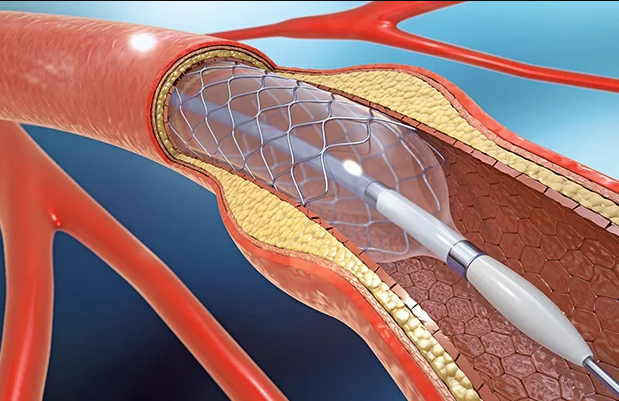
In coronary arteries of the heart, stents are crucial for restoring blood flow when plaque buildup (comprising cholesterol and other substances) obstructs these vital pathways. By expanding within the artery, stents effectively widen the vessel, preventing heart attacks and improving overall cardiac function.
Beyond coronary arteries, stents are deployed in various areas to address blockages and maintain proper function of critical passages:
In each application, stents are essential for alleviating blockages and ensuring the uninterrupted flow of fluids vital to bodily functions. Their flexibility and ability to conform to different anatomical structures make them indispensable in modern medical interventions aimed at enhancing quality of life and preventing serious health complications.
Advantages of Stents
1. They enhance blood flow within the artery where they are placed.
2. When combined with Angioplasty, they can effectively prevent a heart attack.
3. They alleviate symptoms such as chest pain and shortness of breath when used in coronary arteries.
4. Stents help maintain the diameter of the artery, reducing the likelihood of it narrowing again.
5. Compared to coronary artery bypass surgery (CABG), stent placement is a minimally invasive procedure, leading to faster recovery times for patients.
Stents offer several advantages:
1. They enhance blood flow within the artery where they are placed.
2. When combined with angioplasty, they can effectively prevent a heart attack.
3. They alleviate symptoms such as chest pain and shortness of breath when used in coronary arteries.
4. Stents help maintain the diameter of the artery, reducing the likelihood of it narrowing again.
5. Compared to coronary artery Bypass Surgery (CABG), stent placement is a minimally invasive procedure, leading to faster recovery times for patients.
1. Dr. Rahul Arora: With extensive experience spanning over 13 years, Dr. Arora is a committed Interventional Cardiologist recognized for his exemplary patient care and contributions to advancing the field of cardiology.
If you have any Cardiological concerns, Book an appointment today at Felix Hospital. Call now +91 9667064100.
Stents are small tubes used to keep arteries open and improve blood flow in the body. They are crucial in treating blockages, preventing heart attacks, and relieving symptoms like chest pain. Stents are also used in other parts of the body to maintain the flow of fluids. Choosing the right hospital and best cardiologist in Noida is essential for effective treatment and optimal recovery for heart-related conditions.
Q. 1. What is a stent used for?
ANS: A stent is used to treat narrowed or blocked arteries and other passageways in the body. It helps maintain open blood flow and can prevent complications like heart attacks.
Q. 2. How serious is having a stent put in?
ANS: Stent placement is considered a minimally invasive procedure. While it involves some risks, complications are generally rare. It's important to follow medical advice for optimal recovery.
Q. 3. How long do stents stay in?
ANS: Stents are typically permanent once placed in coronary arteries. In other areas of the body, such as bile ducts or ureters, they may be temporary or permanent depending on the condition being treated.
Q. 4. What causes a person to need a stent?
ANS: A stent is needed when arteries or other passages become narrowed or blocked due to conditions like atherosclerosis (buildup of plaque), which can restrict blood flow and lead to serious health issues.
Q. 5. Is stent surgery painful?
ANS: During the procedure, local anesthesia is usually used to minimize discomfort. Some patients may experience mild discomfort or soreness afterward, but severe pain is uncommon.
Q. 6. Does a stent last 10 years?
ANS: Stents are designed to be durable and can last for many years. The longevity depends on various factors, including the type of stent and the patient's overall health. Regular medical follow-up is important to monitor the stent's effectiveness.
Q. 7. Is stent surgery major?
ANS: Stent placement is generally considered a minor surgical procedure because it's minimally invasive. However, it is important and requires skilled medical personnel to perform safely.
Q. 8. Is 7 stents a lot?
ANS: The number of stents needed depends on the severity and location of blockages in the arteries. Having multiple stents placed is not uncommon in cases where multiple arteries are affected.
Q. 9. What to avoid after a stent?
ANS: After receiving a stent, it's typically recommended to avoid smoking, maintain a healthy diet, manage stress, and adhere to prescribed medications. Physical activities should be discussed with a healthcare provider to ensure safety.
Q. 10. How to sleep with a stent?
ANS: Sleeping after stent placement should ideally involve lying flat on your back or side. Avoid putting direct pressure on the area where the stent was placed to minimize discomfort.

A complete guide to understanding varicose vein surgery expenses in Noida, including treatment types, hospital charges, and recovery costs.


Subscribe to our
© Copyright 2026. All Rights Reserved by Felix Healthcare Private Limited
Design and development by :


 +(91)9667064100
 Emergency : +(91)9667064100