 WhatsApp
 Emergency:
  WhatsApp













Subscribe to our

पिगमेंटेशन त्वचा के रंग में बदलाव को संदर्भित करता है। यह तब होता है जब त्वचा में मेलानिन नामक पिगमेंट की मात्रा में वृद्धि या कमी होती है। पिगमेंटेशन कई कारणों से हो सकता है, जैसे कि सूरज की रोशनी, हार्मोनल परिवर्तन, सूजन, त्वचा की चोट, और कुछ दवाएं। इसके उपचार में सूरज से बचाव, टॉपिकल क्रीम्स, लेज़र थेरेपी, और रासायनिक पील्स शामिल हो सकते जानिए पिगमेंटेशन के बारे में हिंदी में (Pigmentation in Hindi Meaning) साथ ही इसके लक्षण से लेकर इलाज तक के बारे में विस्तार से..
ज्यादा जानकारी के लिए हमें कॉल करें +91 9667064100.
पिगमेंटेशन त्वचा के रंग में होने वाले बदलाव को कहा जाता है, जो मेलानिन नामक पिगमेंट की मात्रा में वृद्धि या कमी के कारण होता है। मेलानिन त्वचा, बाल, और आंखों के रंग के लिए जिम्मेदार होता है। पिगमेंटेशन के कारण त्वचा के कुछ हिस्से गहरे या हल्के हो सकते हैं। त्वचा के कुछ हिस्सों का सामान्य से गहरा हो जाना। इसके लिए आपको ज़रूरी है की आप नोएडा में अच्छे त्वचा विशेषज्ञ (Best Skin Care Doctor in Noida) से अपनी जाँच करवाएँ।
पिगमेंटेशन क्या है (Pigmentation meaning in Hindi) यह जानने के साथ साथ यह जानना भी बेहद ज़रूरी है की इससे बचाव कैसे किया जा सकता है तो यह निम्नलिखित सुझाव से आप पिगमेंटेशन से बचाव कर सकते है:
पिगमेंटेशन का इलाज होना संभव है इसके लिए थोड़ा समय लग सकता है लेकिन यह ठीक हो सकता है। कुछ निम्नलिखित तरीके है जो अस्पताल में इस्तेमाल करते है :
पिगमेंटेशन का इलाज मुख्य रूप से त्वचा विशेषज्ञ (डर्मेटोलॉजिस्ट) द्वारा किया जाता है। त्वचा विशेषज्ञ की सलाह के लिए आज ही फ़ोन करें - +91 9667064100.
पिगमेंटेशन, त्वचा पर गहरे धब्बों या असमान रंग की समस्या, कई लोगों के लिए सौंदर्य और आत्मविश्वास की चिंता का कारण बन सकता है। इसके मुख्य कारणों में सूरज की किरणें, हार्मोनल बदलाव, और त्वचा की चोटें शामिल हैं। पिगमेंटेशन के इलाज के लिए विभिन्न उपाय और उपचार उपलब्ध हैं, जिनमें टॉपिकल क्रीम्स, केमिकल पील्स, लेजर थेरेपी, और घरेलू उपाय शामिल हैं। यदि पिगमेंटेशन की समस्या गंभीर है या घरेलू उपायों से ठीक नहीं हो रही है, तो आप नोएडा में सर्वोत्तम त्वचा अस्पताल (best skin care hospital in noida) या संबंधित चिकित्सा पेशेवर से परामर्श करना सबसे अच्छा है।
प्रश्न 1: पिगमेंटेशन क्या है?
उत्तर: पिगमेंटेशन त्वचा के कुछ हिस्सों में रंग परिवर्तन है, जैसे गहरे धब्बे या असमान रंग की त्वचा। यह अक्सर मेलास्मा, सन डैमेज, या हाइपरपिग्मेंटेशन के कारण होता है।
प्रश्न 2: पिगमेंटेशन के कारण क्या हो सकते हैं?
उत्तर: पिगमेंटेशन के कारणों में सूर्य की पराबैंगनी किरणें, हार्मोनल बदलाव (जैसे गर्भावस्था या ओवरियन डिसफंक्शन), त्वचा की चोटें, और आनुवंशिक कारक शामिल हैं।
प्रश्न 3: पिगमेंटेशन को कैसे रोका जा सकता है?
उत्तर: पिगमेंटेशन को रोकने के लिए सनस्क्रीन का नियमित उपयोग, संतुलित आहार, और त्वचा की अच्छी देखभाल करना महत्वपूर्ण है। धूप में बाहर निकलते समय उचित सुरक्षा उपाय अपनाना भी जरूरी है।
प्रश्न 4: क्या घरेलू उपचार पिगमेंटेशन में मदद कर सकते हैं?
उत्तर: हां, कुछ घरेलू उपचार जैसे एलोवेरा जेल, कच्चा आलू, और नींबू का रस त्वचा की रंगत को हल्का करने में मदद कर सकते हैं। हालांकि, इनका प्रभाव सीमित हो सकता है और गंभीर पिगमेंटेशन के लिए चिकित्सा सलाह जरूरी है।
प्रश्न 5: पिगमेंटेशन का इलाज किस तरह किया जाता है?
उत्तर: पिगमेंटेशन का इलाज टॉपिकल क्रीम्स, केमिकल पील्स, लेजर थेरेपी, और माइक्रोडर्माब्रेशन के माध्यम से किया जा सकता है। उपचार की विधि त्वचा की स्थिति और पिगमेंटेशन की गंभीरता पर निर्भर करती है।
प्रश्न 6: पिगमेंटेशन के इलाज में कितना समय लगता है?
उत्तर: पिगमेंटेशन के इलाज में समय लग सकता है, जो इलाज की विधि और त्वचा की स्थिति पर निर्भर करता है। कुछ उपचारों के परिणाम जल्दी दिखाई दे सकते हैं, जबकि अन्य को प्रभाव दिखाने में कुछ महीने लग सकते हैं।
प्रश्न 7: क्या पिगमेंटेशन पूरी तरह ठीक हो सकता है?
उत्तर: अधिकांश मामलों में, पिगमेंटेशन को सही उपचार और सावधानियों के साथ काफी हद तक हल्का किया जा सकता है। हालांकि, पूरी तरह ठीक होने की संभावना स्थिति की गंभीरता और उपचार की प्रतिक्रिया पर निर्भर करती है।
प्रश्न 8: क्या पिगमेंटेशन के लिए डॉक्टर से सलाह लेना जरूरी है?
उत्तर: हां, यदि पिगमेंटेशन गंभीर है या घरेलू उपायों से सुधार नहीं हो रहा है, तो त्वचा विशेषज्ञ से सलाह लेना महत्वपूर्ण है। वे आपकी त्वचा की स्थिति का मूल्यांकन कर सकते हैं और उचित उपचार की सिफारिश कर सकते हैं।

If your answer is yes, then, here are 6 easy steps to keep your skin look young and glowing.
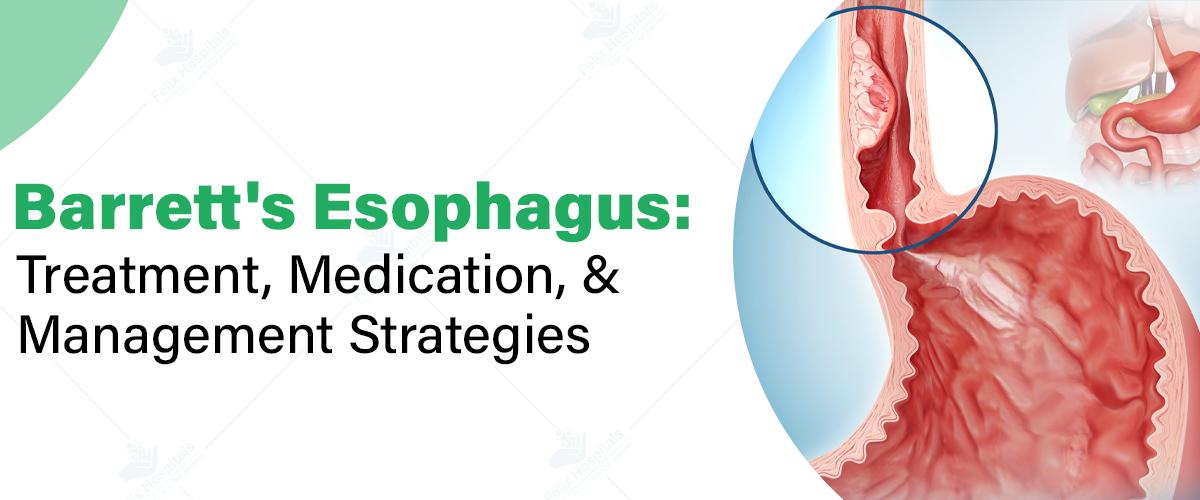
Barrett's esophagus (BE) is a condition that affects or erodes the lining of the esophagus, the tube that carries food and liquids from the mouth to the stomach. The condition, named after Norman Barrett, a British surgeon, is of significant concern because it can increase the likelihood of developing esophageal adenocarcinoma, a type of cancer, particularly in individuals who are at a greater risk.
According to a report published on cancerindia.org, esophageal cancer is the sixth most common cancer in terms of incidence and mortality in India. The report suggests that men are more likely to be diagnosed with esophageal cancer than women. Therefore, it is important to seek timely treatment for Barrett's esophagus by undergoing routine health examinations to prevent it from progressing to cancer.
So let’s dive deep to understand Barrett's esophagus symptoms, causes, treatment options, and why it is crucial to choose the best gastroenterologist hospital for Barrett's esophagus treatment and management.
Barrett's esophagus occurs when the normal squamous cells lining the esophagus are replaced with glandular cells similar to those lining the small intestine. This change, known as intestinal metaplasia, is thought to result from chronic gastroesophageal reflux disease (GERD). GERD is a condition in which stomach acid frequently flows back into the esophagus, thereby irritating its lining.
Usually people with Barrett's esophagus do not experience any noticeable symptoms. However, when symptoms do occur, they are often related to GERD, which may include:
Frequent heartburn that occurs after eating and gets more severe at night
Regurgitation or the sensation of acid backwashing into the throat or mouth, producing a sour or bitter taste
Difficulty swallowing
Occasional chest pain or heartburn
Vomiting blood
Although the exact cause of Barrett's esophagus is unknown, the primary cause of BE is said to be chronic acid reflux or GERD. Also, sometimes patients have no reflux symptoms, a condition termed as ‘silent reflux’.
It is believed that esophagus cells tend to become abnormal with chronic exposure to stomach acid that erodes the tissues and produces changes to the lining of the swallowing tube, causing Barrett's esophagus.
Some of the common factors that may increase the risk of developing Barrett's esophagus include:
Age: Although it can happen at any age, Barrett's esophagus is commonly diagnosed in individuals over 50
Gender: Men are more likely to develop the condition
Obesity: Individuals with excess body weight, especially around the abdomen, are at a greater risk of developing BE
Smoking: Tobacco smoking is a significant risk factor
Family History: A family history of Barrett's esophagus or esophageal cancer can increase the risk
Chronic heartburn: Acid reflux that causes heartburn and doesn't get better with medication is a risk factor
A gastroenterologist who is a specialist in gastrointestinal diseases, usually diagnoses Barrett’s esophagus. The most common method for diagnosing BE is endoscopy. During endoscopy, the throat of the patient is examined with an endoscope, a lighted tube with a tiny camera at the end, to look for any indications of abnormal esophageal tissue. While the normal esophagus tissue appears pale or glossy, in Barrett's esophagus, the tissue appears red or velvety.
In addition, if the doctor suspects cancer or if you have a family history of esophageal cancer, your esophagus will also be biopsied to confirm the diagnosis.
The treatment procedure for Barrett's esophagus depends on the severity of the abnormal cell growth in the esophagus and the overall health of the patient. That said, Barrett's esophagus treatment primarily aims to manage GERD symptoms, prevent any further damage to the esophagus, and monitor or treat precancerous or cancerous changes.
Lifestyle & Dietary Modifications: Lifestyle changes are often the first step in managing Barrett's esophagus symptoms and GERD. These changes can help reduce acid reflux and improve overall esophageal health. Key modifications include:
Dietary Changes: Avoiding foods and beverages that trigger reflux, such as fatty foods, spicy foods, chocolate, caffeine, and alcohol.
Eating Habits: Eating smaller, more frequent meals instead of large meals can help prevent reflux. Also, one should refrain from lying down for at least two hours after meals.
Weight Management: Maintaining a healthy weight lowers the risk of reflux.
Elevating the Head of the Bed: Raising the head of the bed by about 6-8 inches can help prevent acid from flowing back into the esophagus during sleep.
Quitting Smoking: Quitting smoking can significantly reduce reflux symptoms and improve overall esophageal health.
Medications play a crucial role in the treatment of Barrett's esophagus and the management of GERD symptoms. Barrett's esophagus medication commonly used for the treatment includes:
Proton Pump Inhibitors (PPIs): These medications help to reduce the amount of acid produced by the stomach. PPIs are often the first line of treatment for GERD and Barrett's esophagus.
H2 Receptor Blockers: These medications help to reduce stomach acid production and can be used in combination with PPIs for better symptom control.
Antacids: Over-the-counter antacids help to provide quick relief from occasional heartburn by neutralizing stomach acid.
Prokinetics: These medications help the stomach empty more quickly, reducing the likelihood of reflux.
For patients with Barrett's esophagus who have precancerous changes (dysplasia) or early-stage cancer, endoscopic therapies may be recommended. These procedures are less invasive than surgery and can effectively remove or destroy abnormal cells.
Common endoscopic treatments include:
Radiofrequency Ablation (RFA): This procedure uses heat to destroy abnormal cells in the esophagus. A catheter with a balloon is inserted into the esophagus, and radiofrequency energy is applied to the affected area.
Endoscopic Mucosal Resection (EMR): EMR involves the removal of abnormal tissue using an endoscope. It is often used for patients with visible lesions or nodules in the esophagus.
Cryotherapy: Although less commonly used, this treatment uses cold gas to freeze and destroy abnormal cells.
Photodynamic Therapy (PDT): PDT involves the use of a photosensitizing agent that makes abnormal cells more sensitive to light. A laser is then used to activate the agent and destroy the abnormal cells.
In severe cases where Barrett's esophagus has progressed to high-grade dysplasia or early-stage cancer, surgery may be necessary. The most common surgical procedure is an esophagectomy, which involves removing part or all of the esophagus and reconstructing it using tissue from another part of the digestive tract. This is a major surgery with significant risks and a long recovery period, but it can be life-saving for some patients.
Recurrence of Barrett's esophagus is possible after treatment. Therefore, management of Barrett's esophagus is crucial. It involves ongoing monitoring and treatment to prevent complications and to ensure the best possible outcomes. Here are the key aspects of managing this condition:
Regular Surveillance: This is essential for detecting changes in the esophagus early, allowing for timely intervention. This typically involves periodic endoscopic examinations with biopsies to monitor for dysplasia or cancer.
Medication Adherence: Adhering to prescribed medications is crucial for controlling GERD symptoms and preventing any further damage to the esophagus. Patients should work closely with their healthcare providers to find the most effective medication regimen and adjust it as needed.
Lifestyle Management: Continuing with lifestyle modifications is essential for long-term management of Barrett's esophagus. Patients should maintain healthy eating habits, avoid triggers, manage their weight, and refrain from smoking.
Managing GERD: Effective management of GERD is a cornerstone of Barrett's esophagus treatment. This may involve a combination of medications, lifestyle changes, and possibly surgery. Managing GERD helps reduce the risk of progression to dysplasia or cancer.
Individuals with Barrett’s esophagus often lead a normal life, as long as it doesn’t continue to progress or become precancerous or cancerous. That said, the prognosis depends on how early you seek treatment for the condition. You can prevent and even treat cancer if you catch it early.
At Felix Hospital, the best gastroenterologist hospital in Noida, we have an experienced team of doctors who excel in providing world class treatment for GERD as well as Barrett's esophagus with utmost compassion and care. Our diagnostic department is equipped with the latest technology and machines to conduct the tests required for the diagnosis of Barrett's esophagus. We have an excellent team of gastroenterologists who diagnose and treat this condition with utmost precision. At Felix Hospital, Noida, we offer tailored treatments for successful outcomes.
Dr. Jagatjot Singh Gill is a proficient and dedicated gastroenterologist with over 11 years of extensive experience. He is also a specialized hepatologist and interventional endoscopist, renowned for his expertise in diagnosing and treating complex gastrointestinal and liver disorders. Dr. Gill’s commitment to patient care and his proficiency in advanced endoscopic procedures have earned him a reputation for delivering exceptional medical care.
Dr. Amrit Yog Datley is a distinguished Gastroenterologist and Critical Care Specialist with over 8 years of extensive experience in various surgical fields. He excels in analyzing and diagnosing complex clinical situations related to liver diseases and other gastrointestinal disorders. Dr. Datley is renowned for his evidence-based management of liver diseases and gastrointestinal conditions, ensuring the highest standards of care for his patients.
For further queries on Barrett's Esophagus or to seek an appointment at Felix Hospital, the best hospital for GERD Surgery in Noida, contact us.
1) What is Barrett's esophagus?
Ans. Barrett's esophagus is a condition where the lining of the esophagus changes to a type of tissue similar to that found in the intestines. This change is typically due to chronic acid exposure from gastroesophageal reflux disease (GERD).
2) Can Barrett's esophagus be cured?
Ans. Barrett's esophagus cannot be completely cured, but the progression can be managed and monitored through lifestyle changes, medication, and, in some cases, surgical interventions.
3) Is Barrett's esophagus life-threatening?
Ans. Barrett's esophagus itself is not life-threatening. However, it increases the risk of developing esophageal adenocarcinoma, a type of cancer. Regular monitoring is essential to detect any precancerous changes early.
4) How long does it take for GERD to turn into Barrett's esophagus?
Ans. The progression from GERD to Barrett's esophagus can vary widely among individuals. It often takes several years of chronic acid reflux for Barrett's esophagus to develop.
5) Does vitamin D help Barrett's esophagus?
Ans. There is limited evidence suggesting that vitamin D might have protective effects against certain cancers, including esophageal cancer. However, there is no conclusive evidence that vitamin D specifically helps Barrett's esophagus. It's best to consult with a healthcare provider for personalized advice.
6) How to fix GERD permanently?
Ans. While GERD can often be managed effectively, it is challenging to cure permanently. Treatments include lifestyle modifications (dietary changes, weight loss), medications (antacids, H2 blockers, proton pump inhibitors), and, in severe cases, surgical procedures like fundoplication.
7) What is the best drink for Barrett's esophagus?
Ans. Water is the best drink for Barrett's esophagus. Other suitable beverages include herbal teas (not mint), non-citrus juices, and non-caffeinated, non-carbonated drinks.
8) What foods are good for Barrett's esophagus?
Ans. Foods that are generally good for Barrett's esophagus include:
- Non-citrus fruits (bananas, melons)
- Vegetables (broccoli, green beans, peas)
- Whole grains (oatmeal, whole grain bread)
- Lean proteins (chicken, turkey, fish)
- Low-fat dairy products
9) Is Barrett's esophagus cancerous?
Barrett's esophagus itself is not cancerous, but it is a precancerous condition that increases the risk of developing esophageal adenocarcinoma.
10) What is the difference between GERD and Barrett's esophagus?
GERD (gastroesophageal reflux disease) is a chronic condition where stomach acid frequently flows back into the esophagus, causing irritation. Barrett's esophagus is a condition that can develop after long-term GERD, where the lining of the esophagus changes to resemble the lining of the intestines.
Expert gastroenterology care for better digestive health, offering advanced diagnosis and treatment for GERD, IBS, ulcers, and liver disorders.

August 1st, 2024 marks another important observance of World Lung Cancer Day. This annual event serves as a powerful reminder of the ongoing battle against one of the most prevalent and deadly forms of cancer worldwide. As we come together to honor this day, it's crucial to reflect on its history, understand its importance, and explore the current landscape of lung cancer awareness, prevention, and treatment.
Join us this World Lung Cancer Day—call +91 9667064100 to book your diagnosis and take the first step toward better lung health.
World Lung Cancer Day was first established in 2012 through a collaborative effort between the Forum of International Respiratory Societies (FIRS) and the International Association for the Study of Lung Cancer (IASLC). The primary goal was to create a dedicated day to raise awareness about lung cancer and its impact on individuals, families, and communities around the globe.
The inception of this day came at a time when lung cancer was and still remains one of the leading causes of cancer-related deaths worldwide. Despite its prevalence, lung cancer often received less attention and funding compared to other types of cancer. The founders of World Lung Cancer Day recognized the urgent need to change this narrative and bring lung cancer to the forefront of public health discussions.
Since its establishment, World Lung Cancer Day has grown in significance and reach. Each year, healthcare organizations, advocacy groups, and individuals worldwide participate in various events and campaigns to mark the occasion. These efforts have contributed to increased awareness, improved early detection rates, and advancements in treatment options.
1. Raising Awareness
One of the primary objectives of World Lung Cancer Day is to educate the public about lung cancer, its risk factors, and the importance of early detection. By disseminating accurate information, we can dispel myths and misconceptions surrounding the disease. This increased awareness can lead to better prevention strategies and encourage individuals to seek medical attention for potential symptoms.
2. Promoting Early Detection
Early detection is crucial in improving lung cancer outcomes. World Lung Cancer Day serves as a platform to emphasize the importance of regular check-ups and screenings, especially for individuals at higher risk. By promoting early detection methods at the best cancer hospital in Noida such as low-dose CT scans, we can increase the chances of diagnosing lung cancer at more treatable stages. Recognizing stage 1 lung cancer symptoms early, such as persistent cough, chest pain, or unexplained weight loss, can significantly improve the prognosis and treatment options.
3. Advocating for Research and Funding
The day provides an opportunity to highlight the need for continued research and increased funding for lung cancer. By drawing attention to the disease, we can encourage policymakers, philanthropists, and the scientific community to invest more resources in developing innovative treatments and potential cures.
4. Supporting Patients and Survivors
World Lung Cancer Day is also about recognizing and supporting those affected by lung cancer. It's a time to celebrate survivors, honor those we've lost, and provide comfort and resources to patients and their families. The day fosters a sense of community and reminds those affected by lung cancer that they are not alone in their journey. Cancer hospitals in Noida offer specialized care, advanced treatment options, and a supportive environment to help patients navigate their diagnosis, providing both medical and emotional support throughout their journey.
5. Encouraging Smoking Cessation
While not all lung cancers are caused by smoking, it remains the leading risk factor. World Lung Cancer Day provides a platform to reinforce anti-smoking messages and support smoking cessation efforts. It's an opportunity to educate about the dangers of tobacco use and promote resources for those looking to quit.
As we observe World Lung Cancer Day in 2024, it's important to take stock of where we stand in the fight against this disease.
Global Impact
Lung cancer continues to be a significant global health concern. According to the World Health Organization, lung cancer remains one of the most common cancers worldwide, with millions of new cases diagnosed each year. While incidence rates have begun to stabilize or decline in some developed countries due to reduced smoking rates, they continue to rise in many developing nations.
Advancements in Treatment
The past decade has seen remarkable progress in lung cancer treatment. Targeted therapies and immunotherapies have revolutionized the way we approach lung cancer, offering new hope to patients with advanced disease. Precision medicine, which tailors treatment to the genetic profile of a patient's tumor, has become increasingly common, leading to more effective and less toxic treatments.
Screening and Early Detection
Low-dose CT screening for high-risk individuals has become more widely adopted, leading to earlier detection of lung cancers. This has contributed to improved survival rates, as cancers caught in earlier stages are generally more treatable. However, there's still work to be done in making these screenings more accessible and increasing participation rates.
Stigma and Misconceptions
Despite progress, lung cancer still carries a significant stigma, often associated with smoking. This can lead to delays in diagnosis and feelings of guilt or shame among patients. World Lung Cancer Day plays a crucial role in addressing these misconceptions and emphasizing that anyone with lungs can get lung cancer.
As we look to the future, several challenges and opportunities lie ahead in the fight against lung cancer, including:
1. Addressing Disparities
Significant disparities exist in lung cancer incidence, mortality, and access to care based on factors such as race, socioeconomic status, and geographic location. Addressing these disparities through targeted interventions and policy changes is crucial for improving overall outcomes.
2. Expanding Research
While we've made significant strides in understanding and treating lung cancer, there's still much to learn. Continued research into early detection methods, novel therapies, and strategies to overcome treatment resistance is essential.
3. Improving Access to Care
Ensuring that all lung cancer patients have access to high-quality care, including the latest treatments and clinical trials, remains a challenge. Efforts to improve healthcare access and reduce financial barriers to treatment are vital. In this context, cancer specialists in Noida play a crucial role by providing expert care and personalized treatment plans, helping to bridge gaps in access and ensuring that patients benefit from cutting-edge therapies and support. If you're looking for the best hospital for lung cancer surgery, it's important to choose a facility with a proven track record and specialized expertise.
4. Tackling New Risk Factors
While smoking rates have declined in many countries, other risk factors such as air pollution are gaining attention. Understanding and addressing these emerging risk factors will be crucial in preventing future cases of lung cancer.
5. Leveraging Technology
Advancements in artificial intelligence, telemedicine, and digital health tools offer new opportunities for improving lung cancer screening, diagnosis, and treatment. Integrating these technologies into lung cancer care could lead to more personalized and effective approaches.
There are many ways individuals and organizations can get involved in World Lung Cancer Day:
Educate Yourself and Others: Take time to learn about lung cancer and share this information with friends and family. Use social media to spread awareness using hashtags like #WorldLungCancerDay2024.
Attend or Organize Events: Many organizations host events on this day, from educational seminars to fundraising walks. Participate in these events or consider organizing one in your community.
Support Lung Cancer Organizations: Consider donating to or volunteering with organizations dedicated to lung cancer research, patient support, and advocacy.
Share Your Story: If you're a lung cancer survivor or have been affected by the disease, sharing your story can inspire others and raise awareness.
Advocate for Change: Reach out to your local representatives to advocate for policies that support lung cancer research, prevention, and patient care.
Quit Smoking or Support Others: If you smoke, consider using this day as motivation to quit. If you don't smoke, offer support to friends or family members who are trying to quit.
World Lung Cancer Day 2024 serves as a powerful reminder of the ongoing fight against lung cancer. It's a day to reflect on the progress we've made, honor those affected by the disease, and renew our commitment to a world where lung cancer no longer claims so many lives.
As we observe this day, let's remember that every action counts – whether it's educating ourselves, supporting research, or reaching out to someone affected by lung cancer. Together, we can work towards a future where lung cancer is detected early, treated effectively, and ultimately prevented.
By raising our voices on World Lung Cancer Day and beyond, we can inspire hope, drive change, and make a real difference in the lives of those affected by this devastating disease. Let's make August 1st, 2024, a day of action, awareness, and hope in the global fight against lung cancer.
For further queries and to learn more, call us at ++91 9667064100 or simply click here.
1.) How did I know I had lung cancer?
You might know you have lung cancer through symptoms like a persistent cough, chest pain, or shortness of breath. Diagnosis is typically confirmed with imaging tests such as CT scans and a biopsy.
2.) Can lung cancer be cured?
Lung cancer can sometimes be cured, especially if detected early. Treatment options like surgery, chemotherapy, radiation therapy, and targeted therapies offer the best chance for a cure, depending on the cancer's stage and type.
3.) Can lung cancer be removed?
Yes, lung cancer can be removed through surgery, particularly if it's detected in the early stages. The type of surgery depends on the cancer's location and stage, ranging from tumor resection to a full lobectomy.
4.) How does lung cancer affect your life?
Lung cancer can significantly impact your life by causing symptoms like difficulty breathing, chronic pain, and fatigue. It may also affect daily activities, mental health, and require extensive medical treatment and lifestyle adjustments.
5.) At what stage does lung cancer become fatal?
Lung cancer becomes increasingly severe and often fatal from stage 3 onward, particularly stage 4, where it has spread to other parts of the body. Early detection improves the chances of effective treatment and survival.
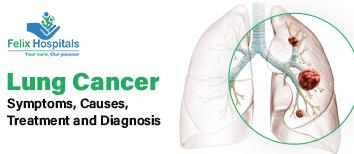
Lung cancer is a serious condition that starts in the lungs and can spread to other parts of the body.
Explore the cervical cancer vaccine cost in Noida, compare prices across hospitals, and understand how vaccination helps prevent HPV infection and cervical cancer.

Explore essential information about breast cancer, including its symptoms, causes, types, and treatments, to stay informed and proactive about your health.
ब्रेस्ट कैंसर (Breast Cancer) के मुख्य लक्षण, इसके कारण और प्रभावी उपचार। समय पर पहचान और सही इलाज से रोग की गंभीरता को कम किया जा सकता है।
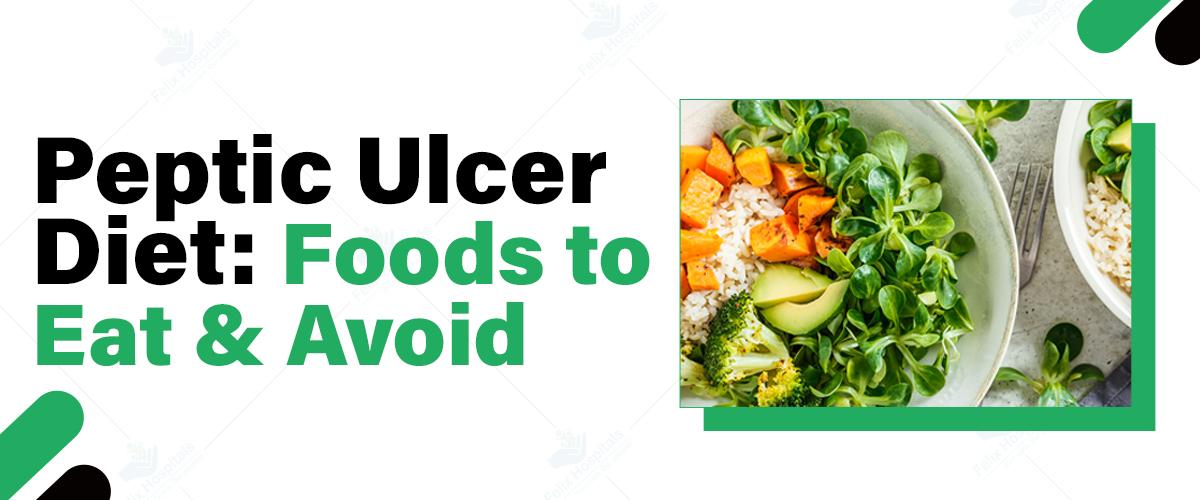
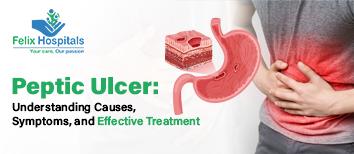
Peptic ulcers can result from prolonged use of certain medications or from infection with the bacterium Helicobacter pylori (H. pylori), which necessitates treatment with antibiotics. Adhering to a specific Stomach ulcer diet can alleviate the pain and discomfort associated with these sores, which affect the lining of the stomach, esophagus, or small intestine.
Certain foods, such as berries and grapes, can aid in the repair of damaged tissue. Conversely, substances like alcohol and spicy foods may irritate the natural protective layer of the digestive tract and exacerbate ulcer symptoms. For more information on managing a peptic ulcer diet and maintaining your health, consult with the leading gastroenterology hospital in Noida.
Consult with our nutrition experts to create a personalized diet plan. Call now to book your Appointment on - +91 9667064100.
Peptic ulcers are open sores that form on the inner lining of the stomach and the upper part of the small intestine. The most common symptom associated with a peptic ulcer is stomach pain. Peptic ulcer disease is a condition marked by the development of these ulcers within the digestive tract lining. The term "peptic" relates to digestion and is derived from pepsin, the primary digestive enzyme produced by the stomach.

A Peptic ulcer diet is a specifically designed eating plan aimed at alleviating symptoms of peptic ulcers, preventing flare-ups, and reducing the risk of future ulcers. The objectives of this diet include:
- Correcting nutritional deficiencies that may exacerbate symptoms
- Providing the necessary proteins and nutrients essential for healing
- Avoiding foods that could irritate the ulcer
- Assisting in managing related conditions such as Crohn's disease, celiac disease, or bacterial infections
This diet should be adhered to alongside any additional treatment recommendations provided by your healthcare professional.
Recommended Foods:
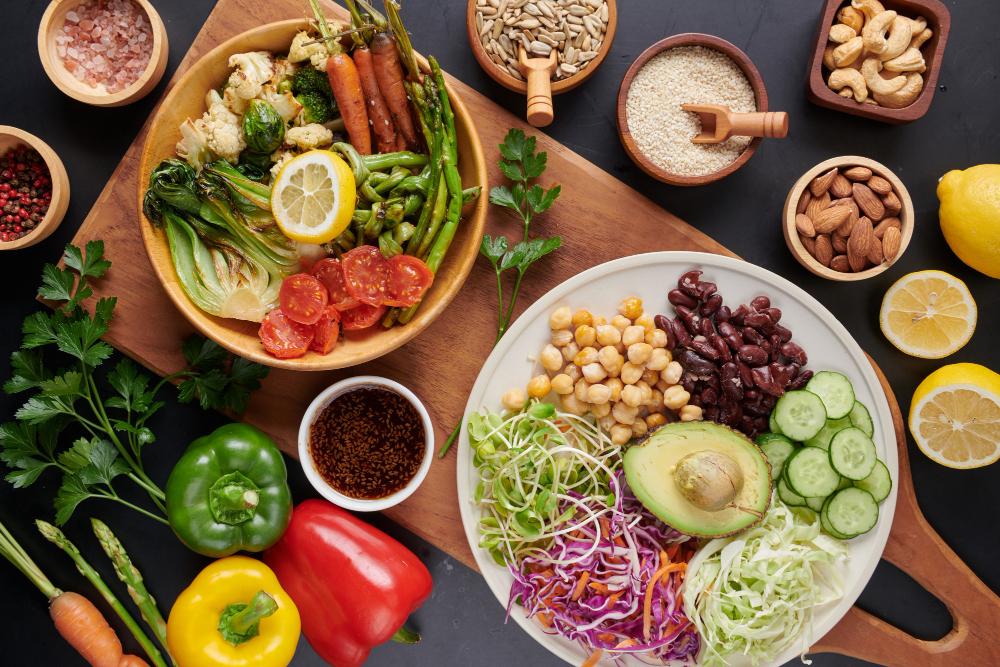
- Berries (Strawberries, Blueberries, Raspberries): Packed with antioxidants, aiding in tissue repair.
- Apples, Pears, Bananas: High in fiber and gentle on the stomach, they help reduce acidity.
- Leafy Greens (Spinach, Kale): Rich in vitamins and minerals, supporting overall health.
- Carrots and Sweet Potatoes: High in beta-carotene, promoting healing and reducing inflammation.
- Oatmeal: A high-fiber option that is easy on the stomach.
- Brown Rice and Whole Wheat Bread: Provide sustained energy and are gentle on the digestive system.
- Chicken and Turkey: Low in fat and easy to digest.
- Fish (Salmon, Mackerel): Rich in omega-3 fatty acids, offering anti-inflammatory benefits.
- Legumes and Beans: Excellent sources of protein and fiber, supporting digestive health.
- Olive Oil and Avocado: Rich in monounsaturated fats, aiding digestion and reducing inflammation.
However, it is equally important to avoid certain foods that can exacerbate ulcer symptoms. Avoid alcohol, coffee (both regular and decaf), caffeinated foods and drinks, milk or cream, fatty meats, fried or high-fat foods, heavily spiced foods, salty foods, citrus fruits and juices, tomatoes and tomato products, and chocolate.
Before making any dietary changes, consult with your healthcare provider to ensure these recommendations are suitable for your specific health needs.
- Promotes Healing: Ensures intake of nutrients that support the regeneration of damaged tissues.
- Reduces Irritation: Minimizes exposure to foods that can exacerbate ulcer symptoms, promoting a healing environment.
- Supports Overall Health: A well-balanced diet improves overall health, making it easier for the body to recover from ulcers.
While medications can provide relief for peptic ulcer symptoms, they are not always sufficient on their own. A strict and carefully managed diet plays a crucial role in effectively managing and healing ulcers. Proper dietary choices can help reduce stomach acid, prevent irritation, and promote the healing of the ulcerated tissues.
Foods to Steer Clear Of:
1. Spicy Foods:
- Hot Peppers, Chilli Powder, and Spicy Sauces: Can increase stomach irritation and worsen symptoms.
2. Caffeinated and Carbonated Beverages:
- Coffee, Tea, Soda: Stimulates acid production, leading to discomfort and exacerbation of ulcer symptoms.
3. Alcohol:
- Beer, Wine, Spirits: Can erode the stomach lining and enhance acid production, worsening ulcers.
4. Acidic Foods:
- Citrus Fruits (Oranges, Lemons), Tomatoes, Vinegar: High acidity can irritate the ulcerated lining.
5. High-fat and Fried Foods:
- Fast Food, Chips, Fatty Meats: Difficult to digest, these foods increase acid production and can delay healing.
6. Chocolate:
- Contains caffeine and other stimulants that increase stomach acid production, leading to pain and discomfort.
- Increased Irritation: Can exacerbate the pain and inflammation associated with ulcers.
- Delayed Healing: Foods that boost acid production or are hard to digest can impede the healing process.
- Heightened Pain and Discomfort: Consumption of irritants can lead to severe pain and complications, affecting overall well-being.
By adhering to a diet that includes healing foods and avoids irritants, individuals with peptic ulcer disease can manage their symptoms more effectively, support healing, and enhance their quality of life. Always consult with a healthcare provider or a dietitian for personalized dietary advice tailored to your specific health needs.
Dr. Amrit Yog Datley is a distinguished Gastroenterologist and Critical Care Specialist with over 8 years of extensive expertise in various surgical fields. He specializes in analyzing and diagnosing clinical situations related to liver diseases and other gastrointestinal disorders, providing evidence-based management for these conditions. Dr. Datley's comprehensive approach ensures effective treatment and care for patients with liver and GI disorders.
Dr. Jagatjot Singh Gill is a proficient and committed gastroenterologist with over 11 years of extensive experience. He specializes as a Gastroenterologist, Hepatologist, and Interventional Endoscopist, providing comprehensive care and expertise in these fields. Committed to improving patient well-being, he endeavors to deliver exceptional care and customized treatment strategies designed to address the specific needs of every patient.
Ready to start your journey to relief? Discover our detailed peptic ulcer diet plan and take control of your health today! Call now - +91 9667064100.
Managing peptic ulcer disease effectively requires a careful approach to diet, alongside medical treatment. Peptic ulcers, caused by prolonged use of certain medications or infection with Helicobacter pylori, can lead to significant discomfort. Adopting an stomach ulcer-friendly diet plays a crucial role in alleviating symptoms, promoting healing, and preventing future flare-ups. By incorporating nutrient-rich foods like berries, leafy greens, and lean proteins, while avoiding irritants such as spicy foods, caffeine, and alcohol, individuals can create a conducive environment for healing and overall health improvement. Always consult with a healthcare professional or dietitian to develop a personalized dietary plan that addresses your specific needs and conditions. For expert guidance and comprehensive care, seek assistance from the leading gastroenterology hospital in Noida.
1) What Foods Are Good for Peptic Ulcers?
Ans. 1. Fruits and Vegetables
2. Whole Grains
3. Lean Proteins
4. Dairy Products
5. Healthy Fats
2) What Should You Avoid If You Have a Stomach Ulcer Diet?
Ans. 1. Spicy Foods
2. Caffeinated and Carbonated Beverages
3. Alcohol
4. Acidic Foods
5. High-fat and Fried Foods
3) What Drink Is Good for Ulcers?
Ans. - Water: Keeps you hydrated and helps maintain the protective lining of the stomach.
- Herbal Teas (Chamomile, Ginger): Soothing and can reduce inflammation.
- Non-citrus Juices (Apple, Pear): Gentle on the stomach and less likely to cause irritation.
4) Can We Drink Milk in an Ulcer?
Ans. Yes, But with Caution: Milk can temporarily buffer stomach acid but may later increase acid production. Opt for low-fat or non-fat milk.
5) What Fruit Is Good in a Peptic Ulcers Diet?
Ans. - Bananas: Naturally coat the stomach lining and reduce acidity.
- Apples and Pears: High in fiber, gentle on the stomach.
- Berries: Rich in antioxidants, promoting tissue repair.
6) Can an Ulcer Patient Eat Chicken?
Ans. Yes: Lean, skinless chicken is low in fat and easy to digest, making it a suitable protein source for ulcer patients.
Mothers think a lot, when it comes to giving right nutrition to her baby. And she also has many questions like
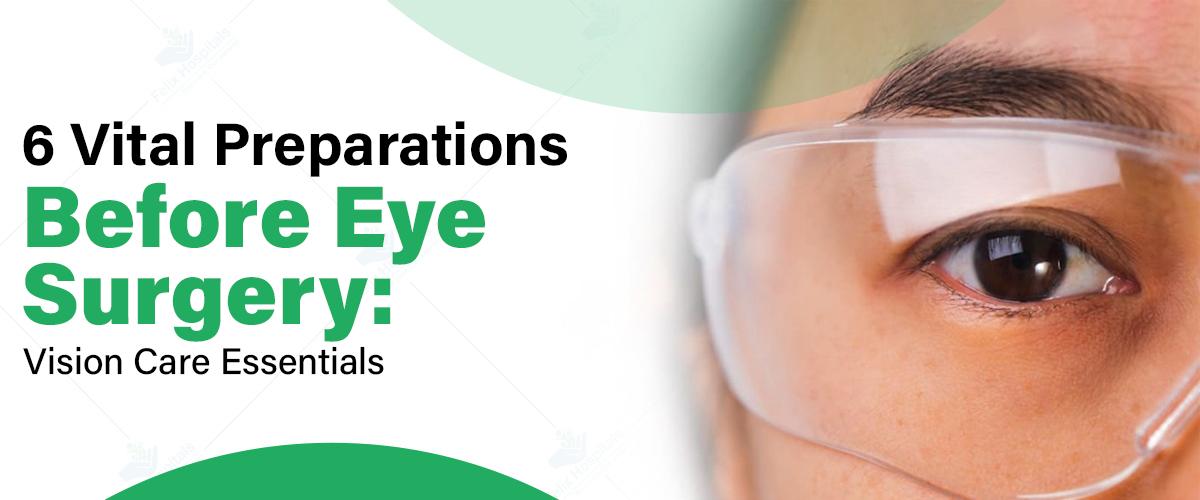
Eye surgery can be a life-changing procedure, offering improved vision and quality of life for many patients. However, like any medical intervention, it requires careful preparation to ensure the best possible outcomes. This comprehensive blog will walk you through the essential steps to take before undergoing eye surgery, providing you with the knowledge and confidence to approach your procedure with clarity and peace of mind.
Book Your Consultation now with our expert ophthalmologist at +91 9667064100 or simply click here!
Before delving into the specifics of preparation, it's crucial to have a basic understanding of eye surgery and its various forms. Eye surgery encompasses a wide range of procedures designed to treat various eye conditions and improve visual acuity.
1. Cataract Surgery: This surgery involves removing the cloudy lens inside the eye and replacing it with a clear artificial lens. It's done to restore clear vision when the natural lens becomes blurry over time.
2. LASIK (Laser-Assisted In Situ Keratomileusis): LASIK is a surgery that uses a laser to reshape the cornea, the front part of the eye, to improve vision. It helps correct problems like nearsightedness, farsightedness, and astigmatism.
3. Glaucoma Surgery: This type of surgery is performed to lower the pressure inside the eye. By doing so, it helps prevent damage to the optic nerve, which is crucial for maintaining good vision.
4. Corneal Transplant: In this surgery, a damaged or diseased cornea is replaced with a healthy cornea from a donor. It helps restore vision when the cornea is not functioning properly.
5. Retinal Detachment Repair: This surgery fixes a detached retina by reattaching it to the back of the eye. It's done to restore vision that has been affected by the retina coming away from its normal position.
6. Strabismus Surgery: This procedure corrects misaligned eyes to improve their coordination. It helps enhance binocular vision, making it easier to focus on objects and see clearly.
Each type of eye surgery has its own specific requirements and preparation protocols. However, there are general guidelines that apply to most ocular procedures.
Proper preparation is key to a successful eye surgery and smooth recovery. Here are some general steps to take when preparing for an eye procedure:
1. Consult with your ophthalmologist: Schedule a comprehensive eye examination and discuss your medical history, current medications, and any concerns you may have about the Eye Surgery.
2. Follow pre-operative instructions: Your surgeon will provide specific guidelines, which may include temporarily discontinuing certain medications or using prescribed eye drops.
3. Arrange for transportation: You will not be able to drive immediately after the surgery, so make sure to have someone available to take you home.
4. Prepare your home: Create a comfortable recovery environment by stocking up on necessary supplies and removing potential tripping hazards.
5. Plan for time off: Depending on the procedure, you may need to take time off work or limit certain activities during the recovery period.
6. Stay informed: Ask questions and ensure you fully understand the procedure, potential risks, and expected outcomes.
1. Complete a Thorough Medical Evaluation
Before scheduling your eye surgery, it's imperative to undergo a comprehensive medical evaluation. This assessment goes beyond just examining your eyes; it involves a holistic review of your overall health. Your ophthalmologist will need to know about any existing medical conditions, previous surgeries, and current medications you're taking.
This evaluation may include:
Be prepared to discuss your lifestyle, occupation, and any vision-related concerns you have. This information helps your surgeon determine the most appropriate surgical approach and customize the procedure to your specific needs.
2. Disclose All Medications and Supplements
It's crucial to provide your surgeon with a complete list of all medications and supplements you're currently taking. This includes prescription drugs, over-the-counter medications, vitamins, and herbal supplements. Some medications and supplements can increase the risk of bleeding or interfere with the healing process after surgery.
Your doctor may advise you to:
Never stop taking prescribed medications without consulting your healthcare provider first. They will provide specific instructions on managing your medications in the days leading up to your surgery.
3. Follow Pre-operative Eye Care Instructions
Your surgeon will provide you with a set of pre-operative instructions to follow in the days or weeks leading up to your surgery. These instructions are designed to optimize your eye health and minimize the risk of complications.
Common pre-operative guidelines may include:
Adhering to these instructions is crucial for ensuring the best possible surgical outcome. If you have any questions or concerns about the pre-operative guidelines, don't hesitate to contact your surgeon's for clarification.
4. Arrange for Post-operative Care and Transportation
Eye Surgery is typically an outpatient procedure, meaning you'll be able to go home the same day. However, you will not be able to drive yourself home after the surgery due to the effects of anesthesia and potential temporary vision changes.
It's essential to arrange for a responsible adult to:
Additionally, plan for any necessary time off work and arrange for help with daily tasks during your initial recovery period. This may include child care, pet care, or assistance with household chores.
5. Prepare Your Home for Recovery
Creating a comfortable and safe environment for your recovery is an important step in preparing for eye surgery. Consider the following:
By preparing your home in advance, you can focus on rest and recovery without worrying about daily logistics.
6. Mental and Emotional Preparation
While physical preparation is crucial, it's equally important to prepare yourself mentally and emotionally for an Eye Surgery. Here are some strategies to help you feel more at ease:
Remember, it's normal to feel some apprehension before surgery. Your healthcare team is there to support you and address any concerns you may have throughout the process.
While this guide focuses on pre-operative preparation, it's important to have a general understanding of what to expect after your eye surgery. Proper aftercare is crucial for a smooth recovery and optimal results.
Here are some key points to keep in mind:
Your surgeon will provide detailed aftercare instructions specific to your procedure. Always reach out to your healthcare team if you have any concerns or experience unexpected symptoms during your recovery.
Choosing the right ophthalmologist is a crucial step in your eye surgery journey. If you're located in or near Noida, you're fortunate to have access to some of the best glaucoma surgeon in the region, including:
With over 10 years of experience in ophthalmology, Dr. Zakai is highly skilled in both basic and advanced eye procedures. He excels in managing outpatient care and emergencies with precision. His expertise includes performing a wide range of ophthalmological investigations, such as slit lamp examinations, OCT imaging, and fundus fluorescein angiography. He is proficient in treating conditions like glaucoma, diabetic retinopathy, and age-related macular degeneration. Dr. Zakai has also performed 4,800 cataract surgeries using various techniques, including phacoemulsification.
Dr. Deepanjali Arya is a seasoned ophthalmologist with over 9 years of experience. She specializes in diagnosing, treating, and surgically managing a variety of eye conditions. Driven by a commitment to improving eye health, Dr. Arya provides exceptional care and personalized treatment plans tailored to individual needs.
Preparing for eye surgery can seem daunting, but by following these six essential steps, you can approach your procedure with confidence and peace of mind. Remember that thorough preparation not only contributes to a smoother surgical experience but also sets the stage for optimal recovery and results. By taking these steps and working closely with your healthcare team, you're setting yourself up for the best possible outcome from your eye surgery. Additionally, understanding the cost of glaucoma surgery treatment is important for planning and managing your finances. Remember that every patient's experience is unique, and your ophthalmologist is your best resource for personalized guidance throughout your journey to improved vision.
For further queries or personal assistance from experts dial +91 9667064100 or click here!
1. How long before eye surgery should I stop wearing contact lenses?
The timeframe can vary depending on the type of surgery and contact lenses you wear. Generally, soft contact lens wearers are advised to stop wearing them 1-2 weeks before surgery, while rigid gas permeable lens wearers may need to discontinue use 3-4 weeks prior. Always follow your surgeon's specific instructions.
2. Will I be awake during eye surgery?
Most eye surgeries are performed under local anesthesia, meaning you'll be awake but your eye will be numbed. However, you may be given a mild sedative to help you relax. Some procedures may require general anesthesia, which your surgeon will discuss with you beforehand.
3. Are there any foods or beverages I should avoid before eye surgery?
Generally, you'll be advised to avoid eating or drinking anything for a few hours before your surgery, typically starting from midnight of the night before. Your surgeon will provide specific fasting instructions.
4. What age is best for LASIK?
The ideal age for LASIK is typically between 18 and 40 years. By this age, the eye's prescription is usually stable, and the cornea is mature enough to handle the procedure, ensuring optimal results.
5. When is cataract surgery needed?
Cataract surgery is recommended when cataracts significantly impair vision, affecting daily activities such as reading, driving, or recognizing faces. It’s typically considered when vision problems cannot be managed with corrective lenses alone.
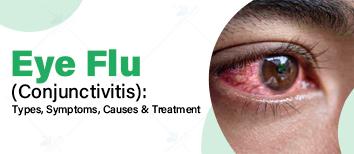
Eye flu, also known as conjunctivitis, is a common eye infection causing redness, irritation, and watering. Learn its causes, symptoms, and effective treatments.
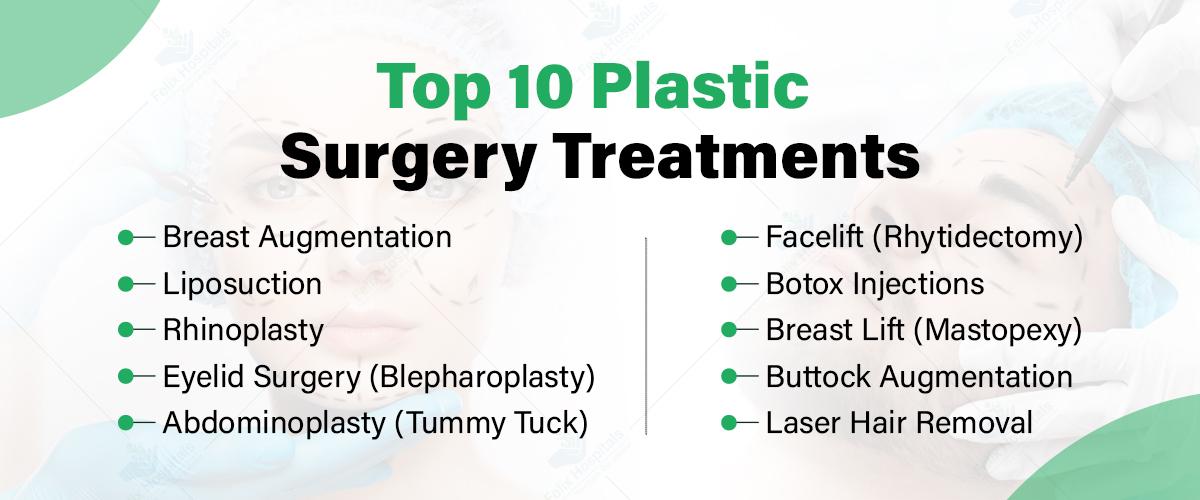
Plastic surgery has become increasingly popular in recent years, with more people seeking to enhance their appearance and boost their self-confidence. Noida, a bustling city in the National Capital Region of India, has emerged as a hub for high-quality plastic surgery procedures encompassing a wide range of plastic surgery hospital in Noida . With state-of-the-art facilities and skilled surgeons, Noida offers a wide range of cosmetic treatments to cater to diverse aesthetic needs. In this blog, we'll explore the top 10 plastic surgery treatments available in Noida, discussing their benefits, procedures, plastic surgery cost and what patients can expect from these procedures.
Dial to schedule consultation with the best plastic surgeon for stunning results.
Noida has witnessed a significant increase in the demand for plastic surgery procedures over the past decade. This surge can be attributed to several factors, including:
Growing awareness about cosmetic treatments
Increased disposable income
Advancements in surgical techniques and technology
Influence of social media and celebrity culture
Changing societal attitudes towards cosmetic enhancements
As a result, numerous world-class clinics and hospitals have established themselves in Noida, offering a wide array of plastic surgery treatments performed by highly qualified and experienced surgeons.
Breast augmentation, also known as augmentation mammoplasty, is one of the most sought-after plastic surgery procedures in Noida. This treatment aims to enhance the size and shape of the breasts, creating a more proportionate and aesthetically pleasing figure.
Procedure: The surgery involves placing silicone or saline implants either above or below the chest muscle. The incision can be made in various locations, such as the inframammary fold, around the areola, or in the armpit.
Benefits:
Improved breast size and shape
Enhanced body proportions
Increased self-confidence
Correction of asymmetry
Recovery: After breast augmentation, patients usually need 1-2 weeks of downtime. However, full recovery can take approximately 4-6 weeks, during which swelling and discomfort gradually subside as the body heals.
Liposuction surgery is a widely sought-after body contouring procedure designed to eliminate stubborn fat deposits from various areas of the body. It effectively targets regions such as the abdomen, thighs, hips, and arms, helping to achieve a more sculpted and proportionate physique. This procedure is often chosen by individuals who struggle with localized fat that does not respond well to diet and exercise.

Procedure: The liposuction surgeon makes small incisions and uses a cannula to suction out excess fat cells. Advanced techniques like ultrasound-assisted liposuction (UAL) and laser-assisted liposuction (LAL) are also available in Noida.
Benefits:
Improved body contours
Removal of stubborn fat resistant to diet and exercise
Enhanced overall body proportion
Boost in self-esteem
Recovery: After liposuction, most patients are able to return to work within a week. However, full recovery typically takes around 4-6 weeks. During this time, patients may experience some swelling, bruising, and discomfort as the body heals and adjusts.
Rhinoplasty, often known as a nose job, is a surgical procedure designed to reshape the nose. This procedure aims to enhance the nose's appearance by adjusting its size, shape, or structure, and can also improve its functionality, such as resolving breathing issues or correcting structural deformities. Rhinoplasty surgery is commonly chosen by individuals looking to refine their facial aesthetics or address functional concerns for a more balanced and harmonious appearance. Rhinoplasty cost may vary depending on various factors such as surgeon’s expertise, type of hospital, location of the hospital and other factors.

Procedure: The surgeon can modify the bone, cartilage, and skin of the nose to achieve the desired shape and size. This is done using either open rhinoplasty, which involves external incisions for better access, or closed rhinoplasty, which uses internal incisions, leaving no visible scars.
Benefits:
Enhanced facial harmony
Improved nose aesthetics
Correction of breathing difficulties
Increased self-confidence
Recovery: After rhinoplasty, initial swelling and bruising typically subside within a few weeks, allowing patients to see early improvements. However, it can take up to a year for the final results to become fully apparent, as the nose gradually settles into its new shape and fine details continue to refine.
Blepharoplasty is a cosmetic procedure designed to rejuvenate the appearance of the eyes by addressing signs of aging and fatigue. This involves the removal of excess skin, fat, and sometimes muscle from the upper and/or lower eyelids. By targeting these areas, blepharoplasty helps to reduce puffiness, sagging, and wrinkles, resulting in a more youthful and refreshed look.
Procedures: In a blepharoplasty procedure, the surgeon makes precise incisions along the natural creases of the upper and/or lower eyelids. Through these incisions, excess skin, fat, and sometimes muscle are carefully removed or repositioned. This meticulous approach helps to smooth out sagging or puffiness and refine the eyelid contours.
Benefits:
Reduced appearance of eye bags and puffiness
Improved field of vision (in cases of severe upper eyelid sagging)
More alert and youthful appearance
Enhanced overall facial aesthetics
Recovery: After a blepharoplasty, most patients can resume normal activities within 10-14 days, as the initial recovery period is relatively short. During this time, some swelling and bruising may still be present, but these symptoms gradually improve. Full results of the procedure, including the final contour and appearance of the eyelids, become fully visible after several weeks as the healing process continues.
Abdominoplasty, commonly known as a tummy tuck surgery, is a procedure aimed at enhancing the abdominal contour. It involves the removal of excess skin and fat from the abdominal area while also tightening the underlying muscles. This procedure is particularly beneficial for individuals who have experienced significant weight loss, pregnancy, or aging, which can lead to loose or stretched skin and weakened abdominal muscles.
Procedure: The surgeon performs a horizontal incision between the pubic hairline and the navel, meticulously removes excess skin and fat, and tightens the abdominal muscles to achieve a flatter and more toned appearance. This detailed procedure, commonly known as a tummy tuck surgery or abdominoplasty, helps improve the abdominal contour by addressing loose or sagging skin, as well as weakened muscles. The cost of tummy tuck surgery can vary significantly based on factors such as the surgeon's experience, geographic location, and the complexity of the procedure. It’s essential for patients to consider these aspects when evaluating the overall cost and potential benefits of the surgery.
Benefits:
Flatter, more toned abdominal profile
Removal of excess skin after significant weight loss
Tightening of weakened abdominal muscles
Improved body contour and confidence
Recovery: After a tummy tuck surgery, patients generally require about 2-3 weeks of downtime to manage initial recovery and return to light daily activities. During this period, they may experience swelling, bruising, and some discomfort. Full recovery typically takes 4-6 weeks, during which time patients should gradually resume more strenuous activities as advised by their surgeon.
A facelift, also known as rhytidectomy, is a surgical procedure aimed at addressing and reducing the visible signs of aging in the face and neck. This procedure involves the removal of excess skin, tightening underlying tissues, and smoothing out wrinkles and sagging. By repositioning the facial muscles and skin, a facelift surgery helps to restore a more youthful and refreshed appearance.

Procedure: In a facelift procedure, the surgeon begins by making carefully planned incisions near the hairline and around the ears to ensure that any resulting scars are well-hidden. Through these incisions, the surgeon lifts and repositions the underlying facial tissues, including muscles and fat, to address areas of sagging and restore a more youthful contour. Excess skin is then trimmed away to eliminate wrinkles and tighten the remaining skin.
Benefits:
Reduced appearance of wrinkles and sagging skin
Improved facial contours
More youthful and refreshed look
Long-lasting results
Recovery: After a facelift, the initial healing period typically takes about 2 weeks, during which patients may experience swelling, bruising, and some discomfort. These symptoms gradually improve as the body begins to heal. As the healing progresses, patients will notice their facial contours refining and the overall appearance becoming more defined.
While not a surgical procedure, Botox injections have become one of the most popular non-invasive cosmetic treatments in Noida. This procedure involves the injection of a purified toxin into specific facial muscles to temporarily relax them, reducing the appearance of fine lines and wrinkles. Botox is favored for its ability to offer significant cosmetic improvements with minimal downtime, allowing individuals to achieve a smoother and more youthful appearance without the need for invasive surgery.
Procedure: In the Botox injection procedure, a purified form of botulinum toxin is carefully injected into targeted facial muscles. This process temporarily paralyzes the muscles, which helps to smooth out wrinkles and fine lines by preventing the muscles from contracting.
Benefits:
Reduction of dynamic wrinkles (caused by facial expressions)
Quick, minimally invasive procedure
Little to no downtime
Temporary results, allowing for adjustments over time
Recovery: After receiving Botox injections, patients can typically resume their normal activities immediately, as the procedure requires no downtime. Mild redness or swelling at the injection sites may occur but usually subsides quickly. Results begin to become visible within 3-7 days as the muscles gradually relax and wrinkles smooth out.
A breast lift, or mastopexy, is a surgical procedure designed to raise and reshape sagging breasts to restore a more youthful and perky appearance. During the procedure, the surgeon removes excess skin and tightens the surrounding tissue to elevate the breasts, improving their contour and firmness. This can address issues such as drooping, loss of elasticity, and changes in breast position that may occur due to aging, weight fluctuations, or pregnancy.
Procedure: During a breast lift procedure, the surgeon begins by removing excess skin from the breast area to address sagging and improve overall breast contour. The underlying breast tissue is then carefully reshaped and repositioned to lift the breasts. This process involves elevating the nipple and areola to a higher, more youthful position. By realigning these structures, the surgeon enhances the breast's shape, firmness, and overall appearance, creating a rejuvenated look that better aligns with the patient's desired aesthetic.
Benefits:
Improved breast shape and position
Enhanced breast firmness
Reduced sagging
Increased self-confidence
Recovery: After a breast lift procedure, most patients are able to return to work and resume light daily activities within 1-2 weeks, as the initial recovery period is relatively brief. During this time, patients may experience some swelling, bruising, and discomfort, which can be managed with prescribed medications and by following post-operative care instructions. Full recovery, however, typically takes 4-6 weeks, during which patients should avoid strenuous activities and heavy lifting to ensure proper healing.
Buttock augmentation is a cosmetic procedure aimed at enhancing the size and shape of the buttocks. By improving the volume and shape of the buttocks, buttock augmentation can create a more balanced and proportionate figure, enhancing the overall body silhouette and boosting self-confidence.
Procedure: This can be achieved through fat grafting (transferring fat from other areas of the body) or implants.Under this procedure typically two key steps are involved: first, excess fat is harvested from areas of the body such as the abdomen or thighs through liposuction. This fat is then purified and strategically injected into the buttocks to achieve a fuller, more contoured appearance
Benefits:
Enhanced buttock size and shape
Improved body proportions
Increased self-confidence
Natural-looking results (especially with fat transfer)
Recovery: After buttock augmentation, patients generally require about 2-3 weeks of downtime to manage initial recovery and adapt to their new body contours. Full results of the procedure typically become visible after several months as the swelling subsides and the body adjusts to the fat transfer or implants.
Laser hair removal is a widely favored non-surgical treatment designed to achieve long-term hair reduction on various parts of the body. This method utilizes concentrated beams of light to target and damage hair follicles, which inhibits their ability to grow new hair. The procedure is effective for treating areas such as the legs, arms, underarms, and face, offering a more permanent solution compared to traditional hair removal methods like shaving or waxing.

Procedure: Concentrated light is directed at hair follicles, damaging them to inhibit future hair growth.
Benefits:
Long-term hair reduction
Smoother skin
Reduced ingrown hairs
Time-saving alternative to shaving or waxing
Recovery: After laser hair removal, there is generally no required downtime, allowing patients to resume their normal activities immediately. However, it is common to experience mild redness or slight discomfort in the treated areas, which typically subsides within a few hours to a few days.
When considering plastic surgery in Noida, it's crucial to choose a qualified and experienced surgeon. Here are some factors to consider:
Credentials and certifications
Years of experience in the specific procedure
Before and after photos of previous patients
Patient reviews and testimonials
Quality of the clinic's facilities and equipment
Comfort level during consultation
Dr. Pragya Priya is recognized as one of the leading plastic surgeons in Noida, bringing a wealth of expertise and experience to her practice. With an extensive background that includes an MBBS and an MS in General Surgery, followed by 3 years of specialized training in plastic surgery, Dr. Priya combines her skills in both aesthetic and reconstructive procedures. Known for her meticulous attention to detail and unwavering dedication to patient care, Dr. Pragya Priya has garnered the trust and admiration of both her patients and peers, making her a highly sought-after expert in her field.
Noida has established itself as a premier destination for plastic surgery, offering a wide range of treatments performed by skilled surgeons. Whether you're considering a major surgical procedure or a quick non-invasive treatment, it's essential to thoroughly research your options, choose a qualified plastic surgeon in Noida, and have realistic expectations about the results.
Remember that plastic surgery is a personal decision that should be made for yourself, not to meet someone else's expectations or standards. By understanding the procedures available, their benefits, and potential risks, you can make an informed decision about whether plastic surgery is right for you.
Book your consultation now with our expert plastic surgeons at +91 9667064100 for further assistance.
1.) Is plastic surgery safe?
Plastic surgery is generally safe when performed by a qualified and experienced surgeon. Adhering to pre- and post-operative instructions minimizes risks. However, as with any surgery, there are potential risks and complications, so thorough consultation is essential.
2.) Is plastic surgery worth paying for?
Plastic surgery can be worth the investment if it meets personal aesthetic or functional goals and enhances self-confidence. The decision depends on individual priorities, expected outcomes, and financial considerations, including the cost of the procedure and potential long-term benefits.
3.) What is the best age for plastic surgery?
The best age for plastic surgery varies based on the procedure and individual needs. Generally, patients wait until they are physically mature and have stable health. For cosmetic procedures, age is less critical than achieving desired results and overall health.
4.) How long does the result of plastic surgery last?
The longevity of plastic surgery results depends on the type of procedure and individual factors. Results from procedures like facelift or breast augmentation can last several years, but natural aging and lifestyle choices may affect longevity. Regular follow-ups help maintain results.
5.) Is plastic surgery painful?
Plastic surgery involves some discomfort and pain, which can be managed with prescribed medications and proper care. Post-operative pain varies depending on the procedure, but most patients find that the pain is manageable and subsides as healing progresses.
6.) How much does breast reduction surgery cost in Noida?
The cost of breast reduction surgery in Noida can vary widely depending on several factors, including the surgeon's experience, the complexity of the procedure, the type of hospital or clinic, and any additional services or post-operative care included. It's always best to consult with surgeons, as they can provide detailed quotes based on your specific needs and medical history.

Plastic surgery cost in Noida depends on the procedure type, surgeon expertise, hospital infrastructure, and post-surgery care.
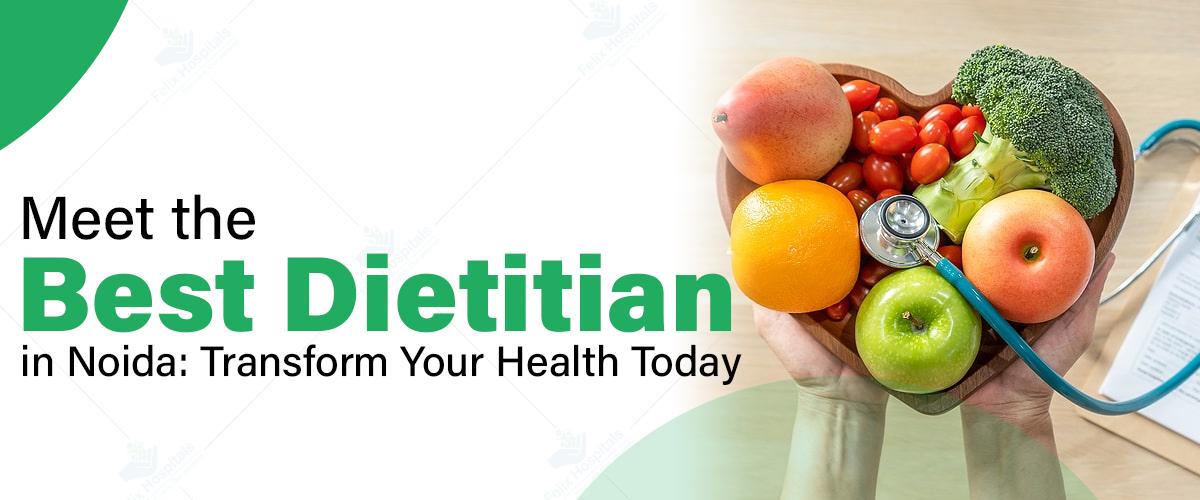
In today's fast-paced world, maintaining a healthy lifestyle can pose challenges. With the rise of lifestyle-related diseases and growing awareness about the significance of nutrition, many individuals are turning to professional assistance to manage their diet and overall health. For those in Noida seeking expert nutrition guidance, consulting with a dietician could be a beneficial step. This guide aims to provide a comprehensive overview of best dieticians in Noida, their services, and guidance on selecting the most suitable professional to meet your specific needs.
Ready to achieve your health goals? Book a consultation with our dietician today at +91 9667064100 and start your journey to wellness!
A dietician is a healthcare specialist who focuses on nutrition and dietetics. These professionals undergo extensive academic and practical training to offer evidence-based nutritional guidance and assistance. Dieticians are authorized to evaluate, diagnose, and manage dietary and nutritional issues, catering to both individual and broader public health needs.
In India, dieticians are accredited by the Indian Dietetic Association (IDA) and adhere to rigorous educational and professional criteria.
Dt. Pooja Yadav, B.Sc, MSc in Nutrition & Dietetics, is the Senior Dietitian at Felix Hospital, bringing over 8 years of invaluable experience. Known for her dedication and expertise, she excels in crafting personalized nutrition plans and enhancing wellness through dietary strategies. She is committed to delivering excellence, contributing significantly to organizational success while pursuing continuous personal growth in her career.

Dt. Nida Zafar, B.Sc, MSc in Nutrition, is a skilled dietician with 4 years of experience specializing in counseling for a wide range of medical conditions. She provides expert guidance to both outpatient (OPD) and inpatient (IPD) patients, focusing on areas such as oncology, cardiology, diabetes, and weight management, among others. She is respected for her dedication to ongoing professional development and contributions to medical research, aiming to achieve excellent patient outcomes and advance the field of dietetics.

Consulting with a dietitian can bring numerous advantages to your health and well-being. Here are several important reasons why seeking professional nutrition advice is crucial:
1. Tailored nutrition plans: Dietitians design personalized meal plans that cater to your specific requirements, considering your medical history, lifestyle, food preferences, and health objectives.
2. Chronic disease management: For individuals dealing with conditions such as diabetes, hypertension, or heart disease, dietitians can assist in symptom management and overall health improvement through proper nutrition.
3. Weight management: Whether your goal is weight loss, gain, or maintenance, dietitians offer strategies and support to help you achieve your objectives safely and sustainably.
4. Sports nutrition: Athletes and fitness enthusiasts can benefit from dietitians' expertise in enhancing performance through optimal nutrition strategies.
5. Digestive health: Dietitians provide guidance to individuals dealing with food intolerances, allergies, or digestive disorders, helping them manage symptoms and maintain proper nutrition.
6. Pregnancy and postpartum nutrition: Expectant and new mothers receive expert advice on meeting their nutritional needs during pregnancy and breastfeeding.

Dietitians provide a diverse array of services to meet various nutritional requirements.
Some typical services provided by dieticians include:
1. Nutritional diet services
2. Customized meal plans tailored to individual needs
3. Dietary adjustments for medical conditions
4. Programs for managing weight
5. Counseling on sports nutrition
6. Management of food allergies and intolerances
7. Nutrition advice for children
8. Nutrition guidance for elderly individuals
Noida, as a prominent urban hub in the National Capital Region (NCR), hosts a variety of qualified dietitians practicing across different settings.
Here are some effective ways to locate a reputable dietician in Noida:
1. Recommendations from healthcare providers: Your primary care physician or specialists may suggest trustworthy dietitians.
2. Online directories: Websites such as Practo, Lybrate, and Just Dial feature listings of dietitians in Noida, along with their credentials and patient feedback.
3. Hospital affiliations: Hospitals like Felix in Noida have dietetics departments staffed with qualified professionals.
4. Indian Dietetic Association (IDA): The IDA website offers a directory of registered dietitians in various cities, including Noida.
5. Referrals: Seek recommendations from friends, family, or colleagues based on their personal interactions with dietitians.
6. Social media platforms: Many dietitians maintain professional profiles on social media, where they share nutritional advice and details about their services.
When choosing a dietician, verify their qualifications and ensure they are registered with the Indian Dietetic Association. Look for professionals with relevant experience in areas such as weight management, sports nutrition, or specific health conditions you may be concerned about.
Consulting a qualified and best dietician in Noida can be a transformative step towards improving your health and well-being through proper nutrition. With their expert knowledge and personalized approach, dieticians can help you navigate the complex world of nutrition, manage health conditions, and achieve your wellness goals.
When choosing a dietician, take the time to research their qualifications, experience, and approach to ensure they're the right fit for your needs. Don't hesitate to ask questions during your initial consultation to get a clear understanding of their services and how they can help you.
Consult with our expert dietician today! Click here or call +91 9667064100 to schedule your appointment.
1. How is a dietician different from a nutritionist?
Ans. In India, the terms are often used interchangeably, but dieticians typically have more rigorous educational requirements and clinical training. Dieticians must be registered with the Indian Dietetic Association, while the term "nutritionist" is not regulated.
2. How many sessions with a dietician do I need?
Ans. The number of sessions varies depending on your goals and progress. Initially, you might need more frequent visits (weekly or bi-weekly), followed by less frequent follow-ups as you progress.
3. Can children see a dietician?
Ans. Yes, many dieticians specialize in pediatric nutrition and can help with various childhood nutrition concerns, including picky eating, weight management, and nutritional deficiencies.
4. How do I prepare for my first dietician appointment?
Ans. Keep a food diary for a few days before your appointment, gather any relevant medical records or test results, and prepare a list of questions or concerns you'd like to discuss.
5. How much does a dietician consultation cost in Noida?
Ans. Dietician consultation fees in Noida typically range from ₹600 to ₹800 for an initial consultation, and the same for follow-up sessions. Comprehensive packages, including meal plans, may cost between ₹2,000 to ₹3,000 for a 1-month program.
6. Is consulting a dietitian effective for weight loss?
Ans. Yes, consulting a dietitian can be effective for weight loss as they provide personalized nutrition plans tailored to individual needs, promote healthy eating habits, and offer ongoing support and guidance.
7. Are dietitian services worth the investment?
Ans. Yes, dietitian services are worth the money as they offer professional guidance, personalized advice, and structured plans that can lead to sustainable lifestyle changes, improved health outcomes, and long-term benefits.
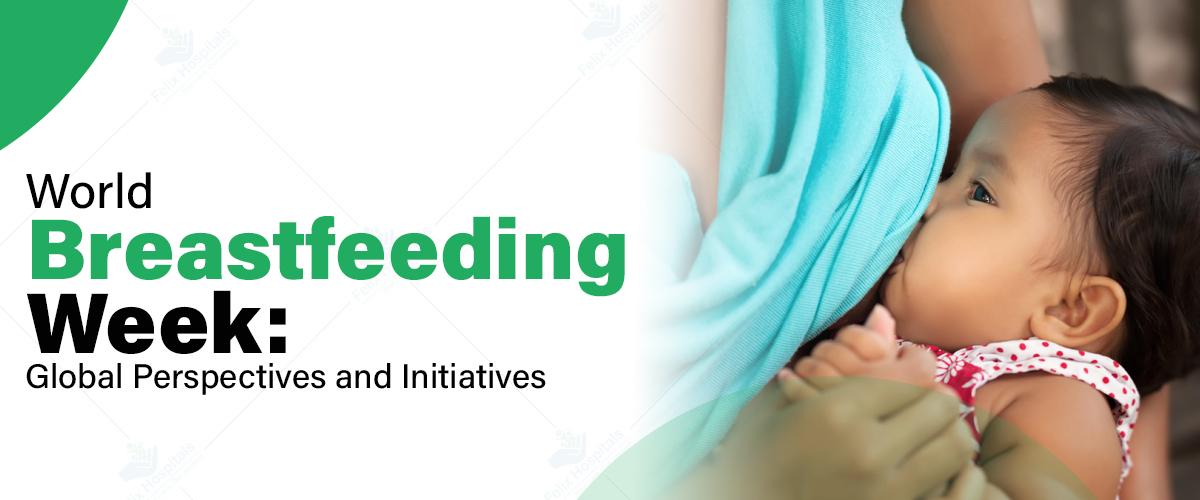
World Breastfeeding Week (WBW), celebrated annually from August 1st to 7th, is a global campaign dedicated to raising awareness about the critical importance of breastfeeding. Led by the World Health Organization (WHO) and the United Nations Children's Fund (UNICEF), this initiative underscores the essential role breastfeeding plays in safeguarding the health and well-being of both mothers and babies. As we explore the significance of this week, we will also highlight the global perspectives and initiatives that have been implemented to support and promote breastfeeding. For expert guidance and support on breastfeeding, consider visiting the best gynecologist hospital in Noida, where specialized care can enhance your breastfeeding experience and ensure optimal outcomes for both you and your baby.
For expert care and personalized support on your breastfeeding journey, contact us today. Call now -+91 9667064100.
Breastfeeding is a fundamental aspect of infant and maternal health. It provides numerous benefits that extend well beyond nutrition. For infants, breast milk is the perfect source of nourishment, offering a balanced mix of nutrients essential for growth and development. It contains antibodies that help protect babies from infections and diseases, reducing infant mortality rates and promoting a stronger immune system.
For mothers, breastfeeding aids in postpartum recovery, helps reduce the risk of certain cancers, and fosters a strong emotional bond with their child. Additionally, it plays a crucial role in reducing the risk of postpartum depression, promoting overall maternal well-being.
In recent years, significant progress has been made in promoting breastfeeding worldwide. According to WHO and UNICEF, the global rate of exclusive breastfeeding for infants under six months has increased, with several countries making notable strides in this area. For instance, countries like Rwanda, Burundi, and Sri Lanka have achieved impressive breastfeeding rates, thanks to robust national policies and supportive healthcare systems.
Despite the progress, many challenges still hinder the global promotion of breastfeeding. Cultural norms, lack of awareness, and inadequate maternity leave policies are some of the significant barriers that prevent mothers from breastfeeding. In many regions, particularly in low-income countries, mothers lack access to proper breastfeeding support and counseling, further exacerbating the issue.
WHO and UNICEF have been at the forefront of global breastfeeding initiatives. Their joint initiative, the Global Breastfeeding Collective, aims to increase investment in breastfeeding and implement policies that support mothers and babies. The initiative focuses on providing access to skilled breastfeeding counseling, protecting breastfeeding in the workplace, and monitoring breastfeeding practices globally.
Many countries have implemented national policies and programs to support breastfeeding. For example, in Norway, a country with one of the highest breastfeeding rates, the government provides extensive maternity leave and ensures that mothers have access to breastfeeding support services. In India, the Ministry of Health and Family Welfare launched the MAA (Mother’s Absolute Affection) program to promote breastfeeding through mass media campaigns and community-based interventions.
Creating a breastfeeding-friendly workplace is crucial for supporting working mothers. Several countries have enacted laws and regulations to protect breastfeeding in the workplace. For instance, in the United States, the Affordable Care Act requires employers to provide reasonable break time and a private place for nursing mothers to express breast milk. Similarly, in Brazil, the law mandates that companies with more than 30 female employees must provide a designated breastfeeding area.
- Supporting Working Mothers: Employers play a crucial role in supporting breastfeeding by providing flexible work hours, designated breastfeeding areas, and paid maternity leave. These measures help create a supportive environment for breastfeeding mothers.
- Protecting Breastfeeding Rights: Governments must enforce laws and regulations that protect breastfeeding rights in the workplace. This includes ensuring that employers comply with policies that support breastfeeding mothers.
- Raising Awareness: Public awareness campaigns are essential for educating employers, employees, and the general public about the benefits of breastfeeding and the importance of workplace support. These initiatives also highlight vital nutrition tips for breastfeeding, ensuring that both mothers and babies receive the best possible start in their health journey.
schedule your appointment with our dedicated specialists and take the first step towards a healthier future for you and your baby. Call us on - +91 9667064100.
Dr. Shweta Upadhyay is a lively and enthusiastic individual with over 5 years of valuable experience specializing in Women's Health. She is a certified nutritionist with expertise in child care. Her work has had a positive impact on numerous mothers and children, aiding them on their journey towards improved health and well-being.
Dr. Charu Yadav brings over 12 years of expertise in obstetrics and gynecology. She excels in managing high-risk pregnancies, including those complicated by medical disorders and multiple pregnancies. Her skillful approach ensures comprehensive care and positive outcomes for both mother and baby.
Dr. Sangeeta Sharma is a highly qualified obstetrician and gynecologist in the NCR region, specializing in fibroids, endometriosis, abnormal uterine bleeding (AUB), and gynecological endocrinology issues like PCOS. Her extensive training provides personalized care for a range of women's health conditions.
Dr. Sonia Kuruvilla is an accomplished obstetrician and gynecologist with over 17 years of experience. She expertly manages pregnancy, childbirth, and postpartum care, including high-risk pregnancies and pregnancy-related acute kidney failure. Dr. Kuruvilla is dedicated to ensuring the best outcomes during labor and delivery.
World Breastfeeding Week serves as a powerful reminder of the importance of breastfeeding for the health and well-being of both mothers and babies. While significant progress has been made, continued efforts are needed to overcome the barriers that hinder breastfeeding. By supporting breastfeeding in the workplace and implementing robust national policies, we can create an environment where all mothers feel empowered to breastfeed their babies.
As we celebrate World Breastfeeding Week 2023, let us acknowledge the achievements made so far and commit to furthering the global efforts to promote and protect breastfeeding. Together, we can ensure a healthier future for mothers and children worldwide.
1) Why Celebrate World Breastfeeding Week?
Ans. World Breastfeeding Week is celebrated to promote the benefits of breastfeeding for both babies and mothers, raise awareness about the challenges of breastfeeding, and advocate for supportive policies and environments that enable mothers to successfully breastfeed. This global event highlights the importance of breastfeeding as a vital aspect of infant nutrition and maternal health, and it encourages communities and healthcare providers to support breastfeeding practices.
2) Which Week is World Breastfeeding Week?
Ans. World Breastfeeding Week is observed annually from August 1st to August 7th. This week-long event is dedicated to celebrating and promoting breastfeeding practices around the world.
3) How is Felix Hospital Helping You with Breastfeeding Your Baby?
Ans. Felix Hospital offers comprehensive support for breastfeeding mothers through personalized counseling and guidance from experienced lactation consultants. Our services include:
- Individualized Breastfeeding Plans: Tailored advice based on your unique needs and circumstances.
- Educational Resources: Information on best practices and techniques for successful breastfeeding.
- Supportive Care: Assistance with any challenges or concerns you may encounter during your breastfeeding journey.
4) Why is Breastfeeding Good for Babies and Mothers?
Ans. For Babies:
- Nutritional Benefits: Breast milk provides essential nutrients and antibodies that support healthy growth and development.
- Immunity Boost: It strengthens the baby’s immune system, reducing the risk of infections and illnesses.
- Bonding: Breastfeeding fosters a strong emotional bond between mother and baby.
For Mothers:
- Health Benefits: It helps the mother’s body recover post-delivery, reduces the risk of certain cancers, and aids in postpartum weight loss.
- Cost-Effective: Breastfeeding eliminates the need for formula, making it a more economical choice.
- Convenience: It is always available and at the right temperature, simplifying feeding.
5) What is the Best Way to Breastfeed Your Baby?
Ans. - Positioning: Ensure proper positioning with the baby’s head and body aligned, and their mouth wide open to latch onto the nipple correctly.
- Comfort: Find a comfortable place to sit with support for your back and arms.
- Latch: Aim for a deep latch where the baby’s mouth covers a large portion of the areola, not just the nipple.
- Frequency: Feed your baby on demand, typically every 2-3 hours, to establish and maintain milk supply.
5) If You Feel Pain While Breastfeeding, Is It Normal?
Ans. Some initial discomfort can be normal as your body adjusts to breastfeeding. However, persistent or severe pain may indicate issues such as poor latch, engorgement, or infection. It is important to consult with a lactation consultant or healthcare provider to address and resolve any pain or difficulties.
6) How Can I Breastfeed My Baby as a Working Woman?
Ans. - Plan Ahead: Start breastfeeding or pumping before returning to work to establish a routine.
- Pumping: Invest in a good quality breast pump to express milk during work hours and store it for your baby.
- Create a Schedule: Plan your pumping sessions around your work schedule to maintain milk supply.
- Support System: Communicate with your employer about your needs and seek support from family members to help with feeding and storing milk.

Learn 10 simple and effective remedies to relieve post-C-section back pain. Improve posture, reduce discomfort, and speed up recovery with safe, doctor-recommended methods.
Mothers think a lot, when it comes to giving right nutrition to her baby. And she also has many questions like

Depression during pregnancy can impact both the mother’s mental well-being and the baby’s development. Early diagnosis, proper treatment, and emotional support are essential for a healthy pregnancy.
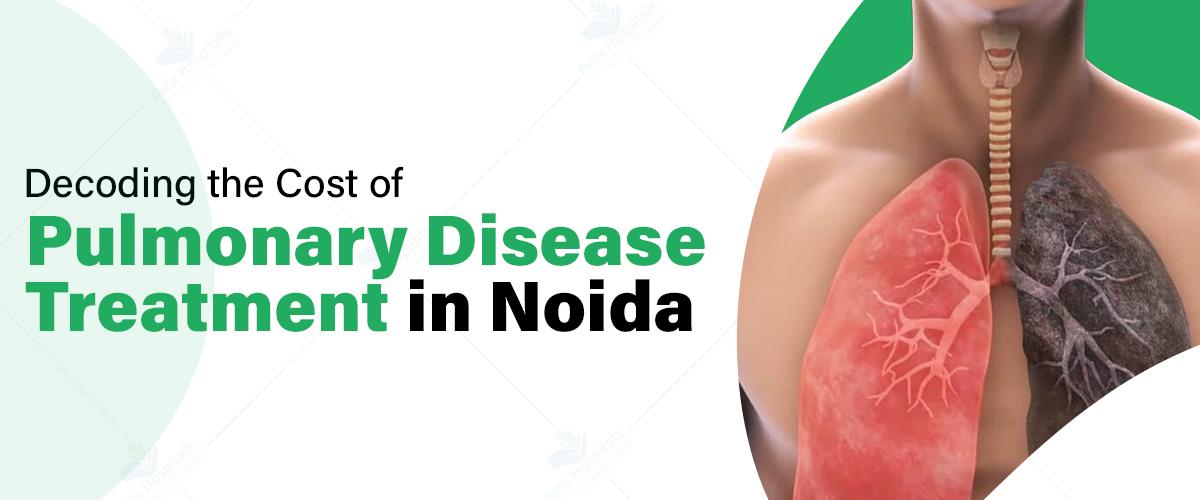
Pulmonary diseases encompass a broad spectrum of conditions affecting the lungs and respiratory system, including asthma, Chronic Obstructive Pulmonary Disease (COPD), lung cancer, and interstitial lung disease. In Noida, a city renowned for its advanced medical infrastructure, the cost of managing these conditions varies widely based on several factors. While treatments for pulmonary diseases can involve lifestyle adjustments, medications, and advanced procedures, the financial implications depend on the specific condition, severity, and chosen healthcare facility. Understanding these costs is crucial for effective planning and budgeting for treatment.
For more information about Pulmonary Disease Treatments and costs, or to schedule a consultation. Call now - +91 9667064100.
Here's a breakdown of the typical costs associated with various aspects of pulmonary disease treatment in Noida:
| Minimum Cost | 500 |
| Maximum Cost | 15,000 |
| Average Cost | 7,000 |
| Minimum Cost | 1,00,000 |
| Maximum Cost | 3,00,000 |
| Average Cost | 1,50,000 |
Diagnostic Tests:
Chest X-ray: ₹500 to ₹1,500
CT Scan of the Chest: ₹3,000 to ₹7,000
Pulmonary Function Tests: ₹2,000 to ₹5,000
Bronchoscopy: ₹8,000 to ₹15,000
Medications and Therapies:
Inhalers: ₹300 to ₹1,500 per month, depending on the type and brand
Oxygen Therapy: ₹2,000 to ₹5,000 per month, including the cost of equipment rental
Medications for Chronic Conditions: ₹1,000 to ₹5,000 per month, based on the specific drugs prescribed
Hospitalization:
Private Room: ₹3,000 to ₹10,000 per day
General Ward: ₹1,500 to ₹5,000 per day
ICU Admission: ₹10,000 to ₹25,000 per day, depending on the facility and level of care required
Surgical Interventions:
Lung Surgery: ₹1,00,000 to ₹3,00,000, depending on the complexity of the procedure and the hospital
The Pulmonology Treatment Cost in Noida is influenced by several factors:
Noida boasts a range of healthcare facilities specializing in pulmonary diseases. Choosing the right hospital involves evaluating:
1. Compare Healthcare Providers:
Research and compare costs between private and public hospitals. Choose facilities that offer the best value for your needs.
2. Leverage Insurance Coverage:
Review your insurance plan to understand coverage for diagnostic tests, treatments, and medications. Maximize your benefits and inquire about coverage options for specific treatments.
3. Opt for Generic Medications:
Ask your healthcare provider about generic versions of prescribed medications, which are often more affordable than brand-name drugs.
4. Seek Preventive Care:
Regular check-ups and early intervention can prevent severe complications and reduce the need for costly emergency treatments.
5. Utilize Discount Programs:
Look for patient assistance programs or discount offers on medications and treatments. Many pharmaceutical companies provide financial aid or reduced prices.
1. Expert Medical Team:
Felix Hospital boasts a team of best pulmonologist and respiratory specialists in Noida with extensive experience in diagnosing and treating pulmonary diseases, including COPD, asthma, and lung cancer.
2. Advanced Diagnostic Technology:
We utilize state-of-the-art diagnostic tools such as high-resolution CT scans, pulmonary function tests, and bronchoscopy to provide accurate and timely diagnosis.
3. Comprehensive Treatment Options:
Our facility offers a wide range of treatment options, including medications, inhalation therapies, oxygen therapy, and surgical interventions, tailored to meet individual patient needs.
4. Personalized Care Plans:
At Felix Hospital, we develop personalized treatment plans based on each patient’s specific condition and health goals, ensuring targeted and effective care.
5. Cutting-Edge Facilities:
Our modern and well-equipped facilities are designed to provide comfort and convenience during your treatment, with advanced technology to support high-quality care.
6. Multidisciplinary Approach:
We employ a multidisciplinary approach, involving specialists from various fields such as cardiology, nutrition, and physiotherapy, to address all aspects of pulmonary health.
Our dedicated team is here to provide expert care and support for all your respiratory health needs. Call us - +91 9667064100.
The cost of treating pulmonary diseases in Noida varies widely depending on the type and severity of the condition, the diagnostic and treatment options required, and the choice of healthcare facility. By understanding the typical costs and exploring financial assistance options, patients can better manage their healthcare expenses and focus on their recovery.
For personalized advice and treatment options, consult with healthcare providers at the best hospital for pulmonology treatment. They can offer tailored solutions to address your specific needs and provide guidance on managing costs effectively.
1. How much does it cost to treat lung disease?
2. What is the cost of a pulmonary function test?
3. What is the best treatment for pulmonary disease?
4. What are pulmonary symptoms?
5. Can pulmonary hypertension be cured?
6. How to reduce pressure in the lungs?
7. What is the best medicine for lung disease?
8. How do I make my lungs strong?
9. Which drink is good for the lungs?
10. What fruit is good for your lungs?
11. What home remedy is good for the lungs?

A pulmonologist plays a crucial role in helping patients dealing with serious or chronic breathing difficulties.

Breastfeeding is a crucial phase for both mother and baby, requiring thoughtful dietary choices to ensure optimal health and well-being. Working with a gynecologist at the best gynecologist hospital in Noida can provide tailored advice on how your diet impacts your breastfeeding journey. However, even without professional guidance, incorporating these 11 dietary tips into your daily routine can significantly enhance your breastfeeding experience and overall health.
Discover how small dietary changes can make a big difference. Contact us for more information - +91 9667064100.
Whole grains, such as brown rice, quinoa, and whole wheat pasta, are essential for maintaining energy and overall health. They provide complex carbohydrates, which help keep you full longer and stabilize your blood sugar levels. Whole grains are also rich in fiber, B vitamins, and essential minerals. Oats, in particular, are beneficial for breastfeeding mothers due to their high fiber and iron content, which may aid in milk production. Additionally, incorporating these grains into your diet can help improve gut health naturally, promoting a balanced gut microbiome and supporting digestive health.
While a completely caffeine-free diet may not be necessary, reducing your intake of caffeinated beverages can positively affect your baby's sleep and reduce fussiness. It is generally recommended to limit caffeine consumption to around 300 mg per day, as some of it transfers into breast milk. Be aware that caffeine sensitivity can vary among infants, with newborns potentially being more affected than older babies.
Highly processed foods, including sugary cereals, pizza, and hot dogs, are often low in essential nutrients despite being high in calories. Opting for whole foods and minimizing processed foods can help you meet your nutritional needs and set a positive example for your baby’s future dietary preferences. Reducing intake of added sugars, saturated fats, and sodium can contribute to better overall health.
Salmon is an excellent source of protein, omega-3 fatty acids, and vitamin B12. It also provides natural vitamin D, which is crucial for many women. Omega-3 fatty acids and vitamin B12 can help reduce the risk of postpartum depression. Additionally, the DHA in salmon supports your baby's nervous system development and may boost breast milk production. Including salmon in your diet can be beneficial, provided it is consumed in moderation.
Red meat, such as lean beef, is rich in high-quality protein, zinc, iron, and B vitamins, which are essential for energy and recovery during breastfeeding. Choose grass-fed, lean beef to avoid added antibiotics and hormones. Although red meat can be a nutritious part of your diet, excessive consumption may lead to health issues such as high cholesterol and heart disease. Moderation is key.
Leafy greens like spinach, kale, and Swiss chard are packed with calcium, fiber, antioxidants, and vitamins A, C, E, and K. Incorporating these vegetables into your meals can help you meet your nutritional needs without worrying about calorie intake. Aim to include at least one serving of leafy greens daily in salads, smoothies, or other dishes.
Nuts and seeds are nutrient-dense foods that provide protein, fiber, healthy fats, and a range of vitamins and minerals. Almonds, for example, are an excellent source of non-dairy calcium, which is important for breastfeeding mothers. Incorporating a variety of nuts and seeds into your diet can support heart health and potentially reduce the risk of allergies in your baby.
Low-fat or Greek yogurt is beneficial for building strong bones and teeth due to its high calcium content. It also provides protein, probiotics, and vitamin B12. Choose plain or low-sugar options to avoid excessive added sugars. Yogurt can be a versatile addition to your diet, but if your baby has a sensitivity to cow's milk protein, consider alternatives.
Legumes and beans, such as lentils, chickpeas, and black beans, are excellent sources of protein, iron, and fiber. They are low in calories and rich in essential nutrients and phytochemicals. Incorporating these plant-based proteins into your diet can provide a nutritious alternative to meat and support overall health.
Sweet potatoes are rich in potassium, manganese, vitamin C, and vitamin A. They provide significant health benefits, including supporting vision, bone development, and immune system health. One medium sweet potato can meet your daily vitamin A requirements, contributing to the nutritional quality of your breast milk.
Proper hydration is vital for maintaining milk supply and overall health. Drink plenty of water throughout the day and consider herbal teas that are safe for breastfeeding. Staying well-hydrated supports your body’s ability to produce milk and helps prevent dehydration.
Your diet can influence the flavor and composition of your breast milk, as well as your overall health. Certain foods may cause allergic reactions in your baby or affect their comfort. For example, if your baby shows signs of discomfort after you consume certain foods, consider eliminating those items from your diet for a week to see if symptoms improve.
While there is no universal "best diet" for breastfeeding, focusing on nutrient-dense foods and avoiding excessive consumption of unhealthy items like alcohol and sugary foods will benefit both you and your baby.
Managing the dietary requirements of breastfeeding can be complex, especially in the early stages. Engaging with a pregnancy gynecologist from Top Nutrition Coaching provides personalized support. By completing a straightforward online quiz, you will be matched with a skilled nutritionist who will create a customized plan tailored to your unique needs. This approach ensures optimal nutrition for both you and your baby, supported by comprehensive nutrition diet services.
Dr. Shweta Upadhyay is a lively and enthusiastic individual with over 5 years of valuable experience specializing in Women's Health. She has provided induction and lactation training programs for nurses and has expertise in ergonomics. As a Women's Health Physiotherapist, she specializes in physiotherapy in pediatric and gynecological settings and is skilled in manual therapy.
Dr. Charu Yadav brings over 12 years of extensive experience in the field of obstetrics and gynecology. She is highly skilled in managing high-risk pregnancies, including those complicated by medical disorders and multiple pregnancies, such as twins. Dr. Yadav's expertise ensures comprehensive care and optimal outcomes for both the mother and the baby in challenging and complex pregnancy cases.
Dr. Sangeeta Sharma, MBBS, DNB (OBS. & GYN), FMAS, DMAS, is a highly qualified and experienced obstetrician and gynecologist based in the NCR region. She specializes in the treatment of fibroids, endometriosis, abnormal uterine bleeding (AUB), and gynecological endocrinology conditions such as polycystic ovary syndrome (PCOS). Dr. Sharma's extensive training and expertise ensure comprehensive and personalized care for a wide range of women's health issues.
Dr. Sonia Kuruvilla is a highly accomplished physician specializing in Obstetrics and Gynecology, with over 17 years of experience. Her expertise in obstetrics includes the management of pregnancy, childbirth, and postpartum care. Dr. Kuruvilla is proficient in managing high-risk pregnancies and addressing pregnancy-related acute kidney failure. She is also experienced in overseeing labor and delivery, ensuring the best outcomes for both mother and child.
Start incorporating these 11 tips into your daily routine for a healthier, more fulfilling breastfeeding experience. Call now - +91 9667064100
Whether you are currently breastfeeding or preparing for this important phase, a well-balanced diet is essential for your health and your baby’s development. Although there isn’t a one-size-fits-all diet, incorporating these 11 dietary tips can enhance your breastfeeding experience.
A registered nutritionist from Top Nutrition Coaching can help you develop a personalized nutrition plan that aligns with your lifestyle and health goals, supporting you and your baby throughout this crucial time. For personalized advice, consider consulting with a gynecologist or a lactation consultant at the best gynecologist hospital in Noida to ensure you and your baby are getting the support you need for a successful breastfeeding journey.
1. What is the best nutrition for breastfeeding?
Breastfeeding mothers should consume a balanced diet rich in fruits, vegetables, whole grains, lean proteins, and healthy fats. Hydration is also essential, so drink plenty of water. Key nutrients include calcium, iron, vitamins A, C, and D, and omega-3 fatty acids, which support both maternal and infant health.
2. What foods help increase breast milk?
Foods believed to boost milk supply include oats, fenugreek, fennel seeds, garlic, and leafy green vegetables. Additionally, staying hydrated and maintaining a well-balanced diet can support healthy milk production.
3. What food to avoid when breastfeeding?
Breastfeeding mothers should avoid excessive caffeine, alcohol, and certain fish high in mercury. Some babies may react to specific foods in the mother’s diet, such as dairy, soy, or spicy foods. If a food seems to cause discomfort or allergic reactions in the baby, consider eliminating it from your diet.
4. What are the benefits of breastfeeding?
Breastfeeding offers numerous benefits, including:
- Optimal nutrition tailored to the baby's needs
- Strengthened immune system and protection against infections
- Reduced risk of chronic conditions like asthma, obesity, and type 2 diabetes
- Enhanced mother-baby bonding
- Lowered risk of postpartum depression for mothers
5. How long is breastfeeding good for a baby?
Breastfeeding is beneficial for as long as it continues. The World Health Organization (WHO) recommends exclusive breastfeeding for the first six months, with continued breastfeeding along with complementary foods for up to two years or beyond.
6. How many months should a mother breastfeed her baby?
The WHO and American Academy of Pediatrics (AAP) recommend exclusive breastfeeding for the first six months. After introducing complementary foods, they suggest continuing breastfeeding for at least one year and beyond as mutually desired by mother and baby.
7. What is the recommended age for breastfeeding?
Breastfeeding should begin immediately after birth and continue for at least six months exclusively. After six months, breastfeeding should be complemented with appropriate solid foods and can continue for two years or more.
8. Is a 10-minute feed long enough for a newborn?
For some newborns, a 10-minute feed might be sufficient, especially if they are efficient at nursing. However, feeding times can vary, and some babies may need longer to nurse. It's essential to ensure the baby is gaining weight adequately and producing enough wet and dirty diapers as indicators of proper nutrition.
Learn 10 simple and effective remedies to relieve post-C-section back pain. Improve posture, reduce discomfort, and speed up recovery with safe, doctor-recommended methods.
Mothers think a lot, when it comes to giving right nutrition to her baby. And she also has many questions like
Depression during pregnancy can impact both the mother’s mental well-being and the baby’s development. Early diagnosis, proper treatment, and emotional support are essential for a healthy pregnancy.


Subscribe to our
© Copyright 2026. All Rights Reserved by Felix Healthcare Private Limited
Design and development by :


 +(91)9667064100
 Emergency : +(91)9667064100