 WhatsApp
 Emergency:
  WhatsApp













Subscribe to our
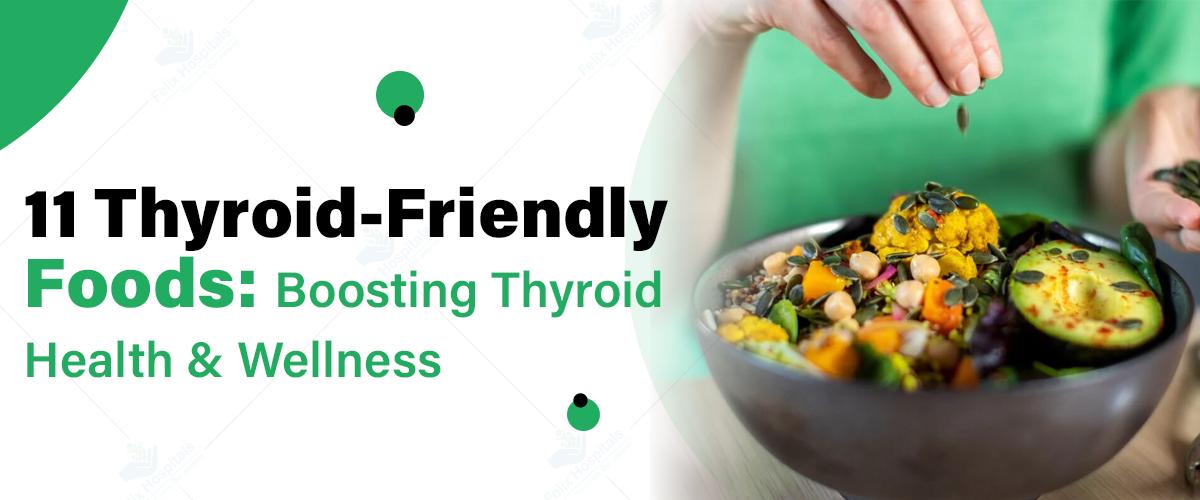
Thyroid health is crucial for maintaining overall well-being, as thyroid hormones regulate essential bodily functions such as metabolism, growth, and cell repair. For those with thyroid conditions like hypothyroidism, making thoughtful dietary choices can support thyroid function and alleviate symptoms.
Let’s delve into the best foods to support thyroid health. We'll cover 11 nutrient-rich options that can enhance thyroid function and promote overall wellness. By incorporating these foods into your diet, you can make a positive impact on your thyroid health and overall quality of life.
Transform Your Diet for Better Thyroid Health—Get Personalized Advice! Call on - +91 9667064100
Diet plays a significant role in supporting thyroid health, and certain foods can enhance thyroid function while alleviating symptoms associated with thyroid disorders. This blog explores some of the best thyroid food to eat for health and addresses common misconceptions about thyroid-related diets. For those seeking specialized care, consulting with a Thyroid Specialist in Noida can provide personalized guidance and treatment options tailored to your needs.
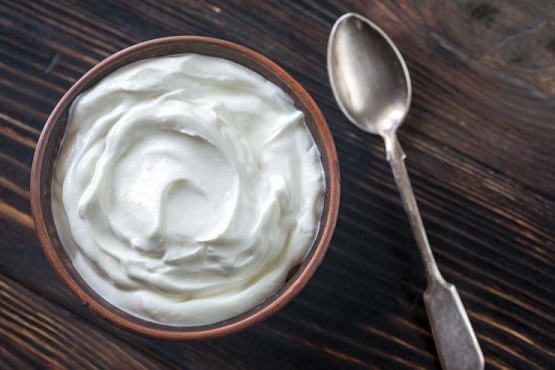
Yogurt, or curd, is an excellent addition to any thyroid-friendly diet. It is rich in iodine, an essential mineral that supports optimal thyroid function. Iodine is crucial for the production of thyroid hormones, which regulate metabolism. Dairy products like yogurt also provide a good source of calcium and protein, which are beneficial for overall health. Incorporating yogurt into your diet can help fulfill your body's iodine requirements and support thyroid health.
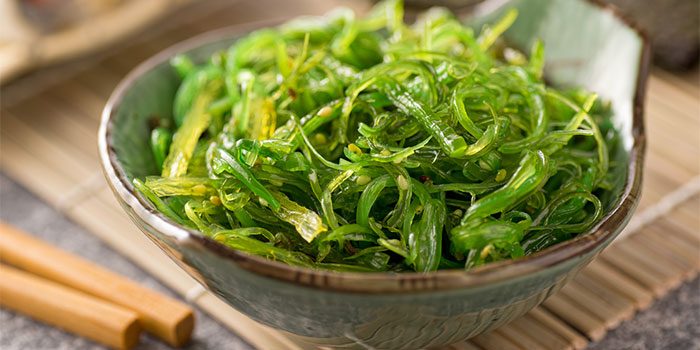
Seaweed, including varieties such as kelp and nori, is an excellent source of iodine. Iodine is essential for thyroid hormone production and overall thyroid function. Incorporating seaweed into your diet can help ensure adequate iodine intake and support thyroid health.
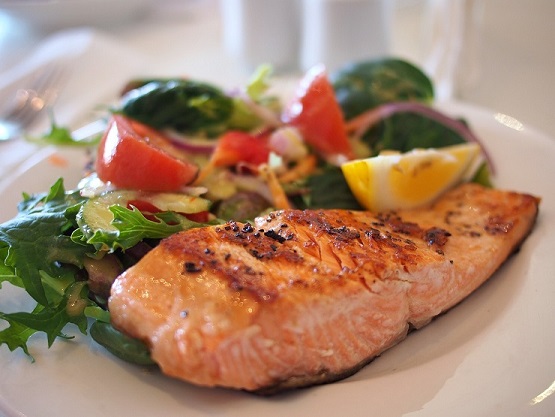
Salmon is a fatty fish rich in omega-3 fatty acids, which have anti-inflammatory properties and support overall thyroid health. Omega-3s help reduce inflammation and support a healthy immune system, which can be beneficial for individuals with thyroid disorders.
Fruits such as apples, pears, plums, and citrus fruits are beneficial for thyroid health due to their high pectin content. Pectin is a type of fiber that aids in detoxifying the body by removing mercury, a heavy metal linked to thyroid dysfunction. By including these fruits in your diet, you can help support your body's natural detoxification processes and maintain a healthy thyroid gland.

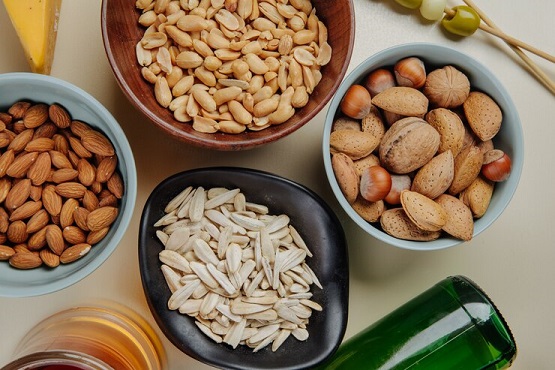
Nuts and seeds, including pumpkin seeds and sunflower seeds, are excellent sources of zinc, an essential mineral for thyroid function. Zinc deficiency has been associated with thyroid problems, so incorporating these nutrient-dense foods into your diet can help replenish your body's zinc levels. Add these seeds to salads or enjoy them as snacks to support thyroid health.
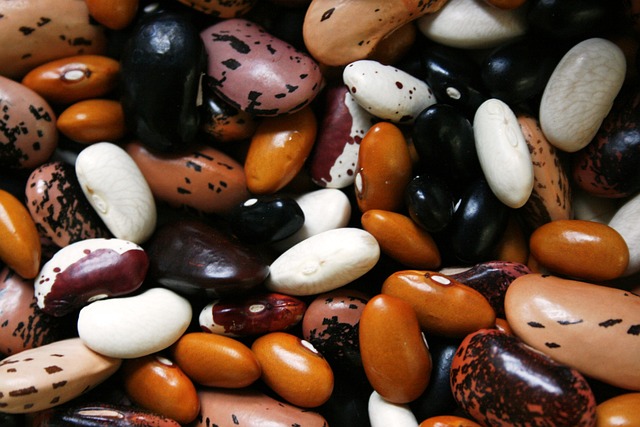
Beans and legumes are rich in both zinc and fiber, making them a valuable addition to a thyroid-friendly diet. Fiber helps regulate the digestive system and prevent constipation, which is particularly important for individuals with thyroid disorders. Chickpeas, in particular, are a healthy option that supports thyroid function and overall digestive health.
Green tea, often hailed for its metabolism-boosting properties, contains catechins—antioxidants that promote fat burning and improve liver function. A healthy metabolism is essential for optimal thyroid function, and drinking green tea can help support this process. Incorporating green tea into your daily routine can contribute to overall thyroid health.

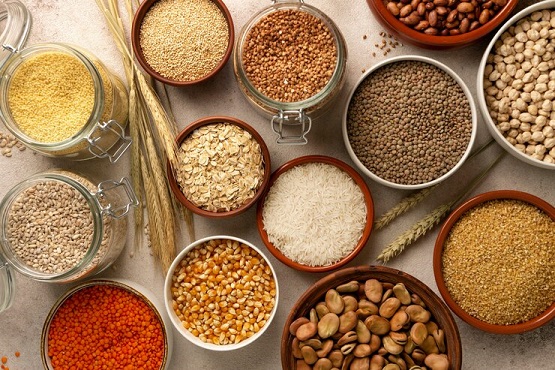
Whole grains, such as oats, brown rice, sprouts, sprouted grain bread, and quinoa, are rich in fiber and require more energy for digestion compared to refined grains. This increased energy expenditure can boost metabolism, which is beneficial for thyroid function. Including whole grains in your diet can help support a healthy metabolism and thyroid health.
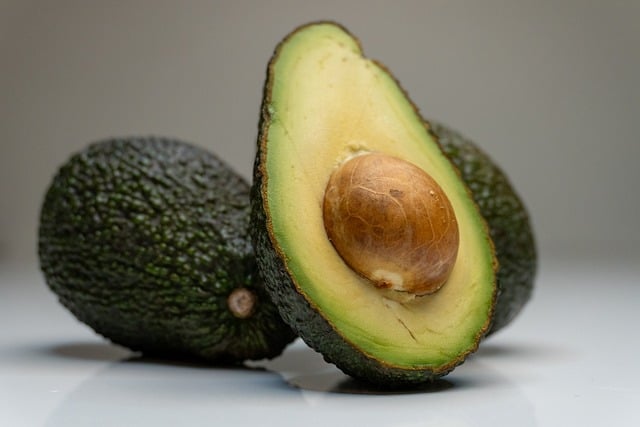
Avocado is a nutrient-dense food packed with antioxidants, healthy fats, fiber, and essential nutrients. These components make avocado an excellent choice for supporting thyroid health. The antioxidants in avocado help combat oxidative stress, while the healthy fats and fiber contribute to overall well-being and balanced thyroid function.
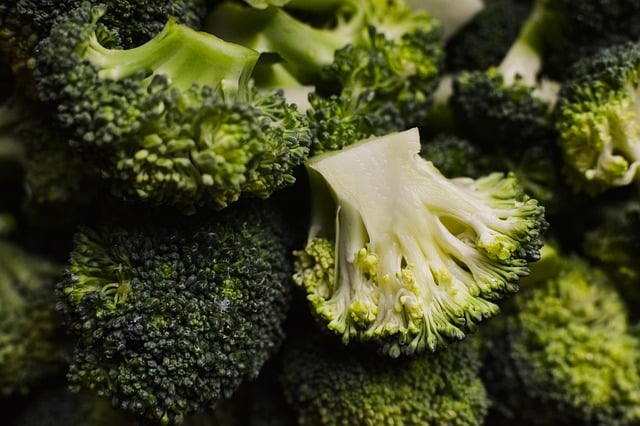
Broccoli is rich in calcium, vitamin C, and fiber, all of which are beneficial for thyroid health. It helps boost metabolism and supports digestive health. The thermic effect of food (TEF) associated with broccoli increases metabolism after consumption, which can be advantageous for those with thyroid issues. Including broccoli in your diet can contribute to improved thyroid function and overall health.
Sweet potatoes are rich in beta-carotene, a precursor to vitamin A, which is crucial for maintaining healthy thyroid function. Additionally, they provide fiber and antioxidants, which contribute to overall health and support thyroid function.

1. Cruciferous Vegetables and Thyroid Health
There is a common misconception that cruciferous vegetables, such as broccoli, cauliflower, and kale, should be avoided if you have thyroid problems because they may interfere with iodine utilization. However, these vegetables are part of a healthy diet and can be consumed in moderation. They provide essential nutrients and support overall health, so there is no need to exclude them from your diet. Instead of focusing on food not to eat, it’s important to consider a balanced approach that includes thyroid-friendly foods. For tailored advice, consult a nutrition diet service in Noida.
2. Iodine Supplements for Underactive Thyroid
Some believe that iodine supplements are necessary for managing an underactive thyroid. In reality, if you live in a region where iodine is commonly added to salt or found in various foods, additional supplements may not be required. It is important to consult with a healthcare provider to determine if iodine supplements are necessary for your specific condition.
3. Gluten-Free Diet for Hashimoto’s Thyroiditis
There is a misconception that a gluten-free diet can cure Hashimoto’s thyroiditis. While some individuals with thyroid disorders may benefit from a gluten-free diet, it is not a cure for the condition. A balanced diet, including a variety of nutrient-rich foods, is crucial for managing thyroid health.
4. Weight Gain and Hypothyroidism
A slight weight gain of 5 to 7 pounds may be associated with an underactive thyroid, but significant weight gain is not solely caused by thyroid issues. Weight management involves various factors, including diet, exercise, and overall lifestyle.
5. Special Diets for Thyroid Disorders
It is a common belief that individuals with thyroid disorders need special diets. In reality, a healthy and balanced diet is crucial for everyone, including those with thyroid issues. While diet alone cannot cause or cure thyroid disorders, focusing on the foods you need to eat can support overall health and well-being.
Dt. Pooja Yadav, B.Sc, MSc in Nutrition & Dietetics, serves as the Senior Dietitian at Felix Hospital, bringing over 8 years of invaluable experience. Renowned for her dedication and expertise, she excels in crafting personalized nutrition plans and enhancing wellness through dietary strategies. She is committed to delivering excellence, significantly contributing to organizational success while pursuing continuous personal growth in her career.
Want to improve your thyroid health through your diet? Call Now - +91 9667064100
Incorporating thyroid-friendly foods into your diet is essential for supporting thyroid health and managing thyroid disorders. Nutrient-rich foods like yogurt, fruits, nuts, seeds, legumes, green tea, whole grains, avocado, and broccoli provide vital nutrients that contribute to optimal thyroid function. It’s important to address common misconceptions and focus on the foods you need to eat for a balanced diet to promote overall well-being. Before making any significant dietary changes, consult with a nutrition diet service in Noida to ensure your diet is tailored to your specific needs.
Feel free to reach out to your healthcare provider or dietitian for personalized advice on managing thyroid health through diet and lifestyle changes.
Dt. Pooja Yadav is a Senior Dietitian with 8+ years of experience in clinical nutrition. She specializes in creating personalized diet plans and promoting healthy lifestyles through balanced nutrition. She is recognized among the Best Dieticians in Noida for her patient-focused approach.
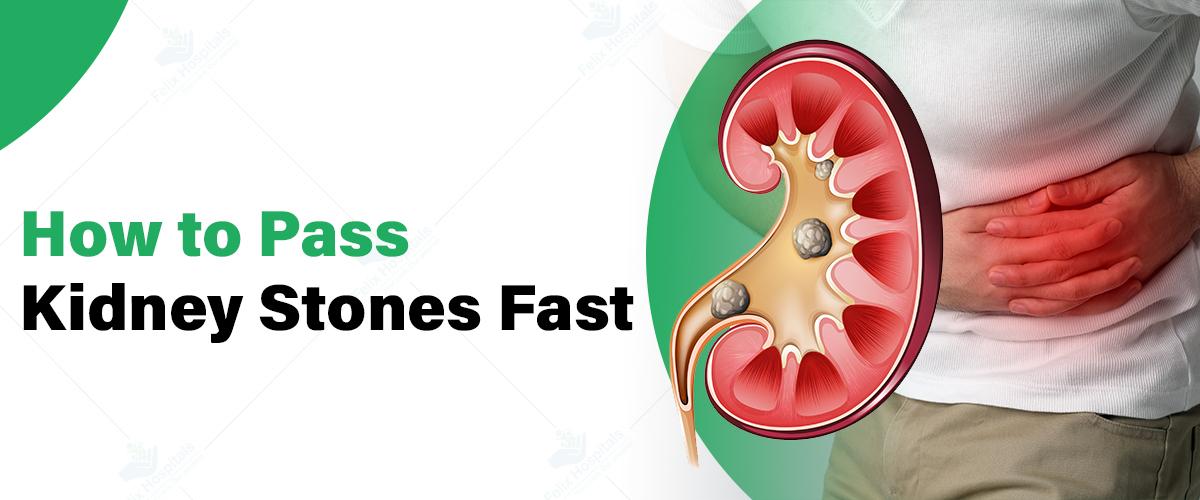
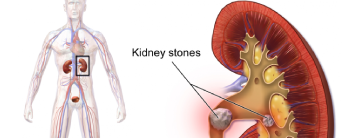
Kidney stones are a common and often painful condition affecting millions globally. These small, hard deposits form in the kidneys and can cause significant discomfort as they move through the urinary tract. While larger stones might need medical treatment, many smaller stones can be passed naturally with the right approach. This blog post will discuss effective methods and strategies for passing kidney stones quickly, but first, it’s essential to understand what kidney stones are and why they form.
Are you struggling with kidney stones too? Get expert care from the best urologists in Noida. Call now at +91 9667064100 !
Kidney stones are crystalline formations that occur when there is an imbalance in the levels of certain substances in your urine, such as calcium, oxalate, and uric acid. When these substances become overly concentrated, they can crystallize and gradually form solid masses. These stones can vary in size from tiny grains of sand to large, golf ball-sized formations. The process begins when high levels of these substances cause them to bind together, eventually creating hard deposits that can cause significant pain and discomfort as they move through the urinary tract.
Boosting your fluid intake is a fundamental approach to passing kidney stones quickly. Drinking plenty of water helps to increase urine production, which can flush out stones more effectively. Proper hydration also dilutes the urine, making it less concentrated and easier for stones to pass through the urinary tract.
Why It Works:
Enhances urine production to help flush out stones.
Dilutes urine, reducing concentration and easing passage.
How to Do It:
Drink 8-12 glasses of water daily.
Monitor urine color; it should be light yellow to clear.
Managing pain effectively is essential when dealing with kidney stones, as severe discomfort can lead to muscle tension and impede the stone's passage. Addressing pain promptly can make the process of passing stones more manageable and less distressing.
Options for Pain Relief:
Over-the-counter pain relievers such as ibuprofen or acetaminophen.
Prescription pain medications if recommended by your doctor.
Warm compresses applied to the affected area.
Note: Always consult with a healthcare professional before taking any medication.
Engaging in light physical activity can facilitate the movement of kidney stones through the urinary tract. Gentle exercises can help propel the stone along, potentially speeding up the process of passing it.
Recommended Activities:
Walking
Light jogging
Gentle stretching exercises
Caution: Avoid high-impact activities that might increase pain.
Making dietary changes can help in the passage of kidney stones and reduce the risk of future occurrences. Specific foods and drinks can aid in breaking down stones and supporting overall kidney health, while others should be avoided to prevent stone formation.
Beneficial Foods and Drinks:
Lemon Juice: Contains citrate, which may help dissolve calcium-based stones.
Basil Juice: Supports kidney health and may reduce stone formation.
Pomegranate Juice: High in antioxidants and can help flush out stones.
Foods High in Magnesium: Such as spinach and nuts.
Foods to Avoid:
High-sodium foods.
Excessive animal protein.
Foods high in oxalates, particularly for those with calcium oxalate stones.
In some cases, doctors may prescribe medications to assist in passing kidney stones more effectively. These medications work by relaxing the muscles in the ureter, helping the stone move through the urinary tract with less difficulty.
Common Medications:
Alpha-blockers (e.g., tamsulosin).
Calcium channel blockers.
Why It Works:
Relaxes ureter muscles to facilitate the stone's passage.
Gravity plays a role in moving kidney stones through the urinary tract. Staying upright and avoiding prolonged periods of bed rest can help use gravity to your advantage in facilitating the stone's descent.
How to Do It:
Spend more time standing or walking.
Limit excessive bed rest unless advised by your doctor.
Diuretics can increase urine production, which helps flush out smaller kidney stones. Both natural and prescribed diuretics can assist in managing the stone and aiding in its passage.
Natural Diuretics:
Dandelion root tea.
Parsley water.
Celery juice.
Caution: Consult with a healthcare professional before using diuretics, especially if you have other medical conditions.
Applying heat to the affected area can provide relief by relaxing the muscles and reducing pain associated with kidney stones. This approach can also support the passage of the stone by easing discomfort.
How to Apply Heat:
Use a heating pad on the affected area.
Take warm baths.
Apply warm compresses.
Percussion therapy involves gently tapping the affected area to help dislodge and move the stone. This technique should be performed carefully and under the guidance of a healthcare professional to ensure safety and effectiveness.
How to Perform:
Lie on the side opposite to where you feel pain.
Have someone gently tap the area with their hand for 5-10 minutes at a time.
Note: This should be done under professional supervision.
Certain herbal remedies may assist in passing kidney stones, although scientific evidence supporting their effectiveness varies. Consulting with a healthcare provider before using herbal supplements is essential to avoid potential interactions and ensure suitability.
Potential Herbal Aids:
Chanca Piedra (known as "stone breaker").
Horsetail.
Hydrangea root.
Caution: Consult with a healthcare professional before using herbal remedies.
While these methods can be effective for passing smaller kidney stones, it's important to know when professional medical intervention is necessary.
Seek immediate medical attention If:
Pain becomes severe and unmanageable
You develop a fever or chills
You're unable to urinate
You see blood in your urine
You experience persistent nausea and vomiting
For larger kidney stones or those that do not pass on their own, your doctor may suggest the following treatments:
Extracorporeal Shock Wave Lithotripsy (ESWL): This procedure uses focused sound waves to break large stones into smaller fragments, making them easier to pass naturally.
Ureteroscopy: A thin, flexible tube is inserted through the urethra and bladder to reach the stone in the ureter. The stone can then be removed or fragmented with laser or other tools.
Percutaneous Nephrolithotomy: This surgical technique involves making a small incision in the back to remove very large stones directly from the kidney.
These methods aim to alleviate discomfort and facilitate the removal of stones that are too large or problematic to pass naturally.
Discover the expertise of two of the best urologists in Noida, renowned for their advanced skills in treating kidney stones.Their comprehensive approach ensures exceptional care and effective treatment, providing top-notch solutions for all your kidney stone needs.
Dr. Bhanwar Lal Barkesiya, MBBS, MS, FMAS, and MCH (Urology) (Gold Medalist), brings over 9 years of specialized experience in treating kidney stones. As a highly skilled urologist, he excels in a wide range of procedures including URSL, PCNL, and ureterolithotomy. Dr. Barkesiya's expertise also encompasses advanced techniques such as robotic-assisted surgeries and managing urological emergencies. His comprehensive approach ensures expert care in diagnosing and treating kidney stones effectively.
Dr. Sachin Khandelwal, MBBS, MS (Gen Sur), MS (Urology), is a seasoned urologist with over 12 years of expertise in managing kidney stones, among other urological conditions. His extensive experience encompasses kidney blockage, bladder issues, urinary tract infections, and both laparoscopic and open surgeries. Dr. Khandelwal also specializes in renal transplantation and endourology.
Passing kidney stones can be a challenging and painful experience, but with the right approach, you can facilitate their passage and find relief. The effectiveness of these methods can vary depending on the stone's size and type, as well as individual factors. For personalized advice and comprehensive care, especially if you have recurring kidney stones or other health conditions, consulting with a healthcare professional at the best urology hospital in Greater Noida ensures you receive expert guidance to effectively manage kidney stones and maintain your overall urinary health.
Get reliable and advanced urinary bladder stone surgery in Noida at Felix Hospital for pain-free treatment and better urinary health.
Got questions about kidney stones? Call +91 9667064100 or click here for expert answers and guidance.
1.) What is the main cause of kidney stones?
Ans: The main cause of kidney stones is an imbalance in substances in the urine, such as calcium, oxalate, and uric acid, leading to crystallization. Factors include dehydration, high dietary intake of these substances, and certain medical conditions or genetic predispositions.
2.) Is milk bad for kidney stones?
Ans: Milk is not necessarily bad for kidney stones. In fact, it provides calcium, which can help prevent the formation of certain types of stones. However, individuals prone to calcium oxalate stones should balance calcium intake with other dietary considerations and consult a healthcare provider.
3.) Can I dissolve a 7mm kidney stone?
Ans: Dissolving a 7mm kidney stone is challenging and typically requires medical intervention. While some stones may be treated with medications or dietary changes, larger stones often require procedures like shock wave lithotripsy (SWL) or ureteroscopy to break them down.
4.) Is it OK to live with kidney stones?
Ans: Living with kidney stones can be manageable if they are small and asymptomatic. However, larger stones or those causing pain, obstruction, or infection require medical treatment to prevent complications and improve quality of life.
5.) Does walking help pass kidney stones?
Ans: Walking may help pass kidney stones by encouraging movement and potentially facilitating the stone's journey through the urinary tract. However, for effective management, it's important to follow medical advice and consider other treatments if necessary.
6.) How can I manage kidney stone pain?
Ans: Managing kidney stone pain can involve over-the-counter pain relievers like ibuprofen or acetaminophen, staying hydrated to help the stone pass, and applying warm compresses. For severe pain, prescription medications or medical interventions might be required.
7.) Can stones damage kidneys?
Ans: Yes, kidney stones can damage the kidneys if they cause persistent obstruction or lead to infections. They can impair kidney function, potentially causing complications like hydronephrosis or chronic kidney disease if not treated appropriately.
Obesity and excessive sugar consumption are widely recognized as major contributors to diabetes, heart disease, and high blood pressure.
Kidney dialysis is a life-saving treatment for patients suffering from chronic kidney disease or kidney failure. Understanding the dialysis cost in Noida helps patients and families plan treatment effectively. This article explains the factors affecting d
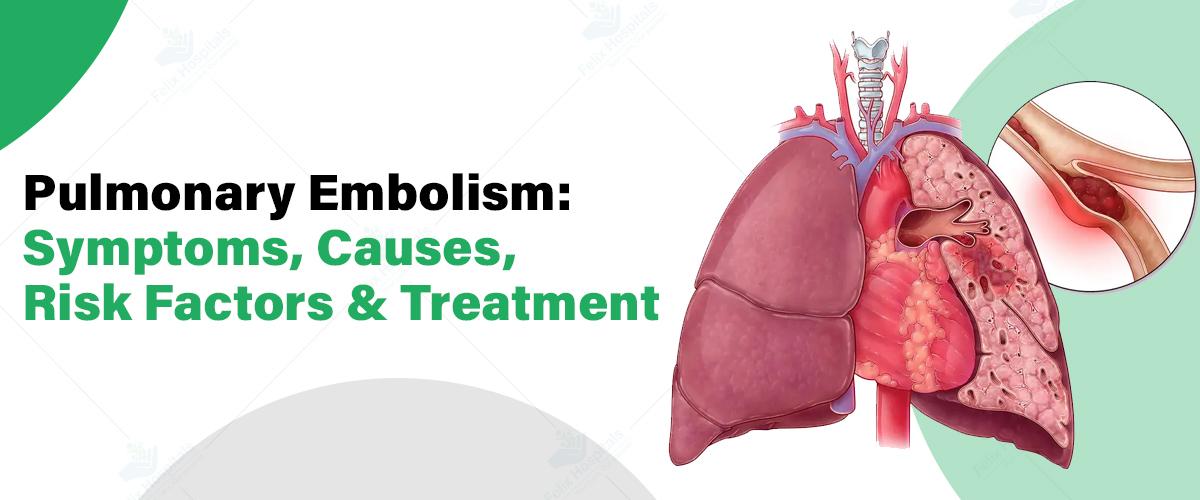
Pulmonary embolism (PE) is a critical condition that arises when a blood clot blocks one or more arteries in the lungs, leading to potentially severe and life-threatening complications. At the forefront of diagnosing and managing this condition is the Best Pulmonology Hospital in Noida, which specializes in comprehensive care for respiratory and vascular issues. Understanding the symptoms, causes, risk factors, and treatment options for pulmonary embolism is essential for timely intervention and effective management. This detailed guide provides crucial insights into how PE develops, how it is diagnosed, and the best practices for treatment and prevention.
Protect Your Lungs: Schedule a Pulmonary Embolism Screening Today! Call Now - +91 9667064100.
Pulmonary embolism (PE) is a serious medical condition that occurs when a blood clot blocks one or more arteries in the lungs. This obstruction impedes blood flow and can lead to severe complications or even be life-threatening. Understanding the symptoms, causes, risk factors, and treatment options for pulmonary embolism is crucial for timely diagnosis and effective management.
The symptoms of pulmonary embolism can vary widely depending on the size of the clot and the extent of the blockage. Common symptoms include:
Pulmonary embolism is primarily caused by blood clots that travel from other parts of the body to the lungs. These clots usually originate in the deep veins of the legs (deep vein thrombosis). Common causes of these clots include:
Diagnosing pulmonary embolism involves a combination of clinical assessment, imaging tests, and laboratory tests:
Treatment for pulmonary embolism aims to dissolve the clot, prevent new clots, and manage symptoms. Treatment options include:
Several factors can increase an individual's risk of developing pulmonary embolism. These include:
Preventive measures are crucial for individuals at risk of pulmonary embolism. These include:
Dr. Priyadarshi Jitendra Kumar is a distinguished pulmonologist with over 20 years of experience in General Practice. He specializes in the comprehensive management of conditions such as diabetes, thyroid disorders, hypertension, infectious diseases, and critical care. His expertise also extends to treating sleep disorders and performing advanced interventional pulmonology procedures.
Pulmonary embolism is a potentially life-threatening condition that requires prompt diagnosis and treatment. Recognizing the symptoms, understanding the causes and risk factors, and seeking timely medical intervention are crucial for managing and preventing PE. For more information or to discuss your concerns with the best pulmonologist in Noida, please contact us today.
1-Why Do You Get Pulmonary Embolism?
Pulmonary embolism occurs when a blood clot blocks one or more arteries in the lungs, obstructing blood flow. The most common cause is a blood clot that originates in the deep veins of the legs, known as deep vein thrombosis (DVT), and travels to the lungs. Other causes include:
2-Can Pulmonary Embolism Be Cured?
Yes, pulmonary embolism can be treated effectively. The treatment aims to dissolve the clot, prevent new clots from forming, and manage symptoms. While there is no cure in the traditional sense, effective management can resolve the clot and reduce complications. Treatments include:
3-Who Is at Risk for a Pulmonary Embolism?
Individuals at higher risk for pulmonary embolism include:
4-What Is the Immediate Treatment for Pulmonary Embolism?
Immediate treatment for pulmonary embolism involves:
5-What Are Pulmonary Embolism Warning Signs?
Common warning signs of pulmonary embolism include:
6-Can a Pulmonary Embolism Be Treated at Home?
Pulmonary embolism generally requires medical intervention and cannot be effectively treated at home. Immediate medical care is essential to manage the condition and prevent complications. Home care might include following medical advice and taking prescribed medications, but the initial treatment and monitoring should be done in a healthcare facility.
7-What Is the Best Treatment for Pulmonary Embolism?
The best treatment for pulmonary embolism depends on the severity and individual patient factors. Standard treatments include:
Early diagnosis and treatment are crucial for effective management and improved outcomes in pulmonary embolism.

A pulmonologist plays a crucial role in helping patients dealing with serious or chronic breathing difficulties.

Additionally, many COPD patients experience unintended weight loss and muscle wasting, a condition known as Pulmonary cachexia.
A complete guide to understanding varicose vein surgery expenses in Noida, including treatment types, hospital charges, and recovery costs.

Don't Face Panic Alone! Call Felix Hospital's Lifeline at +919667064100 Now for Immediate Support. If It's an Emergency, Dial 112 Right Away. Our Top Psychiatric Hospital in Noida is Here to Help You—Get the Resources and Support You Need Today!
Panic attacks can be intense and frightening, often occurring suddenly and leaving individuals feeling helpless and out of control. However, with the right knowledge and techniques, you can manage and even stop panic attacks effectively. This guide offers practical strategies to help you navigate these challenging moments and also provides guidance on finding and selecting top psychiatrists from the best psychiatrist hospital to gain valuable insights and regain your sense of calm.
Before we explore the methods of stopping a panic attack, it's crucial to understand what a panic attack is and how it manifests.
A panic attack is a sudden surge of intense fear or discomfort that reaches its peak within minutes. During this time, individuals may experience a range of physical and psychological symptoms, including:
- Rapid heartbeat or palpitations
- Shortness of breath
- Chest pain or discomfort
- Trembling or shaking
- Nausea or abdominal distress
- Feelings of unreality or detachment
It's important to note that while these symptoms can be extremely distressing, panic attacks are not physically dangerous. Understanding this can be the first step in managing your panic attacks more effectively.
When you feel a panic attack coming on, try these immediate strategies to help calm yourself:
1. Acknowledge the panic attack: Recognize that you're having a panic attack and remind yourself that it will pass. This simple act of acknowledgment can help reduce the fear associated with the experience.
2. Focus on your breathing: Concentrate on taking slow, deep breaths. Inhale slowly through your nose for a count of four, hold for a count of two, and then exhale slowly through your mouth for a count of six. This technique, known as diaphragmatic breathing or belly breathing, can help slow your heart rate and reduce feelings of anxiety.
3. Use grounding techniques: Grounding techniques can help you feel more connected to the present moment and less caught up in the panic. Try the 5-4-3-2-1 method: Identify 5 things you can see, 4 things you can touch, 3 things you can hear, 2 things you can smell, and 1 thing you can taste.
4. Progressive muscle relaxation: Starting from your toes and working your way up to your head, tense each muscle group for a few seconds and then relax it. This can help release physical tension and promote a sense of calm.
5. Practice mindfulness: Try to observe your thoughts and feelings without judgment. Acknowledge them as they come and go, like clouds passing in the sky.
While the above techniques can help during an acute panic attack, developing long-term strategies is crucial for overall management and prevention of panic attacks:
1. Regular exercise: Engaging in regular physical activity can help reduce stress and anxiety. Aim for at least 30 minutes of moderate exercise most days of the week.
2. Maintain a healthy diet: A balanced diet can contribute to overall well-being and may help reduce anxiety. Limit caffeine and alcohol intake, as these can sometimes trigger or worsen panic symptoms.
3. Practice relaxation techniques: Regularly practicing techniques such as deep breathing, meditation, or yoga can help you stay calmer in general and potentially reduce the frequency of panic attacks.
4. Get enough sleep: Lack of sleep can contribute to anxiety and panic attacks. Aim for 7-9 hours of sleep per night and maintain a consistent sleep schedule.
5. Avoid smoking and limit alcohol consumption: Both smoking and excessive alcohol use can contribute to anxiety and panic attacks.
6. Join a support group: Connecting with others who experience panic attacks can provide valuable support and coping strategies.
7. Keep a journal: Writing about your experiences, thoughts, and feelings can help you identify triggers and patterns related to your panic attacks.
8. Consider therapy: Cognitive-behavioral therapy (CBT) has been shown to be particularly effective in treating panic attacks and panic disorder. A therapist can help you develop coping strategies and work through underlying issues.
If someone you’re with is having a panic attack, here’s how you can help. Stay calm yourself, as your calmness can be reassuring. Let them know they’re safe and that the attack will pass, but avoid downplaying their feelings. Instead of saying things like "calm down," acknowledge their distress and offer support. Help them breathe slowly and deeply by guiding them or breathing with them. Distract them by talking or focusing on something around them. If they’re comfortable, offer physical comfort like holding their hand or putting an arm around them. Stay with them until they feel better, unless they prefer to be alone.
In addition to these immediate steps, seeking relationship counseling in Noida can be highly beneficial. A counselor can help both you and the person experiencing panic attacks understand and manage the emotional dynamics involved. This professional support can improve communication, build stronger coping strategies, and offer tools for handling such situations more effectively in the future.
Facing a panic attack? Click here or call +91 9667064100 for immediate support. We're here to help you breathe easier.
Dr. Ashima Ranjan specializes in treating panic attacks, anxiety, and related disorders. She offers personalized care using evidence-based methods, including Cognitive Behavioral Therapy (CBT), to help individuals manage and overcome these issues effectively.
Dr. Jaideep Gambhir specializes in treating panic attacks, depression, anxiety, and ADHD. He offers personalized care through psychotherapy and counseling, addressing these conditions in both adults and adolescents with a comprehensive approach to psychiatric management.
Panic attacks can be frightening and overwhelming, but they are manageable with the right tools and techniques. By understanding what panic attacks are, learning immediate coping strategies, and developing long-term management techniques, you can significantly reduce the impact of panic attacks on your life. Remember, it's okay to ask for help, whether from friends, family, or mental health professionals. With time, patience, and practice, you can learn to manage your panic attacks effectively and lead a fulfilling life. Everyone's experience with panic attacks is unique, and what works for one person may not work for another. Be patient with yourself as you try different strategies and find what works best for you. With persistence and the right support, you can gain control over your panic attacks and improve your overall quality of life.
1. Can a panic attack cause a heart attack?
Ans. While the symptoms of a panic attack can feel similar to a heart attack, panic attacks do not cause heart attacks. However, if you're unsure whether you're experiencing a panic attack or a heart attack, it's always best to seek medical attention.
2. How long does a typical panic attack last?
Ans. Most panic attacks reach their peak within 10 minutes and subside within 20-30 minutes. However, some people may experience symptoms for hours.
3. Can children have panic attacks?
Ans. Yes, children can experience panic attacks. If you suspect your child is having panic attacks, it's important to consult with a pediatrician or child psychologist.
4. Can medication help with panic attacks?
Ans. Yes, certain medications can be effective in managing panic attacks. These typically include anti-anxiety medications and antidepressants. Always consult with a healthcare professional before starting any medication.
5. Are panic attacks and anxiety attacks the same thing?
Ans. While often used interchangeably, panic attacks and anxiety attacks are not the same. Panic attacks are sudden and intense, while anxiety attacks tend to build up over time and may be less severe.
6. Can certain foods or drinks trigger panic attacks?
Ans. Yes, substances like caffeine, alcohol, and certain food additives can potentially trigger or worsen panic attacks in some individuals.

Struggling with suicidal thoughts can feel overwhelming, but support is available. Learn effective coping strategies, recognize warning signs, and find the right mental health help when you need it most.

Depression during pregnancy can impact both the mother’s mental well-being and the baby’s development. Early diagnosis, proper treatment, and emotional support are essential for a healthy pregnancy.

We all feel down sometime or the other. Sometime there is no particular reason why are we feeling this way. And it is normal to feel low sometime

If you are having any physical pain in your body due to factors like illness, injury, sudden stroke or aging, a physiotherapist can help you to overcome the pain through various therapies like electrotherapy, heat and cold packs, exercise etc.
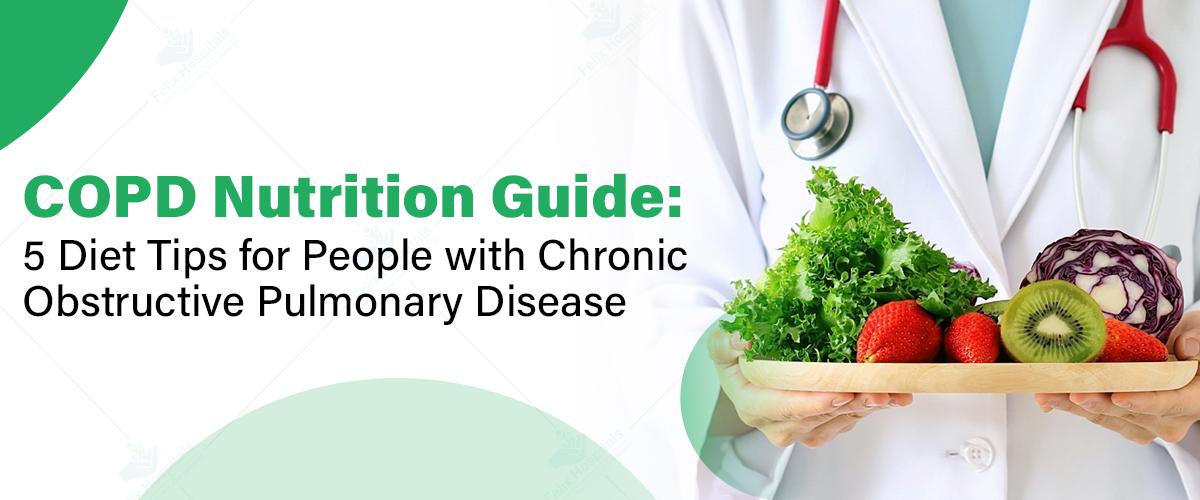
Living with Chronic Obstructive Pulmonary Disease (COPD) presents numerous challenges, but with proper management and lifestyle adjustments, individuals can significantly improve their quality of life. One often overlooked aspect of COPD management is nutrition. A well-balanced diet tailored to the specific needs of COPD patients can play a crucial role in managing symptoms, boosting energy levels, and supporting overall health.
In this blog, we'll explore five essential diet tips for people with COPD. These recommendations are designed by the best pulmonary doctor for COPD to help you breathe easier, maintain a healthy weight, and strengthen your body's defenses against respiratory infections.
Looking for effective COPD management? Contact us at +91 9667064100 and take the first step towards better breathing today!
1. Prioritize Protein for Muscle Strength and Repair
For individuals with COPD, maintaining muscle mass is crucial. The respiratory muscles, which are responsible for breathing, can become weakened due to the extra effort required to breathe with compromised lungs. Additionally, many COPD patients experience unintended weight loss and muscle wasting, a condition known as Pulmonary cachexia.
To combat these issues, it's essential to incorporate adequate protein into your diet. Protein is the building block of muscles and plays a vital role in tissue repair and immune function. Aim to include a source of lean protein in every meal.
Good protein sources include:
For those who struggle to eat large meals due to shortness of breath, try incorporating protein-rich snacks throughout the day. Greek yogurt with berries, a handful of almonds, or a hard-boiled egg can provide a quick protein boost without overwhelming your system.
It's important to note that while protein is crucial, excessive protein intake can increase carbon dioxide production, potentially making breathing more difficult. Consult with a registered dietitian to determine the right amount of protein for your individual needs.
2. Balance Carbohydrates for Energy Management
Carbohydrates are the body's primary source of energy, but for chronic obstructive pulmonary disease (COPD) patients, managing carbohydrate intake requires a delicate balance. Consuming too many carbohydrates, especially simple sugars, can lead to increased carbon dioxide production during metabolism. This can potentially worsen breathlessness in some individuals with COPD.

However, it's important not to eliminate carbohydrates entirely, as they are essential for energy production. The key is to focus on complex carbohydrates and practice portion control.
Tips for managing carbohydrate intake:
Choose whole grains over refined grains (e.g., brown rice instead of white rice, whole wheat bread instead of white bread)
3. Embrace Healthy Fats for Inflammation Reduction
Inflammation plays a significant role in chronic obstructive pulmonary disease (COPD) progression and symptom severity. While medication is often necessary to manage inflammation, dietary choices can also have an impact. Incorporating healthy fats, particularly omega-3 fatty acids, into your diet may help reduce inflammation and support overall lung health.

Beneficial sources of healthy fats include:
Omega-3 fatty acids have been shown to have anti-inflammatory properties. Some studies suggest that regular consumption of omega-3s may help improve lung function and reduce the risk of COPD exacerbations.
While incorporating healthy fats is important, it's crucial to maintain a balance. Fats are calorie-dense, so be mindful of portion sizes, especially if weight management is a concern. Additionally, some COPD patients find that high-fat meals can cause discomfort and make breathing more difficult. If you experience this, try spreading your fat intake throughout the day in smaller portions.
4. Stay Hydrated for Optimal Mucus Management
Proper hydration is crucial for everyone, but it's particularly important for individuals with COPD. Adequate fluid intake helps keep mucus thin and easier to expel, which is essential for maintaining clear airways and preventing infections.
Water is always the best choice for hydration, but other beverages can contribute to your daily fluid intake as well.
Hydration tips for COPD patients:
5. Focus on Nutrient-Dense Foods for Overall Health
COPD can increase the body's energy requirements, making it crucial to maximize the nutritional value of every meal. Focusing on nutrient-dense foods ensures that you're getting the most benefit from the calories you consume.
Nutrient-dense foods are rich in vitamins, minerals, and other beneficial compounds while being relatively low in calories. These foods can help support your immune system, promote healing, and provide the energy needed to manage COPD symptoms.

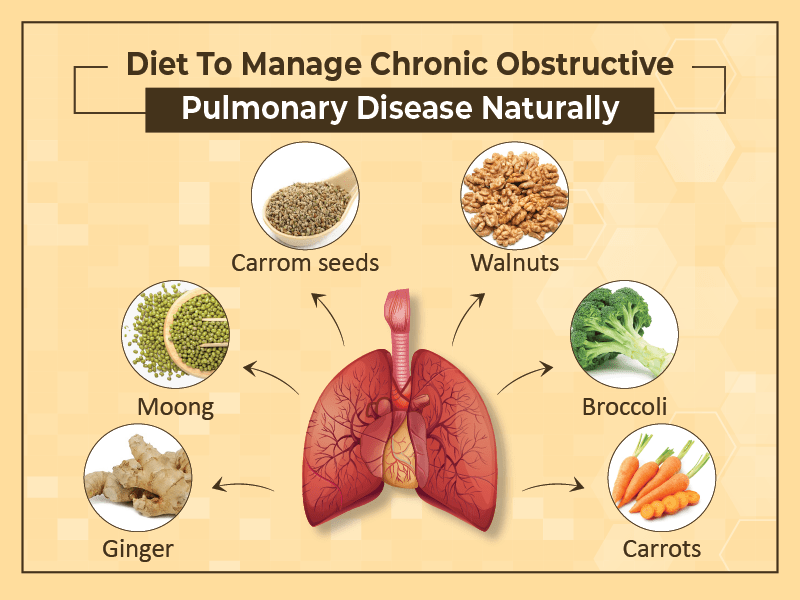
Some nutrient-dense foods to incorporate into your diet include:
Certain nutrients are particularly important for COPD patients:
Vitamin D: Many COPD patients have low vitamin D levels, which can impact lung function and increase the risk of exacerbations. Good sources include fatty fish, egg yolks, and fortified dairy products. Sun exposure also helps the body produce vitamin D.
Vitamin C: This antioxidant vitamin supports immune function and may help protect lung tissue from damage. Citrus fruits, strawberries, bell peppers, and broccoli are excellent sources.
Vitamin E: Another antioxidant that may help protect lung tissue. Found in nuts, seeds, and vegetable oils.
Magnesium: This mineral supports muscle and nerve function, including the muscles involved in breathing. Good sources include spinach, nuts, seeds, and whole grains.
While a balanced diet should provide most of the nutrients you need, some COPD patients may benefit from supplements. Always consult with your healthcare provider, ideally at the best pulmonary disease hospital, before starting any new supplement regimen, as some supplements can interact with medications or have unexpected effects on COPD symptoms.
Dr. Priyadarshi Jitendra Kumar
Dr. Priyadarshi Jitendra Kumar, MBBS, DNB, FSM, FCCP, brings over 20 years of specialized experience in treating Chronic Obstructive Pulmonary Disease (COPD). Renowned for his expertise in respiratory and sleep medicine, he excels in advanced diagnostic and therapeutic procedures, including flexible bronchoscopy and EBUS. His comprehensive approach and deep knowledge ensure effective management of COPD, tailored to each patient’s needs.
Dt. Pooja Yadav
Dt. Pooja Yadav, B.Sc, M.Sc-Nutrition, is a seasoned dietitian with over 8 years of experience in crafting effective diet plans for managing Chronic Obstructive Pulmonary Disease (COPD). As a Senior Dietitian at Felix Hospital, she specializes in creating personalized nutrition strategies that support respiratory health and improve overall well-being. Her expertise in dietetics ensures that each patient receives tailored dietary interventions to manage COPD effectively and enhance their quality of life.
Dt. Nida Zafar
Dt. Nida Zafar, B.Sc, M.Sc-Nutrition, is a dedicated dietician with 4 years of experience specializing in COPD diet management. She excels in providing personalized dietary counseling for both outpatient and inpatient settings, ensuring tailored nutrition plans that support effective COPD management. Her commitment to staying updated with the latest advancements and her focus on delivering exceptional patient outcomes make her a trusted expert in optimizing respiratory health through diet.
Proper nutrition is a powerful tool in managing COPD and improving overall quality of life. By prioritizing protein, balancing carbohydrates, embracing healthy fats, staying hydrated, and focusing on nutrient-dense foods, individuals with COPD can support their lung health and overall well-being. For optimal results, consider discussing your dietary needs with your healthcare team to complement your chronic obstructive pulmonary disease treatment.
Remember that everyone's nutritional needs are unique, and what works for one person may not be ideal for another. It's essential to work closely with your healthcare team, including a registered dietitian if possible, to develop a nutrition plan tailored to your specific needs and circumstances.
Have further queries about COPD care? Call us at +91 9667064100 or simply click here for expert answers and personalized assistance!
Sure, here are the rephrased questions along with brief answers:
1. What are the different stages of COPD?
COPD is classified into four stages: Stage 1 (mild), Stage 2 (moderate), Stage 3 (severe), and Stage 4 (very severe). Each stage reflects the progression of the disease and its impact on lung function and overall health.
2. What is the primary cause of COPD?
The main cause of COPD is long-term exposure to harmful substances, particularly cigarette smoke. Other factors include prolonged exposure to air pollutants, dust, and fumes.
3. Can COPD be cured?
COPD cannot be cured, but it can be managed effectively. Treatments focus on relieving symptoms, improving quality of life, and slowing disease progression through medications, lifestyle changes, and therapies.
4. What is the most effective treatment for COPD?
The most effective treatment for COPD usually involves a combination of medications (such as bronchodilators and steroids), lifestyle changes (like quitting smoking), and pulmonary rehabilitation to improve lung function and manage symptoms.
5. Is COPD a serious condition?
Yes, COPD is a serious condition. It progressively worsens over time and can significantly impact a person's quality of life, leading to severe breathing difficulties and complications if not properly managed.
6. What does the 6-minute walk test involve for COPD patients?
The 6-minute walk test measures how far a patient can walk in six minutes. It helps assess their exercise tolerance, lung function, and overall health, providing valuable information for managing COPD.
7. Which type of doctor can diagnose COPD?
A pulmonologist, a specialist in respiratory conditions, is typically the doctor who diagnoses COPD. However, general practitioners and internists can also diagnose and manage the disease.
8. How can a doctor determine if you have COPD?
A doctor can diagnose COPD through a combination of medical history, physical examination, and diagnostic tests like spirometry, which measures lung function, and imaging studies such as chest X-rays or CT scans.
A pulmonologist plays a crucial role in helping patients dealing with serious or chronic breathing difficulties.

When considering eye surgery, selecting the right specialist is of utmost importance. At the best ophthalmologist hospital in Noida, you can be assured of receiving exceptional care from experienced professionals who utilize advanced technology. Despite the summer season being an ideal time for many health procedures, numerous myths deter people from opting for eye surgeries during this period. Let’s debunk those myths and provide accurate information about the realities of undergoing eye surgery in the summer.
book an appointment with Best Eye Doctor In Noida. Call now at +91-9667064100.
Eye surgery, especially procedures like LASIK and Cataract Surgery, is a common and effective solution for many vision problems. However, many people hesitate to schedule these surgeries during the summer due to various myths and misconceptions. Let’s debunk popular myths and present facts about eye surgery during the summer to help you make an informed decision.
Myth 1: Summer Heat Increases the Risk of Infection
Fact: Modern eye surgery procedures are performed in sterile, controlled environments, minimizing the risk of infection regardless of the season. Surgeons follow strict protocols to ensure patient safety, and the risk of infection remains low throughout the year.
Myth 2: Sunlight Negatively Affects Healing
Fact: While it’s true that direct sunlight can cause discomfort and may delay healing, this risk is easily managed. Patients are advised to wear protective sunglasses and follow post-operative care instructions to shield their eyes from harmful UV rays. Proper eye protection can effectively mitigate any potential issues caused by sunlight.
Myth 3: Swimming is Completely Off-Limits After Surgery
Fact: Swimming should be avoided for a specific period after eye surgery, typically a few weeks, to prevent exposure to bacteria in water. However, this is a temporary restriction and is not exclusive to summer. Once your doctor gives the green light, you can resume swimming with appropriate eye protection.
Myth 4: Higher Temperatures Affect Surgical Outcomes
Fact: Surgical outcomes are not impacted by the weather. The controlled environments in which eye surgeries are performed ensure that external temperatures do not affect the procedure. Advanced surgical techniques and equipment function optimally regardless of the season.
Myth 5: Allergies Are Worse in Summer, Making Surgery Riskier
Fact: Allergies can indeed be more pronounced in certain seasons. However, preoperative evaluations take your overall health, including allergy status, into account. If you have seasonal allergies, your surgeon may prescribe medications to manage symptoms and ensure a smooth recovery process.
Myth 6: Dehydration from Heat Can Complicate Surgery
Fact: Proper hydration is important for overall health but does not specifically complicate eye surgery. Surgeons recommend staying hydrated and maintaining good overall health before any surgical procedure. Drinking adequate water and following a balanced diet are simple yet effective measures.
Myth 7: It's Harder to Schedule Surgeries in Summer Due to High Demand
Fact: While summer can be a busy time for elective surgeries, many clinics manage appointments efficiently to accommodate patients year-round. Planning ahead and scheduling your surgery in advance can ensure you get the desired date and time for your procedure.
Myth 8: Recovery Takes Longer in Summer
Fact: Recovery time from eye surgery is consistent throughout the year and depends on individual factors rather than the season. Following your surgeon's post-operative care instructions is crucial for a smooth and timely recovery, regardless of when the surgery is performed.
Myth 9: Post-Surgery Activities are Limited in Summer
Fact: While some activities like swimming or being in dusty environments should be avoided initially, most other summer activities can be enjoyed with proper care. Protective eyewear and following post-operative guidelines allow patients to enjoy their summer while recovering from eye surgery.
Myth 10: Eye Surgeries Are Less Effective in Summer
Fact: The effectiveness of eye surgeries like LASIK or cataract surgery is not influenced by the season. Success rates are consistently high throughout the year, thanks to advancements in surgical techniques and technology. The skill of the surgeon and adherence to post-operative care are the key factors influencing outcomes.
Choosing the right ophthalmologist is a crucial step in your eye surgery journey. If you're located in or near Noida, you're fortunate to have access to some of the best ophthalmologists in the region, including:
Dr. Mohmad Uzair Zakai
With over 10 years of experience in ophthalmology, Dr. Mohmad Uzair Zakai is highly skilled in both basic and advanced eye procedures. He excels in managing outpatient care and emergencies with precision. His expertise includes performing a wide range of ophthalmological investigations, such as slit lamp examinations, OCT imaging, and fundus fluorescein angiography. Dr. Zakai is proficient in treating conditions like glaucoma, diabetic retinopathy, and age-related macular degeneration. Additionally, he has successfully performed 4,800 cataract surgeries using various techniques, including phacoemulsification.
Dr. Deepanjali Arya
Dr. Deepanjali Arya is a seasoned ophthalmologist with over 9 years of experience. She specializes in diagnosing, treating, and surgically managing a variety of eye conditions. Driven by a commitment to improving eye health, Dr. Arya provides exceptional care and personalized treatment plans tailored to individual needs.
Take the Next Step Towards Clearer Vision—Connect with Our Specialists! Call Now - +91 9667064100.
Debunking these myths about Eye Surgery during the summer reveals that there is no reason to delay necessary procedures based on the season alone. The advanced medical facilities, controlled surgical environments, and professional care ensure that eye surgeries are safe and effective year-round. If you need eye surgery, consult with your ophthalmologist to schedule your procedure at a time that is convenient for you, without worrying about the myths surrounding summer surgeries. Enjoy clear vision and a great summer with the right information and care.
1. Can eye surgery be done in summer?
Yes, eye surgery can be performed in the summer. While some people worry about potential complications related to heat or outdoor activities, modern techniques and precautions ensure that summer does not significantly impact the safety or effectiveness of eye surgery. However, it’s essential to follow your surgeon’s advice and take necessary precautions to protect your eyes from excessive sun exposure and irritants.
2. Which season is good for eye operations?
Eye surgery can be performed safely in any season. The best time for eye surgery largely depends on individual circumstances and the specific procedure being performed. It’s more important to choose a time when you can follow post-operative care instructions and avoid activities that might strain your eyes, regardless of the season.
3. What is the fastest way to recover from eye surgery?
To recover quickly from eye surgery, follow these tips:
4. How many days rest are required after an eye operation?
The required rest period after eye surgery varies depending on the type of procedure and individual recovery rates. For procedures like LASIK or cataract surgery, most patients experience significant improvement within a few days, but it may take a few weeks to achieve full recovery. Always follow your surgeon’s specific recommendations regarding rest and activity restrictions.
5. Is eye surgery very painful?
Eye surgery is generally not very painful. Most procedures are performed under local anesthesia, which numbs the area around the eye. You may experience some discomfort, pressure, or mild pain during and after the surgery, but this is usually manageable with prescribed medications and should diminish over time.
6. How long does the eye hurt after surgery?
Mild discomfort or soreness in the eye can be expected after surgery, but it typically lasts for a few days to a week. If you experience severe or persistent pain, it’s important to contact your surgeon to rule out complications.
7. Is crying OK after eye surgery?
Light crying after eye surgery is generally acceptable, but excessive crying should be avoided as it may increase discomfort or affect the healing process. Follow your surgeon’s advice on how to manage tears and any other post-operative symptoms.
8. Who should not do eye surgery?
Certain individuals may not be suitable candidates for eye surgery, including:
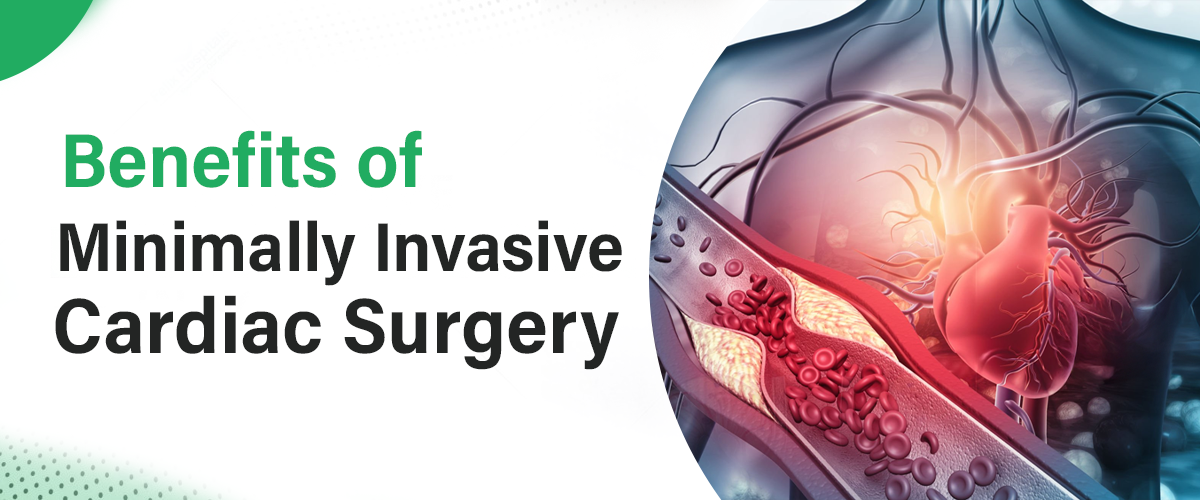
Minimally invasive cardiac surgery is a modern approach to treating heart conditions that aims to reduce the physical trauma associated with traditional open heart surgery. Instead of making a large incision, surgeons use smaller incisions and advanced tools, often guided by cameras, to perform the procedure. This technique is recommended because it typically results in less pain, reduced risk of infection, shorter recovery times, and minimal scarring. For many patients, these benefits translate into a quicker return to normal activities and an overall improved quality of life.
For top-notch minimally invasive cardiac surgery, click here or call +91 9667064100.
Minimally invasive cardiac surgery (MICS) represents a major leap forward in cardiac care, offering a less invasive alternative to conventional open-heart surgery. Unlike traditional methods that necessitate a large incision through the breastbone, MICS involves making several small incisions in the chest. Surgeons access the heart through these small openings, navigating through the spaces between the ribs.
This approach significantly reduces the trauma to the body and supports a quicker recovery. MICS can be used for a range of procedures, including valve repairs, coronary artery bypass grafting, and corrections of atrial septal defects, among others.
Minimally invasive cardiac surgery is generally preferred over traditional open-heart surgery for several key reasons. Traditional surgery requires a lengthy incision and considerable disruption of the chest wall, leading to prolonged recovery times and increased postoperative discomfort. On the other hand, MICS employs smaller incisions, resulting in less pain, minimal scarring, and a faster return to daily activities. Patients who undergo MICS often enjoy shorter hospital stays and experience fewer complications, such as infections and excessive bleeding. For those considering this approach, it's also worth noting that the minimally invasive cardiac surgery cost in Noida can be more affordable compared to traditional methods, offering an additional benefit.
Minimal Scarring
One of the most noticeable benefits of MICS is the minimal scarring it results in. Traditional open-heart surgery often leaves a prominent scar down the middle of the chest, which can be a significant concern for many individuals. In contrast, MICS involves smaller, strategically placed incisions that tend to heal with less noticeable scars, offering a more favorable cosmetic outcome.
Faster Recovery
Patients who opt for minimally invasive procedures often experience a quicker recovery compared to those undergoing open-heart surgery. The less invasive nature of MICS generally allows patients to resume normal activities within days to weeks, whereas traditional surgery typically requires several weeks or even months for a full recovery. This expedited recovery is due to the reduced trauma to the body and lower need for extensive pain management.
Reduced Discomfort and Pain
Minimally invasive cardiac surgery is associated with significantly lower levels of postoperative pain. By avoiding the need to cut through the breastbone, patients report less pain and require fewer pain medications. This reduction in discomfort not only enhances the immediate recovery experience but also contributes to a more positive overall healing process.
Lower Risk of Infection
The smaller incisions used in MICS result in a decreased risk of infection. With less exposure of the heart to external elements and a typically shorter hospital stay, the chances of postoperative infections are significantly lower. This is particularly advantageous for patients with pre-existing health conditions that could elevate their risk of complications. Choosing a reputable invasive cardiac surgery hospital can further ensure high standards of care and minimize infection risks.
Reduced Blood Loss
MICS usually involves less blood loss during the procedure, which can minimize the need for blood transfusions. The smaller incisions and less invasive techniques reduce the incidence of bleeding, a common concern in traditional open-heart surgeries. This aspect enhances patient safety and contributes to a faster recovery.
Lower Complication Rates
Overall, MICS is associated with fewer complications compared to traditional surgery. This includes reduced risks of bleeding, infection, and severe complications like stroke or heart attack. The minimally invasive approach creates a more controlled surgical environment, leading to improved outcomes and enhanced patient safety.
Dr. Rahul Arora
Dr. Rahul Arora, MBBS, MD, DM (Cardiology), is a distinguished Interventional Cardiologist with over 13 years of extensive experience. His expertise in Minimal Access Cardiac Surgery (MICS) highlights his innovative approach and dedication to advancing cardiology. With a strong academic foundation and a relentless commitment to enhancing patient outcomes, Dr. Arora stands out for his exceptional skills in delivering cutting-edge care through minimally invasive techniques.
Minimally invasive cardiac surgery presents several notable advantages compared to traditional open-heart procedures. It typically results in minimal scarring, faster recovery, reduced discomfort, lower infection risk, less blood loss, and fewer complications. As surgical techniques evolve, MICS is becoming an increasingly viable option for many patients requiring Heart Surgery. If you’re seeking minimally invasive cardiac care, there is available a range of best invasive cardiologists in Noida. It is advisable for individuals considering heart surgery to discuss the potential benefits of minimally invasive methods with their healthcare providers to determine the most suitable treatment approach for their specific needs.
Book your Consultation with our experts now! Click here or call +91 9667064100.
1. What heart conditions can be treated with minimally invasive surgery?
Minimally invasive surgery can address a variety of heart conditions, including valve repairs (such as for the mitral and aortic valves), coronary artery bypass grafting, and corrections of congenital heart defects like atrial septal defects.
2. Is minimally invasive cardiac surgery appropriate for everyone?
Not all patients are suitable candidates for minimally invasive surgery. The decision depends on factors such as the specific heart condition, the patient’s overall health, and the surgeon’s evaluation.
3. What is the typical recovery time after minimally invasive cardiac surgery?
Recovery times can vary, but many patients return to their regular activities within a few days to weeks after the procedure, which is notably faster compared to the recovery time needed after traditional open-heart surgery.
4. Are there risks involved with minimally invasive cardiac surgery?
While MICS generally involves fewer risks than traditional surgery, it is not without potential complications. These may include bleeding, infection, and, in rare cases, the need to convert to an open-heart procedure if complications arise during the surgery.
5. What is the cost of minimally invasive cardiac surgery in Noida?
The Cost of Minimally Invasive Cardiac Surgery in Noida can vary based on the complexity of the procedure and the hospital's facilities. On average, it ranges between ₹2,50,000 and ₹5,00,000. Consult local hospitals for precise estimates.
6. How long does minimally invasive cardiac surgery take?
Minimally invasive cardiac surgery typically takes 2 to 4 hours, depending on the procedure's complexity. The actual time can vary based on the individual’s condition and the specific surgical approach used.
7. What are the expected results of minimally invasive cardiac surgery?
Minimally invasive cardiac surgery generally leads to quicker recovery, less postoperative pain, minimal scarring, and a reduced risk of complications compared to traditional open-heart surgery. Most patients experience significant improvement in their heart health and quality of life.
Sudden cardiac arrest (SCA) is a medical emergency that occurs when the heart suddenly stops beating due to an electrical malfunction.
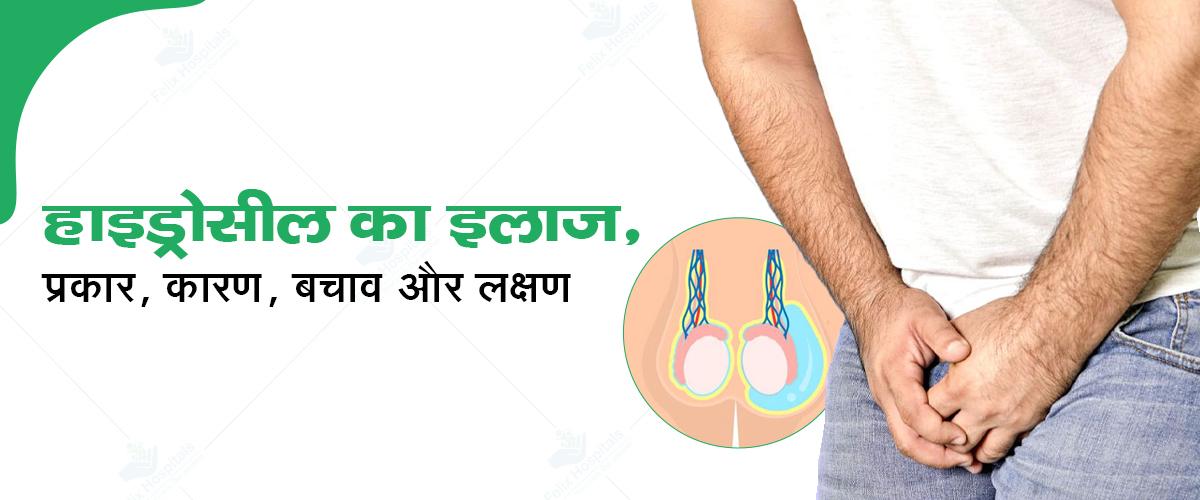
हाइड्रोसील एक चिकित्सा स्थिति है जिसमें अंडकोश (स्क्रोटम) में तरल पदार्थ का संचय हो जाता है, जिससे अंडकोश सूज जाता है। यह स्थिति सामान्यतः दर्दरहित होती है और पुरुषों, विशेषकर नवजात शिशुओं और वृद्ध पुरुषों में देखी जाती है। हाइड्रोसील का कारण अक्सर स्पष्ट नहीं होता, लेकिन यह कुछ स्थितियों जैसे कि चोट, संक्रमण, या सूजन के कारण हो सकता है। यदि आपको या किसी और को हाइड्रोसील (hydrocele in Hindi) या उसके लक्षण महसूस हो रहे हैं, तो तुरंत चिकित्सा सहायता प्राप्त करें। जानिए इसके लक्षण से लेकर इलाज तक के बारे में विस्तार से..
हाइड्रोसील आमतौर पर गंभीर नहीं होती, लेकिन यदि आपको कोई लक्षण महसूस हो, तो डॉक्टर से सलाह लेना आवश्यक है। जानकारी के लिए हमें कॉल करें +91 9667064100.
हाइड्रोसील एक चिकित्सा स्थिति है जिसमें अंडकोश (स्क्रोटम) में तरल पदार्थ का संचय हो जाता है। यह स्थिति अंडकोश के चारों ओर सूजन का कारण बनती है। हाइड्रोसील आमतौर पर दर्द रहित होती है और इसे गंभीर नहीं माना जाता, लेकिन यह असहज हो सकती है और कभी-कभी दर्द का कारण भी बन सकती है। यह स्थिति नवजात शिशुओं और वयस्क पुरुषों दोनों में हो सकती है। हाइड्रोसील को रोकने के लिए कोई निश्चित उपाय नहीं है, लेकिन नियमित चिकित्सा जांच और अंडकोश की स्व-परिक्षा से किसी भी असामान्यता का जल्द पता लगाया जा सकता है। हाइड्रोसील आमतौर पर गंभीर नहीं होती लेकिन फिर भी उसका मतलब जानना (Meaning of hydrocele in Hindi) और समझण बेहद ज़रूरी होता है , लेकिन यदि आपको कोई लक्षण महसूस हो, तो डॉक्टर से सलाह लेना आवश्यक है।
प्राइमरी (जन्मजात) हाइड्रोसील (Congenital Hydrocele): यह नवजात शिशुओं में पाया जाता है और जन्म के समय मौजूद होता है। यह तब होता है जब वृषण (टेस्टिकल) पेट की गुहा से अंडकोश में नीचे आते समय तरल पदार्थ से भरी एक थैली में आ जाता है और यह थैली पूरी तरह से बंद नहीं होती। इससे तरल पदार्थ अंडकोश में जमा हो जाता है। अधिकांश मामलों में, यह अपने आप एक साल के भीतर ठीक हो जाती है और कोई विशेष उपचार की आवश्यकता नहीं होती। यदि यह एक साल बाद भी बनी रहती है, तो सर्जरी की सलाह दी जा सकती है।
सेकंडरी (अर्जित) हाइड्रोसील (Acquired Hydrocele): यह प्रकार वयस्क पुरुषों में पाया जाता है। यह कई कारणों से हो सकता है, जैसे: अंडकोश की चोट या चोट लगने के कारण। अंडकोश में संक्रमण या सूजन (जैसे कि एपिडीडिमाइटिस या ऑर्काइटिस)। ट्यूमर या अन्य चिकित्सा स्थितियों के कारण। यदि हाइड्रोसील बहुत बड़ी हो जाती है, दर्द का कारण बनती है, या अन्य समस्याओं का संकेत देती है, तो सर्जिकल हस्तक्षेप की आवश्यकता हो सकती है। सामान्य उपचार विधियों में हाइड्रोसीलेक्टोमी यानी सर्जिकल रूप से हाइड्रोसील को निकालना है। एस्पिरेशन और स्क्लेरोथेरेपी यानी तरल पदार्थ को निकालने के बाद स्क्लेरोसेंट नामक रसायन का इंजेक्शन का उपयोग करना है।
बिना सर्जरी के इलाज (Treatment without Surgery in Hindi): नवजात शिशुओं में हाइड्रोसील आमतौर पर बिना किसी उपचार के एक साल के भीतर अपने आप ठीक हो जाती है। इस अवधि में डॉक्टर नियमित रूप से बच्चे की जांच करते रहते हैं। एस्पिरेशन में सुई की मदद से हाइड्रोसील से तरल पदार्थ को निकाल दिया जाता है। यह तरीका आमतौर पर अस्थायी राहत के लिए किया जाता है और तरल पदार्थ फिर से जमा हो सकता है। एस्पिरेशन के बाद, स्क्लेरोसेंट नामक रसायन को हाइड्रोसील की थैली में इंजेक्ट किया जाता है, जिससे थैली की दीवारें सिकुड़कर तरल पदार्थ का फिर से निर्माण नहीं कर पातीं। यह विधि भी एस्पिरेशन की तरह ही होती है, लेकिन थोड़ी अधिक प्रभावी हो सकती है।
सर्जिकल उपचार (Surgical Treatment of Hydrocele in Hindi): हाइड्रोसीलेक्टोमी सर्जरी का एक प्रमुख तरीका है जिसमें हाइड्रोसील की थैली को पूरी तरह से निकाल दिया जाता है। यह सबसे प्रभावी और स्थायी समाधान होता है। मरीज को सामान्य या क्षेत्रीय एनेस्थीसिया दिया जाता है। सर्जन अंडकोश में एक छोटा चीरा लगाता है और हाइड्रोसील की थैली को निकालता है। सर्जरी के बाद कुछ दिनों तक दर्द और सूजन हो सकती है, जिसे दवाओं और आराम से नियंत्रित किया जा सकता है।
उपचार के बाद देखभाल (Post Treatment Care of Hydrocele in Hindi): सर्जरी के बाद, मरीज को कुछ दिनों तक आराम करने और भारी गतिविधियों से बचने की सलाह दी जाती है। डॉक्टर द्वारा सुझाई गई दर्द निवारक दवाओं का सेवन करें। सर्जरी के स्थान को साफ और सूखा रखें। किसी भी असामान्य लक्षण जैसे कि बुखार, अत्यधिक सूजन या दर्द होने पर तुरंत डॉक्टर से संपर्क करें
डॉ. भंवर लाल बरकेसिया, एक यूरोलॉजिस्ट जिनका 9+ वर्षों का अनुभव है, बहुत कुशल और समर्पित हैं। वे सामान्य यूरोलॉजी, एंडोस्कोपिक यूरोलॉजी, कैंसर से संबंधित यूरोलॉजी, गुर्दे के प्रत्यारोपण, बांझपन, और महिला यूरोलॉजी में विशेषज्ञ हैं। उन्होंने कई प्रक्रियाएं सफलतापूर्वक की हैं, जैसे यूरेटर के पत्थर निकालना, प्रोस्टेट के पत्थर निकालना, गुर्दे से पत्थर निकालना, वेरिकोसील की सर्जरी, यूरेटर की मरम्मत, गुर्दे की सर्जरी, और महिला यूरोलॉजी सम्बन्धी सर्जरी।
डॉ. सचिन खंडेलवाल एक यूरोलॉजिस्ट हैं और उनका अनुभव 12 वर्षों से अधिक का है। उनकी विशेषज्ञता में मूत्राशय संबंधी समस्याएं, यूरिनरी ट्रैक्ट संक्रमण (यूटीआई), मूत्राशय और गुर्दे का कैंसर, गुर्दे में अवरोध और गुर्दे के पत्थर शामिल हैं। उनकी विशेषज्ञता में गुर्दे का प्रत्यारोपण (मृत व्यक्ति और जीवित देनेवाले से संबंधित), एंडोयूरोलॉजी, लेपरोस्कॉपिक और खुली सर्जरी शामिल है। मूत्रतंत्र से संबंधित किसी भी समस्या के लिए उनसे परामर्श लें।
हाइड्रोसील का इलाज आमतौर पर यूरोलॉजिस्ट द्वारा किया जाता है लेकिन कुछ मामलों में जनरल सर्जन भी हाइड्रोसील का उपचार कर सकते हैं। डॉक्टर की सलाह के लिए आज ही फ़ोन करें - +91 9667064100.
हाइड्रोसील एक आम लेकिन आमतौर पर गंभीर नहीं होने वाली स्थिति है। नवजात शिशुओं में यह अक्सर बिना उपचार के ठीक हो जाती है, जबकि वयस्कों में सर्जिकल हस्तक्षेप की आवश्यकता हो सकती है। उचित देखभाल, नियमित जांच, और विशेषज्ञ डॉक्टर से परामर्श करके हाइड्रोसील को प्रभावी ढंग से प्रबंधित किया जा सकता है। यदि आपको हाइड्रोसील के लक्षण महसूस हों, तो जल्दी से जल्दी नोएडा के यूरोलॉजिस्ट (Best Urologist in hindi) से चिकित्सकीय सलाह लेना महत्वपूर्ण है। हाइड्रोसील से बचाव के उपाय सीधे तौर पर इसके कारणों को संबोधित करते हैं। संक्रमण, चोट, और अन्य जोखिम कारकों से बचाव करके हाइड्रोसील के जोखिम को कम किया जा सकता है।
प्रश्न 1: हाइड्रोसील क्या है ?
उत्तर: हाइड्रोसील एक चिकित्सा स्थिति है जिसमें अंडकोश (स्क्रोटम) में तरल पदार्थ का संचय हो जाता है, जिससे अंडकोश सूज जाता है। यह स्थिति नवजात शिशुओं और वयस्क पुरुषों दोनों में हो सकती है।
प्रश्न 2: हाइड्रोसील के लक्षण क्या हैं ?
उत्तर: अंडकोश में सूजन, आमतौर पर दर्दरहित, लेकिन बड़े हाइड्रोसील से भारीपन या असहजता हो सकती है। सूजन का धीरे-धीरे बढ़ती जाती है।
प्रश्न 3: हाइड्रोसील का कारण क्या है ?
उत्तर: नवजात शिशुओं में वृषण के अवरोहण के दौरान पेट की गुहा से तरल पदार्थ का अंडकोश में आ जाना और वयस्कों में चोट, संक्रमण, सूजन, या ट्यूमर इसका कारण है।
प्रश्न 4: क्या हाइड्रोसील खतरनाक है ?
उत्तर: हाइड्रोसील आमतौर पर खतरनाक नहीं होती और ज्यादातर मामलों में गंभीर स्वास्थ्य समस्याओं का कारण नहीं बनती। हालांकि, यदि हाइड्रोसील बहुत बड़ी हो जाती है या दर्द का कारण बनती है, तो डॉक्टर से परामर्श करना महत्वपूर्ण है।
प्रश्न 5: क्या हाइड्रोसील को रोका जा सकता है?
उत्तर: हाइड्रोसील को पूरी तरह से रोकने का कोई निश्चित तरीका नहीं है। हालांकि, संक्रमण से बचाव, चोट से बचाव, और नियमित चिकित्सा जांच से हाइड्रोसील के जोखिम को कम किया जा सकता है।
प्रश्न 6: क्या हाइड्रोसील दोबारा हो सकता है ?
उत्तर: हाइड्रोसील का पुनरावृत्ति संभव है, खासकर अगर एस्पिरेशन या स्क्लेरोथेरेपी के बाद तरल पदार्थ फिर से जमा हो जाए। हाइड्रोसीलेक्टोमी के बाद पुनरावृत्ति की संभावना कम होती है।
प्रश्न 7: हाइड्रोसीलेक्टोमी क्या है ?
उत्तर: हाइड्रोसीलेक्टोमी एक सर्जिकल प्रक्रिया है जिसमें हाइड्रोसील की थैली को निकाल दिया जाता है। यह सबसे प्रभावी और स्थायी उपचार होता है।
प्रश्न 8: क्या हाइड्रोसील का इलाज जरूरी है ?
उत्तर: नवजात शिशुओं में हाइड्रोसील अक्सर अपने आप ठीक हो जाती है और इलाज की आवश्यकता नहीं होती। वयस्कों में, यदि हाइड्रोसील दर्द का कारण बनता है या असहजता उत्पन्न करता है, तो इलाज जरूरी हो सकता है।
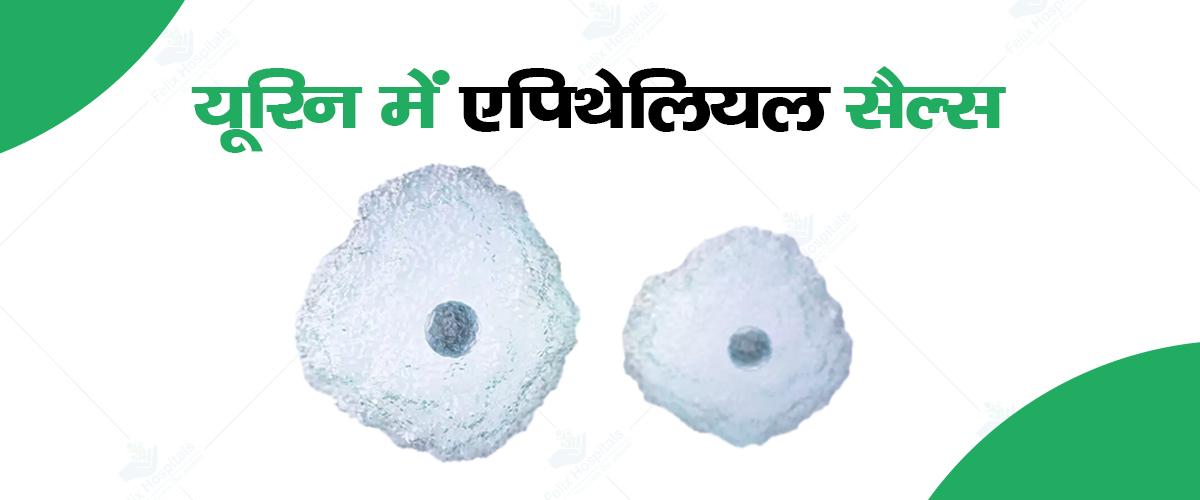
यूरिन (मूत्र) में एपिथेलियल सैल्स आमतौर पर तब पाई जाती हैं जब एपिथेलियल सैल्स मूत्रमार्ग, ब्लैडर, यूरिटर्स या किडनी से बाहर निकलती हैं। यूरिन में एपिथेलियल सैल्स का एक सामान्य स्तर होना सामान्य है, लेकिन अगर इनकी मात्रा अधिक हो जाती है, तो यह संक्रमण, सूजन, या अन्य स्वास्थ्य समस्याओं का संकेत हो सकता है। डॉक्टर आपके यूरिन टेस्ट के परिणामों की जांच करेंगे और यदि आवश्यक हो तो आगे की जांच और उपचार की सलाह देंगे। यदि आपको यूरिन में किसी प्रकार के लक्षण महसूस हो रहे हैं, तो तुरंत तो तुरंत नोएडा के यूरोलॉजिस्ट (Best Urologist in Noida) से संपर्क करें और चिकित्सा सहायता प्राप्त करें। जानिए इसके लक्षण से लेकर इलाज तक के बारे में विस्तार से.
ज्यादा जानकारी के लिए हमें कॉल करें +91 9667064100.
यूरिन में एपिथेलियल सैल्स की उपस्थिति सामान्यत: तब होती है जब एपिथेलियल सैल्स (त्वचा और आंतरिक अंगों की सतह को ढंकने वाली कोशिकाएं) मूत्र मार्ग के विभिन्न हिस्सों से मूत्र के साथ निकलती हैं। स्क्वैमस एपिथेलियल सैल्स सबसे सामान्य प्रकार की कोशिकाएं होती हैं जो आमतौर पर मूत्रमार्ग (यूरीथ्रा) और वेजाइना से आती हैं। ये कोशिकाएं फ्लैट और बड़ी होती हैं। ट्रांजिशनल एपिथेलियल सैल्स कोशिकाएं ब्लैडर (मूत्राशय), यूरिटर्स (मूत्रवाहिनी), और किडनी के ऊपरी हिस्से से आती हैं। ये कोशिकाएं विभिन्न आकार और रूप में हो सकती हैं। रिनल ट्यूबुलर एपिथेलियल सैल्स कोशिकाएं किडनी (गुर्दे) से आती हैं और अगर ये बड़ी मात्रा में पाई जाती हैं, तो यह किडनी की किसी समस्या का संकेत हो सकता है।
यूरिन में एपिथेलियल सैल्स की सामान्य रेंज व्यक्ति की उम्र, लिंग, और स्वास्थ्य की स्थिति पर निर्भर करती है। आमतौर पर, यूरिन में एपिथेलियल सैल्स की सामान्य मात्रा को मापने के लिए माइक्रोस्कोपिक एक्सामिनेशन का उपयोग किया जाता है। स्क्वैमस एपिथेलियल सैल्स की सामान्य रेंज यूरिन सैंपल में स्क्वैमस एपिथेलियल सैल्स की मात्रा हल्की होती है, और आमतौर पर 0-5 सैल्स/हाई पावर फील्ड (एचपीएफ) होती है। अगर ये संख्या बढ़ जाती है, तो यह मूत्रमार्ग की सूजन या संक्रमण का संकेत हो सकता है। ट्रांजिशनल एपिथेलियल सैल्स में रेंज सामान्य रूप से 0-3 सैल्स/एचपीएफ होती है। अगर संख्या अधिक होती है, तो यह मूत्राशय की समस्या या सूजन का संकेत हो सकता है। रिनल ट्यूबुलर एपिथेलियल सैल्स की रेंज सामान्य यूरिन में रिनल ट्यूबुलर एपिथेलियल सैल्स की मात्रा बहुत कम होती है, लगभग 0-1 सैल्स/एचपीएफ होती है। अगर इनकी संख्या अधिक हो, तो यह किडनी की समस्याओं का संकेत हो सकता है, जैसे कि किडनी की सूजन या क्षति। विभिन्न प्रयोगशालाएं और मेडिकल सेंटर थोड़े भिन्न मानदंडों का उपयोग कर सकते हैं, इसलिए आपके द्वारा प्राप्त परिणामों को आपके स्वास्थ्य पेशेवर द्वारा सही ढंग से व्याखित करना महत्वपूर्ण है। सामान्य रेंज में थोड़े बहुत बदलाव हो सकते हैं, और ये किसी बीमारी या स्वास्थ्य स्थिति का संकेत नहीं देते हैं। अगर आपके यूरिन टेस्ट में एपिथेलियल सैल्स की मात्रा सामान्य से अधिक पाई जाती है, तो डॉक्टर से परामर्श करें ताकि किसी संभावित स्वास्थ्य समस्या की जांच की जा सके और उचित उपचार किया जा सके।
डॉ. भंवर लाल बरकेसिया के पास यूरोलॉजी में 9 वर्षों से अधिक का व्यापक अनुभव है। वह सामान्य यूरोलॉजी, एंडोस्कोपिक यूरोलॉजी, कैंसर से संबंधित यूरोलॉजी, गुर्दा प्रत्यारोपण, बांझपन और महिला यूरोलॉजी में विशेषज्ञता रखते हैं। उन्होंने कई जटिल प्रक्रियाओं जैसे यूरेटर से पत्थर निकालना, प्रोस्टेट की सर्जरी, गुर्दे की पथरी निकालना, वेरिकोसील की सर्जरी, यूरेटर की मरम्मत, गुर्दे की सर्जरी और महिला यूरोलॉजी से जुड़ी सर्जरी को सफलतापूर्वक अंजाम दिया है।
डॉ. सचिन खंडेलवाल भी एक कुशल यूरोलॉजिस्ट हैं, जिनका 12 वर्ष से अधिक का अनुभव है। उनकी विशेषज्ञता में मूत्राशय संबंधी समस्याएं, मूत्र मार्ग संक्रमण (यूटीआई), मूत्राशय और गुर्दे का कैंसर, गुर्दे में अवरोध और गुर्दे की पथरी शामिल हैं। वे गुर्दे के प्रत्यारोपण (मृत व्यक्ति और जीवित दाता से संबंधित), एंडोयूरोलॉजी, लेप्रोस्कोपिक और खुली सर्जरी में भी माहिर हैं। मूत्र संबंधी किसी भी समस्या के लिए, आप इन दोनों डॉक्टरों से परामर्श कर सकते हैं।
यूरिन में एपिथेलियल सैल्स पर डॉक्टर की सलाह के लिए आज ही फोन करें - +91 9667064100.
यूरिन में एपिथेलियल सैल्स की अधिक मात्रा का इलाज इसके कारण पर निर्भर करता है। उपचार का उद्देश्य संक्रमण, सूजन, या अन्य समस्याओं का निदान और समाधान करना है। यूरिन में एपिथेलियल सैल्स की उपस्थिति आमतौर पर चिंता का कारण नहीं होती है, लेकिन यदि इनकी मात्रा अधिक हो जाती है, तो यह किसी स्वास्थ्य समस्या का संकेत हो सकता है। सही निदान और उपचार के लिए नोएडा में यूरोलॉजिस्ट हॉस्पिटल(Best urologist Hospital in Noida) में डॉक्टर से परामर्श करना आवश्यक है। समय पर जांच और उचित उपचार से संक्रमण और अन्य समस्याओं को रोका जा सकता है।
प्रश्न 1: यूरिन में एपिथेलियल सैल्स का सामान्य स्तर क्या होना चाहिए ?
उत्तर: सामान्य यूरिन में एपिथेलियल सैल्स की मात्रा थोड़ी बहुत होती है। यह मात्रा व्यक्ति की उम्र, लिंग, और स्वास्थ्य पर निर्भर करती है। सामान्यतः, स्क्वैमस एपिथेलियल सैल्स की थोड़ी मात्रा यूरिन में पाई जाती है, जबकि ट्रांजिशनल और रिनल ट्यूबुलर एपिथेलियल सैल्स की मात्रा कम होती है।
प्रश्न 2: यूरिन में एपिथेलियल सैल्स का अधिक होना क्या दर्शाता है ?
उत्तर: यूरिन में एपिथेलियल सैल्स की अधिक मात्रा संक्रमण, सूजन, या अन्य स्वास्थ्य समस्याओं का संकेत हो सकती है, जैसे कि यूरिनरी ट्रैक्ट इंफेक्शन , किडनी की समस्याएं, मूत्राशय की समस्याएं, या पेल्विक इंफ्लेमेटरी डिजीज।
प्रश्न 3: यदि यूरिन में एपिथेलियल सैल्स की अधिक मात्रा है, तो क्या करना चाहिए ?
उत्तर: यदि यूरिन टेस्ट में एपिथेलियल सैल्स की अधिक मात्रा पाई जाती है, तो यह महत्वपूर्ण है कि आप अपने डॉक्टर से परामर्श करें। डॉक्टर आपकी स्थिति का मूल्यांकन करेंगे, कारण का पता लगाएंगे, और उचित इलाज की सलाह देंगे।
प्रश्न 4: यूरिन में एपिथेलियल सैल्स की अधिकता को कैसे नियंत्रित किया जा सकता है ?
उत्तर: उपचार के लिए आपके डॉक्टर द्वारा सुझाए गए उपायों का पालन करें। इसमें एंटीबायोटिक्स, सूजन-रोधी दवाएं, और दर्द निवारक दवाएं शामिल हो सकती हैं। जीवनशैली में बदलाव, जैसे कि अधिक पानी पीना, सही स्वच्छता बनाए रखना, और सुरक्षित यौन संबंध रखना भी मदद कर सकता है।
प्रश्न 5: क्या जीवनशैली में बदलाव से यूरिन में एपिथेलियल सैल्स की अधिकता को रोका जा सकता है?
उत्तर: हां, जीवनशैली में कुछ बदलाव जैसे कि अच्छी स्वच्छता बनाए रखना, पर्याप्त पानी पीना, और स्वस्थ आहार का सेवन यूरिनरी ट्रैक्ट की स्वास्थ्य को बनाए रखने में मदद कर सकते हैं और संक्रमण के जोखिम को कम कर सकते हैं।
प्रश्न 6: क्या मूत्र में एपिथेलियल सैल्स की उपस्थिति गर्भावस्था में सामान्य है ?
उत्तर: गर्भावस्था के दौरान यूरिन में एपिथेलियल सैल्स की थोड़ी बहुत मात्रा सामान्य हो सकती है। हालांकि, यदि मात्रा अधिक है या अन्य लक्षण जैसे दर्द या जलन महसूस हो रही है, तो डॉक्टर से परामर्श करना चाहिए।
प्रश्न 7: क्या कैथेटर उपयोग करने से यूरिन में एपिथेलियल सैल्स की अधिकता हो सकती है ?
उत्तर: हां, कैथेटर का उपयोग करने से यूरिन में एपिथेलियल सैल्स की मात्रा बढ़ सकती है, क्योंकि कैथेटर मूत्रमार्ग में प्रवेश करता है और संक्रमण का खतरा बढ़ सकता है। सही उपयोग और स्वच्छता बनाए रखना महत्वपूर्ण है।
प्रश्न 8: क्या यूरिन में एपिथेलियल सैल्स की अधिकता का कोई गंभीर परिणाम हो सकता है ?
उत्तर: यूरिन में एपिथेलियल सैल्स की अधिकता कभी-कभी गंभीर समस्याओं का संकेत हो सकती है, जैसे कि किडनी की बीमारियां या संक्रमण। उचित निदान और समय पर उपचार से गंभीर परिणामों को रोका जा सकता है।

बच्चों में कैंसर एक गंभीर चिकित्सा स्थिति है, लेकिन प्रारंभिक पहचान और सही उपचार से इसे ठीक किया जा सकता है। बच्चों में पाए जाने वाले प्रमुख कैंसर के प्रकारों के बारे में जानकारी पहले दी जा चुकी है। अब, बच्चों में कैंसर के सामान्य लक्षण, निदान, उपचार, और देखभाल के बारे में जानना महत्वपूर्ण है। बच्चों में कैंसर का इलाज समय पर और सही तरीके से किया जाए तो यह ठीक हो सकता है। जागरूकता और प्रारंभिक पहचान से इस समस्या से निपटना संभव है। यदि आपके या किसी और बच्चे के लक्षण महसूस हो रहे हैं, तो तुरंत नोएडा में ऑन्कोलॉजिस्ट (Oncologist in Noida) से चिकित्सा सहायता प्राप्त करें। जानिए इसके लक्षण से लेकर इलाज तक के बारे में विस्तार से…
ज्यादा जानकारी के लिए हमें कॉल करें +91 9667064100.
बचपन में होने वाले कैंसर (चाइल्डहुड कैंसर) कई प्रकार के होते हैं, जो बच्चों के शरीर के विभिन्न हिस्सों को प्रभावित कर सकते हैं। यह कैंसर बच्चों और किशोरों में होने वाले कैंसर के लिए संदर्भित है, और इनके लक्षण, उपचार और परिणाम वयस्कों के कैंसर से अलग हो सकते हैं। यहां कुछ प्रमुख प्रकार के बचपन के कैंसर और उनके सामान्य लक्षणों के बारे में जानकारी दी जा रही है:
ल्यूकेमिया (Leukemia): यह बच्चों में सबसे आम प्रकार का कैंसर है, जिसमें रक्त और अस्थि मज्जा प्रभावित होते हैं। ल्यूकेमिया के दो मुख्य प्रकार हैं। पहला एक्यूट लिम्फोब्लास्टिक ल्यूकेमिया और दूसरा एक्यूट मायेलॉइड ल्यूकेमिया। थकान, बुखार, हड्डियों और जोड़ों में दर्द, असामान्य रक्तस्राव, बार-बार संक्रमण, वजन घटाना इसके लक्षण हैं।
ब्रेन और स्पाइनल कॉर्ड ट्यूमर : यह तंत्रिका तंत्र के सबसे आम प्रकार के ट्यूमर हैं। इनमें भी कई प्रकार होते हैं, जिनमें से मेडुलोब्लास्टोमा और ग्लियोमा प्रमुख हैं। सिरदर्द, उल्टी, दृष्टि में समस्या, संतुलन और चलने में कठिनाई इसके लक्षण हैं।
न्यूरोब्लास्टोमा: यह कैंसर तंत्रिका ऊतकों में उत्पन्न होता है और अधिकतर एड्रिनल ग्रंथि के पास पाया जाता है। यह आमतौर पर पांच साल से कम उम्र के बच्चों में होता है। पेट में सूजन, हड्डियों में दर्द, त्वचा पर नीले-लाल धब्बे, पलकें गिरना इसके लक्षण हैं।
विल्म्स ट्यूमर: यह किडनी में होने वाला एक प्रकार का कैंसर है और अधिकतर तीन से चार साल की उम्र के बच्चों में पाया जाता है। पेट में सूजन, पेट में दर्द, बुखार, भूख में कमी, रक्त में परिवर्तन इसके लक्षण हैं।
लिम्फोमा: यह कैंसर लिम्फ प्रणाली को प्रभावित करता है। इसके दो मुख्य प्रकार हैं। पहला हॉजकिन लिम्फोमा और दूसरा नॉन-हॉजकिन लिम्फोमा। गर्दन, बगल, या कमर में सूजी हुई लिम्फ नोड्स, बुखार, रात को पसीना, वजन घटाना इसके लक्षण हैं।
रबडोमायोसारकोमा: यह कैंसर मांसपेशियों के ऊतकों में उत्पन्न होता है और अक्सर सिर, गर्दन, मूत्राशय, और प्रजनन अंगों में पाया जाता है। आंख की पुतली में सफेद धब्बा, आंख की रोशनी कम होना, आंखों का लाल होना या सूजना इसके लक्षण हैं।
रेटिनोब्लास्टोमा: यह आंखों के रेटिना में होने वाला एक प्रकार का कैंसर है, जो सामान्यतः छोटे बच्चों में पाया जाता है। आंख की पुतली में सफेद धब्बा, आंख की रोशनी कम होना, आंखों का लाल होना या सूजना इसके लक्षण है।
ऑस्टियोसारकोमा: यह हड्डियों का कैंसर है और यह किशोरों में अधिक आम है। यह अक्सर लंबी हड्डियों जैसे कि पैर और हाथों में पाया जाता है। हड्डियों में दर्द, सूजन, हड्डियों की कमजोरी इसके लक्षण हैं।
युविंग सारकोमा: यह भी एक प्रकार का हड्डी का कैंसर है, जो हड्डियों या आसपास के नरम ऊतकों में उत्पन्न होता है। हड्डियों या आसपास के ऊतकों में दर्द, सूजन, बुखार, थकान इसके लक्षण हैं।
असामान्य सूजन या गांठ: शरीर के किसी भी हिस्से में बिना कारण सूजन या गांठ होना।
लगातार बुखार: बिना किसी स्पष्ट कारण के लंबे समय तक बुखार बना रहना।
थकान और कमजोरी: बिना किसी कारण के अत्यधिक थकान और कमजोरी महसूस करना।
वजन कम होना: बिना किसी प्रयास के अचानक वजन कम होना।
रक्तस्राव और चोट: बार-बार नाक से खून आना, मसूड़ों से खून आना, या चोट लगने पर जल्दी खून जमना।
हड्डियों और जोड़ों में दर्द: हड्डियों और जोड़ों में लगातार दर्द रहना।
निगलने में कठिनाई: निगलने में कठिनाई या पेट में दर्द।
नेत्र संबंधी समस्याएं: आंखों में सफेद चमक, धुंधलापन, या दृष्टि में कमी।
अनुवांशिक (Genetic) : कुछ बच्चों में कैंसर का जोखिम उनके जीन में उत्परिवर्तन के कारण होता है, जो उन्हें उनके माता-पिता से मिलता है। उदाहरण के लिए, रेटिनोब्लास्टोमा का कारण RB1 जीन में उत्परिवर्तन हो सकता है।
सिंड्रोम और अनुवांशिक विकार: कुछ अनुवांशिक सिंड्रोम जैसे कि ली-फ्रामेनी सिंड्रोम, बेकविथ-विदेमान सिंड्रोम, और न्यूरोफाइब्रोमैटॉसिस ट्यूमर के विकास के जोखिम को बढ़ा सकते हैं।
पर्यावरणीय: गर्भावस्था के दौरान या जन्म के बाद कुछ रसायनों और कीटनाशकों के संपर्क में आना बच्चों में कैंसर के जोखिम को बढ़ा सकता है। हालांकि, बच्चों में कैंसर के अधिकतर मामलों में पर्यावरणीय कारकों की भूमिका स्पष्ट नहीं है।
रेडिएशन: गर्भावस्था के दौरान या बचपन में रेडिएशन के संपर्क में आना कैंसर के जोखिम को बढ़ा सकता है। जैसे कि, उच्च-खुराक रेडिएशन थेरपी से कैंसर का उपचार करने वाले बच्चों में दूसरे कैंसर का जोखिम बढ़ सकता है।
संक्रमण : कुछ वायरस बच्चों में कैंसर का जोखिम बढ़ा सकते हैं। उदाहरण के लिए, एपस्टीन-बार वायरस (ईबीवी) लिम्फोमा से जुड़ा हुआ है, और हेपेटाइटिस बी वायरस (एचबीवी) लिवर कैंसर से संबंधित हो सकता है।
जीवनशैली और अन्य कारक: परिवार में कैंसर के इतिहास से बच्चों में कैंसर का जोखिम बढ़ सकता है।
प्रतिरक्षा तंत्र की कमजोरी: एचआईवी/एड्स या प्रतिरक्षादमनकारी दवाओं के उपयोग के कारण प्रतिरक्षा तंत्र कमजोर हो सकता है, जिससे कैंसर का जोखिम बढ़ सकता है।
स्वाभाविक कारण: अधिकतर मामलों में, कैंसर किसी ज्ञात कारण के बिना ही जीन में उत्परिवर्तन के कारण होता है। ये स्वाभाविक म्यूटेशन विकास प्रक्रिया के दौरान हो सकते हैं और इनका कोई स्पष्ट कारण नहीं होता।
कीमोथेरपी : कीमोथेरपी दवाओं का उपयोग करके कैंसर कोशिकाओं को मारने या उनके विकास को रोकने का उपचार है। यह अक्सर रक्त, अस्थि मज्जा, लिम्फ नोड्स, और अन्य तेजी से बढ़ने वाले कैंसर के इलाज में इस्तेमाल होती है। इसके कारण बाल झड़ना, मतली, उल्टी, थकान, संक्रमण का जोखिम हो सकता है।
रेडिएशन थेरपी: उच्च-ऊर्जा रेडिएशन का उपयोग करके कैंसर कोशिकाओं को मारने का उपचार है। यह ठोस ट्यूमर और मस्तिष्क के कैंसर के इलाज में प्रभावी हो सकता है। त्वचा की समस्याएं, थकान, अंगों को क्षति इसके दुष्प्रभाव है।
सर्जरी : कैंसरयुक्त ट्यूमर या प्रभावित ऊतकों को शल्यक्रिया के माध्यम से निकालना। यह ठोस ट्यूमर के इलाज के लिए सबसे आम विधि है। दर्द, संक्रमण, अंगों की कार्यक्षमता में कमी इसके दुष्प्रभाव है।
स्टेम सेल ट्रांसप्लांट : अस्थि मज्जा को स्वस्थ स्टेम सेल्स से बदलने का उपचार है। यह अक्सर ल्यूकेमिया और अन्य रक्त कैंसर के मामलों में उपयोग होता है। संक्रमण, अंगों को क्षति, प्रतिरक्षा प्रणाली की समस्याएं इसके दुष्प्रभाव है।
इम्यूनोथेरपी : प्रतिरक्षा प्रणाली को कैंसर कोशिकाओं से लड़ने के लिए प्रोत्साहित करने वाला उपचार है। यह कुछ विशेष प्रकार के कैंसर में उपयोगी हो सकता है। थकान, बुखार, दाने इसके दुष्प्रभाव है।
टार्गेटेड थेरपी : यह कैंसर कोशिकाओं की विशिष्ट विशेषताओं को लक्षित करके उनका विकास रोकने का उपचार है। यह कुछ प्रकार के ल्यूकेमिया और अन्य ठोस ट्यूमर के लिए उपयोगी हो सकता है। त्वचा की समस्याएं, उच्च रक्तचाप, रक्त के थक्के इसके दुष्प्रभाव है।
पेलियेटिव केयर : यह उपचार कैंसर के लक्षणों और उपचार के दुष्प्रभावों को कम करने पर केंद्रित है। यह सभी चरणों में बच्चों की जीवन गुणवत्ता को बेहतर बनाने में मदद करता है। मानसिक और भावनात्मक समर्थन, जैसे काउंसलिंग और थेरेपी। यह बच्चे और उनके परिवार को मानसिक रूप से मजबूत बनाने में मदद करता है।
पोषण और आहार: कैंसर के इलाज के दौरान बच्चों के पोषण का ध्यान रखना महत्वपूर्ण है। यह उनकी प्रतिरक्षा प्रणाली को मजबूत करने और ऊर्जा बनाए रखने में मदद करता है।
फिजिकल थेरेपी: शारीरिक गतिविधियों और व्यायाम के माध्यम से बच्चों की शारीरिक शक्ति और कार्यक्षमता को बनाए रखना। यह कैंसर के इलाज के बाद बच्चों के पुनर्वास में मदद करता है।
स्वस्थ जीवनशैली: बच्चों को पौष्टिक और संतुलित आहार देना चाहिए, जिसमें फल, सब्जियां, अनाज और प्रोटीन शामिल हों। नियमित शारीरिक गतिविधि और खेलकूद बच्चों के लिए महत्वपूर्ण है। बच्चों को धूम्रपान और शराब से दूर रखें। गर्भावस्था के दौरान माताओं को भी इनसे बचना चाहिए।
पर्यावरणीय सुरक्षा: बच्चों को हानिकारक रसायनों और कीटनाशकों के संपर्क से बचाएं। अनावश्यक रेडिएशन के संपर्क से बचाएं और चिकित्सा संबंधी रेडिएशन का उपयोग केवल आवश्यक होने पर ही करें।
संक्रमण की रोकथाम: बच्चों का नियमित टीकाकरण सुनिश्चित करें। हेपेटाइटिस बी और HPV जैसे वायरस के खिलाफ टीकाकरण कुछ प्रकार के कैंसर के जोखिम को कम कर सकता है। बच्चों को व्यक्तिगत स्वच्छता का पालन करना सिखाएं और उन्हें बार-बार हाथ धोने की आदत डालें।
अनुवांशिक सलाह: यदि परिवार में कैंसर का इतिहास है, तो चिकित्सा विशेषज्ञ से सलाह लें। अनुवांशिक परीक्षण और परामर्श से कैंसर के जोखिम का आकलन किया जा सकता है। नियमित स्वास्थ्य परीक्षण और चिकित्सा जांच से किसी भी असामान्यता का प्रारंभिक चरण में पता चल सकता है। बच्चों में किसी भी असामान्य लक्षण या शारीरिक परिवर्तन पर ध्यान दें और समय पर डॉक्टर से सलाह लें।
जानकारी और जागरूकता: बच्चों और उनके माता-पिता को कैंसर के जोखिम कारकों और लक्षणों के बारे में शिक्षित करें। स्वास्थ्य शिविर और जागरूकता कार्यक्रमों में भाग लें। समुदाय और सहायता समूहों से जुड़ें जो कैंसर के खिलाफ लड़ाई में सहायता प्रदान करते हैं।
सही समय पर निदान और उपचार, बच्चों की जीवन प्रत्याशा और गुणवत्ता को बढ़ाने में महत्वपूर्ण भूमिका निभा सकते हैं। सलाह के लिए फ़ोन करें - +91 9667064100.
डॉ. मुक्ता बक्सी एक उच्च कुशल चिकित्सा ऑन्कोलॉजिस्ट और कैंसर रोग विशेषज्ञ हैं। उनका विविध विशेषताओं में 8 वर्षों से अधिक का अनुभव है, जिनमें शामिल हैं स्तन कैंसर, गर्भाशयीय कर्कटरोग, श्वसन कर्कटरोग, आंत्र कैंसररोग, तथा रक्त एवं लिम्फोइड कैंसररोग। वे हीमेटोपॉइएटिक स्टेम सेल प्रत्यारोपण में भी कुशल हैं।
बच्चों में कैंसर(Cancers in Children) के अधिकांश मामले अज्ञात कारणों से होते हैं, और इनके पीछे किसी एक कारण का पता लगाना मुश्किल होता है। अनुवांशिक और पर्यावरणीय कारक मिलकर बच्चों में कैंसर के विकास को प्रभावित कर सकते हैं। किसी भी संदिग्ध लक्षण या पारिवारिक इतिहास के मामले में चिकित्सकीय सलाह लेना महत्वपूर्ण है। प्रारंभिक पहचान और सही चिकित्सा से बच्चों में कैंसर का प्रभावी उपचार संभव है। बच्चों में कैंसर से पूर्णतः बचाव संभव नहीं है, लेकिन उपरोक्त निवारक उपायों से इसके जोखिम को कम किया जा सकता है। सबसे महत्वपूर्ण है कि बच्चों की स्वास्थ्य संबंधी किसी भी चिंता के मामले में तुरंत नोएडा के कैंसर हॉस्पिटल (Cancer Hospital in Noida) में चिकित्सकीय सलाह ली जाए। प्रारंभिक पहचान और सही समय पर इलाज बच्चों के जीवन की गुणवत्ता और उनके कैंसर के ठीक होने की संभावना को बढ़ा सकता है।
प्रश्न 1: बच्चों में कैंसर के सबसे सामान्य प्रकार कौन से हैं?
उत्तर: बच्चों में सबसे सामान्य कैंसर के प्रकार हैं: ल्यूकेमिया (विशेषकर एक्यूट लिम्फोब्लास्टिक ल्यूकेमिया, ब्रेन और स्पाइनल कॉर्ड ट्यूमर, न्यूरोब्लास्टोमा, विल्म्स ट्यूमर, लिम्फोमा (हॉजकिन और नॉन-हॉजकिन), रबडोमायोसारकोमा, रेटिनोब्लास्टोमा, ऑस्टियोसारकोमा, युविंग सारकोमा हैं।
प्रश्न 2: बच्चों में कैंसर के लक्षण क्या हैं?
उत्तर: बच्चों में कैंसर के लक्षण विभिन्न हो सकते हैं। जिनमें असामान्य सूजन या गांठ, लगातार बुखार, थकान और कमजोरी, वजन कम होना, बार-बार संक्रमण, हड्डियों और जोड़ों में दर्द, निगलने में कठिनाई, नेत्र संबंधी समस्याएं शामिल हैं।
प्रश्न 3: बच्चों में कैंसर का कारण क्या है?
उत्तर: बच्चों में कैंसर के अधिकांश कारण अज्ञात हैं, लेकिन कुछ संभावित कारण अनुवांशिक उत्परिवर्तन, पर्यावरणीय संपर्क (रसायन, कीटनाशक, रेडिएशन), वायरल संक्रमण, पारिवारिक इतिहास, प्रतिरक्षा तंत्र की कमजोरी हैं।
प्रश्न 4: बच्चों में कैंसर का निदान कैसे किया जाता है?
उत्तर: बच्चों में कैंसर का निदान विभिन्न तरीकों से किया जाता है, जिनमें शारीरिक परीक्षा, रक्त परीक्षण, इमेजिंग टेस्ट (एक्सरे, एमआरआइ, सीटी स्कैन), बायोप्सी, अस्थि मज्जा परीक्षण शामिल हैं।
प्रश्न 5: बच्चों में कैंसर का इलाज कैसे किया जाता है?
उत्तर: बच्चों में कैंसर के इलाज के विभिन्न तरीके हैं, जिनमें कीमोथेरपी, रेडिएशन थेरपी सर्जरी, स्टेम सेल ट्रांसप्लांट, इम्यूनोथेरपी, टार्गेटेड थेरपी सहायक उपचार जैसे कि पेलियेटिव केयर, मनोवैज्ञानिक समर्थन, पोषण और फिजिकल थेरेपी भी महत्वपूर्ण हैं।
प्रश्न 6: बच्चों में कैंसर से बचाव कैसे किया जा सकता है?
उत्तर: बच्चों में कैंसर से पूरी तरह से बचाव संभव नहीं है, लेकिन जोखिम कम करने के लिए स्वस्थ जीवनशैली (संतुलित आहार, शारीरिक गतिविधि), पर्यावरणीय सुरक्षा (रसायनों और रेडिएशन से बचाव), टीकाकरण, परिवारिक इतिहास की जानकारी और अनुवांशिक सलाह, नियमित स्वास्थ्य परीक्षण और लक्षणों पर ध्यान देकर कुछ कदम उठाए जा सकते हैं।
प्रश्न 7: बच्चों में कैंसर के इलाज के दुष्प्रभाव क्या हो सकते हैं?
उत्तर: कैंसर के इलाज के दुष्प्रभाव विभिन्न हो सकते हैं, जिनमें बाल झड़ना, मतली और उल्टी, थकान, संक्रमण का जोखिम, त्वचा की समस्याएं, अंगों को क्षति शामिल हैं।
प्रश्न 8: बच्चों में कैंसर के बाद पुनर्वास कैसे किया जाता है?
उत्तर: कैंसर के इलाज के बाद बच्चों का पुनर्वास महत्वपूर्ण है, जिसमें फिजिकल थेरेपी, मनोवैज्ञानिक समर्थन, पोषण और आहार पर ध्यान देना, नियमित स्वास्थ्य परीक्षण शामिल हैं।
ब्रेस्ट कैंसर (Breast Cancer) के मुख्य लक्षण, इसके कारण और प्रभावी उपचार। समय पर पहचान और सही इलाज से रोग की गंभीरता को कम किया जा सकता है।
Explore the cervical cancer vaccine cost in Noida, compare prices across hospitals, and understand how vaccination helps prevent HPV infection and cervical cancer.

Explore essential information about breast cancer, including its symptoms, causes, types, and treatments, to stay informed and proactive about your health.
Lung cancer is a serious condition that starts in the lungs and can spread to other parts of the body.


Subscribe to our
© Copyright 2026. All Rights Reserved by Felix Healthcare Private Limited
Design and development by :


 +(91)9667064100
 Emergency : +(91)9667064100