 WhatsApp
 Emergency:
  WhatsApp










Subscribe to our

Pregnancy is a critical period during which the body of a woman changes drastically in terms of hormones and metabolism to accommodate the growing baby. Thyroid disorders, and in particular, hypothyroidism are one among the numerous health conditions that may be experienced during pregnancy. The thyroid gland is necessary in maintaining metabolic rates, energy and balancing of hormones all of which are vital in a healthy pregnancy.
Thyroid diseases are not uncommon in women of child bearing age in India. It has been found out that about 2-3 % of pregnant women can experience hypothyroidism, but mild or sub-clinical cases are, probably, left undiagnosed. When a woman is pregnant, thyroid hormones play a crucial role in brain development of the baby and mostly during the first trimester when the fetus solely relies on the hormone supply of the mother.
Hypothyroidism may cause complications to the mother and the baby in case it is not addressed. A pregnancy thyroid test in Noida and consultation with the best gynecologist in Noida can help avert dangers at early stages and result in a healthy pregnancy process.
Feeling unusually tired, gaining excess weight, or noticing swelling during pregnancy? Don’t ignore these signs—thyroid imbalance can affect your baby’s development. Call +91 9667064100 to consult a specialist in Noida today.
Understanding hypothyroidism in pregnancy? is essential for early detection and proper care. Hypothyroidism is a condition, which develops as a result of insufficient production of thyroid hormones (T3 and T4) by the thyroid gland necessary in metabolic processes and fetal development.
The need of thyroid hormones in the body is very high during pregnancy. In case the thyroid gland is inept or incapable of fulfilling this, then it causes hypothyroidism. This disease may be preexisting or it may develop in pregnancy because of hormone changes.
The thyroid hormones are crucial in the development of the fetal nervous system and brain. During the early period of pregnancy, the fetus completely depends on thyroid hormones of the mother. Any shortcoming in this age may have an impact on intellectual growth of the baby.
Medical practices have suggested regular thyroid tests on high-risk pregnant women to detect and treat these diseases at an early age.
Recognizing the symptoms of hypothyroidism in pregnancy can be challenging because many symptoms overlap with normal pregnancy changes. Nevertheless, there is some evidence that there is a thyroid imbalance.
Excessive fatigue beyond normal pregnancy tiredness
Unexplained weight gain
Dry skin and hair
Sensitivity to cold
Swelling in the face or hands
Slow heart rate
The symptoms are experienced because of low rates of metabolism because of low levels of thyroid hormones. Indicatively, low energy metabolism is associated with fatigue and weight gain.
Pregnant women should inform their doctor about constant or unusual signs because when they are detected in good time, the complications are avoided.
Understanding the complications of untreated hypothyroidism highlights the importance of timely diagnosis and management.
Premature pregnancy or miscarriage.
Preterm delivery
Low birth weight
Retarded development of the infant.
Hypertension of the mother
Anemia
Scientific researches have proved that untreated hypothyroidism in pregnancy may have implications on the brain development of the baby especially during the first trimester. It can also predispose women to pregnancy related complications including preeclampsia.
These dangers can be greatly minimized by proper treatment and the results are much better to both the mother and the baby.
The diagnosis of hypothyroidism in pregnancy involves simple blood tests to measure thyroid hormone levels.
Test | Purpose |
TSH (Thyroid Stimulating Hormone) | primary screening test |
T3 and T4 levels | assess hormone levels |
thyroid antibodies | detect autoimmune thyroid disease |
TSH is the most sensitive indicator of thyroid function. During pregnancy, normal TSH ranges differ from non-pregnant individuals, making specialized interpretation important.
Early diagnosis allows for prompt treatment, which is crucial for preventing complications.
Pregnancy thyroid test in Noida is a measure that guarantees screening and correct diagnosis.
Quick and simple blood tests
Needed in the first trimester.
Monitoring during pregnancy might be necessary on a regular basis to modify treatment and control optimal hormone levels.
Following the diet and lifestyle tips for thyroid health can support thyroid function during pregnancy.
Eating dairy and iodized salt which are good sources of iodine.
Sufficient intake of selenium and iron.
Maintaining a balanced diet
Shunning too much processed food.
Managing stress levels
The thyroid hormone production depends on iodine especially. Pregnant women need to take more iodine as recommended by health guidelines to help in the development of the fetus.
Healthy lifestyle behaviors are co-morbid to medical care and enhance general well-being.
It is important to know when to visit a doctor in order to have a safe pregnancy outcome and early intervention.
Symptoms persist or worsen
Thyroid disorder history is present.
There are pregnancy complications
Abnormal weight gain occurs
Fatigue is excessive
Frequent prenatal examinations are used to observe the thyroid activity and listen to its proper treatment.
Hypothyroidism in pregnancy needs a lot of medical care.
Thyroid hormone replacement therapy (levothyroxine)
Periodic checking of the hormone level.
Dosage changes with progress of pregnancy.
This therapy is safe and effective when it is being used appropriately. Normal levels of thyroid are vital towards the health of the mother and the growth of the fetus.
Hypothyroidism can be put under control with simple lifestyle practices.
Following a routine schedule.
Ensuring adequate rest
Exercising as recommended.
Adhering to medical advice to the letter.
Regularity of these habits helps in pregnancy well being.
With the help of professional medical attention, hypothyroidism in pregnancy is safely managed.
Early detection
Individualized treatment programs.
Hormone level monitoring.
Complication prevention.
It is necessary to make regular follow-ups in order to make sure that both mother and baby are healthy.
Early testing and treatment can protect your baby’s development.
Call +91 9667064100 to consult a specialist in Noida now.
Pregnant hypothyroidism is a disease that can be treated well provided it is diagnosed early and managed properly. Understanding hypothyroidism in pregnancy?, recognizing the symptoms of hypothyroidism in pregnancy, and knowing when to see a doctor are essential for ensuring a healthy pregnancy.
Now that there is access to proper pregnancy thyroid tests in Noida and with the help of the most experienced thyroid treatment in Noida, women would be able to take proper care of the thyroid stuff and secure the growth of the baby. Early diagnosis, effective treatment and healthy life are the main pillars in a safe pregnancy journey.
Dr. Charu Yadav is an obstetrician and gynecologist with 12+ years of experience, specializing in high-risk and twin pregnancies, ectopic pregnancy, and menstrual disorders. Trained in laparoscopic surgery, she provides care for pregnancy, infertility, menopause, and gynae procedures. She is also recognized among the Best Gynecologists in Noida for her patient-focused treatment.
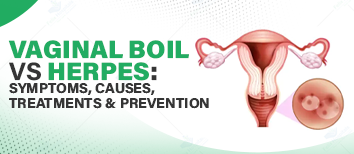
Vaginal boils and herpes both cause painful bumps in the genital area, but their causes and treatments are very different. Knowing the difference helps women choose the right treatment and prevent complications.
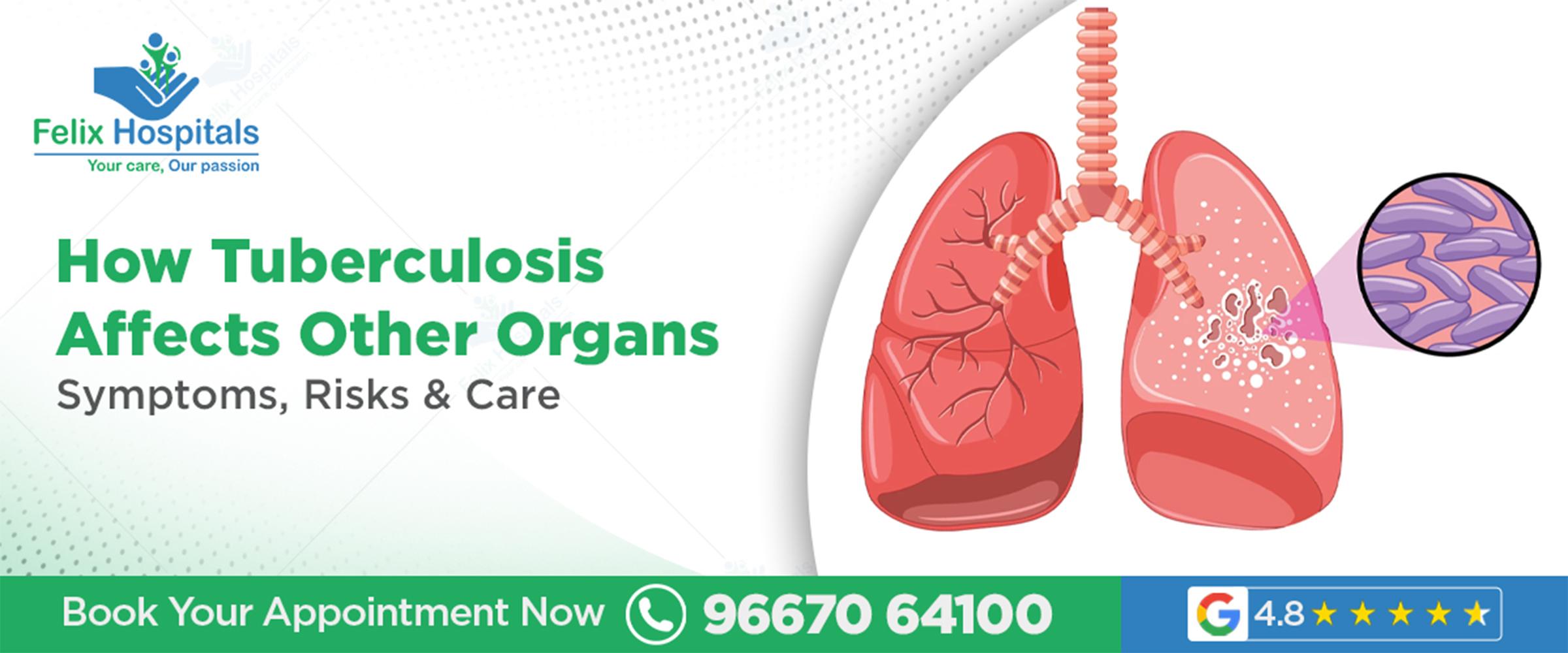
When most people hear the word tuberculosis, they picture a lung disease — persistent cough, breathlessness, and weight loss. The lungs are usually affected but TB is much more devious than that. The identical bacterium, Mycobacterium tuberculosis, can also travel silently through the blood stream and quietly make a home in your spine, brain, kidneys, intestines, lymph nodes and bones — sometimes without causing any chest symptoms at all.
This is known as extrapulmonary tuberculosis (EPTB) — TB outside the lungs — and it is mostly misdiagnosed, to this day. If your puzzling symptoms include fever that won’t subside, joint pain, enlarged lymph nodes, or neurological issues, and nothing has filled in the blanks, this is the how-to guide for you. Best Pulmonology Hospital in Noida, regularly treats such patients who had been misdirected for months before diagnosis is made that it was Tuberculosis of other organs. Timely detection can save lives.
TB disease that occurs outside of the lungs is known as extrapulmonary TB. It makes up a large proportion of all TB cases worldwide and is prevalent particularly among people with compromised immune systems, such as those with HIV.
When the immune system response activates against the inhaled bacteria it creates a granuloma- a type of containment structure. This is named latent TB. This can stay hidden for years in mostly everyone. But when the immune system is compromised — by HIV, diabetes, malnutrition, cancer treatment, or the wear and tear of old age — the bacteria can break out of that containment, get into the bloodstream, and travel to other organs. This is how Tuberculosis spreads to other organs, or disseminated TB. The old and young are more at risk. People taking drugs to suppress their immune system – such as steroids or biologics.
FACT- According to the WHO Global TB Report 2023, India accounts for approximately 27% of the world's TB burden, and extrapulmonary forms comprise nearly 15–20% of all TB cases reported in India — a number widely believed to be an undercount due to diagnostic challenges.
Source: World Health Organization (WHO) Global Tuberculosis Report, 2023.
Complications of TB differ greatly depending on the organ affected
This is one of the most lethal varieties. The bacterium infects the membranes of the brain (meninges), inducing inflammation.
Continued, worse headache — sometimes referred to as the worst headache of their life
Fever and neck stiffness – the neck becomes stiff and painful to bend forward
Confusion, altered consciousness, or seizures late in the course
Sensitivity to light (photophobia)
Stroke-like symptoms in some patients
TB meningitis is an emergency that necessitates urgent treatment. Late recognition of the disease may result in permanent neurological injury or death.
Bone tuberculosis and Spinal tuberculosis(also referred as Pott's disease) is the oldest known form of the disease. These bacteria invade the vertebral bodies and lead to their collapse.
Chronic back pain which is unresponsive to conservative management
Spine tenderness, especially over the lower thoracic or lumbar region
Apparent deformity — a hump in late stages
If the spinal cord is compress, weakness, numbness, or paralysis in the legs may occur
Cold abscess - a non-tender, fluctuant swelling adjacent to the spine
Several patients of bone tuberculosis consult Orthopaedic surgeons first. The advice from best ortho doctor in Noida having expertise in TB of bone is very essential for confirmatory TB diagnosis through MRI and bone biopsy
Tuberculous lymphadenitis is the most common form of extrapulmonary TB in India. Slowly developing, discrete, rubbery nodes typical of:
Painless swollen lymph nodes in the area of the neck (most common), armpits or groin
Nodes that are firm and rubbery and may gradually enlarge over a period of weeks
Low-grade evening fevers and weight loss of unknown cause
Nodes may discharge a cheese like or pus like material if they rupture
Since the swelling is painless, people generally confuse it with a harmless gland or even cancer. To confirm the TB diagnosis, FNAC (Fine Needle Aspiration Cytology) or biopsy is required.
Intestinal, peritoneal (abdominal lining), hepatic, or splenic involvement may be seen with abdominal tuberculosis. Symptoms are generally non-specific, which leads to delay in diagnosis:
Chronic abdominal pain — dull, crampy, or intermittent
Bloating, distension of the tummy (ascites – fluid in the abdomen)
Diarrhoea and constipation alternately.
Loss of appetite and weight loss without any known cause
In some cases they also present with a palpable lump in the abdomen
Abdominal TB can also be mistaken for Crohn's disease, irritable bowel syndrome, or, on occasion, cancer, which is why specialist opinion is vital.
The kidneys are well vascularized, and thus are a frequent site of haematogenous TB dissemination.
Sterile pyuria — presence of pus cells in urine with no evidence of bacterial infection on routine culture
Painless blood in urine (haematuria) without pain
Frequent urination, irritation – could be mistaken for a UTI
In male patients: painless testicular or epidydimal swelling
Organ / System | Common Symptoms | Key Diagnostic Test | Risk if Untreated |
Brain (TB Meningitis) | Severe headache, neck stiffness, confusion, seizures | Lumbar puncture + CSF analysis, MRI brain | Coma, permanent brain damage, death |
Spine (Spinal TB) | Chronic back pain, gibbus deformity, leg weakness/paralysis | MRI spine, bone biopsy | Irreversible paralysis, spinal collapse |
Lymph Nodes | Painless swollen neck nodes, fever, weight loss | FNAC, lymph node biopsy, GeneXpert | Dissemination to other organs |
Abdomen | Abdominal pain, ascites, weight loss, altered bowel habits | Ultrasound, ascitic fluid analysis, colonoscopy | Bowel obstruction, peritonitis |
Kidney / Urogenital | Sterile pyuria, haematuria, flank pain | Urine AFB culture, CT urogram | Renal failure, genital damage, infertility |
Bone (Non-spinal) | Joint pain, swelling, restricted movement | X-ray, MRI, biopsy | Joint destruction, permanent disability |
Pericardium (Heart) | Chest pain, breathlessness, muffled heart sounds | Echocardiogram, pericardial fluid analysis | Cardiac tamponade, constrictive pericarditis |
Extrapulmonary TB can affect anyone, but some factors greatly increase the likelihood of TB spreading to other organs. Knowing your TB Risk Factors is the first step in protecting yourself:
The single biggest risk factor is HIV infection
Diabetes mellitus
Malnutriti on
Immunosuppressive therapy — steroids, TNF-alpha inhibitors (used in arthritis), chemotherapy
Chronic kidney disease / dialysis recipients
Infants and the elderly
Prolonged exposure to untreated TB patient in the absence of adequate precautions
Living or working in crowded conditions — greater exposure to bacterial load
Diagnosing Multiorgan tuberculosis in extrapulmonary sites is more difficult compared to pulmonary TB as sputum tests are not useful in cases where lungs are not involved. Doctors employ several methods in combination to diagnose:
GeneXpert MTB/RIF
AFB smear and culture
Histopathology (biopsy)
ADA (Adenosine Deaminase) test
MRI and CT scans
IGRA / Mantoux test
Interferon Gamma Release Assay (IGRA)
The good news is that the treatment of extrapulmonary TB is based on the same core anti-TB drugs as pulmonary TB.
TB Meningitis — 9–12 months treatment
Spinal TB - 9 to 18 months of anti-TB therapy
Lymph Node TB - 6 months standard regimen is usually adequate
Abdominal TB — 6 to 9 months
Multiorgan tuberculosis — needs prolonged treatment
Drug resistance — in particular MDR-TB (Multi Drug Resistant TB) — is the cause of increasing concern. If the symptomatology does not improve or worsens in spite of adequate therapy, drug susceptibility testing must be performed without delay.
Getting a diagnosis of TB — and particularly if it turns up in an unusual place, like the brain or spine — is scary. The stigma that surrounds TB in India has kept several patients have been mutel in their suffering. Families are sometimes kept in the dark. Jobs are lost. Relationships strain. Treatment is long – six months at a minimum, a year or more in many cases.
You’re not weak for struggling with this. TB outside the lining of the lungs is complicated medicine, and recovery is slow.
Tuberculosis is more than just a lung disease. It's a whole-body disease that can insidiously affect your spine, brain, kidneys, lymph nodes, and bowels — and often does so while the chest X-ray looks completely normal. Extrapulmonary Tuberculosis, correct diagnosis of TB, early initiation of TB treatment and knowledge of symptoms of TB in organs save lives.
Dr. Priyadarshi Jitendra Kumar is an experienced General Practitioner with 20+ years of expertise in diabetes, thyroid disorders, hypertension, and infectious diseases. Recognized as a Best Pulmonologist in Noida, he specializes in respiratory emergencies, sleep disorders, and advanced pulmonology care.

Tuberculosis of the knee typically occurs when the TB bacteria spread from an existing infection in the lungs or another part of the body to the joint.

Breathing is Life," highlights the importance of lung health. Discover essential prevention tips to protect your lungs and improve quality of life.

Chronic snoring and breathing disorders are treated by pulmonology specialists in Noida with advanced care.
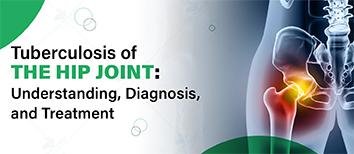
Tuberculosis (TB) is primarily known as a respiratory infection caused by Mycobacterium tuberculosis, but it can affect various body parts, including bones and joints.

The World Parkinson Day is celebrated on April 11 every year to create awareness about Parkinson disease which is a progressive neurological disorder that impacts on movement, balance and coordination. Although it has millions of victims all over the world, not much is known about it, and many are only diagnosed with the condition when the symptoms have reached advanced stages.
Global health estimates show that over 10 million individuals are currently living with the disease of Parkinson, and the rate of occurrence of the disease is continuously rising because of the ageing population. Over the last few years, the number of cases in India has also increased dramatically and, therefore, the importance of early awareness and timely treatment is now higher than ever before.
Educating the population on symptoms, risk factors, and treatment alternatives promotes prompt diagnosis and improved management of the disease. The quality of life can be highly enhanced with the access to specialized care provided by the Best Neurology Hospital in Noida, which will allow the patients to stay in the state of independence longer.
Noticing tremors, stiffness, or slow movement in yourself or a loved one? Early diagnosis makes a major difference. Call +91 9667064100 to consult a neurologist today.
Knowing What is World Parkinson's Day can help to emphasize the need to be aware and to detect early.
World Parkinson day is celebrated on the 11th of April, which is the birthday of the physician who first defined the disease, Dr. James Parkinson, in 1817. The day is dedicated to:
Globally, the awareness strategies aim at the identification of early signs and enhancement of access to treatment and support mechanisms.
To know the effect of the disease, it is necessary to understand Parkinson disease.
Parkinsonism is a neurodegenerative disorder of the nervous system and motor movement. It comes about when nerve cells in the brain that produce dopamine begin to degenerate gradually.
Dopamine is a chemical which causes:
However, 60-80 percent or more of the neurons that produce dopamine can be gone by the time the person shows symptoms, thereby making it difficult but extremely important to detect them early.
Parkinson disease is chronic and the symptoms get better as time passes by without treatment.
Early intervention in PD is possible by identifying the signs and symptoms of this condition early.
The typical early symptoms are:
The symptoms could be mild early and confused with normal aging, making the diagnosis take long.
Understanding causes and risk factors of Parkinson's disease helps identify vulnerable individuals.
The cause has not been clearly known, but it has been seen to be as a result of many:
The risk is high beyond the age of 60.
There are mutations in some genes that make the person susceptible.
Risk may be added by exposure to pesticides and toxins.
Parkinson is more prevalent 1.5 times in men than in women.
Recurrent head injury can predispose to it.
The majority of cases are caused by both genetic and environmental factors.
It is necessary that it should be diagnosed early and correctly.
Knowledge of treatment of Parkinson disease is useful in assisting the patients to cope with the symptoms.
Therapeutic regimens are treated individually depending on symptoms and disease progression.
Lifestyle adjustments play a major role in symptom management.
Helpful changes include:
Exercise has been shown to be helpful in reducing the speed of symptoms and improving the quality of life.
The knowledge of the complications that come with Parkinson disease makes the timeliness of treatment significant.
Some of the possible complications include:
With proper treatment in time, the chances of complications may be lowered.
Knowing when to see a doctor can prevent delayed diagnosis.
See a neurologist in case you observe:
Consultation at an early age helps in management on time and superior results.
The treatment of Parkinson disease includes physical, emotional, and social assistance.
Helpful tips:
When you or a loved one develop the symptoms of Parkinson disease, you should not wait to receive the care.
Early intervention enhances the long term results. Get a neurological consultation by calling +91 9667064100.
World Parkinson Day reminds us about the necessity of awareness, early diagnosis, and continuous support of persons with Parkinson disease.
Recognizing early signs and symptoms of Parkinson's disease, understanding causes and risk factors, and seeking timely treatment at the Best Neurologist in Noida can significantly improve quality of life.
With proper care, lifestyle changes, and medical support, people with Parkinson's disease can lead fulfilling and active lives.
Dr. P. S. Naga Srinivas is a skilled Consultant Neurologist with strong experience in managing various neurological disorders. He follows a patient-focused and evidence-based approach for accurate diagnosis and treatment of both acute and chronic neurological conditions, and is recognized among the Best Neurologists in Noida.

Advanced neurosurgery improves treatment for brain and spine disorders with better outcomes.

ब्रेन स्ट्रोक एक जानलेवा स्थिति है जिसमें मस्तिष्क को रक्त आपूर्ति रुक जाती है। इसके प्रकार, कारण, लक्षण, बचाव और इलाज

Experiencing tingling in your hands or feet? It could signal a nerve-related issue. Consult our expert neurologists at Felix Hospitals to find the cause and get the right treatment today.

Seasonal variations cause quite evident changes in temperature, humidity, and air quality, which have a direct effect on respiratory health. Although most individuals anticipate the weather changes, the change in weather tends to cause or aggravate breathing issues particularly in cities such as Noida whereby pollution can vary greatly. The respiratory system is very sensitive to the environmental changes and the slightest change might lead to irritation in airways.
Airborne allergens such as pollen, dust and mold increase during seasonal changes especially between summer and monsoon, and monsoon and winter. Simultaneously, the spread of viral infections increases with changes in temperatures. The global respiratory health research concludes that the number of breathing problems among patients in hospitals raise by almost 25-30 percent during the season, especially among children, older people, and individuals with underlying lung related diseases.
The situation is aggravated by air pollution. Particular matter that is PM2.5 (which is often present in polluted urban air) may enter deep into lungs causing inflammation and decreased lung functionality. This implies that it is necessary to consult the best pulmonologist in Noida or the best lung specialist in Noida as soon as possible to avoid complications and ensure the manifestation of symptoms is well managed.
Are you experiencing breathlessness, wheezing, or persistent cough during weather changes? Don’t ignore these early signs—respiratory issues can worsen quickly. Call +91 9667064100 to consult a specialist in Noida today.
Understanding seasonal breathing problems helps in identifying why symptoms appear or worsen during specific times of the year. These issues involve breathing disorders that are caused by or worsened by environmental factors including change in temperature, rise in allergens, and pollutants.
With change of seasons, the respiratory system of the body requires time to adapt. Warm and humid environments might make allergens such as dust mites and molds grow more and the airways may constrict due to cold air. This mixture results in a situation where breathing is made more challenging, particularly among the people with sensitive lungs.
Medical research indicates that asthmatic and chronic obstructive pulmonary disease (COPD) patients are especially prone to illness at the time of changing the seasons. Although some of them may not have respiratory problems previously, they can even produce temporary signs of cough or congestion as a result of environmental stimuli.
By being aware of these trends, people are able to prevent such diseases and seek early treatment when there is need.
Understanding how seasonal changes affect breathing is crucial to managing respiratory health effectively.
The alteration in temperature may directly influence airway. Cold air is likely to dehydrate and dry the respiratory lining, thus inflaming and closing airways. This may result into coughing, wheezing and shortness of breath. Conversely, the extreme level of humidity in the monsoon seasons may facilitate the proliferation of allergens such as mold that cause allergic reactions.
Another significant cause is air pollution. In winter, the pollutants will increase because there is a decrease in air flow and consequently, the quality of air will be low. Such pollutants may cause irritation to the lungs, and they may be prone to infections.
There is scientific evidence to show that long-term exposure to contaminated air may lead to poor lung functioning and predispose the risk of respiratory illnesses. This is the reason it is necessary to check the air quality and to exercise precautions when the season changes.
Recognizing the common breathing problems caused by seasonal changes helps in early detection and treatment.
Common conditions include:
Asthma flare-ups
Allergic rhinitis
Bronchitis
Sinus infections
Low respiratory tract infections.
Asthma is among the most susceptible conditions in changing of seasons. Sudden attacks can be triggered by the cold air, pollen and pollution. Pollen and dust may cause allergic rhinitis that causes nasal congestion and difficulty breathing.
These periods are also characterized by the increased incidence of bronchitis and respiratory infections, especially in children and older citizens. These conditions should be recognized early enough to avoid complications and receive adequate treatment.
Recognizing the symptoms of seasonal breathing problems is essential for timely intervention.
Common symptoms include:
Shortness of breath
Wheezing
Persistent cough
Chest tightness
Nasal congestion
Sneezing
Fatigue
The symptoms can be different in different degrees based on the health status of the person and the exposure to the environment. To illustrate, an asthmatic will develop extreme breathlessness, whereas others will develop mild symptoms such as cough or congestion.
In case the symptoms have not disappeared or become even more intense, it is necessary to address a doctor to avoid complications.
The tests to diagnose respiratory problems help in identifying the cause and severity of the condition.
Test | Purpose |
spirometry | measures lung function |
chest X-ray | detects lung abnormalities |
allergy tests | identifies triggers |
blood tests | checks for infection |
oxygen saturation test | measures oxygen levels |
These diagnostic tests provide valuable insights into lung health and help doctors create effective treatment plans.
Knowing when you should see a doctor is critical for preventing serious complications.
You must consult a doctor when:
The difficulty in breathing continues for a few days.
Symptoms deteriorate with home care.
There is pain or tightness of the chest.
Coughs are longer than two weeks.
Fever is high or persistent
Late treatment may result in deterioration of respiratory diseases. Consultation early on makes sure that it is well diagnosed and acted on.
To avoid breathing difficulties in the change of season, it is possible to follow the tips, which may help to reduce the risk of respiratory problems.
Prevention can be achieved by:
Using masks in the contaminated areas.
Preventing exposure to allergens.
Practicing indoor air quality.
Staying hydrated
It has been demonstrated that respiratory infections and general lung health can be decreased by preventive measures during seasonal transitions.
Simple lifestyle changes can be made, which can enhance the health of the respiratory system and minimize symptoms.
Helpful practices include:
Physical exercise routine.
Performing breathing exercises.
Maintaining a balanced diet
Prevention of smoking and pollutants.
The habits enhance lung capacity and health
Medical assistance of a professional has a major role in the treatment of breathing issues.
Medical care provides:
Accurate diagnosis
Individualized care programs.
Monitoring of symptoms
Complications prevention.
Early intervention is beneficial and results in a better life.
Struggling with breathing problems during seasonal changes? Don’t wait for symptoms to worsen—get expert care today. Call +91 9667064100 to consult a specialist in Noida now..
The issue of breathing difficulties in cases of change of seasons is not new but can be resolved with due awareness and care. Understanding seasonal breathing problems, knowing how seasonal changes affect breathing, and recognizing when should you see a doctor? are essential for maintaining respiratory health.
Being guided by the best pulmonology Hospital in Noida and the best lung specialist in noida, individuals can successfully cope with the symptoms and avoid complications. Measures that help in preventing diseases, early diagnosis and lifestyle changes are important towards healthy breathing.
Dr. Priyadarshi Jitendra Kumar is an experienced General Practitioner with 20+ years of expertise in diabetes, thyroid disorders, hypertension, and infectious diseases. Recognized as a Best Pulmonologist in Noida, he specializes in respiratory emergencies, sleep disorders, and advanced pulmonology care.
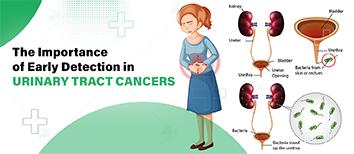
For those experiencing such symptoms, seeking care from the best hospital for pulmonology treatment in Noida ensures you receive timely and expert diagnosis and treatment.
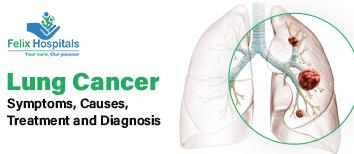
Lung cancer is a serious condition that starts in the lungs and can spread to other parts of the body.

These viruses spread primarily through respiratory droplets released into the air when an infected person sneezes or coughs.

Cornual pregnancy is a special but potentially fatal kind of ectopic pregnancy which is to be detected early and treated as an emergency. In this state the fertilized egg implants in the latter part of the uterus which is known as the corneal or interstitial area where the fallopian tube joins the uterus. It might seem much the same as a regular pregnancy but there are much more serious risks when left unaddressed.
Ectopic pregnancy occurs in 1-2 % of pregnancies, and cornual pregnancy is a minor percentage of all these pregnancies. But they are linked with an increased risk of complications since the pregnancy may develop longer before the symptoms manifest themselves. This late presentation increases the risk of uterine rupture which may cause massive internal bleeding and can be fatal.
The cornual area is well supplied with blood and has a substantially thicker muscular wall, permitting the pregnancy to grow larger than in other ectopic sites. This can slow down the symptoms, but rupture can be more lethal. Research indicates that maternal mortality in cornual pregnancies is higher than in any other ectopic pregnancies because it is detected later.
Early diagnosis and safe management requires timely care and consultation with the Best Gynecologists in Noida and a Gynecology Hospital in Noida. Symptom and risk factor awareness gives patients an opportunity to seek care before complications set in.
Experiencing unusual abdominal pain or bleeding during pregnancy? Don’t ignore it—early diagnosis can prevent serious complications. Call +91 9667064100 to consult a gynecologist today.
To understand the term cornual pregnancy, it is necessary to comprehend the gravity of the condition. During cornual pregnancy, the implantation of the fertilized egg takes place in the interstitial part of the fallopian tube which traverses the muscular wall of the uterus. This is unlike normal ectopic pregnancies, which are typically found in the fallopian tubes outside of the womb.
Due to positioning inside the uterine wall, a cornual pregnancy can develop inconspicuously, initially. This may give an illusion of sanity in the initial stages of pregnancy. With the growth of the pregnancy though, the tissue surrounding it stretches more putting it at risk of rupture.
Medical reports tell that pregnancies in the corpus might go to 8-16 weeks before rupture, as opposed to earlier rupture in other ectopic pregnancies. This slow evolution makes this early detection quite difficult but important.
Realizing the causes of cornual pregnancy is used to spot some risk factors.
Some factors may promote abnormal implantation, including:
Previous ectopic pregnancy
History of tubal surgery
IVF and other assisted reproductive techniques.
Uterine abnormalities
Scarcity or injury in the fallopian tubes may disrupt the normal passageage of the fertilized egg leading to implantation of the egg in an improper position. Women who have gone through fertility treatments can also be at increased risk as well because of the changes in their reproductive processes.
Studies indicate that women who have experienced damage to their tubes before are at a very high risk of developing ectopic pregnancies including the cornual pregnancy.
It is important to be aware of what the symptoms of cornual pregnancy are to intervene early.
Early symptoms may include:
Pain in the abdomen or pelvis, mild.
Missed or delayed periods
Light vaginal bleeding
Fatigue or dizziness
These symptoms are frequently confused with standard early pregnancy symptoms, and can postpone diagnosis.
Severe abdominal pain
Shoulder pain (as a result of bleeding within)
Fainting or collapse
Symptoms in the event of rupture are life-threatening and need emergency attention.
Knowledge of such things as cornual pregnancy dangerous makes it clear that immediate treatment is required.
Cornual pregnancy is indeed very dangerous because of:
Delayed symptom onset
Risk of uterine rupture
Severe internal bleeding
Increased mortality risk
The blood supply to the cornual is rich and in the event of rupture may cause heavy bleeding. Research has shown that the loss of blood in such instances may be sudden and severe and may necessitate immediate surgery.
Understanding the difference between cornual and ectopic pregnancy helps clarify diagnosis and treatment.
Feature | Cornual Pregnancy | Ectopic Pregnancy |
location | uterine cornua | usually fallopian tube |
growth duration | longer | shorter |
rupture timing | delayed | earlier |
severity | higher risk | variable |
Cornual pregnancy is a subtype of ectopic pregnancy but behaves differently due to its unique location.
To be able to detect early on, it is important to understand the diagnosis of cornual pregnancy.
Diagnosis involves:
Transvaginal ultrasound
Blood tests (hCG levels)
Pelvic examination
The ultrasound helps a lot in determining the precise position of the pregnancy. Cornual pregnancy may however be confused with/be misdiagnosed as a normal intrauterine pregnancy because of its location. Early proper diagnosis greatly decreases the chances of complications.
Saving understanding can cornual pregnancy is a usual concern.
Cornual pregnancy is not a safe way to carry a pregnancy to term as it can easily rupture and result in life-threatening complications. The main purpose of treatment is to secure the health of the mother.
Nevertheless, the earlier the diagnosis is made, less invasive treatment choices are possible, and future fertility is better preserved.
How is cornual pregnancy treated? It is important to understand this to manage it.
Treatment options include:
Methotrexate (medication) early cases.
Laparoscopic surgery
Emergency surgery in the event of rupture.
Treatment is determined by the pregnancy period and the condition of the patient. Early treatment leads to better results and minimizes complications.
Some are at a greater risk.
Risk factors include:
Previous ectopic pregnancy
Infertility treatments
Pelvic infections
Uterine abnormalities
These factors may be identified to aid in early monitoring.
Complications may include:
Uterine rupture
Severe bleeding
Shock
Loss of fertility
These complications are life threatening and need urgent treatment.
Seek medical help if:
Pain in the abdomen during pregnancy.
There is unusual bleeding
Symptoms worsen suddenly
There is dizziness.
Early consultation can save lives.
Medical care ensures:
Early diagnosis
Effective treatment
Monitoring recovery
Preventing complications
Special care enhances patient care.
Facing unusual symptoms during pregnancy? Don’t delay—early medical care is critical. Call +91 9667064100 to consult a gynecologist now.
Cornual pregnancy is a dangerous, though not very common, condition that has to be addressed immediately. Education on cornual pregnancy, its symptoms, and treatment can prevent complications that can cause death.
Appropriate treatment and better results are guaranteed by a timely appointment with the Best Gynecologists in Noida at a reputable Gynecology Hospital in Noida.
Dr. Charu Yadav is an obstetrician and gynecologist with 12+ years of experience, specializing in high-risk and twin pregnancies, ectopic pregnancy, and menstrual disorders. Trained in laparoscopic surgery, she provides care for pregnancy, infertility, menopause, and gynae procedures. She is also recognized among the Best Gynecologists in Noida for her patient-focused treatment.
Vaginal boils and herpes both cause painful bumps in the genital area, but their causes and treatments are very different. Knowing the difference helps women choose the right treatment and prevent complications.
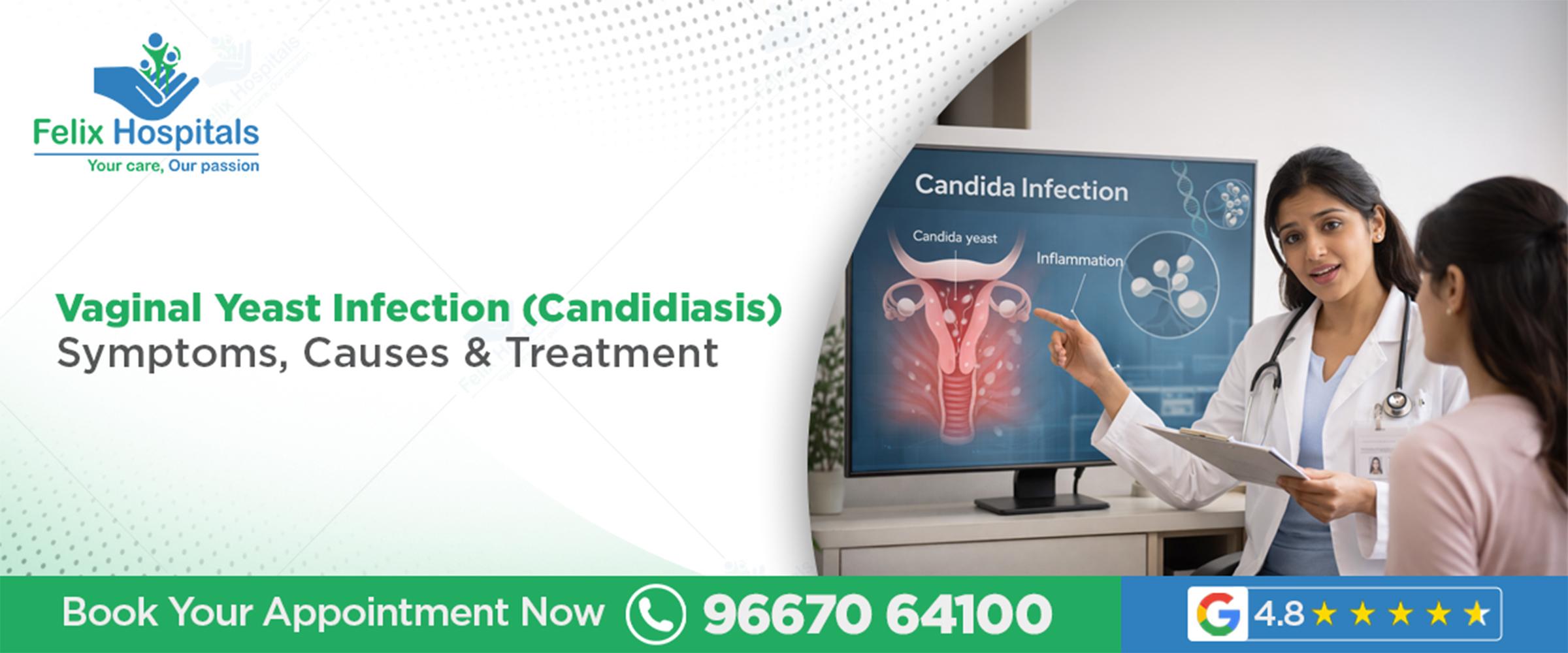
Many women have vaginal discomfort, but not many of them talk about it. A condition that affects three out of four women at least once in their lives is one of the most common causes. However, many women still misdiagnose, under-treat, or ignore it because they are embarrassed. A vaginal yeast infection, also known as candidiasis, is a fungal infection that is easy to treat if you know what it is. The problem is that it is often mistaken for other illnesses, which makes it take longer to get better and can even cause problems that aren't necessary. Visit the best Gynecology Hospital in Noida today to get the best treatment for Vaginal Yeast Infection.
Are you having persistent vaginal itching, strange discharge, or infections that keep coming back? If so, you need a proper diagnosis, not just another round of over-the-counter medicine. Call +91 9667064100 now
Vaginal candidiasis is an infection that happens when the fungus Candida grows too much in the vagina and vulva. Candida albicans is the most common type. Candida is a type of organism that lives in the vagina. When things are healthy, it lives in harmony with bacteria, especially Lactobacillus, which keeps the vagina acidic and stops fungi from growing. When this balance is off, Candida grows too much and causes an infection.
It is not a STI, but it can be passed between partners from time to time. Not keeping things clean is not the cause. It messes up the vaginal microbiome, and any woman, no matter her age or lifestyle, can get it.
The symptoms of vaginal candidiasis are usually easy to tell apart from those of other vaginal conditions, but they can sometimes be similar. This is why it's important to see a doctor.
Very itchy and irritated skin inside the vagina and around the vulva
A burning feeling, especially when you pee or have sex
The vulva is red and swollen.
Vaginal discharge that is thick, white, and like cottage cheese and has little or no smell
In some cases, the skin on the vulva may be sore or have a rash.
Watery discharge in less severe infections
The itching is usually the most noticeable and bothersome sign. It can be bad enough to keep you from sleeping and doing your daily activities. Vaginal yeast infections don't usually cause a bad-smelling discharge. If there is an odour, it is more likely to be bacterial vaginosis or a STI, and a doctor should check it out, which highlights What Are the Common Symptoms of a Vaginal Yeast Infection?
There isn't just one thing that causes vaginal candidiasis; it happens when something changes the normal balance of bacteria in the vagina.
One of the most common causes is taking antibiotics. Antibiotics kill bad bacteria, but they also kill the good Lactobacillus bacteria in the vagina, which lets Candida grow too much.
Hormonal changes—like those that happen during pregnancy, before your period, or when you take hormonal birth control—change the pH and glycogen levels in the vagina, which makes it easier for fungi to grow.
High blood sugar or diabetes that isn't under control makes the environment rich in glucose, which is great for Candida.
A weakened immune system — from being sick, stressed, HIV, or taking immunosuppressive drugs — makes it harder for the body to keep Candida in check.
Tight or synthetic clothing that keeps heat and moisture in the genital area can help fungi grow.
Soaps, douches, or vaginal deodorants with scents throw off the natural pH balance of the vagina.
Knowing what caused the infection is just as important as treating it. If the cause keeps happening, the infection is likely to come back, which explains What Causes Vaginal Candidiasis
Any woman can get a yeast infection, but some groups are much more likely to get one:
Women who have been on long-term or broad-spectrum antibiotics
Pregnant women Hormonal changes make the vaginal environment very sensitive during pregnancy.
Women with type 1 or type 2 diabetes that isn't well controlled
People who take corticosteroids or immunosuppressive drugs
Women who have HIV or other diseases that weaken the immune system
People who take hormonal birth control that has a lot of oestrogen in it
Women who regularly douche or use scented products for personal hygiene
People who wear tight synthetic pants or stay in wet clothes (like wet swimwear) for a long time
If you have one or more of these risk factors, it doesn't mean you'll definitely get a yeast infection. But knowing what they are can help you avoid getting one and understand why it keeps coming back, answering Who Is at Higher Risk of Developing a Yeast Infection?
A lot of treatment failures start here: when people try to figure out what's wrong with them based only on their symptoms. Diagnosing a vaginal yeast infection correctly necessitates more than merely identifying itching or discharge, as bacterial vaginosis, trichomoniasis, and certain STIs may exhibit analogous symptoms, which explains
A gynaecologist will usually:
Get a full history of the symptoms, including recent use of antibiotics, the method of birth control, and the timing of the menstrual cycle.
Check for redness, swelling, and discharge by doing a pelvic exam
Get a vaginal swab for culture or microscopy to find out what kind of Candida it is
Check the pH of the vagina. A yeast infection usually has a normal pH of 4–4.5, but bacterial vaginosis usually has a higher pH.
Culture is especially important for infections that come back because some types of fungi, like Candida glabrata, don't respond to the usual antifungal drugs used for C. albicans. Using the wrong medicine on the wrong organism will not get rid of the infection.
The treatment for vaginal candidiasis depends on how bad the infection is (mild to moderate, infrequent) or how complicated it is (severe, recurrent, or caused by a non-albicans species), which explains What Is the Best Treatment for Vaginal Yeast Infection?
For infections that aren't complicated:
Topical antifungals — creams or pessaries of clotrimazole, miconazole, or butoconazole that are put directly on the vagina and vulva; they come in 1-day, 3-day, or 7-day courses
Oral antifungal — a single dose of fluconazole (150 mg) taken by mouth is very effective and is often used to treat simple infections.
For infections that are hard to treat or keep coming back:
A longer course of topical antifungal (10–14 days) or two doses of oral fluconazole 72 hours apart.
Maintenance therapy: weekly oral fluconazole for six months to stop women from having three or more episodes per year from happening again.
Testing for sensitivity to find Candida species that are resistant before giving treatment
Women who have already had a yeast infection and are experiencing the same symptoms can treat themselves with antifungal medications that are available without a prescription. But a gynaecologist should look at infections that happen for the first time, during pregnancy, or that don't respond to normal treatment.
Mild vaginal yeast infections can sometimes go away on their own, especially if the cause, like a short course of antibiotics, has gone away and the vaginal microbiome has returned to normal. But this is not the case most of the time, answering Can Vaginal Yeast Infections Go Away on Their Own?
Without antifungal treatment, most infections will stay the same or get worse. If you don't treat a yeast infection, it can have real effects:
Long-lasting pain and irritation of the skin from scratching it too much
Higher chance that the infection will spread to nearby skin
Being more likely to get STIs because the vaginal barrier isn't working properly
If a woman is pregnant and doesn't get treatment for candidiasis, she is more likely to pass the infection on to her baby during delivery.
It's not a good idea to wait more than two or three days to see if symptoms go away on their own. If you have symptoms that are clear and present, the right thing to do is to get treatment, not wait and see.
Women who get recurrent vaginal candidiasis—four or more times in a year—need both medical care and specific changes to their lifestyle to avoid getting it again, which explains How Can You Prevent Recurrent Yeast Infections?
Wear cotton pants that let air flow through it and stay away from tight synthetic fabrics that hold moisture around the genitals.
Don't use douches or scented intimate products. The vagina cleans itself, and these products change the natural pH and microbiome.
Take off wet clothes right away after swimming or working out
If you have diabetes, keep your blood sugar under control because high glucose levels directly feed Candida growth.
Take probiotics while and after taking antibiotics—Lactobacillus-containing probiotics help restore vaginal flora, but they work best when used with antifungal treatment, not instead of it.
Wipe from front to back after using the bathroom to keep intestinal germs from getting to the vaginal area.
Talk to your gynecologists about birth control options if high-estrogen pills seem to be causing infections over and over again. A lower-estrogen or non-hormonal option might help.
Always look into recurrent infections in a clinical setting. Testing is necessary instead of repeated empirical treatment because of the possibility of undiagnosed diabetes, an unrecognized immune condition, or a resistant Candida species.
Are you having trouble with a yeast infection that keeps coming back even after treatment? If you keep getting infections, you need to see a doctor, not just get another prescription.
You can get a full evaluation and a plan that really addresses the cause by calling +91 9667064100 and talking to an experienced Gynaecologist in Noida.
A vaginal yeast infection is common, but that doesn’t mean you should ignore it or keep self-treating without proper guidance. If symptoms persist, consulting an experienced Gynaecologist in Noida is important for an accurate diagnosis and the right treatment plan. The treatment works best when it matches the specific type of infection, and the risk of recurrence can be effectively managed with expert care from a qualified Best Gynaecologist in Noida. Instead of making assumptions, timely medical evaluation and identifying the root cause are essential for long-term relief.
Dr. Charu Yadav is an obstetrician and gynecologist with 12+ years of experience, specializing in high-risk and twin pregnancies, ectopic pregnancy, and menstrual disorders. Trained in laparoscopic surgery, she provides care for pregnancy, infertility, menopause, and gynae procedures. She is also recognized among the Best Gynecologists in Noida for her patient-focused treatment.
Vaginal boils and herpes both cause painful bumps in the genital area, but their causes and treatments are very different. Knowing the difference helps women choose the right treatment and prevent complications.

World Hemophilia Day highlights the importance of early diagnosis, awareness, and access to life-saving treatment for people living with bleeding disorders. Many patients remain undiagnosed until a serious bleeding episode occurs, which is why timely care from the Best Oncology Hospital In Noida and consultation with the Best Oncologist in Noida plays a major role in preventing long-term complications and improving life expectancy.
Hemophilia is rare but serious and requires lifelong care, monitoring, and family education.
Need expert treatment and long-term care? Book your appointment now. Schedule your visit at +91 9667064100 today
Understanding Hemophilia and Its Types helps families recognize that this condition is not simply "bleeding more," but a genetic clotting disorder where blood does not clot properly.
Key basics patients should know:
The Importance of World Hemophilia Day Awareness is to ensure patients are diagnosed early and receive proper treatment before complications begin.
The importance of awareness campaigns:
Fact: The World Federation of Hemophilia has declared that more than 75 percent of hemophiliacs in the world are either undiagnosed or untreated.
Recognizing the Common Symptoms of Hemophilia early can prevent life-threatening complications.
The most typical symptoms are:
The symptoms appear in children when they begin crawling or walking.
The Causes and Genetic Factors of Hemophilia are linked to inherited gene mutations affecting clotting factors.
Important genetic facts:
The Types of Hemophilia: A, B, and C depend on which clotting factor is missing.
Type | Missing Factor | Prevalence | Severity |
Hemophilia A | Factor VIII | Most common | Mild to severe |
Hemophilia B | Factor IX | Less common | Moderate |
Hemophilia C | Factor XI | Rare | Usually mild |
Fact: Hemophilia A is the cause in almost 80 percent of the global cases (World Federation of Hemophilia).
How Hemophilia is Diagnosed involves specialized blood testing and family history evaluation.
Diagnostic steps include:
Modern medicine offers several Treatment Options and Therapies for Hemophilia that allow patients to live long and active lives.
Common treatments include:
Fact: The life span has grown tremendously as a result of preventive treatment (CDC).
The Role of Clotting Factor Replacement Therapy is central to hemophilia management and emergency care.
Why it is life-saving:
Families must learn Managing Bleeding Episodes Effectively to reduce complications.
Immediate steps include:
Preventive treatment is more effective when compared to enduring harm.
Following Lifestyle Tips for People with Hemophilia helps patients stay active while reducing risks.
Safe lifestyle habits:
Physical fitness defends against joints and muscles.
The Importance of Early Diagnosis and Care is seen in improved mobility and independence.
Building Spreading Awareness and Supporting Patients will mitigate the presence of stigmas and enhance mental health.
Favor enhances self-confidence and self-sufficiency.
Hemophilia may result in:
Prevention focuses on reducing bleeding risk through:
Noticing frequent bruising or prolonged bleeding? Early diagnosis saves lives. Call +91 9667064100 to consult a specialist today.
World Hemophilia Day teaches us that awareness, early diagnosis, and access to treatment can change lives. Through modern therapies and proper medical support from the Best Oncologist in Noida, hemophilia patients can live active and healthy lives. Timely consultation with the Best Oncologist in Noida and a specialized hematology team ensures better disease management. Education, expert care, and early medical intervention remain the most effective ways to prevent complications and improve long-term outcomes.

Felix Hospital offers advanced oncology treatment at an affordable cost, ensuring high-quality care for cancer patients with compassion and expertise.

Cervical cancer is most common in women after breast cancer. Cervical cancer starts from the cervix, i.e., the cervix. The cervix is the lower part of the uterus that connects the vagina to the uterus.

Explore essential information about breast cancer, including its symptoms, causes, types, and treatments, to stay informed and proactive about your health.
Lung cancer is a serious condition that starts in the lungs and can spread to other parts of the body.
World IBS Day is celebrated every year to educate the world about Irritable Bowel Syndrome (IBS) - a persistent digestive disorder that afflicts millions of individuals in the world. IBS though common, is not usually diagnosed since most people are ready to attribute the symptoms to indigestion or discomfort associated with lifestyle.
IBS can be a complicated condition. Starting with the abdominal paling, uncontrolled bowel movements, the condition may have a severe impact on physical discomfort, emotions, and productivity. More awareness should be created regarding IBS to ensure that the people are aware of symptoms so that they can get medical assistance in time and understand how to deal with the disease.
IBS is discussed in this article and will tell you all you need to know about the disease; the causes, symptoms, diagnosis, treatment and some practical lifestyle tips you should know about to manage the disease.
Take charge of your gut health today. Early diagnosis can prevent long-term complications. Book a consultation: +91 9667064100 and speak with a gastro specialist today.
The Irritable Bowel Syndrome (IBS) is a functional gastrointestinal illness, which mostly involves the large bowel (colon). Functional refers to a digestive system that is not functioning normally even though it does not have any visible abnormalities.
IBS is not a kind of infection, not a kind of cancer, and it does not lead to a permanent damage of the intestines. But it is a long term illness that should be managed on a long term basis.
The types of IBS are determined by types of bowel habits:
IBS-C - Preponderance constipation.
IBS-D - Diarrhea predominant
IBS-M - Mixed (constipated and diarrhea)
IBS-U - Unclassified
IBS may not decrease the lifespan of individuals; however, it may significantly decrease quality of life when untreated.
The precise pathogenesis of IBS is not identified, however, it is supposed that a combination of several factors contributes to the development of the disease.
The gut-brain axis is an interrelation between the brain and the digestive system. Any interference with the communication may influence bowel movements and pain perception.
Individuals affected by IBS are generally very sensitive to their intestines, that is, even normal digestion is painful.
The food is propelled through the intestines. The stronger or weaker contractions may result in:
Diarrhea (fast movement)
Constipation (slow movement)
Gut Microbiome Imbalance
Trillions of beneficial bacteria are in the gut. Disproportion of these bacteria may result in bloat, gas and digestive problems.
IBS occurs in many following severe food poisoning or gastroenteritis. This is referred to as post infectious IBS.
IBS is closely associated with stress, anxiety and depression. The symptoms may be aggravated by emotional stress.
Some of these foods can cause IBS symptoms and they include:
Dairy products
Caffeine
Spicy foods
Artificial sweeteners
Processed foods
The symptoms of IBS are mild to severe and tend to occur in intervals known as flare-ups.
Common Symptoms
Abdominal pain or cramping
Bloating and gas
Diarrhea or constipation
Alternating bowel habits
Mucus in stool
This is a sense of unfinished bowel movement.
Additional Symptoms
Fatigue
Nausea
Backache
Frequent urination
Sleep disturbances
The symptoms tend to aggravate during the aftermath of meals or stressful situations.
IBS may develop in everyone, although some people are more susceptible to it:
Women have double the chances of developing IBS.
People below 50 years of age
Patients who have relatives who had IBS.
Individuals who have sustained stress.
Patients with anxiety or depression.
IBS is not merely a digestive condition, it may be a problem in all spheres of life.
Physical Impact
Frequent bathroom visits
Pain and discomfort
Low energy levels
Emotional Impact
Fear of going out.
Fear of eating outside
Reduced self-confidence
Professional Impact
Reduced productivity
Missed workdays
Difficulty traveling
IBS may have a serious impact on quality of life unless it is addressed adequately.
A lot of individuals do not want to discuss digestive problems. Consequently, the IBS is not fully diagnosed.
Raising awareness helps:
Encourage early diagnosis
Decrease bowel health stigma.
Enhance healthier lifestyles.
Improve mental well-being
See a doctor should you have:
Persistent abdominal pain
Blood in stool
Unexplained weight loss
Extreme diarrhea or constipation.
Early visitations to the doctor ensure that serious illnesses are eliminated and early treatment commenced.
IBS does not have any single test. Its diagnosis is done by doctors eliminating other disorders.
Diagnostic Process
Detailed medical history
Physical examination
Blood tests
Stool tests
Colonoscopy (if required)
Rome IV is one of the criteria that doctors employ when diagnosing IBS.
The management of IBS is aimed at the control of symptoms and lifestyle change.
Small carbohydrates are restricted to minimize symptoms with the help of a Low FODMAP diet.
Doctors may prescribe:
Antispasmodics
Laxatives or anti-diarrheal drugs.
Probiotics
There are antidepressants (to connect gut and brain)
Therapies that help:
Cognitive behavioral therapy (CBT).
Yoga and meditation
Mindfulness
Healthy Eating Habits
Eat smaller, regular meals
Avoid trigger foods
Increase fiber gradually
Lifestyle Changes
Exercise regularly
Sleep well
Stay hydrated
Stress Management
Practice meditation
Maintain work-life balance
Seek emotional support
Foods to Include
Oats
Bananas
Yogurt with probiotics
Rice and potatoes
Lean proteins
The most triggering foods of IBS
Examples of common trigger foods are:
Dairy products
Spicy and fried foods
Caffeine and carbonated beverages.
Artificial sweeteners
Highly processed foods
There are different triggers to different individuals.
Myth: IBS is just indigestion.
Fact: IBS is a long-lasting medical disorder.
Myth: IBS causes cancer.
Fact: IBS is not a risk factor to cancer.
Myth: Stress is the sole cause of IBS.
Fact: There are several causes of IBS among them being gut imbalance.
Treatment of IBS involves the combination of:
Medical treatment
Healthy lifestyle
Stress management
IBS patients are able to live healthy and productive lives with proper care.
Don’t ignore persistent digestive discomfort . If you frequently experience bloating, abdominal pain, or irregular bowel habits, consult specialists today. Call Now: +91 9667064100 to book your appointment.
During World IBS Day, one should share the information about Irritable Bowel Syndrome and make people realize that digestive health is important.
IBS is not life threatening, however, it can have a severe impact on the quality of life. With proper treatment, lifestyle change, and early diagnosis, the individuals can manage the symptoms and live comfortably.
In case of long-term digestive problems, see the specialists at the Best Gastrology Hospital, Noida, and ask the Best Gastrologist in Noida to consult and provide individual care.

Abdominal distension is a common condition that causes swelling, bloating, and discomfort in the stomach area. Early diagnosis and proper treatment in Noida can help prevent serious complications and improve digestive health.
Abdominal pain and bloating need timely evaluation. Expert diagnosis in Noida ensures accurate treatment and fast relief.
Get expert constipation treatment in Noida. Learn about common causes, symptoms, and the best relief options to improve digestive health.

Struggling with constipation in summer? Learn its causes, symptoms, and effective remedies. Stay hydrated and follow expert tips for better digestive health.

The weather is very threatening in Delhi NCR because in extreme temperatures, it may present serious health risks and mainly during the peak season (summer months) when the temperatures high in the area may skyrocket. Among the most threatening heat-related diseases, there is heat stroke, or the condition that takes place when the body fails to regulate its internal temperature. Understanding what heat stroke is essential for recognizing its severity and taking immediate action to prevent life-threatening complications.
As the urban heat, pollution, and the outdoor activity and exposure to heat increase, the risk of heat-related illnesses is growing at an alarming rate. The importance of such access to medical care like heat stroke treatment hospital in noida is important in avoiding complications and safe recovery of patients affected under severe weather conditions.
Feeling dizzy, overheated, or experiencing unusual symptoms in extreme heat? Don’t ignore warning signs—act fast to prevent complications. Call +91 9667064100 to consult an emergency doctor for heat stroke in Noida immediately.
The most dangerous type of heat-related illness is heat stroke which occurs when body temperature exceeds 40 deg C and the cooling process overloads the body. Understanding What Is Heat Stroke helps differentiate it from milder conditions like heat cramps or exhaustion and highlights the urgency of medical care.
It has been clinically found out that once the body temperature is above critical levels, proteins and enzymes start malfunctioning whereby cell damage is caused. This is the reason why the brain and heart are treatable organs that can soon be affected by heat stroke unless it is treated as quickly as possible.
Recognizing Early Symptoms of Heat Stroke is crucial for preventing progression to a life-threatening stage. The symptoms usually start between the lines but they can develop fast when neglected.
The early symptoms are common and they include:
High body temperature
Hot or flushed skin
Headache
Dizziness or fainting
Nausea or vomiting
Rapid pulse
Weakness or fatigue
These symptoms have to be addressed promptly particularly during extreme heat.
Understanding the difference between Heat Stroke vs Heat Exhaustion is essential for deciding the urgency of treatment and response.
Key differences include:
Heat exhaustion involves heavy sweating, while heat stroke may present with dry or hot skin
In exhaustion, body temperature is moderate but in the case of heat stroke, it is very high.
Rest may help to relieve heat exhaustion but heat stroke should get emergency treatment.
In heat stroke mental confusion is more evident.
Unconsciousness is a result of heat stroke.
Emergency care is delayed since mistakes in proper identification are avoided.
Heat stroke is as a result of excessive exposure to high temperatures or excessive bodily exercise in hot temperatures. Because these triggers provide understanding, they can be used in early prevention.
Common causes include:
Prolonged sun exposure
Low humidity lowering the sweat loss.
Except wearing tight or non-breathable clothing.
Great muscular exertion in hot weather.
Poor ventilation
These aspects have the potential to interfere with the natural cooling mechanism of the body.
Some populations are more susceptible to heat stroke as a result of a physiological or environmental cause.
High-risk groups include:
Young children and old people.
Outdoor workers
Athletes training in heat
Individuals having chronic diseases.
Citizens under medication.
People with dehydration
Risk population identification can assist in preventive actions.
Recognizing severe symptoms is critical in identifying Emergency Treatment for Heat Stroke situations where immediate medical care is required.
The warning signs will be:
High body temperature of a very high nature.
Agitation or mental alteration.
Seizures
Loss of consciousness
Rapid breathing
No sweating in other cases.
The symptoms show that it is a medical emergency and must be addressed with urgency.
Timely treatment of complications and preventing needless loss of life is answered by Knowing When to Visit a Hospital in Noida.
Go to the hospital in case:
The cooling attempts do not lower body temperature.
The individual is unconscious.
Symptoms worsen rapidly
The first aid is not there
Hospitalization leads to immediate help.
Doctors perform rapid evaluations to confirm heat stroke and assess organ function.
Test | Purpose |
Body Temperature Check | Confirms hyperthermia |
Blood Tests | Evaluates organ function |
Urine Tests | Checks kidney health |
Electrolyte Tests | Detects imbalances |
ECG | Monitors heart activity |
These tests guide emergency treatment and recovery planning.
Immediate action is critical in Emergency Treatment for Heat Stroke to reduce body temperature and prevent organ damage.
First aid steps include:
Transferring the individual to a cool or a shaded room.
Removing excess clothing
The use of cold water or ice packs.
Using fans for rapid cooling
Ambulance services.
Medical evidence shows that the large domain of rapid cooling during the first hour of illness will significantly decrease the risk of mortality, and the vitality of emergency intervention is extremely important.
A case of this can only be stabilized and monitored in a heat stroke treatment hospital in Noida to achieve severe cases.
Treatment in the hospital incorporates:
Intravenous fluids
High-tech cooling methods.
Oxygen support
Drugs to treat complications.
Intensive care monitoring
Special treatment guarantees harmless recovery and avoids non-occursion of damage.
Heat stroke may cause severe complications on various organs in the case of untreated heat stroke.
It may have complications such as:
Brain damage
Heart complications
Muscle breakdown
Multi-organ failure
These outcomes are highly likely to occur because of delayed treatment.
Prevention plans contribute significantly to lessening heat related diseases and preserving health in extreme weather conditions.
Preventive tips include:
Drinking plenty of fluids
Eliminating outdoor exposure during high times.
Light breathable clothes.
Using sun protection
Having a break in the shaded areas.
Keeping indoor spaces cool
These measures will help to sustain the body temperature and avoid heat stress.
Minor changes are made to lifestyle which would help reduce the occurrence of heat stroke during hot months.
Some of the adjustments that can help are:
Organizing outdoor events during cold hours.
Increasing water intake
Avoiding heavy meals in heat
Applying cooling mechanisms such as fans or AC.
Regular practices can be used as a defense against extreme temperatures.
The availability of an emergency physician to provide heat stroke in noida is necessary in addressing cases of emergencies.
Emergency services provide:
Rapid stabilization
Continuous monitoring
Immediate treatment
Advanced medical support
Faster recovery assistance
Market healthcare enhances results and minimises morbidity.
Experiencing symptoms of heat stroke or feeling unwell in extreme heat? Get immediate medical attention to avoid serious complications. Call +91 9667064100 to reach an emergency doctor for heat stroke in noida now.
Heat stroke is a fatal disease and it should be noticed and intervened accordingly. Understanding What Is Heat Stroke?, identifying Early Symptoms of Heat Stroke, and knowing When to Visit a Hospital in Noida can make a crucial difference in saving lives.
Awareness and preventive measures are needed in the city of Delhi NCR as the temperatures rise. By consulting a reliable heat stroke treatment hospital in noida as soon as possible, one will be taken care of enough and will be less prone to emergencies, allowing people to remain safe in hot conditions during summer
Dr. Anshumala Sinha is an experienced Internal Medicine and Diabetology specialist with 20+ years of practice. She specializes in diabetes management, infectious diseases, fever treatment, hypertension, cholesterol control, weight management, and trauma care. Recognized among the Best General Physicians in Noida, she provides comprehensive and patient-focused medical care.

Maintaining a healthy lifestyle is important, in today’s scenario. It is common to hear about some or the other problem related to health faced by individuals.

Heart disease is one of the leading global health concerns, responsible for millions of deaths worldwide each year.
Severe abdominal pain is a symptom that should never be ignored, as it may indicate serious underlying medical conditions requiring urgent attention. Vital organs that are situated in the abdominal area will include the stomach, liver, intestines, pancreatic, and kidney hence pain in this area may be complicated and somewhat hard to decipher. Recognizing severe abdominal pain early can help prevent complications and ensure timely treatment.
Although mild stomach discomfort can be self-resolving, severe pain or persistent one can become a warning that there are some emergencies like infections, inflammation of organs or internal bleeding. Prompt care with the help of the best gastroenterologist in noida or emergency services visits may help in a major difference of the disease detection and recovery results.
Experiencing intense stomach pain or discomfort that won’t go away? Don’t delay medical care—early treatment can prevent serious complications. Call +91 9667064100 to consult a stomach pain specialist near me today.
The abdomen is a complex region where multiple organs function together, making it important to understand what causes severe abdominal pain and how it presents in different conditions. The nature of the pain experienced may be sharp and acute or dull and chronic depending on the cause of the problem.
According to medical observations, almost 5-10 percent of the total emergency department visits in the world are attributable to abdominal pain, which serves as one of the indications of the prevalence and potentially significant nature of the given symptom. This underlines the fact that caution should be taken by ensuring that the warning signs are not overlooked.
Identifying what causes severe abdominal pain helps in determining whether the condition is mild or life-threatening. The factors may be as mild as digestive complications to severe problems of the organ.
Common causes include:
Gallstones
Pancreatitis
Gastritis or ulcers
Intestinal obstruction
Food poisoning
Digestive tract infection.
All these factors are different in their intensity and necessitate certain treatment strategy.
The different categories of pain give information as regards to the underlying condition and aid in diagnosis using them.
Common types include:
Acute pains are sharp and sudden, and indicate conditions.
Pain related to digestion, crampy.
Stinging pain that is related to acidity or ulcers.
Apparent back or side pain.
Periodic pain now and then.
The perceptions of pain assist in quicker and more precise medical evaluation.
Recognizing signs of emergency abdominal pain is crucial for deciding when immediate medical attention is needed.
Warning signs include:
Rapid and sharp pain which only becomes worse.
Several pains with high fever.
Constant vomiting or not able to swallow.
Blood in vomit or stool
Abdominal pain: swelling or rigidity.
Breathing difficulties caused by pain.
The symptoms can be suggestive of severe diseases that demand immediate treatment.
Knowing when to go to hospital for stomach pain can help prevent delays in treatment and avoid complications.
Go to the hospital as soon as:
The pain also extends beyond several hours and is intensive.
Acute sharpness of pain occurs.
Pain is a consequence of an injury or accident.
You feel dizzy or faint.
Chest pain is associated.
Symptoms rapidly worsen
When hospitals are visited in time, it is more likely to be treated and heal.
Severe abdominal pain often presents with additional symptoms that provide important diagnostic clues.
Characteristic related symptoms consist of:
Nausea and vomiting
Loss of appetite
Fever or chills
Diarrhea or constipation
Yellowing of skin (jaundice)
Difficulty passing urine
The symptoms enable the physicians to recognize the underlying cause of pain more precisely.
There are medical and lifestyle factors that expose one to risk of developing serious abdominal conditions.
Key risk factors include:
Unhealthy eating habits
Too much drunkenness.
Such chronic diseases as diabetes.
The history of abdominal surgery.
Infections
Poor lifestyle habits and stress.
With the assistance of considering such risks, it is possible to avoid serious abdominal problems.
Accurate diagnosis is essential for identifying the cause of pain and determining appropriate treatment.
Test | Purpose |
Physical Examination | Assesses location and severity of pain |
Blood Tests | Detects infection or inflammation |
Ultrasound | Identifies organ-related issues |
CT Scan | Provides detailed imaging of abdomen |
Endoscopy | Examines digestive tract conditions |
These diagnostic tools help doctors make timely and effective treatment decisions.
The management is made depending on the basis of the condition and its severity. Early intervention leads to better results.
Treatment options include:
Painkillers and anti-infective agents.
Dehydration intravenous fluids.
Bacterial infections Antibiotics.
Surgery on things such as appendicitis.
Dietary modifications
In Severe cases hospital surveillance.
The proper therapy guarantees a quicker recovery and decreases complications.
Disregarding severe symptoms may result in severe health problems with numerous affected organs.
The possible complications are:
Organ damage or failure
Internal bleeding
Infection spread
Sepsis
Long-term digestive issues
Having the medical information on the fact that the further treatment of the acute abdominal conditions not only correlates closely with complications but also is highly risky, the role of the early treatment becomes clear.
Prevention is important in the minimization of the risk of serious abdominal conditions.
Healthy habits include:
Maintaining a balanced diet
Staying hydrated
Avoiding excessive alcohol
Practicing good hygiene
Regular medical checkups
Effective management of stress.
The actions promote digestive and general well-being.
A specialist should be consulted because correct diagnosis and correct management of abdominal pain would be achieved.
Specialist care offers:
State-of-the-art diagnostic units.
Individualized care plans.
Continuous monitoring
Expert medical guidance
Comprehensive patient care
In-patient services conducted by skilled practitioners enhance the results of care.
Experiencing sudden or worsening abdominal pain? Don’t ignore warning signs—get expert care immediately. Call +91 9667064100 to consult a stomach pain specialist near me today.
Severe abdominal pain can be a warning sign of serious underlying conditions that require immediate medical attention. Understanding severe abdominal pain, identifying what causes severe abdominal pain, and recognizing signs of emergency abdominal pain are essential steps in ensuring timely care.
Prevention and treatment with lifestyle changes must be made early and may be of great help in lowering complications, which may be avoided and near cured. By using the service of the finest gastroenterologist in noida, a patient stands a great chance of getting the correct diagnosis and effective treatment that would assure his or her good health long term.
Abdominal distension is a common condition that causes swelling, bloating, and discomfort in the stomach area. Early diagnosis and proper treatment in Noida can help prevent serious complications and improve digestive health.
Abdominal pain and bloating need timely evaluation. Expert diagnosis in Noida ensures accurate treatment and fast relief.
Get expert constipation treatment in Noida. Learn about common causes, symptoms, and the best relief options to improve digestive health.
Struggling with constipation in summer? Learn its causes, symptoms, and effective remedies. Stay hydrated and follow expert tips for better digestive health.


Subscribe to our
© Copyright 2026. All Rights Reserved by Felix Healthcare Private Limited
Design and development by :


 +(91)9667064100
 Emergency : +(91)9667064100