 WhatsApp
 Emergency:
  WhatsApp













Subscribe to our

Knock knees, medically known as genu valgum, is a common condition in young children where the knees angle inward and touch one another when the legs are straightened. This condition is part of the natural growth process, especially in children between the ages of 2 and 5. However, in some cases, knock knees persist beyond the typical age range or appear to be severe, raising concerns among parents and caregivers. Understanding when to seek medical advice is crucial for ensuring the proper development and health of the child. For persistent or severe cases, consulting a specialist at an arthritis hospital can provide valuable insights and treatment options.
Don’t wait—ensure your child’s healthy development now! Call Now - +91 9667064100.
Knock knees are often noticeable when a child stands with their legs straight, causing their knees to touch while their ankles remain apart. This condition can be observed as a normal part of development in early childhood and typically corrects itself without intervention. However, certain factors can cause concern:
1. Age: Knock knees in children are commonly seen in children aged 2 to 5 years and usually resolve by age 7. If the condition persists beyond this age, it may warrant medical evaluation.
2. Severity: The degree of inward angling can vary. Mild Knock knees in children are often harmless, but severe cases might indicate an underlying issue.
3. Symmetry: Knock knees in children are usually symmetrical. If one leg is more affected than the other, it could indicate a more serious condition.
Knock knees in children can arise due to several factors, including:
1. Natural Growth: As mentioned, knock knees are part of the normal development process in children and often resolve as they grow.
2. Genetics: A family history of knock knees can increase the likelihood of the condition in a child.
3. Nutritional Deficiencies: Deficiencies in vitamin D and calcium can lead to conditions such as rickets, which can cause Knock knees in children.
4. Underlying Medical Conditions: Certain medical conditions, such as metabolic bone diseases or skeletal dysplasias, can cause persistent or severe knock knees.
1. Knees Touching: The most noticeable symptom is the alignment of the knees. When the child stands with their feet together, the knees may touch or come very close to each other, while the feet remain apart.
2. Foot Positioning: The child’s feet often remain a few inches apart when the knees are touching. This misalignment may be more pronounced when the child is standing or walking.
3. Gait Issues: Children with knock knees may exhibit an abnormal gait or walking pattern. They might appear to waddle or have difficulty walking in a straight line due to the misalignment of the knees.
4. Difficulty with Physical Activities: The condition can cause discomfort or difficulty during physical activities, such as running, jumping, or playing sports, as the misalignment may affect their balance and coordination.
5. Pain or Discomfort: In some cases, children with severe knock knees may experience pain or discomfort in their knees, legs, or hips. This can result from strain on the joints and surrounding muscles due to the misalignment.
6. Asymmetry: Knock knees can sometimes be accompanied by other asymmetrical signs, such as uneven wear on shoes or changes in posture.
While Knock knees in children are usually a normal part of development, there are specific scenarios where seeking medical advice is necessary:
1. Persistence Beyond Age 7: If Knock knees in children do not show signs of improvement by age 7 or if they worsen, a medical evaluation is recommended.
2. Severe Angling: Significant inward angling of the knees can lead to discomfort, pain, or difficulty in walking. Severe cases may require medical intervention.
3. Asymmetry: If one leg is more affected than the other, it could indicate an underlying issue that needs medical attention.
4. Pain or Discomfort: If the child experiences pain, discomfort, or difficulty walking, it is essential to consult a healthcare professional.
5. Impact on Activities: If knock knees interfere with the child’s ability to engage in normal activities, seek medical advice.
When seeking medical advice for Knock knees in children, a healthcare professional will conduct a thorough evaluation. This may include a physical examination, medical history review, and, in some cases, imaging tests such as X-rays to assess the severity and underlying causes of the condition.
Treatment options vary based on the severity and underlying cause of Knock knees in children:
1. Observation: For mild cases, especially in younger children, observation and regular follow-ups may be sufficient as the condition often corrects itself with time.
2. Bracing: In some cases, braces or orthotics may be recommended to help guide the growth of the legs.
3. Physical Therapy: Exercises and physical therapy can strengthen the muscles around the knees and improve alignment.
4. Medication and Supplements: If nutritional deficiencies are identified, supplements such as vitamin D and calcium may be prescribed.
5. Surgery: In severe cases or when knock knees are caused by an underlying medical condition, surgical intervention may be necessary to correct the alignment.
While knock knees are often a normal developmental phase for many children, there are steps that can be taken to potentially reduce the risk or impact of the condition:
1. Balanced Diet: Ensuring a well-balanced diet rich in essential nutrients, particularly vitamin D and calcium, supports healthy bone development and can help prevent nutritional deficiencies that might contribute to knock knees. Incorporate foods such as dairy products, leafy greens, and fortified cereals into the child's diet.
2. Regular Physical Activity: Encouraging regular physical activity helps strengthen muscles and supports overall bone health. Activities such as walking, running, and climbing can promote proper leg alignment and reduce the risk of developing more severe knock knees.
3. Proper Footwear: Providing children with well-fitting, supportive shoes can help maintain proper leg alignment and support healthy joint function. Avoid shoes with excessive wear or improper fit, as they can affect the way a child walks and potentially exacerbate knee issues.
4. Regular Check-Ups: Routine pediatric check-ups can help monitor a child’s growth and development. Regular visits to a healthcare provider allow for early detection of any abnormalities and prompt intervention if needed.
5. Early Intervention: If there are concerns about the child's leg alignment or if knock knees seem to persist beyond the typical age range, seek early advice from a pediatrician or an orthopedic doctor in Noida. Early intervention can help manage the condition more effectively and address any underlying issues.
By taking these preventative measures, parents and caregivers can support their child’s overall health and development, and potentially minimize the impact of knock knees.
Is Your Child Experiencing Knock Knees? Schedule an appointment with our expert team. Call Now - +91 9667064100.
Felix Hospital, a trusted choice for those searching for a hospital near me in Noida, is honored to have a team of esteemed orthopedic surgeons specializing in the treatment of bone fractures. Our experts are dedicated to delivering personalized care and employing the latest surgical techniques to achieve optimal outcomes for our patients. Our team includes:
Dr. Keshav Goel is a leading expert in sports injuries and intricate fracture repairs. His profound understanding of the unique challenges faced by athletes and active individuals allows him to tailor treatment approaches that facilitate a swift and safe return to their desired level of activity.
Dr. Binay Kumar Sahu is a highly regarded orthopedic surgeon, renowned for his expertise in joint replacement and minimally invasive surgery. With numerous successful joint replacement procedures to his credit, he is dedicated to providing exceptional care and improving patient outcomes.
Knock knees in children are typically a normal part of growth and development, often resolving on their own. However, it is crucial for parents and caregivers to monitor the condition and seek medical advice if it persists beyond the age of 7, is severe, asymmetrical, or causes pain and discomfort. Early diagnosis and appropriate treatment at the best orthopedic hospital in Noida can ensure the proper development and well-being of the child.
Q1. Can knock knees be corrected in children?
Ans. Yes, knock knees in children can often be corrected as they grow. For many children, the condition resolves on its own by the age of 7. In cases where knock knees persist beyond this age or are severe, intervention may be necessary, which can include physical therapy, bracing, or, in rare cases, surgery.
Q2. What is the fastest way to fix knock knees?
Ans. The fastest way to address knock knees depends on the severity and underlying cause. For mild cases, observation and regular check-ups might suffice. In more severe cases, treatment options such as bracing, physical therapy, or, in some cases, surgical intervention may be recommended.
Q3. Is it normal for a 14-year-old to have knock knees?
Ans. While knock knees are common in younger children, by the age of 14, most cases should have corrected themselves. If a 14-year-old still has noticeable knock knees, it may warrant further evaluation by a healthcare professional to determine if there is an underlying condition that needs to be addressed.
Q4. What is the cause of knock knees?
Ans. Knock knees can be caused by various factors, including normal growth and development, genetics, nutritional deficiencies (such as vitamin D and calcium), and underlying medical conditions like rickets or skeletal dysplasia's.
Q5. Is walking good for knocking knees?
Ans. Walking is generally beneficial for overall leg health and can help maintain a healthy weight, which may reduce stress on the knees. However, for specific management of knock knees, exercises that focus on strengthening the muscles around the knees and improving alignment may be more effective.
Q6. Can knock knees be cured naturally?
Ans. In many cases, knock knees in children correct themselves naturally as they grow. Ensuring a balanced diet, encouraging physical activity, and addressing any nutritional deficiencies can support natural correction. For persistent or severe cases, additional medical intervention might be needed.
Q7. What exercises are good for knocking knees?
Ans. Exercises that strengthen the muscles around the knees and improve leg alignment can be helpful. Examples include leg presses, squats, and step-ups. Physical therapy exercises designed specifically for knock knees can provide targeted benefits.
Q8. Is it OK to live with knock knees?
Ans. For most people, mild knock knees do not cause significant issues and do not require treatment. However, if knock knees cause discomfort, pain, or interfere with daily activities, it is advisable to seek medical advice to determine if treatment is needed.
Q9. Can yoga correct knock knees?
Ans. Yoga can be beneficial for improving flexibility, strength, and alignment. Certain yoga poses and stretches may help in managing knock knees by strengthening the muscles around the knees and promoting proper alignment. It’s best to consult with a healthcare provider or a qualified yoga instructor for specific recommendations.

Knock knees, medically known as genu valgum, is a common condition in young children where the knees angle inward and touch one another when the legs are straightened.

Knock knees occur when knees angle inward, creating a bow-legged appearance from the front. This condition is common in children during growth spurts.
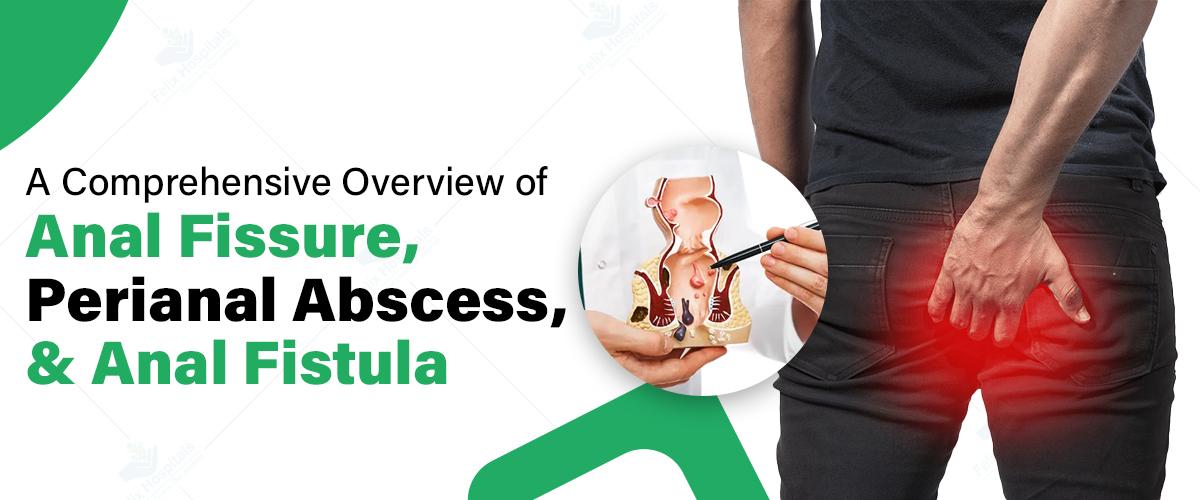
Anorectal disorders affect millions globally, with anal fissures, perianal abscesses, and anal fistulas being particularly impactful. For those experiencing anorectal disorders, timely care is crucial. Understanding these conditions helps individuals recognize symptoms early. By seeking treatment at the best anal fissure hospital or specialized center, patients can receive expert care, improving their overall well-being and quality of life.
Experiencing discomfort from perianal disorders? Reach out to us at +91 9667064100 for effective treatment and care!
Definition and Causes
An anal fissure is a small tear in the lining of the anus. This condition often results from passing hard or large stools, which can stretch and damage the delicate anal tissue. Other factors contributing to Anal Fissures include chronic constipation, diarrhea, childbirth, and inflammatory bowel diseases.
Symptoms
The primary symptom of an anal fissure is sharp pain during bowel movements, which may persist for several hours afterward. Patients may also notice bright red blood on toilet paper or in the toilet bowl. Some individuals experience itching or burning sensations around the anus.
Diagnosis
Healthcare providers typically diagnose anal fissures through a visual examination of the anal area. In some cases, a digital rectal examination may be necessary to rule out other conditions.
Treatment
Conservative management is often the first line of treatment for anal fissures. This includes:
1. Increasing fiber intake and staying hydrated to soften stools
2. Using warm sitz baths to promote healing and relieve pain
3. Applying topical ointments containing nitrates or calcium channel blockers to improve blood flow and promote healing.
In cases where conservative measures fail, botulinum toxin injections or surgical procedures like lateral internal sphincterotomy may be considered.
Definition and Causes
A perianal abscess is a collection of pus near the anus, usually resulting from an infection of the anal glands. These glands can become blocked, leading to the accumulation of bacteria and the formation of an abscess. Risk factors include obesity, diabetes, inflammatory bowel disease, and a compromised immune system.
Symptoms
Patients with perianal abscesses often experience:
1. Severe pain and swelling around the anus
2. Redness and warmth in the affected area
3. Fever and chills
4. Difficulty sitting or having bowel movements
Diagnosis
Diagnosis typically involves a physical examination and, in some cases, imaging studies like CT scans or MRI to determine the extent of the abscess.
Treatment
The primary treatment for perianal abscesses is incision and drainage, a minor surgical procedure performed under local anesthesia. This involves making a small cut to allow the pus to drain. Antibiotics may be prescribed if there are signs of systemic infection or in patients with certain risk factors.
Definition and Causes
An anal fistula is an abnormal tunnel connecting the anal canal to the skin near the anus. It often develops as a complication of a perianal abscess, with about 50% of abscess patients later developing a fistula. Other causes of developing an anal fistula include Crohn's disease, tuberculosis, and rarely, cancer.
Symptoms
Anal fistulas can cause:
1. Persistent drainage of pus or blood from an opening near the anus
2. Pain and swelling in the anal area
3. Irritation of the surrounding skin
4. Difficulty controlling bowel movements in some cases
Diagnosis
Diagnosing an anal fistula typically starts with a comprehensive physical examination and may include further diagnostic tests, such as:
1. Fistulography: An X-ray procedure using contrast material to visualize the fistula.
2. Endoanal Ultrasound: Utilizes high-frequency sound waves to produce detailed images of the anal canal.
3. MRI: Provides detailed imaging to evaluate the extent and trajectory of the fistula.
Treatment
Treatment for anal fistulas usually involves surgery. The specific procedure depends on the location and complexity of the fistula. Common surgical options include:
1. Fistulotomy: Opening the fistula tract to allow it to heal from the inside out.
2. Advancement flap procedure: Using nearby tissue to cover the internal opening of the fistula.
3. LIFT procedure (Ligation of Intersphincteric Fistula Tract): Accessing the fistula through the space between the internal and external anal sphincters.
4. Seton placement: Inserting a thin, flexible cord through the fistula to allow gradual healing.
In some cases, fibrin glue or collagen plugs may be used to seal the fistula tract, although these methods have variable success rates.
While not all anorectal disorders can be prevented, certain lifestyle modifications can reduce the risk of developing these conditions:
1. Maintain a high-fiber diet and stay well-hydrated to promote regular, soft bowel movements
2. Practice good anal hygiene, including gentle cleaning with warm water
3. Avoid straining during bowel movements
4. Exercise regularly to promote overall digestive health
5. Manage underlying conditions like inflammatory bowel disease or diabetes effectively
For individuals with recurring anorectal issues, working closely with a healthcare provider to develop a personalized management plan is crucial.
Dr. Ritesh Agarwal
Dr. Ritesh Agarwal, with 15 years of experience, specializes in treating various anorectal disorders and and his expertise includes open and laparoscopic procedures such as Gallbladder Removal, hernia repair, and non-cancerous breast surgeries, as well as laser treatments for conditions like piles, fissures, fistulas, and varicose veins.
Anal fissures, perianal abscesses, and anal fistulas are common anorectal disorders that can significantly impact an individual's quality of life. Understanding these conditions, their symptoms, and available treatment options, including the anal Fissure Surgery Treatment Cost, is essential for seeking timely medical attention and achieving optimal outcomes. While these topics may be uncomfortable to discuss, open communication with healthcare providers is crucial for effective management and prevention of complications. By staying informed and proactive about anorectal health, individuals can maintain their overall well-being and minimize the impact of these challenging conditions.
Don’t let perianal issues disrupt your life! Call us at +91 9667064100 or click here for specialized care and get back to feeling your best!
Can a perianal fistula heal itself?
In some cases, a perianal fistula might partially heal on its own, but it often requires medical intervention. Without treatment, it may persist or worsen, potentially leading to complications. Professional evaluation and treatment are typically necessary for complete healing.
Can I manage an anal fissure at home?
Yes, mild anal fissures can often be managed at home with measures like increasing fiber intake, staying hydrated, using over-the-counter pain relievers, and taking sitz baths. Persistent or severe fissures should be evaluated by a healthcare provider for proper treatment.
What are the common complications associated with perianal disorders?
Common complications of perianal disorders include recurrent infections, chronic pain, persistent discharge, and the development of new fistulas or abscesses. These issues can significantly impact quality of life and may require ongoing medical management.
How long does recovery from anal fissure surgery typically take?
Recovery from anal fissure surgery generally takes about 4 to 6 weeks. Most people experience significant relief within a few weeks, but full recovery may vary depending on individual healing rates and adherence to post-operative care.
Are there any non-surgical options for treating anal fistulas?
Yes, non-surgical options for treating anal fistulas include medications, such as antibiotics, and procedures like seton placement to facilitate drainage and promote healing. However, surgery is often necessary for complete resolution and long-term success.
Can anal fissures be prevented with diet alone?
While a high-fiber diet is crucial for preventing anal fissures by reducing constipation and straining, it may not be sufficient on its own. Proper hydration and healthy bowel habits are also important for prevention.

फिशर के कारण, लक्षण और उपाय" एक संक्षिप्त मार्गदर्शिका है जो फिशर (गुदा裂) के विषय में जानकारी प्रदान करती है। इसमें फिशर के प्रमुख कारण, जैसे कब्ज, जन्म, या अन्य स्वास्थ्य समस्याएं

एलबेंडाजोल 400 एक प्रभावी एंटीपैरासिटिक दवा है, जिसका उपयोग मुख्य रूप से शरीर में विभिन्न प्रकार के कृमियों (वार्म) को मारने के लिए किया जाता है। यह दवा विशेष रूप से आंतों में पाई जाने वाली कृमियों को खत्म करने में मदद करती है।
एलबेंडाजोल 400 एक एंटीपैरासिटिक (परजीवीरोधी) दवा है, जिसका उपयोग शरीर में मौजूद विभिन्न प्रकार के कृमियों (वार्म) के संक्रमण के इलाज के लिए किया जाता है। यह दवा विशेष रूप से आंतों में पाई जाने वाली कृमियों को मारने और उन्हें शरीर से बाहर निकालने में मदद करती है। एलबेंडाजोल 400 एक महत्वपूर्ण दवा है, जो कृमियों से जुड़े संक्रमणों के इलाज में बहुत प्रभावी होती है। इसका उपयोग डॉक्टर की सलाह के अनुसार ही किया जाना चाहिए, ताकि इससे अधिकतम लाभ प्राप्त किया जा सके और किसी भी संभावित दुष्प्रभाव से बचा जा सके।
सेहत को लेकर कोई भी सवाल है? हमारे डॉक्टर से तुरंत संपर्क करें और सही सलाह पाएं।
कृमि संक्रमण:
यह दवा विभिन्न प्रकार के कृमि संक्रमणों के इलाज में उपयोग की जाती है, जैसे कि राउंडवार्म, हुकवार्म, और टैपवार्म।
हाइडैटिड रोग :
यह एक गंभीर संक्रमण है जो एक परजीवी कीड़ों द्वारा होता है। इस स्थिति में भी एलबेंडाजोल का उपयोग किया जाता है।
फाइलेरियासिस:
फाइलेरियासिस (Filariasis) एक परजीवी संक्रमण है जो फाइलेरिया नामक कृमि के कारण होता है। यह बीमारी मच्छरों के काटने से फैलती है, जो संक्रमित कृमि के लार्वा को शरीर में पहुंचाते हैं।फाइलेरियासिस मुख्यत उष्णकटिबंधीय और उपोष्णकटिबंधीय क्षेत्रों में पाई जाती है और इसका सबसे आम लक्षण लिंफैटिक प्रणाली की सूजन है, जिसे हाथी पांव (एलिफेंटियासिस) भी कहा जाता है।
एलबेंडाजोल 400 का प्रभाव:
एलबेंडाजोल शरीर में मौजूद कृमियों को मारता है और उन्हें मल के माध्यम से शरीर से बाहर निकालने में मदद करता है। यह दवा कृमियों के कोशिका विभाजन को रोकती है, जिससे उनकी वृद्धि रुक जाती है और अंततः वे मर जाते हैं।
एल्बेंडाजोल 400 मिलीग्राम टैबलेट्स उन व्यक्तियों के लिए निर्धारित की जाती हैं, जिन्हें परजीवी कीड़े के संक्रमण का निदान किया गया हो या जिनमें इस प्रकार के संक्रमण का जोखिम हो। निम्नलिखित समूहों के लोगों को एल्बेंडाजोल लेने की सलाह दी जा सकती है:
परजीवी संक्रमण से ग्रसित मरीज:
जिन व्यक्तियों को आंतों, लिवर (Liver), या अन्य अंगों में कीड़े के संक्रमण का निदान हुआ है, उन्हें उनके उपचार के रूप में एल्बेंडाजोल लेने की सलाह दी जाती है।
एंडेमिक क्षेत्रों में यात्रा करने वाले लोग:
जो लोग उन क्षेत्रों में यात्रा कर रहे हैं जहां परजीवी संक्रमण सामान्य हैं, उन्हें संक्रमण के स्रोतों के संपर्क में आने पर एहतियात के तौर पर या लौटने के बाद उपचार के रूप में एल्बेंडाजोल लेने की सलाह दी जा सकती है।
उच्च जोखिम वाले वातावरण में बच्चे:
जिन क्षेत्रों में कीड़े के संक्रमण आम हैं, वहां स्कूल या सामुदायिक एरिया में बच्चों का संपर्क अधिक होता है। ऐसे मामलों में एल्बेंडाजोल को डीवर्मिंग कार्यक्रमों के हिस्से के रूप में बच्चों को दिया जा सकता है।
विशिष्ट चिकित्सीय स्थितियों वाले व्यक्ति:
ऐसे मरीज जिन्हें न्यूरोसिस्टीसर्कोसिस (Neurocysticercosis) या हाइडेटिड रोग जैसी स्थितियां हैं, जिन्हें उपचार की आवश्यकता होती है, उन्हें स्वास्थ्य सेवा प्रदाता की निगरानी में एल्बेंडाजोल लेना चाहिए।
मास ड्रग एडमिनिस्ट्रेशन कार्यक्रमों के प्रतिभागी:
कुछ क्षेत्रों में सामुदायिक स्तर पर परजीवी संक्रमण को नियंत्रित करने और समाप्त करने के लिए एल्बेंडाजोल को मास ड्रग एडमिनिस्ट्रेशन कार्यक्रमों के हिस्से के रूप में वितरित किया जाता है।
यह महत्वपूर्ण है कि एल्बेंडाजोल को केवल तब ही लिया जाए जब यह किसी स्वास्थ्य सेवा पेशेवर द्वारा निर्धारित किया गया हो, क्योंकि अनुचित उपयोग से दुष्प्रभाव हो सकते हैं या उपचार प्रभावी नहीं हो सकता।
एलबेंडाजोल 400 अभी ऑर्डर करने के लिए संपर्क करें: +919667064100।
एल्बेंडाजोल 400 मिलीग्राम टैबलेट्स की खुराक परजीवी संक्रमण के प्रकार, रोगी की उम्र, वजन, और सामान्य स्वास्थ्य पर निर्भर करती है। इसके उपयोग के लिए निम्नलिखित सामान्य दिशानिर्देश दिए गए हैं:
आंतों के कीड़ों के संक्रमण:
अधिकांश आंतों के कीड़ों के संक्रमण के लिए 400 मिलीग्राम की एक खुराक आमतौर पर पर्याप्त होती है। कुछ मामलों में परजीवियों को पूरी तरह से समाप्त करने के लिए दो सप्ताह बाद दूसरी खुराक की आवश्यकता हो सकती है।
हाइडैटिड रोग:
हाइडैटिड रोग (hydatid disease) के लिए सामान्य खुराक 28 दिनों के कोर्स के लिए दिन में दो बार 400 मिलीग्राम है, इसके बाद 14 दिनों का ब्रेक दिया जाता है। संक्रमण की गंभीरता के आधार पर यह चक्र तीन बार तक दोहराया जा सकता है।
न्यूरोसिस्टिसर्कोसिस:
न्यूरोसिस्टिसर्कोसिस के लिए खुराक आमतौर पर 8 से 30 दिनों तक दिन में दो बार 400 मिलीग्राम होती है, जो मरीज की प्रतिक्रिया और चिकित्सक की सिफारिश के आधार पर तय की जाती है। इसे अक्सर कॉर्टिकोस्टेरॉइड्स और एंटीकॉन्वलसेंट्स के साथ दिया जाता है।
लिम्फेटिक फाइलेरियासिस:
लिम्फेटिक फाइलेरियासिस के लिए 400 मिलीग्राम की एक खुराक वार्षिक रूप से दी जाती है, आमतौर पर अन्य एंटिपैरासिटिक दवाओं जैसे इवरमेक्टिन या डायथाइलकार्बामाज़िन (Diethylcarbamazine) के साथ। यह आवश्यक है कि निर्धारित खुराक का पालन ठीक वैसे ही किया जाए जैसा कि स्वास्थ्य देखभाल पेशेवर द्वारा निर्देशित किया गया हो। दवाओं को भोजन के साथ लेना चाहिए ताकि अवशोषण और प्रभावकारिता बढ़ सके।
हालांकि एल्बेंडाजोल 400 मिलीग्राम टैबलेट्स सामान्य होती हैं फिर भी कुछ सावधानियाँ बरती जानी चाहिए:
गर्भावस्था और स्तनपान:
एल्बेंडाजोल को गर्भावस्था के दौरान (during pregnancy) विशेष रूप से पहली तिमाही में लेने की सलाह नहीं दी जाती है, क्योंकि यह भ्रूण के लिए संभावित जोखिम पैदा कर सकता है। प्रजनन आयु की महिलाओं को उपचार के दौरान और उपचार समाप्त होने के एक महीने बाद तक प्रभावी गर्भनिरोधक का उपयोग करना चाहिए। स्तनपान के दौरान एल्बेंडाजोल का उपयोग भी सावधानी से किया जाना चाहिए, क्योंकि यह स्तन के दूध में जा सकता है।
लिवर फंक्शन:
एल्बेंडाजोल का मेटाबोलिज़म लिवर में होता है, इसलिए इसे लिवर की बीमारी वाले मरीजों में सावधानी के साथ उपयोग किया जाना चाहिए। लंबे समय तक उपचार के दौरान लिवर एंजाइम्स की नियमित निगरानी आवश्यक हो सकती है।
बोन मैरो सप्रेशन:
कभी-कभी एल्बेंडाजोल बोन मैरो सप्रेशन का कारण बन सकता है, जिससे श्वेत रक्त कोशिकाओं की संख्या में कमी हो सकती है। लंबी अवधि के उपचार के दौरान नियमित रूप से रक्त परीक्षण किए जाने चाहिए, विशेष रूप से उन मरीजों में जो लंबे समय तक चिकित्सा ले रहे हैं।
एलर्जी प्रतिक्रियाएं:
जिन मरीजों को एल्बेंडाजोल या अन्य बेंज़िमिडाजोल डेरिवेटिव्स से एलर्जी है, उन्हें इस दवा का उपयोग करने से बचना चाहिए। एल्बेंडाजोल 400 मिलीग्राम टैबलेट्स के सामान्य दुष्प्रभावों में सिरदर्द, मतली, पेट में दर्द, चक्कर आना, और अस्थायी बाल झड़ना शामिल हो सकते हैं। गंभीर दुष्प्रभाव दुर्लभ होते हैं लेकिन इनमें लिवर को नुकसान, गंभीर त्वचा प्रतिक्रियाएं और रक्तस्राव संबंधी असामान्यताएं शामिल हो सकती हैं। कोई भी असामान्य लक्षण दिखने पर तुरंत अपने स्वास्थ्य देखभाल प्रदाता से संपर्क करें।
एलबेंडाजोल 400 में सक्रिय तत्व एलबेंडाजोल होता है। जो एक प्रभावी एंटीपैरासिटिक एजेंट है। यह कृमियों के विकास और प्रसार को रोकता है।
यह दवा टैबलेट और सस्पेंशन (तरल) दोनों रूपों में उपलब्ध होती है, जिससे इसे बच्चों और वयस्कों के लिए उपयुक्त बनाया जा सकता है।
एलबेंडाजोल 400 का उपयोग विभिन्न प्रकार के कृमि संक्रमणों जैसे कि राउंडवर्म, हुकवर्म, पिनवर्म, और टैपवर्म के इलाज में किया जाता है। यह दवा आंतों और शरीर के अन्य भागों में मौजूद कृमियों को मारने में मदद करती है।
एलबेंडाजोल कृमियों के कोशिका विभाजन को रोकने में मदद करता है, जिससे उनकी वृद्धि रुक जाती है और अंततः वह मर जाते हैं। मरे हुए कृमियों को शरीर से मल के माध्यम से बाहर निकाल दिया जाता है।
इस दवा की खुराक संक्रमण के प्रकार रोगी की आयु और वजन पर निर्भर करती है। आमतौर पर यह दवा भोजन के साथ या बाद में ली जाती है ताकि इसका अवशोषण बेहतर हो सके।
डॉ. जगतजोत सिंह गिल 11 से अधिक वर्षों के अनुभव के साथ एक प्रतिष्ठित गैस्ट्रोएंटरोलॉजिस्ट हैं, जो हेपेटोलॉजी और इंटरवेंशनल एंडोस्कोपी में विशेषज्ञता रखते हैं। उनकी विशेषज्ञता जटिल परजीवी कृमि संक्रमणों के निदान और उपचार तक विस्तारित है, विशेष रूप से जो गैस्ट्रोइंटेस्टाइनल ट्रैक्ट और लिवर को प्रभावित करते हैं।
डॉ. अमृत योग डटले 8 से अधिक वर्षों के अनुभव के साथ एक सम्मानित गैस्ट्रोएंटरोलॉजिस्ट और क्रिटिकल केयर विशेषज्ञ हैं, विशेष रूप से परजीवी कृमि संक्रमणों के प्रबंधन में। परजीवी संक्रमणों के कारण होने वाली जटिल लिवर और गैस्ट्रोइंटेस्टाइनल स्थितियों के निदान और उपचार में उनके असाधारण कौशल उन्हें अलग करते हैं।
एलबेंडाजोल 400 पर गैस्ट्रोएंटरोलॉजिस्ट की सलाह के लिए आज ही फ़ोन करें - +919667064100.

बदलती दिनचर्या, गलत खान-पान और तनाव के कारण आज गैस्ट्रिक की समस्या आम होती जा रही है। समय पर इलाज और संतुलित जीवनशैली से इस परेशानी से राहत मिल सकती है।

पीलिया एक ऐसी स्थिति है जिसमें शरीर और आंखों का रंग पीला पड़ जाता है। यह मुख्य रूप से लीवर की खराबी या रक्त में बिलीरुबिन के बढ़ने के कारण होता है।
पेट में अल्सर एक आम लेकिन गंभीर समस्या है जो संक्रमण, अधिक एसिड या दवाओं के कारण होती है। इसके लक्षणों में पेट दर्द, जलन और अपच शामिल हैं। फ़ेलिक्स अस्पताल में इसका प्रभावी उपचार और परामर्श उपलब्ध है।
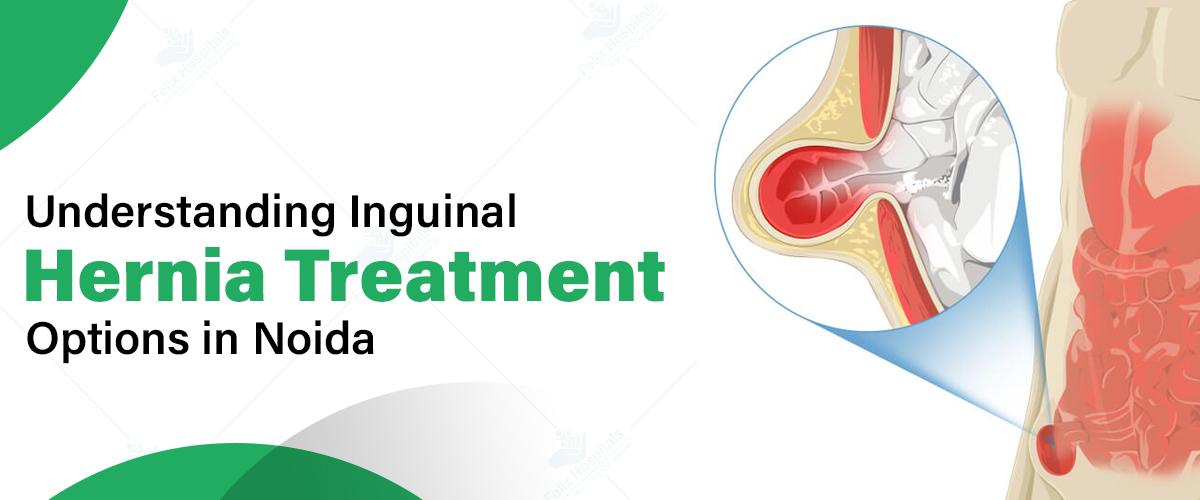
Inguinal hernias are a widespread medical issue impacting millions globally, and Noida, a bustling city in the National Capital Region of India, is no exception. For those affected, understanding the different treatment options available in Noida is essential for making informed healthcare decisions. Exploring these options can lead to better outcomes and a higher quality of life. Additionally, consulting with local specialists can provide personalized advice and support tailored to individual needs.
Struggling with inguinal hernia pain? Call +91 9667064100 or click here for expert treatment and relief!
An inguinal hernia occurs when tissue, such as part of the intestine, protrudes through a weak spot in the abdominal muscles. This type of hernia appears as a bulge in the groin area and can be painful, especially when coughing, bending over, or lifting heavy objects.
The common symptoms for inguinal hernia include:
An inguinal hernia differs from other hernias primarily in its location, causes, symptoms, and treatment:
Location:
Inguinal Hernia | Other Hernias |
| Occurs in the groin area, specifically the inguinal canal. | Can appear in different locations, such as near the belly button (umbilical hernia), through the diaphragm (hiatal hernia), or at a surgical scar (incisional hernia). |
Causes:
Inguinal Hernia | Other Hernias |
| Typically due to increased abdominal pressure and a weakness in the inguinal canal. | Causes vary, like increased abdominal pressure for umbilical hernias or weakening of the diaphragm for hiatal hernias. |
Symptoms:
Inguinal Hernia | Other Hernias |
| Characterized by a bulge in the groin area, with pain or discomfort that worsens with activity. | Symptoms differ; for example, umbilical hernias show as a bulge near the belly button, while hiatal hernias may cause heartburn and difficulty swallowing. |
Treatment:
Inguinal Hernia | Other Hernias |
| Typically requires surgical repair, either open or laparoscopic. | Treatment varies; umbilical hernias may sometimes resolve on their own, while hiatal and incisional hernias often require surgery or other specific management strategies. |
Noida is home to numerous well-equipped hospitals and clinics that are adept at diagnosing inguinal hernias. The diagnostic process generally involves the following steps:
Physical Examination: A healthcare provider will conduct a thorough physical exam, including a visual inspection and palpation of the groin area to identify any noticeable bulges or tenderness.
Imaging Tests: To confirm the diagnosis and assess the hernia's characteristics, imaging tests such as an ultrasound or CT scan may be utilized. These tests help provide a detailed view of the hernia and its impact on surrounding structures.
Felix Hospitals, Noida provides a variety of treatment options for inguinal hernias, catering to different patient needs and preferences. These range from conservative approaches to advanced surgical interventions. Here’s a detailed look at these options:
1. Watchful Waiting
For small, asymptomatic hernias, doctors might recommend a conservative approach known as watchful waiting. This involves:
2. Open Hernia Repair
This traditional surgical technique is commonly available in Noida’s hospitals and involves:
Pros:
Cons:
3. Laparoscopic Hernia Repair
Many hospitals in Noida offer this minimally invasive technique, which includes:
Pros:
Cons:
4. Robotic-Assisted Hernia Repair
Advanced hospitals in Noida are starting to offer robotic-assisted hernia repair, which involves:
Pros:
Cons:
5. Tissue Repair
For certain cases, particularly smaller hernias, some surgeons in Noida may use tissue repair, which involves:
Pros:
Cons:
Each treatment option has its own benefits and limitations, so it is important for patients to discuss these with their healthcare provider to choose the best approach based on their specific condition and circumstances.
Selecting the best treatment for an inguinal hernia involves several key factors. These factors may include:
Size and Location of the Hernia: The hernia’s size and position will determine whether conservative management or a specific surgical approach is needed.
Patient’s Overall Health: The patient’s general health, including any existing medical conditions, influences whether they should opt for surgery or non-surgical methods.
Surgeon’s Expertise: The experience and skill of the surgeon are crucial for successful outcomes, especially with complex cases or advanced surgical techniques.
Available Technology: The technology and facilities at the hospital or clinic in Noida affect the range of treatment options, with more advanced centers offering the latest in minimally invasive and robotic-assisted procedures.
Considering these factors will help in choosing the most effective treatment tailored to individual needs.
When surgery is recommended for an inguinal hernia, patients in Noida should take several important steps to ensure a smooth procedure and recovery:
Undergo Preoperative Tests: Patients will need to complete any pre-operative tests required by their surgeon. These tests may include blood work, imaging studies, and evaluations to assess overall health and ensure there are no underlying issues that could affect the surgery.
Disclose Medications and Supplements: It is crucial to inform the healthcare team about all medications and supplements being taken. This includes prescription drugs, over-the-counter medications, and herbal supplements, as some substances can affect anesthesia or interfere with the surgical procedure.
Follow Fasting Instructions: Adherence to fasting instructions before surgery is essential. Patients will typically be advised not to eat or drink anything for a specific period before the procedure to minimize the risk of complications related to anesthesia and ensure a clearer surgical field.
Arrange for Post-Operative Care and Transportation: Since patients may be groggy or unable to drive after the surgery, it’s important to arrange for someone to transport them home and assist with post-operative care. This includes planning for someone to help with daily activities, medications, and follow-up appointments as needed.
By carefully preparing for these aspects, patients can help ensure a successful surgery and a smoother recovery process.
Dr. Ritesh Agarwal
Dr. Ritesh Agarwal, with 15 years of experience, specializes in both open and laparoscopic hernia surgeries. Practicing at Felix Hospital, Noida, he is adept in various procedures, including laparoscopic hernia repair, gallbladder removal, and laser treatments for proctology issues. Dr. Agarwal is dedicated to providing personalized treatment plans to achieve optimal outcomes for his patients.
Noida provides a wide array of treatment options for inguinal hernias, ranging from conservative management to sophisticated surgical techniques. With its advanced hospitals and skilled surgeons, patients in Noida benefit from top-notch hernia care. By exploring these options and collaborating with healthcare professionals, patients can make well-informed decisions for optimal results. Early diagnosis and timely intervention are crucial for effective hernia management, so if you suspect you have a Hernia, seek prompt evaluation and personalized treatment advice from a healthcare provider in Noida.
Have questions about inguinal hernia treatment? Call +91 9667064100 for expert advice and a customized care plan!
What causes an inguinal hernia?
An inguinal hernia usually results from a combination of muscle weakness and strain. Factors include heavy lifting, chronic coughing, or straining during bowel movements, which push abdominal tissue through a weakened area in the groin.
Is inguinal hernia surgery considered major?
Inguinal hernia surgery is generally considered major due to its invasive nature, though it’s typically performed using minimally invasive techniques. Recovery may involve significant rest and care, but it’s usually well-tolerated with a relatively quick return to normal activities.
Can you resume a normal life after inguinal hernia surgery?
Yes, most people can return to a normal life after inguinal hernia surgery, although a period of rest and gradual reintroduction to physical activities is necessary. Full recovery typically allows for resuming most daily activities without significant limitations.
What are the potential side effects of inguinal hernia surgery?
Side effects of inguinal Hernia Surgery can include pain, swelling, bruising, and infection at the incision site. Some patients might experience numbness, a feeling of heaviness, or recurrence of the hernia. Most side effects are manageable and temporary.
When should surgery be considered for an inguinal hernia?
Surgery should be considered if the hernia causes pain, is growing, or affects daily activities. Urgent surgery may be necessary if there are complications like incarceration or strangulation, where the hernia becomes trapped and its blood supply is compromised.
Can inguinal hernias be prevented?
Preventing inguinal hernias involves avoiding excessive strain on the abdominal muscles, maintaining a healthy weight, and strengthening abdominal muscles through exercise. However, some factors like genetic predisposition may make prevention challenging.
Is it possible for an inguinal hernia to come back after surgery?
Yes, inguinal hernias can recur after surgery, though this is relatively uncommon. Factors such as surgical technique, patient health, and adherence to post-operative care can influence the likelihood of recurrence.
How can I manage pain and discomfort after inguinal hernia surgery?
Pain and discomfort after surgery can be managed with prescribed pain medications, applying ice packs to reduce swelling, and following the doctor’s instructions for activity levels. Gentle movement and rest are important for proper healing.
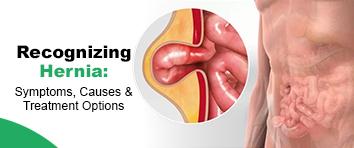
A hernia typically occurs due to a combination of muscle weakness and strain. This can happen from factors such as aging, injury, heavy lifting, chronic coughing, or conditions like pregnancy and obesity.

Communication is fundamental to human interaction, influencing personal relationships, professional success, and overall quality of life. Yet, for many individuals, speech and language disorders present significant barriers to effective communication. Speech therapy emerges as a powerful tool in overcoming these barriers, offering tailored interventions that enhance speech, language, and cognitive-communication skills. This blog explores the transformative impact of effective speech therapy and its essential role in fostering communication skills.
Take the first step towards effective communication. Click here to book your appointment today! or Call Now - +91 9667064100.
Speech therapy, also known as speech-language pathology, involves the assessment and treatment of communication disorders. These disorders can encompass difficulties with articulation, fluency, voice, language comprehension, and expression. Speech therapists, or speech-language pathologists (SLPs), are trained professionals who diagnose and treat these conditions in individuals of all ages.
Speech therapy is not a one-size-fits-all approach; it is highly individualized. Each therapy plan is tailored to the specific needs of the patient, whether they are children with developmental delays, adults recovering from a stroke, or individuals with neurological conditions like Parkinson’s disease.
Child Language Development
For children, early intervention in speech therapy is crucial. Language development milestones serve as benchmarks for assessing a child's progress. Delays in reaching these milestones can signal the need for intervention. Speech therapists work with children to improve their articulation, phonological processing, and language comprehension and expression.
Fluency Disorders
Stuttering is a common fluency disorder that affects the flow of speech. Speech therapy can significantly reduce the frequency and severity of stuttering, helping individuals develop more fluent speech patterns. Techniques such as controlled fluency, breath control, and cognitive-behavioral strategies are employed to manage and mitigate stuttering.
Voice Disorders
Voice disorders, which can result from vocal abuse, neurological conditions, or psychological factors, impact the pitch, volume, or quality of the voice. Speech therapy for voice disorders focuses on exercises to strengthen vocal cords, improve breath support, and enhance vocal resonance. SLPs also educate patients on vocal hygiene to prevent further damage.
Cognitive-Communication Disorders
Cognitive-communication disorders often arise from brain injuries, strokes, or neurodegenerative diseases. These disorders affect memory, attention, problem-solving, and executive function, all of which are crucial for effective communication. Speech therapy employs cognitive exercises and compensatory strategies to improve these skills, thereby enhancing overall communication abilities.
Improved Communication Skills
The most immediate and noticeable impact of speech therapy is the improvement in communication skills. For children, this can mean better academic performance and social interactions. For adults, it can enhance professional capabilities and personal relationships. Effective communication is integral to success in many areas of life, and speech therapy plays a pivotal role in achieving it.
Enhanced Self-Confidence
Communication disorders often lead to feelings of frustration, embarrassment, and low self-esteem. Effective speech therapy helps individuals overcome these challenges, boosting their self-confidence. As they experience progress and success in their communication abilities, their confidence in social and professional settings increases.
Better Quality of Life
Improving communication skills through speech therapy has a profound effect on overall quality of life. Being able to express oneself clearly and understand others leads to more fulfilling interactions. This can reduce social isolation, improve mental health, and enhance one's ability to participate fully in various aspects of life.
Independence and Empowerment
For individuals with severe communication disorders, speech therapy can be empowering. It provides them with tools and strategies to communicate more effectively, fostering greater independence. This empowerment is particularly significant for adults who rely on communication for their livelihood and social interactions.
Advancements in technology have revolutionized speech therapy, making it more accessible and effective. Teletherapy, or online speech therapy, allows individuals to receive treatment from the comfort of their homes. This is particularly beneficial for those in remote areas or with mobility issues.
Speech therapy apps and software offer interactive exercises and real-time feedback, making practice more engaging and effective. Augmentative and Alternative Communication (AAC) devices assist individuals with severe speech impairments in communicating more effectively. These technologies, combined with traditional therapy methods, enhance the overall impact of speech therapy.
Continued research in speech-language pathology is crucial for developing new techniques and interventions. Understanding the neurological and psychological underpinnings of communication disorders leads to more targeted and effective treatments. Collaboration between researchers, clinicians, and technology developers can drive innovation in the field, ensuring that speech therapy continues to evolve and meet the needs of diverse populations.
Effective speech therapy unlocks the power of communication, enabling individuals to overcome barriers and engage more fully in their personal and professional lives. By addressing a wide range of speech, language, and cognitive-communication disorders, speech therapy enhances communication skills, boosts self-confidence, and improves overall quality of life. As technology continues to advance and research progresses, the impact of speech therapy will only grow, offering new hope and opportunities for those with communication challenges. Embracing the power of effective speech therapy is a vital step towards a more inclusive and communicative world.
Q1.What is Done in Speech Therapy?
Speech therapy is a specialized treatment aimed at improving communication abilities. It involves various techniques and exercises designed to enhance speech, language, and swallowing skills. The process may include:
Articulation Therapy: Helps individuals pronounce sounds correctly.
Language Intervention: Focuses on improving vocabulary, sentence structure, and comprehension.
Voice Therapy: Addresses issues related to pitch, volume, and quality of voice.
Fluency Training: Helps individuals with stuttering or other fluency disorders.
Swallowing Therapy: Assists those with swallowing difficulties, often due to medical conditions or surgery.
Q2. What Would a Speech Therapist Do?
A speech therapist, or speech-language pathologist (SLP), works with individuals of all ages to diagnose and treat speech, language, and swallowing disorders. Their responsibilities include:
Assessment: Conducting evaluations to determine the nature and extent of speech or language issues.
Developing Treatment Plans: Creating customized therapy plans based on individual needs.
Therapeutic Interventions: Implementing exercises and activities to improve communication skills.
Family Education: Training family members to support therapy goals at home.
Progress Monitoring: Regularly assessing and adjusting treatment plans to ensure progress.
Q3.What Age is Best for Speech Therapy?
The best age for speech therapy varies, but early intervention is often crucial. Here are general guidelines:
Infants and Toddlers: Early signs of speech and language delays should be addressed as soon as possible.
Preschoolers (Ages 3-5): This is a critical period for language development, making it an optimal time for intervention.
School-Age Children: Therapy can be effective at any age, particularly if speech and language issues persist.
Q4.How Do I Know if My Child Needs Speech Therapy?
Signs that your child may need speech therapy include:
Delayed Speech: Not meeting speech milestones for their age.
Difficulty Understanding: Struggles to understand or follow directions.
Poor Pronunciation: Difficulty producing sounds correctly.
Limited Vocabulary: Limited use of words and difficulty forming sentences.
Stuttering: Frequent repetition of sounds or words.
Voice Issues: Abnormal pitch, volume, or quality of voice.
Q5.How to Do Speech Therapy at Home?
While professional guidance is essential, parents can support speech therapy at home by:
Reading Aloud: Regularly reading books to enhance vocabulary and comprehension.
Engaging Conversations: Encouraging your child to talk about their day and interests.
Interactive Games: Playing games that involve following directions and using language.
Modeling Speech: Speaking clearly and slowly to provide a good example.
Using Visual Aids: Utilizing pictures and objects to support learning new words.
Q6.Is Speech Therapy Really Effective?
Yes, speech therapy is highly effective when tailored to individual needs and delivered by a qualified therapist. It has been shown to improve:
Speech Clarity: Enhancing the ability to produce sounds correctly.
Language Skills: Expanding vocabulary and sentence structure.
Social Communication: Improving interaction skills.
Academic Performance: Supporting better performance in school.
Quality of Life: Enhancing overall communication and confidence.
Q7. How to Help a 3-Year-Old with Speech Delay?
To help a 3-year-old with speech delay:
Seek Professional Help: Consult a speech therapist for assessment and guidance.
Engage in Play: Use play-based activities to encourage speech.
Expand Language: Describe actions and objects during daily routines.
Use Repetition: Repeatedly expose your child to new words and sounds.
Be Patient: Encourage attempts at speech without correcting too much.
Q8. Does Speech Therapy Help Autism?
Yes, speech therapy can be very beneficial for individuals with autism. It helps:
Improve Communication: Enhancing both verbal and non-verbal communication skills.
Develop Social Skills: Teaching appropriate social interactions.
Support Academic Success: Facilitating better understanding and use of language in educational settings.
Q9. How Many Hours of Speech Therapy for Autism?
The number of hours required for speech therapy for autism varies based on individual needs. Typically, therapy may range from:
1-2 Hours Per Week: For mild to moderate cases.
3-5 Hours Per Week: For more intensive needs.
Ongoing Therapy: Regular sessions over months or years, with adjustments based on progress.
Consistent and tailored therapy, along with support from family and educators, can lead to significant improvements in communication and social skills.

Speech therapy offers a path to overcoming these obstacles, empowering individuals to express themselves more clearly and confidently.

Every parent wants their child to become a successful, confident, and good human being. A child is like a sponge, which can take any shape and can absorb almost everything they see/learn.

As parents, we often strive to ensure our children are happy, healthy, and thriving both emotionally and physically.

Early Signs of Gigantism in Children: What Parents Should Know

Glaucoma, often referred to as the "silent thief of sight," is a group of eye conditions that can cause irreversible damage to the optic nerve, leading to vision loss and, in severe cases, blindness. It is one of the leading causes of preventable blindness worldwide, affecting millions of people. Early detection and treatment are crucial to prevent significant vision loss. For those seeking the best ophthalmologist in Noida, expert care is essential in managing and treating Glaucoma effectively.
Don't wait for symptoms to worsen—Schedule your comprehensive eye exam today! Call Now - +91 9667064100.
Glaucoma is not a single disease but a collection of conditions that affect the optic nerve. The most common forms are:
Glaucoma is often asymptomatic in its early stages. However, as the disease progresses, symptoms may include:
While there is no cure for glaucoma, treatment can significantly slow or prevent further vision loss. Treatment options include:
Early detection is vital for preventing vision loss from glaucoma. Comprehensive eye exams are essential, including:
Several factors increase the risk of developing glaucoma:
There are several steps individuals can take to help prevent glaucoma and manage the condition effectively:
Living with glaucoma requires ongoing management and adaptation. Here are some strategies to help manage the condition and maintain quality of life:
Dr. Mohmad Uzair Zakai brings over a decade of expertise in ophthalmology, excelling in both fundamental and advanced eye procedures. With a focus on outpatient care and emergency management, he is skilled in conducting various ophthalmological investigations, including slit lamp examinations, OCT imaging, and fundus fluorescein angiography.
Dr. Deepanjali Arya is a distinguished ophthalmologist with more than 9 years of experience. She is dedicated to diagnosing, treating, and surgically addressing diverse eye conditions. Dr. Arya is committed to enhancing eye health through personalized treatment plans that cater to individual patient needs.
Reach out now to ensure your vision remains clear and healthy. Call +91 9667064100 to get started on safeguarding your sight!
Glaucoma remains a formidable threat to vision health, yet with early detection, proactive management, and adherence to treatment, individuals can mitigate its impact. By prioritizing regular eye examinations, understanding risk factors, and partnering with expert ophthalmologists at the best hospitals in Noida, individuals can take decisive steps towards protecting their vision and maintaining a fulfilling quality of life.
Glaucoma's impact on vision and quality of life underscores the importance of awareness and proactive eye care. With advancements in diagnosis and treatment, individuals with glaucoma can manage their condition effectively and continue to lead fulfilling lives.
Dr. Deepanjali Arya is an experienced Ophthalmologist with 9+ years of expertise in diagnosing and treating eye disorders through advanced medical and surgical eye care.
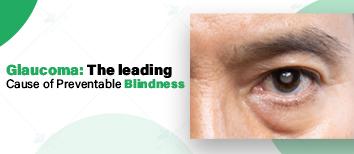
Glaucoma remains a formidable threat to vision health, yet with early detection, proactive management, and adherence to treatment, individuals can mitigate its impact.

Albendazole 400 mg tablets are a widely prescribed medication used to treat parasitic worm infections in both adults and children. As an anthelmintic, or anti-worm, medication, Albendazole works by inhibiting the growth and reproduction of parasitic worms, helping to eliminate the infection from the body. This blog provides an overview of the uses, dosage, and precautions associated with Albendazole 400 mg tablets, including information on who should take this medication.
Comprehensive care starts with the right consultation. Meet our top doctor in Noida and get answers to your health concerns.
Soil-transmitted helminths (STHs) affect an estimated 20-30% of India's population, with common infections from Ascaris lumbricoides, Trichuris trichiura, and hookworms. Albendazole, widely used for STH treatment, has shown cure rates of up to 80-90% for Ascaris lumbricoides and hookworms, with egg reduction rates around 70-80% in various studies.
However, adverse effects such as headaches, abdominal pain, and elevated liver enzymes are reported in 10-20% of patients.
Is Albendazole 400 mg the best option for your health needs? Consult now for personalized advice and expert care! Call Now at +91 9667064100.
Albendazole 400 mg tablets are primarily used to treat a range of parasitic infections caused by various types of worms, including:
Intestinal Worm Infections: Albendazole is effective against common intestinal worms such as roundworms, hookworms, whipworms, and pinworms. These worms can cause gastrointestinal discomfort, malnutrition, and other health issues if left untreated.
Hydatid Disease (Echinococcosis): This condition is caused by the larval stage of the Echinococcus tapeworm and can lead to cyst formation in organs like the liver, lungs, and brain. Albendazole helps reduce the size of these cysts and prevents the growth of the parasite.
Neurocysticercosis: Caused by the larvae of the pork tapeworm (Taenia solium), neurocysticercosis affects the brain, muscles, and other tissues, leading to seizures and other neurological symptoms. Albendazole is commonly used as part of the treatment regimen for this condition.
Lymphatic Filariasis: Also known as elephantiasis, this condition is caused by filarial worms and leads to severe swelling and deformity of the limbs and genitals. Albendazole, often used in combination with other drugs, helps to reduce the worm burden and controls the disease.
Albendazole 400 mg tablets are prescribed for individuals diagnosed with or at risk of parasitic worm infections. The following groups of people may be recommended to take Albendazole:
Patients Diagnosed with Parasitic Infections: Individuals who have been diagnosed with worm infections, such as those affecting the intestines, liver, or other organs, should take Albendazole as part of their treatment regimen.
Travelers to Endemic Areas: People traveling to regions where parasitic infections are prevalent may be advised to take Albendazole as a preventive measure or treatment upon returning if they have been exposed to potential sources of infection.
Children in High-Risk Environments: In areas where worm infections are common, children may be more susceptible due to exposure in schools or community settings. In such cases, Albendazole may be administered as part of deworming programs.
Individuals with Specific Medical Conditions: Patients with conditions like neurocysticercosis or hydatid disease, which require targeted treatment, should take Albendazole under the supervision of a healthcare provider.
Participants in Mass Drug Administration Programs: In some regions, Albendazole is distributed as part of mass drug administration programs aimed at controlling and eliminating parasitic infections in communities.
It is important to note that Albendazole should only be taken when prescribed by a healthcare professional, as improper use can lead to side-effects or ineffective treatment.
Get Albendazole 400 mg directly at your doorstep with just a click or by calling +91 9667064100.
The dosage of Albendazole 400 mg tablets depends on the type of parasitic infection being treated, the patient's age, weight, and overall health. The following are general guidelines for its use:
Intestinal Worm Infections: For most intestinal worm infections, a single dose of 400 mg is usually sufficient. In some cases, a second dose may be required after two weeks to ensure complete eradication of the parasites.
Hydatid Disease: The typical dosage for hydatid disease is 400 mg twice daily for a course of 28 days, followed by a 14-day break. This cycle may be repeated for up to three cycles, depending on the severity of the infection.
Neurocysticercosis: The dosage for neurocysticercosis is generally 400 mg twice daily for 8 to 30 days, depending on the patient’s response and the physician’s recommendation. It is often prescribed alongside corticosteroids and anticonvulsants.
Lymphatic Filariasis: For lymphatic filariasis, a single dose of 400 mg is administered annually, often in combination with other antiparasitic drugs like ivermectin or diethylcarbamazine.
It is essential to follow the prescribed dosage exactly as directed by a healthcare professional. The tablets should be taken with food to increase absorption and effectiveness.
While Albendazole 400 mg tablets are generally well-tolerated, certain precautions should be observed:
Pregnancy and Breastfeeding: Albendazole is not recommended during pregnancy, especially in the first trimester, due to the potential risk to the fetus. Women of child-bearing age should use effective contraception during treatment and for one month after completing therapy. Albendazole should also be used with caution while breastfeeding, as it can pass into breast milk.
Liver Function: Albendazole is metabolized in the liver, so it should be used with caution in patients with liver disease. Regular monitoring of liver enzymes may be necessary during prolonged treatment.
Bone Marrow Suppression: Rarely, Albendazole can cause bone marrow suppression, leading to decreased white blood cell counts. Blood tests should be performed regularly during treatment, particularly in patients receiving long-term therapy.
Allergic Reactions: Patients with a known allergy to Albendazole or other benzimidazole derivatives should avoid using this medication.
Common side effects of Albendazole 400 mg tablets may include headache, nausea, abdominal pain, dizziness, and temporary hair loss. Severe side effects are rare but can include liver damage, severe skin reactions, and hematologic abnormalities. Any unusual symptoms should be reported to a healthcare provider immediately.
ALCOHOL (Consult Your Doctor)
The interaction between Albendazole 400 mg Tablet and alcohol is not well-established. It is advisable to consult your doctor before consuming alcohol while taking this medication.
PREGNANCY (Consult Your Doctor)
Albendazole 400 mg Tablet may not be safe during pregnancy. While human studies are limited, animal studies have indicated potential risks to the developing fetus. Your doctor will consider the benefits and potential risks before recommending this medication during pregnancy. Please consult your doctor for personalized advice. It is crucial to consult with the best gynecologist in Noida for personalized advice and guidance tailored to your specific condition.
BREASTFEEDING (Safe If Prescribed)
Albendazole 400 mg Tablet is generally considered safe for use while breastfeeding. Studies in humans suggest that the medication does not pass into breast milk in significant amounts and is unlikely to harm the nursing infant. However, it's always best to consult with a breastfeeding consultant to ensure the safety and well-being of both mother and child.
DRIVING (Unsafe)
Albendazole 400 mg Tablet may cause decreased alertness, vision disturbances, sleepiness, or dizziness. If you experience any of these symptoms, it is advisable not to drive or operate heavy machinery.
KIDNEY (Safe If Prescribed)
Albendazole 400 mg Tablet is likely safe for patients with kidney disease. Available data suggests that dose adjustments may not be necessary, but it is important to consult your doctor for specific recommendations.
LIVER (Caution)
Albendazole 400 mg Tablet should be used cautiously in patients with liver conditions. Dose adjustments may be required, and it is essential to consult your doctor. If you experience symptoms of jaundice, such as yellowing of the eyes and skin, itching, or clay-colored stools, seek medical attention promptly.
Dr. Jagatjot Singh Gill is a distinguished gastroenterologist with over 11 years of experience, specializing in hepatology and interventional endoscopy. His expertise extends to the diagnosis and treatment of complex parasitic worm infections, particularly those affecting the gastrointestinal tract and liver. Dr. Gill is renowned for his advanced endoscopic procedures, which enable precise identification and management of parasitic infections. His patient-centered approach ensures that individuals receive comprehensive care tailored to their specific needs, making him a trusted name in the field.
Dr. Amrit Yog Datley is a respected gastroenterologist and critical care specialist with more than 8 years of experience, particularly in managing parasitic worm infections. His exceptional skills in diagnosing and treating intricate liver and gastrointestinal conditions, including those caused by parasitic infestations, set him apart. Dr. Datley's rigorous, evidence-based approach ensures that his patients receive top-tier care, focusing on the effective eradication of parasitic worms and the restoration of optimal gastrointestinal health.
Consult with our experts to determine if Albendazole 400 mg tablets are the right solution for you. Call Now at +91 9667064100.
Albendazole 400 mg tablets are an essential medication in the treatment of parasitic worm infections. Their effectiveness in combating a wide range of parasitic diseases makes them a vital tool in public health efforts, particularly in regions where these infections are prevalent. As with any medication, it is important to use Albendazole under the guidance of a healthcare professional and to adhere to the prescribed dosage and precautions to ensure safety and efficacy. For complex digestive or parasitic-related conditions, consulting the Top Gastroenterologist in Noida ensures accurate diagnosis and effective treatment.
Question 1: What is Albendazole 400 mg used for?
Answer: Albendazole is used to treat various types of worm infections, such as roundworm, tapeworm, hookworm, and other internal parasitic infections.
Question 2: How does Albendazole 400 mg work?
Answer: Albendazole works by inhibiting the worms' ability to absorb sugar, depriving them of energy, which ultimately leads to their death.
Question 3: What is the dosage of Albendazole 400 mg?
Answer: The dosage may vary depending on the type of infection, age, and weight. Generally, a single dose of 400 mg is prescribed for adults. The dosage should be taken as directed by a doctor.
Question 4: Should Albendazole 400 mg be taken with food?
Answer: Yes, Albendazole should be taken with food as it helps in better absorption of the drug and enhances its effectiveness.
Question 5: Can pregnant women take Albendazole 400 mg?
Answer: Pregnant women should consult their doctor before taking Albendazole. It is generally not considered safe for use during pregnancy.
Question 6: Can children be given Albendazole 400 mg?
Answer: The dosage for children is different and should be determined by a doctor. It is important to consult a doctor before giving this medication to children.
Question 7: How long is the course of Albendazole?
Answer: The duration of treatment depends on the type and severity of the infection. Typically, a single dose is sufficient, but in some cases, a course of a week or more may be required.

Anesthesia is a crucial component of modern medicine, enabling complex surgical procedures to be performed painlessly and safely. On World Anesthesia Day, we celebrate the advancements in anesthetic practices and honor the professionals who ensure patient comfort and safety. This day marks the anniversary of the first successful demonstration of ether anesthesia in 1846, a milestone that revolutionized surgery. As we look ahead to World Anesthesia Day 2024-2025, it’s essential to understand the role of anesthesia in contemporary medical practice and its ongoing evolution. Recognizing the contributions of the Best Anesthesia Hospital in Noida, we appreciate the continuous efforts to enhance anesthesia techniques and improve patient outcomes.
Are you planning a procedure and want to ensure optimal anesthesia care? Call us - +91 9667064100.
Anesthesia involves the administration of medications, known as anesthetics, to block sensation and pain during medical procedures. These drugs temporarily halt the transmission of sensory signals from the nerves to the brain, ensuring patients remain comfortable throughout the procedure. Anesthesia can be categorized into four main types:
1. Local Anesthesia: Numbs a small, specific area of the body. It is commonly used for minor procedures like dental work or skin biopsies.
2. Regional Anesthesia: Blocks pain in a larger area of the body, such as an arm or leg, or below the waist. Examples include epidurals during childbirth and spinal anesthesia for lower body surgeries.
3. Sedation: Induces a state of relaxation and drowsiness, often referred to as “twilight sleep.” It is used for procedures like colonoscopies and minor surgeries where the patient needs to be semi-awake.
4. General Anesthesia: Induces a state of complete unconsciousness and insensitivity to pain, allowing for major surgical procedures on the head, chest, or abdomen.
World Anesthesia Day is an opportunity to recognize the contributions of anesthesiologists and the impact of anesthesia on modern medicine. Celebrations include educational events, public awareness campaigns, and professional gatherings to discuss advancements and challenges in the field. Hospitals and medical institutions highlight the importance of anesthesia in patient care, sharing success stories and innovations.
The first successful public demonstration of ether anesthesia by Dr. William T.G. Morton on October 16, 1846, at Massachusetts General Hospital, marked the beginning of modern anesthesia. This event, celebrated as World Anesthesia Day, highlighted the potential of anesthetics to transform surgery from a traumatic and painful ordeal into a manageable medical practice. Since then, anesthesia has evolved significantly, incorporating new drugs, techniques, and safety protocols.
Over the years, anesthetic techniques have advanced remarkably, driven by scientific research and technological innovation. Key developments include:
1. Improved Anesthetic Agents: Modern anesthetics are more effective, safer, and have fewer side effects than their predecessors. Agents like Propofol, sevoflurane, and ropivacaine provide better control over anesthesia depth and duration.
2. Monitoring Technologies: Advanced monitoring equipment tracks vital signs, oxygen levels, and brain activity, ensuring patient safety during anesthesia. Innovations like bispectral index (BIS) monitoring help anesthesiologists maintain optimal anesthesia levels.
3. Regional Anesthesia Techniques: Techniques like ultrasound-guided nerve blocks have enhanced the precision and effectiveness of regional anesthesia, reducing complications and improving patient outcomes.
4. Enhanced Recovery Protocols: Enhanced Recovery After Surgery (ERAS) protocols integrate multimodal pain management strategies, including regional anesthesia, to minimize opioid use and accelerate postoperative recovery.
Anesthesiologists are medical doctors specializing in anesthesia, pain management, and critical care. Their role extends beyond administering anesthetics to include preoperative assessment, intraoperative management, and postoperative care. Anesthesiologists work closely with surgeons and other healthcare professionals to develop individualized anesthesia plans, monitor patients during surgery, and manage pain and complications after the procedure.
Patient safety is a cornerstone of anesthetic practice. Modern anesthesia is remarkably safe, with advancements in monitoring, drug formulations, and training contributing to reduced complication rates. However, certain factors can increase the risk of anesthesia-related complications, including advanced age, chronic diseases, and obesity. Anesthesiologists conduct thorough preoperative assessments to identify and mitigate these risks, ensuring tailored and safe anesthesia care. Understanding the anesthesia treatment cost is also important for patients to make informed decisions, as it helps in planning and budgeting for their procedures while maintaining safety and efficacy.
The future of anesthesia holds exciting possibilities, driven by ongoing research and technological advancements. Key trends shaping the future of anesthesia include:
1. Personalized Anesthesia: Advances in genomics and pharmacogenetics are paving the way for personalized anesthesia, where anesthetic plans are tailored to individual genetic profiles, enhancing efficacy and minimizing adverse effects.
2. Artificial Intelligence: AI and machine learning are being integrated into anesthetic practice, assisting in monitoring, decision-making, and predicting patient responses to anesthesia.
3. Non-Pharmacological Techniques: Innovations in non-pharmacological pain management techniques, such as transcutaneous electrical nerve stimulation (TENS) and virtual reality (VR), are complementing traditional anesthetic methods.
4. Telemedicine: Telemedicine is transforming preoperative and postoperative care, allowing anesthesiologists to conduct remote consultations, monitor patients, and provide guidance, enhancing access to anesthesia care.
Dr. Vivek Pushp is a distinguished Anesthesiologist and Critical Care Specialist with over 14+ years of experience in various surgical fields. He is highly skilled in anesthesia care, central neuraxial blocks, peripheral nerve blocks, and the management of critically ill patients, including those on ventilators.
Dr. Akshata Thakurdesai is an accomplished Associate Consultant in Anesthesiology with over 7 years of experience. Her expertise includes pediatric anesthesia and anesthesia management of cardiac patients for non-cardiac surgery.
Schedule your consultation today and experience the highest standards of anesthesia treatment. Call Now - +91 9667064100.
As we commemorate World Anesthesia Day 2024-2025, it is essential to acknowledge the vital role of anesthesia in ensuring patient comfort, safety, and successful surgical outcomes. The field of anesthesia continues to evolve, driven by scientific discovery and technological innovation, promising even safer and more effective practices in the future. Recognizing the contributions of the Best Anesthesiologists in Noida, we celebrate their dedication to advancing anesthetic care and ensuring the highest standards of patient safety and comfort.
1-What is the significance of Anesthesia Day?
Anesthesia Day commemorates the first successful demonstration of ether anesthesia on October 16, 1846, by Dr. William Morton. This event marked a pivotal moment in medical history, making painless surgery possible and transforming surgical practices.
2-Who is the father of anesthesia?
Dr. William T.G. Morton is often referred to as the "Father of Anesthesia." He successfully demonstrated the use of ether as an anesthetic during a surgical procedure in 1846, which was a groundbreaking achievement in the field of medicine.
3-How many types of anesthesiology are there?
There are several types of anesthesiology, including:
4-What does anesthesia do to a person?
Anesthesia prevents pain during medical procedures by blocking sensory signals from the nerves to the brain. Depending on the type used, it can numb specific areas, induce sleep, or create a controlled state of unconsciousness to ensure the patient remains comfortable and unaware of the procedure.
5-Is anesthesia good or not?
Anesthesia is a critical component of modern medicine, enabling pain-free and successful surgical procedures. When administered correctly, it is beneficial for patient comfort and safety. However, like any medical intervention, it carries risks, which are managed by healthcare professionals through careful planning and monitoring.
6-Is anesthesia a safe drug?
Anesthesia is generally very safe when administered by trained professionals. Advances in technology and monitoring, along with improved drug formulations, have significantly reduced the risks associated with anesthesia. However, safety also depends on individual factors such as the patient's overall health and the specific procedure being performed.

Adenoids, while often overlooked, play a crucial role in our body's immune system. These small patches of tissue, located at the back of the nasal cavity, are part of the body's first line of defense against inhaled pathogens. However, when adenoids become enlarged, they can cause a range of uncomfortable symptoms and health issues, particularly in children. This blog post will help you understand the intricacies of enlarged adenoids, exploring their symptoms, causes, treatment options, and associated costs.
Seeking Effective Treatment of Enlarged Adenoids? Call +91 9667064100 to schedule your consultation today!
Before we look into enlarged adenoids, it's important to first understand what adenoids are and what they do in the body. Knowing their role will help in better understanding of their treatment.
Adenoids are small, soft lumps of tissue located at the back of the nasal cavity, just above the roof of the mouth. They are part of the lymphatic system, which helps fight infections. Adenoids work alongside the tonsils to help protect the body from germs and bacteria.
The primary role of adenoids is to:
1. Trap bacteria and viruses entering through the nose
2. Produce antibodies to help fight infections
3. Aid in the development of the immune system, especially in young children
Adenoids are usually most prominent during childhood and start to shrink around ages 5 to 7. By the time a person reaches adulthood, the adenoids often become very small or disappear altogether. However, in some cases, adults may still have remnants of their adenoids.
Enlarged adenoids, or adenoid hypertrophy, happen when the adenoid tissue swells and grows larger than usual. This can occur due to infections, allergies, or other factors, causing the adenoids to become bigger than their normal size.
Enlarged adenoids are most commonly seen in children, especially between the ages of 3 and 7. However, they can also affect people of any age, including adults, although this is less common.
When adenoids become enlarged, they can block the nasal airways and the Eustachian tubes, which connect the middle ear to the throat. This blockage can cause breathing difficulties, nasal congestion, and ear infections or problems with hearing.
The symptoms of enlarged adenoids can vary in severity and may include:
Breathing Difficulties
Nasal Issues
Ear Problems
Sleep Disturbances
Other Symptoms
It's important to note that these symptoms can also be indicative of other conditions. Therefore, a proper medical evaluation is crucial for an accurate diagnosis.
Several factors can contribute to the enlargement of adenoids. Some of the common factors for enlargement of adenoids include:
Infections
Infections, whether viral or bacterial, can cause the adenoids to swell as they try to fight off germs. Common causes of these infections include cold viruses, Streptococcus bacteria, and the Epstein-Barr virus, which leads to mononucleosis.
Allergies
Allergic reactions can cause the adenoid tissue to become inflamed, which is especially common in children with hay fever, dust allergies, or pet allergies. This inflammation can lead to symptoms like nasal congestion and breathing difficulties.
Chronic Irritation
Exposure to irritants can lead to adenoid enlargement over time. These irritants include air pollution, secondhand smoke, and chemical fumes. Prolonged exposure to such environmental factors can cause the adenoids to swell, potentially leading to breathing issues and other related problems.
Genetic Factors
Some individuals may have a genetic predisposition to enlarged adenoids, meaning that their family history can influence the likelihood of experiencing this condition. If parents or siblings have had issues with enlarged adenoids, there may be an increased risk of similar problems occurring.
Hormonal Changes
Hormonal fluctuations can sometimes cause adenoid enlargement. As the body undergoes various changes during the developmental stage, hormonal shifts may affect the adenoids, leading to swelling or increased size.
Diagnosing enlarged adenoids generally involves several key steps:
1. Medical History
The doctor will ask about symptoms, their duration, and whether there is a family history of similar conditions to understand the background and possible causes.
2. Physical Examination
A thorough physical exam will include checking the throat and ears. Since adenoids are not directly visible through the mouth, this step helps assess any related issues.
3. Nasal Endoscopy
A nasal endoscopy may be used, where a thin, flexible tube with a camera is gently inserted through the nose to directly view the adenoids and assess their size and condition.
4. X-ray
A lateral neck X-ray may be ordered to visualize the size and shape of the adenoids, providing a clear picture of any enlargement.
5. Sleep Study
If sleep apnea is suspected due to adenoid enlargement, a sleep study, or polysomnography, may be recommended to evaluate breathing patterns and other sleep-related issues.
Enlarged adenoids treatment varies based on the severity of symptoms and the underlying cause. Options range from conservative management to surgical intervention.
1-Watchful Waiting
For mild cases, especially in younger children, doctors may advise monitoring the condition. Often, adenoids will shrink naturally as the child grows.
2-Medications
Several medications can help manage symptoms:
3-Nasal Irrigation
Saline nasal sprays or rinses can help clear nasal passages and provide symptomatic relief.
If conservative treatments are ineffective or if symptoms are severe, surgery might be required. There are two main types of surgical options available:
1-Adenoidectomy
This procedure involves the surgical removal of the adenoids and is usually performed on an outpatient basis under general anesthesia.
2-Adenotonsillectomy
In some cases, it may be necessary to remove both the adenoids and the tonsils during the same surgery.
Following surgery, patients typically need to:
There could be numerous factors that affect adenoidectomy surgery cost in Noida. These include:
Geographic Location: The Cost of Treating Enlarged Adenoids can vary significantly based on where you live. Urban areas typically have higher medical fees due to increased demand and living costs, while rural areas may offer lower rates. Regional differences can also impact overall expenses.
Healthcare Provider: Costs can differ depending on whether you see a general practitioner or a specialist, such as an ENT (ear, nose, and throat) doctor. Specialists generally charge more due to their expertise, and providers with extensive experience or high reputations may also have higher fees.
Type of Treatment: Treatment costs vary based on whether you opt for conservative management or surgical intervention. Non-surgical options, like medication, are generally less expensive but may involve ongoing costs. Surgical treatment, such as adenoidectomy, is more costly and includes fees for the procedure, anesthesia, and post-operative care.
Presence of Complications: If complications arise, such as infections or extended recovery times, the overall cost can increase. Additional procedures or extended medical care can lead to higher expenses beyond the initial treatment.
Insurance Coverage: Insurance coverage can greatly influence your out-of-pocket costs. It's important to check what your insurance plan covers, including any co-pays, deductibles, or co-insurance. Some treatments may require pre-authorization, which can affect the cost and availability of care.
By understanding these factors, you can better anticipate and manage the expenses associated with treating enlarged adenoids.
Dr. Arvinder Pal Singh
Dr. Arvinder Pal Singh, MBBS, MS, stands as one of the best adenoidectomy doctors in Noida. He is a seasoned ENT specialist with over 15 years of experience in the field of ENT and Head and Neck Surgery. His extensive expertise encompasses a range of procedures and treatments, including Nasal Endoscopy, Functional Endoscopic Sinus Surgery (FESS), headache management, eardrum repair, ear wax removal, ear microsurgery, hearing deficiency assessment, ear lobe correction, and electrophysiology hearing. For expert care in addressing enlarged adenoids and other ear, nose, and throat issues, Dr. Singh offers comprehensive and skilled consultations.
Dr. Kunwar Parvez
Dr. Kunwar Parvez, MBBS, MS, is a highly skilled ENT specialist with extensive experience in treating a wide range of ear, nose, and throat conditions. His expertise includes advanced procedures such as Nasal Endoscopy, Functional Endoscopic Sinus Surgery (FESS), management of chronic sinus issues, and hearing assessments. Dr. Parvez is also adept at treating ear infections, eardrum repairs, and complex cases involving the head and neck. For personalized and expert care in ENT concerns, Dr. Kunwar Parvez provides comprehensive evaluations and treatments.
Enlarged adenoids, while common, can significantly impact a person's quality of life, especially in children. Understanding the symptoms, causes, and treatment options is crucial for managing this condition effectively. If you suspect that you or your child may have enlarged adenoids, visiting a specialized facility like the Adenoid Swelling Hospital in Noida can provide the necessary diagnosis and treatment. While the associated costs can be a concern, many treatment options are available, and insurance often covers necessary procedures. With proper diagnosis and treatment, the symptoms of enlarged adenoids can be effectively managed, allowing for improved breathing, better sleep, and overall enhanced well-being.
Don’t let enlarged adenoids hold you back! Call +91 9667064100 or simply click here for start feeling better today!
How do I know if my child has adenoid problems?
Common signs include frequent nasal congestion, breathing through the mouth, snoring, sleep disturbances, and frequent ear infections. Consult a pediatrician for a proper diagnosis if you notice these symptoms.
How can I naturally reduce my adenoids?
Natural methods include maintaining good hydration, using a humidifier to keep the air moist, and practicing good nasal hygiene. However, consult a healthcare professional for appropriate treatments and advice tailored to your situation.
At what age can adenoids be removed?
Adenoid removal, or adenoidectomy, can be performed at any age, but it's most commonly done in children between 3 and 7 years old. The procedure may be recommended if adenoid issues cause significant health problems.
Can adenoids go without surgery?
Yes, adenoids can sometimes shrink and improve on their own, especially in children as they grow older. Non-surgical treatments, like medications and lifestyle changes, may help manage symptoms, but surgical intervention might be necessary in persistent cases.
What happens if adenoids are left untreated?
Untreated adenoid problems can lead to chronic infections, difficulty breathing, sleep apnea, and potential impact on hearing. In severe cases, it may affect overall growth and development. Regular check-ups with a healthcare provider are essential.
Can Ayurveda cure adenoids?
Ayurveda offers various remedies and treatments aimed at reducing inflammation and boosting overall health. However, scientific evidence supporting Ayurvedic treatments for adenoids is limited. It’s best to consult both an Ayurvedic practitioner and a conventional healthcare provider.
Can adenoids affect the brain?
Enlarged adenoids can impact breathing and sleep, potentially leading to issues like poor concentration and behavioral problems. In severe cases, these effects may indirectly influence cognitive function. Consulting a healthcare professional is important for managing these risks.
ENT health is essential for proper breathing, hearing, speech, and balance. Early detection and expert care ensure a better quality of life and prevent chronic complications.
The sinus tract associated with Pilonidal Sinus usually extends in a downward direction between the buttocks.

In today’s fast-paced world, where stress is our constant companion, it's easy to overlook the well-being of our most vital organ - the heart. However, maintaining heart health is crucial and doesn't have to be as complicated as you might think. This guide introduces Life's Simple Seven, a straightforward yet effective approach to heart health that can significantly improve your overall well-being. Whether you're in your vibrant twenties or your golden fifties, it's never too early or too late to start prioritizing your heart health.
Unlock the secrets to a healthier heart. Click here or call +91 9667064100 to get started!
Physical activity is a cornerstone of heart health. It helps control weight, reduces the risk of cardiovascular disease, and reduces stress levels. Additionally, regular exercise improves circulation and boosts overall energy, contributing to a healthier, more vibrant life.
How can you incorporate more movement into your life?
Start small: Aim for a 30-minute brisk walk five days a week. This simple activity can work wonders for your heart.
Gradually increase intensity: As your fitness improves, try more vigorous activities like jogging, cycling, or swimming.
Mix it up: Incorporate different types of exercise to keep it interesting. Try a mix of cardio, strength training, and flexibility exercises.
Find activities you enjoy: Whether it's dancing, gardening, or playing a sport, the key is to choose activities you look forward to.
Be consistent: Regular, moderate exercise is more beneficial than occasional intense workouts.
A nutritious diet is crucial for a strong cardiovascular system. It helps regulate blood pressure, maintain healthy cholesterol levels, and support overall heart function. Additionally, incorporating a variety of nutrient-rich foods can enhance circulation, reduce inflammation, and improve heart health, contributing to a more robust and resilient cardiovascular system.
What constitutes a heart-healthy diet?
Fruits and vegetables: Aim for a variety of colors to ensure a wide range of nutrients. These foods are high in fiber, vitamins, and minerals, and low in calories.
Whole grains: Choose whole grain bread, and cereals over refined grains. They provide more fiber and nutrients.
Lean proteins: Opt for fish (especially fatty fish rich in omega-3s), skinless poultry, legumes, and nuts. Limit red meat consumption.
Healthy fats: Include sources of monounsaturated and polyunsaturated fats like olive oil, avocados, and nuts. Avoid trans fats and limit saturated fats.
Reduce sodium: Aim for less than 2,300 mg per day, or even lower if you have high blood pressure.
Limit added sugars: Cut back on sugary drinks, desserts, and processed foods.
A simple rule of thumb: Fill half your plate with vegetables, a quarter with lean protein, and a quarter with whole grains. Add a serving of fruit for a well-balanced, heart-healthy meal.
Excess weight puts extra strain on your heart, increases blood pressure, and raises the risk of type 2 diabetes. It can also lead to higher cholesterol levels and contribute to cardiovascular disease, making weight management essential for long-term health and well-being.
How to achieve and maintain a healthy weight?
Understand BMI: While not perfect, Body Mass Index (BMI) can give you a general idea of whether you're at a healthy weight.
Set realistic goals: Aim to lose 5-10% of your body weight if you're overweight. Even this modest loss can significantly improve heart health.
Create a calorie deficit: To lose weight, you need to burn more calories than you consume. This can be achieved through a combination of diet and exercise.
Monitor portion sizes: Use smaller plates, measure your food, and be mindful of serving sizes.
Keep a food diary: This can help you understand your eating patterns and identify areas for improvement.
Stay hydrated: Sometimes thirst can be mistaken for hunger. Drink plenty of water throughout the day.
Cholesterol is essential for your body, but an excess of the wrong type can lead to heart disease. Elevated levels of LDL (bad cholesterol) can cause plaque buildup in the arteries, increasing the risk of heart attack and stroke. Maintaining a healthy cholesterol balance through diet and lifestyle is vital for cardiovascular health. For comprehensive care and guidance on managing cholesterol and heart health, consider visiting the best heart hospital in Noida.
What you need to know?
LDL (Low-Density Lipoprotein): Often called "bad" cholesterol, it can build up in your arteries, leading to heart disease.
HDL (High-Density Lipoprotein): Known as "good" cholesterol, it helps remove excess cholesterol from your bloodstream.
Triglycerides: Another type of fat in your blood that can increase heart disease risk when levels are high.
How to manage your cholesterol:
Get regular check-ups: Know your numbers and work with your healthcare provider to interpret them.
Eat a heart-healthy diet: Limit saturated and trans fats, increase fiber intake, and eat foods rich in omega-3 fatty acids.
Exercise regularly: Physical activity can help increase HDL levels.
Maintain a healthy weight: Excess weight can increase LDL and triglyceride levels.
Consider medication: If lifestyle changes aren't enough, your doctor may recommend cholesterol-lowering medications.
High blood pressure, often called the "silent killer," can damage your heart and blood vessels without obvious symptoms. Over time, it increases the risk of heart disease, stroke, and kidney damage, making regular monitoring and management essential for long-term health.
How to keep it in check?
Know your numbers: Aim for a blood pressure below 120/80 mm Hg.
Monitor regularly: Check your blood pressure at home or at a pharmacy if you can't do it at a doctor's office frequently.
Reduce sodium intake: Aim for less than 2,300 mg per day, or even lower if you have high blood pressure.
Stay physically active: Regular exercise can help lower blood pressure.
Manage stress: Chronic stress can contribute to high blood pressure. Try relaxation techniques like meditation or deep breathing exercises.
Limit alcohol: If you drink, do so in moderation. That means up to one drink a day for women and up to two for men.
Consider medication: If lifestyle changes aren't sufficient, your doctor may prescribe blood pressure-lowering medications.
High blood sugar can damage blood vessels and nerves that control your Heart. This damage increases the risk of cardiovascular complications, including heart disease and stroke. Persistent high blood sugar can also lead to poor circulation and contribute to long-term health issues if not properly managed through lifestyle changes and medication.
How to maintain healthy blood sugar levels?
Understand glycemic index: Choose foods with a low to medium glycemic index, which won't cause rapid spikes in blood sugar.
Limit refined carbohydrates and added sugars: These can cause quick increases in blood sugar levels.
Choose complex carbohydrates: Found in whole grains, legumes, and vegetables, these provide a steady release of energy.
Eat regular, balanced meals: This helps maintain stable blood sugar levels throughout the day.
Stay active: Regular physical activity helps your body use insulin more efficiently.
Monitor your levels: If you're at risk for diabetes, regular blood sugar checks can help catch issues early.
Maintain a healthy weight: Excess weight can lead to insulin resistance.
Quitting smoking is one of the best things you can do for your heart health. It helps lower your risk of heart disease, improves circulation, and reduces blood pressure. Additionally, giving up smoking enhances overall cardiovascular health and supports long-term well-being, leading to a healthier, longer life.
Why and how to quit smoking?
Understand the risks: Smoking damages blood vessels, reduces blood oxygen, and increases heart disease risk.
Know the benefits of quitting: Your body begins to heal as soon as you quit, with significant improvements in heart disease risk within one year.
Develop a quit plan: Set a quit date, identify your triggers, and plan how to deal with cravings.
Consider nicotine replacement therapy: Nicotine gum, patches, or lozenges can help manage cravings.
Seek support: Join a support group or ask friends and family for encouragement.
Stay busy: Keep your hands and mind occupied to distract from the urge to smoke.
If you don't smoke, don't start: Also, be aware of the dangers of secondhand smoke.
Dr. Rahul Arora
Dr. Rahul Arora, MBBS, MD, DM, is considered one of the best heart specialists in Noida, with over 13 years of experience in interventional cardiology. Renowned for his exceptional patient care and innovative techniques, Dr. Arora excels in maintaining optimal heart health and managing cardiovascular conditions.
Implementing these seven principles can greatly enhance your heart health and overall quality of life. Start with small, manageable changes and gradually build healthier habits. Every positive step you take contributes to better cardiovascular health and a higher quality of life. For those seeking support, consulting healthcare professionals is crucial as they can offer personalized advice and help you navigate your heart health journey. If you're also looking for the Best heart treatment cost in Noida, professional guidance can ensure you receive the best value for top-quality care.
Ready to transform your heart health? Call +91 9667064100 to get started!
1. What are the signs of a healthy heart?
Signs of a healthy heart include normal blood pressure, a steady and regular heartbeat, good circulation, and the absence of chest pain or discomfort. Additionally, healthy cholesterol levels and consistent energy levels throughout the day indicate that your heart is functioning well.
2.What foods are good for the heart?
Foods beneficial for heart health include fruits, vegetables, whole grains, and fatty fish rich in omega-3 fatty acids. Nuts, seeds, legumes, and foods high in fiber, such as oats and beans, also support heart health by improving cholesterol levels and reducing inflammation.
3.How to increase heart strength?
To increase heart strength, engage in regular cardiovascular exercises such as brisk walking, running, or cycling. Incorporate strength training and interval training into your routine. Additionally, maintain a balanced diet, manage stress, stay hydrated, and avoid smoking to support overall cardiovascular health.
4.Which exercise is best for the heart?
Aerobic exercises, such as running, swimming, or cycling, are best for heart health. These activities improve cardiovascular endurance, increase heart efficiency, and help manage weight. Incorporating moderate to vigorous intensity workouts several times a week can significantly enhance heart strength and overall fitness.
5.How much walking is healthy for your heart?
Walking for at least 150 minutes a week, or about 30 minutes on most days, is healthy for your heart. This moderate-intensity exercise helps improve cardiovascular health, manage weight, and reduce the risk of heart disease. Consistent walking can enhance overall well-being and boost heart function.

Arrhythmia is a condition where the heart beats irregularly—too fast, too slow, or with an uneven rhythm. It can feel like a fluttering, racing, or skipped heartbeat.

Heart attack signs early is crucial because timely intervention can significantly reduce the risk of severe complications and improve outcomes.


Subscribe to our
© Copyright 2026. All Rights Reserved by Felix Healthcare Private Limited
Design and development by :


 +(91)9667064100
 Emergency : +(91)9667064100