 WhatsApp
 Emergency:
  WhatsApp













Subscribe to our
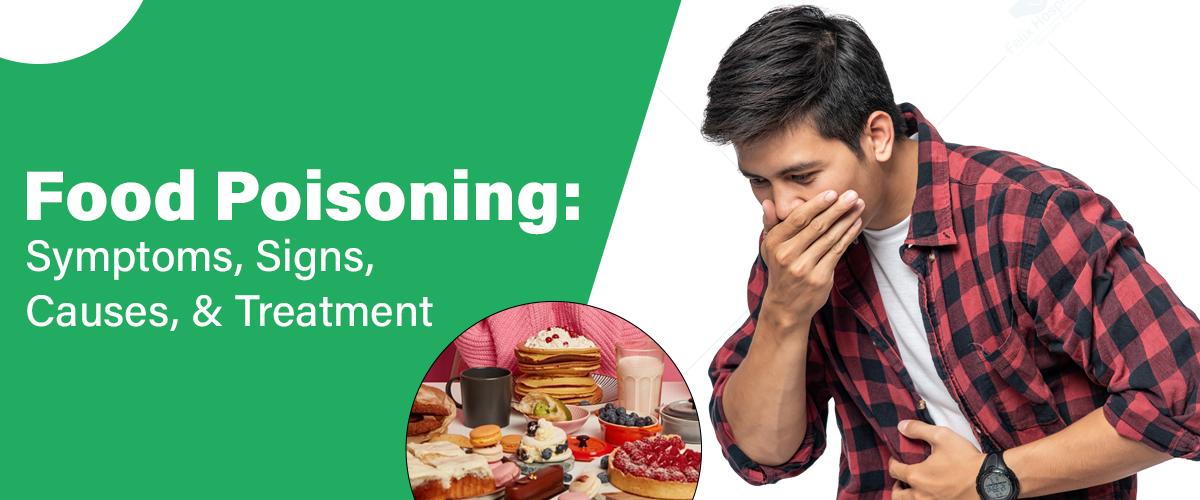
Food poisoning, also known as foodborne illness, arises from consuming food or beverages contaminated with harmful bacteria, viruses, parasites, or toxins. Symptoms typically include nausea, vomiting, diarrhea, abdominal pain, and sometimes fever. Recognizing food poisoning early is crucial because it can prevent severe complications and ensure timely treatment. Proper food handling and hygiene practices are key to preventing such illnesses and protecting overall health.
Feeling unwell from food poisoning? Call +91 9667064100 or simply click here for prompt treatment and support.
Food poisoning, or foodborne illness, occurs when you consume food or beverages contaminated with harmful bacteria, viruses, parasites, or toxins. These contaminants disrupt the digestive system, leading to a range of uncomfortable symptoms which may include nausea, vomiting, diarrhea, abdominal pain, and sometimes fever.
Food poisoning can manifest in various ways depending on the type of contaminant and the individual's overall health. Food poisoning symptoms can range from mild discomfort to severe distress.
Common signs to watch for include:
Symptoms may appear within hours of consuming contaminated food, but sometimes can take days to manifest. They typically last from a few hours to several days, depending on the severity of the infection. In rare cases, food poisoning can affect the nervous system, causing:
Food poisoning can stem from various sources, often involving factors that compromise food safety at different stages. Understanding these causes is essential for prevention and maintaining health. Here are the primary causes of food poisoning:
Contamination can occur during any phase of food handling, including:
Most instances of food poisoning are mild and typically resolve on their own within a few days. However, more severe cases or individuals at higher risk may require targeted treatment of food poisoning:
Although these treatments can manage symptoms, they do not speed up recovery. The body needs time to eliminate harmful substances and heal naturally.
Most food poisoning cases can be treated at home, but medical attention is needed in certain situations. Seek prompt medical care if you or someone you know experiences:
For Adults:
For Children:
Preventing food poisoning requires diligent attention to food safety and hygiene practices. By adopting simple yet effective measures, you can significantly reduce the risk of foodborne illnesses. Here are key strategies to keep in mind:
Special Considerations
Certain groups are more susceptible to severe food poisoning and should exercise heightened caution:
Members of these groups should follow stringent food safety practices and may need to avoid foods that pose a higher risk.
Long-term Effects of Food Poisoning
While most people recover fully from food poisoning, some may experience long-term health issues, such as:
These long-term effects are rare but highlight the importance of addressing food poisoning seriously and seeking medical attention when needed.
Dr. Jagatjot Singh Gill
Dr. Jagatjot Singh Gill, D.M. in Gastroenterology, is a highly skilled gastroenterologist with over 11 years of experience. He specializes in diagnosing and managing gastrointestinal disorders, including food poisoning. Dr. Gill offers personalized care and tailored treatment plans to effectively manage food poisoning and other digestive issues, ensuring comprehensive patient well-being.
Dr. Amrit Yog Datley
Dr. Amrit Yog Datley, DrNB in Gastroenterology, is a distinguished gastroenterologist with over 8 years of experience. He excels in diagnosing and managing various gastrointestinal conditions, including food poisoning. Dr. Datley uses advanced diagnostic techniques and customized treatment plans to effectively address food poisoning and enhance digestive health.
Food poisoning is a common yet serious condition that affects millions annually. By understanding its symptoms, causes, and treatment options, you can better safeguard your health and that of your loved ones. Adhering to proper food safety practices can significantly lower your risk of foodborne illness. If you experience severe or persistent symptoms, don’t hesitate to seek medical help. Prioritize your health and enjoy your meals with confidence!
Experiencing symptoms of food poisoning and need relief? Contact us at +91 9667064100 for expert treatment and guidance.
1.) What are the initial signs of food poisoning?
The first signs of food poisoning often include nausea, vomiting, and diarrhea. You might also experience abdominal pain, cramps, fever, or headache. These symptoms typically begin within hours of consuming contaminated food or beverages.
2.) How can I distinguish between food poisoning and a stomach bug?
Food poisoning usually results from eating contaminated food and often causes nausea, vomiting, and diarrhea shortly after eating. A stomach bug, or viral gastroenteritis, can have similar symptoms but may also include low-grade fever and muscle aches, and it generally spreads through person-to-person contact.
3.) How long does food poisoning typically last?
Food poisoning usually lasts from a few hours to several days, depending on the severity and type of contaminant. Most cases resolve on their own within 1 to 3 days, though symptoms can persist longer in severe cases.
4.) When can I resume eating normal food after food poisoning?
After experiencing food poisoning, it's advisable to start with bland, easy-to-digest foods once symptoms begin to improve. Typically, you can return to a normal diet within a few days, but ensure you’re fully recovered and consult a doctor if symptoms persist.
5.) How is food poisoning diagnosed?
Food poisoning is diagnosed based on symptoms, medical history, and sometimes stool tests. A healthcare provider may ask about recent food consumption and perform tests to identify the specific bacteria, virus, or toxin responsible for the illness.
6) Is it safe to eat roti during food poisoning?
Eating roti during food poisoning is generally safe if your symptoms have started to improve. Opt for plain, easily digestible foods and avoid spicy or oily dishes. Always consult with a healthcare provider if you're unsure about your diet during recovery.

The monsoon season, with its cooler temperatures and increased humidity, brings a welcome change from the intense heat of summer. However, it also presents unique challenges for skin care. The high humidity and frequent rain can impact the skin’s health, leading to various concerns such as increased oiliness, breakouts, and dullness. To ensure that your skin remains radiant and healthy throughout the monsoon, consider these essential monsoon skin care tips and tricks. For personalized advice and treatment, visit the best dermatology hospital in Noida to keep your skin in top condition throughout the rainy season.
During the monsoon, the skin tends to produce more oil due to increased humidity, leading to clogged pores and acne. To address this, maintaining a regular cleansing routine is crucial. For effective monsoon skincare for oily skin, opt for a gentle, oil-free cleanser that removes impurities and excess oil without stripping the skin of its natural moisture. Cleansing twice daily—morning and night—will help keep your skin fresh and clear.
Exfoliation helps remove dead skin cells, preventing clogged pores and promoting a brighter complexion. Use a mild exfoliant 2-3 times a week to slough off dead skin cells and reveal fresh skin underneath. Avoid harsh scrubs that can irritate the skin. Instead, choose exfoliants with gentle exfoliating agents such as salicylic acid or alpha hydroxy acids (AHAs).
Contrary to popular belief, even oily skin needs hydration. During the monsoon, opt for lightweight, non-comedogenic moisturizers that provide adequate hydration without making your skin greasy. Look for products containing hyaluronic acid or glycerin, which help retain moisture and keep your skin supple.
Even though the sun may seem less intense during the monsoon, UV rays can still penetrate through clouds and cause skin damage. Apply a broad-spectrum sunscreen with at least SPF 30 every day, even on cloudy or rainy days. This helps protect your skin from harmful UV rays and prevents premature aging.
Humidity can cause skin to feel sticky and sweaty, which may lead to fungal infections or rashes. To prevent this, keep your skin dry by using absorbent powders or blotting papers to control excess moisture. Wear breathable, moisture-wicking clothing to reduce sweat and keep your skin comfortable.
Drinking plenty of water is essential for maintaining healthy skin. Proper hydration helps flush out toxins and keeps your skin looking vibrant. Aim to drink at least 8-10 glasses of water daily. Additionally, consume hydrating foods such as cucumbers, watermelon, and oranges to support your skin’s moisture levels.
Heavy or oily makeup can exacerbate skin problems, particularly during the monsoon when the skin is more prone to oiliness and sweat. Opt for lightweight, water-based makeup products that allow your skin to breathe. Use mineral-based foundations or BB creams that offer a natural finish without clogging pores.
Antioxidants help protect the skin from environmental damage and promote a healthy complexion. Incorporate products containing vitamins C and E, green tea extract, or niacinamide into your monsoon skin care routine. These antioxidants help combat oxidative stress and support skin repair.
Frequent touching of the face can transfer bacteria and dirt from your hands to your skin, potentially leading to breakouts. Practice good hygiene by washing your hands regularly and avoid touching your face unnecessarily. This simple habit can significantly reduce the risk of skin infections and blemishes.
Incorporate natural remedies into your skin care routine to soothe and nourish your skin. Ingredients such as aloe vera, neem, and turmeric have anti-inflammatory and antibacterial properties that can help address common monsoon skin issues. Use natural masks or DIY treatments to provide extra care and maintain your skin’s health.
Keep a close watch on your skin’s condition throughout the monsoon. Changes in weather and humidity can impact your skin, especially for those following a monsoon skincare routine for combination skin. Be vigilant for any signs of irritation or issues, and adjust your skincare regimen as needed. If you notice persistent problems, consult a dermatologist in noida to ensure your skin remains balanced and healthy during the rainy season.
1.) Why is skin care important during the monsoon season?
Monsoon brings increased humidity and rainfall, which can lead to excess oil production, clogged pores, and skin issues such as acne and dullness. Proper skin care helps manage these conditions and keeps your skin healthy and radiant.
2.) How often should I cleanse my skin during the monsoon?
It is essential to cleanse your skin twice daily—morning and night. Use a gentle, oil-free cleanser to remove impurities and excess oil without stripping your skin of its natural moisture.
3.) Can I use the same moisturizer during the monsoon as I did in summer?
While you can use similar moisturizers, it's advisable to opt for lightweight, non-comedogenic options during the monsoon to avoid excess oiliness. Look for products containing hyaluronic acid or glycerin for effective hydration without greasiness.
4.) Is it necessary to use sunscreen even on cloudy or rainy days?
Yes, UV rays can penetrate through clouds and still cause skin damage. Apply a broad-spectrum sunscreen with at least SPF 30 every day, regardless of weather conditions, to protect your skin from harmful UV rays.
5.) How can I prevent fungal infections and rashes during the monsoon?
To prevent fungal infections and rashes, keep your skin dry by using absorbent powders or blotting papers to control excess moisture. Wear breathable, moisture-wicking clothing to reduce sweat and discomfort.
6.) What type of exfoliator should I use during the monsoon?
Use a mild exfoliant 2-3 times a week with gentle exfoliating agents such as salicylic acid or alpha hydroxy acids (AHAs). Avoid harsh scrubs that can irritate your skin.
7.) Are there any specific natural remedies that can help with monsoon skin issues?
Yes, natural remedies like aloe vera, neem, and turmeric have anti-inflammatory and antibacterial properties that can soothe and nourish your skin. Consider using natural masks or DIY treatments to address common monsoon skin issues.
8.) How can I manage oily skin during the monsoon?
For monsoon skincare for oily skin, use an oil-free cleanser, lightweight moisturizer, and avoid heavy or oily makeup. Incorporate products with salicylic acid or other oil-control ingredients into your routine.
9.) What should I do if I notice persistent skin problems during the monsoon?
If you experience persistent skin issues, adjust your skincare routine accordingly and consult a dermatologist for personalized advice and treatment. Persistent problems may require professional evaluation to ensure proper care.
10.) Can I use heavy makeup during the monsoon?
It's best to avoid heavy makeup during the monsoon as it can exacerbate skin problems. Opt for lightweight, water-based makeup products that allow your skin to breathe and reduce the risk of clogged pores.
11.) How can I incorporate antioxidants into my monsoon skincare routine?
Integrate products containing antioxidants such as vitamins C and E, green tea extract, or niacinamide into your skincare regimen. These antioxidants help protect the skin from environmental damage and promote a healthy complexion.
Dr. Kusum Gupta, with 9 years of dedicated experience in dermatology and cosmetology, is a leading specialist in the field. Her extensive expertise covers the management of skin, hair, nails, oral mucosa, and genitals, including complex conditions such as leprosy. Dr. Gupta is highly skilled in performing various skin surgeries, including Vitiligo Treatment, sebaceous cyst removal, biopsies, and scar revision.
The monsoon season can be challenging for skincare, but with the right approach, you can keep your skin glowing and healthy. By following these monsoon skincare essentials, you can effectively manage the effects of increased humidity and ensure your skin remains radiant throughout the rainy season. Embrace these strategies to enjoy vibrant, well-nourished skin all year round.
For personalized skin care advice and treatments tailored to your specific needs, consult with a dermatologist. Call us at +91 9667064100 to schedule an appointment and take the first step towards flawless skin this monsoon.
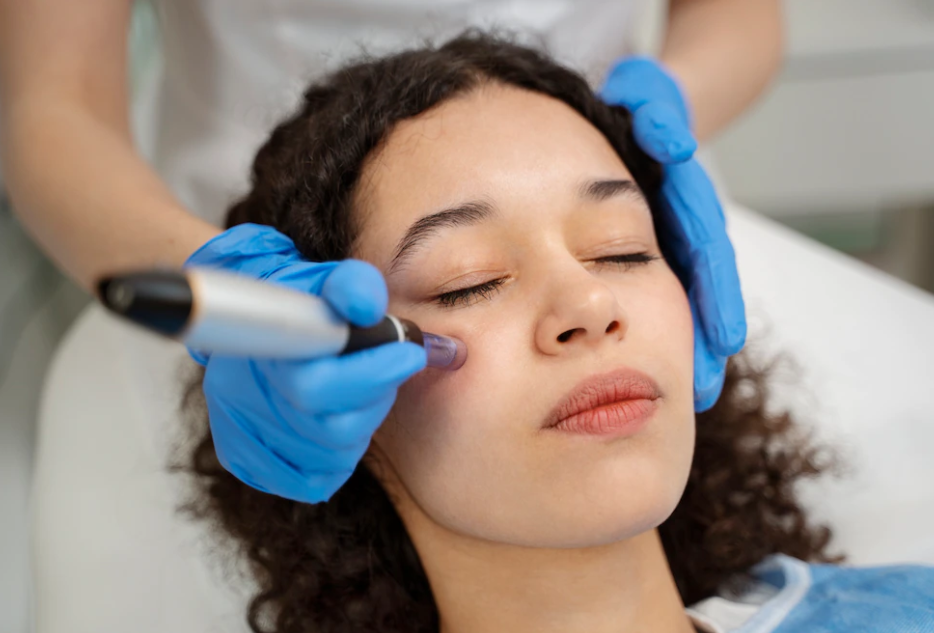
If your answer is yes, then, here are 6 easy steps to keep your skin look young and glowing.
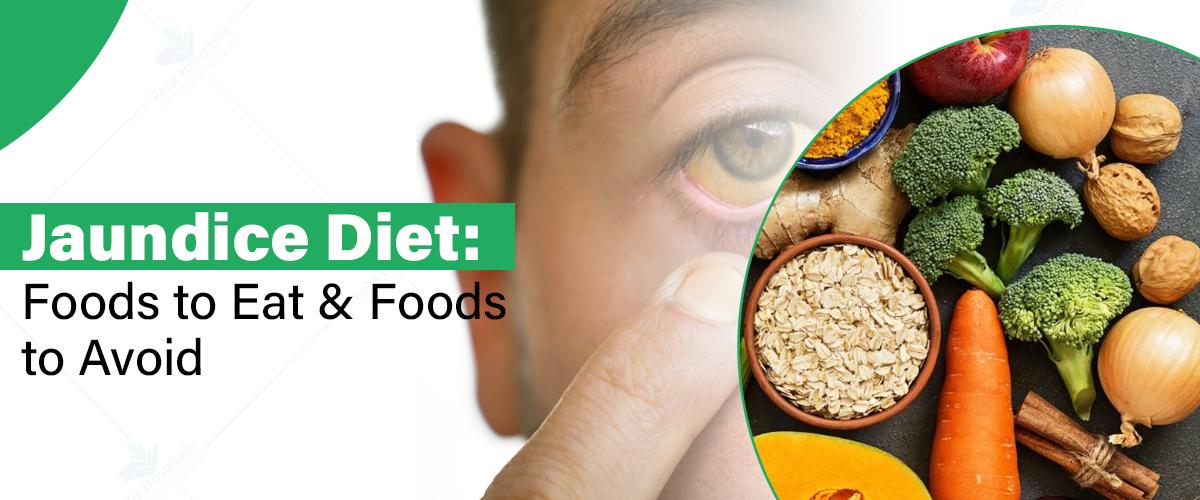
Jaundice occurs when excess bilirubin in your blood turns your skin and the whites of your eyes yellow. Jaundice itself is not a disease, but it is often a sign of problems with your liver or gallbladder. A proper diet is essential for managing jaundice and maintaining a healthy liver. This blog post will help you find the best nutrition diet services in Noida and learn what to eat and avoid with jaundice.
Do you want a diet plan specifically tailored to you to aid in jaundice? Call us at +91 9667064100 for professional assistance!
Before we look into the dietary suggestions for jaundice, it is vital to comprehend what jaundice is and why it happens. Three main problems could cause jaundice:
1. Bilirubin is manufactured in larger quantities.
2. Liver problems that hinder bilirubin from being metabolized properly.
3. Blockage in the bile ducts that hinders bilirubin from being exported out of the liver.
Jaundice has the following common causes:
Jaundice may be a symptom of more severe illnesses, such as pancreatic cancer or cancer of the liver, in certain situations.
Individuals with jaundice should consume a balanced diet since it plays a significant role in how fast they recover. A proper diet can assist in:
1. Allowing the liver to function better and recover more rapidly
2. Reducing the workload of the liver
3. Providing the body with what it requires to remain healthy
4. Preventing issues from arising and recovering more quickly
A balanced diet for jaundice is important in maintaining health since it makes the liver function better, reduces stress on the liver, and overall makes you healthier. If you are interested in receiving personalized dietary information and complete care, you can consider visiting a local jaundice hospital. There, professionals can assist you in creating a personalized treatment schedule for optimal recovery.
What not to do in jaundice? Individuals recovering from jaundice must consume proper foods to recover fast and efficiently. Some of the best foods for jaundice patients to consume in order to recover fast are:
Antioxidants, vitamins, and minerals present in fruits and vegetables are beneficial for your liver and overall health. Some excellent choices are
These foods contain high fiber, which assists in digestion and elimination of toxins from the body. They contain antioxidants such as vitamin C and beta-carotene, which can assist in preventing liver cells from becoming damaged.
Whole grains are a beneficial source of fiber, complex carbohydrates, and essential nutrients. In contrast to refined grains, they are less difficult for the liver to digest. Some examples of whole grains include:
These grains provide you with sustained energy and maintain your blood sugar levels within a stable range, placing less strain on your liver.
Protein is vital for the health of the liver and overall body, especially as food for jaundice treatment. However, it is crucial to choose lean proteins so the liver does not have to labor as much. Lean proteins are best obtained from the following sources:
These protein sources are more easily metabolized by the liver and and provide the body with the amino acids necessary to repair and resist infection.
Seeds and nuts are great sources of protein, healthy fats, and antioxidants including walnuts, flaxseeds, chia seeds and pumpkin seeds. Almonds in moderate servings should be included in one's diet. Vitamin E protects liver cells, and omega-3 fatty acids fight inflammation.
Humans have been using some herbs and spices for ages in an attempt to have healthy livers. While scientific research can be mixed and matched, you can use the following herbs and spices:
These herbs and spices can help eliminate inflammation and fight free radicals so that the liver can work better. Nevertheless, before taking any herbal remedy, it is especially essential that you visit a doctor if you are on medication.
Individuals suffering from jaundice should drink plenty of water. It assists the liver in performing better and removing toxins from the body. Follow these simple tricks:
Drinking plenty of water may reduce the level of bilirubin in the blood and cause the body to purify itself.
If you have symptoms of jaundice, it's essential to know things to avoid during jaundice to recover sooner and more safely.
1. Alcohol
Don't take alcohol when suffering from jaundice because it will:
When you have jaundice, even a small amount of alcohol can be dangerous for you. Avoid alcohol altogether during your recovery, and take the best dietitian in Noida recommendation for how much alcohol to consume in the long run.
2. Fast food and processed foods
Fast food and highly processed foods usually contain:
These types of foods place additional strain on the liver and do not give you many nutrients. People who have jaundice must stay away from the following types of foods:
3. Red meat and fat-containing dairy products
If you do eat these foods, only eat a little bit of them, and when you can, choose leaner cuts of meat and low-fat dairy products.
If you do eat these foods, only eat a little bit of them, and when you can, choose leaner cuts of meat and low-fat dairy products.
4. Refined carbs
Refined carbs rapidly increase blood sugar levels, which add extra stress on the liver. These include:
Go for whole grains and natural sources of sweetness, such as fresh fruit, instead.
5. Excess salt
Certain sodium is beneficial to the body, but excess salt leads to water retention in the body and puts a greater burden on the liver. Avoid:
Use spices and herbs to season instead of salt. When possible, use low-sodium alternatives.
6. Caffeine
A few people with jaundice may be able to handle small doses of caffeine, but it's usually best to cut back or eliminate it entirely, at least initially. The following are some of them:
Caffeine may disturb your sleep and possibly even stress your liver. If you need to have caffeine, take it in moderation and only at your doctor's advice.
1. Eat smaller and more frequent meals: This can help your liver work less and keep digestion easier.
2. Prepare food the correct way: Avoid frying and instead go for steam, boil, or bake food to minimize fat.
3. Check the labels: Packaged food contains unknown sugars, fats, and sodium.
4. Make it a habit: Even after jaundice has subsided, continue with a healthy diet to keep your liver in excellent condition in the long term.
Have questions regarding your jaundice diet regimen? Dial us at +91 9667064100 for additional information and personalized guidance!
To cure jaundice, consume foods that are beneficial for your liver and do not consume foods that stress it. Always adhere to what your doctor instructs, take your medications on time, and attend all of your follow-up appointments. It is always good to consult your health care providers closely so that you can develop a personalized diet plan for jaundice because each individual's needs are different. You can go to one of the best gastroenterology hospital in Noida and get expert advice from someone who can help you develop an appropriate plan for your specific issue.
Q1. Is it safe for me to have herbal teas if I have jaundice?
Ans: Herbal teas such as ginger and peppermint can benefit your digestion. It is, however, advisable to seek consultation specific to you from your physician.
Q2. How does sugar impact the recovery from jaundice?
Ans: Consuming lots of sugar will exacerbate liver issues and lead to the accumulation of fat. To improve, you should reduce your intake of refined sugars and opt for natural sweeteners instead.
Q3. Are there some vitamins or supplements that are beneficial for jaundice?
Ans: Vitamin C and vitamin E can promote liver health, but consult your physician before taking any additional supplements.
Q4. Can stress influence the speed with which jaundice disappears?
Ans: Yes, stress can make your liver function less efficiently and damage your health in general. A balanced lifestyle and relaxation methods can restore your health by enabling you to cope with stress.
Q5. How frequently should I eat to manage my jaundice?
Ans: Having smaller, more frequent meals may keep your liver working less and digesting food more efficiently, which is beneficial for managing jaundice.
Q6. What dietary changes can I make to support my liver's detox process?
Ans: To assist your liver in detox, consume a balanced diet rich in antioxidants, fiber, and healthy fats. Avoid processed foods, excessive fats, and alcohol.

Mothers think a lot, when it comes to giving right nutrition to her baby. And she also has many questions like
पीलिया एक ऐसी स्थिति है जिसमें शरीर और आंखों का रंग पीला पड़ जाता है। यह मुख्य रूप से लीवर की खराबी या रक्त में बिलीरुबिन के बढ़ने के कारण होता है।
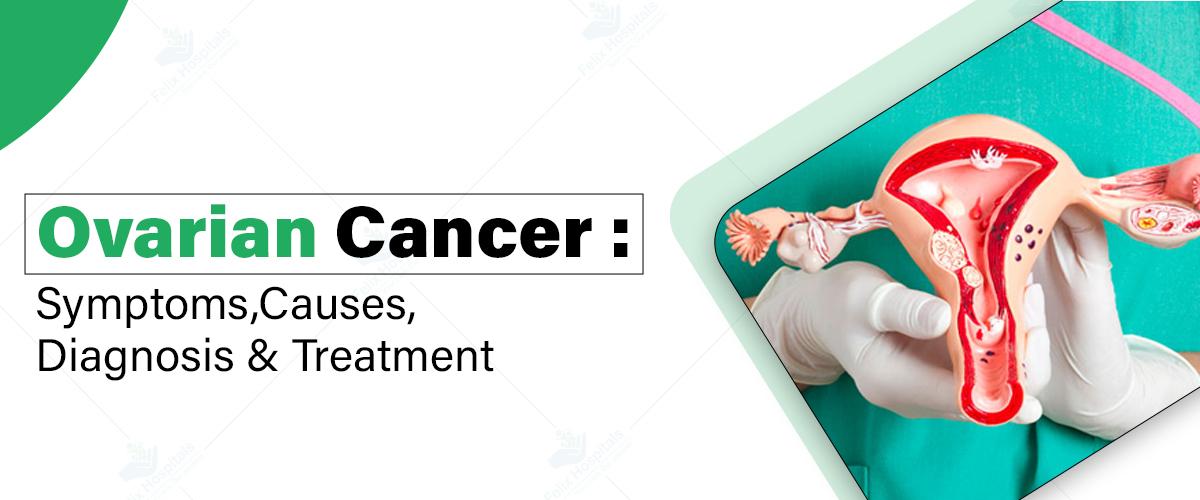
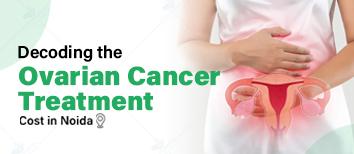
Ovarian cancer is one of the most serious and life-threatening gynecological cancers, affecting thousands of women worldwide each year. Despite significant advancements in medical research and treatment options, ovarian cancer remains a significant health concern due to its often silent and elusive nature, making early detection and diagnosis a critical challenge.
In this comprehensive blog post, we will explore the symptoms, causes, diagnostic procedures, and treatment options for ovarian cancer, giving you the insights needed to advocate effectively for your health or that of a loved one. For specialized care, a leading cancer hospital in Noida can provide the expert support you need.
Call +91 9667064100 to book personalized consultation with the best oncologist in Noida and take the first step towards a healthier future!
Ovarian cancer originates in the ovaries, which are small, almond-shaped organs located on either side of the uterus in a woman's reproductive system. The ovaries are responsible for producing eggs and the female hormones estrogen and progesterone.
When abnormal cells begin to grow and divide uncontrollably within the ovaries, they can form a mass or tumor. These cancerous cells can then spread (metastasize) to other parts of the body, making ovarian cancer a particularly dangerous and life-threatening condition.
One of the primary challenges with ovarian cancer is that it often presents with vague, non-specific symptoms, making it difficult to diagnose in the early stages.
Some of the most common symptoms of ovarian cancer include:
It's important to note that these symptoms can also be associated with a variety of other medical conditions, so it's crucial to consult with a healthcare professional for proper evaluation and diagnosis.
The exact causes of ovarian cancer are not fully understood, but researchers have identified several risk factors that may increase a woman's likelihood of developing the disease:
It's important to note that having one or more of these risk factors does not necessarily mean a woman will develop ovarian cancer, but it does highlight the importance of regular check-ups and vigilance regarding any concerning symptoms.
Early detection is crucial for the successful treatment of ovarian cancer, but the condition can be challenging to diagnose due to the lack of specific symptoms in the early stages. Healthcare providers typically use a combination of the following diagnostic procedures to identify ovarian cancer:
In some cases, a diagnosis may not be made until after surgery, when a pathologist can examine the removed tissue more closely.
The treatment plan for ovarian cancer depends on several factors, including the stage of the cancer, the type of tumor, the patient's overall health, and personal preferences.
Common treatment modalities include:
In addition to these traditional treatments, some patients may also explore complementary therapies, such as mind-body practices, nutritional support, or herbal remedies, to help manage symptoms and support overall well-being during the treatment process.
While there is no guaranteed way to prevent ovarian cancer, there are several steps women can take to potentially reduce their risk:
Early detection is crucial for improving outcomes in ovarian cancer. Women, especially those with a family history or other risk factors, should be vigilant about any changes in their bodies and report any persistent symptoms to their healthcare providers. Regular pelvic exams and routine screening tests, such as the CA-125 blood test, can also aid in the early detection of ovarian cancer.
Dr. Chinmayee Agrawal, MD, DM, is a highly experienced Medical Oncologist and Hemato-Oncologist with over 8 years of expertise in treating ovarian cancer and other malignancies. Her proficiency extends to breast cancer, gynecological cancers, and hematopoietic stem cell transplantation. Known for her meticulous care and compassionate approach, Dr. Agrawal is dedicated to achieving excellent patient outcomes and stays current with the latest advancements in oncology. Her commitment to both patient care and academic research makes her a trusted specialist in the field.
Dr. Mukta Baxi, MBBS, MS, is a distinguished surgeon with over 30 years of experience, specializing in the treatment of ovarian cancer. Her expertise includes Surgical Oncology, with a focus on gynecological malignancies such as ovarian cancer, as well as breast diseases and cancers. Known for her extensive surgical skills and compassionate care, Dr. Baxi is committed to providing exceptional outcomes and advancing patient care in oncology.
Ovarian cancer is a complex and challenging disease, but advancements in medical research and treatment have significantly improved outcomes for many patients. By understanding the symptoms, causes, and available diagnostic and treatment options, women can be better equipped to advocate for their health and take proactive steps to reduce their risk.
If you or a loved one has concerns about ovarian cancer, it is crucial to consult with an experienced healthcare provider. For personalized guidance and support, consider reaching out to the best hospital for ovarian cancer in Noida. With early detection and comprehensive, evidence-based treatment, many women with ovarian cancer can achieve positive outcomes and live fulfilling lives.
Got questions about ovarian cancer? Dial +91 9667064100 or simply click here for answers and expert guidance tailored to your needs!
1.) What are the early warning signs of ovarian cancer?
Early warning signs of ovarian cancer can include persistent abdominal bloating, pain, and pressure, changes in bowel habits, frequent urination, and difficulty eating or feeling full quickly. However, these symptoms are often vague and can be caused by other conditions.
2.) What is the survival rate of ovarian cancer?
The survival rate for ovarian cancer varies by stage. The 5-year survival rate is about 47% overall, but it can be higher if detected early. Advanced stages have lower survival rates. Early detection and effective treatment improve prognosis significantly.
3.) How can ovarian cancer start?
Ovarian cancer can start when abnormal cells in the ovaries grow uncontrollably. The exact cause is unknown, but risk factors include genetic mutations, family history of ovarian or breast cancer, hormonal factors, and certain lifestyle factors.
4.) Can you gain weight with ovarian cancer?
Yes, weight gain can occur with ovarian cancer, often due to fluid accumulation (ascites) or hormonal changes. Some patients may also experience weight changes due to altered appetite or side effects from treatment.
5.) What age is ovarian cancer most common?
Ovarian cancer is most common in women aged 55 to 64. It is rare in younger women but can occur at any age. The risk increases with age, particularly after menopause.
6.) Does ovarian cancer stop periods?
Ovarian cancer can affect menstrual cycles, potentially causing irregular periods or stopping them entirely, especially if the cancer is advanced or if the patient is postmenopausal. However, irregular periods can also result from other conditions.
7.) Can you get pregnant with ovarian cancer?
Pregnancy with ovarian cancer is possible but complicated. Treatment often involves surgery and chemotherapy, which can affect fertility. Women planning to become pregnant should discuss options with their healthcare provider before starting treatment.

Explore the cervical cancer vaccine cost in Noida, compare prices across hospitals, and understand how vaccination helps prevent HPV infection and cervical cancer.

Explore essential information about breast cancer, including its symptoms, causes, types, and treatments, to stay informed and proactive about your health.
Lung cancer is a serious condition that starts in the lungs and can spread to other parts of the body.
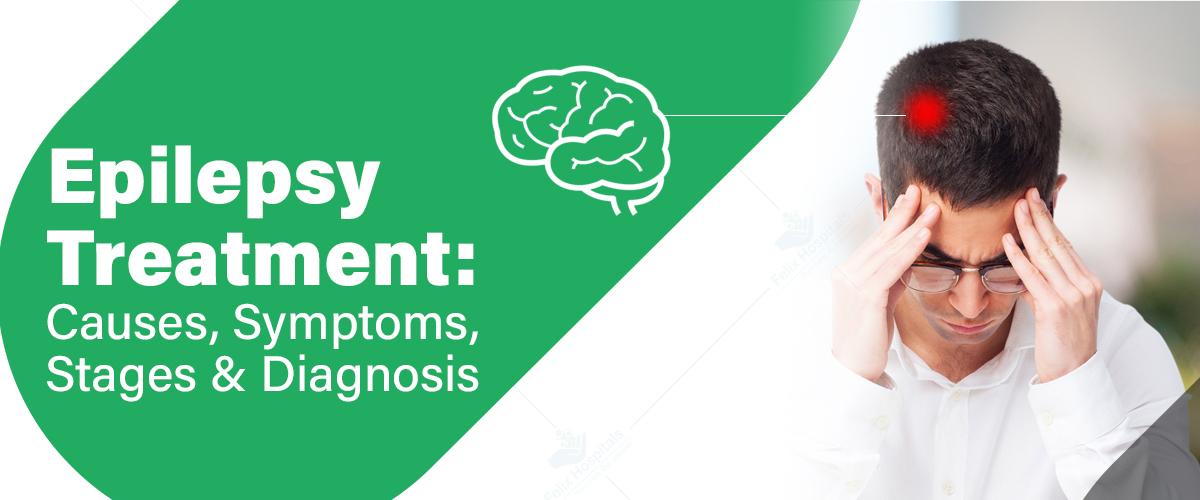
Epilepsy is a neurological disorder in which nerve cells in the brain fail to signal correctly, leading to seizures characterized by uncontrolled bursts of electrical activity that affect sensations, behaviors, awareness, and muscle movements. Although there is no cure for epilepsy, various treatment options are available, and up to 70% of individuals with epilepsy can manage the condition effectively with medications. While finding the best neurology hospital in Noida is essential for addressing urological issues, it is equally important to seek specialized care for neurological conditions like epilepsy to ensure comprehensive management and optimal health outcomes.
Contact us today to schedule a consultation with our expert team and explore the best treatment options tailored to your needs. Call Now - +91 9667064100.
Epilepsy is a chronic condition characterized by recurrent seizures caused by abnormal electrical activity in damaged brain cells. During a seizure, there is a burst of uncontrolled electrical impulses in the brain, which can lead to changes in awareness, muscle control (such as twitching or jerking), sensations, emotions, and behavior. Epilepsy is also known as a seizure disorder.
Epilepsy is a neurological disorder characterized by recurrent seizures, which progress through several stages:
This stage occurs hours or even days before a seizure and is characterized by early warning signs that indicate an impending seizure. Not everyone with epilepsy experiences this stage, but for those who do, it can be a useful time for taking preventive actions or medications. Common symptoms include:
Irritability or mood swings
Headaches
Sleep disturbances
Anxiety or restlessness
Difficulty concentrating
The aura stage is often considered the first part of the actual seizure. It usually lasts a few seconds to a couple of minutes and serves as a warning that a more intense seizure is about to occur. The symptoms of the aura stage depend on which part of the brain is affected and may include:
Visual disturbances (flashing lights, spots)
Unusual smells or tastes
Déjà vu or strange feelings of familiarity
Numbness or tingling in certain body parts
Sudden intense emotions, such as fear or euphoria
Not all patients experience an aura, but when they do, it can help them prepare for an oncoming seizure.
The ictal stage is the actual seizure, and its characteristics vary based on the type of epilepsy. It can last from a few seconds to a few minutes, and the symptoms depend on the region of the brain where the abnormal electrical activity occurs. Seizures can be classified into different types:
Occur in one part of the brain
May involve repetitive movements (e.g., jerking of a limb)
Can cause confusion or a loss of awareness
Affects both sides of the brain
Can cause loss of consciousness or convulsions
Includes subtypes such as tonic-clonic (grand mal) seizures, absence seizures, and myoclonic seizures
Muscle stiffness or rigidity (tonic phase)
Jerking movements (clonic phase)
Loss of consciousness
Sudden collapse
Changes in breathing patterns
Involuntary movements, such as lip-smacking or picking at clothes
This stage occurs immediately after the seizure, and the person may experience several physical and emotional symptoms as the brain recovers from the abnormal electrical activity. The length of this stage varies depending on the type of seizure and the individual’s response. Common symptoms include:
For generalized tonic-clonic seizures, the postictal stage can be longer and more severe compared to focal seizures.
The interictal stage refers to the period between seizures when a person with epilepsy does not experience any symptoms. This stage can last for minutes, hours, days, or even months, depending on the individual’s seizure frequency. During this period, many individuals with epilepsy can function normally, though some may experience ongoing neurological or psychological effects depending on the severity and frequency of their seizures.
In some cases, this stage may involve interictal spikes, where abnormal electrical activity occurs in the brain without triggering a full seizure. This can sometimes be detected through an EEG (electroencephalogram) test.
Epilepsy can result from a variety of factors, which can be broadly categorized into genetic, structural, metabolic, immune, infectious, and unknown causes.
Genetic Factors: Certain types of epilepsy have a genetic component and can run in families. Mutations in specific genes can affect neuronal activity, leading to seizures.
Structural Causes: Brain abnormalities, such as tumors, stroke, congenital malformations, or traumatic brain injuries, can lead to epilepsy.
Metabolic Causes: Disorders that affect the body's metabolism, such as mitochondrial diseases, can cause epilepsy.
Immune Causes: Autoimmune diseases where the body's immune system attacks brain tissues can result in seizures.
Infectious Causes: Infections such as meningitis, encephalitis, or neurocysticercosis can lead to epilepsy.
Unknown Causes: In many cases, the exact cause of epilepsy remains unidentified despite thorough investigations.
The primary symptom of epilepsy is recurrent seizures. However, the manifestation of these seizures can vary widely depending on the type of epilepsy and the areas of the brain involved. Common seizure types include:
Tonic-Clonic Seizures: Characterized by loss of consciousness, muscle stiffening (tonic phase), followed by rhythmic muscle contractions (clonic phase).
Absence Seizures: Brief, sudden lapses in consciousness, often described as staring spells.
Myoclonic Seizures: Sudden, brief jerks or twitches of the muscles.
Atonic Seizures: Sudden loss of muscle tone, causing the person to collapse.
Tonic Seizures: Sudden stiffening of muscles, usually lasting less than 20 seconds.
Clonic Seizures: Repeated jerking movements of muscles on both sides of the body.
Simple Focal Seizures: Affect a small part of the brain and do not impair consciousness. Symptoms can include twitching, unusual sensations, or changes in taste and smell.
Complex Focal Seizures: Affect a larger part of the brain and can alter consciousness, leading to confusion, repetitive movements, or changes in behavior.
Secondary Generalized Seizures: Begin as focal seizures and then spread to both sides of the brain, evolving into generalized seizures.
Diagnosing epilepsy involves a comprehensive evaluation, including:
Medical History: Detailed history of seizures, including the age of onset, frequency, duration, triggers, and family history.
Neurological Examination: Assessment of neurological function, including reflexes, muscle strength, coordination, and sensory abilities.
Electroencephalogram (EEG): A test that measures electrical activity in the brain, helping to identify abnormal patterns associated with epilepsy.
Imaging Studies: MRI or CT scans to detect structural abnormalities in the brain that could be causing seizures.
Blood Tests: To rule out metabolic or genetic conditions that might be contributing to seizures.
While epilepsy is a chronic condition, it can be effectively managed with appropriate treatment. The primary goals of epilepsy treatment are to control seizures, minimize side effects, and improve quality of life. Treatment options include:
Medications: Anti-epileptic drugs (AEDs) are the most common treatment for epilepsy. They help to control seizures by stabilizing electrical activity in the brain. The choice of medication depends on the type of seizures, patient age, overall health, and response to previous treatments.
Surgery: For patients who do not respond to medication, surgical options may be considered. Surgery aims to remove or alter the area of the brain where seizures originate.
Vagus Nerve Stimulation (VNS): A device implanted under the skin sends electrical impulses to the vagus nerve, helping to reduce the frequency and intensity of seizures.
Ketogenic Diet: A high-fat, low-carbohydrate diet that has been shown to reduce seizures in some individuals, particularly children.
Responsive Neurostimulation (RNS): A device implanted in the brain detects abnormal electrical activity and delivers electrical stimulation to prevent seizures.
Lifestyle Modifications: Regular sleep, stress management, avoiding seizure triggers, and maintaining a balanced diet can help manage epilepsy.
Looking for comprehensive care? Explore epilepsy treatment in Noida and regain control of your life.
Living with epilepsy requires ongoing management and support. Individuals with epilepsy should work closely with their healthcare providers to develop a personalized treatment plan. Education and awareness about the condition can help patients and their families better understand and cope with epilepsy. Support groups and counseling services can also provide valuable emotional support and resources.
Dr. Sumit Sharma brings over 10 years of expertise as a neurosurgeon. He specializes in treating a range of neurological and neurosurgical conditions, including brain tumors, brain injuries, spinal tumors, spine injuries, spine fractures, brain and spine tuberculosis, hydrocephalus, migraines, neck pain, back pain, as well as managing depression and anxiety.
Dr. Saumya Mittal brings over 16 years of medical experience to her role, including 2 years as a specialist. Her expertise encompasses a range of neurological conditions, including dementia, seizures, epilepsy, neuropathy, and muscle disorders.
Get in touch now to start your journey towards improved health and well-being. Call Now - +91 9667064100.
Epilepsy, a chronic neurological disorder characterized by recurrent seizures due to abnormal electrical activity in the brain, can be effectively managed with appropriate treatment, although it cannot be cured. Up to 70% of individuals with epilepsy may control their seizures through medications and lifestyle changes. While locating a skilled neurologist in Greater Noida is crucial for addressing urological concerns, seeking specialized care for epilepsy is equally important. If you or a loved one is affected by epilepsy, contact us today to explore the best treatment options and take the first step towards improved management and quality of life.
1.) Is epilepsy a serious disease?
Ans. Yes, epilepsy is considered a serious neurological condition due to the impact of recurrent seizures on daily life. The severity can vary based on the frequency and type of seizures, as well as their effect on a person’s physical and mental health.
2.) What are the main causes of epilepsy?
Ans. The main causes of epilepsy can be categorized into genetic factors, structural causes (like brain tumors or injuries), metabolic disorders, immune causes, infectious diseases, and sometimes the exact cause remains unknown.
3.) Can epilepsy live a normal life?
Ans. Yes, many people with epilepsy can lead normal, fulfilling lives with proper management. Medications, lifestyle changes, and support can help control seizures and minimize their impact.
4.) How does epilepsy affect you physically?
Ans. Physically, epilepsy can lead to symptoms such as muscle jerks or stiffness during seizures, sudden loss of muscle control, or even injuries from falls. The physical effects can vary based on the type of seizures experienced.
5.) Is epilepsy 100% curable?
Ans. Currently, epilepsy is not considered 100% curable. However, many people can achieve significant control over their seizures with medication, lifestyle changes, or other treatments.
6.) Can epilepsy go away naturally?
Ans. In some cases, epilepsy may remit or improve significantly over time, especially in children. However, it does not typically "go away" completely without intervention.
7.) At what age does epilepsy start?
Ans. Epilepsy can start at any age, but it commonly begins in childhood or early adulthood. It can also develop later in life due to various causes, such as brain injury or stroke.
8. Is epilepsy life-ending?
Ans. Epilepsy itself is not usually life-ending, but severe or uncontrolled seizures can lead to complications or increase the risk of injury. With proper management, many people with epilepsy can live a full and healthy life.
Recognizing the symptoms of a brain stroke is critical for getting prompt medical attention. The acronym F.A.S.T. is often used to remember the most common Brain stroke symptoms.
Blood clot in the brain is a serious condition causing sudden neurological symptoms and requires immediate medical treatment.

A concise guide explaining brain tumor surgery cost in Noida, including key factors, treatment options, and expert care.

Multiple sclerosis is a neurological disease that affects the brain and spinal cord.
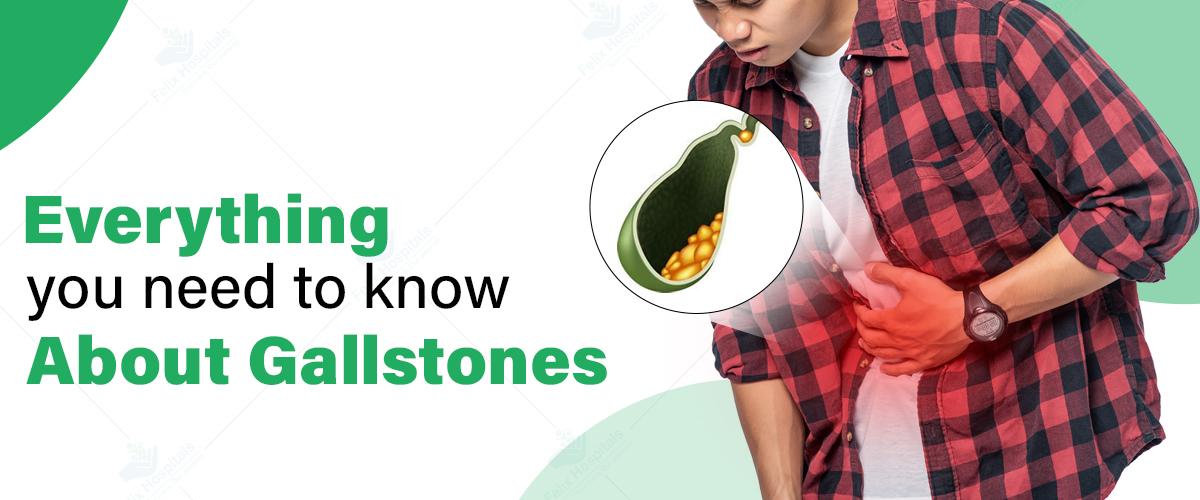
Gallstones are a significant medical condition affecting millions of people worldwide. It is crucial to address and treat gallstones to prevent serious complications such as inflammation, infection, or bile duct blockages. Recognizing and managing symptoms like abdominal pain and digestive issues can help in early intervention. Additionally, seeking care at a specialized gallbladder stone removal hospital ensures proper treatment, alleviating symptoms and reducing the risk of more severe health problems.
Experiencing discomfort from gallstones? Call +91 9667064100 or simply click here for expert advice and relief!
Gallstones are hardened deposits of digestive fluid that form in your gallbladder, a small, pear-shaped organ located on the right side of your abdomen, just beneath your liver. The gallbladder's primary function is to store bile, a digestive fluid produced by the liver, and release it into the small intestine to aid in digestion.
These stones can vary in size, ranging from as small as a grain of sand to as large as a golf ball. Some people may develop a single gallstone, while others may have multiple stones simultaneously.
There are two main types of gallstones:
1. Cholesterol Gallstones: These are the most prevalent type and typically appear yellow. They are primarily composed of undissolved cholesterol but may also contain other substances. Cholesterol gallstones form when there is too much cholesterol in the bile, which the body struggles to break down effectively.
2. Pigment Gallstones: These stones are usually dark brown or black. They develop when bile contains an excess of bilirubin, a substance produced during the breakdown of red blood cells. High levels of bilirubin can lead to the formation of these darker stones, which are less common than cholesterol gallstones.
Many people with gallstones may not experience any symptoms at all. However, if a gallstone lodges in a duct and causes a blockage, you may experience the following signs and symptoms:
Gallstone pain, commonly known as a gallbladder attack, can vary in duration, typically lasting from several minutes to a few hours. This pain, often sharp and intense, occurs when a gallstone temporarily blocks the bile ducts, causing significant discomfort in the upper abdomen.
The exact cause of gallstone formation isn't entirely clear, but medical professionals believe they may result from the following factors:
Excess cholesterol in bile: If your liver produces more cholesterol than your bile can dissolve, the excess cholesterol may form into crystals and eventually into stones.
Excess bilirubin in bile: Certain conditions can cause your liver to produce too much bilirubin, contributing to gallstone formation.
Incomplete gallbladder emptying: If your gallbladder doesn't empty completely or often enough, bile may become very concentrated, leading to stone formation.
Gallstones are a prevalent condition influenced by several risk factors. Recognizing these factors can help in assessing your risk and taking preventive measures. Here are some key factors that may increase your likelihood of developing gallstones:
If gallstones are not addressed promptly, they can lead to a range of serious complications. Understanding these potential issues is crucial for managing the condition effectively and preventing further health problems.
Here are some complications that may arise if gallstones are left untreated:
Inflammation of the gallbladder (cholecystitis): This condition can cause intense pain and fever, leading to significant discomfort.
Blockage of the common bile duct: This may result in severe pain, jaundice, and potential bile duct infection.
Blockage of the pancreatic duct: Such blockage can cause inflammation of the pancreas (pancreatitis), leading to severe abdominal pain and often necessitating hospitalization.
Increased risk of gallbladder cancer: Although rare, a history of gallstones slightly elevates the risk of developing gallbladder cancer.
Gallstones are a prevalent condition that can vary from being asymptomatic to causing severe discomfort and complications. Accurate diagnosis is crucial to determine the appropriate treatment and manage symptoms effectively.
Diagnosis:
Medical History and Physical Examination: The initial assessment often includes reviewing symptoms and medical history, followed by a physical exam to check for abdominal tenderness or pain.
Ultrasound: The most common and effective test for detecting gallstones, using sound waves to create images of the gallbladder and identify stones.
CT Scan: Provides detailed cross-sectional images and is used if the ultrasound results are inconclusive or if complications are suspected.
HIDA Scan: A nuclear imaging test that evaluates the function of the gallbladder and can help detect blockages in the bile ducts.
Endoscopic Retrograde Cholangiopancreatography (ERCP): A procedure combining endoscopy and X-rays to visualize and remove stones from the bile ducts.
Treatment:
Medication: Oral medications like ursodeoxycholic acid can help dissolve cholesterol gallstones over time, though this method is less common due to its slow effectiveness.
Extracorporeal Shock Wave Lithotripsy (ESWL): Uses shock waves to break up gallstones into smaller pieces that can then be passed more easily, often used in conjunction with other treatments.
Cholecystectomy: The surgical removal of the gallbladder, typically performed laparoscopically (minimally invasive) or through open surgery, depending on the case and the presence of complications.
Lifestyle Modifications: Dietary changes such as reducing fat intake and increasing fiber, along with regular exercise, can help manage and prevent gallstone formation.
When considering treatment options for gallstones, it's essential to evaluate the cost of gallbladder surgery removal, as this can vary based on the type of surgery and medical facility. Consulting with a healthcare provider can help you understand the financial aspects and insurance coverage related to the procedure, ensuring you make an informed decision about your treatment plan.
Reducing your risk of developing gallstones involves adopting healthy lifestyle habits. Implementing these strategies can help lower your chances of experiencing this condition.
Here are some effective tips to consider:
Maintain regular meal times: Consistent meal schedules are important; avoid skipping meals or fasting as these practices can increase the risk of gallstones.
Lose weight gradually: If weight loss is needed, aim for a gradual reduction of 1-2 pounds per week to avoid rapid weight loss, which can trigger gallstones.
Increase fiber intake: Enhance your diet with fiber-rich foods such as fruits, vegetables, and whole grains to support digestive health and reduce gallstone risk.
Maintain a healthy weight: Obesity and being overweight are significant risk factors. Focus on achieving and sustaining a healthy weight through a balanced diet and regular physical activity.
If you notice any concerning signs or symptoms, it is crucial to consult your doctor promptly. Seek immediate medical attention if you experience signs of a severe gallstone complication, including:
Dr. Ritesh Agarwal
Dr. Ritesh Agarwal, with 15 years of experience in general, minimal access, and laparoscopic surgery, is highly skilled in treating gallstones. His expertise encompasses a wide range of procedures, including laparoscopic cholecystectomy (gallbladder stone removal), hernia repairs, and various proctology surgeries, ensuring comprehensive care for his patients.
Gallstones are a common medical condition that can range from asymptomatic to severely painful. They can lead to serious complications if left untreated, impacting your overall health and quality of life. By understanding the risk factors and adopting preventive measures, you can reduce your chances of developing gallstones. Regular check-ups and a proactive approach to managing your health are essential. If you suspect you have gallstones or experience any concerning symptoms, don't hesitate to consult with a gallbladder specialist for proper diagnosis and treatment.
Struggling with gallstone symptoms? Reach out to +91 9667064100 for professional guidance and support today!
Is it acceptable to leave gallstones untreated?
Leaving gallstones untreated may be acceptable if they are asymptomatic and not causing any problems. However, if they lead to pain or complications, treatment or removal is often necessary to prevent further issues.
Does a 1 cm gallstone require surgery?
A 1 cm gallstone may require surgery if it causes symptoms or complications. The decision to proceed with surgery depends on factors like pain, risk of blockage, and the overall health of the patient.
Can gallstones damage the liver?
Gallstones can potentially lead to liver damage if they cause blockages in the bile ducts, leading to infections or inflammation. These blockages can affect liver function and contribute to complications if not treated.
How long is the recovery period after gallbladder surgery?
Recovery time after gallbladder surgery typically involves a short period of bed rest. Most people can return to normal activities within a week, although full recovery may take several weeks depending on the type of surgery and individual health.
Is it possible to live without a gallbladder?
Yes, it is possible to live without a gallbladder. The body can still digest food, though some people may need to adjust their diet and may experience changes in digestion.
Why remove the gallbladder rather than just the stones?
Removing the gallbladder is often preferred because it addresses the root cause of gallstones and prevents future occurrences. Stones can recur if the gallbladder remains, leading to repeated issues and potential complications.
What foods should be avoided after gallbladder removal?
After gallbladder removal, it is advisable to avoid high-fat and greasy foods, as well as large meals. These can be harder to digest without the gallbladder and may cause discomfort or digestive issues.
How long does gallbladder surgery typically take?
Gallbladder surgery usually takes between 1 to 2 hours, depending on whether it is performed laparoscopically or as an open procedure. The duration can vary based on the complexity of the case and the surgeon’s expertise.

Understand the factors that influence gallbladder stone surgery cost in Noida, including hospital charges, surgeon expertise, type of procedure, and post-operative care expenses.
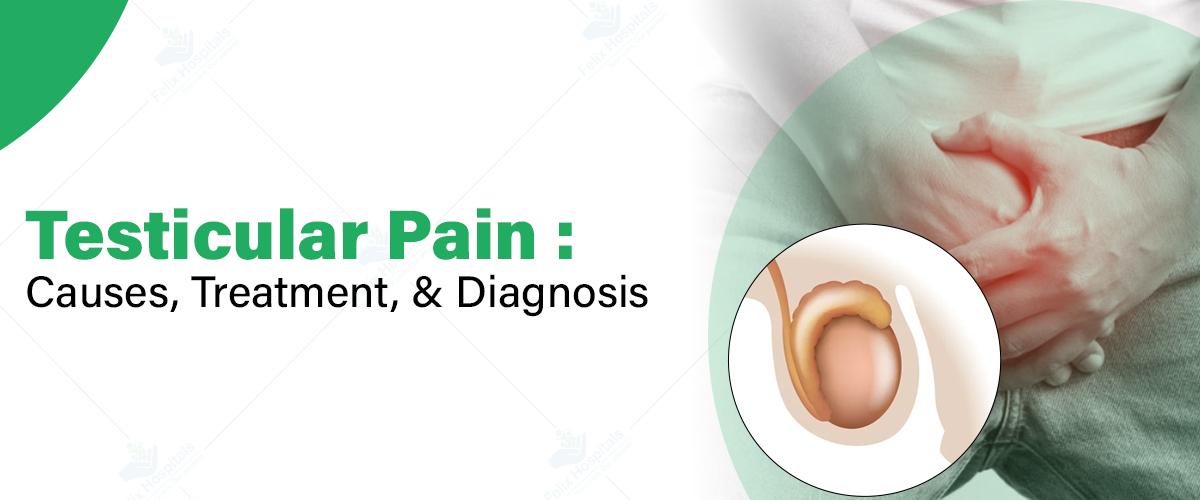
Testicular pain is a condition that can cause significant discomfort and concern for many men. Although it’s a sensitive topic, understanding its causes, treatment options, and diagnostic processes is crucial for maintaining male reproductive health. Let’s explore the factors behind testicular pain to help you understand when to seek medical help and how to manage the condition effectively. But first, let’s understand what causes this pain and how it can impact your health.
Testicular pain refers to discomfort or pain experienced in one or both testicles. The severity can vary from mild to severe and may be accompanied by symptoms such as swelling, redness, or changes in the appearance of the scrotum. Persistent or severe pain should be evaluated by a healthcare professional, as some underlying causes can be serious and require prompt treatment.
Contact us at +91 9667064100 to schedule your appointment at Noida's top hospital for effective treatment of testicular pain.
Testicular pain can originate from various sources, ranging from minor injuries to more serious health conditions. Understanding these causes is crucial for accurate diagnosis and effective treatment. Here’s a breakdown of some common causes:
1. Trauma or Injury
Physical trauma to the testicles or scrotum is a frequent cause of acute pain. This can occur due to:
Even minor impacts can result in significant discomfort due to the sensitivity of the testicular area.
2. Epididymitis
Epididymitis involves inflammation of the epididymis, the coiled tube at the back of the testicle that stores and carries sperm. It is often caused by bacterial infections and may present with:
3. Orchitis
Orchitis is the inflammation of one or both testicles, commonly due to viral or bacterial infections. It can occur alongside epididymitis (epididymo-orchitis) and may lead to:
4. Testicular Torsion
Testicular torsion is a medical emergency where the spermatic cord becomes twisted, cutting off blood flow to the testicle. It’s symptoms may include:
Immediate medical intervention is necessary to prevent loss of the testicle.
5. Varicocele
A varicocele Treatment In Noida is an enlargement of the veins that drain the testicle, similar to varicose veins. It can cause:
6. Inguinal Hernia
An inguinal hernia occurs when part of the intestine protrudes through a weak spot in the abdominal wall into the scrotum. This can lead to:
7. Kidney Stones
Although kidney stones are not directly related to the testicles, they can cause referred pain in the testicular area. This pain is often accompanied by:
8. Infections
Various infections can lead to testicular pain, including:
9. Testicular Cancer
Though rare, testicular cancer is a serious condition, particularly in younger men. It may present as:
Accurately diagnosing testicular pain is crucial for effective treatment, and seeking care at the best urology hospital in Noida can ensure a comprehensive evaluation. The diagnostic process generally involves several key steps to identify the underlying cause and guide appropriate treatment.
1. Medical History
To start, your doctor will gather a detailed medical history. This includes questions about the nature, onset, and duration of the pain, any recent injuries or infections, your sexual history, and other associated symptoms. Understanding these factors helps in identifying the underlying cause of the pain.
2. Physical Examination
A thorough physical examination follows, where the doctor inspects the scrotum for any signs of swelling, redness, or lumps. They will palpate the testicles and surrounding areas to check for tenderness or abnormalities and assess the abdomen and groin for any additional issues that might be contributing to the pain.
3. Urinalysis
A urinalysis is conducted to detect potential issues in the urinary system. This test can reveal signs of infection, the presence of blood, and other abnormalities in the urine that could be related to the testicular pain.
4. Blood Tests
Blood tests are often performed to look for indicators of infection, such as an elevated white blood cell count, and to check for tumor markers if there is a suspicion of testicular cancer. These tests provide important information that aids in diagnosing the cause of the pain.
5. Imaging Studies
Imaging studies are used to get a clearer view of the internal structures. An ultrasound is the primary method for obtaining detailed images of the testicles and surrounding areas. A CT scan may be used to examine the abdomen or pelvis if related issues are suspected. Occasionally, an MRI is used for more detailed imaging when necessary.
6. Surgical Exploration
In emergencies, such as suspected testicular torsion, immediate surgical exploration might be required. This procedure allows for both diagnosis and treatment, helping to address any urgent issues that could lead to serious complications if not managed promptly.
Testicular pain can arise from various causes, ranging from minor issues to serious medical conditions. Effective treatment depends on accurately diagnosing the underlying cause. Here’s an overview of the common treatment approaches for managing testicular pain, tailored to different causes and conditions.
1. Pain Management
To manage testicular pain, use over-the-counter pain relievers like ibuprofen or acetaminophen. Apply cold or warm compresses for temporary relief and wear supportive underwear to reduce discomfort and provide stability.
2. Antibiotics
For bacterial infections such as epididymitis or orchitis, antibiotics are prescribed to eliminate the infection and relieve pain. Adhering to the prescribed regimen is crucial for effective treatment.
3. Antiviral Medications
In cases of viral infections like mumps-related orchitis, antiviral medications help manage symptoms and reduce inflammation, aiding in recovery and pain relief.
4. Surgery
Surgery may be needed for conditions like testicular torsion, large hydroceles, or severe varicoceles. Emergency surgery is critical for testicular torsion to restore blood flow and prevent complications.
5. Cancer Treatment
If diagnosed with testicular cancer, treatment may include surgery (orchiectomy), chemotherapy, and radiation therapy to remove cancerous cells and manage pain.
6. Lifestyle Modifications
To manage symptoms, wear supportive underwear, avoid heavy lifting, and practice safe sex. These adjustments can help alleviate pain and prevent further issues.
7. Follow-up Care
Regular follow-up appointments are essential to monitor progress, adjust treatments, and address any new or persistent symptoms, ensuring effective management of the condition.
While some causes of testicular pain may resolve independently, you should seek medical help if you experience:
Although not all causes of testicular pain are preventable, you can reduce the risk by:
Explore the expertise of best urologists in Noida Renowned for their advanced skills in diagnosing and treating testicular pain. These specialists offer comprehensive care tailored to the specific needs of each patient.
Dr. Bhanwar Lal Barkesiya, MBBS, MS, FMAS, and MCH (Urology) (Gold Medalist), boasts over 9 years of specialized experience in managing testicular pain and related conditions. His proficiency includes a range of procedures such as URSL, PCNL, and ureterolithotomy, as well as advanced techniques like robotic-assisted surgeries. Dr. Barkesiya is known for his thorough approach to diagnosing and treating various urological issues, ensuring exceptional care.
Dr. Sachin Khandelwal, MBBS, MS (Gen Surg), MS (Urology), is a distinguished urologist with more than 12 years of experience in addressing testicular pain and other urological conditions. His expertise extends to managing kidney blockages, bladder issues, urinary tract infections, and performing both laparoscopic and open surgeries. Dr. Khandelwal is also well-versed in renal transplantation and endourology, providing comprehensive solutions for complex urological concerns.
Experiencing testicular pain and seeking top-notch care? Call +91 9667064100 to consult with the leading urologists in Noida.
Testicular pain can result from a range of issues, from minor injuries to serious conditions. Understanding the symptoms, causes, and available treatments is key to managing testicular health effectively. Although discussing testicular pain may be uncomfortable, prompt medical attention is crucial for preventing complications and ensuring optimal outcomes. By staying informed and proactive, men can address testicular pain, maintain reproductive health, and achieve peace of mind.
1.) Can testicular pain be a sign of a serious condition?
Yes, testicular pain can indicate serious conditions like testicular torsion, infections, or tumors. It's crucial to consult a healthcare provider for a proper diagnosis and treatment to rule out any severe underlying issues.
2.) Are there any at-home remedies for relieving testicular pain?
At-home remedies include applying ice packs, wearing supportive underwear, and avoiding activities that aggravate the pain. However, these methods are not a substitute for medical evaluation, especially if the pain persists or worsens.
3.) Can testicular pain affect fertility?
Testicular pain itself might not directly affect fertility, but underlying conditions causing the pain, such as infections or varicoceles, can potentially impact sperm production or function. Addressing the root cause with a healthcare provider is essential for preserving fertility.
4.) Are there any lifestyle changes that can help manage testicular pain?
Lifestyle changes include wearing supportive underwear, avoiding prolonged sitting, and managing stress. Regular exercise and maintaining a healthy weight can also help. However, these adjustments should complement, not replace, professional medical treatment.
5.) Can testicular pain be a symptom of a hernia?
Yes, testicular pain can be a symptom of an inguinal hernia, where abdominal tissue pushes into the groin area. This condition can cause discomfort in the testicles and requires medical evaluation for appropriate treatment and management.
In the realm of modern medicine, radiodiagnosis plays a pivotal role in the accurate detection, diagnosis, and monitoring of various medical conditions. As medical technology continues to advance, the importance of high-quality radiodiagnosis services has never been greater. This guide explores the key aspects of top-quality radiodiagnosis services, highlighting what patients should look for to ensure they receive the best possible care at the Best Radiodiagnosis Services Hospital.
Schedule your consultation today to benefit from advanced imaging technologies and expert interpretations that ensure accurate and timely diagnosis. Call Now - +91 9667064100.
Radiodiagnosis, often referred to as diagnostic imaging, encompasses a range of techniques that utilize various forms of energy, such as X-rays, sound waves, magnetic fields, and radioactive substances, to create images of the body’s internal structures. These images are crucial for diagnosing diseases, guiding treatment plans, and monitoring the progress of medical interventions.
Radiodiagnosis services are essential for early detection of conditions such as cancer, cardiovascular diseases, neurological disorders, and musculoskeletal problems. By providing detailed and precise images, these services enable healthcare providers to make informed decisions, leading to better patient outcomes.
1. Advanced Technology: The cornerstone of any top-tier radiodiagnosis service is the use of state-of-the-art imaging technology. This includes high-resolution CT (Computed Tomography) scanners, MRI (Magnetic Resonance Imaging) machines, digital X-rays, and ultrasound equipment. The latest advancements in these technologies allow for faster, clearer, and more accurate imaging, reducing the need for repeat scans and ensuring timely diagnosis.
2. Expert Radiologists: A critical factor in the quality of radiodiagnosis services is the expertise of the radiologists interpreting the images. Radiologists are medical doctors specialized in diagnosing and treating conditions using medical imaging. The best services are staffed by experienced radiologists who are not only skilled in interpreting a wide range of imaging modalities but also collaborate closely with other medical specialists to provide comprehensive patient care.
3. Comprehensive Imaging Services: Leading radio diagnosis centers offer a full spectrum of imaging services, ensuring that patients have access to the most appropriate diagnostic tools for their specific needs. These services typically include:
4. Patient-Centered Care: High-quality Radiodiagnosis Services prioritize patient comfort and convenience. This includes offering flexible scheduling, minimizing wait times, and providing clear communication throughout the imaging process. Additionally, the best centers employ advanced techniques that reduce patient exposure to radiation while maintaining image quality.
5. Accurate and Timely Reporting: The speed and accuracy of image interpretation are critical in ensuring that patients receive timely diagnosis and appropriate treatment. Leading radiodiagnosis services utilize digital platforms that allow for rapid image processing and sharing, enabling healthcare providers to make swift and informed decisions.
6. Collaborative Approach: Top radiodiagnosis services emphasize a collaborative approach to patient care. Radiologists work closely with referring physicians, surgeons, and other healthcare professionals to ensure that imaging results are seamlessly integrated into the overall treatment plan. This multidisciplinary approach not only enhances the effectiveness of patient care but also supports better health outcomes while considering factors such as the radiodiagnosis services treatment cost, ensuring that patients receive comprehensive and cost-effective care.
When selecting a radio diagnosis service, patients should consider several factors:
Dr. Pulkit Soni is a distinguished Radiologist with over 5 years of experience, bringing a robust clinical background and advanced expertise in Radiodiagnosis. His proficiency in utilizing Healthcare Artificial Intelligence significantly enhances diagnostic accuracy and improves patient outcomes, making him a key asset to our team.
Visit our website [email protected] for more information on our services and how we can support your health journey.
Radiodiagnosis services are a cornerstone of modern healthcare, providing essential insights that guide the diagnosis and treatment of a wide range of medical conditions. By choosing a radiodiagnosis service that offers advanced technology, expert radiologists in Noida, comprehensive imaging options, and a patient-centered approach, individuals can ensure they receive the best possible diagnostic care. As medical technology continues to evolve, the role of high-quality Radiodiagnosis Services will only become more vital in supporting effective and timely healthcare.
1. What are the different types of radiodiagnosis services?
Radiodiagnosis services encompass a variety of imaging techniques used to visualize the internal structures of the body. Key types include X-rays, computed tomography (CT) scans, magnetic resonance imaging (MRI), ultrasound, and nuclear medicine scans such as positron emission tomography (PET) scans and single-photon emission computed tomography (SPECT).
2. What does radiodiagnosis involve?
Radiodiagnosis involves using imaging technologies to capture detailed images of the body's internal structures. These images help diagnose diseases, monitor the progression of conditions, and evaluate the effectiveness of treatments. The process typically includes capturing the images, interpreting them, and integrating the findings with clinical information to guide patient care.
3. How does radiology differ from radiodiagnosis?
Radiology is the broader medical field that encompasses the use of imaging technologies to diagnose and treat diseases. Radiodiagnosis, a subset of radiology, specifically focuses on the diagnostic aspect of imaging. While radiology includes both diagnostic and interventional procedures, radiodiagnosis is concerned primarily with interpreting images to diagnose medical conditions.
4. What is the role of radiodiagnosis in healthcare?
Radiodiagnosis plays a crucial role in healthcare by providing essential information for diagnosing diseases, planning treatments, and monitoring the effectiveness of therapies. It helps in early detection of conditions, accurate assessment of disease extent, and guiding therapeutic interventions, ultimately contributing to improved patient outcomes.
5. What functions does diagnostic radiology serve?
Diagnostic radiology serves several functions, including detecting and diagnosing diseases, evaluating the severity and progression of conditions, guiding treatment plans, monitoring patient responses to treatments, and aiding in surgical planning. It provides critical insights that assist healthcare providers in making informed medical decisions.
6. What is the purpose of radiology treatment?
The purpose of radiology treatment is to utilize imaging techniques to identify and monitor medical conditions. This includes diagnosing diseases, evaluating the extent of injuries or illnesses, and assessing the effectiveness of ongoing treatments. Radiology treatments aim to improve patient care by providing detailed and accurate internal views of the body.
7. Why do patients undergo radiological examinations?
Patients undergo radiological examinations to obtain detailed images of their internal organs and tissues. These images help in diagnosing medical conditions, assessing the severity of diseases, planning and monitoring treatments, and guiding surgical procedures. Radiological examinations are essential for accurate diagnosis and effective management of various health issues.
Radiology is a vital medical field that helps doctors diagnose and treat diseases using advanced imaging techniques like X-rays, CT scans, MRI, and ultrasound.
Interventional radiology (IR) is a medical specialty that uses imaging guidance (such as X-ray, CT scan, ultrasound, or MRI).
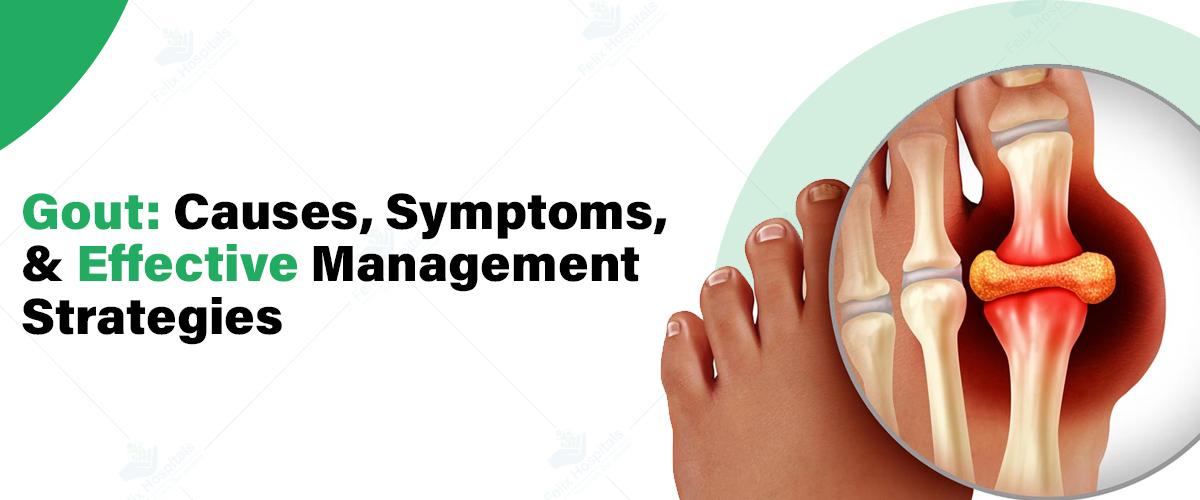
Gout is a form of inflammatory arthritis that has troubled individuals for centuries, marked by sudden, severe joint pain, swelling, and redness, typically affecting the big toe. Once thought to be a disease of the affluent due to its link with a rich diet, gout now affects people from all backgrounds.
For those seeking comprehensive management and treatment, consulting specialists at the best rheumatology hospital can provide valuable insights and effective strategies to control this debilitating condition. Let’s explore the causes, symptoms, and management techniques for gout, empowering you with the knowledge to take control of your health.
Click here or call +91 9667064100 and get expert help with your gout for a pain-free tomorrow!
Gout is caused by the buildup of uric acid crystals in the joints, which triggers an inflammatory response. Uric acid is a byproduct of the breakdown of purines, which are found in various foods and are also produced naturally by the body.
When the body produces too much uric acid or is unable to efficiently remove it, the excess uric acid can crystallize and accumulate in the joints, leading to the development of gout.
Gout is caused by the accumulation of urate crystals in the joints, which leads to intense pain and inflammation. This happens when there are high levels of uric acid in the blood, a condition often linked to the following factors:
Purine Metabolism: Uric acid is produced when your body breaks down purine which is a substance found both naturally in your body and in certain foods. High purine levels from red meat, and some seafood can lead to elevated uric acid levels.
Diet: Foods rich in purines and beverages like beer and sugary drinks can increase uric acid levels. Consuming these in excess contributes to higher uric acid concentrations in the blood.
Kidney Function: Normally, uric acid dissolves in the blood and is excreted through the kidneys into the urine. However, if the kidneys do not excrete enough uric acid or if the body produces too much, uric acid can accumulate.
Genetics and Health Conditions: Genetic factors and certain health conditions, such as obesity, high blood pressure, and kidney disease, can also play a role in increasing uric acid levels or affecting its elimination.
Dehydration: Inadequate fluid intake can lead to higher uric acid concentrations, as it reduces the amount of uric acid that is excreted through the urine.
When uric acid levels are too high, urate crystals can form in the joints or surrounding tissues, causing the characteristic pain, inflammation, and swelling associated with gout.
The hallmark symptom of gout is a sudden, severe, and often excruciating joint pain, typically affecting the big toe. However, gout can also occur in other joints, such as the ankles, heels, knees, and wrists.
Other common symptoms of gout include:
Intense joint swelling and inflammation
Redness and warmth in the affected joint
Decreased range of motion and difficulty moving the joint
Fever and chills in some cases
Gout attacks can occur suddenly, often waking individuals from sleep, and can last for several days to weeks if left untreated.
Diagnosing gout involves several key steps to ensure an accurate assessment:
Medical History and Physical Examination: Your healthcare provider will begin by discussing your symptoms, reviewing your medical history, and inquiring about your dietary habits. This helps to understand the context of your condition and any potential contributing factors.
Joint Fluid Analysis: To confirm gout, a small sample of fluid may be extracted from the affected joint using a needle. This fluid is then examined under a microscope to identify the presence of uric acid crystals, which are indicative of gout.
Blood Tests: A blood test measures the level of uric acid in your bloodstream. Elevated levels of uric acid can support the diagnosis of gout, though it’s important to note that high uric acid levels alone do not confirm gout, as they can be present without symptoms.
Imaging Tests: X-rays, ultrasound, or other imaging techniques may be used to rule out other potential causes of joint pain and inflammation. These tests can help visualize the extent of joint damage and support the gout diagnosis by showing characteristic changes in the joint.
An accurate diagnosis is essential because gout can be mistaken for other forms of arthritis or joint disorders. Proper diagnosis ensures that the appropriate treatment plan is developed for effective management of the condition.
Effective management of gout involves a combination of lifestyle modifications, medication, and ongoing monitoring. The primary goals of gout management are to:
Relieve the acute symptoms of a gout attack
Prevent future gout attacks
Reduce the risk of complications, such as joint damage or kidney stones
Gout can be managed through the following approaches:
Dietary changes: Limiting the intake of purine-rich foods, such as red meat, seafood, and sugary beverages, can help lower uric acid levels.
Hydration: Drinking plenty of water and other fluids can help flush out excess uric acid from the body.
Weight management: Maintaining a healthy weight can reduce the risk of gout by lowering uric acid levels.
Exercise: Regular physical activity can help improve overall health and reduce the risk of gout.
Anti-inflammatory drugs: Nonsteroidal anti-inflammatory drugs (NSAIDs), such as ibuprofen or naproxen, can help reduce inflammation and relieve the pain of a gout attack.
Corticosteroids: Oral or injectable corticosteroids may be used to quickly reduce inflammation and pain during a gout flare-up.
Uric acid-lowering medications: Drugs like allopurinol or febuxostat can help lower uric acid levels and prevent future gout attacks.
Uricosuric medications: These medications, such as probenecid, work by increasing the excretion of uric acid from the body.
It is important to work closely with your healthcare provider to determine the most appropriate medication regimen for your individual needs and to monitor for any side effects.
Regular check-ups with your healthcare provider are crucial for managing gout effectively.
This may include:
Periodic blood tests to monitor uric acid levels
Discussions about dietary and lifestyle modifications
Adjustments to medication dosages or regimens as needed
Monitoring for any potential complications, such as kidney stones or joint damage
By taking a proactive and comprehensive approach to gout management, individuals can significantly reduce the frequency and severity of gout attacks, minimize the risk of complications, and improve their overall quality of life.
In addition to the management strategies mentioned above, there are several steps individuals can take to help prevent future gout attacks:
Maintain a healthy body weight: Excess weight, especially around the midsection, can increase the risk of gout.
Limit intake of high-purine foods: Avoid or limit consumption of red meat, seafood, and sugary beverages.
Stay hydrated: Drink plenty of water and other fluids throughout the day.
Manage underlying medical conditions: Conditions like diabetes, high blood pressure, and kidney disease can increase the risk of gout, so it's important to keep them under control.
Avoid sudden changes in diet or alcohol consumption: Drastic changes can trigger a gout attack.
By implementing these preventive measures, individuals with gout can take an active role in managing their condition and reducing the frequency and severity of future attacks.
Dr. Kiran Seth is a highly experienced Rheumatologist with over 15 years of expertise in treating and managing various rheumatic conditions, including Gout. She specializes in Immunotherapy, using biologics for complex autoimmune diseases like Rheumatoid Arthritis and Systemic Lupus Erythematosus (SLE). Dr. Seth is well-known for her skill in treating musculoskeletal diseases and other conditions such as Osteoarthritis, Osteoporosis, and Ankylosing Spondylitis. Her comprehensive approach and patient-centered care make her a trusted specialist in the field of Rheumatology.
Gout is a complex and often debilitating condition, but with proper management and a proactive approach, individuals can take control of their symptoms and reduce the risk of complications. By understanding the underlying causes, recognizing the symptoms, and implementing effective management strategies, those living with gout can enjoy a better quality of life and minimize the impact of this chronic condition.
If you or a loved one are experiencing symptoms of gout, it’s essential to consult with a healthcare provider or the Best Rheumatologists in Noida who can provide an accurate diagnosis and develop a personalized treatment plan. With the right support and guidance, individuals with gout can live fuller, more active lives.
Struggling with gout and need professional help? Contact us at +91 9667064100 for the best gout treatment in Noida.
Q1. Are gout and arthritis the same?
Ans. No, gout and arthritis are not the same. Gout is a specific type of arthritis caused by uric acid crystals in the joints, while arthritis is a general term for inflammation of the joints that includes various conditions such as osteoarthritis and rheumatoid arthritis.
Q2. Is gout a lifelong condition?
Ans. Gout can be a lifelong condition, but it can be managed effectively with treatment. With proper medication and lifestyle changes, individuals can control symptoms, prevent flare-ups, and maintain a good quality of life.
Q3. What foods should you avoid if you have gout?
Ans. If you have gout, avoid foods high in purines, such as red meat, organ meats, shellfish, and sugary beverages. Also, limit alcohol and foods rich in fructose, as these can increase uric acid levels and trigger gout attacks.
Q4. How is gout diagnosed?
Ans. Gout is diagnosed through a combination of methods, including a physical examination, blood tests to check uric acid levels, and analysis of joint fluid for uric acid crystals. Sometimes, imaging tests like X-rays or ultrasound may be used to assess joint damage.
Q5. What are the four stages of gout?
Ans. The four stages of gout are: 1) Asymptomatic hyperuricemia, where high uric acid levels occur without symptoms; 2) Acute gout, characterized by sudden and severe pain; 3) Intercritical gout, a symptom-free period between attacks; and 4) Chronic tophaceous gout, where persistent symptoms and joint damage occur.
Q6. Can drinking water help flush out uric acid?
Ans. Yes, drinking plenty of water can help flush out uric acid from the body. Staying hydrated supports kidney function, which aids in the excretion of uric acid, potentially reducing the risk of gout attacks.
Q7. How can you lower uric acid in three days?
Ans. To lower uric acid levels quickly, stay well-hydrated, avoid high-purine foods, and consider taking prescribed medications or over-the-counter remedies as directed by your healthcare provider. A temporary reduction in uric acid levels can help manage symptoms more effectively.

Knock knees, medically known as genu valgum, is a common condition in young children where the knees angle inward and touch one another when the legs are straightened.
Knock knee surgery, or genu valgum correction, is a surgical procedure aimed at correcting the alignment of the knees in individuals with knock knees. This condition, where the knees angle inward and touch each other when the legs are straightened, can lead to pain, difficulty walking, and other complications. In this blog, we will explore the cost of knock knee surgery, highlight factors affecting the cost, and offer tips to manage and potentially reduce expenses.
Call +91 9667064100 now for a quick cost estimate on knock knee surgery.
Knock knee surgery is designed to correct the alignment of the knees by adjusting the bone structure. This can involve various surgical techniques, such as osteotomy or guided growth surgery, to realign the bones and improve function. The goal is to alleviate symptoms, improve mobility, and enhance overall quality of life. It's crucial to choose a skilled orthopedic surgeon and facility for optimal results.
The cost of knock knee surgery in Noida can vary based on the complexity of the procedure, hospital, and other factors. Here’s a breakdown of typical costs:
| Minimum Cost | ₹1,00,000 approx |
| Average Cost | ₹2,20,000 approx |
| Maximum Cost | ₹1,40,000 approx |
Felix Hospital offers the most cost-effective and economically viable options for undergoing knock knee surgery in Noida.
| Minimum Cost | ₹ 70,000 approx |
| Average Cost | ₹ 2, 00,000 approx |
| Maximum Cost | ₹1,40,000 approx |
Several factors can influence the total cost of knock knee surgery:
Hospital and Surgeon Fees
Hospital Choice: Select an arthritis hospital with a reputation for quality care and reasonable pricing.
Surgeon’s Expertise: Experienced surgeons may charge higher fees but often provide better outcomes.
Pre-Operative Costs
Consultations: Initial consultations with orthopedic specialists and follow-up visits.
Diagnostic Tests: X-rays, MRI scans, and other imaging studies to assess the severity of the condition.
Surgical Costs
Procedure Type: The cost may vary based on the complexity of the surgery, such as osteotomy or other techniques.
Duration of Hospital Stay: Longer hospital stays will increase the overall cost.
Managing and potentially reducing the cost of knock knee surgery can be achieved through careful planning:
Choose the Right Hospital and Surgeon
Research Options: Look for hospitals known for their expertise in orthopedic surgery and reasonable pricing.
Select an Experienced Surgeon: Choose a surgeon with a proven track record in knock knee correction.
Insurance Coverage
Review Your Policy: Check if your health insurance covers part or all of the surgical costs.
Pre-Authorization: Obtain pre-authorization from your insurance company to confirm coverage.
Consider Financing Options
Payment Plans: Discuss with the hospital about payment plans or financing options that can make the surgery more affordable.
1. Expert Orthopedic Surgeons: Felix Hospital boasts a team of highly skilled and experienced orthopedic surgeons who specialize in a wide range of orthopedic conditions and surgeries, ensuring the best possible outcomes for patients.
2. Comprehensive Care: From diagnosis to post-surgery rehabilitation, Felix Hospital offers a full spectrum of orthopedic services under one roof, providing seamless and coordinated care.
3. Advanced Technology: Equipped with state-of-the-art technology and cutting-edge equipment, our orthopedic department ensures precise diagnostics and effective treatment options, including minimally invasive surgeries.
4. Personalized Treatment Plans: Understanding that every patient is unique, we create customized treatment plans tailored to individual needs, whether it's for sports injuries, joint replacement, or spine disorders.
5. Multidisciplinary Approach: Our orthopedic team works closely with other specialists, including physiotherapists and pain management experts, to provide holistic care that promotes faster recovery and long-term health.
By choosing Felix Hospital for your orthopedic needs, you're opting for a trusted partner dedicated to restoring your mobility and improving your quality of life.
Dr. Keshav Goel is a leading expert in managing sports injuries and intricate fracture repairs. His profound knowledge of the unique needs of athletes and active individuals allows him to design customized treatment plans that facilitate a safe and timely return to their activities and sports.
Dr. Binay Kumar Sahu is a highly regarded orthopedic surgeon, specializing in joint replacement and minimally invasive surgery.
For further queries, simply click here or call +91 9667064100.
Understanding the costs associated with knock knee surgery is crucial for effective planning. In Noida, surgical costs range from INR 70,000 to INR 3,00,000, depending on various factors. By selecting the right orthopedic hospital in Noida, reviewing insurance options, and considering financing, you can manage and potentially reduce these expenses.
Q1. Can knock knees be corrected with surgery?
Ans. Yes, knock knees (genu valgum) can be corrected with surgery, particularly in severe cases or when the condition causes pain or difficulty in walking. The most common surgical procedure for correcting knock knees is osteotomy, where the bones are realigned to improve leg function and appearance.
Q2. How long is the recovery from knock knee surgery?
Ans. Recovery from knock knee surgery can take several months. Patients typically spend a few days in the hospital, followed by several weeks of limited activity. Full recovery, including the ability to return to normal activities, may take 3 to 6 months, depending on the individual and the extent of the surgery.
Q3. Is knock knee surgery worth it?
Ans. Knock knee surgery is generally considered worth it for individuals experiencing significant pain, mobility issues, or complications from the condition. It can greatly improve the quality of life, correct leg alignment, reduce pain, and prevent further joint problems.
Q4. How much does knock knee surgery cost?
Ans. The cost of knock knee surgery can vary widely depending on the location, hospital, surgeon, and complexity of the procedure. In India, the cost can range from ₹1,50,000 to ₹4,00,000 per leg, depending on various factors.
Q5. Can I fix knock knees without surgery?
Ans. Mild cases of knock knees in children often correct themselves as they grow. For adults or severe cases, non-surgical options like physical therapy, braces, and orthotic devices may help manage symptoms, but they typically cannot fully correct the condition.
Q6. What is the cost of knock knee surgery in India?
Ans. The cost of knock knee surgery in India typically ranges from ₹1,50,000 to ₹4,00,000 per leg, depending on the hospital, surgeon, and complexity of the surgery.
Q7. Is it okay to live with knock knees?
Ans. Many people with mild knock knees live normal lives without any issues. However, severe cases can lead to pain, difficulty walking, and joint problems, which may require medical intervention.
Q8. Is knock knee surgery painful?
Ans. Knock knees can be painful, especially if the condition is severe or leads to other joint issues like osteoarthritis. The misalignment can put extra stress on the knees, leading to discomfort and pain over time.
Knock knees, medically known as genu valgum, is a common condition in young children where the knees angle inward and touch one another when the legs are straightened.


Subscribe to our
© Copyright 2026. All Rights Reserved by Felix Healthcare Private Limited
Design and development by :


 +(91)9667064100
 Emergency : +(91)9667064100