 WhatsApp
 Emergency:
  WhatsApp












Subscribe to our

Felix Hospital has proudly expanded its services to Greater Noida, continuing its legacy of providing top-notch medical care and compassionate service. With a patient-centered approach at its core, Felix Hospital offers healthcare services that meet global standards. From emergency care to specialized consultations, Felix Hospital delivers exceptional medical care to the local community, ensuring that patients receive the best possible treatment and support. Visit our new branch at NH-14, C-149, 5th Cross St, Block C, Gamma 1, Greater Noida, Uttar Pradesh 201308.
To learn more about our services or to schedule an appointment, contact us directly at +91 9667064100, 7835999333/666.
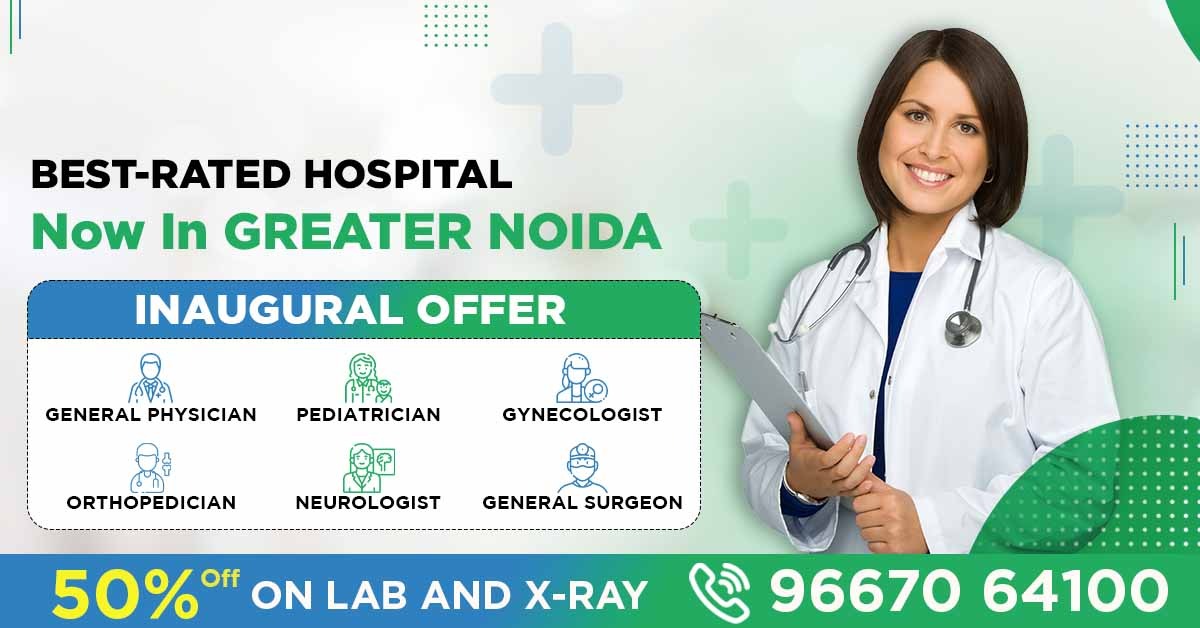
Felix Hospital is equipped to handle a wide range of medical conditions through its specialized departments, offering comprehensive care under one roof:
At Felix Hospital, our cardiology department offers specialized care for heart-related conditions. With advanced diagnostic tools and expert cardiologists, we provide treatments ranging from preventive heart care to complex procedures, ensuring that your heart health is in the best hands.
Our expert team, including Dr. Charu Yadav, Dr. Nidhi Vasade, and Dr. Sonia, offers a full spectrum of women's healthcare services, including postnatal care and specialized gynecological treatments, ensuring comprehensive wellness support for women at every stage of life.
We provide specialized pediatric care, focusing on the unique needs of children from infancy through adolescence, with expert attention for a variety of health issues from our dedicated team, including Dr. Neha Bidhuri and Dr. Vishrut.
From fractures to sports injuries, our orthopedic specialists, including Dr. Piyush Singh, Dr. Binay Sahu, Dr. Apoorva, and Dr. Keshav Goel, deliver advanced treatments for all musculoskeletal conditions, helping you recover quickly and regain mobility.
Our ENT department offers specialized care for conditions related to the ear, nose, and throat, ensuring that patients receive expert diagnosis and treatment for a wide range of issues.
We offer minimally invasive Laparoscopic Surgeries, led by experts like Dr. Kuldeep Nagar and Dr. Sudhhatam Jain, which reduce recovery time and enhance patient comfort.
Our chest specialists are trained to manage and treat a variety of respiratory and chest-related conditions, providing comprehensive care for patients with lung and respiratory issues.
Felix Hospital’s neurosciences department, with specialists like Dr. Sumit Sharma and Dr. Alok Kumar Dubey, excels in treating disorders of the brain, spine, and nervous system, providing advanced care for a range of neurological conditions.
Our gastroenterology team provides expert care for digestive system issues, offering treatments and procedures like endoscopy to address gastrointestinal conditions.
Our Eye Care Services include treatments for vision problems, cataract surgeries, and the management of other eye-related conditions, helping you see better and live healthier.
The nephrology department provides specialized care for kidney-related conditions, including chronic kidney disease, dialysis, and transplantation.
We offer advanced Urological Care for disorders affecting the urinary tract and the male reproductive system, ensuring patients receive timely and effective treatment.
From common skin issues to complex dermatological conditions, our dermatology experts provide comprehensive care and cosmetic dermatology services.
Our Physiotherapy team offers rehabilitation services to aid recovery from injuries, surgeries, and conditions affecting movement and function, helping patients regain strength and mobility.
Felix Hospital offers mental health services, including therapy, counseling, and treatment for mental health disorders, ensuring emotional and psychological well-being.
Our internal medicine specialists, including Dr. Apoorva, provide holistic care for adults dealing with complex or chronic health issues, ensuring a well-rounded treatment approach.
We offer complete dental services, from routine check-ups to advanced treatments, ensuring your oral health is always in top condition.
Felix Hospital also offers alternative medical treatments through homeopathy, providing a holistic approach to wellness.
Our nutritionists offer personalized dietary plans and nutritional counseling to help you maintain optimal health and manage specific conditions.
Our oncology department provides advanced cancer care, including treatments such as chemotherapy and radiotherapy, ensuring the best outcomes for cancer patients.
Felix Hospital provides both cosmetic and reconstructive surgeries, helping patients enhance their appearance or restore function after injury or illness.
Our specialists in audiology and speech therapy provide treatment for hearing impairments and speech disorders, ensuring improved communication and hearing abilities.
We provide expert anesthesia management for a wide range of surgical procedures, ensuring patient comfort and safety.
Our vascular surgeons treat conditions related to the arteries, veins, and blood circulation, helping to restore vascular health.
Felix Hospital’s rheumatology team specializes in diagnosing and treating autoimmune diseases and musculoskeletal disorders, providing relief and long-term care.
Felix Hospital is a healthcare center equipped to provide a wide range of medical services for your needs offering top-notch amenities such, as:
We offer convenient access to our services through several polyclinics in Noida and surrounding areas:
- Sector 75, Noida
- Sector 135, Noida
- New Ashok Nagar, Delhi
We are pleased to offer our medical room services in the following areas of Noida:
Our commitment is to provide accessible and quality healthcare services close to you.
As a patient-first hospital, we are committed to offering quality medical care that not only meets but exceeds your expectations. Here’s why Felix Hospital should be your preferred choice:
At Felix Hospital, we pride ourselves on our team of highly experienced and top-rated doctors. Our specialists bring decades of expertise to ensure you receive the best possible care for all your health needs.
Quality healthcare doesn’t have to be expensive. Felix Hospital offers affordable pricing, making high-standard medical care accessible to everyone without compromising on quality.
We believe in complete transparency with our patients. With no hidden costs, you are always aware of the services you're receiving and their prices, giving you peace of mind throughout your treatment journey.
We take pride in our highly skilled medical team and advanced facilities, which contribute to a zero percent complication rate. Your safety and well-being are our top priorities.
Our hospital is equipped with state-of-the-art medical technology, ensuring accurate diagnoses, advanced treatments, and successful outcomes for all patients.
Medical emergencies can happen anytime, and we are prepared. Felix Hospital is open 24x7, ensuring that help is available when you need it most, with prompt and efficient care.
We understand the financial stress that medical care can cause. That’s why we offer a no co-payment policy and accept all types of insurance, making healthcare easier and more affordable for our patients.
Felix Hospital is proud of its high success rate, thanks to our expert doctors and cutting-edge treatments. We also offer zero waiting times, so you get treated immediately, without unnecessary delays.
At Felix Hospital, you get value for every penny spent. From diagnostics to treatments and post-care, we ensure that you receive comprehensive, high-quality care under one roof.
We maintain a hygienic, infection-free environment to ensure patient safety and reduce the
Felix Hospital is committed to delivering exceptional healthcare with a personal touch, ensuring that every patient receives the care they deserve. Call now at +91 9667064100, 7835999333/666.
Felix Hospital stands as a beacon of advanced healthcare, offering a vast array of medical services backed by cutting-edge technology and a compassionate approach to patient care. Whether you're seeking emergency treatment, specialized consultations, or routine health services, Felix Hospital in Greater Noida is dedicated to meeting your medical needs with excellence. With our expert team of professionals, state-of-the-art facilities, and patient-focused mission, we ensure a healing experience that prioritizes your well-being at every step.
Felix Hospital – Where Excellence Meets Compassion in Healthcare
1. What services does Felix Hospital offer?
Ans. Felix Hospital provides a comprehensive range of services, including emergency care, diagnostics, pharmacy, radiodiagnosis, ICU care, and specialized medical departments.
2. Is Felix Hospital available 24/7 for patient care and emergencies?
Ans. Yes, Felix Hospital provides 24/7 healthcare services, including emergency care and round-the-clock support to ensure that patients receive immediate attention whenever needed. Our dedicated medical team is always on standby to handle any urgent medical situation.
3. What are the benefits of choosing Felix Hospital?
Ans. Our state-of-the-art facilities, advanced technology, extensive range of services, and patient-centered care are among the key benefits of choosing Felix Hospital.
4. How can I schedule an appointment at Felix Hospital?
Ans. Appointments can be scheduled through our website or by contacting our appointment desk directly.
5. What is the capacity of Felix Hospital?
Ans. Felix Hospital has a 350-bed capacity and is equipped with modern amenities to provide high-quality patient care.
6. Does Felix Hospital have specialized care for newborns?
Ans. Yes, our Level 3 NICU offers specialized care for premature and critically ill newborns with advanced equipment and dedicated staff.
7. Are there any additional services available at Felix Hospital?
Ans. We offer additional services such as home care, blood bank facilities, and a canteen for patient and visitor convenience.
8. How does Felix Hospital ensure infection control in its operation theaters?
Ans. Our operation theaters are equipped with HEPA filters, separate AHUs, laminar flow, and hermetically sealed doors to maintain a high standard of infection control.

Felix Healthcare Private Limiteds main goal is to provide top-notch healthcare services to individuals of their background.

Taking care of your eyes is like ensuring the windows to your world stay clear and bright. Just as you wouldn’t ignore a crack in your window that blurs your view, delaying cataract surgery can gradually affect your vision and impact your daily life. Timely cataract surgery is crucial for maintaining clear eyesight and overall well-being, allowing you to continue enjoying life's moments without unnecessary interruptions or complications.
Need Cataract Surgery? Trust the experts for the best results. Call +91 9667064100 or click here to book your consultation today!
In a cataract operation, the surgeon replaces the cloudy lens in your eye with a clear artificial one. They make a tiny incision to take out the old lens and put in the new lens. The whole process is very quick as it just takes around 15 to 30 minutes, and it is usually done under local anesthesia, so you stay awake but don’t feel any pain. Most people start seeing better right after the surgery.
Cataract surgery is a crucial procedure for restoring vision in individuals with cataracts. When the surgery is delayed, the benefits of this effective treatment can be diminished. Timely intervention is essential not only to improve vision but also to prevent further complications. Few disadvantages of delayed cataract operation include:
Worsening Vision
As cataracts advance, they cause your vision to become increasingly cloudy, making everyday tasks like reading, driving, or recognizing faces much more challenging. This gradual decline can make it difficult to maintain your normal routines and enjoy activities you once found easy.
Increased Risk of Complications
Waiting too long for surgery can lead to additional problems, such as inflammation in the eye or the development of other serious conditions like glaucoma. These complications can make the eventual surgery more complicated and recovery more difficult.
Reduced Quality of Life
Poor vision due to cataracts can significantly impact your ability to perform daily activities, such as cooking, shopping, or even moving around safely. This decline in vision can affect your independence and overall enjoyment of life, leading to frustration and a decreased sense of well-being.
Complicated Surgery
The longer you wait, the harder it can be for the surgeon to remove the cataract and place the new lens. This increased difficulty can raise the risk of post-surgery issues, potentially extending your recovery time and affecting the final outcome of the surgery.
Higher Risk of Falls and Accidents
Impaired vision significantly increases the likelihood of falls and other accidents, particularly among older adults. Poor eyesight makes it harder to navigate your environment safely, which can lead to injuries and additional health problems that could otherwise be avoided with timely surgery.
Opting for timely cataract surgery is a wise decision that can greatly enhance your quality of life and prevent further complications. To ensure a positive outcome, it’s crucial to choose the best cataract surgeon as he can perform the procedure with precision and care, leading to optimal results and a smoother recovery.
The best time to have cataract surgery is when cataracts start to noticeably affect your daily life and vision. Here’s when you should consider scheduling the operation:
When it’s hard to see: If cataracts are making it difficult for you to read, drive, or recognize faces, it’s a good idea to think about surgery. When your vision problems are getting in the way of everyday tasks, it's time to see a specialist.
On recommendation by your doctor: If your eye doctor observes that the cataracts are worsening and impacting your vision, they might suggest it’s time for surgery.
Prevent complications: Taking care of cataracts before they become very severe can help avoid more serious problems and make the surgery easier. Plus, addressing cataracts early can help avoid the complexities that may increase the cataract surgery treatment cost.
Impact on your life: If your vision issues are affecting your quality of life like making it harder to move around safely, enjoy activities, or interact with others, it’s worth considering surgery to improve your situation.
The best time for cataract surgery is when cataracts begin to affect your daily life and vision. Regular eye exams and noticing how your vision impacts daily activities will help you choose the right time for the procedure.
Leading experts from top rated cataract surgery hospital can offer significant relief from cataracts and ensure optimal results from the surgery. Their experience and advanced techniques can contribute to successful outcomes and a smoother recovery process.
These specialists are well-regarded for their expertise in cataract surgery, providing personalized care and precision that can greatly enhance your vision and overall quality of life.
Find out the best time for your cataract surgery with our experts. Call +91 9667064100 today!
Getting cataract surgery done on time is really important for keeping your vision clear and maintaining a good quality of life. Treating cataracts early helps prevent your eyesight from getting worse and makes the surgery easier and recovery faster. Acting promptly helps you benefit from the latest treatments and protects your vision for the long term.
1-How long does cataract surgery take?
Cataract surgery typically takes about 15 to 30 minutes. The procedure is quick and usually performed on an outpatient basis, so you can go home the same day.
2-What is the recovery time after cataract surgery?
Recovery time after cataract surgery is usually short, with most people resuming normal activities within a few days. Full healing may take a few weeks, during which you might need to use prescribed eye drops.
3-Will I need glasses after cataract surgery?
You might need glasses after cataract surgery, especially for reading or close work. However, many people experience improved vision and might require only minimal correction, depending on the type of lens used.
4-How long does it take to see results after cataract surgery?
Most people notice improved vision within a day or two after cataract surgery. Complete visual clarity and stabilization might take a few weeks as the eye fully heals.
5-Which is the best hospital in Noida for cataract surgery?
One of the top hospitals for cataract surgery in Noida is Felix Hospital. It is known for its advanced technology, experienced specialists, and excellent patient care.
6-Can cataracts come back after surgery?
Cataracts do not come back after surgery, but some patients may experience a condition called posterior capsule opacification, where the capsule behind the lens becomes cloudy. This can be treated easily with a follow-up laser procedure.
7-Who is the best cataract surgeon in Noida?
Dr. Deepanjali Arya is highly regarded as one of the best cataract surgeons in Noida. She is known for his expertise, successful outcomes, and patient-focused care.
8-How do I choose the right lens for cataract surgery?
Choosing the right lens for cataract surgery depends on your vision needs and lifestyle. Options include standard lenses or advanced types like multifocal or toric lenses. Your surgeon will help you select the best option based on your specific requirements.
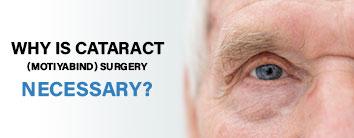
Cataract surgery is essential to restore clear vision and prevent permanent blindness. It removes the cloudy lens and replaces it with an artificial one, helping patients regain normal sight and quality of life.

Felix Healthcare Private Limited stands at the forefront of healthcare excellence in India. Established with the mission to provide top-tier medical services, Felix Healthcare has earned a reputation for offering a comprehensive range of healthcare solutions under one roof. The institution's commitment to quality patient care, advanced medical technology, and highly qualified professionals has made it a trusted name in the healthcare industry.
Ready to experience world-class healthcare? Book your appointment with Felix Healthcare today and let our experts take care of your health. Call Now at +91 9667064100.
Felix Healthcare Private Limiteds main goal is to provide top-notch healthcare services to individuals of their background. The organization is dedicated to delivering affordable care with compassion, for the patients and their loved ones at its core. Felix Healthcare is committed to enhancing healthcare results by embracing innovation, and research and upholding standards relentlessly.
Felix Healthcare stands out for its range of medical services; from regular health checkups to advanced treatments for challenging medical issues are provided by the facility in a variety of departments such as:
1. Cardiology: Felix Healthcare offers cardiology services with state-of-the-art technology to diagnose and treat heart conditions effectively. In delivering care to patients with heart issues the skilled cardiologists, at Felix Healthcare prioritize personalized treatment plans based on each patient's requirements.
2. Orthopedics: The orthopedic department at Felix Healthcare is manned by experts who offer both surgical and nonsurgical interventions, for issues related to bones, joints, and muscles. Whether it's replacements or rehabilitation services Felix Healthcare provides comprehensive orthopedic care solutions.
3. Gynecology and Obstetrics: The hospital provides a range of women's health services such as postnatal care, fertility treatments, and menopause management along with advanced gynecological surgeries. Their team is committed, to assisting women in every phase of life to maintain their reproductive and overall well-being.
4. Oncology: Felix Healthcare specializes in oncology services aimed at diagnosing and treating forms of cancer using advanced radiation therapy and chemotherapy treatments to ensure top-notch care for individuals battling cancer.
5. Neurology: Felix Healthcare specializes in the treatment of disorders such as epilepsy, stroke, Parkinson's disease, and multiple sclerosis. The hospital utilizes technology to provide accurate diagnosis and treatment options for patients, with these conditions.
6. Pediatrics and Neonatology: Felix Healthcare's pediatric unit is renowned for its notch medical services tailored to children's and infant's needs with skilled doctors specializing in pediatric care and neonatology services available on hand at the facility offering a range of healthcare options such as vaccinations and developmental check-ups while also providing treatment for common childhood ailments to guarantee the well being and security of the little ones, under their care.
7. Plastic and Reconstructive Surgery: Felix Healthcare provides a variety of reconstructive surgeries aimed at improving one's physical appearance and fixing deformities effectively and efficiently with the use of cutting-edge techniques by their experienced plastic surgery team, for natural results and quick recovery periods.
8. Psychiatry and Mental Health: Felix Healthcare understands the significance of well-being and offers a range of services for psychiatry and mental wellness needs with a dedicated team of psychiatrists and psychologists who focus on addressing conditions such as anxiety disorders and depression alongside other mental illnesses, like bipolar disorder.
Felix Healthcare proudly features a state-of-the-art center furnished with cutting-edge imaging and laboratory technology to offer a comprehensive spectrum of diagnostic services such as MRI scans and CT scans among others to efficiently identify health conditions and provide patients, with timely and precise treatments.
Felix Healthcare is known for its team of experienced and caring healthcare professionals who excel in their fields of expertise such as doctors and nurses who are dedicated to continuous learning and development to stay up-to-date with the latest medical advancements and practices.
At the Hospital Healthcare providers, from all disciplines work closely to provide comprehensive care that addresses all aspects of a patient well being leading to individualized treatment plans tailored to each patient's unique requirements.
Felix Healthcare remains at the forefront by embracing innovations in medical technology to enhance patient care effectively and efficiently The hospital's commitment to utilizing state-of-the-art equipment guarantees that patients access the most advanced treatments possible Robotic surgeries minimally invasive procedures and modern ICU amenities exemplify the institution's focus on leveraging technology, for better patient results.
Felix Healthcare prioritizes the well-being of patients above all else by adopting a patient-centric care strategy focused on communication and patient empowerment while respecting individual choices and beliefs. The hospital strives to offer a welcoming atmosphere for both patients and their loved ones throughout their healthcare journey, from the first meeting to ongoing support.
Felix Healthcare is committed to supporting the community by organizing health camps and free medical checkups as part of its social responsibility initiatives to make healthcare more accessible, to underprivileged individuals and educate the public about preventive health measures.
Felix Healthcare has received awards for its strong dedication to delivering top-notch medical care services. The hospital's accreditation by both international healthcare organizations showcases its commitment to maintaining the highest levels of quality and safety in healthcare practices. These achievements help establish its reputation as a healthcare provider, in the local area.
Felix Healthcare's impressive expansion is spearheaded by Dr. D.K. Gupta and Dr. Rashmi Gupta's visionary leadership and unwavering commitment that has turned the facility into a multi-specialty hospital in Noida. Its presence, in Noidas Sector 137 has enabled Felix Hospital to offer top-notch healthcare services in medical fields.
Felix Healthcare recently acquired Sanjeevani Hospital in Greater Noida as part of their commitment, to providing top-notch healthcare with compassion to a larger population base They are constantly raising the bar in patient care under their guidance.
As Felix Healthcare expands its services further the institution is set to stay influential in the healthcare industry. Plans involve adding medical specializations expanding facilities and incorporating digital health services. With a focus, on prioritizing patients Felix Healthcare is dedicated to meeting the changing healthcare requirements of the community.
Need specialized care for your loved ones? Felix Healthcare’s team of skilled doctors is here to provide personalized and compassionate medical services. Contact us now at +91 9667064100.
Felix Healthcare Private Limited is not a hospital but a healthcare establishment rooted in principles of excellence and empathy while promoting innovation as well. With a focus on well-being and utilizing cutting-edge technology for better care delivery and ongoing enhancement efforts to meet various healthcare requirements of patients. In its journey of growth and advancement over time Felix Healthcare stands as a symbol of optimism and recovery, for the individuals who rely on it for their well-being.
1-What services does Felix Healthcare Private Limited offer?
Felix Healthcare offers a wide range of services, including cardiology, orthopedics, gynecology and obstetrics, oncology, neurology, pediatrics, plastic surgery, and mental health care. We also provide advanced diagnostic services and laboratory facilities.
2-How do I book an appointment at Felix Healthcare?
You can book an appointment by calling our helpline at [+91 9667064100], visiting our official website https://www.felixhospital.com/, or coming to the hospital directly to schedule your consultation.
3-Is Felix Healthcare equipped with advanced medical technology?
Yes, Felix Healthcare is committed to providing cutting-edge healthcare. We utilize the latest technology for diagnostics, treatments, and surgeries, including robotic surgeries and minimally invasive procedures.
4-Does Felix Healthcare accept health insurance?
Yes, we accept most major health insurance plans. We recommend contacting our billing department or your insurance provider to confirm coverage for specific treatments.
5-Are there specialists available for pediatric and neonatal care?
Absolutely! Felix Healthcare has a team of experienced pediatricians and neonatologists who provide comprehensive care for newborns, infants, and children, including vaccinations, growth assessments, and treatment for childhood illnesses.
6-What are the visiting hours at Felix Healthcare?
Visiting hours vary by department and patient condition. For general information on visiting hours, please contact the hospital directly or check our website for the most updated information.
7-What mental health services are available at Felix Healthcare?
We offer a range of mental health services, including treatment for anxiety, depression, bipolar disorder, and more. Our team consists of expert psychiatrists and psychologists who provide compassionate and confidential care.
8-What measures does Felix Healthcare take for patient safety and hygiene?
Felix Healthcare follows strict infection control and hygiene protocols, including regular sanitization of facilities, use of protective gear by staff and patient isolation where necessary. We are fully committed to maintaining a safe environment for patients and visitors.
9-Does Felix Healthcare offer emergency care services?
Yes, Felix Healthcare provides 24/7 emergency care with specialized doctors available round-the-clock for critical situations. Our emergency department is equipped to handle medical emergencies of all types.
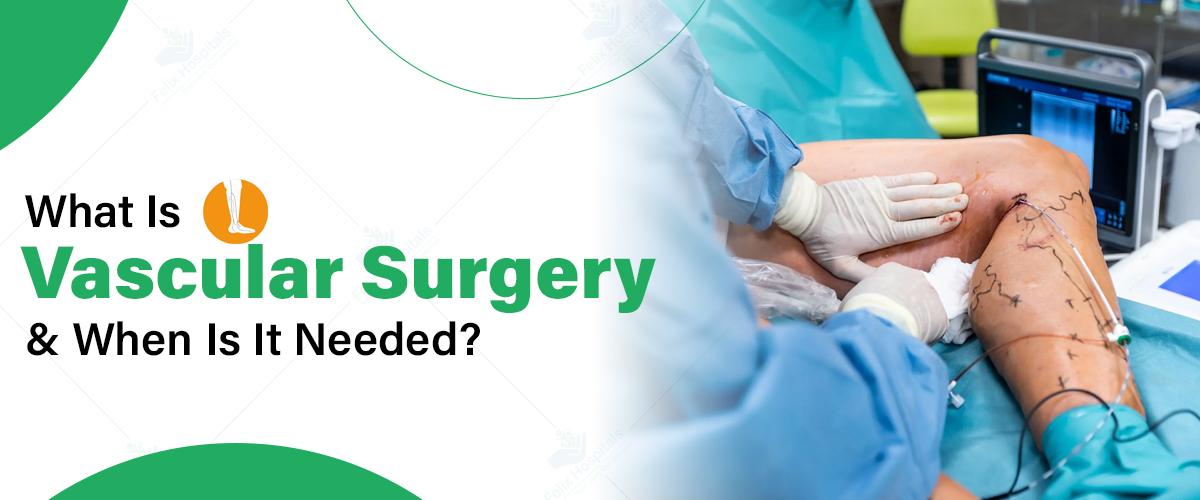
Vascular surgery is a specialized branch of surgery that focuses on the diagnosis, management, and treatment of diseases and conditions affecting the blood vessels, including arteries and veins. This field is crucial in addressing vascular conditions that may impact blood flow and, consequently, overall health. Understanding what vascular surgery entails and recognizing when it is needed can be pivotal for maintaining vascular health and preventing severe complications.
Need Expert Advice on Vascular Health? Contact Us Today to Schedule Your Vascular Surgery Consultation - +91 9667064100 .
Vascular Surgery involves surgical procedures designed to treat disorders of the vascular system. This includes the arteries, veins, and lymphatic system. The primary goal of vascular surgery is to restore normal blood flow to affected areas of the body. These procedures may be performed using open surgery techniques or minimally invasive methods, such as endovascular surgery.
1. Aneurysms: An aneurysm is an abnormal bulge in the wall of an artery caused by weakness in the arterial wall. Vascular surgery is often required to repair aneurysms, particularly if they are large or at risk of rupturing.
2. Peripheral Artery Disease (PAD): PAD occurs when the arteries that supply blood to the limbs become narrowed or blocked, leading to pain and impaired mobility. Surgical interventions may include angioplasty or bypass surgery to improve blood flow.
3. Carotid Artery Disease: This condition involves the narrowing of the carotid arteries, which supply blood to the brain. Surgery may be needed to prevent stroke by restoring adequate blood flow to the brain.
4. Varicose Veins: Varicose veins are swollen, twisted veins that can cause discomfort and aesthetic concerns. Surgical treatments, such as vein stripping or endovenous laser therapy, are available to alleviate symptoms and improve appearance.
5. Chronic Venous Insufficiency (CVI): CVI occurs when the veins in the legs cannot effectively return blood to the heart. Surgical options, including vein ablation or sclerotherapy, can help manage this condition.
6. Deep Vein Thrombosis (DVT): DVT is the formation of a blood clot in a deep vein, usually in the legs. In severe cases, surgical interventions such as thrombectomy may be necessary to remove the clot and restore normal blood flow.
The decision to proceed with vascular surgery is based on several factors, including the severity of the condition, the presence of symptoms, and the risk of complications. Vascular Surgery may be indicated in the following scenarios:
1. Significant Symptomatology: If a patient experiences severe symptoms, such as persistent pain, swelling, or ulcers in the affected area, and conservative treatments are ineffective, surgical intervention may be necessary.
2. High Risk of Complications: In cases where vascular conditions pose a significant risk of serious complications, such as stroke or limb loss, surgery may be recommended to mitigate these risks and prevent life-threatening outcomes.
3. Progressive Disease: If a vascular condition is progressing despite medical management and is expected to worsen over time, surgical options may be considered to address the underlying issue and improve long-term outcomes.
4. Failure of Non-Surgical Treatments: When non-invasive treatments, such as medication or lifestyle changes, fail to provide relief or control the condition, surgical options may be explored as a more effective solution.
5. Emergency Situations: In emergency situations, such as a ruptured aneurysm or severe clot, immediate surgical intervention may be required to address the life-threatening nature of the condition and stabilize the patient.
Your health is our priority. Let us help you take the next step toward better vascular health. Call Now for consultancy - +91 9667064100.
Vascular surgery plays a vital role in managing a range of vascular conditions that can impact overall health and quality of life. By understanding the conditions treated by vascular surgery and recognizing when surgical intervention is necessary, individuals can make informed decisions about their vascular health. If you or someone you know is experiencing symptoms or has concerns about vascular health, consulting a qualified Vascular Surgeon is essential for an accurate diagnosis and appropriate treatment plan.
By working closely with experienced vascular surgeons and following their guidance, patients can achieve positive outcomes and enjoy a better quality of life.
Vascular surgery involves surgical procedures designed to treat disorders of the vascular system.
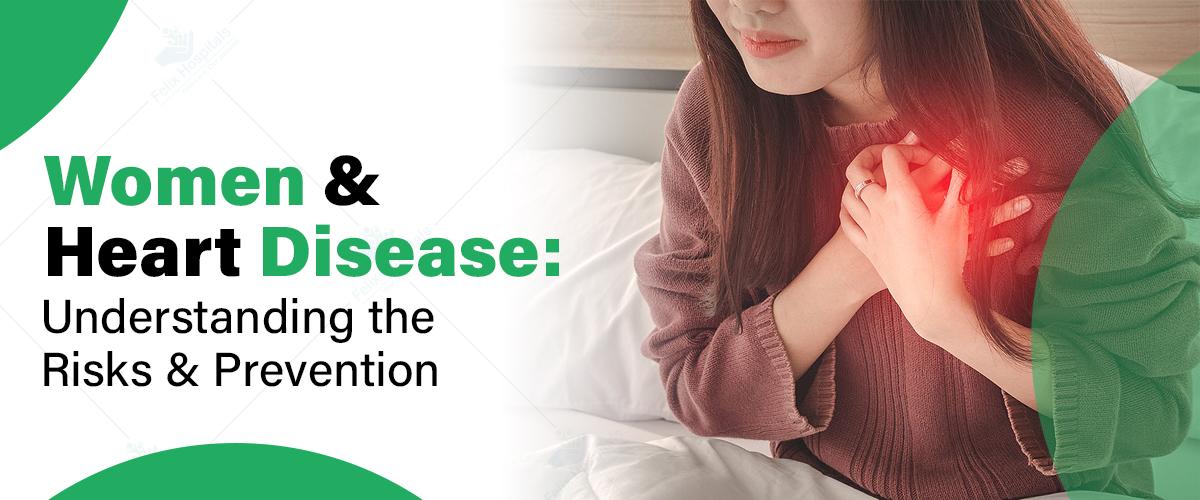
Recent studies show that cardiovascular diseases are the leading cause of death among women, accounting for 1 in 4 female deaths globally. In India, particularly within urban areas, the prevalence of heart disease has been rising. Alongside common risk factors such as stress, hypertension, diabetes, and obesity, there are also gender-specific risk factors that elevate the risk of heart disease in women. For those in Noida, timely and effective Heart Attack Treatment in Noida is crucial for managing this serious condition. Recognizing the early signs, understanding the symptoms, and knowing the different types of heart diseases are crucial for effective prevention and management.
Don’t wait to take charge of your heart health. Contact Felix Hospital in Noida for effective heart attack treatment. Schedule a comprehensive heart health check-up today. Call Now 9667064100.
Heart disease, or cardiovascular disease, encompasses a range of conditions affecting the heart. Here are some common types of heart diseases in women:
Coronary Artery Disease (CAD): CAD occurs when the arteries supplying blood to the heart muscle become blocked due to plaque buildup. It is the prevalent heart condition, among women and poses a greater risk after menopause.
Heart failure: Also known as Congestive Heart Failure or CHW in technical terms; it occurs when the heart encounters difficulty in pumping blood efficiently throughout the body. This results in fluid retention in various parts of the body including lungs and other organs leading to swelling in lower limbs, like legs and feet.
Arrhythmias: Arrhythmias are irregular heart rhythms that occurs when the heart beats quickly or too slowly leading to symptoms like palpitations, dizziness and faintness.
In addition to diabetes and unhealthy habits like smoking or high blood pressure and cholesterol levels that are known risk factors for heart disease in both men and women; there are risk factors that are unique to women.
Hormonal imbalance: Hormonal changes can affect heart health due to changes in estrogen levels that occur during menopause or, through the use of birth control methods.
Pregnancy Complications: Issues such as blood pressure disorders and gestational diabetes while pregnant may raise the chances of heart problems post childbirth for women. Those facing these challenges should stay alert about their well being, in the long run.
Polycystic Ovary Syndrome (PCOS): PCOS is a condition marked by levels of male hormones that can cause issues such as fertility problems and irregular menstrual cycles as well as weight gain and excess hair growth. It's worth mentioning that this hormonal imbalance also heightens the chances of developing heart disease.
Autoimmune disorders: Autoimmune diseases occur when the immune system attacks the body’s own healthy cells. Women are more likely than men to have autoimmune conditions due to hormonal and genetic factors. Conditions such as lupus and rheumatoid arthritis are associated with a likelihood of heart inflammation and cardiovascular issues.
Mental Health Issues: Mental health conditions such as anxiety, depression, and stress are more prevalent in women and can be exacerbated by hormonal changes, pregnancy, and menstruation. These issues can impact overall well-being and make it challenging to maintain a healthy lifestyle, thereby increasing the risk of heart disease.
Calcium deficiency: Calcium is crucial for keeping your blood pressure in check and ensuring your muscles work effectively. Low calcium levels may result in elevated blood pressure and have a detrimental impact on heart health.
It is essential to be vigilant in identifying symptoms of Heart Diseases in Women since they may exhibit unconventional signs that could hinder timely diagnosis unlike their male counterparts who typically display more obvious signs of heart disease.
Chest Pain (Angina): Women might experience a tight sensation in the chest that can spread to the back, neck, shoulders or jaw when they have chest pain (angina). This discomfort usually occurs in a resting state and is commonly brought on by stress.
Shortness of Breath: Experiencing difficulty breathing during tasks could indicate underlying heart issues.
Digestive Issues: When having a heart attack you might experience problems like nausea or vomiting in addition to the usual chest pain symptoms.
Extreme Fatigue: Women might experience a higher level of tiredness or weakness even when engaging in light physical activities which could be a symptom commonly missed that indicates an impending heart attack.
Unexplained Sweating: Excessive sweating, without a reason, should not be disregarded when accompanied by other symptoms.
Knowing about these signs can assist in getting help promptly and enhancing the outcomes of heart health.
Adopting a heart-healthy lifestyle is crucial in preventing heart disease. This includes
1-Healthy Lifestyle Choices
Eating a Balanced Diet: Maintaining a balanced diet is key to staying healthy and managing weight effectively while also keeping blood pressure and cholesterol levels in check. It's important to focus on consuming plenty of fruits and vegetables along with grains and lean proteins while limiting the intake of saturated fats, trans fats and processed sugars, for overall health benefits.
Regular Physical Activity: Incorporating physical activity into your routine is beneficial for your health and well being by aiding in weight management and enhancing cardiovascular fitness through activities, like brisk walking or cycling for at least 150 minutes each week.
Maintaining a Healthy Weight: Staying at a weight is important as it can lower the chances of heart disease, which are higher in those who are overweight or obese, by adopting a balanced diet and engaging in regular physical activity.
2-Routine Health Check-ups
Regular health check-ups are essential in detecting risk factors for heart disease early. Keeping track of blood pressure levels and checking cholesterol and blood sugar regularly can help pinpoint issues before they worsen significantly.
Moreover women who have a family history of heart disease or other risk factors should have a conversation about their risk with their healthcare provider. Adhere to the suggested screening guidelines.
Dealing with long term stress can harm the hearts well being. Coming to grips with stress through practices like mindfulness exercises or yoga as well as seeking counseling can minimize its effects on the body. It's vital to discover strategies to handle stress and prioritize relaxation and self care time.
Smoking poses a threat to heart health and is especially harmful to women's hearts as well as men's hearts too. Stopping smoking can greatly lower the chances of developing heart disease. With binge drinking. It can raise blood pressure and lead to heart issues; hence it's crucial to consume alcohol in moderation.
Women with illnesses like diabetes or hypertension must focus on effectively managing these conditions to safeguard their heart health. By adhering to prescribed medications and dietary guidelines while making necessary lifestyle adjustments can help in controlling the condition.
Reach out today to consult with our specialists and take the first step towards a healthier heart. Call us at 9667064100.
Understanding heart disease and its risk factors empowers women to take charge of their health. However, it’s also important to seek help and support from healthcare professionals. Regular consultations with a doctor can provide personalized advice and ensure that any potential issues are addressed promptly.
Women should also consider joining support groups or programs focused on heart health, as they can provide valuable information, resources, and a sense of community. This support can be especially beneficial in addressing coronary heart disease risk factors for women, offering motivation and encouragement to manage and reduce those risks effectively.
Dr. Rahul Arora, MBBS, MD, DM (Cardiology)
With over 13 years of experience, Dr. Rahul Arora specializes in minimal access cardiac surgery (MICS), showcasing his innovative approach and dedication to advanced cardiology.
Our Best Heart Surgeons in Noida are dedicated to providing exceptional heart care with their extensive experience and innovative techniques.
Heart disease is a significant concern for women, but with awareness and proactive measures, it is possible to reduce the risk and lead a heart-healthy life. By understanding the unique risks, making healthy lifestyle choices, managing chronic conditions, and seeking regular medical care, women can protect their heart health and improve their overall well-being. Prioritizing these measures enhances overall health and mitigates the risk of heart disease in women.
If you have any concerns about your heart health or risk factors for heart disease, don’t hesitate to reach out to a healthcare provider. Early intervention and a commitment to a heart-healthy lifestyle can make all the difference in maintaining a healthy heart for years to come.
1-What are the main factors that increase the risk of heart disease in women?
ANS: Common risk factors consist of hypertension, elevated cholesterol levels, diabetes, obesity, smoking, excessive alcohol intake and leading a lifestyle. Women face risks related to menopause and pregnancy like preeclampsia and autoimmune illnesses such as lupus and rheumatoid arthritis.
2-How does menopause impact the chances of heart disease in women?
ANS: After menopause occurs in women's bodies, the natural decrease in estrogen levels takes place. This leads to a chance of heart disease due to the loss of its protective effects on the heart. The combination of this factor with other risks leads to an increased susceptibility to heart issues for postmenopausal women.
3-How frequently should women have their heart health assessed?
ANS: It's important for women to get health check ups that cover blood pressure checks and tests, for cholesterol levels and blood sugar levels regularly based on their individual risk factors and overall health condition; although it's generally advised to have annual check ups as a standard practice.
4-Is it possible for women with illnesses to lower their chances of developing heart disease?
ANS: Certainly! By handling long term conditions like diabetes or hypertension through dedicated adherence to treatment plans and a healthy lifestyle, alongside regular medical check ups can notably lower the likelihood of developing heart disease.
5-How does stress affect the heart health of women?
ANS: Chronic stress can have an impact on heart health by leading to elevated blood pressure levels and promoting unhealthy dietary choices that increase the likelihood of heart disease development. Those dealing with stress can find relief through practices such as yoga sessions and meditation. Seek support from therapy to reduce these harmful effects on the heart.
6-How does a woman's family history impact her chances of developing heart disease?
ANS: If a woman has a family history of heart disease her chances of developing issues may be higher so she should pay close attention to her heart health and consider starting preventive measures or screenings earlier than usual.
Heart disease is often thought of as a condition that primarily affects men, but the truth is, women are also at significant risk. In fact, heart disease is the leading cause of death for women worldwide. Understanding the risks and taking steps for prevention can make a huge difference in women’s health outcomes. Here’s a closer look at why heart disease is such a critical issue for women and how they can take control of their heart health.
Unique Risk Factors for Women
Women face unique risk factors for heart disease that are often different from those experienced by men. For instance, hormonal changes related to menopause can affect heart health. Estrogen, a hormone that women have more of before menopause, is believed to offer some protection against heart disease. However, this protective effect diminishes after menopause, increasing women’s risk.
Additionally, conditions like polycystic ovary syndrome (PCOS) and pregnancy-related issues such as preeclampsia can elevate the risk of developing heart disease later in life. Women with a history of these conditions should be particularly vigilant about their heart health.
Symptom Differences
Women may experience different symptoms of heart disease compared to men. While chest pain is a common symptom of a heart attack for both genders, women are more likely to experience less typical symptoms, such as nausea, shortness of breath, fatigue, and back or jaw pain. These symptoms can be subtle and may not always be immediately associated with heart disease, leading to delayed diagnosis and treatment.
Impact of Other Health Conditions
Several health conditions that are more common in women can also impact heart health. For example, women are more likely to suffer from autoimmune diseases such as lupus and rheumatoid arthritis, which can increase the risk of heart disease. Additionally, conditions like diabetes can have a more significant impact on heart health in women than in men.
1-Healthy Lifestyle Choices
Adopting a heart-healthy lifestyle is crucial in preventing heart disease. This includes:
Eating a Balanced Diet: A diet rich in fruits, vegetables, whole grains, lean proteins, and healthy fats can help manage weight, reduce blood pressure, and lower cholesterol levels. Reducing intake of saturated fats, trans fats, and processed sugars is also beneficial.
Regular Physical Activity: Engaging in regular exercise, such as brisk walking, cycling, or swimming, can help maintain a healthy weight, lower blood pressure, and improve overall cardiovascular health. Aim for at least 150 minutes of moderate-intensity exercise per week.
Maintaining a Healthy Weight: Being overweight or obese increases the risk of heart disease. Maintaining a healthy weight through diet and exercise can significantly reduce this risk.
2-Regular Health Screenings
Regular health check-ups are essential in detecting risk factors for heart disease early. Women should have their blood pressure, cholesterol levels, and blood glucose levels checked regularly. These screenings can help identify potential problems before they become more serious.
Additionally, women with a family history of heart disease or other risk factors should discuss their risk with their healthcare provider and follow recommended screening guidelines.
3-Managing Stress
Chronic stress can have a negative impact on heart health. Learning to manage stress through techniques such as mindfulness, meditation, yoga, or counseling can help reduce its impact on the body. It’s important to find healthy ways to cope with stress and make time for relaxation and self-care.
4-Avoiding Tobacco and Limiting Alcohol
Smoking is a major risk factor for heart disease and has a particularly detrimental effect on women’s heart health. Quitting smoking can significantly reduce the risk of heart disease. Similarly, excessive alcohol consumption can increase blood pressure and contribute to heart problems, so it’s important to drink in moderation.
5-Managing Chronic Conditions
For women with chronic conditions such as diabetes or high blood pressure, managing these conditions effectively is crucial for heart health. This may involve taking prescribed medications, following a special diet, and making lifestyle changes to keep the condition under control.
Seeking Help and Support
Understanding heart disease and its risk factors empowers women to take charge of their health. However, it’s also important to seek help and support from healthcare professionals. Regular consultations with a doctor can provide personalized advice and ensure that any potential issues are addressed promptly.
Women should also consider joining support groups or programs focused on heart health. These can offer valuable information, resources, and a sense of community that can be motivating and encouraging.
Heart disease is a significant concern for women, but with awareness and proactive measures, it is possible to reduce the risk and lead a heart-healthy life. By understanding the unique risks, making healthy lifestyle choices, managing chronic conditions, and seeking regular medical care, women can protect their heart health and improve their overall well-being.
If you have any concerns about your heart health or risk factors for heart disease, don’t hesitate to reach out to a healthcare provider. Early intervention and a commitment to a heart-healthy lifestyle can make all the difference in maintaining a healthy heart for years to come.
Best heart hospital in Noida for bypass surgery at affordable prices with expert cardiac surgeons, advanced facilities, and quality patient care for better recovery.
हार्ट अटैक के मुख्य लक्षण, कारण और तुरंत किए जाने वाले उपचार के बारे में जानें। समय पर पहचान और सही इलाज से जीवन बचाया जा सकता है।
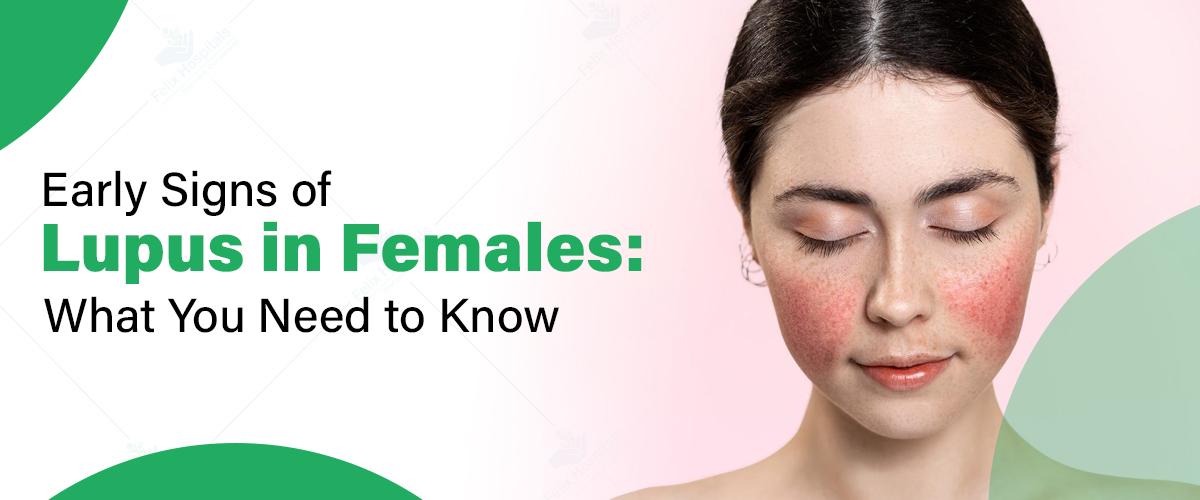
Lupus is a complex autoimmune disease that can impact various parts of the body and often manifests differently in women compared to men. Early detection and understanding of its signs are crucial for effective management and treatment. If you're experiencing unusual symptoms and are concerned about lupus, this blog will guide you through the early signs, causes, and treatment options available. For expert care and comprehensive management, consider consulting the best rheumatology hospital, where you can receive specialized advice and tailored treatment plans. Take proactive steps for your health by seeking expert guidance and ensuring the best possible care.
If you suspect you may have lupus or are experiencing any of the early signs, don’t wait. Click Here and Contact Felix Hospital today +91 9667064100.
In Lupus the immune system of the body erroneously attacks tissues causing inflammation and harm to different organs like the skin, joints, kidneys and heart. Diagnosing Lupus can be difficult due to its symptoms especially in the initial phases. Women are at a risk of developing Lupus than men with the disease frequently appearing during their reproductive years.
Autoimmune disease lupus poses a hurdle in its initial detection as it primarily impacts women and manifests diverse symptoms that differ greatly from person to person; hence recognizing these preliminary indications is vital, for prompt treatment and efficient control of the condition. Let's delve deeper into the early signs seen in women and their potential implications;
Feeling extremely tired is an early sign of lupus for many people affected by it – not just regular tiredness but a constant and sometimes very draining exhaustion that doesn't go away even with rest or sleep routines in place. A lot of women diagnosed with lupus often mention experiencing a lack of energy despite getting a night's sleep. This kind of fatigue can disrupt tasks, like work and socializing and is often difficult to cope with as it affects various aspects of life.
Joint pain without a cause is frequently an initial indicator of lupus and commonly impacts the hands, wrists and knees. This type of pain related to differs, from that caused by overuse or injury in that it can manifest without a clear trigger and may present with swelling and stiffness. It tends to be more pronounced in the morning. Its intensity can vary. For individuals this joint discomfort might be misinterpreted as early signs of arthritis hence highlighting the importance of undergoing a comprehensive medical assessment.
A common indicator of lupus in women can be seen as a butterfly shaped rash that appears over the cheeks and nose area referred to as a malar rash; nonetheless lupus can also manifest various other types of rashes that might show up on the face, neck and other areas of the body. These rashes are frequent. Aggravated by exposure to sunlight, a phenomenon known as photosensitivity. The occurrence of these skin rashes should raise concerns when they show up unexpectedly and are coupled with signs; it would be advisable to seek advice from a medical professional in such cases.
Early signs of lupus can include fevers with no clear cause that tend to be below 101°F and may occur sporadically without a specific trigger or reason being evident.
Experiencing hair thinning or significant hair loss could be a sign that lupus is starting to show its effects on the body's health and appearance. This isn't the usual shedding of hair. It can be more noticeable with patches of hair falling out or becoming sparse all over the head area. Some women might also observe their hair turning brittle or breaking easily. This loss of hair can be quite upsetting when paired with other symptoms like tiredness and joint discomfort. It could act as an indicator prompting a closer look, into potential health concerns.
A lot of women who have lupus find that their skin becomes extra sensitive to sunlight causing a condition known as photosensitivity. Being out in the sun can make their rashes flare up or get more severe especially on the face and other parts of the body exposed to sunlight. Sometimes just a short time in the sun can result in an increase in symptoms so it's really important for people with lupus to protect themselves by using sunscreen and staying out of direct sunlight during peak hours.
Another prevalent early sign of lupus is the development of sores or ulcers inside the mouth or nose that can emerge suddenly and aren't necessarily linked to conditions such as cold sores or canker sores. Despite their discomforting nature when combined with symptoms of lupus they serve as crucial indicators for the disease's presence.
Lupus is an autoimmune condition that affects various factors and mainly affects women. Although the exact cause is not fully understood yet several important factors are thought to be involved in its onset:
Family history plays a role in lupus susceptibility as genetic factors come into play with the disease's development and risk factors identified by researchers extend beyond a single gene, to a combination of genetic components that contribute to understanding the condition better given its link to autoimmune diseases.
Changes in hormones have an impact in the progression and worsening of lupus disease in women specifically because of their reproductive systems functioning and hormonal balance regulation by estrogen that can affect the immune systems modulation process in various stages like menstruation or pregnancy which may lead to flare ups or worsening of lupus symptoms, among women of reproductive age.
Environmental elements play a role in influencing the development and advancement of lupus symptoms. An individuals exposure to triggers like ultraviolet (UV) rays from the sun can contribute to flare ups of lupus manifestations. Furthermore infections and contact with substances or medications could worsen the condition or initiate its onset. Grasping these factors is crucial, for effectively managing and potentially decreasing the likelihood of lupus flare ups.
At the heart of lupus lies a faulty immune system functionality which differs from a defense mechanism against threats like bacteria and viruses present in a healthy body system However in cases of lupus the immune system goes into overdrive and mistakenly targets the body's own tissues triggering inflammation and harm across different organs such as the skin joints kidneys and heart The precise reasons behind this immune system malfunction are still being. Irregularities in immune regulation are considered a key characteristic of this condition.
Dr. Kiran Seth: With over 15 years of experience, Dr. Seth is renowned for her expertise in managing autoimmune conditions, including lupus. She is available at Felix Hospital from 9:00 AM to 11:00 AM for consultations.
Felix Hospital is dedicated to providing top-notch care for patients with lupus and other autoimmune diseases. Our rheumatology team is equipped with the latest diagnostic tools and treatment options to ensure the best outcomes. We prioritize personalized care and work closely with each patient to develop a comprehensive treatment plan tailored to their needs.
Schedule a consultation with one of our expert rheumatologists and take the first step toward a proper diagnosis and effective management. Call us on +91 9667064100.
Lupus is a complex autoimmune disease that affects women more often than men, with symptoms like fatigue, joint pain, and skin rashes. Early recognition and treatment are key to managing the disease effectively. Although the exact cause is unclear, factors like genetics, hormones, and environmental triggers contribute to its development. Consulting the Best Rheumatologists in Noida can help ensure accurate diagnosis and personalized treatment plans for better long-term management of lupus.
Q1. What are the first symptoms of lupus in females?
Ans. Early symptoms of lupus in females can include fatigue, joint pain, skin rashes, and fever.
Q2. How is lupus diagnosed?
Ans. Lupus is diagnosed through a combination of blood tests, physical examinations, and a review of medical history.
Q3. Can lupus be cured?
Ans. Currently, there is no cure for lupus. However, it can be effectively managed with medication and lifestyle modifications.
Q4. How does lupus affect women differently than men?
Ans. Lupus often presents in women during their reproductive years and may exhibit different symptom patterns compared to men, including variations in severity and type of symptoms.
Q5. What treatments are available for lupus?
Ans. Treatment for lupus includes medications to manage symptoms and inflammation, lifestyle changes, and regular monitoring by healthcare providers.
Q6. Can lupus be triggered by stress?
Ans. While stress does not directly cause lupus, it can exacerbate symptoms and contribute to flare-ups.
Q7. Are there any dietary changes that can help with lupus?
Ans. A balanced diet that includes anti-inflammatory foods may help in managing lupus symptoms and overall health.
Q8. How often should I see a rheumatologist if I have lupus?
Ans. Regular visits to a rheumatologist are recommended to monitor the condition, adjust treatment as needed, and address any concerns.
Q9. Can lupus affect pregnancy?
Ans. Lupus can complicate pregnancy, so it is crucial to work closely with a healthcare provider to manage the condition and ensure a healthy pregnancy.
Q10. How can I manage lupus symptoms day-to-day?
Ans. Managing lupus symptoms on a daily basis involves adhering to prescribed medication, making lifestyle adjustments, and employing stress management techniques.
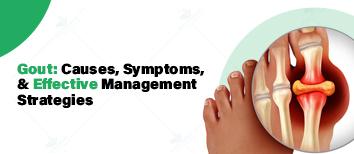
Gout is a form of arthritis caused by the buildup of uric acid crystals in the joints, leading to sudden and severe pain
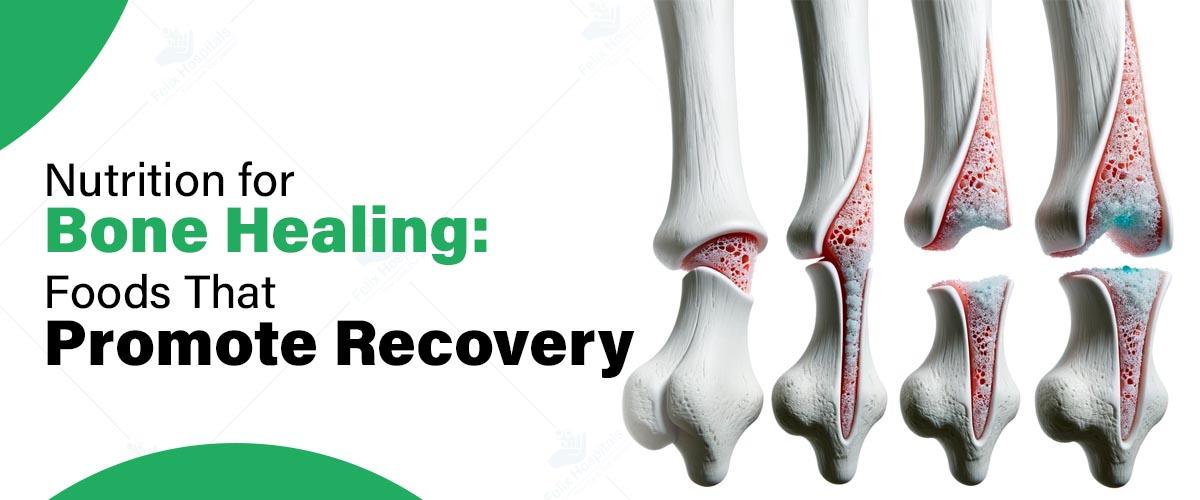
When it comes to healing bones after an injury or surgery, nutrition plays a crucial role. Proper nutrition can speed up recovery, strengthen bones, and reduce the risk of complications. In this blog, we'll explore the foods that promote bone healing and how they can be incorporated into your diet to support recovery. For comprehensive care and expert advice on bone health, consulting the best orthopedic surgeon in Noida can provide personalized treatment and guidance tailored to your needs.
Learn how to optimize your diet for faster healing and stronger bones. Contact our nutrition experts at Felix Hospital today! Click Here for More.
Understanding the significance:
Bones rely on calcium as their mineral for maintaining strength and healing properly to prevent fractures when there is an inadequate supply of this essential mineral in the body.
Sources:
Essential dairy items like milk and cheese along with green veggies such as spinach and kale and fortified options, like orange juice and cereals.
Why This Matter Is Significant:
Getting enough vitamin D is crucial for the body to absorb calcium properly. It plays a role in bone healing and growth by ensuring that the calcium you take in is used efficiently to strengthen your bones.
Sources:
Rich in omega-3 fatty acids are fish like salmon and mackerel. Egg yolks along with foods such as milk and cereals also provide essential nutrients.
Why It's Important:
Protein plays a role in repairing and strengthening tissues, like bones by aiding in collagen production that builds the core structure of bones. The body requires sufficient protein intake to reconstruct the bone foundation and facilitate muscle recovery to stabilize and shield mending bones.
Sources:
Include cuts of meat along with poultry and fish, in your diet while also incorporating beans and legumes for a well-rounded meal plan.
Why It's Important:
Getting enough Vitamin C is important for making collagen which gives bones their structure by acting as a base, for calcium and other minerals to create sturdy bones and support bone mending.
Sources:
Citrus fruits like oranges and lemons are delicious along with strawberries and bell peppers as well as broccoli are some healthy options to consider.
Why It's Important:
Magnesium has a function in transforming vitamin D to its active state essential for absorbing calcium and contributes to bone structure development while participating in more than 300 enzymatic processes, in the body connected to bone wellness.
Sources:
Various options for a diet include nuts and seeds along with whole grains and leaf vegetables.
Why It's Important:
Calcium is crucial for the regeneration of bone tissue. Is essential in the process of bone formation, by stimulating the growth of cells that build bone structure and aiding the immune system to support healing efforts.
Sources:
Fresh foods like meat and seafood along with beans and nuts are options to consider.
Why It's Important:
In terms of bone health and strength maintenance of bones is crucial for regulating calcium levels in the body Vitamin K plays a role by activating proteins that aid, in calcium binding Insufficient vitamin K intake may result in decreased bone strength and slower healing processes.
Sources:
Kale and spinach are examples of greens that are nutritious and delicious options for a healthy diet.
Why It's Important:
Omega 3 Fatty acids have inflammatory properties that can assist in decreasing inflammation while bones are healing. It is important to reduce inflammation since an overabundance of it can prolong the healing process and result in issues.
Sources:
Include fish in your diet along with foods, like flax seeds, chia seeds, and walnuts for a healthy boost!
Why It's Important:
Iron plays a role in producing collagen and forming red blood cells that deliver oxygen essential for healing bones effectively. If the body has enough iron levels it can transport oxygen efficiently helping in faster recovery.
Sources:
Red meat along with poultry and various types of fish is often complemented by beans and lentils, in a diet.
Impact: Can lead to increased calcium loss through urine, which may weaken bones over time.
Examples: Soda, candies, pastries
Impact: High sugar intake can reduce calcium absorption and negatively affect bone density.
Examples: Coffee, energy drinks
Impact: Excessive caffeine can interfere with calcium absorption, contributing to bone loss.
Examples: Packaged snacks, fast food
Impact: Often high in unhealthy fats and low in essential nutrients needed for effective bone healing.
Examples: Bacon, sausages, steak
Impact: High consumption can increase acidity in the body, which may leach calcium from bones.
Impact: Excessive alcohol intake can disrupt bone formation and heighten the risk of fractures.
Examples: Certain sodas, processed meats
Impact: High phosphate levels can interfere with calcium balance, negatively affecting bone health.
By avoiding these foods and focusing on a diet rich in bone-healing nutrients, you can better support your bone recovery and overall health during your healing process.
Drinking fluids is crucial for supporting bone recovery besides eating well-balanced meals and snacks regularly. Adequate hydration aids in delivering nutrients to the bone cells and eliminating toxins while also preserving the flexibility of connective tissues. It's recommended to aim for at least 8 to 10 glasses of fluids daily to help promote the mending of bones effectively.
For personalized guidance on nutrition for bone healing, consult with the best dieticians at Felix Hospital. Our expert dieticians, including Dt. Nida Zafar and Dt. Pooja Yadav specializes in creating tailored nutrition plans that support your bone recovery and overall health. They are dedicated to helping you achieve optimal healing and well-being through effective Nutrition dietary services designed to promote strong, healthy bones.
Schedule a consultation with our nutrition team at Felix Hospital and start your personalized bone-healing diet plan today! Call now at +91 9667064100.
1. In what way is calcium effective in the process of bone healing?
Calcium is the most important mineral that constitutes bone tissue and is also required in the formation of new bone tissue during the process of bone repair.
2. In what ways does Vitamin D for bone health?
Vitamin D helps the body get enough calcium from the gut for use in the rebuilding of bones.
3. Can protein intake affect bone healing?
Yes, protein is essential for the repair and growth of tissues, including bone, making it a key nutrient in the bone healing process.
4. What role does vitamin C play in bone healing?
Vitamin C is crucial for collagen production, which provides structure and strength to bones.
5. How does magnesium support bone health?
Magnesium helps convert vitamin D into its active form, which is necessary for calcium absorption and bone health.
6. Is zinc important for bone healing?
Yes, zinc is vital for bone tissue regeneration and plays a role in the healing process.
7. In what form are omega-3 fatty acids good for bone healing?
Some studies have also shown that omega-3 fatty acids play a role in reducing inflammation during the bone healing process.
8. What foods are rich in vitamin K, and why is it important?
Leafy greens like spinach and kale are rich in vitamin K, which is important for bone mineralization and regulating calcium in the bones.
9. How can iron intake affect bone healing?
Iron is necessary for collagen production and the formation of red blood cells, which are crucial for supplying oxygen to the healing bone.
10. In what ways does hydration support bone healing?
It also stated that water facilitates the transport of nutrients to bone cells, waste product removal, and flexibility of connective tissues in the process of bone repair.
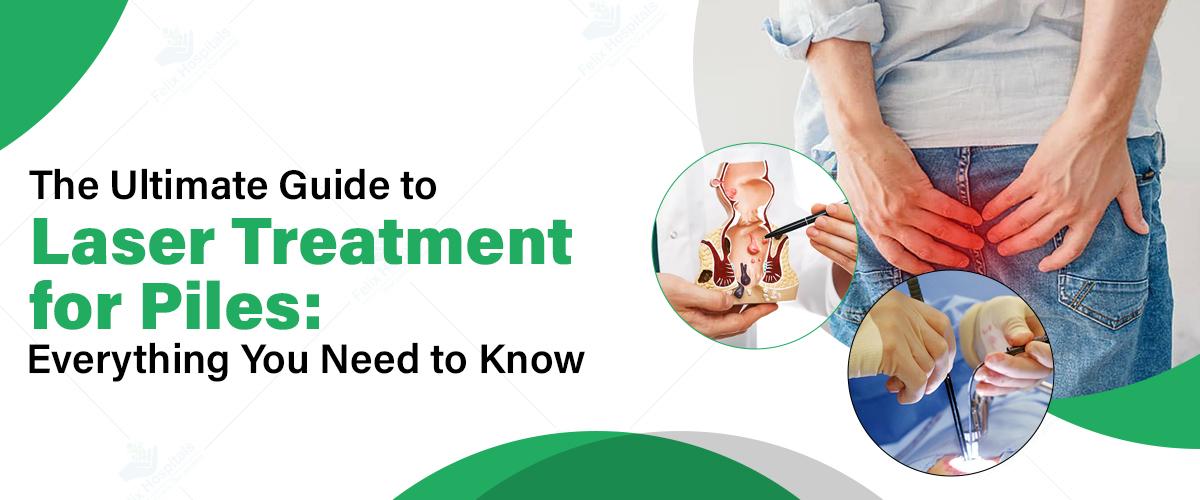
Piles, also known as hemorrhoids, are swollen veins in the lower rectum and anus that can cause discomfort, pain, and bleeding. While traditional surgical methods for treating piles have been effective, advancements in medical technology have led to the development of less invasive options, such as laser treatment. This guide provides a comprehensive overview of laser treatment for piles, including how it works, its benefits, the procedure itself, and what to expect during recovery. Choosing the Best Hospital for Piles Surgery is crucial to ensuring the most effective and comfortable treatment experience.
Schedule Your Laser Surgery at Our Advanced Facility and Experience Quick Recovery with Minimal Discomfort. Call on - +91 9667064100.
Piles are classified into two types: internal and external. Internal piles develop inside the rectum, while external piles form under the skin around the anus. The condition can result from various factors, including chronic constipation, prolonged sitting, obesity, and pregnancy. Symptoms of piles can range from mild discomfort to severe pain, bleeding, and irritation.
Laser treatment for piles is a minimally invasive procedure that uses a focused beam of light (laser) to shrink or remove the swollen veins. The laser energy causes the blood vessels in the hemorrhoids to collapse, leading to their eventual shrinkage and disappearance. This technique is precise, allowing for targeted treatment with minimal damage to surrounding tissues.
The procedure begins with the administration of local anesthesia to ensure the patient's comfort. Once the area is numb, the surgeon uses a laser to target and treat the affected hemorrhoids. The laser's heat causes the veins to collapse, leading to the shrinkage of the piles. Depending on the severity of the condition, multiple piles may be treated during a single session.
The procedure is relatively quick, often taking less than an hour. Most patients can return home the same day, with minimal downtime required. For those considering this treatment, it's important to be aware of the cost of laser piles surgery in Noida, which can vary depending on the severity of the condition and the specific healthcare provider.
Recovery from laser treatment for piles is generally faster and less painful than recovery from traditional surgery. Patients are usually advised to rest for a day or two after the procedure and to avoid strenuous activities for a week. Pain management is typically minimal, with over-the-counter pain relievers being sufficient.
Post-operative care is crucial for ensuring a smooth recovery. Patients should follow their doctor's instructions regarding diet, hygiene, and activity levels. A high-fiber diet and plenty of fluids are recommended to prevent constipation, which can strain the treated area. Follow-up appointments may be scheduled to monitor the healing process and address any concerns.
Laser treatment for piles is suitable for many patients, particularly those with moderate to severe hemorrhoids that have not responded to conservative treatments. However, it is essential to consult with a qualified healthcare professional to determine if this treatment is the best option for your specific condition.
Dr. Ritesh Agrawal is a seasoned surgeon with expertise spanning both open and laparoscopic general surgeries. His proficiency includes performing laparoscopic cholecystectomy for gallbladder stone removal, hernia repairs, and laparotomies. In addition to his general surgery skills, Dr. Ritesh is highly experienced in conducting non-cancerous breast surgeries, such as removing breast lumps, treating breast pain, and managing nipple discharge. As a skilled laser surgeon, he specializes in advanced proctology procedures, providing effective treatments for conditions like piles, fissures, fistulas, pilonidal sinus, varicose veins, and circumcision.
Ready to Say Goodbye to Piles? Meet with the Best Laparoscopic Surgeons in Noida and Explore the Benefits of Laser Treatment! Call Now - +91 9667064100.
Laser treatment for piles offers a modern, effective, and minimally invasive alternative to traditional surgical methods. With its many benefits, including reduced pain, quicker recovery, and minimal scarring, it has become a preferred choice for many patients. However, as with any medical procedure, it is essential to consult with an experienced surgeon in Noida to discuss your options and ensure the best possible outcome.
1. Is laser treatment effective for piles?
Yes, laser treatment is highly effective for treating piles, offering a minimally invasive option with quicker recovery times and reduced pain compared to traditional surgery.
2. How many days of rest are needed after laser surgery for piles?
Generally, patients may require 2-3 days of rest after laser surgery for piles, though most can return to normal activities within a week, depending on the individual’s recovery.
3. What is the success rate of laser treatment for piles?
The success rate of laser treatment for piles is quite high, with most studies reporting success rates of around 90-95%, making it a reliable option for many patients.
4. Is it painful after laser surgery for piles?
Post-operative pain after laser surgery for piles is usually minimal compared to traditional surgery, with most patients experiencing mild discomfort that can be managed with over-the-counter pain relief.
5. Which treatment is the best for piles?
The best treatment for piles depends on the severity of the condition, but laser treatment is often preferred for its effectiveness, minimal pain, and quick recovery.
6. Can Grade 3 piles be cured with laser treatment?
Yes, Grade 3 piles can be effectively treated with laser surgery, which is a preferred option for many patients due to its minimally invasive nature and high success rate.
7. Can hemorrhoids return after laser surgery?
While laser surgery for piles is highly effective, there is still a small chance of recurrence, especially if the underlying causes such as chronic constipation are not addressed.
8. What is the cost of laser surgery for piles in Noida?
The Cost of Laser Surgery for Piles in Noida typically ranges from ₹35,000 to ₹50,000 (Terms and Conditions applied), depending on the hospital, surgeon’s expertise, and other factors.
9. Can I sit comfortably after surgery?
Most patients can sit comfortably after a few days of laser surgery for piles, although some mild discomfort may persist for a short period during recovery.

Get fast and effective relief from piles with advanced surgical care at the best piles surgery hospital in Noida, offering expert doctors, modern techniques, and safe treatment options.
For those seeking specialized care, consulting the best piles surgeon in Noida can provide expert evaluation and tailored treatment options.
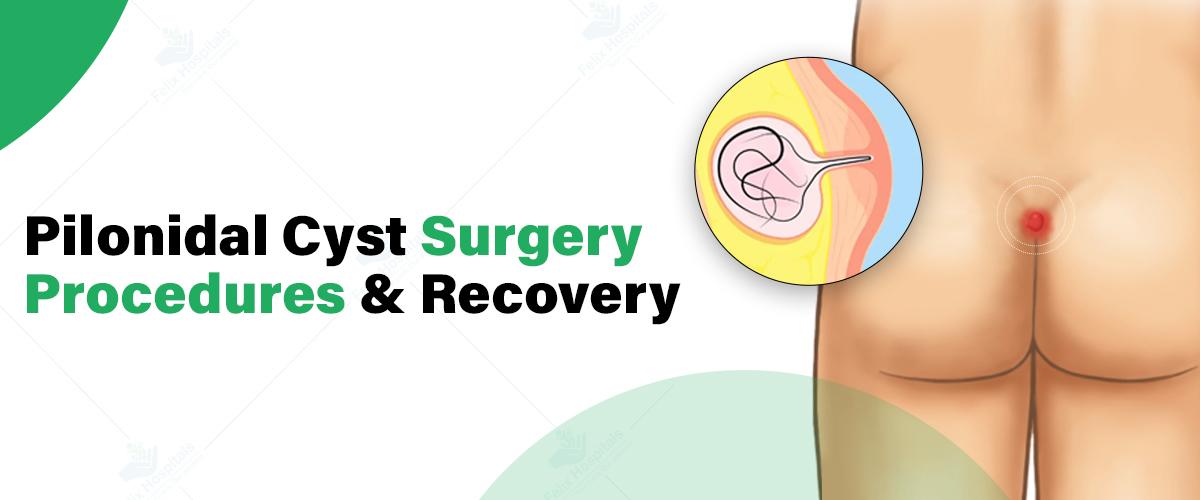
A pilonidal cyst is a condition characterized by a cyst or abscess located near the tailbone, often containing hair, skin cells, and other debris. This condition commonly affects young adults and can cause significant discomfort and pain. If conservative treatments are ineffective, surgical intervention may be required. Let’s explore the various surgical procedures for treating pilonidal cysts and the recovery process, emphasizing the importance of selecting a best proctology hospital in Noida to ensure the best possible treatment outcomes.
Don't let a pilonidal cyst disrupt your daily life. Book Your Appointment Now - +91 9667064100.
Pilonidal cysts develop in the natal cleft, the area between the buttocks, where they can become infected and inflamed. The exact cause of pilonidal cysts is not fully understood, but factors such as hair growth, friction, and prolonged sitting are believed to contribute to their formation. Symptoms typically include pain, swelling, redness, and discharge from the affected area.
1. Incision and Drainage:
2. Excision with Primary Closure:
3. Excision with Flap Closure:
4. Laser Surgery:
1. Immediate Post-Operative Care:
2. Activity Restrictions:
3. Follow-Up Appointments:
4. Complications to Watch For:
5. Long-Term Care:
Dr. Ritesh Agarwal is an expert in a wide range of open and laparoscopic general surgeries, including laparoscopic cholecystectomy (gallbladder stone removal), Hernia Repair, and laparotomy. He also specializes in non-cancerous breast surgeries, such as breast lump removal, treatment for breast pain, and management of nipple discharge. As a trained laser surgeon, Dr. Ritesh performs advanced proctology surgeries, including treatments for Piles, fissures, fistulas, pilonidal sinus, varicose veins, and circumcision. His extensive experience and skill make him a trusted specialist in these areas.
Take the first step towards a pain-free life. Consult with a Proctology Specialist Today call us on - +91 9667064100.
Pilonidal cyst surgery is a proven method to address painful and recurrent cysts. By understanding the various surgical options and the recovery process, patients can make informed decisions and prepare for a successful outcome. Adherence to post-operative care instructions and follow-up appointments plays a vital role in ensuring a smooth recovery and minimizing the risk of complications. For personalized advice and to explore your surgical options, consult with the Best Laparoscopic Surgeon in Noida who can provide expert guidance tailored to your specific needs.
1-What is the main cause of pilonidal cysts?
The main cause of pilonidal cysts is often attributed to ingrown hairs. When hair penetrates the skin, it can lead to inflammation and the formation of a cyst or abscess. Other contributing factors include prolonged sitting, friction, sweating, and wearing tight clothing, which can irritate the skin in the tailbone area.
2-Do pilonidal cysts go away?
Pilonidal cysts do not typically go away on their own. In some cases, the cyst may reduce in size or temporarily stop causing symptoms, but it often remains present and can flare up again, especially if left untreated.
3-Can a pilonidal cyst heal naturally?
A pilonidal cyst is unlikely to heal naturally without medical intervention. While some mild cases may drain and temporarily resolve, most cysts require treatment, such as incision and drainage or surgery, to fully heal and prevent recurrence.
4-Is it safe to live with a pilonidal cyst?
Living with an untreated pilonidal cyst can be uncomfortable and poses risks of infection, abscess formation, and recurrent flare-ups. It’s advisable to seek medical attention to avoid complications and ensure proper treatment.
5-Can a pilonidal cyst become cancerous?
While extremely rare, there is a small possibility that a chronic or long-standing pilonidal cyst could develop into a type of skin cancer called squamous cell carcinoma. However, this is uncommon, and most pilonidal cysts do not become cancerous.
6-Is pilonidal cyst normal?
Pilonidal cysts are relatively common, particularly in young adults, and especially males. While they can cause discomfort and require treatment, they are considered a manageable medical condition.
7-What ointment is good for pilonidal cyst?
Over-the-counter antibiotic ointments like Neosporin or antiseptic creams can be used to reduce the risk of infection in minor cases. However, it’s important to consult a healthcare professional for appropriate treatment and advice.
8-How to sleep when you have a pilonidal cyst?
When you have a pilonidal cyst, it's best to avoid sleeping on your back to reduce pressure on the affected area. Try sleeping on your side or stomach to minimize discomfort and prevent aggravating the cyst. Using a special cushion or a donut-shaped pillow can also help alleviate pressure while sitting or sleeping.
The sinus tract associated with Pilonidal Sinus usually extends in a downward direction between the buttocks.

Homeopathy has been around for over 200 years and is often surrounded by myths and confusion. Many people have heard various stories and ideas about it, but it can be tricky to know what’s true. In this blog, we’ll look at six common myths about homeopathy and explain what’s the real fact. This will help clear up any misunderstandings and give you a better idea of what homeopathy is all about. If you're considering homeopathic treatment and are searching for the best homeopathy hospital in Noida, understanding these myths can guide you in making an informed choice.
Looking for effective homeopathy treatment? Call +919667064100 or click here to explore your options!
Homeopathy is a type of alternative medicine that was developed in the late 18th century by a German doctor named Samuel Hahnemann. The basic idea behind homeopathy is that "like cures like". This means a substance that causes symptoms in a healthy person can, in small amounts, treat similar symptoms in someone who is ill.
Homeopathic remedies are made from natural substances, such as plants, minerals, or animal products, which are then diluted many times in water or alcohol. The goal is to stimulate the body’s own healing processes.
If you're looking for good homeopathic treatments, finding the Best Homeopathy Hospital in Noida can be really important. This may provide you with expert care and offer various remedies tailored to your specific needs.
Understanding homeopathy can be challenging due to some common misconceptions. Let’s address these myths to give you a clearer picture of what homeopathy really is and how it works.
Myth No. 1
Homeopathy is just a placebo
Some people think homeopathy is only effective because people believe in it. But,Homeopathy’s effectiveness isn’t solely based on placebo effects. Studies indicate that homeopathic remedies can work for certain conditions through their unique principles of extreme dilution and individualized treatment, suggesting there’s more to it than just belief.
Myth No. 2
Homeopathic remedies are just sugar pills
Homeopathic remedies often use sugar pills as carriers, but these pills contain highly diluted natural substances. The process of dilution and succession (shaking) is believed to imprint healing properties onto the remedy, beyond just the sugar component.
Myth No. 3
All homeopathic remedies are safe for everyone
While homeopathic remedies are generally safe, they might not be suitable for everyone, including pregnant women or individuals with specific health conditions. Consulting a healthcare professional ensures they are appropriate for your situation.
Myth No. 4
Homeopathy cannot be used with other conventional treatments
Many patients who visit homeopaths are already using conventional or herbal treatments for conditions like diabetes or hypertension. Homeopathy can be used alongside these treatments because it works at different molecular levels in the body. If any drug might interact with homeopathic treatment, the homeopath will inform the patient and adjust the dosage as needed.
Myth No. 5
Homeopathy is not scientifically proven
The scientific community has mixed views on homeopathy. While some research supports its effectiveness for certain conditions, the evidence is debated. It’s important to review the latest research and consult healthcare professionals for balanced information on its benefits.
Myth No. 6
Homeopathic medicines contain heavy metals and steroids
Homeopathic remedies do not contain heavy metals or steroids. They are made from natural sources such as plants and minerals, and are free from chemicals and steroids. These medicines are prepared following strict guidelines and undergo rigorous quality checks to ensure their safety and authenticity before reaching the market.
Clearing up myths about homeopathy is crucial because it helps you find the most effective treatment without any confusion. For accurate information and effective treatment, consulting with the best homeopathy doctor in Noida can provide you with the right guidance and care.
Curious about what will suit your needs? Connect with our experts at +919667064100 for personalized advice!
Dr. Rajni Katyal is a seasoned Homeopathy practitioner with over 35 years of experience. Consult her for issues related to headaches, migraines, sinusitis, polyps, adenoids, tonsils, dust allergies, psychological concerns (anxiety, depression), skin conditions (acne, allergies, urticaria, eczema, warts), hair and nails, and more.
Clearing up myths about homeopathy can help you make better health choices. While some misconceptions exist, homeopathy has its own methods and can be useful alongside conventional treatments. By focusing on accurate information and consulting the best homeopathy doctor in Noida, you can make informed decisions and use homeopathy effectively to support overall wellness.
1-What are the common homeopathic remedies?
Common homeopathic remedies include Arnica (for bruising), Nux Vomica (for digestive issues), and Aconite (for shock and anxiety). Remedies are chosen based on individual symptoms and overall health.
2-How are homeopathic remedies prepared?
Homeopathic remedies are prepared through a process of serial dilution and succussion (vigorous shaking). This process is intended to enhance the healing properties of the substances while minimizing toxicity.
3-Can homeopathy treat chronic conditions?
Homeopathy can be effective for chronic conditions like asthma, eczema, and arthritis by stimulating the body's natural healing processes. However, results vary, and it's essential to consult with a qualified homeopath for individual assessment.
4-Can children and pets use homeopathy?
Yes, homeopathy is generally safe for children and pets. Remedies are often chosen based on age and specific needs. However, it's important to consult with a professional to ensure appropriate treatment and dosage.
5-How long does it take to see results with homeopathy?
The time to see results with homeopathy varies by individual and condition. Some may experience improvement within a few weeks, while others may take several months. Consistency and individual response play key roles.
6-Who is the best homeopathy expert in Noida?
Dr. Rajni Katyal is widely regarded as one of the best homeopathy experts in Noida, known for her extensive experience, comprehensive approach, and positive patient outcomes in treating various health conditions through homeopathic medicine.
7-Which is the best hospital providing homeopathy services in Noida?
Felix Hospital, located in Sector 137, Noida, is highly recommended for homeopathy services. It offers a range of homeopathic treatments with experienced practitioners and modern facilities, ensuring comprehensive care for various health conditions.


Subscribe to our
© Copyright 2026. All Rights Reserved by Felix Healthcare Private Limited
Design and development by :


 +(91)9667064100
 Emergency : +(91)9667064100