 WhatsApp
 Emergency:
  WhatsApp




Subscribe to our
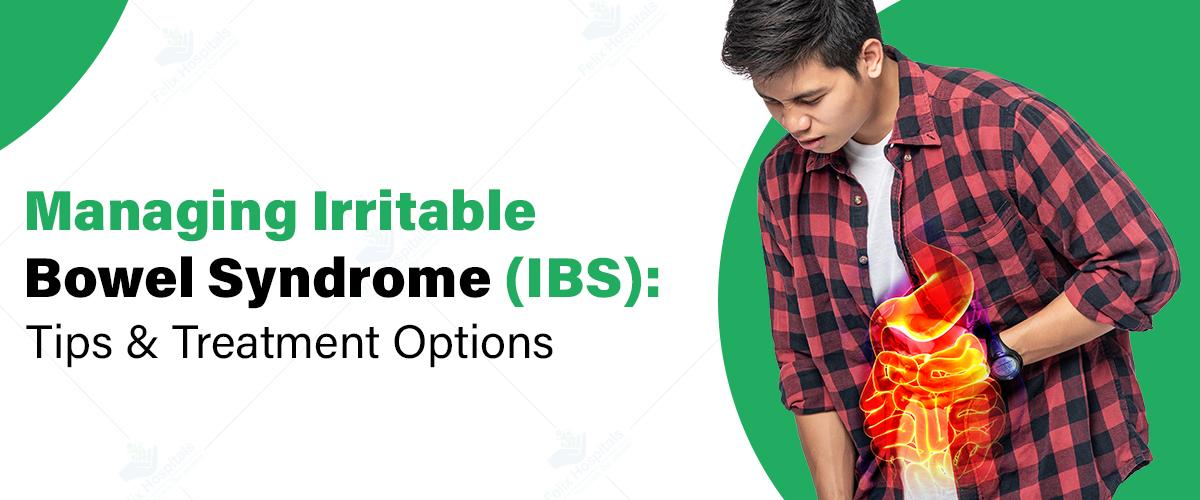
Irritable Bowel Syndrome (IBS) is a common digestive disorder that affects many individuals, causing discomfort and impacting daily life. Managing IBS involves understanding the condition, making lifestyle changes, and exploring treatment options. In this, we will provide practical tips for managing IBS and discuss various treatment methods. If you’re experiencing issues related to IBS, it’s important to consult with experts to get the best care. For the most effective diagnosis and treatment, consider visiting the best gastro hospital in Noida.
If you're struggling with IBS symptoms, expert care is essential. Consult with our team of experienced gastroenterologists today at +91 9667064100.
Irritable Bowel Syndrome is a functional gastrointestinal disorder that affects the large intestine. It is characterized by chronic abdominal pain, bloating, gas, diarrhea, and constipation. IBS is a long-term condition, but it does not cause lasting damage to the bowel or increase the risk of other gastrointestinal diseases. It is essential to recognize the symptoms early and manage them to prevent further discomfort.
Managing Irritable Bowel Syndrome (IBS) can be challenging, but making the right lifestyle and dietary changes can significantly ease symptoms and improve overall well-being. Here are 10 tips to help you manage IBS:
Eat a High-Fiber Diet: Fiber is essential for promoting healthy digestion and plays a key role in the pain treatment of irritable bowel syndrome (IBS). It helps regulate bowel movements, which can alleviate both constipation and diarrhea—common symptoms of IBS. Incorporating high-fiber foods like fruits (apples, berries, pears), vegetables (broccoli, carrots, leafy greens), and whole grains (brown rice, oats, quinoa) into your daily diet can provide the necessary bulk to ease bowel movements. However, it's crucial to increase fiber intake gradually, as a sudden boost in fiber can lead to bloating and gas.
Stay Hydrated: Drinking enough water is crucial for maintaining proper digestion and overall health. Dehydration can worsen constipation while staying hydrated helps soften stools and aids in smooth bowel movements. It’s recommended to drink at least 8-10 glasses of water a day. Herbal teas and clear broths are also good options. Avoid carbonated drinks and sugary beverages, as they can increase bloating and trigger IBS symptoms.
Limit Fatty Foods: High-fat foods can trigger IBS symptoms, especially in individuals prone to diarrhea. Fatty foods slow down digestion, which can lead to discomfort, bloating, and cramps. To manage IBS, opt for low-fat alternatives such as lean meats (chicken, turkey), fish, and plant-based proteins (tofu, legumes). Incorporating healthy fats like those found in nuts, seeds, and avocados in moderation can also support gut health.
Eat Small, Frequent Meals: Large meals can overwhelm your digestive system and trigger IBS flare-ups. Instead of consuming three large meals, try eating five to six smaller meals throughout the day. This approach helps reduce the strain on your gut and allows your body to digest food more effectively. Smaller portions are easier on the digestive tract and may prevent bloating, gas, and discomfort often associated with IBS.
Avoid Trigger Foods: Certain foods can aggravate IBS symptoms, and it’s important to identify and avoid them. Common triggers include dairy products, gluten, spicy foods, processed foods, and artificial sweeteners. Keep a food diary to track what you eat and how it affects your symptoms. Eliminating or reducing trigger foods from your diet can significantly improve your quality of life. For some, lactose-free or gluten-free alternatives may provide relief.
Manage Stress: Stress is a major factor that can worsen IBS symptoms. Emotional stress, anxiety, and tension can cause the digestive system to become more sensitive, leading to flare-ups. Incorporating stress management techniques into your daily routine can help ease symptoms. Practices such as mindfulness meditation, deep breathing exercises, yoga, or even taking time for a relaxing hobby can help reduce stress levels. Engaging in regular self-care for irregular bowel syndrome is crucial for keeping stress in check and minimizing IBS symptoms.
Exercise Regularly: Physical activity is not only great for your overall health but also for managing IBS. Exercise helps keep your digestive system functioning smoothly by stimulating regular bowel movements. It also reduces stress, which can be a trigger for IBS symptoms. Aim for at least 30 minutes of moderate exercise, such as walking, cycling, or swimming, most days of the week. Low-impact exercises like yoga or Pilates can also be beneficial for improving digestion and reducing stress.
Limit Caffeine and Alcohol: Both caffeine and alcohol can irritate the gut and exacerbate IBS symptoms. Caffeine, commonly found in coffee, tea, chocolate, and some sodas, can stimulate the intestines, leading to diarrhea in some individuals. Similarly, alcohol can disrupt the digestive system, causing inflammation and increasing the risk of IBS flare-ups. Limiting or avoiding these beverages can help manage symptoms and maintain gut health.
Get Adequate Sleep: Sleep plays a crucial role in overall health, and poor sleep can worsen IBS symptoms. Establishing a consistent sleep routine—such as going to bed and waking up at the same time every day—can improve your sleep quality and help reduce stress. Aim for 7-9 hours of sleep per night, and create a relaxing bedtime routine to wind down. Avoid screen time and large meals close to bedtime, as they can disrupt your sleep patterns.
Consider Probiotics: Probiotics are beneficial bacteria that support gut health and can help restore the natural balance of gut flora. Research suggests that probiotics may alleviate some IBS symptoms, particularly bloating, gas, and irregular bowel movements. Foods rich in probiotics, such as yogurt, kefir, sauerkraut, and fermented vegetables, can be incorporated into your diet. You can also consult with a healthcare provider about taking probiotic supplements specifically designed for gut health.
By adopting these tips, you can take control of your IBS and improve your quality of life. While these strategies may not cure IBS, they can significantly reduce the severity of symptoms and help you manage the condition more effectively.
Treatment of irritable bowel syndrome varies depending on the severity of symptoms and may include lifestyle changes, dietary modifications, and medications. Common treatment options include:
- Medications: Antispasmodics, laxatives, and anti-diarrheal medications can help manage specific symptoms like abdominal pain, diarrhea, or constipation.
- Dietary Changes: The FODMAP diet, which limits certain carbohydrates that are difficult to digest, has been proven to reduce symptoms in many IBS sufferers.
- Psychological Therapy: Cognitive behavioral therapy (CBT) and counseling can be effective in managing stress-related IBS symptoms.
- Gut-Directed Hypnotherapy: This therapy aims to enhance gut health by using hypnosis to help patients relax and alleviate gastrointestinal symptoms.
- Probiotics and Supplements: Some patients benefit from probiotics and supplements that support gut health and balance bacteria in the digestive tract.
At Felix Hospital, Dr. Jagatjot Singh Gill and Dr. Amrit Yog Datley lead our expert team in treating IBS and other gastrointestinal disorders. With extensive experience and specialized training, they are committed to providing patient-centric care. Their dedication to personalized treatment aims to help patients find relief from irritable bowel syndrome and enhance their quality of life.
Struggling with IBS symptoms? Contact Felix Hospital today to schedule a consultation with our expert gastroenterologist and start your journey to better digestive health. Call now at +91 9667064100.
Managing IBS requires a combination of lifestyle changes, dietary modifications, and medical treatment. With the right support and guidance, individuals with IBS can lead a healthy and comfortable life. For the most effective management and expert care, consider seeking help from the best gastroenterologist at a hospital in Noida.
1. What causes IBS?
Ans. The exact cause of IBS is unknown, but it is believed to be related to a combination of gut sensitivity, stress, and abnormal gastrointestinal movements.
2. Can stress worsen IBS symptoms?
Ans. Yes, stress is a common trigger for IBS symptoms. Managing stress is an essential part of controlling IBS.
3. Is IBS a lifelong condition?
Ans. IBS is a chronic condition, but with proper management, many people can control their symptoms effectively.
4. Can diet alone manage IBS?
Ans. Diet plays a significant role in managing IBS, but some patients may require medications for irritable bowel syndrome or therapy in addition to dietary changes.
5. Are probiotics helpful for IBS?
Ans. Probiotics may be beneficial for some people with IBS, as they can help balance gut bacteria and improve digestive health.
6. Is there a cure for IBS?
Ans. There is no cure for IBS, but its symptoms can be effectively managed with the right treatment plan.
7. What are the common foods that trigger IBS?
Ans. Common trigger foods include fatty foods, caffeine, alcohol, and dairy products. However, triggers can vary from person to person.
8. How can I prevent IBS flare-ups?
Ans. Managing stress, maintaining a balanced diet, staying hydrated, and avoiding known triggers can help prevent IBS flare-ups.
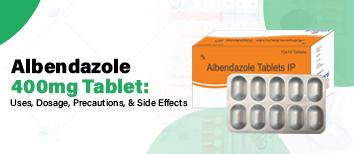
Albendazole 400 mg Tablet is an antiparasitic medicine used to treat worm infestations and related infections.
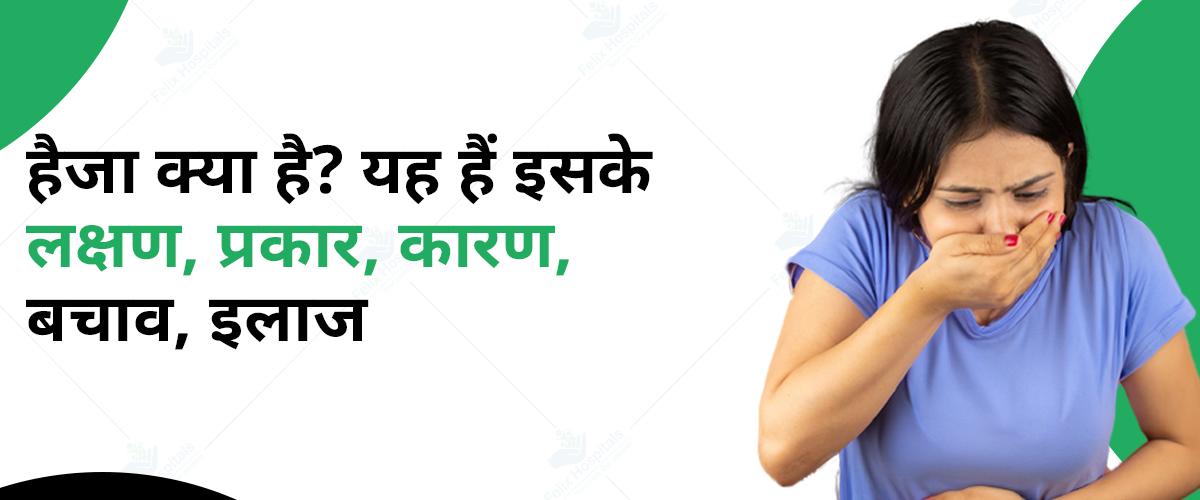
हैजा (Cholera) एक संक्रामक रोग है, जो विब्रियो कोलेरी नामक बैक्टीरिया के संक्रमण से होता है। यह मुख्य रूप से दूषित पानी और भोजन के माध्यम से फैलता है। हैजा से पीड़ित व्यक्ति को गंभीर दस्त और उल्टियां होती हैं, जिससे शरीर में पानी की कमी हो जाती है। अगर रोगी का समय पर इलाज नहीं किया जाए, तो यह स्थिति जीवन के लिए घातक हो सकती है। लक्षण दिखते ही तुरंत हैजा के अस्पताल (Cholera Hospital) से उपचार प्राप्त करें। आईए जानें इसके लक्षण से लेकर इलाज तक के बारे में विस्तार से.
ज्यादा जानकारी के लिए हमें कॉल करें +91 9667064100.
विषय सूची(Table of Contents)
हैजा का अर्थ (Meaning of Cholera) एक गंभीर संक्रामक रोग है जो विब्रियो कोलेरी नामक बैक्टीरिया के संक्रमण से होता है। यह रोग मुख्य रूप से दूषित पानी या भोजन के सेवन से फैलता है। इस बीमारी में व्यक्ति को गंभीर दस्त और उल्टी होती है, जिससे शरीर में पानी और इलेक्ट्रोलाइट्स की कमी हो जाती है। यह कमी अगर समय पर पूरी न की जाए तो व्यक्ति की स्थिति और गंभीर हो सकती है और यहां तक कि उसकी मृत्यु भी हो सकती है। यह रोग सामान्यतः उन क्षेत्रों में फैलता है जहां स्वच्छ पानी और साफ-सफाई की व्यवस्था नहीं होती, खासकर मानसून के दौरान या बाढ़ के समय, जब पानी दूषित हो सकता है।
दुनिया भर में प्रति वर्ष अनुमानित 3 से 5 मिलियन हैजा के मामले होते हैं और लगभग 1,00,000 से अधिक मौतें होती हैं।
भारत में 2022 में करीब 30,000 मामले दर्ज किए गए, जिनमें से कई ग्रामीण और शहरी स्लम क्षेत्रों में थे।
वैश्विक रूप से, प्रति वर्ष 50 लाख से अधिक लोगों को हैजा की समस्या का सामना करना पड़ता है।
यह जीवाणु मुख्य रूप से पाचन तंत्र पर असर डालते हैं और यह बीमारी अत्यधिक निर्जलीकरण का कारण बनती है। हैजा के प्रमुख लक्षण (Symptoms of Cholera) निम्नलिखित हैं:
अत्यधिक पानी जैसी दस्त (वाटरी डायरिया) :
अचानक और तीव्र दस्त जो रंगहीन और चावल के पानी जैसी होती है।
उल्टियांः
अक्सर दस्त के साथ उल्टी भी होती है, जो रोगी को निर्जलीकरण को और बढ़ा देती है।
निर्जलीकरण:
शरीर में पानी और इलेक्ट्रोलाइट्स की कमी हो जाती है, जिससे गंभीर कमजोरी होती है।
मुंह और त्वचा का सूखापनः
त्वचा और मुंह सूखने लगते हैं।
प्यास की तीव्र भावना :
शरीर में पानी की कमी के कारण अत्यधिक प्यास लगती है।
कमजोरी और थकावट :
शरीर में ऊर्जा की कमी महसूस होती है।
मांसपेशियों में ऐंठन :
इलेक्ट्रोलाइट असंतुलन के कारण मांसपेशियों में ऐंठन होती है।
निम्न रक्तचाप :
शरीर में पानी की कमी के कारण रक्तचाप गिर जाता है।
कम पेशाब :
पेशाब की मात्रा घट जाती है या बंद हो जाती है।
अगर इन लक्षणों का तुरंत उपचार न किया जाए, तो स्थिति गंभीर हो सकती है और जीवन के लिए खतरा बन सकती है।
हैजा की बीमारी के अर्थ (Meaning of Cholera Disease) के साथ साथ यह जानना भी ज़रूरी है की यह कितने प्रकार का होता है। इस के दो प्रमुख प्रकार होते हैं, जो इसके बैक्टीरिया विब्रियो कोलेरी (के अलग-अलग स्ट्रेन के आधार पर पहचाने जाते हैं:
क्लासिकल हैजा :
यह इस का पारंपरिक रूप है, जिसे सबसे पहले पहचाना गया था। क्लासिकल हैजा के मामलों में लक्षण थोड़े कम गंभीर होते हैं, और हैजा की यह बीमारी (Cholera disease) ऐतिहासिक रूप से अधिक सीमित स्थानों तक फैली रहती थी। यह अब कम देखा जाता है, और इसका प्रकोप अक्सर पुराने समय में होता था।
एल टॉर हैजा:
यह इस का वर्तमान में सबसे प्रचलित प्रकार है और अधिक व्यापक रूप से फैलता है। एल टॉर स्ट्रेन 20वीं शताब्दी के मध्य में प्रमुख हो गया और यह अधिक संक्रामक और लंबे समय तक जीवित रहने वाला है। इस प्रकार का हैजा क्लासिकल की तुलना में कम घातक होता है, लेकिन इसका प्रकोप लंबे समय तक चल सकता है और अधिक लोगों को प्रभावित कर सकता है।
एल टॉर हैजा अब दुनिया भर में सबसे सामान्य रूप से पाया जाने वाला प्रकार है। यह अधिकतर मामलों में देखा जाता है और वैश्विक स्तर पर इस की महामारी के लिए जिम्मेदार माना जाता है।
इस का प्रमुख कारण विब्रियो कोलेरी (नामक बैक्टीरिया है, जो दूषित पानी या भोजन के माध्यम से मानव शरीर में प्रवेश करता है। यह बैक्टीरिया आंतों में पहुंचकर एक विष (टॉक्सिन) उत्पन्न करता है, जो शरीर में पानी और इलेक्ट्रोलाइट्स की अत्यधिक हानि का कारण बनता है, जिससे गंभीर दस्त और निर्जलीकरण होता है।
दूषित पानी पीना:
इस का सबसे आम कारण संक्रमित और साफ़ न किए गए पानी का सेवन है। जब पानी में बैक्टीरिया मौजूद होते हैं, तो यह संक्रमण फैलाता है।
दूषित भोजन का सेवन:
खराब या दूषित भोजन, खासकर ऐसा भोजन जो संक्रमित पानी से तैयार हुआ हो, इस के फैलाव का कारण बन सकता है।
खराब स्वच्छता:
अगर लोग उचित स्वच्छता का पालन नहीं करते, जैसे कि हाथ धोना, तो बैक्टीरिया आसानी से फैल सकता है। संक्रमित व्यक्ति के मल के संपर्क में आने से भी संक्रमण हो सकता है।
मछली और समुद्री भोजन:
संक्रमित पानी से पकड़ी गई कच्ची या अधपकी मछली और समुद्री भोजन खाने से भी यह हो सकता है।
खुले में शौच:
यदि लोग खुले में शौच करते हैं और मल से बैक्टीरिया जल स्रोतों में मिल जाता है, तो आसपास के लोग इस के खतरे में आ सकते हैं।
मानव अपशिष्ट का अनुचित निपटान:
अगर मानव मल का निपटान सही तरीके से नहीं होता और यह जल स्रोतों में मिल जाता है, तो यह संक्रमण का एक बड़ा कारण बनता है।
हैजा आमतौर पर उन क्षेत्रों में फैलता है जहां स्वच्छ पानी, साफ-सफाई और उचित जल निकासी की कमी होती है, जैसे कि बाढ़ प्रभावित क्षेत्र, झुग्गी-झोपड़ी, या युद्ध प्रभावित क्षेत्र।
इस का इलाज समय पर और सही तरीके से किया जाए तो जीवन बचाया जा सकता है। इसका मुख्य उद्देश्य शरीर में खोए हुए तरल पदार्थ और इलेक्ट्रोलाइट्स की कमी को पूरा करना है। इस का इलाज सरल होते हुए भी अत्यधिक प्रभावी होता है, यदि इसे समय पर शुरू किया जाए।
ओआरएस (ओरल रीहाइड्रेशन सॉल्यूशन):
ओआरएस घोल हैजा के इलाज का सबसे महत्वपूर्ण हिस्सा है। इससे शरीर में खोए हुए तरल और लवणों की कमी पूरी होती है। ओआरएस पाउडर को साफ पानी में घोलकर मरीज को देना चाहिए। यदि ओआरएस उपलब्ध नहीं है, तो घर में चीनी और नमक मिलाकर एक सरल घोल बनाया जा सकता है (1 लीटर पानी में 6 चम्मच चीनी और आधा चम्मच नमक)।
हाइ़ड्रेशन थेरेपी (Hydration Therapy):
गंभीर मामलों में, जब मरीज बहुत ज्यादा निर्जलीकरण से पीड़ित होता है, तो उसे तुरंत नस के माध्यम से तरल दिया जाता है। आईवी फ्लूइड्स से शरीर में तरल पदार्थ की आपूर्ति तेजी से की जाती है, जो गंभीर मामलों में जान बचाने के लिए महत्वपूर्ण हो सकता है।
एंटीबायोटिक्स:
गंभीर मामलों में डॉक्टर एंटीबायोटिक्स जैसे डॉक्सीसाइक्लिन या एजिथ्रोमाइसिन दे सकते हैं, जो संक्रमण को तेजी से नियंत्रित करने में मदद करता है। हल्के मामलों में एंटीबायोटिक्स की जरूरत नहीं होती, लेकिन गंभीर मामलों में ये प्रभावी हो सकते हैं।
जिंक सप्लीमेंट्स:
बच्चों में दस्त को कम करने और जल्दी ठीक होने के लिए जिंक सप्लीमेंट्स दिए जा सकते हैं। इससे पेट की सेहत बेहतर होती है।
पोषण:
मरीज को धीरे-धीरे भोजन देना चाहिए, जिसमें पौष्टिकता हो और जिसे पचाना आसान हो। हल्का, तरल और पोषक भोजन जैसे चावल का पानी, सूप, दाल का पानी और केले दिए जा सकते हैं।
हैजा के मरीज को अलग रखना:
ताकि संक्रमण दूसरों तक न फैले। स्वच्छता और साफ पानी का ध्यान रखना। मरीज के संपर्क में आने वाले सभी चीज़ों को साफ रखें और संक्रमण को फैलने से रोकने के लिए उचित स्वच्छता का पालन करें।
इस के इलाज में जल्दी और उचित कदम उठाना बेहद जरूरी है, खासकर अगर मरीज में गंभीर निर्जलीकरण के लक्षण दिखाई दें।
इस से बचाव के लिए स्वच्छता, साफ पानी और उचित स्वच्छता उपायों का पालन करना सबसे महत्वपूर्ण है। यह एक संक्रामक रोग है जो दूषित पानी और भोजन के सेवन से फैलता है, इसलिए बचाव के लिए निम्नलिखित उपायों का पालन किया जा सकता है:
साफ पानी का उपयोग:
केवल साफ और शुद्ध पानी पीएं। उबला हुआ, फिल्टर किया हुआ या क्लोरीनयुक्त पानी इस्तेमाल करें। पानी को पीने से पहले उबालें, खासकर यदि आप सुनिश्चित नहीं हैं कि पानी सुरक्षित है।
साफ-सफाई का ध्यान रखें:
खाना बनाने और खाने से पहले और शौचालय का उपयोग करने के बाद हमेशा अपने हाथ साबुन और साफ पानी से धोएं। अगर साबुन न हो, तो हैंड सैनिटाइज़र का इस्तेमाल करें।
स्वच्छ भोजन का सेवन:
ताजा और स्वच्छ भोजन खाएं। भोजन को अच्छी तरह पकाकर ही खाएं। खुले में बिकने वाले या सड़क किनारे के असुरक्षित भोजन से बचें। कच्चे फल और सब्जियों को छीलकर खाएं, या उन्हें धोकर ही खाएं।
शौचालय का उचित उपयोग:
खुले में शौच न करें। शौचालय का सही ढंग से उपयोग करें और सफाई का ध्यान रखें। शौचालय की सफाई के बाद हाथ अच्छी तरह धोएं।
मानव अपशिष्ट का सुरक्षित निपटान:
मानव अपशिष्ट को ठीक से निपटान करें, ताकि यह पानी के स्रोतों को दूषित न करे।
टीकाकरण:
इस के खिलाफ टीके उपलब्ध हैं। प्रभावित क्षेत्रों में यात्रा करने से पहले टीकाकरण करवा सकते हैं, खासकर जब आप किसी हैजा प्रभावित क्षेत्र में जा रहे हों।
साफ बर्तनों का उपयोग:
खाना पकाने और खाने के लिए साफ बर्तनों का उपयोग करें। बर्तनों को साफ पानी से धोएं।
समुद्री भोजन और मछली से बचाव:
कच्चे या अधपके समुद्री भोजन से बचें, खासकर ऐसे क्षेत्र में जहां हैजा का प्रकोप हो सकता है।
समुदाय में जागरूकता फैलाएं:
लोगों को इस के कारणों, लक्षणों और बचाव के उपायों के बारे में जागरूक करें, ताकि संक्रमण को फैलने से रोका जा सके। हैजा से बचाव के लिए स्वच्छता बनाए रखना और दूषित जल और भोजन से दूर रहना महत्वपूर्ण है। इन साधारण उपायों से इस को फैलने से रोका जा सकता है।
मौसमी प्रकोप:
भारत में हैजा का प्रकोप विशेष रूप से मानसून के दौरान होता है, जब जलभराव और दूषित पानी की समस्या बढ़ जाती है। यह ग्रामीण और शहरी दोनों क्षेत्रों में तेजी से फैल सकता है।
प्रमुख कारण:
हैजा का मुख्य कारण विब्रियो कॉलेरा नामक बैक्टीरिया होता है, जो दूषित पानी और खाने के माध्यम से फैलता है। पानी और सीवेज की अपर्याप्त व्यवस्था इस बीमारी के फैलने का प्रमुख कारण है।
प्रभावित क्षेत्र:
भारत के अधिकांश बड़े शहरों और ग्रामीण इलाकों में, विशेषकर उन स्थानों पर जहां स्वच्छ जल और स्वास्थ्य सेवाओं की कमी है, हैजा फैलने का खतरा अधिक रहता है।
रोकथाम:
साफ पानी की उपलब्धता, सुरक्षित भोजन, बेहतर स्वच्छता और टीकाकरण हैजा को रोकने के प्रमुख उपाय हैं। भारत में डब्ल्यूएचओ द्वारा अनुशंसित हैजा का टीका उपलब्ध है, जो रोग से बचाव में मदद करता है।
सुरक्षा उपाय:
भारत में सरकार और विभिन्न स्वास्थ्य एजेंसियां हैजा से बचाव के लिए जागरूकता अभियान चलाती हैं, जिनमें साफ पानी की आपूर्ति, हाथ धोने की आदतों और खुले में शौच से बचने के निर्देश शामिल हैं।
स्वास्थ्य सेवाओं की चुनौती:
भारत में हैजा के प्रकोप के दौरान स्वास्थ्य सेवाओं पर भारी दबाव होता है। इसके इलाज के लिए तत्काल ओरल रिहाइड्रेशन सॉल्यूशन और एंटीबायोटिक्स दिए जाते हैं।
आंकड़े:
पिछले कुछ वर्षों में हैजा के मामलों में कमी आई है, लेकिन मानसून के दौरान इसके संक्रमण का खतरा अभी भी बना रहता है।
गैस्ट्रोएंटेरोलॉजिस्ट, बाल रोग विशेषज्ञ, इमरजेंसी मेडिसिन विशेषज्ञ भी इस के इलाज में अहम भूमिका निभाते हैं। डॉक्टर की सलाह के लिए आज ही फ़ोन करें - +91 9667064100.
यह एक गंभीर संक्रामक रोग है, जो समय पर इलाज न होने पर जानलेवा हो सकता है। हालांकि, उचित और त्वरित उपचार से, जैसे ओआरएस और आईवी फ्लूइड्स के माध्यम से जलयोजन द्वारा रोग का सफलतापूर्वक इलाज किया जा सकता है। स्वच्छता और सुरक्षित जल आपूर्ति ही इस की रोकथाम के लिए सबसे महत्वपूर्ण उपाय हैं। टीकाकरण और जागरूकता फैलाने से इस के प्रकोप को नियंत्रित किया जा सकता है। इसके इलाज के लिए आप नोएडा के अच्छे गैस्ट्रोएन्टेरोलॉजी हॉस्पिटल (best gastro hospital in Noida) से सलाह ले सकते है इसके साथ ही उचित स्वच्छता, साफ पानी और भोजन का सेवन करके हैजा की बीमारी (Cholera Disease) से बचा जा सकता है। समय पर इलाज और सावधानी बरतने से इस से होने वाली मृत्यु दर को कम किया जा सकता है।
प्रश्न 1: हैजा से कैसे बचा जा सकता है ?
उत्तर: साफ पानी पीकर, स्वच्छ भोजन खाकर, हाथों की साफ-सफाई बनाए रखकर और दूषित वातावरण से दूर रहकर हैजा (Cholera) से बचा जा सकता है। टीकाकरण भी एक प्रभावी तरीका है।
प्रश्न 2: क्या हैजा का इलाज संभव है ?
उत्तर: हां, हैजा का इलाज संभव है। ओआरएस (ओरल रीहाइड्रेशन सॉल्यूशन), आइवी फ्लूइड्स, और गंभीर मामलों में एंटीबायोटिक्स से इसका इलाज किया जाता है।
प्रश्न 3: हैजा का इलाज कब जरूरी होता है ?
उत्तर: जैसे ही लक्षण दिखने लगें, खासकर तीव्र दस्त और निर्जलीकरण के संकेत पर, तुरंत इलाज की आवश्यकता होती है। देरी होने पर स्थिति गंभीर हो सकती है।
प्रश्न 4: . क्या हैजा जानलेवा हो सकता है ?
उत्तर: अगर समय पर इलाज न किया जाए तो हैजा से होने वाली निर्जलीकरण जानलेवा हो सकता है। उचित उपचार और जलयोजन से इसे नियंत्रित किया जा सकता है।
प्रश्न 5: हैजा का टीकाकरण उपलब्ध है ?
उत्तर: हैजा आमतौर पर उन क्षेत्रों में फैलता है जहां साफ पानी और स्वच्छता की कमी होती है, जैसे कि झुग्गी-झोपड़ी वाले इलाके, बाढ़ प्रभावित क्षेत्र या विकासशील देशों के ग्रामीण क्षेत्र।
प्रश्न 6: हैजा से प्रभावित व्यक्ति को क्या खाना चाहिए ?
उत्तर: हल्का और तरल आहार जैसे चावल का पानी, सूप, केले और ओआरएस देना चाहिए। जब मरीज बेहतर महसूस करे तो पौष्टिक और पचने में आसान भोजन देना चाहिए।
प्रश्न 7: क्या हैजा एक व्यक्ति से दूसरे व्यक्ति में फैलता है ?
उत्तर: हैजा (Cholera) सीधे व्यक्ति से व्यक्ति में नहीं फैलता, लेकिन संक्रमित व्यक्ति के मल से दूषित पानी या भोजन के संपर्क में आने से फैल सकता है।
प्रश्न 8: हैजा के प्रमुख लक्षण क्या हैं ?
उत्तर: प्रमुख लक्षणों में पानी जैसे दस्त, उल्टी, अत्यधिक प्यास, निर्जलीकरण, मांसपेशियों में ऐंठन और कमजोरी शामिल हैं।
पीलिया एक ऐसी स्थिति है जिसमें शरीर और आंखों का रंग पीला पड़ जाता है। यह मुख्य रूप से लीवर की खराबी या रक्त में बिलीरुबिन के बढ़ने के कारण होता है।
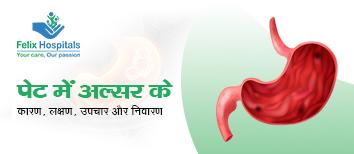
पेट में अल्सर एक आम लेकिन गंभीर समस्या है जो संक्रमण, अधिक एसिड या दवाओं के कारण होती है। इसके लक्षणों में पेट दर्द, जलन और अपच शामिल हैं। फ़ेलिक्स अस्पताल में इसका प्रभावी उपचार और परामर्श उपलब्ध है।
बदलती दिनचर्या, गलत खान-पान और तनाव के कारण आज गैस्ट्रिक की समस्या आम होती जा रही है। समय पर इलाज और संतुलित जीवनशैली से इस परेशानी से राहत मिल सकती है।
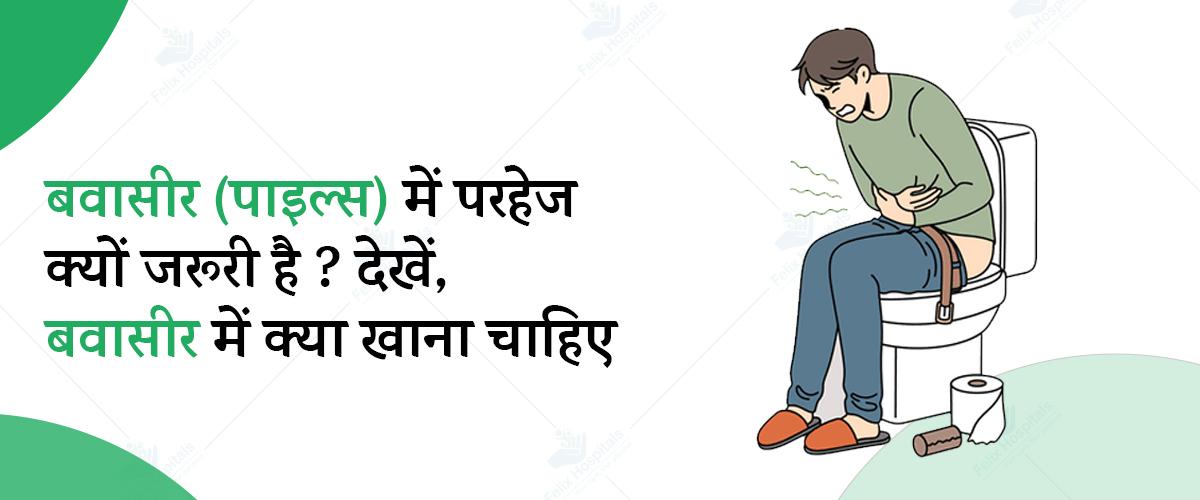
बवासीर (पाइल्स), जिसे हेमोरॉयड्स भी कहा जाता है। एक ऐसी स्थिति है जिसमें गुदा और मलाशय (रेक्टम) के निचले हिस्से की नसों में सूजन हो जाती है। यह सूजन या तो आंतरिक रूप से (गुदा के अंदर) या बाहरी रूप से (गुदा के बाहर) हो सकती है। बवासीर एक सामान्य लेकिन असहज करने वाली समस्या हो सकती है। बवासीर दर्द, खुजल और मल त्याग के समय रक्तस्राव जैसे लक्षण पैदा कर सकती है। यदि आपको या किसी और को बवासीर के लक्षण महसूस हो रहे हैं, तो तुरंत जनरल सर्जन (General surgeon) से चिकित्सा सहायता प्राप्त करें। जानिए इसके बारे में विस्तार से.
ज्यादा जानकारी के लिए हमें कॉल करें +91 9667064100.
Table of Contents
बवासीर में कौन से खाद्य पदार्थों से परहेज करना चाहिए? (Which foods should be avoided in piles?)
फाइबर युक्त सब्जियां जिनका सेवन करना चाहिए (Fiber-rich vegetables that should be consumed)
फाइबर युक्त फल जिनका सेवन करना चाहिए (Fiber rich fruits that should be consumed)
बवासीर में कौन से खाद्य पदार्थों से परहेज करना चाहिए? (Which foods should be avoided in piles?)
बवासीर में आहार क्यों महत्वपूर्ण है? (Why is Diet Important in Hemorrhoids?)
निष्कर्ष (Conclusion)
1-मसालेदार और तली-भुने खाद्य पदार्थ
क्योंः मसालेदार और तली-भुनी चीजें पाचन तंत्र में जलन पैदा कर सकती हैं, जिससे कब्ज या दस्त हो सकते हैं। कब्ज के कारण मल त्याग में कठिनाई होती है और इससे बवासीर की सूजन और दर्द बढ़ सकता है। मसालेदार भोजन पेट और आंतों में जलन पैदा कर सकता है, जो मल त्याग के समय गुदा क्षेत्र में जलन और खुजली का कारण बन सकता है। तली-भुनी चीजों में ट्रांस फैट और उच्च मात्रा में अनहेल्दी फैट्स होते हैं, जो शरीर में सूजन को बढ़ावा देते हैं। सूजन बढ़ने से के कारण होने वाली दर्द और असुविधा और भी बढ़ सकती है। तली-भुनी और मसालेदार चीजें अक्सर फाइबर में कम होती हैं, जिससे मल सख्त हो सकता है और मल त्याग में कठिनाई होती है। इससे लक्षण और भी खराब हो सकते हैं।
मसालेदार और तली-भुने खाद्य पदार्थ के नामः पानीपुरी, गोलगप्पे, चिकन करी, मटन करी, भिंडी मसाला, चिली पनीर, अचार (किसी भी प्रकार का), मसालेदार बिरयानी, पाव भाजी, स्पाइसी भेल पुरी, मसालेदार चाट (आलू चाट, पापड़ी चाट), आदि का सेवन नहीं करना चाहिए।
2- अल्कोहल और कैफीन
क्योंः अल्कोहल और कैफीन दोनों ही डायूरेटिक होते हैं, जो शरीर से पानी निकालते हैं और निर्जलीकरण का कारण बनते हैं। जब शरीर में पानी की कमी होती है, तो मल सख्त हो जाता है, जिससे कब्ज होने का खतरा बढ़ जाता है। कब्ज के कारण मल त्याग में कठिनाई होती है, जो बवासीर को और भी दर्दनाक बना सकता है। अल्कोहल पेट और आंतों की परत को उत्तेजित कर सकता है, जिससे पाचन तंत्र में जलन और सूजन हो सकती है इससे सूजन और दर्द बढ़ सकता है। कैफीन युक्त पेय पदार्थ जैसे कॉफी और चाय भी पेट में एसिडिटी बढ़ा सकते हैं, जिससे पाचन तंत्र में असंतुलन हो सकता है। अल्कोहल रक्त वाहिकाओं को फैलाने (डाइलेट) का काम करता है, जिससे गुदा क्षेत्र की नसों में रक्त प्रवाह बढ़ सकता है। कैफीन भी रक्तचाप को अस्थायी रूप से बढ़ा सकता है, जिससे रक्त वाहिकाओं पर अधिक दबाव पड़ता है। अल्कोहल और कैफीन दोनों ही पाचन को प्रभावित कर सकते हैं और कुछ लोगों में दस्त या पेट की अन्य समस्याओं को बढ़ा सकते हैं। दस्त भी बवासीर को और अधिक उत्तेजित कर सकता है, जिससे गुदा क्षेत्र में जलन और असुविधा बढ़ सकती है।
अल्कोहल और कैफीन युक्त पदार्थों के नामः बीयर, वाइन (रेड वाइन, व्हाइट वाइन), व्हिस्की, वोदका, रम, टकीला, शैम्पेन, ब्रांडी, कॉकटेल्स, काली कॉफी, कैपुचीनो, लैटे, आइस्ड टी, डार्क चॉकलेट, से परहेजन करना चाहिए
3-तंबाकू
क्योंः तंबाकू, खासकर धूम्रपान के रूप में पाचन तंत्र को प्रभावित कर सकता है और कब्ज का कारण बन सकता है। कब्ज के कारण मल त्याग में कठिनाई होती है। तंबाकू का सेवन आंतों की गति को धीमा कर देता है, जिससे मल सख्त हो सकता है और मल त्याग के समय अधिक दबाव डालना पड़ता है। तंबाकू का सेवन रक्त वाहिकाओं को संकुचित कर सकता है, जिससे रक्त प्रवाह में रुकावट आ सकती है। बवासीर के दौरान गुदा क्षेत्र की नसों में पहले से ही सूजन होती है, और तंबाकू के कारण रक्त प्रवाह में अवरोध से यह सूजन और बढ़ सकती है, जिससे दर्द और असुविधा बढ़ जाती है। तंबाकू में मौजूद रसायन शरीर में सूजन का कारण बन सकते हैं। तंबाकू का सेवन शरीर की प्रतिरक्षा प्रतिक्रिया को भी कमजोर कर सकता है, जिससे शरीर में सूजन बढ़ने की संभावना बढ़ जाती है। तंबाकू के कारण शरीर की हीलिंग प्रोसेस धीमी हो जाती है। अगर बवासीर का इलाज (treatment of piles) किया जा रहा है या सर्जरी के बाद रिकवरी हो रही है, तो तंबाकू का सेवन घावों के ठीक होने में बाधा डाल सकता है और संक्रमण का खतरा बढ़ा सकता है।
तंबाकू युक्त पदार्थों के नामः सिगरेट, बीड़ी, सिगार, हुक्का, गुटखा, खैनी, जर्दा, मिश्री, तंबाकू पान मसाला, ई-सिगरेट से परहेज करना चाहिए
1- सेब
क्योंः सेब में पेक्टिन नामक एक घुलनशील फाइबर होता है, जो आंतों में पानी को अवशोषित(अब्जॉर्ब) करके मल को मुलायम बनाता है, जिससे बवासीर के दौरान दर्द और असुविधा कम होती है। आंतों की गतिशीलता को बढ़ाता है, जिससे कब्ज की संभावना कम हो जाती है। सेब में मौजूद एंटीऑक्सिडेंट्स शरीर की प्रतिरक्षा प्रणाली (डिफेन्स सिस्टम) को मजबूत करते हैं और सूजन को कम करने में मदद करते हैं। सेब में पानी की मात्रा भी अच्छी होती है, जो शरीर को हाइड्रेटेड रखने में मदद करती है।
2- नाशपाती
क्योंः नाशपाती में घुलनशील और अघुलनशील दोनों प्रकार के फाइबर होते हैं। यह फाइबर मल को मुलायम बनाए रखने और कब्ज से राहत देने में मदद करता है। इससे मल त्याग के समय दबाव कम होता है और बवासीर के लक्षणों में राहत मिलती है। नाशपाती का सेवन पाचन तंत्र को सुगम बनाता है और आंतों की गतिविधियों को बेहतर करता है। यह कब्ज और गैस्ट्रोइंटेस्टाइनल समस्याओं को कम करने में सहायक होता है।
3-केलाः
क्योंः केला में अच्छा खासा मात्रा में फाइबर होता है, खासकर पेक्टिन, जो आंतों को स्वस्थ बनाए रखने और मल को मुलायम बनाए रखने में मदद करता है। यह कब्ज को कम करता है और मल त्याग के समय दबाव को कम करता है, जिससे बवासीर के लक्षणों में राहत मिलती है। यह पेट के लिए सौम्य होता है। यह एक अच्छा विकल्प है क्योंकि यह पाचन तंत्र पर दबाव नहीं डालता।
4-पपीता
क्योंः पपीते में अच्छी मात्रा में फाइबर होता है, जो मल को मुलायम बनाता है और कब्ज से राहत देता है इससे मल त्याग के समय दबाव कम होता है। पपीते में पपैन नामक एंजाइम होता है जो पाचन प्रक्रिया को बेहतर बनाता है। यह भोजन को पचाने में मदद करता है और आंतों की गतिविधियों को सुगम बनाता है। पपीते में विटामिन C और अन्य एंटीऑक्सीडेंट्स होते हैं जो सूजन को कम करने और प्रतिरक्षा प्रणाली को मजबूत करने में मदद करते हैं।
5-जामुनः
क्योंः जामुन में अच्छी मात्रा में फाइबर होता है, जो मल को मुलायम बनाता है और कब्ज से राहत देता है। यह मल त्याग के समय दबाव कम करता है और बवासीर के लक्षणों में राहत मिलती है। जामुन में विटामिन C, विटामिन A, और मिनरल्स जैसे पोटेशियम और आयरन होते हैं जो प्रतिरक्षा प्रणाली को मजबूत करते हैं और सूजन को कम करने में मदद करते हैं। जामुन में एंटीऑक्सीडेंट्स होते हैं जो शरीर से फ्री रेडिकल्स को हटाते हैं और सूजन को कम करते हैं। जामुन में पानी की अच्छी मात्रा होती है, जो शरीर को हाइड्रेटेड रखती है और मल को नरम बनाती है। यह कब्ज से राहत देने में मदद करता है।
6-संतराः
क्योंः संतरे में अच्छा खासा फाइबर होता है, जो मल को मुलायम बनाता है और कब्ज से राहत देता है। यह मल त्याग के समय दबाव कम करता है और बवासीर के लक्षणों में राहत प्रदान करता है। संतरे में विटामिन C की अच्छी मात्रा होती है, जो प्रतिरक्षा प्रणाली को मजबूत करता है और सूजन को कम करने में मदद करता है। विटामिन C भी त्वचा और रक्तवाहिकाओं की स्वास्थ्य को बनाए रखने में सहायक होता है। संतरे में पानी की अच्छी मात्रा होती है, जो शरीर को हाइड्रेटेड रखती है और मल को नरम बनाती है, जिससे कब्ज से राहत मिलती है और मल त्याग में आसानी होती है।
1-पालकः
क्योंः पालक में अच्छी मात्रा में फाइबर होता है, जो मल को मुलायम बनाता है और कब्ज से राहत देता है। फाइबर से भरपूपालक त्याग के समय दबाव कम करता है। पालक में विटामिन होता है, जो रक्त के थक्के बनने में मदद करता है और रक्तस्राव को नियंत्रित करने में सहायक होता है। यह बवासीर से संबंधित खून के बहाव को नियंत्रित करने में मदद कर सकता है।
2-गाजर
क्योंः गाजर में अच्छी मात्रा में फाइबर होता है, जो मल को मुलायम बनाता है और कब्ज से राहत देता है। इससे मल त्याग के समय दबाव कम होता है। इसमें विटामिन A की अच्छी मात्रा होती है, जो त्वचा और रक्त वाहिकाओं के स्वास्थ्य को बनाए रखने में मदद करता है। यह सूजन और खून के बहाव को कम करने में सहायक हो सकता है। गाजर में विटामिन C भी होता है, जो प्रतिरक्षा प्रणाली को मजबूत करता है और सूजन को कम करने में मदद करता है।
3-ब्रोकली
क्योंः ब्रोकली में अच्छा खासा फाइबर होता है, जो मल को मुलायम बनाता है और कब्ज से राहत देता है। यह मल त्याग के समय दबाव कम करता है और बवासीर के लक्षणों में राहत प्रदान करता है। ब्रोकली में विटामिन K की अच्छी मात्रा होती है, जो रक्त के थक्के बनने में मदद करता है और रक्तस्राव को नियंत्रित करने में सहायक होता है।
4-मटरः
क्योंः मटर में उच्च मात्रा में फाइबर होता है, जो मल को मुलायम बनाता है और कब्ज से राहत देता है। इससे मल त्याग के समय दबाव कम होता है। मटर में विटामिन C होता है, जो प्रतिरक्षा प्रणाली को मजबूत करता है और सूजन को कम करने में मदद करता है। यह बवासीर के लक्षणों को राहत देने में सहायक हो सकता है मटर में विटामिन K होता है, जो रक्त के थक्के बनने में मदद करता है और रक्तस्राव को नियंत्रित करने में सहायक होता है।
5-गोभी
क्योंः गोभी में उच्च मात्रा में फाइबर होता है, जो मल को मुलायम बनाता है और कब्ज से राहत देता है, यह मल त्याग के समय दबाव को कम करता है। गोभी में विटामिन K की अच्छी मात्रा होती है, जो रक्त के थक्के बनने में मदद करता है और रक्तस्राव को नियंत्रित करने में सहायक होता है।
बवासीर (हैमरोइड्स) के प्रबंधन में सही आहार का अत्यधिक महत्व है। उचित आहार न केवल लक्षणों को कम करने में मदद करता है बल्कि समग्र स्वास्थ्य को भी सुधारता है। फाइबर युक्त खाद्य पदार्थ जैसे कि फल, सब्जियां, और साबुत अनाज मल को मुलायम बनाते हैं, जिससे कब्ज की समस्या कम होती है। इससे दर्द और खून आना, में राहत मिलती है। फाइबर पाचन तंत्र को नियमित करता है और कब्ज को दूर करता है, जो इसके प्रमुख कारणों में से एक है। पर्याप्त पानी और तरल पदार्थ का सेवन मल को मुलायम बनाए रखता है और पाचन तंत्र को सुचारु रूप से काम करने में मदद करता है। कुछ खाद्य पदार्थ जैसे कि ओमेगा-3 फैटी एसिड से भरपूर मछली, विटामिन C और एंटीऑक्सीडेंट्स सूजन को कम करने में मदद करते हैं। अगर आप नोएडा में रहते है तो आप फेलिक्स हॉस्पिटल के जनरल सर्जन डॉ. रितेश अग्रवाल से सलाह ले सकते हैं।
गर आप बवासीर के लक्षणों से परेशान हैं और विशेषज्ञ से परामर्श चाहते हैं, तो अभी हमें +91 9667064100 पर कॉल करें। सही इलाज और आहार के साथ, आप अपने स्वास्थ्य को बेहतर बना सकते हैं।
बवासीर (पाइल्स) एक आम लेकिन असुविधाजनक स्वास्थ्य समस्या है, जो गुदा और मलाशय की नसों में सूजन या सूजन के कारण होती है। इससे बचाव के लिए स्वस्थ आहार, नियमित शारीरिक गतिविधि, और मल त्याग की सही आदतों का पालन करना आवश्यक है। यदि लक्षण बने रहते हैं या गंभीर हो जाते हैं, तो चिकित्सा सलाह लेना महत्वपूर्ण है। सही समय पर निदान और उपचार से इसकी समस्या को प्रभावी ढंग से प्रबंधित किया जा सकता है। बवासीर का इलाज(treatment of piles) विभिन्न तरीकों से किया जा सकता है और पाइल्स के ट्रीटमेंट की लागत (Cost of Piles Treatment) उपचार के प्रकार और अस्पताल पर निर्भर करती है।
प्रश्न 1: बवासीर के इलाज के दौरान किन खाद्य पदार्थों से बचना चाहिए ?
उत्तर: बवासीर के इलाज(treatment of piles) के दौरान वसायुक्त, मसालेदार, और तला हुआ भोजन से बचना चाहिए। इन खाद्य पदार्थों से आंत्र मार्ग में जलन हो सकती है, जिससे यह समस्या बढ़ सकती है। इसके अलावा, सफेद ब्रेड, रिफाइंड शुगर, और अत्यधिक कैफीन वाले पदार्थों का सेवन भी कम करना चाहिए।
प्रश्न 2: क्या बवासीर में फाइबर युक्त आहार लाभकारी होता है ?
उत्तर: हां, बवासीर में फाइबर युक्त आहार अत्यंत लाभकारी होता है। फाइबर से भरपूर खाद्य पदार्थ जैसे कि हरी पत्तेदार सब्जियां, फल, दलिया, और साबुत अनाज पाचन तंत्र को सही बनाए रखने में मदद करते हैं और कब्ज को रोकते हैं, जो इस समस्या को कम करने में सहायक होते हैं।
प्रश्न 3: क्या बवासीर में पानी का सेवन बढ़ाना चाहिए ?
उत्तर: हां, बवासीर में पानी का पर्याप्त सेवन करना बहुत महत्वपूर्ण है। पानी पाचन तंत्र को साफ करने में मदद करता है और कब्ज को रोकता है, जिससे इसके लक्षण कम हो सकते हैं। दिन में कम से कम 8-10 गिलास पानी पीना चाहिए।
प्रश्न 4: क्या बवासीर में दही का सेवन करना सुरक्षित है ?
उत्तर: हांं, दही का सेवन बवासीर में सुरक्षित और लाभकारी हो सकता है। दही में प्रोबायोटिक्स होते हैं जो पाचन तंत्र को स्वस्थ बनाए रखने में मदद करते हैं और कब्ज को दूर करते हैं।
प्रश्न 5: बवासीर में बासी भोजन से परहेज करना चाहिए ?
उत्तर: हां, बासी भोजन से परहेज करना चाहिए। बासी भोजन पाचन तंत्र को प्रभावित कर सकता है और कब्ज की समस्या को बढ़ा सकता है, जो बवासीर को और खराब कर सकता है।
प्रश्न 6: क्या बवासीर के दौरान शराब का सेवन सुरक्षित है ?
उत्तर: बवासीर के दौरान शराब का सेवन नहीं करना चाहिए। शराब से पाचन तंत्र पर प्रतिकूल प्रभाव पड़ सकता है और यह कब्ज को बढ़ा सकता है, जिससे बवासीर की स्थिति और खराब हो सकती है।
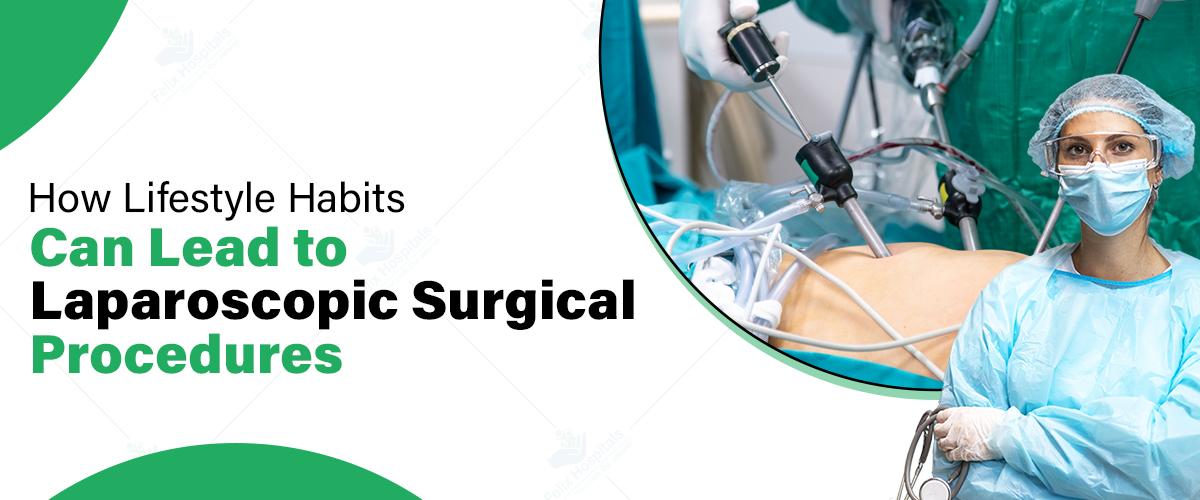
Laparoscopic surgery, a minimally invasive technique also known as keyhole surgery, has revolutionized the field of surgery by offering patients a less invasive option compared to traditional open surgery. This method involves making small incisions through which specialized instruments and a camera are inserted to perform the surgery. Despite its advantages, certain lifestyle habits can significantly increase the likelihood of needing laparoscopic procedures. Understanding the connection between lifestyle choices and the necessity for laparoscopic surgery can help individuals make informed decisions about their health and preventive measures. If you’re seeking top-quality care, consider visiting the best laparoscopic hospital in Noida for expert guidance and advanced treatment options.
Ready to Explore Minimally Invasive Surgical Options? Our team is ready to guide you through every step. Call Now - +919667064100.
Lifestyle habits play a crucial role in determining overall health and well-being. Poor lifestyle choices can lead to a range of health issues, some of which may require surgical intervention. Key lifestyle factors that can contribute to conditions necessitating Laparoscopic Surgery include:
Obesity: Excessive weight gain is strongly linked to several health conditions that may require laparoscopic surgery, such as gallbladder disease, hernias, and certain types of gastrointestinal disorders. Obesity can lead to increased abdominal pressure, which may contribute to the development of conditions that require surgical correction.
Poor Dietary Choices: Diets high in processed foods, unhealthy fats, and low in essential nutrients can lead to gastrointestinal problems like acid reflux or peptic ulcers. These conditions may sometimes require laparoscopic interventions for treatment.
Sedentary Lifestyle: Lack of regular physical activity can contribute to weight gain and obesity, which, as mentioned earlier, are linked to several conditions that may necessitate laparoscopic surgery. Additionally, a sedentary lifestyle can weaken abdominal muscles and increase the risk of developing hernias.
Excessive Physical Strain: Conversely, engaging in excessive physical activities or lifting heavy weights improperly can also lead to hernias or abdominal wall injuries, which may require surgical repair through laparoscopic techniques.
Respiratory and Circulatory Issues: Smoking is associated with a range of health issues, including chronic obstructive pulmonary disease (COPD) and poor circulation. These conditions can complicate surgical procedures and recovery. Additionally, smoking can exacerbate gastrointestinal problems that may require laparoscopic surgery, such as gallbladder inflammation or peptic ulcers.
Liver and Gastrointestinal Disorders: Excessive alcohol consumption can lead to liver disease and gastrointestinal problems, including inflammation of the pancreas (pancreatitis) and gastrointestinal bleeding. These conditions may necessitate laparoscopic interventions for management and treatment.
Gastrointestinal Issues: Chronic stress and poor mental health can contribute to gastrointestinal disorders such as irritable bowel syndrome (IBS) and ulcers. Persistent symptoms from these conditions may eventually require laparoscopic surgical procedures for relief.
Several laparoscopic procedures are commonly performed to address conditions exacerbated by poor lifestyle habits:
Laparoscopic Cholecystectomy: This procedure involves the removal of the gallbladder and is often performed in cases of gallstones or Gallbladder inflammation, conditions frequently associated with obesity and poor dietary habits.
Laparoscopic Hernia Repair: Hernias, which occur when internal organs protrude through weak spots in the abdominal wall, can result from obesity, excessive physical strain, or sedentary lifestyles.
Laparoscopic Appendectomy: The removal of the appendix, often performed due to appendicitis, can sometimes be related to dietary factors and inflammation.
Laparoscopic Bariatric Surgery: For individuals struggling with severe obesity, laparoscopic bariatric surgery (such as gastric bypass or sleeve gastrectomy) can be a treatment option to facilitate weight loss and improve overall health.
To reduce the risk of conditions requiring laparoscopic surgery, consider the following lifestyle modifications:
Adopt a Balanced Diet: Focus on a diet rich in fruits, vegetables, lean proteins, and whole grains while minimizing processed foods and unhealthy fats.
Engage in Regular Physical Activity: Incorporate both aerobic exercises and strength training into your routine to maintain a healthy weight and strengthen abdominal muscles.
Avoid Smoking and Limit Alcohol Intake: Cease smoking and limit alcohol consumption to reduce the risk of respiratory, circulatory, and gastrointestinal issues.
Manage Stress: Practice stress-reducing techniques such as mindfulness, meditation, and regular physical activity to support gastrointestinal and overall health.
Dr. Ritesh Agrawal is an experienced surgeon in Noida specializing in both open and minimally invasive laparoscopic procedures. His expertise encompasses a range of laparoscopic techniques, including cholecystectomy for gallbladder stone removal, hernia repairs, and abdominal surgeries. Beyond general laparoscopic surgeries, Dr. Ritesh is adept at performing non-cancerous breast surgeries, such as lump removal, treatment of breast pain, and management of nipple discharge. Additionally, he is proficient in advanced laser proctology procedures, offering effective solutions for conditions such as hemorrhoids, anal fissures, fistulas, pilonidal sinus, varicose veins, and circumcision.
Contact us now to learn more and book your appointment. Your health is our priority. Call Now - +91 9667064100.
Lifestyle habits have a profound impact on overall health and can significantly influence the likelihood of requiring Laparoscopic Surgical procedures. By adopting healthier lifestyle choices, individuals can mitigate the risk of developing conditions that necessitate surgery and enhance their overall well-being. If you have concerns about your health or the impact of your lifestyle habits, consulting with a healthcare provider can provide valuable guidance and support for making positive changes.
Laparoscopic surgery is used for diagnosing and treating various conditions within the abdomen and pelvis. Common procedures include gallbladder removal, hernia repair, appendectomy, and surgeries for endometriosis, ovarian cysts, and fibroids.
Laparoscopy is generally considered minimally invasive surgery, but the classification as major or minor depends on the specific procedure being performed. While less invasive than traditional surgery, it still involves significant medical intervention.
Laparoscopic surgery typically results in less pain compared to open surgery due to smaller incisions. However, patients may still experience discomfort, especially at the incision sites and in the shoulders due to the gas used during the procedure.
Laparoscopic incisions usually take about 1 to 3 weeks to heal. Full recovery may take a few weeks longer, depending on the complexity of the surgery and the individual’s overall health.
The five benefits of laparoscopic surgery include smaller incisions, reduced pain, shorter hospital stays, faster recovery times, and minimal scarring.
The risks of laparoscopy include infection, bleeding, injury to surrounding organs, reactions to anesthesia, and, in rare cases, complications related to the insertion of surgical instruments.
While laparoscopy is highly effective, it is not 100% successful in all cases. Success depends on the specific condition being treated, the surgeon’s expertise, and the patient’s overall health.
Most patients require a few days of rest after a laparoscopy, with a gradual return to normal activities over the next one to two weeks. The exact amount of rest needed can vary based on the individual and the procedure performed.
Laparoscopy is not typically used for reducing belly fat. It is a surgical technique used for specific medical conditions, not for cosmetic fat reduction. Procedures like liposuction are more appropriate for fat reduction.
The duration of a laparoscopy can vary, but most procedures take between 30 minutes to 2 hours, depending on the complexity of the surgery.
Yes, many women can conceive three months after a laparoscopy, especially if the procedure was done to treat a condition like endometriosis or to improve fertility. However, it’s important to follow your doctor’s advice regarding recovery and timing.
Laparoscopic surgery typically requires 2 to 4 small incisions (often referred to as "holes") through which the surgical instruments and camera are inserted. The exact number depends on the procedure being performed.
Laparoscopic surgery is a minimally invasive procedure with small cuts, offering quicker recovery, less pain, and minimal scarring.
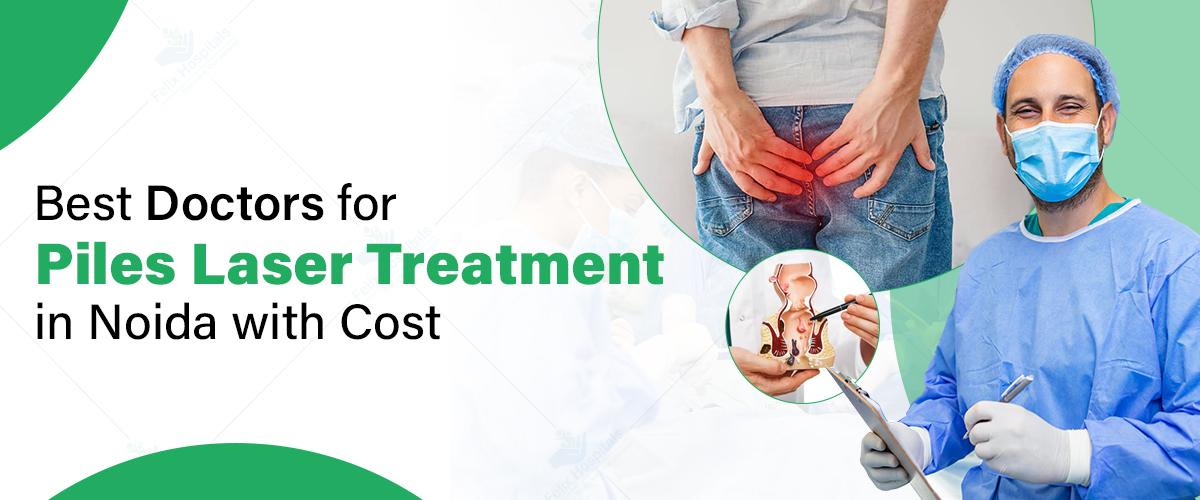
Piles, otherwise known as hemorrhoids, are swollen and inflamed veins in the lower rectum and around the anus that cause discomfort, itching, pain, or bleeding. People of all age groups can develop piles due to factors such as straining during bowel movements, chronic constipation, poor dietary habits, or prolonged sitting. Timely consultation with a qualified piles doctor in Noida helps in early diagnosis and effective management of the condition.
With growing awareness about accurate treatment and modern medical advancements, many patients are now opting for advanced piles care. Proper diagnosis allows doctors to suggest suitable treatment options, including medications, lifestyle changes, and minimally invasive procedures. In this blog, we discuss what piles are, the available treatment options, the cost of piles treatment in Noida, and why Felix Hospital is the right choice for reliable and comprehensive piles care.
Book your Appointment One click at +91 9667064100.
Piles are lumps of swollen and inflamed veins in the rectum and anus. They can be internal or external:
Causes of piles include chronic constipation, obesity, pregnancy, prolonged sitting and low fibre diet. Although piles are not life threatening they can be very uncomfortable and can lead to complications if left untreated.
The cost of piles treatment in Noida varies based on the type of procedure and the complexity of the case. Here's a general breakdown:
| Starting Cost | ₹ 35,000 |
| Average Cost | ₹ 40,000 |
| Maximum Cost | ₹ 50,000 |
These costs may vary depending on the hospital, the surgeon's experience, and additional factors like anesthesia and post-operative care.
At Felix Hospital, you can avail the services of Dr. Ritesh Agrawal, an experienced surgeon for open and Laparoscopic General Surgeries. Dr. Agrawal is trained to do laparoscopic cholecystectomy for gallbladder stone removal, hernia repairs and laparotomies. He has also done non cancerous breast surgeries like breast lump removal, breast pain treatment and nipple discharge management. His experience ensures you get the best of care especially for laser treatment of piles.
Felix Hospital is the best hospital for piles treatment in Noida for the following reasons:
Wanna know further tips to reduce Piles Operation Cost? Talk directly to the doctors at Felix Hospital and get the perfect estimate. Call +91 9667064100.
It is a very common complaint that can significantly affect daily life. Proper treatment and choosing the right doctor are essential for effective recovery. As one of the best hospitals in Noida, Felix Hospital offers expert surgeons, advanced facilities, and both simple and laser treatment options to ensure complete patient care.
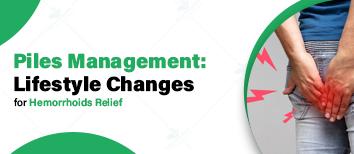
For those seeking specialized care, consulting the best piles surgeon in Noida can provide expert evaluation and tailored treatment options.
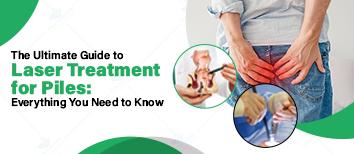
Laser treatment for piles is a minimally invasive procedure that uses a focused beam of light (laser) to shrink or remove the swollen veins.
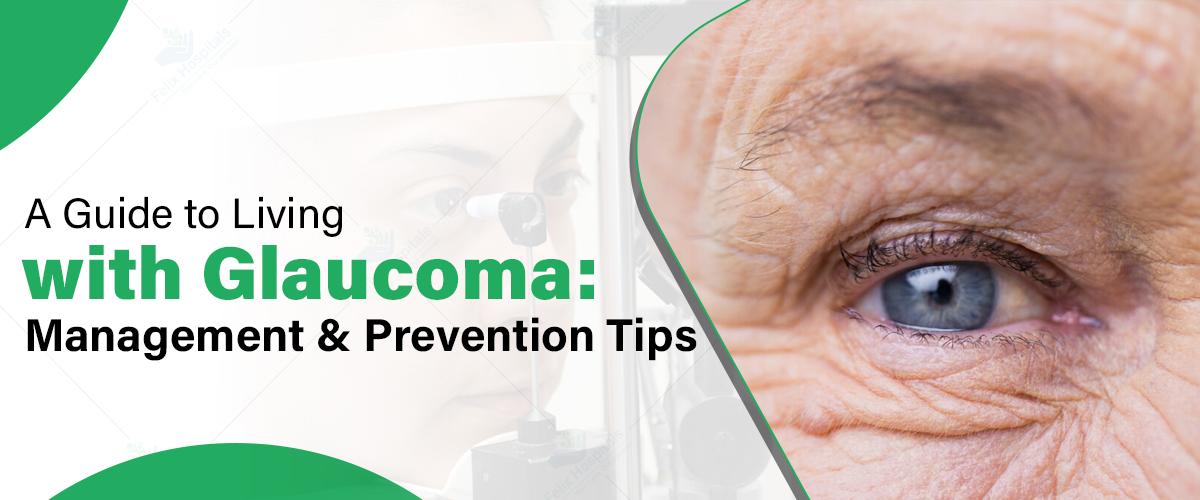
Glaucoma is often called the "silent thief of sight" due to its gradual and often unnoticeable progression. As one of the leading causes of blindness worldwide, glaucoma affects millions of people, particularly those over 60 years of age. However, with proper management and preventive measures, individuals with glaucoma can maintain their quality of life and preserve their vision. This guide aims to provide comprehensive information on living with glaucoma, including management strategies and prevention tips.
Concerned about Glaucoma? Schedule your consultation with our experts today at +91 9667064100.
Before discussing how to manage or prevent glaucoma, it's crucial to understand what glaucoma is. Glaucoma is a group of eye conditions that damage the optic nerve, which is vital for good vision. This damage is often caused by abnormally high pressure inside the eye. There are several types of glaucoma, with open-angle glaucoma being the most common.
Many people don't realize they have it until significant vision loss has occurred. This emphasizes the importance of regular eye check-ups, especially for those at higher risk.
1. Medication Adherence
The cornerstone of glaucoma management is usually medication, often in the form of eye drops. These medications work to lower intraocular pressure. It's crucial to:
2. Regular Eye Exams
Consistent follow-ups with your ophthalmologist are essential. These visits allow your doctor to:
3. Lifestyle Modifications
Certain lifestyle changes can support overall eye health including:
4. Stress Management
Stress can impact overall health, including eye health. Techniques such as meditation, deep breathing exercises, or yoga can help manage stress levels.
5. Protective Eyewear
Wearing sunglasses that block UV rays can protect your eyes from harmful sun exposure. Additionally, protective eyewear during sports or potentially hazardous activities can prevent eye injuries.
While some risk factors for glaucoma, such as age and family history, can't be changed, there are steps you can take to reduce your risk or slow the progression if you've been diagnosed. These steps include:
1. Regular Eye Exams
Early detection is key. The American Academy of Ophthalmology recommends comprehensive eye exams in:
Those with risk factors may need more frequent exams.
2. Know Your Family History
Glaucoma can run in families. If you have a family history of glaucoma, inform your eye doctor and consider more frequent check-ups.
3. Maintain a Healthy Weight
Obesity can increase the risk of diabetes and other systemic health problems, which in turn can increase the risk of glaucoma.
4. Control Blood Pressure
High blood pressure can increase the risk of glaucoma. Work with your doctor to keep your blood pressure in a healthy range.
5. Stay Hydrated
Proper hydration is important for maintaining healthy eye pressure. However, avoid drinking large amounts of water in a short time, as this can temporarily increase eye pressure.
6. Be Cautious with Eye Makeup
If you use eye makeup, be careful not to injure your eyes during application. Replace eye makeup regularly to prevent bacterial growth.
Vision Changes
Glaucoma often affects peripheral vision first. This can impact daily activities like driving or navigating crowded spaces. Some helpful strategies include:
Driving
If glaucoma affects your ability to drive safely, consider:
Reading and Computer Use
For those experiencing difficulty with reading or screen use:
Emotional Impact
Living with a chronic condition like glaucoma can be emotionally challenging. Do not hesitate to:
Staying Active
Physical activity is beneficial for overall health and can help manage glaucoma. However, certain high-intensity exercises may temporarily increase eye pressure. Consult your doctor about which activities are safe for you.
Dr. Deepanjali Arya
Dr. Deepanjali Arya is a leading ophthalmologist specializing in glaucoma. Her expertise in both medical and surgical glaucoma treatments ensures effective management of this condition.
Dr. Mohmad Uzair Zakai
Dr. Mohmad Uzair Zakai is a renowned ophthalmologist with a focus on glaucoma care. His advanced techniques and personalized approach make him a top choice for treating complex glaucoma cases.
Living with glaucoma requires vigilance and proactive management, but it doesn't have to significantly diminish your quality of life. By adhering to your treatment plan, making healthy lifestyle choices, and staying informed about your condition, you can effectively manage Glaucoma and preserve your vision. Remember, every individual's experience with glaucoma is unique. What works best for one person may not be ideal for another. Always consult with your eye care professional to develop a management plan tailored to your specific needs.
Unsure about your glaucoma risk? Get personalized guidance and expert care at one click or dial +91 9667064100.
1-At what age can glaucoma begin?
ANS: Glaucoma can develop at any age, but it is more common in people over 40. Risk increases with age, making regular eye exams important for early detection.
2-Is glaucoma considered a serious condition?
ANS: Yes, glaucoma is a serious condition as it can lead to irreversible vision loss if not managed properly. Early diagnosis and treatment are crucial to controlling the disease and preserving vision.
3-How can eye pressure be reduced quickly?
ANS: To quickly reduce eye pressure, follow your doctor’s prescribed treatment plan, which may include medication or eye drops. In emergencies, medical professionals might use more intensive methods or procedures to lower pressure.
4-When is the optimal time to use glaucoma eye drops?
ANS: The best time to use glaucoma eye drops is usually in the evening, just before bedtime, as this helps maintain consistent pressure control overnight. Always follow your doctor’s specific instructions for timing and dosage.
5-How long does glaucoma typically last?
ANS: Glaucoma is a chronic condition that usually lasts a lifetime. While it can be managed with treatment, it requires ongoing monitoring and medication to control eye pressure and prevent further vision loss.
6-Can glaucoma drops improve vision?
ANS: Glaucoma drops do not improve vision but are effective in stabilizing eye pressure to prevent further vision loss. They help manage the condition and preserve existing vision.
Glaucoma remains a formidable threat to vision health, yet with early detection, proactive management, and adherence to treatment, individuals can mitigate its impact.
By adhering to your treatment plan, making healthy lifestyle choices, and staying informed about your condition, you can effectively manage glaucoma and preserve your vision.
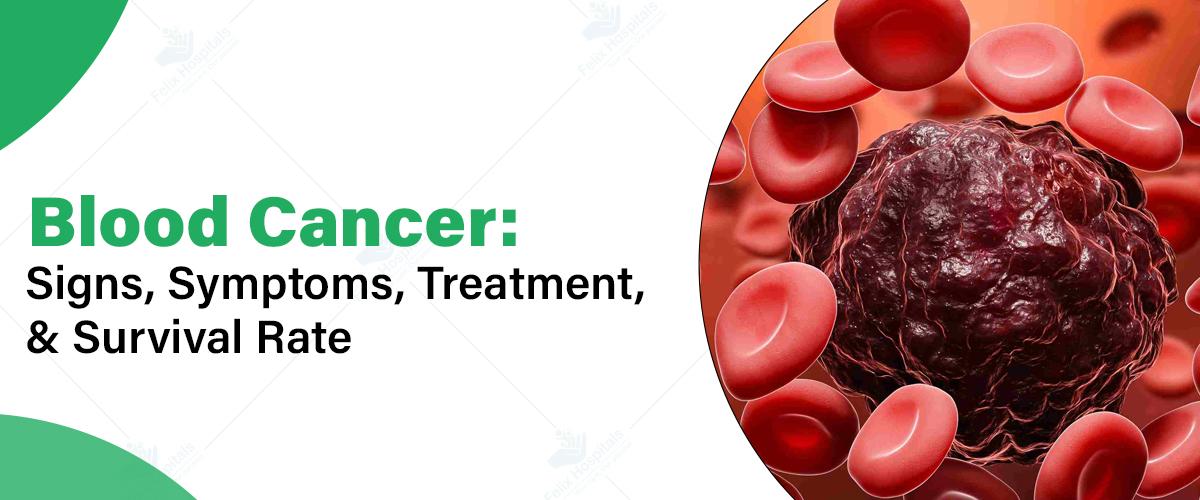
Blood cancer, also known as hematologic cancer, affects the blood, bone marrow, and lymphatic system. Unlike solid tumors, blood cancers involve malignant cells in the bloodstream and bone marrow, which can disrupt normal blood cell production and function. For those seeking expert care, the best oncology hospital can offer comprehensive treatment and support. This blog explores the signs, symptoms, treatment options, and survival rates associated with blood cancer, providing a comprehensive understanding of this serious condition.
If you suspect you may have symptoms of blood cancer or need a second opinion on your current treatment, contact Felix Hospital today to schedule a consultation at +91 9667064100.
Blood cancer refers to a range of cancers that affect the blood and bone marrow:
1. Leukemia: Leukemia is a condition characterized by the growth of certain cells, in the bone marrow and blood – specifically an excess of white blood cells that are overproduced.
2. Lymphoma: Lymphoma is a type of cancer that originates in the tissue which is a crucial part of the body's immune system and can lead to the development of tumors, in both the lymph nodes and other areas of the body too.
3. Myeloma: Myeloma is a form of cancer that starts in the plasma cells found in the bone marrow leading to the creation of proteins.
Many individuals, with blood cancer exhibit symptoms that they go through; these can vary based upon the specific type of cancer and how it progresses Symptoms commonly seen are:
- Fatigue and Weakness: Feeling tired and weak can be an issue that doesn't get better with rest often caused by anemia or a low count of red blood cells.
- Frequent Infections: Recurring infections or persistent illnesses could indicate a weakened system's inability to ward off diseases effectively.
- Unexplained Weight Loss: Unexplained Weight Loss refers to when weight is lost without a reason resulting in noticeable or significant changes in body mass.
- Swollen Lymph Nodes: Swollen lymph nodes refer to protrusions that can be noticeably big and prominent, in the neck area, underarms, or groin regions and may or may not be sensitive to touch.
- Bruising and Bleeding: Skin that bruises easily and shows a range of discolorations, like purple patches, and takes longer to heal, experiencing frequent nosebleeds and noticing blood while brushing teeth are signs to watch out for.
- Bone Pain: Bone pain can be caused by bone conditions and may result in increased discomfort in the lower back and hip area.
- Night Sweats and Fever: Experiencing night sweats and fever involves having fevers or excessive nighttime sweating for no apparent cause.
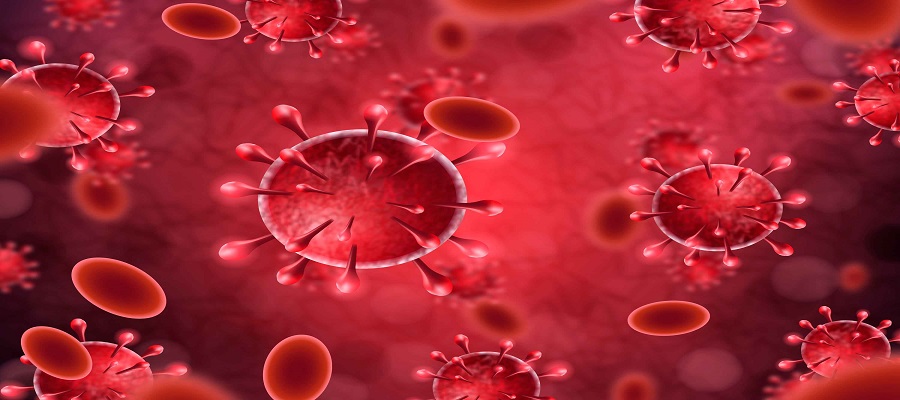
Diagnosing blood cancer typically requires a review of medical records along with physical examinations and various diagnostic procedures:
- Blood Tests: Blood tests, like the Complete Blood Count (CBC), are used to detect any levels of blood cells in the body.
- Bone Marrow Biopsy: During a bone marrow biopsy a sample of tissue from the bone marrow is taken to examine for the existence of cancer cells.
- Imaging Studies: Imaging tests, like CT scans or MRIs, are used to determine the extent of the illness and to assess any tumors or enlarged lymph nodes in the body.
- Genetic Testing: Genetic testing is conducted to identify any variations or abnormalities that can assist in determining the specific type of blood cancer and planning its subsequent treatment.
The treatment of blood cancer can differ depending on the type of cancer present and the stage it has progressed to as well as the patient's health conditions. Treatment options typically include:
- Chemotherapy: Chemotherapy involves the use of chemicals to destroy cancer cells or hinder their development commonly administered intravenously or orally.
- Radiation Therapy: Radiation therapy involves using energy electromagnetic radiation to target and treat cancer cells in specific areas of the body.
- Targeted Therapy: Targeted therapy focuses on molecules that can impact the growth of cancer cells and aims to tailor the treatment accordingly.
- Immunotherapy: Immunotherapy boosts the body's capacity to recognize cancer cells thereby strengthening the system's ability to combat them.
- Stem Cell Transplant: Stem cell transplantation involves replacing the bone marrow with healthy stem cells. These stem cells can be sourced from either the patient themselves or, from another individual (known specifically in this case as a transplant).
- Supportive Care: Supportive care packages encompass a range of therapies aimed at addressing symptoms or adverse effects such as discomfort, upset stomachs, or fatigue and comforting assistance.
The outlook for blood cancer varies based on numerous factors such as the type of cancer present and the stage at which it is detected in addition, to the overall health of the individual affected by the disease The likelihood of survival is typically expressed as a percentage representing the proportion of patients still living after a certain period following diagnosis (e.g., five years). Here is a basic summary:
- Leukemia: Survival rates for leukemia vary depending on the type of cancer cells. Either acute (CA) or chronic (CC). For example, the five-year survival rate for lymphoblastic leukemia (ALL) in children is approximately 90% whereas in adults it ranges between 40% to 50%.
- Lymphoma: Survival rates for lymphoma vary depending on the type of cancer and the stage it is in when diagnosed. Typically individuals diagnosed with Hodgkin's disease have a five-year survival rate of 85 to 90% while those with non-Hodgkin's disease have a survival rate ranging from 60 to 70%.
- Myeloma: Myeloma has a five-year survival rate of around 55%. This can vary based on individual characteristics and how well they respond to treatment.
At Felix Hospital, you can find two of the best oncologists committed to providing exceptional care for cancer patients: Dr. Mukta Baxi and Dr. Chinmayee Agrawal. Dr. Baxi, a distinguished surgical oncologist, specializes in a range of surgical interventions for various cancers, ensuring precise and effective treatment strategies. Dr. Chinmayee Agrawal, a highly skilled Medical Oncologist, and Hemato-Oncologist, brings over 8 years of experience in managing a broad spectrum of malignancies, including breast cancer, gynecological cancers, thoracic malignancies, gastrointestinal cancers, and hemato-lymphoid disorders.
For personalized cancer care and to explore the comprehensive treatment options available at Felix Hospital. Contact us on +91 9667064100.
Blood cancer is a serious and complex condition, but advancements in research and treatment have significantly improved outcomes and survival rates. Early diagnosis and a tailored treatment plan are crucial in managing blood cancer effectively. If you or someone you know is experiencing symptoms of blood cancer, consult a healthcare professional for a thorough evaluation and appropriate care.
Feel free to reach out if you have any questions or need further assistance. Your health and well-being are important, and getting the right information and treatment can make a significant difference.
Q1. What are the common signs of blood cancer?
Ans. Common signs include fatigue, frequent infections, unexplained weight loss, swollen lymph nodes, bruising, bone pain, and night sweats.
Q2. How is blood cancer diagnosed?
Ans. Diagnosis typically involves blood tests, bone marrow biopsy, imaging studies, and genetic testing.
Q3. What are the primary treatment options for blood cancer?
Ans. Treatment options include chemotherapy, radiation therapy, targeted therapy, immunotherapy, stem cell transplant, and supportive care.
Q4. What is the survival rate for leukemia?
Ans. The five-year survival rate for Acute Lymphoblastic Leukemia (ALL) is around 90% in children and 40-50% in adults.
Q5. How does the prognosis for lymphoma differ between Hodgkin’s and non-Hodgkin’s lymphoma?
Ans. The five-year survival rate for Hodgkin’s Lymphoma is about 85-90%, while for Non-Hodgkin’s Lymphoma, it ranges from 60-70%.
Q6. What is myeloma, and what is its survival rate?
Ans. Myeloma is a cancer of the plasma cells in the bone marrow. The five-year survival rate is approximately 55%.
Q7.How does Felix Hospital approach blood cancer treatment?
Ans. Felix Hospital offers personalized treatment plans with a team of expert oncologists, including Dr. Mukta Baxi and Dr. Chinmayee Agrawal, to provide comprehensive care for blood cancer patients.
Q8. What should I do if I suspect I have blood cancer?
Ans. Consult a healthcare professional for a thorough evaluation, including diagnostic tests and appropriate care.
Prostate cancer is a common type of cancer in men that affects the prostate gland. Understanding its symptoms, causes, and treatment options can help in early detection and effective management.
Recognize the early warning signs of cervical cancer. Learn about its symptoms, causes, and when to consult a gynecologist for timely diagnosis and treatment.
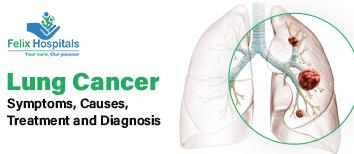
Lung cancer is a serious condition that starts in the lungs and can spread to other parts of the body.
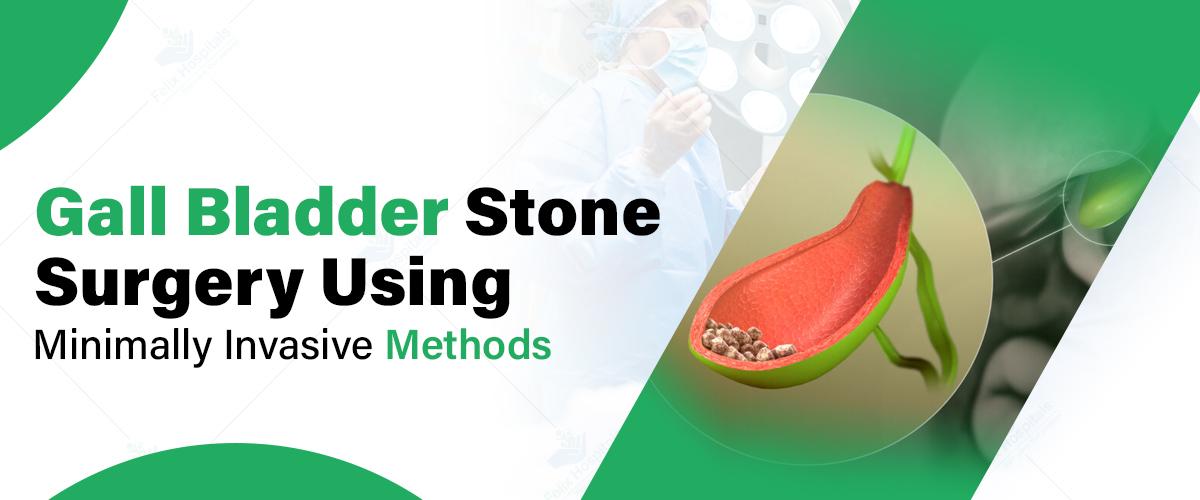
Gallbladder stone surgery using minimally invasive methods, commonly known as laparoscopic cholecystectomy, offers a modern approach to treat gallstones with reduced complications and a quicker recovery time compared to traditional open surgery. With advancements in technology, laparoscopic surgery offered by gallbladder stone surgery hospital has become the most preferred method for many patients, providing effective treatment for gallbladder stones with minimal discomfort.
Looking for a consultation from the comfort of your home? Discover our teleconsultation services by calling +91 9667064100 today!
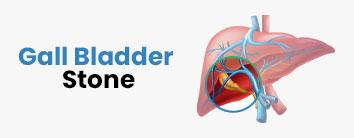
Gallbladder stone surgery, or cholecystectomy, is typically performed when gallstones lead to significant health issues. Gallstones are small crystalline deposits that form in the gallbladder which sometimes can cause severe discomfort and complications which require surgical intervention to relieve symptoms and prevent further health problems.
Additionally gallbladder stone surgery is required to:
Minimally invasive techniques have improved the treatment of gallstones by offering a less traumatic alternative to traditional surgery. Procedures like laparoscopic cholecystectomy involve making small abdominal incisions through which a camera and specialized instruments are inserted and used to remove the gallbladder. This approach reduces tissue damage, postoperative pain, and recovery time compared to open surgery.
Additionally, advancements in non-surgical treatments, such as extracorporeal shock wave lithotripsy (ESWL) and endoscopic procedures, enable the fragmentation and removal of gallstones with minimal impact on the body. These new methods make patients more comfortable and help them get back to their normal activities faster.
When it comes to treating gallstones, patients now have access to several minimally invasive techniques offered by the best gallbladder stone surgeon which act as a less troublemaking alternative to traditional surgery. These advanced methods aim to alleviate symptoms, reduce recovery time, and improve overall patient comfort.
Here are some key minimally invasive methods for managing gallstones:
1-Laparoscopic Cholecystectomy: This is a surgery where doctors make small cuts in the abdomen and use a tiny camera and special tools to take out the gallbladder. It’s less invasive and usually has a quicker recovery than traditional surgery.
2-Endoscopic Retrograde Cholangiopancreatography (ERCP): This procedure involves using a flexible tube with a camera to look inside the bile ducts and remove any gallstones blocking them.
3-Percutaneous Gallbladder Drainage: This technique involves inserting a needle through the skin to drain away infected or swollen bile from the gallbladder, helping to relieve pain and infection.
4-Shock Wave Lithotripsy (SWL): This method uses powerful shock waves directed at gallstones to break them into smaller pieces so they can pass through the body more easily.
Minimally invasive methods for treating gallstones offer a variety of benefits compared to traditional surgical approaches. The advantages of these methods include:
Overall, minimally invasive surgery offers significant advantages in terms of comfort, recovery time, and cosmetic outcomes. Moreover, the Gallbladder stone removal surgery cost in Noida is reasonably priced, making it a popular choice for many patients suffering from gallstones.
Recovery after minimally invasive surgery for gallstones is typically faster and more comfortable than with traditional surgical methods. Patients often experience less post-operative pain, reduced scarring, and a quicker return to normal activities. Most individuals can resume light activities within a few days and return to full activities within a few weeks, depending on their overall health and specific procedure.
Dr. Ritesh Agarwal
Dr. Ritesh Agarwal specializes in minimally invasive surgery for gallstones, offering patients a modern approach to treatment that involves smaller incisions and less recovery time. With his skillful techniques, Dr. Agarwal provides effective and comfortable solutions for gallstone removal, prioritizing both precision and patient well-being.
Have questions? Get them answered by experts. Call +91 9667064100 or simply click here.
Gallbladder stone surgery using minimally invasive methods stands out as one of the best choice for patients due to its numerous benefits as compared to traditional methods. As a result, patients experience faster returns to their daily activities and overall improved outcomes, making minimally invasive surgery the optimal solution for managing gallbladder stones.
1-When is surgery required for removing gallstones?
ANS: Surgery is typically required when gallstones cause significant pain, recurrent inflammation, or complications such as pancreatitis or cholangitis. The decision is based on symptoms and potential risks.
2-How long does laparoscopic cholecystectomy take?
ANS: Laparoscopic cholecystectomy usually takes about 1 to 2 hours. The duration can vary depending on the complexity of the case and the patient’s anatomy.
3-Does a 1.5 cm gallstone need surgery?
ANS: A 1.5 cm gallstone might require surgery if it causes symptoms or complications. The size alone isn’t the sole factor; symptoms and overall health are crucial in the decision-making process.
4-Why remove the gallbladder instead of just the stones?
ANS: Removing the gallbladder prevents future stone formation and complications, as gallstones often recur if the gallbladder is left in place. It’s a more permanent solution for managing gallbladder disease.
5-Can gallstones regenerate after surgery treatment?
ANS: After gallbladder removal, gallstones cannot regenerate because the gallbladder, which produces and stores bile that can form stones, is gone. However, patients can still experience bile duct stones or other issues.
6-Can gallstones be treated without gallbladder removal?
ANS: Yes, gallstones can sometimes be managed with non-surgical methods like medication or shock wave therapy. However, these treatments might not be as effective or permanent as gallbladder removal.
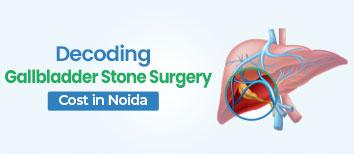
Understand the factors that influence gallbladder stone surgery cost in Noida, including hospital charges, surgeon expertise, type of procedure, and post-operative care expenses.
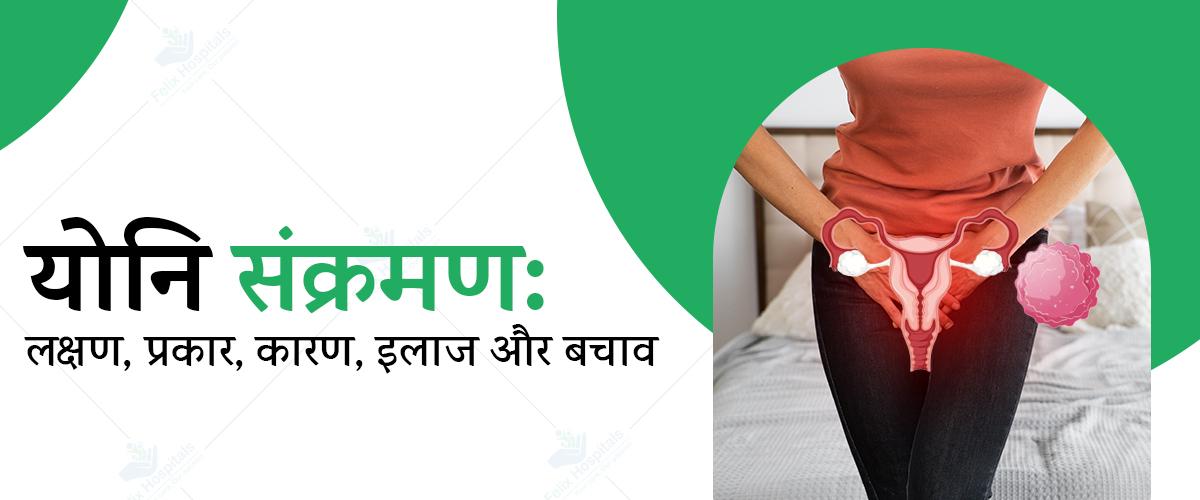
वजाइनल इंफेक्शन, जिसे योनि संक्रमण भी कहा जाता है, महिलाओं के स्वास्थ्य को प्रभावित करने वाली एक आम स्वास्थ्य समस्या है। यह इंफेक्शन या संक्रमण योनि के भीतर बैक्टीरिया, फंगस या वायरस के कारण हो सकता है और इसकी वजह से असहजता और स्वास्थ्य संबंधी समस्याएं हो सकती हैं। इसके लिए आपको समय रहते नोएडा के सर्वश्रेष्ठ स्त्री रोग विशेषज्ञ अस्पताल (Gynecology Hospital in Noida) से सलाह ले लेनी चाहिए जिससे आपको आने वाले समय में किसी भी प्रकार का कोई इन्फेक्शन न हो पाए।
योनि संक्रमण को नजरअंदाज न करें—अपनी प्रजनन क्षमता की सुरक्षा के लिए आज ही हमें +91 9667064100 पर कॉल करें और विशेषज्ञ सलाह और इलाज प्राप्त करें।
योनि संक्रमण, जिसे अंग्रेजी में "वजाइनल इंफेक्शन" कहा जाता है। महिलाओं में योनि क्षेत्र में होने वाली एक स्वास्थ्य संबंधी सामान्य समस्या है। यह संक्रमण विभिन्न प्रकार के बैक्टीरिया, फंगस (फंगस), वायरस या परजीवियों के कारण हो सकता है। यह संक्रमण तब होता है जब सामान्य रूप से पाए जाने वाले बैक्टीरियाओं की संख्या बढ़ जाती है। इससे बदबूदार, सफेद या धूसर रंग का स्राव हो सकता है।
सामान्यतः यह संक्रमण कैंडिडा नामक फंगस के कारण भी होता है। खुजली, जलन और सफेद रंग का गाढ़ा और बदबूदार स्राव निकलता है। यह एक परजीवी के कारण भी होता है और आमतौर पर यौन संचारित रोग के रूप में होता है। कुछ वायरल संक्रमण, जैसे कि हरपीस सिम्प्लेक्स वायरस भी योनि में संक्रमण का कारण बन सकते हैं। कुछ गंभीर या अनुपचारित योनि संक्रमण, जैसे कि क्लैमाइडिया और गोनोरिया यदि फैलोपियन ट्यूब (Fallopian tubes in hindi) में फैल जाते हैं, तो बांझपन (Infertility) का कारण बन सकते हैं। इसलिए, किसी भी संक्रमण का समय पर और सही उपचार जरूरी है।
खुजली और जलन:
योनि में लगातार खुजली और जलन महसूस होना।
असामान्य स्राव :
स्राव का रंग सफेद, पीला, हरा या धूसर हो सकता है। स्राव गाढ़ा, पतला, या गाढ़ा दूध जैसा हो सकता है। कभी-कभी स्राव में बदबू भी आ सकती है, जो मछली जैसी हो सकती है (विशेषकर बैक्टीरियल वेजिनोसिस में)।
योनि में सूजन और लालिमा:
योनि और उसके आस-पास की त्वचा लाल और सूजी हुई हो सकती है।
पेशाब के दौरान जलन:
पेशाब के समय जलन या दर्द होना।
यौन संबंध के दौरान दर्द:
यौन संबंध बनाते समय दर्द महसूस होना जिसे डिस्पेर्यूनिया (dyspareunia) कहा जाता है।
बदबू आना:
योनि से बदबूदार स्राव निकलना, जो संक्रमण का संकेत हो सकता है।
दर्द:
कभी-कभी योनि और उसके आस-पास के क्षेत्र में दर्द या असहजता महसूस हो सकती है।
बैक्टीरियल वेजिनोसिस :
यह संक्रमण तब होता है जब योनि में सामान्य रूप से पाए जाने वाले बैक्टीरिया की में असंतुलन होता है। विशेष रूप से, लैक्टोबैसिलस बैक्टीरिया (Lactobacillus bacteria) की संख्या कम हो जाती है और हानिकारक बैक्टीरिया की संख्या बढ़ जाती है। इस संक्रमण के कारण मछली जैसी बदबू, धूसर या सफेद स्राव, योनि में हल्की जलन या खुजली जैसे लक्षण दिखते हैं।
खमीर संक्रमण :
यह संक्रमण कैंडिडा (Candida Infection) नामक फंगस के कारण होता है, जो योनि में सामान्य रूप से भी पाया जा सकता है, लेकिन कुछ स्थितियों में इसका अत्यधिक विकास हो जाता है। गाढ़ा, सफेद, और पनीर जैसा स्राव, तीव्र खुजली, जलन, योनि में सूजन और लालिमा जैसे लक्षण हैं।
ट्राइकोमोनियासिस :
यह संक्रमण ट्राइकोमोनास वैजिनालिस नामक परजीवी के कारण होता है और यह यौन संचारित रोग के रूप में फैलता है। पीला-हरा, बदबूदार स्राव, योनि में खुजली (Vaginal itching), जलन, पेशाब के दौरान दर्द और यौन संबंध के दौरान दर्द लक्षण दिखते हैं।
वायरल संक्रमण :
विभिन्न वायरस जैसे कि हरपीस सिम्प्लेक्स वायरस और ह्यूमन पैपिलोमावायरस (एचपीवी) योनि में संक्रमण का कारण बन सकते हैं। इस कारण छाले, दर्द, खुजली, और योनि क्षेत्र में लालिमा। कुछ मामलों में, योनि से स्राव या ब्लीडिंग भी हो सकती है।
क्लैमाइडिया और गोनोरिया :
ये दोनों यौन संचारित रोग हैं जो क्लैमाइडिया ट्रैकोमेटिस और नीसेरिया गोनोरिया बैक्टीरिया के कारण होते हैं। इनका संक्रमण सामान्यतः बिना लक्षण के भी हो सकता है, लेकिन कभी-कभी योनि से असामान्य स्राव, पेशाब के दौरान दर्द और यौन संबंध के दौरान दर्द हो सकता है।
एट्रोफिक वेजिनाइटिस :
यह संक्रमण मेनोपॉज (रजोनिवृत्ति) के बाद एस्ट्रोजन हार्मोन के स्तर में कमी के कारण होता है। योनि में सूखापन, जलन, खुजली और यौन संबंध के दौरान दर्द, इसके लक्षण हैं।
बैक्टीरियल असंतुलन :
योनि में सामान्य रूप से कई प्रकार के बैक्टीरिया होते हैं, जिनमें से लैक्टोबेसिलस प्रमुख हैं। जब इन बैक्टीरिया का संतुलन बिगड़ता है, तो हानिकारक बैक्टीरिया की संख्या बढ़ जाती है, जिससे बैक्टीरियल वेजिनोसिस हो सकता है।
फंगल संक्रमण :
कैंडिडा नामक फंगस योनि में स्वाभाविक रूप से पाया जाता है। लेकिन जब इसका अत्यधिक विकास होता है, तो यह फंगल संक्रमण का कारण बन सकता है। इसका कारण एंटीबायोटिक्स का अत्यधिक उपयोग हो सकता है, जो योनि के सामान्य बैक्टीरियाओं को नष्ट कर सकता है। यह गर्भावस्था, डायबिटीज, या कमजोर प्रतिरक्षा प्रणाली, उच्च शर्करा युक्त आहार के कारण होता है।
यौन संचारित संक्रमण (एसटीआईएस) :
कुछ योनि संक्रमण (वजाइनल इंफेक्शन) जैसे कि ट्राइकोमोनियासिस, क्लैमाइडिया (Chlamydia) और गोनोरिया, यौन संपर्क के माध्यम से फैलते हैं। असुरक्षित यौन संबंध, एक से अधिक यौन साथी होना, और बिना कंडोम के यौन संबंध बनाना इन संक्रमणों का खतरा बढ़ा सकता है।
हार्मोनल परिवर्तन :
एस्ट्रोजन हार्मोन के स्तर में बदलाव, विशेष रूप से मेनोपॉज़ (रजोनिवृत्ति) के बाद, योनि के प्राकृतिक संतुलन को प्रभावित कर सकता है, जिससे एट्रोफिक वेजिनाइटिस जैसी समस्याएं उत्पन्न हो सकती हैं।
स्वच्छता और व्यक्तिगत आदतें :
अत्यधिक योनि की सफाई जैसे कि डाउचिंग, सुगंधित साबुन या अन्य रसायनयुक्त उत्पादों का उपयोग योनि के प्राकृतिक पीएच संतुलन को बिगाड़ सकता है, जिससे संक्रमण का खतरा बढ़ जाता है। गीले या तंग कपड़े पहनना, जो योनि क्षेत्र को अधिक समय तक नमी में रखता है, संक्रमण के जोखिम को बढ़ा सकता है।
कमजोर प्रतिरक्षा प्रणाली :
कमजोर प्रतिरक्षा प्रणाली वाले लोग, जैसे कि डायबिटीज या एचआईवी के रोगी (HIV patients), अधिक जोखिम में होते हैं, क्योंकि उनका शरीर संक्रमण से लड़ने में उतना सक्ष्म नहीं होता।
एलर्जी या संवेदनशीलता :
कुछ महिलाओं को कंडोम, लुब्रिकेंट या अन्य यौन सामग्री में पाए जाने वाले रसायनों से एलर्जी या संवेदनशीलता हो सकती है, जो योनि में जलन और संक्रमण का कारण बन सकती है।
पोषण की कमी:
विटामिन और खनिजों की कमी, विशेष रूप से विटामिन डी और विटामिन ए की कमी, योनि के स्वास्थ्य पर असर डाल सकती है, जिससे संक्रमण का खतरा बढ़ सकता है।
स्वच्छता का ध्यान रखें :
रोजाना गुनगुने पानी से योनि क्षेत्र की सफाई करें। इसके लिए माइल्ड साबुन या बिना सुगंध वाले उत्पादों का उपयोग करें। योनि को साफ करते समय आगे से पीछे की दिशा में पोंछें ताकि बैक्टीरिया को योनि में प्रवेश करने से रोका जा सके।
डाउचिंग से बचें :
डाउचिंग (योनि की अंदरूनी सफाई के लिए रसायनयुक्त उत्पादों का उपयोग) से योनि का प्राकृतिक पीएच संतुलन बिगड़ सकता है, जिससे संक्रमण का खतरा बढ़ जाता है।
सुगंधित उत्पादों से बचें :
सुगंधित साबुन, शावर जेल, योनि स्प्रे और सुगंधित सैनिटरी उत्पादों का उपयोग न करें, क्योंकि ये योनि की संवेदनशीलता को बढ़ा सकते हैं और संक्रमण का कारण बन सकते हैं।
साफ और सूखे कपड़े पहनें :
कॉटन के बने अंडरवियर पहनें जो सांस लेने योग्य होते हैं और नमी को सोखते हैं। तंग और नायलॉन के बने कपड़ों से बचें, क्योंकि ये नमी को फंसा सकते हैं और फंगस के विकास के लिए अनुकूल परिस्थितियां पैदा कर सकते हैं।
सुरक्षित यौन संबंध :
यौन संबंध बनाते समय कंडोम का उपयोग करें। यह यौन संचारित संक्रमण (STIs) के जोखिम को कम करता है। एक से अधिक यौन साथी से बचें और अपने साथी के स्वास्थ्य के प्रति सचेत रहें।
स्वस्थ आहार का सेवन :
प्रोबायोटिक्स, जैसे कि दही का सेवन करें, जो लैक्टोबेसिलस बैक्टीरिया की संख्या को बढ़ावा देता है और योनि के प्राकृतिक संतुलन को बनाए रखने में मदद करता है। शर्करा के अत्यधिक सेवन से बचें, क्योंकि यह खमीर संक्रमण के जोखिम को बढ़ा सकता है।
गीले कपड़े तुरंत बदलें :
स्विमिंग या व्यायाम के बाद गीले कपड़ों को तुरंत बदलें। गीले और पसीने से भरे कपड़े योनि संक्रमण का कारण बन सकते हैं।
एंटीबायोटिक्स का सावधानी से उपयोग :
डॉक्टर की सलाह के बिना एंटीबायोटिक्स का सेवन न करें। एंटीबायोटिक्स योनि के प्राकृतिक बैक्टीरिया को नष्ट कर सकते हैं, जिससे संक्रमण का खतरा बढ़ सकता है।
पेशाब के बाद सफाई :
पेशाब के बाद हमेशा योनि क्षेत्र को अच्छे से पोंछें और इसे सूखा रखें। नमी बैक्टीरिया और फंगस के विकास को बढ़ावा दे सकती है।
तनाव कम करें :
तनाव आपके शरीर की प्रतिरक्षा प्रणाली को कमजोर कर सकता है, जिससे संक्रमण का खतरा बढ़ सकता है। नियमित रूप से व्यायाम करें, ध्यान लगाएं, और पर्याप्त नींद लें।
संवेदनशीलता के लिए जागरूक रहें :
यदि आपको किसी उत्पाद, कपड़े या खाद्य पदार्थ से एलर्जी या संवेदनशीलता है, तो उनसे बचें। योनि में किसी भी प्रकार की जलन या खुजली होने पर तुरंत डॉक्टर से संपर्क करें।
बैक्टीरियल वेजिनोसिस :
डॉक्टर की सलाह द्वारा निर्धारित मेट्रोनिडाजोल या क्लिंडामाइसिन जैसी एंटीबायोटिक दवाओं का सेवन या उपयोग योनि में बैक्टीरियल संक्रमण को खत्म करने में मदद करता है। ये दवाएं मौखिक रूप में या क्रीम, जेल के रूप में योनि में लगाई जाती हैं। कभी-कभी डॉक्टर प्रोबायोटिक्स की सलाह देते हैं, जो योनि के स्वस्थ बैक्टीरिया को बहाल करने में मदद कर सकते हैं।
फंगल संक्रमण :
फंगल संक्रमण का इलाज आमतौर पर एंटिफंगल दवाओं से किया जाता है। ये दवाएं क्रीम, जेल, टैबलेट, या सपोसिटरी योनि में डाली जाने वाली गोली के रूप में उपलब्ध होती हैं। सामान्यत: क्लोट्रिमाज़ोल, माइकोनाज़ोल या फ्लुकोनाजोल का उपयोग किया जाता है। फ्लुकोनाजोल (Fluconazole) जैसी मौखिक एंटिफंगल दवा भी एक विकल्प है, खासकर अगर संक्रमण गंभीर या बार-बार हो रहा हो।
ट्राइकोमोनियासिस :
ट्राइकोमोनियासिस का इलाज मेट्रोनिडाजोल या टिनिडाजोल जैसी एंटीप्रोटोजोअल दवाओं से किया जाता है। ये दवाएं मौखिक रूप में ली जाती हैं। संक्रमण को फैलने से रोकने के लिए आपके यौन साथी का भी इलाज आवश्यक है।
वायरल संक्रमण :
हरपीस सिम्प्लेक्स वायरस संक्रमण के लिए एंटीवायरल दवाएं जैसे कि एसिक्लोविर, वलासिक्लोविर, फैम्सिक्लोविर का उपयोग किया जाता है। ये दवाएं संक्रमण के लक्षणों को कम करने और संक्रमण को फैलने से रोकने में मदद करती हैं, लेकिन इन्हें पूरी तरह खत्म नहीं कर सकतीं। एचपीवी (HPV) के लिए विशेष उपचार नहीं है, लेकिन संक्रमण के परिणामस्वरूप होने वाले वार्ट्स का इलाज किया जा सकता है। डॉक्टर योनि के वार्ट्स को हटाने के लिए क्रीम, लेजर थेरेपी या सर्जिकल प्रक्रियाओं का उपयोग कर सकते हैं।
क्लैमाइडिया और गोनोरिया :
क्लैमाइडिया और गोनोरिया का इलाज एज़िथ्रोमाइसिन (Azithromycin) या डॉक्सीसाइक्लिन जैसी एंटीबायोटिक दवाओं से किया जाता है। दोनों रोगों का इलाज यौन साथी के लिए भी आवश्यक होता है।
एट्रोफिक वेजिनाइटिस :
रजोनिवृत्ति के बाद एस्ट्रोजन के स्तर में कमी के कारण होने वाली सूजन और संक्रमण का इलाज एस्ट्रोजन क्रीम, टैबलेट या रिंग्स के उपयोग से किया जा सकता है। ये योनि के सूखापन को कम करने और संक्रमण के जोखिम को कम करने में मदद करते हैं।
घरेलू उपचार और स्व-देखभाल :
दही में मौजूद प्रोबायोटिक्स योनि के स्वस्थ बैक्टीरिया को बढ़ावा दे सकते हैं। कुछ महिलाएं खमीर संक्रमण के इलाज के लिए दही का उपयोग करती हैं, लेकिन इसे केवल डॉक्टर की सलाह (Doctor's advice) के बाद ही अपनाना चाहिए। सूखे और साफ कपड़े पहनना और गीले कपड़ों को तुरंत बदलना संक्रमण के फैलाव को रोक सकता है।
ओवर-द-काउंटर दवाएं :
हल्के संक्रमण के लिए, ओवर-द-काउंटर उपलब्ध एंटिफंगल क्रीम्स और सपोसिटरी का उपयोग किया जा सकता है। लेकिन यदि लक्षण गंभीर हैं या बार-बार हो रहे हैं, तो डॉक्टर से सलाह लेना जरूरी है।
नियमित जांच :
यदि आपको बार-बार योनि संक्रमण हो रहा है, तो नियमित रूप से डॉक्टर से जांच कराना महत्वपूर्ण है। वे आपकी स्थिति के आधार पर उचित उपचार योजना तैयार कर सकते हैं।
यदि आप योनि संक्रमण की समस्याओं का सामना कर रही हैं, तो हमारे अनुभवी स्त्री रोग विशेषज्ञों (Best Gynecologists) की टीम आपकी सहायता और देखभाल के लिए हमेशा तैयार है। हमारे विशेषज्ञ योनि संक्रमणों की पहचान और इलाज में निपुण हैं, और वे आपकी जरूरतों के अनुसार व्यक्तिगत और प्रभावी उपचार योजनाएं प्रदान करते हैं।
डॉ. चारु यादव
डॉ. सोनिया कुरुविला
यदि आप योनि संक्रमण से जूझ रही हैं या अपने स्वास्थ्य से संबंधित कोई भी प्रश्न हैं, तो आज ही हमारे विशेषज्ञों से परामर्श के लिए संपर्क करें। हम आपकी बेहतर सेहत और खुशहाल जीवन के सफर में आपका साथ देने के लिए यहां हैं।
समय पर इलाज आपको कई जटिलताओं से बचा सकता है। अधिक जानकारी और व्यक्तिगत देखभाल के लिए हमें +91 9667064100 पर संपर्क करें।
समय पर उपचार और उचित देखभाल से योनि संक्रमण को प्रभावी ढंग से नियंत्रित किया जा सकता है। योनि संक्रमण का सफल इलाज संभव है, लेकिन इसके लिए सही निदान और उपचार आवश्यक है। डॉक्टर द्वारा किए गए जांच जैसे कि योनि की जांच और लैब टेस्ट (lab test), संक्रमण के प्रकार को निर्धारित करने में मदद करते हैं। इसके आधार पर, डॉक्टर एंटीबायोटिक, एंटीफंगल या एंटी पैरासिटिक दवा देते हैं। इसलिए लक्षण दिखने पर सतर्क हो जाए।
Dr. Charu Yadav is an obstetrician and gynecologist with 12+ years of experience, specializing in high-risk and twin pregnancies, ectopic pregnancy, and menstrual disorders. Trained in laparoscopic surgery, she provides care for pregnancy, infertility, menopause, and gynae procedures. She is also recognized among the Best Gynecologists in Noida for her patient-focused treatment.
पीसीओडी (PCOD) की समस्या उन महिलाओं में अधिक देखने को मिल रही है, जो नाइट शिफ्ट में काम करती हैं। पूरी रात जागना देर रात खाना जैसी लाइफस्टाइल उनकी सेहत को भारी नुकसान पहुंचा रही है।
Sexually transmitted infection is one of the significant public health problems. And the bigger problem is people hide sexual dysfunction instead of discussing it.


Subscribe to our
© Copyright 2026. All Rights Reserved by Felix Healthcare Private Limited
Design and development by :


 +(91)9667064100
 Emergency : +(91)9667064100