 WhatsApp
 Emergency:
  WhatsApp











Subscribe to our

Homeopathy, an alternative form of medicine, has been gaining increasing attention for its cost-effectiveness and long-term efficacy in treating various ailments. In primary health care, especially in cities like Noida, homeopathy serves as a reliable, holistic treatment option for those looking for a more natural, side-effect-free approach. The affordability and comprehensive care provided by homeopathy make it an attractive option for many patients.
Whether addressing chronic or acute conditions, the focus on treating the root cause of illnesses has contributed to its growing popularity. For those seeking the best homeopathy hospital in Noida, numerous clinics offer personalized care while maintaining transparency about treatment costs.
Experience Personalized Care: Book Your Appointment Now by Clicking Here for Effective Homeopathic Treatment! Call us at +91 9667064100.
When considering the cost of homeopathy treatments, several factors come into play. The cost of homeopathy can vary based on a few essential elements:
1. Complexity of the Condition: The severity of the illness being treated often influences the cost. Chronic conditions that require long-term treatment may lead to higher costs than acute conditions that can be resolved quickly.
2. Duration of Treatment: Homeopathic remedies tend to act slowly and are meant to offer long-term relief by addressing the root cause. This means that the duration of treatment is a key factor in determining the overall cost. Chronic conditions may require several months or even years of treatment, which can add to the expenses.
3. Frequency of Consultations: Frequent follow-up consultations with your homeopath may be needed to monitor progress and adjust remedies. These follow-ups can increase the total homeopathy treatment cost, depending on how many visits are required.
4. Customized Medications: Homeopathy relies heavily on individualized prescriptions, meaning the remedies prescribed are tailored to each patient. While most remedies are affordable, certain rare or specialized ones can be more costly.
5. Diagnostic Tests: While homeopathy primarily focuses on natural treatments, some cases may require diagnostic tests such as blood work, which can contribute to the overall cost of care.
Although homeopathy is already considered a cost-effective form of treatment, there are several ways to minimize the financial burden while receiving care:
1. Choose a Reputable Hospital: Opt for a well-established medical institution like Felix Hospital, where the quality of care and expertise of the homeopaths ensure faster recovery, reducing the long-term cost of homeopathy treatment.
2. Follow Treatment Plans Diligently: Adhering to your prescribed treatment plan can help speed up recovery, reducing the number of follow-up consultations needed, and thereby saving costs.
3. Ask About Affordable Medication Options: Some homeopathic remedies are more expensive than others. Ask your homeopath about less costly alternatives without compromising treatment efficacy.
4. Preventive Care: Homeopathy works best when combined with preventive measures like a healthy diet, regular exercise, and lifestyle changes, which can reduce the need for more frequent or intensive treatments.
5. Check Insurance Coverage: Some health insurance plans may cover alternative treatments like homeopathy. It’s important to verify with your provider whether homeopathic care is included in your policy.
Felix Hospital is a premier healthcare provider in Noida, offering comprehensive homeopathic care in a professional, patient-focused environment. Here’s why you should choose Felix Hospital for homeopathic treatment:
1. Expert Homeopaths: Our homeopathic doctors are highly qualified and experienced, ensuring precise diagnosis and effective treatments. They specialize in creating personalized treatment plans that cater to each patient's specific needs.
2. Holistic Approach: We offer a patient-centered, holistic approach to care, focusing not just on physical symptoms but also on emotional and psychological well-being.
3. Transparent Pricing: At Felix Hospital, we believe in complete transparency regarding the cost of care. We ensure that patients are well-informed about the cost of consultations, medications, and treatments upfront, with no hidden fees.
4. State-of-the-Art Facilities: Our hospital is equipped with advanced diagnostic and therapeutic technologies, ensuring a smooth and effective treatment process, whether you require homeopathy alone or in combination with other medical services.
5. Convenient Location: Located in Noida, Felix Hospital is easily accessible to patients from all across Delhi NCR, offering top-tier homeopathic care right in your neighborhood.
If you are searching for a homeopathic doctor near me Felix Hospital is here for you. We take pride in housing some of the most skilled homeopaths in the region. Our team of homeopathists is led by Dr. Rajni Katyal, a leading expert with years of experience in treating a wide range of acute and chronic conditions using homeopathy. With a patient-first approach, Dr. Rajni Katyal specializes in personalized treatment plans designed to address each patient's unique health challenges, ensuring long-term relief and well-being.
Discover the Benefits of Homeopathy: Schedule a Consultation by Calling on +91 9667064100 with Our Expert Homeopaths Today!
Q1. What conditions can be treated with homeopathy?
Ans: Homeopathy is effective for treating a variety of conditions, including asthma, allergies, skin issues, digestive problems, and mental health conditions such as anxiety and depression.
Q2. How long does homeopathic treatment take?
Ans: The duration of homeopathic treatment varies depending on the severity of the condition and the individual’s response to the remedies. Chronic conditions may require longer treatment periods.
Q3. Is homeopathy safe?
Ans: Yes, homeopathy is generally considered safe with minimal side effects because it uses highly diluted natural substances.
Q4. Are homeopathic remedies expensive?
Ans: Homeopathic remedies are typically affordable, though the total cost depends on the complexity of the condition and the duration of treatment.
Q5. Can homeopathy be combined with conventional medicine?
Ans: Yes, homeopathy can be used alongside conventional medicine, but it is essential to consult with both your homeopath and conventional doctor.
Q6. What makes homeopathy cost-effective?
Ans: Homeopathy is cost-effective because it focuses on long-term relief and addresses the root cause of illnesses, often reducing the need for expensive medications or surgeries.
Q7. How do I choose the right homeopath?
Ans: Look for experienced and qualified homeopaths with a good reputation. At Felix Hospital, our homeopaths are highly skilled and have a proven track record of successful treatments.
Q8. Does insurance cover homeopathy?
Ans: Some insurance plans do cover homeopathic treatment, so it’s advisable to check with your provider.
9. How do I schedule a consultation with a homeopath at Felix Hospital?
Ans: You can schedule a consultation by contacting Felix Hospital directly through our website or by calling our appointment desk.

Homeopathy has been around for over 200 years and is often surrounded by myths and confusion. Many people have heard various stories and ideas about it, but it can be tricky to know what’s true.
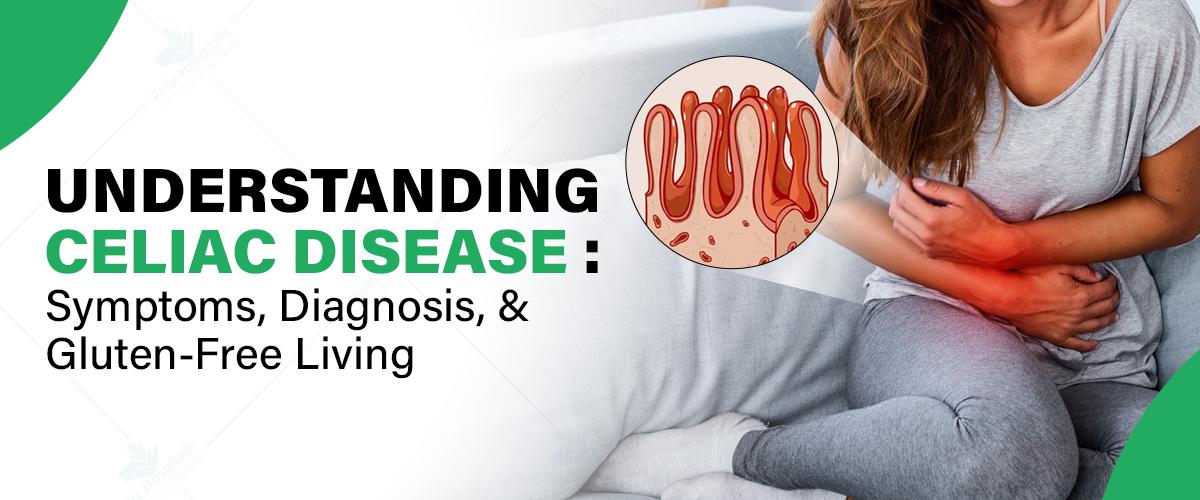
Celiac disease is a chronic autoimmune disorder that affects millions of people worldwide, yet it often goes undiagnosed or misunderstood. This condition is triggered by consuming gluten—a protein found in wheat, barley, and rye. For individuals with celiac disease, ingesting even small amounts of gluten can lead to severe health complications, including digestive issues and long-term intestinal damage. If you're seeking specialized care, a liver hospital in Noida can offer expert guidance in managing celiac disease and related liver health concerns. Let’s explore the symptoms, diagnosis, and management of celiac disease, with a focus on living a gluten-free lifestyle.
Concerned about celiac disease symptoms? Take the first step toward a diagnosis today! Call now at +91 9667064100.
Celiac disease is an autoimmune disorder in which the body’s immune system mistakenly attacks the small intestine when gluten is consumed. Over time, this immune response damages the villi—tiny, finger-like projections lining the small intestine that help absorb nutrients. When the villi become damaged, the body cannot absorb essential nutrients properly, leading to malnutrition and a host of related health issues.
Celiac disease can develop at any age and is often hereditary. People with a first-degree relative (parent, sibling, or child) with the condition have a higher risk of developing it.
The symptoms of celiac disease vary widely, making diagnosis challenging. Some people experience gastrointestinal symptoms, while others may have symptoms that seem unrelated to the digestive system. Below are some of the most common symptoms:
- Abdominal Pain and Bloating: These are often the most immediate and recognizable symptoms. After consuming gluten, individuals with celiac disease may experience cramping, bloating, and discomfort.
- Chronic Diarrhea or Constipation: Celiac disease can disrupt the normal digestion process, leading to persistent diarrhea or constipation. These issues are often mistakenly attributed to other gastrointestinal disorders like irritable bowel syndrome (IBS).
- Nausea and Vomiting: Some individuals may feel nauseous or vomit after eating gluten-containing foods.
- Fatigue: Persistent tiredness and fatigue are common, especially as the body becomes malnourished due to poor nutrient absorption.
- Weight Loss: Unintentional weight loss can occur as a result of malabsorption of nutrients.
- Iron-Deficiency Anemia: Since the body struggles to absorb iron, many individuals with celiac disease develop anemia, characterized by fatigue, pale skin, and shortness of breath.
- Skin Rash: A specific rash called dermatitis herpetiformis, characterized by itchy, blistering skin, can occur in some people with celiac disease.
- Bone and Joint Pain: Malnutrition can lead to weakened bones and joints, increasing the risk of fractures and arthritis.
- Neurological Symptoms: Some individuals experience headaches, depression, anxiety, or numbness and tingling in the hands and feet.
- Delayed Growth in Children: Children with celiac disease may have delayed growth and puberty due to malnutrition.
It’s important to note that some individuals with celiac disease are asymptomatic, meaning they do not show any outward signs of the condition. However, they can still experience long-term complications if the disease is left untreated.
Genetic factors combined with gluten consumption and other elements can lead to celiac disease, though the exact cause remains unknown.
Possible contributors include infant-feeding practices, gastrointestinal infections, and gut bacteria, but none of these have been definitively proven.
Celiac disease may become active after events like surgery, pregnancy, childbirth, viral infections, or severe emotional stress.
The immune system overreacts to gluten, causing damage to the villi (tiny, hairlike projections) in the small intestine.
Villi are responsible for absorbing vitamins, minerals, and nutrients. When damaged, they can't absorb sufficient nutrients, even with adequate food intake.
Diagnosing celiac disease can be complex, given the wide range of symptoms that mimic other conditions. However, medical professionals typically follow a standard set of tests to confirm the diagnosis.
The first step in diagnosing celiac disease usually involves blood tests to check for specific antibodies that indicate an immune reaction to gluten. The most common blood tests include:
- Tissue Transglutaminase Antibodies (tTG-IgA): This is the most common and reliable blood test for diagnosing celiac disease. Elevated levels of tTG-IgA antibodies indicate that the immune system is reacting to gluten.
- Deamidated Gliadin Peptide (DGP-IgA and IgG): These antibodies may be tested when other results are inconclusive, especially in individuals with IgA deficiency.
It is essential to continue consuming gluten before and during the testing process, as eliminating gluten beforehand can result in false-negative test results.
If blood tests suggest celiac disease, a doctor may recommend an endoscopy to confirm the diagnosis. During this procedure, a thin tube with a camera (endoscope) is passed through the mouth and into the small intestine. The doctor takes small tissue samples (biopsies) from the small intestine to examine under a microscope. Damage to the villi confirms celiac disease.
Genetic testing can be used to determine whether an individual carries the HLA-DQ2 or HLA-DQ8 genes, which are present in almost all people with celiac disease. However, the presence of these genes alone does not confirm celiac disease, as many people who carry the genes never develop the condition.
Currently, the only effective treatment for celiac disease is a lifelong gluten-free diet. Eliminating gluten from the diet allows the intestine to heal and prevents further damage. Below are some key tips for living gluten-free.
The first step to managing celiac disease is understanding which foods contain gluten. Gluten is found in:
- Wheat: This includes all varieties such as spelled, farro, and durum.
- Barley: Often found in malt products like malt vinegar and beer.
- Rye: Less common but still present in some breads and cereals.
Many processed foods, sauces, and condiments may contain hidden gluten, so it’s important to read labels carefully.
There are many naturally gluten-free foods, such as fruits, vegetables, meats, poultry, fish, dairy, and legumes. In addition, many gluten-free grains are available, including:
- Rice
- Quinoa
- Buckwheat
- Millet
- Corn
- Amaranth
Today, a wide range of gluten-free bread, pasta, and baked goods are available in grocery stores, making gluten-free living more accessible.
Even a small amount of gluten can trigger symptoms in people with celiac disease, so avoiding cross-contamination is crucial. This includes:
- Using separate cooking utensils, cutting boards, and toasters.
- Cleaning surfaces and hands thoroughly before preparing gluten-free meals.
- Ensuring that restaurant meals are prepared in a gluten-free kitchen.
Going gluten-free can sometimes result in a diet that lacks essential nutrients, especially fiber, iron, and B vitamins. It’s important to:
- Choose Whole Foods: Focus on naturally gluten-free whole foods like fruits, vegetables, lean proteins, and gluten-free grains.
- Supplement if Needed: Some individuals may need to take supplements, especially during the initial recovery period, to make up for nutrient deficiencies.
A registered dietitian with experience in celiac disease can help individuals transition to a gluten-free lifestyle, offering guidance on meal planning, reading labels, and avoiding cross-contamination.
Adopting a gluten-free diet can improve symptoms and prevent complications, but individuals with celiac disease must remain vigilant about their diet for life. Untreated or poorly managed celiac disease can lead to long-term health complications, including:
- Osteoporosis: Due to poor calcium absorption.
- Infertility and Miscarriage: In women, untreated celiac disease can affect reproductive health.
- Neurological Conditions: Uncontrolled celiac disease has been linked to conditions like migraines, seizures, and neuropathy.
- Increased Risk of Other Autoimmune Disorders: Including type 1 diabetes, multiple sclerosis, and autoimmune thyroid disease.
Dr. Jagatjot Singh Gill
With over 11 years of specialized experience, Dr. Jagatjot Singh Gill is a highly accomplished gastroenterologist known for his expertise in hepatology and interventional endoscopy. He is widely recognized for his ability to manage complex gastrointestinal and liver disorders, providing advanced care to his patients.
Dr. Amrit Yog Datley
Dr. Amrit Yog Datley brings over 8 years of experience as a respected gastroenterologist and critical care specialist. His expertise lies in diagnosing and treating challenging liver and gastrointestinal conditions, combining his extensive clinical knowledge with evidence-based practices to deliver optimal patient care.
Ready to take control of your health? Learn how a gluten-free lifestyle can improve your quality of life with celiac disease. Call Now at +91 9667064100.
Celiac disease is a serious autoimmune disorder that requires lifelong management through a strict gluten-free diet. While the condition can present a variety of symptoms and challenges, proper diagnosis and commitment to gluten-free living can greatly improve the quality of life. By understanding the symptoms, seeking early diagnosis, and making informed dietary choices, individuals with celiac disease can lead healthy, fulfilling lives.
Embracing a gluten-free lifestyle may seem daunting at first, but with the right support and resources, it becomes manageable. From reading food labels to preparing meals safely, the journey to gluten-free living is a vital step in ensuring long-term health and wellness for those affected by celiac disease.
1. What is celiac disease?
Ans: Celiac disease is an autoimmune disorder in which consuming gluten triggers an immune response that damages the small intestine, leading to malabsorption of nutrients.
2. What are the most common symptoms of celiac disease?
Ans: Common symptoms include abdominal pain, diarrhea, constipation, fatigue, weight loss, and iron-deficiency anemia. Some people may also experience skin rashes, joint pain, or neurological symptoms.
3. How is celiac disease diagnosed?
Ans: Diagnosis typically involves blood tests to detect specific antibodies and may include an endoscopy with a biopsy of the small intestine to confirm damage to the villi.
4. Is there a cure for celiac disease?
Ans: There is no cure for celiac disease, but it can be effectively managed by adopting a strict gluten-free diet to prevent symptoms and further complications.
5. What foods should I avoid if I have celiac disease?
Ans: You should avoid all foods containing wheat, barley, rye, and their derivatives. This includes most bread, pasta, cereals, and processed foods unless they are labeled gluten-free.
6. Can I still eat out if I have celiac disease?
Ans: Yes, but you need to be cautious. Many restaurants offer gluten-free options, but it’s important to ask about how meals are prepared to avoid cross-contamination.
7. What happens if I accidentally eat gluten?
Ans: If you accidentally consume gluten, you may experience symptoms like abdominal pain, bloating, or diarrhea. The severity of symptoms varies, but it's important to get back to your gluten-free diet as soon as possible.
8. Can children develop celiac disease?
Ans: Yes, celiac disease can develop at any age, including childhood. It’s important to monitor for symptoms like poor growth, abdominal pain, or fatigue in children.
9. What’s the difference between gluten sensitivity and celiac disease?
Ans: Gluten sensitivity presents symptoms similar to those of celiac disease. However, it does not trigger an autoimmune response or cause damage to the small intestine. While gluten sensitivity is managed by avoiding gluten, it does not necessitate as strict a dietary regimen as that required for celiac disease, managed by avoiding gluten, but it does not require as strict a diet.
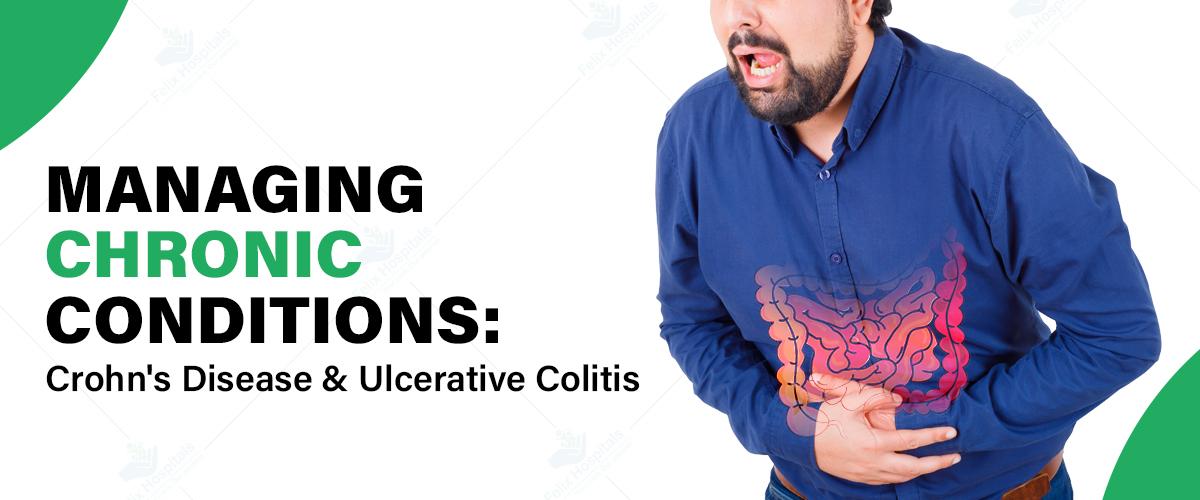
Chronic conditions like Crohn's disease and ulcerative colitis are serious health concerns that affect millions of people worldwide. Both conditions are forms of inflammatory bowel disease (IBD), which causes inflammation in the digestive tract. Though similar in some ways, Crohn's disease and ulcerative colitis differ in their symptoms, the areas they affect, and their treatment options. Understanding these conditions and the proper strategies for managing them is key to improving the quality of life for those affected.
This comprehensive guide will explore the symptoms, causes, diagnosis, and management strategies for both Crohn's disease and ulcerative colitis. By delving into the nuances of these conditions, you will better understand how to manage them effectively and maintain a high quality of life.
Get Expert Guidance and Support! Managing chronic conditions like Crohn's disease and ulcerative colitis can be challenging. Call us on +91 9667064100.
Both Crohn's disease and ulcerative colitis are types of IBD that lead to chronic inflammation in the gastrointestinal (GI) tract. However, they differ in terms of the areas affected and the depth of inflammation.
Crohn's disease can affect any part of the GI tract, from the mouth to the anus, although it most commonly impacts the end of the small intestine and the beginning of the colon. Unlike ulcerative colitis, Crohn's disease can affect multiple layers of the intestinal walls, leading to more severe complications.
Abdominal pain and cramping: This is often severe and persistent, particularly in the lower-right abdomen.
Diarrhea: Chronic diarrhea, often with blood or mucus, is a common symptom.
Weight loss and malnutrition: Due to the body’s inability to properly absorb nutrients.
Fatigue: Extreme tiredness is common, often due to anemia or malnutrition.
Fever: Low-grade fever may occur during active disease.
Complications associated with Crohn's disease include strictures (narrowing of the intestines due to scar tissue), fistulas (abnormal connections between different parts of the intestines or between the intestines and other organs), abscesses, and nutritional deficiencies.
Ulcerative colitis primarily affects the colon (large intestine) and rectum, causing inflammation and ulcers in the inner lining of the colon. The inflammation usually begins in the rectum and spreads upwards to the colon.
Frequent bowel movements: This is often urgent, and diarrhea is common, typically with blood or pus.
Abdominal pain: Cramping and discomfort, especially on the left side of the abdomen.
Rectal bleeding: Blood in the stool is a common symptom.
Weight loss: Particularly in severe cases, due to loss of appetite and malnutrition.
Fatigue and fever: These symptoms are common in periods of active disease.
In severe cases, ulcerative colitis can lead to complications such as toxic megacolon (a condition in which the colon rapidly expands), perforation of the colon, and an increased risk of colon cancer.
While the exact cause of Crohn's disease and ulcerative colitis remains unclear, researchers believe that a combination of factors contribute to the development of these conditions:
1. Genetic Predisposition: People with a family history of IBD are at higher risk of developing Crohn's disease or ulcerative colitis.
2. Immune System: Both diseases are believed to result from an abnormal immune response, where the immune system attacks healthy cells in the GI tract, mistaking them for foreign invaders.
3. Environmental Triggers: Diet, stress, smoking (specifically for Crohn’s disease), and certain medications may trigger or worsen symptoms.
4. Gut Microbiome: Imbalances in gut bacteria are thought to play a role in the development of IBD.
Diagnosing Crohn's disease and ulcerative colitis requires a combination of medical history, physical examinations, and diagnostic tests. Early diagnosis is key to managing chronic conditions effectively.
1. Colonoscopy and Endoscopy: A colonoscopy allows doctors to examine the inside of the colon and rectum and take tissue biopsies for analysis. Endoscopy is used to examine the upper GI tract.
2. Imaging Studies: Techniques like MRI, CT scans, and barium X-rays can help doctors visualize the extent of inflammation and identify complications like strictures or fistulas.
3. Blood Tests: Blood tests can detect anemia, inflammation, or markers of infection.
4. Stool Tests: These help rule out infections and check for inflammation markers such as calprotectin.
5. Capsule Endoscopy: A small, swallowable camera captures images of the small intestine, allowing for a closer look at inflammation in areas that may not be accessible through traditional endoscopy.
Both Crohn's disease and ulcerative colitis are chronic conditions that require lifelong management. Treatment is focused on reducing inflammation, managing symptoms, and achieving remission (a period during which the disease is inactive).
Making lifestyle adjustments is an important aspect of managing IBD. While no specific diet has been proven to cure Crohn's disease or ulcerative colitis, certain dietary modifications can help reduce symptoms and improve overall health.
1. Balanced Diet: It is important to maintain a well-balanced diet, with sufficient vitamins and minerals. Working with a dietitian can help identify trigger foods and develop a plan that meets nutritional needs.
2. Avoid Trigger Foods: Certain foods may trigger or worsen symptoms. Common triggers include spicy foods, high-fiber foods, dairy, and caffeine. Identifying and avoiding these can help manage symptoms.
3. Hydration: Staying hydrated is essential, especially during flare-ups when diarrhea is common. Drinking plenty of water can help replace fluids lost.
4. Small, Frequent Meals: Eating smaller, more frequent meals rather than large portions can ease digestive discomfort.
5. Probiotics and Supplements: Probiotics can promote gut health, and supplements may be recommended to address nutritional deficiencies.
Stress does not cause IBD, but it can exacerbate symptoms. Managing stress through relaxation techniques, yoga, mindfulness, or therapy can significantly improve the quality of life.
In cases where medication and lifestyle changes are insufficient to control the disease, surgery may be necessary:
For Crohn’s Disease: Surgery may involve removing damaged portions of the intestines, draining abscesses, or repairing fistulas. While surgery can alleviate symptoms, it is not a cure for Crohn’s disease, and the condition may return to other parts of the GI tract.
For Ulcerative Colitis: In severe cases, removing the colon and rectum (proctocolectomy) can cure the disease, but patients may need to adjust to a new way of passing waste through an ileostomy or internal pouch. For those seeking advanced care, visit the best hospital for ulcerative colitis treatment for expert guidance and management options.
Managing Crohn's disease and ulcerative colitis requires a holistic approach that includes both medical treatment and lifestyle modifications. Here are some tips to improve your quality of life:
1. Regular Medical Care: Work closely with your healthcare team to monitor your condition, adjust treatments, and prevent complications.
2. Emotional Support: Living with a chronic condition can be emotionally challenging. Consider joining support groups or talking to a mental health professional to manage stress and emotions.
3. Stay Informed: Educate yourself about your condition, potential triggers, and treatment options. Being informed will help you take control of your health.
4. Physical Activity: Exercise can help reduce stress, improve digestion, and boost overall health. However, it is important to choose activities that are appropriate for your energy levels.
5. Keep a Symptom Journal: Keeping track of symptoms, diet, and lifestyle changes can help you and your doctor identify patterns and triggers that affect your condition.
Dr. Jagatjot Singh Gill
Dr. Jagatjot Singh Gill is a highly skilled gastroenterologist with more than 11 years of experience in the field. His expertise spans hepatology and interventional endoscopy, where he is recognized for successfully managing complex gastrointestinal and liver conditions with precision and care.
Dr. Amrit Yog Datley
With over 8 years of experience, Dr. Amrit Yog Datley is a distinguished gastroenterologist and critical care specialist. He excels in diagnosing and treating intricate liver and gastrointestinal disorders, drawing on his deep clinical expertise and commitment to evidence-based medicine to provide exceptional patient care.
If you're living with Crohn's disease or ulcerative colitis, don't let it control your life. Visit Felix Hospitals and consult our expert Click Here now for more.
Managing chronic conditions like Crohn's disease and ulcerative colitis requires a holistic approach, including medication, lifestyle adjustments, and continuous support from healthcare professionals. Patients benefit from comprehensive care that focuses on the latest treatments and personalized management plans. By staying informed, following prescribed treatments, and making proactive choices, individuals with these conditions can lead fulfilling and active lives despite the challenges they may encounter. For those seeking the best hospital for stomach problems, it's crucial to find a facility that provides specialized care and cutting-edge treatment options.
1. What are Crohn's disease and ulcerative colitis?
Ans. Crohn's disease and ulcerative colitis are both types of inflammatory bowel disease (IBD). Crohn’s can affect any part of the gastrointestinal tract, while ulcerative colitis is limited to the colon and rectum.
2. What causes Crohn’s disease and ulcerative colitis?
Ans. The exact cause is unknown, but a combination of genetics, abnormal immune responses, environmental factors, and gut microbiome imbalances are thought to contribute to these conditions.
3. What are the common symptoms of Crohn’s disease and ulcerative colitis?
Ans. Symptoms for both conditions include abdominal pain, diarrhea (sometimes with blood), fatigue, weight loss, and urgency to pass stool. Crohn’s may also cause mouth sores and fistulas.
4. How are Crohn’s disease and ulcerative colitis diagnosed?
Ans. Diagnosis typically involves a combination of medical history, physical exams, colonoscopy, endoscopy, imaging studies (MRI, CT scans), and blood/stool tests to check for inflammation markers.
5. Can diet help manage symptoms of Crohn’s disease and ulcerative colitis?
Ans. While no specific diet can cure these conditions, dietary changes such as avoiding trigger foods, staying hydrated, and eating small, frequent meals can help manage symptoms and reduce flare-ups.
6. What treatment options are available for Crohn’s disease and ulcerative colitis?
Ans. Treatment options include anti-inflammatory drugs, immunosuppressants, biologics, lifestyle modifications, dietary changes, and in severe cases, surgery. Your treatment plan will depend on the severity of your condition.
7. Are Crohn’s disease and ulcerative colitis curable?
Ans. Both Crohn’s disease and ulcerative colitis are chronic conditions, meaning they are long-lasting and may not be curable. However, with proper treatment and management, patients can achieve remission and live a normal life.
8. How can stress affect Crohn's disease and ulcerative colitis?
Ans. Stress does not cause IBD but can worsen symptoms and trigger flare-ups. Managing stress through relaxation techniques, therapy, or exercise is important in managing the disease.
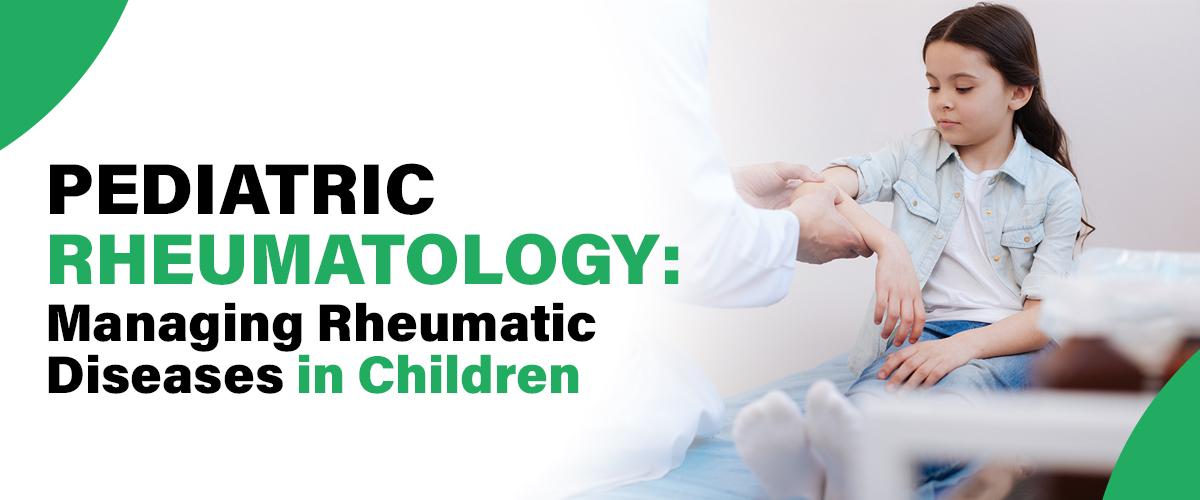
Concerns arise when children develop diseases for parents and healthcare providers alike. The field of pediatric rheumatology focuses specifically on addressing and managing the intricate conditions that impact the joints, muscles, and connective tissues of young individuals. Successful treatment necessitates a blend of medical knowledge and empathetic attention to guarantee favorable results, for these young patients.
If you suspect your child may have a rheumatic disease, reach out to us for a comprehensive evaluation and personalized treatment plan. Call now at +91 9667064100.
Diseases like rheumatism can affect children of all ages from infancy to years and are referred to as pediatric autoimmune disorders due to their inflammatory nature that can impact various body systems.
Juvenile Idiopathic Arthritis (also known as JIA) is a form of arthritis that impacts kids and is marked by joint inflammation that results in discomfort and limited movement of the joints affected by swelling and stiffness. If not properly controlled or managed well, JIA can affect the growth of children.
Systemic Lupus Erythematosus (commonly known as SLE) is an autoimmune condition that affects various parts of the body such as the skin and joints and can also impact organs like the kidneys and heart specifically in kids with signs with a butterfly-shaped rash on the face along, with joint discomfort and ongoing tiredness.
Kawasaki Disease mainly affects children under the age of five. Involves inflammation of blood vessels as a key feature of the condition. The signs and symptoms consist of fever along with skin rashes swelling in the hands and feet and redness, in the eyes. If left untreated Kawasaki Disease can lead to heart-related risks.
Scleroderma is a condition that results in the hardening and thickening of the skin and connective tissues while also potentially impacting internal organs and causing issues such as difficulty swallowing and joint discomfort.
Still's Disease is a type of JIA that includes symptoms, like fever and skin rashes alongside swelling and slow-healing skin eruptions often seen in this condition.

Detective work in spotting signs of pediatric rheumatic diseases in kids can be quite tricky since the symptoms tend to mix with those of other illnesses too often seen in children these days. Some telltale signs to keep an eye out for may include:
- Persistent Joint Pain and Swelling: Enduring discomfort and inflammation in the joints can restrict movement and impact tasks significantly.
- Fever and Rash: People with conditions such as Still's Disease often experience repeated episodes of fever. Develop unique skin rashes, as distinct symptoms.
- Fatigue and Weakness: Chronic inflammation may cause increased tiredness and lack of energy which can affect how well you perform in school and carry out your tasks.
- Growth Issues: Children affected by idiopathic arthritis (JIA) may experience challenges in growth and development leading to potential limitations, in weight gain and height compared to their peers.
- Painful Swallowing and Digestive Issues: Troublesome Swallowing and Digestive Troubles may arise due to health issues and scleroderma resulting in challenges, with swallowing and gastrointestinal concerns.
Diagnosis entails taking a comprehensive approach that includes:
- Blood Tests: Blood tests are used to identify signs of inflammation. Certain antibodies are linked to rheumatic conditions.
- Imaging Studies: Imaging tests such as X-rays, MRIs, and ultrasounds show irregularities and signs of inflammation.
- Joint Aspiration: Examining fluid through joint aspiration is a method used to detect infections or other factors contributing to joint issues.
Treatment plans are customized to address the needs of each child and might incorporate various approaches tailored to their requirements:
- Medications: Medications such as inflammatory drugs and disease-modifying antirheumatic drugs (DMARD), alongside biologics are used to manage inflammation and slow down the progression of the disease.
- Physical Therapy: Physical therapy involves a series of exercises aimed at enhancing mobility and strength while also improving muscle stability.
- Lifestyle Adjustments: Incorporating lifestyle changes, like receiving advice on nutrition and managing stress alongside making adjustments can help promote general well-being.
- Regular Monitoring: Continuous Checking, and evaluations to monitor the advancement of illnesses and adjust treatments accordingly as required.
Specialists in rheumatology play a crucial role in managing care for young patients with pediatric autoimmune disorders by providing personalized treatment plans and support to enhance both their physical well-being and emotional health to enhance their overall quality of life and health outcomes. Set up a meeting with Dr. Kiran Seth or our team specializing in rheumatology to go over your child's symptoms. Reach out to us at +91 9667064100 for information.
Schedule a consultation with Dr. Kiran Seth or our pediatric rheumatology team to discuss your child’s symptoms. Contact us at +91 9667064100.
Effectively managing conditions in children requires a holistic and compassionate approach. Early identification of the condition and the development of individualized treatment strategies are essential for managing symptoms and improving quality of life. If you have concerns about your child’s health or need specialized care, seeking advice from the best rheumatology hospital can provide a thorough assessment and a personalized treatment plan. With the right care and support, children with rheumatic conditions can lead fulfilling and active lives.
Q1. What does pediatric rheumatology involve?
Ans. Pediatric rheumatology involves the identification and management of conditions in children that impact their joints and muscles as well, as connective tissues.
Q2. What kinds of conditions are frequently seen in kids?
Ans. Some of the types are Juvenile Idiopathic Arthritis (also known as JIA) Systemic Lupus Erythematosus (abbreviated as SLE) Kawasaki Disease (KD) Scleroderma (SD) and Still’s Disease (SD).
Q3. How do doctors diagnose rheumatic diseases?
Ans. The process of diagnosis includes gathering medical history information from patients and conducting examinations along with blood tests and imaging scans to assess the condition thoroughly.
Q4. What are the options for treating diseases in children?
Ans. Treatment options may consist of medications like inflammatory drugs and biologics as well as disease-modifying antirheumatic drugs (DMARD) along with physical therapy sessions and lifestyle modifications, for management purposes while keeping a close eye on the progress through regular monitoring.
Q5. How do I recognize symptoms of conditions in my child?
Ans. Keep an eye out for discomfort in your joints or persistent swelling accompanied by feverish symptoms, like rashes and fatigue; also watch for any growth-related concerns or digestive issues that may arise.
Q6. What responsibilities do pediatric rheumatologists have?
Ans. Specialists in rheumatology focus on treating rheumatic disorders and provide specialized care tailored to each patient and their family's needs.
Q7. Are there adjustments to one way of life that could assist in the management of rheumatic conditions, in children?
Ans. Indeed! Making adjustments to your lifestyle like focusing on nutrition choices, managing stress effectively, and modifying your activities can all contribute to improving your overall health and well-being.
Q8. How crucial do you think early identification of diseases plays a role in their treatment?
Ans. Detecting an illness in its stages is essential for receiving prompt care that can enhance results and enhance the overall quality of life.
Q9. What are the expectations regarding the outcomes for kids, with conditions?
Ans. The outlook differs depending on the condition and how well one responds to treatment; however, lots of kids can enjoy a satisfying life, with appropriate care.

Gout is a form of arthritis caused by the buildup of uric acid crystals in the joints, leading to sudden and severe pain

Lupus is an autoimmune disorder that often affects women more than men. Recognizing its early signs—such as joint pain, fatigue, and skin rashes—can help in timely diagnosis and treatment, improving long-term health outcomes.
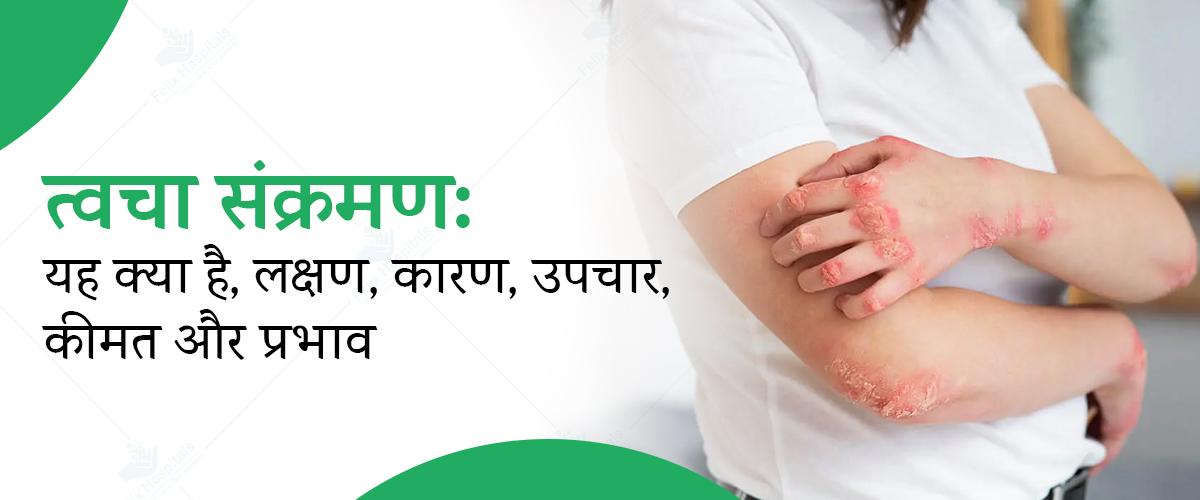
त्वचा संक्रमण (Skin Infection) तब होता है जब बैक्टीरिया, वायरस, फंगस या परजीवी त्वचा में घुसकर संक्रमण फैलाते हैं। ये संक्रमण कई प्रकार के हो सकते हैं। त्वचा संक्रमण का समय पर इलाज न करने पर संक्रमण गंभीर हो सकता है, इसलिए सही समय पर डॉक्टर से परामर्श करना आवश्यक है। यदि आपको या किसी और को त्वचा संक्रमण के लक्षण महसूस हो रहे हैं, तो तुरंत हॉस्पिटल से (Best skin infection treatment hospital) चिकित्सा सहायता प्राप्त करें। जानिए इसके लक्षण से लेकर इलाज तक के बारे में विस्तार से..
ज्यादा जानकारी के लिए हमें कॉल करें +91 9667064100.
त्वचा संक्रमण क्या है ? (What is Skin infections)
लक्षण (Symptoms)
प्रकार (Types)
कारण (Causes)
बचाव (Prevention)
इलाज (Treatment)
त्वचा संक्रमण के इलाज की कीमत (Cost of Skin infection treatment)
दुष्प्रभाव (Skin)
त्वचा संक्रमण एक ऐसी स्थिति है जिसमें त्वचा के किसी हिस्से में हानिकारक सूक्ष्मजीव जैसे बैक्टीरिया, वायरस, फंगस या परजीवी प्रवेश करके संक्रमण फैलाते हैं। यह संक्रमण त्वचा की बाहरी परत से शुरू होकर गहरे स्तर तक फैल सकता है और शरीर के विभिन्न हिस्सों को भी प्रभावित कर सकता है। त्वचा संक्रमण आमतौर पर दर्द, सूजन, खुजली और लालिमा जैसे लक्षणों के साथ आता है। त्वचा संक्रमण आमतौर पर हल्के होते हैं, लेकिन सही समय पर इलाज न होने पर ये गंभीर रूप धारण कर सकते हैं।
त्वचा संक्रमण के लक्षण, संक्रमण के प्रकार और गंभीरता पर निर्भर करते हैं, लेकिन सामान्य रूप से दिखाई देने वाले लक्षण निम्नलिखित हो सकते हैं:
यदि त्वचा में कोई असामान्य लक्षण दिखाई दे, तो डॉक्टर से परामर्श करना महत्वपूर्ण है ताकि समय पर सही उपचार हो सके।
त्वचा संक्रमण मुख्य रूप से चार प्रकार के होते हैं, जो संक्रमण के कारण बने सूक्ष्मजीवों पर निर्भर करते हैं। ये हैं:
ये संक्रमण बैक्टीरिया के कारण होते हैं और आमतौर पर त्वचा पर घाव, कट या खरोंच से फैलते हैं। जहां इम्पेटिगो बच्चों में आम है और चेहरे, गर्दन और हाथों पर खुजली और पपड़ीदार घाव का कारण बनता है। सेल्युलाइटिस त्वचा की गहरी परतों में सूजन और लालिमा उत्पन्न करता है। यह दर्दनाक होता है और तुरंत इलाज की आवश्यकता होती है। फोलिकुलिटिस बालों की जड़ों के आसपास छोटे-छोटे लाल या फोड़े जैसे धब्बे बनते हैं।
ये संक्रमण वायरस से होते हैं और त्वचा के ऊपर छाले या मस्से जैसे लक्षण उत्पन्न करते हैं। हर्पीस सिम्प्लेक्स में होंठों, मुंह या जननांगों के आसपास जलन और छोटे फफोले होते हैं। वार्ट्स छोटे-छोटे खुरदरे मस्सों के रूप में दिखाई देता है और हाथों या पैरों पर अधिक होता है। मोलस्कम कंटेजियोसम छोटे, चमकीले और चिकने फफोले का कारण बनता है जो आसानी से फैलते हैं।
ये फंगस के कारण होते हैं और आमतौर पर शरीर के नमी वाले हिस्सों में पनपते हैं। जहां दाद त्वचा पर गोल, लाल चकत्तों का कारण बनता है और यह शरीर के किसी भी हिस्से पर हो सकता है। एथलीट्स फुट पैरों के बीच खुजली और जलन का कारण बनता है, खासकर उंगलियों के बीच। कैंडिडा संक्रमण का फंगल संक्रमण आमतौर पर नमी वाली जगहों जैसे बगल, कमर और जननांगों में होता है।
ये संक्रमण परजीवी जैसे कण, जूं या कीड़े के कारण होते हैं। जहां स्कैबीज में त्वचा के अंदर छोटे कीड़े घुस जाते हैं, जिससे तीव्र खुजली और दाने होते हैं। लाइसबालों में परजीवी के कारण होता है और सिर में अत्यधिक खुजली पैदा करता है।
प्रत्येक प्रकार के त्वचा संक्रमण के लक्षण और उपचार अलग होते हैं, इसलिए सही निदान के लिए डॉक्टर से परामर्श करना आवश्यक होता है।
त्वचा संक्रमण के कई कारण हो सकते हैं, जो सूक्ष्मजीवों के त्वचा में प्रवेश करने से उत्पन्न होते हैं। ये संक्रमण तब होते हैं जब त्वचा की बाहरी सुरक्षा परत (एपिडर्मिस) क्षतिग्रस्त हो जाती है और बैक्टीरिया, वायरस, फंगस या परजीवी वहां से शरीर के अंदर प्रवेश कर लेते हैं।
त्वचा पर कट, खरोंच, जलने या घाव के कारण बैक्टीरिया त्वचा में प्रवेश कर सकते हैं। गंदगी या स्वच्छता की कमी से भी बैक्टीरिया का विकास होता है। उदाहरण स्टैफिलोकोकस ऑरियस और स्ट्रेप्टोकोकस जैसी बैक्टीरिया त्वचा संक्रमण का कारण बनते हैं।
त्वचा के संपर्क में आने से वायरस शरीर में प्रवेश कर सकते हैं। हर्पीस वायरस, वैरीसेला (चिकनपॉक्स) और एचपीवी (ह्यूमन पैपिलोमावायरस) वायरस संक्रमण के उदाहरण हैं। वायरस आमतौर पर त्वचा पर फफोले, दाने या मस्से बनाते हैं।
नमी वाली जगहों में फंगल संक्रमण अधिक होता है, जैसे पैर, कमर और बगल। तंग और गीले कपड़े पहनने, अधिक पसीना आने और नमी वाली जगहों पर रहने से फंगस का खतरा बढ़ जाता है। कैंडिडा, डर्मेटोफाइट्स जैसे फंगस त्वचा संक्रमण का कारण बनते हैं।
परजीवी त्वचा में घुसकर संक्रमण कर सकते हैं। उदाहरण के लिए, स्कैबीज कीड़े और जूं। परजीवी जनित संक्रमण आमतौर पर त्वचा में खुजली और लाल चकत्ते का कारण बनते हैं।
नियमित रूप से साफ-सफाई न रखने से बैक्टीरिया और फंगस त्वचा पर पनप सकते हैं। गंदे कपड़े, तौलिये या अन्य व्यक्तिगत वस्तुओं का साझा उपयोग भी संक्रमण का कारण बन सकता है।
किसी भी प्रकार की चोट, कट, खरोंच या जलने से त्वचा की परत टूट जाती है, जिससे सूक्ष्मजीव अंदर प्रवेश कर सकते हैं।
कमजोर प्रतिरक्षा प्रणाली :
जिन लोगों की प्रतिरक्षा प्रणाली कमजोर होती है, जैसे कि एचआईवी / एड्स, डायबिटीज या कैंसर के मरीज, उन्हें त्वचा संक्रमण का अधिक खतरा होता है।
आर्द्र और गंदे वातावरण :
गर्म और नमी भरा वातावरण फंगस और बैक्टीरिया के विकास को प्रोत्साहित करता है, खासकर शरीर के मोड़ों में।
संक्रमित व्यक्ति या वस्तु से संपर्क :
संक्रमित व्यक्ति से त्वचा के संपर्क में आने पर संक्रमण हो सकता है। गंदे पानी, साबुन या अन्य वस्तुओं का इस्तेमाल संक्रमण का कारण बन सकता है।
स्वास्थ्य स्थितियां :
डायबिटीज जैसी बीमारियां त्वचा की क्षति और संक्रमण की संभावना को बढ़ा देती हैं।
त्वचा संक्रमण से बचने के लिए स्वच्छता बनाए रखना, चोटों का सही उपचार करना और संक्रमित व्यक्ति या वस्तु के संपर्क से बचना जरूरी है।
त्वचा संक्रमण से बचने के लिए कुछ सरल और प्रभावी सावधानियां अपनाई जा सकती हैं। इन उपायों को अपनाकर त्वचा को साफ, स्वस्थ और संक्रमण से मुक्त रखा जा सकता है। यहाँ त्वचा संक्रमण से बचाव के कुछ मुख्य तरीके दिए गए हैं:
व्यक्तिगत स्वच्छता बनाए रखें:
त्वचा को साफ रखने के लिए नियमित रूप से स्नान करें, खासकर गर्मियों या पसीने वाले मौसम में। ताजगी बनाए रखने के लिए स्वच्छ और सूखे कपड़े पहनें। नमी और गंदगी संक्रमण का कारण बन सकती है। खाना खाने से पहले और बाहर से आने के बाद हाथ धोने की आदत डालें, जिससे बैक्टीरिया और वायरस के संपर्क में आने से बचा जा सके।
स्वस्थ वातावरण बनाए रखें:
तौलिया, कपड़े और व्यक्तिगत वस्तुओं का साझा उपयोग न करें। स्वच्छ बिस्तर और तकिए का उपयोग करें। नियमित रूप से बिस्तर की चादरें और तकिए को साफ करें।
घावों और चोटों की देखभाल करें:
चोट या घाव को साफ रखें। अगर त्वचा में कट, खरोंच या घाव है, तो उसे साफ और ढका रखें ताकि बैक्टीरिया घाव में प्रवेश न कर सके। किसी भी प्रकार की चोट या घाव पर एंटीसेप्टिक क्रीम लगाएं ताकि संक्रमण न हो।
नमी से बचें:
नमी वाले कपड़े न पहनें। नहाने के बाद शरीर को पूरी तरह से सूखा लें और नम या गीले कपड़े पहनने से बचें, खासकर नमी वाले स्थानों जैसे कि बगल और कमर में। फंगल संक्रमण से बचने के लिए पाउडर का उपयोग करें। ऐसे हिस्सों में पाउडर का उपयोग करें जहां नमी ज्यादा रहती है, जैसे पैरों के बीच या बगल में।
संक्रमित व्यक्तियों से दूरी बनाए रखें:
जिन लोगों को त्वचा संक्रमण हो, उनके सीधे संपर्क से बचें, खासकर जब उनका संक्रमण छूने से फैल सकता हो। संक्रमित व्यक्ति द्वारा उपयोग की गई वस्तुओं (कपड़े, तौलिये आदि) से दूर रहें।
फंगल संक्रमण से बचाव के उपाय:
एथलीट्स फुट जैसी समस्याओं से बचने के लिए ऐसे जूते पहनें जो हवा को अंदर आने दें। खासकर उन क्षेत्रों में जहां पसीना ज्यादा आता है, पैरों को साफ और सूखा रखें।
इम्यूनिटी को मजबूत करें:
विटामिन और मिनरल से भरपूर भोजन खाएं, जो आपकी प्रतिरक्षा प्रणाली को मजबूत बनाए रखता है। तनाव और नींद की कमी भी प्रतिरक्षा प्रणाली को कमजोर करती है, जिससे संक्रमण का खतरा बढ़ता है।
समय पर डॉक्टर से परामर्श लें:
अगर त्वचा में कोई असामान्य लक्षण जैसे लालिमा, सूजन, दर्द या जलन दिखाई दें, तो तुरंत डॉक्टर से परामर्श लें। त्वचा के संक्रमण को बढ़ने से पहले ही इलाज शुरू करवाएं ताकि वह गंभीर रूप न ले सके।
त्वचा संक्रमण से बचाव के लिए सही स्वच्छता और सावधानियां अपनाना महत्वपूर्ण है। इससे आप अपनी त्वचा को स्वस्थ और संक्रमण-मुक्त रख सकते हैं।
त्वचा संक्रमण का इलाज संक्रमण के प्रकार, गंभीरता और इसके कारण पर निर्भर करता है। उचित इलाज के लिए डॉक्टर से परामर्श आवश्यक है, लेकिन सामान्य रूप से त्वचा संक्रमण के इलाज के लिए निम्नलिखित उपाय अपनाए जा सकते हैं:
बैक्टीरियल संक्रमण का इलाज:
बैक्टीरियल संक्रमण के लिए डॉक्टर आमतौर पर एंटीबायोटिक दवाएं देते हैं, जैसे कि पेनिसिलिन या एमोक्सिसिलिन। हल्के संक्रमण के लिए एंटीबायोटिक क्रीम या मलहम का उपयोग किया जाता है, जैसे कि म्यूपिरोसिन। अगर संक्रमण गंभीर हो, तो मौखिक एंटीबायोटिक दवाओं का उपयोग किया जाता है। घाव या संक्रमण वाले क्षेत्र को साफ रखना बहुत जरूरी है ताकि संक्रमण न फैले।
वायरल संक्रमण का इलाज:
कुछ वायरल संक्रमणों के लिए एंटीवायरल दवाएं दी जाती हैं, जैसे हर्पीस के लिए एसाइक्लोविर। ठंडे पानी से प्रभावित जगह को साफ करें और संक्रमण को फैलने से बचाने के लिए सावधानी बरतें। वायरस जनित संक्रमण जैसे चिकनपॉक्स या वार्ट्स के हल्के मामलों में आराम देने के लिए एलोवेरा जेल या बर्फ से सिकाई की जा सकती है।
फंगल संक्रमण का इलाज:
दाद या एथलीट्स फुट जैसे फंगल संक्रमण के लिए एंटिफंगल क्रीम का इस्तेमाल किया जाता है, जैसे क्लोट्रिमाज़ोल या मिकोनाज़ोल। गंभीर मामलों में डॉक्टर ओरल एंटिफंगल दवाएं जैसे कि फ्लुकोनाज़ोल या इट्राकोनाज़ोल दे सकते हैं।
परजीवी संक्रमण का इलाज:
स्कैबीज के लिए पर्मेथ्रिन क्रीम या इवर्मेक्टिन दवाएं दी जाती हैं। जूं के लिए विशेष शैंपू या लोशन का उपयोग किया जाता है, जैसे पाइरेथ्रिन।
घरेलू उपचार:
नीम का तेल एंटीसेप्टिक और एंटीबायोटिक गुणों से भरपूर होता है, जिससे त्वचा संक्रमण को कम किया जा सकता है। हल्दी में एंटी-इंफ्लेमेटरी और एंटीसेप्टिक गुण होते हैं, जो त्वचा संक्रमण को ठीक करने में मदद कर सकते हैं। हल्दी का पेस्ट प्रभावित हिस्से पर लगाया जा सकता है। एलोवेरा का जेल त्वचा को ठंडक और आराम प्रदान करता है, जिससे संक्रमण की जलन और खुजली कम होती है। बर्फ से सिकाई करने से सूजन और खुजली में राहत मिलती है।
त्वचा संक्रमण का सही समय पर इलाज जरूरी है ताकि यह गंभीर रूप न ले सके। इलाज के दौरान स्वच्छता बनाए रखना और संक्रमित क्षेत्र को सही देखभाल देना महत्वपूर्ण होता है।
त्वचा संक्रमण के इलाज की कीमत कई कारकों पर निर्भर करती है, जैसे कि संक्रमण का प्रकार, गंभीरता, इलाज का तरीका और इलाज के लिए चुनी गई चिकित्सा सुविधाएं। बैक्टीरियल संक्रमण का इलाज के लिए एंटीबायोटिक क्रीम या मलहम 50 से 300 रुपये तक (जैसे म्यूपिरोसिन या नीओमाइसिन क्रीम) मिलती है। जबकि डॉक्टर की फीस 300 से 1500 रुपये तक है। यह (चिकित्सक के अनुभव और स्थान पर निर्भर) रहती है। अगर डॉक्टर पैथोलॉजी टेस्ट या स्किन बायोप्सी की सलाह देते हैं, तो यह 500 से 3000 रुपये तक हो सकता है, टेस्ट की जटिलता पर निर्भर। अगर संक्रमण गंभीर हो और अस्पताल में भर्ती की आवश्यकता हो, तो खर्च बढ़ सकता है। अस्पताल की फीस 5000 से 20000 रुपये प्रतिदिन हो सकती है (जो अस्पताल की सुविधाओं और स्थान पर निर्भर)। कुल मिलाकर, त्वचा संक्रमण के इलाज की कीमत (Cost of skin Infection Treatment) 500 से 5000 या उससे अधिक हो सकती है, यह इलाज की जटिलता और चुनी गई चिकित्सा सेवाओं पर निर्भर करते हुए।
त्वचा संक्रमण के दुष्प्रभाव कई कारकों पर निर्भर करते हैं, जैसे कि संक्रमण का प्रकार, उसकी गंभीरता और इलाज की प्रक्रिया। यदि संक्रमण का सही समय पर इलाज नहीं किया जाता या अगर स्थिति बिगड़ जाती है, तो कई दुष्प्रभाव हो सकते हैं। यहाँ कुछ सामान्य दुष्प्रभावों का वर्णन किया गया है:
संक्रमण के दुष्प्रभावों से बचने के लिए शुरुआती चरण में ही सही इलाज लेना जरूरी है। समय पर डॉक्टर से परामर्श और उचित देखभाल से इन दुष्प्रभावों को रोका जा सकता है।
यदि आप छालों या अन्य त्वचा संबंधी समस्याओं से परेशान हैं, तो पेशेवर सलाह लेना बेहद जरूरी है। छाले के उपचार के लिए सर्वश्रेष्ठ डॉक्टर (Best doctor for skin infection) विभिन्न त्वचा समस्याओं के निदान और इलाज में अनुभवी होते हैं। फेलिक्स अस्पताल में, डॉ. सौरभ भाटिया और डॉ. कुसुम गुप्ता प्रमुख त्वचा विशेषज्ञ हैं, जो विभिन्न त्वचा संबंधी समस्याओं के प्रबंधन में व्यापक अनुभव रखते हैं। व्यक्तिगत देखभाल पर ध्यान केंद्रित करते हुए, इन विशेषज्ञ डॉक्टरों द्वारा संचालित त्वचा रोग विभाग अत्याधुनिक उपचार और रोकथाम के समाधान प्रदान करता है ताकि आपकी त्वचा के स्वास्थ्य के लिए सर्वश्रेष्ठ परिणाम सुनिश्चित किए जा सकें।
त्वचा संक्रमण की जांच, निदान और आवश्यक दवाओं या क्रीम की सलाह डॉक्टर से लेने के लिए आज ही फ़ोन करें - +91 9667064100.
त्वचा संक्रमण एक सामान्य स्वास्थ्य समस्या है, लेकिन इसके प्रभाव और उपचार में विविधता हो सकती है। त्वचा संक्रमण की पहचान और इलाज में समय पर कार्रवाई और उचित चिकित्सा देखभाल महत्वपूर्ण होती है। सही जानकारी और उचित उपचार से संक्रमण को प्रभावी ढंग से नियंत्रित किया जा सकता है और इससे संबंधित समस्याओं को कम किया जा सकता है।
प्रश्न 1: त्वचा संक्रमण से कैसे बचा जा सकता है ?
उत्तर: त्वचा संक्रमण से बचाव के उपायों में शामिल हैं: अच्छे स्वच्छता का पालन, हाथ धोना, खुले घावों को सही तरीके से ढकना, और व्यक्तिगत सामान (जैसे तौलिया) साझा न करना।
प्रश्न 2: त्वचा संक्रमण का इलाज कैसे किया जाता है ?
उत्तर: इलाज संक्रमण के प्रकार पर निर्भर करता है: बैक्टीरियल संक्रमण में एंटीबायोटिक क्रीम या मौखिक दवाएं। वायरल संक्रमण होने पर एंटीवायरल दवाएं और दर्द निवारक। फंगल संक्रमण होने पर एंटिफंगल क्रीम या दवाएं। परजीवी जनित संक्रमण पर विशेष शैंपू या लोशन का उपयोग होता है।
प्रश्न 3: त्वचा संक्रमण के इलाज में कितना समय लगता है ?
उत्तर: इलाज की अवधि संक्रमण की गंभीरता और उपचार की विधि पर निर्भर करती है। हल्के संक्रमण में कुछ दिनों से लेकर एक हफ्ते तक लग सकता है, जबकि गंभीर संक्रमण में लंबे समय तक इलाज की आवश्यकता हो सकती है।
प्रश्न 4: क्या त्वचा संक्रमण संक्रामक होता है ?
उत्तर: हां, कई त्वचा संक्रमण संक्रामक हो सकते हैं। जैसे कि बैक्टीरियल और वायरल संक्रमण, जैसे कि हर्पीस, संक्रामक हो सकते हैं और अन्य लोगों में फैल सकते हैं।
प्रश्न 5: यदि त्वचा संक्रमण ठीक नहीं हो रहा है तो क्या करना चाहिए ?
उत्तर: अगर त्वचा संक्रमण ठीक नहीं हो रहा है या बढ़ रहा है, तो तुरंत डॉक्टर से परामर्श करें। संक्रमण की स्थिति का उचित मूल्यांकन और इलाज आवश्यक हो सकता है।
प्रश्न 6: त्वचा संक्रमण से जुड़े दुष्प्रभाव क्या हो सकते हैं ?
उत्तर: त्वचा संक्रमण के दुष्प्रभावों में निशान, सूजन, जलन और गंभीर मामलों में रक्त संक्रमण (सेप्सिस) शामिल हो सकते हैं। इलाज के दुष्प्रभाव भी हो सकते हैं, जैसे कि एलर्जी प्रतिक्रियाएं।
प्रश्न 7: त्वचा संक्रमण का घरेलू उपचार क्या है ?
उत्तर: घरेलू उपचार में नीम का तेल, हल्दी का पेस्ट और एलोवेरा जेल शामिल हैं। हालांकि, गंभीर संक्रमण के मामलों में घरेलू उपचार पर्याप्त नहीं होते और चिकित्सकीय सलाह लेना आवश्यक होता है।
प्रश्न 8: क्या त्वचा संक्रमण के लिए वैक्सीन उपलब्ध है ?
उत्तर: कुछ त्वचा संक्रमणों के लिए वैक्सीनेशन उपलब्ध है, जैसे कि चिकनपॉक्स और शिंगल्स के लिए वैक्सीन। हालांकि अधिकांश त्वचा संक्रमणों के लिए कोई वैक्सीन नहीं है।

Certain skin disorders aren’t preventable, including genetic conditions and some skin problems due to other illnesses.
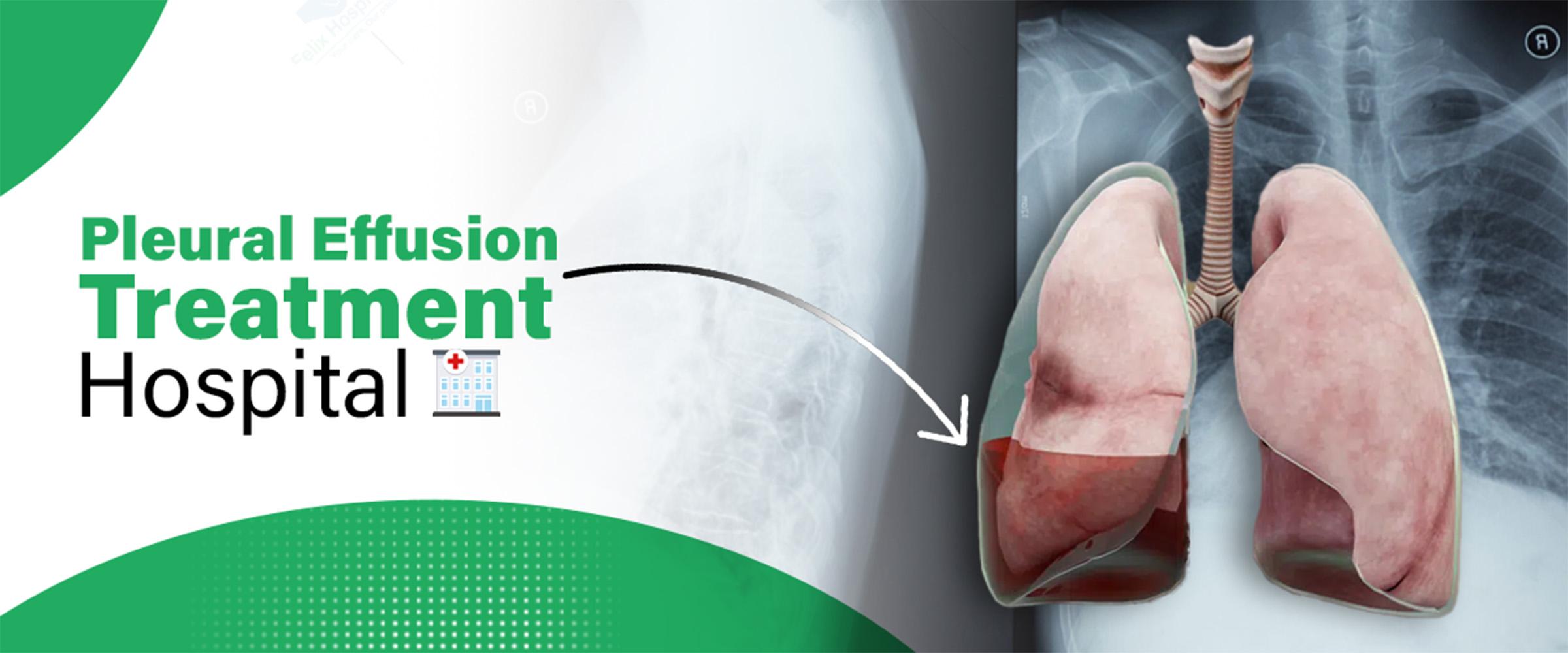
Pneumonia is a severe respiratory infection that affects millions of people worldwide each year. It can strike individuals of any age and may vary in severity from mild to life-threatening, especially among vulnerable populations such as the elderly, infants, and those with weakened immune systems. Understanding the symptoms, causes, diagnosis, treatment, and prevention of pneumonia is crucial for managing this potentially deadly illness. Seeking care at the best pneumonia treatment hospital is essential for a full and timely recovery. In this detailed guide, we’ll cover everything you need to know about pneumonia to help you or your loved ones stay informed and prepared.
If you or someone close to you is showing signs of Pneumonia, early medical intervention is vital. Don’t hesitate to contact Felix Hospital to receive expert care Click Here.
Pneumonia is an infection that inflames the air sacs (alveoli) in one or both lungs. These air sacs may fill with fluid or pus, leading to symptoms such as coughing, fever, chills, and difficulty breathing. Pneumonia can be caused by various microorganisms, including bacteria, viruses, and fungi. It ranges from mild to severe, with serious cases requiring hospitalization, especially in high-risk individuals.
There are different types of pneumonia depending on the source of the infection, including:
Pneumonia symptoms can vary depending on the cause and severity of the infection. Common symptoms include:
Symptoms in infants and young children may be less specific, such as rapid breathing, feeding difficulties, or lethargy.
Pneumonia can be caused by a variety of pathogens, including:
Diagnosing pneumonia typically involves a combination of medical history, physical examination, and diagnostic tests. Common methods include:
The treatment of pneumonia depends on its cause, severity, and the patient's overall health. Treatment options include:
There are several measures you can take to reduce your risk of contracting pneumonia:
The cost of treating pneumonia depends on several factors, including the severity of the illness, the type of treatment required, and the healthcare facility providing the care. Hospitalization, intensive care, and the use of specialized treatments can significantly increase the overall cost. It is recommended to consult with your healthcare provider for an accurate estimate based on your circumstances.
If you’re looking for expert care in managing respiratory conditions like pneumonia, Dr. Priyadarshi Jitendra Kumar, the top general pulmonologist at Felix Hospital in Noida, offers advanced care and personalized treatment plans. With years of experience and a patient-centric approach, Dr. Kumar is committed to providing the best possible care to help patients recover and improve their lung health.
Pneumonia is a potentially serious infection that requires prompt diagnosis and appropriate treatment. By understanding its symptoms, causes, and prevention methods, you can take steps to protect yourself and your loved ones. Whether you need preventive care, such as vaccinations, or treatment for pneumonia, seeking help from a qualified healthcare provider is essential.
If you or a loved one is showing symptoms of pneumonia, don’t wait—Contact Felix Hospital today at +91 9667064100 to schedule a consultation with our top pulmonologists.
1. What are the first signs of pneumonia?
The first signs of pneumonia may include a cough with phlegm, fever, chills, shortness of breath, and chest pain.
2. Can pneumonia go away on its own?
Mild cases of viral pneumonia may resolve without medical treatment, but bacterial pneumonia usually requires antibiotics. Always consult a doctor for an accurate diagnosis.
3. Is pneumonia contagious?
Pneumonia can be contagious if caused by infectious agents like bacteria or viruses. It spreads through droplets from coughing or sneezing.
4. How long does it take to recover from pneumonia?
Recovery time varies depending on the severity of the infection and the individual's health, but it generally takes a few weeks to fully recover.
5. Who is most at risk for pneumonia?
The elderly, infants, and people with weakened immune systems or chronic illnesses are at a higher risk of developing pneumonia.
6. Can pneumonia be prevented with a vaccine?
Yes, vaccines for pneumococcal pneumonia, influenza, and COVID-19 can help prevent pneumonia, especially in high-risk individuals.
7. When should I see a doctor for pneumonia?
If you have symptoms like persistent cough, fever, shortness of breath, or chest pain, it is important to see a doctor immediately.

Gestational diabetes is a type of diabetes that develops during pregnancy, typically between the 24th and 28th weeks. It can occur in any pregnant woman, even if she has no prior history of diabetes. If left unmanaged, it can lead to complications for both mother and baby, including an increased risk of developing type 2 diabetes later in life for the mother, and potential issues such as obesity or metabolic disorders for the child. Fortunately, gestational diabetes can often be prevented or managed effectively through lifestyle modifications. This blog provides a comprehensive guide on how to prevent gestational diabetes and ensure a healthy pregnancy, with insights and tips from the best gynecology hospital in Noida perspective.
Stay informed and proactive about gestational diabetes! Schedule your screening at Felix Hospital. Call: +919667064100.
Gestational diabetes occurs when your body cannot produce enough insulin, a hormone that helps regulate blood sugar levels, to meet the increased needs during pregnancy. Hormonal changes and weight gain can also affect the way your body uses insulin. If your body becomes insulin resistant, your blood sugar levels will rise, leading to gestational diabetes.
While any pregnant woman can develop gestational diabetes, some factors increase the risk, including:
- A history of gestational diabetes in previous pregnancies
- Family history of diabetes
- Being overweight or obese before pregnancy
- Being over the age of 25
- Having a sedentary lifestyle
- Having polycystic ovary syndrome (PCOS)
By making certain lifestyle changes, many women can reduce their risk of developing gestational diabetes. These include maintaining a healthy diet, engaging in regular physical activity, managing weight, and monitoring blood sugar levels. Consulting the best gynecologist in Noida can provide personalized guidance to help prevent and manage gestational diabetes effectively.
Diet plays a crucial role in preventing gestational diabetes. Focusing on nutrient-rich foods that help stabilize blood sugar levels is essential. Here's what you can do:
a) Eat Plenty of Fiber:
- Include whole grains, vegetables, fruits, and legumes in your diet.
- Foods rich in fiber help regulate blood sugar levels by slowing the absorption of sugar into the bloodstream. Whole grains like brown rice, oats, and quinoa are excellent choices.
b) Choose Low Glycemic Index (GI) Foods:
- Low-GI foods have a slower impact on blood sugar levels, which helps to keep your blood sugar stable.
- Foods with a low GI include lentils, sweet potatoes, and most non-starchy vegetables.
c) Limit Simple Carbohydrates and Sugary Foods:
- Avoid foods that cause blood sugar spikes, such as sugary snacks, white bread, and processed foods.
- Opt for complex carbohydrates like whole grains and legumes that provide more sustained energy.
d) Control Portion Sizes:
- Eating smaller, more frequent meals throughout the day can prevent blood sugar fluctuations.
- Be mindful of portion sizes, especially when consuming carbohydrates, as they directly affect blood sugar levels.
e) Include Lean Proteins and Healthy Fats:
- Add lean proteins like chicken, fish, tofu, and beans to your meals. Proteins help stabilize blood sugar levels by slowing the release of sugar into the bloodstream.
- Healthy fats from sources like avocados, nuts, seeds, and olive oil can also promote better blood sugar control.
For more information on diet, visit the Pregnancy Diet Chart Month by Month.
Physical activity helps regulate blood sugar levels and increases your body’s sensitivity to insulin. Engaging in regular exercise not only reduces your risk of gestational diabetes but also improves your overall pregnancy experience.
a) Choose Safe and Enjoyable Activities:
- Aim for at least 30 minutes of moderate exercise most days of the week. Activities like walking, swimming, prenatal yoga, and low-impact aerobics are safe and effective for most pregnant women.
- Consult with your healthcare provider before starting any exercise program to ensure it is safe for you and your baby.
b) Incorporate Strength Training:
- Strength training, such as using resistance bands or light weights, helps build muscle mass, which can improve insulin sensitivity.
- Aim for two to three sessions per week, targeting all major muscle groups.
c) Break Up Sedentary Time:
- If you have a desk job or spend long periods sitting, make it a point to get up and move around every hour.
- Even short bursts of activity, like stretching or walking for five minutes, can help regulate blood sugar levels.
Excessive weight gain during pregnancy is a major risk factor for gestational diabetes. While weight gain is a normal and healthy part of pregnancy, it’s essential to manage it appropriately.
a) Follow Recommended Weight Gain Guidelines:
- The amount of weight you should gain during pregnancy depends on your pre-pregnancy body mass index (BMI). Women with a normal BMI should gain 25–35 pounds, while those who are overweight may need to gain less.
- Work with your healthcare provider to determine a healthy weight gain target based on your individual needs.
b) Focus on Gradual Weight Gain:
- Aim for a slow and steady weight gain throughout pregnancy, with more weight gain occurring in the later stages of pregnancy when the baby is growing rapidly.
- Avoid fad diets or trying to lose weight during pregnancy, as this can be harmful to both you and your baby.
If you have risk factors for gestational diabetes, your doctor may recommend more frequent monitoring of your blood sugar levels. Monitoring your blood sugar helps you stay aware of any changes and enables timely intervention if necessary.
a) Understand Blood Sugar Targets:
- Your doctor will provide specific blood sugar targets based on your individual health needs. Typically, fasting blood sugar levels should be below 95 mg/dL, and blood sugar levels one hour after eating should be below 140 mg/dL.
b) Use a Glucose Monitor:
- If you’re at higher risk for gestational diabetes, your doctor may suggest using a glucose monitor to track your blood sugar levels regularly.
- Keeping a log of your blood sugar readings can help you and your healthcare provider make necessary adjustments to your diet and exercise routine.
Smoking and excessive caffeine consumption can increase the risk of gestational diabetes and other complications during pregnancy.
a) Quit Smoking:
- Smoking increases insulin resistance and can lead to complications like preterm birth, low birth weight, and gestational diabetes. Quitting smoking before or during pregnancy can significantly reduce these risks.
b) Limit Caffeine Intake:
- While moderate caffeine consumption (about 200 mg per day) is considered safe during pregnancy, excessive caffeine intake can increase the risk of gestational diabetes. Try to limit your caffeine consumption to one cup of coffee or less per day.
Getting enough sleep and managing stress are essential for preventing gestational diabetes. Lack of sleep and chronic stress can disrupt your body’s ability to regulate blood sugar levels.
a) Aim for 7–9 Hours of Sleep:
- Hormonal changes and the physical discomfort of pregnancy can make it challenging to get enough rest, but prioritizing sleep is crucial for your overall health.
- Establish a regular sleep routine, create a comfortable sleeping environment, and practice relaxation techniques like deep breathing or meditation.
b) Practice Stress-Reduction Techniques:
- Chronic stress can raise blood sugar levels and increase the risk of gestational diabetes. Engage in activities that help you relax, such as prenatal yoga, meditation, or taking a walk in nature.
- Make time for self-care and seek support from your partner, friends, or a counselor if needed.
Even with the best preventive measures, some women may still develop gestational diabetes. It is crucial to attend all prenatal appointments and adhere to your doctor’s recommendations for screening and testing. If you experience symptoms such as excessive thirst, frequent urination, or fatigue, contact your healthcare provider immediately.
At Felix Hospital, a leading diabetology hospital and top-rated gynecology center, you have access to a comprehensive team of specialists dedicated to managing gestational diabetes and supporting your pregnancy:
Dr. Vimal Gupta, one of the best diabetologists in Noida, specializes in managing gestational diabetes and can help develop a personalized treatment plan for optimal health and effective diabetes management.
Dr. Sangeeta Sharma, a skilled gynecologist, provides expert care throughout pregnancy and can help monitor and manage gestational diabetes.
Dr. Charu Yadav, another experienced gynecologist, offers tailored treatment plans to ensure a healthy pregnancy and manage gestational diabetes effectively.
Dr. Sonia Kuruvilla, also a leading gynecologist, is dedicated to providing comprehensive care and support for managing gestational diabetes and promoting overall well-being.
For expert guidance and personalized care, consult with our specialists at Felix Hospital.
Take charge of your health today! If you’re concerned about gestational diabetes or need expert advice on prevention and management. Call now at +91 9667064100.
Preventing gestational diabetes requires a proactive approach to managing your health during pregnancy. By maintaining a balanced diet, staying active, managing your weight, and monitoring your blood sugar levels, you can significantly reduce your risk. Remember that every pregnancy is different, so it’s important to consult with your healthcare provider to develop a personalized plan that works best for you. With the right lifestyle adjustments, you can enjoy a healthy pregnancy and reduce the risk of complications for both you and your baby.
1. What is gestational diabetes, and how does it differ from other types of diabetes?
Answer: Gestational diabetes is a form of diabetes that occurs during pregnancy due to hormonal changes and the body’s inability to produce enough insulin. It typically resolves after childbirth, unlike type 1 and type 2 diabetes, which are chronic conditions.
2. Who is at risk for developing gestational diabetes?
Answer: Risk factors include being overweight, having a family history of diabetes, being over 25 years old, or having a history of gestational diabetes in previous pregnancies. However, it can also occur in women with no prior risk factors.
3. Can gestational diabetes be prevented?
Answer: While it cannot always be prevented, you can reduce your risk by maintaining a healthy diet, staying active, managing your weight, and regularly monitoring blood sugar levels, especially if you have known risk factors.
4. What symptoms should I watch out for if I’m concerned about gestational diabetes?
Answer: Common symptoms include excessive thirst, frequent urination, fatigue, and blurred vision. However, some women may not show any symptoms, so regular screenings are important.
5. How is gestational diabetes diagnosed?
Answer: Gestational diabetes is typically diagnosed through an oral glucose tolerance test (OGTT), which is usually done between the 24th and 28th week of pregnancy.
6. What are the potential complications of untreated gestational diabetes?
Answer: If not managed, gestational diabetes can lead to complications such as high blood pressure, preterm birth, and the development of type 2 diabetes later in life. It may also affect the baby, increasing the risk of obesity or metabolic issues.
7. Can I still exercise if I’m diagnosed with gestational diabetes?
Answer: Yes, moderate exercise is encouraged as it helps regulate blood sugar levels. Always consult with your healthcare provider to ensure the exercises are safe for your condition.
8. What role does diet play in managing gestational diabetes?
Answer: A balanced diet with low glycemic index (GI) foods, high fiber, lean proteins, and healthy fats can help control blood sugar levels and prevent complications. Portion control and regular mealtimes are also important.
9. What should I do if I’m diagnosed with gestational diabetes?
Answer: Consult with your healthcare provider or a diabetologist like Dr. Vimal Gupta at Felix Hospital to develop a management plan. This typically includes monitoring blood sugar, adjusting your diet, exercising, and possibly using insulin or other medications.
Dr. Charu Yadav is an obstetrician and gynecologist with 12+ years of experience, specializing in high-risk and twin pregnancies, ectopic pregnancy, and menstrual disorders. Trained in laparoscopic surgery, she provides care for pregnancy, infertility, menopause, and gynae procedures. She is also recognized among the Best Gynecologists in Noida for her patient-focused treatment.
Diabetes is a condition in which your body part pancreases cannot make enough insulin which results in an increase in your glucose level/blood sugar level.
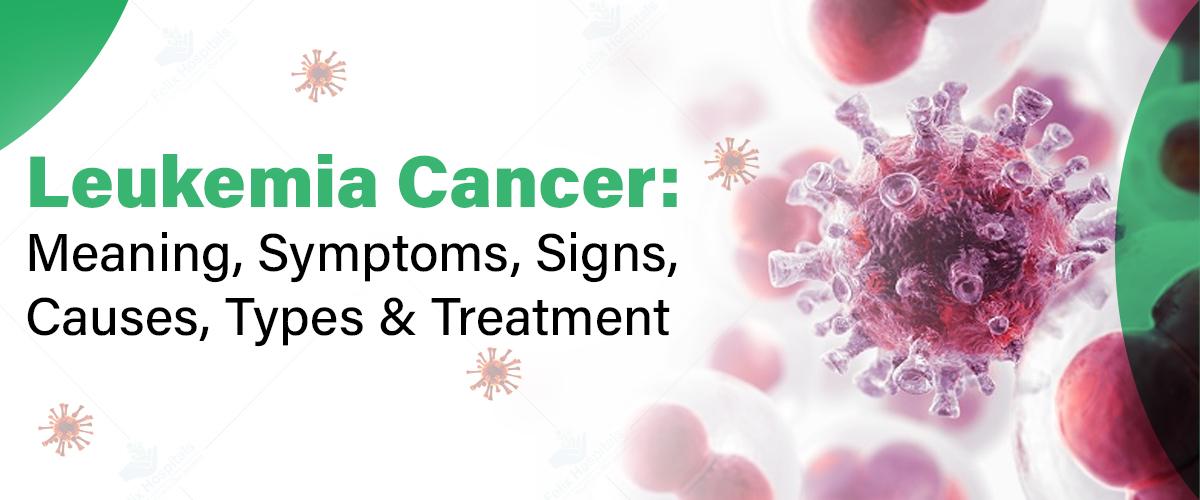
Being told you have leukemia cancer can feel like a lot to take in for both the person diagnosed and their family and friends alike. It's important to grasp the ins and outs of this illness – understanding its signs and symptoms and what causes it in the first place and the various treatment options available is key to navigating through the difficulties it brings. Leukemia is a form of cancer that impacts the blood and bone marrow disrupting the body's ability to produce blood cells. Even though receiving news can be overwhelming advancements, medical research constantly enhances outcomes for numerous patients.
If you or someone you love is facing a leukemia diagnosis, it’s essential to seek expert medical care. Call now at +91 9667064100 for guidance and support.
Leukemia is a form of cancer that begins in the blood-producing organs such as the bone marrow and lymphatic system and does not usually develop tumors, like many other cancers do It results in an excessive production of irregular white blood cells that displaces normal red and white blood cells causing a range of health issues.
Symptoms of leukemia Cancer can differ based on the type and stage of the illness. Here are some typical indicators:
Fatigue: Feeling tired all the time after resting is known as fatigue.
Frequent Infections: Occurring infections can occur when the body's defense system weakens and becomes vulnerable to illnesses frequently.
Easy Bruising or Bleeding: Bruising easily or experiencing bleeding can occur from injuries and may lead to noticeable bruises as well, such as frequent nosebleeds or bleeding gums.
Unexplained Weight Loss: Rapid weight loss without an explanation or changes in diet or exercise habits.
Fever or Chills: Experiencing fever or chills daily or having frequent night sweats are common symptoms to watch out for.
Bone or Joint Pain: Persistent discomfort or sensitivity in bones or joints can indicate bone or joint pain.
Swollen Lymph Nodes: Swollen lymph nodes refer to painless lymph nodes commonly found in areas such as the neck sides of groin regions.
Enlarged Liver or Spleen: Having a liver or spleens can cause aches or a sense of being bloated, in the stomach area.
Shortness of Breath: Having trouble catching your breath? It can be tough to breathe when you're moving around or being active.
The exact cause of leukemia is not fully understood, but several factors may increase the risk, including:
Genetic Mutations: Changes, in the makeup of blood cells, could result in leukemia.
Radiation Exposure: Exposure to radiation at levels—, like those encountered during cancer therapy or nuclear incidents—can increase the likelihood of health risks.
Chemical Exposure: Prolonged contact with substances such as benzene, in workplaces can lead to leukemia according to research findings.
Smoking: Certain forms of leukemia are linked to smoking tobacco use.
Family History: A family history of leukemia raises the chances of inheriting the condition.
Previous Cancer Treatments: Past treatments for cancer, such as chemotherapy and radiation used for types of cancer could potentially heighten the likelihood of developing leukemia in the future.
Leukemia is classified based on how quickly it progresses and which type of blood cells are affected. The main types include:
Acute Lymphocytic Leukemia (ALL): Acute lymphocytic leukemia (ALL) is frequently seen in children. Advances quickly necessitate immediate treatment.
Acute Myelogenous Leukemia (AML): Acute myelogenous leukemia (AML) is a type of leukemia that grows rapidly and can impact individuals of all ages, including adults and children.
Chronic Lymphocytic Leukemia (CLL): Chronic Lymphocytic Leukemia (CLL) is commonly seen in adults. Tends to advance at a slower pace compared to acute variations of the disease.
Chronic Myelogenous Leukemia (CML): Chronic Myelogenous Leukemia (also known as CML) is a type of leukemia that tends to progress slowly and is commonly seen in adults.
Several factors may increase the likelihood of developing certain types of leukemia:
1. Previous Cancer Treatment: Individuals who have undergone chemotherapy or radiation therapy for other cancers may have a higher risk of developing leukemia.
2. Genetic Disorders: Certain genetic conditions, such as Down syndrome, are linked to a higher risk of leukemia due to underlying genetic abnormalities.
3. Chemical Exposure: Exposure to chemicals like benzene, commonly found in gasoline and used in the chemical industry, is associated with an increased risk of some types of leukemia.
4. Smoking: Smoking cigarettes is known to raise the risk of developing acute myelogenous leukemia (AML).
5. Family History: A family history of leukemia may increase an individual's risk of developing the disease.
It's important to note that while these risk factors can increase the chances of developing leukemia, many people with these factors never develop the disease. Similarly, some individuals diagnosed with leukemia may have none of these risk factors.
Doctors may detect chronic leukemia during a routine blood test before any symptoms appear. If this occurs, or if you show signs or symptoms of leukemia, you may undergo the following diagnostic tests:
1. Physical Exam: The doctor will check for physical signs of leukemia, such as pale skin due to anemia, swollen lymph nodes, or an enlarged liver and spleen.
2. Blood Tests: A blood sample will be analyzed to detect abnormal levels of red or white blood cells or platelets, which may indicate leukemia. In some cases, leukemia cells may also be found in the blood, though certain types of leukemia may keep these cells confined to the bone marrow.
3. Bone Marrow Test: Your doctor may suggest a procedure to extract a sample of bone marrow from the hip bone using a long, thin needle. The sample is sent to a lab for analysis to detect leukemia cells. Further specialized tests can identify specific characteristics of the leukemia cells, which helps in determining the best treatment options.
Leukemia treatment depends on the type and stage of the disease, as well as the patient’s overall health. Common treatment approaches include:
Chemotherapy: Chemotherapy is often the first line of treatment for leukemia as it entails the use of medications to target and destroy cancer cells in the body.
Radiation Therapy: Radiation therapy involves using high-energy radiation to pinpoint and eliminate cancer cells, in regions or alleviate discomfort caused by enlarged organs.
Targeted Therapy: Therapies that are tailored to target weaknesses in cancer cells while sparing healthy cells from harm are known as targeted therapy.
Immunotherapy: Immunotherapy works by enhancing the body's natural defense system to recognize and combat cancer cells.
Stem Cell Transplant: A stem cell transplant involves the infusion of stem cells into the patient's body to replace the damaged bone marrow and enable the production of healthy blood cells.
Clinical Trials: In trials, some individuals might be able to try out new experimental treatments especially when standard therapies are not working effectively.
Felix Hospitals is the best cancer hospital for leukemia in Noida with a top-rated oncology team led by Dr. Chinmayee Agrawal and Dr. Mukta Baxi. Our expert oncologists are dedicated to providing personalized treatment plans, advanced cancer therapies, and compassionate care to ensure the best possible outcomes for patients battling various forms of cancer. With cutting-edge technology and a multidisciplinary approach, Felix Hospital strives to deliver world-class cancer care to all its patients.
For any leukemia-related concerns, contact Felix Hospital today at +91 9667064100.
Leukemia is a condition that requires attention and can be quite complex. however, with the right care and treatment in place many individuals can lead fulfilling and active lifestyles confidently knowing they are well-informed about symptoms causes, and treatment choices available, to them which enables patients and their loved ones to feel more empowered in making decisions regarding their health care needs Felix Hospital, leading as the best cancer hospital, stands ready to offer top-notch care and assistance throughout the entire process.
1. What are the chances of survival for someone with leukemia?
According to the Surveillance, Epidemiology, and End Results (SEER) Program, the five-year relative survival rate for acute lymphocytic leukemia (ALL) is 71.3%. For acute myeloid leukemia (AML), the five-year relative survival rate is 31.7%.
Nearly 65 out of 100 people (or about 65%) will survive leukemia for five years or more after diagnosis. For individuals aged 40 and older, around 20 out of 100 (or about 20%) will survive for five years or more. Age plays a significant role in how well leukemia responds to treatment.
2. Is it possible to avoid getting leukemia?
One cannot completely avoid leukemia; however, reducing exposure to risk factors such as smoking and hazardous substances could potentially decrease the likelihood of developing the disease.
3. What are the initial symptoms of leukemia?
Signs that you may notice in the beginning are feeling tired, getting sick frequently, bruising easily and losing weight without a reason.
4. How do doctors determine if someone has leukemia?
The diagnosis of leukemia usually involves blood tests and bone marrow biopsy well as imaging studies.
5. What sets chronic leukemia apart from each other?
Acute leukemia advances swiftly. Necessitates prompt treatment; whereas chronic leukemia advances at a slower pace and may not require immediate intervention.
6. Is there any way to treat leukemia?
Patients may consider trying treatments such as acupuncture or dietary adjustments; however, it is crucial to consult with a healthcare provider in conjunction with standard medical treatments.
7. How does a stem cell transplant contribute to the treatment of leukemia?
Stem cell transplants involve the replacement of bone marrow with healthy cells that have the potential to either cure the ailment or result in a prolonged period of recovery.
8. How does leukemia impact children in a way that differs from its effects on adults?
Children frequently experience forms of leukemia such as ALL and necessitate customized treatment strategies suited to their growing bodies.
9. Can leukemia come back after undergoing treatment?
Following treatment, for leukemia, it is important to monitor the condition and maintain regular follow-up care to effectively manage the disease.
10. How can I help someone I care about who has leukemia?
Provide assistance and aid, with everyday activities while staying updated on their well-being and available treatment choices to offer optimal care.

Prostate cancer is a common type of cancer in men that affects the prostate gland. Understanding its symptoms, causes, and treatment options can help in early detection and effective management.
Recognize the early warning signs of cervical cancer. Learn about its symptoms, causes, and when to consult a gynecologist for timely diagnosis and treatment.
Lung cancer is a serious condition that starts in the lungs and can spread to other parts of the body.

In the world of healthcare services today it's crucial to prioritize providing patients with effective and affordable care. A promising approach to achieving this goal involves combining pharmacy benefits. In Noida, where access, to high-quality healthcare, is expanding swiftly merging these elements can greatly enhance patient results and reduce healthcare expenses overall. This strategy is gaining attention from healthcare professionals, insurance companies, and people, in need it offers a perspective of healthcare facilitating tailored and efficient treatment strategies.
Learn More About Integrated Healthcare: Discover how combining medical and pharmacy benefits can enhance your healthcare experience and reduce costs. Click here to find out more.
In the past. Typically in the health sector medical and Pharmacy Services have been handled separately which results in fragmented care for patients Often patients consult doctors for diagnosis and treatment recommendations and then approach pharmacists for prescriptions This lack of connection might result in gaps in care confusion regarding medication management and increased healthcare expenses arising from inefficiencies, in treatment protocols.
Bringing all these advantages into play creates a journey for patients and enables healthcare professionals to adopt a more unified strategy in their approach. Doctors can collaborate closely with pharmacists to guarantee that the treatments are safe and customized according to the patient's background. This process helps in minimizing the risks of reactions, to medications or unnecessary treatments.
With its expanding population and modern healthcare facilities in Noida, there is a potential for it to take the lead, in combining medical and pharmacy benefits effectively. Below are some of the advantages of adopting this strategy:
1. Improved Patient Outcomes
When doctors and pharmacists work together closely they can provide a comprehensive treatment approach. If we consider a case where a patient has an illness such as diabetes they might require consistent medication, alongside continuous medical attention. By linking these two aspects healthcare professionals can monitor the patient's development more effectively adapt treatments accordingly and guarantee that the medications are helping the patient achieve their overall health objectives.
2. Lower Healthcare Costs
By combining pharmacy benefits in Noida's healthcare system providers can pinpoint chances to save costs. This includes cutting down on treatments or tests. For example, if a doctor knows a patient’s medication background they can steer clear of prescribing drugs that could have harmful interactions with other medications. This helps lessen the necessity, for Emergency treatment or hospitalization caused by adverse reactions.'
Additionally. Insurance companies can provide insurance plans that make it easier for individuals to obtain medical services and medications within one comprehensive package. This ultimately leads to decreased administrative expenses and lower insurance premiums.
3. Enhanced Medication Management
Many individuals, in Noida who have long-term health issues often need to take medications simultaneously for their treatment regimen. By combining pharmacy benefits it becomes possible to guarantee that these individuals receive well-coordinated care that minimizes the likelihood of excessive medication or adverse drug interactions. By collaborating a team consisting of doctors and pharmacists can verify that the prescribed medications are tailored to the patient's healthcare plan and medical requirements resulting in diminishing the chances of mistakes occurring. Additionally, for those in need of convenient access to their medications, 24/7 medicine delivery near me ensures that prescriptions are delivered promptly and reliably, enhancing adherence to treatment plans and supporting overall health management.
4. Preventative Care and Early Intervention
By combining these advantages healthcare professionals concentrate more on the care possible When physicians have the complete medical and medication records of a patient at their disposal they can detect potential health concerns early and take action before they escalate into major issues For instance if a patient consistently refills their high blood pressure medication the doctor can offer additional lifestyle advice or treatments to help prevent more severe health complications, in the future.
5. Simplified Patient Experience
Patients can experience a healthcare journey with this integration as a notable advantage; instead of dealing with different systems, for medical care and prescriptions separately patients now benefit from a smoother process where their healthcare professionals and pharmacists work in harmony. This helps to reduce confusion remove steps and facilitate patients in adhering to their treatment regimens effectively.
The healthcare network in Noid is expanding quickly as more Multi-Specialty Hospitals and pharmacies are emerging to provide medical services to patients in the area ecosystem of healthcare providers working together to integrate medical and pharmacy services can serve as a model, for enhancing the quality of care and reducing expenses simultaneously.
Technology Integration: Digital health platforms can serve as a link, between healthcare providers and pharmacists by facilitating the seamless sharing of electronic health records (EHRS). This integration allows medical professionals and pharmacies to access health data and medication histories in real-time to make more informed decisions and enhance patient outcomes.
Collaborative Care Models: Healthcare professionals and pharmacies ought to embrace collaborative healthcare approaches that promote teamwork among physicians, pharmacists, and insurance providers. Creating channels of communication, among these entities can result in individualized and cost-efficient patient treatment.
Education and Awareness: Patients should be informed about the advantages of combined pharmacy services through educational initiatives and awareness campaigns in Noida's healthcare facilities. These efforts help individuals understand how integrating pharmacy services can enhance their well-being and financial situation. For those seeking exemplary care and comprehensive pharmacy services, the best hospital for pharmacy services can provide the integrated approach needed for optimal health management and cost efficiency.
Ready to see the benefits of integrated care for yourself? Schedule a consultation with one of our specialists to explore personalized treatment options. Book an appointment now by calling +91 9667064100.
Combining Pharmacy Services is a game-changing strategy in healthcare that could greatly enhance patient results and reduce healthcare expenses in Noida City. By promoting teamwork among healthcare professionals and pharmacists and utilizing technology while emphasizing education Noida has the opportunity to set an example in establishing a more streamlined and successful healthcare system. As the field of healthcare advances the smooth integration of pharmacy services will grow more crucial in providing top-notch care while maintaining manageable costs, for both providers and patients.
For those seeking convenience and reliability in their medication needs, opting for the best medicine home delivery pharmacy ensures that prescriptions are delivered promptly and efficiently, supporting better adherence to treatment plans and overall health management.
What is the benefit of integrating medical and pharmacy services?
Integrating medical and pharmacy services ensures a cohesive approach to patient care, improves medication management, reduces healthcare costs, and enhances overall patient outcomes by minimizing gaps and inefficiencies.
How does this integration improve patient outcomes?
When healthcare providers and pharmacists collaborate, they can offer a comprehensive treatment plan that considers both medical and medication needs, leading to more effective treatment and better management of chronic conditions.
Can integrating these services help in lowering healthcare costs?
Yes, combining medical and pharmacy services can help lower costs by reducing unnecessary tests and treatments, preventing adverse drug interactions, and minimizing emergency visits due to medication-related issues.
What role does technology play in this integration?
Technology, such as digital health platforms and electronic health records (EHRs), facilitates real-time sharing of medical and medication information, enabling healthcare professionals to make more informed decisions and coordinate care more effectively.
How does integrated care affect medication management?
Integrated care ensures that all medications are appropriately managed and monitored, reducing the risk of excessive medication and adverse drug interactions, and ensuring that treatment plans are aligned with the patient's overall healthcare strategy.
What is the impact on patient experience?
Patients benefit from a smoother healthcare process, where their medical and pharmacy needs are managed cohesively, reducing confusion and making it easier to adhere to treatment plans.
Are there any educational initiatives for patients in Noida?
Yes, healthcare facilities in Noida are implementing educational initiatives and awareness campaigns to inform patients about the benefits of integrated pharmacy services and how they can improve their overall care and financial situation.
How can Noida lead in integrating these services effectively?
By adopting collaborative care models, utilizing technology for seamless data sharing, and promoting patient education, Noida can set an example in integrating medical and pharmacy services to enhance healthcare quality and reduce costs.

Heart attacks and strokes are both serious medical emergencies that can have devastating effects on health and well-being. Despite their similarities, they are distinct conditions with different causes, symptoms, and treatments. Understanding the differences between them is crucial for recognising symptoms early and seeking appropriate care. Here’s a closer look at how heart attacks and strokes differ, including the important distinction in strokes and heart attacks symptoms and what you need to know about each.
Contact Felix Hospital in Noida for expert emergency care and consultations with our leading specialists. Call now at 9667064100.
A heart attack, or myocardial infarction,occurs when the blood supply to a portion of the heart is cut off due to the formation of a blood clot in one of the coronary arteries. The critical issue with this disease is that when the heart muscle fails to receive adequate oxygenated blood, it begins to die, potentially leading to significant damage. To ensure the best outcomes, seeking treatment from the best heart attack surgeon is crucial for effective management and recovery.
Atherosclerosis: The primary risk factor for a heart attack or an acute myocardial infarction is atherosclerosis, or the deposit of fatty substances in the coronary arteries. They accumulate gradually in the arteries, and over time, they constrict the arteries, thus increasing the tendency to thrombosis formation.
Blood Clots: An occlusion of the blood vessels supplying the heart muscle can result from the formation of a blood clot in the coronary arteries.
Spasms: Occasionally the arteries supplying the heart, known as the coronary arteries, constrict and may completely occlude the blood supply to the heart for short periods of time.
Heart attack symptoms can vary but typically include:
It's crucial to recognise these signs, as heart attacks can be dangerous and even fatal if not treated promptly.
Immediate treatment for a heart attack usually involves:
A stroke occurs when the blood supply to a specific area in the brain is reduced or completely stopped, necessitating the lack or minimal supply of both oxygen and nutrients to the brain cells. This interruption can lead to brain damage and serious complications. Strokes are classified into two main types: the ischaemic and the hemorrhagic stroke.
Symptoms of stroke can appear suddenly and may include:
Immediate treatment for a stroke depends on the type and includes:
1-Origin of the Problem
2. Cause
3. Symptoms
Heart Attack
Heart attack signs could arise unexpectedly. Develop gradually over a span of hours (or possibly even days). The typical indications of a heart attack encompass;
1-Symptoms of stroke can include:
2-Stroke often affects a person’s face, arms, and speech.
3-Treatment Approaches
May involve both clot-dissolving drugs and surgical interventions depending on the type of stroke.
4-Prevention:
Schedule your appointment now to receive personalized care and expert advice tailored to your needs. Contact us today at 9667064100.
Ultimately even though Heart Attacks and strokes exhibit similarities they represent unique health issues with varying origins, therapies and indications. Grasping these distinctions is vital for identifying the need for attention promptly as early action plays a crucial role in managing the conditions effectively. Furthermore, having knowledge about the Cost to treating heart attacks can aid in preparing for efficient medical care.
In case of an emergency situation where you notice signs of a heart attack or stroke it's crucial to seek medical help. Taking steps for your health is essential especially as early intervention can greatly enhance recovery prospects.
Best heart hospital in Noida for bypass surgery at affordable prices with expert cardiac surgeons, advanced facilities, and quality patient care for better recovery.

Arrhythmia is a condition where the heart beats irregularly—too fast, too slow, or with an uneven rhythm. It can feel like a fluttering, racing, or skipped heartbeat.

Subscribe to our
© Copyright 2026. All Rights Reserved by Felix Healthcare Private Limited
Design and development by :


 +(91)9667064100
 Emergency : +(91)9667064100