 WhatsApp
 Emergency:
  WhatsApp














Subscribe to our

Cognitive Behavioral Therapy (CBT) is a widely recognized and effective form of psychotherapy that focuses on changing negative thought patterns and behaviors that contribute to emotional distress. Developed in the 1960s by Dr. Aaron Beck, CBT has become one of the most extensively researched and practiced therapeutic approaches in the field of mental health. It is used to treat a variety of psychological conditions, including anxiety, depression, obsessive-compulsive disorder (OCD), post-traumatic stress disorder (PTSD), and more with the help of cognitive behavioral therapy treatment in the best psychiatric hospital. Let’s explore the numerous benefits of CBT, its core principles, how it works, and why it has become a leading choice for both patients and therapists.
Ready to Transform Your Mental Health? Our dedicated team is here to guide you through your journey towards healing. Call now at +91 9667064100.
Before delving into the benefits of CBT, it’s important to understand its foundational principles. CBT is based on the cognitive model, which posits that our thoughts, feelings, and behaviors are interconnected. When an individual experiences negative emotions or psychological distress, it is often due to maladaptive thought patterns. CBT aims to identify and challenge these thoughts, leading to changes in feelings and behaviors.
Cognitive Restructuring involves identifying negative thought patterns (cognitive distortions) and replacing them with more rational and constructive thoughts. For example, someone who constantly thinks, “I always fail,” can be taught to recognize this as an unhelpful thought and replace it with, “I have succeeded in the past and can try again.”
Behavioral Activation: This principle encourages individuals to engage in activities they enjoy or find meaningful. This is particularly useful in treating depression, as it helps counteract the tendency to withdraw from activities.
Problem-Solving: CBT teaches individuals how to effectively address challenges in their lives. This includes breaking down problems into manageable steps and developing actionable solutions.
Exposure Therapy: In cases of anxiety and phobias, CBT may involve gradual exposure to feared situations or stimuli to help desensitize individuals and reduce anxiety responses.
CBT is effective in treating a wide range of mental health disorders, including:
Anxiety Disorders: CBT helps individuals identify and challenge anxious thoughts, leading to a reduction in anxiety symptoms.
Depression: By addressing negative thinking patterns, CBT can alleviate depressive symptoms and improve overall mood.
Obsessive-Compulsive Disorder (OCD): CBT, particularly exposure and response prevention (ERP), is considered the gold standard treatment for OCD.
Post-Traumatic Stress Disorder (PTSD): CBT helps individuals process traumatic experiences and reduce associated symptoms.
Eating Disorders: CBT can assist in changing unhealthy eating behaviors and attitudes toward food.
CBT is typically a structured and time-limited therapy, often lasting between 5 to 20 sessions. This structured format allows individuals to set specific goals and work towards systematically achieving them. The clear framework of CBT helps patients see their progress, providing a sense of accomplishment and motivation to continue.
One of the key benefits of CBT is that it empowers individuals by equipping them with practical skills to manage their thoughts and emotions. Patients learn to identify cognitive distortions, challenge negative beliefs, and develop coping strategies. This skill set is not only beneficial during therapy but can also be applied in everyday life, fostering resilience and self-efficacy.
Many studies indicate that CBT can lead to significant improvements in mental health within a relatively short period. Unlike some therapies that may take years to show results, CBT often leads to observable changes within a few sessions. Additionally, the skills learned in CBT can have lasting effects, helping individuals maintain their progress even after therapy has ended.
CBT primarily focuses on present thoughts and behaviors rather than delving extensively into past experiences. While understanding the past can be helpful, CBT encourages individuals to concentrate on how their current thoughts affect their emotions and actions. This focus on the present allows for quicker problem-solving and fosters a sense of control over one’s life.
CBT can be effectively combined with other treatment approaches, such as medication, mindfulness practices, or alternative therapies. For instance, individuals with severe depression may benefit from a combination of antidepressant medication and CBT. This integrative approach can enhance the overall effectiveness of treatment and provide a more comprehensive strategy for recovery.
CBT can be delivered in various formats, including individual therapy, group therapy, and online platforms. This flexibility makes it accessible to a wider audience, including those who may have difficulty attending in-person sessions. Online CBT programs have gained popularity, allowing individuals to engage in therapy from the comfort of their homes.
Research has shown that individuals who undergo CBT are less likely to experience relapse compared to those who do not receive treatment. By equipping individuals with coping skills and strategies to manage stress and negative emotions, CBT helps create a solid foundation for long-term mental health stability.
CBT teaches individuals to break down complex problems into smaller, more manageable parts. This skill is invaluable in navigating life’s challenges, whether related to personal relationships, work, or everyday stressors. Improved problem-solving abilities lead to a greater sense of competence and confidence.
Mental health and physical health are closely intertwined. By reducing symptoms of anxiety and depression, CBT can contribute to improved physical well-being. Individuals may experience benefits such as better sleep, enhanced immune function, and improved overall health when their mental health is optimized.
CBT provides practical tools that individuals can apply to everyday challenges. Whether it’s managing stress at work, improving relationships, or coping with loss, the skills learned in CBT can help individuals navigate difficult situations more effectively.
Cognitive Behavioral Therapy Treatment typically follows a structured process, including:
Assessment: The therapist conducts an initial assessment to understand the individual's concerns, symptoms, and treatment goals.
Identifying Thought Patterns: Patients learn to identify negative thought patterns and cognitive distortions that contribute to their emotional distress.
Challenging Thoughts: Patients work with the therapist to challenge and reframe negative thoughts, developing healthier perspectives.
Behavioral Interventions: The therapist may introduce behavioral strategies, such as exposure tasks or activity schedules, to encourage positive change.
Skill Development: Patients learn coping strategies, problem-solving skills, and relaxation techniques to manage stress and anxiety.
Monitoring Progress: Throughout the therapy process, patients and therapists monitor progress and adjust treatment strategies as needed.
Dr. Ashima Ranjan is a compassionate and skilled psychiatrist with extensive experience in treating a wide range of mental health disorders, including anxiety, depression, and mood disorders. She is the Best Doctor for cognitive behavioral therapy treatment in Noida at Felix Hospitals.
Dr. Jaideep Gambhir is a highly regarded psychologist with a strong background in counseling and therapeutic interventions. His expertise lies in helping individuals navigate complex emotional challenges and promoting mental health through evidence-based psychological techniques.
Take the First Step Towards a Brighter Tomorrow! Experience the benefits of CBT at Felix Hospital. Click Here for more information.
Cognitive Behavioral Therapy is a powerful tool for addressing a wide range of mental health concerns. Its focus on understanding and changing thought patterns, along with its structured and goal-oriented approach, makes it an effective treatment option for many individuals. By empowering patients with practical skills and strategies, CBT fosters resilience and promotes long-term mental well-being. If you or someone you know is struggling with mental health issues, consider exploring CBT as a valuable resource for healing and personal growth if you also want to know about the cognitive behavioral therapy treatment Cost so please contact our best doctors at Felix Hospitals.
1. What conditions can CBT treat?
Ans. CBT is effective for a variety of mental health conditions, including anxiety disorders, depression, OCD, PTSD, eating disorders, and more.
2. How long does CBT typically last?
Ans. CBT is often a short-term treatment, lasting between 5 to 20 sessions, depending on the individual’s needs and goals.
3. Is CBT suitable for children and adolescents?
Ans. Yes, CBT can be adapted for children and adolescents. Therapists often use age-appropriate techniques and language to engage younger clients.
4. Can CBT be done online?
Ans. Yes, many therapists offer online CBT sessions, making them accessible for individuals who may prefer or require remote therapy options.
5. How does CBT differ from other therapeutic approaches?
Ans. CBT focuses on the relationship between thoughts, emotions, and behaviors, emphasizing the present and practical skills development, whereas other therapies may explore past experiences or delve into emotions more deeply.
6. What if I don’t feel comfortable sharing my thoughts with a therapist?
Ans. Building a trusting relationship with your therapist takes time. It’s important to communicate openly with your therapist about your comfort level, and they can help guide the process.
7. Can I practice CBT techniques on my own?
Ans. While working with a trained therapist is recommended, individuals can learn and apply CBT techniques on their own, especially through self-help books or online resources.
8. What should I expect during a CBT session?
Ans. During a CBT session, you can expect to discuss your thoughts, feelings, and behaviors, learn new coping strategies, and engage in exercises designed to challenge negative thinking patterns.
If you or someone you know is struggling with mental health issues, consider seeking help from a qualified therapist trained in Cognitive Behavioral Therapy. The benefits of CBT can lead to improved emotional well-being and a more fulfilling life.

We all feel down sometime or the other. Sometime there is no particular reason why are we feeling this way. And it is normal to feel low sometime

It all starts when you get to know that you are pregnant, you will be taking care of the little one. This news for first time parents brings lot of responsibility and excitement.

चिंता एक सामान्य मानसिक स्थिति है, लेकिन जब यह अत्यधिक बढ़ जाती है तो दैनिक जीवन को प्रभावित कर सकती है। इसके कारण, लक्षण, प्रकार और प्रभावी उपचार

Chemotherapy is a cornerstone of cancer treatment, using powerful drugs to target and destroy cancer cells. While the term "chemotherapy" often conjures up images of side effects and hospital visits, it is essential to understand its various types, how they work, and their role in the broader context of cancer treatment. At the best cancer hospital in Noida, a comprehensive approach is taken to ensure that patients receive the most effective therapies available. Let’s delve into the different types of chemotherapy, their mechanisms of action, and the evolving landscape of cancer care.
Contact Felix Hospital today to schedule a consultation with our experienced oncologists. Call now on +91 9667064100.
Table of Contents
Chemotherapy is a systemic treatment that uses chemical agents to treat cancer. Unlike localized treatments like surgery or radiation, chemotherapy aims to target cancer cells throughout the body. It is often used in combination with other treatments, such as surgery and radiation therapy, to enhance effectiveness and improve patient outcomes.
Chemotherapy works primarily by interfering with the cancer cell's ability to grow and divide. Different classes of chemotherapy drugs work through various mechanisms, including:
1. Alkylating Agents: These drugs work by directly damaging DNA, preventing the cancer cell from dividing. They are effective in treating various cancers, including leukemia and lymphomas.
2. Antimetabolites: These mimic the building blocks of DNA and RNA, disrupting the synthesis of nucleic acids and inhibiting cell division. They are often used to treat cancers like breast, lung, and colorectal cancer.
3. Plant Alkaloids: Derived from plants, these drugs inhibit the formation of the mitotic spindle, preventing cells from dividing during the mitosis phase. They are commonly used in treating leukemia, lymphomas, and breast cancer.
4. Topoisomerase Inhibitors: These drugs interfere with the enzyme topoisomerase, which is essential for DNA replication. By inhibiting this enzyme, these drugs prevent cancer cells from dividing. They are often used in treating ovarian and lung cancers.
5. Hormonal Therapies: Some cancers rely on hormones for growth. Hormonal therapies block the body’s natural hormones or interfere with their action, effectively slowing or stopping the growth of hormone-dependent tumors, such as certain breast and prostate cancers.
6. Targeted Therapies: Unlike traditional chemotherapy, targeted therapies aim at specific molecular targets associated with cancer. These drugs work by interfering with the cancer cell's growth and spread, making them a more precise option for treatment.
Chemotherapy can be classified into various types based on the timing and purpose of treatment, the type of drugs used, and the administration methods. Here are the primary types:
Neoadjuvant chemotherapy is administered before the primary treatment, such as surgery. The primary goal is to shrink tumors, making them easier to remove surgically. Neoadjuvant therapy can also help determine how effective the chemotherapy is, allowing for adjustments in treatment plans based on the tumor's response.
Benefits:
- Reduces tumor size and facilitates surgical removal.
- Allows for a faster assessment of the tumor’s response to chemotherapy.
- May help in avoiding extensive surgeries.
Adjuvant chemotherapy follows the primary treatment, such as surgery or radiation. The goal is to eliminate any remaining cancer cells and reduce the risk of recurrence. It is particularly beneficial in cancers with a high chance of spreading after the initial treatment.
Benefits:
- Targets microscopic cancer cells that remain after surgery.
- Reduces the risk of cancer recurrence.
- Can improve overall survival rates in certain cancer types.
Palliative chemotherapy is aimed at relieving symptoms and improving the quality of life for patients with advanced or terminal cancer. The focus is not on curing the disease but on managing pain and other symptoms associated with cancer.
Benefits:
- Provides symptom relief, including pain and discomfort.
- Improves the quality of life for patients with advanced cancer.
- Allows patients to maintain a level of function and independence.
Combination chemotherapy involves using two or more chemotherapy drugs to treat cancer. This approach is often more effective than using a single drug because different drugs can target cancer cells in various ways, potentially increasing the overall response rate.
Benefits:
- Increases treatment effectiveness through multiple mechanisms of action.
- Reduces the likelihood of cancer cells developing resistance to a single drug.
- Tailor treatment based on individual patient needs and cancer types.
Maintenance chemotherapy is given after the initial treatment to help keep cancer at bay. It may involve lower doses of chemotherapy to control cancer growth and reduce the risk of recurrence.
Benefits:
- Helps to prolong remission and reduce cancer growth.
- Minimizes the risk of recurrence after successful initial treatment.
- Maybe less intensive than initial treatment regimens.
Chemotherapy can be administered in various ways, depending on the type of cancer, the drugs used, and the patient's condition. Common methods of administration include:
1. Intravenous (IV): Most chemotherapy drugs are administered through an IV, allowing for quick absorption into the bloodstream.
2. Oral: Some chemotherapy medications come in pill form, making them convenient for patients to take at home.
3. Injection: In some cases, chemotherapy may be injected directly into a muscle or under the skin.
4. Intrathecal: For cancers affecting the central nervous system, chemotherapy may be delivered directly into the cerebrospinal fluid through a spinal tap.
5. Regional Chemotherapy: This method delivers chemotherapy directly to the tumor or a specific body region, such as the liver or bladder, minimizing systemic exposure.
While chemotherapy is an effective cancer treatment, it can also cause various side effects. These side effects vary depending on the drugs used, the dosage, and individual patient factors. Common side effects include:
1. Nausea and Vomiting: Many chemotherapy drugs can irritate the stomach lining, leading to nausea and vomiting.
2. Fatigue: Chemotherapy can cause significant fatigue, affecting a patient’s energy levels and overall well-being.
3. Hair Loss: Some chemotherapy drugs can lead to hair loss, which can be distressing for many patients.
4. Increased Risk of Infection: Chemotherapy can weaken the immune system, making patients more susceptible to infections.
5. Anemia: Reduced red blood cell counts may lead to anemia, causing weakness and fatigue.
6. Changes in Appetite: Patients may experience changes in taste and smell, affecting their appetite and food preferences.
7. Mouth Sores: Some chemotherapy drugs can cause sores in the mouth, making it painful to eat or drink.
8. Diarrhea or Constipation: Changes in bowel habits can occur, depending on the specific drugs used.
Managing side effects is an essential part of chemotherapy treatment. Patients should communicate openly with their healthcare team about any side effects they experience. Common strategies include:
- Medications: Anti-nausea medications, pain relievers, and medications to manage other side effects can be prescribed.
- Dietary Changes: Eating small, frequent meals and avoiding strong odors can help manage nausea and changes in appetite.
- Hydration: Staying well-hydrated is crucial for managing side effects and maintaining overall health.
- Supportive Care: Access to support groups, counseling, and other resources can provide emotional support and practical advice.
Research in cancer treatment is ongoing, leading to significant advancements in chemotherapy and related therapies. Key developments include:
1. Personalized Medicine: Advances in genomics and molecular profiling allow for more personalized treatment plans based on the individual’s genetic makeup and the characteristics of the tumor.
2. Targeted Therapies: As mentioned earlier, targeted therapies offer a more precise approach to treating cancer, focusing on specific molecular targets rather than traditional broad-spectrum chemotherapy.
3. Immunotherapy: This emerging field harnesses the body’s immune system to fight cancer, often used in conjunction with chemotherapy to enhance treatment effectiveness.
4. Chemotherapy Regimens: Ongoing research aims to optimize chemotherapy regimens, determining the best combinations and schedules to improve outcomes while minimizing side effects.
The success of chemotherapy depends not only on the drugs used but also on the healthcare team that administers and monitors treatment. Key players include:
Oncologists: These specialists diagnose cancer and develop treatment plans, including chemotherapy regimens tailored to the patient’s specific needs.
Nurses: Oncology nurses play a vital role in administering chemotherapy, monitoring patients for side effects, and providing education and support throughout treatment.
Pharmacists: Oncological pharmacists ensure the safe and effective use of chemotherapy drugs, managing dosages and potential drug interactions.
Nutritionists: Dietitians help patients manage side effects through dietary interventions, ensuring they receive the necessary nutrients during treatment.
Social Workers and Counselors: Mental health professionals provide emotional support, counseling, and resources for patients and their families throughout the treatment journey.
At Felix Hospital, we have the best doctors for chemotherapy treatment dedicated to providing personalized care for cancer patients. Our approach involves understanding each patient’s unique needs and developing tailored treatment plans that incorporate chemotherapy and other therapies. Our commitment to patient-centered care ensures that you receive the support and resources necessary for your journey to recovery.
Dr. Mukta Baxi: An accomplished oncologist with extensive experience in chemotherapy and cancer care.
Dr. Chinmayee Agrawal: A specialist in managing complex cancer cases, focusing on personalized treatment strategies.
Want to understand more about the different types of chemotherapy and how they can help in your treatment journey? Book your appointment by Clicking Here.
Chemotherapy remains a critical component of cancer treatment, offering hope and improved outcomes for patients facing this challenging disease. Understanding the types of chemotherapy, how they work, and their potential side effects is essential for informed decision-making. As research continues to advance, the landscape of cancer care will undoubtedly evolve, providing patients with more effective and personalized treatment options.
If you or a loved one is facing a cancer diagnosis, it’s crucial to consult with an experienced oncologist who can guide you through the complexities of treatment, including chemotherapy. At Felix Hospital, we are committed to providing comprehensive cancer care tailored to your unique needs. We understand that one of the concerns you may have is the chemotherapy treatment cost. Your health and well-being are our top priorities, and we strive to make quality care accessible to all our patients.
1. What is chemotherapy, and how does it work?
Chemotherapy is a systemic treatment that uses powerful drugs to target and destroy cancer cells. It works by interfering with the cancer cell's ability to grow and divide, ultimately leading to their death.
2. What are the different types of chemotherapy?
The main types of chemotherapy include neoadjuvant, adjuvant, palliative, combination, and maintenance chemotherapy. Each type has a specific purpose in the treatment process.
3. What are the common side effects of chemotherapy?
Common side effects include nausea, vomiting, fatigue, hair loss, increased risk of infection, anemia, changes in appetite, and mouth sores. Side effects can vary based on the drugs used and individual patient factors.
4. How is chemotherapy administered?
Chemotherapy can be administered through various methods, including intravenous (IV), oral pills, injections, and regional chemotherapy. The method used depends on the type of cancer and the specific drugs being prescribed.
5. How long does chemotherapy treatment last?
The duration of chemotherapy varies based on the cancer type, treatment goals, and the specific drugs used. Typically, treatment is given in cycles, allowing time for recovery between doses.
6. Can chemotherapy be combined with other treatments?
Yes, chemotherapy is often used in combination with other treatments such as surgery and radiation therapy to enhance effectiveness and improve patient outcomes.
7. What should I do to manage side effects during chemotherapy?
It’s essential to communicate with your healthcare team about any side effects you experience. They can provide medications, dietary recommendations, and supportive care to help manage these effects effectively.
8. Where can I find support during my chemotherapy journey?
Many resources are available for support, including counseling services, support groups, and educational materials. At Felix Hospital, our dedicated healthcare team is here to provide support and guidance throughout your treatment journey.
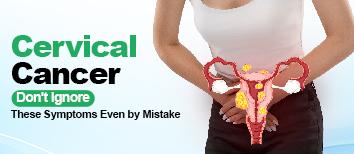
Recognize the early warning signs of cervical cancer. Learn about its symptoms, causes, and when to consult a gynecologist for timely diagnosis and treatment.

Explore essential information about breast cancer, including its symptoms, causes, types, and treatments, to stay informed and proactive about your health.
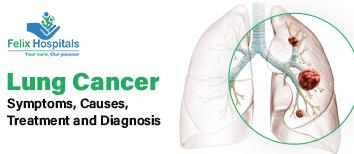
Lung cancer is a serious condition that starts in the lungs and can spread to other parts of the body.

Chemotherapy is a widely used cancer treatment that uses strong medications to destroy rapidly growing cancer cells.
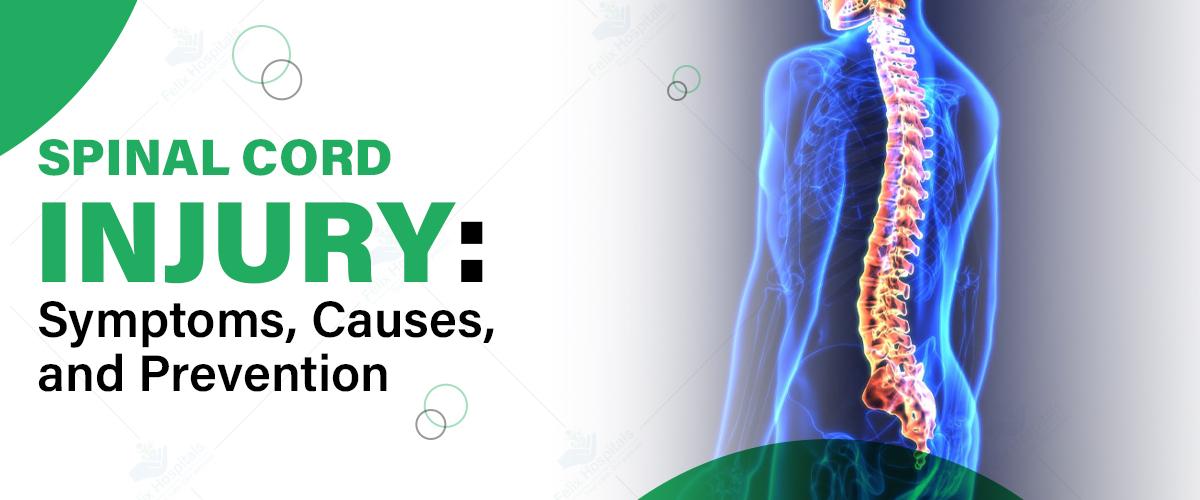
Spinal cord injuries (SCIs) can significantly impact an individual's mobility, sensation, and overall quality of life. These injuries result from trauma to the spinal cord, leading to varying degrees of impairment, depending on the severity and location of the injury. Understanding the symptoms, causes, and preventive measures is crucial for anyone at risk of SCIs. In this article, we provide essential insights into spinal cord injuries, helping individuals and families navigate the complexities associated with this condition. For those seeking comprehensive care, it's essential to choose the best spinal injury hospital that offers specialized services and expert medical support.
If you or a loved one is experiencing symptoms related to a spinal cord injury, don't hesitate to seek medical attention. Call now on +91 9667064100.
A spinal cord injury occurs when there is damage to the spinal cord, often resulting from trauma, disease, or degenerative conditions. This damage can disrupt the communication between the brain and the body, leading to loss of function, sensation, or mobility below the injury site. SCIs can be classified into two main categories: complete and incomplete. A complete spinal cord injury means there is a total loss of sensation and function below the injury site, while an incomplete injury allows for some preserved sensory or motor function.
Spinal cord injuries (SCIs) can arise from several causes, with varying degrees of severity:
1. Trauma: The most common cause of SCIs, trauma includes:
Car Accidents: High-impact collisions can lead to severe spinal injuries.
Falls: Particularly in older adults, falls can result in significant spinal damage.
Sports Injuries: Contact sports can pose a risk for injuries due to falls or collisions.
Violence: Gunshot wounds or stab injuries can severely impact the spinal cord.
2. Diseases: Certain medical conditions can also lead to SCIs:
Multiple Sclerosis: This autoimmune disease can damage the spinal cord over time.
Spinal Stenosis: Narrowing of the spinal canal can put pressure on the spinal cord.
Tumors: Both benign and malignant tumors can affect spinal cord function.
3. Degenerative Disorders: Age-related changes can contribute to spinal cord injuries:
Conditions like arthritis can lead to the degeneration of spinal discs and vertebrae, resulting in compression of the spinal cord.
The symptoms of spinal cord injuries can vary significantly based on the injury's severity and location, including:
Loss of Movement or Sensation: Inability to move limbs or lack of sensation in affected areas.
Numbness or Tingling: Unusual sensations in the extremities, indicating nerve involvement.
Difficulty Breathing: Injuries high in the spinal cord can affect respiratory function.
Loss of Bowel and Bladder Control: Involuntary loss of control can significantly impact daily life.
Changes in Sexual Function: A common issue following spinal cord injuries, affecting personal relationships.
Pain or Discomfort: Persistent pain in the neck or back can be a hallmark of spinal injury.
Diagnosing a spinal cord injury typically involves:
Medical History: A comprehensive discussion of symptoms, medical history, and circumstances of the injury.
Physical Examination: Detailed assessment of motor skills and sensory functions to evaluate damage.
Imaging Tests: MRI or CT scans provide detailed images of the spine, helping to identify the extent of injury and any underlying conditions.
The treatment approach for spinal cord injuries may include:
Emergency Care: Immediate stabilization of the spine to prevent further damage is critical.
Medications: Corticosteroids are often administered to reduce inflammation and minimize additional damage.
Rehabilitation: A comprehensive rehabilitation program involving physical and occupational therapy helps individuals regain function and adapt to changes.
Surgery: Surgical intervention may be necessary to relieve pressure on the spinal cord or stabilize the spine.
When considering treatment options, it’s also important to discuss the spinal cord injury treatment doctor in Noida with healthcare providers to ensure that financial planning aligns with the necessary medical care.
Preventive measures can significantly reduce the risk of spinal cord injuries, including:
1. Safety Measures:
Always wear seat belts in vehicles: Buckling up can dramatically reduce the risk of injury in the event of an accident.
Install safety features at home: Use grab bars in bathrooms, non-slip mats, and adequate lighting to prevent falls.
Ensure proper lifting techniques: Bend at the knees and keep your back straight when lifting heavy objects to prevent strain on your spine.
Maintain a healthy weight: Excess weight can put additional stress on your spine and increase the risk of injuries.
Use appropriate sports equipment: Ensure that any sports gear you use, like pads or back supports, is suitable for your activity.
2. Education:
Raising awareness about the risks associated with certain activities and promoting safe practices can help prevent injuries.
Some factors increase one's risk of developing a spinal cord injury. These include:
Baring these risk factors enables individuals and families to actively seek prevention and life style change.
For spinal cord injury, you need to see a neurosurgeon or an orthopedic spine specialist with expertise in complex spinal disorders. At Felix Hospital, we take pride in experienced neurologists who are committed to delivering the best care:

Dr. Sumit Sharma – An extremely precise and empathetic practitioner, Dr. Sharma is a consummate expert Best Neurosurgeon In Noida at neurological evaluation and customized treatment plan for spinal conditions.
Their expertise guarantees that each patient is offered complete evaluation, precise diagnosis, and optimal treatment customized to their rehabilitation process.
If you suspect you or someone you know has suffered a spinal cord injury, contact Felix Hospital by calling +91 9667064100 for a thorough evaluation and expert treatment options.
Spinal cord injuries can have profound effects on individuals and their families. Understanding the symptoms, causes, and preventive measures is vital in reducing the risk and managing the consequences of these injuries. By seeking appropriate medical care and implementing safety practices, we can work towards a healthier future and minimize the impact of spinal cord injuries.
Q. 1. What is the most common cause of spinal cord injury?
Ans. The most common cause of spinal cord injury is trauma from vehicle accidents, followed by falls, sports injuries, and acts of violence.
Q. 2. Can spinal cord injuries be cured?
Ans. Currently, there is no complete cure for spinal cord injuries. However, treatment can improve function and quality of life.
Q. 3. What should I do if I suspect a spinal cord injury?
Ans. Seek immediate medical attention. Do not move the person unless they are in immediate danger, as movement can worsen the injury.
Q. 4. How can I prevent spinal cord injuries?
Ans. Practice safety measures such as wearing seat belts, and helmets, and ensuring home safety. Educate yourself and others about the risks associated with certain activities.
Q. 5. Where can I find specialized care for spinal cord injuries?
Ans. Felix Hospital offers specialized care for spinal cord injuries, providing expert evaluation and comprehensive treatment options tailored to your needs.
Q. 6. What is the best treatment for spinal injury?
Ans. The best treatment for spinal injury varies based on severity and type but generally includes:
Emergency Care: Stabilizing the spine to prevent further damage.
Medication: Pain relievers and anti-inflammatory drugs to reduce swelling.
Surgery: Necessary for severe injuries to decompress the spinal cord or stabilize the spine.
Rehabilitation: Physical and occupational therapy to restore function and mobility.
Assistive Devices: Use of wheelchairs or braces to improve mobility.
Long-term Management: Ongoing care and support to enhance daily living and well-being.
Q. 7. What are the 4 types of spinal injuries?
Ans.
Complete Spinal Cord Injury: This type involves a total loss of sensory and motor function below the level of the injury. The spinal cord is completely severed or damaged.
Incomplete Spinal Cord Injury: In this type, some function remains below the injury site. Patients may retain partial sensation or movement in one or both legs or arms, depending on the level of injury.
Traumatic Spinal Injury: This type occurs due to external forces, such as a car accident, fall, or sports injury. It can lead to complete or incomplete injuries.
Non-Traumatic Spinal Injury: These injuries are caused by medical conditions, such as infections, tumors, or degenerative diseases, affecting the spinal cord.

Upper respiratory infections (URIs), commonly referred to as colds, are among the most common health concerns affecting individuals of all ages. These infections are usually caused by a variety of viruses and can lead to a range of uncomfortable symptoms, such as nasal congestion, a sore throat, and persistent coughing. Though URIs are typically self-limiting and resolve on their own, understanding the causes, symptoms, and treatment options is essential for effective management. If your symptoms are severe or recurrent, it's crucial to consult the best hospital for respiratory infection treatment in your region for expert care and a comprehensive treatment plan.
If you’re experiencing cold-like symptoms, don’t hesitate to get medical advice. Consult a healthcare provider by calling +91 9667064100.
Upper respiratory infections refer to infections that affect the upper parts of the respiratory system, including the nose, sinuses, throat (pharynx), and larynx (voice box). URIs are predominantly viral and spread easily from person to person. While generally not severe, these infections can be particularly bothersome and may last up to two weeks.
URIs are especially common during cold and flu seasons and are often confused with more serious respiratory conditions. Early identification and management can help prevent complications.
URIs are caused by various types of viruses, which spread through airborne droplets or direct contact with contaminated surfaces. Here are the most common viruses responsible for URIs:
Rhinoviruses: These are the most frequent cause of colds and are responsible for more than half of all cases.
Coronaviruses: These viruses can also cause the common cold, in addition to more severe illnesses like COVID-19.
Adenoviruses: These are associated with respiratory infections, particularly in children.
Respiratory Syncytial Virus (RSV): A virus that causes infections of the lungs and respiratory tract, RSV is especially dangerous for infants and the elderly.
These viruses spread primarily through respiratory droplets released into the air when an infected person sneezes or coughs. You can also contact a URI by touching contaminated surfaces and then touching your face, nose, or mouth.
The symptoms of upper respiratory infections can vary depending on the virus and the individual, but they often include:
Runny or Stuffy Nose: Nasal congestion or a constant runny nose is one of the most common symptoms.
Sore Throat: Inflammation of the throat, often causing discomfort or pain, is typical.
Coughing: A persistent cough can occur as the body's response to clear the airways.
Sneezing: A reflex to help expel the virus from the respiratory tract.
Fatigue: Feeling tired or lethargic is common as the body fights the infection.
Mild Headache: Some people may experience a dull or throbbing headache.
Body Aches: General body discomfort is a frequent symptom of viral infections.
Low-Grade Fever: A mild fever is the body's way of responding to the viral attack.
These symptoms typically appear one to three days after exposure to the virus and last about a week to ten days. However, some people may continue to experience mild symptoms like a cough for several weeks.
Most upper respiratory infections can be diagnosed based on symptoms and a physical examination. A healthcare provider will likely ask about your medical history and the progression of your symptoms. In most cases, no special tests are needed.
However, in certain situations—such as when symptoms are severe or last longer than expected—additional tests may be required to rule out bacterial infections or other underlying conditions, such as:
Throat Swab: A sample from the throat can help detect bacterial infections like strep throat.
Chest X-ray: In rare cases, imaging may be needed to rule out pneumonia or other lung conditions.
Blood Tests: These can help assess your immune response or check for other underlying issues.
Because URIs are viral, antibiotics are ineffective. The main goal of treatment is to relieve symptoms while the body fights off the infection. Here are common treatments:
Rest and Hydration: Resting allows the body to conserve energy to fight the infection. Drinking fluids helps keep you hydrated and supports immune function.
Over-the-counter medications: Decongestants, antihistamines, and pain relievers such as acetaminophen or ibuprofen can alleviate symptoms like nasal congestion, headaches, and body aches.
Steam Inhalation: Inhaling steam from a bowl of hot water can help clear nasal congestion and soothe irritated airways.
Saline Nasal Sprays: These can help clear a stuffy nose and keep the nasal passages moist.
Warm Salt Water Gargle: Gargling with warm salt water can relieve a sore throat and reduce inflammation.
While these measures are often sufficient, some patients may need more advanced treatment depending on the severity of symptoms. It’s important to be aware of the Respiratory infection treatment cost, which may vary depending on the medical facility, diagnostic tests, and the specific treatments required.
Preventing upper respiratory infections involves maintaining good hygiene and supporting your immune system. Consider the following measures:
Frequent Handwashing: Wash your hands thoroughly with soap and water, especially after being in public places or after coughing/sneezing.
Avoid Close Contact: Limit close contact with people who are sick, and avoid sharing personal items like utensils or cups.
Healthy Lifestyle: A balanced diet, regular exercise, and adequate sleep help strengthen your immune system.
Vaccinations: Getting vaccinated against flu viruses can help prevent certain respiratory infections.
Disinfect Surfaces: Regularly clean frequently touched surfaces like doorknobs, phones, and countertops.
If you require specialized care for a respiratory infection, Dr. Priyadarshi Jitendra Kumar, an expert pulmonologist at Felix Hospital, can provide advanced care for respiratory conditions, ensuring personalized treatment and thorough medical attention.
Experiencing cold symptoms or respiratory discomfort? Don’t wait! To seek expert medical care just Click Here. +(91)96670 64100.
Upper respiratory infections are common, but understanding the symptoms and treatment options is key to managing them effectively. Whether it's simple home care or consulting a professional, taking the right steps early on can prevent complications. If you or a loved one is suffering from an upper respiratory infection, consult a healthcare provider who specializes in upper respiratory infection treatment for accurate diagnosis and treatment. For expert care, you can also reach out to the Best Pulmonologists Near Me in Noida to ensure timely and effective recovery.
What causes upper respiratory infections?
AND: URIs are primarily caused by viruses such as rhinoviruses, coronaviruses, and adenoviruses.
How can I differentiate between a cold and a more serious illness?
AND: If your symptoms are severe, last longer than 10 days, or worsen over time, seek medical advice.
How long do colds usually last?
AND: Most colds resolve within 7 to 10 days, although a lingering cough can last for a few weeks.
Are antibiotics necessary for colds?
AND: No, antibiotics are ineffective against viral infections such as colds.
How can I prevent catching a cold?
AND: Regular handwashing, avoiding close contact with sick individuals, and maintaining a healthy lifestyle can reduce the risk of infection.

A pulmonologist plays a crucial role in helping patients dealing with serious or chronic breathing difficulties.

Cold weather can cause dry, irritated eyes. Protect them with moisture, proper hydration, and wearing sunglasses or goggles to shield from wind and cold.

Cold weather affects the body in several ways that can increase cardiovascular risks.
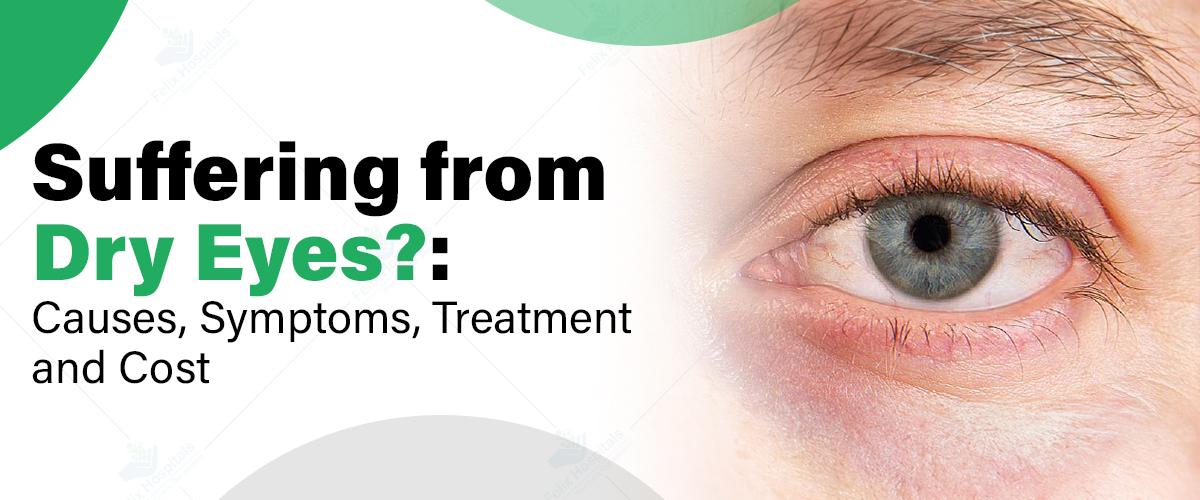
Are your eyes constantly feeling dry, irritated, or sensitive to light? You may be suffering from dry eyes, a condition that occurs when your eyes don't produce enough tears or the quality of the tears is insufficient. Left untreated, dry eyes can lead to discomfort, blurry vision, and more severe complications. Fortunately, with advancements in medical care, dry eyes can be effectively diagnosed and treated by the Best dry eye treatment hospital.
book an appointment with Best Eye Doctor In Noida. Call now at +91-9667064100.
Dry eyes, or Dry Eye Syndrome (DES), is a common condition that affects the tear production and quality in your eyes. Tears are essential for maintaining the health of the eye’s surface and for clear vision. They provide lubrication, wash away debris, and protect the eyes from infections. When there is an imbalance in tear production or composition, it leads to dryness, irritation, and inflammation.
There are various reasons why someone may develop dry eyes, including:
Aging: Tear production tends to decrease with age.
Environmental Factors: Wind, smoke, or dry climates can cause tears to evaporate more quickly.
Screen Time: Prolonged use of computers or smartphones can reduce blinking, causing eye dryness.
Medical Conditions: Conditions such as diabetes, rheumatoid arthritis, and thyroid disorders are linked to dry eyes.
Medications: Certain medications like antihistamines, decongestants, and antidepressants can decrease tear production.
Hormonal Changes: Especially in women, hormonal changes due to pregnancy, menopause, or contraceptive use can contribute to dry eyes.
Eye Surgery: Procedures such as LASIK can sometimes lead to decreased tear production.
Dry eyes can present a variety of symptoms, including:
Stinging, burning, or scratchy sensation in the eyes.
Sensitivity to light.
Redness in the eyes.
A feeling that something is in the eyes.
Blurred vision, especially when reading or using a computer.
Difficulty wearing contact lenses.
Watery eyes, which may seem paradoxical but is the body’s response to irritation.
Diagnosing dry eyes typically involves a comprehensive eye examination by an ophthalmologist. Tests may include:
Tear Film Breakup Time: Measures how long it takes for tears to evaporate from the surface of the eye.
Schirmer Test: A strip of paper is placed under the lower eyelid to measure tear production.
Staining Test: Special dyes, such as fluorescein, are used to observe tear flow and detect damage to the eye surface.
Tear Osmolarity Test: Assesses the salt content of your tears, which can indicate dry eyes.
Several treatment options are available for dry eyes depending on the severity and underlying cause:
Artificial Tears: Over-the-counter lubricating eye drops are often the first line of treatment for mild cases.
Prescription Medications: For more severe cases, your doctor may prescribe eye drops that reduce inflammation, such as cyclosporine (Restasis) or lifitegrast (Xiidra).
Punctal Plugs: Tiny devices inserted into the tear ducts to reduce tear drainage and retain moisture on the eye surface.
Warm Compresses and Eyelid Cleansing: These can help alleviate discomfort, especially if meibomian gland dysfunction (MGD) is contributing to dry eyes.
Omega-3 Supplements: Increasing your intake of omega-3 fatty acids, either through diet or supplements, can improve tear quality.
Special Contact Lenses: Scleral lenses or bandage contact lenses can help protect the eye surface and maintain moisture.
In cases where these treatments are ineffective, surgery may be an option to address chronic dry eyes. Understanding the Dry eye surgery cost is essential for those considering this option, as it can vary based on the specific procedure and the healthcare provider. Consulting with an eye care professional will provide insights into both the treatment options and the associated costs.
To minimize the risk of developing dry eyes or worsening symptoms, consider these preventive measures:
Take Breaks from Screens: Follow the 20-20-20 rule—look at something 20 feet away for 20 seconds every 20 minutes.
Use a Humidifier: Adding moisture to the air can help prevent tears from evaporating too quickly.
Wear Sunglasses: Protect your eyes from wind, smoke, and direct sunlight by wearing sunglasses outdoors.
Stay Hydrated: Drink plenty of water throughout the day to support overall eye hydration.
Avoid Smoking: Smoke can irritate the eyes and lead to dryness.
At Felix Hospital, our team of highly trained ophthalmologists specializes in the diagnosis and treatment of dry eyes and other eye conditions. Our experts use state-of-the-art diagnostic tools and personalized treatment plans to ensure the best possible outcomes for every patient.
Dr. Deepanjali Arya: With over 15 years of experience in ophthalmology, Dr. Arya is renowned for his expertise in treating various eye conditions, including dry eyes, cataracts, and glaucoma.
Dr. Mohmad Uzair Zakai: The best doctor for dry eye, Dr. Zakai has successfully treated numerous patients suffering from severe dry eye syndrome.
Book your appointment with a Felix Hospital ophthalmologist today by Clicking Here and take the first step toward clearer, more comfortable vision!
Dry eyes may seem like a minor inconvenience, but if left untreated, they can lead to more serious eye conditions and significantly impact your quality of life. Understanding the causes, symptoms, and treatments available can help you manage the condition effectively. At Felix Hospital, our team is committed to providing the highest standard of care for dry eye patients. With the right diagnosis and treatment plan, you can enjoy relief from discomfort and protect your long-term eye health.
1-Can dry eyes go away on their own? Dry eyes often require treatment, especially if caused by underlying medical conditions or environmental factors.
2-What can worsen dry eyes? Factors like prolonged screen time, dry climates, and certain medications can exacerbate dry eyes.
3-How can I relieve dry eyes naturally? Use warm compresses, stay hydrated, and avoid environmental triggers such as smoke or wind.
4-Is dry eye syndrome permanent? While there is no permanent cure, the condition can be managed with appropriate treatment.
5-How often should I use artificial tears? You can use them as often as needed, but if you're using them more than four times a day, consult your doctor for advice on preservative-free options.
6-Can dry eyes cause blurry vision? Yes, dry eyes can lead to blurry vision, especially when engaging in tasks that require prolonged focus, like reading.
7-Are contact lenses safe if I have dry eyes? Contact lenses can worsen dry eyes. However, your doctor may recommend special lenses designed for dry eye sufferers.
8-Does diet affect dry eyes? Yes, diets high in omega-3 fatty acids can improve tear quality and reduce dry eye symptoms.
9-Is dry eye syndrome the same as pink eye? No, dry eye syndrome is caused by insufficient or poor-quality tears, while pink eye (conjunctivitis) is an inflammation caused by infection or allergens.
10-What is the cost of dry eye treatment at Felix Hospital? The Eczema (Atopic Dermatitis) Treatment cost depends on the severity of your condition and the type of treatment required. Consultation with a specialist is recommended for a personalized cost estimate.
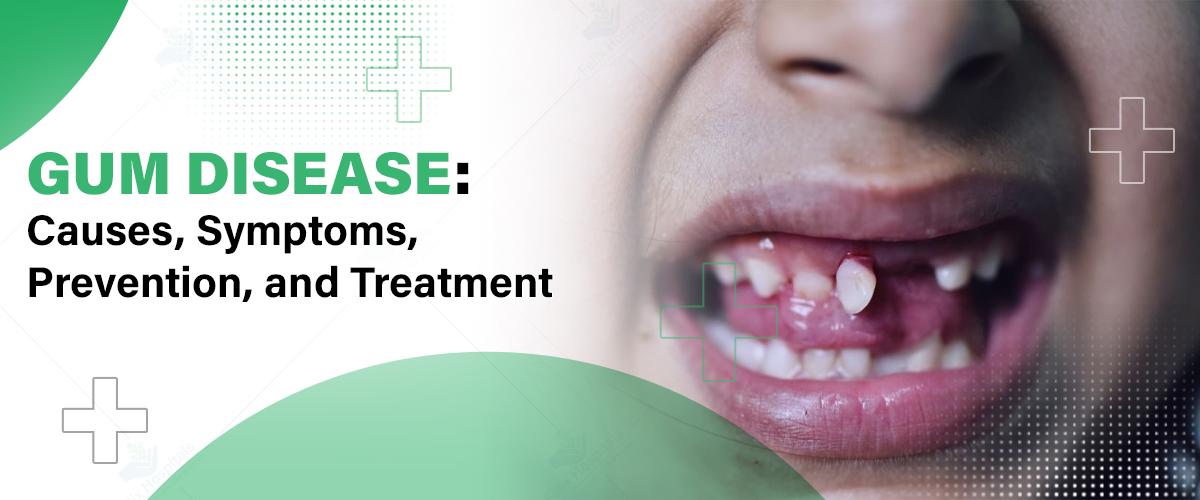
Gum disease, also known as periodontal disease, is an inflammatory condition that affects the tissues surrounding the teeth. Left untreated, it can lead to tooth loss and impact overall health. Gum disease progresses through stages, starting with mild inflammation (gingivitis) and potentially advancing to severe tissue damage (periodontitis). Understanding gum disease, its causes, symptoms, and treatments can help individuals maintain good oral health and avoid serious complications. For those seeking expert care, visiting a dental hospital in Noida can provide access to specialized treatment and prevention strategies, helping patients manage gum disease effectively.
Don’t wait until gum disease worsens. Book Your Consultation Today to Schedule a consultation by Calling +91 9667064100.
Gum disease is caused by bacterial plaque, a sticky film accumulating on teeth and gums. When not removed through regular brushing and flossing, plaque hardens into tartar, creating a conducive environment for bacterial growth. Over time, this can lead to infection and inflammation, affecting the gums, bones, and ligaments supporting the teeth.
There are two main types of gum disease:
1. Gingivitis: The earliest stage of gum disease, gingivitis involves inflammation of the gums without affecting the underlying bone. It is characterized by redness, swelling, and bleeding of the gums. Gingivitis is reversible with proper oral hygiene and professional cleaning.
2. Periodontitis: If gingivitis is left untreated, it can progress to periodontitis. In this stage, the inflammation extends below the gum line, affecting the tissues that support the teeth, including the bone. Periodontitis can lead to tooth mobility, gum recession, and, ultimately, tooth loss.
Gum disease progresses through several stages, from mild gingivitis to severe periodontitis:
1. Gingivitis: This is the early stage of gum disease, characterized by red, swollen gums that may bleed during brushing or flossing. Gingivitis is reversible with improved oral hygiene and professional cleaning.
2. Early Periodontitis: In this stage, inflammation spreads deeper into the supporting tissues of the teeth, and pockets begin to form between the teeth and gums. Bone loss may start to occur.
3. Moderate Periodontitis: As the disease progresses, the gums recede, and bone loss becomes more significant. Teeth may become loose, and chewing may be painful.
4. Advanced Periodontitis: At this stage, there is significant bone loss, and the teeth may shift or become loose. Without treatment, tooth loss is likely, and the infection may spread to other parts of the body, leading to systemic health issues.
The primary cause of gum disease is the accumulation of plaque due to poor oral hygiene. However, several other factors can increase the risk of developing gum disease:
1. Poor Oral Hygiene: Inconsistent brushing and flossing allow plaque to build up, leading to gum irritation and inflammation.
2. Smoking and Tobacco Use: Smoking weakens the immune system and decreases the body's ability to fight infection, making it harder to control gum disease. Smokers are more likely to develop periodontitis than non-smokers.
3. Hormonal Changes: Changes in hormone levels, especially during puberty, pregnancy, and menopause, can make gums more sensitive and vulnerable to infection.
4. Genetics: Some individuals may be genetically predisposed to developing gum disease, even with good oral hygiene.
5. Poor Nutrition: A diet lacking essential nutrients, particularly vitamin C, can weaken the immune system and increase susceptibility to gum infections.
6. Diabetes: People with diabetes are more prone to infections, including gum disease. Additionally, gum disease can make it harder to control blood sugar levels, creating a cycle of worsening health.
7. Medications: Certain medications of gum disease, such as antihistamines, antidepressants, and blood pressure medications, can reduce saliva production, leading to a dry mouth and increased risk of gum disease.
8. Chronic Stress: Stress can weaken the immune system and make it harder for the body to fight infections, including those affecting the gums.
9. Crooked Teeth: Misaligned teeth can create areas where plaque and bacteria accumulate, increasing the risk of gum disease.
10. Clenching or Grinding Teeth: Habitually grinding or clenching teeth can put extra pressure on the supporting tissues of the teeth, increasing the risk of periodontal damage.
Gum disease often progresses silently, with many individuals not noticing any symptoms until the disease has advanced. However, some common signs and symptoms of gum disease to watch for include:
1. Red, Swollen Gums: Healthy gums should be pink and firm. If gums are red, swollen, or tender, it may indicate inflammation caused by plaque buildup.
2. Bleeding Gums: Gums that bleed during brushing, flossing, or eating hard foods are a sign of gingivitis or early-stage gum disease.
3. Receding Gums: As gum disease progresses, the gums may pull away from the teeth, making the teeth look longer and exposing the tooth roots.
4. Persistent Bad Breath: Bacteria in the mouth produce sulfur compounds, leading to chronic bad breath (halitosis) that doesn’t go away even with brushing or mouthwash.
5. Loose Teeth: In advanced stages of gum disease, the bone and tissue supporting the teeth can be destroyed, leading to loose or shifting teeth.
6. Painful Chewing: As the infection worsens, individuals may experience discomfort or pain when chewing due to gum inflammation and tissue damage.
7. Pus Between Teeth and Gums: Pockets of infection around the teeth can cause pus to form, which may indicate an abscess or advanced periodontal disease.
8. Tooth Sensitivity: Exposed tooth roots due to gum recession can lead to increased sensitivity to hot or cold temperatures.
Diagnosing gum disease typically involves a thorough dental examination and may include the following:
1. Visual Examination: The dentist will check for signs of gum inflammation, such as redness, swelling, and bleeding.
2. Probing: Using a periodontal probe, the dentist measures the depth of the pockets between the teeth and gums. Pockets deeper than 3 mm may indicate gum disease.
3. X-rays: Dental X-rays can reveal the extent of bone loss around the teeth, helping to diagnose periodontitis.
4. Medical History: The dentist may ask about symptoms of gum diseases, lifestyle factors (e.g., smoking), and medical conditions (e.g., diabetes) that may increase the risk of gum disease.
The treatment of gum disease depends on the severity of the condition. Early-stage gum disease can often be managed with non-surgical treatments, while advanced cases may require more invasive procedures.
1. Professional Cleaning: In the early stages of gingivitis, professional cleaning by a dentist or dental hygienist can remove plaque and tartar buildup, helping to reverse the condition.
2. Scaling and Root Planning: For more advanced cases, scaling (removing plaque and tartar from above and below the gum line) and root planning (smoothing the tooth roots to prevent further plaque buildup) may be necessary. This deep cleaning procedure helps the gums reattach to the teeth.
3. Antibiotic Therapy: In some cases, antibiotics may be prescribed to reduce infection and inflammation. These can be taken orally or applied directly to the gum pockets.
4. Surgery: For advanced periodontitis, surgical procedures may be required. These may include:
- Flap Surgery: The gums are lifted back to allow for deep cleaning of the tooth roots and the bone can be reshaped if necessary.
- Bone Grafts: When periodontitis leads to bone loss, bone grafts may be used to rebuild the bone supporting the teeth.
- Soft Tissue Grafts: Gum recession can be treated with soft tissue grafts, which involve taking tissue from another part of the mouth to cover exposed roots.
- Guided Tissue Regeneration: This procedure involves placing a biocompatible material between the tooth and bone to encourage the regrowth of lost bone and tissue.
- Laser Therapy: Lasers can be used to remove infected tissue and promote the healing of the gums
Preventing gum disease is largely about maintaining good oral hygiene and adopting healthy lifestyle habits. Here are some key strategies to help prevent gum disease:
1. Brush Twice Daily: Brush your teeth with fluoride toothpaste for at least two minutes, twice a day. Pay special attention to the gum line to remove plaque buildup.
2. Floss Daily: Flossing removes plaque and food particles from between teeth that a toothbrush can't reach.
3. Use Mouthwash: An antimicrobial mouthwash can help reduce bacteria and prevent plaque buildup.
4. Regular Dental Check-ups: Visit your dentist every six months for a professional cleaning and exam. Regular check-ups can help catch gum disease in its early stages.
5. Quit Smoking: Smoking weakens the immune system and increases the risk of gum disease. Quitting smoking can improve gum health and reduce the risk of complications.
6. Maintain a Healthy Diet: A balanced diet rich in vitamins and minerals, particularly vitamin C and calcium, supports healthy gums and teeth.
7. Manage Stress: Chronic stress can affect your immune system and make it harder to fight infections, including gum disease. Managing stress through relaxation techniques or exercise can improve overall health, including gum health.
8. Avoid Sugary Foods and Drinks: Sugary foods and beverages promote the growth of harmful bacteria in the mouth, leading to plaque buildup and increasing the risk of gum disease.
9. Stay Hydrated: Drinking water helps wash away food particles and bacteria, keeping your mouth clean and reducing the risk of gum disease.
At Felix Hospital, we pride ourselves on having a highly skilled team of dental professionals who offer comprehensive care for all stages of gum disease. If you're struggling with gum problems or are looking for routine preventive care, these exceptional dentists can guide you to a healthier smile.
Dr. Aditi Narad (Conservative Dentistry & Endodontics)
Dr. Aditi Narad is a specialist in Conservative Dentistry and Endodontics with extensive experience in managing gum disease and related complications.
Dr. Megha Singla (BDS, MDS, Pedodontist)
Dr. Megha Singla specializes in Pediatric Dentistry (Pedodontist) and excels at managing gum disease in younger patients.
Dr. Shinja Dixit (BDS, MDS, Oral Maxillofacial)
With a dual specialization in Oral and Maxillofacial Surgery, Dr. Shinja Dixit offers advanced treatment options for severe gum disease cases that may involve surgical interventions.
Dr. Aditi Sharma (PhD. Oral Maxillofacial Surgeon)
Dr. Aditi Sharma, a highly qualified Oral Maxillofacial Surgeon, brings years of academic and practical expertise in treating advanced gum diseases.
Visit us for a thorough diagnosis and a treatment plan tailored to ensure long-lasting oral health. Book your Appointment by Clicking Here.
Gum disease, if left untreated, can cause significant damage to your oral health. From mild gingivitis to advanced periodontitis, the team of expert dentists at Felix Hospital offers a range of treatments tailored to your specific needs. Whether you need routine cleaning, gum surgery, or complex dental rehabilitation, Felix Hospital’s dental team is committed to restoring and maintaining your gum health.
1. What is gum disease, and how does it develop?
Gum disease is an infection of the tissues surrounding the teeth, caused by plaque buildup. It starts with gingivitis (gum inflammation) and can progress to periodontitis (severe tissue damage) if left untreated.
2. What are the early signs of gum disease?
Early signs include red, swollen, or bleeding gums, persistent bad breath, gum recession, and sensitive teeth.
3. Can gum disease be reversed?
Gingivitis, the early stage of gum disease, can be reversed with proper oral hygiene and professional cleaning. However, periodontitis requires more extensive treatments.
4. How is gum disease treated at Felix Hospital?
We offer a range of treatments from non-invasive scaling and root planning to surgical procedures like flap surgery, bone grafts, and soft tissue grafts, depending on the severity of the disease.
5. How often should I visit the dentist to prevent gum disease?
It’s recommended to visit the dentist for routine check-ups and cleanings every six months to prevent gum disease and other oral health issues.
6. Is gum disease common in children?
While gum disease is more common in adults, children can develop gum disease, especially if they have poor oral hygiene. Our pedodontist, Dr. Megha Singla, specializes in treating gum issues in children.
7. Can smoking affect gum disease?
Yes, smoking significantly increases the risk of gum disease as it weakens the immune system and hampers healing.
8. What should I expect during a consultation for gum disease treatment?
During your consultation, our dentists will perform a thorough examination of your gums, take X-rays if necessary, and discuss treatment options based on the severity of the disease.

Yes, counseling can help save a marriage. Marriage, like any relationship, goes through ups and downs. The initial honeymoon phase often gives way to challenges that can lead to misunderstandings and emotional distance. In such times, relationship counseling can be invaluable. A trained therapist provides a safe space for couples to express their feelings and work through issues, improving communication and rebuilding their connection. Counseling helps partners set realistic expectations, navigate challenges, and foster deeper understanding. With commitment and the right guidance, many couples find that counseling can indeed save their marriage, leading to a stronger and happier relationship. Let’s explore the power of counseling in marriage and how it helps couples navigate their challenges.
Take the first step towards saving your marriage by booking a counseling session with our experienced psychologists at Felix Hospital. Contact us today at +91 9667064100.
Marriage counseling, also known as couples therapy, is a type of psychotherapy designed to help couples recognize and resolve conflicts in their relationship. It can be beneficial for couples in different stages of marriage—from newlyweds struggling to adjust to long-term partners facing complex issues like infidelity, financial disagreements, or lack of emotional intimacy. Counseling offers a structured environment where couples can openly discuss their concerns with a neutral third party—the therapist.
Before understanding how counseling helps, it’s essential to identify some of the common reasons why couples might seek therapy:
Poor Communication: Communication breakdowns are one of the most common issues in relationships. Partners may misunderstand each other, not listen properly, or avoid difficult conversations altogether.
Infidelity: Trust can be difficult to rebuild after an affair, but counseling offers a space to work through the feelings of betrayal and rebuild trust.
Financial Disagreements: Money can be a contentious issue in marriage. Differences in spending habits, financial goals, or even financial infidelity can create stress and tension.
Lack of Emotional or Physical Intimacy: Over time, couples may feel that they are drifting apart emotionally or physically. This can result in feelings of loneliness, frustration, and resentment.
Parenting Disputes: Raising children can introduce a host of new stressors, and differing opinions on how to parent can lead to significant conflict.
Unresolved Trauma: Personal issues, such as unresolved childhood trauma or mental health issues, can also affect the marriage and lead to difficulties that require professional help.
Marriage counseling is not about assigning blame or deciding who is right or wrong. Instead, it is focused on healing and growth. Here are the key ways in which counseling helps couples:
Effective communication is the foundation of any successful marriage. Counselors help couples identify harmful communication patterns—such as criticism, defensiveness, or stonewalling—and replace them with more constructive and compassionate ways of talking to one another.
Couples learn how to express their thoughts and feelings without being aggressive or defensive. Counselors also teach active listening skills, ensuring both partners feel heard and understood.
Marriage problems often stem from deeper, unresolved issues. A therapist can help couples dig beneath the surface to understand the root causes of their conflicts. These could be issues related to trust, past experiences, insecurities, or even unspoken expectations. By addressing the core issues, couples can begin to heal and rebuild their relationship on a more solid foundation.
If trust has been broken in a marriage—whether through infidelity or other breaches of confidence—counseling offers a safe space for partners to express their pain and start the process of rebuilding. The therapist guides the couple in creating boundaries, taking responsibility for their actions, and making meaningful changes that help restore trust over time.
Over time, many couples experience a decline in emotional or physical intimacy. Counselors can help partners reconnect by fostering open conversations about their desires, fears, and needs. By helping couples rekindle their bond, therapy can lead to a stronger and more fulfilling relationship.
Marriage can sometimes falter because of unrealistic expectations. Some individuals may expect their partner to fulfill all their emotional, financial, and physical needs, which can place too much pressure on the relationship. Counselors help couples set more realistic expectations and encourage them to appreciate each other’s individuality while working together as a team.
One of the most valuable aspects of marriage counseling is learning effective conflict-resolution strategies. Couples are taught how to handle disagreements healthily, without escalating to shouting or passive-aggressive behavior. These skills can prevent minor conflicts from turning into significant issues that threaten the marriage.
While marriage counseling can be incredibly beneficial, it’s important to note that it doesn’t always guarantee success. The outcome depends on several factors, including:
Willingness of Both Partners: For therapy to work, both partners need to be fully committed to the process. If one partner is unwilling to engage or put in the effort, the chances of success are diminished.
Severity of the Issues: Some problems, such as years of emotional neglect or repeated infidelity, may be too difficult for counseling to repair. In these cases, therapy can still offer clarity, helping couples decide whether to part ways amicably.
Timeliness of Intervention: The earlier a couple seeks counseling, the better. Couples who have been struggling for years may find it harder to resolve deeply ingrained issues.
Quality of Therapy: The effectiveness of counseling also depends on the skill and approach of the therapist. A qualified, experienced therapist can help couples navigate even the toughest of challenges, while an ill-suited therapist may not offer the right tools or insights.
One of the key factors in successful counseling is finding the right therapist or psychological treatment center. Seeking help from qualified professionals who specialize in relationship and marriage counseling can make a significant difference. Whether you're struggling with communication, trust issues, or simply growing apart, the best relationship counseling in Noida provides the support needed to address the root of the problems. By choosing the right experts, couples can navigate their challenges more effectively and work towards a healthier, more fulfilling relationship.
At Felix Hospital, we understand the complexities of relationships and offer compassionate, professional support through our expert psychologists at a nearby psychiatric hospital. Our team includes experienced professionals such as Dr. Ashima Ranjan and Dr. Jaideep Gambhir, who have helped countless couples navigate their marital issues and restore harmony in their relationships.
Our marriage counselors are skilled in various therapeutic techniques, providing a safe and non-judgmental space for couples to explore their concerns. Whether you're dealing with communication problems, trust issues, or simply looking to strengthen your relationship, Felix Hospital is your destination for the best psychological treatment for couples. Let us help you foster a healthier, more fulfilling partnership.
Is your marriage going through a rough patch? Let our expert counselors guide you through the healing process. Book a session by Clicking Here.
Marriage counseling offers couples the tools and insights needed to overcome challenges, rebuild trust, and create a more fulfilling relationship. Whether your issues stem from communication breakdowns, infidelity, or simply feeling disconnected, counseling can provide a path to healing. While success depends on both partners' willingness to participate and the severity of the issues, the benefits of improved communication, conflict resolution, and intimacy can make a significant difference in the long-term health of a marriage. If you’re experiencing difficulties in your relationship, don’t hesitate to seek help. Felix Hospital’s expert marriage counselors are here to support you every step of the way.
1. What is marriage counseling?
Marriage counseling is a type of therapy designed to help couples resolve conflicts and improve their relationship.
2. How long does marriage counseling take?
The duration varies based on the issues being addressed, but it typically involves multiple sessions over several weeks or months.
3. Can counseling save every marriage?
Counseling can be incredibly helpful, but it does not guarantee success. Both partners need to be committed to the process.
4. When should couples seek marriage Counseling?
Couples should seek Counseling as soon as they recognize recurring issues or feel emotionally disconnected from each other.
5. How much does marriage Counseling cost?
Costs vary depending on the therapist and location, but many psychological treatment centers offer affordable options.
6. Is marriage Counseling only for couples on the brink of divorce?
No, even couples with minor issues can benefit from Counseling to strengthen their relationship and improve communication.
7. What happens during a marriage Counseling session?
During a session, couples discuss their issues with a therapist who helps them develop strategies for resolving conflicts and improving communication.
8. Can Counseling Help with Infidelity?
Yes, many couples have successfully rebuilt trust and restored their marriage through Counseling after infidelity.
9. What if only one partner wants to attend Counseling?
Counseling works best when both partners participate, but individual therapy can still provide insights and coping strategies for one partner.

If your answer is yes, then, here are 6 easy steps to keep your skin look young and glowing.

Struggling with suicidal thoughts can feel overwhelming, but support is available. Learn effective coping strategies, recognize warning signs, and find the right mental health help when you need it most.
चिंता एक सामान्य मानसिक स्थिति है, लेकिन जब यह अत्यधिक बढ़ जाती है तो दैनिक जीवन को प्रभावित कर सकती है। इसके कारण, लक्षण, प्रकार और प्रभावी उपचार

If you are having any physical pain in your body due to factors like illness, injury, sudden stroke or aging, a physiotherapist can help you to overcome the pain through various therapies like electrotherapy, heat and cold packs, exercise etc.
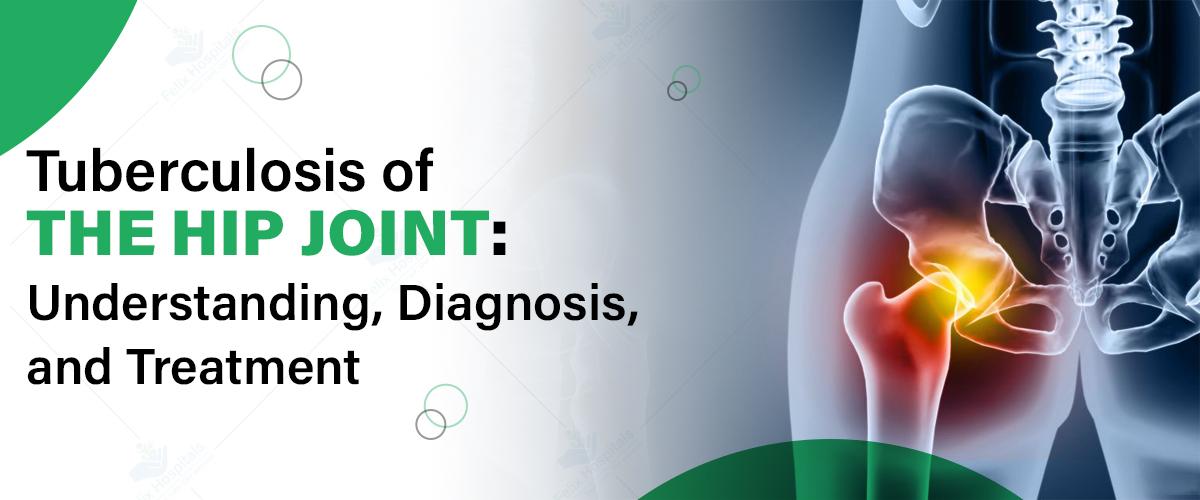
Tuberculosis (TB) is primarily known as a respiratory infection caused by Mycobacterium tuberculosis, but it can affect various body parts, including bones and joints. One of the rarer manifestations of extrapulmonary tuberculosis is tuberculosis of the hip joint, which can lead to significant morbidity if not diagnosed and treated promptly. This blog aims to explore the causes, symptoms, diagnosis, and treatment options for hip joint tuberculosis, providing a comprehensive overview for patients and caregivers, especially within the context of orthopedic care.
Call us at +91 9667064100 to schedule a consultation with our orthopedic specialists and get the care you need.
Tuberculosis of the hip joint, also known as tuberculous arthritis, is an infection that occurs when the TB bacteria spread to the hip joint. This can happen through direct extension from adjacent infected tissue or hematogenous spread from a primary pulmonary or extrapulmonary site. The hip joint, being one of the largest and most mobile joints in the body, is particularly susceptible to the destructive effects of TB infection.
The primary cause of hip joint tuberculosis is the Mycobacterium tuberculosis bacteria. Several factors can increase the risk of developing this condition, including:
Primary Pulmonary Tuberculosis: Individuals with active pulmonary tuberculosis are at risk of developing extrapulmonary TB, including in the hip joint.
Immunocompromised States: Conditions such as HIV/AIDS, diabetes mellitus, or prolonged use of immunosuppressive medications can increase susceptibility to TB infections.
Malnutrition: Poor nutritional status can weaken the immune system, making individuals more vulnerable to infections, including tuberculosis.
Close Contact with Infected Individuals: Prolonged exposure to someone with active TB can increase the risk of contracting the infection.
Age: Tuberculosis of the hip joint is more common in children and young adults but can affect individuals of any age.
Recognizing the symptoms of tuberculosis of the hip joint is crucial for early diagnosis and treatment. Common symptoms may include:
Hip Pain: Patients often experience persistent pain in the hip joint, which may worsen with movement.
Limited Range of Motion: Inflammation in the hip joint can lead to stiffness and a reduced range of motion.
Swelling: There may be noticeable swelling around the hip joint due to inflammation and fluid accumulation.
Fever and Night Sweats: Systemic symptoms such as low-grade fever and night sweats may occur, particularly in the presence of active TB.
Weight Loss: Unexplained weight loss can also be a symptom, reflecting the chronic nature of the infection.
Limping or Difficulty Walking: Patients may have difficulty walking or may develop a limp due to pain and discomfort in the hip joint.
Diagnosing tuberculosis of the hip joint can be challenging, as the symptoms of TB Hip Joint often resemble other orthopedic conditions. A thorough clinical evaluation and a combination of diagnostic tests are essential to confirm the presence of TB infection. The diagnostic process typically includes:
A detailed medical history, including any previous history of tuberculosis, recent travel, and exposure to infected individuals, is vital. A physical examination will assess the hip joint's range of motion, swelling, and tenderness.
X-rays: Initial imaging may involve X-rays to assess for any joint destruction, fluid accumulation, or bone involvement.
MRI or CT Scan: Magnetic resonance imaging (MRI) or computed tomography (CT) scans provide detailed images of the hip joint and surrounding tissues, helping to identify abscesses or other complications associated with TB.
Tuberculin Skin Test (TST): This test measures the immune response to TB proteins. A positive result may indicate prior exposure to the bacteria.
Interferon-Gamma Release Assays (IGRAs): Blood tests that detect the immune response to TB bacteria, providing an alternative to the skin test.
Synovial Fluid Analysis: If joint aspiration is performed, synovial fluid can be analyzed for the presence of bacteria, white blood cells, and inflammatory markers. Culturing the fluid may confirm TB.
In some cases, a biopsy of the affected joint may be performed to obtain tissue samples for histological examination and microbiological culture, providing definitive confirmation of tuberculosis.
The treatment of tuberculosis of the hip joint involves a multidisciplinary approach, focusing on eradicating the infection and managing symptoms of the TB hip joint. The following treatment modalities are commonly employed:
The cornerstone of treatment for hip joint tuberculosis is the use of antitubercular medications. The standard regimen typically includes a combination of the following drugs:
Isoniazid (INH)
Rifampicin (RIF)
Pyrazinamide (PZA)
Ethambutol (ETH)
The initial treatment phase generally lasts for 2 months, followed by a continuation phase of 4 to 7 months, depending on the patient's response and the extent of the disease.
In cases where there is significant joint destruction, abscess formation, or failure to respond to medical therapy, surgical intervention may be necessary. Surgical options may include:
Drainage of Abscesses: If an abscess forms around the hip joint, surgical drainage may be required to relieve pain and pressure.
Decompression: In some cases, decompression of the hip joint may be performed to alleviate pressure from fluid accumulation.
Joint Reconstruction: Severe cases with joint destruction may necessitate reconstructive surgery or arthroplasty.
Physical rehabilitation plays a crucial role in the recovery process. A tailored physiotherapy program can help restore mobility, strengthen muscles around the hip joint, and improve overall function.
Felix Hospital is the leading orthopedic hospital in Noida, dedicated to providing comprehensive care for patients with tuberculosis of the hip joint. Our team of experienced orthopedic doctors specializes in diagnosing and treating a wide range of musculoskeletal disorders, including those caused by TB.
Dr. Keshav Goel: A highly skilled orthopedic surgeon with extensive experience in treating joint infections and reconstructive surgeries. Dr. Goel is committed to providing patient-centered care and employs the latest techniques to ensure optimal recovery.
Dr. Binay Kumar Sahu: Known for his expertise in arthroscopy and joint preservation techniques, Dr. Sahu plays a vital role in diagnosing and managing tuberculosis of the hip joint. His approach focuses on minimizing invasiveness while achieving effective treatment outcomes.
Dr. Piyush Kumar Singh: An expert in orthopedic trauma and infections, Dr. Singh is dedicated to addressing complex cases of hip joint tuberculosis. His comprehensive treatment plans are tailored to each patient’s unique needs, ensuring a holistic approach to recovery.
Tuberculosis of the hip joint is a rare but serious condition that requires early diagnosis and appropriate treatment to prevent complications. Understanding its causes, symptoms, and treatment options is essential for patients and caregivers alike. If you or a loved one is experiencing symptoms of TB hip joint, don’t hesitate to seek medical advice. With prompt intervention and comprehensive care, it is possible to manage this condition effectively and restore your quality of life.
If you have any further questions or concerns about tuberculosis of the hip joint or any other health-related issues, feel free to Call at +91 9667064100.
1. What are the risk factors for developing tuberculosis of the hip joint?
Risk factors include a history of pulmonary tuberculosis, immunocompromised states, malnutrition, and close contact with infected individuals.
2. How long does treatment for tuberculosis of the hip joint last?
Treatment typically lasts for 6 to 9 months, depending on the extent of the infection and the patient’s response to therapy.
3. Can tuberculosis of the hip joint lead to permanent damage?
If not treated promptly, tuberculosis of the hip joint can lead to significant joint damage, chronic pain, and disability.
4. Is surgery always necessary for tuberculosis of the hip joint?
Surgery is not always necessary; many patients respond well to medical treatment alone. However, surgery may be required in cases of severe joint destruction or abscess formation.
5. Are there any preventive measures for tuberculosis?
Preventive measures include vaccination with the BCG vaccine, maintaining good hygiene, avoiding close contact with infected individuals, and seeking prompt treatment for active TB.
6. Can tuberculosis of the hip joint recur after treatment?
Yes, tuberculosis can recur, especially if the initial treatment is incomplete or the patient is immunocompromised. Regular follow-up and monitoring are essential.
7. How can I manage pain associated with tuberculosis of the hip joint?
Pain management may include analgesics, anti-inflammatory medications, and physical therapy to improve joint function and reduce discomfort.
8. What should I do if I suspect I have tuberculosis of the hip joint?
If you suspect you have symptoms of tuberculosis of the hip joint, seek medical attention promptly for evaluation and appropriate testing. Early diagnosis and treatment are crucial for a successful recovery.

Eczema, also known as atopic dermatitis eczema, is a chronic skin condition affecting millions worldwide. Characterized by red, inflamed, and itchy skin, eczema can cause significant discomfort and affect quality of life. Eczema is not a single condition but rather an umbrella term that encompasses various forms of dermatitis. Each type has its own set of causes, symptoms, and treatments, and understanding the differences between them is crucial for effective management. For comprehensive care, seeking treatment at the Best Hospital for Eczema (Atopic Dermatitis) Treatment ensures you receive expert guidance and support.
Let’s explore the seven different types of eczema, their symptoms, causes, diagnosis, and treatment options, and how Felix Hospital's expert dermatologists can help you manage this skin condition.
Schedule an appointment today and take the first step toward healthier, clearer skin! Call Now at +91 9667064100.
Atopic dermatitis eczema is a chronic inflammatory skin disease that results in itchy, red, and scaly patches on the skin. It is a common condition, especially among children, although it can occur at any age. Atopic dermatitis is often associated with other atopic conditions such as asthma and hay fever. The exact cause of eczema is unknown, but it is believed to result from a combination of genetic and environmental factors. People with eczema have a defective skin barrier, making their skin more prone to irritation and infection.
There are seven main types of eczema, each with distinct characteristics:
Atopic dermatitis (eczema) is the most common form of eczema. It is often hereditary and typically begins in childhood, though it can persist or emerge in adulthood. It is associated with other atopic conditions like asthma and hay fever.
Symptoms: Dry, itchy, red patches that often appear on the face, neck, hands, and feet. The itching can be severe, leading to scratching that worsens the condition.
Causes: A combination of genetic, immune system, and environmental factors. Triggers may include allergens, stress, and irritants like soaps and fabrics.
Treatment: Moisturizers, topical corticosteroids, antihistamines, and lifestyle changes such as avoiding known triggers.
Contact dermatitis occurs when the skin reacts to direct contact with an irritant or allergen. It is divided into two types: irritant contact dermatitis and allergic contact dermatitis.
Symptoms: Red, inflamed skin, often with blisters or swelling in the affected area.
Causes: Irritants like soaps, detergents, chemicals, or allergens such as nickel, cosmetics, or plants.
Treatment: Avoidance of the triggering substance, use of barrier creams, and application of topical corticosteroids.
Dyshidrotic eczema is characterized by small, itchy blisters on the hands and feet. It is more common in women than men and is typically triggered by stress, allergies, or exposure to moisture.
Symptoms: Small, fluid-filled blisters on the palms, fingers, and soles of the feet, accompanied by intense itching.
Causes: Emotional stress, allergies (especially to nickel or cobalt), and excessive sweating or moisture.
Treatment: Topical corticosteroids, antihistamines, cold compresses, and lifestyle modifications to reduce exposure to triggers.
Nummular eczema, also known as discoid eczema, presents as round, coin-shaped patches of irritated skin. It often occurs after skin injuries, such as insect bites or scrapes.
Symptoms: Circular, scaly patches that can be itchy or painful. These patches can become crusted or oozing in severe cases.
Causes: Dry skin, injuries, insect bites, and exposure to environmental irritants like wool or chemicals.
Treatment: Moisturizers, topical corticosteroids, and avoiding irritants that may trigger flare-ups.
Seborrheic dermatitis primarily affects areas of the skin that are rich in oil-producing (sebaceous) glands, such as the scalp, face, and chest. It is a chronic condition that tends to flare up in the winter.
Symptoms: Red, oily, and scaly patches, often on the scalp, behind the ears, on the face, and in skin folds.
Causes: A combination of genetic and environmental factors, with a potential link to an overgrowth of a yeast called Malassezia.
Treatment: Antifungal treatments, medicated shampoos, and topical corticosteroids or calcineurin inhibitors.
Stasis dermatitis is a condition that occurs due to poor circulation, usually in the lower legs. It commonly affects people with varicose veins or other circulatory issues and can lead to chronic skin inflammation.
Symptoms: Swollen, itchy, and discolored skin, usually on the lower legs. In severe cases, ulcers can develop.
Causes: Poor circulation, often associated with varicose veins, deep vein thrombosis, or other vascular conditions.
Treatment: Compression stockings, topical corticosteroids, and addressing underlying circulatory issues.
Neurodermatitis begins with an itchy patch of skin that becomes inflamed due to repeated scratching. The exact cause is unknown, but stress and anxiety are believed to play a role in triggering the condition.
Symptoms: Thickened, scaly patches of skin that itch intensely, often on the arms, legs, neck, or scalp.
Causes: Stress, anxiety, or other emotional factors. It may also be triggered by tight clothing or bug bites.
Treatment: Topical corticosteroids, antihistamines, and stress management techniques like meditation and relaxation exercises.
The exact cause of eczema is not well understood, but it is believed to involve a combination of genetic, environmental, and immune system factors:
Genetics: People with a family history of eczema, asthma, or hay fever are more likely to develop the condition.
Immune System: An overactive immune system response can trigger inflammation in the skin, leading to eczema flare-ups.
Environmental Triggers: Common triggers include allergens (such as pollen, pet dander, and dust mites), irritants (such as soaps and detergents), stress, cold weather, and certain fabrics like wool.
Skin Barrier Defects: Eczema sufferers often have a compromised skin barrier, which allows moisture to escape and irritants to penetrate more easily.
The symptoms of eczema can vary depending on the type of eczema and the individual. However, common symptoms include:
Itchy Skin: Intense itching, which may worsen at night, is one of the hallmark symptoms of eczema.
Red, Inflamed Skin: The affected areas often appear red, swollen, and inflamed.
Dry Skin: Eczema can cause the skin to become excessively dry and cracked.
Rashes: Rashes may appear on various parts of the body, particularly on the hands, feet, face, neck, and behind the knees.
Blisters or Oozing: In more severe cases, eczema can cause fluid-filled blisters that may ooze or crust over.
Thickened, Scaly Skin: Chronic scratching and rubbing can cause the skin to thicken and become leathery.
Diagnosing eczema typically involves a thorough medical history, a physical examination, and, in some cases, additional tests:
Medical History: Your doctor will ask about your symptoms, triggers, family history of atopic conditions, and other relevant medical conditions.
Physical Examination: The doctor will examine your skin to assess the eczema's type, location, and severity.
Allergy Testing: In cases where allergies are suspected as a trigger, your doctor may recommend skin prick tests or blood tests to identify specific allergens.
Patch Testing: This test involves applying small amounts of potential irritants to the skin to determine if contact dermatitis is the cause of your symptoms.
There is no cure for eczema, but several treatment options can help manage the symptoms and prevent flare-ups. Managing eczema (atopic dermatitis) not only involves medications but also understanding the eczema (atopic dermatitis) treatment cost, which can vary depending on the severity of the condition and the type of treatment required. Here are some of the most common treatments for eczema:
Moisturizers: Keeping the skin well-hydrated is crucial for managing eczema. Thick creams, ointments, and emollients should be applied regularly.
Topical Corticosteroids: These anti-inflammatory creams or ointments are commonly prescribed to reduce redness, swelling, and itching.
Antihistamines: Oral antihistamines can help relieve itching and promote better sleep.
Immunosuppressants: In more severe cases, doctors may prescribe immunosuppressant medications to reduce the immune system’s overactivity.
Phototherapy: Light therapy, or phototherapy, may be used in severe cases to help reduce inflammation and itching.
Lifestyle Modifications: Avoiding triggers, wearing soft, breathable fabrics, and using gentle skincare products can help prevent flare-ups.
At Felix Hospital, we have a team of the Best doctor of eczema treatment dedicated to diagnosing and treating various forms of eczema. Our specialists, including Dr. Saurabh Bhatiya and Dr. Kusum Gupta, are experienced in managing atopic dermatitis eczema, and other skin conditions with advanced care and compassion.
Don't let eczema control your life. Contact Felix Hospital for personalized treatment plans from our expert dermatologists. Click Here to Book your Appointment.
Eczema is a complex and often challenging skin condition affecting millions worldwide. Understanding the different types of eczema and their causes, symptoms, and treatment options is essential for managing the condition effectively. By working with healthcare professionals and taking proactive steps to manage triggers and symptoms, people with eczema can significantly improve their quality of life. If you are looking for expert care, consulting the Best Dermatologists In Noida can help you receive accurate diagnosis and advanced treatment options.
Q1-What is the most common type of eczema?
ANS: The most common type of eczema is atopic dermatitis eczema. It usually starts in childhood and can continue into adulthood, characterized by dry, itchy, and inflamed skin.
Q2-Can eczema be cured?
ANS: There is no cure for eczema, but with the right treatment plan, the symptoms can be effectively managed to prevent flare-ups and improve the quality of life.
Q3-Is eczema contagious?
ANS: No, eczema is not contagious. You cannot catch it from or spread it to another person.
Q4-What triggers eczema flare-ups?
ANS: Common triggers include allergens (pollen, pet dander), irritants (soaps, detergents), stress, dry weather, and certain fabrics like wool or synthetic materials.
Q5-How is eczema diagnosed?
ANS: Eczema is diagnosed through a physical examination of the skin, a review of the patient’s medical history, and sometimes allergy or patch testing to identify triggers.
If your answer is yes, then, here are 6 easy steps to keep your skin look young and glowing.
In severe cases, surgery may be required to drain the blocked sinus.
Moles are common skin growths that appear as small, pigmented spots. While most moles are harmless, some people choose to remove them for cosmetic reasons or because they are concerned about their potential to develop into skin cancer. If you’re considering mole removal, particularly from your face, it’s important to understand the available methods, their effectiveness, and what to expect during the process. This guide will provide a comprehensive overview of how to remove moles from the face permanently, including insights into various treatments and aftercare. For the best care, consider choosing a hospital renowned for its expertise in mole removal, such as the Best Hospital for Moles Removal.
When considering mole removal, it’s essential to consult a specialist who can evaluate your case and recommend the most suitable method. Book your Appointment by Clicking Here.
Several methods are available for mole removal, each with its benefits and considerations. The choice of method often depends on the mole's size, location, and type. When considering mole removal, it’s also important to be aware of the mole removal treatment cost, as this can vary based on the technique used and the healthcare facility's pricing structure. Here’s a detailed look at the most common techniques:
Overview: Surgical excision involves cutting out the mole along with a small margin of surrounding skin. This method is often recommended for larger moles or those that require a biopsy to rule out cancer.
Procedure: The area is numbed with a local anesthetic, and the mole is cut out using a scalpel. Stitches are then used to close the wound.
Benefits: This method ensures complete removal of the mole and allows for histological examination if needed.
Considerations: There may be scarring, and healing time can vary. It’s crucial to follow aftercare instructions to minimize scarring.
Overview: Laser removal uses concentrated light beams to target and destroy the pigment cells in the mole.
Procedure: A laser is directed at the mole, breaking down the pigment and allowing the body to absorb it. This method is typically used for superficial or smaller moles.
Benefits: Minimal scarring and a less invasive procedure. It’s also suitable for sensitive areas.
Considerations: Multiple sessions may be required for complete removal. This method is less effective for deeper or larger moles.
Overview: Electrosurgery uses a high-frequency electrical current to remove the mole.
Procedure: The mole is burned off using an electric current, which also cauterizes the wound to prevent bleeding.
Benefits: Effective for smaller moles with minimal bleeding and scarring.
Considerations: Not suitable for deeper moles or those requiring a biopsy.
The choice of mole removal method depends on several factors, including:
Size and Type of Mole: Larger or atypical moles may require surgical excision for thorough removal and examination.
Location: Areas with delicate skin, like the face, may benefit from less invasive methods like laser removal.
Desired Outcome: Consider your preference for minimal scarring and the potential need for multiple treatments.
Post-procedure care is crucial for optimal healing and minimizing scarring. Here’s what to expect:
Cleaning and Dressing: Keep the area clean and dry. Follow your healthcare provider's instructions on dressing changes.
Avoiding Sun Exposure: Protect the area from sun exposure to prevent pigmentation changes and scarring.
Monitoring for Infection: Watch for signs of infection, such as increased redness, swelling, or discharge.
Follow-Up Appointments: Attend any scheduled follow-up visits to monitor healing and assess results.
Choosing the right doctor is crucial for achieving the best results. At Felix Hospital, Dr. Kusum Gupta stand out as leading experts in Dermatology and cosmetic procedures. Renowned for their skill and precision, they are among the best mole removal surgeons. Felix Hospital provides a thorough evaluation and utilizes advanced techniques to ensure optimal outcomes, giving you confidence in the effectiveness and safety of your treatment.
At Felix Hospital, our team of experienced dermatologists and cosmetic surgeons provides personalized care for mole removal. Call Now at +91 9667064100.
Removing moles from your face can significantly enhance your appearance and provide peace of mind, especially if you’re concerned about potential health risks. With various methods available, it’s essential to choose a technique that suits your specific needs and ensures a safe, effective outcome. Consulting with a specialist at a reputable facility like Felix Hospital can help you make an informed decision and achieve the best results. By understanding the options, aftercare, and expert recommendations, you can confidently proceed with mole removal and enjoy the benefits of a clearer complexion.
1. What is the best method for removing moles from the face?
ANS: The best method depends on the mole's size, type, and location. Common methods include surgical excision, laser removal, cryotherapy, and electrosurgery. Consult with a specialist to determine the most suitable option for your situation.
2. Is mole removal painful?
ANS: Most mole removal procedures are performed under local anesthesia, which minimizes pain during the procedure. Some discomfort or sensitivity may occur during the healing process.
3. Will there be scarring after mole removal?
ANS: Scarring is possible with any mole removal method. The extent of scarring depends on the technique used and how well you follow aftercare instructions. Laser and cryotherapy methods generally result in less scarring compared to surgical excision.
4. How long does it take to recover from mole removal?
ANS: Recovery time varies depending on the method used and the size of the mole. Generally, minor procedures like laser removal or cryotherapy have shorter recovery times, while surgical excision may take a few weeks.
5. Can moles grow back after removal?
ANS: In most cases, moles do not grow back after removal. However, if some of the mole cells remain, there is a possibility of recurrence. Regular follow-up with your healthcare provider can help monitor for any changes.
6. Are there any risks associated with mole removal?
ANS: Risks include infection, scarring, and changes in skin pigmentation. Discuss potential risks with your specialist before proceeding with the treatment.
7. How do I choose the best method for mole removal?
ANS: Consider factors such as the mole’s size, type, location, and your personal preferences. Consult with a specialist to evaluate your options and select the most appropriate method for your needs.
8. How much does mole removal cost?
ANS: The cost of mole removal varies based on the method used, the size of the mole, and the facility. It is advisable to discuss the cost with your healthcare provider and check if your insurance covers the procedure.
9. Can I get a mole removed for cosmetic reasons?
ANS: Yes, many people choose to remove moles for cosmetic reasons. Consult with a specialist to discuss your concerns and explore the available treatment options.


Subscribe to our
© Copyright 2026. All Rights Reserved by Felix Healthcare Private Limited
Design and development by :


 +(91)9667064100
 Emergency : +(91)9667064100