 WhatsApp
 Emergency:
  WhatsApp





Subscribe to our
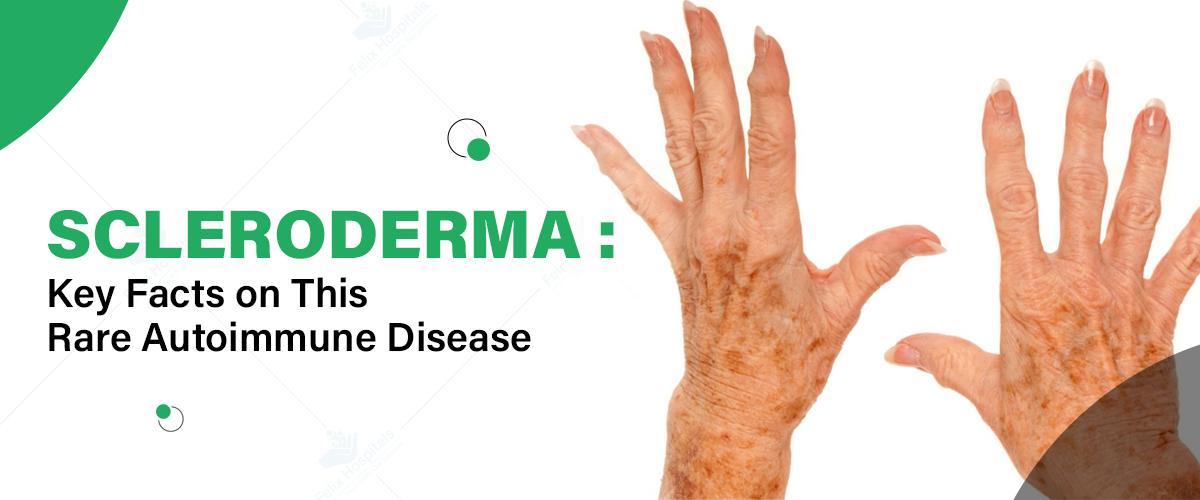
Scleroderma is a rare and complex autoimmune disease that affects the skin and connective tissues. Though it may start with mild symptoms, this condition can progress, potentially leading to severe complications. Understanding scleroderma, its symptoms, causes, and available treatments is essential for managing the disease effectively. If you're searching for expert care, Felix Hospitals offers specialized rheumatology services to help manage autoimmune diseases like scleroderma. As one of the best rheumatology hospitals in India, Felix Hospitals provides top-tier care for patients with complex conditions like scleroderma.
Schedule a Consultation with a Rheumatologist at Felix Hospitals Today! Call us Today at +91 9667064100.
Scleroderma, derived from the Greek words "sclero" (hard) and "derma" (skin), means "hard skin." It is an autoimmune disease that causes the immune system to attack healthy tissues, resulting in the hardening and tightening of the skin and connective tissues. Scleroderma can be localized, affecting only the skin, or systemic, impacting internal organs such as the lungs, heart, kidneys, and digestive system.
This disease is rare, and its severity varies widely from person to person. While scleroderma can be managed, early diagnosis and treatment are crucial for improving quality of life.
The symptoms of scleroderma can vary depending on whether the condition is localized or systemic. Common symptoms include:
Since scleroderma symptoms can mimic those of other autoimmune diseases, proper diagnosis is crucial for effective treatment.
The exact cause of scleroderma is still unknown, but it is believed to result from a combination of genetic, environmental, and immune system factors. Some key points about the causes include:
Understanding the potential causes can help patients take preventive measures, although there is no guaranteed way to prevent the disease entirely.
Diagnosing scleroderma can be challenging because its symptoms often overlap with those of other autoimmune diseases. A combination of clinical evaluation, imaging, and laboratory tests is typically used to confirm the diagnosis. Common diagnostic methods include:
An early and accurate diagnosis is essential for managing symptoms and preventing complications.
While there is no cure for scleroderma, various treatments are available to manage its symptoms and slow disease progression. The treatment plan is personalized based on the type of scleroderma and the severity of symptoms. Common treatments include:
Regular physical therapy can help maintain joint flexibility and prevent contractures in patients experiencing skin tightening and joint stiffness.
Patients are often advised to use emollient creams to keep their skin hydrated and reduce discomfort caused by dry, tight skin.
Depending on the organs involved, treatments may include medications for lung disease, high blood pressure, or kidney problems.
In rare cases, surgical intervention may be required to address severe complications, such as lung transplantation or removal of calcium deposits.
Patients are encouraged to adopt healthy habits, such as quitting smoking, managing stress, and engaging in regular exercise to improve overall well-being.
By working closely with a rheumatologist, patients can develop a comprehensive treatment plan to manage their condition effectively.
Since the exact cause of scleroderma is unknown, there are no guaranteed ways to prevent the disease. However, certain steps may reduce the risk of triggering an autoimmune response or worsening symptoms. These include:
Regular Medical Checkups: Early detection and management of symptoms are essential for preventing complications. Patients with a family history of autoimmune diseases should consult a rheumatologist for regular monitoring.
At Felix Hospital, we offer the best care for autoimmune diseases like scleroderma. Our team of experienced rheumatologists, including Dr. Kiran Seth specialize in diagnosing and managing complex autoimmune conditions. With access to the latest diagnostic tools and treatments, Felix Hospital ensures that patients receive personalized care tailored to their specific needs.
Book an Appointment with a Rheumatologist at Felix Hospitals Today by Clicking Here.
Scleroderma is a rare but serious autoimmune disease that can affect multiple organs and tissues in the body. While there is no cure, early diagnosis, and proper management can significantly improve a patient’s quality of life. Understanding the symptoms, causes, and treatment options allows individuals to take proactive steps toward better health. At Felix Hospital, our expert rheumatologists are dedicated to providing top-notch care for patients with scleroderma, helping them lead healthier and more fulfilling lives.
1. Is scleroderma a fatal disease?
Ans: Scleroderma is not necessarily fatal, but its complications, particularly those affecting internal organs, can be life-threatening if not managed properly.
2. Can scleroderma be cured?
Ans: There is no cure for scleroderma, but treatments are available to manage symptoms and slow disease progression.
3. How is scleroderma diagnosed?
Ans: Diagnosis involves a combination of physical examinations, blood tests, imaging studies, and sometimes a skin biopsy.
4. What are the early symptoms of scleroderma?
Ans: Early symptoms include hardening and thickening of the skin, Raynaud’s phenomenon, and joint stiffness.
5. What organs are affected by systemic scleroderma?
Ans: Systemic scleroderma can affect the lungs, kidneys, heart, digestive system, and skin.
6. How is scleroderma treated?
Ans: Treatment includes medications, physical therapy, skincare, and sometimes surgery, depending on the severity of the disease.
7. Is scleroderma hereditary?
Ans: Scleroderma is not directly inherited, but a family history of autoimmune diseases may increase the risk of developing the condition.
8. Can lifestyle changes help manage scleroderma?
Ans: Yes, quitting smoking, managing stress, and adopting a healthy lifestyle can help improve symptoms and overall well-being.
9. How can I find the best rheumatologist for scleroderma treatment?
Ans: Look for a rheumatologist with experience in treating autoimmune diseases, such as the specialists at Felix Hospital, who offer personalized and expert care.
Gout is a form of arthritis caused by the buildup of uric acid crystals in the joints, leading to sudden and severe pain

Lupus is an autoimmune disorder that often affects women more than men. Recognizing its early signs—such as joint pain, fatigue, and skin rashes—can help in timely diagnosis and treatment, improving long-term health outcomes.
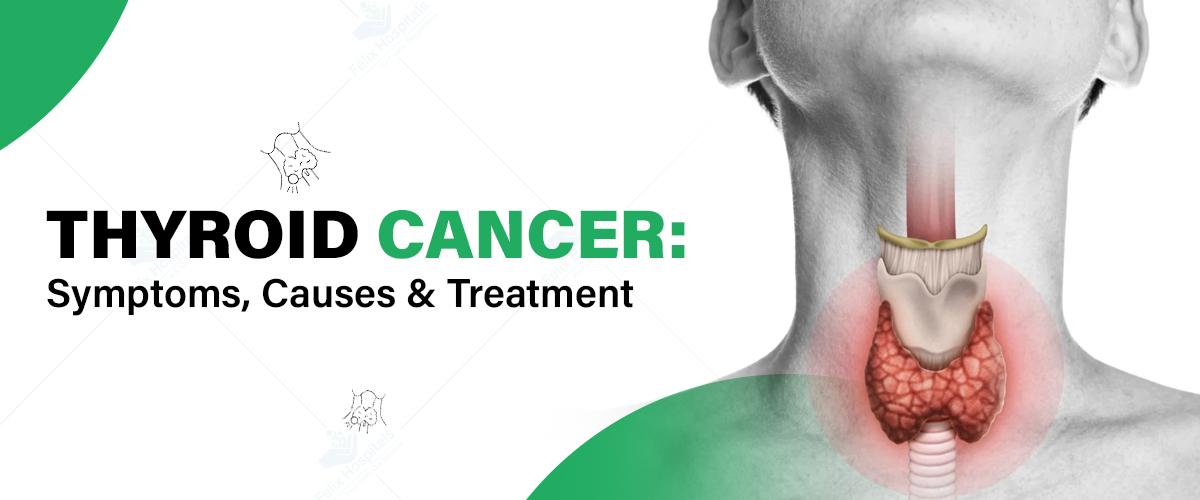
Thyroid cancer is a complex condition that affects the thyroid gland, which is crucial for regulating metabolism and hormonal balance in the body. Understanding this disease is essential for effective management and treatment. At the cancer hospital in Noida, patients can receive comprehensive care tailored to their specific needs. Early detection and appropriate treatment are key to improving outcomes for those diagnosed with thyroid cancer.
If you or someone you know is experiencing symptoms associated with thyroid cancer, don't hesitate! Call now at +91 9667064100.
Thyroid cancer originates in the thyroid gland, which is located at the base of the neck. This gland produces hormones that regulate various bodily functions, including metabolism and heart rate. Thyroid cancer is classified into several types, the most common being papillary thyroid cancer, follicular thyroid cancer, medullary thyroid cancer, and anaplastic thyroid cancer. Each type has different characteristics and prognoses, making accurate diagnosis and treatment crucial.
The exact causes of thyroid cancer remain unclear; however, several risk factors are believed to contribute to its development:
Genetic Factors: A family history of thyroid cancer can significantly increase the risk. Certain genetic syndromes, like familial medullary thyroid carcinoma, are also associated with a higher incidence of this disease.
Radiation Exposure: Individuals who have been exposed to high levels of radiation, especially during childhood, face an elevated risk of developing thyroid cancer later in life.
Hormonal Influences: There is a noticeable gender disparity in thyroid cancer incidence, with women being more likely than men to develop the disease. This suggests that hormonal factors may play a significant role in its onset.
Age: While thyroid cancer can be diagnosed at any age, it is most commonly found in individuals aged between 30 and 60 years. The incidence rates tend to be higher among women in this age group.
The symptoms associated with thyroid cancer can differ based on the specific type and stage of the disease. Common symptoms include:
A noticeable lump or swelling in the neck is often the first sign noticed.
Changes in voice, including hoarseness or difficulty speaking, indicate possible nerve involvement.
Difficulty swallowing or breathing, particularly if the tumor is pressing on the esophagus or trachea.
A persistent cough that does not relate to other respiratory conditions.
Pain in the neck or throat, which may extend to the ears.
Swollen lymph nodes in the neck are often indicative of the cancer spreading.
The diagnosis of thyroid cancer typically follows a structured process:
Physical Examination: A healthcare provider conducts a thorough examination of the neck to identify any lumps or abnormalities.
Imaging Tests: Ultrasound, CT scans, or MRIs are utilized to visualize the thyroid gland and its surrounding structures for any irregularities.
Blood Tests: Hormone level assessments help evaluate thyroid function and can indicate the presence of thyroid-related diseases.
Biopsy: A fine needle aspiration (FNA) biopsy is a critical step, allowing for the extraction of thyroid tissue samples to be examined under a microscope for cancerous cells.
The treatment approach for thyroid cancer depends on the type and stage of the disease, alongside the patient’s overall health status. Common treatment modalities include:
Surgery: Thyroidectomy, which involves the removal of all or part of the thyroid gland, is the primary treatment method.
Radioactive Iodine Therapy: This post-surgical treatment employs radioactive iodine to eradicate any residual cancerous cells.
Hormone Replacement Therapy: Patients may need lifelong thyroid hormone replacement to maintain normal metabolic functions following surgery.
External Beam Radiation Therapy: In select cases, radiation therapy may be applied to target cancer cells that persist post-surgery.
Chemotherapy: While not typically used for thyroid cancer, chemotherapy might be necessary for particularly aggressive forms of the disease.
Thyroid cancer generally has an excellent prognosis, with high survival rates, especially for papillary and follicular types. The five-year survival rate for localized thyroid cancer exceeds 98%. However, aggressive types like anaplastic thyroid cancer have lower survival rates, requiring intensive treatment.
Regular check-ups, including imaging and blood tests, are essential for monitoring recurrence. Lifelong follow-up may be needed, as thyroid cancer can recur even years after treatment.
Lifelong thyroid hormone replacement therapy is often necessary after surgery. Dosage adjustments and periodic blood tests are crucial for maintaining hormonal balance.
Managing anxiety or depression after a cancer diagnosis may require support from counselors or support groups.
A balanced diet, hydration, and regular exercise aid recovery and promote overall health.
Individuals with higher risks, such as a family history or radiation exposure, should undergo regular screenings for early detection.
Consume iodine- and selenium-rich foods, such as iodized salt, fish, dairy, nuts, and antioxidant-rich fruits and vegetables, to support thyroid health.
Minimize unnecessary radiation exposure and discuss risks with your healthcare provider.
Practice yoga, meditation, or deep breathing to reduce stress and maintain hormonal balance.
Exercise regularly, get sufficient sleep, and avoid smoking or excessive alcohol to boost immunity and reduce cancer risk.
By adopting these measures and staying proactive about health, individuals can reduce thyroid cancer risks and enhance their overall well-being.
At Felix Hospital, we are proud to have a team of the best oncologists in Noida specializing in the diagnosis and treatment of thyroid cancer. Dr. Mukta Baxi is renowned for their expertise and commitment to providing personalized care to each patient. They utilize the latest advancements in oncology to ensure optimal outcomes for their patients.
If you are seeking expert care for thyroid cancer, schedule an appointment by Clicking Here with our experts today at Felix Hospital, where your health is our priority!
Thyroid cancer can be a daunting diagnosis, but understanding its symptoms, causes, and treatment options is crucial for effective management. With advancements in medical technology and personalized care, patients can achieve positive outcomes. If you suspect you may have thyroid cancer or have been diagnosed, consult with an experienced oncology team to explore your treatment options.
1. What are the early signs of thyroid cancer?
Ans. Early signs may include a lump in the neck, changes in voice, difficulty swallowing, and persistent cough.
2. How is thyroid cancer treated?
Ans. Treatment often involves surgery, radioactive iodine therapy, and hormone replacement therapy.
3. Is thyroid cancer hereditary?
Ans. There is a genetic component to thyroid cancer, and a family history may increase your risk.
4. Can thyroid cancer be cured?
Ans. Many cases of thyroid cancer can be effectively treated, especially when diagnosed early.
5. What tests are used to diagnose thyroid cancer?
Ans. Diagnosis typically involves physical exams, imaging tests, blood tests, and biopsies.
6. What are the types of thyroid cancer?
Ans. The main types are papillary, follicular, medullary, and anaplastic thyroid cancer.
7. Do I need to see an oncologist for thyroid cancer?
Ans. Yes, consulting an oncologist is essential for appropriate diagnosis and treatment planning.
8. What is the prognosis for thyroid cancer?
Ans. The prognosis varies based on the type and stage, but most thyroid cancers have a good survival rate when detected early.
9. Should I consult an endocrinologist or an oncologist first for thyroid cancer?
Ans. An endocrinologist is often the first point of consultation for thyroid-related issues, but an oncologist becomes essential once a cancer diagnosis is confirmed to plan treatment.
10. What are the latest treatment options for thyroid cancer?
Ans. In addition to surgery and radioactive iodine therapy, advanced treatments like targeted drug therapy and external beam radiation are now being used for specific types of thyroid cancer.
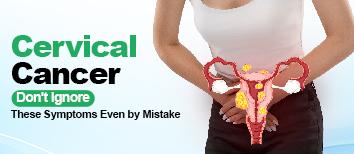
Recognize the early warning signs of cervical cancer. Learn about its symptoms, causes, and when to consult a gynecologist for timely diagnosis and treatment.
Lung cancer is a serious condition that starts in the lungs and can spread to other parts of the body.

Atezolizumab Injection is an immunotherapy drug used in treating various cancers. Learn about its price, side effects, dosage, and benefits in advanced cancer care.
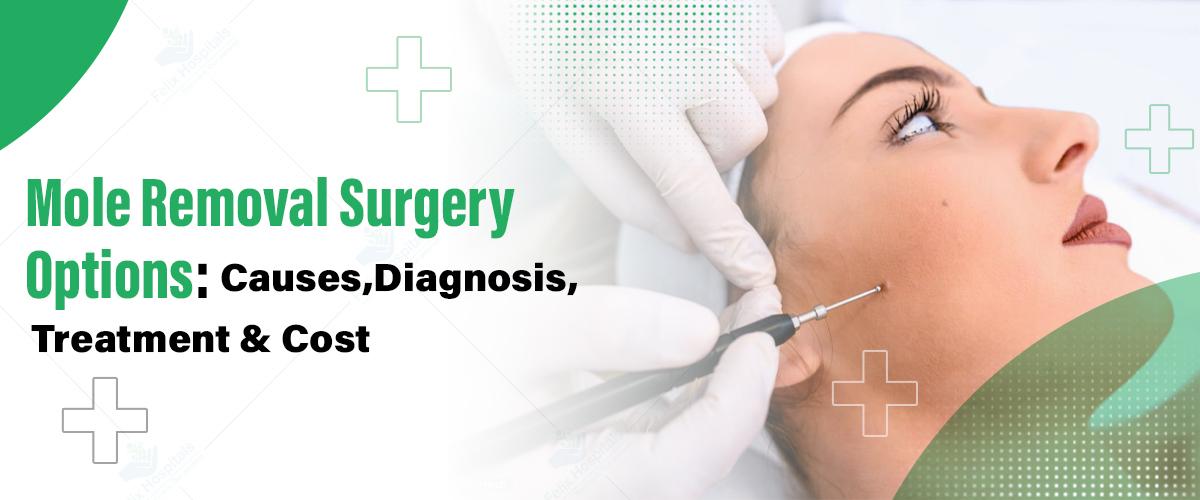
Moles, also known as nevi, are common skin growths that can vary in size, shape, and color. While most moles are harmless and can even enhance a person’s appearance, some may cause concern due to their appearance or potential to develop into skin cancer. For those who wish to remove a mole, understanding the available surgical options, their causes, symptoms, and associated costs is essential. Let’s explore everything you need to know about Mole Removal Surgery, from causes and diagnosis to treatment options and costs with the help of a Mole removal surgery hospital.
If you have concerns about a mole on your skin, don’t hesitate. Call us at +91 9667064100 today to discuss your options with our expert team!
A mole is a small growth on the skin that usually appears as a brown or black spot. Moles can develop anywhere on the body and may be flat or raised. They are composed of cells called melanocytes, which produce pigment. Most moles are benign, but some may change over time or exhibit irregular characteristics that warrant further examination.
Mole removal surgery involves the excision or destruction of the mole. This procedure can be performed for cosmetic reasons if the mole is causing discomfort, or if there are concerns regarding potential skin cancer.
Moles can develop for various reasons, including:
Genetics: Family history plays a significant role in mole formation. If your parents or siblings have many moles, you may also be predisposed to develop them.
Sun Exposure: Prolonged exposure to UV radiation from the sun or tanning beds can increase the likelihood of mole development.
Hormonal Changes: Hormonal fluctuations, especially during puberty, pregnancy, or menopause, can contribute to the formation of new moles.
Skin Type: Fair-skinned individuals tend to develop more moles than those with darker skin.
Most moles are harmless and do not produce any symptoms. However, it’s essential to monitor your moles for any changes, as these could indicate a potential issue. Symptoms that may require further evaluation include:
Changes in color or size
Irregular or asymmetric shape
Itching, pain, or tenderness
Bleeding or oozing
New moles that appear after age 30If you notice any of these symptoms, it is crucial to consult a healthcare professional for further assessment.
Diagnosis of moles typically involves a physical examination by a dermatologist or a healthcare provider. The following steps may be taken:
Visual Examination: The doctor will inspect the mole closely, assessing its size, shape, color, and texture.
Dermatoscopy: A dermatoscope, a handheld device that provides magnified images of the skin, may be used to examine the mole more thoroughly.
Biopsy: If there are concerns about the mole’s appearance or if it exhibits suspicious characteristics, a biopsy may be performed. This involves removing a small sample of the mole for laboratory analysis to check for cancerous cells.
Mole removal can be performed using several methods, depending on the mole’s size, type, and location. Here are the most common treatment options:
Surgical Excision: This is the most common method for removing moles. The surgeon uses a scalpel to cut out the mole and a small margin of surrounding skin. The area is then stitched up. This method is typically used for larger moles or those that may be cancerous.
Shave Excision: In this procedure, the surgeon shaves off the mole at the skin’s surface using a special instrument. This method is generally used for smaller, raised moles. It usually leaves minimal scarring.
Laser Removal: This technique uses laser technology to remove the mole. It is less invasive and may result in less scarring than surgical excision. However, it may not be suitable for all types of moles.
Cryotherapy: Cryotherapy involves freezing the mole with liquid nitrogen. This method is most effective for superficial moles and can cause them to fall off over time.
Electrosurgery: This method uses an electric current to burn off the mole. It is often combined with shave excision.
The cost of mole removal surgery in Noida depends on several factors, including the type of mole, the complexity of the procedure, the specific treatment method used, and the healthcare facility you choose. Consultation with a qualified surgeon can help you understand the costs involved based on your circumstances and the best options for your needs.
At Felix Hospital, we are proud to have Dr. Kusum Gupta on our team. Dr. Kusum is the best mole removal surgeon in Noida and other dermatological procedures. She is dedicated to providing personalized care and ensuring that each patient feels comfortable and informed throughout their treatment journey.
If you are considering mole removal, schedule a consultation with Dr. Kusum Gupta to discuss your options. Click Here to Book your Appointment!
Mole removal surgery is a safe and effective option for those concerned about the appearance of their moles or the potential for skin cancer. Understanding the causes, symptoms, diagnosis, treatment options, and associated costs is crucial for making informed decisions about your health. At Felix Hospital, our experienced team, led by Dr. Kusum Gupta, is here to guide you through every step of the process, ensuring you receive the best possible care. Prioritize your skin health today and take the first step towards a confident, healthy future!
1-What are moles, and should I be concerned about them?
ANS: Moles are common skin growths, often harmless. However, if they change in size, shape, or color, it's essential to consult a healthcare professional.
2-What causes moles to form?
ANS: Moles can develop due to genetics, sun exposure, hormonal changes, and skin type.
3-How do I know if my mole is cancerous?
ANS: Look for changes in color, size, asymmetry, or any new symptoms such as itching or bleeding. If you notice any of these signs, consult a dermatologist.
4- What is the process for mole removal surgery?
ANS: The process typically involves a consultation, diagnosis, and then the chosen removal method, such as surgical excision or laser removal.
5-How much does mole removal surgery cost?
ANS: The cost can range from ₹5,000 to ₹15,000 per mole, depending on the method and facility. Felix Hospital offers transparent pricing.
6-Will there be scarring after mole removal?
ANS: Scarring is possible, but experienced surgeons use techniques to minimize scarring. Discuss this with your surgeon beforehand.
7- How long does recovery take after mole removal?
ANS: Recovery time varies based on the method used. Most patients can return to normal activities within a few days, but follow your surgeon's advice for post-operative care.
8- Is mole removal surgery covered by insurance?
ANS: Many insurance plans cover mole removal if it's deemed medically necessary. Check with your insurance provider for specific details.
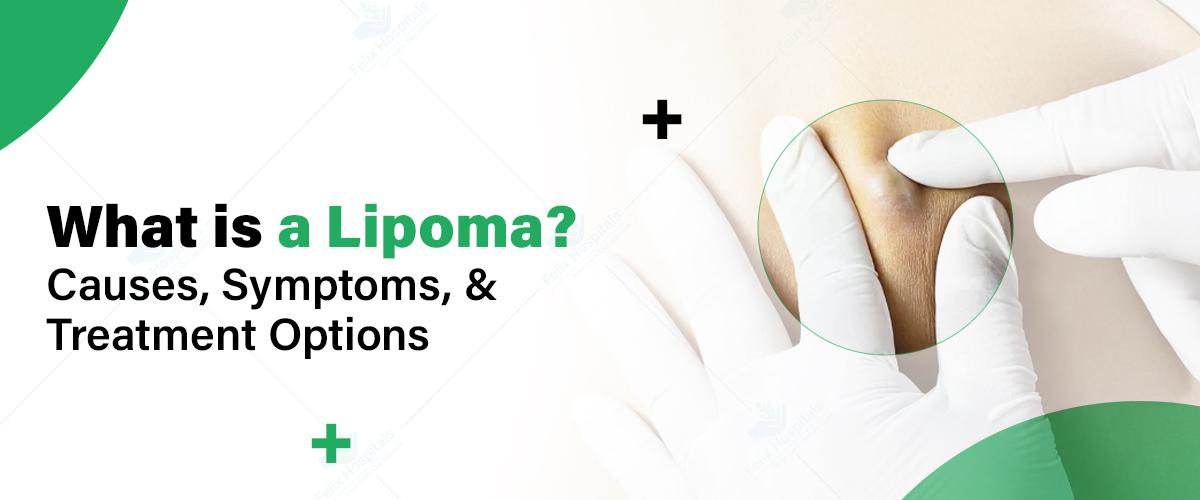
Lipomas are soft, benign (non-cancerous) lumps that form under the skin due to an overgrowth of fat cells. They are usually harmless and often painless, but they can cause discomfort or cosmetic concerns for some individuals. While lipomas can occur anywhere on the body, they are most commonly found on the neck, shoulders, back, abdomen, arms, and thighs. Understanding the causes, symptoms, and treatment options for lipomas can help individuals make informed decisions about their health. If you are considering removal for cosmetic or functional reasons, a visit to a plastic surgery hospital can offer you the best care and options for treatment.
If you're concerned about a lump or seeking expert advice for lipoma removal, consult a skilled plastic surgeon today at +91-9667064100.
A lipoma is a slow-growing, fatty lump that develops between the skin and underlying muscle. These lumps feel soft to the touch, can move slightly when pressed, and are typically painless. Although lipomas are usually harmless, they can grow large enough to cause discomfort or interfere with nearby structures, such as muscles or nerves.
The exact cause of lipomas is unknown, but several factors can contribute to their development:
While most lipomas are asymptomatic, they may present the following signs:
Diagnosing a lipoma typically involves a physical examination by a doctor, who will feel the lump and ask about your medical history. In some cases, additional tests may be required to rule out other conditions or confirm the diagnosis:
Most lipomas do not require treatment unless they cause discomfort, pain, or cosmetic concerns. If removal is necessary, there are several treatment options:
Consulting a plastic surgeon is the best approach for removing lipomas, particularly if you're looking for minimal scarring or advanced techniques.
While lipomas cannot always be prevented, certain steps may reduce the risk of developing them:
Healthy Weight: Maintaining a healthy and balanced diet can reduce the likelihood of forming lipomas, especially if obesity is a contributing factor.
Avoid Physical Trauma: Taking steps to avoid injuries or trauma to the body may help prevent the formation of lipomas, although this connection is not well-established.
Regular Check-ups: If you have a family history of lipomas or medical conditions that increase the risk, regular check-ups with your healthcare provider can help detect and manage lipomas early.
When it comes to removing lipomas, a plastic surgeon is the best choice. A highly skilled plastic surgeon renowned for expertise in lipoma removal and other cosmetic procedures can provide patients with the highest quality of care. For those seeking comprehensive skin and cosmetic treatments, consulting with the Best Dermatologists In Noida alongside a qualified plastic surgeon can ensure optimal results. Advanced techniques are employed to ensure minimal scarring and facilitate a quick recovery.
Lipomas are generally harmless growths that can cause concern due to their appearance or, in some cases, discomfort. While the exact cause of lipomas is still unclear, genetics and other factors play a significant role in their development. With proper diagnosis and treatment options like surgical removal or liposuction, managing lipomas is relatively straightforward. If you suspect you have a lipoma or want to explore treatment options, it’s best to consult a qualified plastic surgeon at the best hospital in Noida to discuss the most suitable approach for your condition. Taking preventive measures, staying aware of symptoms, and seeking professional advice are the keys to managing lipomas effectively.
Q1. What is a lipoma?
Ans: A lipoma is a benign, fatty lump that forms under the skin and is usually harmless.
Q2. Are lipomas cancerous?
Ans: No, lipomas are non-cancerous growths and do not typically pose a serious health risk.
Q3. What causes lipomas to form?
Ans: The exact cause is unknown, but genetics, age, and certain medical conditions may increase the likelihood of developing lipomas.
Q4. How are lipomas diagnosed?
Ans: Lipomas are usually diagnosed through a physical examination, but imaging tests or a biopsy may be needed to rule out other conditions.
Q5. When should a lipoma be removed?
Ans: Lipomas are often removed if they cause pain, discomfort, or cosmetic concerns, or if they grow large.

Plastic surgery cost in Noida depends on the procedure type, surgeon expertise, hospital infrastructure, and post-surgery care.
In today's fast-paced world, the importance of a healthy lifestyle cannot be overstated, especially for children. Childhood is an important period in which lifelong habits are formed, making it an ideal time to introduce lifestyle interference that can promote long-term health and well-being. Teaching children about the importance of nutrition, physical activity, mental well-being, and overall healthy habits can significantly influence their future health outcomes.
Early lifestyle interventions not only prepare children for a healthier future but also reduce the risk of developing chronic conditions like obesity, diabetes, cardiovascular disease, and mental health disorders. These proactive steps are especially important for children who may be at risk of endocrine disorders, which affect hormone regulation and growth. For families seeking specialized care, the Best Paediatric Endocrinology Hospital can provide expert guidance on managing and preventing such conditions. Let’s explore how lifestyle interventions—including physical activity, nutrition, mental health, sleep, and social development—can help prepare children for a bright and healthy future.
Meet Our Expert Pediatricians for Your Child's Health Needs! Call Now for more information at +91 9667064100.
Children are highly receptive to learning during their formative years. The habits they adopt early on tend to stick with them into adulthood. Lifestyle interventions that emphasize physical health, mental well-being, and social interaction can positively impact their short-term and long-term health.
In addition to preventing chronic health conditions, these interventions can improve academic performance, boost self-esteem, and increase overall happiness. When children grow up with a strong foundation in healthy habits, they are more likely to continue these behaviors into adulthood, making lifestyle interventions an essential part of preparing children for a healthy future.
Prevention of Chronic Illnesses: Establishing healthy habits in childhood reduces the risk of developing chronic conditions like obesity, diabetes, heart disease, and mental health issues.
Enhanced Academic Performance: Studies show that children who engage in physical activity and consume nutritious diets perform better academically.
Improved Social Skills: Regular participation in physical activities and social interactions helps children build strong relationships and develop social skills.
Long-Term Emotional Well-Being: Fostering mental resilience and emotional health in children enables them to handle stress better and lead happier lives.
One of the most critical lifestyle interventions for children is regular physical activity. Exercise is not only essential for physical health but also has profound effects on mental well-being and cognitive development.
Children who engage in regular physical activity are more likely to have stronger muscles and bones, better cardiovascular health, and lower body fat levels. Exercise also promotes better coordination, flexibility, and balance.
Moreover, physical activity boosts brain function and enhances cognitive performance, leading to improved concentration, memory, and problem-solving skills. Studies have shown that physically active children tend to perform better academically and have improved attention spans.
Outdoor Play: Encouraging children to play outside, whether it's riding a bike, playing sports, or running around, is an excellent way to ensure they stay active.
Structured Sports: Enrolling children in organized sports like soccer, basketball, or swimming helps them develop discipline and teamwork skills.
Family Activities: Activities like hiking, biking, or even walking together as a family foster physical health and strengthen family bonds.
Active Play: Dancing, skipping, and jumping are fun ways for children to stay physically active while enjoying themselves.
The World Health Organization (WHO) recommends that children aged 5-17 should engage in at least 60 minutes of moderate to vigorous physical activity daily. This activity should primarily be aerobic, such as walking, running, or cycling, with added muscle and bone-strengthening activities.
Good nutrition is a cornerstone of a healthy lifestyle. Proper nutrition during childhood sets the stage for lifelong health and can prevent various health issues later in life. A balanced diet provides the necessary nutrients to support growth, development, and overall well-being.
Children’s bodies and brains are rapidly growing, and they require a wide range of nutrients to support this growth. Adequate intake of vitamins, minerals, proteins, and healthy fats is crucial for brain development, immune function, and physical health.
Proper nutrition also plays a significant role in preventing childhood obesity, a growing concern globally. According to the Centers for Disease Control and Prevention (CDC), the rate of childhood obesity has more than tripled in the last four decades, putting millions of children at risk of long-term health problems.
Fruits and Vegetables: Encourage children to eat a variety of colorful fruits and vegetables to ensure they get a broad spectrum of vitamins, minerals, and antioxidants.
Whole Grains: Whole grains like oats, brown rice, and whole-wheat bread provide children with essential fiber, which aids digestion and supports heart health.
Lean Proteins: Include sources of lean protein such as chicken, turkey, fish, beans, and legumes in your child’s diet to support muscle growth and repair.
Healthy Fats: Healthy fats from sources like avocados, nuts, seeds, and olive oil are essential for brain development and overall health.
Limit Sugary and Processed Foods: Reducing the consumption of sugary snacks, sodas, and highly processed foods can help prevent weight gain and improve overall health.
Involve Children in Meal Preparation: Letting children participate in meal planning and preparation increases their interest in food and encourages them to try new, healthy options.
Lead by Example: Parents and caregivers play a significant role in shaping children’s eating habits. By modeling healthy eating behaviors, children are more likely to follow suit.
Educate About Portion Sizes: Teach children about portion control to prevent overeating and promote a healthy relationship with food.
Mental health is just as important as physical health, especially during childhood when emotional and social skills are developing. Teaching children how to manage stress, process emotions, and build resilience can set them up for emotional well-being throughout their lives.
Children face a range of emotional challenges, from school stress to peer pressure and family dynamics. While many children naturally develop the skills to cope with these challenges, others may need guidance in building emotional resilience.
Counseling, mindfulness practices, and emotional education can all help children learn how to express their emotions healthily. Providing a supportive and nurturing environment where children feel comfortable discussing their feelings is crucial for their emotional development.
Sudden changes in behavior, such as becoming withdrawn or excessively angry.
Difficulty concentrating or showing a lack of interest in activities they once enjoyed.
Frequent complaints of physical ailments like headaches or stomachaches without a clear medical cause.
Expressions of sadness, anxiety, or other emotional distress.
Sleep is one of the most critical aspects of a child’s development. Adequate sleep is necessary for physical growth, cognitive function, and emotional regulation. Poor sleep can lead to difficulties in concentration, mood swings, and a weakened immune system.
Children need significantly more sleep than adults because their bodies and brains are still developing. Sleep is when the body repairs tissues, releases growth hormones and consolidates memories.
The American Academy of Pediatrics recommends that children aged 6-12 get 9-12 hours of sleep per night, while teenagers aged 13-18 should aim for 8-10 hours per night.
Establish a Consistent Bedtime Routine: Having a regular bedtime routine helps children wind down and signals to their body that it’s time to sleep.
Limit Screen Time Before Bed: Encourage children to avoid screens—like smartphones, tablets, and televisions—at least an hour before bedtime, as the blue light from screens can interfere with their ability to fall asleep.
Create a Comfortable Sleep Environment: A quiet, dark, and cool bedroom can promote better sleep quality.
Social skills are an essential part of a child’s overall development. Positive social interactions help children build self-esteem, empathy, and communication skills. Teaching children how to build and maintain healthy relationships is crucial for their emotional and psychological well-being.
Encourage children to participate in group activities, such as sports teams, clubs, or community service. These activities teach children valuable life skills like teamwork, leadership, and conflict resolution.
It’s also essential to model positive social behavior at home. Children learn how to interact with others by observing how their parents and caregivers communicate and resolve conflicts.
If you are searching for the best pediatrician near me Felix Hospital is here for your help. At Felix Hospital, your child's health is our top priority. Book an appointment with our experienced pediatricians:
Dr. Vishrut Singh: Specializes in pediatric emergencies, respiratory disorders, and child development.
Dr. Prabhat Kumar: Expert in infectious diseases, growth and development, and immunization.
Dr. Neeraj Kumar: Highly experienced in infant nutrition, childhood infections, and thyroid diseases in children. Let us help your child thrive!
Your Child Deserves the Best Pediatric Care! Consult with our expert pediatricians by Clicking Here.
Preparing children for a healthy future involves more than just addressing physical health—it requires a holistic approach that includes physical activity, nutrition, mental health, sleep, and social development. By introducing lifestyle interventions early, we can empower children to adopt healthy habits that will benefit them throughout their lives.
Parents, caregivers, schools, and communities all play a role in ensuring children have the tools they need to lead healthy, happy lives. These lifestyle interventions can set the foundation for a healthier future and help children reach their full potential. For children who may require specialized care, the guidance of the Best Paediatric Endocrinologist Doctors in Noida is invaluable in addressing and managing hormonal and growth-related conditions, ensuring that every child has the opportunity to thrive.
1. Why is early intervention important for a child's future health?
ANS: Early intervention helps establish healthy habits that children are likely to carry into adulthood. These habits, such as proper nutrition, regular physical activity, and good mental health practices, can prevent the onset of chronic diseases and promote overall well-being, both in childhood and later life.
2. How does physical activity benefit children?
ANS: Regular physical activity strengthens muscles and bones, improves cardiovascular health, enhances coordination, and boosts cognitive function. It also helps improve concentration, memory, and problem-solving skills, which can lead to better academic performance.
3. What is a balanced diet for children?
ANS: A balanced diet for children includes a variety of fruits and vegetables, whole grains, lean proteins, and healthy fats. It’s important to limit processed and sugary foods to ensure they receive the nutrients they need for growth and development.
4. How can I encourage my child to eat healthy?
ANS: Parents can encourage healthy eating by being role models, involving children in meal preparation, and educating them about portion sizes. Offering a variety of nutritious options and making mealtimes enjoyable can also foster healthy eating habits.
5. Why is sleep important for children’s development?
ANS: Adequate sleep is essential for a child’s physical growth, cognitive function, and emotional regulation. Lack of sleep can lead to poor concentration, mood swings, and a weakened immune system, while proper rest supports learning and development.
6. How can I promote better sleep habits for my child?
ANS: Establishing a consistent bedtime routine, limiting screen time before bed, and creating a comfortable sleep environment can promote better sleep habits. Ensuring your child gets the recommended hours of sleep is crucial for their health.
7. How does mental health affect a child’s future?
ANS: Good mental health helps children build emotional resilience, cope with stress, and develop healthy relationships. Addressing mental health early can lead to long-term emotional well-being, improved self-esteem, and better overall happiness.
8. What role does social development play in a child’s future?
ANS: Social development helps children learn to communicate, build empathy, and develop leadership skills. Encouraging positive social interactions through group activities and modeling good social behavior at home can help children build strong relationships and improve their emotional and psychological well-being.

As a child care specialist, I have noticed a huge difference in overall growing of a child in the last 14 years.

10 Reasons why a child may not grow

Every parent wants their child to become a successful, confident, and good human being. A child is like a sponge, which can take any shape and can absorb almost everything they see/learn.

अगर किसी को बार-बार दौरे (Seizure) आते हैं या कोई व्यक्ति पहली बार ऐसे लक्षण महसूस करता है, तो उसे तुरंत चिकित्सा सहायता लेनी चाहिए। सीजर के प्रकारों को जानना सही निदान और उपचार के लिए आवश्यक है। यदि किसी व्यक्ति को बार-बार दौरे आते हैं, तो उन्हें मिर्गी की जांच करानी चाहिए और डॉक्टर से सलाह लेनी चाहिए। यदि आपको या किसी और को दौरे के लक्षण महसूस हो रहे हैं, तो तुरंत नोएडा के न्यूरोलॉजी हॉस्पिटल (Neurology Hospital in Noida) से चिकित्सा सहायता प्राप्त करें। जानिए इसके लक्षण से लेकर इलाज तक के बारे में विस्तार से..
ज्यादा जानकारी के लिए हमें कॉल करें +91 9667064100.
विषय सूची(Table of Contents)
सीजर (Seizure) जिसे हिंदी में दौरे कहा जाता है, एक ऐसी स्थिति है जिसमें मस्तिष्क की कोशिकाओं (न्यूरॉन्स) की असामान्य विद्युत गतिविधि के कारण शरीर पर अचानक और अनियंत्रित झटके, अजीब हरकतें या बेहोशी जैसे लक्षण उत्पन्न होते हैं। यह एक अस्थायी न्यूरोलॉजिकल समस्या होती है, जो अक्सर मिर्गी (Epilepsy) से जुड़ी होती है, लेकिन यह अन्य कारणों से भी हो सकती है, जैसे: मस्तिष्क की चोट या संक्रमण, बुखार (बुखारी दौरे बच्चों में आम होते हैं। यह मस्तिष्क में ऑक्सीजन की कमी, मस्तिष्क की सर्जरी या स्ट्रोक, शराब का अत्यधिक सेवन या ड्रग्स, जेनेटिक विकार आदि के कारण होता है।
सीजर (दौरे) के विभिन्न प्रकार होते हैं, जो मस्तिष्क के अलग-अलग हिस्सों में होने वाली असामान्य विद्युत गतिविधि पर निर्भर करते हैं। इन्हें मुख्य रूप से फोकल और जनरलाइज्ड दो श्रेणियों में विभाजित किया जाता है, लेकिन कुछ अन्य प्रकार भी होते हैं। सीजर डिसऑर्डर का अर्थ (meaning of seizure disorder) है मस्तिष्क की ऐसी स्थिति जिसमें व्यक्ति को बार-बार दौरे (सीजर) आते हैं, और यह विकार व्यक्ति के जीवन को प्रभावित कर सकता है। फोकल सीजर तब होते हैं जब दौरा मस्तिष्क के एक विशेष क्षेत्र में शुरू होता है, जबकि जनरलाइज्ड सीजर पूरे मस्तिष्क को प्रभावित करते हैं। इन दोनों श्रेणियों में कई उप-प्रकार भी होते हैं, जैसे कि टोनिक-कलोनिक दौरे और एब्सेंस दौरे। आइए इन पर विस्तार से नजर डालते हैं:
फोकल सीजर तब होता है जब मस्तिष्क के केवल एक हिस्से में असामान्य विद्युत गतिविधि होती है। इसे आंशिक दौरा भी कहा जाता है। फोकल अवेयरनेस सीजर के दौरान व्यक्ति को संपूर्ण चेतना रहती है। इसमें व्यक्ति को अपने शरीर के किसी एक हिस्से में झटके महसूस होते हैं। फोकल इम्पेयरमेंट अवेयरनेस सीजर के दौरान व्यक्ति की चेतना कमजोर हो जाती है और वह पूरी तरह से जागरूक नहीं होता।
जनरलाइज्ड सीजर तब होता है जब मस्तिष्क के दोनों हिस्सों में असामान्य विद्युत गतिविधि होती है। इसमें पूरे मस्तिष्क को प्रभावित किया जाता है। इसके कई उपप्रकार हैं। एब्सेंस सीजर को पेटिट माल यानी अनुपस्थिति दौराभी कहा जाता है। यह आमतौर पर बच्चों में होता है और कुछ सेकंड के लिए व्यक्ति की चेतना खो जाती है।
इस प्रकार के सीजर में फोकल और जनरलाइज्ड दोनों प्रकार के दौरे के लक्षण दिखाई देते हैं। इसका मतलब है कि दौरा मस्तिष्क के एक हिस्से में शुरू होकर पूरे मस्तिष्क में फैल सकता है।
ये दौरे बच्चों में तेज बुखार के कारण होते हैं। यह आमतौर पर 6 महीने से 5 साल की उम्र के बच्चों में होता है।
सीजर का मतलब (meaning of seizure) जानने के बाद अब हम बात करते है उसके प्रकार की। सीजर (दौरे) के लक्षण उस दौरे के प्रकार पर निर्भर करते हैं। हालांकि कुछ सामान्य लक्षण हैं जो सीजर के दौरान दिखाई देते हैं। ये लक्षण व्यक्ति की स्थिति के आधार पर हल्के या गंभीर हो सकते हैं। सीजर के मुख्य लक्षण इस प्रकार हैं:
अचानक झटके आना (शरीर के एक हिस्से या पूरे शरीर में झटके हो सकते हैं
बेहोशी या चेतना खो जाना अचानक गिर जाना या गिरने का डर
मांसपेशियों में अकड़न या कंपकंपी
अचानक से किसी चीज़ पर ध्यान न दे पाना या भ्रमित हो जाना
हाथ-पैरों में अचानक खिंचाव या जकड़न
आंखों का ऊपर-नीचे होना या आंखों का अनियंत्रित गति में रहना
अजीब आवाजें निकालना या बोलने की शक्ति खो देना
अचानक किसी गतिविधि को बीच में रोकना और स्तब्ध हो जाना
सांस लेने में परेशानी या सांस तेज होना
शरीर के एक हिस्से में अचानक झटके या खिंचाव (जैसे हाथ या पैर में), अजीब संवेदनाएं महसूस होना (जैसे चींटियां चलना, सुई चुभना), किसी एक विशेष शरीर के अंग का नियंत्रण खो देना, चेतना खोए बिना भी अजीब हरकतें करना (जैसे होंठ चबाना, हाथ हिलाना)।
पूरे शरीर में अनियंत्रित झटके आना। मांसपेशियों का पूरी तरह से अकड़ जाना। अचानक गिरना या गिरने की स्थिति में आना। कुछ सेकंड से मिनटों तक चेतना खो देना (व्यक्ति को कुछ याद नहीं रहता)। व्यक्ति के चेहरे पर अजीब भाव या हरकतें होना। झाग आना या अचानक से पेशाब करना।
कुछ सेकंड के लिए अचानक से ध्यान खो देना या स्तब्ध हो जाना। अचानक से कोई प्रतिक्रिया नहीं देना या किसी एक बिंदु पर टकटकी लगाकर देखना। कुछ क्षण के लिए संपर्क में न रहना और फिर अचानक सामान्य स्थिति में आ जाना।
मांसपेशियों में अचानक हिलना-डुलना या अचानक छोटे-छोटे झटके आना। एक हाथ या पैर का अचानक हिल जाना।
यह सीजर मिर्गी के कारण नहीं होते, बल्कि मानसिक तनाव या भावनात्मक कारणों से उत्पन्न होते हैं। यह दौरे मानसिक स्वास्थ्य से जुड़े होते हैं और इनमें व्यक्ति को चिकित्सा सहायता की आवश्यकता होती है।
मिर्गी सीजर का सबसे सामान्य कारण है, जिसमें मस्तिष्क में असामान्य विद्युत गतिविधि होती है। मिर्गी एक दीर्घकालिक न्यूरोलॉजिकल स्थिति है, जिसमें बार-बार दौरे आते हैं।
सिर पर गंभीर चोट लगने से मस्तिष्क के हिस्से क्षतिग्रस्त हो सकते हैं, जो सीजर का कारण बन सकते हैं। दुर्घटनाएं, गिरने, या खेल के दौरान लगी चोटें भी दौरे पैदा कर सकती हैं।
मस्तिष्क से संबंधित संक्रमण, जैसे मेनिनजाइटिस (मस्तिष्क की झिल्लियों में सूजन) या एन्सेफेलाइटिस (मस्तिष्क में सूजन) सीजर का कारण बन सकते हैं।
मस्तिष्क में ऑक्सीजन की कमी या हाइपोक्सिया (Hypoxia) होने पर मस्तिष्क को आवश्यक ऊर्जा नहीं मिलती, जिससे दौरे आ सकते हैं। यह स्थिति डूबने, सांस न आना, या दिल के दौरे के दौरान हो सकती है।
छोटे बच्चों में उच्च बुखार के कारण फरवरील सीजर हो सकते हैं। यह 6 महीने से 5 साल की उम्र के बच्चों में आम होता है।
मस्तिष्क में ट्यूमर या अन्य प्रकार की वृद्धि मस्तिष्क की संरचना और कार्यप्रणाली को प्रभावित करती है, जिससे सीजर हो सकते हैं।
कुछ लोगों को जन्म से मस्तिष्क की संरचना में विकार होते हैं, जिनके कारण जीवन में कभी भी सीजर हो सकते हैं। यह स्थिति जेनेटिक भी हो सकती है।
अत्यधिक शराब पीने या ड्रग्स लेने से सीजर हो सकते हैं, खासकर जब व्यक्ति नशा छोड़ता है। शराब वापसी (Alcohol Withdrawal) एक सामान्य कारण है।
यदि कोई व्यक्ति लंबे समय तक शराब या ड्रग्स का सेवन कर रहा है और अचानक उसे छोड़ देता है, तो इससे भी सीजर हो सकते हैं।
शरीर में शुगर, सोडियम, पोटैशियम, या कैल्शियम का असंतुलन मस्तिष्क की विद्युत गतिविधियों को प्रभावित करता है, जिससे दौरे हो सकते हैं। हाइपोग्लाइसीमिया (रक्त में शर्करा की कमी) भी एक आम कारण है।
कुछ दवाएं, विशेषकर एंटीडिप्रेसेंट, एंटीप्साइकोटिक्स, या एंटीबायोटिक्स जैसे दवाएं सीजर का कारण बन सकती हैं। यदि दवाएं अनुचित तरीके से ली जाएं या ओवरडोज हो जाए, तो दौरे हो सकते हैं।
कुछ प्रकार के सीजर या मिर्गी अनुवांशिक हो सकते हैं। अगर परिवार में किसी को मिर्गी है, तो दूसरों में भी इसके विकसित होने का खतरा हो सकता है।
स्ट्रोक तब होता है जब मस्तिष्क को पर्याप्त रक्त नहीं मिलता, जिससे मस्तिष्क के हिस्से क्षतिग्रस्त हो जाते हैं और इससे सीजर हो सकते हैं।
नींद की कमी मस्तिष्क की सामान्य गतिविधियों को प्रभावित कर सकती है, जिससे दौरे आ सकते हैं।
कुछ लोगों में फोटोसेंसिटिव एपिलेप्सी होती है, जिसमें तेज चमकदार रोशनी या टेलीविजन, वीडियो गेम की चमक के कारण दौरे आ सकते हैं।
मस्तिष्क में रक्त का प्रवाह बाधित होने पर दौरे आ सकते हैं। यह स्थिति हृदय रोग या रक्तचाप में असामान्यता के कारण हो सकती है।
यदि आपको मिर्गी या सीजर का इतिहास है, तो डॉक्टर द्वारा सुझाई गई एंटी-एपिलेप्टिक दवाओं का नियमित और सही समय पर सेवन करें। डॉक्टर की अनुमति के बिना दवाएं बंद न करें, क्योंकि यह दौरे को बढ़ावा दे सकता है।
सिर की चोट सीजर का एक सामान्य कारण है। जब भी किसी खेल या गतिविधि में भाग लें जहां सिर की चोट का खतरा हो, तो हेलमेट या सुरक्षात्मक गियर का उपयोग करें। दुर्घटनाओं से बचने के लिए वाहन चलाते समय सुरक्षा बेल्ट पहनें।
नींद की कमी सीजर को ट्रिगर कर सकती है, इसलिए हर रात पर्याप्त और अच्छी गुणवत्ता वाली नींद लें। सोने और जागने का नियमित शेड्यूल बनाए रखें।
मानसिक और शारीरिक तनाव सीजर को उत्पन्न कर सकता है, इसलिए तनाव प्रबंधन तकनीकों का उपयोग करें, जैसे ध्यान, योग, और श्वसन अभ्यास। जरूरत पड़ने पर काउंसलिंग या थेरेपी से भी मदद ले सकते हैं।
संतुलित और स्वस्थ आहार का सेवन करें। अत्यधिक शुगर या कैफीन का सेवन सीजर को बढ़ा सकता है, इसलिए इन्हें सीमित करें। केटोजेनिक डाइट (कम कार्बोहाइड्रेट, उच्च वसा वाली डाइट) को मिर्गी के इलाज में उपयोगी माना जाता है, लेकिन इसे अपनाने से पहले डॉक्टर से परामर्श लें।
शराब और नशीली दवाओं का सेवन सीजर को ट्रिगर कर सकता है। विशेष रूप से, अत्यधिक शराब पीने या शराब छोड़ने के बाद सीजर का खतरा बढ़ जाता है। नशीले पदार्थों से बचें और किसी भी दवा का सेवन चिकित्सकीय सलाह के बिना न करें।
मस्तिष्क संक्रमण जैसे मेनिनजाइटिस और एन्सेफेलाइटिस सीजर का कारण बन सकते हैं। इसलिए, टीकाकरण करवाएं और संक्रमण से बचने के लिए अच्छी स्वच्छता का पालन करें।
यदि आपको फोटोसेंसिटिव एपिलेप्सी है, तो तेज चमकदार रोशनी या लगातार चमकते स्क्रीन से बचने का प्रयास करें। टीवी देखने, वीडियो गेम खेलने, या कंप्यूटर स्क्रीन का उपयोग करते समय स्क्रीन के सामने अधिक समय न बिताएं, और ब्रेक लें।
यदि आप सीजर के मरीज हैं या आपको मिर्गी है, तो नियमित रूप से डॉक्टर से जांच कराएं और अपनी स्थिति की निगरानी रखें। समय-समय पर अपने मस्तिष्क की इलेक्ट्रोएन्सेफलोग्राम जांच कराएं, ताकि मस्तिष्क की विद्युत गतिविधियों को देखा जा सके।
स्ट्रोक सीजर का एक सामान्य कारण है, इसलिए स्वस्थ जीवनशैली अपनाएं, जैसे नियमित व्यायाम करना, सही आहार लेना, और उच्च रक्तचाप और कोलेस्ट्रॉल को नियंत्रित रखना।
शरीर में शुगर, सोडियम, पोटैशियम और कैल्शियम के स्तर को नियंत्रित करें। हाइपोग्लाइसीमिया या हाइपरनाट्रेमिया जैसी स्थितियों को रोकने के लिए नियमित रूप से रक्त जांच करवाएं और सही आहार लें।
यदि आप किसी बीमारी के लिए दवाएं ले रहे हैं, तो उन्हें अचानक बंद न करें, क्योंकि कुछ दवाओं के अचानक बंद करने से सीजर का खतरा बढ़ सकता है। दवाएं छोड़ने से पहले डॉक्टर से सलाह लें।
गर्भावस्था के दौरान सही देखभाल और चिकित्सकीय सलाह का पालन करना महत्वपूर्ण है ताकि शिशु को मस्तिष्क विकारों से बचाया जा सके, जो आगे चलकर सीजर का कारण बन सकते हैं।
कुछ लोग जो लगातार सीजर से प्रभावित होते हैं, वे वेजस नर्व स्टिम्युलेटर (Vagus Nerve Stimulator) या रिस्पॉन्सिव न्यूरोस्टिम्युलेशन डिवाइस (RNS) जैसे उपकरणों का उपयोग कर सकते हैं, जो मस्तिष्क की विद्युत गतिविधियों को नियंत्रित करने में मदद करते हैं।
सीजर अटैक का अर्थ जानने के बाद अब हम उसके इलाज की चर्चा करते हैं
यह सीजर का सबसे आम और प्रभावी उपचार है। ये दवाएं मस्तिष्क की असामान्य विद्युत गतिविधियों को नियंत्रित करने में मदद करती हैं। सामान्य एंटी-एपिलेप्टिक दवाओं में फेनाइटोइन, कार्बामाजेपीन, वालप्रोएट, लैमोट्रिजीन, लेवेटिरासेटम, और टोपिरामेट शामिल हैं। डॉक्टर दौरे के प्रकार और मरीज की उम्र और स्वास्थ्य को ध्यान में रखकर सही दवा और खुराक तय करते हैं।
जब दवाओं से दौरे नियंत्रित नहीं होते हैं, तो कुछ मामलों में सर्जरी की आवश्यकता हो सकती है। मस्तिष्क में वह हिस्सा, जहां से सीजर उत्पन्न होते हैं, यदि सुरक्षित रूप से हटाया जा सकता है, तो सर्जरी की जाती है। सर्जरी से मरीज पूरी तरह से सीजर से मुक्त हो सकता है या उनकी आवृत्ति और गंभीरता को कम किया जा सकता है।
जब दवाएं और सर्जरी कारगर नहीं होती हैं, तो वेजस नर्व स्टिम्युलेटर का उपयोग किया जाता है। यह एक छोटा उपकरण होता है जिसे छाती में लगाया जाता है और यह मस्तिष्क को विद्युत संकेत भेजकर सीजर को रोकने में मदद करता है। इस उपकरण से मिर्गी के दौरे की आवृत्ति को 20-40% तक कम किया जा सकता है।
विशेषकर बच्चों के लिए, किटोजेनिक डाइट एक प्रभावी विकल्प हो सकती है। यह उच्च वसा, कम कार्बोहाइड्रेट वाला आहार होता है, जो शरीर को ऊर्जा के लिए फैट का उपयोग करने के लिए प्रेरित करता है। इस आहार से कुछ लोगों में दौरे कम हो सकते हैं। इसे डॉक्टर की निगरानी में ही अपनाना चाहिए।
यह एक आधुनिक इलाज है जिसमें एक डिवाइस मस्तिष्क में लगाए जाते हैं जो सीजर के शुरुआती संकेतों को पहचान कर विद्युत गतिविधियों को नियंत्रित करता है। यह तकनीक उन मरीजों के लिए उपयोगी होती है जिनके सीजर दवाओं से नियंत्रित नहीं होते।
इसमें मस्तिष्क के कुछ विशेष हिस्सों में इलेक्ट्रोड लगाए जाते हैं, जो मस्तिष्क की असामान्य गतिविधियों को नियंत्रित करने में मदद करते हैं। यह उपचार मिर्गी के इलाज में तेजी से लोकप्रिय हो रहा है और दवाओं से ठीक न होने वाले मरीजों के लिए एक विकल्प हो सकता है।
सीजर (दौरे) का इलाज मुख्य रूप से न्यूरोलॉजिस्ट द्वारा किया जाता है, क्योंकि वे मस्तिष्क और तंत्रिका तंत्र से संबंधित बीमारियों के विशेषज्ञ होते हैं। फेलिक्स हॉस्पिटल के बेस्ट न्यूरो सर्जनस डॉ. सौम्य मित्तल, डॉ. अलोक कुमार दुबे और डॉ. सुमित शर्मा उपस्थित है यह सब मिर्गी विशेषज्ञ, न्यूरोसर्जन, पीडियाट्रिक न्यूरोलॉजिस्ट इलाज में आपकी मदद कर सकते हैं।
डॉक्टर की सलाह के लिए आज ही फ़ोन करें - +91 9667064100.
सीजर (दौरे) मस्तिष्क की असामान्य विद्युत गतिविधियों के कारण होने वाले अचानक, अस्थायी और अनियंत्रित शारीरिक झटकों या चेतना में बदलाव को दर्शाता है। इन दौरों को अक्सर मिर्गी या अन्य न्यूरोलॉजिकल विकारों से जोड़ा जाता है, लेकिन तनाव, संक्रमण, सिर की चोट, और नशीली दवाओं के सेवन जैसे कारक भी इनका कारण बन सकते हैं। सीजर विभिन्न प्रकार के होते हैं, जैसे सामान्यीकृत और आंशिक, और इनके लक्षण भी विविध होते हैं। जीवनशैली में बदलाव, समय पर इलाज और उचित प्राथमिक उपचार से सीजर के प्रभाव को नियंत्रित किया जा सकता है। सीजर का अर्थ हिंदी चिकित्सा (meaning of seizure meaning in hindi medical) में मानसिक क्रियाओं में अचानक परिवर्तन के रूप में समझा जाता है, जिससे व्यक्ति की सामान्य स्थिति प्रभावित हो सकती है।
प्रश्न 1: मिर्गी और सीजर में क्या अंतर है ?
उत्तर: मिर्गी एक न्यूरोलॉजिकल विकार है जिसमें बार-बार दौरे होते हैं। हर दौरा मिर्गी का लक्षण नहीं होता; कई कारणों से दौरे हो सकते हैं।
प्रश्न 2: दौरे के दौरान क्या करना चाहिए ?
उत्तर: मरीज को सुरक्षित जगह पर रखें, उसके सिर के नीचे कोई मुलायम चीज रखें, और दौरे के दौरान उसे रोकने की कोशिश न करें। दौरा खत्म होने पर उसे करवट पर लिटाएं।
प्रश्न 3: क्या दौरे जानलेवा हो सकते हैं ?
उत्तर: आमतौर पर दौरे जानलेवा नहीं होते, लेकिन कुछ स्थितियों में जैसे लंबे समय तक चलने वाले दौरे (स्टेटस एपिलेप्टिकस) से जान को खतरा हो सकता है।
प्रश्न 4: क्या बच्चे भी सीजर का सामना कर सकते हैं ?
उत्तर: हां, बच्चे भी सीजर का सामना कर सकते हैं, विशेष रूप से बुखार, संक्रमण या मिर्गी के कारण।
प्रश्न 5: क्या सीजर का आनुवंशिक प्रभाव होता है ?
उत्तर: हां, कुछ प्रकार के दौरे और मिर्गी आनुवंशिक हो सकते हैं, लेकिन यह सभी मामलों में नहीं होता।
प्रश्न 6: क्या दौरे के बाद व्यक्ति को कुछ समय आराम करना चाहिए ?
उत्तर: हां, दौरे के बाद व्यक्ति को आराम करने की आवश्यकता होती है, क्योंकि उसे थकावट और मानसिक तनाव महसूस हो सकता है।
प्रश्न 7: क्या किसी विशेष आहार से सीजर पर नियंत्रण पाया जा सकता है ?
उत्तर: कुछ लोग विशेष आहार जैसे कि केटोजेनिक डाइट का पालन करके अपने दौरे को नियंत्रित कर सकते हैं।
प्रश्न 8: सीजर के दौरान व्यक्ति को होश रहता है या नहीं ?
उत्तर: यह दौरे के प्रकार पर निर्भर करता है। आंशिक दौरे में व्यक्ति को होश हो सकता है, जबकि सामान्यीकृत दौरे में व्यक्ति बेहोश हो सकता है।
ब्रेन स्ट्रोक एक जानलेवा स्थिति है जिसमें मस्तिष्क को रक्त आपूर्ति रुक जाती है। इसके प्रकार, कारण, लक्षण, बचाव और इलाज
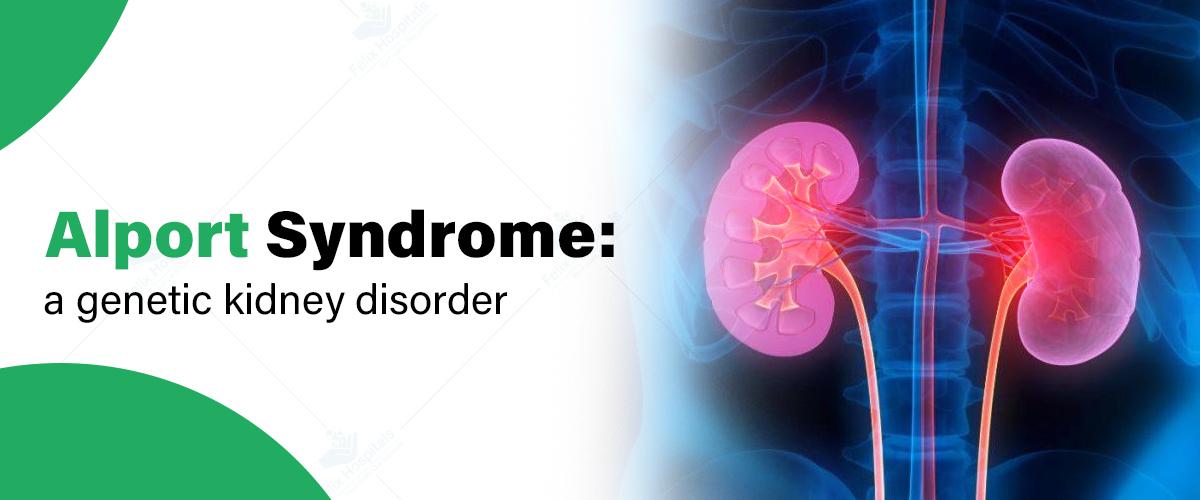
Alport syndrome is a rare genetic disorder that affects the kidneys, eyes, and ears, leading to progressive kidney disease and a range of other complications. This condition can significantly impact the quality of life for those affected. At Felix Hospital, recognized as the best hospital for kidney treatment, we specialize in diagnosing and managing Alport syndrome and other kidney disorders. This blog will explore Alport syndrome in depth, covering its causes, symptoms, diagnosis, treatment options, and prevention strategies.
If you or a loved one is affected by Alport syndrome or any other kidney disorder, don’t wait to seek help. Contact Felix Hospital by Calling +91 9667064100.
Alport syndrome is primarily characterized by the progressive loss of kidney function, which often leads to end-stage renal disease (ESRD). The disorder is caused by mutations in the genes responsible for producing collagen, a vital protein for maintaining the structure of the kidneys, ears, and eyes. As a result, individuals with Alport syndrome experience damage to the glomeruli, the tiny filtering units in the kidneys. The disease may manifest in childhood or early adulthood, but its progression can vary among affected individuals.
Alport syndrome is inherited in an X-linked, autosomal dominant, or autosomal recessive manner. Here’s a breakdown of its genetic causes:
X-Linked Alport Syndrome: This is the most common form, caused by mutations in the COL4A5 gene located on the X chromosome. It primarily affects males, who have only one X chromosome. Females can also be carriers, but they typically have milder symptoms.
Autosomal Recessive Alport Syndrome: This form occurs when mutations are present in both copies of the COL4A3 or COL4A4 genes, which can be inherited from both parents. It affects both males and females equally and usually presents with more severe symptoms.
Autosomal Dominant Alport Syndrome: This rarer form occurs due to mutations in either the COL4A3 or COL4A4 genes and can be inherited from just one affected parent.
The symptoms of Alport syndrome can vary widely depending on the age of onset and the severity of the disease. Common symptoms include:
Hematuria: Blood in the urine is often the first noticeable sign.
Proteinuria: Excess protein in the urine, which can lead to foamy urine.
Progressive Kidney Failure: Many individuals experience a decline in kidney function, leading to ESRD.
Lens Opacities: Clouding of the eye lens can occur.
Retinal Abnormalities: Some individuals may experience retinal changes, leading to vision issues.
Hearing Loss: Progressive sensorineural hearing loss can develop, often in adolescence or early adulthood.
Fatigue: General fatigue and weakness can occur due to anemia from kidney failure.
Swelling: Edema, or swelling, in the legs and feet, may develop due to fluid retention.
Diagnosing Alport syndrome involves a combination of clinical evaluation, family history assessment, and various tests. The following are the key diagnostic steps:
Medical History and Physical Examination: The healthcare provider will take a detailed family history to check for genetic conditions and perform a physical examination to identify symptoms.
Urine Tests: Tests to measure hematuria and proteinuria can indicate kidney damage.
Blood Tests: Blood tests assess kidney function by measuring levels of creatinine and urea.
Genetic Testing: Genetic testing can confirm the diagnosis by identifying mutations in the collagen genes. This is essential for family planning and understanding the inheritance pattern.
Kidney Biopsy: In some cases, a kidney biopsy may be performed to evaluate kidney tissue under a microscope, looking for characteristic changes associated with Alport syndrome.
While there is currently no cure for Alport syndrome, treatment focuses on managing symptoms and preventing complications. Key treatment strategies include:
1. Medications:
Angiotensin-converting enzyme (ACE) Inhibitors: These medications can help control blood pressure and reduce proteinuria, slowing the progression of kidney disease.
Corticosteroids: In some cases, corticosteroids may be prescribed to reduce inflammation in the kidneys.
2. Dietary Modifications: A low-protein diet may be recommended to reduce the strain on the kidneys. This is particularly important as kidney function declines.
3. Dialysis and Transplantation: In cases of end-stage renal disease, dialysis may be required to perform the kidneys' filtering functions. Kidney transplantation is also an option for eligible patients.
4. Audiological and Ophthalmological Care: Regular check-ups with audiologists and ophthalmologists are essential for managing hearing and vision issues.
As Alport syndrome is a genetic disorder, there is currently no known way to prevent it. However, individuals with a family history of the disease can take steps to manage their health:
Genetic Counseling: Families with a history of Alport syndrome may benefit from genetic counseling to understand inheritance patterns and implications for family planning.
Regular Monitoring: Early detection through regular health check-ups can help manage symptoms and monitor kidney function.
Healthy Lifestyle Choices: Maintaining a healthy diet, staying hydrated, and avoiding nephrotoxic substances (such as certain medications and excessive alcohol) can help protect kidney function.
At Felix Hospital, we pride ourselves on having a dedicated team of nephrology specialists who are committed to providing the best care for patients with Alport syndrome and other kidney disorders. Our team includes:
Dr. Sameer Tawakley: A renowned nephrologist with extensive experience in managing complex kidney diseases. Dr. Tawakley emphasizes a patient-centered approach, ensuring that every patient receives personalized care.
Together, they offer comprehensive evaluation, diagnosis, and management for patients with Alport syndrome, ensuring the highest standards of care.
Your kidney health is our priority, Contact Felix Hospital today by Clicking Here.
Alport syndrome is a complex genetic disorder that poses significant challenges to affected individuals and their families. Early diagnosis and effective management are essential for slowing disease progression and improving quality of life. While there is no cure, advancements in treatment and ongoing research offer hope for better outcomes.
At Felix Hospital, our team of nephrology specialists is dedicated to providing exceptional care tailored to the unique needs of each patient. Through our comprehensive approach, we aim to empower patients with knowledge and resources to manage their condition effectively.
1. What is Alport syndrome?
Ans. Alport syndrome is a genetic disorder that affects the kidneys, eyes, and ears, leading to progressive kidney disease and associated complications.
2. What causes Alport syndrome?
Ans. Alport syndrome is caused by mutations in the collagen genes responsible for the structure of the kidneys and other organs.
3. How is Alport syndrome diagnosed?
Ans. Diagnosis involves a combination of medical history, urine and blood tests, genetic testing, and sometimes kidney biopsy.
4. What are the symptoms of Alport syndrome?
Ans. Common symptoms include hematuria, proteinuria, hearing loss, vision problems, and progressive kidney failure.
5. How is Alport syndrome treated?
Ans. Treatment focuses on managing symptoms and may include medications, dietary modifications, dialysis, or kidney transplantation.
6. Can Alport syndrome be prevented?
Ans. As a genetic disorder, there is currently no way to prevent Alport syndrome. However, genetic counseling can help families understand the risks.
7. What specialists are involved in the care of Alport syndrome?
Ans. Nephrologists, audiologists, and ophthalmologists work together to manage the various aspects of the disease.
8. Is there a cure for Alport syndrome?
Ans. There is no cure for Alport syndrome, but early diagnosis and management can help improve quality of life and slow disease progression.

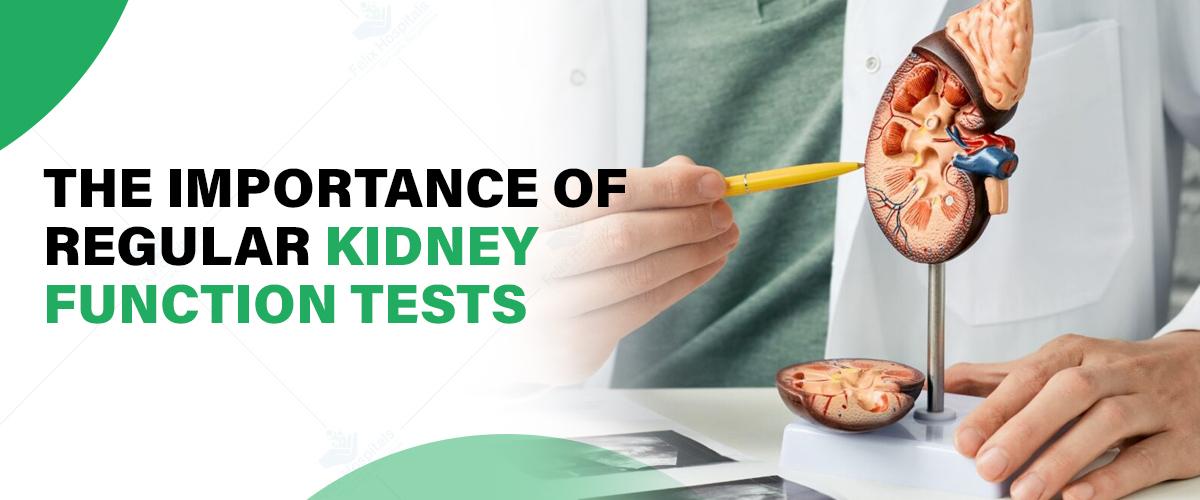
Kidney dialysis is a life-saving treatment for patients suffering from chronic kidney disease or kidney failure. Understanding the dialysis cost in Noida helps patients and families plan treatment effectively. This article explains the factors affecting d

Obesity and excessive sugar consumption are widely recognized as major contributors to diabetes, heart disease, and high blood pressure.
Kidney dialysis is a life-saving treatment for patients suffering from chronic kidney disease or kidney failure. Understanding the dialysis cost in Noida helps patients and families plan treatment effectively. This article explains the factors affecting d
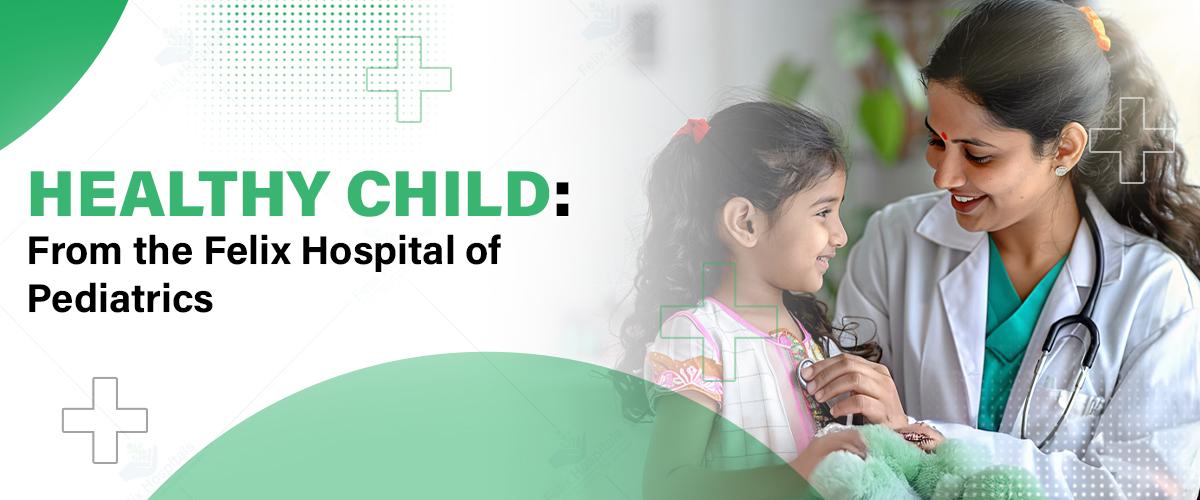
Ensuring that your children grow up physically and emotionally healthy is one of parents and caregivers' most important responsibilities. From the moment a child is born, their development, nutrition, and emotional well-being require constant attention and care. Search the best hospital for your child in Noida the team of experienced pediatricians is dedicated to supporting parents and guiding children on their journey to a healthy life. We discuss essential elements of raising a healthy child, from newborn care to adolescence, and how Felix Hospital can be a reliable partner in this important endeavor.
Join the Felix Hospital Family Today! Contact us today for more information by calling +91 9667064100.
Pediatric care plays a critical role in monitoring and guiding the growth and development of children. Pediatricians are specialized doctors who focus on children's health and medical needs from birth through adolescence. Their expertise helps ensure that children meet developmental milestones, receive proper nutrition, stay on track with vaccinations, and are screened for any potential health issues.
Regular pediatric checkups are essential for monitoring the overall well-being of a child. During these visits, pediatricians assess growth parameters like height, weight, and head circumference. They also evaluate developmental progress, ensuring that children are reaching key milestones, such as crawling, walking, and speaking at appropriate ages.
Vaccinations, which are crucial for preventing various childhood illnesses, are also administered during these checkups. Regular pediatric visits allow early detection of potential health concerns, providing an opportunity for timely intervention.
Proper nutrition is the foundation for a child’s physical and cognitive development. A balanced diet provides the essential nutrients a child needs to grow, develop, and maintain a strong immune system. At the Hospital, the pediatricians work closely with parents to ensure that children receive the proper nutrition at each stage of development.
Proteins: Proteins are the building blocks of cells and tissues, making them essential for the development and growth of healthy children. Include lean meats, dairy products, beans, and legumes in your child’s diet.
Carbohydrates: Carbohydrates are the primary source of energy for children. Whole grains, fruits, and vegetables should be a part of every meal.
Fats: Healthy fats, such as those found in nuts, seeds, avocados, and olive oil, are vital for brain development and overall health.
Vitamins and Minerals: A variety of fruits and vegetables provide essential vitamins and minerals like Vitamin A, Vitamin C, calcium, and iron, which support immune function, bone development, and overall growth.
Water: Hydration is crucial for overall health. Ensure your child drinks plenty of water throughout the day, especially after physical activities.
For infants, breast milk is the most complete form of nutrition. It contains the right balance of nutrients and antibodies that protect against infections and diseases. The World Health Organization recommends exclusive breastfeeding for the first six months of life, followed by continued breastfeeding along with the introduction of complementary foods until at least the age of two.
Physical activity is not only essential for maintaining a healthy weight but also for overall well-being. Regular physical activity supports muscle and bone development, enhances coordination, and improves cardiovascular health. Additionally, it helps children develop social skills and build self-confidence.
For young children, active play is one of the best ways to encourage physical activity. Activities like running, jumping, climbing, and playing games outdoors promote physical development and improve motor skills. The hospital emphasizes the importance of active play in childhood development and guides parents on how to integrate it into their children’s daily routines.
As children grow older, participation in organized sports such as soccer, swimming, or gymnastics can further promote physical health. These activities also teach teamwork, discipline, and time management. The hospital encourages parents to allow their children to explore different sports and physical activities to find what they enjoy most.
A child’s mental and emotional well-being is as important as their physical health. Children need a nurturing environment where they feel safe, loved, and supported. Hospital takes a holistic approach to pediatric care by focusing not just on physical health but also on the mental and emotional development of children.
Children encounter various challenges as they grow, from learning to interact with peers to coping with academic pressures. Building emotional resilience helps children face these challenges without feeling overwhelmed. Pediatricians of Hospital work with parents to develop strategies for fostering emotional resilience, including:
Open Communication: Encourage children to express their feelings and thoughts. Let them know that it’s okay to talk about their fears, anxieties, and concerns.
Positive Reinforcement: Praise your child for their efforts and achievements, no matter how small. Positive reinforcement boosts self-esteem and encourages healthy behaviors.
Stress Management: Teach children healthy ways to cope with stress, such as practicing mindfulness, engaging in physical activity, or talking to a trusted adult.
Children can experience behavioral issues due to various factors, including changes in their environment, academic pressures, or underlying emotional problems. It is important to recognize the signs of behavioral issues early and seek professional help when needed.
Pediatricians and child psychologists are trained to identify and address behavioral concerns, such as ADHD, anxiety, and depression. Early intervention can help children develop healthy coping mechanisms and avoid long-term psychological problems.
Sleep is vital for a child’s physical, cognitive, and emotional development. A good night’s sleep promotes healthy brain function, supports growth, and boosts the immune system. However, many children, especially adolescents, do not get enough sleep due to busy schedules and excessive screen time.
Sleep: Recommendations by Age
Newborns (0-3 months): 14-17 hours per day
Infants (4-12 months): 12-16 hours per day (including naps)
Toddlers (1-2 years): 11-14 hours per day (including naps)
Preschoolers (3-5 years): 10-13 hours per day (including naps)
School-age children (6-13 years): 9-11 hours per day
Teenagers (14-17 years): 8-10 hours per day
Hospitals educate parents on the importance of establishing healthy sleep routines, including consistent bedtimes, limiting screen time before bed, and creating a calming sleep environment.
Vaccinations are a key component of preventive healthcare for children. Vaccines protect children from a range of potentially life-threatening diseases, including measles, mumps, rubella, diphtheria, and whooping cough.
A hospital needs to follow the vaccination schedule recommended by the World Health Organization (WHO) and the Indian Academy of Pediatrics (IAP). Our pediatricians work closely with parents to ensure that children receive all the necessary vaccines at the appropriate ages.
Health screenings are crucial for detecting potential health issues early. Regular screenings help identify conditions such as anemia, hearing and vision problems, and developmental delays. A Hospital offers comprehensive health screenings for children of all ages, including newborn screening, developmental assessments, and vision and hearing tests.
Newborn Screening: A simple blood test is done after birth to screen for genetic and metabolic disorders.
Vision and Hearing Tests: Regular screenings help identify any issues that may affect a child’s ability to learn and communicate effectively.
Developmental Screening: Pediatricians assess developmental milestones to ensure that children are on track for their age.
At Felix Hospital, we believe that a healthy child is the foundation for a healthy future. Our team of pediatricians is dedicated to providing comprehensive care that addresses the physical, emotional, and developmental needs of each child. From newborn care to adolescent health, we are here to support families every step of the way.
Experienced Pediatricians: Our team of pediatricians brings years of experience and expertise in managing childhood health concerns.
Comprehensive Services: We offer a wide range of pediatric services, from routine checkups and vaccinations to specialized care for chronic conditions.
Holistic Approach: We take a holistic approach to child health, focusing on physical, emotional, and developmental well-being.
Family-Centered Care: We believe in working closely with families to provide personalized care that meets the unique needs of each child.
State-of-the-Art Facilities: Our pediatric department is equipped with modern facilities and technology to ensure the best possible care for your child.
At Felix Hospital, we understand the vital role plays in your child’s growth and overall development. Our dedicated team of pediatric specialists is here to provide expert care and guidance for addressing sleep-related concerns. If you're searching for a Child specialist in Noida nearby, our experienced professionals are ready to help. Our expert team includes:
Dr. Vishrut Singh – A highly regarded pediatrician with expertise in child development and sleep disorders.
Dr. Niraj Kumar – Specializing in pediatric care, Dr. Niraj emphasizes the importance of healthy sleep patterns for a child’s well-being.
Dr. Prabhat Kumar – A pediatric endocrinologist focusing on growth disorders and their impact on sleep health.
Conclusion
Raising a healthy child requires attention to their physical, emotional, and mental needs. With proper nutrition, regular physical activity, a focus on mental health, and timely medical care, children can grow into healthy, happy adults. Felix Hospital is committed to being a trusted partner for parents and caregivers, providing expert guidance and support at every stage of a child’s development. By prioritizing preventive care, vaccinations, and regular health checkups, we can help ensure that every child has the opportunity to thrive.
1-Why are regular pediatric checkups important for my child?
ANS: Regular pediatric checkups help monitor your child's physical and developmental growth. These visits allow pediatricians to assess milestones, ensure proper nutrition, administer vaccinations, and detect any potential health issues early.
2-At what age should I schedule my baby’s first pediatric appointment?
ANS: Your baby's first pediatric appointment should be scheduled within the first week of birth. Early checkups are crucial for monitoring your newborn's health, weight, and overall development.
3-What vaccines are essential for my child, and when should they be administered?
ANS: Vaccines protect your child from life-threatening diseases like measles, mumps, and polio. Pediatricians at Felix Hospital follow the vaccination schedule recommended by the Indian Academy of Pediatrics (IAP) and the World Health Organization (WHO).
4-How can I ensure my child is getting proper nutrition?
ANS: Pediatricians at Felix Hospital can provide personalized nutrition plans for your child’s growth. A balanced diet includes proteins, carbohydrates, healthy fats, vitamins, and minerals, essential for their physical and cognitive development.
5-What signs should I look for to detect any developmental delays in my child?
ANS: Developmental delays may include not reaching milestones like crawling, walking, or speaking. Regular pediatric checkups help monitor your child’s development, and early intervention can address any concerns effectively.
6-How can I help my child build emotional resilience?
ANS: Encouraging open communication, practicing positive reinforcement, and teaching stress management techniques like mindfulness can help build emotional resilience. Pediatricians at Felix Hospital offer guidance on fostering emotional well-being in children.
7-Does Felix Hospital offer specialized care for behavioral or mental health issues in children?
ANS: Yes, Felix Hospital provides specialized care for behavioral and mental health issues, including conditions like ADHD, anxiety, and depression. Our pediatricians and child psychologists work closely with parents to offer tailored solutions for each child.
Every parent wants their child to become a successful, confident, and good human being. A child is like a sponge, which can take any shape and can absorb almost everything they see/learn.
Our team of pediatric professionals is committed to offering expert care and guidance on sleep-related issues. If you’re looking for a pediatric doctor near me, our experienced specialists are ready to assist.
As a child care specialist, I have noticed a huge difference in overall growing of a child in the last 14 years.
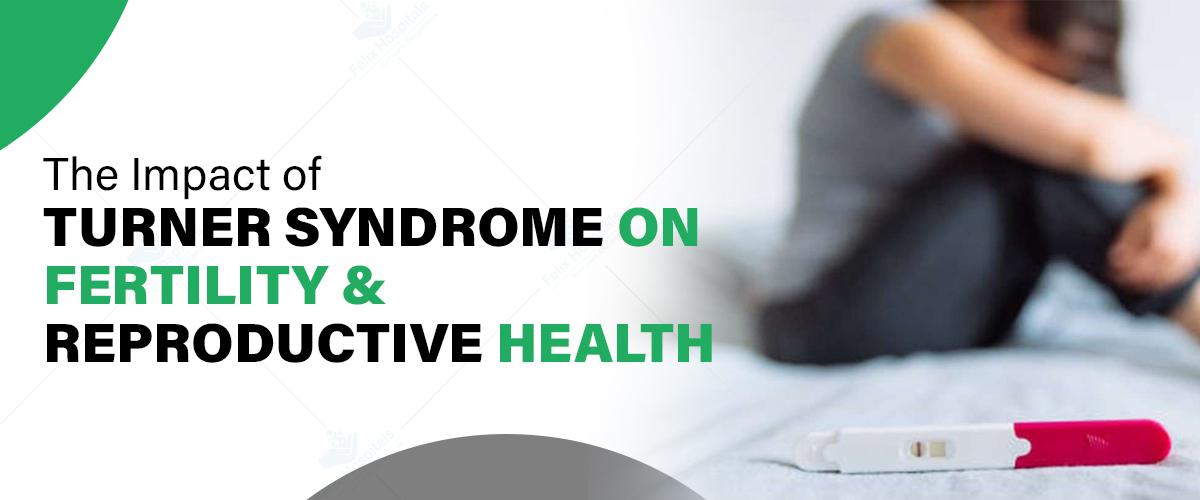
Turner syndrome, a genetic disorder affecting females, is caused by the complete or partial absence of one of the two X chromosomes. This condition can lead to various physical and developmental challenges, particularly concerning fertility and reproductive health. If you are searching for the best gynecologist hospital in Noida, let’s understand the complexities of Turner syndrome and its implications for women’s health and then explore the impact of Turner syndrome on fertility, the underlying causes, available treatment options, and the implications for reproductive health.
Contact our team of experienced healthcare professionals today by Calling +91 9667064100 to explore your reproductive choices.
Turner syndrome, also known as monosomy X, affects approximately 1 in 2,500 live female births. It is characterized by a variety of physical and medical features,
including:
Most individuals with Turner syndrome have a normal intelligence level, although some may experience learning difficulties, particularly with spatial and mathematical reasoning.
The primary cause of Turner syndrome is the absence of part or all of an X chromosome. This can occur due to various factors, including:
Mosaicism: In a small percentage of cases, individuals may have some cells with the typical two X chromosomes and others with only one, leading to a milder expression of the syndrome.
One of the most significant impacts of Turner syndrome is its effect on fertility. The majority of individuals with Turner syndrome experience ovarian insufficiency or failure, leading to challenges in conceiving naturally.
Most individuals with Turner syndrome have underdeveloped ovaries, which may not produce sufficient hormones or viable eggs. This condition is often referred to as primary ovarian insufficiency (POI).
Absence of Eggs: Many individuals with Turner syndrome have few or no eggs in their ovaries, making natural conception unlikely.
Due to ovarian insufficiency, individuals with Turner syndrome often experience menstrual irregularities, including:
1. Primary Amenorrhea: Many girls with Turner syndrome do not start menstruating by age 16, which is considered primary amenorrhea.
2. Secondary Amenorrhea: Some may start menstruating initially but then experience irregular or absent cycles due to ovarian dysfunction.
The challenges related to fertility can have a profound psychological impact on individuals with Turner syndrome. Feelings of inadequacy, anxiety about future relationships, and concerns about motherhood can all contribute to mental health challenges.
While Turner syndrome poses significant challenges to fertility, it is essential for individuals to be aware of their reproductive options. A comprehensive assessment of fertility may involve the following steps:
Hormonal testing can help assess ovarian function and overall reproductive health. Common tests may include:
Genetic counseling is an essential component of assessing fertility in individuals with Turner syndrome. A genetic counselor can provide information about the condition, its inheritance, and the potential impact on future pregnancies.
Transvaginal ultrasound may be used to evaluate the structure of the ovaries and assess the presence of any follicles. This imaging study can provide valuable information about ovarian reserve.
While natural conception may be challenging for individuals with Turner syndrome, there are several treatment options available to help preserve fertility at the best infertility hospital:
Hormone replacement therapy at our HRT Center in Noida can help manage the symptoms of ovarian insufficiency by providing the hormones the body lacks. HRT can help induce breast development, regulate menstrual cycles, and support overall health.
For individuals with Turner syndrome who desire to become parents, assisted reproductive technologies may offer viable options:
Adoption is another option for individuals with Turner syndrome who wish to become parents. Many individuals and couples find fulfillment in adopting children and providing loving homes to those in need.
Turner syndrome has significant implications for reproductive health beyond fertility. Some important considerations include:
Individuals with Turner syndrome may face an increased risk of pregnancy complications, including:
Individuals with Turner syndrome should receive comprehensive emotional and psychological support, particularly concerning reproductive health. This support may include:
Regular health monitoring is essential for individuals with Turner syndrome, particularly concerning reproductive health. Some important aspects of long-term care include:
When it comes to managing Turner syndrome and its impact on fertility, finding the right specialists is crucial. At Felix Hospital, we are proud of our team of experienced professionals, including Dr. Vimal Gupta, a renowned endocrinologist, along with our esteemed gynecologist—Dr. Sangeeta Sharma, Dr. Charu Yadav, and Dr. Sonia Kuruvilla. This dedicated team works together to provide comprehensive and personalized care for individuals with Turner syndrome.
Are you ready to take the next step in understanding your fertility options? Schedule a consultation with our specialized team by Clicking Here.
Turner syndrome significantly impacts fertility and reproductive health, presenting unique challenges for those affected. While many individuals with Turner syndrome face difficulties in conceiving naturally, advancements in reproductive technologies provide viable options for those desiring to become parents. Best care, including hormonal evaluation, genetic counseling, and access to assisted reproductive technologies, is essential for individuals navigating their reproductive health. At Felix Hospital, recognized as the best infertility hospital in Noida, we offer tailored support and treatment options to help individuals with Turner syndrome achieve their family planning goals.
1.What is Turner syndrome?
Ans: Turner syndrome is a genetic condition that occurs in females due to the absence or alteration of one of the X chromosomes, leading to various physical and medical challenges.
2. How does Turner syndrome affect fertility?
Ans: Turner syndrome often leads to ovarian insufficiency, resulting in challenges with natural conception and irregular menstrual cycles.
3. Can individuals with Turner syndrome have children?
Ans: While natural conception is unlikely, individuals with Turner syndrome can explore options such as egg donation, IVF, and surrogacy to achieve pregnancy.
4. What treatment options are available for fertility preservation?
Ans: Hormone replacement therapy (HRT) and assisted reproductive technologies (ART) such as IVF and egg donation are common options for fertility preservation.
5. What are the psychological impacts of Turner syndrome on fertility?
Ans: The challenges related to fertility can lead to feelings of inadequacy, anxiety, and depression, making psychological support essential for affected individuals.
6. Are there increased risks during pregnancy for individuals with Turner syndrome?
Ans: Yes, individuals with Turner syndrome may face higher risks of complications during pregnancy, including hypertension and heart issues.
7. How important is genetic counseling for individuals with Turner syndrome?
Ans: Genetic counseling is crucial for understanding the condition, its inheritance patterns, and the implications for future pregnancies.
8. What long-term health monitoring is recommended for individuals with Turner syndrome?
Ans: Regular monitoring of cardiovascular health, bone density, and hormone levels is important for managing potential health risks associated with Turner syndrome.
Diabetes is a condition in which your body part pancreases cannot make enough insulin which results in an increase in your glucose level/blood sugar level.

Turner Syndrome can impact fertility and reproductive health, causing challenges with ovarian function, hormone production, and pregnancy for affected women.

Subscribe to our
© Copyright 2026. All Rights Reserved by Felix Healthcare Private Limited
Design and development by :


 +(91)9667064100
 Emergency : +(91)9667064100