 WhatsApp
 Emergency:
  WhatsApp













Subscribe to our

Piles, also known as hemorrhoids, are a common condition affecting millions of people worldwide. They occur when the blood vessels in the rectal area become swollen and inflamed, causing discomfort, pain, and other symptoms. Understanding the causes of piles and adopting preventive measures is crucial for maintaining good health and avoiding complications. In this blog, we will explore the underlying factors that contribute to the development of piles and discuss effective strategies to reduce the risk. For optimal treatment and results, be sure to seek care from the best hospital for the causes and prevention of piles.
Contact our specialists at Felix Hospital today for a comprehensive evaluation and personalized treatment plan. Contact us at +91 9667064100.
Piles are swollen blood vessels located in the rectum and anus. They can be classified into two main types:
Internal Piles: These occur inside the rectum and are usually not visible. They may not cause pain but can lead to bleeding during bowel movements.
External Piles: These develop under the skin around the anus. They can be painful, and itchy, and may cause discomfort during activities like sitting or walking.
Understanding the causes and prevention of piles is essential for both treatment and prevention. Several factors contribute to the development of hemorrhoids, including:
One of the primary causes of piles is increased pressure on the blood vessels in the rectal area. This pressure can be due to various factors, including:
Straining During Bowel Movements: This often results from constipation or hard stools, which can lead to excessive pressure when trying to pass stool.
Prolonged Sitting or Standing: Staying in one position for an extended period, especially sitting on the toilet, can increase pressure in the anal region.
Obesity: Carrying excess weight can put additional strain on the pelvic region, increasing the likelihood of developing piles.
Chronic constipation and diarrhea can both contribute to the development of piles. When experiencing constipation, individuals may strain excessively, which can cause the blood vessels to swell. On the other hand, frequent bowel movements due to diarrhea can lead to inflammation and irritation in the anal area.
Pregnancy is another significant risk factor for piles. The growing uterus puts pressure on the pelvic veins, leading to swelling of the blood vessels in the rectal area. Hormonal changes during pregnancy can also contribute to the development of piles, as they can relax the blood vessels and increase blood flow to the area.
As individuals age, the tissues supporting the blood vessels in the rectum may weaken. This can make them more susceptible to swelling and inflammation, leading to the formation of piles. Aging also often coincides with increased constipation, further contributing to the risk.
Diet plays a crucial role in digestive health. A low-fiber diet can lead to constipation, making it more challenging to pass stool. This can increase the likelihood of straining during bowel movements, resulting in piles. Additionally, excessive consumption of spicy foods, caffeine, and alcohol can irritate the digestive system and exacerbate symptoms.
Genetic predisposition can also play a role in the development of piles. If there is a family history of hemorrhoids, individuals may be more likely to experience this condition. Certain hereditary factors can affect the structure and elasticity of blood vessels, making them more prone to swelling.
Frequent heavy lifting can increase abdominal pressure, leading to the development of piles. Individuals who perform manual labor or heavy lifting regularly should take precautions to minimize strain on the pelvic area.
Recognizing the symptoms of piles is essential for early diagnosis and treatment. Common symptoms include:
Bleeding During Bowel Movements: This is often the first sign of internal piles.
Pain and Discomfort: External piles can cause pain, itching, and swelling around the anus.
A Lump Near the Anus: This may indicate an external pile.
Mucus Discharge: Some individuals may notice a discharge of mucus after bowel movements.
Preventing piles is possible by making certain lifestyle changes and adopting healthy habits. Here are some effective strategies related to the causes and prevention of piles:
A high-fiber diet can help soften stools and promote regular bowel movements, reducing the risk of constipation. Include plenty of fruits, vegetables, whole grains, and legumes in your diet. Fiber supplements may also be helpful for those who struggle to meet their daily fiber requirements.
Drinking plenty of water helps maintain bowel regularity and prevents constipation. Aim for at least 8–10 glasses of water a day, and increase your intake if you are physically active or live in a hot climate.
Straining during bowel movements can significantly increase the risk of developing piles. To avoid this, respond promptly to the urge to have a bowel movement and take your time in the bathroom. If you experience difficulty passing stool, consider using a stool softener or a mild laxative under the guidance of a healthcare professional.
Regular physical activity can help improve digestion and prevent constipation. Aim for at least 30 minutes of moderate exercise most days of the week. Activities such as walking, swimming, and yoga can promote healthy bowel function.
Avoid prolonged sitting on the toilet, as this can increase pressure on the anal area. Instead, limit your time on the toilet to a few minutes. Using a footstool to elevate your feet while sitting on the toilet can also help facilitate easier bowel movements.
Achieving and maintaining a healthy weight can reduce the strain on the pelvic region and lower the risk of piles. Combine a balanced diet with regular exercise to manage your weight effectively.
If your job involves heavy lifting, use proper lifting techniques to minimize strain on your body. If possible, ask for assistance or use tools designed for lifting heavy objects.
Certain foods and beverages can irritate the digestive system and exacerbate symptoms of piles. Limit your intake of spicy foods, caffeine, and alcohol. Pay attention to how your body reacts to specific foods and adjust your diet accordingly.
If you experience symptoms of piles, such as bleeding, pain, or discomfort, it is essential to consult a healthcare professional. Early diagnosis and treatment can prevent complications and improve outcomes. In some cases, piles may require medical intervention or surgical treatment, especially if conservative measures are ineffective.
Dr. Ritesh Kumar Agrawal is the Best Doctor for piles treatment in Noida at Felix Hospital. With years of specialized experience in proctology, Dr. Agrawal is dedicated to providing patients with the highest quality of care, ensuring comfort, and achieving optimal outcomes for those suffering from this common condition.
If you're experiencing symptoms of piles or have concerns about your urological health, don’t wait any longer. Click Here to book your Appointment.
Piles are a common yet often uncomfortable condition that can significantly impact one’s quality of life. Understanding the causes and prevention of piles and adopting preventive measures can help reduce the risk of developing this condition. By making dietary and lifestyle changes, individuals can improve their overall urological health and minimize the likelihood of experiencing piles in the future. If you have any concerns or symptoms related to piles, do not hesitate to seek medical advice for appropriate treatment options. Your health and well-being are worth it!
1. What are the common symptoms of piles?
ANS: Common symptoms of piles include bleeding during bowel movements, pain and discomfort around the anus, itching, swelling, and the presence of a lump near the anus.
2. Can piles be prevented?
ANS: Yes, piles can often be prevented by adopting a high-fiber diet, staying hydrated, practicing good toilet habits, exercising regularly, and avoiding prolonged sitting or standing.
3. Is it normal to experience bleeding with piles?
ANS: While bleeding can occur with piles, it is essential to consult a healthcare professional if you experience rectal bleeding to rule out other serious conditions.
4. Are there specific foods that can worsen piles?
ANS: Yes, foods that are spicy, acidic, or high in caffeine can irritate the digestive system and exacerbate symptoms of piles. A high-fiber diet is recommended to help prevent constipation.
5. Can pregnancy cause piles?
ANS: Yes, pregnancy can increase the risk of piles due to the added pressure on the pelvic veins from the growing uterus and hormonal changes that affect blood vessels.
6. How can I treat piles at home?
ANS: Home treatments for piles may include warm baths, topical creams, increased fiber intake, and over-the-counter pain relievers. However, it’s best to consult a healthcare professional for personalized advice.
7. When should I see a doctor about my piles?
ANS: You should see a doctor if you experience persistent pain or excessive bleeding, or if home treatments do not improve your symptoms.
8. What treatments are available for piles?
ANS: Treatment options for piles can range from lifestyle changes and over-the-counter medications to minimally invasive procedures or surgery, depending on the severity of the condition.
9. Can lifestyle changes help manage existing piles?
ANS: Yes, lifestyle changes such as maintaining a healthy weight, increasing physical activity, and following a high-fiber diet can significantly help manage symptoms and reduce the severity of piles.

Get fast and effective relief from piles with advanced surgical care at the best piles surgery hospital in Noida, offering expert doctors, modern techniques, and safe treatment options.

For those seeking specialized care, consulting the best piles surgeon in Noida can provide expert evaluation and tailored treatment options.
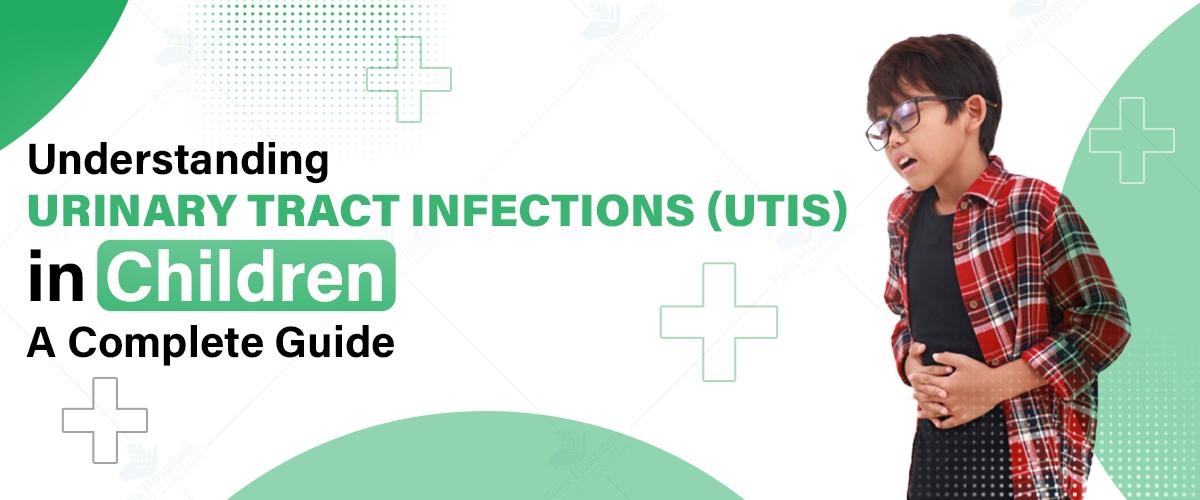
Urinary Tract Infections (UTIs) are common among children and can cause considerable discomfort and health concerns if not addressed promptly. These infections occur when bacteria enter and multiply in the urinary tract, which includes the kidneys, ureters, bladder, and urethra. Early diagnosis and appropriate treatment are crucial to prevent complications and ensure a swift recovery. This guide delves into the key aspects of UTIs in children, including causes, symptoms, treatment options, and prevention strategies. For comprehensive care, finding the Best Hospital for Urine Infection in Children is essential.
Contact us today at +91 9667064100 to book your appointment and get your child on the path to better health!
A Urinary tract infection (UTI) is an infection that affects any part of the urinary system. In children, UTIs most commonly affect the bladder (cystitis) and can sometimes involve the kidneys (pyelonephritis). The infection occurs when bacteria, often from the bowel, enter the urinary tract and begin to multiply.
Several factors can contribute to UTIs in children, including:
Poor Hygiene: Inadequate cleaning or wiping can lead to bacterial infections.
Constipation: Chronic constipation can put pressure on the bladder, making it difficult to empty fully.
Structural Abnormalities: Congenital issues in the urinary tract can predispose children to UTIs.
Urinary Retention: Holding urine for long periods can increase the risk of infection.
Underlying Medical Conditions: Conditions such as diabetes can make children more susceptible to UTIs.
The symptoms of UTIs in children can vary based on their age and severity. Common symptoms include:
Frequent Urination: Increased need to urinate, often with small amounts of urine.
Painful Urination: Discomfort or pain while urinating.
Fever: Elevated body temperature, which can be an indicator of infection.
Abdominal Pain: Pain in the lower abdomen or pelvic area.
Change in Urine Color: Cloudy or bloody urine.
Strong Urine Odor: A distinct, unpleasant smell.
Effective treatment for urinary tract infections (UTIs) in children is essential to ensure complete recovery and prevent complications. The treatment typically includes:
Antibiotics: The mainstay of UTI treatment involves antibiotics, prescribed based on the bacteria causing the infection. It's crucial to follow the healthcare provider's instructions and complete the entire course of antibiotics to fully eradicate the infection and avoid antibiotic resistance.
Pain Relief: To manage discomfort, over-the-counter pain relievers like acetaminophen or ibuprofen can be used. If the pain is severe, a healthcare provider may prescribe specific medications for pain relief. Always consult with a healthcare professional before giving any medication to your child.
Hydration: Increasing fluid intake helps flush out bacteria from the urinary tract. Encourage your child to drink plenty of water and other fluids, such as clear broths or diluted fruit juices, to support recovery and maintain urinary health.
Follow-up Care: Regular follow-up appointments are essential to ensure the infection is fully resolved. These visits may include additional urine tests to confirm that the bacteria have been eliminated and to monitor for any signs of recurrence.
Monitoring for Recurrence: If UTIs are recurrent, further evaluation may be needed to identify underlying causes. This could involve additional tests or referrals to specialists to address any contributing factors and prevent future infections.
By adhering to the prescribed treatment, managing pain, ensuring proper hydration, and attending follow-up appointments, parents and caregivers can support their child's recovery and promote long-term urinary tract health. Consulting the Best Doctor for Urine Infection Treatment ensures that your child receives expert care tailored to their specific needs, leading to optimal outcomes and a healthier future.
Maintain Good Hygiene: Teach children to wipe from front to back to avoid spreading bacteria from the anus to the urethra.
Encourage Regular Bathroom Visits: Ensure children urinate regularly and avoid holding urine for extended periods.
Promote Adequate Hydration: Encourage drinking plenty of water to help flush out bacteria.
Manage Constipation: Address constipation issues promptly to reduce pressure on the bladder.
Use Cotton Underwear: Choose breathable cotton underwear to reduce moisture and bacterial growth.
Avoid Bubble Baths: Bubble baths can irritate the urethra and increase the risk of infection.
Monitor for Symptoms: Be vigilant for any signs of UTIs and seek prompt medical attention if symptoms arise.
At Felix Hospital, we have a team of highly skilled doctors specializing in the diagnosis and treatment of UTIs in children. Our expert pediatricians include:
These experienced professionals are dedicated to providing the highest quality of care to ensure effective treatment and recovery for your child.
Get in touch with us now to schedule your consultation and take the first step towards effective treatment and peace of mind! Call Now at +91 9667064100.
Urinary Tract Infections in children require prompt attention to avoid complications and ensure a speedy recovery. By understanding the causes, symptoms, and treatment options, parents can better manage and prevent UTIs. The expertise available at Felix Hospital provides comprehensive care to address these infections effectively. Ensuring proper hygiene and timely medical intervention can significantly reduce the risk of UTIs and support your child’s overall health. Additionally, being aware of the Urine Infection Treatment Cost helps in planning and making informed decisions regarding your child's care.
1. What are the common signs of a UTI in young children?
ANS: The signs of a urinary tract infection (UTI) in young children can vary, but common symptoms include frequent urination, discomfort or pain during urination, fever, abdominal or lower back pain, and changes in urine color or odor. Children may also exhibit irritability, crying during or after urination, or a sudden decrease in appetite. If your child shows any of these signs, it’s important to consult a healthcare professional for an evaluation.
2. How is a UTI diagnosed in children?
ANS: Diagnosing a UTI in children typically involves a urine test. The urine sample is analyzed to detect the presence of bacteria, white blood cells, or other indicators of infection. In some cases, additional tests like a urine culture may be performed to identify the specific type of bacteria causing the infection and determine the most effective antibiotic treatment. A thorough medical history and physical examination may also be part of the diagnostic process.
3. Can UTIs lead to long-term complications in children?
ANS: If left untreated or if UTIs become recurrent, they can lead to potential long-term complications. These complications may include kidney damage, scarring, or even kidney infections. Chronic UTIs can also affect a child’s overall health and development. Early and effective treatment is crucial to prevent these serious outcomes and to ensure that any underlying issues are addressed promptly.
4. Are there any natural remedies to prevent UTIs in children?
ANS: Maintaining proper hydration and good personal hygiene are key factors in preventing UTIs in children. Encourage your child to drink plenty of fluids, especially water, and ensure they are urinating regularly. Proper wiping techniques (front to back) and avoiding irritants such as harsh soaps can also help. However, it’s important to consult a healthcare provider for personalized advice and to discuss any natural remedies that might be appropriate for your child’s specific situation.
5. How long does it take for a UTI to resolve with treatment?
ANS: With appropriate antibiotic treatment, most UTIs begin to improve within a few days. It’s important to complete the full course of prescribed medication, even if symptoms resolve before finishing the treatment. This ensures that the infection is fully eradicated and helps prevent the development of antibiotic resistance. Follow-up with your healthcare provider may be necessary to confirm that the infection has cleared and to discuss any further steps if needed.
6. Can UTIs be caused by something other than bacteria?
ANS: While bacterial infections are the most common cause of UTIs, other factors can occasionally contribute to urinary tract infections. These include fungal infections, urinary tract irritants (such as certain soaps or bubble baths), and anatomical abnormalities in the urinary tract. A healthcare provider can help determine the specific cause of the infection and recommend appropriate treatment based on the underlying issue.
7. What should I do if my child shows symptoms of a UTI?
ANS: If your child exhibits symptoms of a UTI, it is important to schedule a medical appointment as soon as possible. A healthcare professional will conduct a thorough evaluation to diagnose the infection and recommend an appropriate treatment plan. Early diagnosis and treatment are key to managing the infection effectively and preventing potential complications.
8. Is it possible for UTIs to recur in children?
ANS: Yes, recurrent UTIs can occur in children. Factors that may contribute to recurrent infections include incomplete treatment of the initial infection, anatomical abnormalities, or underlying health conditions. To reduce the risk of recurrence, it is important to follow the treatment plan prescribed by your healthcare provider and adhere to preventive measures, such as maintaining good hygiene and ensuring regular follow-up appointments.

As a child care specialist, I have noticed a huge difference in overall growing of a child in the last 14 years.

Search the best hospital for your child in Noida the team of experienced pediatricians is dedicated to supporting parents and guiding children on their journey to a healthy life.
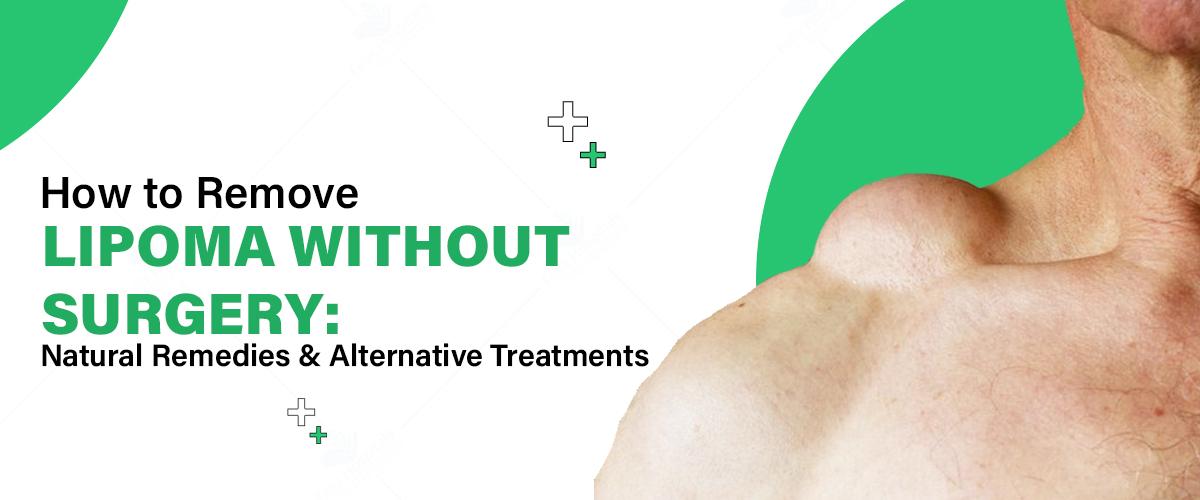
Lipomas are benign (non-cancerous) lumps of fat that form beneath the skin, usually between the skin and underlying muscle layers. They are typically soft, moveable, and painless, although they can sometimes grow large and become bothersome. While surgery is the most common method to remove lipomas, many people seek non surgical alternatives for removing or reducing them. Let’s explore various natural remedies, lifestyle changes, and alternative treatments for lipoma removal without surgery.
Looking for Natural Solutions for Lipoma? Always consult a healthcare provider for personalized advice by calling +91 9667064100!
A lipoma is a slow-growing, soft mass of fatty tissue that forms under the skin. While lipomas can occur anywhere on the body, they are commonly found on the neck, shoulders, back, abdomen, arms, and thighs. Lipomas are generally harmless, but they can become uncomfortable or unsightly, especially if they grow large.
Although lipomas are typically painless, some individuals may experience discomfort if the lipoma presses against nerves or muscles. In rare cases, multiple lipomas may form, which is a condition called familial multiple lipomatosis.
Looking for a scar-free lipoma removal? Talk to our doctor now about non-surgical treatment options!
The exact cause of lipomas is not well understood, but certain factors seem to contribute to their development. Some common risk factors include:
1. Genetics: A family history of lipomas can increase the likelihood of developing them.
2. Age: Lipomas are most common in middle-aged adults (between 40-60 years).
3. Obesity: People who are overweight or obese may be more likely to develop lipomas.
4. Injury: In some cases, lipomas can develop at the site of an injury or trauma.
5. Medical Conditions: Certain medical conditions, such as Gardner's syndrome and adipose dolorosa, may cause multiple lipomas to form.
Although surgery is the most effective method of removing lipomas, some people prefer to explore natural remedies to shrink or manage them. While these natural methods may not completely remove lipomas removal without surgery, they can potentially reduce their size and alleviate symptoms.
Apple cider vinegar is widely known for its health benefits and is often used to treat various skin conditions. It contains acetic acid, which has anti-inflammatory and antibacterial properties. Some anecdotal evidence suggests that ACV may help reduce the size of lipoma over time.

Mix 1-2 tablespoons of apple cider vinegar in a glass of water and drink it twice daily.
Apply diluted apple cider vinegar directly to the lipoma using a cotton ball. Leave it on for 20-30 minutes, then wash it off. Repeat daily.
Turmeric is a powerful anti-inflammatory spice that has been used in traditional medicine for centuries. It contains curcumin, a compound that has antioxidant and anti-inflammatory properties. Applying turmeric to lipomas may help reduce their size and prevent further growth.

Mix turmeric powder with a small amount of olive oil or coconut oil to form a paste.
Apply the paste directly to the lipoma and cover it with a bandage.
Leave it on overnight and wash it off in the morning.
Repeat daily for several weeks.
Castor oil is a natural remedy that has been used for various skin conditions, including cysts and lipomas. It contains ricinoleic acid, which has anti-inflammatory and antimicrobial properties. Applying castor oil may help soften the fatty tissue and reduce the size of lipomas.
Soak a cotton ball in castor oil and apply it directly to the lipoma.
Massage the area gently for a few minutes.
Cover the area with a bandage and leave it on overnight.
Repeat this process daily for several weeks.
Sage is an herb known for its healing properties and is often used in traditional remedies to treat skin growths and cysts. Some believe that sage can help dissolve fatty deposits and reduce the size of lipomas.

Create a paste by mixing dried sage leaves with a carrier oil (such as coconut oil).
Apply the paste to the lipoma and cover with a bandage.
Leave it on for a few hours or overnight.
Repeat daily for several weeks.
Chickweed is a herb that has been traditionally used to treat skin conditions and promote healing. It is believed to help reduce lipomas due to its anti-inflammatory and astringent properties.

Mix chickweed powder with water to form a paste.
Apply the paste directly to the lipoma and cover with a bandage.
Leave it on for a few hours and then wash it off.
Repeat daily for best results.
Diet plays a significant role in overall health, and making certain dietary changes may help reduce the occurrence of lipomas. While there is no direct evidence linking diet to lipoma formation, maintaining a healthy diet may support the body's ability to manage abnormal fat deposits.
Reduce processed foods: Avoid high-fat, processed foods, and sugary snacks, which can contribute to fat accumulation in the body.
Increase fiber intake: Consuming a diet rich in fruits, vegetables, and whole grains can help regulate digestion and promote fat metabolism.
Include healthy fats: Incorporate sources of healthy fats such as avocados, nuts, seeds, and olive oil into your diet.
Stay hydrated: Drinking plenty of water throughout the day can help flush out toxins and support healthy fat metabolism.
Some essential oils, such as frankincense, grapefruit, and lemon, are believed to have properties that may help break down fatty tissue and promote healthy skin. While more research is needed, applying essential oils may help reduce the size of lipomas over time.
Mix a few drops of essential oil with a carrier oil (such as coconut or olive oil).
Gently massage the oil mixture onto the lipoma.
Repeat the process twice daily for several weeks.
Maintaining a healthy weight can help reduce the development of lipomas and prevent new ones from forming. Regular exercise and a balanced diet can help manage body fat levels and promote overall health.
Engage in regular physical activity, such as walking, swimming, or strength training.
Eat a diet rich in whole foods, including vegetables, fruits, lean proteins, and healthy fats.
Avoid excessive consumption of unhealthy fats and sugars, which can contribute to fat accumulation.
In addition to natural remedies, several alternative treatments may help reduce lipoma removal without surgery. These treatments are generally non-invasive and can be explored under the guidance of a healthcare professional.
Lipodissolve, also known as injection lipolysis, is a procedure that involves injecting a chemical solution directly into the lipoma. This solution breaks down the fat cells, causing the lipoma to shrink over time. Lipodissolve is a minimally invasive treatment that can be performed in a clinic or doctor's office.
Steroid injections may be used to reduce the size of lipomas by shrinking the fatty tissue. The injections are administered directly into the lipoma, and the fat is absorbed by the body over time. While steroid injections may not completely remove the lipoma, they can significantly reduce its size.
Laser lipolysis is a non-surgical treatment that uses laser energy to target and break down fat cells within the lipoma. The laser heats the fatty tissue, causing it to liquefy, and the body naturally absorbs the fat over time. This procedure is minimally invasive and is typically performed under local anesthesia.
Radiofrequency therapy uses heat generated by radio waves to target and destroy fatty tissue in the lipoma. The heat breaks down the fat cells, which are then naturally eliminated by the body. This procedure is non-invasive and is often used as an alternative to surgery for removing small to medium-sized lipomas.
Dr. Ritesh Agrawal is a renowned general surgeon with extensive experience in lipoma removal and other soft tissue procedures. Known for her expertise in treating benign growths, Dr. Ritesh provides personalized care and employs advanced techniques to ensure effective removal with minimal scarring, prioritizing patient comfort and satisfaction.
Don’t Ignore Lipoma Symptoms – Talk to an Expert at +91 9667064100 or Click Here to Book Your Consultation.
Removing a lipoma without surgery is possible through natural remedies like apple cider vinegar, turmeric, dietary changes, and non-invasive options such as laser lipolysis. These methods may help reduce lipoma size gradually. For safe guidance, you can consult experts from the Best Lymphoma Cancer In Noida for proper evaluation. Always seek medical advice if the lipoma becomes painful or changes in size or shape.
Dr. Ritesh Kumar Agrawal is an experienced Laparoscopic Surgeon with 11+ years of expertise in advanced minimally invasive procedures, delivering personalized care and effective surgical outcomes.

lipoma is a non-cancerous, soft, and slow-growing lump of fat cells that forms just under the skin.

Do you find yourself constantly tired, breathless, or unable to cope with sudden physical activity?

As parents, we often strive to ensure our children are happy, healthy, and thriving both emotionally and physically. However, children—just like adults—experience their share of emotional challenges. While minor mood swings or occasional bouts of sadness are normal, there are times when these issues persist or intensify, potentially signaling that a child might benefit from counseling.
Recognizing when your child is struggling emotionally can be difficult, especially since children may not always be able to express their feelings. Parents and caregivers must be aware of the signs that indicate when professional intervention may be needed. Early counseling with the Best Psychology Hospital in Noida can help children learn coping skills, build resilience, and prevent more serious issues from developing.
Contact a qualified therapist or counselor today to help your child navigate these emotional challenges. Call Now at +91 9667064100.
Child counseling is a type of therapy specifically designed to address the emotional, mental, and behavioral challenges that children may face. The aim is to provide a safe environment for the children to express themselves while teaching them coping strategies and skills to deal with stressors and emotional difficulties.
Children’s counseling involves a range of therapeutic techniques, including play therapy, art therapy, cognitive-behavioral therapy (CBT), and family therapy, depending on the child's age and issues. These therapies provide children with an outlet to express their emotions in ways that feel comfortable and natural to them.
Every child is unique, and while some may exhibit signs of emotional distress, others may be more subtle. However, several key indicators may suggest your child could benefit from seeing a counselor.
It’s normal for children to have mood swings from time to time. However, if your child seems to be in a persistently negative mood, showing signs of prolonged sadness, anxiety, or irritability, it could be a sign of underlying emotional issues. Depression, for example, doesn’t just manifest in sadness but can also appear as anger or irritability, especially in younger children.
A sudden loss of interest in friends, school, or activities that once brought joy could be a red flag. If your child starts avoiding social interactions or is no longer participating in activities they previously enjoyed, it may be an indication of anxiety, depression, or other emotional difficulties.
Children who experience stress, anxiety, or depression often show changes in their sleep patterns. This can include trouble falling asleep, waking up frequently during the night, or sleeping excessively. Similarly, changes in appetite—eating too much or too little—can also be an indication of emotional struggles.
If your child is exhibiting behavioral issues, such as acting out in class, defying authority, or getting into frequent conflicts with peers or siblings, this could be a sign of underlying emotional distress. Sometimes, children express their feelings through anger or misbehavior when they are unable to communicate their feelings effectively.
A noticeable drop in grades or performance at school, particularly when your child used to perform well, may be another sign that something is wrong emotionally. Difficulty concentrating, frequent absences from school, or an overall lack of motivation could signal that your child is overwhelmed or stressed.
Emotional distress can sometimes manifest in physical symptoms. If your child is frequently complaining of headaches, stomachaches, or other physical problems without a clear medical cause, this could be linked to anxiety or depression. Emotional pain often has physical repercussions.
Anxiety can manifest in many ways. If your child is constantly worrying about everyday activities, expressing an excessive fear of situations, or developing new phobias, this could be an indication that they are struggling with anxiety. Children may have fears related to school, health, or even family, which they cannot manage on their own.
If your child is engaging in self-harming behaviors such as cutting, scratching, or hitting themselves, or if they are expressing thoughts about death, suicide, or wanting to disappear, this is an emergency that requires immediate intervention. Self-harm and suicidal ideation are serious signs of emotional distress, and child counseling can provide the necessary support.
Significant life changes such as divorce, moving, the death of a loved one, or the arrival of a new sibling can be challenging for children. If your child is having difficulty adjusting and seems particularly distressed by these events, they may benefit from talking to a counselor who can help them healthily process their feelings.
Several factors can contribute to a child’s emotional difficulties. Understanding these potential causes can help you determine whether your child may need counseling.
A child’s emotional well-being is closely tied to the emotional environment at home. Family stress, such as financial difficulties, parental conflict, or a chaotic home environment, can have a profound effect on a child’s mental health.
Bullying is a common cause of emotional distress in children. Whether physical or emotional, bullying can lead to feelings of worthlessness, fear, and isolation. If your child is being bullied, counseling can help them develop coping strategies and regain their self-esteem.
School is a significant source of stress for many children. The pressure to succeed academically, fit in with peers, or meet the expectations of parents and teachers can be overwhelming. Counseling can help children manage this pressure and build healthy coping mechanisms.
Children who have experienced trauma, such as abuse, neglect, or witnessing a traumatic event, may struggle with emotional issues long after the event has passed. Child Counseling can help your children work through their trauma in a safe and supportive environment.
Mental health conditions, such as depression, anxiety, ADHD, or autism spectrum disorder, can make it difficult for children to regulate their emotions and behavior. A counselor can help children with mental health conditions understand their feelings and learn effective ways to manage them.
Counselors typically begin with an initial assessment, where they meet with the child and the parents to discuss concerns and gather information about the child’s behavior and emotional state. Based on this assessment, the counselor may recommend individual therapy, family therapy, or group therapy, depending on what’s most appropriate for the child’s needs.
Several therapeutic interventions can be beneficial for children:
Play Therapy: Aimed at younger children, play therapy allows them to express their feelings in a way that feels comfortable and natural.
Cognitive Behavioral Therapy (CBT): CBT is effective for older children dealing with anxiety, depression, or behavioral issues. This therapy helps children understand how their thoughts influence their feelings and behavior and teaches them strategies to change negative thinking patterns.
Family Counseling: Often, a child’s emotional issues are linked to family dynamics. Family counseling helps the whole family develop better communication and problem-solving skills.
Dr. Ashima Ranjan, DPM (Psychiatry), MBBS, is a Best Psychiatrist and Neuropsychiatrist with more than 12 years of experience in mental health care. Known for her empathetic approach, she is adept at treating a wide spectrum of psychological and psychiatric disorders.
Col (Dr.) Jaideep Gambhir, MBBS, MD (Psychiatry), boasts over 25 years of vast experience in the field of psychiatry. A board-certified expert, Dr. Gambhir specializes in adult psychiatric care, geriatric dementia, child and adolescent psychiatry, as well as the treatment of substance abuse disorders and psychotherapy.
Felix Hospital — trusted child hospital in Noida, delivering specialized pediatric care for newborns, infants, and children with compassion and excellence.
Children, just like adults, can experience emotional challenges that may require professional intervention. Recognizing the signs that your child might need counseling and seeking help early can make a significant difference in their emotional well-being and overall development. Counseling offers children a safe space to express their feelings, learn coping strategies, and develop the resilience needed to navigate life's challenges.
Q1. At what age should a child start counseling?
Ans. Child Counseling can be beneficial at any age, depending on the child’s needs. If a child is showing signs of emotional distress, counseling should be considered regardless of their age.
Q2. How do I know if my child needs counseling?
Ans. Persistent sadness, changes in behavior, declining academic performance, and withdrawal from social interactions are all signs that your child might benefit from counseling.
Q3. Can counseling help with school-related stress?
Ans. Yes, counseling can help children learn coping mechanisms to manage academic pressure, anxiety, and other school-related challenges.
Q4. Is counseling confidential for children?
Ans. Counselors follow confidentiality guidelines to protect the privacy of the child. However, they may need to share information with parents or guardians in cases where the child’s safety is at risk.
Q5. How long does counseling last for a child?
Ans. The duration of counseling varies depending on the child’s specific needs. Some children may only need a few sessions, while others may benefit from longer-term therapy.
Q6. What is play therapy?
Ans. Play therapy uses play as a way for children to express their feelings and thoughts in a safe and supportive environment. It is particularly effective for younger children who may have difficulty verbalizing their emotions.
7. Can parents attend counseling sessions with their child?
Ans. In some cases, parents may be invited to participate in therapy sessions, particularly when family dynamics are contributing to the child’s emotional difficulties.

We all feel down sometime or the other. Sometime there is no particular reason why are we feeling this way. And it is normal to feel low sometime

It all starts when you get to know that you are pregnant, you will be taking care of the little one. This news for first time parents brings lot of responsibility and excitement.

Yes, counseling can help save a marriage. Marriage, like any relationship, goes through ups and downs. The initial honeymoon phase often gives way to challenges that can lead to misunderstandings and emotional distance.

Rheumatoid arthritis (RA) is a chronic inflammatory condition primarily affecting the joints, causing pain, swelling, and stiffness. While medications are essential for managing RA, dietary choices can also play a crucial role in alleviating symptoms and improving overall well-being. An Indian vegetarian diet is rich in anti-inflammatory foods that can help manage RA effectively. In this blog, we will explore an Indian diet plan for rheumatoid arthritis, focusing on the benefits of various vegetarian foods, their nutritional content, and how they can aid in managing this condition.
Take Control of Your RA Symptoms with a Personalized Diet Plan! Call us now at +91 9667064100.
Rheumatoid arthritis is an autoimmune disorder where the body's immune system mistakenly attacks the synovium, the lining of the membranes that surround the joints. This leads to inflammation, which can cause joint damage over time. The exact cause of RA is not fully understood, but genetics, environmental factors, and hormonal changes may play a role. Common symptoms include:
Joint pain and tenderness
Swelling in the joints
Stiffness, especially in the morning
Fatigue and weakness
Fever and weight loss
Managing these symptoms is crucial for improving the quality of life for individuals with RA. One effective way to do this is through diet, specifically by following a well-planned rheumatoid arthritis diet plan vegetarian that emphasizes foods with anti-inflammatory properties.
Diet can significantly influence inflammation levels in the body. Certain foods can exacerbate inflammation, while others can help reduce it. An Indian diet plan for rheumatoid arthritis focuses on whole, minimally processed foods rich in nutrients that support immune function and reduce inflammation. Here are some key components of a vegetarian diet that can be beneficial for individuals with RA:
Incorporating anti-inflammatory foods into your diet is essential for managing rheumatoid arthritis. Some of the best options include:
Fruits: Berries, cherries, oranges, and apples are rich in antioxidants and vitamins, which can help combat oxidative stress and inflammation.
Vegetables: Leafy greens like spinach, kale, and broccoli are packed with vitamins A, C, and K, along with other antioxidants that can support joint health.
Nuts and Seeds: Walnuts, almonds, chia seeds, and flaxseeds are excellent sources of omega-3 fatty acids, which have anti-inflammatory properties.
Whole grains such as brown rice, quinoa, and whole wheat are rich in fiber, which can help reduce inflammation and improve gut health. They provide essential nutrients and energy, making them a vital part of the Indian diet plan for rheumatoid arthritis.
Legumes like lentils, chickpeas, and beans are high in protein and fiber, making them excellent meat substitutes for vegetarians. They also contain various vitamins and minerals that can help support overall health.
Incorporating healthy fats into your diet is crucial for reducing inflammation. Use sources of healthy fats such as:
Olive oil: Rich in monounsaturated fats and antioxidants, olive oil can help reduce inflammation.
Avocados: Packed with healthy fats, avocados also provide vitamins E and C, which have anti-inflammatory effects.
Many Indian spices have anti-inflammatory properties. Turmeric, for example, contains curcumin, a compound known for its potent anti-inflammatory effects. Incorporating spices like ginger, garlic, and cinnamon can enhance the flavor of your meals while providing additional health benefits.
Creating a structured rheumatoid arthritis diet plan vegetarian can help individuals manage their symptoms effectively. Below is a sample diet plan that includes a variety of foods known for their anti-inflammatory properties:
Oats porridge topped with berries and a sprinkle of cinnamon
A glass of warm water with lemon and a teaspoon of turmeric
A small bowl of mixed fruits (papaya, apple, and pomegranate)
A handful of nuts (almonds and walnuts)
Quinoa salad with chickpeas, cucumber, tomatoes, and a dressing of olive oil and lemon juice
Spinach dal (lentil soup) made with turmeric and ginger
Brown rice or whole wheat roti
Vegetable sticks (carrots, cucumber) with hummus
A cup of herbal tea (ginger or chamomile)
Stir-fried vegetables (broccoli, bell peppers, and carrots) with tofu or paneer
A serving of khichdi (a mix of rice and lentils) with spices
A side of yogurt with a pinch of black salt
A glass of warm milk with a pinch of turmeric
This Indian diet plan for rheumatoid arthritis is rich in nutrients and includes foods that can help reduce inflammation while providing essential vitamins and minerals.
When following a rheumatoid arthritis diet plan vegetarian, consider the following tips to enhance its effectiveness:
1. Stay Hydrated: Drink plenty of water throughout the day to help flush out toxins and support joint health.
2. Limit Processed Foods: Avoid processed and refined foods, as they can increase inflammation and contribute to weight gain.
3. Moderate Sugar Intake: Reduce the consumption of sugary foods and beverages, which can exacerbate inflammation.
4. Mind Portion Sizes: Being mindful of portion sizes can help manage weight, which is essential for reducing stress on the joints.
5. Consult a Dietitian: Consider working with a registered dietitian who specializes in nutrition for arthritis. They can help create a personalized plan that meets your dietary needs and preferences.
For individuals seeking professional guidance and treatment for rheumatoid arthritis, it is essential to consult experts in the field. The best rheumatology hospital in India can provide comprehensive care, including nutritional advice and tailored treatment plans.
While diet plays a vital role in managing RA, it is important to consider other treatment options as well. These may include:
Medications: Disease-modifying antirheumatic drugs (DMARDs) and biologics can help reduce inflammation and slow the progression of the disease.
Physical Therapy: Engaging in physical therapy can help improve joint mobility and strength.
Exercise: Regular, low-impact exercises can help reduce stiffness and improve overall joint function.
Understanding the financial aspect of treatment is crucial. The cost of treatment for rheumatoid arthritis in Noida may vary depending on several factors, including the type of medication, frequency of doctor visits, and any additional therapies required. Consulting with healthcare providers can help estimate these costs and plan accordingly.
While rheumatoid arthritis cannot be completely prevented, certain lifestyle changes can help reduce the risk of flare-ups and manage symptoms:
1. Maintain a Healthy Weight: Excess weight can put additional stress on the joints. Adopting a balanced vegetarian diet can help in weight management.
2. Exercise Regularly: Engage in low-impact exercises such as walking, swimming, or yoga to keep joints flexible and maintain muscle strength.
3. Manage Stress: Stress can trigger RA flare-ups. Practice relaxation techniques like deep breathing, meditation, or yoga to manage stress effectively.
4. Get Adequate Sleep: Quality sleep is vital for overall health and can help reduce fatigue associated with RA.
5. Avoid Smoking and Limit Alcohol: Smoking can worsen RA symptoms, while excessive alcohol can interfere with medications.
It is crucial to seek advice from experts for those considering surgical options or advanced treatments. Dr. Kiran Seth, the best rheumatologist in Noida, is renowned for his expertise in minimally invasive procedures. Consulting with him can provide valuable insights into effective management strategies for rheumatoid arthritis. Additionally, for those managing rheumatoid arthritis, proper nutrition plays a vital role in controlling symptoms and promoting joint health. Dt. Pooja Yadav, a senior dietitian with extensive experience, works alongside the medical team at Felix Hospital to provide personalized dietary plans.
Expert Care for Rheumatoid Arthritis at Felix Hospital By Clicking Here visit our website to schedule an appointment!
Managing rheumatoid arthritis through diet is an effective approach that can complement medical treatments. An Indian vegetarian diet rich in anti-inflammatory foods can help alleviate symptoms and improve overall health. By following an Indian diet plan for rheumatoid arthritis, incorporating a variety of nutrient-dense foods, and making lifestyle changes, individuals can take charge of their health and well-being.
If you or a loved one is living with rheumatoid arthritis, consider reaching out to healthcare professionals who specialize in nutrition and diet services. They can help you explore the benefits of a personalized rheumatoid arthritis diet plan tailored to your specific needs. With the right support and dietary choices, it is possible to lead a fulfilling life despite the challenges posed by this condition.
1. Can diet alone cure rheumatoid arthritis?
Ans: While diet can significantly help manage symptoms and improve overall health, it is not a cure for rheumatoid arthritis. It should be combined with medical treatments as prescribed by a healthcare provider.
2. What are the best foods to include in a rheumatoid arthritis diet?
Ans: Foods rich in omega-3 fatty acids (like walnuts and flaxseeds), fruits, vegetables, whole grains, and healthy fats (like olive oil) are beneficial for reducing inflammation.
3. Are there any foods to avoid with rheumatoid arthritis?
Ans: It is advisable to limit processed foods, sugary items, and excessive saturated fats, as they can increase inflammation and worsen symptoms.
4. How long does it take to see improvements with dietary changes?
Ans: Individuals may begin to notice improvements in symptoms within a few weeks of making dietary changes. However, this can vary from person to person.
5. Can I still eat dairy if I have rheumatoid arthritis?
Ans: Some people with RA may find dairy products to exacerbate symptoms, while others may tolerate them well. It is important to listen to your body and consult with a dietitian for personalized advice.

To lose weight effectively, start by creating a calorie deficit—consuming fewer calories than you burn. A safe, steady weight loss usually requires a daily deficit of 500–1000 calories, helping you lose about 0.5 to 1 kilogram per week.

Manage diabetes effectively with a well-planned Indian vegetarian diet chart. Explore healthy meal options and tips for blood sugar control.
Do you find yourself constantly tired, breathless, or unable to cope with sudden physical activity?

Cataracts, or "Motiyabind" in Hindi, refer to the clouding of the eye's natural lens, leading to blurred vision. They are one of the most common eye conditions, especially among older adults. Cataracts develop slowly over time and can significantly impact your quality of life if not treated. The only effective treatment for cataracts is surgery, but deciding when to undergo this procedure is often a challenging decision. This blog will provide an in-depth discussion on cataracts, how they affect your vision, and when it is the right time for cataract surgery.
If you are considering surgery, it's essential to choose the best hospital for cataract surgery to ensure you receive top-quality care and the latest surgical techniques.
Are you struggling with blurry vision due to cataracts? Schedule a consultation with our skilled ophthalmologists at Felix Hospital today by Calling +91 9667064100.
The eye works like a camera, with the lens focusing light onto the retina to create a clear image. As we age, proteins in the lens begin to clump together, forming cloudy areas, which are what we know as cataracts. As cataracts progress, they scatter and block light, leading to vision issues. Cataracts are not painful, but their gradual development can cause significant discomfort in day-to-day activities, such as reading, driving, or even recognizing faces.
Nuclear Cataracts: Affect the center of the lens and are most common with aging.
Cortical Cataracts: Form in the outer edges of the lens and slowly spread toward the center.
Posterior Subcapsular Cataracts: Affect the back of the lens and tend to progress faster than other types.
Congenital Cataracts: Present from birth or form during childhood due to genetic factors or infections.
The early symptoms of cataracts can be subtle, which is why regular eye checkups are important. Some signs to watch out for include:
Blurry Vision: One of the most common symptoms, is where things appear fuzzy or unclear.
Increased Sensitivity to Light: Bright lights may cause discomfort or glare.
Halos Around Lights: You may notice halos or a ring of light around headlights or lamps.
Difficulty Seeing at Night: Cataracts can make night driving more difficult, as vision in low light worsens.
Fading or Yellowing of Colors: Colors may not seem as bright or vibrant as they once were.
Double Vision in One Eye: As cataracts develop, some people experience double vision in one eye.
Cataracts develop gradually, and in the early stages, they may not cause significant disruption to your daily life. Some people may live with cataracts for years without needing surgery, while others may experience a rapid decline in vision.
Stronger Eyeglasses: Prescription glasses may help improve your vision temporarily.
Brighter Lighting: Using brighter lights at home or work can help with reading and other activities.
Anti-Glare Sunglasses: Sunglasses with anti-glare coatings can help reduce glare in bright environments.
However, as cataracts progress, these measures may become ineffective, and surgery will eventually be required to restore clear vision.
While the decision to have cataract surgery should always be made in consultation with your eye doctor, several factors can help you determine the right time for surgery:
The most important factor in deciding the timing of cataract surgery is how much your vision problems are affecting your daily activities. If cataracts are making it difficult to read, drive, work, or enjoy hobbies like gardening or knitting, it may be time to consider surgery.
One of the key indicators that cataract surgery may be needed is difficulty driving, especially at night. If you find it hard to see road signs, experience glares from headlights, or feel unsafe behind the wheel, cataracts could be compromising your driving ability.
Eye doctors perform several tests to evaluate the severity of cataracts. A visual acuity test, for example, can help determine how much cataracts are affecting your vision. If you are struggling to see objects at a certain distance or your vision is not improving with glasses, surgery may be recommended.
Your overall health can also play a role in the timing of cataract surgery. If you have other eye conditions such as glaucoma, diabetic retinopathy, or macular degeneration, your doctor may recommend earlier intervention. Additionally, if you are facing any serious medical issues, you might want to avoid delaying cataract surgery for too long.
While cataracts don’t always need to be treated immediately, delaying surgery for too long can have consequences. As cataracts progress, they become denser and harder to remove, increasing the risk of complications during surgery. Advanced cataracts can also lead to other issues, such as inflammation, glaucoma, or even complete loss of vision.
Your personal preferences and lifestyle choices are also important considerations. For example, if you are an active person who enjoys outdoor activities or sports, cataracts can quickly become a hindrance. On the other hand, if your cataracts are not significantly affecting your quality of life, you may choose to wait until surgery becomes necessary.
There is no one-size-fits-all answer to this question, as the best time for cataract surgery depends on your unique circumstances. However, experts generally agree that cataract surgery should be performed when your vision loss begins to interfere with your ability to carry out everyday tasks.
You have difficulty seeing well enough to perform normal tasks like reading, driving, or recognizing faces.
Your vision problems are affecting your safety, such as causing falls or making it difficult to drive safely at night.
Your cataracts are interfering with the treatment of other eye conditions like diabetic retinopathy or Macular degeneration.
You have a job or hobby that requires clear vision and your cataracts are hindering your ability to perform.
In most cases, you do not need to rush into surgery the moment cataracts are diagnosed. Instead, work with your eye doctor to monitor your condition and determine when surgery is necessary. Cataract surgery can significantly improve your quality of life, but the timing should align with your personal and medical needs.
Cataract surgery is one of the most common and safest surgical procedures performed worldwide. The surgery typically takes about 30 minutes to an hour, and most patients can go home the same day.
During cataract surgery, the cloudy lens is removed and replaced with an artificial intraocular lens (IOL). The procedure can be performed using two primary techniques:
Phacoemulsification: The most common technique, where a small incision is made in the eye, and ultrasonic waves are used to break up the cloudy lens. The fragments are then suctioned out, and an IOL is inserted.
Extracapsular Cataract Extraction (ECCE): This method is used for more advanced cataracts. A larger incision is made, and the cloudy lens is removed in one piece. The IOL is then inserted.
Recovery from cataract surgery is usually quick, with most people returning to normal activities within a few days. You may experience mild discomfort, itching, or light sensitivity in the days following the procedure, but these symptoms typically resolve on their own.
Using prescribed eye drops to reduce inflammation and prevent infection.
Wearing protective eyewear to shield your eyes from bright lights or injury.
Avoid strenuous activities or heavy lifting for a few weeks.
Attending follow-up appointments to monitor your healing and ensure proper lens placement.
Most people experience improved vision within a few days of surgery, but full recovery can take a few weeks. After the procedure, you should be able to resume normal activities, including driving, reading, and engaging in hobbies that were previously hindered by cataracts.
At Felix Hospital, our team of the Best Doctors for cataract surgery specializes in the diagnosis and treatment of cataracts and other eye conditions.
Dr. Deepanjali Arya: With over 15 years of experience in ophthalmology, Dr. Arya is recognized for her proficiency in managing various eye conditions, including cataracts, dry eyes, and glaucoma.
Dr. Mohmad Uzair Zakai: Known as one of the best doctors for cataract treatment, Dr. Zakai has successfully performed numerous cataract surgeries, helping patients regain their vision and improve their quality of life.
Reach out to Felix Hospital by Clicking Here for an eye examination and find out how our advanced cataract treatment can improve your quality of life.
Deciding when to undergo cataract surgery is a personal choice based on how much cataracts impact your daily life. While it's safe to delay surgery in the early stages, it’s essential to monitor cataract progression and act when it starts to affect your vision or safety. Consulting an experienced ophthalmologist will help determine the right time for surgery. At Felix Hospital, our expert team offers top-quality cataract care using advanced techniques. If you’re concerned about your vision or wondering about the cost of cataract surgery, contact us today for personalized guidance and treatment options.
1. What are the common symptoms of cataracts?
ANS: Common symptoms of cataracts include blurry vision, increased sensitivity to light, halos around lights, difficulty seeing at night, fading colors, and double vision in one eye.
2. Can cataracts be treated without surgery?
ANS: In the early stages, cataracts may be managed with stronger eyeglasses, brighter lighting, and anti-glare sunglasses. However, surgery is the only effective long-term solution.
3. How do I know when it's time for cataract surgery?
ANS: You should consider surgery if your vision loss affects daily activities, such as reading or driving, or if your cataracts interfere with treating other eye conditions.
4. What is the cataract surgery procedure like?
ANS: Cataract surgery involves removing the cloudy lens and replacing it with an artificial intraocular lens (IOL). It usually takes about 30 minutes, and most patients can go home the same day.
5. How long is the recovery after cataract surgery?
ANS: Most people return to normal activities within a few days after surgery, although full recovery may take a few weeks. You may experience mild discomfort and light sensitivity during this time.
6. Are there any risks associated with cataract surgery?
ANS: Cataract surgery is generally safe, but like any surgery, it carries risks, including infection, bleeding, or retinal detachment. Discuss these risks with your ophthalmologist.
7. Will I need to wear glasses after cataract surgery?
ANS: Many patients find that their vision improves significantly after surgery, but some may still require glasses for reading or other specific tasks, depending on the type of IOL used.
8. How much does cataract surgery cost?
ANS: The cost of cataract surgery can vary based on the hospital, the type of lens used, and any additional services. It's best to consult with your healthcare provider for a detailed estimate.

Cataract surgery is essential to restore clear vision and prevent permanent blindness. It removes the cloudy lens and replaces it with an artificial one, helping patients regain normal sight and quality of life.
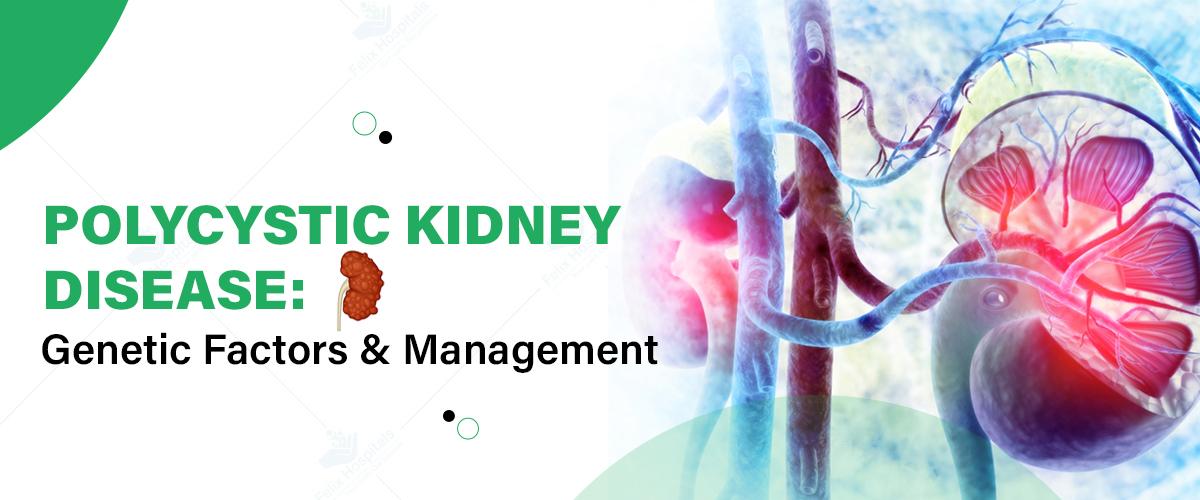
Polycystic kidney disease (PKD) is a genetic disorder marked by the formation of numerous cysts in the kidneys, leading to kidney dysfunction and various complications. As one of the most common inherited kidney diseases, PKD affects millions of individuals worldwide. Understanding its genetic factors and management strategies is essential for effective care. If you are experiencing symptoms related to PKD, it’s important to consult a nephrology hospital in Noida. Let’s explore the genetic factors contributing to PKD, its types, symptoms, complications, and current management approaches to help those affected lead healthier lives.
If you're experiencing symptoms of Polycystic Kidney Disease, don't delay—contact us to schedule an appointment at +91 9667064100.
Polycystic kidney disease is classified into two primary types:
1. Autosomal Dominant Polycystic Kidney Disease (ADPKD): This is the most common form, accounting for about 90% of PKD cases. It is typically diagnosed in adulthood, although cysts can begin to develop in childhood. ADPKD is caused by mutations in either the PKD1 or PKD2 gene, with PKD1 mutations usually leading to more severe disease progression.
2. Autosomal Recessive Polycystic Kidney Disease (ARPKD): This rarer form is often diagnosed in infancy or early childhood. It is caused by mutations in the PKHD1 gene, which leads to cyst formation in the kidneys and can also affect the liver. ARPKD is generally more severe than ADPKD and can significantly impact the quality of life of affected individuals.
Both types of PKD can lead to renal failure and require careful management to minimize complications and maintain kidney function.
Polycystic kidney disease is inherited in different patterns depending on its type:
The two main genes involved in ADPKD and ARPKD are:
PKD2 mutations typically lead to a milder form of the disease with a later onset compared to PKD1.
Genetic testing can be beneficial for individuals with a family history of PKD or those exhibiting symptoms. Testing can identify mutations in the PKD1, PKD2, or PKHD1 genes, allowing for accurate diagnosis and informed family planning. Genetic counseling is essential to help families understand the inheritance patterns, risks, and implications of PKD.
The symptoms of PKD can vary widely based on the type and severity of the disease. Common symptoms include:
PKD can lead to several complications, including:
Liver Cysts: Many individuals with PKD also develop cysts in the liver, which can lead to complications such as liver dysfunction.
Cardiovascular Issues: Hypertension and cardiovascular disease are common in individuals with PKD and can lead to serious health complications.
Early diagnosis and regular monitoring are crucial for managing PKD. Healthcare providers will typically perform the following:
Several medications can help manage the symptoms and complications of PKD:
Tolvaptan: This medication is a vasopressin receptor antagonist approved for the treatment of ADPKD. Tolvaptan has been shown to slow the progression of kidney function decline in certain patients.
For individuals who progress to end-stage renal disease, renal replacement therapy options include:
Due to the complexity of PKD, it is essential to address associated conditions, including:
Managing polycystic kidney disease requires a collaborative approach involving nephrologists, genetic counselors, dietitians, and other healthcare professionals. This multidisciplinary team can provide comprehensive care tailored to each patient’s unique needs, ensuring optimal management of PKD and its complications.
Educating patients and their families about PKD, its inheritance patterns, and management options is crucial. Knowledge empowers patients to make informed decisions about their health and actively participate in their care.
Support groups for individuals with PKD and their families can provide a valuable space for sharing experiences, resources, and emotional support. Connecting with others facing similar challenges can enhance coping strategies and improve mental well-being.
If you need expert care for polycystic kidney disease (PKD), look no further than Felix Hospital. Our team includes leading nephrologists:
Dr. Sameer Tawakley: An experienced specialist providing personalized care for kidney conditions.
With their expertise, you can expect accurate diagnosis and effective management of PKD, ensuring the best possible health outcomes.
Schedule a consultation with our expert nephrologists at Felix Hospital today to receive a thorough evaluation and personalized management plan by Clicking Here.
Polycystic kidney disease is a complex genetic disorder with significant implications for affected individuals and their families. Understanding the genetic factors that contribute to PKD is essential for early diagnosis and appropriate management. Through a combination of lifestyle modifications, medical interventions, and support from a multidisciplinary team, individuals with PKD can manage their condition effectively and maintain a better quality of life.
As research continues to advance in the field of genetics and kidney health, new therapies and management strategies are likely to emerge, providing hope for individuals living with PKD.
1. What is polycystic kidney disease (PKD)?
Ans: Polycystic kidney disease is a genetic disorder characterized by the formation of numerous cysts in the kidneys, leading to kidney dysfunction and other complications.
2. What are the main types of PKD?
Ans: The two primary types of PKD are Autosomal Dominant Polycystic Kidney Disease (ADPKD), which is more common and typically diagnosed in adulthood, and Autosomal Recessive Polycystic Kidney Disease (ARPKD), which is rarer and usually diagnosed in infancy or early childhood.
3. How is PKD inherited?
Ans: ADPKD follows an autosomal dominant inheritance pattern, meaning one copy of the mutated gene from an affected parent can cause the disorder. ARPKD follows an autosomal recessive pattern, requiring two copies of the mutated gene (one from each parent) for the disease to develop.
4. What are the symptoms of PKD?
Ans: Common symptoms of PKD include abdominal or flank pain, hematuria (blood in urine), high blood pressure, frequent urinary tract infections, kidney stones, and fatigue.
5. What complications can arise from PKD?
Ans: Complications can include chronic kidney disease (CKD), end-stage renal disease (ESRD), liver cysts, and cardiovascular issues due to hypertension.
6. How is PKD diagnosed?
Ans: Diagnosis is typically made through imaging tests such as ultrasounds or CT scans, along with genetic testing if there is a family history of the disease.
7. What treatment options are available for PKD?
Ans: Treatment options may include lifestyle modifications, medications to manage symptoms and hypertension, and, for advanced cases, dialysis or kidney transplantation.
8. Is there a cure for PKD?
Ans: Currently, there is no cure for PKD, but management strategies can help slow disease progression and improve quality of life. Research is ongoing for new treatments and therapies.
Obesity and excessive sugar consumption are widely recognized as major contributors to diabetes, heart disease, and high blood pressure.
Acute Kidney Injury: Causes, Symptoms, and Treatment explores the sudden deterioration of kidney function, which disrupts the body’s ability to filter waste and regulate fluids.
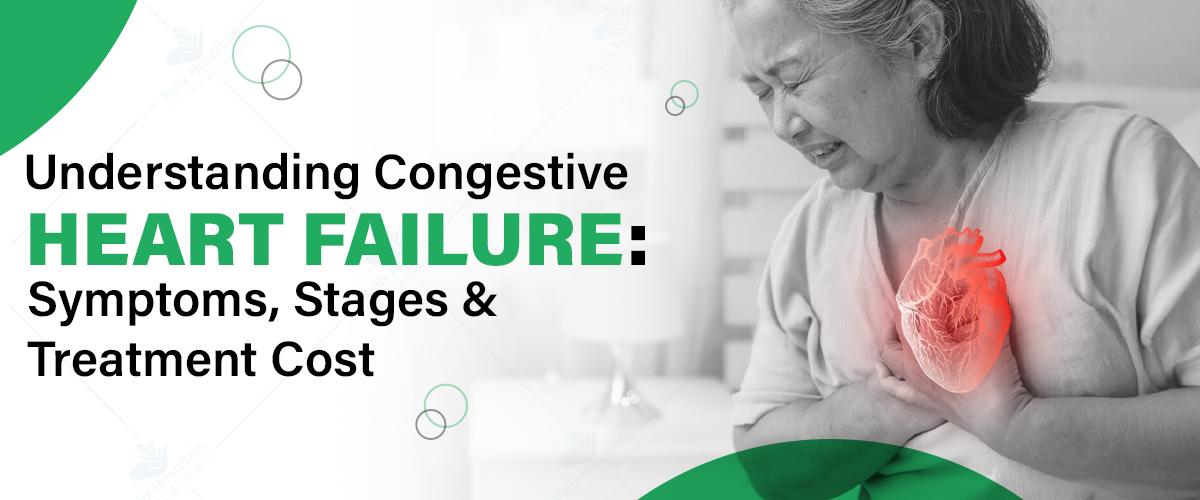
Congestive heart failure (CHF) is a chronic condition that affects millions of people worldwide, including a significant population in India. Heart failure occurs when the heart's ability to pump blood efficiently is compromised, leading to a buildup of fluid in the lungs, legs, and other organs. This article will explore the symptoms, stages, and causes of congestive heart failure, along with treatment options and associated costs. For those seeking effective care, choosing a specialized Congestive Heart Failure treatment Hospital can make a significant difference in managing this condition.
Contact Felix Hospital today to schedule a consultation with our experienced cardiologists. Your heart health is our priority. Call us at +91 9667064100.
Congestive heart failure (CHF) is a condition in which the heart muscles weaken and are unable to pump blood efficiently. This leads to inadequate circulation of blood and oxygen to vital organs, causing symptoms such as fatigue, shortness of breath, and fluid retention. CHF is often the result of underlying heart diseases such as coronary artery disease, high blood pressure, or heart attacks.
Left-sided heart failure: The left ventricle fails to pump blood effectively, causing blood to back up in the lungs.
Right-sided heart failure: The right ventricle fails, leading to fluid buildup in the legs, abdomen, and liver.
Heart failure is a progressive disease that worsens over time, making early detection and management crucial for improving the quality of life.
Congestive heart failure is classified into four stages based on the severity of symptoms and the heart’s ability to function:
Stage A: Pre-heart failure, where risk factors such as hypertension or diabetes are present, but there are no symptoms of heart failure.
Stage B: Structural heart disease is present, but the patient is still asymptomatic. This stage includes individuals with a previous heart attack or valve disease.
Stage C: The patient experiences symptoms such as shortness of breath, fatigue, and fluid retention due to structural heart disease.
Stage D: Advanced heart failure with severe symptoms despite optimal medical treatment, requiring advanced interventions such as heart transplant or palliative care.
The symptoms of congestive heart failure can vary depending on the stage of the disease. Common symptoms include:
Shortness of breath (dyspnea), especially during physical activities or while lying down
Fatigue and weakness
Swelling (edema) in the legs, ankles, and feet
Rapid or irregular heartbeat (palpitations)
Persistent cough or wheezing with white or pink-tinged phlegm
Increased need to urinate at night (nocturia)
Swelling of the abdomen due to fluid buildup (ascites)
Sudden weight gain from fluid retention
Decreased ability to exercise or engage in physical activities
Difficulty concentrating or mental confusion
If you experience any of these symptoms, it is essential to seek medical attention immediately.
Several factors can lead to congestive heart failure, including:
Coronary Artery Disease (CAD): The most common cause of CHF, CAD involves the narrowing or blockage of coronary arteries, reducing blood flow to the heart.
High Blood Pressure: Hypertension puts extra strain on the heart, weakening the muscles over time.
Heart Attack: A heart attack damages the heart muscle, reducing its ability to pump blood effectively.
Cardiomyopathy: Diseases of the heart muscle can cause it to become enlarged, thick, or rigid, impairing its function.
Valve Disease: Problems with the heart valves can lead to heart failure by disrupting the flow of blood within the heart.
Arrhythmias: Irregular heartbeats can reduce the heart's efficiency in pumping blood.
Diabetes: High blood sugar can damage blood vessels and increase the risk of heart failure.
Congenital Heart Defects: Some individuals are born with structural heart abnormalities that can lead to heart failure later in life.
Infections: Viral infections such as myocarditis can directly damage the heart muscle, leading to heart failure.
Diagnosing heart failure involves several steps, including a thorough medical history, physical examination, and various tests:
Electrocardiogram (ECG): Detects abnormal heart rhythms or evidence of a previous heart attack.
Echocardiogram: Uses sound waves to create images of the heart, showing its size, shape, and function.
Chest X-ray: Can reveal heart enlargement and fluid buildup in the lungs.
Blood Tests: To check for markers of heart failure, kidney function, and other health conditions.
Stress Test: Measures how well the heart works during physical exertion.
Coronary Angiography: A dye is injected into the coronary arteries to detect blockages or narrowing.
Early diagnosis is critical in managing heart failure effectively and preventing progression to advanced stages.
The treatment of congestive heart failure depends on the stage and severity of the condition. Common treatment approaches include:
ACE Inhibitors: Relax blood vessels and reduce blood pressure, making it easier for the heart to pump.
Beta-Blockers: Reduce heart rate and blood pressure, decreasing the heart's workload.
Diuretics: Help reduce fluid buildup in the body by increasing urine output.
Aldosterone Antagonists: Block the effects of hormones that cause salt and fluid retention.
Inotropes: Strengthen heart contractions in severe cases of heart failure.
Dietary Modifications: Reducing sodium intake and avoiding excessive fluid consumption can help manage fluid retention.
Exercise: Regular, moderate exercise can improve heart function and overall health.
Quitting Smoking: Smoking cessation is essential for reducing the risk of heart failure and other cardiovascular diseases.
Weight Management: Maintaining a healthy weight helps reduce the strain on the heart.
Coronary Bypass Surgery: This procedure restores blood flow to the heart by bypassing blocked coronary arteries.
Heart Valve Repair or Replacement: Damaged valves are either repaired or replaced to improve blood flow.
Implantable Cardioverter-Defibrillators (ICDs): These devices monitor heart rhythms and deliver shocks to correct dangerous arrhythmias.
Heart Transplant: In end-stage heart failure, a heart transplant may be necessary.
When considering these treatment options, it's essential to discuss the best Congestive Heart Failure treatment cost with your healthcare provider to ensure you receive the appropriate care within your budget.
Preventing heart failure involves managing risk factors and leading a heart-healthy lifestyle:
Control Blood Pressure: Keeping blood pressure within a healthy range is crucial to preventing heart damage.
Manage Diabetes: Proper diabetes management can reduce the risk of heart disease and heart failure.
Avoid Smoking: Smoking damages blood vessels and increases the risk of heart failure.
Exercise Regularly: Staying active helps maintain heart health and reduces the risk of obesity, hypertension, and other conditions.
Eat a Healthy Diet: A balanced diet rich in fruits, vegetables, whole grains, and lean proteins can lower the risk of heart disease.
At Felix Hospital, we take pride in our team of dedicated and the best doctors for Congestive Heart Failure, including congestive heart failure. Our cardiologists, Dr. Rahul Aroral is committed to providing personalized care and the latest treatment options to ensure the best possible outcomes for our patients. With their expertise and compassionate approach, we strive to deliver exceptional cardiac care tailored to meet each patient's unique needs.
Contact Felix Hospital today to book an appointment with the best cardiologists. Schedule a consultation by Clicking Here.
Congestive heart failure is a serious and progressive condition that requires timely diagnosis and intervention. With appropriate lifestyle changes, medication, and, in some cases, surgical treatments, patients with heart failure can manage their symptoms and improve their quality of life. Felix Hospital offers state-of-the-art cardiac care to ensure that you receive the best possible treatment for your heart health.
1-What is congestive heart failure (CHF)?
ANS: Congestive heart failure is a chronic condition where the heart cannot pump blood effectively, leading to fluid buildup in the lungs and other organs. This can result in symptoms such as shortness of breath, fatigue, and swelling.
2-What are the common symptoms of congestive heart failure?
ANS: Common symptoms include shortness of breath, fatigue, swelling in the legs and ankles, rapid or irregular heartbeat, persistent cough, and sudden weight gain due to fluid retention.
3-What are the main causes of congestive heart failure?
ANS: CHF can be caused by several factors, including coronary artery disease, high blood pressure, heart attacks, cardiomyopathy, valve disease, diabetes, and congenital heart defects.
4-How is congestive heart failure diagnosed?
ANS: Diagnosis typically involves a thorough medical history, physical examination, and tests such as electrocardiograms (ECG), echocardiograms, chest X-rays, and blood tests to assess heart function and identify underlying issues.
5-What are the stages of congestive heart failure?
ANS: CHF is classified into four stages:
Stage A: At risk but asymptomatic.
Stage B: Structural heart disease without symptoms.
Stage C: Symptoms present due to structural heart disease.
Stage D: Advanced heart failure with severe symptoms despite treatment.
6-What treatment options are available for congestive heart failure?
ANS: Treatment may include medications (such as ACE inhibitors, beta-blockers, and diuretics), lifestyle changes (like dietary modifications and exercise), and surgical options (such as valve repair, bypass surgery, or heart transplant).
7-Can lifestyle changes help manage congestive heart failure?
ANS: Yes, lifestyle changes such as reducing sodium intake, maintaining a healthy weight, quitting smoking, and engaging in regular physical activity can significantly improve heart health and manage CHF symptoms.
8-Is congestive heart failure a curable condition?
ANS: While CHF is generally not curable, it is manageable with appropriate treatments, lifestyle changes, and ongoing medical care. Many patients can lead fulfilling lives with effective management.
9-When should I seek medical attention for congestive heart failure symptoms?
ANS: You should seek medical attention if you experience worsening symptoms, such as increased shortness of breath, swelling, sudden weight gain, or severe fatigue. Early intervention is crucial for effective management.

Arrhythmia is a condition where the heart beats irregularly—too fast, too slow, or with an uneven rhythm. It can feel like a fluttering, racing, or skipped heartbeat.

Heart attack signs early is crucial because timely intervention can significantly reduce the risk of severe complications and improve outcomes.

डेंटल इम्प्लांट दांतों की कमी या क्षति को भरने के लिए एक आधुनिक और प्रभावी समाधान है। ये इम्प्लांट न केवल आपके चेहरे की आकृति को बहाल करते हैं बल्कि आपके दांतों की कार्यक्षमता को भी पुनर्स्थापित करते हैं डेंटल इम्प्लांट के लिए आप सर्वश्रेष्ठ दंत चिकित्सालय से परामर्श ले सकते है। इस ब्लॉग में हम डेंटल इम्प्लांट के विभिन्न पहलुओं पर चर्चा करेंगे, जिसमें इसकी प्रक्रिया, लाभ, चुनौतियां और देखभाल शामिल है।
ज्यादा जानकारी के लिए हमें कॉल करें +919667064100
विषय सूची(Table of Contents)
डेंटल इम्प्लांट एक चिकित्सा उपकरण है जो खोए हुए दांतों के स्थान पर लगाया जाता है। इसे एक प्रकार की कृत्रिम जड़ माना जा सकता है, जो आमतौर पर टाइटेनियम से बनी होती है। डेंटल इम्प्लांट का मुख्य उद्देश्य दांतों की कमी को भरना और दांतों की सुंदरता को बनाए रखना होता है । डेंटल इम्प्लांट एक प्रकार की कृत्रिम जड़ होती है, जो सामान्यत: टाइटेनियम से बनी होती है। इसे जबड़े की हड्डी में प्रत्यारोपित किया जाता है। इम्प्लांट का उद्देश्य दांत के खोए हुए हिस्से की जगह लेना है, जिससे एक स्थायी और प्राकृतिक दिखने वाला दांत तैयार किया जा सके।
डेंटल इम्प्लांट की प्रक्रिया आमतौर पर निम्नलिखित चरणों में होती है:
दंत चिकित्सक आपकी मौजूदा दंत स्थिति का आकलन करेंगे, जिसमें एक्स-रे और सीटी स्कैन शामिल हैं।
जबड़े की हड्डी में इम्प्लांट को प्रत्यारोपित किया जाता है। यह प्रक्रिया स्थानीय संज्ञाहरण के तहत की जाती है।
यह वह चरण है जब इम्प्लांट और जबड़े की हड्डी एक साथ मिलते हैं। यह प्रक्रिया कुछ महीनों तक चल सकती है।
एक बार जब इम्प्लांट सुरक्षित हो जाता है, तो दंत चिकित्सक दांत की कस्टम क्राउन तैयार करते हैं, जो इम्प्लांट पर स्थापित की जाती है।
इम्प्लांट्स दिखने और महसूस करने में प्राकृतिक दांतों के समान होते हैं।
इम्प्लांट से आपकी चबाने की क्षमता और बोलने की गुणवत्ता में सुधार होता है।
यदि सही देखभाल की जाए, तो डेंटल इम्प्लांट कई वर्षों तक चल सकते हैं।
कुछ लोगों को दांतों की कमी के कारण बोलने में कठिनाई होती है। इम्प्लांट्स इस समस्या को हल करते हैं, जिससे स्पष्टता और आत्मविश्वास में सुधार होता है।
डेंटल इम्प्लांट्स आपको कठिन और स्वस्थ खाद्य पदार्थों का सेवन करने की अनुमति देते हैं, जिससे आपके पोषण में सुधार होता है।
चूंकि इम्प्लांट्स कृत्रिम होते हैं, इसलिए इनमें दांतों की सड़न का खतरा नहीं होता। हालांकि, सही मौखिक स्वच्छता बनाए रखना महत्वपूर्ण है।
इम्प्लांट जबड़े की हड्डी को स्थिरता प्रदान करते हैं, जिससे हड्डी का नुकसान कम होता है।
डेंटल इम्प्लांट के लाभ बहुत हैं, लेकिन कुछ संभावित चुनौतियां भी होती हैं:
इम्प्लांट के स्थान पर संक्रमण हो सकता है, जिसे इम्प्लांटाइटिस कहा जाता है।
यदि आपकी जबड़े की हड्डी पर्याप्त मजबूत नहीं है, तो इम्प्लांट का लगाना कठिन हो सकता है। इसके लिए हड्डी ग्राफ्टिंग की आवश्यकता हो सकती है।
कुछ मरीजों को इम्प्लांट प्रक्रिया के बाद थोड़ी असुविधा हो सकती है, जो सामान्यत: थोड़े समय में ठीक हो जाती है।
डेंटल इम्प्लांट की देखभाल करना अत्यंत आवश्यक है ताकि उनकी आयु बढ़ सके:
नियमित रूप से अपने दांतों को ब्रश और फ्लॉस करें।
दंत चिकित्सक के पास नियमित रूप से जाना न भूलें, ताकि आपके इम्प्लांट की स्थिति का मूल्यांकन किया जा सके।
सख्त या चिपचिपे खाद्य पदार्थों से बचें जो इम्प्लांट को नुकसान पहुंचा सकते हैं।
डेंटल इम्प्लांट की लागत विभिन्न कारकों पर निर्भर करती है, जैसे स्थान, विशेषज्ञता और उपयोग की जाने वाली सामग्री। आमतौर पर यह एक सिंगल इम्प्लांट के लिए 30,000 से 60,000 रुपये तक हो सकती है। डेंटल इम्प्लांट की लागत कई निम्न कारकों पर निर्भर करती है, जैसे:
भौगोलिक स्थान के अनुसार कीमतों में भिन्नता होती है।
अगर आपके दंत चिकित्सक के पास अधिक अनुभव है, तो लागत अधिक हो सकती है।
यदि हड्डी ग्राफ्टिंग या अन्य प्रक्रियाओं की आवश्यकता है, तो लागत बढ़ सकती है।
सामान्य दंत चिकित्सक भी डेंटल इम्प्लांट की प्रक्रिया को कर सकते हैं, लेकिन उनके पास इसके लिए विशेष प्रशिक्षण और अनुभव होना चाहिए। फेलिक्स हॉस्पिटल्स जो की नोएडा का सर्वश्रेष्ठ डेंटल इम्प्लांट सर्विसेज (best dental implant services in Noida) के लिए जाना जाता है, वहां सर्वश्रेष्ठ डेंटिस्ट है डॉ. अदिति नारद, डॉ. शिंजा दीक्षित, डॉ. अदिति शर्मा आदि जो आपकी स्वस्थ मुस्कान के लिए उपस्थित है। वह मरीजों की मौखिक स्वास्थ्य की स्थिति का मूल्यांकन करते हैं और इम्प्लांट के लिए प्राथमिक देखभाल प्रदान करते हैं।
डेंटल इम्प्लांट में डॉक्टर की सलाह के लिए आज ही फ़ोन करें +91 9667064100.
डेंटल इम्प्लांट एक उत्कृष्ट विकल्प हैं यदि आप खोए हुए दांतों की जगह स्थायी और प्रभावी समाधान की तलाश कर रहे हैं। हालांकि प्रक्रिया की कुछ चुनौतियां हो सकती हैं, लेकिन उचित देखभाल और ध्यान देने पर, ये इम्प्लांट जीवन को बेहतर बना सकते हैं। यदि आप डेंटल इम्प्लांट पर विचार कर रहे हैं, तो अपने दंत चिकित्सक से परामर्श करें ताकि आप इस प्रक्रिया के सभी पहलुओं को समझ सकें और सबसे अच्छा निर्णय ले सकें।
प्रश्न 1: डेंटल इम्प्लांट की प्रक्रिया में कितना समय लगता है ?
उत्तर: पूरी प्रक्रिया में आमतौर पर 3 से 6 महीने लग सकते हैं। इसमें इम्प्लांट का प्रत्यारोपण, ओस्टियोक्टिनेशन (इम्प्लांट और हड्डी का एकीकृत होना) और फिर क्राउन लगाने का चरण शामिल होता है।
प्रश्न 2: क्या डेंटल इम्प्लांट्स दर्दनाक होते हैं ?
उत्तर: इम्प्लांट की प्रक्रिया के दौरान स्थानीय संवेदनाहारी का उपयोग किया जाता है, जिससे दर्द कम हो जाता है। बाद में कुछ असुविधा या हल्का दर्द हो सकता है, जो सामान्यतः दर्द निवारक दवाओं से नियंत्रित किया जा सकता है।
प्रश्न 3: क्या डेंटल इम्प्लांट्स सभी के लिए सुरक्षित हैं ?
उत्तर: आमतौर पर डेंटल इम्प्लांट्स सुरक्षित होते हैं, लेकिन कुछ स्वास्थ्य समस्याओं वाले लोगों, जैसे मधुमेह या हृदय रोग वाले मरीजों, को पहले अपने दंत चिकित्सक से परामर्श करना चाहिए।
प्रश्न 4: डेंटल इम्प्लांट के लिए कौन योग्य है ?
उत्तर: सामान्यतः, जो लोग स्वस्थ हैं और उनकी हड्डी की संरचना ठीक है, वे इम्प्लांट के लिए योग्य होते हैं। यदि हड्डी कमजोर है, तो पहले हड्डी ग्राफ्टिंग की आवश्यकता हो सकती है।
प्रश्न 5: डेंटल इम्प्लांट्स कितने समय तक चलते हैं ?
उत्तर: सही देखभाल और नियमित दंत चिकित्सा के साथ, डेंटल इम्प्लांट्स 10 से 15 साल तक या इससे भी अधिक समय तक चल सकते हैं।
प्रश्न 6: डेंटल इम्प्लांट्स की देखभाल कैसे करें ?
उत्तर: इम्प्लांट्स की देखभाल सामान्य दांतों की तरह ही करें। नियमित रूप से ब्रश करें, फ्लॉस करें और समय-समय पर दंत चिकित्सक से चेकअप करवाएं।
प्रश्न 7: डेंटल इम्प्लांट्स की लागत कितनी होती है ?
उत्तर: डेंटल इम्प्लांट की लागत विभिन्न कारकों पर निर्भर करती है, जैसे स्थान, विशेषज्ञता, और उपयोग की जाने वाली सामग्री। आमतौर पर, यह एक सिंगल इम्प्लांट के लिए 30,000 से 60,000 रुपये तक हो सकती है।
प्रश्न 8: क्या इम्प्लांट के बाद कोई आहार प्रतिबंध हैं ?
उत्तर: इम्प्लांट के बाद पहले कुछ हफ्तों में नरम आहार लेने की सलाह दी जाती है। इसके बाद, धीरे-धीरे सामान्य आहार में वापसी की जा सकती है।
Cornea transplants, also called keratoplasties, are surgical procedures designed to replace damaged or diseased corneal tissue with healthy tissue from a donor. The cornea, a clear dome-shaped layer at the front of the eye, plays a vital role in focusing light onto the retina, essential for clear vision. When this layer becomes clouded or scarred due to injury, infection, or conditions like keratoconus, a cornea transplant may be necessary to restore vision. The Best Eye Hospital in Noida offers advanced treatment options for corneal conditions, ensuring patients receive the highest standard of care for their visual health.
Interested in cornea transplant surgery? Take the First Step Toward Clearer Vision. Contact us now at +91 9667064100.
The cornea consists of five layers:
Epithelium: The outermost layer that provides a barrier against dust, debris, and microorganisms.
Bowman’s Layer: A thin layer of collagen that provides additional protection.
Stroma: The thickest layer, made up of collagen fibers that maintain the cornea's shape and transparency.
Descemet’s Membrane: A thin layer of tissue that supports the endothelium.
Endothelium: The innermost layer responsible for maintaining the cornea’s clarity by regulating fluid levels.
Fuchs’ Endothelial Dystrophy: A genetic disorder affecting the endothelium, leading to swelling and clouding of the cornea.
Keratoconus: A condition where the cornea thins and bulges into a cone shape, distorting vision.
Corneal Scarring: Resulting from infections, injuries, or previous surgeries that affect corneal clarity.
Cornea transplants are typically recommended when other treatments have failed to restore vision, especially in patients experiencing severe cornea symptoms that indicate effective cornea treatment. Factors that may necessitate a transplant include:
Severe vision loss impacting daily activities.
Chronic pain or discomfort caused by corneal diseases.
Progressive deterioration of vision due to corneal disorders.
The cornea transplant procedure involves several steps, typically performed on an outpatient basis:
Before the surgery, patients undergo a thorough eye examination, including tests to assess overall eye health, corneal thickness, and refractive error. The surgeon will discuss the procedure, potential risks, and expected outcomes. Patients may need to stop certain medications or adjust their routine before surgery.
Cornea transplants are usually performed under local anesthesia with sedation, allowing the patient to remain awake but relaxed during the procedure. General anesthesia may be used in specific cases, especially for pediatric patients or those unable to cooperate during the surgery.
Donor Cornea Preparation: The surgeon receives a donor cornea from a tissue bank, where it is carefully evaluated for quality and compatibility.
Corneal Removal: The surgeon makes a small incision in the eye and removes the damaged cornea using specialized instruments. The size of the cut depends on the type of transplant being performed.
Donor Cornea Insertion: The healthy donor cornea is then placed into the eye, aligning it with the existing structures.
Securing the Graft: The surgeon uses sutures or a special glue to secure the donor cornea in place. The sutures may be temporary and can be removed at a later date, depending on healing.
Closing the Incision: The incision is carefully closed, and a protective shield may be placed over the eye to prevent injury during the initial healing phase.
There are two primary types of cornea transplant procedures:
Penetrating Keratoplasty (PK): This involves replacing the entire thickness of the cornea. It is typically used for severe scarring or disease affecting multiple layers of the cornea.
Endothelial Keratoplasty: This technique selectively replaces only the damaged endothelial layer and is often used for conditions like Fuchs’ dystrophy. There are two common methods for this:
Descemet Stripping Automated Endothelial Keratoplasty (DSAEK): The damaged endothelial layer is removed, and a thin layer of donor tissue is inserted.
Descemet Membrane Endothelial Keratoplasty (DMEK): This is a more advanced technique where only the Descemet membrane and endothelial cells are transplanted.
After the surgery, patients are monitored for a short period to ensure there are no immediate complications. Some common post-operative experiences may include:
Mild Discomfort: Some patients may experience mild pain or discomfort, which can usually be managed with prescribed pain relief medications.
Vision Fluctuations: It is normal for vision to fluctuate as the eye heals. Clear vision may take weeks to months to stabilize.
Eye Shield: Patients may be advised to wear a protective eye shield while sleeping to prevent accidental rubbing or pressure on the eye.
Regular follow-up appointments with the ophthalmologist are crucial to monitor healing and assess the success of the transplant. These appointments typically involve:
Visual Acuity Tests: Evaluating how well the patient can see and determining the need for glasses or additional treatments.
Slit Lamp Examination: A detailed examination of the eye to check the condition of the cornea and other eye structures.
Suture Removal: If sutures were used, they may need to be removed several months after surgery, depending on healing.
While cornea transplants are generally safe, complications can arise. Some potential issues include:
Rejection of Donor Tissue: The body may reject the donor cornea, leading to inflammation. Patients may experience symptoms such as redness, pain, or decreased vision. Immediate treatment with medications can often resolve rejection episodes.
Infection: As with any surgery, there is a risk of infection. Signs of infection include increased pain, swelling, or discharge from the eye.
Glaucoma: Increased pressure in the eye may occur, requiring monitoring and treatment.
Cataract Formation: Many patients may develop cataracts after a cornea transplant, which can impact vision and may require further surgery.
Patients will likely be prescribed medications, including:
Antibiotic Eye Drops: To prevent infection.
Corticosteroid Eye Drops: To reduce inflammation and minimize the risk of rejection.
It is essential to follow the prescribed medication regimen closely to promote healing and protect the transplant.
Post-transplant patients may need to make some lifestyle adjustments, such as:
Avoiding Eye Strain: Limiting screen time and taking breaks during visually demanding tasks can help reduce strain on the eyes.
Protective Eyewear: Wearing sunglasses outdoors can protect the eyes from UV exposure and minimize glare.
Avoiding Water Exposure: Patients should avoid swimming pools, hot tubs, and other sources of water for several weeks to reduce the risk of infection.
Long-term follow-up care with an ophthalmologist is critical. Regular eye exams allow for early detection and management of any complications or changes in vision.
Undergoing a cornea transplant can be emotionally challenging. Patients may experience a range of feelings from anxiety to excitement as they adjust to their new vision. Support from family, friends, or counseling services can help individuals navigate this emotional journey.
At the best hospital for cornea treatment, our expert ophthalmologists are committed to delivering top-notch care, specializing in corneal transplants and other advanced eye treatments.
Dr. Deepanjali Arya: With over 15 years of experience in ophthalmology, Dr. Arya excels in treating various corneal conditions, including Fuchs’ dystrophy, keratoconus, and corneal scarring.
Dr. Mohmad Uzair Zakai: Renowned for his skill in cornea transplantation, Dr. Zakai has successfully performed numerous corneal surgeries, restoring vision and enhancing the lives of countless patients.
If you're struggling with corneal disease and impaired vision, don't wait! Restore Your Vision with Expert Care by Clicking Here.
A cornea transplant can be a life-changing procedure for individuals suffering from severe vision impairment due to corneal disease. Understanding the procedure, recovery expectations, and long-term care requirements is essential for a successful outcome. Additionally, it’s important to consider the Cornea Transplant Surgery cost, as this can vary based on several factors, including the facility, surgeon’s fees, and post-operative care. With proper care and follow-up, many patients experience significant improvements in vision, allowing them to return to their daily activities with renewed confidence.
1. What is a cornea transplant, and why would someone need it?
ANS: A cornea transplant is a surgical procedure to replace a damaged or diseased cornea with healthy donor tissue. It's often needed for conditions such as keratoconus, corneal scarring, or Fuchs’ endothelial dystrophy when other treatments have failed to restore vision.
2. What are the different types of cornea transplants?
ANS: There are two main types: Penetrating Keratoplasty (PK), where the full thickness of the cornea is replaced, and Endothelial Keratoplasty (EK), which replaces only the inner layers (DSAEK or DMEK).
3. How long does recovery take after a cornea transplant?
ANS: Recovery varies but can take several weeks to months. While initial healing may occur within a few weeks, vision may take longer to stabilize, and full recovery can take up to a year.
4. Is the cornea transplant procedure painful?
ANS: Patients usually experience little to no pain during the surgery as it's performed under local or general anesthesia. Mild discomfort is normal in the first few days of recovery, but pain medications are typically prescribed to manage it.
5. What are the risks associated with cornea transplants?
ANS: Though cornea transplants are generally safe, risks include graft rejection, infection, glaucoma, cataract formation, and astigmatism. Rejection signs include pain, redness, or vision changes, and immediate medical attention is crucial in such cases.
6. How successful are cornea transplants?
ANS: Cornea transplants have a high success rate, with around 90% of surgeries resulting in improved vision. Success depends on factors like the underlying condition, post-operative care, and adherence to medications.
7. Can the body reject the donor cornea?
ANS: Yes, there is a possibility of graft rejection, where the body's immune system attacks the donor tissue. Symptoms like redness, pain, light sensitivity, or vision changes should be reported to your doctor immediately.
8. Will I need to take medications after the transplant?
ANS: Yes, post-operative care includes using antibiotics and corticosteroid eye drops to prevent infection and reduce the risk of graft rejection. These medications are critical to ensure proper healing.
9. What kind of long-term care is needed after a cornea transplant?
ANS: Long-term care includes regular eye exams to monitor the health of the cornea, taking prescribed medications, and avoiding activities that may strain the eyes. Wearing protective eyewear outdoors and avoiding water exposure (swimming) is also recommended to prevent infection.
The right ophthalmologist is a crucial step in your eye surgery journey

Air pollution is a major health risk for all ages, causing respiratory and eye issues.
Dry eyes, or Dry Eye Syndrome (DES), is a common condition that affects the tear production and quality in your eyes.

Keep your eyes healthy and safe from infections and discomfort with these expert recommendations.


Subscribe to our
© Copyright 2026. All Rights Reserved by Felix Healthcare Private Limited
Design and development by :


 +(91)9667064100
 Emergency : +(91)9667064100