 WhatsApp
 Emergency:
  WhatsApp











Subscribe to our
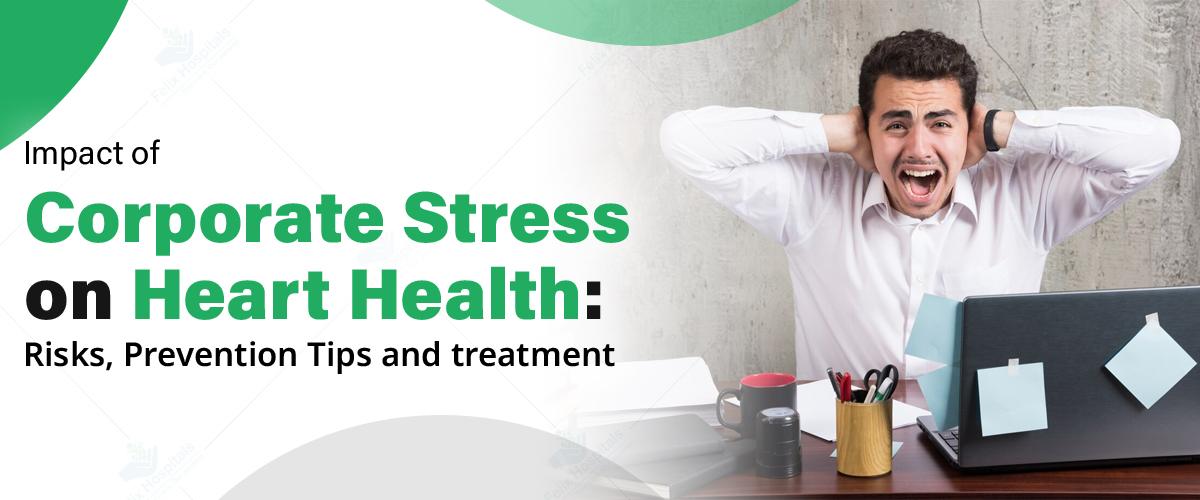
In today's fast-paced corporate world, stress has become an unavoidable part of daily life for many professionals. While some levels of stress can serve as a motivating factor, chronic stress can lead to severe implications for both mental and physical health. Among the various health concerns linked to prolonged stress, cardiovascular diseases—particularly heart disease—are among the most alarming. Understanding how corporate stress impacts heart health is vital for employees and employers alike, as it can help foster a healthier workplace culture. For those seeking guidance and treatment for stress-related heart issues, consulting the best hospital for heart health can provide the necessary support and resources for maintaining overall well-being.
Take Charge of Your Heart Health Today! Consult with healthcare professionals at the best hospital for heart health by Calling +91 9667064100.
Corporate stress is the pressure employees face in their professional environments, often arising from high workloads, tight deadlines, job insecurity, and interpersonal conflicts. This type of stress can trigger the body’s fight-or-flight response, releasing hormones like adrenaline and cortisol, which can be beneficial in short bursts. However, chronic exposure to stress can lead to negative health outcomes.
When you experience stress, your body enters a state of heightened alertness. The heart rate increases, blood vessels constrict, and blood pressure rises, all of which are designed to prepare you for immediate action. However, if stress persists over time, these physiological responses can lead to significant cardiovascular issues:
1. Increased Blood Pressure: Chronic stress can contribute to long-term hypertension, a leading risk factor for heart disease.
2. Inflammation: Stress triggers inflammation in the body, which can damage blood vessels and lead to atherosclerosis (the buildup of plaques in arteries).
3. Unhealthy Coping Mechanisms: Individuals under chronic stress may turn to unhealthy habits, such as smoking, excessive alcohol consumption, or poor dietary choices, which further exacerbate heart problems.
4. Impaired Heart Function: Long-term stress can lead to structural and functional changes in the heart, increasing the risk of heart attacks and heart failure.
The consequences of corporate stress on heart health are substantial. Some of the key risks include:
1. Heart Disease: Prolonged stress can significantly increase the likelihood of developing coronary artery disease, heart attacks, and arrhythmias.
2. Stroke: High stress levels can contribute to conditions that raise the risk of stroke, including hypertension and atherosclerosis.
3. Cardiovascular Events: Stress can trigger acute cardiovascular events, such as heart attacks, especially in individuals with existing heart conditions.
4. Mental Health Disorders: Stress often leads to anxiety and depression, both of which are linked to higher cardiovascular risk.
5. Reduced Quality of Life: The impact of chronic stress extends beyond physical health, affecting overall quality of life, productivity, and workplace morale.
Addressing corporate stress is essential for protecting heart health. Here are some effective treatment strategies:
Engaging with a mental health professional can help individuals develop coping mechanisms to manage stress. Cognitive-behavioral therapy (CBT) is particularly effective in addressing stress-related issues.
Organizations can implement stress management programs that provide employees with tools to cope with stress effectively. These may include workshops, seminars, and training sessions focused on mindfulness, time management, and relaxation techniques.
In some cases, healthcare providers may prescribe medications to manage anxiety or depression linked to stress. Antidepressants and anti-anxiety medications can help stabilize mood and reduce stress levels.
Encouraging a healthy lifestyle can significantly mitigate the effects of corporate stress on heart health. Recommendations include:
Regular Exercise: Engaging in physical activity releases endorphins, which can enhance mood and reduce stress. Aim for at least 150 minutes of moderate aerobic activity each week.
Balanced Diet: A heart-healthy diet rich in fruits, vegetables, whole grains, lean proteins, and healthy fats can improve overall well-being and heart health.
Adequate Sleep: Quality sleep is essential for stress management and heart health. Aim for 7-9 hours of uninterrupted sleep each night. Techniques such as meditation, yoga, and deep-breathing exercises can help individuals relax and manage stress effectively.
Mindfulness Practices: Techniques such as meditation, yoga, and deep-breathing exercises can help individuals relax and manage stress effectively.
Employers can play a significant role in mitigating stress by creating a supportive work environment. Implementing wellness programs that promote physical and mental health, such as fitness challenges, mental health days, and flexible work arrangements, can foster a healthier workplace culture.
Preventing corporate stress requires a proactive approach, both individually and organizationally. Here are some effective prevention tips:
Creating an open and transparent communication channel within the workplace allows employees to express their concerns and challenges. This can reduce feelings of isolation and help management address stressors effectively.
Encouraging employees to maintain a healthy work-life balance can reduce stress and improve job satisfaction. Flexible work hours, remote work options, and adequate time off can help employees recharge.
A supportive workplace culture can significantly impact employee well-being. Promoting teamwork, recognizing achievements, and encouraging camaraderie can create a more positive atmosphere.
EAPs provide employees with access to counseling services, financial advice, and stress management resources. These programs can help individuals address personal and professional challenges effectively.
Encouraging employees to have regular health screenings can help identify risk factors associated with stress and heart health. Early detection and intervention are key to preventing serious health issues.
Providing training and development opportunities can help employees feel valued and engaged in their work. This can lead to increased job satisfaction and reduced stress levels.
If you are experiencing stress-related heart health issues, consulting with the best heart specialist is crucial. At Felix Hospital, we prioritize your cardiovascular health and offer a range of services to address your needs. Our team of experienced cardiologists including Dr. Rahul Arora specialize in diagnosing and treating heart-related conditions linked to stress. Don't hesitate to reach out to us for personalized care and treatment plans that focus on your well-being.
Scheduling a consultation with a specialist at the best hospital for heart health to learn more by Clicking Here.
In conclusion, corporate stress significantly impacts heart health, increasing the risks of hypertension, heart attacks, and strokes. Understanding the connection between stress and cardiovascular health is essential for both employees and employers. By implementing effective treatment strategies, and preventive measures, and promoting a supportive work environment, we can mitigate the effects of stress and protect heart health. Remember, taking proactive steps to manage stress and prioritize your heart health is not only beneficial for your well-being but also enhances productivity and morale in the workplace.
1. What are the signs of stress affecting heart health?
Ans: Signs may include chest pain, shortness of breath, rapid heartbeat, anxiety, and fatigue.
2. How can I manage work-related stress?
Ans: Techniques include time management, physical activity, mindfulness practices, and seeking support from colleagues or professionals.
3. Are there specific diets that can help with stress management?
Ans: A balanced diet rich in fruits, vegetables, whole grains, and healthy fats can help manage stress and support heart health.
4. When should I consult a doctor about my stress?
Ans: If stress significantly impacts your daily life or leads to physical symptoms, it’s important to seek medical advice.
5. Can corporate wellness programs reduce stress levels?
Ans: Yes, effective wellness programs can create a supportive work environment and provide employees with tools to manage stress.
6. What lifestyle changes can reduce heart disease risk?
Ans: Regular exercise, a heart-healthy diet, adequate sleep, and stress management techniques can lower heart disease risk.
7. How does chronic stress lead to high blood pressure?
Ans: Chronic stress triggers the release of hormones that can constrict blood vessels and raise blood pressure over time.
8. Can relaxation techniques improve heart health?
Ans: Yes, techniques such as meditation, deep-breathing exercises, and yoga can reduce stress levels and improve heart health.
9. What role do employers play in managing employee stress?
Ans: Employers can foster a supportive work environment, promote work-life balance, and provide resources for stress management and health care.

Arrhythmia is a condition where the heart beats irregularly—too fast, too slow, or with an uneven rhythm. It can feel like a fluttering, racing, or skipped heartbeat.
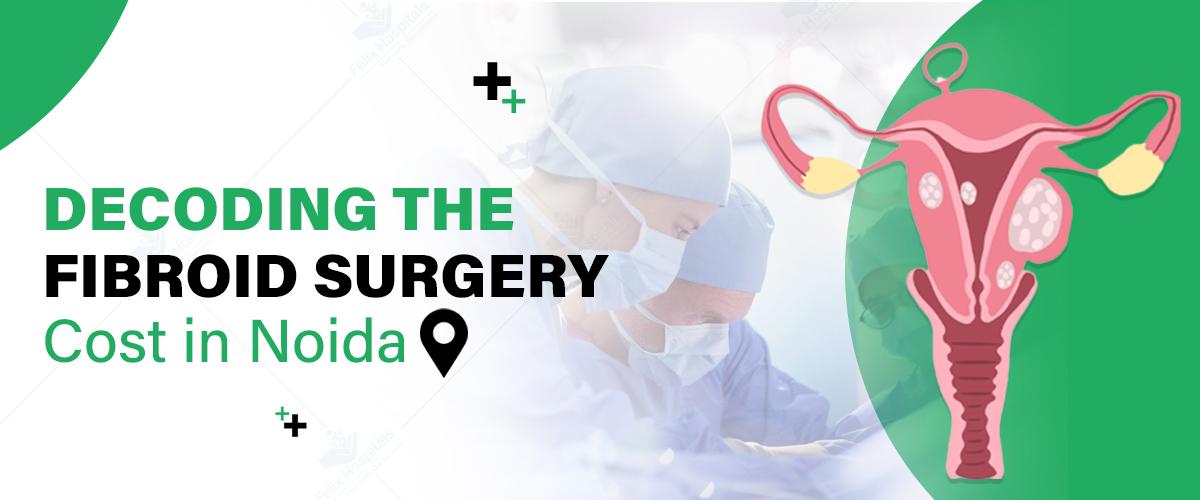
Fibroids, or non-cancerous growths in or around the uterus, can cause a variety of symptoms, including heavy menstrual bleeding, pelvic pain, and discomfort during intercourse. Surgical intervention may be recommended when fibroids start impacting the quality of life or health. Understanding the cost of fibroid surgery, the factors that influence it, and ways to manage it can help patients make informed decisions. This guide covers the cost of fibroid surgery in Noida, factors that may affect the price, tips for reducing costs, and why Felix Hospital is a trusted choice for gynecology care.
Call us at +91 9667064100 now for a quick cost estimate on Fibroid Surgery.
Fibroid surgery, also known as myomectomy or, in more severe cases, hysterectomy, is a procedure to remove fibroids from the uterus. The type of surgery recommended depends on the number, size, and location of the fibroids, as well as the patient’s health condition and reproductive goals. Common types of fibroid surgery include:
Myomectomy: Removes only the fibroids, preserving the uterus. This is ideal for women who wish to retain fertility.
Hysterectomy: Complete removal of the uterus, eliminating fibroids but also ending the ability to bear children.
Endometrial Ablation: A minimally invasive procedure that destroys the uterine lining to reduce bleeding caused by fibroids.
Each procedure has a different cost range and recovery time, with options varying based on individual needs and the surgeon’s expertise.
Here’s a detailed table outlining the approximate costs for fibroid surgery in Noida:
| Type of Fibroid Surgery | Cost Range (INR) | Details |
|---|---|---|
| Laparoscopic Myomectomy | ₹80,000 – ₹1,50,000 | Minimally invasive surgery with a shorter recovery time, is ideal for preserving the uterus and future fertility. |
| Open Myomectomy | ₹90,000 – ₹1,80,000 | Traditional surgery for removing fibroids is typically used for larger or multiple fibroids. |
| Hysterectomy | ₹1,20,000 – ₹3,00,000 | Complete removal of the uterus is recommended for severe cases or when childbearing is no longer a consideration. |
| Endometrial Ablation | ₹80,000 – ₹1,20,000 | Minimally invasive procedure to destroy the uterine lining, primarily used to reduce heavy menstrual bleeding caused by fibroids. |
| Robotic-Assisted Myomectomy | ₹2,50,000 – ₹3,50,000 | Advanced robotic technology offers precision, minimal scarring, and quicker recovery, which is typically more expensive than other options. |
This table provides a general estimate of the costs. Actual expenses may vary based on the hospital, surgeon expertise, insurance coverage, and additional services required.
Several factors influence the cost of fibroid surgery in Noida, including:
Type of Surgery: Less invasive surgeries like laparoscopic myomectomy may be costlier due to specialized equipment and shorter recovery time.
Surgeon’s Expertise: Highly experienced gynecologists and surgeons may charge higher fees, but their expertise ensures a safer procedure and better outcomes.
Hospital Facilities: Premium hospitals with advanced technology and comfortable amenities may charge more.
Pre-Surgery Tests and Diagnosis: Comprehensive diagnostic procedures, such as ultrasound, MRI, or blood tests, add to the overall cost but are essential for a tailored surgical approach.
Post-Operative Care: Depending on the complexity of the surgery, patients may need extended hospital stays or follow-up visits, increasing the cost.
Insurance Coverage: Some health insurance policies cover fibroid surgery, which can help reduce out-of-pocket expenses.
Managing the expenses associated with fibroid surgery is possible with a few strategic measures:
1. Review Insurance Plans: Check your health insurance policy to see if it covers fibroid surgery. Many policies cover a significant portion of surgery costs, reducing the financial burden.
2. Opt for Minimally Invasive Procedures: If suitable, minimally invasive procedures like laparoscopic myomectomy can reduce both hospital stay and overall costs.
3. Choose a Trustworthy Hospital with Transparent Pricing: A hospital that offers transparent pricing and quality care ensures patients only pay for necessary services.
4. Discuss Payment Options: Some hospitals provide payment plans or financing options that allow patients to manage costs over time.
5. Look for Government Schemes or Subsidies: Certain government health schemes may provide financial assistance for gynecological procedures, including fibroid surgeries.
Recognized Expertise: Felix Hospitals is celebrated as the best gynecologist hospital in Noida, offering exceptional and advanced gynecological care.
Skilled Professionals: Our team of highly experienced gynecologists and medical staff provides comprehensive and personalized management of fibroids and other gynecological conditions.
State-of-the-Art Facilities: We are equipped with cutting-edge diagnostic and surgical technologies, ensuring precise and effective treatments.
Affordable and Transparent Care: Felix Hospitals is committed to delivering high-quality care at the best and most affordable costs in Noida, with clear and upfront pricing.
Financial Accessibility: We strive to make fibroid removal surgery financially accessible by offering cost-effective options tailored to meet the needs of our patients.
This ensures both quality care and affordability for every patient.
Felix Hospital boasts a team of some of the best gynecology surgeons in Noida, who bring extensive experience in fibroid and related surgeries. Our expert team includes:
Dr. Charu Yadav: Dr. Yadav is known for her expertise in laparoscopic gynecological procedures and is committed to providing personalized care tailored to each patient’s needs.
Dr. Sonia Kuruvilla: With a wealth of experience in women’s health, Dr. Kuruvilla specializes in minimally invasive gynecological surgeries, helping patients achieve faster recovery.
Dr. Sangeeta Sharma A highly qualified and compassionate gynecologist, Dr. Sonia offers comprehensive fibroid treatment solutions, making Felix Hospital a trusted choice for women’s health.
Dr. Pragati Jain: At Felix Hospital Gamma 1 in Greater Noida, Dr. Jain is known for her expertise in gynecological care and fibroid management, ensuring exceptional support and treatment for her patients.
Dr. Archna Rathi: With extensive expertise in gynecological care, Dr. Rathi specializes in providing comprehensive and holistic treatment for fibroid surgery.
Choosing Felix Hospital means choosing expert care and support from some of the best gynecologists in Noida.
For further queries, simply click here or call +91 9667064100.
Fibroid surgery can be a life-changing decision for women experiencing symptoms that impact their daily lives. Understanding the cost factors, choosing the right type of procedure, and selecting a reputable hospital can make a significant difference in both recovery and financial impact. Felix Hospital, known as the Best Hospital for Fibroid Removal Surgery, with its skilled gynecology team, advanced treatment options, and patient-centered care, is committed to guiding patients through their fibroid management journey. With comprehensive support, personalized care, and a focus on comfort, Felix Hospital ensures patients feel confident and empowered in their healthcare decisions.
1. What are the symptoms that indicate I might need fibroid surgery?
Ans: If you’re experiencing heavy menstrual bleeding, pelvic pain, or frequent urination, it may be time to consult a gynecologist to see if fibroids are the cause and if surgery is necessary.
2. What is the recovery time after fibroid surgery?
Ans: Recovery can vary depending on the type of surgery. Laparoscopic procedures generally require 2-4 weeks of recovery, while open surgeries may need 6-8 weeks.
3. Will my insurance cover fibroid surgery?
Ans: Many insurance policies cover fibroid surgery, but it’s important to check with your insurance provider for specific coverage details.
4. Are there any non-surgical treatments for fibroids?
Ans: Yes, some medications and hormone therapies can help manage fibroid symptoms, though they may not permanently remove fibroids. Discussing options with your doctor is advisable.
5. Why should I choose Felix Hospital for my fibroid surgery?
Ans: Felix Hospital offers specialized gynecology care with experienced surgeons, advanced surgical options, and a patient-focused approach to ensure the best outcomes for fibroid treatment.

Plastic surgery cost in Noida depends on the procedure type, surgeon expertise, hospital infrastructure, and post-surgery care.
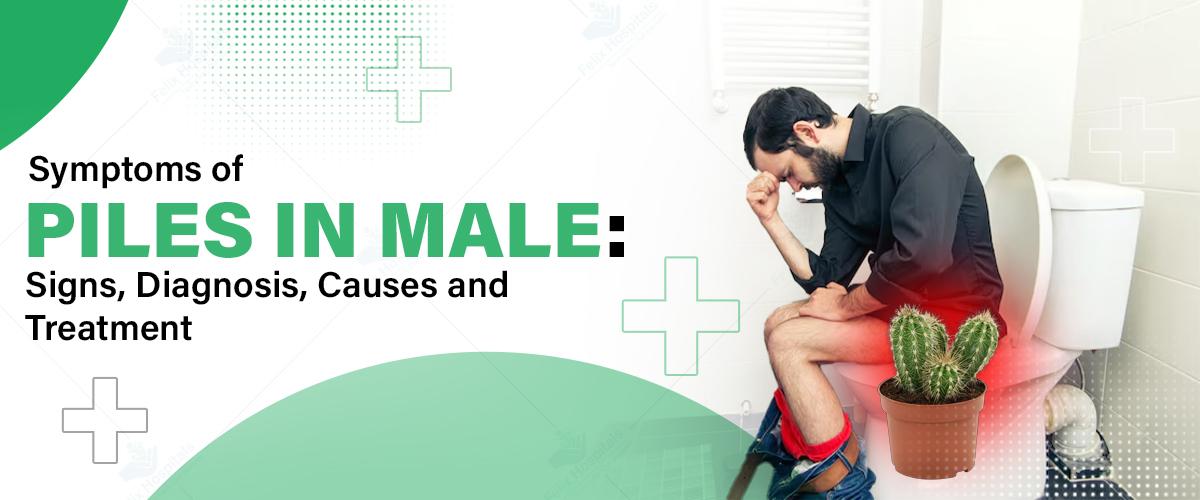
If you're experiencing discomfort and suspect you might have piles, also known as hemorrhoids, it's essential to seek medical attention promptly. Piles can cause significant pain and discomfort if left untreated, so knowing when to consult a healthcare provider is crucial. For effective management and treatment, visiting the best hospital for piles surgery can ensure you receive the best care possible.
If you are experiencing symptoms of piles, don’t hesitate to contact us at Felix Hospital. Call us now at +91 9667064100.
Piles, or hemorrhoids, are swollen blood vessels located in the rectal area. They can develop both inside the rectum (internal hemorrhoids) and outside the anal opening (external hemorrhoids). While they are common and can affect anyone, certain factors make men more susceptible to developing this condition.
Recognizing the symptoms of piles is crucial for early diagnosis and treatment. Hemorrhoids, commonly referred to as piles, can significantly impact the quality of life, but many individuals may hesitate to discuss their symptoms due to embarrassment. Understanding the signs can empower men to seek timely medical help, preventing complications and enhancing their overall well-being. Below are the most common symptoms associated with piles in males:
Pain and discomfort are hallmark symptoms of piles. Many men experience varying degrees of discomfort, particularly during bowel movements. This pain can manifest as a sharp, stabbing sensation, or a more generalized throbbing ache around the anal region. The intensity of the pain may increase with the size of the hemorrhoids or if they become thrombosed (filled with blood clots). Additionally, prolonged sitting, especially on hard surfaces, can exacerbate discomfort, leading to challenges in daily activities and work.
One of the most concerning symptoms of piles is rectal bleeding. Men may notice bright red blood on toilet paper, in the toilet bowl, or even on the surface of stools. This bleeding typically occurs when the swollen blood vessels are irritated during bowel movements, often due to straining or passing hard stools. While occasional bleeding can be a sign of hemorrhoids, it’s essential to consult a healthcare provider, as it can also indicate other serious conditions, such as colorectal cancer or anal fissures.
Piles can cause significant itching or irritation around the anal region. This discomfort is often caused by inflammation of the surrounding tissues and can lead to persistent scratching, which may worsen the condition. The itching can become quite intense, making it difficult for individuals to maintain their usual activities and concentrate. In some cases, the area may also become inflamed or develop a rash due to constant irritation, leading to further discomfort.
Another common symptom is swelling around the anus. Men may notice swollen lumps or protrusions, which are indicative of external hemorrhoids. These lumps can be painful to touch and may vary in size. In some cases, the swelling may even cause a feeling of fullness or pressure in the anal region, making it uncomfortable to sit or engage in physical activities. External hemorrhoids can sometimes become thrombosed, leading to increased pain and swelling, which requires immediate medical attention.
Some men with piles may experience a mucus discharge from the rectum. This mucus can irritate the surrounding skin and exacerbate itching and discomfort. The presence of mucus is often associated with inflammation of the hemorrhoids and can lead to further complications if not addressed. If mucus discharge persists or is accompanied by other symptoms, it’s essential to consult a healthcare provider to rule out any underlying conditions.
Persistent changes in bowel habits can also indicate the presence of piles. Men may experience chronic constipation or diarrhea, which can contribute to the formation and worsening of hemorrhoids. Straining during bowel movements due to constipation can lead to increased pressure on the blood vessels in the rectal area, exacerbating the symptoms of piles. On the other hand, diarrhea can irritate the anal region, leading to discomfort and inflammation. Any significant changes in bowel habits should prompt a consultation with a healthcare provider to identify the underlying cause and determine an appropriate treatment plan.
Understanding the causes of piles is essential for prevention and management. In men, the following factors can contribute to the development of piles:
1. Straining During Bowel Movements: Chronic constipation or diarrhea often leads to straining, increasing pressure on the blood vessels in the rectal area.
2. Sedentary Lifestyle: Lack of physical activity can contribute to poor circulation and increase the risk of piles.
3. Obesity: Excess weight puts additional pressure on the abdominal and pelvic regions, increasing the likelihood of hemorrhoids.
4. Heavy Lifting: Regularly lifting heavy objects can strain the rectal area and contribute to the formation of piles.
5. Poor Diet: A diet low in fiber can lead to constipation, exacerbating the risk of piles.
6. Aging: As men age, the tissues supporting the veins in the rectum can weaken, making them more prone to swelling.
7. Chronic Coughing or Sneezing: Conditions that cause frequent coughing or sneezing can increase pressure in the abdominal area, leading to piles.
Diagnosing piles typically involves the following steps:
1. Medical History Review: The doctor will ask about your symptoms, medical history, and lifestyle habits.
2. Physical Examination: A thorough examination of the anal and rectal area will help identify any swelling or abnormalities.
3. Digital Rectal Exam: In some cases, the doctor may perform a digital rectal exam to assess the internal hemorrhoids.
4. Anoscopy or Sigmoidoscopy: If necessary, a doctor may use specialized instruments to visualize the rectal area more clearly.
Early diagnosis is essential to managing symptoms effectively and preventing complications.
Treatment for piles can vary depending on the severity of the condition. Options include:
1. Home Remedies: Many cases can be managed with home treatments such as warm baths, increased fiber intake, and over-the-counter creams.
2. Medication: Topical treatments, pain relievers, and stool softeners can help alleviate symptoms.
3. Minimally Invasive Procedures: If home treatments are ineffective, options like rubber band ligation or sclerotherapy may be recommended.
4. Surgery: In severe cases, surgical intervention may be necessary. Common surgical procedures include hemorrhoidectomy.
Understanding the Treatment cost of piles in Noida is crucial for planning your healthcare budget. The cost can vary based on the type of treatment and the hospital's facilities. At Felix Hospital, we strive to provide transparent pricing and quality care to ensure that patients receive the best treatment for their needs.
Preventing piles involves lifestyle changes and awareness of risk factors. Consider the following strategies:
1. Increase Fiber Intake: A diet rich in fiber can help prevent constipation and reduce strain during bowel movements.
2. Stay Hydrated: Drinking plenty of water is essential for maintaining regular bowel movements.
3. Exercise Regularly: Staying active can promote good digestion and reduce the risk of obesity.
4. Avoid Straining: Practice proper bowel habits and avoid prolonged sitting on the toilet.
5. Maintain a Healthy Weight: Managing weight can help alleviate pressure on the rectal area.
For individuals seeking expert care, it’s important to consult with qualified specialists. At Felix Hospital, we are proud to have the best laparoscopic surgeon in Noida, Dr. Ritesh Agrawal, who specializes in minimally invasive procedures for piles treatment. His expertise and commitment to patient care ensure optimal outcomes.
If you are experiencing symptoms of piles or have questions about treatment options Click Here for More Details.
Piles can significantly affect a man's quality of life, but understanding the symptoms, causes, and treatment options can empower individuals to seek timely medical help. With appropriate lifestyle changes and professional medical care, piles can be managed effectively. Remember to consult healthcare professionals for a comprehensive diagnosis and treatment plan tailored to your needs.
1. What are the main symptoms of piles in males?
Ans: Common symptoms include pain during bowel movements, bleeding, itching, swelling around the anus, and mucus discharge.
2. How are piles diagnosed?
Ans: Diagnosis involves a review of medical history, a physical examination, and possibly additional tests like a digital rectal exam.
3. What causes piles in men?
Ans: Causes include straining during bowel movements, obesity, a sedentary lifestyle, and chronic coughing or sneezing.
4. Can piles be prevented?
Ans: Yes, piles can often be prevented through dietary changes, hydration, regular exercise, and avoiding straining during bowel movements.
5. What treatments are available for piles?
Ans: Treatment options include home remedies, medications, minimally invasive procedures, and surgical options for severe cases.
6. What is the treatment cost of piles in Noida?
Ans: The cost of treatment can vary; it's advisable to consult with Felix Hospital for detailed pricing.
7. Who is the best surgeon for piles treatment?
Ans: Dr. Ritesh Agrawal at Felix Hospital is recognized as the best laparoscopic surgeon in Noida for piles treatment.
8. Is surgery the only option for severe piles?
Ans: While surgery is often necessary for severe cases, many patients find relief with non-surgical treatments.
9. How long does recovery take after piles surgery?
Ans: Recovery times can vary; patients typically experience improvement within a few weeks, but complete healing may take longer.

Get fast and effective relief from piles with advanced surgical care at the best piles surgery hospital in Noida, offering expert doctors, modern techniques, and safe treatment options.
For those seeking specialized care, consulting the best piles surgeon in Noida can provide expert evaluation and tailored treatment options.
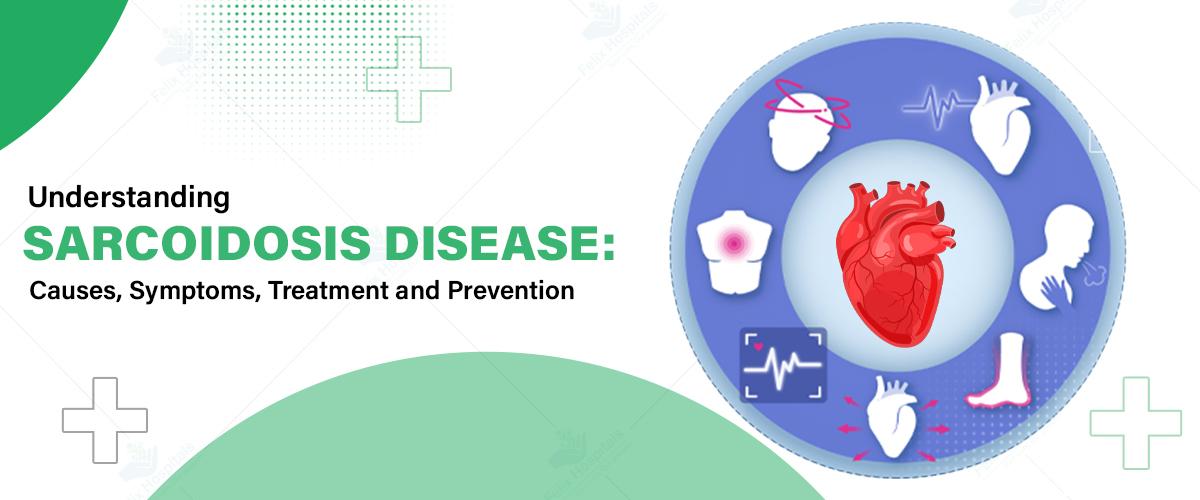
Sarcoidosis is a complex autoimmune disease that can have a profound effect on multiple organs in the body, particularly the lungs and lymph nodes. The condition occurs when clusters of inflammatory cells, called granulomas, form in various tissues, leading to a range of symptoms and complications. For those seeking effective management and treatment options, it is essential to consult a leading healthcare facility known for its expertise in treating sarcoidosis. Finding the best hospital for sarcoidosis treatment can make a significant difference in achieving optimal health outcomes and improving quality of life.
Take the first step towards a healthier future. Contact us today at +91 9667064100 to schedule a consultation!
Sarcoidosis is an inflammatory disease characterized by the formation of small clusters of inflammatory cells, known as granulomas, in different organs. While the exact cause of sarcoidosis remains unknown, it can affect anyone, although it is more prevalent in adults aged 20 to 40 and tends to affect women more than men. The condition may resolve on its own in some individuals, while others may experience chronic symptoms requiring long-term management.
Sarcoidosis manifests with a diverse array of symptoms that can vary widely depending on the organs affected by the disease. Some of the most common symptoms include:
Fatigue: Many individuals experience persistent tiredness that doesn’t seem to improve with rest, making daily activities challenging.
Shortness of Breath: This symptom can manifest as difficulty breathing, particularly during physical exertion, and may worsen over time.
Cough: Patients may develop a dry cough that can become chronic, contributing to discomfort and hindering daily life.
Skin Rashes: Various skin conditions, including erythema nodosum, can appear, presenting as red, tender lumps or lesions on the skin.
Joint Pain: Swelling, stiffness, and discomfort in the joints are common, potentially leading to reduced mobility and quality of life.
Fever and Night Sweats: Some individuals may experience unexplained fevers and excessive sweating at night, disrupting sleep patterns.
Weight Loss: Unintentional weight loss can occur without any changes in diet or physical activity, signaling potential underlying issues.
The exact etiology of sarcoidosis remains elusive, but several contributing factors have been identified:
Genetic Predisposition: A family history of sarcoidosis may increase the likelihood of developing the condition, suggesting a genetic component.
Environmental Factors: Exposure to certain environmental agents, such as dust, mold, chemicals, or other allergens, may trigger sarcoidosis in susceptible individuals.
Infections: While some infections have been associated with sarcoidosis, their role as definitive causes is still under investigation.
The diagnosis of sarcoidosis typically involves a comprehensive approach, including:
Medical History and Physical Examination: A thorough review of symptoms and medical history, coupled with a physical exam, is the first step.
Imaging Tests: Chest X-rays and CT scans are essential for visualizing potential granulomas in the lungs and assessing lung health.
Biopsy: To confirm the presence of granulomas, a tissue sample from the affected area may be obtained and examined microscopically.
Pulmonary Function Tests: These tests evaluate lung capacity and function, helping to determine the extent of pulmonary involvement.
The treatment of sarcoidosis varies significantly based on the severity of the disease and the organs involved. Common treatment options include:
Medications: Corticosteroids, such as prednisone, are frequently prescribed to reduce inflammation and manage symptoms. In more severe cases, other immunosuppressive drugs, such as methotrexate or azathioprine, may be utilized.
Symptom Management: Depending on the specific symptoms, additional treatments may be recommended to address pain, respiratory issues, or skin conditions, enhancing overall quality of life.
Understanding the cost of sarcoidosis disease treatment in Noida is vital for effective healthcare planning. At Felix Hospitals, we prioritize transparent pricing and strive to provide comprehensive care to ensure patients receive the best treatment possible.
While there is currently no known way to prevent sarcoidosis, adopting a healthy lifestyle may support overall well-being and help manage symptoms. Consider these preventive measures:
Regular Check-ups: Stay proactive about your health with routine medical check-ups, especially if you have a family history of sarcoidosis.
Healthy Lifestyle Choices: A balanced diet rich in fruits, vegetables, and whole grains, along with regular physical activity, can promote lung health and improve immune function. Avoiding smoking is crucial for maintaining respiratory health.
Stress Management: Incorporating stress-reducing practices into your daily routine, such as yoga, meditation, or deep-breathing exercises, can contribute to better overall health and may help mitigate symptoms.
When it comes to sarcoidosis treatment, expertise matters. At Felix Hospitals, we are proud to have the best sarcoidosis doctor in Noida, Dr. Priyadarshi Jitendra Kumar. With extensive experience in managing pulmonary diseases, Dr. Kumar is dedicated to providing compassionate care and effective treatment strategies for patients with sarcoidosis.'
Contact us today to schedule an appointment with Dr. Kumar and take control of your health!
Sarcoidosis is a complex condition that requires careful diagnosis and management. By understanding the causes, symptoms, and treatment options, you can take proactive steps toward better health. If you suspect you may have sarcoidosis or need specialized care, don't hesitate to reach out to the experts at Felix Hospitals.
1-What is sarcoidosis?
ANS: Sarcoidosis is an inflammatory disease characterized by the formation of granulomas in various organs.
2-What causes sarcoidosis?
ANS: The exact cause is unknown, but genetic predisposition, environmental factors, and infections may contribute.
What are the symptoms of sarcoidosis? Symptoms include fatigue, shortness of breath, cough, skin rashes, joint pain, fever, night sweats, and weight loss.
3-How is sarcoidosis diagnosed?
ANS: Diagnosis involves a medical history review, physical examination, imaging tests, biopsies, and pulmonary function tests.
4-What is the treatment for sarcoidosis?
ANS: Treatment often includes corticosteroids and medications to manage symptoms, depending on the severity of the disease.
5-Can sarcoidosis be prevented?
ANS: There is no known prevention method, but maintaining a healthy lifestyle and regular check-ups can support overall health.
6-Who is the best doctor for sarcoidosis treatment in Noida?
ANS: Dr. Priyadarshi Jitendra Kumar at Felix Hospitals is recognized as one of the best sarcoidosis doctors in Noida.
7-What is the cost of sarcoidosis treatment in Noida?
ANS: The cost of treatment varies based on the severity and required medications; it's best to consult Felix Hospitals for accurate pricing.
8-How can I manage sarcoidosis symptoms?
ANS: Follow your doctor’s recommendations, maintain a healthy lifestyle, and engage in stress-reducing activities to help manage symptoms.

A pulmonologist plays a crucial role in helping patients dealing with serious or chronic breathing difficulties.
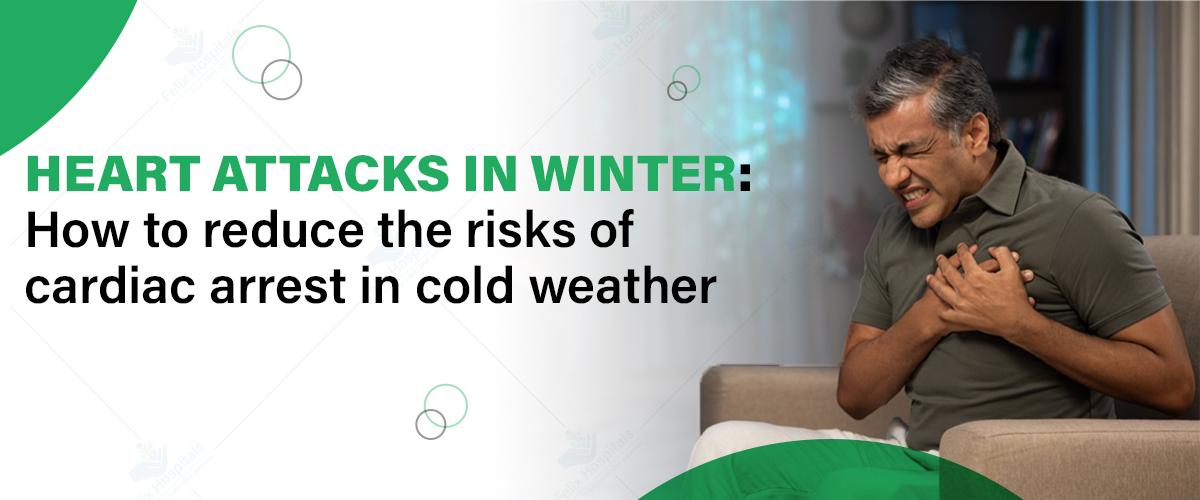
As winter descends and temperatures drop, many people find joy in the season’s festivities. However, for individuals with pre-existing heart conditions or risk factors for heart disease, winter can also pose serious health risks. Research has shown that the risk of heart attacks increases significantly during the colder months. Understanding the reasons behind this trend and adopting preventive measures can help reduce the risk of cardiac arrest. Let’s explore how cold weather affects heart health and provide practical tips to stay safe during the winter months with the help of the best heart attack treatment hospital in Noida.
Contact us today at +91 9667064100 to schedule a consultation and prioritize your heart health!
Cold temperatures can have several effects on the cardiovascular system. When exposed to cold, blood vessels constrict to preserve heat, leading to increased blood pressure. This constriction means the heart must work harder to pump blood, elevating the workload on the heart. For individuals with existing heart conditions, this added strain can be dangerous.
Furthermore, cold weather can lead to changes in behavior that can increase heart attack risk. Many people become less active during the winter months, which can contribute to weight gain and a decline in cardiovascular fitness. Additionally, the holiday season often brings about increased stress, poor dietary choices, and excessive alcohol consumption, all of which can negatively impact heart health.
Certain populations are particularly vulnerable to heart attacks in winter, including:
Individuals with Pre-existing Heart Conditions: Those with a history of heart disease, previous heart attacks, or heart failure are at a greater risk during colder months.
Older Adults: Age is a significant factor, as the heart and blood vessels can become less resilient over time, making older individuals more susceptible to heart-related issues.
Diabetics: People with diabetes often face increased cardiovascular risks, and cold weather can exacerbate these conditions.
Individuals with High Blood Pressure or High Cholesterol: Those who struggle with hypertension or elevated cholesterol levels should be particularly cautious during the winter.
Understanding the symptoms of a heart attack is crucial, especially during the winter months. Common symptoms include:
Chest Pain or Discomfort: This may feel like pressure, squeezing, fullness, or pain in the center or left side of the chest. It can last for more than a few minutes or go away and return.
Shortness of Breath: This may occur with or without chest discomfort and can happen during rest or physical activity.
Radiating Pain: Discomfort may spread to the shoulders, neck, arms, back, teeth, or jaw.
Other Symptoms: These can include lightheadedness, nausea, cold sweats, or unusual fatigue, especially in women.
If you or someone you know experiences these symptoms, seek emergency medical attention immediately.
While it’s impossible to eliminate all risks associated with heart attacks during winter, several strategies can help mitigate them. Here are some practical steps to keep your heart healthy in the cold:
When heading outdoors in winter, dressing in layers is essential. Wear insulated and breathable clothing to keep your body warm without overheating. Pay special attention to your extremities; wearing hats, gloves, and warm socks can help maintain overall body temperature and prevent heat loss.
Physical activity is crucial for heart health. During the winter months, find creative ways to stay active. If the weather is too harsh for outdoor exercise, consider indoor activities such as:
Walking in a mall or indoor track
Joining a gym or fitness class
Practicing yoga or Pilates at home
Regular physical activity can help maintain cardiovascular fitness, reduce stress, and control weight.
Regularly check your blood pressure and cholesterol levels, especially during winter. If you have a history of high blood pressure or high cholesterol, work closely with your healthcare provider to manage these conditions effectively. Medications may need adjustments during colder months to ensure optimal control.
Nutrition plays a significant role in heart health. During winter, it's tempting to indulge in heavy, rich foods. Instead, focus on a balanced diet that includes:
Fruits and Vegetables: Aim for a variety of colorful fruits and vegetables, which provide essential vitamins, minerals, and antioxidants.
Whole Grains: Choose whole-grain options like brown rice, whole wheat bread, and quinoa for added fiber and nutrients.
Lean Proteins: Incorporate lean proteins such as fish, poultry, beans, and legumes to support muscle health without excess saturated fat.
Healthy Fats: Opt for healthy fats from sources like avocados, nuts, seeds, and olive oil, while limiting saturated and trans fats.
Although people tend to drink less water in winter, staying hydrated is crucial for heart health. Cold, dry air can lead to dehydration, which can strain the heart. Aim to drink plenty of fluids, even if you don't feel thirsty. Herbal teas, warm soups, and water-rich fruits and vegetables can help maintain hydration.
Winter can be a stressful time due to holiday obligations and shorter days. Engaging in stress-reducing activities is essential for heart health. Consider the following techniques:
Mindfulness and Meditation: Practices such as deep breathing, meditation, or yoga can help reduce stress levels.
Regular Social Interaction: Maintain connections with friends and family, as social support is vital for mental and emotional well-being.
Prioritize Sleep: Aim for 7-9 hours of quality sleep each night to support overall health and reduce stress.
Smoking significantly increases the risk of heart disease, and cold weather can exacerbate the harmful effects. If you smoke, seek support to quit. Additionally, be mindful of alcohol consumption, as excessive drinking can raise blood pressure and increase heart disease risk.
If you have a history of heart disease, be cautious when engaging in physical activities in cold weather. Avoid overexerting yourself, and listen to your body. If you feel fatigued or experience any warning signs, take a break and seek medical advice if necessary.
If you’re concerned about your heart health this winter, it’s essential to consult with an experienced cardiologist. At Felix Hospital, our team of expert cardiologists is dedicated to providing the best care and personalized treatment plans. Dr. Rahul Arora is the best cardiologists in Noida, specialize in diagnosing and treating various heart conditions. Don’t hesitate to reach out for expert advice on maintaining your heart health during the colder months.
If you have concerns about your heart health or want to learn more about treatment options, don’t hesitate to Click Here to contact Felix Hospital today!
As winter approaches, being proactive about heart health is more important than ever. Understanding the risks associated with cold weather and taking practical steps to protect your cardiovascular system can significantly reduce the chances of a heart attack. By dressing appropriately, staying active, eating a heart-healthy diet, managing stress, and seeking medical advice, you can navigate the winter months safely. Additionally, it's essential to consider the cost of heart attack treatment in Noida, ensuring you have access to quality care if needed. Remember, your heart health is a priority all year round.
1-Why does the risk of heart attacks increase in winter?
ANS: Cold temperatures cause blood vessels to constrict, raising blood pressure and increasing the heart's workload.
2-What are the warning signs of a heart attack?
ANS: Common symptoms include chest pain, shortness of breath, radiating pain, and other discomforts.
3-How can I stay active during the winter?
ANS: Consider indoor exercises, such as gym workouts, yoga, or walking in malls.
4-What should I eat to support heart health in winter?
ANS: Focus on fruits, vegetables, whole grains, lean proteins, and healthy fats.
5-Is it necessary to monitor blood pressure in winter?
ANS: Yes, especially for individuals with a history of high blood pressure or heart conditions.
6-What stress management techniques can I use?
ANS: Mindfulness, meditation, and social interactions can help reduce stress levels.
7-How much water should I drink during winter?
ANS: Aim for at least 8 glasses a day, adjusting based on activity levels and individual needs.
8-What role does smoking play in heart disease?
ANS: Smoking increases the risk of heart disease and should be avoided, especially in winter.
9-Who should I contact for heart health concerns?
ANS: Reach out to a cardiologist at a reputable hospital, such as Felix Hospital, for expert guidance.
Arrhythmia is a condition where the heart beats irregularly—too fast, too slow, or with an uneven rhythm. It can feel like a fluttering, racing, or skipped heartbeat.
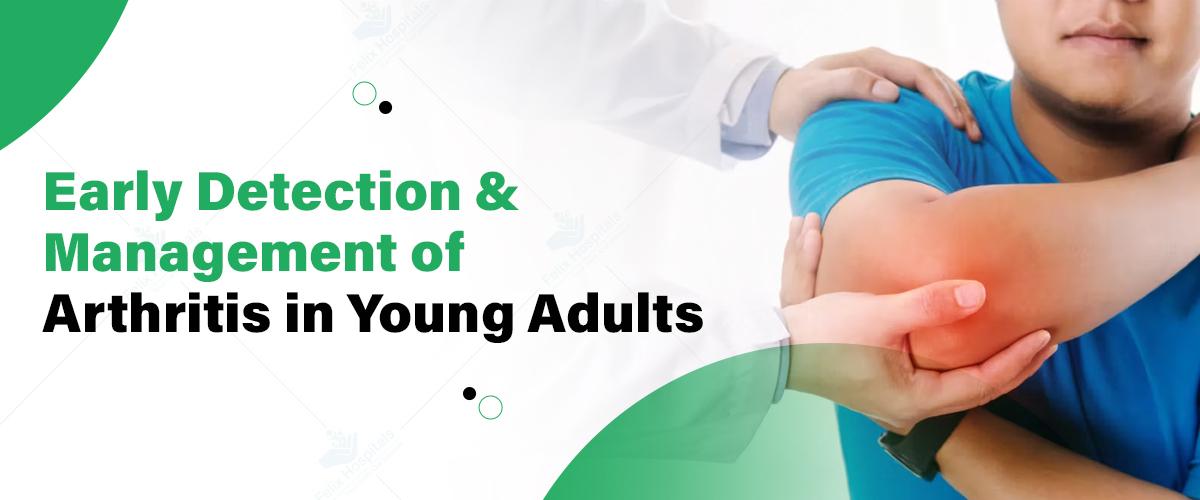

Eating a balanced, nutrient-rich Arthritis diet plan can help manage inflammation and reduce symptoms of rheumatoid arthritis.
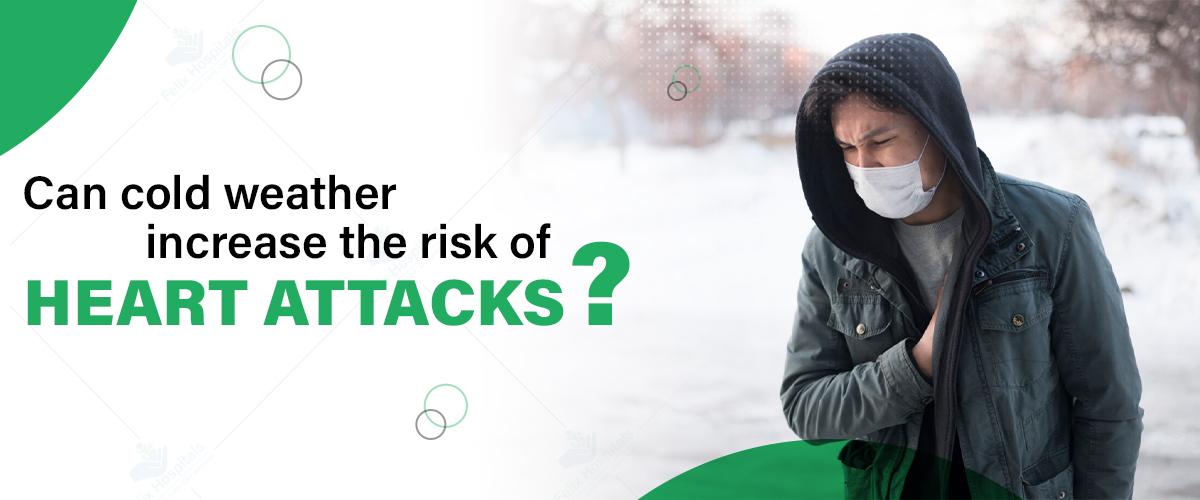
Cold weather is commonly linked to seasonal illnesses such as the common cold and flu, but it can also significantly impact your heart health. As temperatures decline, the likelihood of heart attacks increases, particularly for those with pre-existing heart conditions. Although this may come as a surprise, cold weather can impose additional stress on the heart, heightening its vulnerability to heart attacks. Let’s delve into how cold weather affects heart health, the physiological changes it induces, and ways to safeguard yourself. For optimal treatment, consider searching for the best heart hospital in Noida.
Your well-being is our priority—take the first step towards a healthier heart today! Call us now at +91 9667064100.
A heart attack, or myocardial infarction, occurs when the blood flow to a part of the heart muscle is severely reduced or blocked. This blockage is typically caused by plaque buildup in the coronary arteries, a condition known as coronary artery disease. When the blood flow is restricted, the heart muscle doesn’t get the oxygen it needs, causing damage or death to part of the heart muscle. Immediate medical attention is crucial for survival and minimizing long-term damage.
Recognizing the symptoms of a heart attack is critical for prompt treatment. Common symptoms include:
Chest Pain or Discomfort: This is often described as pressure, squeezing, or fullness in the chest.
Shortness of Breath: Difficulty breathing can accompany chest pain or occur independently.
Nausea and Vomiting: Some individuals experience stomach discomfort or nausea.
Pain in the Arms, Neck, or Jaw: The pain may radiate from the chest to the upper body.
Cold Sweat: Sudden and profuse sweating is a common symptom.
Fatigue: Unexplained tiredness, especially in women, can indicate a heart attack.
If you or someone you know is experiencing these symptoms, seek emergency medical care immediately.
Cold weather presents unique challenges to the cardiovascular system. When exposed to cold temperatures, your body works harder to maintain its core temperature. This process increases the workload on your heart, which may already be strained in individuals with heart disease. The cold can cause your heart rate to rise and blood pressure to increase, both of which are risk factors for heart attacks. Additionally, cold weather is associated with increased levels of blood clotting, which can further heighten the risk of heart attacks by obstructing blood flow in the coronary arteries.
In response to cold weather, the body undergoes a process known as vasoconstriction, in which blood vessels narrow to conserve heat. While this mechanism is essential for keeping warm, it can also restrict blood flow and increase blood pressure. The reduced diameter of the blood vessels forces the heart to pump harder, placing additional strain on the cardiovascular system. For individuals with pre-existing heart conditions, this increased workload can trigger a heart attack or exacerbate symptoms of heart failure.
Yes, individuals with heart conditions such as coronary artery disease, heart failure, and arrhythmias are more vulnerable to the effects of cold weather. Those with coronary artery disease may experience chest pain (angina) more frequently due to the added strain on the heart. Heart failure patients may find it harder to breathe in cold air, while individuals with arrhythmias could notice irregular heartbeats. Even people without diagnosed heart conditions should be cautious in cold weather, as the added stress on the heart can lead to new heart problems.
Protecting your heart in cold weather requires proactive steps, especially if you are at higher risk for cardiovascular disease. Here are some essential tips to consider:
Dress Warmly: Wearing layers and covering your head, hands, and feet can help you stay warm and reduce the strain on your heart.
Stay Active Indoors: Cold weather can limit outdoor activities, but staying active indoors is crucial for maintaining heart health. Try light exercises such as walking in place, stretching, or yoga.
Monitor Your Blood Pressure: Keep an eye on your blood pressure, especially if you have hypertension or other heart-related conditions. Cold weather can cause spikes in blood pressure, increasing the risk of a heart attack.
Avoid Overexertion: Shoveling snow or engaging in strenuous activities in cold weather can put excessive strain on the heart. If you must do these activities, take frequent breaks, and don’t overdo it.
Stay Hydrated: Dehydration can thicken your blood, making it more likely to clot. Drink plenty of water, even when it’s cold outside.
Limit Alcohol Consumption: Alcohol can cause your body to lose heat more quickly and may lead to dehydration, increasing your heart’s workload.
Some individuals are more susceptible to cold-induced heart problems than others. Risk factors include:
Age: Older adults are more vulnerable to the effects of cold weather on heart health.
Pre-existing Heart Conditions: People with coronary artery disease, heart failure, or arrhythmias are at higher risk.
Hypertension: High blood pressure makes the heart work harder, especially in cold conditions.
Sedentary Lifestyle: Lack of physical activity can weaken the heart over time, making it more vulnerable to stress.
Smoking: Smoking damages the blood vessels and increases the risk of heart attacks, particularly in cold weather.
Obesity: Excess weight puts additional strain on the heart, and cold weather exacerbates this burden.
Preventing heart attacks during the winter months requires a combination of lifestyle changes and heart health awareness. Follow these prevention tips to reduce your risk:
Bundle Up: Dress warmly to prevent your body from losing heat and reduce the strain on your heart.
Exercise Regularly: Engage in regular cardiovascular exercise to strengthen your heart and improve circulation.
Eat a Heart-Healthy Diet: Consuming foods rich in omega-3 fatty acids, fiber, and antioxidants can help maintain heart health.
Quit Smoking: If you smoke, quitting is one of the most effective ways to reduce your risk of a heart attack.
Limit Salt and Alcohol: Both salt and alcohol can increase blood pressure, which is dangerous during cold weather.
Manage Stress: High stress levels can contribute to heart disease. Practice relaxation techniques like meditation or deep breathing exercises.
Get Regular Checkups: Visit your cardiologist for regular heart health checkups, especially during the winter months when the risk of heart attacks increases.
If you have concerns about your heart health or are experiencing symptoms that may indicate a heart condition, it’s important to consult with a specialist. At Felix Hospital, we have some of the best heart attack doctors in Noida who are experienced in diagnosing and treating a wide range of cardiovascular conditions Dr. Rahul Arora. Our cardiology team is committed to providing personalized care to help you maintain optimal heart health, especially during the colder months when the risk of heart attacks increases.
Cold weather can profoundly affect your heart health, elevating the risk of heart attacks, particularly among individuals with existing conditions. By gaining insight into how cold temperatures influence the cardiovascular system and adopting proactive measures to safeguard your heart, you can lower your risk significantly. If you're seeking expert cardiac care, Felix Hospital provides a range of comprehensive services to help maintain your heart's health throughout the year. Don’t wait for warning signs—make your heart health a priority today. For information on the costs of heart attack surgeries or treatments, visit the hospital.
1. Can cold weather trigger a heart attack?
ANS: Yes, cold weather can increase the risk of heart attacks by constricting blood vessels, raising blood pressure, and adding stress to the heart.
2. Who is most at risk for cold-weather heart attacks?
ANS: Older adults, individuals with heart disease, those with high blood pressure, smokers, and people who lead sedentary lifestyles are at higher risk.
3. Why do blood vessels constrict in cold weather?
ANS: The body constricts blood vessels to conserve heat, which helps maintain core body temperature but also increases blood pressure.
4. What should I do if I experience chest pain in the cold?
ANS: Seek emergency medical attention immediately if you experience chest pain, shortness of breath, or other symptoms of a heart attack.
5. How does high blood pressure contribute to heart attacks in cold weather?
ANS: Cold weather can cause blood pressure to rise, increasing the workload on the heart, which may lead to a heart attack in people with heart disease.
6. What can I do to prevent heart attacks in winter?
ANS: Dress warmly, avoid overexertion, maintain a healthy diet, quit smoking, and monitor your blood pressure to reduce your risk.
7. Can exercise in cold weather increase the risk of a heart attack?
ANS: Strenuous exercise in cold weather can increase the risk, especially if you have heart disease or are not used to physical activity.
8. Does alcohol affect heart health in the winter?
ANS: Yes, alcohol can cause heat loss, dehydration, and increased stress on the heart, raising the risk of heart problems in cold weather.
9. When should I see a cardiologist about cold-weather heart risks?
ANS: If you have heart disease, or high blood pressure, or experience symptoms such as chest pain or shortness of breath, see a cardiologist before winter begins to ensure you're taking the right precautions.
हार्ट अटैक के मुख्य लक्षण, कारण और तुरंत किए जाने वाले उपचार के बारे में जानें। समय पर पहचान और सही इलाज से जीवन बचाया जा सकता है।

Cataracts, or "motiyabind," can significantly impact vision, making daily activities challenging. Fortunately, cataract surgery is a highly effective treatment to restore vision clarity. However, many people need to be aware of important aspects of the procedure, treatments, and costs. If you're searching for motiyabind operation near me, this blog will provide insights into cataract surgery, treatment options, and fees, helping you make an informed decision.
If you or a loved one is experiencing cataract symptoms, don't wait. Call us now at +91 9667064100.
Cataracts occur when the natural lens of the eye becomes cloudy, leading to blurry vision, difficulty seeing at night, and faded colors. As the lens loses transparency, vision problems gradually worsen, and untreated cataracts can eventually lead to blindness. Cataracts are a common issue among aging individuals, but they can also result from injury, medication use, or congenital conditions.
The only effective treatment for cataracts is surgical removal of the clouded lens, which is replaced with a clear artificial lens (called an intraocular lens, or IOL). If you're considering cataract surgery, you might wonder, "Where can I find the best cataract surgery hospital near me?" Keep reading to discover ten surprising things about cataract surgery that most people don’t know.
One of the most common misconceptions about cataract surgery is that it’s a long, painful process. In reality, the procedure typically lasts only 15 to 30 minutes, and patients are under local anesthesia, which numbs the eye. You may feel some mild pressure, but the surgery itself is generally painless. Most people go home the same day.
Most people assume that cataract surgery is a one-size-fits-all procedure. However, there are two main types: phacoemulsification (or phaco) and laser-assisted cataract surgery. Phaco is the traditional method, where ultrasound waves break up the cloudy lens, which is then removed. Laser-assisted surgery, on the other hand, uses advanced laser technology to make precise incisions and soften the cataract before removal. Both are safe and effective, but the latter is more advanced and may offer a faster recovery time.
After cataract removal, an artificial lens is implanted to replace the cloudy natural lens. What many people don’t know is that there are different types of IOLs available. While standard IOLs correct vision at one distance (usually far), premium lenses like multifocal, toric, and extended-depth-of-focus lenses can correct both near and far vision or even astigmatism. This means many patients can reduce their dependence on glasses after surgery.
Cataracts usually develop in both eyes over time, and many people assume that both eyes can be treated simultaneously. However, cataract surgeries are generally performed on one eye at a time, with a gap of about two to four weeks between procedures. This approach allows the first eye to heal and ensures that the patient has adequate vision during the recovery process.
Cataract surgery is one of the most common and successful surgical procedures in the world. The success rate for improved vision after cataract surgery is over 95%. Serious complications are rare, and most patients experience significant improvement in their vision shortly after the procedure.
Many patients worry that the recovery from cataract surgery will be long and complicated. However, the reality is that most people experience improved vision within a few days, and complete recovery typically occurs within four to six weeks. During this period, patients are advised to avoid strenuous activities and protect their eyes from dust and water, but they can usually return to light activities, such as reading or watching TV, almost immediately.
Cataract surgery doesn’t just improve cloudy vision—it can also benefit people with other eye conditions. For instance, patients with glaucoma may experience lower intraocular pressure after cataract surgery, which can help manage their glaucoma symptoms. Additionally, if a patient has a refractive error such as astigmatism, they can opt for specialized IOLs to correct this during surgery.
While cataract surgery restores clear vision, some people may still experience age-related vision changes over time, such as presbyopia (the need for reading glasses). Additionally, a condition called posterior capsule opacification (PCO) may develop months or years after surgery. This causes a cloudy membrane to form behind the implanted lens but can be easily treated with a laser procedure.
For most people, cataract surgery is medically necessary, meaning that it is often covered by health insurance, including Medicare. However, there may be additional out-of-pocket costs for premium IOLs or advanced laser-assisted surgery. Patients should check with their insurance provider to understand their coverage options.
Some people think they need to wait until their cataracts are "ripe" before undergoing surgery. However, modern cataract surgery techniques mean you don’t have to wait until your vision is severely impaired. Early intervention can improve quality of life sooner and may reduce the risk of complications associated with advanced cataracts.
When considering cataract surgery, one important question is:
What is the eye cataract surgery cost?
The cost of cataract surgery can vary widely depending on factors like the type of procedure (traditional or laser-assisted), the type of IOL used, and the geographic location.
For standard cataract surgery using monofocal IOLs, the cost typically ranges from ₹20,000 to ₹80,000 per eye in India. For laser-assisted cataract surgery or premium lenses (such as multifocal or toric IOLs), the cost can increase significantly, ranging from ₹80,000 to ₹1,50,000 per eye.
It’s important to consult with an eye specialist to get a detailed breakdown of the costs, including pre-operative assessments, the surgery itself, post-operative care, and follow-up visits. If you have insurance, most basic cataract surgery costs are covered, but you may need to pay extra for advanced technology or premium lenses.
If you're searching for top cataract surgeons in the Noida region, Felix Hospital offers specialized cataract care with experienced surgeons like Dr. Deepanjali Arya and Dr. Mohmad Uzair Zakai. Both surgeons are highly skilled in performing advanced cataract surgeries, including laser-assisted procedures and the implantation of premium IOLs. With a commitment to patient care and state-of-the-art technology, Felix Hospital provides a comprehensive approach to cataract treatment, ensuring optimal outcomes for every patient.
At Felix Hospital, we are dedicated to providing personalized cataract treatment tailored to each patient's needs. With our experienced specialists and advanced surgical options, we ensure that you receive the highest standard of care. Whether you're considering traditional cataract surgery or exploring premium lens options, Felix Hospital is here to guide you through every step of the process.
Schedule a consultation with one of our expert cataract surgeons at Felix Hospital today by Clicking Here.
Cataract surgery is a life-changing procedure that restores vision and improves the overall quality of life. With modern advancements in surgery techniques and lens options, it has become a quick, safe, and highly effective solution for vision problems caused by cataracts. By choosing an experienced surgeon and a reputable hospital, such as Felix Hospital, you can ensure the best possible outcome. For those seeking the best doctor for cataract surgery, Felix Hospital offers access to top specialists, including Dr. Deepanjali Arya and Dr. Mohmad Uzair Zakai, who are dedicated to providing exceptional care.
9 Frequently Asked Questions (FAQs) About Cataract Surgery
1. What is cataract surgery?
Ans: Cataract surgery involves removing the cloudy lens of the eye and replacing it with an artificial intraocular lens (IOL) to restore clear vision.
2. Is cataract surgery painful?
Ans: No, cataract surgery is typically painless. Local anesthesia numbs the eye, and most patients only feel mild pressure during the procedure.
3. How long does the procedure take?
Ans: Cataract surgery usually takes about 15 to 30 minutes per eye.
4. Can both eyes be treated at the same time?
Ans: No, cataract surgeries are performed on one eye at a time, with a gap of a few weeks between each procedure.
5. What is the recovery time?
Ans: Most patients experience improved vision within a few days, and full recovery usually takes four to six weeks.
6. Will I need glasses after cataract surgery?
Ans: It depends on the type of IOL chosen. Standard lenses may still require glasses for reading, while premium lenses can reduce the need for glasses.
7. Is cataract surgery covered by insurance?
Ans: Yes, cataract surgery is often covered by insurance, but there may be additional costs for premium lenses or advanced procedures.
8. What are the risks of cataract surgery?
Ans: Cataract surgery is generally safe, but like any surgery, it carries a small risk of complications such as infection or bleeding.

The journey from pregnancy to motherhood is transformative, and the postpartum period brings unique challenges and joys. For new mothers, this period requires physical recovery, emotional adjustment, and often, a substantial lifestyle shift. Postnatal support can make a world of difference by offering specialized care and a nurturing environment that promotes healing and bonding. In this blog, we’ll explore the various benefits of home care for new mothers and why this support is crucial for a healthier, smoother recovery.
Experience Postnatal Care at Its Best, Book your personalized postnatal care plan today! Call us today at +91 9667064100.
After childbirth, a mother’s body needs time to recover, and she often needs support to adapt to her new role. Postnatal support helps address physical recovery, depression during pregnancy, and practical challenges.
Physical Recovery: Childbirth, whether vaginal or via C-section, places considerable strain on the body. Postnatal care includes managing pain, healing, and building strength.
Mental and Emotional Health: Many new mothers experience emotional shifts, including baby blues or, in some cases, postpartum depression. Emotional support helps mothers cope with these changes.
Infant Care and Bonding: New mothers benefit from guidance on feeding, caring for, and bonding with their newborns, which helps foster a strong maternal bond.
Home care services offer personalized support to new mothers in the comfort of their own homes, making the transition smoother and promoting holistic recovery. Here’s how:
Postpartum Check-Ups: A skilled healthcare professional can conduct regular check-ups at home to monitor the mother’s recovery, check for any signs of infection, and assess overall health.
Pain Management and Healing: For mothers recovering from a C-section or dealing with perineal pain, at-home support provides specific treatments to reduce discomfort and speed up healing.
Assistance with Physical Recovery Exercises: Gentle exercises or physical therapy, tailored to a new mother’s needs, can help regain strength, improve circulation, and prevent postpartum complications.
Addressing Postpartum Depression and Anxiety: Home care providers are trained to recognize signs of postpartum depression and provide emotional support, making referrals to mental health professionals if needed.
Promoting a Sense of Confidence: With an experienced caregiver’s guidance, new mothers feel more equipped and confident in caring for their baby and themselves.
Breastfeeding Guidance: Many mothers face challenges with breastfeeding in the early stages. Home care support can play a vital role by offering lactation guidance to ensure the baby is feeding effectively and the mother is at ease. This support also includes personalized dietary advice for breastfeeding mothers to promote their health and nurture their baby's growth.
Newborn Care Basics: From diapering and bathing to understanding sleep patterns, caregivers provide hands-on instruction for newborn care.
Bonding and Attachment: Caregivers encourage skin-to-skin contact and other bonding practices, essential for developing a secure mother-baby bond.
Establishing a Healthy Sleep Routine: New mothers often struggle with sleep due to the baby’s feeding schedule. Home care providers offer advice on developing healthy sleep habits for both mother and baby.
Nutrition and Hydration: Good nutrition is crucial for healing, energy, and breastfeeding. Home care can include meal planning support to ensure the mother is getting the nutrients she needs.
Encouraging Personal Time: Having someone to assist with infant care allows mothers to take personal breaks, reducing stress and aiding in emotional recovery.
Help with Household Tasks: In the postpartum period, everyday chores can feel overwhelming. Home care services often include light household help, such as laundry or meal prep, to reduce stress.
Sibling Care: For mothers with older children, caregivers can assist with childcare, ensuring older siblings are engaged and cared for.
Monitoring for Infections and Complications: New mothers are at risk for infections and complications, including excessive bleeding and high blood pressure. Skilled caregivers can recognize symptoms and coordinate immediate medical attention.
Physical Recovery and Mobility Support: In cases where a mother has experienced difficult labor or surgical birth, caregivers provide mobility support to ensure she can move safely and avoid strain.
Home care is more than just convenience; it’s a holistic approach that addresses all aspects of a new mother’s well-being. By creating a comfortable environment, home care enhances the recovery process:
Reducing Stress and Anxiety: Familiar surroundings and personal support create a calming atmosphere that promotes relaxation, crucial for both mental and physical recovery.
Encouraging Open Communication: In a home setting, caregivers can form stronger relationships with mothers, encouraging open communication about their concerns and needs.
Felix Hospital understands the importance of compassionate and comprehensive postnatal care. Our specialized home care services are designed to support new mothers through every stage of recovery, helping them gain strength and confidence while caring for their newborns.
Experienced and Compassionate Staff: Our team of skilled nurses, caregivers, and therapists is trained to provide expert care for new mothers and infants.
Customized Care Plans: We create individualized care plans to address each other’s unique needs, whether they require physical recovery support, infant care guidance, or emotional encouragement.
Convenient and Safe Care at Home: Felix Hospital’s home care services bring quality healthcare right to your doorstep, eliminating the need for new mothers to travel.
Nurture Yourself While Caring for Your Baby, Schedule a consultation now by Clicking Here and start your recovery with us!
The postpartum period is a vital time for both mother and baby, requiring specialized care and support. Home care services provide new mothers with the assistance they need to recover physically, emotionally, and mentally, while also learning how to care for their newborns confidently. With home care, new mothers can experience a healthier recovery and enjoy the beginning of motherhood in a supportive, comforting environment. Felix Hospital’s dedicated team is here to ensure every new mother has the resources she needs to thrive during this important phase.
1. How soon after birth can I start receiving home care?
Ans: Home care can typically begin as soon as the mother returns home from the hospital, ensuring continuity of care.
2. What services are included in postnatal home care?
Ans: Postnatal home care services may include medical check-ups, physical recovery support, emotional counseling, infant care guidance, and help with household tasks.
3. How does postnatal home care support breastfeeding?
Ans: Home care providers can offer breastfeeding guidance, help mothers find comfortable positions, address latching issues, and establish a breastfeeding routine.
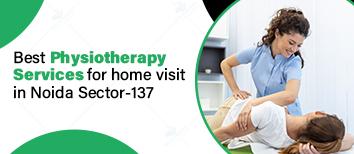
Get personalized care from experienced physiotherapists in the comfort of your home, tailored to meet your specific needs for faster recovery.
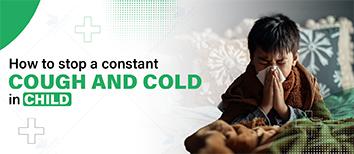
As parents, there’s nothing more distressing than seeing your child uncomfortable, especially when it comes to a persistent cough and cold. While it’s normal for children to catch colds due to their developing immune systems, a constant cough can disrupt their sleep, play, and daily routines. Understanding the underlying causes of these symptoms, along with effective prevention and treatment methods, can help alleviate your child’s discomfort and promote better health.
Let’s explore practical strategies to stop a constant cough and cold in children, including home remedies, lifestyle changes, and when to seek medical advice. For tailored medical advice and treatment options, consider visiting the best hospital for cough-in-children treatment. Pediatricians or specialists in pediatric pulmonology can provide individualized care based on your child's specific health needs.
Don't let persistent colds and coughs affect your child's well-being. Take Control of Your Health Today by Calling at +91 9667064100.
Coughing and colds are primarily caused by viral infections. Children are particularly susceptible to these infections due to their close contact with other children, especially in daycare and school settings. Common viruses responsible for coughs and colds include:
Rhinovirus: The most prevalent cause of colds.
Influenza Virus: This can lead to more severe symptoms, including fever.
Respiratory Syncytial Virus (RSV): Known for causing respiratory infections in young children.
Allergies: Dust, pollen, pet dander, and other allergens can trigger coughing.
Environmental Irritants: Smoke, strong odors, or pollution can aggravate the airways.
Asthma: A chronic condition that may present as a persistent cough in children.
Recognizing the signs and symptoms of a cold in your child can help you determine the appropriate course of action. Common symptoms include:
Runny or stuffy nose
Sneezing
Sore throat
Coughing
Low-grade fever
Fatigue
While most coughs and colds resolve on their own, there are instances when you should consult a healthcare professional:
If your child has a high fever (over 102°F) that lasts more than three days.
If the cough persists for more than three weeks.
If your child is having difficulty breathing or wheezing.
If you notice unusual lethargy or irritability.
If there are any signs of dehydration (such as dry mouth, fewer wet diapers, or no tears when crying).
Here are several practical strategies to help manage and alleviate your child’s cough and cold symptoms.
Keeping your child well-hydrated is crucial. Fluids help thin mucus and make it easier for the body to expel. Encourage your child to drink plenty of:
Water
Warm soups (chicken soup is particularly soothing)
Herbal teas (like chamomile or ginger tea)
Natural fruit juices (orange juice can provide vitamin C, but should be diluted)
Dry air can irritate the throat and nasal passages, exacerbating cough and cold symptoms. A humidifier can help:
Add moisture to the air, making it easier for your child to breathe.
Soothe dry throats and nasal passages.
Help reduce coughing at night.
Make sure to clean the humidifier regularly to prevent mold and bacteria growth.
For children experiencing a cough at night, elevating their heads while sleeping can provide relief. You can do this by:
Placing an extra pillow under their head (for older children).
Raising the head of the bed slightly (for younger children in cribs).
This position can help reduce postnasal drip and make it easier for your child to breathe while sleeping.
Rest is essential for recovery. Ensure your child gets plenty of sleep, as this allows the immune system to function optimally.
Create a calm and restful environment.
Establish a bedtime routine that promotes relaxation, such as reading a story or listening to soothing music.
Saline nasal drops can help relieve nasal congestion. They work by:
Moisturizing dry nasal passages.
Thinning mucus, making it easier to expel.
Reducing inflammation in the nasal lining.
You can use saline drops as often as needed, especially before meals and bedtime.
For children over the age of one, honey can be an effective remedy for soothing coughs.
Mix a teaspoon of honey in warm water or herbal tea.
Honey has natural antibacterial properties and can help coat the throat.
Note: Avoid honey for children under one year due to the risk of botulism.
Some herbal remedies may help alleviate cold and cough symptoms. Always consult with your pediatrician before introducing new treatments. Popular options include:
Thyme Tea: Known for its antimicrobial properties.
Peppermint Tea: Can help soothe the throat and alleviate coughing.
Ginger Tea: Known for its anti-inflammatory effects.
Minimize your child’s exposure to irritants that can aggravate their symptoms:
Smoke: Ensure that your home is smoke-free.
Strong odors: Use mild cleaning products and avoid strong perfumes or air fresheners.
Allergens: Keep your home free from dust and pet dander. Regular cleaning can help reduce these irritants.
A nutritious diet plays a vital role in boosting the immune system. Ensure your child’s diet includes:
Fruits and Vegetables: Rich in vitamins and antioxidants, they help strengthen the immune system.
Whole Grains: Provide essential nutrients and energy.
Lean Proteins: Important for growth and repair of body tissues.
Consult your pediatrician before giving your child any OTC medications. Depending on their age, you may consider:
Cough Suppressants: Help reduce the urge to cough.
Decongestants: Can help relieve nasal congestion.
Antihistamines: May be useful if allergies are a contributing factor.
Preventing a constant cough and cold is equally important. Here are some strategies to keep your child healthy:
Hand Hygiene: Teach your child the importance of washing hands regularly with soap and water, especially before meals and after using the restroom.
Vaccinations: Ensure your child receives appropriate vaccinations, including the flu shot, to protect against respiratory illnesses.
Healthy Lifestyle: Encourage physical activity, a balanced diet, and adequate sleep to strengthen the immune system.
Limit Exposure: Reduce exposure to sick individuals, especially during cold and flu season.
At Felix Hospital, we have a team of the best pediatricians in Noida specializing in the diagnosis and treatment of Coughs and Colds in children. Our expert pediatricians include:
These experienced professionals are dedicated to providing the highest quality of care to ensure effective treatment and recovery for your child.
Contact Felix Hospital now by Clicking Here to schedule a consultation with our Experienced Doctors and ensure quick relief and lasting health.
Managing a constant cough and cold in children requires a combination of effective home remedies, lifestyle changes, and preventive measures. By understanding the causes and symptoms, you can provide your child with the care they need to recover quickly and comfortably. Remember that while many coughs and colds can be treated at home, it's always important to consult a healthcare professional when in doubt. With the right approach, you can help your child overcome these common ailments and promote better overall health.
1-How long does a cold typically last in children?
ANS: Colds usually last about 7 to 10 days, but symptoms may vary in severity.
2-Can my child catch a cold from being outside in the cold weather?
ANS: No, colds are caused by viruses, not cold weather. However, being in close contact with infected individuals increases the risk.
3-Are antibiotics effective for treating coughs and colds?
ANS: No, antibiotics are not effective against viral infections. They are only used for bacterial infections.
4-How can I tell if my child's cough is serious?
ANS: If the cough is persistent, accompanied by high fever, difficulty breathing, or wheezing, consult a doctor.
5-Is it safe to use a humidifier for my child?
ANS: Yes, a humidifier can help alleviate cough and cold symptoms, but it should be cleaned regularly to prevent mold growth.
6-What over-the-counter medications are safe for children?
ANS: Always consult a pediatrician before giving any OTC medications to your child.
7-Can allergies cause coughing in children?
ANS: Yes, allergies can trigger coughing, especially if your child is exposed to allergens like pollen or dust.
8-Should I keep my child home from school when they have a cold?
ANS: If your child has a fever or is feeling unwell, it’s best to keep them home to rest and prevent spreading the virus.
9-What are some home remedies for coughs in children?
ANS: Honey, warm water, and herbal teas can help soothe a cough, but honey should only be given to children over one-year-old.
Felix Hospital in Noida is well known for its general practitioners who offer holistic treatment for different health issues, like the common cold and coughs.


Subscribe to our
© Copyright 2026. All Rights Reserved by Felix Healthcare Private Limited
Design and development by :


 +(91)9667064100
 Emergency : +(91)9667064100