 WhatsApp
 Emergency:
  WhatsApp




Subscribe to our
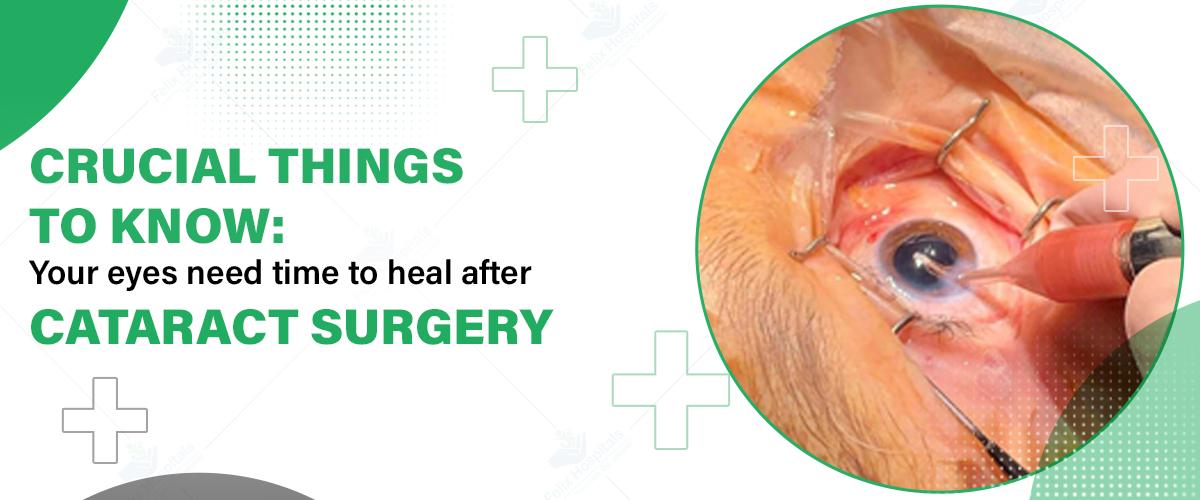
Cataract surgery is a common and effective procedure to restore clear vision, but the recovery process is just as important to ensure optimal results. At the best Hospital for cataract surgery, they provide expert care through the best ophthalmologist in Noida, ensuring that you receive the best post-operative instructions for a smooth recovery. Understanding the healing process is crucial to avoid complications and regain your vision.
Looking to know more about cataract surgery? Contact us today at +91 9667064100.
A cataract is a condition where the eye’s natural lens becomes cloudy, leading to impaired vision. It typically affects older adults, but it can also be caused by trauma or other medical conditions. Cataract surgery is performed when the vision loss begins to interfere with daily activities such as reading, driving, or recognizing faces. The cost of cataract surgery varies depending on the complexity of the procedure, the type of intraocular lens (IOL) used, and whether advanced laser technology is required. However, our priority is to provide accessible, high-quality care for everyone.
Proper recovery after cataract surgery is essential to ensure the best results. Although the surgery is generally safe and quick, post-operative care plays a crucial role in ensuring a smooth recovery and preventing complications. Here are important steps to keep in mind for a speedy recovery:
After your cataract surgery, your ophthalmologist will provide specific instructions to ensure optimal healing. These may include using prescribed eye drops to reduce inflammation and prevent infection. It's vital to follow these guidelines carefully. Any deviation from the doctor's instructions could lead to complications like infection or delayed healing. It's equally important to understand which activities to avoid and how to manage your eye care routine.
In the days following surgery, avoid activities that strain your eyes, such as reading, watching television, or spending long periods on mobile devices or computers. Allowing your eyes to rest reduces the chances of irritation and helps the healing process. If you feel discomfort or dryness, consult your doctor for proper care tips, but avoid rubbing your eyes.
To protect your eyes from unnecessary pressure, avoid lifting heavy objects or engaging in strenuous physical activity for at least two weeks after surgery. Increased pressure can interfere with the healing process and potentially cause issues with your lens implant. Light walking and stretching are typically safe but always check with your doctor for specific guidelines based on your case.
After surgery, your eyes are particularly vulnerable to infections. Be mindful of your hygiene while bathing and washing your face. Avoid letting water, soap, shampoo, or any chemical products come in contact with your eyes during the first few days post-surgery. Your doctor may recommend using a protective eye shield while sleeping to avoid accidental contact with your eyes.
After Cataract surgery, your eyes may become more sensitive to light, especially sunlight. Always wear sunglasses outdoors to shield your eyes from harmful UV rays and dust particles. This will help protect your eyes during the healing process and reduce discomfort caused by bright light. Choose a pair of sunglasses with 100% UV protection for maximum safety.
While it may seem harmless, applying makeup near your eyes can increase the risk of infection. Avoid using mascara, eyeliner, and eyeshadow for at least two weeks after surgery. Additionally, steer clear of other personal care products like face creams and lotions around the eyes during the initial healing phase.
Regular follow-up appointments with your ophthalmologist are crucial to ensure your eyes are healing as expected. These check-ups help monitor your recovery and detect any early signs of complications, such as infection or issues with the lens implant. Be sure to attend all scheduled appointments and communicate any concerns you may have about your healing process.
It is normal to experience mild discomfort, itching, or slight blurriness in the days following cataract surgery. Over-the-counter pain relief can help alleviate mild discomfort, but avoid taking any medications not approved by your doctor. If you experience significant pain, increased redness, or vision changes, contact your ophthalmologist immediately.
If you are searching for the best cataract surgeon near me so, At Felix Hospital, our team of the best ophthalmologists in Noida, including Dr. Deepanjali Arya and Dr. Mohmad Uzair Zakai, ensures that each cataract surgery is performed with precision and care. Recognized as one of the best hospitals for cataract surgery, we use state-of-the-art technology and follow a patient-centric approach. Our ophthalmologists provide continuous post-operative follow-up to ensure smooth recovery. With a strong focus on affordable, high-quality care, Felix Hospital is committed to delivering the best possible outcomes for all cataract patients.
Are you or a loved one struggling with cataracts? Book a consultation with the best ophthalmologist in Noida today by Clicking Here.
Healing after cataract surgery requires time and care, but with the right precautions, you can recover successfully and enjoy improved vision. Felix Hospital is here to guide you through the process, offering expert care and support at every stage. Take the first step towards better eye health by consulting with our ophthalmology team.
1-What is cataract surgery?
ANS: Cataract surgery is the removal of the cloudy lens in your eye, which is then replaced with an artificial lens to restore clear vision.
2-How long does cataract surgery take?
ANS: The procedure typically takes about 15-30 minutes, but you should expect to spend a few hours at the hospital for preparation and recovery.
3-Is cataract surgery painful?
ANS: No, cataract surgery is generally not painful. Local anesthesia is used to numb the eye, and most patients feel little to no discomfort.
4-How much does cataract surgery cost?
ANS: The cost of cataract surgery depends on several factors, including the type of lens used and whether laser technology is employed. At Felix Hospital, we offer affordable and transparent pricing.
5-How soon can I resume normal activities after cataract surgery?
ANS: You should be able to resume most daily activities within a few days, but avoid heavy lifting and strenuous exercise for at least two weeks.
6-Can both eyes be treated at the same time?
ANS: Generally, cataract surgery is performed on one eye at a time to ensure proper healing before operating on the other eye.
7-When will I notice an improvement in my vision?
ANS: Most patients notice significant improvement in vision within a few days after surgery, although it can take up to a month for complete recovery.
8-Do I still need glasses after cataract surgery?
ANS: It depends on the type of intraocular lens (IOL) used. Some patients may still need glasses for reading or other activities after surgery.
9-Is cataract surgery safe?
ANS: Yes, cataract surgery is one of the safest and most effective surgical procedures with a high success rate.
10-Why choose Felix Hospital for cataract surgery?
ANS: Felix Hospital offers comprehensive care, advanced technology, and a team of experienced ophthalmologists to ensure the best outcomes for cataract surgery
Cataract surgery is essential to restore clear vision and prevent permanent blindness. It removes the cloudy lens and replaces it with an artificial one, helping patients regain normal sight and quality of life.

As cataracts progress, they scatter and block light, leading to vision issues.
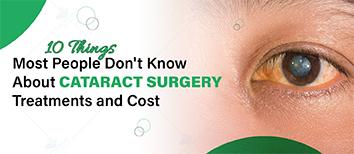
Discover 10 lesser-known facts about cataract surgery, including treatment options, recovery tips, and costs. Learn what you need to know before undergoing surgery.
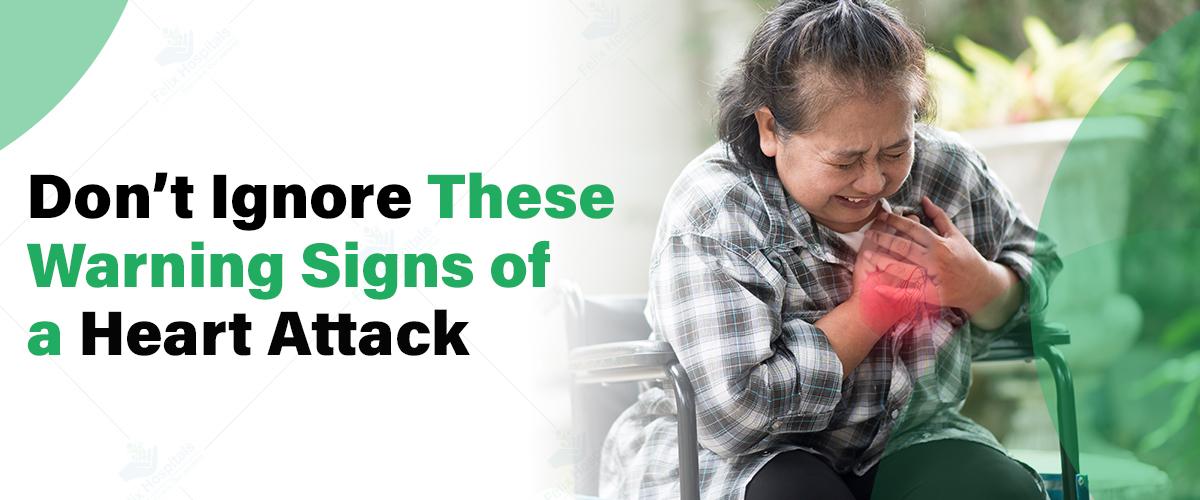
Heart disease remains a leading cause of death globally, affecting millions of people each year. While chest pain is often considered the hallmark symptom, heart disease can manifest in many subtle ways that are easy to overlook. Recognizing these signs early is crucial for preventing more severe health complications, such as heart attacks or strokes. Let’s delve into seven subtle signs of heart disease that you should never ignore in 2024.
Book an appointment now and give your heart the care it deserves by Calling +91 9667064100.
Shortness of breath, or dyspnea, can be one of the earliest signs of heart disease. Often dismissed as a sign of aging or being out of shape, it can be a red flag for conditions like heart failure or coronary artery disease.
When the heart struggles to pump blood efficiently, fluid can build up in the lungs, leading to breathlessness. You may notice this symptom during physical activities, like walking or climbing stairs, or even while lying down.
Difficulty breathing during mild physical activity
Shortness of breath when lying flat
Frequent need to sit upright to breathe easier
If you experience these symptoms, it’s important to consult a healthcare professional for evaluation.
Everyone feels tired from time to time, but unexplained and persistent fatigue can indicate that your heart is struggling to pump enough blood to meet your body’s needs. This is particularly concerning if you notice extreme tiredness even after restful sleep or during everyday tasks.
Heart disease affects the flow of oxygenated blood, which can leave you feeling drained. Women, in particular, may experience fatigue as a prominent sign of heart disease, making it vital to pay attention to your energy levels.
Fatigue that worsens over time
Feeling excessively tired after light activity
Needing more rest than usual but still feeling fatigued
Swelling in the lower extremities, medically known as edema, can be another subtle indicator of heart disease. When your heart isn't functioning properly, blood circulation slows down, causing fluid to build up in the tissues.
This can result in noticeable swelling, particularly in the legs, ankles, and feet. Left untreated, this can be a sign of worsening heart failure.
Persistent swelling, especially in the legs or feet
Swollen limbs that leave an indentation when pressed
Increasing swelling throughout the day
An irregular heartbeat, or arrhythmia, can be more than just a fleeting concern. While occasional palpitations can occur from stress or caffeine, frequent or prolonged irregular heartbeats may signal a problem with your heart’s electrical system.
Arrhythmias can lead to blood clots, stroke, or heart failure if left untreated. It's important to note if you experience feelings of fluttering, racing, or a pounding heartbeat, particularly when at rest.
A racing or fluttering heartbeat
Dizziness or lightheadedness accompanying palpitations
Persistent irregular heartbeat, even during rest
Believe it or not, indigestion or nausea can sometimes be related to heart disease. Often mistaken for gastrointestinal issues, these symptoms can indicate a heart problem, especially in women.
During a heart attack, the pain isn't always confined to the chest. It can radiate to other areas, including the stomach, leading to nausea, bloating, or even vomiting.
Persistent or sudden indigestion unrelated to food
Nausea or vomiting, especially when combined with other heart symptoms
Discomfort in the upper abdomen or chest
While chest pain is the most recognized sign of heart disease, pain in the jaw, neck, or back can also be a warning sign, particularly for women. This discomfort might be mild or come and go, making it easy to overlook or attribute to something else.
These pains can occur during physical activity or stress, and they often improve with rest. However, if you're experiencing them without a clear cause, they could indicate an issue with your heart.
Unexplained pain in the jaw, neck, or back
Discomfort that radiates from the chest to these areas
Pain that worsens with activity and improves with rest
Sudden cold sweats or unexplained lightheadedness can be signs that your heart is under stress. These symptoms can occur when the heart is not pumping enough blood to supply oxygen to the brain and other organs.
While many people might dismiss these symptoms as signs of dehydration or anxiety, they can be early indicators of an impending heart attack or another serious heart condition.
Breaking out in a cold sweat without exertion
Feeling lightheaded or dizzy for no clear reason
Sudden nausea or clammy skin
Recognizing the signs of heart disease is only the first step. To prevent the progression of heart disease, it’s essential to undergo regular heart health screenings. Blood tests, electrocardiograms (ECG), stress tests, and other diagnostic tools can help catch heart disease in its early stages.
At Felix Hospital, we offer the best heart health evaluations tailored to your individual needs. Our cardiologists specialize in diagnosing and treating various heart conditions to help you lead a healthy, active life.
Understanding the risk factors for heart disease can help you take preventive measures. Some of the most common risk factors include:
Age: The risk of heart disease increases with age, particularly for those over 55.
Family History: A family history of heart disease can raise your risk.
High Blood Pressure: Uncontrolled hypertension damages the arteries, making them more susceptible to blockages.
High Cholesterol: Elevated cholesterol levels contribute to plaque buildup in the arteries.
Smoking: Smoking is a major contributor to cardiovascular disease.
Diabetes: People with diabetes are more prone to heart disease due to poor blood sugar control.
Obesity: Excess weight puts added strain on the heart and can lead to other risk factors like diabetes and high blood pressure.
Sedentary Lifestyle: Lack of physical activity is a significant risk factor for heart disease.
Poor Diet: A diet high in unhealthy fats, sugar, and sodium contributes to heart disease.
At Felix Hospital, you'll find the best cardiologists in Noida, committed to delivering outstanding care for heart disease patients. Our team includes:
Dr. Rahul Arora: A highly respected cardiologist with vast experience in managing a wide range of heart conditions.
Contact us today by Clicking Here for a consultation and take the first step toward a healthier, happier heart!
Heart disease doesn’t always announce itself with a dramatic heart attack. Often, it starts with subtle, easy-to-miss signs. By understanding these symptoms and seeking timely medical advice, you can take control of your heart health. Whether it's unexplained fatigue, shortness of breath, or irregular heartbeats, don’t ignore the warning signs.
At Felix Hospital, we prioritize your heart health. Our experienced cardiologists provide personalized care, from preventive screenings to advanced treatment options, ensuring you receive the best care possible. Take action today schedule a heart health screening and give your heart the care it deserves.
1-What are the most common subtle signs of heart disease in women?
ANS: Shortness of breath, fatigue, and jaw or back pain are common subtle signs in women.
2-Can fatigue be a symptom of heart disease?
ANS: Yes, persistent and unexplained fatigue can indicate that your heart isn’t pumping efficiently.
3-How is heart disease diagnosed?
ANS: Diagnosis involves physical exams, blood tests, ECGs, stress tests, and sometimes imaging studies like echocardiograms or angiograms.
4-Can heart disease be prevented?
ANS: Yes, adopting a healthy lifestyle—like regular exercise, a balanced diet, and avoiding smoking—can reduce the risk of heart disease.
5-Is chest pain always present with heart disease?
ANS: No, heart disease can manifest without chest pain. Symptoms like fatigue, breathlessness, or back pain may be present instead.
6- Why do women experience different symptoms than men?
ANS: Women’s heart disease symptoms are often more subtle and can involve areas like the jaw, neck, or back due to differences in how cardiovascular disease affects them.
7-What is the best way to manage heart disease?
ANS: Management includes lifestyle changes, medications, and, in some cases, surgical interventions. Regular check-ups are also important.
8- How often should I get screened for heart disease?
ANS: It depends on your risk factors. If you have a family history or other risk factors, you should be screened annually or as recommended by your doctor.
9-What is the cost of heart disease treatment at Felix Hospital?
ANS: The cost depends on the type of treatment required, but Felix Hospital offers affordable and comprehensive cardiac care.
Who is the best cardiologist at Felix Hospital?
ANS: Felix Hospital has a team of expert cardiologists dedicated to providing personalized and effective care for heart disease patients.
हार्ट अटैक के मुख्य लक्षण, कारण और तुरंत किए जाने वाले उपचार के बारे में जानें। समय पर पहचान और सही इलाज से जीवन बचाया जा सकता है।
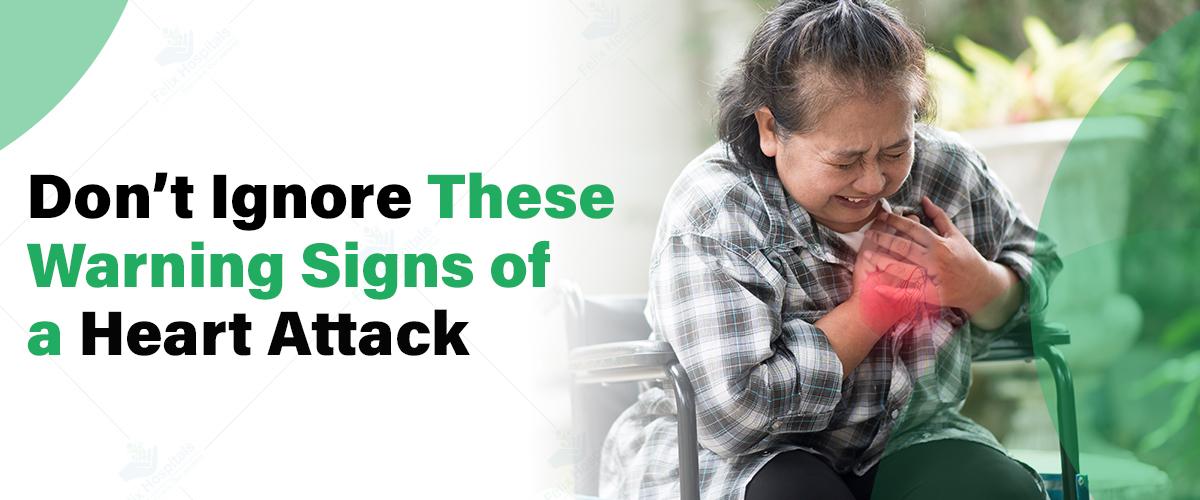
Heart attack signs early is crucial because timely intervention can significantly reduce the risk of severe complications and improve outcomes.
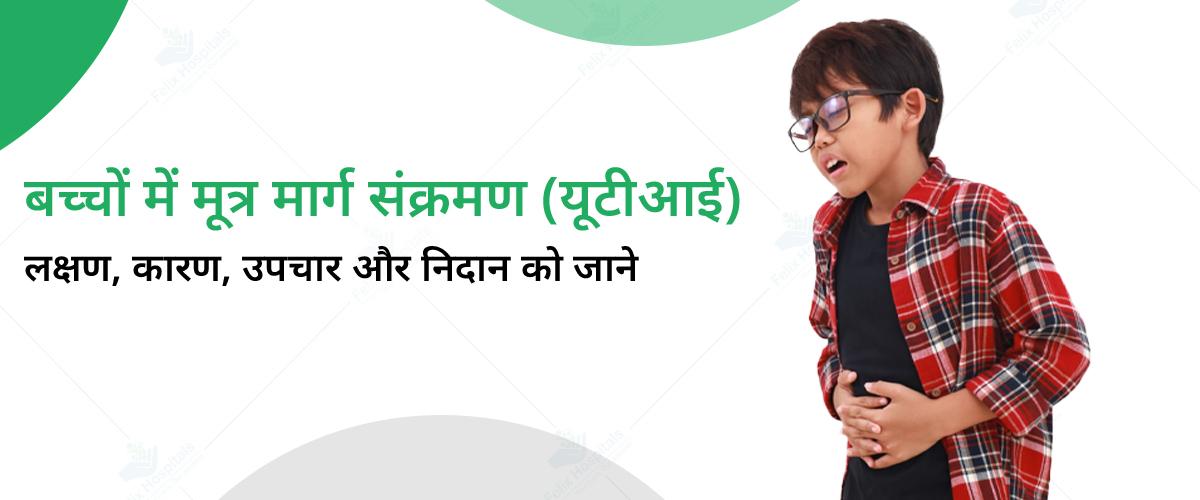
बच्चों में मूत्र मार्ग संक्रमण (यूटीआई) एक सामान्य लेकिन गंभीर स्वास्थ्य समस्या हो सकती है। यह संक्रमण तब होता है जब बैक्टीरिया मूत्र मार्ग में प्रवेश करते हैं और मूत्राशय या गुर्दे में संक्रमण पैदा करते हैं। यदि सही समय पर उपचार न किया जाए, तो यह संक्रमण गुर्दे को स्थायी रूप से क्षति पहुंचा सकता है। फेलिक्स हॉस्पिटल, जो बच्चों में मूत्र संक्रमण के लिए सर्वश्रेष्ठ अस्पताल के रूप में जाना जाता है, इस समस्या के समाधान के लिए उचित निदान और उपचार प्रदान करता है।
बच्चों में मूत्र संक्रमण के लिए सबसे अच्छा इलाज चाहिए? आज ही अपॉइंटमेंट बुक करने के लिए इस नंबर पर संपर्क करें +91 9667064100।
यूटीआई (मूत्र मार्ग संक्रमण) तब होता है जब बैक्टीरिया मूत्रमार्ग में प्रवेश करते हैं और संक्रमण उत्पन्न करते हैं। यह संक्रमण निचले मूत्र मार्ग (मूत्राशय) या ऊपरी मूत्र मार्ग (गुर्दे) में हो सकता है। बच्चों में यूटीआई विशेष रूप से चिंताजनक होता है क्योंकि वे कभी-कभी अपने लक्षणों को ठीक से व्यक्त नहीं कर पाते हैं।
बच्चों में मूत्र संक्रमण के इलाज की लागत अस्पताल, निदान की विधि, और संक्रमण की गंभीरता पर निर्भर करती है। बच्चों में मूत्र संक्रमण उपचार लागत के लिए फेलिक्स हॉस्पिटल में विशेषज्ञ से संपर्क करना एक उचित विकल्प हो सकता है।
फेलिक्स हॉस्पिटल में बच्चों की देखभाल के लिए विशेषज्ञ डॉक्टरों की टीम उपलब्ध है। डॉ. विश्रुत सिंह, डॉ. प्रभात कुमार, और डॉ. नीरज कुमार बच्चों में मूत्र मार्ग संक्रमण के निदान और उपचार में अनुभवी हैं। यह टीम बच्चों की समस्याओं को समझते हुए सर्वोत्तम चिकित्सा प्रदान करती है और परिवारों को सही सलाह देती है। फेलिक्स हॉस्पिटल में आने वाले बच्चों को व्यक्तिगत ध्यान और देखभाल दी जाती है, जिससे उनके स्वास्थ्य में तेजी से सुधार होता है। यदि आप बच्चों में मूत्र संक्रमण के लिए सर्वश्रेष्ठ डॉक्टर की तलाश कर रहे हैं, तो फेलिक्स हॉस्पिटल में अपॉइंटमेंट बुक करें।
क्या आपके बच्चे को यूटीआई के लक्षण हो रहे हैं? यहां क्लिक करें और आज ही बच्चों में मूत्र मार्ग संक्रमण का सर्वोत्तम उपचार प्राप्त करें!
बच्चों में मूत्र मार्ग संक्रमण एक गंभीर समस्या हो सकती है, लेकिन इसे सही समय पर पहचाना और उपचारित किया जा सकता है। माता-पिता को बच्चों के लक्षणों को नजरअंदाज नहीं करना चाहिए और उचित निदान और उपचार के लिए विशेषज्ञ डॉक्टर से संपर्क करना चाहिए। फेलिक्स हॉस्पिटल जैसे प्रतिष्ठित अस्पताल में बच्चों के यूटीआई का सटीक निदान और उपचार प्राप्त किया जा सकता है। यहां के विशेषज्ञ डॉक्टर और आधुनिक सुविधाएं आपके बच्चे की सेहत को सुधारने में मदद कर सकते हैं।
Q-बच्चों में मूत्र मार्ग संक्रमण (यूटीआई) क्या है?
A- मूत्र मार्ग संक्रमण (यूटीआई) एक संक्रमण है जो तब होता है जब बैक्टीरिया मूत्र मार्ग में प्रवेश करते हैं और मूत्राशय या गुर्दे में संक्रमण फैलाते हैं।
Q-बच्चों में यूटीआई के सामान्य लक्षण क्या हैं?
A- सामान्य लक्षणों में पेशाब के समय जलन, बुखार, बार-बार पेशाब आना, पेट दर्द, और पेशाब की दुर्गंध शामिल हैं।
Q-बच्चों में यूटीआई का मुख्य कारण क्या है?
A- यूटीआई का मुख्य कारण ई.कोलाई बैक्टीरिया है, जो मूत्रमार्ग में प्रवेश करके संक्रमण पैदा करता है।
Q-यूटीआई का निदान कैसे किया जाता है?
A- यूटीआई का निदान मूत्र परीक्षण, मूत्र कल्चर, और कभी-कभी अल्ट्रासाउंड या अन्य इमेजिंग परीक्षणों से किया जाता है।
Q-बच्चों में मूत्र मार्ग संक्रमण के उपचार में क्या शामिल है?
A- उपचार में एंटीबायोटिक्स, दर्द निवारक, और कभी-कभी जीवनशैली में बदलाव शामिल होते हैं।
Q-बच्चों में मूत्र संक्रमण की उपचार लागत क्या होती है?
A- उपचार की लागत अस्पताल, निदान, और संक्रमण की गंभीरता पर निर्भर करती है। फेलिक्स हॉस्पिटल में उचित और पारदर्शी उपचार लागत उपलब्ध होती है, जहां आप विशेषज्ञ डॉक्टरों से परामर्श कर सकते हैं।
Q-क्या बच्चों में यूटीआई को रोका जा सकता है?
A- हां, बच्चों में साफ-सफाई बनाए रखना, नियमित पानी पिलाना और बच्चों को समय पर बाथरूम जाने की आदत डालना मूत्र मार्ग संक्रमण की रोकथाम में मदद कर सकता है।
Q-फेलिक्स हॉस्पिटल में यूटीआई का इलाज क्यों कराया जाए?
A- फेलिक्स हॉस्पिटल में बच्चों के मूत्र मार्ग संक्रमण के उपचार के लिए विशेषज्ञ डॉक्टर, आधुनिक उपकरण और उत्कृष्ट देखभाल प्रदान की जाती है।
One of the best hospitals for urinary tract treatment in Noida offers comprehensive urology care, featuring expert urologists and advanced diagnostic and treatment facilities.
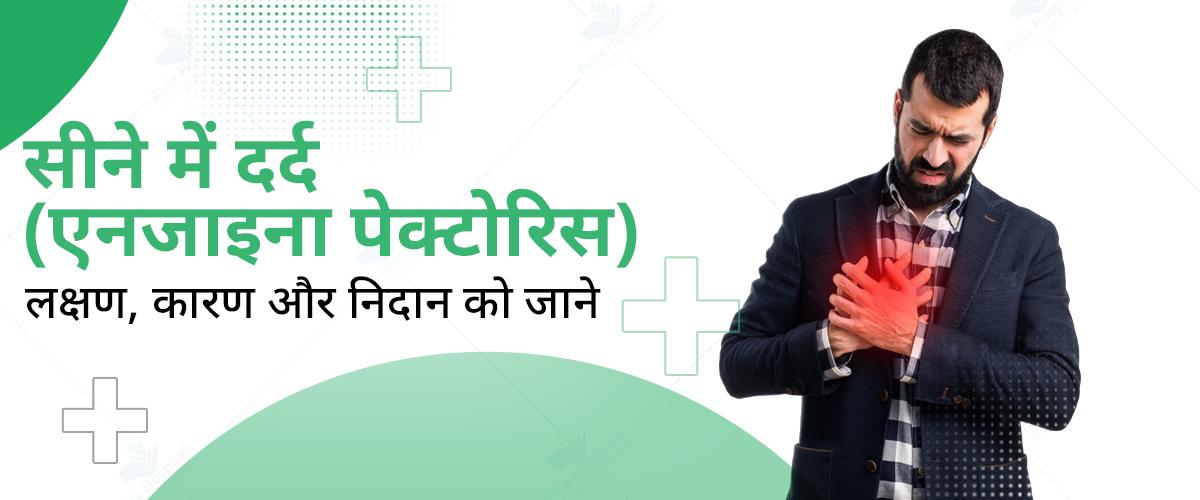
एनजाइना पेक्टोरिस, जिसे आमतौर पर सीने में दर्द के रूप में जाना जाता है, दिल से संबंधित एक गंभीर समस्या है। यह समस्या तब उत्पन्न होती है जब दिल को पर्याप्त ऑक्सीजन और खून नहीं मिलता है, जिससे दिल की मांसपेशियों में दर्द या बेचैनी होती है। यह दर्द मुख्य रूप से तब महसूस होता है जब दिल को सामान्य से अधिक काम करना पड़ता है, जैसे व्यायाम या भावनात्मक तनाव के दौरान। एनजाइना पेक्टोरिस के लक्षणों, कारणों और निदान को समझना आवश्यक है ताकि उचित उपचार समय पर किया जा सके। इस लेख में हम विस्तार से एनजाइना पेक्टोरिस के लक्षण, कारण, निदान और उपचार पर चर्चा करेंगे।
यदि आप इस स्थिति का सामना कर रहे हैं और एनजाइना पेक्टोरिस के लिए सर्वश्रेष्ठ अस्पताल की तलाश कर रहे हैं, तो नोएडा में आपके पास उत्तम विकल्प हो सकते हैं, जहाँ अत्याधुनिक चिकित्सा सेवाएं और विशेषज्ञ डॉक्टर मौजूद हैं।
एनजाइना पेक्टोरिस के उपचार के लिए अनुभवी और विश्वसनीय डॉक्टर की आवश्यकता है? आज ही अपॉइंटमेंट बुक करने के लिए कॉल करें +91 9667064100 पर।
एनजाइना पेक्टोरिस एक चिकित्सा स्थिति है जो तब होती है जब दिल की मांसपेशियों को पर्याप्त ऑक्सीजन युक्त रक्त नहीं मिलता। यह समस्या तब उत्पन्न होती है जब कोरोनरी धमनियों में अवरोध या संकीर्णता के कारण रक्त प्रवाह कम हो जाता है। एनजाइना पेक्टोरिस को दो मुख्य प्रकारों में विभाजित किया जा सकता है:
स्थिर एनजाइना (Stable Angina): यह तब होता है जब सीने में दर्द या बेचैनी शारीरिक परिश्रम या तनाव के दौरान उत्पन्न होती है और आराम करने पर ठीक हो जाती है।
अस्थिर एनजाइना (Unstable Angina): यह एक गंभीर स्थिति है जिसमें सीने का दर्द अचानक और बिना किसी शारीरिक गतिविधि के होता है, और यह संकेत हो सकता है कि आपको दिल का दौरा पड़ने का खतरा है।
एनजाइना पेक्टोरिस का मुख्य कारण कोरोनरी धमनियों में अवरोध होता है, जो एथेरोस्क्लेरोसिस (धमनियों में चर्बी जमा होना) के कारण होता है। इसके अलावा, कई और भी कारक हो सकते हैं जो एनजाइना पेक्टोरिस का कारण बन सकते हैं:
धूम्रपान: धूम्रपान दिल की धमनियों को संकीर्ण करता है और एनजाइना का खतरा बढ़ाता है।
उच्च रक्तचाप (Hypertension): उच्च रक्तचाप से दिल पर अधिक दबाव पड़ता है, जिससे एनजाइना का जोखिम बढ़ जाता है।
मोटापा: अधिक वजन या मोटापा दिल की धमनियों को अवरुद्ध करने का एक प्रमुख कारण है।
मधुमेह (Diabetes): मधुमेह से दिल की धमनियों में रुकावट का खतरा बढ़ जाता है।
तनाव और चिंता: लगातार तनाव और मानसिक दबाव से दिल पर नकारात्मक प्रभाव पड़ता है, जिससे एनजाइना पेक्टोरिस का खतरा बढ़ जाता है।
कोलेस्ट्रॉल का उच्च स्तर: उच्च कोलेस्ट्रॉल से धमनियों में पट्टिका जमा होती है, जिससे रक्त प्रवाह में बाधा उत्पन्न होती है।
अनुचित आहार और शारीरिक निष्क्रियता: असंतुलित आहार और शारीरिक निष्क्रियता से दिल पर दबाव बढ़ता है, जिससे एनजाइना पेक्टोरिस का खतरा बढ़ सकता है।
एनजाइना पेक्टोरिस के लक्षण आमतौर पर निम्नलिखित होते हैं:
सीने में दर्द या दबाव: दिल के बीचों-बीच भारीपन या दबाव जैसा महसूस होना।
हाथों, गर्दन, जबड़े या पीठ में दर्द: सीने का दर्द अन्य अंगों में भी फैल सकता है, जैसे कि बाएं हाथ, गर्दन, या पीठ।
सांस लेने में कठिनाई: हल्का व्यायाम या परिश्रम करने के बाद सांस लेने में दिक्कत हो सकती है।
थकान: सामान्य से अधिक थकान महसूस होना।
पसीना आना: अचानक अत्यधिक पसीना आना।
चक्कर आना: बेहोशी जैसा महसूस होना या हल्का चक्कर आना।
सीने में भारीपन या जलन: यह अक्सर हार्टबर्न या एसिड रिफ्लक्स की तरह भी महसूस हो सकता है।
एनजाइना पेक्टोरिस के निदान के लिए डॉक्टर कुछ विशेष परीक्षण करते हैं ताकि यह सुनिश्चित किया जा सके कि दर्द दिल से संबंधित है या नहीं। इन परीक्षणों में निम्नलिखित शामिल हैं:
इलेक्ट्रोकार्डियोग्राम (ECG): दिल की विद्युत गतिविधियों की जांच करता है।
इकोकार्डियोग्राम: यह दिल की धड़कनों और धमनियों की संरचना की जाँच करता है।
स्ट्रेस टेस्ट: शारीरिक गतिविधि के दौरान दिल की क्षमता को परखा जाता है।
कॉरोनरी एंजियोग्राफी: दिल की धमनियों में किसी भी अवरोध का पता लगाने के लिए किया जाने वाला विशेष परीक्षण।
ब्लड टेस्ट: ब्लड में ट्रोपोनिन और कोलेस्ट्रॉल का स्तर मापा जाता है।
एनजाइना पेक्टोरिस का इलाज इसके कारणों और गंभीरता पर निर्भर करता है। आम तौर पर, इसका उपचार दवाओं, जीवनशैली में बदलाव और गंभीर मामलों में सर्जिकल प्रक्रियाओं से किया जाता है। एनजाइना पेक्टोरिस उपचार की लागत विभिन्न कारकों पर निर्भर करती है, जैसे कि उपचार का प्रकार और अस्पताल की सुविधाएं। यहाँ कुछ प्रमुख उपचार विकल्प दिए गए हैं:
दवाएं: नाइट्रेट्स, बीटा-ब्लॉकर्स, कैल्शियम चैनल ब्लॉकर्स, एस्पिरिन, और स्टैटिन जैसी दवाएं एनजाइना के लक्षणों को कम करने और रक्त प्रवाह में सुधार करने में मदद करती हैं।
एंजियोप्लास्टी: संकीर्ण धमनियों को खोलने के लिए एक छोटी ट्यूब (स्टेंट) डाली जाती है।
कोरोनरी बाईपास सर्जरी: अवरुद्ध धमनियों को बाईपास करके रक्त प्रवाह को बहाल करने के लिए सर्जरी की जाती है।
जीवनशैली में बदलाव: स्वस्थ आहार, नियमित व्यायाम, और धूम्रपान से बचना एनजाइना के लक्षणों को नियंत्रित करने में मदद करता है।
एनजाइना पेक्टोरिस से बचाव के लिए कुछ आवश्यक कदम उठाए जा सकते हैं:
स्वस्थ आहार: हृदय-स्वस्थ आहार जिसमें फल, सब्जियां, साबुत अनाज, और मछली शामिल हो, खाएं।
नियमित व्यायाम: नियमित शारीरिक गतिविधि जैसे पैदल चलना, योग या साइकिलिंग करें।
धूम्रपान छोड़ें: तम्बाकू से दिल की बीमारियों का खतरा बढ़ता है, इसलिए धूम्रपान से बचें।
रक्तचाप और कोलेस्ट्रॉल का नियंत्रण: रक्तचाप और कोलेस्ट्रॉल के स्तर को नियंत्रित रखें।
तनाव प्रबंधन: तनाव को कम करने के लिए ध्यान, योग और अन्य मानसिक स्वास्थ्य प्रथाओं का पालन करें।
फेलिक्स हॉस्पिटल में एनजाइना पेक्टोरिस उपचार के लिए सर्वोत्तम डॉक्टर उपलब्ध हैं। यहाँ डॉ. राहुल अरोरा जैसे प्रसिद्ध चिकित्सक आपके उपचार में सहायता करते हैं। इन डॉक्टरों के पास एनजाइना पेक्टोरिस के उपचार के लिए व्यापक अनुभव और आधुनिक तकनीकों का ज्ञान है, जो आपकी स्थिति के लिए सर्वोत्तम उपचार प्रदान करते हैं।
यदि आपको सीने में दर्द या एनजाइना पेक्टोरिस के लक्षणों का अनुभव हो रहा है, तो देरी न करें। यहां क्लिक करें और अभी अपॉइंटमेंट बुक करें!
एनजाइना पेक्टोरिस एक गंभीर चिकित्सा स्थिति है जिसे नजरअंदाज नहीं किया जा सकता। यदि आपको सीने में दर्द, थकान, या अन्य लक्षण दिखाई देते हैं, तो समय पर निदान और उपचार करना महत्वपूर्ण है। फेलिक्स हॉस्पिटल में विशेषज्ञ डॉक्टर और अत्याधुनिक चिकित्सा सुविधाएं आपको एनजाइना पेक्टोरिस से निपटने मेंउपचार में सहायता मिलती है। जीवनशैली में बदलाव, उचित उपचार, और नियमित निगरानी से एनजाइना पेक्टोरिस को नियंत्रित किया जा सकता है। यदि आपको एनजाइना पेक्टोरिस के लक्षण महसूस होते हैं, तो फेलिक्स हॉस्पिटल में विशेषज्ञ डॉक्टरों से संपर्क करें, जहां उचित देखभाल और आधुनिक तकनीकों के साथ आपकी समस्या का निदान और उपचार किया जाएगा।
Q:एनजाइना पेक्टोरिस क्या है?
A:एनजाइना पेक्टोरिस सीने में दर्द या बेचैनी है, जो दिल की मांसपेशियों तक पर्याप्त रक्त और ऑक्सीजन नहीं पहुंचने के कारण होता है।
Q:एनजाइना पेक्टोरिस के कारण क्या होते हैं?
A: एनजाइना पेक्टोरिस का मुख्य कारण कोरोनरी धमनियों में रुकावट होती है, जो धमनियों में चर्बी जमा होने से होती है।
Q: एनजाइना पेक्टोरिस के लक्षण क्या होते हैं?
A: इसमें सीने में दर्द, सांस लेने में कठिनाई, थकान, पसीना आना, और चक्कर आना शामिल हो सकते हैं।
Q:एनजाइना पेक्टोरिस का निदान कैसे किया जाता है?
A:इसका निदान इलेक्ट्रोकार्डियोग्राम (ECG), इकोकार्डियोग्राम, स्ट्रेस टेस्ट, और कोरोनरी एंजियोग्राफी जैसी प्रक्रियाओं से किया जाता है।
एनजाइना पेक्टोरिस का उपचार कैसे होता है? इसका उपचार दवाओं, जीवनशैली में बदलाव, एंजियोप्लास्टी, या कोरोनरी बाईपास सर्जरी से किया जाता है।
Q:क्या एनजाइना पेक्टोरिस से बचा जा सकता है?
A:हाँ, स्वस्थ आहार, नियमित व्यायाम, धूम्रपान से बचाव, और तनाव प्रबंधन के माध्यम से एनजाइना पेक्टोरिस से बचाव संभव है।
Q:एनजाइना पेक्टोरिस उपचार की लागत कितनी होती है?
A: उपचार की लागत रोग की गंभीरता और चयनित उपचार पद्धति पर निर्भर करती है। फेलिक्स हॉस्पिटल में उचित दरों पर उच्च-गुणवत्ता का इलाज उपलब्ध है।

Maintaining a healthy heart is crucial for overall well-being and longevity. Heart disease remains one of the leading causes of death globally, but many risk factors are within your control. At Felix Hospital, recognized as the best cardiology hospital in Noida, we understand the importance of heart health and offer comprehensive care to keep your cardiovascular system functioning at its best.
Let’s explore essential heart health hacks that can help you enhance your cardiovascular health quickly and effectively. Whether you’re looking to make minor adjustments to your daily routine or seeking more significant lifestyle changes, these tips can make a substantial difference in your heart health. Trust our expert guidance to protect your heart and improve your overall wellness.
Don't wait until it's too late, Take Control of Your Heart Health Today! Call Now at +91 9667064100.
Before we dive into the heart health hacks, it’s essential to understand what heart health entails. The heart is a muscular organ responsible for pumping blood throughout the body, supplying oxygen and nutrients while removing waste products. Factors affecting heart health include diet, exercise, weight, stress levels, and medical conditions like hypertension and diabetes.
Nutrition: A balanced diet rich in fruits, vegetables, whole grains, lean proteins, and healthy fats is vital for heart health.
Physical Activity: Regular exercise strengthens the heart muscle, improves circulation, and helps maintain a healthy weight.
Stress Management: Chronic stress can lead to unhealthy habits and an increased risk of heart disease.
Sleep Quality: Poor sleep can contribute to various heart conditions, including hypertension and obesity.
Regular Check-ups: Monitoring your heart health through regular medical check-ups can help catch potential issues early.
One of the most impactful changes you can make for your heart is revamping your diet. Here are some simple hacks:
Embrace Heart-Healthy Fats: Opt for unsaturated fats found in olive oil, avocados, and nuts instead of saturated fats found in red meat and full-fat dairy. Omega-3 fatty acids from fish like salmon and mackerel are also excellent for heart health.
Increase Fiber Intake: Foods high in fiber, such as whole grains, fruits, vegetables, and legumes, help lower cholesterol levels and improve heart health. Aim for at least 25-30 grams of fiber per day.
Cut Back on Sugar: High sugar intake is linked to obesity and diabetes, both of which increase heart disease risk. Limit sugary drinks, sweets, and processed foods.
Watch Your Sodium: Reducing salt intake can help lower blood pressure. Aim for less than 2,300 mg of sodium per day, and consider 1,500 mg if you have hypertension.
Regular physical activity is vital for maintaining a healthy heart. Here are effective ways to incorporate exercise into your routine:
Start with Small Steps: Aim for at least 150 minutes of moderate aerobic activity or 75 minutes of vigorous activity each week. If that sounds daunting, start with short 10-15 minute walks and gradually increase the duration.
Strength Training: Incorporate strength training exercises at least twice a week. Building muscle mass helps boost metabolism and promotes better heart health.
Choose Activities You Enjoy: Whether it’s dancing, swimming, cycling, or hiking, find activities you love to make exercising feel less like a chore.
Chronic stress can negatively impact heart health. Here are quick ways to manage stress:
Practice Mindfulness: Techniques such as meditation, yoga, or deep-breathing exercises can help reduce stress levels and improve emotional well-being.
Establish Boundaries: Learn to say no to activities or commitments that overwhelm you. Setting healthy boundaries is essential for managing stress.
Engage in Hobbies: Spend time on activities you enjoy, whether it’s painting, gardening, or reading. Engaging in hobbies can provide a welcome distraction and reduce stress.
Quality sleep is essential for heart health. Here are tips to improve your sleep quality:
Establish a Routine: Go to bed and wake up at the same time every day, even on weekends, to regulate your body’s internal clock.
Create a Sleep-Friendly Environment: Ensure your bedroom is dark, quiet, and cool. Consider using blackout curtains or a white noise machine if necessary.
Limit Screen Time: Reduce exposure to screens at least an hour before bedtime. The blue light emitted by phones and computers can interfere with your sleep cycle.
Hydration plays a crucial role in maintaining overall health, including heart health. Here’s how to stay hydrated:
Drink Plenty of Water: Aim for at least 8-10 cups of water a day. Hydration helps maintain optimal blood flow and heart function.
Limit Dehydrating Beverages: Cut back on caffeine and alcohol, as they can lead to dehydration. If you consume these beverages, balance them with extra water.
Both tobacco and excessive alcohol consumption are detrimental to heart health. Here’s what you can do:
Quit Smoking: If you smoke, seek support to quit. Smoking damages blood vessels and contributes to heart disease.
Limit Alcohol Intake: If you drink alcohol, do so in moderation. This generally means up to one drink per day for women and two for men.
Regular health check-ups can catch potential issues early. Here are monitoring strategies:
Know Your Numbers: Keep track of your blood pressure, cholesterol levels, and blood sugar levels. Discuss any concerns with your healthcare provider.
Regular Screenings: Schedule regular screenings for blood pressure, cholesterol, and diabetes as recommended by your doctor.
Having a support network can greatly enhance your motivation to maintain heart health. Consider these tips:
Join a Community: Engage with friends or community groups focused on health and wellness. Sharing experiences can provide encouragement and motivation.
Involve Your Family: Encourage family members to adopt heart-healthy habits together. Cooking healthy meals or exercising as a family can be more enjoyable and effective.
Knowledge is power when it comes to heart health. Here’s how to stay informed:
Read Up on Heart Health: Books, reputable websites, and articles can provide valuable information about maintaining a healthy heart.
Attend Workshops: Look for local workshops or online webinars that focus on heart health and wellness.
Preventive care is essential for long-term heart health. Here’s how to prioritize it:
Schedule Annual Physicals: Regular check-ups allow your doctor to assess your overall health and detect potential issues early.
Discuss Family History: If heart disease runs in your family, let your doctor know so they can recommend appropriate screenings.
At Felix Hospital, your heart health is in the hands of the best cardiologists in Noida. Our experienced team is dedicated to providing exceptional care for all heart-related conditions, ensuring that every patient receives personalized and comprehensive treatment. With advanced diagnostic tools and the latest treatment options, our specialists are committed to helping you achieve optimal heart health.
Dr. Rahul Arora
Dr. Arora specializes in managing complex heart conditions like coronary artery disease, heart failure, and arrhythmias, offering expert diagnostic and treatment services.
Taking charge of your heart health doesn’t have to be overwhelming. By implementing these quick and effective heart health hacks, you can make significant strides toward a healthier heart and a longer life. Remember, small changes can lead to substantial improvements over time. Prioritize your heart health, and don’t hesitate to seek professional guidance when needed. If you’re concerned about costs, rest assured that the best heart attack treatment cost in Noida is accessible at Felix Hospital, where we offer high-quality care with a focus on affordability. Your heart will thank you!
1: What are the most common signs of heart disease?
ANS: Common signs include chest pain, shortness of breath, fatigue, and irregular heartbeat. If you experience any of these symptoms, consult a healthcare professional.
2: How often should I get my blood pressure checked?
ANS: It’s recommended to check blood pressure at least once a year, or more frequently if you have high blood pressure or other risk factors.
3: Can I reverse heart disease through lifestyle changes?
ANS: Yes, many individuals can significantly improve their heart health and even reverse some effects of heart disease through diet, exercise, and other lifestyle changes.
4: How much exercise is recommended for heart health?
ANS: Aim for at least 150 minutes of moderate aerobic exercise or 75 minutes of vigorous exercise each week, along with strength training twice a week.
5: What foods should I avoid for better heart health?
ANS: Limit saturated fats, trans fats, sodium, and added sugars. Foods like red meat, processed foods, and sugary snacks should be consumed in moderation.
6: How does stress affect heart health?
ANS: Chronic stress can lead to unhealthy coping mechanisms, such as overeating or smoking, and can also increase blood pressure, contributing to heart disease risk.
7: Is it necessary to take supplements for heart health?
ANS: While a balanced diet is best, some individuals may benefit from supplements like omega-3 fatty acids or vitamins D and E. Consult your healthcare provider before starting any supplements.
8: What is the best way to quit smoking?
ANS: Consider using a combination of methods such as behavioral therapy, nicotine replacement therapies, and support groups to increase your chances of successfully quitting.

Arrhythmia is a condition where the heart beats irregularly—too fast, too slow, or with an uneven rhythm. It can feel like a fluttering, racing, or skipped heartbeat.
हार्ट अटैक के मुख्य लक्षण, कारण और तुरंत किए जाने वाले उपचार के बारे में जानें। समय पर पहचान और सही इलाज से जीवन बचाया जा सकता है।
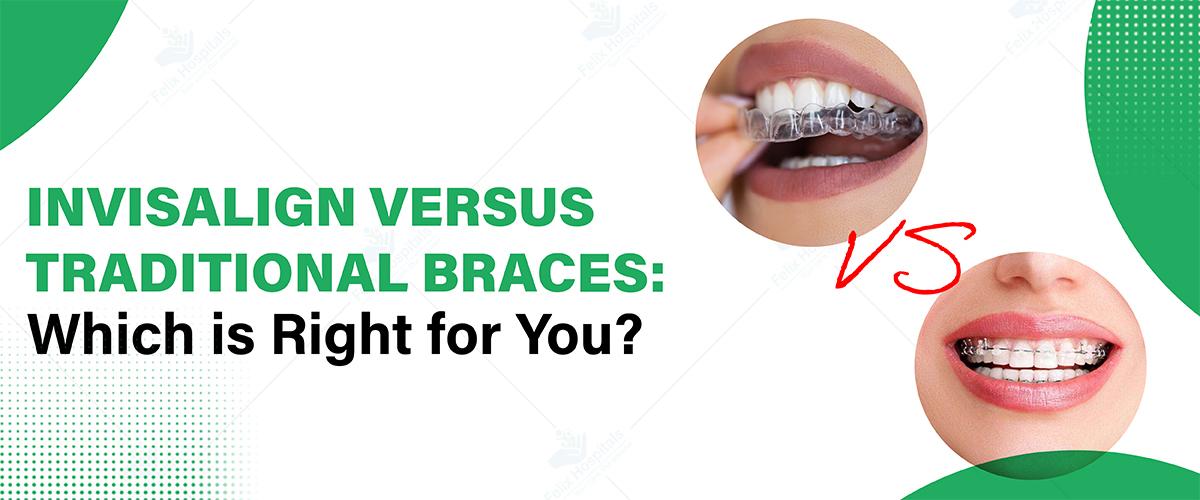
When it comes to orthodontic treatment, one of the most common questions people ask is whether they should choose Invisalign or traditional braces. Both options are highly effective at straightening teeth, but they differ in terms of appearance, treatment process, comfort, and cost. Choosing the right solution depends on a variety of factors, including your specific dental needs, lifestyle, and personal preferences.
Let’s dive into the differences between Invisalign and traditional braces, exploring the pros and cons of each treatment method with the best dental hospital in Noida. By the end, you should have a better understanding of which option is right for you.
Ready to achieve your perfect smile? Contact us today at +91 9667064100 to schedule a consultation and discover the best orthodontic solution for you!
Invisalign is an innovative orthodontic treatment that uses a series of clear, removable aligners to gradually straighten teeth. The aligners are made from a custom-molded, BPA-free plastic designed to fit snugly over your teeth. Unlike traditional braces, Invisalign aligners are nearly invisible, which makes them a popular choice for adults and teens looking for a more discreet way to straighten their teeth.
Traditional braces are the more well-known orthodontic treatment. They consist of metal brackets that are cemented to the teeth and connected by metal wires. These wires are adjusted periodically by your orthodontist to gradually move your teeth into the desired position. Traditional braces are highly effective and have been used for decades to correct a wide range of dental issues, from mild misalignment to severe malocclusions (bite problems).
Both Invisalign and traditional braces aim to correct tooth alignment, but they do so in different ways. Understanding how each method works is essential when deciding which treatment is right for you.
Invisalign aligners work by exerting gentle pressure on specific teeth, gradually moving them into the correct position over time. Here's how the process works:
Initial Consultation: Your orthodontist will evaluate your teeth, take X-rays and impressions, and create a digital 3D model of your mouth to design a personalized treatment plan.
Custom Aligners: Based on the 3D model, a series of aligners will be created. Each set of aligners is worn for about two weeks before moving on to the next set. These aligners will gradually shift your teeth.
Regular Checkups: Every 4-6 weeks, you'll visit your orthodontist to check on progress and receive new sets of aligners.
Completion: Once the treatment is complete, a retainer will be provided to maintain your newly straightened teeth.
Traditional braces rely on a system of brackets and wires to move teeth into their correct position:
Initial Consultation: Similar to Invisalign, your orthodontist will examine your teeth, take X-rays, and create a treatment plan.
Brackets and Wires: Metal brackets are cemented to each tooth, and a wire is threaded through them. The wire applies pressure to the teeth, gradually moving them into place. The orthodontist will periodically tighten or adjust the wires to continue the process.
Regular Adjustments: You’ll need to visit your orthodontist every 4-8 weeks for adjustments.
Completion: Once your teeth are properly aligned, the braces are removed, and you'll wear a retainer to keep your teeth in place.
One of the most significant differences between Invisalign and traditional braces is their appearance.
Invisalign: The clear aligners are virtually invisible, making Invisalign a popular choice for individuals who are concerned about their appearance during treatment. Many adults and teens prefer the discreet look of Invisalign because it allows them to straighten their teeth without drawing attention.
Traditional Braces: Metal braces are much more noticeable. Even though modern braces can sometimes be made from tooth-colored ceramic materials, they are still far more visible than Invisalign aligners.
Comfort is another critical factor in deciding between Invisalign and traditional braces.
Invisalign: The smooth plastic aligners of Invisalign are typically more comfortable than metal braces. They don't have any sharp edges that can irritate your cheeks and gums. However, there may still be some initial discomfort when switching to a new set of aligners as your teeth begin to shift.
Traditional Braces: Metal braces can irritate the inside of your mouth, particularly in the early stages of treatment. The brackets and wires can sometimes cause sores, and adjustments can make your teeth sore for a few days afterward.
Both Invisalign and traditional braces are effective at straightening teeth, but they have different capabilities when it comes to treating complex cases.
Invisalign: Invisalign is highly effective for treating mild to moderate alignment issues, such as gaps, overcrowded teeth, and minor bite problems. However, it may not be the best option for more severe orthodontic issues like complex malocclusions, rotated teeth, or teeth that need to be moved vertically.
Traditional Braces: Traditional braces are generally more versatile and can handle more severe or complex dental issues. Because the brackets and wires can apply more force to the teeth, they are better suited for treating complex malocclusions, rotated teeth, and significant bite issues.
Treatment time varies from patient to patient, depending on the complexity of the case, but there are general differences in the timeline between Invisalign and traditional braces.
Invisalign: On average, Invisalign treatment takes about 12-18 months. However, the aligners need to be worn for at least 20-22 hours per day to stay on schedule.
Traditional Braces: Traditional braces typically take 18-24 months to achieve the desired results. Complex cases may require longer treatment times. Because the braces are fixed to your teeth, they are always working, unlike Invisalign, which requires compliance.
The cost of orthodontic treatment is often a significant consideration for patients. The cost can vary based on the complexity of your case, your location, and your orthodontist's experience.
Invisalign: Invisalign is generally more expensive than traditional braces. The cost of Invisalign treatment can range from Rs3,500 to 8,000, depending on the length of treatment and the severity of the dental issues.
Traditional Braces: Traditional braces tend to be more affordable, with costs ranging from Rs 2,500 to 7,000. However, if you opt for ceramic braces (which are less noticeable), the price can increase.
Both Invisalign and traditional braces come with different levels of convenience when it comes to maintenance and lifestyle.
Invisalign: Invisalign aligners are removable, which makes eating and oral hygiene much easier compared to traditional braces.
You can take the aligners out to eat, brush, and floss, which means there are no dietary restrictions. However, because the aligners must be worn for 20-22 hours a day, it's essential to stay disciplined in wearing them.
Traditional Braces: With traditional braces, you have to avoid certain foods, such as sticky or hard foods, that can damage the brackets and wires. Additionally, oral hygiene can be more challenging, as brushing and flossing around the braces requires extra effort.
Both Invisalign and traditional braces require follow-up care after the treatment is complete to maintain your new smile.
Invisalign: After completing Invisalign treatment, you'll be given a retainer, which you’ll need to wear, especially at night, to prevent your teeth from shifting back to their original positions.
Traditional Braces: Similarly, after braces are removed, a retainer is necessary to maintain the results. You may be required to wear it full-time for a while, and then transition to wearing it only at night.
| Feature | Invisalign | Traditional Braces |
|---|---|---|
| Appearance | Virtually invisible | Very noticeable, even with ceramic options |
| Comfort | More comfortable due to the smooth plastic design | Can irritate the mouth with metal brackets and wires |
| Removability | Removable for eating, brushing, and flossing | Fixed to the teeth; cannot be removed during treatment |
| Office Visits | Fewer office visits required | Requires more frequent office visits for adjustments |
| Dietary Restrictions | No dietary restrictions | Dietary restrictions (avoid sticky, hard, or chewy foods) |
| Suitability | Best for mild to moderate dental issues | Can treat complex and severe dental issues |
| Compliance | Requires strict compliance (must be worn 20-22 hours/day) | No compliance issues (fixed to teeth) |
Choosing between Invisalign and traditional braces ultimately depends on your specific dental needs, budget, and personal preferences. Here are a few questions to ask yourself when making your decision:
How complex is your case?
If you have mild to moderate alignment issues, Invisalign may be the better option. However, if you have severe malocclusions or other complex dental problems, traditional braces may be more effective.
How important is appearance?
If you’re concerned about the visibility of braces and want a more discreet option, Invisalign is the clear choice. For those who don't mind the appearance of metal braces, traditional braces could be a good fit.
How disciplined are you?
Invisalign requires you to wear the aligners for most of the day. If you’re not confident in your ability to keep the aligners in for 20-22 hours a day, traditional braces might be more suitable since they are fixed.
What is your budget?
Invisalign tends to be more expensive than traditional braces. If cost is a significant factor, traditional braces may be the more budget-friendly option.
At Felix Hospital, our expert dental team is committed to providing exceptional orthodontic care, helping you make the best choice between Invisalign and traditional braces. Our skilled dentists, including Dr. Aditi Narad, Dr. Shinja Dixit, and Dr. Aditi Sharma, have extensive experience in guiding patients through their orthodontic journeys. Utilizing the latest advancements in dental technology, they offer personalized treatment plans to ensure you achieve the best possible results, whether you opt for Invisalign or traditional braces.
Consult with your orthodontist to discuss your unique situation and determine which treatment option is best for you by Clicking Here.
Both Invisalign and traditional braces are excellent options for straightening teeth and improving your smile. The right choice for you will depend on your specific orthodontic needs, lifestyle, and preferences. Invisalign offers a nearly invisible and comfortable way to straighten teeth but may not be suitable for more complex cases. Traditional braces, on the other hand, are highly effective for treating a wide range of orthodontic issues but are more noticeable and may require more maintenance.
1. Is Invisalign as effective as traditional braces?
Ans: Invisalign is effective for treating mild to moderate dental issues such as gaps, overcrowding, and minor bite problems. However, for more severe or complex cases like significant malocclusions or rotated teeth, traditional braces are typically more effective.
2. How long does treatment with Invisalign or traditional braces take?
Ans: Invisalign treatment usually lasts between 12-18 months, depending on the severity of the case. Traditional braces generally take 18-24 months but can vary depending on individual dental needs.
3. Are there any food restrictions with Invisalign or traditional braces?
Ans: With Invisalign, there are no food restrictions since the aligners are removable. With traditional braces, you need to avoid certain foods like sticky, hard, or chewy items that can damage the brackets or wires.
4. Which option is more comfortable: Invisalign or traditional braces?
Ans: Invisalign is generally more comfortable due to its smooth, plastic aligners. Traditional braces can cause discomfort or irritation in the mouth from the metal brackets and wires, especially after adjustments.
5. Can Invisalign treat all types of dental issues?
Ans: Invisalign is ideal for mild to moderate alignment issues. For complex cases involving severe bite problems or significant tooth rotation, traditional braces may be the better option.
6. Which is more affordable: Invisalign or traditional braces?
Ans: Traditional braces are typically more affordable, with costs ranging from Rs 2,500 to 7,000. Invisalign tends to be more expensive, with a price range between Rs 3,500 and 8,000, depending on the length and complexity of the treatment.
7. How often do I need to visit the orthodontist during treatment?
Ans: Invisalign requires fewer visits, usually every 4-6 weeks to check progress and receive new aligners. Traditional braces often require more frequent visits, typically every 4-8 weeks for adjustments and tightening.
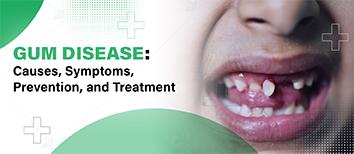
Gum disease, also known as periodontal disease, is an inflammatory condition that affects the tissues surrounding the teeth.
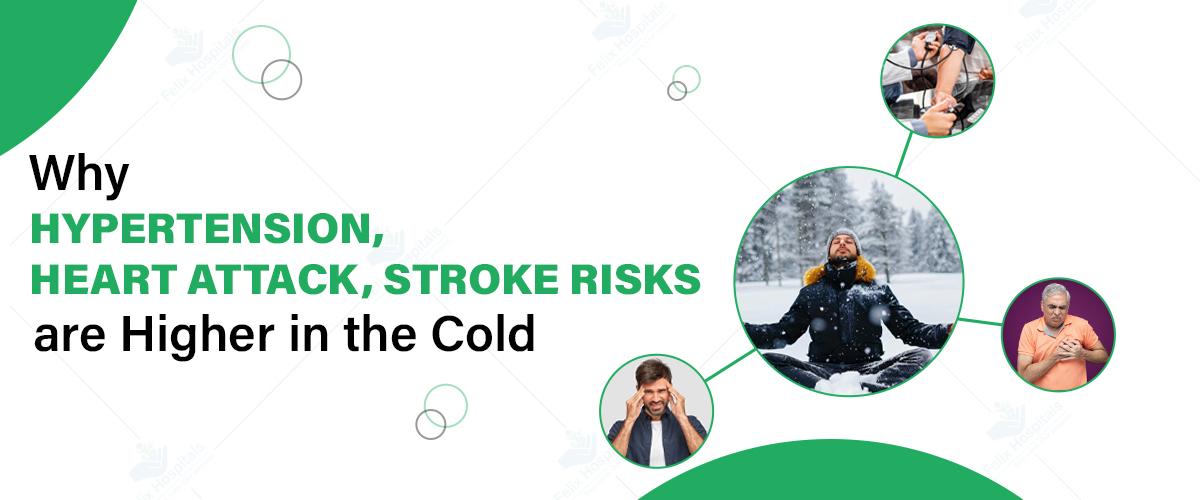
As winter sets in and temperatures drop, many people eagerly anticipate the holidays, snow days, and cozy nights by the fire. However, amidst the beauty of winter, there lurks a significant health risk that often goes unnoticed: the increased likelihood of hypertension, heart attacks, and strokes. The colder months can have a profound impact on our cardiovascular health, making it crucial to understand these risks for effective prevention and management. This is especially important when considering the need for specialized care, so identifying the best hospital for heart health is essential for anyone at risk during this season.
Consult with your healthcare provider at +91 9667064100 for personalized advice and strategies to stay heart-healthy during the winter months.
Cold weather affects the body in several ways that can increase cardiovascular risks. Understanding these mechanisms is vital for anyone concerned about heart health, especially those with pre-existing conditions such as hypertension or heart disease.
When exposed to cold temperatures, the body naturally responds by constricting blood vessels to maintain core body temperature. This vasoconstriction, while essential for preserving heat, can lead to an increase in blood pressure. As the blood vessels narrow, the heart must pump harder to circulate blood through these constricted pathways, leading to heightened strain on the cardiovascular system.
Cold weather can also lead to an increase in blood viscosity, or thickness. When temperatures drop, the body may produce more red blood cells to compensate for the reduced oxygen levels in cold air. Thicker blood is more difficult to pump and increases the risk of blood clots, which can lead to heart attacks and strokes.
During winter months, people often reduce their physical activity levels due to colder weather and shorter days. Physical inactivity is a known risk factor for hypertension, heart disease, and stroke. When people do exercise in winter, they may engage in more intense activity in a shorter period, which can place additional strain on the heart, particularly in those with pre-existing conditions.
The lack of sunlight during winter can lead to seasonal affective disorder (SAD), a type of depression that can affect motivation and energy levels. This can lead to a sedentary lifestyle and poor dietary choices, both of which are risk factors for hypertension and heart disease.
The holiday season, coupled with the challenges of cold weather, can lead to increased stress and anxiety. Stress triggers the release of hormones such as cortisol, which can elevate blood pressure and heart rate, further increasing the risk of cardiovascular events.
Hypertension
Hypertension, or high blood pressure, is often referred to as a silent killer because it typically has no noticeable symptoms. However, it poses a significant risk for heart disease and stroke. Cold weather can exacerbate hypertension through the mechanisms mentioned earlier. For individuals already diagnosed with hypertension, winter can present additional challenges, such as increased medication needs or the need for more frequent monitoring.
The risk of heart attacks rises significantly during the winter months. According to studies, heart attacks are more prevalent in colder temperatures, especially among individuals with pre-existing heart conditions. The added strain on the heart from increased blood pressure, combined with factors like stress and inactivity, creates a perfect storm for cardiac events.
Similar to heart attacks, the incidence of strokes also increases during the winter. The reasons are multi-faceted, including blood vessel constriction, increased blood viscosity, and the impact of cold temperatures on overall cardiovascular health. Ischemic strokes, caused by blood clots, are particularly linked to cold weather as the likelihood of clot formation rises.
While the risks associated with cold weather are concerning, there are several proactive steps individuals can take to protect their heart health during the winter months.
Layering clothing is key to maintaining body warmth. Ensure that you are well-dressed before going outside in cold temperatures. Protecting your extremities by wearing gloves, socks, and warm hats can help regulate your body temperature and reduce the strain on your cardiovascular system.
For those with hypertension, it’s crucial to monitor blood pressure regularly, especially during the winter months. Keeping track of your readings can help identify any significant changes, allowing for timely intervention. If necessary, consult your healthcare provider to adjust medications or treatment plans as needed.
While it can be tempting to stay indoors during winter, it's important to maintain physical activity. Consider indoor activities such as yoga, home workouts, or even taking brisk walks around your neighborhood when the weather permits. Staying active helps regulate blood pressure and maintain heart health.
A balanced diet rich in fruits, vegetables, whole grains, and lean proteins is essential for heart health. During the winter, comfort foods may be more tempting, but it’s important to prioritize nutrient-dense options that can help manage blood pressure and overall cardiovascular health. Reducing sodium intake and avoiding excessive alcohol consumption can also be beneficial.
Implement stress-reducing techniques such as meditation, deep breathing exercises, or engaging in hobbies that bring joy. It’s essential to find healthy ways to cope with the stress that often accompanies winter and the holiday season. Regular exercise is also an excellent way to manage stress levels.
Cold weather can be deceptive, leading many to forget about hydration. However, staying well-hydrated is essential for overall health, including heart health. Drink plenty of fluids, and remember that caffeine and alcohol can contribute to dehydration, so consume these in moderation.
If you have a history of heart disease, hypertension, or stroke, it’s crucial to consult with a healthcare provider before the winter season. They can offer personalized advice and adjustments to your treatment plan to help mitigate risks during colder months.
As winter approaches, prioritizing your heart health becomes increasingly important. If you have any concerns, consulting with a knowledgeable cardiologist is crucial. At Felix Hospital, our highly skilled team of cardiologists is committed to delivering exceptional care and tailored treatment plans. Among them, Dr. Rahul Arora stand out as some of the best cardiologists in Noida, specializing in the diagnosis and management of a wide range of heart conditions. Don’t hesitate to contact us for expert guidance on how to keep your heart healthy during the chilly months ahead.
If you or a loved one is at risk of heart disease, don’t wait for the warning signs—take charge of your heart health today by Clicking Here.
As winter approaches, it's vital to be aware of the potential risks that cold weather poses to your heart health. By understanding how hypertension, heart attacks, and strokes can be exacerbated during this time, you can take proactive steps to protect yourself. From dressing warmly and staying active to maintaining a healthy diet and managing stress, there are numerous ways to reduce your risk. Don't hesitate to seek medical advice if you're concerned about your cardiovascular health, especially if you have pre-existing conditions.
Why does cold weather affect blood pressure?
Cold weather causes blood vessels to constrict, increasing blood pressure as the heart has to work harder to pump blood.
Are heart attacks more common in winter?
Yes, studies show that heart attacks are more prevalent during colder months due to factors such as increased blood pressure and inactivity.
What can I do to stay active in the winter?
Indoor activities like yoga, gym workouts, or even brisk walking when weather permits can help maintain physical activity levels.
How can I manage stress during the winter?
Techniques such as meditation, deep breathing, and engaging in enjoyable hobbies can help reduce stress levels.
Should I adjust my diet in winter?
Yes, focusing on a balanced diet rich in nutrients while limiting sodium and processed foods can help maintain heart health during colder months.
How often should I monitor my blood pressure in winter?
Regular monitoring is recommended, especially if you have hypertension. Check with your healthcare provider for personalized advice.
Is dehydration a concern in winter?
Yes, cold weather can lead to dehydration. It's essential to drink plenty of fluids, even if you don't feel thirsty.
What should I do if I experience chest pain in winter?
Seek immediate medical attention if you experience chest pain, especially if it is accompanied by other symptoms of a heart attack.
Can stress lead to heart problems?
Yes, chronic stress can contribute to high blood pressure and increase the risk of heart disease and stroke. Finding healthy coping strategies is essential.
At Felix Hospital, our team of expert cardiologists is dedicated to providing the best care and personalized treatment plans. Dr. Rahul Arora is the best cardiologists in Noida

A dazzling white smile is a confidence booster for many, but lifestyle factors and aging can dim that sparkle over time. Teeth whitening has become a popular choice for restoring brilliance and tackling discoloration, with options ranging from home remedies to professional treatments. For those seeking a trusted, experienced dental hospital in Noida to explore safe and effective teeth-whitening options, this guide provides the insights needed to make informed decisions.
Book a consultation today with a qualified dentist in Noida for personalized teeth-whitening advice. Call us today at +91 9667064100.
Teeth whitening is a cosmetic dental procedure aimed at lightening teeth and removing stains or discoloration. This process typically involves using bleaching agents like hydrogen peroxide or carbamide peroxide, which penetrate the enamel and break down stains at a molecular level. With various methods available, including in-office procedures, at-home kits, and natural remedies, teeth whitening can effectively lift stains and enhance the brightness of your smile.
Several factors contribute to teeth discoloration, often making whitening a necessity. These include:
Teeth whitening offers several benefits, making it a popular choice for those seeking a radiant smile:
While effective, teeth whitening does have its drawbacks:
Potential for Overuse: Excessive whitening can weaken enamel and make teeth prone to damage or sensitivity.
To achieve safe and effective results, consider these essential tips:
Avoid Staining Foods Post-Treatment: For 24–48 hours after treatment, avoid dark-colored foods and beverages to prevent the re-staining of your teeth.
For those in Noida looking to enhance their smile with expert care, here are the top dental professionals for teeth whitening:
Schedule an appointment by Clicking Here with a top dentist in Noida to explore your teeth-whitening options and find the best fit for you.
Teeth whitening can transform your smile, enhancing both your appearance and self-confidence. However, the procedure requires careful consideration of the options, along with attention to safety guidelines to ensure effective results without harming the enamel. Consulting a skilled dentist is essential, especially for customized recommendations suited to your dental needs.
1. Can teeth whitening remove deep stains from tetracycline or antibiotics?
Ans: Deep stains caused by tetracycline or certain antibiotics may be difficult to remove with standard whitening methods. Dentists often recommend specialized treatments for these types of intrinsic stains.
2. Is teeth whitening safe for people with dental restorations?
Ans: Teeth whitening is generally safe, but it doesn’t affect crowns, fillings, or veneers. Your dentist can advise on alternative approaches for a uniformly white smile if you have restorations.
3. How long do professional teeth whitening results typically last?
Ans: Results from professional teeth whitening can last from a few months to a couple of years, depending on lifestyle habits and oral care.
4. Does teeth whitening affect the strength of my teeth?
Ans: Professional teeth whitening, when done correctly, should not harm the enamel. Overuse, however, can weaken enamel, so it’s essential to follow your dentist’s recommendations.
5. Can teeth whitening treat yellow teeth caused by aging?
Ans: Yes, teeth whitening is often effective for age-related yellowing, though results may vary based on the degree of staining and enamel thickness.
6. Is there a difference between teeth whitening and teeth bleaching?
Ans: Teeth whitening usually refers to restoring the natural color by removing stains, while bleaching often involves peroxide products that can lighten teeth beyond their natural shade.
7. Are there risks of teeth whitening during pregnancy?
Ans: While teeth whitening isn’t known to be harmful during pregnancy, most dentists recommend postponing it until after pregnancy due to a lack of research on its effects.
8. What’s the recommended age for teeth whitening?
Ans: Generally, dentists recommend waiting until 16–18 years old to ensure that all permanent teeth have fully developed and to avoid increased sensitivity in younger teeth.
Gum disease, also known as periodontal disease, is an inflammatory condition that affects the tissues surrounding the teeth.
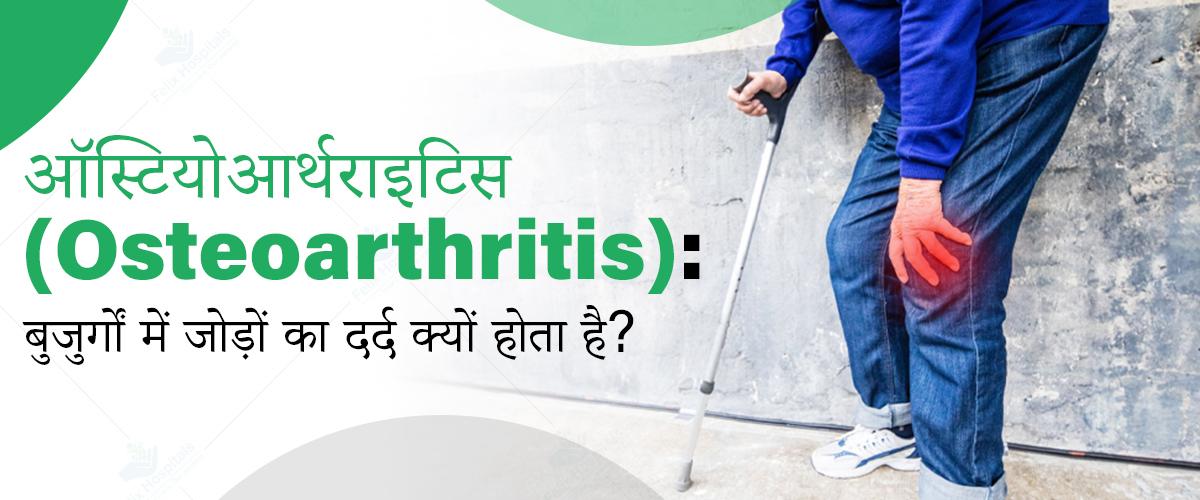
ऑस्टियोआर्थराइटिस (Osteoarthritis) जोड़ों से संबंधित दीर्घकालिक (क्रोनिक) बीमारी है, जो मुख्य रूप से उम्र बढ़ने के साथ होती है। इसे वियर एंड टियर आर्थराइटिस भी कहा जाता है, क्योंकि यह जोड़ों के कार्टिलेज (एक चिकनी परत जो हड्डियों के सिरों को कवर करती है) के धीरे-धीरे खराब होने के कारण होता है। जब यह कार्टिलेज खराब हो जाता है, तो हड्डियां आपस में रगड़ने लगती हैं, जिससे जोड़ों में दर्द सूजन, और जकड़न होती है। यदि आपको या किसी और को ऑस्टियोआर्थराइटिस के लक्षण महसूस हो रहे हैं, तो तुरंत नॉएडा के सर्वश्रेष्ठ रुमेटोलॉजी हॉस्पिटल्स (best rheumatology hospital in noida) में सहायता प्राप्त करें। जानिए इसके लक्षण से लेकर इलाज तक के बारे में विस्तार से..
ज्यादा जानकारी के लिए हमें कॉल करें +91 9667064100.
विषय सूची(Table of Contents)
ऑस्टियोआर्थराइटिस एक प्रकार का गठिया है, जिसमें जोड़ों के बीच मौजूद कार्टिलेज (गद्दीदार ऊतक) धीरे-धीरे टूटने लगता है। यह शरीर के जोड़ों में दर्द, सूजन और जकड़न का कारण बनता है। आमतौर पर यह स्थिति घुटनों, कूल्हों, हाथों और रीढ़ की हड्डी के जोड़ों को प्रभावित करती है। ऑस्टियोआर्थराइटिस बढ़ती उम्र के साथ अधिक सामान्य होती जाती है, लेकिन यह जोड़ों पर अधिक दबाव, चोट या अनुवांशिक कारणों से भी हो सकती है।.
बुजुर्गों में जोड़ों का दर्द एक सामान्य समस्या है, और इसके कई कारण हो सकते हैं। उम्र बढ़ने के साथ, शरीर में प्राकृतिक बदलाव होते हैं जो जोड़ों पर प्रभाव डालते हैं। ऑस्टियोआर्थराइटिस सबसे आम प्रकार का गठिया है जो बुजुर्गों में जोड़ों के दर्द का प्रमुख कारण है। उम्र के साथ कार्टिलेज (हड्डियों के सिरों को कवर करने वाली चिकनी परत) का कमजोर होना और धीरे-धीरे खराब होना इसकी वजह से होता है। रुमेटोइड आर्थराइटिस यह एक ऑटोइम्यून रोग है जिसमें प्रतिरक्षा प्रणाली अपने ही शरीर के ऊतकों पर हमला करती है, जिससे सूजन, दर्द और जोड़ नुकसान होता है। यह आमतौर पर बुजुर्गों में विकसित होता है और सामान्यत: हाथों और पैरों के छोटे जोड़ों को प्रभावित करता है। जबकि गठिया शरीर में यूरिक एसिड के उच्च स्तर के कारण होता है। यह आमतौर पर एक जोड़ में अचानक दर्द और सूजन का कारण बनता है। उम्र के साथ, जोड़ों में सूजन हो सकती है, जिससे दर्द और कठोरता होती है।
जोड़ों में दर्द:
यह ऑस्टियोआर्थराइटिस का सबसे सामान्य लक्षण है। जोड़ों में दर्द धीरे-धीरे बढ़ता है और गतिविधियों के साथ तेज हो जाता है।
जोड़ों की जकड़न:
खासकर सुबह या लंबे समय तक आराम करने के बाद जोड़ों में जकड़न महसूस होती है। यह कुछ मिनटों से लेकर एक घंटे तक रह सकती है।
जोड़ों में सूजन:
जोड़ों के आसपास सूजन आ सकती है, खासकर जब ऑस्टियोआर्थराइटिस गंभीर होता है।
जोड़ों में लचीलापन कम होना:
प्रभावित जोड़ों को हिलाने-डुलाने में कठिनाई होती है, जिससे सामान्य गतिविधियाँ करना मुश्किल हो सकता है।
जोड़ों से आवाज आना:
प्रभावित जोड़ों से खड़खड़ाहट या चरमराहट की आवाज आ सकती है, जिसे "क्रेपिटस" कहा जाता है। यह आवाज कार्टिलेज की टूट-फूट के कारण होती है।
जोड़ों का आकार बदलना:
समय के साथ, जोड़ों का आकार बदल सकता है, जिससे वे असामान्य दिख सकते हैं।
थकान:
दर्द और असुविधा के कारण व्यक्ति अधिक थकान महसूस कर सकता है।
मांसपेशियों में कमजोरी:
जोड़ों के आसपास की मांसपेशियाँ कमजोर हो सकती हैं, खासकर घुटनों के आसपास।
यह ऑस्टियोआर्थराइटिस का सबसे सामान्य प्रकार है और उम्र बढ़ने के साथ स्वाभाविक रूप से विकसित होता है। इसमें जोड़ों में कार्टिलेज का टूटना शुरू हो जाता है, जो उम्र के साथ घिसता रहता है। यह अधिकतर घुटनों, कूल्हों, हाथों और रीढ़ की हड्डी के जोड़ों को प्रभावित करता है। इसका कोई स्पष्ट कारण नहीं होता, लेकिन उम्र, वजन और रोज़मर्रा के काम इसका खतरा बढ़ा सकते हैं।
यह किसी चोट, बीमारी या अन्य चिकित्सीय स्थिति के कारण विकसित होता है। द्वितीयक ऑस्टियोआर्थराइटिस का कारण हो सकता है:
संयुक्त चोट (Joint Injury):
पुरानी चोटों या दुर्घटनाओं के कारण जोड़ों में नुकसान होने पर यह विकसित हो सकता है।
मोटापा (Obesity):
अत्यधिक वजन के कारण जोड़ों पर ज्यादा दबाव पड़ता है, जिससे कार्टिलेज जल्दी घिसता है।
जन्मजात विकृतियां (Congenital Abnormalities):
जन्म से ही अगर जोड़ों में असामान्यताएं हैं, तो यह ऑस्टियोआर्थराइटिस का कारण बन सकता है।
अन्य बीमारियां:
जैसे रूमेटॉयड आर्थराइटिस, गाउट, या मधुमेह जैसी स्थितियों से भी द्वितीयक ऑस्टियोआर्थराइटिस हो सकता है।
उम्र बढ़ना:
यह ऑस्टियोआर्थराइटिस का सबसे आम कारण है। उम्र बढ़ने के साथ जोड़ों का कार्टिलेज कमजोर हो जाता है, जिससे यह टूटने लगता है और जोड़ों में दर्द और सूजन होती है।
जोड़ों की चोट:
किसी पुराने चोट, दुर्घटना, या फ्रैक्चर के कारण जोड़ों में पहले से हुए नुकसान से ऑस्टियोआर्थराइटिस विकसित हो सकता है। खेल के दौरान लगी चोटें भी इसके जोखिम को बढ़ाती हैं।
मोटापा (Obesity):
अधिक वजन होने से घुटनों, कूल्हों और रीढ़ की हड्डी पर अधिक दबाव पड़ता है, जिससे कार्टिलेज जल्दी घिसता है और ऑस्टियोआर्थराइटिस का खतरा बढ़ता है।
अनुवांशिकता (Genetics):
यदि परिवार में किसी को ऑस्टियोआर्थराइटिस है, तो इसकी संभावना बढ़ जाती है। कुछ लोग जन्म से ही ऐसे जीन लेकर पैदा होते हैं जो उन्हें इस बीमारी के प्रति अधिक संवेदनशील बनाते हैं।
अत्यधिक जोड़ों का उपयोग (Overuse of Joints):
जिन लोगों का काम या गतिविधियां बार-बार जोड़ों पर दबाव डालती हैं, जैसे कि भारी वजन उठाने वाले या श्रमिक, उनमें ऑस्टियोआर्थराइटिस का खतरा अधिक होता है।
लिंग (Gender):
महिलाओं में ऑस्टियोआर्थराइटिस होने की संभावना पुरुषों की तुलना में अधिक होती है, खासकर 50 साल की उम्र के बाद।
जोड़ों की विकृतियां (Joint Deformities):
कुछ लोगों में जन्म से ही जोड़ों में विकृतियां होती हैं, जिससे उनके कार्टिलेज जल्दी घिस सकते हैं।
अन्य बीमारियां:
गठिया के अन्य रूप, जैसे रूमेटॉयड आर्थराइटिस, गाउट या मधुमेह जैसी स्थितियाँ भी ऑस्टियोआर्थराइटिस का कारण बन सकती हैं।
स्वस्थ वजन बनाए रखें:
शरीर का अतिरिक्त वजन घुटनों और कूल्हों जैसे वजन सहने वाले जोड़ों पर अधिक दबाव डालता है। वजन घटाने से ऑस्टियोआर्थराइटिस का खतरा कम हो सकता है और जोड़ों पर दबाव कम होता है।
नियमित व्यायाम करें:
हल्के और नियमित व्यायाम, जैसे तैराकी, चलना, साइकिल चलाना, या योग, जोड़ों की मजबूती और लचीलापन बनाए रखने में मदद करते हैं। यह जोड़ों के आसपास की मांसपेशियों को भी मजबूत बनाता है, जिससे जोड़ों पर दबाव कम होता है।
अत्यधिक जोड़ों का उपयोग न करें:
ऐसे काम या गतिविधियों से बचें, जिनसे लगातार या अत्यधिक जोड़ों पर दबाव पड़े। भारी वजन उठाने या एक ही तरह की दोहराई जाने वाली गतिविधियों से जोड़ों को नुकसान हो सकता है।
सही शारीरिक मुद्रा (Posture) बनाए रखें:
खड़े होने, बैठने और चलने के दौरान सही शारीरिक मुद्रा बनाए रखना महत्वपूर्ण है। इससे रीढ़ की हड्डी और जोड़ों पर अनावश्यक दबाव कम होता है।
जोड़ों की सुरक्षा करें:
यदि आपको किसी खेल या गतिविधि के दौरान चोट लगने का खतरा है, तो उचित सुरक्षा उपकरण पहनें। चोटें ऑस्टियोआर्थराइटिस के विकास को बढ़ावा दे सकती हैं।
स्वस्थ आहार लें:
विटामिन डी और कैल्शियम युक्त आहार हड्डियों को मजबूत बनाते हैं, जबकि ओमेगा-3 फैटी एसिड युक्त भोजन (जैसे मछली और नट्स) सूजन को कम करने में मदद कर सकते हैं। हड्डियों और जोड़ों को स्वस्थ रखने के लिए संतुलित आहार आवश्यक है।
जोड़ों का नियमित रूप से ख्याल रखें:
यदि किसी जोड़े में दर्द या सूजन हो, तो उसे नजरअंदाज न करें। समय पर उपचार कराने से ऑस्टियोआर्थराइटिस के जोखिम को कम किया जा सकता है।
चोटों से बचें:
जोड़ों की चोटें ऑस्टियोआर्थराइटिस का खतरा बढ़ा सकती हैं। इसलिए खेल या शारीरिक गतिविधियों के दौरान सुरक्षा उपाय अपनाएं और जोड़ों को सुरक्षित रखें।
तनाव और थकान से बचें:
अत्यधिक तनाव और थकान जोड़ों पर असर डाल सकते हैं, इसलिए तनाव को नियंत्रित करने के लिए आराम और मानसिक स्वास्थ्य का ध्यान रखें।
मधुमेह और अन्य बीमारियों का नियंत्रण:
मधुमेह और अन्य स्वास्थ्य समस्याओं को नियंत्रित रखना जरूरी है, क्योंकि ये बीमारियाँ भी ऑस्टियोआर्थराइटिस के खतरे को बढ़ा सकती हैं।
जीवनशैली में बदलाव:
अतिरिक्त वजन कम करने से घुटनों और कूल्हों पर दबाव कम होता है, जिससे दर्द और सूजन कम हो सकती है। तैराकी, योग, पैदल चलना और साइकिल चलाना जैसे कम प्रभाव वाले व्यायाम जोड़ों को मजबूत और लचीला बनाए रखते हैं। मांसपेशियों की ताकत बढ़ाने से जोड़ों पर कम दबाव पड़ता है। अत्यधिक शारीरिक श्रम या लंबे समय तक एक ही स्थिति में रहने से बचना चाहिए। जोड़ों को आराम देना और तनाव प्रबंधन करना भी महत्वपूर्ण है।
दवाइयां:
पैरासिटामोल या इबुप्रोफेन जैसी दर्द निवारक दवाएं दर्द और सूजन को कम करने में मदद करती हैं। नॉन-स्टेरॉयडल एंटी-इंफ्लेमेटरी (एनएसएआईडी) दवाएं सूजन और दर्द को कम करती हैं। इबुप्रोफेन और नेप्रोक्सेन इस श्रेणी में आते हैं। गंभीर सूजन और दर्द के लिए, डॉक्टर प्रभावित जोड़ों में स्टेरॉयड इंजेक्शन लगा सकते हैं। यह अस्थायी रूप से दर्द और सूजन को कम कर सकता है। हाइलूरोनिक एसिड इंजेक्शन जोड़ों के भीतर घिसी हुई कार्टिलेज को लुब्रिकेट करते हैं और दर्द को कम करने में मदद करते हैं, खासकर घुटनों में।
फिजियोथेरेपी:
फिजियोथेरेपिस्ट द्वारा दिए गए विशेष व्यायाम जोड़ों के आसपास की मांसपेशियों को मजबूत बनाते हैं और जोड़ों की कार्यक्षमता को बेहतर करते हैं। हॉट और कोल्ड थेरेपी से गर्मी और ठंड से जोड़ों में दर्द और सूजन कम की जा सकती है।
थेराप्यूटिक अल्ट्रासाउंड:
यह तकनीक गहरे ऊतकों में दर्द और सूजन को कम करने के लिए उपयोग की जाती है।
सहायक उपकरण (Assistive Devices):
ऑर्थोपेडिक उपकरण यानी की बैसाखी, वॉकर, घुटने के ब्रेस या ऑर्थोपेडिक जूते इस्तेमाल करके जोड़ों पर दबाव कम किया जा सकता है। पैर और हाथ के जोड़ों के लिए विशेष इन्सोल्स या स्प्लिंट्स भी मददगार होते हैं।
सर्जरी:
जब दवाएं और अन्य इलाज काम नहीं करते हैं, और स्थिति गंभीर हो जाती है, तो डॉक्टर सर्जरी की सलाह दे सकते हैं। आर्थ्रोस्कोपी में छोटे चीरे के माध्यम से क्षतिग्रस्त कार्टिलेज की मरम्मत की जाती है। यह प्रक्रिया कम गंभीर मामलों के लिए उपयुक्त होती है। जोड़ प्रत्यारोपण गंभीर स्थिति में, खासकर घुटनों और कूल्हों में, प्रभावित जोड़ को कृत्रिम जोड़ से बदलने के लिए सर्जरी की जाती है। ऑस्टियोटॉमी में हड्डियों की स्थिति को बदलकर जोड़ों पर दबाव कम किया जाता है।
आहार और पूरक आहार:
मछली या अलसी के बीज में पाए जाने वाले ओमेगा-3 फैटी एसिड सूजन को कम करने में मदद कर सकते हैं। हड्डियों को मजबूत रखने के लिए विटामिन डी और कैल्शियम युक्त भोजन या पूरक आहार फायदेमंद होते हैं।
वैकल्पिक चिकित्सा:
कुछ लोगों को दर्द से राहत के लिए एक्यूपंक्चर से फायदा मिलता है। मांसपेशियों की मसाज दर्द और जकड़न को कम करने में सहायक हो सकती है।
फेलिक्स हॉस्पिटल की रुमेटोलॉजी विशेषज्ञ डॉ. किरण सेठ जिनको 15 से भी अधिक सालों का अनुभव है वह हर प्रकार से आपके इलाज के लिए आपके साथ हैं। ऑस्टियोआर्थराइटिस के उपचार में विभिन्न विशेषज्ञता वाले डॉक्टर शामिल होते हैं, जो मिलकर मरीज की स्थिति का प्रबंधन करते हैं। खासकर आर्थोपेडिक सर्जन, रूमेटोलॉजिस्ट चिकित्सक गठिया और अन्य रूमेटिक बीमारियों के विशेषज्ञ होते हैं।
डॉक्टर की सलाह के लिए आज ही फ़ोन करें +91 9667064100.
ऑस्टियोआर्थराइटिस आमतौर पर उम्र बढ़ने, जोड़ों के अत्यधिक उपयोग या चोट के कारण होती है। यह स्थिति धीरे-धीरे विकसित होती है और हड्डियों के सिरों पर कार्टिलेज के क्षरण से होती है, जिससे जोड़ों में दर्द, सूजन, कठोरता, और गतिशीलता में कमी आती है। ऑस्टियोआर्थराइटिस को जीवनशैली में बदलाव, समय पर इलाज और सही देखभाल से प्रबंधित किया जा सकता है, ताकि व्यक्ति की जीवन की गुणवत्ता को बेहतर किया जा सके।
प्रश्न 1: ऑस्टियोआर्थराइटिस किस आयु वर्ग में अधिक होती है ?
उत्तर: ऑस्टियोआर्थराइटिस आमतौर पर 50 वर्ष से अधिक आयु के लोगों में अधिक होती है, लेकिन यह किसी भी आयु में हो सकती है, खासकर यदि जोड़ों पर अत्यधिक दबाव पड़ा हो या चोट लगी हो।
प्रश्न 2: क्या ऑस्टियोआर्थराइटिस का इलाज संभव है ?
उत्तर: स्वस्थ वजन बनाए रखना, नियमित व्यायाम करना, संतुलित आहार लेना, और जोड़ों की सही देखभाल करना ऑस्टियोआर्थराइटिस के जोखिम को कम करने में मदद कर सकता है।
प्रश्न 3: ऑस्टियोआर्थराइटिस किन जोड़ों को प्रभावित करती है ?
उत्तर: यह बीमारी मुख्य रूप से घुटनों, कूल्हों, हाथों, रीढ़ की हड्डी और कभी-कभी कंधों और पैरों के जोड़ों को प्रभावित करती है।
प्रश्न 4: क्या व्यायाम ऑस्टियोआर्थराइटिस में मददगार है ?
उत्तर: हां, नियमित व्यायाम जोड़ों को लचीला और मजबूत बनाए रखता है, जिससे दर्द और कठोरता कम हो सकती है। तैराकी, योग, और पैदल चलना जैसे हल्के व्यायाम फायदेमंद होते हैं।
प्रश्न 5: ऑस्टियोआर्थराइटिस के लिए कौन-कौन सी दवाएं ली जा सकती हैं ?
उत्तर: दर्द और सूजन को कम करने के लिए पैरासिटामोल, एनएसएआईडी (इबुप्रोफेन), स्टेरॉयड इंजेक्शन, और हाइलूरोनिक एसिड इंजेक्शन जैसी दवाओं का उपयोग किया जा सकता है।
प्रश्न 6: क्या ऑस्टियोआर्थराइटिस सर्जरी से ठीक हो सकती है ?
उत्तर: सर्जरी गंभीर मामलों में की जाती है, खासकर जब अन्य उपचार विफल हो जाते हैं। इसमें जोड़ प्रत्यारोपण जैसी सर्जरी शामिल होती है, जो मरीज की जीवन की गुणवत्ता में सुधार कर सकती है।
प्रश्न 7: ऑस्टियोआर्थराइटिस का निदान कैसे होता है ?
उत्तर: ऑस्टियोआर्थराइटिस का निदान शारीरिक जांच, एक्स-रे, एमआरआई और रक्त परीक्षण के जरिए किया जाता है। डॉक्टर मरीज के लक्षणों और चिकित्सा इतिहास के आधार पर इसका पता लगाते हैं।
प्रश्न 8: क्या ऑस्टियोआर्थराइटिस वंशानुगत हो सकती है ?
उत्तर: हां, ऑस्टियोआर्थराइटिस में आनुवंशिक घटक होते हैं, जिसका मतलब है कि जिनके परिवार में यह बीमारी होती है, उनमें इसके विकसित होने की संभावना अधिक होती है।
Pediatric rheumatology focuses on diagnosing and treating autoimmune and inflammatory disorders affecting children’s joints, muscles, and connective tissues.

Eating a balanced, nutrient-rich Arthritis diet plan can help manage inflammation and reduce symptoms of rheumatoid arthritis.
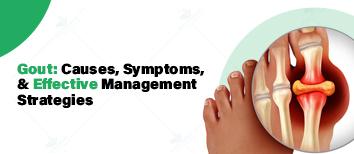
Gout is a form of arthritis caused by the buildup of uric acid crystals in the joints, leading to sudden and severe pain
सर्दियों के मौसम में दिल के दौरे का खतरा अधिक बढ़ जाता है और इसके पीछे कई कारण होते हैं। ठंड का असर खासतौर पर दिल और रक्तवाहिकाओं पर पड़ता है। इन कारणों से सर्दियों में विशेष सावधानी बरतने की आवश्यकता होती है, खासकर दिल की बीमारियों से पीड़ित लोगों के लिए। हार्ट अटैक के सामान्य लक्षणों में सीने में दर्द या भारीपन, सांस लेने में कठिनाई, ठंडे पसीने आना, चक्कर आना और कंधे, गर्दन या बाजू में दर्द शामिल होते हैं। अगर ये लक्षण दिखें, तो तुरंत सबसे अच्छा हार्ट अटैक अस्पताल से चिकित्सकीय सहायता लें।
ज्यादा जानकारी के लिए हमें कॉल करें +91 9667064100.
सर्दियों के मौसम में हार्ट अटैक का खतरा क्यों बढ़ता है ? (Why does the risk of heart attack increase in winter season)
सर्दियों के मौसम में हार्ट अटैक के लक्षण (Symptoms of heart attack in winter season)
सर्दियों के मौसम में हार्ट अटैक के कारण (Causes of heart attack in winter season)
सर्दियों के मौसम में हार्ट अटैक से बचाव (Heart attack prevention in winter season)
सर्दियों के मौसम में हार्ट अटैक का इलाज (Treatment of heart attack in winter season)
फेलिक्स हॉस्पिटल्स में हार्ट अटैक के विशेषज्ञ के बारे में जानें (Know the heart attack expert at felix hospitals)
निष्कर्ष (Conclusion)
सर्दियों के मौसम में हार्ट अटैक को लेकर अक्सर पूछे जाने वाले सवाल और जवाब ( Frequently asked questions and answers regarding heart attack in winter season)
रक्त वाहिकाओं का सिकुड़ना:
ठंड के मौसम में शरीर की रक्त वाहिकाएं सिकुड़ जाती हैं, जिससे रक्त का प्रवाह धीमा हो जाता है और रक्तचाप बढ़ जाता है। इससे दिल को अधिक मेहनत करनी पड़ती है, जो हार्ट अटैक का कारण बन सकता है।
रक्त का गाढ़ा होना:
सर्दियों में शरीर का तापमान गिरने पर खून गाढ़ा हो सकता है, जिससे थक्के बनने का खतरा बढ़ जाता है। अगर यह थक्का हृदय की धमनियों में फंस जाता है, तो दिल के दौरे हो सकता है।
बढ़ा हुआ रक्तचाप:
ठंड में ब्लड प्रेशर स्वाभाविक रूप से बढ़ जाता है क्योंकि दिल को शरीर को गर्म रखने के लिए अधिक प्रयास करना पड़ता है। यह भी हार्ट अटैक के जोखिम को बढ़ाता है।
कम शारीरिक गतिविधि:
सर्दियों में लोग आमतौर पर कम चलते-फिरते हैं, जिससे उनका शारीरिक स्वास्थ्य बिगड़ सकता है। यह दिल के लिए जोखिम भरा हो सकता है क्योंकि शारीरिक गतिविधि की कमी से कोलेस्ट्रॉल का स्तर बढ़ सकता है।
ठंड के कारण ऑक्सीजन की कमी:
ठंडे मौसम में शरीर को अतिरिक्त ऊर्जा की आवश्यकता होती है, जिससे ऑक्सीजन की मांग बढ़ जाती है। अगर शरीर को पर्याप्त ऑक्सीजन नहीं मिलती, तो दिल को अतिरिक्त दबाव सहना पड़ता है, जिससे दिल के दौरे का खतरा बढ़ जाता है।
सर्दियों में तनाव:
सर्दी के मौसम में तनाव और अवसाद भी बढ़ जाते हैं, जो हार्ट अटैक के जोखिम को बढ़ा सकते हैं। तनाव से रक्तचाप और हार्मोनल असंतुलन बढ़ सकता है, जो दिल पर बुरा असर डालता है।
सीने में दर्द या असहजता:
सीने के बीच या बाईं ओर भारीपन, दबाव या जलन जैसा महसूस होना। दर्द अक्सर कुछ मिनटों तक रहता है और फिर कम या अधिक हो सकता है। यह दिल के दौरे का प्रमुख लक्षण होता है।
बांह, गर्दन, या जबड़े में दर्द:
दर्द या असहजता सीने से कंधे, बाईं बांह, पीठ, गर्दन या जबड़े तक फैल सकती है। यह दर्द कभी-कभी बाईं ओर अधिक महसूस होता है।
सांस लेने में कठिनाई:
सामान्य से अधिक गहरी या कठिनाई से सांस लेना हार्ट अटैक का संकेत हो सकता है, खासकर जब इसे बिना किसी स्पष्ट कारण के अनुभव किया जाए।
ठंडे पसीने आना:
अचानक ठंडे पसीने का आना दिल के दौरे के चेतावनी संकेतों में से एक है, खासकर सर्दी के मौसम में जब शरीर पहले से ठंडे वातावरण में हो।
थकान या कमजोरी:
बिना किसी भारी शारीरिक गतिविधि के अत्यधिक थकान महसूस होना या कमजोरी महसूस होना यह खासकर महिलाओं में हार्ट अटैक का सामान्य लक्षण हो सकता है।
चक्कर आना या बेहोशी:
चक्कर आना, हल्का महसूस होना या बेहोश होने जैसा महसूस होना दिल के दौरे का एक संकेत हो सकता है, जो सर्दी में कम ऑक्सीजन के कारण और अधिक गंभीर हो सकता है।
जी मिचलाना या उल्टी आना:
हार्ट अटैक के दौरान कुछ लोगों को मिचली या उल्टी का अनुभव भी हो सकता है। यह लक्षण अक्सर अन्य पाचन समस्याओं की तरह लग सकता है लेकिन दिल की समस्या का संकेत हो सकता है।
पेट में दर्द या असहजता:
कुछ लोगों में दिल के दौरे के दौरान पेट में दर्द या जलन हो सकती है। इसे एसिडिटी या अपच समझने की गलती भी की जा सकती है।
रक्त वाहिकाओं का सिकुड़ना:
ठंड के मौसम में शरीर की रक्त वाहिकाएं सिकुड़ जाती हैं, जिससे रक्तचाप बढ़ जाता है। इससे दिल को शरीर में रक्त पंप करने के लिए अधिक मेहनत करनी पड़ती है, जो दिल पर अतिरिक्त दबाव डालता है और हार्ट अटैक का खतरा बढ़ जाता है।
रक्त का गाढ़ा होना:
सर्दियों में ठंड के कारण खून गाढ़ा हो जाता है, जिससे थक्के बनने का खतरा बढ़ जाता है। यह थक्के रक्त वाहिकाओं में अवरोध पैदा कर सकते हैं, जिससे दिल को रक्त प्रवाह बाधित हो जाता है और हार्ट अटैक हो सकता है।
ब्लड प्रेशर का बढ़ना:
ठंडे मौसम में शरीर को गर्म रखने के लिए रक्तचाप स्वाभाविक रूप से बढ़ जाता है। उच्च रक्तचाप हार्ट अटैक का प्रमुख जोखिम कारक होता है, क्योंकि इससे हृदय की धमनियों पर अधिक दबाव पड़ता है।
शारीरिक गतिविधियों में कमी:
सर्दियों में लोग सामान्यत कम शारीरिक गतिविधियां करते हैं, जिससे वजन बढ़ सकता है और मेटाबॉलिज्म धीमा हो जाता है। शारीरिक गतिविधियों की कमी से दिल की सेहत खराब होती है और हार्ट अटैक का खतरा बढ़ सकता है।
ऑक्सीजन की कमी:
ठंडे मौसम में शरीर की ऑक्सीजन की जरूरत बढ़ जाती है, लेकिन ठंड के कारण खून में ऑक्सीजन का स्तर कम हो सकता है। दिल को अधिक ऑक्सीजन की आवश्यकता होती है, और इसकी कमी से दिल पर अतिरिक्त दबाव पड़ता है, जिससे दिल के दौरे का खतरा बढ़ जाता है।
मानसिक तनाव और अवसाद:
सर्दियों में दिन छोटे होते हैं और सूरज की रोशनी कम मिलती है, जिससे कुछ लोगों में मानसिक तनाव और अवसाद (सीजनल अफेक्टिव डिसऑर्डर) बढ़ सकता है। तनाव और अवसाद हार्ट अटैक के जोखिम को बढ़ाने वाले कारकों में से एक होते हैं, क्योंकि ये ब्लड प्रेशर और दिल की धड़कन को प्रभावित करते हैं।
धूम्रपान और शराब का बढ़ा हुआ सेवन:
सर्दियों में कुछ लोग धूम्रपान और शराब का सेवन बढ़ा देते हैं ताकि उन्हें ठंड से राहत मिले। धूम्रपान और अत्यधिक शराब दिल के लिए हानिकारक होते हैं और इससे हार्ट अटैक का खतरा बढ़ जाता है।
अचानक तापमान परिवर्तन:
सर्दियों में ठंडे वातावरण से अचानक गर्म वातावरण में जाना या ठंडे पानी से नहाना दिल पर अचानक दबाव डाल सकता है। यह तापमान में अचानक बदलाव दिल को झटका दे सकता है और दिल के दौरे का कारण बन सकता है।
अधिक कैलोरी युक्त भोजन:
सर्दियों में लोग अधिक कैलोरी और वसायुक्त भोजन करना पसंद करते हैं, जिससे कोलेस्ट्रॉल का स्तर बढ़ सकता है। उच्च कोलेस्ट्रॉल से धमनियां संकरी हो जाती हैं, जो दिल के दौरे का खतरा बढ़ाता है।
तुरंत चिकित्सा सहायता प्राप्त करें:
अगर दिल के दौरे के लक्षण दिखाई दें (जैसे कि सीने में दर्द, सांस की कमी, ठंडे पसीने आना), तो तुरंत आपातकालीन चिकित्सा सेवा को बुलाएं। हार्ट अटैक का समय पर इलाज बहुत महत्वपूर्ण होता है, क्योंकि पहले 1 घंटे में इलाज मिलने से गंभीर नुकसान को रोका जा सकता है।
प्राथमिक उपचार :
हार्ट अटैक के दौरान एस्पिरिन की एक गोली (300mg) चबाकर खाई जा सकती है लेकिन अगर डॉक्टर ने इसे अनुमति दी हो तो। क्योंकि एस्पिरिन खून को पतला करने में मदद करती है और थक्के बनने से रोकती है। अगर मरीज के पास नाइट्रोग्लिसरीन है जो दिल की बीमारी के मरीजों को डॉक्टर द्वारा दी जाती है, तो इसे निर्देशानुसार लिया जा सकता है ताकि दिल की धमनियों को आराम मिल सके। इन प्राथमिक उपचारों के बाद जल्द से जल्द अस्पताल पहुंचने की कोशिश करें।
चिकित्सीय उपचार (Medical Treatment) :
खून में बने थक्के को घोलने के लिए थ्रोम्बोलिटिक दवाओं का इस्तेमाल किया जाता है, जो ब्लड फ्लो को पुनः सामान्य बनाने में मदद करती है। इसे क्लॉट-बस्टर दवा भी कहा जाता है।
एंजियोप्लास्टी और स्टेंटिंग:
अगर दिल के दौरे का कारण किसी धमनियों में रुकावट है, तो डॉक्टर एंजियोप्लास्टी कर सकते हैं। इस प्रक्रिया में धमनियों को चौड़ा करने के लिए एक छोटी सी ट्यूब (स्टेंट) डाली जाती है ताकि ब्लड फ्लो ठीक हो सके।
कोरोनरी आर्टरी बाईपास ग्राफ्ट (CABG):
यह सर्जरी उन मामलों में की जाती है जब धमनियों में रुकावट को हटाना मुश्किल होता है। इसमें डॉक्टर खून के प्रवाह को सुनिश्चित करने के लिए हृदय की बंद धमनियों को बाईपास कर देते हैं।
मेडिकल मैनेजमेंट:
एंटीप्लेटलेट दवाएं जैसे एस्पिरिन, क्लोपिडोग्रेल दी जाती हैं ताकि खून में थक्के बनने से रोका जा सके। बीटा-ब्लॉकर्स दिल की धड़कन को धीमा कर हृदय की ऑक्सीजन की जरूरत को कम करती हैं। कोलेस्ट्रॉल-घटाने वाली दवाएं जैसे स्टेटिन्स हृदय की धमनियों में कोलेस्ट्रॉल जमने को रोकती हैं।
पुनर्वास (Rehabilitation)
डॉक्टर की देखरेख में व्यायाम और पोषण से जुड़े कार्यक्रम, जिनका उद्देश्य हृदय की सेहत में सुधार करना और हार्ट अटैक की पुनरावृत्ति को रोकना होता है। दिल को स्वस्थ रखने के लिए संतुलित आहार, नियमित व्यायाम, तनाव प्रबंधन, धूम्रपान और शराब से परहेज करना चाहिए।
ठंड से बचाव:
मरीज को सर्दी में अतिरिक्त गर्म कपड़ों से ढक कर रखना चाहिए ताकि ठंड के प्रभाव से रक्त वाहिकाएं संकुचित न हों।
ठंडी हवा से बचें:
दिल के दौरे के दौरान ठंडी हवा दिल पर अतिरिक्त दबाव डाल सकती है, इसलिए मरीज को गर्म वातावरण में रखना चाहिए।
व्यायाम करते समय सावधानी:
हार्ट अटैक के बाद पुनर्वास के दौरान सर्दियों में बाहर व्यायाम करते समय सावधानी बरतनी चाहिए। ठंड में अचानक शारीरिक गतिविधि दिल पर दबाव डाल सकती है।
शारीरिक गतिविधि बनाए रखें:
सर्दियों में शारीरिक रूप से सक्रिय रहना बहुत महत्वपूर्ण है। नियमित व्यायाम करने से रक्त संचार में सुधार होता है और दिल को मजबूत बनाए रखने में मदद मिलती है। हल्की-फुल्की सैर, योग और स्ट्रेचिंग जैसी गतिविधियाँ फायदेमंद हो सकती हैं। हालांकि, अत्यधिक ठंड में बाहर व्यायाम करने से बचें और शरीर को ज्यादा ठंड में न डालें।
पर्याप्त गर्म कपड़े पहनें:
सर्दियों में शरीर को गर्म रखना बेहद जरूरी है। ठंडे मौसम में उचित गर्म कपड़े पहनें, जैसे ऊनी कपड़े, मोजे, और दस्ताने। सिर को टोपी से ढककर रखें, क्योंकि शरीर की अधिकांश गर्मी सिर से निकलती है। तापमान में अचानक गिरावट से बचने के लिए घर से बाहर निकलते समय हमेशा गर्म कपड़े पहनें।
धूम्रपान और शराब से बचें:
धूम्रपान और शराब का सेवन दिल के लिए बहुत हानिकारक हो सकता है, खासकर सर्दियों में। धूम्रपान से रक्त वाहिकाएं सिकुड़ जाती हैं और रक्तचाप बढ़ जाता है, जिससे दिल के दौरे का खतरा बढ़ जाता है। इसी तरह, शराब दिल की धड़कन को असामान्य कर सकती है, जिससे दिल पर अतिरिक्त दबाव पड़ता है।
संतुलित आहार लें:
सर्दियों में वसायुक्त और तैलीय भोजन से बचें, क्योंकि इससे कोलेस्ट्रॉल का स्तर बढ़ सकता है, जो दिल के लिए हानिकारक होता है। अधिक फल, सब्जियां और फाइबर युक्त आहार लें। ओमेगा-3 फैटी एसिड से भरपूर भोजन (जैसे मछली, अलसी के बीज) और अच्छे वसा का सेवन दिल के लिए लाभकारी होता है।
सर्दियों में रक्तचाप और कोलेस्ट्रॉल के स्तर को नियंत्रित रखना बहुत जरूरी है। अगर आप पहले से ही उच्च रक्तचाप या हृदय रोग से पीड़ित हैं, तो नियमित रूप से डॉक्टर से जांच कराएं और अपनी दवाएं समय पर लें। सर्दियों में अपने ब्लड प्रेशर पर नजर रखें।
ठंड से सीधे संपर्क से बचें:
बहुत ठंडे मौसम में बाहर जाने से बचें, खासकर तब जब हवा ठंडी हो। अगर बाहर जाना आवश्यक हो तो नाक और मुंह को स्कार्फ या मास्क से ढक लें, ताकि ठंडी हवा सीधे फेफड़ों में न जाए। ठंड में अचानक से ज्यादा मेहनत वाला काम न करें, क्योंकि इससे दिल पर जोर पड़ सकता है।
तनाव और अवसाद को नियंत्रित करें:
सर्दियों में मानसिक तनाव और अवसाद (सीजनल अफेक्टिव डिसऑर्डर) का सामना करना सामान्य हो सकता है। इसलिए मानसिक स्वास्थ्य का ध्यान रखें। योग, ध्यान, और अन्य रिलैक्सेशन तकनीकों का अभ्यास करें ताकि तनाव से बचा जा सके। परिवार और दोस्तों से बातचीत करना और सामाजिक गतिविधियों में शामिल रहना भी मानसिक स्वास्थ्य के लिए अच्छा होता है।
अधिक पानी पीएं:
सर्दियों में लोग अक्सर कम पानी पीते हैं, जिससे शरीर में डिहाइड्रेशन हो सकता है। शरीर को हाइड्रेटेड रखने से रक्तचाप नियंत्रित रहता है और रक्त का प्रवाह सुचारू रहता है। ठंड में भी पर्याप्त पानी पिएं, चाहे आपको प्यास न लगे।
ठंड में भारी शारीरिक कार्य करने से बचें :
सर्दियों में भारी वजन उठाने या बहुत ज्यादा मेहनत करने से बचें, क्योंकि ठंड में दिल पर दबाव अधिक होता है। अगर आपको कोई शारीरिक कार्य करना हो, तो पहले शरीर को गर्म करके ही काम शुरू करें।
दवाइयों और सलाह का पालन करें:
अगर आप पहले से दिल की बीमारी या उच्च रक्तचाप जैसी समस्याओं से जूझ रहे हैं, तो डॉक्टर द्वारा बताई गई दवाइयों और सलाह का पालन करें। सर्दियों में नियमित रूप से डॉक्टर की सलाह लें और कोई भी असामान्य लक्षण दिखने पर तुरंत चिकित्सा सहायता प्राप्त करें।
हार्ट अटैक के इलाज के लिए विभिन्न विशेषज्ञों की टीम आवश्यक होती है। फेलिक्स हॉस्पिटल्स के कार्डयोलॉजिस्ट्स जो सर्वोत्तम हृदय शल्यचिकित्सक, डॉ. राहुल अरोरा से मिलकर आप अपने हार्ट अटैक का इलाज जान सकते हैं। कार्डियोलॉजिस्ट, इंटरवेंशनल कार्डियोलॉजिस्ट, हार्ट सर्जन (कार्डियक सर्जन), इमरजेंसी मेडिसिन डॉक्टर, इंटेंसिविस्ट (आईसीयू डॉक्टर) के अलावा नर्स और पैरामेडिक्स देखभाल और उपचार में सहायता करते हैं।
फेलिक्स हॉस्पिटल में कार्डियोलॉजिस्ट डॉक्टर की सलाह के लिए आज ही फोन करें +91 9667064100.
सर्दियों के मौसम में दिल के दौरे का इलाज अन्य मौसमों में होने वाले हार्ट अटैक के इलाज से बहुत हद तक समान होता है, लेकिन ठंड के मौसम में कुछ अतिरिक्त सावधानियाँ बरतनी पड़ सकती हैं। हार्ट अटैक के दौरान समय पर और सही उपचार दिल के दौरे के गंभीर परिणामों को रोक सकता है। सर्दियों में दिल के दौरे के इलाज के लिए समय पर और उचित चिकित्सा सहायता अत्यधिक आवश्यक है। दिल के दौरे के बाद दी जाने वाली देखभाल और जीवनशैली में सुधार भविष्य में दिल के दौरे को रोकने में मदद कर सकते हैं।
प्रश्न 1: सर्दियों में हार्ट अटैक का खतरा क्यों बढ़ जाता है ?
उत्तर: र्दियों में ठंड के कारण रक्त वाहिकाएं सिकुड़ जाती हैं, जिससे रक्तचाप बढ़ता है और दिल पर अधिक दबाव पड़ता है। इसके अलावा ठंड से खून गाढ़ा हो जाता है, जिससे थक्के बनने का खतरा होता है, और ऑक्सीजन की कमी भी दिल के लिए हानिकारक हो सकती है।
प्रश्न 2: क्या ठंड में ज्यादा व्यायाम करने से दिल पर खतरा बढ़ सकता है ?
उत्तर: सर्दी में अत्यधिक और अचानक व्यायाम करने से दिल पर दबाव बढ़ सकता है। अगर आप पहले से हार्ट की बीमारी से पीड़ित हैं, तो अचानक भारी व्यायाम करने से बचें और किसी भी नए व्यायाम को शुरू करने से पहले डॉक्टर की सलाह लें।
प्रश्न 3: सर्दियों में ब्लड प्रेशर क्यों बढ़ता है ?
उत्तर: ठंडे मौसम में रक्त वाहिकाएं सिकुड़ जाती हैं, जिससे रक्त प्रवाह में बाधा उत्पन्न होती है और ब्लड प्रेशर बढ़ जाता है। उच्च रक्तचाप दिल की बीमारियों और हार्ट अटैक के खतरे को बढ़ा सकता है।
प्रश्न 4: क्या दिल के मरीजों को सर्दियों में बाहर जाने से बचना चाहिए ?
उत्तर: दिल के मरीजों को बहुत ठंडे मौसम में बाहर जाने से बचना चाहिए, खासकर अगर तापमान बहुत कम हो। अगर बाहर जाना आवश्यक हो, तो पूरी तरह से गर्म कपड़े पहनें और शरीर को गर्म रखने के उपाय करें। ठंड के समय अचानक शारीरिक गतिविधियां करने से भी बचें।
प्रश्न 5: क्या ठंडे पानी में नहाने से हार्ट अटैक का खतरा बढ़ सकता है ?
उत्तर: हां, ठंडे पानी में नहाने से शरीर में अचानक तापमान में गिरावट होती है, जिससे दिल पर अचानक दबाव पड़ सकता है और हार्ट अटैक का खतरा बढ़ सकता है। सर्दियों में गुनगुने पानी से नहाना बेहतर होता है, खासकर बुजुर्गों और दिल के मरीजों के लिए।
प्रश्न 6: क्या सर्दियों में डाइट में कुछ बदलाव करना चाहिए ?
उत्तर: हां, सर्दियों में ऐसा आहार लें जो शरीर को गर्म रखे और पोषक तत्वों से भरपूर हो। साबुत अनाज, फल, सब्जियां, ओमेगा-3 फैटी एसिड युक्त खाद्य पदार्थ और हरी पत्तेदार सब्जियाँ दिल के लिए फायदेमंद होती हैं। तैलीय और वसायुक्त भोजन से बचें।
प्रश्न 7: क्या विटामिन डी की कमी भी हार्ट अटैक के खतरे को बढ़ाती है ?
उत्तर: हां, सर्दियों में सूरज की रोशनी कम मिलने से विटामिन डी की कमी हो सकती है, जो दिल की सेहत को प्रभावित कर सकती है। विटामिन डी की कमी से उच्च रक्तचाप और हार्ट अटैक का खतरा बढ़ सकता है। इसलिए, विटामिन डी युक्त खाद्य पदार्थों का सेवन करें या डॉक्टर की सलाह पर सप्लीमेंट लें।
प्रश्न 8: ठंड में मानसिक तनाव और हार्ट अटैक का क्या संबंध है ?
उत्तर: सर्दियों में दिन छोटे और अंधेरे अधिक होने से कुछ लोगों में मानसिक तनाव और अवसाद बढ़ सकता है, जिससे ब्लड प्रेशर बढ़ता है और हार्ट अटैक का खतरा बढ़ सकता है। मानसिक तनाव को कम करने के लिए नियमित व्यायाम, ध्यान और दोस्तों या परिवार के साथ समय बिताना फायदेमंद हो सकता है।
हार्ट अटैक के मुख्य लक्षण, कारण और तुरंत किए जाने वाले उपचार के बारे में जानें। समय पर पहचान और सही इलाज से जीवन बचाया जा सकता है।


Subscribe to our
© Copyright 2026. All Rights Reserved by Felix Healthcare Private Limited
Design and development by :


 +(91)9667064100
 Emergency : +(91)9667064100