 WhatsApp
 Emergency:
  WhatsApp


















Subscribe to our
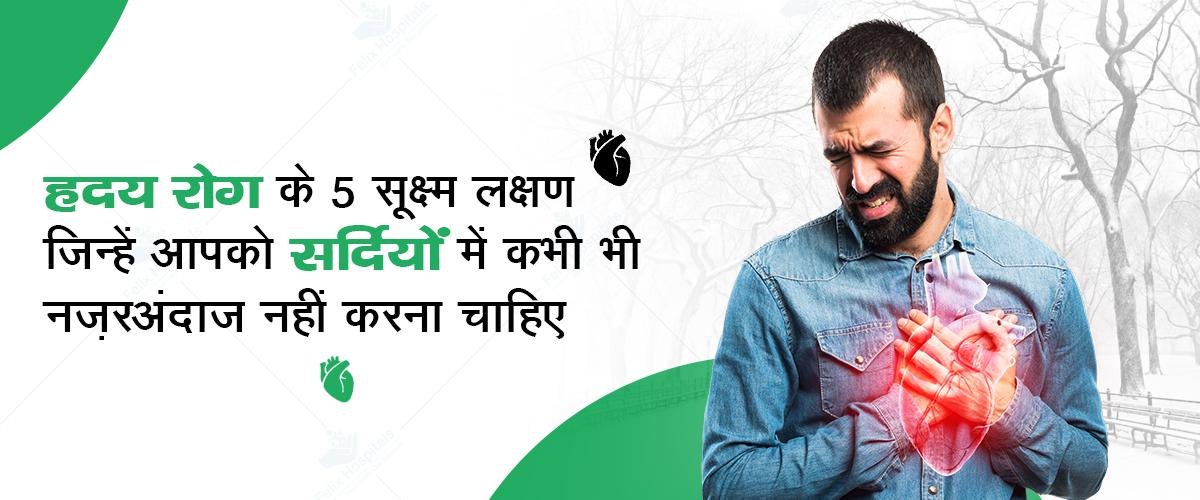
सर्दियों के मौसम में हृदय से संबंधित बीमारियों का खतरा बढ़ जाता है। ठंड के मौसम में शरीर की धमनियां सिकुड़ जाती हैं, जिससे रक्त संचार धीमा हो जाता है और हृदय पर अधिक दबाव पड़ता है। इस कारण से हृदय रोग के लक्षण अधिक गंभीर हो सकते हैं। हृदय रोग के बारे में जागरूकता और इसके सूक्ष्म लक्षणों को पहचानना अत्यंत महत्वपूर्ण है ताकि आप समय पर उचित इलाज प्राप्त कर सकें और अपनी सेहत का ख्याल रख सकें। आइए जानते हैं सर्दियों में हृदय रोग के सूक्ष्म लक्षण और उन्हें नज़रअंदाज न करने के कारण।
क्या आपको हृदय रोग से संबंधित कोई लक्षण महसूस हो रहा है? तुरंत फेलिक्स हॉस्पिटल के अनुभवी हृदय रोग विशेषज्ञों से परामर्श लें। हमें कॉल करें +91 9667064100।
हृदय रोग एक ऐसी स्थिति है जिसमें हृदय और रक्त वाहिनियों की कार्यक्षमता प्रभावित होती है। ह्रदय रोग किसके कारण होता है? इसके कई कारण हो सकते हैं जैसे उच्च रक्तचाप, उच्च कोलेस्ट्रॉल, धूम्रपान, मोटापा, और अनियमित जीवनशैली। सर्दियों में ठंड का असर भी हृदय रोग की स्थिति को बढ़ा सकता है। हृदय की धमनियों में जमा प्लाक (cholesterol) के कारण रक्त प्रवाह में बाधा उत्पन्न होती है, जिससे हृदय को पर्याप्त ऑक्सीजन और पोषण नहीं मिल पाता, जिससे दिल का दौरा पड़ने का खतरा बढ़ जाता है।
उच्च रक्तचाप (High Blood Pressure)
उच्च कोलेस्ट्रॉल (High Cholesterol)
धूम्रपान (Smoking)
शारीरिक निष्क्रियता (Physical Inactivity)
पारिवारिक इतिहास (Genetic Factors)
कई बार लोग हार्ट अटैक के चेतावनी संकेतों को पहचान नहीं पाते हैं, खासकर जब वे सूक्ष्म होते हैं। सर्दियों के मौसम में ठंड के कारण धमनियां संकुचित हो जाती हैं, जिससे रक्त प्रवाह में बाधा उत्पन्न होती है। इस दौरान छाती में हल्का दर्द, दबाव, जकड़न, या जलन महसूस हो सकती है। लोग अक्सर इसे गैस्ट्रिक समस्या या मामूली असुविधा समझ कर अनदेखा कर देते हैं, लेकिन यह दिल के दौरे का प्रारंभिक संकेत हो सकता है। अगर यह दर्द लंबे समय तक बना रहता है या अधिकतर शारीरिक गतिविधियों के दौरान महसूस होता है, तो यह संकेत हो सकता है कि आपके हृदय को पर्याप्त रक्त और ऑक्सीजन नहीं मिल रही है। इस स्थिति को नजरअंदाज करना गंभीर परिणामों का कारण बन सकता है, इसलिए छाती में हल्का दर्द होने पर तुरंत डॉक्टर से परामर्श लेना आवश्यक है।
सर्दियों में अत्यधिक थकान या कमजोरी महसूस होना भी एक सूक्ष्म लक्षण हो सकता है, जिसे लोग सामान्य ठंड या मौसम की वजह से होने वाली अस्थायी थकान समझ कर नजरअंदाज कर सकते हैं। लेकिन बिना किसी स्पष्ट कारण के लगातार थकान महसूस करना, विशेष रूप से सुबह या हल्की गतिविधियों के बाद, हृदय रोग का संकेत हो सकता है। इसका कारण यह है कि अगर हृदय सही ढंग से पंप नहीं कर पा रहा होता, तो शरीर के अंगों और मांसपेशियों को आवश्यक ऑक्सीजन और पोषण नहीं मिल पाता। इस कमी के कारण व्यक्ति को असामान्य थकान या कमजोरी महसूस हो सकती है। अगर यह लक्षण लंबे समय तक बना रहे या अन्य लक्षणों के साथ हो, तो इसे हल्के में न लें और जल्द से जल्द हृदय रोग विशेषज्ञ से परामर्श करें।
ठंड के मौसम में सांस लेने में थोड़ी तकलीफ महसूस होना आम बात हो सकती है, खासकर उन लोगों के लिए जिन्हें अस्थमा या अन्य श्वसन संबंधी समस्याएं होती हैं। हालांकि, अगर यह तकलीफ सर्दी-जुकाम की तुलना में ज्यादा गंभीर हो, तो इसे अनदेखा नहीं करना चाहिए। हृदय को रक्त पंप करने के लिए अधिक मेहनत करनी पड़ती है और अगर हृदय सही तरीके से कार्य नहीं कर रहा हो, तो शरीर के अन्य हिस्सों को पर्याप्त ऑक्सीजन नहीं मिल पाता, जिससे सांस फूलने की समस्या हो सकती है। यह स्थिति हार्ट फेलियर या गंभीर हृदय रोग का सूचक हो सकती है, खासकर जब यह सांस की कमी थोड़ी सी शारीरिक गतिविधि के बाद भी होती है। सर्दियों में इस लक्षण को नजरअंदाज करने से गंभीर जटिलताएं हो सकती हैं।
सर्दियों में पैरों या टखनों में सूजन अक्सर एक मामूली समस्या समझी जाती है, लेकिन यह हृदय रोग का सूक्ष्म संकेत भी हो सकता है। अगर आपके शरीर में रक्त प्रवाह सही ढंग से नहीं हो रहा है और हृदय की पंपिंग क्षमता कम हो गई है, तो शरीर में तरल पदार्थ जमा होने लगते हैं, जिससे पैरों, टखनों और यहां तक कि पेट में सूजन हो सकती है। यह स्थिति हार्ट फेलियर का प्रारंभिक संकेत हो सकता है। सूजन के साथ अगर अन्य लक्षण जैसे थकान, सांस की कमी या छाती में दर्द हो, तो इसे अनदेखा न करें। सर्दियों के दौरान सूजन को सामान्य ठंडा या बैठने से होने वाली तकलीफ मानना खतरनाक हो सकता है।
सर्दियों में अचानक चक्कर आना या हल्का सिर दर्द होना कई बार मौसम के प्रभाव या ब्लड प्रेशर में हल्की गिरावट की वजह से हो सकता है, लेकिन यह हृदय में किसी समस्या का भी संकेत हो सकता है। जब हृदय पर्याप्त रक्त को शरीर और मस्तिष्क तक पंप नहीं कर पाता, तो इसका प्रभाव आपके संतुलन और दिमाग पर पड़ सकता है, जिससे आपको चक्कर आ सकते हैं। सर्दियों में ठंड से रक्तचाप में गिरावट और हृदय की धमनियों के सिकुड़ने के कारण यह स्थिति और भी गंभीर हो सकती है। अगर यह लक्षण लगातार बने रहते हैं या अन्य लक्षणों के साथ होते हैं, तो यह हार्ट अटैक के चेतावनी संकेत हो सकते हैं।इस स्थिति में तुरंत डॉक्टर से परामर्श लें और आवश्यक जांच करवाएं।
फेलिक्स हॉस्पिटल में हृदय रोग विशेषज्ञ आपके दिल की सेहत का विशेष ध्यान रखते हैं। हमारे विशेषज्ञ, डॉ. राहुल अरोरा हृदय रोगों की सटीक पहचान और प्रभावी इलाज में विशेषज्ञ हैं। सर्दियों के मौसम में हृदय रोग से जुड़े किसी भी लक्षण को हल्के में न लें और फेलिक्स हॉस्पिटल के अनुभवी हृदय रोग विशेषज्ञों से परामर्श लें। सही समय पर इलाज से आपका हृदय स्वस्थ रह सकता है और जीवनशैली में सुधार किया जा सकता है।
क्या आप दिल की सेहत को लेकर चिंतित हैं? फेलिक्स हॉस्पिटल के अनुभवी हृदय रोग विशेषज्ञों से तुरंत परामर्श लें। यहां क्लिक करें और अभी अपॉइंटमेंट बुक करें।
हृदय रोग सर्दियों में और भी अधिक गंभीर हो सकता है क्योंकि ठंड में हृदय पर अधिक दबाव पड़ता है। हृदयरोग के लक्षण, प्रकार, कारण, इलाज के बारे में जानकारी रखना और किसी भी सूक्ष्म लक्षण को नज़रअंदाज न करना बहुत महत्वपूर्ण है। सर्दियों के मौसम में छाती में हल्का दर्द, सांस लेने में कठिनाई, या थकान जैसे लक्षण हार्ट अटैक के चेतावनी संकेत हो सकते हैं। इस प्रकार के लक्षण महसूस होने पर तुरंत विशेषज्ञ डॉक्टर से संपर्क करें। फेलिक्स हॉस्पिटल में हमारे विशेषज्ञ आपकी मदद के लिए हर समय तैयार हैं।
Q- क्या ठंड के मौसम में हृदय रोग का खतरा बढ़ जाता है?
ANS: हाँ, ठंड के मौसम में रक्त वाहिकाएं संकुचित हो जाती हैं, जिससे हृदय पर अधिक दबाव पड़ता है और हृदय रोग का खतरा बढ़ सकता है।
Q- क्या छाती में हल्का दर्द हार्ट अटैक का संकेत हो सकता है?
ANS: जी हां, छाती में हल्का दर्द या जलन हार्ट अटैक का प्रारंभिक संकेत हो सकता है। इसे हल्के में न लें और तुरंत डॉक्टर से परामर्श करें।
Q- सर्दियों में थकान क्यों बढ़ जाती है?
ANS: ठंड के कारण शरीर को अधिक ऊर्जा की आवश्यकता होती है, जिससे थकान महसूस हो सकती है। लेकिन अगर अत्यधिक थकान हो रही है तो यह हृदय रोग का संकेत हो सकता है।
Q- क्या सांस लेने में कठिनाई सर्दियों में सामान्य है?
ANS: हल्की सर्दी-जुकाम के कारण सांस लेने में तकलीफ हो सकती है, लेकिन अगर यह लगातार हो तो यह हृदय रोग का संकेत हो सकता है।
Q- क्या पैरों में सूजन हृदय रोग का लक्षण है?
ANS: हाँ, पैरों या टखनों में सूजन हार्ट फेलियर का संकेत हो सकता है, जब हृदय शरीर से अतिरिक्त तरल पदार्थ को ठीक से पंप नहीं कर पाता।
Q- हृदय रोग से बचाव के लिए क्या किया जा सकता है?
ANS: स्वस्थ आहार, नियमित व्यायाम, धूम्रपान से बचना और नियमित स्वास्थ्य जांच से हृदय रोग से बचाव किया जा सकता है।
Q- क्या परिवार में हृदय रोग का इतिहास होना एक जोखिम कारक है?
ANS: हाँ, अगर आपके परिवार में किसी को हृदय रोग है तो आपको भी इसका खतरा हो सकता है।
Q- क्या सर्दियों में हृदय रोग के मरीजों को अतिरिक्त सावधानी बरतनी चाहिए?
ANS: हाँ, हृदय रोग के मरीजों को ठंड से बचना चाहिए, गर्म कपड़े पहनने चाहिए और डॉक्टर के परामर्श पर नियमित दवाएं लेनी चाहिए।
Q- क्या हृदय रोग का इलाज संभव है?
ANS: हाँ, नियमित जांच, जीवनशैली में सुधार और सही समय पर उपचार से हृदय रोग का प्रबंधन किया जा सकता है।
Q- फेलिक्स हॉस्पिटल में हृदय रोग का इलाज कैसे किया जाता है?
ANS: फेलिक्स हॉस्पिटल में अनुभवी हृदय रोग विशेषज्ञ उन्नत तकनीकों और उपचार विधियों का उपयोग कर हृदय रोग का सटीक निदान और उपचार करते हैं।
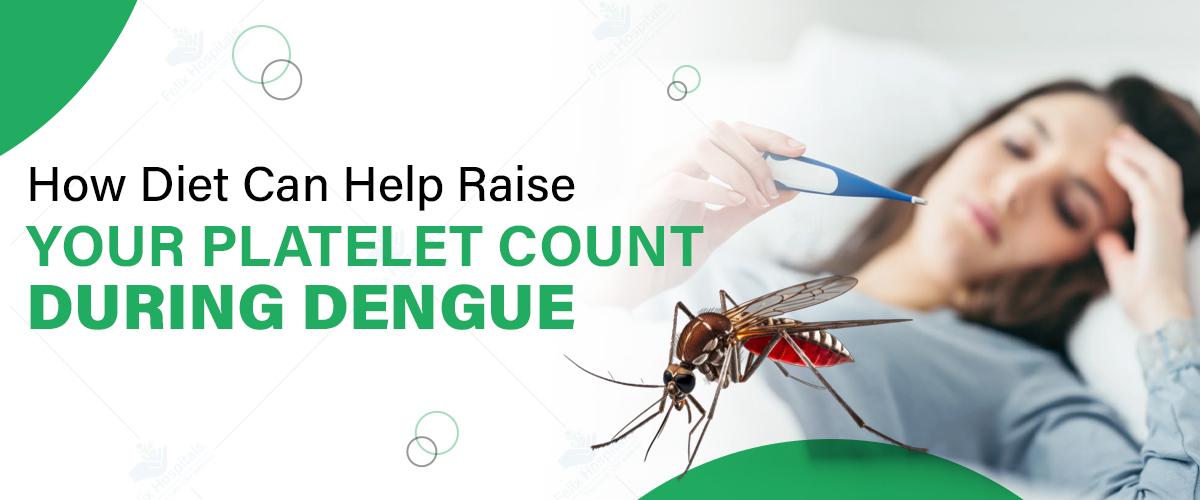
Dengue fever is a mosquito-borne viral infection caused by the Aedes mosquito, which significantly impacts platelet levels in the body. A sharp decline in platelet count, a condition known as thrombocytopenia, is one of the hallmarks of severe dengue cases and can lead to life-threatening complications. Managing platelet levels is critical to ensure a smooth recovery and to avoid complications such as internal bleeding. While medical treatment remains the cornerstone of dengue management, diet plays a vital supportive role in boosting platelet production, strengthening the immune system, and enhancing overall recovery. When dealing with dengue, it's crucial to seek care at the best hospital for dengue treatment where expert medical guidance is paired with comprehensive care plans.
Speak to your healthcare provider for personalized dietary advice and treatment options. Call us at +91 9667064100.
Dengue is a viral illness transmitted through the bite of an infected Aedes mosquito. It is prevalent in tropical and subtropical regions and is characterized by symptoms such as high fever, severe joint and muscle pain, skin rashes, and a drop in platelet count.
Transmission through Aedes mosquito bites.
The virus spreads in areas with stagnant water, which serves as breeding grounds for mosquitoes.
High fever.
Severe joint and muscle pain (often referred to as "breakbone fever").
Skin rashes.
Nausea and vomiting.
Low platelet count.
The dengue virus affects the bone marrow, which is responsible for producing platelets, reducing their output. Additionally, the immune system mistakenly destroys platelets, further exacerbating thrombocytopenia.
Increased likelihood of internal bleeding.
Delayed recovery and potential organ damage.
Medical Treatment Focus: While treatments include hydration therapy and symptom management, incorporating a nutrient-rich diet helps complement medical interventions and promotes faster recovery.
A balanced diet plays a critical role in:
Boosting Immunity: Strengthening the body’s defense mechanism against the virus.
Supporting Platelet Production: Providing nutrients essential for the production and survival of platelets.
Improving Recovery Speed: Enhancing energy levels and repairing tissue damage caused by the virus.
For personalized guidance, consider expert nutrition diet services to optimize your diet and overall health.
Papaya Leaf Extract or Juice: Known to significantly increase platelet count due to its enzyme content.
Pomegranate: Rich in iron, it combats fatigue and supports red blood cell production.
Kiwi: Contains vitamins C and E, which enhance platelet formation and immune function.
Leafy Greens (Spinach, Kale): Packed with vitamin K, essential for blood clotting and maintaining platelet health.
Eggs, Lean Chicken, and Fish: Provide high-quality proteins necessary for tissue repair and immune function.
Legumes and Beans: Excellent plant-based protein sources, ideal for vegetarians.
Beetroot and Carrots: Aid in red blood cell formation and boost hemoglobin levels.
Dark Chocolate: Rich in iron and antioxidants, it supports overall blood health.
Citrus Fruits (Oranges, Lemons): High in vitamin C, they improve immune response and iron absorption.
Almonds and Walnuts: Packed with vitamin E and omega-3 fatty acids, which are anti-inflammatory and boost cell repair.
Coconut Water: Prevents dehydration and replenishes lost electrolytes.
Fresh Soups and Broths: Easy to digest and nutrient-dense, helping maintain energy levels.
Giloy Juice: Known for boosting immunity and platelet count.
Turmeric Milk: Anti-inflammatory properties promote healing and reduce inflammation.
Spicy and Oily Foods: Can irritate the stomach and slow down digestion.
Caffeinated Drinks: Lead to dehydration and may affect recovery.
Alcohol and Processed Foods: Weaken the immune system and impair overall health.
Eat Small, Frequent Meals: To maintain steady energy levels and avoid overburdening the digestive system.
Stay Hydrated: Drink plenty of water, herbal teas, and coconut water to combat dehydration.
Focus on Easily Digestible Foods: Choose light and nutrient-rich meals like soups and steamed vegetables.
At Felix Hospital, our expert dieticians are dedicated to helping you achieve optimal health through personalized nutrition plans. Meet our team:
Dr. Pooja Yadav (Noida, Sector 137) – With 8+ years of experience, Dr. Yadav offers tailored nutrition advice for weight management, chronic conditions, and general wellness.
Dr. Nida Zafar (Noida, Sector 137) – Specializing in oncology, cardiology, diabetes, and more, Dr. Zafar provides customized counseling for patients in both OPD and IPD.
Dr. Shivani Ahlawat (Greater Noida, Gamma 1) – Dr. Ahlawat helps patients with weight management and nutrition for specific health conditions.
Take control of your recovery during dengue fever by adopting a platelet-boosting diet today by Clicking Here.
Dietary choices can significantly influence the recovery process during dengue fever by supporting platelet production, boosting immunity, and enhancing energy levels. While medical treatment is essential, incorporating foods like papaya leaf extract, pomegranate, and hydrating beverages into the diet can accelerate recovery and prevent complications. Avoid foods that may strain the digestive system or weaken immunity, and always consult a healthcare provider for a tailored approach to recovery. A holistic combination of medical care and a nutrient-rich diet is key to overcoming dengue fever effectively.
1. Can papaya leaf extract help in increasing platelet count during dengue?
Ans. Yes, papaya leaf extract has been shown to significantly boost platelet count due to its enzyme content, which promotes platelet production.
2. How can pomegranate help with dengue recovery?
Ans. Pomegranate is rich in iron, which helps combat fatigue and supports red blood cell production, boosting overall recovery.
3. What role does vitamin C play in dengue recovery?
Ans. Vitamin C, found in citrus fruits like oranges and lemons, enhances the immune system, aids in platelet formation, and improves iron absorption.
4. Is it safe to consume coconut water during dengue?
Ans. Yes, coconut water is highly hydrating and replenishes lost electrolytes, which helps combat dehydration during dengue.
5. Should I avoid spicy food during dengue recovery?
Ans. Yes, spicy and oily foods can irritate the stomach and slow down digestion, which could hinder the recovery process.
6. Can herbal remedies like giloy juice help in dengue recovery?
Ans. Yes, giloy juice is known for boosting immunity and platelet count, helping support recovery during dengue.
7. Are there any fruits to avoid during dengue fever?
Ans. While most fruits are beneficial, avoid overly acidic fruits that may irritate the stomach, especially if you're dealing with digestive issues.
8. Can I eat dark chocolate during dengue?
Ans. Yes, dark chocolate is rich in iron and antioxidants, making it a good choice for supporting blood health during dengue.
9. How often should I eat during dengue recovery?
Ans. It's best to eat small, frequent meals to maintain steady energy levels and avoid overburdening the digestive system.

To lose weight effectively, start by creating a calorie deficit—consuming fewer calories than you burn. A safe, steady weight loss usually requires a daily deficit of 500–1000 calories, helping you lose about 0.5 to 1 kilogram per week.

Manage diabetes effectively with a well-planned Indian vegetarian diet chart. Explore healthy meal options and tips for blood sugar control.

Do you find yourself constantly tired, breathless, or unable to cope with sudden physical activity?
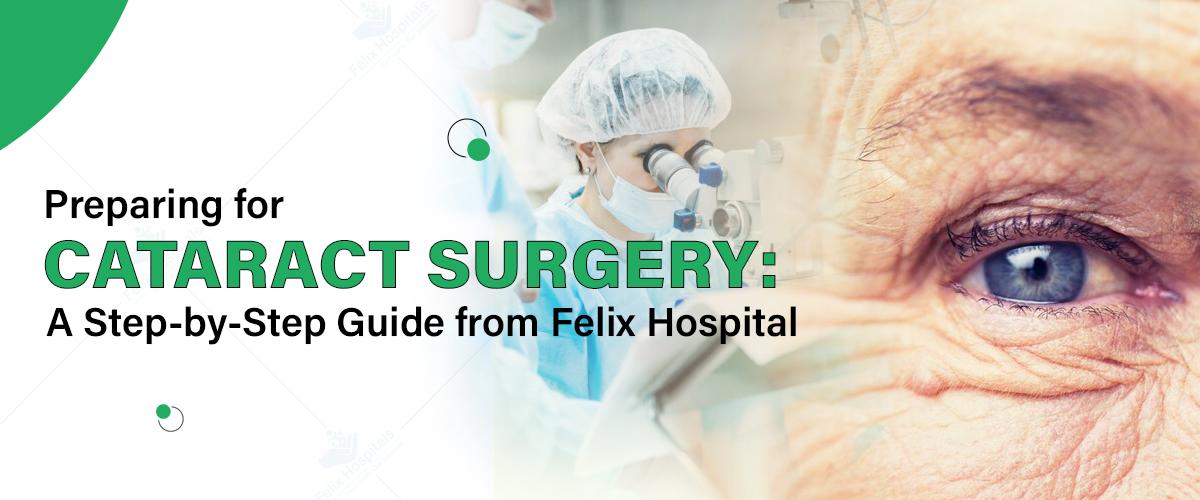
Cataract surgery is one of the most common and successful eye surgeries, allowing patients to regain clear vision and improve their quality of life. As the eyes age, cataracts can form, causing blurry vision and sensitivity to light. If left untreated, cataracts can eventually lead to blindness. If you're experiencing symptoms of cataracts, it's essential to consult an eye specialist. Felix Hospitals is regarded as the best Cataract Surgery Hospital in Noida, offering state-of-the-art treatments and comprehensive care. In this guide, we’ll walk you through everything you need to know to prepare for cataract surgery and what to expect during the cataract surgery procedure.
Book your appointment with our expert ophthalmologists to discuss your cataract surgery options. Call now at +91 9667064100.
A cataract is a clouding of the lens in the eye, which affects vision. The lens, located behind the iris, focuses light onto the retina to create clear images. Over time, the proteins in the lens can clump together, forming cataracts. This clouding impairs vision, making daily tasks like reading, driving, and recognizing faces more difficult. Cataracts usually develop slowly, and people may not notice symptoms immediately. However, if left untreated, they can cause significant vision loss.
So, how do you know when it’s time for surgery? When cataracts start interfering with your day-to-day activities or your ability to enjoy life, surgery is often recommended. The timing depends on the individual's vision needs and the impact of the cataracts on their lifestyle. It is essential to seek advice from an experienced ophthalmologist to determine the right time for surgery.
For those concerned about the costs associated with cataract surgery, the Cataract Surgery cost in Noida varies based on the type of procedure, the hospital, and the surgeon’s experience. It’s important to compare the cost along with the quality of care when choosing a healthcare facility. Felix Hospitals offers affordable and top-notch cataract treatments to cater to a wide range of patients.
Once you and your ophthalmologist have decided that is the best option, it's time to prepare for the cataract surgery procedure. Preparing adequately for surgery is crucial to ensuring the best possible outcome. Here's what you need to know and do before the day of surgery.
Your doctor will conduct a detailed eye exam to assess the severity of your cataracts and the overall health of your eyes. They will measure your eye to determine the appropriate lens implant for you.
Your surgeon will review your medical history, including any medications or supplements you’re taking, to ensure that everything is aligned for the surgery. Certain medications might need to be stopped temporarily.
Cataract surgery involves replacing the clouded lens with an artificial intraocular lens (IOL). You’ll need to discuss the different types of IOLs available, such as monofocal, multifocal, or toric lenses, depending on your lifestyle and visual needs.
Some doctors may recommend fasting before surgery. Follow the instructions your doctor provides, which may include avoiding food or drinks several hours before the cataract surgery procedure.
Arrange for someone to drive you home after surgery, as you won’t be able to drive due to blurred vision or the effects of sedation.
Make sure you understand the post-operative care guidelines. This might include using prescribed eye drops, wearing protective eyewear, and avoiding strenuous activities.
Refrain from drinking alcohol or smoking for at least 24 hours before the surgery. Both can affect your recovery and surgical outcome.
On the day of surgery, avoid wearing makeup, lotion, or perfume, as these can interfere with the sterile environment needed for surgery.
If you're taking blood-thinning medications, your doctor might advise you to stop them temporarily to minimize the risk of bleeding during surgery.
Choosing the best Cataract surgeon in Noida is crucial. Felix Hospitals is home to some of the best Cataract surgeons in Noida, ensuring that patients receive personalized and effective treatment. Our team includes highly qualified and experienced ophthalmologists:
Dr. Deepanjali Arya: A renowned cataract surgeon with years of experience in handling various cataract surgeries, Dr. Arya has expertise in using the latest techniques for successful outcomes.
Dr. Mohamad Uzair Zakai: With a deep understanding of eye disorders and exceptional skills in cataract surgeries, Dr. Zakai has successfully treated hundreds of patients, helping them regain clear vision and improve their quality of life.
At Felix Hospitals, our team of ophthalmologists uses cutting-edge technology and a patient-centric approach to ensure a comfortable and successful surgery. We understand the importance of vision and are dedicated to providing the best possible care for our patients.
Click Here to schedule a consultation with one of our expert cataract surgeons and get started on the path to clearer vision.
Cataract surgery is a safe and effective procedure that can restore your vision and improve your quality of life. By preparing properly and choosing the right surgeon, you can ensure the best possible outcome. Felix Hospitals, the best Cataract Surgery Hospital in Noida, offers a team of experienced ophthalmologists who are dedicated to providing top-quality care. Whether you're looking for information on the Cataract Surgery cost or want to meet the best Cataract surgeon in Noida, Felix Hospitals is here to guide you every step of the way.
1-What is a cataract?
ANS: A cataract is a condition where the eye’s natural lens becomes cloudy, which prevents light from passing through the lens clearly. This clouding affects your vision, making it appear as if you're looking through a frosted or fogged-up window. Cataracts develop gradually over time and are commonly associated with aging.
2-When should I consider cataract surgery?
ANS: You should consider cataract surgery when your cataracts start to impair your daily life. This might include difficulty reading, driving (especially at night), or performing other activities that require clear vision. Many people delay cataract surgery until they notice a significant drop in vision, but if cataracts are hindering your quality of life or independence, it’s time to consult with an eye doctor.
3-Is cataract surgery painful?
ANS: Cataract surgery is generally a pain-free procedure. It’s usually performed under local anesthesia, which numbs the eye and ensures that you feel comfortable throughout the surgery. While some patients may experience slight pressure or discomfort during the operation, it's typically minimal.
4-How long does cataract surgery take?
ANS: Cataract surgery is a relatively quick procedure. It typically takes about 15 to 20 minutes to complete per eye, though the entire process, including pre-surgery preparation and post-surgery observation, may take a few hours. The surgeon removes the cloudy lens and replaces it with a clear artificial intraocular lens (IOL).
5-What is the recovery time after cataract surgery?
ANS: While you may notice an improvement in your vision within a few days after the surgery, full recovery can take anywhere from two to four weeks. During the initial recovery phase, you’ll need to avoid activities that could strain your eye, such as lifting heavy objects or bending over.
6-How much does cataract surgery cost in Noida?
ANS: The Cataract Surgery cost in Noida varies depending on the type of surgery performed and the type of intraocular lens (IOL) chosen. Standard cataract surgery with a monofocal lens is generally less expensive, while advanced procedures like laser-assisted cataract surgery or premium lenses (multifocal or toric lenses) can be more costly. On average, the cost of cataract surgery in Noida can range from INR 20,000 to INR 1,00,000 per eye, depending on the hospital, the surgeon’s experience, and the lens used.
7-Will I need glasses after cataract surgery?
ANS: Whether or not you'll need glasses after cataract surgery largely depends on the type of intraocular lens (IOL) that is implanted during the surgery. If you opt for a standard monofocal lens, you might still need reading glasses or corrective lenses for certain tasks.
8-Can both eyes be treated at the same time?
ANS: Cataract surgery is typically performed on one eye at a time to minimize risks and allow for proper healing before addressing the second eye. There is usually a gap of a few days to a few weeks between surgeries. This allows the first eye to heal and for the patient to adjust to the new vision before undergoing surgery on the other eye.
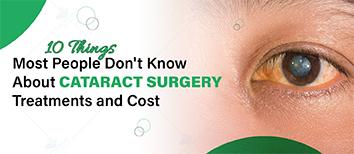
Discover 10 lesser-known facts about cataract surgery, including treatment options, recovery tips, and costs. Learn what you need to know before undergoing surgery.
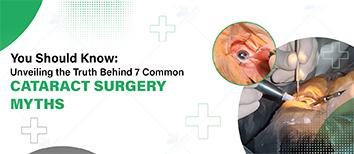
Cataract surgery can be a life-changing procedure, restoring clarity and enhancing the quality of life for those affected by cataracts.
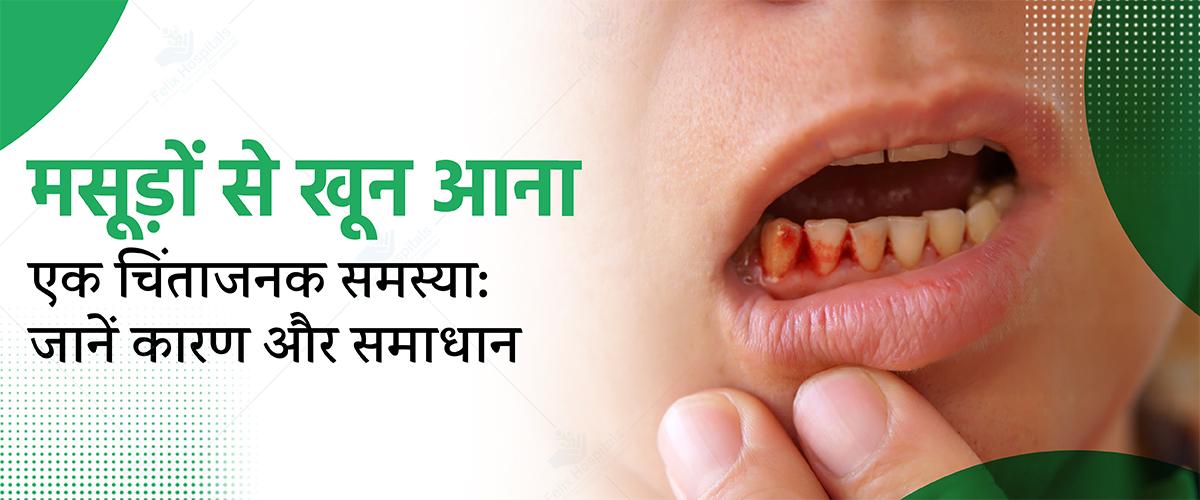
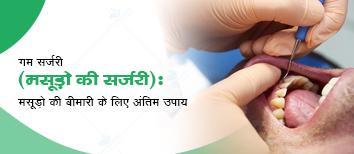
मसूड़ों की बीमारियाँ, जैसे कि पेरियोडोन्टल रोग (Periodontal Disease) या गम डिज़ीज़, एक आम समस्या है जो मसूड़ों के स्वास्थ्य को प्रभावित कर सकती है।
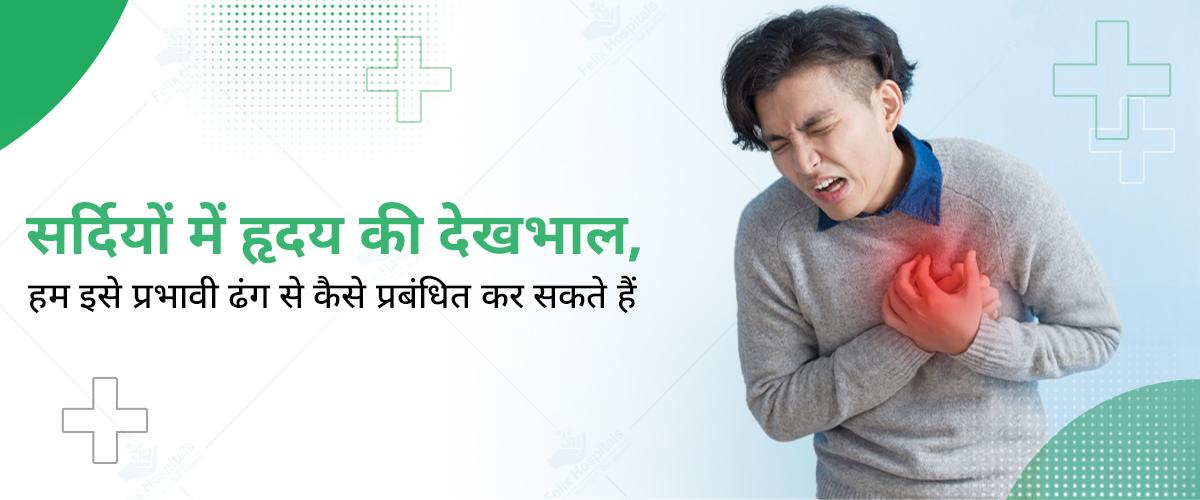
सर्दियों के मौसम में हार्ट अटैक का खतरा अधिक बढ़ जाता है और इसके पीछे कई कारण होते हैं। ठंड का असर खासतौर पर दिल और रक्तवाहिकाओं पर पड़ता है। इन कारणों से सर्दियों में विशेष सावधानी बरतने की आवश्यकता होती है, खासकर दिल की बीमारियों से पीड़ित लोगों के लिए। हार्ट अटैक के सामान्य लक्षणों में सीने में दर्द या भारीपन, सांस लेने में कठिनाई, ठंडे पसीने आना, चक्कर आना और कंधे, गर्दन या बाजू में दर्द शामिल होते हैं। अगर ये लक्षण दिखें, तो तुरंत नोएडा के अच्छे हॉस्पिटल से हार्ट अटैक ट्रीटमेंट (Best hospital for heart attack treatment in Noida) प्राप्त कर सकते हैं।
ज्यादा जानकारी के लिए हमें कॉल करें +91 9667064100.
सर्दियों के मौसम में हार्ट अटैक का खतरा क्यों बढ़ता है ? (Why does the risk of heart attack increase in winter season?)
सर्दियों के मौसम में हार्ट अटैक के कारण (Causes of heart attack in winter season)
सर्दियों के मौसम में हार्ट अटैक का इलाज (Treatment of heart attack in winter season)
फेलिक्स हॉस्पिटल्स में हार्ट अटैक के विशेषज्ञ के बारे में जानें (Know the heart attack expert at felix hospitals)
निष्कर्ष (Conclusion)
सर्दियों के मौसम में हार्ट अटैक को लेकर अक्सर पूछे जाने वाले सवाल और जवाब ( Frequently asked questions and answers regarding heart attack in winter season)
ठंड के मौसम में शरीर की रक्त वाहिकाएं सिकुड़ जाती हैं, जिससे रक्त का प्रवाह धीमा हो जाता है और रक्तचाप बढ़ जाता है। इससे दिल को अधिक मेहनत करनी पड़ती है, जो हार्ट अटैक का कारण बन सकता है।
सर्दियों में शरीर का तापमान गिरने पर खून गाढ़ा हो सकता है, जिससे थक्के बनने का खतरा बढ़ जाता है। अगर यह थक्का हृदय की धमनियों में फंस जाता है, तो हार्ट अटैक हो सकता है।
ठंड में ब्लड प्रेशर स्वाभाविक रूप से बढ़ जाता है क्योंकि दिल को शरीर को गर्म रखने के लिए अधिक प्रयास करना पड़ता है। यह भी हार्ट अटैक के जोखिम को बढ़ाता है।
सर्दियों में लोग आमतौर पर कम चलते-फिरते हैं, जिससे उनका शारीरिक स्वास्थ्य बिगड़ सकता है। यह दिल के लिए जोखिम भरा हो सकता है क्योंकि शारीरिक गतिविधि की कमी से कोलेस्ट्रॉल का स्तर बढ़ सकता है।
ठंडे मौसम में शरीर को अतिरिक्त ऊर्जा की आवश्यकता होती है, जिससे ऑक्सीजन की मांग बढ़ जाती है। अगर शरीर को पर्याप्त ऑक्सीजन नहीं मिलती, तो दिल को अतिरिक्त दबाव सहना पड़ता है, जिससे हार्ट अटैक का खतरा बढ़ जाता है।
सर्दी के मौसम में तनाव और अवसाद भी बढ़ जाते हैं, जो हार्ट अटैक के जोखिम को बढ़ा सकते हैं। तनाव से रक्तचाप और हार्मोनल असंतुलन बढ़ सकता है, जो दिल पर बुरा असर डालता है।
ठंड के मौसम में शरीर की रक्त वाहिकाएं सिकुड़ जाती हैं, जिससे रक्तचाप बढ़ जाता है। इससे दिल को शरीर में रक्त पंप करने के लिए अधिक मेहनत करनी पड़ती है, जो दिल पर अतिरिक्त दबाव डालता है और हार्ट अटैक का खतरा बढ़ जाता है।
सर्दियों में ठंड के कारण खून गाढ़ा हो जाता है, जिससे थक्के बनने का खतरा बढ़ जाता है। यह थक्के रक्त वाहिकाओं में अवरोध पैदा कर सकते हैं, जिससे दिल को रक्त प्रवाह बाधित हो जाता है और हार्ट अटैक हो सकता है।
ठंडे मौसम में शरीर को गर्म रखने के लिए रक्तचाप स्वाभाविक रूप से बढ़ जाता है। उच्च रक्तचाप हार्ट अटैक का प्रमुख जोखिम कारक होता है, क्योंकि इससे हृदय की धमनियों पर अधिक दबाव पड़ता है।
सर्दियों में लोग सामान्यत कम शारीरिक गतिविधियां करते हैं, जिससे वजन बढ़ सकता है और मेटाबॉलिज्म धीमा हो जाता है। शारीरिक गतिविधियों की कमी से दिल की सेहत खराब होती है और हार्ट अटैक का खतरा बढ़ सकता है।
ठंडे मौसम में शरीर की ऑक्सीजन की जरूरत बढ़ जाती है, लेकिन ठंड के कारण खून में ऑक्सीजन का स्तर कम हो सकता है। दिल को अधिक ऑक्सीजन की आवश्यकता होती है, और इसकी कमी से दिल पर अतिरिक्त दबाव पड़ता है, जिससे हार्ट अटैक का खतरा बढ़ जाता है।
सर्दियों में दिन छोटे होते हैं और सूरज की रोशनी कम मिलती है, जिससे कुछ लोगों में मानसिक तनाव और अवसाद (सीजनल अफेक्टिव डिसऑर्डर) बढ़ सकता है। तनाव और अवसाद हार्ट अटैक के जोखिम को बढ़ाने वाले कारकों में से एक होते हैं, क्योंकि ये ब्लड प्रेशर और दिल की धड़कन को प्रभावित करते हैं।
सर्दियों में कुछ लोग धूम्रपान और शराब का सेवन बढ़ा देते हैं ताकि उन्हें ठंड से राहत मिले। धूम्रपान और अत्यधिक शराब दिल के लिए हानिकारक होते हैं और इससे हार्ट अटैक का खतरा बढ़ जाता है।
सर्दियों में ठंडे वातावरण से अचानक गर्म वातावरण में जाना या ठंडे पानी से नहाना दिल पर अचानक दबाव डाल सकता है। यह तापमान में अचानक बदलाव दिल को झटका दे सकता है और हार्ट अटैक का कारण बन सकता है।
सर्दियों में लोग अधिक कैलोरी और वसायुक्त भोजन करना पसंद करते हैं, जिससे कोलेस्ट्रॉल का स्तर बढ़ सकता है। उच्च कोलेस्ट्रॉल से धमनियां संकरी हो जाती हैं, जो दिल के दौरे का खतरा बढ़ाता है।
अगर हार्ट अटैक के लक्षण दिखाई दें (जैसे कि सीने में दर्द, सांस की कमी, ठंडे पसीने आना), तो तुरंत आपातकालीन चिकित्सा सेवा को बुलाएं। हार्ट अटैक का समय पर इलाज बहुत महत्वपूर्ण होता है, क्योंकि पहले 1 घंटे में इलाज मिलने से गंभीर नुकसान को रोका जा सकता है।
हार्ट अटैक के दौरान एस्पिरिन की एक गोली (300mg) चबाकर खाई जा सकती है लेकिन अगर डॉक्टर ने इसे अनुमति दी हो तो। क्योंकि एस्पिरिन खून को पतला करने में मदद करती है और थक्के बनने से रोकती है। अगर मरीज के पास नाइट्रोग्लिसरीन है जो दिल की बीमारी के मरीजों को डॉक्टर द्वारा दी जाती है, तो इसे निर्देशानुसार लिया जा सकता है ताकि दिल की धमनियों को आराम मिल सके। इन प्राथमिक उपचारों के बाद जल्द से जल्द अस्पताल पहुंचने की कोशिश करें।
खून में बने थक्के को घोलने के लिए थ्रोम्बोलिटिक दवाओं का इस्तेमाल किया जाता है, जो ब्लड फ्लो को पुनः सामान्य बनाने में मदद करती है। इसे क्लॉट-बस्टर दवा भी कहा जाता है।
अगर हार्ट अटैक का कारण किसी धमनियों में रुकावट है, तो डॉक्टर एंजियोप्लास्टी कर सकते हैं। इस प्रक्रिया में धमनियों को चौड़ा करने के लिए एक छोटी सी ट्यूब (स्टेंट) डाली जाती है ताकि ब्लड फ्लो ठीक हो सके।
यह सर्जरी उन मामलों में की जाती है जब धमनियों में रुकावट को हटाना मुश्किल होता है। इसमें डॉक्टर खून के प्रवाह को सुनिश्चित करने के लिए हृदय की बंद धमनियों को बाईपास कर देते हैं।
एंटीप्लेटलेट दवाएं जैसे एस्पिरिन, क्लोपिडोग्रेल दी जाती हैं ताकि खून में थक्के बनने से रोका जा सके। बीटा-ब्लॉकर्स दिल की धड़कन को धीमा कर हृदय की ऑक्सीजन की जरूरत को कम करती हैं। कोलेस्ट्रॉल-घटाने वाली दवाएं जैसे स्टेटिन्स हृदय की धमनियों में कोलेस्ट्रॉल जमने को रोकती हैं।
डॉक्टर की देखरेख में व्यायाम और पोषण से जुड़े कार्यक्रम, जिनका उद्देश्य हृदय की सेहत में सुधार करना और हार्ट अटैक की पुनरावृत्ति को रोकना होता है। दिल को स्वस्थ रखने के लिए संतुलित आहार, नियमित व्यायाम, तनाव प्रबंधन, धूम्रपान और शराब से परहेज करना चाहिए।
मरीज को सर्दी में अतिरिक्त गर्म कपड़ों से ढक कर रखना चाहिए ताकि ठंड के प्रभाव से रक्त वाहिकाएं संकुचित न हों।
हार्ट अटैक के दौरान ठंडी हवा दिल पर अतिरिक्त दबाव डाल सकती है, इसलिए मरीज को गर्म वातावरण में रखना चाहिए।
हार्ट अटैक के बाद पुनर्वास के दौरान सर्दियों में बाहर व्यायाम करते समय सावधानी बरतनी चाहिए। ठंड में अचानक शारीरिक गतिविधि दिल पर दबाव डाल सकती है।
फेलिक्स अस्पताल में, हमारे पास अनुभवी हृदय रोग विशेषज्ञों की एक टीम है, जिसमें डॉ. राहुल अरोड़ा शामिल हैं, जो हृदय संबंधी स्थितियों जैसे कार्डियक अरेस्ट और हार्ट अटैक के निदान और उपचार में विशेषज्ञता रखते हैं। उनकी हृदय देखभाल में विशेषज्ञता सुनिश्चित करती है कि आपको सर्दियों के दौरान अपने हृदय स्वास्थ्य को बनाए रखने के लिए सर्वोत्तम उपचार और सलाह मिले।
यदि आप अपने हृदय स्वास्थ्य के बारे में चिंतित हैं, तो विशेषज्ञ सलाह के लिए फेलिक्स अस्पताल से परामर्श लें। सलाह के लिए आज ही फोन करें +91 9667064100.
सर्दियों के मौसम में हार्ट अटैक का इलाज अन्य मौसमों में होने वाले हार्ट अटैक के इलाज से बहुत हद तक समान होता है, लेकिन ठंड के मौसम में कुछ अतिरिक्त सावधानियाँ बरतनी पड़ सकती हैं। हार्ट अटैक के दौरान समय पर और सही उपचार दिल के दौरे के गंभीर परिणामों को रोक सकता है। सर्दियों में हार्ट अटैक के इलाज के लिए समय पर और उचित चिकित्सा सहायता अत्यधिक आवश्यक है। हार्ट अटैक के बाद दी जाने वाली देखभाल और जीवनशैली में सुधार भविष्य में दिल के दौरे को रोकने में मदद कर सकते हैं।
प्रश्न 1: सर्दियों में हार्ट अटैक का खतरा क्यों बढ़ जाता है ?
उत्तर: र्दियों में ठंड के कारण रक्त वाहिकाएं सिकुड़ जाती हैं, जिससे रक्तचाप बढ़ता है और दिल पर अधिक दबाव पड़ता है। इसके अलावा ठंड से खून गाढ़ा हो जाता है, जिससे थक्के बनने का खतरा होता है, और ऑक्सीजन की कमी भी दिल के लिए हानिकारक हो सकती है।
प्रश्न 2: क्या ठंड में ज्यादा व्यायाम करने से दिल पर खतरा बढ़ सकता है ?
उत्तर: सर्दी में अत्यधिक और अचानक व्यायाम करने से दिल पर दबाव बढ़ सकता है। अगर आप पहले से हार्ट की बीमारी से पीड़ित हैं, तो अचानक भारी व्यायाम करने से बचें और किसी भी नए व्यायाम को शुरू करने से पहले डॉक्टर की सलाह लें।
प्रश्न 3: सर्दियों में ब्लड प्रेशर क्यों बढ़ता है ?
उत्तर: ठंडे मौसम में रक्त वाहिकाएं सिकुड़ जाती हैं, जिससे रक्त प्रवाह में बाधा उत्पन्न होती है और ब्लड प्रेशर बढ़ जाता है। उच्च रक्तचाप दिल की बीमारियों और हार्ट अटैक के खतरे को बढ़ा सकता है।
प्रश्न 4: क्या दिल के मरीजों को सर्दियों में बाहर जाने से बचना चाहिए ?
उत्तर: दिल के मरीजों को बहुत ठंडे मौसम में बाहर जाने से बचना चाहिए, खासकर अगर तापमान बहुत कम हो। अगर बाहर जाना आवश्यक हो, तो पूरी तरह से गर्म कपड़े पहनें और शरीर को गर्म रखने के उपाय करें। ठंड के समय अचानक शारीरिक गतिविधियां करने से भी बचें।
प्रश्न 5: क्या ठंडे पानी में नहाने से हार्ट अटैक का खतरा बढ़ सकता है ?
उत्तर: हां, ठंडे पानी में नहाने से शरीर में अचानक तापमान में गिरावट होती है, जिससे दिल पर अचानक दबाव पड़ सकता है और हार्ट अटैक का खतरा बढ़ सकता है। सर्दियों में गुनगुने पानी से नहाना बेहतर होता है, खासकर बुजुर्गों और दिल के मरीजों के लिए।
प्रश्न 6: क्या सर्दियों में डाइट में कुछ बदलाव करना चाहिए ?
उत्तर: हां, सर्दियों में ऐसा आहार लें जो शरीर को गर्म रखे और पोषक तत्वों से भरपूर हो। साबुत अनाज, फल, सब्जियां, ओमेगा-3 फैटी एसिड युक्त खाद्य पदार्थ और हरी पत्तेदार सब्जियाँ दिल के लिए फायदेमंद होती हैं। तैलीय और वसायुक्त भोजन से बचें।
प्रश्न 7: क्या विटामिन डी की कमी भी हार्ट अटैक के खतरे को बढ़ाती है ?
उत्तर: हां, सर्दियों में सूरज की रोशनी कम मिलने से विटामिन डी की कमी हो सकती है, जो दिल की सेहत को प्रभावित कर सकती है। विटामिन डी की कमी से उच्च रक्तचाप और हार्ट अटैक का खतरा बढ़ सकता है। इसलिए, विटामिन डी युक्त खाद्य पदार्थों का सेवन करें या डॉक्टर की सलाह पर सप्लीमेंट लें।
प्रश्न 8: ठंड में मानसिक तनाव और हार्ट अटैक का क्या संबंध है ?
उत्तर: सर्दियों में दिन छोटे और अंधेरे अधिक होने से कुछ लोगों में मानसिक तनाव और अवसाद बढ़ सकता है, जिससे ब्लड प्रेशर बढ़ता है और हार्ट अटैक का खतरा बढ़ सकता है। मानसिक तनाव को कम करने के लिए नियमित व्यायाम, ध्यान और दोस्तों या परिवार के साथ समय बिताना फायदेमंद हो सकता है।

हार्ट अटैक के मुख्य लक्षण, कारण और तुरंत किए जाने वाले उपचार के बारे में जानें। समय पर पहचान और सही इलाज से जीवन बचाया जा सकता है।

Heart attack signs early is crucial because timely intervention can significantly reduce the risk of severe complications and improve outcomes.

As winter approaches, the cold air and harsh environmental conditions can pose unique challenges for our eye health. While many people focus on protecting their skin from the cold, it's essential not to overlook the eyes. Proper eye care during the winter months can prevent discomfort, irritation, and even long-term damage. This blog will explore how to protect your eyes in winter, along with expert tips to ensure your vision remains clear and healthy throughout the season. If you're looking for expert eye care, consider visiting the best hospital for an eye in your area.
Schedule your eye examination today to ensure your eyes are healthy this winter! Contact us at +91 9667064100 to book an appointment.
During winter, the sun's rays can still be harmful, reflecting off snow and ice, which can lead to increased UV exposure. This is particularly true in high-altitude areas where the atmosphere is thinner and UV rays are more intense. Additionally, cold winds can cause dry eyes, leading to discomfort and an increased risk of eye infections.
Dry Eye Syndrome: Cold, dry air can lead to decreased tear production, causing discomfort and irritation.
Corneal Damage: Wind and extreme temperatures can lead to abrasions on the cornea, resulting in pain and potential long-term damage.
Increased Risk of UV Damage: Snow can reflect up to 80% of UV rays, increasing the risk of cataracts and other eye conditions.
Infections: Changes in humidity and temperature can create an environment conducive to infections.
To maintain optimal eye health during winter, it's essential to implement protective measures. Below are expert tips to help you keep your eyes safe and healthy throughout the colder months.
Invest in quality sunglasses that provide 100% UVA and UVB protection. Look for polarized lenses that reduce glare from reflective surfaces like snow and ice. This can significantly improve visual comfort and clarity during bright winter days. Additionally, consider wearing goggles or wrap-around sunglasses to protect against wind and debris.
The air indoors can become dry due to heating systems, which can contribute to dry eye symptoms. Use a humidifier to add moisture to the air, which can help maintain comfortable humidity levels. Drinking plenty of water is also crucial to staying hydrated, which supports tear production.
During winter, many people spend more time indoors, often in front of screens. To prevent digital eye strain, follow the 20-20-20 rule: every 20 minutes, take a 20-second break and look at something 20 feet away. This practice can help reduce eye fatigue and discomfort.
Over-the-counter artificial tears can help alleviate dry eyes caused by cold weather. Look for preservative-free options, especially if you use them frequently. Artificial tears can provide relief and keep your eyes lubricated throughout the day.
A diet rich in antioxidants can support overall eye health. Include foods high in vitamins A, C, and E, as well as omega-3 fatty acids. Leafy greens, fish, nuts, and citrus fruits can be beneficial for your vision. Staying healthy overall contributes to better eye health.
Regular visits to an eye care professional are essential for maintaining eye health. Schedule an appointment for a comprehensive eye exam, especially if you notice any changes in your vision. If you're looking for the best cataract surgery doctor near me, consider the experts at Felix Hospital, who can provide tailored recommendations based on your specific needs.
If you participate in outdoor winter sports such as skiing or snowboarding, ensure you have proper eye protection. Goggles can shield your eyes from harsh winds and harmful UV rays, providing a clear field of vision and enhancing your overall safety.
When it comes to eye health, finding the right care is crucial. Felix Hospital is home to experienced ophthalmologists dedicated to providing the best eye care services. Our specialists are equipped to address a wide range of eye health concerns, including cataracts. If you’re searching for the best cataract surgery doctor near me, look no further. Our team, Dr. Deepanjali Arya and Dr. Mohmad Uzair Zakai is committed to ensuring your vision remains clear and healthy throughout winter and beyond.
Don’t wait until you experience discomfort! Protect your eyes this winter by booking an appointment by Clicking Here for an eye examination today.
Winter can be harsh on our eyes, but with the right protective measures, you can maintain optimal eye health throughout the season. By wearing protective eyewear, keeping indoor air moist, and following other expert tips, you can significantly reduce your risk of winter-related eye issues. Remember, taking care of your eyes is essential for your overall health and well-being. Make it a priority to consult with an eye care professional to ensure your vision remains sharp, especially during the colder months.
1. What are the common eye problems in winter?
ANS: Common winter eye problems include dry eyes, corneal abrasions, and increased UV exposure leading to conditions like cataracts.
2. How can I prevent dry eyes in winter?
ANS: To prevent dry eyes, use a humidifier indoors, stay hydrated, and consider using artificial tears to lubricate your eyes.
3. Do I need to wear sunglasses in winter?
ANS: Yes, wearing sunglasses in winter is essential to protect your eyes from harmful UV rays, especially when reflected off snow and ice.
4. What should I do if I experience eye discomfort during winter?
ANS: If you experience eye discomfort, consider using artificial tears and consult an eye care professional for a comprehensive examination.
5. How often should I get my eyes checked during winter?
ANS: It's recommended to have regular eye exams at least once a year, but consult your eye care professional for personalized advice based on your health.
6. Can outdoor sports affect my eye health in winter?
ANS: Yes, outdoor sports can expose your eyes to wind, UV rays, and debris. Using protective eyewear like goggles is essential for safety.
7. What foods are good for eye health?
ANS: Foods rich in vitamins A, C, and E, as well as omega-3 fatty acids, such as leafy greens, fish, nuts, and citrus fruits, are excellent for eye health.
8. Is it safe to use screens for extended periods in winter?
ANS: While it's safe, extended screen time can cause digital eye strain. Remember to follow the 20-20-20 rule to reduce discomfort.
9. What should I look for in an eye care professional?
ANS: Look for qualifications, experience, and patient reviews when choosing an eye care professional to ensure you receive the best care possible.
Cataract surgery can be a life-changing procedure, restoring clarity and enhancing the quality of life for those affected by cataracts.

Pregnancy is a remarkable journey marked by numerous physical and emotional changes. One of the often-overlooked aspects of this journey involves the cervix, the lower part of the uterus that connects to the vagina. As pregnancy progresses, the cervix undergoes significant transformations to support the developing fetus and prepare for labor. Understanding these cervical changes can help expectant mothers recognize what is normal, what to watch for, and when to seek medical attention with the best gynecologist hospital in Noida.
Schedule your prenatal appointment today by Calling +91 9667064100 with our experienced healthcare team to discuss any concerns.
The cervix plays a crucial role during pregnancy. It serves as a protective barrier, keeping the fetus safe in the uterus while also allowing for the passage of blood and fluids. The cervix is normally firm and closed during early pregnancy, providing a secure environment for the growing baby. As the pregnancy advances, it begins to soften, shorten, and eventually dilate in preparation for labor.
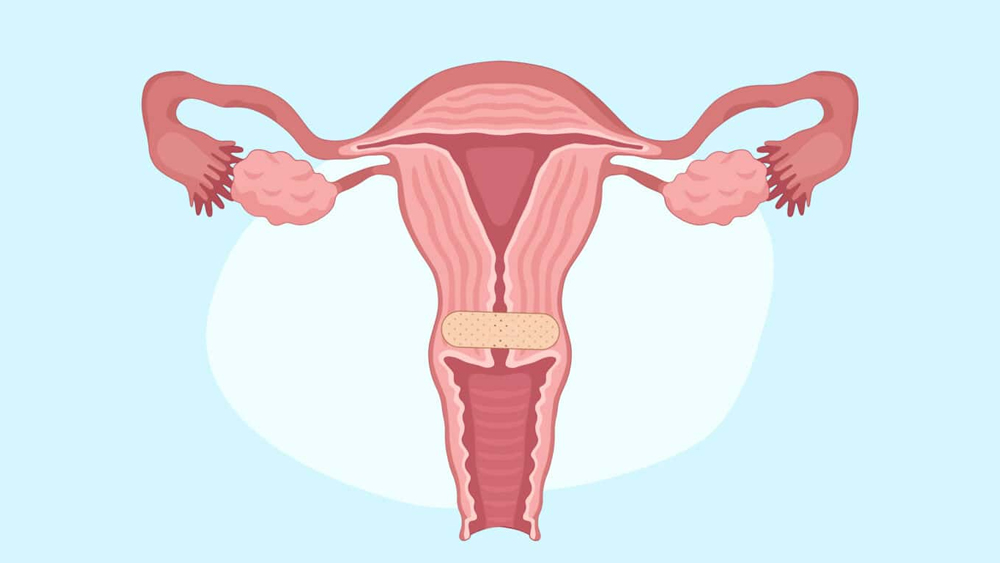
Cervical changes during pregnancy are vital indicators of reproductive health. They signal how the body is preparing for childbirth and are monitored closely by healthcare providers. Changes in the cervix can affect pregnancy outcomes, including the risk of preterm labor. Therefore, understanding what constitutes normal cervical changes can help women navigate their pregnancies with confidence.
One of the earliest changes during pregnancy is the softening of the cervix, known as cervical ripening. This occurs due to hormonal changes, particularly the influence of estrogen and relaxin. By the second trimester, the cervix begins to feel softer and more pliable. This is entirely normal and necessary for the body to prepare for labor.
The length of the cervix can also change throughout pregnancy. During the early stages, the cervix typically measures about 3 to 4 centimeters in length. As pregnancy progresses, it may begin to shorten. This shortening is a normal part of the preparation for labor and is closely monitored, particularly for women at risk of preterm labor.
The position of the cervix may change throughout pregnancy as well. In early pregnancy, it is often higher in the pelvic cavity and can feel firm. As pregnancy progresses, the cervix may drop lower in the pelvis, becoming softer and more posterior. This positional change is normal and reflects the body's preparation for labor.
Many pregnant women notice an increase in vaginal discharge due to hormonal changes. This discharge is typically clear or milky and should not have a foul odor or significant color change. The presence of increased discharge is normal, but any changes in color, consistency, or odor may warrant a call to a healthcare provider.
As the cervix begins to soften, it may also produce a thick mucus plug that seals the cervical canal. This plug protects the uterus from infections and is usually expelled as labor approaches. Losing the mucus plug can happen weeks before labor begins and is often accompanied by a discharge that is pink or blood-tinged.
As labor approaches, the cervix dilates or opens in preparation for childbirth. Dilation is measured in centimeters, with full dilation at 10 centimeters. The cervix will gradually open during the first stage of labor, allowing the baby to pass through the birth canal. This change can occur over hours or even days, depending on individual circumstances.
While many cervical changes during pregnancy are normal, some may indicate potential issues. Expectant mothers need to be aware of these signs and symptoms:
If the cervix begins to soften or dilate significantly before 37 weeks of pregnancy, it may indicate preterm labor. Signs include pelvic pressure, lower back pain, and regular contractions. Contact a healthcare provider immediately if you experience these symptoms.
Light spotting can be normal, especially after cervical examinations or sexual intercourse. However, heavy bleeding or the passage of large blood clots is not normal and should be reported to a healthcare provider.
Unusual changes in discharge, particularly if accompanied by a foul odor, itching, or irritation, may suggest a vaginal infection. Infections can lead to complications during pregnancy, so it's essential to seek treatment if you notice these symptoms.
While mild cramping can be normal during pregnancy, severe pelvic pain or cramping may be a sign of a problem, such as an ectopic pregnancy or miscarriage. It's crucial to seek medical attention if you experience severe or persistent pain.
Healthcare providers typically monitor cervical changes during routine prenatal visits. This may include pelvic examinations, ultrasounds to measure cervical length, and other assessments. Regular monitoring helps ensure that any concerning changes are identified and addressed promptly.
Leading the best pregnancy hospital in Noida, we are committed to providing the best support for women's health, with a special focus on managing conditions such as cervical changes, pregnancy, and delivery. Our team of experienced gynecologists is here to guide you through every aspect of your care:
With extensive expertise in women's health, Dr. Sharma specializes in monitoring and managing cervical changes during pregnancy to ensure safe outcomes for both mother and baby.
2. Dr. Charu Yadav:
A trusted name in reproductive health, Dr. Yadav offers advanced care for conditions like cervical insufficiency and helps develop customized treatment plans for optimal pregnancy health.
Known for her patient-first approach, Dr. Kuruvila is skilled in diagnosing and addressing cervical complications during pregnancy, ensuring mothers are well-informed and supported.
4. Dr. Pragati Jain:
Serving at Felix Hospital, Gamma 1, Greater Noida, Dr. Jain has expertise in addressing a wide range of gynecological issues with a patient-centric approach.
Also at Felix Hospital, Gamma 1, Greater Noida, Dr. Rathi is skilled in managing gynecological concerns, ensuring women receive the best and most empathetic care.
Stay informed about your pregnancy and ensure your health and your baby's well-being. Schedule your prenatal appointment by Clicking Here.
Understanding cervical changes during pregnancy is essential for expectant mothers. While many changes are normal and necessary for preparing for childbirth, it is crucial to recognize when something may be amiss. By staying informed and communicating with healthcare providers, women can navigate their pregnancies with confidence and peace of mind. If you have concerns about your cervical health during pregnancy, don't hesitate to reach out to your healthcare provider for personalized advice and support.
1. How can I monitor cervical changes during pregnancy?
Ans. Your healthcare provider will perform regular pelvic exams and may use ultrasounds to monitor cervical changes. Pay attention to any symptoms you experience and communicate with your provider about any concerns.
2. What should I do if I notice an unusual discharge?
Ans. If your discharge changes color, consistency, or odor, or if you experience itching or irritation, contact your healthcare provider for guidance.
3. Is cervical dilation painful?
Ans. Cervical dilation can be accompanied by discomfort or cramping, especially as labor approaches. However, the experience varies among individuals.
4. Can I prevent cervical changes during pregnancy?
Ans. Cervical changes are a normal part of pregnancy and cannot be prevented. However, maintaining a healthy lifestyle, including proper nutrition and regular prenatal care, can support overall pregnancy health.
5. What is the significance of the mucus plug?
Ans. The mucus plug protects the uterus from infection and may be expelled as labor approaches. Losing the mucus plug can occur weeks before labor begins.
6. When should I seek medical attention during pregnancy?
Ans. Contact your healthcare provider if you experience heavy bleeding, severe pain, or signs of preterm labor, such as regular contractions or pelvic pressure.
7. Are cervical changes the same in every pregnancy?
Ans. Cervical changes can vary significantly between pregnancies. Some women may experience rapid changes, while others may have slower progression.
8. How can I prepare for labor and delivery?
Ans. Attend prenatal classes, create a birth plan, and discuss your concerns and preferences with your healthcare provider. Staying informed and prepared can help alleviate anxiety as you approach labor.

Cataracts are a common eye condition that can lead to significant vision impairment if left untreated. They occur when the lens of the eye becomes cloudy, making it difficult to see clearly. While cataracts are often associated with aging, there are several lifestyle choices and preventive measures that can help lower your risk of developing this condition. Let’s explore seven effective strategies for preventing cataracts, empowering you to take proactive steps for your eye health. Now search for the best cataract surgery doctor near me in Noida for the best cataract surgery for your best vision.
book an appointment with Best Eye Doctor In Noida. Call now at +91-9667064100.
Before diving into prevention strategies, it’s essential to understand what cataracts are. The lens of the eye is typically clear, allowing light to enter and focus on the retina at the back of the eye. However, as we age, the proteins in the lens can start to break down, causing cloudiness. This process can be accelerated by various factors, including genetics, UV exposure, certain medical conditions, and lifestyle choices.
Age: The most significant risk factor, with most people over 60 developing cataracts.
UV Radiation: Exposure to sunlight without proper eye protection increases the risk.
Medical Conditions: Diabetes and obesity can increase the likelihood of cataract formation.
Smoking: Tobacco use has been linked to a higher incidence of cataracts.
Poor Diet: A lack of essential nutrients can contribute to eye health decline.
One of the most effective ways to prevent cataracts is to protect your eyes from harmful UV rays. Prolonged exposure to sunlight can damage the lens and increase the risk of cataracts. Here are some tips for UV protection:
Wear Sunglasses: Choose sunglasses that block 100% of UVA and UVB rays. Look for wraparound styles for additional protection.
Use a Wide-Brimmed Hat: A wide-brimmed hat can help shade your eyes from the sun when outdoors.
Avoid Tanning Beds: These can also emit harmful UV radiation, so it's best to avoid them altogether.
Your diet plays a crucial role in maintaining eye health. Consuming a variety of nutrient-rich foods can help lower the risk of cataracts. Consider the following dietary guidelines:
Eat Leafy Greens: Spinach, kale, and other leafy greens are high in antioxidants like lutein and zeaxanthin, which are beneficial for eye health.
Include Colorful Fruits and Vegetables: Foods rich in vitamins A, C, and E, such as carrots, bell peppers, and oranges, can help protect your eyes.
Omega-3 Fatty Acids: Incorporate sources of omega-3 fatty acids, like fatty fish (salmon, mackerel), walnuts, and flaxseeds, which can help support overall eye health.
Obesity is linked to an increased risk of developing cataracts. Maintaining a healthy weight through a balanced diet and regular exercise can significantly reduce this risk. Here are some tips for managing your weight:
Regular Exercise: Aim for at least 150 minutes of moderate aerobic activity each week, such as walking, swimming, or cycling.
Portion Control: Be mindful of portion sizes and avoid overeating by listening to your body's hunger cues.
Stay Hydrated: Drinking enough water can help maintain overall health and support weight management.
If you smoke, quitting can greatly reduce your risk of cataracts and other eye-related issues that's why it's Restricted after cataract surgery. Studies have shown that smoking is linked to a higher incidence of cataract formation. Here are some strategies to help you quit:
Seek Support: Join a support group or find a buddy to help you stay accountable.
Consider Nicotine Replacement Therapy: Options like patches, gum, or inhalers can help ease withdrawal symptoms.
Set a Quit Date: Choose a specific date to quit and stick to it, making a plan to handle cravings and triggers.
Managing chronic health conditions such as diabetes and hypertension is vital for reducing the risk of cataracts. Here’s how you can take charge of your health:
Regular Check-Ups: Schedule regular appointments with your healthcare provider to monitor and manage any existing health conditions.
Follow Treatment Plans: Adhere to prescribed medications and lifestyle recommendations for managing chronic conditions.
Monitor Blood Sugar Levels: For individuals with diabetes, maintaining stable blood sugar levels is crucial for reducing the risk of cataracts.
Routine eye exams are essential for detecting potential issues early on. During these exams, your eye care professional can assess your eye health and identify any early signs of cataracts or other conditions. Consider the following tips:
Schedule Annual Eye Exams: For individuals over 40, annual eye exams are recommended to monitor eye health and catch any potential problems early.
Discuss Family History: Inform your eye doctor about any family history of cataracts or other eye conditions, as this may influence your screening schedule.
Staying adequately hydrated is important for overall health, including eye health. Dehydration can lead to dry eyes and increase the risk of various eye conditions. Here are some hydration tips:
Drink Plenty of Water: Aim for at least 8 glasses of water a day, adjusting for activity level and climate.
Limit Sugary and Caffeinated Beverages: These can contribute to dehydration, so opt for water or herbal teas instead.
Felix Hospital, the best hospital for cataract surgery, has earned a reputation for excellence in eye care, particularly in cataract treatment. Our team of highly skilled ophthalmologists, notably Dr. Deepanjali Arya and Dr. Mohmad Uzair Zakai, are committed to providing individualized care for each patient. We utilize state-of-the-art equipment to ensure accurate and safe surgical procedures. Our comprehensive post-surgery support is designed to facilitate a seamless healing journey for our patients.
Stay informed and motivated about lifestyle changes after Cataract surgery that can improve your overall health and well-being by Clicking Here.
Cataracts are a prevalent eye condition that can significantly impact your quality of life. By taking proactive steps to protect your eyes and maintain overall health, you can reduce your risk of developing cataracts. Implementing the seven strategies outlined in this blog—protecting your eyes from UV radiation, maintaining a healthy diet, managing your weight, quitting smoking, controlling underlying health conditions, getting regular eye exams, and staying hydrated—can all contribute to better eye health and a lower risk of cataracts. The Cost of cataract surgery varies based on several elements. These include how intricate the operation is, which artificial lens is selected, and whether cutting-edge laser methods are employed.
1. What are cataracts, and how do they affect vision?
ANS: Cataracts are a condition where the lens of the eye becomes cloudy, leading to blurred or impaired vision. They can cause difficulty in seeing, especially at night, and may lead to increased sensitivity to glare and colors appearing faded.
2. What are the primary risk factors for developing cataracts?
ANS: The main risk factors for cataracts include age (particularly in those over 60), prolonged UV exposure, smoking, obesity, diabetes, and a diet lacking essential nutrients. Family history and certain medical conditions can also increase risk.
3. How can UV exposure contribute to cataracts?
ANS: Prolonged exposure to UV radiation from sunlight can damage the proteins in the lens, leading to cataract formation. Wearing sunglasses that block 100% of UVA and UVB rays can help protect your eyes from this damage.
4. What dietary changes can help prevent cataracts?
ANS: Incorporating a diet rich in antioxidants, vitamins, and omega-3 fatty acids can help maintain eye health. Foods such as leafy greens, colorful fruits and vegetables, fatty fish, and nuts can all contribute to lowering the risk of cataracts.
5. Is there a link between smoking and cataracts?
ANS: Yes, smoking has been shown to increase the risk of developing cataracts. Quitting smoking can significantly lower this risk and improve overall eye health.
6. How often should I get my eyes examined to check for cataracts?
ANS: It is recommended to have regular eye exams, especially for individuals over 40. Annual eye exams can help monitor eye health and detect early signs of cataracts or other vision problems.
7. Can lifestyle changes after cataract surgery help prevent future cataracts?
ANS: Yes, adopting healthy lifestyle changes—such as maintaining a balanced diet, staying hydrated, protecting your eyes from UV rays, and managing underlying health conditions—can help lower the risk of developing cataracts in the future.
8. Are there specific exercises or activities that can help prevent cataracts?
ANS: While there are no specific exercises that can directly prevent cataracts, engaging in regular physical activity can help maintain overall health and manage weight, which may reduce the risk of cataract formation.
9. What should I do if I notice changes in my vision?
ANS: If you experience changes in your vision, such as blurriness, increased difficulty seeing at night, or sensitivity to light, it's important to schedule an appointment with an eye care professional for a comprehensive eye exam. Early detection and management are crucial for eye health.
Cataract surgery is essential to restore clear vision and prevent permanent blindness. It removes the cloudy lens and replaces it with an artificial one, helping patients regain normal sight and quality of life.
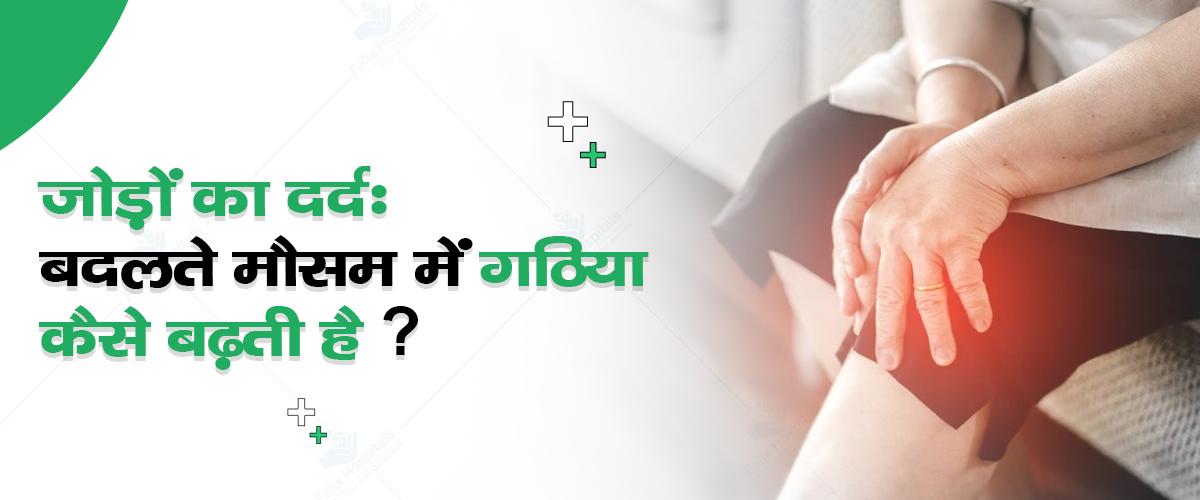
भारत में विभिन्न प्रकार के मौसम का अनुभव होता है, जो हमारी सेहत पर कई तरह से असर डालता है। इनमें से एक गंभीर समस्या है जोड़ों का दर्द, जिसे सामान्यत: गठिया (Arthritis) के रूप में जाना जाता है। गठिया एक ऐसी स्थिति है जिसमें जोड़ों में सूजन, दर्द, और कठिनाई होती है, खासकर बदलते मौसम के दौरान इसलिए समय रहते अच्छे रुमेटोलॉजी हॉस्पिटल से इलाज ले सकते है। यहां हम समझेंगे कि मौसम का बदलाव गठिया को कैसे प्रभावित करता है, और इससे बचने के लिए हम क्या कर सकते हैं।
क्या आप या आपका कोई प्रिय गठिया के कारण जोड़ों के दर्द से जूझ रहा है? तो आज ही हमारे अनुभवी रूमेटोलॉजी विशेषज्ञों के साथ परामर्श बुक करें हमें कॉल करें +91 9667064100।
जोड़ों के दर्द की सामान्य जानकारी:
जोड़ों का दर्द एक सामान्य समस्या है, जो किसी भी उम्र के व्यक्ति को प्रभावित कर सकती है। यह दर्द चोट, उम्र बढ़ने, संक्रमण, या गठिया जैसी स्थितियों के कारण हो सकता है। जोड़ों में दर्द अक्सर सूजन, कठोरता, और गतिशीलता में कमी के साथ जुड़ा होता है। प्रभावित जोड़ों में सामान्यत घुटने, कंधे, कूल्हे, उंगलियां, और रीढ़ शामिल होते हैं।
गठिया का संक्षिप्त परिचय:
गठिया एक ऐसी स्थिति है जिसमें जोड़ों में सूजन, दर्द, और जकड़न होती है। यह 100 से अधिक प्रकारों का हो सकता है, जिनमें प्रमुख हैं:
ऑस्टियोआर्थराइटिस: उम्र बढ़ने और जोड़ों के क्षय के कारण।
रूमेटॉइड आर्थराइटिस: एक ऑटोइम्यून रोग, जो जोड़ों को प्रभावित करता है।
गाउट: शरीर में यूरिक एसिड का बढ़ना
ठंड और नमी वाले मौसम में जोड़ों में दर्द और सूजन बढ़ सकती है। वायुदाब में गिरावट से जोड़ों के भीतर दबाव बढ़ता है, जिससे दर्द अधिक महसूस होता है। ठंडे मौसम में रक्त प्रवाह कम होने के कारण मांसपेशियों और जोड़ों में कठोरता आ जाती है।
रक्त प्रवाह में कमी
ठंड में रक्त वाहिकाएं सिकुड़ जाती हैं, जिससे जोड़ों और आसपास के ऊतकों में सूजन और दर्द हो सकता है।
स्वास्थ्य पर अन्य प्रभाव
बारिश और सर्दी से इम्यून सिस्टम कमजोर हो सकता है, जिससे शरीर संक्रमण के प्रति अधिक संवेदनशील हो जाता है। गर्मी या उमस के मौसम में थकान और जोड़ों में सूजन बढ़ सकती है।
गर्मी और आर्द्रता:
अत्यधिक गर्मी और आर्द्रता भी कुछ लोगों के लक्षणों को बढ़ा सकती है। पसीना और शरीर में जल-अनुपात में असंतुलन मांसपेशियों और जोड़ों पर असर डाल सकता है।
मूवमेंट में कमी:
सर्दी या बारिश के दौरान लोग कम सक्रिय हो जाते हैं, जिससे जोड़ों की लचक और गतिशीलता में कमी आती है। लंबे समय तक निष्क्रिय रहने से जोड़ों की कठोरता बढ़ जाती है।
नमी और बारिश का प्रभाव:
उच्च नमी स्तर के कारण जोड़ों के आसपास सूजन बढ़ जाती है, जिससे दर्द में इजाफा होता है। नम वातावरण में शरीर की सहनशीलता कम हो जाती है, और गठिया से प्रभावित जोड़ों में असहजता बढ़ जाती है।
शरीर की प्रतिक्रिया:
ठंडे मौसम में शरीर की स्वाभाविक प्रतिक्रिया होती है कि वह गर्मी बनाए रखने के लिए मांसपेशियों को कस ले। इससे जोड़ों के चारों ओर तनाव और दर्द बढ़ सकता है। मौसम के बदलाव से नींद की गुणवत्ता प्रभावित हो सकती है, जिससे थकान और दर्द की संवेदनशीलता बढ़ जाती है।
गठिया के लक्षणों की पहचान व्यक्ति को प्रारंभिक अवस्था में समस्या को समझने और सही समय पर इलाज कराने में मदद करती है। नीचे विस्तृत विवरण दिया गया है:
दर्द:
दर्द सामान्य रूप से सुबह उठने के बाद अधिक महसूस होता है या लंबे समय तक आराम करने के बाद बढ़ता है। दर्द धीरे-धीरे बढ़ता है और प्रभावित जोड़ों में लगातार बना रह सकता है।
जकड़न:
जोड़ों में कठोरता महसूस होती है, खासतौर पर सुबह के समय।
जोड़ों की गति सीमित हो सकती है।
सूजन और लालिमा:
जोड़ों के आसपास सूजन होती है, जो स्पर्श करने पर गर्म या कोमल महसूस हो सकती है। त्वचा लाल हो सकती है, जिससे सूजनग्रस्त हिस्से में जलन और असहजता महसूस होती है।
चलने-फिरने में कठिनाई:
जोड़ों में सूजन और जकड़न के कारण दैनिक गतिविधियां जैसे चलना, उठना-बैठना या सीढ़ियां चढ़ना मुश्किल हो जाता है। गंभीर मामलों में जोड़ों की स्थायी क्षति के कारण गतिशीलता में स्थायी बाधा हो सकती है।
गर्मी और थकान:
प्रभावित व्यक्ति को हल्का बुखार या सामान्य थकान महसूस हो सकती है।
जोड़ों का आकार बदलना:
लंबे समय तक लक्षण बने रहने पर जोड़ों का आकार विकृत हो सकता है।
कड़क आवाज:
जोड़ों को हिलाने पर खड़खड़ाहट या कड़क आवाज आ सकती है।
ग्रिप में कमजोरी:
हाथों की पकड़ कमजोर हो सकती है।
गठिया को मैनेज करना आवश्यक है ताकि लक्षणों को कम किया जा सके और जीवन की गुणवत्ता को बेहतर बनाया जा सके। यहां कुछ प्रभावी उपाय दिए गए हैं:
ठंड के मौसम में जोड़ों को गर्म रखना महत्वपूर्ण है। गर्म कपड़े, दस्ताने, मोजे, और कंबलों का उपयोग करें। गर्म पानी की थैली या हीटिंग पैड से प्रभावित जोड़ों पर सेकाई करें।
स्ट्रेचिंग:
नियमित स्ट्रेचिंग से जोड़ों की लचक और गति बनाए रखी जा सकती है।
हल्का व्यायाम:
तैराकी, योग, या पैदल चलना जैसे कम प्रभाव वाले व्यायाम मददगार हो सकते हैं।
अति न करें:
जोड़ों पर अधिक दबाव डालने वाले व्यायाम से बचें। नियमित गतिविधि से जोड़ों के आसपास की मांसपेशियां मजबूत होती हैं।
1. एंटी-इंफ्लेमेटरी भोजन:
ओमेगा-3 फैटी एसिड (मछली, अलसी, अखरोट)।
हल्दी और अदरक जैसे प्राकृतिक एंटी-इंफ्लेमेटरी पदार्थ।
2. गर्म पेय:
हल्दी दूध, अदरक-तुलसी की चाय, और ग्रीन टी। गर्म पेय से शरीर को आराम और जोड़ों में रक्त प्रवाह बेहतर होता है।
3. पर्याप्त पानी पीना:
शरीर को हाइड्रेटेड रखें, जिससे जोड़ों की चिकनाई बनी रहे।
हड्डियों को मजबूत बनाने के लिए:विटामिन डी कैल्शियम को अवशोषित करने में मदद करता है, जिससे हड्डियां मजबूत होती हैं।
सूरज की रोशनी: प्रतिदिन सुबह की धूप लें।
सप्लीमेंट्स: डॉक्टर की सलाह से विटामिन डी सप्लीमेंट लें।
आराम:
पर्याप्त नींद लें, क्योंकि नींद की कमी से दर्द बढ़ सकता है।
तनाव प्रबंधन:
ध्यान, प्राणायाम, और रिलैक्सेशन तकनीक का उपयोग करें।
वजन नियंत्रण:
अधिक वजन जोड़ों पर अतिरिक्त दबाव डालता है, इसलिए वजन संतुलित रखें।
गठिया के लक्षणों को कभी-कभी घरेलू उपायों और जीवनशैली में बदलाव से नियंत्रित किया जा सकता है। लेकिन कुछ स्थितियों में डॉक्टर से संपर्क करना आवश्यक हो जाता है। यहां ऐसे संकेत दिए गए हैं जब चिकित्सा सहायता लेना जरूरी है:
जब दर्द असहनीय हो जाए:
यदि दर्द इतना बढ़ जाए कि दैनिक गतिविधियां जैसे चलना, उठना, बैठना मुश्किल हो जाएं। दर्द आराम या हल्की गतिविधियों के बाद भी कम न हो। दर्द रात में बढ़कर नींद को प्रभावित करे।
सूजन लंबे समय तक बनी रहे:
यदि जोड़ों की सूजन कुछ दिनों या हफ्तों तक बनी रहे। सूजन के साथ लालिमा, गर्मी, या दबाने पर अत्यधिक दर्द महसूस हो। सूजन बढ़ती जाए या अन्य जोड़ों तक फैल जाए।
जोड़ों की हिलने-डुलने की क्षमता में कमी आए:
यदि प्रभावित जोड़ों में कठोरता इतनी बढ़ जाए कि उन्हें हिलाना-डुलाना मुश्किल हो जाए। जोड़ों में स्थायी अकड़न या उनकी सामान्य गति खत्म हो जाए। गतिशीलता में कमी के कारण दैनिक कार्य बाधित होने लगें।
अन्य गंभीर लक्षण दिखें:
बुखार के साथ जोड़ों में दर्द या सूजन। अचानक वजन घटना।अत्यधिक थकान या कमजोरी महसूस होना। त्वचा पर चकत्ते या अन्य असामान्य लक्षण दिखाई देना।
इलाज का प्रभाव न दिखे:
यदि घरेलू उपाय, दर्द निवारक दवाएं, या अन्य उपचार प्रभावी न हों। यदि गठिया के लक्षण समय के साथ बदतर होते जाएं।
चिकित्सीय सलाह की जरूरत क्यों है ?
गठिया के प्रकार का सही निदान करना (जैसे, रूमेटॉइड, ऑस्टियोआर्थराइटिस, गाउट)। आवश्यक जांच (जैसे, एक्स-रे, ब्लड टेस्ट) कराना। सही दवाएं या उपचार योजना प्राप्त करना। दीर्घकालिक जटिलताओं (जैसे, जोड़ों का स्थायी नुकसान) को रोकना।
बदलते मौसम में गठिया के लक्षणों को नियंत्रित करने और उनकी तीव्रता को रोकने के लिए कुछ सावधानियां और उपाय अपनाए जा सकते हैं। यहां ऐसे सुझाव दिए गए हैं जो विशेष रूप से ठंड और नमी वाले मौसम में मददगार हो सकते हैं:
गर्म कपड़े पहनें:
ऊनी मोजे, दस्ताने, और स्कार्फ पहनें ताकि शरीर का तापमान बनाए रखा जा सके।
गर्म पानी से स्नान करें:
यह जोड़ों को राहत देता है और लचीलापन बनाए रखता है।
हल्का व्यायाम करें:
योग, स्ट्रेचिंग, और वॉकिंग जैसे व्यायाम से जोड़ों की लचक बनी रहती है और रक्त प्रवाह बेहतर होता है।
हीट थेरेपी:
प्रभावित जोड़ों पर गर्म सेकाई करें।
एंटी-इंफ्लेमेटरी आहार:
हल्दी, अदरक, हरी सब्जियां, और फल जैसे एंटी-इंफ्लेमेटरी फूड्स खाएं।
गर्म पेय का सेवन करें:
हर्बल टी, सूप, और गर्म दूध जोड़ों को आराम देते हैं।
संतुलित आहार:
प्रोटीन, विटामिन, और खनिजों से भरपूर आहार लें। अधिक पानी पीकर शरीर को हाइड्रेटेड रखें।
तनाव कम करें:
ध्यान और प्राणायाम जैसे तनाव प्रबंधन तकनीकों का अभ्यास करें। पर्याप्त नींद लें ताकि शरीर को ठीक होने का समय मिल सके।
नियमित जांच और चिकित्सा सलाह:
रूमेटोलॉजिस्ट से नियमित परामर्श लें। मौसम बदलने के दौरान गठिया की तीव्रता को कम करने के लिए डॉक्टर द्वारा सुझाई गई दवाओं का सही समय पर सेवन करें।
जोड़ों को अतिरिक्त दबाव से बचाएं:
भारी सामान उठाने से बचें। कुशन वाले जूते पहनें जो पैरों के जोड़ों पर दबाव कम करें।
रूमेटोलॉजी विशेषज्ञ युवा रोगियों की देखभाल में महत्वपूर्ण भूमिका निभाते हैं, वे व्यक्तिगत उपचार योजनाएँ और समर्थन प्रदान करते हैं, जो बच्चों के शारीरिक और मानसिक स्वास्थ्य में सुधार करते हैं, और इसके परिणामस्वरूप उनके जीवन की गुणवत्ता और स्वास्थ्य परिणाम बेहतर होते हैं। आप जोड़ों के दर्द के लक्षणों पर चर्चा करने के लिए डॉ. किरण सेठ या हमारी रूमेटोलॉजी विशेषज्ञ टीम से परामर्श लेना चाहते हैं, तो आज ही हमसे संपर्क करें।
क्या आप गठिया के बारे में अधिक जानना चाहते हैं? पूरी जानकारी के लिए यहाँ क्लिक करें।
बदलते मौसम में गठिया और जोड़ों के दर्द का प्रभाव बढ़ सकता है, लेकिन सही देखभाल और उपायों से इसे प्रभावी ढंग से प्रबंधित किया जा सकता है। ऐसे मौसम में गठिया के लक्षणों को नियंत्रित करने के लिए जागरूकता, नियमित देखभाल, और समय पर चिकित्सा सहायता लेना महत्वपूर्ण है। यह न केवल जोड़ों की सेहत को बनाए रखने में मदद करता है, बल्कि व्यक्ति की जीवनशैली को भी सुधारता है।
1. क्या गठिया केवल ठंड में बढ़ता है ?
उत्तर: नहीं, गठिया ठंड के साथ-साथ अन्य मौसमों में भी बढ़ सकता है। ठंडे मौसम में मांसपेशियां और जोड़ों की कठोरता के कारण दर्द अधिक महसूस हो सकता है। बारिश और नमी वाले मौसम में वायुदाब में बदलाव के कारण सूजन और दर्द बढ़ सकता है। गर्म और आर्द्र मौसम भी कुछ लोगों के लिए असहज हो सकता है, क्योंकि यह शरीर में थकान और सूजन को बढ़ा सकता है।हालांकि, ठंड का मौसम गठिया रोगियों के लिए अधिक चुनौतीपूर्ण होता है।
2. गर्म पानी से स्नान कितना फायदेमंद है ?
उत्तर: गर्म पानी से स्नान गठिया के लिए बेहद फायदेमंद है। जोड़ों की कठोरता कम करता है और मांसपेशियों को आराम देता है। रक्त प्रवाह बढ़ाने में मदद करता है, जिससे सूजन और दर्द कम होता है। थकावट और तनाव को भी कम करता है। स्नान के दौरान ईप्सम सॉल्ट (सेंधा नमक) मिलाने से अतिरिक्त राहत मिल सकती है। ध्यान रखें कि पानी बहुत गर्म न हो, क्योंकि अत्यधिक गर्मी त्वचा को नुकसान पहुंचा सकती है।
3. गठिया के लिए कौन से व्यायाम बेहतर हैं ?
उत्तर: गठिया के लिए हल्के और जोड़ों पर कम दबाव डालने वाले व्यायाम सबसे अच्छे माने जाते हैं। स्ट्रेचिंग कजोड़ों की लचक और गति बनाए रखने के लिए। योग शरीर को लचीला और तनावमुक्त रखने में मदद करता है। तैराकी कम प्रभाव वाला व्यायाम है जो जोड़ों पर दबाव डाले बिना मांसपेशियों को मजबूत करता है। पैदल चलना हल्के कार्डियो के लिए, जो जोड़ों को सक्रिय रखता है। साइक्लिंग घुटनों और कूल्हों की सेहत के लिए फायदेमंद। व्यायाम शुरू करने से पहले डॉक्टर या फिजियोथेरेपिस्ट से परामर्श लें।
4. गठिया के लिए कौन से आहार अच्छे होते हैं ?
उत्तर: ओमेगा-3 फैटी एसिड युक्त खाद्य पदार्थ, हरी पत्तेदार सब्जियाँ, और फल आपकी सेहत के लिए अच्छे होते हैं।
5. क्या व्यायाम गठिया में फायदेमंद है ?
उत्तर: हां, व्यायाम जोड़ों को लचीला रखने और मांसपेशियों को मजबूत करने में मदद करता है, जिससे दर्द में कमी आ सकती है।
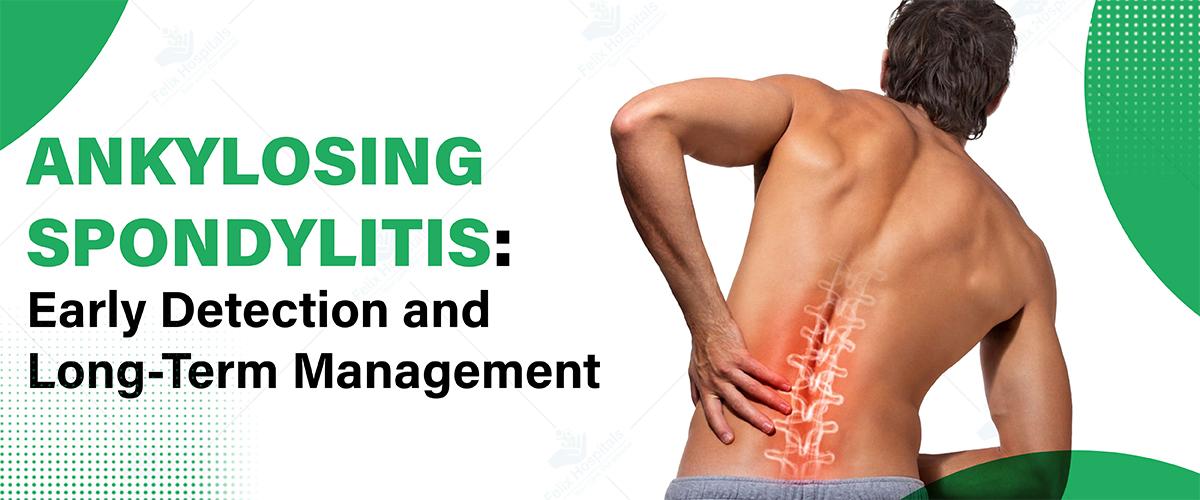
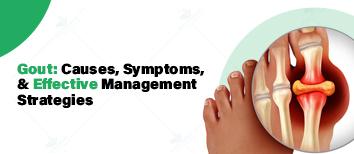
Gout is a form of arthritis caused by the buildup of uric acid crystals in the joints, leading to sudden and severe pain

Lupus is an autoimmune disorder that often affects women more than men. Recognizing its early signs—such as joint pain, fatigue, and skin rashes—can help in timely diagnosis and treatment, improving long-term health outcomes.


Subscribe to our
© Copyright 2026. All Rights Reserved by Felix Healthcare Private Limited
Design and development by :


 +(91)9667064100
 Emergency : +(91)9667064100