 WhatsApp
 Emergency:
  WhatsApp


Subscribe to our
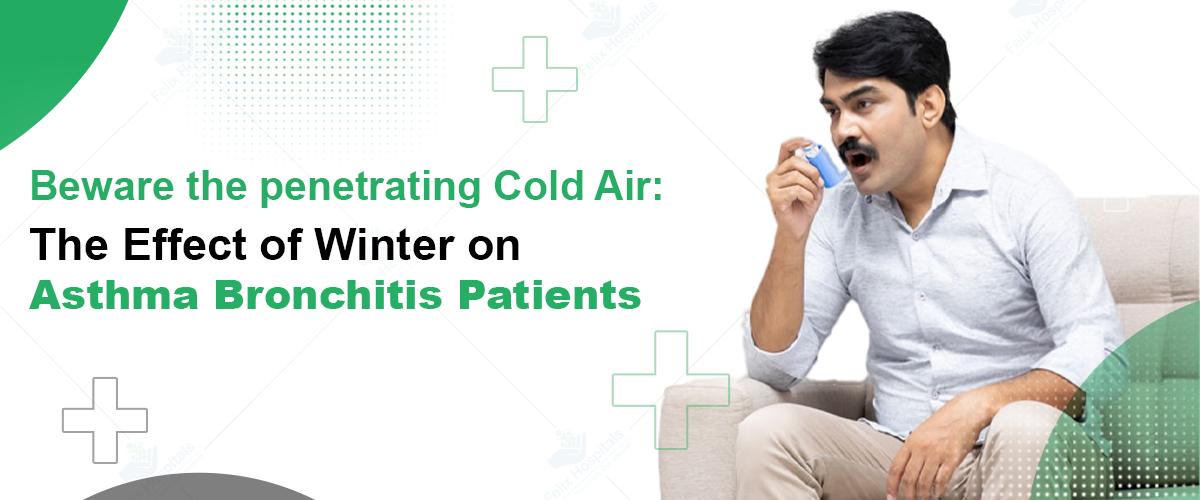
Winter’s arrival brings not only shorter days and colder temperatures but also unique challenges for people with respiratory conditions like asthma and bronchitis. Cold, dry air and sudden temperature shifts can aggravate symptoms, leading to increased coughing, wheezing, and shortness of breath. Understanding why these conditions worsen during winter and how to manage them can be life-changing for asthma and bronchitis patients. Seeking expert guidance and care at the best hospital for respiratory conditions can be instrumental in effectively managing these seasonal challenges.
schedule a consultation with a respiratory specialist today to learn more about managing your condition through the colder months. Call Now at +91 9667064100.
Cold air poses unique challenges for the respiratory system. The lungs and airways function optimally at body temperature, around 37°C (98.6°F). When exposed to cold air, the airways constrict to prevent cold air from entering the lungs, a natural defense that can inadvertently lead to increased respiratory resistance. For individuals with asthma or bronchitis, this reaction can exacerbate inflammation in the airways, leading to the discomfort associated with winter exacerbations.
Dry, Cold Air: Winter air is often dry, which irritates the airways and triggers bronchoconstriction, making it harder for asthma and bronchitis patients to breathe comfortably.
Allergens: Winter often brings an increase in indoor allergens such as dust mites, pet dander, and mold, as people spend more time indoors.
Respiratory Infections: Winter is also flu season, and respiratory infections tend to rise, increasing the risk of complications for people with respiratory conditions.
Asthma is a chronic condition characterized by inflamed and narrow airways. For asthma patients, winter means a higher risk of asthma attacks, which can occur due to cold, dry air, and other seasonal triggers like respiratory infections. During an asthma attack, symptoms like wheezing, coughing, and chest tightness increase, often requiring immediate attention and medication.
Bronchitis can be either acute or chronic. Acute bronchitis usually results from a respiratory infection, while chronic bronchitis, a type of chronic obstructive pulmonary disease (COPD), is often caused by long-term exposure to irritants like cigarette smoke. Winter weather is challenging for bronchitis patients, as cold air triggers the airways to produce more mucus, leading to persistent cough and discomfort.
Airway Constriction: Cold air causes blood vessels in the airways to constrict, which can reduce the amount of oxygen reaching the lungs.
Increased Mucus Production: Cold weather triggers mucus glands, leading to thicker mucus, which clogs airways and makes breathing harder.
Reduced Immunity: Winter can suppress immune function, making it easier to catch infections that further worsen respiratory issues.
More Indoor Exposure: Indoor heating can dry out the air, and an increase in dust, pet dander, and mold can irritate airways.
Avoid going outside during particularly cold or windy days. If you must go out, wear a scarf or mask over your mouth and nose to help warm the air before it enters your lungs.
Using a humidifier at home can add moisture to the dry winter air, making it easier to breathe. Ideal humidity levels are between 30% and 50%, as too much humidity can encourage mold growth and dust mites.
For asthma patients, cold weather exercise can trigger symptoms. Take time to warm up before exercising, and try to exercise indoors when possible.
Cold weather can reduce the sensation of thirst, but staying hydrated is essential to keep mucus thin, which helps prevent airway blockage.
Smoke from fireplaces, candles, and even cooking can irritate the airways. Avoiding these and any strong scents can help reduce symptoms.
Asthma and bronchitis patients should consult their healthcare providers before winter for an updated treatment plan. Common medications include:
Inhaled Corticosteroids: Reduce inflammation and prevent winter flare-ups.
Bronchodilators: Open airways and make breathing easier.
Antibiotics (for bronchitis): Only if bacterial infection is confirmed.
Leukotriene Modifiers: Help control asthma symptoms.
It’s essential to have a quick-relief inhaler on hand for sudden symptoms. Additionally, the Cost of treating asthma and bronchitis can vary depending on the severity of the condition, treatment duration, and location.
Healthy Diet: Eating a balanced diet with plenty of fruits, vegetables, and lean proteins can help boost the immune system.
Regular Exercise: Even in winter, physical activity strengthens the respiratory muscles, although indoor exercises may be better.
Manage Stress: Stress can trigger asthma and bronchitis symptoms. Practice relaxation techniques like deep breathing and meditation.
Get a Flu Shot: Since respiratory infections worsen symptoms, a flu shot can help prevent severe respiratory complications.
Asthma and bronchitis patients must recognize when symptoms require immediate medical attention. Signs include:
Persistent chest pain or pressure
Severe shortness of breath
Bluish lips or face
Confusion or dizziness
With over 20 years of dedicated experience in pulmonary care with the best pulmonologist in Noida, Dr. Priyadarshi Jitender Kumar stands out as a leading expert in diagnosing and treating pulmonary embolism. Known for his thorough approach and personalized care plans, Dr. Kumar has earned a reputation as one of the most trusted specialists in managing this complex condition.
Get Expert Help for Your Winter Respiratory Care. Click here now to book an appointment and breathe easier this winter!
Winter poses unique challenges for asthma and bronchitis patients due to cold air, dry conditions, and increased indoor allergens. However, by taking preventive steps, managing medications, and recognizing early symptoms, patients can navigate the season with better control over their respiratory health. Always consult healthcare providers for personalized advice, and stay prepared to breathe easier through the winter months.
1-How does winter affect asthma and bronchitis?
ANS: Winter's cold, dry air and increased indoor allergens can irritate the airways, leading to increased symptoms like coughing, wheezing, and shortness of breath.
2- Can cold weather make bronchitis worse?
ANS: Yes, cold air can trigger mucus production and airway constriction, worsening symptoms for bronchitis patients.
3- What should I do if my asthma gets worse during winter?
ANS: Consult your doctor for an updated treatment plan, use prescribed inhalers, and take precautions like wearing a scarf over your mouth when outside.
4- Is it safe for asthma patients to exercise outside in winter?
ANS: It can be challenging, as cold air can trigger asthma symptoms. If exercising outside, warm up beforehand, cover your mouth and nose, or consider indoor exercise.
5-Does using a humidifier help with asthma and bronchitis?
ANS: Yes, a humidifier can add moisture to dry winter air, which can ease breathing for asthma and bronchitis patients. Keep humidity levels between 30%-50%.
6- What medications help control winter asthma symptoms?
ANS: Common medications include inhaled corticosteroids, bronchodilators, and leukotriene modifiers, but it’s essential to consult a doctor for the best treatment plan.
7- Should I get a flu shot if I have asthma or bronchitis?
ANS: Yes, a flu shot is recommended as respiratory infections can worsen asthma or bronchitis symptoms during winter.
8-How can I prevent asthma attacks caused by cold air?
ANS: Wear a scarf or mask over your mouth to warm the air before it enters your lungs, avoid strenuous outdoor activity in extreme cold, and stay on top of your medications.
9- Can allergies affect asthma and bronchitis in winter?
ANS: Yes, indoor allergens like dust mites, pet dander, and mold can worsen asthma and bronchitis symptoms as people spend more time indoors in winter.

A COPD friendly diet is important for several reasons as discussed before. It can assist in relieving symptoms, controlling life threats and managing overweight.
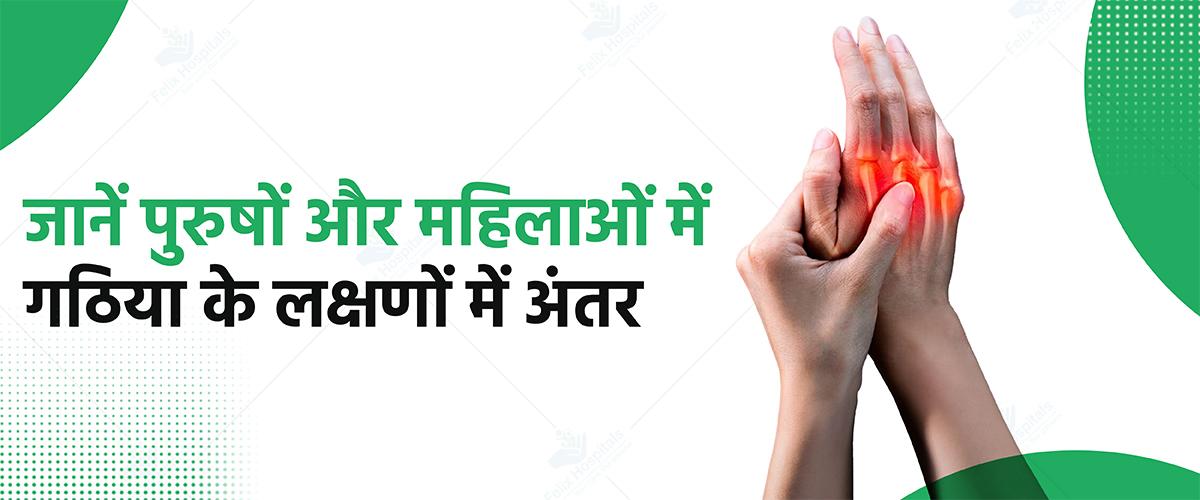
गठिया एक सामान्य लेकिन जटिल रोग है, जो शरीर के जोड़ या जोड़ों में सूजन और दर्द का कारण बनता है। यह समस्या पुरुषों और महिलाओं दोनों में होती है, लेकिन इसके लक्षण और प्रभाव दोनों के बीच भिन्न हो सकते हैं। गठिया के कई प्रकार होते हैं, जिनमें रूमेटाइड गठिया, ऑस्टियोआर्थराइटिस, गाउट, सोरियाटिक गठिया शामिल हैं अगर आपको भी कभी लगता है की गठिया की परेशानी बन रही है तो आप निकट के रुमेटोलॉजी अस्पताल से संपर्क कर सकते हैं। यहां हम पुरुषों और महिलाओं में गठिया के लक्षणों के अंतर को विस्तार से समझेंगे और इसका उनके स्वास्थ्य पर क्या असर होता है, इसे भी देखेंगे।
ज्यादा जानकारी के लिए हमें कॉल करें +91 9667064100.
गठिया के सामान्य लक्षण निम्नलिखित हो सकते हैं, जो पुरुष और महिला दोनों में दिखाई देते हैं:
जोड़ों में सूजन के साथ-साथ तेज या धीमा दर्द होना गठिया का प्रमुख लक्षण है।
खासतौर पर सुबह के समय जोड़ों में कठोरता महसूस होती है, जिससे सामान्य गतिविधियां प्रभावित होती हैं।
जोड़ मुड़ने या हिलने में समस्या होती है, और व्यक्ति की गतिशीलता में कमी आ जाती है।
रोग की गंभीरता के साथ शरीर में कमजोरी और थकावट महसूस होती है।
हालांकि, इन सामान्य लक्षणों के बावजूद पुरुषों और महिलाओं में गठिया के प्रकार, लक्षणों की तीव्रता, और शरीर पर इसके प्रभाव अलग-अलग होते हैं।
रूमेटाइड गठिया एक ऑटोइम्यून विकार है, जिसमें शरीर की प्रतिरक्षा प्रणाली गलती से स्वस्थ ऊतकों पर हमला करती है। इससे जोड़ों में सूजन, दर्द और कठोरता होती है। महिलाओं में यह बीमारी अधिक गंभीर हो सकती है। यह आमतौर पर हाथों, कलाई और पैरों के छोटे जोड़ों को प्रभावित करता है। महिलाओं में यह रोग पुरुषों की तुलना में तीन गुना अधिक होता है। महिलाओं में यह बीमारी आमतौर पर 30-60 वर्ष की आयु में शुरू होती है और हार्मोनल बदलाव, जैसे गर्भावस्था और मेनोपॉज के दौरान, इसके लक्षण बढ़ सकते हैं।
यह गठिया का एक प्रकार है जो उम्र बढ़ने के साथ अधिक सामान्य होता है और इसमें जोड़ों के कार्टिलेज के धीरे-धीरे क्षय होने से हड्डियों के बीच घर्षण होता है> महिलाओं में विशेष रूप से घुटनों और हाथों में ऑस्टियोआर्थराइटिस का खतरा अधिक होता है। हार्मोनल बदलाव (जैसे एस्ट्रोजन का कम होना) इस बीमारी के विकास को प्रभावित कर सकता है। ऑस्टियोआर्थराइटिस उम्र बढ़ने के साथ महिलाओं में अधिक तीव्रता से विकसित होता है और मोटापे के कारण जोखिम और बढ़ जाता है।
यह गठिया त्वचा के रोग सोरायसिस से संबंधित है, जिसमें त्वचा और जोड़ों दोनों में सूजन होती है। महिलाओं में सोरियाटिक गठिया के लक्षण, जैसे त्वचा पर लाल धब्बे, जोड़ों में सूजन और दर्द, अधिक सामान्य होते हैं। सोरायसिस के कारण होने वाला यह गठिया अधिकतर हाथों, कलाई, और घुटनों को प्रभावित करता है।
लुपस एक ऑटोइम्यून रोग है, जो अधिकतर महिलाओं को प्रभावित करता है और इसमें शरीर की प्रतिरक्षा प्रणाली विभिन्न अंगों और जोड़ों पर हमला करती है। जोड़ों में सूजन और दर्द के साथ-साथ थकान, त्वचा पर चकत्ते, बुखार, और अन्य अंगों में समस्याएं होती हैं। यह बीमारी पुरुषों की तुलना में महिलाओं में अधिक सामान्य होती है।
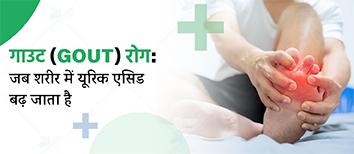
गाउट पुरुषों में सबसे सामान्य गठिया प्रकारों में से एक है। यह शरीर में यूरिक एसिड की मात्रा अधिक होने के कारण होता है, जिससे जोड़ों में क्रिस्टल जमा हो जाते हैं। गाउट का दर्द अचानक और तीव्र होता है, खासतौर पर पैर के अंगूठे में। सूजन, लालिमा और जोड़ों में तीव्र दर्द इसके प्रमुख लक्षण हैं। गाउट पुरुषों में 40-50 वर्ष की उम्र के बाद अधिक आम होता है, और यह उच्च प्रोटीन वाले आहार, शराब सेवन, और मोटापे से संबंधित हो सकता है।
यह गठिया का प्रकार पुरुषों में भी होता है, विशेष रूप से बड़े जोड़ों जैसे कूल्हे, घुटने, और रीढ़ की हड्डी पर। पुरुषों में यह समस्या खेल या भारी शारीरिक कार्य के कारण अधिक होती है, जिससे हड्डियों और जोड़ों पर अतिरिक्त दबाव पड़ता है। पुरुषों में ऑस्टियोआर्थराइटिस देर से विकसित होता है, लेकिन इसके कारण जोड़ अधिक नुकसान झेल सकते हैं।
यह गठिया की एक विशेष प्रकार की बीमारी है, जो रीढ़ की हड्डी को प्रभावित करती है और इसमें रीढ़ की हड्डी के जोड़ों में सूजन और दर्द होता है। पुरुषों में यह रोग विशेष रूप से 20-30 की उम्र में उभरता है और कमर के निचले हिस्से, कूल्हों और रीढ़ की हड्डी में कठोरता और दर्द होता है। एंकायलोज़िंग स्पॉन्डिलाइटिस पुरुषों में अधिक सामान्य है और यह रीढ़ की हड्डी को स्थायी रूप से नुकसान पहुंचा सकता है।
यह गठिया शरीर के संक्रमण (जैसे यूरिनरी या गैस्ट्रोइंटेस्टाइनल संक्रमण) के बाद विकसित होता है। जोड़ों में दर्द, सूजन, आंखों में जलन, और मूत्रमार्ग में जलन इसके प्रमुख लक्षण हैं। यह बीमारी पुरुषों में ज्यादा होती है, और संक्रमण के कुछ हफ्तों बाद इसका असर दिखाई देता है।
महिलाएं आमतौर पर अधिक गंभीर लक्षणों का अनुभव करती हैं। उनमें सूजन, दर्द और कठोरता के लक्षण ज़्यादा तीव्र हो सकते हैं, खासकर रूमेटाइड गठिया में। इसके अलावा, महिलाओं में गठिया से थकान और भावनात्मक तनाव भी ज्यादा होता है, जिससे मानसिक और शारीरिक स्वास्थ्य पर गहरा प्रभाव पड़ता है।
पुरुषों में ऑस्टियोआर्थराइटिस और गाउट जैसी समस्याएं अधिक होती हैं, लेकिन लक्षणों की तीव्रता अक्सर महिलाओं की तुलना में कम होती है। हालाँकि, जब पुरुषों को गाउट होता है, तो इसका दर्द अचानक और तीव्र हो सकता है।
गठिया का असर महिलाओं के छोटे जोड़ों पर ज़्यादा पड़ता है, जैसे हाथ, उंगलियां, कलाई आदि। यह शरीर के दोनों तरफ एक समान असर डालता है, यानी अगर एक हाथ के जोड़ में दर्द है, तो दूसरे हाथ में भी दर्द हो सकता है।
पुरुषों में गठिया के लक्षण बड़े जोड़ों पर ज़्यादा दिखाई देते हैं, जैसे घुटने, कूल्हे या पैर। इसके अलावा, पुरुषों में जोड़ों में क्षति धीरे-धीरे होती है, लेकिन अगर लंबे समय तक इलाज न किया जाए तो स्थिति गंभीर हो सकती है।
महिलाओं में गठिया के कारण शारीरिक थकान के साथ-साथ भावनात्मक तनाव भी अधिक होता है। उनमें चिंता, अवसाद और मानसिक थकावट के लक्षण सामान्य होते हैं, जो बीमारी के प्रति उनकी प्रतिक्रिया को और जटिल बना सकते हैं।
पुरुषों में गठिया के कारण थकान का अनुभव कम होता है, और वे अक्सर अपनी भावनाओं को दबाते हैं। इससे उनका मानसिक स्वास्थ्य सीधा प्रभावित नहीं होता, लेकिन रोग के गंभीर होने पर उनके शारीरिक कार्यों पर असर पड़ सकता है।
महिलाओं में हार्मोनल बदलाव, जैसे मासिक धर्म, गर्भावस्था, और रजोनिवृत्ति (मेनोपॉज), गठिया के विकास को प्रभावित कर सकते हैं। विशेष रूप से, एस्ट्रोजन का स्तर घटने पर गठिया के लक्षण बढ़ सकते हैं, क्योंकि यह हार्मोन सूजन को नियंत्रित करने में मदद करता है। रजोनिवृत्ति के बाद रूमेटाइड गठिया (RA) और ऑस्टियोआर्थराइटिस (OA) का खतरा बढ़ जाता है।
महिलाओं में ऑटोइम्यून विकारों, जैसे रूमेटाइड गठिया और लुपस का खतरा अधिक होता है। इन विकारों में प्रतिरक्षा प्रणाली गलती से शरीर के स्वस्थ ऊतकों पर हमला करती है, जिससे जोड़ों में सूजन, दर्द और नुकसान होता है। यह प्रतिरक्षा प्रणाली की अधिक सक्रियता और हार्मोनल बदलावों के कारण हो सकता है।
महिलाओं में गठिया के विकास में जेनेटिक (आनुवंशिक) कारक भी महत्वपूर्ण भूमिका निभाते हैं। अगर परिवार में किसी को रूमेटाइड गठिया या अन्य ऑटोइम्यून रोग होते हैं, तो महिलाओं में इस बीमारी का खतरा बढ़ जाता है।
महिलाओं में जोड़ों पर अधिक दबाव या बार-बार उपयोग करने से ऑस्टियोआर्थराइटिस विकसित हो सकता है। मोटापा, निष्क्रिय जीवनशैली, और खराब पोषण भी गठिया के विकास में योगदान करते हैं, क्योंकि अतिरिक्त वजन जोड़ों पर अधिक दबाव डालता है।
गर्भावस्था के दौरान हार्मोनल बदलाव और शारीरिक तनाव के कारण जोड़ों पर अतिरिक्त दबाव हो सकता है। गर्भावस्था के बाद कुछ महिलाओं में गठिया के लक्षणों में वृद्धि देखी जाती है। हालांकि, रूमेटाइड गठिया से पीड़ित कुछ महिलाओं में गर्भावस्था के दौरान लक्षणों में अस्थायी सुधार भी देखा जाता है।
पुरुषों में गठिया का एक प्रमुख कारण शारीरिक गतिविधि और भारी कार्य है। पुरुषों को अक्सर भारी वजन उठाना, मांसपेशियों पर अधिक जोर डालने वाले काम या खेल खेलना पड़ता है, जिससे जोड़ों पर दबाव बढ़ जाता है और ऑस्टियोआर्थराइटिस (OA) विकसित होने की संभावना बढ़ जाती है।
पुरुषों में गाउट अधिक सामान्य होता है, जिसका प्रमुख कारण शरीर में यूरिक एसिड का अत्यधिक उत्पादन है। यूरिक एसिड की उच्च मात्रा से जोड़ों में क्रिस्टल जमा होते हैं, जिससे दर्द, सूजन और अकड़न होती है। गाउट का खतरा शराब, उच्च प्रोटीन वाले आहार, और उच्च फ्रुक्टोज युक्त खाद्य पदार्थों के सेवन से बढ़ जाता है।
पुरुषों में टेस्टोस्टेरोन का स्तर गठिया को प्रभावित कर सकता है। कम टेस्टोस्टेरोन स्तर से सूजन बढ़ सकती है और गठिया का खतरा बढ़ सकता है। हालांकि, हार्मोनल प्रभाव महिलाओं की तुलना में पुरुषों में कम दिखाई देता है।
पुरुषों में भी गठिया के विकास में जेनेटिक कारक भूमिका निभाते हैं। यदि परिवार में किसी को गाउट या ऑस्टियोआर्थराइटिस जैसे गठिया रोग होते हैं, तो पुरुषों में इसका जोखिम बढ़ सकता है।
यह दवाइयाँ दर्द और सूजन को कम करने में सहायक होती हैं। इबुप्रोफेन और नैप्रोक्सेन जैसी NSAIDs दवाइयाँ गठिया के लक्षणों को कम करती हैं।
यह दवाइयां सूजन को तेजी से कम करने के लिए उपयोग की जाती हैं। इन्हें मौखिक रूप से या सीधे प्रभावित जोड़ में इंजेक्शन के रूप में दिया जा सकता है।
रूमेटाइड गठिया (RA) और ऑटोइम्यून प्रकार के गठिया के लिए DMARDs, जैसे मेथोट्रेक्सेट या लेफ्लुनोमाइड, उपयोग किए जाते हैं। यह दवाइयाँ प्रतिरक्षा प्रणाली को नियंत्रित करके गठिया की प्रगति को धीमा करती हैं।
यह अधिक आधुनिक दवाइयां होती हैं, जिन्हें तब उपयोग किया जाता है जब DMARDs प्रभावी नहीं होते हैं। यह प्रतिरक्षा प्रणाली के उन घटकों को लक्षित करती हैं, जो सूजन और दर्द को बढ़ाते हैं, जैसे TNF-अवरोधक (एटानेरसेप्ट, एडालिमुमैब)।
कुछ महिलाओं में रजोनिवृत्ति के बाद गठिया के लक्षण बिगड़ सकते हैं। इस स्थिति में, डॉक्टर हार्मोनल उपचार (HRT) की सिफारिश कर सकते हैं, जो शरीर में एस्ट्रोजन की कमी को पूरा कर सकता है और जोड़ों की स्थिति को बेहतर बना सकता है।
पुरुषों में गाउट अधिक सामान्य होता है, इसलिए ऑलोप्यूरिनॉल या फेबक्सोस्टैट जैसी दवाइयाँ यूरिक एसिड के स्तर को नियंत्रित करने के लिए दी जा सकती हैं, जो गाउट के इलाज में उपयोगी होती हैं।
जब जोड़ पूरी तरह से खराब हो जाते हैं, तो डॉक्टर घुटने या कूल्हे का प्रतिस्थापन सर्जरी कर सकते हैं। यह सर्जरी घिसे हुए जोड़ को हटाकर कृत्रिम जोड़ लगाने का कार्य करती है।
आर्थ्रोस्कोपी एक प्रकार की शल्य चिकित्सा है जिसमें डॉक्टर छोटे छिद्रों के माध्यम से क्षतिग्रस्त जोड़ को ठीक करते हैं। यह सर्जरी अक्सर कम दर्दनाक होती है और रिकवरी जल्दी होती है।
रुमेटोलॉजी विशेषज्ञ युवा रोगियों की देखभाल में महत्वपूर्ण भूमिका निभाते हैं, खासकर बच्चों में ऑटोइम्यून विकारों के उपचार में। वे व्यक्तिगत उपचार योजनाएँ और समर्थन प्रदान करते हैं, जो बच्चों के शारीरिक और भावनात्मक स्वास्थ्य को बेहतर बनाकर उनके जीवन की गुणवत्ता और स्वास्थ्य परिणामों को सुधारते हैं। यदि आप अपने बच्चे के लक्षणों को लेकर डॉ. किरण सेठ या हमारी रुमेटोलॉजी विशेषज्ञ टीम से परामर्श करना चाहते हैं, तो आज ही हमसे संपर्क करें।
रूमेटोलॉजिस्ट हड्डियों, जोड़ों, मांसपेशियों और इम्यून सिस्टम से जुड़ी बीमारियों का निदान और उपचार करते हैं। सलाह के लिए आज ही संपर्क करें +91 9667064100.
गठिया के लक्षणों में पुरुषों और महिलाओं के बीच अंतर स्पष्ट है। जहां महिलाओं में रोग तेजी से फैल सकता है और छोटे जोड़ों पर असर करता है, वहीं पुरुषों में बड़े जोड़ों पर इसका प्रभाव ज्यादा दिखता है। इसके साथ ही, महिलाओं में हार्मोनल प्रभाव और थकावट अधिक होती है, जबकि पुरुष शारीरिक थकान और दर्द को सहन करने की प्रवृत्ति दिखाते हैं। दोनों के लिए गठिया का समय पर और सही तरीके से इलाज करना महत्वपूर्ण है ताकि उनकी जीवन गुणवत्ता को बनाए रखा जा सके। गठिया का प्रबंधन एक चुनौतीपूर्ण प्रक्रिया है, लेकिन सही देखभाल, संतुलित आहार, व्यायाम, और मानसिक संतुलन से इसे नियंत्रित किया जा सकता है।
प्रश्न 1: गठिया के लक्षण क्या होते हैं, और क्या पुरुषों और महिलाओं में यह अलग-अलग होते हैं?
उत्तर: गठिया के सामान्य लक्षणों में जोड़ों में दर्द, सूजन, कठोरता, और लालिमा शामिल होते हैं। जबकि लक्षण पुरुषों और महिलाओं दोनों में समान हो सकते हैं, महिलाओं में गठिया के लक्षण अक्सर अधिक तीव्र होते हैं, विशेषकर रूमेटाइड गठिया में। पुरुषों में ऑस्टियोआर्थराइटिस और गाउट जैसे गठिया के प्रकार अधिक देखे जाते हैं, जो सामान्यतः पैर और उंगलियों में दर्द का कारण बनते हैं।
प्रश्न 2: महिलाओं में गठिया कब अधिक गंभीर हो सकता है ?
उत्तर: महिलाओं में गठिया के लक्षण रजोनिवृत्ति के दौरान या बाद में अधिक गंभीर हो सकते हैं। एस्ट्रोजन का स्तर कम हो जाने के कारण जोड़ों की रक्षा कमजोर हो जाती है, जिससे गठिया की समस्या बढ़ सकती है।
प्रश्न 3: क्या पुरुषों में गाउट अधिक होता है, और इसके लक्षण क्या हैं ?
उत्तर: हां, पुरुषों में गाउट का जोखिम अधिक होता है। गाउट के लक्षणों में अचानक होने वाला तीव्र दर्द, जोड़ों में सूजन, और जोड़ के आस-पास लालिमा शामिल हैं। यह आमतौर पर बड़े पैर के अंगूठे पर सबसे पहले दिखाई देता है।
प्रश्न 4: क्या गठिया के लक्षण महिलाओं में मासिक धर्म चक्र के दौरान बदलते हैं ?
उत्तर: हां, कुछ महिलाओं में मासिक धर्म चक्र के दौरान गठिया के लक्षणों में परिवर्तन देखा जा सकता है। हार्मोनल बदलाव, विशेषकर एस्ट्रोजन के स्तर में उतार-चढ़ाव, जोड़ों में सूजन और दर्द को बढ़ा सकते हैं।
प्रश्न 5: क्या गठिया का असर पुरुषों के जोड़ों पर महिलाओं की तुलना में कम होता है ?
उत्तर: गठिया का असर पुरुषों और महिलाओं दोनों में होता है, लेकिन पुरुषों में आमतौर पर हड्डियाँ महिलाओं की तुलना में अधिक मजबूत होती हैं, इसलिए कुछ प्रकार के गठिया, जैसे रूमेटाइड गठिया, महिलाओं में अधिक गंभीर हो सकते हैं। इसके अलावा, पुरुषों में गठिया का निदान अक्सर देर से होता है, क्योंकि वे आमतौर पर शुरुआती लक्षणों को नजरअंदाज कर देते हैं।
प्रश्न 6: क्या गठिया महिलाओं में अधिक बार निदान होता है ?
उत्तर: हां, कुछ प्रकार के गठिया, जैसे रूमेटाइड गठिया और ल्यूपस, महिलाओं में पुरुषों की तुलना में अधिक बार निदान होते हैं। इसके पीछे हार्मोनल और आनुवंशिक कारण हो सकते हैं।
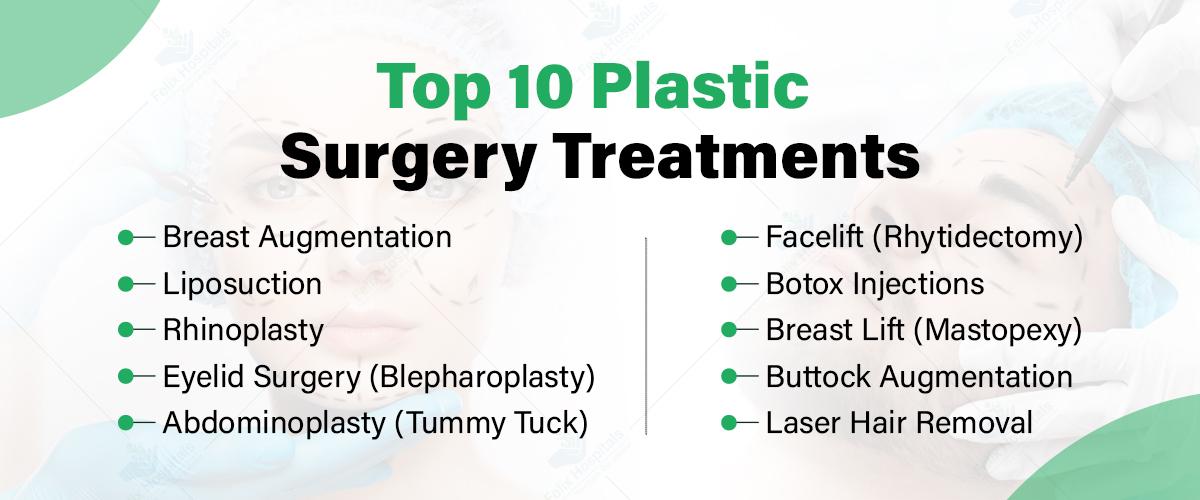
Plastic surgery has become increasingly popular in recent years, with more people seeking to enhance their appearance and boost their self-confidence. Noida, a bustling city in the National Capital Region of India, has emerged as a hub for high-quality plastic surgery procedures encompassing a wide range of plastic surgery hospital in Noida . With state-of-the-art facilities and skilled surgeons, Noida offers a wide range of cosmetic treatments to cater to diverse aesthetic needs. In this blog, we'll explore the top 10 plastic surgery treatments available in Noida, discussing their benefits, procedures, plastic surgery cost and what patients can expect from these procedures.
Dial to schedule consultation with the best plastic surgeon for stunning results.
Noida has witnessed a significant increase in the demand for plastic surgery procedures over the past decade. This surge can be attributed to several factors, including:
Growing awareness about cosmetic treatments
Increased disposable income
Advancements in surgical techniques and technology
Influence of social media and celebrity culture
Changing societal attitudes towards cosmetic enhancements
As a result, numerous world-class clinics and hospitals have established themselves in Noida, offering a wide array of plastic surgery treatments performed by highly qualified and experienced surgeons.
Breast augmentation, also known as augmentation mammoplasty, is one of the most sought-after plastic surgery procedures in Noida. This treatment aims to enhance the size and shape of the breasts, creating a more proportionate and aesthetically pleasing figure.
Procedure: The surgery involves placing silicone or saline implants either above or below the chest muscle. The incision can be made in various locations, such as the inframammary fold, around the areola, or in the armpit.
Benefits:
Improved breast size and shape
Enhanced body proportions
Increased self-confidence
Correction of asymmetry
Recovery: After breast augmentation, patients usually need 1-2 weeks of downtime. However, full recovery can take approximately 4-6 weeks, during which swelling and discomfort gradually subside as the body heals.
Liposuction surgery is a widely sought-after body contouring procedure designed to eliminate stubborn fat deposits from various areas of the body. It effectively targets regions such as the abdomen, thighs, hips, and arms, helping to achieve a more sculpted and proportionate physique. This procedure is often chosen by individuals who struggle with localized fat that does not respond well to diet and exercise.
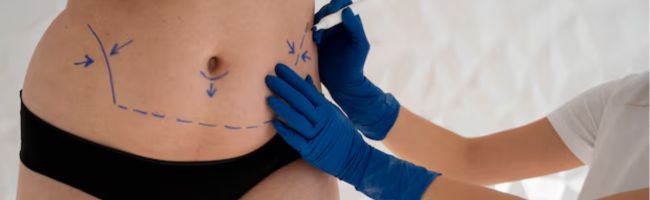
Procedure: The liposuction surgeon makes small incisions and uses a cannula to suction out excess fat cells. Advanced techniques like ultrasound-assisted liposuction (UAL) and laser-assisted liposuction (LAL) are also available in Noida.
Benefits:
Improved body contours
Removal of stubborn fat resistant to diet and exercise
Enhanced overall body proportion
Boost in self-esteem
Recovery: After liposuction, most patients are able to return to work within a week. However, full recovery typically takes around 4-6 weeks. During this time, patients may experience some swelling, bruising, and discomfort as the body heals and adjusts.
Rhinoplasty, often known as a nose job, is a surgical procedure designed to reshape the nose. This procedure aims to enhance the nose's appearance by adjusting its size, shape, or structure, and can also improve its functionality, such as resolving breathing issues or correcting structural deformities. Rhinoplasty surgery is commonly chosen by individuals looking to refine their facial aesthetics or address functional concerns for a more balanced and harmonious appearance. Rhinoplasty cost may vary depending on various factors such as surgeon’s expertise, type of hospital, location of the hospital and other factors.
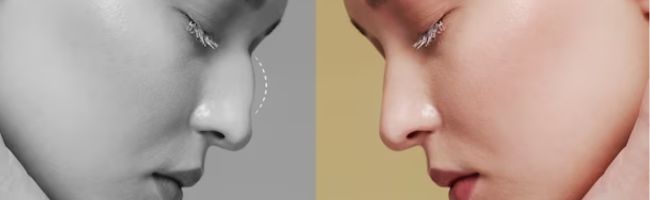
Procedure: The surgeon can modify the bone, cartilage, and skin of the nose to achieve the desired shape and size. This is done using either open rhinoplasty, which involves external incisions for better access, or closed rhinoplasty, which uses internal incisions, leaving no visible scars.
Benefits:
Enhanced facial harmony
Improved nose aesthetics
Correction of breathing difficulties
Increased self-confidence
Recovery: After rhinoplasty, initial swelling and bruising typically subside within a few weeks, allowing patients to see early improvements. However, it can take up to a year for the final results to become fully apparent, as the nose gradually settles into its new shape and fine details continue to refine.
Blepharoplasty is a cosmetic procedure designed to rejuvenate the appearance of the eyes by addressing signs of aging and fatigue. This involves the removal of excess skin, fat, and sometimes muscle from the upper and/or lower eyelids. By targeting these areas, blepharoplasty helps to reduce puffiness, sagging, and wrinkles, resulting in a more youthful and refreshed look.
Procedures: In a blepharoplasty procedure, the surgeon makes precise incisions along the natural creases of the upper and/or lower eyelids. Through these incisions, excess skin, fat, and sometimes muscle are carefully removed or repositioned. This meticulous approach helps to smooth out sagging or puffiness and refine the eyelid contours.
Benefits:
Reduced appearance of eye bags and puffiness
Improved field of vision (in cases of severe upper eyelid sagging)
More alert and youthful appearance
Enhanced overall facial aesthetics
Recovery: After a blepharoplasty, most patients can resume normal activities within 10-14 days, as the initial recovery period is relatively short. During this time, some swelling and bruising may still be present, but these symptoms gradually improve. Full results of the procedure, including the final contour and appearance of the eyelids, become fully visible after several weeks as the healing process continues.
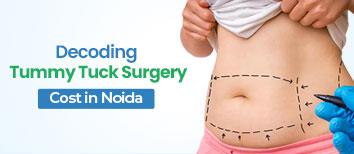
Abdominoplasty, commonly known as a tummy tuck surgery, is a procedure aimed at enhancing the abdominal contour. It involves the removal of excess skin and fat from the abdominal area while also tightening the underlying muscles. This procedure is particularly beneficial for individuals who have experienced significant weight loss, pregnancy, or aging, which can lead to loose or stretched skin and weakened abdominal muscles.
Procedure: The surgeon performs a horizontal incision between the pubic hairline and the navel, meticulously removes excess skin and fat, and tightens the abdominal muscles to achieve a flatter and more toned appearance. This detailed procedure, commonly known as a tummy tuck surgery or abdominoplasty, helps improve the abdominal contour by addressing loose or sagging skin, as well as weakened muscles. The cost of tummy tuck surgery can vary significantly based on factors such as the surgeon's experience, geographic location, and the complexity of the procedure. It’s essential for patients to consider these aspects when evaluating the overall cost and potential benefits of the surgery.
Benefits:
Flatter, more toned abdominal profile
Removal of excess skin after significant weight loss
Tightening of weakened abdominal muscles
Improved body contour and confidence
Recovery: After a tummy tuck surgery, patients generally require about 2-3 weeks of downtime to manage initial recovery and return to light daily activities. During this period, they may experience swelling, bruising, and some discomfort. Full recovery typically takes 4-6 weeks, during which time patients should gradually resume more strenuous activities as advised by their surgeon.
A facelift, also known as rhytidectomy, is a surgical procedure aimed at addressing and reducing the visible signs of aging in the face and neck. This procedure involves the removal of excess skin, tightening underlying tissues, and smoothing out wrinkles and sagging. By repositioning the facial muscles and skin, a facelift surgery helps to restore a more youthful and refreshed appearance.

Procedure: In a facelift procedure, the surgeon begins by making carefully planned incisions near the hairline and around the ears to ensure that any resulting scars are well-hidden. Through these incisions, the surgeon lifts and repositions the underlying facial tissues, including muscles and fat, to address areas of sagging and restore a more youthful contour. Excess skin is then trimmed away to eliminate wrinkles and tighten the remaining skin.
Benefits:
Reduced appearance of wrinkles and sagging skin
Improved facial contours
More youthful and refreshed look
Long-lasting results
Recovery: After a facelift, the initial healing period typically takes about 2 weeks, during which patients may experience swelling, bruising, and some discomfort. These symptoms gradually improve as the body begins to heal. As the healing progresses, patients will notice their facial contours refining and the overall appearance becoming more defined.
While not a surgical procedure, Botox injections have become one of the most popular non-invasive cosmetic treatments in Noida. This procedure involves the injection of a purified toxin into specific facial muscles to temporarily relax them, reducing the appearance of fine lines and wrinkles. Botox is favored for its ability to offer significant cosmetic improvements with minimal downtime, allowing individuals to achieve a smoother and more youthful appearance without the need for invasive surgery.
Procedure: In the Botox injection procedure, a purified form of botulinum toxin is carefully injected into targeted facial muscles. This process temporarily paralyzes the muscles, which helps to smooth out wrinkles and fine lines by preventing the muscles from contracting.
Benefits:
Reduction of dynamic wrinkles (caused by facial expressions)
Quick, minimally invasive procedure
Little to no downtime
Temporary results, allowing for adjustments over time
Recovery: After receiving Botox injections, patients can typically resume their normal activities immediately, as the procedure requires no downtime. Mild redness or swelling at the injection sites may occur but usually subsides quickly. Results begin to become visible within 3-7 days as the muscles gradually relax and wrinkles smooth out.
A breast lift, or mastopexy, is a surgical procedure designed to raise and reshape sagging breasts to restore a more youthful and perky appearance. During the procedure, the surgeon removes excess skin and tightens the surrounding tissue to elevate the breasts, improving their contour and firmness. This can address issues such as drooping, loss of elasticity, and changes in breast position that may occur due to aging, weight fluctuations, or pregnancy.
Procedure: During a breast lift procedure, the surgeon begins by removing excess skin from the breast area to address sagging and improve overall breast contour. The underlying breast tissue is then carefully reshaped and repositioned to lift the breasts. This process involves elevating the nipple and areola to a higher, more youthful position. By realigning these structures, the surgeon enhances the breast's shape, firmness, and overall appearance, creating a rejuvenated look that better aligns with the patient's desired aesthetic.
Benefits:
Improved breast shape and position
Enhanced breast firmness
Reduced sagging
Increased self-confidence
Recovery: After a breast lift procedure, most patients are able to return to work and resume light daily activities within 1-2 weeks, as the initial recovery period is relatively brief. During this time, patients may experience some swelling, bruising, and discomfort, which can be managed with prescribed medications and by following post-operative care instructions. Full recovery, however, typically takes 4-6 weeks, during which patients should avoid strenuous activities and heavy lifting to ensure proper healing.
Buttock augmentation is a cosmetic procedure aimed at enhancing the size and shape of the buttocks. By improving the volume and shape of the buttocks, buttock augmentation can create a more balanced and proportionate figure, enhancing the overall body silhouette and boosting self-confidence.
Procedure: This can be achieved through fat grafting (transferring fat from other areas of the body) or implants.Under this procedure typically two key steps are involved: first, excess fat is harvested from areas of the body such as the abdomen or thighs through liposuction. This fat is then purified and strategically injected into the buttocks to achieve a fuller, more contoured appearance
Benefits:
Enhanced buttock size and shape
Improved body proportions
Increased self-confidence
Natural-looking results (especially with fat transfer)
Recovery: After buttock augmentation, patients generally require about 2-3 weeks of downtime to manage initial recovery and adapt to their new body contours. Full results of the procedure typically become visible after several months as the swelling subsides and the body adjusts to the fat transfer or implants.
Laser hair removal is a widely favored non-surgical treatment designed to achieve long-term hair reduction on various parts of the body. This method utilizes concentrated beams of light to target and damage hair follicles, which inhibits their ability to grow new hair. The procedure is effective for treating areas such as the legs, arms, underarms, and face, offering a more permanent solution compared to traditional hair removal methods like shaving or waxing.
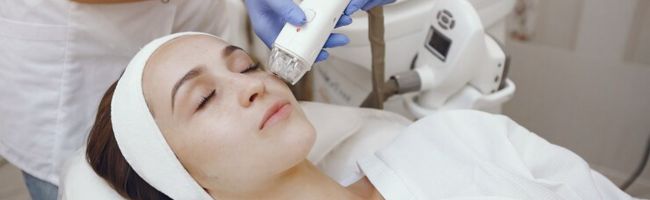
Procedure: Concentrated light is directed at hair follicles, damaging them to inhibit future hair growth.
Benefits:
Long-term hair reduction
Smoother skin
Reduced ingrown hairs
Time-saving alternative to shaving or waxing
Recovery: After laser hair removal, there is generally no required downtime, allowing patients to resume their normal activities immediately. However, it is common to experience mild redness or slight discomfort in the treated areas, which typically subsides within a few hours to a few days.
When considering plastic surgery in Noida, it's crucial to choose a qualified and experienced surgeon. Here are some factors to consider:
Credentials and certifications
Years of experience in the specific procedure
Before and after photos of previous patients
Patient reviews and testimonials
Quality of the clinic's facilities and equipment
Comfort level during consultation
Dr. Pragya Priya is recognized as one of the leading plastic surgeons in Noida, bringing a wealth of expertise and experience to her practice. With an extensive background that includes an MBBS and an MS in General Surgery, followed by 3 years of specialized training in plastic surgery, Dr. Priya combines her skills in both aesthetic and reconstructive procedures. Known for her meticulous attention to detail and unwavering dedication to patient care, Dr. Pragya Priya has garnered the trust and admiration of both her patients and peers, making her a highly sought-after expert in her field.
Noida has established itself as a premier destination for plastic surgery, offering a wide range of treatments performed by skilled surgeons. Whether you're considering a major surgical procedure or a quick non-invasive treatment, it's essential to thoroughly research your options, choose a qualified plastic surgeon in Noida, and have realistic expectations about the results.
Remember that plastic surgery is a personal decision that should be made for yourself, not to meet someone else's expectations or standards. By understanding the procedures available, their benefits, and potential risks, you can make an informed decision about whether plastic surgery is right for you.
Book your consultation now with our expert plastic surgeons at +91 9667064100 for further assistance.
1.) Is plastic surgery safe?
Plastic surgery is generally safe when performed by a qualified and experienced surgeon. Adhering to pre- and post-operative instructions minimizes risks. However, as with any surgery, there are potential risks and complications, so thorough consultation is essential.
2.) Is plastic surgery worth paying for?
Plastic surgery can be worth the investment if it meets personal aesthetic or functional goals and enhances self-confidence. The decision depends on individual priorities, expected outcomes, and financial considerations, including the cost of the procedure and potential long-term benefits.
3.) What is the best age for plastic surgery?
The best age for plastic surgery varies based on the procedure and individual needs. Generally, patients wait until they are physically mature and have stable health. For cosmetic procedures, age is less critical than achieving desired results and overall health.
4.) How long does the result of plastic surgery last?
The longevity of plastic surgery results depends on the type of procedure and individual factors. Results from procedures like facelift or breast augmentation can last several years, but natural aging and lifestyle choices may affect longevity. Regular follow-ups help maintain results.
5.) Is plastic surgery painful?
Plastic surgery involves some discomfort and pain, which can be managed with prescribed medications and proper care. Post-operative pain varies depending on the procedure, but most patients find that the pain is manageable and subsides as healing progresses.
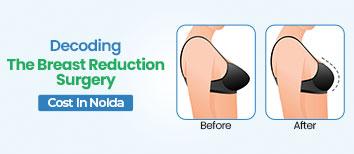
6.) How much does breast reduction surgery cost in Noida?
The cost of breast reduction surgery in Noida can vary widely depending on several factors, including the surgeon's experience, the complexity of the procedure, the type of hospital or clinic, and any additional services or post-operative care included. It's always best to consult with surgeons, as they can provide detailed quotes based on your specific needs and medical history.
Plastic surgery cost in Noida depends on the procedure type, surgeon expertise, hospital infrastructure, and post-surgery care.
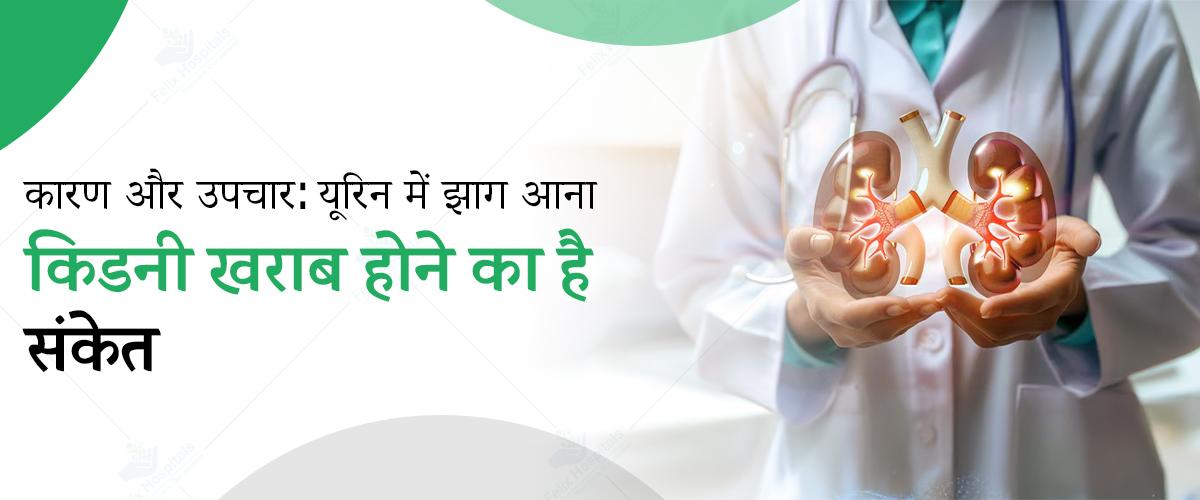
यूरिन में झाग आना किडनी की समस्या का संकेत हो सकता है। यह स्थिति आमतौर पर तब होती है जब किडनी में फिल्टरिंग की क्षमता घट जाती है और खून में मौजूद प्रोटीन यूरिन में आ जाता है, जिसे प्रोटीनुरिया कहते हैं। इस स्थिति के कारणों में डायबिटीज, हाई ब्लड प्रेशर, किडनी इंफेक्शन और ऑटोइम्यून डिसऑर्डर शामिल हैं। यदि आपको या किसी और को इसके लक्षण महसूस हो रहे हैं, तो तुरंत अच्छे यूरोलॉजी हॉस्पिटल (Best Urology Hospital in Noida) से चिकित्सा सहायता प्राप्त करें। जानिए इसके लक्षण से लेकर इलाज तक के बारे में विस्तार से.
ज्यादा जानकारी के लिए हमें कॉल करें +91 9667064100.
यूरिन में झाग (Foam in urine) आना हमेशा किडनी खराब होने का संकेत नहीं होता, लेकिन यह किसी गंभीर समस्या का प्रारंभिक लक्षण हो सकता है। यदि किडनी ठीक से कार्य नहीं कर रही होती, तो प्रोटीन खून में से छनकर यूरिन में आ सकता है, जिसे प्रोटीनुरिया कहा जाता है। यह किडनी की खराबी का संकेत हो सकता है, खासकर यदि झाग लंबे समय तक बना रहे। किडनी की खराबी के अन्य संकेतों में हाई ब्लड प्रेशर, डायबिटीज, बार-बार सूजन आना, भूख न लगना, थकान, और यूरिन का रंग गहरा होना शामिल हैं। हालांकि, कई बार सामान्य कारणों, जैसे कि यूरिन का तेज बहाव, अधिक प्रोटीन युक्त आहार, या डिहाइड्रेशन के कारण भी अस्थायी रूप से झाग आ सकता है। यदि झाग लगातार और लंबे समय तक बना रहता है, तो यह किडनी से संबंधित समस्या की ओर इशारा कर सकता है। ऐसे में डॉक्टर से परामर्श लेना और समय पर जांच कराना जरूरी है, ताकि किडनी की समस्या (Kidney problems) को शुरुआती अवस्था में ही पहचाना और नियंत्रित किया जा सके।
यदि यूरिन में झाग आने के बाद किडनी खराब होने के लक्षण दिखाई देने लगें, तो यह किडनी की समस्या की ओर संकेत कर सकता है। ऐसे में कुछ सामान्य लक्षण हो सकते हैं जिन पर ध्यान देना आवश्यक है:
हाथ-पैरों और चेहरे पर सूजन:
किडनी ठीक से फ़िल्टर नहीं कर पाती, जिससे शरीर में तरल पदार्थ जमा होने लगता है और सूजन दिखाई देती है।
थकान और कमजोरी:
किडनी की खराबी के कारण शरीर में विषाक्त पदार्थों का संचय होने लगता है, जिससे थकावट और कमजोरी महसूस होती है।
भूख न लगना:
किडनी के कार्य में गड़बड़ी से मेटाबोलिज्म प्रभावित होता है, जिससे भूख में कमी आ सकती है।
गहरे रंग का या बदबूदार यूरिन:
किडनी की समस्या के कारण यूरिन का रंग गाढ़ा हो सकता है या उसमें दुर्गंध आ सकती है।
सांस फूलना:
किडनी खराब होने पर शरीर में अतिरिक्त तरल पदार्थ जमा होने से सांस फूलने की समस्या हो सकती है।
त्वचा में खुजली:
किडनी खराबी के कारण खून में कचरा जमा होने से त्वचा में खुजली, रूखापन या लाल चकत्ते हो सकते हैं।
उल्टी या जी मिचलाना:
शरीर में टॉक्सिन्स बढ़ने के कारण मतली या उल्टी महसूस हो सकती है।
अगर इन लक्षणों में से कोई भी यूरिन में झाग आने के साथ दिखाई दे, तो इसे गंभीरता से लेना चाहिए और किडनी की जांच करानी चाहिए।
यूरिन में झाग आना कई बार किडनी खराब होने का संकेत हो सकता है। किडनी की खराबी के विभिन्न प्रकार होते हैं, जो झागदार यूरिन के साथ अन्य लक्षणों के रूप में प्रकट हो सकते हैं। यहां कुछ प्रमुख प्रकार दिए गए हैं:
एक्यूट किडनी फेल्योर (Acute Kidney Failure):
यह स्थिति अचानक होती है, जिसमें किडनी की कार्यक्षमता जल्दी से कम हो जाती है। इसका कारण संक्रमण, दवाइयों के दुष्प्रभाव या रक्त प्रवाह में कमी हो सकता है। झागदार यूरिन के साथ थकान, सांस फूलना और भूख में कमी जैसे लक्षण दिख सकते हैं।
क्रोनिक किडनी डिजीज (Chronic Kidney Disease):
यह धीरे-धीरे बढ़ने वाली बीमारी है, जो अक्सर लंबे समय तक बनी रहती है। डायबिटीज और उच्च रक्तचाप इसके प्रमुख कारण हैं। झाग के साथ बार-बार यूरिन जाना, पैरों में सूजन और मेटाबॉलिज्म में बदलाव भी इसके लक्षण हो सकते हैं।
नेफ्रोटिक सिंड्रोम (Nephrotic Syndrome):
इस स्थिति में किडनी के फ़िल्टरिंग यूनिट (ग्लोमेरुली) प्रभावित होते हैं, जिससे बड़ी मात्रा में प्रोटीन यूरिन में लीक होता है और झाग आता है। इसके साथ सूजन, भूख में कमी और थकान के लक्षण भी हो सकते हैं।
ग्लोमेरुलोनेफ्राइटिस (Glomerulonephritis):
इसमें किडनी की छोटी रक्त वाहिनियों में सूजन हो जाती है। यह संक्रमण, ऑटोइम्यून रोग या दवाओं के कारण हो सकता है। झागदार यूरिन, गहरे रंग का यूरिन और शरीर में सूजन इसके लक्षण हो सकते हैं।
यदि यूरिन में लगातार झाग आ रहा है, तो किडनी की जांच कराना जरूरी है। समय पर निदान से किडनी की समस्याओं को नियंत्रित किया जा सकता है।
यूरिन में झाग आना किडनी खराब होने का एक संभावित संकेत हो सकता है। इसके कई कारण हो सकते हैं, जिनमें से कुछ निम्नलिखित हैं:
प्रोटीनुरिया (Proteinuria):
यह स्थिति तब होती है जब किडनी से प्रोटीन यूरिन में लीक होने लगता है। सामान्यत: किडनी प्रोटीन को रक्त में रखने में सक्षम होती है, लेकिन जब वे सही से काम नहीं करतीं, तो प्रोटीन यूरिन में आ जाता है, जिससे झाग उत्पन्न होता है।
किडनी की बीमारिया:
विभिन्न किडनी की बीमारियां, जैसे नेफ्रोटिक सिंड्रोम, ग्लोमेरुलोनेफ्राइटिस, या क्रोनिक किडनी डिजीज, यूरिन में झाग आने का कारण बन सकती हैं। ये बीमारियां किडनी की कार्यक्षमता को प्रभावित करती हैं और प्रोटीन के रिसाव को बढ़ाती हैं।
डिहाइड्रेशन:
शरीर में पानी की कमी होने पर यूरिन गाढ़ा हो सकता है, जिससे झाग आ सकता है। हालांकि, यह किडनी की खराबी का संकेत नहीं होता, लेकिन यह एक अन्य स्वास्थ्य समस्या को इंगित कर सकता है।
उच्च रक्तचाप और डायबिटीज:
उच्च रक्तचाप और डायबिटीज किडनी को नुकसान पहुंचा सकते हैं। ये स्थितियाँ किडनी की दीवारों को कमजोर करती हैं, जिससे प्रोटीन लीक होने लगता है।
संक्रमण:
कुछ मूत्र पथ संक्रमण भी यूरिन में झाग आने का कारण बन सकते हैं। यह स्थिति सामान्यत: अस्थायी होती है, लेकिन यदि समस्या बनी रहती है, तो डॉक्टर से परामर्श करना आवश्यक है।
अधिक प्रोटीन का सेवन:
यदि आप उच्च प्रोटीन वाले आहार का सेवन कर रहे हैं, तो यह भी यूरिन में झाग पैदा कर सकता है। यह हमेशा किडनी की समस्या का संकेत नहीं है, लेकिन अगर झाग लगातार हो रहा है, तो यह जांचने की आवश्यकता है।
आहार और जीवनशैली:
अस्वास्थ्यकर आहार और जीवनशैली भी किडनी की कार्यक्षमता को प्रभावित कर सकते हैं, जिससे यूरिन में झाग आने की संभावना बढ़ सकती है।
इन कारणों को ध्यान में रखते हुए, यदि आपको यूरिन में झाग आ रहा है तो समय पर चिकित्सा सहायता लेना महत्वपूर्ण है। उचित जांच और उपचार से किडनी की स्वास्थ्य समस्याओं को समय पर पहचान कर उन्हें नियंत्रित किया जा सकता है।
यूरिन में झाग आने से किडनी खराब होने की संभावना को कम करने के लिए कुछ महत्वपूर्ण कदम उठाए जा सकते हैं। यहां कुछ सुझाव दिए गए हैं जो आपकी किडनी को स्वस्थ रखने में मदद कर सकते हैं:
संतुलित आहार लें:
अधिक मात्रा में फल, सब्जियां, और साबुत अनाज शामिल करें। नमक, चीनी, और प्रोसेस्ड फूड्स का सेवन कम करें। प्रोटीन की मात्रा का ध्यान रखें, खासकर अगर आपके डॉक्टर ने सलाह दी हो।
पर्याप्त पानी पिएं:
रोजाना पर्याप्त मात्रा में पानी पिएं ताकि शरीर हाइड्रेटेड रहे और विषाक्त पदार्थ बाहर निकल सकें। डिहाइड्रेशन से बचने के लिए दिनभर नियमित अंतराल पर पानी पिएं।
रक्तचाप और ब्लड शुगर नियंत्रण में रखें:
उच्च रक्तचाप और डायबिटीज किडनी की समस्याओं के प्रमुख कारण हैं। नियमित रूप से ब्लड प्रेशर और ब्लड शुगर की जांच कराएं। यदि आप डायबिटिक हैं, तो ब्लड शुगर को नियंत्रित रखने के लिए डॉक्टर की सलाह का पालन करें।
नियमित व्यायाम करें:
प्रतिदिन कम से कम 30 मिनट का व्यायाम करें। यह आपके वजन को नियंत्रित रखने में मदद करेगा और किडनी पर अतिरिक्त दबाव नहीं पड़ेगा। योग और ध्यान से तनाव को नियंत्रित करें, जो किडनी की सेहत पर सकारात्मक प्रभाव डालता है।
दवाइयों का सावधानीपूर्वक उपयोग:
दवाइयों का सेवन डॉक्टर की सलाह अनुसार करें और अनावश्यक दवाओं से बचें, जो किडनी को नुकसान पहुंचा सकती हैं। पेनकिलर्स और एंटीबायोटिक्स का अधिक मात्रा में सेवन किडनी को नुकसान पहुंचा सकता है।
धूम्रपान और शराब से बचें:
धूम्रपान और अत्यधिक शराब का सेवन किडनी की सेहत पर बुरा प्रभाव डालता है। इन्हें छोड़ने की कोशिश करें।
नियमित जांच कराएं:
यदि आपको किडनी की बीमारी का जोखिम है, तो नियमित रूप से किडनी फंक्शन टेस्ट कराएं। किसी भी असामान्य लक्षण को नजरअंदाज न करें और समय पर डॉक्टर से परामर्श लें।
इन उपायों को अपनाकर आप यूरिन में झाग आने के बावजूद किडनी को खराब होने से बचा सकते हैं और अपनी किडनी की सेहत को बेहतर बनाए रख सकते हैं।
अगर यूरिन में झाग आने के साथ किडनी खराब होने का संदेह हो, तो समय पर इलाज करना जरूरी है। किडनी की समस्या के कारण और उसकी गंभीरता के आधार पर इलाज के विकल्प हो सकते हैं। यहां कुछ प्रमुख उपचार दिए गए हैं:
कारण की पहचान और इलाज:
डॉक्टर पहले यूरिन और खून की जांच से यह पता करते हैं कि झाग आने का कारण क्या है। यदि प्रोटीन का रिसाव हो रहा हो (प्रोटीनुरिया), तो यह किडनी की खराबी का संकेत हो सकता है। यदि उच्च रक्तचाप या डायबिटीज के कारण समस्या है, तो इन स्थितियों को नियंत्रित करने के लिए उचित दवाएं दी जाती हैं।
दवाओं का उपयोग:
ब्लड प्रेशर और ब्लड शुगर की दवाएं:
उच्च रक्तचाप और ब्लड शुगर को नियंत्रित करने के लिए एसीई इनहिबिटर्स, एआरबीएस (ARBS) या डायबिटीज नियंत्रित करने की दवाएं दी जा सकती हैं।
सूजन कम करने के लिए:
किडनी में सूजन (नेफ्राइटिस) होने पर सूजन कम करने वाली दवाएं दी जा सकती हैं।
डाइट और जीवनशैली में सुधार:
डॉक्टर की सलाह अनुसार सोडियम, प्रोटीन, और फॉस्फोरस की मात्रा का ध्यान रखना जरूरी है। हाइड्रेटेड रहें और अल्कोहल व धूम्रपान से बचें।
डायलिसिस:
यदि किडनी की कार्यक्षमता गंभीर रूप से प्रभावित होती है और वह शरीर से टॉक्सिन्स नहीं निकाल पा रही होती, तो डायलिसिस की जरूरत हो सकती है। इसमें खून को साफ करने के लिए मशीन का उपयोग किया जाता है।
किडनी ट्रांसप्लांट:
अंतिम चरण में, जब किडनी अपनी कार्यक्षमता पूरी तरह खो देती है, तो किडनी ट्रांसप्लांट का विकल्प हो सकता है। इसमें एक स्वस्थ किडनी प्रत्यारोपित की जाती है।
नियमित फॉलो-अप और जांच:
किडनी की समस्याओं में नियमित रूप से डॉक्टर की सलाह और जांच कराना जरूरी है। यूरिन और ब्लड टेस्ट से किडनी की स्थिति पर नजर रखी जा सकती है।
समय पर डॉक्टर की सलाह लेकर और नियमित रूप से इलाज कराते हुए किडनी की समस्याओं को बढ़ने से रोका जा सकता है।
यूरिन में झाग आने पर किडनी संबंधी समस्याओं का निदान और उपचार करने के लिए यूरोलॉजिस्ट डॉ. भंवर लाल बरकेसिया से परामर्श करना आवश्यक है। डॉ. बरकेसिया गुर्दे के स्वास्थ्य, कार्यक्षमता, और बीमारियों का विशेष रूप से अध्ययन और इलाज करने में प्रशिक्षित हैं। फेलिक्स हॉस्पिटल में, वे पेशेंट की आवश्यकताओं के अनुसार सही उपचार प्रदान करने के लिए प्रतिबद्ध हैं।
डॉक्टर की सलाह के लिए आज ही फोन करें +91 9667064100 और अपॉइंटमेंट बुक करने के लिए यहां क्लिक करें.
यदि यूरिन में झाग लगातार आ रहा है या थकान, सूजन जैसे लक्षण हैं, तो तुरंत यूरोलॉजिस्ट से संपर्क करें। समय पर जांच किडनी की गंभीर समस्याओं से बचाती है। साथ ही, नोएडा में सर्वश्रेष्ठ यूरोलॉजिस्ट (Best urologists in Noida) से सलाह लेना फायदेमंद हो सकता है। संतुलित आहार, पर्याप्त पानी, और नियमित व्यायाम से किडनी स्वास्थ्य बेहतर रहता है।
Dr. Bhanwar Lal Barkesiya is an MCh Gold Medalist Urologist with 15+ years of experience in laser kidney stone surgery, TURP, PCNL, robotic urology, and complex urological care at Felix Hospitals, Noida.
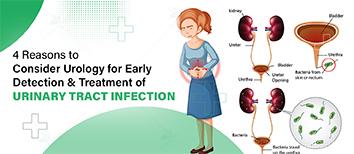
One of the best hospitals for urinary tract treatment in Noida offers comprehensive urology care, featuring expert urologists and advanced diagnostic and treatment facilities.
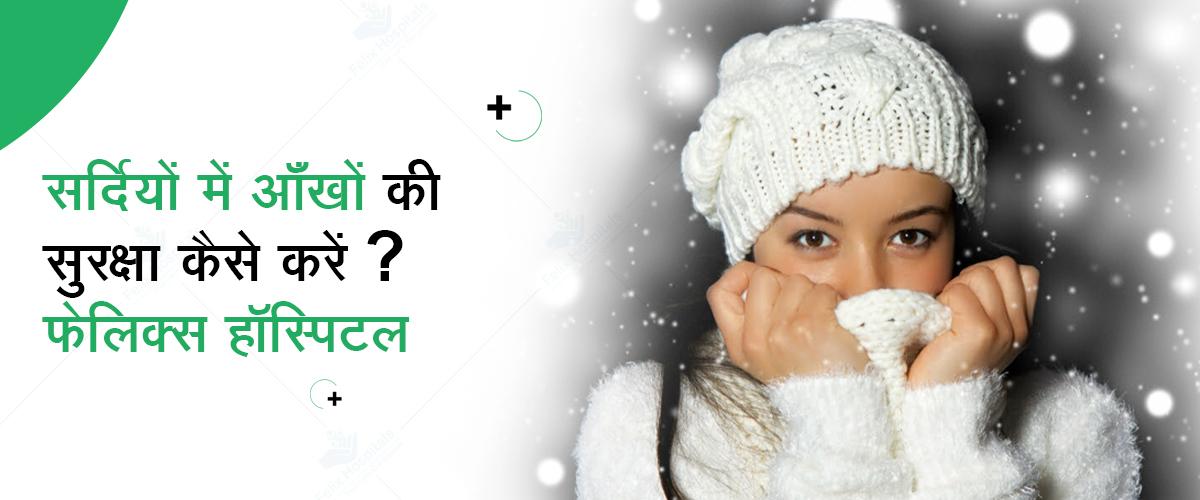
सर्दियाँ आते ही हमारे जीवन में कई बदलाव आते हैं—कपड़े, खान-पान, और सबसे महत्वपूर्ण, हमारी स्वास्थ्य देखभाल की आदतें। सर्दियों के दौरान, हम अक्सर अपने शरीर के अन्य हिस्सों को तो सुरक्षा प्रदान करते हैं, लेकिन आँखों की सुरक्षा को अक्सर नजरअंदाज कर देते हैं। सर्दियों में आंखों की देखभाल विशेष रूप से महत्वपूर्ण है, क्योंकि ठंडे, शुष्क और धूप वाले दिन हमारी आँखों पर नकारात्मक प्रभाव डाल सकते हैं। इस ब्लॉग में हम जानेंगे कि सर्दियों में आँखों की सुरक्षा कैसे की जाए।
यदि आप किसी भी असुविधा का अनुभव कर रहे हैं या एक समग्र नेत्र जांच की आवश्यकता है, तो आज ही अपॉइंटमेंट बुक करें। हमें कॉल करें +91 9667064100।
आँखें हमारे शरीर का एक महत्वपूर्ण हिस्सा हैं, और उनकी संरचना उन्हें कई प्रकार के बाहरी खतरों से बचाने के लिए बेहद संवेदनशील बनाती है। आँखों में कॉर्निया, लेन्स, रेटिना, और अन्य कई हिस्से होते हैं, जो एक साथ मिलकर हमें देखने में मदद करते हैं। सर्दियों में, बाहरी तत्व जैसे ठंडी हवा, धूल, और UV किरणें आँखों को प्रभावित कर सकती हैं, जिससे आँखों में सूजन, लालिमा, और अन्य समस्याएँ हो सकती हैं।
ठंडी हवा: ठंडी हवा आँखों को सूखा सकती है, जिससे आँखों में खुजली और जलन हो सकती है।
UV किरणें: सर्दियों में सूरज की किरणें भी हानिकारक होती हैं, खासकर जब बर्फ पर धूप पड़ती है। यह UV किरणें आँखों में मोतियाबिंद और रेटिना को नुकसान पहुंचा सकती हैं।
धूल और प्रदूषण: सर्दियों में धूल और प्रदूषण का स्तर भी बढ़ जाता है, जो आँखों में जलन और अन्य समस्याएँ पैदा कर सकता है।
आँखों की सुरक्षा के लिए उपाय
सर्दियों में बाहर जाते समय UV संरक्षण वाले धूप के चश्मे का उपयोग करना अत्यंत आवश्यक है। ये चश्मे आँखों को UV किरणों से बचाते हैं, जिससे आँखों की सेहत बेहतर रहती है। सुनिश्चित करें कि चश्मे में 100% UV संरक्षण हो और वे आपके चेहरे पर अच्छी तरह फिट हों।
सर्दियों में हवा शुष्क होती है, जो आँखों की नमी को कम कर सकती है। आँखों को नम रखने के लिए कुछ उपाय अपनाएँ:
आँखों की बूंदें: कृत्रिम आँसू या आँखों की नमकीन बूंदों का उपयोग करें, जो आँखों को हाइड्रेटेड रखते हैं।
हाइड्रेटिंग मास्क: हाइड्रेटिंग आँखों का मास्क उपयोग करें, जो आँखों को ताजगी और नमी प्रदान करता है।
सर्दियों में आँखों की समस्या बढ़ सकती है। इसलिए, नियमित रूप से आँखों की जांच कराना आवश्यक है। एक योग्य नेत्र चिकित्सक द्वारा की गई जांच से आपको आँखों की स्थिति का सही ज्ञान मिलेगा और आवश्यक उपाय किए जा सकेंगे।
आहार का आँखों के स्वास्थ्य पर महत्वपूर्ण प्रभाव होता है। अपने आहार में ऐसे खाद्य पदार्थ शामिल करें जो आँखों के लिए फायदेमंद होते हैं, जैसे:
ओमेगा-3 फैटी एसिड: मछली, चिया बीज, और अखरोट में पाया जाता है।
विटामिन C और E: संतरे, आम, और नट्स में होते हैं, जो आँखों की कोशिकाओं को सुरक्षा प्रदान करते हैं।
जिंक: मांस और दूध उत्पादों में पाया जाता है, जो रेटिना के स्वास्थ्य के लिए महत्वपूर्ण है।
सर्दियों में लोग अक्सर पानी पीना कम कर देते हैं। लेकिन आँखों को स्वस्थ रखने के लिए हाइड्रेशन बहुत जरूरी है। पर्याप्त मात्रा में पानी पीने से शरीर की नमी बनी रहती है, जो आँखों की सेहत के लिए आवश्यक है।
सर्दियों में अधिकतर लोग घर पर होते हैं और कंप्यूटर या मोबाइल स्क्रीन पर समय बिताते हैं। इससे आँखों पर तनाव पड़ सकता है। इसके लिए निम्नलिखित उपाय अपनाएँ:
20-20-20 नियम: हर 20 मिनट में स्क्रीन से 20 फीट दूर देखें और 20 सेकंड तक ऐसा करें।
स्क्रीन ब्राइटनेस: स्क्रीन की ब्राइटनेस को कम करें और उसे अपनी आँखों के स्तर पर सेट करें।
धूम्रपान न केवल स्वास्थ्य के लिए हानिकारक है, बल्कि यह आँखों के लिए भी नुकसानदेह है। धूम्रपान से आँखों में सूजन, ड्राईनेस, और मोतियाबिंद का खतरा बढ़ता है। इसलिए धूम्रपान से बचना या इसे छोड़ना आँखों की सेहत के लिए महत्वपूर्ण है।
सर्दियों में बाहरी वातावरण में रहने से पहले हमेशा आँखों की सुरक्षा के उपाय अपनाएँ। अगर आप बाहर जा रहे हैं, तो हमेशा धूप के चश्मे पहनें। घर में रहकर भी, घर की रोशनी को सही बनाए रखें ताकि आपकी आँखों पर अधिक दबाव न पड़े।
सर्दियों में आँखों की सुरक्षा के लिए कुछ घरेलू उपाय भी प्रभावी हो सकते हैं:
ककड़ी: आँखों पर ककड़ी के स्लाइस रखने से सूजन कम होती है और आँखों को ठंडक मिलती है।
टी बैग्स: उपयोग किए गए चाय के बैग्स को फ्रिज में ठंडा करके आँखों पर रखें। यह सूजन और थकान को कम करने में मदद करता है।
आलू: आलू के स्लाइस भी आँखों की सूजन को कम करने में मदद करते हैं।
आँखों की सुरक्षा केवल सर्दियों के मौसम में ही नहीं, बल्कि पूरे वर्ष भर आवश्यक है। आँखें हमारे जीवन का एक महत्वपूर्ण हिस्सा हैं और हमें उनके स्वास्थ्य का ध्यान रखना चाहिए। सर्दियों में आँखों की सुरक्षा के उपाय न केवल आँखों को सुरक्षित रखते हैं, बल्कि यह हमारी समग्र सेहत को भी बेहतर बनाते हैं।
फेलिक्स हॉस्पिटल में अनुभवी नेत्र चिकित्सकों की एक टीम मौजूद है, जो आपकी आँखों की समस्याओं का सही निदान और उपचार करती है। यहाँ, आधुनिक उपकरणों का उपयोग करके सर्वोत्तम नेत्र चिकित्सा सेवाएं प्रदान की जाती हैं। डॉ. दीपांजलि आर्या और डॉ. मोहमद उज़ैर ज़कई जैसे कुशल नेत्र चिकित्सक नोएडा में विभिन्न आँखों की समस्याओं का इलाज करते हैं। वे आपकी आँखों की जाँच कर सही उपचार और लागत की जानकारी देते हैं। यदि आपकी आँखों में खुजली या अन्य समस्या है, तो बिना देर किए फेलिक्स हॉस्पिटल के विशेषज्ञों से परामर्श करें और अपनी आँखों की देखभाल करें।
क्या आप आँखों की देखभाल के सर्वोत्तम तरीकों के बारे में जानना चाहते हैं? नियमित अपडेट, विशेषज्ञ सुझावों, और स्वास्थ्य सलाह के लिए यहां क्लिक करें और नेत्र विशेषज्ञ से बात करें।
सर्दियों में आँखों की सुरक्षा अत्यंत आवश्यक है। ठंडी हवा, UV किरणें, और शुष्क वातावरण आँखों को नुकसान पहुँचा सकते हैं। सही सावधानियों और आदतों को अपनाकर, हम अपनी आँखों को सुरक्षित और स्वस्थ रख सकते हैं। नियमित नेत्र जांच, उचित आहार, और आँखों की नमी बनाए रखना महत्वपूर्ण है। नोएडा के सर्वश्रेष्ठ नेत्र अस्पताल की मदद से आँखों का ध्यान रखें, क्योंकि वे जीवन की खूबसूरती को देखने में हमारी मदद करती हैं।
1- क्या सर्दियों में आँखों की सुरक्षा के लिए विशेष चश्मे की जरूरत होती है?
ANS: हाँ, UV प्रोटेक्शन वाले धूप के चश्मे का उपयोग सर्दियों में आँखों की सुरक्षा के लिए महत्वपूर्ण है।
2- क्या धूम्रपान आँखों को नुकसान पहुँचाता है?
ANS: हाँ, धूम्रपान आँखों में सूजन, ड्राईनेस, और मोतियाबिंद का खतरा बढ़ाता है।
3- क्या कंप्यूटर स्क्रीन का उपयोग आँखों के लिए हानिकारक है?
ANS: हाँ, लंबे समय तक कंप्यूटर स्क्रीन का उपयोग आँखों पर तनाव डाल सकता है। 20-20-20 नियम अपनाना फायदेमंद है।
4- क्या घरेलू उपाय आँखों की सुरक्षा में मदद कर सकते हैं?
ANS: हाँ, ककड़ी, आलू, और चाय के बैग्स जैसे घरेलू उपाय आँखों की सूजन को कम करने में मदद कर सकते हैं।
5- सर्दियों में आँखों के स्वास्थ्य के लिए क्या खाएँ?
ANS: ओमेगा-3 फैटी एसिड, विटामिन C और E, और जिंक युक्त खाद्य पदार्थ आँखों के स्वास्थ्य के लिए फायदेमंद होते हैं।
Cataract surgery is essential to restore clear vision and prevent permanent blindness. It removes the cloudy lens and replaces it with an artificial one, helping patients regain normal sight and quality of life.
Keep your eyes healthy and safe from infections and discomfort with these expert recommendations.
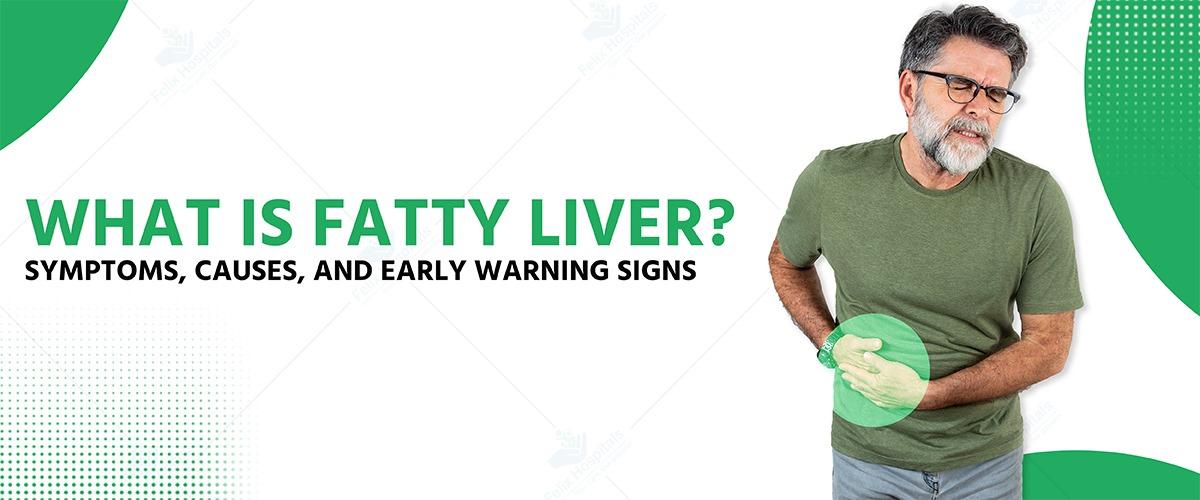
Fatty liver disease, also known as hepatic steatosis, is a condition that occurs when excess fat builds up in the liver cells. While a small amount of fat in the liver is normal, when the fat content exceeds 5-10% of the liver's weight, it can become a concern. Fatty liver disease has become a significant health issue worldwide, particularly with rising obesity rates, unhealthy eating habits, and sedentary lifestyles. In the early stages, fatty liver often presents with no symptoms, making it a "silent" condition. However, if left undiagnosed and untreated, it can lead to severe complications such as cirrhosis, liver failure, and liver cancer.
If you suspect you may have fatty liver disease, it’s crucial to seek expert medical advice. Don't wait—book an appointment by Clicking Here!
Fatty liver disease is characterized by the buildup of fat within liver cells. The liver, which plays a central role in metabolism, detoxification, and digestion, can become overwhelmed when fat accumulates excessively. There are two main types of fatty liver disease:
1. Non-Alcoholic Fatty Liver Disease (NAFLD): This is the most common form of fatty liver disease and occurs in individuals who drink little to no alcohol. It is often associated with obesity, type 2 diabetes, high cholesterol, and other metabolic disorders.
2. Alcoholic Fatty Liver Disease (AFLD): This form of fatty liver disease is caused by excessive alcohol consumption, which damages liver cells over time and results in fat buildup.
In both cases, the fat accumulation in the liver can impair its function and lead to inflammation. If not managed, this inflammation can progress to more severe liver conditions, including cirrhosis or liver cancer.
Fatty liver disease often progresses silently and may not present with obvious symptoms, especially in its early stages. However, as the disease advances, certain signs may indicate the presence of fatty liver. Common symptoms may include:
It is important to note that many individuals with fatty liver disease may not experience any symptoms until the condition becomes more advanced. Regular check-ups and liver function tests can help detect fatty liver early before complications arise.
Several factors contribute to the development of fatty liver disease. These factors can either be genetic or environmental, and often a combination of both leads to the condition. Here are some of the primary causes:
Other Conditions: Conditions such as polycystic ovary syndrome (PCOS), hypothyroidism, and sleep apnea may also increase the risk of fatty liver disease.
The early stages of fatty liver disease typically do not produce noticeable symptoms, which is why the condition is often referred to as "silent." However, there are some subtle early warning signs that you should be aware of, including:
Although these symptoms may seem mild and easy to dismiss, they can be a sign that you should seek medical attention to rule out liver disease.
The diagnosis of fatty liver typically involves a combination of physical examinations, medical history assessments, and diagnostic tests. If fatty liver disease is suspected, the following diagnostic tools may be used:
1. Blood Tests: Elevated liver enzymes (ALT, AST) can indicate liver inflammation and damage, which may suggest fatty liver disease. Blood tests can also assess cholesterol and glucose levels, which may be abnormal in individuals with fatty liver disease.
2. Imaging Tests:
Managing fatty liver disease involves lifestyle changes and, in some cases, medical treatment at the best gastroenterologist hospital in Noida. Early diagnosis and intervention are crucial for preventing the progression of the disease to more serious conditions such as cirrhosis or liver failure:
Regular Monitoring: Ongoing liver function tests and imaging can track the progression of fatty liver and guide treatment decisions.
Preventing fatty liver disease revolves around maintaining a healthy lifestyle and managing risk factors. Some effective preventive measures include:
1. Maintain a Healthy Weight: Regular exercise and a balanced diet can help keep body weight within a healthy range, reducing the risk of fatty liver disease.
2. Limit Alcohol Consumption: Excessive alcohol intake is a leading cause of alcoholic fatty liver disease. Limiting alcohol can prevent liver damage.
3. Eat a Balanced Diet: Focus on a diet rich in fruits, vegetables, whole grains, lean proteins, and healthy fats while avoiding excessive consumption of processed foods, sugary drinks, and unhealthy fats.
4. Control Blood Sugar and Cholesterol: Managing diabetes, insulin resistance, and high cholesterol levels can help prevent the onset of fatty liver disease.
5. Exercise Regularly: Physical activity helps reduce liver fat and improves overall health.
At Felix Hospital, our team of experts is dedicated to providing comprehensive care for fatty liver disease. Whether you need a diagnosis, treatment plan, or preventive advice, our experienced gastroenterologists are here to help:
Don’t let fatty liver go undiagnosed. Consult with our expert gastroenterologists at Felix Hospital by calling +91 9667064100 for the best evaluation and treatment.
Fatty liver disease is a growing concern worldwide, often developing silently and progressing to serious liver conditions if left unmanaged. Understanding the symptoms, causes, and early warning signs is crucial for timely diagnosis and effective treatment. Lifestyle changes, including a healthy diet, regular exercise, and controlling risk factors such as obesity, diabetes, and cholesterol levels, can significantly improve liver health and prevent complications.
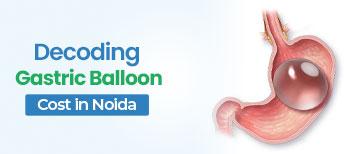
Understand the factors that influence gastric balloon surgery cost in Noida, including hospital facilities, doctor expertise, and post-procedure care.
Expert gastroenterology care for better digestive health, offering advanced diagnosis and treatment for GERD, IBS, ulcers, and liver disorders.
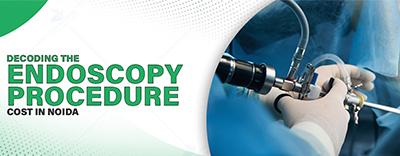
Understand the factors that influence endoscopy procedure cost in Noida. Learn about the types, preparation, and benefits of choosing the best multi-speciality hospital in Noida for accurate diagnosis.
Appendix surgery, also known as appendectomy, is a common emergency procedure performed to treat appendicitis.
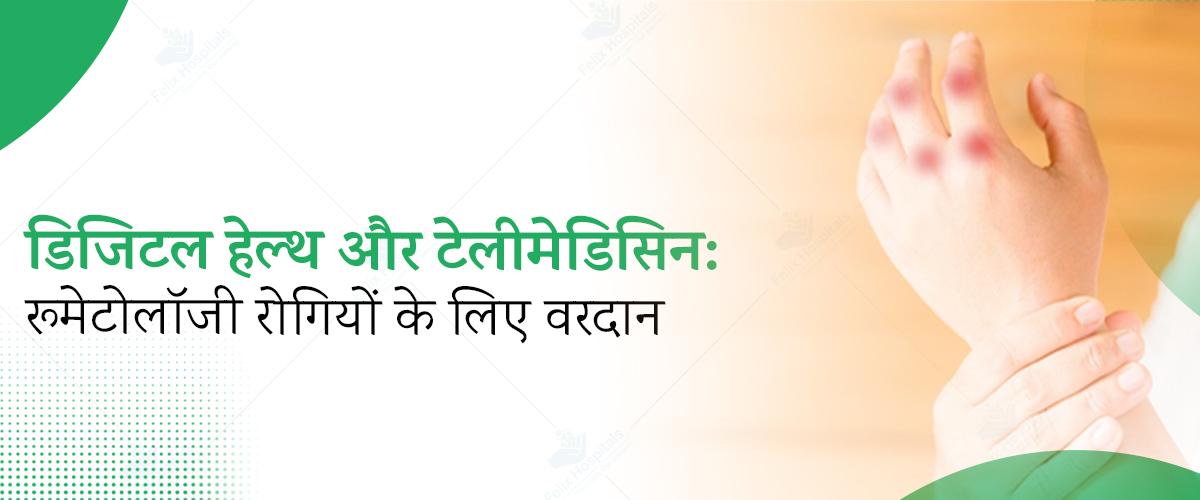
रूमेटोलॉजी जो जोड़ों मांसपेशियों और अस्थि-संबंधित समस्याओं से जुड़े रोग हैं। जिसमें लगातार देखभाल और रोगी-चिकित्सक संवाद की आवश्यकता होती है। ऐसे रोग जिनमें गठिया, ऑस्टियोपोरोसिस, रूमेटॉइड आर्थराइटिस, ल्यूपस और कई अन्य शामिल होते हैं, लंबे समय तक चलने वाले होते हैं और इनके लिए नियमित निगरानी और उपचार की आवश्यकता होती है जिसके लिए आप रुमेटोलॉजी अस्पताल से मदद ले सकते हैं। इस संदर्भ में डिजिटल हेल्थ और टेलीमेडिसिन ने रूमेटोलॉजी के रोगियों के लिए एक बड़ा वरदान साबित किया है। आइए इस ब्लॉग में हम समझते हैं कि कैसे ये आधुनिक तकनीकें रूमेटोलॉजी के रोगियों के लिए वरदान सिद्ध हो रही हैं।
ज्यादा जानकारी के लिए हमें कॉल करें +91 9667064100.
डिजिटल हेल्थ का मतलब है स्वास्थ्य सेवाओं में डिजिटल तकनीकों का उपयोग। इसमें मोबाइल ऐप, फिटनेस ट्रैकर्स, इलेक्ट्रॉनिक हेल्थ रिकॉर्ड्स (ईएचआर), आर्टिफिशियल इंटेलिजेंस (एआई) और बिग डेटा एनालिटिक्स का प्रयोग शामिल होता है। ये तकनीकें न केवल स्वास्थ्य सेवाओं को आसान बनाती हैं बल्कि डॉक्टरों और मरीजों के बीच संवाद को अधिक सहज और सटीक बनाती हैं। डिजिटल हेल्थ और टेलीमेडिसिन ने न केवल मरीजों को सुलभ स्वास्थ्य सेवाएं प्रदान की हैं, बल्कि उन्होंने उपचार की गुणवत्ता को भी बेहतर किया है। डिजिटल हेल्थ की मदद से मरीज अपनी बीमारी के बारे में अधिक जागरूक हो सकते हैं और अपने स्वास्थ्य पर खुद निगरानी रख सकते हैं। उदाहरण के लिए, रूमेटोलॉजी के मरीज जोड़ों के दर्द, सूजन और थकान के लक्षणों पर नजर रख सकते हैं और ये जानकारी अपने डॉक्टर के साथ साझा कर सकते हैं। इससे डॉक्टर को उनके उपचार में अधिक प्रभावी निर्णय लेने में मदद मिलती है।
टेलीमेडिसिन का अर्थ है दूरस्थ चिकित्सा सेवाओं का ऑनलाइन या फोन के माध्यम से उपयोग। यह तकनीक उन मरीजों के लिए विशेष रूप से उपयोगी है जो दूरदराज के क्षेत्रों में रहते हैं या जिन्हें अस्पतालों तक पहुंचने में कठिनाई होती है। टेलीमेडिसिन के माध्यम से डॉक्टर और मरीज एक-दूसरे के संपर्क में रह सकते हैं, आवश्यक परामर्श ले सकते हैं, और जरूरी दवाइयों के बारे में जानकारी प्राप्त कर सकते हैं। रूमेटोलॉजी के मामलों में टेलीमेडिसिन का उपयोग विशेष रूप से तब फायदेमंद साबित होता है जब मरीजों को नियमित रूप से अपने चिकित्सक से मिलना होता है। गठिया जैसी बीमारियों में जोड़ों का दर्द और अकड़न बार-बार बढ़ जाती है, और हर बार डॉक्टर के पास जाना संभव नहीं होता। ऐसे में टेलीमेडिसिन एक बेहतरीन विकल्प बन जाता है, क्योंकि इसमें मरीज अपने घर पर रहकर ही डॉक्टर से परामर्श कर सकते हैं।
डिजिटल हेल्थ और टेलीमेडिसिन ने स्वास्थ्य सेवाओं को और अधिक सुलभ बना दिया है। रूमेटोलॉजी के मरीज अब समय की बचत कर सकते हैं और अपनी स्थिति के बारे में अधिक जानकारी प्राप्त कर सकते हैं। वे दूरस्थ स्थानों से भी विशेषज्ञों से जुड़ सकते हैं, जिससे चिकित्सा की सुलभता में बढ़ोतरी हुई है।
डिजिटल हेल्थ और टेलीमेडिसिन सेवाओं का उपयोग करके मरीज यात्रा और चिकित्सा खर्चों में बचत कर सकते हैं। नियमित डॉक्टर के दौरे और अस्पताल में भर्ती की जरूरत को कम करके टेलीमेडिसिन ने लागत को कम किया है। इससे विशेष रूप से उन मरीजों को लाभ होता है जो वित्तीय रूप से कमजोर होते हैं।
रूमेटोलॉजी के मरीज डिजिटल हेल्थ उपकरणों की मदद से अपने स्वास्थ्य का डेटा रियल-टाइम में मॉनिटर कर सकते हैं। स्मार्टवॉच, मोबाइल ऐप, और अन्य उपकरण उन्हें अपने रक्तचाप, शुगर लेवल, और यहां तक कि दर्द के स्तर को ट्रैक करने में मदद करते हैं। ये डेटा डॉक्टरों को निर्णय लेने में सहायक होते हैं, जिससे रोगी को बेहतर उपचार मिल सकता है।
टेलीमेडिसिन की मदद से मरीज और डॉक्टरों के बीच संवाद की निरंतरता बनी रहती है। रूमेटोलॉजी रोगियों को अपने लक्षणों की जानकारी देने और उनकी समस्याओं के बारे में तुरंत परामर्श प्राप्त करने में सुविधा होती है। यह लगातार संपर्क रोगी के स्वास्थ्य पर ध्यान रखने और समस्याओं को समय पर पहचानने में मदद करता है।
डिजिटल हेल्थ डेटा और टेलीमेडिसिन की मदद से डॉक्टर मरीजों के लिए वैयक्तिकृत उपचार योजनाएं बना सकते हैं। मरीजों के स्वास्थ्य के बारे में विस्तृत जानकारी और उनके लक्षणों की निगरानी करके डॉक्टर उनके उपचार को और अधिक प्रभावी बना सकते हैं। उदाहरण के लिए रूमेटॉइड आर्थराइटिस जैसी बीमारियों में दर्द और सूजन के प्रबंधन के लिए हर मरीज की जरूरतें अलग-अलग होती हैं।
रूमेटोलॉजी में कुछ प्रमुख डिजिटल हेल्थ टूल्स का उपयोग किया जा रहा है जो मरीजों और डॉक्टरों के लिए अत्यंत फायदेमंद साबित हुए हैं:
कई मोबाइल ऐप्स अब मरीजों को अपनी स्थिति को ट्रैक करने और डॉक्टर के साथ इसे साझा करने में मदद करते हैं। इन ऐप्स की मदद से मरीज अपनी दिन-प्रतिदिन की स्थिति, जैसे जोड़ों में दर्द, सूजन, या थकान के स्तर को रिकॉर्ड कर सकते हैं। इससे डॉक्टरों को मरीज की प्रगति के बारे में जानकारी मिलती रहती है।
ईएचआर सिस्टम के माध्यम से डॉक्टर मरीज के स्वास्थ्य से जुड़ी सभी जानकारी को डिजिटली रिकॉर्ड कर सकते हैं। इससे यह सुनिश्चित होता है कि डॉक्टर और मरीज दोनों के पास एक सटीक और अद्यतन जानकारी रहती है। साथ ही, अगर मरीज को किसी अन्य विशेषज्ञ की सलाह की जरूरत हो, तो यह जानकारी आसानी से साझा की जा सकती है।
वीडियो कॉन्फ्रेंसिंग की मदद से रूमेटोलॉजी के मरीज अपने डॉक्टर से घर बैठे ही मिल सकते हैं। इससे डॉक्टर और मरीज के बीच बेहतर संवाद हो सकता है, क्योंकि वे आमने-सामने बातचीत कर सकते हैं। यह सुविधा विशेष रूप से तब उपयोगी होती है जब मरीज को तुरंत परामर्श की जरूरत होती है।
हालांकि डिजिटल हेल्थ और टेलीमेडिसिन ने रूमेटोलॉजी के क्षेत्र में क्रांति लाई है, लेकिन इसके सामने कुछ चुनौतियां भी हैं:
अभी भी कई लोग डिजिटल उपकरणों और तकनीकों का सही उपयोग नहीं कर पाते। विशेष रूप से वृद्ध लोग, जो रूमेटोलॉजी के प्रमुख रोगियों में से होते हैं, डिजिटल टूल्स के इस्तेमाल में कठिनाई महसूस करते हैं।
गांवों और दूरदराज के क्षेत्रों में जहां इंटरनेट की कनेक्टिविटी कमजोर होती है, वहां टेलीमेडिसिन सेवाओं का उपयोग चुनौतीपूर्ण हो सकता है।
डिजिटल हेल्थ डेटा को सुरक्षित रखना भी एक महत्वपूर्ण चुनौती है। मरीजों की स्वास्थ्य जानकारी संवेदनशील होती है, और इसे सुरक्षित रखना अनिवार्य है।
डिजिटल हेल्थ और टेलीमेडिसिन का भविष्य उज्ज्वल है। आने वाले समय में आर्टिफिशियल इंटेलिजेंस (एआई), मशीन लर्निंग और बिग डेटा जैसे तकनीकी नवाचार रूमेटोलॉजी के मरीजों के लिए और भी अधिक सहायक सिद्ध हो सकते हैं। एआई की मदद से डॉक्टर मरीज के लक्षणों और इतिहास के आधार पर अधिक सटीक निदान कर सकते हैं। बिग डेटा का उपयोग करके रूमेटोलॉजी से जुड़े शोध और दवाइयों के विकास में भी तेजी आ सकती है।
रूमेटोलॉजी विशेषज्ञ, विशेष रूप से बच्चों में ऑटोइम्यून विकारों के उपचार में, युवा रोगियों की देखभाल में अहम भूमिका निभाते हैं। वे बच्चों के लिए व्यक्तिगत उपचार योजनाएँ और आवश्यक सहायता प्रदान करते हैं, जिससे उनके शारीरिक और मानसिक स्वास्थ्य में सुधार होता है और उनके जीवन की गुणवत्ता और स्वास्थ्य परिणाम बेहतर होते हैं। यदि आप अपने बच्चे के लक्षणों पर चर्चा करना चाहते हैं, तो डॉ. किरण सेठ या हमारी रूमेटोलॉजी विशेषज्ञ टीम से परामर्श के लिए आज ही हमसे संपर्क करें।
डॉक्टर की सलाह के लिए आज ही फ़ोन करें +91 9667064100.
डिजिटल हेल्थ और टेलीमेडिसिन ने रूमेटोलॉजी के मरीजों के जीवन को बेहतर बनाया है। ये तकनीकें न केवल रोगियों के लिए सुविधाजनक हैं बल्कि वे उन्हें अपने स्वास्थ्य पर नियंत्रण रखने का अवसर भी देती हैं। समय की बचत, लागत में कमी, और स्वास्थ्य सेवाओं की सुलभता इन तकनीकों के प्रमुख फायदें हैं। हालांकि, इनकी चुनौतियों पर ध्यान देकर और तकनीकी विकास के साथ इन्हें और भी प्रभावी बनाया जा सकता है। इसलिए, यह कहना उचित होगा कि डिजिटल हेल्थ और टेलीमेडिसिन न केवल वर्तमान में बल्कि भविष्य में भी रूमेटोलॉजी के रोगियों के लिए एक अमूल्य वरदान साबित होंगे।
प्रश्न 1: डिजिटल हेल्थ क्या है और यह रूमेटोलॉजी में कैसे उपयोगी है?
उत्तर: डिजिटल हेल्थ में इलेक्ट्रॉनिक हेल्थ रिकॉर्ड्स (ईएचआर), मोबाइल एप्स, वियरेबल्स (जैसे फिटनेस ट्रैकर्स), और अन्य डिजिटल उपकरणों का उपयोग शामिल है, जिससे मरीज और डॉक्टर के बीच संवाद बेहतर होता है। रूमेटोलॉजी में यह तकनीक मरीजों की नियमित मॉनिटरिंग, डेटा संग्रहण और व्यक्तिगत उपचार योजना तैयार करने में मदद करती है। मरीज अपनी स्वास्थ्य स्थिति को ऐप्स के जरिए ट्रैक कर सकते हैं, जिससे डॉक्टरों को वास्तविक समय में जानकारी मिलती रहती है।
प्रश्न 2: टेलीमेडिसिन रूमेटोलॉजी के मरीजों के लिए क्यों महत्वपूर्ण है?
उत्तर: रूमेटोलॉजी के मरीजों को अक्सर लंबे समय तक इलाज की जरूरत होती है। टेलीमेडिसिन के जरिए मरीज घर बैठे ही डॉक्टर से परामर्श कर सकते हैं। यह विशेष रूप से उन मरीजों के लिए उपयोगी है जो दूरदराज के इलाकों में रहते हैं या जिनके लिए अस्पताल जाना मुश्किल होता है। इससे समय की बचत होती है और मरीजों को जल्दी और सुलभ उपचार मिलता है।
प्रश्न 3: रूमेटोलॉजी रोगियों के लिए डिजिटल हेल्थ के क्या प्रमुख लाभ हैं?
उत्तर: डिजिटल उपकरणों के जरिए मरीज की स्थिति को निरंतर मॉनिटर किया जा सकता है। डिजिटल स्वास्थ्य डेटा डॉक्टरों को सटीक निदान और उपचार में मदद करता है। डेटा के आधार पर मरीज के लिए व्यक्तिगत उपचार योजना बनाई जा सकती है। टेलीमेडिसिन से मरीज दूर बैठे भी विशेषज्ञ से संपर्क कर सकते हैं।
प्रश्न 4: टेलीमेडिसिन के जरिए रूमेटोलॉजी में कौन-कौन से उपचार या सेवाएं मिलती हैं?
उत्तर: टेलीमेडिसिन के जरिए डॉक्टर से ऑनलाइन परामर्श और रोग की स्थिति का आकलन हो सकता है। फॉलो-अप अपॉइंटमेंट्स और लक्षणों की मॉनिटरिंग हो सकती है। ई-प्रिस्क्रिप्शन (डिजिटल पर्ची) के माध्यम से दवाइयां उपलब्ध करवाना आसान होता है। नियमित रूप से दर्द या सूजन जैसी समस्याओं पर नजर रखना आसान होता है।
प्रश्न 5: क्या रूमेटोलॉजी के मरीजों के लिए डिजिटल हेल्थ उपकरण महंगे होते हैं?
उत्तर: डिजिटल हेल्थ उपकरणों की कीमतें अलग-अलग होती हैं, लेकिन कई साधारण उपकरण, जैसे फिटनेस ट्रैकर्स या मोबाइल एप्स, किफायती होते हैं। कई हेल्थकेयर सेवाएं और सरकारी कार्यक्रम भी इन उपकरणों के उपयोग को बढ़ावा देते हैं, जिससे उनकी लागत को कम किया जा सकता है। इसके अलावा मरीजों को डॉक्टर से परामर्श के लिए बार-बार अस्पताल नहीं जाना पड़ता, जिससे यात्रा का खर्च भी बचता है।
प्रश्न 6: क्या टेलीमेडिसिन सुरक्षित है और मरीजों की जानकारी गोपनीय रहती है?
उत्तर: हां, टेलीमेडिसिन प्लेटफॉर्म आमतौर पर सुरक्षित होते हैं और गोपनीयता सुनिश्चित करने के लिए एन्क्रिप्टेड तकनीक का उपयोग करते हैं। मरीजों की जानकारी सुरक्षा प्रोटोकॉल के अनुसार सुरक्षित रखी जाती है, लेकिन मरीजों को यह सुनिश्चित करना चाहिए कि वे एक विश्वसनीय और प्रमाणित टेलीमेडिसिन सेवा का उपयोग कर रहे हैं।
प्रश्न 7: डिजिटल हेल्थ और टेलीमेडिसिन से जुड़े कौन-कौन से उपकरण रूमेटोलॉजी के मरीजों के लिए उपयोगी हैं?
उत्तर: फिटनेस ट्रैकर्स मरीज की शारीरिक गतिविधि और हृदय गति को ट्रैक करने के लिए होता है। मोबाइल हेल्थ एप्स मरीज की लक्षणों, दवाइयों और अपॉइंटमेंट्स को ट्रैक करने के लिए होता है। ई-हेल्थ रिकॉर्ड्स डॉक्टर और मरीज के बीच चिकित्सा इतिहास और उपचार योजना को साझा करने के लिए होता है। वीडियो कॉन्फ्रेंसिंग उपकरण टेलीमेडिसिन के जरिए डॉक्टर से सीधे संपर्क करने के लिए होता है।
प्रश्न 8 :क्या हर रूमेटोलॉजी मरीज टेलीमेडिसिन का उपयोग कर सकता है?
उत्तर: हर रूमेटोलॉजी मरीज टेलीमेडिसिन का उपयोग कर सकता है, लेकिन गंभीर मामलों में डॉक्टरों की फिजिकल उपस्थिति और परीक्षणों की जरूरत हो सकती है। हल्के या मॉडरेट मामलों में टेलीमेडिसिन पर्याप्त हो सकता है, जबकि जटिल मामलों में मरीजों को कभी-कभी अस्पताल जाने की जरूरत पड़ सकती है।
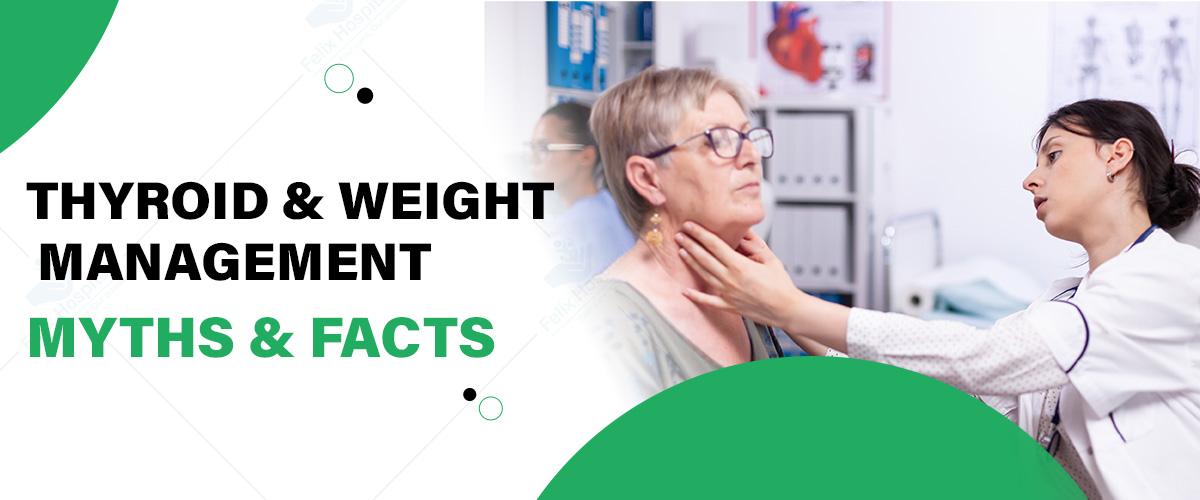
Navigating the complexities of thyroid health and weight management can be challenging, especially with the abundance of information available. Many individuals grappling with thyroid disorders often encounter various myths that can lead to confusion and frustration regarding their weight management journey. Understanding the facts about thyroid function and its relationship with weight can empower those affected to make informed decisions about their health. If you're looking for personalized care, consider reaching out to the best hospital for thyroid treatment that specializes in thyroid disorders and weight management.
If you’re struggling with thyroid-related weight issues, don't hesitate to consult a healthcare professional by Calling +91 9667064100.
The thyroid is a butterfly-shaped gland located at the base of the neck, playing a crucial role in regulating metabolism, energy levels, and overall body functions through the production of hormones like thyroxine (T4) and triiodothyronine (T3). When the thyroid is underactive (hypothyroidism) or overactive (hyperthyroidism), it can significantly affect weight management. Individuals with hypothyroidism often experience weight gain due to a slowed metabolism, while those with hyperthyroidism may experience weight loss due to an accelerated metabolism. Therefore, effective weight management for those with thyroid conditions often requires appropriate thyroid medication and weight loss strategies tailored to individual needs.
Understanding thyroid health is essential for effective weight management, especially for those diagnosed with thyroid disorders. Unfortunately, there is a lot of misinformation surrounding these conditions, leading to confusion and potentially harmful decisions. Here are 11 common myths about thyroid and weight management, along with the facts that debunk them.
Fact: Thyroid disorders are surprisingly common and affect millions of people worldwide. According to the American Thyroid Association, an estimated 20 million Americans have some form of thyroid disease, and many of them are unaware of their condition. Hypothyroidism and hyperthyroidism are among the most frequently diagnosed thyroid issues, making it crucial for individuals to understand the signs and symptoms to seek timely medical attention.
Fact: One of the biggest misconceptions is that thyroid disorders exclusively affect those who are overweight. In reality, thyroid conditions can impact individuals across all body types and weight ranges. Some people with hypothyroidism may gain weight, while others may remain of average weight or even lose weight in the case of hyperthyroidism. Symptoms can also vary widely, meaning that anyone, regardless of their weight, can experience thyroid issues.
Fact: It is a common belief that weight loss is impossible for individuals with thyroid disorders. While it's true that weight loss may be more challenging due to a slowed metabolism or hormonal imbalances, it is not impossible. With the right combination of thyroid medication and lifestyle changes, such as a balanced diet and regular exercise, individuals can successfully manage their weight. Consulting a healthcare provider for personalized guidance can significantly improve results.
Fact: Many people assume that simply taking thyroid medication will lead to weight loss. While appropriate thyroid medication can help regulate metabolism and improve energy levels, it is not a standalone solution for weight loss. A balanced diet rich in nutrients and regular physical activity remain essential components of any weight management plan. Relying solely on medication without incorporating healthy lifestyle changes is unlikely to yield the desired results.
Fact: This myth can be particularly dangerous. Many individuals might think that discontinuing their thyroid medication will help them lose weight; however, doing so without medical guidance can lead to severe health consequences. Stopping medication can exacerbate symptoms of hypothyroidism, including fatigue, weight gain, and depression. It's vital to communicate with healthcare professionals about any weight changes so they can adjust your treatment plan appropriately.
Fact: There is a misconception that all thyroid disorders are interchangeable. In reality, there are several distinct types of thyroid conditions, including Hashimoto's thyroiditis (an autoimmune condition that causes hypothyroidism) and Graves' disease (which leads to hyperthyroidism). Each of these conditions requires specific treatment approaches. Therefore, a thorough understanding of one's diagnosis and a tailored treatment plan are crucial for effective management.
Fact: While diet plays a significant role in managing thyroid health, it is not a standalone solution. Certain nutrients can support thyroid function, and a well-balanced diet can help manage symptoms. However, individuals with thyroid disorders should not rely solely on dietary changes to address their conditions. Medical treatment is often necessary to regulate hormone levels and manage symptoms effectively.
Fact: This myth can lead to harmful dietary habits. While thyroid medication helps regulate hormone levels, it does not grant the freedom to indulge in unhealthy foods. Certain foods can interfere with thyroid function and the absorption of medication, including soy products, cruciferous vegetables (like broccoli and cabbage), and high-fiber foods. Maintaining a balanced diet is crucial for optimal thyroid health and should be discussed with a healthcare provider or nutritionist.
Fact: Many people with thyroid disorders may feel
discouraged about exercising due to fatigue and other symptoms. However, regular physical activity is vital for overall health and can significantly aid in weight management, even for those with thyroid conditions. Exercise can help improve mood, boost energy levels, and enhance metabolic function. Finding a suitable exercise routine that aligns with one's energy levels is important for long-term health.
Fact: While it's true that women are more likely to develop thyroid disorders, particularly during certain life stages (like pregnancy or menopause), men can also be affected. Thyroid issues can manifest differently in men and women, and symptoms may go unrecognized or misdiagnosed in men. It’s essential for everyone, regardless of gender, to be aware of the signs and seek medical advice if they suspect thyroid problems.
Fact: Some individuals may believe that certain supplements can replace the need for prescribed thyroid medication. While some supplements can support thyroid health and function, they cannot replace the vital role of medication for those diagnosed with thyroid disorders. It’s crucial to consult with a healthcare provider before introducing any supplements to ensure they do not interfere with medication or worsen symptoms.
If you're seeking expert guidance on managing thyroid disorders and weight issues, look no further than Dr. Vimal Gupta, the best endocrinologist at Felix Hospital. His comprehensive approach to patient care focuses on individualized treatment plans, ensuring that your unique health needs are met and also Reach out to our nutrition diet services team who will give you some personalized advice on thyroid management and weight loss.
Reach out to our best endocrinologist at Felix Hospital for personalized advice on thyroid management and weight loss by Clicking here.
Understanding the relationship between thyroid health and weight management is crucial for effective treatment and lifestyle choices. By debunking common myths and recognizing the facts, individuals can take informed steps toward better health. If you are dealing with thyroid-related weight challenges, seek professional help to navigate your journey effectively. Remember, the right thyroid medication and weight loss strategies can lead to a healthier, more fulfilling life.
1. What are the symptoms of thyroid disorders?
Ans. Symptoms can vary based on the type of thyroid disorder. Common symptoms of hypothyroidism include fatigue, weight gain, cold intolerance, dry skin, and hair loss. In contrast, hyperthyroidism symptoms may include weight loss, increased heart rate, anxiety, sweating, and heat intolerance. If you suspect thyroid issues, consult a healthcare provider for proper evaluation.
2. How does thyroid function affect weight loss?
Ans. The thyroid gland regulates metabolism through hormone production. In hypothyroidism, a slowed metabolism can lead to weight gain, while hyperthyroidism can accelerate metabolism, causing weight loss. Therefore, managing thyroid levels is crucial for effective weight management strategies.
3. Can I manage my thyroid condition through diet alone?
Ans. While diet can support thyroid health, it should not replace medical treatment. A balanced diet that includes essential nutrients can help manage symptoms, but proper thyroid medication is often necessary to regulate hormone levels effectively.
4. Are there specific foods I should avoid with thyroid disorders?
Ans. Yes, certain foods can interfere with thyroid function or medication absorption. It’s advisable to limit intake of soy products, cruciferous vegetables (like broccoli and kale), and high-fiber foods around the time of taking thyroid medication. Consult a nutritionist for personalized dietary advice.
5. Is exercise effective for weight management in people with thyroid disorders?
Ans. Absolutely! Regular physical activity can help manage weight, improve mood, and boost energy levels. While individuals with thyroid conditions may experience fatigue, finding a suitable exercise routine tailored to personal energy levels is essential for overall health.
6. How can I tell if my thyroid medication needs adjustment?
Ans. If you notice unexplained weight changes, fatigue, or other symptoms, it’s essential to consult your healthcare provider. They can perform blood tests to evaluate hormone levels and determine if your medication needs adjustment.
7. Are thyroid disorders hereditary?
Ans. Yes, thyroid disorders can run in families. If you have a family history of thyroid problems, it’s important to monitor your thyroid health regularly and discuss any concerns with your healthcare provider.
8. What should I do if I suspect I have a thyroid disorder?
Ans. If you suspect thyroid issues, it’s crucial to seek medical advice. Schedule an appointment with a healthcare provider for a thorough evaluation, which may include blood tests to measure thyroid hormone levels. Early diagnosis and treatment are key to managing thyroid disorders effectively.
Diabetes is a condition in which your body part pancreases cannot make enough insulin which results in an increase in your glucose level/blood sugar level.

Manage diabetes effectively with a well-planned Indian vegetarian diet chart. Explore healthy meal options and tips for blood sugar control.
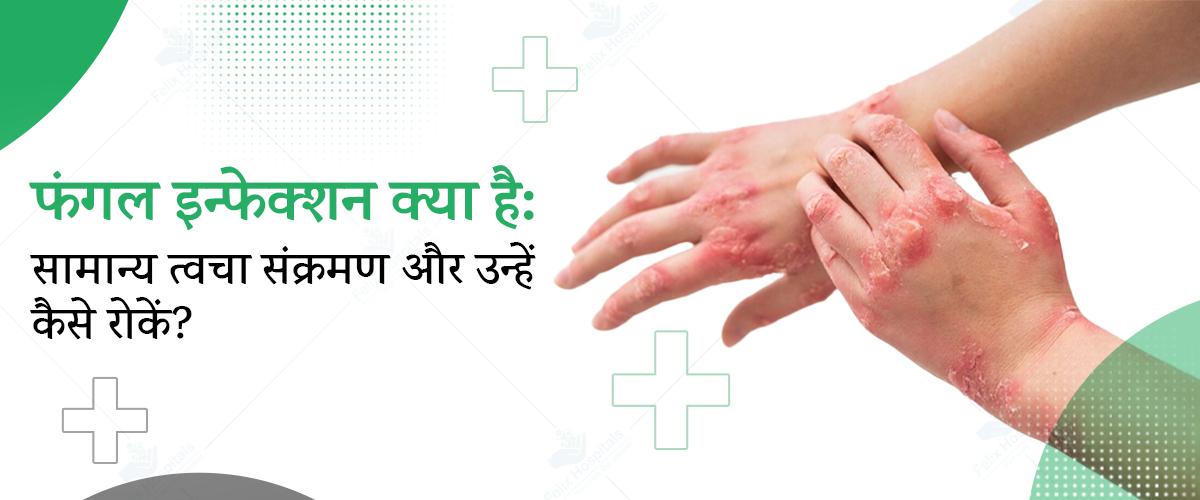
फंगल इन्फेक्शन एक सामान्य लेकिन गंभीर स्वास्थ्य समस्या है, जो लोगों को प्रभावित कर सकती है। यह संक्रमण मुख्य रूप से फंगस के कारण होता है, जो हमारे वातावरण में सामान्य रूप से पाया जाता है। समय पर पहचान और उपचार न होने पर यह गंभीर रूप ले सकता है। यदि आप नोएडा में सर्वश्रेष्ठ डर्मेटोलॉजी हॉस्पिटल की खोज कर रहे हैं, तो आपको यह जानने की जरूरत है कि फंगल इन्फेक्शन क्या है, इसके कारण, लक्षण, उपचार और इससे बचाव के उपाय क्या हैं।
क्या आप फंगल इन्फेक्शन से संबंधित किसी समस्या का सामना कर रहे हैं? आज ही अपॉइंटमेंट बुक करें और हमारे विशेषज्ञ डॉक्टरों से परामर्श करें आज ही कॉल करें +91 9667064100!
फंगल इन्फेक्शन एक संक्रमण है जो विभिन्न प्रकार के फंगस के कारण होता है। ये फंगस, जैसे कि यीस्ट और मोल्ड, हमारे शरीर में सामान्य रूप से पाए जाते हैं। जब ये फंगस असामान्य रूप से बढ़ने लगते हैं, तो यह त्वचा, नाखूनों, और श्लेष्म झिल्ली पर संक्रमण का कारण बन सकते हैं। फंगल इन्फेक्शन कई प्रकार के होते हैं, जैसे:
कैंडिडिआसिस: यह आमतौर पर मौखिक गुहा, जननांग क्षेत्र, और त्वचा पर होता है।
टिनिया (जोक्स): यह फंगल संक्रमण त्वचा की बाहरी परत में होता है, जो आमतौर पर शरीर के विभिन्न हिस्सों में फैल सकता है।
डर्माटोफाइटिसिस: यह नाखून और बालों को प्रभावित करता है।
फंगल इन्फेक्शन का प्रभाव व्यक्ति की उम्र, स्वास्थ्य स्थिति, और प्रतिरक्षा प्रणाली की ताकत पर निर्भर करता है।
फंगल इन्फेक्शन होने के पीछे कई कारण हो सकते हैं:
नमी और गर्मी: फंगस गर्म और नम वातावरण में तेजी से बढ़ते हैं। यदि आप ऐसे स्थान पर रहते हैं जहाँ नमी अधिक है, तो आपको फंगल इन्फेक्शन का खतरा बढ़ जाता है।
कमजोर प्रतिरक्षा प्रणाली: अगर आपकी प्रतिरक्षा प्रणाली कमजोर है, तो आपका शरीर फंगस के खिलाफ लड़ाई करने में असमर्थ हो सकता है। यह स्थिति मुख्यतः HIV/AIDS, कैंसर, या अन्य गंभीर बीमारियों से पीड़ित लोगों में देखी जाती है।
अनुचित स्वच्छता: यदि आप व्यक्तिगत स्वच्छता का ध्यान नहीं रखते हैं, तो यह फंगल इन्फेक्शन के बढ़ने का कारण बन सकता है। जैसे कि गीले कपड़े पहनने से फंगस को बढ़ने का मौका मिलता है।
शारीरिक संपर्क: संक्रमित व्यक्ति के संपर्क में आने से भी संक्रमण फैल सकता है। यह विशेष रूप से उन स्थानों पर होता है जहाँ लोग एक साथ होते हैं, जैसे जिम, स्विमिंग पूल, और साझा बाथरूम।
दवाओं का उपयोग: कुछ दवाएं, जैसे कि एंटीबायोटिक्स, आपके शरीर में सामान्य फंगस की संख्या को प्रभावित कर सकती हैं, जिससे संक्रमण का खतरा बढ़ता है।
फंगल इन्फेक्शन के लक्षण व्यक्ति विशेष और संक्रमण के प्रकार पर निर्भर करते हैं। सामान्य लक्षणों में शामिल हैं:
खुजली: संक्रमित क्षेत्र में खुजली होना आम है। यह लक्षण कभी-कभी बहुत परेशान करने वाला हो सकता है।
लाल या सफेद धब्बे: त्वचा पर लाल या सफेद धब्बे दिखाई दे सकते हैं, जो सूजन के साथ हो सकते हैं।
जलन और सूजन: संक्रमित क्षेत्र में जलन और सूजन हो सकती है। यह स्थिति बहुत दर्दनाक हो सकती है।
फटी हुई त्वचा: कुछ मामलों में, त्वचा फट सकती है या छालों का निर्माण हो सकता है। यह संक्रमण को बढ़ा सकता है।
नाखूनों में बदलाव: नाखूनों का रंग बदल सकता है, वे पीले या भुरे हो सकते हैं, या टूट सकते हैं।
फंगल इन्फेक्शन का निदान एक त्वचा विशेषज्ञ द्वारा किया जाता है। इसमें निम्नलिखित प्रक्रियाएं शामिल हो सकती हैं:
शारीरिक परीक्षण: डॉक्टर आपकी त्वचा की स्थिति का निरीक्षण करेंगे। वे संक्रमित क्षेत्र को देखेंगे और लक्षणों की पहचान करेंगे।
सांस्कृतिक परीक्षण: त्वचा की सतह से नमूने लिए जा सकते हैं और प्रयोगशाला में परीक्षण किया जा सकता है। यह फंगस की पहचान करने में मदद करता है।
स्किन बायोप्सी: अगर आवश्यक हो, तो त्वचा के कुछ हिस्सों का परीक्षण किया जा सकता है।
फंगल इन्फेक्शन के उपचार के लिए विभिन्न विकल्प उपलब्ध हैं। इनमें शामिल हैं:
एंटीफंगल क्रीम: हल्के मामलों में, डॉक्टर एंटीफंगल क्रीम या लोशन की सिफारिश कर सकते हैं। यह क्रीम सीधे संक्रमित क्षेत्र पर लगाई जाती है।
ओरल एंटीफंगल दवाएं: अधिक गंभीर मामलों में, ओरल एंटीफंगल दवाओं की आवश्यकता हो सकती है। ये दवाएं संक्रमित त्वचा के नीचे भी काम करती हैं।
फंगल इन्फेक्शन के उपचार की लागत: फंगल इन्फेक्शन के उपचार की लागत विभिन्न कारकों पर निर्भर करती है, जैसे कि उपचार की विधि, डॉक्टर की विशेषज्ञता और स्थानीय चिकित्सा बाजार। आमतौर पर, क्रीम का उपचार सस्ता होता है, जबकि ओरल दवाएं महंगी हो सकती हैं।
घरेलू उपचार: कुछ घरेलू उपाय भी फंगल इन्फेक्शन को नियंत्रित करने में मदद कर सकते हैं, जैसे कि टी ट्री ऑयल, नारियल का तेल, या सेब का सिरका।
फंगल इन्फेक्शन से बचाव के लिए कुछ उपाय हैं:
साफ-सुथरा रहना: नियमित स्नान करें और त्वचा को सुखाएं, खासकर उन क्षेत्रों में जहाँ नमी जमा होती है।
सही कपड़े पहनें: हल्के और breathable कपड़े पहनें ताकि आपकी त्वचा सांस ले सके। सिंथेटिक कपड़े पहनने से बचें।
स्वच्छता का ध्यान रखें: व्यक्तिगत सामान जैसे तौलिए, कपड़े और बर्तन साझा न करें। अपने तौलिए को नियमित रूप से धोएं।
पोषण का ध्यान रखें: स्वस्थ आहार का सेवन करें जो आपकी प्रतिरक्षा प्रणाली को मजबूत करे। हरी सब्जियाँ, फल, और प्रोटीन युक्त आहार लें।
दवाओं का सही सेवन: जब भी दवा लें, तो चिकित्सक से सलाह लेकर ही लें, खासकर एंटीबायोटिक्स का उपयोग करते समय।
फंगल इन्फेक्शन की पहचान और उपचार के लिए एक योग्य डॉक्टर की आवश्यकता होती है। यदि आप किसी भी प्रकार के फंगल इन्फेक्शन का अनुभव कर रहे हैं, तो आपके लिए डॉ. कुसुम गुप्ता और डॉ. शीतल यादव जैसे विशेषज्ञ डॉक्टरों से परामर्श लेना अत्यंत महत्वपूर्ण है। उन्होंने फंगल इन्फेक्शन के विभिन्न प्रकारों, जैसे कैंडिडिआसिस, टिनिया और डर्माटोफाइटिसिस के इलाज में विशेषज्ञता हासिल की है। उनके पास नवीनतम तकनीकों और उपचार विधियों का उपयोग करने का अनुभव है, जो मरीजों को तेजी से और प्रभावी रूप से स्वस्थ होने में मदद करता है। उनकी देखभाल और ध्यान आपके उपचार अनुभव को अधिक सकारात्मक बनाते हैं।
यदि आपको फंगल इन्फेक्शन का संदेह है या आपके पास कोई अन्य त्वचा संबंधी समस्या है, तो अभी अपॉइंटमेंट बुक करें और हमारे विशेषज्ञों से सलाह लें और यहां क्लिक करें!
फंगल इन्फेक्शन एक सामान्य लेकिन परेशान करने वाला स्वास्थ्य मुद्दा है, जो त्वचा, नाखून और बालों को प्रभावित कर सकता है। ये संक्रमण हल्के लग सकते हैं, लेकिन अगर समय पर पहचान और इलाज न किया जाए, तो ये गंभीर समस्याएं पैदा कर सकते हैं।
इससे असुविधा, खुजली, और मानसिक तनाव हो सकता है। इसलिए, संक्रमण के संकेतों को पहचानना और तुरंत डॉक्टर से सलाह लेना जरूरी है। उचित देखभाल, जैसे स्वच्छता बनाए रखना और त्वचा को सूखा रखना, इन संक्रमणों से बचने में मदद कर सकता है।
1. फंगल इन्फेक्शन क्या है?
ANS: फंगल इन्फेक्शन एक संक्रमण है जो फंगस (जैसे कि कवक) के कारण होता है। यह संक्रमण त्वचा, नाखूनों, और बालों को प्रभावित कर सकता है और विभिन्न प्रकार के लक्षण उत्पन्न कर सकता है।
2. फंगल इन्फेक्शन के कारण क्या हैं?
ANS: फंगल इन्फेक्शन के कई कारण होते हैं, जैसे कि आर्द्रता, गर्मी, कमजोर इम्यून सिस्टम, या अन्य स्वास्थ्य समस्याएं। कुछ सामान्य फंगस जैसे कि कैन्डिडा और ट्रिचोफाइटन, संक्रमण का कारण बन सकते हैं।
3. फंगल इन्फेक्शन के लक्षण क्या हैं?
ANS:फंगल इन्फेक्शन के लक्षणों में खुजली, लालिमा, सूजन, जलन, और कभी-कभी छाले या फफोले शामिल हो सकते हैं। नाखूनों में संक्रमण होने पर वे रंग बदल सकते हैं और कमजोर हो सकते हैं।
4. फंगल इन्फेक्शन का निदान कैसे किया जाता है?
ANS: फंगल इन्फेक्शन का निदान सामान्यतः एक चिकित्सक द्वारा शारीरिक परीक्षा और आवश्यकतानुसार त्वचा, नाखून, या बालों के सैंपल की जांच करके किया जाता है। लैब में टेस्ट करके फंगस की पहचान की जाती है।
5. फंगल इन्फेक्शन का उपचार कैसे किया जाता है?
ANS: फंगल इन्फेक्शन का उपचार आमतौर पर एंटीफंगल दवाओं के माध्यम से किया जाता है। ये दवाएं मौखिक, टॉपिकल (त्वचा पर लगाई जाने वाली), या इंजेक्शन के रूप में दी जा सकती हैं, जो संक्रमण की गंभीरता पर निर्भर करती हैं।
6. क्या फंगल इन्फेक्शन से बचाव के उपाय हैं?
ANS: फंगल इन्फेक्शन से बचाव के लिए स्वच्छता बनाए रखना, त्वचा को सूखा रखना, और सार्वजनिक स्थानों पर नंगे पैर नहीं चलना महत्वपूर्ण है। सही कपड़े पहनना और व्यक्तिगत सामान को साझा नहीं करना भी फंगल संक्रमण से बचने में मदद करता है।
7. क्या फंगल इन्फेक्शन संक्रामक होता है?
ANS: हाँ, कुछ फंगल इन्फेक्शन संक्रामक हो सकते हैं, खासकर जब व्यक्ति संक्रमित व्यक्ति के संपर्क में आता है या उनकी व्यक्तिगत वस्तुओं का उपयोग करता है।
8. कब मुझे डॉक्टर से सलाह लेनी चाहिए?
ANS: यदि आपको फंगल इन्फेक्शन के लक्षण दिखते हैं, जैसे कि खुजली, जलन, या त्वचा पर किसी प्रकार का बदलाव, तो तुरंत डॉक्टर से सलाह लें। इसके अलावा, अगर आपके लक्षण घर पर उपचार से बेहतर नहीं हो रहे हैं, तो भी डॉक्टर से मिलना आवश्यक है।
Atopic dermatitis eczema is a chronic inflammatory skin disease that results in itchy, red, and scaly patches on the skin
At Felix Hospital, we are proud to have Dr. Kusum Gupta on our team. Dr. Kusum is the best mole removal surgeon in Noida and other dermatological procedures.
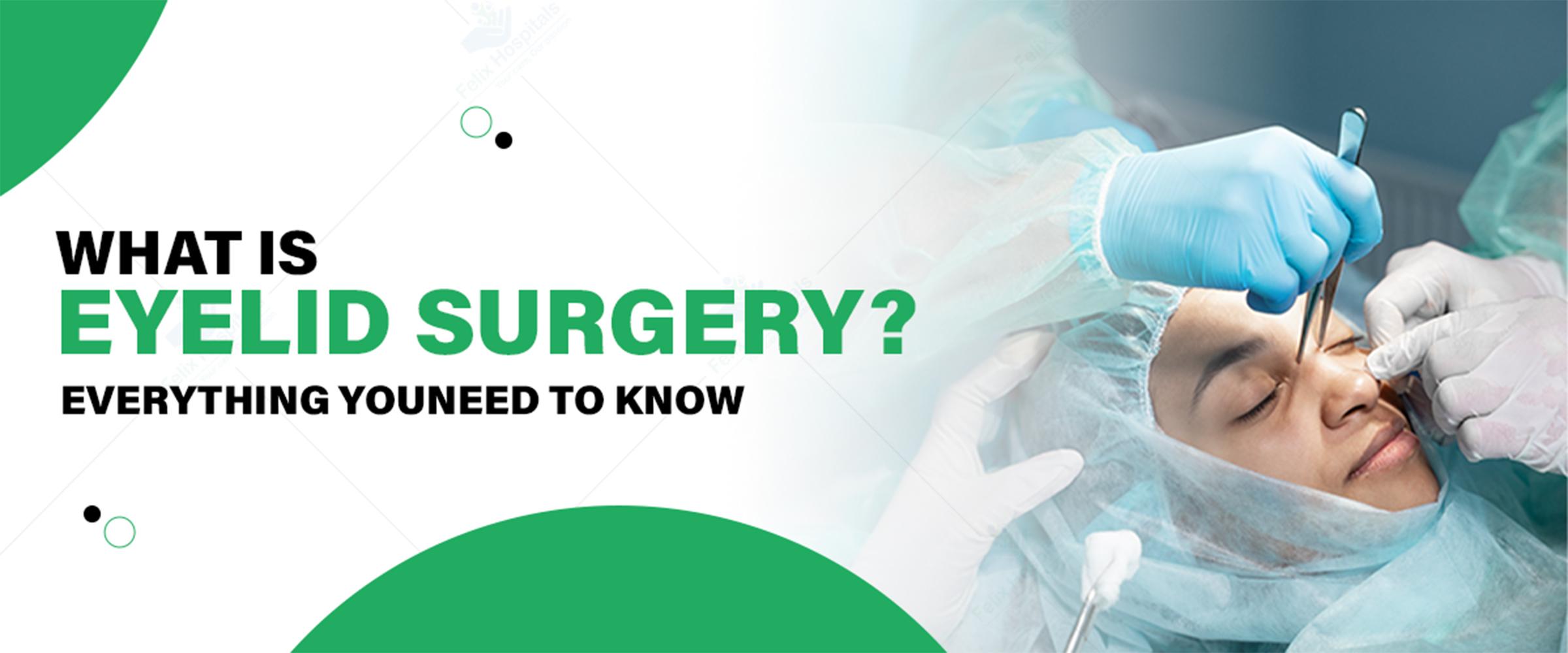
Eyelid surgery, medically known as blepharoplasty, is a transformative cosmetic and functional procedure designed to enhance the appearance of the eyes and address various eyelid-related concerns. As one of the most sought-after surgeries globally, eyelid surgery rejuvenates the area around the eyes, resulting in a more youthful and refreshed look. Beyond aesthetics, it also offers functional benefits by improving vision obstructed by drooping eyelids. For those seeking expert care, a leading plastic surgery hospital renowned for its exceptional services is an excellent choice for such advanced procedures.
Schedule your consultation with a skilled eyelid surgery specialist today by calling +91 9667064100.
Eyelid surgery, or blepharoplasty, is a surgical procedure aimed at correcting defects, deformities, and disfigurations of the eyelids while improving their aesthetic appeal. It involves the removal or repositioning of excess skin, fat, and muscle to restore a smoother and more youthful appearance.
Upper Eyelid Surgery: Focuses on removing excess skin and fat from the upper eyelids to improve appearance or functionality.
Lower Eyelid Surgery: Targets puffiness, dark circles, and wrinkles under the eyes.
Double Eyelid Surgery: Commonly performed to create a defined eyelid crease, often sought after in East Asian populations.
Droopy or sagging upper eyelids (ptosis).
Puffiness and bags under the eyes.
Wrinkles and fine lines around the eyes.
Impaired vision due to excessive eyelid skin.
Eyelid surgery enhances the overall facial appearance by eliminating signs of aging such as drooping skin, puffiness, and wrinkles. This leads to a rejuvenated and youthful look that boosts confidence.
For many, sagging eyelids are more than a cosmetic concern; they can obstruct vision. Eyelid surgery improves functionality, allowing for better sight and reduced eye strain.
The results of eyelid surgery often lead to enhanced self-esteem and greater satisfaction with one’s appearance. Feeling confident in your look can positively impact various aspects of life.
Consult with a certified surgeon to evaluate your needs and medical history.
Pre-operative tests to ensure you’re fit for surgery.
Avoidance of certain medications, smoking, and alcohol before the procedure.
Anesthesia: Administered to ensure comfort during the surgery. Options include local anesthesia with sedation or general anesthesia.
Incision: Small incisions are made along the natural creases of the eyelids to minimize visible scarring.
Tissue Adjustment: Excess skin, fat, and muscle are removed or repositioned.
Closure: The incisions are carefully sutured to achieve natural-looking results.
Mild swelling, bruising, and discomfort around the eyes.
Blurred vision and sensitivity to light in the initial days.
Use prescribed medications and cold compresses to reduce swelling.
Avoid strenuous activities, smoking, and makeup for a few weeks.
Protect your eyes from direct sunlight with sunglasses.
Most patients can resume normal activities within 1-2 weeks, although complete recovery may take several weeks. Follow-up appointments are crucial to monitor healing progress.
While eyelid surgery is generally safe, certain risks exist, such as:
Temporary swelling and bruising.
Dry eyes or irritation.
Difficulty closing eyes fully (temporary in most cases).
Scarring or asymmetry (rare with skilled surgeons).
For a successful outcome, it is essential to select an experienced, board-certified surgeon. At Felix Hospital, Dr. Pragya Priya is a highly skilled plastic surgeon renowned for her expertise in blepharoplasty and other cosmetic procedures. With a patient-centric approach and advanced techniques, Dr. Priya ensures safe and satisfactory results for all her patients.
Discover how eyelid surgery can enhance your confidence and quality of life. Book an appointment with an expert plastic surgeon.
Eyelid surgery is a remarkable procedure that offers both cosmetic and functional benefits, transforming not just appearances but also lives. Addressing sagging skin, puffiness, and vision impairments, it paves the way for enhanced confidence and improved quality of life. If you’re considering eyelid surgery, consult the expert surgeons at Felix Hospitals in Noida, to explore your options and embark on your journey toward a refreshed and vibrant look.
1. Is eyelid surgery painful?
Ans. Eyelid surgery is generally not painful as it is performed under local or general anesthesia. During recovery, patients may experience mild discomfort or tightness around the eyes, which is manageable with prescribed pain medication.
2. How long do the results last?
Ans. The results of eyelid surgery are long-lasting. Upper eyelid surgery results can last 5-7 years or more, while lower eyelid surgery often provides permanent improvements. However, natural aging may gradually impact appearance over time.
3. Can eyelid surgery correct asymmetry?
Ans. Yes, eyelid surgery can address asymmetry caused by drooping or uneven eyelids, creating a more balanced and symmetrical appearance. Your surgeon will evaluate your unique anatomy to achieve the best results.
4. What age is ideal for this procedure?
Ans. While there’s no “ideal” age, most candidates are in their 30s or older, seeking to correct age-related changes. However, younger individuals with hereditary issues like puffy eyelids or asymmetry may consider this surgery.
5. Will there be visible scars after eyelid surgery?
Ans. Eyelid surgery incisions are carefully placed along natural creases, making scars virtually unnoticeable once healed. Proper aftercare and following the surgeon’s guidelines further minimize visible scarring.
6. Can eyelid surgery improve vision?
Ans. Yes, for individuals with severely drooping eyelids that obstruct vision, eyelid surgery can improve peripheral vision by lifting the excess skin. This is often categorized as a functional rather than a cosmetic benefit.
7. How soon can I return to daily activities after eyelid surgery?
Ans. Most patients can resume light activities within a week. Full recovery, including the resolution of swelling and bruising, may take 2-4 weeks. It’s essential to follow post-operative care instructions to ensure optimal healing.

Subscribe to our
© Copyright 2026. All Rights Reserved by Felix Healthcare Private Limited
Design and development by :


 +(91)9667064100
 Emergency : +(91)9667064100