 WhatsApp
 Emergency:
  WhatsApp

Test page on demo
Test page for demo site...........
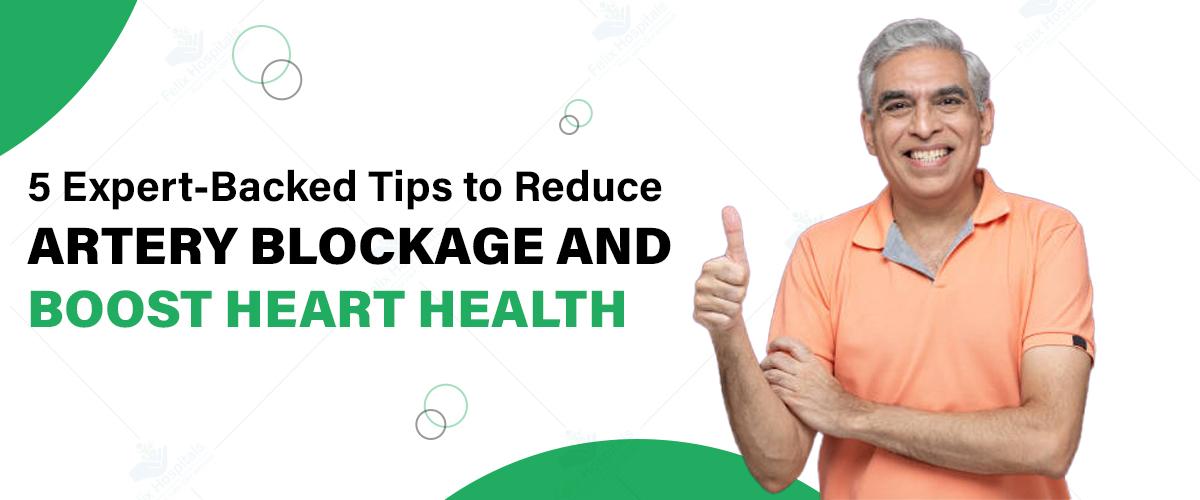
Blocked arteries, or atherosclerosis, occur when plaque builds up in the arteries, restricting blood flow to the heart and increasing the risk of heart disease. Adopting a heart-healthy lifestyle and implementing expert-backed strategies can help clear arteries and improve cardiovascular health. This blog covers five key tips to reduce artery blockage, support heart health, and lower your risk of heart-related complications. For those seeking professional care, choosing the best heart hospital in Noida can also provide the guidance needed to keep your heart in top shape.
Reach out to a healthcare provider for personalized advice on maintaining clear arteries and a strong heart. Call us at +91 9667064100.
One of the most effective ways to reduce artery blockage is through a heart-healthy diet. Experts agree that the foods you eat directly impact cholesterol levels, blood pressure, and inflammation, which are all key factors in artery health.
Focus on Fiber: High-fiber foods, such as fruits, vegetables, whole grains, and legumes, can lower LDL (bad) cholesterol levels and help prevent plaque buildup.
Choose Healthy Fats: Opt for unsaturated fats, found in olive oil, avocados, and nuts, which can reduce bad cholesterol. Omega-3 fatty acids from fish like salmon, mackerel, and trout can also help decrease inflammation.
Avoid Trans Fats and Limit Saturated Fats: Trans fats, often found in processed foods, raise bad cholesterol while lowering good cholesterol, increasing plaque risk. Saturated fats, found in red meat and full-fat dairy, should be limited to maintain artery health.
Increase Antioxidants: Antioxidant-rich foods, such as berries, leafy greens, and tomatoes, help prevent oxidative stress, which contributes to artery damage and plaque buildup.
The American Heart Association (AHA) recommends adopting a Mediterranean or DASH (Dietary Approaches to Stop Hypertension) diet, both of which have been shown to reduce heart disease risk by lowering blood pressure and cholesterol.
Regular physical activity plays a crucial role in reducing artery blockage and improving heart health. Exercise helps lower blood pressure, improves cholesterol levels, and enhances circulation, which are all essential for maintaining clear arteries.
Aerobic Exercise: Activities like brisk walking, cycling, swimming, or running strengthen the heart and help clear arterial plaque. Aim for at least 150 minutes of moderate-intensity aerobic exercise per week.
Strength Training: Incorporating weight training into your routine twice a week can improve overall cardiovascular health and support weight management, a key factor in reducing heart disease risk.
Flexibility and Balance Exercises: Yoga and stretching not only reduce stress but also improve flexibility, which supports overall cardiovascular function.
According to the American College of Sports Medicine (ACSM), consistent exercise can reduce arterial stiffness, which can lower the risk of plaque buildup. Regular physical activity improves the endothelium’s function—the thin membrane inside blood vessels—preventing cholesterol from adhering to artery walls.
Chronic stress contributes significantly to heart disease risk. When you’re stressed, your body releases stress hormones like cortisol and adrenaline, which can increase blood pressure, promote inflammation, and make arterial plaque more likely to form. Managing stress is essential for keeping arteries clear and supporting heart health.
Practice Mindfulness and Meditation: Mindfulness practices, such as deep breathing and meditation, have been shown to lower blood pressure and reduce stress hormones. Even a few minutes daily can positively impact cardiovascular health.
Stay Socially Connected: Isolation can contribute to stress and anxiety, both of which affect heart health. Regularly connecting with friends, family, or support groups can improve mood and reduce stress.
Engage in Hobbies and Relaxation Activities: Reading, cooking, gardening, or any enjoyable hobby can help distract from stress and foster a sense of well-being, supporting a healthy heart.
The American Psychological Association (APA) notes that chronic stress can lead to inflammation and arterial damage, which increases plaque buildup. Stress management techniques like yoga, deep breathing, and social interaction have been proven to reduce these effects.
Smoking is one of the leading causes of arterial blockage, as it damages the lining of arteries, making it easier for plaque to accumulate. The chemicals in cigarette smoke increase blood pressure, reduce oxygen levels, and contribute to inflammation, all of which can cause arterial damage. Similarly, excessive alcohol consumption can raise blood pressure and triglyceride levels, increasing the risk of atherosclerosis.
Seek Support Programs: Many hospitals, clinics, and organizations offer programs to help individuals quit smoking, often through counseling and support groups.
Consider Nicotine Replacement Therapy (NRT): Options like patches, gum, and lozenges can reduce withdrawal symptoms and help break the addiction.
Try Medication: Certain medications, such as varenicline (Chantix) or bupropion (Zyban), are prescribed to help reduce cravings and ease the quitting process.
Moderation is Key: Limit alcohol intake to one drink per day for women and two for men. Red wine in moderation, for instance, has some heart-protective benefits, but excessive drinking poses a risk.
According to the Centers for Disease Control and Prevention (CDC), quitting smoking reduces the risk of heart disease within a few years of cessation, even for long-term smokers. Limiting alcohol can similarly lower the risk of high blood pressure and plaque buildup.
Several health conditions, including high blood pressure, diabetes, and high cholesterol, are directly linked to artery blockage and heart disease. Regular monitoring and proactive management of these conditions can significantly reduce the risk of arterial plaque buildup.
Control Blood Pressure: High blood pressure damages arteries over time, making it easier for plaque to form. Lifestyle changes, combined with medication if necessary, can help keep blood pressure in a healthy range.
Manage Blood Sugar Levels: High blood sugar levels, especially in those with diabetes, can damage blood vessels and increase the risk of plaque accumulation. A balanced diet, regular exercise, and medication, if needed, can help maintain stable blood sugar.
Lower Cholesterol Levels: High LDL cholesterol can lead to plaque buildup, while HDL cholesterol helps clear it from the arteries. Regular cholesterol checks and a heart-healthy diet can help maintain optimal levels.
The National Heart, Lung, and Blood Institute (NHLBI) recommends regular health screenings and working with healthcare providers to manage conditions like hypertension, diabetes, and high cholesterol, as these are among the most common contributors to arterial blockage.
In addition to these expert-backed strategies, here are some additional tips to further support heart health and reduce the risk of artery blockage:
Maintain a Healthy Weight: Excess body weight puts additional strain on the heart and increases the risk of developing atherosclerosis.
Stay Hydrated: Adequate hydration improves circulation and helps the body flush out toxins, supporting cardiovascular function.
Get Regular Sleep: Poor sleep can lead to elevated stress levels, high blood pressure, and inflammation, all of which can impact artery health.
Limit Sugar Intake: High sugar intake has been linked to increased risk of arterial plaque formation. Opt for whole foods and limit sugary snacks and beverages.
At Felix Hospital, our team of the best cardiologists in Noida is dedicated to helping you achieve and maintain a healthy heart. Our specialists include:
With their expertise, you'll receive a thorough evaluation and a personalized treatment plan focused on preventing artery blockage and boosting heart health.
Take a proactive step today—Click Here to schedule your heart health check-up and embark on your journey to better heart health!
Reducing artery blockage and boosting heart health involves a combination of diet, exercise, stress management, and lifestyle changes. By following these five expert-backed tips—adopting a heart-healthy diet, staying physically active, managing stress, avoiding smoking and limiting alcohol, and monitoring health conditions—you can significantly reduce the risk of plaque buildup and promote a healthier heart. Consistency is key; even small changes add up over time, making a big difference in long-term heart health. Take control today, and give your heart the care it deserves!
Q-What causes artery blockage?
ANS: Artery blockage, or atherosclerosis, is primarily caused by the buildup of plaque in the arteries. Plaque forms from cholesterol, fat, calcium, and other substances in the blood, leading to restricted blood flow over time.
Q- Can artery blockage be reversed naturally?
ANS: While completely reversing plaque buildup is challenging, lifestyle changes such as a healthy diet, exercise, and stress management can help reduce further blockage, improve blood flow, and support artery health.
Q- What foods should I avoid to prevent artery blockage?
ANS: Foods high in trans fats, saturated fats, and added sugars, such as processed foods, fried foods, sugary snacks, and red meat, can increase cholesterol levels and contribute to plaque formation.
Q- How does exercise help clear arteries?
ANS: Regular exercise can reduce cholesterol levels, improve circulation, and strengthen the heart. It also helps prevent high blood pressure, one of the main risk factors for artery blockage.
Q- Is stress linked to heart disease and blocked arteries?
ANS: Yes, chronic stress raises blood pressure, increases inflammation, and can lead to unhealthy behaviors, all of which elevate the risk of heart disease and artery blockage.
Q- How can I quit smoking to improve my heart health?
ANS: Many people find success with a combination of support groups, nicotine replacement therapy (like patches or gum), and counseling. A healthcare provider can help you find a quitting strategy tailored to your needs.
Q- What’s the best type of diet to support artery health?
ANS: The Mediterranean and DASH diets are both excellent options for heart health. They focus on fiber-rich foods, healthy fats, lean proteins, and antioxidant-rich fruits and vegetables, all of which help keep arteries clear.
Q- How often should I get my cholesterol and blood pressure checked?
ANS: For adults with no previous heart conditions, an annual checkup is recommended. If you have a history of high cholesterol or blood pressure, more frequent monitoring may be necessary.
Q- Are there any symptoms of early artery blockage?
ANS: Artery blockage often progresses without symptoms initially. However, over time, you may experience chest pain, shortness of breath, fatigue, or discomfort in the arms or neck. If you experience these, consult a doctor immediately.
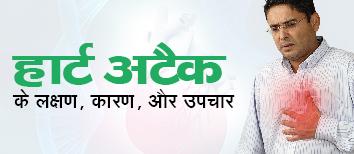
हार्ट अटैक के मुख्य लक्षण, कारण और तुरंत किए जाने वाले उपचार के बारे में जानें। समय पर पहचान और सही इलाज से जीवन बचाया जा सकता है।

Arrhythmia is a condition where the heart beats irregularly—too fast, too slow, or with an uneven rhythm. It can feel like a fluttering, racing, or skipped heartbeat.
Laminectomy surgery is an effective treatment for various spine conditions, offering relief from pain, weakness, and mobility issues caused by spinal cord or nerve compression. If you or a loved one are considering this procedure at a neuro hospital in Noida, understanding the cost structure and factors that influence it is essential. This guide will break down the costs, and the factors that affect them, and provide insights on how to make informed decisions to ensure a successful surgery and recovery.
If you’re experiencing chronic back or leg pain, don’t wait! Call +91 9667064100 now.
Laminectomy is a surgical procedure performed to relieve pressure on the spinal cord or nerves. It involves the removal of the lamina, a bony structure that forms part of the vertebra, creating more space in the spinal canal and alleviating nerve compression. This surgery is commonly recommended for conditions like spinal stenosis, herniated discs, and other spinal issues that cause pain, numbness, and weakness in the legs and arms.
The cost of laminectomy surgery can vary based on various factors, such as the complexity of the case, the type of hospital, and additional medical needs. Here’s an approximate breakdown of the costs in Noida:
| Minimum Cost | 1,00,000 |
| Maximum Cost | 1,75,000 |
| Average Cost | 2,50,000 |
For more affordable and high-quality treatment options, Click Here to connect with the best hospital in Noida for laminectomy surgery today!
Several factors can influence the total cost of laminectomy surgery. Some of the key factors include:
Insurance Coverage: If you have insurance, it can cover a significant portion of the cost, reducing your out-of-pocket expenses.
While the cost of laminectomy surgery can be significant, here are a few tips to reduce the overall expense:
Felix Hospital, the best neuro hospital in Noida stands out as a premier choice for laminectomy surgery due to:
If you're considering laminectomy or disc surgery, it's crucial to work with a skilled neurosurgeon to ensure the best possible care. At our neuro hospital in Noida, we have a team of highly experienced surgeons who specialize in spine procedures, including:
Consulting these experts ensures that you receive high-quality care, helping you better understand the cost factors involved and determine the most suitable treatment plan for your condition.
Get in touch with us today to learn more about laminectomy surgery and the associated costs. Schedule your consultation by Clicking Here.
Laminectomy surgery is a highly effective procedure for alleviating chronic pain caused by spine-related conditions. While the cost can vary, understanding the factors involved and exploring ways to manage expenses can make the process more affordable. By choosing a trusted neuro hospital in Noida like Felix Hospital in Noida, you ensure that you receive the best care for both your health and your finances.
1. What is the average cost of laminectomy surgery in Noida, and how does it compare to other cities in India?
Ans: The cost of laminectomy surgery in Noida typically ranges between ₹1,50,000 to ₹2,50,000, depending on the hospital and the complexity of the procedure. It is often more affordable compared to metropolitan cities like Delhi and Mumbai, while maintaining high standards of care.
2. Does the cost of laminectomy surgery include pre-surgical diagnostics and post-surgical care?
Ans: Most hospitals provide packages that include pre-surgical diagnostic tests (like MRI or CT scans) and post-surgical follow-ups. However, these inclusions vary, and you should confirm the details with the hospital beforehand.
3. Are there additional charges for specialized equipment used during minimally invasive laminectomy?
Ans: Yes, if minimally invasive techniques are employed, additional charges may apply for specialized surgical instruments or technology such as endoscopic equipment.
4. How much do hospital room charges affect the total cost of laminectomy surgery?
Ans: Room charges can significantly impact the overall cost. For instance, opting for a general ward might reduce expenses, while private or deluxe rooms can increase the bill by ₹10,000 to ₹30,000 per day.
5. Does the surgeon’s expertise influence the cost of laminectomy surgery in Noida?
Ans: Yes, the cost can vary based on the surgeon’s experience and specialization. Highly experienced neurosurgeons may charge a premium for their expertise, adding ₹50,000 to ₹1,00,000 to the total cost.
6. Is laminectomy surgery covered under health insurance plans in Noida?
Ans: Many health insurance plans cover laminectomy surgery as it is considered medically necessary for conditions like spinal stenosis. However, the extent of coverage depends on your policy, including co-payments and exclusions.
7. Are there cost differences between government hospitals and private hospitals in Noida?
Ans: Yes, government hospitals generally charge significantly less than private hospitals. However, private hospitals often offer shorter waiting times, advanced technology, and more personalized care.
8. What are the common out-of-pocket expenses associated with laminectomy surgery in Noida?
Ans: Out-of-pocket expenses may include transportation, post-operative physiotherapy, medications, and any additional tests required after discharge. These costs can range from ₹10,000 to ₹50,000.

A concise guide explaining brain tumor surgery cost in Noida, including key factors, treatment options, and expert care.

Multiple sclerosis is a neurological disease that affects the brain and spinal cord.
Migraine relief includes advanced treatments and simple lifestyle changes to reduce pain and prevent attacks.
दांतों की देखभाल के प्रति जागरूकता होने के बावजूद, कई बार हमें ऐसे दांतों की समस्याओं का सामना करना पड़ता है जिनका इलाज केवल विशेषज्ञ ही कर सकते हैं। दांतों के गंभीर संक्रमण या क्षति के मामलों में रूट कैनाल उपचार (Root Canal Treatment) एक प्रभावी समाधान है। यह प्रक्रिया दांत को बचाने और दर्द से राहत दिलाने में मदद करती है, लेकिन इसके बारे में कई भ्रांतियाँ लोगों के बीच फैली हुई हैं जिसके चलते आप सर्वश्रेष्ठ दंत चिकित्सालय से संपर्क करें । इस ब्लॉग में हम रूट कैनाल उपचार से संबंधित मिथकों और सच्चाइयों पर चर्चा करेंगे ताकि आपको इससे जुड़ी सही जानकारी प्राप्त हो सके।
क्या आप दांतों से जुड़ी किसी समस्या का सामना कर रहे हैं? आज ही फ़ेलिक्स हॉस्पिटल के अनुभवी दंत चिकित्सकों से संपर्क करें +91 9667064100।
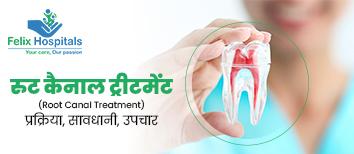
रूट कैनाल उपचार एक सामान्य दंत चिकित्सा प्रक्रिया है जिसका उपयोग तब किया जाता है जब दांत की जड़ या पल्प (रक्त वाहिकाएं और तंत्रिकाएं) संक्रमित या क्षतिग्रस्त हो जाती है। इस उपचार में दांत के अंदर के संक्रमित पल्प को हटा दिया जाता है, और फिर उसे साफ करके एक विशेष भराव सामग्री से भर दिया जाता है ताकि दांत को भविष्य में किसी भी प्रकार के संक्रमण से बचाया जा सके।
रूट कैनाल प्रक्रिया का मुख्य उद्देश्य दांत को हटाने की बजाय उसे संरक्षित रखना होता है, जिससे मरीज की प्राकृतिक मुस्कान और चबाने की क्षमता को बनाए रखा जा सके।
रूट कैनाल उपचार को लेकर कई भ्रांतियाँ हैं, जो अक्सर लोगों को भ्रमित कर देती हैं। आइए जानते हैं कुछ सामान्य मिथकों के बारे में:
1. मिथक: रूट कैनाल बेहद दर्दनाक होता है।
सच्चाई: यह सबसे सामान्य मिथक है। लोग सोचते हैं कि रूट कैनाल उपचार दर्द से भरा होता है, जबकि सच्चाई यह है कि यह उपचार आधुनिक तकनीकों और एनेस्थीसिया (निश्चेतक) के उपयोग से लगभग दर्द रहित होता है। यह उपचार दर्द को खत्म करने के लिए किया जाता है, न कि इसे बढ़ाने के लिए।
2. मिथक: रूट कैनाल के बाद दांत कमजोर हो जाता है।
सच्चाई: रूट कैनाल के बाद दांत कमजोर नहीं होता, बल्कि उसे सही तरीके से संरक्षित किया जाता है। अगर दांत में उचित क्राउन या कैप लगाया जाए, तो यह बिल्कुल सामान्य तरीके से कार्य करता है और कोई कमजोरी महसूस नहीं होती।
3. मिथक: रूट कैनाल इलाज के बाद दांत में संक्रमण फिर से हो सकता है।
सच्चाई: जब रूट कैनाल उपचार सही तरीके से किया जाता है और दांत को सील कर दिया जाता है, तो दोबारा संक्रमण होने की संभावना बहुत कम हो जाती है। हालांकि, नियमित दंत देखभाल और साफ-सफाई बनाए रखना आवश्यक है।
4. मिथक: रूट कैनाल एक महंगा उपचार है।
सच्चाई: रूट कैनाल की कीमत उस पर निर्भर करती है कि आपको किस प्रकार के दांत में समस्या है और उपचार कितना जटिल है। इसके अलावा, यदि इसे न करवाया जाए तो दांत हटाने और प्रत्यारोपण जैसी अन्य प्रक्रियाएं और भी महंगी हो सकती हैं।
5. मिथक: रूट कैनाल के बजाय दांत निकालना बेहतर है।
सच्चाई: रूट कैनाल का मुख्य उद्देश्य दांत को बचाना है। एक बार दांत निकाल दिया जाए, तो उसकी जगह कृत्रिम दांत लगाना ही विकल्प बचता है, जो कि अधिक महंगा और जटिल होता है। प्राकृतिक दांत की जगह कुछ भी नहीं ले सकता, इसलिए दांत को बचाना हमेशा प्राथमिकता होनी चाहिए।
अब जब हमने मिथकों पर चर्चा कर ली है, आइए रूट कैनाल से जुड़ी कुछ महत्वपूर्ण सच्चाइयों पर ध्यान दें:
1. दांत को संरक्षित करने का एकमात्र उपाय
रूट कैनाल उपचार दांत को निकालने से बचाने का सबसे प्रभावी तरीका है। इसके माध्यम से दांत के अंदर के संक्रमित हिस्से को हटा दिया जाता है और दांत को फिर से स्वस्थ बनाने के लिए सील किया जाता है।
2. दर्द से राहत
रूट कैनाल उपचार का मुख्य उद्देश्य दांत दर्द से छुटकारा दिलाना है। जब दांत की जड़ में संक्रमण होता है, तो यह असहनीय दर्द का कारण बन सकता है, जिसे रूट कैनाल के जरिए ठीक किया जा सकता है।
3. लंबी अवधि तक दांत को संरक्षित करता है
एक सफल रूट कैनाल उपचार के बाद, दांत वर्षों तक कार्य कर सकता है, बशर्ते उसकी उचित देखभाल की जाए। इससे मरीज की चबाने की क्षमता बनी रहती है और दांत की सुंदरता भी बरकरार रहती है।
4. उपचार की सफलता दर
रूट कैनाल की सफलता दर काफी उच्च होती है। जब यह उपचार विशेषज्ञ द्वारा सही ढंग से किया जाता है, तो इसका परिणाम दीर्घकालिक और प्रभावी होता है।
5. उपचार के बाद देखभाल की आवश्यकता
रूट कैनाल के बाद उचित देखभाल और दांतों की सफाई बेहद जरूरी है। नियमित ब्रशिंग, फ्लॉसिंग और दंत चिकित्सक के पास समय-समय पर चेकअप कराना आवश्यक है ताकि दांत स्वस्थ बना रहे।
नोएडा में रूट कैनाल ट्रीटमेंट (आरसीटी) हॉस्पिटल, फ़ेलिक्स हॉस्पिटल में दंत चिकित्सा के विशेषज्ञ अत्याधुनिक तकनीकों और उपकरणों का उपयोग करते हैं ताकि आपको सर्वोत्तम रूट कैनाल उपचार प्राप्त हो सके। हमारे अनुभवी दंत चिकित्सक यह सुनिश्चित करते हैं कि आपका उपचार दर्द रहित हो और आपको सर्वोत्तम परिणाम मिले। फ़ेलिक्स हॉस्पिटल में रूट कैनाल उपचार की विशेषताएँ:
फेलिक्स हॉस्पिटल्स में हमारे अनुभवी दंत चिकित्सक आपको सबसे बेहतर दंत चिकित्सा सेवाएँ प्रदान करने के लिए तत्पर हैं। हमारे विशेषज्ञ न केवल आपकी दांतों की समस्याओं का समाधान करते हैं, बल्कि आपको सही देखभाल के लिए मार्गदर्शन भी प्रदान करते हैं।
अपनी दांतों की समस्याओं को नजरअंदाज न करें। यहां क्लिक करें और आज ही फ़ेलिक्स हॉस्पिटल के दंत विशेषज्ञों से संपर्क करें और अपने दांतों का बेहतरीन इलाज प्राप्त करें।
रूट कैनाल उपचार एक प्रभावी और सुरक्षित तरीका है जिससे दांतों के संक्रमण को ठीक किया जा सकता है और दांत को संरक्षित रखा जा सकता है। हालाँकि इसके बारे में कई मिथक प्रचलित हैं, लेकिन वास्तविकता यह है कि यह उपचार न केवल दर्द से राहत दिलाता है बल्कि लंबे समय तक दांतों को स्वस्थ भी रखता है। सही समय पर उपचार कराने से आप दांत निकालने से बच सकते हैं और अपनी प्राकृतिक मुस्कान को बनाए रख सकते हैं।
1. क्या रूट कैनाल उपचार दर्दनाक होता है?
उत्तर: नहीं, आधुनिक एनेस्थीसिया और तकनीकों के उपयोग से रूट कैनाल उपचार लगभग दर्द रहित होता है। प्रक्रिया के दौरान आपको दर्द महसूस नहीं होगा, और यह उपचार वास्तव में दर्द को कम करने के लिए किया जाता है।
2. रूट कैनाल उपचार कितने सत्रों में पूरा होता है?
उत्तर: आमतौर पर, रूट कैनाल उपचार 1-2 सत्रों में पूरा हो सकता है, लेकिन यह दांत की स्थिति और संक्रमण की गंभीरता पर निर्भर करता है। कुछ मामलों में, 3 सत्रों की भी आवश्यकता हो सकती है।
3. क्या रूट कैनाल के बाद दांत में कमजोरी आती है?
उत्तर: रूट कैनाल के बाद दांत को मजबूत बनाने के लिए उस पर क्राउन लगाया जाता है। यदि क्राउन सही तरीके से लगाया जाए, तो दांत सामान्य रूप से काम करता है और उसमें कमजोरी नहीं आती।
4. रूट कैनाल के बाद कितने समय तक दांत स्वस्थ रहता है?
उत्तर: रूट कैनाल के बाद यदि सही देखभाल की जाए, तो दांत लंबे समय तक स्वस्थ रहता है। नियमित रूप से दंत चिकित्सक से चेकअप और दांतों की सफाई करना आवश्यक होता है।
5. रूट कैनाल उपचार के बाद क्या किसी विशेष आहार की आवश्यकता होती है?
उत्तर: उपचार के बाद कुछ समय के लिए सख्त या बहुत गर्म भोजन से बचने की सलाह दी जाती है। दांत पर क्राउन लगने के बाद आप सामान्य आहार ले सकते हैं।
6. क्या रूट कैनाल के बाद संक्रमण दोबारा हो सकता है?
उत्तर: यदि उपचार सही तरीके से किया जाए और दांत की उचित देखभाल की जाए, तो दोबारा संक्रमण होने की संभावना कम होती है। नियमित दंत सफाई और चेकअप आवश्यक होते हैं।
7. क्या रूट कैनाल उपचार महंगा होता है?
उत्तर: रूट कैनाल उपचार की कीमत संक्रमण की गंभीरता और दांत की स्थिति पर निर्भर करती है। यह दांत निकालने और कृत्रिम दांत लगाने से अधिक किफायती हो सकता है।
8. रूट कैनाल की आवश्यकता कैसे पता चलेगी?
उत्तर: यदि आपको दांत में गंभीर दर्द, सूजन, या ठंडे या गर्म खाने पर अत्यधिक संवेदनशीलता महसूस हो रही है, तो यह संकेत हो सकता है कि आपको रूट कैनाल की आवश्यकता है। फ़ेलिक्स हॉस्पिटल के दंत चिकित्सक से परामर्श कराएं।
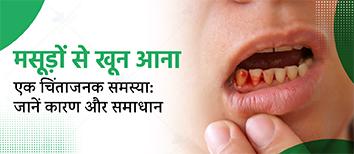
मसूड़ों से खून आना दांतों और मसूड़ों की समस्या का संकेत हो सकता है। जानिए इसके कारण, बचाव और प्रभावी इलाज के तरीके।
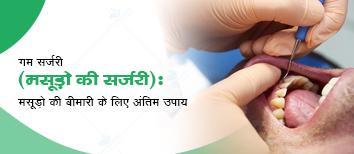
मसूड़ों की बीमारियाँ, जैसे कि पेरियोडोन्टल रोग (Periodontal Disease) या गम डिज़ीज़, एक आम समस्या है जो मसूड़ों के स्वास्थ्य को प्रभावित कर सकती है।
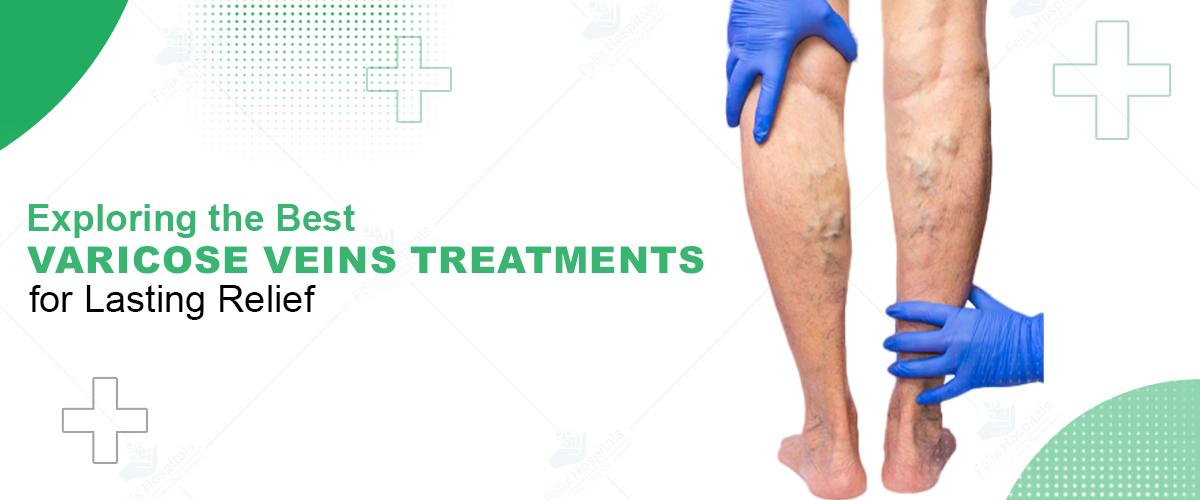
Varicose veins are enlarged, swollen ones often visible beneath the skin's surface, primarily affecting the legs, feet, or ankles. They occur when vein walls weaken and valves in the veins malfunction, leading to blood pooling and creating bluish or purple bulges. While many people view varicose veins as a cosmetic issue, they can cause discomfort and, in severe cases, complications. If you're experiencing symptoms, consult a specialist at a leading vascular surgery hospital in Noida for guidance on tailored treatment options.
Contact Felix Hospital today for your good health tomorrow. Call us at +91 9667064100.
Varicose veins are bulging blood vessels visible through the skin, primarily in the legs. They range in color from blue to purple and often have a twisted, cord-like appearance. Symptoms can include pain, itching, or a burning sensation, though the condition is generally not dangerous. However, in severe cases, complications such as blood clots may develop. While home care can ease symptoms, more advanced cases may require medical treatments like injections, laser therapy, or surgery.
Visible symptoms include blue or purple veins that appear twisted and bulging. Although varicose veins are often painless, they can lead to:
Aching or heaviness in the legs
Burning, throbbing, muscle cramps, and swelling
Increased pain after prolonged sitting or standing
Skin discoloration around the affected veins
Smaller veins, known as spider veins, may also appear close to the skin's surface and vary in size and color. They commonly appear on the face and legs.
Top Causes Varicose veins Treatment develop when vein walls weaken, allowing them to stretch under increased blood pressure. As veins expand, the valves within them—responsible for keeping blood flowing in one direction—start to fail. This failure causes blood to flow backward, leading it to pool within the vein, which swells, twists, and bulges as a result.
Natural aging.
Long periods of standing.
Hormonal changes.
Excess body weight.
Diagnosis typically involves a physical examination and a venous Doppler ultrasound to assess blood flow and check for blood clots in the veins.
Treatment ranges from self-care to surgical procedures, with various approaches to managing discomfort and improving blood flow:
Self-Care: Simple practices like elevating your legs, exercising, and wearing compression stockings can alleviate symptoms.
Compression Stockings: These assist veins and leg muscles in circulating blood. Prescription-strength compression stockings may be covered by insurance if there are symptoms.
Procedures and Surgeries: If symptoms persist or varicose veins are severe, options include:
Sclerotherapy: A solution is injected to close off the veins.
Laser Treatment: Light bursts target veins, causing them to fade.
Catheter Procedures: Radiofrequency or laser energy collapses large veins.
Vein Stripping and Ligation: A surgical procedure where varicose veins are tied off and removed.
Ambulatory Phlebectomy: Small veins are removed through tiny skin pricks, often as an outpatient procedure.
The Cost of vascular vein treatment in Noida varies based on several factors, including the specific location, type of treatment, and facilities available.
Certain lifestyle changes can be beneficial in managing varicose vein symptoms and preventing their worsening:
Exercise: Walking helps improve blood circulation.
Weight Management: Reducing weight lessens the pressure on veins.
Dietary Adjustments: Limiting salt intake can reduce water retention, alleviating swelling.
Clothing Choices: Avoid tight clothes, as they restrict blood flow.
Leg Elevation: Raising the legs improves blood circulation and reduces pressure on veins.
Frequent Position Changes: Standing or sitting for extended periods restricts blood flow, so shifting positions regularly is helpful.
Family History: Genetics can increase the risk of developing varicose veins.
Obesity: Extra weight puts additional pressure on the veins.
Other Factors: Aging, hormonal changes (especially during pregnancy), and prolonged standing or sitting contribute to varicose vein development.
While rare, varicose veins can lead to certain complications:
Ulcers: Painful sores can form near varicose veins, particularly around the ankles.
Blood Clots: Varicose veins can be associated with blood clots, leading to leg pain and swelling.
Bleeding: In rare cases, veins close to the skin's surface may burst, causing minor bleeding.
Leg Swelling: Long-standing varicose veins can contribute to persistent swelling in the legs.
To minimize the risk of varicose veins or prevent them from worsening, adopt the following habits:
Limit High Heels and Tight Stockings: These can restrict circulation.
Stay Active: Frequent movement and exercise support healthy blood flow.
Balanced Diet: A diet high in fiber and low in salt helps reduce swelling.
Leg Elevation and Movement: Regularly elevating legs and moving throughout the day prevent blood from pooling.
For those seeking effective treatment for varicose veins, Dr. Ritesh Agrawal and Dr. Shruti Sharma recognized as the top vascular surgeon in Noida, is a highly experienced specialist at Felix Hospital. Committed to providing personalized care, he uses advanced techniques to ensure optimal outcomes for patients. Schedule a consultation today to discuss your symptoms and explore the best treatment options for you.
Book an appointment with Dr. Ritesh Agrawal , Call us at +91 9667064100 and taking the first step toward healthier veins!
Varicose veins may not always pose a serious health risk, but they can lead to discomfort and complications if left untreated. Understanding the causes, symptoms, and treatment options is crucial for managing this condition effectively. If you are experiencing symptoms, don't hesitate to reach out to a specialist for evaluation and care.
Q.1-What are the primary symptoms of varicose veins?
Ans: Common symptoms include visible blue or purple veins, aching or heaviness in the legs, swelling, muscle cramps, and a burning sensation, especially after long periods of sitting or standing.
Q.2-Can varicose veins go away on their own?
Ans: While mild cases may improve with lifestyle changes, varicose veins typically do not resolve on their own and may require medical treatment if symptoms persist or worsen.
Q.3- Are varicose veins a sign of a serious health condition?
Ans: While varicose veins are often a cosmetic concern, they can be associated with complications such as blood clots or skin ulcers if left untreated.
Q. 4- What lifestyle changes can help manage varicose veins?
Ans: Maintaining a healthy weight, exercising regularly, elevating the legs, wearing compression stockings, and avoiding prolonged periods of standing or sitting can help manage symptoms.
Q.5- Is there a genetic predisposition to developing varicose veins?
Ans: Yes, a family history of varicose veins can increase your likelihood of developing the condition.
Q.6- How do compression stockings work for varicose veins?
Ans: Compression stockings apply pressure to the legs, helping veins and leg muscles to circulate blood more effectively and reduce swelling and discomfort.
Q.7- What types of medical treatments are available for varicose veins?
Ans: Treatments include sclerotherapy, laser therapy, catheter procedures, vein stripping, and ambulatory phlebectomy, among others.
Q.8- Can pregnancy cause varicose veins?
Ans: Yes, hormonal changes and increased blood volume during pregnancy can lead to the development or worsening of varicose veins.
Q.9- How can I differentiate between varicose veins and spider veins?
Ans : Varicose veins are larger, bulging veins that often cause discomfort, while spider veins are smaller, flat, and typically do not cause symptoms.
A complete guide to understanding varicose vein surgery expenses in Noida, including treatment types, hospital charges, and recovery costs.
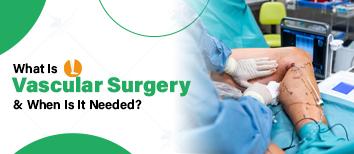
Meet Dr. Ritesh Agarwal, a leading specialist in varicose vein care. With extensive experience and a commitment to personalized treatment.

While varicose veins are often a cosmetic concern, they can also lead to symptoms like pain, discomfort, and even complications like ulcers or blood clots in severe cases.
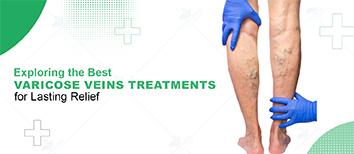
Symptoms can include pain, itching, or a burning sensation, though the condition is generally not dangerous.
Test page for demo site...........
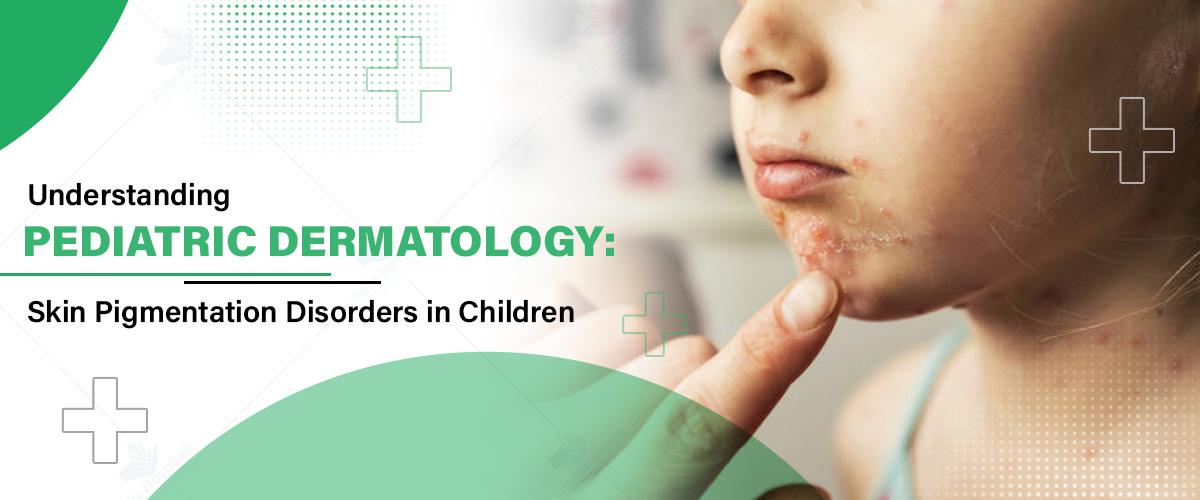
Addressing skin concerns is essential when it comes to children's health, especially in conditions like skin pigmentation disorders. At Felix Hospital, recognized as the best pediatrician hospital in Noida, we prioritize understanding and treating these conditions to ensure our young patients receive the best care possible. This guide will provide insights into skin pigmentation disorders, their causes, symptoms, diagnosis, and treatment options available at our facility.
Call +91 9667064100 to learn more about our best evaluation and treatment options for skin pigmentation disorders.
Skin pigmentation disorders in children refer to conditions that affect the color of the skin. These disorders can cause the skin to appear lighter or darker than the surrounding areas, often resulting in patches or spots. Common pigmentation disorders include albinism, vitiligo, and melasma. Understanding these conditions is vital for early diagnosis and effective management.
Genetic Factors: Some conditions, such as albinism, are inherited and result from specific genetic mutations that affect melanin production.
Environmental Factors: Prolonged exposure to certain chemicals, pollutants, or excessive sunlight can lead to changes in skin pigmentation, either lightening or darkening the skin.
Autoimmune Responses: Disorders like vitiligo occur when the body's immune system mistakenly targets and attacks the cells responsible for producing skin pigment, leading to patchy discoloration.
The symptoms of skin pigmentation disorders can vary significantly depending on the specific condition but may include:
Patches of Light or Dark Skin: These can appear anywhere on the body and may vary in size and shape.
Changes in Skin Texture: Affected areas may feel different, becoming either rough or smooth.
Itching or Discomfort: Some children may experience itching, burning, or discomfort in the areas where pigmentation changes occur.
Altered Hair or Eye Color: In conditions like albinism, children may exhibit lighter hair or eye color compared to their peers, resulting from a lack of melanin.
Diagnosing skin pigmentation disorders typically involves:
Physical Examination: A pediatric dermatologist will assess the skin's appearance, looking for distinctive features and discussing the child’s medical history and family background.
Dermatoscopy: This specialized instrument allows for a closer examination of the skin's surface, helping to identify specific characteristics of the pigmentation disorder.
Skin Biopsy: In some cases, a small sample of skin may be taken for laboratory analysis to determine the underlying cause of the pigmentation change.
Treatment for skin pigmentation disorders can vary widely based on the specific condition and its severity. Options may include topical treatments, phototherapy, and laser treatments designed to restore a more even skin tone. It’s essential to note that the cost of skin pigmentation disorder treatment in Noida can differ based on the type of treatment required and the healthcare facility's resources. At Felix Hospital, we offer a comprehensive range of treatment options tailored to meet each child’s unique needs.
Certain factors may increase the likelihood of developing skin pigmentation disorders, including:
Family History: A family history of pigmentation disorders can raise a child's risk of developing similar conditions.
Ethnicity: Some skin conditions may be more prevalent among specific ethnic groups, influencing the risk of certain pigmentation disorders.
Age: Children are particularly vulnerable during developmental stages, making early monitoring essential for timely intervention.
While not all skin pigmentation disorders can be prevented, certain measures can help reduce the risk:
Sun Protection: Regularly applying sunscreen and using protective clothing can significantly minimize harmful UV exposure that may trigger or worsen pigmentation changes.
Healthy Diet: Maintaining a balanced diet rich in vitamins and antioxidants can support overall skin health and resilience.
Regular Check-ups: Routine visits to a pediatric dermatologist allow for early detection and intervention, helping to address any concerns before they progress.
At Felix Hospital, our team features the best pediatricians in Noida, specializing in pediatric dermatology. We are committed to delivering comprehensive care for children with skin pigmentation disorders, ensuring they receive personalized treatment plans tailored to effectively manage their conditions. Our esteemed specialists, Dr. Prabhat Kumar, and Dr. Neeraj Kumar, bring extensive expertise and compassion to every patient's journey, focusing on the unique needs of each child.
If you notice any changes in your child's skin pigmentation, don't hesitate to reach out for expert advice. Schedule an appointment by Clicking Here.
Skin pigmentation disorders can significantly impact a child's quality of life, but with early diagnosis and appropriate treatment, many of these conditions can be managed effectively. If you have concerns about your child's skin, don't hesitate to consult with a specialist at Felix Hospital.
1-What are the most common skin pigmentation disorders in children?
ANS: The most common disorders include vitiligo, albinism, and melasma. Each condition has distinct characteristics and causes, affecting the skin's appearance differently.
2-How do skin pigmentation disorders affect children socially and emotionally?
ANS: Children with skin pigmentation disorders may experience social stigma or bullying due to their appearance, potentially leading to emotional distress. Support from family and professionals is crucial to help them cope.
3- Can skin pigmentation disorders be treated, and how effective are these treatments?
ANS: Treatments vary by condition and may include topical medications, light therapy, or surgery. While some treatments can significantly improve skin appearance, results depend on the specific disorder and individual response to therapy.
4- Are skin pigmentation disorders hereditary?
ANS: Some skin pigmentation disorders, like albinism, have a genetic component, making them hereditary. Family history can increase the likelihood of certain conditions.
5- What steps can parents take to care for a child with a pigmentation disorder?
ANS: Parents should ensure regular check-ups with a pediatric dermatologist, educate their children about their condition, encourage sun protection, and promote a healthy lifestyle to support skin health.
6- Is there a risk of skin cancer associated with pigmentation disorders?
ANS: Children with certain pigmentation disorders, particularly those with albinism, may have an increased risk of skin cancer due to reduced melanin protection. Regular skin checks and sun protection are essential.
7- How can diet influence skin health in children with pigmentation disorders?
ANS: A balanced diet rich in vitamins and antioxidants can support overall skin health. Specific nutrients, like vitamins A, C, and E, may help improve skin condition and appearance.
8- What lifestyle changes can help manage skin pigmentation disorders?
ANS: Lifestyle changes such as wearing sunscreen, avoiding excessive sun exposure, maintaining a healthy diet, and staying hydrated can help manage symptoms and promote skin health in children with pigmentation disorders.
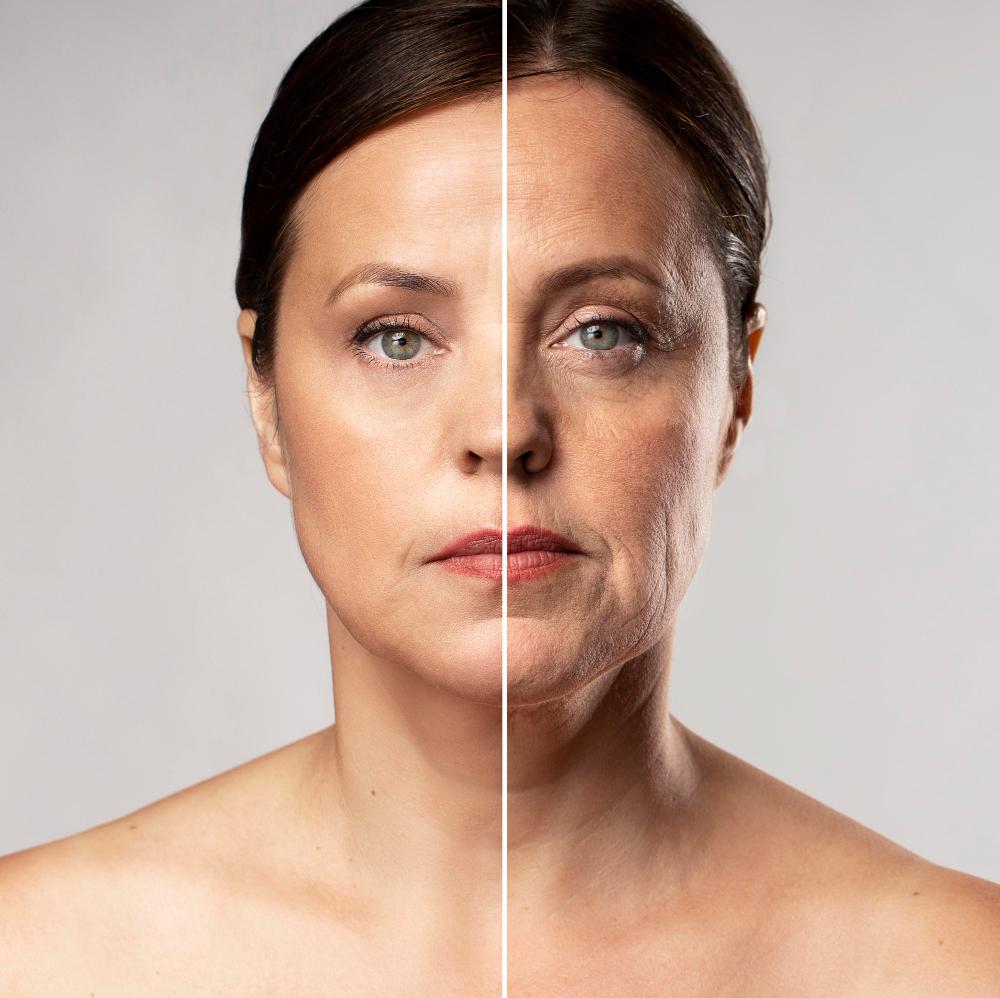
Certain skin disorders aren’t preventable, including genetic conditions and some skin problems due to other illnesses.
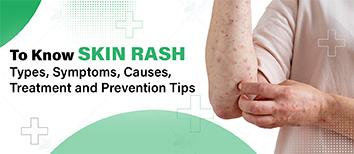
Understanding the types of skin rashes, their symptoms, causes, and treatment options is essential for anyone experiencing skin issues.
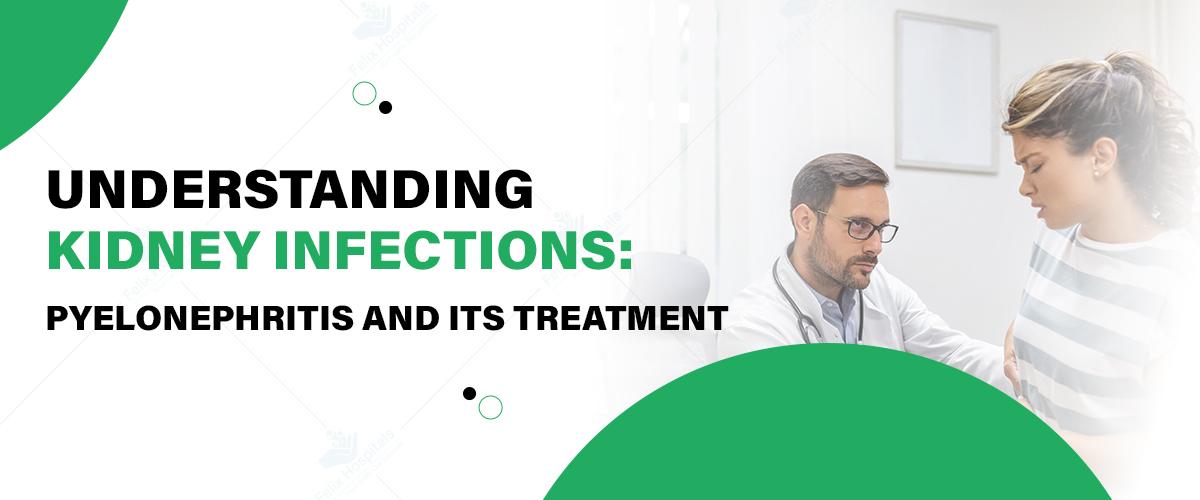
Kidney infections, particularly pyelonephritis, are serious health conditions that require immediate attention. If you suspect a kidney infection, it’s essential to consult a healthcare professional promptly. Choosing the best nephrology hospital for diagnosis and treatment can significantly impact your recovery. At Felix Hospital, we offer advanced diagnostic tools and treatment options for kidney infections, ensuring that patients receive the highest standard of care.
If you're experiencing symptoms of a kidney infection, don't delay—contact us to schedule an appointment at +91 9667064100.
Pyelonephritis is a type of urinary tract infection (UTI) that specifically affects the kidneys. It typically starts in the bladder or urethra and ascends to one or both kidneys. Pyelonephritis can be acute, appearing suddenly and requiring immediate medical attention, or chronic, where recurrent infections cause long-term damage to the kidneys.
This condition can lead to severe complications if not treated effectively. Symptoms may range from mild discomfort to severe pain, and it can affect kidney function, making early diagnosis and treatment crucial.
The primary cause of pyelonephritis is bacterial infection, often originating from Escherichia coli (E. coli), a common bacterium found in the intestines. Other contributing factors include:
1. Urinary Tract Obstruction: Conditions such as kidney stones or an enlarged prostate can obstruct urine flow, increasing the risk of infection.
2. Vesicoureteral Reflux: This is a condition where urine flows backward from the bladder into the kidneys, which can lead to infection.
3. Pregnancy: Hormonal changes and physical changes in the urinary tract during pregnancy can increase the risk of developing a kidney infection.
4. Catheter Use: The use of urinary catheters can introduce bacteria into the urinary tract.
5. Immune System Issues: Individuals with weakened immune systems, such as those with diabetes or undergoing chemotherapy, are more susceptible to infections.
6. Sexual Activity: Increased sexual activity can also elevate the risk of UTIs, which may progress to pyelonephritis.
The symptoms of pyelonephritis can vary, but they often include:
Fever and Chills: A high fever is a common sign of a kidney infection, indicating the body is fighting off infection.
Back or Side Pain: Pain in the lower back or sides can indicate kidney involvement.
Frequent Urination: An increased urge to urinate, often accompanied by pain or burning sensations.
Cloudy or Foul-Smelling Urine: Changes in urine appearance or odor can signal an infection.
Nausea and Vomiting: These symptoms may accompany severe infections and indicate the need for medical attention.
Fatigue: General feelings of malaise or exhaustion can also be signs of infection.
It is important to seek medical attention if you experience any of these symptoms, especially if they are severe or persistent.
Diagnosing pyelonephritis involves a combination of methods:
Medical History and Physical Examination: A healthcare provider will review your medical history and conduct a physical examination, looking for signs of tenderness in the lower back and abdomen.
Urinalysis: A urine sample will be tested for bacteria, white blood cells, and blood, which can indicate an infection.
Urine Culture: This test helps identify the specific bacteria causing the infection and determines the most effective antibiotic treatment.
Imaging Tests: In some cases, imaging tests such as an ultrasound or CT scan may be performed to visualize the kidneys and urinary tract, especially if an obstruction or abnormality is suspected.
Blood Tests: Blood tests may be ordered to check for signs of infection and assess kidney function.
The treatment for pyelonephritis typically includes:
1. Antibiotics: The cornerstone of treatment for pyelonephritis is a course of antibiotics to eliminate the bacterial infection. The type of antibiotic prescribed may depend on the results of urine cultures and sensitivity tests.
2. Pain Management: Over-the-counter pain relievers, such as ibuprofen or acetaminophen, may be recommended to alleviate discomfort and reduce fever.
3. Intravenous (IV) Fluids: In severe cases, particularly if dehydration or complications arise, hospitalization may be necessary. Patients may receive IV antibiotics and fluids to help manage symptoms and ensure adequate hydration.
4. Follow-Up Care: After treatment, follow-up appointments may be scheduled to ensure the infection has resolved and to monitor kidney function.
5. Surgery: In rare cases, surgery may be required to remove obstructions, such as kidney stones, or to treat severe complications arising from the infection.
While it may not be possible to prevent all kidney infections, several measures can help reduce the risk:
1. Stay Hydrated: Drinking plenty of water helps flush bacteria from the urinary tract, reducing the likelihood of infection.
2. Good Hygiene Practices: Wiping from front to back after using the toilet can prevent bacteria from the anal region from entering the urinary tract.
3. Urinate When Needed: Avoid holding in urine for extended periods, as this can encourage bacterial growth.
4. Urinate After Intercourse: For women, urinating after sexual activity can help clear bacteria from the urethra.
5. Avoid Irritating Products: Limit the use of harsh soaps, douches, and feminine hygiene sprays that can irritate the urinary tract.
6. Manage Underlying Conditions: Individuals with chronic conditions, such as diabetes, should work with their healthcare provider to manage their health effectively.
If you're seeking expert care for kidney infections, look no further than Felix Hospital. Our team includes some of the best nephrologists in the field:
Dr. Sameer Tawakley: With extensive experience in managing kidney-related conditions, Dr. Tawakley provides personalized care tailored to each patient’s needs.
These specialists are equipped with the knowledge and tools to diagnose and treat kidney infections effectively, ensuring the best possible outcomes for your health.
Don’t let a kidney infection go untreated. Schedule an appointment by Clicking Here with our nephrology experts today!
Pyelonephritis is a serious kidney infection that requires prompt diagnosis and treatment. Understanding its causes, symptoms, and treatment options is vital for effective management. At Felix Hospital, we are committed to providing top-notch care for all kidney-related conditions, ensuring that patients receive the comprehensive treatment they deserve. If you suspect a kidney infection, don’t hesitate to reach out to our expert team for assistance.
1. What is pyelonephritis?
Ans: Pyelonephritis is a type of kidney infection that usually starts in the bladder and ascends to the kidneys.
2. What are the common causes of pyelonephritis?
Ans: The primary cause is bacterial infection, often due to E. coli, but urinary tract obstruction and vesicoureteral reflux are also common contributors.
3. How is pyelonephritis diagnosed?
Ans: Diagnosis typically involves a physical exam, urinalysis, urine culture, and imaging tests like ultrasound or CT scans.
4. What are the symptoms of pyelonephritis?
Ans: Symptoms include fever, back pain, frequent urination, cloudy urine, nausea, and fatigue.
5. How is pyelonephritis treated?
Ans: Treatment usually involves antibiotics, pain management, and, in severe cases, hospitalization for IV fluids and antibiotics.
6. Can pyelonephritis be prevented?
Ans: Staying hydrated, practicing good hygiene, and managing underlying health conditions can help reduce the risk.
7. What complications can arise from untreated pyelonephritis?
Ans: Complications may include kidney damage, sepsis, or recurrent infections.
8. Is pyelonephritis contagious?
Ans: No, pyelonephritis is not contagious; it results from bacteria that are typically already present in the body.
9. When should I see a doctor for kidney infection symptoms?
Ans: Seek medical attention if you experience symptoms like fever, back pain, or painful urination, especially if they persist or worsen.
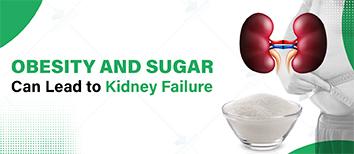
Obesity and excessive sugar consumption are widely recognized as major contributors to diabetes, heart disease, and high blood pressure.
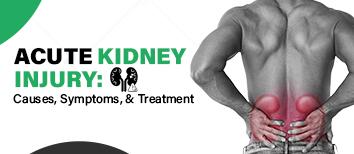
Acute Kidney Injury: Causes, Symptoms, and Treatment explores the sudden deterioration of kidney function, which disrupts the body’s ability to filter waste and regulate fluids.
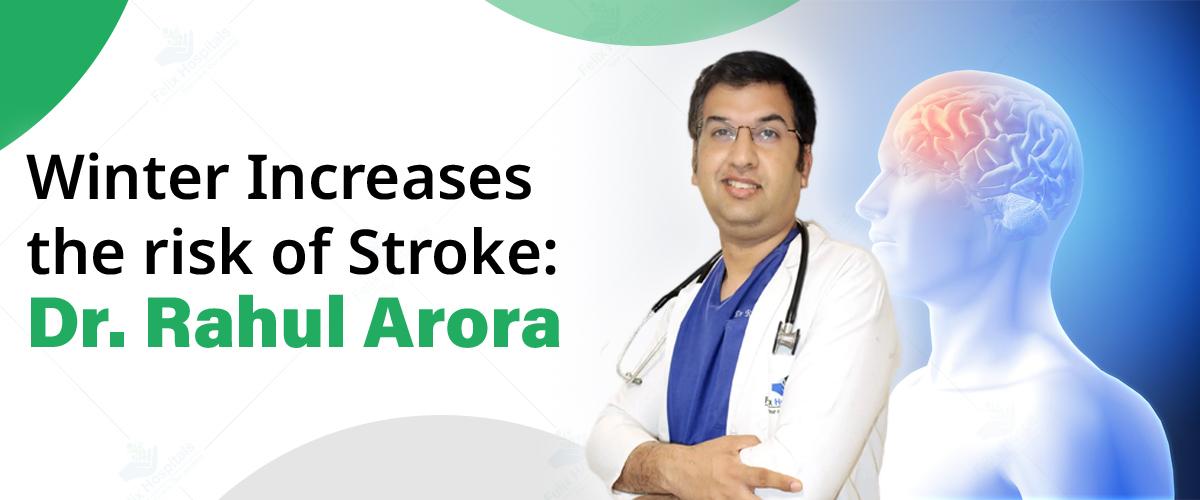
As winter arrives, many enjoy cozy nights and festive celebrations, but the colder months also bring specific health challenges, particularly for cardiovascular health. Dr. Rahul Arora, a leading cardiologist at Felix Hospital, explains that winter can increase the risk of heart attacks, strokes, and other cardiovascular events. This blog will explore why cardiovascular risk rises in colder weather, the warning signs to watch for, and preventive measures to safeguard your heart.
If you have concerns about your heart health or stroke risk, schedule a consultation with our expert cardiologists at Felix Hospital today. Call now at +91 9667064100.
Before discussing seasonal impacts, it’s essential to understand cardiovascular events:
Heart Attack (Myocardial Infarction): This occurs when blood flow to the heart is blocked, often due to a blood clot.
Stroke: This occurs when blood flow to the brain is interrupted, either from a blood clot (ischemic) or a ruptured vessel (hemorrhagic).
Heart Failure: The heart becomes too weak to pump blood effectively, leading to fatigue, swelling, and other symptoms.
Cardiovascular disease remains the leading cause of death globally.
In India, a significant percentage of heart attacks and strokes occur during the winter.
Cold Weather and Blood Pressure Cold temperatures cause blood vessels to constrict, which raises blood pressure—a major risk factor for heart attacks and strokes. Increased blood pressure adds strain on the heart and arteries, elevating cardiovascular risk.
Sedentary Lifestyle Winter often means less physical activity as people stay indoors, contributing to weight gain, high cholesterol, and elevated blood pressure—all of which increase the risk of cardiovascular disease.
Dietary Changes Many people indulge in comfort foods during winter, which are often high in salt, sugar, and unhealthy fats. These dietary changes can lead to high blood pressure and elevated cholesterol, compounding cardiovascular risks.
Increased Risk of Illness Winter is flu season, and studies show that infections can trigger cardiovascular events, particularly in older adults. The body’s inflammatory response to illness can stress the heart and increase clot risk.
Emotional Stress and Isolation Seasonal mood changes and holiday stress can negatively affect heart health, leading to increased blood pressure and strain on the cardiovascular system.
Recognizing symptoms of heart attacks and strokes is crucial for timely intervention:
Chest pain or discomfort, shortness of breath, sweating, and pain radiating to the arm, neck, or jaw.
Face Drooping: Does one side of the face droop?
Arm Weakness: Is one arm weak or numb?
Speech Difficulty: Is speech slurred or incoherent?
Time to Call: Immediate help is essential for stroke treatment.
If you or someone experiences these symptoms, seek emergency care immediately.
Check blood pressure regularly, especially if you have hypertension. Keeping blood pressure within a safe range significantly reduces cardiovascular risk.
Incorporate indoor exercises or join a gym to maintain cardiovascular health. Regular activity, even in winter, can help reduce blood pressure, cholesterol, and body weight.
Focus on a balanced diet rich in fruits, vegetables, whole grains, and lean proteins. Limit salt, sugar, and unhealthy fats to reduce cholesterol and blood pressure.
Protect yourself against flu and other infections to reduce the strain of illness on the heart. This is particularly important for older adults and those with pre-existing conditions.
Reduce stress with activities like meditation, yoga, or breathing exercises. Staying socially connected and engaging in enjoyable activities can also support heart health.
Avoid cold exposure by keeping your environment warm. Cold temperatures can raise blood pressure, increasing strain on the heart.
Felix Hospital is fully equipped to address all cardiovascular concerns, offering comprehensive care for heart attack and stroke treatment, as well as long-term heart health management.
Immediate Care Patients experiencing cardiovascular events receive rapid evaluation and treatment, as every moment counts in minimizing damage.
Advanced Diagnostics Our cardiology team uses the latest diagnostic tools, such as ECGs, echocardiograms, CT scans, and MRIs, to assess heart health and diagnose any underlying conditions.
Rehabilitation and Long-Term Care After stabilization, patients may benefit from cardiac rehabilitation, tailored to each person’s recovery needs to support long-term heart health.
Maintain your heart health during the winter months and learn more by Clicking Here about our specialized cardiovascular services at Felix Hospital.
As the temperature drops, awareness of increased cardiovascular risk is essential. By taking preventive measures, monitoring for warning signs, and maintaining a heart-healthy lifestyle, individuals can reduce their risk and enjoy better heart health through the winter months. If you’re concerned about your cardiovascular health, Felix Hospital offers expert care and support for all your cardiology needs.
1-Why does winter increase cardiovascular risk?
ANS: Cold weather raises blood pressure, combined with factors like a sedentary lifestyle, high-salt diets, and flu season, which all elevate cardiovascular risk.
2- What are the early signs of cardiovascular issues?
ANS: Symptoms include chest pain, arm or jaw pain, shortness of breath, and stroke symptoms like face drooping and speech difficulty.
3- How can I protect my heart in winter?
ANS: Regular exercise, a balanced diet, stress management, and blood pressure monitoring help reduce cardiovascular risk.
4- Can flu increase cardiovascular risk?
ANS: Yes, flu and infections can trigger heart attacks and strokes, particularly in older adults.
5- What cardiology services are available at Felix Hospital?
ANS: Felix Hospital provides immediate care, diagnostic tests, and rehabilitation services for cardiovascular health.
6-Are cardiovascular issues preventable?
ANS: Many risk factors can be managed with lifestyle changes and regular check-ups.
7-What lifestyle changes improve heart health in winter?
ANS: Physical activity, heart-healthy diet, and stress management can improve heart health during colder months.
9-Who should I consult for heart health concerns?
ANS: It’s best to consult a cardiologist for a personalized assessment and guidance based on your health needs.
दांत हमारे शरीर का एक महत्वपूर्ण हिस्सा होते हैं, जो न सिर्फ हमारे खाने-पीने के आनंद को बढ़ाते हैं, बल्कि हमारे चेहरे की खूबसूरती और आत्मविश्वास का भी हिस्सा होते हैं। दांतों की सही देखभाल न केवल सुंदर मुस्कान के लिए जरूरी है, बल्कि यह समग्र स्वास्थ्य के लिए भी महत्वपूर्ण है। दांतों की सफाई के दौरान लोग अक्सर कुछ सामान्य गलतियां करते हैं, जिनसे उन्हें गंभीर दंत समस्याओं का सामना करना पड़ता है। इस ब्लॉग में हम दांतों की सफाई के सही तरीकों, और उन गलतियों पर चर्चा करेंगे जो लोग अक्सर करते हैं, ताकि आप अपने दांतों को स्वस्थ और चमकदार रख सकें।
अपने दांतों का ध्यान रखें और फेलिक्स हॉस्पिटल्स के अनुभवी दंत चिकित्सकों से विशेषज्ञ परामर्श प्राप्त करें! अभी कॉल करें: +91 9667064100।
दांतों की सफाई न सिर्फ आपके मुंह की ताजगी और सुंदर मुस्कान के लिए महत्वपूर्ण है, बल्कि इससे आप कई गंभीर बीमारियों से भी बच सकते हैं। अगर दांतों की सही तरीके से देखभाल नहीं की जाए, तो मसूड़ों में संक्रमण, दांतों में सड़न, और बैक्टीरिया का जमाव हो सकता है, जिससे हृदय रोग, मधुमेह, और अन्य स्वास्थ्य समस्याएँ हो सकती हैं। नियमित रूप से दांतों की सफाई करने से बैक्टीरिया और प्लाक का जमाव कम होता है और मसूड़े स्वस्थ रहते हैं। इस प्रकार, दांतों की सफाई समग्र स्वास्थ्य के लिए आवश्यक है।
दांतों की सफाई का सही तरीका न केवल आपके दांतों को स्वस्थ रखता है, बल्कि आपको दांतों की विभिन्न बीमारियों से भी बचाता है, दांतों की बेहतर देखभाल के लिए आप किसी अच्छे दंत अस्पताल से सलाह ले सकते हैं। आइए जानें, दांतों को साफ रखने का सही तरीका:
हर दिन कम से कम दो बार ब्रश करना चाहिए। एक बार सुबह और एक बार रात को सोने से पहले। यह बैक्टीरिया और प्लाक को जमा होने से रोकता है।
कड़े ब्रश मसूड़ों को नुकसान पहुँचा सकते हैं, इसलिए हमेशा नरम ब्रिसल वाला टूथब्रश इस्तेमाल करें।
फ्लोराइड दांतों को मजबूत बनाता है और कैविटी से बचाने में मदद करता है।
ब्रश को 45 डिग्री के कोण पर रखें और हल्के हाथों से गोलाकार गति में ब्रश करें। दांतों के बीच और मसूड़ों के किनारों पर ध्यान दें।
केवल दांत ही नहीं, बल्कि जीभ को भी साफ रखना जरूरी है। इसके लिए टंग क्लीनर का इस्तेमाल करें।
माउथवॉश से बैक्टीरिया को खत्म करने और साँसों को ताजगी देने में मदद मिलती है।
फ्लॉसिंग दांतों के बीच की सफाई करने का एक प्रभावी तरीका है, जो ब्रश से नहीं हो पाती।
यदि सामान्य फ्लॉस उपयोग करना कठिन हो, तो फ्लॉस पिक्स का उपयोग करें। यह बच्चों और शुरुआती लोगों के लिए अधिक सुविधाजनक होता है।
रात में सोने से पहले फ्लॉस करना सबसे अच्छा होता है क्योंकि यह पूरे दिन के दौरान जमा प्लाक और भोजन कणों को हटा देता है।
फ्लॉस करते समय मसूड़ों पर जोर न डालें। हमेशा हल्के हाथों से काम करें।
इन आदतों को अपनाकर आप अपने दांतों को स्वस्थ और चमकदार बनाए रख सकते हैं। बेहतर मार्गदर्शन के लिए किसी विशेषज्ञ की सलाह अवश्य लें।
दांतों की देखभाल में लोग अक्सर कई गलतियाँ कर देते हैं, जिससे दांतों और मसूड़ों को नुकसान पहुँच सकता है। यहाँ कुछ सामान्य गलतियाँ दी गई हैं, जिन्हें आपको अवॉयड करना चाहिए:
1. सख्त ब्रश करना: कई लोग यह सोचते हैं कि जोर से ब्रश करने से दांतों की गंदगी जल्दी साफ होगी, लेकिन इससे दांतों का इनेमल क्षतिग्रस्त हो सकता है।
2. अत्यधिक बार ब्रश करना: दिन में बार-बार ब्रश करने से दांतों और मसूड़ों को नुकसान पहुँच सकता है। दिन में दो बार ब्रश करना पर्याप्त है।
3. ब्रश बदलने में देर करना: टूथब्रश को हर तीन महीने में बदलना चाहिए, लेकिन लोग इसे बदलने में अक्सर देर कर देते हैं।
4. सिर्फ दांतों पर ध्यान देना: लोग अक्सर मसूड़ों और जीभ की सफाई को नजरअंदाज कर देते हैं, जिससे बैक्टीरिया का जमाव हो सकता है।
5. ब्रश के बाद माउथवॉश का इस्तेमाल करना: ब्रश करने के तुरंत बाद माउथवॉश का इस्तेमाल करने से फ्लोराइड का प्रभाव कम हो सकता है।
6. सिर्फ ब्रश पर निर्भर रहना: ब्रश करने के साथ-साथ फ्लॉस और माउथवॉश का उपयोग करना भी जरूरी है।
7. फ्लॉसिंग न करना: फ्लॉसिंग से दांतों के बीच फंसे कण निकलते हैं, लेकिन बहुत से लोग इसे नजरअंदाज करते हैं।
फेलिक्स हॉस्पिटल्स में हम आपके दांतों की पूरी देखभाल सुनिश्चित करते हैं। हमारे अनुभवी दंत चिकित्सक अत्याधुनिक तकनीक और उपकरणों का उपयोग करते हैं ताकि आपको सर्वोत्तम दंत चिकित्सा सेवाएँ मिल सकें। हमारे प्रमुख दंत चिकित्सक:
ये दोनों ही चिकित्सक दांतों की सफाई और देखभाल के क्षेत्र में गहरी जानकारी और अनुभव रखते हैं। यदि आपको किसी भी प्रकार की दंत समस्या है, तो आप तुरंत हमारे अनुभवी दंत चिकित्सकों से संपर्क कर सकते हैं।
अपने दांतों की देखभाल के लिए यहां क्लिक करें और फेलिक्स हॉस्पिटल्स के अनुभवी दंत चिकित्सकों से तुरंत अपॉइंटमेंट बुक करें।
दांतों की सही देखभाल करना आपकी समग्र स्वास्थ्य यात्रा का एक महत्वपूर्ण हिस्सा है। यदि आप दांतों की सफाई के सही तरीकों को अपनाते हैं और सामान्य गलतियों से बचते हैं, तो आप अपने दांतों को लंबी अवधि तक स्वस्थ और मजबूत रख सकते हैं। नियमित दंत जांच करवाना भी आवश्यक है ताकि समय पर किसी भी समस्या का पता चल सके और सही इलाज हो सके। याद रखें, दांतों की सफाई एक साधारण प्रक्रिया है, लेकिन इसे सही ढंग से करना बहुत जरूरी है।
1. दांतों की सफाई कितनी बार करनी चाहिए?
उत्तर: दिन में कम से कम दो बार – एक बार सुबह और एक बार रात को सोने से पहले – दांत साफ करना चाहिए।
2. क्या सख्त ब्रश करना सही है?
उत्तर: नहीं, सख्त ब्रश करने से दांतों और मसूड़ों को नुकसान हो सकता है।
3. क्या फ्लॉस करना जरूरी है?
उत्तर: हाँ, फ्लॉसिंग से दांतों के बीच में फंसे भोजन के कण निकलते हैं और प्लाक बनने से रोकते हैं।
4. कौन सा टूथब्रश सबसे अच्छा होता है?
उत्तर: सॉफ्ट ब्रिसल वाला टूथब्रश सबसे अच्छा होता है, क्योंकि यह मसूड़ों को नुकसान पहुँचाए बिना सफाई करता है।
5. क्या टूथपेस्ट में फ्लोराइड होना जरूरी है?
उत्तर: हाँ, फ्लोराइड दांतों को मजबूत बनाता है और कैविटी से बचाता है।
6. क्या माउथवॉश का उपयोग करना चाहिए?
उत्तर: हाँ, माउथवॉश बैक्टीरिया को खत्म करने और साँसों को ताजा रखने में मदद करता है।
7. टंग क्लीनर का उपयोग क्यों करना चाहिए?
उत्तर: जीभ पर बैक्टीरिया का जमाव हो सकता है, जिससे साँसों में बदबू आ सकती है। इसलिए टंग क्लीनर का इस्तेमाल जरूरी है।
8. क्या ब्रश को हर तीन महीने में बदलना चाहिए?
उत्तर: हाँ, टूथब्रश को हर तीन महीने में बदलना चाहिए या जब ब्रिसल खराब हो जाएं।
9. दांतों की सफाई के बाद क्या खाना चाहिए?
उत्तर: सफाई के बाद 30 मिनट तक कुछ भी खाने-पीने से बचना चाहिए ताकि फ्लोराइड अपना असर कर सके।
मसूड़ों की बीमारियाँ, जैसे कि पेरियोडोन्टल रोग (Periodontal Disease) या गम डिज़ीज़, एक आम समस्या है जो मसूड़ों के स्वास्थ्य को प्रभावित कर सकती है।
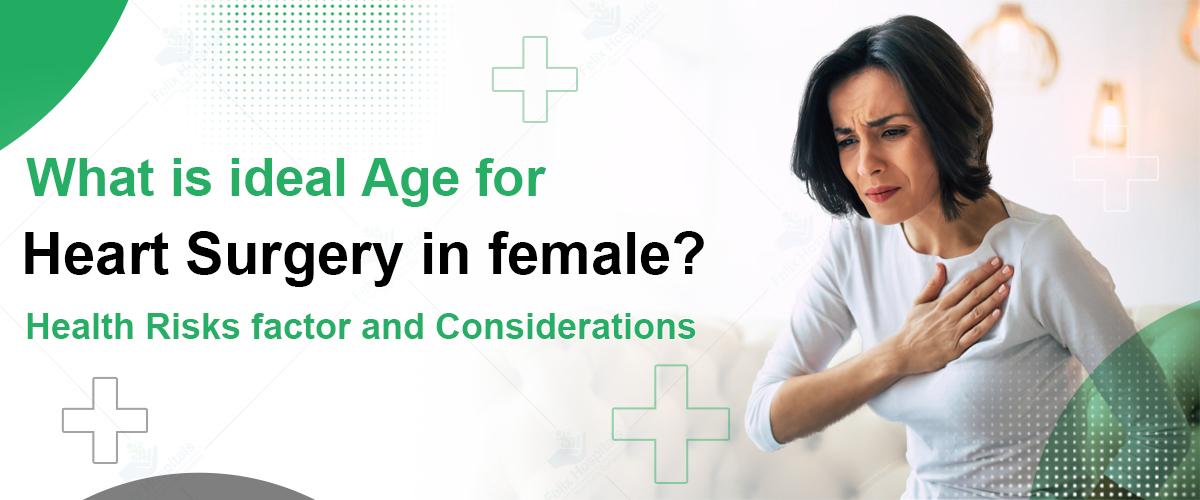
When it comes to heart health, women face unique challenges that can impact the timing and necessity of surgical interventions. Heart disease remains a leading cause of mortality among women globally, making awareness and timely action critical.
Understanding when to consider heart surgery can be crucial for improving outcomes. In this blog, we’ll explore the ideal age for heart surgery in females, examine the associated health risk factors, and provide considerations that can guide decision-making. If you're seeking top-notch care, consider the best heart hospital in Noida for expert evaluation and treatment options tailored to women’s heart health needs.
Consult Our Heart Specialists! Are you unsure about your heart health or the need for surgical intervention? Call now at +91 9667064100.
Heart disease in women has often been underrepresented and misunderstood. Many believe that heart disease is primarily a male issue, leading to a lack of awareness and early intervention in women. In reality, cardiovascular diseases account for a significant percentage of deaths among women, especially as they age.
Mortality Rates: Heart disease is responsible for approximately one in every four female deaths, making it a critical health issue.
Prevalence: According to the American Heart Association, about one in three women will suffer from heart disease.
Given these alarming statistics, women need to be proactive about their heart health, including understanding when heart surgery might be necessary.
Heart surgery encompasses various surgical procedures aimed at treating heart conditions. These conditions can include:
Coronary artery disease
Heart valve diseases
Arrhythmias
Congenital heart defects
Common types of heart surgeries include:
Coronary artery bypass grafting (CABG)
Heart valve repair or replacement
Aneurysm repair
Heart transplants
The ideal age for heart surgery can vary significantly depending on individual circumstances, including the specific heart condition, overall health, and the presence of risk factors. However, several general considerations can guide when to evaluate the need for surgical intervention.
Younger Women (Ages 30-45): For younger women, the focus should be on preventive measures and early detection. Regular health check-ups and monitoring of risk factors such as high blood pressure, diabetes, and cholesterol levels are vital. If a heart condition is diagnosed at a young age, surgery may be required sooner rather than later to prevent complications.
Actionable Step: Women in this age group should consult a cardiologist if they experience symptoms such as chest pain, shortness of breath, or fatigue.
Middle-Aged Women (Ages 45-65): This age group often sees an increase in heart disease risk factors, including menopause, which can accelerate heart disease progression due to hormonal changes.
Risks: The incidence of heart attacks and other cardiovascular events rises significantly during this period. If a woman has pre-existing heart conditions, the likelihood of requiring surgery increases.
Actionable Step: Regular cardiovascular screenings and discussions with healthcare providers regarding surgical options are critical during this time.
Older Women (Ages 65 and Up): While age itself can increase the risk of heart disease, older women may also have other comorbidities that can complicate surgical decisions. However, this doesn’t mean surgery isn’t an option; it may simply require more careful consideration and assessment.
Risks: Surgery at this age comes with increased risks, including complications related to anesthesia and prolonged recovery times.
Actionable Step: Comprehensive assessments, including heart function tests and evaluations of other health conditions, are essential before proceeding with surgery.
Various risk factors can influence the timing of heart surgery in women:
A family history of heart disease can significantly increase a woman's risk. Women with first-degree relatives who suffer from heart issues are advised to undergo regular check-ups and monitoring.
Diet: Poor dietary choices can lead to obesity, high cholesterol, and diabetes.
Exercise: A sedentary lifestyle is a significant risk factor for heart disease.
Smoking and Alcohol Consumption: Both smoking and excessive alcohol intake are linked to an increased risk of cardiovascular diseases.
Conditions such as diabetes, hypertension, and hyperlipidemia can exacerbate heart issues and influence the decision for surgical intervention.
Women experience hormonal fluctuations throughout their lives, particularly during menopause, which can increase the risk of heart disease.
Stress, anxiety, and depression can have detrimental effects on heart health. Women experiencing high-stress levels should seek support to manage their mental health effectively.
Before proceeding with heart surgery, a thorough evaluation is necessary:
A comprehensive review of the patient's medical history, including family history, lifestyle factors, and any pre-existing conditions.
Common tests include:
Electrocardiograms (ECGs)
Echocardiograms
Stress tests
Cardiac catheterization
Doctors will evaluate the risks associated with the surgery itself, considering the patient’s age, health status, and the type of surgery required.
At Felix Hospitals, we understand that each woman’s heart health journey is unique. Our team of expert cardiologists specializes in diagnosing and treating various heart conditions tailored to individual needs. Treatment options include:
Medications: To manage symptoms and control risk factors.
Surgical Procedures: When necessary, we offer advanced surgical interventions performed by experienced cardiac surgeons.
Rehabilitation: Our cardiac rehabilitation program helps patients recover and regain strength post-surgery.
Additionally, The cost of heart treatment in Noida can vary depending on the severity of the condition, treatment duration, and location.
At Felix Hospitals, you will find the best cardiologists in Noida dedicated to women’s heart health, including:
These specialists provide comprehensive evaluations and personalized treatment plans, ensuring optimal care for each patient.
Click Here to Connect with our expert cardiologists at Felix Hospitals. Let us help you navigate your heart health journey with personalized care and support.
Determining the ideal age for heart surgery in women involves a multifaceted approach that considers individual health conditions, risk factors, and lifestyle choices. By prioritizing heart health through early detection and timely intervention, women can significantly improve their chances of successful outcomes. At Felix Hospitals, we are committed to supporting women in their heart health journey, offering specialized care and expert guidance at every stage.
1- What is the best age for heart surgery in women?
ANS: The ideal age varies based on individual health conditions, but early detection and intervention are crucial.
2- What are the symptoms that may indicate the need for heart surgery?
ANS: Symptoms include chest pain, shortness of breath, fatigue, and palpitations.
3- Is heart surgery safe for older women?
ANS: While it carries risks, thorough assessments can determine safety and necessity.
4- Can lifestyle changes reduce the need for heart surgery?
ANS: Yes, healthy lifestyle changes can improve heart health and reduce risk factors.
5-What are common heart surgeries performed on women?
ANS: Common surgeries include coronary artery bypass grafting and heart valve replacement.
6- How is heart disease diagnosed?
ANS: Diagnosis often involves a medical history review, physical exam, and diagnostic tests.
7- Are there specific risks for women undergoing heart surgery?
ANS: Risks can include hormonal factors and the presence of comorbidities.
8- What support is available for recovery after heart surgery?
ANS: Cardiac rehabilitation programs and follow-up care are crucial for recovery.
9- Why is it important for women to focus on heart health?
ANS: Heart disease is a leading cause of death among women, making awareness and prevention vital.
हार्ट अटैक के मुख्य लक्षण, कारण और तुरंत किए जाने वाले उपचार के बारे में जानें। समय पर पहचान और सही इलाज से जीवन बचाया जा सकता है।
Felix Hospital is the Best heart failure surgery hospital in Noida. Here, we understand the critical nature of heart health.
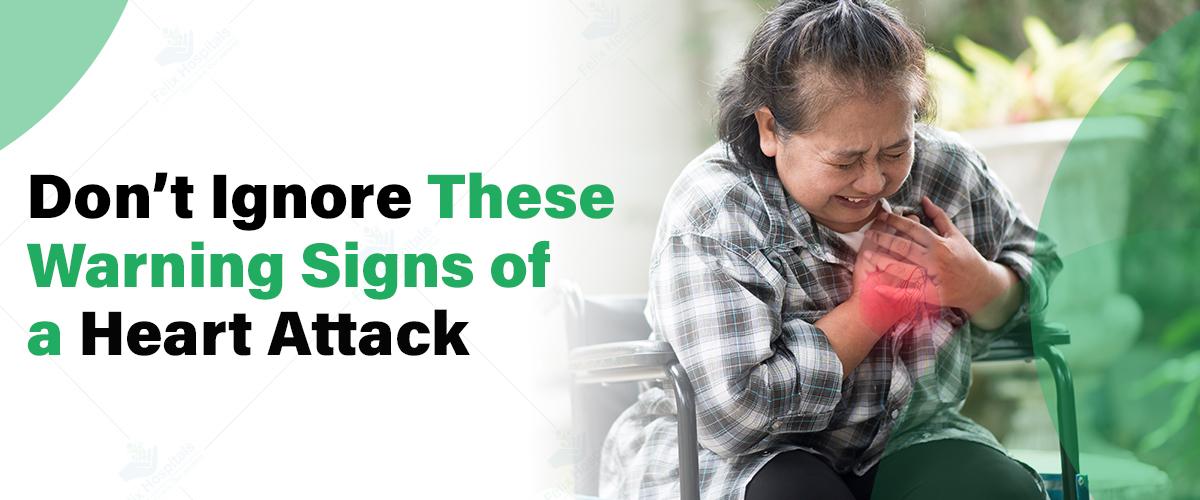
Heart attack signs early is crucial because timely intervention can significantly reduce the risk of severe complications and improve outcomes.


Subscribe to our
© Copyright 2026. All Rights Reserved by Felix Healthcare Private Limited
Design and development by :





 +(91)9667064100
 Emergency : +(91)9667064100