 WhatsApp
 Emergency:
  WhatsApp












Subscribe to our
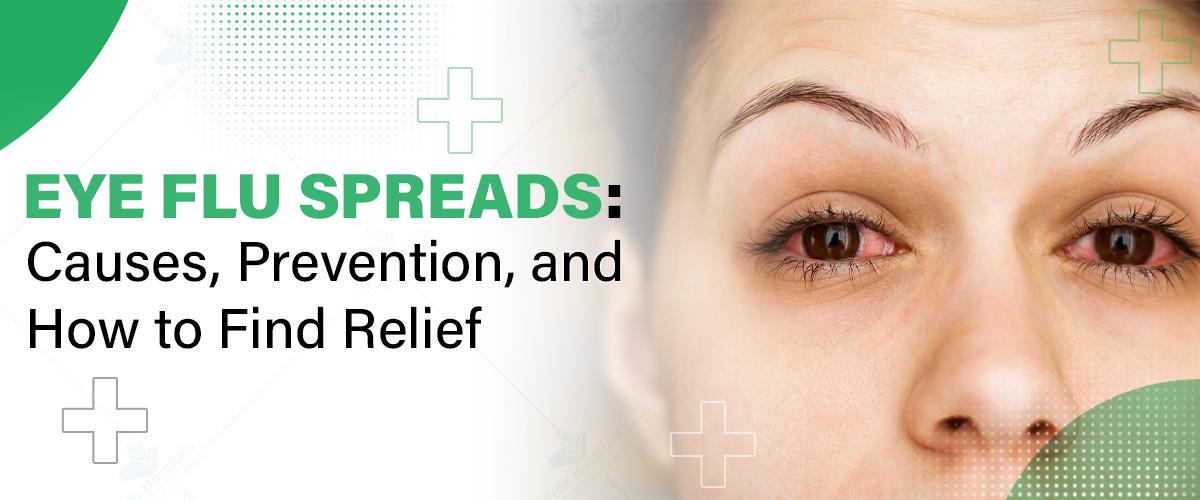
The spread of eye flu, or conjunctivitis, is becoming more common, affecting individuals of all ages with symptoms that can be uncomfortable and highly contagious. Understanding the causes, prevention methods, and treatments is essential for managing this condition effectively. This guide covers everything you need to know about eye flu, from symptoms to preventive steps. If you’re looking for top-notch care, consult the best eye specialist in Noida to get expert guidance and tailored treatment plans.
book an appointment with Best Eye Doctor In Noida. Call now at +91-9667064100.
Eye flu, commonly known as conjunctivitis, is an infection or inflammation of the conjunctiva—the thin, clear tissue covering the white part of the eye and lining the inside of the eyelid. Eye flu can occur in viral, bacterial, or allergic forms, making it one of the most common eye infections. While eye flu typically resolves on its own within a few days to a week, it can cause significant discomfort and is easily spread through direct or indirect contact.
Viral Infections: Viral conjunctivitis often due to adenoviruses, is highly contagious and typically spreads through contact with respiratory droplets or contaminated surfaces.
Bacterial Infections: Bacterial conjunctivitis is caused by bacteria like Staphylococcus aureus and Streptococcus pneumoniae. It often occurs through direct contact with infected surfaces or individuals.
Allergies: Allergic conjunctivitis is triggered by allergens such as pollen, dust, or animal dander. Although it’s not contagious, it can lead to similar symptoms of redness, itching, and watering.
Environmental Irritants: Exposure to pollutants, smoke, or chlorine can cause eye irritation, increasing the risk of conjunctivitis.
Poor Hygiene: Touching your eyes with unwashed hands or using contaminated towels can facilitate the spread of eye flu.
Redness and Inflammation: Eye redness is often the first symptom, along with swelling of the eyelids.
Itching and Irritation: Patients may experience an intense urge to rub their eyes due to irritation or itching.
Watery or Thick Discharge: Viral conjunctivitis often leads to watery discharge, while bacterial forms cause thicker, yellowish-green discharge.
Sensitivity to Light: Increased sensitivity to light or photophobia can be common, especially in viral cases.
Blurred Vision: Vision may temporarily become blurred due to discharge or swelling, though it typically returns to normal after the infection subsides.
To diagnose eye flu, an eye specialist will conduct a thorough examination and may ask about recent exposure to infected individuals or allergens. In cases of severe discharge or recurring infections, a swab test may be conducted to determine the cause, allowing the doctor to choose the appropriate treatment.
Antiviral or Antibiotic Drops: For bacterial conjunctivitis, antibiotic eye drops or ointments can help reduce infection. Viral conjunctivitis, however, usually clears up on its own but may benefit from antiviral medications if caused by certain viruses.
Artificial Tears and Cold Compresses: Lubricating eye drops (artificial tears) can help soothe irritation, while cold compresses reduce inflammation and discomfort.
Antihistamines for Allergies: For allergic conjunctivitis, antihistamine eye drops or oral medications can relieve symptoms by countering the allergic reaction.
Avoid Rubbing the Eyes: Rubbing can worsen symptoms and spread the infection, so patients are advised to keep their hands away from their eyes.
Follow Hygiene Practices: Regularly washing hands and avoiding shared towels, pillowcases, or makeup can prevent further infection and spread.
Maintain Hand Hygiene: Regular handwashing with soap can prevent the transfer of infection from contaminated surfaces to the eyes.
Avoid Sharing Personal Items: Avoid sharing towels, cosmetics, or eye-care products, as these items can carry the infection.
Use Clean Towels and Pillowcases: Change and wash towels, bed linens, and pillowcases regularly, especially if someone in the household is infected.
Wear Protective Eyewear: If you are frequently exposed to irritants, wearing protective eyewear can help shield your eyes from dust, smoke, or chemicals.
Practice Caution in Public Spaces: Eye flu spreads easily in crowded spaces, so avoid touching your face, particularly your eyes, after being in public areas.
If you suspect an eye flu infection or need preventive advice, consulting a specialist can ensure that you receive the best care and treatment. In Noida, experienced eye doctors provide a range of services, from comprehensive eye exams to specialized care for conjunctivitis. Dr. Deepanjali Arya and Dr. Mohmad Uzair Zakai are some of Noida’s top eye specialists known for their compassionate care and expertise in managing eye flu and other infections.
Contact us now by Clicking Here to learn more about preventive measures and tailored treatments for eye flu!
Eye flu is a common yet highly contagious condition that can cause discomfort and disrupt daily life. By understanding the causes, symptoms, and preventive measures, you can manage eye flu effectively and protect those around you. Practicing good hygiene, avoiding touching your face, and consulting a specialist at the best hospital for eye health can aid in a quicker recovery and reduce the chances of spreading the infection.
Q- Can viral and bacterial eye flu be distinguished by symptoms alone?
ANS: Not easily. Both types can cause redness and discharge, but viral eye flu usually involves watery discharge, while bacterial may lead to thicker, yellowish-green discharge. A specialist can confirm the type through examination and testing.
Q- How long should I isolate if I have eye flu?
ANS: Isolation is recommended for at least 3–5 days from the start of symptoms or until discharge and redness subside. This reduces the risk of spreading the infection to family members and colleagues.
Q- What precautions should family members take if someone has eye flu?
ANS: Family members should avoid touching the infected person’s face, wash hands frequently, avoid sharing items like towels or pillows, and clean surfaces in shared areas regularly.
Q- Can eye flu recur, and if so, what increases the risk?
ANS: Yes, recurrence is possible, especially if you frequently touch your eyes or are exposed to irritants, allergens, or contaminated surfaces. Allergies and weak immunity can also contribute to repeated infections.
Q- Are there any specific foods or supplements that can help speed up recovery from eye flu?
ANS: Nutrients like Vitamin A, Vitamin C, and zinc can support eye health and immunity. Foods rich in these nutrients, such as carrots, leafy greens, citrus fruits, and nuts, may assist in a quicker recovery.
Q- Can wear glasses instead of contacts help during eye flu recovery?
ANS: Yes, switching to glasses can reduce irritation, protect against airborne particles, and help prevent re-infection. Clean your glasses daily to avoid contamination.
Q- Why does eye flu seem to affect one eye first and then the other?
ANS: The infection often starts in one eye and spreads to the other through direct contact. To reduce this risk, avoid touching both eyes and wash hands thoroughly after any contact with the infected eye.
Q- Is it normal to experience light sensitivity during eye flu, and how can I manage it?
ANS: Yes, light sensitivity is common, especially in viral cases. Wearing sunglasses and limiting screen time can help reduce discomfort. If sensitivity persists beyond a few days, consult an eye specialist.
Dry eyes, or Dry Eye Syndrome (DES), is a common condition that affects the tear production and quality in your eyes.

The right ophthalmologist is a crucial step in your eye surgery journey

Heart failure can often be misinterpreted, especially in women, where symptoms may present subtly. Women may experience different or milder signs than men, which can lead to delays in diagnosis and treatment. Knowing the early, “silent” signs of heart failure in women can make all the difference in managing the condition before it worsens. By staying vigilant and understanding these symptoms, women can seek timely care from the best hospital for heart health and improve their outcomes. Here, we’ll explore heart failure symptoms, highlight four silent signs that women should be aware of, and discuss causes, treatment options, and the importance of seeking the best medical care.
For the best treatment of heart in your nearby area. Book your appointment by clicking here.
Heart failure occurs when the heart cannot pump enough blood to meet the body’s needs, leading to fatigue, weakness, and fluid buildup. Common heart failure symptoms include shortness of breath, persistent fatigue, swelling in the legs, ankles, and abdomen, rapid or irregular heartbeat, and decreased exercise tolerance.
These symptoms might be recognizable in men but can often present differently in women. Women may also experience symptoms that are more difficult to link directly to heart problems, leading to an underestimation of the seriousness of their condition. Hence, identifying these subtle signs is crucial for early intervention.
1-Unexplained Fatigue or Weakness
Fatigue is a common symptom of various conditions, but when linked to heart failure, it can feel particularly overwhelming. Women may find themselves feeling tired after simple tasks like walking a short distance or even climbing a few stairs. This fatigue can be a result of the heart’s reduced capacity to pump blood effectively, leading to poor circulation and insufficient oxygen supply to tissues. Often dismissed as a side effect of a busy life, fatigue should be checked if it’s persistent and affects day-to-day activities.
2- Swelling and Fluid Retention (Edema)
Swelling, particularly in the ankles, feet, and legs, is a silent sign of heart failure in women. This swelling occurs because the heart’s weakened ability to pump blood causes fluids to pool in the lower extremities. Women may notice their shoes feeling tight or indentations left on their skin after removing socks. In some cases, fluid retention may also occur in the abdomen, leading to discomfort and a feeling of bloating. Unexplained weight gain due to fluid buildup should not be overlooked, as it can indicate worsening heart failure.
3-Shortness of Breath or Difficulty Breathing (Especially at Night)
Shortness of breath is a classic symptom of heart failure, but for women, it may occur more subtly and be confused with other conditions like anxiety or respiratory issues. Many women with heart failure experience dyspnea (difficulty breathing) during activities that didn’t previously affect them or while lying flat in bed. In severe cases, they may wake up feeling breathless and needing to sit upright to breathe comfortably. This symptom, often linked to fluid buildup in the lungs, is a key indicator of heart failure progression.
4-Persistent Cough or Wheezing
A persistent cough, especially if it worsens at night or is accompanied by a white or pinkish frothy mucus, could signal fluid accumulation in the lungs due to heart failure. While coughs are often associated with colds or allergies, a cough linked to heart failure may be continuous and does not improve with typical cough medications. Women experiencing this symptom along with other heart failure signs should seek medical attention promptly to avoid further complications.
Understanding the causes of heart failure can help with preventive measures. Heart failure doesn’t occur in isolation and is often the result of other health conditions that gradually weaken the heart’s ability to function.
Coronary Artery Disease (CAD): CAD is one of the leading causes of heart failure. Plaque buildup in the arteries limits blood flow to the heart, which can weaken the heart muscle over time.
Hypertension (High Blood Pressure): High blood pressure forces the heart to work harder to pump blood, leading to enlargement and, eventually, weakening of the heart muscle.
Diabetes: Diabetes is associated with an increased risk of developing heart failure, as high blood sugar levels can damage the blood vessels and nerves that control the heart.
Cardiomyopathy: This is a disease of the heart muscle that can be genetic or develop over time due to other conditions, infections, or substance abuse. Cardiomyopathy reduces the heart's efficiency, potentially leading to heart failure.
Valvular Heart Disease: Damaged heart valves force the heart to work harder to pump blood, which can result in heart failure if left untreated.
Arrhythmias: Irregular heartbeats, especially if persistent, can weaken the heart over time, resulting in heart failure.
Heart failure treatment focuses on managing symptoms, slowing disease progression, and improving quality of life. Working with the best heart doctor in Noida can ensure a personalized approach to treatment that considers the unique needs of each patient.
Medications: Heart failure medications include ACE inhibitors, beta-blockers, diuretics, and angiotensin II receptor blockers (ARBs). These medications work to relax blood vessels, lower blood pressure, and reduce fluid buildup.
Lifestyle Changes: Diet, exercise, and stress management play vital roles in managing heart failure. A heart-healthy diet low in salt, regular moderate exercise, quitting smoking, and limiting alcohol can contribute to improved heart function.
Implanted Devices: Pacemakers or implantable cardioverter-defibrillators (ICDs) may be recommended to manage heart rhythms and support heart function. These devices help regulate the heartbeat, prevent dangerous arrhythmias, and assist with blood circulation.
Surgical Options: In severe cases, procedures like coronary artery bypass surgery, heart valve repair, or even heart transplantation may be necessary.
For expert care in managing heart attacks and heart failure, consult the best heart doctor in Noida at Felix Hospital. Our specialists provide advanced diagnostics, personalized treatment, and preventive strategies for optimal heart health.
Dr. Rahul Arora: An Interventional Cardiologist with over 21 years of experience, specializing in complex cardiac treatments.
Dr. Virendra Singh: With 25+ years in Cardiology, Dr. Singh is known for his comprehensive expertise in managing heart disease.
For personalized care and guidance, consult the internal medicine specialists at Felix Hospital. Call us now at +91 9667064100.
Heart failure in women often manifests with subtle symptoms, making it easy to overlook critical warning signs. Recognizing these silent indicators—unexplained fatigue, edema, shortness of breath, and persistent cough—can empower women to seek prompt medical attention. Early diagnosis and effective treatment can prevent complications, improve quality of life, and reduce the risk of hospitalization. If you or a loved one experiences these signs, consult a healthcare provider immediately. Prioritizing heart health and working with trusted professionals will go a long way in managing heart failure and supporting a healthier life.
Q- Can fatigue alone indicate heart failure, or does it need to be combined with other symptoms?
ANS: Fatigue is a common symptom, but if it’s persistent, unusual for your activity level, and accompanied by other signs like shortness of breath or swelling, it may indicate heart failure and should be evaluated by a healthcare provider.
Q- How can I differentiate between respiratory issues and heart-related shortness of breath?
ANS: Shortness of breath related to heart failure often occurs during physical activities or when lying down. If you experience it frequently at night or with mild exertion, it’s essential to get a heart evaluation.
Q- What type of diet supports heart failure treatment and recovery?
ANS: A heart-healthy diet low in sodium, saturated fats, and processed sugars is beneficial. Include fruits, vegetables, whole grains, lean proteins, and heart-healthy fats like omega-3s in your diet. Consulting a dietitian can provide a tailored diet plan.
Q- Are women more prone to silent symptoms of heart failure than men?
ANS: Yes, women often experience heart failure symptoms more subtly than men, making conditions like fatigue and shortness of breath easier to overlook as part of everyday life.
Q- How soon can treatment improve heart failure symptoms in women?
ANS: Improvement can vary based on the severity of the condition, treatment adherence, and lifestyle changes. Some people experience relief within a few weeks, while others may take longer. Regular monitoring and follow-ups help gauge progress.
Q- Can pregnancy-related heart issues lead to heart failure?
ANS: Pregnancy increases the heart’s workload, which can lead to heart failure in women with pre-existing heart conditions or at high risk. Symptoms like fatigue and swelling during pregnancy should be monitored closely.
Q- What should I do if I experience sudden worsening of heart failure symptoms?
ANS: Seek immediate medical attention if symptoms worsen suddenly, such as experiencing severe shortness of breath, chest pain, fainting, or rapid weight gain due to fluid retention. These may indicate a need for urgent care.
Q- Are heart failure symptoms reversible with treatment?
ANS: While heart failure is a chronic condition, symptoms can be managed, and some improvement is possible with proper treatment and lifestyle changes. Consistent medical follow-up is essential for effective management.

हार्ट अटैक के मुख्य लक्षण, कारण और तुरंत किए जाने वाले उपचार के बारे में जानें। समय पर पहचान और सही इलाज से जीवन बचाया जा सकता है।

Heart attack signs early is crucial because timely intervention can significantly reduce the risk of severe complications and improve outcomes.
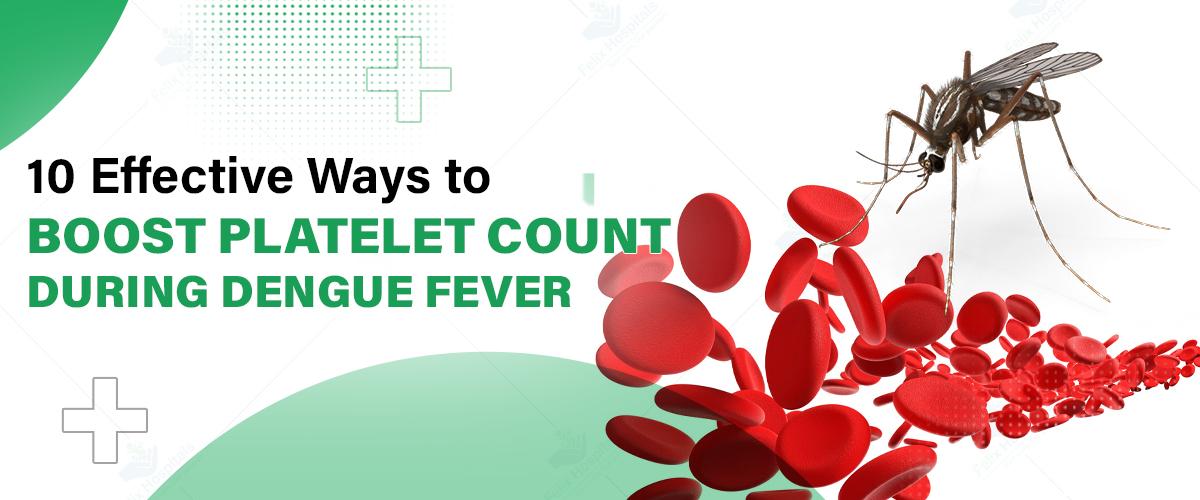
Dengue fever is a mosquito-borne illness that can lead to severe symptoms, including a dangerous drop in platelet count. Platelets play a crucial role in blood clotting and healing, and when they decrease, it becomes essential to monitor and manage them closely. In this guide, we will explore ten natural and effective ways to boost platelet count during dengue fever. These methods are safe and can be beneficial alongside medical treatments. By understanding and implementing these practices, you can help support a loved one’s recovery from dengue. For comprehensive care, visit the best hospital for dengue fever treatment, where specialized care and monitoring ensure optimal recovery.
Consult the top internal medicine specialists at Felix Hospital for the best care and guidance. Call us now at +91 9667064100.
Dengue fever is a viral infection transmitted through Aedes mosquito bites. The virus causes symptoms like high fever, severe joint and muscle pain, headache, and in severe cases, bleeding and a drastic reduction in platelet count. Low platelet levels can be particularly dangerous, as platelets are essential for blood clotting. Dengue is most common in tropical and subtropical regions, and without timely medical intervention, it can lead to critical complications.
Benefits: Papaya leaf extract is renowned for its ability to increase platelet count. Compounds like papain and chymopapain found in papaya leaves aid the immune system, which is crucial for dengue recovery. These enzymes also have antioxidant properties, helping to reduce inflammation and improve platelet regeneration.
Preparation: To prepare, wash a few fresh papaya leaves, grind them to extract juice, and strain them. It’s typically recommended to consume 1-2 tablespoons of this juice once or twice daily, but always consult a doctor to determine the appropriate dosage.
Usage Tips: Avoid adding sugar or artificial flavorings. If the taste is too strong, dilute it slightly with water. This potent remedy has shown significant effectiveness in many dengue cases, but it’s essential to follow medical advice for proper usage.
Benefits: Pomegranate is a great source of iron, vitamins, and antioxidants that support blood health. Its high iron content helps prevent anemia, which is common when platelets drop and provides energy during dengue recovery.
Preparation: Pomegranate seeds can be eaten directly or blended into juice. Regular consumption, around 1-2 servings daily, can be beneficial for boosting platelet levels.
Usage Tips: Choose fresh pomegranate over store-bought juice, which often contains added sugars and preservatives. Fresh juice also provides the most nutrients and immune-boosting benefits. It can be blended with other fruits for a nutrient-rich, energizing drink.
Benefits: Dark leafy greens like spinach are packed with Vitamin K, essential for blood clotting and platelet formation. Leafy greens are also rich in minerals and antioxidants that support immune health.
Preparation: Incorporate spinach into your diet as a salad, smoothie, or cooked dish. Adding a handful of spinach or similar greens every day is beneficial for maintaining a healthy platelet count.
Usage Tips: Pair spinach with Vitamin C-rich foods (like citrus fruits) to enhance nutrient absorption. Avoid overcooking as high temperatures can reduce nutrient content. Other leafy greens like kale, collards, and Swiss chard are also good options.
Benefits: Pumpkin contains high levels of Vitamin A, which promotes cell growth and regeneration, aiding platelet production. Its antioxidant properties also support the immune system, which is crucial during dengue recovery.
Preparation: Pumpkins can be consumed in various forms, such as soups, purees, or roasted dishes. You can also add it to smoothies for a nutrient boost.
Usage Tips: Avoid frying pumpkin; instead, bake or steam it to preserve its nutritional benefits. Consuming pumpkin as a warm soup can be particularly soothing and beneficial for digestion and immune health.
Benefits: Hydration is vital during dengue recovery, and coconut water is an excellent natural source of hydration with essential electrolytes like potassium and magnesium. These electrolytes help prevent dehydration and support overall healing.
Preparation: Drink fresh coconut water 1-2 times daily. It can be consumed in the morning or as a refreshing midday drink.
Usage Tips: Fresh coconut water is preferable over packaged versions, which may contain added sugars and preservatives. Regular consumption can support hydration and energy levels, helping in faster recovery.
Benefits: Amla, or Indian gooseberry, is rich in Vitamin C, which strengthens the immune system and helps stimulate platelet production. Its antioxidant properties aid in cell repair, which is crucial for recovery during dengue fever.
Preparation: Amla can be eaten fresh, in juice form, or as dried powder. Consuming 1-2 fresh amlas daily or a small glass of amla juice is beneficial for platelet support.
Usage Tips: Amla has a sour taste; you may dilute it with water or mix it with honey to make it more palatable. Avoid adding artificial sweeteners, as they may reduce its immune-boosting effects.
Benefits: Beetroot is an excellent source of natural iron and antioxidants, which can help increase platelet levels and boost energy. It supports blood cell production, combating fatigue, and helps with dengue recovery.
Preparation: Beetroot can be consumed raw in salads, as a juice, or in soups. Drinking beetroot juice once a day is highly beneficial for maintaining healthy platelet counts.
Usage Tips: Combine beetroot with carrots or other nutrient-rich vegetables to maximize benefits. Freshly made juice is preferable, as it preserves all the nutrients essential for healing and immune support.
Benefits: Wheatgrass is high in chlorophyll, which has been linked to improved blood health and platelet count. Its high nutrient content, including vitamins, minerals, and amino acids, helps strengthen immunity.
Preparation: Start with a small amount of wheatgrass juice (around 30 ml) and gradually increase the intake. Wheatgrass powder can also be used in smoothies or juices if fresh wheatgrass isn’t available.
Usage Tips: Wheatgrass has a strong taste; mixing it with other juices like orange or apple juice can improve its flavor. Avoid consuming too much at once, as wheatgrass is potent and may cause nausea if taken in large amounts.
Benefits: Known for its anti-inflammatory and healing properties, aloe vera supports platelet production and boosts immunity. It helps the body fight infections, promoting overall recovery during dengue fever.
Preparation: Extract fresh aloe vera gel from the leaf, blend it with water, and drink a small amount daily (1-2 tablespoons).
Usage Tips: Aloe vera should be used in moderation, as excessive amounts can have laxative effects. It’s best to consult with a healthcare provider before starting aloe vera, especially if you are on any medication.
Benefits: Proteins are crucial for cell repair and immune function. Foods high in protein, like lean meats, beans, and lentils, help maintain energy and support platelet production during recovery.
Preparation: Incorporate protein-rich foods such as eggs, poultry, tofu, lentils, beans, and dairy into your daily diet.
Usage Tips: Aim to have protein at every meal to ensure the body has a steady supply for tissue repair and immune support. Avoid fried or heavily processed protein sources, which can be difficult to digest.
Recognizing the symptoms of dengue fever is crucial for early intervention. Common symptoms include:
High fever
Severe headache
Pain behind the eyes
Nausea and vomiting
Severe joint and muscle pain
Skin rash
Mild bleeding, such as nosebleeds or gum bleeding
Promptly seeking medical care if you experience these symptoms can make a significant difference in managing dengue effectively.
At Felix Hospital, we have a team of highly skilled internal medicine specialists, including Dr. Anshumala Sinha, Dr. Sonakshi Saxena, and Dr. Priyanka Singh, who are experienced in managing dengue fever and its complications. Our experts focus on providing personalized care to closely monitor and manage platelet counts, utilize advanced treatment options, and offer dedicated support throughout the recovery process.
Schedule a consultation with the best internal medicine specialist at Felix Hospital by Clicking Here.
Dengue fever can be challenging to manage, especially when platelet counts fall dangerously low. Fortunately, natural remedies and dietary choices can provide additional support in boosting platelets alongside medical treatments. Incorporating these foods and supplements into your diet and staying hydrated can promote a faster and safer recovery. Remember, it is essential to consult a healthcare provider before starting any new treatment, especially during dengue, to ensure safe and effective care.
ANS: Papaya leaf juice has shown potential benefits in boosting platelet count, but it’s crucial to consume it under medical guidance to ensure safe dosing and avoid side effects. It is generally recommended to take 1-2 tablespoons of the juice once or twice daily, but a healthcare provider can advise on the best approach based on individual health needs.
ANS: Pomegranate is rich in iron and antioxidants, which support blood health and energy. Eating a serving of pomegranate seeds or drinking a fresh glass of pomegranate juice once or twice daily can help maintain platelet count and combat fatigue, especially when platelet levels are low during dengue recovery.
ANS: Aloe vera has immune-boosting and anti-inflammatory properties that support healing, but it should be taken in moderation, about 1-2 tablespoons daily. Excessive aloe vera can act as a laxative, so it’s best to consult a doctor to ensure it’s safe, especially when other medications are involved.
ANS: While coconut water doesn’t directly increase platelet count, it’s highly effective in maintaining hydration, essential for dengue patients due to fluid loss from fever. Coconut water’s natural electrolytes help prevent dehydration, supporting the body’s healing process.
ANS: Wheatgrass juice is nutrient-dense and supports blood health, but it’s potent and may cause nausea if consumed in excess. Starting with 30 ml and gradually increasing intake can help the body adjust. Mixing wheatgrass with other juices may improve taste, but be cautious with the quantity to avoid digestive issues.
ANS: Proteins aid in cell repair and immune function, which are essential for recovery. Lean meats, eggs, dairy, lentils, and beans provide high-quality protein without overloading the digestive system, making them ideal for dengue patients. Including these foods in each meal can help sustain energy and support recovery.
ANS: Dietary changes may support platelet levels within a few days to a week, but they work best when combined with medical treatment. Continuing nutrient-rich foods like leafy greens, fruits, and proteins even after recovery can help maintain platelet health and prevent relapses, reinforcing the immune system.
Consult the best general physician for dengue fever at Felix Hospital. Their expertise in diagnosing and managing dengue virus infections can lead to timely and effective treatment.
Dengue is a mosquito-borne viral disease causing high fever, body pain, and rashes. It spreads through Aedes mosquitoes. Early treatment and mosquito control help prevent complications.

Cerebral palsy (CP) is a neurological disorder that affects movement, muscle tone, and posture. This condition is caused by abnormal brain development or damage to the brain before, during, or shortly after birth. With a prevalence of around 2–3 cases per 1,000 live births globally, CP significantly impacts the quality of life for individuals and their families. It is essential to understand its causes, symptoms, and treatment options to ensure effective management and improved outcomes. If you're seeking specialized care, consider consulting a neuro hospital in Noida for expert guidance.
If you or a loved one is affected by cerebral palsy, consult with the experienced neurologists at Felix Hospital. Contact us now at +91 9667064100.
Cerebral palsy is a neurological disorder caused by abnormal brain development or brain damage during early development, often before, during, or shortly after birth. The condition varies in severity and can affect movement, coordination, muscle control, and other bodily functions. While it is non-progressive, meaning it does not worsen over time, its symptoms can change as the child grows. Early diagnosis and intervention are essential for effective management.
Cerebral palsy can arise from a range of prenatal, perinatal, and postnatal factors:
Genetic Mutations: Changes in DNA that affect brain development.
Infections During Pregnancy: Viral infections like rubella or parasitic infections such as toxoplasmosis.
Hypoxia: Lack of oxygen supply to the developing brain.
Complications During Labor and Delivery: Prolonged or traumatic delivery.
Premature Birth or Low Birth Weight: Increased vulnerability to brain injury.
Brain Infections: Conditions like meningitis or encephalitis that damage brain tissue.
Traumatic Brain Injury: Injuries resulting from accidents or abuse during infancy.
The symptoms of CP vary widely depending on the severity and areas of the brain affected.
Spasticity: Muscle stiffness leading to difficulty in movement.
Dyskinesia: Uncontrolled or involuntary muscle movements.
Ataxia: Problems with balance and coordination.
Delayed Milestones: Delayed sitting, crawling, or walking.
Speech and Swallowing Difficulties: Challenges in communication and feeding.
Intellectual Disabilities: Present in some, but not all, cases of CP.
Diagnosing cerebral palsy requires a thorough evaluation to understand the child’s condition comprehensively.
Review of developmental history and a detailed physical examination to identify movement or posture abnormalities.
MRI or CT Scans: Used to detect brain abnormalities or injuries.
Genetic Testing: To rule out hereditary conditions.
Evaluation for Associated Conditions: Vision, hearing, and speech assessments to identify co-existing challenges.
Cerebral palsy management is tailored to individual needs, aiming to improve mobility, independence, and quality of life.
Muscle Relaxation: Medications like baclofen or botulinum toxin to reduce spasticity.
Seizure Management: Anti-epileptic drugs to address co-existing epilepsy.
For advanced care, seek guidance at the best hospital for cerebral palsy treatment.
Physical Therapy: Enhances muscle strength, coordination, and mobility.
Occupational Therapy: Focuses on fine motor skills for daily activities.
Speech Therapy: Addresses communication challenges and swallowing difficulties.
Orthopedic Surgeries: To correct joint deformities and improve mobility.
Selective Dorsal Rhizotomy (SDR): A procedure to reduce spasticity in severe cases.
Braces, wheelchairs, and communication aids to enhance independence and accessibility.
While some causes of CP cannot be prevented, specific measures can reduce risks.
Regular prenatal check-ups and adequate prenatal care.
Vaccinations against infections such as rubella.
Avoiding harmful substances like alcohol, tobacco, and certain medications.
Prompt treatment of neonatal jaundice to prevent brain damage.
Ensuring the safety of infants to avoid traumatic injuries.
Early management of infections like meningitis.
Effective care for cerebral palsy requires a multidisciplinary approach that includes neurologists, therapists, and support from families. At Felix Hospital, we have a team of experienced specialists dedicated to providing comprehensive care:
Dr. Sumit Sharma: Expert in neurological conditions and pediatric neurodevelopment.

Our team combines medical expertise with compassionate care to improve the quality of life for individuals with CP.
Reach out to Felix Hospital’s multidisciplinary team of specialists today to get the support you need for your child's development. Call On : +91 9667064100
Cerebral palsy is a complex condition, but early intervention and a holistic care approach can significantly enhance outcomes. Understanding its causes, symptoms, diagnosis, and treatment options empowers families to make informed decisions. Prevention strategies during pregnancy and early childhood further reduce risks.
If you or a loved one requires expert guidance, reach out to the neurologists in Noida at Felix Hospital for a tailored treatment plan. Remember, timely care and support can make a world of difference in managing cerebral palsy and ensuring a brighter future for those affected.
Q. 1. What causes cerebral palsy?
Ans: Cerebral palsy can result from genetic mutations, infections during pregnancy, oxygen deprivation to the brain, complications during delivery, premature birth, brain infections, or traumatic injuries.
Q. 2. How is cerebral palsy diagnosed?
Ans: Diagnosis involves a clinical exam, developmental history review, and imaging tests like MRI or CT scans. Genetic tests and assessments for vision or hearing problems may also be conducted.
Q. 3. What are the symptoms of cerebral palsy?
Ans: Symptoms include muscle stiffness (spasticity), involuntary movements (dyskinesia), coordination problems (ataxia), delayed milestones, speech difficulties, and potential intellectual disabilities.
Q. 4. Can cerebral palsy be cured?
Ans: There’s no cure, but early intervention with therapies (physical, occupational, speech) can improve mobility, communication, and overall quality of life.
Q. 5. What treatments are available?
Ans: Treatment includes medications for spasticity and seizures, therapy for strength and coordination, surgeries for deformities, and assistive devices like braces or wheelchairs to aid mobility.
6. Can cerebral palsy be prevented?
Ans: While not all causes are preventable, prenatal care, vaccinations, avoiding harmful substances, and infant safety can lower the risk.
7. Can someone with CP have a baby?
Ans: Yes, people with CP can have children. While fertility isn’t affected, pregnancy may require tailored care due to muscle spasticity or mobility challenges.
8. Can cerebral palsy affect speech?
Ans: Yes, CP can impair speech due to difficulty controlling the muscles involved, often causing slurred or slow speech.
9. Can ultrasound detect cerebral palsy?
Ans: No, ultrasound cannot confirm CP but may identify brain injuries or risks like hypoxia linked to CP.
10. Can brain injury cause cerebral palsy?
Ans: Yes, brain injuries from birth complications, infections, or trauma are significant causes of CP.
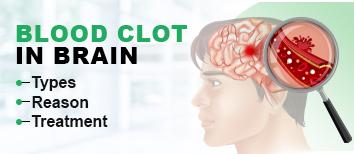
Blood clot in the brain is a serious condition causing sudden neurological symptoms and requires immediate medical treatment.
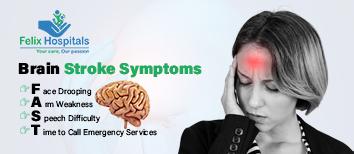
Recognizing the symptoms of a brain stroke is critical for getting prompt medical attention. The acronym F.A.S.T. is often used to remember the most common Brain stroke symptoms.

A concise guide explaining brain tumor surgery cost in Noida, including key factors, treatment options, and expert care.
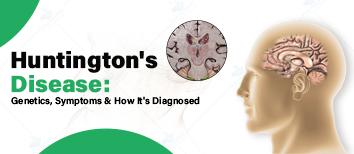
Huntington’s disease is a genetic brain disorder that causes movement, cognitive, and behavioral problems

ह्यूमन मेटान्यूमोवायरस (एचएमपीवी) एक श्वसन वायरस है जो मानव श्वसन तंत्र को प्रभावित करता है। इसे पहली बार 2001 में पहचाना गया था और यह पैरामाइक्सोविरिडे परिवार से संबंधित है। यह वायरस विशेष रूप से बच्चों, बुजुर्गों और कमजोर प्रतिरक्षा प्रणाली वाले लोगों के लिए गंभीर स्वास्थ्य समस्याएं पैदा करता है। एचएमपीवी कोई नया वायरस नहीं है। यह 2023 में चीन अमेरिका, नीदरलैंड, ब्रिटेन और अन्य देशों में भी देखा गया था। भारत में यह सामान्य मौसमी संक्रमणों के रूप में ही रहता है। इसलिए घबराने की जरूरत नहीं है, बल्कि सतर्कता बरतनी चाहिए।
ज्यादा जानकारी के लिए हमें कॉल करें +91 9667064100।
एचएमपीवी क्या है ? (What is HMPV?)
बच्चों में एचएमपीवी के लक्षण (Symptoms of HMPV in children)
बुजुर्गों में एचएमपीवी के लक्षण (Symptoms of HMPV in the elderly)
इलाज और प्रबंधन (Treatment and management)
फेलिक्स हॉस्पिटल्स में एचएमपीवी विशेषज्ञ के बारे में जानें (Know the Specialist for HMPV in Felix Hospitals)
निष्कर्ष (Conclusion)
अक्सर पूछे जाने वाले सवाल और जवाब ( Frequently asked questions and answers)
एचएमपीवी एक श्वसन वायरस है, जो मुख्य रूप से फेफड़ों और श्वसन तंत्र को प्रभावित करता है। यह वायरस बच्चों, वृद्ध लोगों और कमजोर प्रतिरक्षा प्रणाली वाले व्यक्तियों के लिए अधिक जोखिमपूर्ण हो सकता है। यह ऊपरी और निचले श्वसन तंत्र में संक्रमण का कारण बनता है। इसके कारण ब्रोंकाइटिस और निमोनिया जैसे लक्षण दिखते हैं। एचएमपीवी संक्रमित व्यक्ति के शारीरिक द्रवों के संपर्क से फैलता है जैसे खांसी और छींक से निकलने वाली बूंदें। संक्रमित सतहों को छूने के बाद हाथ, मुंह या नाक को छूना। संक्रमित व्यक्ति के निकट संपर्क में आने से भी फैलता है।
1. सामान्य लक्षण:
बुखार
खांसी
नाक बहना
2. श्वसन समस्याएं:
घरघराहट
सांस लेने में कठिनाई
3. गंभीर संक्रमण:
निमोनिया
ब्रॉन्कियोलाइटिस
ज्यादा जोखिम किसे होता है ?
जन्मजात बीमारियों वाले बच्चे: जिन बच्चों में जन्म से ही हृदय या फेफड़ों की बीमारी हो।
अस्थमा या एलर्जी वाले बच्चे: जिन्हें पहले से सांस की बीमारियां हों।
कमजोर इम्यूनिटी वाले बच्चे: जिनकी रोग प्रतिरोधक क्षमता कमजोर है।
6 महीने से छोटे बच्चे: छोटे बच्चों में एचएमपीवी से लड़ने की क्षमता कम होती है।
1. सामान्य लक्षण:
खांसी
सांस फूलना (डिस्प्निया)
गले में खराश
नाक बहना या जाम होना
बुखार और ठंड लगना
2. गंभीर लक्षण:
अत्यधिक थकान और कमजोरी
सीने में जकड़न या दर्द
ऑक्सीजन का स्तर कम होना (हाइपोक्सिया)
तेज़ या कठिन सांस लेना
3. कठिनाई:
निमोनिया (फेफड़ों में संक्रमण)
ब्रोन्काइटिस
फेफड़ों और हृदय की पुरानी समस्याओं का बिगड़ना
उच्च जोखिम वाले समूह:
60 वर्ष से अधिक उम्र के लोग
फेफड़ों और हृदय की पूर्व समस्याओं वाले मरीज (जैसे सीओपीडी, अस्थमा, या हृदय रोग)
कमजोर प्रतिरक्षा प्रणाली वाले लोग (जैसे डायबिटीज, कैंसर उपचार से गुजर रहे लोग, या ट्रांसप्लांट मरीज़)
1. लक्षणों के आधार पर उपचार:
बुखार और दर्द कम करना: डॉक्टर की सलाह पर पैरासिटामोल या अन्य बुखार कम करने वाली दवाओं का उपयोग करें।
तरल पदार्थ की आपूर्ति: शरीर को हाइड्रेट रखने के लिए पर्याप्त पानी, जूस और सूप का सेवन करें। गंभीर मामलों में तरल की कमी को दूर करने के लिए ड्रिप लगाई जा सकती है।
खांसी और गले की खराश: गर्म पानी से गरारे करें। खांसी कम करने के लिए हल्दी वाला दूध या अदरक-शहद का सेवन करें।
2. गंभीर मामलों में चिकित्सा सहायता:
ऑक्सीजन थेरेपी: यदि ऑक्सीजन का स्तर कम हो तो ऑक्सीजन सपोर्ट की आवश्यकता हो सकती है।
वेंटिलेटर सपोर्ट: श्वसन फेलियर के मामलों में वेंटिलेटर की जरूरत पड़ सकती है।
हॉस्पिटलाइजेशन: निमोनिया, हाइपोक्सिया या ब्रोन्काइटिस के मामलों में अस्पताल में भर्ती होना अनिवार्य हो सकता है।
3. डॉक्टर से कब संपर्क करें ?
सांस लेने में कठिनाई (डिस्प्निया)।
सीने में जकड़न या दर्द।
गंभीर खांसी या बलगम में खून आना।
अत्यधिक सुस्ती या कमजोरी।
बच्चा खाना पीना बंद कर दे या तेज सांस ले।
4. अतिरिक्त सुझाव:
व्यक्तिगत स्वच्छता का महत्व
>हाथ धोना: साबुन और पानी से कम से कम 20 सेकंड तक हाथ धोएं। यदि पानी उपलब्ध न हो, तो अल्कोहल-आधारित सैनिटाइजर का उपयोग करें।
>मास्क पहनना: भीड़भाड़ वाले स्थानों या संक्रमित व्यक्ति के पास जाते समय मास्क पहनें।
बच्चों और बुजुर्गों का विशेष ध्यान:
उन्हें भीड़भाड़ वाले स्थानों, जैसे बाजार, सार्वजनिक परिवहन और सामूहिक कार्यक्रमों में जाने से बचाएं। स्कूल या अन्य संस्थानों में बच्चों को शारीरिक दूरी और स्वच्छता का महत्व समझाएं।
संक्रमित व्यक्ति से दूरी बनाए रखना:
संक्रमित व्यक्ति के संपर्क से बचें। उनके उपयोग किए गए कपड़े, बर्तन या अन्य वस्तुओं को छूने के बाद तुरंत हाथ धोएं। यदि परिवार का कोई सदस्य संक्रमित है, तो उनके लिए अलग कमरे और व्यक्तिगत वस्तुओं का उपयोग सुनिश्चित करें।
प्रतिरक्षा प्रणाली को मजबूत करना
पोषणयुक्त आहार: ताजे फल और सब्जियां (विटामिन सी और जिंक युक्त) जैसे संतरा, आंवला, और पालक का सेवन। प्रोटीन युक्त खाद्य पदार्थ, जैसे दाल, अंडे और नट्स का सेवन करें।
भरपूर पानी पीना: दिनभर हाइड्रेटेड रहें।
व्यायाम और योग: नियमित व्यायाम और ध्यान प्रतिरक्षा को मजबूत करने में मदद करता है।
पर्याप्त नींद: प्रतिरक्षा प्रणाली को दुरुस्त रखने के लिए 7-8 घंटे की पर्याप्त नींद लें।
एचएमपीवी संक्रमण के कारण फेफड़ों पर असर पड़ने पर हमारे विशेषज्ञ आपकी देखभाल के लिए तत्पर हैं। श्वसन तंत्र की समस्याओं जैसे सांस फूलना, निमोनिया और ब्रोन्काइटिस के निदान और उपचार के लिए डॉ. प्रियदर्शी जितेंद्र कुमार, जो सबसे अनुभवी पल्मोनोलॉजिस्ट हैं, का नेतृत्व करते हुए हमारी कुशल टीम आपकी सेवा में है।
साथ ही, हमारी जनरल फिजिशियन विशेषज्ञों की टीम में शामिल हैं डॉ. अंशुमाला सिन्हा, डॉ. सोनाक्षी सक्सेना, डॉ. अपूर्वा शेट्टी, डॉ. नीलाभ प्रताप, डॉ. प्रियंका सिंह, डॉ. रवि शर्मा, और डॉ. केशव कुमार गर्ग। फेलिक्स हॉस्पिटल पर भरोसा करें, जहां विशेषज्ञता और समर्पण दोनों हैं।
डॉक्टर की सलाह के लिए आज ही फोन करें +91 9667064100 और अपना अपॉइंटमेंट बुक करें।
एचएमपीवी के खिलाफ सतर्कता और जागरूकता से संक्रमण को नियंत्रित किया जा सकता है। सही समय पर कार्रवाई, स्वच्छता, और स्वास्थ्यप्रद आदतों का पालन संक्रमण से बचाव का सबसे प्रभावी तरीका है। अपने और अपने परिवार के स्वास्थ्य का ध्यान रखें और किसी भी श्वसन संबंधी समस्या के लिए समय पर चिकित्सा सलाह लें।
प्रश्न 1: एचएमपीवी कैसे फैलता है ?
उत्तरः एचएमपीवी मुख्य रूप से खांसने या छींकने से निकलने वाली ड्रॉपलेट्स, संक्रमित सतहों को छूने के बाद मुंह, नाक, या आंखों को छूने, संक्रमित व्यक्ति के निकट संपर्क में आने से फैलता है।
प्रश्न 2: एचएमपीवी के लिए सबसे अधिक जोखिम में कौन हैं ?
उत्तरः बच्चे विशेष रूप से 5 साल से कम उम्र के, बुजुर्ग जिनकी उम्र 65 वर्ष से अधिक है, कमजोर प्रतिरक्षा प्रणाली वाले व्यक्ति यानी कैंसर, एचआईवी या अन्य गंभीर बीमारियों से ग्रस्त व्यक्ति अधिक प्रभावित है। इसके अलावा पूर्व में श्वसन या हृदय की समस्याएं झेल रहे लोग भी शामिल है।
प्रश्न 3: क्या एचएमपीवी का कोई टीका है ?
उत्तरः वर्तमान में एचएमपीवी के लिए कोई टीका उपलब्ध नहीं है। हालांकि शोधकर्ता इस पर काम कर रहे हैं। संक्रमण से बचाव के लिए व्यक्तिगत स्वच्छता और सावधानियां सबसे प्रभावी उपाय हैं।
प्रश्न 4: एचएमपीवी का इलाज कैसे किया जाता है ?
उत्तरः एचएमपीवी के लिए कोई विशिष्ट एंटी वायरल दवा उपलब्ध नहीं है। उपचार मुख्य रूप से लक्षणों को नियंत्रित करने पर केंद्रित है। बुखार के लिए पैरासिटामोल दी जाती है। तरल पदार्थ की भरपूर मात्रा के अलावा गंभीर मामलों में अस्पताल में ऑक्सीजन सपोर्ट या वेंटिलेटर की आवश्यकता हो सकती है।
प्रश्न 5: क्या एचएमपीवी एक बार होने के बाद दोबारा हो सकता है ?
उत्तरः हां एचएमपीवी से दोबारा संक्रमित होने की संभावना होती है, क्योंकि वायरस के खिलाफ प्रतिरक्षा लंबे समय तक टिकाऊ नहीं रहती। इसलिए सतर्क रहना और सावधानियां बरतना आवश्यक है।

Felix Hospital in Noida is well known for its general practitioners who offer holistic treatment for different health issues, like the common cold and coughs.
Felix Hospital in Noida is esteemed as a leading institution for general medicine, particularly renowned for its excellence in treating cold and cough
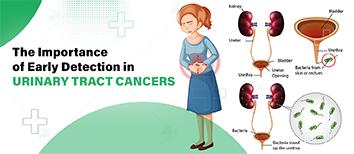
For those experiencing such symptoms, seeking care from the best hospital for pulmonology treatment in Noida ensures you receive timely and expert diagnosis and treatment.

Dr. Priyadarshi Jitender Kumar stands out as a leading expert in diagnosing and treating pulmonary embolism.


Are you struggling with constant back pain that affects your daily life? Back pain can result from poor posture, long sitting hours, slip disc, muscle strain, or spinal problems.

Frozen shoulder is a common condition in which the shoulder stiffens, reducing its mobility. It commonly affects people aged between 40 and 60 years, and it is more likely in women than in men.
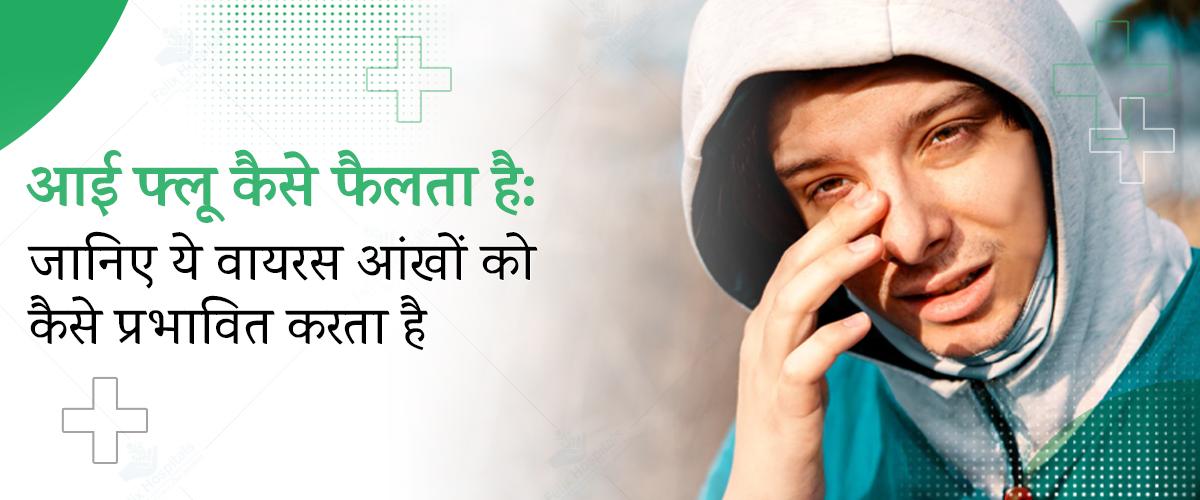
जैसे ही हम अपनी दिनचर्या में व्यस्त होते हैं, कई बार हम कुछ स्वास्थ्य समस्याओं को नजरअंदाज कर देते हैं। उनमें से एक है आई फ्लू, जिसे हम अक्सर सामान्य बुखार समझते हैं। लेकिन आई फ्लू एक गंभीर समस्या हो सकती है, जो न केवल हमारी आंखों को प्रभावित करती है, बल्कि हमारे समग्र स्वास्थ्य को भी खतरे में डाल सकती है इसके बचाव के लिए आज ही अच्छे आँखों के अस्पताल से संपर्क करें। इस ब्लॉग में, हम आई फ्लू के वायरस, इसके प्रभावों, इसके इलाज और इससे बचने के उपायों पर चर्चा करेंगे।
यदि आप या आपके करीबी आई फ्लू के लक्षणों का अनुभव कर रहे हैं, तो तुरंत अपने स्वास्थ्य को सुरक्षित करने के लिए फेलिक्स अस्पताल से संपर्क करने के लिए यहां क्लिक करें।
आई फ्लू, जिसे चिकित्सा भाषा में 'वायरल कंजंक्टिवाइटिस' कहा जाता है, आंखों की एक सामान्य स्थिति है। यह स्थिति मुख्यतः एक वायरस के संक्रमण के कारण होती है। इस संक्रमण में आंखों का लाल होना, खुजली, जलन, और असहजता जैसे लक्षण दिखाई देते हैं। आई फ्लू विशेष रूप से अत्यधिक संक्रामक होता है और यह आसानी से एक व्यक्ति से दूसरे व्यक्ति में फैल सकता है।
आई फ्लू का मुख्य कारण एडेनोवायरस है, लेकिन यह ध्यान देने योग्य है कि अन्य कई वायरस भी इस समस्या के लिए जिम्मेदार हो सकते हैं, जैसे कि एंफ्लूएंजा वायरस और कोरोना वायरस। ये वायरस आंखों की झिल्लियों में संक्रमण पैदा करते हैं और आंखों की सतह को प्रभावित करते हैं। जब एक व्यक्ति इस वायरस से संक्रमित होता है, तो यह आंखों में विभिन्न प्रकार के लक्षणों का कारण बनता है, जो न केवल व्यक्ति की दृष्टि को प्रभावित कर सकते हैं, बल्कि उनकी जीवन की गुणवत्ता को भी गंभीरता से प्रभावित कर सकते हैं।
आई फ्लू का वायरस आमतौर पर संक्रमित व्यक्ति के निकट संपर्क में आने से फैलता है। यह कुछ सामान्य तरीकों से हो सकता है:
आई फ्लू का निदान एक आंखों के डॉक्टर (ऑफ्थेल्मोलॉजिस्ट) द्वारा किया जाता है। जब कोई व्यक्ति आई फ्लू के लक्षणों की शिकायत करता है, तो डॉक्टर पहले रोगी की चिकित्सा इतिहास लेते हैं और फिर लक्षणों की गहन जांच करते हैं। इसके अंतर्गत आंखों की लालिमा, जलन, खुजली और अन्य लक्षणों की पुष्टि की जाती है। इसके बाद, डॉक्टर आंखों का शारीरिक परीक्षण करते हैं, जिसमें आंखों के सफेद भाग (स्क्लेरा) और अन्य संरचनाओं की जांच की जाती है।
कभी-कभी, आंखों से निकले द्रव की जांच के लिए लैब टेस्ट भी किए जा सकते हैं। यह प्रक्रिया यह सुनिश्चित करने में मदद करती है कि संक्रमण आई फ्लू है या कोई अन्य आंखों की समस्या, जैसे कि बैक्टीरियल संक्रमण, एलर्जीक कंजंक्टिवाइटिस या अन्य समस्याएं। सही निदान करना बहुत महत्वपूर्ण है क्योंकि यह उपचार के उचित दिशा-निर्देश देने में मदद करता है।
आई फ्लू का इलाज मुख्यतः लक्षणों को प्रबंधित करने पर केंद्रित होता है। चूंकि यह एक वायरल संक्रमण है, इसलिए एंटीबायोटिक्स इसका इलाज नहीं करते हैं। सामान्यतः इलाज में निम्नलिखित उपाय शामिल होते हैं:
यदि आई फ्लू गंभीर है या लक्षणों में सुधार नहीं हो रहा है, तो डॉक्टर अन्य विकल्पों के बारे में जानकारी दे सकते हैं। इसके अंतर्गत विशेष उपचार या दवाएं शामिल हो सकती हैं।
बचाव
इन उपायों को अपनाने से आप आई फ्लू के संक्रमण से सुरक्षित रह सकते हैं और अपनी आंखों की सेहत का बेहतर ध्यान रख सकते हैं।
फेलिक्स अस्पताल में हमारे पास आई फ्लू और अन्य आंखों की समस्याओं के लिए अनुभवी और विशेषज्ञ डॉक्टर हैं जिनमे मुख्य नाम डॉ. दीपांजली आर्या और डॉ. उज़ैर ज़कई। हमारा लक्ष्य आपके आंखों के स्वास्थ्य को सर्वोत्तम तरीके से बनाए रखना है। हमारे डॉक्टर न केवल सही निदान करते हैं, बल्कि आपकी जरूरतों के अनुसार व्यक्तिगत उपचार भी प्रदान करते हैं।
यदि आपको आई फ्लू या अन्य आंखों की समस्याओं का सामना करना पड़ रहा है, तो आज ही फेलिक्स अस्पताल से संपर्क +91 9667064100.
आई फ्लू एक गंभीर स्थिति है, लेकिन उचित जानकारी और देखभाल के साथ, इसे प्रबंधित किया जा सकता है। यदि आप इसके लक्षणों का अनुभव कर रहे हैं, तो बिना देर किए अपने डॉक्टर से संपर्क करें। याद रखें कि आपकी आंखें आपके स्वास्थ्य का एक महत्वपूर्ण हिस्सा हैं, और उनकी देखभाल करना आवश्यक है।
Eye flu, also known as conjunctivitis, is a common eye infection causing redness, irritation, and watering. Learn its causes, symptoms, and effective treatments.

Gallbladder stones, also known as gallstones, are hardened deposits that can form in the gallbladder, a small organ located beneath the liver. While many people may have gallstones without experiencing any symptoms, they can sometimes lead to severe health complications. For the best care of gallbladder stones directly consult with the best hospital for gallbladder stones.
Understanding the nature of gallstones, their causes, symptoms, potential complications, and treatment options is crucial for anyone concerned about their health. This blog aims to provide the best overview of gallbladder stones, helping readers make informed decisions about their health.
Don't wait for symptoms to escalate! Schedule your appointment with our specialists now! Call us today at +91 9667064100.
Gallstones are solid particles that form in the gallbladder, which is responsible for storing bile—a digestive fluid produced by the liver. Gallstones can vary in size, from as small as a grain of sand to as large as a golf ball. There are two main types of gallstones:
Cholesterol Gallstones: These are the most common type, accounting for approximately 80% of all gallstones. They form when there is too much cholesterol in the bile, leading to crystallization.
Pigment Gallstones: These stones are smaller and darker and are made up of bilirubin, a substance produced from the breakdown of red blood cells. Pigment gallstones can form when there is an excess of bilirubin in the bile, often associated with certain medical conditions, such as liver cirrhosis, biliary tract infections, and hemolytic anemia.
Many individuals with Gallstones may not experience any symptoms, a condition known as "silent" gallstones. However, when symptoms do occur, they can be quite uncomfortable and may include:
Abdominal Pain: This is the most common symptom, often described as a sudden and intense pain in the upper right abdomen or the center of the abdomen. The pain can last from a few minutes to several hours and may radiate to the back or right shoulder.
Nausea and Vomiting: Many individuals experience nausea, which can be accompanied by vomiting.
Bloating and Indigestion: Gallstones can lead to feelings of fullness, bloating, and indigestion, especially after meals.
Jaundice: If a gallstone blocks the bile duct, it can lead to jaundice, characterized by yellowing of the skin and eyes.
Dark Urine and Pale Stools: These symptoms may indicate a blockage of the bile duct, causing a change in the normal color of urine and stools.
While many individuals with gallstones may never experience complications, there are several potential risks associated with gallstones that can lead to serious health issues:
Cholecystitis: This is an inflammation of the gallbladder that can occur when a gallstone blocks the cystic duct. Symptoms of cholecystitis may include severe abdominal pain, fever, and nausea. This condition can lead to complications such as infection, perforation, or gangrene of the gallbladder.
Pancreatitis: If a gallstone blocks the pancreatic duct, it can lead to inflammation of the pancreas, known as pancreatitis. This condition can cause severe abdominal pain, vomiting, and fever. Pancreatitis can be a life-threatening condition that requires immediate medical attention.
Biliary Colic: This term refers to severe pain caused by a gallstone temporarily blocking a bile duct. While biliary colic may resolve on its own, it can be extremely uncomfortable and may lead to other complications.
Cholangitis: This is a serious infection of the bile ducts that can occur when a gallstone blocks the flow of bile. Symptoms include fever, chills, jaundice, and severe abdominal pain. Cholangitis is a medical emergency that requires prompt treatment.
Gallbladder Cancer: Although rare, chronic inflammation of the gallbladder due to gallstones can increase the risk of developing gallbladder cancer.
If you suspect you have gallstones or experience symptoms, it’s essential to consult a healthcare professional. Diagnosing gallstones typically involves the following steps:
Medical History and Physical Examination: The doctor will review your medical history and perform a physical examination to check for signs of gallstones or gallbladder-related issues.
Imaging Tests: Imaging tests are crucial in diagnosing gallstones. Common tests include:
> Ultrasound: This is the most common and non-invasive test used to visualize gallstones in the gallbladder.
>CT Scan: A CT scan can provide detailed images of the gallbladder and surrounding structures.
>MRI: An MRI can help visualize the bile ducts and detect any blockages.
>HIDA Scan: This test evaluates the function of the gallbladder and can detect blockages.
3. Blood Tests: Blood tests can help determine if there is an infection, inflammation, or blockage in the bile ducts.
The treatment for gallstones depends on the severity of the symptoms and the presence of complications. Here are the primary treatment options:
Watchful Waiting: If you have gallstones but do not experience symptoms, your doctor may recommend a watchful waiting approach, monitoring your condition without immediate treatment.
Medications: In some cases, medications can be prescribed to dissolve cholesterol gallstones. However, this treatment may take months or years and is not always effective.
Surgery:
Cholecystectomy: This is the most common surgical procedure for treating gallstones. It involves the removal of the gallbladder and can be performed laparoscopically (minimally invasive) or through open surgery. Laparoscopic cholecystectomy typically results in less pain, a shorter recovery time, and minimal scarring.
ERCP (Endoscopic Retrograde Cholangiopancreatography): This procedure may be performed to remove gallstones that have migrated to the bile ducts. It involves using an endoscope to locate and extract the stones.
4. Lifestyle Changes: Making dietary and lifestyle changes can help manage symptoms and prevent future gallstones. Recommendations may include:
Maintaining a healthy weight.
Eating a balanced diet rich in fiber and low in saturated fats.
Avoiding rapid weight loss.
While not all cases of gallstones can be prevented, there are several steps you can take to reduce your risk:
Maintain a Healthy Weight: Aim for a healthy body weight through a balanced diet and regular exercise. Gradual weight loss is recommended over rapid weight loss.
Follow a Balanced Diet: Eat a diet high in fruits, vegetables, whole grains, and healthy fats. Avoid excessive consumption of refined carbohydrates and saturated fats.
Stay Hydrated: Drinking plenty of water can help maintain proper digestion and prevent gallstone formation.
Regular Physical Activity: Engage in regular exercise to maintain a healthy weight and promote overall health.
When it comes to expert care, consulting a skilled specialist is essential. At Felix Hospital, we are proud to feature one of the best laparoscopic surgeons in Noida, Dr. Ritesh Agrawal. With a focus on minimally invasive procedures, including advanced treatment for gallbladder stones, Dr. Agrawal’s expertise and dedication to patient-centered care ensure outstanding outcomes for each patient.
Learn more about preventing Gallbladder stones and maintaining a healthy lifestyle by visiting our website by Clicking Here.
Gallbladder stones can pose serious health risks, especially if they lead to complications such as cholecystitis, pancreatitis, or biliary colic. Understanding the nature of gallstones, their causes, symptoms, and treatment options is vital for making informed health decisions. If you suspect you have gallstones or experience any related symptoms, consult a healthcare professional for proper diagnosis and treatment. By taking preventive measures and leading a healthy lifestyle, you can significantly reduce your risk of developing gallstones and maintain optimal gallbladder health.
Q- What are gallstones?
ANS: Gallstones are hardened deposits that form in the gallbladder, typically made of cholesterol or bilirubin.
Q- What causes gallstones?
ANS: Factors include obesity, diet, age, rapid weight loss, pregnancy, and certain medical conditions.
Q- What are the symptoms of gallstones?
ANS: Symptoms may include abdominal pain, nausea, vomiting, bloating, and jaundice.
Q- How are gallstones diagnosed?
ANS: Diagnosis typically involves medical history, physical examination, imaging tests (like ultrasound), and blood tests.
Q- What is the treatment for gallstones?
ANS: Treatment options include watchful waiting, medications, and surgical procedures like cholecystectomy.
Q- Can gallstones be prevented?
ANS: Maintaining a healthy weight, following a balanced diet, staying hydrated, and engaging in regular physical activity can help reduce the risk.
Q- What complications can arise from gallstones?
ANS: Complications can include cholecystitis, pancreatitis, biliary colic, cholangitis, and, in rare cases, gallbladder cancer.
Q- When should I seek medical attention for gallstones?
ANS: Seek medical attention if you experience severe abdominal pain, fever, jaundice, or other concerning symptoms.

Understand the factors that influence gallbladder stone surgery cost in Noida, including hospital charges, surgeon expertise, type of procedure, and post-operative care expenses.

Amyotrophic Lateral Sclerosis (ALS) is a progressive neurological disorder that affects the nerve cells responsible for voluntary muscle movements. Often referred to as Lou Gehrig’s disease, ALS is characterized by the gradual degeneration of motor neurons in the brain and spinal cord, ultimately leading to muscle weakness, loss of mobility, and difficulty in speaking, swallowing, and breathing. Understanding the causes, symptoms, and impact of this condition is crucial for early diagnosis and effective management. If you or someone you know is experiencing symptoms suggestive of ALS, seeking expert care promptly is essential to ensure the best neuro hospital in Noida for possible outcomes.
Contact Us at +91 9667064100 to get the best evaluation and expert care plan at Felix Hospitals.
ALS is a neurodegenerative disorder that primarily affects motor neurons, the nerve cells responsible for transmitting signals from the brain and spinal cord to muscles. This loss of motor neuron function disrupts voluntary muscle control, leading to progressive muscle weakness and eventual paralysis.
Key characteristics of ALS include:
Progressive Degeneration: The condition worsens over time, with motor neuron damage becoming more severe.
Sporadic ALS: Accounting for 90-95% of cases, sporadic ALS occurs without a clear genetic link.
Familial ALS: The remaining 5-10% of cases are hereditary, caused by genetic mutations passed down through families.
Motor neurons play a critical role in controlling voluntary muscle movements, such as walking, speaking, and breathing. In ALS, the degeneration of these neurons disrupts communication between the brain and muscles, leading to:
Muscle Weakness: One of the earliest symptoms, often starting in the hands, feet, or limbs.
Loss of Coordination and Mobility: As the disease progresses, daily tasks like walking and lifting objects become increasingly challenging.
Difficulty Speaking and Swallowing: Impaired muscle control affects the ability to articulate words and consume food.
Breathing Problems: Eventually, respiratory muscles weaken, necessitating ventilatory support.
The exact cause of ALS remains unknown, but several factors have been linked to its development:
Genetic Mutations: Familial ALS is often caused by mutations in genes such as SOD1, TARDBP, and FUS.
Environmental Triggers: Possible contributors include toxin exposure, head injuries, and prolonged physical exertion.
Demographics: ALS typically affects individuals between the ages of 40 and 70, with a slightly higher prevalence in men.
Symptoms of ALS vary among individuals but generally progress in severity over time.
Early-Stage Symptoms:
Weakness in hands, feet, or limbs.
Muscle cramps or twitching (fasciculations).
Slurred or slowed speech.
Progression of Symptoms:
Severe muscle atrophy and spasticity.
Difficulty with fine motor tasks, such as buttoning a shirt.
Respiratory complications due to weakened diaphragm muscles.
The onset and progression of symptoms can differ widely, with some patients experiencing slower declines than others.
Diagnosing ALS can be challenging due to symptom overlap with other neurological conditions. A thorough evaluation typically includes:
Clinical Assessment: Neurologists evaluate muscle strength, reflexes, coordination, and signs of motor neuron damage.
Electromyography (EMG) and Nerve Conduction Studies: These tests assess electrical activity in muscles and the function of motor neurons.
Imaging Tests: MRI scans help rule out other conditions, such as tumors or multiple sclerosis.
Genetic Testing: Recommended for individuals with a family history of ALS to identify specific gene mutations.
While there is no cure for ALS, various treatments can help manage symptoms and improve quality of life:
Riluzole: Slows the progression of ALS by reducing glutamate levels in the brain.
Edaravone: Offers neuroprotective benefits by reducing oxidative stress.
Physical Therapy: Helps maintain muscle strength and mobility.
Occupational Therapy: Assists patients in adapting to daily tasks using assistive devices.
Speech Therapy: Addresses communication challenges and swallowing difficulties.
Non-invasive ventilators and other breathing devices are used to support patients with respiratory issues.
Collaboration between neurologists, therapists, nutritionists, and respiratory specialists ensures comprehensive management.
Living with ALS requires a combination of medical care, emotional resilience, and support networks. Key strategies include:
Mental Health Support: Counseling and therapy help patients and families cope with the emotional challenges of ALS.
Caregiver Involvement: Caregivers play a vital role in assisting with daily activities and providing emotional support.
Support Groups: Joining ALS-focused groups can offer valuable resources and a sense of community.
Promising research is underway to improve ALS treatments and outcomes. Recent advancements include:
Gene Therapy: Exploring methods to silence or correct faulty genes linked to ALS.
Stem Cell Therapy: Investigating the potential of stem cells to repair damaged neurons and slow disease progression.
New Medications: Clinical trials are testing innovative drugs aimed at reducing inflammation and protecting motor neurons.
Early Detection: Developing biomarkers to identify ALS in its earliest stages for more effective intervention.
Managing ALS requires specialized care from experienced neurologists. At Felix Hospital, we are proud to have a team of experts dedicated to ALS diagnosis and treatment:
Dr. Sumit Sharma: With extensive experience in neurological conditions, Dr. Sharma offers advanced care for ALS patients.
If you or a loved one is experiencing symptoms of ALS, consult our team of neurologists at Felix Hospital for comprehensive care. Call us today to take the first step toward better management.
Consult with our specialized team of neurologists at Felix Hospital today. Call On: +91 9667064100
Amyotrophic Lateral Sclerosis (ALS) is a challenging condition that significantly impacts patients and their families. While there is no cure, early diagnosis, expert care, and a supportive network can make a significant difference in managing the disease. By understanding its causes, symptoms, and treatment options, patients can take proactive steps to maintain their quality of life. If you’re seeking specialized care for ALS, reach out to Felix Hospital today and let our team of experts guide you on your journey to better health.
Q. 1. What is the life expectancy of someone with ALS?
Ans. Life expectancy varies greatly depending on the individual and the rate at which the disease progresses. On average, people with ALS live for 3 to 5 years after diagnosis, but some may live much longer with proper care and management.
Q. 2. Can ALS be inherited?
Ans. Yes, about 5-10% of ALS cases are familial, meaning they are inherited due to genetic mutations passed down through families. The majority of cases are sporadic, with no known family history.
Q. 3. Is there a cure for ALS?
Ans. Currently, there is no cure for ALS. However, treatments are available to manage symptoms, slow disease progression, and improve quality of life, including medications, physical therapy, and respiratory care.
Q. 4. What are the first signs of ALS?
Ans. The first signs of ALS often include muscle weakness in the hands, feet, or legs, difficulty walking, or a feeling of muscle stiffness. Slurred speech, difficulty swallowing, and muscle cramps or twitching may also be early indicators.
Q. 5. How is ALS diagnosed?
Ans. Diagnosis involves a thorough clinical evaluation by a neurologist, electromyography (EMG) to assess muscle electrical activity, nerve conduction studies, MRI scans, and, in some cases, genetic testing to rule out other conditions.
Q .6. Can lifestyle changes help manage ALS symptoms?
Ans. While ALS is a progressive disease, maintaining a healthy lifestyle through physical therapy, a balanced diet, and mental health support can help improve mobility, reduce discomfort, and enhance quality of life.
Q. 7. What is the role of respiratory care in ALS management?
Ans. As ALS progresses, respiratory muscles weaken, which can lead to breathing difficulties. Non-invasive ventilators and other breathing devices are essential for supporting respiratory function and improving patient comfort.
Blood clot in the brain is a serious condition causing sudden neurological symptoms and requires immediate medical treatment.
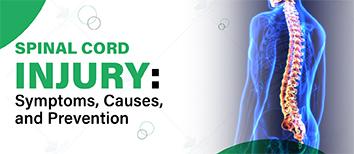
A spinal cord injury occurs when there is damage to the spinal cord, often resulting from trauma, disease, or degenerative conditions.

Multiple sclerosis is a neurological disease that affects the brain and spinal cord.

As the temperatures drop and winter settles in, many of us look forward to the beauty of the season—snowflakes dancing through the air, festive decorations, and cozy nights by the fire. However, winter also brings its share of challenges, particularly for those who suffer from cold sores. These painful blisters can be a recurring issue during the colder months, often exacerbated by harsh weather conditions. To improve your condition, contact the best dermatology hospital in Noida. Let’s explore the relationship between winter weather and cold sores, the underlying causes, effective prevention strategies, and treatment options to keep your lips healthy and comfortable all season long.
Stay Ahead of Cold Sores This Winter! Don’t let cold sores ruin your winter fun. Contact us at +91 9667064100.
Cold sores, also known as fever blisters, are small, fluid-filled blisters that typically appear on or around the lips. They are caused by the herpes simplex virus (HSV), primarily HSV-1, although HSV-2 can also be a culprit. The virus is highly contagious and can be transmitted through direct contact with an infected person or by sharing items such as utensils, lip balms, or towels.
Cold sores often begin with a tingling or itching sensation, followed by the formation of small blisters that may burst and crust over. Common symptoms include:
Tingling or burning sensation: This occurs before the blisters appear.
Red, swollen blisters: These can cluster together and eventually burst.
Crusting and scabbing: After the blisters burst, they will form a crust and eventually heal.
While cold sores are not life-threatening, they can be uncomfortable and embarrassing, leading many individuals to seek ways to prevent and treat them.
Winter weather can create an environment that exacerbates cold sores for several reasons. Understanding these factors can help you take proactive measures to protect your lips during the colder months.
1. Cold and Dry Air
The winter months often bring cold, dry air that can strip moisture from your skin and lips. This lack of humidity can lead to chapped lips, making them more vulnerable to irritation and cracking. When your lips are damaged, it becomes easier for the herpes simplex virus to reactivate and cause an outbreak.
2. Indoor Heating
While we seek warmth indoors during winter, the heat can create an equally dry environment. Central heating systems can reduce indoor humidity, contributing to dry skin and lips. The more dehydrated your skin becomes, the greater the risk of developing cold sores.
3. Seasonal Stressors
The winter season can bring additional stressors, including the hustle and bustle of the holidays, seasonal affective disorder (SAD), and other emotional challenges. Stress is a known trigger for cold sores, as it can weaken the immune system and allow the virus to become active again.
4. Weakened Immune System
Cold and flu season coincides with winter, and many people experience a weakened immune system during this time. Illness can lower your body’s ability to fend off the herpes simplex virus, making it easier for cold sores to appear.
Taking preventive measures is key to keeping cold sores at bay during the winter months. Here are several effective strategies to protect your lips and minimize the risk of outbreaks.
1. Keep Your Lips Moisturized
To combat dry air and chapped lips, it's crucial to keep your lips moisturized. Use a high-quality lip balm that contains protective ingredients such as beeswax, shea butter, or coconut oil. Look for products with SPF to protect against sun exposure, even in winter.
2. Stay Hydrated
Drinking plenty of water is essential for maintaining hydration throughout the winter. Dehydration can lead to dry skin and lips, increasing the likelihood of cold sore outbreaks. Aim to drink at least eight glasses of water a day, and consider herbal teas or warm broths for additional hydration.
3. Manage Stress
Finding ways to manage stress during the winter months can help reduce the risk of cold sores. Consider practicing relaxation techniques such as meditation, yoga, or deep breathing exercises. Engaging in physical activity can also boost your mood and strengthen your immune system.
4. Avoid Triggers
Identify and avoid personal triggers that may lead to cold sore outbreaks. This could include factors such as stress, illness, excessive sun exposure, or even certain foods. Keeping a journal to track when outbreaks occur can help you recognize patterns and avoid specific triggers.
5. Practice Good Hygiene
Good hygiene practices can prevent the spread of the herpes simplex virus and minimize the risk of outbreaks. Wash your hands frequently, especially after touching your face, and avoid sharing personal items like lip balm or towels with others. If you have an active cold sore, refrain from kissing or engaging in oral contact to prevent transmission.
6. Use Antiviral Medication
If you experience frequent cold sores, consider discussing antiviral medication with your healthcare provider. Medications such as acyclovir, valacyclovir, or famciclovir can help reduce the frequency and severity of outbreaks. Your doctor can help you determine if this is a suitable option for you.
If a cold sore does appear despite your best efforts, there are several treatment options available to help alleviate symptoms and promote healing.
1. Over-the-Counter Creams
Topical treatments containing docosanol or benzyl alcohol can help soothe the symptoms of cold sores and speed up healing. These creams work best when applied at the first sign of an outbreak.
2. Oral Antiviral Medications
For those with severe or recurrent cold sores, prescription oral antiviral medications can be effective. These medications can help shorten the duration of an outbreak and reduce the severity of symptoms.
3. Home Remedies
Some individuals find relief from cold sores through home remedies. While scientific evidence may vary, the following options may provide some comfort:
Cold compress: Applying a cold, damp cloth to the affected area can reduce swelling and soothe discomfort.
Aloe vera gel: Known for its healing properties, aloe vera may help soothe cold sores and promote healing.
Tea bags: Placing a used tea bag on a cold sore can provide relief due to the tannins in the tea, which may help reduce the severity of the outbreak.
4. Avoid Picking at Cold Sores
It’s important to resist the urge to pick at or squeeze cold sores, as this can lead to further irritation and potential infection. Allow the cold sore to heal naturally and avoid touching it to minimize the risk of spreading the virus.
5. Maintain a Healthy Immune System
A healthy immune system is your body’s best defense against cold sores. To support your immune health, focus on a balanced diet rich in fruits, vegetables, whole grains, and lean proteins. Regular exercise, adequate sleep, and proper hydration are also essential for a strong immune system.
While cold sores are generally manageable at home, there are times when it’s important to seek medical attention. Consider consulting a healthcare professional if:
You experience frequent or severe outbreaks.
Cold sores do not heal within two weeks.
You have a weakened immune system due to a medical condition or treatment.
You develop a fever, swollen lymph nodes, or other unusual symptoms.
At Felix Hospital, our dedicated team of Skincare specialists in Noida is here to provide exceptional care for conditions like cold sores, particularly during the harsh winter months. Meet our top skin care doctors:
Dr. Kusum Gupta: A highly regarded dermatologist with extensive experience, Dr. Gupta specializes in treating a variety of skin issues, including cold sores and the effects of UV damage during the winter.
Schedule a consultation with our skincare specialists at Felix Hospital to learn more about prevention strategies by Clicking Here.
Winter weather can pose unique challenges for individuals prone to cold sores. The combination of cold, dry air, indoor heating, and seasonal stressors can increase the risk of outbreaks. However, by taking proactive measures to protect your lips and manage triggers, you can minimize the likelihood of developing cold sores this winter.
Maintaining hydration, practicing good hygiene, and using effective treatments when necessary can help ensure that your lips remain healthy and comfortable throughout the season. If cold sores persist or become a significant issue, consult a healthcare professional for tailored advice and treatment options. Embrace the beauty of winter while keeping your lips protected and feeling great!
Q-What are cold sores, and what causes them?
ANS: Cold sores, also known as fever blisters, are small, fluid-filled blisters caused primarily by the herpes simplex virus (HSV). They often appear on or around the lips and can be triggered by factors such as stress, illness, and dry weather.
Q- How can I prevent cold sores in winter?
ANS: To prevent cold sores during winter, keep your lips moisturized, stay hydrated, manage stress, avoid personal triggers, practice good hygiene, and consider using antiviral medication if you have frequent outbreaks.
Q- What are the symptoms of cold sores?
ANS: Symptoms typically include a tingling or burning sensation before blisters appear, followed by the formation of red, swollen blisters that may burst and crust over.
Q- Are cold sores contagious?
ANS: Yes, cold sores are highly contagious. The herpes simplex virus can be transmitted through direct contact with an infected person or by sharing items like utensils, lip balms, or towels.
Q- What should I do if I feel a cold sore coming on?
ANS: At the first sign of a cold sore, apply a topical treatment containing docosanol or benzyl alcohol, keep the area moisturized, and consider taking oral antiviral medications if you have a prescription.
Q- Can home remedies help treat cold sores?
ANS: Some people find relief from cold sores using home remedies like cold compresses, aloe vera gel or used tea bags. While these may provide comfort, they are not substitutes for medical treatment.
Q- When should I see a doctor about my cold sores?
ANS: You should seek medical attention if you experience frequent or severe outbreaks if cold sores do not heal within two weeks, or if you have a weakened immune system or unusual symptoms like fever or swollen lymph nodes.
Q- Is there a permanent cure for cold sores?
ANS: There is currently no permanent cure for cold sores, but antiviral medications can help manage outbreaks, reduce their frequency, and alleviate symptoms effectively.

Certain skin disorders aren’t preventable, including genetic conditions and some skin problems due to other illnesses.

Atopic dermatitis eczema is a chronic inflammatory skin disease that results in itchy, red, and scaly patches on the skin
It’s essential to note that the cost of skin pigmentation disorder treatment in Noida can differ based on the type of treatment required and the healthcare facility's resources.
Understanding the types of skin rashes, their symptoms, causes, and treatment options is essential for anyone experiencing skin issues.


Subscribe to our
© Copyright 2026. All Rights Reserved by Felix Healthcare Private Limited
Design and development by :


 +(91)9667064100
 Emergency : +(91)9667064100