 WhatsApp
 Emergency:
  WhatsApp













Subscribe to our

Your heart is the engine that powers your body, tirelessly pumping blood and supplying oxygen and nutrients to sustain life. Prioritizing heart health at every stage of life is crucial for preventing diseases and enhancing overall well-being. By focusing on proactive care and informed choices, you can enjoy a healthier future. This guide offers actionable strategies tailored to different age groups, helping you maintain a strong, healthy heart. If you're seeking top-notch cardiac care, the best Heart Hospital in Noida provides expert services and comprehensive treatment to ensure your heart remains in optimal condition.
Make your heart healthy with Felix Hospitals book your appointment by calling +91 9667064100.
Heart disease is one of the leading causes of death worldwide. However, the good news is that most heart conditions can be prevented or managed through a combination of healthy lifestyle choices, regular medical checkups, and early intervention. A proactive approach to heart health services not only extends life expectancy but also improves the quality of life.
Although heart disease is rare during childhood, the foundation for lifelong heart health services is laid in these formative years. Children who develop healthy habits early are more likely to maintain them into adulthood.
Encourage Physical Activity:
Aim for at least 60 minutes of moderate to vigorous activity daily. Activities like cycling, swimming, and sports improve cardiovascular fitness.
Promote a Balanced Diet:
Include fruits, vegetables, whole grains, lean proteins, and low-fat dairy products.
Limit sugar, salt, and saturated fats to reduce the risk of developing obesity and high blood pressure.
Regular Checkups:
Periodic health screenings help monitor weight, blood pressure, and cholesterol levels.
Screen for Congenital Heart Issues:
Consult a pediatrician if there’s a family history of heart conditions.
In your 20s and 30s, life often gets busier with academic, career, or family responsibilities. However, neglecting heart health services at this stage can have long-term consequences.
Maintain a Healthy Weight:
Obesity increases the risk of hypertension and Type 2 diabetes, both of which are significant risk factors for heart disease.
Adopt Stress-Management Techniques:
Practice mindfulness, yoga, or meditation to counteract stress, a silent contributor to heart problems.
Quit Smoking:
Smoking damages blood vessels, raises blood pressure, and significantly increases the risk of heart attack.
Regular Health Screenings:
Get your blood pressure, cholesterol, and blood sugar levels checked every 4–6 years or as recommended by your doctor.
During middle age, the risk of heart disease begins to rise. Lifestyle changes, stress, and genetic predispositions make this stage a critical time for focusing on heart health.
Monitor Cholesterol Levels:
High cholesterol can lead to plaque buildup in the arteries, increasing the risk of heart attacks. Incorporate heart-friendly foods like nuts, fish, and oats into your diet.
Control Blood Pressure:
Limit sodium intake and consume potassium-rich foods like bananas and sweet potatoes to manage blood pressure naturally.
Stay Active:
Engage in at least 150 minutes of moderate-intensity exercise or 75 minutes of vigorous exercise weekly. Brisk walking, jogging, and resistance training are excellent options.
Avoid Excessive Alcohol:
Moderation is key. Excessive alcohol intake can lead to high blood pressure, obesity, and other heart-related issues.
As you age, your heart and blood vessels change, increasing the risk of cardiovascular diseases. However, proactive measures can help you maintain heart health even in your golden years.
Stay Active Safely:
Low-impact exercises such as walking, swimming, or yoga help improve circulation without putting undue strain on the heart.
Eat a Heart-Healthy Diet:
Follow a Mediterranean-style diet rich in olive oil, whole grains, fish, and vegetables to protect against atherosclerosis and other heart conditions.
Stay Hydrated:
Proper hydration supports overall cardiovascular health.
Monitor Symptoms:
Be alert for signs like chest pain, shortness of breath, or dizziness, and consult a healthcare provider promptly.
Take Medications as Prescribed:
If you’ve been diagnosed with a heart condition, follow your doctor’s recommendations carefully.
Regardless of age, certain habits are universally beneficial for maintaining heart health.
Balanced Nutrition:
Focus on consuming a diet rich in whole foods, healthy fats, lean proteins, and fiber. Avoid processed foods high in trans fats and sugar.
Regular Physical Activity:
Movement is essential for keeping the heart and circulatory system in top shape.
Adequate Sleep:
Adults should aim for 7–9 hours of quality sleep each night, as poor sleep is linked to heart disease.
Stay Socially Connected:
Loneliness and isolation can increase stress and blood pressure. Maintain relationships and engage in community activities.
Avoid Prolonged Sitting:
Take breaks to stand, stretch, and walk, especially if your work involves long hours of sitting.
Coronary Artery Disease (CAD)
Caused by plaque buildup in the arteries. Prevent it by managing cholesterol and blood pressure.
Heart Failure
Often a result of untreated hypertension or diabetes. Early detection and lifestyle changes are critical.
Arrhythmia
Abnormal heart rhythms can be managed with medications and lifestyle modifications.
Stroke
A related condition often caused by untreated hypertension and atherosclerosis. Regular checkups and a healthy lifestyle reduce risks.
Routine medical checkups are vital for detecting heart problems early. Your doctor may recommend:
Blood Pressure Monitoring: High blood pressure often has no symptoms.
Cholesterol Tests: Helps assess the risk of CAD.
Electrocardiograms (ECGs): Detect irregular heart rhythms.
Stress Tests: Evaluate heart function during physical activity.
Fruits and Vegetables: Leafy greens, berries, and citrus fruits.
Whole Grains: Brown rice, oats, and quinoa.
Healthy Fats: Avocados, olive oil, and fatty fish like salmon.
Nuts and Seeds: Almonds, walnuts, chia seeds, and flaxseeds.
Legumes: Lentils, chickpeas, and beans.
At Felix Hospitals, we prioritize your well-being, ensuring a patient-first approach in every consultation and procedure.
Dr. Rahul Arora—Renowned for his expertise in interventional cardiology, Dr. Arora is now available at Felix Hospital's new facility in Noida Sector 83. Focusing on minimally invasive procedures and preventive care, he is committed to helping patients lead healthier lives.
Dr. Virendra Singh – Specializing in advanced cardiac care, Dr. Singh is now serving patients at Felix Hospital's Greater Noida Gamma 1 facility. His extensive experience in treating heart diseases makes him a trusted name in the field.
Take the first step toward better heart health by scheduling a consultation by Clicking Here with Felix Hospitals.
Heart health is a lifelong journey that demands proactive care, personalized strategies, and consistent medical attention. Regardless of your age, embracing heart-healthy habits can greatly lower your risk of heart disease while improving your overall quality of life. Begin with small, manageable changes today—your heart will thank you for years to come. To learn more about the Best Heart treatment cost in Noida, call us and take the first step toward a healthier heart.
Q- What daily habit has the most significant impact on heart health?
ANS: Each day, engaging in at least 30 minutes of moderate physical activity, such as brisk walking or cycling, strengthens the heart and improves circulation.
Q- How can stress management directly protect heart health?
ANS: Techniques like guided meditation and deep-breathing exercises reduce stress hormones, which can otherwise increase heart rate and blood pressure.
Q- If my family has a history of heart disease, am I at high risk?
ANS: While genetics can elevate your risk, controlling factors like diet, exercise, and regular screenings can significantly offset hereditary predispositions.
Q- What types of exercise are safest for seniors with heart conditions?
ANS: Low-impact activities such as water aerobics or tai chi help enhance cardiovascular health while minimizing strain on joints and muscles.
Q- How does a plant-based diet benefit the heart specifically?
ANS: Foods like lentils, spinach, and walnuts are high in fiber and unsaturated fats, which help reduce bad cholesterol and inflammation associated with heart disease.
Q- How often should cholesterol and blood pressure be checked for someone over 40?
ANS: Cholesterol should be tested every 2–4 years and blood pressure at least annually or more frequently if levels are borderline or high.
Q- What are the less obvious signs of a heart attack?
ANS: Beyond chest pain, symptoms like extreme fatigue, upper back discomfort, cold sweats, or lightheadedness could indicate a heart attack and require immediate medical attention.

At Felix Hospital, recognized as the best cardiology hospital in Noida, we understand the importance of heart health and offer comprehensive care to keep your cardiovascular system functioning at its best.

Prostate cancer is a significant health concern for men, particularly as they age. Understanding the early warning signs and symptoms can be crucial for timely diagnosis and treatment. For men seeking guidance, knowing the best oncology hospital in Noida is essential. Early detection can make a substantial difference in outcomes, emphasizing the importance of regular check-ups and awareness of the disease's symptoms. This blog aims to illuminate the key signs of prostate cancer that every man should know, alongside insights into diagnosis and treatment options.
Schedule a consultation at the best hospital for prostate cancer treatment in Noida today! Call Now at +91 9667064100.
Prostate cancer occurs when the cells in the prostate gland begin to grow uncontrollably. The prostate is a small walnut-shaped gland located below the bladder, responsible for producing seminal fluid, which nourishes and transports sperm. While some forms of prostate cancer grow slowly and may not cause significant health issues, others can be aggressive and spread quickly.
Risk factors for prostate cancer include age (most commonly diagnosed in men over 50), family history, race (more prevalent in African American men), and certain genetic mutations. Understanding these factors and recognizing symptoms can empower men to take proactive steps in managing their health.
Recognizing the symptoms of prostate cancer early can be vital for effective treatment. Here are five key symptoms every man should be aware of:
One of the earliest signs of prostate cancer may involve changes in urinary habits. Men may notice:
Increased Frequency: Needing to urinate more often, especially at night (nocturia).
Urgency: A sudden and strong need to urinate that may be difficult to control.
Weak Stream: A decrease in the strength or flow of urine.
Painful Urination: Discomfort or a burning sensation while urinating.
These urinary symptoms can stem from prostate enlargement or irritation and should be discussed with a healthcare provider.
The presence of blood in the urine (hematuria) or semen (hematospermia) can be alarming and is a symptom that should never be ignored. While there are several possible causes for blood in these fluids, it can indicate an underlying issue, including prostate cancer.
Men should seek medical advice promptly if they notice any discoloration in their urine or semen, as this could signify not only prostate cancer but other serious conditions that require immediate attention.
Pain that persists in the lower back, hips, or pelvic region may signal that prostate cancer has spread beyond the prostate gland. This type of pain is often associated with advanced prostate cancer, where the cancerous cells have invaded nearby tissues or bones.
Bone Pain: Pain that is sharp, persistent, or worsens over time should be evaluated by a healthcare professional.
Referred Pain: Sometimes, the pain felt in one area can be due to issues originating in the prostate.
If a man experiences unexplained pain in these areas, especially when combined with other symptoms, he should seek a comprehensive evaluation.
Erectile dysfunction (ED) can be an early symptom of prostate cancer. While many factors can contribute to ED, including psychological stress and other medical conditions, the development of erectile problems can sometimes correlate with prostate issues.
Changes in Sexual Function: If a man notices difficulty achieving or maintaining an erection, it is essential to discuss this with a healthcare provider.
Prostate cancer treatments, such as surgery or radiation, can also affect erectile function, so early intervention can be critical.
Sudden, unexplained weight loss can be a concerning symptom, particularly in the context of prostate cancer. While weight loss can occur due to various reasons, cancer-related weight loss is often a result of the body’s increased energy expenditure as it fights the disease.
Cachexia: Some men may experience a condition known as cachexia, characterized by significant weight loss, muscle wasting, and loss of appetite. This symptom may indicate that cancer is advancing and warrants immediate medical attention.
If a man notices sudden weight loss without making changes to his diet or exercise routine, he should consult a healthcare professional to rule out any underlying health issues.
If prostate cancer is suspected based on symptoms, a series of diagnostic tests will likely follow. The process typically includes:
Digital Rectal Exam (DRE): The physician will examine the prostate for abnormalities through the rectal wall.
Prostate-Specific Antigen (PSA) Test: A blood test measures the level of PSA, a substance produced by the prostate. Elevated levels can indicate prostate cancer or other prostate conditions.
Biopsy: If results from the DRE and PSA test suggest cancer, a biopsy may be performed to confirm the diagnosis. This involves taking a small sample of prostate tissue for examination under a microscope.
Imaging Tests: Additional imaging, such as ultrasound, MRI, or CT scans, may be conducted to determine if the cancer has spread.
The treatment for prostate cancer varies based on the stage of the disease, overall health, and patient preferences. Options include:
Active Surveillance: For slow-growing cancers, doctors may recommend monitoring the cancer without immediate treatment.
Surgery: A common treatment for localized prostate cancer is a prostatectomy, where the prostate gland is removed.
Radiation Therapy: High-energy rays target and kill cancer cells. This can be done externally or internally (brachytherapy).
Hormonal Therapy: This treatment reduces testosterone levels to slow the growth of cancer cells.
Chemotherapy: Typically used for advanced prostate cancer, chemotherapy involves medications that kill cancer cells.
For personalized treatment plans, it's vital to consult the best oncologist at a prostate cancer hospital in Noida.
Our dedicated team of specialists is here to provide you with the highest standard of care. Click Here to contact us at Felix Hospital today.
Understanding the symptoms of prostate cancer is essential for early detection and treatment. Men should not ignore warning signs and should seek medical advice if they experience any concerning symptoms. The best hospital for prostate cancer treatment in Noida, such as Felix Hospital, offers advanced diagnostic and treatment options, led by skilled oncologists. Awareness and proactive healthcare are vital components of managing prostate health.
Experience safe, advanced, and result-oriented Erectile Dysfunction treatment in Noida with expert urologist in noida at Felix Hospital.
1. What are the common symptoms of prostate cancer?
Ans. Common symptoms include changes in urination, blood in urine or semen, pain in the lower back or pelvis, erectile dysfunction, and unexplained weight loss.
2. At what age should men start screening for prostate cancer?
Ans. Most guidelines recommend that men begin discussions about prostate cancer screening at age 50, or earlier for those at higher risk.
3. Is prostate cancer a common disease?
Ans. Yes, prostate cancer is one of the most common cancers affecting men worldwide, particularly those over 50.
4. Can lifestyle changes reduce the risk of prostate cancer?
Ans. Yes, maintaining a healthy diet, exercising regularly, and avoiding smoking may help lower the risk of developing prostate cancer.
5. How is prostate cancer diagnosed?
Ans. Diagnosis typically involves a digital rectal exam, PSA blood test, and possibly a biopsy to confirm the presence of cancer.
6. What are the treatment options for prostate cancer?
Ans. Treatment may include active surveillance, surgery, radiation therapy, hormonal therapy, or chemotherapy, depending on the cancer stage and patient health.
7. Is it possible to live a normal life after prostate cancer treatment?
Ans. Many men can live healthy lives after treatment, although some may experience side effects such as changes in urinary or sexual function.
8. When should I seek medical attention for prostate cancer symptoms?
Ans. Seek medical advice if you experience any concerning symptoms, particularly changes in urination, pain, or unexplained weight loss. Early intervention is crucial for the best outcomes.
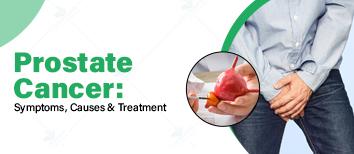
Prostate cancer is a common type of cancer in men that affects the prostate gland. Understanding its symptoms, causes, and treatment options can help in early detection and effective management.
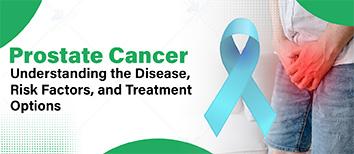
Prostate cancer is a type of cancer that occurs in the prostate gland, a small walnut-shaped gland responsible for producing seminal fluid, which nourishes and transports sperm.

Atezolizumab Injection is an immunotherapy drug used in treating various cancers. Learn about its price, side effects, dosage, and benefits in advanced cancer care.
Urological cancers, which include cancers of the bladder, kidneys, prostate, and testicles, pose significant health risks if not diagnosed and treated promptly. These cancers often have silent symptoms in their early stages, which can lead to delays in diagnosis. However, with the right medical approach, patients can have a strong fighting chance against these cancers.
At Felix Hospital, we’re committed to providing comprehensive, patient-focused treatment and utilizing advanced technology and expertise to offer hope to those facing urological cancers. This blog will dive into the types of urological cancers, early signs and symptoms, diagnostic procedures, treatment options, and why Felix Hospital is a trusted name in urological cancer treatment.
Understanding the different types of urological cancers is key to recognizing symptoms early and seeking prompt medical attention. The main types include:
Bladder Cancer: This cancer often begins in the cells lining the bladder and can progress to affect surrounding tissues and organs. Symptoms commonly include blood in the urine, frequent urination, and pain during urination.
Kidney Cancer: Primarily originating in the kidneys, this cancer often goes unnoticed in its early stages. Symptoms may include blood in the urine, a persistent lump or pain on the side, and fatigue.
Prostate Cancer: Prostate cancer affects the prostate gland in men and is one of the most common cancers in men. Symptoms are often silent initially but may later include difficulty urinating, pelvic discomfort, and in advanced stages, pain in bones.
Testicular Cancer: Primarily affecting young and middle-aged men, testicular cancer is marked by a lump or swelling in the testicle, which may or may not be painful.
Penile Cancer: A rare form of cancer that affects the skin and tissues of the penis. Symptoms include lumps, sores, and unusual discharge.
Each type of urological cancer has its symptoms, and early detection is essential. Common warning signs to be aware of include:
Blood in urine or semen
Pain or burning during urination
Persistent lower back or pelvic pain
Swelling or lumps in the testicular or pelvic region
Unexplained fatigue or weight loss
Risk factors vary by type but commonly include age, family history, exposure to certain chemicals, and lifestyle choices such as smoking or a high-fat diet. Early recognition of symptoms and risk factors can significantly impact the success of treatment, making regular screenings and consultations essential for those at risk.
Effective diagnosis is a critical step in the fight against urological cancer. At Felix Hospital, we offer a comprehensive array of diagnostic tools:
Imaging Tests: These may include ultrasounds, CT scans, and MRIs to obtain clear images of the affected areas and identify tumors or abnormal growths.
Biopsies: A tissue sample is taken from the affected area to examine for cancer cells. Felix Hospital’s pathology team provides precise analyses, crucial for determining treatment options.
Blood and Urine Tests: Blood and urine tests can reveal markers that may indicate cancer, providing additional clues for diagnosis.
Cystoscopy and Ureteroscopy: These procedures use a thin, lighted tube inserted through the urethra to look directly at the bladder and urethra or ureters and kidneys.
Prostate-Specific Antigen (PSA) Test: A common test for prostate cancer, the PSA test measures the level of PSA in the blood to detect abnormalities in the prostate gland.
Felix Hospital is equipped with a range of advanced treatment options for urological cancers, tailored to the specific needs of each patient.
Surgery: Surgical removal of tumors or affected organs is often the most effective approach for localized cancers. Our skilled surgical team performs minimally invasive surgeries whenever possible, reducing recovery time and improving outcomes.
Radiation Therapy: Radiation is used to target and kill cancer cells, often combined with surgery or chemotherapy for a more comprehensive approach.
Chemotherapy: Chemotherapy is used to eliminate cancer cells and shrink tumors, often in combination with surgery or radiation. It’s particularly effective for cancers that have spread to other areas of the body.
Immunotherapy: This approach uses the body’s immune system to fight cancer cells, proving especially effective for kidney and bladder cancers.
Targeted Therapy: Targeted therapies focus on specific molecules that aid in cancer cell growth, effectively stopping the spread of the disease without harming healthy cells.
Hormone Therapy: For prostate cancer, hormone therapy helps reduce hormone levels that fuel cancer growth, helping to slow or stop cancer progression.
Choosing the right healthcare facility is essential in receiving top-quality cancer care. Felix Hospital is known for its comprehensive approach to urological cancer treatment, blending cutting-edge technology with compassionate care. Here’s why patients trust us:
Advanced Technology: Felix Hospital employs state-of-the-art diagnostic and treatment tools to ensure precision and efficacy in every stage of care, from diagnosis to post-treatment support.
Personalized Care Plans: We understand that every patient is unique, which is why we develop individualized treatment plans based on specific conditions, risk factors, and patient preferences.
Holistic Support: Beyond medical treatment, we provide counseling, nutritional guidance, and other supportive services to ensure that patients have a robust support system throughout their journey.
Accessible and Affordable Care: Felix Hospital strives to make healthcare accessible by offering transparent pricing, financial assistance, and insurance support.
Experienced Team of Specialists: Our urology and oncology specialists bring extensive experience and expertise in treating various forms of urological cancer.
After treatment, patients often require ongoing care and rehabilitation to regain their strength and health. Felix Hospital provides post-treatment support that includes:
Follow-Up Appointments: Regular follow-ups are crucial for monitoring recovery and addressing any side effects or recurrence concerns.
Rehabilitation Programs: We offer physical therapy and other rehabilitative services to help patients regain mobility and physical well-being.
Counseling and Mental Health Support: Coping with cancer can be challenging, and Felix Hospital provides counseling services to support the mental health and emotional needs of our patients.
Trust Felix Hospitals for the best Urological Treatment, specialized medical services, and compassionate support during your critical moments by Clicking Here.
Urological cancer can be a daunting diagnosis, but with early detection and a comprehensive treatment approach, patients have a strong chance of recovery. Felix Hospital’s commitment to providing patient-centered care, advanced medical technology, and a team of highly skilled specialists makes us a leader in urological cancer treatment. We strive to empower our patients with the knowledge, support, and treatment they need to face cancer confidently. At Felix Hospital, we believe in giving our patients hope and a path to recovery, making each step of their journey a little easier.
Felix Hospital stands as the Best Urology Hospital in Noida, offering advanced treatments, urology doctors in Noida, and world-class care for all urinary and kidney-related conditions.
Q- What are the early signs of urological cancer?
ANS: Symptoms vary by type but often include blood in urine, pain during urination, lumps, or persistent pain in the lower back or pelvis.
Q- How is urological cancer diagnosed?
ANS: Diagnostic tools include imaging tests, biopsies, blood tests, and urine tests to confirm the presence and stage of cancer.
Q- What are the treatment options for urological cancer?
ANS: Treatment options include surgery, radiation therapy, chemotherapy, immunotherapy, and targeted therapy, depending on the cancer type and stage.
Q- Why should I choose Felix Hospital for urological cancer treatment?
ANS: Felix Hospital offers a team of experienced specialists, advanced diagnostic tools, personalized care plans, and a holistic support system for cancer patients.
Q- Does Felix Hospital provide post-treatment support?
ANS: Yes, Felix Hospital offers follow-up care, rehabilitation programs, and mental health support to aid in recovery and improve the quality of life.

Urological health is vital for well-being, influenced by diet and exercise. Good nutrition and activity help prevent conditions like UTIs, kidney stones, and cancers.
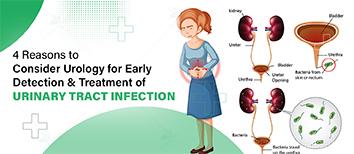
One of the best hospitals for urinary tract treatment in Noida offers comprehensive urology care, featuring expert urologists and advanced diagnostic and treatment facilities.

A pacemaker is a small device implanted in the chest to regulate abnormal heart rhythms. This procedure is often recommended for patients experiencing bradycardia (slow heart rate), atrial fibrillation, or other conditions that disrupt the normal rhythm of the heart. By sending electrical impulses to the heart, the pacemaker ensures it beats at a healthy rate, improving the quality of life and reducing the risk of complications.
Trust Felix Hospitals for the best Cardiologist, specialized medical services, and compassionate support during your critical moments by Clicking Here.
The cost of pacemaker surgery can vary widely based on several factors. Here’s a breakdown of key elements that can influence the overall expense:
Pacemakers come in various forms, including single-chamber, dual-chamber, and biventricular pacemakers. The type and functionality of the pacemaker directly impact its cost. More advanced devices, like those for managing heart failure, tend to be more expensive.
The choice of hospital and the surgeon’s expertise can significantly affect costs. Reputable hospitals with state-of-the-art equipment and highly qualified cardiac specialists may charge higher fees, but they also ensure higher standards of care.
Pre-surgery evaluations include various tests, such as electrocardiograms (ECG), echocardiograms, blood tests, and sometimes CT scans or MRIs. These assessments help the medical team determine the best approach, adding to the overall cost.
While pacemaker implantation is generally straightforward, complex cases that require additional interventions may lead to increased costs.
After surgery, patients typically need monitoring, medication, and follow-up appointments. These post-operative care needs are essential for recovery and add to the overall expense.
The cost of medical procedures often varies based on location. Urban hospitals or specialized cardiac centers may charge more than facilities in smaller towns or rural areas.
While the costs vary, a typical pacemaker surgery can range between $10,000 to $50,000 or more, depending on the factors mentioned above. The cost can be higher for advanced pacemakers or complex surgical procedures. This range includes hospital fees, the pacemaker device, and other expenses.
Insurance can significantly reduce out-of-pocket expenses for pacemaker surgery. Here’s a look at what to expect from most insurance providers:
Since pacemaker surgery is often deemed medically necessary, many health insurance policies provide coverage for the procedure. This includes Medicare, private insurance, and other health plans that recognize the importance of managing heart rhythm disorders.
Insurance coverage depends on the specifics of the policy. For example, while many plans cover a significant portion of the surgery cost, there may be co-pays, deductibles, or specific coverage limits. It’s essential to understand your policy to avoid unexpected expenses.
Insurance providers typically require pre-authorization for pacemaker surgery. Before scheduling the procedure, consult your insurance provider to confirm coverage and ensure all necessary paperwork is completed. Pre-authorization helps prevent delays and out-of-pocket costs.
Choosing a surgeon and hospital within your insurance network can reduce costs significantly. Out-of-network providers may be partially covered or not at all, leading to higher out-of-pocket expenses.
Many insurance policies cover follow-up visits and necessary medications post-surgery. Confirm with your provider which aspects of post-operative care, such as follow-ups, medications, and device monitoring, are covered under your plan.
For eligible patients, Medicare and Medicaid offer substantial assistance for pacemaker surgeries. Medicare Part A and Part B typically cover hospital and medical services related to the procedure, while some additional costs may require supplemental coverage.
Here are some strategies to help reduce the financial burden associated with pacemaker surgery:
Look for facilities that offer transparent pricing, and inquire about package deals or discounts. Felix Hospitals, for instance, provides comprehensive care with transparent pricing structures to help patients manage expenses.
Understanding your coverage can help you budget effectively. Consult your insurance provider to confirm your benefits, copays, and any additional costs you may incur.
Many hospitals offer financial assistance programs for eligible patients. These programs are designed to provide financial relief based on income, medical needs, and other factors.
Some hospitals and medical providers offer payment plans to help patients spread the cost of treatment over time. Ask about these options during your consultation to ease the financial burden.
While it’s essential to choose a reputable facility, look for hospitals that provide necessary services without extra fees. Felix Hospitals, for example, focuses on quality care with affordable pricing and no hidden charges.
At Felix Hospital, we prioritize patient-centered care and transparency in pricing. With a team of highly skilled cardiac specialists, advanced technology, and state-of-the-art facilities, we provide comprehensive care for heart rhythm disorders. Felix Hospital ensures that each patient receives personalized attention and support throughout the pacemaker implantation and recovery process.
Trust Felix Hospitals for the best Cardiologist, specialized medical services, and compassionate support during your critical moments by Clicking Here.
Pacemaker surgery is a vital procedure for those with heart rhythm disorders, improving quality of life and preventing complications. Understanding the costs, insurance factors, and options available can help you make informed decisions. At Felix Hospitals, we are dedicated to providing accessible, high-quality care with a focus on affordability and transparency, ensuring that patients receive the support they need at every stage of their healthcare journey.
Q- What is the typical cost of pacemaker surgery?
ANS: The cost of pacemaker surgery varies, generally ranging between $10,000 to $50,000, depending on factors like pacemaker type, hospital choice, and the complexity of the procedure.
Q- Does insurance cover the cost of pacemaker surgery?
ANS: Yes, most insurance policies cover pacemaker surgery as it is considered medically necessary. It’s essential to check specific policy terms, co-pays, and any deductibles with your provider.
Q- Are there financial assistance options for pacemaker surgery?
ANS: Many hospitals, including Felix Hospitals, offer financial assistance programs for eligible patients. These programs aim to help patients manage costs based on financial need.
Q- What follow-up costs should I expect post-surgery?
ANS: Post-surgery, there may be additional costs for follow-up visits, device monitoring, and medications. Some of these may be covered by insurance, so check with your provider.
Q- Why choose Felix Hospitals for pacemaker surgery?
ANS: Felix Hospitals offers comprehensive, patient-centered care with transparent pricing and a team of expert cardiac specialists. Our focus on quality and affordability ensures patients receive top-notch care without hidden fees.
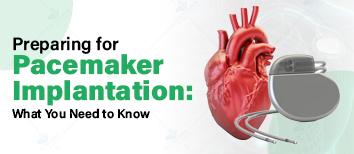
A Pacemaker is crucial for people with serious heart rhythm problems. Recognizing signs that you might need a pacemaker can lead to timely medical help and improve your daily life.

सर्दियों में ठंडी और शुष्क हवाएं आंखों की समस्याओं का कारण बन सकती हैं। इसलिए इनसे बचाव और सही देखभाल आवश्यक है। पर्याप्त पानी का सेवन, पोषक तत्वों से भरपूर आहार, स्क्रीन टाइम सीमित करना, ह्यूमिडिफायर का उपयोग और समय-समय पर आंखों की जांच कराना आपकी आंखों को स्वस्थ बनाए रख सकता है। अगर किसी प्रकार की समस्या हो तो जल्द से जल्द अच्छे आँखों के हॉस्पिटल (best eye hospital in Noida) से संपर्क करें और उचित इलाज कराएं। यहां सर्दियों में आंखों को स्वस्थ रखने के कुछ सुझाव दिए गए हैं, जिन्हें अपनाकर आप अपनी आंखों की देखभाल बेहतर तरीके से कर सकते हैं।
ज्यादा जानकारी के लिए हमें कॉल करें +91 9667064100.
सर्दियों में शुष्क हवा के कारण आंखें ड्राई हो जाती हैं, जिससे जलन और खुजली जैसी समस्याएं होती हैं। अपनी आंखों की नमी बनाए रखने के लिए दिन में अधिक पानी पिएं और कृत्रिम आंसू (आई ड्रॉप्स) का इस्तेमाल करें। यदि आपकी आंखें अधिक शुष्क रहती हैं, तो अपनी आंखों पर ठंडी या गुनगुनी पट्टियां रखें, ताकि शुष्कता कम हो सके।
आंखों की सेहत के लिए विटामिन ए, विटामिन सी, विटामिन ई और ओमेगा-3 फैटी एसिड जरूरी होते हैं। सर्दियों में हरी सब्जियाँ, गाजर, संतरा, और नट्स जैसे खाद्य पदार्थों का सेवन करना आंखों के स्वास्थ्य के लिए फायदेमंद है। ये पोषक तत्व आंखों की मांसपेशियों को मजबूत करते हैं और संक्रमण से बचाव करते हैं।
सर्दियों में लोग ज्यादातर समय घर के अंदर रहते हैं, जिससे लैपटॉप, मोबाइल और टीवी स्क्रीन पर समय बिताने की आदत बढ़ जाती है। अधिक स्क्रीन टाइम से आंखों में तनाव और सूखापन हो सकता है। इसलिए, हर 20 मिनट पर 20 सेकंड के लिए 20 फीट दूर किसी वस्तु को देखें ("20-20-20 रूल") और स्क्रीन का ब्राइटनेस कम रखें।
ठंडे मौसम में हीटर और ब्लोअर का उपयोग आंखों की नमी कम करता है। अपने कमरे में ह्यूमिडिफायर का उपयोग करें या गीले कपड़े रखें, ताकि हवा में नमी बनी रहे और आंखें ड्राईनेस से बच सकें।
ठंडी और शुष्क हवाओं से बचने के लिए बाहर जाते समय धूप का चश्मा पहनें, जो आपकी आंखों को ठंडी हवाओं और धूप से सुरक्षित रखेगा। इससे आंखों में ड्राईनेस, जलन और खुजली से बचाव होगा।
आंखों में जलन, खुजली, लाली, और सूखापन महसूस होना इसके लक्षण है। इसका कारण: सर्दियों की ठंडी और शुष्क हवा के कारण नमी की कमी होना है। इलाज के लिए आई ड्रॉप्स और ह्यूमिडिफायर का इस्तेमाल करें।
आंखों में जलन, लाली, और पानी आना इसके लक्षण है। इसका कारण शुष्क मौसम में बैक्टीरिया और वायरस से संक्रमण है। एंटीबायोटिक आई ड्रॉप्स, गर्म पानी की पट्टी से सिकाई इसका इलाज है।
पलकों के किनारे सूजन, खुजली, और जलन इसके लक्षण है। इसका कारण बैक्टीरिया और शुष्क हवा है। गुनगुने पानी से साफ-सफाई, एंटीबायोटिक मलहम इसका इलाज है।
आंखों में खुजली, पानी आना, और लाली इसके लक्षण है। इसका कारण सर्दियों में हवा में मौजूद एलर्जेंस है। एलर्जी के लिए आई ड्रॉप्स और डॉक्टर द्वारा सुझाए गए मेडिकेशन इसका इलाज है।
शुष्क मौसम के कारण आंखों में नमी की कमी हो जाती है, जिससे आंखों में जलन और खुजली महसूस हो सकती है।
ठंडी हवा और शुष्कता के कारण आंखों में जलन होना सामान्य है। कई लोगों को इस मौसम में चुभन और संवेदनशीलता बढ़ी हुई महसूस होती है।
ठंडी हवा के कारण आंखों की सतह पर रक्त संचार प्रभावित होता है, जिससे आंखें लाल और सूजी हुई लग सकती हैं।
ठंड के कारण आंखों में ब्लड फ्लो में कमी होती है, जिससे धुंधलेपन की समस्या उत्पन्न हो सकती है।
ठंड और ड्राई आई के कारण आंखों की ग्रंथियां अति सक्रिय हो सकती हैं, जिससे आंसू अधिक निकलते हैं।
सर्दियों में हवा में नमी कम हो जाती है, जिससे आंखों की सतह पर नमी बनाए रखना मुश्किल हो जाता है और ड्राई आई सिंड्रोम की समस्या बढ़ जाती है।
कमरे में हीटर या ब्लोअर चलाने से हवा अधिक शुष्क हो जाती है, जिससे आंखों में जलन और ड्राईनेस महसूस हो सकती है।
सर्दियों में सूरज की किरणें जमीन से परावर्तित होकर आंखों को नुकसान पहुंचा सकती हैं, खासकर बर्फीले या खुले स्थानों पर।
विटामिन ए, सी, और ओमेगा-3 फैटी एसिड की कमी से आंखों की सेहत पर असर पड़ता है। यह सर्दियों में ड्राई आई, जलन, और अन्य समस्याओं को बढ़ा सकता है।
ठंड के कारण बैक्टीरिया और वायरस अधिक तेजी से फैल सकते हैं, जो आंखों में संक्रमण का कारण बन सकते हैं।
सर्दियों में प्रदूषण बढ़ने से आंखों में संक्रमण का खतरा बढ़ जाता है।
घर में अधिक समय बिताने के कारण स्क्रीन का ज्यादा उपयोग भी आंखों में थकान और ड्राईनेस का कारण बनता है।
शरीर को हाइड्रेटेड रखना आंखों के लिए महत्वपूर्ण है। दिन में पर्याप्त मात्रा में पानी पिएं, ताकि आंखों में नमी बनी रहे। इसके अलावा, यदि आंखों में अधिक सूखापन महसूस हो तो डॉक्टर से परामर्श कर आई ड्रॉप्स का इस्तेमाल कर सकते हैं।
आंखों की सेहत के लिए विटामिन ए, सी, ई और ओमेगा-3 फैटी एसिड युक्त आहार लेना फायदेमंद होता है। गाजर, पालक, मछली, बादाम, अखरोट आदि का सेवन करें। इससे आंखों की नमी बनी रहती है और उनकी रोग प्रतिरोधक क्षमता बढ़ती है।
सर्दियों में बाहर जाने से पहले सनग्लास का उपयोग करें। यह ठंडी और शुष्क हवा से आंखों को सुरक्षा प्रदान करता है और धूल, गंदगी से बचाता है। यदि आप बर्फीले क्षेत्र में रहते हैं, तो यूवी प्रोटेक्शन वाले चश्मे का उपयोग करें।
सर्दियों में लोग अक्सर घर के अंदर समय बिताते हैं, जिससे मोबाइल, लैपटॉप आदि पर स्क्रीन टाइम बढ़ जाता है। लंबे समय तक स्क्रीन देखने से आंखों में थकावट बढ़ जाती है। इसके लिए "20-20-20 नियम" अपनाएं - हर 20 मिनट बाद 20 सेकंड के लिए 20 फीट दूर किसी वस्तु को देखें।
घर के अंदर ह्यूमिडिफायर का उपयोग करें। इससे हवा में नमी बनी रहती है और आंखों की ड्राईनेस की समस्या कम होती है। यदि ह्यूमिडिफायर नहीं है, तो कमरे में पानी का कटोरा रख सकते हैं ताकि नमी बनी रहे।
सर्दियों में आंखों को संक्रमण से बचाने के लिए साफ-सफाई का ध्यान रखें। नियमित रूप से हाथ धोएं और गंदे हाथों से आंखों को न छुएं।
बाहर जाते समय धूप का चश्मा पहनें ताकि ठंडी हवा और धूल के कणों से आंखों की सुरक्षा हो सके।
नींद की कमी से आंखें थकी हुई और ड्राई महसूस हो सकती हैं। सर्दियों में पर्याप्त नींद लें ताकि आपकी आंखों को आराम मिल सके।
धूम्रपान से आंखों की सेहत पर बुरा असर पड़ता है। इसलिए सर्दियों में खासतौर पर धूम्रपान से दूर रहें।
नेत्र रोग विशेषज्ञ से नियमित जांच करवाना महत्वपूर्ण है। यह सुनिश्चित करता है कि आपकी आंखें स्वस्थ हैं और किसी भी प्रकार की समस्या का समय रहते पता चल सके।
ड्राई आई की समस्या का पता लगाने के लिए डॉक्टर आंखों के आंसुओं का परीक्षण कर सकते हैं, जिससे यह समझने में सहायता मिलती है कि आंखों में नमी का स्तर कितना है और उपचार की आवश्यकता है या नहीं।
आंखों की अन्य समस्याओं जैसे संक्रमण, ग्लूकोमा, रेटिना के परीक्षण के लिए डॉक्टर कुछ स्क्रिनिंग टेस्ट भी कर सकते हैं, जो सही उपचार निर्धारित करने में सहायक होते हैं।
आंखों की संरचना को जांचने के लिए स्लिट लैंप का उपयोग किया जाता है, जिससे डॉक्टर को सूजन, संक्रमण या अन्य समस्याएं पहचानने में मदद मिलती है।
इस टेस्ट के जरिए आंखों में प्रेशर मापा जाता है, जो कि ग्लूकोमा जैसी समस्याओं का पता लगाने में मददगार है।
अगर आंखों में ड्राईनेस की समस्या हो रही हो, तो डॉक्टर ड्राई आई टेस्ट करते हैं, जिसमें आंखों में नमी की जांच की जाती है।
ड्राई आई और जलन के उपचार के लिए डॉक्टर आई ड्रॉप्स की सलाह दे सकते हैं। ये ड्रॉप्स आंखों की नमी को बनाए रखने में सहायक होती हैं।
अगर आंखों में बैक्टीरियल या वायरल संक्रमण है, तो डॉक्टर एंटीबायोटिक या एंटीवायरल दवाएं दे सकते हैं। इनका सेवन केवल डॉक्टर के परामर्श से ही करें।
यदि आहार में विटामिन की कमी के कारण समस्या हो रही है, तो डॉक्टर विटामिन सप्लीमेंट्स दे सकते हैं, विशेषकर विटामिन ए, सी और ई। ये आंखों को स्वस्थ रखने में सहायक होते हैं।
यदि समस्या गंभीर हो, तो नेत्र रोग विशेषज्ञ से परामर्श करें। डॉक्टर आपकी आंखों की जांच करके आवश्यक उपचार प्रदान करेंगे।
एलर्जिक कंजक्टिवाइटिस में एंटीहिस्टामिन आई ड्रॉप्स और अन्य एलर्जी दवाओं का उपयोग फायदेमंद होता है।
ब्लेफराइटिस में पलकों पर गर्म पानी की पट्टी लगाने से राहत मिलती है।
स्वस्थ आहार और नियमित आंखों की जांच करना सर्दियों में नेत्र रोगों से बचने के लिए महत्वपूर्ण है।
फ़ेलिक्स अस्पताल में, हमारे विशेषज्ञ नेत्र चिकित्सक (eye specialist in Noida) सूखी आंखों और अन्य नेत्र समस्याओं के निदान और उपचार में माहिर हैं।
सर्दियों में ठंड और शुष्कता के कारण आंखों को अतिरिक्त देखभाल की आवश्यकता होती है। इन उपायों को अपनाकर और नियमित जांच करवाकर आप अपनी आंखों को स्वस्थ और सुरक्षित रख सकते हैं। यह ध्यान रखें कि आंखों की देखभाल में थोड़ी सी लापरवाही भी भविष्य में बड़ी समस्या का कारण बन सकती है। सर्दियों में आँखों की देखभाल के इन तरीकों को अपनाकर आप आंखों की सेहत को लंबे समय तक बनाए रख सकते हैं।
प्रश्न 1: सर्दियों में आंखें सूखने का क्या कारण है ?
उत्तर: सर्दियों में हवा का नमी स्तर कम हो जाता है, जिससे आंखों की नमी भी कम होने लगती है। ठंडे मौसम में लोग घर के अंदर हीटर का उपयोग करते हैं, जो हवा को और भी शुष्क बना देता है। इससे आंखों में सूखापन महसूस हो सकता है, जिसे "ड्राई आई सिंड्रोम" कहा जाता है।
प्रश्न 2: सर्दियों में आंखों में जलन क्यों होती है ?
उत्तर: सर्दियों में ठंडी हवा, सूखापन और प्रदूषण से आंखों में जलन हो सकती है। इसके अलावा, एलर्जी और ड्राई आई सिंड्रोम भी आंखों में जलन के कारण हो सकते हैं।
प्रश्न 3: क्या ठंड में सनग्लासेस पहनना जरूरी है ?
उत्तर: हां, सर्दियों में भी सनग्लासेस पहनना जरूरी हो सकता है। बर्फ और ठंडी हवाएं यूवी किरणों को आंखों तक पहुंचा सकती हैं, जिससे आंखों को नुकसान पहुंच सकता है। यूवी प्रोटेक्शन वाले सनग्लासेस का इस्तेमाल आंखों को बचाने के लिए अच्छा उपाय है।
प्रश्न 4: सर्दियों में आंखों में लालिमा क्यों होती है ?
उत्तर: सर्दियों में आंखों में लालिमा का प्रमुख कारण ठंडा मौसम, शुष्क हवा और एलर्जी हो सकते हैं। इसके अलावा, ड्राई आई सिंड्रोम और कंजक्टिवाइटिस (आंखों का संक्रमण) भी आंखों में लालिमा का कारण हो सकते हैं।
प्रश्न 5: क्या सर्दियों में कॉन्टैक्ट लेंस पहनने से कोई समस्या हो सकती है ?
उत्तर: सर्दियों में कॉन्टैक्ट लेंस पहनने से ड्राई आई सिंड्रोम की समस्या बढ़ सकती है। ठंडी और शुष्क हवा से लेंस के कारण आंखों की नमी कम हो जाती है। इसलिए कॉन्टैक्ट लेंस पहनते समय हाइड्रेटिंग आई ड्रॉप्स का उपयोग करें और लेंस का सही ढंग से रख-रखाव करें।
प्रश्न 6: क्या सर्दियों में आंखों के लिए किसी खास प्रकार के आहार की आवश्यकता होती है ?
उत्तर: हां, सर्दियों में आंखों के स्वास्थ्य के लिए विटामिन ए, विटामिन बी, और ओमेगा-3 फैटी एसिड युक्त आहार का सेवन करना लाभकारी होता है। गाजर, हरी पत्तेदार सब्जियां, अंडे, मछली, और मेवे जैसी चीजें आंखों के लिए अच्छी होती हैं।
प्रश्न 7: आंखों में सूखापन होने पर किस तरह के आई ड्रॉप्स का उपयोग करना चाहिए ?
उत्तर: सर्दियों में आंखों में सूखापन होने पर आर्टिफिशियल टियर्स या लुब्रिकेटिंग आई ड्रॉप्स का उपयोग करना चाहिए। ये आंखों को नमी प्रदान करने में मदद करते हैं। लेकिन अगर समस्या गंभीर हो, तो डॉक्टर से परामर्श लेना जरूरी है।
प्रश्न 8: क्या कंप्यूटर और मोबाइल का इस्तेमाल सर्दियों में आंखों को ज्यादा नुकसान पहुंचाता है ?
उत्तर: सर्दियों में कंप्यूटर और मोबाइल का अत्यधिक उपयोग आंखों को नुकसान पहुंचा सकता है। शुष्क मौसम और लंबे समय तक स्क्रीन के सामने रहने से आंखों में सूखापन और थकान हो सकती है। इसे रोकने के लिए 20-20-20 नियम का पालन करें: हर 20 मिनट में 20 फीट दूर देखें और 20 सेकंड तक आंखों को आराम दें।

Keep your eyes healthy and safe from infections and discomfort with these expert recommendations.
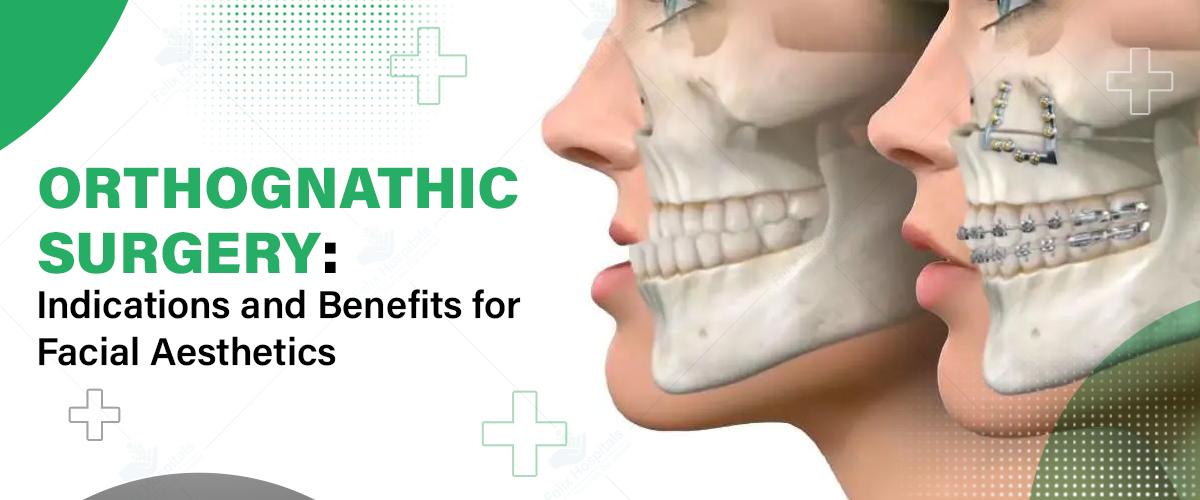
Orthognathic surgery, commonly referred to as corrective jaw surgery, is a specialized surgical procedure that addresses various jaw and facial irregularities. This surgery is often sought not only for functional improvements, such as correcting bite issues but also for its significant impact on facial aesthetics. As individuals seek to enhance their appearance and improve their quality of life, understanding the indications and benefits of orthognathic surgery becomes crucial. For those considering this procedure, consulting with professionals at a dental hospital in Noida can provide valuable insights and comprehensive care tailored to individual needs.
Don’t let jaw misalignment hold you back any longer! Call us today at +91 9667064100 for more information!
Orthognathic surgery involves the surgical repositioning of the jaws to correct malocclusion (improper bite) and to enhance facial aesthetics. This surgery is performed by an oral and maxillofacial surgery in collaboration with orthodontists to ensure that the bite aligns properly after the procedure. By realigning the jaw, orthognathic surgery can improve both the functionality and appearance of the face, creating a more harmonious balance.
1. Malocclusion
One of the primary reasons individuals seek orthognathic surgery is to correct malocclusion, which refers to an improper bite relationship between the upper and lower teeth. Common types of malocclusion include:
Class II Malocclusion (Retrognathism): This occurs when the lower jaw is positioned too far back about the upper jaw, resulting in an overbite.
Class III Malocclusion (Prognathism): In this condition, the lower jaw is positioned forward, leading to an underbite.
Orthognathic surgery can effectively realign the jaws, improving both functional biting and aesthetics.
2. Facial Asymmetry
Facial asymmetry, where one side of the face differs from the other, can be caused by congenital conditions, trauma, or developmental issues. Orthognathic surgery can help achieve facial symmetry by repositioning the jaw and facial structures, resulting in a more balanced appearance.
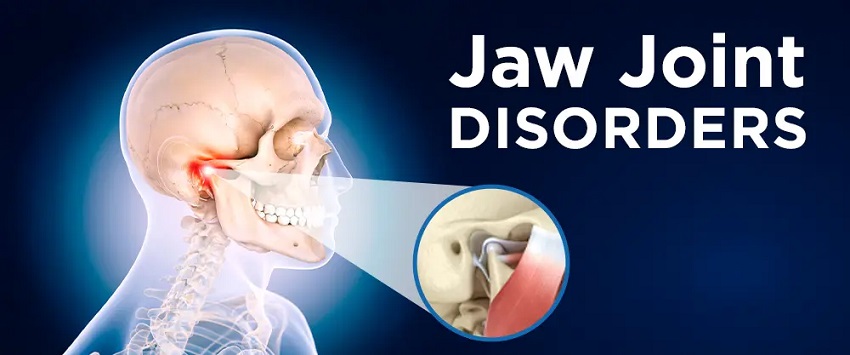
3. Jaw Joint Disorders
Individuals suffering from temporomandibular joint (TMJ) disorders may experience pain, discomfort, and difficulty in jaw movement. Orthognathic surgery can alleviate these issues by correcting the jaw’s alignment, thereby relieving pressure on the TMJ and improving overall function.
4. Sleep Apnea
Orthognathic surgery can also be an effective treatment for obstructive sleep apnea. By repositioning the jaw, the airway may be widened, reducing the risk of airway obstruction during sleep. This can lead to better sleep quality and overall health improvements.
5. Injuries and Trauma
Facial injuries, particularly those involving the jaw, may necessitate orthognathic surgery for reconstruction. This procedure can restore not only the functionality of the jaw but also its aesthetics.
6. Congenital Deformities
Certain congenital conditions, such as cleft lip and palate, can result in significant jaw and facial deformities. Orthognathic surgery can help correct these issues, leading to improved appearance and function.
1. Improved Facial Aesthetics
One of the most significant benefits of orthognathic surgery is the enhancement of facial aesthetics. By realigning the jaw, patients often experience:
Improved facial symmetry
A more balanced profile
Enhanced overall appearance
Many individuals report feeling more confident and self-assured after their surgery due to these aesthetic improvements.
2. Enhanced Functionality
In addition to aesthetic benefits, orthognathic surgery can dramatically improve oral functionality. Patients may experience:
Better chewing and biting ability
Alleviation of jaw pain and discomfort
Enhanced speech clarity
Improving the alignment of the jaw can lead to a more comfortable and functional bite, allowing for better overall oral health.
3. Relief from Pain and Discomfort
For individuals suffering from TMJ disorders or chronic jaw pain, orthognathic surgery can provide significant relief. By correcting the alignment of the jaw, pressure on the TMJ is reduced, leading to less pain and discomfort. This can enhance the patient’s overall quality of life.
4. Improved Oral Health
Malocclusion and misaligned jaws can lead to various dental issues, including tooth wear, gum disease, and cavities. By correcting these problems through orthognathic surgery, patients can achieve better oral health outcomes. A properly aligned bite makes it easier to maintain good oral hygiene and reduces the risk of future dental complications.
5. Psychological Benefits
The psychological benefits of orthognathic surgery should not be overlooked. Many patients report improved self-esteem and confidence following their surgery. The ability to smile freely and feel comfortable in social situations can lead to enhanced mental well-being and improved relationships.
6. Long-Term Results
Orthognathic surgery provides long-term benefits that can significantly impact a patient’s life. Once the jaw is properly aligned, patients can expect lasting improvements in function and appearance. This surgical intervention can contribute to a healthier, more fulfilling lifestyle.
1. Initial Consultation
The journey begins with an initial consultation with an oral and maxillofacial surgeon. During this visit, the surgeon will assess the patient’s condition, discuss their concerns, and determine if orthognathic surgery is appropriate.
2. Comprehensive Evaluation
A comprehensive evaluation typically includes:
Medical History: Understanding the patient’s medical background and any relevant conditions.
Physical Examination: Assessing the alignment of the jaw and teeth.
Imaging Studies: X-rays, photographs, and 3D scans may be taken to evaluate the jaw structure and plan the surgical approach.
3. Orthodontic Treatment
In many cases, patients will undergo orthodontic treatment (braces) before surgery. This phase aims to align the teeth in preparation for the surgical procedure. The length of this treatment varies depending on individual needs.
4. Surgical Planning
Once the teeth are in the correct position, the surgical team will create a detailed surgical plan. This plan will outline the specific techniques to be used during the procedure.
5. Surgery
Orthognathic surgery is typically performed under general anesthesia. The surgeon will reposition the upper and/or lower jaw as needed. In some cases, bone grafts may be required to support the new jaw position.
6. Recovery
After surgery, patients will be monitored in a recovery area. Swelling and discomfort are common, but pain can be managed with medication. A soft diet is recommended during the initial recovery phase to promote healing.
7. Postoperative Care
Follow-up appointments will be scheduled to monitor healing and adjust any orthodontic treatment as necessary. Full recovery may take several weeks, during which patients should adhere to their surgeon’s recommendations.
Choosing the right surgeon for orthognathic surgery is crucial for achieving optimal results. At Felix Hospital, we pride ourselves on having some of the best oral and maxillofacial surgeons in Noida. Our team, including Dr. Aditi Sharma, Dr. Shinja Dixit, and Dr. Aditi Narad, is dedicated to providing personalized care and support throughout the surgical journey. With our state-of-the-art facilities and commitment to patient safety, we aim to help individuals achieve their aesthetic goals while ensuring a smooth surgical experience.
Are you ready to take the next step toward achieving a balanced and beautiful smile? Schedule a consultation with our expert by Clicking Here.
Orthognathic surgery offers a transformative solution for individuals seeking to enhance both their facial aesthetics and functionality. By addressing malocclusion, facial asymmetry, jaw joint disorders, and congenital deformities, this surgical procedure can lead to improved oral health, enhanced self-esteem, and a higher quality of life. If you are considering orthognathic surgery, consulting with a qualified oral and maxillofacial surgeon can help you understand your options and develop a personalized treatment plan. With the right support and expertise, you can achieve a balanced, beautiful smile that boosts your confidence and well-being.
Q.1. What is orthognathic surgery?
Ans: Orthognathic surgery is a corrective procedure to realign the jaws and improve both function and aesthetics.
Q.2. Who is a candidate for orthognathic surgery?
Ans: Candidates typically have malocclusion, facial asymmetry, TMJ disorders, or congenital deformities.
Q.3. What are the risks of orthognathic surgery?
Ans: As with any surgery, risks include infection, bleeding, and complications from anesthesia.
Q.4. How long is the recovery period?
Ans: Recovery can take several weeks, but patients usually return to normal activities within a few months.
Q.5. Will I need braces after surgery?
Ans: Many patients require orthodontic treatment before and after surgery to ensure proper alignment.
Q.5. How much does orthognathic surgery cost?
Ans: Costs can vary widely based on the complexity of the procedure, location, and individual insurance coverage.
Q.6. What can I expect during the surgery?
Ans: The procedure typically involves repositioning the jaws, which may require bone grafts in some cases.
Q.7. Will my insurance cover orthognathic surgery?
Ans: Many insurance plans cover orthognathic surgery if it is deemed medically necessary; check with your provider for details.
Q.8. Can orthognathic surgery improve my smile?
Ans: Yes, orthognathic surgery can enhance facial aesthetics and lead to a more harmonious smile.

Discover the latest cosmetic dentistry trends, from advanced teeth whitening to natural-looking veneers for a flawless smile.
Gum disease, also known as periodontal disease, is an inflammatory condition that affects the tissues surrounding the teeth.
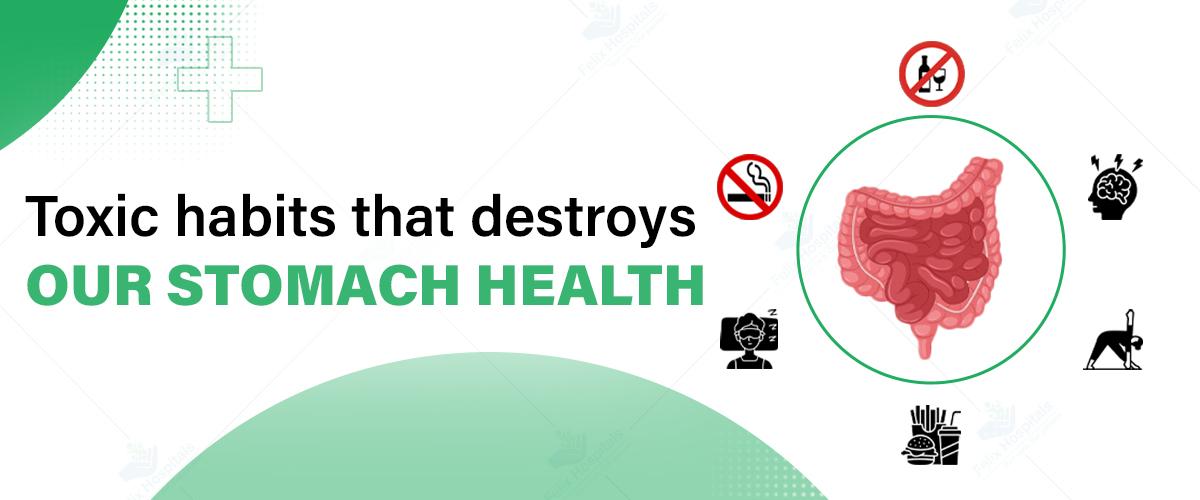
Our digestive system plays a central role in our overall health, influencing everything from immunity to mental well-being. Unfortunately, modern lifestyles often include habits that can slowly deteriorate our stomach health, leading to various digestive disorders. Recognizing these toxic habits and understanding their impact on the stomach is crucial for making conscious choices that promote better digestive health. Let’s explore the most common habits that harm stomach health, their underlying causes, and effective prevention strategies, all while considering expert care at the best gastro hospital to help address and manage these issues.
Trust Felix Hospitals for the best Gastroenterologist, specialized medical services, and compassionate support during your critical moments by clicking here or calling us at +(91)9667064100 for assistance.
]The stomach is a powerful organ responsible for breaking down food, absorbing nutrients, and eliminating waste. It relies on a delicate balance of acid, enzymes, and bacteria to function optimally. When this balance is disrupted, it can lead to symptoms like bloating, pain, acid reflux, and chronic conditions such as gastritis or irritable bowel syndrome (IBS). At Felix Hospitals, we have the best doctor for gastro, ensuring patients receive top-quality care and support for all their digestive health needs.
Here are some of the most damaging habits that can disrupt stomach health:
1. Skipping Meals or Eating Irregularly
Irregular eating patterns can significantly disrupt digestive health. When meals are skipped or eaten at erratic times, the stomach releases digestive acids with no food to process, which can irritate the stomach lining.
Cause: This habit disrupts the natural rhythm of stomach acid production, leading to increased acid exposure to the stomach lining.
Prevention: Eat meals at regular intervals to keep digestive processes in balance and prevent acid from irritating the stomach.
2. Overeating
Overeating places undue stress on the stomach, requiring it to produce more acid and digestive enzymes than necessary, which can result in bloating, acid reflux, and indigestion.
Cause: Excess food intake forces the stomach to expand beyond its comfort zone, slowing down the digestive process and often causing discomfort.
Prevention: Practice portion control, chew thoroughly, and eat slowly to give your stomach time to signal fullness to the brain.
3. Excessive Caffeine Intake
While moderate caffeine consumption can be beneficial, excessive intake can harm the stomach lining, leading to acid production that contributes to acid reflux and gastritis.
Cause: Caffeine stimulates acid production, and when consumed excessively, it can cause acid buildup and damage the stomach lining.
Prevention: Limit caffeine intake, choosing alternatives like herbal teas, and avoid caffeine on an empty stomach to reduce irritation.
4. Consuming Processed and Spicy Foods
Processed foods are often high in artificial ingredients, preservatives, and unhealthy fats, which can irritate the stomach. Spicy foods can also exacerbate acid reflux and contribute to stomach discomfort.
Cause: Processed foods are hard to digest and can lead to inflammation, while spicy foods can overstimulate acid production.
Prevention: Opt for fresh, unprocessed foods and moderate your intake of spicy foods to avoid overstimulating the stomach.
5. Eating Too Quickly
Rushing through meals leads to poor chewing and increased air intake, which can cause bloating, gas, and indigestion.
Cause: Eating too quickly prevents the stomach from preparing adequately for digestion, leading to bloating and discomfort.
Prevention: Take time to eat meals, chew food thoroughly, and enjoy each bite to aid digestion and prevent gas buildup.
6. Lack of Fiber in the Diet
Fiber is essential for digestion, helping to move food through the digestive tract and prevent constipation. A diet low in fiber can lead to slow digestion and cause issues like constipation and bloating.
Cause: Low fiber intake makes digestion sluggish, leading to discomfort and bowel irregularities.
Prevention: Incorporate fiber-rich foods like vegetables, fruits, and whole grains to support a healthy digestive system.
7. Overuse of Painkillers and NSAIDs
Non-steroidal anti-inflammatory drugs (NSAIDs) like ibuprofen can irritate the stomach lining, especially when used frequently, leading to gastritis and even stomach ulcers.
Cause: NSAIDs reduce the production of protective mucus in the stomach, leaving it vulnerable to acid damage.
Prevention: Limit the use of NSAIDs, and consult a healthcare provider about alternatives or protective strategies, such as taking medications with food.
8. High Alcohol Consumption
Alcohol is one of the biggest contributors to stomach problems, causing inflammation and even damage to the stomach lining. Excessive drinking can lead to conditions like gastritis and even increase the risk of stomach cancer.
Cause: Alcohol disrupts the balance of stomach acid and damages the protective lining, increasing vulnerability to infections and other issues.
Prevention: Moderate alcohol intake, ideally limiting it to social occasions and opting for non-alcoholic alternatives whenever possible.
9. Smoking
Smoking is detrimental to stomach health, as it reduces blood flow to the stomach lining and interferes with its protective barrier, making it more susceptible to acid damage.
Cause: The chemicals in cigarettes reduce stomach blood flow and interfere with the natural balance, making it more prone to acid-related issues.
Prevention: Quitting smoking is essential for overall health, including stomach health, and can dramatically reduce the risk of acid reflux and ulcers.
10. Chronic Stress
Stress impacts the digestive system by increasing acid production, causing inflammation, and slowing down digestion. It can lead to conditions like IBS, acid reflux, and stomach ulcers.
Cause: Stress triggers the release of hormones that stimulate acid production and slow down digestion, contributing to stomach problems.
Prevention: Practice stress-reduction techniques such as deep breathing, meditation, and regular exercise to help manage stress and improve stomach health.
Persistent toxic habits can lead to chronic digestive disorders, which may manifest as:
Acid Reflux and GERD: Caused by stomach acid backing up into the esophagus, leading to heartburn, discomfort, and potentially long-term damage.
Gastritis: Inflammation of the stomach lining, often caused by excessive alcohol, NSAID overuse, or bacterial infections.
Irritable Bowel Syndrome (IBS): A condition that affects the large intestine, causing cramping, bloating, gas, and changes in bowel habits.
Stomach Ulcers: Open sores on the stomach lining, often caused by excessive acid, smoking, or NSAID overuse.
Constipation: Often caused by a lack of fiber and inadequate hydration, leading to discomfort and difficulty in bowel movements.
1. Eat a Balanced Diet
Include a variety of fruits, vegetables, whole grains, and lean proteins to provide the necessary nutrients for a healthy stomach.
2. Stay Hydrated
Drinking enough water helps with digestion and keeps the digestive system running smoothly.
3. Avoid Excessive Sugar and Processed Foods
Sugar and processed foods disrupt gut health, leading to imbalances that can affect digestion and overall stomach health.
4. Incorporate Probiotics
Probiotics found in yogurt, kefir, and supplements support the balance of good bacteria in the stomach, promoting better digestion and immunity.
5. Limit Alcohol and Caffeine
Moderation is essential; limit intake to avoid overburdening the stomach and liver.
6. Exercise Regularly
Physical activity aids digestion and reduces bloating by stimulating the muscles in the digestive tract.
7. Manage Stress
Incorporate relaxation techniques such as yoga, meditation, and regular exercise to help reduce stress and its effects on the stomach.
8. Listen to Your Body
Avoid overeating and eat smaller, balanced meals to prevent acid buildup and digestive discomfort.
At Felix Hospital, we are dedicated to providing exceptional care for gastrointestinal health. Our team of esteemed specialists includes:
Dr. Jagatjot Singh Gill: A distinguished gastroenterologist with over 11 years of expertise in diagnosing and managing gastrointestinal disorders, including those caused by poor lifestyle habits.
Dr. Amrit Yog Datley: A renowned specialist recognized for his personalized approach to treating complex stomach and digestive conditions.
Trust Felix Hospital for comprehensive care and guidance to restore and maintain optimal stomach health.
Protecting your stomach health begins with small changes that have big impacts. By avoiding toxic habits and adopting preventive measures, you can maintain a healthy digestive system and avoid chronic stomach issues. With the right choices and support, it’s possible to enjoy optimal digestive health and a better quality of life.
If you’re looking for expert advice and personalized care from an experienced lady gastroenterologist in Noida, Felix Hospital offers comprehensive digestive health solutions tailored to your needs. Our specialists ensure accurate diagnosis, compassionate care, and long-term wellness for every patient.
Q1. What are the most common signs of poor stomach health?
Ans: Common signs include bloating, acid reflux, indigestion, gas, stomach pain, constipation, and frequent heartburn. Chronic symptoms may indicate a need for medical evaluation.
Q2. How does stress affect stomach health?
Ans: Stress triggers hormone release that can increase stomach acid, slow digestion, and lead to conditions like IBS, acid reflux, and stomach ulcers. Managing stress can improve overall stomach health.
Q3. Are there specific foods I should avoid for better stomach health?
Ans: Yes, limiting spicy foods, caffeinated beverages, alcohol, processed foods, and sugar can reduce stomach irritation. Choosing whole, unprocessed foods can promote digestive health.
Q4. How does smoking impact my stomach?
Ans: Smoking reduces blood flow to the stomach lining and weakens its protective barrier, increasing the risk of acid reflux, ulcers, and other digestive issues. Quitting smoking is highly beneficial for stomach health.
Q5. What are some easy ways to improve my digestive health?
Ans: Eating a balanced diet rich in fiber, staying hydrated, exercising regularly, managing stress, and eating at regular intervals can significantly enhance digestive health and prevent stomach issues.
Understand the factors that influence gastric balloon surgery cost in Noida, including hospital facilities, doctor expertise, and post-procedure care.
Understand the factors that influence endoscopy procedure cost in Noida. Learn about the types, preparation, and benefits of choosing the best multi-speciality hospital in Noida for accurate diagnosis.

Appendix surgery, also known as appendectomy, is a common emergency procedure performed to treat appendicitis.
Heart disease is often thought of as a sudden, life-altering event, but in reality, many forms of it develop silently over years or even decades. Known as “silent heart disease,” these conditions progress without obvious symptoms until a major complication occurs, such as a heart attack or stroke. Early detection of silent heart disease is crucial to improving outcomes, as it enables patients to take preventive actions, modify lifestyle habits, and receive medical interventions that can slow or even reverse the disease’s progression. In this guide, we will explore the concept of silent heart disease, its symptoms, risk factors, preventive measures, and why early detection is essential for heart health.
Trust Felix Hospitals for the best Cardiologist, specialized medical services, and compassionate support during your critical moments by calling +91 9667064100.
Silent heart disease refers to cardiovascular conditions that progress quietly, without noticeable symptoms. Often, these conditions involve plaque buildup in the coronary arteries, which reduces blood flow to the heart. Over time, this restricted blood flow can lead to serious issues like coronary artery disease, heart attack, or heart failure. Silent heart disease is particularly dangerous because, without symptoms, individuals are unaware of the risks they face until a sudden event occurs. For this reason, it is sometimes called “the silent killer.
Several cardiovascular conditions fall under the umbrella of silent heart disease. Some of these include:
Coronary Artery Disease (CAD): CAD is the most common type of silent heart disease, where plaque buildup in the coronary arteries limits blood flow to the heart.
Hypertension (High Blood Pressure): Often symptomless, hypertension can damage arteries and organs over time, increasing the risk of heart attack or stroke.
Atherosclerosis: A condition where arteries narrow due to plaque buildup, leading to reduced blood flow and increasing the risk of complications.
Arrhythmias: These are irregular heartbeats that may go unnoticed but can lead to heart complications if untreated.
While silent heart disease may lack symptoms, subtle warning signs might be present in some individuals. These signs are often overlooked or mistaken for other health issues. Common symptoms include:
Fatigue or shortness of breath with minimal exertion
Mild chest discomfort or a feeling of tightness
Unexplained nausea or dizziness
Lightheadedness, especially during physical activity
Irregular or fast heartbeats (palpitations)
However, many people with silent heart disease experience no symptoms until a severe event, making routine screening and monitoring essential.
Understanding the causes of silent heart disease and the associated risk factors can help individuals take preventive steps to protect their heart health. Key causes and risk factors include:
Family History: A family history of heart disease increases the risk of silent heart disease.
High Blood Pressure: Persistent hypertension damages blood vessels, promoting plaque buildup.
High Cholesterol Levels: Elevated LDL cholesterol can lead to artery-narrowing plaque.
Smoking: Smoking causes inflammation and damages the inner lining of arteries, increasing the risk of heart disease.
Diabetes: High blood sugar levels damage blood vessels and contribute to heart disease.
Poor Diet and Physical Inactivity: Diets high in saturated fats and sedentary lifestyles are major risk factors.
Age and Gender: Heart disease risk increases with age, and men are at higher risk than pre-menopausal women. However, post-menopausal women experience increased risk.
Detecting silent heart disease early can mean the difference between a manageable condition and a life-threatening event. Regular check-ups, screenings, and proactive monitoring allow for timely interventions that slow disease progression. Here’s why early detection is vital:
Timely Lifestyle Modifications: Upon detecting heart disease, patients can adopt healthier habits, such as improved diet, regular exercise, and smoking cessation, that significantly improve outcomes.
Early Medical Intervention: Treatments like medication to manage blood pressure, cholesterol, or diabetes can be introduced to reduce risk and improve heart function.
Reduced Risk of Severe Events: Early detection enables doctors to monitor and manage risk factors, reducing the likelihood of heart attacks or strokes.
Empowerment and Prevention: Knowing one’s risk level encourages individuals to take preventive steps that improve their overall quality of life and well-being.
Several diagnostic tools can identify early signs of heart disease:
Electrocardiogram (ECG): Measures electrical activity of the heart to detect irregularities.
Echocardiogram: Uses ultrasound to create images of the heart, assessing blood flow and structural health.
Stress Test: Determines how the heart performs under physical stress, identifying potential issues.
CT Coronary Angiography: A specialized CT scan that identifies narrowed or blocked arteries.
Blood Tests: Checks levels of cholesterol, blood sugar, and inflammatory markers that signal heart disease.
These tests are especially important for individuals with known risk factors and those over 40, as well as younger individuals with a family history of heart disease.
Prevention is the best approach to managing silent heart disease. Here are some steps that can significantly reduce risk:
Healthy Diet: A balanced diet low in saturated fats, trans fats, and refined sugars helps maintain heart health.
Regular Physical Activity: Exercise improves blood circulation, controls weight, and strengthens the heart.
Smoking Cessation: Quitting smoking lowers blood pressure, reduces plaque buildup, and enhances circulation.
Regular Health Screenings: Routine screenings allow for early detection and risk factor management.
Stress Management: Managing stress through mindfulness practices, hobbies, or relaxation techniques lowers blood pressure and improves heart health.
Treatment varies depending on the specific type and progression of heart disease. Common treatments include:
Medications: Drugs like statins (for cholesterol), beta-blockers, and blood thinners may be prescribed to manage symptoms and prevent complications.
Lifestyle Changes: As a cornerstone of treatment, lifestyle modifications help slow disease progression.
Medical Procedures: In more advanced cases, procedures such as angioplasty, stent placement, or coronary artery bypass surgery may be necessary.
At Felix Hospital, we are dedicated to early detection and comprehensive treatment of heart disease. Our skilled team of cardiologists and healthcare professionals provides cutting-edge diagnostics, personalized treatment plans, and preventive care for all heart-related conditions, including silent heart disease. Our commitment to compassionate, patient-centered care ensures that every patient receives the guidance and support they need to improve their heart health.
Felix Hospital stands as the nearby heart hospital of choice for individuals seeking advanced cardiovascular care. From routine check-ups and heart screenings to emergency interventions, we offer a wide range of services to safeguard your heart health and quality of life.
Trust Felix Hospitals for the best Cardiologist, specialized medical services, and compassionate support during your critical moments by Clicking Here.
Silent heart disease is a hidden threat that many people face unknowingly. Without regular screenings and a proactive approach to health, silent heart disease can progress undetected until a severe event occurs. By understanding the risk factors, seeking early detection, and making lifestyle changes, individuals can take control of their heart health and reduce the chances of complications.
At Felix Hospital, we prioritize your well-being and offer the expertise needed to help you navigate your heart health journey. Remember, early detection isn’t just a preventive step—it’s a life-saving one.
Q- What is silent heart disease, and why is it called “silent”?
ANS: Silent heart disease refers to cardiovascular conditions that progress without noticeable symptoms. It’s termed “silent” because individuals may have no obvious warning signs, which makes it difficult to detect until a severe event, like a heart attack or stroke, occurs.
Q- What are the primary risk factors for developing silent heart disease?
ANS: The main risk factors include high blood pressure, high cholesterol, smoking, diabetes, a family history of heart disease, poor diet, and a sedentary lifestyle. Age and gender also play a role, with older adults and men being at higher risk.
Q- How can I detect silent heart disease if I have no symptoms?
ANS: Routine screenings, such as an electrocardiogram (ECG), echocardiogram, stress test, or blood tests to check cholesterol and blood sugar levels, can help detect signs of silent heart disease. Regular check-ups with a healthcare provider, especially if you have risk factors, are essential for early detection.
Q- What lifestyle changes can help prevent silent heart disease?
ANS: Key lifestyle changes include adopting a balanced diet low in saturated fats, engaging in regular physical activity, quitting smoking, managing stress, and monitoring blood pressure and cholesterol levels. These steps can significantly reduce the risk of heart disease.
Q- Why is early detection so important for silent heart disease?
ANS: Early detection allows for proactive management of risk factors, timely medical interventions, and lifestyle adjustments, all of which can slow disease progression. This reduces the risk of a major cardiac event and improves long-term heart health outcomes.

Heart disease is a significant health concern for women, often presenting unique challenges. Understanding the causes, symptoms, and treatment options is essential for early detection and effective management.

हार्ट अटैक के मुख्य लक्षण, कारण और तुरंत किए जाने वाले उपचार के बारे में जानें। समय पर पहचान और सही इलाज से जीवन बचाया जा सकता है।

Cataract surgery is one of the most common and successful procedures worldwide, with millions benefiting from it yearly. At Felix Hospitals, we prioritize helping our patients achieve clearer, more vibrant vision through state-of-the-art cataract treatment. As one of the best cataract hospitals in Noida, we offer modern techniques and skilled surgeons, ensuring cataract surgery is a routine and highly effective procedure. This treatment improves the quality of life for people with cloudy vision due to cataracts. This blog aims to explore the success rates of cataract surgery.
and what to expect from the treatment. book an appointment with Best Eye Doctor In Noida. Call now at +91-9667064100.
A cataract is a clouding of the natural lens in your eye that affects your vision. Over time, the clouding worsens, causing blurred or dimmed vision. Cataracts can develop in one or both eyes, and they are most common in older adults. However, they can also occur due to other factors such as injury, genetics, or certain medical conditions.
Cataracts can be categorized into different types based on their location or cause:
Nuclear Cataracts: The most common form, causing clouding in the center of the lens.
Cortical Cataracts: These affect the edges of the lens and can cause streaks of light.
Posterior Subcapsular Cataracts: This form forms at the back of the lens and can interfere with reading vision.
The symptoms of cataracts can develop slowly and may not be immediately noticeable. Common signs include:
Blurry or cloudy vision
Sensitivity to light and glare
Difficulty seeing at night
Double vision in one eye
Fading or yellowing of colors
Cataracts are primarily caused by the aging process, but other factors may contribute:
Aging: The most common cause, with the lens proteins breaking down over time.
Genetics: Family history may increase the likelihood of developing cataracts.
Health Conditions: Diabetes, high blood pressure, and obesity can contribute to cataracts.
Injury or Trauma: A direct injury to the eye can lead to cataract formation.
Medications: Prolonged use of corticosteroids and other medications can increase the risk.
Several factors may increase the risk of developing cataracts:
Age
Family history
Prolonged exposure to sunlight (UV radiation)
Smoking
Poor diet lacking in antioxidants
Certain medical conditions like diabetes
Long-term use of medications such as steroids
To diagnose cataracts, your eye doctor will typically perform a comprehensive eye exam, which includes:
Visual Acuity Test: Measures how well you can see at various distances.
Slit-lamp Examination: A microscope that helps your doctor examine the eye’s structure.
Retinal Examination: Allows the doctor to look at the back of the eye.
Tonometry: Measures eye pressure to rule out glaucoma.
The most effective treatment for cataracts is surgery. During cataract surgery, the cloudy lens is removed and replaced with an artificial intraocular lens (IOL). Modern cataract surgery is minimally invasive, performed through small incisions, and has a fast recovery time.
Cataract surgery boasts high success rates globally, with most patients experiencing significant improvements in vision. On average, success rates for cataract surgery are around 98%, with the vast majority of people regaining near-perfect vision after the procedure. Complications are rare, but they can include infection or lens dislocation, both of which are treatable.
Success rates are affected by the patient's overall health, the presence of other eye conditions, and the surgeon’s skill level.
At Felix Hospitals, we pride ourselves on providing excellent eye care. Our experienced ophthalmologists and cutting-edge technology ensure that patients experience a high success rate for cataract surgeries. With a track record of over 98% success in cataract procedures, Felix Hospitals is a trusted destination for cataract surgery. Our approach combines skillful surgeons, advanced technology, and comprehensive patient care to help you regain clear vision.
Dr. Deepanjali Arya is a renowned specialist at Felix Hospitals, known for her expertise in ophthalmology. With a passion for providing exceptional eye care, she is committed to helping patients achieve clear and healthy vision. As the best doctor for cataract surgery, Dr. Arya brings years of experience and advanced skills to diagnose and treat various eye conditions, ensuring her patients receive the highest level of care. To learn more about Dr. Arya’s qualifications and how she can assist with your eye health, visit her profile on Felix Hospital.
You should consult a doctor if you experience any of the following symptoms:
Blurry vision or double vision that affects your daily life
Difficulty seeing in low-light conditions or at night
Persistent eye discomfort or glare sensitivity
Decreased ability to read or perform detailed tasks
Cataracts develop slowly, but if you notice any of these symptoms, an eye exam is essential for determining whether surgery is required.
Cataract surgery is a safe and effective procedure with high success rates, significantly improving the quality of life. Whether you're experiencing difficulty seeing due to cataracts or have been diagnosed, seeking timely medical attention can help restore your vision. At Felix Hospitals, we are committed to providing the highest standard of care for all our patients, ensuring you regain crystal-clear vision. Don't let cataracts affect your lifestyle – consult with one of our expert ophthalmologists today!
Trust Felix Hospitals for the best Ophthalmologist, specialized medical services, and compassionate support during your critical moments by Clicking Here.
Q- How long does cataract surgery take?
ANS: Cataract surgery usually takes 15-30 minutes and is performed on an outpatient basis.
Q- Is cataract surgery painful?
ANS: The procedure is generally painless due to local anesthesia. Some patients may experience mild discomfort during recovery.
Q- How soon can I resume normal activities after cataract surgery?
ANS: Most patients can return to normal activities within a few days, but heavy lifting and strenuous activities should be avoided for a few weeks.
Q- Will I need glasses after cataract surgery?
Many patients experience improved vision without glasses, but some may still need reading glasses, depending on the type of lens used.
Q- Are there any risks associated with cataract surgery?
ANS: Although complications are rare, some risks include infection, bleeding, or retinal detachment. Your surgeon will discuss these risks with you before surgery.

Cataract surgery is essential to restore clear vision and prevent permanent blindness. It removes the cloudy lens and replaces it with an artificial one, helping patients regain normal sight and quality of life.
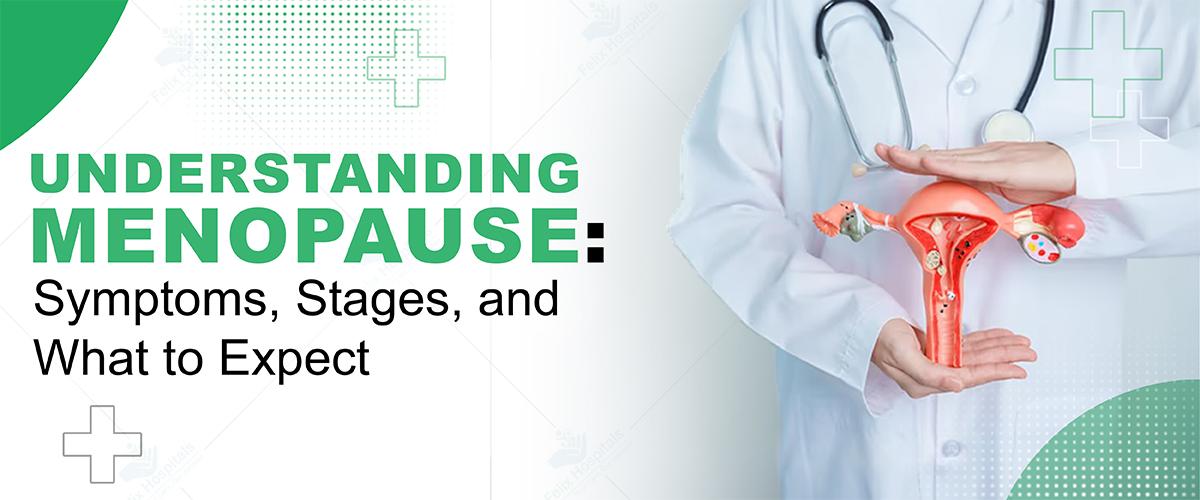
Menopause marks a significant transition in a woman’s life, signaling the end of her reproductive years. It is a natural biological process, yet the physical, emotional, and psychological changes it brings can be overwhelming. Understanding the symptoms, stages, and what to expect can make this journey smoother and less daunting.
At the best gynecologist hospital in Noida, comprehensive care is provided to help women navigate menopause with confidence. Addressing both the physical and emotional impacts, expert support can significantly improve the quality of life during this stage.
The menopausal phase often brings hot flashes, mood swings, sleep disturbances, and other symptoms, making it crucial to approach it with awareness and a proactive mindset.
Don’t let menopause disrupt your life. Contact us at +91 9667064100 now for expert care and effective management of your symptoms.
Menopause is defined as the cessation of menstrual periods for 12 consecutive months, marking the end of a woman’s reproductive phase. It typically occurs between the ages of 45 and 55, though it can vary.
The primary cause of this condition is the decline in estrogen and progesterone levels, hormones produced by the ovaries. These hormonal changes impact various body systems, leading to the symptoms associated with menopause.
1. Perimenopause
This stage begins several years before menopause when the ovaries gradually produce less estrogen.
Symptoms: Irregular periods, hot flashes, mood changes, and sleep disturbances.
Duration: It can last 4–10 years, depending on individual factors.
2. Menopause
Defined as 12 months without a menstrual period.
Hormonal shifts lead to pronounced symptoms such as vaginal dryness and reduced libido.
The body adjusts to lower estrogen levels during this phase.
3. Postmenopause
This stage begins after menopause and continues for the rest of a woman’s life.
Long-term health considerations include an increased risk of osteoporosis and cardiovascular diseases due to reduced estrogen levels.
Regular health check-ups are crucial to monitor and manage these risks.
1. Physical Symptoms
Hot Flashes and Night Sweats: Sudden feelings of heat, often accompanied by sweating.
Irregular Periods: Gradual cessation of menstruation with irregular cycles.
Vaginal Dryness: Discomfort during intimacy due to decreased lubrication.
Sleep Disturbances: Insomnia or frequent waking during the night.
Weight Gain: A slower metabolism leads to increased weight.
2. Emotional and Psychological Symptoms
Mood Swings: Frequent and intense emotional shifts.
Anxiety and Depression: Feelings of unease or sadness due to hormonal imbalances.
Memory Issues: "Brain fog" or difficulty concentrating.
3. Other Symptoms
Changes in skin texture, hair thinning, and reduced sexual desire.
Every woman experiences menopause differently. While some may face severe symptoms, others may transition with minimal discomfort.
Common Misconceptions
Menopause is not an illness; it is a natural biological process.
Symptoms do not last forever, and effective management strategies exist.
Tips for Managing Expectations
Stay informed about the changes your body is going through.
Seek support from healthcare providers, family, or support groups.
Maintain a balanced diet rich in calcium and vitamin D to support bone health.
Engage in regular physical activity to improve mood, sleep, and overall well-being.
Practice stress management techniques, such as yoga, meditation, or deep breathing exercises.
Hormone Replacement Therapy (HRT): Hormone Replacement Therapy (HRT) effectively manages severe menopause symptoms, but it requires careful evaluation of risks and benefits. Choosing a reputable Hormone Replacement Therapy center ensures personalized care and expert guidance tailored to your individual needs.
Non-Hormonal Treatments: Medications and supplements to manage specific symptoms like mood changes or hot flashes.
Herbal Remedies: Black cohosh and soy supplements may alleviate symptoms.
Acupuncture: Helps in reducing hot flashes and improving sleep.
Menopause can be a time for self-discovery and renewal. Embrace this phase with positivity and self-care.
1. Building a Support System
Engage with friends, family, or community groups for emotional support.
Seek guidance from healthcare professionals for tailored advice.
2. Health Screenings and Preventive Care
Regular check-ups for bone density, heart health, and other age-related conditions are essential for long-term well-being.
Felix Hospitals is home to some of the finest gynecologists, ensuring personalized and compassionate care for women during menopause.
Leading Specialists
With expertise in managing menopause-related symptoms, these professionals offer tailored care plans to help women navigate this transition comfortably. Regular check-ups and early interventions can significantly improve health outcomes.
Book a consultation with the best gynecologists at Felix Hospitals and receive personalized guidance for a smoother menopause transition.
Menopause is a natural and inevitable phase in a woman’s life. By understanding its symptoms and stages, women can approach it with confidence and resilience.
At Felix Hospitals, we are dedicated to supporting women through this journey with expert care and advanced medical solutions. Take the first step toward better health and well-being by scheduling a consultation today.
Remember: Menopause is not an end but a new beginning—embrace it with the right knowledge and care.
1. What is the average age for menopause to start?
Ans: Menopause typically occurs between the ages of 45 and 55, with the average age being 51. However, it can vary based on genetics, lifestyle, and health factors.
2. How do I know if I am in perimenopause?
Ans: Common signs include irregular periods, hot flashes, mood swings, and sleep disturbances. A blood test measuring hormone levels can confirm if you are in perimenopause.
3. Can menopause affect bone health?
Ans: Yes, the decline in estrogen during menopause can lead to decreased bone density, increasing the risk of osteoporosis. A calcium-rich diet and regular exercise can help maintain bone health.
4. Are hot flashes and night sweats treatable?
Ans: Yes, lifestyle changes, hormone replacement therapy (HRT), and non-hormonal treatments like medications or herbal remedies can effectively manage these symptoms.
5. How long do menopause symptoms typically last?
Ans: Symptoms can last anywhere from a few months to several years, with most women experiencing them during perimenopause and early postmenopause.
6. Is weight gain inevitable during menopause?
Ans: No, while a slower metabolism can contribute to weight gain, maintaining a healthy diet and regular exercise routine can help manage your weight effectively.
7. Do all women experience severe menopause symptoms?
Ans: No, the intensity and type of symptoms vary widely. Some women may experience mild symptoms, while others face more severe challenges requiring medical intervention.
8. When should I see a gynecologist during menopause?
Ans: It’s recommended to see a gynecologist if you experience severe symptoms, abnormal bleeding, or persistent discomfort. Regular check-ups are essential for preventive care and symptom management.
Dr. Charu Yadav is an obstetrician and gynecologist with 12+ years of experience, specializing in high-risk and twin pregnancies, ectopic pregnancy, and menstrual disorders. Trained in laparoscopic surgery, she provides care for pregnancy, infertility, menopause, and gynae procedures. She is also recognized among the Best Gynecologists in Noida for her patient-focused treatment.
Explore the latest non-surgical treatments for fibroid management. Learn about advanced options to relieve symptoms and improve your quality of life.


Subscribe to our
© Copyright 2026. All Rights Reserved by Felix Healthcare Private Limited
Design and development by :


 +(91)9667064100
 Emergency : +(91)9667064100