 WhatsApp
 Emergency:
  WhatsApp









Subscribe to our
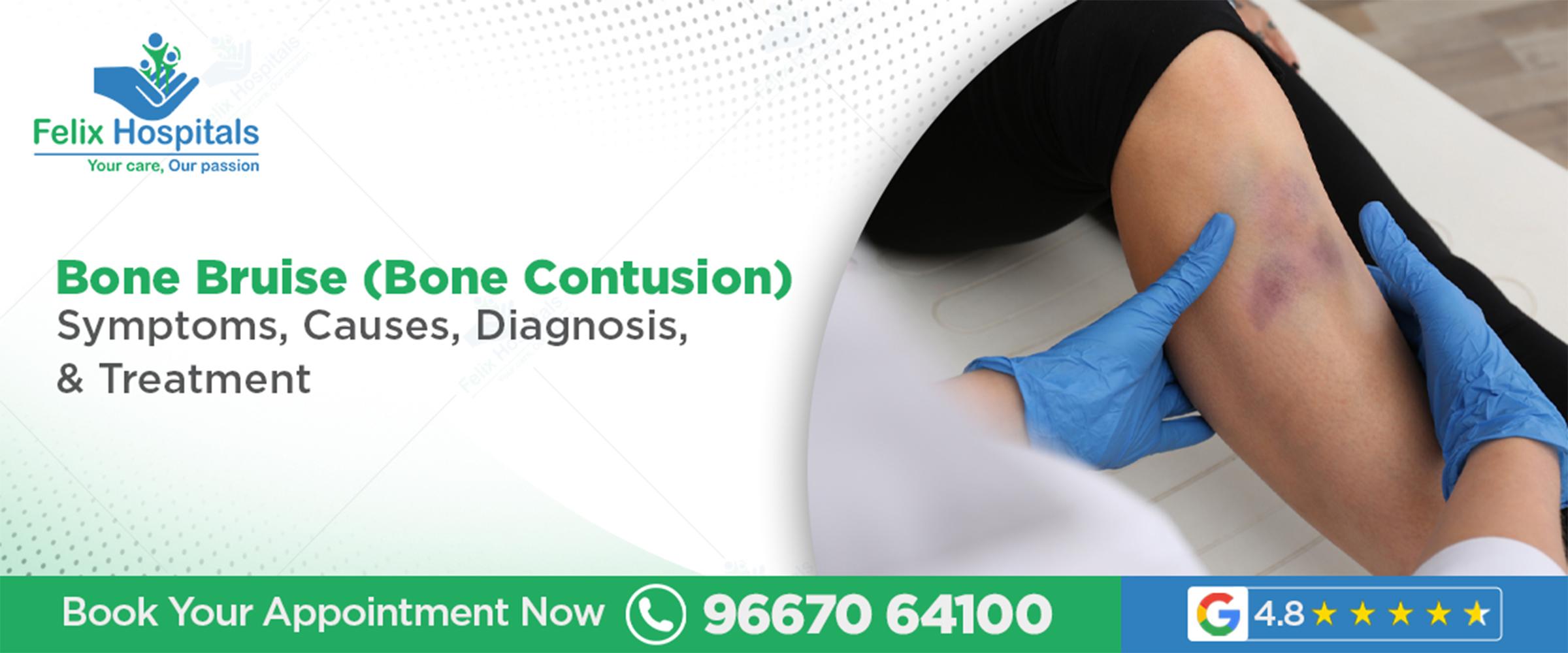
Fractures are often a sign of a serious bone injury, but not all serious bone injuries show a break. A bone bruise, also known as a bone contusion, is a painful condition that happens when the bone tissue is damaged but not completely broken. It is often missed. A lot of people go about their daily lives thinking they have a small injury, which can make their symptoms worse and slow down their recovery. Regular checkups with the best ortho doctor in Noida help make sure that your joints heal properly and don't have problems in the future. This guide explains the condition and includes medical information about symptoms, diagnosis, treatment, and recovery.
Start your recovery with expert orthopedic care and guided physiotherapy for safe and complete healing. Book your appointment today: +91 9667064100
Collagen and minerals make up bones, which are living tissues. They can get micro-damage when they are hit suddenly or put under stress over and over again. A lot of people want to know what a bone bruise is. After having pain that didn't go away even though the X-rays were normal. When small blood vessels inside a bone break, it causes bleeding and swelling in the bone tissue. This is called a bone bruise. The bone doesn't break all the way, but the inside gets hurt.
Muscle bruises are not as bad as bone bruises, and they usually take longer to heal. It often takes advanced imaging to figure out what the injury is because it is inside the body.
People often confuse bone bruises with sprains or small injuries. Some people may not notice the injury at first because the early symptoms are similar to muscle strain. But if you don't treat bone bruises, the pain can last longer and the healing process can take longer.
Bone bruises happen a lot in:
Knees
Ankles
Hips
Wrists
Shoulders
A lot of the time, these injuries happen in sports, falls, and car accidents. Research in sports medicine shows that almost 80% of ACL injuries have bone bruises. Research indicates that knee bone bruises rank among the most prevalent sports-related bone injuries. Getting enough rest and going through rehabilitation can greatly improve recovery outcomes and stop long-term joint damage.
Knowing what caused the injury can help you avoid getting hurt again. High-impact trauma or repeated stress on the bone can cause bone bruises.
Some common causes are:
Injuries and crashes in sports
Falls or accidents that happen quickly
Injuries from twisting
Too much use during hard workouts
Direct hits while doing something physical
People who are athletes or who are active are more likely to get hurt.
Many patients are unsure of the difference between a bone bruise and a fracture because the symptoms can be similar. Both injuries hurt and swell, but they are different in how bad they are and how they are treated.
Some of the most important differences are:
Bone bruise: Small damage that doesn't break
Fracture: A crack or break in a bone that can be seen
Bone bruise: X-rays don't always show it
Fracture: X-rays usually show it
Bone bruise: Rest and therapy will help it heal.
Fracture: May need surgery or casting
A correct diagnosis makes sure that the right treatment is given. Accurate diagnosis ensures proper treatment.
Noticing early signs can help keep problems from getting worse. The symptoms of a bone contusion may differ based on the site and intensity of the injury.
Some common signs are:
Pain that goes deep
Swelling around the hurt area
Pain when touched
Stiffness and less movement
Pain that gets worse when you move
A bone bruise usually hurts longer than a soft tissue injury.
A lot of patients ask, "Can a bone bruise be serious?" because symptoms can last for weeks. Most bone bruises heal without problems, but severe cases can make it hard to move and do daily tasks.
Some problems that could happen are:
Pain that lasts a long time
Stiff joints
Higher chance of breaking bones
Damage to cartilage
Getting treatment early can help stop problems from getting worse.
A correct diagnosis is necessary for a successful recovery. A lot of people need an MRI to find out if they have a bone bruise because X-rays can't see them.
Doctors might suggest:
A physical exam
X-ray to make sure there are no broken bones
MRI scan for detailed pictures
Check for movement and strength
The most accurate test for confirming bone bruises is an MRI.
Sports medicine research shows that bone bruises are present in nearly 80% of ACL injuries. Studies also reveal that knee bone bruises are among the most common sports-related bone injuries. Proper rest and rehabilitation significantly improve recovery outcomes and prevent long-term joint damage.
These findings highlight the importance of early diagnosis and guided treatment.
Patients often look for the best way to treat a bone bruise so they can heal quickly and safely. The goal of treatment is to ease pain, control swelling, and let the bone heal.
Standard medical care includes:
Rest and change of activity
Ice therapy to help with swelling
Elevation and compression
Painkillers
Physical therapy and getting better
The severity of the injury and the quality of care both play a role in recovery.
How long does it take for a bone bruise to heal? is one of the most common questions. The time it takes to heal depends on how bad the injury is and where it is.
Typical time frame for recovery:
Mild bruises: 3 to 6 weeks
Moderate bruises last for 6 to 12 weeks.
Severe bruises last for a few months.
Rest and rehabilitation make healing go faster.
A lot of people want to know how to treat a bone bruise at home so they can heal faster. Along with medical advice, home care is very important.
Advice for home care:
Don't do activities that put weight on your body
Use ice packs often
Raise the hurt limb
If your doctor says so, use supportive braces.
Do the exercises that have been given to you
Don't ignore pain that won't go away.
The knee is the joint that is most often hurt. After sports injuries, a lot of people look for treatment for bone bruises in the knee.
The treatment includes:
Not being able to put weight on it
Braces to support the knees
Exercises for physiotherapy
Slowly getting back to normal activities
Rehabilitation done right keeps joints from getting worse.
Physiotherapy helps you get your strength and range of motion back after the first healing phase.
Some of the benefits are:
Better movement of the joints
Made the muscles around it stronger
Lessened stiffness
Stopping the injury from happening again
Guided exercise is very important for getting better.
Athletes often get bruises on their bones. Careful rehabilitation is needed for sports injury bone bruises to avoid getting hurt again.
Tips for recovering from sports:
Follow exercise plans that are graded
Don't rush back to sports
Make the muscles that support you stronger
Keep doing the right warm-up exercises
Being patient is very important for a safe return to activity.
Getting medical care on time stops problems from getting worse. Going to Noida's Best Orthopaedic Hospital makes sure that you get the right diagnosis and the right treatment.
Early care is helpful:
Shorten the time it takes to heal
Keep joints from getting hurt
Make it easier to move
Stay away from long-term pain
Professional care makes recovery go better.
Seeing the best orthopaedic doctor in Noida makes sure that you get personalised care and a plan for your recovery.
A specialist can:
Confirm the diagnosis
Plan rehab programs
Keep an eye on how well the healing is going
Avoid problems
Expert care helps you get better faster.
It's just as important to stop injuries from happening in the future.
Ways to keep things from happening:
Get ready for exercise
Use the right sports gear
Make muscles and joints stronger
Keep your bones healthy and strong
Don't train too much
Good habits lower the risk of getting hurt.
Regular checkups with the best ortho doctor in Noida help make sure that your joints heal properly and don't have problems in the future.
Follow-up care is helpful:
Keep an eye on how well you're recovering
Find problems early
Help people safely get back to their normal activities
Regular checkups help with full recovery.
If you have bone pain, swelling, or limited movement that doesn't go away after an injury, don't ignore it. Early orthopaedic evaluation can stop problems from getting worse over time. Call now to set up your consultation: +91 9667064100
A bone bruise may not seem as bad as a fracture, but ignoring pain that doesn't go away can make healing take longer and make joint problems more likely. Early diagnosis, rest, physiotherapy, and guided rehabilitation are all very important for full recovery. Getting timely care at the Best Orthopaedic Hospital in Noida and seeing the best orthopaedic doctor in Noida will help you get the right diagnosis, heal faster, and protect your joints for a long time.
Dr. Keshav Goel is an experienced Orthopedic Surgeon with 10+ years of expertise in joint replacement, sports injury treatment, arthroscopy, and comprehensive bone and joint care.

Orthopedics is a specialized branch that takes care of your musculoskeletal problems related to joints, bones, muscles, spine, ligaments, and tissues.
Looking for the best orthopedic hospital in Noida for hip replacement surgery? Get expert care, advanced technology, and faster recovery from top orthopedic specialists—all under one roof.
Explore common orthopedic problems in senior citizens, their diagnosis, and advanced treatment options available in Noida for better mobility and healthy aging.

वॉटर रिटेंशन (Fluid Retention) वह स्थिति है। जब शरीर के ऊतकों (tissues) में अतिरिक्त तरल (fluid) जमा होता है। इससे शरीर के अलग-अलग हिस्सों जैसे पैर, टखने, हाथ, चेहरा या पेट—में सूजन दिखाई देती है। इसे मेडिकल भाषा में एडेमा (Edema) कहते हैं। Best General Physician Hospital in Noida में उपलब्ध है। अगर समय रहते ध्यान न दिया जाए तो यह समस्या किसी गंभीर बीमारी का संकेत भी हो सकती है।
अभी अपॉइंटमेंट शेड्यूल करें – कॉल करें: +91 9667064100
जब शरीर के ऊतकों या रक्त वाहिकाओं में तरल पदार्थ का संतुलन बिगड़ता है। तो अतिरिक्त पानी जमा होने लगता है। यही स्थिति वॉटर रिटेंशन कहलाती है। यह समस्या अस्थायी भी होती है। (जैसे लंबे समय तक बैठना), या फिर किसी बीमारी जैसे हार्ट, किडनी या लिवर से जुड़ी भी हो सकती है।
शरीर में तरल का संतुलन कई सिस्टम मिलकर बनाए रखते हैं। जैसे किडनी, हार्मोन और ब्लड सर्कुलेशन। जब इनमें गड़बड़ी होती है, तो पानी बाहर निकलने की बजाय शरीर में जमा होने लगता है।
अधिक नमक का सेवन:
सोडियम ज्यादा होने से शरीर पानी रोककर रखता है, जिससे सूजन बढ़ती है।
लंबे समय तक बैठना या खड़े रहना:
ब्लड सर्कुलेशन धीमा हो जाता है, जिससे पैरों में सूजन आने लगती है।
हार्मोनल बदलाव:
खासतौर पर महिलाओं में पीरियड्स या प्रेग्नेंसी के दौरान।
किडनी, हार्ट या लिवर की बीमारी:
इन अंगों की कमजोरी से शरीर अतिरिक्त पानी बाहर नहीं निकाल पाता।
दवाइयों का असर:
कुछ दवाएं जैसे स्टेरॉयड, बीपी मेडिसिन या हार्मोनल दवाएं सूजन का कारण बन सकती हैं।
प्रोटीन की कमी:
शरीर में एल्ब्यूमिन कम होने से तरल बाहर निकलकर ऊतकों में जमा हो जाता है।
ब्लड टेस्ट:
किडनी, लिवर और इलेक्ट्रोलाइट्स की स्थिति जांचने के लिए।
यूरिन टेस्ट:
प्रोटीन और अन्य असामान्यताओं की पहचान के लिए।
अल्ट्रासाउंड/एक्स-रे:
अंदरूनी सूजन और अंगों की स्थिति देखने के लिए।
ईसीजी/ईको (दिल की जांच):
अगर हार्ट से जुड़ी समस्या का संदेह हो।
वॉटर रिटेंशन का इलाज उसके कारण (Cause) पर निर्भर करता है। यदि यह हल्का है तो जीवनशैली में बदलाव से ठीक हो सकता है, लेकिन अगर यह किसी गंभीर बीमारी से जुड़ा है तो डॉक्टर की देखरेख में इलाज जरूरी होता है। नीचे इसके प्रमुख उपचार विकल्प विस्तार से दिए गए हैं:
डाययूरेटिक्स (पानी निकालने की दवा):
डाययूरेटिक्स ऐसी दवाएं होती हैं जो शरीर से अतिरिक्त पानी और सोडियम को पेशाब के जरिए बाहर निकालने में मदद करती हैं। इन्हें आम भाषा में “वॉटर पिल्स” भी कहा जाता है। डॉक्टर आमतौर पर इन्हें तब देते हैं जब सूजन ज्यादा हो या हार्ट, किडनी या लिवर से जुड़ी समस्या हो। हालांकि, इन दवाओं का इस्तेमाल बिना डॉक्टर की सलाह के नहीं करना चाहिए, क्योंकि इससे शरीर में इलेक्ट्रोलाइट असंतुलन (जैसे पोटेशियम की कमी) हो सकता है।
नमक कम करना:
डाइट में अधिक नमक (सोडियम) लेना वॉटर रिटेंशन का सबसे बड़ा कारण होता है। सोडियम शरीर में पानी को रोककर रखता है, जिससे सूजन बढ़ती है।
इसलिए मरीज को सलाह दी जाती है कि:
अगर वॉटर रिटेंशन किसी गंभीर बीमारी के कारण हो रहा है, तो केवल सूजन कम करना पर्याप्त नहीं होता। उस बीमारी का इलाज करना जरूरी होता है।
ये स्टॉकिंग्स सूजन कम करने के साथ-साथ दर्द और भारीपन को भी कम करते हैं।
पैर ऊंचे रखना:
दिन में कुछ समय पैरों को दिल के स्तर से ऊपर रखने से सूजन कम होती है।
नियमित एक्सरसाइज:
वॉकिंग, योग और हल्की एक्सरसाइज से ब्लड फ्लो बेहतर होता है और पानी जमा नहीं होता।
पानी का संतुलित सेवन:
पर्याप्त पानी पीने से शरीर फ्लूइड को संतुलित रखता है और टॉक्सिन्स बाहर निकलते हैं।
वजन नियंत्रित रखना:
अधिक वजन से भी सूजन की समस्या बढ़ सकती है, इसलिए हेल्दी वेट बनाए रखना जरूरी है।
नमक कम खाएं:
डाइट में कम नमक लेने से सूजन कम होती है।
पानी पर्याप्त पिएं:
कम पानी पीने से भी शरीर पानी रोककर रखता है।
पैर ऊंचे रखें:
लेटते समय पैरों को तकिए पर ऊंचा रखें।
नियमित व्यायाम करें:
वॉकिंग, योग और हल्की एक्सरसाइज से ब्लड सर्कुलेशन सुधरता है।
पोटेशियम युक्त आहार लें:
जैसे केला, नारियल पानी, पालक।
ऐसी स्थिति में तुरंत डॉक्टर से परामर्श लेना जरूरी है।
अभी अपॉइंटमेंट शेड्यूल करें – कॉल करें: +91 9667064100
निष्कर्ष (Conclusion)
वॉटर रिटेंशन एक आम समस्या है, लेकिन इसे नजरअंदाज करना खतरनाक हो सकता है। सही समय पर कारण की पहचान और इलाज बेहद जरूरी है। स्वस्थ जीवनशैली, संतुलित आहार और नियमित जांच से इस समस्या को काफी हद तक नियंत्रित किया जा सकता है। वॉटर रिटेंशन का इलाज केवल दवा तक सीमित नहीं है, बल्कि सही डाइट, जीवनशैली और मूल कारण का उपचार मिलकर ही इस समस्या को नियंत्रित करते हैं। अगर सूजन लंबे समय तक बनी रहे या बढ़ती जाए, तो इसे नजरअंदाज न करें और तुरंत डॉक्टर से संपर्क करें।
Dr. Anshumala Sinha is an experienced Internal Medicine and Diabetology specialist with 20+ years of practice. She specializes in diabetes management, infectious diseases, fever treatment, hypertension, cholesterol control, weight management, and trauma care. Recognized among the Best General Physicians in Noida, she provides comprehensive and patient-focused medical care.

बदलते मौसम में वायरल फीवर, खांसी और जुकाम का खतरा बढ़ जाता है। जानिए इससे बचाव के आसान उपाय और अपनी इम्युनिटी मजबूत रखने के टिप्स।

Dengue fever cases rise sharply in Noida during the monsoon due to increased mosquito breeding. Learn the causes, risks, and prevention tips to stay safe.
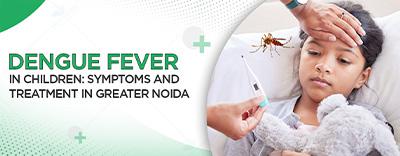
Learn about dengue fever in children, its common symptoms, and effective treatments available in Greater Noida. Get expert pediatric care to manage dengue safely and prevent complications.

Posture is very important for the health of your muscles and bones. Swayback, which is also called lordosis, is one of the most common posture problems that people don't know about. A lot of people think it's just a cosmetic issue, but the truth is that if you don't fix your spinal curvature, it can cause chronic pain, limited mobility, and long-term problems with your spine. If you go to the Best Orthopaedic Hospital in Noida for an early checkup, they can find posture problems before they get worse and make sure that trained professionals take care of your spine the right way.
Book a posture evaluation and start your recovery journey with expert orthopedic care and guided physiotherapy.
The spine of a person has natural curves that help absorb shock, support body weight, and let the body move freely. Problems can happen when these curves get too big. A lot of people look up "what is lordosis?" when they see a clear inward curve in their lower back. Lordosis is when the lumbar spine bends too much inward, pushing the stomach forward and the buttocks outward. This makes the back look swaybacked. It is normal for the spine to curve a little, but too much curvature can cause pain, stiffness, and bad posture over time.
Good posture keeps the head, shoulders, and hips in line with the spine. Muscles and ligaments have to work harder to keep balance when alignment changes. Over time, this stress can cause tiredness, pain, and possibly damage to the structure.
To treat someone properly, you need to know what causes swayback?. What makes swayback happen is something that a lot of people want to know. because the condition often gets worse over time. Lordosis can affect kids, teens, pregnant women, athletes, and adults who don't move around much. It usually happens because of muscle imbalance, bad posture, or an underlying medical condition.
Common causes include:
Weak core muscles
Tight hip flexors
Poor sitting posture
Obesity or rapid weight gain
Pregnancy and hormonal changes
Congenital spine conditions
Osteoporosis or spinal injuries
When the pelvis tilts forward excessively, the lower spine compensates by curving inward more than normal. This compensation leads to long-term strain and discomfort.
There are a lot of people who do not realize they have poor posture until they have symptoms. It’s attached to almost every action we take. Is lordosis dangerous? because the symptoms can initially be mild and then progressively get worse.
Possible long-lasting results are:
Chronic low backache
Decreased flexibility, mobility
Fatigued and stiff muscles
Nerve pinch
An inability to stand for prolonged intervals
Greater risk in spinal injuries
In untreated cases, the severity of the lordotic curve might influence the way a person walks and could lead to the person experiencing spinal wear and tear for a long time.
Postural disorders are becoming increasingly common worldwide. According to global musculoskeletal health data, back pain affects nearly 80% of adults at some point in life, and posture imbalance is a major contributing factor. Studies published in spine health journals show that early posture correction reduces long-term spinal complications by up to 40%.
Recognizing symptoms early makes treatment easier and more effective. The signs and symptoms of lordosis may vary depending on severity and age.
These are the most common symptoms:
Visible curve in lower back is bent inward
Anterior bowing of the abdomen and buttocks
Stiff back following walking or standing
Tight muscles in hips and thighs
Loss of mobility
In severe cases there is numbness or tingling
Pain tends to get worse when sitting or standing for long periods of time. The complications can be prevented by early diagnosis.
Certain lifestyle and health conditions make the development of swayback posture more likely. Sedentary working habits, extended use of screens and a lack of physical activity are the culprits behind rising cases globally.
Key risk factors include:
Sedentary lifestyle
Inadequate ergonomics at work
Weak abdominal muscles
Lack of stretching
Excessive high-heel use
Sports injuries
These elements slowly interfere with posture equilibrium and cause the displacement of the spine.
A medical evaluation can help figure out how bad the curvature is and what caused it. How do you treat lordosis? is a question that comes up a lot. But the first step in treatment is making the right diagnosis.
Your doctor might suggest:
Checkup of the body
Checking how you stand
X-rays, MRIs, or CT scans
Checking the strength of the muscles
Testing for Range of Motion
These studies help the doctor figure out how bad the disease is: mild, moderate, or severe.
Without surgery, most cases can be handled. The goal of treatment is to fix posture, make muscles stronger, and ease pain. A lot of people want to know how to fix their swayback posture because conservative treatment works so well.
Common treatments that don't involve surgery:
Learning about posture and physiotherapy
Making the core stronger
Medicines to ease pain
Help with keeping your weight under control
Changes to lifestyle and ergonomics
Most patients will get better in a few months if they are given the right care. It also shows that targeted physiotherapy can greatly improve spinal alignment and reduce long-lasting pain. These results show how important it is to get help early and follow a supervised exercise plan.
Physiotherapy is another very good way to treat lordosis. A strict schedule brings the spine back into balance and strengthens the muscles that support it.
The benefits of physiotherapy are:
More awareness of your posture
Stronger core and back muscles
Pain and stiffness relief
More range of motion
Stay away from spine problems in the future
The key to getting long-term results is to stay consistent.
Exercise is the most important part of getting better. A lot of patients look for the best exercises for correcting lordosis to safely improve their posture. Targeted exercises help balance muscles and make curves less extreme.
Exercises that are suggested:
Poses for pelvic tilt
Poses for cats and cows
Different kinds of plank
Stretching the hamstrings
Bridges for the glutes
Stretch for the hip flexor
Regular practice can help straighten out the spine and ease pain.
Your core muscles naturally support your spine. Weak core muscles and tight hip flexors make anterior pelvic tilt worse.
Core-strengthening exercises are helpful for:
Help the spine
Improve control of your posture
Ease stress in the lower back
Building up your core strength is important for fixing your posture in the long run.
Simple lifestyle modifications can make a big difference in posture and prevent progression of the curvature.
Posture daily tips:
Sit with your back supported
Keep your feet flat on floor
Do not sit for too long
Stand with a neutral spine
Modify the ergonomics of your workstation
Recovery is supported by routine daily consistency.
Surgery is rare and only done in very bad cases of nerve compression or spinal instability. If any of the following happen, surgery may be needed:
There is a big curve in the spine
Pain that won't go away
Signs of nerve damage start to show
Movement is limited
Most patients get better without surgery.
Early care stops problems from happening later on. The Best Orthopaedic Hospital in Noida can help you with proper diagnosis, planning physiotherapy, and managing your lifestyle.
Some benefits of early intervention are:
Faster healing time
Less hurt
Stopping spinal injuries
Better quality of life
People know that ignoring posture problems can lead to long-term problems.
Getting expert care is very important for recovery. Seeing the best orthopaedic doctor in Noida makes sure that you get personalised care and exercise plans.
A professional can:
Check the alignment of the spine and posture
Make plans for physiotherapy treatment
Keep an eye on the healing process
Give advice on how to stop something from happening in the long term
The treatment works much better when professionals are in charge.
Recurrence is as important to prevent as it is to treat. Active living, ergonomic modifications, and good habits promote spinal health.
Preventative measures include:
Keep a healthy weight
Exercise consistently
Be informed about your posture
Get up and move around if you're sitting too long
Do core exercises
Lifestyle choices that contribute to a healthy spine.
Regular spine checks can help find problems with posture early on. Going to the best ortho doctor in Noida makes sure that you get regular checkups and preventive care.
Regular checkups help:
Find changes in posture early
Stop pain from coming back
Make treatment more effective
Keep your spine healthy
It's always better to stop something from happening than to treat it.
Don't ignore the early signs if you notice changes in your posture, lower back pain, or stiffness. To avoid problems in the long run, see a spine specialist and start guided physiotherapy. To make an appointment for your posture assessment, call +91 9667064100.
Lordosis is more than just a posture problem. If you don't pay attention to it, it can slowly affect your mobility, comfort, and long-term spinal health. The good news is that most cases get better quickly with early diagnosis, physiotherapy, correcting bad posture, and targeted strengthening exercises. Getting stronger in your core, staying active, and fixing your daily posture can all help a lot with pain and stop it from getting worse. People with lordosis can get their spines back in balance, become more flexible, and live a pain-free, active life again with the right help and care.Getting timely advice and help from the best orthopaedic doctor in Noida can help find posture problems early and stop them from getting worse.
Dr. Keshav Goel is an experienced Orthopedic Surgeon with 10+ years of expertise in joint replacement, sports injury treatment, arthroscopy, and comprehensive bone and joint care.
Orthopedics is a specialized branch that takes care of your musculoskeletal problems related to joints, bones, muscles, spine, ligaments, and tissues.
Looking for the best orthopedic hospital in Noida for hip replacement surgery? Get expert care, advanced technology, and faster recovery from top orthopedic specialists—all under one roof.
Explore common orthopedic problems in senior citizens, their diagnosis, and advanced treatment options available in Noida for better mobility and healthy aging.
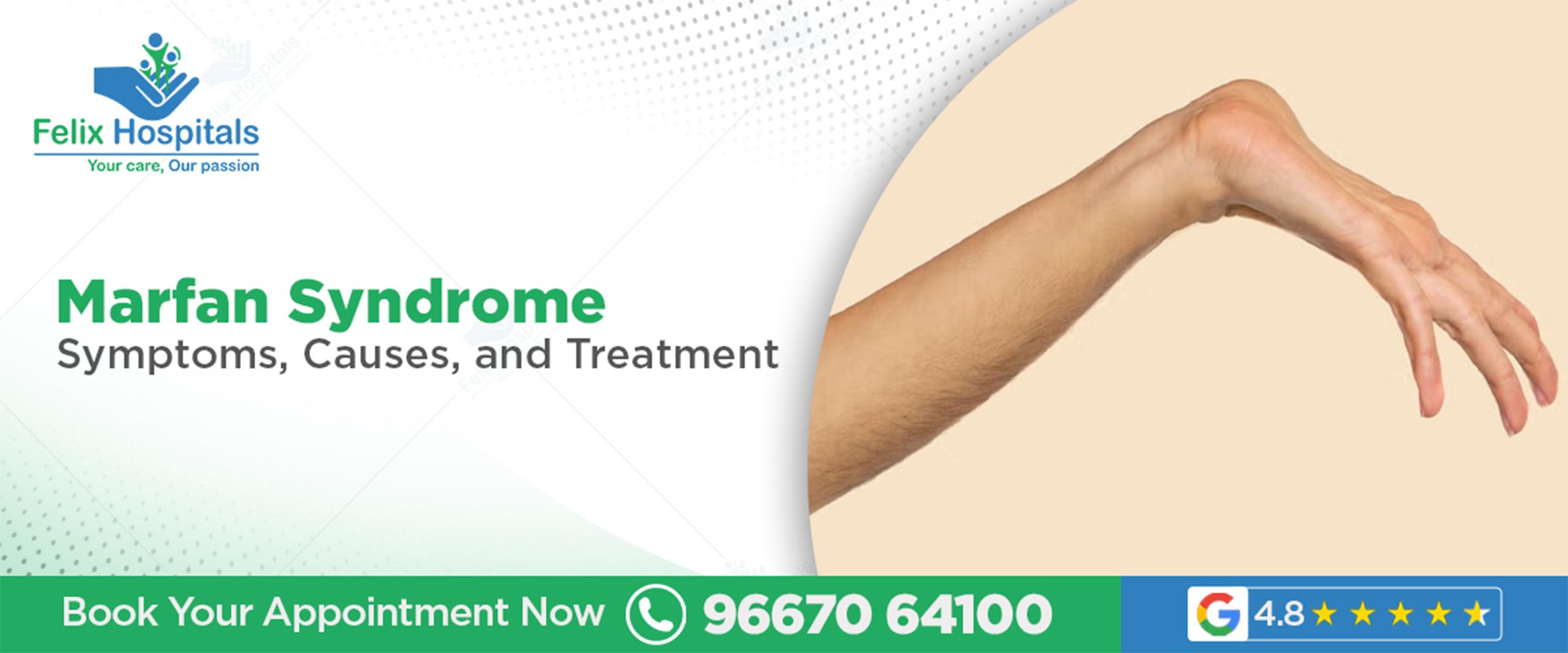
Marfan syndrome is a genetic disorder that affects the body’s connective tissue—the fibers that provide strength and flexibility to structures like the heart, blood vessels, eyes, and bones. Because connective tissue is present throughout the body, this condition can impact multiple systems, often leading to serious complications if not diagnosed and managed on time. One of the most critical concerns in Marfan syndrome is its effect on the heart and blood vessels, particularly the aorta, which can become weak, enlarged, or prone to life-threatening rupture.
Early identification of symptoms and regular monitoring play a crucial role in preventing complications. People with Marfan syndrome may not always show obvious signs initially, which is why timely screening and expert evaluation are essential. Access to advanced cardiac care at the Best Cardiology Hospital In Noida ensures that patients receive accurate diagnosis using modern imaging techniques, continuous monitoring, and personalized treatment plans tailored to their condition.
Do you have symptoms or a family history of Marfan syndrome ?To talk to a heart doctor today, call +91 9667064100.
What is Marfan Syndrome? It starts with knowing that it is a genetic disorder that affects connective tissue, which is the tissue that supports and strengthens organs and structures all over the body. The condition can affect more than one organ system at a time because connective tissue is found all over the body.
Medical studies indicate that Marfan syndrome affects roughly 1 in 5,000 individuals globally, with no gender disparity. Mutations in the FBN1 gene, which makes fibrillin, a protein that is important for strong and flexible connective tissue, cause the condition.
Some of the body systems that are most affected are:
Blood vessels and the heart
Eyes and sight
Joints and bones
The lungs and the skin
Complications, especially those involving the heart, can get worse if you don't get care right away.
Families can get medical help before problems start by knowing the Early signs of Marfan Syndrome. A lot of people don't know they have the disease until they start to notice changes in their bodies or heart problems.
Some common signs that something is wrong are:
Tall and thin body type
Fingers, toes, arms, and legs that are long
Joints that can bend and feet that are flat
Scoliosis, or a curved spine
Teeth that are too close together or a high palate
Stretch marks that aren't caused by weight gain or loss
The National Institutes of Health (NIH) has done research that shows that early diagnosis and modern treatment have made . Life expectancy in Marfan Syndrome go from 45 years in the 1970s to more than 70 years today. This shows how much better outcomes can be when people are aware of and get medical care.
The most serious worry is heart problems in Marfan patients, especially an aortic aneurysm, which is when the aorta gets bigger. The aorta is the biggest artery that carries blood from the heart to the rest of the body.
Some of the most important risks to heart health are:
Risk of aortic dilation and rupture
Aortic valve leaking
Prolapse of the mitral valve
Heartbeats that aren't regular
Heart failure in very bad cases
The Marfan Foundation says that cardiovascular problems are the most common cause of death in people who don't get treatment. Early treatment can make a big difference in how long someone lives.
A lot of parents want to know Is Marfan Syndrome hereditary? Yes, the answer is yes. This condition is passed down through an autosomal dominant pattern, which means that if one parent has it, the child has a 50% chance of getting the gene.
Genetic facts that are important:
75% of cases are passed down from a parent, and 25% are caused by new gene mutations.
Families should get genetic counselling.
There may be prenatal testing available.
Knowing about it early helps families plan how to treat and keep an eye on it.
It is very important to recognise Marfan Syndrome in children because early treatment can stop serious problems from happening later in life.
Some signs that may show up in kids are:
Fast growth in height
Long arms and legs compared to others
Tired a lot while playing sports
Eye problems like lens dislocation
Deformities of the chest wall
Regular checkups for kids and their hearts help make sure they grow and develop normally.
When doctors figure out How is Marfan Syndrome diagnosed?, they carefully look at the symptoms. because there isn't one test that can prove the condition.
Test | Purpose |
Echocardiogram | Checks aorta size and heart valves |
MRI/CT Scan | Detects aortic enlargement |
Genetic testing | Identifies FBN1 mutation |
Eye examination | Detects lens dislocation |
Physical exam | Evaluates body features |
Early diagnosis lets doctors keep an eye on the heart before problems start to happen.
Knowing Complications of Marfan Syndrome helps explain why ongoing medical care is so important.
Some things that could go wrong are:
Aortic rupture (which could kill you)
Loss of vision because the lens has moved out of place
Very bad scoliosis
Pneumothorax (lung collapse)
Long-lasting pain in the joints
These complications can greatly affect quality of life if they are not treated.
A lot of people with Marfan Syndrome want to know Life expectancy in Marfan Syndrome, and modern treatment has made the outlook much better.
People with Marfan syndrome can now live almost normal lives if they keep an eye on their health and make some changes to their lifestyle.
Things that help people live longer:
Regular heart checks
Medicines to stop something from happening
Early surgery
Good habits for living a healthy life
The most important thing that affects long-term survival is getting care on time.
Patients with Marfan Syndrome can better manage their condition if they know Treatment options for Marfan Syndrome.
Beta blockers to make the heart work less hard
Drugs that help control blood pressure
Regular imaging to keep an eye on the aorta
Pain management for problems with joints
Surgery to fix the aorta
Replacing the heart valve
Surgery to fix the spine
Surgery on the eyes if necessary
The severity and type of symptoms affect the treatment plan.
Long-term care and management of Marfan Syndrome is all about avoiding problems and making life better. Marfan Syndrome management and care
Here are some tips for living a healthy life:
Don't lift heavy weights.
Pick exercises that don't put too much stress on your body, like swimming or walking.
Keep your blood pressure in check
Get your heart checked every year.
Put on safety glasses
For good health for the rest of your life, you need to keep an eye on it all the time.
Patients can stay active and safe by following healthy habits.
Daily habits that are good for you:
A healthy diet that is balanced for the heart.
Regular light exercise
Don't smoke or drink too much.
Keep your weight in a healthy range.
Ways to deal with stress
These changes are good for your heart and your health in general.
Having a chronic genetic condition can be hard on your emotions. A lot of patients benefit from:
Therapy or counselling
Groups that help
Teaching families
Coaching for a better lifestyle
Mental health care is a big part of long-term care.
People with Marfan syndrome should see a doctor on a regular basis.
Follow-ups that are recommended:
Echocardiogram every year
Keeping an eye on blood pressure
Check-ups for the eyes
Evaluations for orthopaedic problems
Regular checks help find problems early and stop them from becoming emergencies.
"Do you need a professional diagnosis or long-term care?"
To make an appointment with a heart doctor, call +91 9667064100.
Marfan syndrome is a genetic disorder that lasts for life and needs to be known about, diagnosed early, and treated regularly. Patients can live long, happy lives thanks to improvements in cardiology, imaging, and preventive care. Early screening, a healthy lifestyle, and regular checkups are still the best ways to avoid serious problems and keep your health in the long term.
Consulting the Best Cardiologist In Noida can make a significant difference in managing this condition effectively. An experienced specialist can detect early changes in the heart and blood vessels, guide lifestyle modifications, prescribe appropriate medications, and recommend surgical interventions when needed. With the right care, regular follow-ups, and a proactive approach, individuals with Marfan syndrome can lead longer, healthier lives while reducing the risk of severe complications.
Dr. Rahul Arora is an experienced Interventional Cardiologist with 21+ years of expertise in advanced cardiac care, specializing in personalized, evidence-based treatment for heart diseases and improved patient outcomes.

Best heart hospital in Noida for bypass surgery at affordable prices with expert cardiac surgeons, advanced facilities, and quality patient care for better recovery.
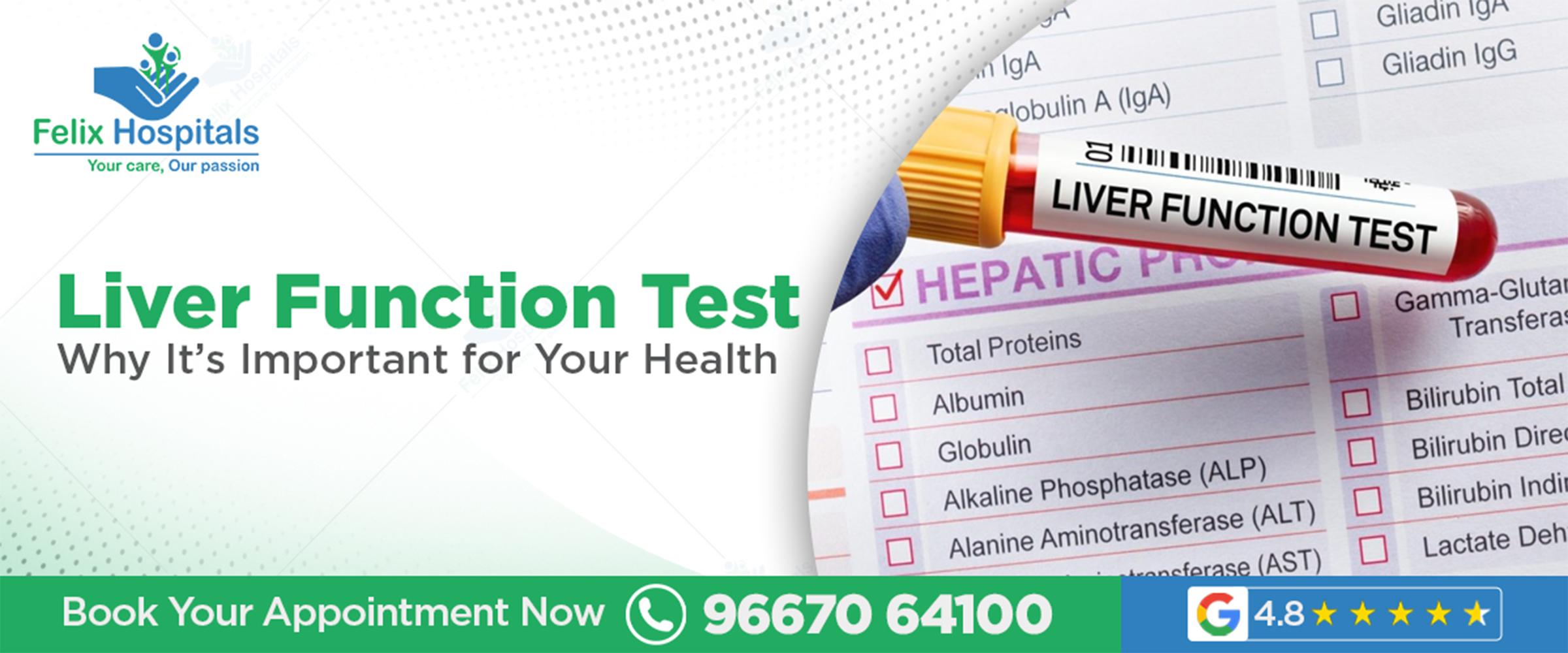
The liver is among the most vital organs in the human body, and it takes more than 500 vital functions that ensure that the body operates well. It is a significant contributor to the process of detoxifying harmful substances, metabolizing nutrients, secretion of bile to digest food, storage of vitamins and the process of maintaining blood composition. Although it is a vital organ, liver health is not given the attention it deserves until the symptoms become severe or the damage has irreversibly taken place.
Urban cities such as Noida have seen a tremendous increase in liver conditions due to change of lifestyles. The burden of liver disease has been caused by increased intake of processed foods, consumption of alcohol, sedentary lifestyles, obesity and increasing cases of diabetes. Liver diseases, such as hepatitis and fatty liver disease, are also the cause of morbidity in most parts of the world according to the World Health Organization (WHO). Non-alcoholic fatty liver disease (NAFLD) has emerged as one of the most prevalent liver diseases in India, where almost every 3 adults in urban areas have this disease.
Health screening is important to detect the condition early and liver function test is one of the most common methods to determine the health of the liver. It is possible to detect the abnormalities at an early period and stop the long-term complications with the help of timely consultation with a liver specialist doctor in Noida.
"Experiencing fatigue, digestive discomfort, or unexplained health issues?"
Don’t ignore early warning signs—your liver may need attention.
Call +91 9667064100 to consult a doctor for liver concerns in Noida today.
LFT is a set of blood tests that are to assess the general condition of the liver and its functioning. These tests determine the levels of different enzymes, proteins and substances within the blood which are indicative of the condition of the liver.
Special cells are found in the liver to secrete enzymes into the blood in the event of damage. Measurements of important enzymes are ALT (Alanine aminotransferase) and AST (Aspartate aminotransferase). These enzymes usually indicate liver cell damage or inflammation when their level is high. The other critical parameter is the bilirubin, a waste product of the breakdown of the red blood cells. Bilirubin is elevated and may cause jaundice, and is an indicator of dysfunctional liver.
Moreover, liver tests determine protein concentration which is provided by the liver like albumin that help to maintain fluid balance in the body. When the two markers are considered, physicians are able to have a clear picture of liver health.
Understanding why liver function tests are important is essential because liver diseases often develop silently without noticeable symptoms in the early stages. When symptoms arise, it is possible that a lot of damage may have already been suffered.
Regular liver screening assists in:
Early treatment of liver inflammation or liver damage.
Surveillance of chronic liver diseases like hepatitis.
Monitoring of the liver functioning impact of drugs.
Detecting fatty liver disease at an early stage.
Awarding the development of cirrhosis or liver failure.
It has been medically proven that early diagnosis provided by just a simple blood test enhances the treatment results to a great extent. As an illustration, the early diagnosis of fatty liver disease enables lifestyle changes that will reverse the condition to more severe stages.
Recognizing the symptoms that may require a liver function test can help in seeking timely medical care. Most of the symptoms of the liver are hidden and may be confused with other health conditions.
Common symptoms include:
Chronic exhaustion and lack of strength.
Loss of skin and eye color (jaundice)
Abdominal pain or discomfort in the upper right area.
Nausea, vomiting, or anorexia.
Dark-colored urine
Pale or clay-colored stools
Unexplained weight loss
These symptoms can be an indication of liver dysfunction and must not be overlooked. The person will feel fatigued and digestively uncomfortable in most instances weeks before they can determine that the problem is linked with the health of her liver.
Understanding the common conditions detected by liver function tests highlights their importance in diagnosing a wide range of liver disorders.
These conditions include:
Non-alcoholic fatty liver disease (NAFLD)
Alcoholic liver disease
Infection of hepatitis A, B and C.
Liver cirrhosis
Bile duct obstruction
Drug-induced liver injury
The fatty liver disease especially has been on the rise because of the lifestyle choices of consuming high calorie diets and sedentary lifestyles. When it is identified at an early stage using LFT, it can be rolled back with diet and exercise in most cases.
Knowing the types of liver function tests helps in understanding what each parameter indicates.
The main components include:
AST and ALT - hepatic cellular injury.
Alkaline phosphatase (ALP) - bile duct functionality.
Bilirubin - is the level that determines the capacity of the liver to handle waste.
Albumin - indicates the activity of the liver in synthesizing proteins.
Total protein - measures the general liver performance.
Physicians measure these values in combination and not separately in order to have a full picture of liver health.
When should you get a liver functional test? is an important knowledge that can be used in preventive health care.
You are suggested to take a test in case:
You have a feeling of liver dysfunction.
You are a regular drinker.
You are obese or diabetic.
You are on long-term medications.
You have liver disease within the family.
Screening is especially necessary to people having risk factors because the early diagnosis will avoid significant complications.
Doctors use liver function tests along with imaging and additional investigations to assess liver health accurately.
Test | Purpose |
LFT panel | evaluates enzyme and protein levels |
ultrasound | detects fatty liver or structural changes |
CT scan | provides detailed imaging of liver |
viral markers | identifies hepatitis infections |
These tests help confirm diagnosis and guide treatment decisions.
The treatment is based on the cause that is detected by the liver function tests. Late-onset liver diseases can be avoided by treating the liver at the first stage of their development.
Some of the treatment methods could be:
Changes in lifestyle including diet and exercise.
Infection or inflammation drugs.
Do not consume alcohol and drugs.
Controlling such diseases as diabetes or obesity.
Periodic checkup of the liver functionality.
It has been demonstrated that lifestyle modifications can make a significant contribution to liver health in the case of fatty liver disease at the early stages.
Availability of liver function test in Noida implies that liver related diseases are detected and treated at an early stage.
Healthcare services offer:
Complicated laboratory analysis.
Quick and reliable results
Professional advice and explanation.
Health care checks packages.
Follow-up treatment and observations.
Frequent testing also keeps people updated on their liver status and proactively taken care of by taking preventive measures.
Understanding how to maintain healthy liver function is essential for long-term well-being.
Healthy practices include:
Consuming a healthy diet that is high in fruits and vegetables.
Restricting alcoholic intake.
Being of normal weight.
Exercising regularly
Not taking useless drugs.
Staying hydrated
The habits can prevent the risk of liver disease and promote general health.
Early medical check up is an important factor in ensuring the liver is healthy and to avoid complications.
Medical care provides:
Early intervention of abnormalities.
Accurate diagnosis
Individualized care programs.
Continuous monitoring
Disease progression prevention.
It is better guided by professional advice, which guarantees improved results and future health.
"Planning a routine check-up or experiencing symptoms related to liver health?"
Early testing can prevent serious complications.
Call +91 9667064100 to book your liver function test in Noida now.
The health of the liver is a very vital part of health and is not given much attention until the signs become critical. Understanding what is a liver function test , recognizing the symptoms that may require a liver function test, and knowing when you should get a liver function test can help in early detection and prevention.
As the area has reliable liver function testing in Noida and a liver specialist physician in Noida, people will be able to take positive initiatives in preserving liver health. Early screening, good habits and early visit to the doctor are some of the reasons that one should use to avoid severe complications.
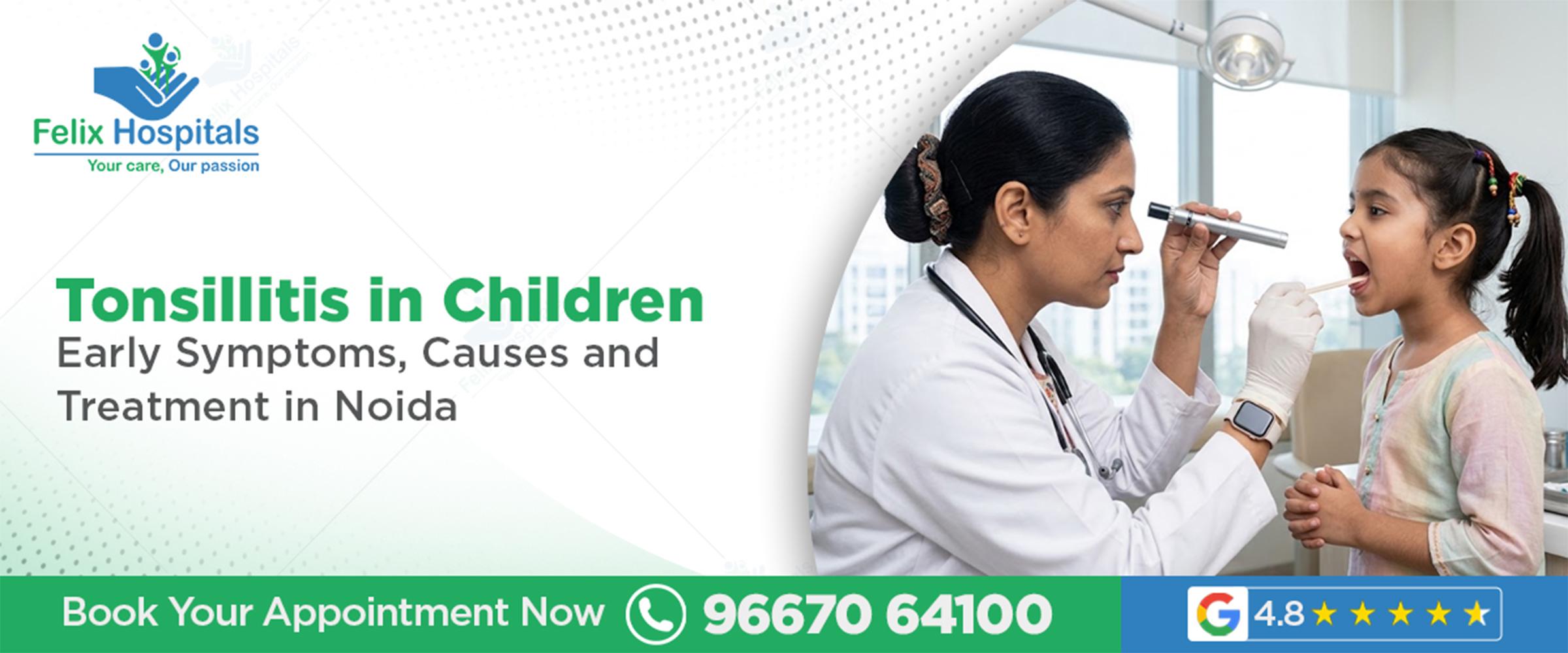
Tonsillitis is a widespread infection of children of all ages that occurs predominantly in the age group of 3-10 years. It happens when tonsils which are two oval lymphoid tissues visible in the back of the throat swell up because of infection. These tonsils are important to the immune system in that they assist in the trapping of bacteria and viruses that come into the body via the mouth and nose.
Nevertheless, these same structures can be a cause of pain and disease when they are infected many times. Exposure to pollution and seasonal infections and close contact in schools are some of the factors that have increased pediatric throat infections in an urban setting such as Noida. Pediatric health statistics indicate that tonsillitis constitutes a substantial proportion of doctor visits among children especially when there is change of season.
It is necessary to learn early symptoms, causes and to receive timely treatment to avoid complications. The correct diagnosis and management will also be assured by consulting the best pediatric ENT specialist in Noida. Treatment at the earliest possible stage does not only alleviate the symptoms but also avoids subsequent infections and chronic complications.
"Is your child frequently complaining of throat pain, difficulty swallowing, or fever?"
Don’t ignore recurring throat infections—early treatment can prevent complications.
Call +91 9667064100 to consult a specialist in Noida today.
Understanding tonsillitis in children is important for early identification and timely care. Viral or bacterial infections can cause tonsillitis, however, viral infections are more frequent. Nevertheless, tonsillitis caused by bacteria, in particular, by Streptococcus bacteria may be more severe and may demand antibiotics.
Tonsillitis is more prone in children due to the fact that their immune system is yet to mature, and children are also highly exposed to infections in schools and day cares. The tonsils are the front line defense, however, with a recurrent exposure, they may become inflamed and infected.
Tonsillitis usually heals in a couple of days, although in some instances; frequent or intense cases might need the intervention of a doctor. Early diagnosis is important in identifying the cause of the problem which may be a virus or a bacteria and thus is very important in the right form of treatment
Recognizing the symptoms of tonsillitis in kids helps parents take early action and prevent worsening of the condition.
Common symptoms include:
Throat sore, pain on swallowing.
Red, swollen tonsils
Fever and chills
Bad breath
Neck lymph node swellings.
Irritability, anorexia.
In younger children, there can also be drooling, refusal to eat or excessive crying. The research indicates that bacterial tonsillitis is frequently related to an increased fever and more severe sore throat than the viral infections.
In case such symptoms continue after a couple of days or aggravate, then medical attention should be sought.
Understanding the causes of tonsillitis in children helps in identifying triggers and reducing recurrence.
Common causes include:
Cold and flu viruses are the types of viruses.
Bacteria, particularly Streptococcus.
Contact with infected persons.
Poor hygiene practices
Weakened immunity
According to medical research, approximately 70 percent of tonsillitis in children is of a viral nature implying that antibiotics are not always necessary. Bacterial infections however require early treatment to avoid complications.
The susceptibility to throat infection is also enhanced by environmental factors such as pollution and season change.
Identifying the common signs parents should watch for is essential for early detection.
Important signs include:
Problems with swallowing food or liquids.
Persistent fever
Alterations in voice or speech which is muffled.
Difficulty in breathing during sleep.
Frequent throat infections
Such symptoms are possible manifestations of acute or chronic tonsillitis. As an example, sleep onset breathlessness may indicate tonsillar airway obstruction.
The symptoms should be monitored by the parents and medical advice should be sought where there is a need to do so.
Knowing when parents should see a doctor? helps in avoiding delays in treatment.
A doctor should be consulted when the parent:
Symptoms last more than 3-4 days
Fever is high or persistent
The child experiences a problem with breathing or swallowing.
There are frequent bouts of tonsillitis.
Home care deteriorates the symptoms.
Early consultation will guarantee correct diagnosis as well as avoidance of complications like abscess formation or further infection.
The tests used to diagnose tonsillitis help determine the cause and severity of the infection.
Test | Purpose |
throat examination | checks inflammation and swelling |
throat swab | identifies bacterial infection |
blood test | detects infection markers |
rapid strep test | confirms streptococcal infection |
These tests help doctors decide whether antibiotics are needed and guide treatment plans.
Understanding the complications of untreated tonsillitis highlights the importance of timely care.
Potential complications are:
Peritonsillar abscess
Ear infections
Breathing difficulties
Sleep disturbances
Transmission of infection to adjacent tissues.
Untreated medical evidence indicates that bacterial tonsillitis may cause severe diseases such as rheumatic fever that may spread to the heart.
Timely treatment can help a lot to avoid complications.
The treatment options for tonsillitis in children depend on the cause and severity of the condition.
Therapy interventions comprise:
Rest and hydration
Pain and fever medications.
Bacterial infection antibiotics.
Warming drinks and calming medicine.
The majority of viral cases are self-limiting and need supportive care whereas bacterial infections need antibiotics. Treatment will guarantee quick recovery and eliminate recurrence.
Access to tonsillitis in children treatment Noida ensures comprehensive care and faster recovery.
Treatment services include:
Specialist diagnosis of experts.
Individualized treatment regimens.
Advanced diagnostic tests
Follow-up care
Contact with a specialist is useful in the treatment and prevention of frequent infections and better health.
Understanding when tonsil surgery is needed? helps parents make informed decisions.
Surgery (tonsillectomy) can be prescribed when:
Infections (more than 5-7 per year) are frequent.
During sleep, there are difficulties in breathing.
Infections are not susceptible to treatment.
Complications develop
Tonsillectomy is generally safe and could save lives to some extent in children with recurring tonsillitis.
Following how to prevent tonsillitis in children strategies can reduce the risk of infection.
Such preventive measures involve:
Maintaining proper hygiene
Highlighting frequent handwashing.
Not to get in contact with infected persons.
Ensuring a healthy diet
Strengthening immunity
Prevention treatment is vital in the lowering of infection rates.
Basic lifestyle habits may help in recovery and prevent the recurrence.
Helpful tips include:
Ensuring adequate rest
Easy-to-swallow soft food
Individuals will provide.
Maintaining hydration
These measures aid in quicker recovery and enhanced comfort.
Effective treatment and proper diagnosis are guaranteed by the services of a professional doctor.
Medical care provides:
Early detection
Targeted treatment
Monitoring of recovery
Deterrence of complications.
Expert guidance
Early intervention enhances recovery and minimizes re-occurrence.
Is your child facing repeated throat infections or difficulty swallowing? Don’t delay expert care—early treatment can prevent surgery and complications.
Call +91 9667064100 to consult a specialist in Noida now.
Tonsillitis in children is a common but treatable illness with good prognosis if diagnosed early. This information about the symptoms of tonsillitis in children and what are the common signs which every parent should look for and when to take the child to a doctor? will help you ensure timely treatment.
Now with the best pediatric ENT doctor in noida and suitable Tonsillitis in Children Treatment in Noida, the parents can bring a smile to their child’s face once again. Preventive care, understanding and acting in a timely manner are the best ways to safeguard your child’s health.

As a child care specialist, I have noticed a huge difference in overall growing of a child in the last 14 years.
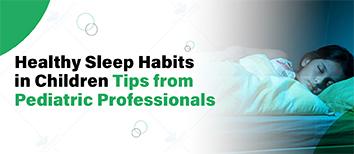
During sleep, the body releases growth hormones, which are essential for a child's growth and development. Adequate sleep is vital for muscle development, tissue growth, and the overall physical health of a child.

Childhood is an important period in which lifelong habits are formed, making it an ideal time to introduce lifestyle interference that can promote long-term health and well-being.

Dehydration is a widespread but vastly undermining health problem, which may occur in individuals of all ages, particularly when the weather is very hot as in summers at the Delhi NCR. It arises when the body loses more fluids than it consumes causing an imbalance in the normal body functions. The World Health Organization (WHO) explains that dehydration may affect physical performance and mental alertness, whereas severe dehydration is life-threatening unless dealt with in time. This can be prevented by early identification and early visit to the best general physician in Noida, hereby complications can be avoided and safe recovery can be achieved.
"Feeling weak, dizzy, or unusually tired in hot weather?"
Don’t ignore early warning signs—dehydration can quickly become serious.
Call +91 9667064100 to consult a doctor for dehydration in Noida immediately.
Dehydration is a disease that arises when the body lacks sufficient fluids to perform its normal functions. The human body consists of water amounting to approximately 60 percent of the body, and even a slight decrease in the amount of fluid in the body can cause an imbalance in the body functions such as circulation, digestion and temperature.
In case there is more fluid loss than the fluid taken in, the body will find it difficult to regulate the electrolytes. This may cause the decrease of the volume of blood and the heart can no longer pump the blood effectively. Unless promptly dealt with, the process of dehydration will cause other vital organs like the kidneys and the brain to work hard.
Recognizing the common symptoms of dehydration is essential for early detection and timely care. The Centers of Disease Control and Prevention (CDC) states that the symptoms usually have a subtle onset but can get serious in the short term in case they are ignored.
Common symptoms include:
Excessive thirst
Dry mouth and lips
Dark yellow urine
Less often urination.
Fatigue and weakness
Lightheadedness/dizziness.
Headache
These symptoms mean that the body is already faced with the imbalance of fluids and requires immediate care.
Identifying the signs of severe dehydration is critical because this stage can lead to serious medical emergencies. There is clinical evidence indicating that in extreme cases of dehydration, blood pressure may be lowered and that the supply of oxygen to organs is limited.
Warning signs include:
Severe thirst and lack of the ability to consume fluids.
Perplexity or dislocation.
Rapid heartbeat
Low blood pressure
Sunken eyes and dry skin
Minimal or no urine output
Incident of fainting or unconsciousness.
These are symptoms that must be fixed by a doctor as they cannot be handled at home.
Understanding the causes of dehydration helps in both prevention and effective management. Fluid loss may be as a result of some environmental, medical and lifestyle factors.
Common causes include:
Inadequate water intake
Sweating a lot as a result of heat or exercise.
Vomiting and diarrhea
Fever augmenting fluid needs.
Some drugs such as diuretics.
Excessive intake of caffeine or alcohol.
During hot seasons such as Noida, the chances of dehydration are based on a long period of exposure to heat.
Knowing the risk factors for dehydration is important for identifying individuals who are more vulnerable to fluid loss.
High-risk groups include:
Infants and young children
Older people have a low sense of thirst.
There are outdoor workers who are exposed to heat.
Physical activity or athletes.
Individuals having chronic health conditions such as diabetes.
Patients, who have frequent gastrointestinal infections.
These groups should have preventative actions to ensure that they do not develop complications.
Numerous individuals believe that they can always treat dehydration at home and that is not necessarily the case. Awareness of the time to consult a doctor can eliminate severe complications.
Seek medical help if:
Drinking fluids does not help the symptoms.
It is accompanied by constant vomiting or diarrhea.
Misunderstanding or abnormal behavior is created.
The amount of urine would be highly minimal.
It has fainting or excessive weakness.
Late treatment may augment the threat of kidney damage and other complications.
Doctors evaluate dehydration through a combination of physical examination and diagnostic tests to determine severity and underlying causes.
Test | Purpose |
Physical examination | Checks skin elasticity, pulse, and blood pressure |
Blood tests | Evaluates electrolyte levels and kidney function |
Urine tests | Assesses hydration status and concentration |
These assessments help doctors decide the appropriate course of treatment.
The dehydration treatment depends on the severity of the condition. WHO guidelines have shown that early rehydration has great potential to minimize complications.
These modes of treatment encompass:
Consuming more oral fluids.
The use of oral rehydration solutions (ORS).
Replacement fluidic electrolytes.
IV (intravenous) fluids in the serious ones.
A cure of underlying conditions like infections.
Early intervention guarantees quicker recovery and avoids the development of severe dehydration.
Timely emergency treatment of the dehydration in Noida is essential in severe cases when the loss of fluid may turn out to be life-threatening.
Emergency care includes:
Immediate administration of IV fluids.
Electrolyte correction
Constant vital signs observation.
Management of other health problems.
Critical care provision.
Medical research indicates that fast IV rehydration has a great effect to the recovery of severe cases of dehydration.
The best way of preventing dehydration is by prevention particularly in hot weather conditions.
Follow these tips:
Consume a lot of water during the day.
Aspirate when exposed to heat.
Eat fruits and vegetables, which contain a lot of water.
Limit caffeine use and alcohol.
Carry water on a trip or physical activity.
These practices assist in ensuring that one is well hydrated.
Some simple lifestyle changes could go a long way in avoiding dehydration as well as staying healthy.
Adjustments that may be helpful include:
Reminding oneself to drink water.
It is important not to spend extended periods in the sun.
Light and breathing clothing.
Having frequent rests in case of physical activity.
Maintaining a balanced diet
Regularity of these habits helps in sustainability of hydration and health.
Early medical intervention will make the difference between proper diagnosis and treatment of dehydration.
Medical care provides:
Early detection of severity
Individually tailored interventions.
Monitoring of recovery
Avoidance of complications.
Hydraulic management advice.
Professional care is also available, enhancing patient outcomes and staying safe.
"Experiencing persistent dehydration symptoms or feeling unwell?"
Don’t delay treatment—early care can prevent serious complications.
Call +91 9667064100 to consult a doctor for dehydration in Noida now.
Dehydration is an avoidable but potentially severe disorder that needs to be addressed in time. Understanding what is dehydration?, recognizing the common symptoms of dehydration, and identifying the signs of severe dehydration are essential for early management.
Having an opportunity to obtain adequate emergency intervention in case of dehydration hospital in noida, one will be able to obtain the necessary care on time and prevent complications. Hydration, good habits, and consulting with the doctor when necessary are the major requirements to keep the body in good health.
Dr. Anshumala Sinha is an experienced Internal Medicine and Diabetology specialist with 20+ years of practice. She specializes in diabetes management, infectious diseases, fever treatment, hypertension, cholesterol control, weight management, and trauma care. Recognized among the Best General Physicians in Noida, she provides comprehensive and patient-focused medical care.

Looking for the best physician for viral fever treatment in Noida

Consult the best general physician for dengue fever at Felix Hospital. Their expertise in diagnosing and managing dengue virus infections can lead to timely and effective treatment.

Nipah virus infection causes severe fever and brain inflammation. It spreads through infected animals or close contact and requires strict preventive measures.

Know the warning signs of heat stroke and dehydration, their risks, and effective prevention tips. Stay safe and healthy during summer with expert guidance.


Subscribe to our
© Copyright 2026. All Rights Reserved by Felix Healthcare Private Limited
Design and development by :


 +(91)9667064100
 Emergency : +(91)9667064100