 WhatsApp
 Emergency:
  WhatsApp







Subscribe to our
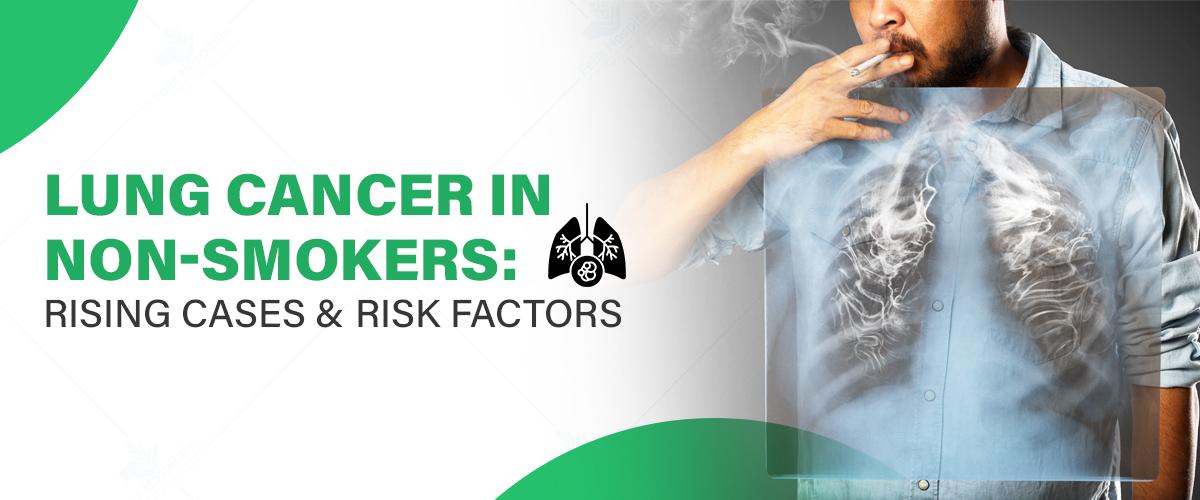
Lung cancer has long been associated with smoking, making it one of the most well-known risk factors for the disease. However, recent trends reveal an alarming rise in lung cancer cases among non-smokers. This shift highlights the need for increased awareness about the causes and risk factors beyond smoking. Non-smokers with lung cancer often face unique challenges, including late diagnosis due to a lack of awareness. For residents of Noida and nearby areas, consulting experts at a renowned cancer hospital in Noida can ensure access to accurate diagnosis and personalized treatment.
Understanding the risk factors and early symptoms of lung cancer in non-smokers is vital for early intervention and improved outcomes. This blog explores the causes, Non-smoker lung cancer risk factors, and preventive measures for lung cancer in non-smokers.
Schedule an appointment with the leading oncology specialists at Felix Hospitals by calling +91 9667064100.
Lung cancer is characterized by the uncontrolled growth of abnormal cells in the lungs, leading to tumors that can interfere with normal respiratory functions. While smoking remains the leading cause of lung cancer, individuals who have never smoked are also being diagnosed with the disease.
Key Differences
A family history of lung cancer can increase susceptibility due to inherited genetic mutations, making early screening essential for at-risk individuals.
Radon, a radioactive gas found naturally in soil and rock, is a leading cause of lung cancer without smoking. It is colorless and odorless, making it difficult to detect without proper testing.
Chronic conditions such as chronic obstructive pulmonary disease (COPD) and tuberculosis can predispose individuals to lung cancer by causing inflammation and tissue damage.
Non-smokers who develop lung cancer are often older adults, and studies indicate that women may be at higher risk than men due to hormonal and genetic factors.
A diet lacking essential nutrients, combined with a sedentary lifestyle, can weaken the immune system, making the body more susceptible to cancer.
Non-smokers may experience subtle symptoms such as persistent cough, fatigue, and shortness of breath, which can delay diagnosis. These symptoms often differ from those in smokers.
Non-smoking lung cancer is frequently misdiagnosed as other respiratory conditions. Comprehensive imaging and biopsies are critical for accurate detection.
Non-smokers should be vigilant for signs such as persistent cough, unexplained weight loss, and chest pain. Early detection can significantly improve survival rates.
Advanced imaging techniques like CT scans and MRIs play a pivotal role in identifying lung cancer at its early stages. Leading facilities like a lung cancer hospital can offer precise diagnostic tools.
Routine health screenings are particularly important for individuals with Non-smoker lung cancer risk factors, such as a family history of lung cancer or significant environmental exposures.
Reduce exposure to secondhand smoke and ensure proper ventilation in living and working spaces to minimize radon and air pollution risks.
Adopt a balanced diet rich in fruits, vegetables, and antioxidants.
Maintain regular physical activity to strengthen the immune system.
Early and regular screenings can help detect precancerous changes, particularly in individuals at higher risk.
Non-smokers may respond differently to treatments compared to smokers, requiring tailored approaches. Cutting-edge research continues to improve outcomes for non-smokers with lung cancer.
At Felix Hospitals, you can rely on a team of experienced oncology specialists dedicated to providing personalized and advanced care for lung cancer patients.
These specialists combine expertise with a deep understanding of patient care, ensuring optimal outcomes for individuals diagnosed with lung cancer.
Call +91 9667064100 or book an appointment online for expert guidance and compassionate care.
The rising cases of lung cancer in non-smokers highlight the importance of understanding its causes and risk factors. Early detection, lifestyle adjustments, and expert care can make a significant difference in outcomes. If you or a loved one are concerned about symptoms or risk factors, consult specialists at a trusted cancer hospital in Noida. Proactive measures and timely intervention remain the keys to managing and overcoming lung cancer.
1. What are the early signs of lung cancer in non-smokers that are often overlooked?
Ans: Early signs include persistent cough, unexplained weight loss, fatigue, shortness of breath, and chest pain. Many of these symptoms are mistaken for less severe respiratory conditions, delaying diagnosis.
2. Can genetic testing help determine my risk for non-smoking lung cancer?
Ans: Yes, genetic testing can identify inherited mutations associated with higher risks of lung cancer. Consulting with an oncologist can help determine if testing is appropriate for you.
3. Is lung cancer in non-smokers more challenging to treat than in smokers?
Ans: Non-smoking lung cancer often presents unique challenges, such as late diagnosis and different tumor biology. However, targeted therapies and advanced treatments like immunotherapy have significantly improved outcomes for non-smokers.
4. How does radon exposure contribute to lung cancer, and how can I test for it at home?
Ans: Radon, a naturally occurring radioactive gas, increases lung cancer risk through prolonged exposure. Testing kits are available for home use to measure radon levels and implement mitigation strategies if needed.
5. Are women more susceptible to lung cancer than men if they don’t smoke?
Ans: Studies suggest that women may be at a higher risk due to hormonal factors and genetic differences, though further research is ongoing. Regular screenings are crucial for early detection in women.
6. What types of occupational hazards increase the risk of lung cancer in non-smokers?
Ans: Exposure to substances like asbestos, arsenic, diesel exhaust, and industrial chemicals in the workplace can heighten lung cancer risk. Employers and individuals should ensure proper safety measures are in place.
7. How often should a non-smoker with a family history of lung cancer undergo screening?
Ans: Non-smokers with a family history of lung cancer should consult a specialist to determine a screening schedule. Low-dose CT scans are typically recommended annually for high-risk individuals.
Prostate cancer is a type of cancer that occurs in the prostate gland, a small walnut-shaped gland responsible for producing seminal fluid, which nourishes and transports sperm.
Atezolizumab Injection is an immunotherapy drug used in treating various cancers. Learn about its price, side effects, dosage, and benefits in advanced cancer care.
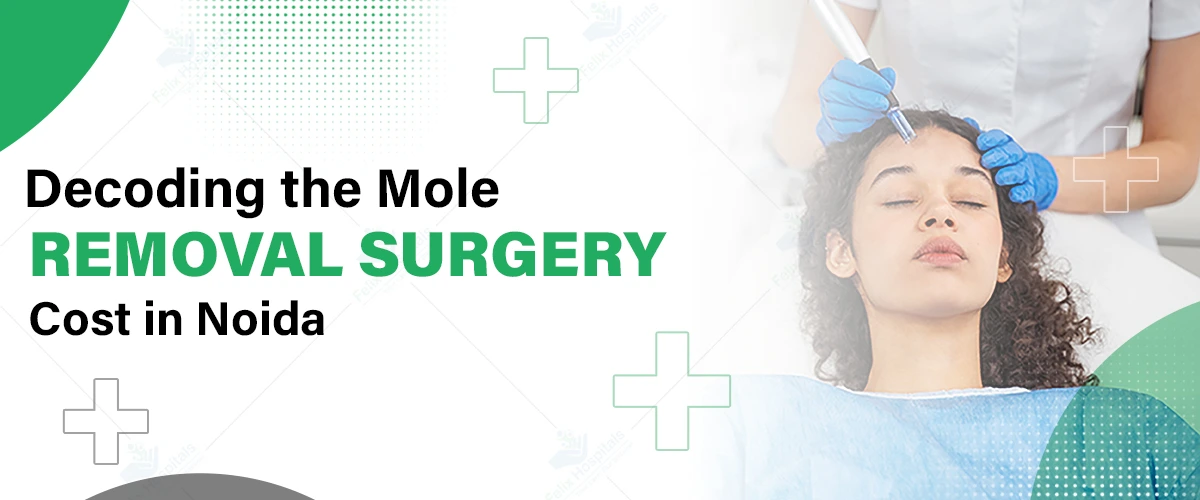
Mole removal surgery is a common procedure for individuals who have moles that are bothersome, unsightly, or potentially hazardous to their health. Whether for cosmetic reasons or medical necessity, choosing the best hospital for mole removal surgery in Noida ensures a safe, effective, and minimally invasive procedure. In Noida, many hospitals offer mole removal, but understanding the cost and the factors that influence it can help you make an informed decision. This article will guide you through the various cost factors, how to reduce expenses, and why Felix Hospital is an excellent choice for this procedure.
If you are considering mole removal surgery, book a consultation by calling +91 9667064100 with the best dermatologist for mole removal at Felix Hospital.
Mole removal surgery is often performed for medical reasons, such as removing moles that may be cancerous or have the potential to become malignant. For others, it might be a cosmetic concern to improve the appearance of the skin. Some moles can irritate when rubbed against clothing or become infected, making removal a practical solution. Whatever the reason, mole removal surgery offers a safe, quick, and effective solution.
The Cost of mole removal surgery in Noida can vary significantly depending on several factors. On average, you can expect to pay anywhere from ₹2,000 to ₹50,000 for the procedure. The minimum cost typically covers small, non-complicated procedures, while the maximum cost accounts for more extensive surgeries or those involving specialized technology.
Here’s the cost information for mole removal surgery in Noida presented in a table format:
| Procedure | Cost | Details |
|---|---|---|
| Small, Non-Complicated Procedures | ₹2,000 – ₹10,000 | Suitable for minor or easily removable moles. |
| Medium Complexity Procedures | ₹10,000 – ₹30,000 | Covers moles requiring moderate intervention. |
| Extensive Surgeries | ₹30,000 – ₹50,000 | Includes specialized technologies or techniques for large or complex moles. |
This breakdown provides clarity on what to expect based on the complexity and type of mole removal surgery.
Several factors influence the mole removal surgery cost in Noida, including:
Type and Size of Mole: Larger or more complex moles require more time and effort to remove, which can increase the cost.
Procedure Type: The method used for removal, such as excision, laser, or cryotherapy, can impact the price.
Surgeon’s Experience: Experienced dermatologists with a proven track record may charge higher fees due to their expertise.
Location of the Clinic or Hospital: The facilities and location of the hospital or clinic play a role in determining the cost.
Post-Surgery Care: Additional costs for follow-up visits, medications, and aftercare should also be considered.
Compare Different Clinics: Get quotes from multiple clinics to ensure you’re getting competitive pricing.
Insurance Coverage: Check if your insurance covers the procedure, especially if it's done for medical reasons.
Package Deals: Some hospitals offer package deals that cover both the removal and post-surgery care, which can be more cost-effective.
Choose Non-invasive Methods: Laser treatments or cryotherapy might cost less than traditional surgical excision, but discuss options with your dermatologist.
Felix Hospital offers high-quality mole removal surgery with the latest technology and highly skilled professionals.
High-Quality Care: Felix Hospital provides exceptional mole removal surgery using advanced techniques and state-of-the-art technology.
Skilled Professionals: The hospital boasts a team of highly experienced dermatologists and medical staff.
Advanced Equipment: Equipped with modern tools and facilities for safe and effective procedures.
Personalized Treatment: Each patient receives customized care tailored to their unique needs.
Transparent Pricing: Felix Hospital offers competitive and clear pricing for mole removal surgery in Noida.
Safety Standards: Ensures the highest level of safety and professionalism throughout the treatment process.
When it comes to mole removal, choosing an experienced dermatologist is key to achieving the best outcomes. At Felix Hospital, you can consult with some of the best doctors for mole removal, who specialize in dermatology and advanced mole removal techniques.
Dr. Tarun Gupta: Known for his patient-centric approach, he specializes in advanced techniques for safe and effective mole removal.
Dr. Sheetal Yadav: A skilled dermatologist with a focus on achieving excellent cosmetic results in mole removal surgeries.
Dr. Kusum Gupta: Highly experienced in treating various skin conditions, including moles, using state-of-the-art technology.
With years of experience and a deep understanding of skin health, these dermatologists at Felix Hospital ensure you receive the best care while guiding you through every step of the process.
Felix Hospital will help you to understand the procedure, costs, and benefits. Reach out now to schedule your appointment by Clicking Here!
Mole removal surgery is an effective way to address both cosmetic and medical concerns, with costs ranging from ₹2,000 to ₹50,000 in Noida. Factors such as the size and type of mole, the method used, and the surgeon’s expertise can affect the overall cost. Felix Hospital provides top-notch services, experienced professionals, and competitive pricing, making it one of the best options for mole removal surgery. Whether you're seeking a cosmetic enhancement or a medically necessary procedure, Felix Hospital is here to offer comprehensive care.
1. What factors influence the cost of mole removal surgery?
ANS: The size, type, and location of the mole, the method used (surgical excision, laser, or cryotherapy), and the surgeon's expertise all influence the cost of mole removal surgery.
2. Is mole removal surgery covered by insurance?
ANS: If the mole removal is deemed medically necessary (for example, to check for skin cancer), insurance may cover part or all of the cost. Always verify with your provider before scheduling the surgery.
3. What is the recovery time after mole removal surgery?
ANS: Recovery time can vary depending on the procedure used, but most patients can return to normal activities within a few days. Full healing may take a few weeks, with minimal scarring if proper aftercare is followed.
4. How do I know if I need mole removal surgery?
ANS: If a mole is growing rapidly, changing color, or causing irritation, it’s important to consult a dermatologist. They will assess whether removal is necessary for cosmetic or health reasons.
5. What are the different types of mole removal procedures?
ANS: Mole removal can be done through surgical excision, laser treatment, or cryotherapy. The appropriate method depends on the type of mole and the patient's preferences.
6. Can a mole grow back after removal?
ANS: In most cases, moles do not grow back after removal. However, in rare cases, a small part of the mole may remain, requiring additional treatment.
7. Are there risks associated with mole removal surgery?
ANS: While mole removal is generally safe, there are potential risks, such as infection, scarring, or changes in skin pigmentation. It’s important to follow aftercare instructions to minimize these risks.
8. Can I remove a mole at home?
It’s never recommended to attempt mole removal at home, as it can lead to infection, scarring, and misdiagnosis of a potentially dangerous mole. Always seek professional care from a dermatologist.
9. How do I care for my skin after mole removal surgery?
ANS: After the procedure, you should keep the area clean, avoid direct sun exposure, and follow your dermatologist’s instructions for wound care. Proper aftercare reduces the risk of complications and ensures optimal healing.
By adhering to your treatment plan, making healthy lifestyle choices, and staying informed about your condition, you can effectively manage glaucoma and preserve your vision.
At Felix Hospital, we are proud to have Dr. Kusum Gupta on our team. Dr. Kusum is the best mole removal surgeon in Noida and other dermatological procedures.

Discover causes, treatments, and prevention tips for hair loss. Learn about different types and effective solutions to restore healthy hair

Cold sores, also known as fever blisters, are small, fluid-filled blisters that typically appear on or around the lips.
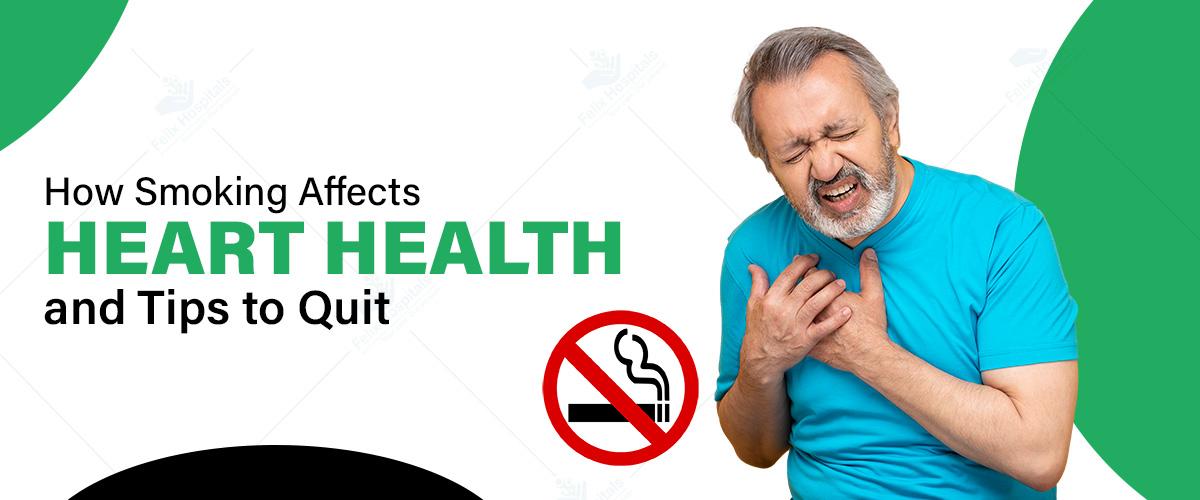
Smoking is one of the leading causes of preventable diseases worldwide, and its effects on heart health are both alarming and far-reaching. The harmful chemicals in tobacco smoke damage nearly every organ in the body, but none more critically than the heart and blood vessels. If you're looking to protect your heart, it's essential to understand the profound impact smoking can have and the benefits of quitting. The recognized hospital or the best hospital for heart health in Noida, aims to raise awareness and provide the tools needed to stop smoking for a healthier heart.
If you're ready to quit smoking and protect your heart health, don't hesitate to reach out. Call us today at +91 9667064100.
When you inhale cigarette smoke, you’re exposing your body to thousands of toxic chemicals that negatively impact the cardiovascular system. Smoking accelerates the process of atherosclerosis (the buildup of fatty deposits in the arteries), which leads to the narrowing of the blood vessels and increases the risk of heart disease. Here are some of the main ways smoking harms heart health:
Explanation of How Smoking Harms the Cardiovascular System:
Smoking is incredibly damaging to the cardiovascular system. It immediately raises your heart rate and blood pressure, forcing your heart to work harder. This overexertion increases your risk of heart disease. Additionally, smoking causes the blood vessels to constrict, leading to reduced blood flow. This means your heart struggles to get the oxygen and nutrients it needs to function optimally, which contributes to long-term cardiovascular problems.
Smoking accelerates the development of several risk factors for heart disease, including:
Atherosclerosis: Smoking increases the production of plaque in the arteries, making it harder for blood to flow freely. This is a precursor to many cardiovascular diseases, including heart attacks and strokes.
Increased Risk of Heart Attack and Stroke: By causing the narrowing of blood vessels, smoking increases the risk of blockages, which can result in a heart attack or stroke. Smoking also leads to the formation of blood clots, which may further obstruct blood flow.
Damaging Effects on the Heart Muscle and Circulation: Smoking damages the blood vessels, reduces circulation, and weakens the heart muscle over time, increasing the risk of heart failure.
The damage caused by smoking leads to a range of heart diseases that can severely impact overall health. Let’s explore some of the most common conditions linked to smoking:
One of the most prevalent heart diseases in smokers is Coronary Artery Disease (CAD). CAD occurs when the coronary arteries, which supply blood to the heart muscle, become blocked or narrowed due to plaque buildup. Smoking accelerates this process by increasing plaque formation. This leads to reduced blood flow and can cause chest pain (angina), heart attacks, or even sudden cardiac arrest.
Smoking is also a significant contributor to Peripheral Artery Disease (PAD), a condition where the blood vessels that supply blood to the limbs become narrowed or blocked. This restricts blood flow to the legs and arms, causing pain, numbness, or even gangrene if left untreated.
Smoking is a major risk factor for ischemic stroke, which occurs when a clot blocks a blood vessel in the brain. The chemicals in cigarette smoke damage the blood vessels, promoting clot formation. This, combined with other risk factors like high blood pressure, makes smokers far more likely to suffer from strokes.
Although smoking has long-term consequences, quitting can provide substantial health benefits. Here’s how quitting smoking can immediately improve your heart health:
Decrease in Heart Rate and Blood Pressure: Within just a few minutes of quitting, heart rate and blood pressure begin to drop, reducing the strain on the heart.
Improvement in Circulation: Within days of quitting, circulation starts to improve, allowing blood to flow more easily to vital organs and tissues.
Reduced Carbon Monoxide Levels: The harmful carbon monoxide in cigarettes is expelled from the body, improving the amount of oxygen carried by red blood cells.
Reduction in the Risk of Heart Attack and Stroke: Over time, the risk of heart attack and stroke dramatically decreases. After just one year of being smoke-free, the risk of coronary heart disease is cut in half, and after 15 years, it’s similar to that of a non-smoker.
Improved Cholesterol Levels: Quitting smoking improves cholesterol levels, reducing the risk of further plaque buildup and heart disease.
Better Overall Cardiovascular Health: Your heart and blood vessels begin to heal, improving their function and reducing the likelihood of developing severe cardiovascular diseases.
Quitting smoking is challenging, but with the right strategy and support, it is achievable. Here are some effective tips to help you quit smoking and improve your heart health:
Set a Quit Date: Choose a day to stop smoking and mark it on your calendar. Prepare yourself mentally and emotionally for the change.
Identify Reasons to Quit: Write down your reasons for quitting, such as improving heart health, saving money, or feeling better overall.
Family and Friends: Share your plan with loved ones. Their encouragement can help you stay motivated, especially during cravings.
Support Groups: Consider joining a smoking cessation group. Being around others with similar goals can provide accountability and emotional support.
Professional Help: Healthcare professionals can guide you through the quitting process and offer strategies to help you cope with withdrawal symptoms.
Nicotine Replacement Therapies (NRTs): Nicotine patches, gum, or lozenges can help reduce withdrawal symptoms and cravings.
Medications: There are prescription medications that can help reduce the urge to smoke and ease the quitting process.
Exercise Regularly: Physical activity reduces stress and improves circulation, making it easier to handle cravings.
Eat a Balanced Diet: A healthy diet can help you stay energized and avoid gaining weight as you quit smoking.
Manage Stress: Techniques such as yoga, meditation, or deep breathing can help you manage stress and prevent relapses.
Expect Challenges: It’s normal to experience cravings and withdrawal symptoms when quitting. Stay focused on the long-term benefits for your heart health.
Celebrate Small Wins: Acknowledge your achievements, whether it’s a day, a week, or a month smoke-free. Each milestone is progress toward a healthier heart.
If you need additional help to quit smoking, many resources can guide you:
Helplines and Online Support Services: Many national helplines offer counseling and support for individuals trying to quit smoking.
Mobile Apps: There are apps designed to track your progress and provide motivational support throughout your journey.
Local Smoking Cessation Programs: Many hospitals and health clinics offer programs designed to help individuals quit smoking.
Healthcare Professionals: Cardiologists and other healthcare providers can offer advice and treatment options to help you quit smoking successfully.
At Felix Hospital, we understand the critical connection between smoking and heart disease. Our team of the best cardiologists in Noida is dedicated to helping individuals protect their heart health and provide support for those looking to quit smoking. If you're struggling with smoking or heart-related health issues, consider seeking guidance from our expert doctors:
Dr. Rahul Arora (Felix Hospital Noida Sector 137): A leading cardiologist with extensive experience in heart disease management.
Dr. Virendra Singh (Felix Hospital Greater Noida, Gamma 1): A specialist in preventive cardiology and heart disease management.
Consult with one of our expert cardiologists or join a smoking cessation program today by Clicking Here.
Smoking has a profound impact on heart health, and the longer you smoke, the greater the damage to your cardiovascular system. The good news is that quitting smoking can significantly reduce your risk of heart disease and stroke. The benefits of quitting are immediate and long-lasting, and with the right support, quitting is entirely possible. At Felix Hospital, our experts are here to help you take the first step toward a healthier life.
1. How long after quitting smoking does the heart begin to heal?
ANS: The healing process starts almost immediately after quitting. Within 20 minutes of quitting, your heart rate and blood pressure drop. Within a few days, circulation improves. Over the next few months and years, the risk of heart disease, heart attack, and stroke continues to decrease significantly.
2. Does smoking cessation reduce the damage already done to the heart?
ANS: Yes, quitting smoking can reverse some of the damage. While long-term effects like scarring or permanent artery narrowing may remain, the risk of further damage significantly decreases. The heart and blood vessels begin to repair themselves, and circulation improves, lowering the chances of future heart problems.
3. How can smoking cessation help someone with existing heart disease?
ANS: For individuals with existing heart disease, quitting smoking can be a game-changer. It reduces the strain on the heart, lowers the risk of heart attacks, and improves circulation, making treatments for heart conditions more effective. It also prevents further plaque buildup in the arteries, allowing existing treatments to work more efficiently.
4. Are there any specific smoking cessation programs for people at high risk for heart disease?
ANS: Yes, smoking cessation programs often include tailored support for individuals with a higher risk of heart disease. These programs provide additional medical supervision, including heart monitoring, counseling, and integration of heart disease management strategies to ensure better overall health outcomes during the quitting process.
5. Can quitting smoking lower the need for heart medications?
ANS: Quitting smoking can lead to improvements in heart health, potentially reducing the need for certain medications. For instance, blood pressure may decrease, cholesterol levels may improve, and the risk of heart-related complications may lower, which could result in reduced medication requirements. However, this should always be discussed with a healthcare provider.
6. What role does nicotine replacement therapy (NRT) play in protecting heart health during smoking cessation?
ANS: Nicotine replacement therapies (NRT), such as patches or gum, help manage cravings and withdrawal symptoms while quitting. By reducing nicotine intake in a controlled manner, NRT can lower the strain on the heart that comes with sudden withdrawal from nicotine, helping the heart recover gradually without the additional stress of cravings.
7. Is there any connection between smoking, high blood pressure, and heart disease?
ANS: Yes, smoking directly contributes to high blood pressure by narrowing blood vessels and increasing heart rate. This added strain on the cardiovascular system contributes significantly to the development of heart disease. Quitting smoking helps lower blood pressure and reduce the risk of heart disease in the long term.
8. How does smoking affect the cholesterol levels that impact heart health?
ANS: Smoking lowers HDL (good cholesterol) and increases LDL (bad cholesterol) levels, contributing to plaque buildup in arteries. This combination of factors accelerates atherosclerosis, increasing the risk of heart disease. Quitting smoking can help improve cholesterol levels and reduce the progression of cardiovascular disease.
हार्ट अटैक के मुख्य लक्षण, कारण और तुरंत किए जाने वाले उपचार के बारे में जानें। समय पर पहचान और सही इलाज से जीवन बचाया जा सकता है।

Adopting a heart-healthy lifestyle and implementing expert-backed strategies can help clear arteries and improve cardiovascular health.

The demand for non-surgical aesthetic treatments has surged in recent years, with procedures such as fillers, Botox, and other minimally invasive techniques gaining immense popularity. These options offer people the ability to achieve a more youthful appearance without the commitment, downtime, and risks associated with traditional plastic surgery. The availability of such services at the best hospital for plastic surgery treatment allows individuals to receive top-quality care from skilled professionals, ensuring optimal results with minimal risk.
Book your consultation today at +91 9667064100 and explore how non-surgical treatments can help you achieve a natural, youthful glow without surgery.
The increased demand for non-surgical aesthetic treatments can be attributed to several factors:
Non-surgical procedures encompass a range of treatments, each catering to different aesthetic goals. Here’s a closer look at some of the most popular options available today:
Dermal fillers are injectable substances designed to add volume, smooth wrinkles, and enhance facial contours. Made from materials like hyaluronic acid (HA), calcium hydroxylapatite, and poly-L-lactic acid, these fillers work by adding volume to areas of the face that may have lost fat or elasticity over time.
Benefits of Dermal Fillers
Botulinum toxin injections, commonly known as Botox, are widely recognized as one of the most effective treatments for reducing fine lines and wrinkles. Botox works by temporarily paralyzing targeted facial muscles, preventing them from contracting and causing wrinkles.
Benefits of Botox
Chemical peels involve applying a chemical solution to the skin to exfoliate the surface and remove dead cells. This process reveals a fresher, more youthful layer of skin and can reduce the appearance of fine lines, pigmentation, and acne scars.
Benefits of Chemical Peels
Microneedling is a minimally invasive procedure that involves using tiny needles to create controlled micro-injuries in the skin.This process stimulates collagen production, which helps improve skin texture, firmness, and elasticity.
Benefits of Microneedling
Laser skin resurfacing treatments use laser energy to remove damaged skin cells, stimulate collagen production, and improve overall skin tone and texture.
Benefits of Laser Skin Resurfacing
Non-surgical skin tightening methods, such as Ultherapy (ultrasound) and RF treatments, use heat energy to penetrate the deeper layers of the skin, stimulating collagen production and providing a lifting effect.
Benefits of Ultrasound and RF Skin Tightening
Cryolipolysis, commonly known as CoolSculpting, is a non-invasive fat reduction treatment that uses controlled cooling to freeze and destroy fat cells in targeted areas. It is especially popular for areas like the abdomen, flanks, and thighs.
Benefits of Cryolipolysis
Non-surgical aesthetic treatments offer unique benefits that have contributed to their widespread popularity:
Though generally safe, non-surgical procedures still require careful consideration and should be performed by qualified professionals. Here are some tips for a safe experience:
Non-surgical procedures have expanded options for aesthetic treatments, but they may not fully replace surgical methods for some individuals. Here’s a quick comparison:
| Feature | Non-Surgical Procedure | Surgical Procedure |
|---|---|---|
| Invasiveness | Minimally invasive | Invasive, with incisions |
| Downtime | Minimal to none | Requires significant recovery time |
| Cost | Generally lower | Often more expensive |
| Risk Level | Low to moderate | Higher due to anesthesia and surgical risks |
| Result | Temporary to long-lasting, depending on the procedure | Permanent but may require maintenance over time |
The field of non-surgical aesthetics continues to advance with innovations such as hybrid treatments, new filler formulations, and improved device technology. The demand for non-invasive treatments will continue growing as people seek more natural-looking, low-risk aesthetic solutions.
Dr. Pragya Priya (Felix Hospitals Noida, sector 137) and Dr. Vishvendu Gaur (Felix Hospitals Greater Noida, Gamma 1) at Felix Hospitals are renowned experts in non-surgical aesthetic treatments. Their deep understanding of facial anatomy, coupled with exceptional skill and a patient-focused approach, ensures a personalized and satisfying experience for those seeking aesthetic enhancements. Specializing in cutting-edge techniques and premium products, they help patients achieve natural, beautiful results without the need for invasive surgery. Their commitment to excellence and attention to detail make them trusted choices for enhancing beauty and confidence.
Contact our experts to learn about safety by Clicking Here, minimally invasive options tailored to your beauty goals.
Non-surgical aesthetic treatments have transformed the beauty industry, offering people accessible, effective, low-risk ways to enhance their appearance. Procedures like fillers, Botox, microneedling, and skin tightening have redefined anti-aging solutions, making them both practical and effective for many individuals.
1. How long do the results of dermal fillers last?
Ans: The duration varies depending on the type of filler and treatment area but typically lasts between 6 to 18 months.
2. Is there any downtime required after a Botox session?
Ans: Generally, there is minimal to no downtime, and most patients can resume daily activities immediately.
3. Are non-surgical treatments suitable for all skin types?
Ans: Most non-surgical procedures are safe for various skin types, though it’s best to consult with a practitioner to determine what’s right for you.
4. Can non-surgical treatments be combined for better results?
Ans: Yes, combining treatments like Botox and fillers or microneedling with PRP can enhance outcomes, providing a comprehensive approach.
5. What precautions should I take before a chemical peel?
Ans: Avoid sun exposure, exfoliants, and retinoids before treatment to minimize irritation and achieve optimal results.
6. Are the results from non-surgical fat reduction permanent?
Ans: Cryolipolysis results can be permanent if weight is maintained, as it permanently removes fat cells in the treated area.
7. Is microneedling painful?
Ans: While you may feel some discomfort, numbing cream is usually applied to reduce pain, making the procedure tolerable for most people.
8. How soon can I see results after RF skin tightening?
Ans: Initial results can appear within weeks, with continued improvement as collagen production increases over the following months.

Plastic surgery cost in Noida depends on the procedure type, surgeon expertise, hospital infrastructure, and post-surgery care.

भारत में खानपान का समृद्ध इतिहास है, जो न केवल स्वाद बल्कि पोषण से भी भरपूर है। आयुर्वेद और आधुनिक विज्ञान दोनों ने भारतीय सुपरफूड्स की महत्ता को स्वीकारा है। सुपरफूड्स वे खाद्य पदार्थ हैं जिनमें पोषण का खजाना होता है और वे शरीर को स्वस्थ बनाए रखने में अहम भूमिका निभाते हैं। दुर्भाग्यवश, इन सुपरफूड्स को हम अक्सर नजरअंदाज कर देते हैं। इस ब्लॉग में हम ऐसे भारतीय सुपरफूड्स पर चर्चा करेंगे जो आपके स्वास्थ्य के लिए अत्यंत लाभकारी हैं जिसके बारे में ज्यादा जानकारी के लिए आप आहार विशेषज्ञ से बात कर सकते है।
ज्यादा जानकारी के लिए हमें कॉल करें +91 9667064100.
भारतीय रसोई में सदियों से ऐसे खाद्य पदार्थों का उपयोग किया जाता रहा है जिन्हें आज "सुपरफूड्स" के नाम से जाना जाता है। ये खाद्य पदार्थ न केवल स्वादिष्ट होते हैं बल्कि पोषण से भी भरपूर होते हैं। भारतीय सुपरफूड्स हमारी संस्कृति और परंपराओं का हिस्सा रहे हैं और आयुर्वेद में इन्हें विशेष महत्व दिया गया है। आधुनिक विज्ञान ने भी इनके स्वास्थ्यवर्धक गुणों को प्रमाणित किया है। नीचे ऐसे भारतीय सुपरफूड्स के बारे में जानकारी दी गई है जो आपके शरीर को स्वस्थ और ऊर्जावान बनाए रखने में मदद कर सकते हैं।
भारतीय सुपरफूड्स जैसे हल्दी, आंवला, और गिलोय एंटीऑक्सीडेंट और एंटी-इंफ्लेमेटरी गुणों से भरपूर होते हैं। हल्दी में मौजूद करक्यूमिन संक्रमण और सूजन को कम करता है। आंवला में विटामिन सी का सबसे अच्छा स्रोत है, जो इम्यून सिस्टम को मजबूत बनाता है। गिलोय में शरीर को बैक्टीरियल और वायरल बीमारियों से बचाने में मदद करता है।
सौंफ, मेथी, और अलसी के बीज जैसे सुपरफूड्स पाचन सुधारने में सहायक होते हैं। सौंफ पाचन क्रिया को सक्रिय करता है और एसिडिटी को कम करता है। मेथी फाइबर से भरपूर होने के कारण कब्ज और गैस से राहत दिलाता है। अलसी के बीज पेट को साफ रखने और वजन नियंत्रित करने में मदद करता है।
भारतीय सुपरफूड्स जैसे सहजन, नारियल, और घी त्वचा और बालों की सेहत में सुधार लाते हैं। सहजन विटामिन ए और सी से भरपूर होने के कारण त्वचा को ग्लोइंग बनाता है। नारियल नारियल का तेल बालों को पोषण देता है और स्कैल्प को स्वस्थ रखता है। घी त्वचा को नमी प्रदान करता है और झुर्रियों को कम करता है।
रागी, जौ, और अलसी के बीज हृदय को स्वस्थ रखने में मदद करते हैं। रागी कोलेस्ट्रॉल को नियंत्रित करता है और ब्लड प्रेशर को स्थिर करता है। जौ फाइबर और मैग्नीशियम से भरपूर होने के कारण हृदय संबंधी बीमारियों को रोकता है। अलसी के बीज ओमेगा-3 फैटी एसिड से भरपूर है, जो हृदय को स्वस्थ रखता है।
भारतीय सुपरफूड्स जैसे बादाम, अखरोट, और अश्वगंधा मस्तिष्क की कार्यक्षमता को बढ़ाते हैं। बादाम और अखरोट ओमेगा-3 फैटी एसिड से भरपूर होते हैं, जो स्मरण शक्ति बढ़ाते हैं। अश्वगंधा तनाव और चिंता को कम करता है और मानसिक स्वास्थ्य को बेहतर बनाता है।
भारत में कई पोषण से भरपूर सुपरफूड्स हैं जो बेहद फायदेमंद होते हैं, लेकिन अक्सर लोग इन्हें नजरअंदाज कर देते हैं। इनका उपयोग करना स्वास्थ्य के लिए लाभकारी हो सकता है। यहां कुछ ऐसे सुपरफूड्स का उल्लेख किया गया है:
यह प्रोटीन, फाइबर और एंटीऑक्सीडेंट्स से भरपूर होता है। इसे आमतौर पर व्रत के दौरान खाया जाता है, लेकिन यह वजन घटाने और ब्लड शुगर नियंत्रित करने में भी मदद करता है।
गोंद सेहतमंद ऊर्जा का स्रोत है। यह हड्डियों को मजबूत करता है, त्वचा की सेहत सुधारता है और सर्दियों में शरीर को गर्म रखने में मदद करता है।
जामुन में एंटीऑक्सीडेंट्स और विटामिन सी की भरपूर मात्रा होती है। यह पाचन को सुधारता है और डायबिटीज के मरीजों के लिए फायदेमंद है।
सिंघाड़ा पोटैशियम, आयरन और विटामिन बी से भरपूर है। यह थकान कम करने और इम्यूनिटी बढ़ाने में मदद करता है।
करेला पोषक तत्वों और फाइटोन्यूट्रिएंट्स से भरपूर है। यह ब्लड शुगर को नियंत्रित करता है और पाचन को बेहतर बनाता है।
मखाने में प्रोटीन, फाइबर और एंटीऑक्सीडेंट्स होते हैं। यह वजन घटाने, हृदय स्वास्थ्य और त्वचा के लिए फायदेमंद है।
कमल के बीज कैल्शियम, मैग्नीशियम और फाइबर का अच्छा स्रोत हैं। ये मेटाबॉलिज्म को बेहतर बनाते हैं और तनाव कम करने में मदद करते हैं।
सत्तू प्रोटीन और फाइबर से भरपूर है। यह पाचन सुधारता है, एनर्जी देता है और गर्मी में ठंडक बनाए रखने में मदद करता है।
गुड़ आयरन और मिनरल्स से भरपूर है। यह खून की कमी को दूर करता है और पाचन में मदद करता है।
भिंडी के बीज फाइबर, कैल्शियम और आयरन का अच्छा स्रोत हैं। ये ब्लड शुगर को नियंत्रित करते हैं और हृदय स्वास्थ्य के लिए लाभकारी हैं।
इन सुपरफूड्स को नजरअंदाज न करें और अपनी दिनचर्या में शामिल करें। ये न केवल पारंपरिक हैं, बल्कि आपके स्वास्थ्य के लिए एक प्राकृतिक वरदान भी हैं।
भारत में पाए जाने वाले पारंपरिक अनाज और दालें सुपरफूड्स का मुख्य हिस्सा हैं। रागी कैल्शियम और फाइबर से भरपूर, हड्डियों को मजबूत करता है। ज्वार ग्लूटेन-फ्री और पाचन में सहायक होता है। बाजरा आयरन और प्रोटीन का अच्छा स्रोत होता है। चना फाइबर और प्रोटीन युक्त आहार, वजन घटाने में सहायक भारतीय सुपरफूड्स किन-किन बीमारियों से बचातामूंग दाल हल्की और पोषण से भरपूर, पाचन सुधारने में मददगार है।
भारतीय फल पोषण और औषधीय गुणों से भरपूर होते हैं। आंवला विटामिन सी का खजाना, इम्यूनिटी बढ़ाने में सहायक होता है। पपीता पाचन सुधारता है और त्वचा के लिए फायदेमंद है। केला तुरंत ऊर्जा देने वाला, पोटैशियम से भरपूर होता है। अमरूद विटामिन सी और फाइबर का अच्छा स्रोत है। सीताफल एंटीऑक्सीडेंट्स और फाइबर से भरपूर होता है।
पत्तेदार और जड़ वाली सब्जियां भारतीय सुपरफूड्स में शामिल हैं। सहजन विटामिन ए, सी, और आयरन से भरपूर, हड्डियों और इम्यून सिस्टम के लिए लाभकारी होता है। चुकंदर खून बढ़ाने और शरीर को डिटॉक्स करने में सहायक है। पालक आयरन, फाइबर और विटामिन ए से भरपूर होता है। लौकी: पाचन सुधारने और वजन घटाने में सहायक है।
भारतीय रसोई में पाए जाने वाले मसाले औषधीय गुणों से भरपूर होते हैं। हल्दी एंटी-इंफ्लेमेटरी और एंटीऑक्सीडेंट गुणों से भरपूर होती है। जीरा पाचन सुधारने और मेटाबॉलिज्म बढ़ाने में सहायक होता है। दालचीनी ब्लड शुगर नियंत्रित करने में मददगार है। अदरक सर्दी-खांसी और सूजन में राहत देने वाला होती है। लौंग एंटीसेप्टिक गुणों से भरपूर होती है।
भारतीय सुपरफूड्स के लाभों और उनके स्वास्थ्य में योगदान के बारे में जानकारी प्रदान करने में विशेषज्ञों, पोषण विशेषज्ञों और आयुर्वेदिक चिकित्सकों का योगदान महत्वपूर्ण है।
फेलिक्स हॉस्पिटल की वरिष्ठ आहार विशेषज्ञ, डॉ. पूजा यादव, पोषण विज्ञान में 8 से अधिक वर्षों के अनुभव के साथ एक समर्पित पेशेवर हैं। वह व्यक्तिगत आहार योजनाओं को तैयार करने में विशेषज्ञ हैं, जो भारतीय सुपरफूड्स जैसे दालें, बाजरा, और हल्दी को प्रमुखता से शामिल करती हैं। इनसे परामर्श लेने के लिए आप नोएडा सेक्टर 137 के फेलिक्स हॉस्पिटल में संपर्क कर सकते हैं।
फेलिक्स हॉस्पिटल की आहार विशेषज्ञ, पोषण और स्वास्थ्य सेवा में 4 वर्षों का अनुभव रखती हैं। वह विशेष रूप से उन रोगियों को सलाह देती हैं, जो कैंसर, सीओपीडी, डायलिसिस, और थायराइड जैसी गंभीर स्थितियों से गुजर रहे हैं। इनसे परामर्श लेने के लिए आप नोएडा सेक्टर 137 के फेलिक्स हॉस्पिटल में संपर्क कर सकते हैं।
फेलिक्स हॉस्पिटल की आयुर्वेद विशेषज्ञ, भारतीय परंपरागत चिकित्सा और सुपरफूड्स का गहन ज्ञान रखती हैं। उनका मानना है कि आयुर्वेद और भारतीय सुपरफूड्स का सही उपयोग न केवल रोगों को ठीक करता है, बल्कि शरीर को भीतर से मजबूत बनाता है। इनसे परामर्श लेने के लिए आप ग्रेटर नोएडा गामा 1 के फेलिक्स हॉस्पिटल में संपर्क कर सकते हैं।
फेलिक्स हॉस्पिटल में, इन दोनों विशेषज्ञों के नेतृत्व में, भारतीय सुपरफूड्स का उपयोग स्वास्थ्य में सुधार और बीमारियों की रोकथाम के लिए किया जाता है।
फेलिक्स हॉस्पिटल के आहार विशेषज्ञ से सलाह के लिए आज ही फोन करें - +91 9667064100.
भारत के सुपरफूड्स न केवल स्वास्थ्य को बढ़ावा देते हैं, बल्कि जीवनशैली संबंधी कई समस्याओं का समाधान भी प्रदान करते हैं। इन खाद्य पदार्थों को अपनी रोजमर्रा की डाइट में शामिल करना आसान है। ये न केवल आपको पोषण देंगे, बल्कि आपको कई बीमारियों से बचाने में भी मदद करेंगे तो अगली बार, जब आप बाजार जाएं, इन भारतीय सुपरफूड्स को जरूर खरीदें और अपने स्वास्थ्य को बेहतर बनाएं।
सवाल 1: सुपरफूड्स क्या होते हैं और ये साधारण खाद्य पदार्थों से अलग कैसे हैं ?
जवाब: सुपरफूड्स ऐसे खाद्य पदार्थ होते हैं जो अत्यधिक पोषण प्रदान करते हैं और स्वास्थ्य को बेहतर बनाने में सहायक होते हैं। इनमें विटामिन, खनिज, एंटीऑक्सीडेंट, और अन्य पोषक तत्वों की मात्रा अधिक होती है। साधारण खाद्य पदार्थों में भी पोषण होता है, लेकिन सुपरफूड्स में औषधीय गुण भी होते हैं जो बीमारियों को रोकने और इम्यूनिटी बढ़ाने में मदद करते हैं।
सवाल 2: भारतीय सुपरफूड्स के उदाहरण कौन-कौन से हैं ?
जवाब: भारतीय सुपरफूड्स के कुछ प्रमुख उदाहरण हैं जैसे हल्दी, आंवला, सहजन, मखाना, अलसी के बीज, रागी, जौ, करी पत्ता, गोंद आदि।
सवाल 3: क्या सुपरफूड्स का रोजाना सेवन किया जा सकता है ?
जवाब: हां, सुपरफूड्स का रोजाना सेवन किया जा सकता है, लेकिन मात्रा का ध्यान रखना आवश्यक है। उदाहरण के लिए, हल्दी को अधिक मात्रा में लेने से पेट में जलन हो सकती है, जबकि अलसी के बीज का अत्यधिक सेवन पाचन तंत्र पर असर डाल सकता है। हर सुपरफूड का सेवन संतुलित मात्रा में करें।
सवाल 4: क्या सुपरफूड्स वजन घटाने में मदद कर सकते हैं ?
जवाब: जी हां, कई भारतीय सुपरफूड्स जैसे रागी, मखाना और अलसी के बीज वजन घटाने में सहायक होते हैं। ये फाइबर से भरपूर होते हैं, जिससे पेट अधिक समय तक भरा रहता है और अनावश्यक भूख कम होती है।
सवाल 5: क्या भारतीय सुपरफूड्स शाकाहारी होते हैं ?
जवाब: जी हां, अधिकांश भारतीय सुपरफूड्स शाकाहारी होते हैं, जैसे रागी, जौ, हल्दी, आंवला और मखाना। ये शाकाहारी और शाकाहारी भोजन का हिस्सा आसानी से बन सकते हैं।
सवाल 6: क्या सुपरफूड्स बच्चों के लिए सुरक्षित हैं ?
जवाब: हां, सुपरफूड्स बच्चों के लिए सुरक्षित हैं, लेकिन उनकी उम्र और पोषण आवश्यकताओं को ध्यान में रखते हुए इन्हें दिया जाना चाहिए। उदाहरण के लिए, आंवला और हल्दी बच्चों के इम्यून सिस्टम को मजबूत बनाते हैं, लेकिन अलसी के बीज या गोंद का सेवन बच्चों को कम मात्रा में दिया जाना चाहिए।
सवाल 7: क्या सुपरफूड्स महंगे होते हैं ?
जवाब: नहीं, अधिकांश भारतीय सुपरफूड्स जैसे हल्दी, जौ, और आंवला किफायती और आसानी से उपलब्ध होते हैं। ये महंगे विदेशी सुपरफूड्स का एक बढ़िया विकल्प हैं।
सवाल 8: क्या सुपरफूड्स के साथ अन्य सप्लीमेंट्स लेना जरूरी है ?
जवाब: यदि आप संतुलित आहार ले रहे हैं और सुपरफूड्स को अपनी डाइट में शामिल कर रहे हैं, तो अतिरिक्त सप्लीमेंट्स की आवश्यकता नहीं होती। हालांकि, अगर किसी विशेष पोषक तत्व की कमी है, तो डॉक्टर की सलाह के बाद सप्लीमेंट लिया जा सकता है।

Manage diabetes effectively with a well-planned Indian vegetarian diet chart. Explore healthy meal options and tips for blood sugar control.
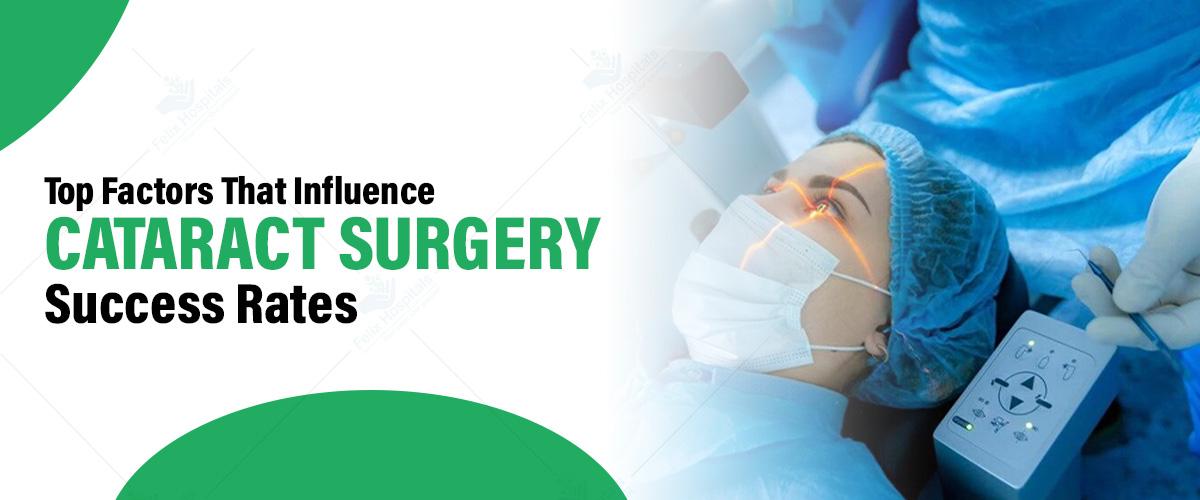
Cataract surgery is one of the most common and successful medical procedures worldwide, with millions of people undergoing the procedure annually. Understanding the factors that affect the success of cataract surgery is crucial to achieving the best possible outcome. These factors, from the patient's overall health to the surgical technique used, can significantly influence the results. Choosing the best cataract hospital in Noida ensures that patients receive high-quality care, personalized treatment, and access to the latest surgical technologies, all of which contribute to better surgery success rates.
Contact us today by Calling +91 9667064100 for more information about the cost of cataract surgery in Noida.
Cataracts are the clouding of the natural lens in the eye, which leads to vision impairment and, if untreated, can cause blindness. The only effective treatment is cataract surgery, where the cloudy lens is removed and replaced with an artificial intraocular lens (IOL). This surgery is known for its high success rate, with most patients experiencing significantly improved vision. The procedure is minimally invasive, and patients typically recover quickly, making cataract surgery one of the safest and most successful surgeries performed today.
Age plays a key role in the recovery and healing process after cataract surgery. Younger patients generally heal faster, experience fewer complications, and may have more predictable long-term results. However, older patients can also achieve excellent outcomes, although they may experience longer recovery times. The healing process can also be influenced by the overall health of the patient, making age an important consideration in planning the surgery.
The patient’s general health is one of the most important factors in the success of cataract surgery. Chronic conditions such as diabetes, hypertension, or heart disease can increase the risk of complications during and after the surgery. It is essential to manage these conditions effectively before undergoing cataract surgery to improve recovery times and reduce the risk of infections or delayed healing.
The severity and type of cataracts play a significant role in how complex the surgery will be. There are different types of cataracts, including nuclear, cortical, and posterior subcapsular cataracts, each affecting the lens in different ways. The location and density of the cataract also determine how challenging the surgery will be. For example, posterior subcapsular cataracts can be more difficult to remove due to their location behind the eye's central vision area, which can complicate the surgery and recovery.
One of the most critical factors influencing cataract surgery success is the experience of the surgeon. Skilled ophthalmologists are better equipped to handle complexities during the surgery, minimizing the risk of complications and ensuring precision in IOL placement. Their ability to make split-second decisions during surgery significantly impacts outcomes. Therefore, choosing a well-trained and experienced surgeon is essential to achieving optimal results.
The technique used during cataract surgery can also impact the success rate. Traditional cataract surgery has been refined over the years and is highly effective. However, advanced techniques like femtosecond laser-assisted cataract surgery offer enhanced precision, less trauma to the eye, and faster recovery times. These newer methods are particularly beneficial for patients with complex cataracts or other eye conditions.
The choice of intraocular lens (IOL) plays a significant role in the outcome of cataract surgery. Different types of IOLs, such as monofocal, multifocal, and toric lenses, provide different visual outcomes. Monofocal lenses correct for a single distance (usually distance vision), while multifocal and toric lenses can reduce the need for glasses after surgery by correcting both distance and near vision or astigmatism. Selecting the right IOL based on the patient’s needs and lifestyle can significantly improve long-term success.
The recovery process after cataract surgery is critical to ensuring a successful outcome. Following post-operative instructions, including using prescribed eye drops, avoiding strenuous activities, and attending follow-up appointments, is essential. Protecting the eye from potential trauma and maintaining proper hygiene during recovery also reduces the risk of infection and promotes healing. Regular follow-up visits help detect any complications early, ensuring prompt treatment.
Patient cooperation is vital in ensuring the success of cataract surgery. Adhering to pre-and post-operative instructions, including taking medications as prescribed and avoiding activities that could strain the eyes, helps to ensure proper healing and minimize the risk of complications. Patients who are proactive in their recovery process generally experience better outcomes and faster healing.
While cataract surgery is generally safe, complications can arise. Some potential issues include infection, inflammation, or posterior capsule opacification (PCO), which is a common cause of vision blurriness after cataract surgery. Early detection and treatment of complications can significantly reduce their impact. Regular post-surgery follow-ups are essential in identifying and addressing these issues promptly.
Cataract surgery success is not just about the immediate post-surgery results. Long-term success depends on the quality of vision achieved, which is influenced by the type of IOL chosen and the patient’s adherence to follow-up care. Proper selection of an IOL tailored to the patient’s needs, combined with good post-surgery care, ensures optimal visual outcomes and a reduction in the need for corrective lenses in the future.
If you’re looking for exceptional cataract surgery, Felix Hospital in Noida offers top-tier ophthalmology care. With experienced surgeons like Dr. Deepanjali Arya and Dr. Mohmad Uzair Zakai, both recognized as some of the best ophthalmologists at Felix Hospital, you can be assured of receiving personalized care with the latest surgical techniques. Their expertise in cataract surgery ensures that you will receive the best possible treatment for a smooth recovery and improved vision.
Take the first step toward clear vision by consulting with the best cataract surgeons. Book your appointment now by Clicking Here.
The success of cataract surgery is influenced by a variety of factors, including age, overall health, the type of cataract, surgical technique, and post-surgery care. By understanding these factors, patients can better prepare for surgery and maximize their chances of a successful outcome. Choosing an experienced surgeon and adhering to medical advice are crucial steps in achieving the best results. For those seeking affordable yet high-quality cataract surgery, understanding the cost of cataract surgery in Noida is an important consideration when planning treatment.
Q- What age is ideal for cataract surgery?
ANS: Cataract surgery can be performed at almost any age, but younger patients tend to heal faster and experience fewer complications. That said, even older patients can achieve excellent outcomes with proper care.
Q- How do I know if I need cataract surgery?
ANS: The primary symptom of cataracts is blurry vision that affects daily activities. If your vision becomes cloudy, dim, or hard to focus, it may be time to consult an ophthalmologist to determine if surgery is necessary.
Q- Is cataract surgery painful?
ANS: Cataract surgery is typically painless because local anesthesia is used. You may feel some pressure during the procedure, but it should not be uncomfortable. Afterward, mild discomfort may occur, which is easily managed with prescribed pain relief.
Q- What is the recovery time for cataract surgery?
ANS: Recovery time varies, but most patients can resume normal activities within a few days to a week. Full recovery and optimal vision may take a few weeks, during which follow-up visits are necessary.
Q- Can I drive after cataract surgery?
ANS: Driving should be avoided for at least 24-48 hours following cataract surgery, and until your ophthalmologist confirms that your vision has stabilized and is safe for driving.
Q- What types of intraocular lenses (IOLs) are available?
ANS: There are several types of IOLs available, including monofocal lenses (for distance vision), multifocal lenses (for both near and distance vision), and toric lenses (for astigmatism). Your ophthalmologist will recommend the best option for your lifestyle and needs.
Q- Can cataracts develop in both eyes?
ANS: Yes, cataracts can affect both eyes, but typically they develop at different rates. Cataract surgery is usually performed on one eye at a time, with the second surgery scheduled once the first eye has healed.
Q- Are there any risks associated with cataract surgery?
ANS: Cataract surgery is very safe, but like any surgery, there are potential risks, including infection, inflammation, or vision changes. These risks are minimized by choosing an experienced surgeon and adhering to post-operative care instructions.

Cataract surgery is essential to restore clear vision and prevent permanent blindness. It removes the cloudy lens and replaces it with an artificial one, helping patients regain normal sight and quality of life.
Cataract surgery can be a life-changing procedure, restoring clarity and enhancing the quality of life for those affected by cataracts.
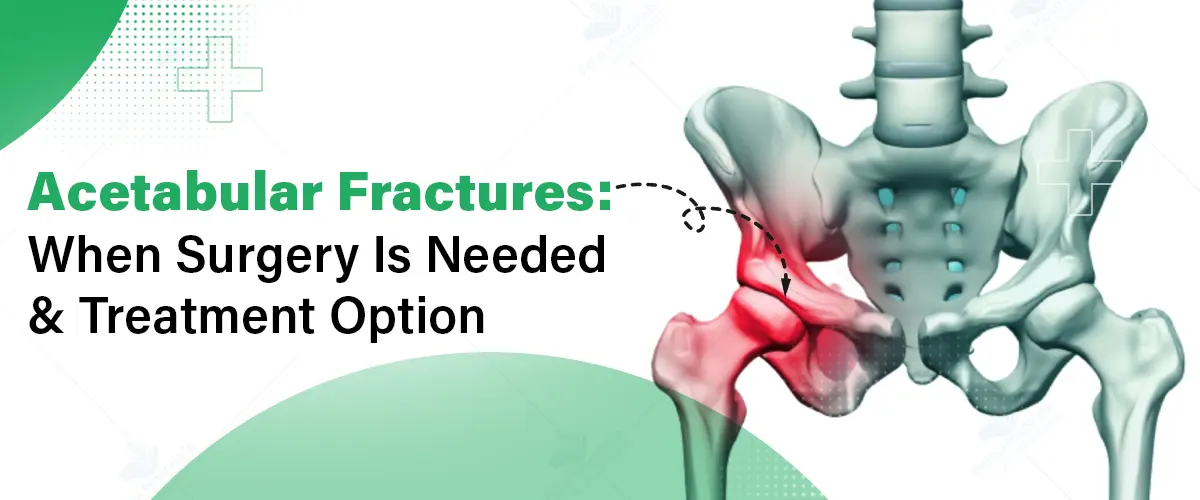
Fractures of acetabulum are challenging orthopedic injuries. Basically, it is a break in the socket portion of the ball-and-socket hip joint that allows for smooth movement. An acetabular fracture usually causes a loss of motion and function. Often the result of high-impact trauma, such as accidents or falls from significant height, these fractures are not as common as hip fracture.
Beyond being extremely painful, an acetabular fracture may result in a loss of physical function, decreased social engagement, increased dependence, and worse quality of life. Therefore, it is advised to seek medical attention as soon as possible to restore functionality and movement. It is essential to identify the symptoms and comprehend the dangers of acetabular fractures in order to get treatment as soon as possible.
Felix Hospital, the best orthopedic hospital in Noida and Greater Noida, is the place to go if you or a loved one is experiencing hip discomfort or mobility problems following an injury. We specialize in treating complex trauma involving the pelvis, hip, knee, foot & ankle and shoulder injuries. We are pioneers in joint replacement surgeries using modern techniques.
The acetabulum is the socket of the hip joint that connects the pelvis to the femur. Fractures in this region can disrupt the alignment of the hip joint, leading to pain, instability, and limited mobility. These fractures are considered serious due to the complexity of the hip joint structure. The severity of an acetabular fracture depends on the extent of the damage and whether the surrounding cartilage and tissues are affected. In fact, the fractures of the acetabulum are challenging orthopedic injuries to repair.
As mentioned, acetabular fractures typically occur due to high-intensity trauma. Some of the common causes include:
Recognizing the early signs and symptoms of an acetabular fracture is essential for seeking timely medical care and restoring movement. The following are some common symptoms of an acetabular fracture:
Limited range of motion in the hip joint.
Imaging tests and clinical assessment are used in conjunction to diagnose an acetabular fracture. These include:
Treatment for acetabular fractures depends on the severity of the fracture, as well as the patient’s age and overall health. However, in patients with hip dislocation or wide displacement, surgery is performed.
Nonsurgical or conservative treatment may be necessary in rare instances, like, if someone is too frail to cope with the surgery or if the bone is not broken or displaced.
The treatment also includes medication for pain management, bed rest and physiotherapy.
The type of surgery for an acetabular fracture depends on a number of factors, including the location of the fracture, whether it is inside or outside the hip capsule (intracapsular), the severity of the fracture (whether the bones are displaced or not), the patient's age and underlying medical conditions, etc. Felix Hospitals, the best hospital in Noida, specializes in advanced surgical techniques for acetabular fractures, ensuring optimal outcomes for patients. The surgical options include:
Rehabilitation helps to regain mobility and independence as soon as possible. It depends upon the type of surgery:
While not all acetabular fractures can be prevented, certain measures can certainly reduce the risk:
At Felix Hospitals, we provide the latest and best treatments for the fractures of and around the hip and pelvis region. Our tailored treatments will help you regain your mobility and independence as soon as possible.
We have a team of orthopedic surgeons, led by Dr Piyush Kumar Singh, Dr. Keshav Goel, Dr Binay Kumar Sahu, and Dr. Varun Aggarwal who delivers accurate diagnosis and treatments using minimal invasive fracture fixation, complex fracture fixation, periarticular joint fracture fixation, joint sparing surgeries for early osteoarthritic conditions, and total joint replacements, and deformity correction. We also provide solutions for all kinds of sports injuries and personalized rehabilitation programs.
At the best hospital for Orthopedic conditions, we use cutting-edge technology to treat fractures of acetabulum. To book your consultation contact us at +91 9667064100.
Acetabular fractures are serious injuries that require timely diagnosis and appropriate treatment to restore mobility and prevent complications. Whether you need conservative care or surgical intervention, understanding the signs, risks, and treatment options is crucial. Felix Hospitals offers world-class orthopedic care, ensuring that you receive the best possible treatment for acetabular fractures. We also provide nursing care and physiotherapy services at home.
Don’t let hip pain hold you back—reach out to Felix Hospitals today and regain your mobility to lead a quality life .
1. Can I get back to running or playing sports after acetabular surgery?
Ans: Most patients have to continue with physical therapy for 6 to 12 months after surgery. Exercises such as running or playing outdoor sport do not commence until full weight bearing happens.
2. When is surgery required for acetabular fractures?
Ans: Surgery is needed for displaced fractures or when the hip joint alignment is compromised, causing instability.
3. How long does recovery take after acetabular fracture surgery?
Ans: Recovery typically takes 3-6 months, depending on the severity of the fracture and the surgical approach.
4. What are the risks associated with acetabular fracture surgery?
Ans: Risks may include infection, blood clots, nerve damage, or complications related to anesthesia.
5. Can acetabular fractures heal without surgery?
Ans: Yes, stable or non-displaced fractures can heal with conservative treatment, including rest and physical therapy.
6. How painful is an acetabular fracture?
Ans: An acetabulum fracture causes severe hip pain. The pain is sometimes worsened with movement. If you've damaged any nerves, you may feel numbness or a tingling sensation down your leg. You may also feel weakness in your leg.
7. Can you walk normally after a hip fracture surgery?
Ans: Depending on your recovery, you may be able to walk on your own in 4 to 6 weeks. Until then, you will need crutches or a walker.
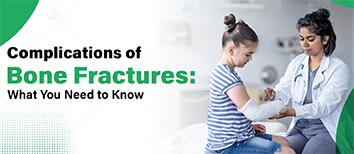
Bone fractures are common injuries from accidents or falls. While many heal well, complications can arise, affecting recovery. Learn more about these issues and treatments.

Anger is a natural and powerful emotion that everyone experiences from time to time. It can arise from various triggers, whether it's due to personal stress, frustration, or external situations. While anger itself is a normal emotional response, how we handle it is crucial. For those struggling to manage their anger effectively, it's important to know that support is available. Visiting a nearby psychiatric hospital can be a helpful step in addressing underlying causes and gaining the tools to manage anger healthily. Let’s explore tips for managing anger and ways to control anger, providing strategies to help you regain emotional balance and improve your overall well-being.
Contact us today at +91 9667064100 to learn more about our anger management services!
Recognizing when anger is building up is essential to managing it before it escalates. Early intervention can prevent anger from manifesting in harmful ways. Here are some physical and emotional signs that anger is starting to take hold:
Physical Signs: These may include increased heart rate, clenched fists, muscle tension, shallow breathing, or feeling hot in the face or neck. These signs indicate that your body is preparing for an emotional outburst.
Emotional Signs: You might feel irritable, frustrated, or on the verge of tears. A sense of urgency or injustice often accompanies anger. If you notice these feelings rising, it's essential to take a step back and employ some anger management techniques to calm down.
Understanding these early warning signs of anger can help you address the emotion before it intensifies, allowing you to remain in control and avoid regrettable actions or words.
Once you recognize the signs of anger, there are several strategies you can implement to manage it effectively. Below are some effective techniques for managing anger:
Deep Breathing and Relaxation Techniques: One of the most powerful ways to calm down is by using deep breathing exercises. Slow, controlled breathing helps to activate the parasympathetic nervous system, which can calm your mind and body. Inhale deeply through your nose for a count of four, hold for a moment, then exhale slowly through your mouth. Repeat this process several times to bring yourself back to a calm state.
Cognitive Behavioral Strategies: Cognitive Behavioral Therapy (CBT) techniques can be highly effective for managing anger issues. These strategies help challenge the negative thought patterns that fuel anger and allow you to reframe situations more positively. For example, instead of thinking, “This is unfair, and I’m justified in being angry,” you might reframe the thought to, “This situation is frustrating, but I can handle it calmly.”
Time-Outs and Taking Breaks: Sometimes, stepping away from a heated situation can prevent anger from escalating. Taking a short break, even if it’s just a few minutes, allows you to cool down and gain perspective on the situation. If you feel yourself getting angry, excuse yourself from the situation and give yourself some space to calm your emotions.
Exercise and Physical Activity: Physical exercise is a fantastic way to release pent-up frustration and reduce anger. Activities like running, yoga, swimming, or even a brisk walk can help lower stress hormones and increase the production of endorphins, which promote feelings of happiness and relaxation.
Journaling and Self-Reflection: Writing down your thoughts and feelings can be a cathartic way to process anger. By reflecting on what triggered your anger and how you reacted, you can gain insight into your emotional patterns and develop healthier ways to respond in the future. Journaling also provides an opportunity to vent your emotions in a safe, non-destructive way.
Effective communication is key to preventing and managing anger. Often, misunderstandings or miscommunication can escalate conflicts and fuel anger. Here are some communication techniques to consider:
Using "I" Statements: Instead of accusing or blaming others (e.g., "You always make me angry!"), express how you feel using "I" statements (e.g., "I feel frustrated when this happens"). This approach helps to communicate your feelings without sounding aggressive or confrontational.
Active Listening and Empathy: Anger often arises from feeling unheard or misunderstood. Practicing active listening, where you fully concentrate on what the other person is saying, and showing empathy can help defuse anger. Empathizing with the other person’s perspective can foster mutual respect and understanding.
Setting Boundaries to Prevent Conflict Escalation: If a situation is getting too heated, it’s okay to set boundaries and ask for time to cool down. Let the other person know that you need a moment to collect your thoughts before continuing the conversation. Setting boundaries prevents rash decisions and promotes a more thoughtful, calm exchange.
Your overall lifestyle can significantly influence your ability to manage anger. Incorporating healthy habits into your daily routine can improve emotional regulation and reduce the intensity of anger.
Regular Physical Activity: Exercise not only improves your physical health but also enhances your mental well-being. Engaging in regular physical activity, such as walking, jogging, or yoga, helps manage stress and prevents anger from building up.
Sleep and Nutrition: Lack of sleep and poor nutrition can make you more susceptible to irritability and anger. Ensure you're getting enough rest each night and eating a balanced diet rich in nutrients. Foods like leafy greens, whole grains, and omega-3 fatty acids can help improve mood stability.
Stress Management Techniques: Stress is a major contributor to anger, so learning how to manage stress effectively is crucial. Practice relaxation techniques like meditation or progressive muscle relaxation to keep your stress levels in check.
Building Positive Coping Mechanisms: Instead of turning to anger when feeling overwhelmed, try to build alternative coping mechanisms, such as engaging in a hobby, talking to a friend, or practicing mindfulness. These activities can provide healthy outlets for negative emotions.
If you find that managing anger is becoming increasingly difficult, it may be helpful to seek professional support. At Felix Hospital, our team of experienced psychologists is here to help.
Dr. Ashima Ranjan specializes in mental health and anger management, offering personalized therapy sessions to help patients manage emotional issues effectively.
Dr. Jaideep Gambheer, a seasoned psychologist, uses evidence-based therapies to guide individuals in overcoming anger and related issues, empowering them to regain control over their emotions.
Take the first step towards emotional well-being today! Schedule your consultation now by Clicking Here!
Managing anger is an essential skill for maintaining emotional well-being and fostering healthy relationships. By using effective anger management techniques, improving communication skills, and making lifestyle changes, you can take control of your anger and prevent it from negatively impacting your life. Remember, it’s never too late to start practicing ways to control anger and develop healthier emotional responses.
1. What are the signs that I may have anger management issues?
Ans: Anger management issues are often marked by frequent outbursts, feelings of intense irritation, or losing control of your emotions. If your anger leads to regretful actions or damaged relationships, it may indicate the need for professional help.
2. Is anger management therapy effective?
Ans: Yes, anger management therapy is highly effective. Through techniques like Cognitive Behavioral Therapy (CBT), relaxation exercises, and self-reflection, individuals can learn to identify triggers, manage responses, and adopt healthier emotional coping strategies.
3. How long does it take to learn anger management skills?
Ans: The time it takes to learn and master anger management skills varies depending on the individual and the severity of their anger. Some people may notice improvements in just a few sessions, while others may take several weeks or months of consistent effort.
4. Can I manage anger without professional help?
Ans: While self-help techniques, such as deep breathing, exercise, and journaling, can help, professional support may be necessary if anger is severely affecting your relationships or health. A psychologist can provide targeted strategies and help you work through underlying causes of anger.
5. Are there specific lifestyle changes that can help with anger management?
Ans: Yes, regular physical activity, adequate sleep, a balanced diet, and effective stress management techniques play a vital role in controlling anger. Lifestyle changes support emotional balance and reduce the intensity of emotional responses.
6. What can trigger anger in daily life?
Ans: Common triggers of anger include feeling misunderstood, stress from work or relationships, unmet expectations, and past unresolved traumas. Understanding your triggers can help you develop effective strategies to manage your emotional responses.
7. How do I know if my anger is affecting my health?
Ans: Chronic anger can contribute to physical health issues like high blood pressure, heart disease, and digestive problems. Mentally, it can lead to anxiety, depression, or sleep disturbances. If you notice such symptoms, it's important to seek help.
8. Is it normal to get angry all the time?
Ans: Anger is a normal emotion, but if you find yourself getting angry frequently or intensely, it could indicate that you're struggling with managing it. Persistent anger can harm your well-being, and it’s a sign that professional guidance may be beneficial.
9. Can anger management improve my relationships?
Ans: Absolutely. By learning to manage your anger, you’ll improve your communication, reduce conflict, and build stronger, healthier relationships. Emotional regulation leads to better understanding and respect in both personal and professional interactions.

As parents, we often strive to ensure our children are happy, healthy, and thriving both emotionally and physically.

It all starts when you get to know that you are pregnant, you will be taking care of the little one. This news for first time parents brings lot of responsibility and excitement.

As parents, we often strive to ensure our children are happy, healthy, and thriving both emotionally and physically.
Heart disease remains one of the leading causes of death worldwide, but what’s even more alarming is the prevalence of silent heart disease. Research reveals that 1 in 10 adults may unknowingly suffer from it, putting them at risk of life-threatening events without warning. Silent heart disease develops subtly, often without the classic symptoms associated with heart conditions. This is why regular check-ups and consulting the best cardiologists are vital.
Don’t wait for symptoms to appear—take charge of your heart health today. Call us Now at +91 9667064100.
Silent heart disease, also known as silent ischemia, occurs when the heart does not receive enough oxygen-rich blood. Unlike traditional heart disease, this condition progresses without noticeable symptoms, such as chest pain or shortness of breath. It can lead to severe complications, including heart attacks if left untreated.
Silent Heart Attack Treatment: Early detection is key to managing silent heart disease effectively. Treatments include:
Medications: Blood thinners, cholesterol-lowering drugs, and beta-blockers.
Lifestyle Modifications: Improved diet and exercise routines.
Procedures: In severe cases, angioplasty or bypass surgery may be necessary.
The term “silent” reflects the absence of typical warning signs. Unlike a classic heart attack, which may cause intense chest pain, silent heart disease often presents with subtle or no symptoms. Here’s why it’s called “silent”:
Mild discomfort is mistaken for indigestion or fatigue.
Dizziness or fainting spells.
Short episodes of breathlessness.
Unexplained fatigue, particularly during physical activity.
The lack of clear symptoms makes silent heart disease particularly dangerous. Many individuals discover their condition only after a serious event like a heart attack.
Several factors contribute to the development of silent heart disease. Understanding these risks can help you take preventive measures:
A family history of heart disease significantly increases your risk. Genetic predispositions can lead to conditions like high cholesterol or hypertension, which contribute to silent heart disease.
Smoking: Damages blood vessels and reduces oxygen flow.
Poor Diet: High intake of saturated fats and processed foods.
Physical Inactivity: This leads to obesity and weakens the heart.
High Blood Pressure: Strains the heart and damages arteries.
Diabetes: Increases the risk of coronary artery disease.
High Cholesterol: This leads to plaque buildup in arteries.
Age: Risk increases after 45 years for men and 55 years for women.
Gender: Postmenopausal women are more vulnerable due to hormonal changes.
Diagnosis often requires advanced tools and techniques since symptoms are not easily noticeable. Seeking care at a top hospital ensures comprehensive evaluations:
Electrocardiogram (ECG): Detects irregular heart rhythms.
Stress Test: Monitors the heart’s performance under physical activity.
Echocardiogram: Uses ultrasound to assess heart function.
Coronary Angiography: Identifies blockages in arteries.
Top Heart Attack Hospital: For accurate diagnosis and treatment, consider hospitals equipped with state-of-the-art cardiology departments. Leading facilities in Noida provide personalized care plans to ensure optimal heart health.
Prevention is better than cure, especially for silent heart disease. Here’s how you can lower your risk:
1. Adopt a Heart-Healthy Diet
Include fruits, vegetables, whole grains, and lean proteins.
Reduce sodium and trans fats to maintain healthy blood pressure and cholesterol levels.
2. Stay Physically Active
Engage in at least 30 minutes of moderate exercise daily.
Activities like brisk walking, swimming, or yoga improve heart function.
3. Manage Stress
Practice mindfulness techniques such as meditation or deep breathing.
Avoid prolonged stress as it contributes to hypertension.
4. Regular Check-Ups
Routine screenings for blood pressure, cholesterol, and glucose levels can detect silent conditions early.
5. Quit Smoking and Limit Alcohol
Smoking damages arteries, while excessive alcohol consumption strains the heart.
If diagnosed with silent heart disease, managing your condition is crucial to prevent complications. Here’s what you need to do:
Medication Adherence: Take prescribed medications consistently.
Monitor Your Health: Regularly check your blood pressure and cholesterol levels.
Follow a Heart-Healthy Lifestyle: Continue eating nutritious meals and exercising.
Attend Follow-Ups: Stay in touch with your cardiologist for routine evaluations.
Consider Cardiac Rehabilitation: Join programs designed to improve your heart’s performance through supervised exercises and counseling.
For expert care and guidance, consult the best cardiologists in Noida:
1. Dr. Rahul Arora
Dr. Rahul Arora specializes in diagnosing and treating heart conditions, including silent heart disease. With years of experience, he offers personalized care plans to ensure your heart’s well-being.
2. Dr. Virendra Singh
Dr. Virendra Singh’s comprehensive approach to cardiology includes a focus on lifestyle modifications and innovative treatments, making him one of the most sought-after cardiologists in Noida.
Best Doctors for Heart Attack Treatment: These specialists ensure that you receive the highest standard of care, from preventive measures to advanced treatment options.
Schedule a check-up with Noida’s best cardiologists and prioritize your well-being by Clicking Here.
Silent heart disease is a hidden threat, affecting millions without their knowledge. Regular check-ups, risk awareness, and a heart-healthy lifestyle can significantly reduce your risk. If you suspect you might be at risk, consult the best cardiologists in Noida to ensure early detection and effective management.
Remember, your heart is your most vital organ. Protect it, care for it, and live a life full of health and happiness.
Q- How does silent heart disease differ from a traditional heart attack?
ANS: Silent heart disease often progresses without noticeable symptoms like chest pain, while a traditional heart attack usually involves intense symptoms. This subtlety makes silent heart disease harder to detect without regular medical check-ups.
Q- Can silent heart disease affect younger adults, or is it only a concern for older individuals?
ANS: While age is a significant risk factor, silent heart disease can affect younger adults, especially those with genetic predispositions, poor lifestyle choices, or existing medical conditions like diabetes or high blood pressure.
Q- What diagnostic test is most effective for detecting silent heart disease?
ANS: combination of tests such as electrocardiograms (ECGs), stress tests, and coronary angiography is often recommended for accurate detection, as silent heart disease does not exhibit clear symptoms.
Q- Are women more susceptible to silent heart disease after menopause?
ANS: Yes, hormonal changes after menopause can increase the risk of silent heart disease in women due to reduced estrogen levels, which play a protective role in heart health.
Q- What specific lifestyle changes are most impactful for preventing silent heart disease?
ANS: A heart-healthy diet rich in fruits, vegetables, and lean proteins, along with regular physical activity, stress management, and avoiding smoking and excessive alcohol consumption, are critical preventive measures.
Q- Can silent heart disease lead to complications other than heart attacks?
ANS: Yes, untreated silent heart disease can lead to other complications, including heart failure, arrhythmias, or stroke, due to reduced oxygen flow to the heart and other organs.
Q- Is silent heart disease reversible with lifestyle modifications alone, or are medical treatments always necessary?
ANS: In the early stages, lifestyle modifications may help manage and even reverse some effects of silent heart disease. However, advanced cases often require medical treatments like medications or surgical interventions.
Q- What are the early warning signs of silent heart disease that people often overlook?
ANS: Subtle symptoms such as mild discomfort (mistaken for indigestion), fatigue during physical activity, short episodes of breathlessness, or dizziness can be early indicators of silent heart disease.
हार्ट अटैक के मुख्य लक्षण, कारण और तुरंत किए जाने वाले उपचार के बारे में जानें। समय पर पहचान और सही इलाज से जीवन बचाया जा सकता है।
Heart attack signs early is crucial because timely intervention can significantly reduce the risk of severe complications and improve outcomes.
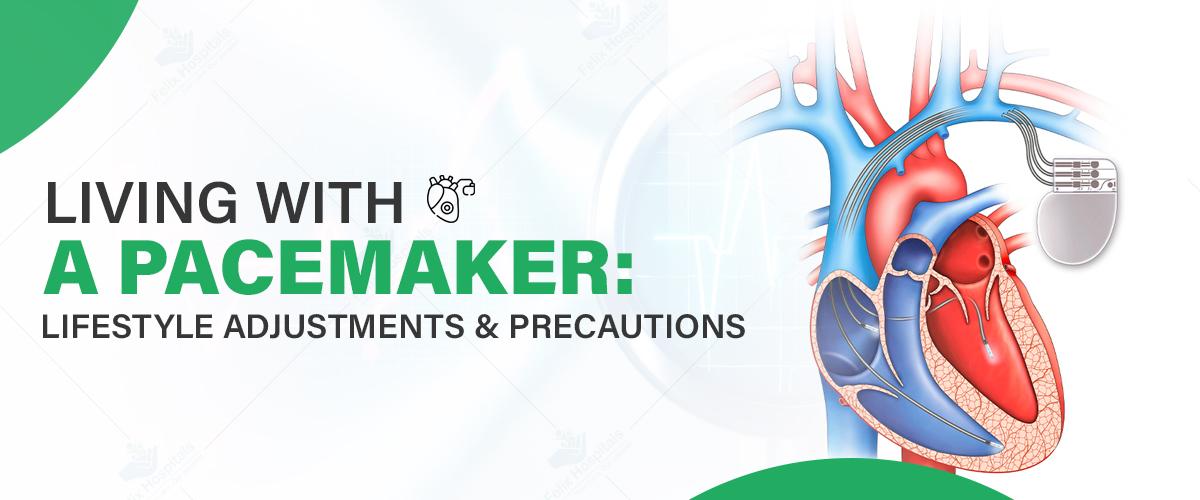
A pacemaker is a small but life-changing device used to help regulate the heart’s rhythm. For many individuals living with conditions like bradycardia (a slow heart rate) or arrhythmia (irregular heartbeats), pacemaker implantation surgery can be a crucial step toward improving heart function and overall quality of life. However, the journey doesn’t end with the surgery. After undergoing pacemaker heart surgery, it’s essential to make several lifestyle adjustments and take necessary precautions to ensure the longevity of the device and the health of the individual.
Contact us now at +91 9667064100 to learn more about pacemaker management and get the expert care you deserve.
A pacemaker is a small electronic device implanted under the skin near the heart to regulate the heart’s rhythm. It helps the heart maintain a regular pace when the natural heart rate is too slow or irregular. There are two main components: a pulse generator that sends electrical signals and leads (wires) that carry the signals to the heart.
Single-chamber pacemaker: Used to treat slow heartbeats in the upper or lower chambers of the heart.
Dual-chamber pacemaker: Helps coordinate the contractions of the heart’s upper and lower chambers.
Biventricular pacemaker: Often used in patients with heart failure to improve the pumping efficiency of the heart.
Pacemakers are commonly used to treat conditions like bradycardia (slow heart rate), heart block, and arrhythmia. The implantation of a pacemaker allows the heart to beat at a more consistent rate, improving blood flow and overall function.
After the best pacemaker implant surgery, your recovery period will be crucial in ensuring the device is functioning correctly and the body heals properly. Here’s what to expect immediately after the procedure:
Recovery Period: Initially, you may experience some discomfort or soreness around the implantation site. This is normal and will subside in a few days to weeks.
Precautions and Advice: Patients are typically advised to avoid strenuous activities or lifting heavy objects for several weeks to prevent strain on the implantation site.
Follow-up Visits: Regular follow-up visits are crucial to monitor the pacemaker’s performance and make any necessary adjustments. Your doctor will also check for potential complications, such as infections or irregular heart rhythms.
Living with a pacemaker requires certain lifestyle changes to maintain both heart health and pacemaker functionality. Let’s break down the necessary adjustments:
While you can lead an active lifestyle, some activities may require modification:
Exercise: Low-impact exercises such as walking, swimming, and cycling are typically recommended. It’s essential to follow your doctor’s advice on the intensity and type of exercise.
Avoiding Strain: Avoid activities that involve heavy lifting, high-impact sports, or anything that may strain your upper body or the pacemaker’s lead placement.
You may need to modify your daily activities depending on your recovery and the type of work you do:
Return to Work: Most individuals can return to work within a few days to a couple of weeks, depending on the nature of their job and recovery progress.
Driving: Your doctor may advise waiting a few weeks before driving, especially if you experience any dizziness or fatigue.
There are no specific dietary restrictions for pacemaker patients, but maintaining a heart-healthy diet is essential. Focus on:
A balanced diet rich in fruits, vegetables, whole grains, lean proteins, and healthy fats.
Reducing sodium intake to manage blood pressure.
Avoiding excessive alcohol and caffeine consumption.
Rest is crucial for overall well-being and for allowing your body to adjust to the pacemaker. Ensure:
Sleeping in a comfortable position that does not put pressure on the pacemaker area.
Maintaining a consistent sleep routine to support heart health and recovery.
Although pacemakers are highly effective, it’s essential to take certain precautions to ensure they function optimally:
MRI Machines: Strong magnetic fields can interfere with the pacemaker’s function. Before scheduling an MRI, make sure your pacemaker is MRI-safe and inform the technician about the device.
Metal Detectors: Airport security scanners and other metal detectors are generally safe, but always inform security personnel that you have a pacemaker.
Cell Phones and Electronic Devices: Maintain a distance of at least 6 inches between your pacemaker and mobile phones or electronic devices. Avoid placing your phone directly in a shirt pocket over the pacemaker.
Home Appliances: Most common household appliances, such as microwaves and toasters, do not interfere with pacemakers. However, it’s important to be cautious around high-voltage equipment.
Air Travel: Flying is typically safe, but it’s essential to keep your doctor informed, especially if you have other heart conditions. Make sure to carry a medical ID that indicates you have a pacemaker.
Airport Security: Metal detectors won’t harm your pacemaker, but you should inform airport staff about your device. You may need to undergo a physical inspection instead of using the scanner.
While complications are rare, it’s crucial to monitor for:
Infections at the implantation site (redness, swelling, or fever).
Irregular heartbeats, dizziness, or fainting.
Device malfunction such as a significant change in heart rhythm.
A pacemaker requires regular monitoring to ensure it’s functioning properly:
Follow-up Appointments: Typically, pacemaker patients will need to visit their cardiologist every 6 to 12 months for check-ups. During these visits, the pacemaker’s settings can be adjusted based on the patient’s needs.
Pacemaker Programming Adjustments: Adjustments can be made to optimize the pacemaker’s performance as the patient’s health needs change over time.
The battery in a pacemaker typically lasts between 5 to 15 years, depending on usage. Regular monitoring at a pacemaker heart surgery hospital will help determine when it’s time for replacement, ensuring optimal device performance and continued heart health.
Receiving a pacemaker can have emotional and psychological effects. It’s natural to feel anxiety or depression after such a procedure. Patients should:
Seek Counseling: Speaking with a therapist or counselor can help cope with feelings of uncertainty.
Join Support Groups: Many organizations offer support groups for individuals living with pacemakers, where patients can share experiences and offer advice.
Focus on Positive Outcomes: Most pacemaker patients experience improved heart function and quality of life.
Living with a pacemaker can significantly improve heart function and quality of life. Some of the key benefits include:
Improved Heart Function: Pacemakers help regulate abnormal heart rhythms, allowing the heart to function more efficiently.
Active Lifestyle: With the right lifestyle adjustments, individuals with pacemakers can lead an active life, enjoying most activities without restrictions.
Felix Hospital offers expert care with the best doctor for pacemaker surgery:
Dr. Rahul Arora: Known for his extensive experience in pacemaker surgeries and heart care.
Dr. Virendra Singh: At Felix Hospital Gamma 1, Greater Noida, An expert in pacemaker implantation and post-surgery care, ensuring the best outcomes for patients.
Take the First Step Toward Heart Health, Schedule an appointment with our specialists at Felix Hospital by Clicking Here.
A pacemaker is a powerful tool in regulating heart rhythms, but maintaining a healthy lifestyle afterward is crucial for the device’s success and overall well-being. With the right care, regular monitoring, and lifestyle adjustments, individuals can continue to live an active and fulfilling life. It’s important to stay informed, communicate openly with healthcare providers, and follow the recommended guidelines to ensure the best possible outcomes.
For those considering pacemaker implantation surgery or in need of post-surgery guidance, Felix Hospital provides expert care and the best pacemaker surgery options at affordable rates. Contact us for more information on pacemaker surgery costs and to book a consultation.
1. How soon can I return to work after pacemaker surgery?
ANS: It depends on the nature of your work and how well you recover. Most patients can return to office jobs within a week or two, while those with more physically demanding jobs might need a longer recovery period, typically around 4-6 weeks.
2. Can I exercise with a pacemaker?
ANS: Yes, you can exercise with a pacemaker, but it's important to avoid high-impact activities and heavy lifting during the initial recovery period. Low-impact exercises like walking, swimming, and cycling are generally recommended. Always consult your doctor before starting a new exercise routine.
3. Will traveling be safe with a pacemaker?
ANS: Yes, traveling is safe with a pacemaker. However, you should inform the airline staff and airport security about your device. Carry a medical ID that identifies you as a pacemaker patient, and follow any specific travel advice given by your cardiologist.
4. Can a pacemaker be used for people with heart failure?
ANS: Yes, a specific type of pacemaker, called a biventricular pacemaker, is often used to treat heart failure. It helps improve the heart's pumping efficiency by coordinating the contractions of the heart's chambers.
5. Is there a risk of interference with household electronics or appliances?
ANS: Generally, common household appliances like microwaves and toasters do not interfere with pacemakers. However, it’s advisable to keep a distance from high-voltage equipment and electronic devices like metal detectors and strong magnets.
6. How often should I get my pacemaker checked?
ANS: Patients with a pacemaker should have regular follow-up visits every 6 to 12 months to monitor its performance and make adjustments. The frequency of visits may vary depending on individual health conditions and device settings.
7. Can I undergo an MRI if I have a pacemaker?
ANS: In most cases, MRI scans are not safe for individuals with pacemakers due to the strong magnetic fields. However, some newer pacemaker models are MRI-compatible. Always inform your doctor before scheduling an MRI, and make sure your pacemaker is MRI-safe.
8. What should I do if I feel dizzy or faint after getting a pacemaker?
ANS: If you experience dizziness, fainting, or any unusual symptoms after getting a pacemaker, contact your healthcare provider immediately. These could be signs of device malfunction, incorrect settings, or other complications that require prompt attention.
9. How long does the pacemaker battery last, and when will it need to be replaced?
ANS: The battery life of a pacemaker typically ranges from 5 to 15 years, depending on its usage and the type of pacemaker. Regular check-ups will help determine when the battery needs to be replaced.
A Pacemaker is crucial for people with serious heart rhythm problems. Recognizing signs that you might need a pacemaker can lead to timely medical help and improve your daily life.


Subscribe to our
© Copyright 2026. All Rights Reserved by Felix Healthcare Private Limited
Design and development by :


 +(91)9667064100
 Emergency : +(91)9667064100