 WhatsApp
 Emergency:
  WhatsApp




Subscribe to our
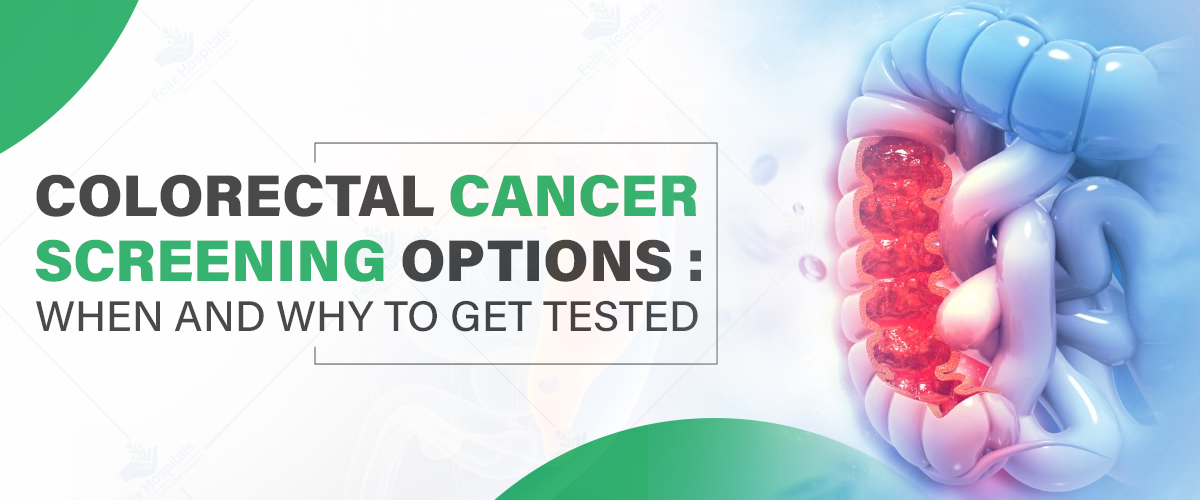
Colorectal cancer, also known as bowel cancer, colon cancer or rectal cancer, is a cancer that starts as a growth on the inner lining of the colon or rectum. These growths are called polyps.
The colon and rectum make up the large intestine, which is part of the lower portion of the digestive system, also called the gastrointestinal (GI) system.
Colorectal cancer affects both men and women equally, however, men tend to develop it at a younger age. Also, it is estimated to be one of the leading causes of cancer-related deaths globally. Therefore, it’s important that you get colorectal cancer screening done at regular intervals beginning at age 45, especially if you are at risk of colorectal cancer. Screening tests can find precancerous polyps which can be removed before they turn into cancer. At Felix Hospital, the best Colorectal Cancer Treatment Hospital in Noida, we offer management of colorectal diseases and world-class treatment of colorectal cancers.
So don’t wait for symptoms to appear—schedule your colorectal cancer screening today at Felix Hospitals and take the first step toward proactive health care. For appointments, contact: +919667064100.
Colorectal cancer is one of the most common and preventable cancers worldwide. Colorectal cancer develops in the colon or rectum, typically starting as small, benign polyps. Over time, some of these polyps may become cancerous. Therefore, regular screening helps detect and remove these polyps before they turn into cancer.
Colorectal cancer can result from a combination of genetic, lifestyle, and environmental factors, such as genetic mutations, high consumption of red and processed meats, sedentary lifestyle, obesity, smoking, and heavy use of alcohol, etc.
Like many cancer types, colon cancer develops silently. This is one of the reasons why colorectal cancer is so hard to detect early. However, as the cancer progresses, the commonly experienced symptoms include constipation, diarrhea, changes in stool color, abdominal discomfort, jaundice and unintentional weight loss, among others.
Screening is crucial for colorectal cancer diagnosis because most colorectal cancers don’t cause symptoms in the early stages. In fact, many times, doctors first spot colon cancer during a routine screening or colonoscopy.
At Felix Hospital, the best cancer hospital in Noida, some of the common diagnostic tests performed for colorectal cancer include:
Fecal occult blood test (blood stool test) : This test helps to diagnose colorectal cancer early, when treatment is most effective. It is preferred only if you have an average risk of colon cancer but don't have any symptoms.
Basically, it is a lab test to check for hidden blood called occult in stool (feces) samples. Occult blood means the one you can't see with the naked eye.
The two main types of fecal occult blood tests include:
1. Stool DNA Test: This test detects microscopic amounts of blood in the stool, but unlike fecal occult blood test it also looks for certain DNA changes and mutations found in cancerous tumors or precancerous polyps.
If the test detects abnormal DNA, another confirmatory test such as colonoscopy may be required to investigate the cause and examine the inside of the colon.
2. Flexible sigmoidoscopy: This test is prescribed to examine the lower part of the large intestine and to evaluate the inner lining of your rectum.
Your doctor may recommend this colorectal cancer diagnosis test if you are older than 50 years and have a risk of having colon cancer. The test helps to understand the exact cause of various colon diseases such as abdominal pain, rectal bleeding, intestinal problems or chronic diarrhea.
3. Barium enema X-ray: This is a type of X-ray imaging test that allows doctors to examine the lower part of your intestinal tract. It involves delivering a solution that contains barium into your rectum while a technician takes X-ray images of the area.
4. Colonoscopy: Colonoscopy is usually performed as part of a screening program to diagnose colon cancer. Also, it is done to investigate the cause of blood in the stool, abdominal pain, diarrhea or to analyze bowel habits.
The test is commonly advised to individuals who either had any previous history of polyps or colon cancer or the ones who have a family history of non-colonic cancers or colonic problems that may be associated with colon cancer.
5. CT colonography: Computed tomographic (CT) colonography, also called CTC or virtual colonoscopy (VC) is a minimally invasive technique for colorectal cancer diagnosis.
6. Ultrasound: Transrectal ultrasound, Transrectal ultrasonography or TRUS is a procedure that helps create an image of the rectum, its wall and the surrounding tissues.
7. Biopsy: The biopsy is done to examine and identify cancer cells. It is done by taking a small part of the tissue and studying it under the microscope. It is the only test that can provide definite diagnosis results.
8. Blood test: Carcinoembryonic antigen (CEA) is an antigen found on the surface of many types of cancer cells. That’s why high levels of CEA can be detected in the blood of some patients with cancer.
1. Surgery: Surgery is considered the most common treatment for the early stage or resectable colorectal cancers. Besides tumor, part of the healthy colon or rectum and nearby lymph nodes will also be removed during the operation, if required. At Felix Hospital, we provide minimally invasive, laparoscopic surgery for the treatment of early colorectal cancer, and procedures such as Polypectomy and Endoscopic Mucosal Resection (EMR) to remove polyps from the inside of the colon.
2. Chemotherapy: This treatment uses drugs to kill cancer cells. Chemotherapy is sometimes used before surgery or it is also used after surgery.
3. Radiation therapy: Powerful electronic rays kill the cancer cells. Sometimes it is also used before or after surgery.
4. Targeted Therapy: Targeted therapy is a treatment that targets the cancer’s specific genes, proteins that cause cancer growth. This type of treatment blocks the growth and spread of cancer cells while limiting damage caused to the surrounding healthy cells.
5. Immunotherapy: Immunotherapy is a type of cancer treatment that boosts the body’s natural defenses to fight cancer.Immunotherapy works well for advanced colorectal cancer patients.
There's no sure shot way to prevent colorectal cancer however, there are measures one can take to lower their risk. These include regular colorectal cancer screening, especially if you’re 45 or older and if you have a family history of colorectal cancer and keeping an active lifestyle.
At Felix Hospitals, the best cancer hospital in Noida, our expert team, led by Oncosurgeon Dr. Mukta Baxi and Medical Oncologist Dr. Abhishek Shrivastava specializes in colorectal cancer diagnosis, treatment, and prevention. With state-of-the-art facilities and personalized care, we aim to provide the best outcomes for our patients. Our specialists focus on early detection, minimally invasive treatments, and comprehensive post-treatment support to ensure holistic recovery.
If you've recently been diagnosed with colorectal cancer, book a consultation at Felix Hospitals and access world-class colorectal cancer screening and care. Contact us at: +919667064100
1. How can one reduce the risk for colorectal cancer?
Ans: The most effective way to reduce your risk of colorectal cancer is to get screened regularly, beginning at age 45.
2. What are my options for colorectal cancer screening?
Ans: Colonoscopy is the most well-known test for colorectal cancer screening. However, it’s advisable to talk to a specialist about finding the test that’s right for you.
3. What are common colon cancer surgery side effects?
Ans: Nearly any cancer treatment can cause some side effects. And different treatments can cause different side effects. Talk to your cancer specialist about any concerns you have about a specific side effect post colon cancer surgery.
4. Can colorectal cancer be prevented by regular screening?
Ans: Yes, screening is one of the most powerful tools for preventing colorectal cancer. Screening tests can find precancerous polyps which can be removed before they develop into cancer.
5. What is partial colectomy vs. total colectomy?
Ans: During a partial colectomy, a surgeon removes the infected portion of your colon along with a small portion of surrounding healthy tissue. To the contrary, total colectomy involves removal of the entire colon.
7. What is colorectal cancer follow-up care?
Ans: Post treatment, you will likely have follow-up visits with your cancer specialist for a couple of years depending on the stage and grade of your cancer or chance of recurrence.

Prostate cancer is a type of cancer that occurs in the prostate gland, a small walnut-shaped gland responsible for producing seminal fluid, which nourishes and transports sperm.

Atezolizumab Injection is an immunotherapy drug used in treating various cancers. Learn about its price, side effects, dosage, and benefits in advanced cancer care.
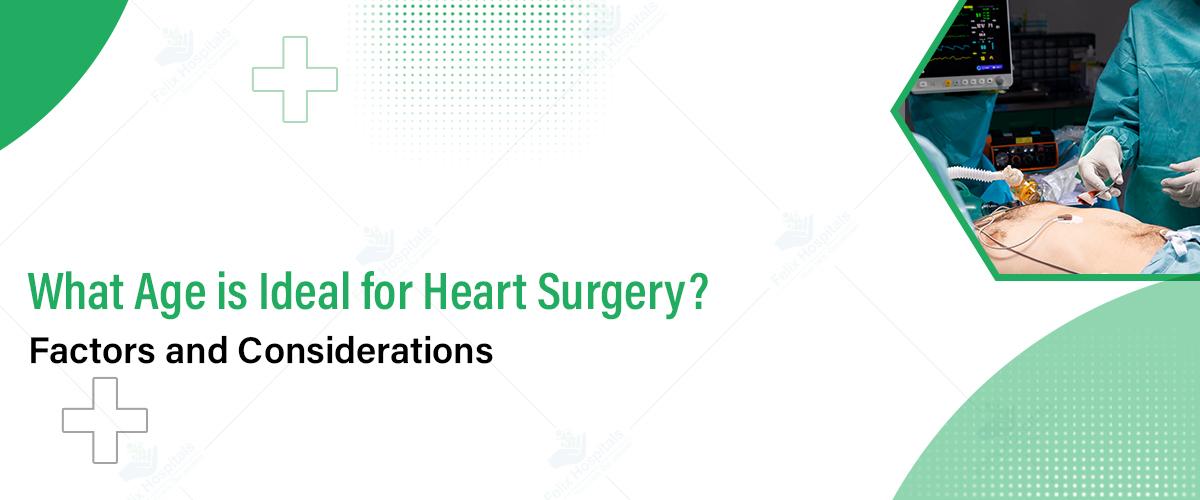
Heart surgery is a pivotal medical intervention that can save lives, improve quality of life, and prevent long-term complications. Whether performed to repair congenital defects, replace malfunctioning valves, or bypass blocked arteries, heart surgery is often essential for treating a variety of cardiac conditions. However, determining the ideal age for such a procedure is crucial for its success. Choosing the right medical facility is equally important. The Best Hospital for Heart Surgery offers specialized care, advanced diagnostic tools, and experienced surgeons, ensuring patients receive optimal treatment tailored to their needs.
Don’t wait—contact Felix Hospital to meet the Best Heart Surgeons in Noida. Get in Touch Today by Calling +91 9667064100!
Heart surgeries vary widely in terms of complexity and purpose. Below are the most common types of procedures:
Specifically designed to correct congenital heart defects in infants and children, such as atrial septal defects or Tetralogy of Fallot.
Robotic-assisted surgeries and transcatheter techniques, which minimize risks and enhance precision.
Several critical factors influence the ideal age for heart surgery:
Modern advancements in cardiac surgery have significantly improved safety and outcomes across all age groups.
For anyone seeking expert care, Felix Hospital in Gamma 1, Greater Noida, offers access to some of the finest cardiac specialists:
These experts, recognized as the Best Heart Surgeons in Noida, provide comprehensive care tailored to each patient’s unique needs.
Schedule a consultation with the expert cardiologists at Felix Hospital by Clicking Here to explore personalized heart surgery solutions.
Determining the ideal age for heart surgery requires a careful evaluation of individual circumstances, including the patient’s health, the type of condition, and the urgency of the symptoms. The right timing ensures better outcomes, minimizes risks and enhances long-term health.
At Felix Hospital, patients receive personalized care from the Best Heart Surgeons in Noida, supported by state-of-the-art facilities and advanced technology. Whether it’s a child with a congenital defect or an elderly patient with complex needs, our team ensures optimal outcomes and compassionate care. Moreover, we offer transparent and competitive Heart Surgery Treatment Costs, making high-quality cardiac care accessible to all.
Q- What is the youngest age for heart surgery?
ANS: Infants as young as a few days old may undergo surgery for critical congenital defects, depending on the severity and urgency of the condition.
Q- Are elderly patients at higher risk during heart surgery?
ANS: Yes, elderly patients face higher risks due to age-related frailty and comorbidities. However, advances in technology and tailored care have significantly improved outcomes.
Q- How does age impact recovery time?
ANS: Younger patients generally recover faster due to their resilience, while older patients may require extended rehabilitation and support.
Q- Can heart surgery be delayed for younger patients?
ANS: Delaying surgery depends on the condition’s severity. Some congenital defects can wait, but others require immediate intervention to prevent complications.
Q- Are minimally invasive techniques suitable for all age groups?
ANS: Yes, minimally invasive heart surgery techniques are often suitable for various age groups, including children and the elderly. These techniques reduce recovery time, lower the risk of complications, and minimize scarring. However, eligibility depends on the patient’s specific condition and overall health.
Q- Does age affect the choice of heart surgery type?
ANS: Age can influence the type of heart surgery recommended. For example, younger patients with congenital defects may benefit from specific pediatric procedures, while older adults with comorbidities may be better suited for minimally invasive or robotic-assisted surgeries to reduce operative risks.
हार्ट अटैक के मुख्य लक्षण, कारण और तुरंत किए जाने वाले उपचार के बारे में जानें। समय पर पहचान और सही इलाज से जीवन बचाया जा सकता है।
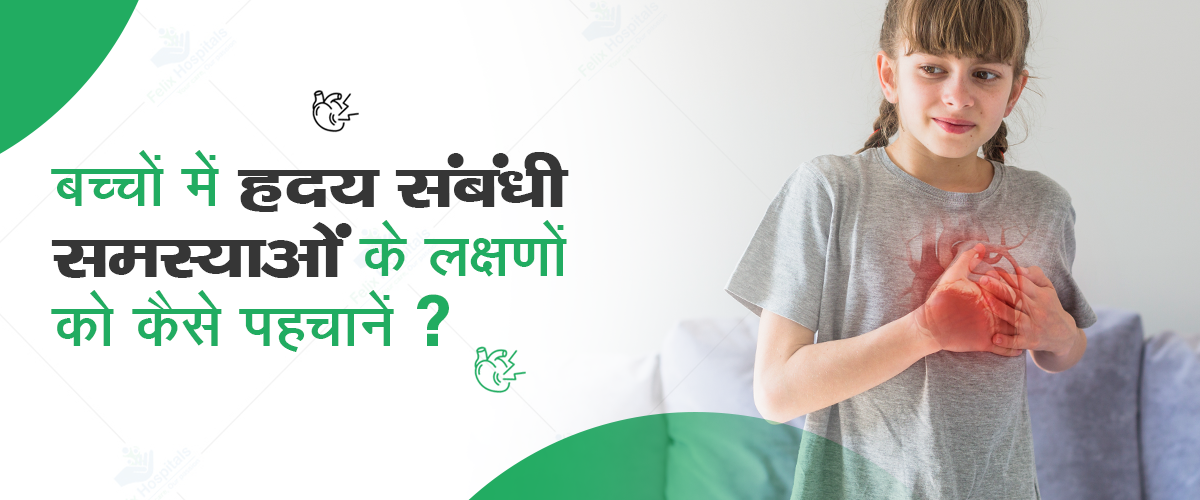
बच्चों में हृदय संबंधी समस्याओं का जल्द पहचानना बेहद महत्वपूर्ण है क्योंकि समय पर निदान और उपचार उनके स्वास्थ्य को बेहतर बना सकता है। कई बार माता-पिता को इन समस्याओं का पता लगाना कठिन हो सकता है, क्योंकि लक्षण हल्के या अन्य सामान्य बीमारियों जैसे दिख सकते हैं। इस ब्लॉग में, हम उन लक्षणों की चर्चा करेंगे जो बच्चों में हृदय संबंधी समस्याओं की ओर संकेत कर सकते हैं।
ज्यादा जानकारी के लिए हमें कॉल करें +91 9667064100.
बच्चों में जन्मजात हृदय रोग क्या है? (What is congenital heart disease in children?)
बच्चों में हृदय संबंधी समस्याओं के लक्षण (Symptoms of Heart Problems in Children)
बच्चों में हृदय संबंधी रोग के प्रकार (Types of Cardiac Disease in Children)
बच्चों में हृदय संबंधी रोग के कारण (Causes of heart disease in children)
बच्चों में हृदय रोग का निदान कैसे होता है? (How is heart disease diagnosed in children?)
बच्चों में हृदय संबंधी रोगों से बचाव (Prevention of heart diseases in children)
बच्चों में हृदय संबंधी रोगों का इलाज (Treatment of heart diseases in children)
फेलिक्स हॉस्पिटल्स में बच्चों में हृदय संबंधी रोगों के विशेषज्ञ के बारे में जाने (Know Pediatric Cardiology Specialists at Felix Hospitals)
निष्कर्ष (Conclusion)
बच्चों में हृदय संबंधी रोगों के लक्षणों को लेकर अक्सर पूछे जाने वाले सवाल और जवाब (Frequently asked questions and answers about symptoms of heart disease in children)
बच्चों में जन्मजात हृदय रोग बच्चों में जन्म के समय मौजूद हृदय की संरचना या कार्य में असामान्यताओं को कहा जाता है। यह एक प्रकार की हृदय विकृति है, जो गर्भावस्था के दौरान हृदय के विकास में समस्या के कारण होती है। यदि कोई बच्चा जन्मजात हृदय रोग से पीड़ित है, तो समय पर निदान और उपचार से उसकी जीवन की गुणवत्ता को बेहतर बनाया जा सकता है। बच्चों में हृदय संबंधी समस्याओं के लक्षणों को समय पर पहचानना उनके समग्र स्वास्थ्य और विकास के लिए महत्वपूर्ण है। माता-पिता को हमेशा सतर्क रहना चाहिए और किसी भी असामान्यता को अनदेखा नहीं करना चाहिए। सही जानकारी और समय पर उपचार से बच्चे का जीवन सुरक्षित और स्वस्थ बनाया जा सकता है।
सांस से संबंधित समस्याएंः
सांस लेने में कठिनाई। खेलने, रोने या दूध पीने के बाद सांस फूलना। सोते समय तेजी से सांस लेना। छाती के अंदर धंसने जैसा महसूस होना।
त्वचा और होंठ का रंग बदलना:
त्वचा, नाखून और होंठों का नीला पड़ना (साइनोसिस)। त्वचा का पीला या फीका दिखना। हाथ-पैर ठंडे पड़ जाना।
वजन और विकास में रुकावट:
बच्चे का वजन सामान्य से कम होना। सामान्य विकास न होना। दूध पीने में कठिनाई या बार-बार थकावट महसूस करना।
तेज़ या अनियमित दिल की धड़कन:
दिल का तेजी से धड़कना (टैकीकार्डिया)। अनियमित धड़कन महसूस होना। छाती में दर्द या बेचैनी।
थकावट और सुस्ती:
खेलने या सामान्य गतिविधियों के बाद जल्दी थक जाना। लंबे समय तक सुस्ती महसूस करना। नींद के दौरान बेचैनी।
बार-बार निमोनिया या ब्रोंकाइटिस होना। खांसी और कफ लंबे समय तक रहना।
बेहोशी या चक्कर आना
सामान्य गतिविधियों के दौरान चक्कर आना। अचानक बेहोशी आना।
खाने-पीने में दिक्कत
स्तनपान या बोतल से दूध पीने में परेशानी। कम भूख लगना। खाने के बाद थकावट महसूस करना।
गंभीर स्थिति में क्या हो सकता है ?
लगातार साइनोसिस (नीले रंग का होना)।
सांस लेने में लगातार दिक्कत।
बेहोशी का बार-बार आना।
छाती में असामान्य उभार।
यह हृदय की संरचना या कार्य में गड़बड़ी होती है, जो जन्म से ही मौजूद होती है। इसके प्रमुख प्रकार निम्नलिखित हैं:
एट्रियल सेप्टल डिफेक्ट (ASD):
हृदय के ऊपरी कक्षों (एट्रिया) के बीच की दीवार में छेद। वेंट्रिकुलर सेप्टल डिफेक्ट (VSD): हृदय के निचले कक्षों (वेंट्रिकल) के बीच की दीवार में छेद।
पल्मोनरी या एओर्टिक स्टेनोसिस: वॉल्व का संकरा होना, जिससे रक्त प्रवाह बाधित होता है।
वॉल्व का सही तरीके से बंद न होना, जिससे रक्त वापस बहता है।
पेटेंट डक्टस आर्टेरियोसस (PDA):
फेफड़ों की धमनी और महाधमनी के बीच की रक्त वाहिका का जन्म के बाद बंद न होना।
कोआर्कटेशन ऑफ एओर्टा: महाधमनी (एओर्टा) का संकरा होना।
टेट्रालॉजी ऑफ फॉलो (TOF): चार दोषों का समूह: वेंट्रिकुलर सेप्टल डिफेक्ट, पल्मोनरी स्टेनोसिस, राइट वेंट्रिकुलर हाइपरट्रॉफी, और एओर्टा की विस्थापन।
ट्रांसपोजिशन ऑफ द ग्रेट आर्टरीज (TGA): महाधमनी और फेफड़ों की धमनी की स्थिति का उल्टा होना।
हाइपोप्लास्टिक लेफ्ट हार्ट सिंड्रोम (HLHS): हृदय का बायां हिस्सा अविकसित होना।
रूमेटिक हृदय रोग (Rheumatic Heart Disease)
यह स्ट्रीपटोकोकल गले के संक्रमण के कारण होता है और हृदय वॉल्व को नुकसान पहुंचाता है।
कावासाकी रोग (Kawasaki Disease)
यह बच्चों में कोरोनरी धमनी को प्रभावित करता है और दिल के दौरे का जोखिम बढ़ा सकता है।
मायोकार्डिटिस (Myocarditis)
यह हृदय की मांसपेशियों की सूजन है, जो वायरस या बैक्टीरिया के संक्रमण के कारण होती है।
हालांकि दुर्लभ, लेकिन कुछ बच्चों में ब्लड प्रेशर और कोरोनरी धमनी की समस्याएं हो सकती हैं।
सायनोसिस और नॉन-सायनोसिस दोष
सायनोसिस दोष (Cyanotic Defects):
यह हृदय रोग का वह प्रकार है जिसमें शरीर को पर्याप्त ऑक्सीजन नहीं मिलती, जिससे होंठ और त्वचा नीले पड़ जाते हैं। उदाहरण के लिए टेट्रालॉजी ऑफ फॉलो, ट्रांसपोजिशन ऑफ ग्रेट आर्टरीज।
नॉन-सायनोसिस दोष (Non-Cyanotic Defects):
इसमें हृदय के दोष होने के बावजूद त्वचा का रंग सामान्य रहता है। उदाहरण के लिए एट्रियल सेप्टल डिफेक्ट, वेंट्रिकुलर सेप्टल डिफेक्ट।
जन्मजात हृदय रोग हृदय की संरचना में गड़बड़ी के कारण होता है, जो गर्भावस्था के दौरान हृदय के विकास में समस्या के कारण उत्पन्न हो सकता है।
आनुवंशिक (Genetic Factors)
परिवार में हृदय रोग का इतिहास। किसी अन्य जन्मजात विकृति जैसे डाउन सिंड्रोम से जुड़ा हुआ। आनुवंशिक विकार या माता-पिता में क्रोमोसोमल असामान्यता।
पर्यावरणीय कारण (Environmental Factors)
गर्भावस्था के दौरान संक्रमण (जैसे, रूबेला या जर्मन मीजल्स)। गर्भावस्था में खतरनाक दवाओं या नशीली चीज़ों का सेवन। शराब या धूम्रपान का उपयोग। गर्भावस्था के दौरान विकिरण के संपर्क में आना।
मातृ स्वास्थ्य (Maternal Health)
गर्भावस्था में डायबिटीज या अनियंत्रित ब्लड शुगर। थायरॉइड की समस्या। पोषण की कमी, विशेष रूप से फोलिक एसिड की कमी। मोटापा या उच्च रक्तचाप।
अन्य कारण:
गर्भ में ऑक्सीजन की कमी। प्लेसेंटा की अपर्याप्त कार्यक्षमता।
ये रोग बच्चे के जन्म के बाद संक्रमण, चोट या अन्य स्वास्थ्य स्थितियों के कारण होते हैं।
रूमेटिक फीवर: गले के स्ट्रीप संक्रमण (Strep Throat) के कारण, जो हृदय वॉल्व को प्रभावित कर सकता है।
कावासाकी रोग: रक्त वाहिकाओं की सूजन, जो कोरोनरी धमनी को नुकसान पहुंचा सकती है।
मायोकार्डिटिस: हृदय की मांसपेशियों में सूजन, जो वायरस या बैक्टीरिया के संक्रमण से होती है।
अस्वास्थ्यकर आहार और मोटापा। बच्चों में उच्च रक्तचाप या कोलेस्ट्रॉल। निष्क्रिय जीवनशैली।
अन्य चिकित्सा स्थितियां:
जन्म के समय कम वजन। लंबे समय तक दवाओं का उपयोग। गंभीर एनीमिया।
चोट या बाहरी कारण:
सीने पर चोट। सर्जिकल या चिकित्सा संबंधी जटिलताएं।
विशेष जोखिम कारक:
कुछ स्थितियां बच्चे को हृदय रोगों के प्रति अधिक संवेदनशील बना सकती हैं।
प्रि-मैच्योर डिलीवरी: समय से पहले जन्म लेने वाले बच्चों में हृदय की समस्याओं का जोखिम अधिक होता है।
ट्विन या मल्टीपल प्रेग्नेंसी: एक से अधिक भ्रूण होने पर हृदय विकास पर असर पड़ सकता है।
गर्भावस्था में मां को ऑटोइम्यून रोग (जैसे, ल्यूपस): इससे बच्चे का हृदय प्रभावित हो सकता है।
शारीरिक जांच (Physical Examination)
डॉक्टर बच्चे की सामान्य स्थिति और हृदय की धड़कन की जांच करते हैं। हृदय की ध्वनि सुनना यानी स्टेथोस्कोप से दिल की धड़कन और असामान्य आवाज़ (जैसे मर्मर) सुनना त्वचा, नाखूनों, और होंठों के रंग की जांच (नीलापन साइनोसिस का संकेत हो सकता है)। सांस लेने की गति और सीने में किसी असामान्यता को देखना।
मेडिकल इतिहास (Medical History)
बच्चे के लक्षणों की जानकारी लेना (जैसे, थकावट, सांस फूलना, या वजन न बढ़ना)। परिवार में किसी को हृदय रोग का इतिहास है या नहीं। गर्भावस्था के दौरान मां की स्वास्थ्य स्थिति (जैसे, संक्रमण, दवाएं, या शुगर)।
इकोकार्डियोग्राफी (Echocardiography)
यह हृदय की अल्ट्रासाउंड तकनीक है जो हृदय की संरचना और कार्य का आकलन करती है। हृदय में छेद, वाल्व की समस्याएं, और रक्त प्रवाह का पता लगाने के लिए सबसे प्रभावी परीक्षण।
इलेक्ट्रोकार्डियोग्राम (ECG/EKG)
यह हृदय की विद्युत गतिविधि को मापता है। अनियमित धड़कन (अरिदमिया) या हृदय की मांसपेशियों की समस्याओं का पता लगाने में मदद करता है।
ब्लड टेस्ट (Blood Tests)
कुछ विशेष एंजाइम या हार्मोन का स्तर हृदय की समस्याओं का संकेत दे सकता है। संक्रमण या आनुवंशिक कारणों की पहचान के लिए।
व्यायाम परीक्षण (Exercise Stress Test)
यह बड़े बच्चों में हृदय की धड़कन और ऑक्सीजन की क्षमता को मापने के लिए किया जाता है। खेलकूद या शारीरिक गतिविधियों के दौरान हृदय की प्रतिक्रिया को परखा जाता है।
नवजात स्क्रीनिंग (Newborn Screening)
नवजात शिशुओं में जन्मजात हृदय रोग का जल्दी पता लगाने के लिए निम्नलिखित परीक्षण किए जाते हैं। पल्स ऑक्सीमेट्री टेस्ट। नियमित शारीरिक जांच।
सही पोषण और आहार:
संतुलित और पोषक आहार लें, जिसमें फोलिक एसिड, आयरन, और ओमेगा-3 फैटी एसिड शामिल हों। जंक फूड और उच्च वसा वाले खाद्य पदार्थों से बचें।
संक्रमण से बचाव:
गर्भावस्था के दौरान रूबेला (जर्मन मीजल्स) और अन्य संक्रमण से बचाव के लिए टीकाकरण कराएं। साफ-सफाई और व्यक्तिगत स्वच्छता का ध्यान रखें।
हानिकारक आदतों से बचें:
धूम्रपान, शराब और नशीले पदार्थों का सेवन न करें। डॉक्टर की सलाह के बिना दवाओं का सेवन न करें।
नियमित स्वास्थ्य जांच:
गर्भावस्था के दौरान नियमित रूप से डॉक्टर से परामर्श लें। शुगर और ब्लड प्रेशर का नियंत्रण रखें।
नियमित टीकाकरण:
बच्चों को समय पर सभी अनिवार्य टीके लगवाएं, जैसे कि रूबेला, डिप्थीरिया, और टेटनस। कावासाकी रोग और रूमेटिक फीवर से बचाव के लिए संक्रमण रोकने पर ध्यान दें।
शारीरिक जांच:
बच्चे के स्वास्थ्य की नियमित जांच कराएं। नवजात स्क्रीनिंग टेस्ट से जन्मजात हृदय रोग का जल्दी पता लगाया जा सकता है।
संतुलित आहार:
बच्चों के आहार में ताजे फल, सब्जियां, साबुत अनाज, और प्रोटीन शामिल करें। अत्यधिक चीनी और जंक फूड से बचाएं।
शारीरिक गतिविधि को प्रोत्साहन दें:
बच्चों को नियमित रूप से खेलने और व्यायाम करने के लिए प्रेरित करें। निष्क्रिय जीवनशैली (जैसे, अधिक टीवी या मोबाइल का उपयोग) से बचाएं।
संक्रमण से बचाव:
गले के संक्रमण का समय पर इलाज
रूमेटिक फीवर से बचने के लिए गले के संक्रमण (स्ट्रीप थ्रोट) का तुरंत इलाज करें। डॉक्टर की सलाह से एंटीबायोटिक दवाओं का उपयोग करें।
स्वच्छता का ध्यान रखें
बच्चे को साफ-सफाई के महत्व को सिखाएं। बैक्टीरिया और वायरस के संक्रमण से बचाने के लिए हाथ धोने की आदत डालें।
वजन नियंत्रण:
बच्चों को मोटापा से बचाएं, क्योंकि यह हृदय संबंधी रोगों का बड़ा कारण हो सकता है। शारीरिक गतिविधि और स्वस्थ आहार से वजन नियंत्रित रखें।
ब्लड प्रेशर और कोलेस्ट्रॉल का ध्यान रखें:
बच्चों में हाई ब्लड प्रेशर या कोलेस्ट्रॉल की जांच करें। उच्च नमक और वसा वाले भोजन से बचाएं।
परिवार में हृदय रोग का इतिहास हो तो विशेष सतर्कता बरतें:
यदि परिवार में आनुवंशिक हृदय रोग का इतिहास है, तो बच्चे की नियमित जांच कराएं। जेनेटिक काउंसलिंग का लाभ लें।
कुछ हृदय संबंधी समस्याएं दवाओं से नियंत्रित की जा सकती हैं। डॉक्टर लक्षणों के अनुसार दवाएं लिखते हैं:
डाययूरेटिक्स (Diuretics): शरीर में अतिरिक्त तरल पदार्थ को कम करने के लिए।
डिजिटालिस (Digitalis): हृदय की पंपिंग क्षमता बढ़ाने के लिए।
एंटी-अरिदमिक दवाएं: अनियमित दिल की धड़कन (अरिदमिया) को नियंत्रित करने के लिए।
ब्लड थिनर (Blood Thinners): रक्त के थक्के बनने से रोकने के लिए।
एंटीबायोटिक्स: संक्रमण रोकने या इलाज के लिए।
प्रोस्टाग्लैंडिन इन्हिबिटर: फेफड़ों और हृदय के बीच रक्त प्रवाह को नियंत्रित करने के लिए।
संतुलित आहार और नियमित व्यायाम से बच्चों की हृदय की सेहत में सुधार होता है।
धूम्रपान और अत्यधिक नमक, चीनी या वसा से बचने की सलाह दी जाती है।
कुछ मामलों में जटिलता को दूर करने के लिए बिना सर्जरी के कैथेटर-आधारित प्रक्रियाओं का उपयोग किया जाता है।
बालून एंजियोप्लास्टी (Balloon Angioplasty): संकुचित रक्त वाहिकाओं या वाल्व को खोलने के लिए।
डिवाइस क्लोजर (Device Closure): हृदय में छेद (जैसे, एट्रियल या वेंट्रिकुलर सेप्टल डिफेक्ट) को बंद करने के लिए।
वॉल्व रिप्लेसमेंट: खराब वॉल्व को बदलने या ठीक करने के लिए।
यदि हृदय दोष गंभीर है, तो सर्जरी की आवश्यकता होती है:
ओपन हार्ट सर्जरी (Open Heart Surgery): जन्मजात दोष जैसे हृदय के छेद (ASD/VSD) को ठीक करने के लिए। वाल्व की मरम्मत या प्रतिस्थापन।
फॉन्टन प्रोसिजर (Fontan Procedure): जटिल जन्मजात हृदय रोग (जैसे, सिंगल वेंट्रिकल दोष) के लिए।
अर्टेरियल स्विच सर्जरी (Arterial Switch Surgery): महाधमनी और पल्मोनरी धमनी के दोष को ठीक करने के लिए।
ब्लालॉक-टॉसिग शंट (Blalock-Taussig Shunt): सायनोसिस दोष के लिए।
यह डायग्नोसिस और उपचार दोनों के लिए उपयोगी है।
इसमें कैथेटर के माध्यम से हृदय तक पहुंचकर दोषों को ठीक किया जाता है।
यह प्रक्रिया कम इनवेसिव होती है और रिकवरी तेज होती है।
हार्ट ट्रांसप्लांट (Heart Transplant)
यदि बच्चे का हृदय गंभीर रूप से क्षतिग्रस्त है और अन्य उपचार असफल हो गए हैं, तो हृदय प्रत्यारोपण आवश्यक हो सकता है।
सपोर्टिव थेरेपी (Supportive Therapy)
फिजिकल और ऑक्यूपेशनल थेरेपी से बच्चे की सामान्य गतिविधियों में सुधार होता है।
पोषण और मानसिक स्वास्थ्य पर ध्यान देना जरूरी है।
फॉलो-अप और देखभाल (Follow-Up and Monitoring)
नियमित जांच और फॉलो-अप बच्चों में हृदय रोग की प्रगति और इलाज के प्रभाव का आकलन करने के लिए जरूरी है।
डॉक्टर ईसीजी, इकोकार्डियोग्राफी और अन्य परीक्षणों के माध्यम से बच्चे की स्थिति की निगरानी करते हैं।
बच्चों में हृदय संबंधी रोगों का इलाज करने वाले विशेषज्ञ बाल हृदय रोग विशेषज्ञ होते हैं। ये विशेषज्ञ बच्चों के हृदय और रक्त परिसंचरण प्रणाली से संबंधित समस्याओं के निदान, उपचार और प्रबंधन में प्रशिक्षित होते हैं। डॉक्टर की सलाह के लिए आज ही फोन करें - +91 9667064100.
बच्चों में हृदय संबंधी रोगों के लक्षण अक्सर हल्के से लेकर गंभीर हो सकते हैं, और यह समय पर पहचानने के लिए महत्वपूर्ण हैं। आमतौर पर, सांस लेने में कठिनाई, थकावट, त्वचा या होंठों का नीला पड़ना, छाती में दर्द, और असामान्य दिल की धड़कन हृदय संबंधी समस्याओं के संकेत हो सकते हैं। सही समय पर इन लक्षणों का ध्यान रखना और उन्हें चिकित्सकीय ध्यान में लाना बच्चों में हृदय रोगों के सही निदान और उपचार के लिए आवश्यक है। अगर बच्चों में इन लक्षणों में से कोई भी दिखे, तो बिना देर किए बाल हृदय रोग विशेषज्ञ से परामर्श लें।
प्रश्न 1: क्या बच्चों में छाती में दर्द हमेशा हृदय रोग का संकेत होता है ?
उत्तर: नहीं। बच्चों में छाती में दर्द के अधिकतर कारण मांसपेशियों, हड्डियों, या पेट की समस्याओं से जुड़े होते हैं। हालांकि, यदि दर्द के साथ सांस फूलना, चक्कर आना, या धड़कन की गड़बड़ी हो, तो डॉक्टर से संपर्क करें।
प्रश्न 2: क्या हृदय रोग आनुवंशिक हो सकते हैं ?
उत्तर: हां। यदि परिवार में हृदय रोग का इतिहास है, तो बच्चों में हृदय संबंधी समस्याओं का जोखिम बढ़ सकता है। इस स्थिति में बच्चे की नियमित जांच कराना महत्वपूर्ण है।
प्रश्न 3: बच्चों में सांस फूलने का हृदय रोग से क्या संबंध है ?
उत्तर: सांस फूलना (विशेषकर हल्की गतिविधियों के दौरान) दिल की पंपिंग क्षमता में कमी या फेफड़ों में अधिक रक्त प्रवाह का संकेत हो सकता है, जो हृदय रोग से जुड़ा हो सकता है।
प्रश्न 4: बच्चों में थकावट और विकास में देरी क्यों होती है ?
उत्तर: हृदय की समस्याओं के कारण शरीर के अंगों तक पर्याप्त रक्त और ऑक्सीजन नहीं पहुंच पाते, जिससे बच्चे जल्दी थक जाते हैं और उनकी शारीरिक विकास प्रक्रिया धीमी हो सकती है।
प्रश्न 5: क्या हृदय की असामान्य धड़कन (अरिदमिया) बच्चों में सामान्य है ?
उत्तर: कुछ हल्की अरिदमिया सामान्य हो सकती हैं और बच्चे के बढ़ने पर ठीक हो जाती हैं। लेकिन यदि यह नियमित रूप से हो रही है या इसके साथ अन्य लक्षण हैं, तो यह गंभीर हृदय समस्या का संकेत हो सकता है।
प्रश्न 6: क्या हृदय रोग केवल जन्मजात होते हैं ?
उत्तर: नहीं। हृदय रोग जन्मजात (जन्म से) और अर्जित (जीवन के दौरान) दोनों हो सकते हैं। अर्जित हृदय रोग संक्रमण, रूमेटिक फीवर, या अन्य कारणों से हो सकता है।
प्रश्न 7: क्या बच्चों के हृदय रोग का इलाज संभव है ?
उत्तर: हां। आधुनिक चिकित्सा तकनीकों और दवाओं की मदद से बच्चों के हृदय रोगों का प्रभावी इलाज संभव है। सर्जरी, कैथेटर-आधारित प्रक्रियाएं, और दवाएं उपचार में सहायक होती हैं।
प्रश्न 8: क्या बच्चों में हृदय रोग से बचाव संभव है?
उत्तर: हां, हृदय रोग से बचाव के लिए निम्नलिखित कदम उठाए जा सकते हैं। गर्भावस्था के दौरान मां की अच्छी देखभाल। बच्चे का समय पर टीकाकरण। स्वस्थ आहार और जीवनशैली अपनाना। संक्रमण और गले की बीमारियों का समय पर इलाज।
हार्ट अटैक के मुख्य लक्षण, कारण और तुरंत किए जाने वाले उपचार के बारे में जानें। समय पर पहचान और सही इलाज से जीवन बचाया जा सकता है।
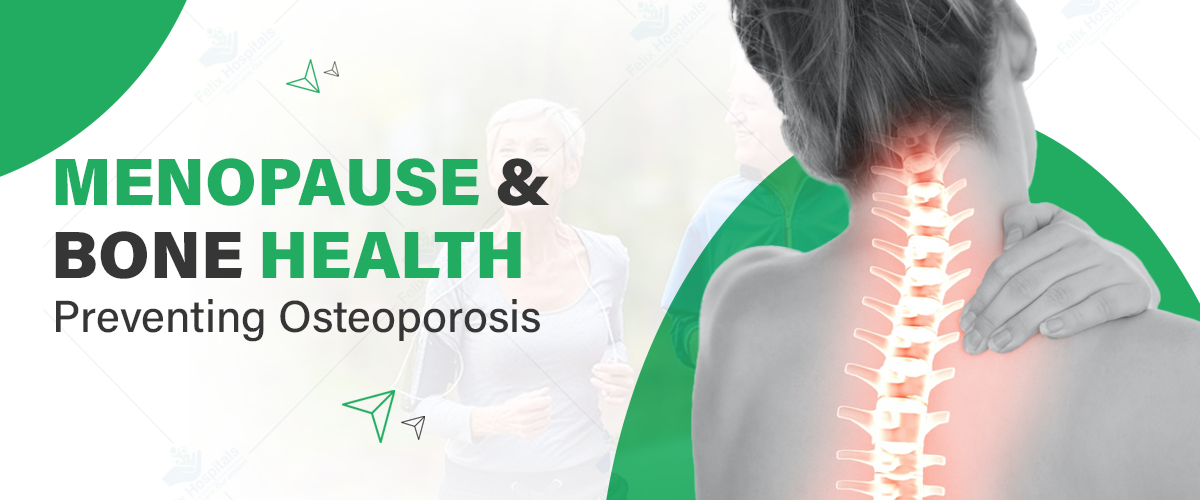
Menopause marks a significant phase in a woman’s life, typically occurring between the ages of 45 and 55, during which various hormonal changes take place. One of the most critical changes during menopause is the decline in estrogen levels, which can have a profound effect on a woman’s overall health, particularly bone health. The hormonal changes associated with menopause accelerate bone density loss, making women more susceptible to conditions like osteoporosis. Osteoporosis, characterized by weak and brittle bones, is a major concern during menopause, as it can lead to an increased risk of fractures and mobility issues. The best gynecologist hospital in Noida, emphasizes the importance of proactive bone health management during menopause to prevent long-term complications.
Contact us at +91 9667064100 or visit our website to book your appointment online. Take charge of your bone health and enjoy an active, independent life!
Osteoporosis is a condition where the bones become fragile and more prone to fractures due to a decrease in bone density. This condition occurs when the body loses too much bone mass, or when bone formation is too slow, leading to weakened bones. Estrogen, a hormone that plays a key role in maintaining bone density, drops significantly during menopause. This estrogen deficiency accelerates bone loss, increasing the risk of developing osteoporosis. Postmenopausal women are at a higher risk of fractures, especially in the spine, hips, and wrists, due to the decreased bone strength. With the decline in estrogen, the body's ability to regenerate bone tissue diminishes, making it essential to address bone health during this life stage.
Maintaining good bone health during menopause is crucial for overall well-being and quality of life. As bone density decreases, the risk of fractures rises, which can severely affect mobility and independence. Women with osteoporosis may experience a higher risk of fractures even from minor falls, leading to long-term complications such as chronic pain, disability, and a reduced quality of life. Osteoporosis, if left untreated, can also lead to kyphosis (a stooped posture), which may further impact confidence and physical function. Ensuring optimal bone health through preventive measures is vital to help maintain an active lifestyle, reduce the risk of fractures, and prevent the long-term consequences associated with osteoporosis.
There are several ways to prevent or minimize the impact of osteoporosis during menopause. Here are key preventive measures:
1. Dietary Changes:
Incorporating calcium and vitamin D-rich foods into your diet is crucial for maintaining bone health. Calcium helps to strengthen bones, while vitamin D enhances calcium absorption. Foods like dairy products, leafy greens, tofu, and fortified cereals are great sources of calcium. Vitamin D can be obtained from sunlight and foods like fatty fish, egg yolks, and fortified dairy products. Ensuring an adequate intake of these nutrients can help slow bone loss and promote bone strength.
2. Exercise:
Weight-bearing and strength-training exercises are essential for improving bone density. Activities such as walking, running, yoga, and resistance training help stimulate bone formation, strengthening bones and preventing further loss. Regular physical activity also improves balance and coordination, reducing the risk of falls.
3. Lifestyle Changes:
Smoking cessation and reducing alcohol consumption are vital lifestyle changes for bone health. Smoking accelerates bone loss and inhibits calcium absorption, while excessive alcohol consumption can negatively affect bone formation. Adopting a healthier lifestyle by quitting smoking and moderating alcohol intake can significantly reduce the risk of osteoporosis.
4. Medical Treatments:
Hormone replacement therapy (HRT) and other medications can help prevent further bone loss. HRT replenishes estrogen levels, which is vital for bone maintenance. Other medications like bisphosphonates, denosumab, and selective estrogen receptor modulators (SERMs) can also help strengthen bones and reduce fracture risk. For the best hospital for osteoporosis treatment in Noida, We offer personalized care plans and the latest treatment options.
Regular bone health assessments are essential for early detection of osteoporosis, especially for postmenopausal women. A dual-energy x-ray absorptiometry (DEXA) scan is the most reliable test for measuring bone mineral density. Early detection allows for timely interventions, including medication and lifestyle changes, to manage bone health and prevent fractures. Women should undergo bone health screenings every 1-2 years, especially after menopause, to monitor bone density and catch any early signs of osteoporosis before complications arise.
At Felix Hospitals, we take pride in our dedicated team of specialists committed to providing top-notch care for menopause and osteoporosis. Our team includes:
These experienced gynecologists specialize in managing menopause-related health issues, including osteoporosis prevention. They are dedicated to guiding you through the various stages of menopause and ensuring that your bone health is preserved for a better quality of life.
Our orthopedic specialists provide personalized bone health management, utilizing the latest advancements in treatments to prevent fractures and enhance mobility. They work alongside our gynecologists to offer holistic care for osteoporosis, ensuring a comprehensive approach to managing bone health during and after menopause.
Don’t wait for osteoporosis to affect your life. Schedule a consultation at Felix Hospitals today.
Taking proactive measures to maintain bone health during menopause is crucial to prevent osteoporosis and its complications. With proper care, including dietary changes, exercise, and medical treatments, women can ensure their bones remain strong and healthy. Felix Hospitals offers expert care, early detection, and advanced treatments to help prevent and manage osteoporosis. Schedule your consultation today and take the first step toward a healthier, more active life.
1. What are the early signs of osteoporosis during menopause?
Ans: Early signs may include back pain, stooped posture, and fractures from minor falls. Bone density testing can help identify osteoporosis before symptoms appear.
2. How can I improve my bone health during menopause?
Ans: Ensure a diet rich in calcium and vitamin D, engage in regular exercise, and avoid smoking and excessive alcohol consumption.
3. Are there specific foods that help in preventing osteoporosis?
Yes, foods rich in calcium (dairy products, leafy greens) and vitamin D (fatty fish, egg yolks) are essential for bone health.
4. How often should postmenopausal women get their bone density checked?
Women should undergo bone density testing every 1-2 years, or as recommended by their doctor, to monitor changes in bone health.
5. What treatments are available for osteoporosis after menopause?
Treatments include hormone replacement therapy (HRT), bisphosphonates, and other medications designed to strengthen bones and prevent fractures.
Explore the latest non-surgical treatments for fibroid management. Learn about advanced options to relieve symptoms and improve your quality of life.

Mental health is a critical component of overall well-being, yet it often remains misunderstood or neglected. With rising awareness, individuals are increasingly seeking professional help to address emotional and psychological challenges. Two of the most common mental health treatment options are psychotherapy and counseling. While both aim to support individuals in overcoming difficulties, they differ significantly in scope, approach, and objectives. Understanding these differences is essential to making an informed choice and accessing the right care. If you are considering seeking help, consulting a nearby psychology hospital can be a vital first step in addressing your mental health needs.
Contact us to explore personalized mental health solutions tailored to your needs. Get in Touch Today by Calling +91 9667064100.
Psychotherapy, often referred to as talk therapy, is a structured, evidence-based treatment that addresses a wide range of emotional and psychological challenges. It focuses on identifying and resolving deeper, long-term issues that may stem from past experiences, traumas, or ingrained behavioral patterns.
1.Definition of Psychotherapy: Psychotherapy involves regular interactions between a licensed mental health professional and an individual or group. The goal is to explore thoughts, emotions, and behaviors to foster self-awareness and change maladaptive patterns.
2. Types of Psychotherapy: Psychotherapy encompasses various methodologies tailored to individual needs, such as:
Cognitive Behavioral Therapy (CBT): Focuses on identifying and altering negative thought patterns.
Psychoanalysis: Explores unconscious conflicts rooted in early experiences.
Dialectical Behavior Therapy (DBT): Combines CBT with mindfulness techniques to manage emotions.
3. Common Conditions Treated: Psychotherapy is particularly effective for complex and chronic mental health conditions, including:
Depression
Post-traumatic stress disorder (PTSD)
Personality disorders
Counseling is a short-term, goal-oriented process designed to help individuals navigate specific challenges or life transitions. It is typically less intensive than psychotherapy and focuses on immediate issues and solutions.
1. Definition of Counseling: Counseling involves guidance and support from a trained professional to address particular concerns or situations. It emphasizes practical strategies and coping mechanisms.
2. Types of Counseling: Counseling services are diverse, catering to various needs, such as:
Career Counseling: Assists individuals in making informed educational and career choices.
Marriage Counseling: Helps couples improve communication and resolve conflicts.
Grief Counseling: Provides support to individuals coping with loss.
3. Common Conditions Addressed: Counseling is suitable for addressing:
Relationship problems
Stress and burnout
Personal development goals
Adjustments to major life changes
While psychotherapy and counseling share similarities in their aim to improve mental health, they differ in several key aspects:
| Aspect | Psychotherapy | Counseling |
|---|---|---|
| Scope of Treatment | Addresses deeper emotional and psychological issues; involves uncovering and resolving root causes of mental health challenges. | Focuses on specific, immediate concerns; provides support and guidance for overcoming short-term obstacles. |
| Duration & Frequency | Typically involves regular sessions over an extended period, often spanning months or years. | Usually short-term, with fewer sessions targeting specific goals or challenges. |
| Techniques & Approaches | Utilizes specialized techniques like psychoanalysis, cognitive restructuring, and mindfulness-based therapies. | More conversational, focusing on practical solutions and coping strategies. |
| Conditions Treated | Suitable for chronic or complex mental health conditions, such as depression, PTSD, and personality disorders. | Ideal for situational challenges, such as stress, relationship issues, and life transitions. |
| Treatment Focus | Emphasizes understanding and addressing the root causes of mental health problems, fostering long-term healing. | Concentrates on immediate concerns, offering guidance and actionable steps to navigate present challenges effectively. |
This table simplifies the comparison, making it easier for readers to grasp the key differences.
Deciding between psychotherapy and counseling depends on various factors, including the nature and severity of your concerns, your goals for treatment, and your personal preferences.
1. When to Seek Psychotherapy: Consider psychotherapy if you are experiencing:
Persistent feelings of sadness or hopelessness.
Difficulty managing past trauma.
Unresolved interpersonal conflicts.
2. When to Seek Counseling: Counseling is appropriate for:
Navigating career changes or personal transitions.
Managing stress and improving relationships.
Coping with grief or loss.
Both psychotherapy and counseling offer unique advantages and can significantly enhance mental health and well-being:
1. Psychotherapy:
Promotes deep self-awareness and emotional growth.
Addresses and resolves core issues underlying mental health challenges.
Equips individuals with skills to manage future challenges more effectively.
2. Counseling:
Provides immediate relief and support for specific challenges.
Helps individuals develop practical coping strategies.
Fosters personal development and improved decision-making.
3. Real-Life Examples:
A person overcoming childhood trauma through psychotherapy and regaining confidence.
An individual resolves workplace stress and improves productivity through counseling.
If managing anger has become increasingly difficult, professional guidance can provide the clarity and support you need. At Felix Hospital, our expert psychologists are dedicated to offering tailored solutions for your emotional well-being.
Dr. Ashima Ranjan is a specialist in mental health and anger management, providing customized therapy sessions to help individuals address and overcome emotional challenges effectively.
Dr. Jaideep Gambheer, a seasoned psychologist, applies evidence-based therapeutic techniques to support individuals in managing anger and related issues, enabling them to restore emotional balance and control.
Schedule your consultation today by Clicking Here and taking the first step toward a healthier, happier you! +(91)9667064100.
Psychotherapy and counseling both play vital roles in supporting mental health, but they cater to different needs. Psychotherapy offers a comprehensive, long term approach to deep seated psychological issues, while counseling focuses on addressing specific, immediate challenges. Understanding these differences can empower individuals to choose the right path for their mental health journey. Seeking help from a qualified professional, such as the Best Psychologists in Noida at a reputed psychology hospital, is an essential step toward improved well-being and a healthier future.
Q1. What is the difference between psychotherapy and counseling?
A: Psychotherapy focuses on deep emotional and psychological issues, offering long-term treatment. Counseling typically deals with specific, short-term concerns such as stress, relationship conflicts, or lifestyle challenges.
Q2. How do I know whether I need counseling or psychotherapy?
A: If you are facing day-to-day stress or a specific issue, counseling may be enough. If you struggle with long-standing emotional difficulties, trauma, anxiety, depression, or behavioral issues, psychotherapy is more suitable.
Q3. How long does psychotherapy take?
A: Psychotherapy is usually long-term and may last from a few months to over a year, depending on the individual’s needs and progress.
Q4. Is counseling a short-term treatment?
A: Yes, counseling is generally short-term. Many people benefit within 4–12 sessions, depending on the nature of the problem.
Q5. Are psychotherapy and counseling effective?
A: Yes. Both are evidence-based treatments that help individuals manage emotions, develop coping skills, improve mental well-being, and live healthier, more balanced lives.
Q6. Can psychotherapy help with anxiety and depression?}
A: Absolutely. Psychotherapy—especially Cognitive Behavioral Therapy (CBT), psychotherapy, and other talk therapies—is highly effective in treating anxiety, depression, and mood disorders.
Q7. Is therapy confidential?
A: Yes. All licensed psychologists and counselors maintain strict confidentiality, ensuring your personal information and discussions remain private.

As parents, we often strive to ensure our children are happy, healthy, and thriving both emotionally and physically.

It all starts when you get to know that you are pregnant, you will be taking care of the little one. This news for first time parents brings lot of responsibility and excitement.

As parents, we often strive to ensure our children are happy, healthy, and thriving both emotionally and physically.
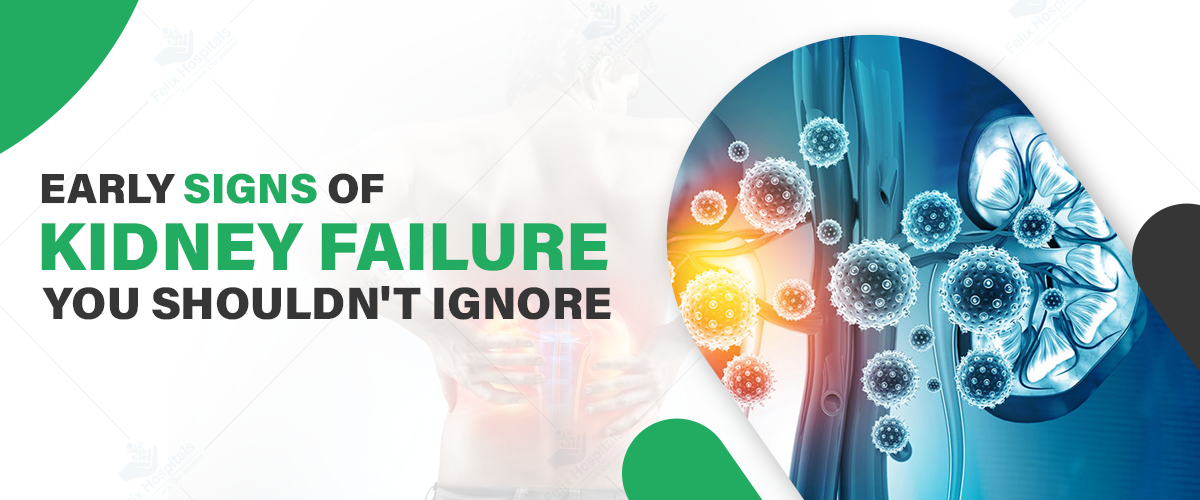
Kidney failure is a severe medical condition where the kidneys lose their ability to filter waste, regulate electrolytes, and maintain overall balance in the body. Often, the symptoms go unnoticed until significant damage occurs, making early detection crucial. Recognizing kidney failure symptoms early and seeking timely medical intervention can significantly improve outcomes. At the best kidney hospital in Noida, specialized care is available to manage and treat kidney issues effectively. Proactive healthcare, regular check-ups, and attention to early warning signs can help protect kidney health.
Contact us today at +919667064100 for expert care and personalized treatment plans. Protect your kidneys before it's too late!
Kidney failure occurs when the kidneys cannot perform their essential functions, leading to a dangerous buildup of toxins and waste in the body. It is categorized into two main types:
Acute Kidney Failure: Develops suddenly, often due to severe infections, injuries, or dehydration.
Chronic Kidney Failure: Progresses gradually over time, commonly due to diabetes or hypertension.
The kidneys are critical in filtering waste, regulating blood pressure, and balancing electrolytes, making their health essential for overall well-being.
Early detection of kidney failure symptoms is vital to slowing or preventing disease progression. Key benefits include:
Early medical intervention to address underlying causes.
The potential to reduce further kidney damage through lifestyle changes.
Improved outcomes and quality of life with timely treatment.
At a leading hospital, patients receive comprehensive care tailored to their condition, ensuring better long-term health outcomes.
Recognizing the early signs of kidney failure can make a significant difference. Some of the most common warning signs include:
Fatigue and Weakness: When kidney function declines, the body accumulates toxins, leading to constant fatigue.
Swelling in the Legs, Ankles, or Feet: Fluid retention caused by kidney dysfunction can result in noticeable swelling.
Changes in Urine Output: Symptoms include reduced or increased urination, dark or foamy urine, or blood in the urine.
Shortness of Breath: Fluid buildup in the lungs due to kidney issues can cause breathing difficulties.
Back Pain or Discomfort: Pain in the lower back or sides may indicate kidney problems, especially when accompanied by other symptoms.
Nausea and Vomiting: Accumulated toxins can upset the digestive system, causing persistent nausea.
If you experience these signs, consulting a nephrologist is essential for proper diagnosis and treatment.
Certain conditions and habits can elevate the risk of developing kidney failure symptoms:
Diabetes and Hypertension: The leading causes of kidney disease globally.
Obesity and Poor Diet: Excessive weight and unhealthy eating habits strain the kidneys.
Family History and Genetics: Conditions like polycystic kidney disease increase risk.
High Salt Intake and Alcohol Consumption: Both can damage kidney function over time.
Understanding these risk factors for kidney failure can help individuals make informed choices to protect their kidney health.
Regular monitoring is key to maintaining kidney health and catching problems early:
Kidney Function Tests: Tests like creatinine levels and GFR can assess kidney performance.
Blood Pressure and Blood Sugar Monitoring: Keeping these under control is essential for kidney health.
Adopting Healthy Habits: Eating Health-friendly foods, staying hydrated, and avoiding harmful substances like tobacco can support kidney function.
Prompt medical attention is vital if you notice early signs of kidney failure:
Consult a nephrologist for a proper diagnosis and treatment plan.
Regular follow-ups at a kidney failure hospital to monitor and manage the condition.
Addressing underlying causes such as diabetes or hypertension with medical supervision.
Timely intervention can significantly reduce complications and improve the quality of life for those at risk.
Adopting a healthy lifestyle can lower the risk of kidney failure:
Diet and Hydration: Consume kidney-friendly foods like fresh fruits, vegetables, and whole grains while staying adequately hydrated.
Exercise and Weight Management: Regular physical activity helps maintain healthy kidneys.
Reducing Salt, Alcohol, and Tobacco: These substances harm kidney function and should be minimized or eliminated.
Making these changes can support long-term kidney health and overall well-being.
At Felix Hospitals, we have a team of highly experienced nephrologists dedicated to promoting kidney health and managing various kidney-related conditions. Meet our expert doctors:
Dr. Sameer Tawakley: With extensive experience in addressing complex kidney conditions, Dr. Tawakley offers personalized care plans designed to enhance kidney function and overall health.
Together, these experts ensure exceptional care for maintaining and improving kidney health, helping patients lead healthier lives.
Don’t wait—book your consultation now! Schedule an appointment with the best nephrologists to ensure your kidneys function at their best.
The early signs of kidney failure should never be ignored, as timely detection and treatment can prevent severe complications. By recognizing kidney failure symptoms, understanding the risk factors for kidney failure, and taking preventive measures, individuals can safeguard their health. Regular check-ups at the best hospital in Noida and adopting a proactive approach to kidney health can make all the difference. Don’t wait—prioritize your kidneys and take action today!
Felix Hospital stands as the kidney failure hospital in noida, offering advanced nephrology care with expert doctors and state-of-the-art facilities for comprehensive kidney failure treatment in Noida.
1. What are the most common early signs of kidney failure to watch for?
Ans: Early signs of kidney failure include fatigue, swelling in the legs or feet, changes in urine output, shortness of breath, and back pain. These symptoms often indicate declining kidney function and require immediate medical attention.
2. How can I differentiate kidney-related back pain from other types of back pain?
Ans: Kidney-related back pain typically occurs in the lower back or sides and may be accompanied by other symptoms such as changes in urine output or swelling. If unsure, consult a nephrologist for an accurate diagnosis.
3. How does high blood pressure contribute to kidney failure?
Ans: High blood pressure damages the blood vessels in the kidneys, reducing their ability to filter waste and maintain balance. Managing blood pressure is critical to preventing kidney failure.
4. Can kidney failure symptoms develop suddenly?
Ans: Yes, acute kidney failure can develop rapidly due to factors like severe infections, dehydration, or injuries. Recognizing the symptoms early can lead to prompt treatment and better recovery.
5. What tests are used to monitor kidney health?
Ans: Tests such as serum creatinine, blood urea nitrogen (BUN), and glomerular filtration rate (GFR) are commonly used to assess kidney function. Regular testing is essential for early detection of kidney problems.
6. Are lifestyle changes enough to prevent kidney failure in high-risk individuals?
Ans: Lifestyle changes like maintaining a healthy diet, staying hydrated, and managing conditions like diabetes and hypertension significantly reduce the risk. However, regular medical check-ups and expert guidance are also essential.
7. When should I see a nephrologist if I notice early signs of kidney issues?
Ans: If you experience symptoms like fatigue, swelling, or changes in urine output, consult a nephrologist immediately. Early evaluation can help identify potential problems and initiate appropriate treatment.
Alport syndrome is a rare genetic disorder that affects the kidneys, eyes, and ears, leading to progressive kidney disease and a range of other complications.
Kidney dialysis is a life-saving treatment for patients suffering from chronic kidney disease or kidney failure. Understanding the dialysis cost in Noida helps patients and families plan treatment effectively. This article explains the factors affecting d
Acute Kidney Injury: Causes, Symptoms, and Treatment explores the sudden deterioration of kidney function, which disrupts the body’s ability to filter waste and regulate fluids.
Polycystic Kidney Disease (PKD) is a genetic disorder characterized by the growth of fluid-filled cysts in the kidneys, often leading to kidney failure.
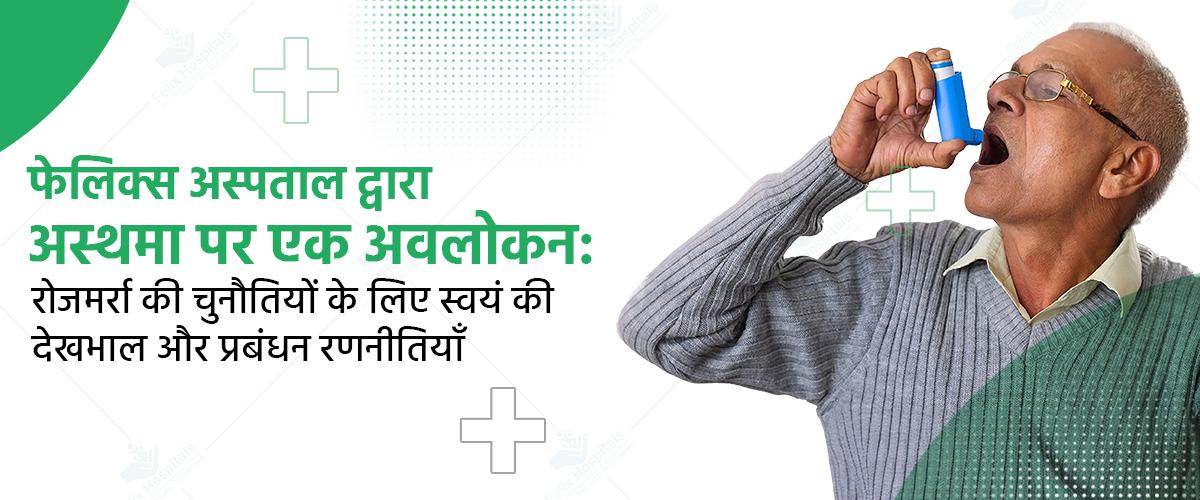
अस्थमा एक सामान्य लेकिन जटिल श्वसन रोग है जो लाखों लोगों को प्रभावित करता है। यह एक पुरानी बीमारी है, जिसमें फेफड़ों की वायुमार्गों में सूजन और संकीर्णता होती है, जिससे सांस लेने में कठिनाई होती है। इसके लक्षणों में खांसी, घरघराहट, सीने में जकड़न और सांस फूलना शामिल हैं। अस्थमा की तीव्रता व्यक्ति-व्यक्ति पर निर्भर करती है, लेकिन इसे सही प्रबंधन और देखभाल से नियंत्रित किया जा सकता है। इस ब्लॉग में हम अस्थमा के दैनिक जीवन में उत्पन्न होने वाली चुनौतियों और उससे निपटने के लिए प्रभावी रणनीतियों पर चर्चा करेंगे। इसके अलावा, हम आत्म-देखभाल के महत्व और जीवनशैली में बदलावों पर भी ध्यान केंद्रित करेंगे।
ज्यादा जानकारी के लिए हमें कॉल करें +91 9667064100.
अस्थमा क्या है ? (What is Asthma?)
अस्थमा के लक्षण (Symptoms of Asthma)
अस्थमा के प्रकार (Types of Asthma)
अस्थमा के कारण (Causes of Asthma)
अस्थमा से बचाव (Prevention of Asthma)
अस्थमा का इलाज (Treatment of Asthma)
फेलिक्स हॉस्पिटल्स में अस्थमा के विशेषज्ञ के बारे में जाने (Know the Asthma expert at felix hospitals)
निष्कर्ष (Conclusion)
अस्थमा को लेकर अक्सर पूछे जाने वाले सवाल और जवाब ( Frequently asked questions and answers about Asthma)
अस्थमा एक पुरानी श्वसन संबंधी बीमारी है, जिसमें फेफड़ों की वायुमार्ग (एयरवे) में सूजन और संकीर्णता हो जाती है। यह स्थिति सांस लेने में कठिनाई, सीने में जकड़न, खांसी और घरघराहट जैसे लक्षण उत्पन्न करती है। यह बीमारी किसी भी आयु वर्ग में हो सकती है, लेकिन यह बच्चों और युवाओं में अधिक आम है।
अस्थमा: एक समझ
अस्थमा की मुख्य विशेषता वायुमार्ग की अतिसंवेदनशीलता है। यह विभिन्न ट्रिगर्स के कारण भड़क सकता है, जैसे:
एलर्जी: धूल, परागकण, जानवरों की रूसी, और फफूंद।
वातावरणीय प्रदूषण: वायु प्रदूषण, सिगरेट का धुआं, और रासायनिक धुएं।
मौसमी परिवर्तन: ठंडी हवा या अत्यधिक आर्द्रता।
भावनात्मक तनाव: अत्यधिक तनाव या चिंता।
शारीरिक गतिविधि: व्यायाम-प्रेरित अस्थमा आम है।
संक्रमण: सर्दी, फ्लू, और अन्य श्वसन संक्रमण।
हल्के शारीरिक कार्यों या आराम करते समय भी सांस लेने में कठिनाई हो सकती है। कुछ रोगियों में यह समस्या रात के समय अधिक गंभीर हो जाती है।
घरघराहट (Wheezing) :
सांस लेते समय सीटी जैसी आवाज आना। यह बच्चों में अधिक सामान्य है, लेकिन वयस्कों में भी हो सकती है।
सीने में जकड़न (Chest Tightness) :
ऐसा महसूस होता है जैसे सीने पर दबाव या कसाव हो रहा हो। यह लक्षण अस्थमा के दौरे के दौरान बढ़ सकता है।
खांसी (Coughing) :
विशेषकर रात में या सुबह जल्दी खांसी का आना। सूखी खांसी आम होती है, लेकिन कभी-कभी बलगम भी निकल सकता है।
थकावट (Fatigue) :
फेफड़ों को पर्याप्त ऑक्सीजन न मिलने के कारण शरीर जल्दी थक सकता है। सामान्य गतिविधियों में भी थकान महसूस होती है।
वायुमार्ग की सूजन और सिकुड़न के कारण गहरी सांस लेने में कठिनाई हो सकती है। यह लक्षण शारीरिक परिश्रम, एलर्जी, या ठंडी हवा के संपर्क में आने पर और खराब हो सकता है।
सर्दी या फ्लू जैसी बीमारियों के दौरान लक्षण और खराब हो सकते हैं।
जब वायुमार्ग अत्यधिक सिकुड़ जाते हैं, तो सांस लेने में गंभीर कठिनाई होती है। यह स्थिति आपातकालीन होती है और तुरंत चिकित्सा की आवश्यकता होती है।
वायु प्रदूषण
धूल या धुआं
एलर्जी पैदा करने वाले तत्व (जैसे, परागकण या पालतू जानवरों की रूसी)
मौसम में अचानक बदलाव
मानसिक तनाव
सांस लेने में कठिनाई:
अचानक सांस फूलना दैनिक गतिविधियों को बाधित कर सकता है।
थकान:
अपर्याप्त ऑक्सीजन आपूर्ति के कारण अस्थमा रोगी जल्दी थक जाते हैं।
दवा पर निर्भरता:
इनहेलर और अन्य दवाओं का समय पर उपयोग सुनिश्चित करना चुनौतीपूर्ण हो सकता है।
सामाजिक प्रभाव:
अस्थमा के कारण कई बार रोगी को समाज में सीमित महसूस हो सकता है।
व्यायाम में रुकावट:
शारीरिक गतिविधि में कमी स्वास्थ्य को प्रभावित कर सकती है।
नींद में समस्या:
रात में अस्थमा का प्रकोप नींद को बाधित कर सकता है।
एलर्जिक अस्थमा (Allergic Asthma) :
एलर्जी के प्रति प्रतिक्रिया, जैसे धूल, परागकण, फफूंद, पालतू जानवरों की रूसी या कुछ खाद्य पदार्थ कारण होता है। इसे आमतौर पर एटॉपिक अस्थमा भी कहा जाता है और यह अक्सर बचपन में शुरू होता है।
गैर-एलर्जिक अस्थमा (Non-Allergic Asthma) :
एलर्जी के बिना अन्य कारकों के प्रति संवेदनशीलता, जैसे वायु प्रदूषण, सिगरेट का धुआं, ठंडी हवा, या तनाव के कारण होता है। यह वयस्कों में अधिक सामान्य है और पर्यावरणीय ट्रिगर्स से प्रभावित होता है।
व्यायाम-प्रेरित अस्थमा (Exercise-Induced Asthma) :
शारीरिक गतिविधियों के दौरान और बाद में वायुमार्ग का संकीर्ण होना होता है। ठंडे मौसम में अधिक प्रभावित करता है।
रात का अस्थमा (Nocturnal Asthma) :
रात के समय वायुमार्ग अधिक संवेदनशील हो जाता है। यह एलर्जी, ठंडी हवा, या पेट के एसिड रिफ्लक्स के कारण हो सकता है। यह नींद की गुणवत्ता को प्रभावित करता है।
पेशेवर अस्थमा (Occupational Asthma) :
कामकाजी माहौल में रसायन, धूल, या औद्योगिक धुएं के संपर्क में आना होता है। लक्षण काम के दौरान खराब होते हैं और छुट्टी के दिनों में बेहतर।
अस्पष्ट अस्थमा (Cough-Variant Asthma) :
स्पष्ट ट्रिगर्स की अनुपस्थिति में लगातार खांसी आती है। अन्य प्रकारों की तुलना में पहचानने में कठिन होता है।
गंभीर अस्थमा (Severe Asthma) :
लंबे समय तक नियंत्रण में नहीं रहने वाला अस्थमा होता है। दवाओं और इनहेलर्स के बावजूद लक्षणों का गंभीर बने रहना होता है।
एलर्जी (Allergens) :
धूल के कण, परागकण, जानवरों की रूसी, फफूंद या मोल्ड, कुछ खाद्य पदार्थ, जैसे नट्स, समुद्री भोजन, आदि। कॉकरोच और अन्य कीड़ों के अवशेष होता है
वायु प्रदूषण (Air Pollution) :
वाहनों, कारखानों और धूम्रपान से उत्पन्न धुआं। इनडोर प्रदूषण, जैसे अगरबत्ती, मोमबत्ती का धुआं, या रसोई में जलने वाले ईंधन। रसायन और जहरीले गैसें होता है।
संक्रमण (Respiratory Infections) :
वायरल संक्रमण, जैसे सर्दी-जुकाम और फ्लू। बैक्टीरियल या फंगल संक्रमण। बचपन में बार-बार श्वसन संक्रमण अस्थमा की प्रवृत्ति बढ़ा सकता है।
आनुवंशिकी (Genetics) :
अगर परिवार में अस्थमा या एलर्जी का इतिहास हो, तो इसका जोखिम बढ़ जाता है। अस्थमा के लिए जिम्मेदार कुछ विशेष जीन पाए गए हैं।
मौसम से जुड़े कारण (Weather Conditions) :
ठंडी हवा का संपर्क। आर्द्रता या गर्मी में वृद्धि मौसम में अचानक बदलाव से होता है।
धूम्रपान (Smoking) :
सक्रिय धूम्रपान करने वालों और धूम्रपान करने वाले वातावरण में रहने वालों (पैसिव स्मोकिंग) दोनों में अस्थमा का जोखिम बढ़ता है। गर्भावस्था के दौरान धूम्रपान बच्चे में अस्थमा का कारण बन सकता है।
तनाव और भावनात्मक कारक (Stress and Emotional Factors) :
अत्यधिक तनाव, चिंता या गहरी भावनात्मक प्रतिक्रियाएं अस्थमा को बढ़ा सकती हैं। मानसिक स्वास्थ्य समस्याएं भी एक ट्रिगर हो सकती हैं।
शारीरिक गतिविधि (Physical Activity) :
व्यायाम-प्रेरित अस्थमा शारीरिक परिश्रम के दौरान होता है। ठंडी और सूखी हवा में व्यायाम इसे और बढ़ा सकती है।
दवाएं (Medications) :
एस्पिरिन और अन्य नॉन-स्टेरॉयड एंटी-इंफ्लेमेटरी ड्रग्स। बीटा-ब्लॉकर्स , जिनका उपयोग हृदय रोग के लिए किया जाता है।
ट्रिगर्स से बचाव:
धूल और धुएं से बचाव रखे। घर की नियमित सफाई करें। वायु प्रदूषण वाले क्षेत्रों से बचें। पालतू जानवरों की रूसी, परागकण, और मोल्ड से दूरी बनाए रखें। धूम्रपान न करें और धूम्रपान वाले क्षेत्रों से बचें।
स्वस्थ जीवनशैली अपनाएं:
नियमित हल्का व्यायाम करें, लेकिन ट्रिगर्स को ध्यान में रखते हुए। पोषण से भरपूर आहार लें। ओमेगा-3 फैटी एसिड और एंटीऑक्सिडेंट्स युक्त खाद्य पदार्थ खाएं। योग, ध्यान, और प्राणायाम का अभ्यास करें।
नियमित स्वास्थ्य जांच:
डॉक्टर से समय-समय पर जांच करवाएं। लक्षणों के बिगड़ने पर तुरंत सलाह लें।
वैक्सीन और इम्यून थेरेपी:
फ्लू और निमोनिया जैसी बीमारियों के लिए टीकाकरण करवाएं। एलर्जिक अस्थमा में इम्यून थेरेपी उपयोगी हो सकती है।
घर और कार्यस्थल का प्रबंधन:
वायु फिल्टर का उपयोग करें। नमी के स्तर को नियंत्रित करें। हानिकारक रसायनों और उत्पादों से बचें।
दवाओं का सही उपयोग:
डॉक्टर द्वारा सुझाए गए इनहेलर का नियमित उपयोग करें। ब्रोंकोडायलेटर और स्टेरॉयड दवाओं का निर्देशानुसार उपयोग करें।
मेडिकल हिस्ट्री और शारीरिक परीक्षण:
सांस लेने में तकलीफ, घरघराहट, और खांसी के बारे में जानकारी। परिवार में अस्थमा या एलर्जी का इतिहास। छाती की आवाज सुनकर वायुमार्ग की स्थिति का आकलन।
पल्मोनरी फंक्शन टेस्ट :
स्पाइरोमेट्री टेस्ट फेफड़ों की कार्यक्षमता को मापता है। व्यक्ति की अधिकतम सांस लेने और छोड़ने की क्षमता का आकलन करता है।
पीक फ्लो मीटर:
यह फेफड़ों से हवा के प्रवाह की गति को मापता है।
मेथाकोलाइन चैलेंज टेस्ट:
मेथाकोलाइन दवा से वायुमार्ग की संवेदनशीलता का परीक्षण। वायुमार्ग में संकुचन की प्रवृत्ति की पुष्टि करता है।
एलर्जी परीक्षण:
त्वचा परीक्षण या रक्त परीक्षण के माध्यम से एलर्जी के कारणों का पता लगाना।
एक्स-रे और अन्य इमेजिंग टेस्ट:
छाती का एक्स-रे श्वसन समस्याओं की पहचान के लिए होता है। सीटी स्कैन जटिल मामलों में उपयोगी होती है।
नाइट्रिक ऑक्साइड टेस्ट:
श्वसन में नाइट्रिक ऑक्साइड के स्तर को मापकर वायुमार्ग की सूजन का आकलन।
ब्लड टेस्ट:
ईोसिनोफिल्स नामक सफेद रक्त कोशिकाओं के उच्च स्तर की पहचान। यह एलर्जिक अस्थमा में सहायक होता है।
ट्रिगर्स से बचावः
धूलमुक्त घर बनाए रखें। गद्दे और तकियों पर एलर्जी-रोधी कवर का उपयोग करें। बाहर निकलने पर मास्क पहनें और प्रदूषण के उच्च स्तर पर घर के अंदर रहें। सर्दी में गले को ढककर रखें और गर्म पेय का सेवन करें।
दवाओं का प्रबंधनः
डॉक्टर द्वारा निर्धारित इनहेलर और दवाओं का नियमित रूप से उपयोग करें। हमेशा आपातकालीन इनहेलर साथ रखें। दवाओं की खुराक को लेकर कभी भी लापरवाही न करें।
नियमित व्यायामः
अस्थमा रोगियों के लिए हल्के व्यायाम, जैसे योग और प्राणायाम, बेहद फायदेमंद होते हैं। व्यायाम से पहले वार्म-अप करें और ठंडी हवा से बचें।
स्वस्थ आहारः
फलों, सब्जियों, और एंटीऑक्सीडेंट से भरपूर आहार लें। विटामिन डी और ओमेगा-3 फैटी एसिड का सेवन बढ़ाएं। अत्यधिक मसालेदार और ठंडे खाद्य पदार्थों से बचें।
तनाव प्रबंधन:
ध्यान (मेडिटेशन) और गहरी सांस लेने की तकनीकों का अभ्यास करें। तनावपूर्ण स्थितियों से बचने की कोशिश करें।
दवाओं से इलाज (Medications) :
रिलीवर इनहेलर आपात स्थिति में उपयोग किए जाते हैं। यह तुरंत वायुमार्ग को खोलते हैं और सांस लेने में राहत देते हैं। प्रिवेंटर इनहेल वायुमार्ग की सूजन को कम करते हैं। इन्हें नियमित रूप से उपयोग किया जाता है।
ब्रोंकोडायलेटर (Bronchodilators) :
ये दवाएं वायुमार्ग की मांसपेशियों को आराम देती हैं। लंबे समय तक असर वाली और आपात स्थिति में उपयोग की जाने वाली ब्रोंकोडायलेटर उपलब्ध हैं।
स्टेरॉयड और अन्य एंटी-इंफ्लेमेटरी दवाएं :
ये वायुमार्ग की सूजन को नियंत्रित करने में मदद करती हैं। टैबलेट या इंजेक्शन के रूप में दी जाती हैं।
एंटी-एलर्जिक दवाएं (Anti-Allergic Medications) :
एलर्जी के कारण अस्थमा बढ़ने पर ये उपयोगी होती हैं।
बायोलॉजिकल थेरेपी (Biological Therapy) :
गंभीर अस्थमा के मामलों में उपयोग की जाती है। ओमालिज़ुमैब और मेपोलिज़ुमैब जैसे इंजेक्शन। यह शरीर की प्रतिरक्षा प्रणाली को नियंत्रित करते हैं।
स्पेसर और नेब्युलाइजर (Spacer and Nebulizer) :
स्पेसर इनहेलर से दवा को सही तरीके से फेफड़ों तक पहुंचाने में मदद करता है। नेब्युलाइज़र दवा को भाप के रूप में बदलकर सांस द्वारा लेने में मदद करता है। यह बच्चों और बुजुर्गों के लिए उपयोगी है।
जीवनशैली में बदलाव (Lifestyle Changes) :
धूम्रपान से बचें। वायु प्रदूषण से बचाव करें। नियमित व्यायाम करें, लेकिन डॉक्टर की सलाह के अनुसार। पोषणयुक्त आहार लें, जिसमें एंटीऑक्सिडेंट्स और विटामिन से भरपूर भोजन हो।
एलर्जिक अस्थमा का इलाजः
इम्यून थेरेपी मरीज को एलर्जी पैदा करने वाले कारकों की छोटी खुराक दी जाती है, ताकि शरीर धीरे-धीरे सहनशील हो जाए। टीकाकरण, जैसे फ्लू और निमोनिया के लिए।
योग और प्राणायाम:
फेफड़ों की क्षमता बढ़ाने में सहायक। तनाव को कम करता है। वायुमार्ग को साफ करने के लिए कुछ जड़ी-बूटियां, जैसे वासा, मुलैठी और अदरक।
एक्यूपंक्चर और होम्योपैथी:
कुछ मामलों में सहायक, लेकिन डॉक्टर की सलाह आवश्यक।
आपातकालीन स्थिति में उपचार:
गंभीर अस्थमा अटैक के दौरान रिलीवर इनहेलर का तुरंत उपयोग करें। नेब्युलाइज़र का उपयोग सही होता है। ऑक्सीजन थेरेपी और अस्पताल में भर्ती की आवश्यकता हो सकती है।
प्रबंधन के लिए तकनीकी सहायक उपकरणः
वर्तमान में, तकनीकी उपकरण अस्थमा प्रबंधन को आसान बना रहे हैं.
प्रेरणा और मानसिक स्वास्थ्यः
अस्थमा से पीड़ित व्यक्तियों के लिए मानसिक स्वास्थ्य बनाए रखना भी उतना ही महत्वपूर्ण है। निम्नलिखित उपाय सहायक हो सकते हैं.
अस्थमा का इलाज मुख्य रूप से पल्मोनोलॉजिस्ट द्वारा किया जाता है। ये फेफड़ों और श्वसन तंत्र से जुड़ी बीमारियों के विशेषज्ञ होते हैं। अस्थमा के जटिल और गंभीर मामलों में इनसे परामर्श लिया जाता है। पल्मोनोलॉजिस्ट विशेष जांच, जैसे स्पाइरोमेट्री और ब्रोंकोस्कोपी करते हैं। डॉक्टर की सलाह के लिए आज ही फोन करें - +91 9667064100.
अस्थमा के साथ एक स्वस्थ और सक्रिय जीवन जीना संभव है। इसके लिए सबसे महत्वपूर्ण है ट्रिगर्स की पहचान, दवाओं का सही उपयोग, और एक व्यवस्थित जीवनशैली अपनाना। आत्म-देखभाल और जागरूकता से न केवल अस्थमा को नियंत्रित किया जा सकता है, बल्कि रोजमर्रा की चुनौतियों का भी आसानी से सामना किया जा सकता है। याद रखें, आपका स्वास्थ्य आपके हाथ में है। सही जानकारी और सकारात्मक दृष्टिकोण के साथ, आप अस्थमा के प्रभाव को कम कर सकते हैं और जीवन का आनंद ले सकते हैं।
प्रश्न 1: क्या अस्थमा पूरी तरह से ठीक हो सकता है ?
उत्तर: नहीं, अस्थमा को पूरी तरह से ठीक नहीं किया जा सकता। हालांकि, सही दवा, जीवनशैली में बदलाव और नियमित चिकित्सा से इसे प्रभावी ढंग से नियंत्रित किया जा सकता है।
प्रश्न 2: अस्थमा और एलर्जी के बीच क्या संबंध है ?
उत्तर: अस्थमा के अधिकांश मामले एलर्जी के कारण होते हैं। धूल, परागकण, पालतू जानवरों के बाल, और धूम्रपान जैसे एलर्जी पैदा करने वाले कारक अस्थमा को ट्रिगर कर सकते हैं।
प्रश्न 3: क्या अस्थमा छूत की बीमारी है ?
उत्तर: नहीं, अस्थमा छूत की बीमारी नहीं है। यह श्वसन तंत्र की एक पुरानी स्थिति है और वंशानुगत या पर्यावरणीय कारकों के कारण होती है।
प्रश्न 4: क्या बच्चे अस्थमा से बड़े होकर बाहर निकल सकते हैं ?
उत्तर: कुछ बच्चों में उम्र बढ़ने के साथ अस्थमा के लक्षण कम हो सकते हैं, लेकिन यह पूरी तरह से खत्म नहीं होता। वयस्कता में भी इसे ट्रिगर करने वाले कारकों से बचना जरूरी है।
प्रश्न 5: क्या नियमित व्यायाम करना अस्थमा के लिए सुरक्षित है ?
उत्तर: हां, लेकिन यह डॉक्टर की सलाह के अनुसार होना चाहिए। हल्का व्यायाम, योग और प्राणायाम फेफड़ों की क्षमता बढ़ाने में मदद करते हैं। हालांकि, अत्यधिक शारीरिक परिश्रम से बचना चाहिए क्योंकि यह अस्थमा को ट्रिगर कर सकता है।
प्रश्न 6: क्या इनहेलर का उपयोग करना आदत बना देता है ?
उत्तर: नहीं, इनहेलर का उपयोग करना आदत नहीं बनाता। यह अस्थमा के लक्षणों को नियंत्रित करने के लिए सबसे प्रभावी और सुरक्षित तरीका है।
प्रश्न 7: क्या अस्थमा के लिए घरेलू उपचार प्रभावी हैं ?
उत्तर: घरेलू उपाय जैसे अदरक का सेवन, भाप लेना और गर्म पानी पीना लक्षणों को कुछ हद तक कम कर सकते हैं। हालांकि ये मेडिकल ट्रीटमेंट का विकल्प नहीं हो सकते। डॉक्टर की सलाह हमेशा प्राथमिकता होनी चाहिए।
प्रश्न 8: क्या अस्थमा के कारण मृत्यु हो सकती है ?
उत्तर: गंभीर अटैक की स्थिति में अस्थमा जानलेवा हो सकता है यदि इसे सही समय पर नियंत्रित न किया जाए। लेकिन सही दवाओं और प्रबंधन से ऐसी स्थिति को टाला जा सकता है

Dr. Priyadarshi Jitender Kumar stands out as a leading expert in diagnosing and treating pulmonary embolism.

Cataract surgery, one of the most common and effective procedures performed worldwide, has undergone remarkable advancements in recent years. What was once a major surgery with significant risks and a lengthy recovery period is now a quick, minimally invasive procedure with high success rates. Today, cataract surgery has evolved significantly, thanks to improvements in both surgical techniques and technology, transforming the patient experience. If you are suffering from cataracts or have concerns about the surgery, it’s crucial to consult with the best cataract hospital in Noida for expert guidance and care.
Are you ready to restore your vision and improve your quality of life? Contact us now at +91 9667064100.
A cataract is a clouding of the natural lens of the eye, which leads to a gradual decline in vision. It is typically associated with aging, but other factors such as trauma, genetics, diabetes, and prolonged use of certain medications can contribute to cataracts developing at an earlier age. As the cataract progresses, it can impair vision, leading to difficulty with daily activities like reading, driving, or recognizing faces.
Cataract surgery is a procedure to remove the cloudy lens and replace it with an artificial intraocular lens (IOL). This surgery is generally done as an outpatient procedure and is one of the most effective medical treatments worldwide.
Historically, cataract surgery was performed using a technique called extracapsular cataract extraction (ECCE), where the entire lens was removed. However, modern surgery typically involves phacoemulsification, where the cloudy lens is broken into tiny pieces and removed through a small incision. The introduction of more advanced techniques, such as femtosecond laser-assisted cataract surgery, has further refined the process.
Cataract surgery is often the only solution to treat vision loss due to cataracts. It is highly effective, offering patients significant improvements in vision. The procedure is crucial for enhancing the quality of life, enabling individuals to regain independence in their daily activities. In 2024, cataract surgery has reached an unprecedented level of safety, efficiency, and precision.
Before the innovations in cataract surgery, success rates were much lower, and complications were relatively common. In the past, cataract surgery was a significant event in a patient’s life, often requiring long hospital stays and a lengthy recovery period. The success rates were decent, but complications like infection, inflammation, and retinal detachment were more frequent. Recovery times were also long, often taking several weeks.
As surgical techniques evolved, so did the outcomes. In the 1970s, the introduction of phacoemulsification revolutionized cataract surgery, making it less invasive and allowing for quicker recovery times. With the shift from larger incisions to micro-incisions, cataract surgery became safer, leading to increased success rates. However, it wasn't until the integration of laser technology, advanced IOLs, and modern imaging systems that success rates truly soared.
In 2024, cataract surgery has evolved to incorporate the latest technological advancements, which have significantly improved the precision of procedures, reduced recovery times, and minimized complications.
Evolution from Traditional Surgery (Phacoemulsification) to Newer Methods: Phacoemulsification, which uses ultrasonic energy to break up the cataract, remains the standard. However, femtosecond laser-assisted cataract surgery (FLACS) has become a game-changer. FLACS allows for precise cutting of the lens capsule, reducing human error and enhancing the accuracy of incisions.
Introduction of Femtosecond Laser-Assisted Cataract Surgery: Femtosecond lasers provide a higher level of precision, offering enhanced control during the surgery. This technology can be used for both the initial incision and the lens fragmentation, reducing the need for ultrasound energy and leading to less trauma to the eye.
Advances in Intraocular Lenses (IOLs): The development of new IOLs, including monofocal, multifocal, and toric lenses, has transformed the outcomes of cataract surgery. These lenses help patients achieve sharper vision at various distances. For example, multifocal IOLs reduce the need for reading glasses, and toric IOLs correct astigmatism, providing a broader range of vision improvements.
Role of AI and 3D Imaging in Improving Precision: The integration of artificial intelligence (AI) and 3D imaging systems has allowed surgeons to plan and execute cataract surgery with remarkable precision. Advanced imaging techniques, such as optical coherence tomography (OCT), help the surgeon map the eye in 3D, enhancing the accuracy of lens placement.
Use of High-Definition Microscopes and Robotic-Assisted Surgery: The use of high-definition microscopes and robotic systems has revolutionized cataract surgery. These tools allow for more precise control during surgery, improving both outcomes and recovery times.
Reduced Incision Sizes and Faster Recovery Times: In 2024, cataract surgery is performed through incredibly small incisions, often smaller than 2mm. This minimally invasive approach reduces the risk of infection, minimizes scarring, and promotes faster healing, allowing most patients to return to their daily activities within a few days.
Improved Pain Management and Reduced Complications: Modern cataract surgery is associated with less discomfort during and after the procedure. The use of local anesthesia and more refined surgical techniques have led to significantly lower levels of pain and a reduced risk of complications, such as inflammation or infection.
Better Screening Processes: The accuracy of preoperative screening, including more detailed imaging tests, ensures that patients are well-prepared for surgery. Surgeons can now better assess the condition of the eye and tailor the surgery to individual needs.
Advanced Postoperative Care: After surgery, patients typically receive a regimen of medications and eye drops to aid in healing. With the introduction of innovative drug delivery systems, these treatments are more effective, helping to speed recovery and minimize the risk of complications.
The success rates of cataract surgery in 2024 are higher than ever before. Studies suggest that more than 98% of patients experience significant vision improvement after cataract surgery, with many achieving near-perfect vision. This represents a dramatic improvement from the past, where success rates were lower due to the higher risk of complications.
Percentage of Patients Experiencing Improved Vision: Research shows that nearly 95% of patients who undergo cataract surgery experience a substantial improvement in visual acuity, with many achieving 20/25 vision or better post-surgery.
Advancements in cataract surgery, including improved technology and surgical precision, have significantly boosted patient satisfaction. With faster recovery times, reduced pain, and superior outcomes, patients are more likely to express satisfaction with their results. Many individuals no longer need glasses for distance or near vision, which greatly enhances their quality of life.
Role of Underlying Health Conditions: Chronic conditions such as diabetes or hypertension can affect the outcome of cataract surgery. Diabetes, for example, may delay the healing process, while hypertension can increase the risk of complications. Patients with these conditions may require additional care and monitoring.
Impact of Age and Lifestyle Factors: While cataract surgery success is generally high across all age groups, younger patients tend to heal faster and may have a greater chance of achieving optimal results. Additionally, lifestyle factors such as smoking and diet can influence the overall health of the eyes.
The experience of the surgeon is one of the most critical factors in determining the success of cataract surgery. Highly skilled surgeons who are proficient with the latest techniques, including laser-assisted surgery, can ensure better outcomes. Surgeons who continuously update their skills with the latest technology contribute to improving overall success rates.
The quality and precision of surgical equipment play a vital role in the outcome of cataract surgery. As technology continues to improve, so too does the precision and success of the surgery. The integration of AI, 3D imaging, and robotic tools ensures that surgeries are performed with minimal risk and maximal accuracy.
While cataract surgery is generally safe, it still carries some risk of complications, including:
Infection or inflammation of the eye
Glare or halos around lights
Retinal detachment or swelling of the retina
Posterior capsule opacification (PCO), which can lead to cloudy vision
However, with modern techniques and better preoperative and postoperative care, these complications are much rarer. Early intervention and continuous monitoring have also significantly decreased the risks.
With the advancements in cataract surgery, recovery time has drastically decreased. Most patients experience minimal discomfort and can return to their normal routine within a few days. Full recovery generally takes a few weeks, during which vision continues to improve.
Postoperative care is essential for ensuring proper healing and preventing complications. Regular follow-up appointments are crucial to monitor the healing process and detect any potential issues early on.
Long-term, cataract surgery outcomes in 2024 are exceptional. Most patients enjoy improved vision for many years, with some lasting for the rest of their lives. Regular eye check-ups are important for maintaining eye health and detecting any other conditions that may arise.
Dr. Deepanjali Arya: The best Ophthalmologist in Noida specializing in cataract surgery, Dr. Arya is known for her expertise in advanced surgical techniques, ensuring optimal outcomes for her patients.
Dr. Mohammad Uzair Zakai: With years of experience and a commitment to adopting the latest technologies in cataract surgery, Dr. Zakai has a track record of successful surgeries and patient satisfaction.
Curious about cataract surgery costs and the types of intraocular lenses (IOLs) available? Click here to explore detailed information.
Cataract surgery has undergone remarkable advancements over the years, particularly in 2024, driven by innovations in surgical techniques, cutting-edge technology, and enhanced patient care. With success rates nearing 98% and a significantly reduced risk of complications, cataract surgery has become safer, more effective, and more accessible than ever before. For patients considering the procedure, the outlook is highly promising, with excellent results and a faster recovery. However, the key to achieving optimal outcomes lies in selecting a skilled surgeon who is proficient in the latest techniques and technologies. If you're curious about the cost of cataract surgery in Noida, click here to find the answers to your questions.
1-How long does cataract surgery take, and what is the recovery time?
ANS: Cataract surgery typically takes 15-30 minutes, but recovery time can vary. Most patients can resume light activities within 24-48 hours, though full recovery might take a few weeks.
2-Can cataract surgery improve vision for people with other eye conditions like glaucoma or macular degeneration?
ANS: While cataract surgery can significantly improve vision by removing the cataract, it won't treat underlying conditions like glaucoma or macular degeneration. However, a clearer vision post-surgery can help manage these conditions better.
3-How do I choose between different types of intraocular lenses (IOLs)?
ANS: The choice of IOL depends on your visual needs. Monofocal lenses provide clear vision at one distance, while multifocal and toric lenses can correct presbyopia and astigmatism. Your ophthalmologist will recommend the best option based on your lifestyle and eye health.
4-What should I do if I experience symptoms like pain or sudden vision changes after cataract surgery?
ANS: It's important to contact your surgeon immediately if you experience significant pain, sudden vision changes, or other unusual symptoms. These could indicate complications that require prompt attention.
5- How do modern laser-assisted cataract surgeries differ from traditional methods?
ANS: Laser-assisted cataract surgery offers more precision by using femtosecond lasers to perform key steps like corneal incisions and lens fragmentation. This can lead to faster recovery times, reduced risk of complications, and improved surgical outcomes.
6- Can cataract surgery be performed on both eyes at the same time?
ANS: In most cases, cataract surgery is done one eye at a time to reduce the risk of complications. However, in rare situations, a surgeon may choose to perform surgery on both eyes during the same visit, depending on individual factors.
7- What lifestyle changes or precautions should I follow after cataract surgery?
ANS: After cataract surgery, you should avoid rubbing your eyes, heavy lifting, or swimming in unclean water for a few weeks. Follow your doctor's instructions regarding eye drops and post-operative care to prevent infection and promote healing.
8- Can cataract surgery affect my prescription for glasses or contact lenses?
ANS: Yes, cataract surgery can change your prescription for glasses or contacts, as the lens inside your eye is replaced. You may need a new prescription after surgery, especially if you opt for a specialized IOL like a multifocal lens.
9- Are there any specific dietary recommendations to support recovery after cataract surgery?
ANS: While there's no specific diet for cataract recovery, eating foods rich in antioxidants (like fruits and vegetables) and omega-3 fatty acids can support eye health. Additionally, staying hydrated and maintaining a balanced diet will help with overall healing.
Cataract surgery is essential to restore clear vision and prevent permanent blindness. It removes the cloudy lens and replaces it with an artificial one, helping patients regain normal sight and quality of life.

As cataracts progress, they scatter and block light, leading to vision issues.

Discover 10 lesser-known facts about cataract surgery, including treatment options, recovery tips, and costs. Learn what you need to know before undergoing surgery.

Heart attacks are one of the most critical medical emergencies that require immediate attention. These events occur when the blood supply to a part of the heart is blocked, leading to a lack of oxygen and damage to the heart muscle. While chest pain, shortness of breath, and discomfort in the arms, back, neck, or jaw are the classic symptoms of a heart attack, it's important to recognize that the signs can vary significantly from one individual to another. For those concerned about heart health, seeking assistance from the best heart hospital in Noida is crucial.
If you are experiencing any symptoms of heart disease, don’t wait—Call Now for Consultation at +91 9667064100.
Heart attacks are often described through a series of tell-tale signs, though these can vary based on several factors, including gender, age, and existing medical conditions. Recognizing these symptoms early can make a life-saving difference. The primary symptoms to be aware of are as follows:
Chest Pain or Discomfort: This is typically described as a feeling of pressure, tightness, or heaviness in the chest, often accompanied by pain that radiates to other areas of the body, such as the arms, jaw, back, or neck.
Shortness of Breath: This occurs when the heart is not able to pump blood effectively, making it harder to breathe, even at rest or with minimal exertion.
Pain in the Arms, Back, Neck, or Jaw: This is often a radiating pain that starts in the chest and moves outward. This type of pain is common but may not always be present.
Nausea, Lightheadedness, or Sweating: In some cases, nausea or lightheadedness may accompany other symptoms, such as shortness of breath. Excessive sweating, particularly cold sweats, is another sign that should not be ignored.
Feeling Cold or Chilled: Cold skin, chills, or clammy hands are less frequently mentioned but can be signs of a heart attack. This may be due to the body’s response to stress during a heart attack.
Fatigue or Weakness: Extreme fatigue or weakness, even with minimal activity, can be indicative of heart problems, especially when accompanied by other symptoms like chest pain or shortness of breath.
One of the common and concerning signs during a heart attack is the occurrence of cold sweats or clammy skin. This happens because, during a heart attack, the body experiences significant stress. The body’s stress response can lead to a drop in body temperature, which may result in cold, clammy skin or even chills.
When this symptom is paired with chest pain or discomfort, it can be a clear signal that something is wrong with the heart, and immediate medical attention is required. Cold sweats may also occur when the blood supply to the heart is disrupted, causing a series of reactions in the body, such as sweating and a drop in skin temperature.
Unexplained Coldness: If you suddenly feel cold for no reason, or if you experience chills without any environmental cause, this should raise a red flag, especially if it persists.
Cold with Other Symptoms: If the sensation of coldness is accompanied by dizziness, nausea, shortness of breath, or chest pain, it could indicate a heart attack or another cardiovascular emergency. Feeling cold alongside these symptoms is a cause for immediate concern.
It's important to remember that feeling cold can also be triggered by various other conditions that are unrelated to heart disease. While this may provide some relief, it does not mean that you should ignore the potential risk of a heart attack. Some other possible causes of feeling cold include:
Anxiety or Panic Attacks: Stressful situations or panic attacks can trigger cold sweats, chills, and trembling. These symptoms may mimic those of a heart attack but are not typically associated with chest pain.
Low Blood Sugar or Dehydration: Both of these conditions can cause cold extremities, dizziness, and weakness. Low blood sugar, in particular, may cause confusion, shakiness, and sweating.
Infections or Viral Illnesses: Fever and chills are common symptoms of infections or viral illnesses. Infections like the flu or cold may also bring on cold sweats and body chills.
Blood Pressure or Hormonal Fluctuations: A sudden drop in blood pressure or hormonal imbalances, such as thyroid problems, can cause cold sensations in the body, particularly in the hands and feet.
Heart Attack vs. Other Causes: The key difference lies in the presence of chest pain, shortness of breath, and difficulty breathing. A heart attack will usually be accompanied by these more serious symptoms, whereas coldness from anxiety or infections typically does not involve chest discomfort.
Medical Evaluation: If you're uncertain whether the feeling of coldness is related to a heart attack, especially if the symptom persists or is accompanied by other signs of heart disease, seek immediate medical evaluation. A healthcare professional can determine the cause and ensure timely treatment.
Certain factors can increase an individual’s risk of experiencing a heart attack. Being aware of these factors can help you recognize if you are at a higher risk and enable you to take the necessary steps to mitigate that risk.
Age and Family History: Older adults and individuals with a family history of heart disease have a higher likelihood of experiencing a heart attack.
Lifestyle Factors: Smoking, obesity, high blood pressure, and diabetes are significant risk factors for heart disease. Adopting a healthier lifestyle can reduce the chances of developing heart problems.
Gender Differences: Women may experience heart attack symptoms differently than men. For instance, women may experience nausea, fatigue, cold sweats, and discomfort in the neck, jaw, or upper back more often than chest pain.
Cold with High-Risk Symptoms: If you experience coldness along with high-risk symptoms such as pressure in the chest, nausea, shortness of breath, or sweating, you should seek immediate medical attention.
If you suspect that you or someone else may be experiencing a heart attack, it’s crucial to take immediate action to minimize the potential damage to the heart muscle.
Call Emergency Services: The sooner emergency services are notified, the better the chances of receiving timely intervention. Time is critical during a heart attack, and calling 911 or your local emergency services should be your first step.
Do Not Drive Yourself: While it may seem like a good idea to drive to the hospital, it's safer to wait for emergency responders who can provide life-saving interventions during transport.
Tests for Diagnosis: To confirm whether a heart attack is occurring, medical professionals will use tests such as an electrocardiogram (EKG), blood tests to measure heart enzymes, and imaging studies such as echocardiograms or angiograms.
Timely Intervention: Early treatment can significantly reduce heart damage and improve recovery outcomes. The faster the diagnosis, the better the chance for a successful recovery.
While heart attacks can occur unexpectedly, there are several ways to reduce the risk of experiencing one. Early detection and proactive steps can significantly lower your chances of a heart attack.
Heart-Healthy Diet and Regular Exercise: A balanced diet rich in fruits, vegetables, whole grains, and lean proteins, combined with regular physical activity, can help maintain cardiovascular health.
Avoid Smoking and Manage Stress: Quitting smoking and incorporating stress management techniques into your routine can dramatically reduce your heart attack risk.
Control Chronic Conditions: Managing conditions such as diabetes, high blood pressure, and high cholesterol is crucial in preventing the onset of heart disease.
Routine checkups with your healthcare provider can help detect early warning signs of heart disease. Regular monitoring can allow for early intervention, which can make all the difference in preventing a heart attack. Additionally, early detection and treatment can significantly reduce the need for expensive emergency care, including the cost of heart attack surgery. By managing risk factors and receiving timely medical attention, you can potentially avoid costly and life-threatening procedures.
If you're concerned about your heart health, consider consulting with the experienced cardiologists at Felix Hospital, which is renowned for its excellent cardiac care. Some of the top cardiologists include:
Dr. Rahul Arora (Felix Hospital Noida Sector 137): A leading cardiologist specializing in heart disease management.
Dr. Virendra Singh (Felix Hospital Greater Noida, Gamma 1): A specialist in preventive cardiology and heart disease management.
Schedule a heart health screening at Felix Hospital by Clicking Here to understand your risk and take proactive steps towards better heart health.
Feeling cold could be a sign of a heart attack, particularly when it occurs alongside other symptoms such as chest pain, shortness of breath, nausea, or dizziness. If you experience these signs, it's essential to seek immediate medical attention. The sooner you receive care, the better your chances of minimizing heart damage. Preventive measures, such as leading a heart-healthy lifestyle and monitoring for risk factors, can significantly reduce your risk of heart attacks. For expert care and guidance, the best heart hospital in Noida can provide you with the resources and treatment needed to ensure optimal heart health.
1. Can feeling cold alone indicate a heart attack?
ANS: Feeling cold, especially when accompanied by cold sweats, clammy skin, or chills, can be a sign of a heart attack. It may result from the body's stress response to the event, but it should not be ignored. If you experience feeling cold along with chest pain, shortness of breath, or dizziness, seek immediate medical attention.
2. How can I differentiate between anxiety-related cold sweats and a heart attack?
ANS: Anxiety can cause cold sweats, but it typically doesn't involve chest pain or shortness of breath. A heart attack, on the other hand, is usually accompanied by intense chest pressure, pain radiating to other parts of the body, and difficulty breathing. If cold sweats are accompanied by these symptoms, it's important to seek emergency care.
3. Is feeling cold a common symptom for women having a heart attack?
ANS: Yes, women may experience atypical symptoms during a heart attack, such as nausea, fatigue, and cold sweats. These signs are often overlooked, but when combined with chest discomfort or shortness of breath, they should not be ignored, and immediate medical attention is needed.
4. How long should I wait after feeling cold before calling for help?
ANS: If you suddenly experience coldness or chills along with symptoms such as chest pain, shortness of breath, or nausea, do not wait. Call emergency services immediately. Timely intervention is critical to minimizing heart damage and improving recovery outcomes.
5. Can other medical conditions cause cold sweats and chills similar to a heart attack?
ANS: Yes, conditions such as infections, low blood sugar, dehydration, and even hormonal imbalances can cause cold sweats and chills. However, if these symptoms occur with chest pain or shortness of breath, it could be indicative of a heart attack, and you should seek medical attention right away.
6. What lifestyle changes can help prevent cold sweats caused by heart attacks?
ANS: To reduce the risk of heart attack and its associated symptoms, including cold sweats, maintain a healthy diet, exercise regularly, avoid smoking, and manage chronic conditions such as high blood pressure, diabetes, and high cholesterol. Regular health checkups are also crucial for early detection.
7. Is the cost of heart attack surgery influenced by early detection?
ANS: Yes, early detection of heart disease through routine checkups and timely intervention can reduce the severity of a heart attack and decrease the need for extensive emergency care. This can help lower the cost of heart attack surgery and improve the chances of a better outcome.
8. What immediate actions should I take if I experience cold sweats and chest pain?
ANS: If you experience cold sweats and chest pain, immediately call emergency services (911) and avoid driving yourself to the hospital. Medical professionals can intervene during transport and provide life-saving care, such as administering medications or performing procedures to restore blood flow to the heart.
9. What tests do doctors perform to confirm a heart attack if I experience coldness and other symptoms?
ANS: To confirm a heart attack, doctors may perform an electrocardiogram (EKG) to assess heart rhythm, blood tests to check for elevated heart enzymes, and imaging tests like an echocardiogram or angiogram to visualize blood flow and identify blockages in the arteries.
हार्ट अटैक के मुख्य लक्षण, कारण और तुरंत किए जाने वाले उपचार के बारे में जानें। समय पर पहचान और सही इलाज से जीवन बचाया जा सकता है।
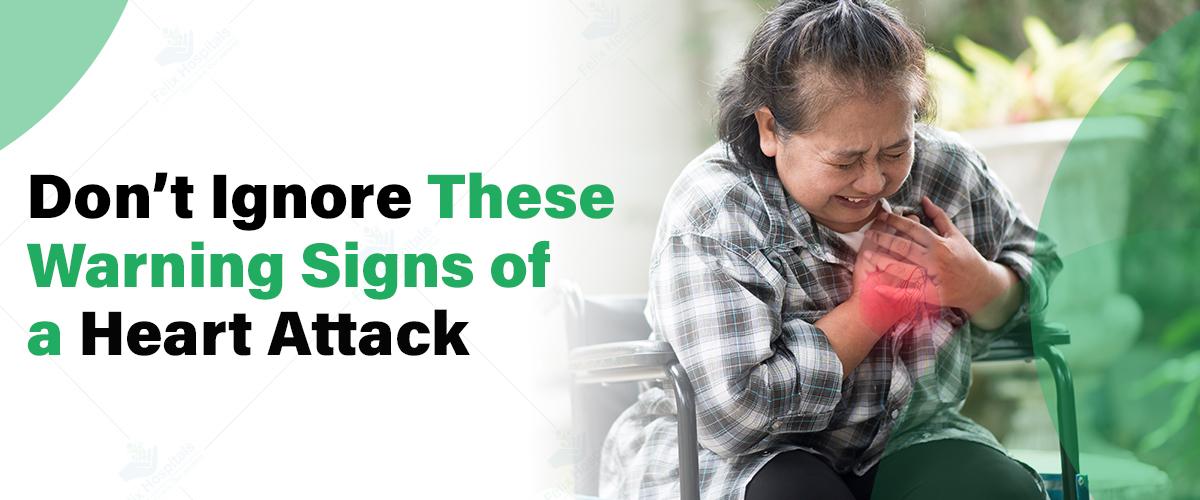
Heart attack signs early is crucial because timely intervention can significantly reduce the risk of severe complications and improve outcomes.
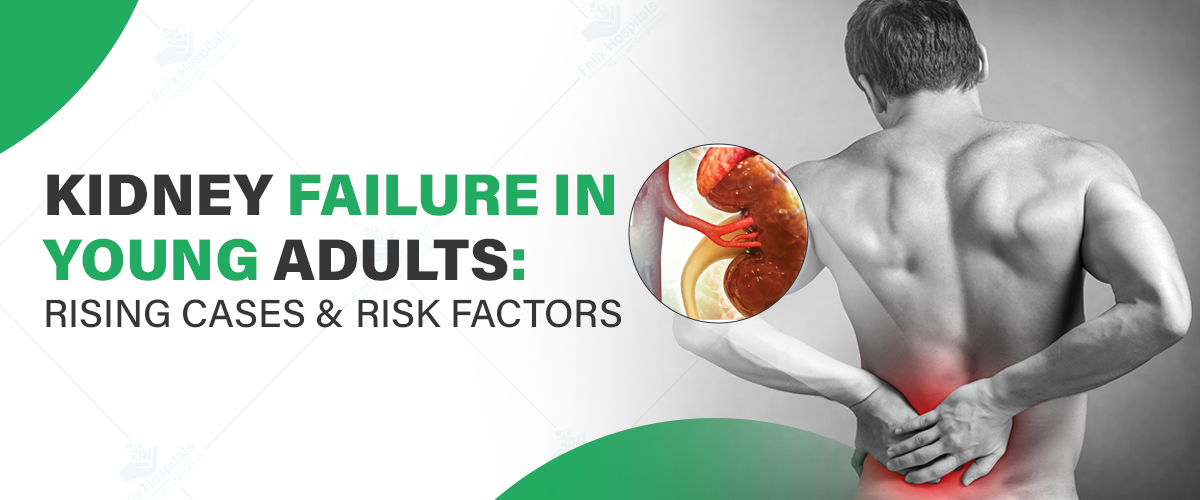
Kidney failure, a serious medical condition that occurs when the kidneys can no longer perform their essential functions of filtering waste, regulating blood pressure, and maintaining electrolyte balance, is typically associated with older adults. However, in recent years, there has been a rising concern about kidney failure in young adults. This alarming trend calls for awareness and understanding of the risk factors and preventive measures. As the number of young adults suffering from kidney failure increases, seeking care from the best kidney hospital in Noida becomes crucial. Early detection and a proactive approach can significantly improve outcomes and quality of life for those affected.
Consult with a nephrologist today by calling +91 9667064100 at our kidney failure hospital in Noida to safeguard your health.
Kidney failure, also known as renal failure, occurs in two primary forms: acute and chronic. Acute kidney failure develops rapidly, often within hours or days, and is typically caused by a sudden illness or injury. On the other hand, chronic kidney failure progresses gradually over months or years and is usually associated with long-term health conditions.
The kidneys’ primary function is to filter out toxins and excess fluids from the blood. When kidney function is compromised, these waste products can build up in the body, leading to dangerous health complications. Kidney failure can impact various body systems, leading to issues such as high blood pressure, anemia, bone disease, and cardiovascular problems.
The Growing Concern While kidney failure in older adults is more common, the incidence of kidney failure in young adults is rising rapidly. According to recent studies, kidney failure in young adults is becoming a significant public health concern. Surprising statistics show that the rates of kidney disease are increasing in individuals under the age of 40, highlighting the need for greater awareness.
Many young adults mistakenly believe kidney failure is a problem exclusive to older populations. However, kidney failure in young adults can be just as severe and life-threatening. As this issue continues to grow, consulting a specialized kidney failure treatment hospital becomes crucial for timely treatment and intervention.
Several risk factors contribute to kidney failure in young adults, and understanding them can help in early prevention:
Recognizing kidney failure in its early stages is vital for a better prognosis. Young adults may experience subtle signs such as:
It is essential to consult with a healthcare professional if any of these symptoms appear, as early detection and intervention can help prevent further kidney damage.
While kidney failure cannot always be prevented, making certain lifestyle changes can significantly reduce the risk:
When kidney failure occurs, there are several treatment options available:
Healthcare providers play a critical role in managing kidney health. Regular check-ups, including kidney function tests such as creatinine and glomerular filtration rate (GFR), are essential for early detection. Nephrologists, along with dietitians, can help young adults develop a plan to manage their kidney health, offering personalized advice on lifestyle modifications and medication.
Kidney failure can take a significant toll on the mental and emotional health of young adults. Coping with the challenges of managing a chronic illness, especially at a young age, can lead to stress, anxiety, and depression. Support groups and counseling services can help individuals manage the psychological aspects of kidney disease.
At Felix Hospitals, we have a team of highly experienced nephrologists who specialize in the treatment of kidney failure. Meet our expert doctors:
Together, these experts ensure the best care and treatment for patients facing kidney failure.
Early detection and proper management are key to preventing kidney failure. Book an appointment now and protect your kidney health!
The rise in kidney failure among young adults is a growing concern that requires immediate attention. Early detection, along with lifestyle changes and proper management, can help prevent kidney failure and its complications. The best hospital for kidney in Noida offers specialized care for young adults facing kidney disease, providing treatment and support to manage the condition effectively. Being proactive about kidney health and seeking medical help when needed can make a significant difference in maintaining kidney function and overall well-being.
1. What are the first signs of kidney failure in young adults?
Ans: Early signs of kidney failure include fatigue, swelling in the legs and ankles, changes in urine color or frequency, and back pain. If you notice these symptoms, it’s crucial to consult a healthcare professional for timely intervention.
2. Can kidney failure in young adults be reversed?
Ans: While chronic kidney failure can’t be fully reversed, early detection and treatment can slow its progression. Acute kidney failure, however, may be reversible if treated promptly, depending on the underlying cause.
3. How does obesity increase the risk of kidney failure in young adults?
Ans: Obesity puts extra strain on the kidneys, which can lead to conditions like diabetes and hypertension. These conditions, in turn, increase the likelihood of kidney damage and failure.
4. Is dialysis necessary for all young adults with kidney failure?
Ans: Dialysis may be required when kidney function falls below 10-15%. However, not all young adults with kidney failure will need dialysis immediately. Early-stage kidney disease can be managed with medications, lifestyle changes, and regular monitoring.
5. How can I prevent kidney failure if I have a family history of kidney disease?
Ans: If kidney disease runs in your family, it’s important to have regular kidney function tests to monitor for early signs. Maintaining a healthy diet, exercising regularly, and managing chronic conditions like diabetes and hypertension can also help reduce the risk.
6. What is the impact of kidney infections on kidney health in young adults?
Ans: Recurrent kidney infections or untreated urinary tract infections (UTIs) can cause long-term damage to the kidneys. Early diagnosis and treatment of infections are crucial to prevent lasting kidney damage.
7. Can diet and lifestyle changes help prevent kidney failure in young adults?
Ans: Yes! A diet rich in fruits, and vegetables, and low in salt, combined with regular exercise, proper hydration, and weight management, can significantly reduce the risk of kidney disease and help preserve kidney function.
Alport syndrome is a rare genetic disorder that affects the kidneys, eyes, and ears, leading to progressive kidney disease and a range of other complications.
Kidney dialysis is a life-saving treatment for patients suffering from chronic kidney disease or kidney failure. Understanding the dialysis cost in Noida helps patients and families plan treatment effectively. This article explains the factors affecting d
Acute Kidney Injury: Causes, Symptoms, and Treatment explores the sudden deterioration of kidney function, which disrupts the body’s ability to filter waste and regulate fluids.
Polycystic Kidney Disease (PKD) is a genetic disorder characterized by the growth of fluid-filled cysts in the kidneys, often leading to kidney failure.


Subscribe to our
© Copyright 2026. All Rights Reserved by Felix Healthcare Private Limited
Design and development by :


 +(91)9667064100
 Emergency : +(91)9667064100