 WhatsApp
 Emergency:
  WhatsApp











Subscribe to our

Every November, the world comes together to observe World COPD Day, an annual event aimed at raising awareness about Chronic Obstructive Pulmonary Disease (COPD). This year’s theme, “Breathing is Life,” reminds us of the critical importance of healthy lungs and proper airflow for life itself. COPD is one of the leading causes of death worldwide, affecting millions of people globally and in India. With growing pollution levels and smoking habits, the prevalence of COPD is expected to rise, making awareness and prevention more crucial than ever. If you're seeking the best hospital for Chronic Obstructive Pulmonary Disease, also seeing the support and care, including early diagnosis and management, ensuring better outcomes for COPD patients.
Take Charge of Your Lung Health Today: If you experience symptoms of COPD or are at risk, don’t wait. Call us Today at +91 9667064100.
Chronic Obstructive Pulmonary Disease (COPD) is a group of progressive lung diseases that cause breathing difficulties. The most common types of COPD are Chronic Bronchitis and Emphysema. Chronic Bronchitis involves inflammation and narrowing of the airways, while Emphysema damages the air sacs (alveoli) in the lungs, leading to reduced oxygen intake.
COPD causes airflow limitation, making it increasingly difficult for individuals to breathe as the condition progresses. This leads to decreased oxygen levels in the blood, which can affect the functioning of various organs. For those struggling with COPD, finding the best hospital for Chronic Obstructive Pulmonary Disease can provide essential treatments and personalized care.
The symptoms of COPD may not always be apparent in the early stages, but as the disease progresses, they become more pronounced. Common symptoms include:
Shortness of breath (dyspnea): Difficulty in breathing, especially during physical activity.
Chronic cough: Often accompanied by mucus production.
Frequent respiratory infections: COPD patients are prone to lung infections that worsen symptoms.
Wheezing and chest tightness: Common signs that the airways are narrowed.
Fatigue and reduced exercise tolerance: Limited ability to perform day-to-day activities.
While smoking is the leading cause of COPD, other risk factors also play a role:
Smoking: The most significant factor contributing to COPD, causes inflammation and damage to the lungs over time.
Air Pollution: Exposure to both outdoor and indoor pollutants, such as vehicle emissions and household chemicals, can significantly affect lung health.
Occupational Hazards: Dust, chemicals, and fumes in certain work environments can cause long-term lung damage.
Genetics: A rare condition known as Alpha-1 antitrypsin deficiency increases the risk of COPD, even without smoking.
Respiratory Infections: Severe or recurrent respiratory infections during childhood can increase the risk of developing COPD later in life.
Secondhand Smoke & Environmental Pollution: Even non-smokers can be affected by exposure to secondhand smoke and environmental pollutants.
Seeking help from the best hospital for Chronic Obstructive Pulmonary Disease ensures proper screening and personalized prevention strategies.
While there is no cure for COPD, several treatments can help manage symptoms and improve quality of life:
Medications: Bronchodilators and steroids are commonly prescribed to open airways and reduce inflammation.
Oxygen Therapy: For patients with severely reduced lung function, oxygen therapy helps ensure adequate oxygen levels in the blood.
Pulmonary Rehabilitation: Includes breathing exercises, education, and physical activity to improve lung function and overall health.
Surgical Options: In advanced stages, options like lung volume reduction surgery or even lung transplantation may be considered for eligible patients.
Prevention is key to avoiding or managing COPD. Some essential steps include:
Quit Smoking: The most important step in preventing COPD. For those who smoke, quitting can significantly reduce the risk of developing COPD.
Avoid Exposure to Harmful Chemicals: Wear protective gear when working in dusty or chemical-rich environments.
Reduce Air Pollution: Advocate for cleaner air policies, use air purifiers indoors and avoid highly polluted areas.
Regular Exercise: Staying active helps maintain lung function and strength.
Healthy Diet: Eating foods rich in antioxidants and anti-inflammatory properties supports overall lung health.
Vaccinations: Regular flu shots and pneumonia vaccines are crucial in reducing the risk of respiratory infections.
Being proactive about lung health can prevent COPD from developing or worsening, and seeking care at the best hospital for Chronic Obstructive Pulmonary Disease, ensures the most effective prevention and management strategies.
Managing daily life with COPD can be challenging, but with the right strategies, individuals can lead fulfilling lives. Some helpful tips include:
Managing Shortness of Breath: Practice breathing exercises, such as pursed-lip breathing, to ease shortness of breath.
Mental Health: Anxiety and depression are common among COPD patients. Psychological support and counseling can help manage these issues.
Lifestyle Modifications: Take breaks during physical activities, use supplemental oxygen as prescribed, and adjust your environment to reduce exposure to irritants.
World COPD Day plays a vital role in spreading awareness about the disease, its symptoms, and prevention. The key message of this year’s theme, "Breathing is Life," encourages everyone to be proactive in protecting their lungs. Knowing the symptoms and seeking medical attention early can significantly improve outcomes. Communities, healthcare providers, and organizations must work together to educate the public and support individuals living with COPD.
Dr. Priyadarshi Jitender Kumar
Dr. Priyadarshi Jitender Kumar, the Best Chronic Obstructive Pulmonary Disease Doctor in Noida (COPD), brings over two decades of experience in diagnosing and managing pulmonary conditions. His expertise in COPD treatment, combined with a personalized approach, has made Dr. Kumar one of the most trusted names in the field, helping patients lead healthier and more comfortable lives.
Schedule a consultation at Felix Hospital by Clicking Here with our COPD specialists and take the first step towards better lung health.
"Breathing is Life" serves as a reminder to cherish every breath and take proactive steps toward protecting lung health. Avoid smoking, reduce exposure to harmful pollutants, and seek medical advice if you experience symptoms of COPD. Early diagnosis and treatment can improve the quality of life for COPD patients, and Felix Hospital, with its dedicated pulmonology team, offers comprehensive care to those affected by COPD. If you're concerned about the Cost of COPD treatment in Noida, our team provides affordable and high-quality care tailored to your needs. Get checked today and protect your lungs for a healthier tomorrow.
1-What lifestyle changes can help manage COPD symptoms effectively?
ANS: Managing COPD symptoms often requires a combination of medication, exercise, and lifestyle adjustments. Regular breathing exercises, quitting smoking, maintaining a healthy diet, and avoiding pollutants can significantly improve lung function and quality of life.
2-Is COPD genetic, and can someone without a smoking history develop it?
ANS: While smoking is the leading cause of COPD, genetics also play a role. Conditions like Alpha-1 antitrypsin deficiency can increase the risk of developing COPD, even in non-smokers.
3-How can COPD patients prevent frequent respiratory infections?
ANS: COPD patients should get annual flu shots and pneumonia vaccines, avoid crowded places during flu season, practice good hand hygiene, and avoid exposure to respiratory irritants to minimize the risk of infections.
4-What are the early warning signs of COPD that people should watch for?
ANS: Early signs include a chronic cough (often with mucus), shortness of breath (especially during physical activities), frequent respiratory infections, and wheezing. Recognizing these symptoms early can lead to timely intervention.
5-How does air pollution impact COPD and lung health?
ANS: Air pollution, both indoor and outdoor, aggravates COPD symptoms by causing inflammation in the lungs. Long-term exposure to pollutants like vehicle emissions and industrial fumes can speed up the progression of the disease.
6- Can COPD patients lead a normal life, and what support systems are available?
ANS: With proper treatment and management, including medications, pulmonary rehabilitation, and lifestyle modifications, COPD patients can lead fulfilling lives. Support from family, healthcare providers, and mental health professionals is essential in coping with the emotional impact of COPD.
7-How is COPD diagnosed, and what tests are involved?
ANS: COPD is diagnosed using a combination of physical exams, lung function tests (spirometry), chest X-rays, and blood tests. Early diagnosis through these tests can help in better management and improved outcomes for patients.

Additionally, many COPD patients experience unintended weight loss and muscle wasting, a condition known as Pulmonary cachexia.

A COPD friendly diet is important for several reasons as discussed before. It can assist in relieving symptoms, controlling life threats and managing overweight.
A pulmonologist plays a crucial role in helping patients dealing with serious or chronic breathing difficulties.
Alport syndrome is a rare genetic disorder that affects the kidneys, eyes, and ears, leading to progressive kidney disease and a range of other complications.
Kidney dialysis is a life-saving treatment for patients suffering from chronic kidney disease or kidney failure. Understanding the dialysis cost in Noida helps patients and families plan treatment effectively. This article explains the factors affecting d
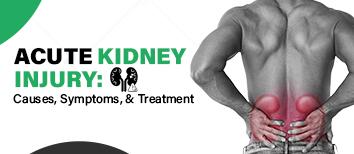
Acute Kidney Injury: Causes, Symptoms, and Treatment explores the sudden deterioration of kidney function, which disrupts the body’s ability to filter waste and regulate fluids.
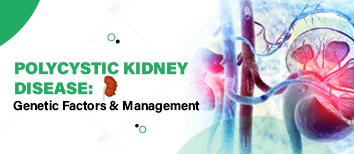
Polycystic Kidney Disease (PKD) is a genetic disorder characterized by the growth of fluid-filled cysts in the kidneys, often leading to kidney failure.
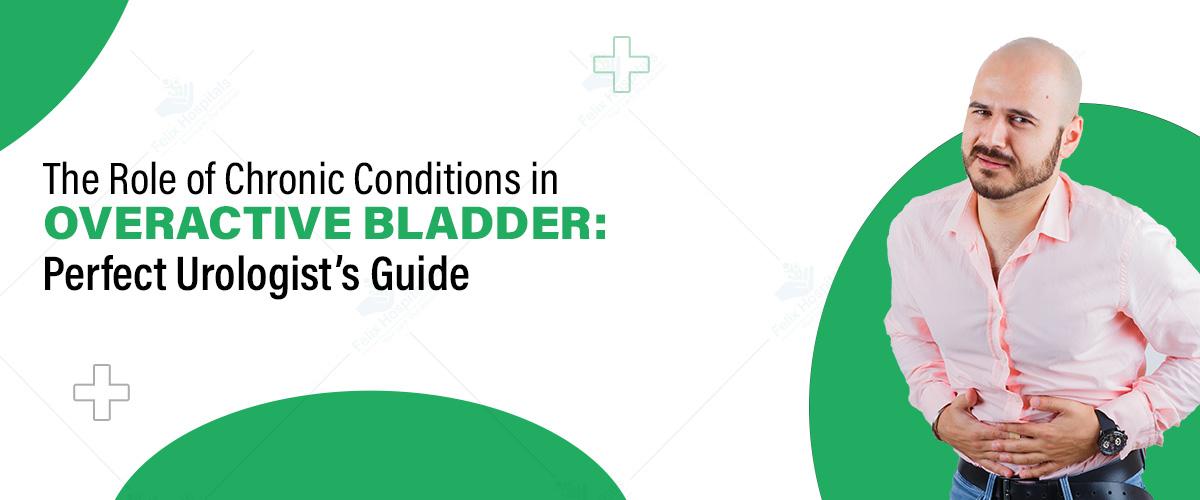
Overactive Bladder (OAB) is a condition characterized by a frequent and urgent need to urinate, often accompanied by involuntary leakage of urine. It can significantly impact an individual's daily life, causing discomfort and anxiety. Many people suffering from OAB may find it difficult to participate in social activities or enjoy a restful night due to the frequent need to visit the bathroom. Urologists play an essential role in diagnosing and providing effective treatments for OAB, offering specialized care tailored to the patient’s health needs. Seeking help at the best hospital for Overactive Bladder diagnosis and treatment can ensure access to expert care.
Concerned about an Overactive Bladder and how it may be linked to your chronic conditions? Contact us today by calling +91 9667064100.
Overactive Bladder (OAB) is a condition that involves an urgent and frequent need to urinate. In severe cases, this urgency may lead to incontinence, where a person may leak urine involuntarily. The key symptoms of OAB include:
Frequent urination: Needing to urinate more than eight times in a 24-hour period.
Urgency: A sudden and compelling urge to urinate, often leading to anxiety.
Nocturia: Waking up multiple times during the night to urinate.
Urge incontinence: Loss of urine that occurs before reaching the bathroom.
These symptoms can severely impact the quality of life, causing emotional distress, social embarrassment, and disrupting sleep. Understanding and managing these symptoms are key to improving the patient's well-being.
Chronic conditions often alter the body’s systems in ways that can negatively impact bladder function, leading to Overactive Bladder symptoms. These conditions may affect the nerves, muscles, or organs involved in urinary control. Chronic diseases can increase the risk of developing OAB due to their impact on the body’s ability to regulate bladder contractions, fluid balance, and nerve signals to the bladder.
Diabetes: High blood sugar levels can damage the nerves that control bladder function, leading to bladder overactivity and difficulty emptying the bladder.
Obesity: Excess weight can put pressure on the bladder, leading to increased urgency and frequency of urination.
Hypertension: High blood pressure and certain medications used to treat it can irritate the bladder and lead to OAB symptoms.
Parkinson’s Disease & Multiple Sclerosis: These neurological conditions disrupt nerve signals to the bladder, causing urgency and incontinence.
Chronic Urinary Tract Infections (UTIs): Recurrent UTIs can inflame the bladder, leading to frequent urination and urgency.
Chronic Constipation: Long-term constipation can exert pressure on the bladder, causing irritation and overactivity.
In many chronic conditions, nerve damage, inflammation, and hormonal imbalances contribute to Overactive Bladder symptoms. For instance, diabetic neuropathy can damage the nerves that control bladder contractions, leading to overactivity. Similarly, neurological diseases like Parkinson’s and Multiple Sclerosis can disrupt the signals from the brain to the bladder, causing uncontrolled urgency.
Chronic inflammation in the bladder, often seen in UTIs or bladder conditions, can also heighten sensitivity, causing the bladder to contract excessively. Hormonal changes in conditions like menopause can further disrupt bladder control, contributing to symptoms of OAB.
Diagnosing Overactive Bladder symptoms requires a comprehensive approach. Urologists take a detailed medical history to identify chronic conditions that may contribute to OAB. The following diagnostic tools are commonly used:
Physical Examination: A thorough examination to rule out other conditions.
Urodynamic Testing: Measures how well the bladder and urethra store and release urine.
Bladder Diaries: Tracking urination patterns and symptoms.
Cystoscopy: A procedure where a small camera is used to look inside the bladder to check for abnormalities.
Imaging Techniques & Blood Tests: Help rule out infections or other causes of OAB symptoms.
Treatment for OAB varies depending on the underlying chronic condition. The most common treatment options include:
Medications: Anticholinergics, beta-3 agonists, and other drugs can relax the bladder and reduce urgency and frequency.
Behavioral Therapy: Bladder training, pelvic floor exercises, and fluid management strategies can help reduce symptoms.
Lifestyle Modifications: Diet adjustments, weight loss, and regular exercise can significantly improve bladder control.
Neuromodulation Therapy: Techniques like sacral nerve stimulation (SNS) can be effective in managing severe cases of OAB.
Surgical Options: For those with severe OAB resistant to other treatments, surgery may be considered to address bladder dysfunction.
Urologists will create a personalized treatment plan based on the patient’s health condition and OAB severity.
To manage OAB effectively, it’s important to address the underlying chronic conditions. Collaborative care involving urologists, endocrinologists, neurologists, and dietitians can lead to a more comprehensive and successful treatment plan. Managing conditions like diabetes, obesity, and high blood pressure can help reduce OAB symptoms. A holistic approach involves improving overall health through lifestyle changes, medication, and therapy, ensuring better bladder function and improved quality of life.
For individuals managing OAB and chronic conditions, the following tips can help:
Keep a Bladder Diary: Track urination patterns, fluid intake, and symptoms.
Follow a Healthy Diet: Limit caffeine, alcohol, and spicy foods that can irritate the bladder.
Practice Pelvic Floor Exercises: Strengthening the pelvic muscles can improve bladder control.
Stay Active: Regular exercise can help manage weight and improve bladder function.
Seek Support: Support groups and counseling can provide emotional relief and advice for coping with OAB.
Dr. Bhanwar Lal Barkesia, a highly experienced urologist at Felix Hospital, specializes in diagnosing and treating Overactive Bladder (OAB). With his expertise, patients can receive personalized care tailored to their specific needs. Whether you have diabetes, obesity, or another chronic condition, Dr. Barkesia provides the best treatments to manage OAB effectively, improving your quality of life.
Take Control of Your Bladder Health Today, Get started on the path to better bladder health now! Click Here for more information.
Chronic conditions play a significant role in the development and exacerbation of Overactive Bladder symptoms. By working closely with a urologist, patients can receive a comprehensive diagnosis and treatment plan that addresses both OAB and any underlying chronic conditions. For those experiencing OAB, it is essential to consult a urologist for a tailored approach that may include medications, lifestyle changes, and even surgery. If you are concerned about the cost of Overactive Bladder surgery, consult Felix Hospitals for an accurate estimate and personalized care. Seeking expert help early can lead to better outcomes and a more comfortable life.
1- How can diabetes contribute to Overactive Bladder (OAB)?
ANS: Diabetes can lead to nerve damage, especially in the bladder, which may cause the bladder to contract uncontrollably. This nerve damage impairs the bladder's ability to hold urine, leading to increased urgency and frequency of urination, which are hallmark symptoms of OAB.
2-Can obesity really worsen Overactive Bladder symptoms?
ANS: Yes, excess weight puts additional pressure on the bladder, which can irritate it and cause more frequent urges to urinate. Obesity can also contribute to other conditions like diabetes and hypertension, further complicating the management of OAB.
3-What role does Parkinson’s Disease play in Overactive Bladder symptoms?
ANS: Parkinson's Disease affects the nervous system, impairing communication between the brain and bladder. This disruption can lead to urinary urgency, frequency, and incontinence, as the brain is unable to effectively control bladder function.
4-How do urologists diagnose OAB in patients with multiple chronic conditions?
ANS: Urologists perform a thorough medical history review, physical examination, and specialized tests such as urodynamic testing, bladder diaries, and cystoscopy to assess bladder function. These tests help identify whether OAB is linked to a chronic condition or other underlying factors.
5-What treatments are available for OAB caused by hypertension?
ANS: OAB symptoms in hypertensive patients may be worsened by medications for high blood pressure, which can irritate the bladder. Treatment options include adjusting medications, behavioral therapies, lifestyle changes, and, in some cases, neuromodulation therapy or surgery to manage bladder dysfunction.
6-Are there any lifestyle changes I can make to reduce OAB symptoms caused by chronic conditions?
ANS: Yes! Adopting a healthier lifestyle can significantly improve bladder function. Some helpful changes include reducing caffeine and alcohol intake, practicing pelvic floor exercises, losing weight if necessary, and staying hydrated. Regular physical activity can also improve bladder control.
7-What are the potential surgical options for treating severe OAB when chronic conditions are present?
ANS: In cases where other treatments have failed, surgical options like sacral nerve stimulation (SNS), bladder augmentation, or even bladder removal may be considered. These options are usually explored when the OAB symptoms severely impact the patient's quality of life and are resistant to medications and behavioral treatments.

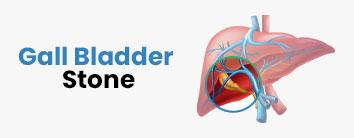
Understand the factors that influence gallbladder stone surgery cost in Noida, including hospital charges, surgeon expertise, type of procedure, and post-operative care expenses.

This article explores the risks associated with gallbladder stones, including symptoms, complications like infection or blockage, and when to seek medical help.
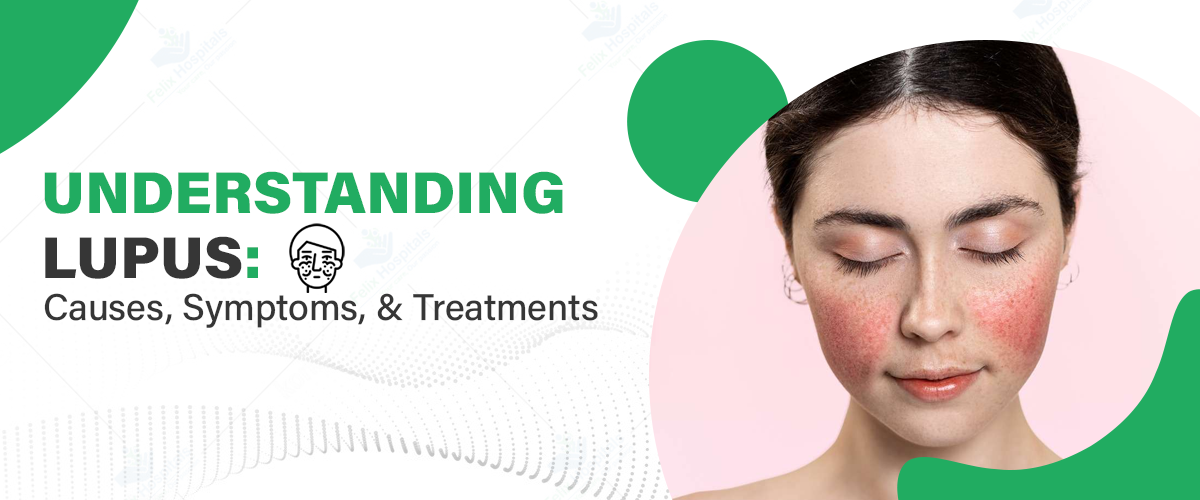
Lupus is a chronic autoimmune disease that can have widespread effects on the body, often causing inflammation and damage to various organs, tissues, and joints. While lupus can affect anyone, it predominantly affects women, particularly those between the ages of 15 and 45. Despite its complex nature, lupus can be managed with proper diagnosis, treatment, and ongoing care. If you or someone you know is struggling with symptoms that might suggest lupus, understanding the disease's causes, symptoms, and treatment options is essential for effective management with the best rheumatology hospital in Noida. Learn more about this condition and explore the best treatment options available.
Consult with an Expert Today for Lupus Management and Care! Just Call us on +91 9667064100.
Lupus is an autoimmune disease, meaning the body’s immune system mistakenly attacks healthy cells and tissues. This can lead to widespread inflammation and damage to different organs such as the skin, joints, kidneys, heart, lungs, and brain. Lupus presents itself in various forms, with systemic lupus erythematosus (SLE) being the most common. While the exact cause of lupus remains unclear, it is thought to be a combination of genetic, environmental, and hormonal factors.
The precise cause of lupus remains unknown, but several factors contribute to its development. Genetics play a significant role, as lupus is more common among people with a family history of autoimmune diseases. Environmental triggers, such as infections, sunlight, or exposure to certain medications, can activate lupus in genetically predisposed individuals. Hormonal changes are another contributing factor, which is why women are more likely to develop lupus, as it often flares during pregnancy or the menstrual cycle.
Lupus symptoms vary widely depending on which organs and tissues are affected, and they can range from mild to severe. Common symptoms include:
Fatigue: A constant sense of tiredness, even with adequate rest.
Skin rashes: A butterfly-shaped rash across the cheeks and nose is a hallmark sign of lupus.
Joint pain: Swelling, stiffness, and pain in the joints, especially in the hands, wrists, and knees.
Fever: Unexplained fever that can be accompanied by chills.
Chest pain: Pain in the chest when breathing deeply, which may indicate inflammation around the heart or lungs.
Hair loss: Thinning or shedding of hair.
Sensitivity to sunlight: A common trigger for flare-ups.
Since lupus symptoms often mimic those of other conditions, early diagnosis can be challenging.
Diagnosing lupus involves a combination of medical history evaluation, physical examinations, and laboratory tests. There is no single test that confirms lupus, so doctors will often rely on:
Blood tests: The presence of specific antibodies, such as antinuclear antibodies (ANA), is a common indicator.
Urinalysis: This checks for signs of kidney damage, which is a common complication of lupus.
Imaging tests: X-rays or ultrasounds can be used to assess damage to joints or organs.
Biopsy: In some cases, a biopsy of affected tissue may be required to confirm the diagnosis.
Although there is no cure for lupus, it is a manageable condition. Treatment typically focuses on reducing symptoms, preventing flare-ups, and minimizing organ damage. The treatment plan is highly individualized, depending on the severity and organs affected. Common treatment options include:
Nonsteroidal anti-inflammatory drugs (NSAIDs): These help manage pain and inflammation.
Antimalarial drugs: Hydroxychloroquine is often used to control skin rashes, joint pain, and fatigue.
Corticosteroids: Used for flare-ups to reduce inflammation and prevent organ damage.
Immunosuppressants: These medications suppress the immune system to prevent it from attacking healthy tissue.
A balanced diet and regular exercise can help manage fatigue and maintain joint mobility.
Avoiding sun exposure can reduce the risk of flare-ups.
Stress management techniques, such as meditation or yoga, can help cope with the emotional toll of lupus.
While lupus itself cannot be prevented, its flare-ups can be managed with lifestyle adjustments and medication. Patients should:
Follow prescribed treatment regimens consistently.
Schedule regular follow-ups with healthcare providers to monitor the disease's progression.
Avoid known triggers, such as excessive sun exposure, infections, and stressful situations.
Engage in a healthy lifestyle, focusing on balanced nutrition, regular exercise, and adequate sleep.
If you're looking for expert care for lupus treatment, consult with Dr. Kiran Seth, the best rheumatologist at Felix Hospitals. Our experienced specialists will provide personalized treatment plans that include effective medications, lifestyle guidance, and the best care to manage lupus and improve your quality of life.
Click here to schedule your consultation and take the first step toward better health.
Living with lupus can be challenging, but with the right knowledge, diagnosis, and treatment, individuals can manage the condition and lead fulfilling lives. Understanding the causes, symptoms, and available treatments is essential for effective management of lupus. Early diagnosis and consistent care, along with the support of specialists, can make a significant difference in your journey with lupus. At Felix Hospitals, we are committed to offering comprehensive care and support for lupus patients, helping them navigate their treatment plans and improve their overall well-being.
1. Can lupus develop suddenly, or does it progress slowly over time?
Ans. Lupus can develop gradually, with symptoms emerging over weeks or months. In some cases, however, it can appear suddenly and worsen quickly. The disease may also have periods of flare-ups followed by remission, making its progression unpredictable.
2. Are there any lifestyle changes that can help manage lupus symptoms?
Ans. Yes, managing lupus involves incorporating lifestyle changes such as eating a balanced diet rich in anti-inflammatory foods, regular low-impact exercises to maintain joint mobility, and avoiding direct sun exposure to minimize flare-ups. Stress reduction techniques like yoga and meditation also help in managing symptoms.
3. How can lupus affect pregnancy, and what precautions should women take?
Ans. Lupus can complicate pregnancy, with the potential for flare-ups or increased risk of miscarriage. Women with lupus should plan their pregnancy in consultation with a rheumatologist and an obstetrician experienced in high-risk pregnancies to ensure the best outcome for both mother and child.
4. What are the most effective medications for treating lupus flare-ups?
Ans. During a flare-up, corticosteroids are commonly prescribed to reduce inflammation and suppress the immune system. Hydroxychloroquine and immunosuppressants such as azathioprine or methotrexate may also be used, depending on the severity of symptoms and organs involved.
5. Is there a connection between lupus and other autoimmune diseases?
Ans. Yes, people with lupus may be at a higher risk for developing other autoimmune conditions such as rheumatoid arthritis, Sjögren's syndrome, or antiphospholipid syndrome. This is due to shared genetic and immune system factors.
6. How often should individuals with lupus visit their healthcare provider?
Ans. Regular follow-ups are crucial in managing lupus effectively. Patients typically need to visit their healthcare provider every 3-6 months, or more frequently if they are experiencing flare-ups or complications. Routine blood tests and kidney function monitoring are also essential.
7. What are the long-term complications of untreated lupus?
Ans. Untreated lupus can lead to serious long-term complications, including kidney failure, heart problems, lung damage, and neurological issues. Early diagnosis and consistent treatment are key to preventing severe organ damage and improving overall quality of life.
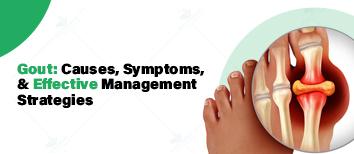
Gout is a form of arthritis caused by the buildup of uric acid crystals in the joints, leading to sudden and severe pain
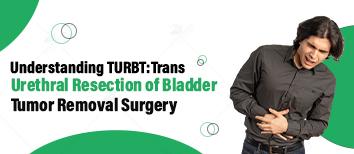
Bladder cancer is one of the most common urological malignancies, affecting thousands of individuals annually. While the condition may sound daunting, advancements in medical science have made it highly treatable, especially when detected early. Among the various treatment options available, Transurethral Resection of Bladder Tumor (TURBT) stands out as a cornerstone procedure for diagnosing and managing bladder tumors. TURBT involves a minimally invasive approach to both evaluate and treat bladder tumors, ensuring minimal disruption to a patient’s routine. For those seeking expert care, choosing the best hospital for bladder tumor removal surgery is crucial for optimal outcomes and personalized treatment plans.
Felix Hospitals provides world-class medical facilities and expertise for those seeking expert care. Call now at +91 9667064100.
TURBT, or Transurethral Resection of Bladder Tumor, is a surgical procedure aimed at diagnosing and treating bladder tumors. The procedure is performed using a specialized instrument called a resectoscope, which is inserted into the bladder through the urethra, eliminating the need for external incisions.
Diagnosis: To obtain tissue samples for biopsy and determine the stage and grade of the tumor.
Treatment: To delete non-muscle-invasive bladder tumors and reduce the risk of recurrence.
This dual role makes TURBT an indispensable tool in bladder cancer management.
Transurethral Resection of Bladder Tumor is a versatile and frequently recommended procedure in the following scenarios:
Detection of blood in urine (hematuria).
Abnormalities were identified during imaging or cystoscopy.
Particularly effective for tumors confined to the inner layers of the bladder.
Provides critical insights for determining further treatments, such as intravesical therapy or radical surgery.
Preparation plays a pivotal role in the success of the Transurethral Resection of the Bladder Tumor. Here are the key steps:
Diagnostic Tests: Procedures like cystoscopy, CT or MRI imaging, and urine analysis are performed to evaluate the bladder.
Health Evaluation: General health and anesthesia fitness are assessed to ensure safe surgery.
Fasting Requirements: Avoid consuming food and drinks 6-8 hours before the surgery.
Medication Adjustments: Blood thinners may need to be temporarily discontinued to minimize bleeding risk.
Transurethral Resection of Bladder Tumor is a carefully planned and executed procedure performed under anesthesia to ensure patient comfort. Here’s what the process entails:
Anesthesia:
General or spinal anesthesia is administered.
Tumor Removal:
The surgeon inserts a resectoscope through the urethra to access the bladder.
Tumors are excised using a small loop wire on the resectoscope.
Cauterization:
Heat is applied to control bleeding and eliminate residual tumor cells, minimizing the risk of recurrence.
Duration:
The procedure typically lasts between 30-60 minutes, depending on tumor size and complexity.
Recovery from Transurethral Resection of Bladder Tumor is usually smooth, provided patients adhere to post-operative care instructions:
Hospital Stay:
Patients may require a short hospital stay for observation and complication monitoring.
Catheter Use:
A catheter might be temporarily placed to facilitate urine drainage.
Recovery Tips:
Mild discomfort or blood in urine is common initially.
Patients should avoid strenuous activities for a few weeks and follow prescribed medication and hydration advice.
Like any surgical procedure, Transurethral Resection of Bladder Tumor carries potential risks. These include:
Urinary tract infections (UTIs).
Temporary difficulty in urination.
Following medical guidance and attending follow-up appointments can significantly reduce these risks.
TURBT plays a pivotal role in bladder cancer management and serves multiple purposes:
Highly effective for non-invasive bladder tumors.
Helps determine the cancer’s stage and grade.
Often combined with intravesical therapies or radical surgeries, depending on the case.
Regular cystoscopic surveillance post-TURBT ensures early detection of recurrences.
Innovations in medical technology have significantly improved Transurethral Resection of Bladder Tumor outcomes. These include:
Enhances the visualization of tumors, especially smaller lesions.
Provides precise tumor removal with minimal tissue damage and reduced bleeding.
For those seeking expert care from the best doctor for Bladder Tumor Removal Surgery, Felix Hospital offers the services of Dr. Bhanwar Lal Barkesia, a renowned urologist specializing in bladder cancer management. With years of experience and expertise, Dr. Barkesia ensures personalized care and optimal outcomes for TURBT procedures.
Click Here to book an appointment with the best Urologist at Felix Hospital.
TURBT is a critical procedure for diagnosing and treating bladder cancer, offering a minimally invasive solution for managing non-invasive tumors. Early detection and timely intervention are key to successful outcomes. Patients should consult experienced specialists, like those at Felix Hospital, to ensure comprehensive care. Understanding the bladder tumor removal surgery cost and benefits helps patients make informed choices about their health.
1. Can TURBT completely cure bladder cancer?
ANS: TURBT is effective for treating non-muscle-invasive bladder tumors and can completely remove them in many cases. However, it may not be sufficient for muscle-invasive bladder cancers, which may require additional treatments like intravesical therapy or radical cystectomy.
2. How soon after TURBT can I return to work or normal activities?
ANS: Most patients can resume light activities within a few days and return to work in 1-2 weeks. However, strenuous activities, including heavy lifting or exercise, should be avoided for 4-6 weeks to allow proper healing.
3. What are the chances of bladder tumor recurrence after TURBT?
ANS: Recurrence rates vary depending on the tumor's stage and grade. Low-grade tumors have a lower recurrence rate, while high-grade tumors may require ongoing surveillance and additional treatments to manage the risk.
4. Will TURBT affect my bladder’s normal function in the long term?
ANS: Transurethral Resection of Bladder Tumor generally preserves bladder function, especially for non-invasive tumors. In rare cases, complications such as scarring or bladder capacity reduction may occur but can often be managed with medical intervention.
5. What follow-up care is needed after TURBT?
ANS: Regular follow-up with cystoscopy is essential to monitor for recurrence. The frequency of surveillance depends on the tumor's characteristics but typically starts at 3-month intervals for the first year.
6. Are there dietary or lifestyle changes recommended post-TURBT?
ANS: Staying well-hydrated, avoiding smoking, and maintaining a healthy diet can support bladder health and reduce recurrence risks. Your doctor may recommend specific lifestyle modifications based on your condition.
7. How does blue light cystoscopy differ from standard TURBT procedures?
ANS: Blue light cystoscopy uses a special dye and light to improve the visibility of tumors, particularly small or flat lesions that might be missed with traditional white light. This technology enhances the accuracy of tumor removal and reduces the risk of recurrence.
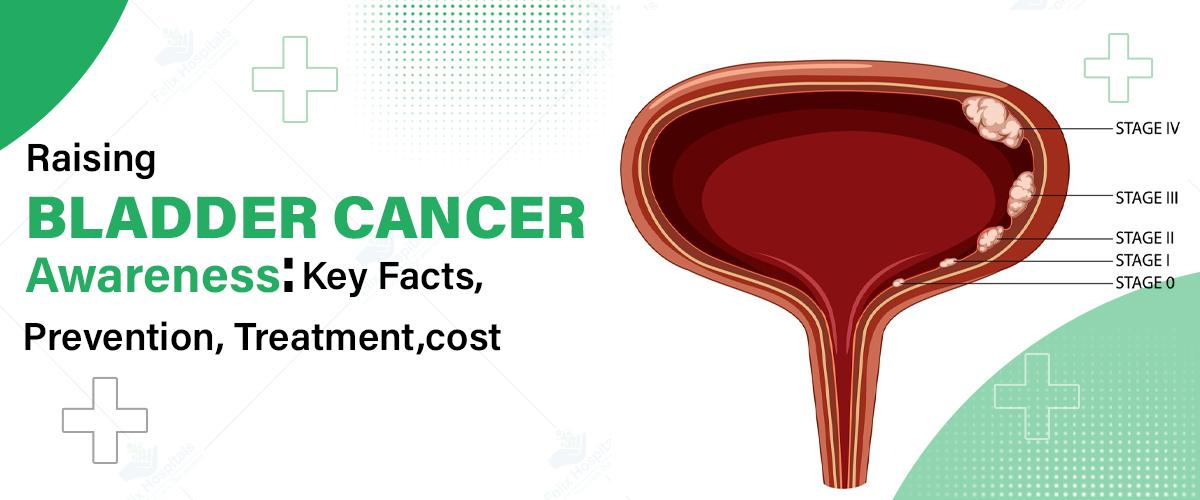
Bladder cancer occurs when abnormal cells in the bladder begin to grow uncontrollably. The bladder is a hollow organ that stores urine, and cancer can develop in the lining of this organ.
This article explores the risks associated with gallbladder stones, including symptoms, complications like infection or blockage, and when to seek medical help.
Bartholin cysts are a common condition affecting women of reproductive age, yet they often go unaddressed due to a lack of awareness. These cysts form when the Bartholin glands, located on either side of the vaginal opening, become blocked, leading to fluid accumulation. Symptoms range from mild discomfort to severe pain, particularly when the cyst becomes infected, resulting in an abscess. Timely diagnosis and treatment are essential to alleviate symptoms and prevent complications. If you suspect you may have a Bartholin cyst, seeking professional care from the best gynecologist hospital in Noida is crucial for effective management and treatment options.
Experiencing discomfort from a Bartholin cyst? Don't wait for symptoms to worsen. Contact us today at +91 9667064100.
The Bartholin glands are located on either side of the vaginal opening. They are responsible for producing fluid that lubricates the vaginal area, making sexual activity more comfortable. When the ducts that drain this fluid become blocked, the fluid accumulates, causing a swelling known as a Bartholin cyst. These cysts may be painless in the early stages but can become painful if they grow larger or become infected.
Several factors can contribute to the formation of Bartholin cysts:
Blocked Bartholin Gland Ducts
Bacterial Infections
Trauma or Irritation
Bartholin cysts may not always cause noticeable symptoms, but when they do, they can include:
Swelling near the vaginal opening
Pain during sitting, walking, or sexual activity
Redness and tenderness in the affected area
Fever or chills
If left untreated, a Bartholin cyst can become infected, leading to a Bartholin abscess. This condition is characterized by severe pain, swelling, and fever. An abscess requires immediate medical attention because it carries the risk of spreading infection and causing further complications.
For small, uncomplicated Bartholin cysts, home remedies can help alleviate symptoms and promote healing. While these remedies may not cure large or infected cysts, they can be effective for mild cases.
How They Help: Soaking in warm water helps reduce swelling, promotes drainage, and eases discomfort. The heat increases blood flow to the area, which may encourage the cyst to rupture and drain naturally.
Recommendation: Sit in a warm bath for 10-15 minutes, 3-4 times per day.
How They Help: Medications such as ibuprofen or acetaminophen can reduce pain and inflammation.
How They Help: Keeping the genital area clean and dry prevents further irritation and reduces the risk of infection. Avoid using harsh soaps or scented products, which can irritate the skin.
How They Help: Applying a warm compress can ease pain and promote drainage.
Recommendation: Soak a clean cloth in warm water and apply it to the cyst for 10-15 minutes several times a day.
Home remedies are generally more effective for small, uncomplicated cysts. However, they may not be sufficient for larger, painful cysts or those that have become infected. If home treatments do not alleviate symptoms or if the cyst recurs frequently, medical treatment should be sought to avoid complications.
In cases where home remedies do not work or if the cyst becomes infected, medical intervention is necessary. There are several treatment options available, depending on the size of the cyst and the severity of symptoms.
Procedure: In this minor surgical procedure, the doctor makes a small incision in the cyst to allow the fluid to drain.
Recovery: Recovery is typically quick, with discomfort subsiding in a few days.
How It Works: After draining the cyst, a small tube (catheter) is inserted into the cyst to keep the opening open and allow continued drainage.
Benefits: This treatment is effective for preventing the cyst from re-forming.
Procedure: In this surgical procedure, the cyst is opened, and the edges are stitched to create a permanent drainage passage.
When Recommended: Marsupialization is often recommended for recurring Bartholin cysts or abscesses.
When Necessary: If the cyst becomes infected or forms an abscess, antibiotics are prescribed to treat the infection. Antibiotics are also recommended if there are signs of systemic infection, such as fever or chills.
For Severe Cases: In rare instances where other treatments have failed, surgical removal of the affected gland or laser treatment may be considered. This offers a permanent solution to recurrent cysts.
| Treatment | Pros | Cons |
|---|---|---|
| Home Remedies | Non-invasive, cost-effective, and easy to apply at home. | Limited effectiveness for large cysts, risk of recurrence. |
| Medical Treatment | Provides permanent relief, and reduces the risk of infection. | May require a visit to a healthcare provider, higher cost. |
Taking steps to prevent Bartholin cysts can help reduce the likelihood of their formation:
Maintain Good Hygiene: Clean the genital area regularly with mild soap and water to prevent irritation and infection.
Wear Comfortable Clothing: Avoid tight-fitting underwear or pants, which can cause friction and irritation.
Practice Safe Sex: Use condoms or dental dams to prevent sexually transmitted infections that can cause cysts.
Regular Gynecological Check-Ups: Early detection of abnormalities can help manage any problems before they become severe.
At Felix Hospital, we have a team of experienced gynecologists specializing in women’s health and Bartholin cyst management. Our experts include:
Dr. Pragati Jain: Known for her compassionate approach and expertise in treating gynecological conditions, including Bartholin cysts.
Dr. Sonia Kuruvilla: Renowned for her gentle care and accurate diagnosis of Bartholin cysts, specializing in minimally invasive treatments.
Dr. Charu Yadav: Focuses on personalized treatment plans for Bartholin cyst management, ensuring the best outcomes.
Dr. Sangeeta Sharma: Offers comprehensive care, from conservative management to surgical interventions for Bartholin cysts.
Dr. Archna Rathi: With extensive experience in gynecological care, Dr. Bhati is dedicated to providing holistic treatment for Bartholin cysts.
If you’re dealing with a Bartholin cyst or have concerns about your gynecological health, schedule an appointment by Clicking Here.
Bartholin cysts can range from a minor inconvenience to a serious health issue. While home remedies are effective for mild cases, professional medical treatment is often necessary for larger or infected cysts. At Felix Hospital, our expert team provides personalized care, advanced treatment options, and holistic support to ensure the best outcomes. If you’re experiencing symptoms of a Bartholin cyst, don’t hesitate to seek medical advice from the best hospital.
1. Can Bartholin cysts go away on their own, or do they always need medical treatment?
Ans. Small, non-infected Bartholin cysts may go away on their own, especially with home remedies such as warm compresses or sitz baths. However, cysts that are large, infected, or causing discomfort typically require medical intervention to prevent complications.
2. What factors affect how long it takes for a Bartholin cyst to heal after treatment?
Ans. Healing time depends on the treatment method and the size of the cyst. Non-invasive treatments, like warm compresses, may take a few days to a week. Surgical procedures such as drainage or marsupialization typically take 2-4 weeks for complete recovery, but follow-up care is essential to prevent recurrence.
3. Can a Bartholin cyst be a sign of an underlying health issue or cancer?
Ans. While most Bartholin cysts are benign, it's important to consult a healthcare provider, especially if the cyst is persistent and painful, or if it occurs in women over 40. Rarely, the cyst can be linked to malignancy, which is why monitoring and regular gynecological check-ups are essential.
4. Are there specific risk factors or lifestyle habits that increase the chances of developing Bartholin cysts?
Ans. Yes, factors such as poor hygiene, multiple sexual partners, sexually transmitted infections (STIs), and chronic conditions like diabetes can increase the likelihood of Bartholin cysts. Practicing good genital hygiene and safe sex can help reduce the risk.
5. How can I tell if a Bartholin cyst is infected and requires immediate medical attention?
Ans. Signs of infection include increased pain, redness, swelling, or the cyst becoming warm to the touch. If the cyst develops pus or you experience fever or chills, it is important to seek immediate medical attention as this may indicate an abscess.
6. What are the long-term effects or complications of a Bartholin cyst left untreated?
Ans. If left untreated, a Bartholin cyst can become infected, leading to an abscess, which may cause significant pain and require drainage. Recurrence is also common, and if untreated, the cyst may develop into a larger, more problematic formation.
7. How can I manage a Bartholin cyst at home before seeing a doctor?
Ans. If the cyst is small and not infected, applying warm compresses or taking sitz baths can help alleviate discomfort and promote drainage. Over-the-counter pain relievers may also reduce pain and inflammation until medical attention is available.
8. What happens if a Bartholin cyst recurs after surgical treatment or drainage?
Ans. Recurring Bartholin cysts may require more advanced treatments, such as marsupialization (creating a permanent opening in the cyst) or, in severe cases, gland removal. These procedures help reduce the chances of recurrence by addressing the root cause of cyst formation.
9. What can I expect during and after surgery for Bartholin cysts?
Ans. Surgery for Bartholin cysts, such as drainage or marsupialization, is typically done under local anesthesia, making the procedure relatively pain-free. Post-surgery, some discomfort, swelling, or mild bleeding may occur, but these symptoms usually resolve within a few days to weeks. Your doctor will guide you on how to care for the area and monitor for infection during recovery.
Dr. Charu Yadav is an obstetrician and gynecologist with 12+ years of experience, specializing in high-risk and twin pregnancies, ectopic pregnancy, and menstrual disorders. Trained in laparoscopic surgery, she provides care for pregnancy, infertility, menopause, and gynae procedures. She is also recognized among the Best Gynecologists in Noida for her patient-focused treatment.
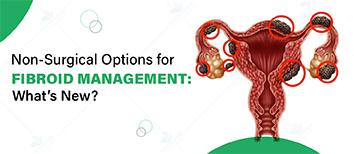
Explore the latest non-surgical treatments for fibroid management. Learn about advanced options to relieve symptoms and improve your quality of life.
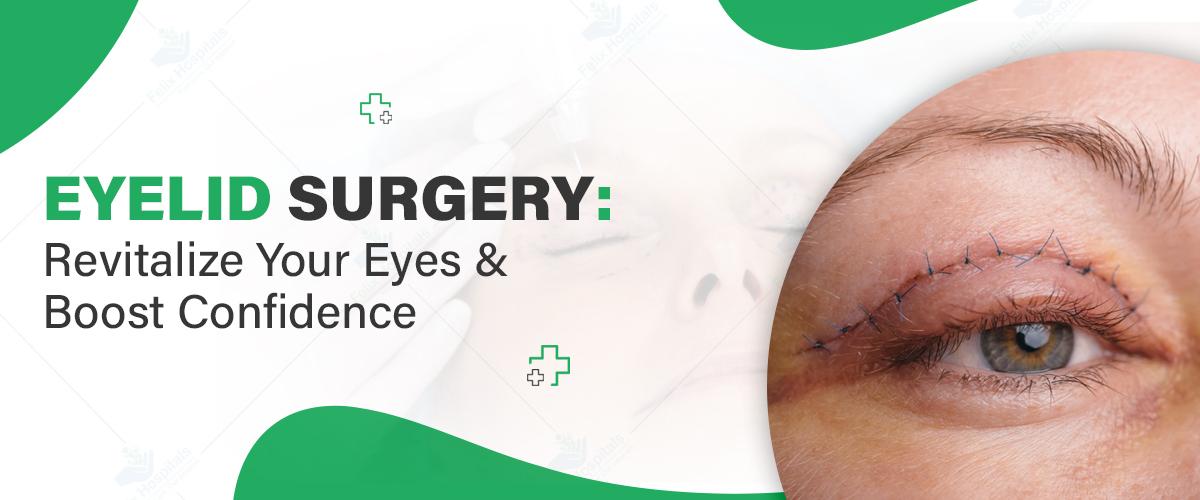
Eyelid surgery, or blepharoplasty, is a popular procedure that enhances the appearance of the eyes by reducing puffiness, wrinkles, and sagging. It can also correct vision impairment caused by drooping eyelids. Whether for cosmetic or functional reasons, eyelid surgery improves facial aesthetics and boosts self-confidence. Choosing a reputable plastic surgery hospital ensures access to skilled surgeons and advanced care, providing safe, effective results tailored to your needs.
Contact us by Clicking Here to book a personalized consultation and learn more about how eyelid surgery can rejuvenate your eyes.
Eyelid surgery, medically referred to as blepharoplasty, is a cosmetic procedure designed to remove excess skin, fat, and muscle from the upper and lower eyelids. The surgery can be performed on both eyelids or just one, depending on the patient’s needs and desired outcomes.
This procedure focuses on the upper eyelids, removing excess skin that may cause the eyelids to droop. Drooping eyelids can obstruct peripheral vision and make the eyes look tired or older. Upper eyelid surgery helps to restore the natural contour of the eye and improve vision by eliminating excess tissue.
Lower eyelid surgery targets the under-eye area, where many people experience puffiness, bags, and wrinkles. This part of the procedure addresses the fatty deposits that create bulges under the eyes and the skin that sags due to aging. By removing or redistributing fat, tightening the skin, and smoothing out wrinkles, the lower eyelid surgery restores a youthful, fresh appearance.
Patients may opt for eyelid surgery for several reasons, including the desire to reduce visible signs of aging, alleviate vision impairment, or correct hereditary conditions such as under-eye bags or excess skin.
One of the primary benefits of eyelid surgery is the enhancement of facial appearance. The eyes are often considered the focal point of the face, and rejuvenating the eyelids can result in a more youthful, vibrant, and refreshed look. By removing excess skin and fat, eyelid surgery reduces the puffiness and sagging that can cause a tired or older appearance. The procedure improves symmetry and balance, which may make the face appear more harmonious overall.
Eyelid surgery isn’t just about aesthetics; it also has functional benefits. Drooping upper eyelids can obstruct peripheral vision, making it difficult to see clearly and perform everyday tasks. Eyelid surgery can improve vision by lifting the eyelids, which enhances both visual comfort and quality of life. Additionally, patients who have experienced discomfort from sagging eyelids or excess skin may find relief after the procedure.
The psychological impact of eyelid surgery should not be overlooked. Many patients report an increase in self-confidence and satisfaction with their appearance following the surgery. Whether it's reducing signs of aging, improving facial symmetry, or enhancing the overall appearance of the eyes, patients often feel more comfortable and confident in both personal and professional settings. The emotional and mental benefits can significantly impact an individual's quality of life.
Eyelid surgery is suitable for individuals who are in good general health and have realistic expectations about the results. Ideal candidates are usually those experiencing the following:
Excess skin or fat around the eyes: This could be causing drooping eyelids, under-eye bags, or puffiness.
Aging signs: Wrinkles, sagging skin, and puffiness under the eyes.
Vision impairment: Drooping eyelids that impair vision and require correction.
General health: Candidates should be free of serious medical conditions such as eye diseases or uncontrolled health issues that could interfere with recovery.
If you have specific concerns about your eyelids or eye area, it’s important to consult with a qualified surgeon at a reputable plastic surgery hospital to determine if eyelid surgery is the right choice for you.
The first step in eyelid surgery is a consultation with a qualified surgeon. During this meeting, your surgeon will evaluate your health history, discuss your goals, and assess the condition of your eyelids. This is also the time to discuss the type of anesthesia that will be used. Depending on the complexity of the procedure and patient preference, either local anesthesia with sedation or general anesthesia may be used.
Eyelid surgery typically takes about 1 to 2 hours, depending on whether both upper and lower eyelids are being treated. During the procedure, the surgeon makes small incisions along the natural creases of the eyelids, ensuring that any scars are well hidden. Excess skin, fat, and muscle are then carefully removed or repositioned. In the case of lower eyelid surgery, fat may be redistributed to eliminate puffiness.
After the surgery, patients are usually advised to rest for a few days. Some swelling and bruising are normal, and patients should follow their surgeon’s instructions regarding pain management, cleaning the incisions, and avoiding strenuous activities. Most patients can resume normal activities within 7-10 days, although full recovery may take a few weeks.
While eyelid surgery is considered safe, it’s important to be aware of potential risks:
Temporary dry eyes or irritation.
Slight scarring (usually well-hidden in natural creases).
Rare cases of asymmetry or infection.
Choosing an experienced and skilled surgeon significantly reduces these risks and ensures optimal results.
At Felix Hospital, our team of skilled surgeons is dedicated to providing the highest level of care in cosmetic surgery.
Dr. Pragya Priya, a renowned plastic surgeon with years of experience in eyelid surgery, specializes in creating natural-looking, rejuvenated eyelid contours. Dr. Priya is known for her meticulous approach to surgery, ensuring that every patient receives personalized treatment tailored to their unique needs.
Our expert surgeons are here to help you achieve natural and lasting results! Call us today at +91 9667064100.
Eyelid surgery is a highly effective way to rejuvenate the eyes, improve vision, and boost confidence. Whether you are looking to address aging concerns, correct vision problems, or enhance your appearance, eyelid surgery offers lasting results with minimal downtime. If you are considering this procedure, it’s important to consult with a qualified professional to ensure that it’s the right choice for you.
1. What is the recovery time for eyelid surgery?
Ans. Recovery time for eyelid surgery usually takes about 1 to 2 weeks, with most swelling and bruising subsiding within the first few days. Full recovery, including final results, may take a few weeks. Patients are advised to avoid strenuous activities during this time.
2. Is eyelid surgery painful?
Ans. Most patients experience mild discomfort following eyelid surgery, which can be managed with prescribed pain medication. The procedure is generally well-tolerated, and any discomfort typically subsides within a few days.
3. Will I have visible scars after eyelid surgery?
Ans. The incisions for eyelid surgery are typically made along the natural creases of the eyelids, making scars discreet and less noticeable. With proper care and healing, scarring is usually minimal.
4. Can eyelid surgery correct vision problems caused by drooping eyelids?
Ans. Yes, one of the key benefits of eyelid surgery is that it can correct vision impairment caused by drooping upper eyelids. By lifting the eyelids, it restores clear peripheral vision and enhances visual comfort.
5. How long do the results of eyelid surgery last?
Ans. The results of eyelid surgery are generally long-lasting, with many patients enjoying a rejuvenated appearance for a decade or more. However, the natural aging process may cause some changes in the eyelid area over time
6. Who is not a good candidate for eyelid surgery?
Ans. Individuals with certain medical conditions such as uncontrolled eye diseases (e.g., glaucoma or dry eye syndrome), cardiovascular issues, or those who are pregnant or breastfeeding may not be ideal candidates for eyelid surgery. A thorough consultation with a qualified surgeon is necessary to determine candidacy.
7. Can eyelid surgery be combined with other procedures?
Ans. Yes, eyelid surgery is often performed in combination with other facial procedures such as facelifts, brow lifts, or laser skin resurfacing for comprehensive facial rejuvenation. Your surgeon will discuss the best options based on your goals.
8. Is there a risk of complications with eyelid surgery?
Ans. While complications are rare, there are potential risks such as scarring, infection, dry eyes, or asymmetry. Choosing an experienced and qualified surgeon can minimize these risks and ensure a smooth recovery.

Plastic surgery cost in Noida depends on the procedure type, surgeon expertise, hospital infrastructure, and post-surgery care.
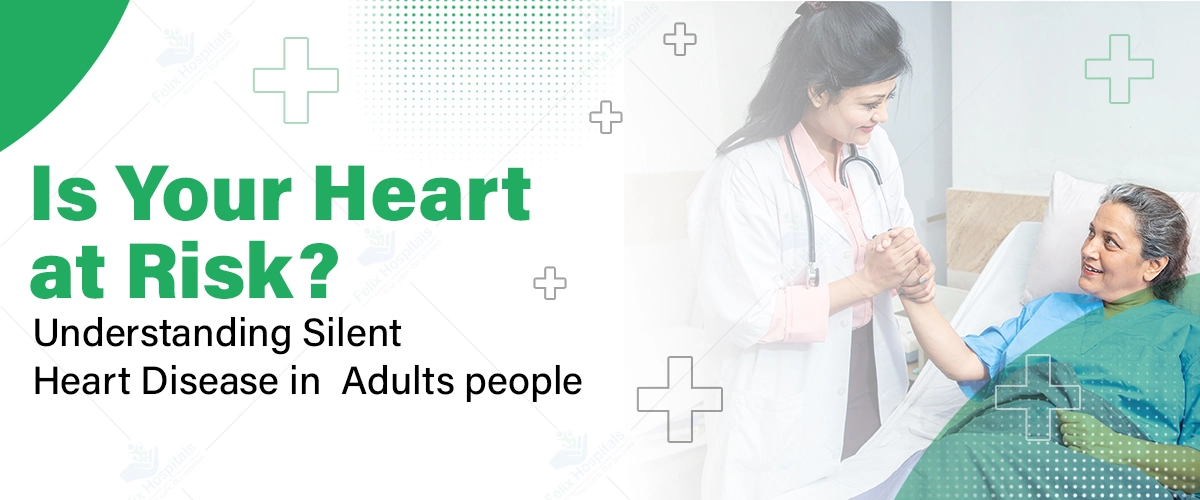
Heart disease is one of the leading global health concerns, responsible for millions of deaths worldwide each year. It remains the number one cause of death in many countries, including the United States. While heart attacks, strokes, and heart failure are well-known consequences of heart disease, there is a lesser-known yet equally dangerous condition: silent heart disease. This form of heart disease often develops without noticeable symptoms, putting many adults at risk without them even realizing it.
Book an appointment by calling +91 9667064100 with a cardiologist at Felix Hospital to start your journey toward a healthier heart.
Silent heart disease refers to a range of heart-related conditions that develop without causing noticeable symptoms. Unlike symptomatic heart disease, which manifests as chest pain, shortness of breath, or irregular heartbeat, silent heart disease can progress for years without alerting the individual. The condition primarily refers to coronary artery disease (CAD), where plaque builds up in the coronary arteries, restricting blood flow to the heart. Over time, this reduced blood flow can lead to serious complications, such as heart attacks, strokes, and even heart failure, often with little or no warning.
Silent heart disease primarily occurs due to the build-up of plaque (atherosclerosis) in the coronary arteries. This plaque consists of fatty deposits, cholesterol, calcium, and other substances that narrow the arteries, restricting blood flow to the heart. Over time, this leads to the stiffening of the arteries and increases the risk of heart-related complications.
Atherosclerosis (Plaque Buildup in Arteries): The gradual accumulation of plaque in the coronary arteries is the most common cause of silent heart disease. When this plaque ruptures, it can lead to the formation of blood clots, which can block blood flow to the heart, resulting in a heart attack.
High Blood Pressure (Hypertension): Chronic high blood pressure damages the arteries over time, making them more susceptible to plaque buildup and the development of silent heart disease.
High Cholesterol Levels: Elevated cholesterol levels contribute to the formation of plaque in the arteries, leading to a higher risk of coronary artery disease.
Diabetes and Insulin Resistance: Diabetes and insulin resistance are major contributors to heart disease, as high blood sugar levels can damage blood vessels and promote plaque formation.
Silent heart disease is dangerous because its symptoms are often subtle or absent until it progresses significantly. Early warning signs like fatigue, shortness of breath, mild chest discomfort, or leg swelling should not be ignored. If left unchecked, silent heart disease can lead to a silent heart attack, which may not show typical symptoms. Silent heart attack treatment involves managing risk factors, restoring blood flow through procedures like angioplasty, and using medications to control conditions like high blood pressure and cholesterol. Early detection is crucial to prevent severe complications.
Fatigue and Shortness of Breath: Feeling unusually tired or short of breath, especially during physical activity, may signal that the heart is not pumping blood efficiently due to reduced blood flow.
Mild Chest Discomfort or Indigestion: A feeling of pressure, discomfort, or mild chest pain that does not feel like the severe pain often associated with heart attacks might be an early symptom of silent heart disease.
Swelling in the Legs or Feet: Fluid retention in the legs or feet can indicate poor circulation, which may be a result of restricted blood flow due to atherosclerosis.
Mild Dizziness or Lightheadedness: Feeling faint or lightheaded, especially after exertion, can be a subtle sign of underlying heart problems.
These symptoms are often dismissed as normal signs of aging or stress, making it difficult to recognize silent heart disease. It’s crucial to pay attention to any unusual physical sensations, even if they seem minor.
Sedentary Lifestyle and Poor Diet: Lack of physical activity and a diet high in unhealthy fats, sodium, and processed foods can lead to obesity, high cholesterol, and high blood pressure, all of which increase the risk of silent heart disease.
Smoking and Excessive Alcohol Consumption: Smoking damages the blood vessels, while excessive alcohol consumption can contribute to high blood pressure and obesity, further elevating the risk of heart disease.
Family History of Heart Disease: Genetics plays a significant role in the development of silent heart disease. If you have a family history of heart disease, your risk is higher, even if you maintain a healthy lifestyle.
Stress and Obesity: Chronic stress and obesity contribute to inflammation in the body, which can lead to the development of silent heart disease.
Early detection of silent heart disease is essential for preventing serious complications such as heart attacks or strokes. Since silent heart disease symptoms can be hard to detect, routine screenings are the best way to catch it early.
Blood Tests: Regular testing of cholesterol and glucose levels can help identify risk factors such as high cholesterol and diabetes, which are closely linked to silent heart disease.
Electrocardiogram (ECG): An ECG records the electrical activity of the heart, which can help detect irregularities such as arrhythmias that may signal heart disease.
Stress Testing: A stress test monitors the heart’s function during physical exertion to detect reduced blood flow to the heart.
Coronary CT Angiography: This advanced imaging technique uses X-rays to create detailed pictures of the coronary arteries, helping doctors assess the degree of plaque buildup and the risk of heart disease.
Once diagnosed, silent heart disease can be effectively managed through lifestyle changes and medical interventions. Treatment focuses on reducing risk factors, improving heart function, and preventing the progression of the disease.
Heart-Healthy Diet: A diet rich in fruits, vegetables, whole grains, and lean proteins can help manage cholesterol and blood pressure levels.
Regular Exercise: Engaging in regular physical activity, such as walking, swimming, or cycling, can improve heart health and help manage weight.
Weight Management: Maintaining a healthy weight is crucial for managing blood pressure and reducing the strain on the heart.
Medications: Medications to lower blood pressure, cholesterol, and blood sugar are commonly prescribed to manage silent heart disease. Statins, beta-blockers, and ACE inhibitors are some of the most common drugs used.
Angioplasty or Stents: In severe cases, procedures such as angioplasty (opening blocked arteries with a balloon) or placing stents (tiny mesh tubes to keep arteries open) may be necessary to restore blood flow.
Silent Heart Attack Surgery Cost: The cost of surgeries such as angioplasty or stent placement can vary, depending on the complexity of the procedure and the healthcare facility. It’s essential to discuss options and pricing with a healthcare provider to understand the best course of action.
Preventing silent heart disease involves adopting a heart-healthy lifestyle and taking steps to manage known risk factors. Here are some key strategies:
Avoid Smoking and Limit Alcohol: Smoking and excessive alcohol consumption increase the risk of heart disease. Quitting smoking and limiting alcohol intake can significantly reduce this risk.
Monitor and Manage Blood Pressure and Cholesterol: Regularly checking blood pressure and cholesterol levels is vital for identifying early signs of silent heart disease.
Stay Physically Active: Regular exercise helps improve circulation, reduce stress, and maintain a healthy weight.
Manage Stress Effectively: Practicing stress-reduction techniques such as meditation, yoga, and deep breathing can help manage chronic stress, which is a risk factor for heart disease.
Felix Hospital is proud to have some of the best cardiologists specializing in the diagnosis and treatment of silent heart disease. If you are concerned about silent heart disease or looking for expert care, we recommend consulting with:
Dr. Rahul Arora: A highly skilled cardiologist with extensive experience in diagnosing and treating silent heart disease using advanced diagnostic techniques.
Dr. Virendra Singh: An expert in managing heart disease, specializing in silent heart disease and offering comprehensive care for patients with coronary artery disease and other related conditions.
Consult with these specialists to ensure your heart health is in expert hands.
Early detection is key—don't wait for symptoms to show up! Book your appointment at Felix Hospitals by Clicking Here.
Understanding silent heart disease is crucial for anyone looking to protect their heart health. Awareness of the silent heart disease symptoms and early detection through regular screenings can help prevent severe outcomes, such as heart attacks or strokes. By adopting a heart-healthy lifestyle and managing risk factors, you can reduce your risk of developing silent heart disease and enjoy a longer, healthier life. Don’t wait for symptoms to appear—take proactive steps today to safeguard your heart.
Q- What makes silent heart disease different from other types of heart disease?
ANS: Silent heart disease often has no noticeable symptoms in its early stages, unlike traditional heart disease, which typically presents with chest pain or shortness of breath. This lack of symptoms makes silent heart disease more difficult to diagnose until it progresses significantly.
Q- Can a young person develop silent heart disease?
ANS: Yes, while silent heart disease is more common in older adults, younger people with risk factors such as a poor diet, lack of exercise, smoking, or a family history of heart disease are also at risk.
Q- Is silent heart disease reversible once diagnosed?
ANS: While the damage caused by silent heart disease may not be fully reversible, early diagnosis and lifestyle changes can slow down or stop the progression of the disease, reducing the risk of severe complications like heart attacks or strokes.
Q- Can stress cause silent heart disease?
ANS: Chronic stress can contribute to the development of silent heart disease by increasing inflammation in the body, raising blood pressure, and promoting unhealthy behaviors like overeating or smoking. Managing stress effectively is important for heart health.
Q- What are the first signs of a silent heart attack?
ANS: Silent heart attacks often occur without the typical symptoms of severe chest pain. Warning signs can include mild chest discomfort, shortness of breath, unexplained fatigue, or lightheadedness. These signs should not be ignored, as they could indicate a potential silent heart attack.
Q- How often should I get screened for silent heart disease?
ANS: Adults over the age of 40 or those with risk factors for heart disease should consider getting screened at least once a year. Regular screenings, including blood tests, ECGs, and stress tests, can help detect silent heart disease early.
Q- What is the cost of silent heart attack treatment at Felix Hospital?
ANS: The cost of treatment for silent heart disease, including procedures like angioplasty and stent placement, can vary based on individual needs and the complexity of the case. Contact Felix Hospital for a personalized consultation and to discuss the best treatment options and associated costs.

हार्ट अटैक के मुख्य लक्षण, कारण और तुरंत किए जाने वाले उपचार के बारे में जानें। समय पर पहचान और सही इलाज से जीवन बचाया जा सकता है।

Pregnancy is a time of immense joy and anticipation. However, for a small percentage of expectant mothers, the journey is complicated by the diagnosis of cancer. Pregnancy-associated cancer (PAC) refers to any cancer diagnosed during pregnancy or within a year postpartum. While rare, PAC can be a challenging condition requiring early detection and a multidisciplinary approach to care.
Awareness of PAC is crucial to ensure timely intervention and the best outcomes for both mother and baby. Early detection through routine screenings and consultations at the best gynecologist hospital in Noida, can make all the difference. With advancements in medical science, PAC is not only manageable but often treatable, allowing many women to continue their pregnancies safely.
Call us at +91 9667064100 or Click Here to Book an Appointment!
Pregnancy-associated cancer encompasses cancers diagnosed during pregnancy, with breast cancer, cervical cancer, melanoma, lymphoma, and leukemia being the most common types. It is estimated to affect approximately 1 in 1,000 pregnancies, making it a relatively rare occurrence. However, the physiological changes during pregnancy can sometimes mask or mimic cancer symptoms, complicating early detection.
Understanding the causes of PAC is essential for identifying individuals at risk. Several factors contribute to its occurrence:
Age-Related Risks: Advanced maternal age increases the likelihood of cancer due to prolonged exposure to environmental and hormonal factors.
Family History: A genetic predisposition can elevate the risk of developing certain cancers during pregnancy.
Environmental and Lifestyle Factors: Exposure to carcinogens, poor dietary habits, and sedentary lifestyles may also play a role.
Hormonal Changes: Pregnancy-related hormonal fluctuations can stimulate the growth of hormone-sensitive cancers, such as breast cancer.
Recognizing the symptoms of PAC is challenging due to their overlap with normal pregnancy-related changes. Nonetheless, the following warning signs should not be ignored:
Unusual lumps in the breast or other parts of the body.
Persistent pain or unexplained swelling.
Unusual vaginal bleeding or discharge.
Changes in skin appearance, such as moles or lesions.
If you experience any of these symptoms, consult a healthcare provider immediately. Early detection is key to effective treatment.
Diagnosing cancer in pregnant women requires careful consideration of both maternal and fetal safety. Safe diagnostic methods include:
Ultrasound: Widely used and safe for both mother and baby.
MRI: A non-invasive imaging technique that avoids radiation.
Biopsy: Essential for confirming cancer diagnoses and determining the type and stage.
Diagnosis can be challenging due to physiological changes during pregnancy that may obscure findings. A multidisciplinary team, often available at a leading cancer hospital in Noida, ensures accurate diagnosis and personalized treatment plans.
Treating PAC involves balancing the health of the mother with the safety of the baby. Treatment plans are customized to minimize risks while maximizing effectiveness. Common treatments include:
Surgery: Often considered the safest option during pregnancy for removing localized tumors.
Chemotherapy: Certain drugs are deemed safe during the second and third trimesters of pregnancy but are avoided in the first trimester due to the potential risks to the developing baby. For more chemotherapy-related information, it is essential to visit the best chemotherapy hospitals.
Radiation Therapy: Rarely used during pregnancy due to potential risks to the fetus.
Ethical considerations and informed decision-making are integral to developing a treatment plan, ensuring the best outcomes for both mother and child.
A PAC diagnosis can be emotionally overwhelming for expectant mothers. Feelings of fear, guilt, and uncertainty are common. Coping strategies include:
Seeking emotional support from family and friends.
Accessing counseling services to address anxiety and depression.
Joining support groups for women facing similar challenges.
Mental health support is vital to navigate the emotional complexities of PAC and maintain a positive outlook.
The prognosis for PAC varies depending on the type and stage of cancer, as well as the timing of diagnosis. Advances in medical care have significantly improved outcomes for both mothers and babies. Key considerations include:
Delivery Impact: Some cases may require preterm delivery or cesarean section to optimize maternal and fetal outcomes.
Postnatal Care: Continuous monitoring and follow-up are crucial to address any residual or recurrent cancer.
Choosing the best pregnancy hospital in Noida ensures comprehensive care tailored to individual needs.
While not all cancers can be prevented, certain measures can reduce the risk:
Regular Prenatal Check-Ups: Routine visits to a gynecologist can help identify early signs of abnormalities.
Healthy Lifestyle Choices: Maintaining a balanced diet, exercising, and avoiding tobacco and alcohol are essential.
Genetic Counseling: For women with a family history of cancer, genetic testing and counseling can offer valuable insights.
Early detection through screenings and awareness is the most effective defense against PAC.
If you're looking for expert care for pregnancy-associated cancer (PAC), Felix Hospital in Noida is the leading choice for comprehensive and compassionate care. The hospital is home to a team of highly skilled gynecologists and oncologists dedicated to managing complex cases with a multidisciplinary approach:
Dr. Pragati Jain: Known for her expertise in women’s health, she provides individualized care for expectant mothers facing challenging conditions.
Dr. Sonia Kuruvilla: Renowned for her precision in diagnosis and customized treatment plans for pregnancy-associated cancer.
Dr. Charu Yadav: Focused on offering holistic care, ensuring the safety and well-being of both mother and baby during cancer treatment.
Dr. Sangeeta Sharma: Specializes in managing high-risk pregnancies and complex gynecological conditions with a compassionate touch.
Dr. Archna Rathi: With extensive experience in women’s health, she is committed to delivering comprehensive care, and guiding patients through every stage of diagnosis and treatment.
This team ensures that expectant mothers receive the best possible care, enabling positive outcomes for both mother and baby.
If you or a loved one experiences unusual symptoms during pregnancy, don’t hesitate to seek medical guidance. Schedule a consultation by Clicking Here.
Pregnancy-associated cancer is a rare but significant condition that demands early detection and a multidisciplinary approach. With the right medical care and emotional support, expectant mothers facing PAC can achieve positive outcomes. By prioritizing regular check-ups, staying informed, and consulting the best gynecologists in Noida, women can navigate this challenging journey with hope and resilience. Remember, timely action saves lives, ensuring a healthier future for both mother and child.
1. How common is pregnancy-associated cancer, and what are its most frequently diagnosed types?
Pregnancy-associated cancer is rare, affecting about 1 in 1,000 pregnancies. The most common types include breast cancer, cervical cancer, melanoma, lymphoma, and leukemia.
2. Can cancer treatments harm the baby during pregnancy?
Treatments like surgery and certain chemotherapies are carefully chosen to minimize risks to the baby, particularly in the second and third trimesters. However, some treatments, such as radiation therapy, are generally avoided due to potential fetal harm.
3. What symptoms should I look out for during pregnancy that could indicate cancer?
Unusual lumps, persistent pain or swelling, abnormal vaginal bleeding, and changes in skin appearance like moles or lesions are signs to consult your doctor immediately.
4. Is it safe to deliver a baby while undergoing cancer treatment?
Delivery plans are tailored to individual cases. In some situations, early delivery may be necessary to begin aggressive cancer treatments, but this is done with both maternal and fetal health in mind.
5. How do hormonal changes during pregnancy affect cancer progression?
Hormonal fluctuations can stimulate the growth of hormone-sensitive cancers, such as breast cancer. Close monitoring and personalized treatment are crucial in such cases.
6. What role does genetic testing play in managing pregnancy-associated cancer?
Genetic testing can identify hereditary cancer risks, enabling proactive measures for early detection or treatment planning, especially for women with a family history of cancer.
7. What emotional support resources are available for expectant mothers diagnosed with PAC?
Felix Hospital offers counseling services, access to support groups, and mental health resources to help women cope with the emotional challenges of a cancer diagnosis during pregnancy.

Air pollution is one of the most pressing global challenges, posing significant risks to public health and the environment. The pervasive nature of pollutants in the air affects populations worldwide, with lung health being one of the most severely impacted areas. Studies have shown that prolonged exposure to polluted air can cause or exacerbate a range of respiratory issues, including asthma, chronic obstructive pulmonary disease (COPD), and lung cancer. These concerns highlight the need to seek care at the best pulmonology hospital for lung health to mitigate and manage these risks effectively.
If you’re concerned about long-term exposure to air pollution and its effects on your health, book an appointment. Contact us now at +91 9667064100.
Air pollution refers to the presence of harmful substances in the atmosphere that pose a threat to human health and the environment. These pollutants can originate from both natural and human-made sources:
Wildfires: Smoke and particulate matter released during wildfires significantly degrade air quality.
Volcanic Eruptions: Emissions such as sulfur dioxide from volcanoes contribute to localized air pollution.
Vehicle Emissions: Cars, buses, and trucks release carbon monoxide, nitrogen oxides, and particulate matter into the air.
Industrial Discharge: Factories and power plants emit a range of pollutants, including sulfur dioxide and heavy metals.
Construction Dust: Construction activities release fine particulate matter (PM2.5 and PM10) into the air.
Particulate Matter (PM2.5, PM10): Tiny particles that penetrate deep into the lungs, causing respiratory and cardiovascular issues.
Nitrogen Dioxide (NO2): A toxic gas that inflames the airways and reduces lung function.
Sulfur Dioxide (SO2): Contributes to respiratory problems and acid rain.
Ozone (O3): A key component of smog that irritates the lungs and exacerbates chronic diseases.
Carbon Monoxide (CO): A colorless, odorless gas that reduces oxygen delivery to the body.
Air pollution affects nearly every system in the body, with the following health risks being particularly severe:
Increased risk of asthma, bronchitis, COPD, and lung cancer.
Higher rates of respiratory infections and exacerbation of existing lung conditions.
Air pollution is linked to heart attacks, hypertension, and strokes.
Prolonged exposure increases the risk of atherosclerosis and other cardiovascular diseases.
Air pollution affects cognitive functions and increases the risk of dementia.
Developmental disorders in children have been linked to prolonged exposure to pollutants.
Pregnant women exposed to polluted air face higher risks of premature births and low birth weight.
Children are at greater risk of developmental delays and respiratory problems.
Long-term exposure contributes to diabetes, eye irritation, and skin diseases.
The effects of prolonged exposure to air pollution are both severe and far-reaching:
Increased Mortality Rates: Air pollution is a leading cause of premature death due to respiratory and cardiovascular diseases.
Healthcare Burden: Rising cases of pollution-related illnesses strain healthcare systems worldwide.
Reduced Quality of Life: Chronic illnesses caused by air pollution diminish individuals' ability to live active, fulfilling lives.
Socioeconomic Impact: Loss of productivity and increased medical costs place an economic burden on society.
Certain groups are more susceptible to the adverse effects of air pollution:
Children:
Developing immune and respiratory systems makes children particularly vulnerable to pollutants.
Elderly:
Older adults are more likely to suffer from weakened immunity and pre-existing health conditions.
People with Pre-Existing Conditions:
Individuals with asthma, heart disease, or other chronic conditions face heightened risks.
Low-Income Communities:
Limited access to healthcare and higher exposure to industrial pollutants make these populations particularly vulnerable.
Effective treatment and prevention strategies can mitigate the health risks of air pollution.
Use of bronchodilators and inhalers for respiratory conditions.
Medications to manage cardiovascular impacts and reduce inflammation.
Regular health check-ups to monitor and manage pollution-related illnesses.
Breathing and Exercises for Asthma: Practicing deep breathing exercises and yoga can improve lung capacity and manage asthma symptoms.
Using air purifiers and wearing protective masks, especially during high-pollution periods.
Avoid outdoor activities during times of poor air quality.
Implementation of stricter air quality standards and emission controls.
Promoting clean energy sources and sustainable transportation.
Conducting awareness campaigns to educate the public on pollution risks and prevention.
Healthcare facilities play a pivotal role in managing the health impacts of air pollution:
Specialized clinics focus on respiratory and cardiovascular care, offering targeted treatments.
Integration of air quality monitoring in health assessments helps identify and address pollution-related illnesses early.
Multidisciplinary treatment plans cater to the comprehensive needs of affected patients.
For expert care and personalized treatment, visit Felix Hospital and consult Dr. Priyadarshi Jitendra Kumar, one of the Best pulmonologists in Noida. With his extensive experience and expertise in managing respiratory disorders, particularly those caused by air pollution, Dr. Kumar provides comprehensive care tailored to each patient’s needs. Whether you're dealing with chronic respiratory conditions or need advice on prevention and treatment, his approach is focused on improving your overall lung health.
Take charge of your lung health and receive expert care at Felix Hospital today! Click Here for more information.
Air pollution significantly affects lung health and contributes to a host of other serious health problems. Proactive measures, including medical interventions, lifestyle changes, and public health policies, are essential to mitigate these risks. Seeking timely treatment from experts like the best pulmonologists in Noida at Felix Hospital can help individuals manage and improve their health outcomes effectively. Together, we can address this global challenge and protect future generations from the consequences of polluted air.
Q- How does long-term exposure to air pollution affect lung function over time?
ANS: Prolonged exposure to pollutants like PM2.5 and NO2 can cause chronic inflammation in the lungs, leading to conditions such as asthma, COPD, and even lung cancer. Over time, this can significantly reduce lung function, making it harder to breathe and increasing the risk of respiratory infections.
Q- What preventive measures can be taken to protect children from the harmful effects of air pollution?
ANS: To protect children, parents should limit outdoor activities during high-pollution periods, use air purifiers in homes, and ensure their children wear protective masks. Additionally, ensuring children maintain good indoor ventilation and avoiding exposure to second-hand smoke can significantly reduce their risks.
Q- Can air pollution cause cognitive decline in older adults?
ANS: Yes, long-term exposure to air pollution, particularly fine particulate matter and nitrogen dioxide, has been linked to cognitive decline, dementia, and an increased risk of Alzheimer's disease. The neurological impact is more significant in older adults due to their weakened immune systems and pre-existing health conditions.
Q- What are the most common respiratory diseases caused by air pollution?
ANS: Air pollution can cause or worsen a range of respiratory diseases, including asthma, chronic bronchitis, emphysema, chronic obstructive pulmonary disease (COPD), and lung cancer. People who have pre-existing respiratory conditions are particularly at risk.
Q- How does air pollution contribute to cardiovascular disease?
ANS: Air pollution causes systemic inflammation and oxidative stress, which can damage blood vessels and lead to heart disease. Fine particulate matter, nitrogen dioxide, and sulfur dioxide are particularly harmful, increasing the risk of heart attacks, strokes, and hypertension.
Q- Are there any effective treatments for air pollution-induced asthma?
ANS: Yes, treatments include bronchodilators, inhaled corticosteroids, and other medications to manage symptoms and reduce inflammation. In some cases, lifestyle modifications like breathing exercises, avoiding outdoor pollution, and using air purifiers are also recommended to complement medical treatment.
Q- How can healthcare providers help individuals living in polluted areas manage their health?
ANS: Healthcare providers can help by conducting regular health check-ups, offering personalized treatment plans, and providing preventive care advice. They can also educate patients on how to monitor symptoms, use medications effectively, and take necessary precautions to reduce exposure to air pollutants.
Q- What role do air quality monitoring systems play in protecting public health?
ANS: Air quality monitoring systems help track pollution levels, enabling the public to make informed decisions about outdoor activities. These systems also help governments and healthcare facilities implement timely interventions, such as issuing

Dr. Priyadarshi Jitender Kumar stands out as a leading expert in diagnosing and treating pulmonary embolism.


Subscribe to our
© Copyright 2026. All Rights Reserved by Felix Healthcare Private Limited
Design and development by :


 +(91)9667064100
 Emergency : +(91)9667064100