 WhatsApp
 Emergency:
  WhatsApp


Subscribe to our
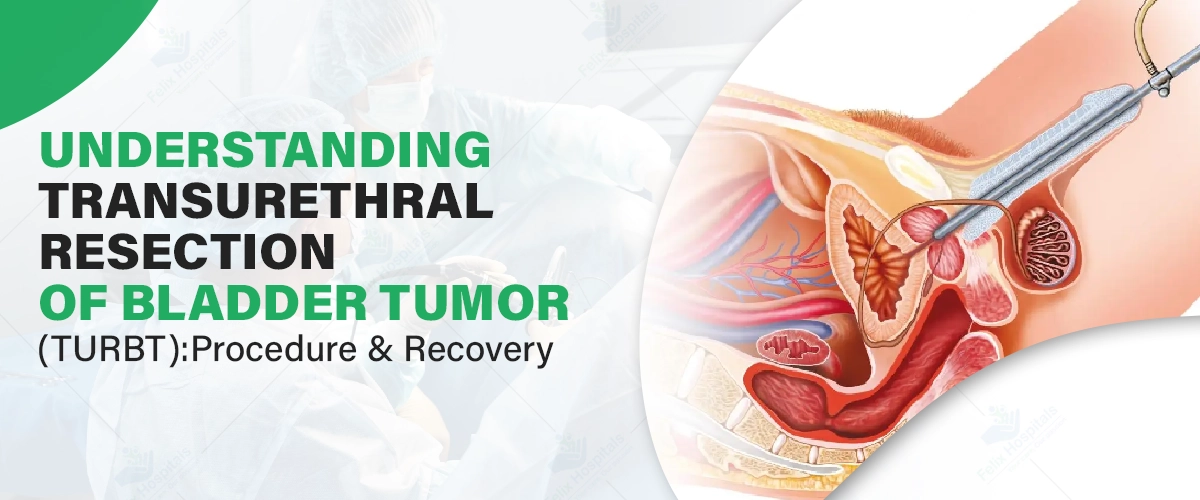
Bladder cancer is a prevalent health concern, affecting millions globally. It ranks among the most common types of cancer, especially in older adults. Early detection and treatment are critical for improving outcomes and minimizing complications. For patients diagnosed with bladder tumors, Transurethral Resection of Bladder Tumor (TURBT) is a standard and effective surgical procedure.
When it comes to bladder tumor treatment, choosing the best hospital in noida is vital. Renowned for their state-of-the-art facilities and expert specialists, are some of the best in the world for treating bladder tumors. Here, patients receive comprehensive care tailored to their needs.
Don’t wait—book your appointment now and experience world-class care for bladder tumor treatment. Call us at +91 9667064100.
Transurethral Resection of Bladder Tumor (TURBT) is a minimally invasive surgical procedure designed to remove abnormal growths or tumors from the bladder. Performed using a cystoscope—a thin tube equipped with a camera and surgical tools—the procedure allows surgeons to access and treat the bladder through the urethra, eliminating the need for external incisions.
The primary goal of TURBT is to diagnose and manage bladder tumors. It is typically employed for:
TURBT is recommended for individuals with symptoms or diagnostic results indicating bladder abnormalities. These may include:
Diagnostic procedures such as urine cytology, cystoscopy, and imaging confirm the need for TURBT, ensuring precise treatment planning.
Preparation is crucial for a successful TURBT procedure. Patients typically undergo:
The TURBT procedure involves several steps, typically performed under general or spinal anesthesia:
The procedure usually takes 60-90 minutes, depending on the complexity and size of the tumor.
While TURBT is generally safe, like any surgical procedure, it carries potential risks:
Recovery from TURBT is typically swift. Patients can expect:
Post-TURBT care includes:
TURBT is highly effective in treating non-muscle-invasive bladder tumors, often serving as the first line of defense against bladder cancer. The prognosis depends on factors such as tumor type, size, and stage. Early intervention, combined with diligent follow-up, significantly enhances long-term outcomes.
For world-class care, consult:
With extensive expertise in urology and bladder tumor treatments, Dr. Barkesia ensures each patient receives personalized and cutting-edge care. Recognized as one of the best doctors for bladder tumor management, he has transformed countless lives with his compassionate approach.
Your journey toward better health begins here. Contact Felix Hospital today and Click Here to schedule a consultation with our expert urologists.
TURBT is a cornerstone in bladder cancer management, offering a minimally invasive solution to diagnose and treat bladder tumors effectively. Early detection, timely intervention, and expert care can make a profound difference.
Felix Hospital provides unparalleled bladder tumor treatment at competitive costs, ensuring quality care for all. If you or a loved one faces a bladder tumor diagnosis, don’t hesitate to seek professional guidance and support. Together, we can fight bladder cancer and restore health.
Q- How long does it take to recover fully after TURBT?
Ans- Recovery typically takes 1-2 weeks, but full recovery may vary depending on the individual and the extent of the tumor.
Q- Is TURBT suitable for muscle-invasive bladder cancer?
Ans- TURBT is primarily used for non-muscle-invasive tumors. For muscle-invasive cases, additional treatments like chemotherapy or surgery may be required.
Q- Can TURBT completely cure bladder cancer?
Ans- TURBT is effective for removing tumors, but regular follow-ups are essential as bladder cancer has a recurrence risk.
Q- What dietary changes should I follow after TURBT?
Ans- A healthy, balanced diet with adequate hydration is recommended to promote healing and maintain bladder health.
Q- Are there alternatives to TURBT for bladder tumor removal?
Ans- While TURBT is the gold standard, advanced cases may require other interventions, such as radical cystectomy or immunotherapy.
Q- How often should I have follow-up check-ups after TURBT?
Ans- Typically, follow-ups include cystoscopies every 3-6 months initially, and the frequency decreases over time if no recurrence is detected.
Q- What precautions should I take post-surgery to avoid complications?
Ans- Avoid heavy lifting, follow your doctor’s instructions on medications, and maintain good hydration to support recovery.
One of the best hospitals for urinary tract treatment in Noida offers comprehensive urology care, featuring expert urologists and advanced diagnostic and treatment facilities.
Explore the connection between diabetes, neurological disorders, and other health issues that contribute to OAB symptoms.
Have you ever wondered why heart and kidney health is interlinked? Why is it that when our heart health deteriorates, its impact is seen on our kidney health as well? Before we dive deeper into the connection that exists between these two vital organs, it’s important to understand that early detection plays a crucial role in prevention and management of conditions related to both heart and kidneys.
With timely intervention, complications can be minimized and the quality of life improved. Most importantly, regular check-ups and awareness of risk factors help to identify subtle warning signs before they escalate into severe health issues.
So, don’t wait until it’s too late. If you are hypertensive, diabetic or obese, schedule your heart and kidney health check-up today at Felix Hospitals and take the first step toward a healthier future.
Heart disease refers to conditions affecting the heart, such as coronary artery disease, arrhythmias, and heart failure. Kidney disease, on the other hand, involves the gradual loss of kidney function, often caused by diabetes, high blood pressure, or other chronic conditions.
The connection between the two is significant. Let’s understand how they work together. The heart’s job is to send a continuous supply of oxygenated blood around the body. The kidney’s prime function is to filter the blood, extract waste in the form of urine, and also control the blood pressure. When the heart fails to pump blood effectively, the kidneys receive reduced oxygen and nutrients, leading to impaired function. Conversely, damaged kidneys cannot regulate blood pressure properly, putting additional strain on the heart. This interdependence underscores the need for early detection and comprehensive care, especially in individuals already diagnosed or at risk of developing hypertension, diabetes and obesity.
Several factors contribute to the risk of developing heart and kidney diseases, including:
Early symptoms of both the diseases are often subtle but should not be ignored. In fact, most people don't experience any symptoms of chronic kidney disease or heart disease until it's at an advanced stage. Therefore, regular testing for everyone is important, but it is especially important for people at risk.
Timely diagnosis is critical for prevention as well as management of heart and kidney diseases effectively. Regular screenings, especially for individuals at higher risk, can identify issues in their earliest stages, allowing for prompt treatment. Key diagnostic tests include:
Treatment for heart and kidney diseases typically involves a combination of lifestyle changes, medications, and sometimes surgical interventions.
Adopting a balanced diet rich in fruits, vegetables and whole grains. However, if you've been diagnosed with CKD or kidney diseases, you may have to cut down on protein intake.
Limiting salt and sugar intake. Excess sugar intake can cause diabetes and excess salt intake can elevate blood pressure. Both the conditions can impact your kidneys.
Engaging in regular physical activity. Sedentary lifestyle is correlated to CVDs and decreased kidney function.
Avoiding smoking and excessive alcohol consumption.
Depending on your diagnosis, your doctor may prescribe you blood pressure medications, statins to manage cholesterol levels, medications to control blood sugar in diabetic patients or diuretics to manage fluid retention.
Depending on your diagnosis, common heart surgeries such as coronary artery bypass grafting (CABG) or angioplasty, among others may be required. Heart attack surgery will be necessary if you experience a heart attack.
Dialysis and kidney transplant surgery are treatments in advanced kidney disease cases. There are two types of dialysis: hemodialysis and peritoneal dialysis. As the kidneys lose their ability to function, fluid, waste products, and electrolytes begin to build up in the blood. A kidney transplant should be performed or dialysis should begin before kidney disease has advanced to the point where life-threatening complications occur.
To protect your heart and kidneys from getting damaged, prevention is always better than cure. To reduce your risk of developing heart and kidney diseases:
Felix Hospitals, Noida provides comprehensive care for heart and kidney health. Our team of experienced cardiologists led by Dr. Virendra Singh, and Dr Rahul Arora and nephrologists led by Dr Sameer Tawakley utilizes cutting-edge technology to ensure accurate diagnoses and effective treatments. With a patient-centric approach, we aim to empower you with the knowledge and tools needed to take control of your health.
Our holistic care programs include regular screenings, lifestyle counseling, and personalized treatment plans to help you achieve optimal health.
Schedule an appointment with the experts at Felix Hospitals and benefit from world-class heart and kidney care.
Early detection, identifying risks and addressing them promptly can prevent serious complications of heart and kidneys, thereby improving your quality of life. By understanding the causes, symptoms, and available treatments, individuals can take proactive steps to protect these vital organs.
At Felix Hospitals, we are committed to guiding you on your healthcare journey. With the right care and timely interventions, a healthier life is within reach. To book an appointment, contact us at + (91) 9667064100.
Q- Why are heart and kidney diseases often linked?
Ans- The heart and kidneys are interconnected; when one is damaged, it often affects the other due to shared blood circulation and regulatory functions.
Q- How often should I get screened for heart and kidney health?
Ans- Individuals with risk factors like diabetes, high blood pressure, or a family history should undergo annual check-ups. It’s important to consult your doctor for personalized recommendations.
Q- Can I reduce my risk of getting diseases of the heart and kidneys?
Ans- Absolutely! Adopt a healthy diet, exercise regularly, avoid smoking and excessive alcohol, and manage chronic conditions like diabetes or hypertension.
Q- Are heart and kidney diseases reversible?
Ans- While damage cannot always be reversed, early detection and treatment can slow progression and significantly improve quality of life.
Q- Can a kidney infection affect your heart?
Ans- If you have kidney disease, you are more likely to get heart disease. Heart disease is the most common cause of death among people who have kidney disease.
A stent procedure can be life-saving for those with blocked arteries. This guide walks you through the stent experience—from the angioplasty process to post-procedure recovery and lifestyle changes.
Find out the best methods to pass kidney stones quickly, ease pain, and protect your kidneys with proven home remedies and advanced treatment options.
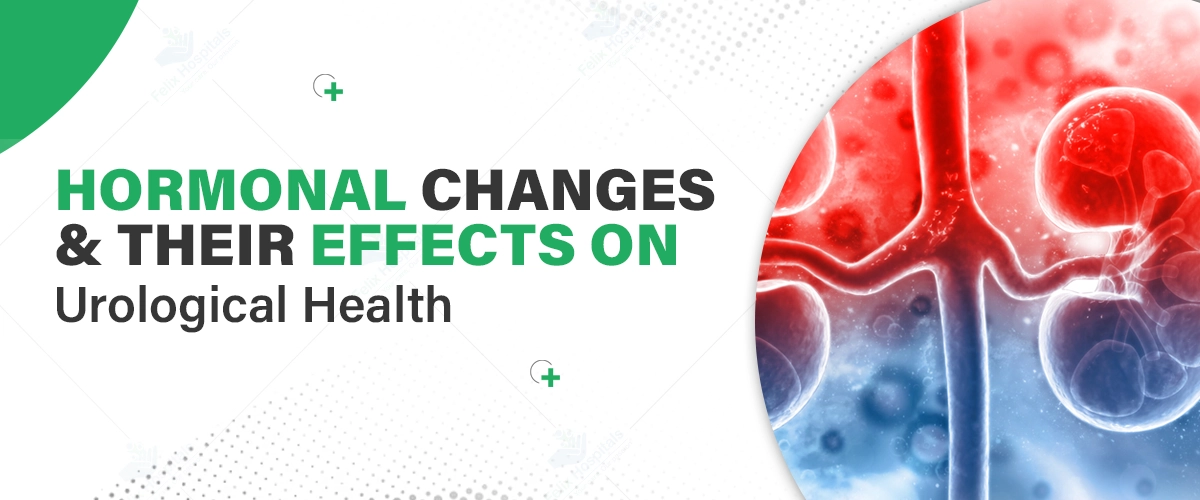
Hormones are the chemicals that regulate various bodily functions in both men and women. Any imbalance can significantly affect overall health, especially the urological system, which governs bladder, kidney function, as well as the reproductive organs. Whether it is due to old age, pregnancy, menopause, or some other medical reasons, hormonal shift can cause urological disorders such as urinary incontinence problems, infections, and kidney problems. However, if the relationship between hormonal shift and urological health is well understood and timely addressed, future complications related to kidney and overall health can be prevented.
So if you are facing any changes in your urological health or imbalance in your hormones, consult Felix Hospitals, Noida. We are the best hospital for hormonal imbalance treatment in Delhi-NCR region.
Hormones regulate many physiological activities, ranging from metabolism, mood, sexual health, reproductive health, and urinary function. Any hormonal imbalance in our body can affect our urological health in many ways. For example, the decline of estrogen in women during menopause can weaken the pelvic muscles, thus increasing the chance of urinary incontinence. Similarly, the hormonal levels of testosterone in males can affect prostate health and lead to urinary obstruction.
Other hormones, such as cortisol and aldosterone, also significantly affect kidney function and fluid regulation. When these hormone levels are disrupted, they can lead to kidney disease or chronic urinary tract infections (UTIs). Therefore, by understanding how these hormonal changes impact our body helps us to maintain urologic health.
Adrenal Hormones: Cortisol and other hormones of the adrenal glands are associated with the process of stress mechanisms and fluid balance. They affect urinary output and function.
Testosterone: This hormone is linked with male sexual activity, but has strong effects on the kidneys as well. Low levels may lead to a decrease in libido, and even frequency/urgency pertaining to urination.
Estrogen: A drop in the levels of this hormone during menopause may cause incontinence, vaginal dryness, and heightened susceptibility to UTIs.
Progesterone: This hormone is associated with menstrual cycle and pregnancy. Any imbalance in this hormone will affect the bladder and can cause problems with urination.
Hormonal change that affects urological health can be caused by the following changes in our life cycle:
Menopause: Decreased levels of estrogen affect the strength and elasticity of pelvic tissue.
Pregnancy and Postpartum Changes: Changes in progesterone and estrogen, combined with physical stress, can weaken the ladder's control.
Andropause in Men: Depletion of testosterone can make the prostate gland enlarged and cause bladder problems.
Hypothyroidism or Hyperthyroidism: Thyroid disorder influences renal functionality
PCOS (polycystic ovary syndrome): Hormonal disorder often causes problems related to kidney, and urinary infections.
Chronic Stress: The elevated level of cortisol affects kidney functioning along with fluid retention
Obesity: The extra amount of fat in the body disturbs hormonal functions, which can add to urinary problems, among other health ailments.
The common symptoms arising from hormonal imbalances include:
If any of these symptoms persist, getting an appointment with a urologist is crucial to determine the underlying cause.
Diagnosing urological conditions associated with hormonal changes requires a holistic approach. These assessments help doctors plan the treatment.
Early treatment of urological health and hormonal imbalance ensures better results, thereby decreasing the risk of complications such as CKD or irreversible bladder damage. Depending on your symptoms and diagnosis, your Urologist will plan a course of treatment that is well-suited to your specific problem.
Preventive measures can greatly reduce the risk of urological problems associated with hormonal shifts. These include:
At Felix Hospitals, the best hospital for hormonal imbalance in Noida, we provide specialized attention to issues related to the urogenital system and hormonal imbalances. Our team of highly experienced urologists include Dr Bhanwar Lal Barkesiya. The team of urologists and endocrinologists collaborate to provide comprehensive care in diagnosis, treatment, and prevention of urologic and hormonal problems. Whether you need attention for menopause-bladder problems or prostate concern, our state-of-the-art facilities ensure that you get personalized yet compassionate care.
So, do not let hormonal imbalances affect your quality of life. If you are looking for the best doctor for hormonal imbalance treatment in Noida, then book an appointment at Felix Hospitals today!
Hormonal changes are a part of life. Understanding the causes, symptoms, and available treatments can make individuals take proactive steps towards managing their urology health effectively.
Q1- Can hormones cause urinary frequency?
ANS: Yes, hormones are related to lower urinary tract symptoms, such as frequency, urgency, nocturia, and recurrent infection.
Q2- Do hormonal changes cause urological problems in men?
ANS: Yes, decreasing testosterone levels can cause prostatic enlargement and urinary troubles in men.
Q3- Can stress cause frequent urination?
ANS: Yes, chronic psychological stress can result in urinary frequency, urgency, incontinence, and pelvic pain.
Q4- How often should the hormone levels be tested?
ANS: Hormones need regular check-up, more importantly during transitional periods like menopause, pregnancy, or andropause.
Q5- What treatments are available at Felix Hospitals for urological issues?
ANS: Felix Hospitals is the best hospital for hormonal imbalance treatment in Noida. We offer a range of treatments, including hormone therapy, medication, lifestyle counseling, and advanced surgical options for urological issues.
Explore the connection between diabetes, neurological disorders, and other health issues that contribute to OAB symptoms.
Urological health is vital for well-being, influenced by diet and exercise. Good nutrition and activity help prevent conditions like UTIs, kidney stones, and cancers.
One of the best hospitals for urinary tract treatment in Noida offers comprehensive urology care, featuring expert urologists and advanced diagnostic and treatment facilities.
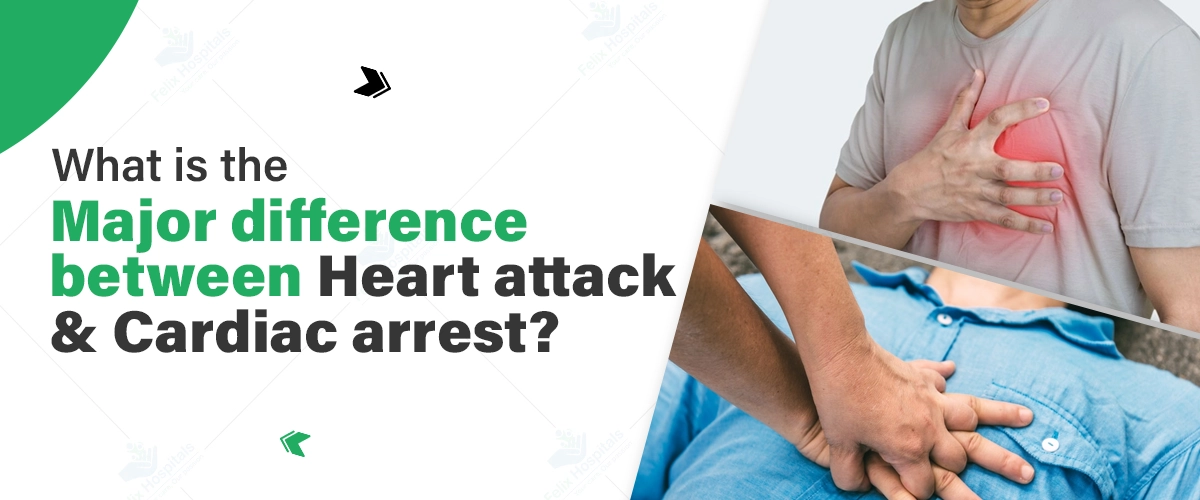
Heart health issues are among the leading causes of death worldwide, and two of the most critical conditions affecting the heart are heart attacks and cardiac arrests. While both are severe, they are distinct events that require different responses. Understanding the difference between a heart attack and cardiac arrest is crucial for prompt and effective medical intervention. Recognizing these differences can save lives, whether at home, at work, or seeking care at the best heart hospital in Noida. In this blog, we’ll explore the major differences between these two life-threatening conditions and why acting quickly can make all the difference.
Protect your heart and live a longer, healthier life by making informed decisions today by calling +91 9667064100.
A heart attack occurs when blood flow to a part of the heart muscle is blocked, typically due to a clot in one of the coronary arteries. This blockage prevents oxygen-rich blood from reaching the heart, causing the tissue to become damaged or die. The heart’s ability to pump effectively can be compromised, but it doesn't stop immediately.
Cardiac arrest, on the other hand, is a sudden and complete cessation of the heart’s ability to beat effectively, often due to a malfunction in the heart’s electrical system. This causes the heart to stop pumping blood to vital organs, including the brain, leading to loss of consciousness and, if untreated, death.
How Cardiac Arrest Occurs: Cardiac arrest is typically caused by arrhythmias (irregular heartbeats) such as ventricular fibrillation, where the heart’s electrical signals become disorganized.
Heart Attack: Caused by a blocked artery that restricts blood flow to the heart muscle.
Cardiac Arrest: Caused by an electrical malfunction, disrupting the heart’s rhythm.
Heart Attack: Gradual onset, typically characterized by chest pain, discomfort, and shortness of breath.
Cardiac Arrest: Sudden onset with the person losing consciousness, no pulse, and no breathing.
Heart Attack: Treated with medications, angioplasty, stents, and sometimes surgery.
Cardiac Arrest: Treated immediately with CPR and defibrillation.
Heart Attack: Can cause damage to the heart muscle, but without immediate cardiac arrest, the person may survive.
Cardiac Arrest: A life-threatening emergency that requires immediate intervention to restore heart rhythm.
A heart attack can lead to cardiac arrest. When blood flow is blocked during a heart attack, it can result in electrical disturbances in the heart, potentially leading to arrhythmias that cause the heart to stop beating. According to studies, heart attacks are among the most common causes of cardiac arrest, highlighting the critical importance of early medical intervention.
Both conditions can be prevented or their risk minimized with certain lifestyle changes:
Medications: Aspirin, statins, and beta-blockers can help manage risk factors. In some cases, a pacemaker or defibrillator may be implanted to regulate the heart’s rhythm.
The Importance of CPR: Knowing CPR is critical for anyone witnessing cardiac arrest vs heart attack situations. Immediate CPR can double the chances of survival from cardiac arrest until emergency services arrive.
When in doubt about your heart health or if you experience any symptoms of a heart attack vs cardiac arrest, it’s important to consult the best cardiologists. Felix Hospitals, one of the leading heart hospitals in Noida, offers expert care to help identify risks and treat heart conditions early. Dr. Rahul Arora, and Dr. Virendra Singh are experienced specialists who can guide you through the necessary steps to protect your heart and improve your overall health. A visit to one of these heart experts will help you understand what changes you need to make to safeguard your heart.
Both conditions require swift action, so knowing the differences between cardiac arrest vs heart attack can save a life.
Understand the warning signs of heart attacks and cardiac arrest, and schedule regular heart check-ups by Clicking Here.
In conclusion, while cardiac arrest vs heart attack are often used interchangeably, they are fundamentally different events that require distinct approaches. Cardiac arrest is a sudden, life-threatening emergency caused by electrical failure, whereas a heart attack results from a blocked artery and can lead to long-term heart damage. Understanding the differences and being able to act quickly can mean the difference between life and death.
Being informed about these conditions, including the potential costs of heart attack surgery and the importance of timely intervention, is essential for heart health. Take steps to reduce your risk, stay vigilant for symptoms, and always seek professional advice from experts at top hospitals like Felix Hospitals, Noida.
Q1- Can a heart attack lead to cardiac arrest?
ANS: Yes, a heart attack can cause electrical disturbances in the heart, leading to cardiac arrest if not treated promptly.
Q2- What’s the main difference between heart attack and cardiac arrest symptoms?
ANS: A heart attack involves gradual chest pain, shortness of breath, and discomfort, while cardiac arrest causes sudden loss of consciousness and no pulse.
Q3- Is CPR effective during a heart attack?
ANS: CPR is critical in cardiac arrest situations but not usually needed for a heart attack unless it leads to cardiac arrest.
Q4- Can heart disease be prevented without medication?
ANS: Yes, lifestyle changes like a healthy diet, regular exercise, and not smoking can significantly reduce the risk of heart disease.
Q5- What immediate action should I take if someone has a cardiac arrest?
ANS: Perform CPR immediately and use a defibrillator if available to restore the heart’s rhythm.
Q6- How can I reduce my risk of having a heart attack or cardiac arrest?
ANS: Maintain a healthy weight, exercise, quit smoking, and monitor your blood pressure and cholesterol levels regularly.
Q7- Do heart attacks always require surgery?
ANS: Not always; heart attacks may be treated with medications, angioplasty, or stents, but surgery may be necessary in severe cases.
Best heart hospital in Noida for bypass surgery at affordable prices with expert cardiac surgeons, advanced facilities, and quality patient care for better recovery.
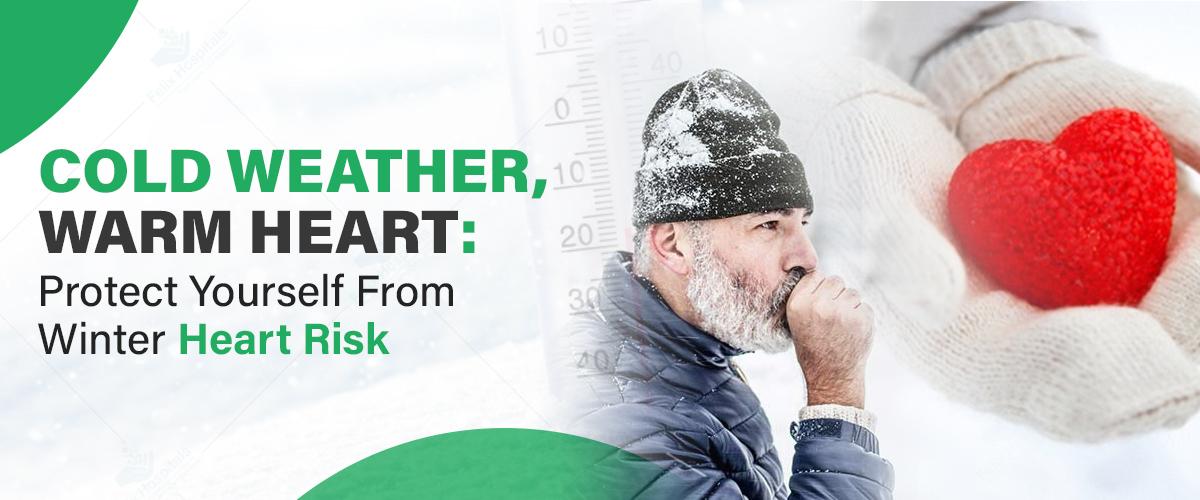
As the winter months approach, we often look forward to cozy moments by the fireplace and winter festivities. However, cold weather can have a significant impact on heart health, increasing the risk of heart-related issues. Research indicates that the risk of heart attacks and strokes rises substantially during the colder months. Cold weather can contribute to a 40% increase in heart attack cases. It is crucial to take proactive measures to protect your heart during these months. This blog will explore the connection between cold weather and heart risks, precautionary steps to take, and how to recognize winter heart attack symptoms.
If you're experiencing any winter heart attack symptoms, don't wait. Contact Felix Hospital today by Calling +91 9667064100.
Cold weather can stress the cardiovascular system in multiple ways. When temperatures drop, the blood vessels constrict, which can raise blood pressure and reduce blood flow to vital organs, including the heart. This physiological response places additional strain on the heart, increasing the likelihood of heart attacks, strokes, and arrhythmias. Furthermore, the body works harder to maintain its core temperature, resulting in an increase in heart rate and blood pressure. This combination of factors is a major contributor to the higher incidence of heart attacks in the winter months.
Maintaining heart health year-round is crucial for longevity and overall well-being. In winter, consider eating heart-healthy foods like omega-3-rich fish, vegetables, fruits, and nuts to support cardiovascular function. Additionally, maintaining a consistent sleep schedule, avoiding smoking, and limiting alcohol consumption can help reduce the strain on your heart. It’s important to be mindful of how cold weather can impact your heart, so seeking care at the best hospital for a heart attack in winter can make a significant difference in managing heart-related risks. Remember to take steps to protect your heart and seek medical guidance whenever necessary to ensure your cardiovascular health remains strong throughout the year.
At Felix Hospital, you’ll find the best cardiologists in Noida, dedicated to providing exceptional care for patients with congenital heart conditions and heart-related concerns during the winter months.
Choose Felix Hospital for trusted expertise in treating heart defects and maintaining heart health during the colder months.
If you’re concerned about your heart health during the colder months, schedule an appointment with one of the best cardiologists at Felix Hospital.
As winter approaches, it is crucial to be aware of the risks posed to heart health, including winter heart attack symptoms. By dressing appropriately, exercising safely, and taking steps to manage stress and health conditions, you can protect your heart this season. If you experience any signs of a heart attack or stroke, seek immediate medical help. The Heart Attack treatment cost in winter may vary, but timely intervention can significantly reduce the risk of complications. Stay proactive, and consult a healthcare professional if necessary to ensure your heart remains healthy throughout the winter months.
Q- Why does cold weather increase the risk of heart attacks?
Ans- Cold weather causes blood vessels to constrict, raising blood pressure and heart rate. When combined with physical exertion, such as shoveling snow, this increases the workload on your heart, leading to a higher risk of heart attack.
Q- What are the key symptoms of a winter heart attack?
Ans- Symptoms of a winter heart attack include chest pain, shortness of breath, dizziness, fatigue, and nausea. If you experience any of these symptoms during cold weather, seek medical help immediately.
Q- Can cold temperatures cause arrhythmias?
Ans- Yes, cold temperatures can disrupt the heart’s electrical activity, leading to irregular heartbeats (arrhythmias), especially for individuals with existing heart conditions. It is crucial to monitor heart health during winter.
Q- How can I safely exercise in winter without risking my heart?
Ans- To exercise safely, opt for indoor activities or ensure a proper warm-up before going outside. Avoid sudden exertion in the cold, and consider wearing layers to stay warm while exercising outdoors.
Q- What lifestyle changes can I make to support heart health during winter?
Ans- Maintain a heart-healthy diet rich in omega-3 foods, fruits, vegetables, and nuts. Monitor blood pressure, manage stress levels, stay hydrated, and ensure adequate sleep to support your heart health during winter.
Q- Is it important to dress warmly to protect my heart?
Ans- Yes, dressing warmly is essential to prevent stress on your heart. Layering your clothing and wearing hats, gloves, and scarves helps retain body heat, allowing proper blood circulation to your vital organs.
Q- What are some warning signs of a stroke during cold weather?
Ans- Stroke symptoms include sudden numbness or weakness, especially on one side of the body, confusion, trouble speaking, or difficulty walking. If you notice any of these symptoms, seek emergency medical help immediately.
Q- What is the heart attack treatment cost in winter?
Ans- The cost of heart attack treatment during winter can vary depending on the severity and type of treatment required. However, timely intervention is essential for reducing complications, and seeking immediate medical care can save lives.
In Noida hospitals, recognized for being among the best heart health hospitals in Noida, are at the forefront of offering critical care for heart-related issues.
हार्ट अटैक के मुख्य लक्षण, कारण और तुरंत किए जाने वाले उपचार के बारे में जानें। समय पर पहचान और सही इलाज से जीवन बचाया जा सकता है।
Arrhythmia is a condition where the heart beats irregularly—too fast, too slow, or with an uneven rhythm. It can feel like a fluttering, racing, or skipped heartbeat.
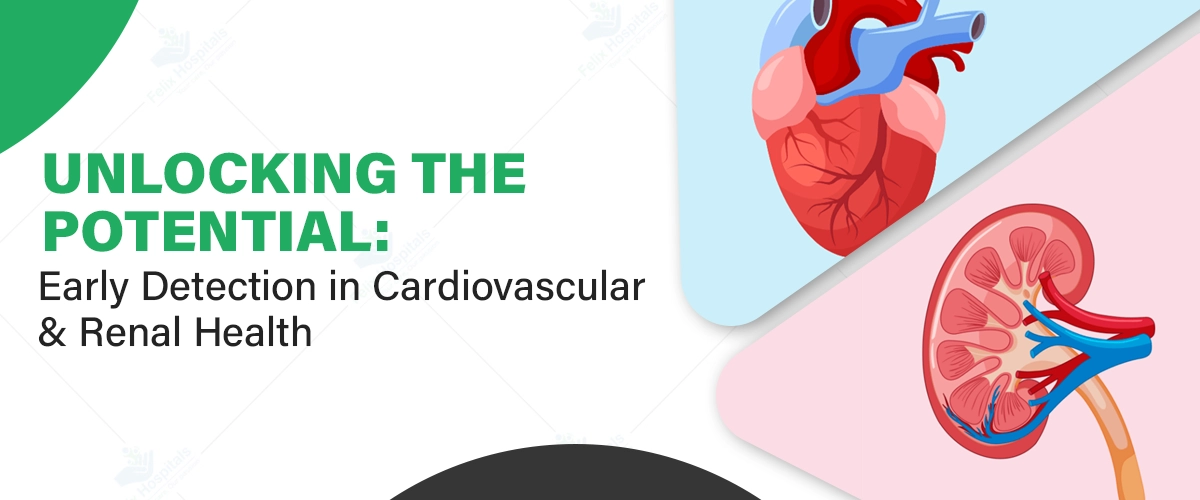
Cardiovascular and renal health play a crucial role in ensuring overall well-being. Together, the heart and kidneys sustain life by maintaining optimal blood circulation and waste filtration. However, cardiovascular and renal diseases remain significant contributors to global morbidity and mortality. According to global health statistics, these conditions account for millions of deaths annually and impose substantial socioeconomic burdens.
Early detection is pivotal in mitigating these impacts. By identifying potential risks or conditions at an initial stage, individuals can receive timely interventions, thus preventing severe complications. For comprehensive care, the Best hospital for cardio renal treatment offers advanced diagnostic and therapeutic solutions, emphasizing the importance of regular screenings and proactive health management.
Schedule your health check-up today and take the first step towards a healthier tomorrow. Call now at +91 9667064100.
Cardiovascular Health: The cardiovascular system consists of the heart and blood vessels, which work synergistically to pump blood, deliver oxygen, and transport nutrients throughout the body. Proper functioning of this system is essential for sustaining life and promoting overall health.
Renal Health: The kidneys are vital organs responsible for filtering waste products, maintaining electrolyte balance, and regulating blood pressure through hormonal control. They play an essential role in ensuring homeostasis.
Interconnection: Cardiovascular and renal systems are intricately linked. For instance, hypertension, a primary cardiovascular condition, is a leading cause of kidney damage. Similarly, impaired kidney function can exacerbate heart diseases by influencing fluid balance and blood pressure. Understanding this interplay underscores the need for integrated healthcare approaches.
Hypertension: Persistently high blood pressure that can lead to heart failure or stroke.
Coronary Artery Disease (CAD): Narrowing of coronary arteries, reducing blood supply to the heart.
Heart Failure: A condition where the heart cannot pump blood effectively.
Chronic Kidney Disease (CKD): Gradual loss of kidney function, often due to diabetes or hypertension.
Acute Kidney Injury: Sudden loss of kidney function, typically reversible with prompt treatment.
Nephritis: Inflammation of the kidneys, potentially leading to long-term damage.
Shared Risk Factors: Cardiovascular and renal diseases share several modifiable risk factors, including diabetes, high blood pressure, obesity, smoking, and a sedentary lifestyle. Addressing these risks is critical to reducing disease prevalence.
Slowing disease progression by addressing root causes.
Enhancing the effectiveness of medical interventions.
Reducing the overall cardio renal treatment cost through preventive care.
Screenings and Monitoring: Regular health check-ups and screenings help identify asymptomatic conditions. Many cardiovascular and renal diseases progress silently, making early diagnosis through blood tests, imaging, and other diagnostics invaluable.
Blood Pressure Monitoring: Regular checks to identify hypertension.
Lipid Profile Tests: Assessing cholesterol levels to evaluate CAD risk.
ECG, Stress Tests, and Echocardiograms: Detecting irregular heart rhythms, stress-induced cardiac issues, and structural abnormalities.
Serum Creatinine and BUN Tests: Indicators of kidney function.
Glomerular Filtration Rate (GFR): Measuring kidney efficiency.
Urinalysis and Imaging Studies: Detecting infections, stones, or structural issues.
Limiting sodium and sugar intake to manage blood pressure and prevent diabetes.
Incorporating heart- and kidney-friendly foods like leafy greens, berries, whole grains, and lean proteins.
Physical Activity: Regular exercise improves cardiovascular fitness and supports healthy kidney function.
Quitting smoking and limiting alcohol intake.
Managing stress through mindfulness practices, such as yoga or meditation.
Wearable Technology: Devices such as smartwatches monitor vital signs, including heart rate and blood pressure, providing real-time insights into cardiovascular health.
AI-Driven Predictive Tools: Artificial intelligence enhances diagnostic accuracy by analyzing patterns in patient data, predicting risks, and recommending interventions.
Non-Invasive Techniques: Advances in imaging and diagnostic tools allow for early detection without invasive procedures, improving patient comfort and compliance.
Real-life examples demonstrate how early diagnosis has transformed lives:
A middle-aged individual identified with early-stage CKD during a routine health check-up avoided dialysis through lifestyle changes and medication.
A young professional detected with mild hypertension through wearable technology implemented dietary changes, preventing further complications.
Such stories emphasize the transformative power of proactive health management.
Awareness and Accessibility: Limited awareness about the importance of early detection remains a significant barrier. Additionally, the cost and accessibility of diagnostic tools pose challenges, especially in underserved regions.
Healthcare Disparities: Addressing inequalities in healthcare delivery ensures equitable access to preventive measures and diagnostic services.
Felix Hospital is dedicated to delivering world-class care for cardiovascular and renal diseases, with a focus on early detection and tailored treatment plans. The hospital's renowned cardiologists bring exceptional expertise and a patient-centered approach to ensure the best outcomes.
Dr. Rahul Arora: Renowned for his expertise in advanced cardiovascular interventions, Dr. Arora has helped transform the lives of countless patients with precise and effective treatments. He serves at Felix Hospitals, Sector 137, Noida.
Dr. Virendra Singh: With vast experience in managing complex cardiovascular cases, Dr. Singh excels in both preventive and interventional cardiology. He serves patients at Felix Hospitals, Greater Noida, Gamma 1.
At Felix Hospital, the emphasis is on proactive health management through patient education and state-of-the-art diagnostic and treatment facilities. Patients benefit from a combination of expertise, compassion, and cutting-edge technology, ensuring accurate diagnoses and optimal outcomes.
Your health is your greatest wealth—invest in it wisely, Schedule your appointment today by Clicking Here.
Early detection is the cornerstone of managing cardiovascular and renal diseases effectively. By taking timely action, individuals can reduce disease progression, enhance treatment outcomes, and significantly lower the cardio renal treatment cost. Prioritizing screenings, adopting a healthy lifestyle, and seeking care from trusted healthcare providers like Felix Hospital unlock the potential for a longer and healthier life. Start your journey towards optimal health today by consulting with Felix Hospital’s experts and making informed choices for your well-being.
Q1- Why are cardiovascular and renal diseases interlinked?
ANS: The heart and kidneys work together to regulate blood flow and waste filtration, so issues in one system often affect the other.
Q2- What are the early symptoms of cardiovascular and renal diseases?
ANS: Early symptoms are often absent, but signs like fatigue, swelling, high blood pressure, or abnormal urination patterns can indicate potential problems.
Q3- How does early detection reduce treatment costs?
ANS: Identifying diseases early allows for preventive measures and less invasive treatments, reducing long-term healthcare expenses.
Q4- What diagnostic tests are essential for early detection?
ANS: Key tests include blood pressure monitoring, lipid profiles, ECG, serum creatinine, GFR, and urinalysis.
Q5- Can lifestyle changes alone prevent cardiovascular and renal diseases?
ANS: While lifestyle changes like a healthy diet and regular exercise significantly lower risk, regular screenings remain crucial.
Q6- Are wearable health devices reliable for monitoring risks?
ANS: Yes, wearable devices provide valuable real-time data, aiding in early identification of potential issues like hypertension.
Q7- What role does Felix Hospital play in early detection?
ANS: Felix Hospital offers advanced diagnostic tools and experienced cardiologists for comprehensive early detection and treatment.
Q8- Who should prioritize early detection screenings?
ANS: Individuals with risk factors like diabetes, hypertension, obesity, or a family history of cardiovascular or renal diseases should undergo regular screenings.
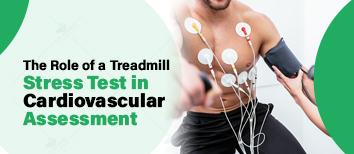
The primary goal of the Treadmill Stress Test is to evaluate how well the heart responds to increased physical activity
A stent procedure can be life-saving for those with blocked arteries. This guide walks you through the stent experience—from the angioplasty process to post-procedure recovery and lifestyle changes.
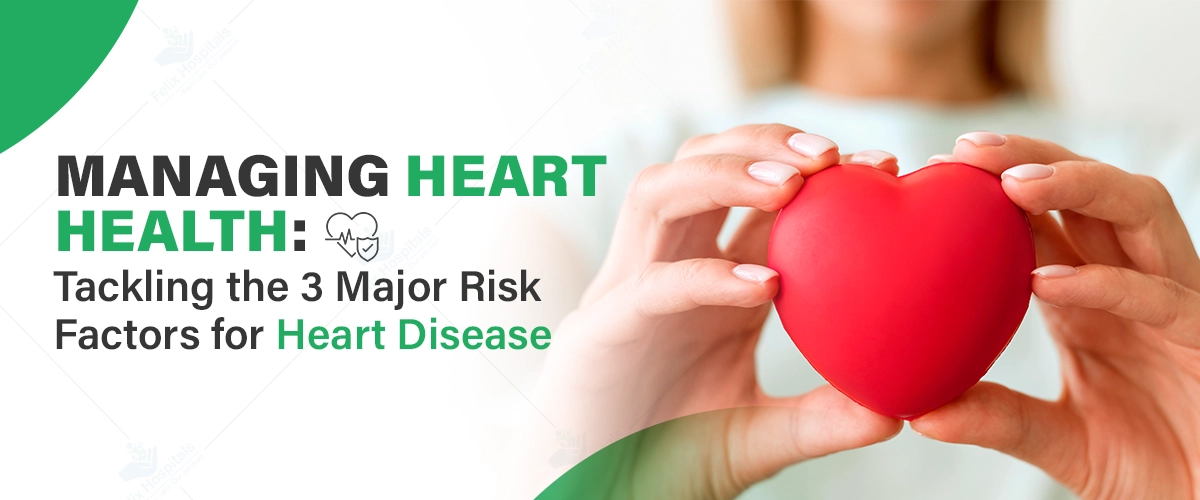
Cardiovascular disease (CVD) is a leading cause of shortening of lifespan and increasing mortality rates globally. This can be attributed to factors such as underlying genetic predisposition to metabolic deregulation and cardiomyopathy, as well as a recent shift towards consumption of junk foods and leading a sedentary lifestyle. However, identifying major heart disease risk factors, undergoing regular screening and receiving appropriate treatment can significantly prevent or delay heart-related deaths.
At Felix Hospital, one of the best hospitals for heart disease in Noida, we have a team of experienced and best cardiologists in Noida who are expert in diagnosing as well as treating and managing various diseases of the heart.
As we know, the heart is a vital organ that pumps blood and oxygen to every part of the body. It requires proper care to function optimally. Heart diseases, which fall under the umbrella of cardiovascular disease, can take many forms, such as coronary artery disease (CAD), arrhythmias, and heart failure. Addressing risk factors associated with heart diseases early can significantly lower the chances of developing life-threatening conditions.
Here are three major risk factors for heart diseases that can cause complications related to heart health.
1. High Blood Pressure (Hypertension): Also referred as silent killer, high blood pressure is a leading contributor to heart disease. It is one of the leading causes of premature deaths worldwide. When an individual has a high blood pressure, the heart has to work harder to pump blood.
Symptoms: High Blood Pressure generally shows no symptoms until heart arteries are significantly damaged. The only way to know if you are hypertensive is to get your blood pressure checked regularly. However, some people may experience symptoms such as severe headaches, dizziness, chest pain, nausea and nosebleed, etc.
Causes: Some of the known causes of high blood pressure include old age, genetics, obesity, consumption of high salt diet, etc.
Management: Lifestyle changes like eating a healthier diet, quitting tobacco, reducing stress, and being more active can help lower blood pressure. Besides, it's important to regularly check blood pressure, especially if you are already diagnosed with the condition.
2. Diabetes: Having diabetes means you are more likely to develop heart disease. In fact, people with diabetes are more likely to develop diabetic heart disease which puts them at risk of having high blood pressure or high cholesterol or high triglycerides, which increases their chances of having a heart attack or a stroke.
Symptoms: In the early stages, heart disease usually doesn't have any symptoms. But if your heart disease worsens, you can have symptoms that might include shortness of breath, fatigue, dizziness, arrhythmia, chest pain, etc.
Causes: Both type 1 and type 2 diabetes may be caused by a combination of genetic or environmental factors.
Management: If you are diabetic, you may be able to prevent heart disease or keep it from getting worse by controlling your blood sugar levels, take medicines that have been prescribed, lead a healthy lifestyle and follow healthy eating habits. Besides, it's advisable to get regular blood tests and heart tests, if needed.
3. Obesity: Being overweight or obese is another major risk factor for heart disease. It is often associated with the development of heart failure, coronary heart disease, and sudden cardiac death as carrying too much weight can put extra stress on your heart.
Obesity causes a spike in triglyceride levels and blood pressure. Besides, it can also lead to diabetes, another risk factor for heart disease.
Symptoms: If you are obese, be watchful for signs of heart failure. These include fatigue, shortness of breath and irregular heartbeat.
Causes: Besides genetics, lack of physical activity, diet and lifestyle and medical reasons contribute to the cause of diabetes.
Management: If you are obese, try to lose weight, be it through rigorous exercise, healthy diet or bariatric surgery. Also, keep a regular check on your BMI, blood pressure, blood sugar and cholesterol. Most importantly, be watchful for signs of heart failure, such as fatigue, shortness of breath and irregular heartbeat.
While addressing the above mentioned three major heart disease risk factors is crucial, managing heart health also involves understanding one’s genetic predisposition, managing stress, avoiding smoking, and getting regular health check-ups.
At Felix Hospital, the best hospital for heart disease in Noida, we emphasize on early detection and timely intervention so as to prevent minor issues from escalating into severe problems.
Various tests are used to diagnose heart disease. These include blood tests such as lipid profile, CRP, CBC, Fasting Glucose, etc. Other than these, your doctor may recommend several other non-invasive tests such as ECG, Echo, TMT, Exercise Stress Test, Holter Monitor, Peripheral Doppler, etc.
Heart disease treatment depends on the cause and type of heart disease. However, some of the common treatments for heart disease may include:
Heart disease treatment cost at Felix Hospital in Noida is affordable as compared to other hospitals in the NCR region. We offer advanced and minimally invasive treatments for heart diseases.
Our team of best cardiologists in Noida are experts at providing personalized treatment for heart diseases such as Coronary artery disease, Arrhythmia, Dilated Cardiomyopathy, Myocardial Infarction, Heart Failure, Hypertrophic cardiomyopathy, Mitral valve prolapse, Congenital Heart Defects, and Aortic Stenosis, etc.
We provide some common types of heart disease surgery. These include:
Maze surgery: To treat atrial fibrillation, a surgeon creates new paths for electrical signals to pass through.
Besides addressing heart disease risk factors, heart disease can also be prevented by following a healthy diet, getting plenty of exercise, and seeking advice when the first symptoms of heart disease appear.
At Felix Hospital, the best hospital for heart disease in Noida, we provide a spectrum of treatment for various conditions such as heart defects, congenital heart problems, pulmonary heart failure, etc. Our hospital is equipped with state-of-the-art infrastructure, which enables our specialists to offer the best treatments to our patients.
We have a team of specialists that include Dr Rahul Arora, and Dr Virendra Singh who are dedicated to delivering comprehensive care for a broad spectrum of cardiovascular conditions. Our cardiologists have pioneered Coronary Artery Stenting as well as Laser Angioplasty.
Equipped with state-of-the-art Cath Labs, operation theatre, and other heart care technologies, we are one of the best multispeciality hospitals in Noida.f
If you think you have heart disease or are at risk of heart disease because of family history, contact us today!
A healthy lifestyle is the best protection against heart disease and its complications. Therefore, don't delay and adopt a healthy lifestyle to lead a heart-healthy life. Besides, if you are at risk of heart disease, get yourself checked regularly.
Q- Is heart surgery high-risk?
Ans- Like any surgical procedure, heart surgery carries some inherent risks. But that said, advancements in medical technology and the expertise of the medical teams have significantly reduced these risks.
Q- How long do heart surgery patients stay in the hospital?
Ans- The stay at a hospital post heart surgery varies. It depends on the type of surgery and patient’s recovery.
Q- What is the heart disease treatment cost at Felix Hospital?
Ans- The cost of the surgery depends on the type of heart surgery.
Q- How to reduce heart attack risk?
Ans- The best way to reduce heart attack risk is to lead a healthy lifestyle, address risk factors such as High BP and diabetes, exercise regularly, and most importantly get yourself checked often.
Q- What are the risk factors for heart failure?
Ans- Besides genetic predisposition, unhealthy lifestyle habits that include unhealthy diet, smoking, sedentary lifestyle, heavy consumption of alcohol, etc., increase your risk of heart failure.
Q- What is the biggest risk for heart disease?
Ans- Smoking is one of the strongest risk factors for heart disease.
A stent procedure can be life-saving for those with blocked arteries. This guide walks you through the stent experience—from the angioplasty process to post-procedure recovery and lifestyle changes.
If you're concerned about your child's heart health, be sure to inquire about the Heart Treatment cost in Noida for expert care and guidance.
हार्ट अटैक के मुख्य लक्षण, कारण और तुरंत किए जाने वाले उपचार के बारे में जानें। समय पर पहचान और सही इलाज से जीवन बचाया जा सकता है।
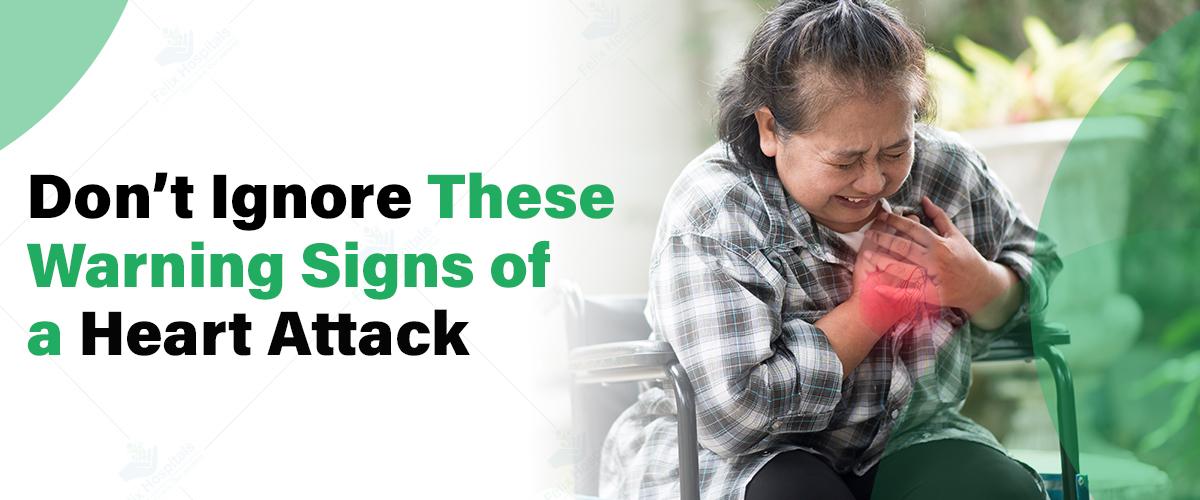
Heart attack signs early is crucial because timely intervention can significantly reduce the risk of severe complications and improve outcomes.
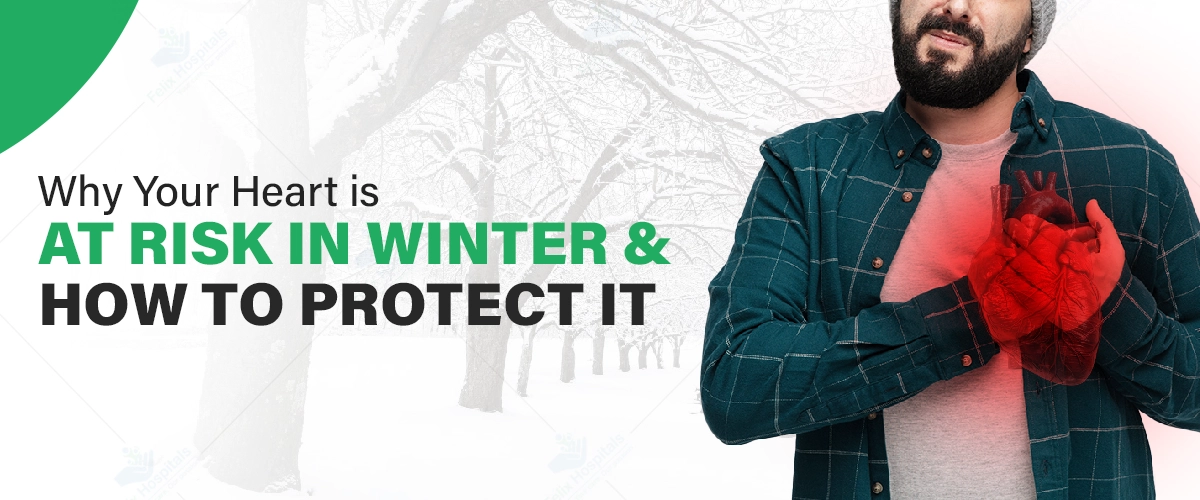
Winter can be a beautiful season, but it also brings hidden dangers for your heart. As the temperature drops, your heart faces added stress, and conditions like heart attacks become more prevalent. Understanding why the cold weather puts you at greater risk and learning how to protect yourself is crucial. During the colder months, it’s vital to take extra precautions to safeguard your heart. For the best care, consulting a top heart attack hospital in Noida can provide you with expert guidance tailored to your needs.
Concerned About Your Heart Health? Don't wait until it's too late—take control of your health today by Calling +91 9667064100.
Cold Weather Stress: As temperatures plummet, your body works harder to maintain heat. Cold weather causes blood vessels to constrict, which increases blood pressure and puts strain on the heart. The heart has to pump harder to circulate blood through narrowed arteries, which can lead to heart attacks or other cardiovascular issues.
For those already dealing with heart disease, high blood pressure, or other cardiovascular conditions, winter can pose even greater challenges. Cold temperatures can worsen symptoms, and people with pre-existing conditions are more likely to experience complications, such as a heart attack or stroke. It’s important to monitor your health closely and adjust medications as needed during colder months, in consultation with your healthcare provider.
Physical exertion during winter, such as shoveling snow or participating in winter sports, can be especially taxing on the heart. These activities demand more from your body than they might in warmer weather. Warming up before engaging in outdoor activities and dressing appropriately to keep warm is essential to avoid sudden stress on the heart.
Regular Check-ups: For individuals with heart conditions, regular check-ups are essential. Monitoring blood pressure, cholesterol levels, and overall heart health during winter can help prevent complications. It’s advisable to consult a specialist, especially if you experience any unusual symptoms during the colder months.
In the winter, the cold weather can exacerbate existing heart conditions, and it’s important to be aware of potential warning signs such as:
If you experience any of these symptoms, seek medical attention immediately. Winter should never be a time to ignore your heart health.
At Felix Hospitals, you'll find some of the top cardiologists who specialize in heart attack prevention and treatment. For those concerned about heart health during winter, here are some of the best doctors to consult:
These experts are dedicated to helping you manage and prevent heart issues, ensuring that you stay healthy throughout the winter season.
Prioritize Your Heart Health This Winter, Schedule a consultation with our top cardiologists at Felix Hospitals by Clicking Here.
Winter poses unique challenges to heart health, but with the right precautions, you can reduce the risks. By staying active, dressing warmly, managing your diet, and keeping hydrated, you can protect your heart from the winter chill. If you're at higher risk, consult with a healthcare provider and monitor your health regularly. Remember, preventing winter heart attacks requires proactive care, so don’t hesitate to reach out to a top heart attack hospital in Noida for expert guidance. Also, consider the heart attack surgery cost if you are already at risk, and make informed decisions about your care. Prioritize your heart health and enjoy a safe and healthy winter season.
Q- Why are heart attacks more common in the winter?
Ans- Cold weather causes the blood vessels to constrict, which increases blood pressure and makes the heart work harder. Additionally, cold temperatures can cause an increase in blood clotting, which significantly raises the risk of heart attacks.
Q- How does winter weight gain affect heart health?
Ans- During winter, people tend to exercise less and indulge in comfort foods, leading to weight gain. Excess weight can increase cholesterol levels, raise blood pressure, and contribute to other heart problems, all of which are key factors in cardiovascular disease.
Q- Is it safe to exercise outside in the winter if I have heart disease?
Ans- It is generally safe to exercise outdoors if you have heart disease, but precautions should be taken. Make sure to warm up thoroughly, dress in layers to stay warm, and avoid strenuous activities that may put sudden stress on your heart, such as shoveling heavy snow.
Q- How can dehydration affect heart health in winter?
Ans- Cold, dry air in winter can cause dehydration, making your blood thicker and harder for your heart to pump. This added strain on the heart can increase the risk of complications, especially for individuals already at risk for heart disease.
Q- What are the most common warning signs of heart problems in winter?
Ans- Symptoms such as chest pain, shortness of breath, dizziness, nausea, or cold sweats should be taken seriously, especially in cold weather. If you experience any of these, it's important to seek medical attention immediately to prevent further complications.
Q- How often should I check in with my cardiologist during winter if I have pre-existing heart conditions?
Ans- Individuals with heart conditions should have regular check-ups during the winter months to ensure their health is closely monitored. You may need to adjust medications or treatments based on how your body responds to the cold weather.
Q- What are some natural ways to protect my heart from winter stress?
Ans- Staying active indoors, eating a heart-healthy diet, staying hydrated, managing stress through relaxation techniques, and wearing appropriate clothing to stay warm are all natural ways to protect your heart from winter stress.
A stent procedure can be life-saving for those with blocked arteries. This guide walks you through the stent experience—from the angioplasty process to post-procedure recovery and lifestyle changes.
At Felix Hospital, our team of expert cardiologists is dedicated to providing the best care and personalized treatment plans. Dr. Rahul Arora is the best cardiologists in Noida
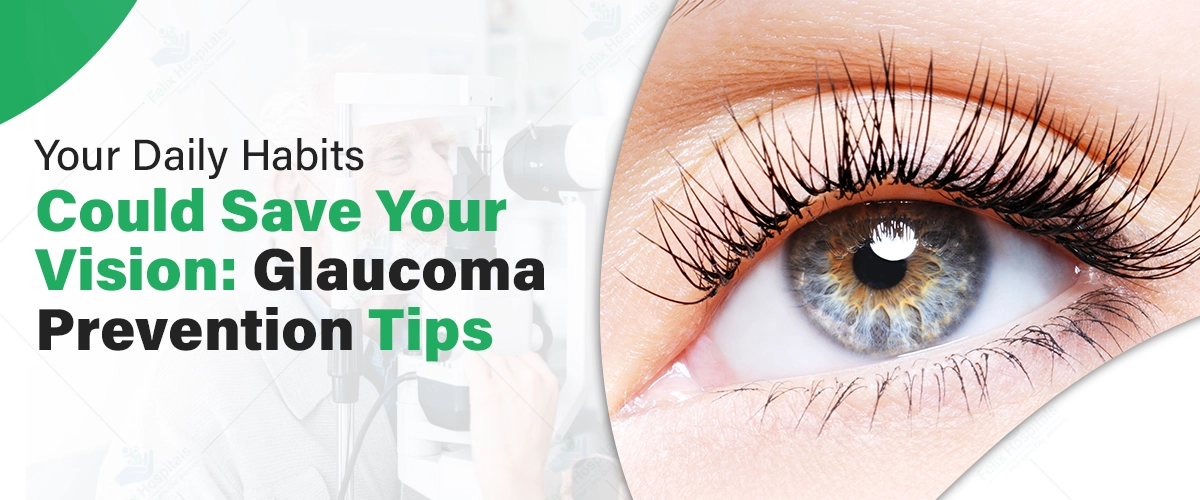
Glaucoma or 'kala motia' is a condition where the optic nerve of the eye gets damaged due to increase in intraocular pressure (IOP), thereby causing blind spots in the area of vision. And, vision loss that occurs due to optic nerve damage cannot be reversed.
Glaucoma, also called the ‘silent killer of sight’ rarely shows signs or symptoms at its beginning stages, but once the complete nerve is damaged, the condition may lead to the total loss of vision. Fortunately, this condition can be prevented if Glaucoma is diagnosed and treated before any major damage occurs.
Don’t let Glaucoma steal your sight! Contact Felix Hospitals to make an appointment with one of our experienced Glaucoma specialists or schedule a comprehensive eye test.
Glaucoma is a condition that damages the optic nerve, often due to high intraocular pressure (IOP). The optic nerve is essential for clear vision, and its deterioration can lead to blindness if untreated. Two types of Glaucoma include:
Open-angle Glaucoma: This accounts for about 90 % of the total cases of Glaucoma. It causes damage to the optic nerve and loss of sight occurs gradually and painlessly.
Glaucoma rarely shows any symptoms and the only way to diagnose the condition is through the total evaluation of eyes and optic nerves. Other than deteriorating eyesight there are usually no symptoms for Open-angle Glaucoma. Whereas, in case of Angle-closure Glaucoma, an individual may experience the symptoms as listed below:
Following individuals are at the risk of developing Glaucoma:
Timely diagnosis is essential for effective management. Some of the diagnostic tests to diagnose Glaucoma include:
While there is no cure for glaucoma, treatments focus on preventing further damage by reducing IOP.
At Felix Hospital, we offer Glaucoma laser treatment that helps to minimize the permanent damage caused to the optic nerve of the eye.
As mentioned, Glaucoma develops gradually and painlessly, such that many people don’t realize they have it until significant damage has occurred. However, certain daily habits and lifestyle changes can reduce your risk or slow its progression.
Felix Hospitals offers cutting-edge Glaucoma treatment with experienced ophthalmologists dedicated to preserving your vision. Using advanced diagnostic tools and personalized treatment plans, our team, led by ophthalmologists Dr. Deepanjali Arya and Dr. Mohmad Uzair Zakai ensures the best outcomes for each patient.
For a comprehensive eye test, book your consultation at Felix Hospitals today and take a proactive step in protecting your eyesight! Contact us at: +(91) 9667064100.
Glaucoma can be managed effectively with early detection and the right lifestyle changes. By prioritizing regular eye exams and adopting healthy habits, you can reduce your risk of Glaucoma.
Q- Who is at the highest risk for Glaucoma?
Ans- Individuals over 40, those with a family history of Glaucoma, and people with diabetes or high blood pressure are at greater risk.
Q- Can Glaucoma be cured?
Ans- Glaucoma cannot be cured, but timely treatment can slow its progression and preserve vision.
Q- How often should I get my eyes checked?
Ans- If you’re over 40 or have risk factors, schedule comprehensive eye exams every 1 year.
Q- What happens if Glaucoma goes untreated?
Ans- Untreated Glaucoma can lead to irreversible blindness.
Q- Is Glaucoma hereditary?
Ans- Yes, a family history of Glaucoma increases your risk.

Air pollution is a major health risk for all ages, causing respiratory and eye issues.
Dry eyes, or Dry Eye Syndrome (DES), is a common condition that affects the tear production and quality in your eyes.
Hypertension, commonly known as high blood pressure, is a prevalent condition that affects millions globally. Cold weather can exacerbate hypertension, making it essential for individuals with high blood pressure to take extra precautions during winter months. The cold weather has a direct impact on heart health, increasing the risk of complications such as heart attacks and strokes. Managing Heart Healthcare in Cold Weather and Hypertension is crucial to prevent severe outcomes, making it essential to seek advice from the Best Hospital for Hypertension Treatment. This blog provides practical tips for maintaining heart health in cold weather and ensuring a stable blood pressure level.
For more advice and treatment options related to hypertension issues in winter. Call us today at +91 9667064100.
Cold temperatures can cause blood vessels to constrict, a phenomenon known as vasoconstriction. This narrowing of the blood vessels increases the resistance against blood flow, leading to an elevation in blood pressure. This sudden rise in blood pressure can put a strain on the heart, which is why individuals with existing hypertension need to be especially cautious during winter months.
During colder months, people tend to stay indoors, leading to a significant reduction in physical activity. Less movement can lead to weight gain, which directly impacts blood pressure control. Sedentary lifestyles worsen hypertension and increase the risks of developing cardiovascular diseases. Regular physical activity is crucial for maintaining optimal heart health and controlling blood pressure levels.
Winter brings about changes in eating habits, often involving indulgence in high-salt, high-fat foods, especially during the holiday seasons. Combined with seasonal stress and overeating, these dietary changes can spike blood pressure. Overindulgence in unhealthy foods not only raises blood pressure but also strains the cardiovascular system. Managing diet and stress is critical for maintaining a healthy heart during the winter.
Layered clothing and wearing accessories like scarves, hats, and gloves can help maintain body heat. Keeping extremities warm reduces the strain on the heart and prevents unnecessary increases in blood pressure. Avoiding exposure to extreme cold is key to managing heart health in cold weather.
While it may be tempting to stay indoors, maintaining physical activity is essential for heart health. Indoor exercises such as yoga, aerobics, and home workouts can keep your metabolism active and promote better blood circulation, which helps in maintaining healthy blood pressure levels. Even small movements, like stretching or walking around the house, can help.
Eating heart-healthy foods is crucial during the winter. Focus on consuming fruits, vegetables, whole grains, and lean proteins while limiting sodium intake. Opt for warm, nutritious meals that provide comfort while supporting heart health. Reducing salt intake and choosing foods that are rich in potassium and omega-3 fatty acids can help lower blood pressure.
Keeping track of your blood pressure at home can help you monitor changes, especially during colder months. Regular monitoring allows you to take proactive measures in case your readings become elevated. If necessary, consult your physician for adjustments in medication, especially if your blood pressure is difficult to manage during the winter.
The winter season, especially with the holidays, can bring about additional stress. Managing this stress is crucial for heart health, as elevated stress levels increase cortisol, which can contribute to higher blood pressure. Engage in relaxation practices such as mindfulness, meditation, or simple hobbies to reduce stress and improve your overall well-being.
Prolonged exposure to cold weather can put extra stress on the heart. Try to limit outdoor activities during extreme cold hours, and if you must go outside, dress warmly and take frequent breaks to warm up. Cold-induced vasoconstriction can lead to spikes in blood pressure, so it’s essential to stay warm to protect your heart.
Dehydration is a common but often overlooked factor that can contribute to hypertension. Cold weather can make it less obvious that you’re becoming dehydrated, but insufficient water intake can lead to thicker blood, which increases blood pressure. Drink enough water throughout the day, even if you don’t feel thirsty.
Both smoking and alcohol can negatively affect blood pressure and increase the risk of heart disease. Cold weather already puts additional stress on the cardiovascular system, and smoking or drinking excessively can make it even worse. Limiting or avoiding these habits can help you manage your blood pressure effectively.
Felix Hospital is renowned for its comprehensive heart healthcare services, offering specialized care for patients with hypertension and other heart-related conditions. Our team of experts, including Dr. Rahul Arora, and Dr. Virendra Singh, are among the Best Cardiologists in Noida. They provide tailored care and advanced treatment options to ensure optimal heart health, even in the challenging winter months. Whether it’s medication management, lifestyle counseling, or the latest diagnostic tools, Felix Hospital offers personalized treatment plans for patients to manage Heart Healthcare in Cold Weather and Hypertension effectively.
Consult with our experienced cardiologists at Felix Hospital by Clicking Here for the best hypertension care.
Cold weather poses unique challenges for individuals with hypertension, but with the right preventive measures, it’s possible to manage blood pressure and maintain heart health throughout winter. Following the tips outlined above—such as staying warm, exercising indoors, eating a balanced diet, and monitoring your blood pressure regularly. With their expertise, you can develop the best Heart Healthcare in Cold Weather and Hypertension management plan tailored to your needs, helping you stay healthy and safe all season. Call today to schedule an appointment and learn more about hypertension treatment costs in Noida.
Q1- How does cold weather directly affect my blood pressure?
ANS: Cold temperatures cause blood vessels to constrict, raising blood pressure and adding strain to the heart.
Q2- Can reduced physical activity in winter worsen hypertension?
ANS: Yes, staying indoors and being less active can lead to weight gain, which negatively affects blood pressure control.
Q3- What foods should I avoid to manage my blood pressure during winter?
ANS: Avoid high-salt, high-fat foods that are common during the holiday season, as they can spike blood pressure.
Q4- Is it safe to exercise outside in cold weather if I have hypertension?
ANS: It’s best to limit outdoor activity during extreme cold. If you exercise outside, wear warm clothing and take breaks to stay warm.
Q5- How often should I monitor my blood pressure in winter?
ANS: Monitor your blood pressure regularly at home, especially during colder months, and consult a doctor if readings are high.
Q6- Does dehydration in winter affect blood pressure?
ANS: Yes, dehydration can thicken the blood, increasing blood pressure. Drink enough water even when you don’t feel thirsty.
Q7- How can I reduce stress during the winter season?
ANS: Practice relaxation techniques such as mindfulness, meditation, or engaging in calming hobbies to manage stress levels.
Q8- What should I do if my blood pressure increases during winter?
ANS: Consult your healthcare provider for advice, and they may adjust your medication or recommend lifestyle changes to manage your blood pressure effectively.
In Noida hospitals, recognized for being among the best heart health hospitals in Noida, are at the forefront of offering critical care for heart-related issues.
In Noida hospitals, recognized for being among the best heart health hospitals in Noida, are at the forefront of offering critical care for heart-related issues.
Heart attack signs early is crucial because timely intervention can significantly reduce the risk of severe complications and improve outcomes.


Subscribe to our
© Copyright 2026. All Rights Reserved by Felix Healthcare Private Limited
Design and development by :


 +(91)9667064100
 Emergency : +(91)9667064100