 WhatsApp
 Emergency:
  WhatsApp








Subscribe to our
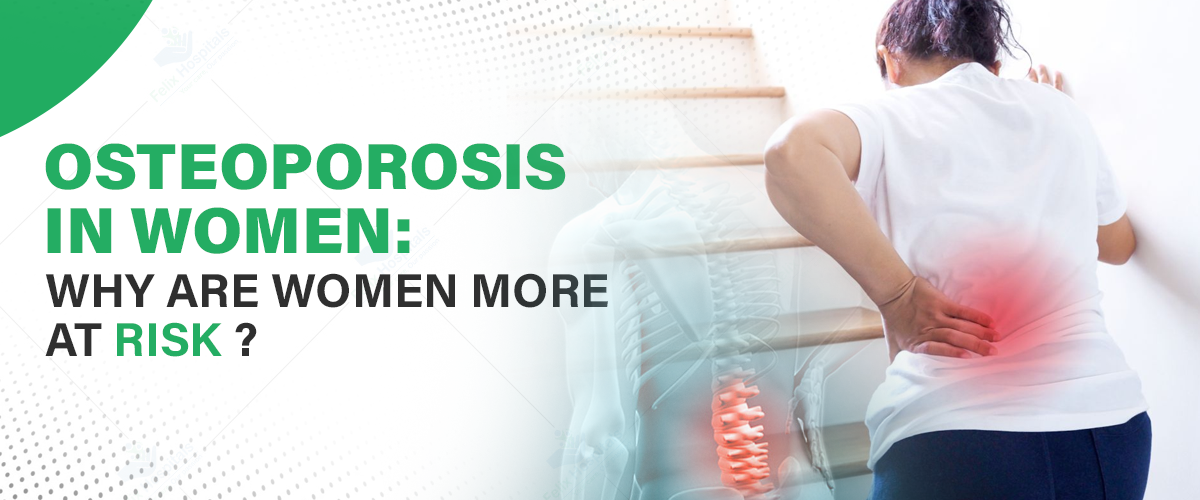
Osteoporosis is a condition that affects bone density, making bones fragile and more prone to fractures. It’s a major health concern, especially for women, as they are more likely to develop the condition. Osteoporosis is often referred to as a "silent disease" because it progresses without symptoms until a fracture occurs. According to studies, women are four times more likely to develop osteoporosis compared to men. As the Best Hospital for Osteoporosis Treatment in Noida can confirm, osteoporosis is a significant concern in women’s health, particularly as they age. Let’s explore why women are more at risk for osteoporosis and how they can manage and prevent it.
Understand your risk of osteoporosis and explore personalized prevention strategies. Contact us today at +91 9667064100 and protect your bone health for years to come.
Osteoporosis is a condition where bones become weak and brittle due to a decrease in bone density. As a result, bones become more susceptible to fractures, even with minor falls or injuries. Women, particularly those with postmenopausal osteoporosis, are more vulnerable to this condition because of hormonal changes that influence bone metabolism. Early detection is crucial, as untreated this condition can lead to fractures, severe pain, and a decreased quality of life. Regular bone density tests and consultations with healthcare professionals are key to managing the condition early.
Several factors contribute to women being more at risk for osteoporosis, making it essential for women to understand the underlying causes:
1. Hormonal Changes (Menopause): One of the most significant factors is the drop in estrogen levels during menopause, which accelerates bone loss. Estrogen plays a crucial role in maintaining bone density, so when its levels decrease after menopause, women’s bones become more vulnerable to weakening.
2. Age: As women age, their bone density naturally decreases. Women generally reach peak bone mass around their late 20s, after which bone resorption surpasses bone formation. The older a woman gets, the greater the likelihood of developing osteoporosis.
3. Genetics: Genetic predisposition plays a vital role in the development of osteoporosis in women. Women with a family history of osteoporosis or fractures have a higher chance of developing the condition themselves.
4. Bone Structure and Size: Women tend to have smaller and thinner bones than men. Smaller bones have less mass, which makes them more prone to developing osteoporosis and fractures.
5. Nutrition: Many women face calcium and vitamin D deficiencies, both of which are crucial for bone health. Calcium is vital for maintaining bone density, while vitamin D helps the body absorb calcium effectively. A lack of these nutrients can accelerate bone loss.
6. Lifestyle Factors: A sedentary lifestyle, smoking, and excessive alcohol consumption contribute to bone weakening. Smoking impairs blood circulation, reducing bone strength, while alcohol interferes with bone remodeling.
The effects of osteoporosis go beyond just bone fractures. Osteoporosis in women is at a higher risk of fractures, particularly in the spine, hip, and wrist. These fractures often lead to significant physical limitations and reduced mobility. Moreover, the emotional toll of dealing with chronic pain and physical limitations can contribute to anxiety and depression. The long-term impact on quality of life can be immense, making prevention and early treatment crucial for women’s overall well-being.
Preventing osteoporosis starts with a healthy lifestyle and proper nutrition. Here’s how women can take proactive steps to manage bone health:
1. Diet and Nutrition: Women should include calcium-rich foods such as dairy, leafy greens, and fortified foods in their diets. Vitamin D from sunlight, fish, and fortified foods is also essential to help the body absorb calcium.
2. Exercise: Weight-bearing exercises like walking, jogging, and strength training are beneficial for maintaining bone density. These activities help stimulate bone formation and reduce bone resorption.
3. Medication: There are various medications available to slow bone loss and promote bone health. Bisphosphonates, hormone replacement therapy (HRT), and selective estrogen receptor modulators (SERMs) can help in managing the condition. Always consult a healthcare provider for personalized advice.
4. Lifestyle Changes: Women should quit smoking, limit alcohol consumption, and maintain a healthy weight to reduce their risk of osteoporosis.
5. Regular Screenings: Regular bone density tests and check-ups are vital for early detection and treatment of osteoporosis. Bone and joint hospitals offer specialized services to monitor bone health and provide timely interventions.
Raising awareness and taking action early is essential to preventing osteoporosis. Women should make regular check-ups a part of their routine and consult healthcare providers about their risk of osteoporosis, especially after menopause. By adopting healthy lifestyle changes and managing their bone health proactively, women can reduce the risk of osteoporosis and fractures in the future.
Prioritize Your Bone Health Today! Schedule a consultation with a healthcare provider to take the first step in preventing osteoporosis.
Felix Hospital is home to some of the best orthopedic surgeons, specializing in the treatment of osteoporosis with advanced medical expertise and compassionate care. Our team of highly skilled doctors is dedicated to providing effective solutions for managing and treating this bone condition, helping patients regain strength and mobility.
Dr. Piyush Kumar Singh, a leading Orthopedic Surgeon, has over 14 years of experience in orthopedic care and has been associated with Felix Hospital, Noida, for over 7 years. He received training from King George’s Medical College, Lucknow, and Indian Spinal Injuries Center, New Delhi. Previously, he served as a Senior Consultant at Prakash Hospital, Noida, and as a Senior Resident/Registrar at Deen Dayal Upadhayay Hospital, Delhi, and Sitaram Bhartiya Hospital, New Delhi. His expertise includes complex trauma care, arthroscopic knee surgeries, hip replacements, spine care, and osteoarthritis management, along with specialized intra-articular injections. Currently, he is also a guide and examiner for postgraduate students in orthopedics. At Felix Hospital, he continues to provide comprehensive orthopedic care, ensuring the best outcomes for his patients.
Dr. Varun Aggarwal is a skilled orthopedic surgeon with over 8 years of experience. He specializes in joint replacements and sports medicine, using advanced surgical techniques combined with personalized care. His expertise in musculoskeletal conditions and compassionate approach make him a trusted healthcare provider.
Dr. Keshav Goel has over 10 years of experience as a leading Orthopedic Surgeon. He has done over 2000 independent surgeries. Dr. Keshav Goel is a leading joint replacement and sports injury surgeon. He specializes in computer-assisted joint replacement surgeries and arthroscopic surgeries of knee, shoulder and hip.
His expertise includes complex trauma care, pelvic fracture, frozen shoulder, open injuries, intra-articular comminuted fracture, recurrent shoulder dislocation, plantar fascitis, neuromuscular disorders, ACL reconstruction and meniscal injuries.
Dr. Binay Kumar Sahu has over 8 years of experience in Orthopedics and Traumatology, with extensive clinical expertise across all areas of orthopedics. He specializes in complex trauma, arthroscopy, arthroplasty, musculoskeletal tumors, and hand surgery.
With their vast experience and dedication, these specialists at Felix Hospital provide top-tier care, offering personalized treatment plans to help patients strengthen their bones and improve their quality of life.
Women face a higher risk of osteoporosis, particularly postmenopausal osteoporosis, due to hormonal changes, aging, and lifestyle factors. However, with the right knowledge, proactive lifestyle adjustments, and appropriate medical interventions, this condition can be effectively managed and even prevented. It is crucial for women, especially during the postmenopausal years, to prioritize their bone health and seek regular medical guidance. If you are concerned about postmenopausal osteoporosis, consult a healthcare provider today to explore prevention strategies and personalized bone health management plans.
1. How does menopause specifically affect bone health?
Ans: During menopause, estrogen levels drop significantly, which accelerates the loss of bone density. This hormonal change increases the risk of osteoporosis and fractures in women.
2. Can osteoporosis be reversed once diagnosed?
Ans: While bone density loss cannot be completely reversed, it can be managed through lifestyle changes, medications like bisphosphonates or HRT, and calcium- and vitamin D-rich diet to strengthen bones and prevent further loss.
3. Are thin or petite women more likely to develop osteoporosis?
Ans: Yes, women with smaller and thinner bones have less bone mass, making them more prone to osteoporosis and fractures as they age.
4. What are the early warning signs of osteoporosis in women?
Ans: Osteoporosis is often called a "silent disease," but early signs may include a decrease in height, a hunched posture, or fractures from minor falls or injuries.
5. How often should women get a bone density test?
Ans: Women should have their first bone density test around menopause or earlier if they have risk factors like a family history of osteoporosis. Regular screenings are recommended every 1-2 years based on the results and risk factors.
6. What types of exercises are most effective for strengthening bones?
Ans: Weight-bearing exercises like walking, dancing, and strength training are the best for improving bone density. Exercises like yoga and Pilates can also help improve balance, reducing the risk of falls and fractures.
7. Is osteoporosis preventable in women with a family history of the condition?
While a family history increases the risk, osteoporosis can still be prevented or managed through a healthy diet, regular exercise, and early screening to monitor bone density and take timely action.
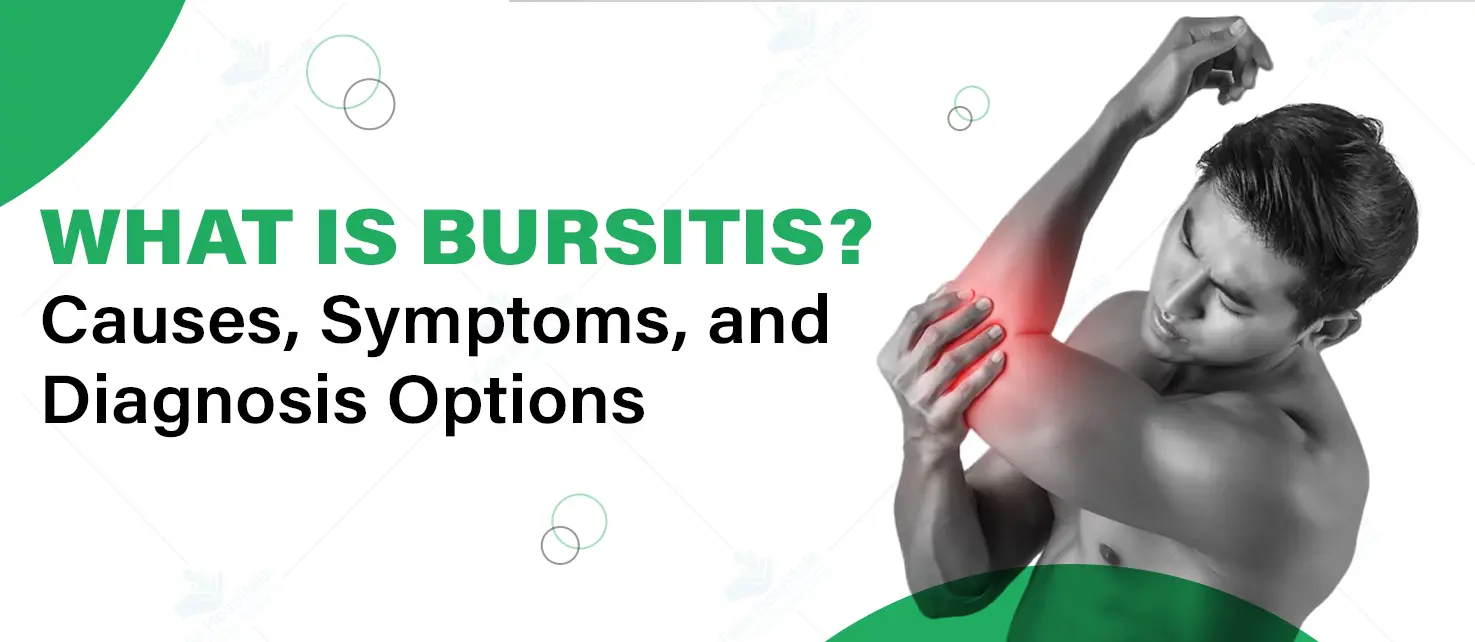
Bursitis is the inflammation of a bursa—a small fluid-filled sac that cushions bones, tendons, and muscles near joints. It commonly affects the shoulder, elbow, hip, or knee.

Bone fractures are common injuries from accidents or falls. While many heal well, complications can arise, affecting recovery. Learn more about these issues and treatments.
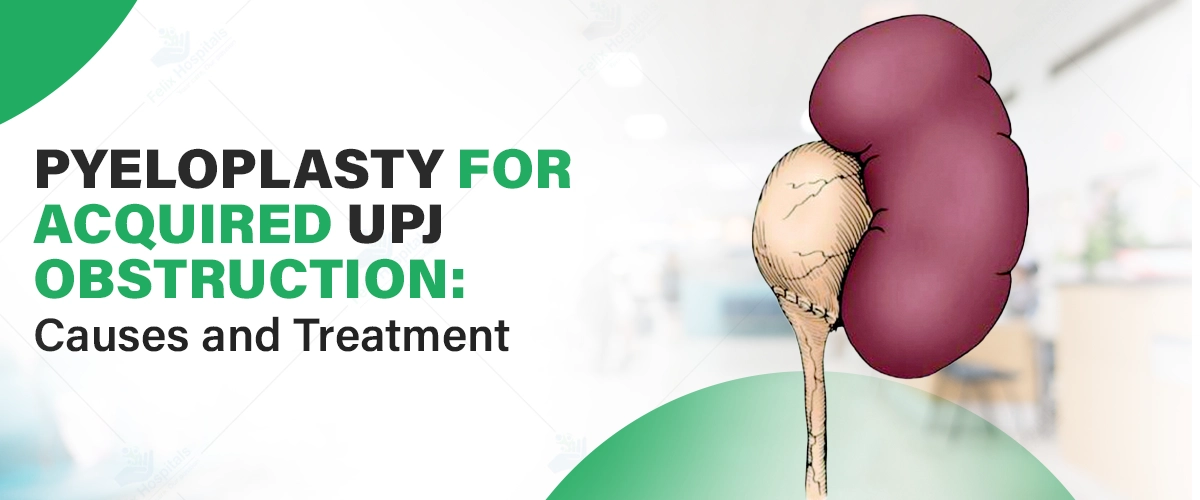
Ureteropelvic Junction (UPJ) obstruction is a condition that disrupts the normal flow of urine from the kidney to the bladder. It occurs when the junction between the renal pelvis and the ureter becomes blocked, leading to kidney dysfunction. While some individuals are born with this condition, known as congenital UPJ obstruction, others may develop it later in life, which is referred to as acquired UPJ obstruction. Timely diagnosis and treatment are crucial to prevent long-term damage to the kidneys. One of the most effective treatment options for acquired UPJ obstruction is pyeloplasty, a surgical procedure designed to correct the blockage and restore normal kidney function. Choosing the best hospital for pyeloplasty surgery ensures high-quality care and improves the likelihood of a successful outcome.
Acquired UPJ obstruction is a condition that develops later in life and occurs when external factors such as injury, infection, or scarring block the junction between the renal pelvis and the ureter. This blockage can cause urine to back up into the kidney, potentially leading to kidney damage if left untreated.
Several factors can lead to acquired UPJ obstruction, including:
The symptoms of acquired UPJ obstruction often develop gradually and may include:
Pyeloplasty in ureteropelvic junction obstruction is the preferred treatment for patients with severe cases of UPJ obstruction. This surgical procedure involves removing the blocked portion of the ureter and reconnecting the remaining ureter to the renal pelvis, restoring the flow of urine.
The treatment can be performed through open surgery or minimally invasive techniques, such as laparoscopic or robotic pyeloplasty. Minimally invasive pyeloplasty has become increasingly popular due to its shorter recovery time and reduced risk of complications. Success rates for pyeloplasty are generally high, with most patients experiencing significant improvement in kidney function and quality of life.
Before undergoing pyeloplasty, patients will undergo several preparatory steps, including preoperative assessments to ensure they are suitable candidates for surgery. The procedure itself involves:
Post-surgery, patients typically recover in a hospital setting for a few days. Pain management and follow-up care are essential to ensure a smooth recovery.
While pyeloplasty is considered the gold standard for treating acquired UPJ obstruction, other treatment options exist:
Recovery from pyeloplasty depends on the complexity of the surgery and the patient’s overall health. Generally, patients can expect:
When seeking treatment for UPJ obstruction, it is crucial to consult an experienced urologist. The best urologist at Felix Hospital can assess the severity of the obstruction and determine the best course of treatment. Factors such as the patient’s age, health status, and the severity of the obstruction must be considered.
If you’re seeking the best pyeloplasty doctors in Noida, Dr. Bhanwar Lal Barkesiya at Felix Hospital is an expert in handling complex urological conditions, including UPJ obstruction. With years of experience in performing pyeloplasty, Dr. Barkesiya can offer tailored solutions to ensure optimal results for his patients.
Early detection and timely treatment of UPJ obstruction are vital for preserving kidney function and preventing further complications. Pyeloplasty in ureteropelvic junction obstruction offers an excellent long-term solution for patients with severe blockages. If you experience symptoms such as flank pain, recurrent UTIs, or kidney swelling, it’s essential to seek medical advice immediately.
The pyeloplasty surgery cost in Noida may vary depending on the complexity of the case and the hospital chosen. However, the benefits of early intervention far outweigh the potential costs of untreated obstruction. With advancements in minimally invasive techniques, pyeloplasty is becoming an even more efficient and effective option for patients with UPJ obstruction.
Q- What are the key differences between congenital and acquired UPJ obstruction?
Ans- Congenital UPJ obstruction is present from birth, while acquired UPJ obstruction develops later due to factors like kidney stones, trauma, or infections.
Q- How long does it take to recover from pyeloplasty surgery?
Ans- Minimally invasive surgery takes 2-3 weeks, while open surgery requires 4-6 weeks for recovery.
Q- Are there any alternatives to pyeloplasty for acquired UPJ obstruction?
Ans- Alternatives include endopyelotomy, balloon dilation, and ureteral stenting, but pyeloplasty is the most effective treatment.
Q- Can acquired UPJ obstruction be caused by medications or medical treatments?
Ans- Certain treatments may increase infection or scarring risk, potentially contributing to UPJ obstruction.
Q- What are the most common symptoms of acquired UPJ obstruction?
Ans- Symptoms include flank pain, UTIs, blood in the urine, and kidney swelling.
Q- How is UPJ obstruction diagnosed, and what tests are involved?
Ans- Diagnosis involves ultrasound, CT scan, IVP, and renal scans to locate and evaluate the obstruction.
Q- What is the long-term success rate of pyeloplasty surgery?
Ans- Pyeloplasty has a high success rate with long-term relief and improved kidney function. Regular follow-ups are essential.

Urological health is vital for well-being, influenced by diet and exercise. Good nutrition and activity help prevent conditions like UTIs, kidney stones, and cancers.
Explore the connection between diabetes, neurological disorders, and other health issues that contribute to OAB symptoms.
Our urology and oncology specialists bring extensive experience and expertise in treating various forms of urological cancer.

Menopause is a natural biological process that marks the end of a woman’s menstrual cycle, typically occurring between the ages of 45 and 55. While it signifies the conclusion of reproductive years, menopause can bring about a variety of physical and emotional changes. These changes, driven by fluctuating hormone levels, can affect women’s overall well-being and quality of life. Managing menopause symptoms naturally through a balanced diet, regular exercise, and positive lifestyle changes can greatly improve comfort and health during this transition. Seeking support from a healthcare professional, especially at the best gynecologist hospital in Noida, can help tailor a management plan for individual needs, ensuring better physical and emotional well-being.
Contact our experienced gynecologists at Felix Hospitals for advice on diet, exercise, and lifestyle changes. Get in Touch Now by Calling +91 9667064100.
Menopause is a multi-stage process that includes perimenopause, menopause, and postmenopause.
Perimenopause: This is the transitional phase leading up to menopause, typically occurring in a woman’s 40s. It lasts anywhere from a few months to several years, during which the ovaries gradually produce less estrogen.
Menopause: Menopause itself is confirmed after 12 consecutive months without a period. It marks the end of a woman’s reproductive years.
Postmenopause: The phase that follows menopause, where the symptoms generally begin to subside, although the risks of certain conditions, like osteoporosis, may rise.
Common symptoms experienced during menopause include hot flashes, night sweats, mood swings, weight gain, and sleep disturbances. These symptoms vary in intensity and duration but can significantly impact daily life, making it crucial to address them effectively.
Managing menopause through diet is essential for maintaining overall health and alleviating symptoms. During this life phase, a woman’s nutritional needs change, and adopting a balanced diet can significantly improve her well-being. Key vitamins and minerals, along with certain foods, can help manage the symptoms of menopause, such as hot flashes, mood swings, and weight gain.
As hormone levels fluctuate during menopause, the body’s need for certain nutrients becomes more pronounced. The most important nutrients to focus on include:
Calcium: Women’s bone density decreases during menopause due to reduced estrogen levels, making calcium essential for maintaining strong bones. Sources include dairy products, leafy greens, and fortified foods.
Vitamin D: Vitamin D helps the body absorb calcium, making it essential for bone health. It also plays a role in immune system function. Sunlight, fatty fish, and fortified foods are excellent sources.
Magnesium: This mineral plays a crucial role in regulating mood, sleep, and bone health. It can help alleviate symptoms like irritability, anxiety, and insomnia. Magnesium-rich foods include nuts, seeds, whole grains, and leafy vegetables.
Certain foods can help alleviate common menopause symptoms such as hot flashes, night sweats, and mood swings:
Soy: Soy products like tofu, tempeh, and edamame contain phytoestrogens, which mimic estrogen in the body and may help reduce hot flashes and other menopausal symptoms.
Flaxseeds: Rich in omega-3 fatty acids and lignans, flaxseeds can help with hormone balance and support heart health. Incorporating flaxseeds into smoothies, cereals, or baked goods is an easy way to reap their benefits.
Leafy Greens: High in calcium, magnesium, and fiber, leafy greens like spinach, kale, and collard greens support bone health and digestion, which can help prevent weight gain during menopause.
Healthy Fats: Avocados, nuts, seeds, and olive oil provide healthy fats that are beneficial for heart health, reduce inflammation, and help stabilize hormones.
Certain foods can exacerbate menopausal symptoms and should be limited or avoided:
Processed Foods: High in salt, sugar, and unhealthy fats, processed foods can contribute to weight gain, inflammation, and digestive issues. Avoiding processed snacks, fast food, and ready-made meals is beneficial for overall health.
Caffeine: While caffeine can give you a temporary energy boost, it can also trigger hot flashes and interfere with sleep. Reducing caffeine intake can help improve sleep quality and alleviate menopausal symptoms.
Alcohol: Alcohol can disrupt sleep patterns and increase the frequency of hot flashes. Moderation is key, and it's best to limit alcohol consumption during menopause.
Staying hydrated is crucial for managing hot flashes and other menopausal symptoms. Dehydration can make symptoms worse, particularly during the warmer months. Here are some hydration tips:
Drink Water Regularly: Aim to drink at least 8 glasses of water a day to keep your body hydrated and help manage hot flashes.
Herbal Teas: Peppermint, chamomile, and green tea can help soothe symptoms and improve relaxation.
Avoid Sugary Beverages: Sugary drinks can lead to energy crashes and contribute to weight gain, so it's best to limit sodas and fruit juices.
Nutrition diet services at Felix Hospitals are designed to help patients manage menopause effectively through personalized meal plans, ensuring that each woman gets the right balance of nutrients.
Regular physical activity is another cornerstone of natural menopause management. Exercise offers a variety of benefits, such as improving mood, reducing stress, managing weight, and supporting bone health.
Strength Training: As estrogen levels decline, muscle mass naturally decreases. Strength training exercises, such as weightlifting or resistance band exercises, can help maintain muscle tone, improve metabolism, and support joint health.
Aerobic Exercise: Activities like walking, cycling, swimming, or dancing can enhance cardiovascular health and boost overall energy levels.
Yoga and Pilates: These low-impact exercises improve flexibility, promote relaxation, reduce stress, and support bone health. They can also help manage anxiety and improve sleep, which is often disrupted during menopause.
Exercise also plays an important role in managing weight, which can be a concern during menopause. Regular physical activity helps maintain a healthy weight, reduces the risk of obesity, and promotes a better quality of life.
Lifestyle modifications, alongside diet and exercise, can help women better cope with menopause.
Stress Management: Menopause can be an emotionally challenging time. Stress management techniques, such as mindfulness, meditation, and deep-breathing exercises, can help calm the mind and improve emotional well-being.
Sleep Hygiene: Poor sleep is one of the most common symptoms during menopause. Practicing good sleep hygiene, like keeping a regular sleep schedule, avoiding screens before bed, and creating a relaxing bedtime routine, can enhance the quality of sleep and reduce symptoms like insomnia and night sweats.
Limiting Alcohol and Quitting Smoking: Both smoking and excessive alcohol consumption can exacerbate menopause symptoms. Quitting smoking and moderating alcohol intake can improve overall health and reduce the severity of hot flashes, mood swings, and sleep disturbances.
Some women find relief from menopause symptoms through the use of natural supplements. However, it’s essential to consult a healthcare professional before starting any new supplements to ensure they are safe and effective.
Black Cohosh: This herb has been used for centuries to alleviate hot flashes, night sweats, and mood swings.
Red Clover: Rich in phytoestrogens, red clover may help balance hormones and reduce menopausal symptoms.
Evening Primrose Oil: Known for its ability to help with mood swings, breast tenderness, and hot flashes, this supplement can be beneficial for some women during menopause.
At Felix Hospitals, we have a team of expert gynecologists who specialize in the treatment and management of menopause. Our doctors provide personalized care to address menopause symptoms and support overall health and well-being. The team includes:
Dr. Charu Yadav (Felix Hospitals, Noida, Sector 137)
Dr. Sangeeta Sharma (Felix Hospitals, Noida, Sector 137)
Dr. Sonia Kuruvilla (Felix Hospitals, Noida, Sector 137)
Dr. Pragati Jain (Felix Hospitals, Greater Noida, Gamma 1)
Dr. Archana Rathi (Felix Hospitals, Greater Noida, Gamma 1)
Dr. Swati Thakur (Felix Hospitals, Greater Noida, Gamma 1)
These specialists are dedicated to providing expert guidance and treatment options tailored to each patient’s unique needs.
Ready to manage your menopause symptoms naturally? Book Your Appointment Today by Clicking Here.
Managing menopause naturally through diet, exercise, and lifestyle changes is an empowering approach to improving both physical and emotional well-being. A focus on balanced nutrition, regular exercise, stress management, and adequate hydration can alleviate many of the common symptoms associated with menopause. By embracing this phase of life with a proactive mindset and making thoughtful lifestyle changes, women can navigate menopause with confidence and better health. For personalized guidance, consulting a healthcare provider at the best gynecologist hospital in Noida is recommended to tailor a plan that addresses unique needs and ensures optimal care.
1. How can I tell if my symptoms are due to menopause or another condition?
Ans: Menopause symptoms can overlap with other health issues. Our gynecologists at Felix Hospitals can help you differentiate between menopause-related symptoms and other potential conditions through a comprehensive evaluation.
2. What dietary changes can specifically help with mood swings during menopause?
Ans: Certain nutrients like omega-3 fatty acids, magnesium, and vitamin B6 play a crucial role in stabilizing mood during menopause. Consult with our nutrition experts at Felix Hospitals for personalized meal plans that target these symptoms.
3. Is it possible to prevent weight gain during menopause through exercise?
Ans: Yes, strength training and aerobic exercises can help manage weight gain during menopause by boosting metabolism and maintaining muscle mass. Our physiotherapists can guide you on the best exercise routines for this stage of life.
4. How can yoga help with menopause symptoms like hot flashes and insomnia?
Ans: Yoga improves relaxation, reduces stress, and supports hormone balance. Certain poses can also alleviate hot flashes and improve sleep quality. Felix Hospitals offers specialized yoga sessions designed for menopausal women.
5. Are natural supplements a safe option to manage menopause symptoms?
Ans: While natural supplements like black cohosh and evening primrose oil have shown benefits for some women, it's essential to consult with a healthcare provider before incorporating them into your routine to ensure they are safe and effective for you.
6. What impact can menopause have on bone health, and how can I prevent osteoporosis?
Ans: Reduced estrogen levels during menopause can lead to bone density loss. A diet rich in calcium and vitamin D, combined with weight-bearing exercises, can significantly reduce the risk of osteoporosis. Our experts at Felix Hospitals can guide you on the best preventive measures.
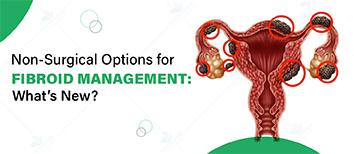
Explore the latest non-surgical treatments for fibroid management. Learn about advanced options to relieve symptoms and improve your quality of life.
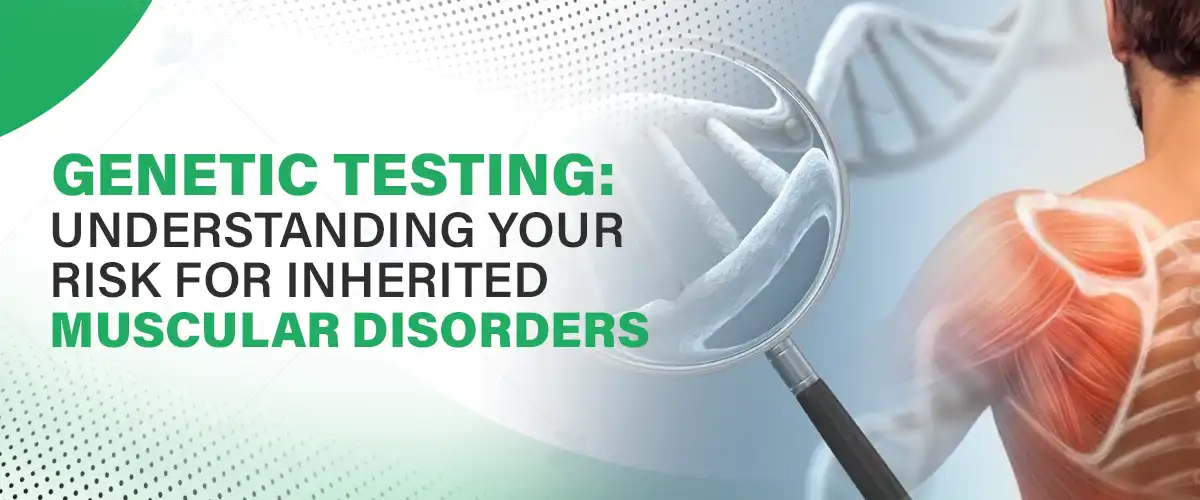
Genetic testing plays a crucial role in diagnosing inherited muscular disorders, enabling early detection and timely intervention. These tests help identify specific gene mutations responsible for various muscular conditions, including muscular dystrophies. Early diagnosis allows for better symptom management, access to treatment options, and informed decision-making for affected individuals and their families.
By undergoing muscular dystrophy genetic testing, individuals can determine their risk levels and explore preventive or therapeutic measures. Understanding the genetic basis of these disorders is essential for improving quality of life and accessing specialized care.
Contact Felix Hospitals today at +91 9667064100 to learn more about our specialized neuromuscular care.
Inherited muscular disorders refer to a group of genetic conditions that cause progressive weakness and degeneration of muscle tissues. These disorders result from mutations in specific genes responsible for muscle function. Some common types include:
Genetic mutations play a significant role in the development of inherited muscular disorders. Muscular dystrophy genetic testing helps identify these mutations and confirm diagnoses. The types of genetic tests available include:
The testing process typically involves a simple blood or saliva sample collection, followed by laboratory analysis to detect genetic abnormalities.
Muscular dystrophy genetic testing is recommended for:
Genetic testing offers numerous advantages, including:
While muscular dystrophy genetic testing is highly beneficial, it also has certain limitations:
Once the test results are available, they may be:
Following the results, individuals may require further medical evaluation, lifestyle modifications, and ongoing monitoring. Genetic counseling plays a crucial role in helping patients understand their results and make informed healthcare decisions.
Felix Hospitals is home to a team of highly skilled neurologists specializing in the diagnosis and treatment of inherited muscular disorders. Our experts are committed to providing comprehensive care, helping patients manage symptoms effectively, and improving their quality of life.
Dr. Sumit Sharma – A highly experienced neurosurgeon specializing in neurological and neurosurgical conditions, including the treatment of inherited muscular disorders.

Dr. Alok Kumar Dubey – An expert in managing inherited muscular disorders, offering advanced neurological care and personalized treatment plans.

With their expertise and dedication to patient well-being, our team at Felix Hospitals ensures the highest standard of care for individuals affected by inherited muscular disorders.
Take Control of Your Health Today! Early detection can make a difference! Book an appointment now!
Genetic testing is a powerful tool for identifying inherited muscular disorders and understanding individual risks. Early detection through muscular dystrophy genetic testing can lead to better treatment options, proactive health management, and informed family planning.
Consulting a healthcare professional for genetic evaluation is an important step toward gaining clarity about one’s condition and securing the best neurologists in Noida possible care. If you or a loved one have concerns about inherited muscular disorders, consider reaching out for expert guidance and genetic assessment.
Q-1 How accurate is genetic testing for inherited muscular disorders?
Ans- Genetic tests are highly accurate in detecting known mutations associated with muscular dystrophies and other neuromuscular disorders. However, some rare or newly discovered mutations may not be identified with current testing methods.
Q-2 Can genetic testing predict the severity of a muscular disorder?
Ans- While genetic testing can confirm the presence of a mutation, predicting the exact severity or progression of the disorder is challenging. Other factors, such as lifestyle and secondary genetic influences, can affect disease manifestation.
Q-3 Is genetic testing necessary if I already have a clinical diagnosis of a muscular disorder?
Ans- Yes, genetic confirmation helps determine the specific mutation responsible for the condition, which can guide treatment options, family planning, and eligibility for clinical trials.
Q-4 What are the risks or side effects of undergoing genetic testing?
Ans- The testing process itself is non-invasive, usually requiring a blood or saliva sample. The primary concerns are psychological stress from the results and potential privacy implications regarding insurance or employment.
Q-5 Can a negative genetic test result completely rule out an inherited muscular disorder?
Ans- Not necessarily. Some muscular disorders may have unidentified or complex genetic causes that current tests cannot detect. Additional medical evaluations may be required.
Q-6 How long does it take to receive genetic testing results?
Ans- The turnaround time varies based on the type of test conducted. Single-gene tests may take a few weeks, while whole-genome sequencing (WGS) can take several months.
Q-7 Can genetic testing help in finding a cure or treatment for my condition?
Ans- While genetic testing itself does not provide a cure, it helps in identifying the best treatment options, participation in research trials, and eligibility for emerging therapies targeting specific genetic mutations.

Advanced neurosurgery improves treatment for brain and spine disorders with better outcomes.

Atopic dermatitis eczema is a chronic inflammatory skin disease that results in itchy, red, and scaly patches on the skin
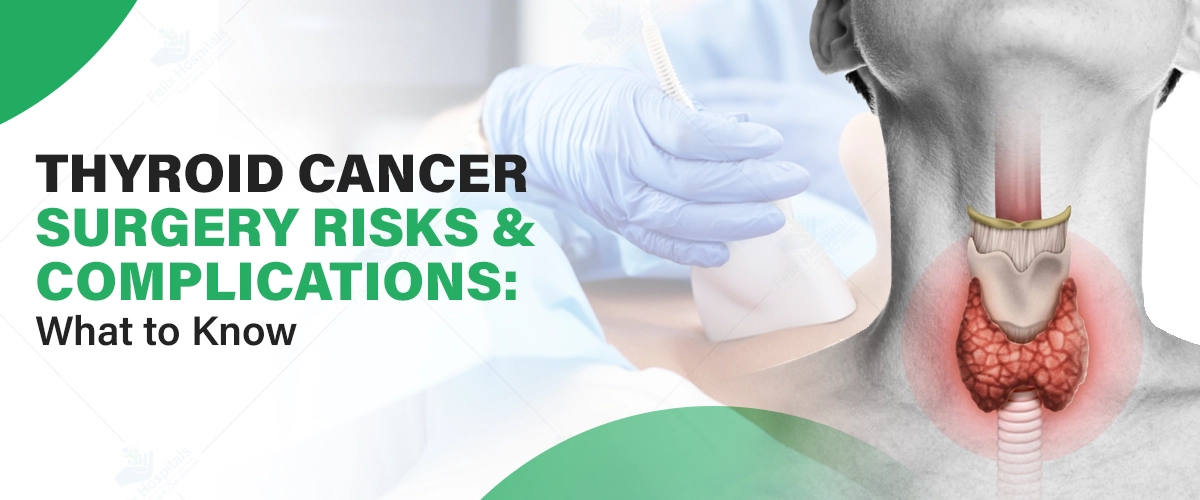
Thyroid cancer is a relatively uncommon form of cancer that affects the thyroid, a small butterfly-shaped gland located at the base of the neck. It plays a crucial role in regulating metabolism through hormone production. While thyroid cancer is often treatable and has a high survival rate, surgery is frequently required to remove tumors and control the spread of the disease.
Thyroid cancer surgery, typically a thyroidectomy (removal of part or all of the thyroid gland), is one of the most common treatment options. However, like all surgical procedures, it carries risks and potential complications that need to be thoroughly understood. Whether you're seeking treatment at a cancer hospital in Noida or elsewhere, it is essential to weigh the risks against the potential benefits of the procedure. Let’s focus on helping you understand the possible risks and complications associated with thyroid cancer surgery to make an informed decision and ensure better outcomes for patients undergoing treatment.
Our team is dedicated to providing personalized care for thyroid cancer patients. Book your appointment now!
Thyroid cancer surgery generally involves removing the thyroid gland to remove the cancerous tissue. There are two common types of surgery:
Thyroidectomy: Removal of the entire thyroid gland. This is usually necessary if the cancer has spread or is large.
Lobectomy: Removal of part of the thyroid gland, typically done if the cancer is confined to one lobe.
Surgery is often recommended when the cancer is localized and hasn't spread to other parts of the body. In some cases, if the cancer has spread or the risk of recurrence is high, additional treatments such as radioactive iodine therapy or external radiation may be considered.
The goal of surgery is to remove all visible cancer cells and ensure that the remaining thyroid tissue can still produce adequate thyroid hormones or to provide a foundation for further treatment. The procedure is usually done under general anesthesia and typically takes a few hours, depending on the extent of the surgery.
Despite its relatively high success rate, thyroid cancer surgery carries several risks and complications:
Infection: As with any surgical procedure, there is a risk of infection post-surgery. Infections can develop at the incision site or deeper in the tissues. The surgical team takes precautions such as administering antibiotics to reduce the likelihood of infection.
Bleeding: Bleeding during or after surgery is a potential complication, particularly in surgeries involving delicate structures in the neck. Hematomas, or collections of blood, may form around the surgical site, requiring drainage.
Damage to Surrounding Tissues: The thyroid is located near several critical structures, including the parathyroid glands (which regulate calcium levels) and the vocal cords. Damage to these structures can result in a range of complications:
Hypoparathyroidism: If the parathyroid glands are damaged, it can lead to low calcium levels in the blood. This condition can be temporary or permanent, requiring lifelong calcium and vitamin D supplementation.
Voice Changes: The vocal cords are very close to the thyroid, and any damage to the nerves that control them can result in hoarseness, loss of voice, or difficulty speaking. In some cases, speech therapy or additional procedures may be required.
Scarring: The incision for thyroid cancer surgery is typically made on the front of the neck, which may result in visible scarring. However, skilled surgeons strive to minimize scarring by using small incisions and techniques that promote optimal healing.
While surgery can effectively remove cancer, it is not always a cure, and there are long-term considerations to be aware of:
Thyroid Hormone Imbalance: After the removal of the thyroid gland, most patients will need to take synthetic thyroid hormones to maintain normal metabolic function. This hormone replacement therapy must be carefully monitored to ensure appropriate dosage.
Recurrence of Cancer: There is always a possibility of cancer returning, even after surgery. This can happen if any cancer cells remain undetected after the procedure. Regular follow-up appointments and imaging tests are necessary to detect any signs of recurrence early.
Lifelong Monitoring: Thyroid cancer survivors typically require regular check-ups, blood tests, and imaging to ensure that there is no recurrence. It is critical to remain vigilant and adhere to these monitoring protocols to catch any potential issues as early as possible.
Efforts to manage and minimize risks are an integral part of the surgical process:
Preoperative Evaluation: Before undergoing surgery, patients will undergo a thorough evaluation, including imaging tests, blood work, and discussions regarding their medical history. These tests help assess the patient's general health and ensure they are prepared for surgery.
Intraoperative Care: Surgeons at the best hospital for thyroid cancer treatment are highly skilled in performing thyroidectomy or lobectomy. Advanced techniques and precision tools are employed to minimize the risk of damaging surrounding tissues, such as the parathyroid glands and vocal cords.
Postoperative Care: After surgery, proper care is crucial to preventing complications. This includes pain management, monitoring for infections or bleeding, and ensuring that the patient is healing appropriately. Additionally, patients will be educated on the signs and symptoms to watch for, such as difficulty breathing or voice changes, that may require medical attention.
When to Seek Medical Help: Patients should promptly contact their medical team if they experience signs of complications, such as fever, severe pain, or difficulty swallowing. Any changes in voice or breathing should also be addressed immediately.
Recovery from thyroid cancer surgery varies from patient to patient, but here are general expectations:
Expected Recovery Timeline: Most patients can go home a day or two after surgery, though some may require a longer stay for observation. It typically takes several weeks for patients to fully recover, with many returning to their normal activities after about 4-6 weeks.
Pain Management and Physical Recovery: Pain is generally mild after the surgery and can be managed with prescribed pain medications. Swelling and discomfort around the neck area may persist for a few weeks.
Emotional Support: The emotional impact of thyroid cancer surgery should not be underestimated. Patients may experience stress, anxiety, or concerns about long-term health. Support from family, friends, or a counselor is essential for mental well-being during recovery.
At Felix Hospitals, patients have access to highly experienced oncologists and ENT specialists who can guide them through their thyroid cancer treatment journey. Doctors like Dr. Mukta Baxi and Dr. Abhishek Shrivastava are renowned for their expertise in oncology and cancer care. Additionally, Dr. Arvinder Pal Singh, Dr. Kunwar Parvez, and Dr. Arjun Saini offer specialized care in ENT and thyroid-related treatments. The hospital’s commitment to cutting-edge technology and patient-centered care ensures that individuals with thyroid cancer receive the best possible outcomes.
Contact us at +91 9667064100 to learn more about our advanced treatment options at Felix Hospitals. Get in touch with us!
While thyroid cancer surgery carries certain risks and complications, it remains one of the most effective treatment options for thyroid cancer. The benefits of surgery often outweigh the potential risks, particularly when the procedure is performed by experienced surgeons at a leading cancer hospital in Noida. Patients should be aware of the possible complications and engage in regular follow-up care to ensure optimal recovery and health.
Consulting with your surgeon to understand the specific risks based on your medical history is crucial for making an informed decision. Remember, proactive monitoring and post-surgery lifestyle adjustments play a significant role in managing long-term health after thyroid cancer surgery.
Q- What is the recovery time after thyroid cancer surgery?
Ans- Most patients can return to normal activities in about 4-6 weeks, although full recovery may take longer depending on individual health and surgery type.
Q- Will I need hormone replacement therapy after surgery?
Ans- Yes, most patients who have a thyroidectomy will require lifelong thyroid hormone replacement therapy to maintain normal metabolic function.
Q- Is there a risk of thyroid cancer recurring after surgery?
Ans- While surgery aims to remove cancer, there is always a possibility of recurrence, which is why regular check-ups and imaging are essential for monitoring.
Q- Can I experience voice changes after thyroid cancer surgery?
Ans- Yes, damage to the vocal cords can occur, leading to hoarseness or voice changes. Voice therapy may be recommended to help with recovery.
Q- What are the chances of developing hypoparathyroidism after surgery?
Ans- If the parathyroid glands are damaged during surgery, hypoparathyroidism (low calcium levels) can occur. This can be temporary or permanent, requiring calcium supplements.
Q- How can I reduce the risks of infection after thyroid cancer surgery?
Ans- Following your surgeon's instructions for post-operative care, including keeping the incision clean and taking prescribed antibiotics, can help prevent infection.
Q- What are the common symptoms of complications after thyroid cancer surgery?
Ans- Common symptoms to watch for include fever, severe pain, difficulty swallowing, breathing issues, and changes in voice.
Q- How can I manage emotional stress after thyroid cancer surgery?
Ans- Emotional support from family, friends, or a counselor is crucial. Practicing relaxation techniques and staying informed about your recovery can help manage anxiety and stress.
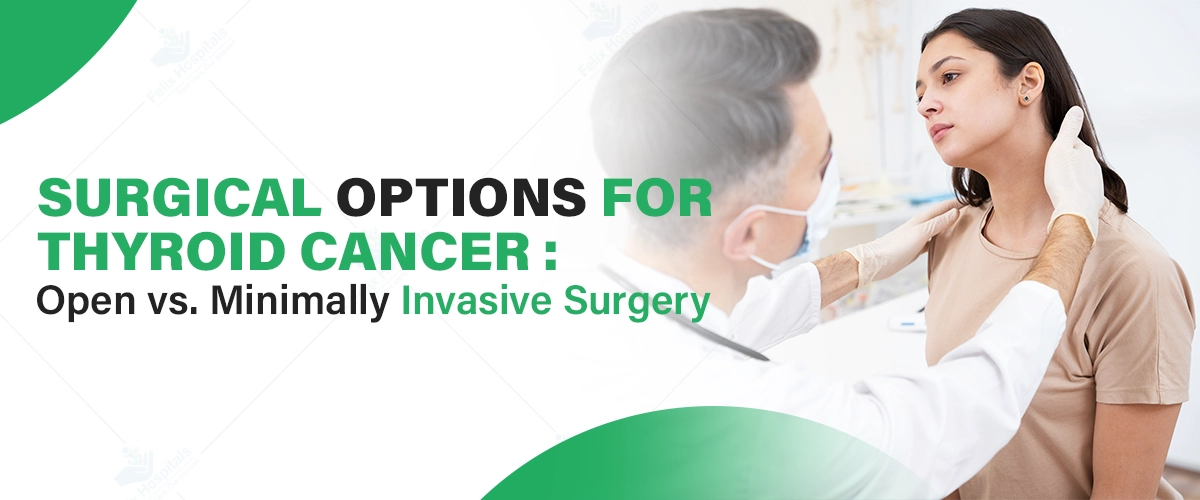
Thyroid cancer, though relatively rare compared to other cancers, has been steadily increasing in prevalence globally. This condition arises from abnormal growth in the thyroid gland, a small butterfly-shaped organ located in the neck that plays a vital role in regulating metabolism. Early detection and appropriate treatment are crucial for a favorable prognosis. Among the treatment options, surgery often stands as a cornerstone, especially for advanced cases. This blog will delve into the two main surgical approaches for thyroid cancer—open surgery and minimally invasive surgery—providing insights into their differences, benefits, and limitations. For those seeking treatment, choosing a reputed cancer hospital in Noida can significantly influence outcomes.
Looking for world-class thyroid cancer treatment? Schedule your appointment and Meet our highly skilled oncologists at Felix Hospitals in Noida.
Surgery is a primary treatment option for thyroid cancer, particularly when:
The tumor is malignant and poses a risk of spreading to other parts of the body.
Non-surgical treatments, such as radioactive iodine therapy, are insufficient or inappropriate.
The primary goal is to remove the cancerous tissue entirely, ensuring the disease does not progress or recur.
Removal of a portion of the thyroid gland, typically when the cancer is localized to one lobe.
Helps preserve partial thyroid function.
Complete removal of the thyroid gland, is often necessary for more extensive or aggressive cancer.
Ensures comprehensive removal of cancerous cells.
Complete Cancer Removal: Eradicate all malignant cells while minimizing the risk of recurrence.
Preserve Thyroid Function (When Possible): In cases of partial thyroidectomy, the aim is to retain hormone production.
Minimize Complications: Ensure the patient’s safety by avoiding damage to surrounding structures, such as the vocal cords and parathyroid glands.
Open surgery is the traditional method for thyroid cancer treatment. It involves making a larger incision in the neck to access the thyroid gland. This approach provides direct visibility and allows surgeons to work with precision, particularly in complex cases.
Better Visibility: Surgeons have a clear view of the thyroid and surrounding structures, reducing the risk of missing cancerous tissues.
Effective for Advanced Cases: Open surgery is often the best choice for large tumors or cancer that has spread beyond the thyroid gland.
Longer Recovery Time: Due to the extensive nature of the procedure, recovery may take weeks.
Visible Scarring: The larger incision leaves a noticeable scar on the neck, which can be a cosmetic concern.
Higher Postoperative Pain: Patients may experience more pain and discomfort compared to minimally invasive methods.
Minimally invasive techniques, such as endoscopic or robotic-assisted surgery, involve small incisions and advanced technology to remove the thyroid gland. These approaches are gaining popularity due to their precision and reduced physical impact.
Smaller Incisions: This results in reduced scarring, making it a more aesthetically pleasing option.
Shorter Recovery Time: Patients can often return to their normal activities sooner.
Lower Risk of Complications: Minimally invasive techniques generally cause less trauma to surrounding tissues, reducing the risk of infection and other complications.
Not Suitable for Advanced Cases: Large tumors or cancer that have spread extensively cannot be treated with this method.
Requires Specialized Expertise: Only highly skilled surgeons with access to advanced equipment can perform these procedures.
Tumor Size and Stage: Open surgery is more effective for larger or invasive cancers, while minimally invasive methods are suitable for smaller, localized tumors.
Cosmetic Concerns: Minimally invasive surgery results in smaller, less noticeable scars.
Recovery Time: Patients undergoing minimally invasive procedures typically recover faster.
Cost: Minimally invasive surgery may be more expensive due to advanced equipment and specialized expertise.
Outcome Similarities: Both methods aim for complete cancer removal, and the success of either largely depends on the surgeon’s skill and experience.
When selecting the right surgical approach for thyroid cancer, several key factors must be considered:
Tumor Characteristics: The size, location, and spread of the tumor are crucial in determining whether open surgery or minimally invasive surgery is the best option. Larger or more invasive tumors may require open surgery, while smaller, localized tumors are suitable for minimally invasive procedures.
Patient’s Health and Preferences: The patient's overall health, including any preexisting conditions, and their preferences regarding factors like scarring and recovery time, influence the decision-making process.
Surgeon’s Expertise: A skilled surgeon with experience in thyroid cancer surgery is essential for achieving the best outcomes. Availability of state-of-the-art facilities also plays a significant role in ensuring a successful procedure.
Choosing the best hospital for thyroid cancer treatment ensures access to an experienced, multidisciplinary medical team. At Felix Hospitals in Noida, a team of oncologists, surgeons, pathologists, and radiologists work together to recommend the most suitable surgical approach based on the individual needs of the patient. This collaborative approach enhances treatment precision, minimizes complications, and improves patient outcomes.
Advancements in surgical techniques, such as robotic-assisted thyroidectomy, are transforming thyroid cancer surgery. Robotic surgery offers improved precision with the use of robotic arms and 3D imaging, which is especially helpful when working in delicate areas near critical structures like the vocal cords. These innovations lead to better outcomes and reduced complications.
Improved Precision: The use of robotic technology enhances the surgeon's ability to perform intricate maneuvers with minimal error.
Less Trauma: The minimally invasive nature of robotic-assisted surgery means less disruption to surrounding tissues, leading to quicker recovery times.
Faster Recovery: Patients who undergo these advanced techniques often experience shorter hospital stays and a faster return to normal activities.
At Felix Hospitals, we take pride in offering world-class care for thyroid cancer patients. Our esteemed oncologists, Dr. Mukta Baxi and Dr. Abhishek Shrivastava are recognized for their expertise in thyroid cancer treatment and their commitment to providing personalized care. With their extensive experience, they offer the most advanced treatment options available, ensuring the best possible outcomes for patients. Meet the best oncologists at Felix Hospitals and take the first step toward recovery with expert guidance and care.
Contact Felix Hospitals at +91 9667064100 today to consult with our expert oncologists and explore personalized treatment options.
Surgical options for thyroid cancer, whether open or minimally invasive, offer effective solutions for managing the disease. Open surgery is ideal for larger, advanced cases, while minimally invasive techniques cater to those seeking quicker recovery and reduced scarring. Choosing the right approach depends on tumor characteristics, patient preferences, and the expertise of the medical team.
For those searching for a trusted cancer hospital in Noida, selecting one with experienced specialists and advanced surgical facilities can make a significant difference in outcomes. Early detection and timely surgical intervention remain key to improving survival rates and ensuring the best possible quality of life for patients.
Q- How do I know if I need thyroid surgery for cancer?
Ans- Your oncologist will assess the tumor's size, location, and spread. Surgery is recommended if the cancer is localized or invasive to remove the tumor and prevent further spread.
Q- What are the risks of open thyroid cancer surgery?
Ans- Risks include longer recovery, visible scarring, and potential damage to surrounding structures like the vocal cords. The surgical team at Felix Hospitals works to minimize these risks.
Q- Can minimally invasive surgery be performed for all types of thyroid cancer?
Ans- Minimally invasive surgery is ideal for smaller, localized tumors, but not suitable for large or spread-out cancers. Your surgeon will determine the best approach.
Q- How long is the recovery after thyroid cancer surgery?
Ans- Open surgery recovery may take weeks, while minimally invasive surgery often allows faster recovery, typically within a few days to a week.
Q- What is the role of robotic-assisted surgery in thyroid cancer treatment?
Ans- Robotic-assisted surgery uses advanced technology for precision, less disruption to tissues, and faster recovery compared to traditional surgery.
Q- Are there long-term side effects after thyroid cancer surgery?
Ans- Long-term effects depend on the surgery type. If the thyroid is removed, you may need hormone replacement therapy. Regular monitoring will maintain hormone balance.
Q- Is there a special diet or lifestyle change after thyroid cancer surgery?
Ans- Post-surgery, maintaining a healthy diet is key. If the thyroid is removed, your doctor will guide you on a diet to balance hormones.
Q- How can I schedule an appointment with Dr. Mukta Baxi or Dr. Abhishek Shrivastava?
Ans- Visit Felix Hospitals’ website or call us directly to schedule an appointment with our expert oncologists for thyroid cancer treatment guidance.

Explore 11 thyroid-friendly foods that support hormone balance, boost energy, and improve overall thyroid health naturally.
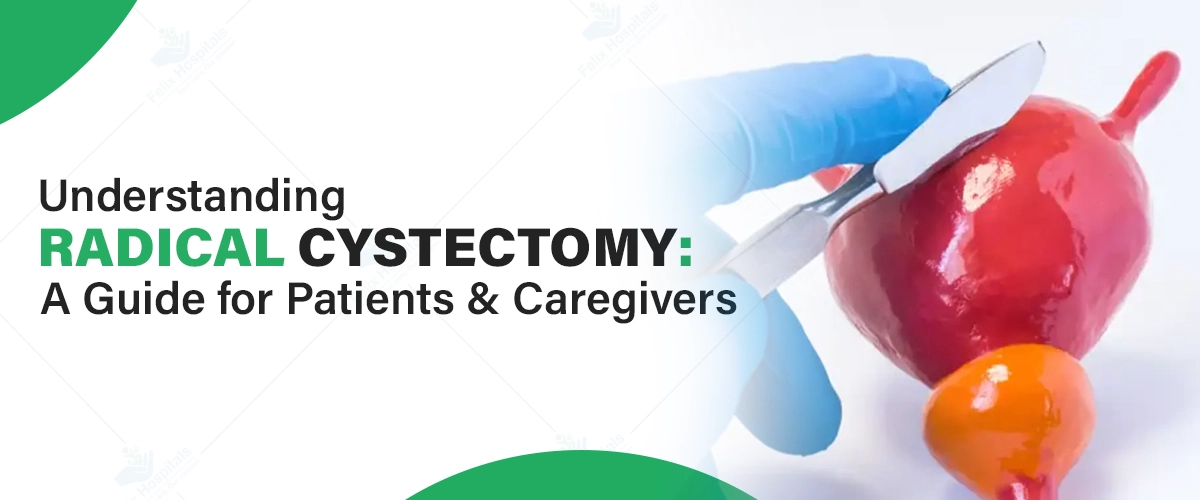
Radical cystectomy, a surgical procedure to remove the bladder, is a crucial treatment option for patients diagnosed with invasive bladder cancer or other severe bladder conditions. This procedure is most commonly performed to treat advanced bladder cancer, often when other treatments are not effective. If you are searching for the best radical cystectomy hospital, understanding the procedure, recovery, and lifestyle changes is essential to ensure the best outcomes for patients and caregivers alike.
Learn more about advanced surgical options like laparoscopic radical cystectomy. Contact us today at +91 9667064100 for personalized care.
Radical cystectomy is a surgical procedure that involves the complete removal of the bladder to treat advanced bladder cancer. Along with the bladder, nearby organs may also be removed depending on the patient’s gender.
This surgery is primarily used to treat:
Before undergoing radical cystectomy, a thorough preoperative assessment ensures the patient is well-prepared and any risks are minimized. This phase typically involves:
Making healthy lifestyle changes before surgery can significantly enhance recovery outcomes:
Preparing mentally for radical cystectomy is as important as the physical preparation.
Caregivers play an indispensable role in preparing patients for surgery. Their responsibilities include:
Radical cystectomy is a complex surgery, and understanding its process can ease anxiety.
The surgery typically lasts 4-6 hours, depending on the complexity and reconstruction needs.
After bladder removal, an alternative pathway for urine is created:
The recovery phase focuses on physical healing, adjusting to lifestyle changes, and emotional well-being.
Patients generally stay in the hospital for 7-10 days post-surgery, where pain is managed, and recovery is closely monitored.
Adapting to new body functions and dealing with body image changes can be overwhelming. Counseling and support groups can help ease this transition.
Living with a urostomy, neobladder, or continent reservoir requires adjustments in daily life.
Living with a Urostomy or Neobladder
Dietary Adjustments
Physical Activity
While radical cystectomy is generally safe, complications can arise. Knowing what to look for can help in timely management.
Short-Term Risks
Long-Term Concerns
Seek immediate medical attention if you experience:
Providing Practical Help
Emotional Support
Self-Care for Caregivers
Caregivers should also focus on their well-being:
At Felix Hospital, our team of highly skilled urologists specializes in radical cystectomy and bladder cancer care. Dr. Bhanwar Lal Barkesiya, a top expert in this field, provides exceptional treatment with personalized care plans tailored to each patient’s needs.
Patients can also benefit from joining bladder cancer support groups, where shared experiences provide comfort and guidance during the recovery journey. Felix Hospital offers cutting-edge facilities for laparoscopic radical cystectomy, ensuring precision and faster recovery at competitive costs.
Take the first step towards effective bladder cancer treatment today. Schedule a consultation with the expert urologists at Felix Hospital.
Understanding radical cystectomy is crucial for a smoother journey through treatment and recovery. With preparation, the right medical team, and a robust support system, patients and caregivers can navigate this life-changing procedure with resilience. Whether you are exploring options for surgery to remove the bladder or looking into the laparoscopic radical cystectomy cost, Felix Hospital’s comprehensive care ensures the best possible outcomes for patients and families.
Q1- What are the primary indications for radical cystectomy?
ANS: Radical cystectomy is primarily indicated for invasive bladder cancer that has not responded to other treatments. It may also be used for severe bladder conditions like interstitial cystitis or traumatic bladder injury.
Q2- What is the difference between a urostomy, neobladder, and continent urinary reservoir?
ANS: A urostomy diverts urine to an external pouch via a stoma. A neobladder is a reconstructed bladder using intestinal tissue, allowing natural urination. A continent urinary reservoir creates an internal pouch drained with a catheter.
Q3- How long does it take to recover after a radical cystectomy?
ANS: Full recovery typically takes 6-8 weeks, but most patients stay in the hospital for 7-10 days after surgery. Resuming normal activities depends on individual healing and the type of urinary reconstruction performed.
Q4- What are the risks associated with radical cystectomy?
ANS: Short-term risks include infection, blood clots, and wound healing issues. Long-term complications may involve urinary leaks, electrolyte imbalances, or blockages.
Q5- How do I care for a urostomy or neobladder after surgery?
ANS: Proper hygiene and stoma care are essential for a urostomy. For a neobladder, patients may need to learn techniques to void urine manually and manage hydration effectively. Regular follow-ups are critical for monitoring progress.
Q6- Why choose Felix Hospital for radical cystectomy?
ANS: Felix Hospital offers state-of-the-art facilities, expert urologists like Dr. Bhanwar Lal Barkesiya, and personalized care plans. The hospital also provides comprehensive support, including laparoscopic surgery options and bladder cancer support groups.

Gallbladder stone surgery, or cholecystectomy, is typically performed when gallstones lead to significant health issues.
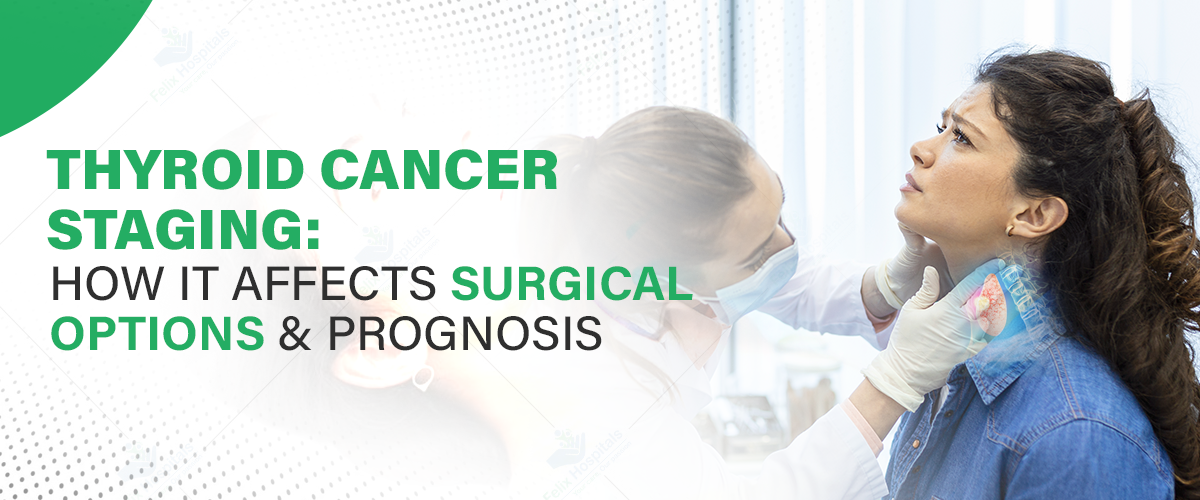
Thyroid cancer is a significant and growing concern worldwide. Its prevalence has been steadily rising, attributed to better diagnostic techniques and heightened awareness. Understanding thyroid cancer staging is essential for determining treatment pathways and predicting outcomes.
At the best cancer hospital in Noida, experts emphasize the importance of early diagnosis and personalized care to improve survival rates and enhance prognosis. By catching the disease in its early stages, patients have access to more effective and less invasive treatments, ultimately leading to better quality of life.
If someone is concerned about thyroid cancer or needs more information on diagnosis, staging, and treatment options, Call us today at +91 9667064100.
Cancer staging is the process of determining the extent of cancer spread in the body. It helps oncologists tailor treatment plans and predict outcomes.
The TNM staging system is commonly used for thyroid cancer:
T (Tumor): Refers to the size and extent of the primary tumor.
N (Node): Indicates whether cancer has spread to nearby lymph nodes.
M (Metastasis): Describes whether cancer has spread to distant organs.
Overview of Thyroid Cancer Stages:
Stage I and II: Early stages where cancer is localized within the thyroid gland.
Stage III: Cancer may have spread to nearby lymph nodes but is still relatively contained.
Stage IV: Advanced stages where cancer has spread to distant organs like the lungs or bones.
Several factors impact thyroid cancer staging, including:
Tumor size and location: Larger tumors or those invading nearby structures are often staged higher.
Lymph node involvement: The presence of cancer in nearby lymph nodes significantly affects staging.
Metastasis: Spread to distant organs worsens the prognosis and elevates the stage.
Type of thyroid cancer:
- Papillary and follicular cancers are often less aggressive.
- Medullary cancer has a distinct genetic profile.
- Anaplastic cancer is rare but highly aggressive.
Patient’s age and health: Younger patients generally have better outcomes, even with advanced-stage cancer.
The stage of thyroid cancer determines the surgical approach:
1. Stage I and II:
Procedures: Lobectomy (removal of one lobe) or total thyroidectomy (removal of the entire gland).
Focus: Preserving thyroid function when possible, especially in younger patients or those with small, localized tumors.
2. Stage III:
Procedure: Total thyroidectomy with potential lymph node dissection to remove cancerous nodes.
Precision: Advanced imaging and surgical techniques ensure complete removal of affected tissues.
3. Stage IV:
Procedures: Aggressive surgeries combined with radioactive iodine therapy or external radiation.
Innovations: Minimally invasive and robotic-assisted techniques minimize recovery time while ensuring thorough treatment.
Survival Rates and Outcomes:
- Early Stages (I and II): The prognosis is excellent, with survival rates exceeding 90%.
- Advanced Stages (III and IV): Challenges arise due to metastasis, but advancements in treatment are improving outcomes.
Long-Term Quality of Life:
- Early-stage patients often maintain a high quality of life post-surgery.
- Advanced stages may require lifelong monitoring and additional therapies.
At the best hospital for thyroid cancer treatment, comprehensive care plans ensure patients receive personalized attention and regular follow-ups to optimize outcomes.
The treatment of thyroid cancer has seen remarkable advancements:
Innovative Diagnostics: Advanced tools, such as molecular testing and imaging, ensure precise staging for tailored treatment plans.
Surgical Precision: Robotic-assisted and minimally invasive surgeries help reduce complications and improve recovery times.
Personalized Treatments: Genetic profiling allows for customized care, optimizing treatment outcomes and success rates.
Routine health check-ups play a critical role in detecting thyroid cancer early. A multidisciplinary team at the best endocrinology hospital in Noida collaborates to create effective treatment plans. From diagnosis to recovery, patients benefit from comprehensive care that includes:
Emotional and psychological support.
Post-surgical rehabilitation and follow-up care.
Nutritional guidance for optimal recovery.
Felix Hospital boasts a team of experienced oncologists and surgeons specializing in thyroid cancer care.
Our Experts:
Dr. Mukta Baxi: A renowned expert in thyroid cancer staging, diagnosis, and treatment, with a patient-focused approach that ensures accurate care planning and optimal outcomes.
Dr. Abhishek Shrivastava: A highly skilled surgeon specializing in advanced surgical techniques and personalized care strategies, committed to providing comprehensive and effective solutions for thyroid cancer patients.
With state-of-the-art facilities and a patient-centric approach, Felix Hospitals ensures optimal outcomes for thyroid cancer patients.
Our team of experienced oncologists is here to guide you through every step of your care, ensuring the best possible outcomes. Book your appointment by Clicking Here.
Thyroid cancer staging plays a pivotal role in shaping the treatment approach and determining the prognosis. Early-stage thyroid cancer offers a high survival rate and quality of life, with effective and less invasive treatments. Advanced stages, while more challenging, benefit from remarkable advancements in personalized care, surgical precision, and targeted therapies. Regular health check-ups and early diagnosis are crucial for timely intervention, improving long-term outcomes.
At Felix Hospitals, our team of specialists, led by renowned oncologists, ensures that each patient receives personalized treatment with the latest advancements in thyroid cancer care. If you suspect any symptoms or want a consultation, don’t hesitate to reach out. Early action can make a world of difference in your thyroid cancer journey.
1. What are the symptoms of thyroid cancer?
Ans: Early thyroid cancer may show no symptoms. As it advances, signs include a neck lump, difficulty swallowing, hoarseness, neck pain, and swollen lymph nodes. Unexplained weight loss and fatigue may also occur.
2. Can early-stage thyroid cancer be treated without surgery?
Ans: While surgery is the main treatment, very small, well-defined tumors may be monitored with active surveillance or hormone therapy in rare cases. Surgery is generally preferred for long-term control.
3. How is the stage of thyroid cancer determined?
Ans: The stage is assessed using ultrasound, FNA biopsy, CT, MRI, and blood tests, following the TNM system for tumor size, lymph node involvement, and metastasis.
4. Does thyroid cancer staging affect survival rates significantly?
Ans: Yes, early-stage thyroid cancer has a high survival rate, while advanced stages, especially with metastasis, have lower survival rates. However, treatment can still be effective.
5. What are the risks associated with thyroid cancer surgery?
Ans: Risks include bleeding, infection, damage to parathyroid glands, vocal cord nerve injury, hypothyroidism, and the need for lifelong hormone therapy.
Prostate cancer is a type of cancer that occurs in the prostate gland, a small walnut-shaped gland responsible for producing seminal fluid, which nourishes and transports sperm.

Atezolizumab Injection is an immunotherapy drug used in treating various cancers. Learn about its price, side effects, dosage, and benefits in advanced cancer care.

Bladder cancer is a significant health condition requiring a comprehensive treatment approach, including surgery, chemotherapy, radiation, or a combination of these. Alongside these medical interventions, nutrition plays a vital role in supporting treatment and enhancing recovery. An optimal diet can help manage side effects, maintain energy levels, and improve overall well-being. For those seeking comprehensive care, the best hospital for bladder cancer treatment provides multidisciplinary support, including expert dietary guidance. Let’s explore the role of nutrition in bladder cancer treatment and identify the foods to eat and avoid for the best outcomes.
Start Your Journey to Recovery Now! Book Your Consultation today for bladder cancer treatment by Calling +91 9667064100.
Proper nutrition can significantly impact the journey of a bladder cancer patient. Here's how:
Personalized dietary advice is critical for managing individual health conditions, especially during bladder cancer treatment. At Felix Hospital, expert guidance is provided by:
If you’re undergoing bladder cancer treatment, it’s crucial to get the right dietary advice. Contact Felix Hospital today to schedule a consultation by Clicking Here.
Nutrition plays a pivotal role in bladder cancer treatment, supporting recovery, managing side effects, and enhancing overall well-being. A bladder cancer diet is rich in antioxidants, proteins, whole grains, and healthy fats, while avoiding processed and irritating foods, can make a significant difference. Partnering with healthcare providers, including dietitians and urologists, ensures an optimal and personalized approach to care. For those navigating bladder cancer, working with the right team can help achieve the best possible outcomes.
Q- How can a balanced diet help during bladder cancer treatment?
Ans- A balanced diet helps manage side effects like nausea and fatigue, boosts immune function, and promotes healing after surgery or chemotherapy.
Q- What foods should I focus on during bladder cancer treatment?
Ans- Antioxidant-rich foods like berries, lean proteins, whole grains, healthy fats, and hydrating foods such as cucumbers and watermelon are recommended.
Q- Can I eat spicy foods after bladder cancer surgery?
Ans- It’s best to avoid spicy foods as they can irritate the bladder and digestive system, potentially worsening symptoms or discomfort.
Q- Are there any foods that can worsen bladder cancer symptoms?
Ans- Processed foods, red and processed meats, alcohol, caffeine, and high-salt foods should be avoided as they can exacerbate inflammation and strain the kidneys.
Q- Why is hydration important during bladder cancer treatment?
Ans- Staying hydrated helps maintain kidney function, reduce side effects like dry mouth, and support overall health during treatment.
Q- How can I manage nausea caused by chemotherapy with food?
Ans- Eating smaller, frequent meals and sipping ginger tea or consuming high-calorie smoothies can help alleviate nausea and maintain energy.
Q- Should I avoid alcohol completely during bladder cancer treatment?
Ans- Yes, alcohol can irritate the bladder and interfere with treatment, so it’s best to avoid it during your recovery phase.
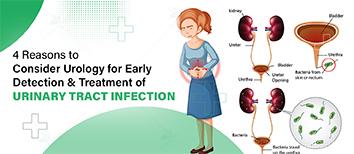
One of the best hospitals for urinary tract treatment in Noida offers comprehensive urology care, featuring expert urologists and advanced diagnostic and treatment facilities.
Our urology and oncology specialists bring extensive experience and expertise in treating various forms of urological cancer.
Explore the connection between diabetes, neurological disorders, and other health issues that contribute to OAB symptoms.
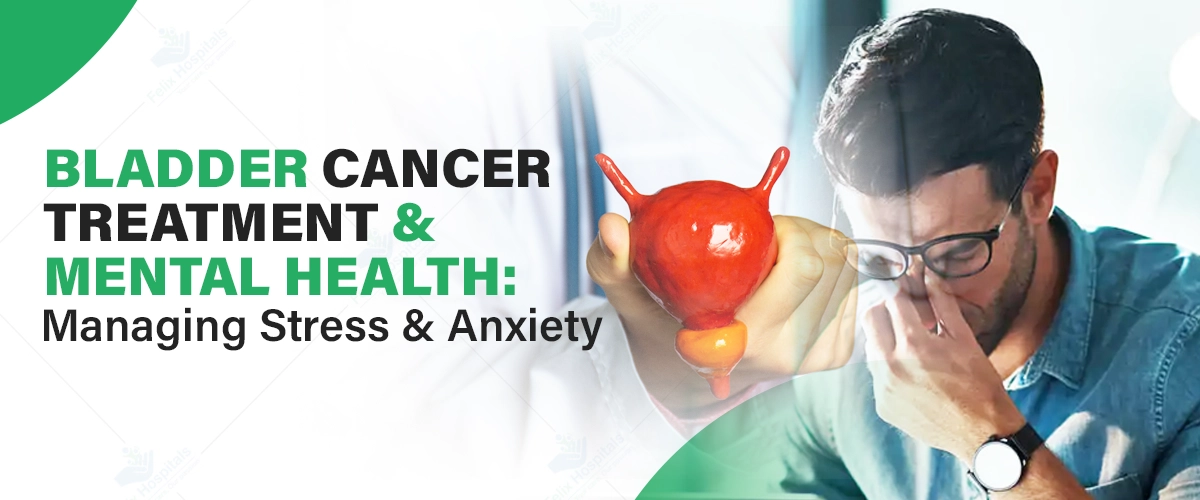
Bladder cancer, though treatable, can be a physically and emotionally challenging journey for patients. The stress and anxiety stemming from the diagnosis, treatment, and uncertainty about the future can significantly affect mental health. Addressing these emotional challenges alongside medical treatment is essential for overall well-being. Effective management of stress and anxiety can improve recovery and enhance treatment outcomes, especially when supported by the expertise of Bladder cancer treatment hospitals in Noida.
Contact us at +91 9667064100 to learn about affordable bladder cancer treatment costs in Noida for a holistic recovery journey.
Bladder cancer is a type of cancer that occurs when abnormal, malignant cells grow uncontrollably in the tissues of the bladder. The bladder is a hollow, muscular organ in the lower abdomen that stores urine before it is excreted from the body. Bladder cancer is one of the most common types of cancer, particularly in older adults, and it tends to be more prevalent in men than in women.
The development of bladder cancer can be influenced by several factors, including smoking, prolonged exposure to certain chemicals, chronic bladder infections, and a history of radiation therapy or chemotherapy. Early detection and prompt treatment are essential for managing the disease effectively, as untreated bladder cancer can spread to other parts of the body.
Blood in the urine (hematuria).
Frequent or painful urination.
Pelvic pain.
Surgery: Radical cystectomy or tumor removal.
Chemotherapy: Systemic or localized treatment.
Immunotherapy: Boosting the immune system to fight cancer.
Radiation Therapy: Targeted destruction of cancer cells.
Fear of cancer recurrence.
Coping with the physical side effects of treatment.
Concerns about body image post-surgery.
Emotional Stress:
The diagnosis and treatment process can evoke fear, uncertainty, and helplessness.
Physical Effects of Stress:
Stress and anxiety weaken the immune system, making recovery more challenging. Emotional distress can exacerbate physical symptoms, delay healing, and reduce the effectiveness of treatments.
Signs of Mental Health Struggles:
Insomnia or disturbed sleep.
Persistent irritability or mood swings.
Lack of appetite and energy.
Feelings of hopelessness or withdrawal.
Therapeutic Options:
Cognitive Behavioral Therapy (CBT): Helps patients manage negative thought patterns and develop healthier coping mechanisms.
Mindfulness Practices: Techniques like meditation and breathing exercises to stay grounded.
Support Groups: Connecting with others who share similar experiences can reduce feelings of isolation and provide emotional strength.
Professional Guidance: Severe cases of anxiety or depression may require consultation with a psychiatrist or counselor.
Healthy Lifestyle Choices:
A balanced diet rich in antioxidants, lean proteins, and whole grains supports energy levels and immune function.
Nutrition diet services can provide tailored advice to meet specific needs during recovery.
Physical Activity:
Gentle exercises like walking, yoga, or tai chi can improve both mental and physical health.
Stress Management:
Breathing exercises and progressive muscle relaxation.
Incorporating hobbies and activities that bring joy.
Adequate Sleep:
Maintain a consistent sleep schedule.
Avoid stimulants like caffeine before bedtime.
Caregiver Involvement:
Caregivers play a vital role in managing a patient’s stress by providing practical help and emotional support.
Open Communication:
Encourage patients to share their fears and feelings with loved ones.
Respite Care:
To avoid caregiver burnout, caregivers must take breaks and seek help when needed.
Creative Therapies:
Music and Art Therapy: Encourage emotional expression and relaxation.
Alternative Treatments:
Acupuncture and Massage Therapy: Reduce pain, nausea, and anxiety.
Journaling and Gratitude Practices:
Writing down thoughts and focusing on positive moments fosters emotional resilience.
At Felix Hospitals, patients have access to top-notch urological care under the guidance of Dr. Bhanwar Lal Barkesiya, a highly skilled and experienced urologist specializing in bladder cancer treatment.
Why Consult Felix Hospitals?
Advanced facilities for both medical and mental health care.
A comprehensive approach integrating physical and emotional well-being.
Expertise in addressing severe mental health concerns like persistent sadness, panic attacks, and suicidal thoughts.
If you are looking for the Best urologist in Noida, Felix Hospitals is the ideal choice for exceptional care.
Book your appointment with the best urologist in Noida, at Felix Hospitals today and experience world-class bladder cancer treatment.
Bladder cancer treatment can be daunting, but addressing mental health alongside physical health can significantly improve outcomes. Patients should seek support from family, caregivers, and professional counselors to manage stress and anxiety.
Felix Hospitals ensures a holistic approach to healing, combining advanced medical care with emotional and mental well-being support. With competitive Bladder cancer treatment costs in Noida, patients can access affordable and comprehensive care.
Remember, a proactive approach to mental health during bladder cancer treatment fosters resilience and enhances the journey toward recovery.
Get reliable and advanced urinary bladder stone surgery in Noida at Felix Hospital for pain-free treatment and better urinary health.
Q1- Can bladder cancer recur after treatment?
ANS: Yes, bladder cancer can recur, which is why regular follow-ups and periodic tests, such as cystoscopy and urine cytology, are essential even after successful treatment.
Q2- How does stress management benefit bladder cancer patients?
ANS: Managing stress can boost the immune system, improve the body’s response to treatment, reduce side effects, and enhance overall mental and physical well-being during recovery.
Q3- Are there specific dietary recommendations for bladder cancer patients?
ANS: A diet rich in fruits, vegetables, lean proteins, and whole grains is recommended. Foods high in antioxidants, such as berries and leafy greens, can support the immune system and aid in recovery.
Q4- What are the most common side effects of bladder cancer treatments?
ANS: Side effects may include fatigue, urinary changes, nausea, hair loss (from chemotherapy), and skin irritation (from radiation). Post-surgery patients may also experience changes in bladder function or body image concerns.
Q5- How can caregivers support bladder cancer patients emotionally?
ANS: Caregivers can provide emotional support by listening without judgment, encouraging open communication, and helping patients stay organized with appointments and medications. They should also encourage self-care for themselves to avoid burnout.
Q6- Are complementary therapies like acupuncture safe during bladder cancer treatment?
ANS: Complementary therapies such as acupuncture and massage therapy can help reduce symptoms like pain, nausea, and anxiety. However, it is essential to consult the oncologist before starting any alternative treatments.
Q7- What makes Felix Hospitals a preferred choice for bladder cancer treatment in Noida?
ANS: Felix Hospitals offers state-of-the-art facilities, experienced urologists like Dr. Bhanwar Lal Barkesiya, and integrated mental health support. Patients receive personalized care tailored to their physical and emotional needs at an affordable cost.
Gallbladder stone surgery, or cholecystectomy, is typically performed when gallstones lead to significant health issues.


Subscribe to our
© Copyright 2026. All Rights Reserved by Felix Healthcare Private Limited
Design and development by :


 +(91)9667064100
 Emergency : +(91)9667064100